When Loyalty Gets Loud
There’s something uniquely electric about a great diss track. It’s not just a song—it’s a declaration of war set to a beat. Fans don’t just listen. They debate, defend, dissect, and sometimes completely switch allegiances. These aren’t casual clapbacks. These are the records that split timelines, rewrote reputations, and forced entire fandoms to pick a side.
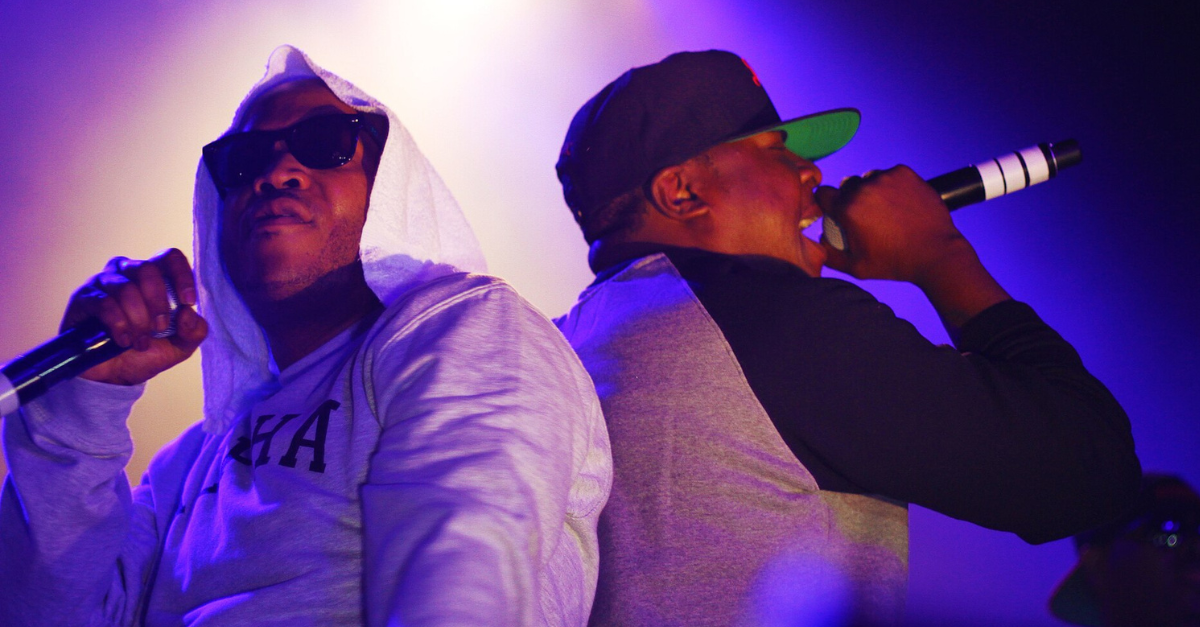
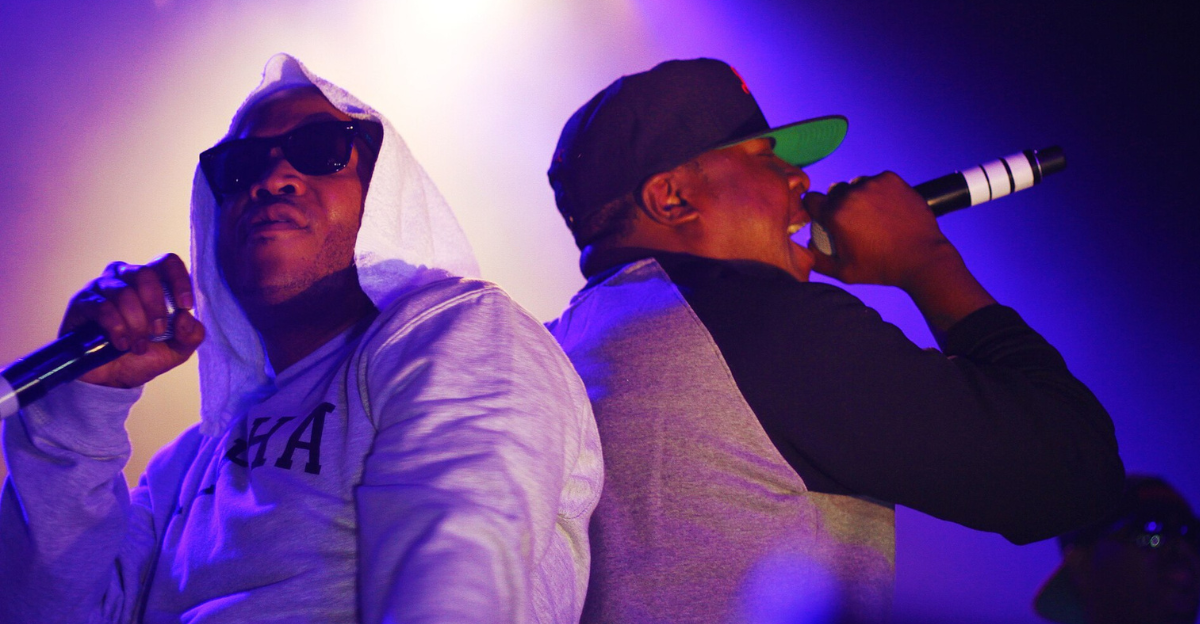 Eddy Rissling for The Come Up Show, Wikimedia Commons
300 Bars N Runnin’—The Game
When The Game decided to go at 50 Cent and G-Unit, he didn’t drop a quick jab. He delivered an avalanche. “300 Bars N Runnin’” feels less like a song and more like a lyrical endurance test, with Game unloading over multiple beats just to prove he could. Fans were glued to every second, watching a former ally torch the very crew that helped launch him. Lines were drawn fast—and loudly.
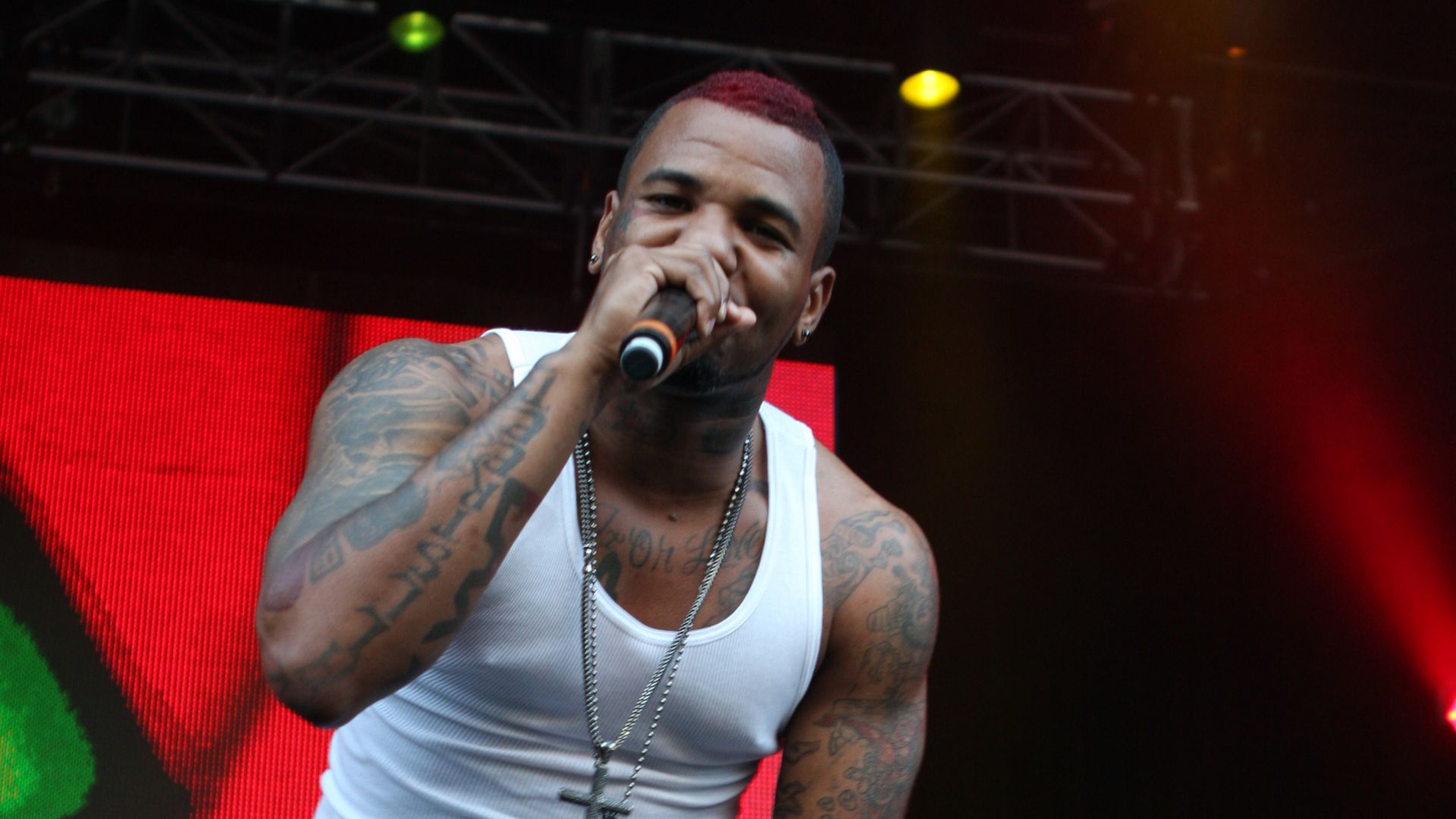 Eva Rinaldi, Wikimedia Commons
South Bronx—Boogie Down Productions
This wasn’t just a diss. It was a territorial claim. Boogie Down Productions’ attack on MC Shan ignited one of hip-hop’s earliest and most foundational rivalries over where the culture was born. Suddenly, geography mattered. Fans weren’t just supporting artists—they were defending boroughs.
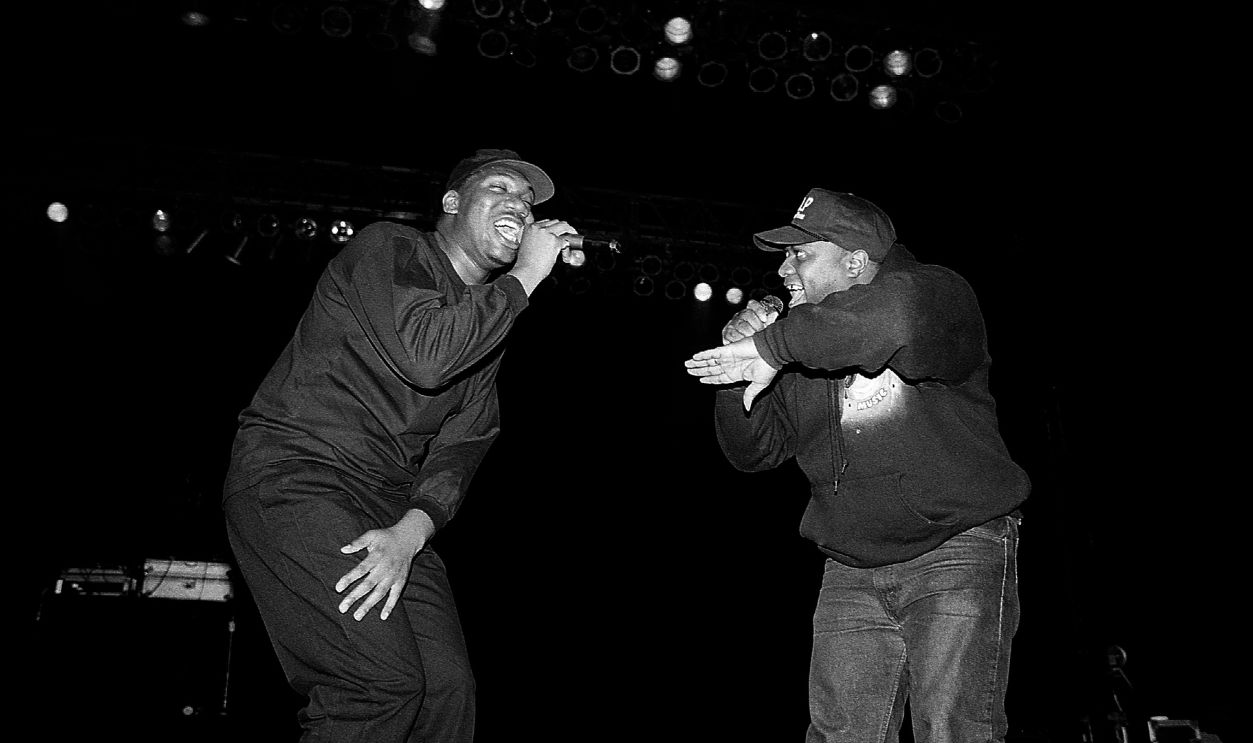
No Vaseline—Ice Cube
Ice Cube’s takedown of NWA was personal, furious, and unapologetically direct. There was no metaphor to decode. He meant every word. For fans who once saw them as a united force, this record felt like watching a family implode in real time.
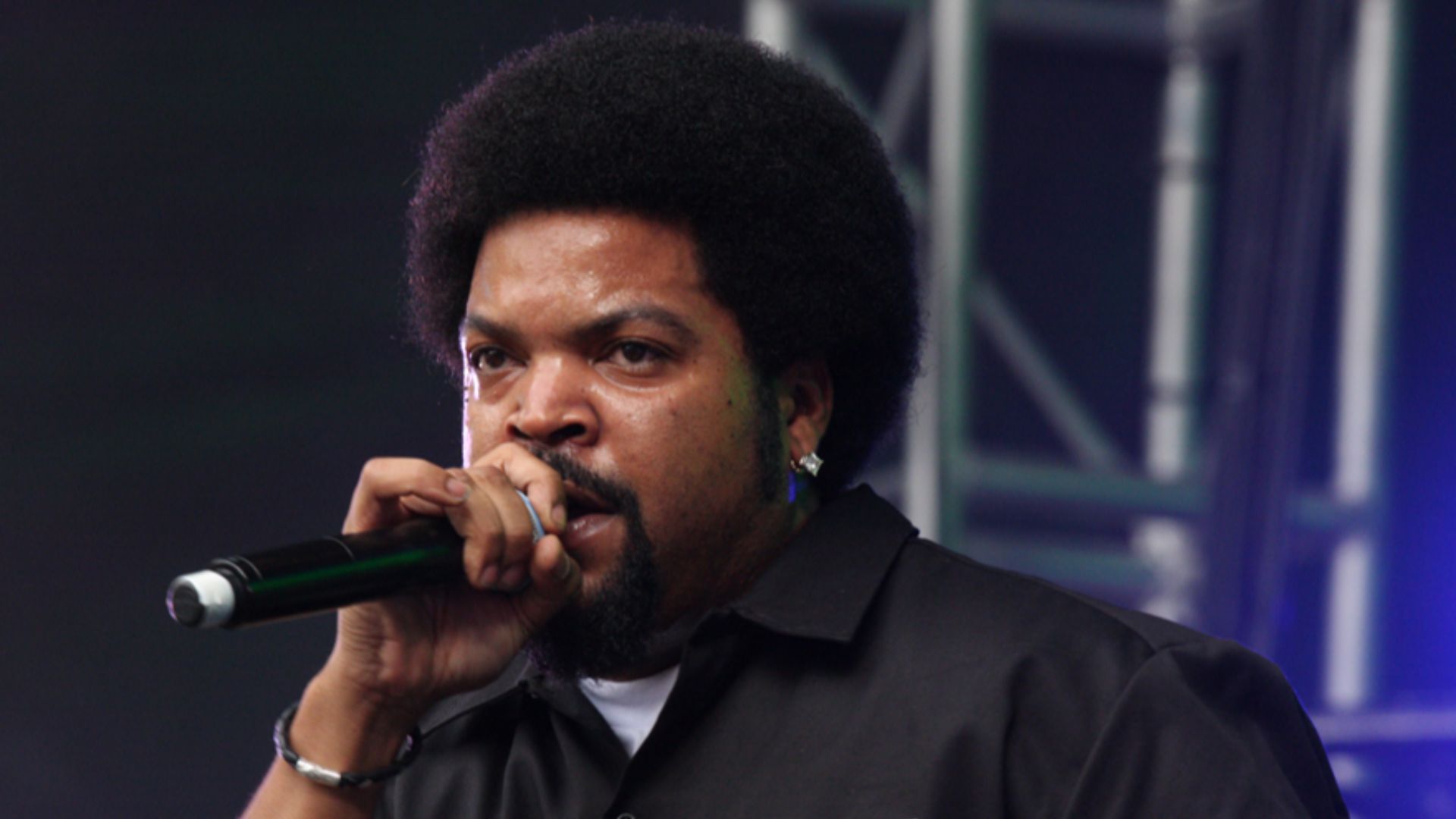 Eva Rinaldi, Wikimedia Commons
Dre Day—Dr. Dre
Dr. Dre didn’t just diss Eazy-E. He made it catchy. “Dre Day” wrapped mockery in West Coast polish, turning beef into a party anthem. Fans were torn between nostalgia for NWA and excitement for Dre’s new era. The shift in loyalty was swift.
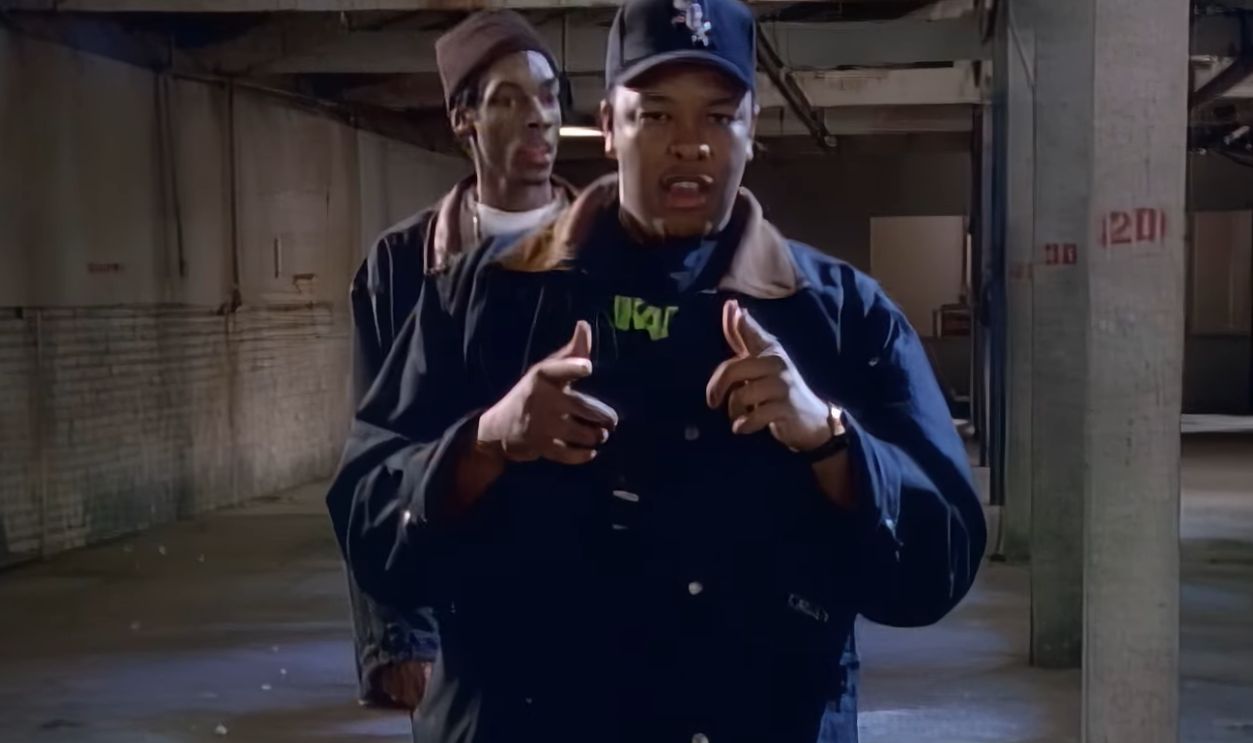 Screenshot from Dre Day, Interscope Records (1993)
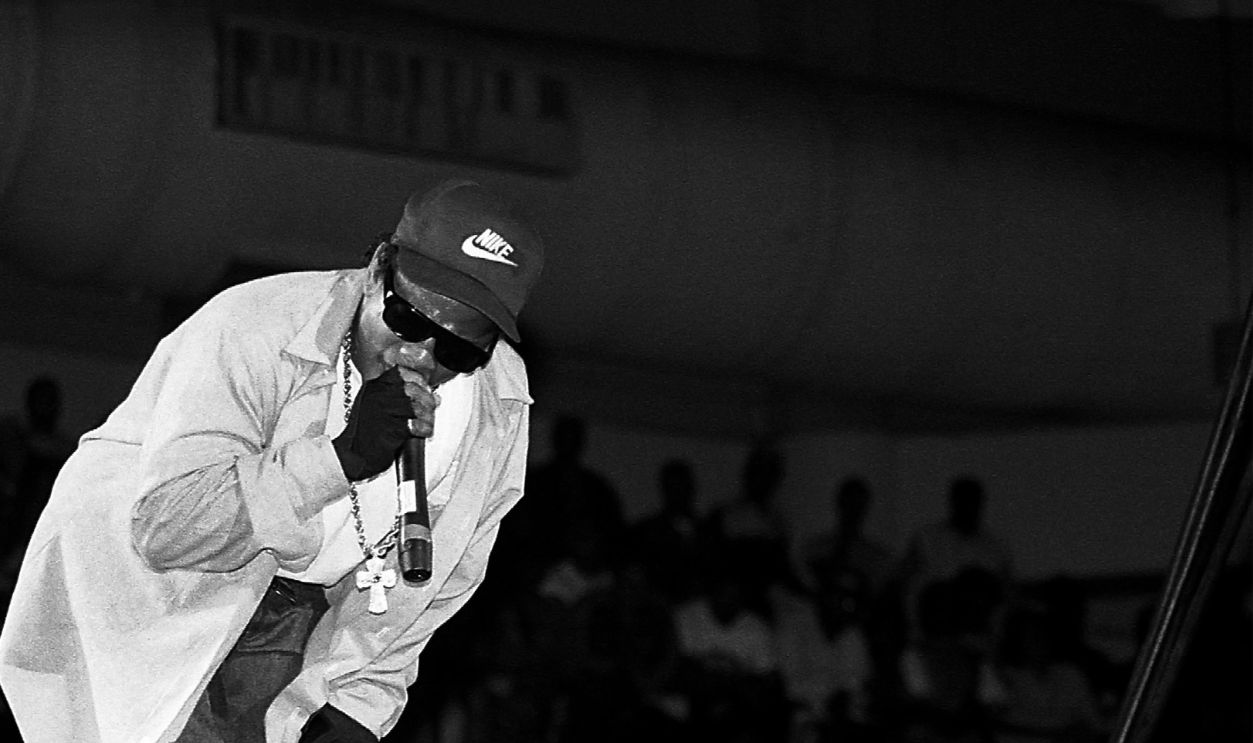
Real Muthaphuckkin G’s—Eazy-E
Eazy-E clapped back with surgical precision. He questioned authenticity and exposed vulnerabilities in a way that made fans rethink the entire narrative. For many listeners, this flipped the script overnight. Suddenly Dre wasn’t untouchable.
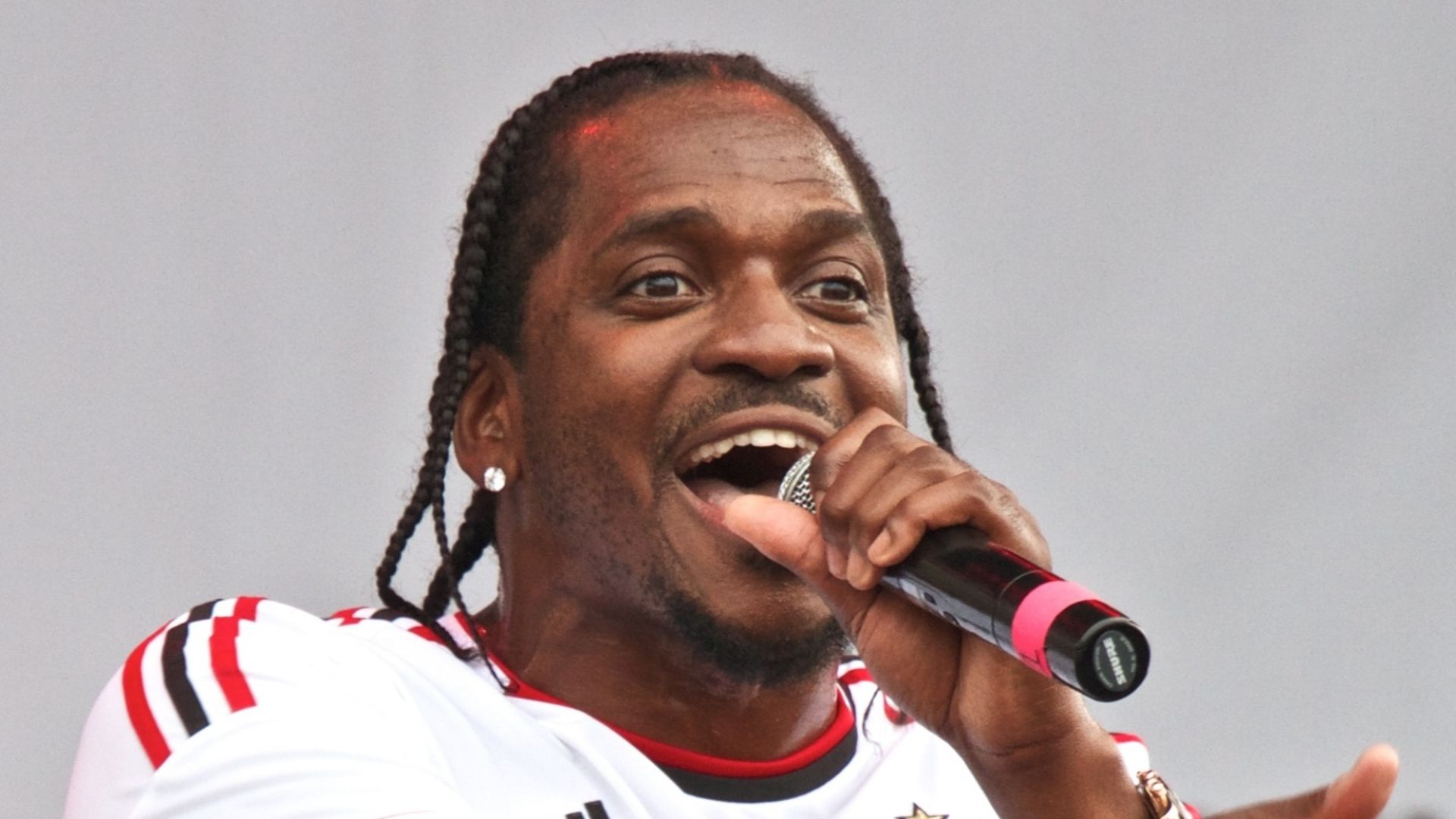
The Story of Adidon—Pusha T
Pusha T’s diss toward Drake didn’t just sting—it detonated. The reveal at the heart of the track instantly became headline material. Fans scrambled to process what they’d just heard. The conversation wasn’t about flow. It was about fallout.
 Simon Abrams, Wikimedia Commons
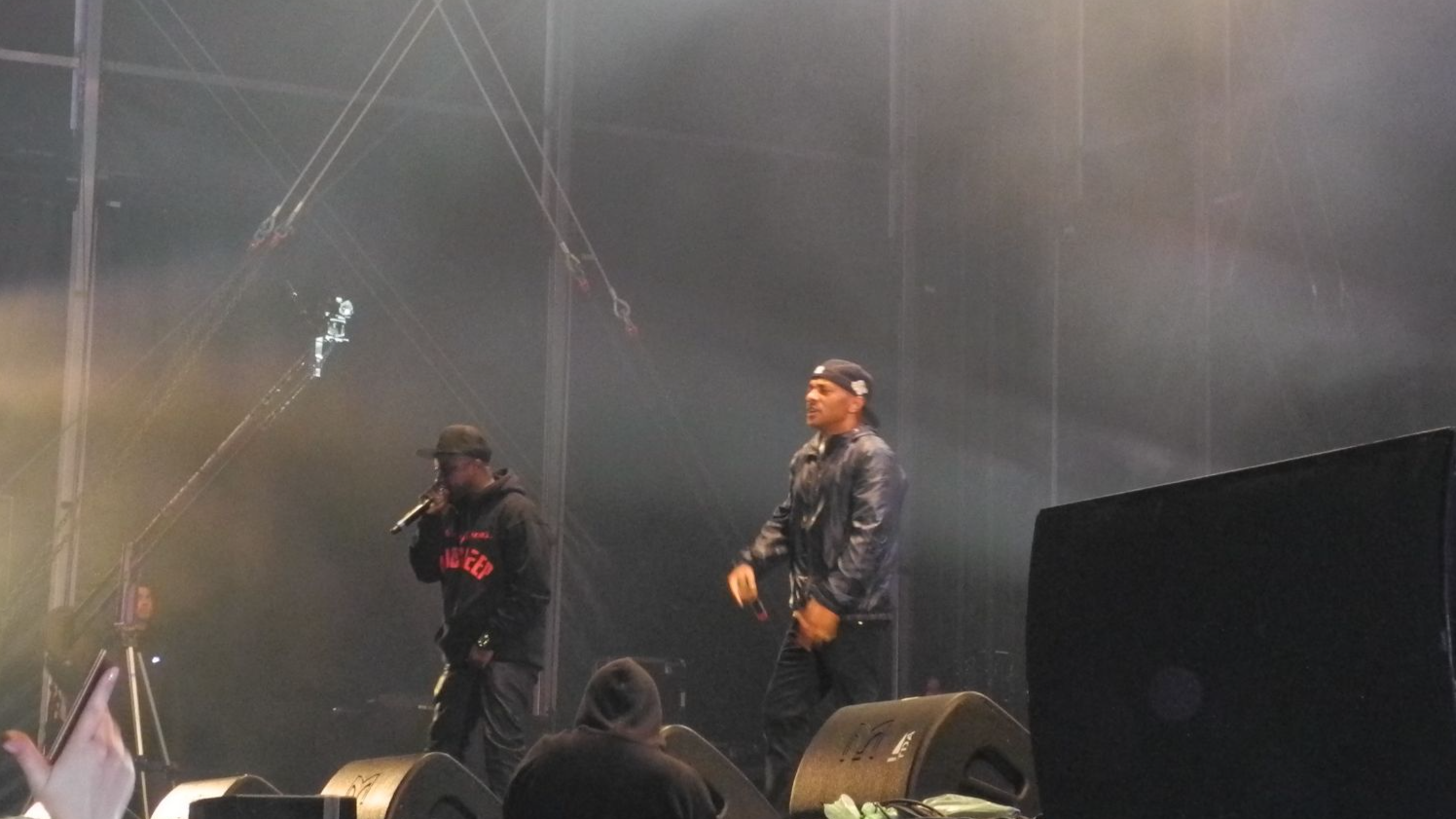
Drop a Gem on ’Em—Mobb Deep
Subtle but lethal, Mobb Deep’s response during the East-West rivalry era carried heavy implications. It wasn’t loud—but it was loaded. Fans dissected every bar, searching for hidden meaning. The tension was thick enough to feel through the speakers.
 Lipstar & Fred Production, Wikimedia Commons
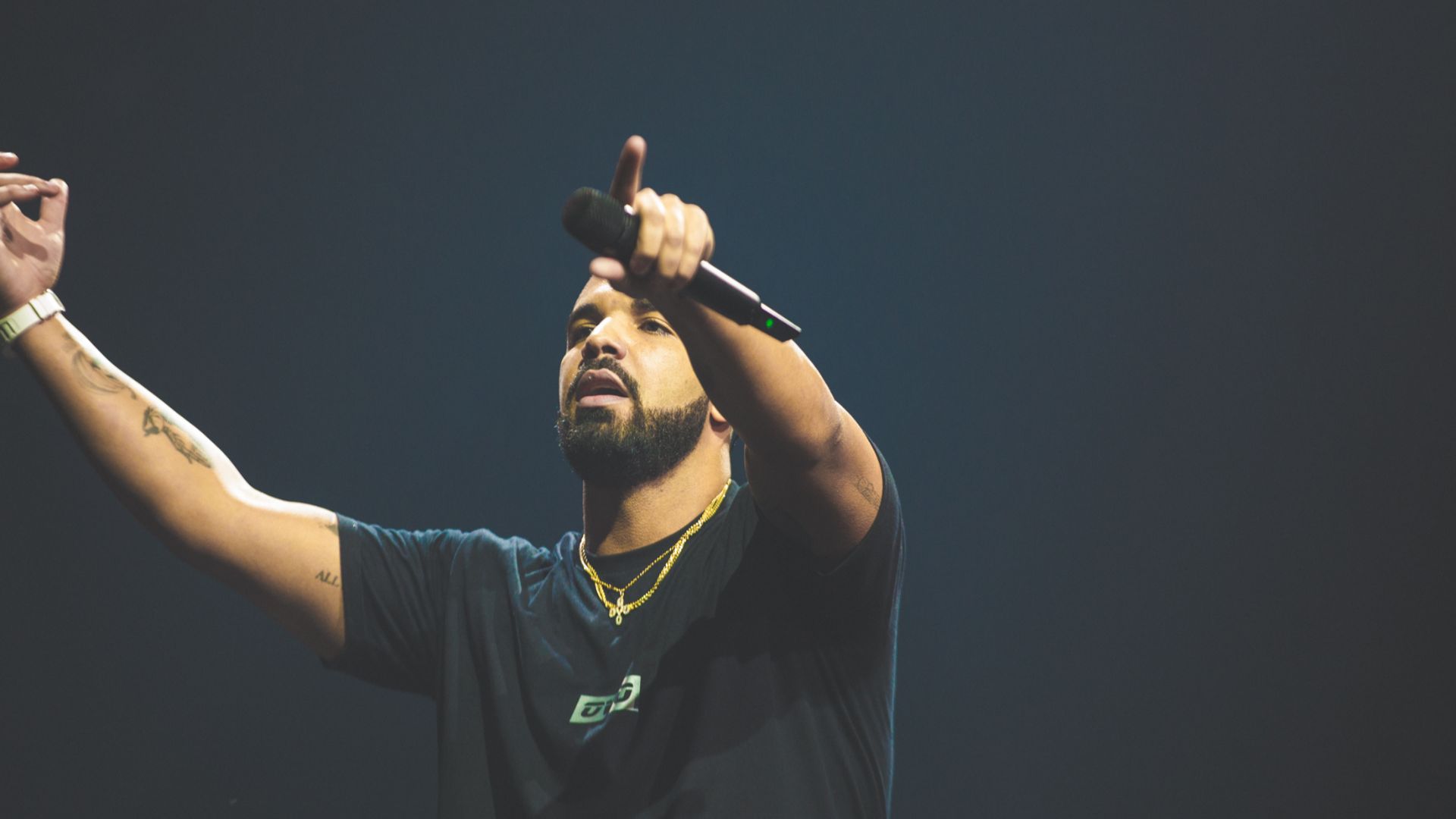
Back to Back—Drake
Drake’s Meek Mill diss proved that timing is everything. Dropping not one but two tracks in quick succession turned the beef into a spectacle. The record became unavoidable. Fans who once doubted Drake’s battle instincts suddenly had new respect.
 The Come Up Show, Wikimedia Commons
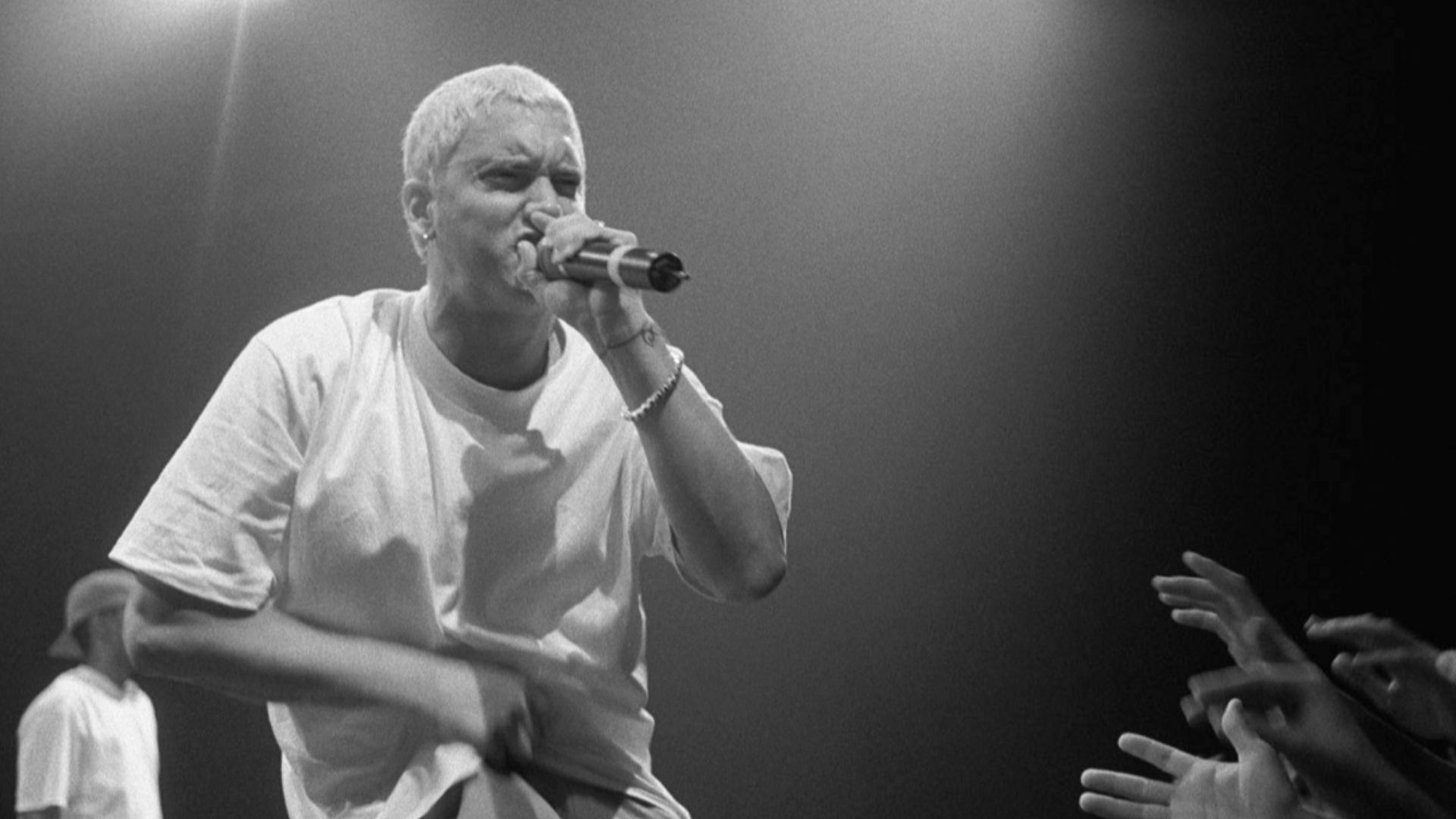
Killshot—Eminem
Eminem’s response to MG Kelly was sharp, technical, and delivered with trademark calm menace. It felt like a veteran reminding everyone why he’s dangerous. Listeners debated whether it was overkill or mastery—but they were definitely talking.
 Mika-photography, Wikimedia Commons
Takeover—Jay-Z
Jay-Z approached Nas with strategy rather than chaos. “Takeover” felt organized, almost corporate in its dismantling. For a brief moment, it looked like Jay had mathematically ended the debate. His fans were convinced it was checkmate.
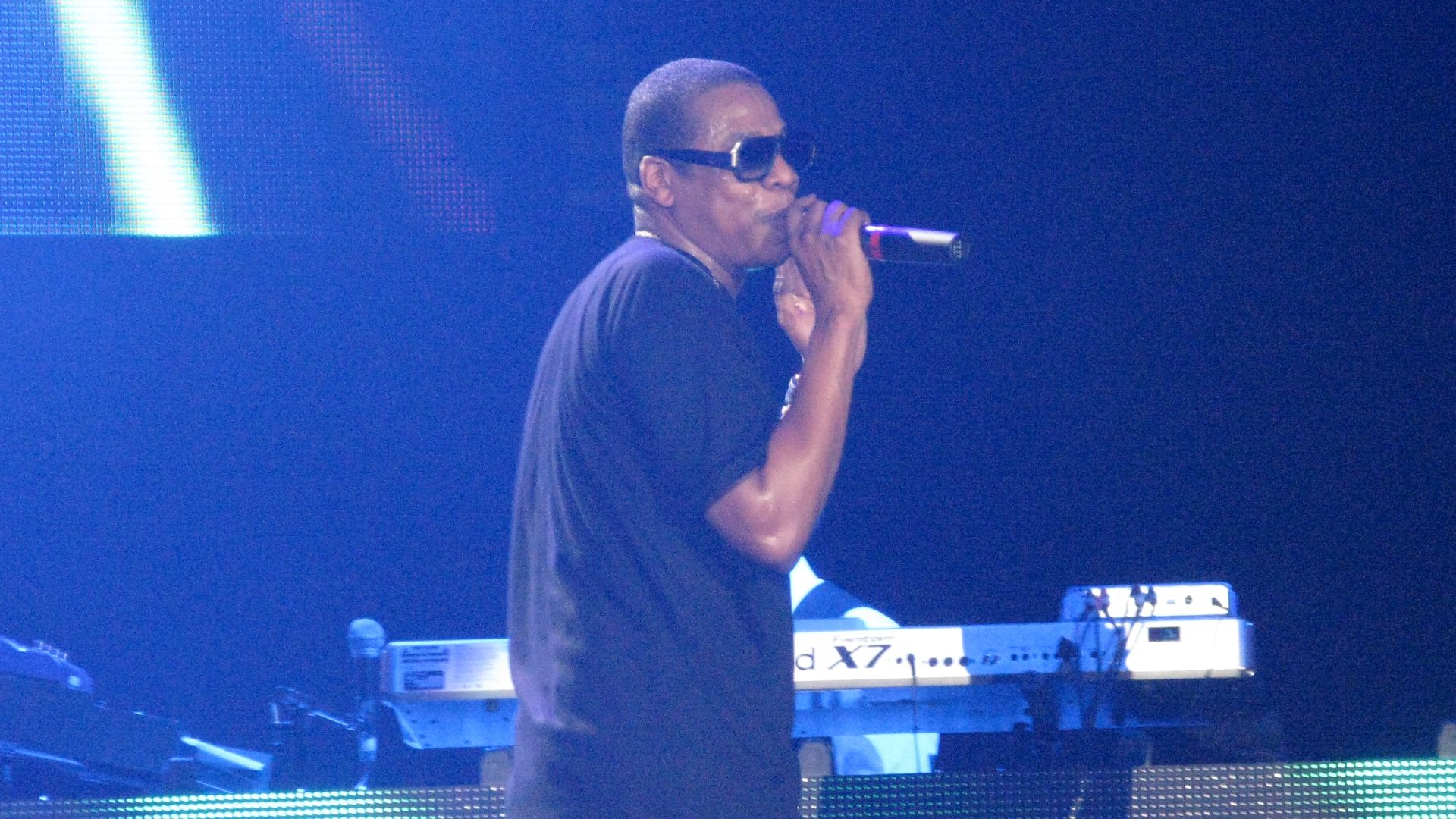 Mike Barry from Wirral, England, Wikimedia Commons
Ether—Nas
And then Nas responded. “Ether” didn’t just reply—it reshaped the battlefield. The term itself became shorthand for lyrical annihilation. Fans who leaned toward Jay suddenly hesitated. The energy shifted dramatically.
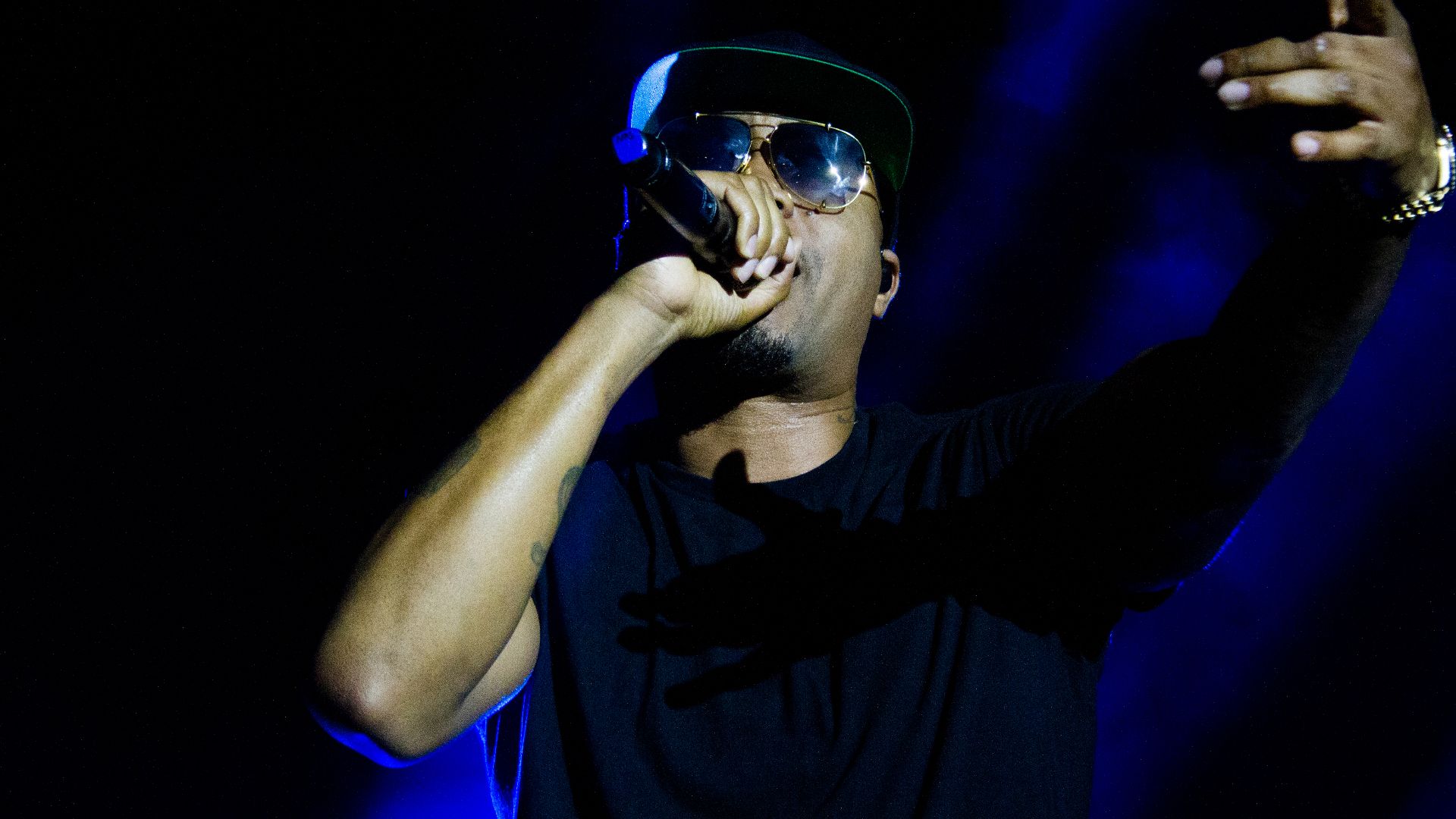 Max Goldberg, Wikimedia Commons
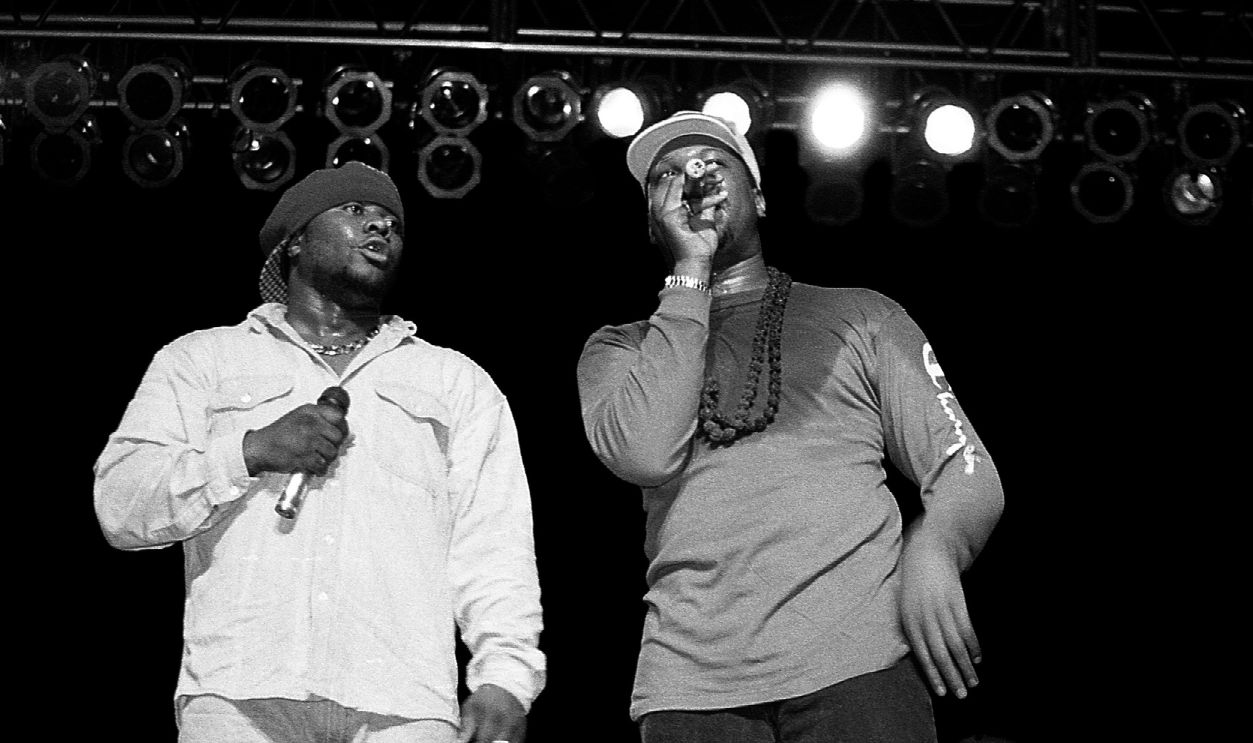
The Bridge Is Over—Boogie Down Productions
Another foundational battle record, this one doubled down on the Bronx vs. Queensbridge rivalry. The hook alone was enough to fuel block-by-block arguments. It wasn’t just competitive. It was cultural.
Not Like Us—Kendrick Lamar
Kendrick’s 2024 anthem against Drake became an instant phenomenon. It didn’t stay confined to rap circles—it spilled into mainstream pop culture. The chant-along hook turned a diss into a movement. Fans didn’t just stream it. They weaponized it.
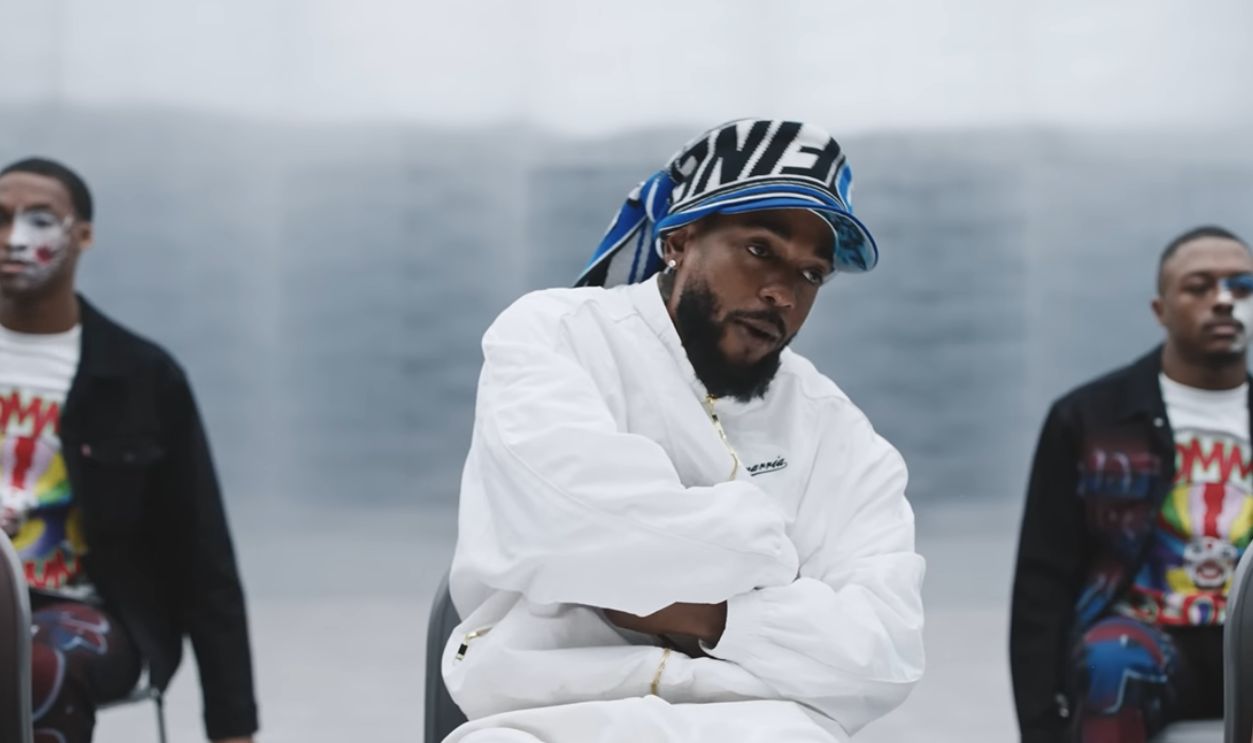 Screenshot from Not Like Us, Interscope Records (2024)
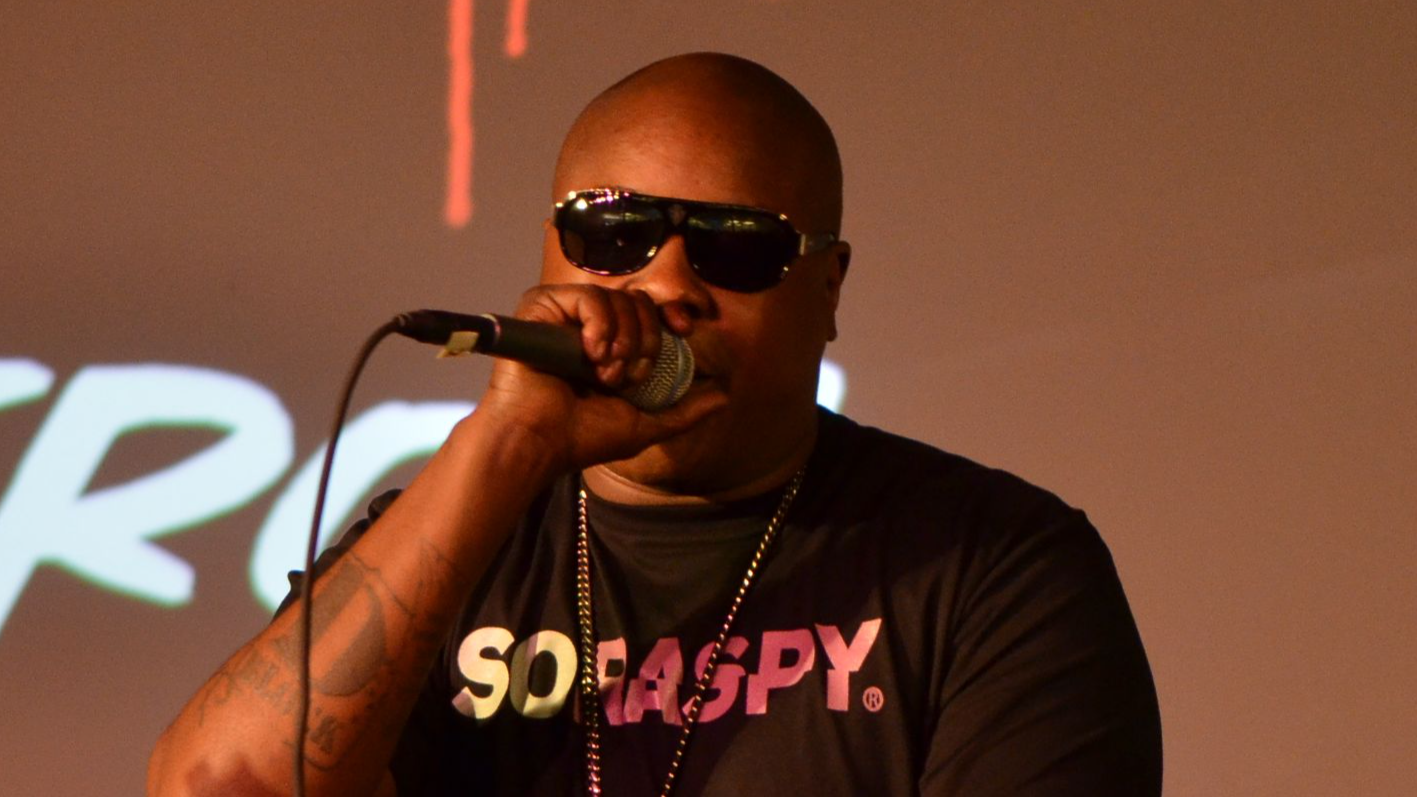
Checkmate—Jadakiss
Jadakiss took aim with gritty confidence, calling out 50 Cent and sparking one of the 2000s’ most heated lyrical exchanges. The back-and-forth had fans glued to every release, waiting for the next punch.
 dephisticate, Wikimedia Commons
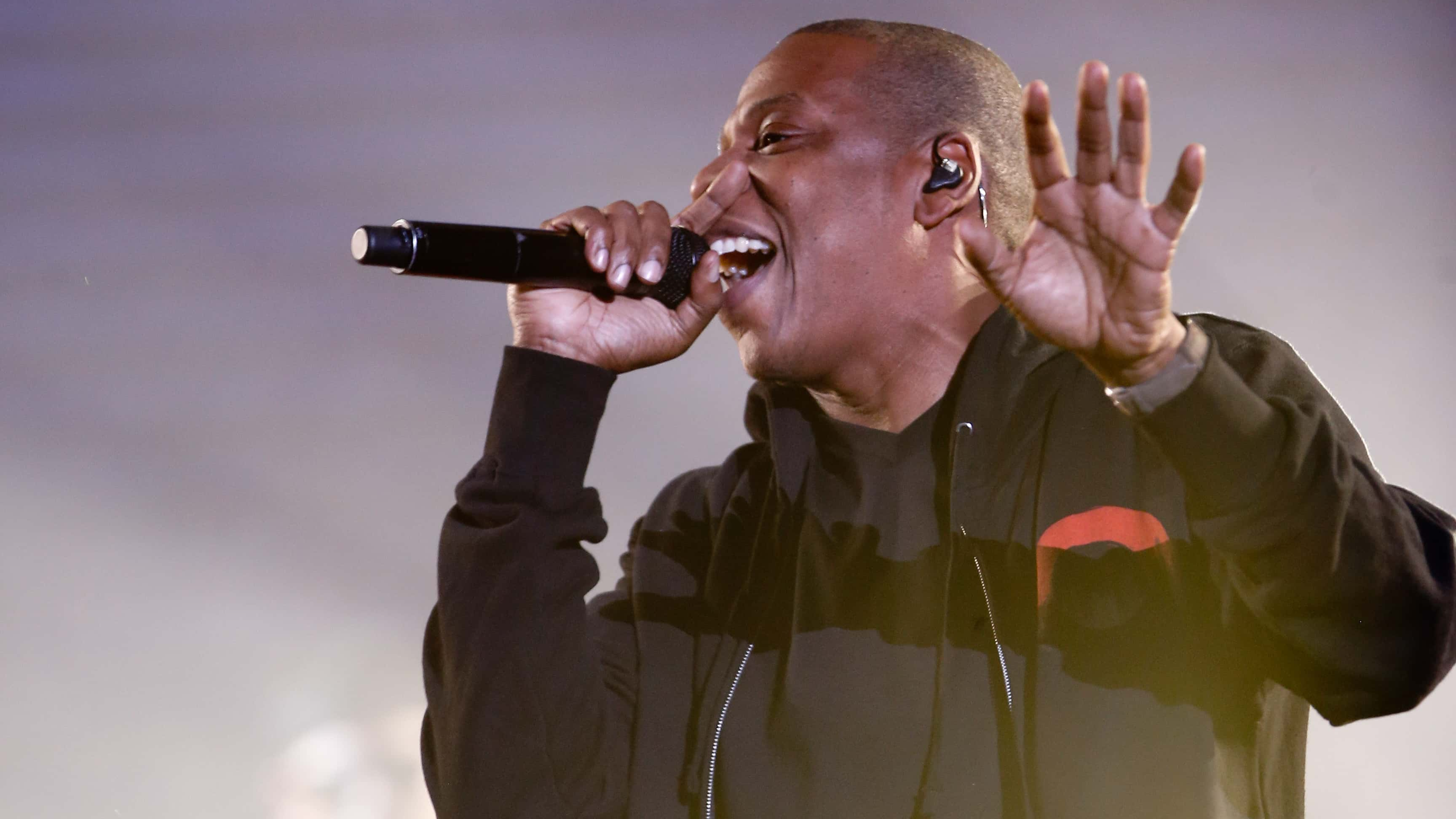
Blueprint 2—Jay-Z
Jay-Z revisited multiple rivals on this sprawling diss, addressing critics and competitors alike. It reinforced that he wasn’t backing down—and his fan base doubled down with him.
Hit ’Em Up—2Pac
There are diss tracks—and then there’s this. 2Pac’s attack on The Notorious BIG and Bad Boy was unfiltered, explosive, and unforgettable. It didn’t just divide fans. It deepened a coastal rivalry that already felt combustible.
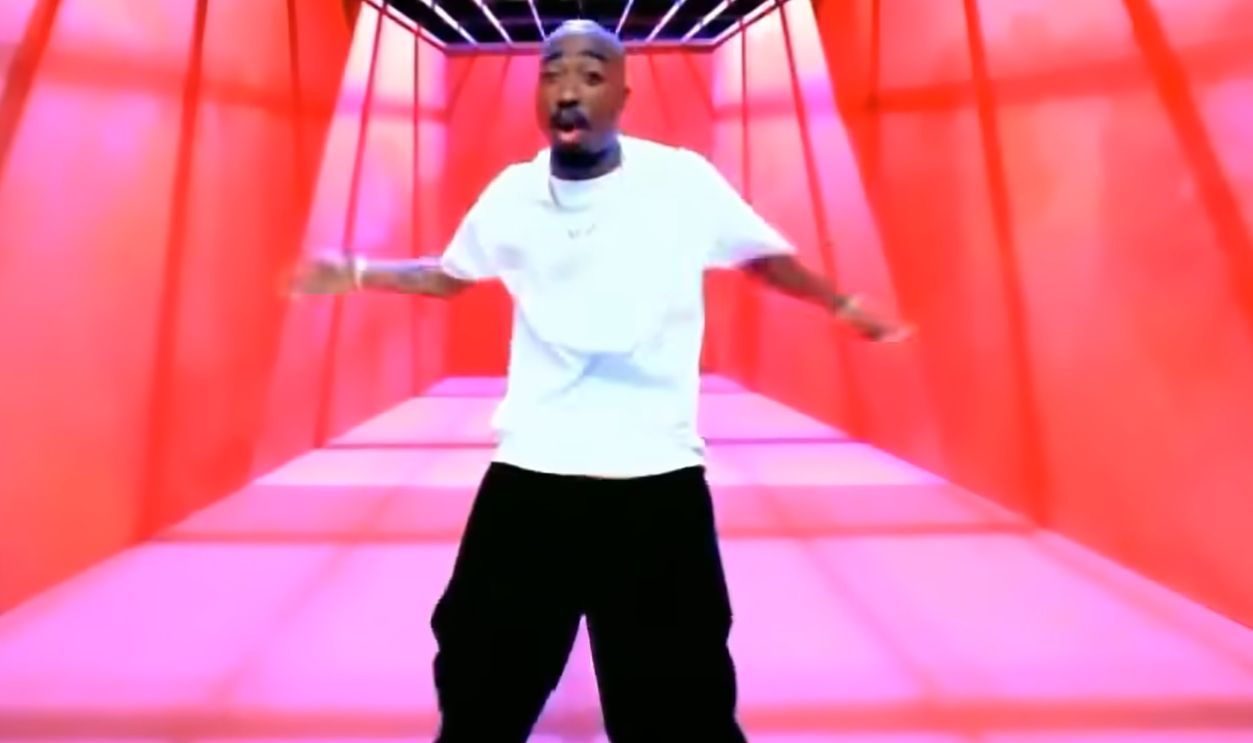 Screenshot from Hit ’Em Up, Interscope Records (1996)
The Warning—Eminem
When Eminem responded to Mariah Carey with “The Warning,” it felt both theatrical and vicious. The detail in his storytelling left listeners stunned.
Fans debated whether it crossed a line—but no one ignored it.
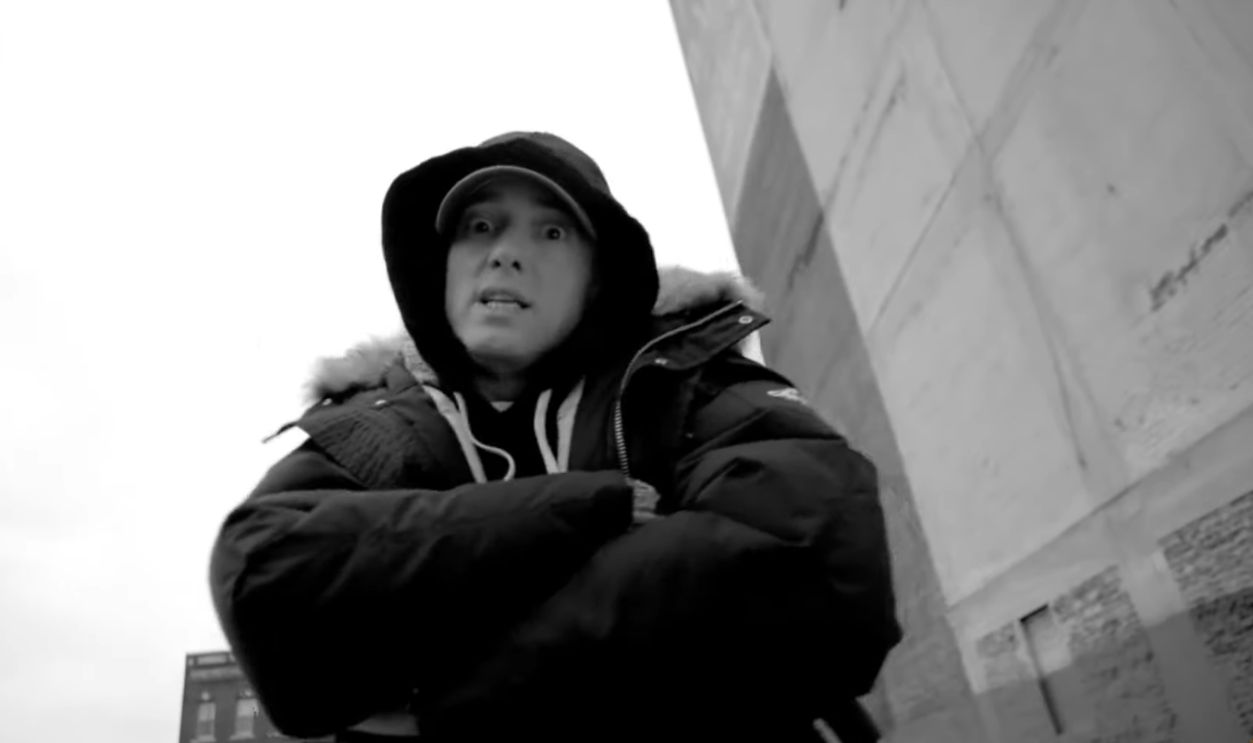 Screenshot from The Warning, Interscope Records (2009)
Against All Odds—2Pac
Another Pac entry, another reminder that he didn’t hold back. “Against All Odds” took aim at multiple rivals with fearless energy. The aggression felt raw and real, making fans question how deep these conflicts ran.
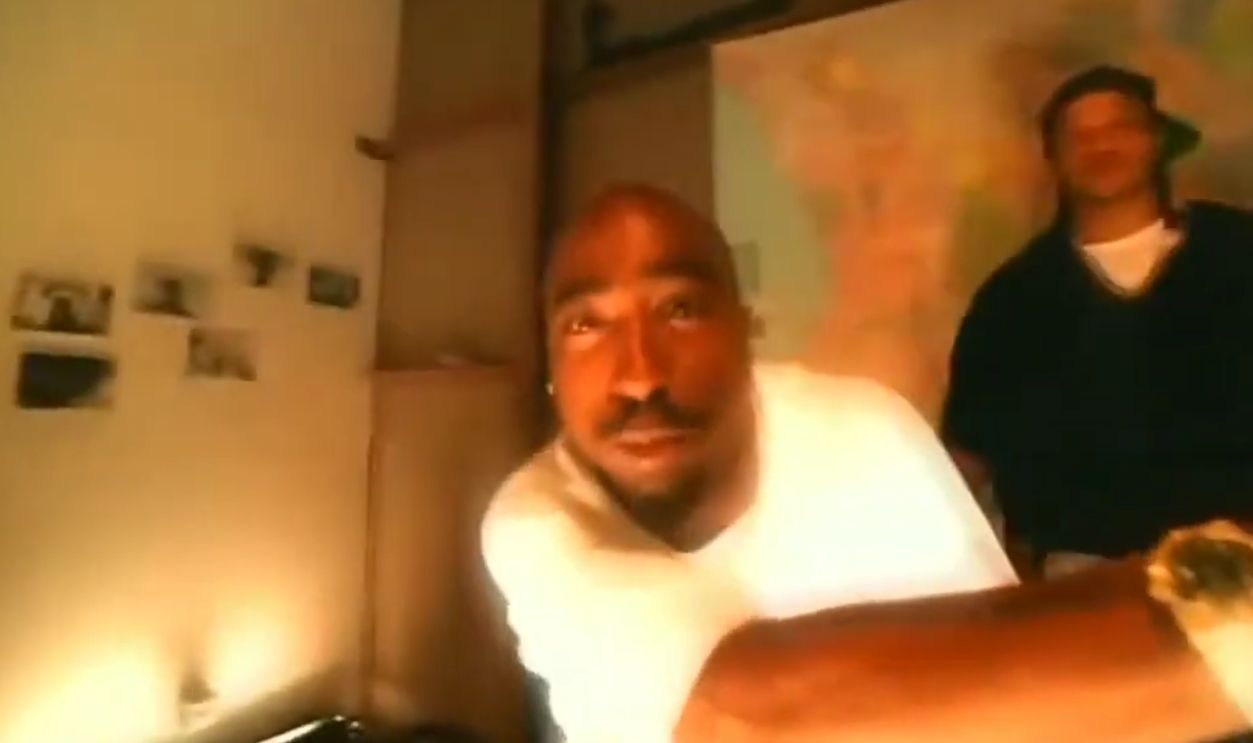 Screenshot from Against All Odds, Interscope Records (1996)
Roxanne’s Revenge—Roxanne Shanté
Before rap beef became blockbuster entertainment, a 14-year-old Roxanne Shanté grabbed the mic and changed the rules. “Roxanne’s Revenge” was a direct response to UTFO’s “Roxanne, Roxanne,” and it didn’t just clap back—it launched an entire wave of answer records. What followed was the infamous Roxanne Wars, where dozens of artists jumped in, each staking their claim in the chaos.
 Screenshot from Roxanne’s Revenge, Pop Art Records (1984)
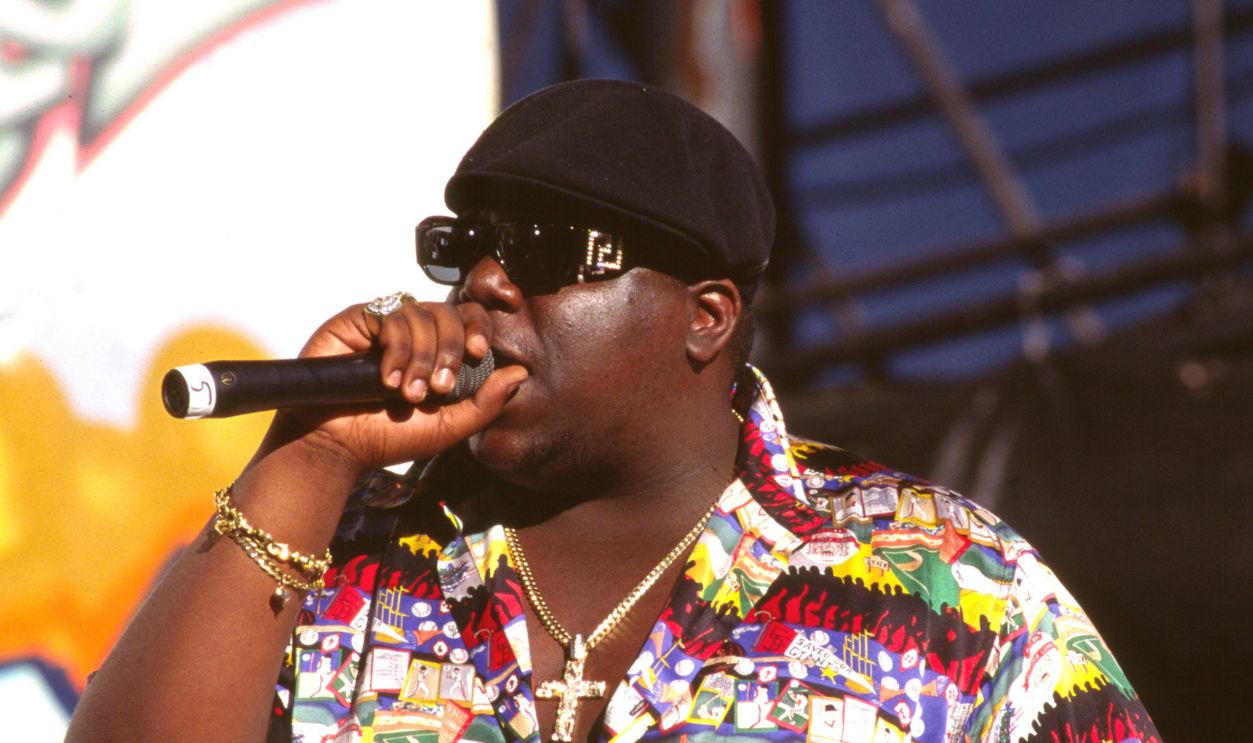
Who Shot Ya?—The Notorious B.I.G.
Technically not labeled as a diss, but timing is everything. Released during the rising tension between Biggie and 2Pac, “Who Shot Ya?” felt like gasoline near an open flame. Listeners dissected every bar, debating intent and implication. Whether it was meant as a direct shot or not almost didn’t matter—the damage was done in the court of public opinion. Fandoms hardened overnight, and the East Coast vs. West Coast narrative only grew more volatile from there.
You May Also Like:
Post-Grunge Songs That Were Actually Good
Source: 1