When Church Music Started Sneaking Into The Jukebox
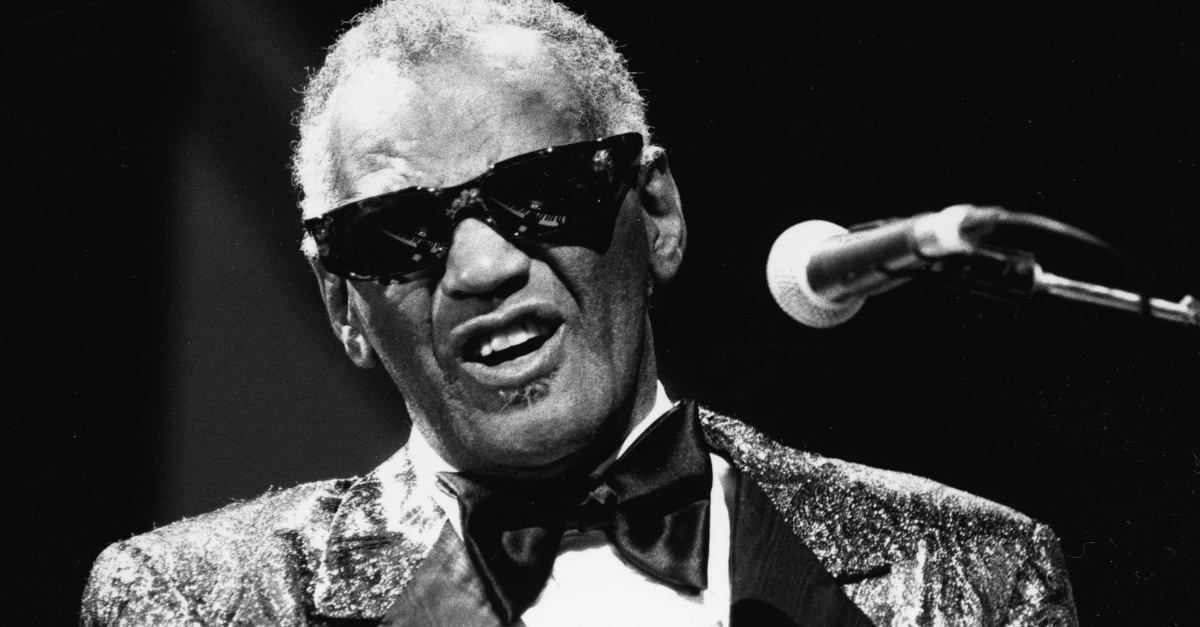
Ray Charles didn’t politely “blend genres.” He kicked the door down and dragged gospel feeling straight into pop, R&B, and soul like, “Yeah, this belongs here now”. It made his music feel electric—big emotions, big grooves, no apologies. But while the world was calling him a genius, he was fighting a private battle that could’ve taken it all away.
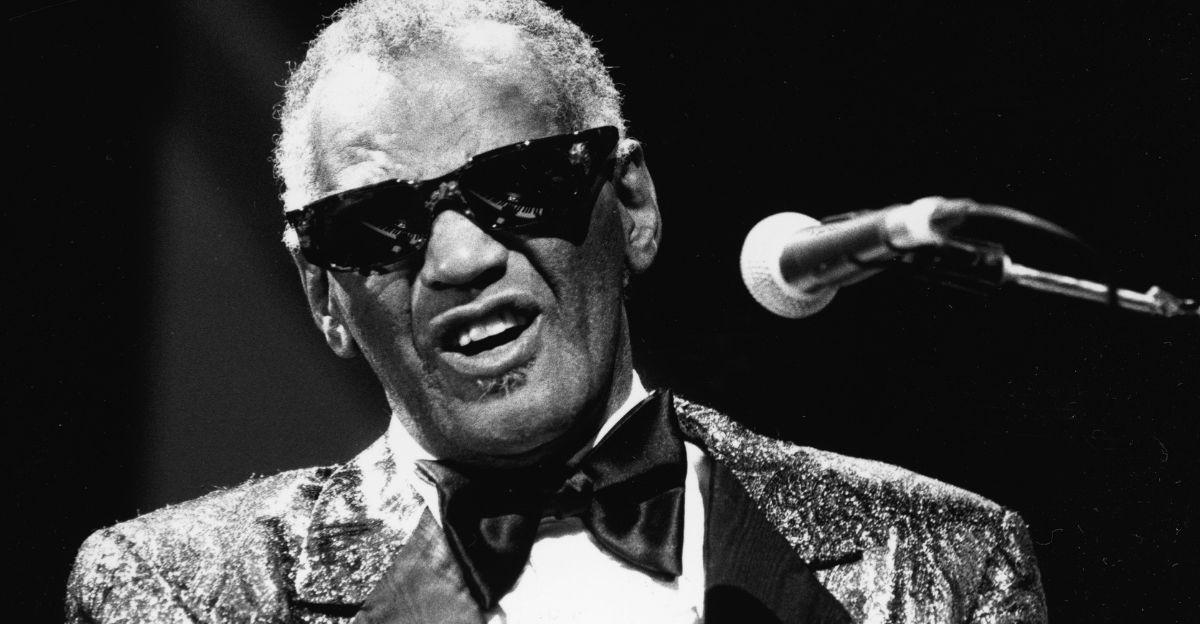
A Childhood That Didn’t Go Easy On Him
Ray Charles Robinson was born in Georgia in 1930, and life hit hard early. He lost his sight as a child, and he also experienced the trauma of seeing his younger brother drown. That kind of pain doesn’t just vanish—so for Ray, music became the place where he could carry it without breaking.
 Atlantacitizen at English Wikipedia, Wikimedia Commons
Learning Music The Hard Way
After losing his vision, Ray learned to read and write music in Braille, which is honestly next-level determination. He picked up multiple instruments and built the kind of musical foundation that lets you do whatever you want later. And that’s exactly what he did—because once Ray had the tools, he stopped following rules.
 Basilio Briceño, Wikimedia Commons
Leaving Home Like A Movie Scene
As a teenager, Ray left Florida with basically nothing except talent and nerve. He ended up in Seattle, taking gigs, soaking up jazz and blues, and building his chops night after night. These weren’t the glamorous years—but they were the years that made him.
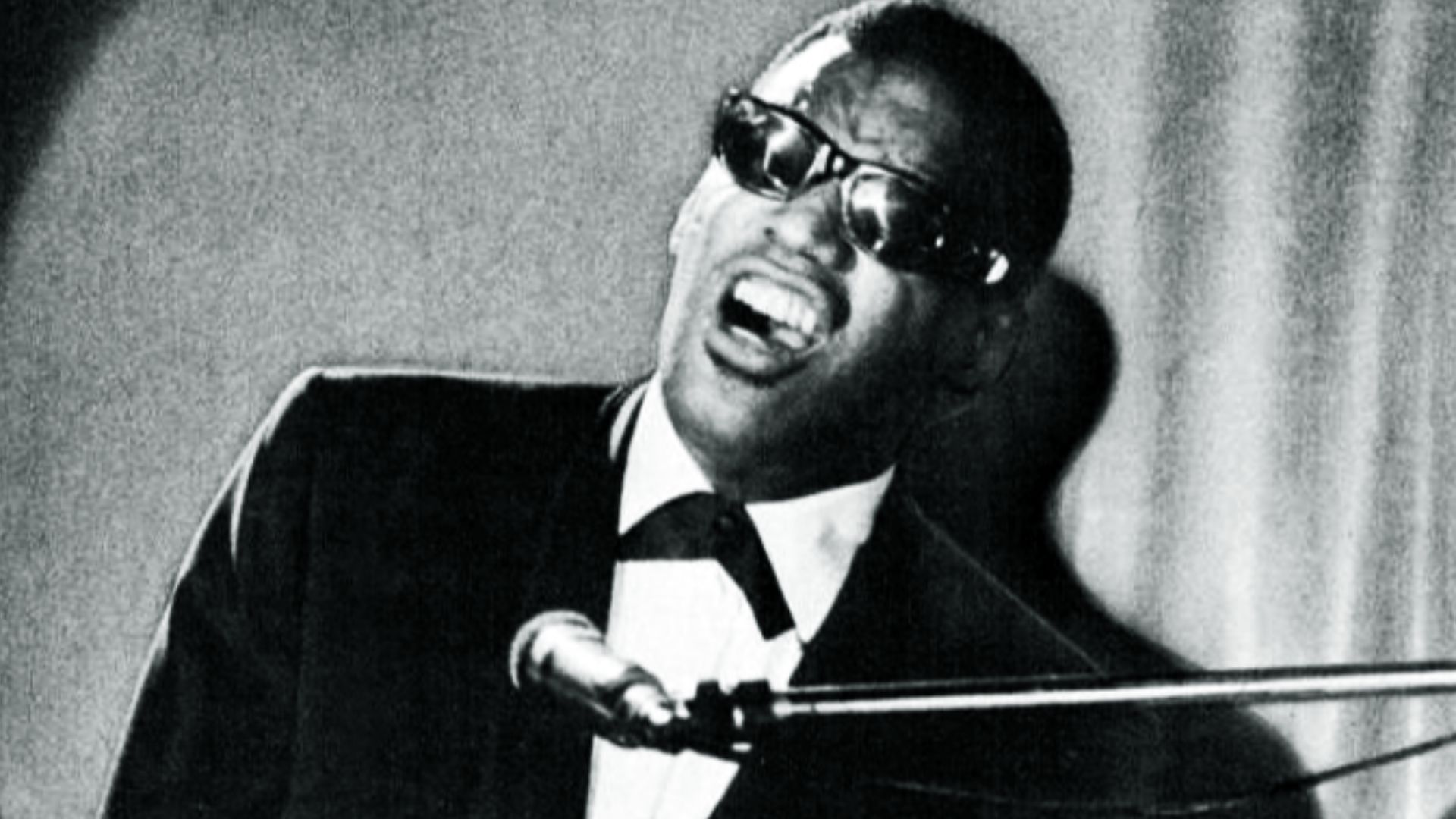 ABC Records, Wikimedia Commons
The Moment He Stopped Copying And Started Being Ray
A lot of artists start out sounding like their heroes, and Ray was no different. But once he found his own voice, everything changed fast. He started pulling gospel-style call-and-response and church energy into music that was absolutely not church—and people couldn’t look away.
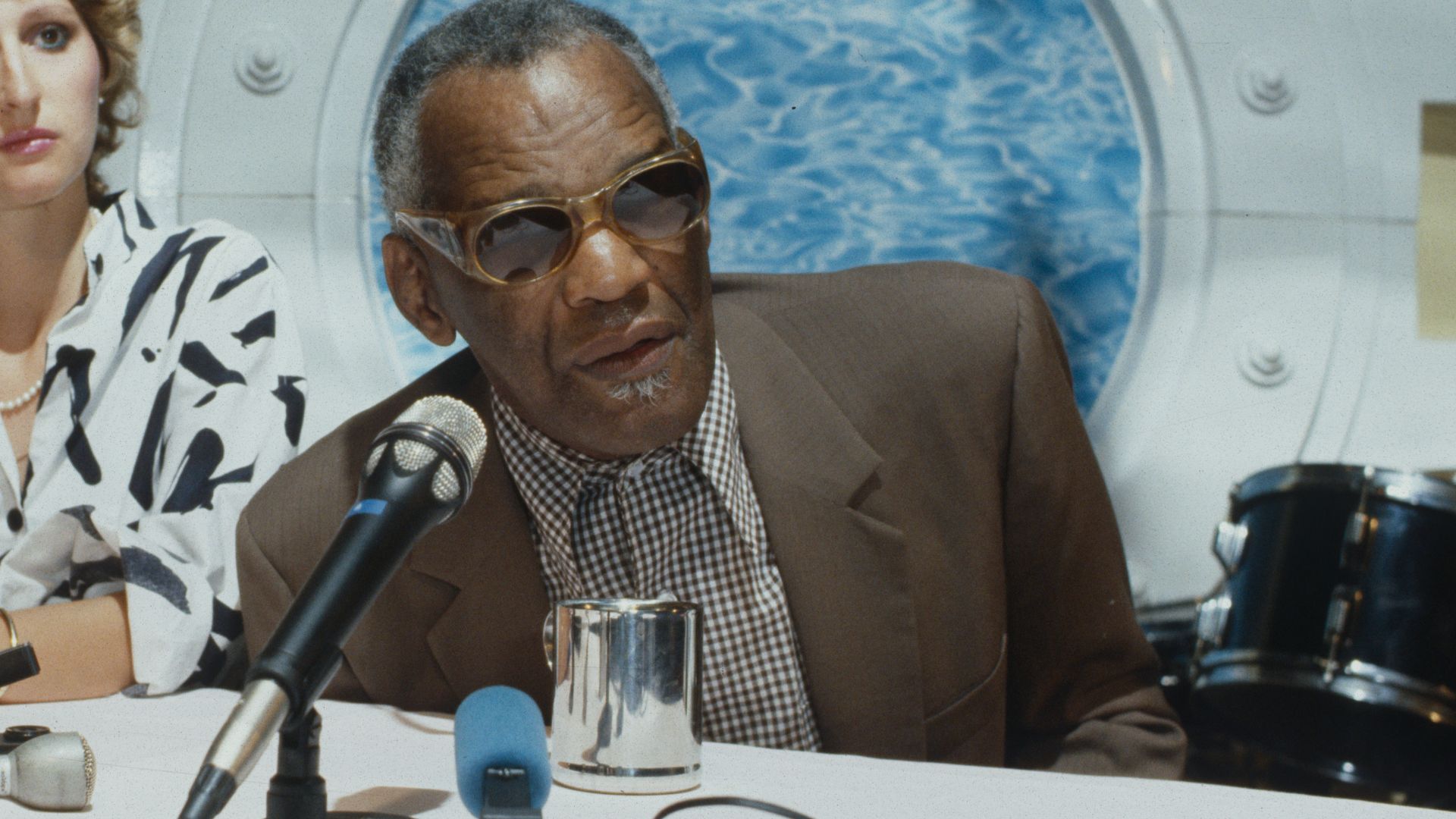 Comet Photo AG, Wikimedia Commons
Gospel Roots, Pop Shockwaves
When “I Got a Woman” hit, it felt like a lightning bolt—because it was basically sacred emotion repurposed for the radio. Some folks were outraged, especially religious listeners who thought he’d crossed a line. Ray’s response was basically the music itself: this feeling is human, not exclusive.
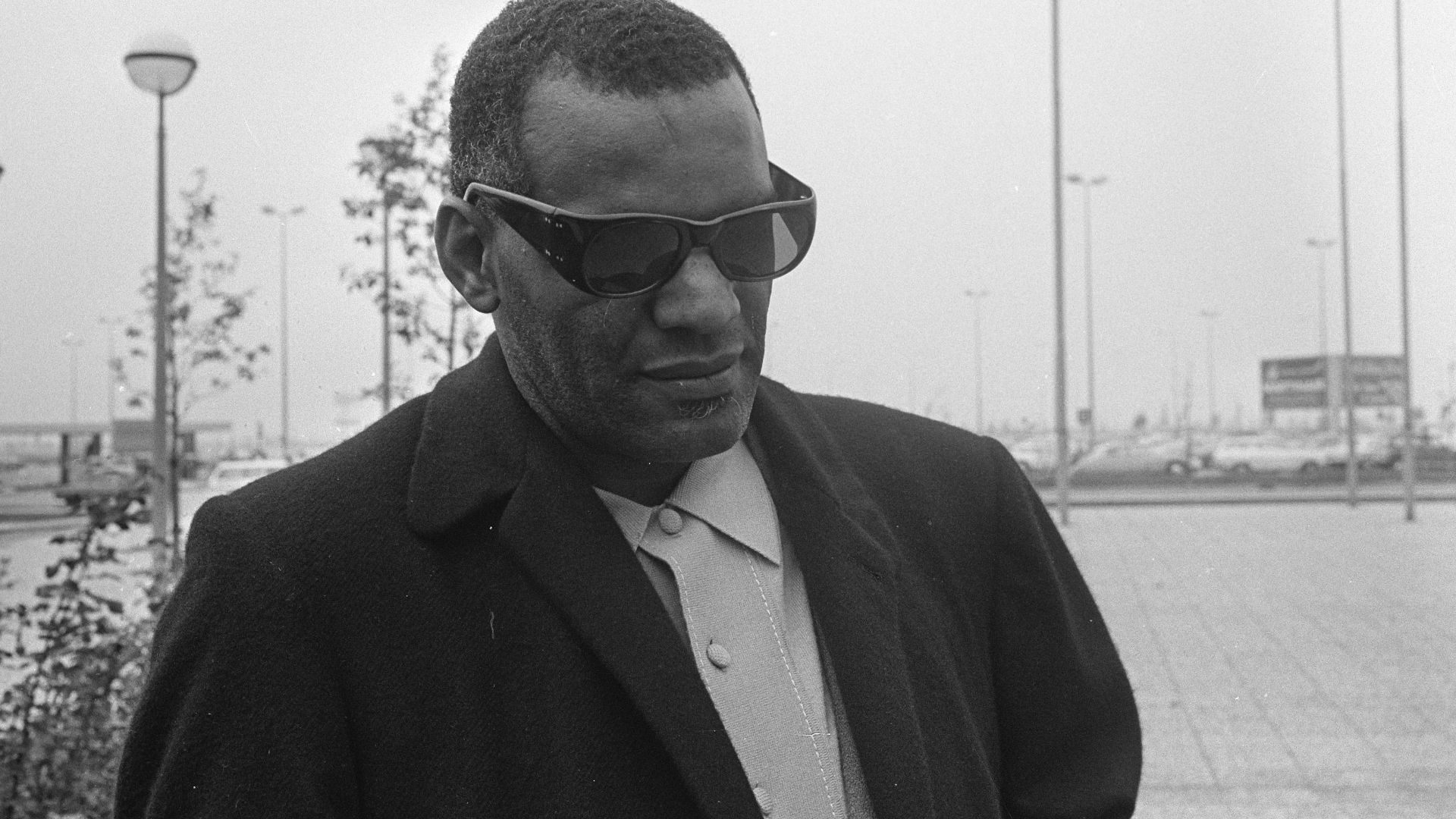 Eric Koch for Anefo, Wikimedia Commons
Atlantic Records Let Him Cook
Signing with Atlantic Records gave him room to experiment and control his sound. That mattered, because Ray wasn’t trying to be a neat little product—he was building something new. His recordings from this era are the kind that make you go, “Oh. So that’s where everyone else got it”.

How He Became “The Genius”
At a certain point, “Ray Charles” stopped sounding like one musician and started sounding like a whole era. The nickname “The Genius” wasn’t just hype—he earned it by doing things no one else was even attempting. He wasn’t chasing the spotlight; he was turning it into a stage.
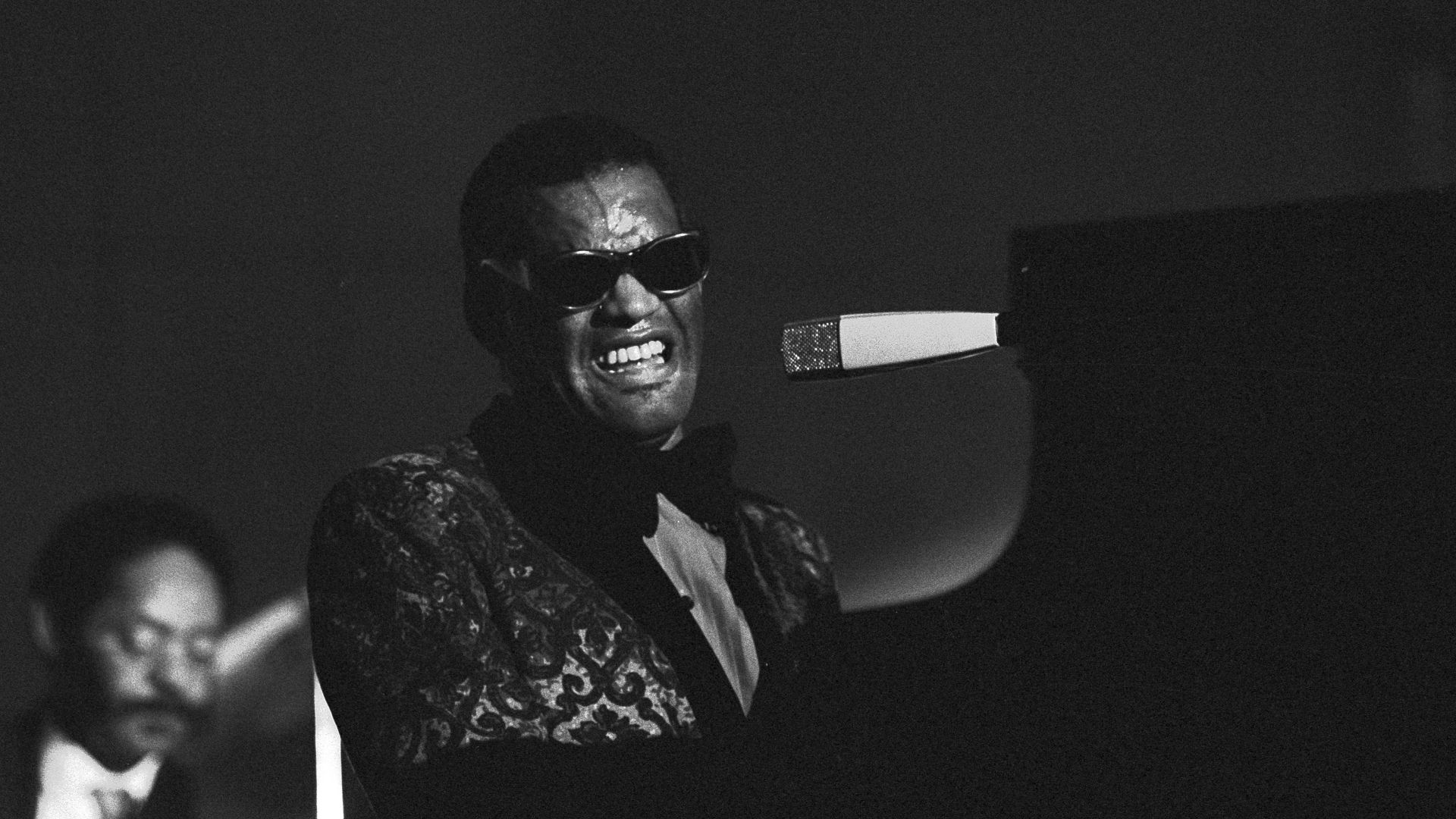 Heinrich Klaffs, Wikimedia Commons
Crossing Lines People Didn’t Want Crossed
Ray’s music pulled in Black and white audiences at a time when America was very much not into that. And he didn’t just benefit from the moment—he made choices, too. He refused to perform at segregated venues, even when it cost him, which says a lot about who he was when the stakes were real.
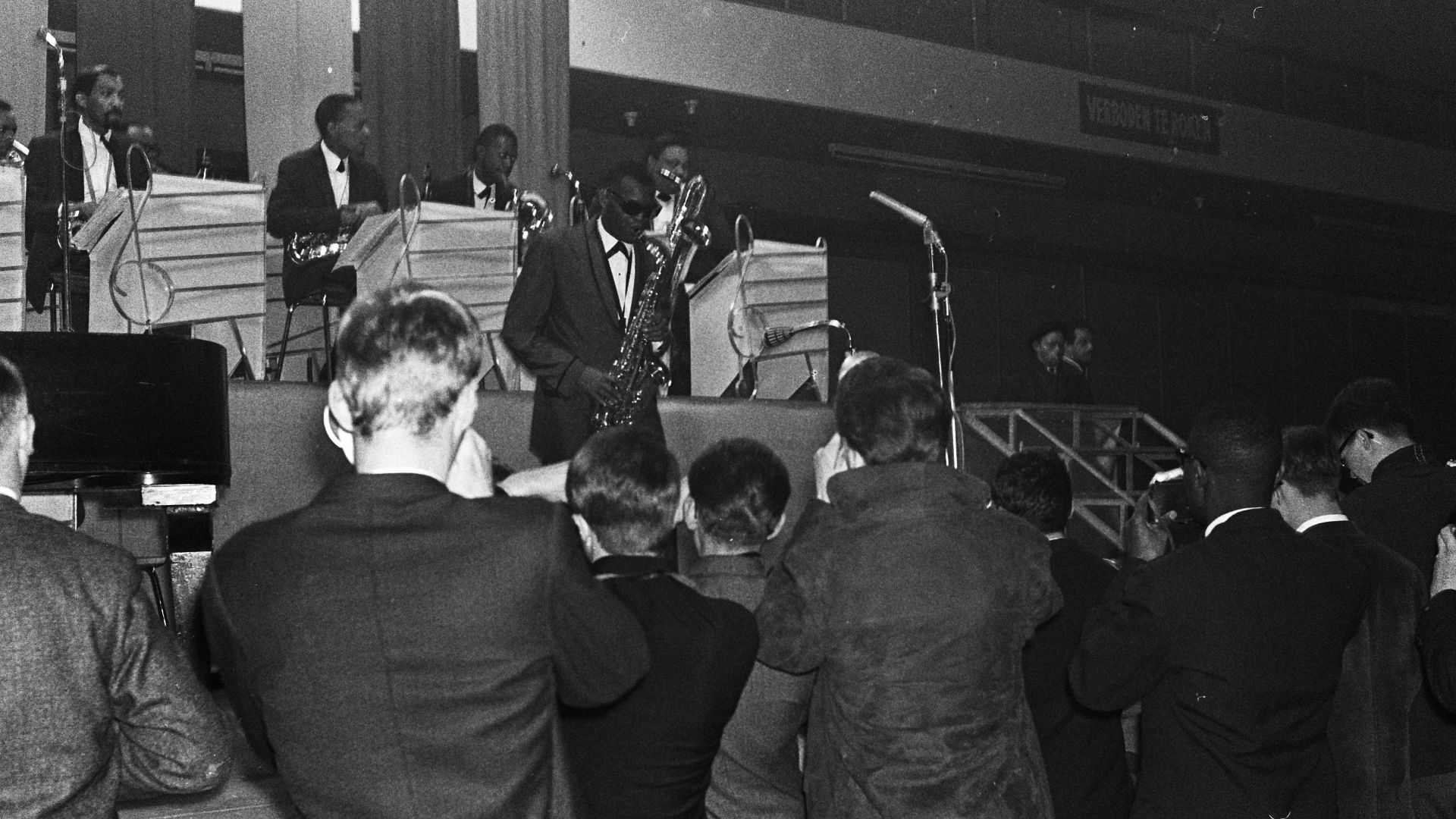 Hugo van Gelderen / Anefo, Wikimedia Commons
Then He Went Country And Made It Make Sense
When Ray leaned into country music, some people didn’t get it—until they heard it. He took country songs and reshaped them with soul phrasing and jazz instincts, and suddenly a whole new audience was listening. It was classic Ray: take a “no” and turn it into a standing ovation.
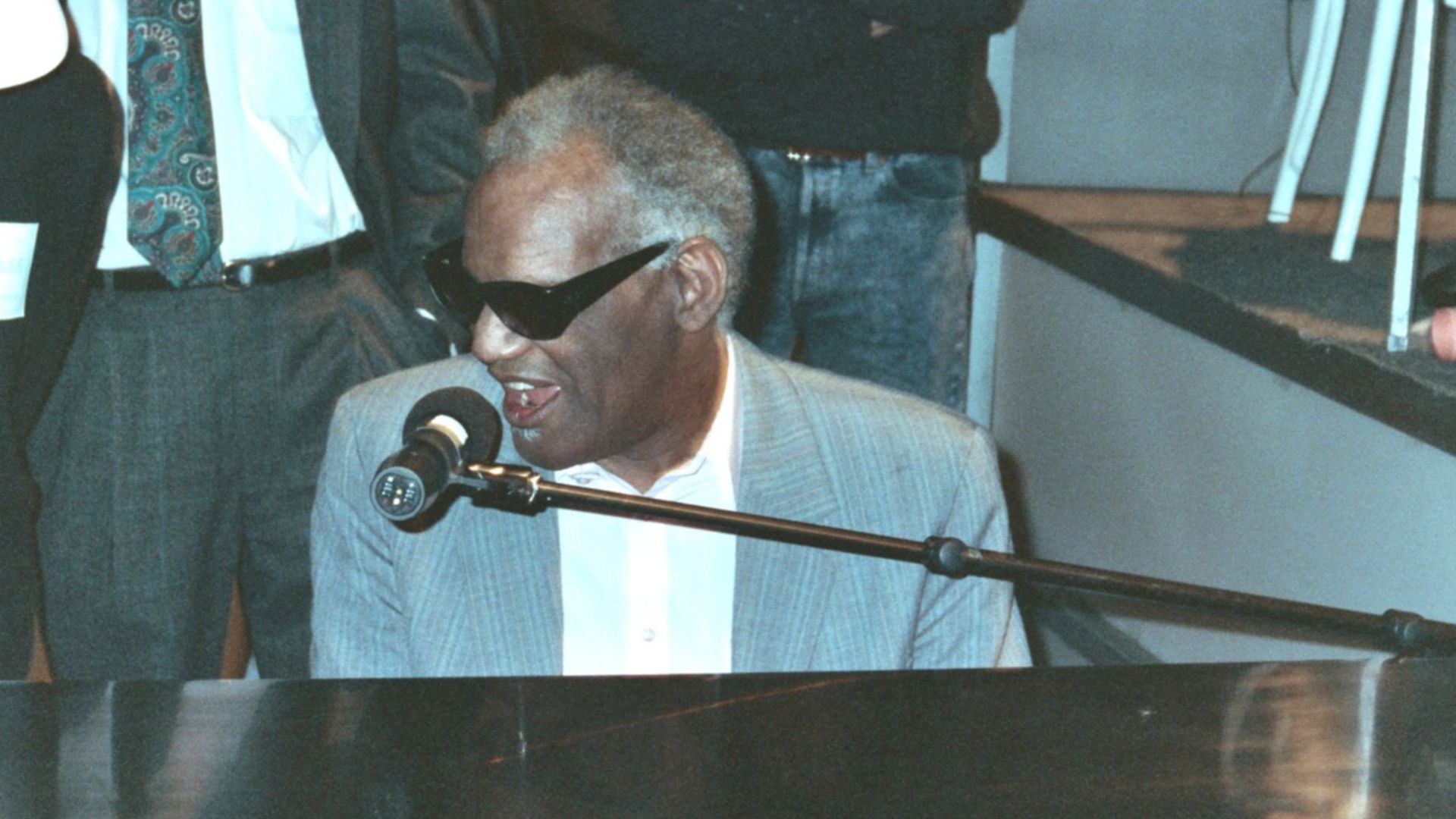
Fame Looks Fun Until It’s Not
From the outside, it was nonstop wins: records, tours, crowds, headlines. But being constantly “on” comes with a cost, especially when you’re carrying old grief and pressure that never lets up. Success doesn’t automatically equal peace—and Ray was living proof of that.
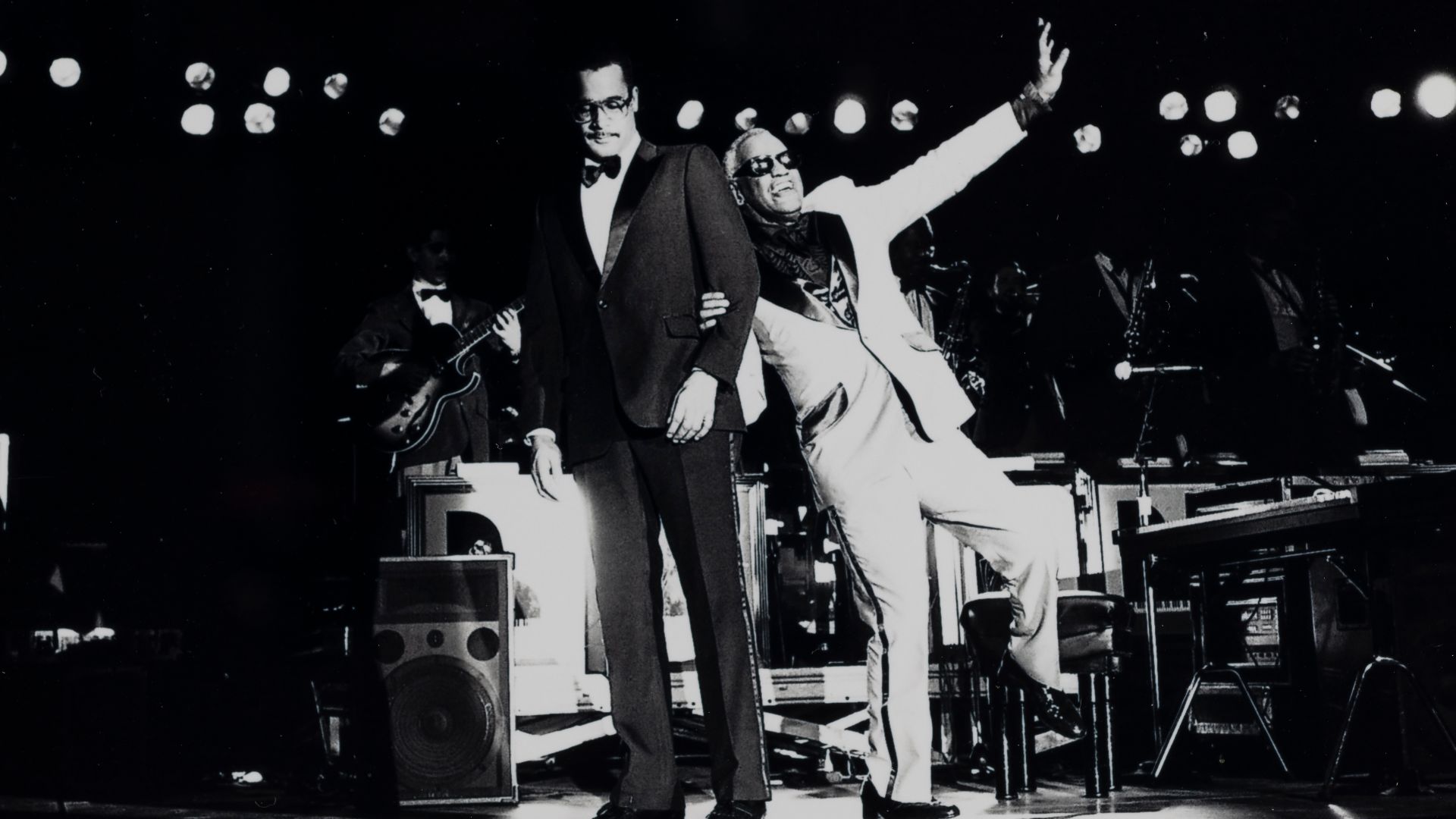 FestivaldeSully, Wikimedia Commons
The Habit That Started Quietly
Over time, Ray developed serious substance issues, and people close to him have talked about how it wasn’t some glamorous rock-star thing. It was more like a coping mechanism that got out of control. And once something like that sinks in, it doesn’t just politely leave.
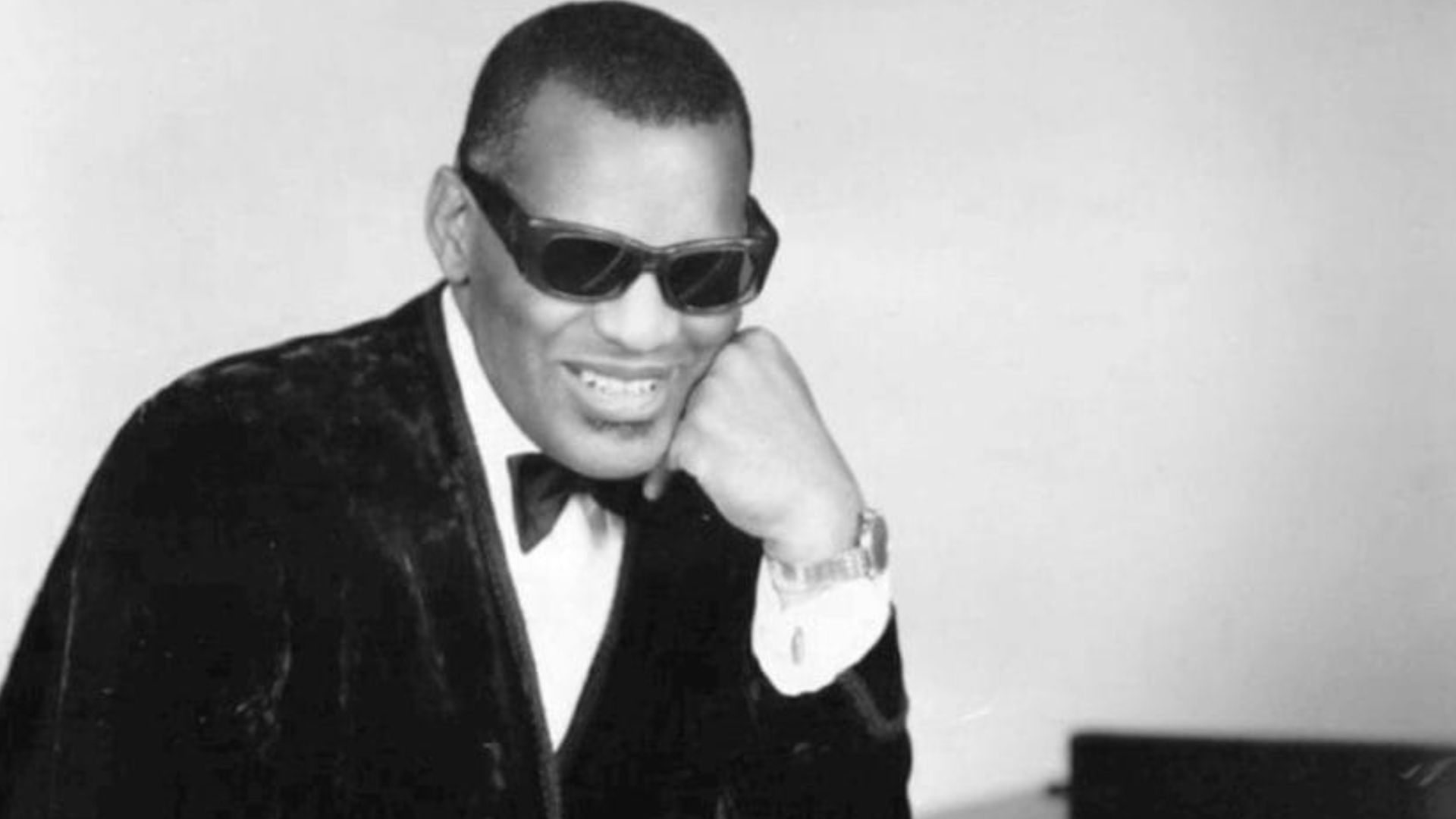 William Morris Agency (management)/Photo by Maurice Seymour, New York., Wikimedia Commons
When Consequences Finally Showed Up
In the early 1960s, Ray was taken in by authorities in connection with unlawful substances, and that moment forced everything into the open. Suddenly, the same world that adored him was watching to see if he’d crash. For an artist with that much momentum, it could’ve been the end of the story.

The Decision That Saved His Career
Instead of pretending nothing was wrong, Ray committed to getting clean. He entered treatment and did the hard, unglamorous work of recovery. Talent can’t fix everything—sometimes you have to fight your own brain like it’s an opponent.
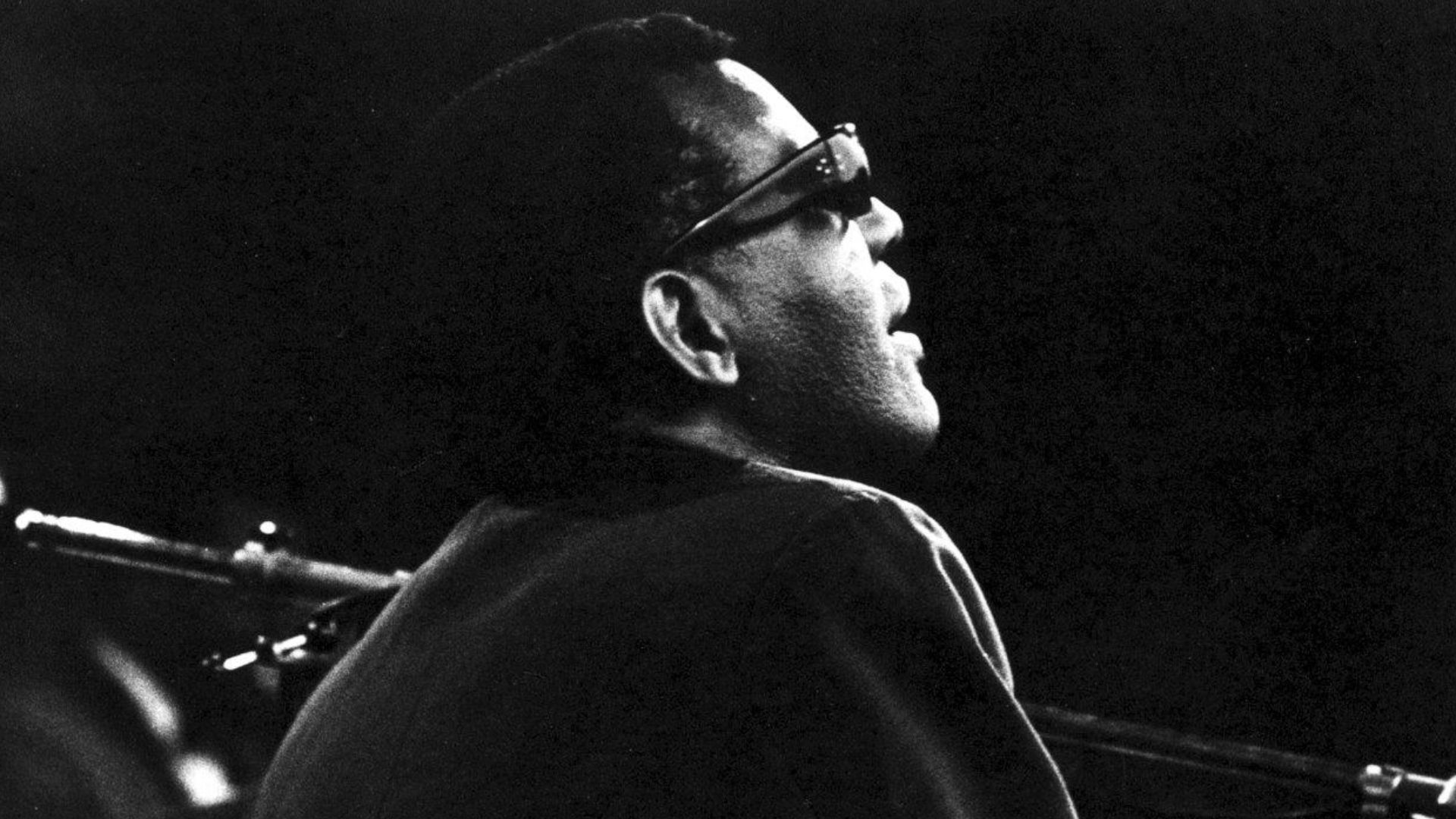 Mallory1180, Wikimedia Commons
Still Making Music, Still Sounding Like Ray
After that, he didn’t fade out—he kept going. He recorded, toured, and stayed creatively active for decades, which is honestly impressive even without the personal context. The music carried more weight because he’d lived through more.
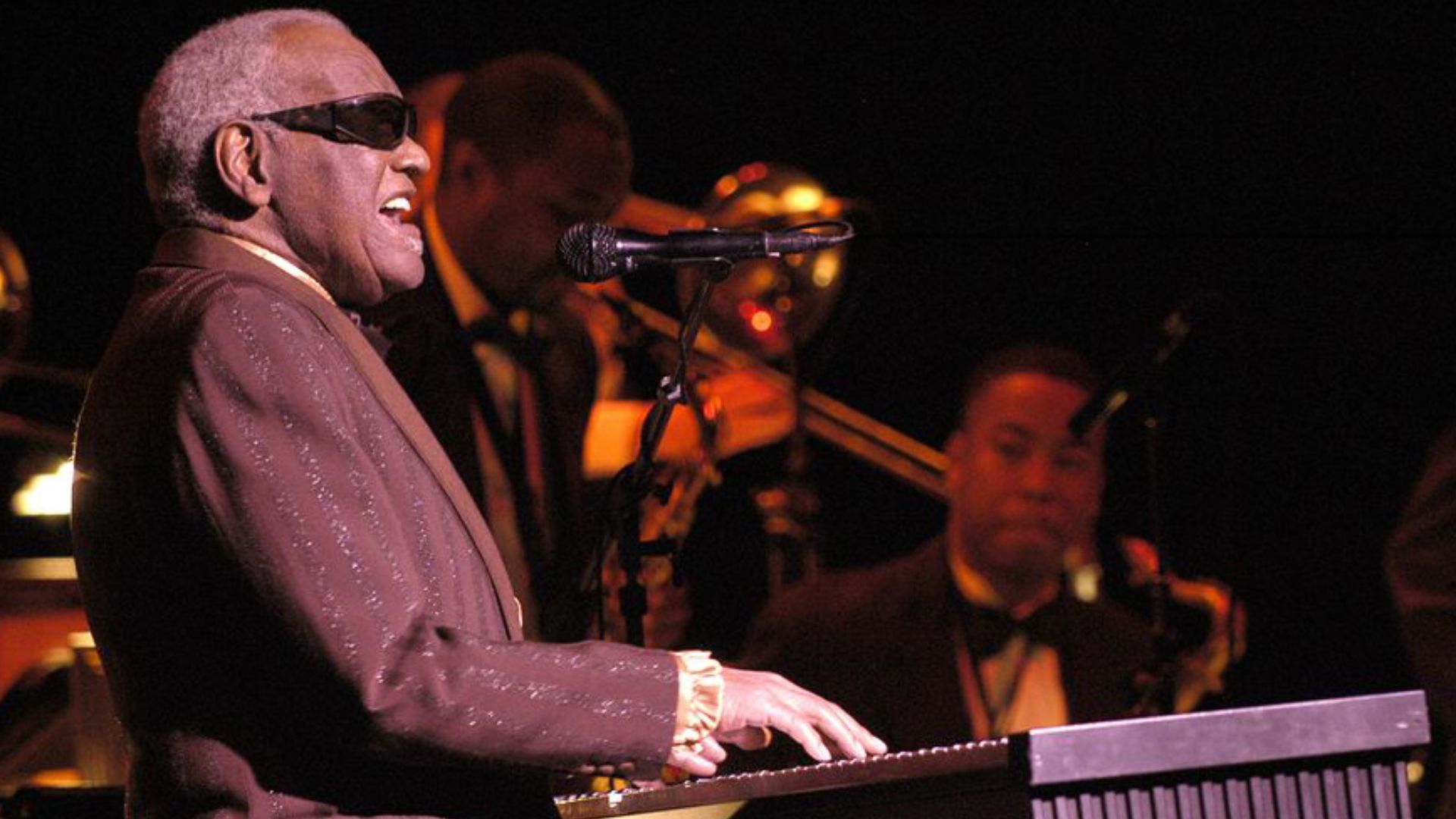 Victor Diaz Lamich, Wikimedia Commons
A Family Story With Complications
Ray’s personal life wasn’t tidy, and it wasn’t meant to be. His children have spoken about him with a mix of love, honesty, and frustration—the way real family stories usually go. Legacy gets messy when someone is both extraordinary and human.
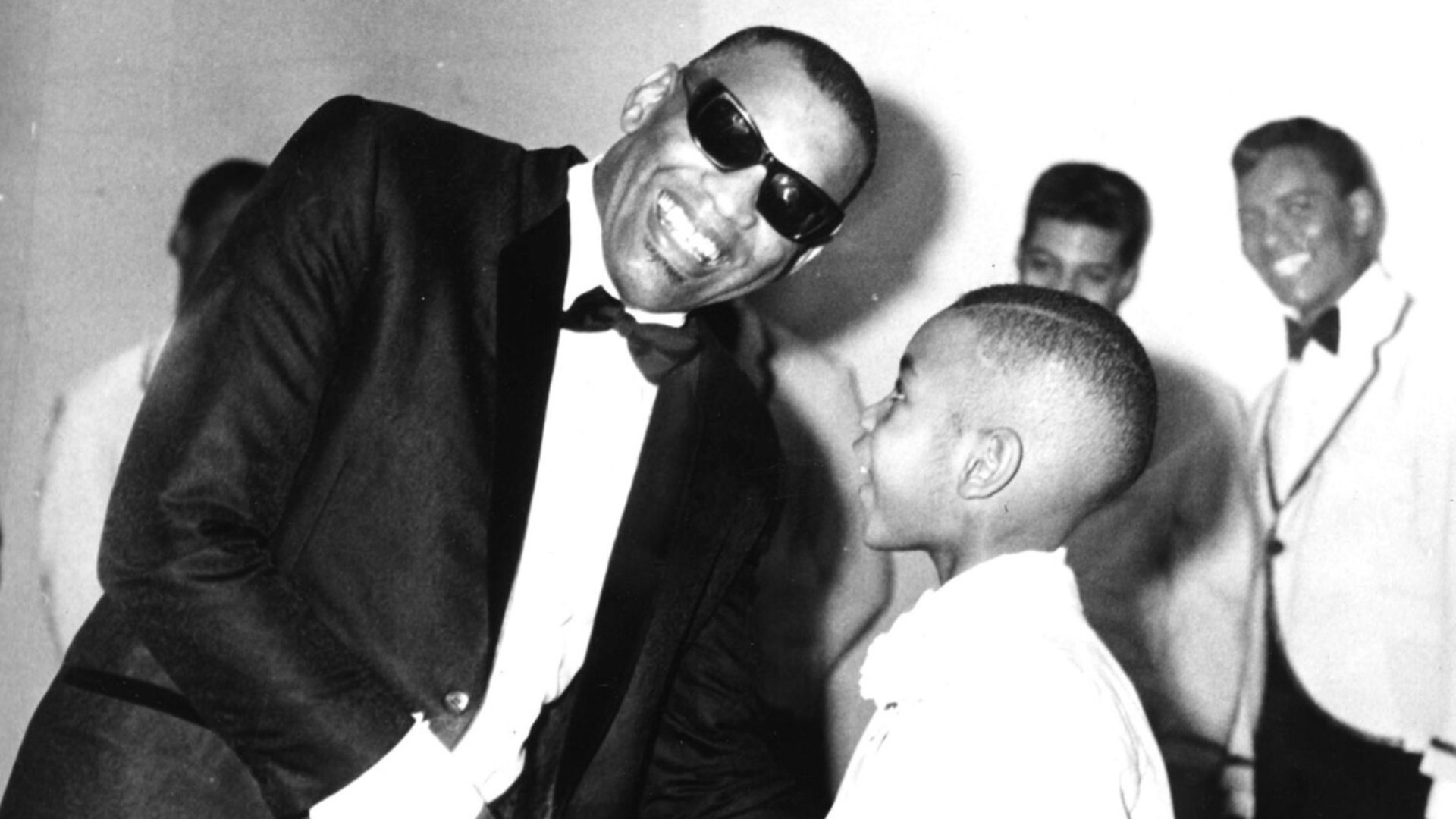
The Business Move Artists Still Talk About
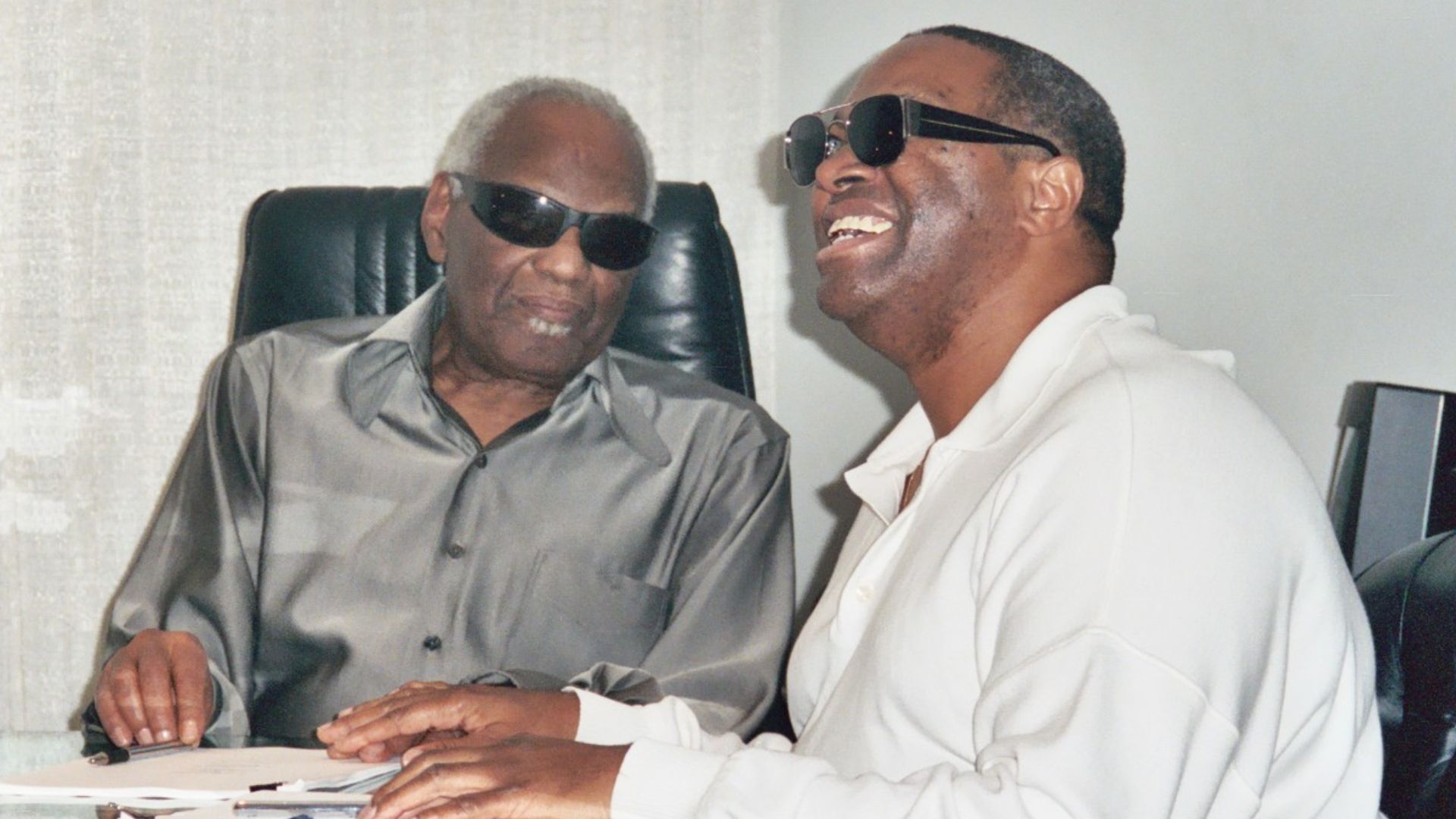
Ray made a famous decision to negotiate ownership of his master recordings, which was huge. At the time, most artists didn’t get anything close to that kind of control. That move changed the conversation for everyone who came after him.
 TheThinWhiteDuke777, Wikimedia Commons
The Awards Piled Up For A Reason
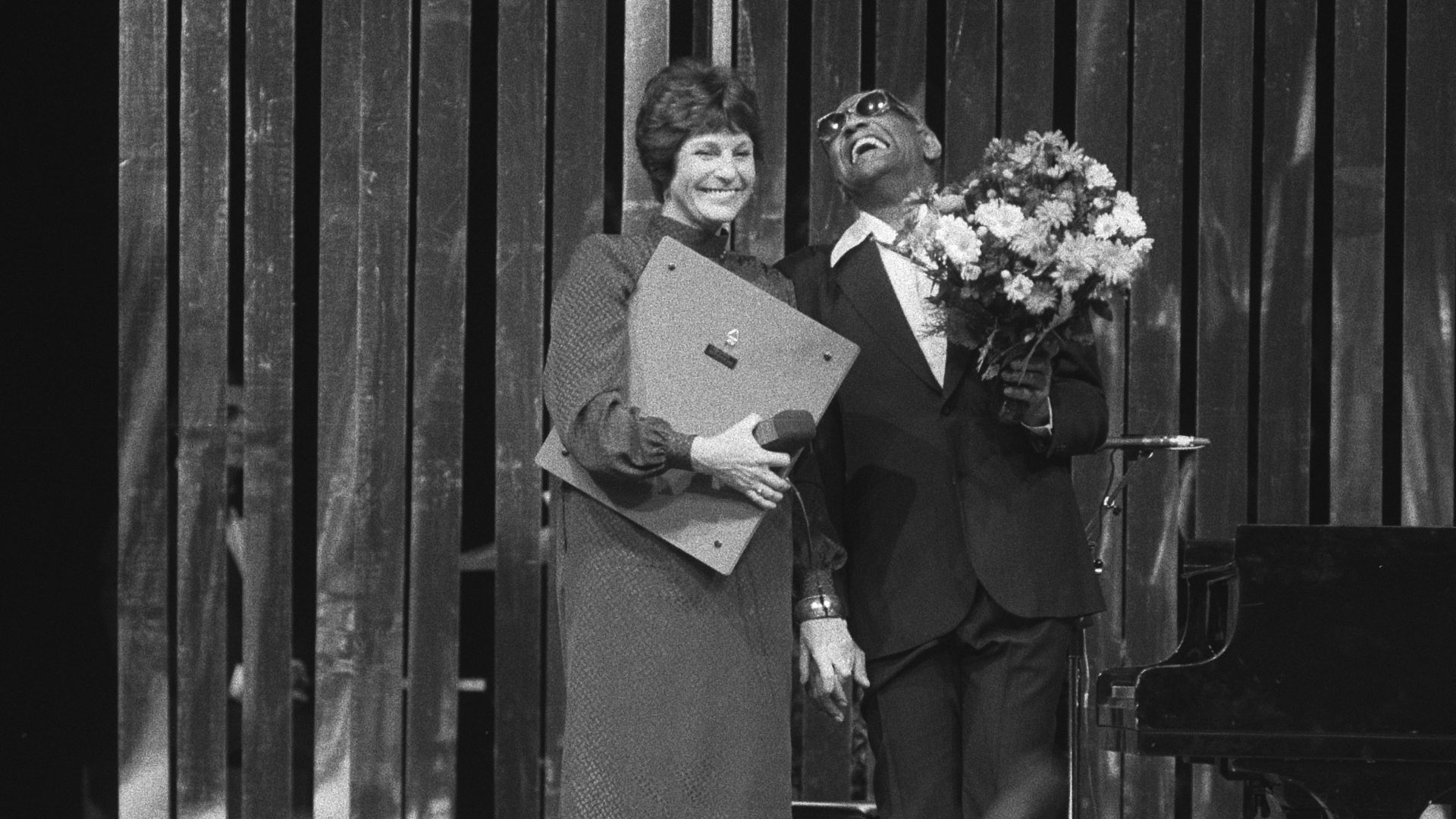
As he got older, tributes and honors followed—because by then, his influence was impossible to deny. You can hear Ray’s fingerprints all over modern music. Even when people don’t name him, they’re still borrowing from him.
 Hans van Dijk for Anefo, Wikimedia Commons
The Final Stretch
In his later years, Ray kept working even as his health declined. Music wasn’t just what he did—it was where he lived. That kind of dedication doesn’t feel like branding; it feels like identity.
Why The Genius Still Matters
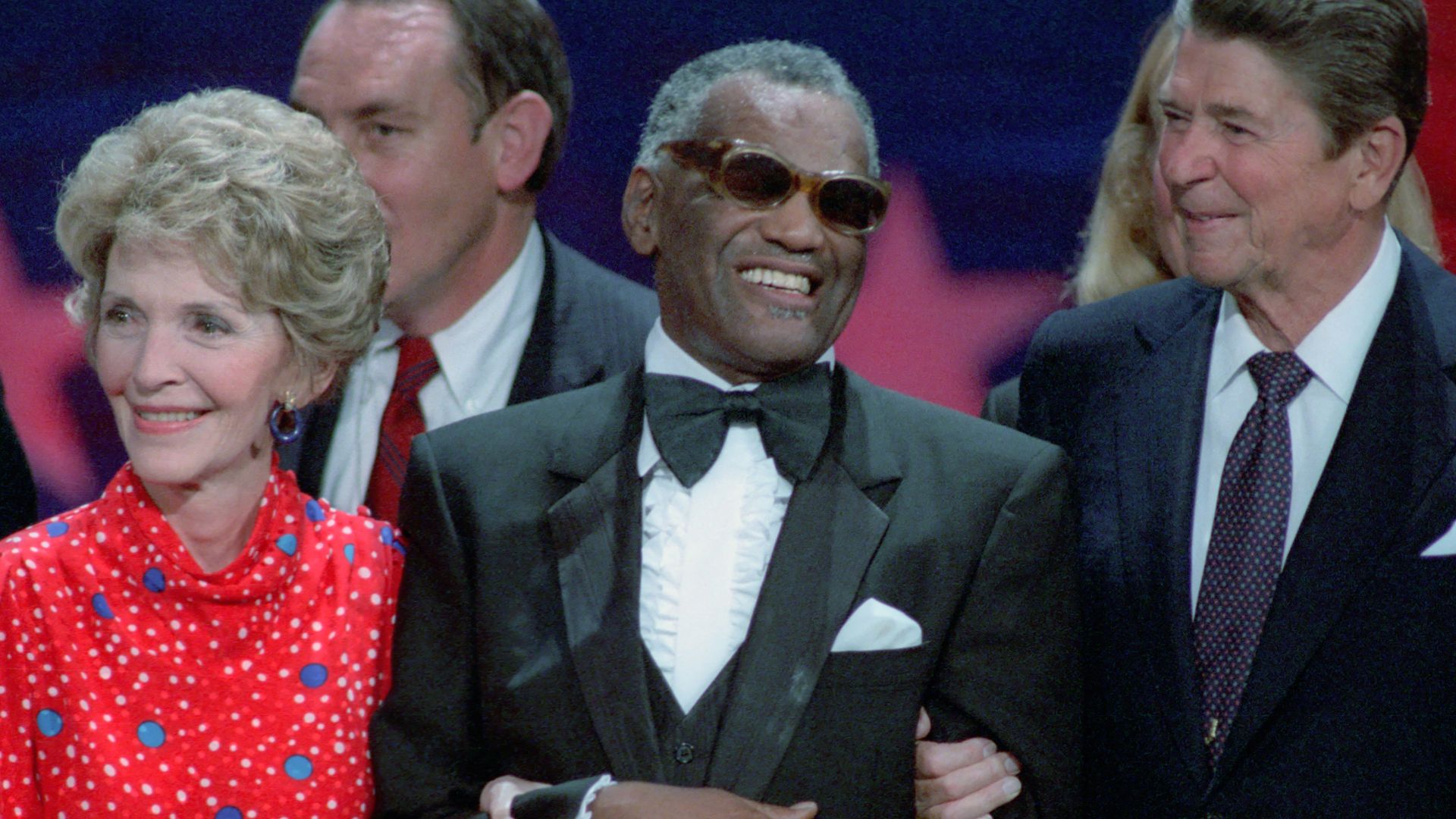
Ray Charles didn’t just make hits—he changed what popular music was allowed to sound like. He also battled a serious addiction that nearly ended everything, and the fact that he fought back is part of the story, not a footnote. In the end, he left behind something bigger than a career: he left a whole blueprint for soul.
 JoachimKohler-HB, Wikimedia Commons
You May Also Like: