He Had It All…Until Everything Fell Apart
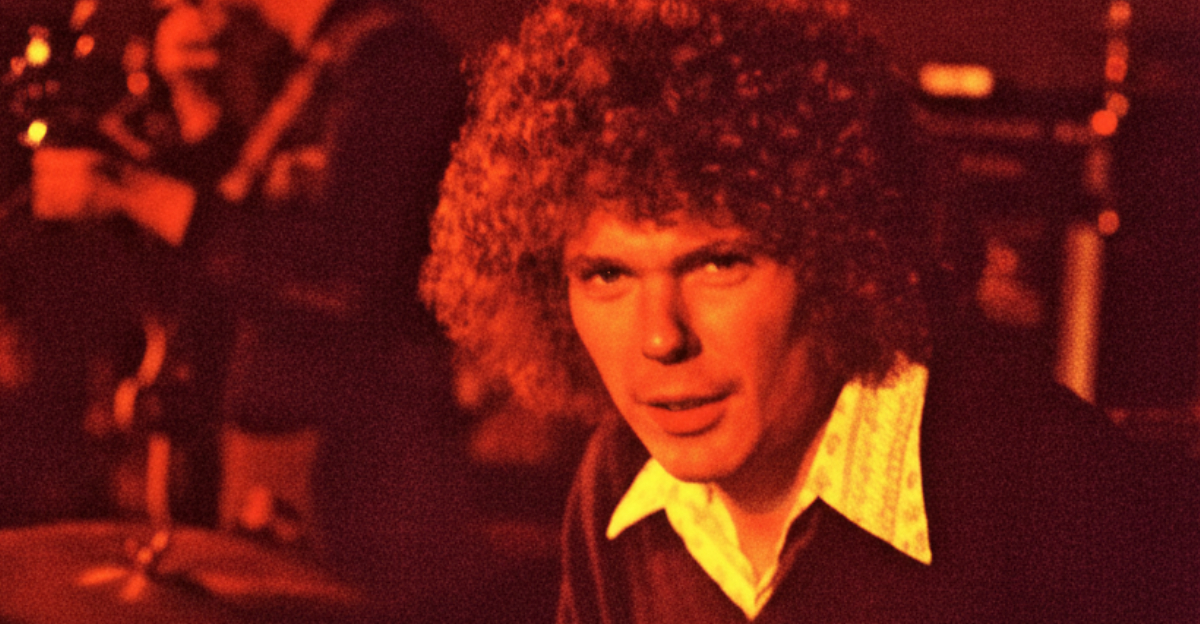
He played on some of the biggest songs ever recorded. He worked with legends. He even helped create one of rock’s most famous melodies. But behind the scenes, Jim Gordon was unraveling, and what happened next became one of the darkest, most shocking stories in music history.
A Go-To Drummer In A Golden Era
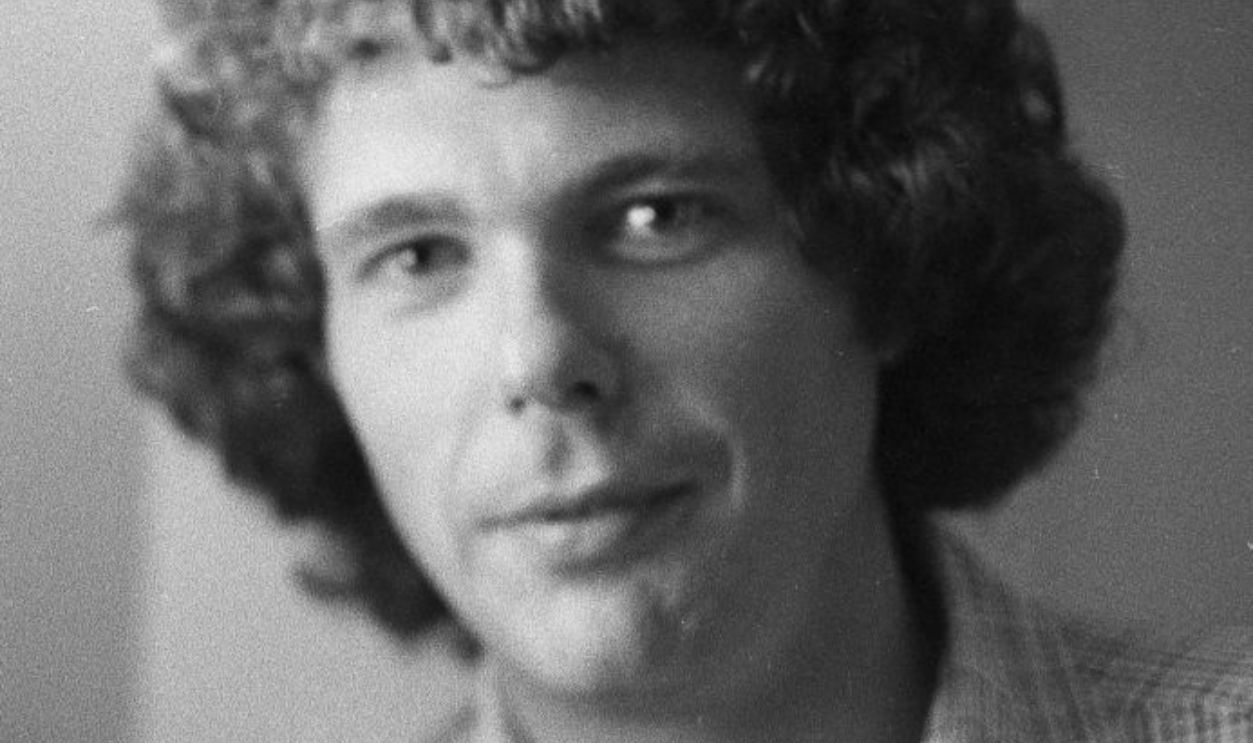
By the late 60s, Jim Gordon had built a reputation as one of the most reliable session drummers in Los Angeles. Born in 1945, he started young and quickly proved he could handle anything, from rock to pop to more complex studio arrangements.
 Sherry Rayn Barnett, Getty Images
He Was Everywhere In The 70s
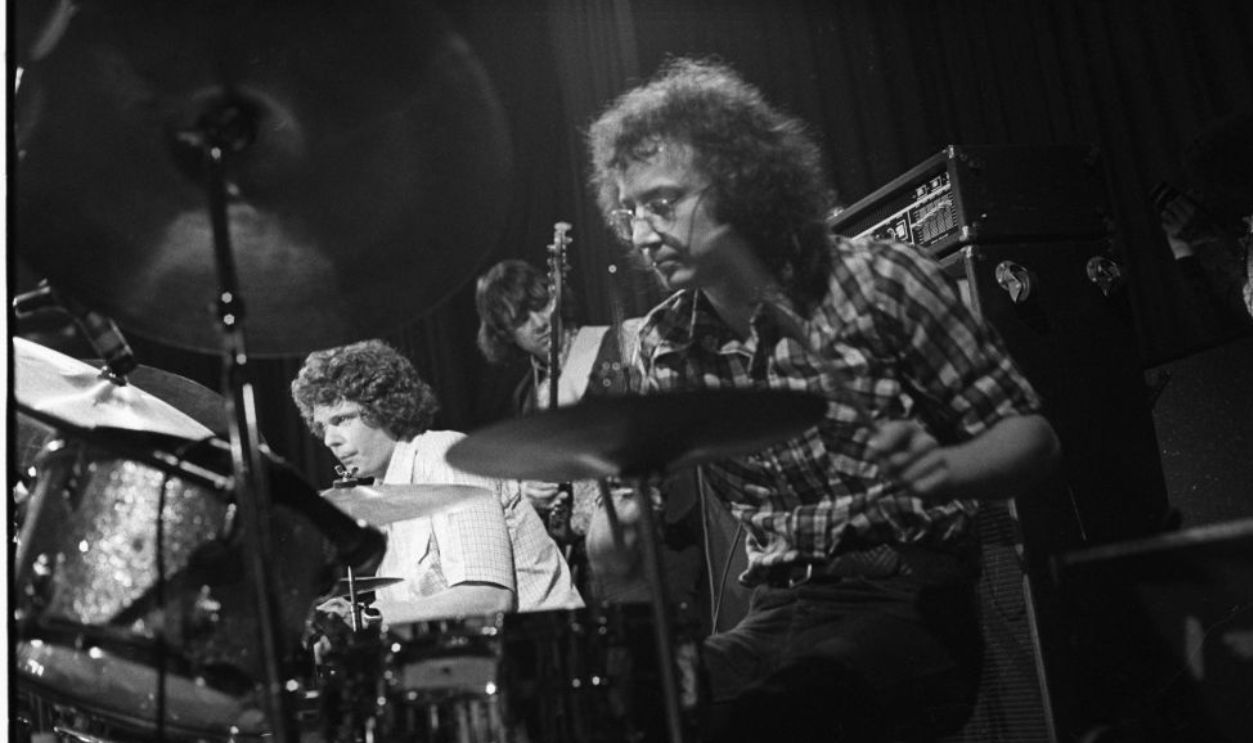
Gordon’s credits are staggering. He played on George Harrison’s All Things Must Pass, John Lennon’s Imagine, and contributed to Carly Simon’s You’re So Vain. He also worked with Steely Dan and The Beach Boys, appearing on dozens of major records that defined the decade.
 Sherry Rayn Barnett, Getty Images
Part Of The Studio Elite
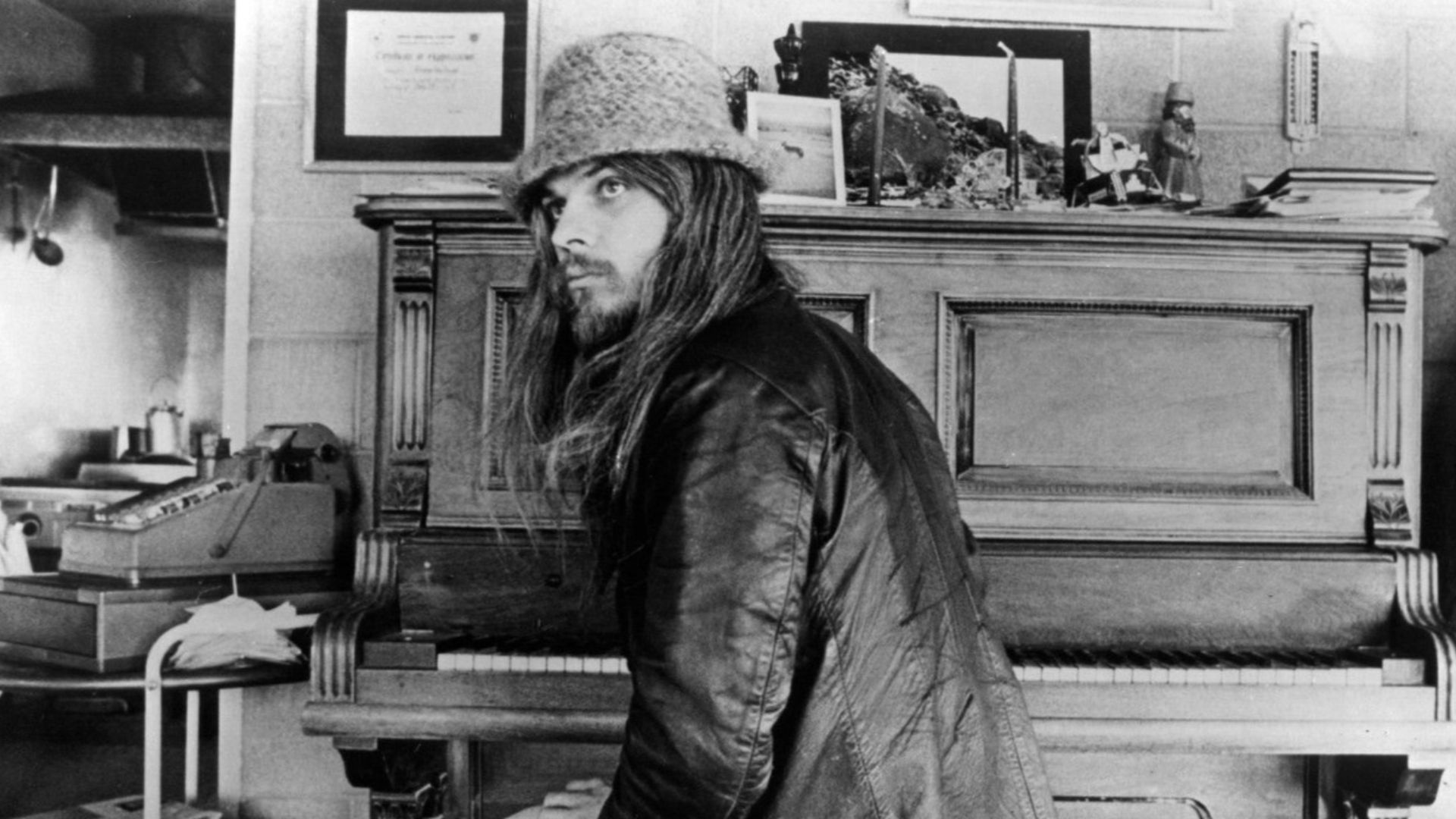
He worked alongside top-tier session musicians in the Los Angeles studio scene, overlapping with players connected to the Wrecking Crew era, including Leon Russell. These musicians were the backbone of countless hit songs, and Gordon was one of the most trusted drummers among them.
 Shelter/Blue Thumb Records, Wikimedia Commons
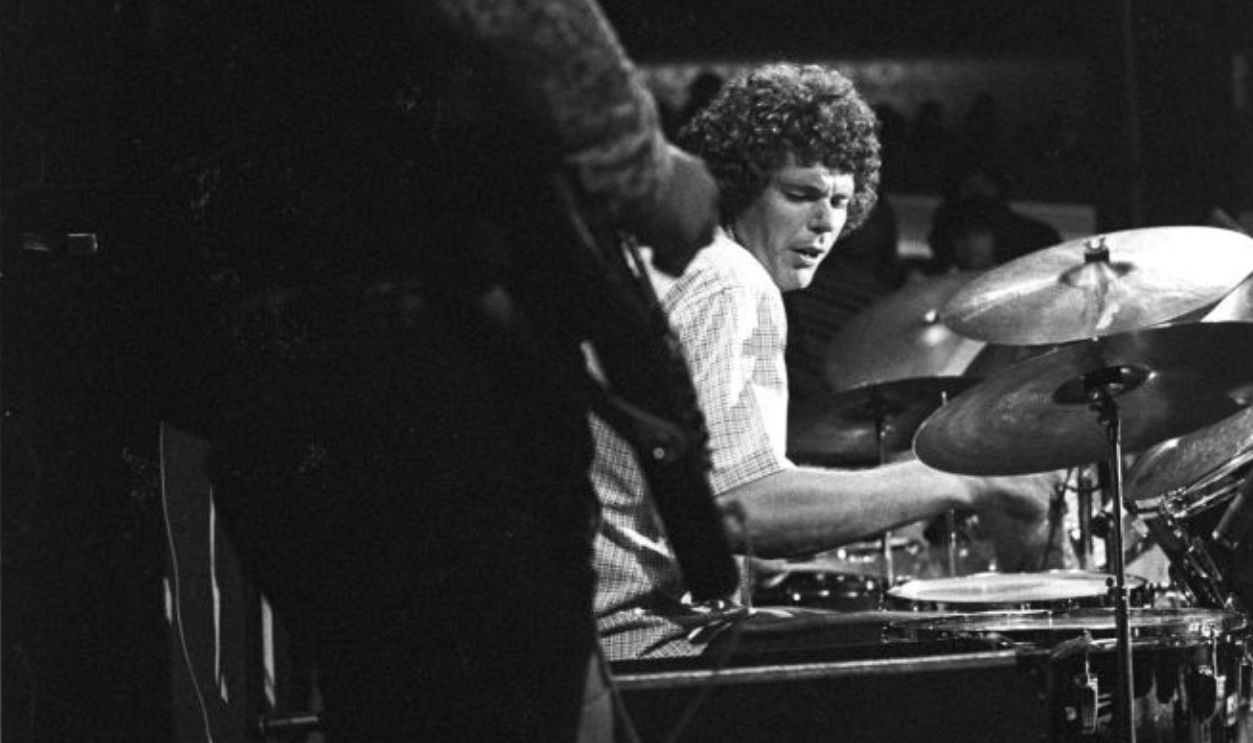
His Style Made Producers Trust Him
Gordon wasn’t flashy, he was precise. His timing, touch, and ability to adapt made him a favorite in the studio. He had a way of elevating tracks without overpowering them, which is exactly what producers and artists consistently relied on.
 Sherry Rayn Barnett, Getty Images
Joining Derek And The Dominos
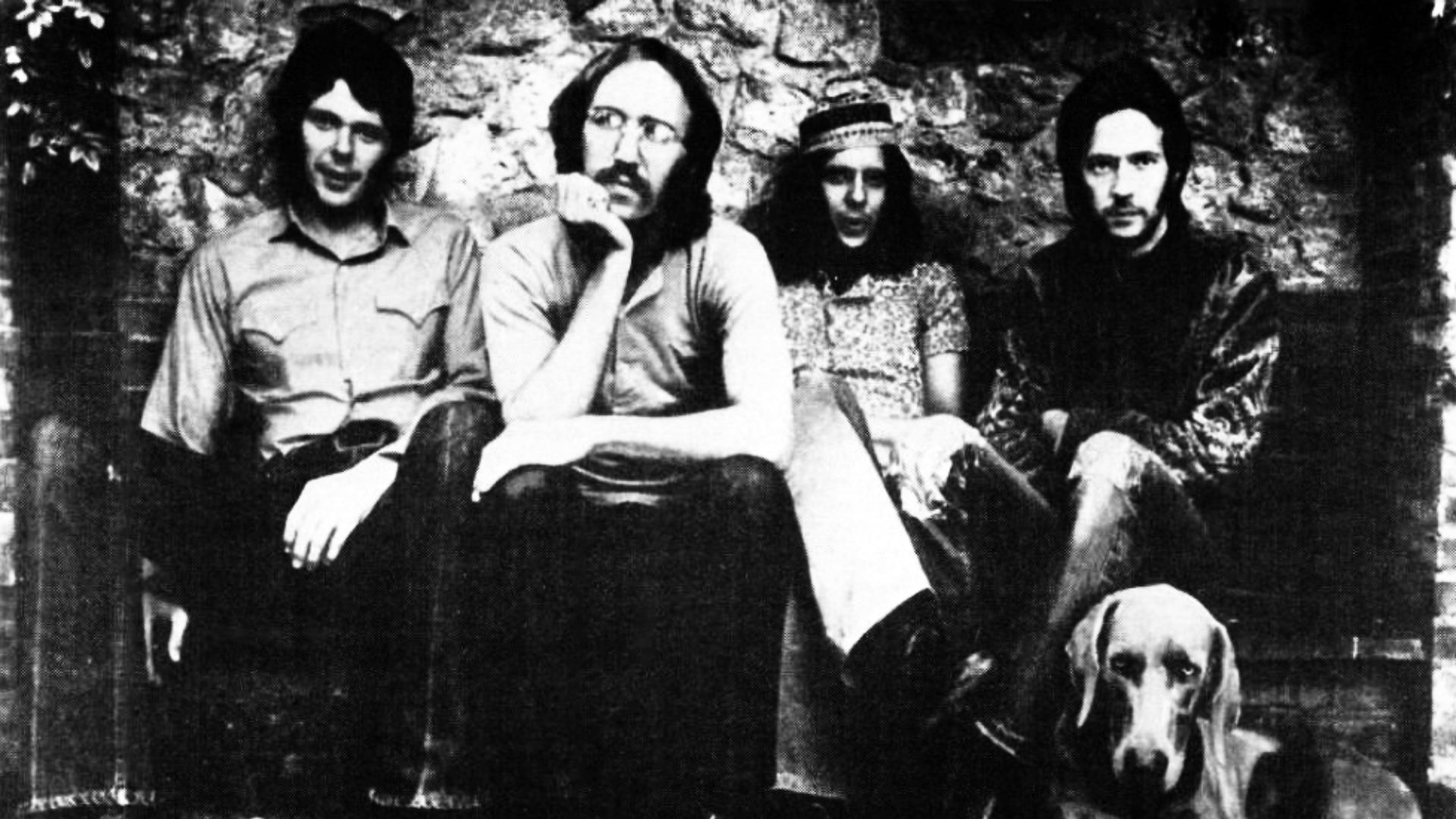
In 1970, Gordon joined Eric Clapton’s band Derek and the Dominos, alongside Carl Radle and Bobby Whitlock. It was a rare move from session work into a full-time band, and it would lead directly to his most famous and enduring project.
 Atco Records, Wikimedia Commons
The Making Of Layla
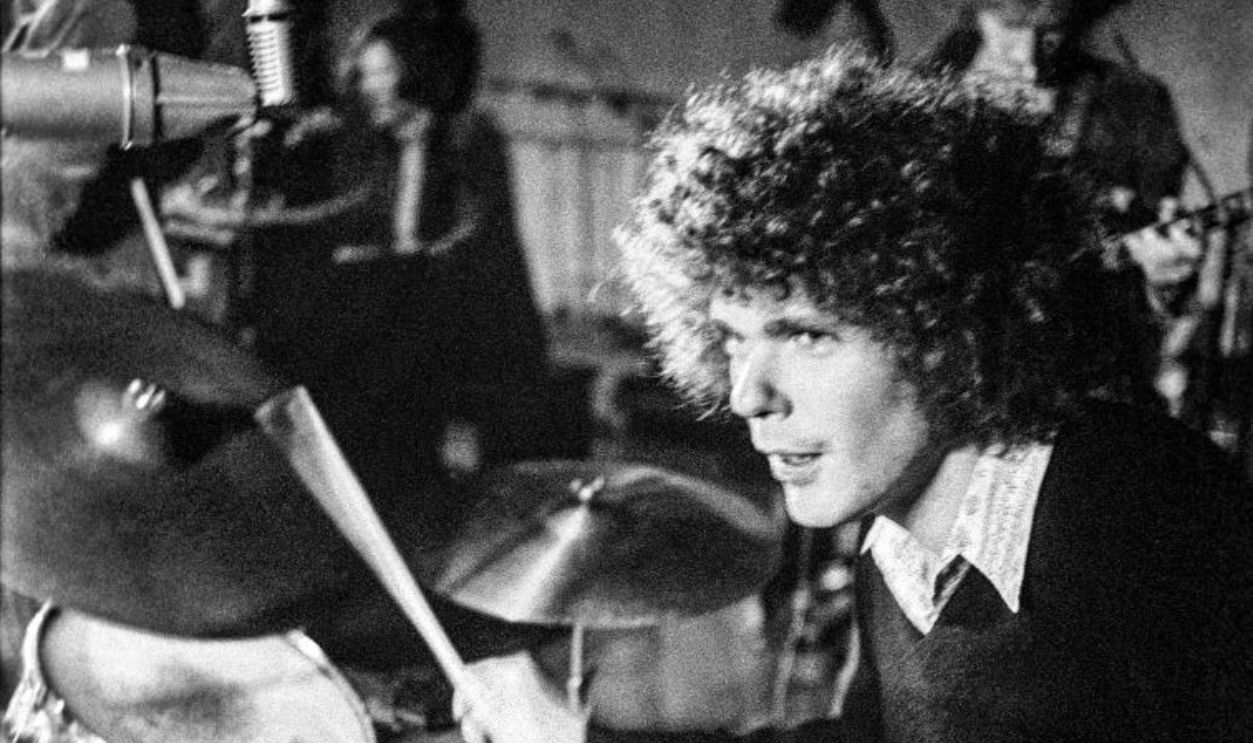
The album Layla and Other Assorted Love Songs wasn’t a huge hit at first, but it later became iconic. Gordon’s drumming is all over it, helping give the record its emotional weight, looseness, and raw bluesy feel.
He Helped Create The “Layla” Ending
That unforgettable piano coda in Layla, the soft, haunting second half of the song, was co-written by Gordon and recorded at Criteria Studios in Miami. It became one of the most recognizable and emotionally powerful musical passages in rock history.

At His Peak...But Something Was Off
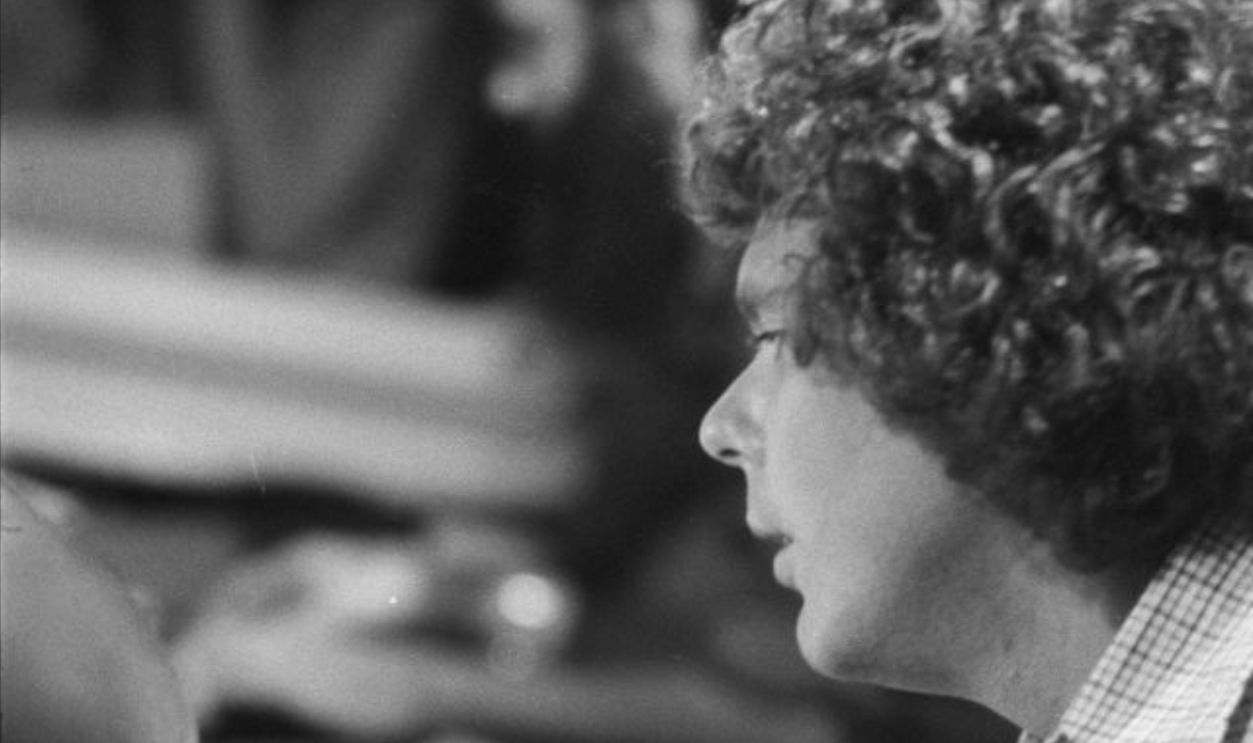
While his career was thriving, Gordon’s behavior was becoming harder to ignore. Friends and collaborators began noticing mood swings, erratic decisions, and sudden personality changes that felt out of character for someone once so steady.
 Sherry Rayn Barnett, Getty Images
Mental Health Was Barely Understood
In the 70s, especially in the music world, mental illness wasn’t something people openly discussed. Gordon’s symptoms weren’t properly diagnosed, and he didn’t receive the kind of consistent treatment or support that might have helped stabilize him.
The Voices Started Getting Louder
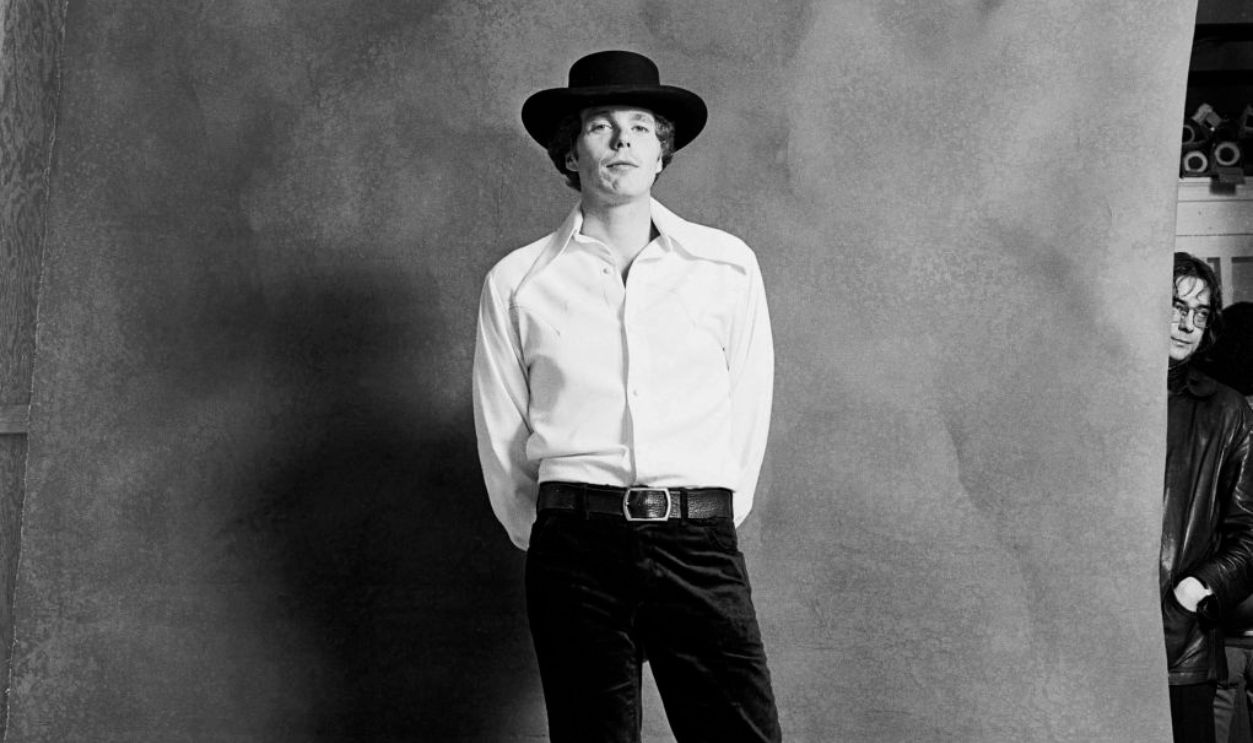
Gordon later described hearing persistent voices. According to court testimony, they became increasingly intrusive and overwhelming, making it harder for him to function normally or separate reality from what he was experiencing.
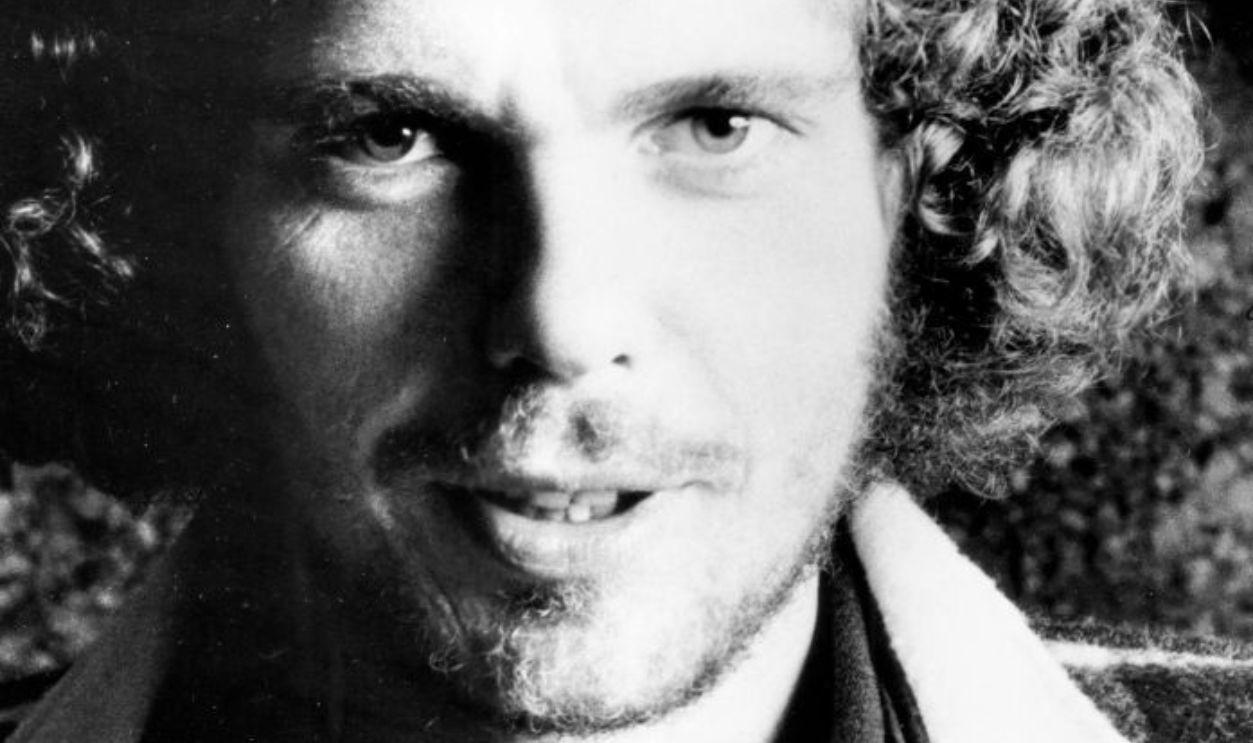 Michael Ochs Archives, Getty Images
His Career Began To Slip
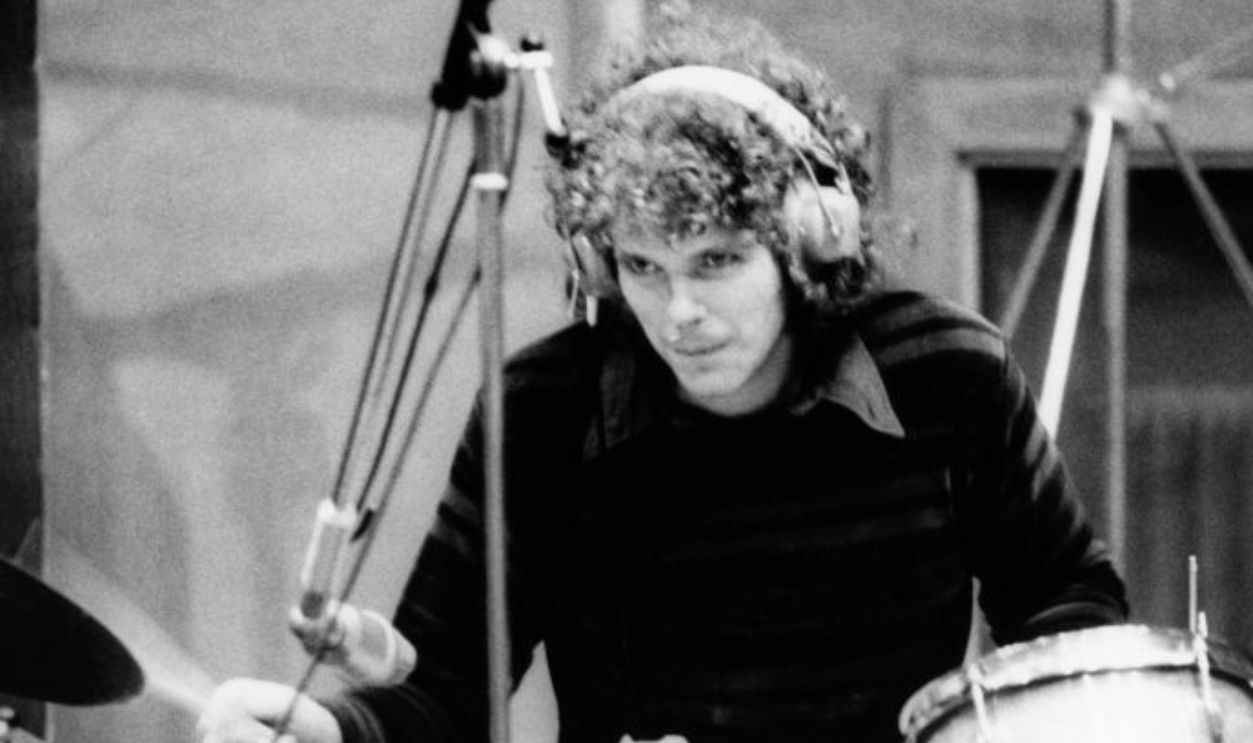
By the late 70s, Gordon’s once-steady stream of session work slowed down significantly. He missed gigs, struggled to focus in the studio, and became increasingly isolated from the industry that had once depended on him.
 Estate Of Keith Morris, Getty Images
Struggling Without Support
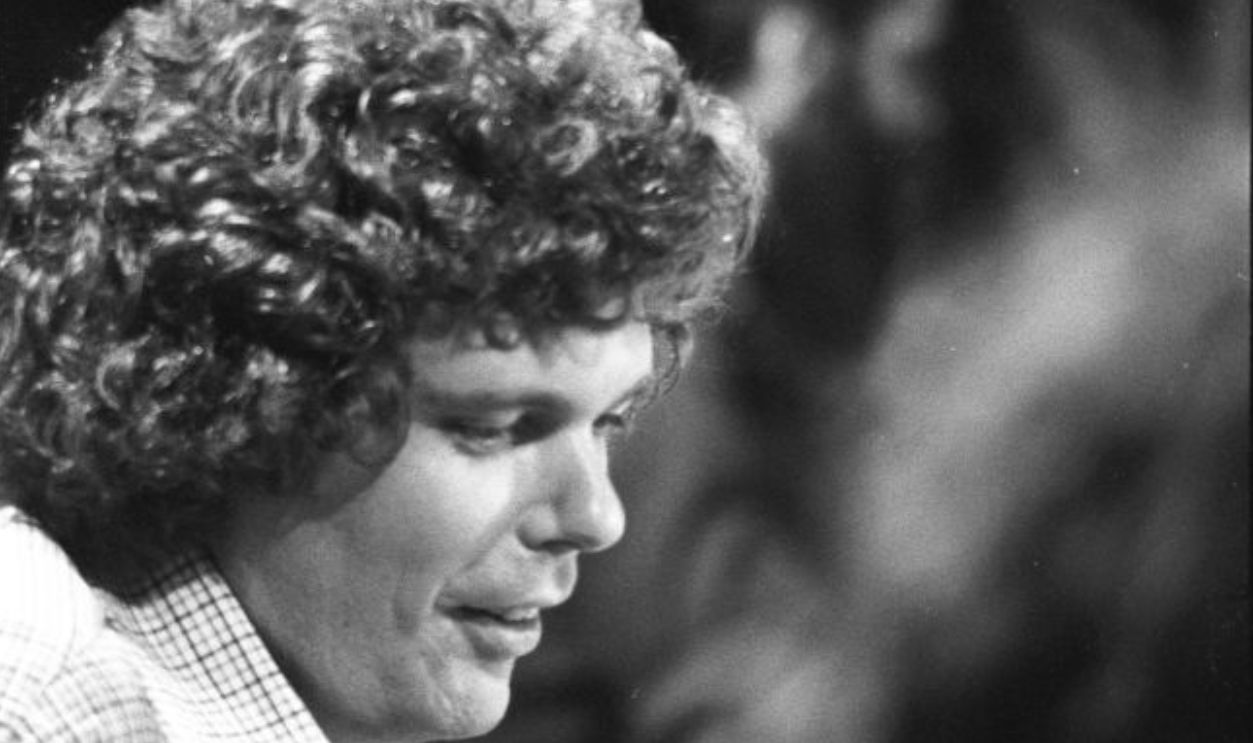
Despite clear signs of serious mental illness, Gordon didn’t receive consistent medical help. The combination of pressure, instability, and untreated symptoms pushed him further into a downward spiral that those around him struggled to fully understand or manage.
 Sherry Rayn Barnett, Getty Images
Living Back At Home
By the early 80s, Gordon was living with his mother in Los Angeles. His life had drastically changed from the busy, high-profile career he once had, as he struggled with worsening symptoms and a lack of stability.
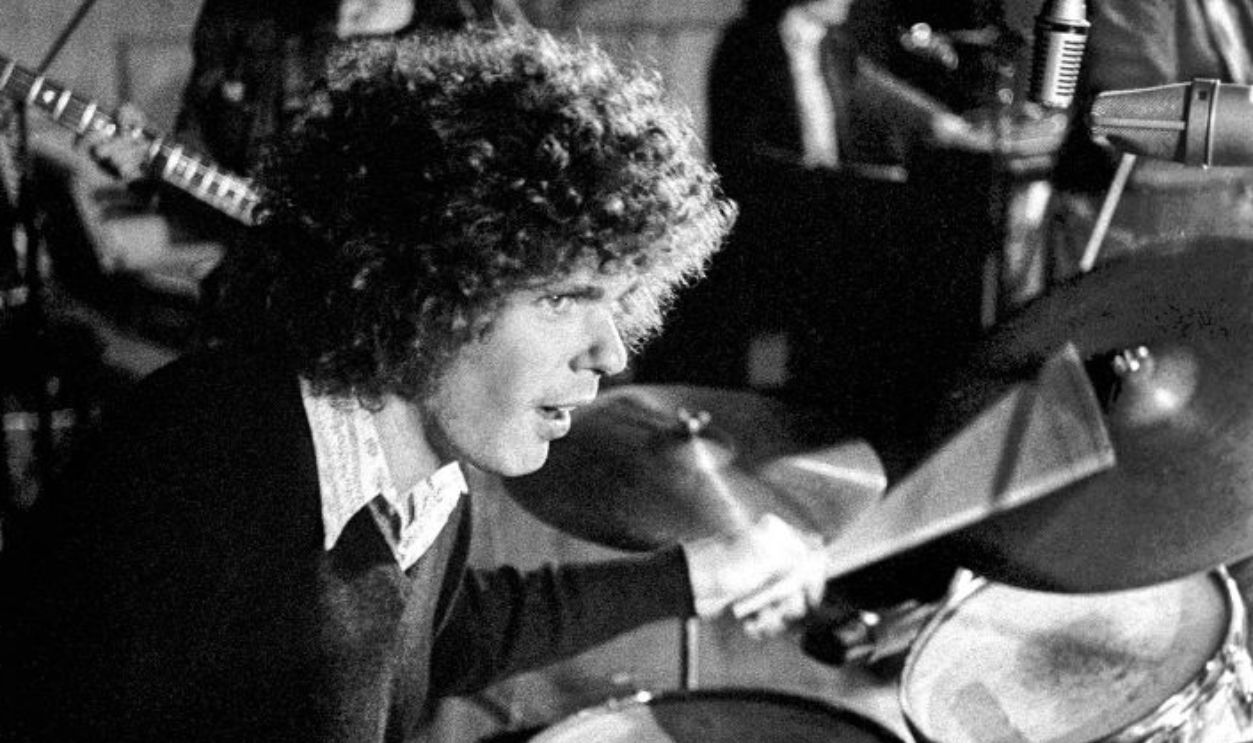
A Night That Shocked Everyone
In June 1983, during a severe psychotic episode, Gordon killed his mother at their Los Angeles home using a hammer and knife. The case immediately made headlines, not just for the crime, but because of who he had once been.
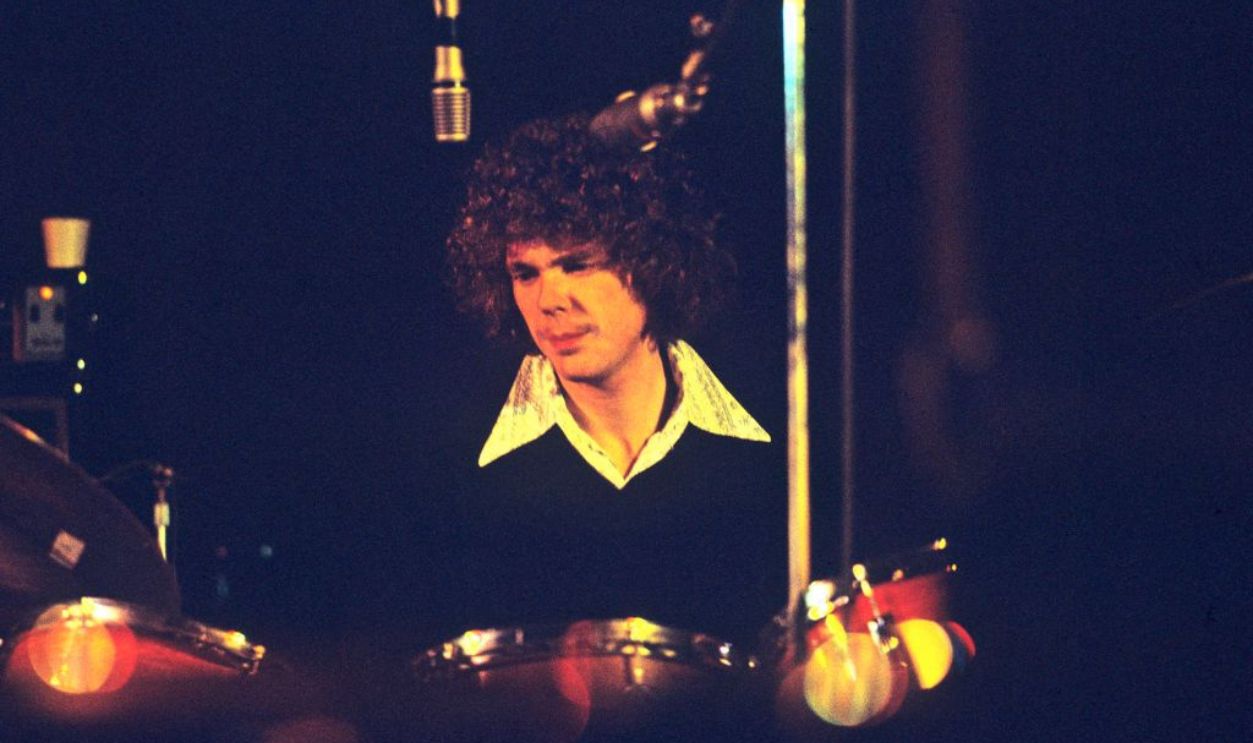
The Trial Brought Everything Into Focus
During the trial, Gordon’s mental state became a central issue. His defense argued that he was suffering from untreated schizophrenia and was not fully aware of his actions at the time of the killing.
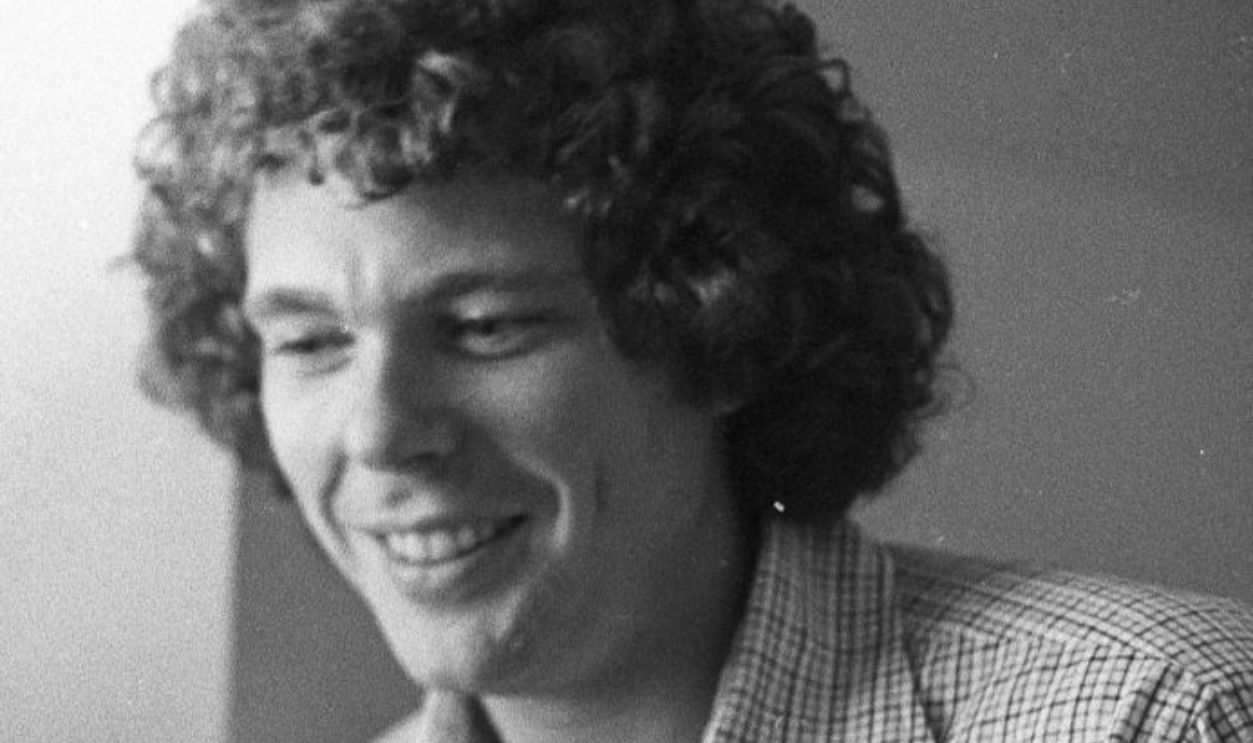 Sherry Rayn Barnett, Getty Images
Convicted And Sentenced
Despite the arguments around mental illness, Gordon was convicted of second-degree murder in 1984 and sentenced to 16 years to life in prison, marking a permanent and tragic turn in his life story.
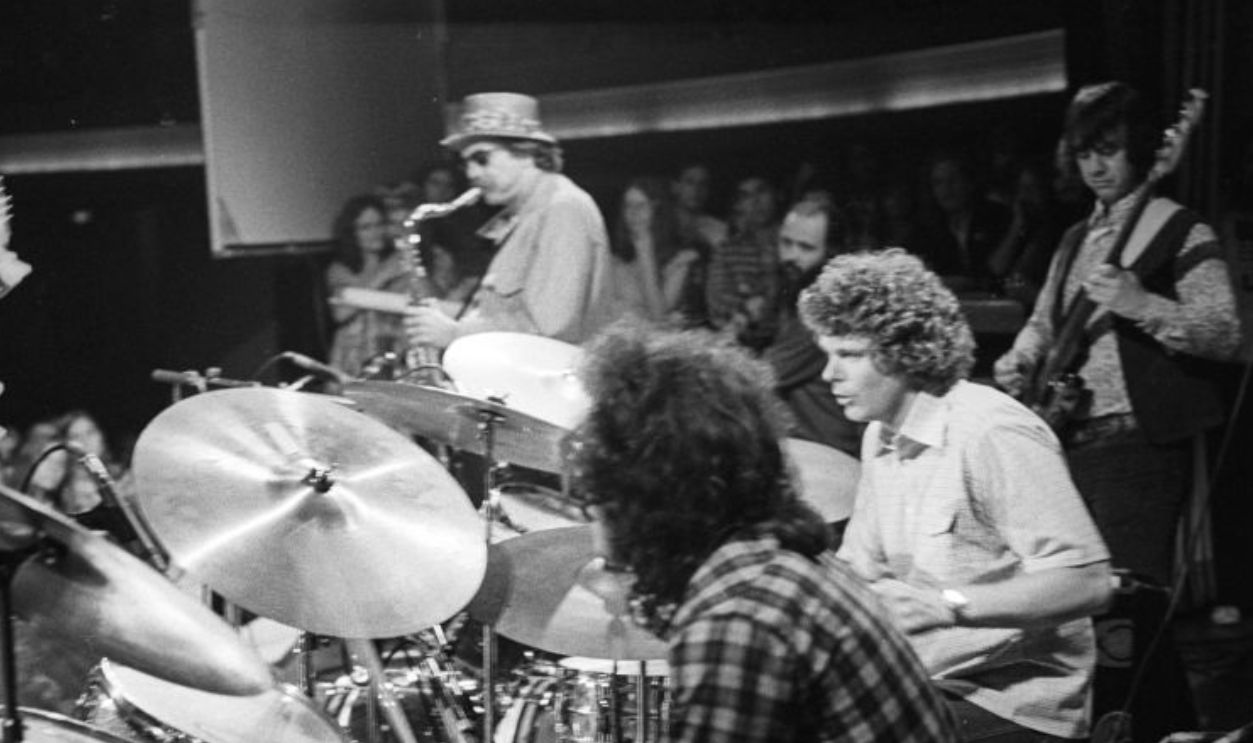 Sherry Rayn Barnett, Getty Images
A Diagnosis That Came Too Late
While incarcerated, Gordon was formally diagnosed with schizophrenia. By then, the damage had already been done, both to his life and to those around him, highlighting how long his condition had gone untreated.
Denied Parole Multiple Times
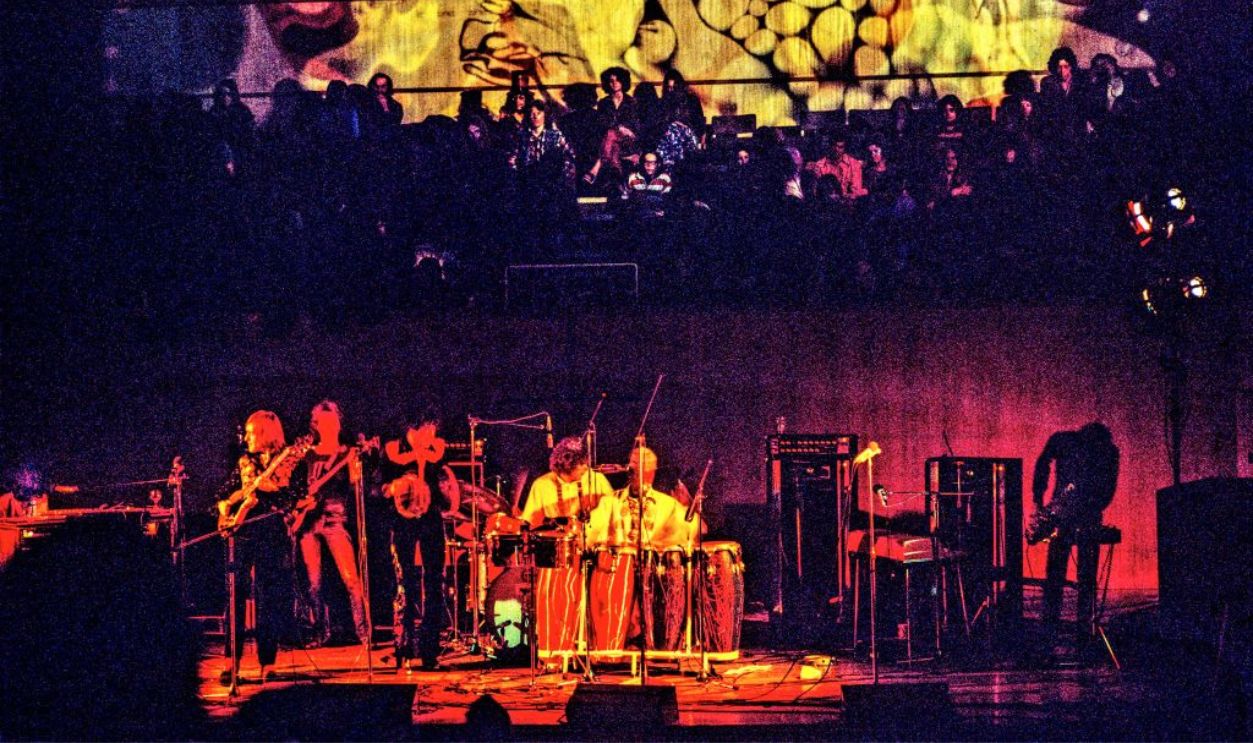
Over the years, Gordon was denied parole more than a dozen times. Authorities consistently cited the severity of the crime and ongoing concerns about his mental health as reasons to keep him incarcerated.
 Sherry Rayn Barnett, Getty Images
His Music Never Went Away
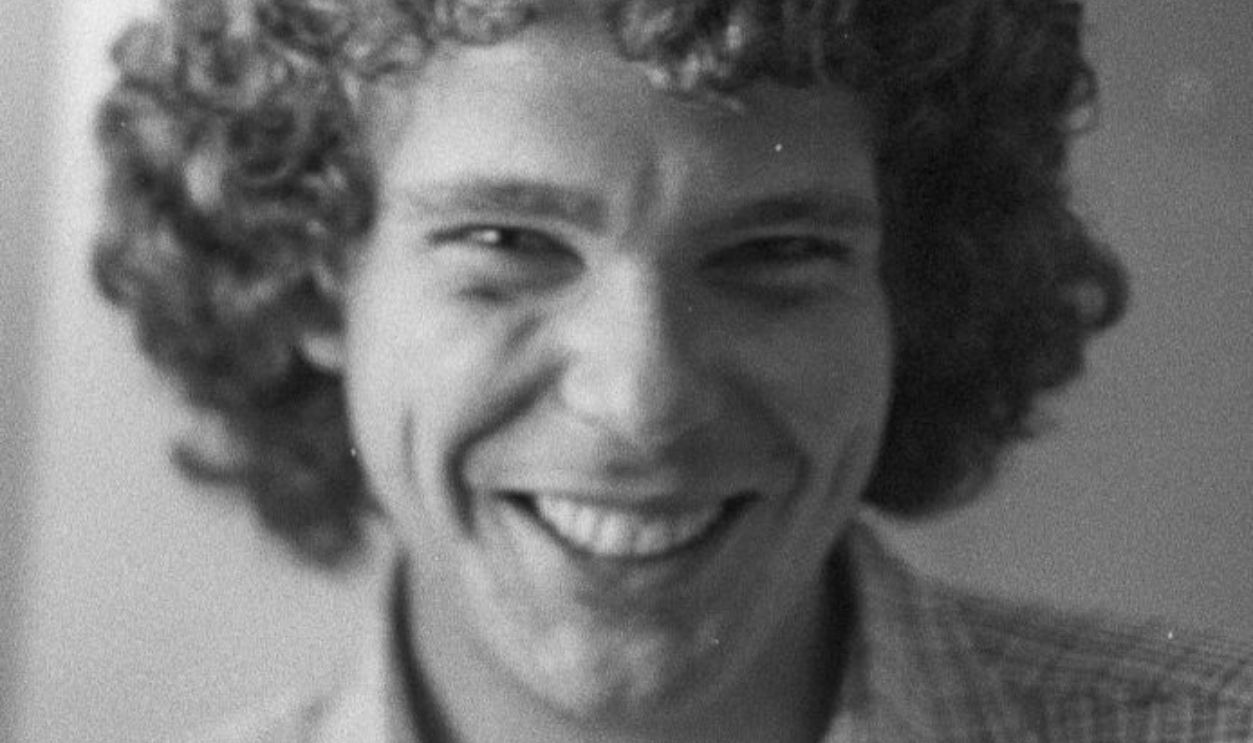
Even as his life played out behind prison walls, Gordon’s work remained everywhere. Songs he played on continue to be streamed, played on radio, and rediscovered by new generations who may not even know his story.
 Sherry Rayn Barnett, Getty Images
A Legacy That’s Hard To Separate
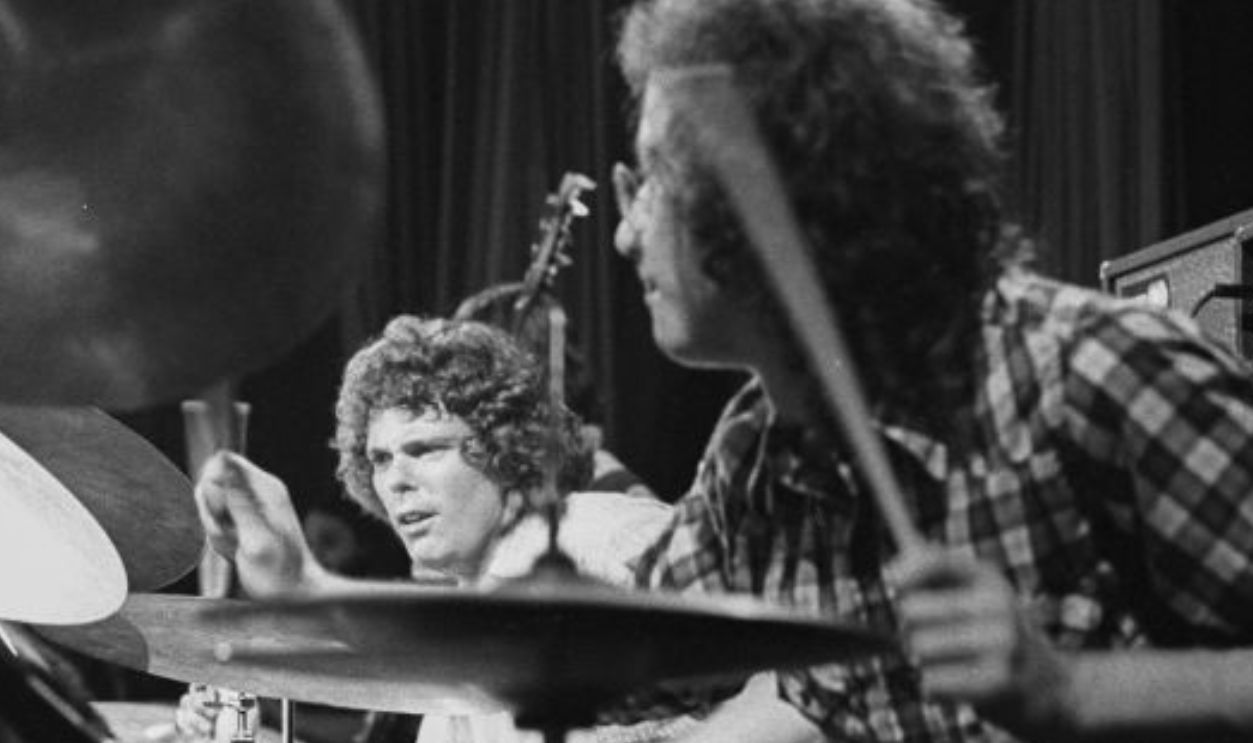
Jim Gordon’s story is one of extremes, extraordinary talent and unimaginable tragedy. His contributions to music are undeniable, but so is the darkness that followed, making his legacy complicated and difficult to fully separate.
 Koh Hasebe/Shinko Music, Getty Images
He Died In 2023
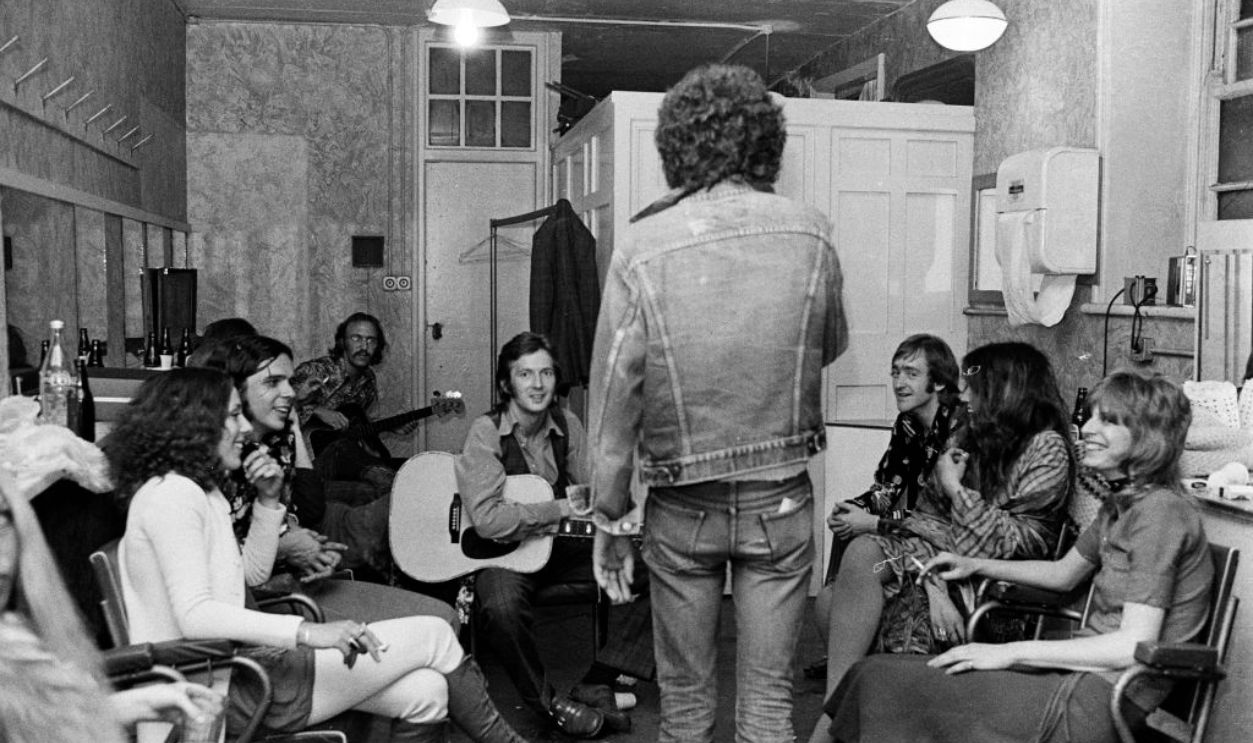
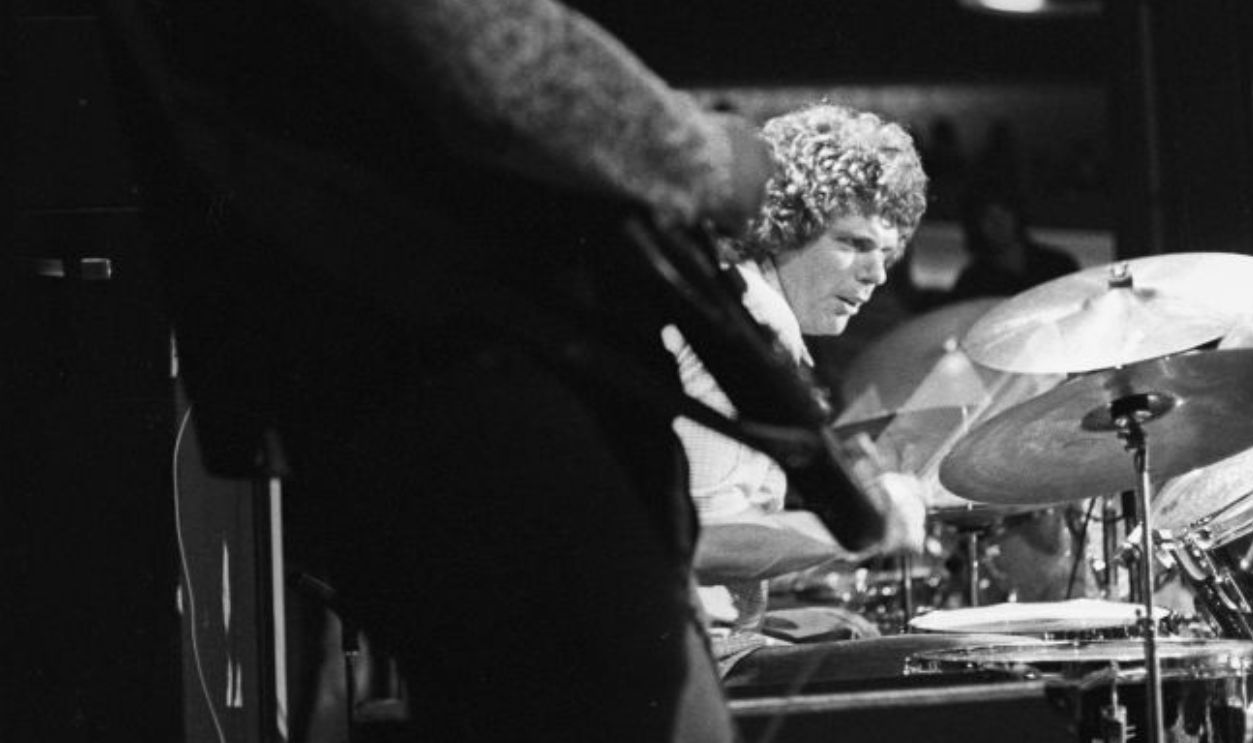
Jim Gordon passed away in 2023 at the age of 77 while still in prison, reportedly from natural causes, bringing a quiet end to a life that had once been so visible and influential.
 Sherry Rayn Barnett, Getty Images
One Of Rock’s Most Tragic Stories
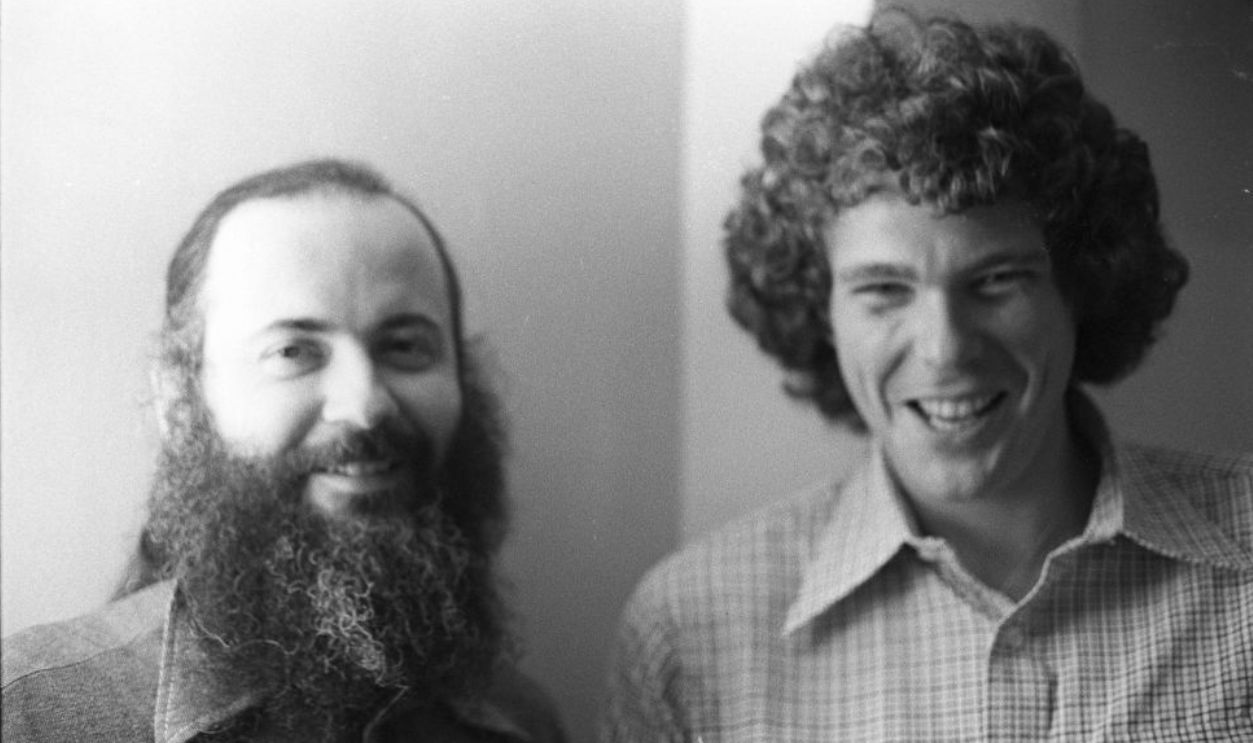
From elite session drummer to a life defined by mental illness and violence, Jim Gordon’s story remains one of the most haunting in music history, a reminder of how quickly everything can change.
 Sherry Rayn Barnett, Getty Images
You Might Also Like:
Bands Who Left A Mark That Still Shapes Music Today
Rock stars who thought fame would last forever. Now no one born after 2000 has even heard of them.