

Wait...That's What This Song Is About?
Some songs reveal everything in the first verse. Others hide their meaning behind metaphors, strange lyrics, unreliable narrators, historical references, or stories that take years to fully unravel.
Plenty of people know these songs. Millions have sung along to them. But actually understanding them? That's a different challenge entirely. Let's see how many of these famously misunderstood songs you can truly explain.

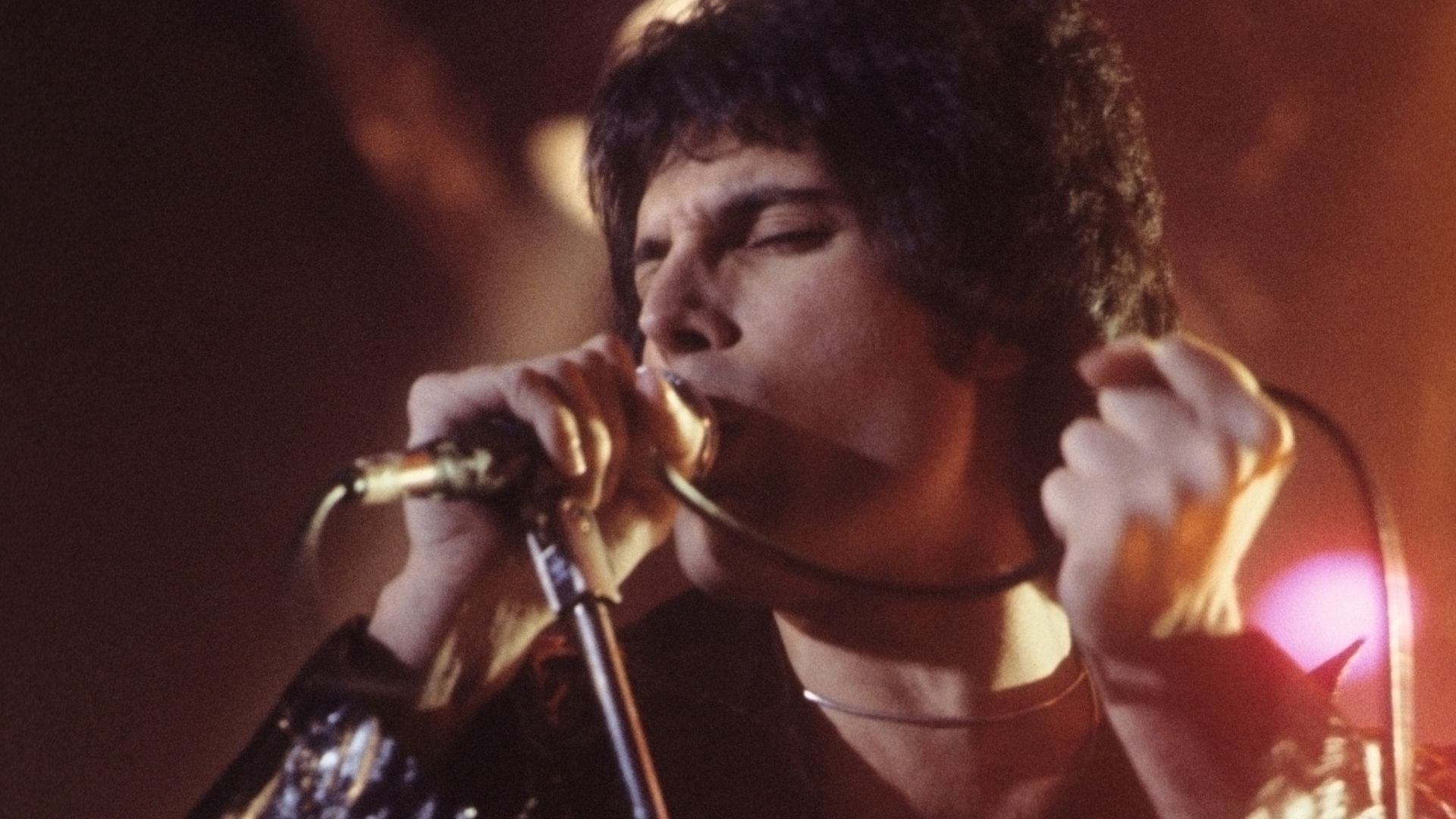
"Bohemian Rhapsody" (Queen)
For decades, fans have argued about what Freddie Mercury was really trying to say in Bohemian Rhapsody. Is it a confession? A coming-of-age story? A coded reflection of his personal life? Mercury famously refused to explain it, which only fueled the mystery. The song jumps between multiple styles, characters, and emotions so quickly that many listeners simply enjoy the ride without trying to decode it.
 Carl Lender, Wikimedia Commons
"American Pie" (Don McLean)
People know the chorus. Almost nobody agrees on every verse. McLean packed American Pie with references to Buddy Holly, rock and roll history, politics, and cultural changes in America. Entire books have been written trying to explain the lyrics. If you can break down every major reference without consulting the internet, you're operating at a very high level of music-nerd intelligence.
 Gijsbert Hanekroot, Getty Images
"Hotel California" (Eagles)
One of the most analyzed songs ever recorded. Some listeners think it's about the music industry. Others believe it's about excess, addiction, or the dark side of the American dream. The Eagles have said it's largely about the excesses of Southern California culture, but the lyrics remain open enough that people continue debating them nearly 50 years later.

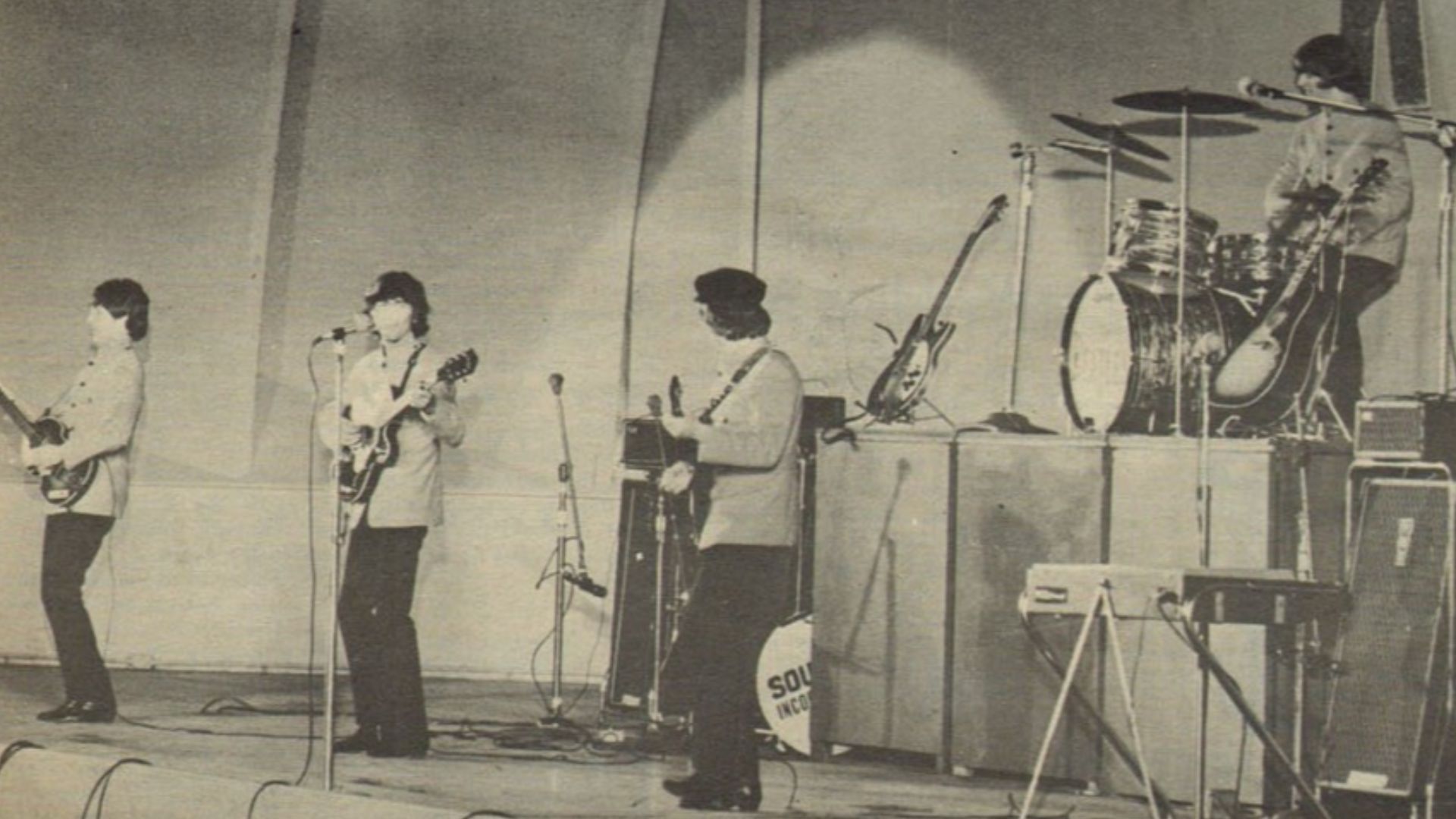
"A Day In The Life" (The Beatles)
This Beatles masterpiece combines newspaper stories, dreamlike imagery, and two completely different songwriting styles from John Lennon and Paul McCartney. The result feels almost like a puzzle. Even listeners who love the song often struggle to explain exactly what is happening from beginning to end.
 Robert W. Young, Wikimedia Commons
"The Sound Of Silence" (Simon & Garfunkel)
Many people assume it's simply a quiet folk song about loneliness. It's actually a much deeper commentary on communication, isolation, conformity, and society's tendency to ignore meaningful messages. The song becomes richer every time you listen closely to the lyrics.
![Collectie / Archief : Fotocollectie Anefo
Reportage / Serie : [ onbekend ]
Beschrijving : Optreden Simon and Garfunkel (links) in Feijenoordstadion, Rotterdam
Datum : 12 juni 1982
Locatie : Rotterdam, Zuid-Holland
Trefwoorden : musici, muziek, popgroepen,](https://www.factinate.com/storage/app/media/theshot/2026/6/5/1780617811cdb12ff9ad6e40a27f17857a2c3ddda306d39569.jpg) Rob Bogaerts / Anefo, Wikimedia Commons
Rob Bogaerts / Anefo, Wikimedia Commons
"Life On Mars?" (David Bowie)
Even Bowie acknowledged that the song wasn't meant to have one simple interpretation. The lyrics move through Hollywood imagery, social criticism, fantasy, and alienation. Like much of Bowie's best work, it often feels more like a surreal painting than a traditional narrative.

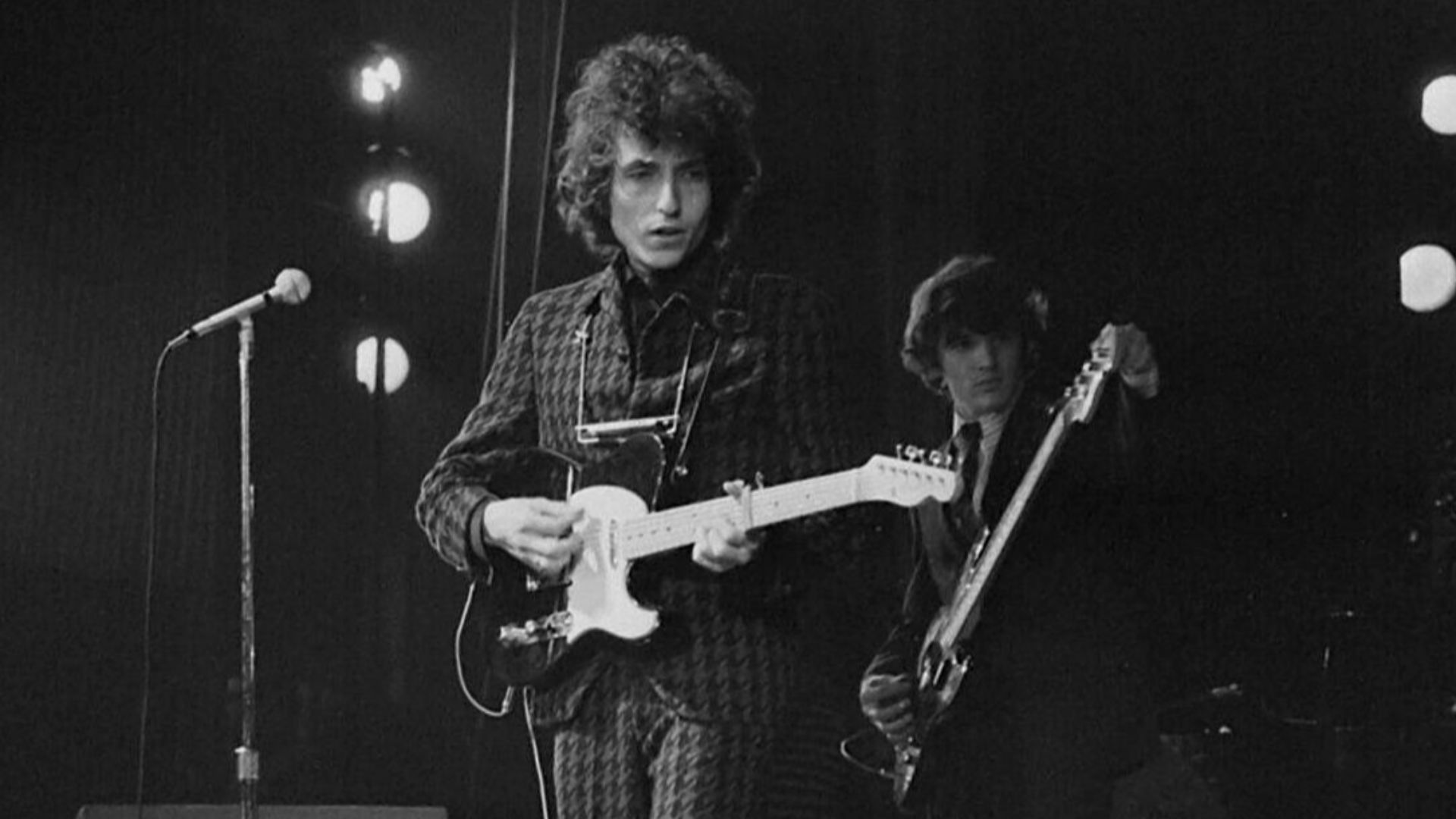
"Mr. Tambourine Man" (Bob Dylan)
Despite decades of speculation, Dylan consistently rejected simplistic drug interpretations of the song, though he never pinned it to a single meaning. The lyrics are packed with dreamlike imagery and symbolism that leave plenty of room for interpretation. Understanding the song requires paying attention to its poetic structure rather than looking for a simple literal story.
 Pic, Roger (1920-2001). Photographe, Wikimedia Commons
"Losing My Religion" (R.E.M.)
Contrary to what many listeners believe, the song isn't primarily about religion. The phrase "losing my religion" is a Southern expression meaning you're at the end of your rope or losing your patience. Once you know that, the song takes on a completely different meaning.
 Yves Lorson, Wikimedia Commons
"Space Oddity" (David Bowie)
At first glance, it's a song about an astronaut drifting through space. Underneath that story are themes of isolation, disconnection, fame, and personal identity. Major Tom became one of rock's most fascinating recurring characters because Bowie never made the meaning completely obvious.
 Tony Barnard, Los Angeles Times, Wikimedia Commons
"Both Sides Now" (Joni Mitchell)
The lyrics sound simple enough. Then you realize Mitchell is reflecting on love, life, memory, aging, and the limits of human understanding all at once. It's one of those songs that often makes more sense the older you get.
 Library of Congress Life, Wikimedia Commons
"The Boxer" (Simon & Garfunkel)
Many listeners hear a story about a struggling fighter. Others see a metaphor for perseverance, loneliness, criticism, and survival. Paul Simon's lyrics leave enough ambiguity that multiple interpretations can coexist without canceling each other out.
 Eddie Mallin, Wikimedia Commons
"Kashmir" (Led Zeppelin)
Robert Plant created a song that feels like a journey through a mythical landscape. The lyrics combine travel experiences, spiritual imagery, and fantasy elements in ways that don't always connect logically. Understanding it often means accepting that some meanings are emotional rather than literal.
 Heinrich Klaffs, Wikimedia Commons
"Solsbury Hill" (Peter Gabriel)
This song sounds uplifting, but it tells the story of Gabriel leaving Genesis and taking a huge career risk. Without knowing the backstory, many listeners miss the personal transformation at the center of the lyrics.

"Desolation Row" (Bob Dylan)
Eleven minutes of surreal characters, strange encounters, literary references, and social commentary. Trying to unpack every image in Desolation Row is practically a college-level literature assignment. Dylan wasn't making it easy for anyone.
 Xavier Badosa, Wikimedia Commons
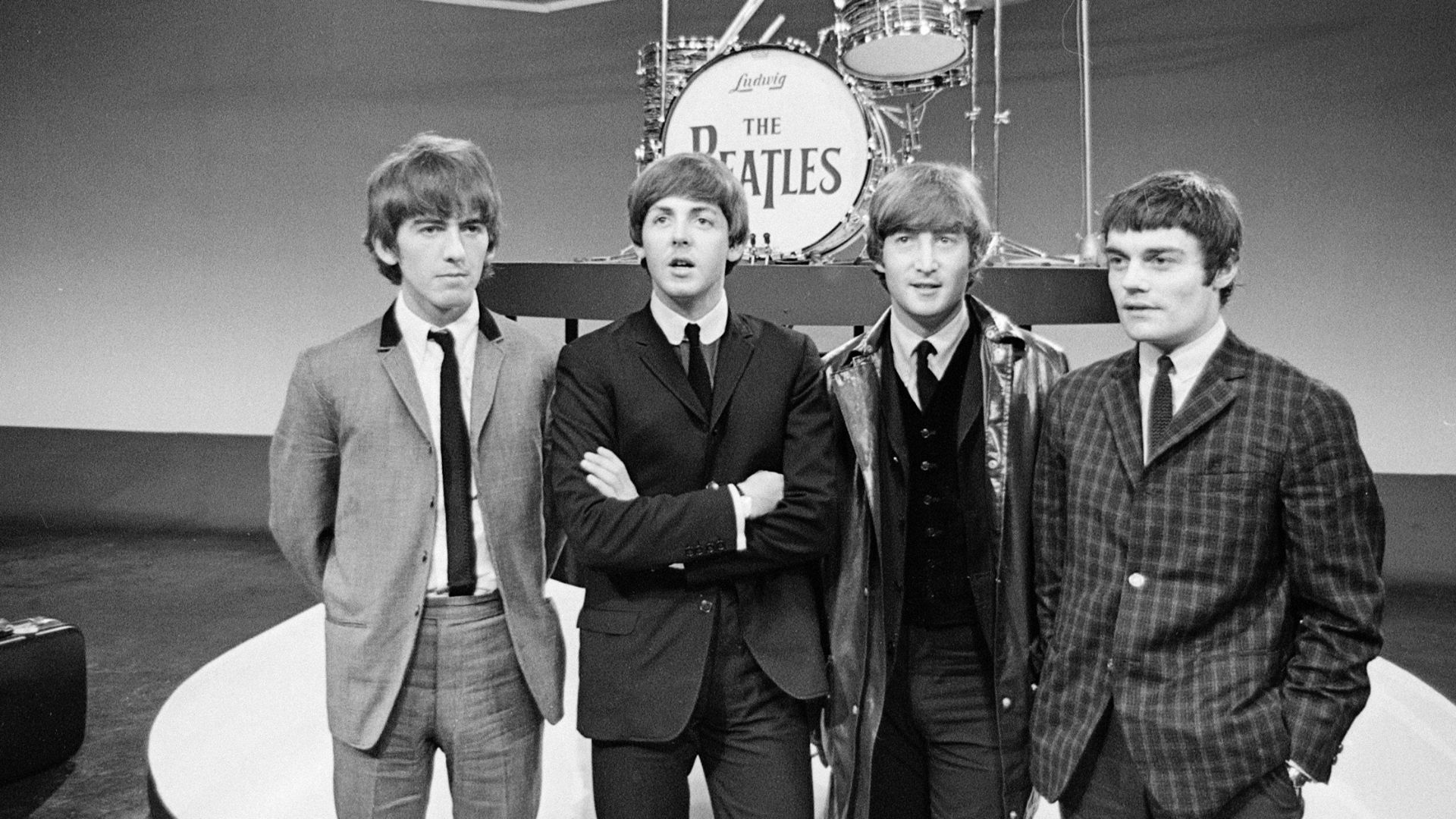
"Strawberry Fields Forever" (The Beatles)
John Lennon blended childhood memories with themes of perception, identity, and reality. The result is one of the most influential psychedelic songs ever recorded. It's also a song many people think they understand until they try explaining it out loud.
 Boer, Poppe de, Wikimedia Commons
"The Trees" (Rush)
Rush somehow turned a story about trees arguing in a forest into a debate about equality, power, and human nature. Fans have spent decades arguing about exactly what political message—if any—it contains.

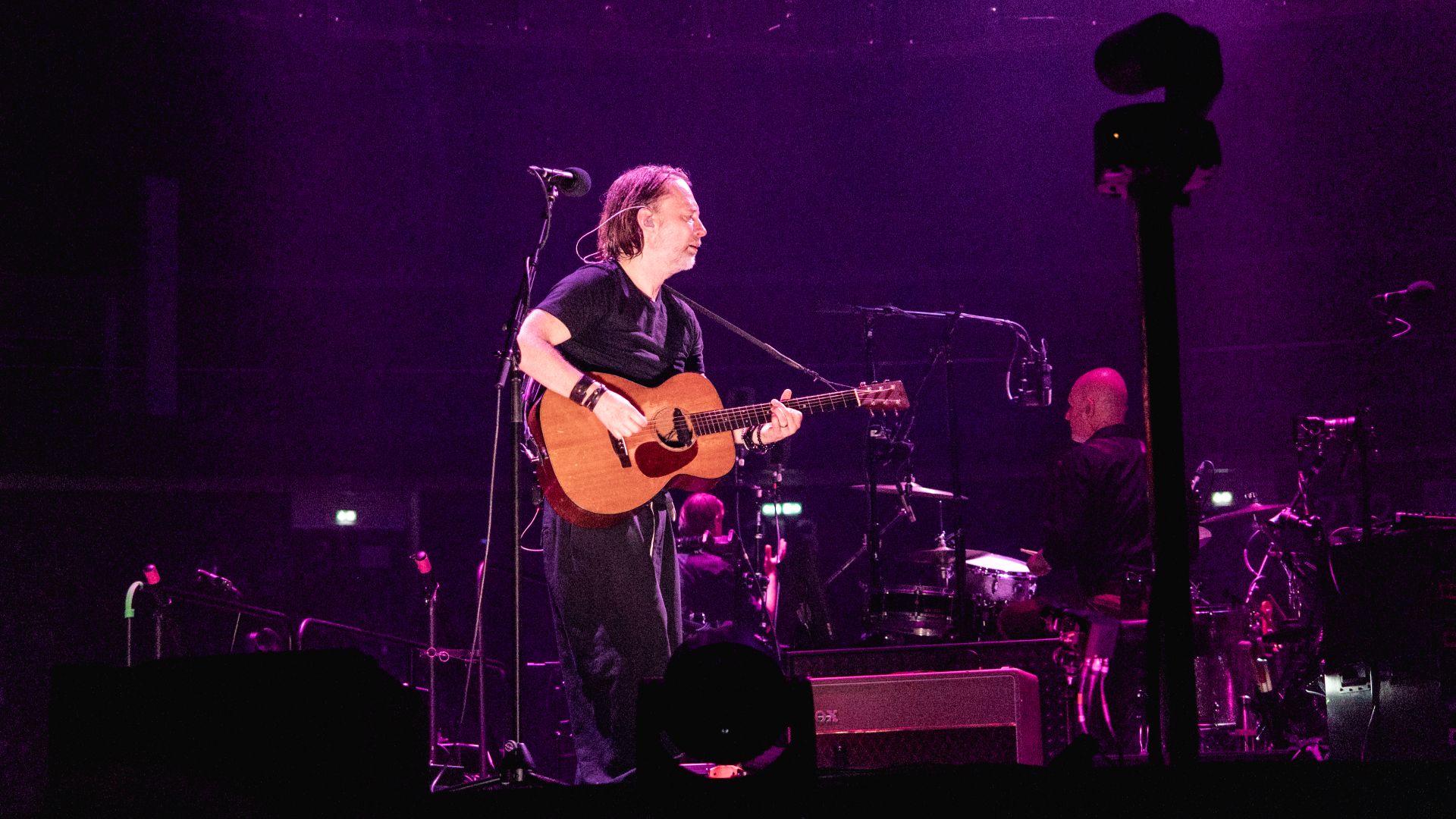
"Pyramid Song" (Radiohead)
Radiohead fans have spent years debating the meaning of this haunting track. Common interpretations involve death, the afterlife, dreams, memory, and spiritual transcendence. Thom Yorke hasn't exactly rushed to settle the argument.
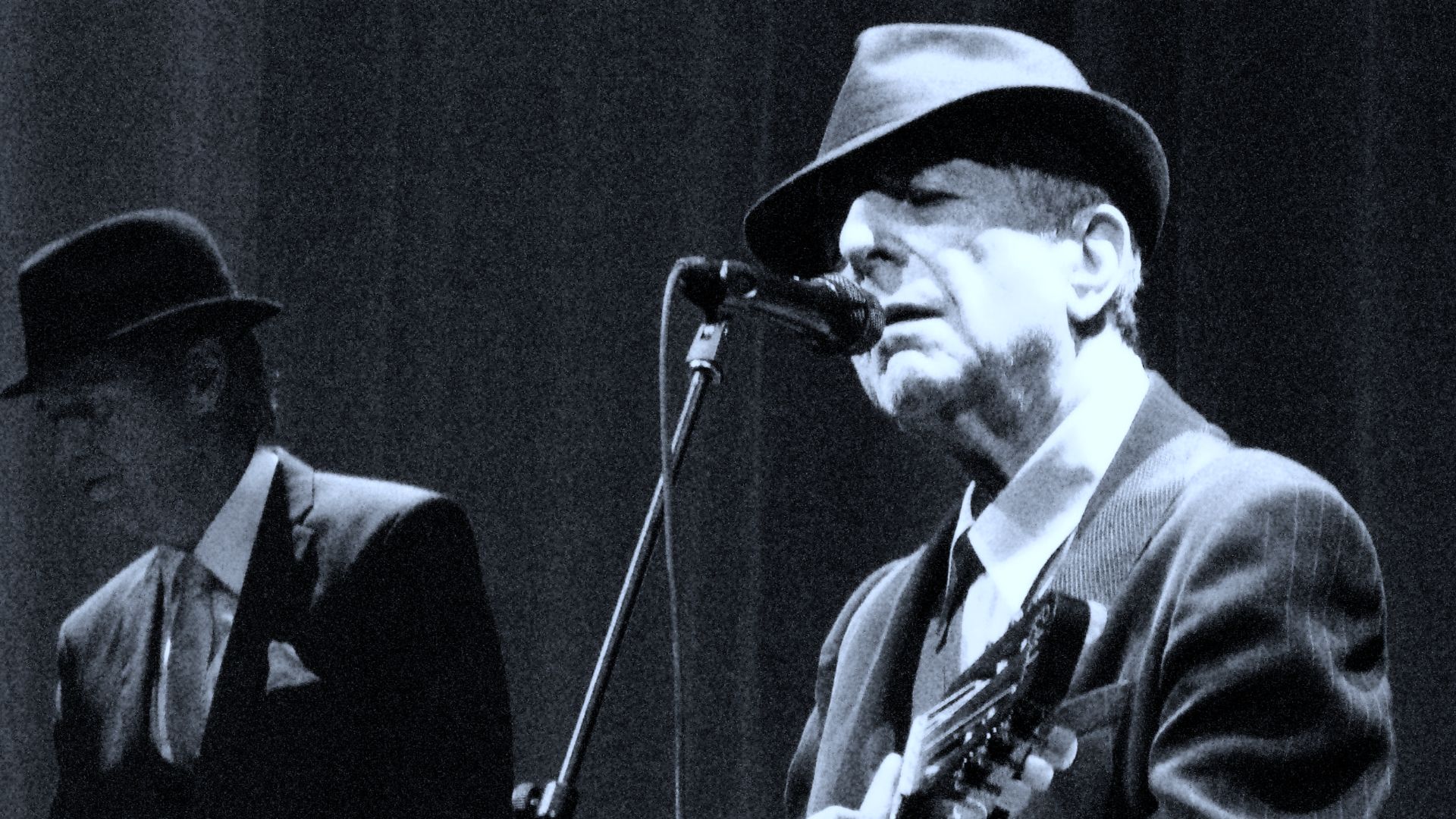
"Hallelujah" (Leonard Cohen)
Most people recognize the chorus immediately. Fewer realize the song mixes biblical stories, romantic relationships, heartbreak, spirituality, desire, and artistic struggle. Cohen reportedly wrote somewhere around 80 verses before settling on the versions that were eventually released.
"Paranoid Android" (Radiohead)
Inspired by everything from social anxiety to consumer culture, Paranoid Android shifts moods and styles multiple times. Like Bohemian Rhapsody before it, the song feels deliberately designed to resist easy interpretation.

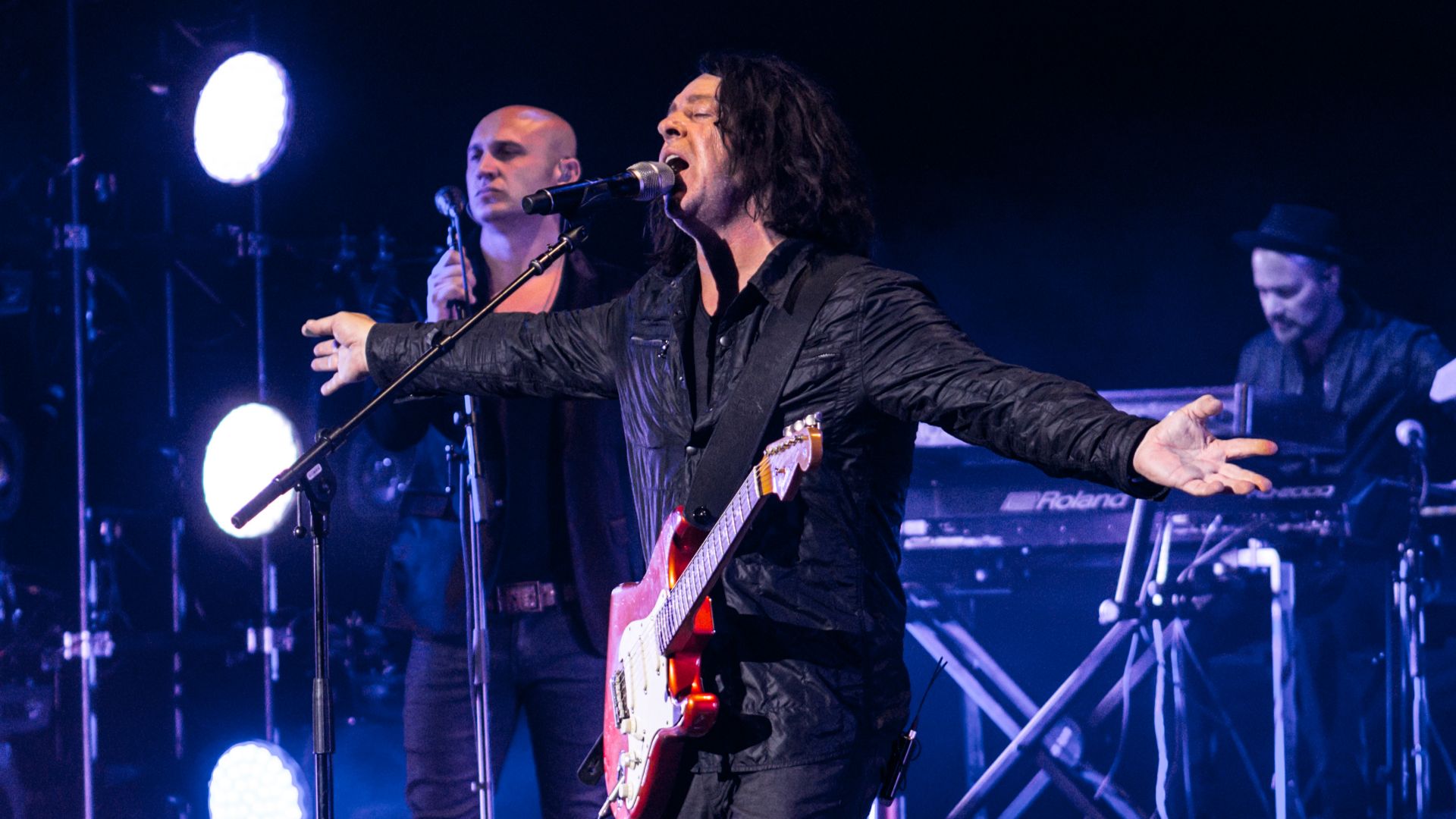
"Everybody Wants To Rule The World" (Tears For Fears)
It sounds upbeat enough to play at a barbecue. The lyrics tell a different story. Underneath the catchy melody are themes of power, ambition, corruption, and human conflict. That's part of what makes the song so enduring.
"Black Star" (David Bowie)
Released just before Bowie's death, Blackstar is packed with symbolism, cryptic imagery, mortality themes, and references that fans still analyze today. Understanding every layer may be impossible—but trying is half the fun.
![500px provided description: David Bowie [#show ,#rock ,#concert ,#music ,#live ,#guitar ,#performance ,#stage ,#gig ,#band ,#musician ,#singer ,#live music ,#bowie ,#David Bowie ,#Roger Woolman]](https://www.factinate.com/storage/app/media/theshot/2026/6/5/1780618907640a2100bc44939d1e629c479b71e8aaa1988593.jpeg) Roger Woolman, Wikimedia Commons
Roger Woolman, Wikimedia Commons
"Imagine" (John Lennon)
Ironically, one of the most famous songs ever written is also one of the most misunderstood. Some hear a utopian anthem. Others hear a radical political statement. Still others hear a philosophical thought experiment. The fact that intelligent people continue debating it is probably the point.

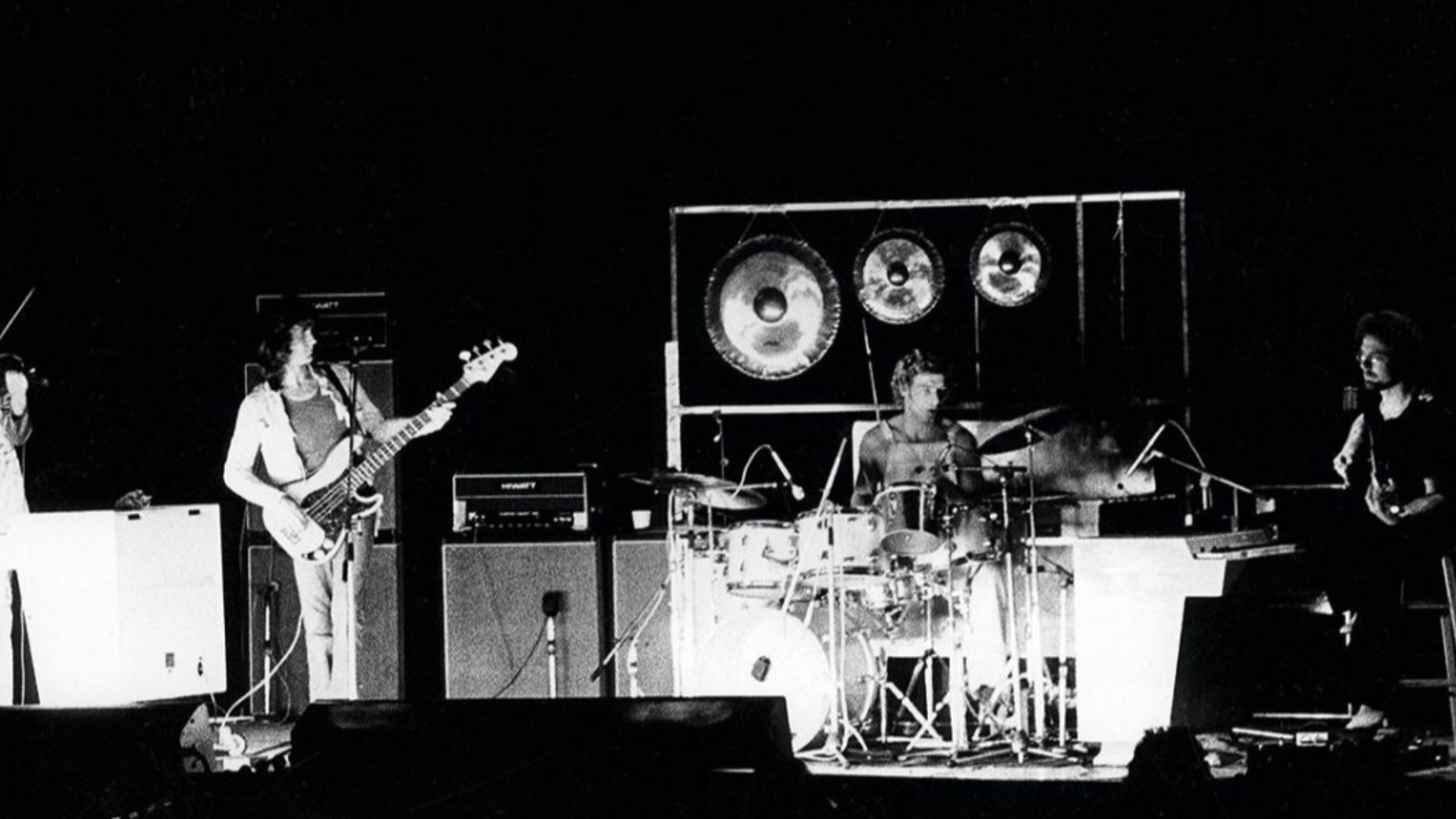
"The Court Of The Crimson King" (King Crimson)
Fantasy imagery, medieval symbolism, social commentary, and progressive rock excess all collide here. Even fans often disagree about what the song means. Understanding it requires navigating a world where symbolism matters more than straightforward storytelling.
 Unknown authorUnknown author, Wikimedia Commons
"Scenes From An Italian Restaurant" (Billy Joel)
What starts as a restaurant conversation gradually becomes a surprisingly complex story about memory, nostalgia, youth, relationships, and how people rewrite their own histories. There's a lot more happening beneath the surface than many casual listeners realize.
![Collectie / Archief : Fotocollectie Anefo
Reportage / Serie : [ onbekend ]
Beschrijving : Nieuwste artiesten bij Phonogram, Billy Joel
Datum : 13 september 1972
Trefwoorden : pianos, zangers
Instellingsnaam : Phonogram
Fotograaf : Mieremet, Rob / Anefo
Au](https://www.factinate.com/storage/app/media/theshot/2026/6/5/1780619058604da35423acd3902f541f6c129fb3b084c672f0.jpg) Rob Mieremet / Anefo, Wikimedia Commons
Rob Mieremet / Anefo, Wikimedia Commons
"Wish You Were Here" (Pink Floyd)
Many people hear a song about missing someone. That's certainly part of it. But the song is also deeply tied to Syd Barrett, the music industry, alienation, and the loss of innocence. The more context you know, the more powerful it becomes.
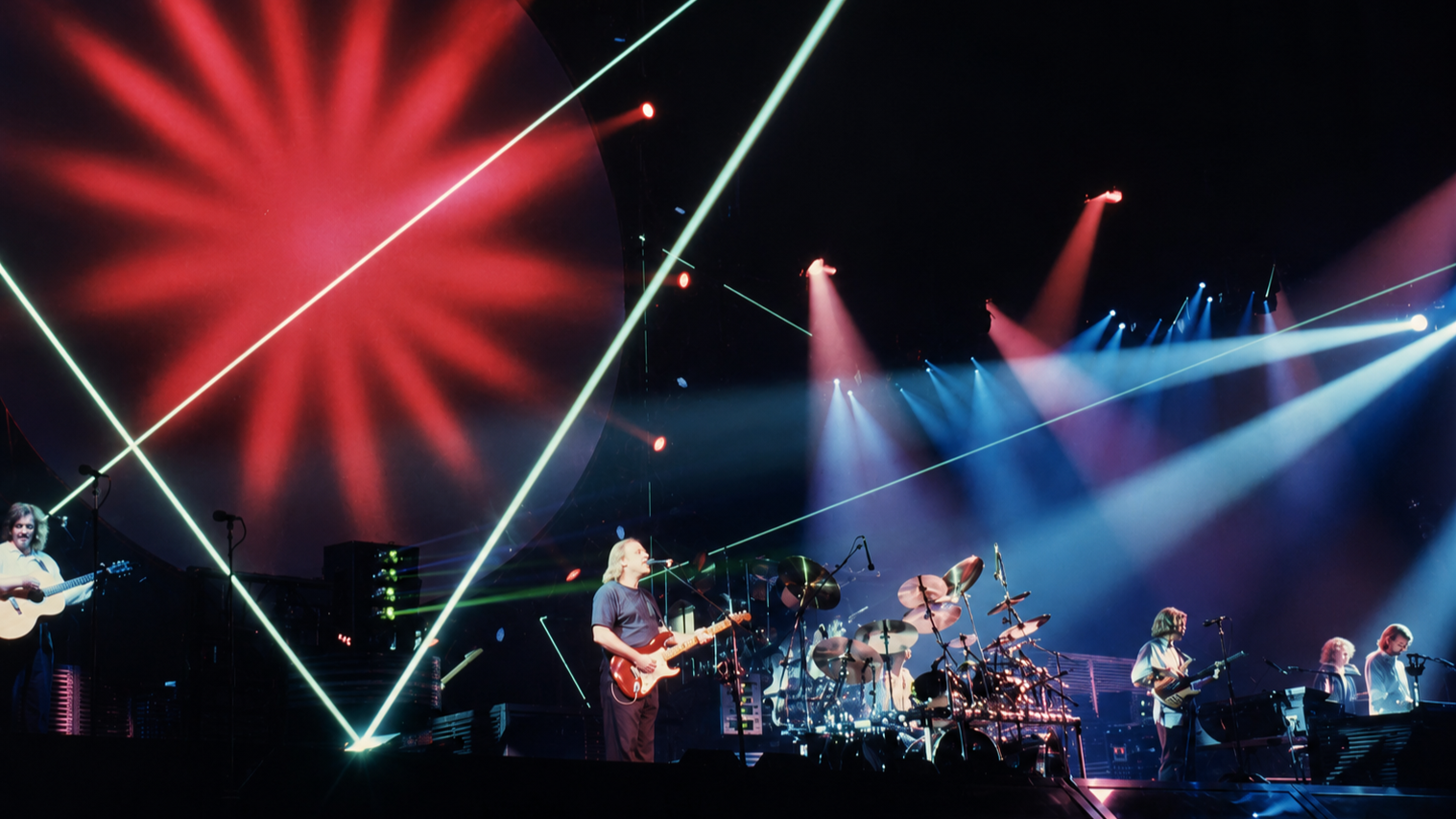 Paul Carless, Wikimedia Commons
You Might Also Like:
Ranking Rock’s Best Live Acts Of All Time—Do You Agree?
Rock Bands Who Clearly Didn’t Want To Make These Albums—And You Can Hear It
These 1970s Shows Aren't Trending Anymore, But Their Impact Is Unforgettable






.jpg)