
Think You Know Your Classic Rock?
Anyone can recognize a monster guitar riff or a famous chorus. But what happens when you’re given only a clue about the song’s opening lyric? This classic rock quiz separates the casual listeners from the human jukeboxes. Keep track of your answers, and whatever you do, don’t cheat.
Here’s How The Quiz Works
Each question gives you a paraphrased version of a famous opening lyric, so you’ll have to rely on memory instead of simply recognizing the exact words. Make your guess before moving to the next slide, where the answer will be revealed. One point for every song you correctly name.

A Lady With Expensive Taste
We begin with a mysterious woman who appears to believe that something glittery has tremendous value. In fact, she’s apparently interested in purchasing something much larger than jewelry. If you’re already hearing delicate acoustic guitar in your head, you might be starting this quiz with a point.

Time To Climb
The answer is “Stairway to Heaven” by Led Zeppelin. Released on Led Zeppelin IV in 1971, the song gradually transforms from a gentle folk-inspired ballad into one of rock’s most famous guitar showcases. If you recognized it immediately, give yourself one point and keep going.
 Jim Summaria, http://www.jimsummariaphoto.com/, Wikimedia Commons
Driving Through The Desert
Picture yourself traveling down a lonely desert highway late at night. The air feels cool, strange lights appear somewhere ahead, and an unusual destination is waiting in the distance. It’s one of classic rock’s most cinematic openings—but can you name the song before checking the answer?

You Can Check Out This Answer
The answer is “Hotel California” by Eagles. The title track from the band’s massively successful 1976 album became one of their signature songs, thanks partly to its mysterious story and unforgettable twin-guitar finale. Hopefully, you didn’t need to hear Don Henley’s voice to figure this one out.
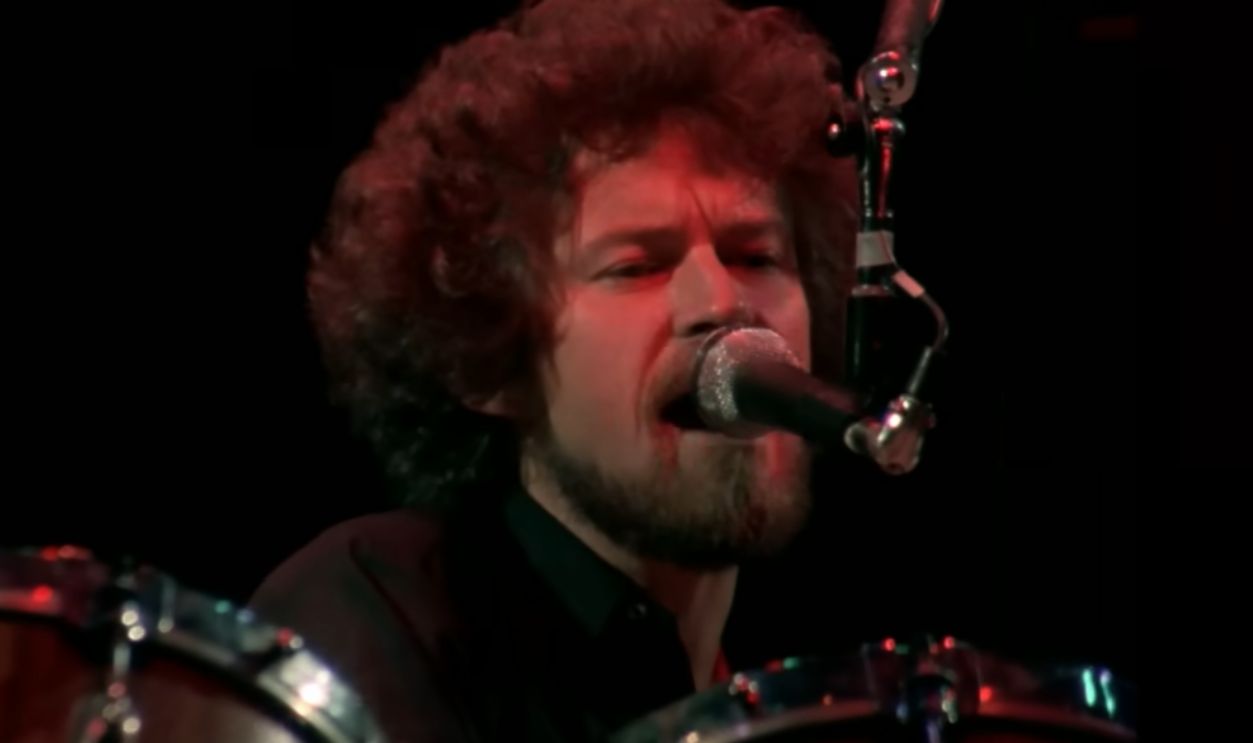 Screenshot from Hotel California, Asylum Records (1977)
A Small-Town Dreamer
Our next song begins by introducing a young woman from a small town. Very soon, a city guy enters the story, and both of them wind up connected by a late-night journey. You’ve probably screamed the chorus at least once, but do you remember how the song begins?

Hold Onto That Guess
The answer is “Don’t Stop Believin’” by Journey. Released in 1981, the song took an unusual route to its gigantic chorus, saving the title phrase until surprisingly late in the track. Today, it remains one of the most recognizable—and enthusiastically shouted—classic rock songs ever recorded.
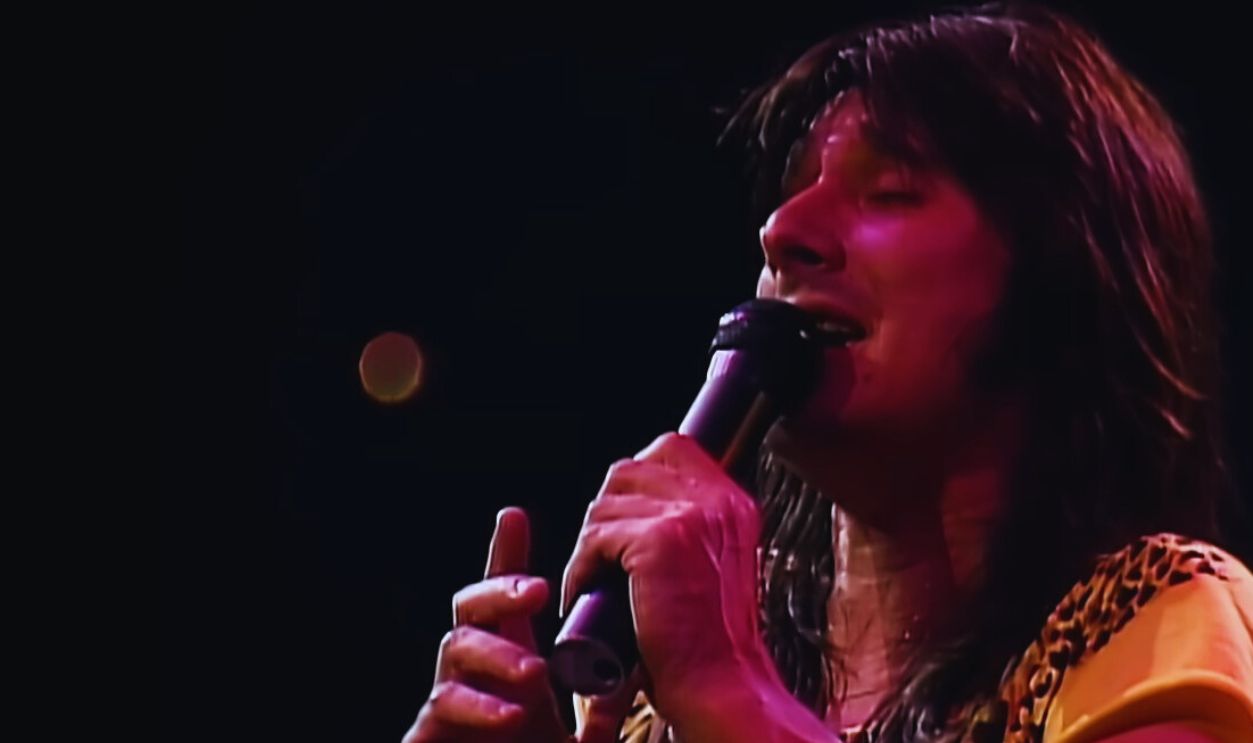 Screenshot from Don’t Stop Believin’ (Escape Tour 1981: Live in Houston), Columbia Records (1981)
That Door Needs A New Color
The narrator sees a brightly colored door and instantly decides its current appearance simply won’t do. He wants the cheerful shade completely replaced with something much darker. Things only get gloomier from there. Does that visual clue immediately bring a Rolling Stones hit to mind?

Everything Just Got Darker
The answer is “Paint It Black” by The Rolling Stones. Released in 1966, the song combined an unusually dark mood with Brian Jones’ memorable sitar playing. It became one of the Stones’ most distinctive recordings and remains instantly recognizable even before Mick Jagger starts singing.
 Screenshot from Paint It Black, London Recordings (1966)
That Familiar Smile
This opening describes a woman whose smile sends the narrator straight back to warm childhood memories. Of course, most listeners probably recognize the song several seconds earlier thanks to one of the most famous guitar intros of the 1980s. Can you identify the song without relying on Slash?

Welcome To The Answer
The answer is “Sweet Child o’ Mine” by Guns N’ Roses. Appearing on 1987’s Appetite for Destruction, the track became the band’s only US No. 1 single. That opening guitar figure may be legendary, but the surprisingly tender lyrics are just as memorable once Axl Rose joins in.
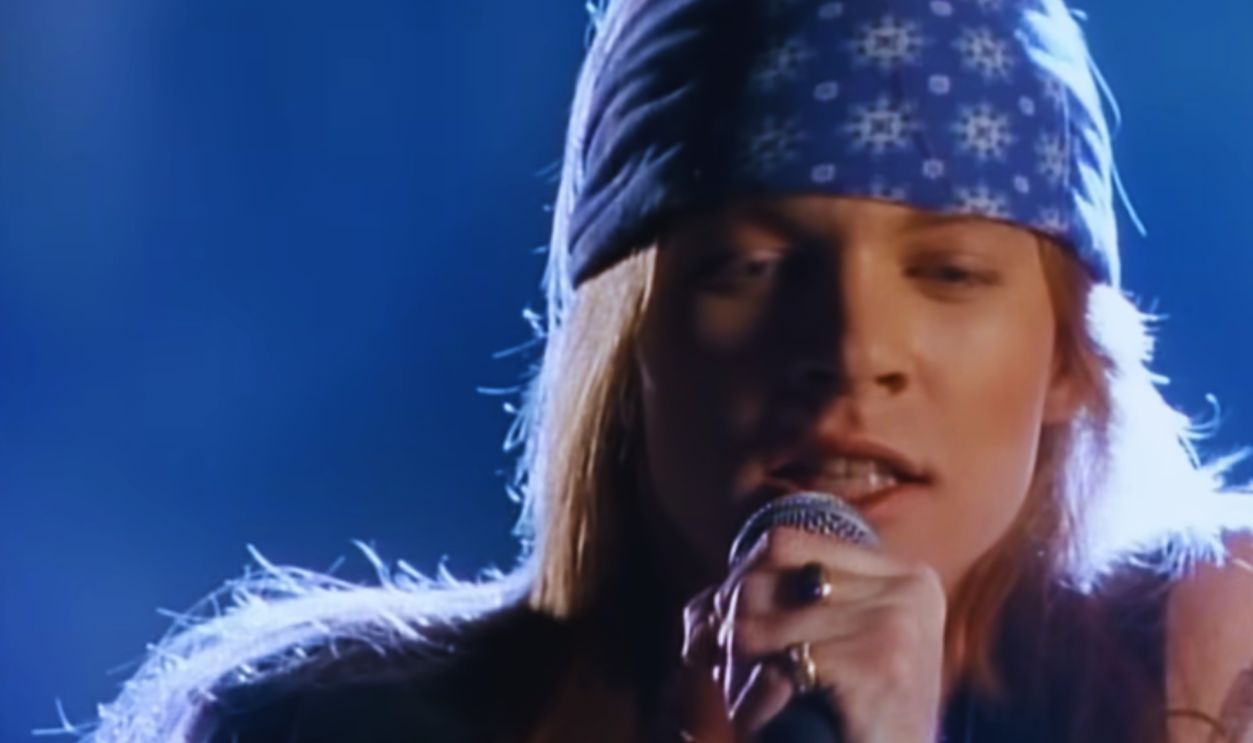 Screenshot from Sweet Child O’ Mine, Universal Music Group (1988)
Fire Up The Engine
Few classic rock openings make you want to grab a leather jacket faster. The narrator is starting up his vehicle, heading toward the highway, and searching for excitement and adventure. It’s practically a mission statement for rebellious rock ’n’ roll. What song are we describing?

The Highway Leads Here
The answer is “Born to Be Wild” by Steppenwolf. Released in 1968, the song became permanently associated with motorcycles and the open road, especially after appearing in Easy Rider. It also famously helped popularize a phrase that would become closely associated with heavy metal music.
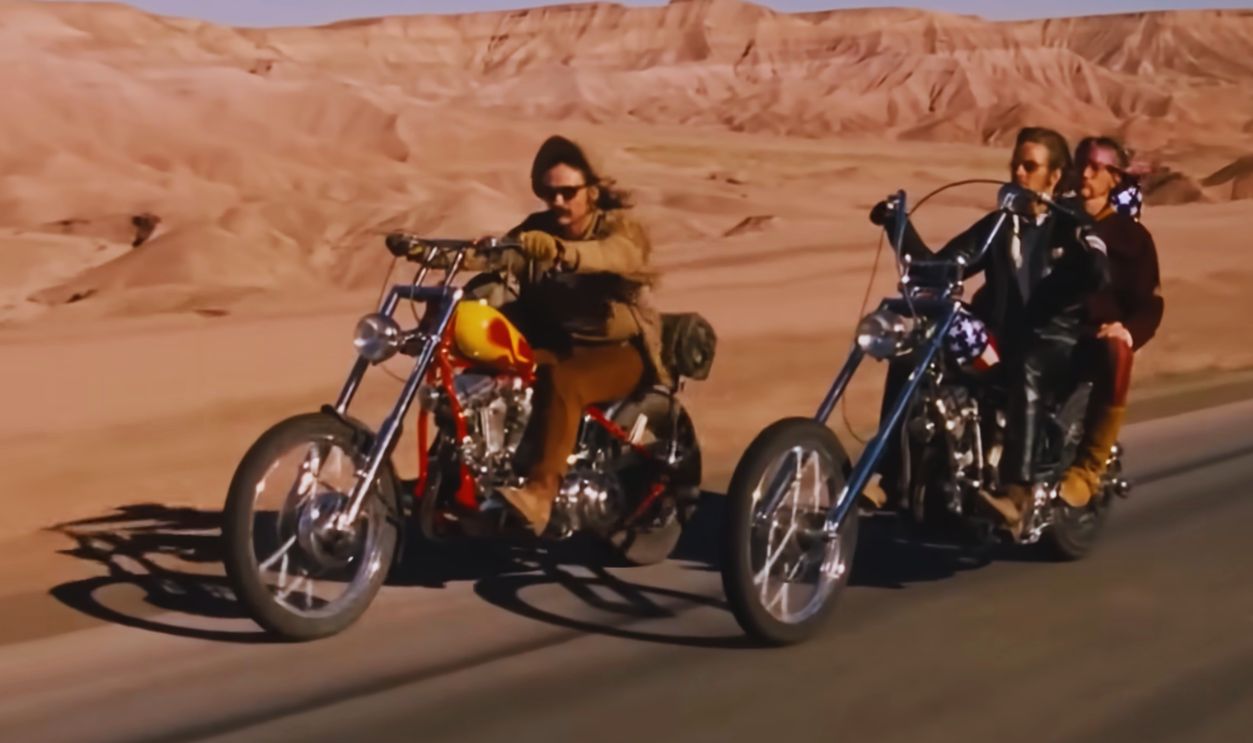 Screenshot from Born to Be Wild, RCA Records (1968)
She’s A Very Good Girl
This song starts by introducing a young American woman who loves her family and has plenty of wholesome interests. The narrator then contrasts himself with her seemingly respectable world. It sounds simple, but those first lines have been lodged in rock fans’ brains for decades.

Falling Into The Answer
The answer is “Free Fallin” by Tom Petty. Released on Petty’s 1989 solo album Full Moon Fever, the track became one of his biggest and most enduring songs. Its relaxed sound hides lyrics that are considerably more complicated than the massive singalong chorus might suggest.
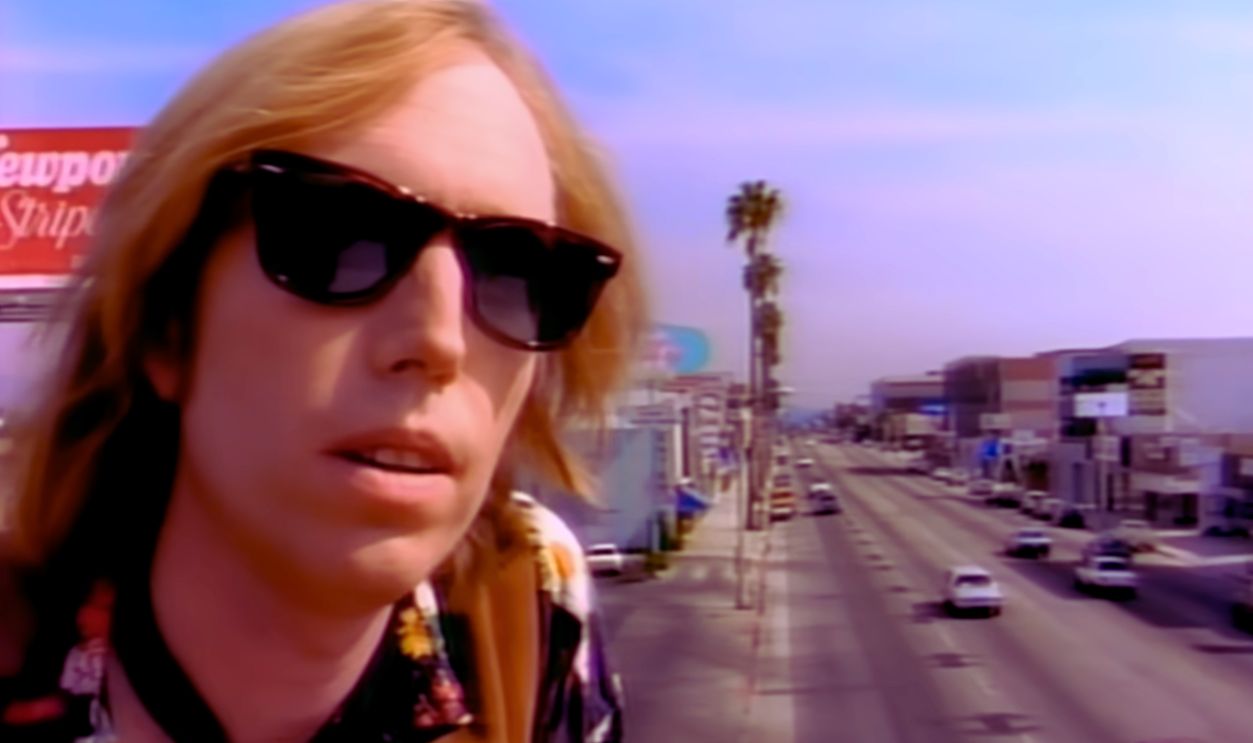 Screenshot from Tom Petty: Free Fallin', MCA Records (1989)
The Man In The Mirror
Before the enormous high notes and screaming finale, this song begins quietly and thoughtfully. The narrator looks at himself in a mirror and notices something unsettling about the passing years. It’s a surprisingly reflective beginning for one of the biggest power ballads in rock history.

Keep Dreaming
The answer is “Dream On” by Aerosmith. The song originally appeared on the band’s self-titled 1973 debut album and eventually became one of Aerosmith’s defining tracks. Steven Tyler’s spectacular final vocals tend to get the attention, but the song begins in a much more restrained mood.
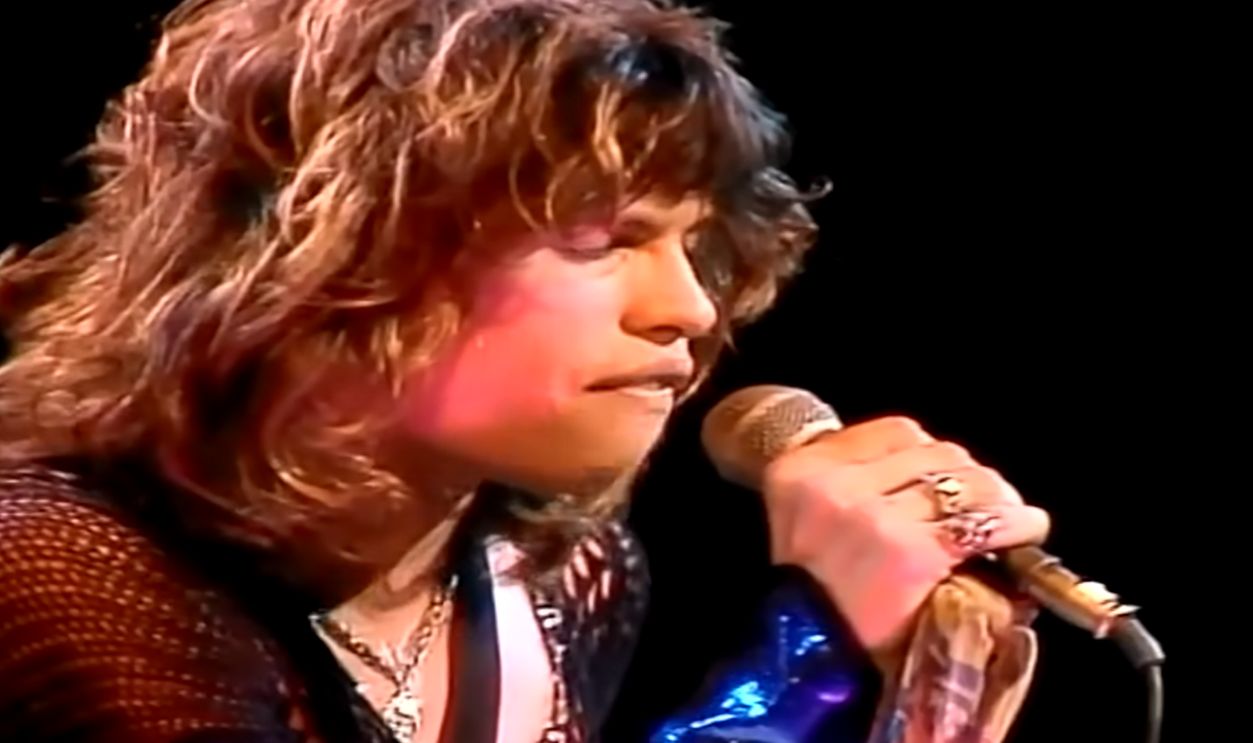 Screenshot from Dream On, Columbia Records (1973)
Maybe Loving You Was A Mistake
The narrator opens by questioning whether loving someone is even the right thing to do. Given the tangled personal relationships within the band that recorded it, those words carry extra weight. If you know your 1970s rock drama, this one should have been relatively easy.
 https://kaboompics.com/, Pexels
Choose Your Own Direction
The answer is “Go Your Own Way” by Fleetwood Mac. Lindsey Buckingham wrote the song during the collapse of his relationship with Stevie Nicks, giving the track an unusually personal edge. It appeared on 1977’s Rumours, an album practically powered by romantic tension and interpersonal chaos.
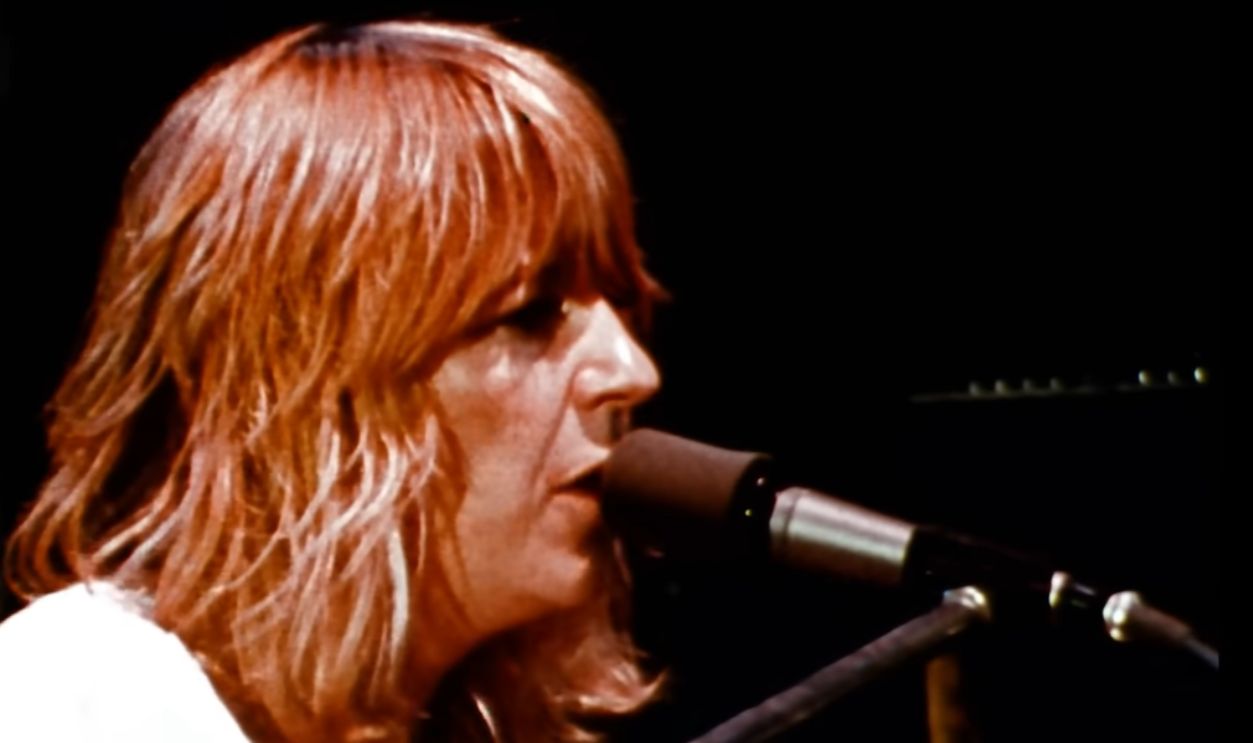 Screenshot from Go Your Own Way, Warner Music Group (1976)
Where Did The Sunshine Go?
The narrator wakes up one morning and notices that the sunshine seems to have disappeared. Then a familiar song begins playing, triggering memories and emotions from another time. Add some enormous guitars and impossibly polished harmonies, and you have a staple of 1970s rock radio.

More Than Just A Guess
The answer is “More Than a Feeling” by Boston. Released in 1976, the song helped turn Boston’s debut album into a blockbuster. Tom Scholz’s layered production and soaring guitars made the track instantly distinctive, while Brad Delp delivered one of the era’s great rock vocal performances.
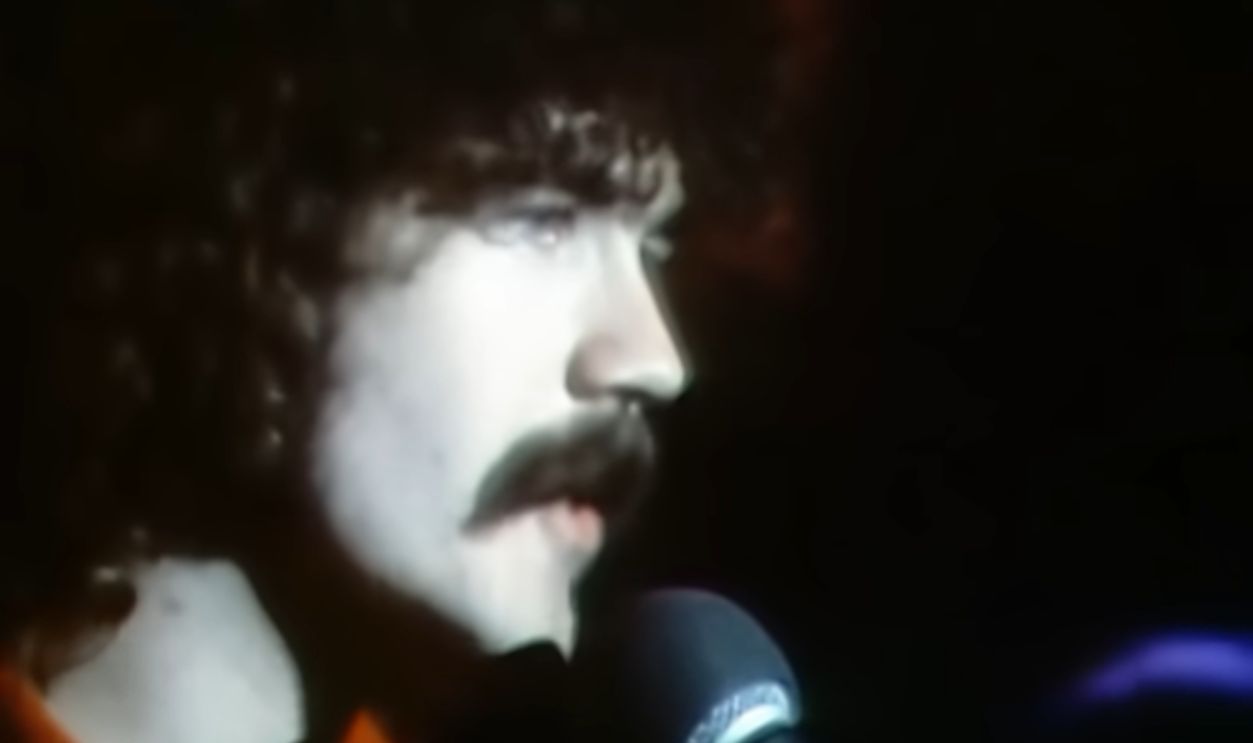 Screenshot from More Than a Feeling, Epic Records (1976)
Steve Is Walking Carefully
This song opens by introducing a guy named Steve, who is cautiously moving down the street while tension builds underneath him. Of course, the bass line probably gives the song away faster than the lyrics ever could. Bass players, you have absolutely no excuse for missing this one.

Another Answer Arrives
The answer is “Another One Bites the Dust” by Queen. Written by bassist John Deacon, the 1980 track gave Queen one of their biggest crossover hits. Its stripped-down groove sounded very different from the band’s grandest rock anthems, but that unforgettable bass line made it impossible to ignore.
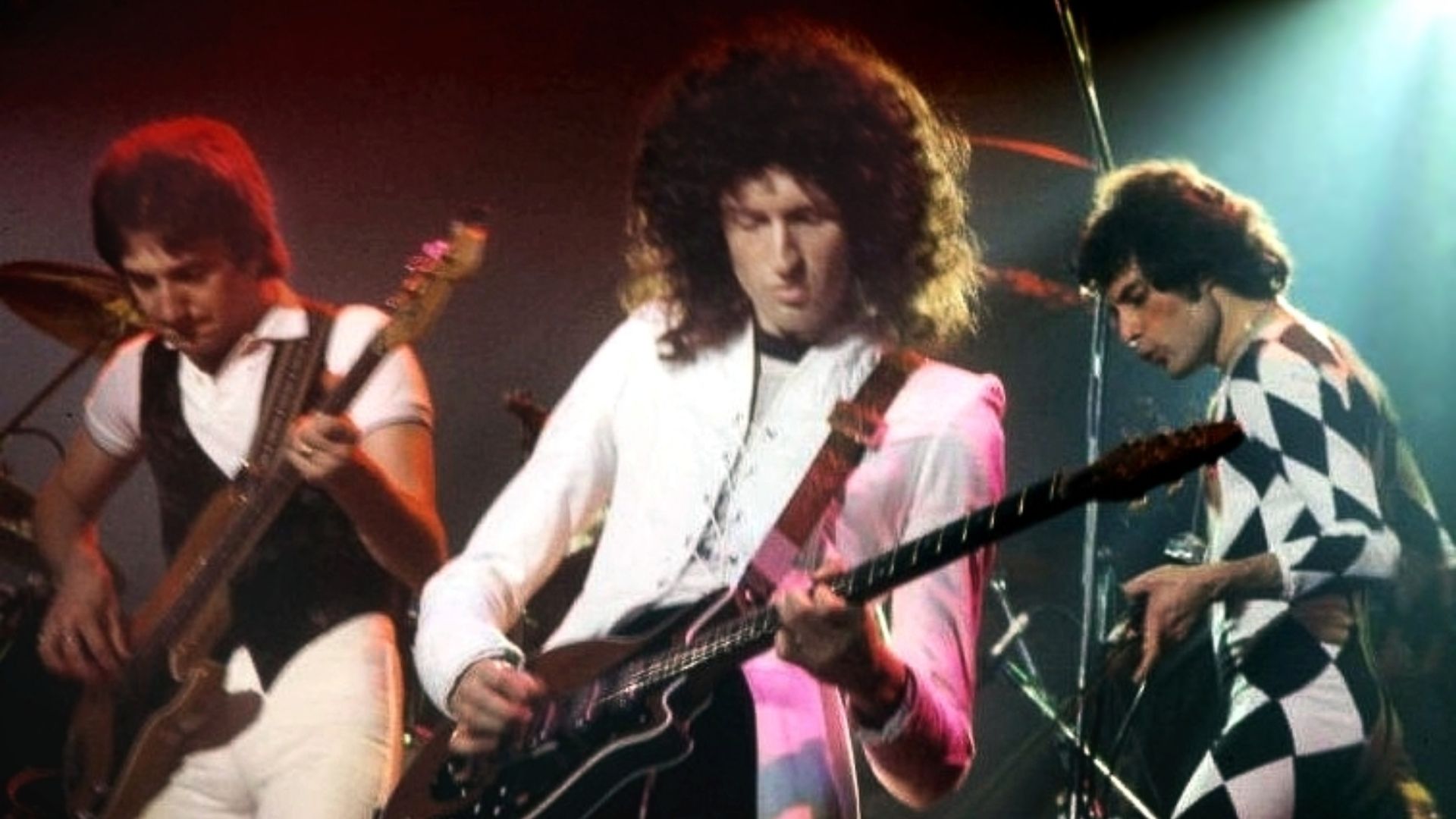 Carl Lender at https://www.flickr.com/photos/clender/, Wikimedia Commons
Born With The Flag
Our narrator takes aim at people born into wealth and privilege, particularly those who loudly display their patriotism while other people make the real sacrifices. The song might sound like a flag-waving anthem from a distance, but its actual message is considerably more biting.

No Silver Spoon Required
The answer is “Fortunate Son” by Creedence Clearwater Revival. Released in 1969, John Fogerty’s blistering protest song attacked privilege and inequality during the Vietnam era. Its roaring energy has made it a frequent soundtrack for war imagery, sometimes despite the fact that its lyrics are sharply critical.
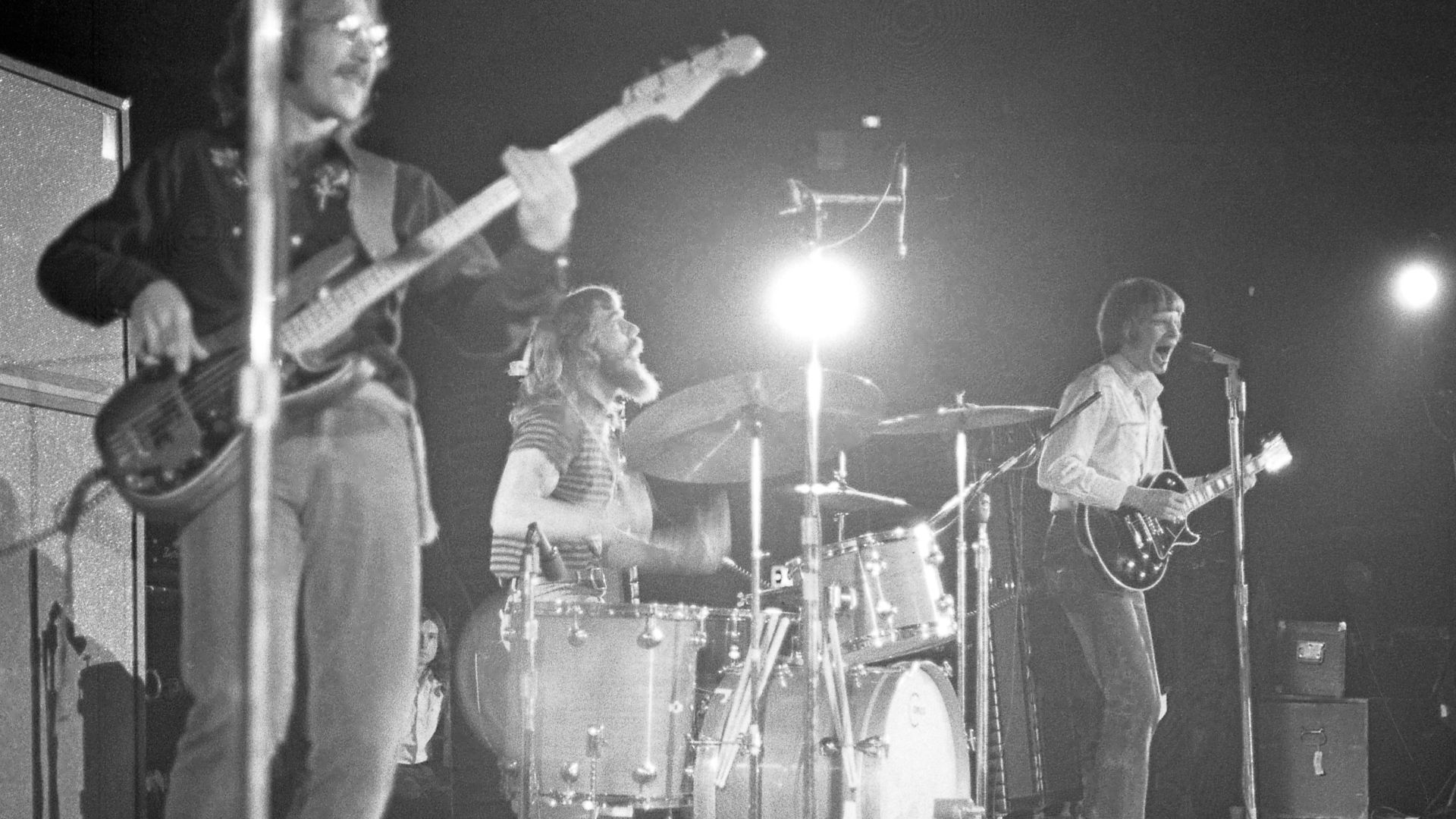 Cal Montney, Los Angeles Times, Wikimedia Commons
How Strong Is Your Classic Rock Memory?
That’s the end of the challenge. Opening lyrics can be surprisingly difficult when the famous riffs, choruses, and song titles are removed from the equation. If you identified most of these before seeing the answer slides, your classic rock knowledge goes much deeper than the average greatest-hits playlist.
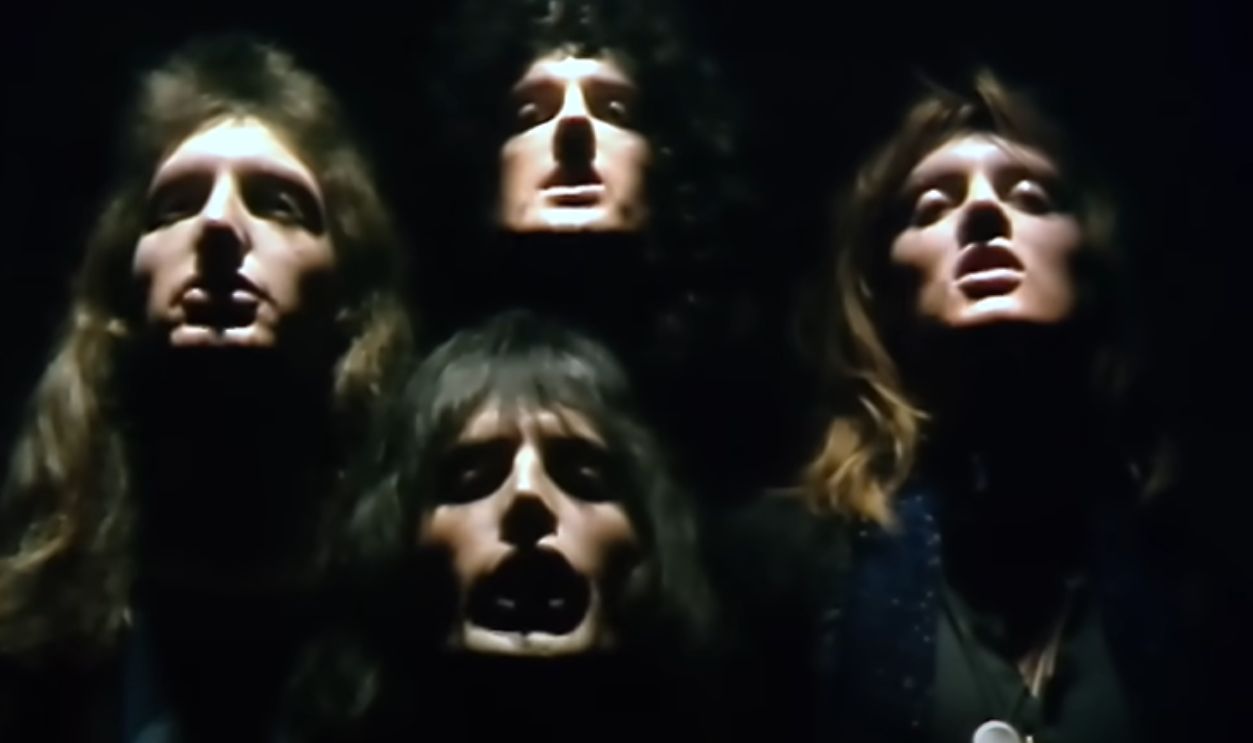 Screenshot from Bohemian Rhapsody, EMI Records / Elektra Records (1975)
Tell Us How You Did In The Comments Below
Scoring: 0–5 correct: Your classic rock education has only just begun. 6–10: You’ve definitely heard the greatest-hits albums. 11–15: Respectable—you know your way around an FM dial. 16–20: Serious rock fan territory. 21–24: You’re basically a walking jukebox. 25/25: Congratulations, you may actually be the classic rock radio station. Share your score in the comments below and see who can beat you.
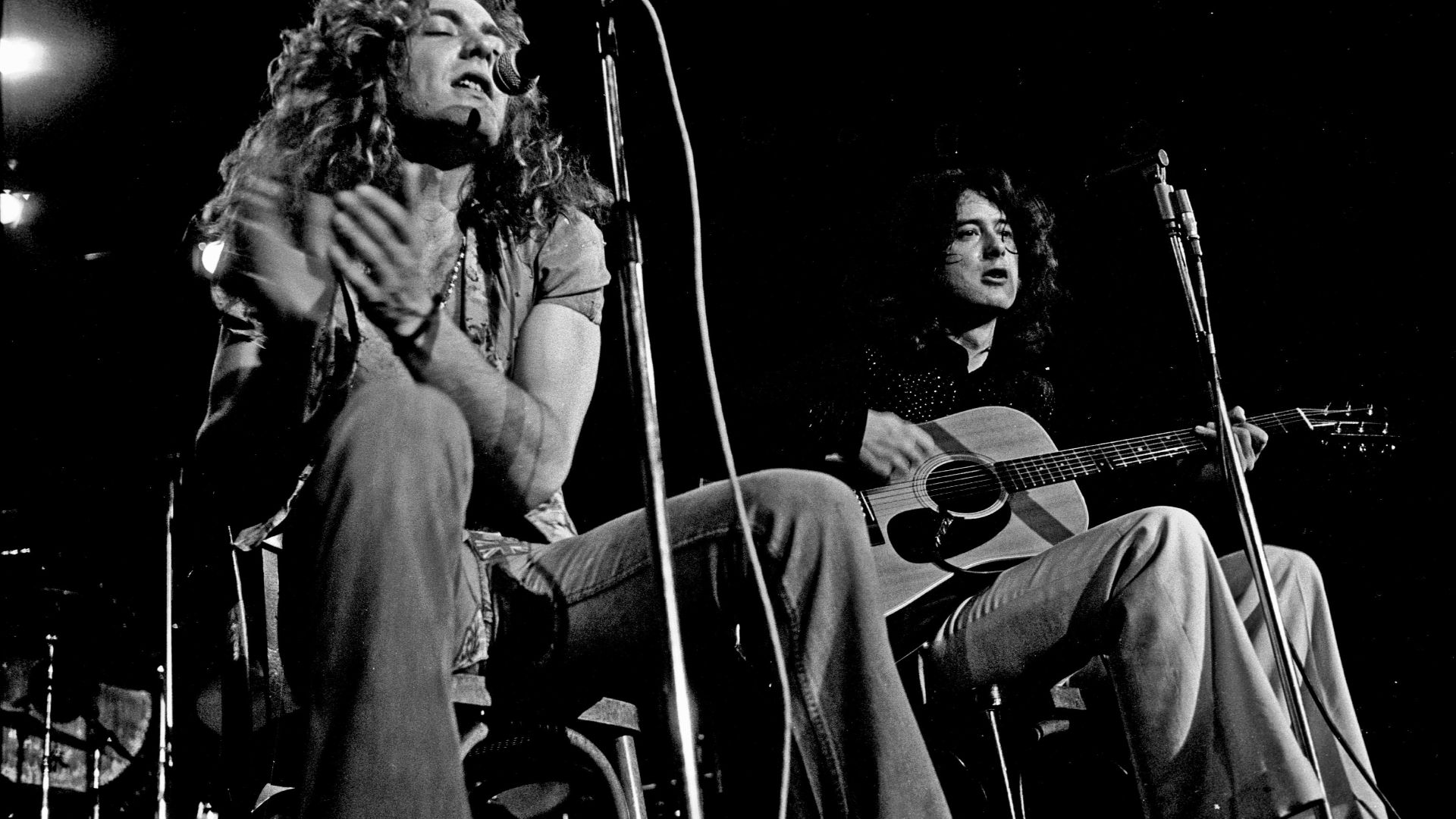 Heinrich Klaffs, Wikimedia Commons
You May Also Like:
Bobby Driscoll was once America’s biggest child star—so why was he buried in an unmarked grave?
Can You Identify The Classic Sitcom From Just Three Character Names? Take The Classic TV Quiz
The Miniseries Boom Of The 70s And 80s Changed TV—How Many Did You Watch?