A Night That Ended Too Quickly
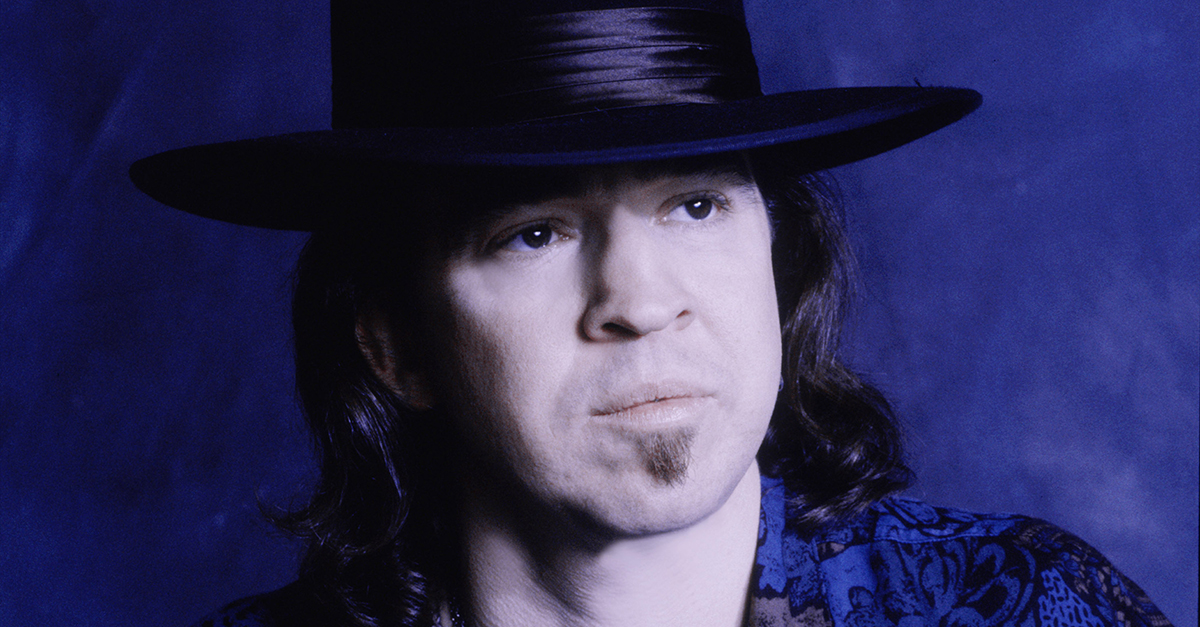
On August 27, 1990, Stevie Ray Vaughan finished a successful concert in Wisconsin and prepared to leave the venue. Within minutes, a short helicopter flight would turn into one of music’s most tragic accidents. There was no chaos, no warning—just a quiet sequence of decisions that led to irreversible loss.
And it all started after the show.
A Career Finally Stabilized
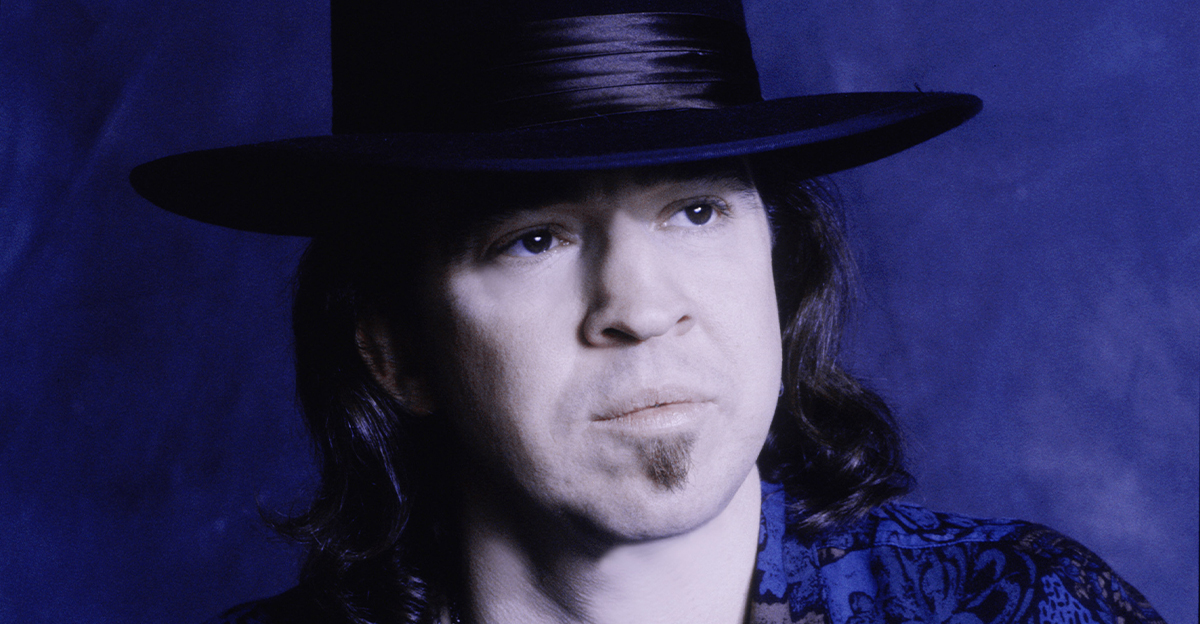
By 1990, Vaughan had rebuilt his life and career. After overcoming addiction, he was sober, disciplined, and creatively focused. Critics believed he was entering a new phase, not closing a chapter. That night, nothing suggested his momentum was about to stop.
The performance only reinforced that belief.
 Bbadventure, Wikimedia Commons
The Final Performance
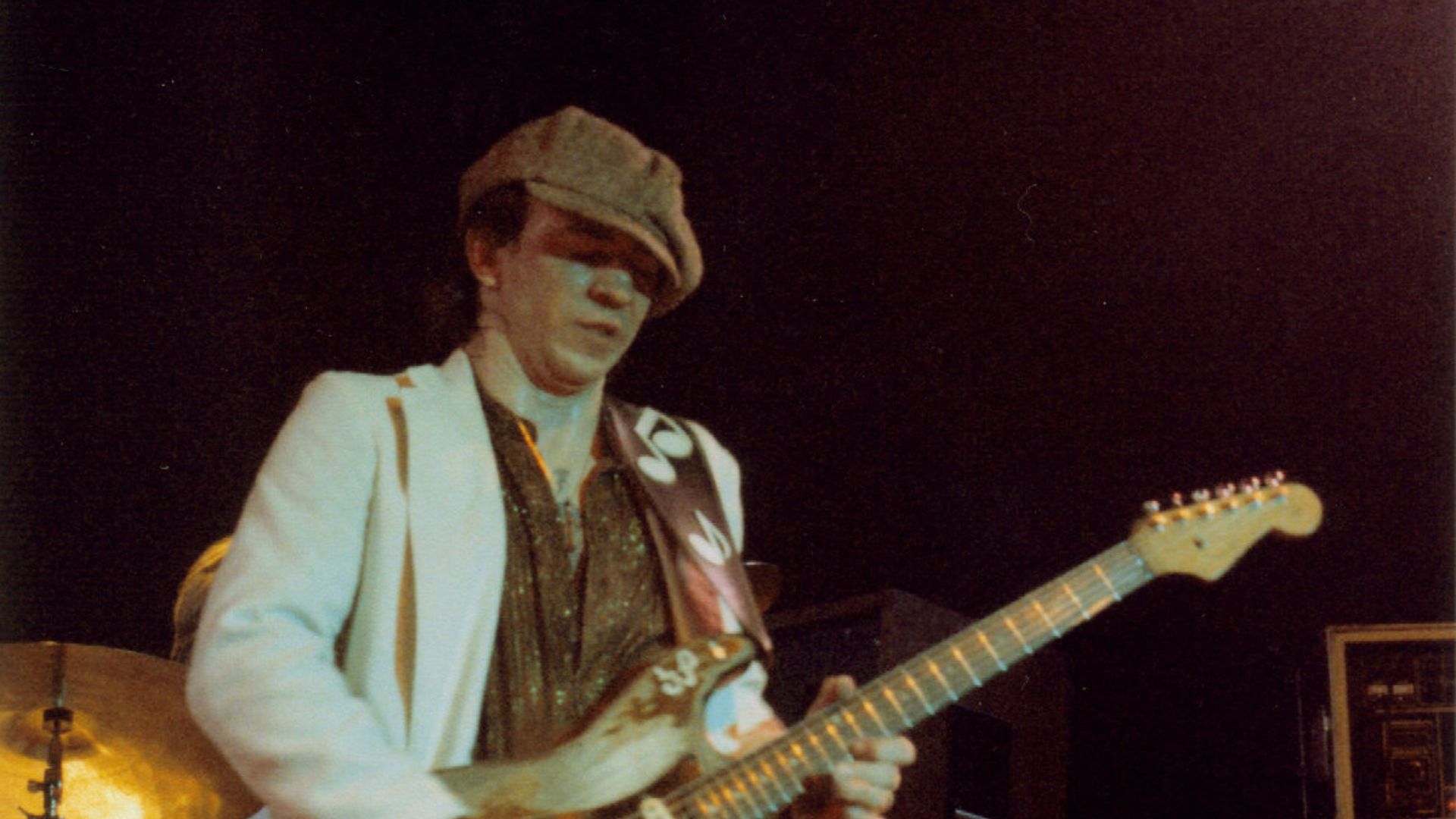
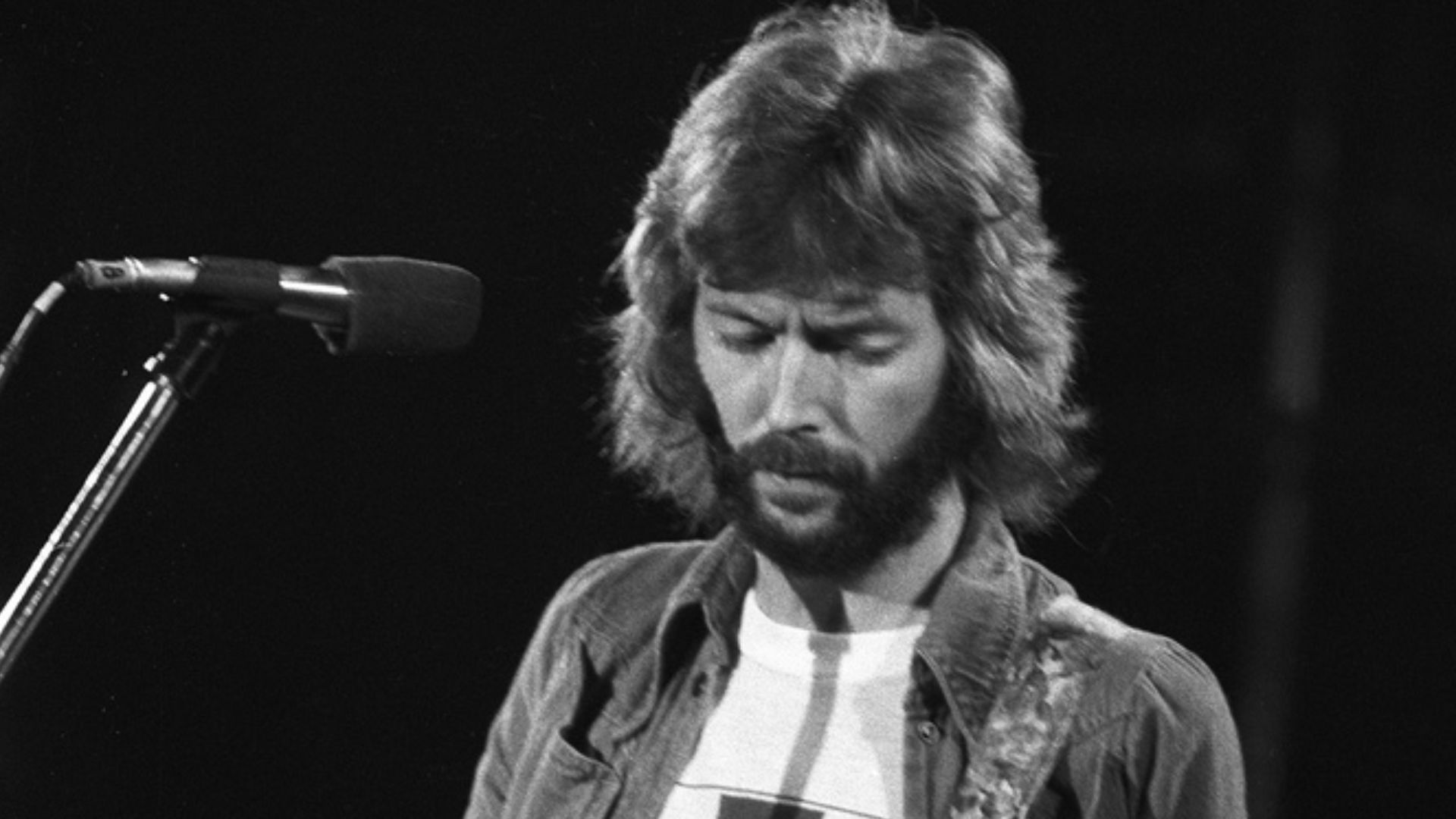
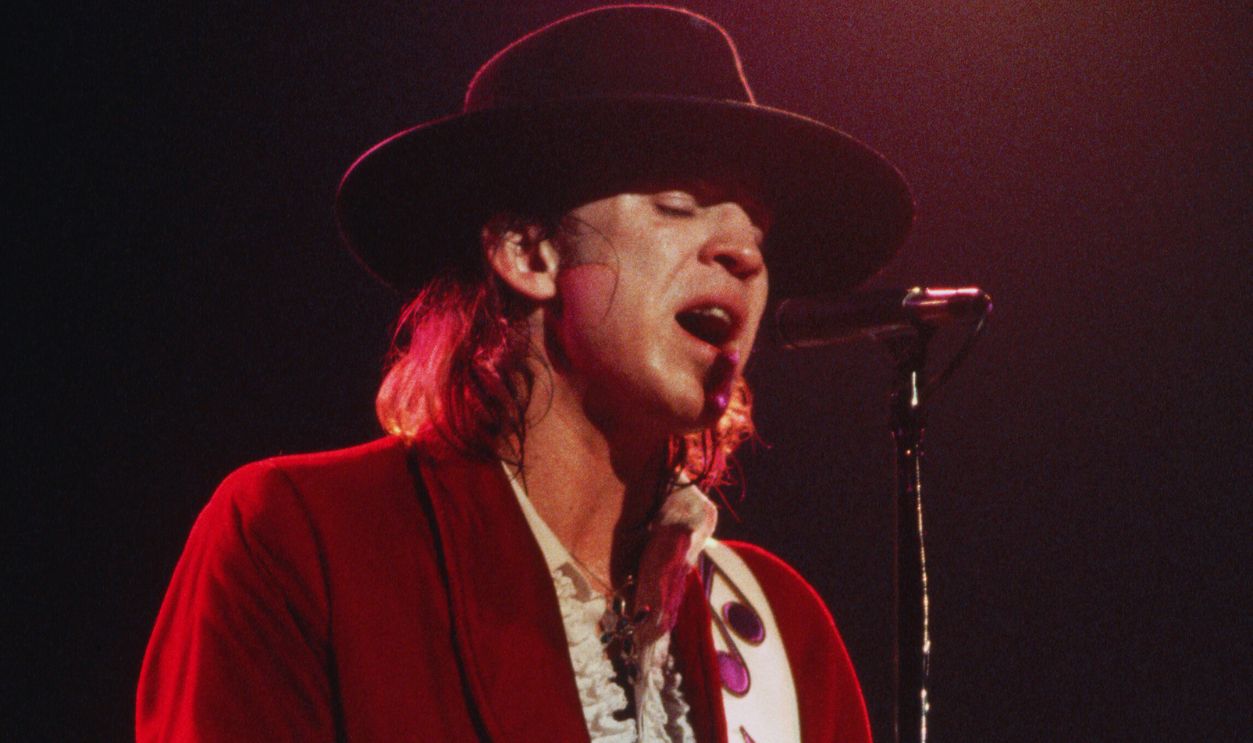
Vaughan's band Double Trouble opened for Eric Clapton at Alpine Valley Music Theatre. The show was tight, confident, and well-received. Backstage, the mood was relaxed. Then transportation became the priority.
 Matt Gibbons, Wikimedia Commons
He Experienced A Terrible Omen
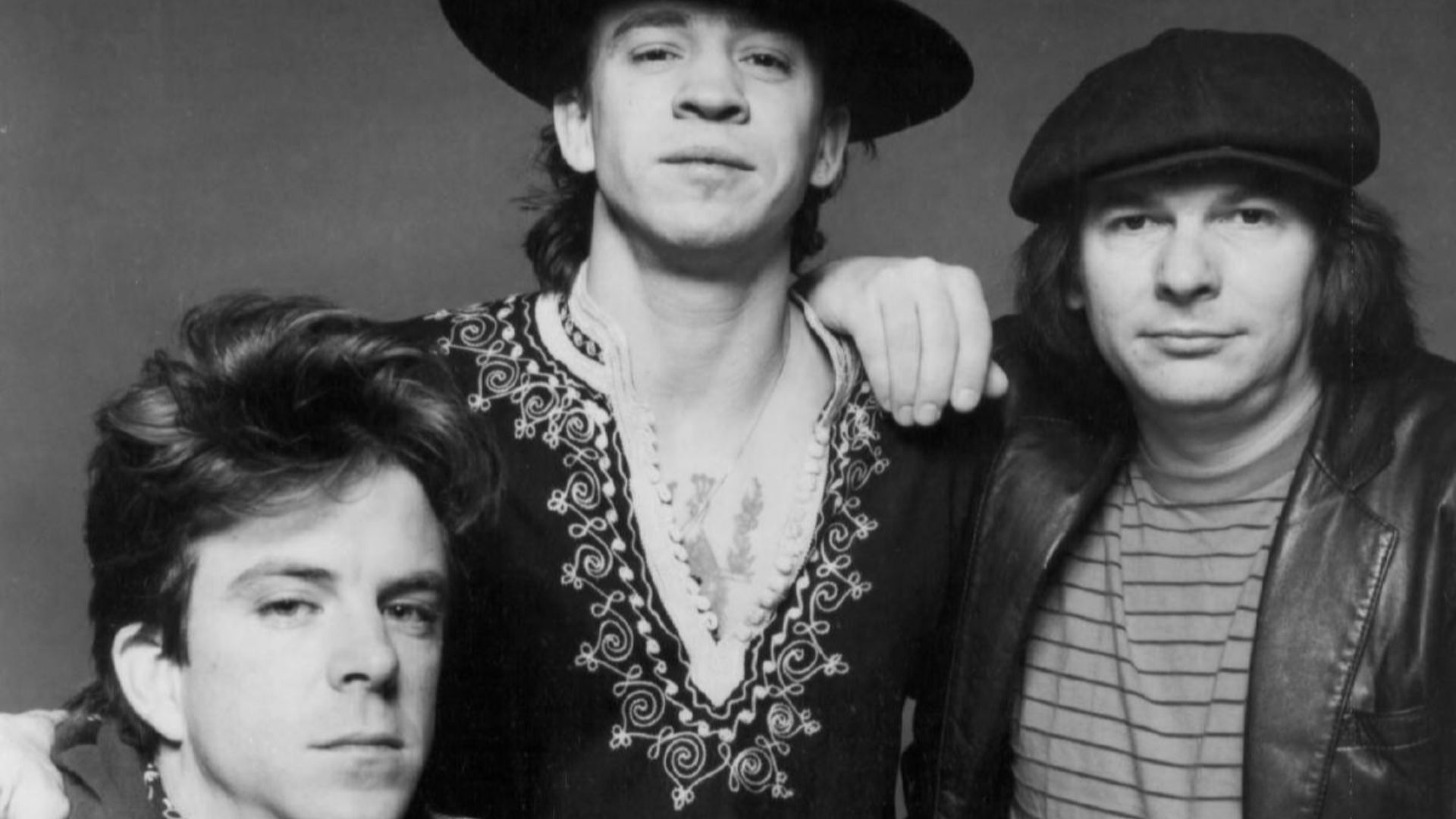
Quite ominously, only a day before the awful helicopter accident came to pass, Stevie Ray Vaughan himself allegedly experienced a shocking omen. As the story goes, he told his fellow band members that he'd had a nightmare wherein he attended his own funeral.
He had no idea what lay in store for him.
 Don Hunstein, Wikimedia Commons
A Routine Exit Plan
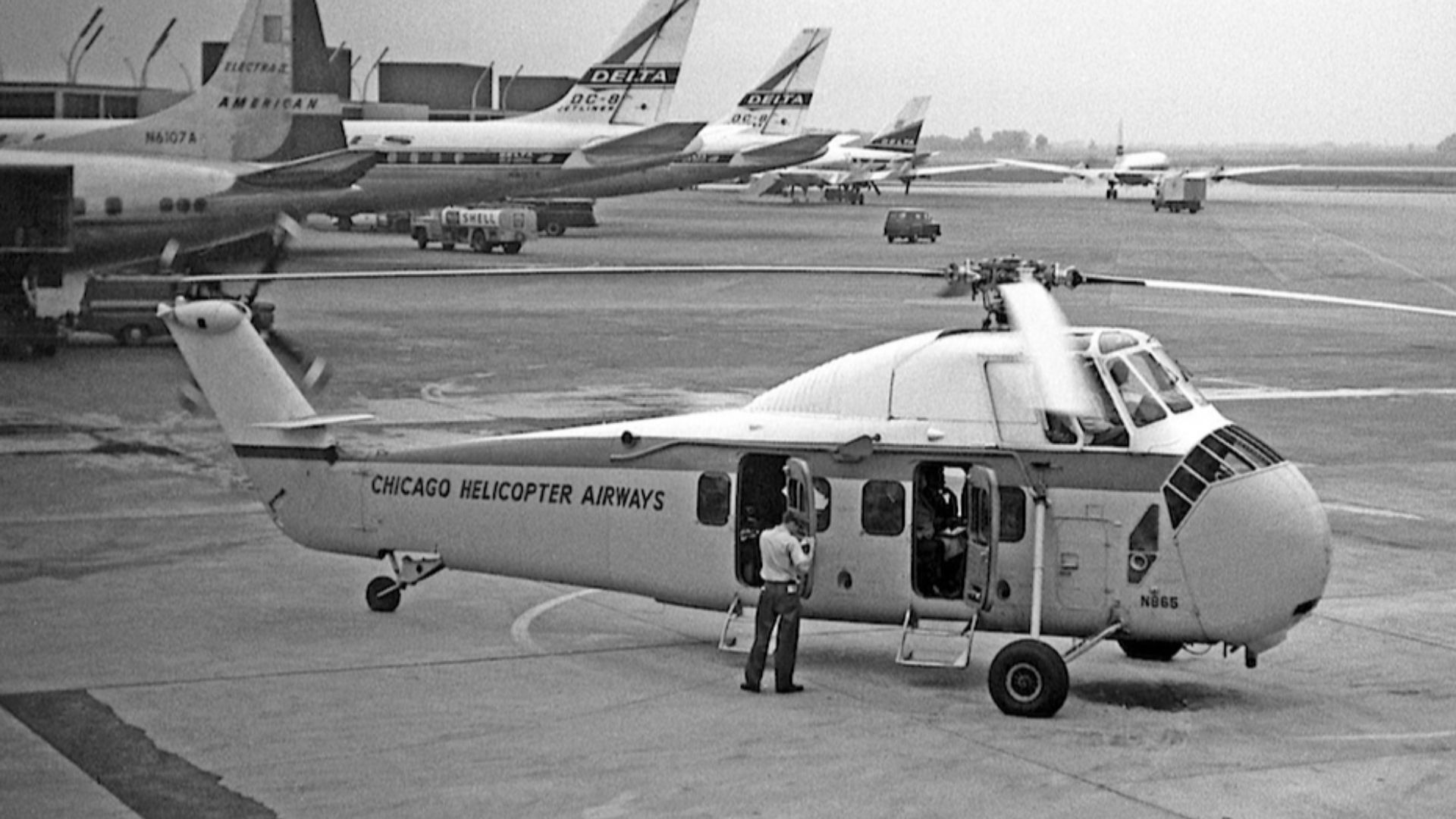
To avoid late-night drives, helicopters were arranged to fly performers to Chicago. The plan was common for large tours and wasn’t considered unusual. Weather conditions were known, but no formal delays or cancellations were ordered. That judgment would matter later.
 Bob Proctor, Wikimedia Commons
Weather Moving In
As midnight passed, fog settled over the area. Visibility dropped significantly, especially near the ground. While flights were still legally permitted, the conditions required careful navigation. Any error would leave little room for recovery.
One aircraft would face that risk alone.
The Helicopters
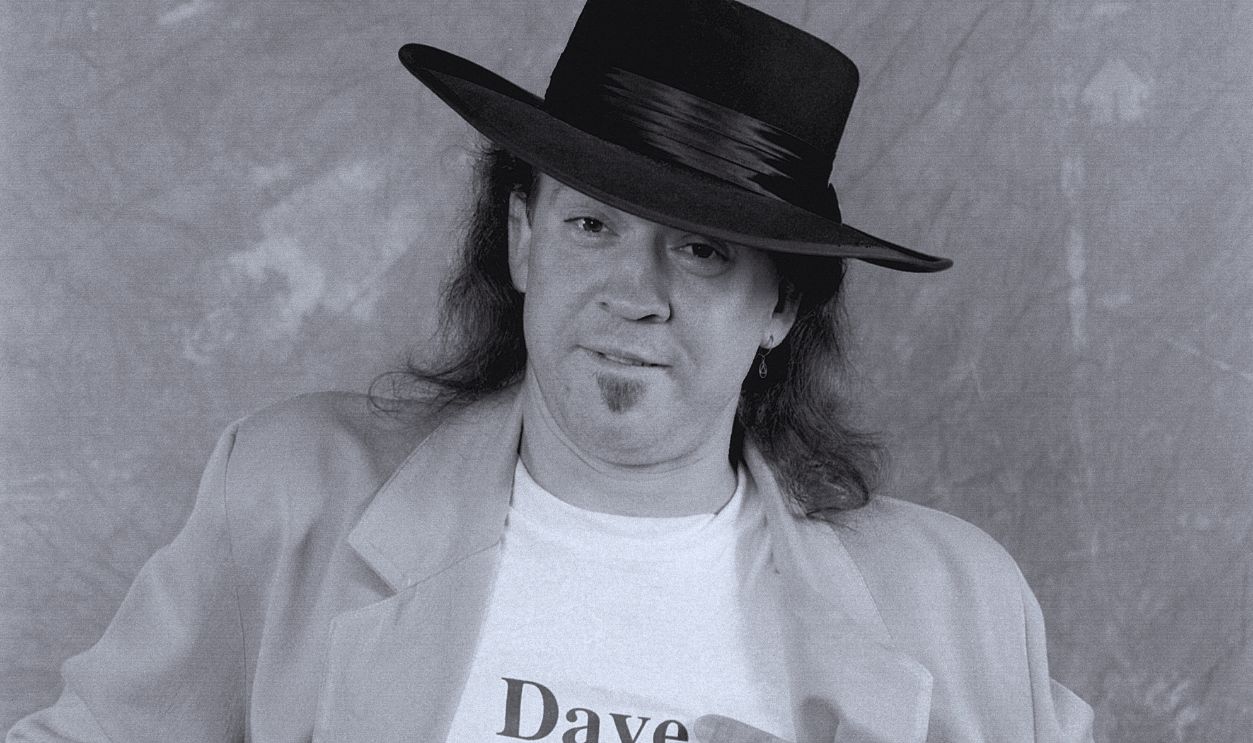
Four helicopters waited on a nearby golf course, but it was the third helicopter that sealed Stevie Ray Vaughan's destiny. He, along with Clapton's agent Bobby Brooks and assistant tour manager Colin Smythe, boarded the aircraft.
However, there was another chilling detail.
 Robert Knight Archive, Getty Images
His Brother Was Supposed To Join Him
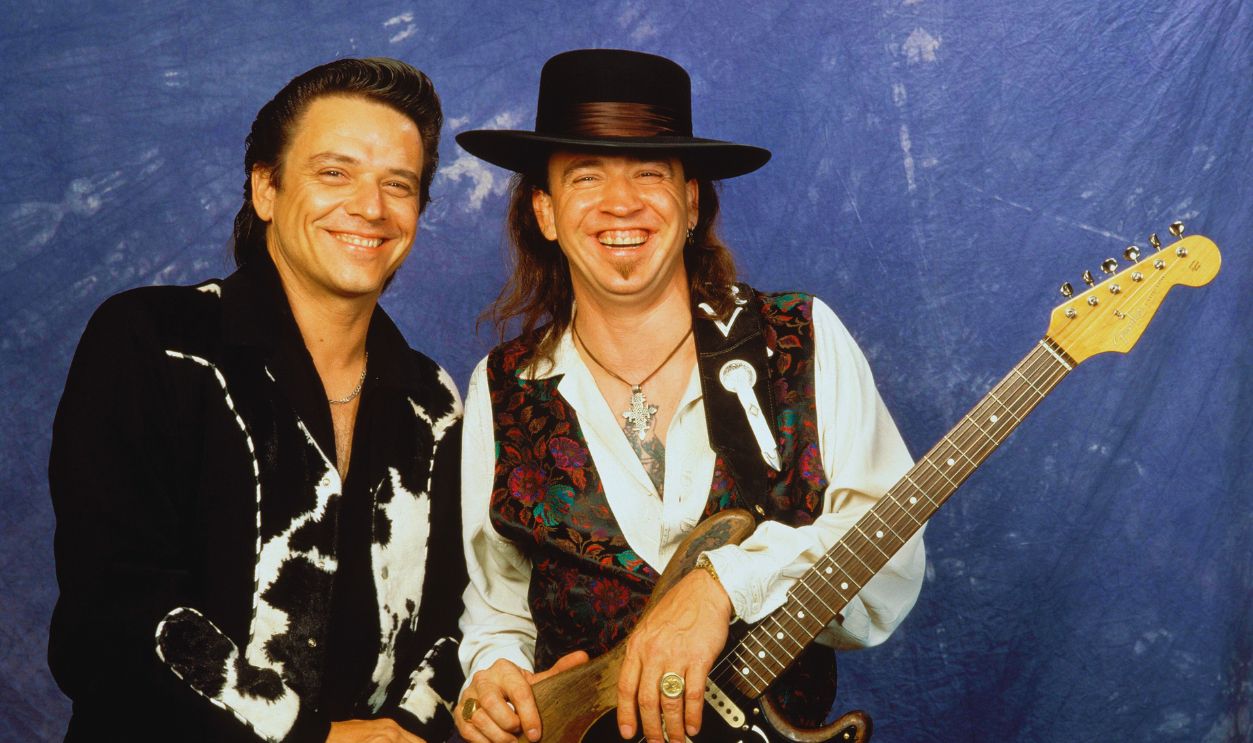
You see, Vaughan's sister-in-law and brother Jimmie were also supposed to board the helicopter. But a last-minute change of plans meant there was only one seat for the taking... It was Stevie who ultimately filled it.
 Robert Knight Archive, Getty Images
The Aircraft
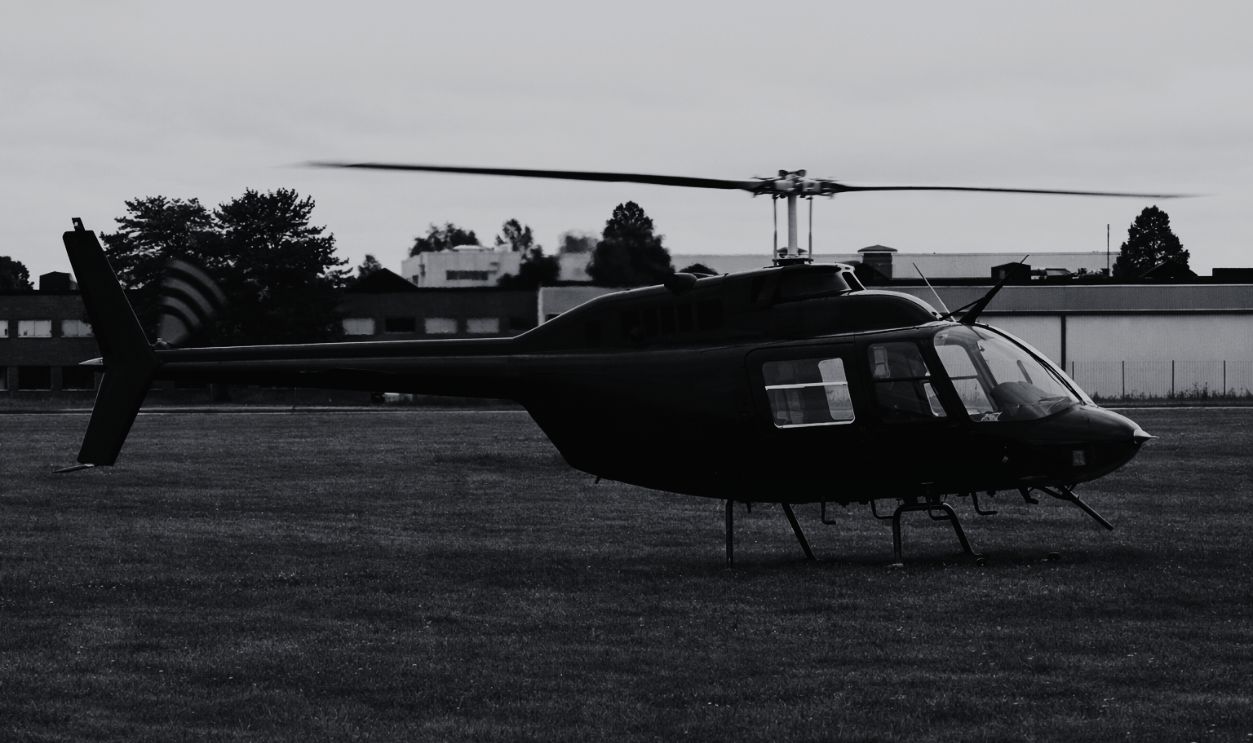
The helicopter was a Bell 206B Jet Ranger, a commonly used model with no reported mechanical issues. Investigators later confirmed the aircraft itself was functioning normally. The problem was not the machine.
 U.S. Air Force photo Master Sgt Andrew Leonhard, Wikimedia Commons
The Pilot’s Certification
The pilot, Jeff Brown, had logged thousands of flight hours. He was instrument-rated for airplanes, but not for helicopters. He had also failed a helicopter instrument check ride shortly before the flight.
In fog, that distinction mattered.
 Alan Wilson, Wikimedia Commons
Takeoff Into Fog
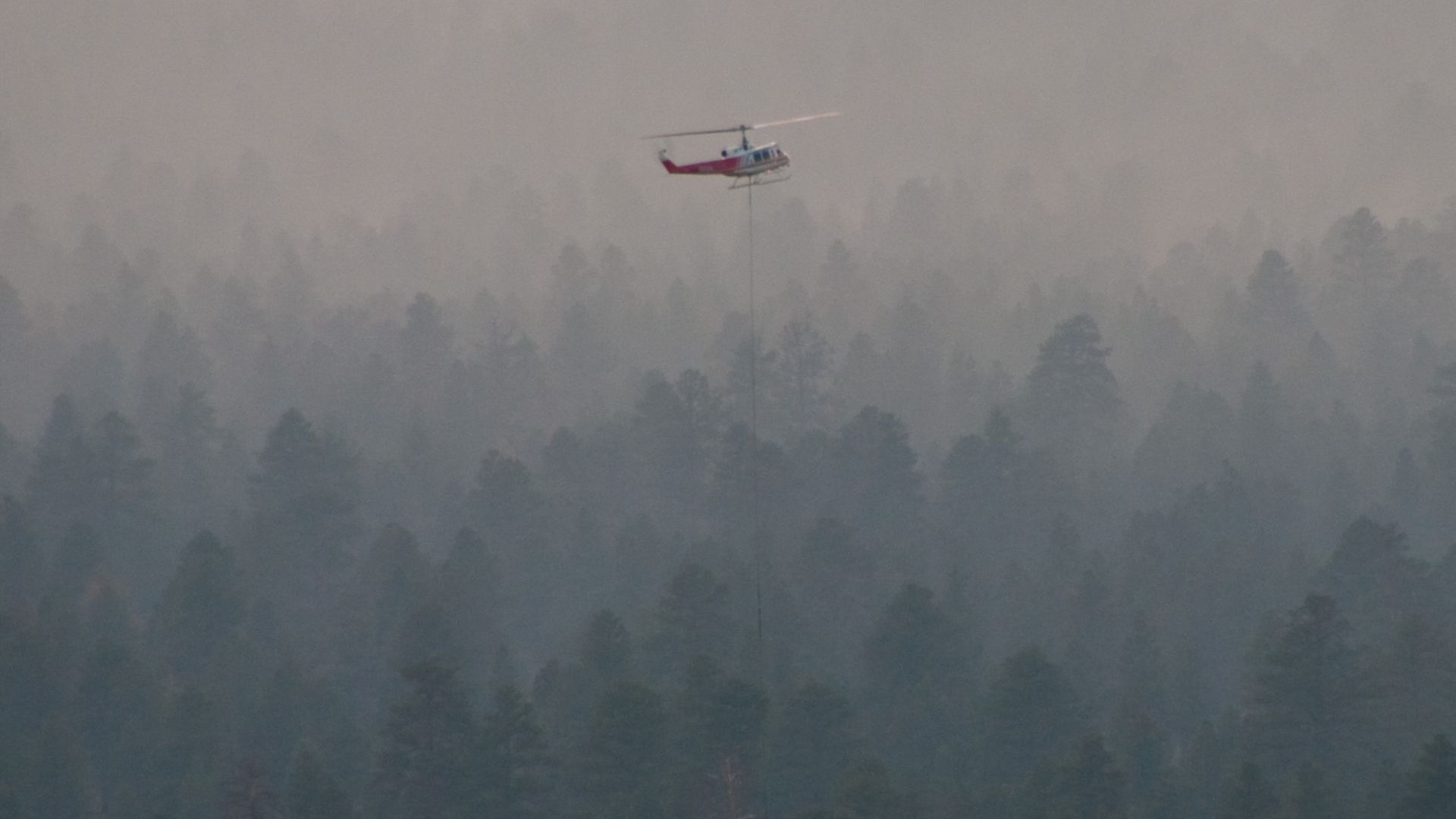
At approximately 12:50 am, the helicopter lifted off. Almost immediately, it entered dense fog. Unlike the other helicopters, it flew at a slightly lower altitude, reducing terrain clearance. That difference proved critical.
 Deborah Lee Soltesz, Wikimedia Commons
Loss of Orientation
Investigators concluded the pilot likely believed the helicopter was climbing normally. Without adequate instrument training for helicopters and with no visual reference, spatial disorientation set in quickly.
The aircraft was not where the pilot thought it was.
A Subtle Turn
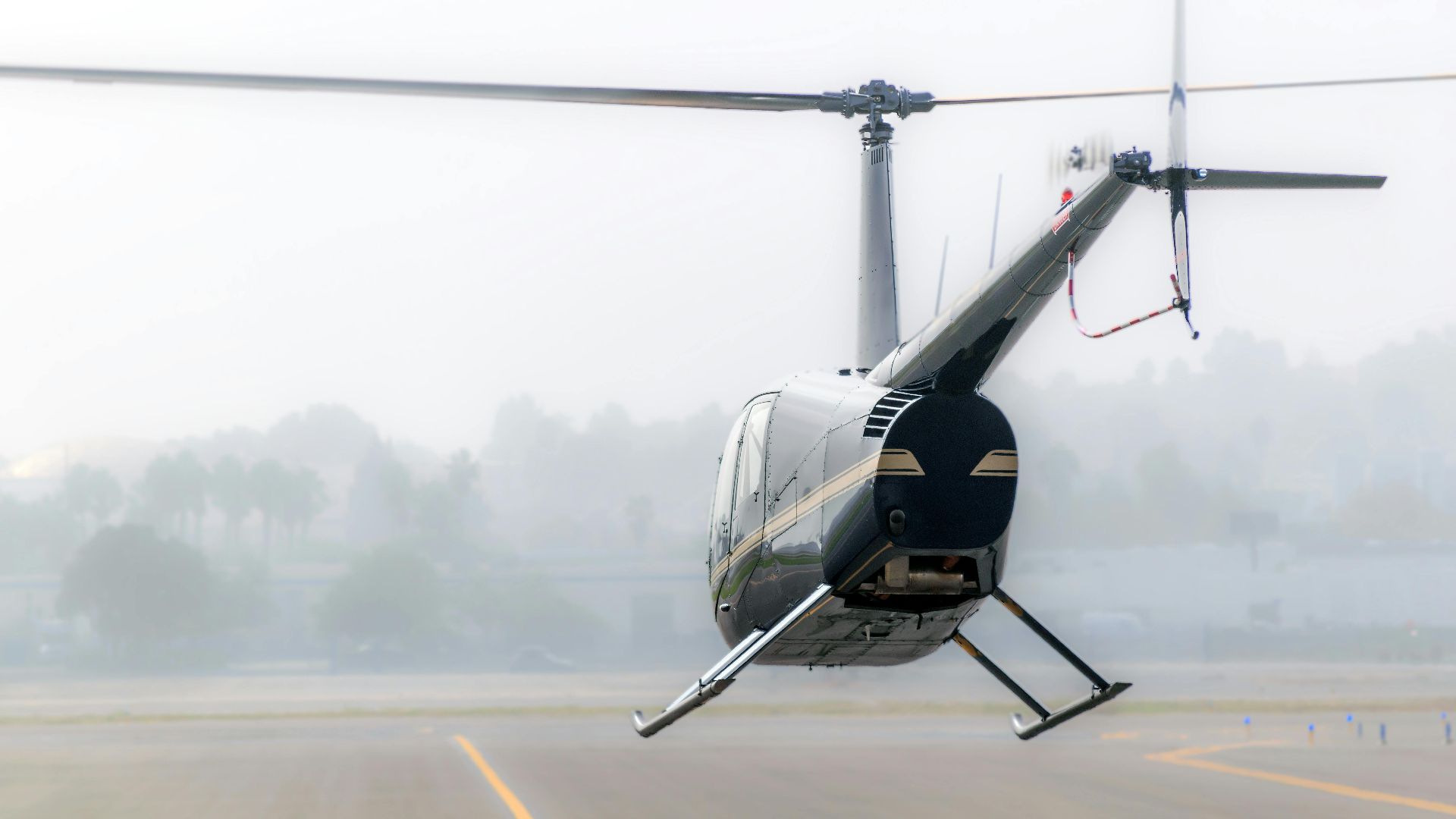
Shortly after takeoff, the helicopter turned to the left. That heading placed it directly toward a nearby ski slope rising above the surrounding land. The terrain was completely obscured by fog. There was no visual warning.
 National Archives at College Park - Still Pictures, Wikimedia Commons
Impact
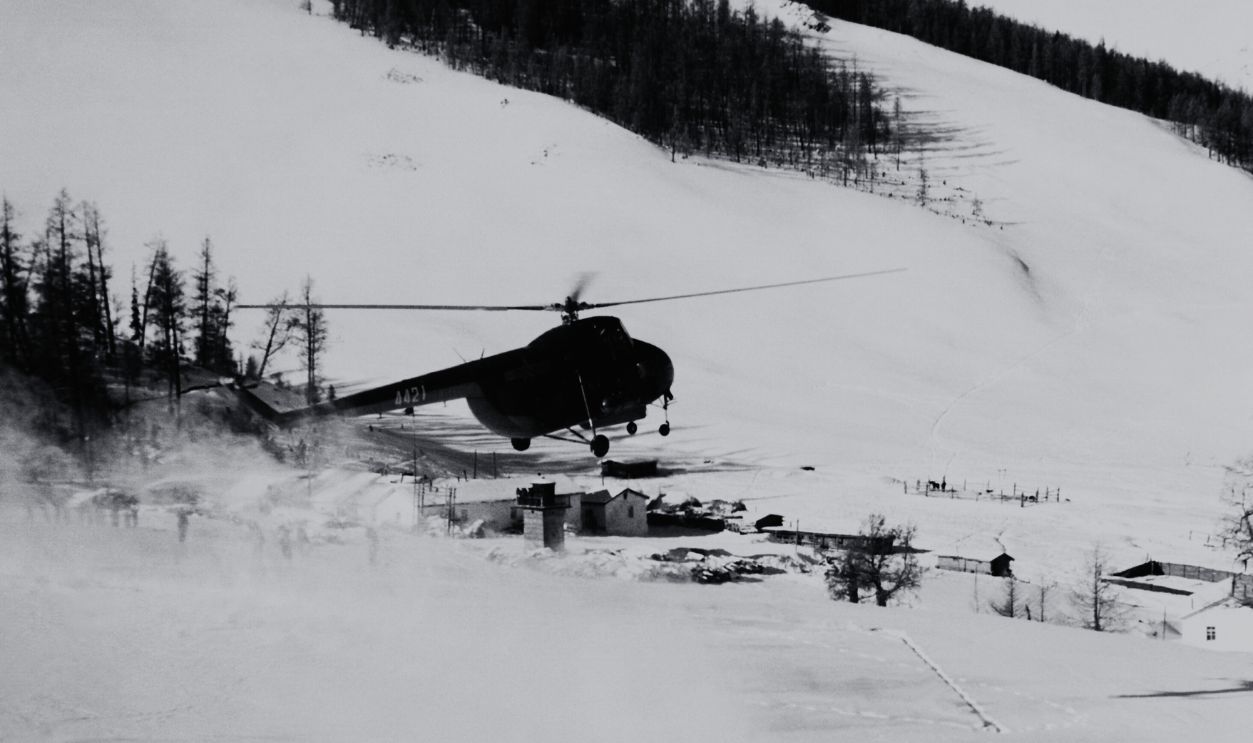
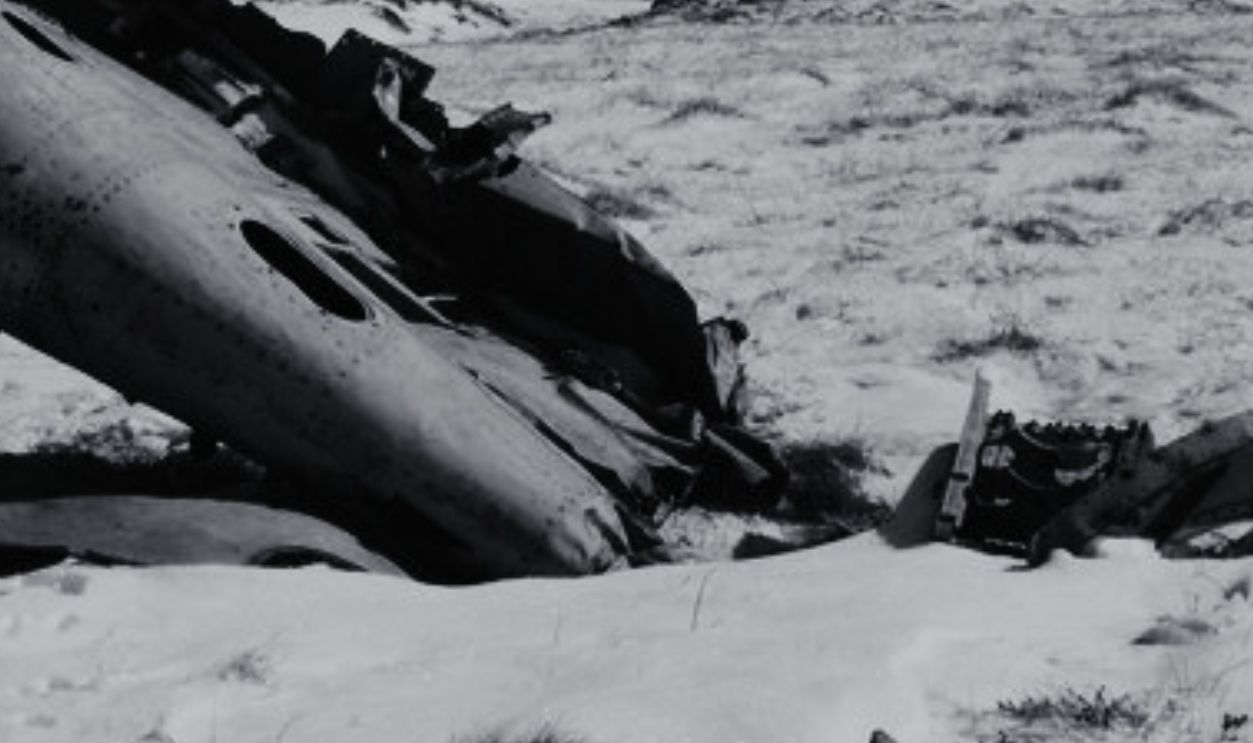
The helicopter struck the ski slope at high speed. There was no distress call and no explosion. Stevie Ray Vaughan, the pilot, and three members of Eric Clapton’s entourage were killed instantly.
But the crash wasn’t immediately discovered.
 John Fielding / Tail Fin of Gloster Meteor/, Wikimedia Commons
The Quiet Afterward
The crash occurred less than a mile from the takeoff point. In darkness and heavy fog, no one at the venue realized what had happened. The alarm came later.
 Theodor Lundqvist umbriferous, Wikimedia Commons
Discovery at Daybreak
When the helicopter failed to arrive at its destination, search efforts began. At first light, Civil Air Patrol crews located the wreckage on the hillside. The news spread quickly.
 Cory W. Watts from Madison, Wisconsin, United States of America, Wikimedia Commons
Official Findings
The coroner ruled the deaths accidental, classified as “misadventure.” Toxicology reports confirmed no drugs or alcohol in Vaughan’s system. He had been sober at the time of his death. That fact deepened the loss.
 Robert Knight Archive, Getty Images
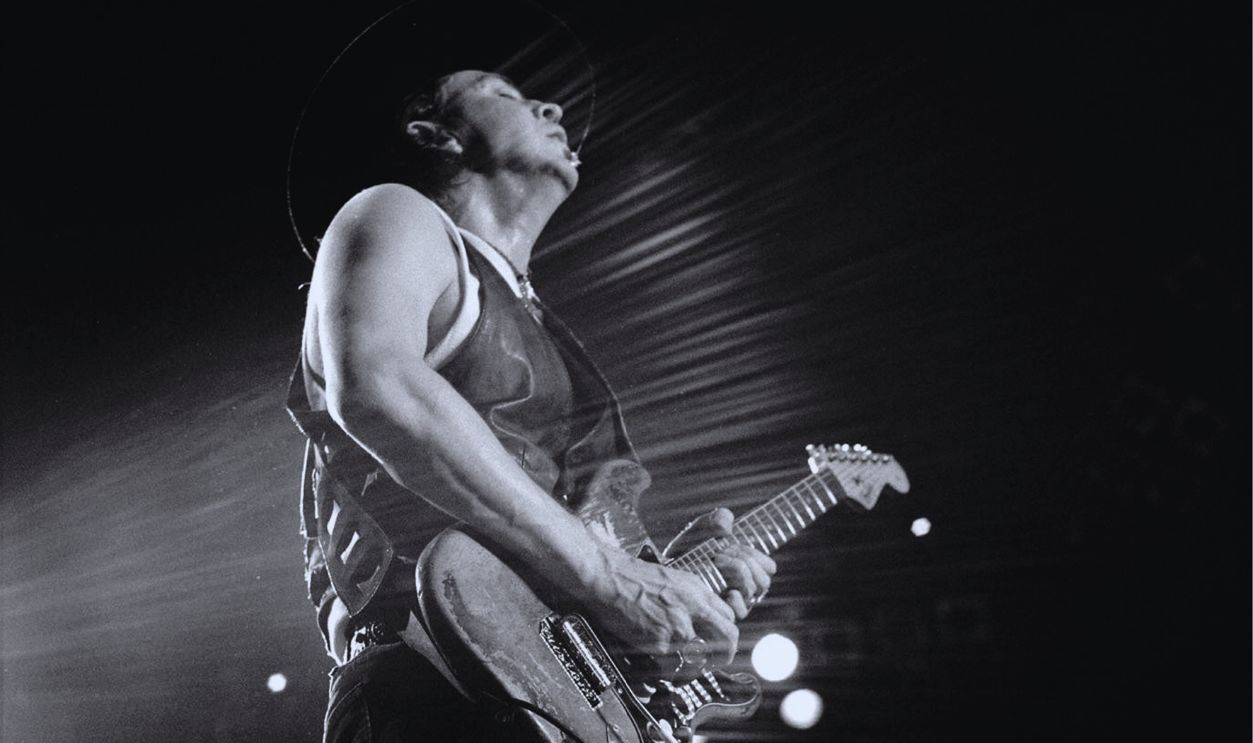
A Career Interrupted
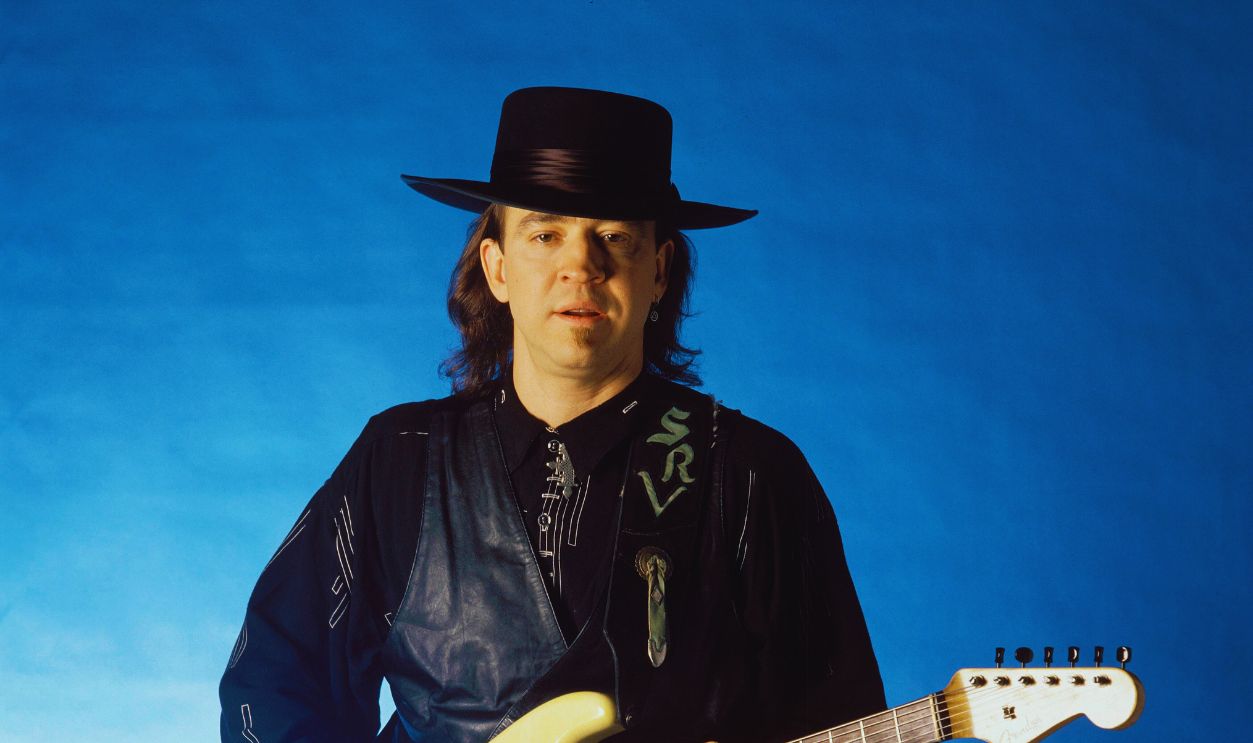
At 35, Vaughan had already influenced an entire generation of musicians. Many believed his most important work still lay ahead. That future ended in seconds. The response was immediate.
 Robert Knight Archive, Getty Images
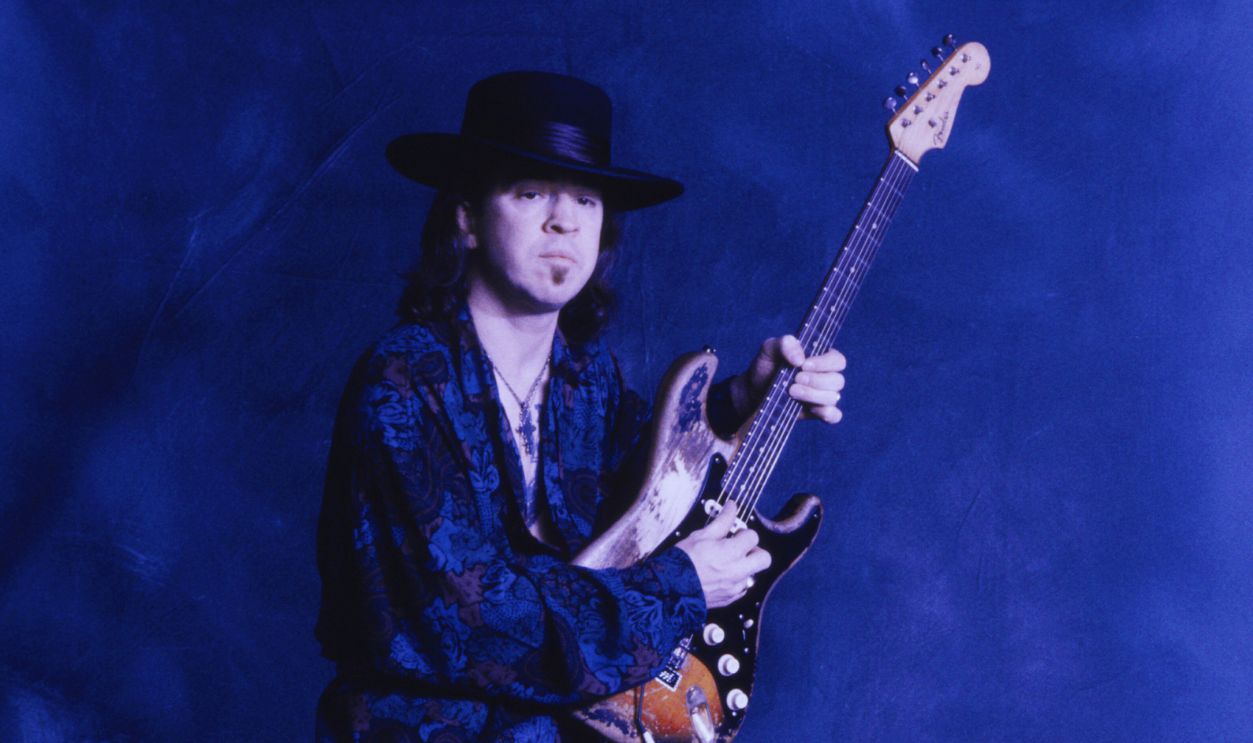
Industry Reaction
Musicians across blues and rock expressed shock. Vaughan was respected not only for his skill, but also for his discipline and authenticity. His absence left a noticeable void. The farewell followed quickly.
The Funeral
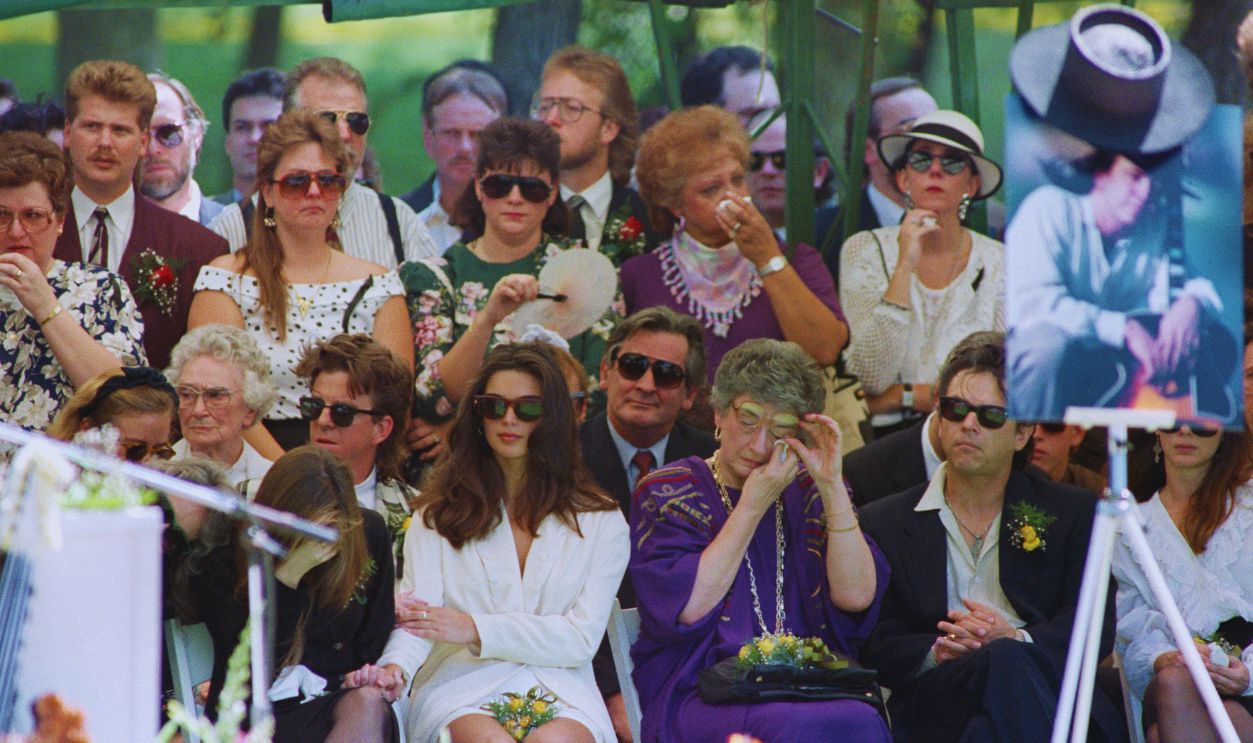
On August 31, 1990, Vaughan was laid to rest in Dallas, Texas. Fans and fellow musicians gathered quietly, leaving tributes that reflected both admiration and disbelief.
But questions remained.
Legal Aftermath
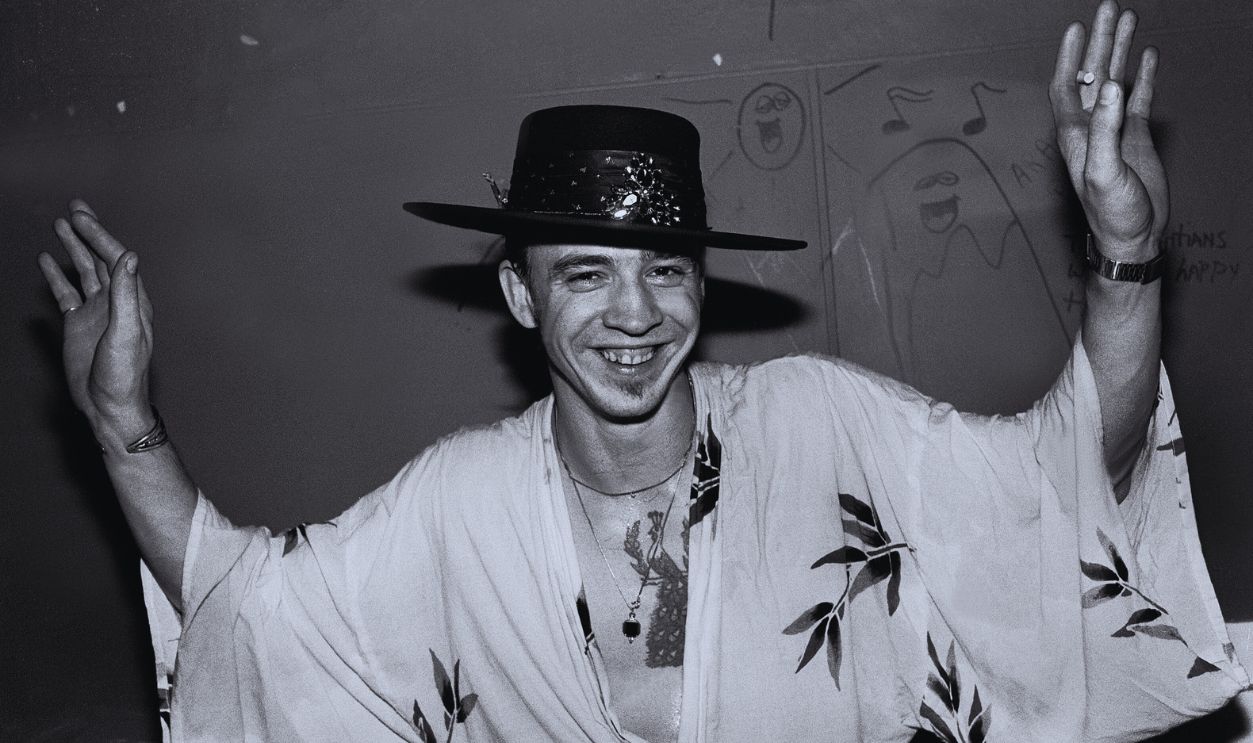
In 1992, Vaughan’s family filed a wrongful death lawsuit against Omniflight Helicopters. The case was later settled out of court for an undisclosed amount. The debate continued.
The Legacy Left Behind
Today, Vaughan’s influence remains central to modern blues and rock. His death serves as a reminder that major tragedies often result from ordinary decisions made under difficult conditions. Somehow, one foggy night had the power to change music history.
You May Also Like:
Rosanne Cash: The Shadow Of A Famous Name
These Forgotten Female Pop Stars Deserve Much More Than They Got
1960s Bands Who Made One Perfect Album…Then Vanished
Sources: 1