Sometimes The Mistake Is The Best Part
Recording studios are designed to give musicians control, but some of rock's most unforgettable moments happened when that control slipped away. In these songs, somebody could have stopped the tape and fixed the wrong notes, accidental noises, forgotten settings, and and unfinished takes. Thankfully, they didn't.
 Koh Hasebe/Shinko Music/Getty Images
Sting Sat On The Piano During "Roxanne"
The little piano noise and laugh at the beginning of "Roxanne" weren't carefully scripted studio atmosphere. Sting later explained that he accidentally fell backward onto the piano, hitting the keys before laughing at what he'd done. Both sounds remained on the finished recording. It's a wonderfully appropriate introduction to a Police song that already sounded unlike almost anything else on rock radio when it arrived.
 Screenshot from Roxanne, A&M Records / Polydor Records (1978)
Led Zeppelin Couldn't Get Rid Of A Ghost Vocal On "Whole Lotta Love"
During work on "Whole Lotta Love," an earlier Robert Plant vocal leaked onto another track strongly enough that the engineers couldn't simply remove it. Instead of starting over, Jimmy Page and engineer Eddie Kramer incorporated the unwanted sound into the mix. The result is the eerie vocal that seems to arrive before Plant actually sings certain lines, giving an already strange recording an almost supernatural quality.
 Screenshot from Whole Lotta Love, Atlantic Records (1969)
One Missing Note Changed New Order's "Blue Monday"
Programming synthesizers in the early 1980s wasn't as simple as clicking notes around on a computer screen. Gillian Gilbert had to enter the sequence for "Blue Monday" manually, using pages of notes taped together as a guide. She accidentally left one note out, throwing the melody slightly out of sync with the rhythm. New Order heard the resulting tension, liked it, and decided the mistake belonged there.
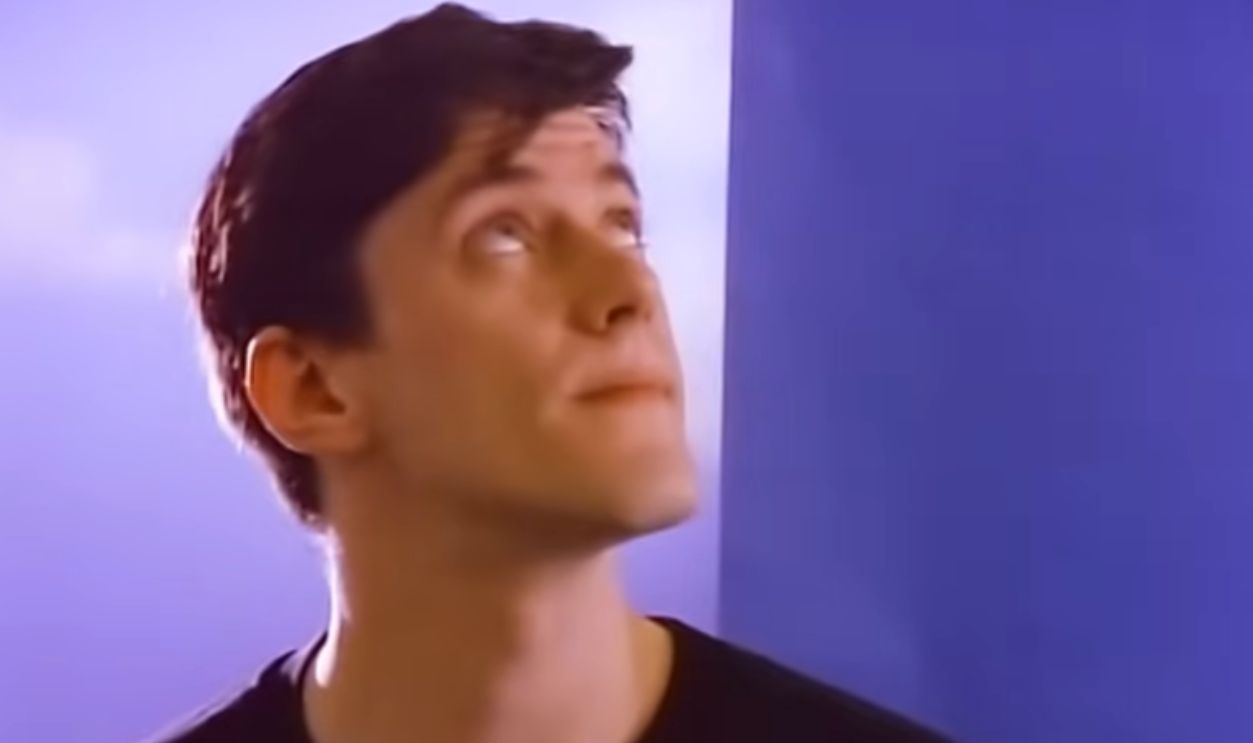 Screenshot from Blue Monday, Factory Records (1983)
The Beatles Found Feedback By Accident On "I Feel Fine"
John Lennon discovered the signature opening of "I Feel Fine" after leaning his electric guitar against an amplifier and hearing it howl with feedback. Instead of dismissing the noise as something that needed to be eliminated, The Beatles became fascinated by it and deliberately recreated the sound for the record.
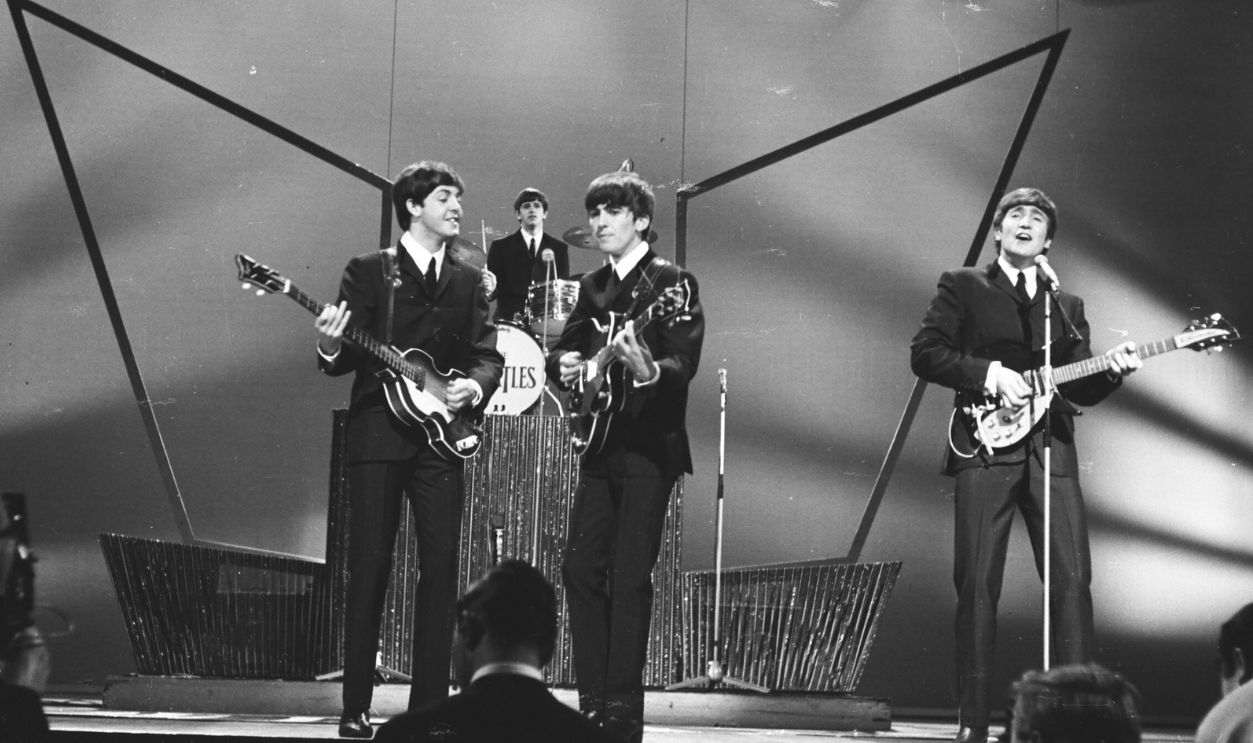 Stanley Bielecki/ASP, Getty Images
An Unfinished Microphone Setup Created "Money For Nothing"
Engineer Neil Dorfsman was still moving microphones around Mark Knopfler's guitar amplifier when everyone in the control room suddenly heard something extraordinary. One mic was sitting in a position Dorfsman normally wouldn't have used, creating a strange phased quality with the second microphone. They immediately told him to stop moving anything. That unfinished setup produced the enormous guitar tone that defines Dire Straits' "Money for Nothing".
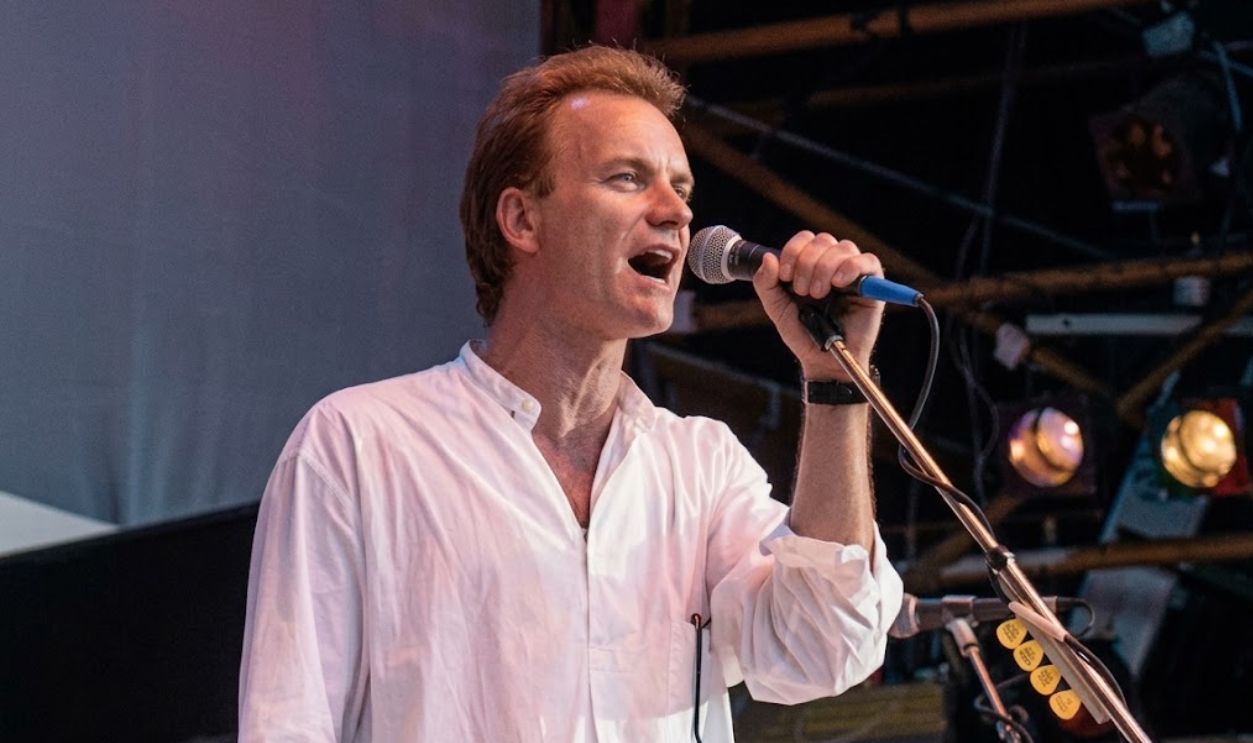 Screenshot from Money for Nothing, Warner Bros. Records (1985), Modified
Jonny Greenwood Tried To Ruin "Creep"
Jonny Greenwood wasn't exactly enthusiastic about Radiohead's early ballad "Creep". During the transition into the chorus, he attacked his guitar with three ugly blasts of noise, reportedly trying to disrupt a song he considered too soft. Instead of wrecking the recording, he gave it the violent release it needed. Those sudden explosions became one of the defining sounds of Radiohead's breakthrough single.
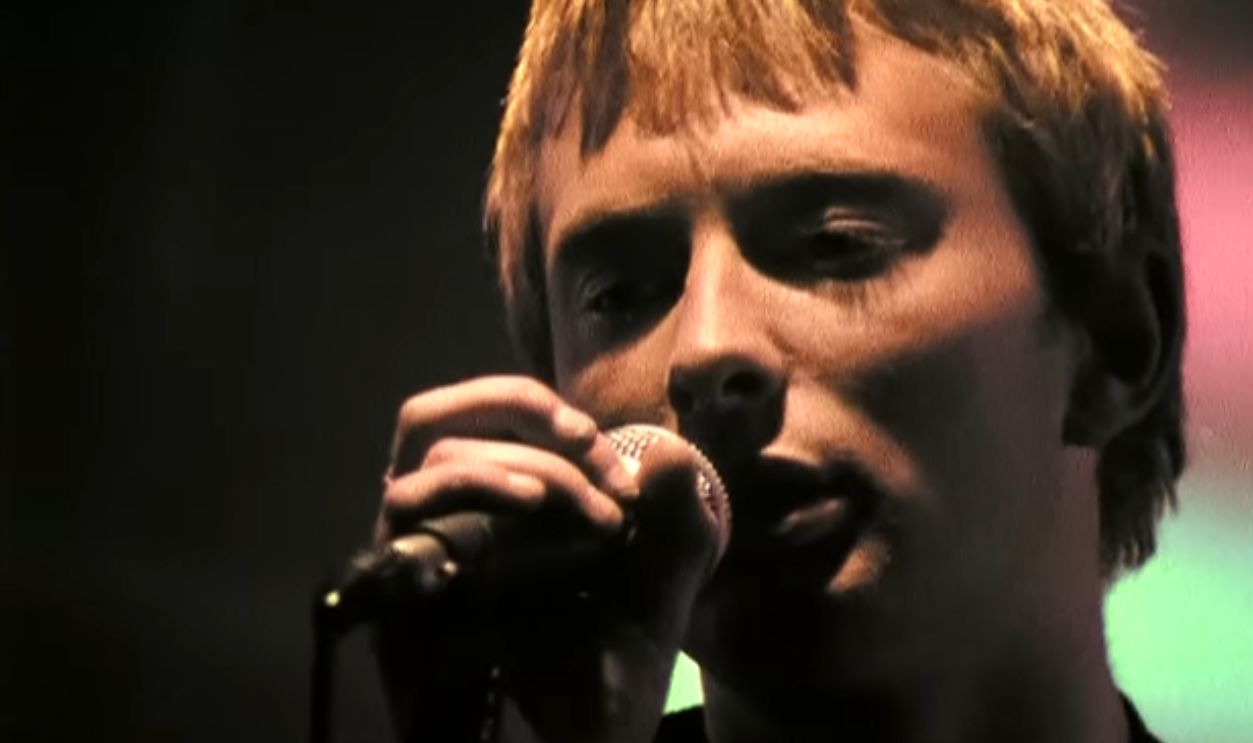 Screenshot from Creep, Parlophone Records (1992)
Kirk Hammett Slipped During "Master Of Puppets"
The climactic solo in Metallica's "Master of Puppets" contains a piercing squeal that sounds like an incredibly precise bit of guitar technique. It wasn't. Kirk Hammett's finger slipped off the neck and pulled the string with it, producing a sound he hadn't intended. The mistake worked so perfectly that it stayed, and Hammett has talked about trying to reproduce that accidental squeal during later performances.
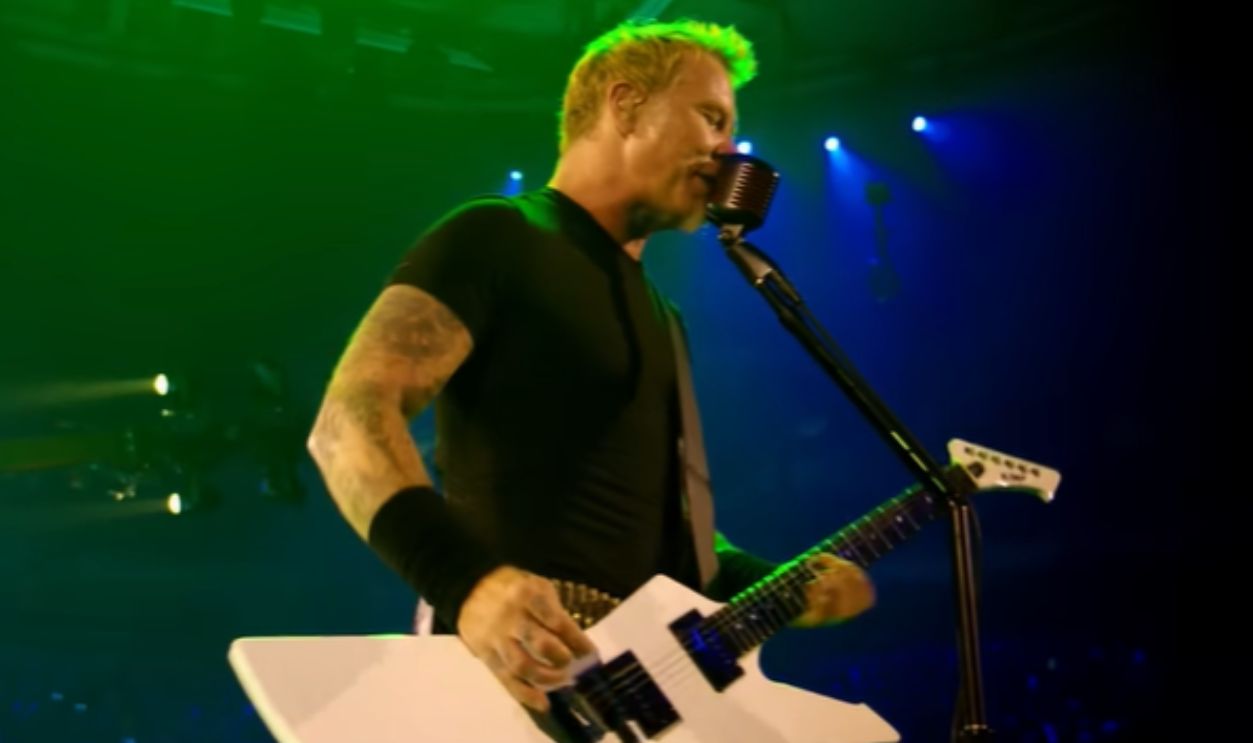 Screenshot from Master of Puppets, Elektra (1986)
The Breeders Kept The Wrong Note In "Cannonball"
Josephine Wiggs kept missing the intended note while rehearsing the sliding bass figure that opens The Breeders' "Cannonball". She would land on an A instead of the expected B-flat, then slide upward once she realized where she was. Rather than correcting the error completely, the band decided the wrong note sounded better. That odd little bass slide now helps make the opening instantly recognizable.
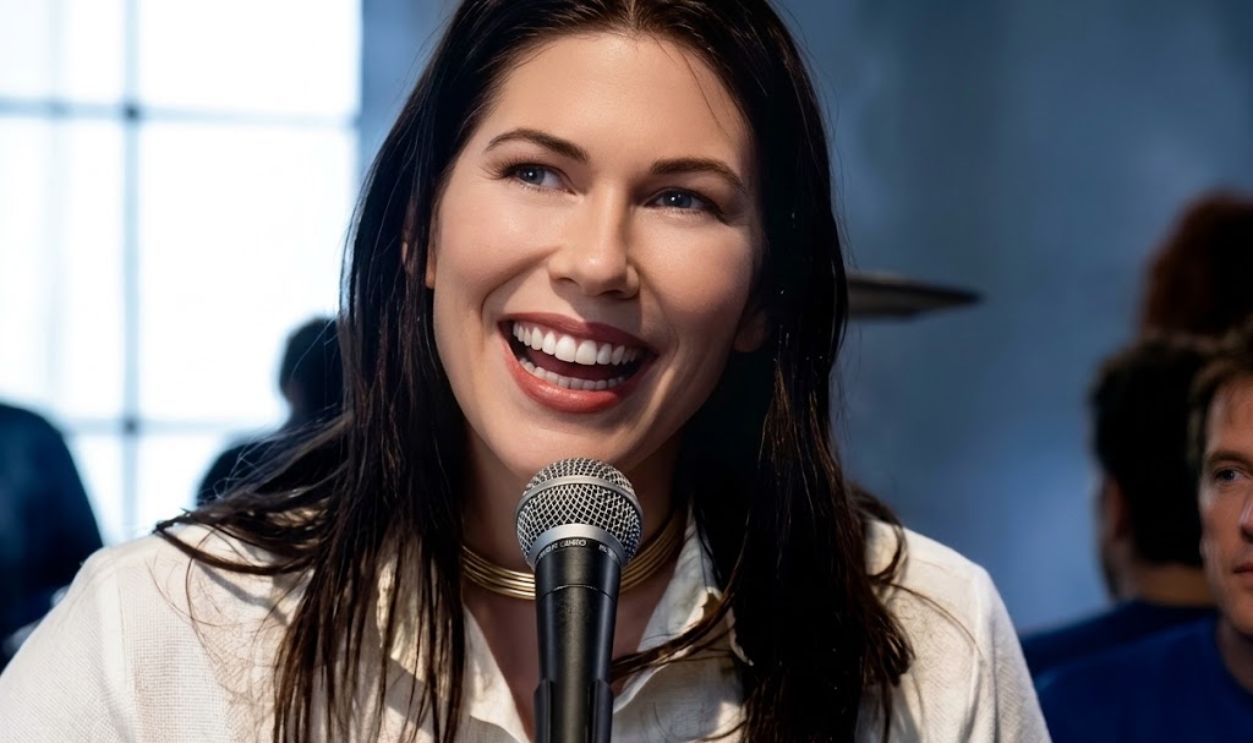 Screenshot from Cannonball, 4AD Records (1993), Enhanced
The Cars Let The Drums Lose Their Mind
During the second verse of "Just What I Needed," drummer David Robinson accidentally shifted his snare hits from the expected two and four to the one and three. The change briefly unsettled the entire rhythm, but it happened right around Ric Ocasek's lyric about losing his mind. The coincidence was too good to fix. The Cars kept the error and even repeated the rhythmic idea later in the song.
 Screenshot from Just What I Needed, Elektra Records (1978), Enhanced
"Tin Roof, Rusted!" Survived A Happy Accident
The loose ending of The B-52s' "Love Shack" produced one of the most famous ad-libs of the 1980s. During a jam, the backing stopped while Cindy Wilson kept going, throwing out her "tin roof, rusted!" line after everyone else had dropped away. The unexpected moment amused the band, and its strange energy was impossible to improve upon. What sounded like an interruption became the song's most quotable moment.
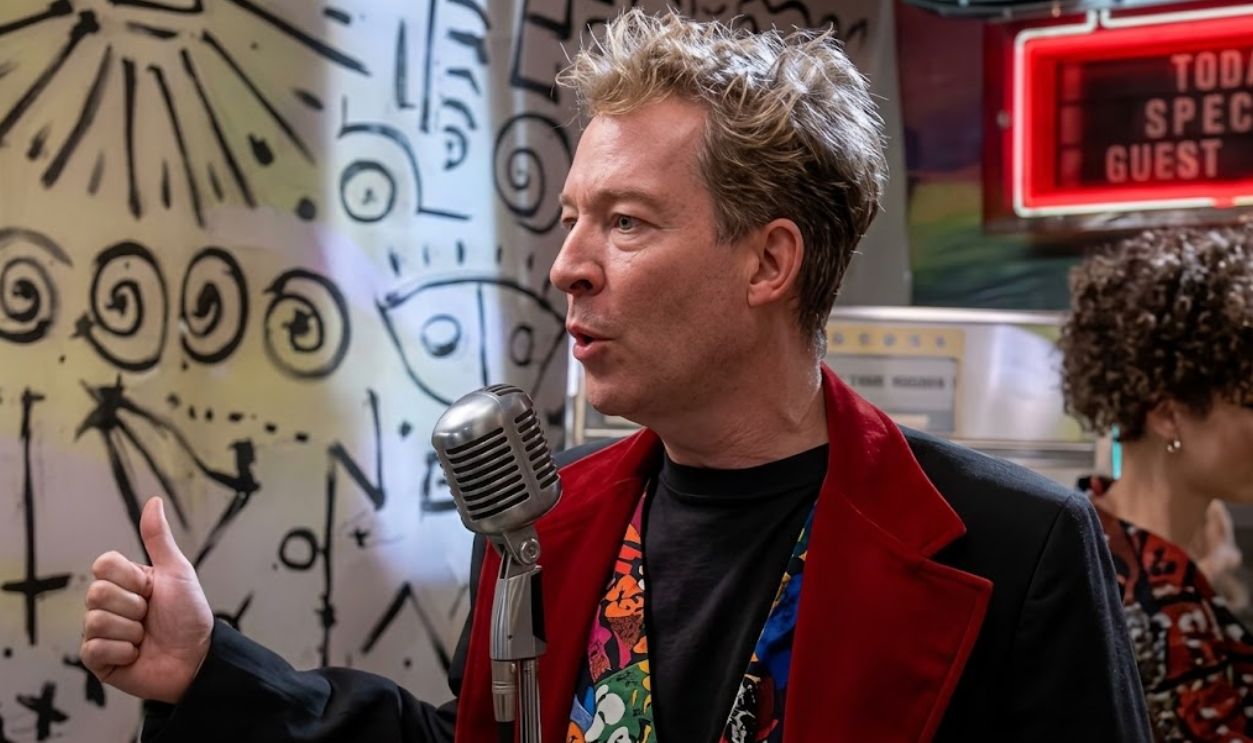 Screenshot from Love Shack, Reprise Records (1989), Enhanced
The Kingsmen Turned A Botched Entrance Into The Arrangement
The Kingsmen's chaotic recording of "Louie Louie" was already filled with imperfections when Jack Ely made another mistake after the guitar solo. He came back in too early, forcing drummer Lynn Easton to throw in a quick fill and guide everyone through the miscue. Instead of wrecking the one-take recording, the mistake became part of it. Later bands even copied the accidental entrance when performing the song themselves.
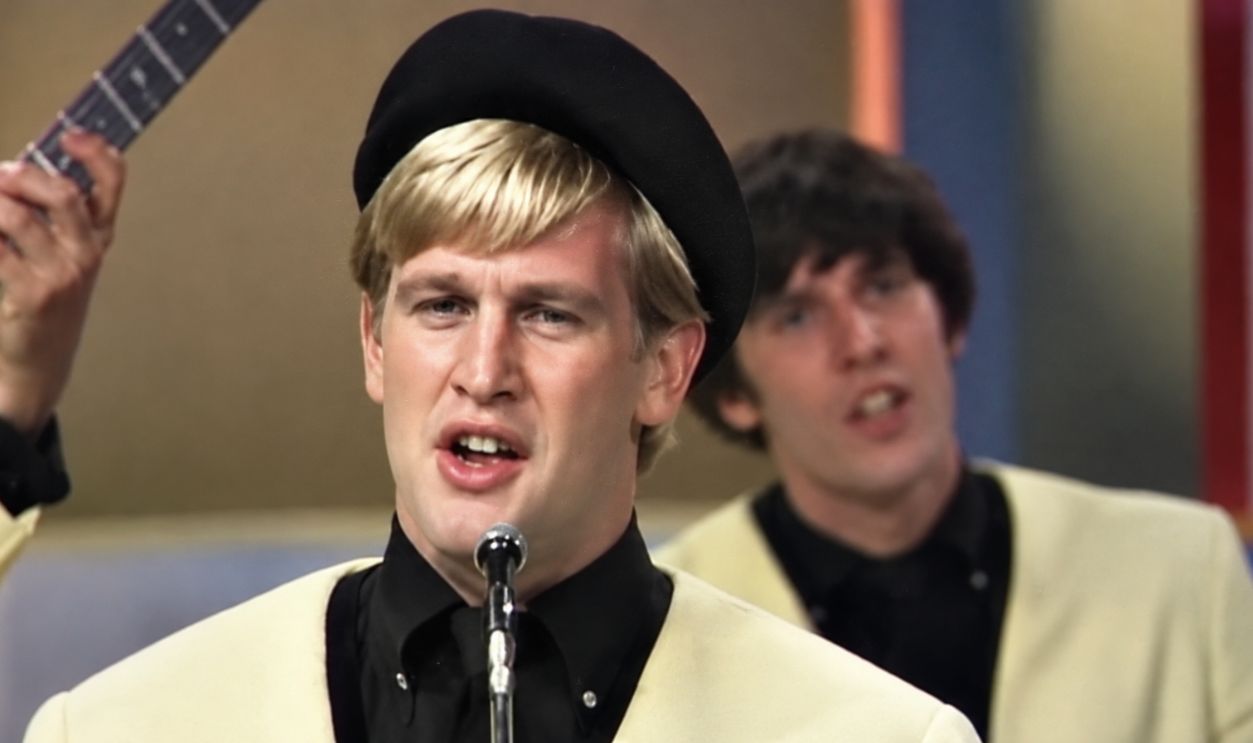 Screenshot from Louie Louie, Wand Records (1963), Enhanced
The Rolling Stones Didn't Know The Tape Was Still Running
"Can't You Hear Me Knocking" was essentially supposed to end before the famous instrumental section that occupies much of its seven-minute running time. Instead, Mick Taylor and the other Stones simply kept playing, apparently unaware that the recording hadn't stopped. When everyone heard the loose Latin-flavored jam that had been captured, there was no reason to cut it. An accidental continuation became half the song.
 Screenshot from Can’t You Hear Me Knocking, Rolling Stones Records (1971), Enhanced
An Engineer's Wrong Fade Finished blink-182's "Feeling This"
blink-182 were struggling to figure out how "Feeling This" should end when an engineer accidentally automated a fade that removed the instruments but left the vocals exposed. Suddenly the band could hear its overlapping vocal lines without everything underneath them. Mark Hoppus later called it a happy accident. They took the unexpected effect and expanded it into the layered vocal ending that closes the finished track.
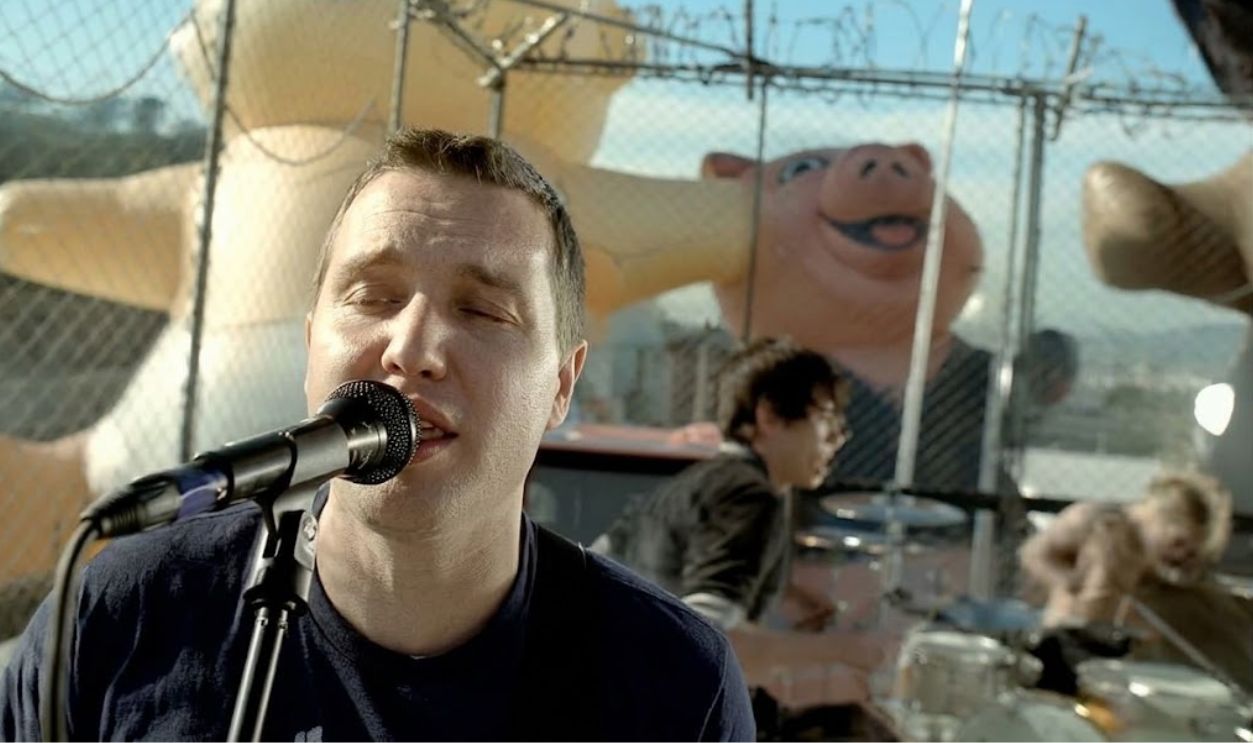 Screenshot from Feeling This, Geffen Records (2003), Enhanced
The Cure Forgot To Reset The Tape Speed
"Friday I'm in Love" has an unusually bright, almost weightless quality compared with much of Wish, and part of that came from an accident. Robert Smith had been experimenting with the tape machine's varispeed control and forgot to return it to normal. The finished song wound up roughly a quarter-tone sharp. Smith liked the way the altered pitch lifted the track, so The Cure left it exactly that way.
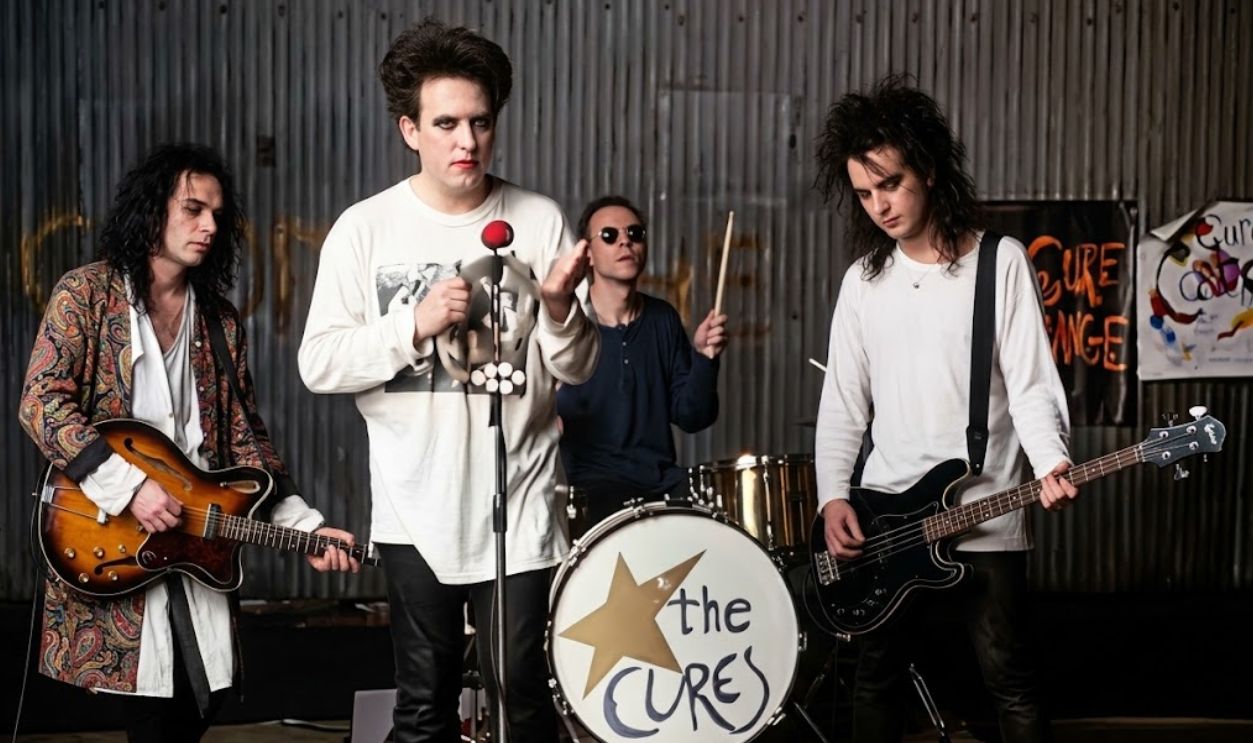 Screenshot from Friday I'm in Love, Fiction Records (1992), Enhanced
Bachman-Turner Overdrive's Joke Vocal Became The Hit
Randy Bachman never meant the stuttering version of "You Ain't Seen Nothing Yet" to become a single. He exaggerated the vocal as a private joke for his brother Gary, who had a stutter, and regarded the recording as little more than a throwaway work track. When the label heard it, however, they heard a hit. Bachman tried singing it normally, but everyone preferred the supposedly unserious original.
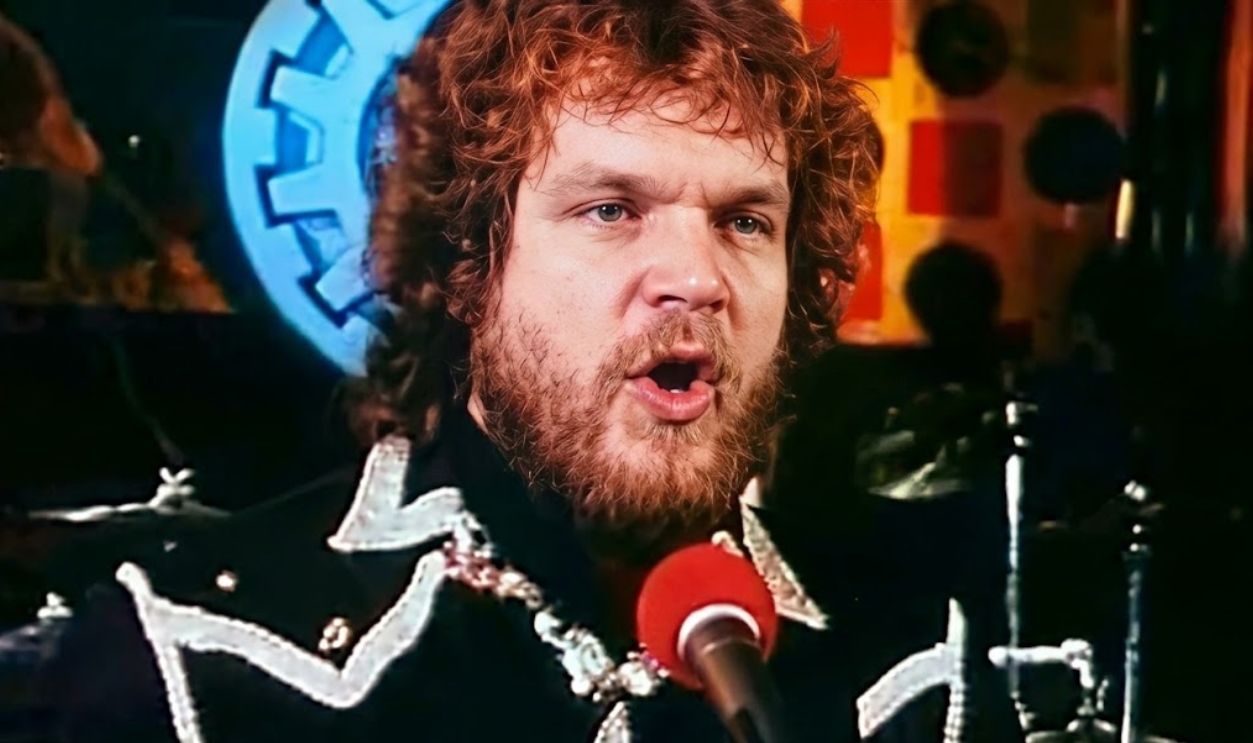 Screenshot from You Ain't Seen Nothing Yet, Mercury Records (1974), Enhanced
Keith Richards Thought "Satisfaction" Was Still A Demo
The distorted guitar on "(I Can't Get No) Satisfaction" wasn't supposed to be the final arrangement. Keith Richards used a fuzz pedal to sketch out what he imagined would eventually become a horn part. To him, the guitar was essentially a placeholder. The others heard something much more powerful. The unfinished version went out instead, turning a temporary sound into one of the most famous guitar riffs ever recorded.
 Screenshot from (I Can’t Get No) Satisfaction, RCA Records (1965)
Green Day Left Billie Joe Armstrong's False Starts On The Record
The album version of "Good Riddance (Time of Your Life)" begins with Billie Joe Armstrong fumbling the acoustic guitar figure, stopping, trying again, and messing it up a second time before muttering to himself and finally getting started. Those mistakes could have disappeared instantly in editing. Instead, Green Day left them on Nimrod, giving one of their most polished and sentimental songs an unusually intimate, human beginning.
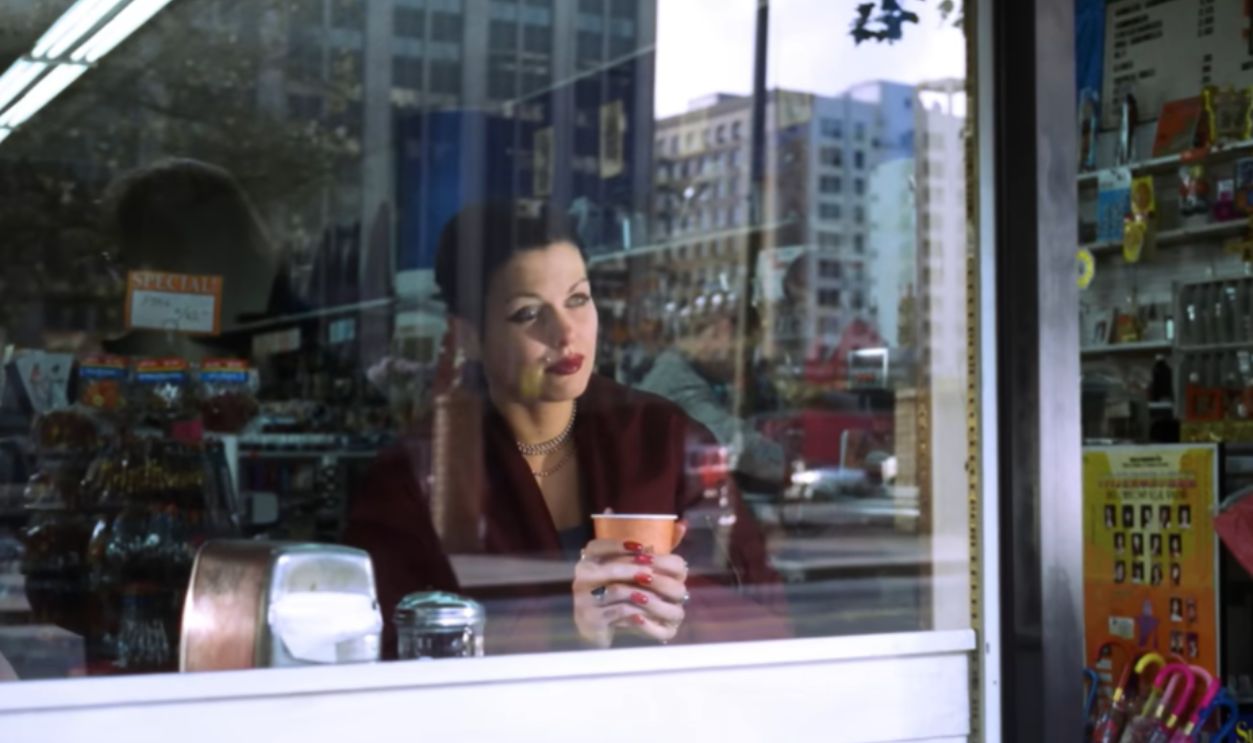 Screenshot from Good Riddance (Time Of Your Life), Reprise (1997)
Michael Stipe Couldn't Say "Dr Seuss" Without Laughing
While recording "The Sidewinder Sleeps Tonite," Michael Stipe repeatedly struggled with the phrase referencing Dr Seuss, slipping toward "Dr Zeus" and eventually cracking himself up. The genuine laugh remained in the final recording on Automatic for the People. It lasts only a moment, but that tiny break in character gives the song a warmth that would've been almost impossible to manufacture deliberately.

An Abbey Road Rule Saved "Her Majesty"
Paul McCartney decided "Her Majesty" didn't work inside the long Abbey Road medley and told engineer John Kurlander to remove it. Kurlander had been instructed never to discard Beatles tape, so he placed the fragment at the end of the reel with blank leader separating it from everything else. When the band later heard the accidental placement, they liked the surprise and kept it, creating an early famous hidden track.
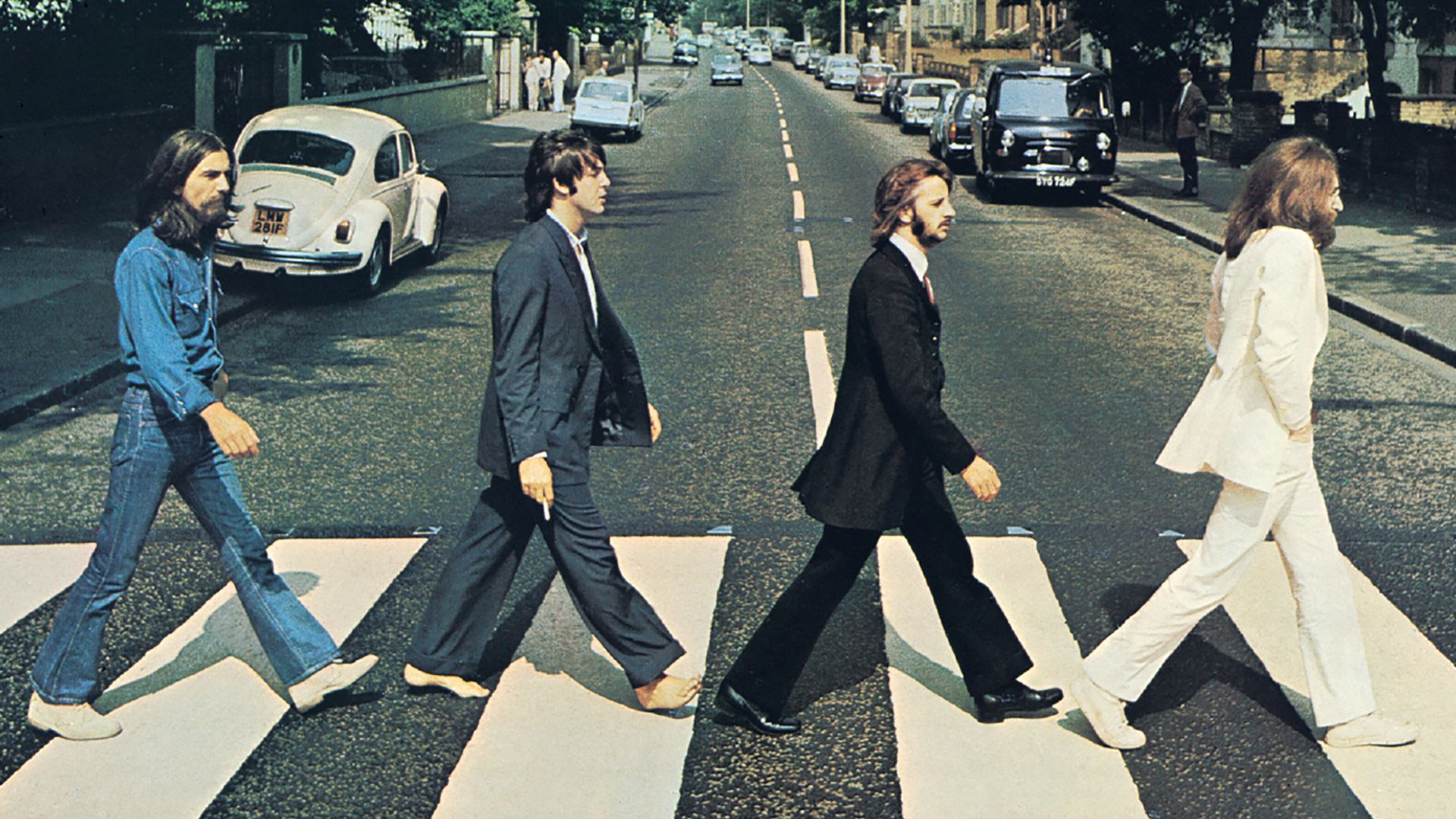 John Kosh / Iain Macmillan, Wikimedia Commons
McCartney Mixed Up Desmond And Molly
In the final verse of "Ob-La-Di, Ob-La-Da," Paul McCartney accidentally reversed the roles he'd established earlier, singing that Desmond stayed home to do his pretty face while Molly let the children lend a hand. The switch wasn't originally planned, but the other Beatles liked the accidental role reversal. Instead of rerecording the line for consistency, they kept the mistake and made the ending a little stranger.
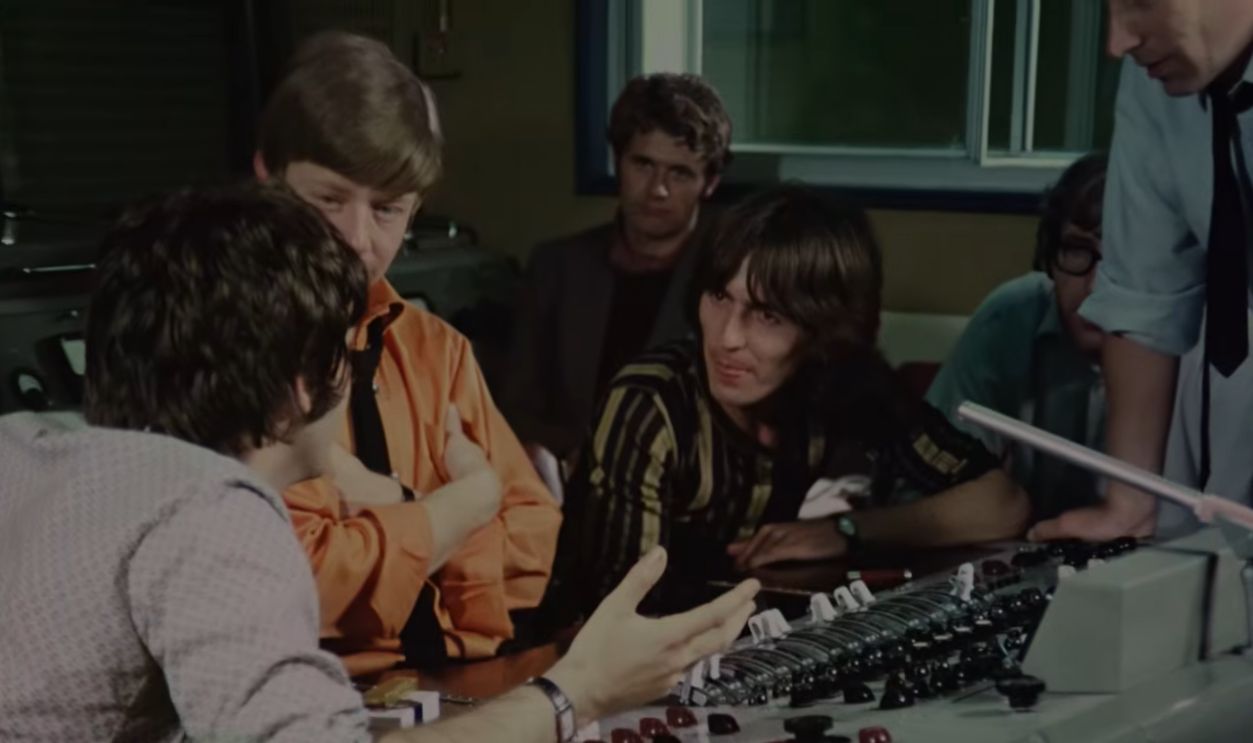 Screenshot from Ob-La-Di, Ob-La-Da, Apple Records (1968)
Nirvana's Biggest Song Started With A Deodorant Misunderstanding
This one happened during the writing process rather than a recording session. Kathleen Hanna wrote "Kurt smells like Teen Spirit" on Kurt Cobain's wall because his then-girlfriend Tobi Vail used Teen Spirit deodorant. Cobain didn't know the product existed and interpreted Hanna's graffiti as some kind of rebellious slogan. The misunderstanding gave Nirvana a title that would soon become shorthand for an entire generation.
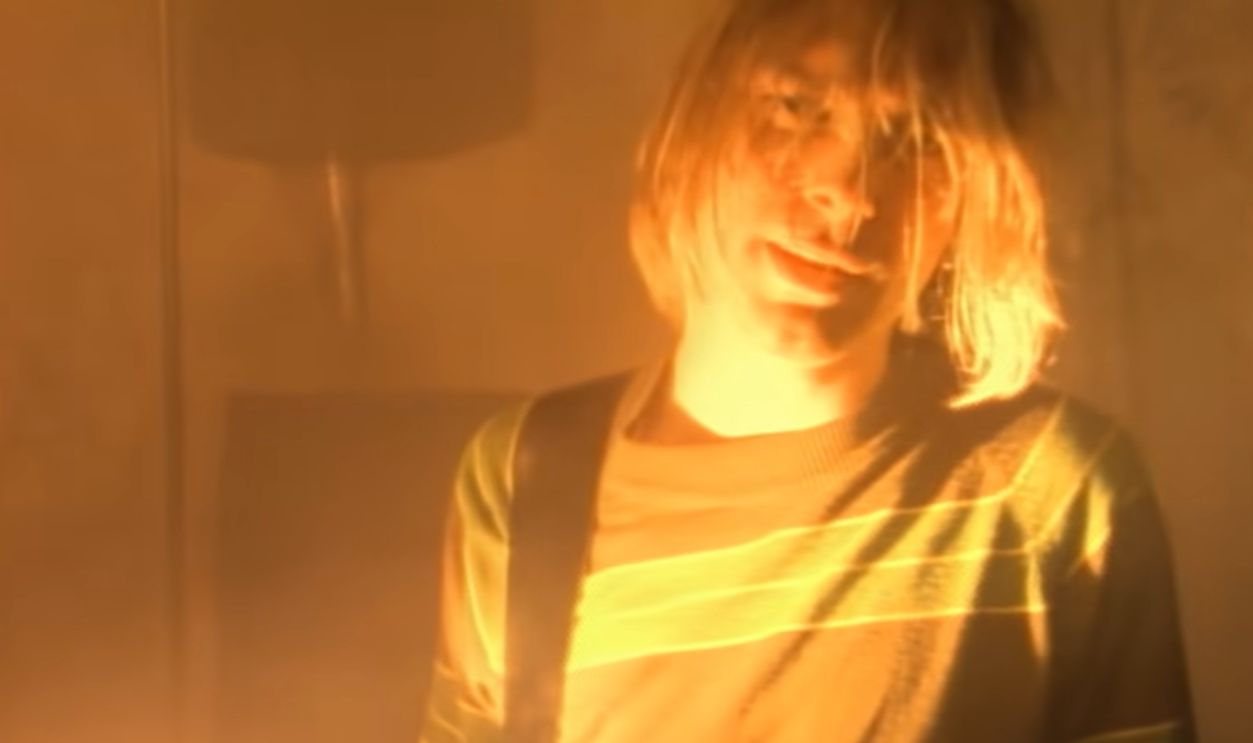 Screenshot from Smells Like Teen Spirit, Universal Music Group (1991)
Led Zeppelin Escaped A Bad Session With "Rock And Roll"
Led Zeppelin were struggling with "Four Sticks" at Headley Grange when John Bonham, frustrated with the session, broke into the drum opening from Little Richard's "Keep A-Knockin'". Jimmy Page immediately joined him with a riff, and what had begun as a tension-breaking jam suddenly turned into something much better. The spontaneous detour became "Rock and Roll," one of the hardest-driving tracks on Led Zeppelin IV.
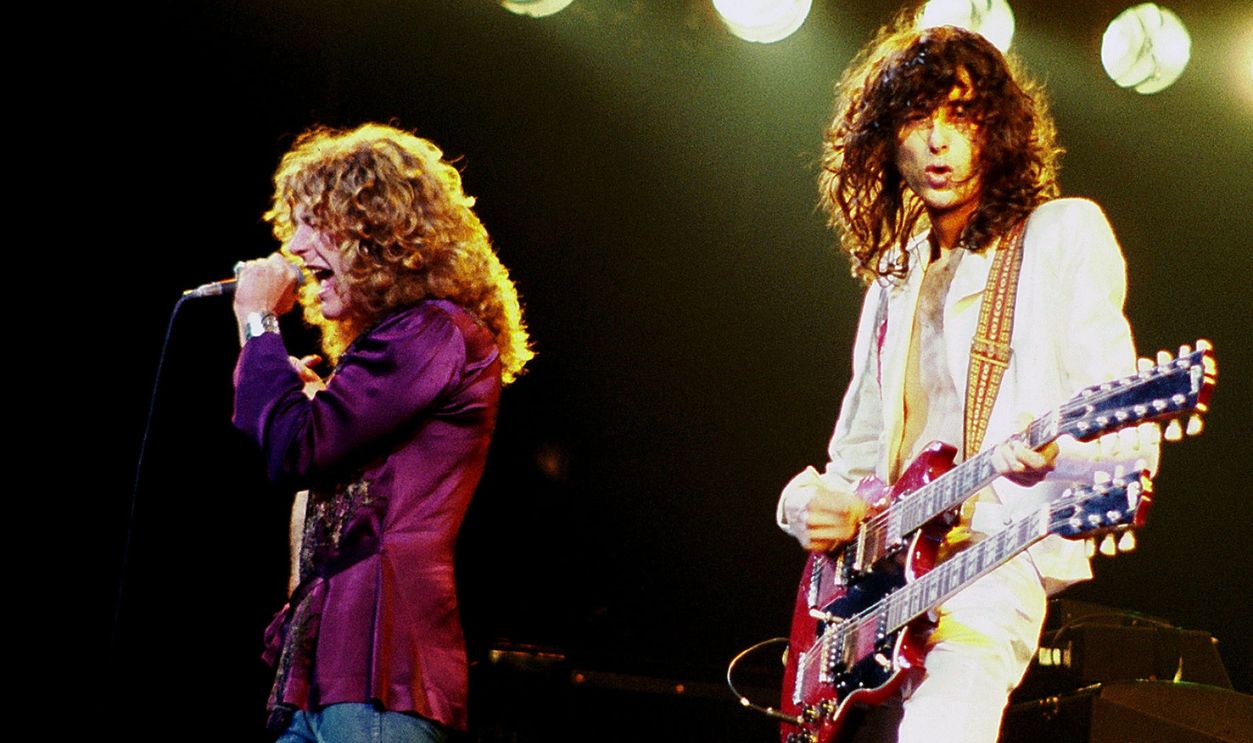 Jim Summaria, CC BY-SA 3.0, Wikimedia Commons
Slash Was Just Messing Around When "Sweet Child O' Mine" Appeared
The famous story that Slash deliberately used the "Sweet Child O' Mine" riff as a warm-up isn't quite right. Slash has clarified that he was simply sitting around the band's house, messing with notes and building a melodic pattern without thinking he'd found a future hit. Izzy Stradlin began playing behind him, the others joined in, and the casual throwaway idea grew into Guns N' Roses' only US Number 1 single.
 Screenshot from Sweet Child o’ Mine, Geffen Records (1987)
An Alarm Clock Landed In Exactly The Right Place
While The Beatles were constructing "A Day in the Life," roadie Mal Evans helped count through the unfinished 24-bar gap, and an alarm clock was used around the end of the section. The clock was captured on tape and happened to ring just before Paul McCartney's section began with the idea of waking up. What could've been cleaned away instead sounded almost absurdly intentional, so it became part of Sgt. Pepper's Lonely Hearts Club Band.
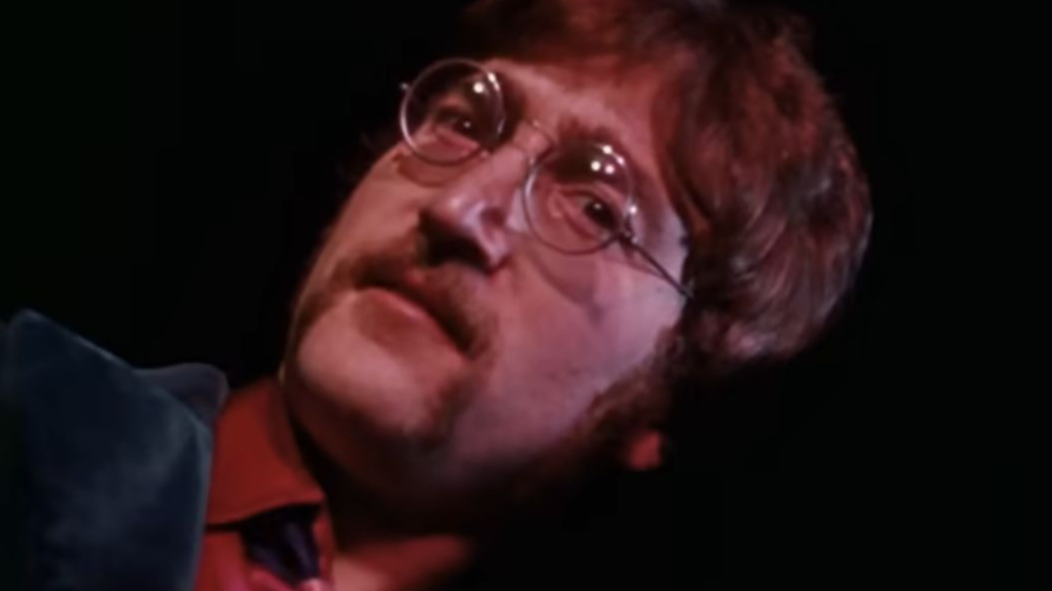 Screenshot from A Day in the Life, Capitol Records (1967)
One Forgotten Rock Take Rescued "Start Me Up"
The Rolling Stones spent numerous attempts turning the song that became "Start Me Up" into reggae, then largely abandoned the material. Years later, while older recordings were being searched for Tattoo You, the crucial straight-ahead rock version resurfaced among all those discarded takes. It was the rare approach they'd barely pursued, yet it was clearly the one worth saving. An almost-forgotten experiment became one of their biggest 1980s songs.
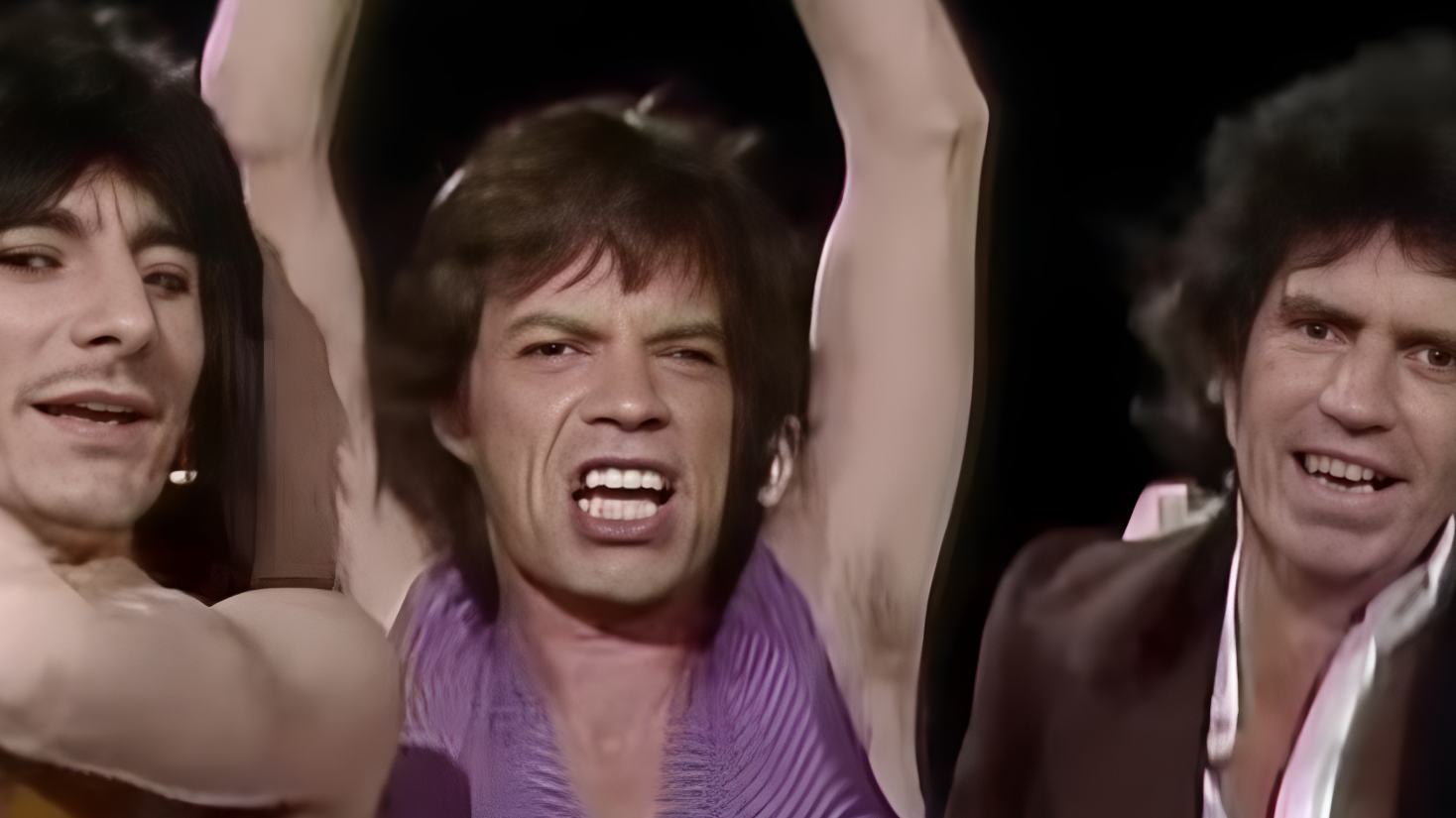 Screenshot from Start Me Up, Rolling Stones Records (1981).
You May Also Like:
Bands That Couldn’t Stand Each Other But Made Magic Anyway
Legendary Bands That Were Too Chaotic To Last Forever
Hit Songs From The 70s That Were Originally Written For Completely Different Singers