After Grunge Came Something Bigger And Slicker
Grunge changed rock almost overnight, but its influence didn't disappear when the original Seattle wave began fading. A new generation kept the heavy guitars and introspective lyrics while adding cleaner production, bigger choruses, and songs built for radio. Some critics hated the result, but post-grunge became one of rock's dominant sounds. These albums show how surprisingly broad that sound could be.
Tonic - Lemon Parade (1996)
Tonic's debut sits on the melodic end of post-grunge, where thick guitars could coexist with polished songwriting and genuine romantic vulnerability. “Open Up Your Eyes” introduced the band, but “If You Could Only See” became the song that followed them everywhere. Lemon Parade wasn't as abrasive as many alternative albums around it, and that accessibility helped demonstrate how easily post-grunge could cross from modern-rock radio into the mainstream.
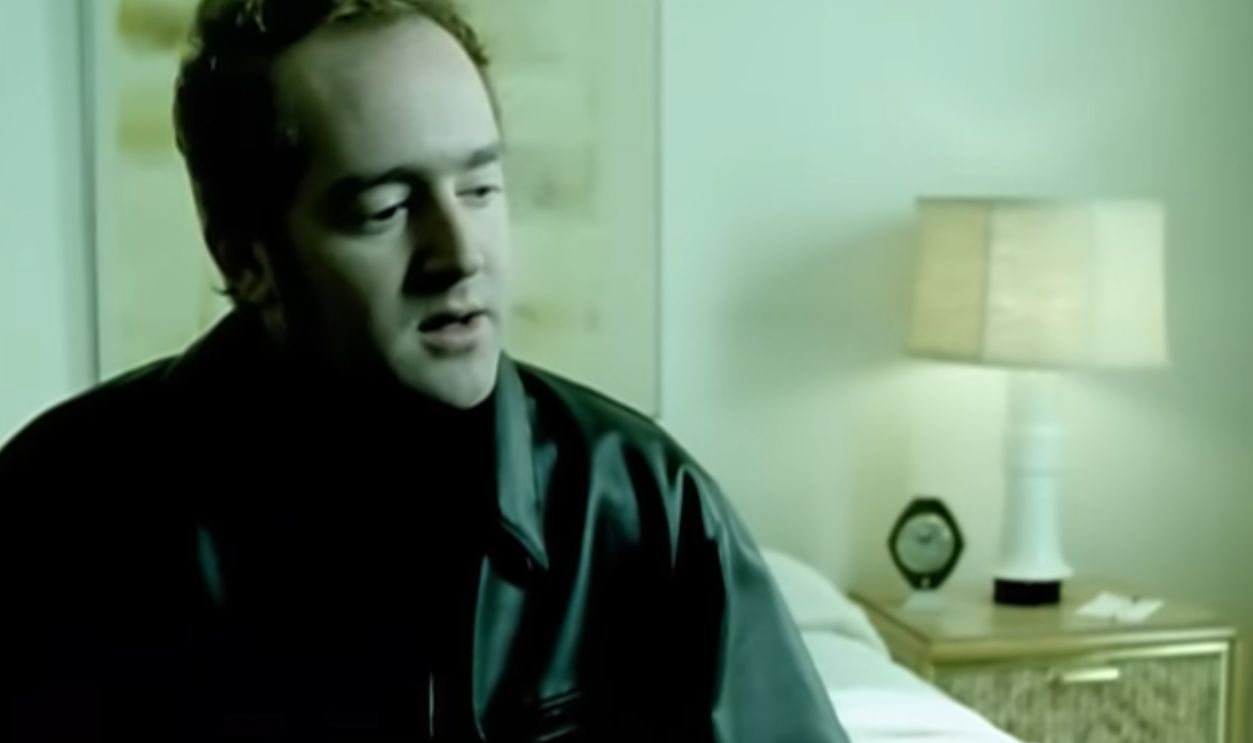 Screenshot from If You Could Only See, Polydor Records (1996)
Live - Throwing Copper (1994)
Throwing Copper helped establish the template before anyone completely agreed on what post-grunge was. Live combined serious, sometimes cryptic lyrics with Ed Kowalczyk's dramatic vocals and guitars that could shift from restrained verses to huge choruses. “Selling the Drama,” “I Alone,” “All Over You,” and especially “Lightning Crashes” turned the album into an enormous success while proving alternative rock could sound emotionally intense and completely radio-ready at the same time.
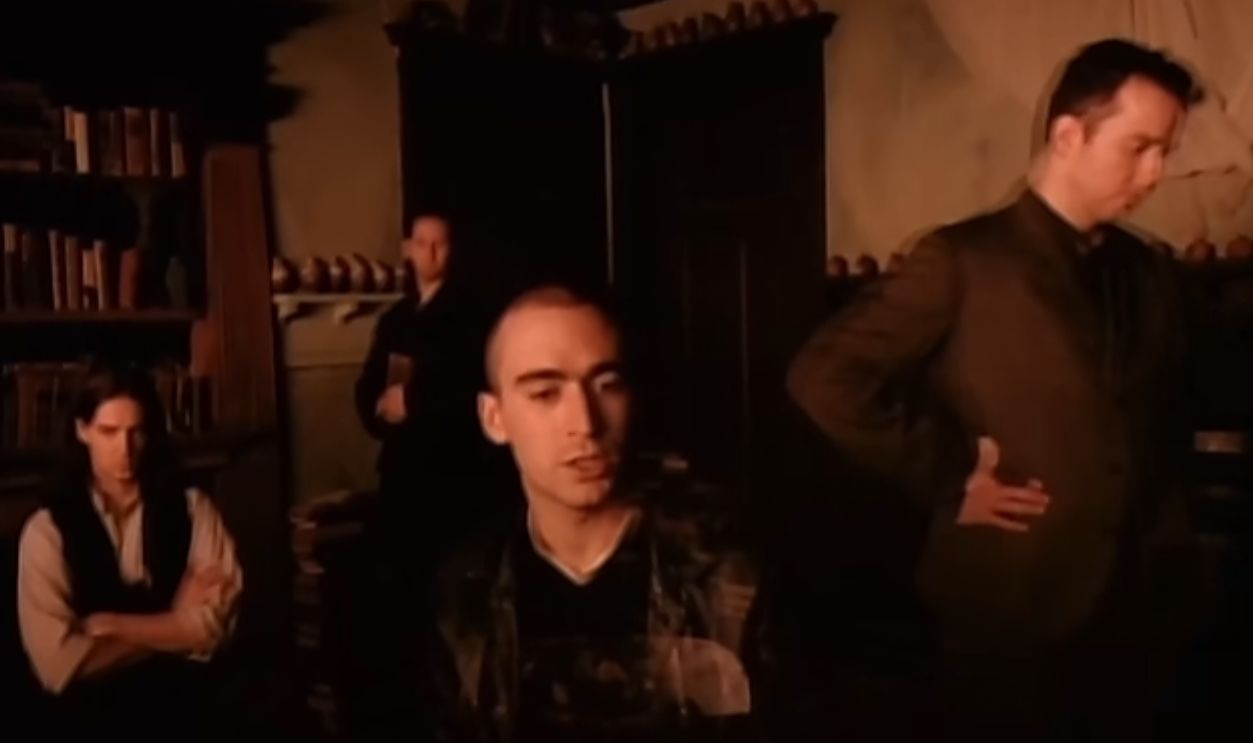 Screenshot from Lightning Crashes, Radioactive Records (1994)
Oleander - February Son (1999)
Oleander arrived during the point when post-grunge had become a dependable rock-radio format, and February Son fit it beautifully without sounding completely anonymous. “Why I'm Here” became their biggest breakthrough, while “I Walk Alone” and heavier album cuts showed off Thomas Flowers' gritty voice and the band's knack for melodic aggression. The record eventually went gold, even though Oleander never quite became as famous as several bands working in the same lane.
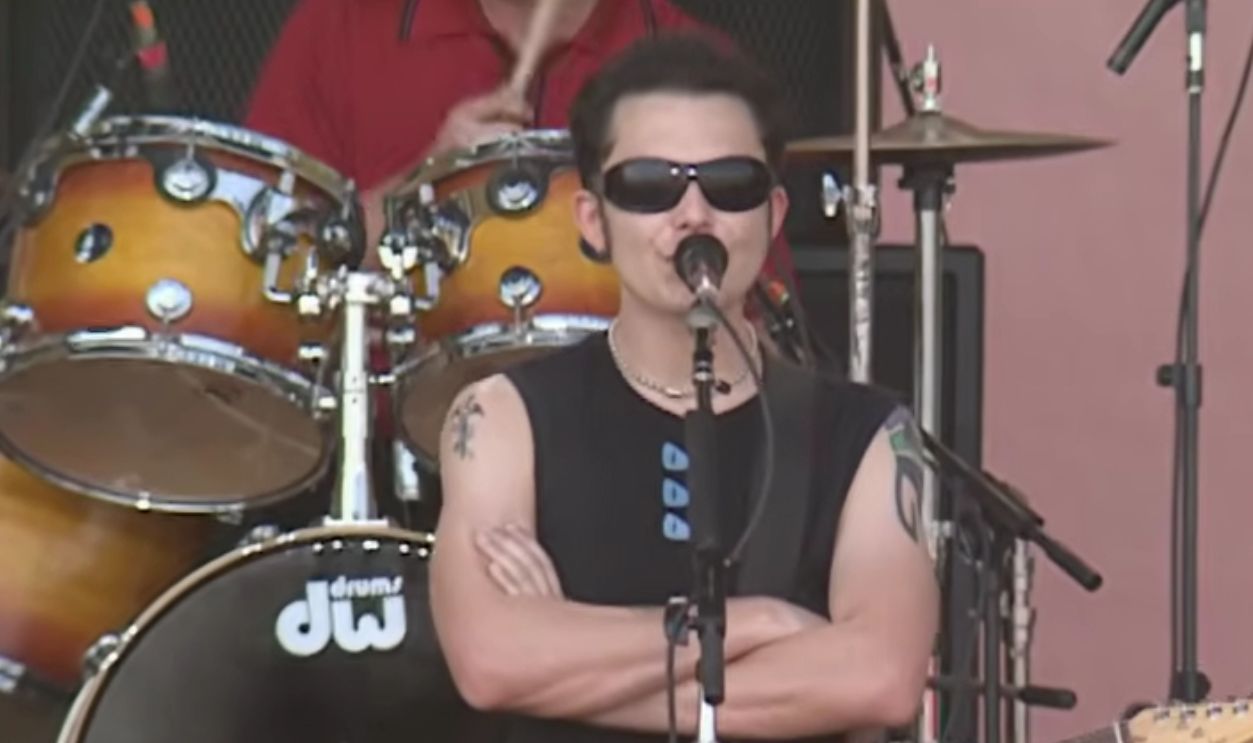 Screenshot from Why I'm Here, Universal Records (1999)
Bush - Sixteen Stone (1994)
Bush took plenty of criticism for sounding suspiciously close to American grunge bands despite coming from London, but Sixteen Stone became one of the records that turned those influences into a new mainstream formula. “Everything Zen,” “Comedown,” “Machinehead,” “Little Things,” and “Glycerine” gave the album an absurdly deep run of singles. The guitars remained rough enough for alternative radio, but Gavin Rossdale clearly understood the value of a massive hook.
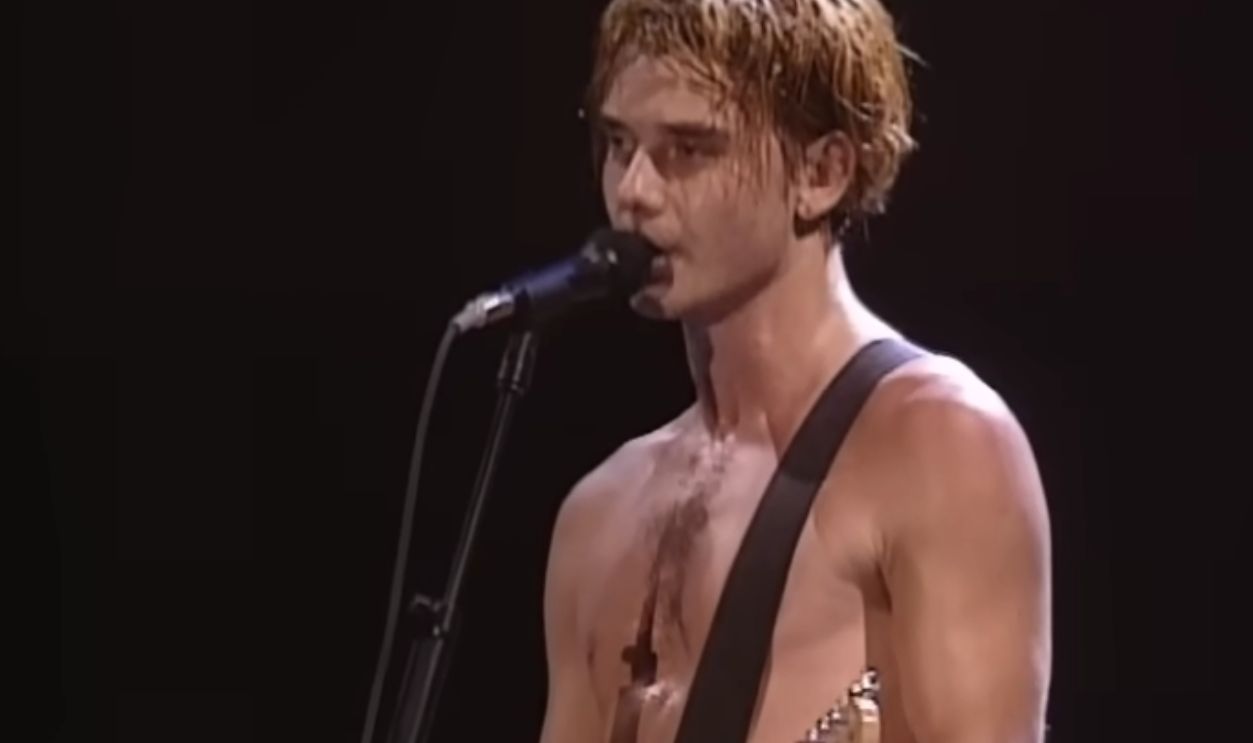 Screenshot from Glycerine, Trauma Records (1995)
Our Lady Peace - Clumsy (1997)
Our Lady Peace gave post-grunge a distinctly Canadian voice. Raine Maida's unusually high, elastic vocals immediately separated the band from its American contemporaries, while Clumsy balanced heavy guitars with more atmospheric songwriting. “Superman's Dead,” “4 A.M.,” “Automatic Flowers,” and the title track helped turn the album into the band's defining release. It had the brooding mood associated with the genre without simply sounding like another attempt to recreate Seattle.
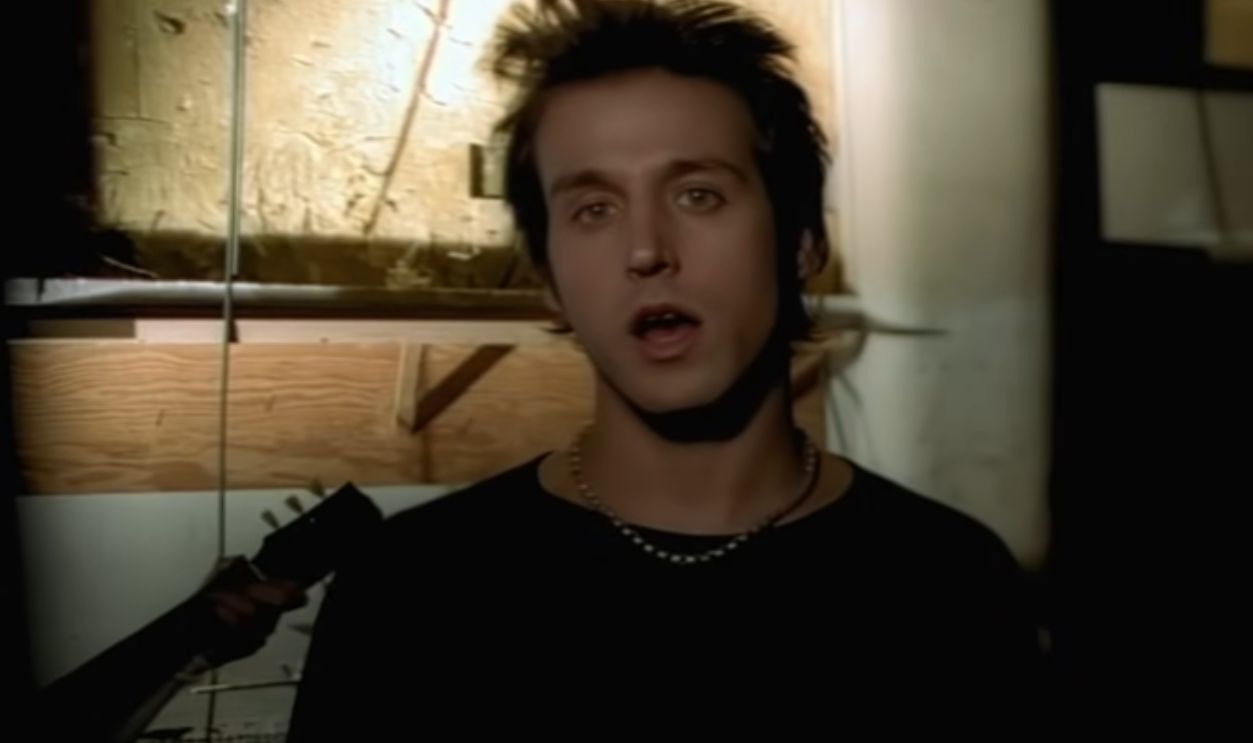 Screenshot from Clumsy, Columbia Records (1997)
Collective Soul - Collective Soul (1995)
Collective Soul understood early that post-grunge didn't have to sacrifice pop instincts. Their self-titled second album packed distorted guitars around tightly constructed songs like “December,” “Gel,” “Where the River Flows,” and “The World I Know”. Ed Roland's writing was much more interested in melody than abrasion, giving the group a sound that could sit comfortably on alternative, mainstream-rock, and pop stations. The album became another multi-platinum success.
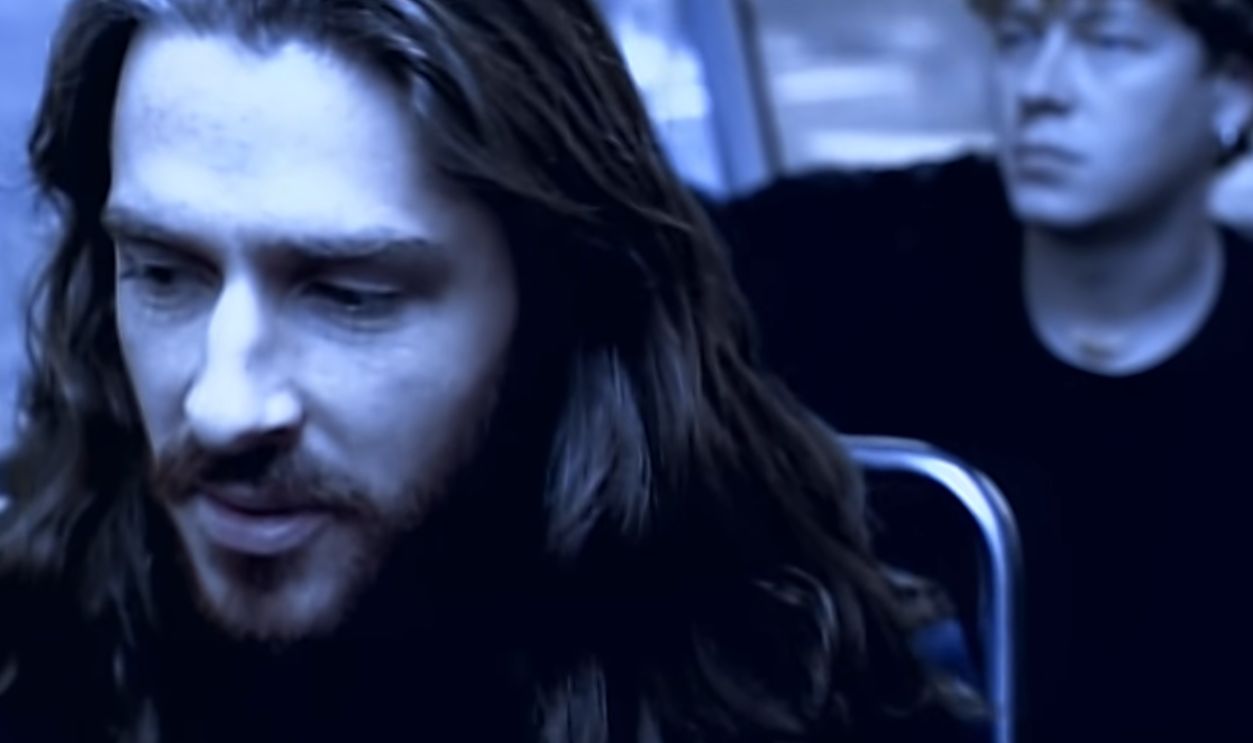 Screenshot from The World I Know, Atlantic Records (1995)
Nickelback - Curb (1996)
Long before Nickelback became one of the biggest and most divisive rock bands on the planet, Curb captured them sounding considerably rougher. Recorded in British Columbia, the debut has the heavy guitars and gloomy atmosphere associated with mid-90s post-grunge, but without the enormous production that later defined hits like “How You Remind Me”. Songs such as “Fly” reveal an early version of Chad Kroeger's songwriting before the band figured out exactly how commercially powerful that formula could become.
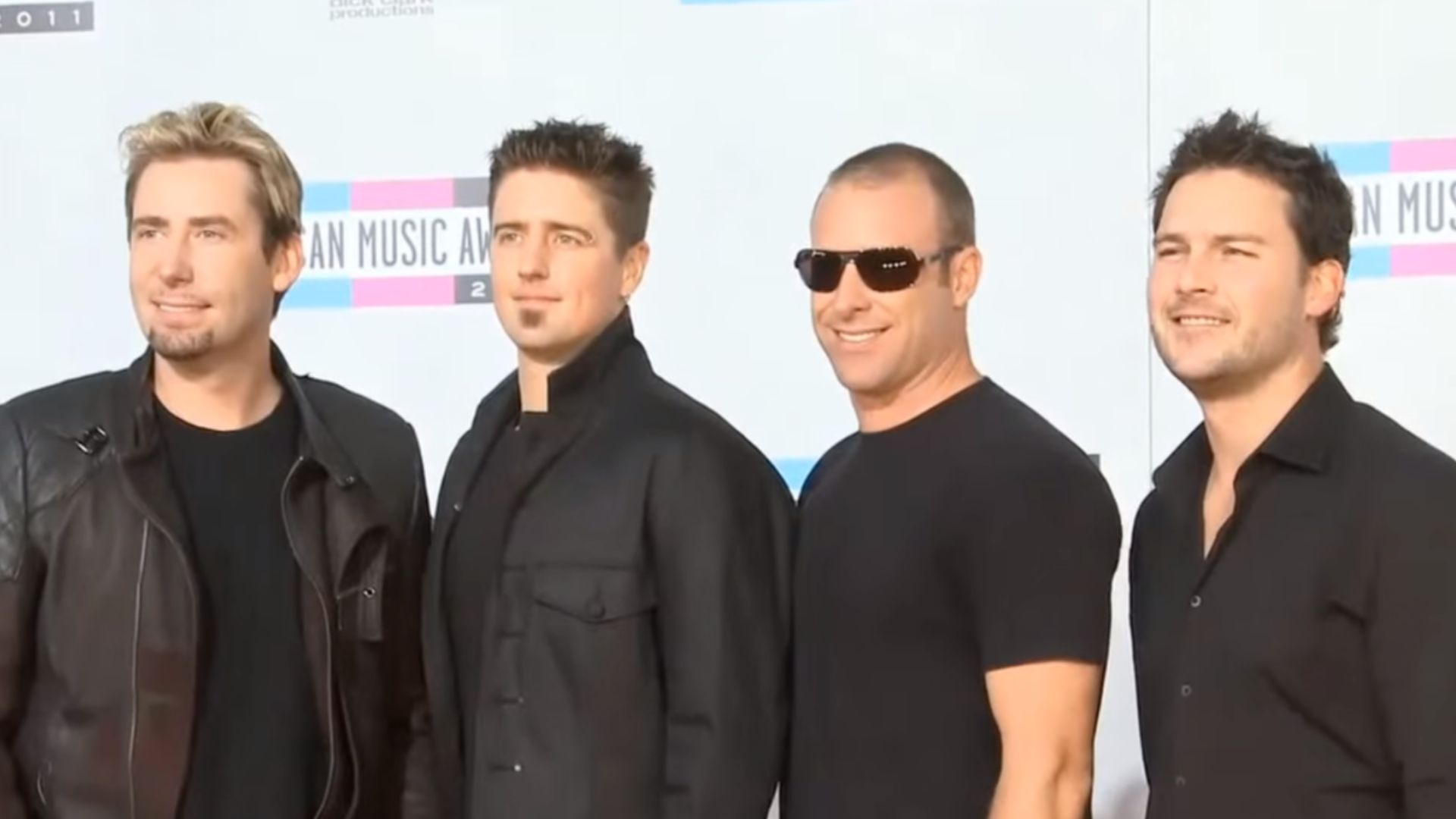 JKMusicGroup, Wikimedia Commons
Toadies - Rubberneck (1994)
The Toadies were stranger and nastier than the most polished post-grunge bands, which is exactly why Rubberneck still stands apart. “Possum Kingdom” became the obvious breakthrough despite its unusual meter and deeply unsettling story, while “Tyler,” “Away,” and “Backslider” kept the album tense and unpredictable. Rubberneck eventually went platinum, giving the Texas band a major foothold in the mid-90s alternative landscape without sanding off its darker personality.
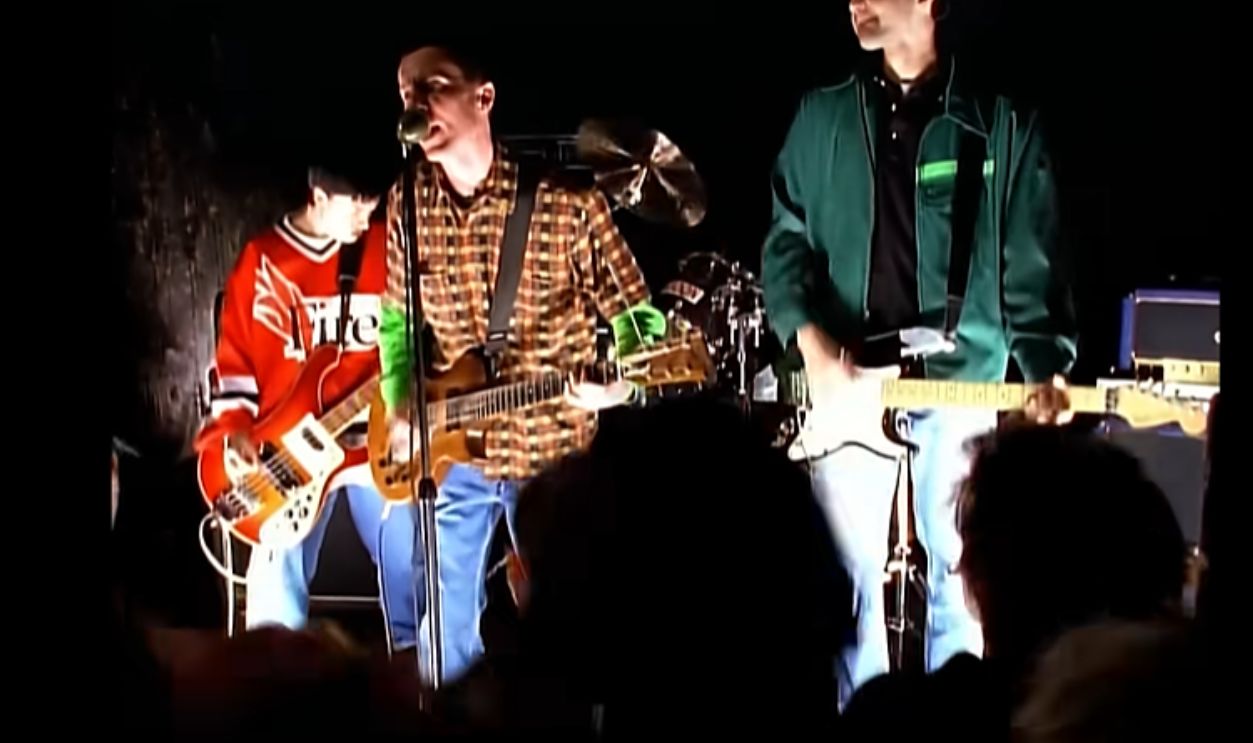 Screenshot from Possum Kingdom, Interscope Records (1994)
Seether - Disclaimer (2002)
By 2002, post-grunge had begun overlapping heavily with alternative metal and nu metal, and Seether's Disclaimer sits right at that intersection. Shaun Morgan's raspy vocals and dark lyrics gave songs like “Fine Again,” “Driven Under,” and “Gasoline” a distinctly downcast feel, while the guitars hit harder than much of the genre's late-90s output. The album established the South African band internationally and gave the 2000s wave of post-grunge one of its defining voices.
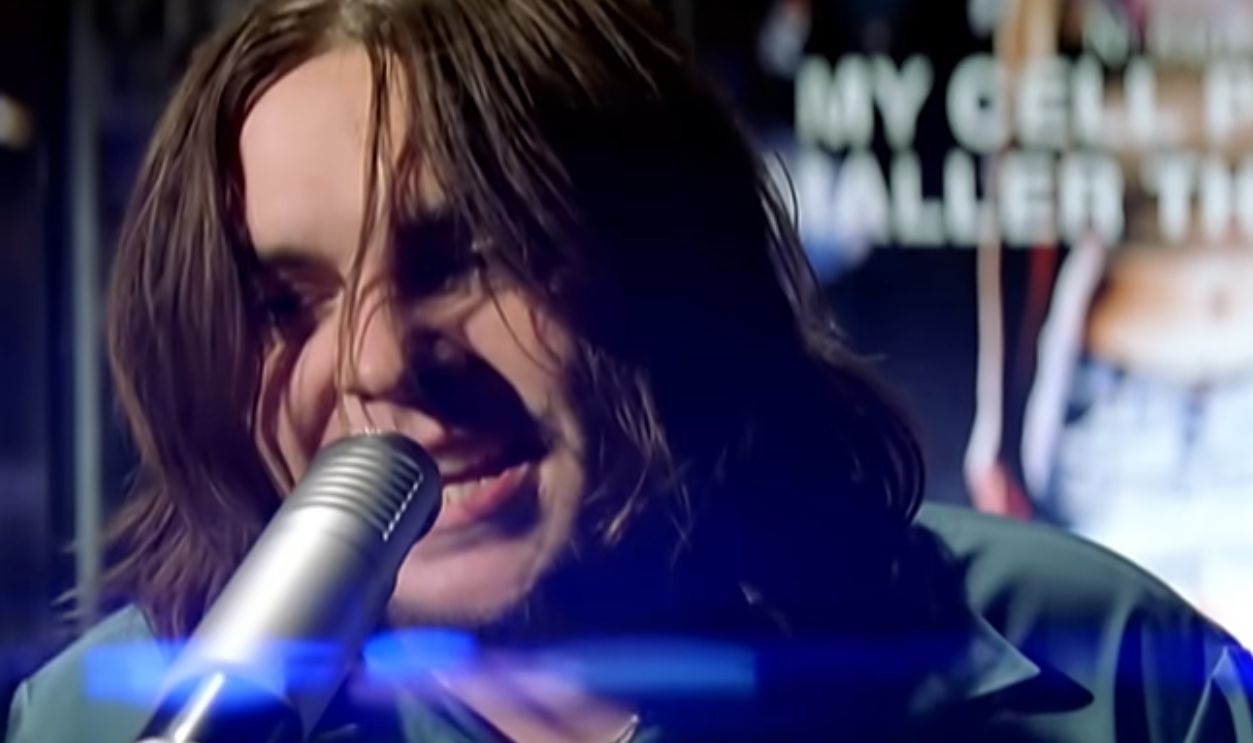 Screenshot from Fine Again, Wind-Up Records (2002)
Matchbox Twenty - Yourself Or Someone Like You (1996)
Matchbox Twenty represented post-grunge's softer, more adult-oriented side. Rob Thomas wrote huge choruses without abandoning lyrics about damaged relationships, emotional instability, and loneliness, giving “Push,” “3AM,” “Real World,” and “Back 2 Good” far more weight than their polished production might suggest. The album became a massive seller and showed that the genre's influence could extend well beyond hard-rock radio into mainstream pop and adult alternative.
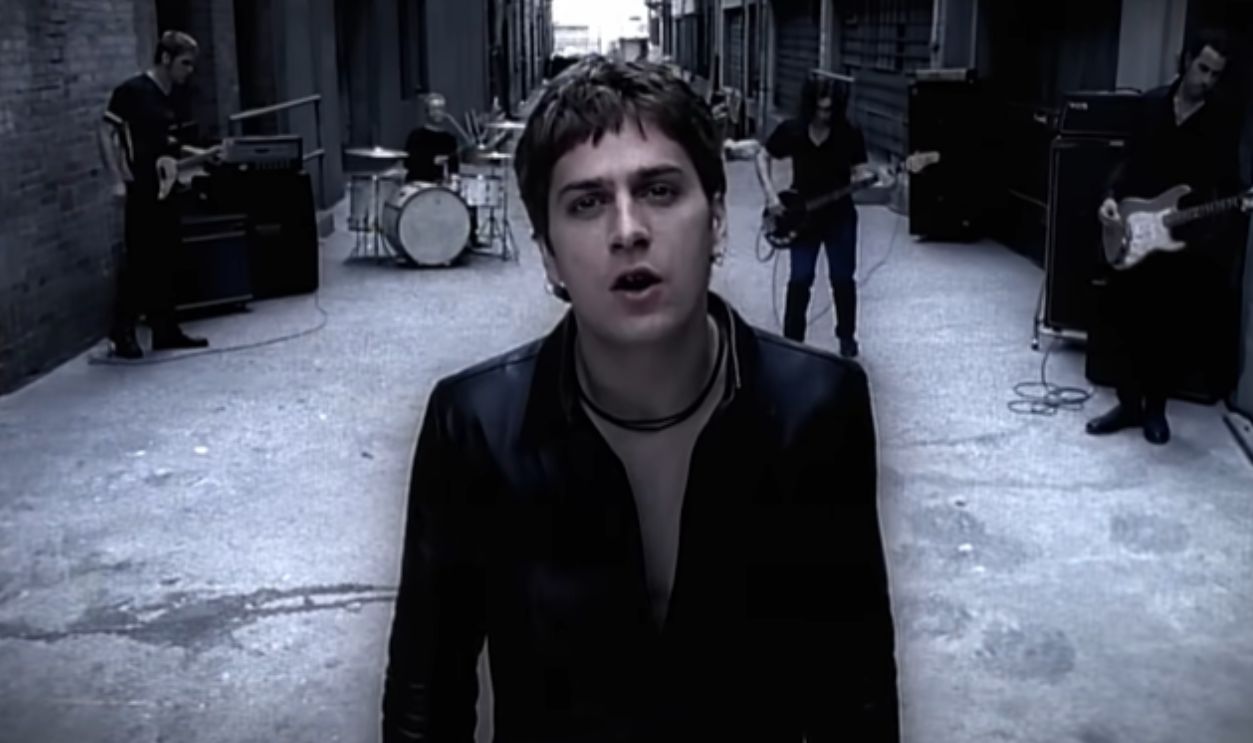 Screenshot from Push, Atlantic Records (1996)
Foo Fighters - Foo Fighters (1995)
Dave Grohl recorded most of the first Foo Fighters album himself, only months after Nirvana's end. That connection inevitably shaped how people heard it, but songs like “This Is a Call,” “I'll Stick Around,” and “Big Me” already pointed somewhere different. The guitars still had plenty of distortion, yet Grohl's instinct for bright melodies made the music feel lighter and more accessible. That balance became crucial to the post-grunge and alternative-rock landscape that followed.
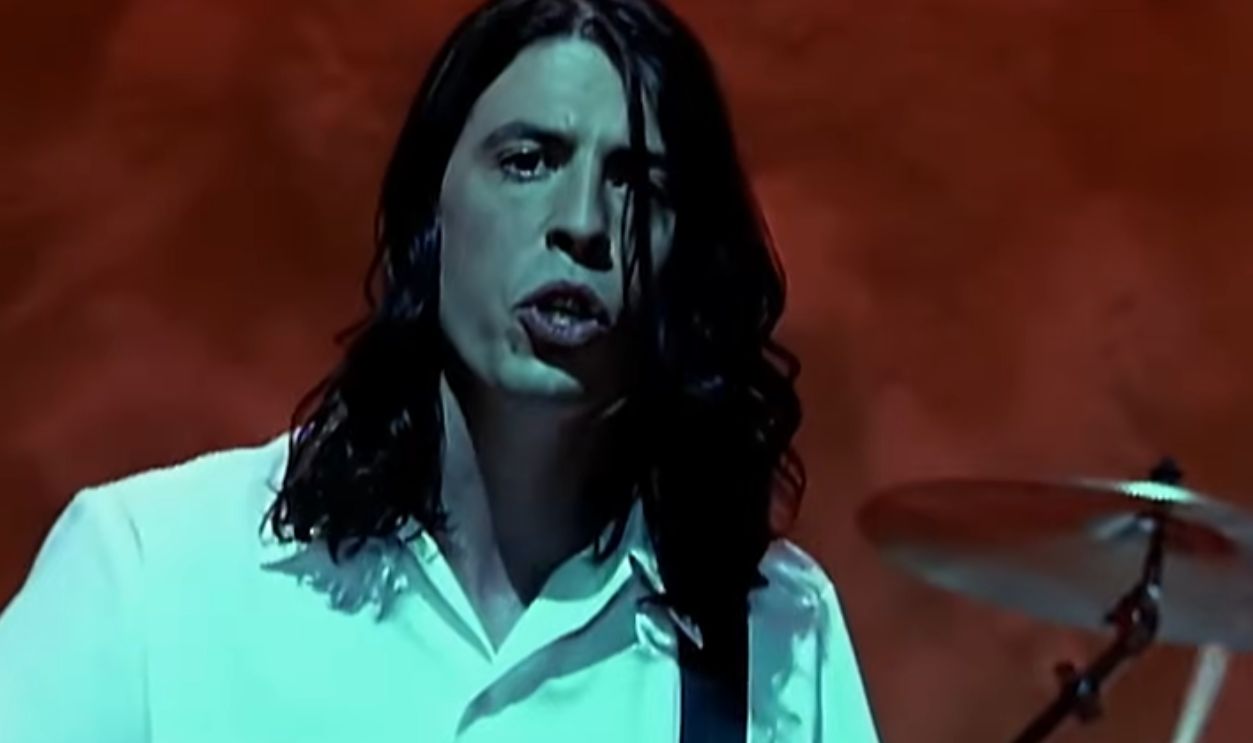 Screenshot from I'll Stick Around, Roswell Records (1995)
Silverchair - Frogstomp (1995)
The members of Silverchair were barely teenagers when Frogstomp turned them into international stars. “Tomorrow” immediately invited comparisons to Pearl Jam and Nirvana, and tracks like “Pure Massacre” reinforced the heavy grunge influence. Yet the Australian trio's age made the whole thing remarkable. Frogstomp captured the moment when grunge's sound had spread far beyond Seattle and was already being absorbed by younger bands who would carry its DNA into post-grunge.
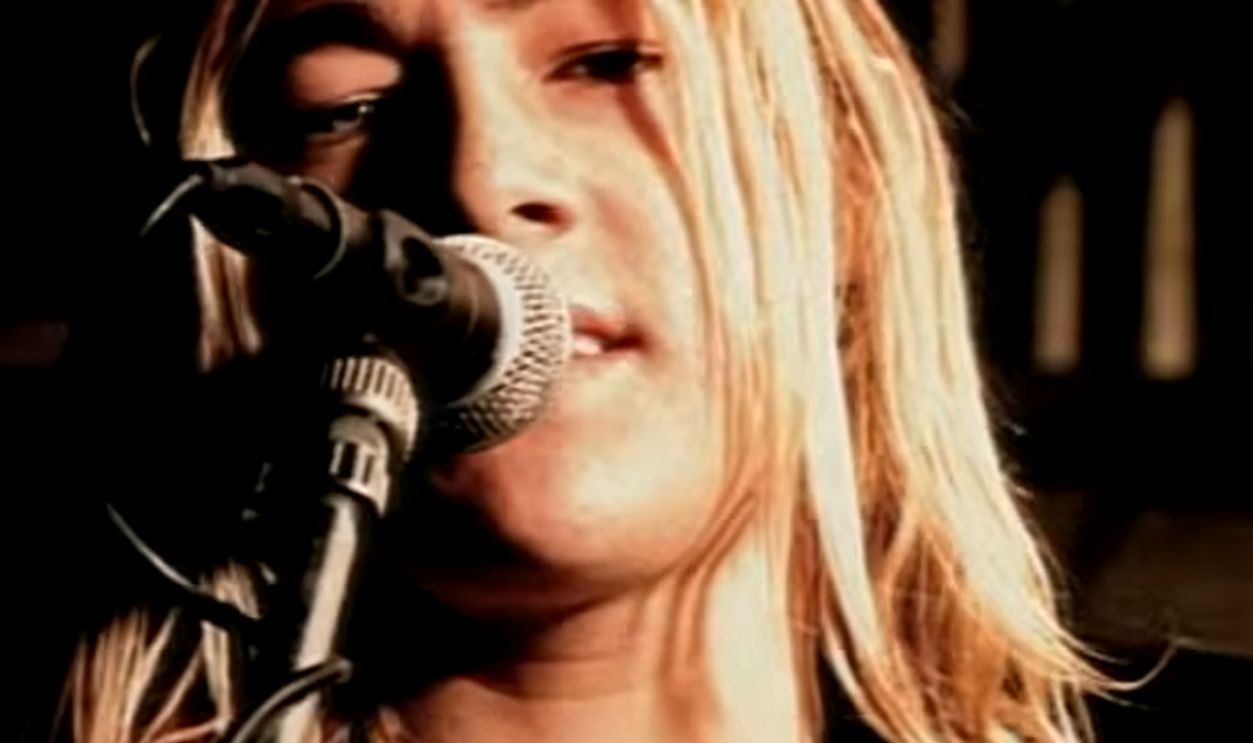 Screenshot from Tomorrow, Murmur (1994)
Creed - My Own Prison (1997)
Creed would become one of post-grunge's biggest punching bags and one of its biggest commercial successes at the same time. My Own Prison established the formula: Mark Tremonti's heavy but melodic guitar work, Scott Stapp's dramatic vocals, and lyrics centered on faith, guilt, identity, and redemption. “Torn,” “My Own Prison,” “What's This Life For,” and “One” all became rock-radio hits, turning an independently released debut into a major-label phenomenon.
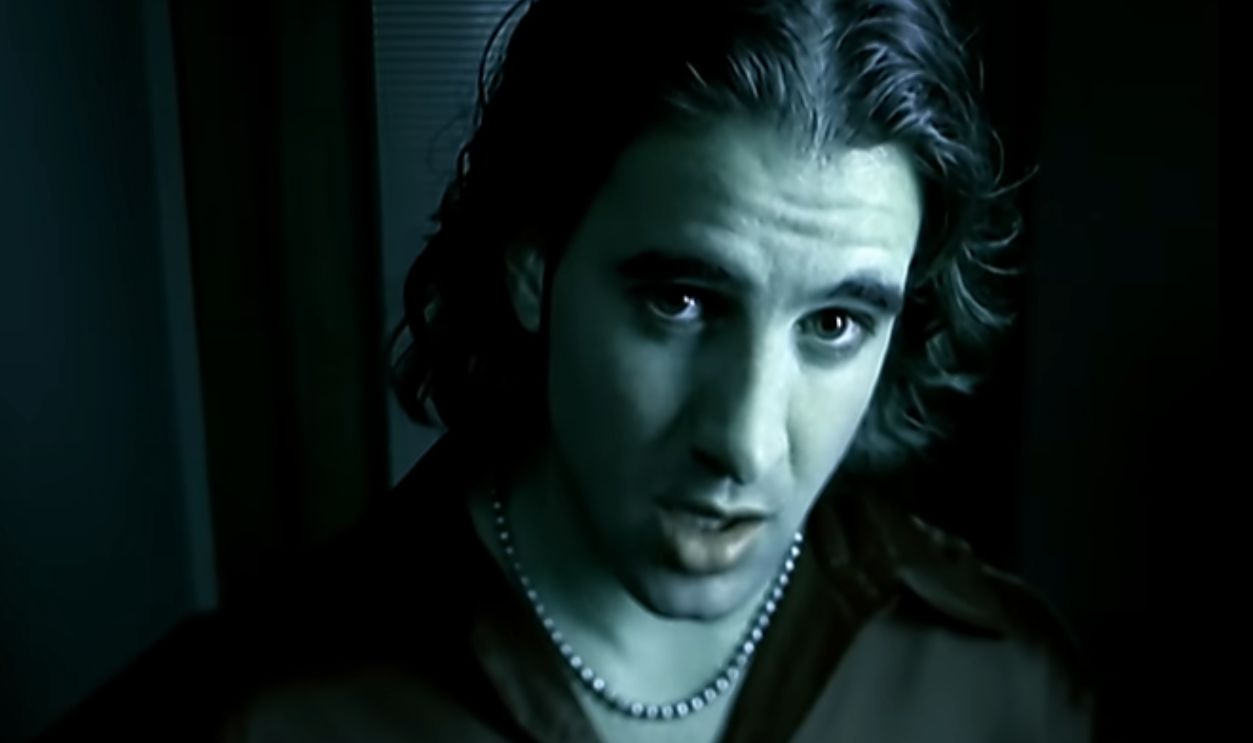 Screenshot from My Own Prison, Wind-Up Records (1997)
Puddle Of Mudd - Come Clean (2001)
If the 90s established post-grunge, Come Clean demonstrated how enormous its second wave could become. “Control” delivered the aggression, “Blurry” supplied the emotional crossover hit, and “She Hates Me” turned relationship bitterness into an unavoidable singalong. The album eventually went multi-platinum, while Wes Scantlin's rough vocal style placed the band squarely in the lineage of grunge-influenced radio rock that dominated the early 2000s.
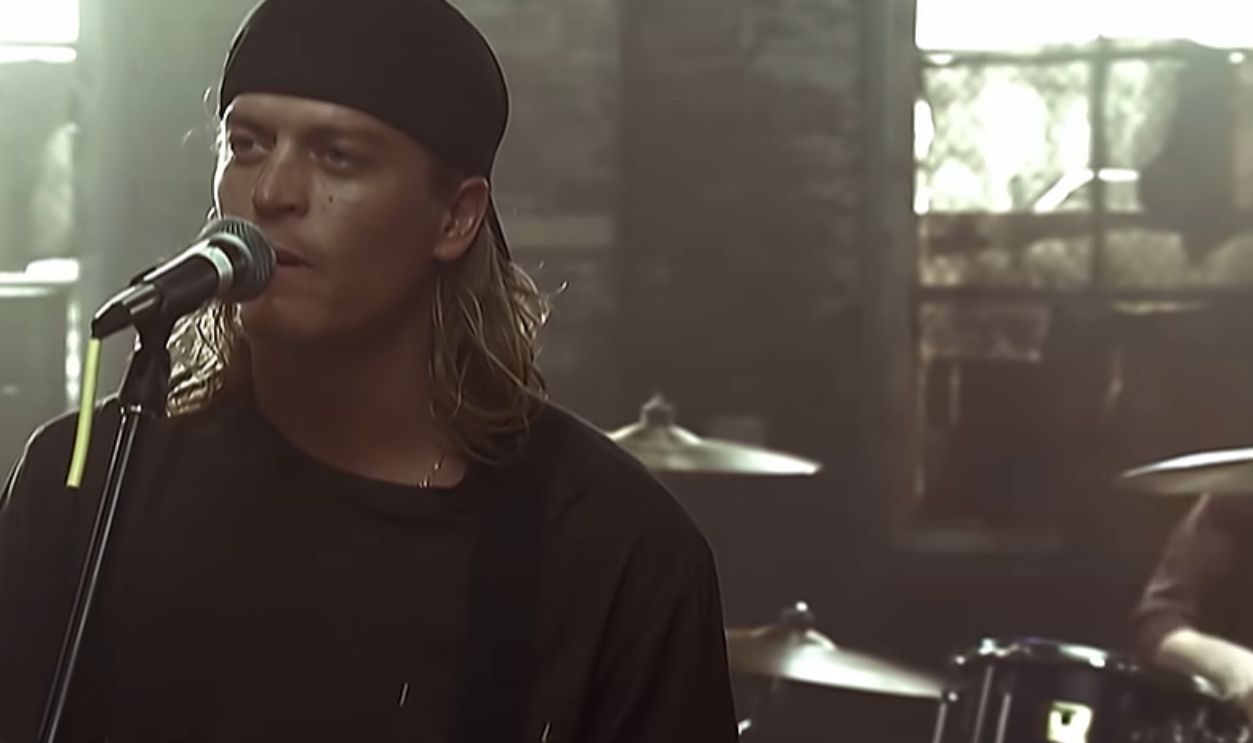 Screenshot from Blurry, Flawless Records (2001)
3 Doors Down - Away From The Sun (2002)
After “Kryptonite” made 3 Doors Down stars, Away from the Sun proved they weren't going to disappear after one album. “When I'm Gone” kept the guitars prominent, while the title track and “Here Without You” pushed toward the reflective balladry that had become increasingly central to early-2000s post-grunge. The result was smoother and more controlled than their debut, helping demonstrate how the genre was evolving into full-scale arena rock.
 Screenshot from Here Without You, Universal Records (2002)
Local H - Pack Up The Cats (1998)
Local H never achieved the enormous commercial breakthrough many of their contemporaries did, but Pack Up the Cats has developed a particularly strong reputation among post-grunge fans. Produced by Queen veteran Roy Thomas Baker, the album follows a struggling rock band chasing success and discovering how ugly the music business can be. “All the Kids Are Right” provides the perfect centerpiece, combining an enormous hook with lyrics about a disastrous live performance.
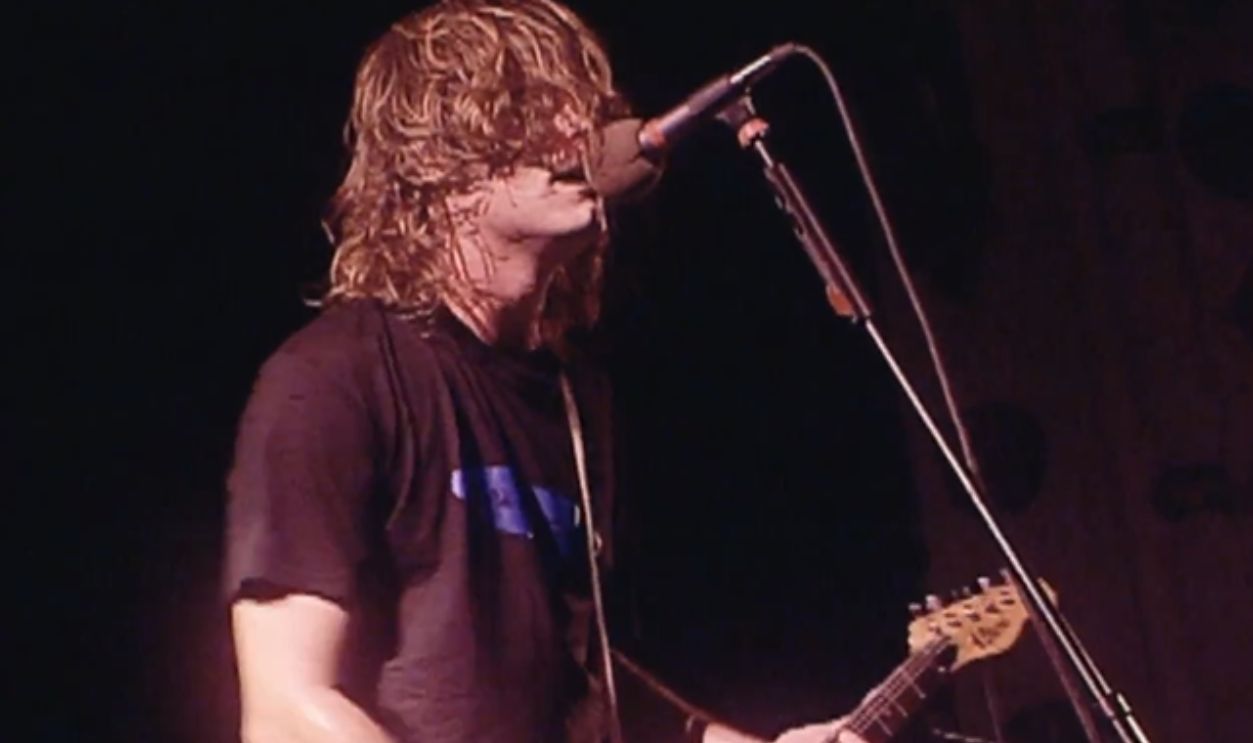 Screenshot from All the Kids Are Right, Island Records (1998)
CKY - Volume 1 (1999)
CKY didn't fit cleanly into one category, and that's part of what made Volume 1 interesting. “96 Quite Bitter Beings” combined a hypnotic guitar riff with metal weight, punk energy, and an unusually slick groove, while “Disengage the Simulator” revealed a more melodic side. The band's association with Bam Margera's skate videos and later Jackass culture helped the music spread. The album first appeared in 1999 before receiving wider reissues afterward.
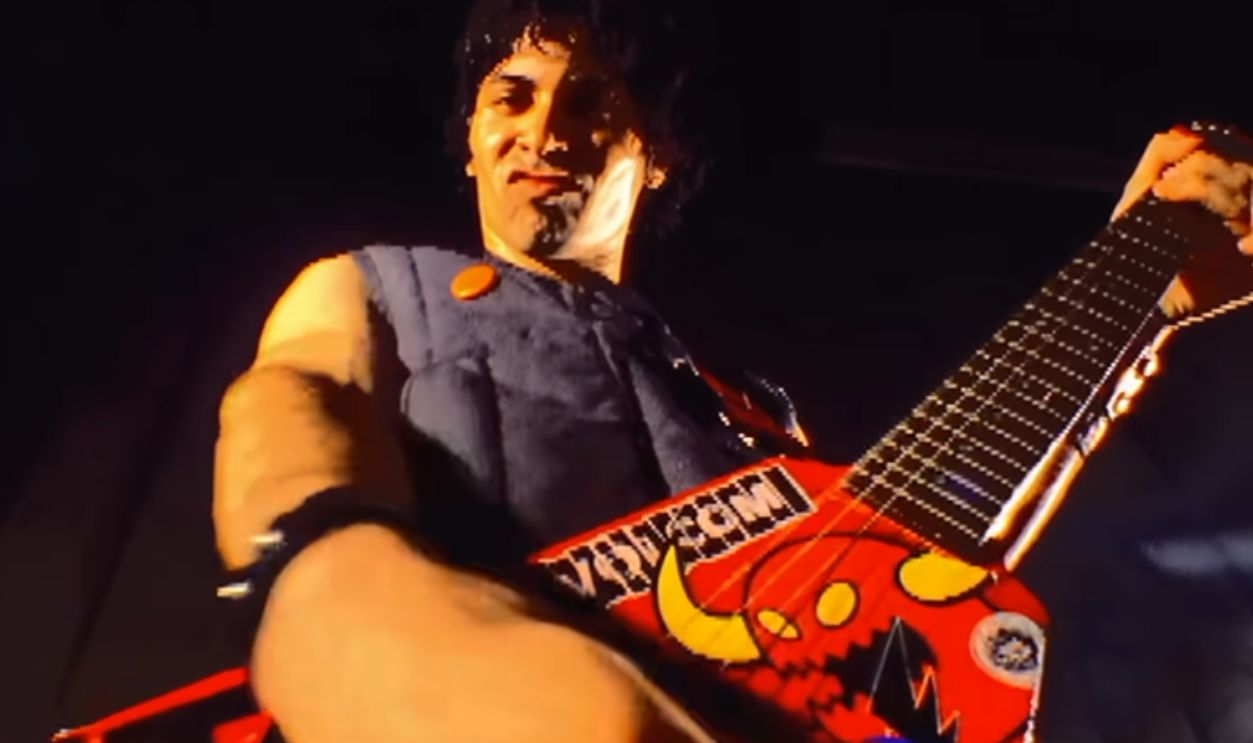 Screenshot from 96 Quite Bitter Beings, Distant Recordings (1999)
Failure - Fantastic Planet (1996)
Failure were often adjacent to post-grunge without ever fitting comfortably inside its radio-friendly stereotype. Fantastic Planet uses thick guitars and 90s alternative dynamics, but surrounds them with spacey production, unusual textures, and a darker sense of atmosphere. “Stuck on You” came closest to a conventional rock hit, while “The Nurse Who Loved Me” later gained additional attention through A Perfect Circle's cover. Its reputation has grown considerably since Failure's original breakup.
 Screenshot from Stuck on You, Slash Records (1996)
Candlebox - Candlebox (1993)
Candlebox arrived while grunge was still commercially dominant, which makes their debut one of the earliest records regularly folded into the post-grunge story. The Seattle connection didn't hurt, but “Far Behind,” “You,” and “Cover Me” were smoother and more traditionally melodic than much of the city's heavier output. The album eventually became a major seller, helping establish the radio-friendly side of grunge-influenced rock before the term post-grunge had really settled into common use.
 Screenshot from Far Behind, Maverick Records (1993)
Cold - 13 Ways To Bleed On Stage (2000)
Cold pushed post-grunge into much darker territory on 13 Ways to Bleed on Stage. Scooter Ward's deeply wounded vocals sit over low, heavy guitars, while the band's sound overlaps with alternative metal and the more atmospheric end of nu metal. “Just Got Wicked” gave them a hard-edged radio song, while “No One” and “End of the World” leaned further into melancholy. It's one of the albums that shows how blurred genre boundaries had become by 2000.
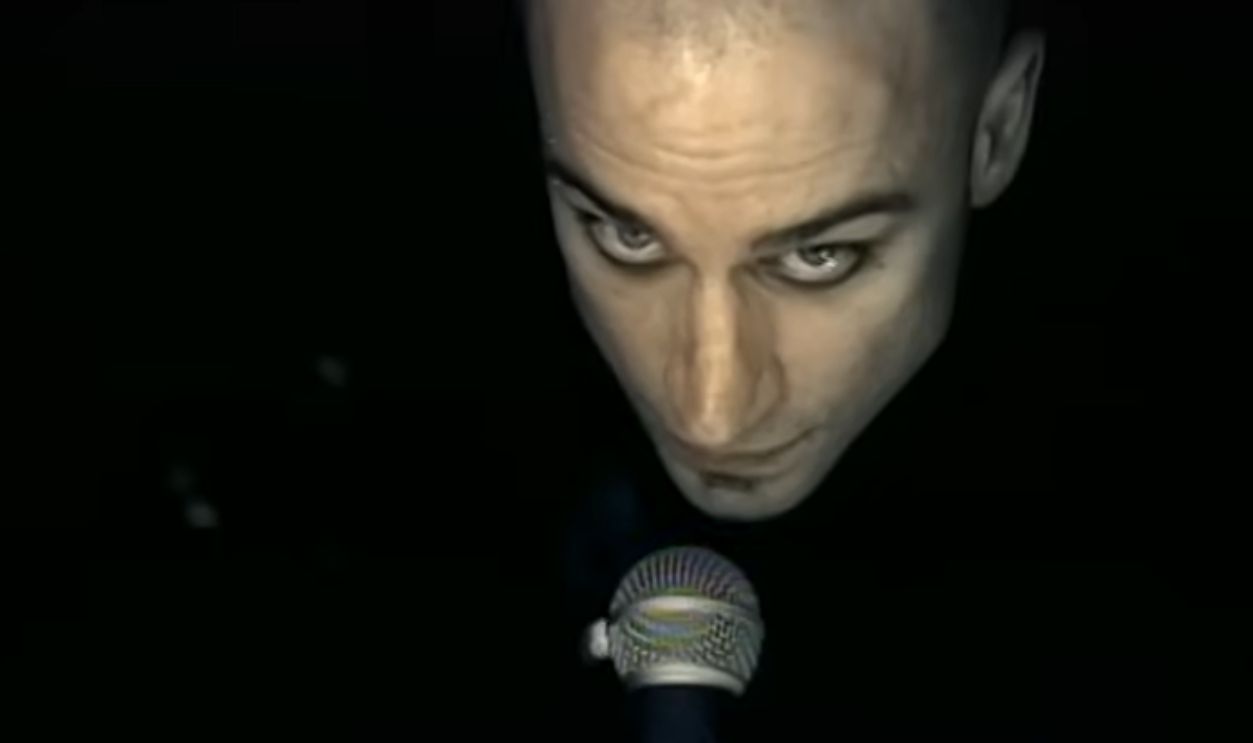 Screenshot from Just Got Wicked, Flip Records (2000)
You May Also Like:
Rock Albums From The 1980s That Fans Say Have No Weak Tracks, Even If They Weren't Popular Back Then
Does Anyone Else Remember These Albums From The 1980s? I’d Be Amazed If You Owned Even One Of Them.