The Son Left Behind By A Famous Voice
AJ Croce was only days away from his second birthday when his father, Jim Croce, died in a plane crash. The tragedy froze Jim as a young star forever, but it also left behind a little boy who would grow up carrying both the music and the loss. Sadly, that was only the beginning of AJ’s difficult story.

Jim Croce Was Finally Breaking Through
Jim Croce had spent years struggling before his songs caught fire in the early 1970s. “You Don’t Mess Around With Jim,” “Operator,” “Bad, Bad Leroy Brown,” and “Time in a Bottle” turned him into one of America’s most recognizable singer-songwriters. After years of scraping by, success finally seemed real.
But fate had a terrible plan in store for him
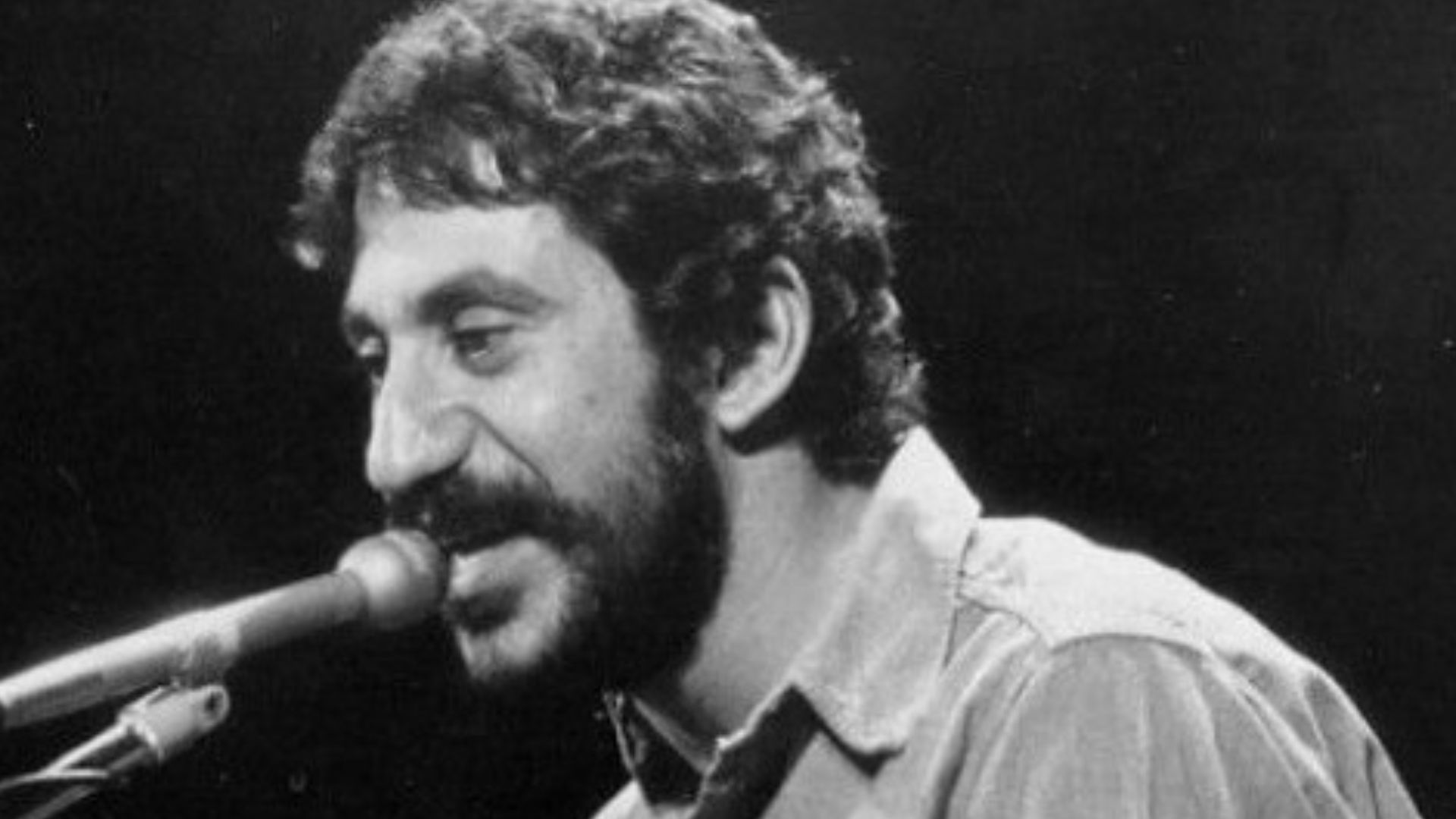 ABC Television, Wikimedia Commons
“Time In A Bottle” Was Written For AJ
One of Jim’s most beloved songs came from fatherhood. After learning that Ingrid Croce was pregnant, Jim wrote “Time in a Bottle,” a tender song about wanting to save time with the people he loved. For AJ, the song would later carry an almost unbearable emotional weight.
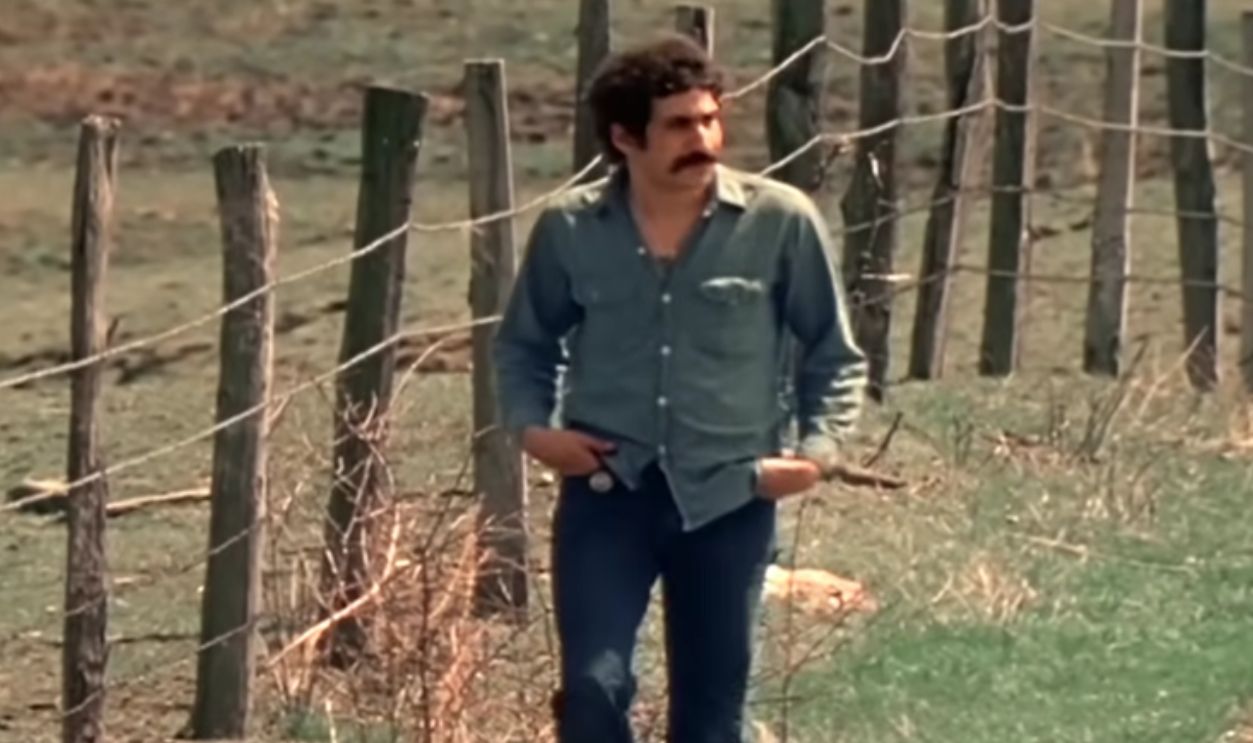 Screenshot from Time in a Bottle, ABC Records (1972)
Jim Wanted More Time Than He Got
The tragedy of “Time in a Bottle” is that Jim Croce did not get the future he imagined. He was touring relentlessly, building a career that had taken years to ignite, and trying to provide for his young family. Then, just as his music was becoming part of American life, everything ended.
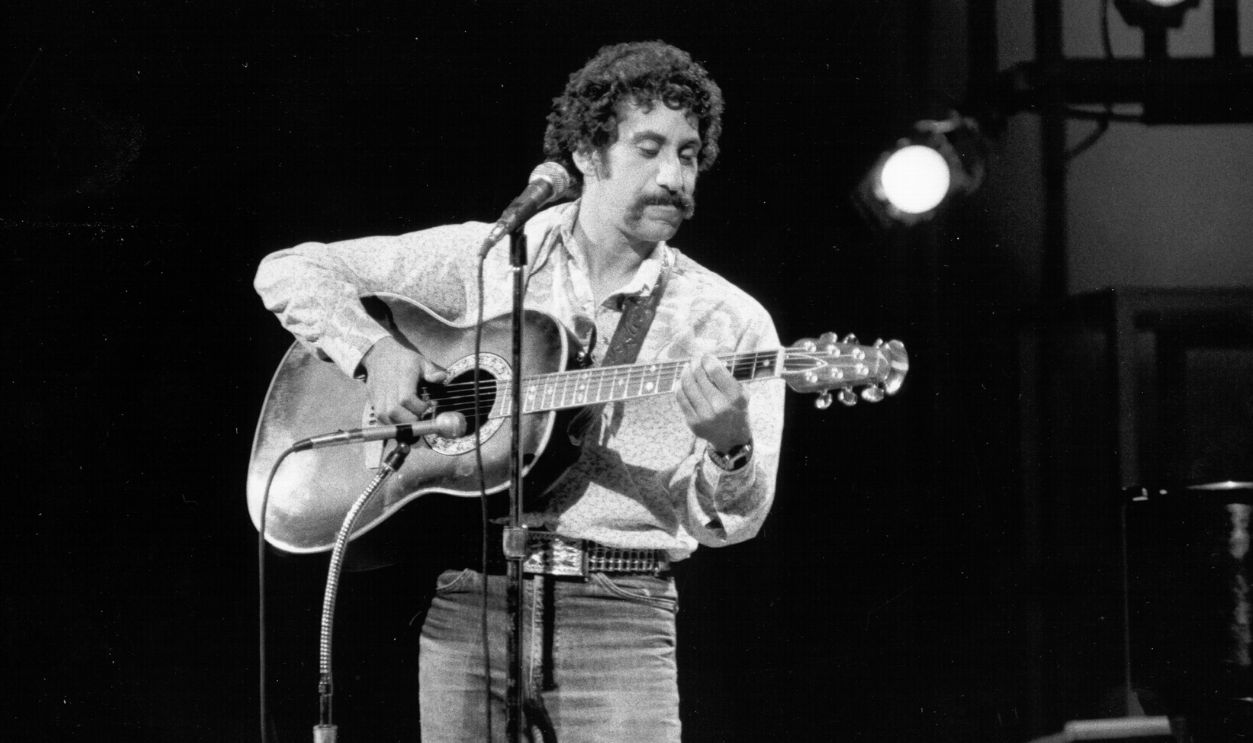 Michael Ochs Archives, Getty Images
The Plane Crash Changed Everything
On September 20, 1973, Jim Croce perished in a plane crash after a concert in Natchitoches, Louisiana. He was only 30 years old. AJ was just shy of turning two. The accident killed Jim and five others, including guitarist Maury Muehleisen, turning a rising career into a permanent what-if.

AJ Was Too Young To Know Him
AJ was so little when his father passed that he could not grow up with ordinary memories of him. Still, he later described having a dreamlike sense of his father’s warmth, including memories of being held and feeling safe. That fragile emotional memory became part of how he understood Jim.
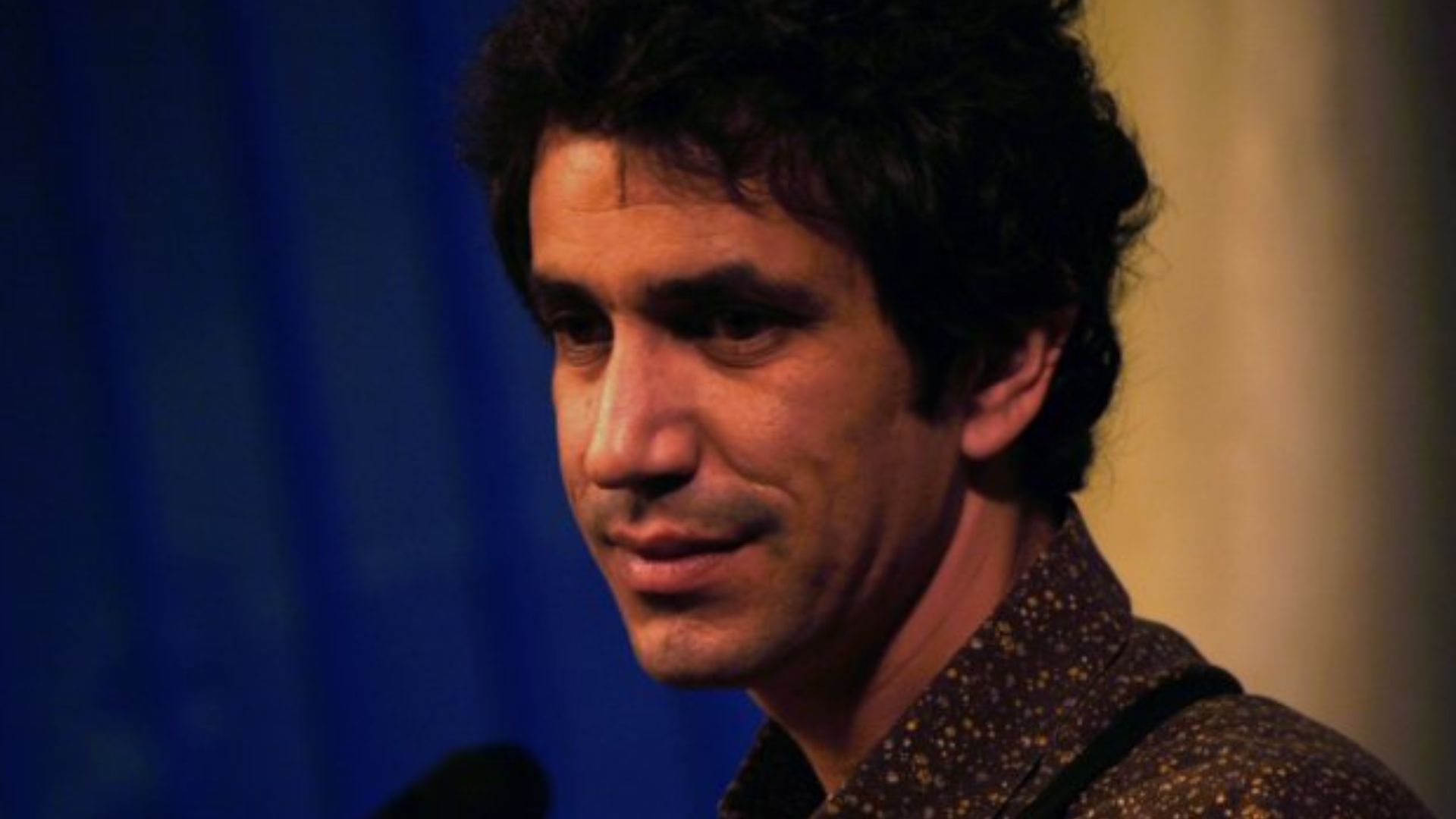 Philkon Phil Konstantin, Wikimedia Commons
The Loss Became Part Of His Identity
Being Jim Croce’s son meant AJ inherited a famous name before he could understand what fame meant. People wanted stories about the father he barely knew. They wanted comparisons, tributes, and musical connections. But for AJ, Jim was not only a legend. He was an absence.

Then Childhood Became Even Darker
After Jim’s passing, AJ’s life did not become peaceful. He later described the period that followed as violent and traumatic. His mother, Ingrid, became involved with a man AJ described as harmful, and the instability around him soon led into another devastating chapter.
He Lost His Sight At Four
Around age four, AJ became blind after a brutal period that included mistreatment, being sent away to boarding school, and an untreated ear infection that worsened severely. Accounts describe him as blind from about ages four to 10. It was an almost unimaginable blow after already losing his father.

The Circumstances Were Especially Painful
AJ has said the events leading to his blindness were even more distressing than the blindness itself. According to later accounts, Ingrid realized how serious his condition had become when she visited him and discovered he could not see, then took him to the hospital.
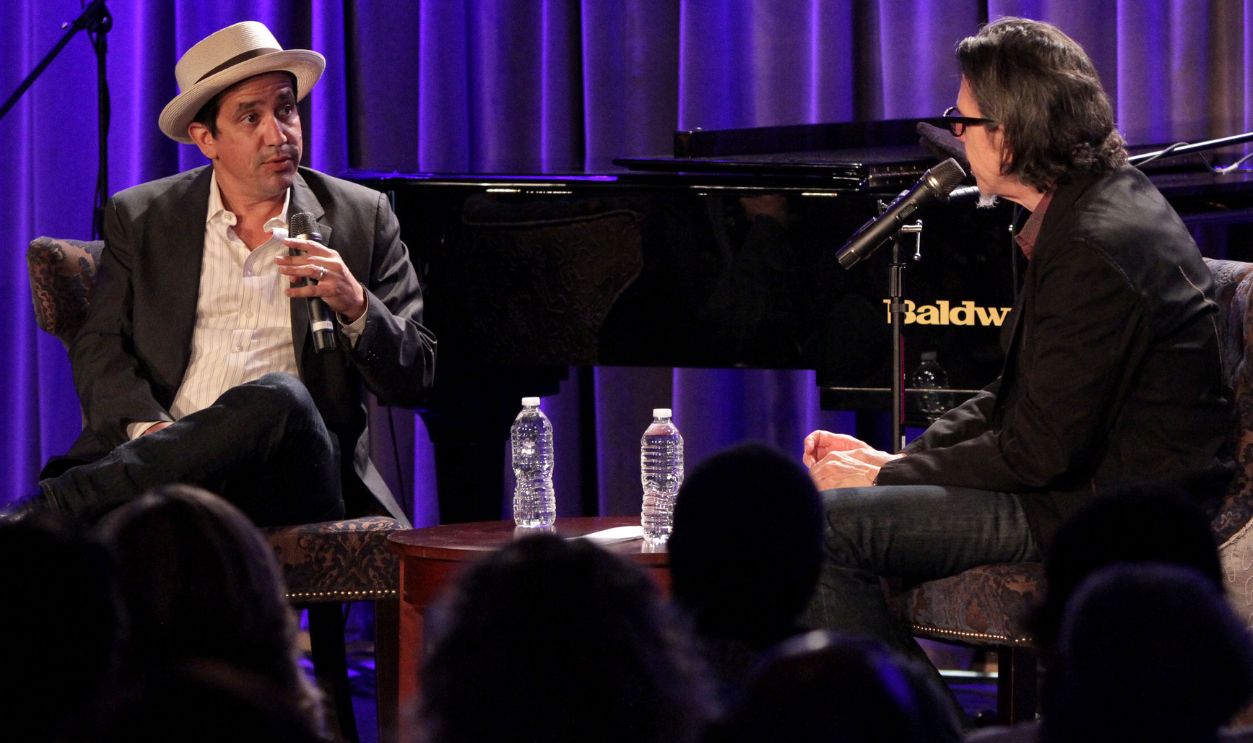
Music Became A Way Through The Darkness
During the years when he could not see, AJ turned toward the piano. He played along with whatever came through his radio and absorbed sounds with unusual intensity. Blindness changed the way he heard music, and music became one of the places where he could still feel powerful.
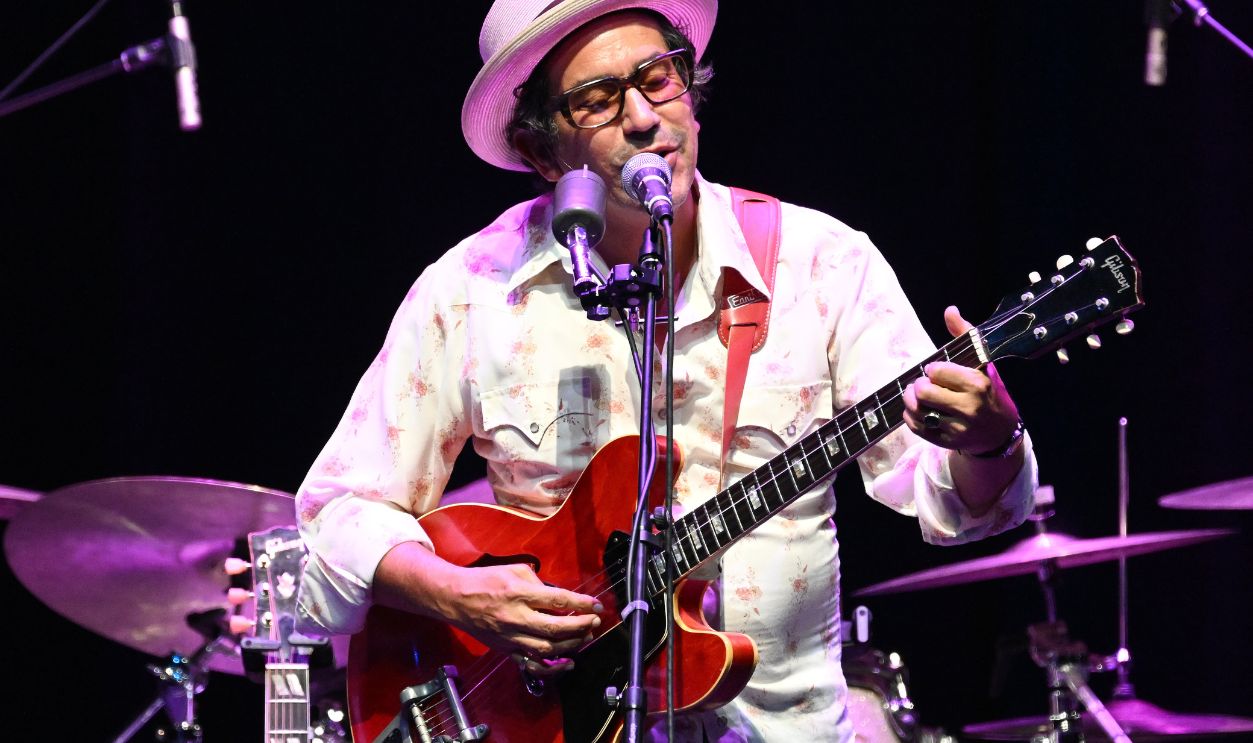
Ray Charles Opened A Door For Him
AJ later described Ray Charles as one of his gateway influences. For a blind child falling in love with the piano, Charles offered more than inspiration. He was proof that musical imagination could outgrow physical limits and that a performer could turn pain into style.
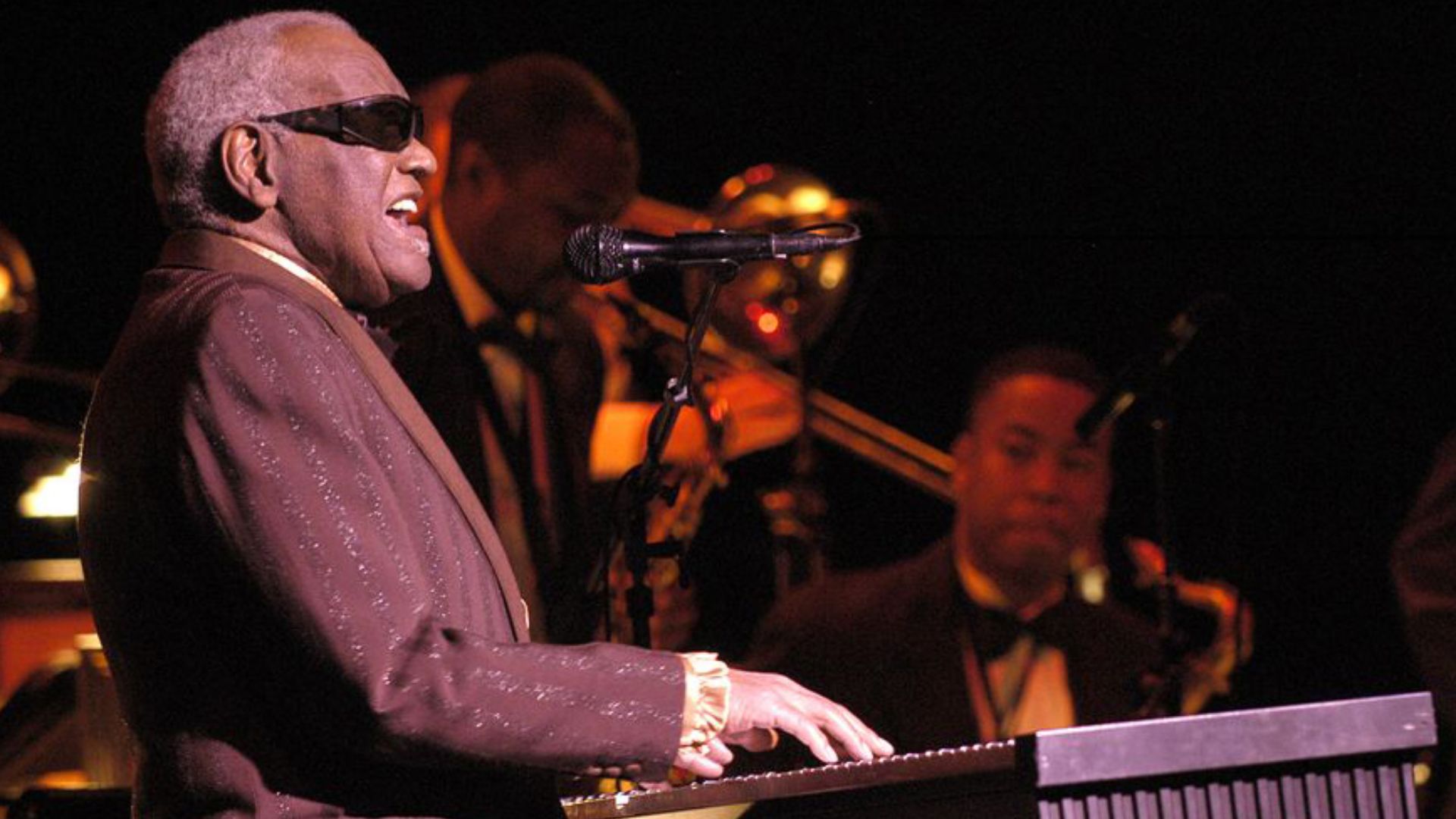 Victor Diaz Lamich, Wikimedia Commons
He Eventually Regained Partial Sight
AJ’s blindness did not remain total forever. He began regaining sight in one eye around age 10, though his vision was permanently affected. He has described being partially sighted, able to see with glasses out of his left eye, while still dealing with lasting issues such as depth and contrast.
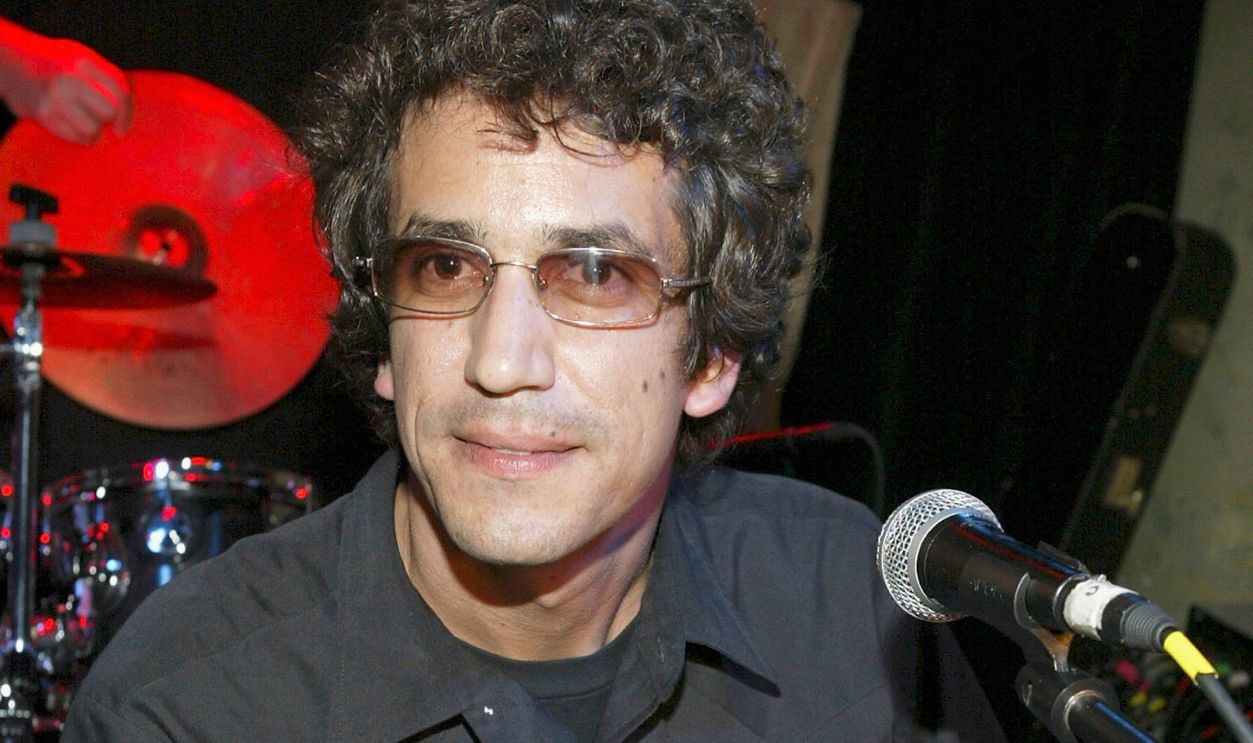 Stephen J. Cohen, Getty Images
He Started Playing Professionally Very Young
Music became more than comfort. It became work, craft, and identity. AJ played an early paid gig at a bat mitzvah when he was 12, started touring as a teenager, and was already doing sessions and performing seriously before he reached adulthood.
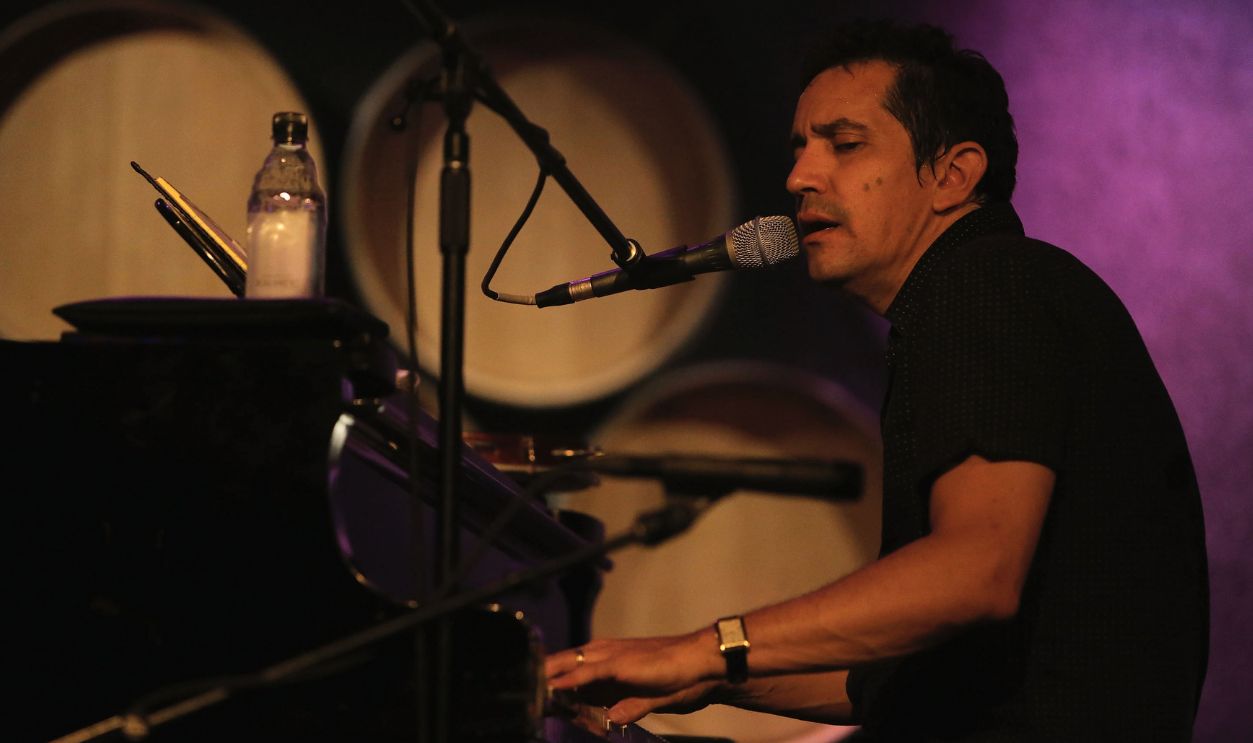
He Performed With Musical Heroes
By the time he was still a young man, AJ had crossed paths with major artists. Later profiles note that he toured or performed with figures such as BB King and Ray Charles before he was 21. That gave him a musical education far beyond ordinary lessons.
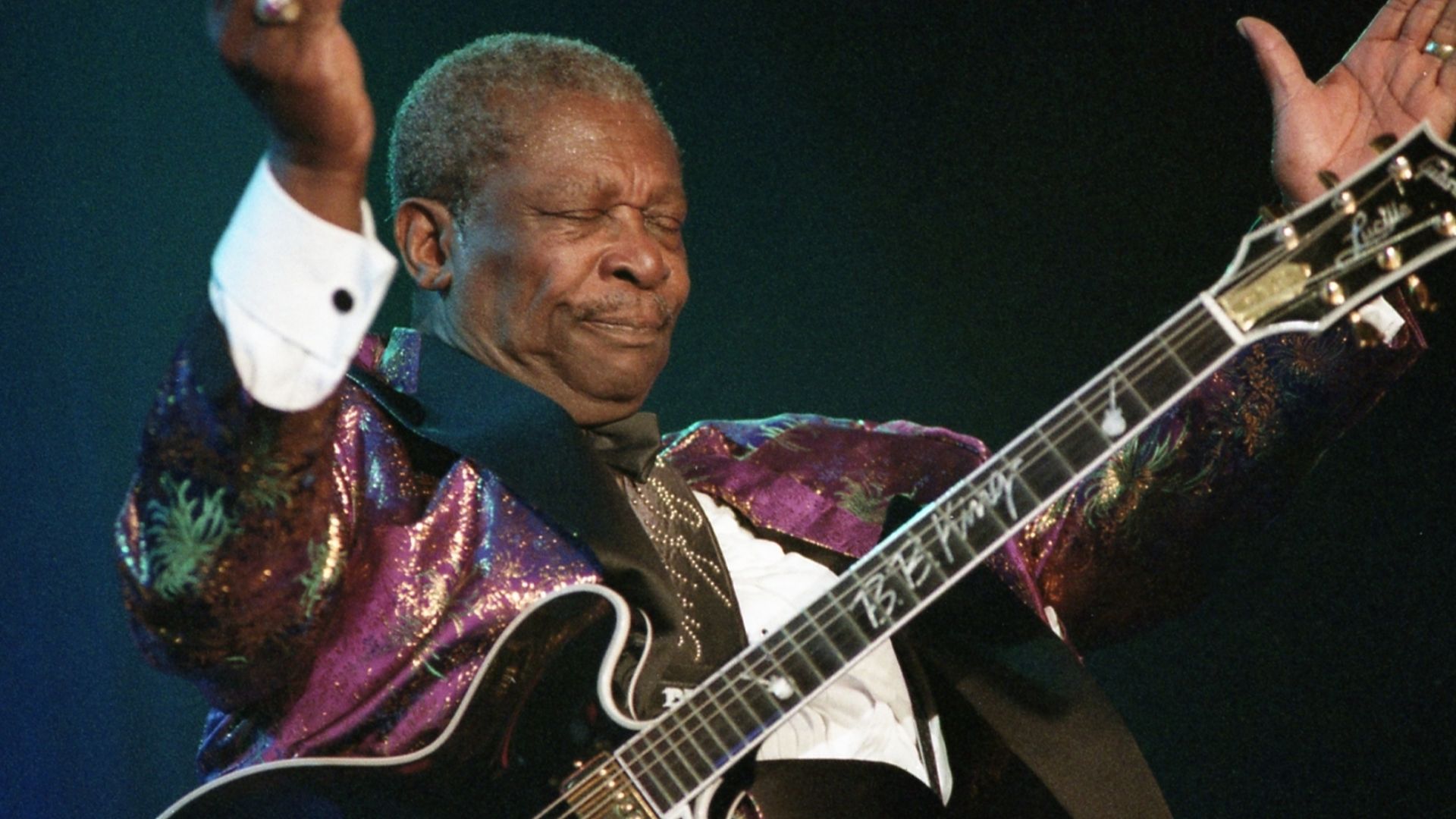 Robbie Drexhage, Wikimedia Commons
He Had To Escape His Father’s Shadow
AJ loved music, but his last name made everything complicated. Fans wanted Jim Croce’s son to play Jim Croce’s songs, yet AJ resisted for years. He did not want to build a career that felt like a shortcut through his father’s legend. He wanted to earn his own place first.
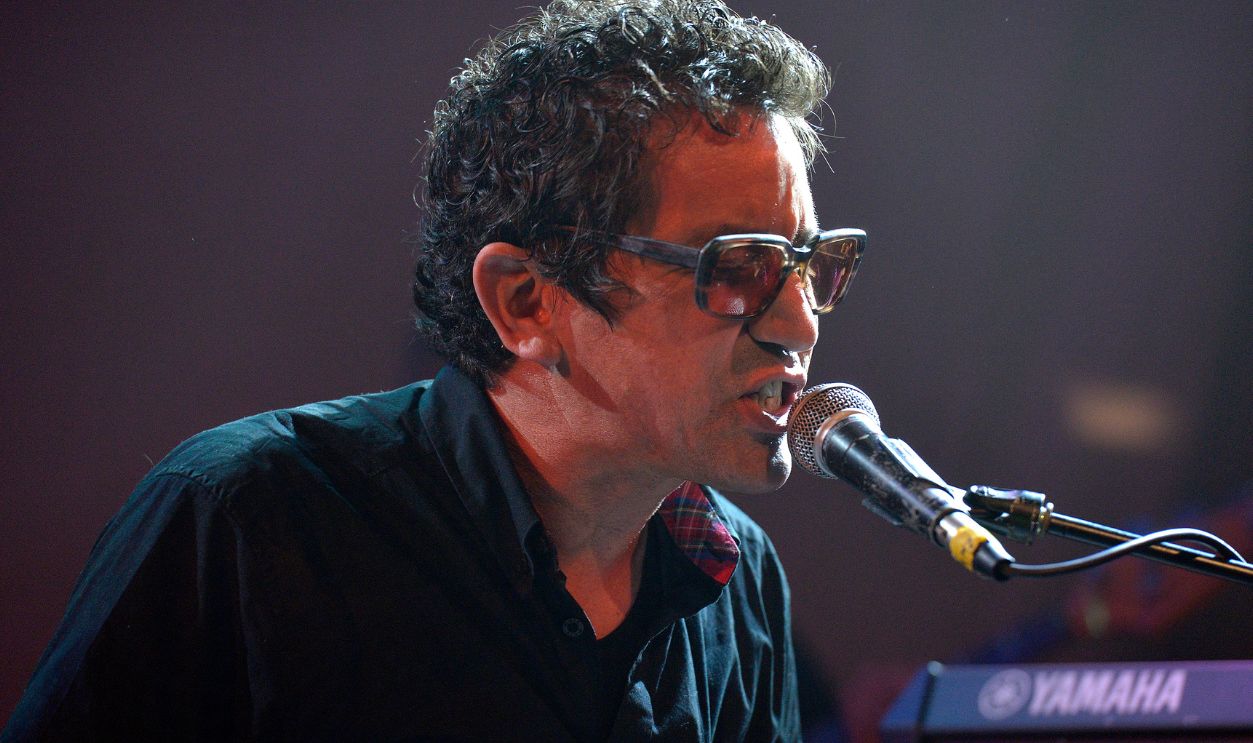 Michael Tullberg, Getty Images
He Avoided Jim’s Music For Decades
For more than two decades, AJ largely avoided performing his father’s songs. He later explained that he did not feel there was integrity in using Jim’s music before establishing himself. That choice reveals how heavy the inheritance was. The songs were precious, but they were also a burden.
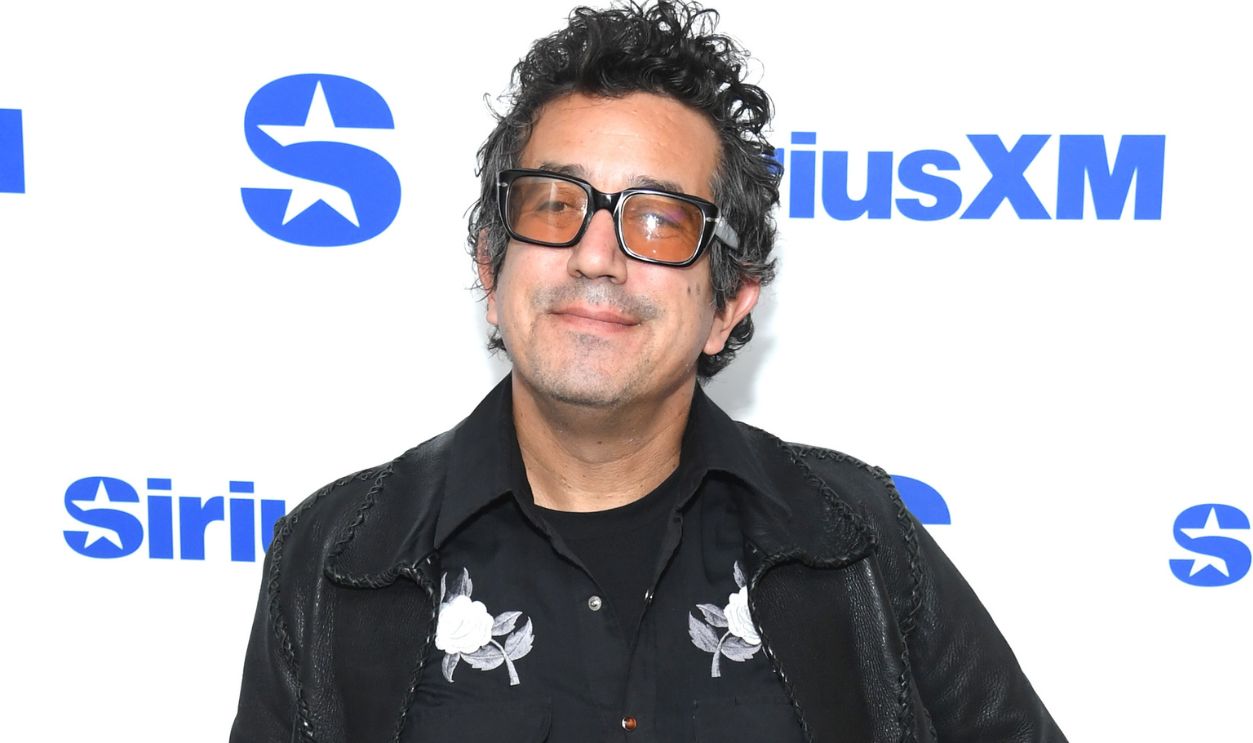
He Built His Own Sound Instead
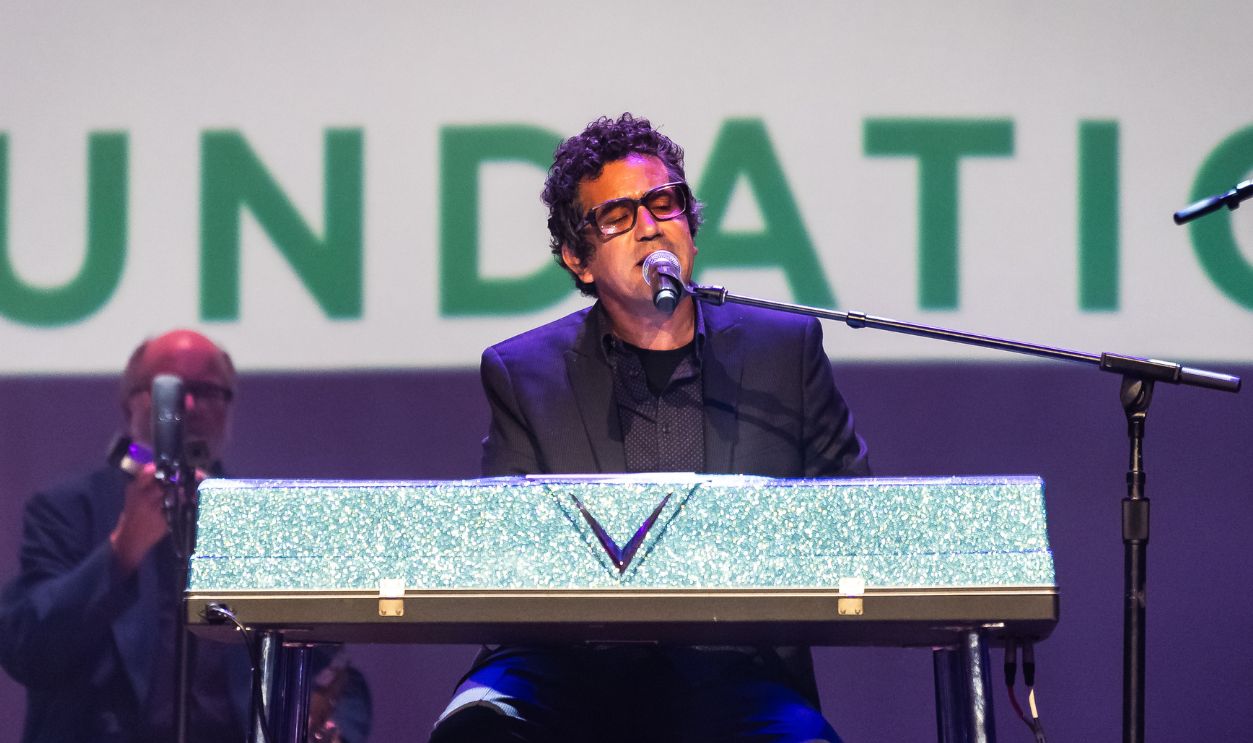
AJ became known not as a Jim Croce imitator, but as a pianist, singer, and songwriter with roots in blues, jazz, soul, pop, and rock and roll. His career developed through his own records, his own voice, and his own musicianship. He carried the family name without simply repeating it.
Then He Lost His Home To Fire
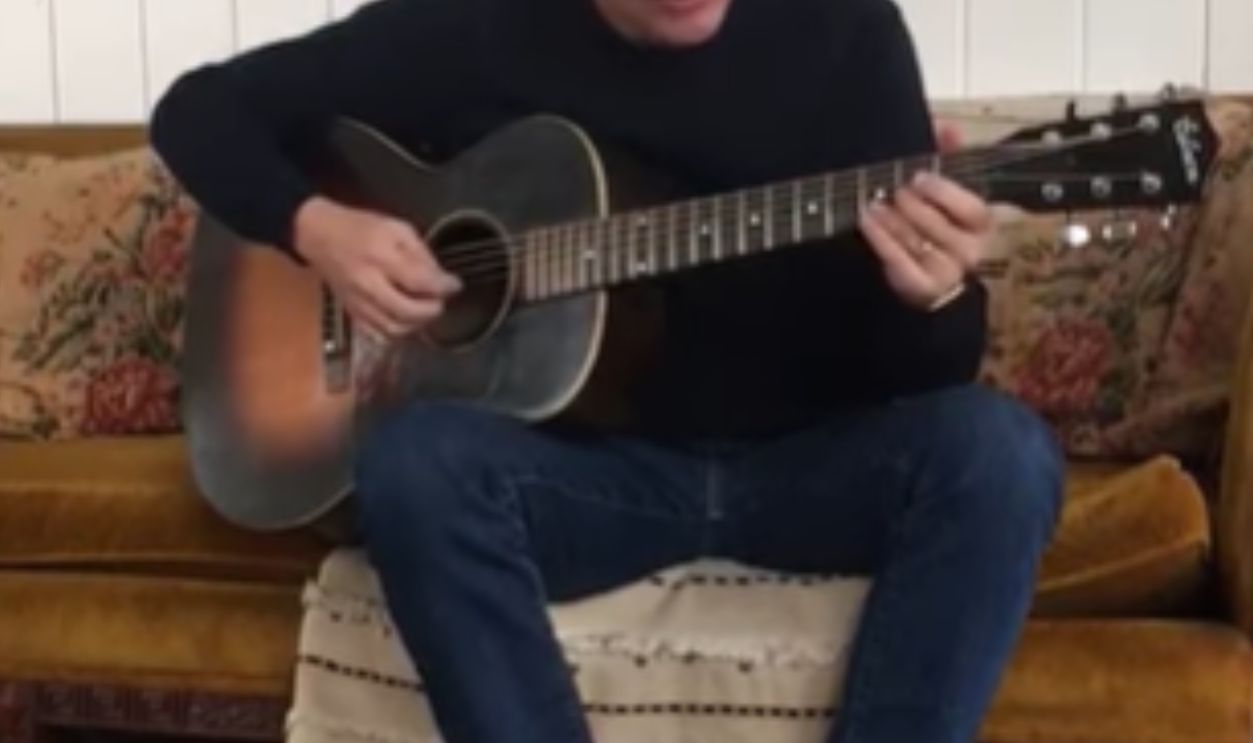
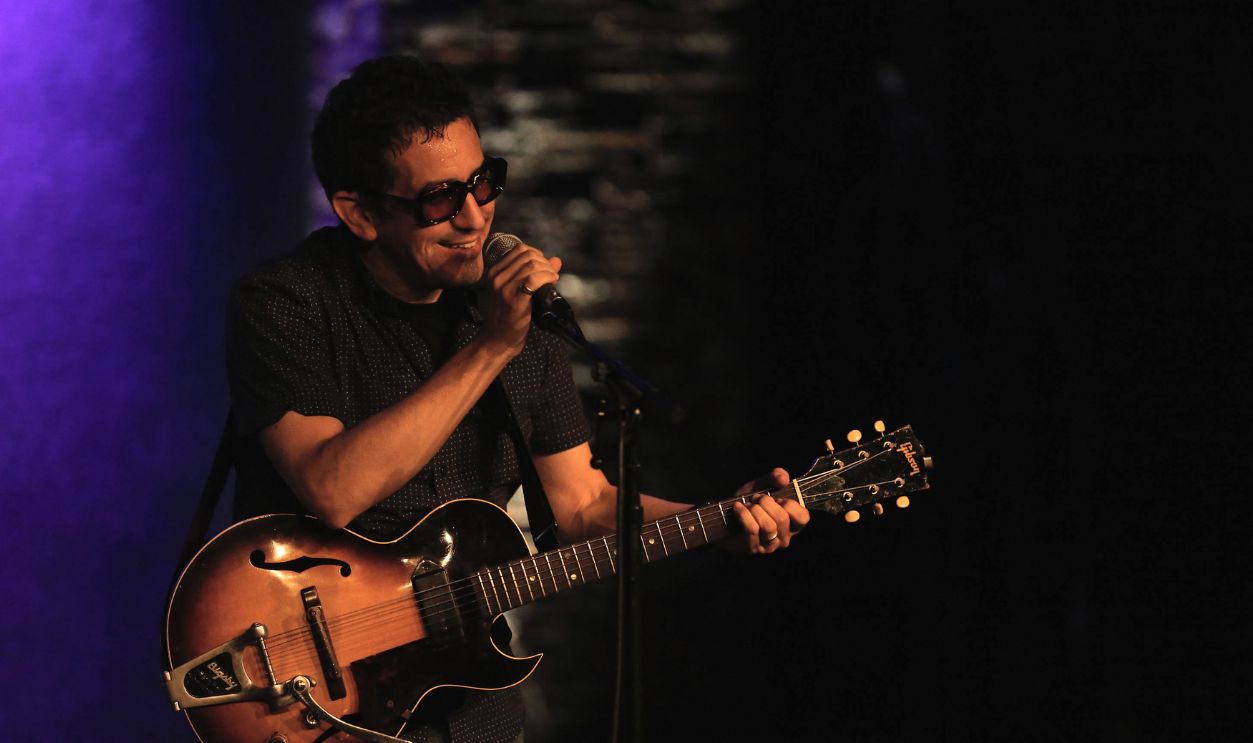
The tragedies did not stop with childhood. When AJ was a teenager, his family home was destroyed by fire. It was another devastating loss, but one meaningful object survived: Jim Croce’s 1933 Gibson L-00 guitar, which was saved from the fire.
 Screenshot from These Dreams, ABC Records (1973)
The Guitar Became A Bridge To His Father
That recovered guitar eventually became important to AJ’s own musical development. After years of defining himself mainly through piano and his own sound, the instrument gave him another way to connect with Jim. Even tragedy had left behind a fragile, playable piece of family history.
 Michael Ochs Archives, Getty Images
Love Became His Anchor
AJ married Marlo Gordon Croce in 1994, and their marriage lasted more than two decades. Together they had two children, Camille and Elijah. After so much early loss, Marlo became a central figure in his adult life: partner, muse, critic, and best friend.

Then His Wife Died Suddenly
In 2018, Marlo passed of a heart virus after 24 years of marriage. AJ later described the loss as devastating. He had survived the death of his father, childhood blindness, mistreatment, and other hardships, but losing the person who had shared his adult life left him feeling lost.
 Lex van Rossen/MAI, Getty Images
He Wrote Through Grief Again
After Marlo’s passing, AJ eventually returned to music as a way of processing grief. He later described “Cures Like Medicine” as a kind of posthumous thank-you note to her. For him, songwriting was not a tidy cure. It was a way to keep speaking when ordinary words were not enough.
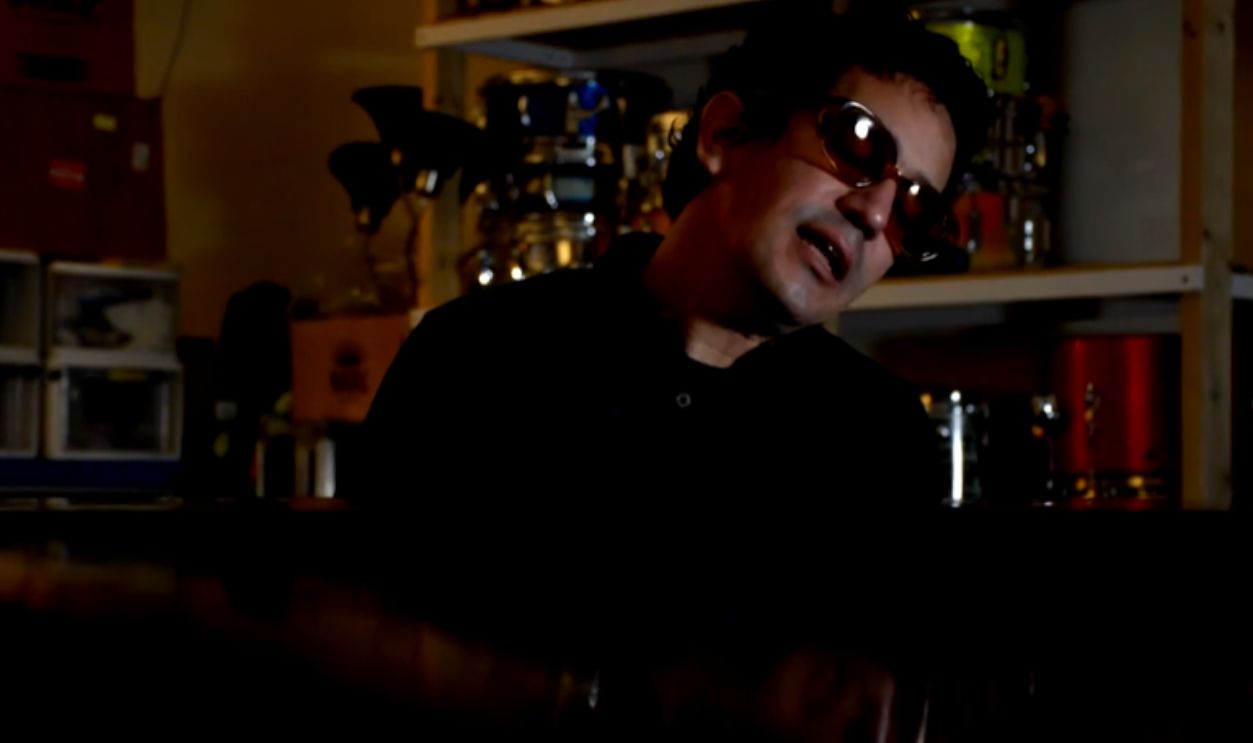 Screenshot from Cures Just Like Medicine, Compass Records (2017)
He Finally Turned Toward Jim’s Songs
As AJ grew older, his relationship with his father’s music changed. He began performing Jim’s songs through Croce Plays Croce, a concert project that blended his father’s catalog with his own music and songs that influenced them both. What once felt too heavy became a bridge.
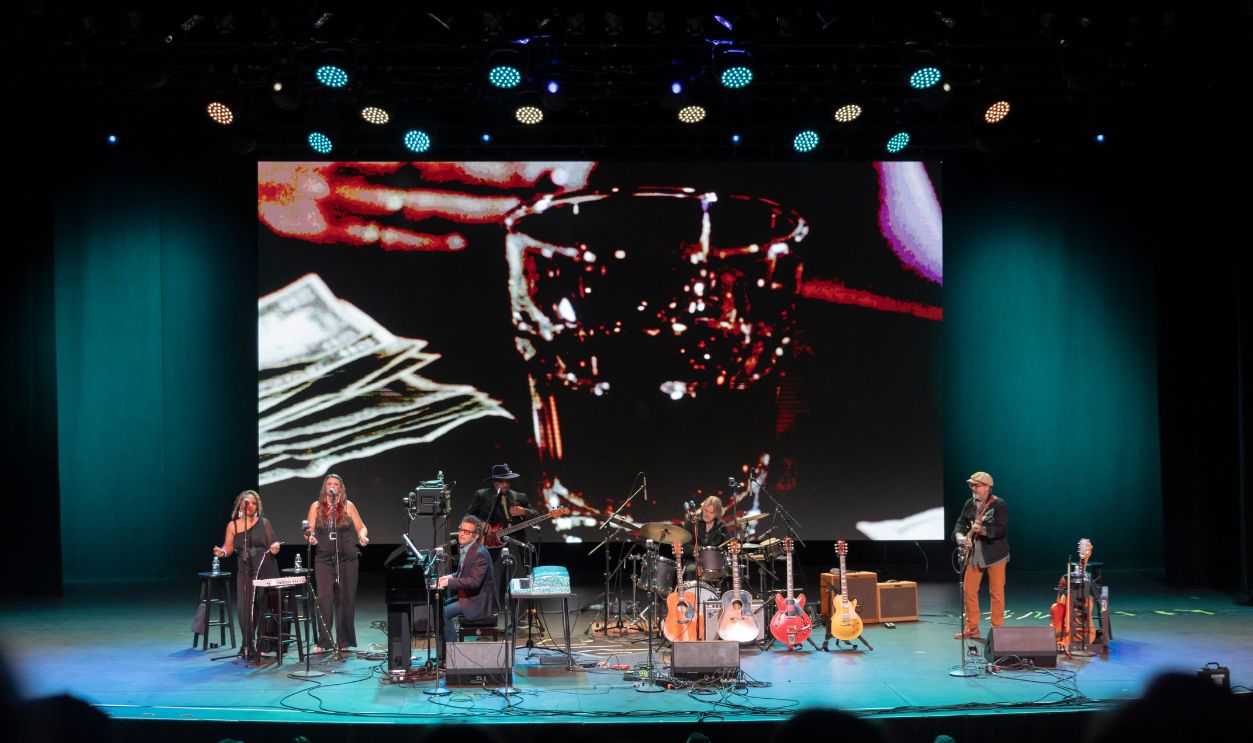
Croce Plays Croce Was Not Just Nostalgia
AJ has made clear that he did not want the show to be a museum piece. The performances honor Jim, but they also reveal AJ’s own musicianship and personality. Audiences may arrive wanting “Time in a Bottle” or “Operator,” but they leave seeing the son as an artist in his own right.
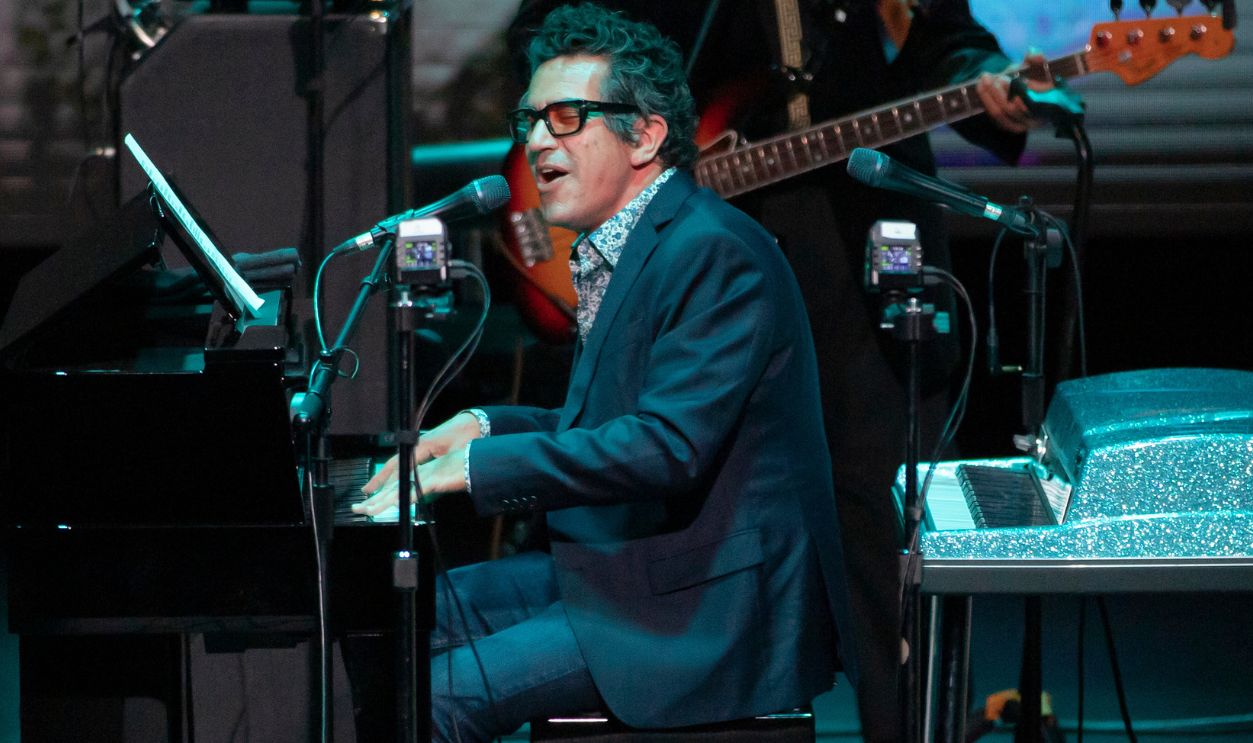
He Found A Way To Know His Father
AJ could not share an adult conversation with Jim Croce. He could not ask him questions about music, family, touring, or fear. But through tapes, songs, stories, performance, and even a salvaged guitar, he found a way to build a relationship with the father he barely remembered.
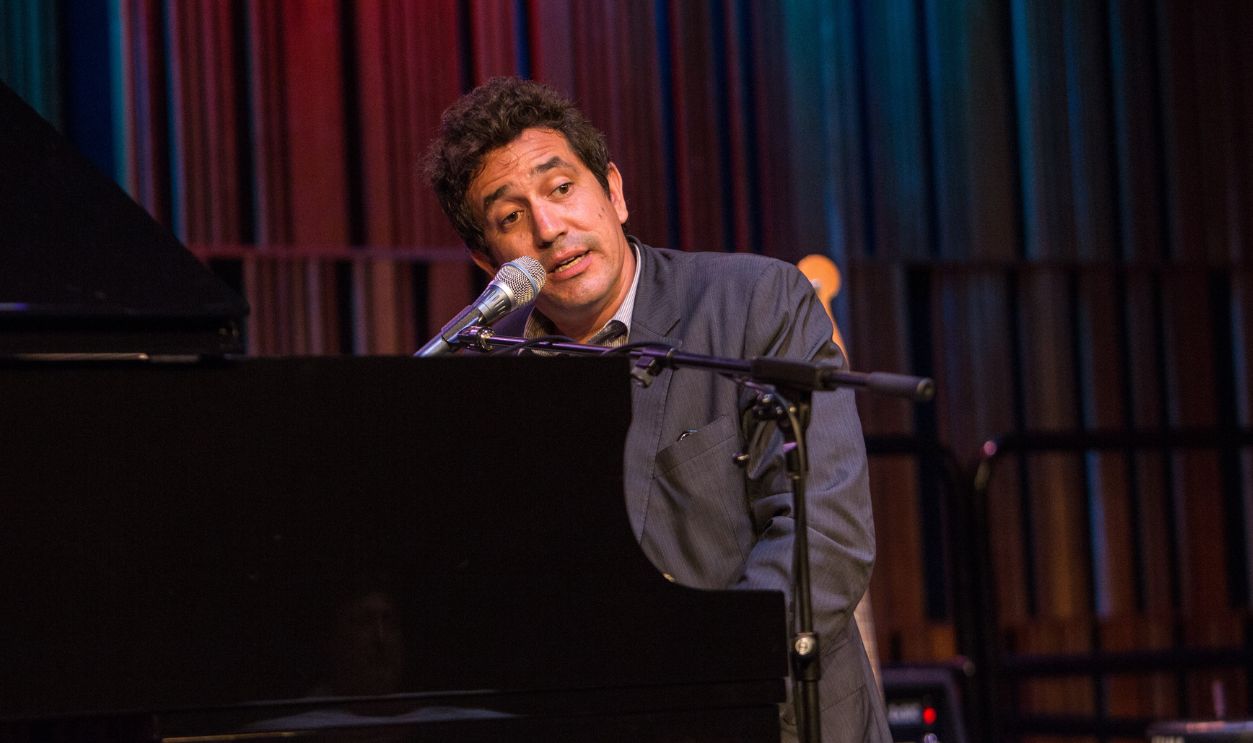
The Story Is Not Just About Tragedy
It would be easy to reduce AJ Croce’s life to a list of terrible events. But that would miss the point. His story is also about resilience, craft, independence, and choosing when to carry a legacy and when to set it down. He did not simply survive his father’s shadow. He learned how to stand beside it.
You May Also Like:
From Buddy Holly To Madonna: The Greatest American Bandstand Performances Of All Time
Songs From 1976 That Boomers Still Know By Heart, But Their Kids Wouldn't Recognize
James Blunt Once Lived With Carrie Fisher—And The Backstory Of Their Friendship Is Incredible