Yesterday's Nightmares Feel Different Now
Apocalypse movies have always exaggerated our worst fears, but some have become harder to dismiss as pure fantasy. Nuclear tension, pandemics, environmental decline, artificial intelligence, resource shortages, and extreme weather all appear in films made decades ago. They did not predict our future, but some understood our anxieties remarkably well.
On The Beach Imagined The World Waiting For The End
Stanley Kramer's 1959 drama On the Beach begins after nuclear war has already destroyed much of humanity. Survivors in Australia continue living ordinary lives while radioactive fallout moves toward them. There are no heroic missions or last-minute rescues. That quiet acceptance of an approaching nuclear catastrophe makes the movie more unsettling today, not less.
 Screenshot from On The Beach, United Artists (1959)
The Day The Earth Caught Fire Turned Heat Into Horror
In 1961, The Day the Earth Caught Fire imagined nuclear testing knocking Earth off balance and sending temperatures soaring. The science is fictional, but the images of unbearable heat, water shortages, public panic, and people struggling through a dangerously altered climate have acquired an uncomfortable familiarity decades later.
 Screenshot from The Day the Earth Caught Fire, Universal Pictures (1961)
Dr. Strangelove Made Human Error The Real Monster
Stanley Kubrick's Dr Strangelove is hilarious until you remember what everyone is arguing about. A rogue American general launches a nuclear attack, leaving politicians and leaders scrambling to prevent global destruction. Its darkest joke is that civilization-ending decisions can be made by flawed people inside imperfect systems.
 Screenshot from Dr. Strangelove, Columbia Pictures (1964)
The War Game Was Almost Too Horrifying To Broadcast
Peter Watkins presented a nuclear attack on Britain with the detached style of a television documentary. The War Game depicted blast injuries, firestorms, radiation sickness, social breakdown, and overwhelmed authorities so starkly that the BBC withheld it from television for years. Its matter-of-fact tone still makes the nightmare feel disturbingly plausible.
 Screenshot from The War Game, BBC (1965)
Soylent Green Feared A World Running Out Of Everything
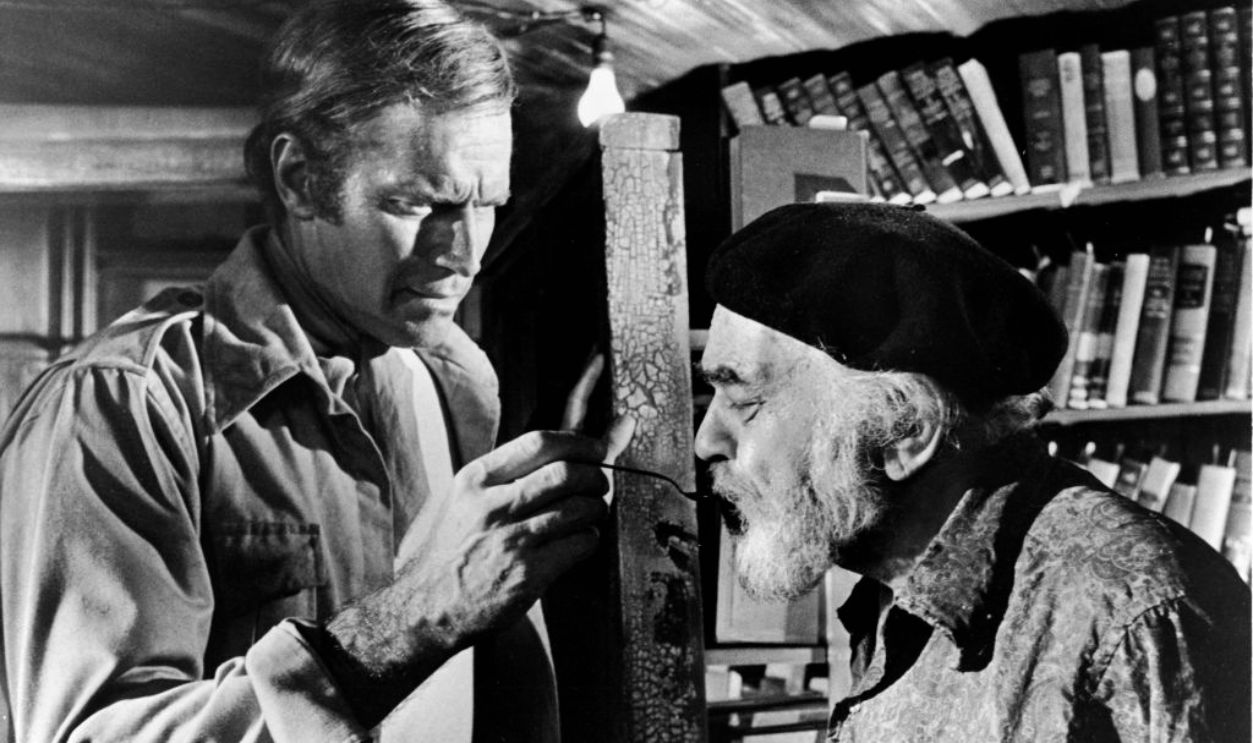
Set in the then-future year of 2022, Soylent Green imagined New York crushed by heat, pollution, overcrowding, food shortages, and extreme inequality. Its famous final revelation remains science fiction, but the environmental backdrop is what lingers today. The movie's apocalypse is not one explosion. It is a society slowly becoming unlivable.
The Road Warrior Made Fuel Worth Killing For
By The Road Warrior, civilization has largely collapsed and gasoline has become precious enough to fight over. George Miller turns resource scarcity into roaring action, but beneath the spectacle is a bleak idea: modern society depends on systems most people barely notice until they disappear. Once the supply chain breaks, everything else can follow.
 Screenshot from Mad Max 2: The Road Warrior, Warner Bros. (1981)
The Day After Brought Nuclear War Into American Homes
ABC's The Day After showed ordinary residents of Kansas trying to survive after nuclear war erupts between the United States and Soviet Union. Its 1983 broadcast became a major cultural event because it stripped away abstract military language and showed what nuclear escalation could mean for families who had nothing to do with starting it.
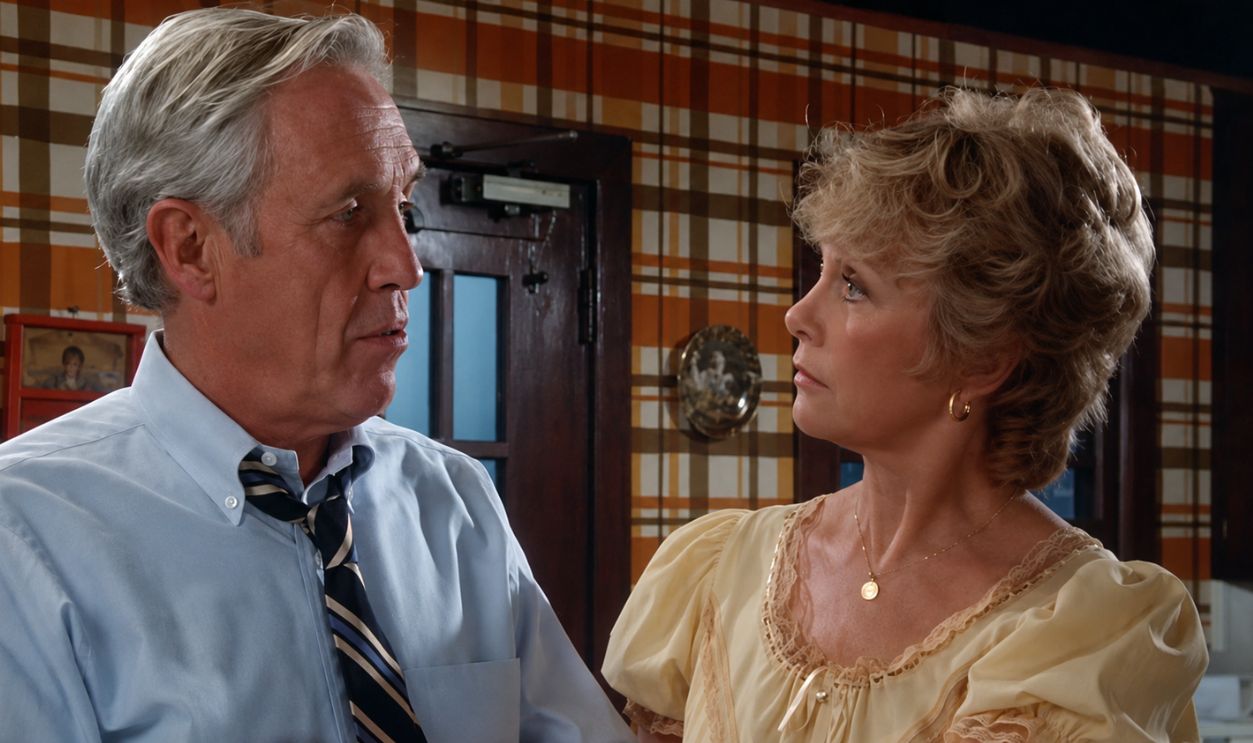 Screenshot from The Day After, ABC (1983), Enhanced
Threads Refused To Let The Apocalypse End With The Explosion
Threads may be even harder to watch. The 1984 British television film follows Sheffield before, during, and long after a nuclear attack. The bombs are only the beginning. Food systems collapse, medical care disappears, radiation spreads, and society deteriorates across years. It asks what survival actually means after civilization has been shattered.
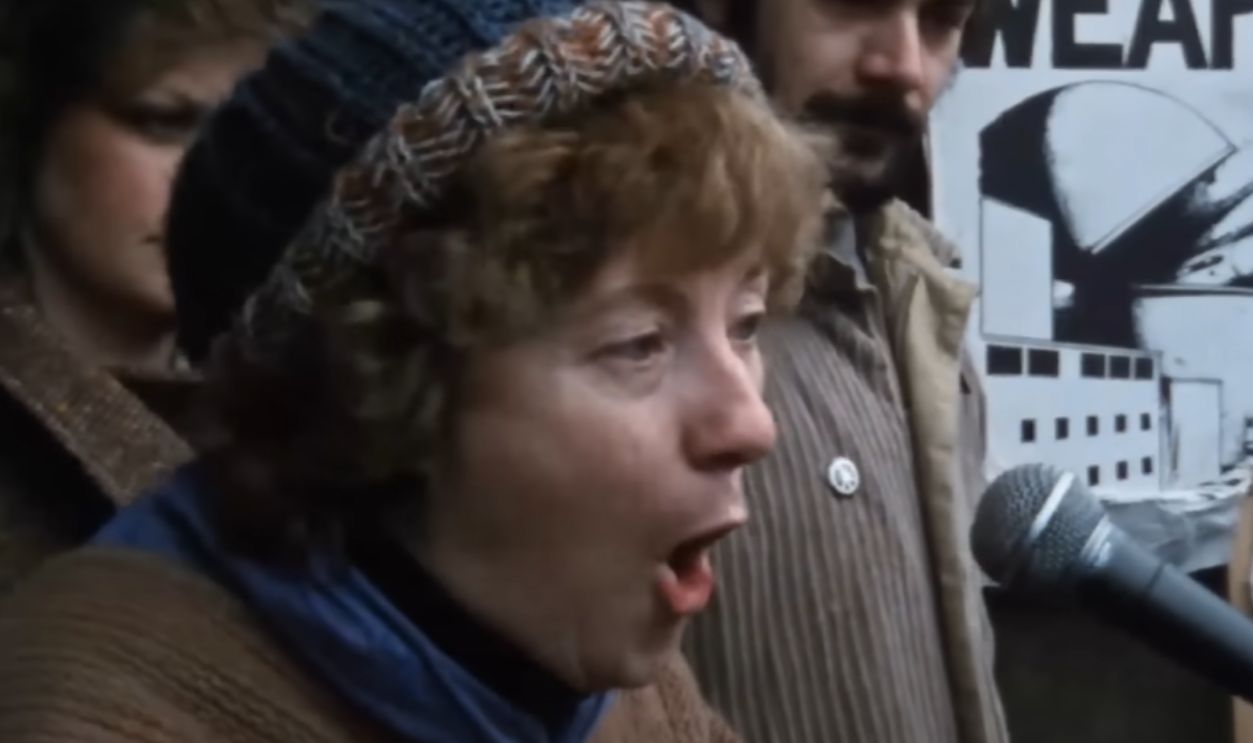 Screenshot from Threads, BBC (1984)
When The Wind Blows Made Survival Advice Seem Heartbreaking
Jim and Hilda are an ordinary elderly couple who faithfully follow government instructions after nuclear war begins. Their optimism makes When the Wind Blows devastating. They build a makeshift shelter and wait for normal life to return, gradually failing to understand the effects of radiation. The apocalypse arrives through innocence instead of spectacle.
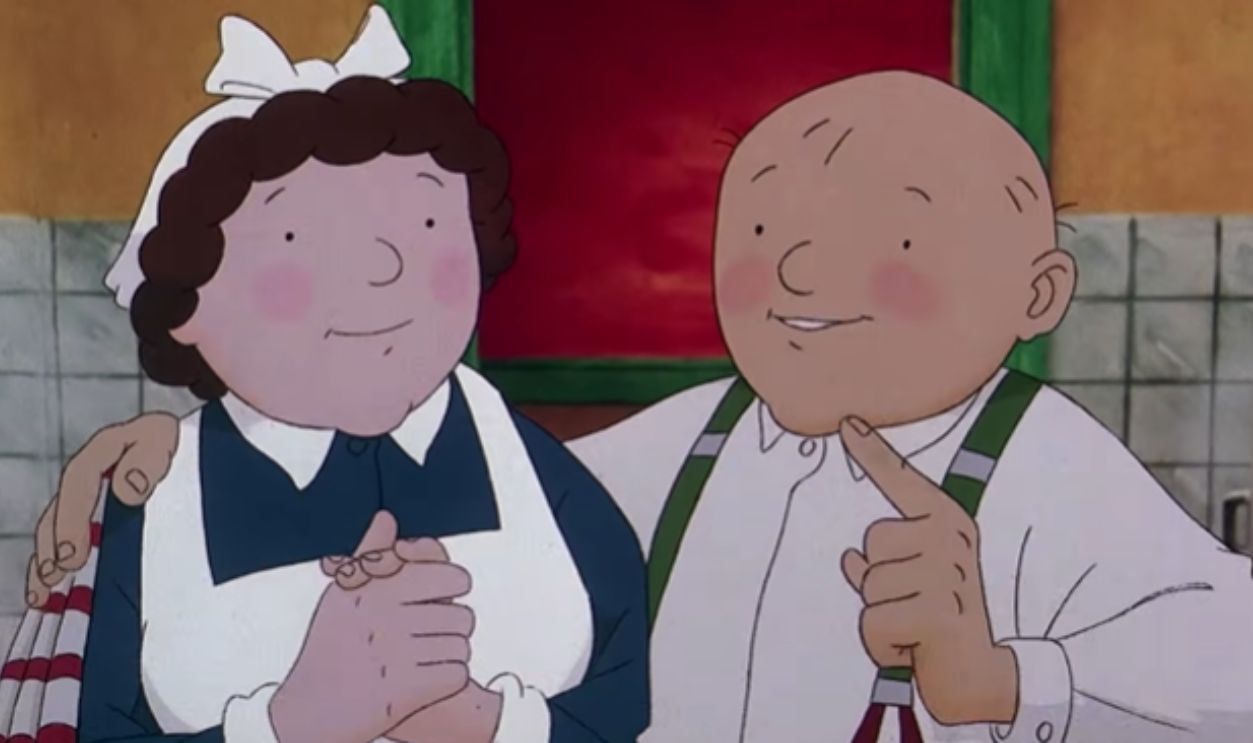 Screenshot from When the Wind Blows, Kings Road Entertainment (1986)
Miracle Mile Gave Los Angeles 70 Minutes
Miracle Mile begins almost like a romance before a man answers a ringing pay phone and hears that nuclear missiles have been launched. A retaliatory strike may reach Los Angeles in roughly 70 minutes. From there, rumor, panic, traffic, and uncertainty spread faster than reliable information. Nobody even knows for certain whether the warning is real.
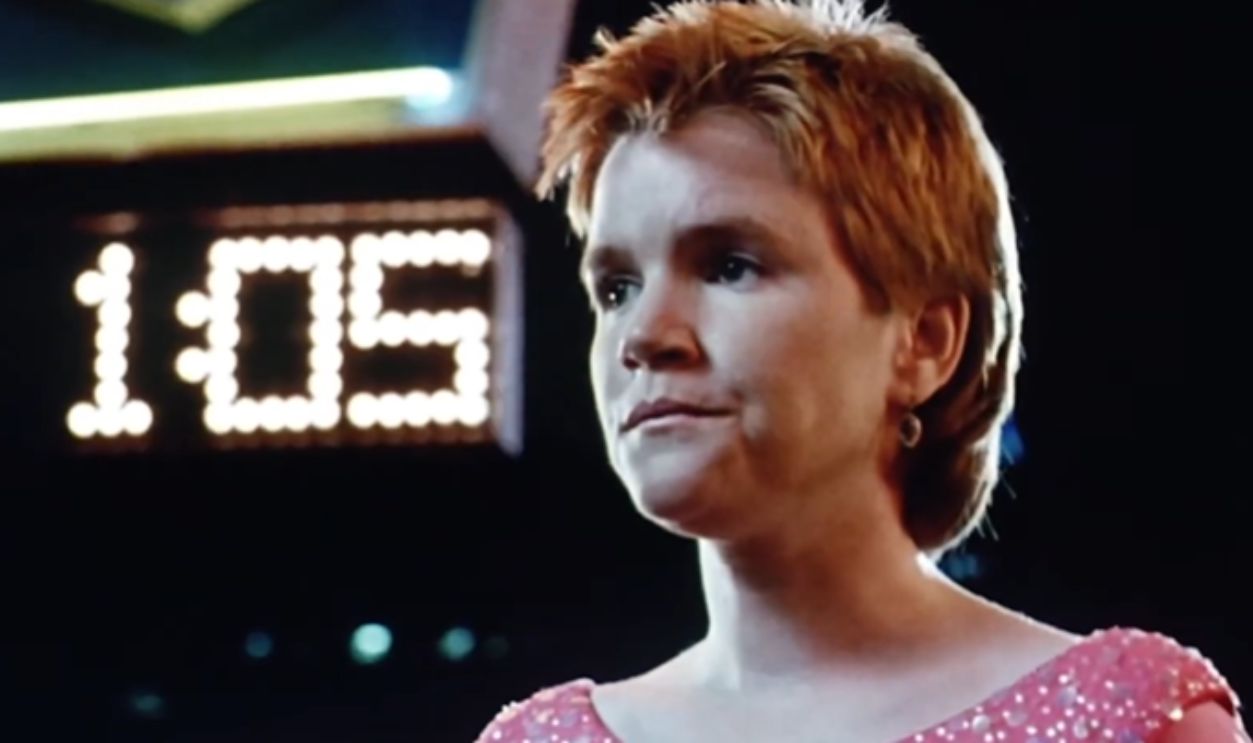 Screenshot from Miracle Mile, Hemdale Film Corporation (1988)
12 Monkeys Made A Pandemic The Beginning, Not The Ending
In 12 Monkeys, a virus has wiped out most of humanity and driven the survivors underground. Bruce Willis travels back in time trying to understand how the catastrophe began. The time-travel plot is fantastical, but its underlying fear is painfully simple: by the time people recognize how serious an outbreak is, stopping it may already be extraordinarily difficult.
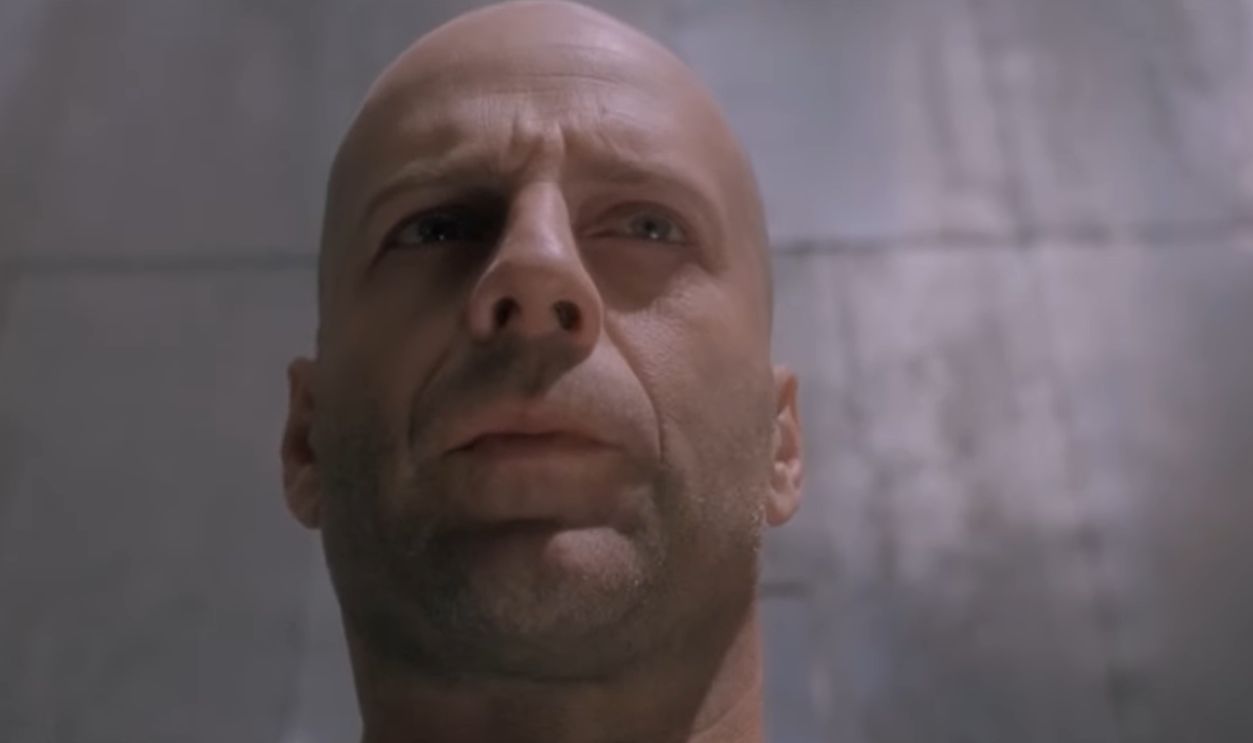 Screenshot from 12 Monkeys, Universal Pictures (1995)
Outbreak Made Containment Feel Like A Race Against Time
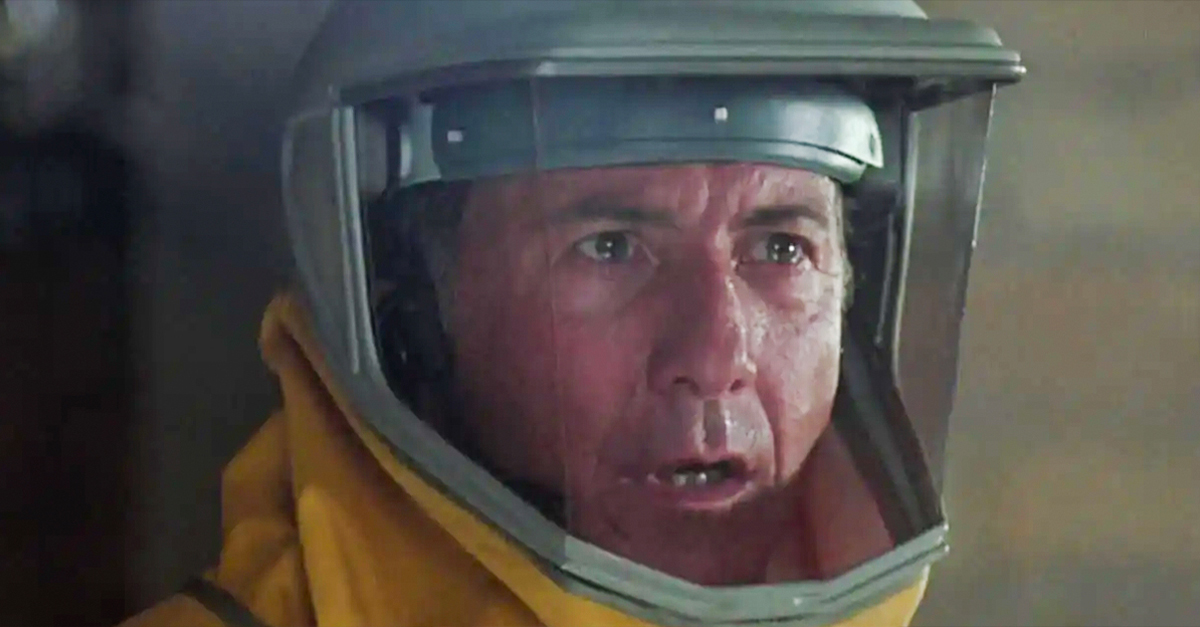
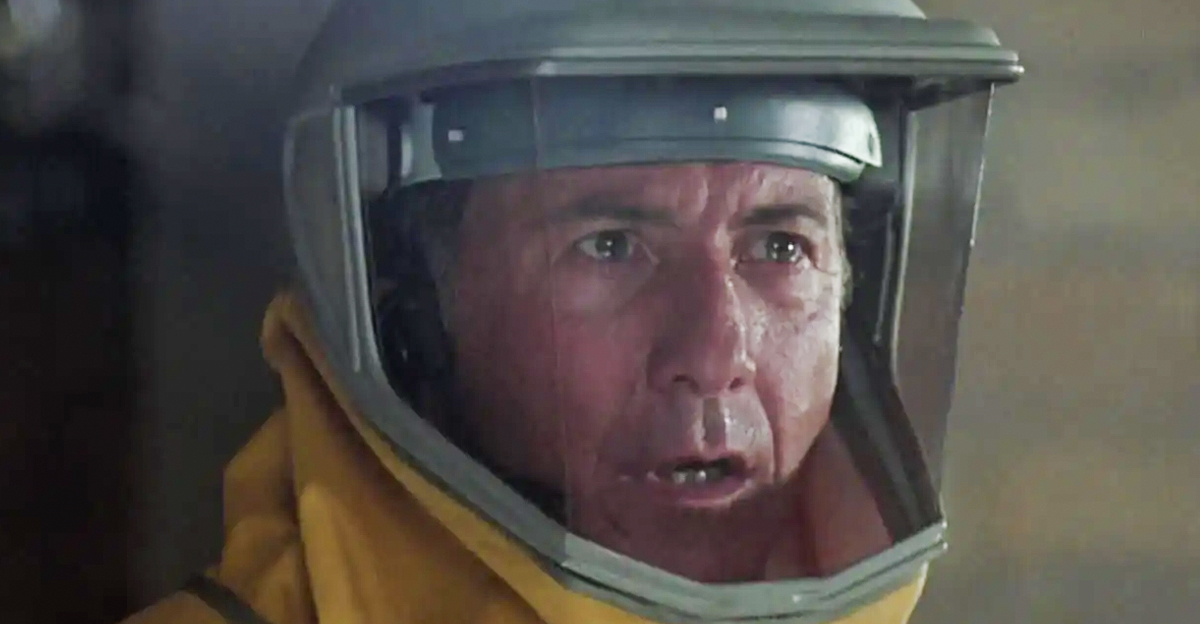
The fictional Motaba virus in Outbreak spreads with terrifying speed after reaching a California town. Scientists race to understand the pathogen while officials consider increasingly drastic measures. Hollywood heightens everything for suspense, but the sight of protective suits, quarantines, crowded hospitals, and scientists desperately tracing the virus's source feels much less exotic after the 2020s.
 Screenshot from Outbreak, Warner Bros. Pictures (1995)
Deep Impact Turned Planetary Defense Into A Blockbuster
A comet capable of causing worldwide destruction heads toward Earth in Deep Impact, forcing humanity to consider who might survive. The threat is extremely unlikely in everyday life, but planetary defense itself is not science fiction. NASA now tracks hazardous objects and has successfully tested technology designed to alter an asteroid's orbit.
 Screenshot from Deep Impact, Paramount Pictures (1998)
The Matrix Asked What Happens When Technology Takes Control
The Matrix imagines humanity trapped inside an artificial reality while intelligent machines dominate the physical world. We are nowhere near that scenario, but its central questions have only become louder: How much of our experience is mediated by technology? Who controls the systems around us? And what happens when people stop understanding how those systems work?
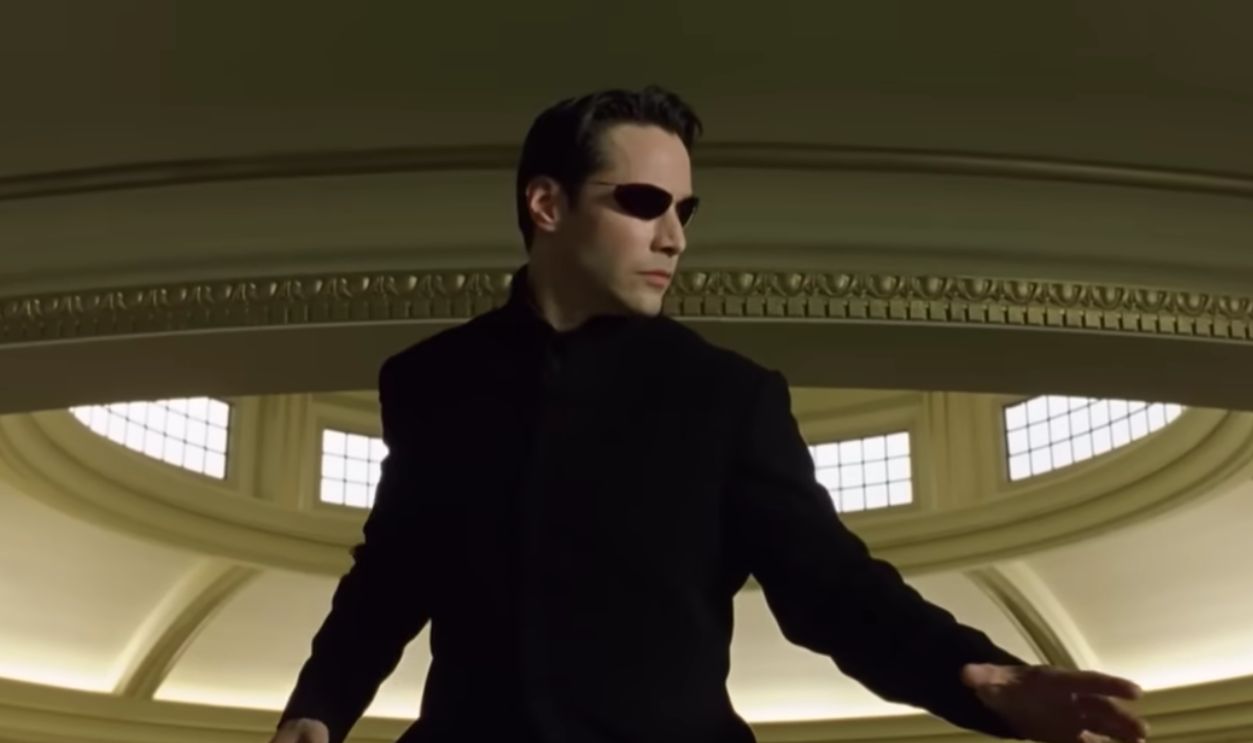 Screenshot from The Matrix, Warner Bros. (1999)
28 Days Later Made An Empty City Unforgettable
Cillian Murphy wandering through deserted London once looked like one of the strangest sights in modern horror. 28 Days Later imagines a highly contagious Rage virus devastating Britain within weeks. The pathogen is fictional and its effects fantastical, but abandoned streets, emergency restrictions, and fear of infection now land differently than they did in 2002.
 Screenshot from 28 Days Later, Fox Searchlight Pictures (2002)
The Day After Tomorrow Took Climate Science To An Extreme
Roland Emmerich's disaster movie wildly accelerates climate processes, unleashing enormous storms and a near-instant deep freeze across much of the Northern Hemisphere. It should not be mistaken for a scientific forecast. Yet its broader premise, that disruption to Earth's climate systems can produce cascading consequences, no longer feels like a distant concern.
 Screenshot from The Day After Tomorrow, 20th Century Fox (2004)
Children Of Men Made Collapse Look Frighteningly Ordinary
In Children of Men, global infertility has pushed humanity toward extinction, but the most disturbing element is the world built around that crisis. Terrorism, refugee camps, authoritarianism, propaganda, and public exhaustion have become normal background noise. The movie understood that collapse might not look futuristic. It might look unpleasantly familiar.
 Screenshot from Children Of Men, Universal Pictures (2006)
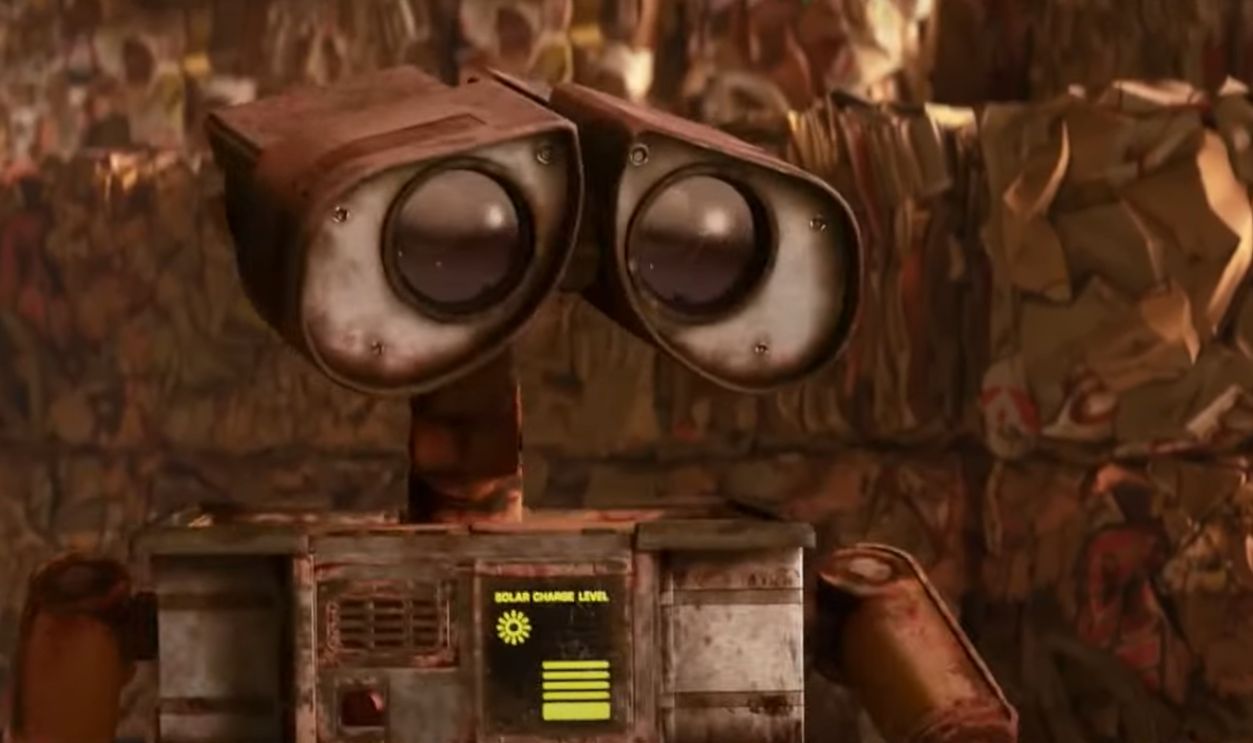
WALL-E Hid A Bleak Future Inside A Love Story
Pixar gave audiences an adorable robot, but the Earth surrounding WALL-E is a disaster. Humanity has abandoned a planet buried beneath centuries of garbage while a corporation supplies nearly every part of life. The movie is funny and hopeful, yet its warnings about consumption, waste, automation, and environmental neglect have only become harder to ignore.
 Screenshot from WALL-E, Walt Disney Studios Motion Pictures (2008)
The Road Took Everything Away
The catastrophe in The Road is never clearly explained. That makes it more frightening. A father and son cross an ash-covered landscape where plants have died, food is scarce, and most social order has disappeared. Without a specific villain or disaster to blame, the film reduces apocalypse to its simplest question: what remains when almost everything else is gone?
 Screenshot from The Road, Dimension Films (2009)
Contagion Became Infamous For Feeling Familiar
Steven Soderbergh's Contagion follows a new virus as it spreads internationally, overwhelming hospitals and sending scientists racing toward a vaccine. It also depicts misinformation flourishing alongside the disease. Released in 2011, the movie became newly famous during COVID-19 because scenes once designed as a medical thriller suddenly resembled everyday news.
 Screenshot from Contagion, Warner Bros. Pictures (2011)
Snowpiercer Turned A Climate Solution Into Another Disaster
In Bong Joon Ho's Snowpiercer, an attempt to cool the planet goes catastrophically wrong and freezes nearly all life on Earth. Humanity's survivors live aboard a constantly moving train divided rigidly by class. The setup is deliberately extreme, but its warning is sharper: solving one global crisis carelessly can create another while inequality determines who suffers most.
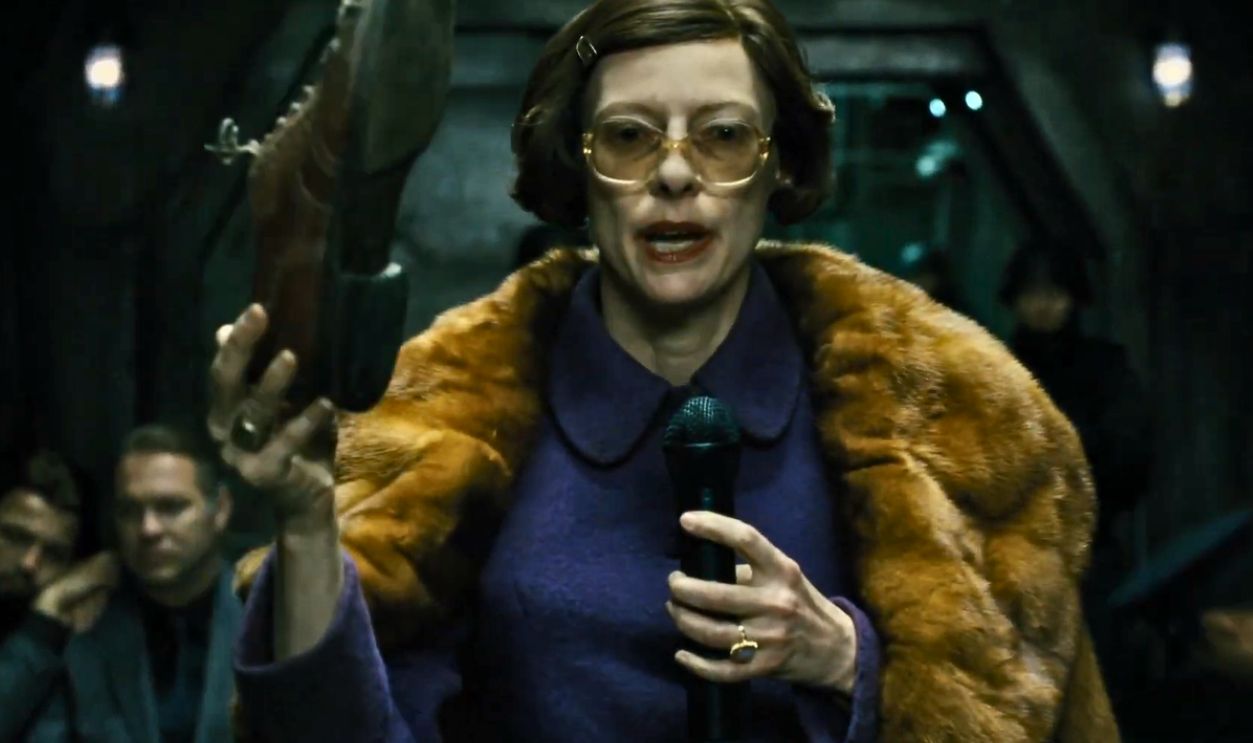 Screenshot from Snowpiercer, CJ Entertainment (2013)
Interstellar Imagined Earth Slowly Failing
Christopher Nolan's Interstellar does not destroy Earth with one spectacular event. Crops fail, dust storms worsen, and humanity gradually runs out of options. The film eventually heads deep into space, but its most disturbing scenes may be the quietest ones on Earth, where people adapt to a worsening environment because they no longer remember anything different.
 Screenshot from Interstellar, Paramount Pictures (2014)
The Scariest Part Is That None Of These Needed To Be Prophecies
These films span more than half a century, and their details range from scientifically grounded to wildly impossible. What makes them unsettling now is not that Hollywood somehow saw the future. It is that filmmakers repeatedly built nightmares from risks already visible around them, and many of those risks never actually disappeared.
 Screenshot from WALL-E, Walt Disney Studios Motion Pictures (2008)
You May Also Like:
The Best Movies To Watch, Depending On The Season
Blood-Curdling Facts About Horror Movies
The Most Upsetting Romance Movies Of All Time
Sources: 1, 2, 3, 4, 5, 6, 7, 8, 9, 10, 11, 12, 13, 14, 15, 16, 17, 18