The Musical Refused To Go Quietly
By the 1970s, the enormous studio musicals that once ruled Hollywood were looking increasingly out of step with younger audiences. Filmmakers responded by getting weird. They turned to rock concerts, horror, gritty drama, and fairy tales, creating some of the strangest and most ambitious musicals of the decade.
 Screenshot from Tommy, Hemdale Film Corporation (1975)
Tommy (1975)
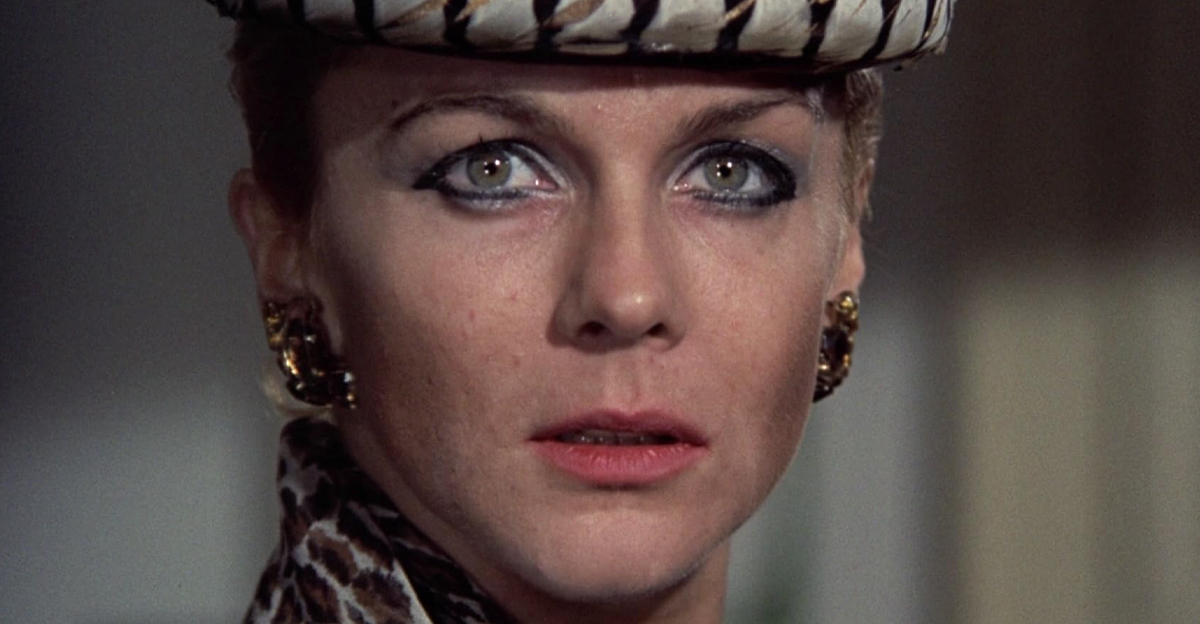
Ken Russell took The Who’s rock opera and treated restraint as the enemy. Roger Daltrey plays the traumatized Tommy, who withdraws from the world before discovering an extraordinary talent for pinball and becoming the center of a quasi-religious movement. Russell surrounds him with Ann-Margret, Oliver Reed, Tina Turner, Elton John, Eric Clapton, and even a singing Jack Nicholson. The imagery is deliberately overwhelming, but beneath all that excess sits a surprisingly sharp story about celebrity, exploitation, belief, and what happens when fans turn a damaged person into a messiah.
 Screenshot from Tommy, Hemdale Film Corporation (1975)
The Wiz (1978)
Sidney Lumet transformed The Wizard of Oz into an enormous urban fantasy built around an all-Black cast and a Motown-influenced score. Diana Ross plays an older Dorothy, Michael Jackson brings nervous warmth to the Scarecrow, and Richard Pryor appears as the Wiz. New York itself becomes Oz, with familiar city spaces transformed into giant fantasy environments. The movie was expensive and disappointed commercially, but its production design, choreography, Quincy Jones arrangements, and unusual mixture of fantasy and late-1970s urban imagery give it a personality no other Oz adaptation really shares.
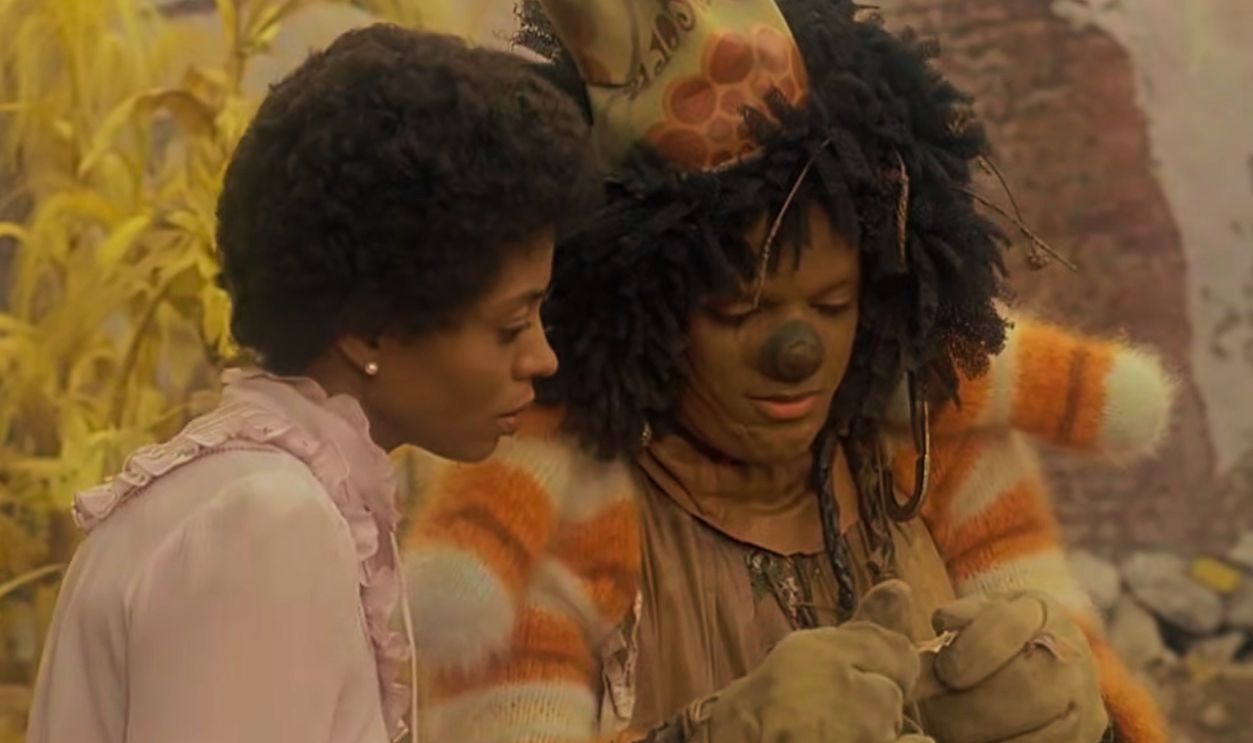 Screenshot from The Wiz, Universal Pictures (1978)
Sgt. Pepper’s Lonely Hearts Club Band (1978)
Robert Stigwood’s Beatles jukebox fantasy has spent decades being used as evidence that the 1970s occasionally had too much coke and too little adult supervision. That reputation isn’t entirely undeserved, but the movie remains fascinating. Peter Frampton and the Bee Gees lead a nearly dialogue-free fantasy built around Beatles songs, while everyone from Aerosmith and Alice Cooper to Steve Martin turns up. The result is chaotic, gaudy, and frequently ridiculous, yet there’s something irresistible about watching a giant studio gamble on the idea that pop songs alone could hold together an entire fantasy world.
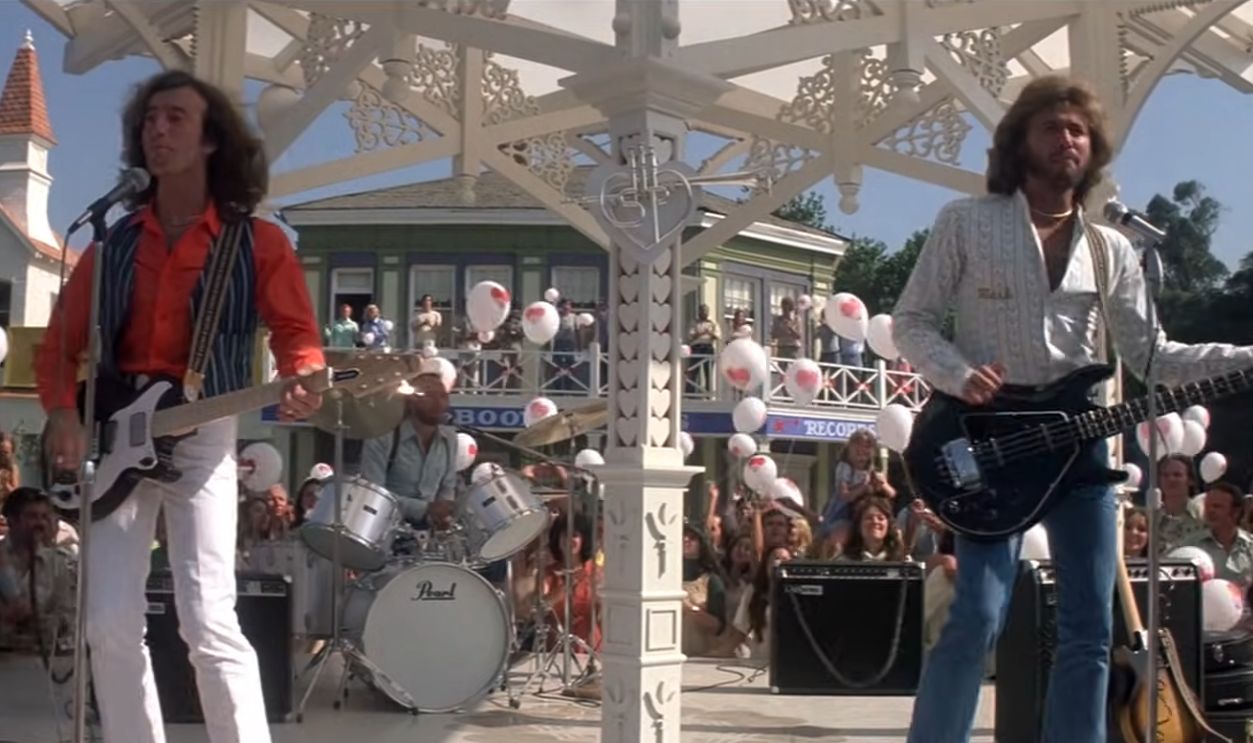 Screenshot from Sgt. Pepper’s Lonely Hearts Club Band, Universal Pictures (1978)
Phantom Of The Paradise (1974)
Brian De Palma smashed The Phantom of the Opera, Faust, rock culture, show-business satire, horror, and glam spectacle together and somehow came away with something coherent. William Finley plays Winslow Leach, a songwriter destroyed by ruthless producer Swan after his music is stolen. Paul Williams not only plays Swan but wrote the terrific genre-hopping score. The film failed to become a major hit, although Winnipeg famously embraced it with extraordinary enthusiasm. Today it feels almost prophetic in its depiction of artists surrendering themselves to contracts, celebrity machinery, and executives who own everything.
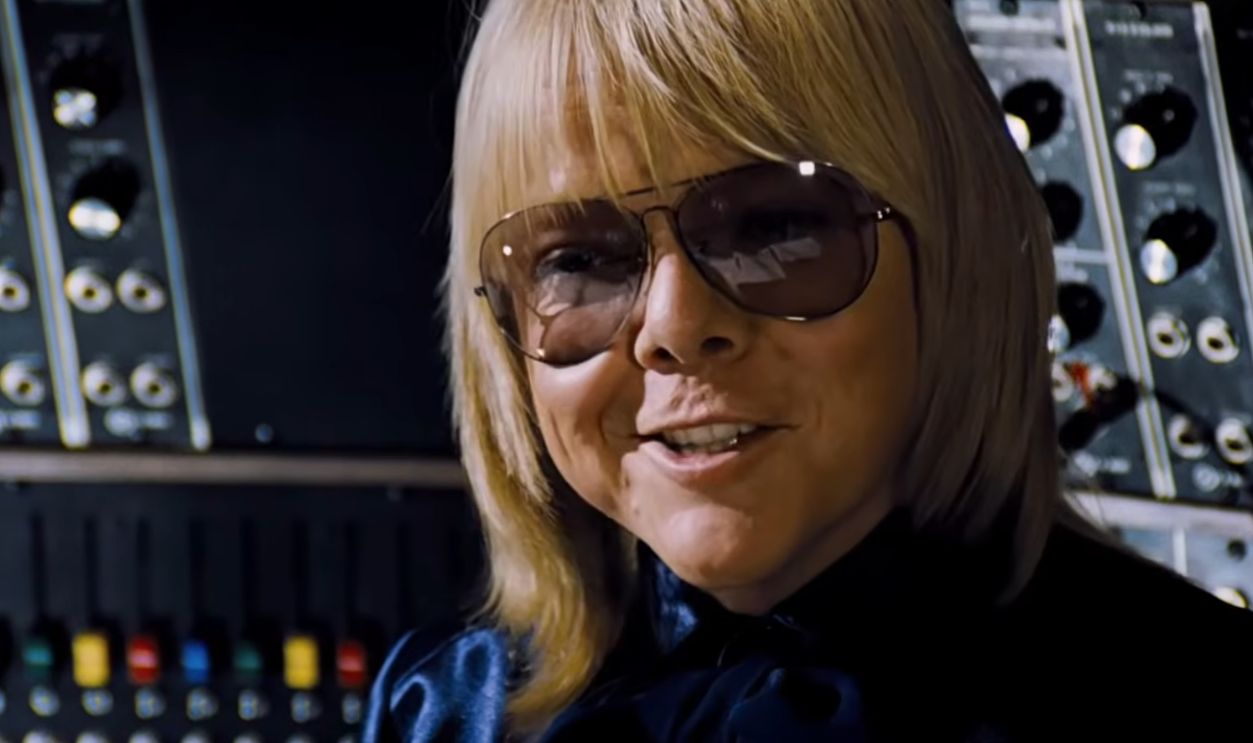 Screenshot from Phantom of the Paradise, 20th Century Fox (1974)
Willy Wonka & The Chocolate Factory (1971)
Gene Wilder’s Wonka is the reason this family musical still feels stranger than most films made for children. He can be warm, sinister, funny, and vaguely dangerous within a single scene. Leslie Bricusse and Anthony Newley’s songs include “The Candy Man,” “I’ve Got a Golden Ticket,” and the gorgeous “Pure Imagination,” while the Oompa-Loompas turn every child’s downfall into a musical morality lesson. The candy-colored fantasy is constantly undercut by poverty, greed, punishment, and that famously nightmarish boat ride. It’s whimsical, but never completely safe.
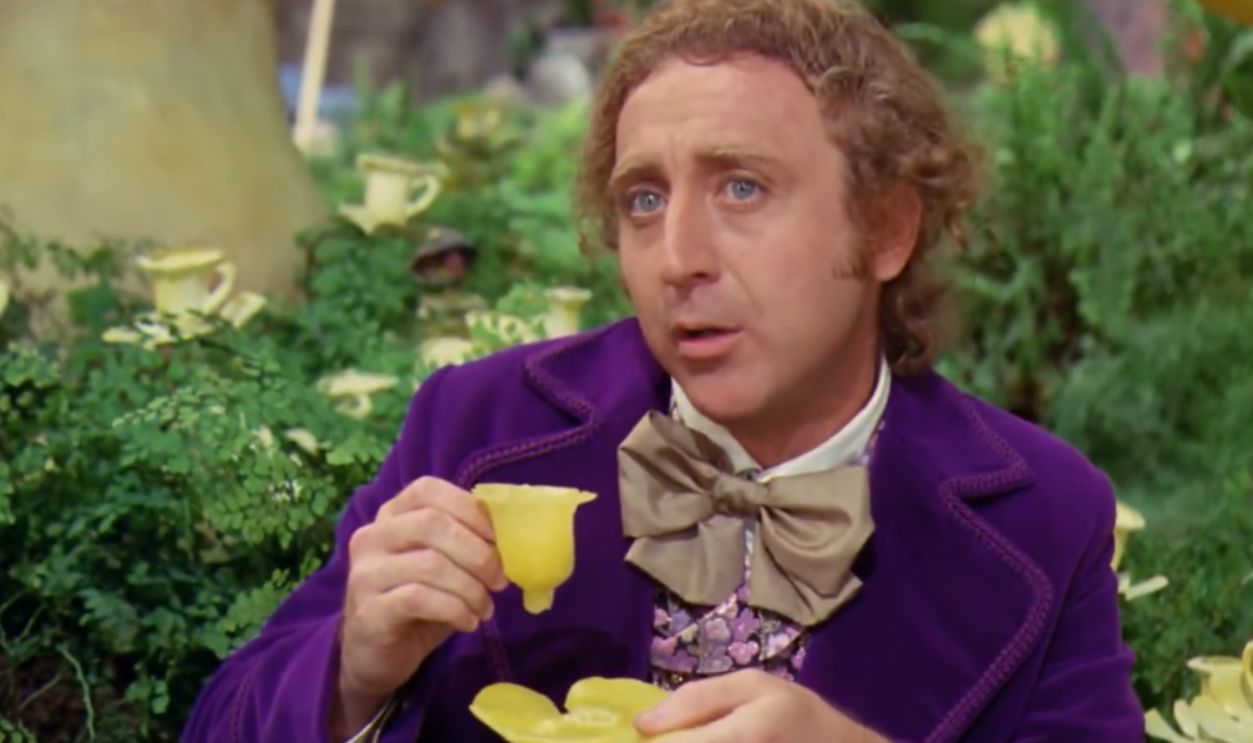 Screenshot from Willy Wonka & the Chocolate Factory, Paramount Pictures (1971)
Rock ’N’ Roll High School (1979)
Roger Corman originally developed a project called Disco High, but the arrival of the Ramones sent it in a much better direction. P.J. Soles plays Riff Randell, a music-obsessed student battling the tyrannical new principal of Vince Lombardi High. Eventually, the Ramones themselves join the rebellion. Allan Arkush directs the whole thing like a live-action cartoon, mixing teen comedy, punk energy, and old rock-and-roll movie formulas. It barely made an impact theatrically, but its anarchic cheerfulness helped it find exactly the kind of cult audience its characters would have appreciated.
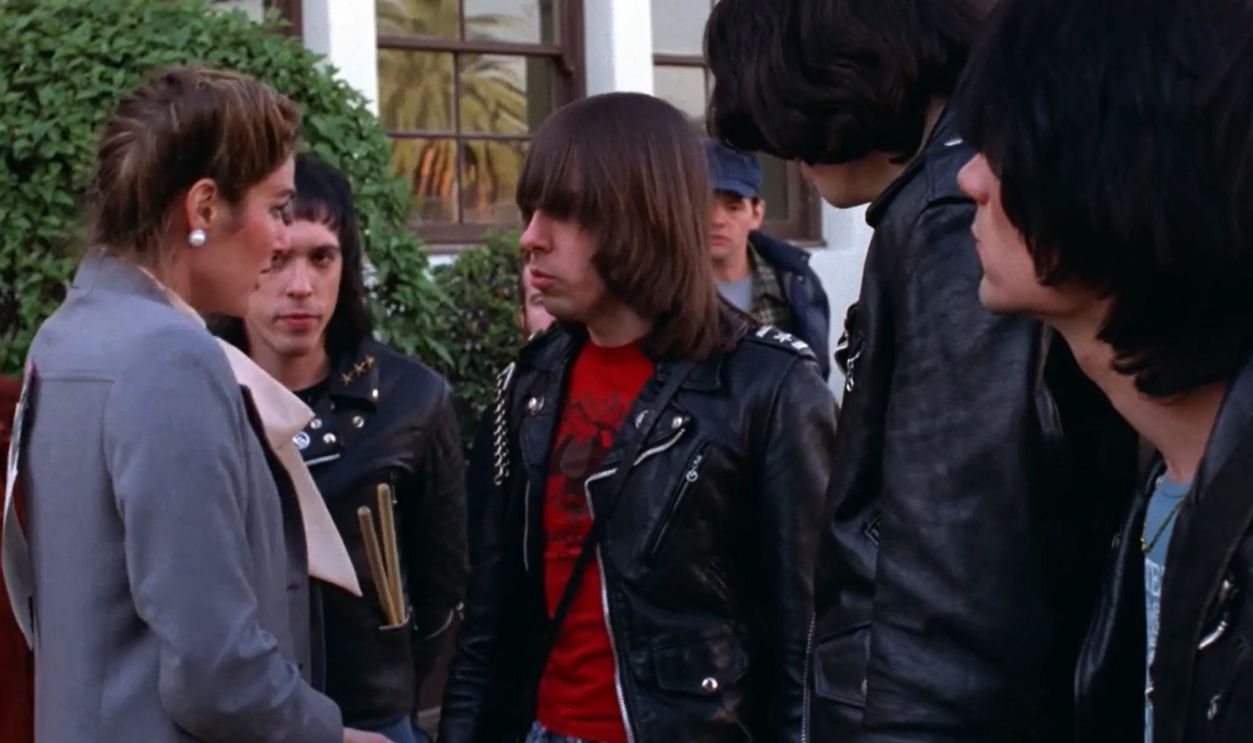 Screenshot from Rock ’n’ Roll High School, New World Pictures (1979)
Funny Lady (1975)
Seven years after Funny Girl, Barbra Streisand returned as Fanny Brice for a sequel focused largely on her relationship with impresario Billy Rose, played by James Caan. Streisand reportedly had little enthusiasm for revisiting the character, but the finished movie gives her another showcase full of huge costumes, lavish staging, and songs by writers including John Kander and Fred Ebb. Ben Vereen also gets a memorable turn. It never escaped comparisons with its predecessor, yet anyone who misses the scale and glamour of old studio musicals can find plenty here to enjoy.
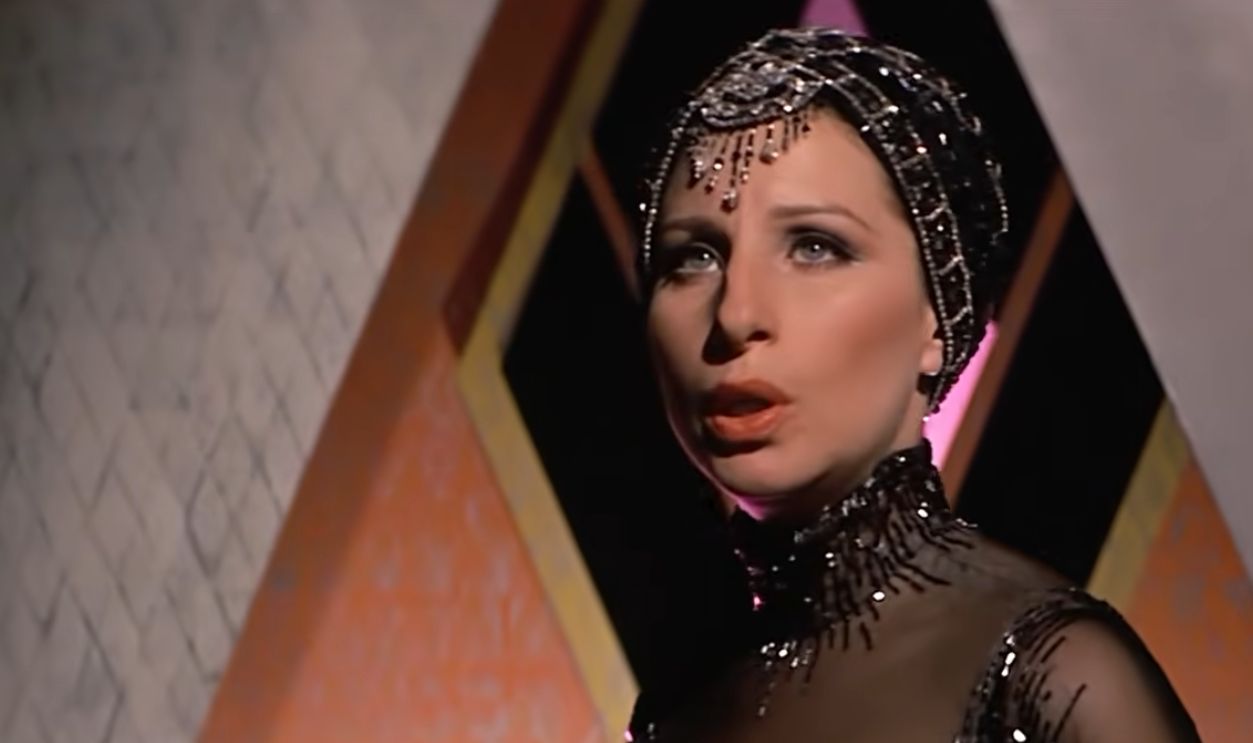 Screenshot from Funny Lady, Columbia Pictures (1975)
A Star Is Born (1976)
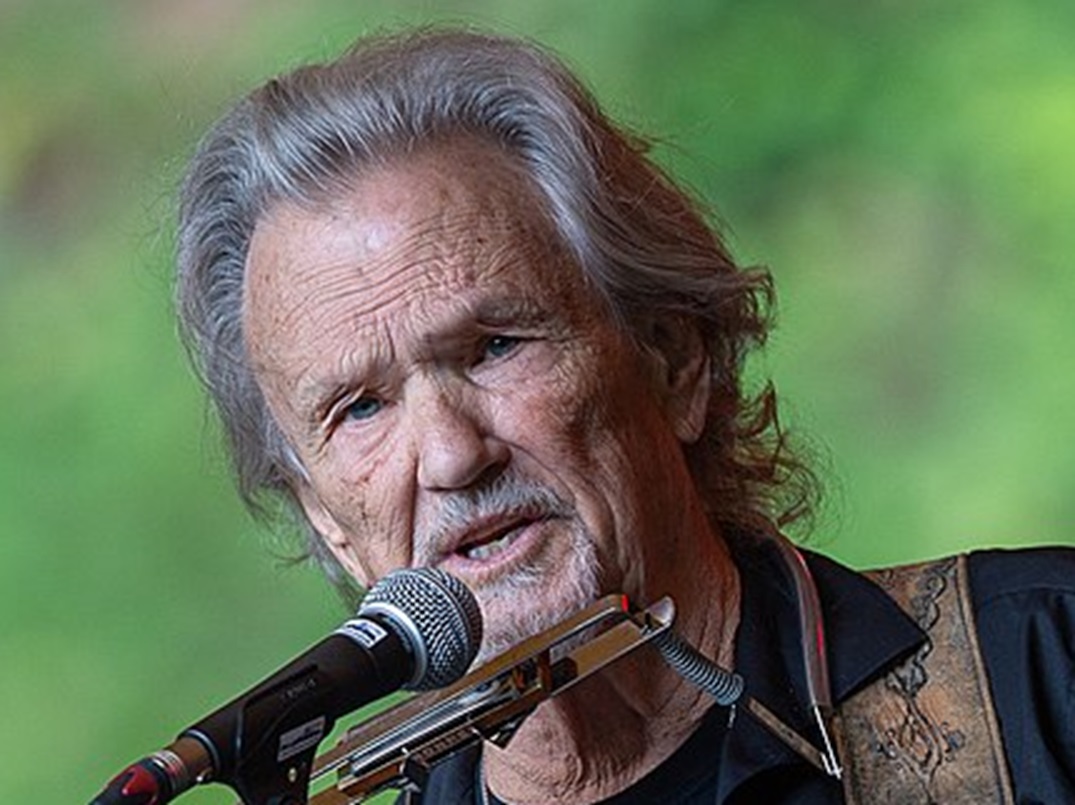
Rather than repeat Judy Garland’s show-business world from the 1954 version, Barbra Streisand moved A Star Is Born directly into the arena-rock era. Kris Kristofferson plays self-destructive superstar John Norman Howard, whose career collapses as singer Esther Hoffman becomes increasingly successful. Much of the movie’s music is performed in concert settings, including footage staged before tens of thousands of spectators. Critics were divided, but audiences made it a major hit, and Streisand’s “Evergreen” won the Academy Award for Best Original Song. The musical wasn’t dead. It had simply plugged in an amplifier.
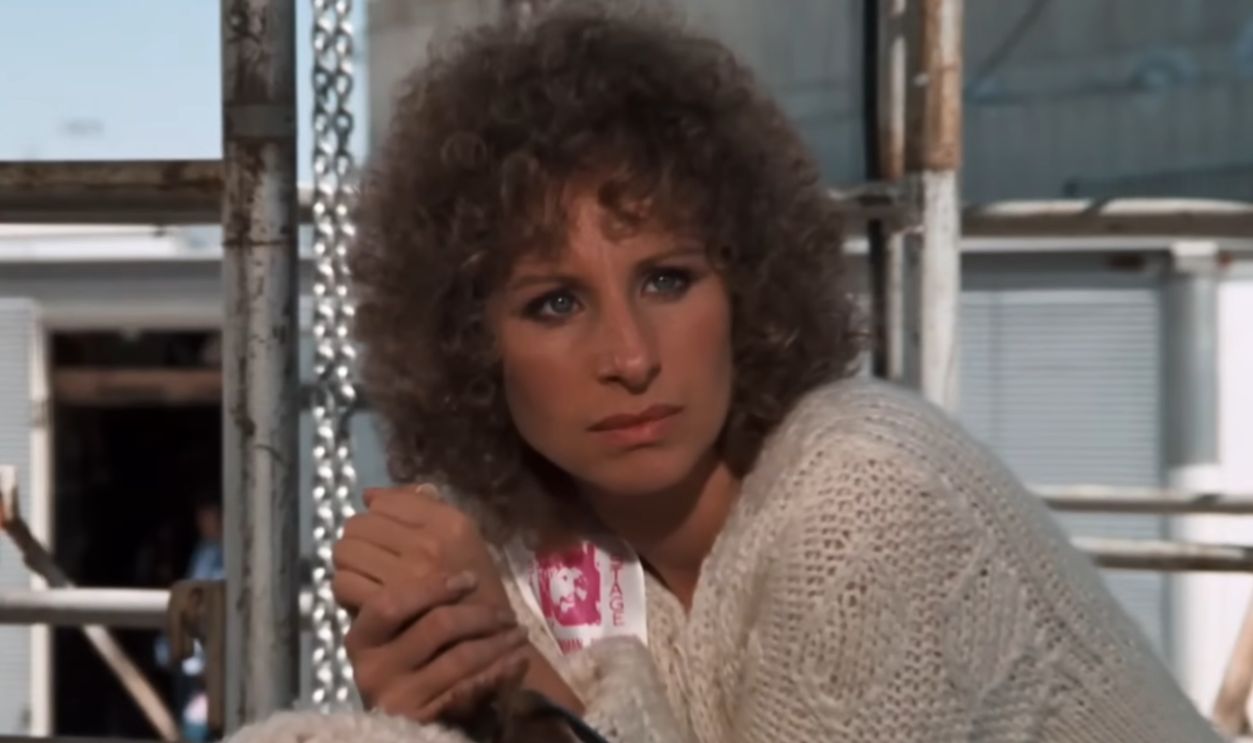 Screenshot from A Star Is Born, Warner Bros. Pictures (1976)
Jesus Christ Superstar (1973)
Norman Jewison deliberately avoided making this rock opera look like a traditional biblical epic. Instead, a group of young performers arrives in the Israeli desert and seemingly stages the Passion story using ancient robes alongside contemporary scaffolding, buses, and modern attitudes. Ted Neeley plays Jesus, Carl Anderson gives Judas enormous emotional force, and Yvonne Elliman reprises Mary Magdalene after performing the role on stage. The unusual visual approach fits Andrew Lloyd Webber and Tim Rice’s music beautifully, making the film feel like both an ancient story and a 1970s rock performance happening in the same space.
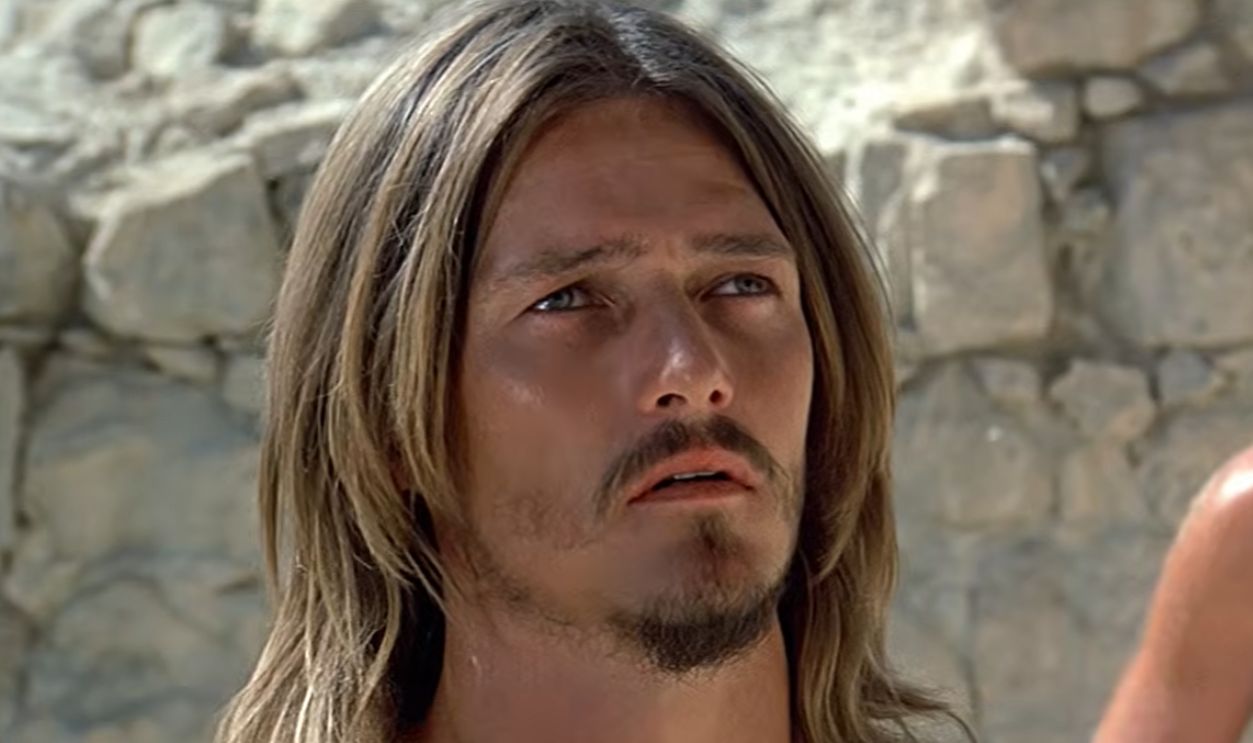 Screenshot from Jesus Christ Superstar, Universal Pictures (1973)
Cabaret (1972)
Bob Fosse didn’t rescue the old Hollywood musical by copying it. He practically dismantled it. Most of the songs in Cabaret happen on the Kit Kat Klub stage, where Liza Minnelli’s Sally Bowles and Joel Grey’s Emcee perform while Third Reich power quietly expands beyond the club’s doors. The contrast gets increasingly sinister until entertainment itself begins to feel like an escape from something nobody can escape for long. The film won eight Academy Awards and proved that a musical could deal with sexuality, human rights, and moral cowardice without sacrificing showmanship.
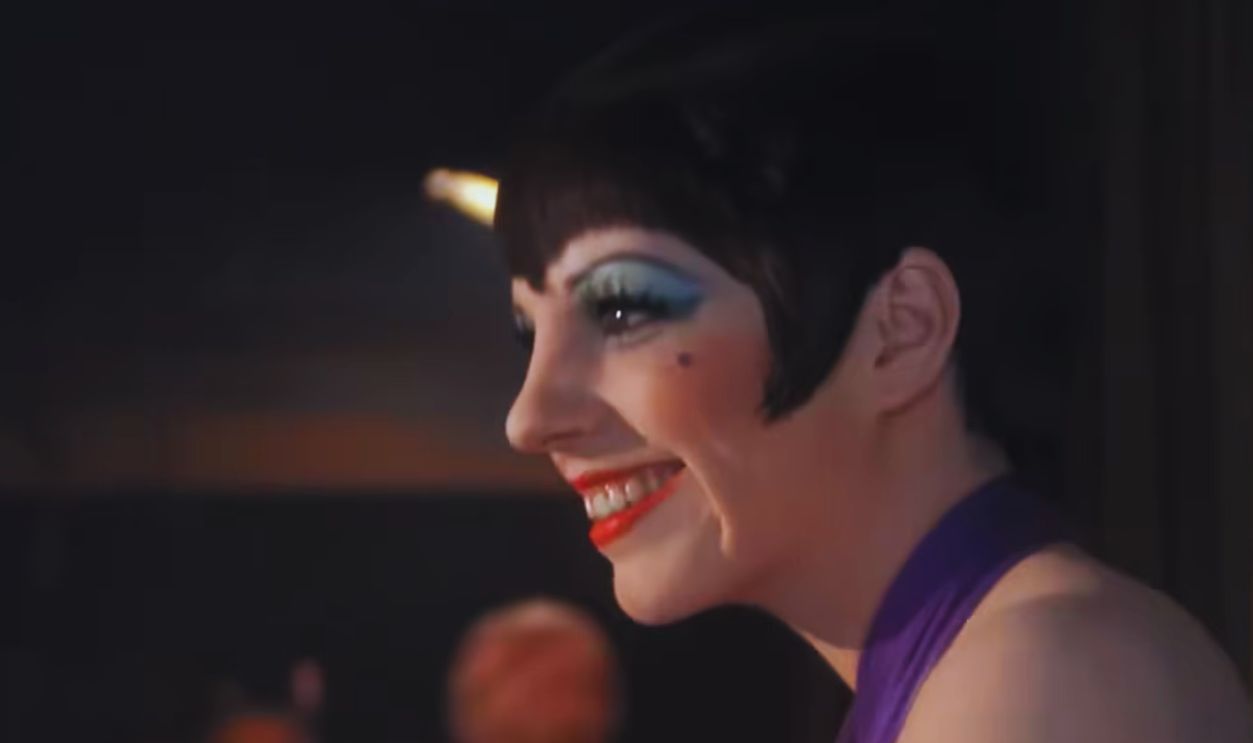 Screenshot from Cabaret, Allied Artists (1972)
All That Jazz (1979)
Bob Fosse went even further with All That Jazz, essentially turning his own workaholism, womanizing, drug use, and near-fatal health problems into a musical about a man working himself into an early grave. Roy Scheider plays Joe Gideon, a choreographer and filmmaker juggling rehearsals, editing, relationships, pills, cigs, and an increasingly unhealthy heart. Reality gradually gives way to fantasy until death itself becomes part of the show. The production reportedly became expensive enough that another studio helped finance its elaborate finale. Somehow, Fosse turned his own collapse into one of his greatest productions.
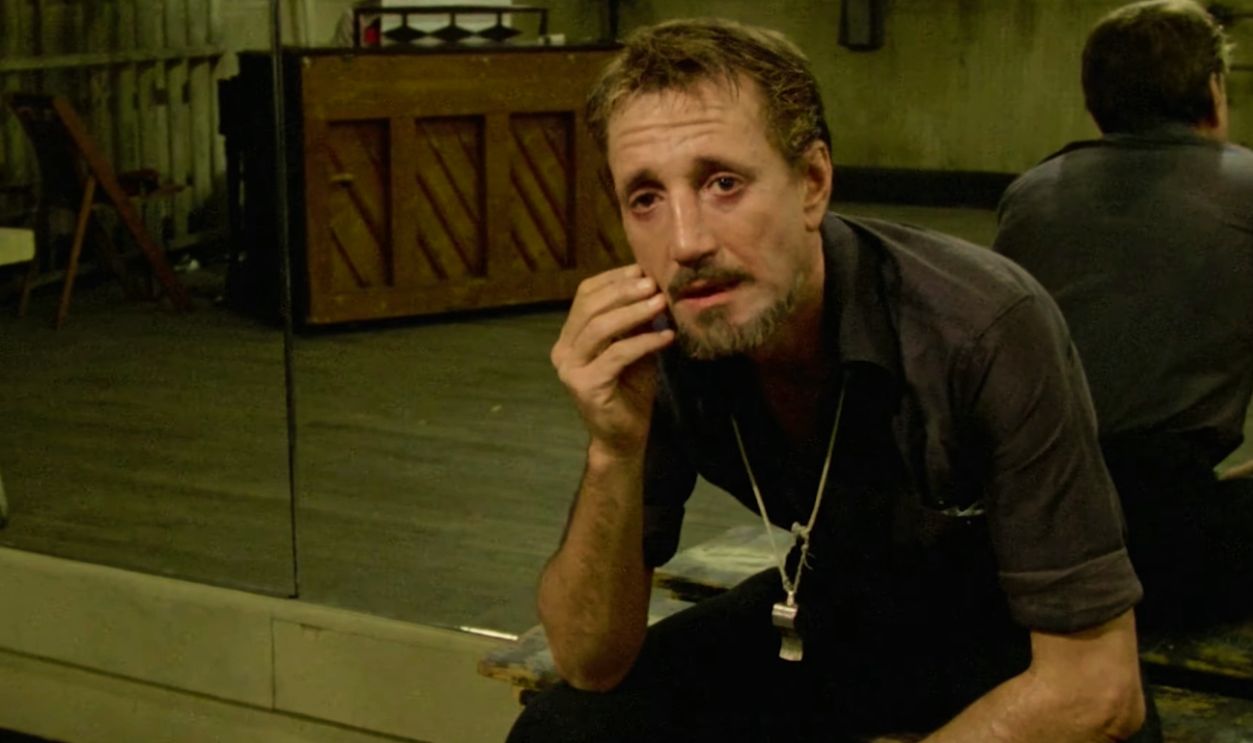 Screenshot from All That Jazz, 20th Century Fox (1979)
Quadrophenia (1979)
Quadrophenia isn’t a musical in the conventional sense. Nobody suddenly starts singing their emotions, and The Who never materializes to perform beside the characters. Yet the band’s 1973 rock opera supplies the film’s backbone. Phil Daniels plays Jimmy, a young Mod whose identity is tied to clothes, scooters, pills, music, and his tribe of friends. The soundtrack turns his growing alienation into something almost operatic. Instead of translating the album literally, director Franc Roddam uses its music to capture the anger and loneliness underneath youth culture’s carefully constructed poses.
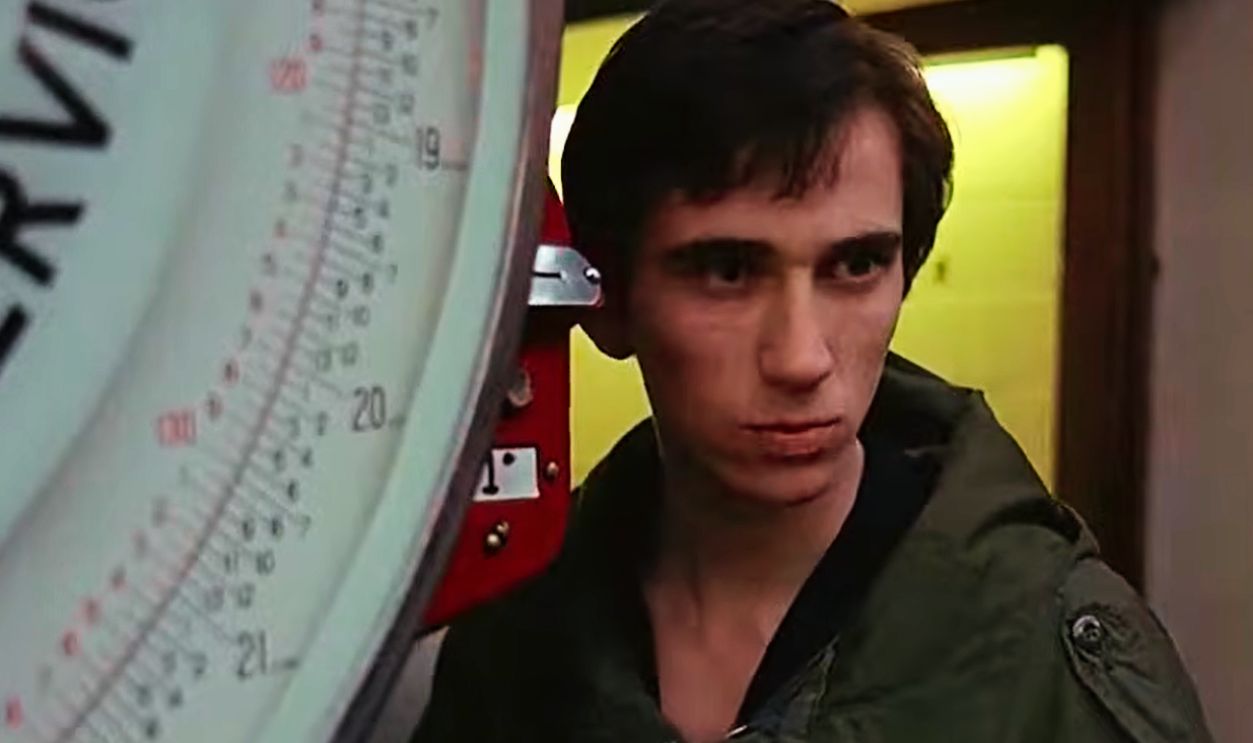 Screenshot from Quadrophenia, The Who Films (1979)
Bedknobs And Broomsticks (1971)
Disney had many of the ingredients that made Mary Poppins successful, including director Robert Stevenson, songwriters Richard and Robert Sherman, live-action fantasy, and animation. Yet Bedknobs and Broomsticks developed its own odd charm. Angela Lansbury plays apprentice witch Eglantine Price, who reluctantly takes in three children during World War II and eventually uses magic against invading German forces. The movie jumps from the enormous “Portobello Road” sequence to an animated animal kingdom and a climactic army of enchanted armor. Its strange mixture of wartime adventure and whimsical musical fantasy has aged surprisingly well.
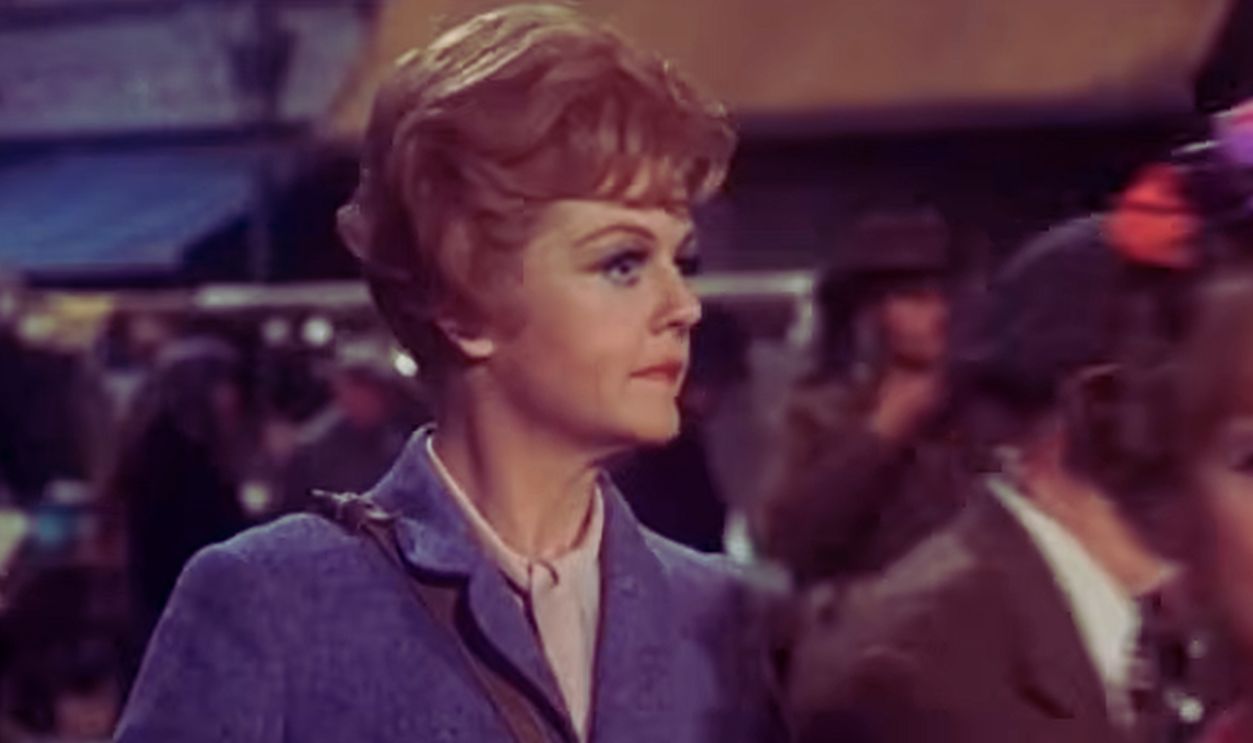 Screenshot from Bedknobs and Broomsticks, Walt Disney Productions (1971)
Bugsy Malone (1976)
Alan Parker had a wonderfully ridiculous idea for his directorial debut: make a 1930s mob musical in which every character is played by a child. Scott Baio becomes aspiring underground king Bugsy, Jodie Foster plays nightclub singer Tallulah, and machine guns fire cream instead of bullets. What keeps the gimmick from wearing thin is how seriously the young cast approaches it. Paul Williams supplied a collection of catchy songs, performed on the soundtrack by adult singers, while Parker recreated film clichés using pedal cars, speakeasies, pinstriped suits, and enormous quantities of whipped cream.
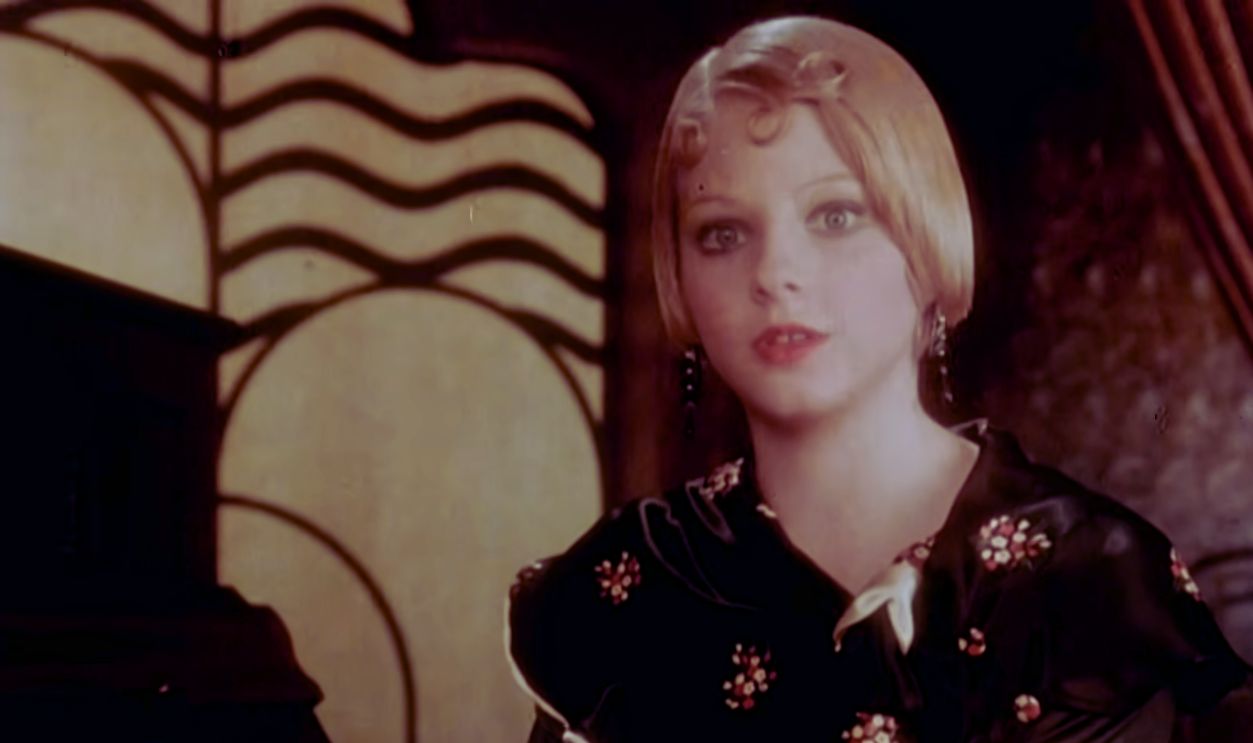 Screenshot from Bugsy Malone, Paramount Pictures (1976)
Pete’s Dragon (1977)
Disney combined live action with an animated dragon for this sprawling fantasy about an orphan who escapes his abusive adoptive family and arrives in a Maine fishing village. Sean Marshall plays Pete, while Helen Reddy provides much of the movie’s musical heart as lighthouse keeper Nora. Jim Dale, Mickey Rooney, Shelley Winters, and Red Buttons add old-fashioned comic energy. “Candle on the Water” earned an Academy Award nomination, and the film’s mixture of animation, broad comedy, sentimental ballads, and enormous production numbers feels like Disney stubbornly refusing to abandon its traditional musical formula.
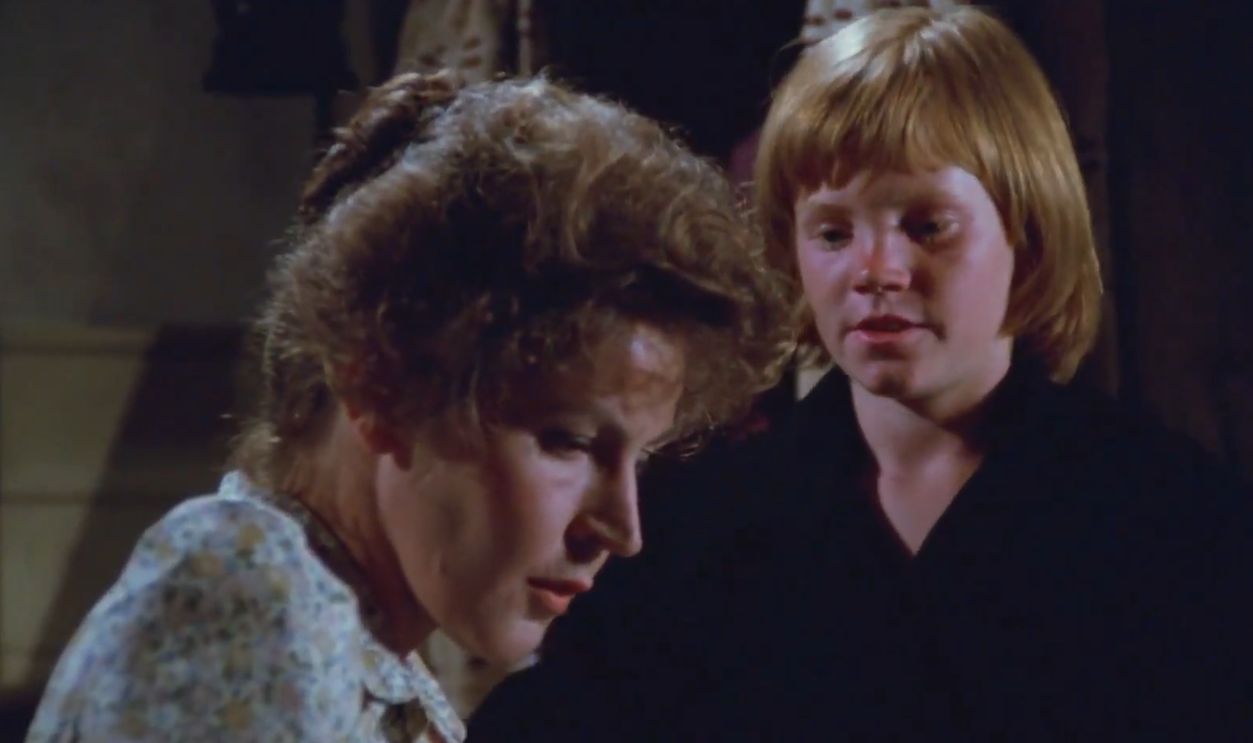 Screenshot from Pete’s Dragon, Walt Disney Productions (1977)
At Long Last Love (1975)
Peter Bogdanovich loved classic Hollywood so much that he tried to make a 1930s musical in the middle of the 1970s. Burt Reynolds, Cybill Shepherd, Madeline Kahn, and Duilio Del Prete swap romantic partners while performing Cole Porter songs, and Bogdanovich made the daring decision to record much of the singing live on set. Contemporary critics were merciless, and the film seriously damaged his career. Yet its restored versions have inspired some reappraisal. The imperfections are visible, but so is the ambition behind trying to revive a musical style Hollywood had essentially abandoned.
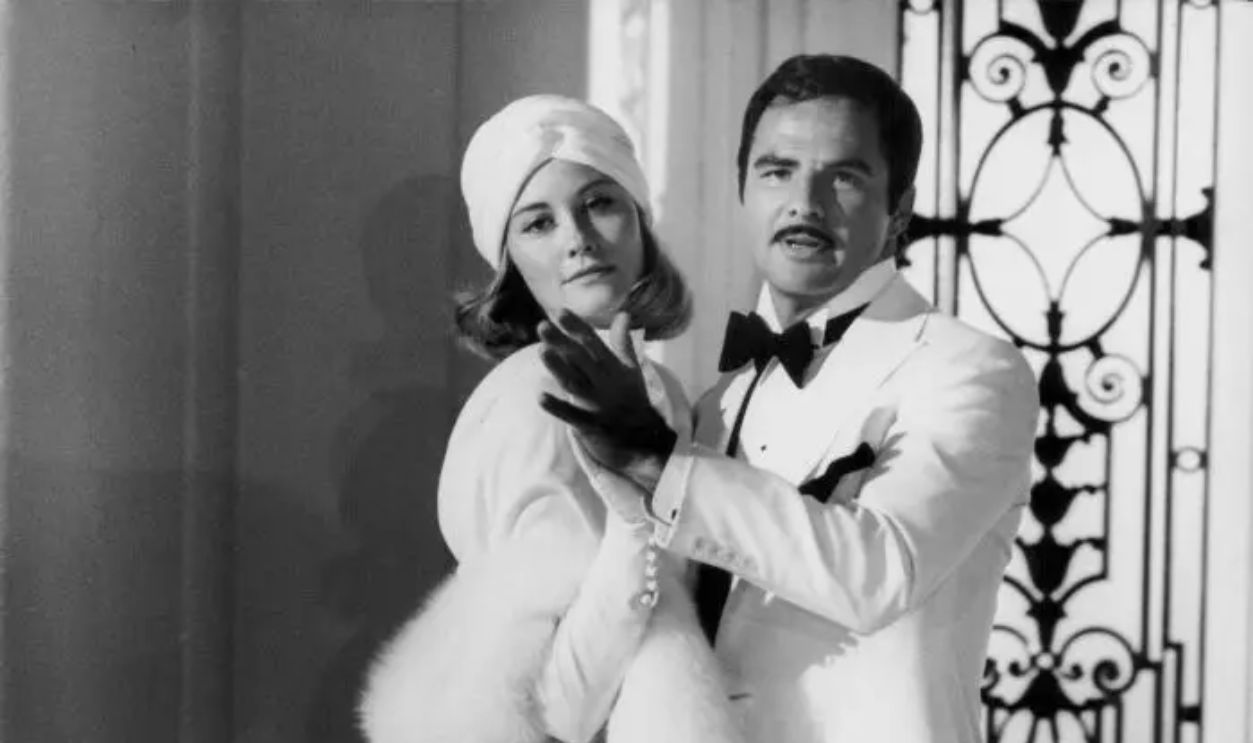 Stanley Bielecki Movie Collection, Getty Images
The Boy Friend (1971)
After the brutality and controversy of The Devils, Ken Russell deliberately made something lighter. His adaptation of Sandy Wilson’s musical stars Twiggy as Polly, a timid understudy forced into the lead when a repertory company’s star injures herself just as a Hollywood director arrives to watch the show. Russell uses the modest stage production as an excuse to imagine huge fantasy sequences inspired by Busby Berkeley. Twiggy proved unexpectedly charming as both singer and dancer, while the movie affectionately pokes fun at the very old-fashioned musical conventions it clearly adores.
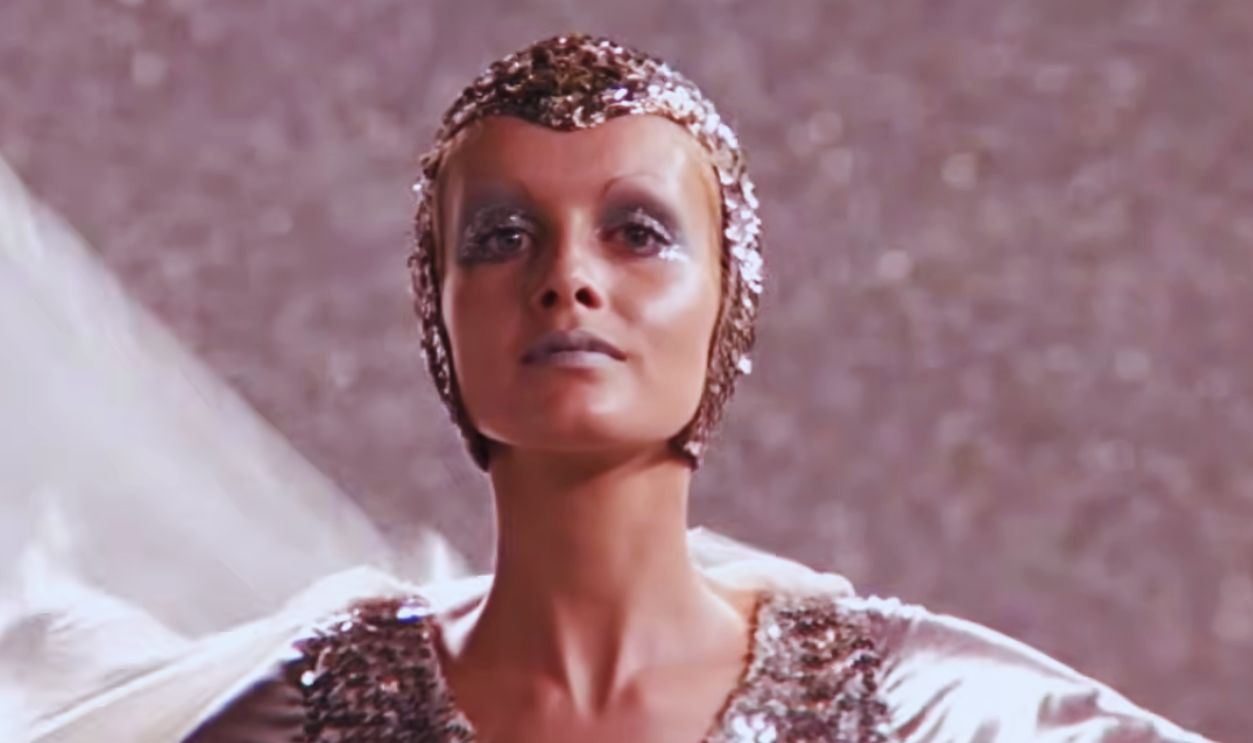 Screenshot from The Boy Friend, Metro Goldwyn Mayer (1971)
Donkey Skin (1970)
Jacques Demy was already one of cinema’s great musical romantics when he turned Charles Perrault’s deeply strange fairy tale into Donkey Skin. Catherine Deneuve plays a princess forced to flee when her widowed father decides he wants to marry her. Disguised beneath a magical donkey hide, she waits for the story to find its way toward a more suitable prince. Michel Legrand’s music accompanies talking roses, impossible gowns, brightly colored kingdoms, and a cake-baking duet involving two versions of Deneuve. The result resembles a children’s picture book that developed a surreal streak overnight.
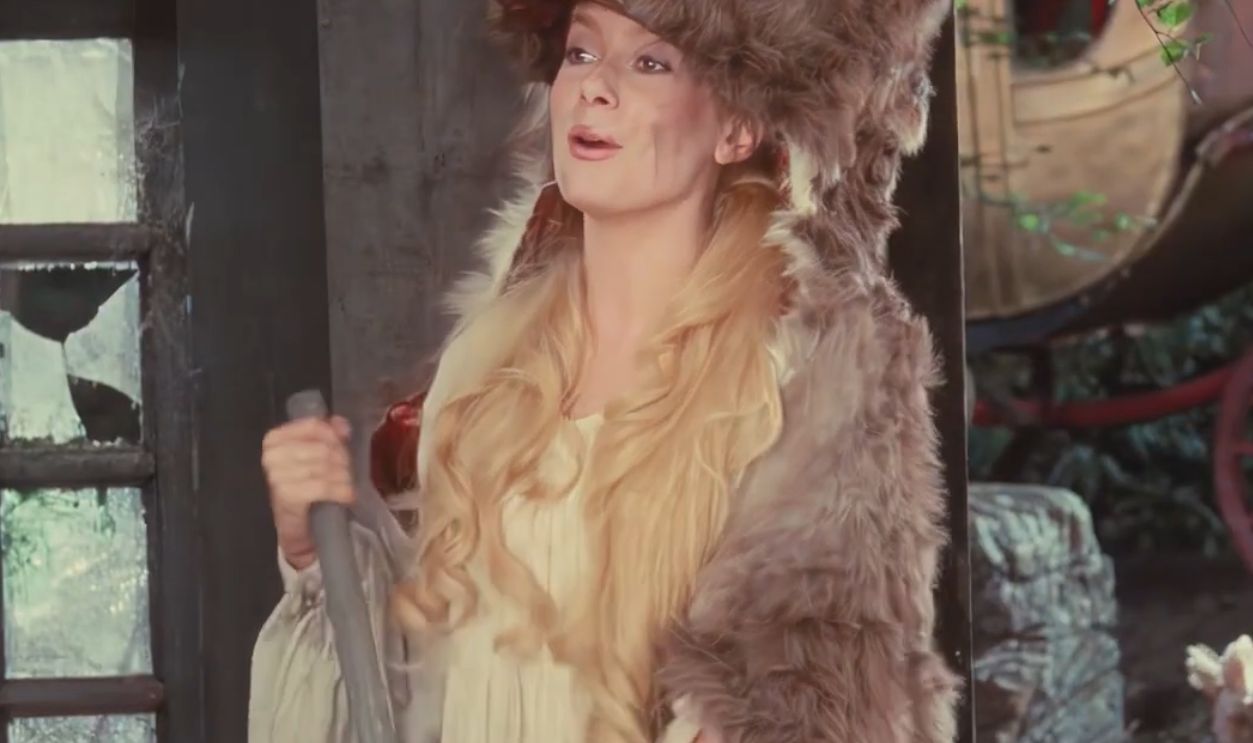 Screenshot from Donkey Skin, Marianne Productions (1970)
New York, New York (1977)
Martin Scorsese tried something almost contradictory here. He recreated the artificial glamour of an old studio musical, then dropped Robert De Niro’s volatile acting style into the middle of it. De Niro plays saxophonist Jimmy Doyle opposite Liza Minnelli’s singer Francine Evans, with their professional ambitions and destructive relationship constantly colliding. Huge stylized sets coexist with painfully raw arguments, creating a tone audiences didn’t quite know how to process. The film disappointed commercially, but the title song escaped completely, eventually becoming one of the most recognizable musical tributes to New York ever recorded.
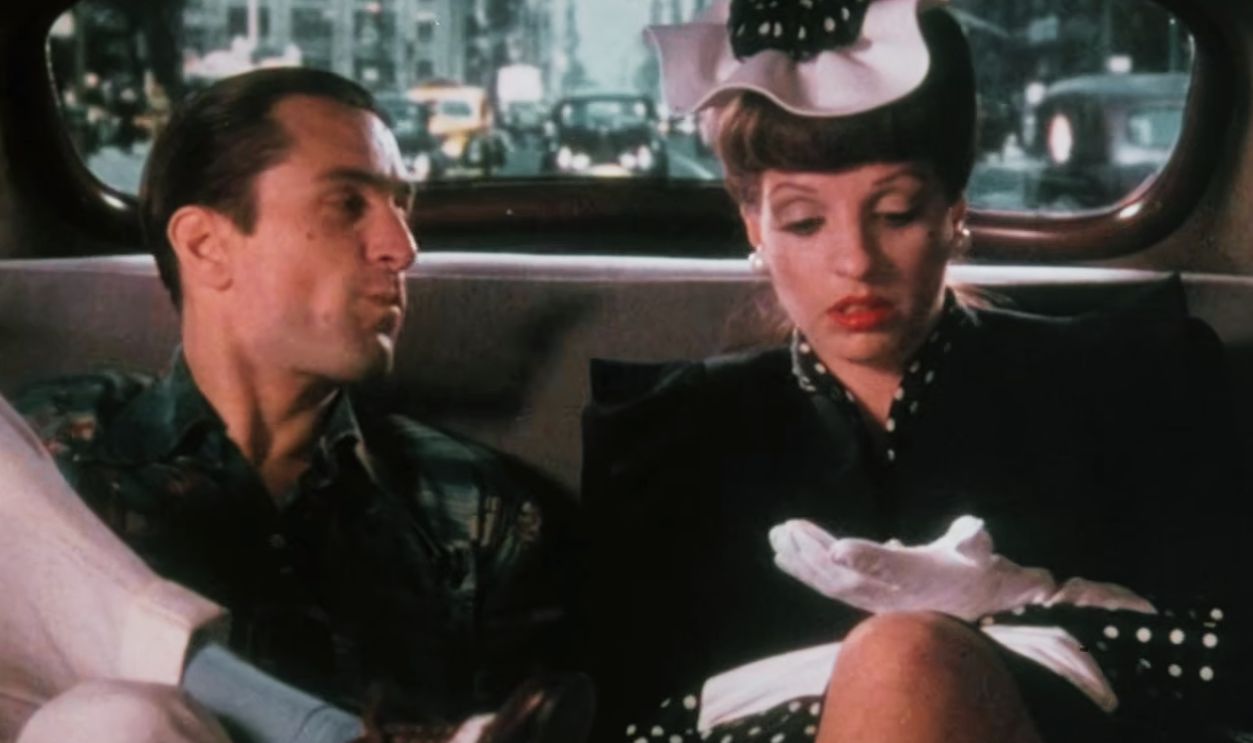 Screenshot from New York, New York, United Artists (1977)
Saturday Night Fever (1977)
Nobody breaks into song in Saturday Night Fever, but it helped redefine what a movie musical could be. John Travolta’s Tony Manero spends his weekdays stuck in a Brooklyn paint store and his nights transforming himself on the disco floor. The Bee Gees-heavy soundtrack comments on his life almost as directly as songs in a traditional musical would. Beneath the white suit and famous dance poses is a much darker movie about class frustration, masculinity, racial bias, and young people terrified of becoming their parents. Its enormous success pointed toward the soundtrack-driven musicals of the next decade.
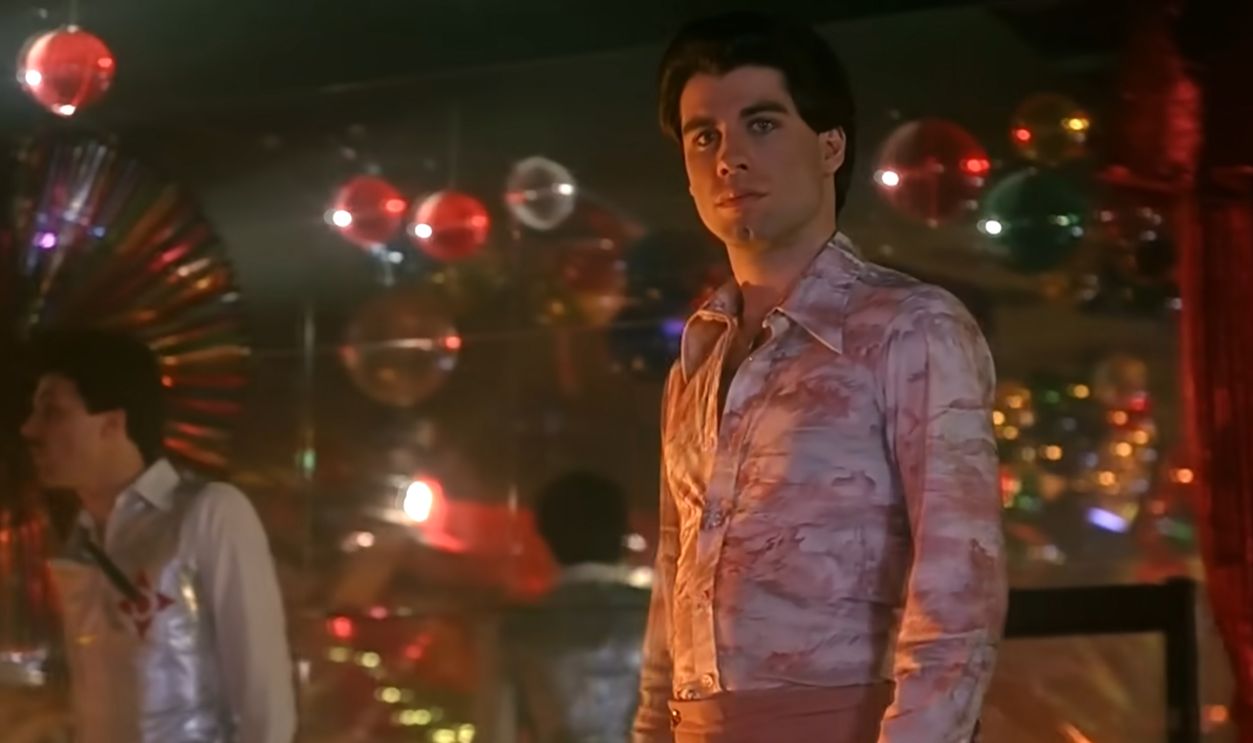 Screenshot from Saturday Night Fever, Paramount Pictures (1977)
Hair (1979)
By the time Hair reached movie theaters, the counterculture it depicted already belonged to another era. Miloš Forman leaned into that distance, reshaping the loose stage musical into a more conventional story about Claude, a young man preparing to enter the military who encounters Berger and his group of New York hippies before shipping out to Vietnam. Treat Williams gives Berger enormous reckless charm, while choreographer Twyla Tharp brings explosive movement to songs including “Aquarius” and the title number. The altered ending gives the film a bitterness that makes its exuberant musical sequences hit even harder.
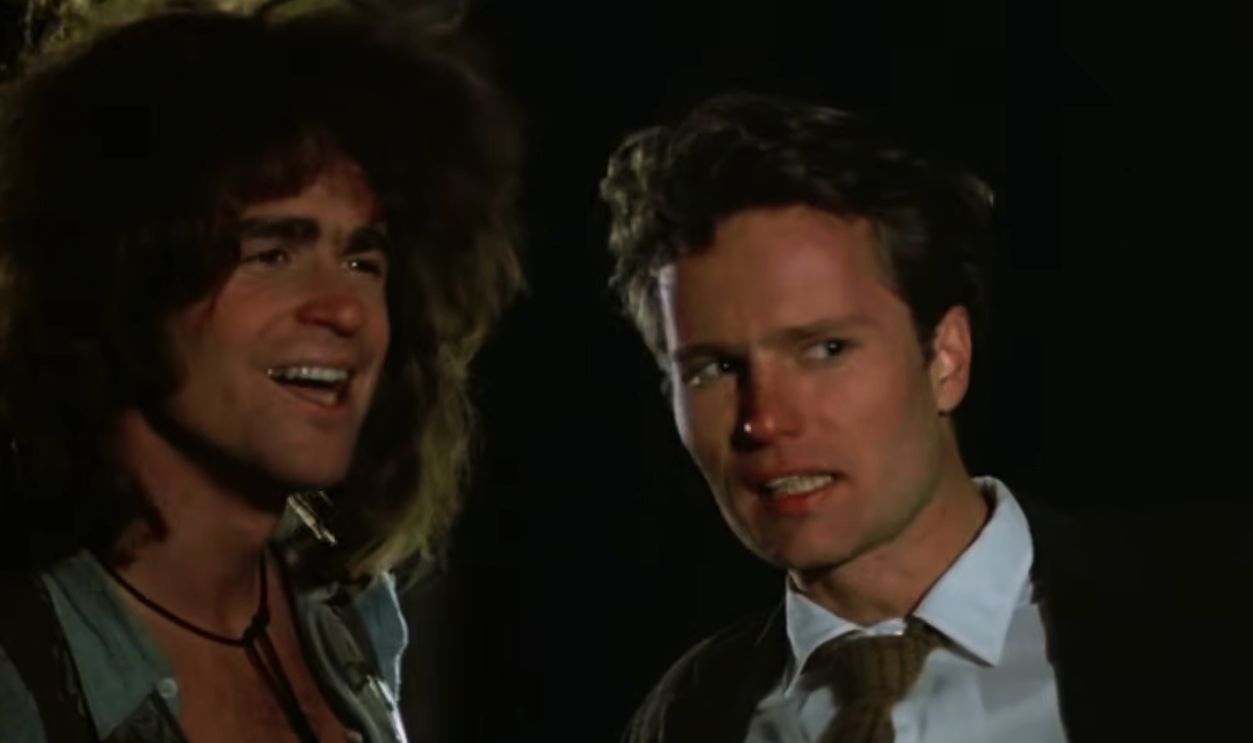 Screenshot from Hair, United Artists (1979)
The Rocky Horror Picture Show (1975)
It’s difficult to call The Rocky Horror Picture Show forgotten now, but audiences almost did forget it. The film initially flopped before midnight screenings transformed it into something completely different. Tim Curry’s Frank-N-Furter presides over a delirious mixture of old horror movies, glam rock, science fiction, carnal liberation, and affectionate camp. Fans eventually began dressing as characters, shouting responses at the screen, and acting scenes out in front of it. Instead of merely finding an audience, Rocky Horror helped invent a completely new relationship between a movie and the people watching it.
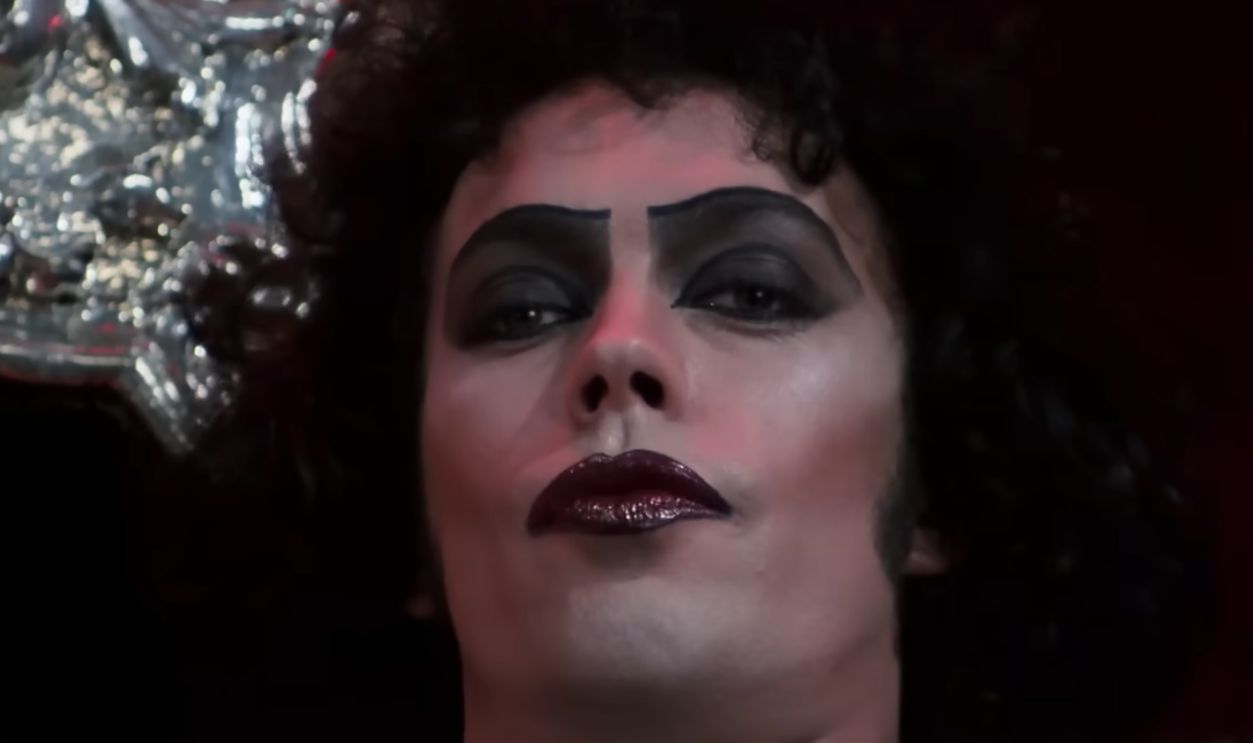 Screenshot from The Rocky Horror Picture Show, 20th Century Fox (1975)
You May Also Like:
Forgotten TV Detectives From The 1970s That Viewers Once Knew Better Than Their Neighbors
Great 70s Rock Albums That Have Been Almost Completely Forgotten. Did You Own Any Of These?