When Detectives Owned Primetime
There was a time when television viewers could identify a detective by his car, coat, hat, voice, or favorite expression before the opening credits even finished. Many of those characters once returned to living rooms every week, yet some have quietly slipped out of everyday pop-culture memory.
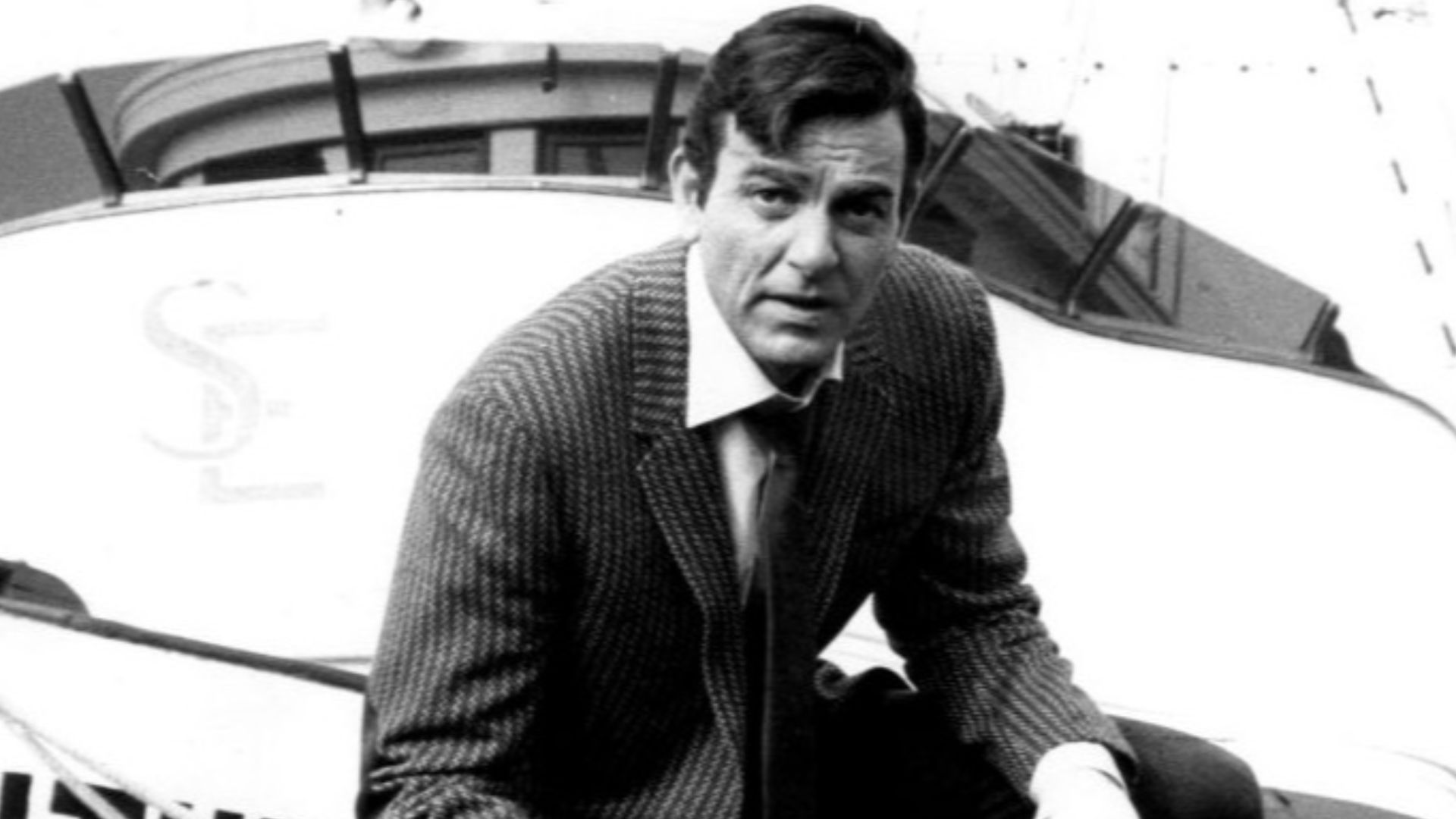
Joe Mannix Took The Hits Himself
Mike Connors spent eight seasons playing private investigator Joe Mannix, with most of that run falling squarely in the 1970s. The series abandoned its original high-tech agency setup early and turned Mannix into a more traditional private eye who relied on persistence, instinct, and an impressive tolerance for getting knocked around. Connors earned multiple Emmy nominations, while Gail Fisher won an Emmy for playing his trusted secretary Peggy Fair.
 CBS Television, Wikimedia Commons
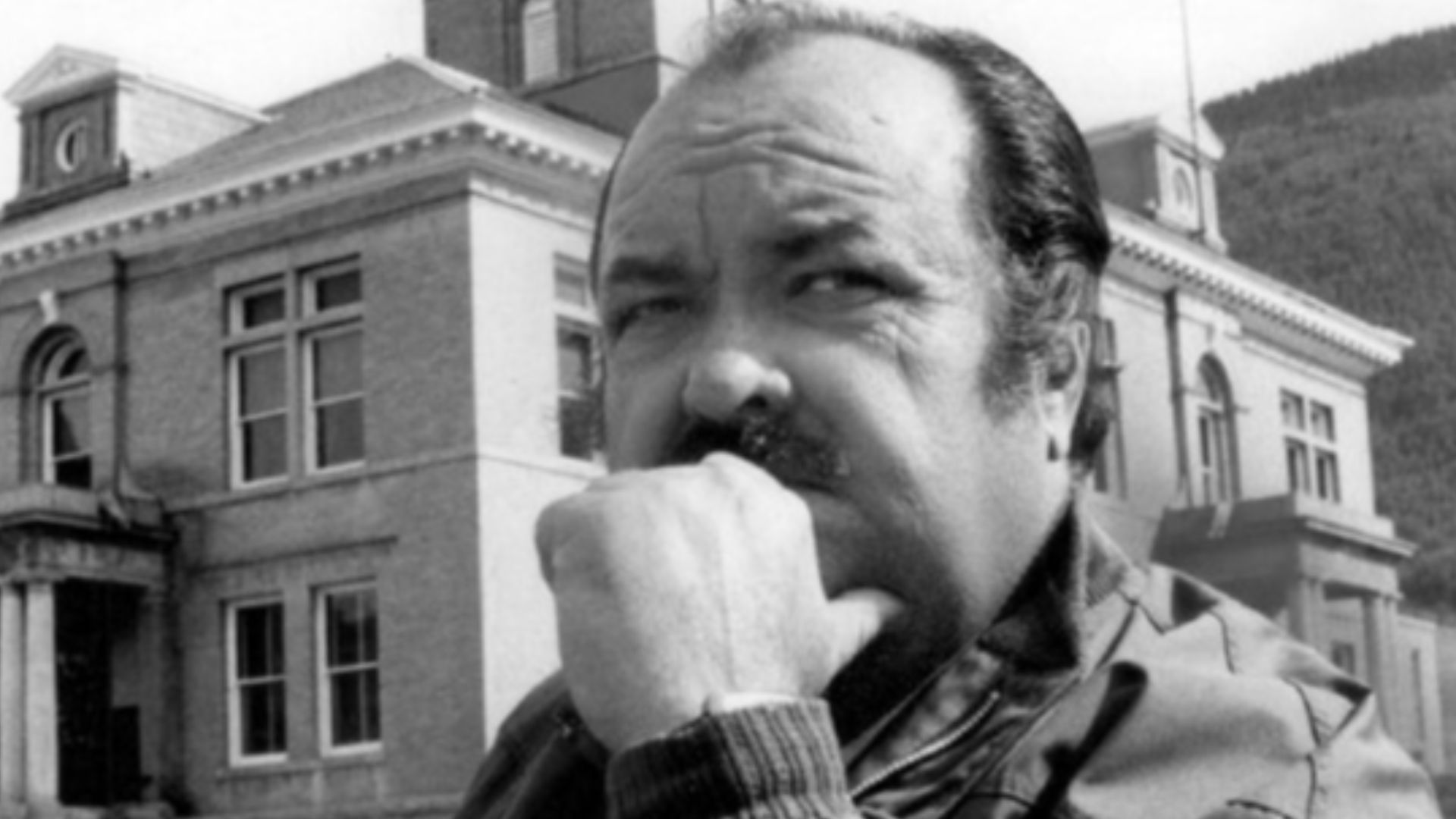
Frank Cannon Never Looked Like A Standard Action Hero
William Conrad's Frank Cannon stood apart from the lean, glamorous investigators surrounding him on television. A former police officer turned private investigator, Cannon was cultured, confident, well-read, and perfectly willing to confront suspects personally. The CBS series ran from 1971 through 1976 and earned Conrad two Emmy nominations for his performance.
 CBS Television, Wikimedia Commons
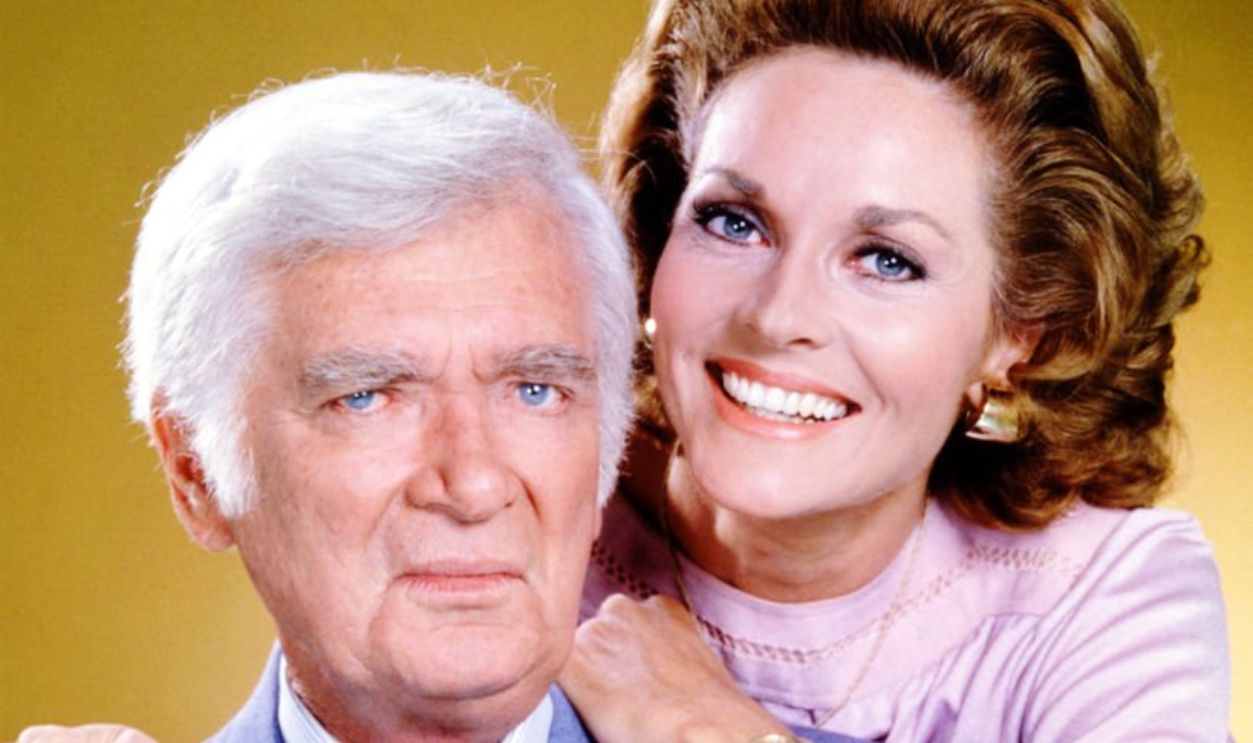
Barnaby Jones Made Retirement Look Temporary
Buddy Ebsen went from Jed Clampett on The Beverly Hillbillies to private detective Barnaby Jones without missing much of a beat. Barnaby had retired before the murder of his son pulled him back into investigative work alongside his daughter-in-law Betty, played by Lee Meriwether. The series lasted from 1973 until 1980, making the supposedly retired detective one of the decade's most persistent crime-solvers.
 Silver Screen Collection, Getty Images
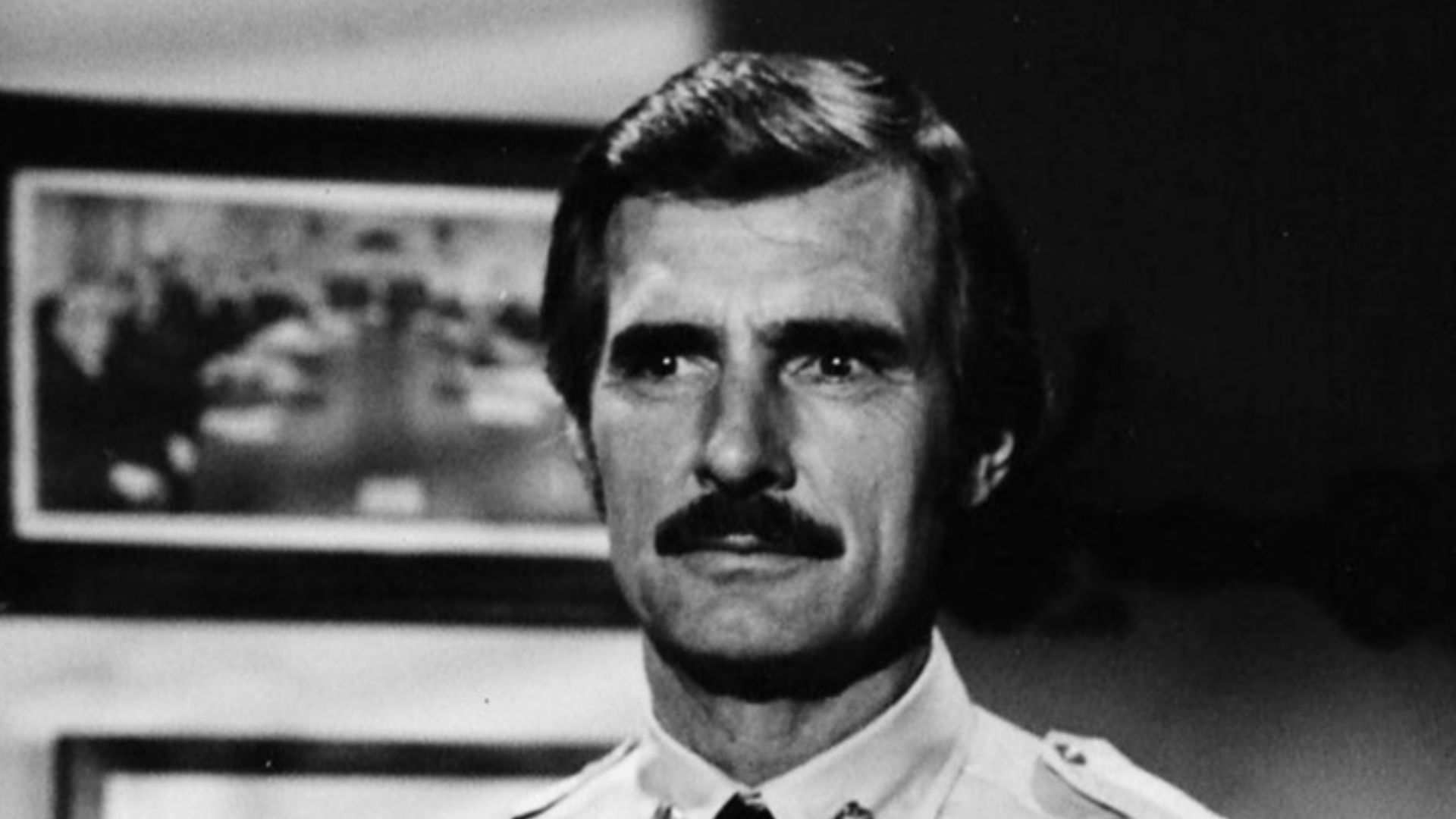
Sam McCloud Brought New Mexico To Manhattan
Dennis Weaver played Sam McCloud, a New Mexico lawman assigned to work with New York police. His western manners and cowboy hat looked wildly out of place among Manhattan detectives, which was exactly the point. McCloud lasted seven seasons and became one of the successful rotating attractions of NBC's Mystery Movie franchise.
 NBC Television, Wikimedia Commons
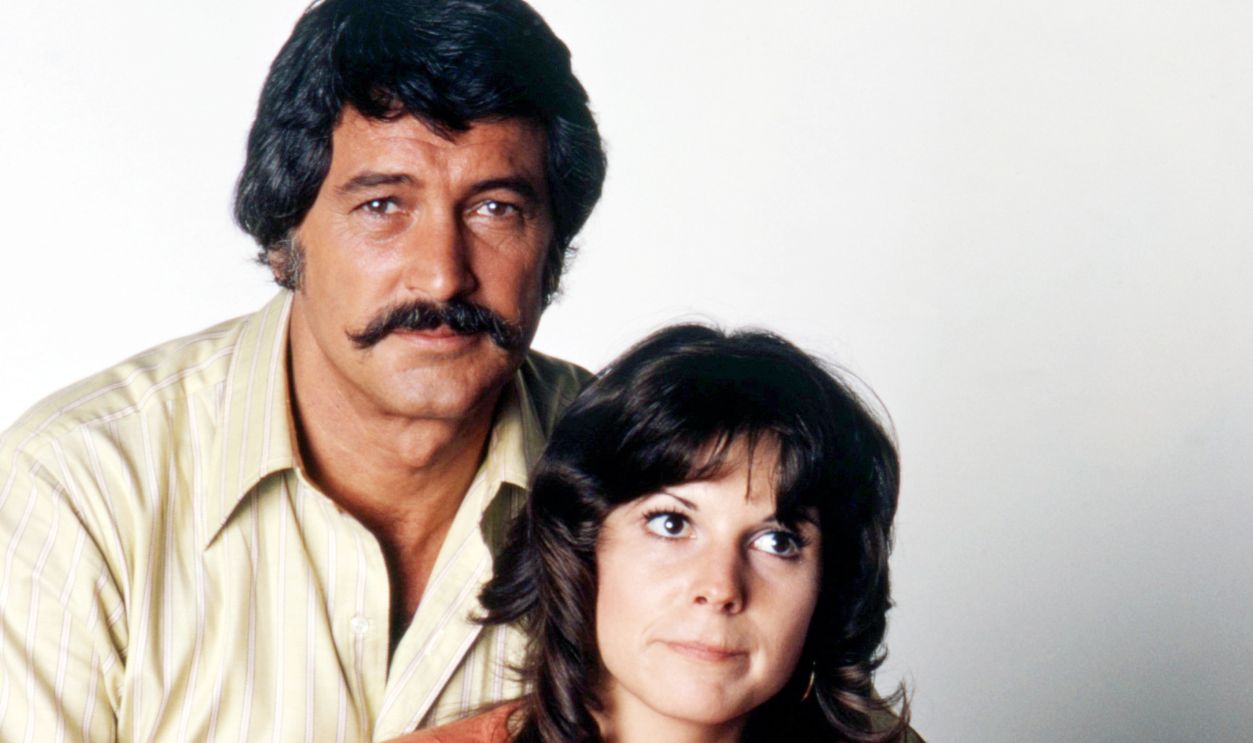
The McMillans Solved Crimes Between Dinner Parties
Rock Hudson played San Francisco Police Commissioner Stewart McMillan, while Susan Saint James played his inquisitive wife Sally. Their marriage gave McMillan & Wife a lighter tone than many police dramas, with domestic comedy mixing into murder investigations. The series shared NBC's famous mystery wheel with Columbo and McCloud and remained on television from 1971 through 1977.
 Silver Screen Collection, Getty Images
Banacek Made Impossible Thefts Look Easy
George Peppard's Thomas Banacek was not a police officer at all. He was a wealthy Boston insurance investigator who earned large recovery fees by explaining how seemingly impossible disappearances had been accomplished. Banacek lasted only two seasons, but its elaborate puzzles and Peppard's self-satisfied investigator made it one of the more distinctive entries in NBC's mystery rotation.
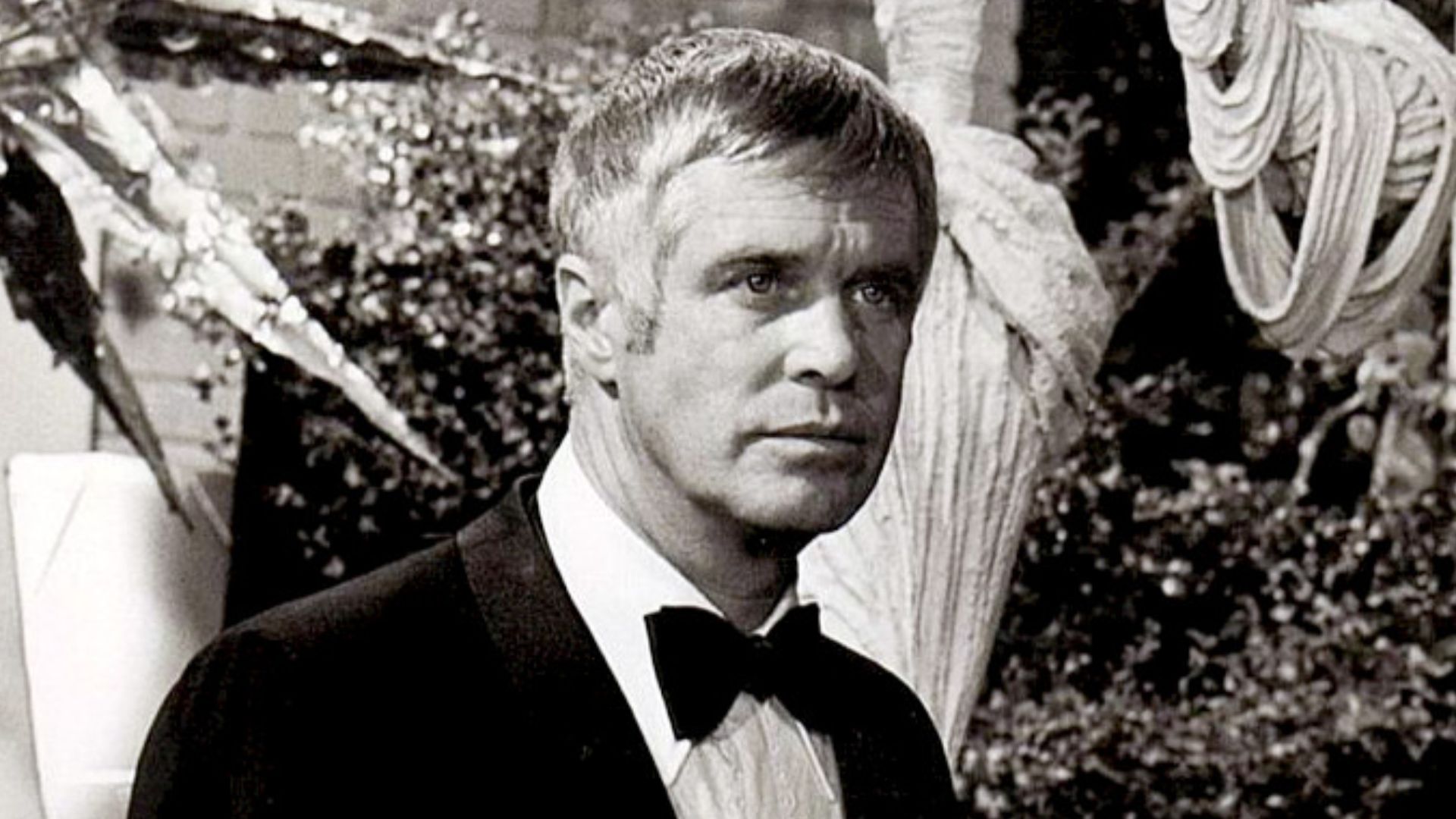 NBC Television, Wikimedia Commons
Harry Orwell Wanted A Quieter Life
David Janssen returned to series television as Harry Orwell, a former San Diego police officer who had become a private investigator. Harry carried an old injury, lived near the beach, and often seemed more tired than excited by the trouble that found him. Harry O ran on ABC from 1974 to 1976 and gave Janssen another memorable loner after The Fugitive.
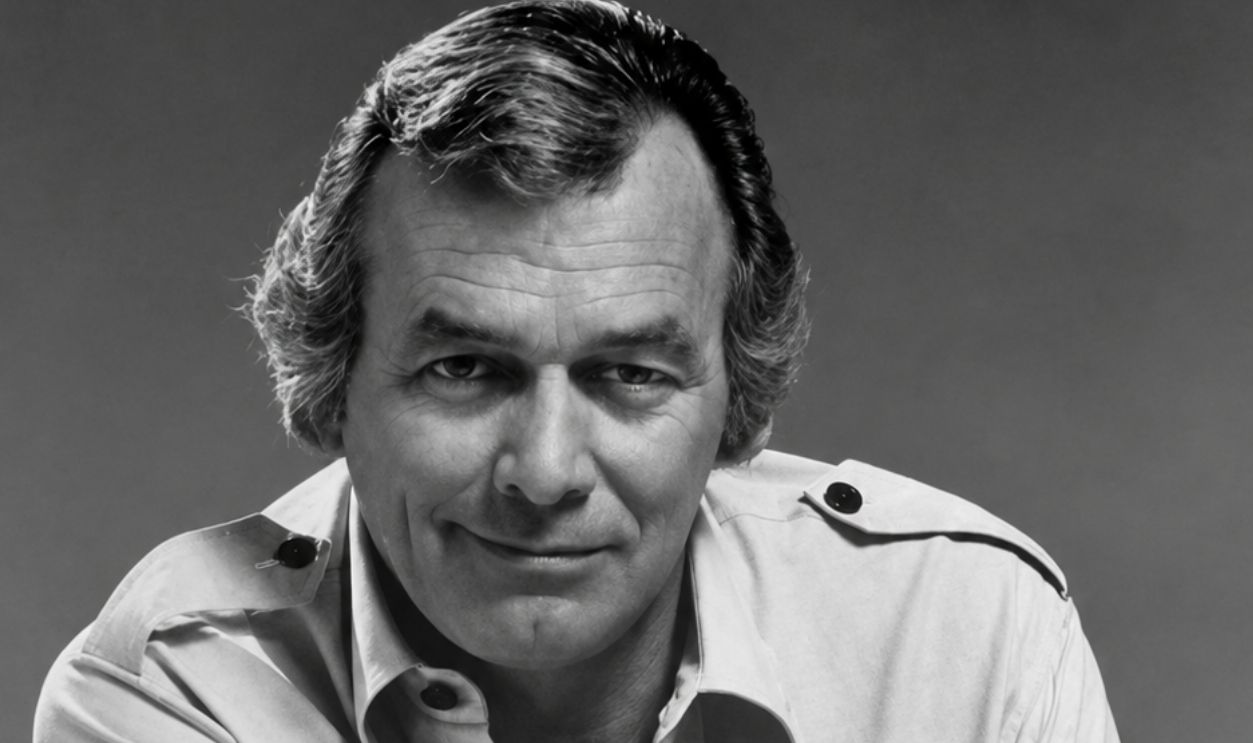 ABC Television, Wikimedia Commons, Enhanced
Ellery Queen Asked Viewers To Beat Him
Jim Hutton played mystery writer and amateur sleuth Ellery Queen in NBC's 1975 series. David Wayne played his father, Inspector Richard Queen, whose murder cases inevitably drew Ellery into the investigation. The clever gimmick came near the end, when Ellery directly challenged viewers to decide whether they had spotted the same clues he had.
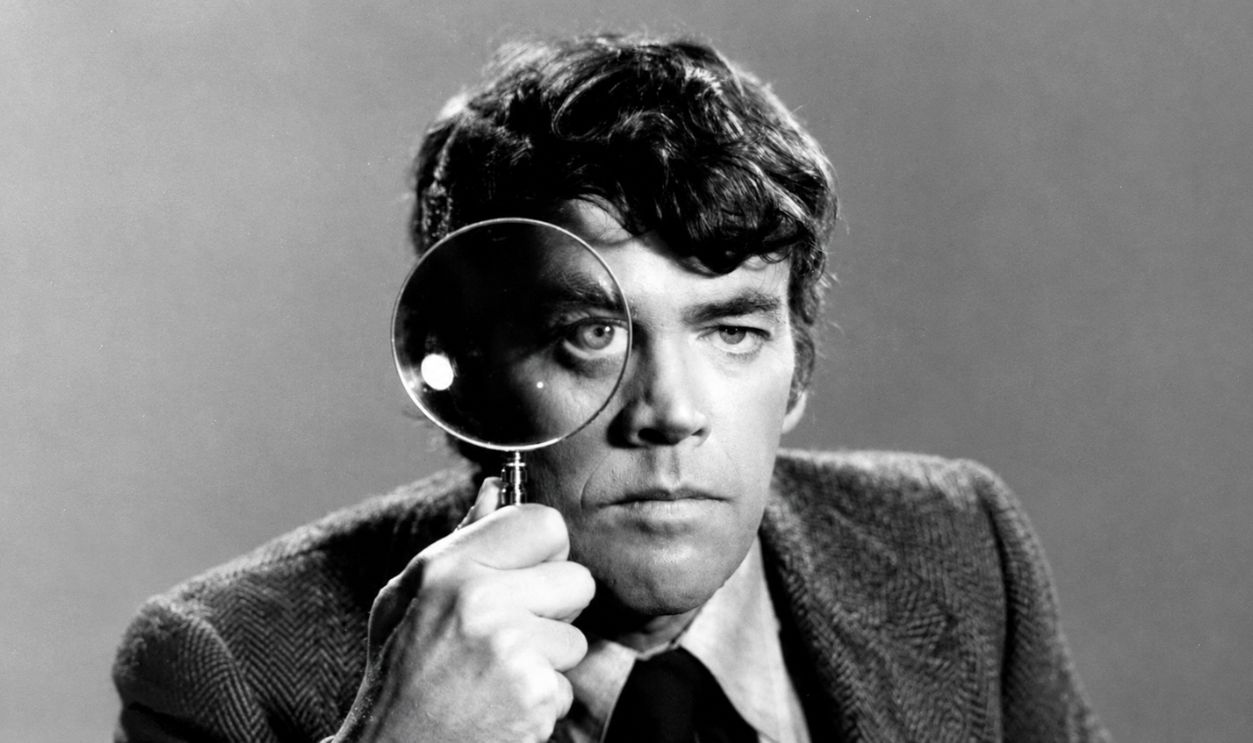 NBC Television (in clipping), Wikimedia Commons, Modified
Dan August Arrived Before Burt Reynolds Became Huge
Burt Reynolds played California police lieutenant Dan August before his movie career exploded. The ABC series lasted only one season from 1970 to 1971 and competed directly against the much stronger Hawaii Five-O. Reynolds soon became such a major film star that the short-lived detective role turned into an interesting footnote from the moment before everything changed.
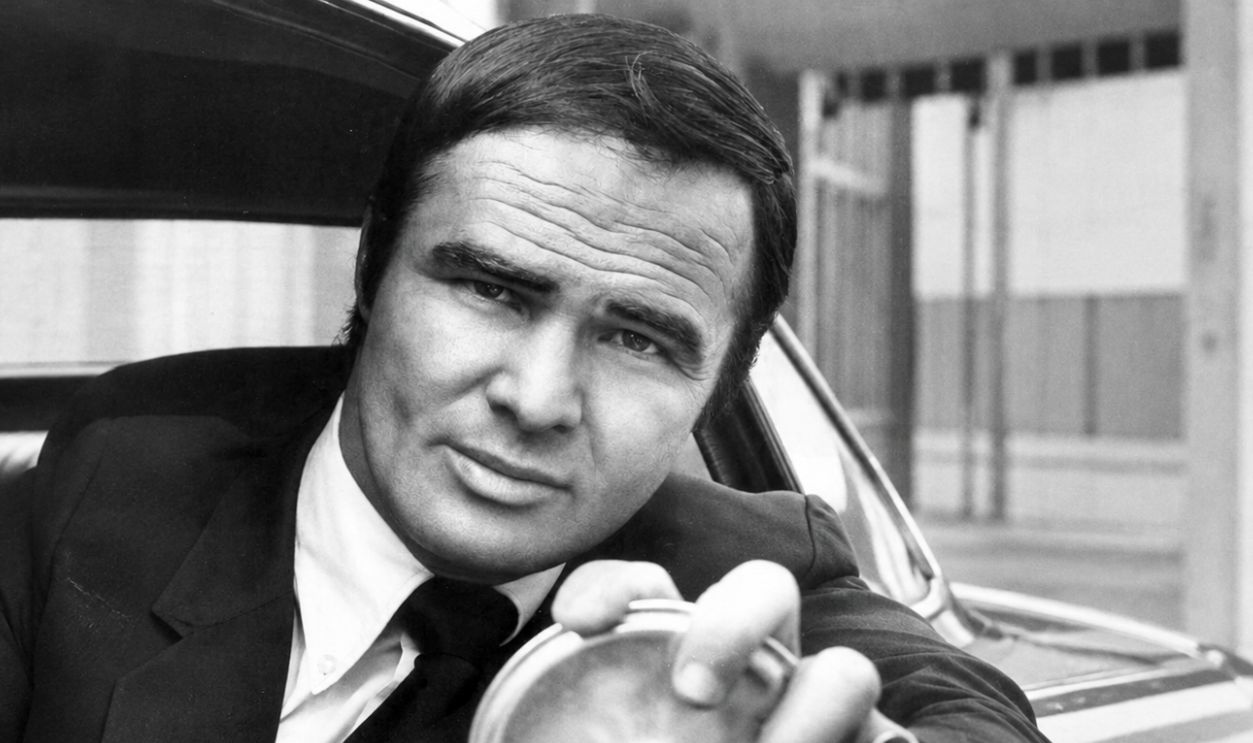 ABC Television, Wikimedia Commons, Modified
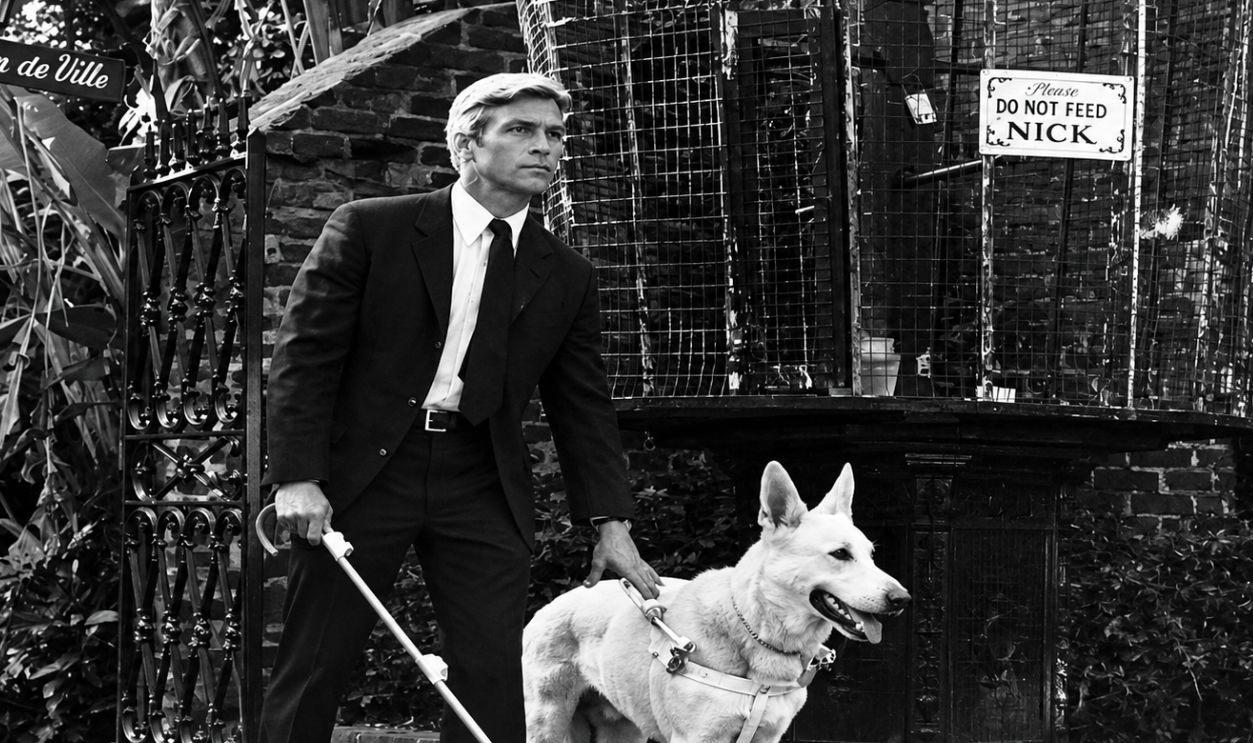
Mike Longstreet Solved Cases Without Sight
James Franciscus played insurance investigator Mike Longstreet, who lost his sight in the explosion that killed his wife. Rather than abandon investigative work, Longstreet learned new ways to navigate cases with help from teacher Nikki Bell and guide dog Pax. The 1971 ABC series also became notable for appearances by Bruce Lee as martial-arts instructor Li Tsung.
 ABC Television, Wikimedia Commons, Enhanced
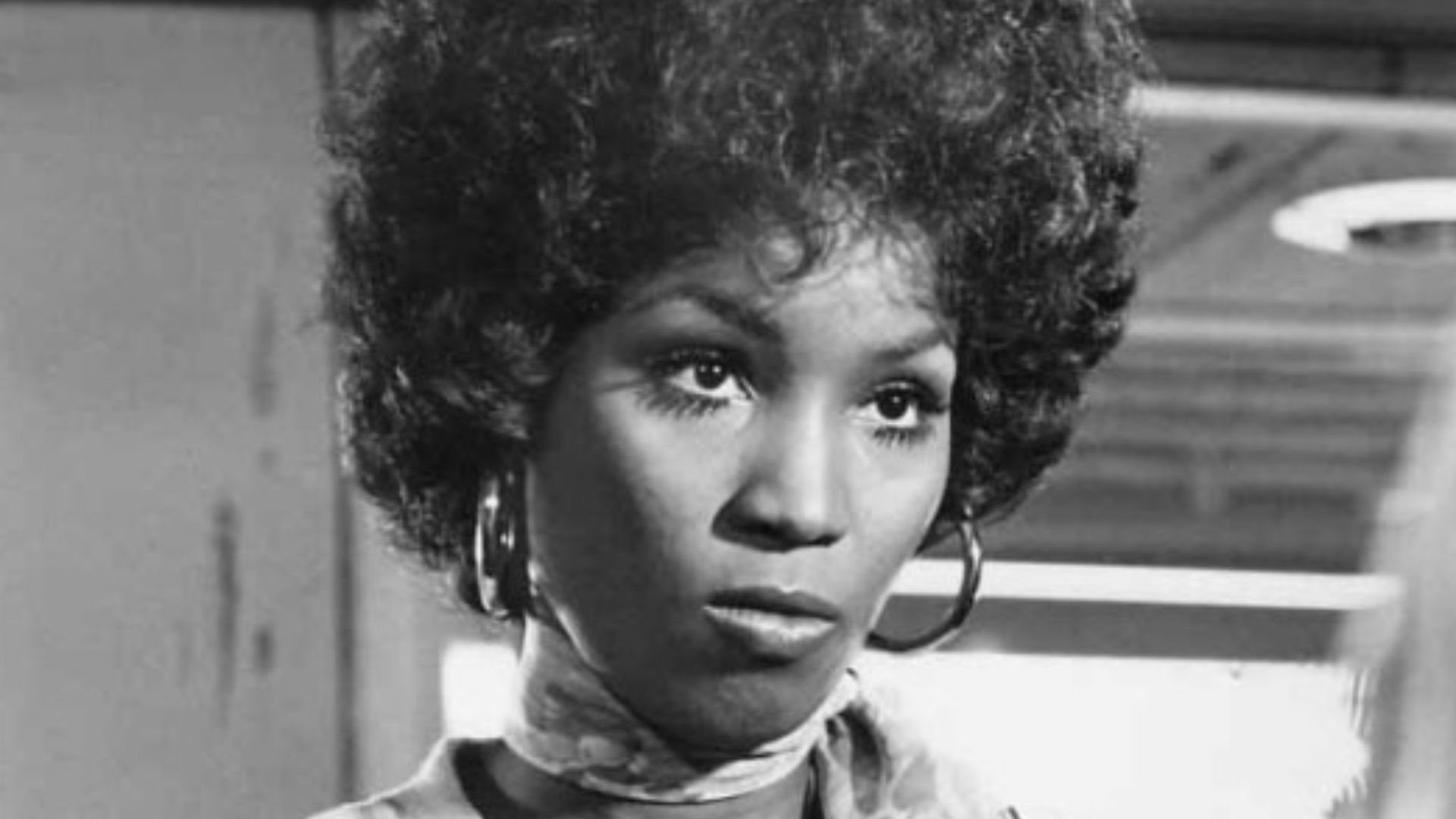
Christie Love Made Television History
Teresa Graves starred as undercover detective Christie Love in the 1974 ABC series Get Christie Love!. Graves became one of the first Black women to headline an American network drama, decades before that distinction became common enough to stop making headlines. The show lasted only one season, but Christie's confidence and memorable arrest routine gave the character a cultural footprint much larger than the episode count suggests.
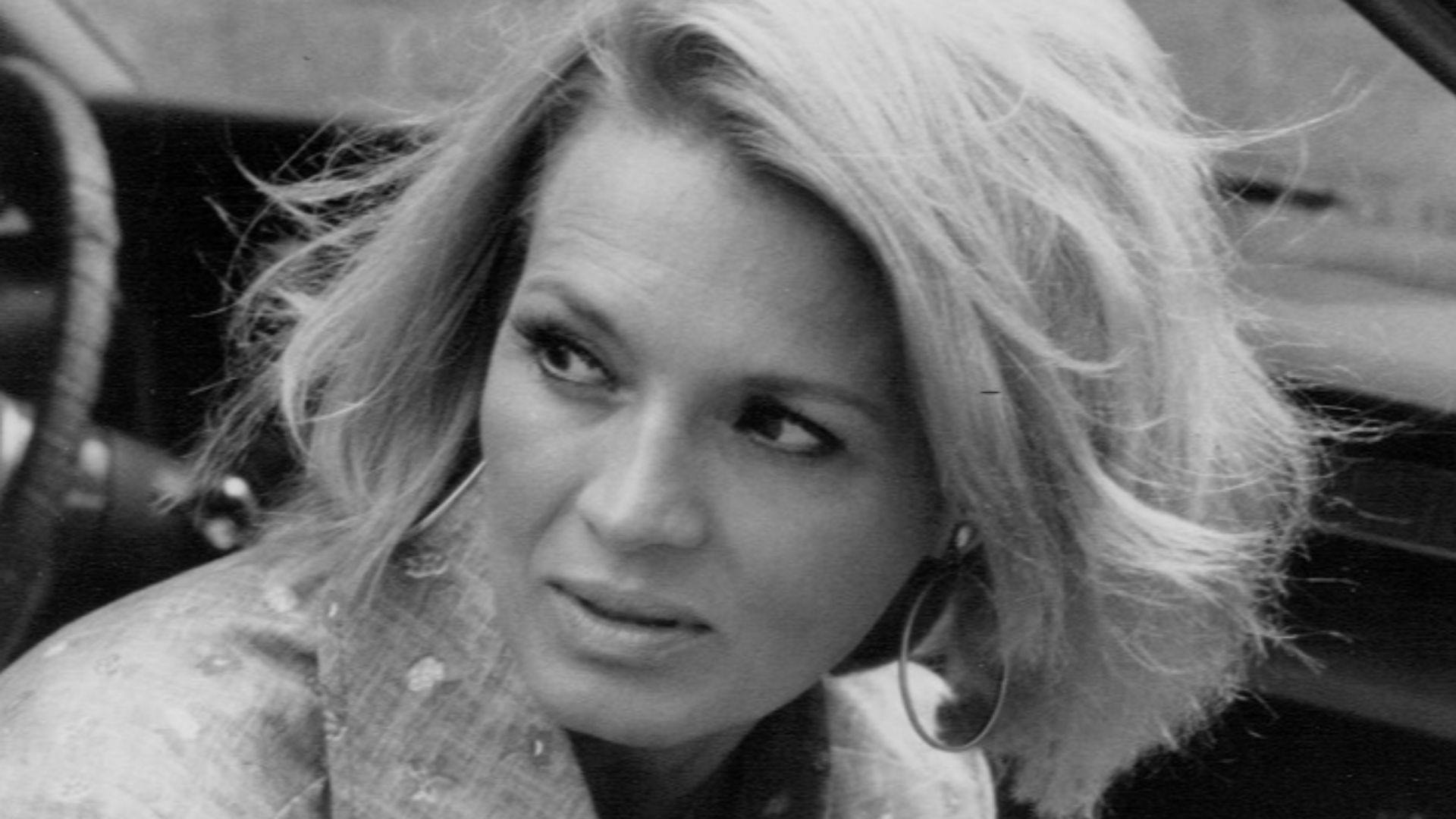
Pepper Anderson Became A Household Name
Angie Dickinson starred as Los Angeles police sergeant Suzanne "Pepper" Anderson on Police Woman. The series grew out of an appearance on Police Story and ran on NBC from 1974 through 1978. Dickinson received repeated Emmy nominations, and the program helped prove that a woman could carry a network police drama week after week.
 Columbia Pictures Television, Wikimedia Commons
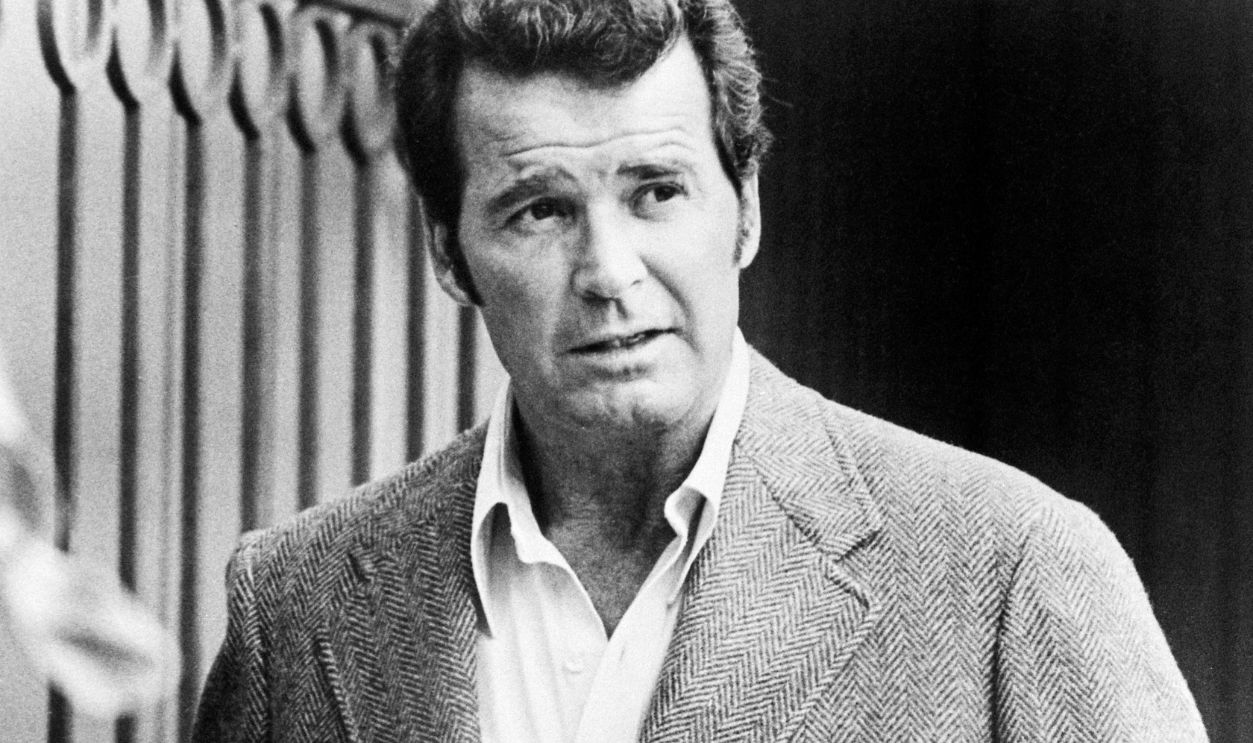
Jim Rockford Was The Detective Who Hated Getting Hit
James Garner's Jim Rockford lived in a trailer, kept his fees relatively modest, and had very little interest in looking heroic for its own sake. Unlike many private eyes, Rockford often tried to talk his way out of fights and treated unpaid bills as an occupational hazard. Garner won an Emmy for the role, while The Rockford Files became one of the decade's most acclaimed detective shows.
 Silver Screen Collection, Getty Images
Dan Tanna Made Las Vegas His Office
Robert Urich's Dan Tanna cruised through Las Vegas in a red Thunderbird while investigating trouble for casino owners, visitors, and local clients. Vega$ debuted in 1978 and turned the neon Strip into a weekly backdrop for private-eye stories. Urich became so associated with the character that the real Los Angeles restaurateur whose name inspired Dan Tanna later joked that strangers expected him to look like the actor.
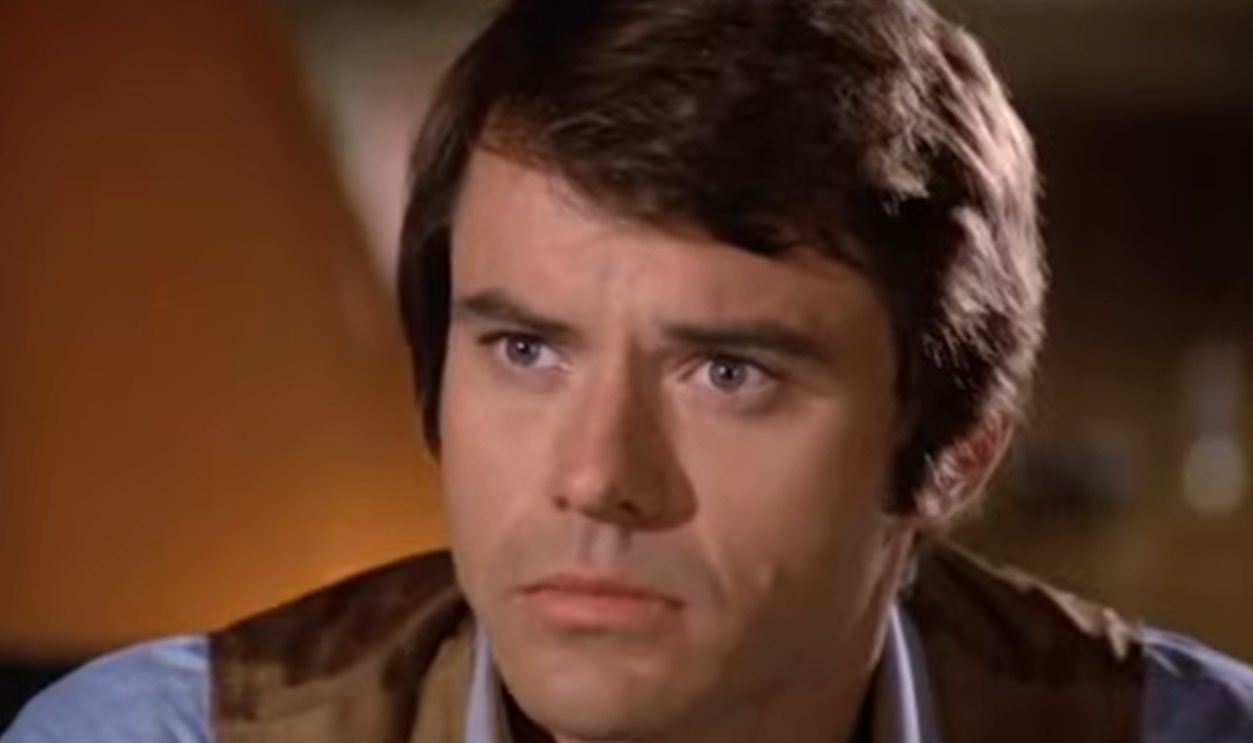 Screenshot from Vega$, Metromedia Producers Corporation (1978–1981)
Tony Baretta Lived By His Own Rules
Robert Blake played undercover New York detective Tony Baretta, an unorthodox cop who was rarely interested in doing things by the book. His pet cockatoo Fred, casual clothes, street contacts, and blunt expressions made him easy to imitate. The series ran for four seasons, and Blake received multiple Emmy nominations for the role.
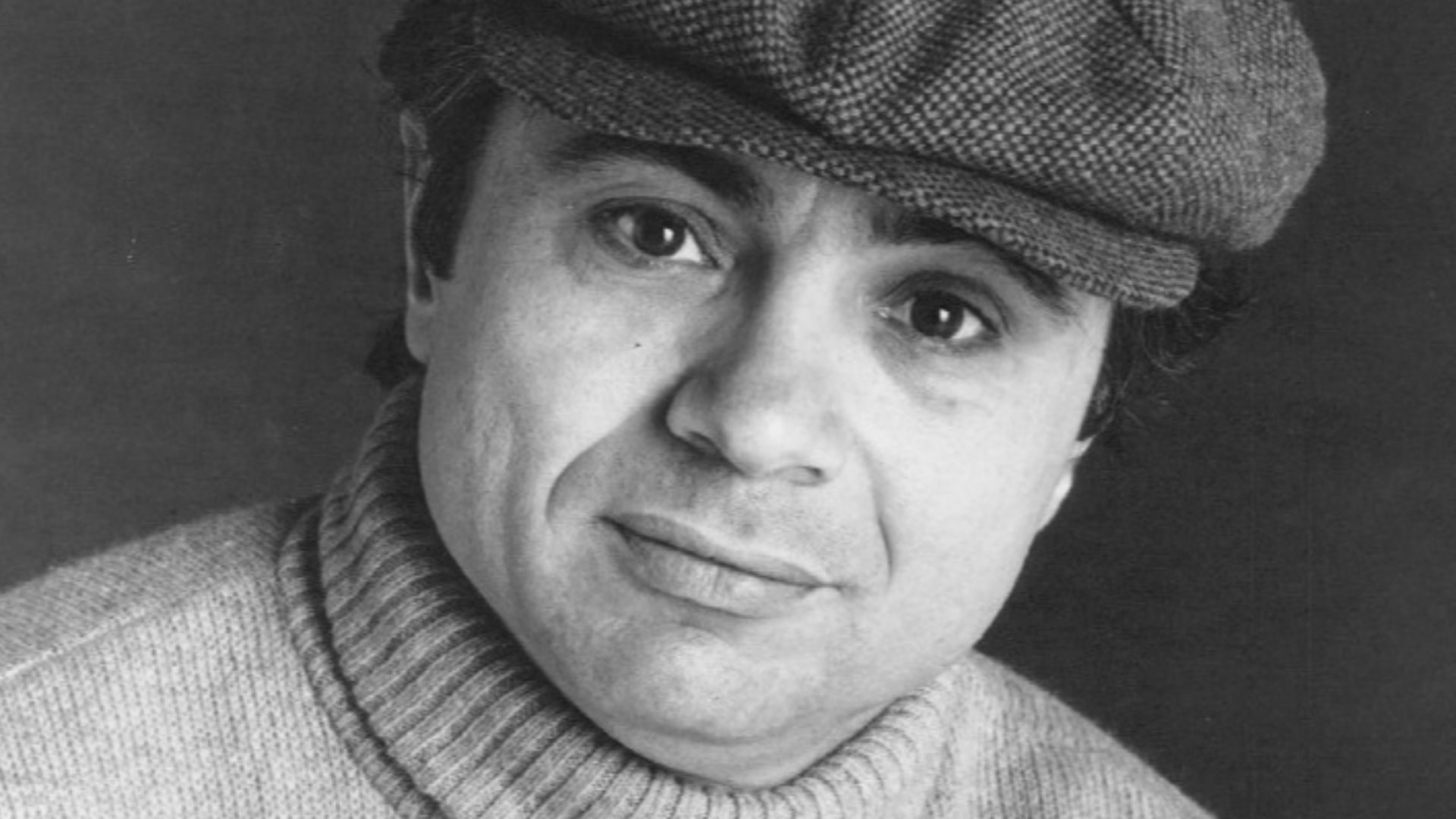 ABC Television, Wikimedia Commons
Theo Kojak Made A Lollipop Look Tough
Telly Savalas turned Lieutenant Theo Kojak into one of television's defining 1970s detectives. Bald, stylish, blunt, and frequently carrying a lollipop, Kojak seemed more like a fully formed celebrity than a routine police character. Savalas won the 1974 Emmy for lead actor in a drama, and the series collected 15 Emmy nominations during its run.
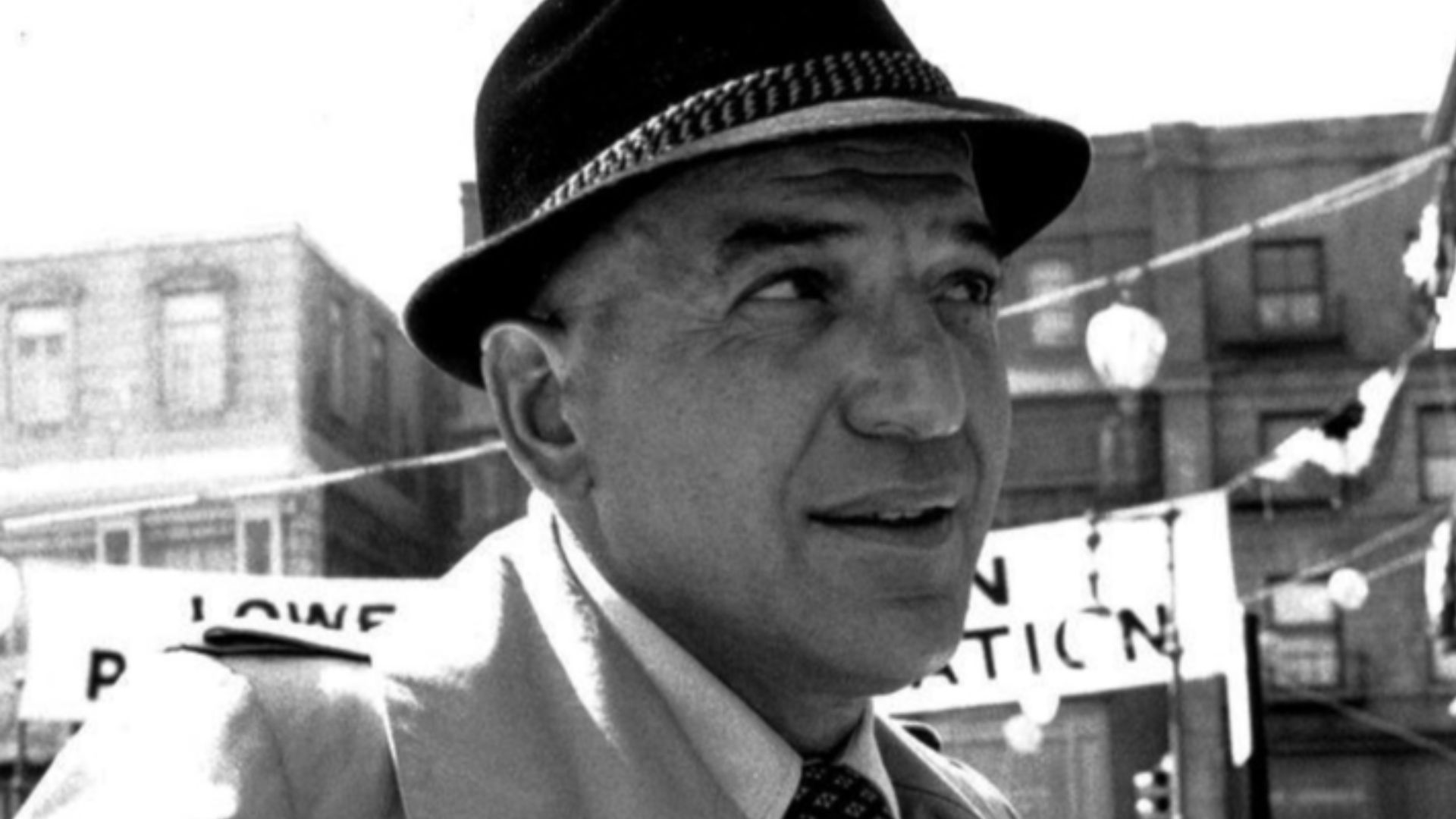 CBS Television, Wikimedia Commons
Stone And Keller Owned San Francisco
Karl Malden's veteran Lieutenant Mike Stone and Michael Douglas's younger Inspector Steve Keller patrolled a version of San Francisco that became almost another character in the show. Their relationship mixed police work with a mentor-and-student dynamic, with Stone gradually becoming a second father figure to Keller. The Streets of San Francisco ran for five seasons and accumulated 16 Emmy nominations.
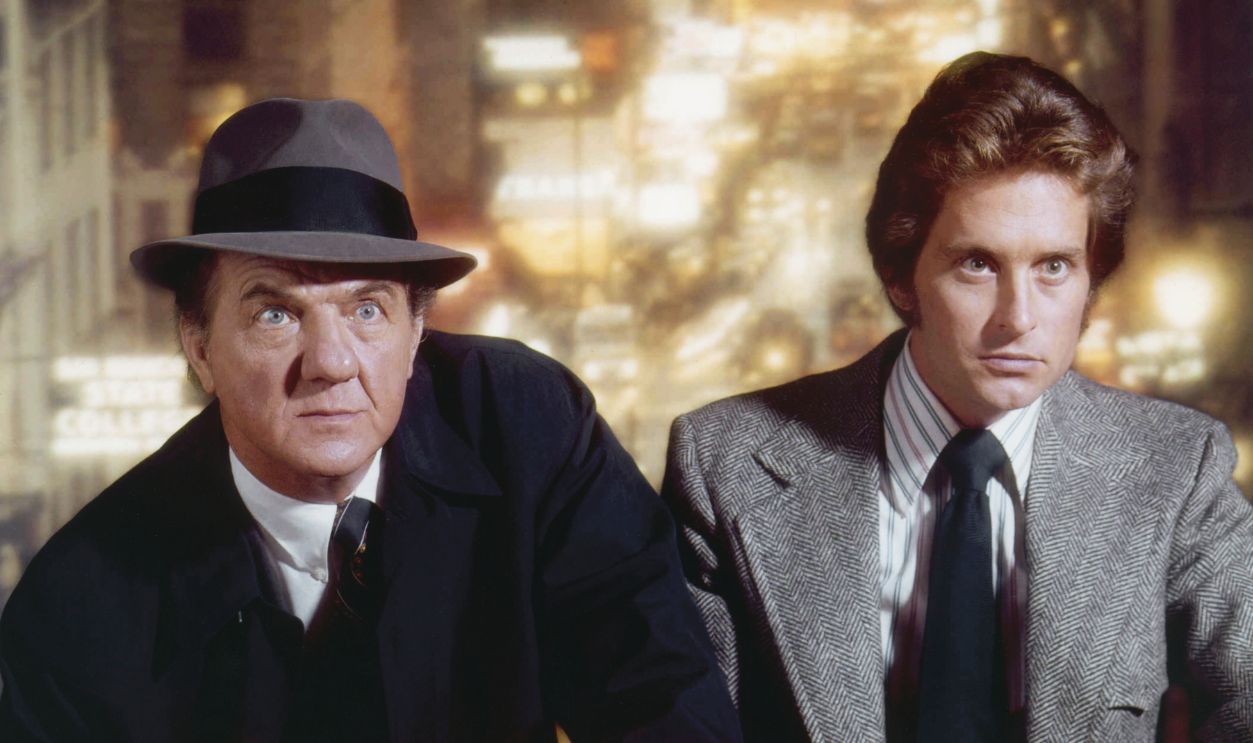 Sunset Boulevard, Getty Images
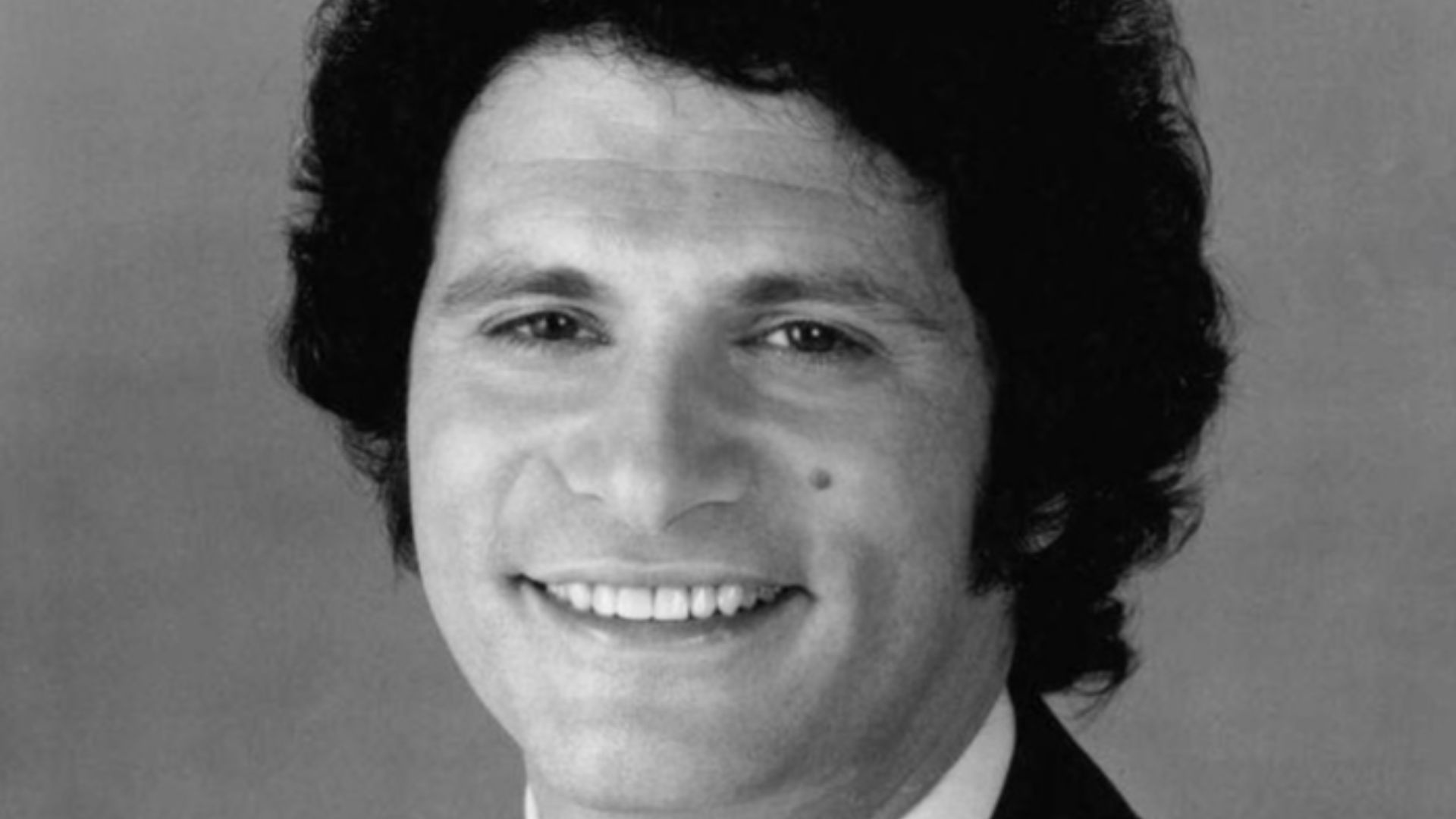
Dave Toma Was Based On A Real Detective
Tony Musante starred as Dave Toma, an undercover officer inspired by real New Jersey detective David Toma. The television version specialized in disguises and unconventional methods while working cases that often brought him directly into criminal organizations. Musante left after one season, and the basic concept was subsequently reworked into Baretta.
 ABC Television, Wikimedia Commons
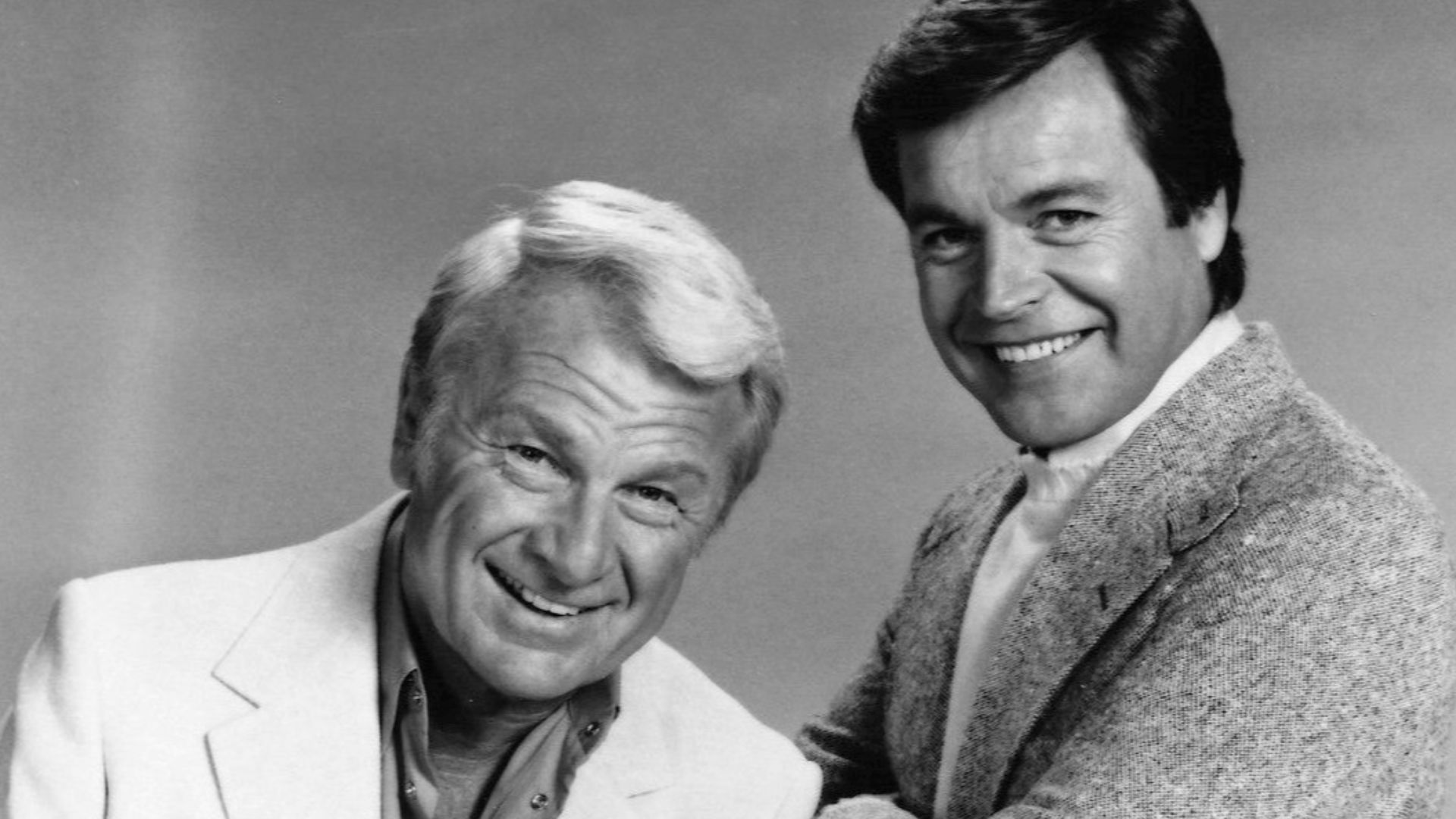
Switch Made A Cop And Con Artist Partners
Robert Wagner played Pete Ryan, a former con artist who teamed with retired police officer Frank MacBride, played by Eddie Albert. Their detective agency thrived on Ryan's knowledge of tricks and MacBride's law-enforcement experience. CBS kept Switch on the air from 1975 through 1978, making the mismatched partnership familiar long before buddy-investigator formulas became everywhere.
 CBS Television, Wikimedia Commons
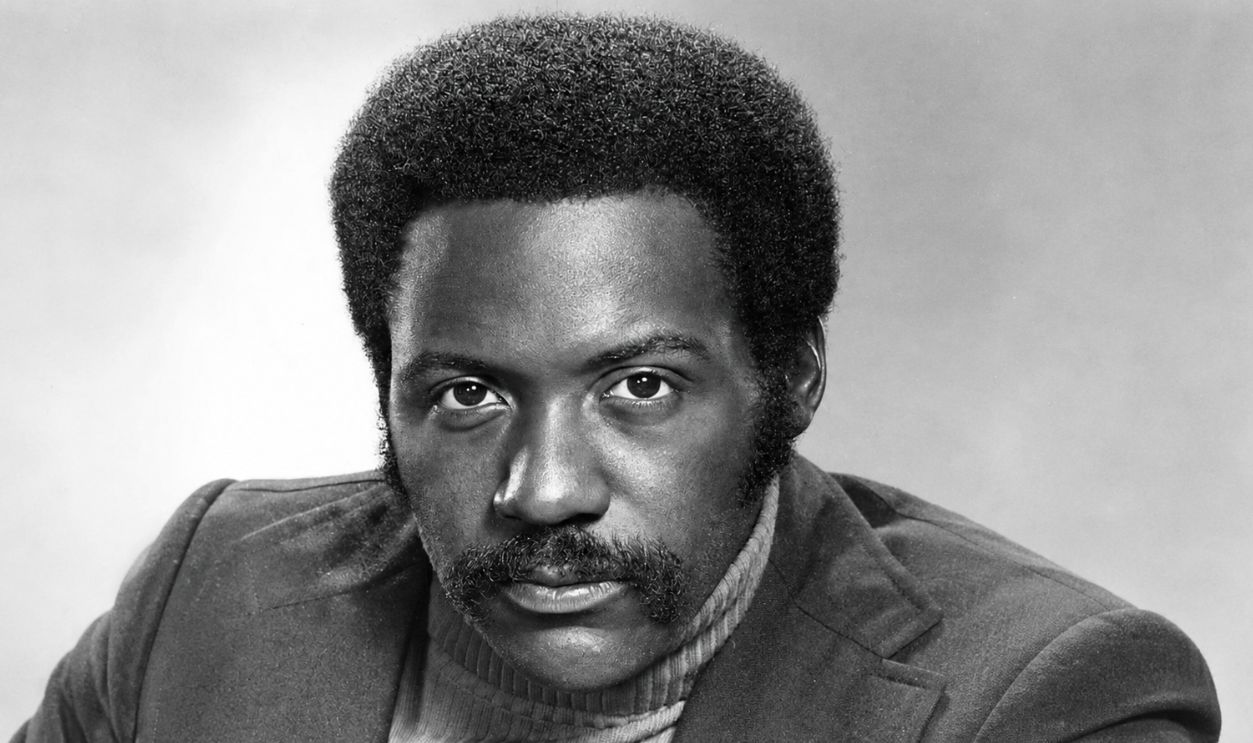
John Shaft Briefly Moved To Television
Richard Roundtree's John Shaft had already become a movie icon when CBS brought the character to television in 1973. The TV version placed Shaft into a series of feature-length mysteries while keeping Roundtree in the role that had made him famous. The experiment was brief, but it remains an unusual moment when one of the era's biggest movie detectives became a network television regular.
 CBS Television, Wikimedia Commons, Modified
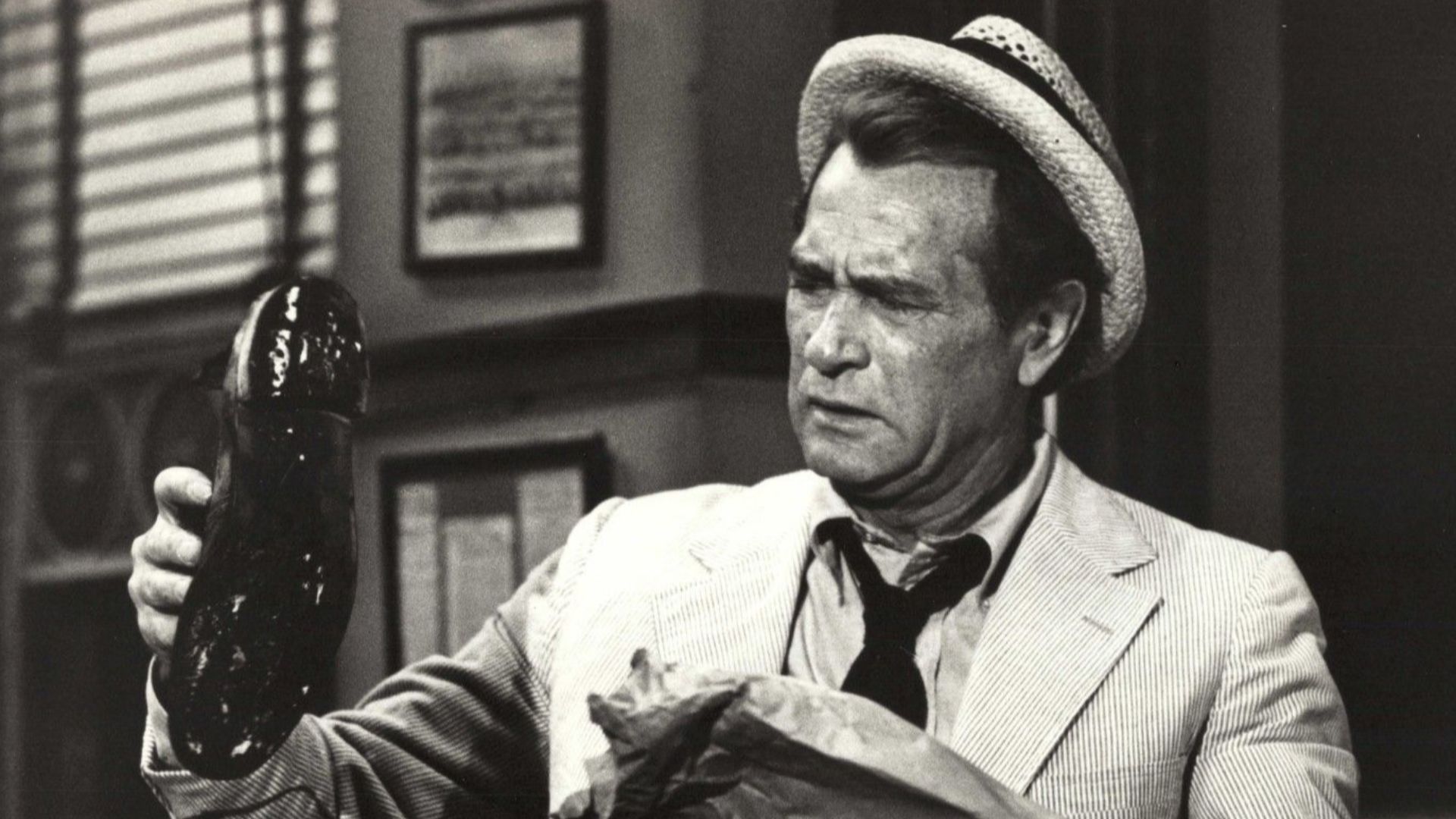
Carl Kolchak Investigated What Police Wouldn't
Darren McGavin's Carl Kolchak was technically a newspaper reporter, but few television characters spent more time investigating impossible cases. After two successful TV movies, Kolchak: The Night Stalker sent him after mysteries involving creatures and unexplained events that authorities usually refused to believe. The series lasted only one season, but its mixture of investigation and supernatural suspense became hugely influential.
 ABC Television, Wikimedia Commons
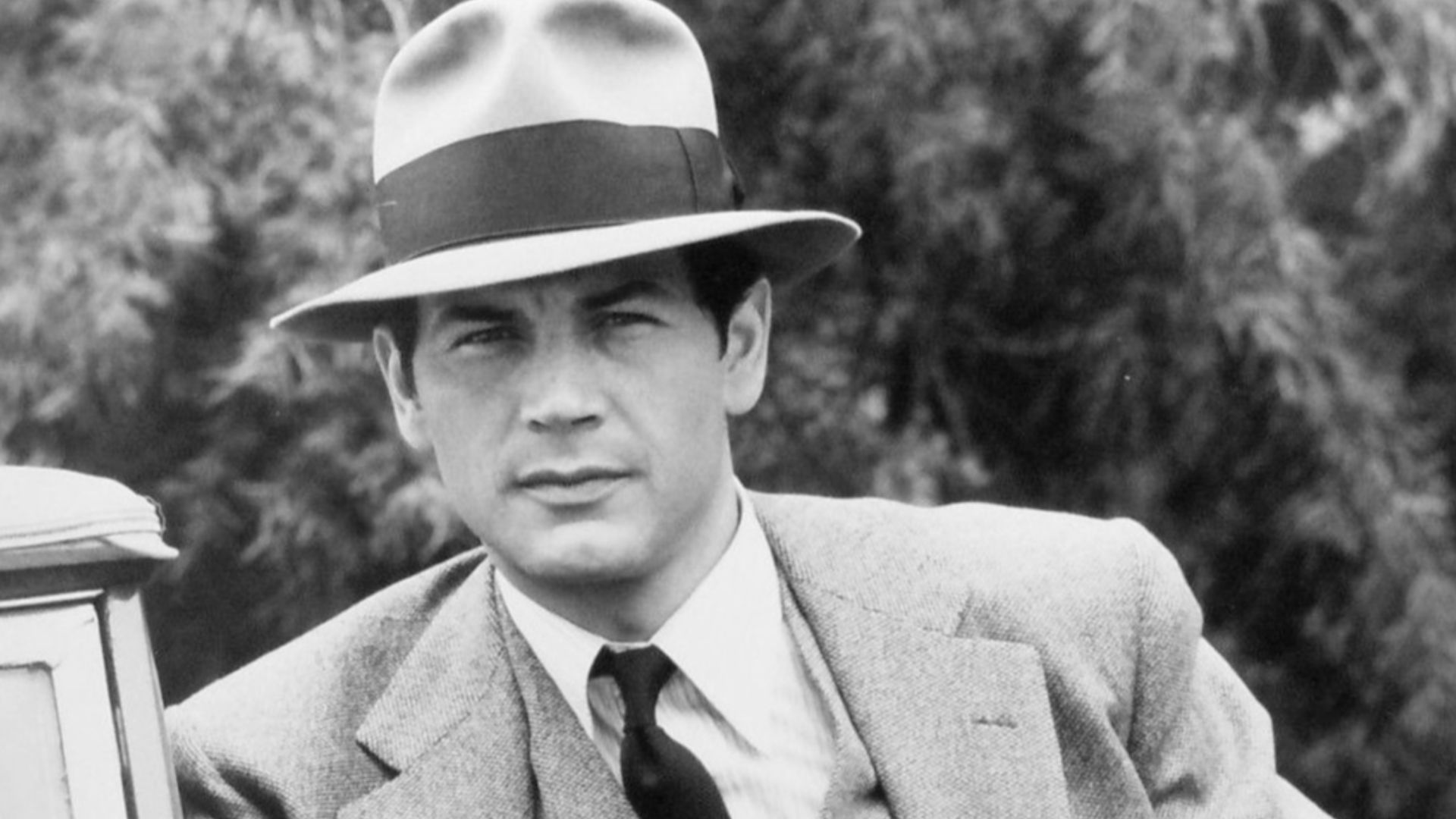
Banyon Tried To Revive The Old-School Private Eye
Robert Forster starred as Miles Banyon, a Los Angeles private detective working in a deliberately old-fashioned setting. The 1972 NBC series leaned into period-noir style at a moment when most television crime shows were aggressively contemporary. Despite producer Quinn Martin's involvement, Banyon survived for only 15 regular episodes after its TV-movie pilot.
 NBC Television, Wikimedia Commons
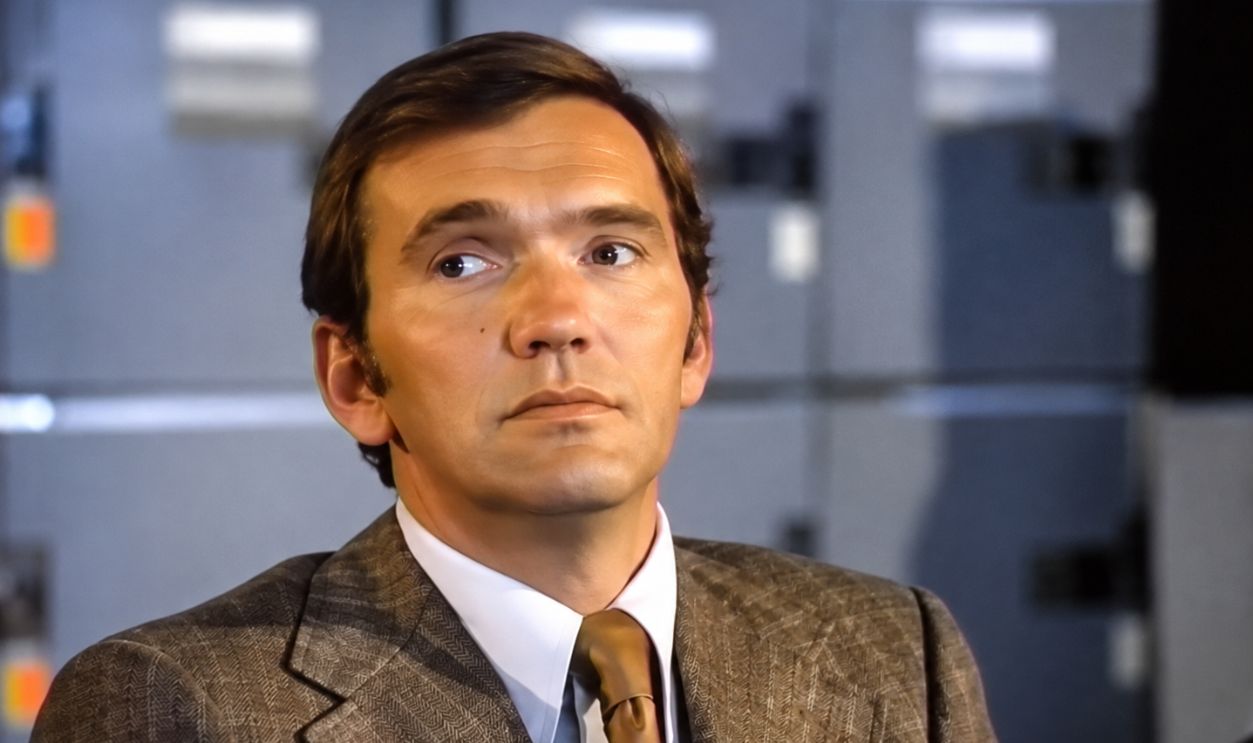
Frank Dain Put The Pieces Together
James Wainwright played Lieutenant Frank Dain in the unusually titled Jigsaw. Dain worked for the California State Police and specialized in missing-person cases, traveling around the state as clues gradually fit together. The show appeared during the 1972-73 season as one part of ABC's rotating The Men programming experiment.
 Screenshot from Jigsaw, Universal Television (1972–1973), Enhanced
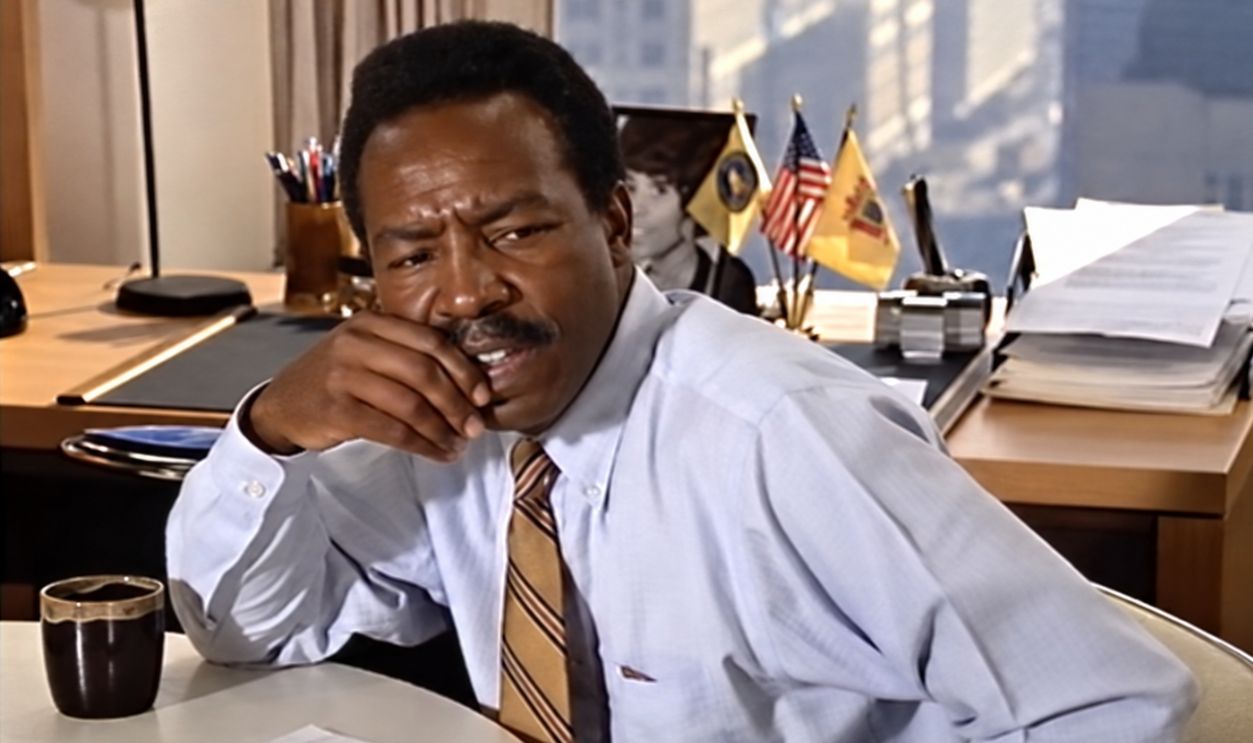
Harry Tenafly Preferred Thinking To Fighting
James McEachin's Harry Tenafly was deliberately different from the hard-hitting investigators around him. A former police officer working for a Los Angeles detective agency, Tenafly was a married family man who relied more heavily on patient legwork and reasoning than physical confrontation. Created by Richard Levinson and William Link, the short-lived series appeared as part of NBC's mystery wheel in 1973.
 Screenshot from Tenafly, Universal Television (1973–1974), Enhanced
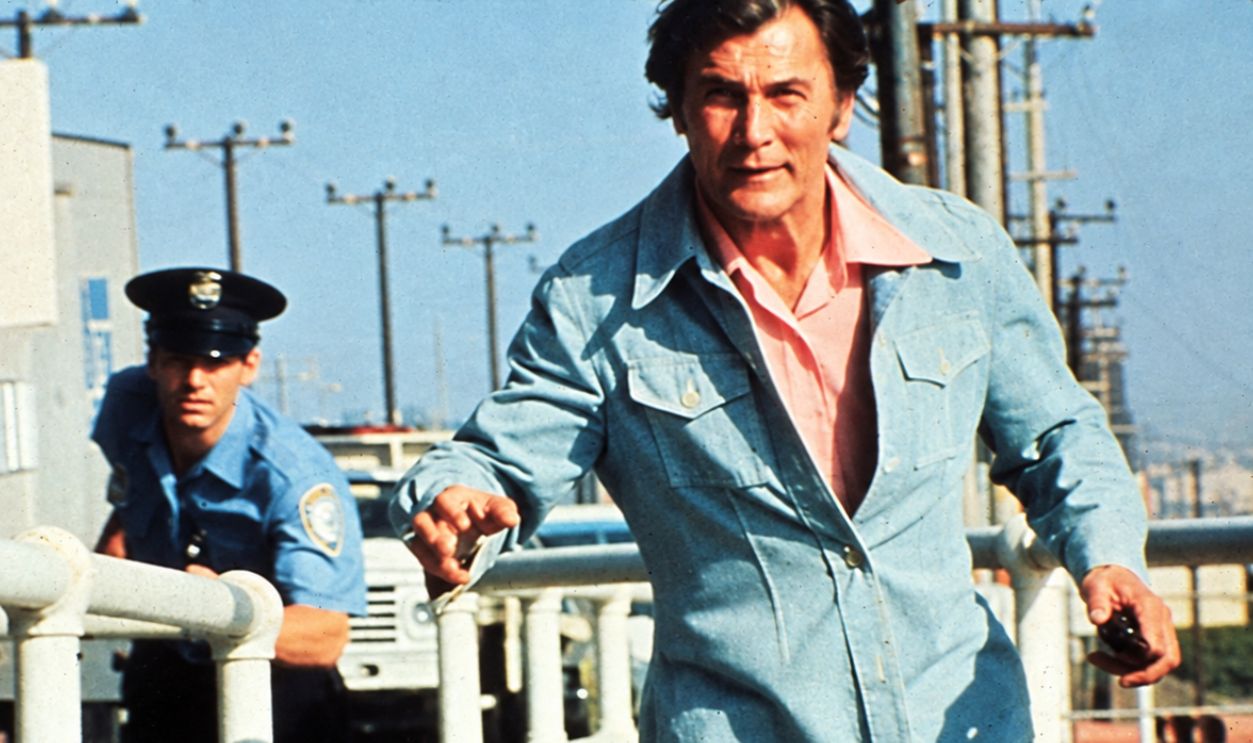
Alex Bronkov Was Known Simply As Bronk
Jack Palance brought his unmistakable presence to Detective Lieutenant Alex Bronkov in Bronk. The character worked in fictional Ocean City, California, taking on difficult investigations while Palance supplied the intensity audiences already knew from his film career. Created by Carroll O'Connor, the CBS series lasted 24 episodes during the 1975-76 season.
 United Archives, Getty Images, Enhanced
Dominick Delvecchio Studied Law After Work
Before Taxi made Judd Hirsch a comedy star, he played LAPD detective Dominick Delvecchio. The character investigated crimes while studying to become a lawyer, giving the series an extra professional ambition beyond the usual police formula. Delvecchio ran during the 1976-77 season and also featured future Hill Street Blues regular Charles Haid.
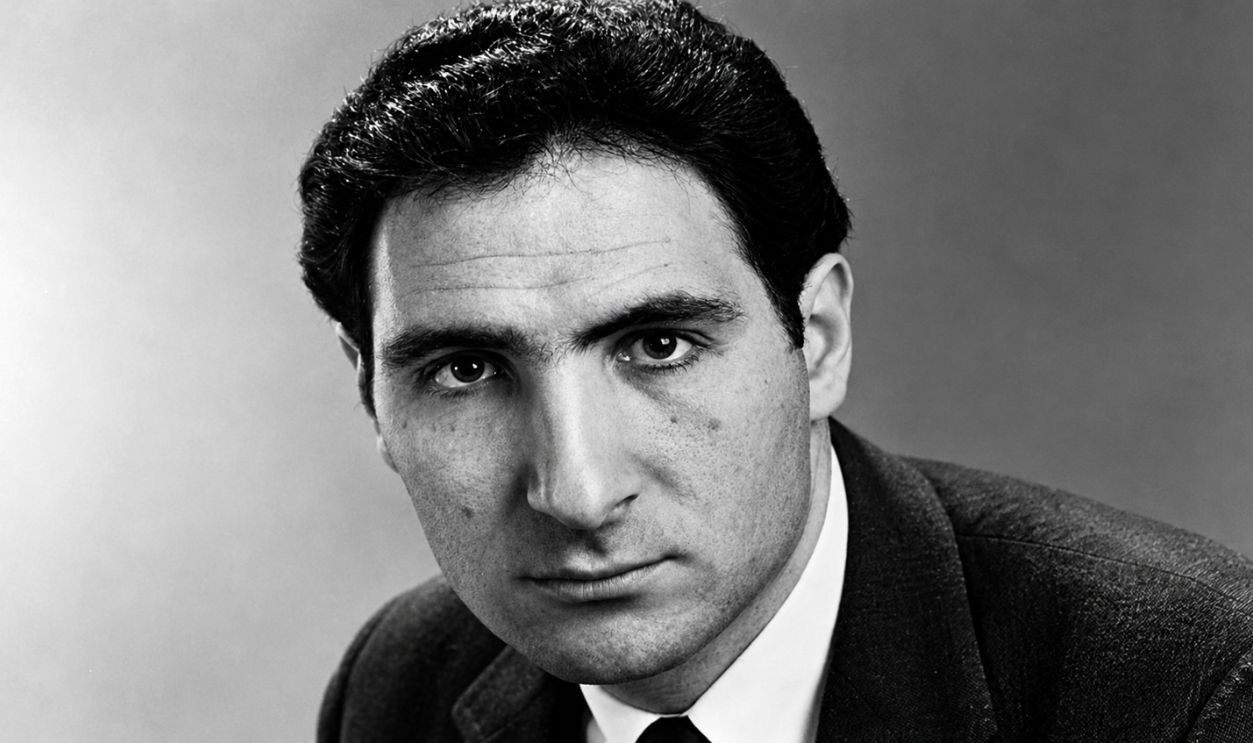 Unknown author, Wikimedia Commons, Modified
Eddie Capra Investigated His Own Cases
Vincent Baggetta played Eddie Capra, a Los Angeles attorney who often seemed more interested in solving murders than simply defending his clients. Each mystery pushed Capra out of the office and into detective work as he tried to identify the actual culprit. NBC aired the series during the 1978-79 season, but only 13 episodes followed the pilot.
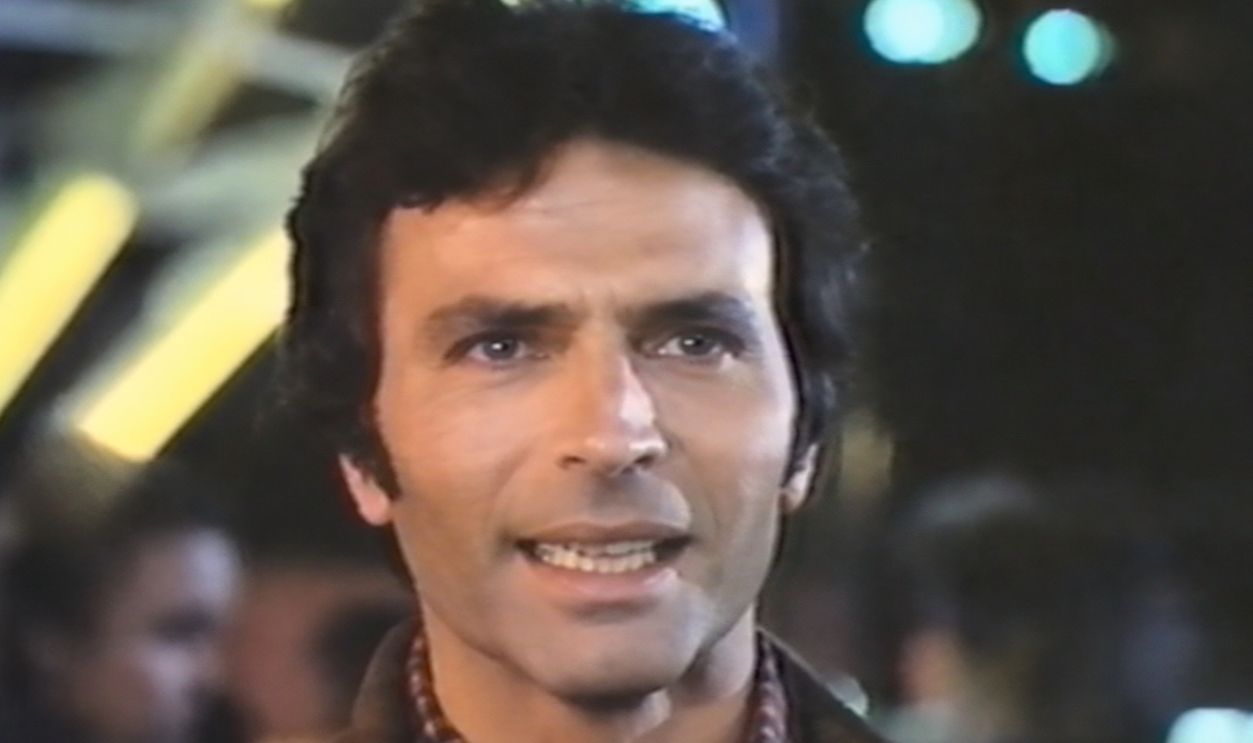 Screenshot from The Eddie Capra Mysteries, Universal Television (1978–1979), Enhanced
Richie Brockelman Looked Too Young For The Job
Dennis Dugan's Richie Brockelman was a private investigator whose youthful appearance constantly made clients and suspects underestimate him. Stephen J. Cannell and Steven Bochco created the character, who first gained exposure through a crossover with The Rockford Files. His own NBC series lasted just five episodes in 1978, making him one of the decade's most fleeting private eyes.
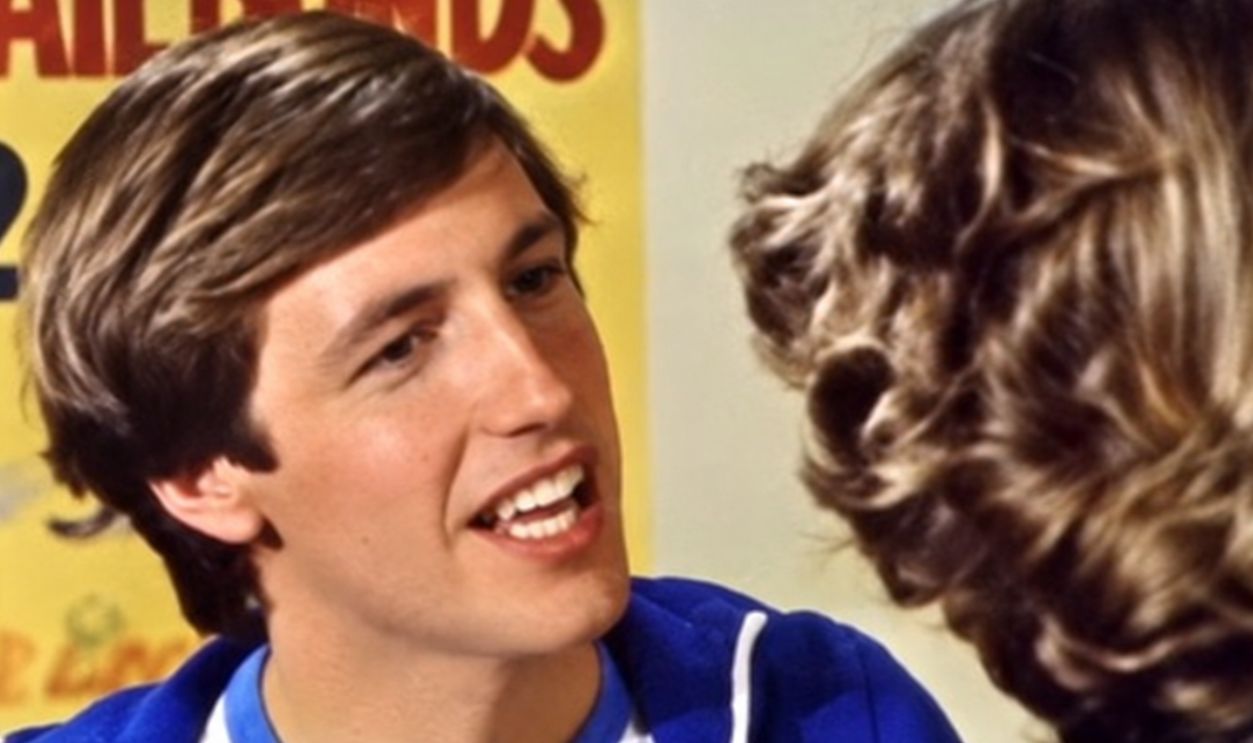 Screenshot from Richie Brockelman, Private Eye, Universal Television (1978), Enhanced
Matt Helm Traded Espionage For Detective Work
Anthony Franciosa played Matt Helm in a 1975 television reinvention of the character previously associated with novels and Dean Martin films. Instead of continuing as an international secret agent, this Helm worked as a Los Angeles private investigator. ABC aired 13 regular episodes, but the revised version never displaced memories of the earlier screen incarnation.
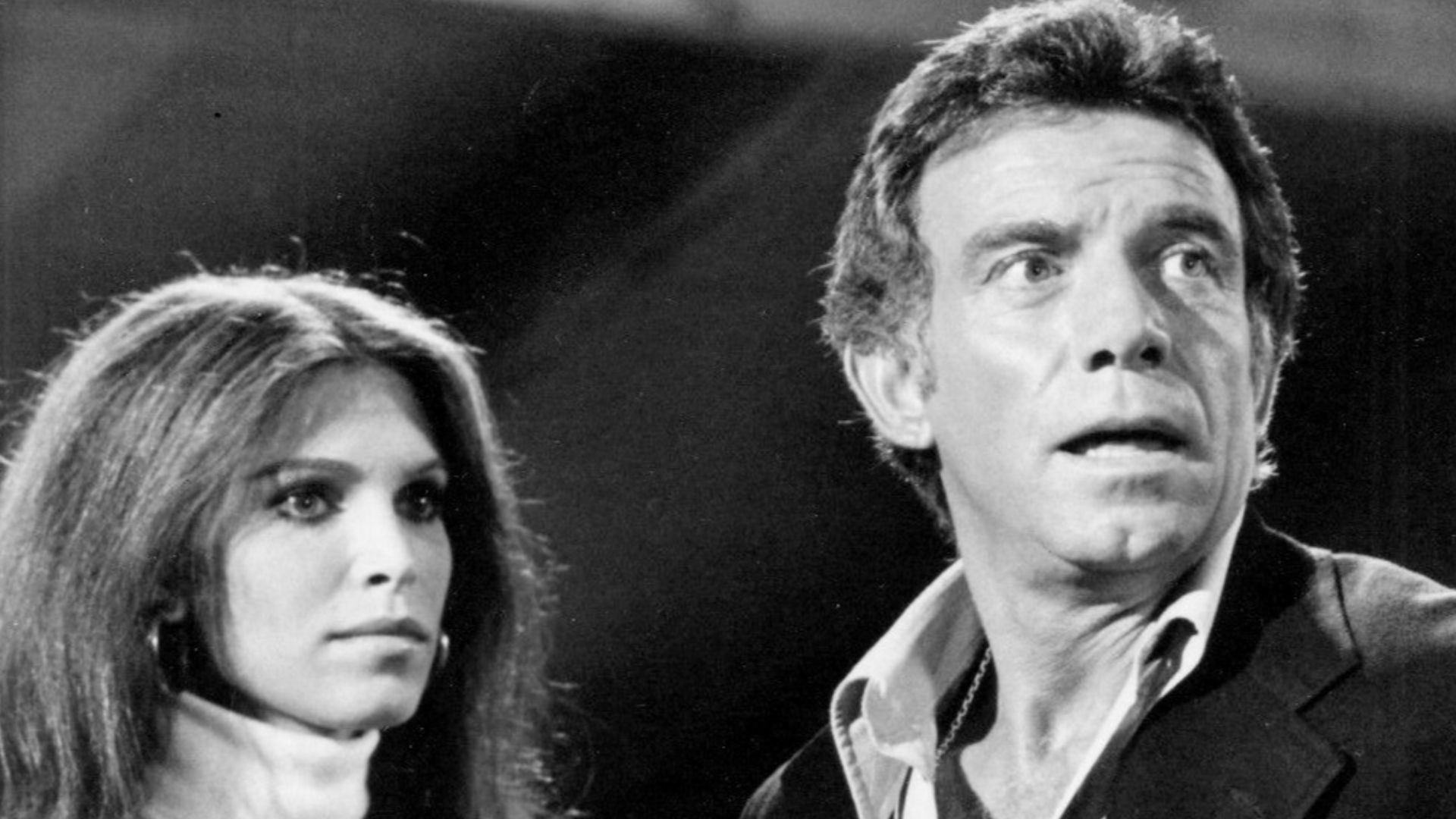 ABC Television, Wikimedia Commons
Amy Prentiss Became Chief Of Detectives
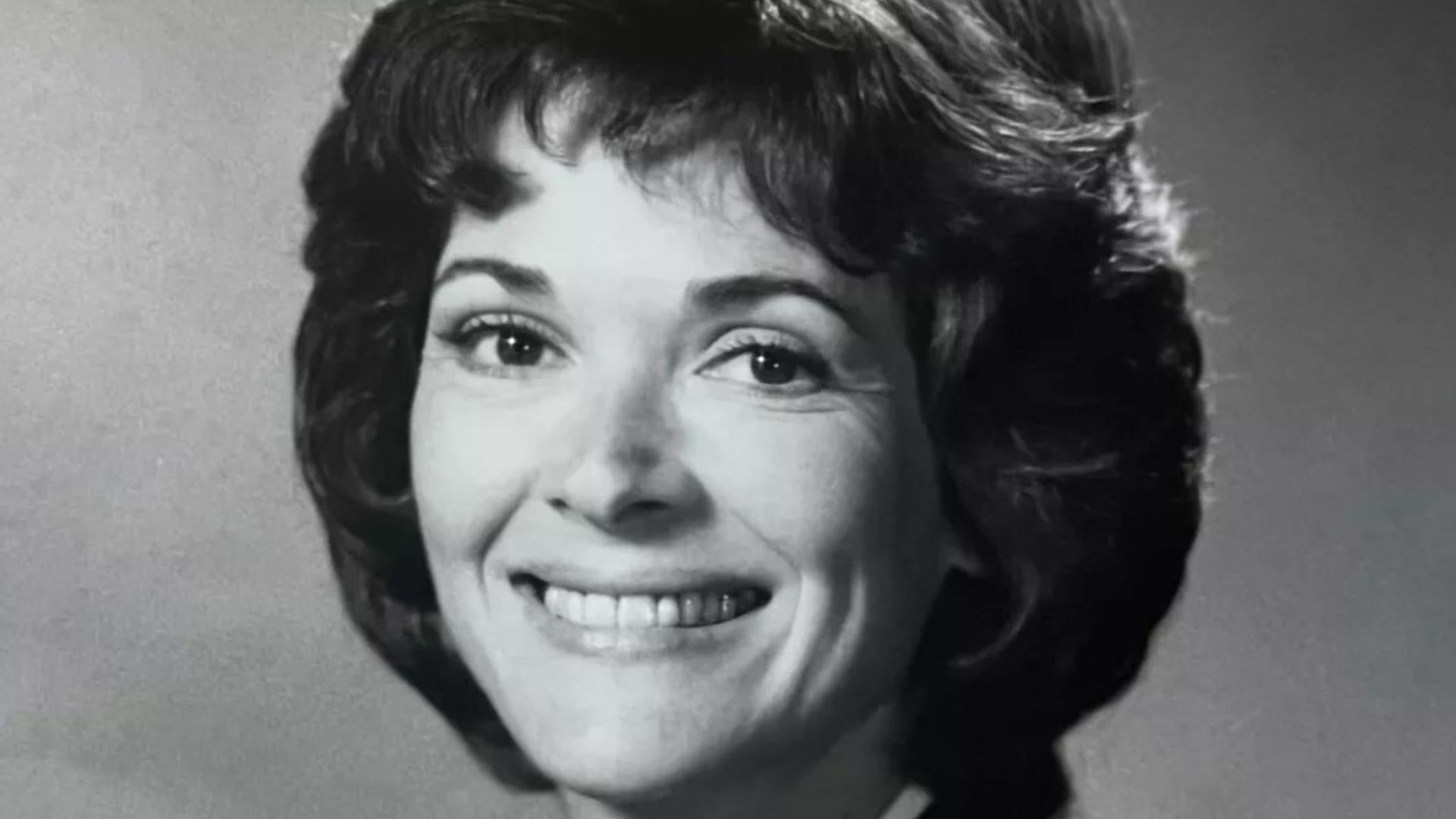
Jessica Walter starred as Amy Prentiss, a San Francisco investigator promoted into the job of chief of detectives. The character originated on Ironside before receiving a place in NBC's rotating mystery lineup. Only three feature-length episodes followed, but Walter's performance won her an Emmy, ensuring this nearly forgotten detective left at least one major mark behind.
You May Also Like:
The Best Detective Shows Ever Made
Believable TV Detectives From The 1980s That Viewers Trusted More Than Real Police
The Longest-Running Shows On Netflix
Sources: 1, 2, 3, 4, 5, 6, 7, 8, 9, 10, 11, 12, 13, 14, 15, 16, 17, 18, 19, 20, 21, 22, 23, 24, 25, 26, 27, 28, 29, 30, 31, 32, 33, 34, 35, 36, 37, 38, 39