Plenty of “com,” not much “rom”
Some romantic comedies make you laugh and make you want to fall in love. Others seem to get the "com" part right but forget about the "rom". These 70s rom-coms had plenty of jokes, arguments, and awkward situations. But romance? Well, we aren't buying it. Are you?
“The Heartbreak Kid” (1972)
Charles Grodin’s character starts pursuing another woman while honeymooning with his brand-new wife. Yes, on the honeymoon. Elaine May makes his selfish behavior painfully funny, but this is hardly a romance worth cheering for. Mostly, you want someone to warn the next woman before she books the venue.
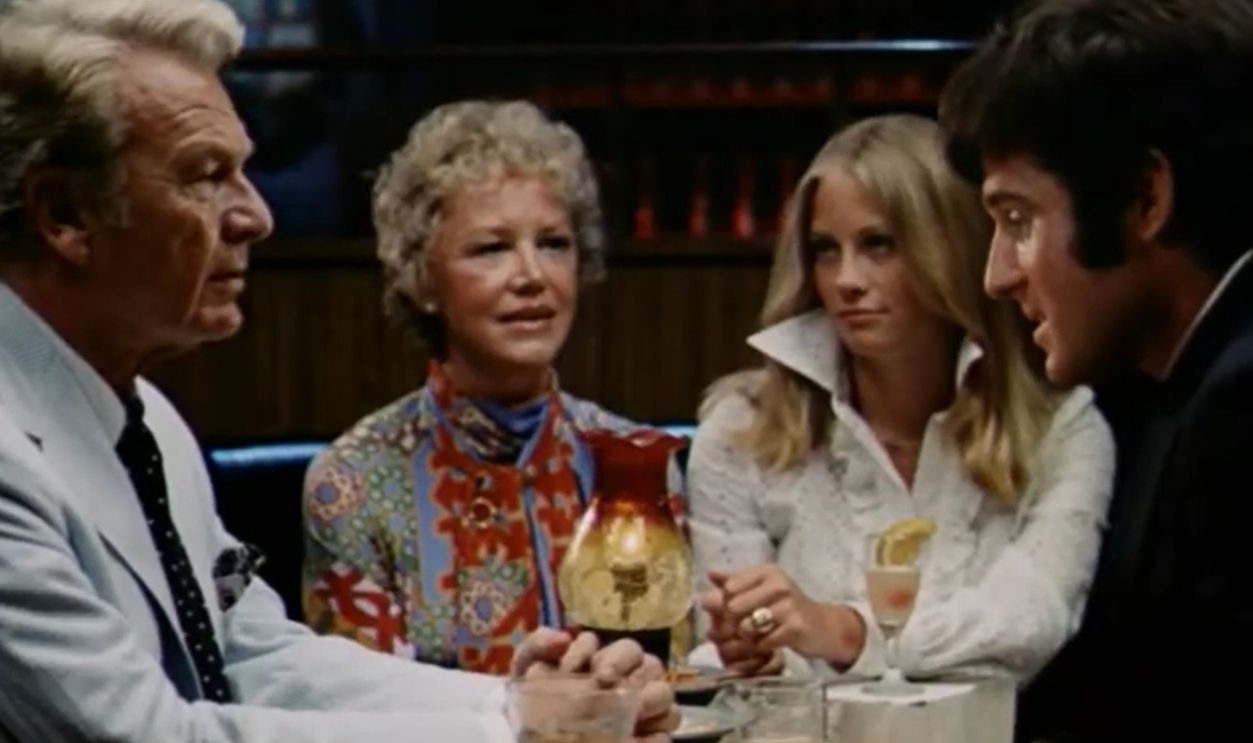 Screenshot from The Heartbreak Kid, 20th Century Fox (1972)
“10” (1979)
Dudley Moore’s character becomes fixated on a beautiful young woman played by Bo Derek, despite already having a girlfriend. His pursuit delivers awkward comedy, but he’s chasing an ideal more than getting to know a person. He thinks he’s found his dream woman. We think he needs to go home.
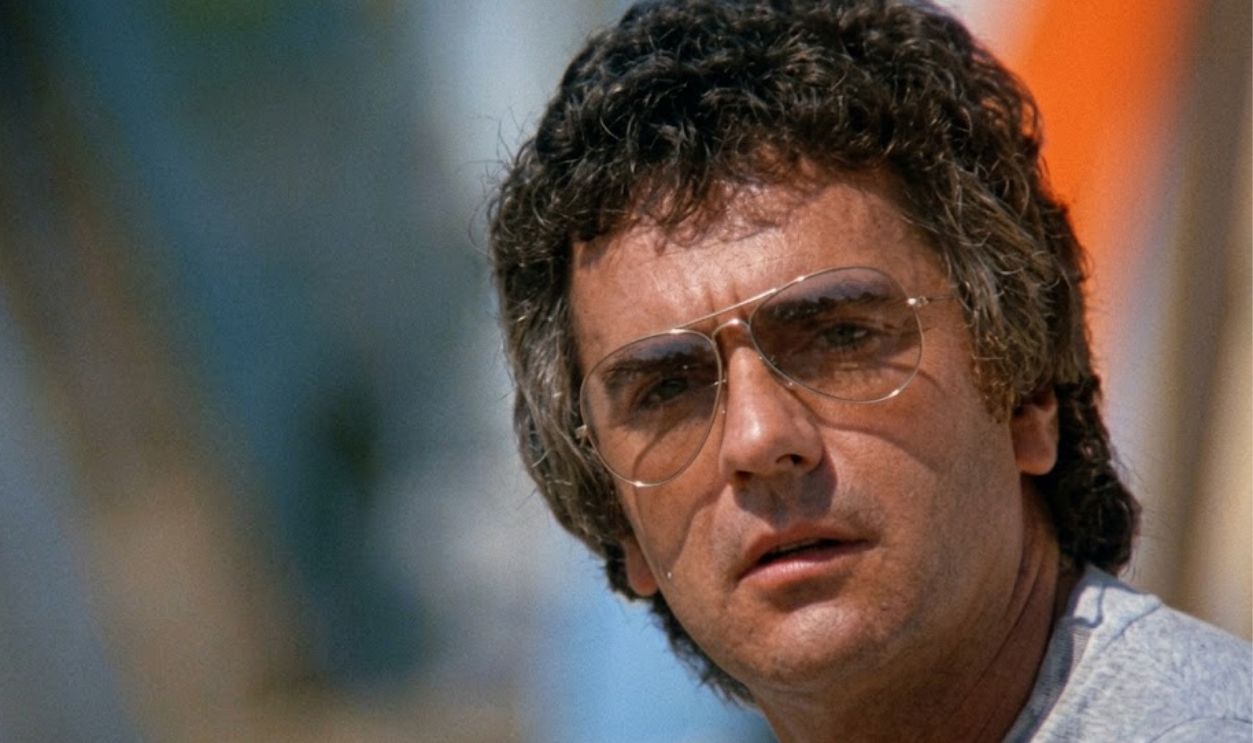 Screenshot from 10, Orion Pictures (1979), Enhanced
“Shampoo” (1975)
Warren Beatty’s hairdresser has several women in his life, which sounds promising until you realize how little commitment he offers any of them. The tangled relationships supply plenty of farce, but lasting love seems beyond his abilities. He can make an appointment. Keeping a promise is another matter.
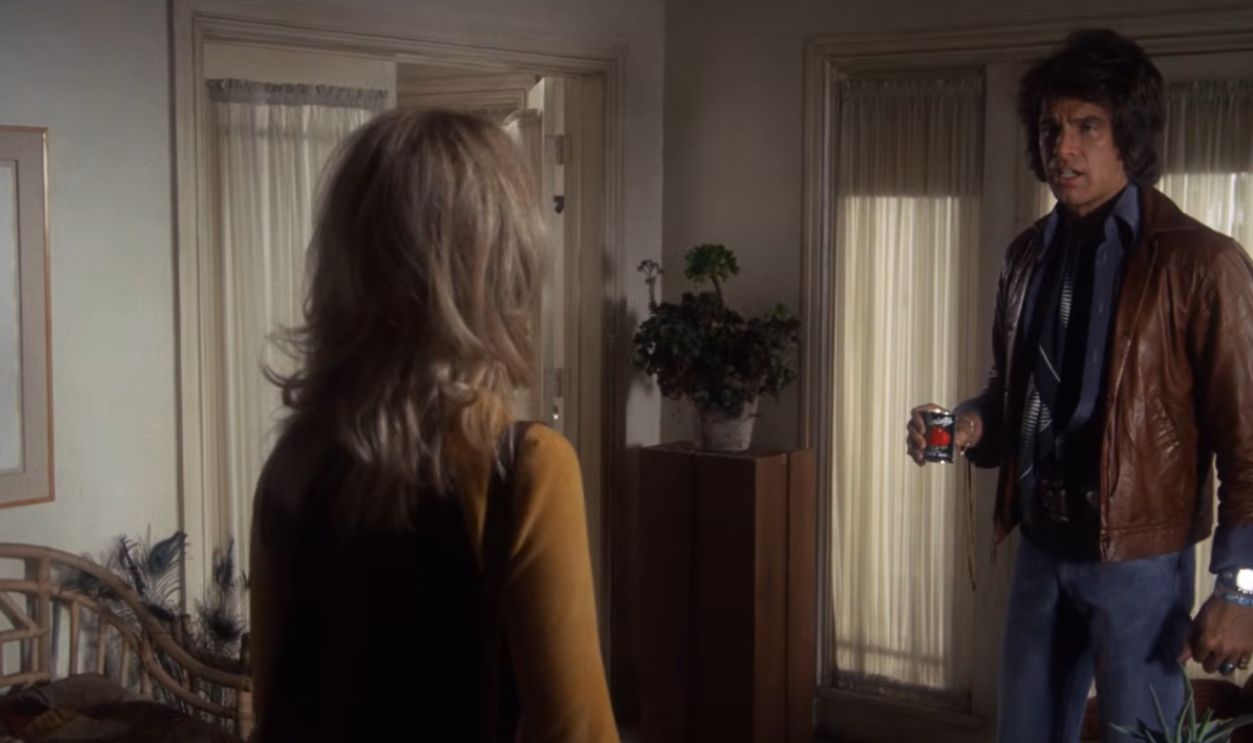 Screenshot from Shampoo, Columbia Pictures (1975)
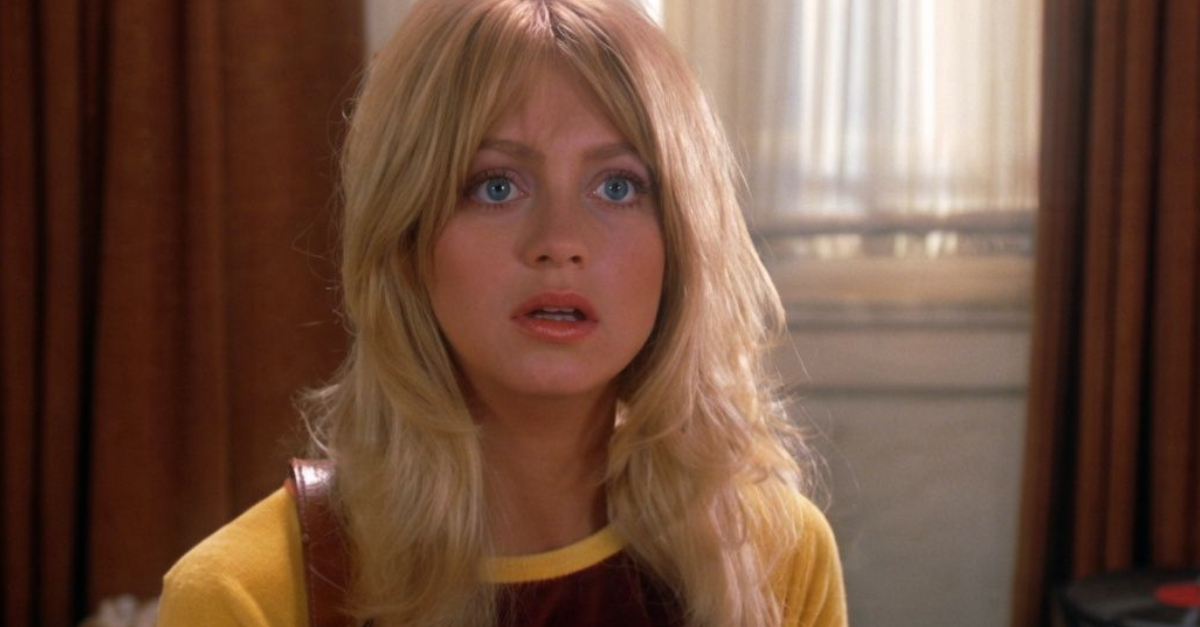
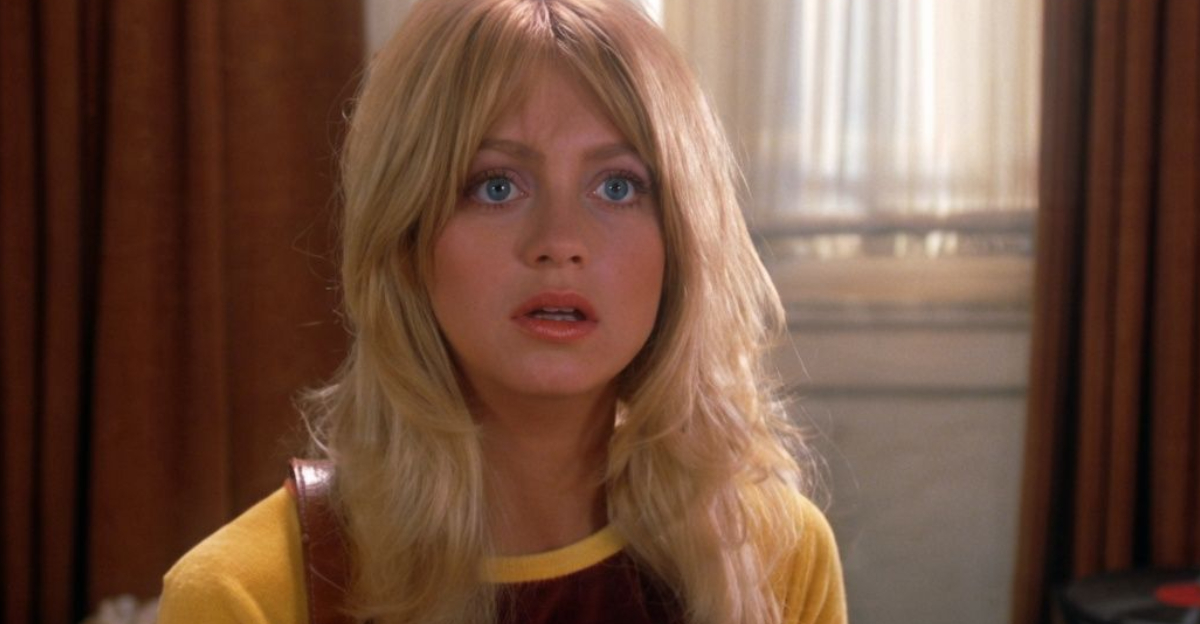
“There’s a Girl in My Soup” (1970)
Peter Sellers plays a TV cooking expert whose confidence takes a beating when he meets Goldie Hawn’s Marion. Their comic sparring is entertaining, but his womanizing makes the love story harder to swallow. He knows his way around a kitchen. A lasting relationship? We’re less convinced.
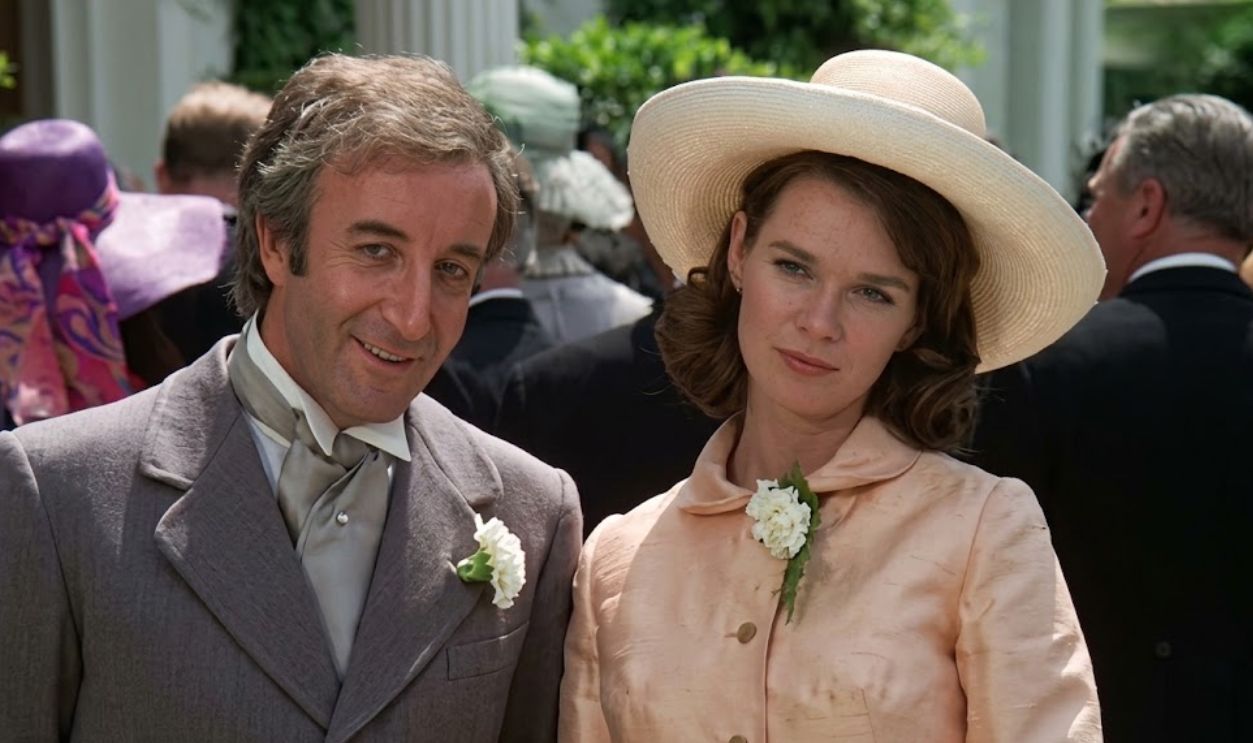 Screenshot from There’s a Girl in My Soup, Columbia Pictures (1970), Enhanced
“Last of the Red Hot Lovers” (1972)
Alan Arkin plays a married restaurant owner who decides an affair will spice up his life. Three attempted encounters bring awkward conversations and bruised expectations instead. Neil Simon supplies the jokes; Barney supplies the embarrassment. Borrowing his mother’s apartment for the occasion probably wasn’t his first smooth move.
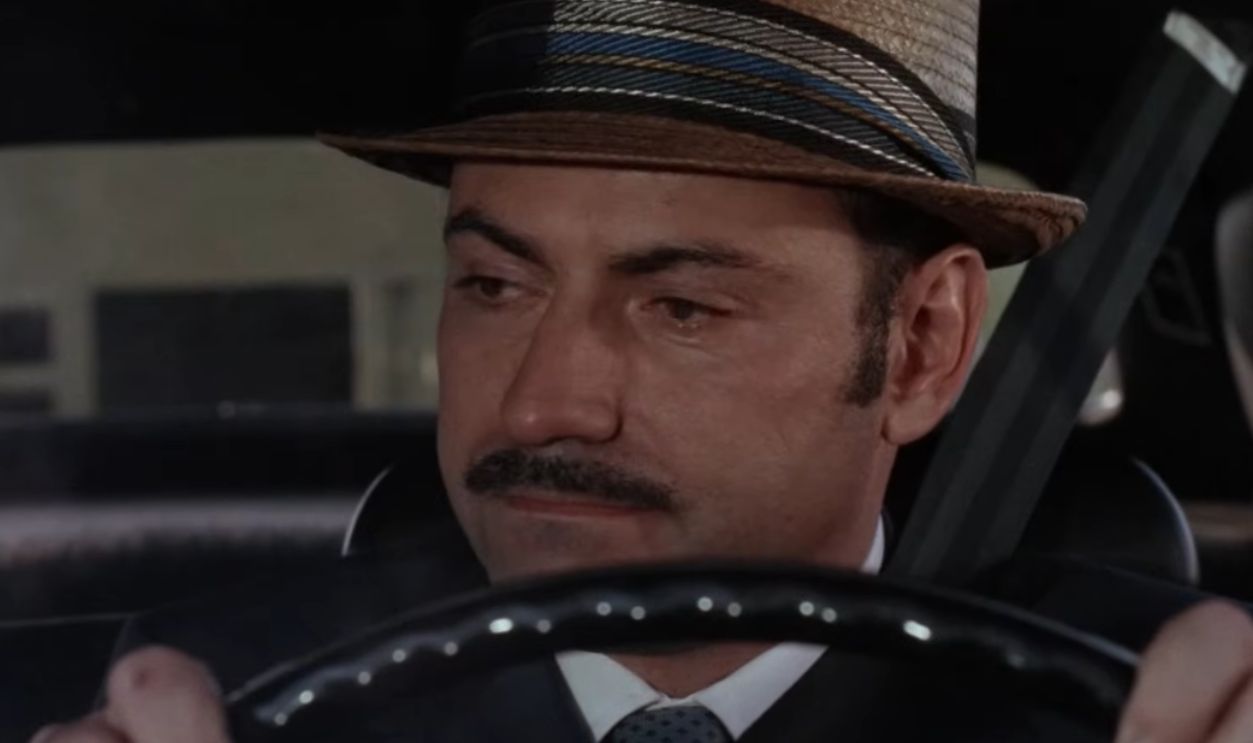 Screenshot from Last of the Red Hot Lovers, Paramount Pictures (1972)
“Semi-Tough” (1977)
Burt Reynolds, Kris Kristofferson, and Jill Clayburgh form a love triangle that gets tangled up in a self-improvement program. The satire provides comic distractions, but the emotional connection feels less persuasive than the setup promises. Apparently, finding yourself requires seminars. Finding believable romantic chemistry takes a little more than that.
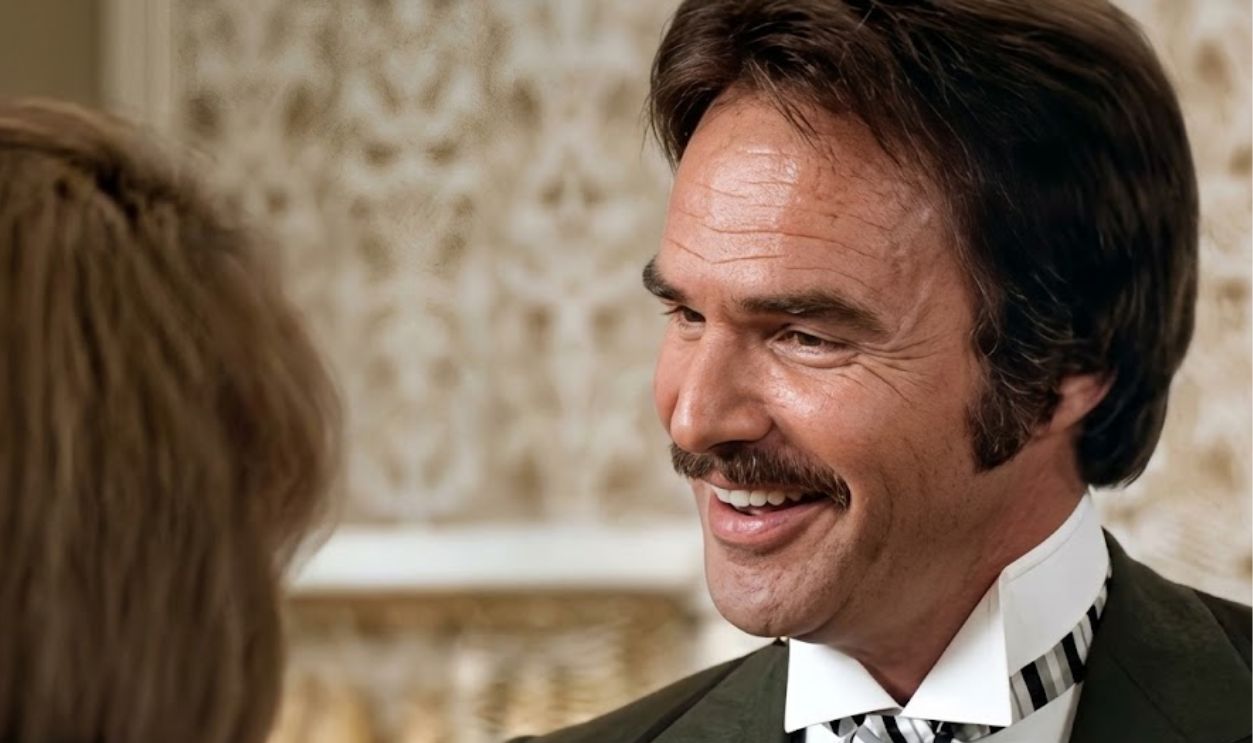 Screenshot from Semi-Tough, United Artists (1977), Enhanced
“Carry On Loving” (1970)
A matchmaking agency called Wedded Bliss ought to inspire confidence. With Sid James and Hattie Jacques running things, it mostly inspires misunderstandings, mismatches, and dirty jokes. Finding love gives everyone an excuse to behave ridiculously, but swooning isn’t really on the agenda. We’d check the refund policy before signing up.
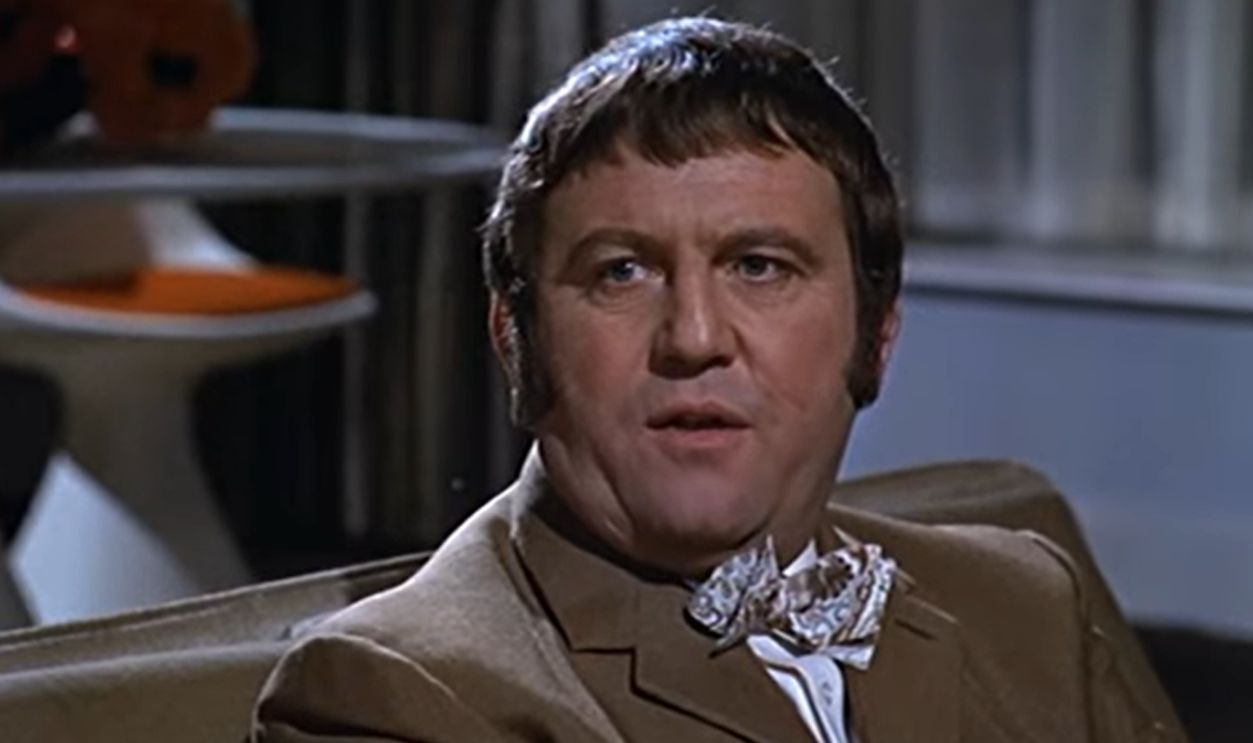 Screenshot from Carry On Loving, The Rank Organisation (1970)
“The Man Who Loved Women” (1977)
Charles Denner plays a man who keeps pursuing women without finding much lasting happiness. François Truffaut turns his romantic adventures into wry, sometimes absurd comedy, but the chasing is more convincing than the connecting. He certainly makes time for women. A lasting relationship seems to be another matter.
 Screenshot from The Man Who Loved Women, Les Films du Carrosse (1977), Enhanced
“Pardon Mon Affaire” (1976)
This French romantic comedy follows a married man whose fascination with another woman sends him into embarrassing situations. The pursuit makes for farce, but it’s easier to laugh at his behavior than admire his romantic intentions. He may see himself as a great lover. That doesn’t mean we have to.
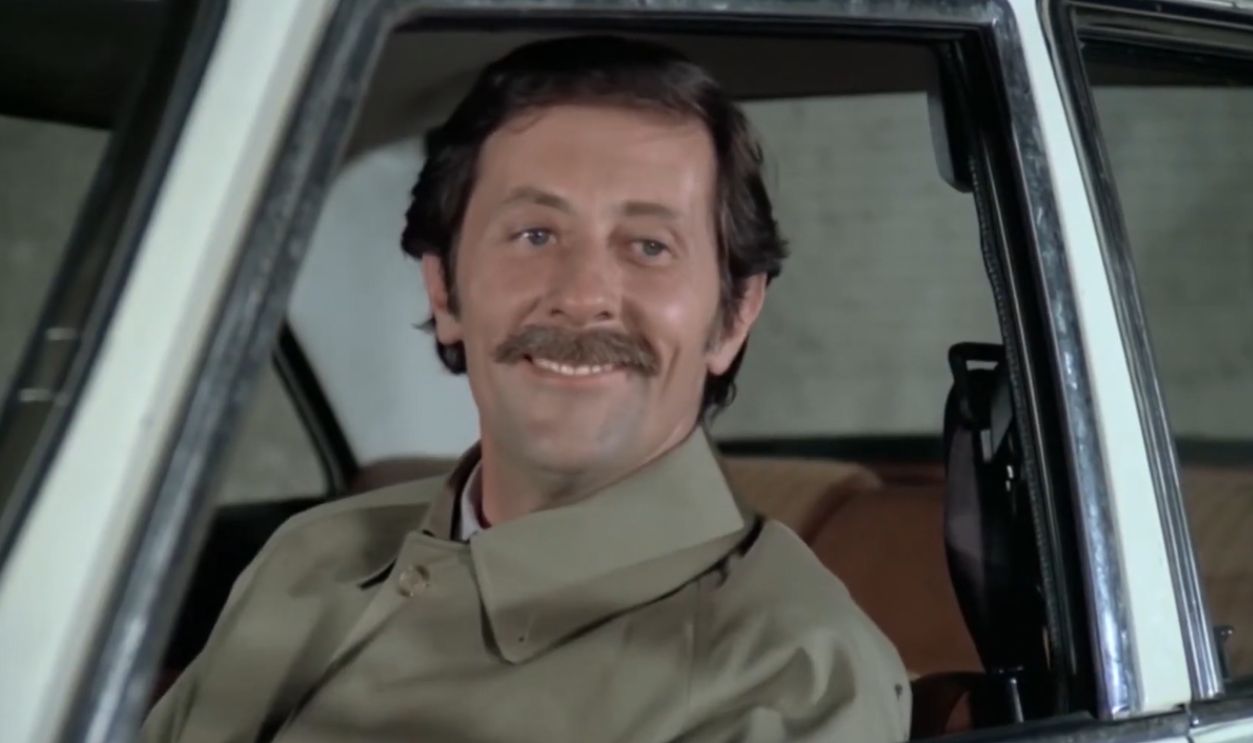 Screenshot from Pardon Mon Affaire, Gaumont (1976), Enhanced
“Goin’ South” (1978)
Jack Nicholson’s outlaw escapes the gallows by marrying Mary Steenburgen’s character, who needs someone to work her mine. Attraction eventually develops, but their arrangement begins with survival and labor. The bargaining and bickering are easier to buy than the love story. Those wedding vows really should include a job description.
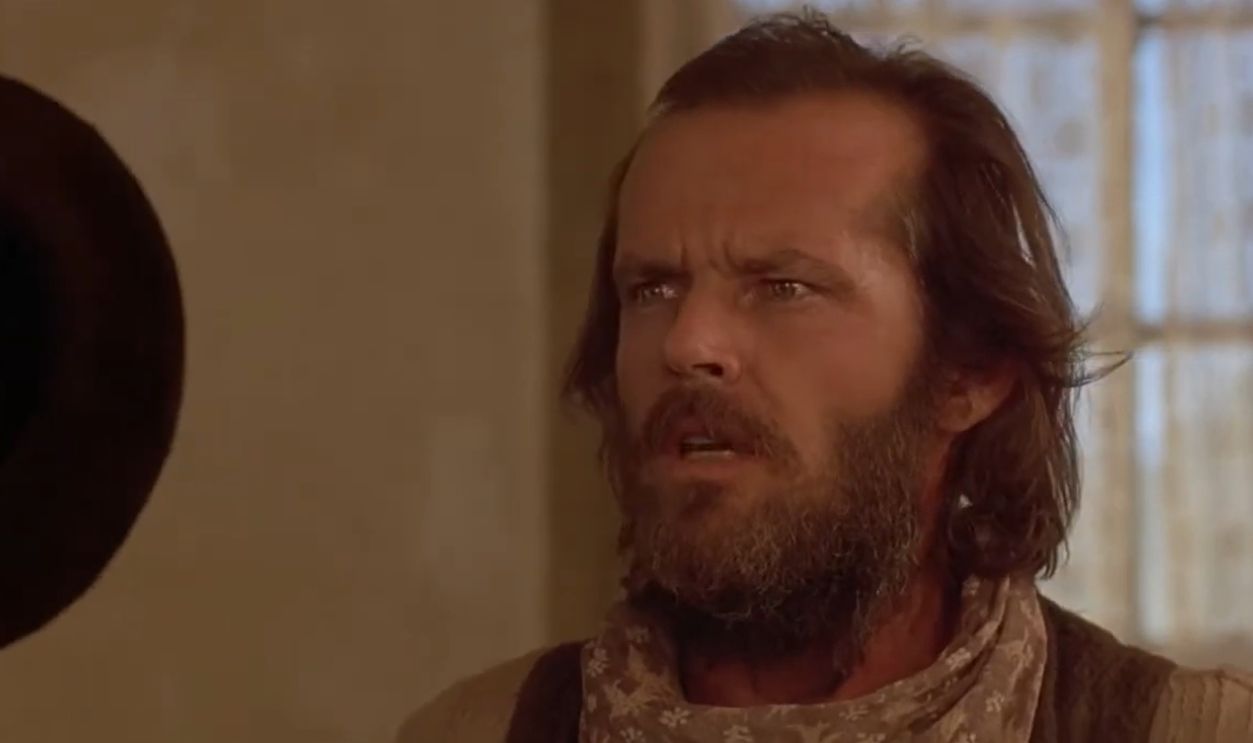 Screenshot from Goin’ South, Paramount Pictures (1978)
“Blume in Love” (1973)
George Segal’s divorce lawyer wants his wife back after she catches him cheating. Paul Mazursky finds sharp comedy in the tangled relationships, but Blume’s possessiveness and a later assault make the reconciliation a hard sell. The film calls it love. We’re struggling to cheer him on.
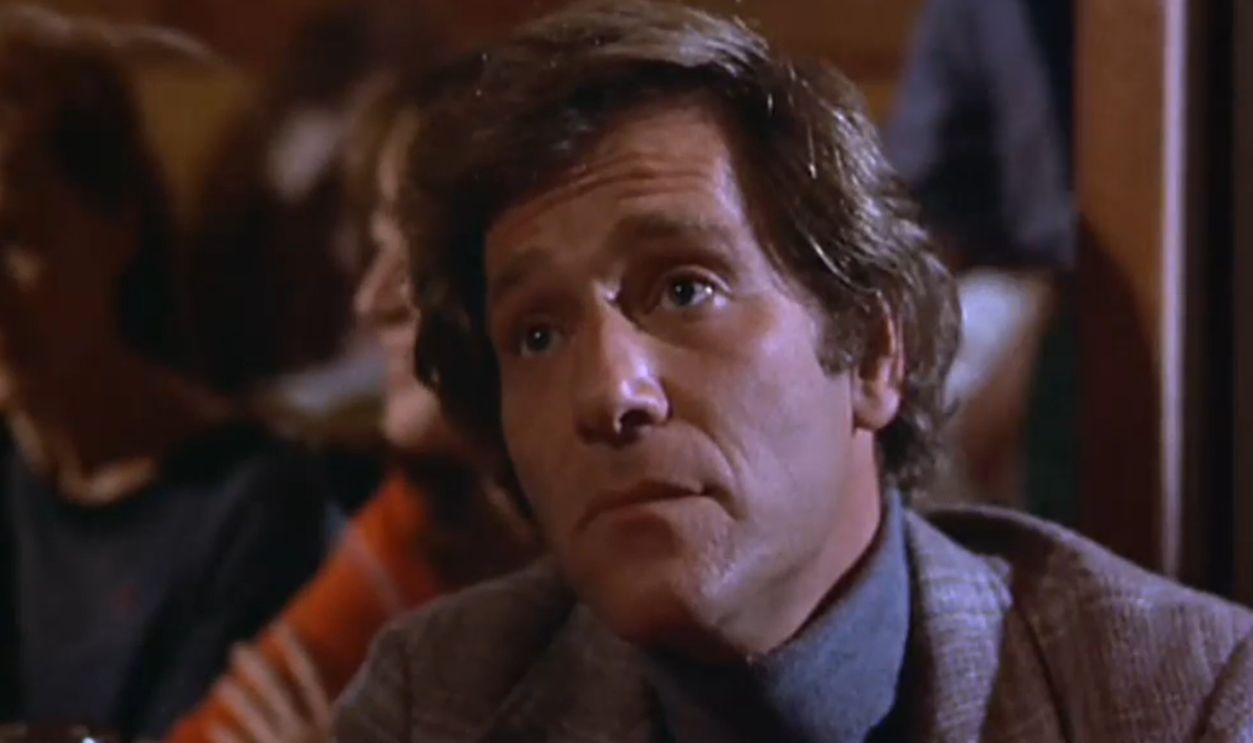 Screenshot from Blume in Love, Warner Bros. (1973)
Funny? Sure. Romantic? We’re not convinced.
We laughed at the arguments, the bad decisions, and the ridiculous situations. But the romance…it just wasn’t very romantic.
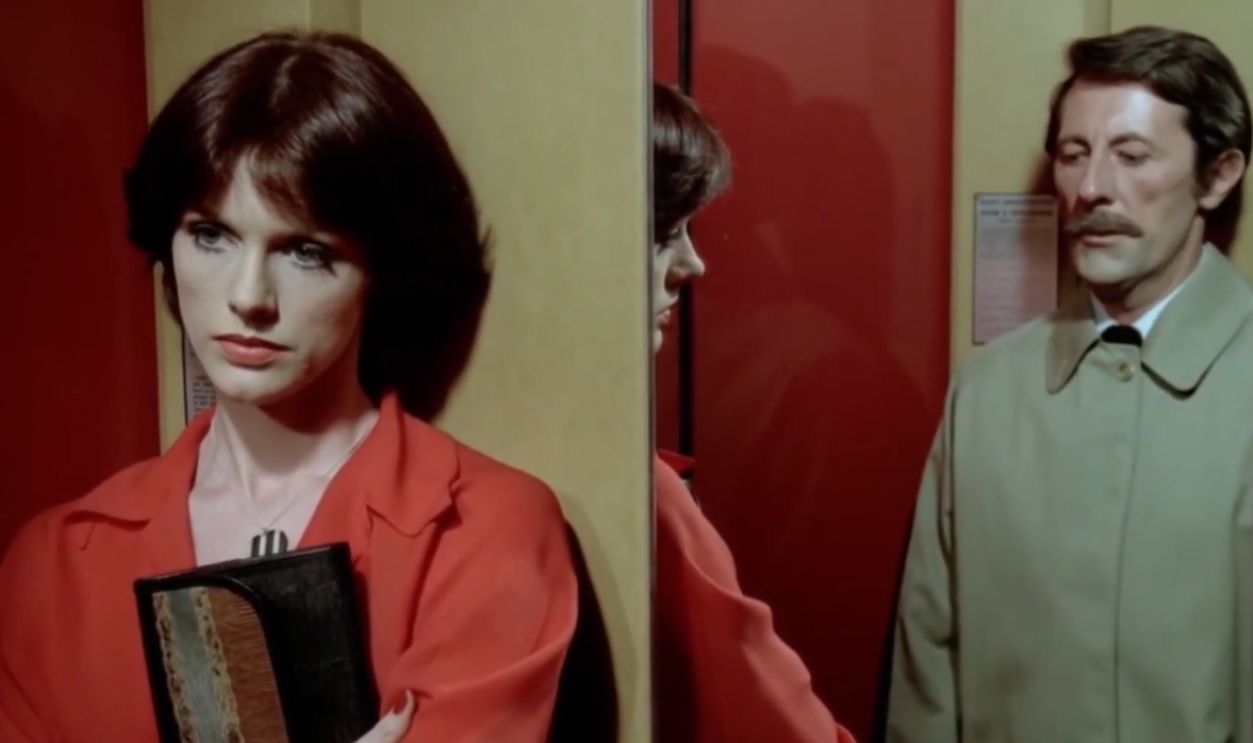 Screenshot from Pardon Mon Affaire, Gaumont (1976)
You Might Also Like:
Iconic Scenes That Took Place In Real Locations You Can Still Visit
Movies That Prove The 80s Were The Best Decade In Film