Two Stars, One Legendary Story
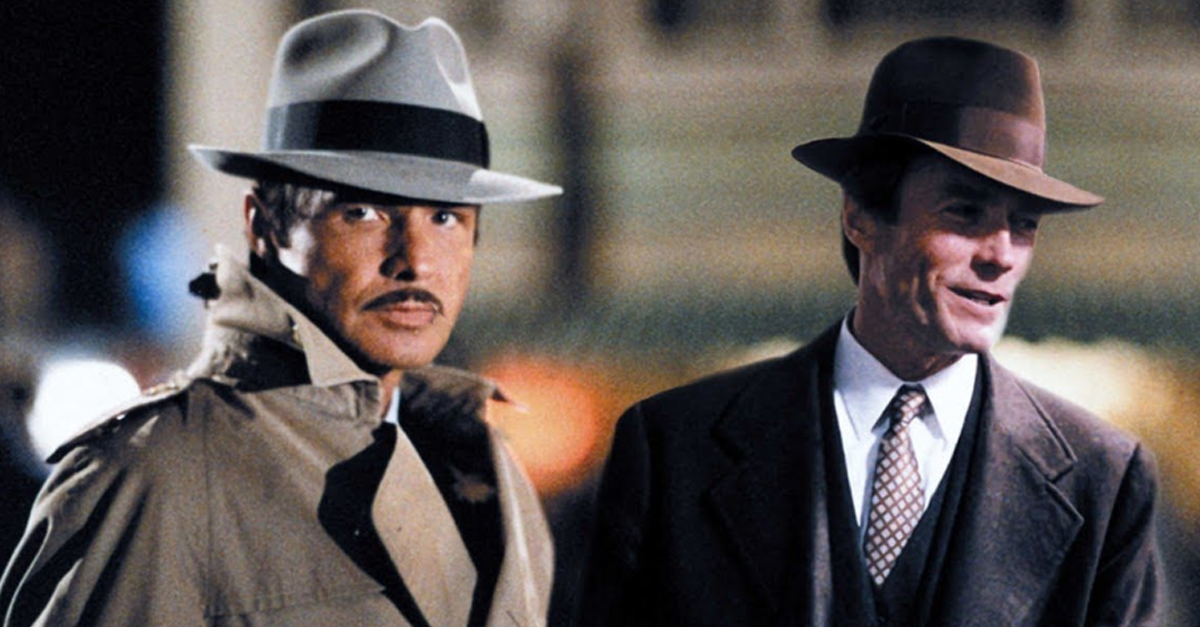
Burt Reynolds and Clint Eastwood were often framed as rivals because they became two of Hollywood’s defining tough-guy stars. The real story was more complicated, and much funnier. Their careers crossed early, separated wildly, and eventually met again in one highly anticipated movie.
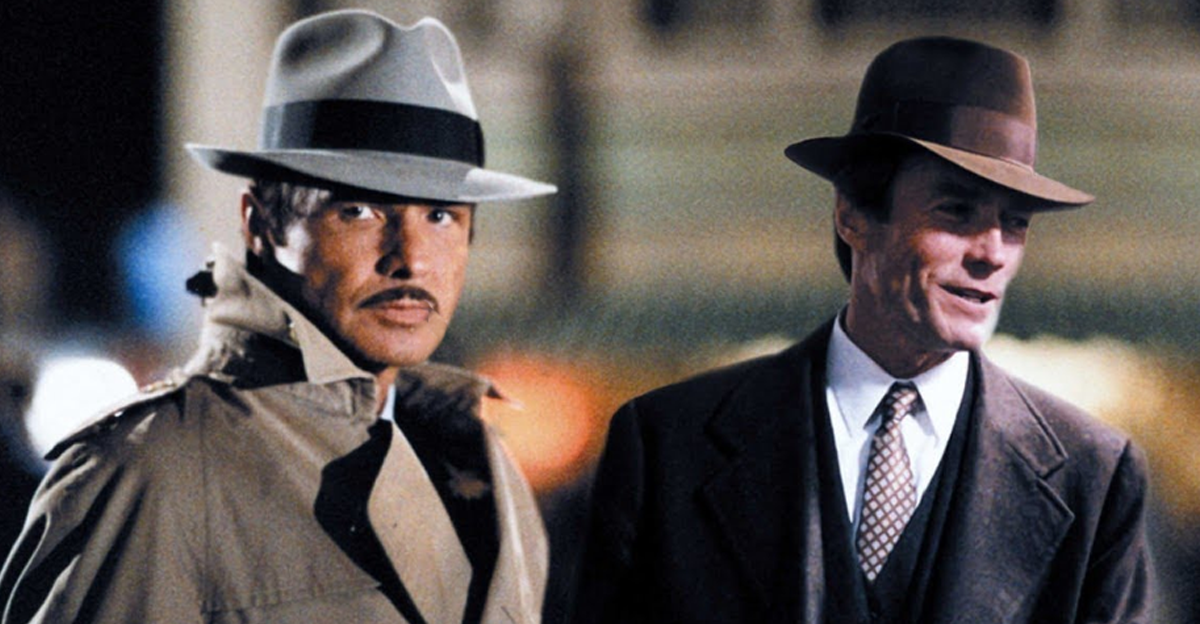 Screenshot from City Heat, Warner Bros. Pictures (1984), modified
They Started As Studio Hopefuls
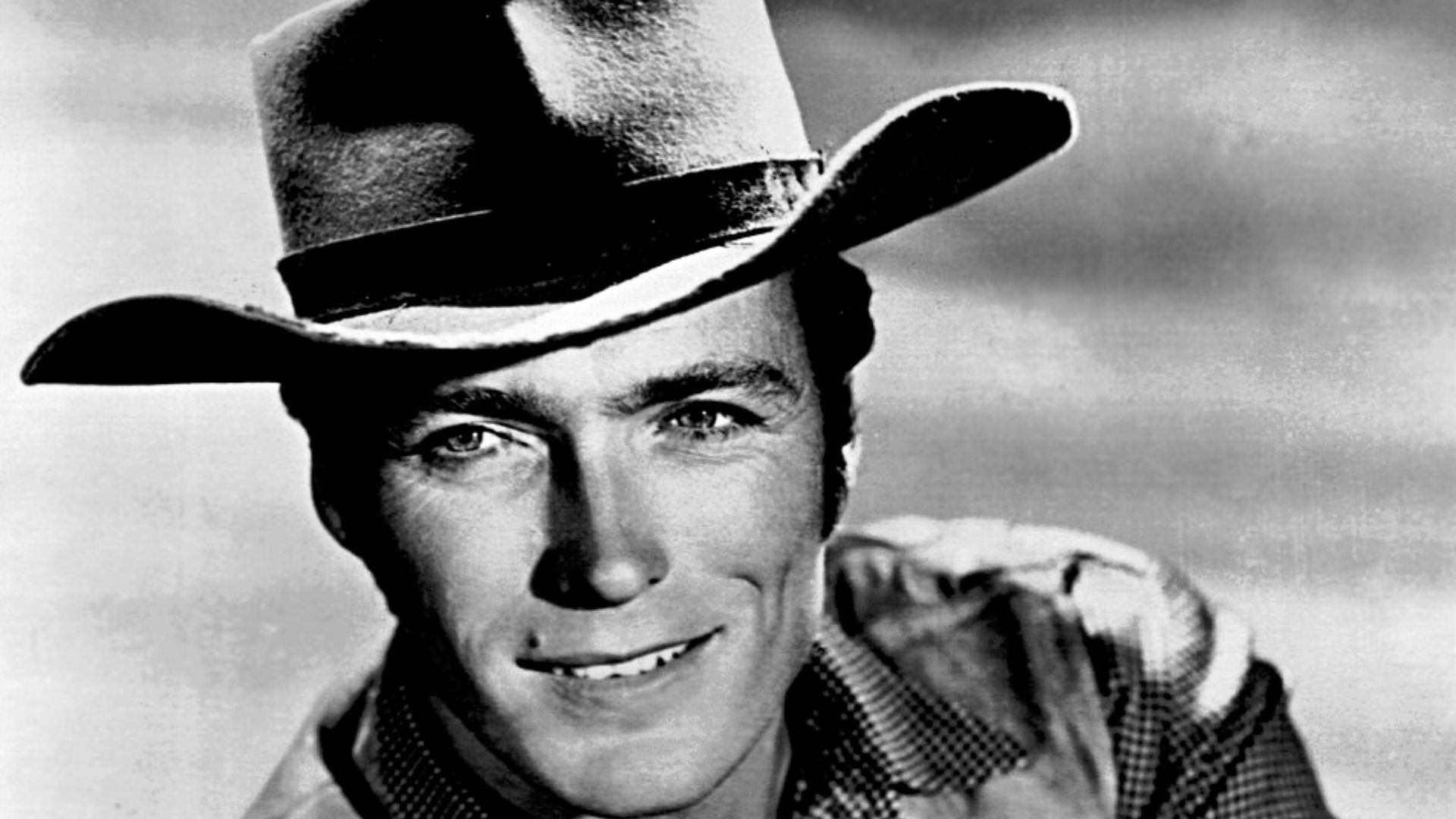
Before either man became a household name, Reynolds and Eastwood were young actors trying to survive the studio system. Both spent time under contract at Universal in the 1950s. At that stage, neither looked like a guaranteed future icon.
Universal Let Them Go
Reynolds later loved telling the story that he and Eastwood were fired by Universal on the same day. He eventually clarified that it was not literally the same day, but the same year. The detail mattered less than the punchline, because both men turned studio rejection into major Hollywood careers.
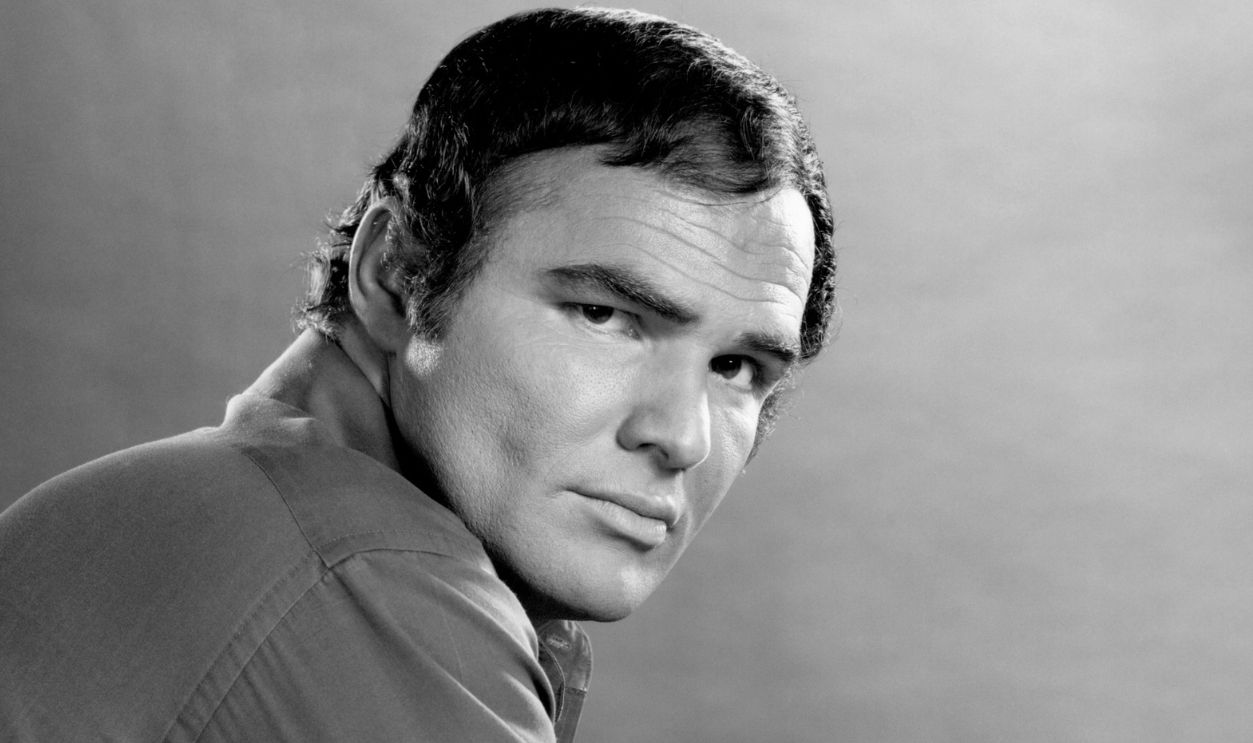 De Carvalho Collection, Getty Images
Burt Made The Story Funnier
Reynolds said Eastwood was rejected for things like his speaking style and appearance. He joked that he was fired because the studio felt he could not act. It became one of Reynolds’ favorite show-business stories because both men later proved Universal very wrong.
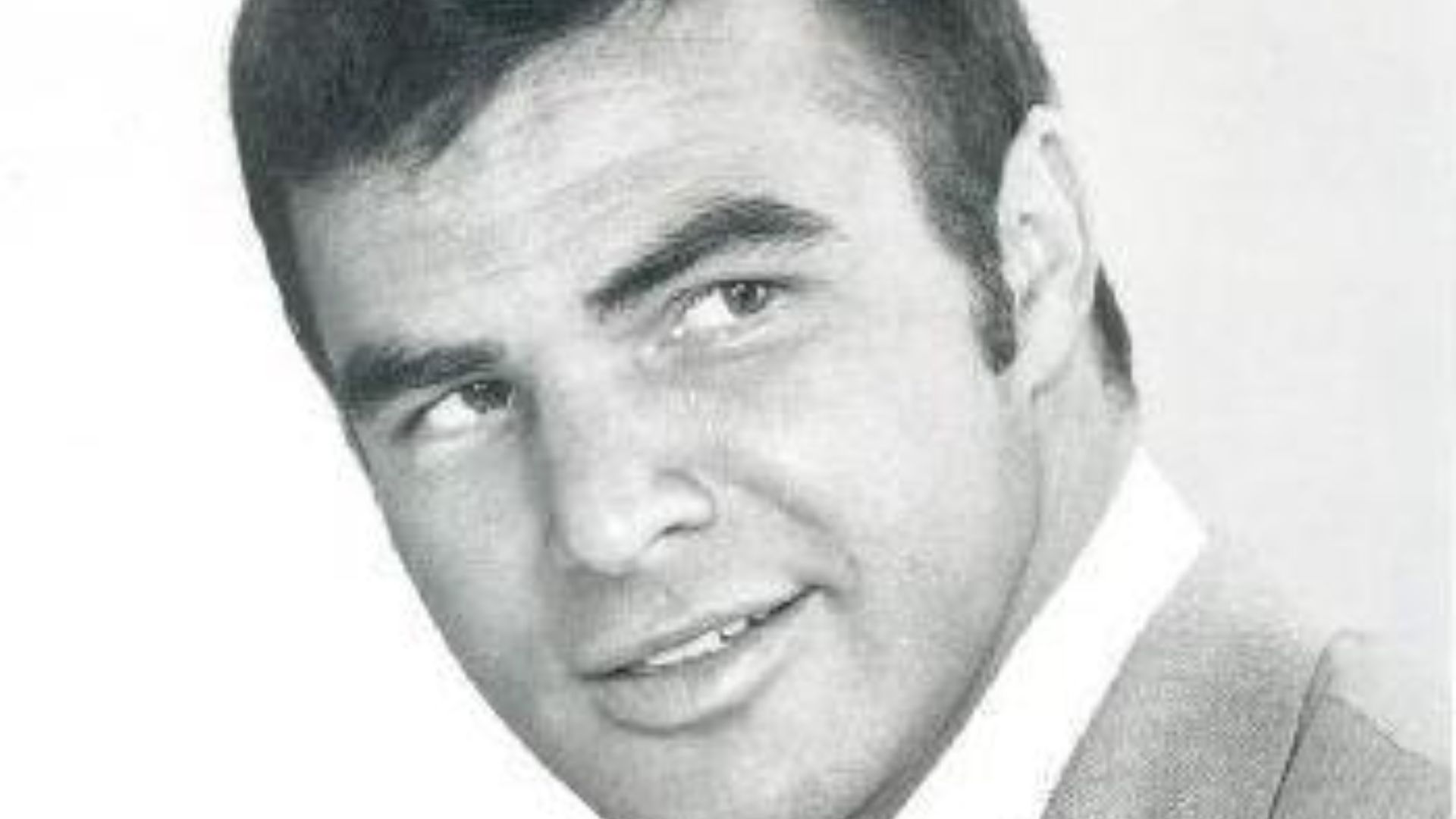 ABC Television, Wikimedia Commons
Clint Found His Breakthrough First
Eastwood’s big television break came with Rawhide, which began in 1959. Playing Rowdy Yates made him familiar to a wide audience. It also gave him the Western image that would reshape his movie career.
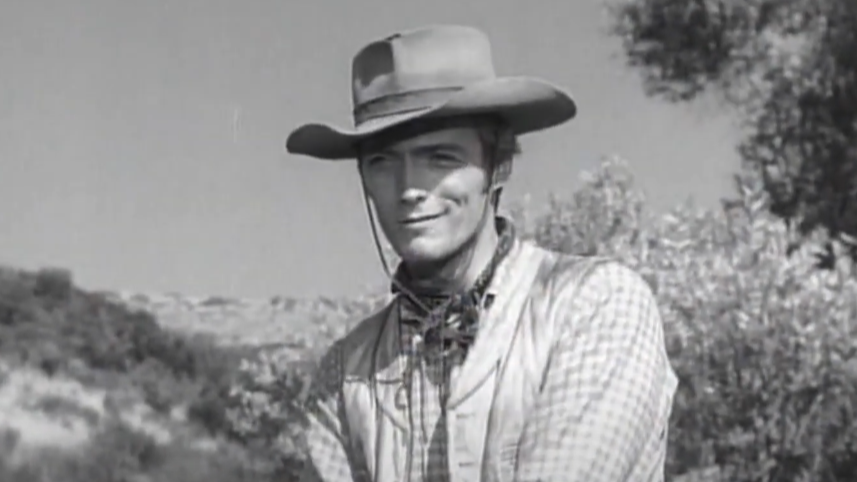 Screenshot from Rawhide, CBS (1959–1965)
Burt Took A Different Route
Reynolds also built his early career through television, including Gunsmoke, Hawk, and Dan August. He had charm, athleticism, and a quick wit that made him stand out. Still, his biggest film breakthrough took longer to arrive.
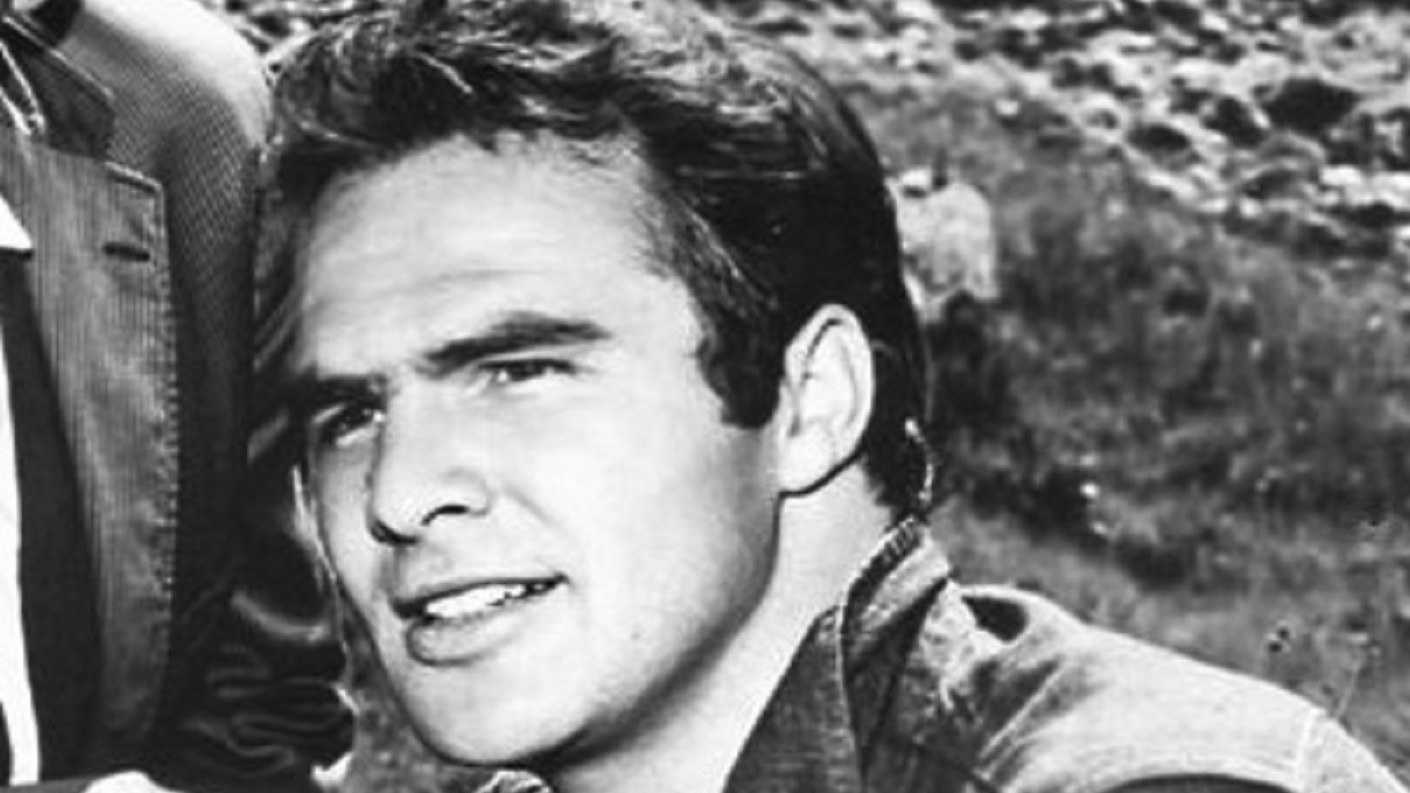 CBS Television, Wikimedia Commons
The Spaghetti Western Twist
Eastwood became internationally famous through Sergio Leone’s Dollars Trilogy of spaghetti Westerns during the mid-1960s. Reynolds later ended up in the 1966 Spaghetti Western Navajo Joe, directed by Sergio Corbucci. The story that Reynolds thought he was working with the other Sergio became another piece of Hollywood folklore around the two men.
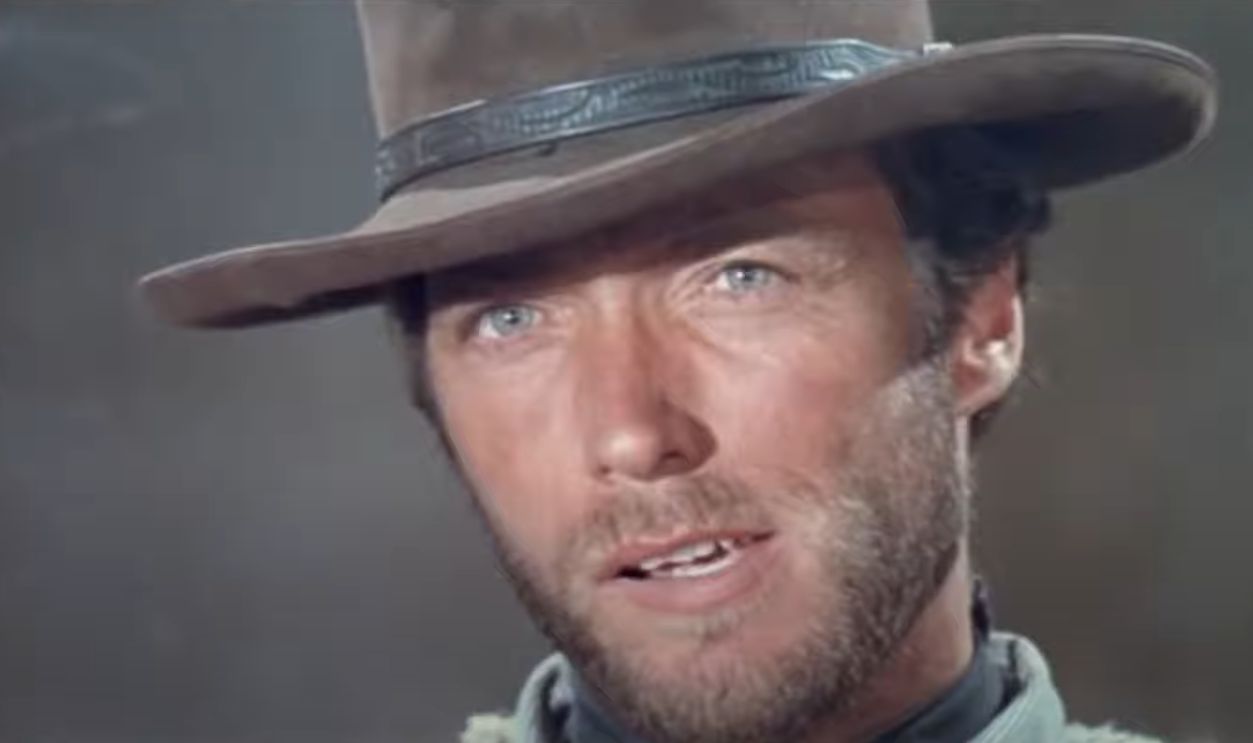 Screenshot from For a Few Dollars More, Produzioni Europee Associate (1965)
Their Images Began To Split
Eastwood became known for silence, restraint, and cool menace. Reynolds became known for charm, speed, comedy, and a self-mocking grin. They were both masculine screen icons, but they sold very different versions of confidence.
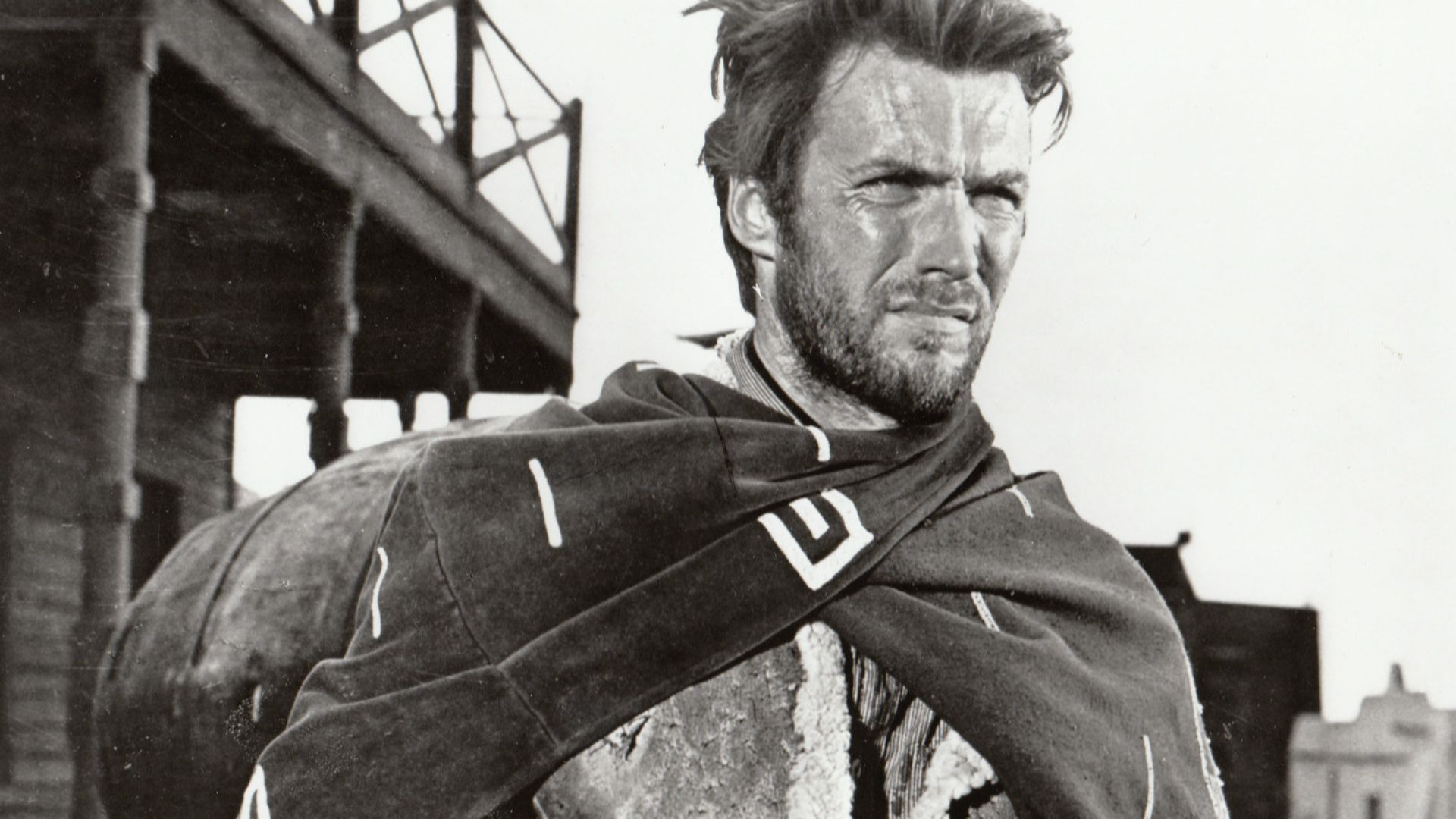 movie studio, Wikimedia Commons
Burt Became A 1970s Phenomenon
Reynolds broke through dramatically with Deliverance in 1972. He followed it with hits like The Longest Yard and Smokey and the Bandit. By the late 1970s and early 1980s, he was one of the most bankable stars in America.
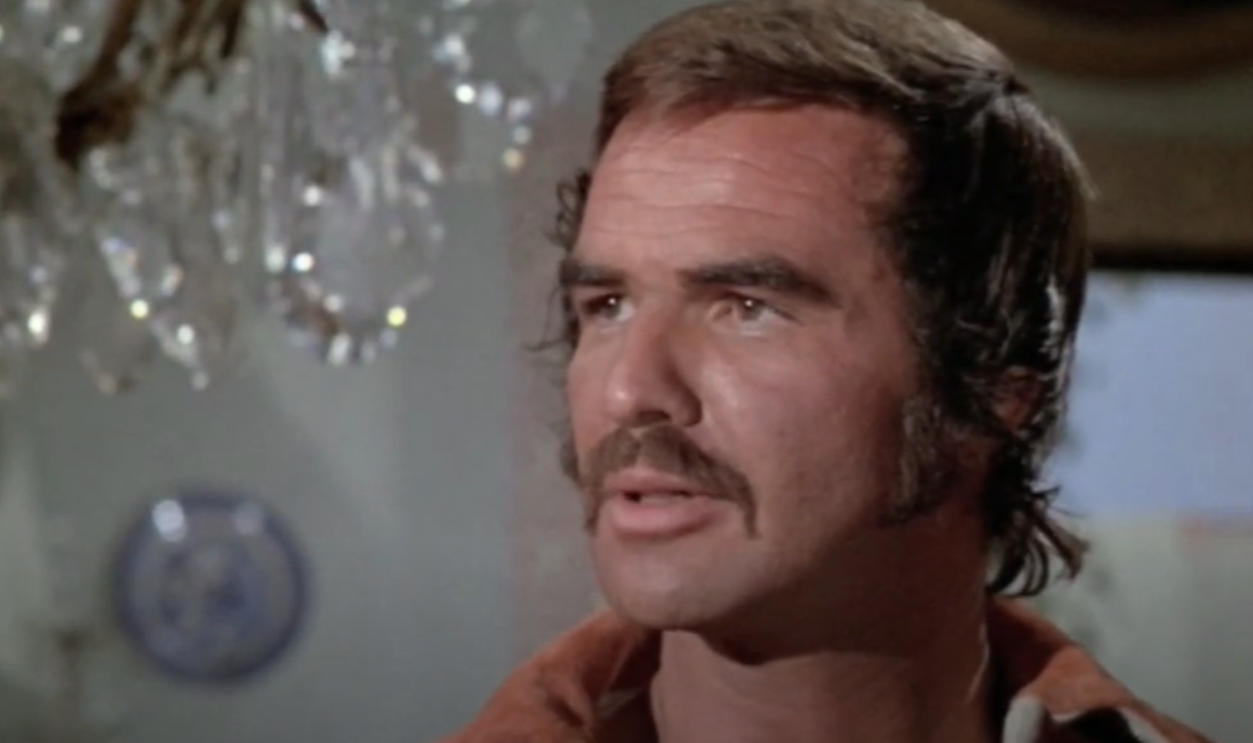 Screenshot from The Longest Yard, Paramount Pictures (1974)
Clint Became A Different Kind Of Powerhouse
Eastwood’s Dirty Harry role made him a defining action star of the 1970s. At the same time, he was building power behind the camera through Malpaso Productions. His career was not just about stardom, but control.
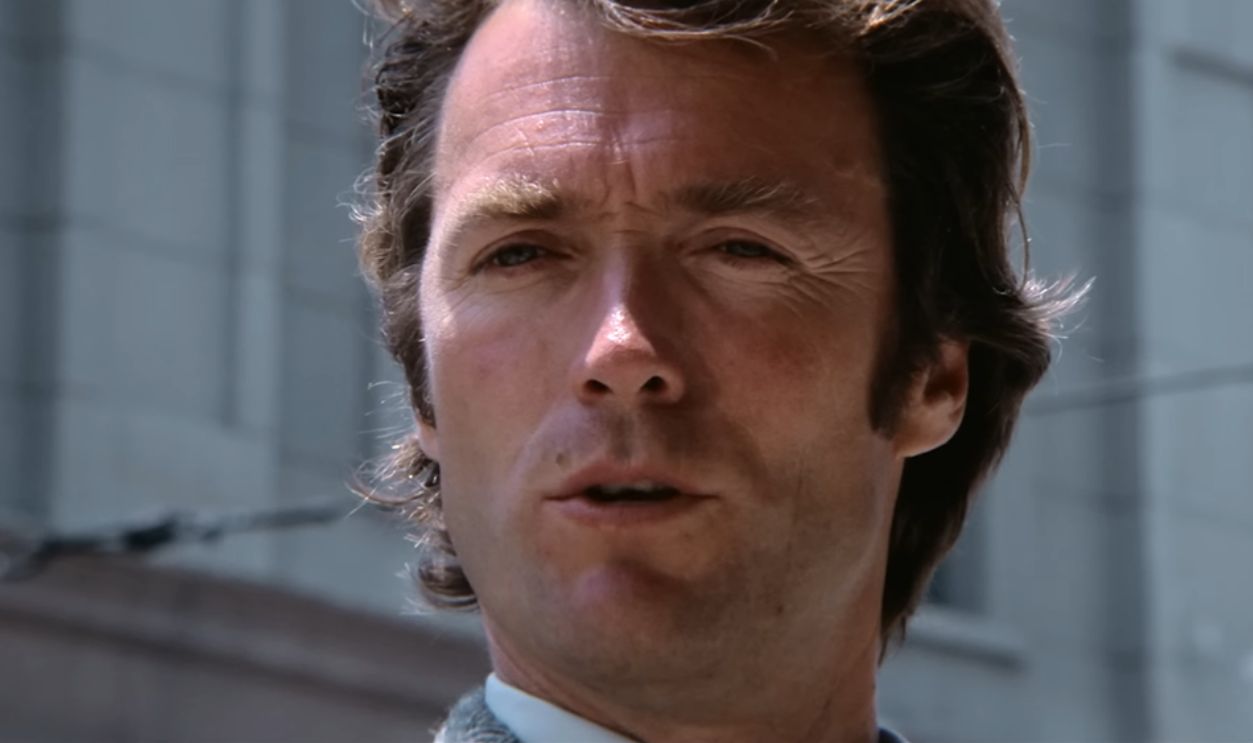 Screenshot from Dirty Harry, Warner Bros. (1971)
The Rivalry Was Mostly Public Perception
Hollywood loved comparing them because they were both rugged leading men from the same generation. They competed for attention, box office, and tough-guy status. But the evidence points more to friendly competition than a bitter feud.
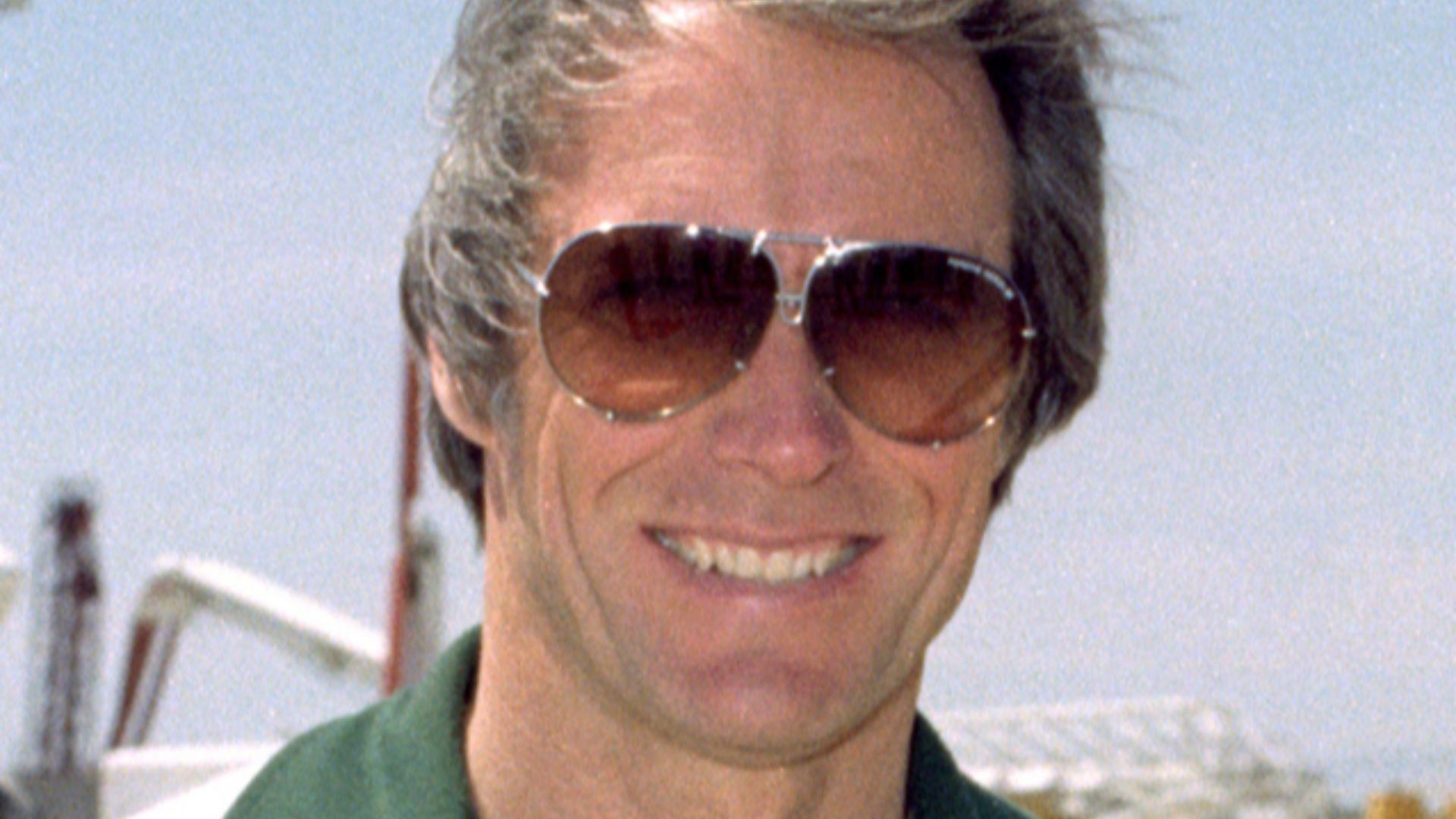
Burt Was The Talk Show King
Reynolds was loose, fast, and hilarious in interviews. He could turn old career wounds into great stories. That made his Eastwood anecdotes feel sharper than they probably were.
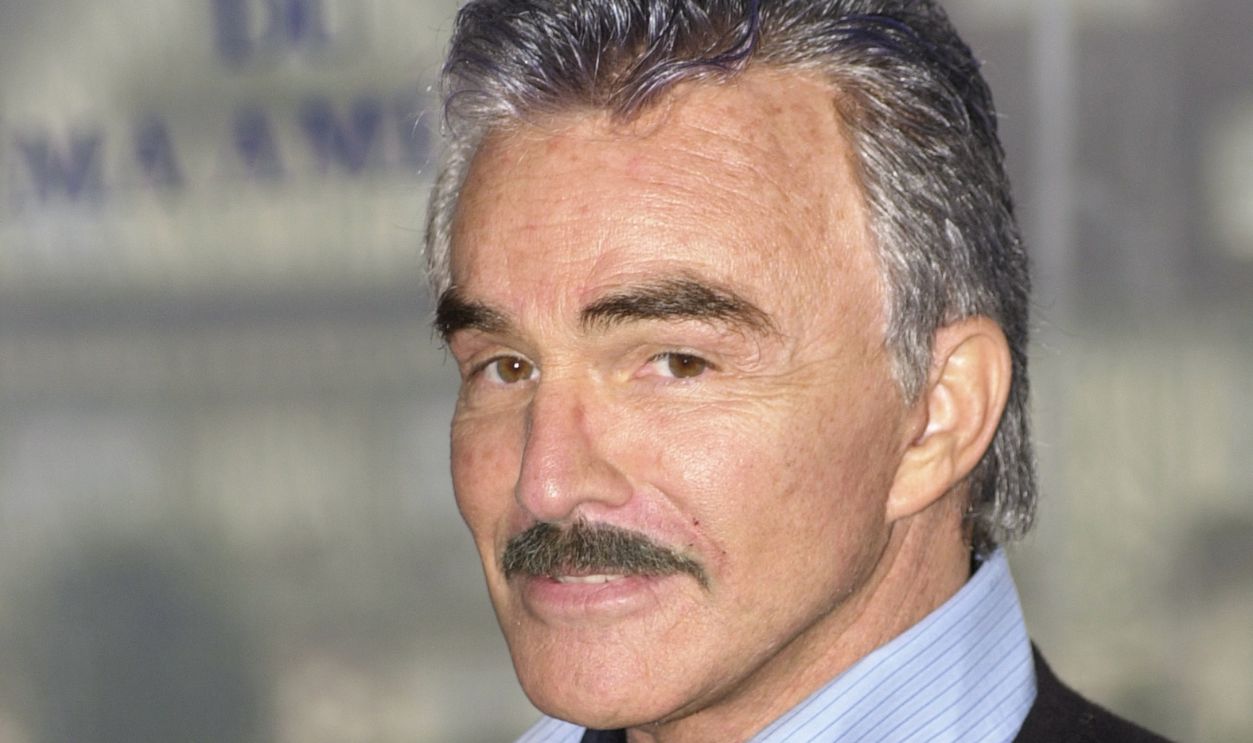 Toni Anne Barson Archive, Getty Images
Clint Let The Work Speak
Eastwood rarely played the same publicity game. His image depended on saying less, not more. That contrast made them seem even more like opposites.
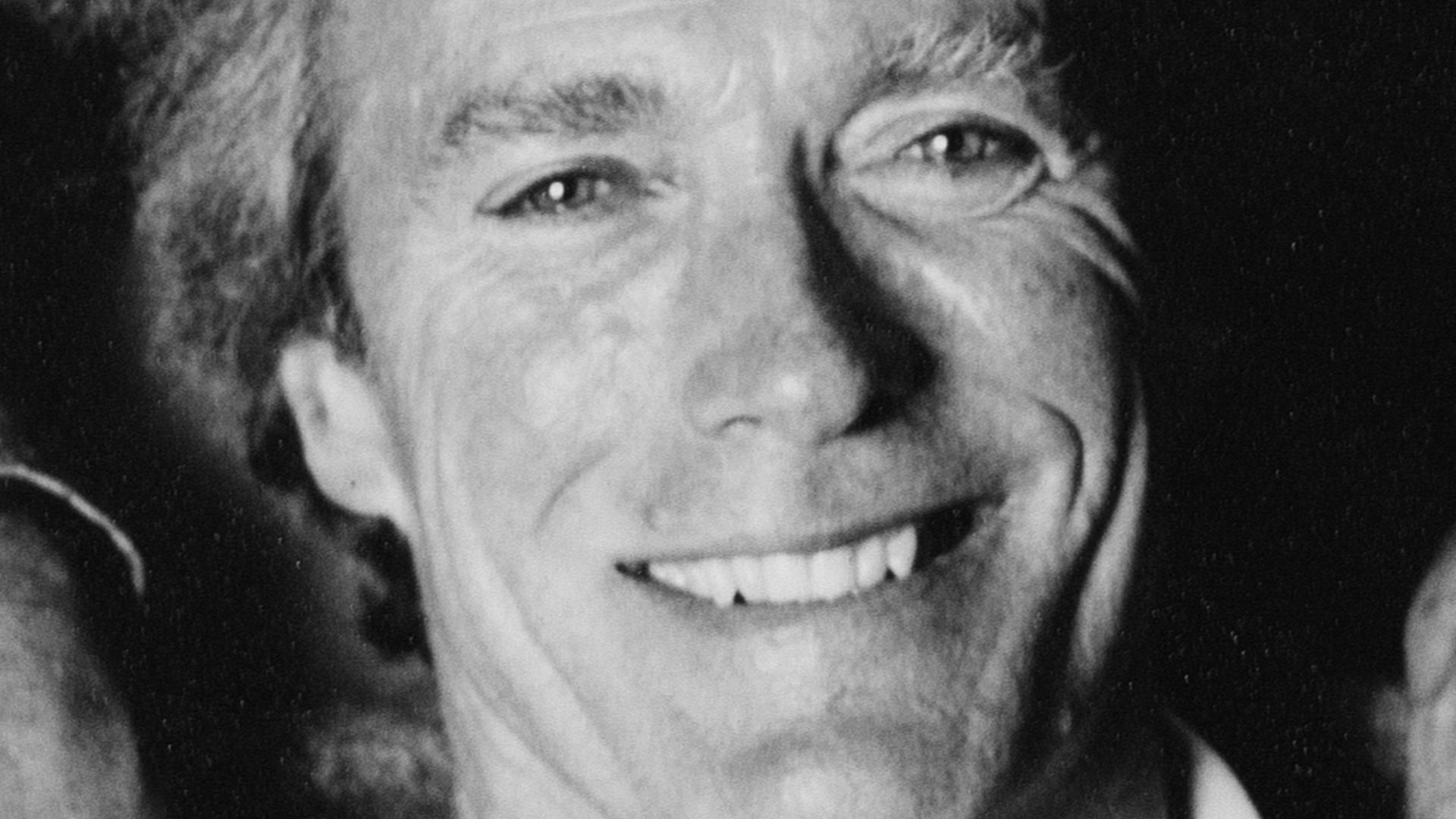 Canadian Film Centre from Toronto, Canada, Wikimedia Commons
Their Careers Peaked In Different Ways
Reynolds reached his commercial peak as a charismatic movie star. Eastwood’s peak kept expanding as actor, producer, and director. That difference helped shape the myth that one man won the rivalry.
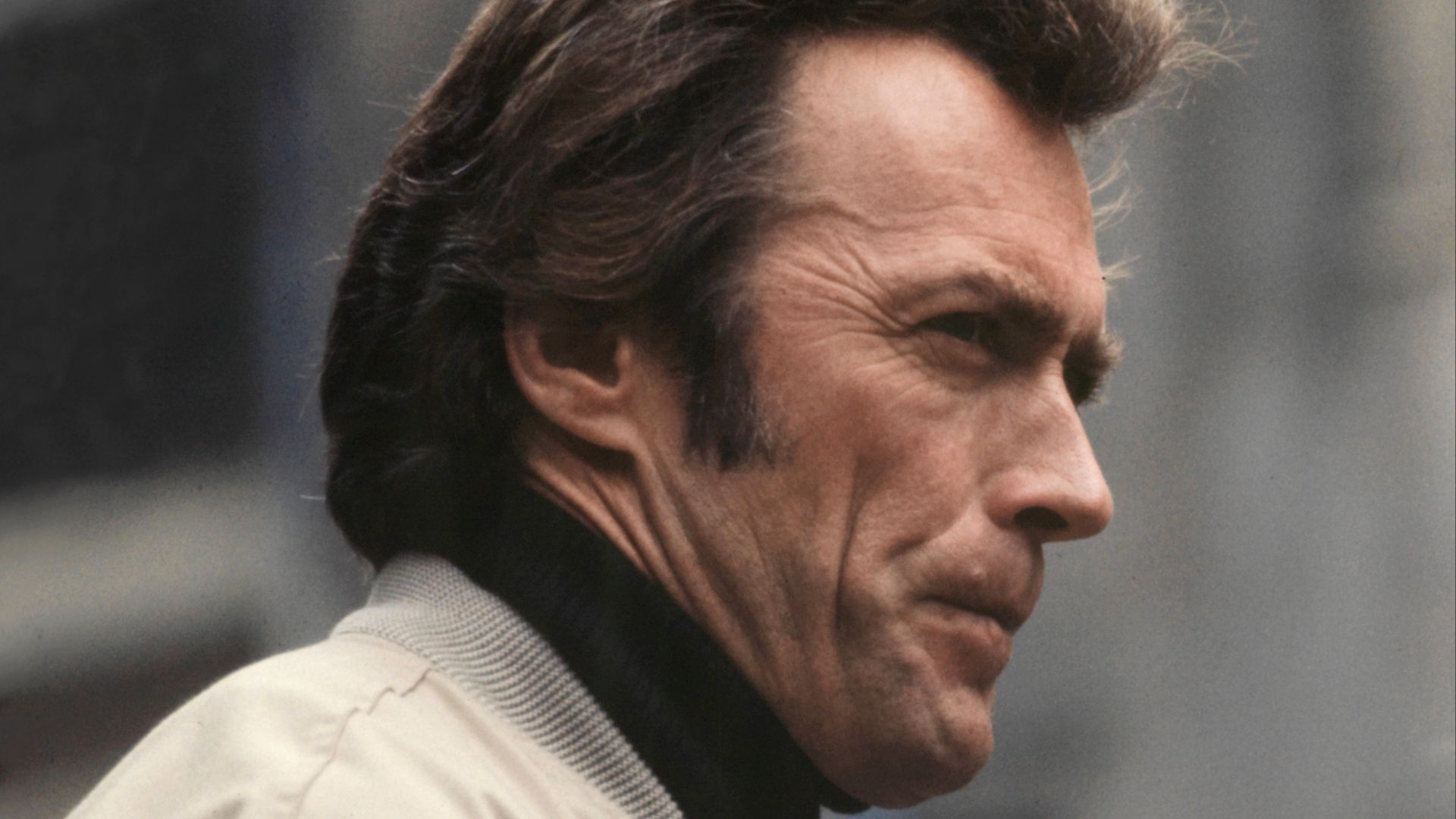 Beat Albrecht, Wikimedia Commons
Then Came City Heat
In 1984, Hollywood finally put Reynolds and Eastwood together in City Heat. The setup sounded irresistible. Two enormous stars would play bickering former partners in a period crime comedy.
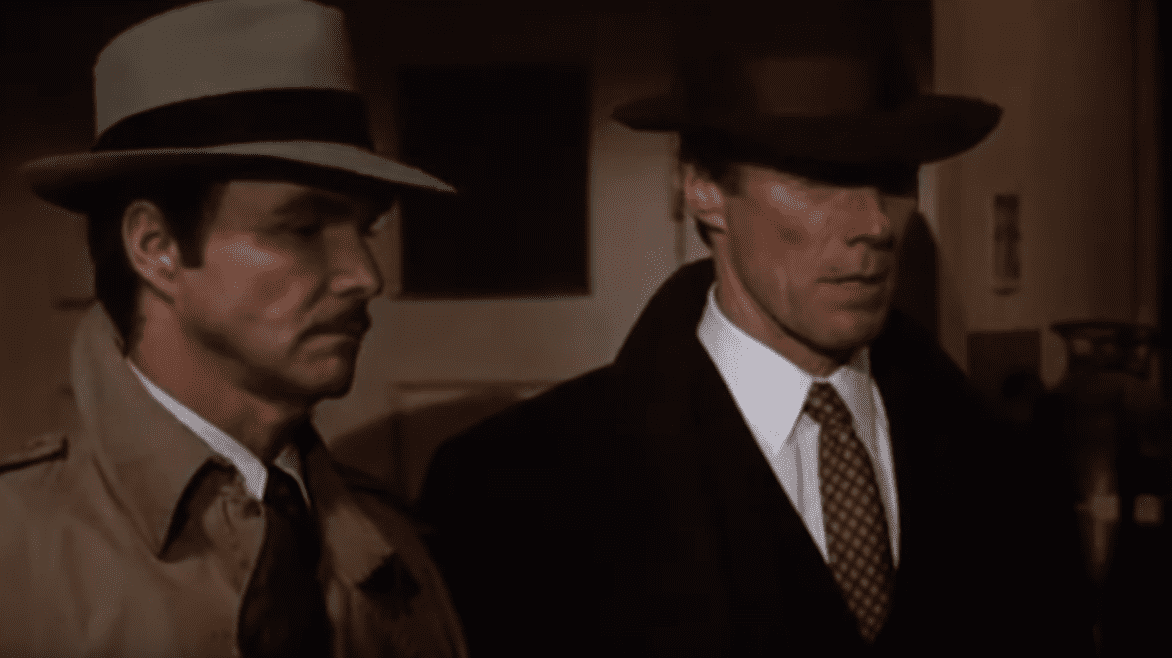 Screenshot from City Heat, Warner Bros. Pictures (1984)
Expectations Were Huge
On paper, City Heat looked like an event movie. Eastwood brought the stoic edge, and Reynolds brought the wisecracks. The pairing promised exactly the kind of star power audiences loved.
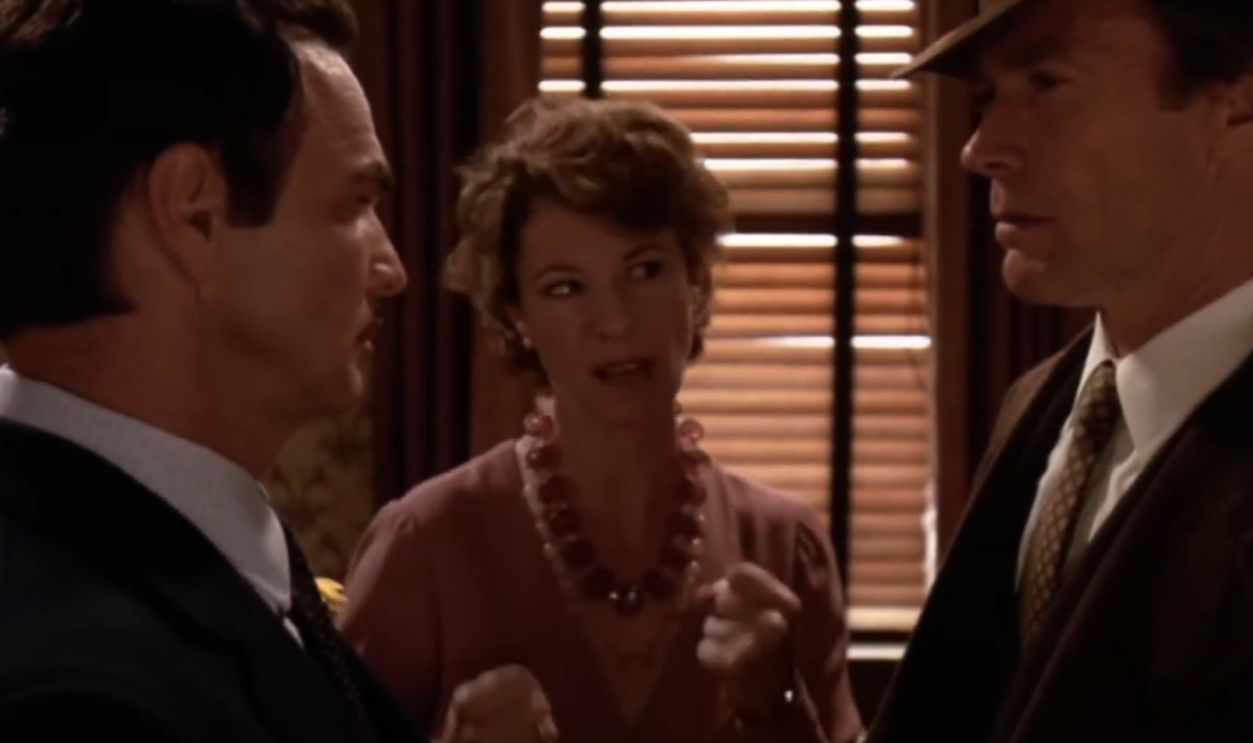 Screenshot from City Heat, Warner Bros. Pictures (1984)
Trouble Hit Early
Production did not go smoothly. Reynolds suffered a serious jaw injury during filming, which affected his health and appearance. The movie’s behind-the-scenes problems became part of its reputation.
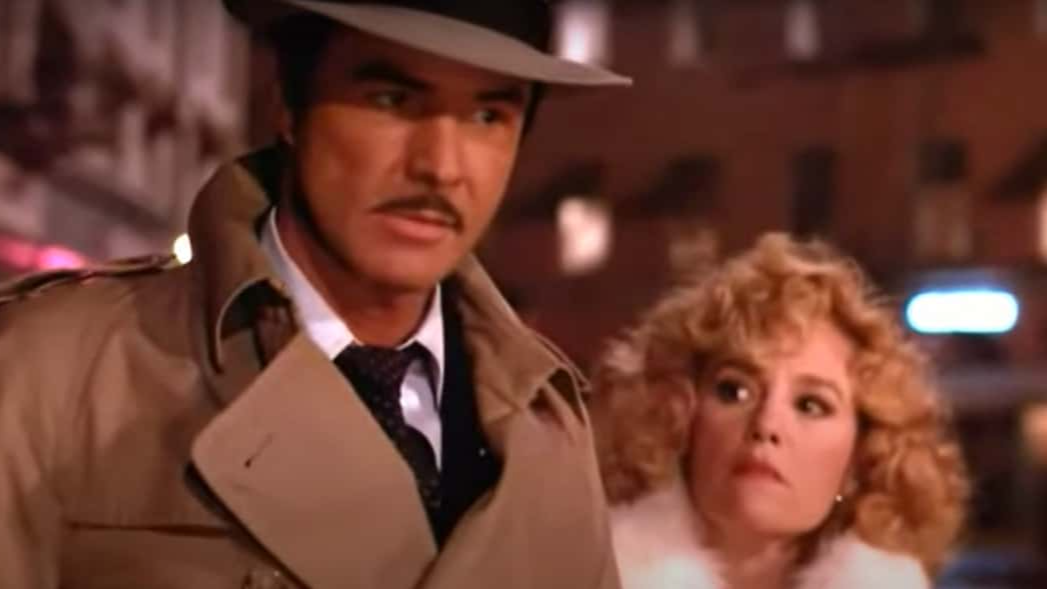 Screenshot from City Heat, Warner Bros. Pictures (1984)
The Chemistry Was Complicated
City Heat depended on the contrast between Eastwood’s deadpan style and Reynolds’ comic energy. That contrast was interesting, but it did not always blend naturally. The movie sometimes felt like two different star vehicles sharing the same frame.
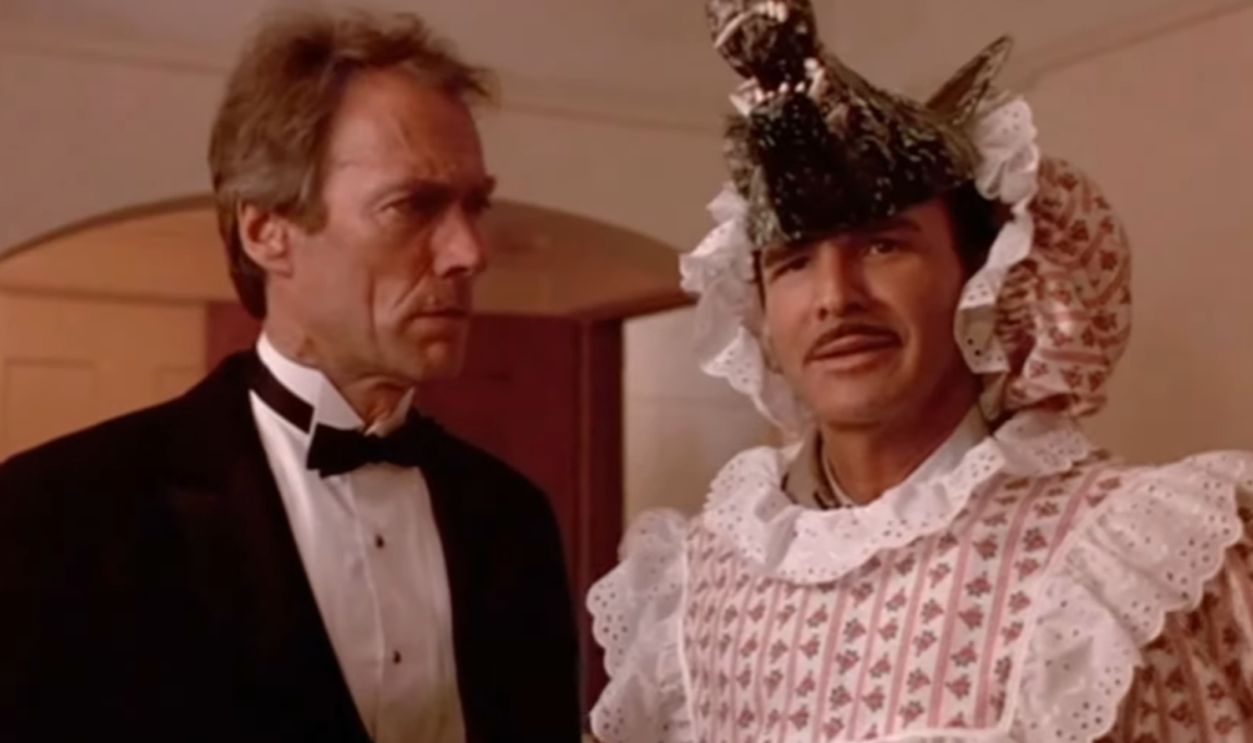 Screenshot from City Heat, Warner Bros. Pictures (1984)
Critics Were Not Kind
City Heat received a chilly response from many critics. Roger Ebert was especially harsh in his review. Even viewers who liked seeing the two stars together often felt the film did not match the promise of the pairing.
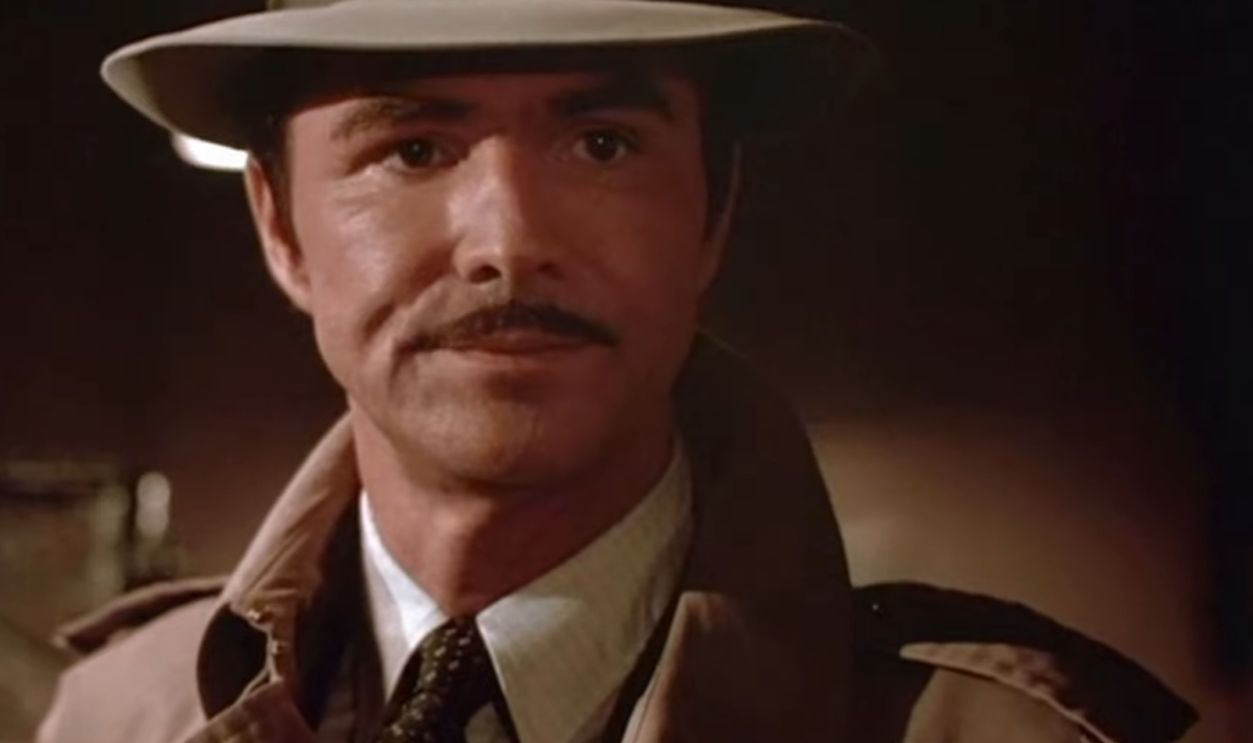 Screenshot from City Heat, Warner Bros. Pictures (1984)
The Box Office Was Underwhelming
The movie earned attention because of its two leads, but it was not the blockbuster many expected. It's domestic gross was just over $38 million. For a film built around Eastwood and Reynolds, that felt disappointing.
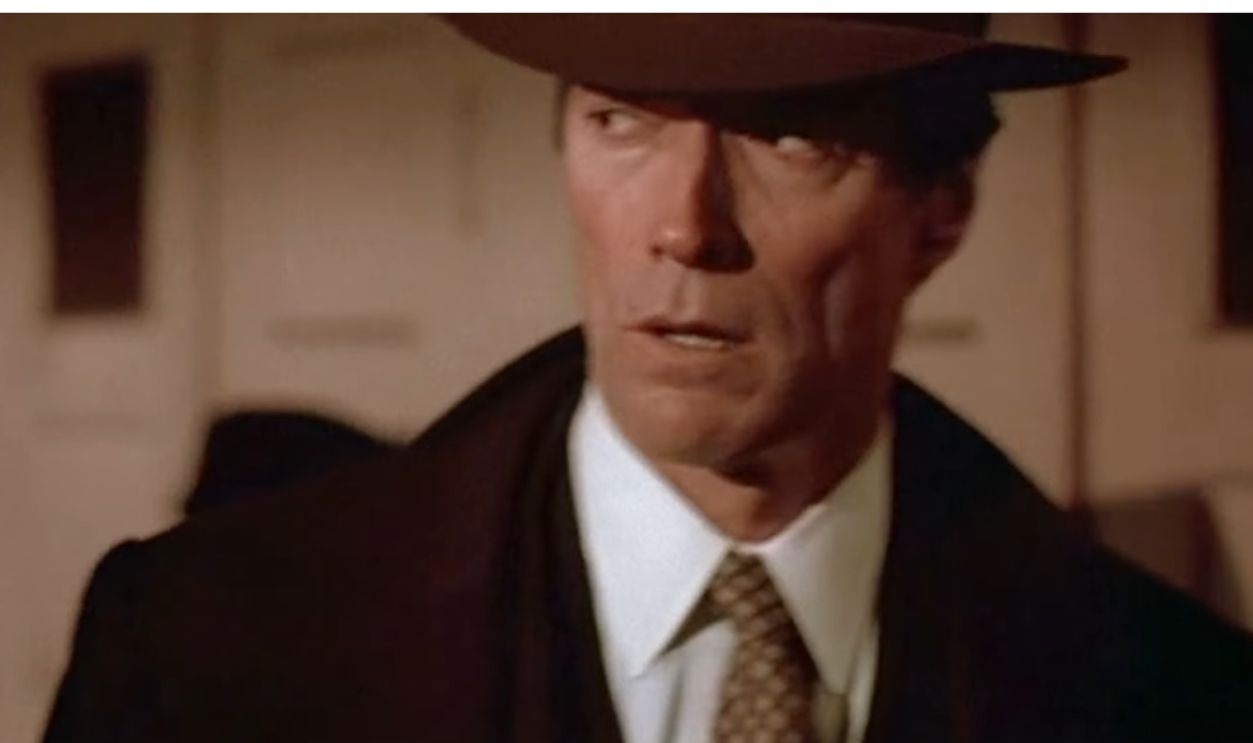 Screenshot from City Heat, Warner Bros. Pictures (1984)
Burt Knew It Missed
Reynolds later spoke candidly about City Heat falling short. He understood that audiences wanted something bigger from the pairing. The film became a missed opportunity rather than the start of a screen partnership.
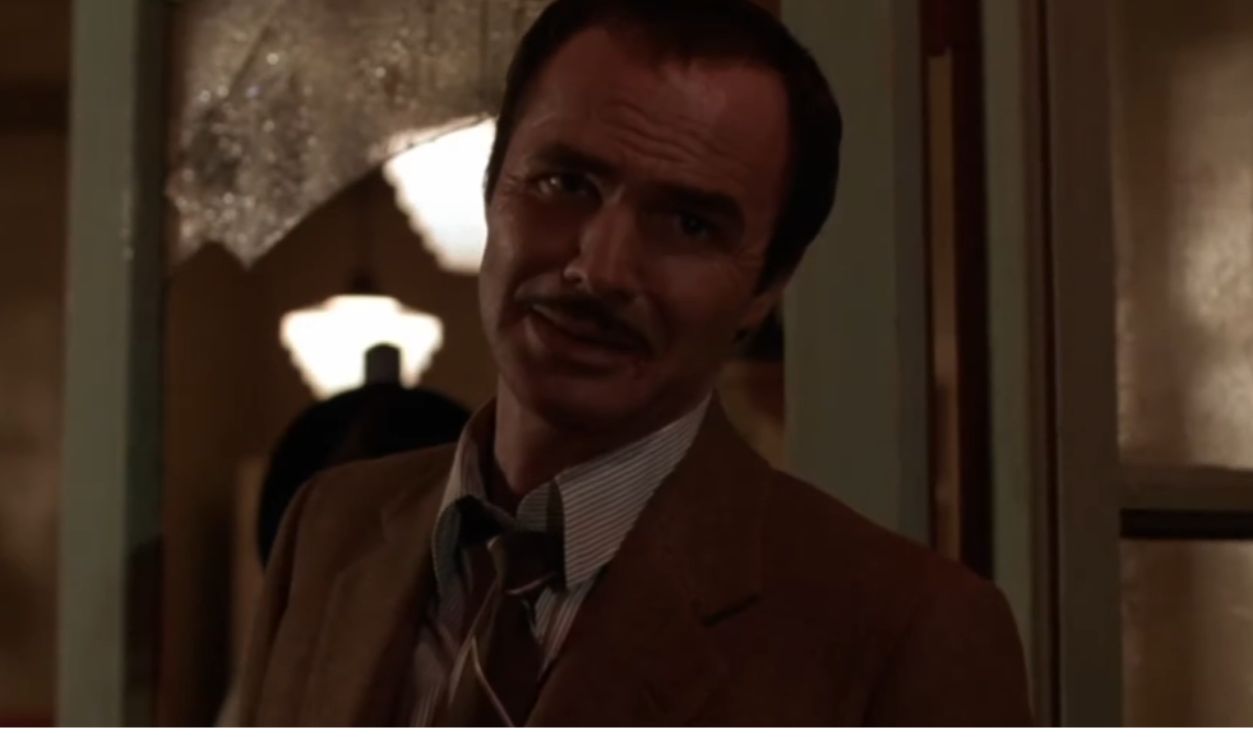 Screenshot from City Heat, Warner Bros. Pictures (1984)
They Never Made Another Movie Together
City Heat remained their only shared feature film. That fact helped the rivalry story grow over time. Fans were left wondering what might have happened with a stronger script or a different tone.
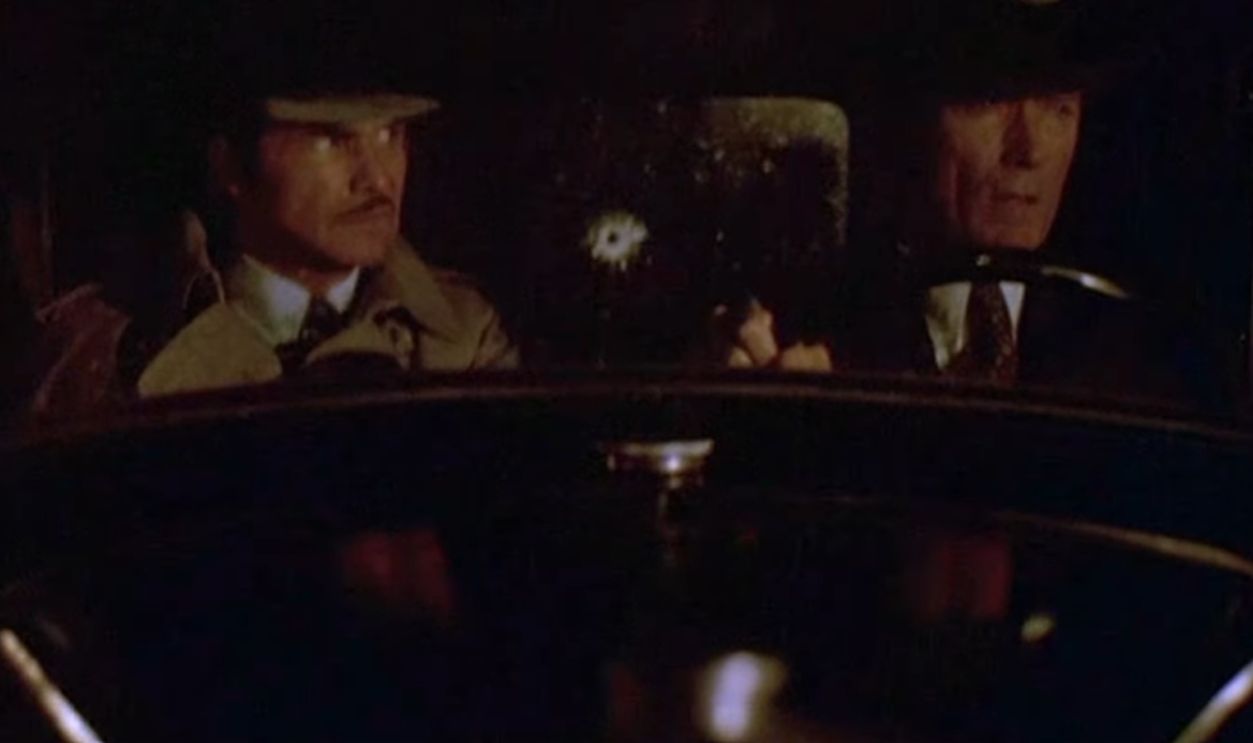 Screenshot from City Heat, Warner Bros. Pictures (1984)
Clint’s Prestige Kept Growing
Eastwood’s later directing career brought him major acclaim. Unforgiven and Million Dollar Baby both won Best Picture and Best Director Oscars. His career eventually became one of Hollywood’s most successful actor-director stories.
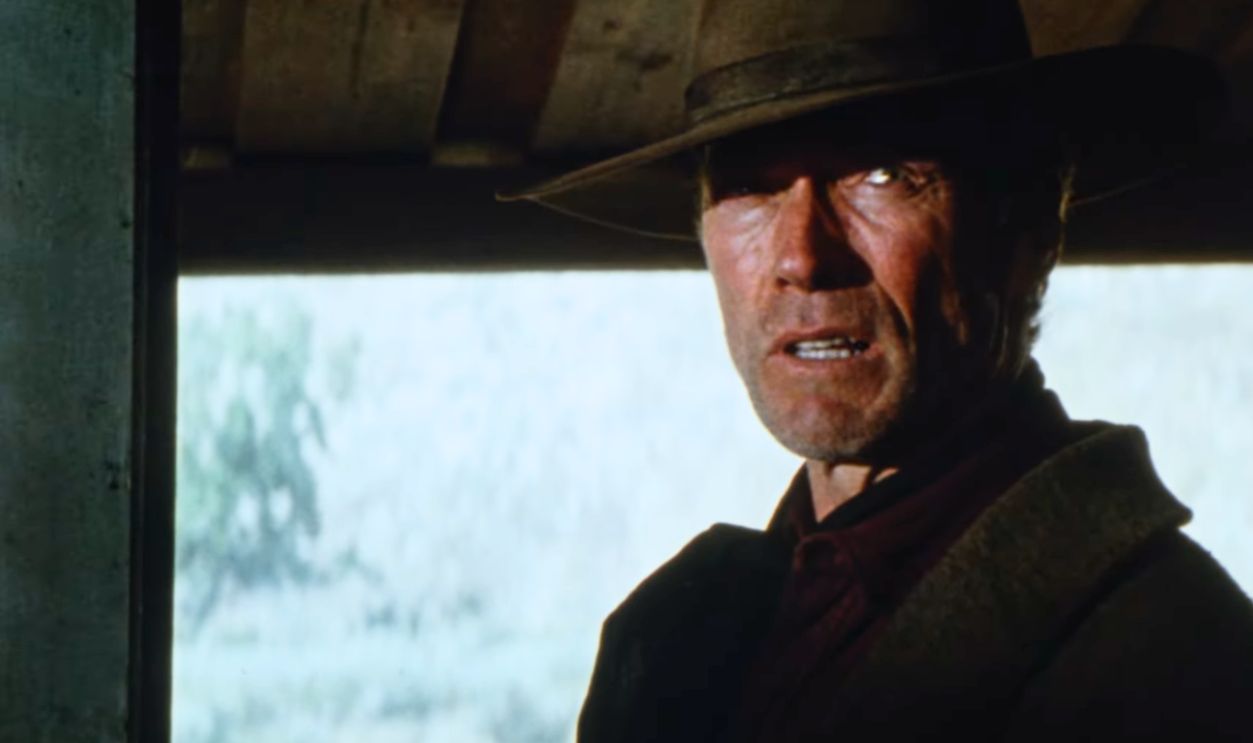 Warner Bros. Pictures,Unforgiven (1992)
Burt Found A Late-Career Comeback
Reynolds had ups and downs after his box-office reign, but Boogie Nights gave him a major critical comeback. He won a Golden Globe and earned an Oscar nomination for the role. It reminded Hollywood that he was more than just a grin and a fast car.
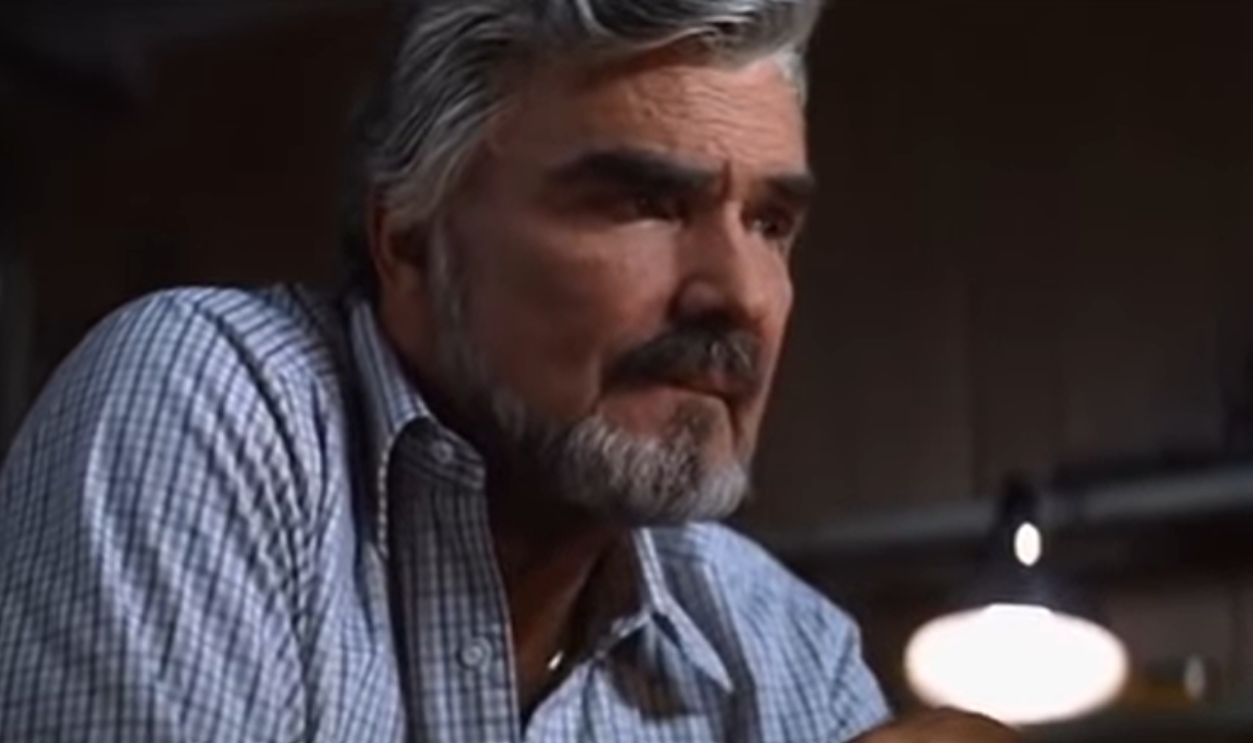 Screenshot from Boogie Nights, New Line Cinema (1997)
Their Legacies Took Different Shapes
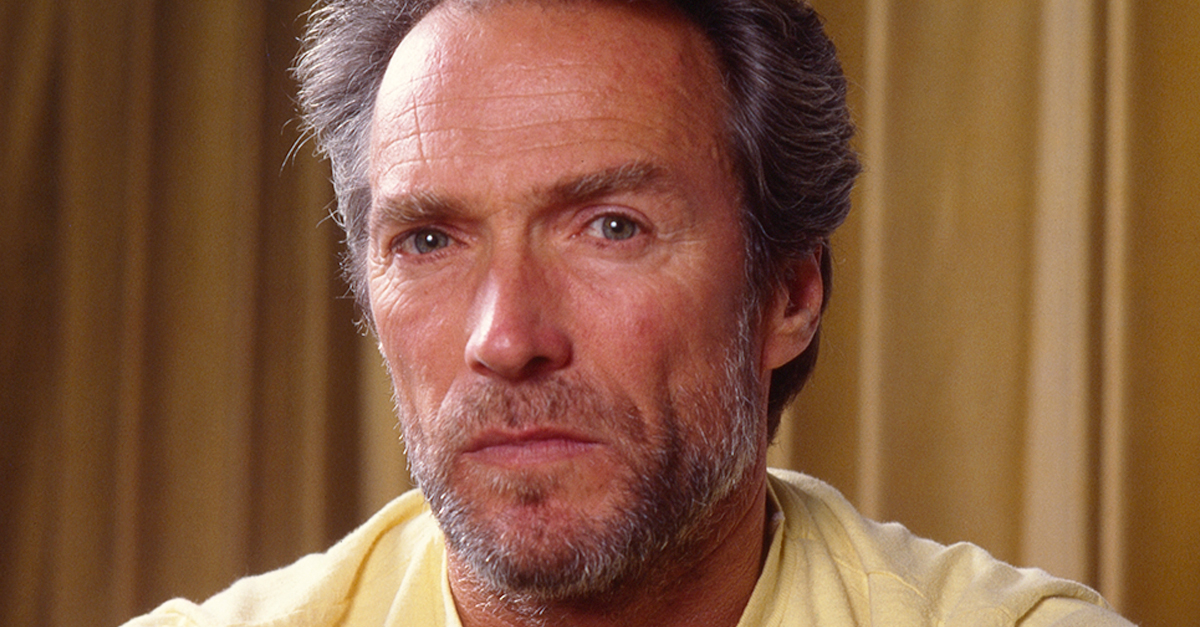
Eastwood became the model of longevity, control, and reinvention. Reynolds became the symbol of charisma, humor, vulnerability, and old-school movie-star magnetism. Their careers answered rejection in two very different ways.
The Rivalry Was Really A Mirror
The so-called rivalry says as much about Hollywood as it does about the actors. The industry loved ranking men who seemed to occupy the same lane. In truth, Reynolds and Eastwood were never interchangeable.
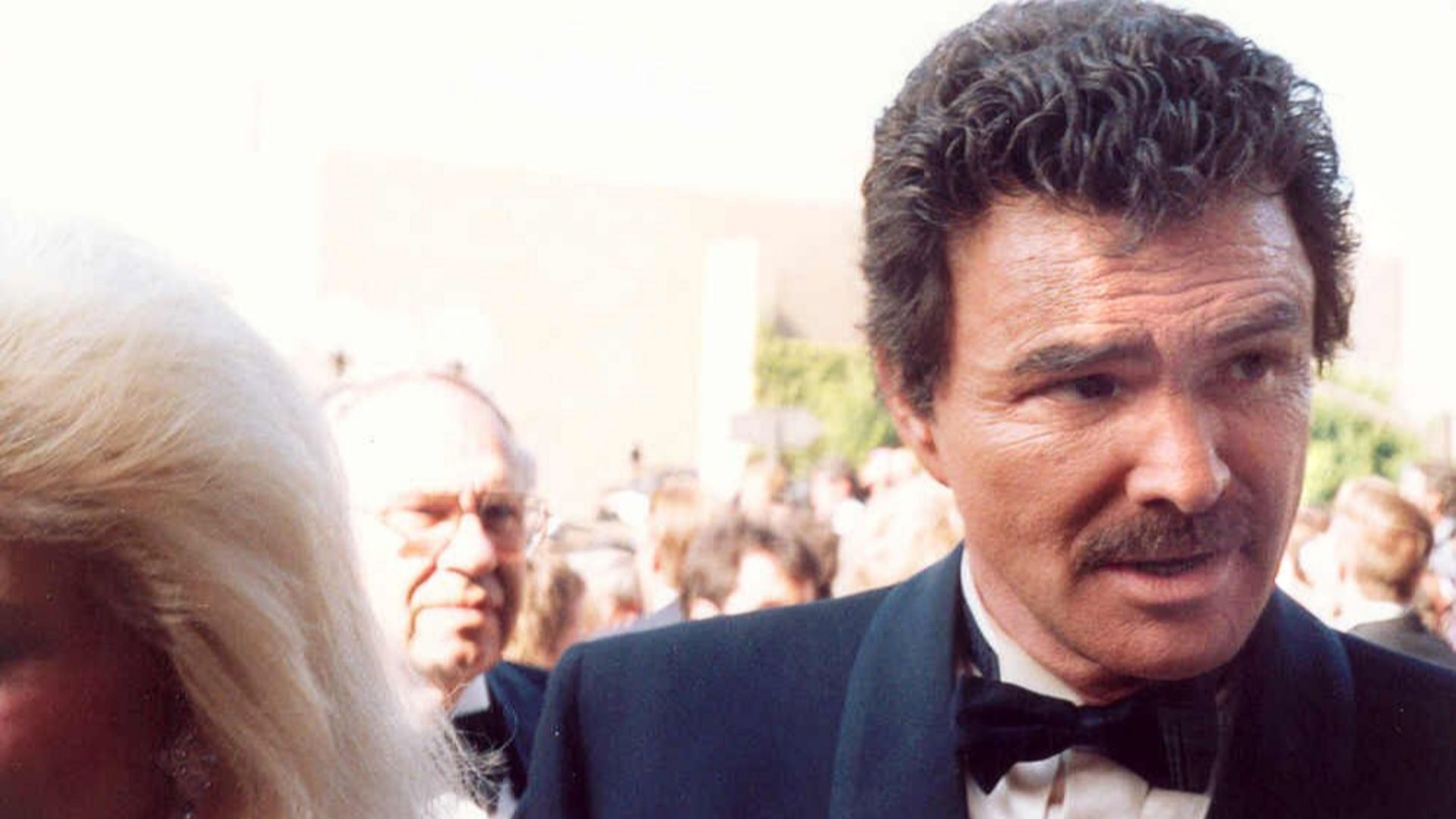 Alan Light (https://www.flickr.com/people/alan-light/), Wikimedia Commons
Burt Kept The Myth Alive
Reynolds’ storytelling made the rivalry feel more colorful. He knew how to make a Hollywood anecdote land. His version of events often carried a wink, which is easy to miss when the story gets repeated.
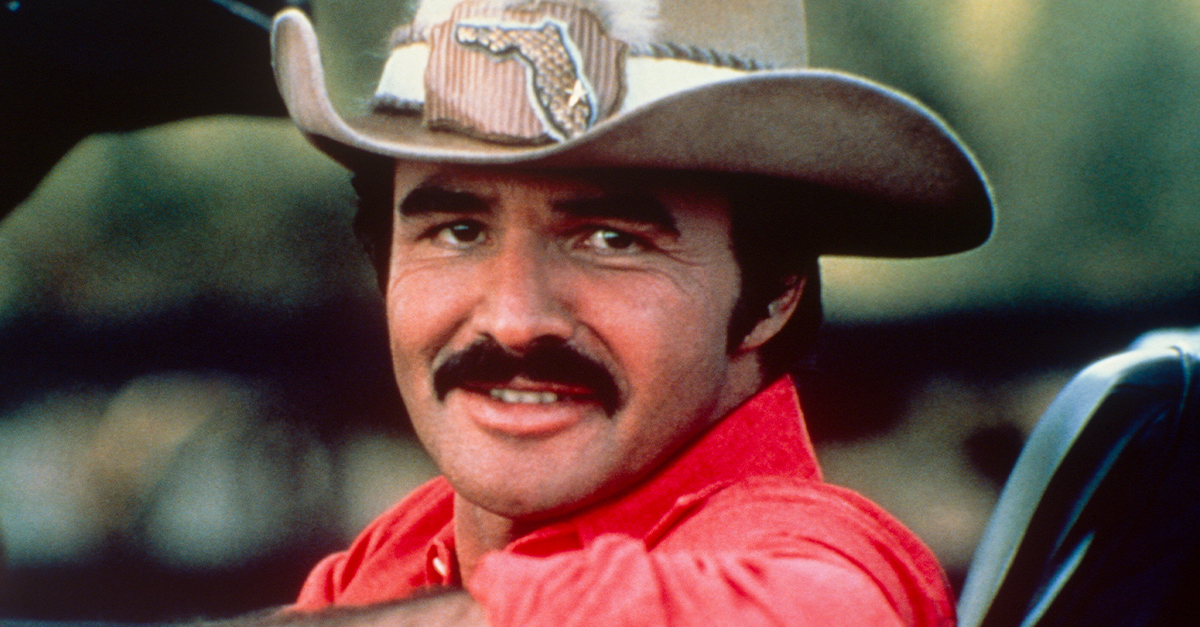
The Real Story Is Better Than A Feud
Burt Reynolds and Clint Eastwood were not simply enemies competing for the same crown. They were two rejected contract players who became legends through completely different strengths. The rivalry was real enough for headlines, but the better story is how both men outgrew the studio that once gave up on them.
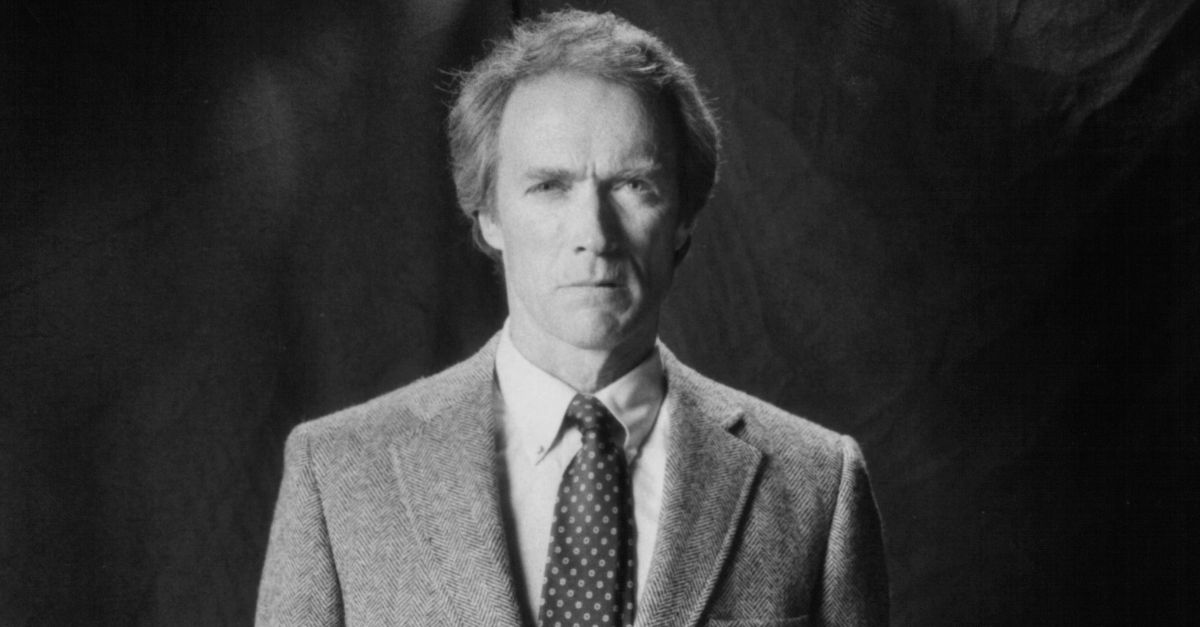 Michael Ochs Archives, Getty Images
You May Also Like:
The Surprising Way The Rockford Files Revived James Garner's Career
Clint Eastwood Has Finally Retired At 96—But There May Still Be Hope For One More Film
America crowned Burt Reynolds a box office king—but fame became the shadow he could never outrun.