When Horror Started Getting Truly Uncomfortable
The 1960s were a strange, incredibly fertile decade for horror. Old-fashioned Gothic monsters were still lurking in castles, but filmmakers were also discovering psychological breakdowns, religious paranoia, folk horror, and threats that didn’t need any explanation at all. The result was a decade packed with movies that could be elegant, grotesque, surreal, or brutally simple, sometimes all at once.
 Silver Screen Collection, Getty Images
The Curse Of The Crying Woman (1963)
Long before La Llorona became a familiar figure to modern horror audiences, Mexican director Rafael Baledón turned the legend into a beautifully atmospheric Gothic nightmare. Amelia and her husband visit the crumbling home of her Aunt Selma, only to discover that Selma practices black magic and intends to use Amelia to resurrect the Crying Woman. Cobwebs, fog, ruined corridors, witchcraft, and the ghost’s striking skeletal appearance make the film feel like a Universal monster movie filtered through Mexican folklore.
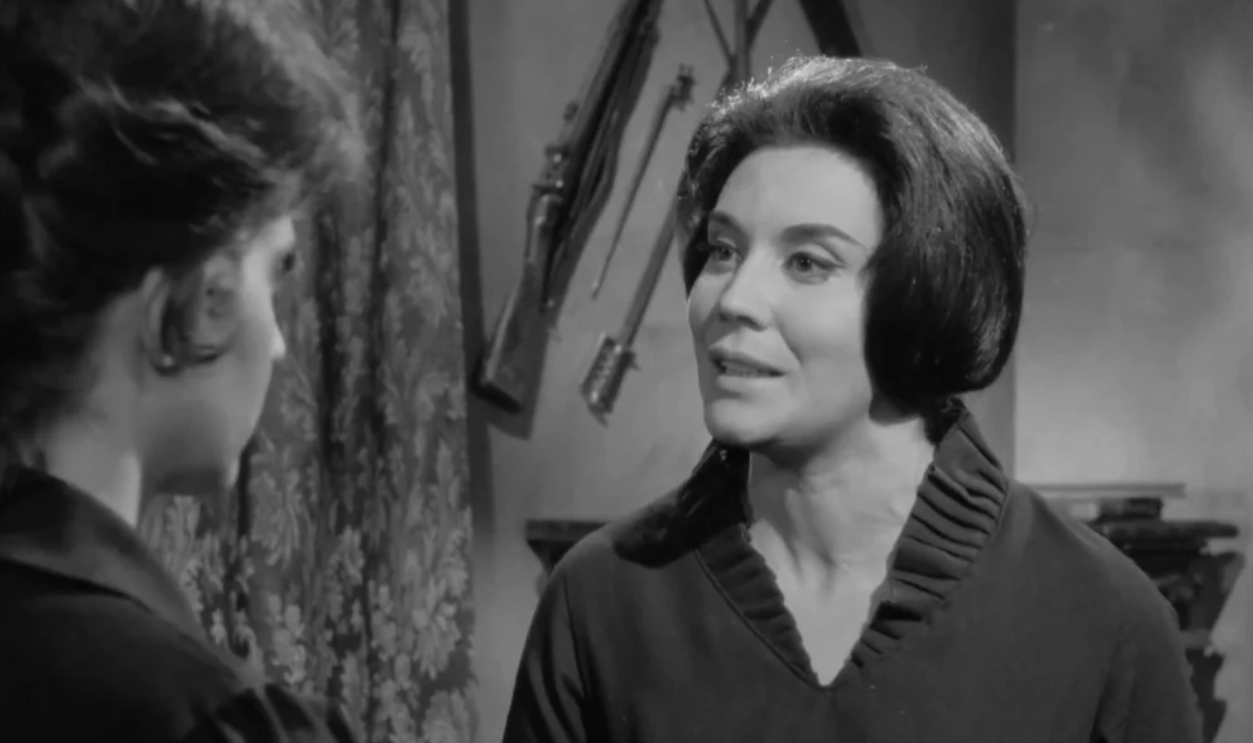 Screenshot from The Curse of the Crying Woman, Cinematografica ABSA (1963)
The Masque Of The Red Death (1964)
Roger Corman’s Edgar Allan Poe cycle reached one of its visual peaks with The Masque of the Red Death. Vincent Price plays Prince Prospero, a wealthy Satanist who seals himself and his privileged friends inside a castle while a deadly plague ravages the peasants outside. Nicolas Roeg’s cinematography gives the film unusually rich colors, while Prospero’s casual malice makes him one of Price’s nastiest characters. The famous masked-ball finale transforms death itself into something elegant, inevitable, and strangely beautiful.
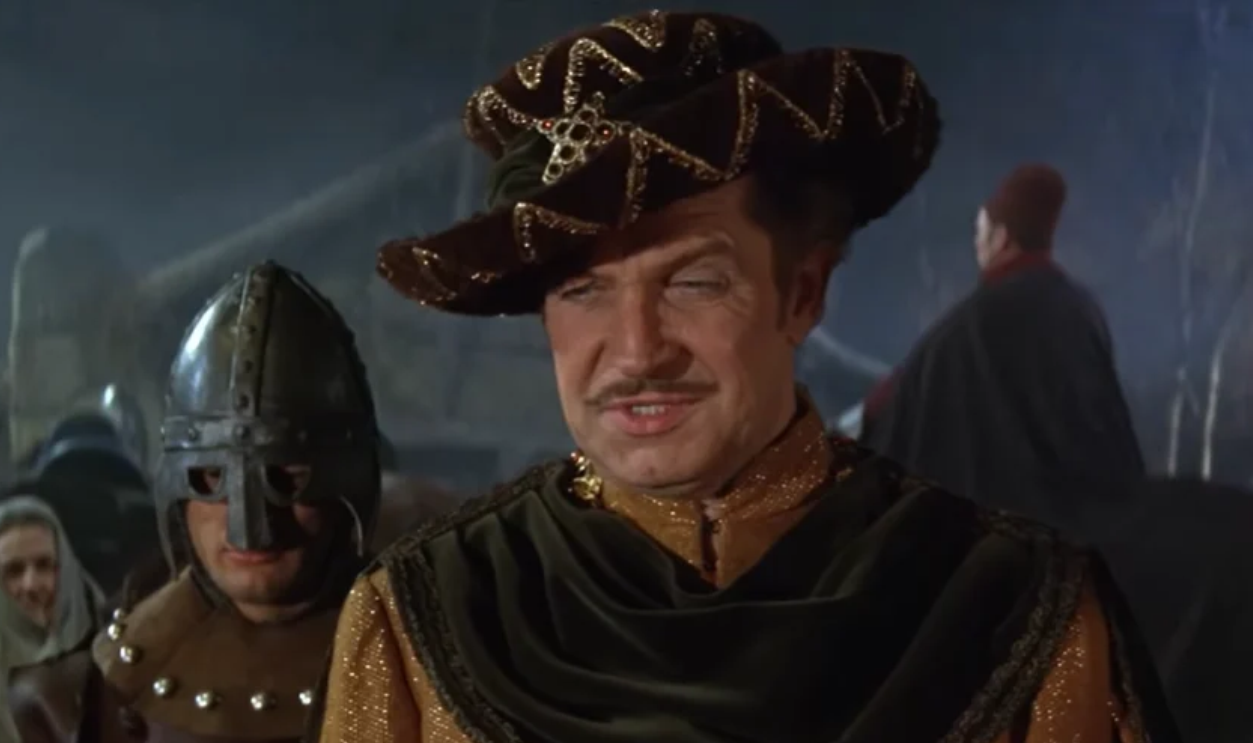 Screenshot from The Masque of the Red Death, American International Pictures (1964)
Black Sabbath (1963)
Mario Bava packed three completely different kinds of fear into this Italian anthology, introduced by Boris Karloff. “The Telephone” builds suspense around menacing calls, “The Wurdalak” gives Karloff a much darker role in a vampire-like folk tale, and “The Drop of Water” turns a stolen ring and a lifeless woman’s face into nightmare fuel. Bava’s exaggerated colors and shadowy sets make every segment look slightly unreal, as though someone photographed a collection of particularly unpleasant dreams.
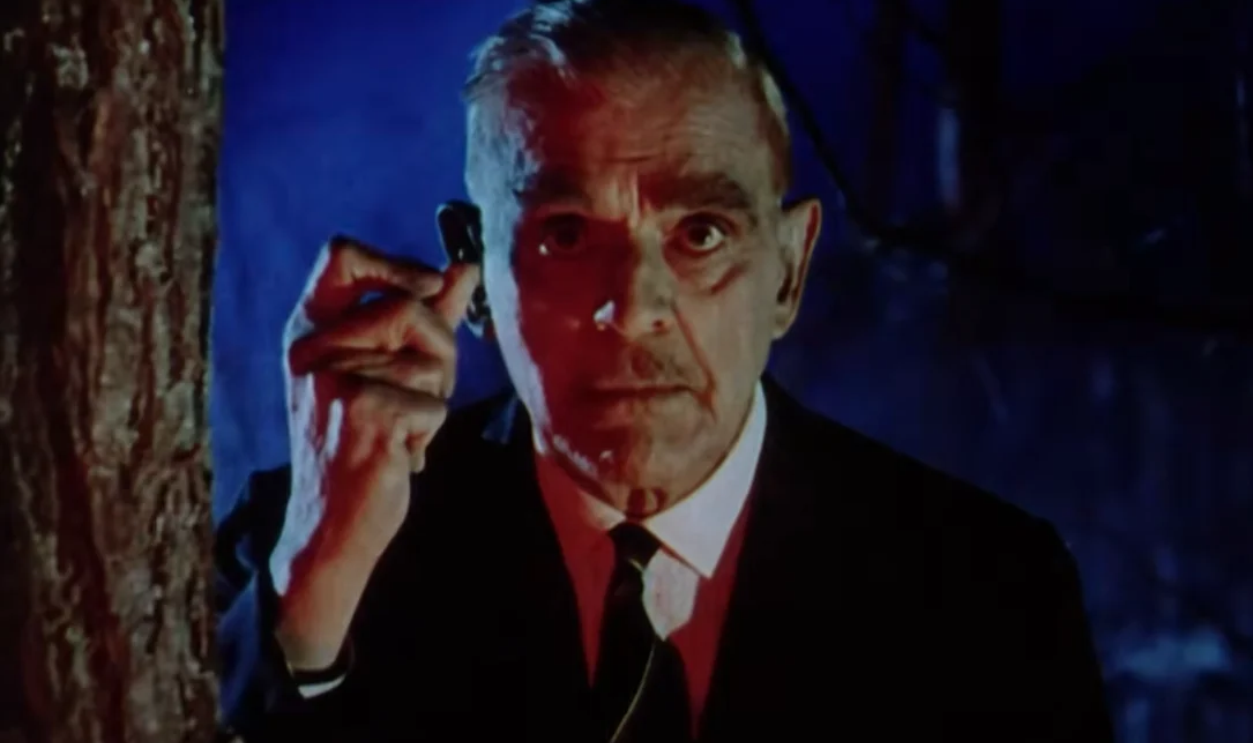 Screenshot from Black Sabbath, Warner Bros. (1963)
The Innocents (1961)
Jack Clayton’s adaptation of Henry James’s The Turn of the Screw never gives viewers the comfort of knowing exactly what is happening. Deborah Kerr plays a governess caring for two children on an isolated estate, where she becomes convinced that the ghosts of two former employees are influencing them. Freddie Francis’s black-and-white CinemaScope photography fills the frame with empty spaces and distant figures. Whether the estate is genuinely haunted or the governess is unraveling only makes the story more disturbing.
 Screenshot from The Innocents, 20th Century Fox (1961)
The Haunting (1963)
Robert Wise understood that showing the monster isn’t always the frightening part. Based on Shirley Jackson’s The Haunting of Hill House, the movie sends a small group into Hill House to investigate its supernatural reputation. Julie Harris gives the film its emotional center as the vulnerable Eleanor, who feels an increasingly personal connection to the house. Doors bend, unseen things pound against walls, and something seems to breathe outside bedrooms. Almost nothing is shown, yet Hill House feels horribly alive.
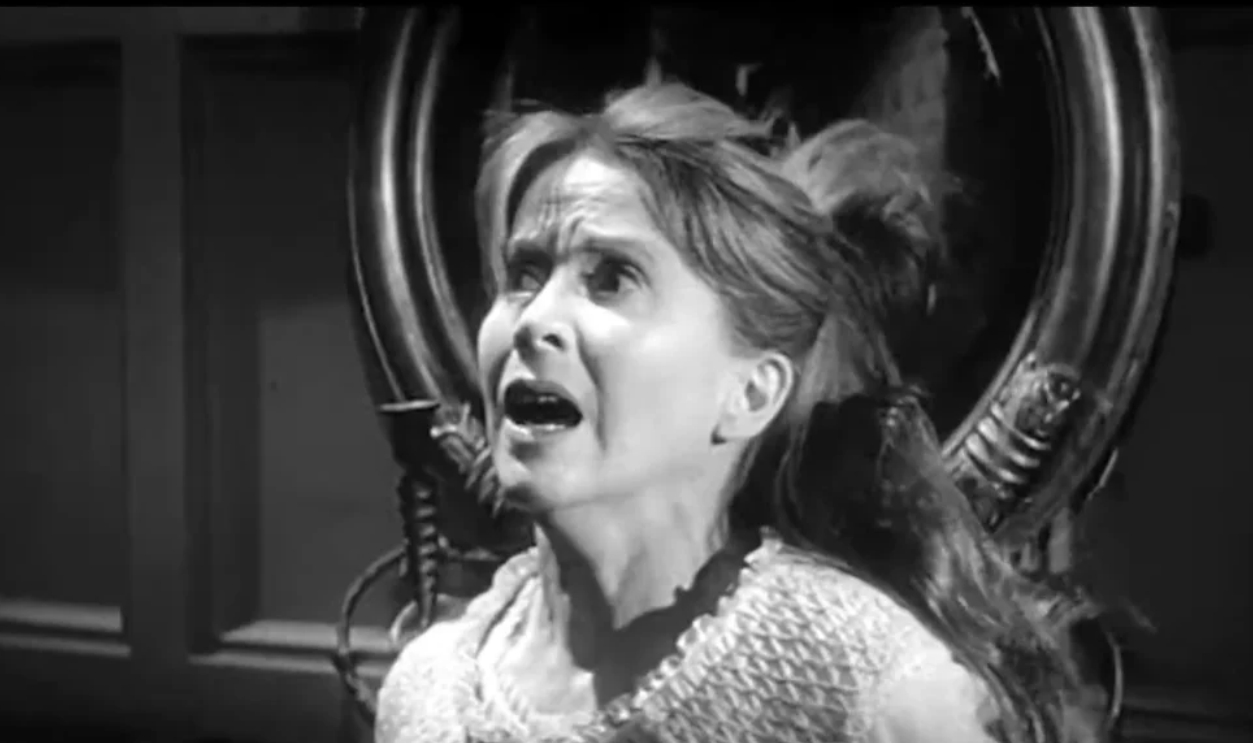 Screenshot from The Haunting, MGM (1963)
The Birds (1963)
Alfred Hitchcock never tells the audience why the birds suddenly begin attacking Bodega Bay, and that refusal is one of the movie’s greatest strengths. A single gull strike escalates into birds gathering silently behind a school, smashing through buildings, attacking children, and overwhelming an entire town. Hitchcock replaced a conventional score with unsettling electronic bird sounds, making the attacks feel even stranger. By the final scenes, the characters aren’t trying to defeat anything. They’re simply hoping the creatures will let them leave.
 Screenshot from The Birds, Universal Pictures (1963)
Repulsion (1965)
Catherine Deneuve’s Carol is already withdrawn when her sister leaves her alone in their London apartment. Once isolated, reality begins breaking apart with her. Walls crack, hands emerge from the darkness, ordinary rooms become menacing, and Carol’s fear of intimacy turns increasingly violent. Roman Polanski keeps much of the movie trapped inside the apartment, transforming a familiar living space into a psychological cell. The more Carol loses her grip, the less certain the audience becomes about anything it sees.
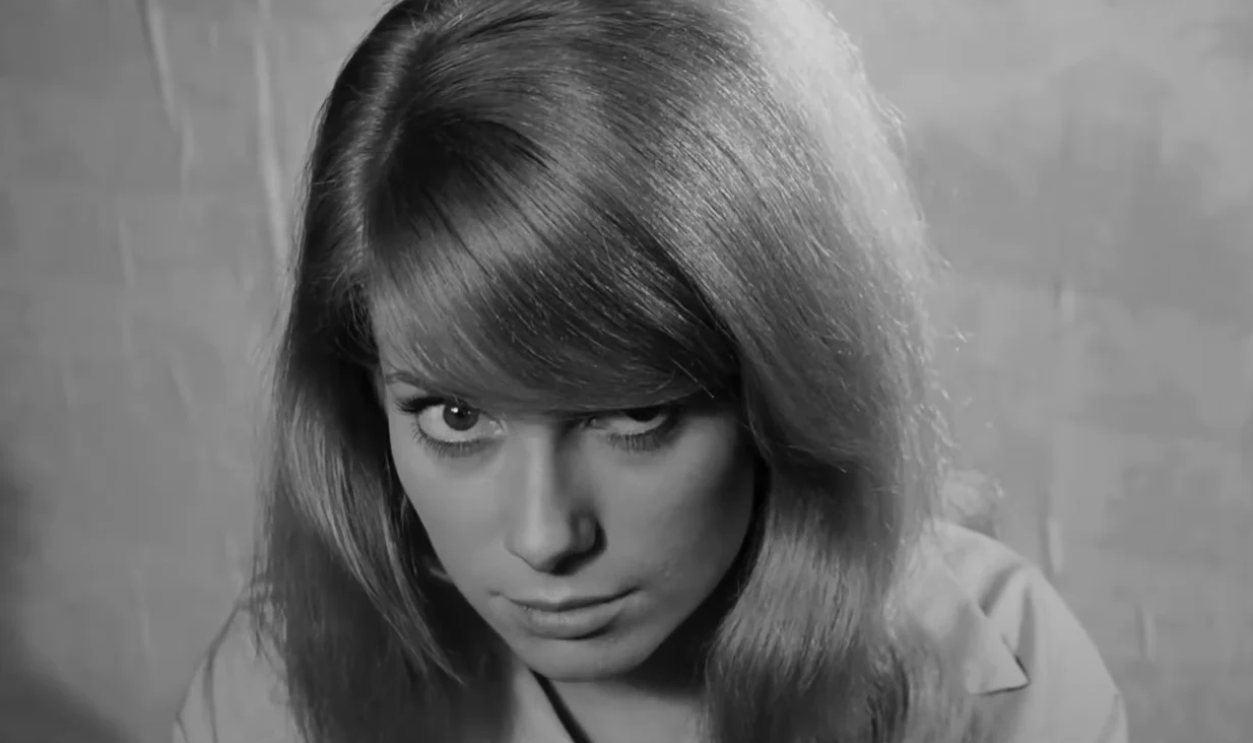 Screenshot from Repulsion, Compton Films (1965)
Hour Of The Wolf (1968)
Ingmar Bergman rarely made anything that could be labeled straightforward horror, but Hour of the Wolf comes remarkably close. Max von Sydow plays painter Johan Borg, who retreats to an isolated island with his wife, Alma, played by Liv Ullmann. He is plagued by insomnia, memories, and increasingly grotesque visions, while the inhabitants of a nearby castle seem determined to push him further into madness. Bergman never clearly separates demons from psychological collapse, allowing both possibilities to become equally frightening.
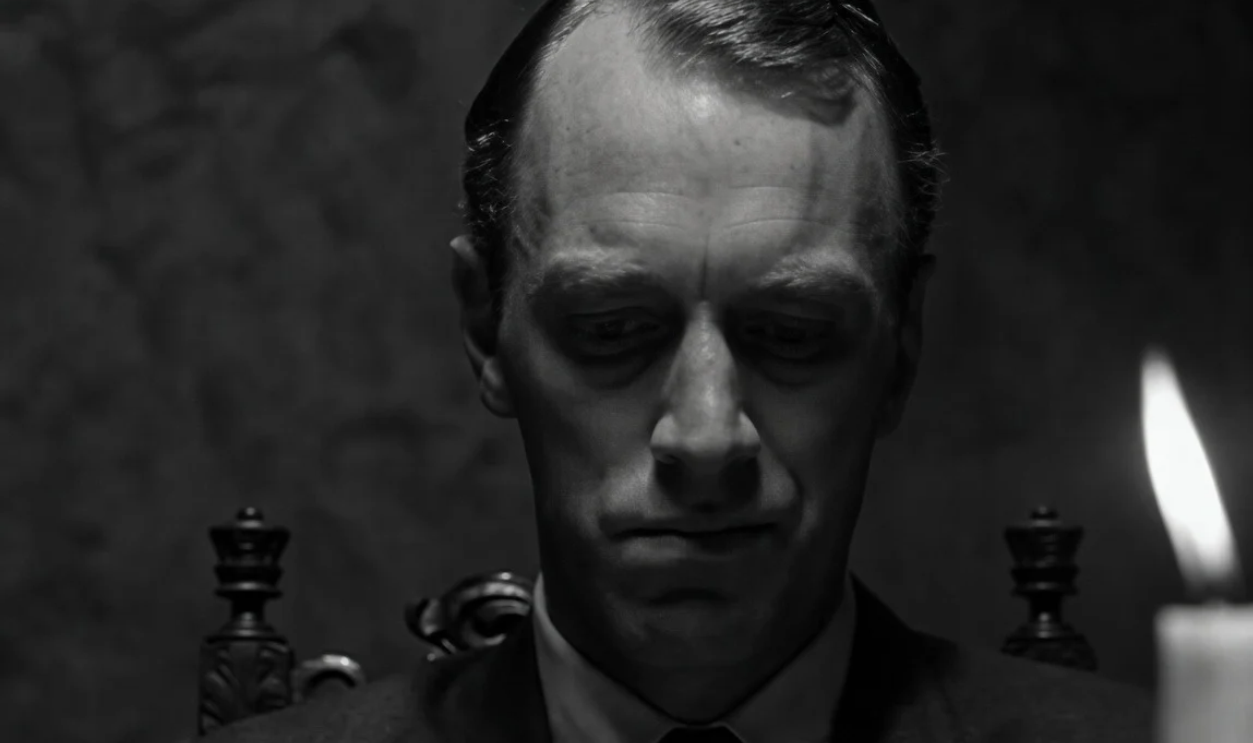 Screenshot from Hour of the Wolf, Svensk Filmindustri (1968), Modified
Witchfinder General (1968)
Vincent Price dropped much of his usual theatrical charm to play Matthew Hopkins, the self-appointed witch hunter who terrorizes 17th-century England. Director Michael Reeves presents the countryside as beautiful and peaceful, then fills it with torment, executions, corruption, and religious hysteria. Hopkins doesn’t need supernatural powers because ordinary malice is enough. The brutality was considered unusually harsh in 1968, and the film became an important early landmark in what would later be called folk horror.
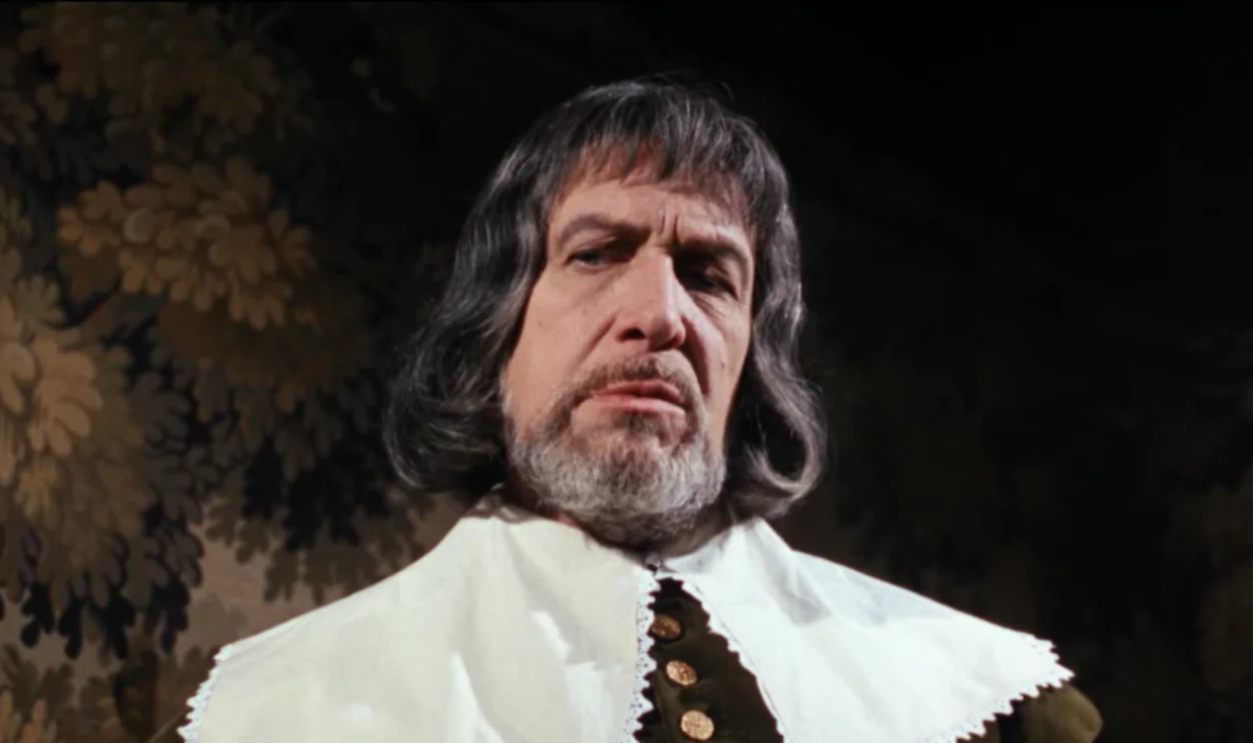 Screenshot from Witchfinder General, Tigon Pictures (1968)
Dracula Has Risen From The Grave (1968)
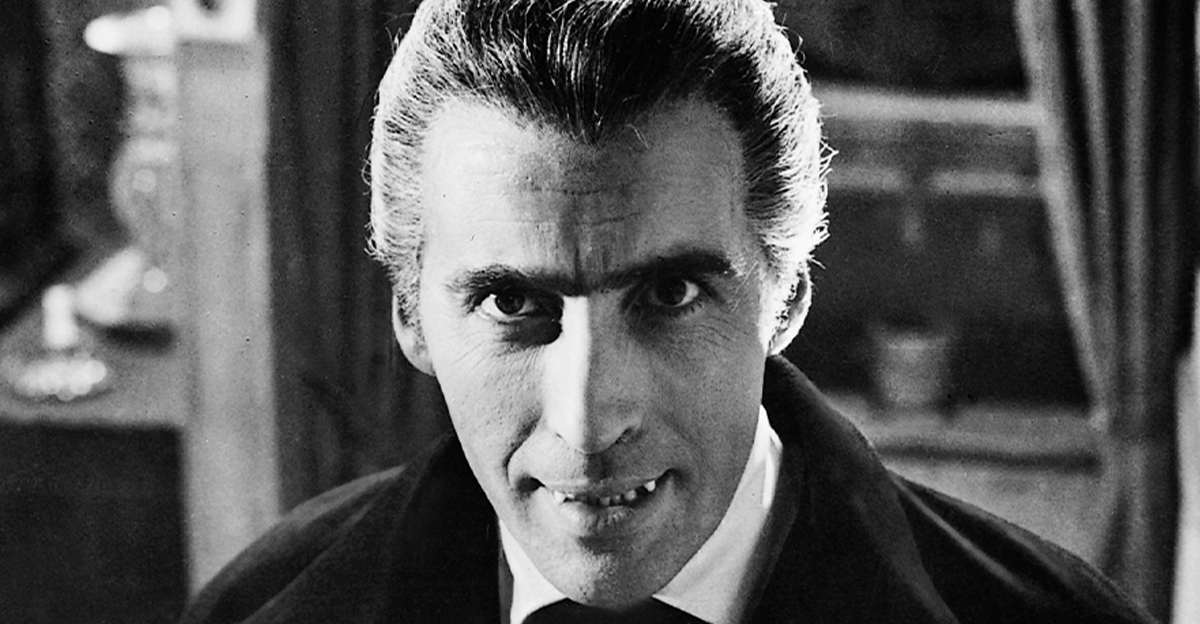
Christopher Lee returned to the cape for one of Hammer’s most visually memorable Dracula films. After Dracula is accidentally revived, he discovers that a monsignor has sealed his castle with a cross and immediately begins plotting revenge against the clergyman’s family. Director Freddie Francis fills the movie with deep reds, Gothic rooftops, taverns, crypts, and religious imagery. Lee barely needs dialogue. His height, fury, and physical presence make Dracula feel less like a sophisticated aristocrat and more like something barely containing its animal instincts.
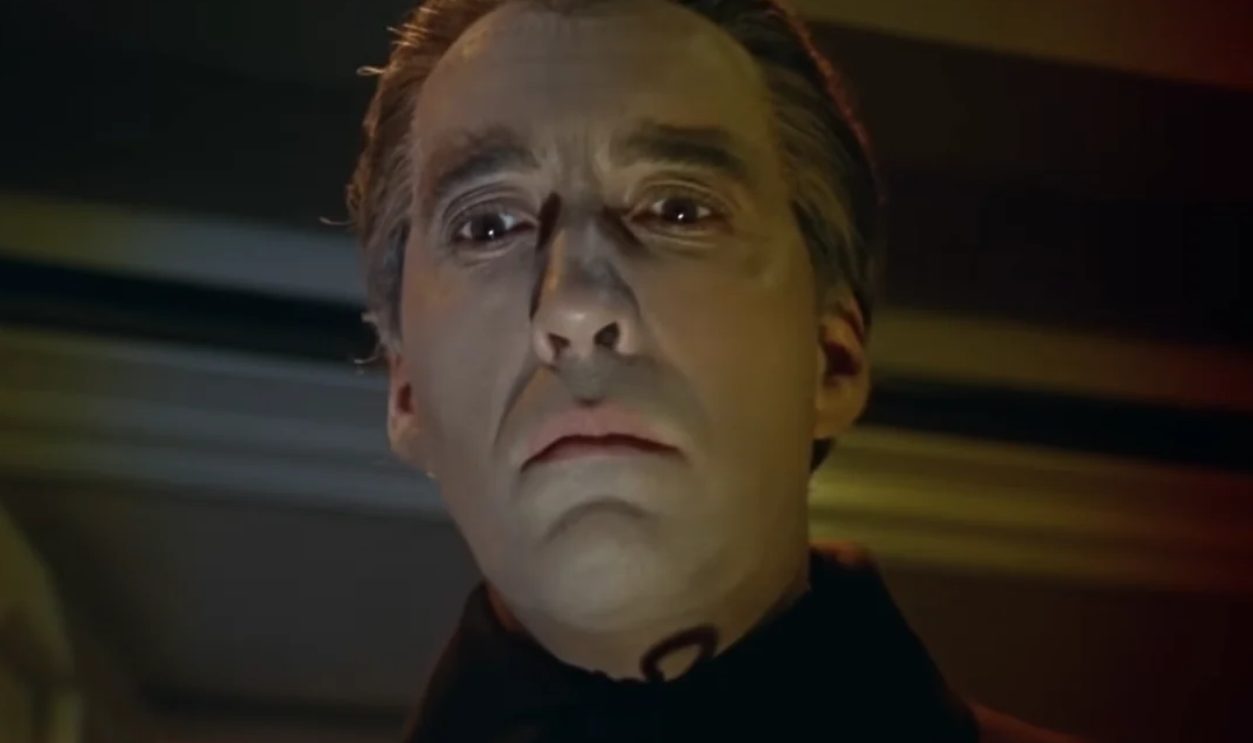 Screenshot from Dracula Has Risen from the Grave, Hammer Film Productions (1968)
Hush… Hush, Sweet Charlotte (1964)
Bette Davis plays Charlotte Hollis, an aging Southern recluse who has spent decades living under suspicion that she took the life of her married lover. When her Louisiana mansion faces demolition, cousin Miriam, played by Olivia de Havilland, arrives to help. Instead, Charlotte begins experiencing increasingly horrifying sights and sounds. Robert Aldrich pushes Southern Gothic almost to its breaking point with severed limbs, madness, family secrets, manipulation, and an enormous decaying house that seems to contain decades of accumulated guilt.
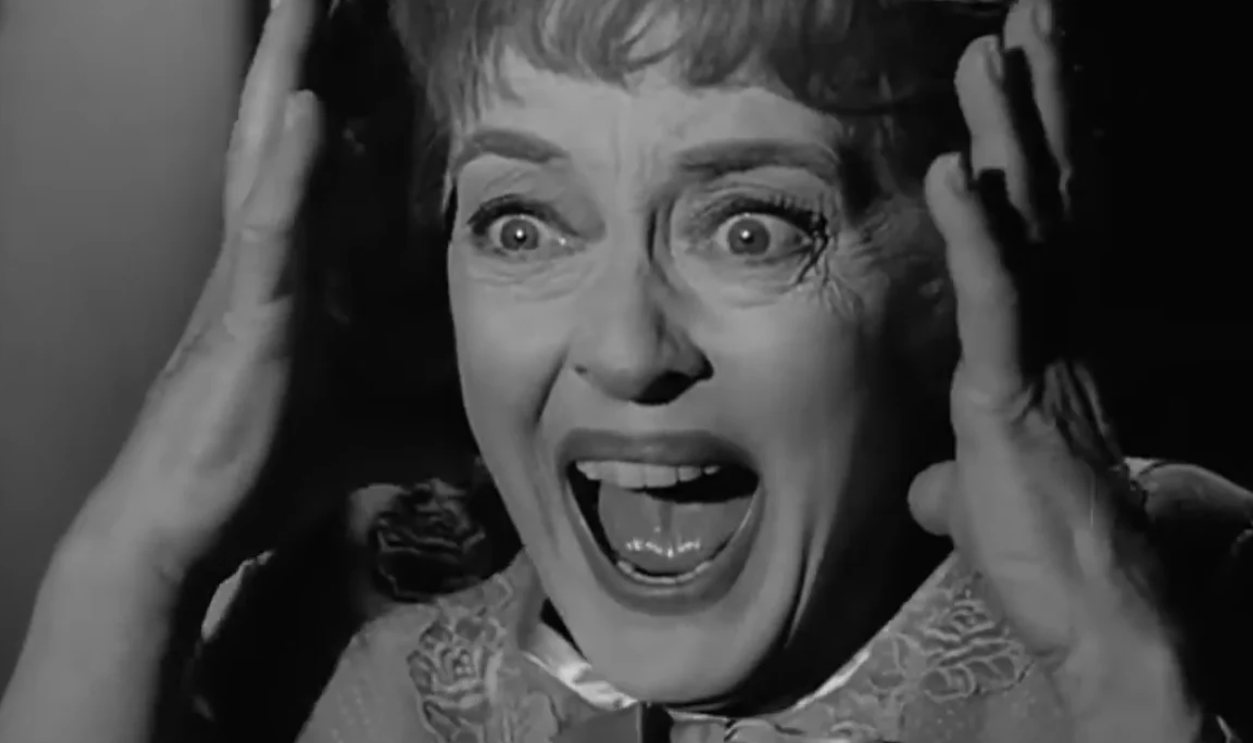 Screenshot from Hush… Hush, Sweet Charlotte, 20th Century Fox (1964)
The Devil Rides Out (1968)
Christopher Lee rarely got to be Hammer’s unquestioned hero, which makes his performance as occult expert Duc de Richleau especially satisfying. When he realizes that a young friend has been drawn into a Satanic cult, Richleau finds himself battling the hypnotic Mocata, played with unnerving calm by Charles Gray. Richard Matheson adapted Dennis Wheatley’s novel, giving the movie protective circles, ritual magic, demonic apparitions, and one memorable supernatural siege. It treats the occult with absolute seriousness, which helps the stranger moments work.
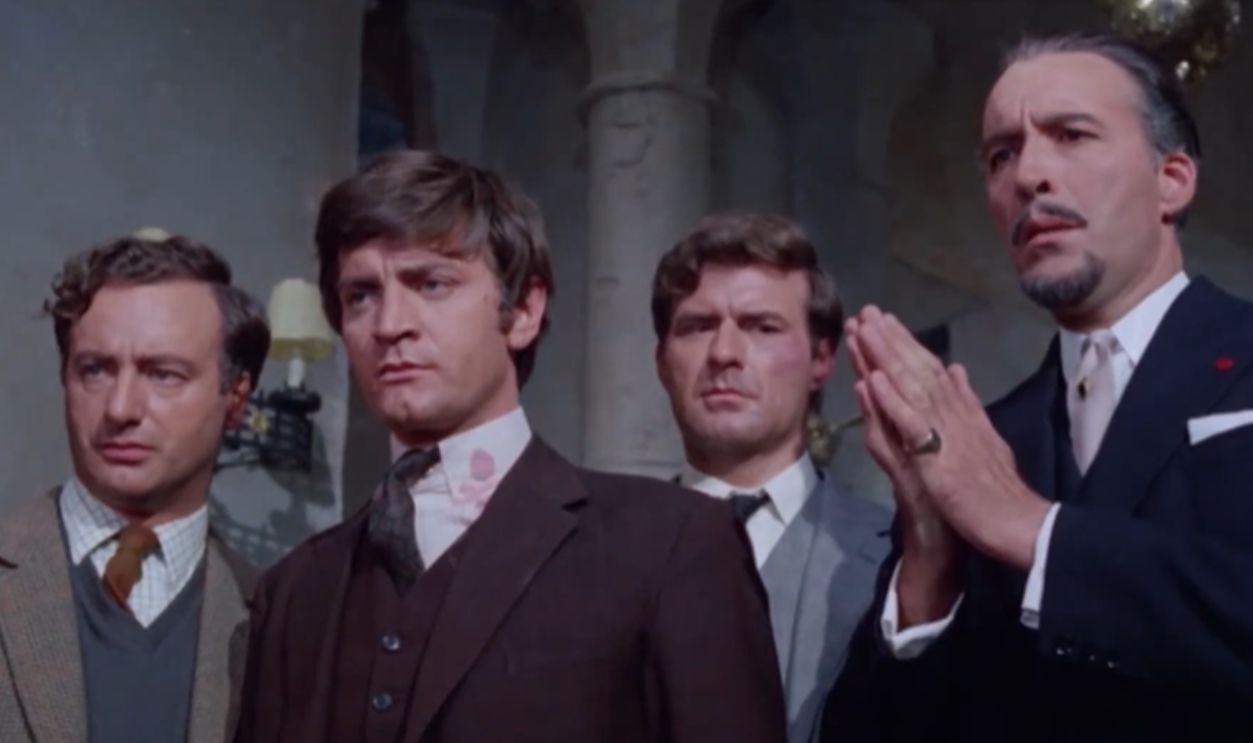 Screenshot from The Devil Rides Out, Warner Bros. (1968)
Blood Feast (1963)
Herschell Gordon Lewis wasn’t particularly interested in subtle suggestion. Blood Feast follows caterer Fuad Ramses as he slays women and collects body parts for an ancient ritual. The performances are stiff and the plot is absurd, but that wasn’t what audiences remembered. Lewis filled the screen with bright, excessive gore at a time when mainstream horror usually kept blood discreet. Often credited as a foundational splatter movie, Blood Feast opened a door that generations of exploitation and horror filmmakers happily charged through.
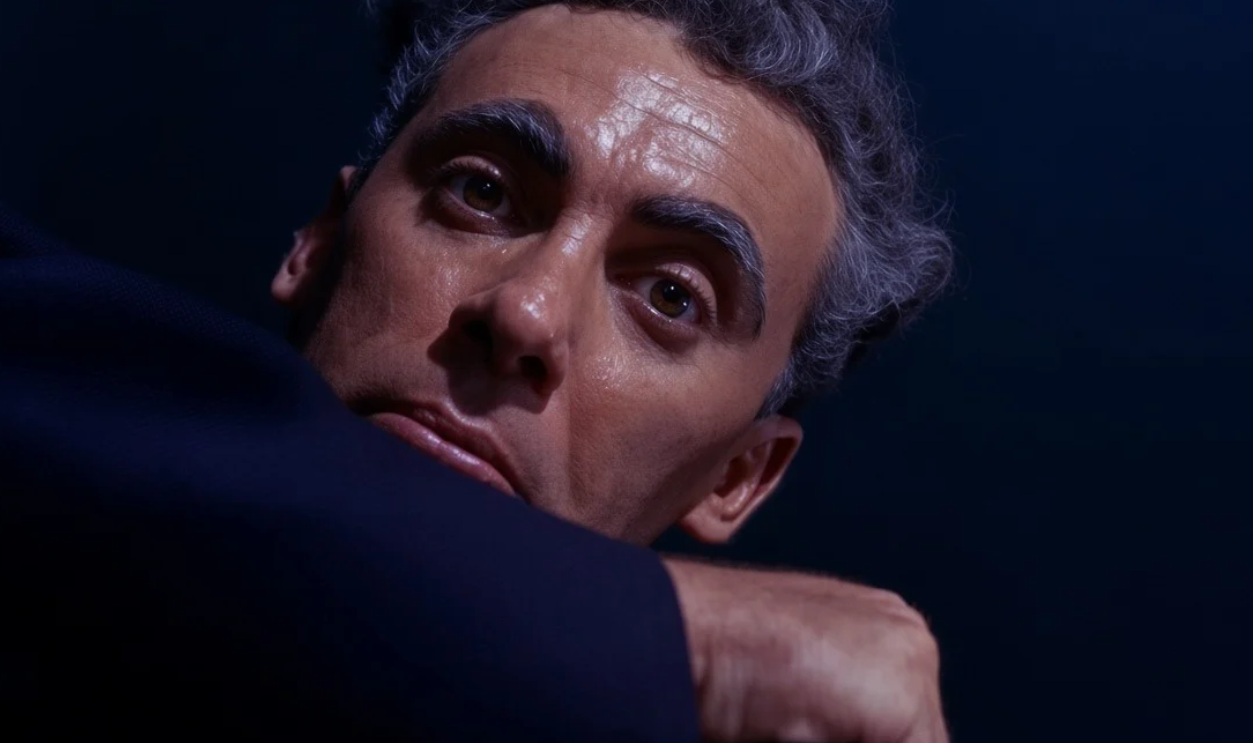 Screenshot from Blood Feast, Box Office Spectaculars (1963), Modified
Carnival Of Souls (1962)
Mary Henry survives a car plunging from a bridge, then moves away to work as a church organist. Almost immediately, she begins seeing a pale-faced stranger and feeling mysteriously drawn toward an abandoned lakeside pavilion. Director Herk Harvey made the film cheaply with colleagues from the industrial-film business, yet its sparse locations and eerie organ music turned those limitations into strengths. The empty streets, deserted carnival, and strange dancing figures give it the feeling of waking up inside a dream that has already gone wrong.
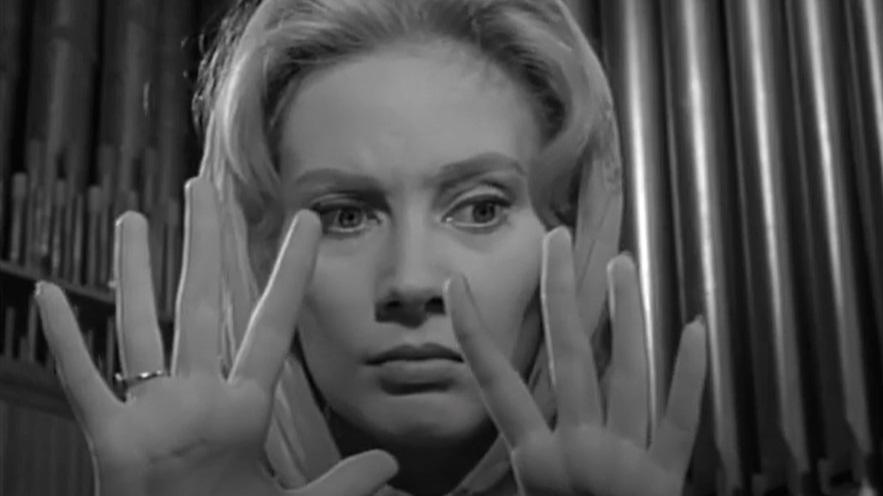 Screenshot from Carnival of Souls, Harcourt (1962)
Night Of The Living Dead (1968)
George A. Romero took a tiny budget, a farmhouse outside Pittsburgh, and a group of flesh-eating corpses and permanently changed horror movies. Strangers barricade themselves inside the house as the recently departed surround it, but their inability to cooperate becomes nearly as dangerous as anything outside. Duane Jones brings unusual calm and authority to Ben, while the grainy black-and-white photography makes the escalating harm resemble disturbing news footage. Its ending remains one of the bleakest punches the genre has ever delivered.
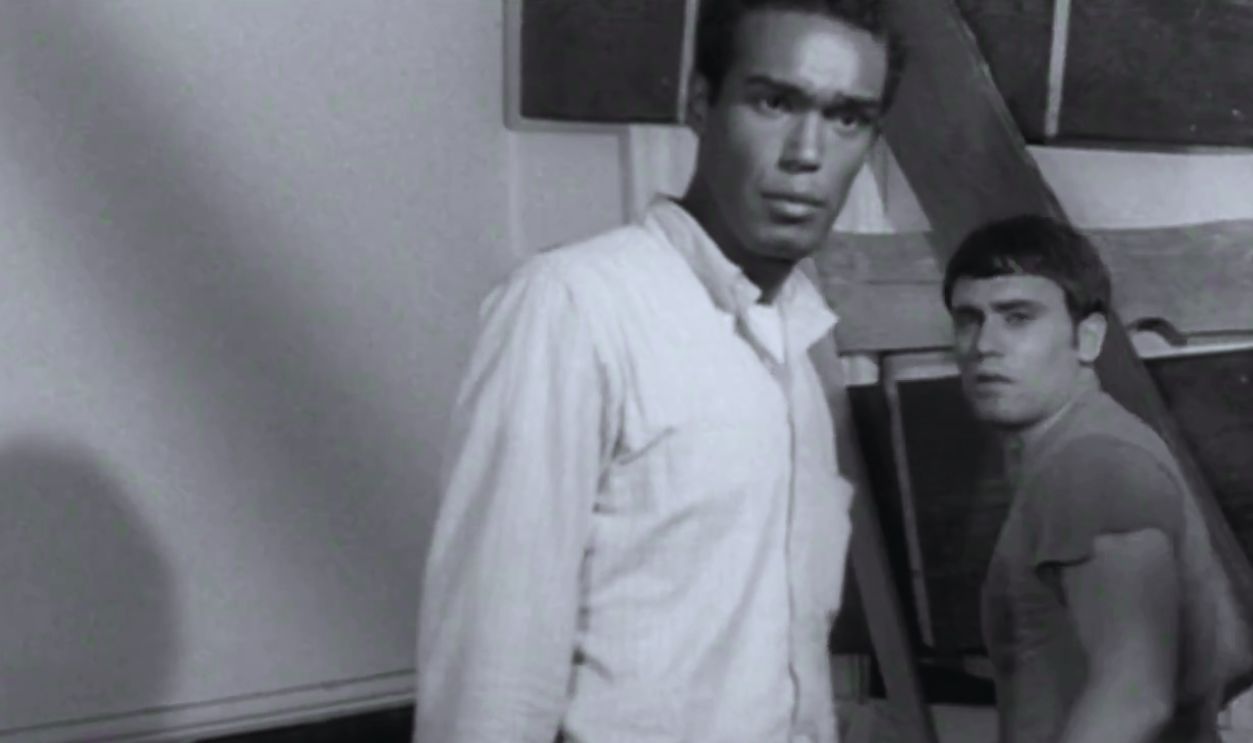 Screenshot from Night Of The Living Dead, Continental Distributing (1968)
Targets (1968)
Peter Bogdanovich’s debut cleverly asks what happens when traditional movie monsters stop being frightening because reality has become worse. Boris Karloff plays aging horror actor Byron Orlok, who believes his Gothic brand of terror is obsolete. Meanwhile, an apparently ordinary young man begins a deadly spree that eventually reaches the drive-in where Orlok is appearing. Inspired partly by the 1966 Charles Whitman killings, Targets pits old cinematic horror directly against random modern brutality, and the contrast remains deeply unsettling.
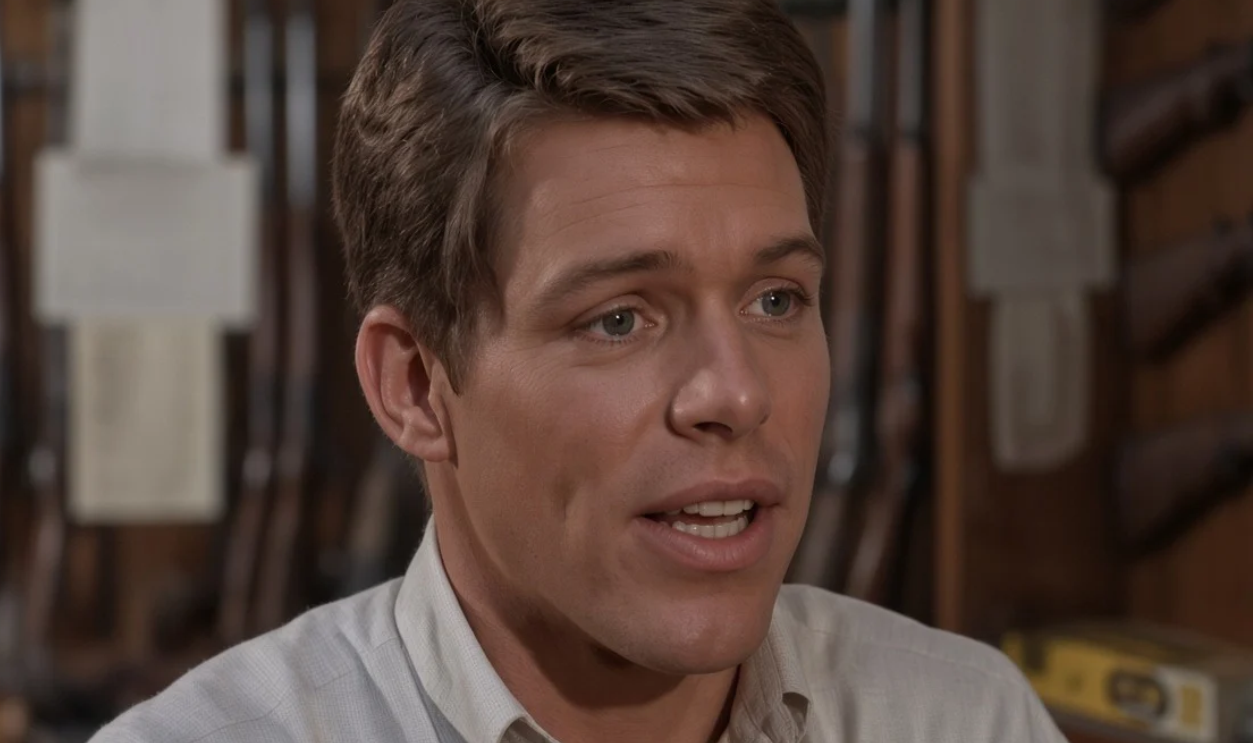 Screenshot from Targets, Paramount Pictures (1968), Modified
Eyes Without A Face (1960)
French director Georges Franju somehow made surgical horror look poetic. A brilliant doctor is obsessed with restoring the face of his daughter Christiane, who was disfigured in an accident. His solution involves kidnapping young women and attempting to transplant their faces onto hers. Christiane spends much of the film wearing a smooth white mask that turns her into an almost ghostlike figure. The clinical surgery scenes were shocking for their time, but the movie’s sadness and eerie beauty make them even harder to forget.
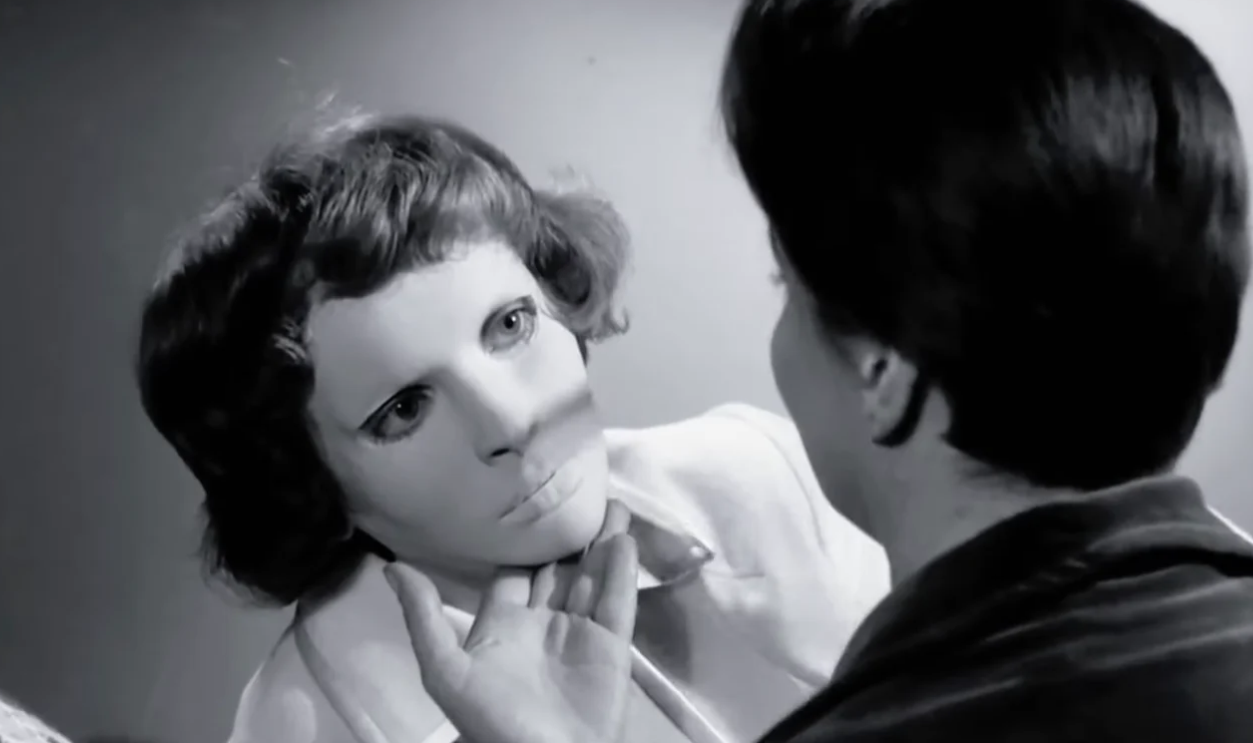 Screenshot from Eyes Without a Face, Gaumont (1960)
Rosemary’s Baby (1968)
Mia Farrow plays Rosemary Woodhouse, a young woman whose pregnancy becomes increasingly disturbing after she and her husband move into a New York apartment building filled with overly interested neighbors. Ruth Gordon is both funny and sinister as Minnie Castevet, while John Cassavetes makes Rosemary’s husband Guy gradually harder to trust. Much of the horror comes from watching Rosemary realize that almost everyone around her is controlling what she eats, whom she sees, and even what she is allowed to believe about her own body.
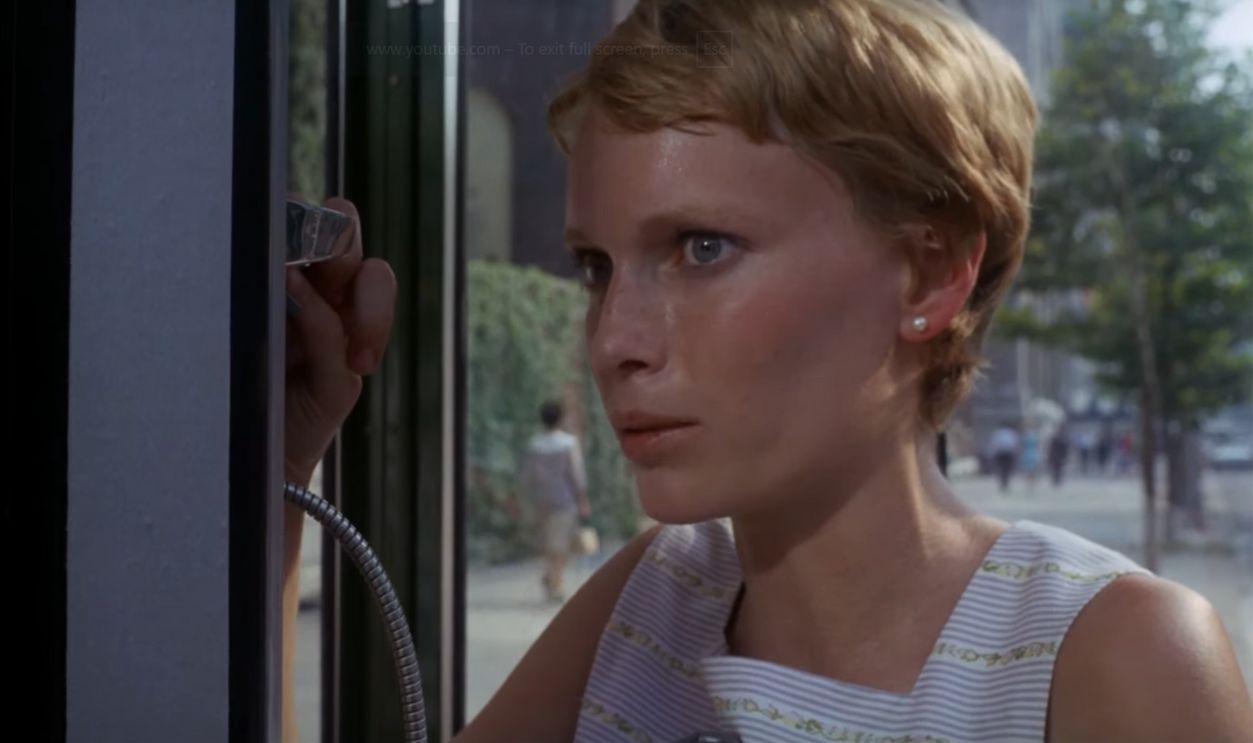 Screenshot from Rosemary’s Baby, Paramount Pictures (1968)
Psycho (1960)
Alfred Hitchcock begins Psycho like a heist thriller about Marion Crane stealing money, then suddenly destroys that story and forces the audience to start over at the Bates Motel. Janet Leigh’s shower slaying became one of cinema’s most famous sequences, but Anthony Perkins is what keeps the movie disturbing long after the initial shock. Norman Bates is awkward, polite, lonely, and just sympathetic enough to make the truth about his relationship with “Mother” considerably more unsettling.
 Screenshot from Psycho, Paramount Pictures (1960)
At Midnight I’ll Take Your Soul (1964)
Brazilian filmmaker José Mojica Marins created an entirely different kind of horror icon with Coffin Joe, the black-clad undertaker with a top hat, cape, and impossibly long fingernails. Joe rejects religion and morality while obsessing over finding the perfect woman to continue his bloodline. His brutality eventually collides with the supernatural forces he insists don’t exist. The movie launched the Coffin Joe character and is widely regarded as a foundational work in Brazilian horror cinema.
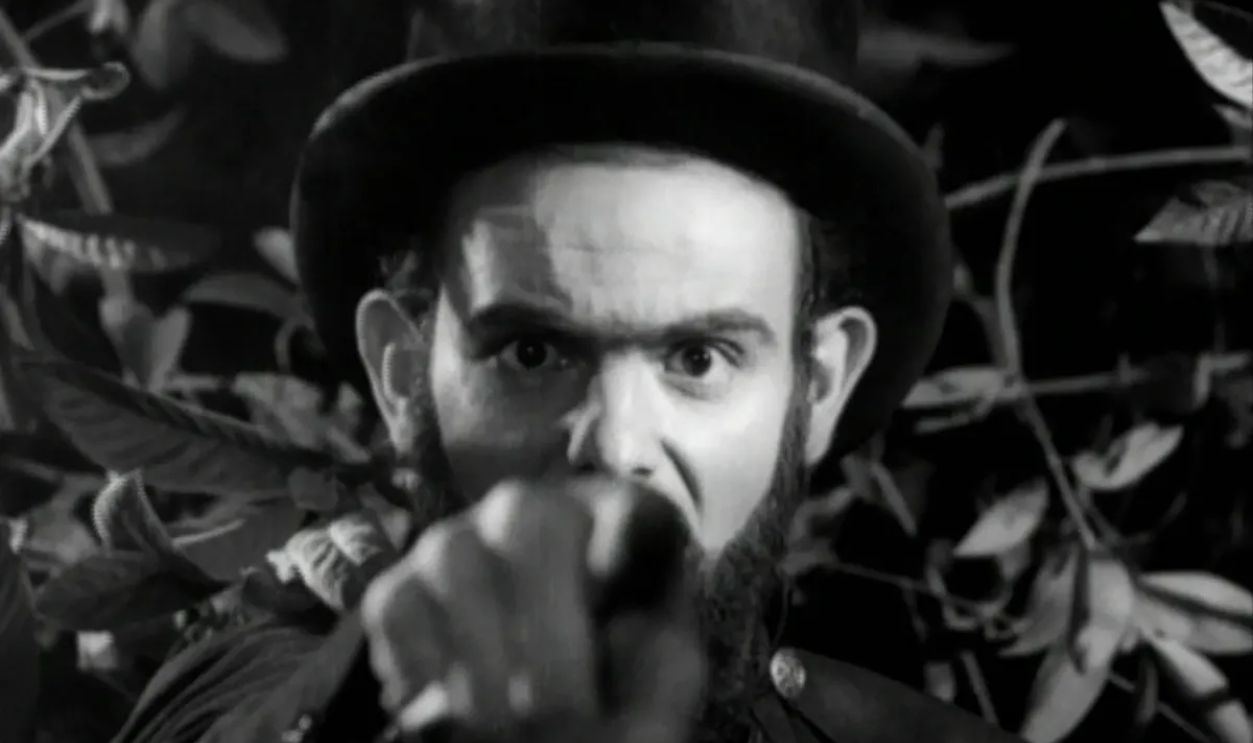 Screenshot from At Midnight I’ll Take Your Soul, Indústria Cinematográfica Apolo (1964), Enhanced
The City Of The Dead (1960)
Released in the United States as Horror Hotel, this British production pretends that its fog-covered sets are a gloomy New England town named Whitewood. A college student travels there to research witchcraft on the advice of her professor, played by Christopher Lee, and discovers that the town’s interest in the subject is considerably more practical than academic. Director John Llewellyn Moxey piles on graveyards, secret passages, sacrificial rituals, hooded figures, and seemingly endless fog until Whitewood feels completely detached from reality.
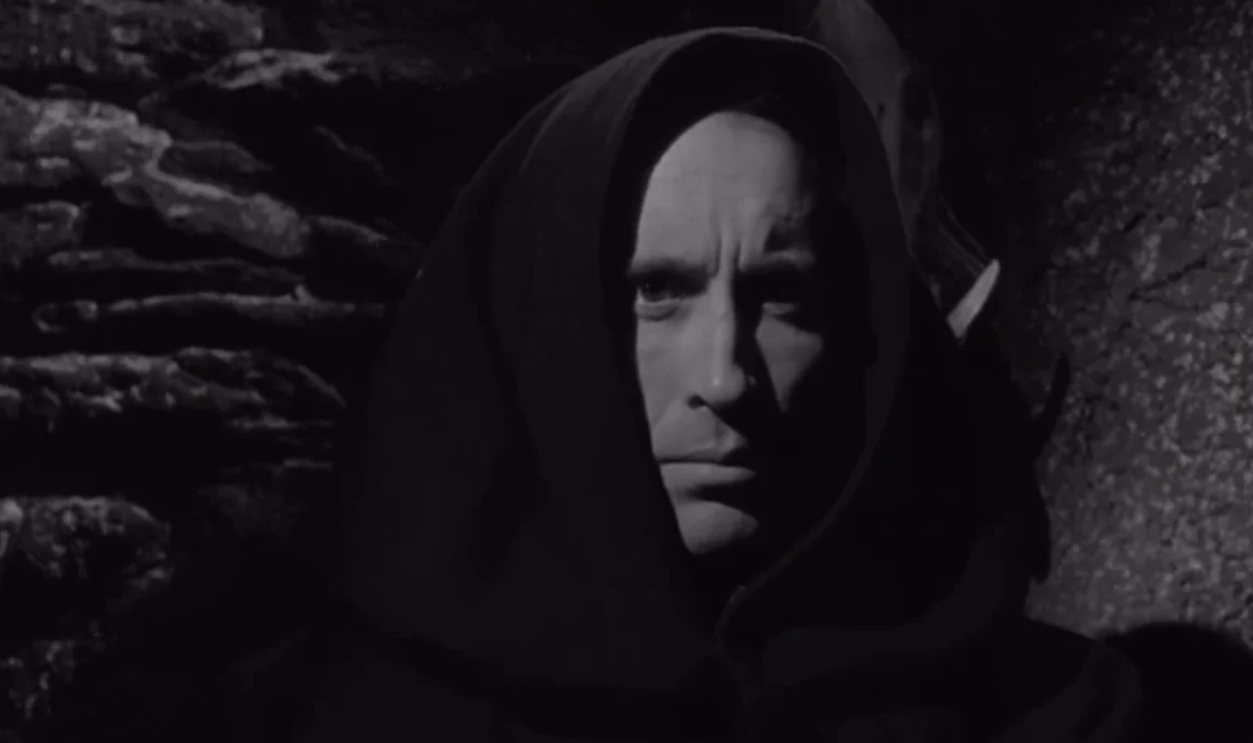 Screenshot from The City of the Dead, Vulcan Films (1960)
Kwaidan (1964)
Masaki Kobayashi turned four Japanese ghost stories adapted from the writings of Lafcadio Hearn into one of the most visually astonishing horror films of the decade. “The Black Hair,” “The Woman of the Snow,” “Hoichi the Earless,” and “In a Cup of Tea” unfold across enormous, deliberately artificial sets where painted skies and unnatural colors make the spirit world feel completely real. Rather than relying on shocks, Kwaidan moves with the slow confidence of an ancient legend being retold around a fire.
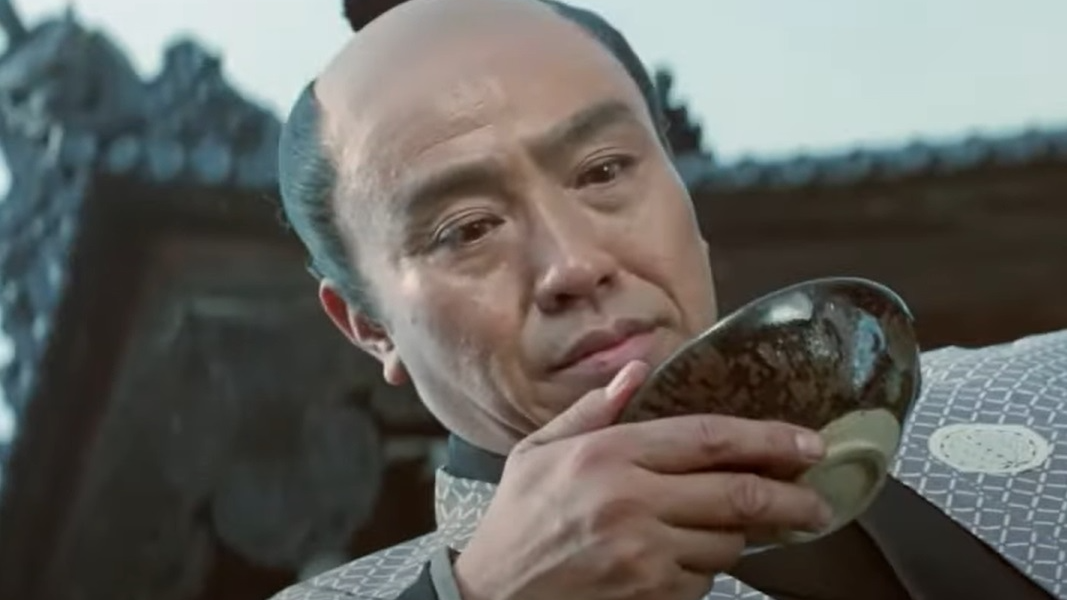 Screenshot from Kwaidan, Toho (1964)
You May Also Like:
Low-Budget 1970s Horror Movies That Became Cult Classics
The Creepiest Kids In Classic Horror Movies, Ranked From Scary To Absolutely Terrifying
Movie Villains From The 1960s Who Were Too Strange To Forget—Are They Just As Scary Today?