Three Days Of Music, A Lifetime Of Meaning
More than just a festival, Woodstock was a cultural collision of protest, peace, experimentation, and youth rebellion. The music performed on that muddy farm in August 1969 captured a generation questioning authority, embracing freedom, and searching for something larger than itself. Here are the songs that helped define an era, echoing the hopes, anger, spirituality, and idealism of a moment that reshaped popular music forever.
“Freedom” — Richie Havens
Richie Havens famously opened Woodstock almost by accident, stretching “Freedom” into an improvised, hypnotic anthem when other performers were delayed. His raw vocals and rhythmic guitar turned a spiritual plea into a rallying cry, perfectly setting the tone for a festival built on liberation, resilience, and communal spirit.
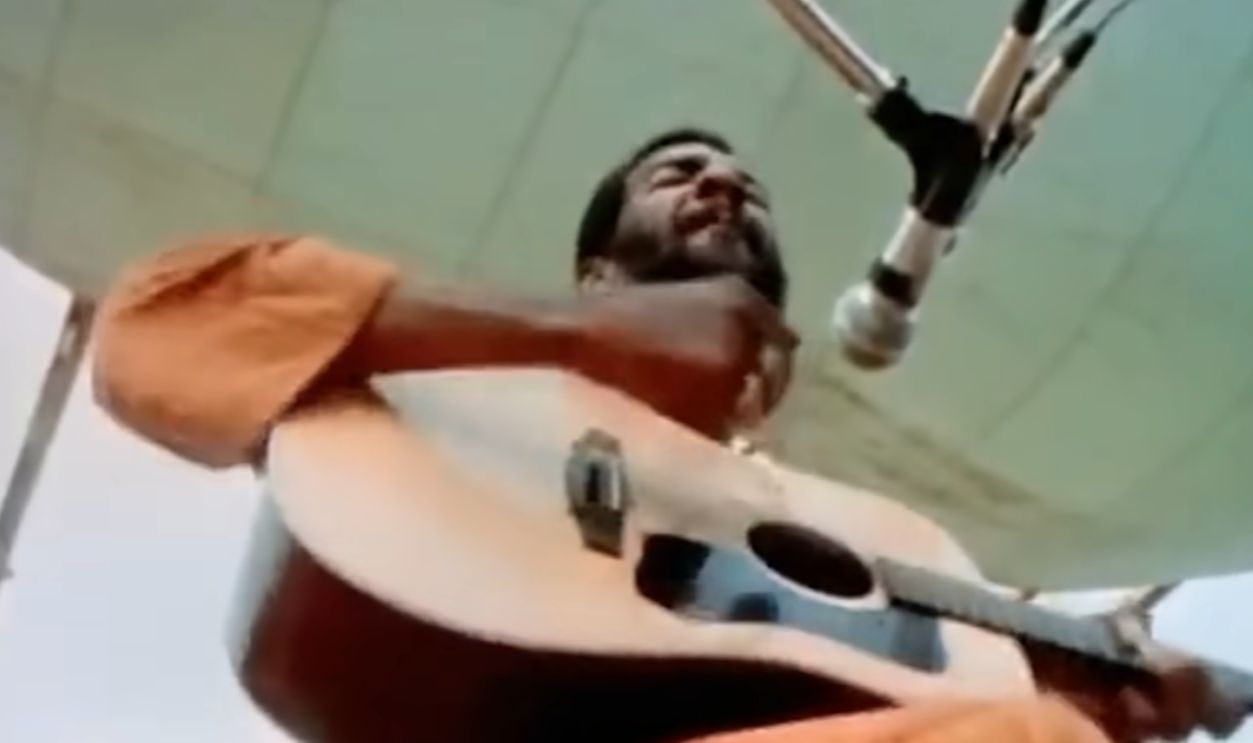 Screenshot from Freedom, Verve Forecast (1969)
“Going Up The Country” — Canned Heat
This breezy, foot-stomping track became inseparable from the Woodstock mythos, thanks in part to its prominent use in the documentary film. Its lyrics about escaping the city and heading for open land captured the back-to-the-earth ideals that defined the counterculture movement.
 Screenshot from Going Up the Country, Liberty (1968)
“Voodoo Child” — Jimi Hendrix
Hendrix’s performance was a masterclass in controlled chaos. His blistering guitar work fused blues, psychedelia, and raw emotion, redefining what electric guitar could do. At Woodstock, “Voodoo Child” wasn’t just a song—it was a statement of artistic freedom and sonic revolution.
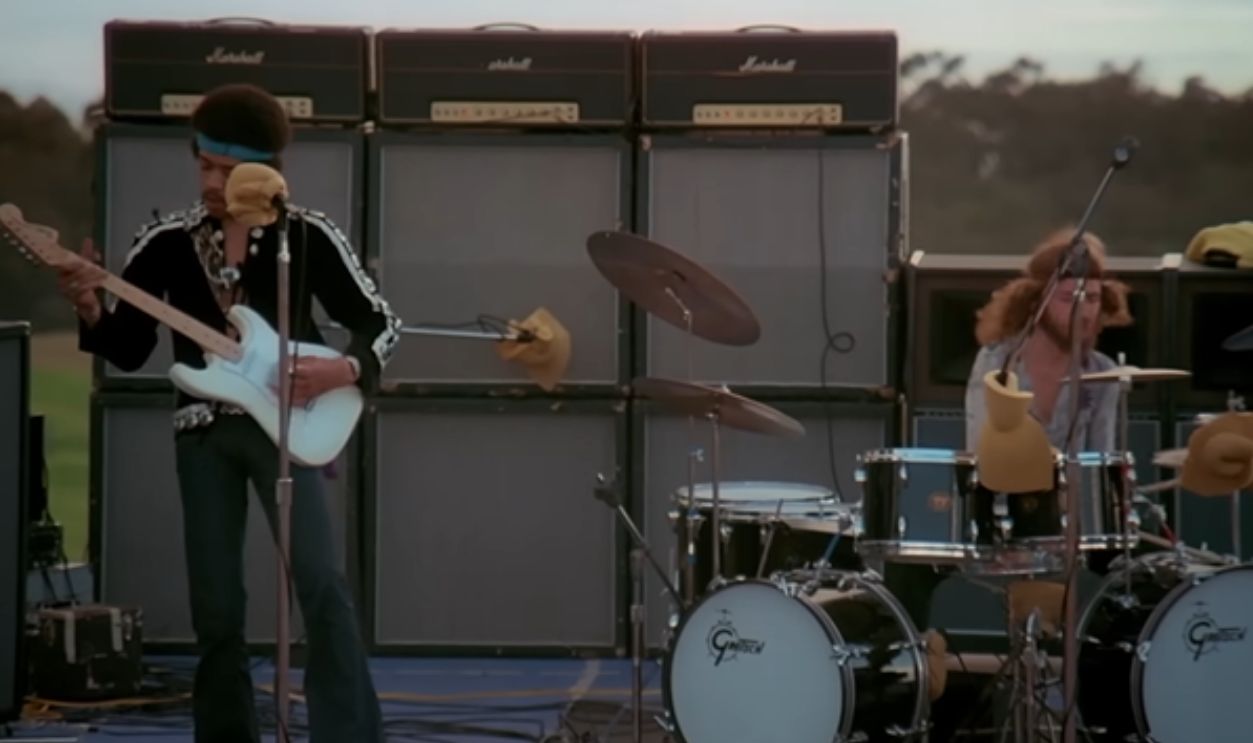 Screenshot from Voodoo Child, Reprise (1968)
“Work Me, Lord” — Janis Joplin
Janis Joplin poured every ounce of vulnerability and desperation into this gospel-inflected performance. Her raspy voice and emotional delivery embodied the pain and power of a generation wrestling with identity, addiction, and the cost of total freedom.
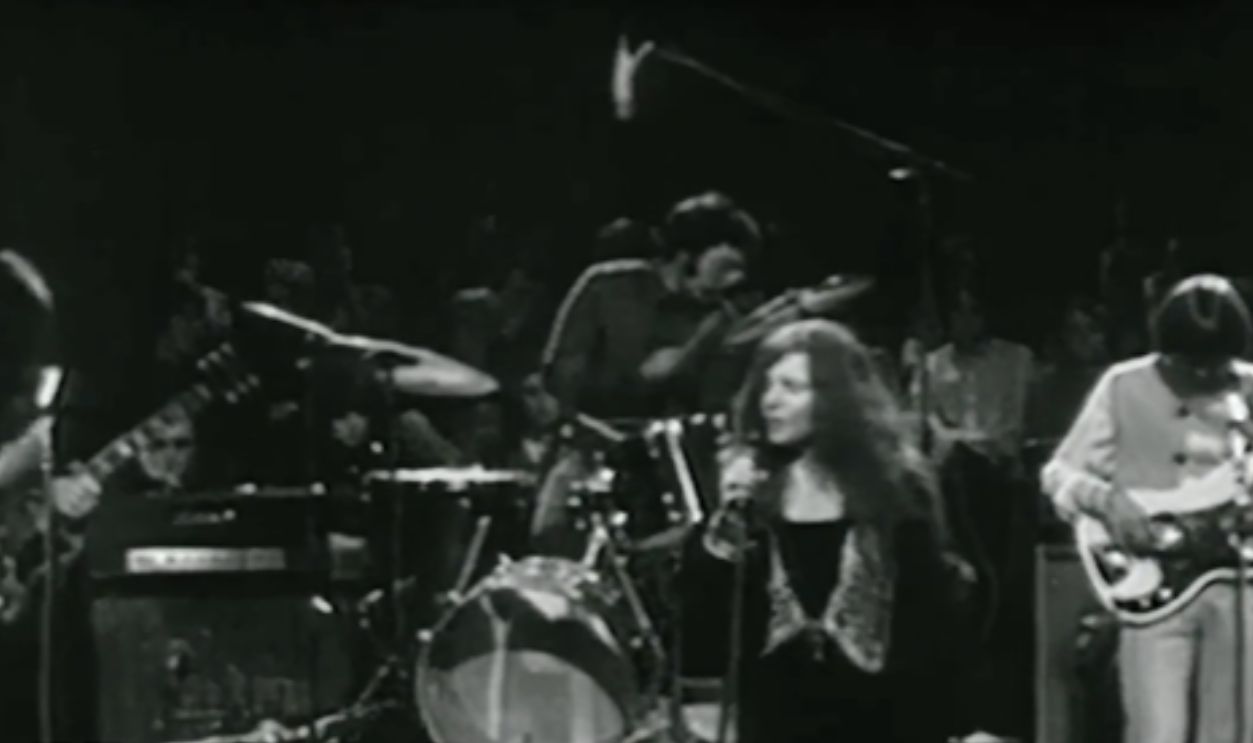 Screenshot from Work Me, Lord, Columbia (1969)
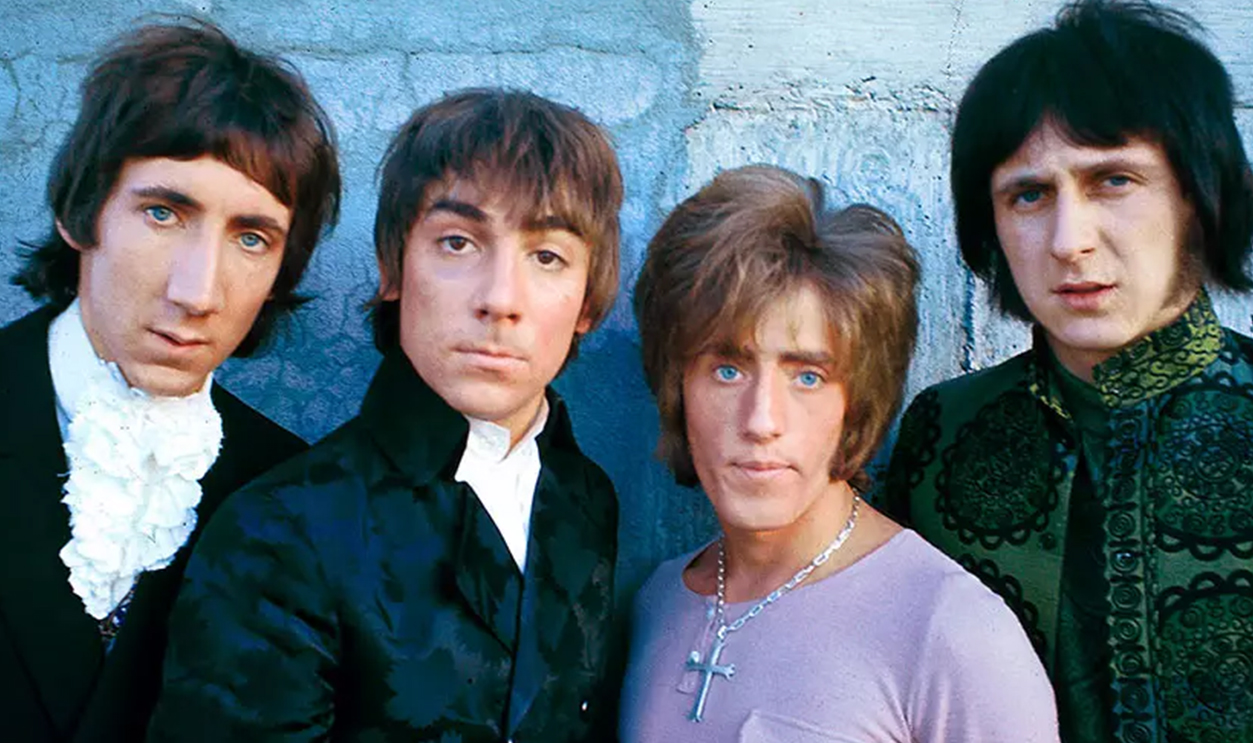
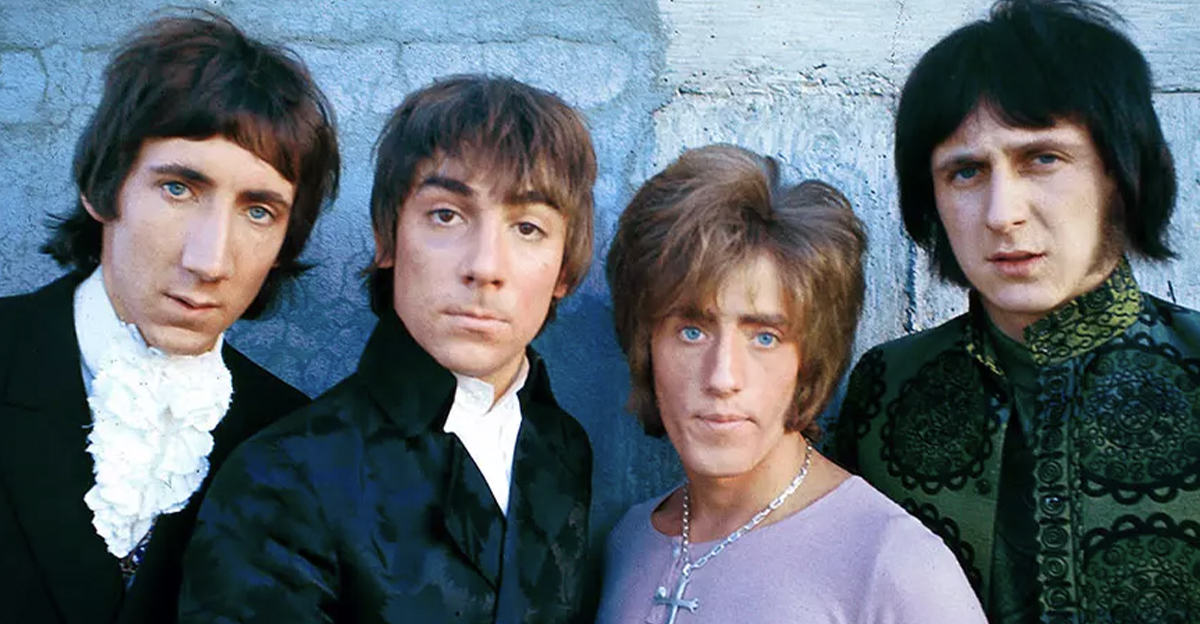
“Summertime Blues” — The Who
The Who transformed Eddie Cochran’s rockabilly classic into a thunderous, defiant anthem. Pete Townshend’s windmill guitar and Keith Moon’s explosive drumming turned teenage frustration into something massive, mirroring the generational clash that defined the late 60s.
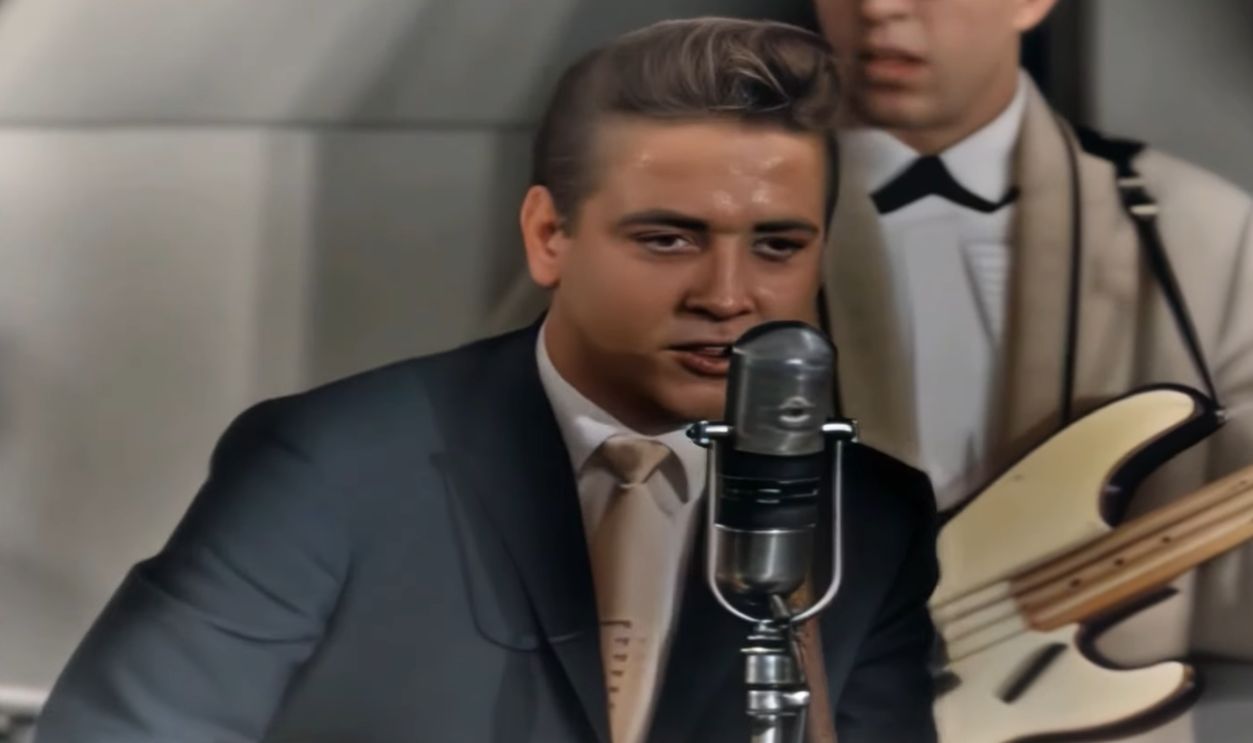 Screenshot from Summertime Blues, Liberty (1969)
“My Generation” — The Who
Already a youth anthem, “My Generation” became even more potent at Woodstock. Lines about hope, anger, and generational conflict hit harder in front of a massive crowd of young people determined to be heard on their own terms.
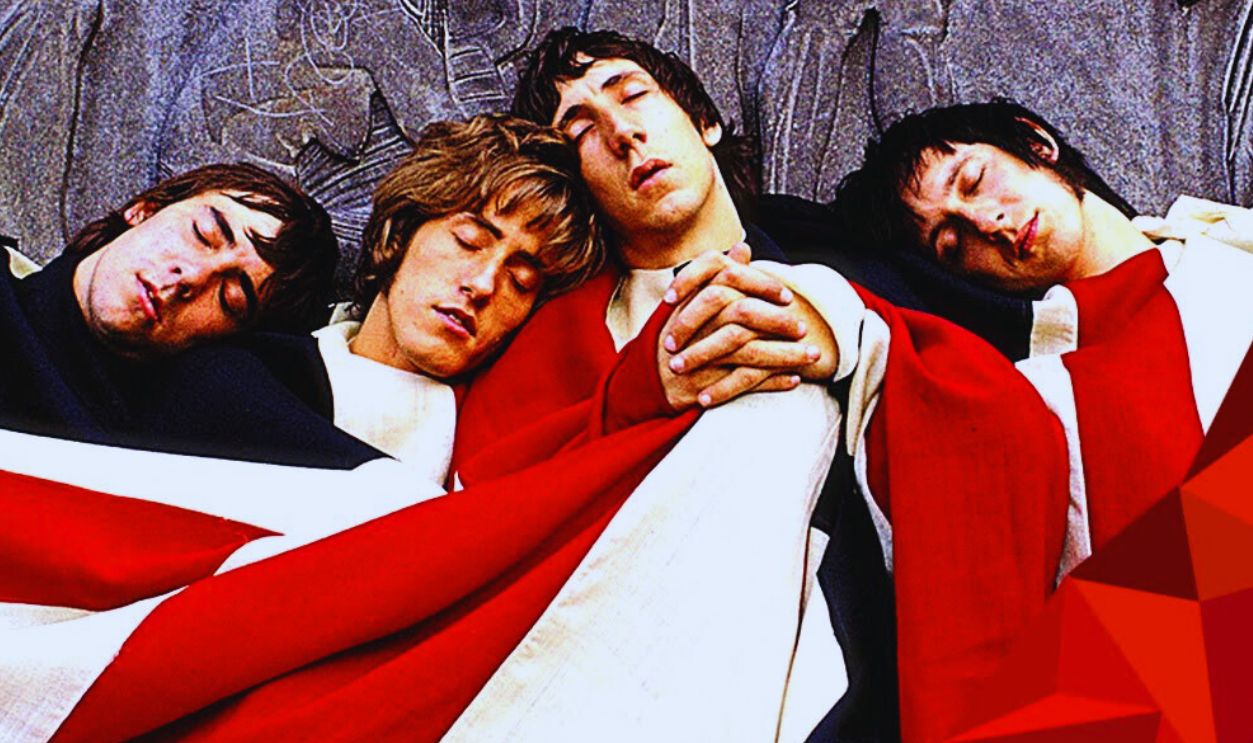 Screenshot from My Generation, Brunswick (1965)
“Younger Generation” — John Sebastian
John Sebastian’s gentle, reassuring performance offered a softer counterpoint to the festival’s louder acts. His lyrics encouraged understanding rather than rebellion, suggesting that the future belonged to youth but didn’t have to come at the cost of compassion.
 Screenshot from Younger Generation, Kama Sutra (1967)
“Coming Into Los Angeles” — Arlo Guthrie
Arlo Guthrie’s playful storytelling masked a deeper commentary on paranoia, authority, and counterculture identity. His humor and folksy delivery reflected the movement’s ability to critique power structures while still embracing joy and absurdity.
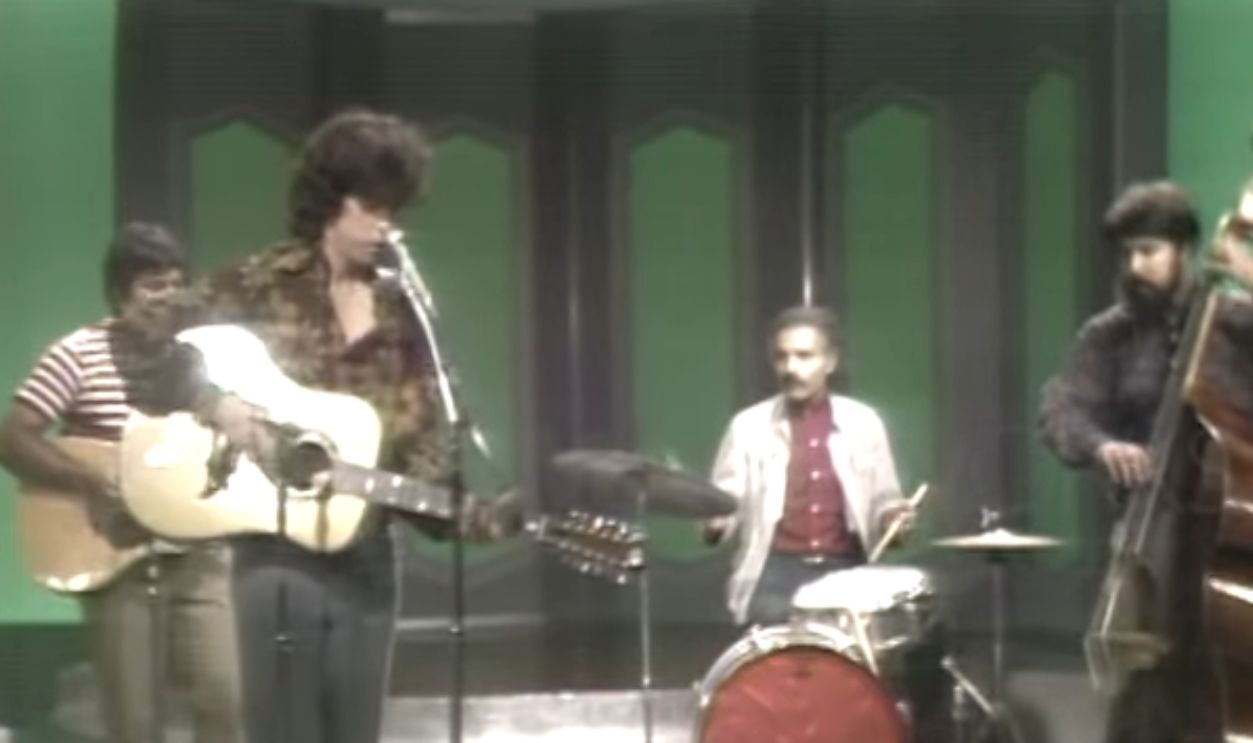 Screenshot from Coming Into Los Angeles, Warner Bros. (1969)
“The Weight” — The Band
Though not performed live at Woodstock, “The Weight” became spiritually linked to the era through Woodstock the film. Its themes of burden, responsibility, and moral reckoning resonated deeply with a generation grappling with war, conscience, and community.
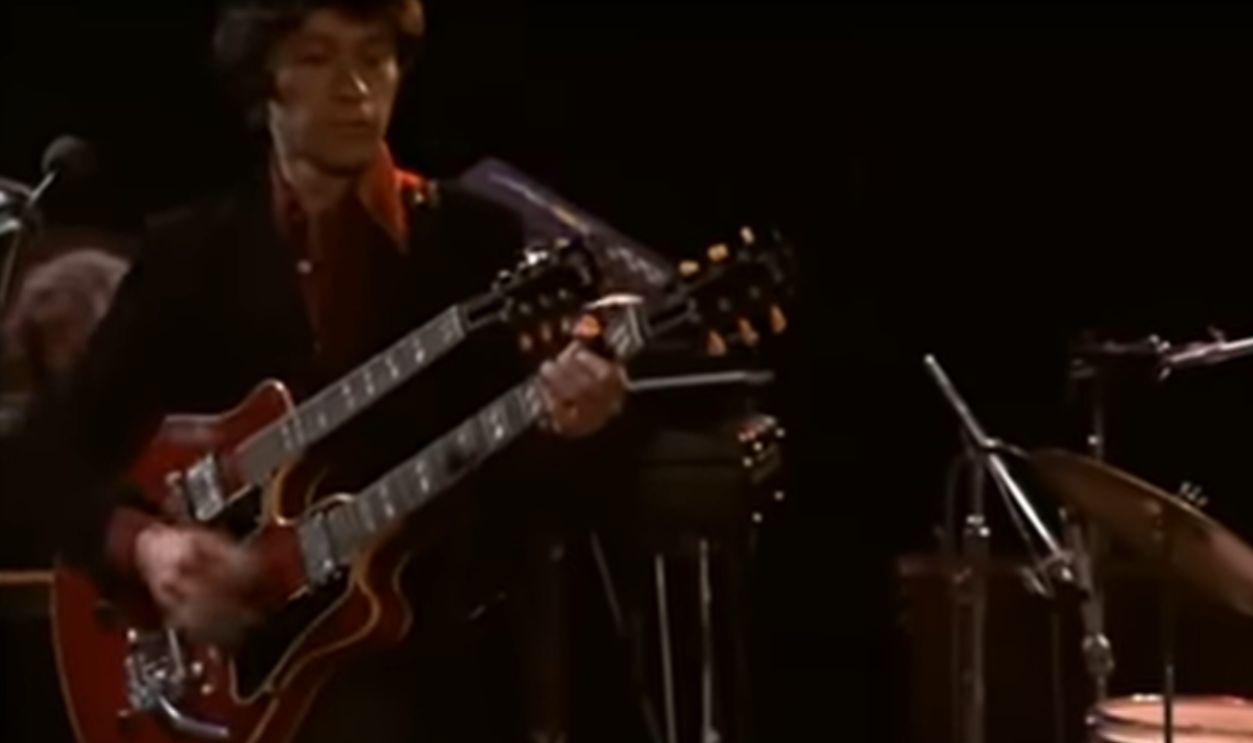 Screenshot from The Weight, Capitol (1968)
“White Rabbit” — Jefferson Airplane
Grace Slick’s commanding performance turned “White Rabbit” into a psychedelic sermon. Drawing on Alice in Wonderland imagery, the song challenged listeners to question authority and expand consciousness, becoming one of the era’s most iconic mind-expanding anthems.
 Screenshot from White Rabbit, RCA Victor (1967)
“I Put A Spell On You” — Creedence Clearwater Revival
CCR’s gritty, swamp-rock sound grounded Woodstock in American roots music. Their take on this classic felt raw and urgent, reminding audiences that rebellion didn’t always have to be psychedelic; it could be blunt, bluesy, and fiercely direct.
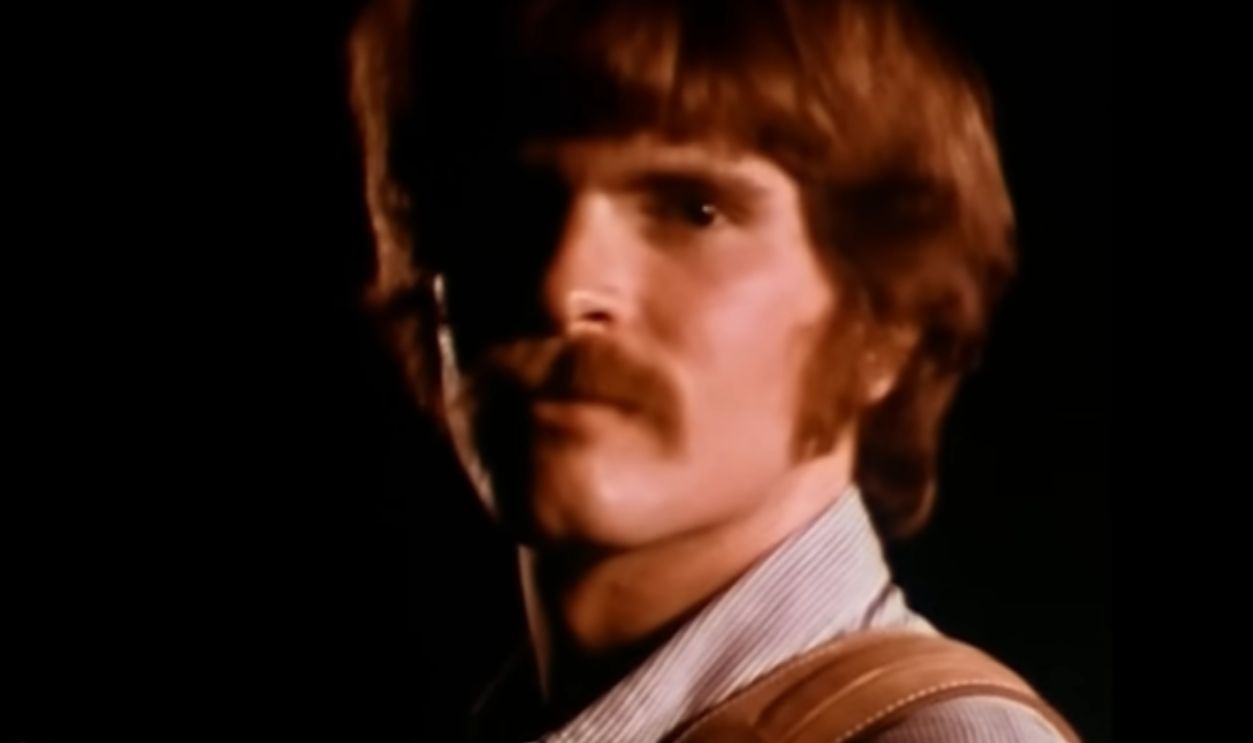 Screenshot from I Put a Spell on You, Okeh (1968)
“I Want To Take You Higher” — Sly & The Family Stone
Few performances matched the sheer joy and unity of Sly Stone’s set. This song turned the crowd into a single organism, clapping and chanting in unison. It embodied Woodstock’s ideal of collective uplift through music and shared experience.
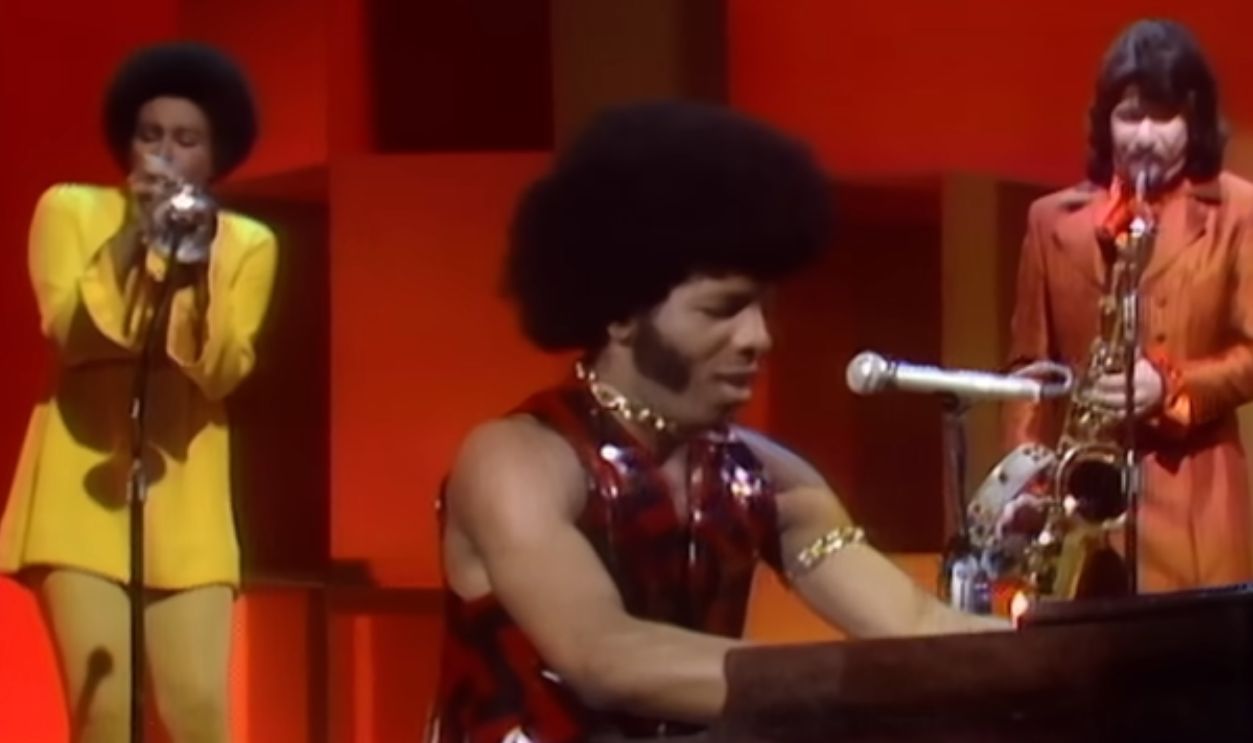 Screenshot from I Want to Take You Higher, Epic (1969)
“Joe Hill” — Joan Baez
Pregnant and performing late at night, Joan Baez delivered a haunting tribute to labor activist Joe Hill. Her rendition connected past struggles to present protests, reinforcing the festival’s deep ties to political activism and social justice.
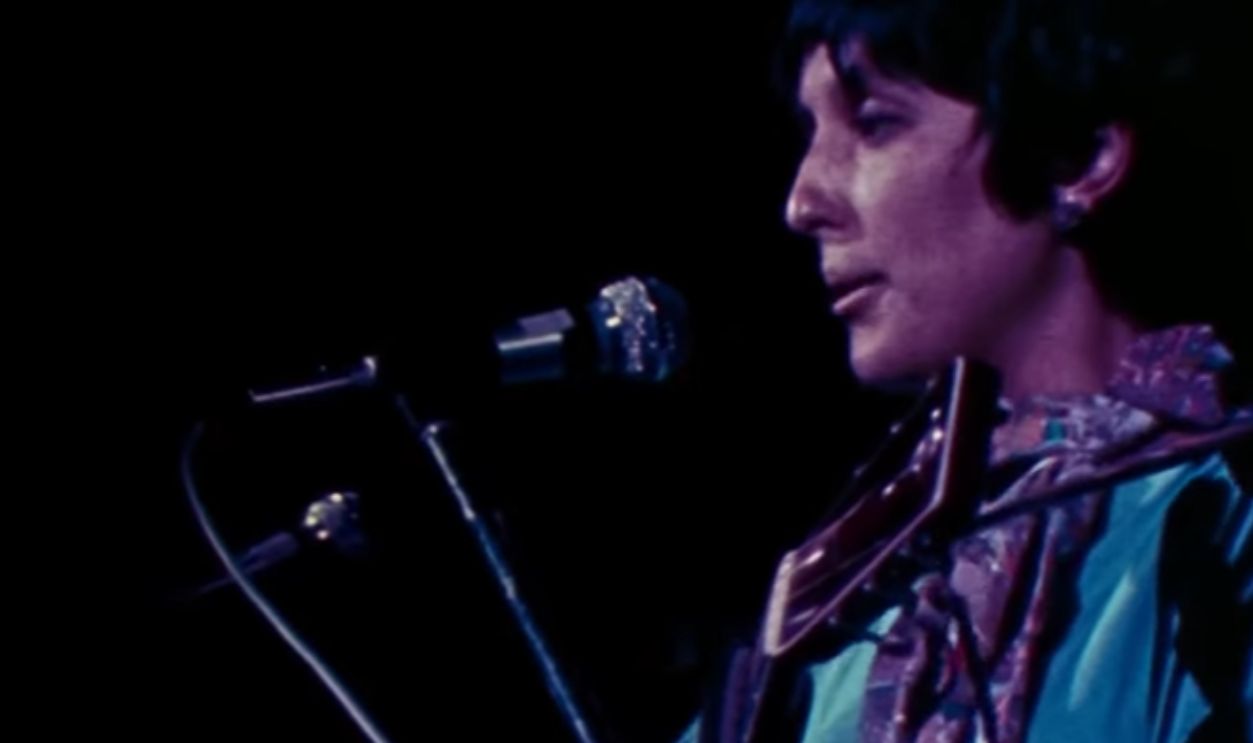 Screenshot from Joe Hill, Vanguard (1969)
“The Fish Cheer / I’m Fixin’-to-Die Rag” — Country Joe McDonald
Country Joe’s infamous “Fish Cheer” was one of Woodstock’s most overtly political moments. His satirical anti-war song cut through the haze with biting humor and blunt outrage, capturing the anger many young Americans felt toward the Vietnam War.
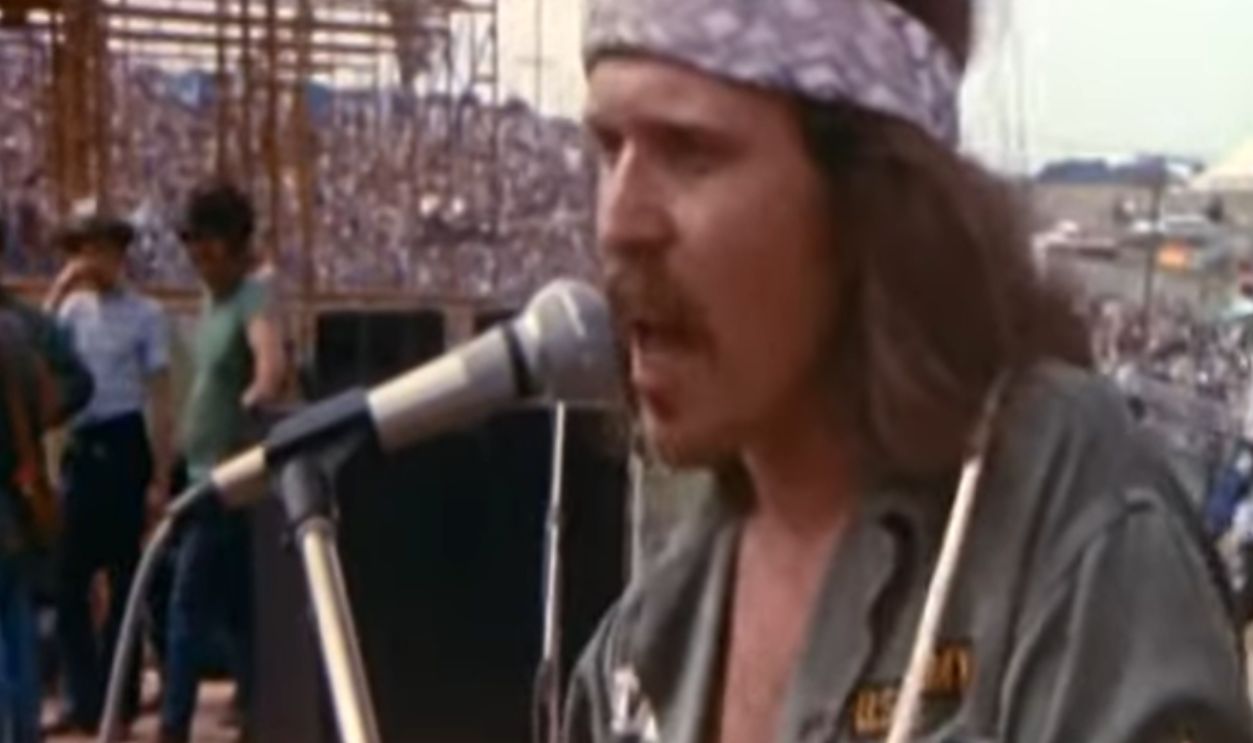 Screenshot from The 'Fish' Cheer / I-Feel-Like-I'm-Fixin'-to-Die Rag, Vanguard (1967)
“Helplessly Hoping” — Crosby, Stills and Nash
Performed during their first major live appearance, this delicate harmony-driven song showcased vulnerability and introspection. Its quiet beauty stood in contrast to the festival’s louder moments, highlighting the emotional depth of the era’s songwriting.
 Screenshot from Helplessly Hoping, Atlantic (1969)
“Suite: Judy Blue Eyes” — Crosby, Stills And Nash
This sprawling, multi-part song demonstrated musical ambition and lyrical intimacy. Its intricate harmonies and shifting structure mirrored the complexity of relationships and identities during a time of cultural upheaval.
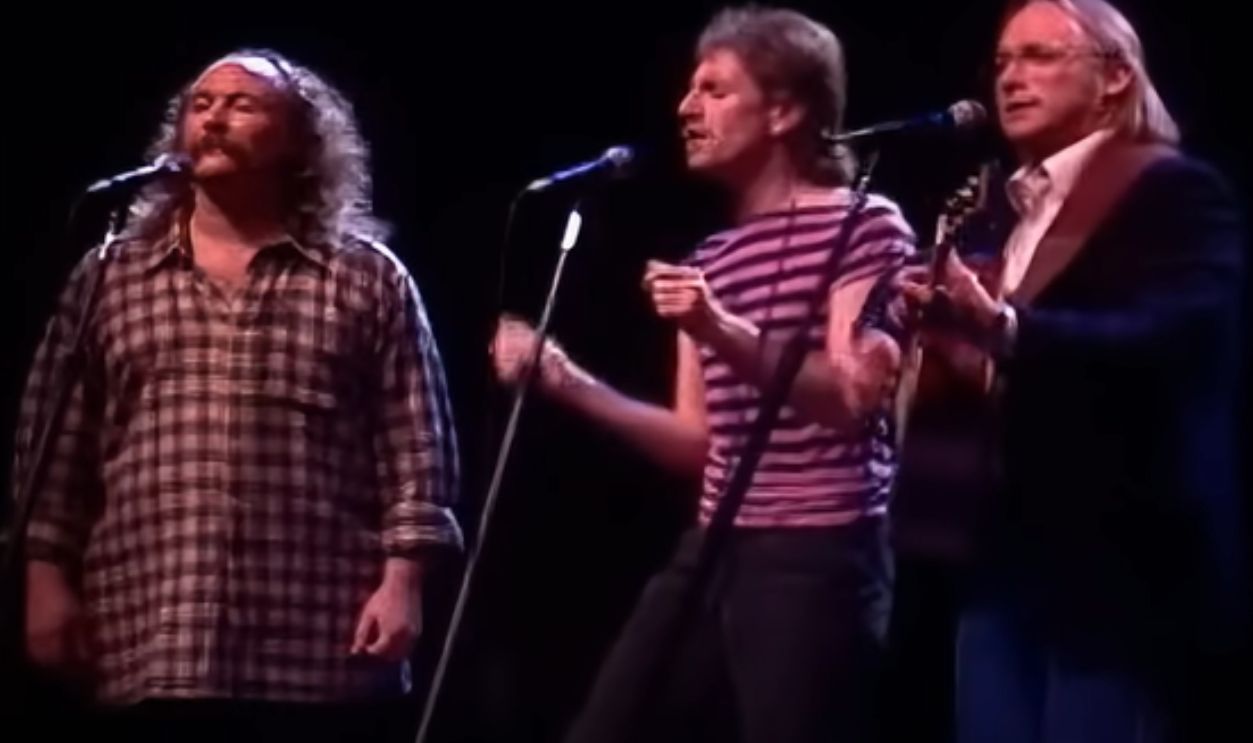 Screenshot from Suite: Judy Blue Eyes, Atlantic (1969)
“Everything’s Gonna Be Alright” — Paul Butterfield Blues Band
This extended blues jam blended technical skill with raw emotion. Its message of reassurance felt earned rather than naïve, reflecting a generation trying to believe in hope despite uncertainty and unrest.
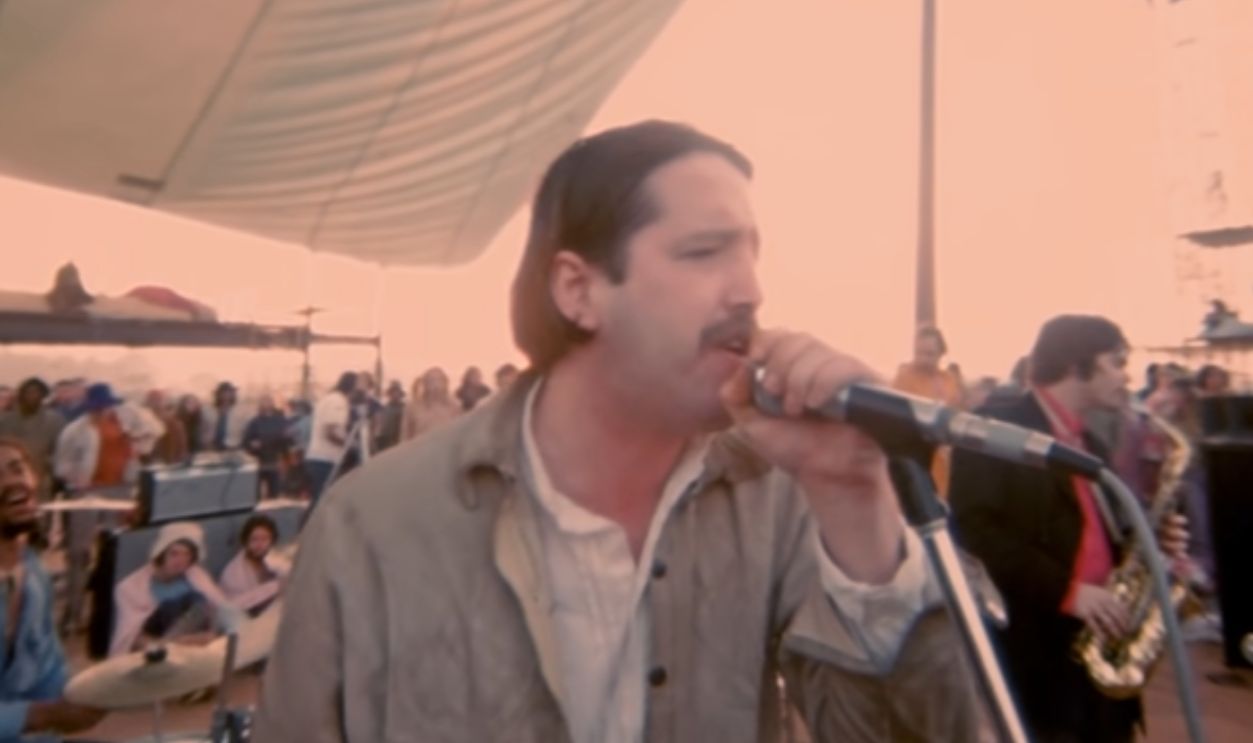 Screenshot from Everything’s Gonna Be Alright, Elektra (1969)
“With A Little Help From My Friends” — Joe Cocker
Joe Cocker’s soulful reinvention of the Beatles classic became one of Woodstock’s defining moments. His gritty voice and emotional intensity transformed the song into a gospel-like declaration of communal reliance and human connection.
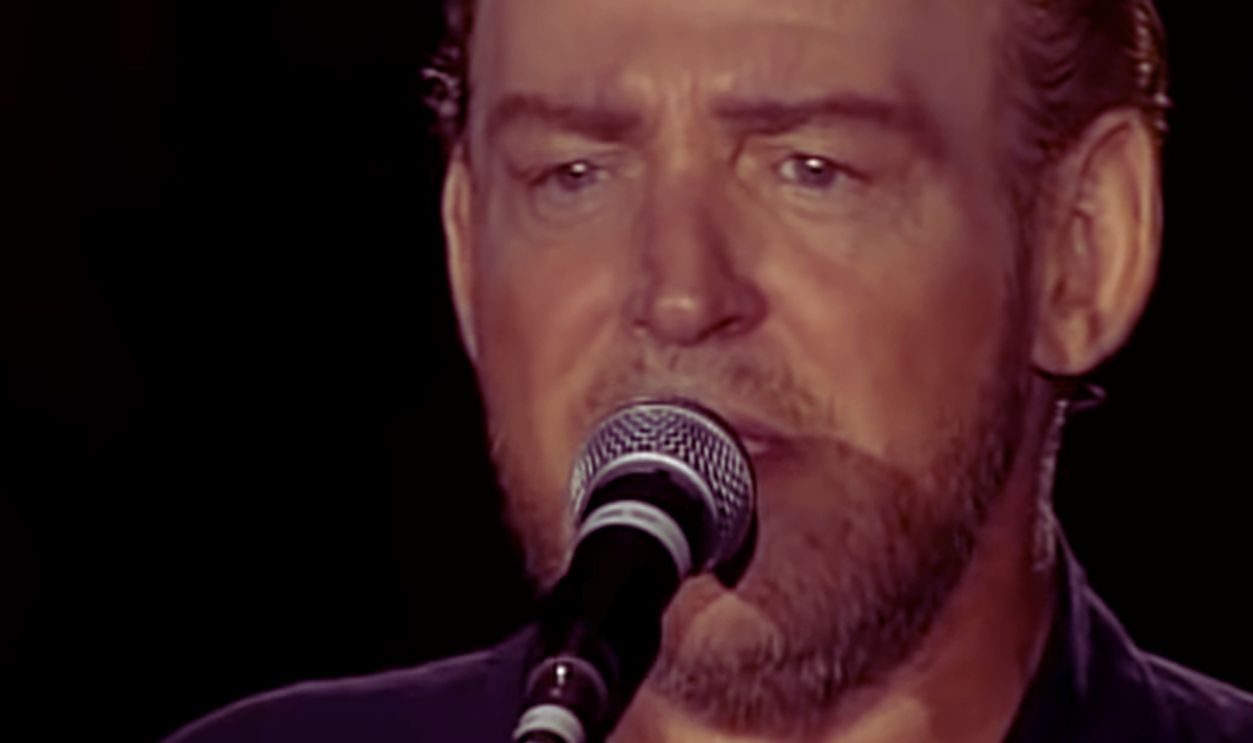 Screenshot from With a Little Help From My Friends, Regal Zonophone (1969)
“Evening Raga” — Ravi Shankar
Ravi Shankar’s sitar performance introduced many Western listeners to Indian classical music. Despite rain and delays, his presence underscored Woodstock’s spiritual curiosity and openness to global influences beyond rock and folk.
 Screenshot from Evening Raga, World Pacific (1968)
“Going Home” — Ten Years After
Alvin Lee’s lightning-fast guitar work closed Woodstock with urgency and energy. “Going Home” felt like a release after days of music and emotion: a final surge of adrenaline that sent the crowd back into the world changed.
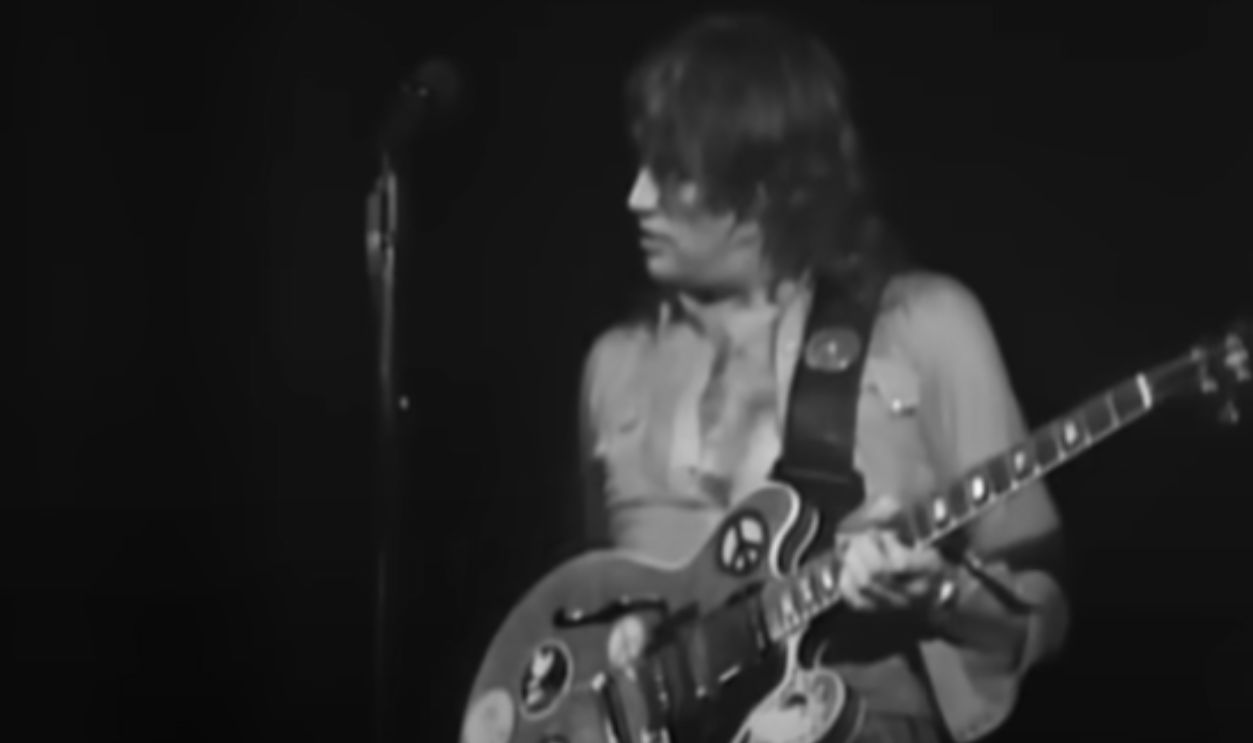 Screenshot from Going Home, Deram (1969)
You Might Also Like:
The Songs That Defined The Disco Era
The Perfect 1970s Mixtapes For Everyone In Your Life
Songs That Totally Changed The Music Industry
Sources: 1