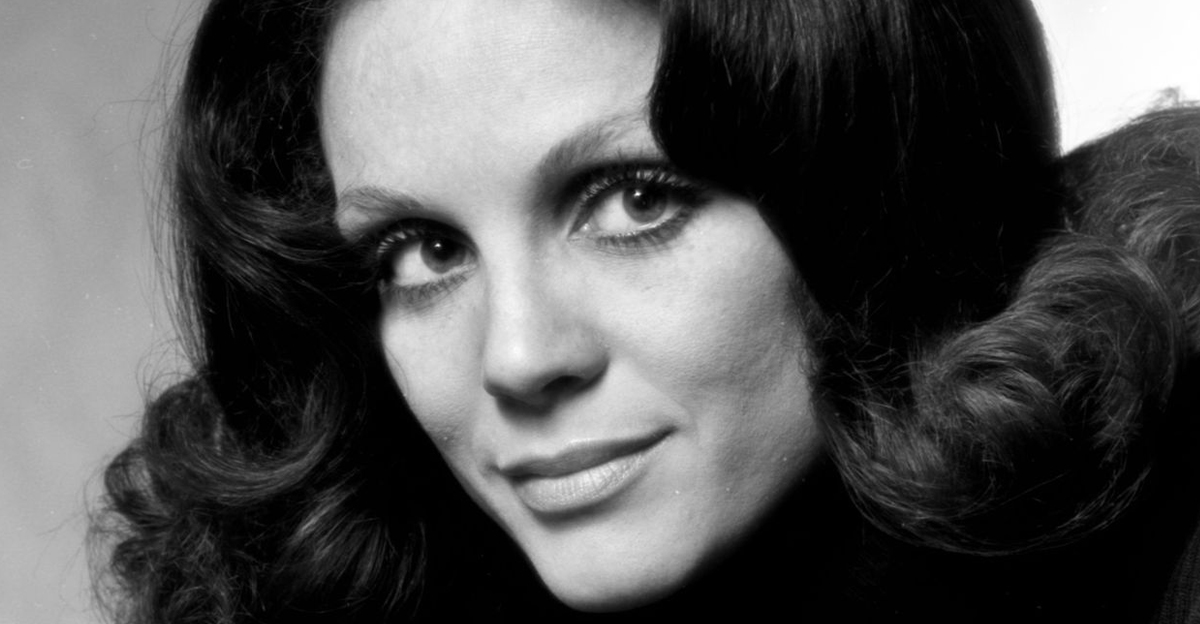
The Sidekick Who Refused To Stay In The Background
When The Mary Tyler Moore Show premiered in 1970, there was no question whose name was on the marquee. Mary Tyler Moore was the star, and Mary Richards was the woman audiences were supposed to fall in love with. Then Valerie Harper walked through the door as Rhoda Morgenstern.
Loud, sarcastic, insecure, hilarious, and instantly relatable, Rhoda became the friend millions of viewers wished they had. Before long, television faced an unexpected problem: Mary Richards' sidekick had become popular enough to headline a show of her own.
A Childhood Spent Moving Around
Valerie Kathryn Harper took her first breath on August 22, 1939, in Suffern, New York. Her father's work as a lighting salesman meant the Harper family moved frequently, living in places including Oregon, Michigan, Massachusetts, and California. Harper later described herself as an ordinary, somewhat self-conscious kid, but movement came naturally to her. Long before comedy became her profession, dancing looked like the most likely path into show business.
Dancing Came Before Acting
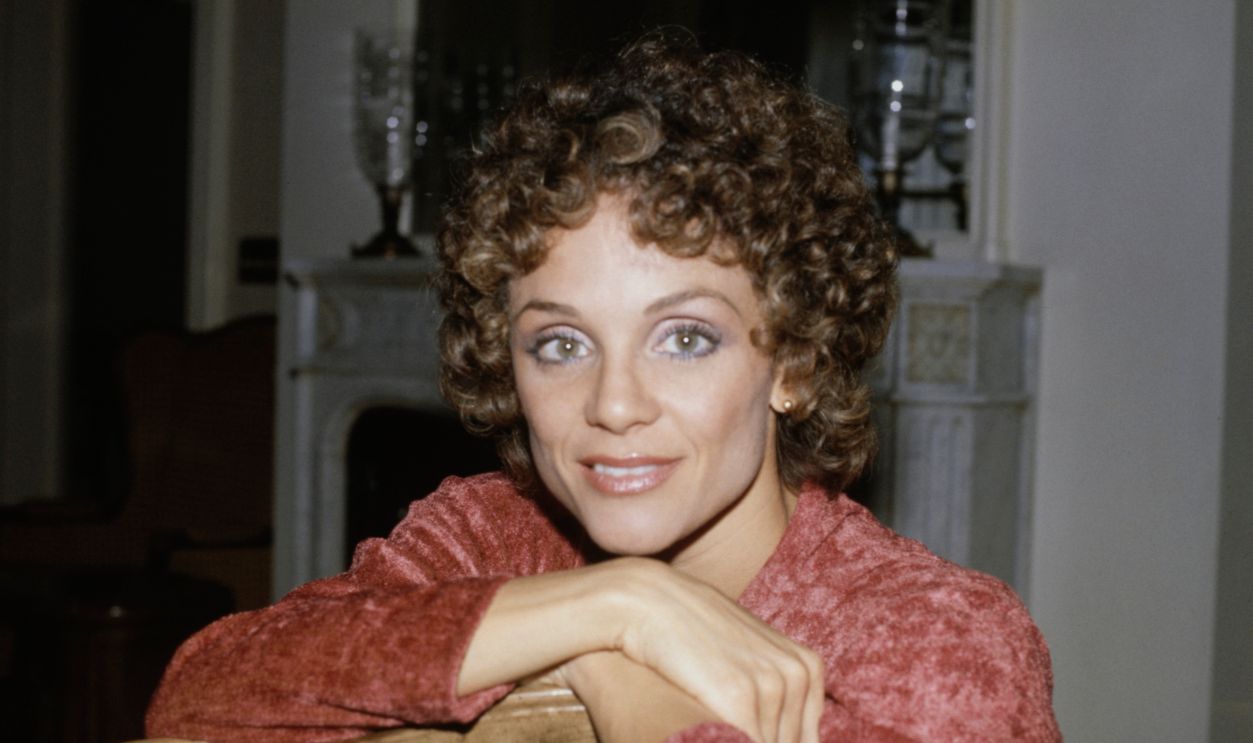
As a teenager, Harper trained seriously as a dancer and eventually moved into professional work. She studied at the New School in New York and performed with the corps de ballet at Radio City Music Hall. Broadway followed, with Harper dancing in productions including Take Me Along, Wildcat, and Subways Are for Sleeping. She was working in the entertainment business years before television audiences knew her face, but acting was still waiting around the corner.
Broadway Introduced Her To Comedy
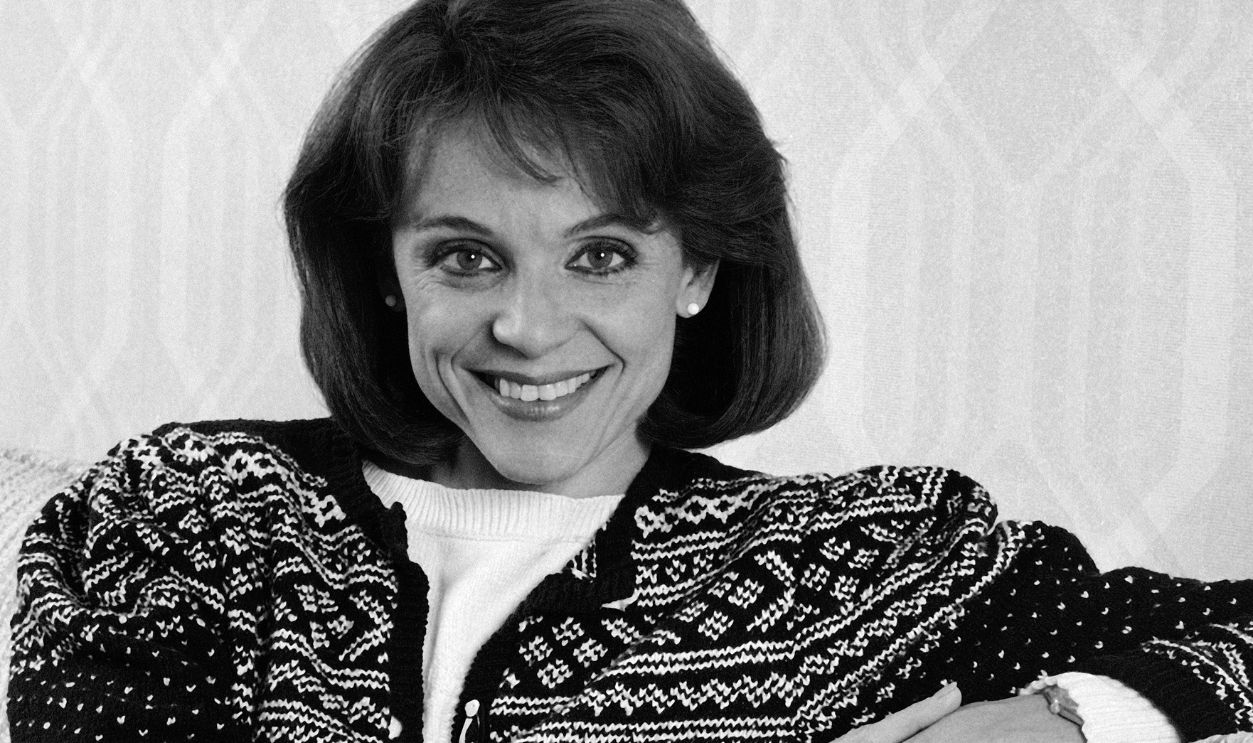
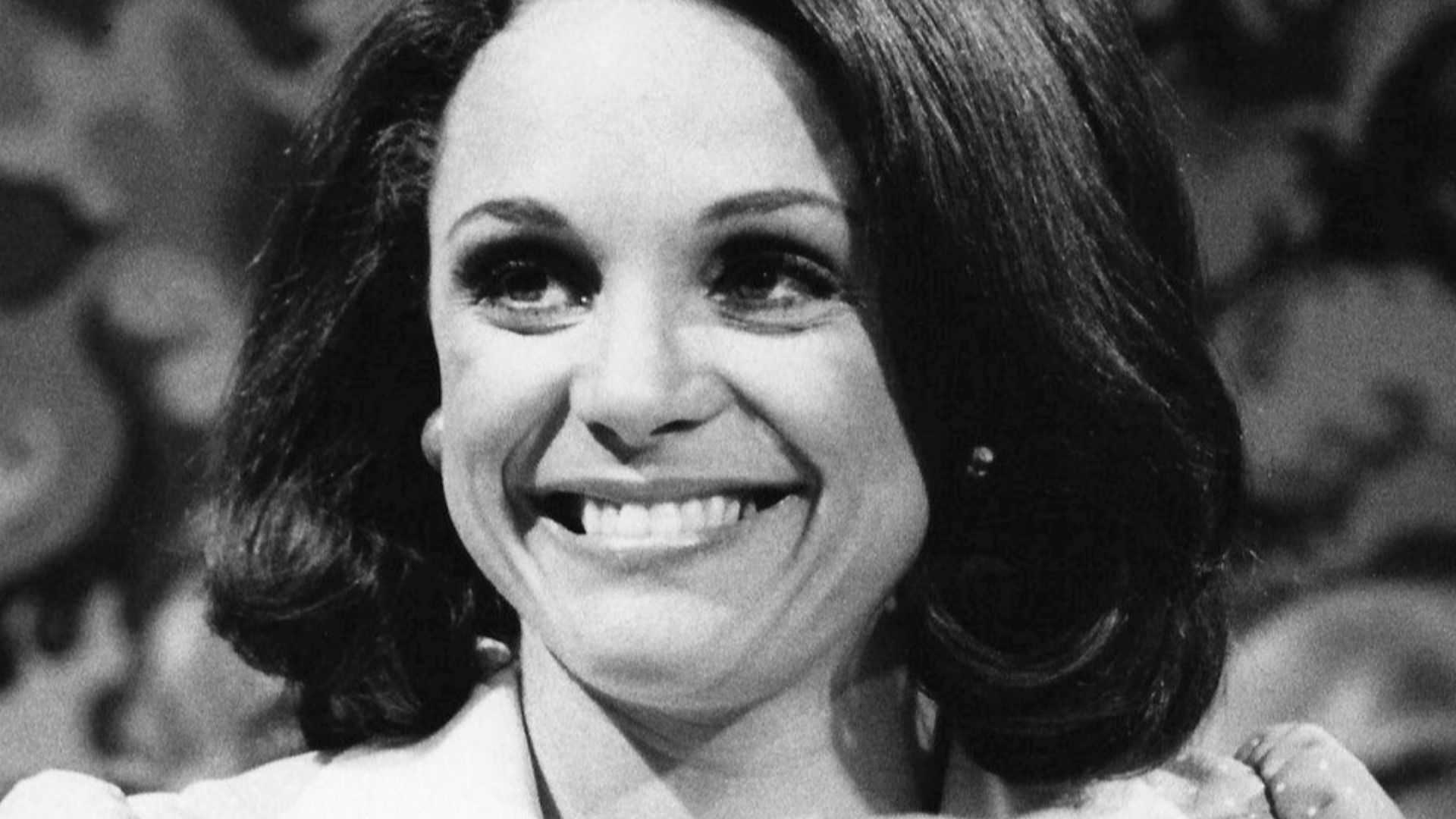
Harper's transition from dancer to comic actress developed gradually. She became involved with improvisational theater and worked with Chicago's Second City, where performers learned to listen closely and build scenes around one another rather than simply wait for their next line. Harper later compared improvisation to musicians jamming. That training became crucial to her television style because she was always reacting, even when somebody else had the punchline.
 CBS Television, Wikimedia Commons
Story Theatre Helped Sharpen Her Skills
Harper also performed with Paul Sills' Story Theatre alongside her first husband, actor Richard Schaal. The work required performers to move quickly between characters, narration, physical comedy, and ensemble scenes. Harper was developing an unusually flexible toolkit. She could be broad when necessary, but she also understood how a tiny reaction could steal attention without disrupting a scene. Those skills eventually made her particularly dangerous as a sitcom supporting player.
Los Angeles Brought An Unexpected Opportunity
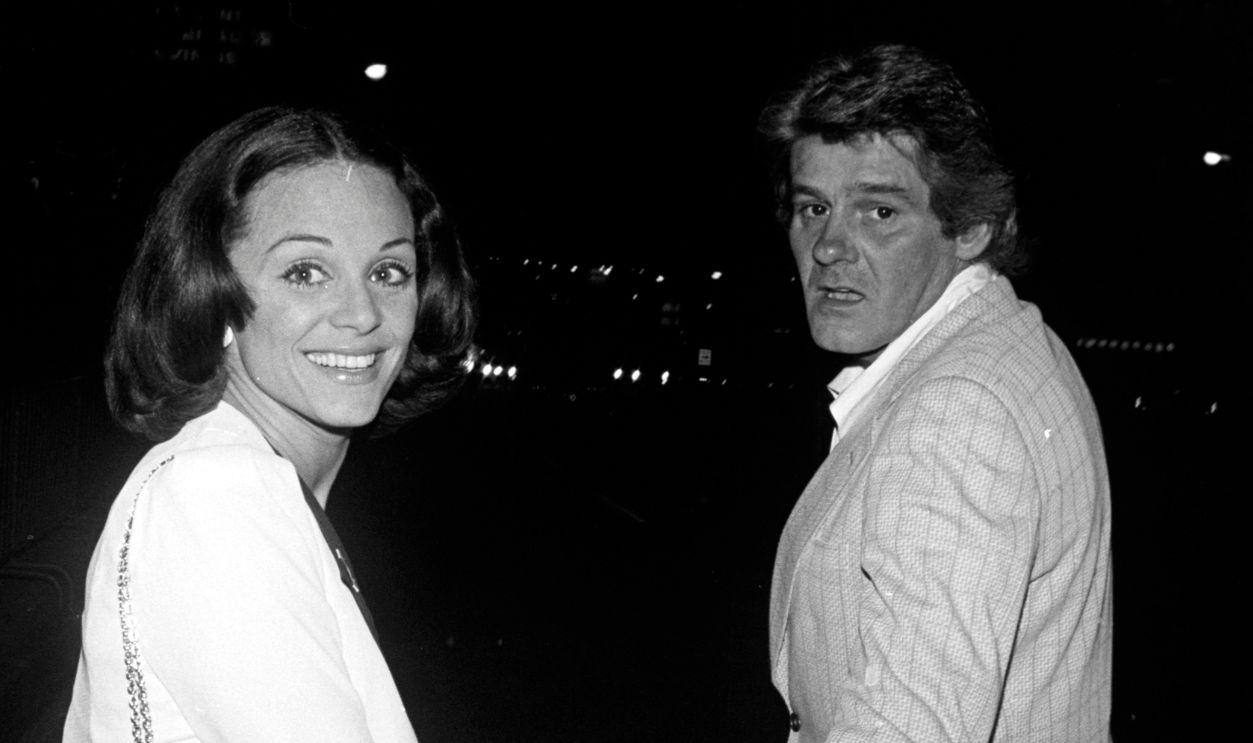
Harper moved to Los Angeles in 1968, but television stardom was not part of some carefully mapped-out plan. She had mostly worked onstage, and when the opportunity to audition for The Mary Tyler Moore Show appeared, she did not consider herself an obvious choice. The producers were searching for someone to play Mary Richards' neighbor and eventual best friend, Rhoda Morgenstern. Harper was not convinced she looked right for television, but casting director Ethel Winant saw something in her.
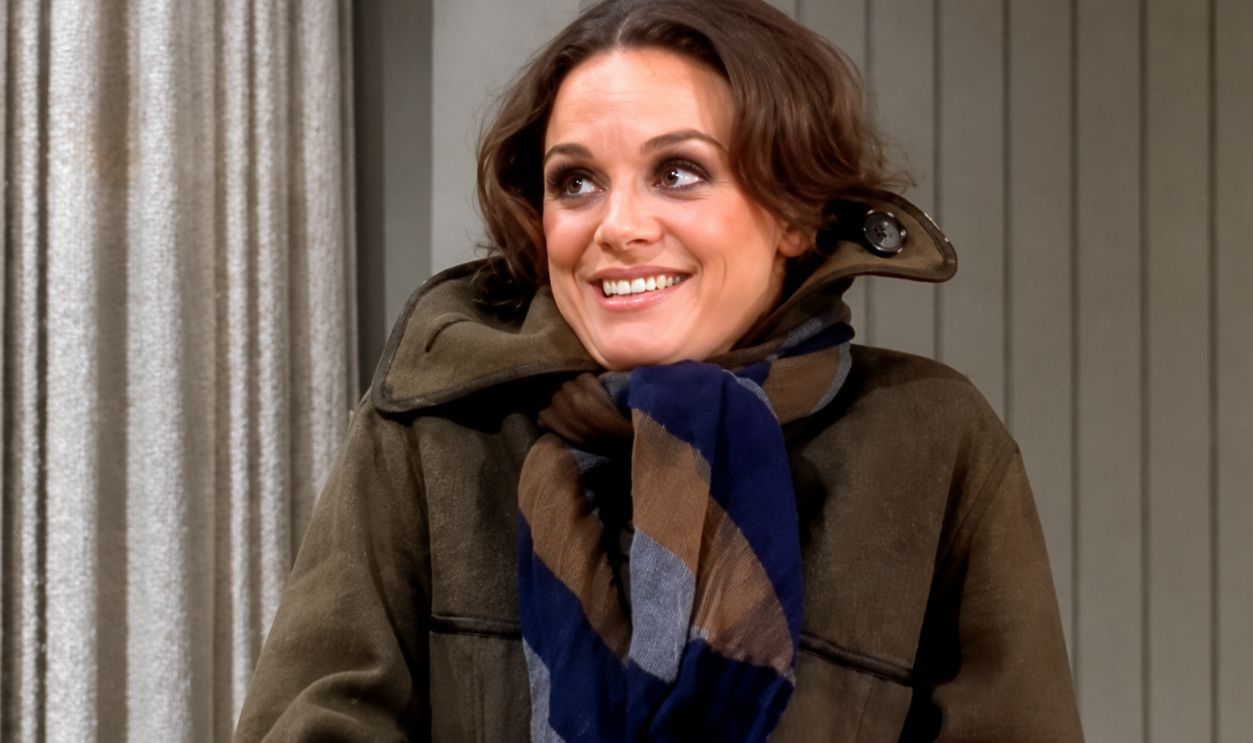 Screenshot from The Mary Tyler Moore Show, The Walt Disney Company (1970-1977), enhanced
Harper Did Not Think She Was Rhoda
Rhoda was written as a brash New Yorker, and Valerie Harper initially had doubts about whether she fit what producers wanted. During her audition, however, she leaned into the character's Bronx-flavored attitude and physicality. Harper understood women like Rhoda. She knew the rhythms, insecurities, humor, and bluntness. Once she started performing the character, the difference between auditioning and simply being Rhoda began to disappear.
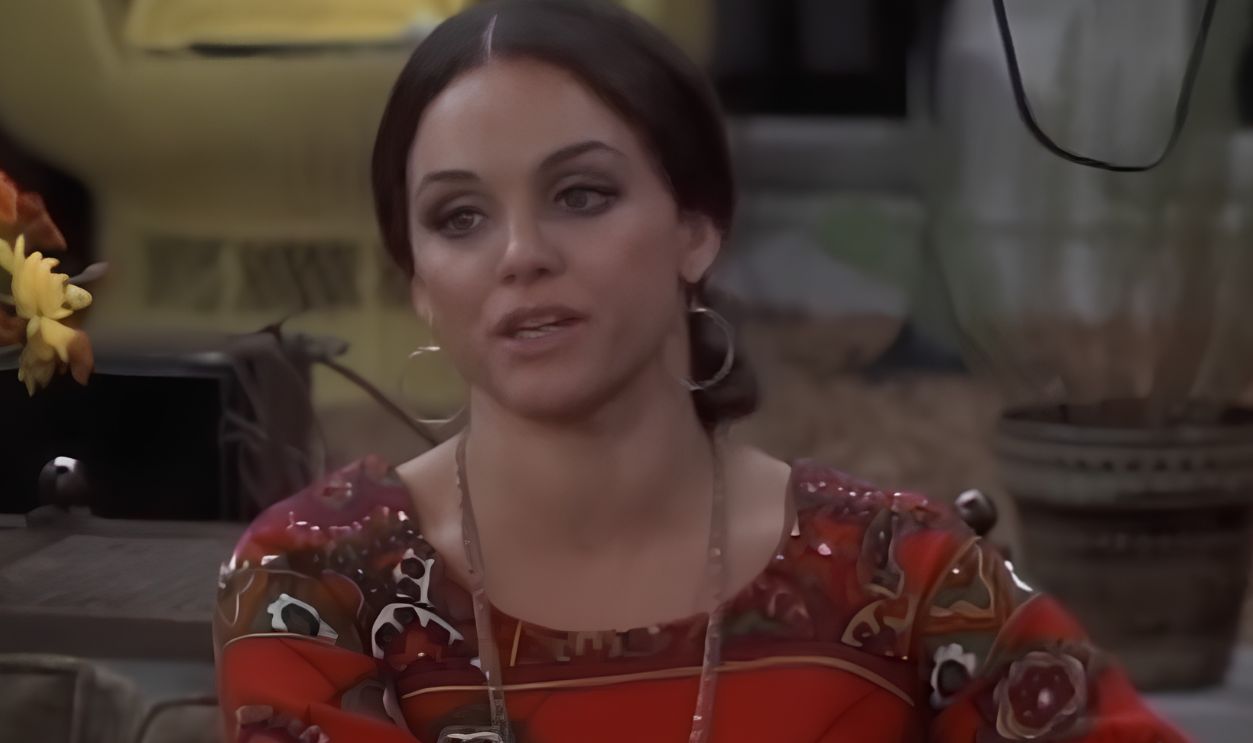 Screenshot from The Mary Tyler Moore Show, The Walt Disney Company (1970-1977)
Mary Richards Needed A Very Different Best Friend
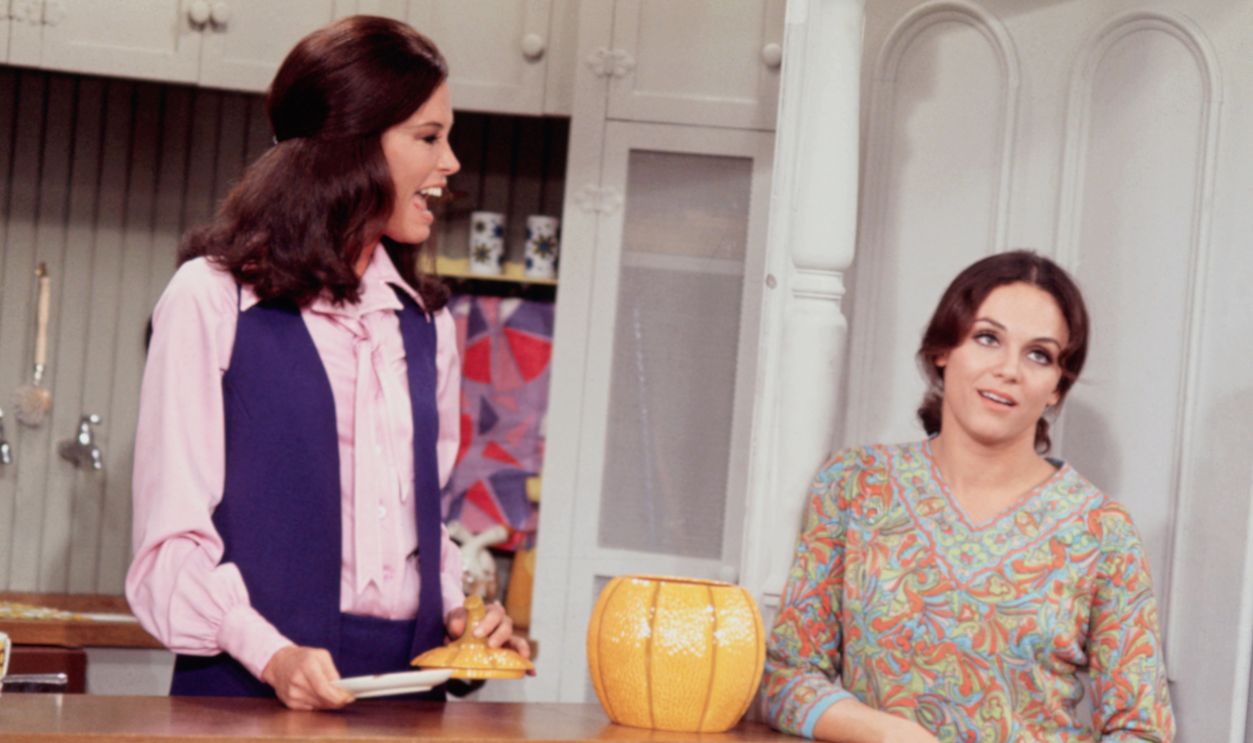
Mary Richards was friendly, polished, cautious, and remarkably good at navigating uncomfortable situations without offending anyone. Rhoda Morgenstern was almost the exact opposite. She said what she thought, frequently complained about her weight, openly discussed her disastrous dating life, and had very little interest in pretending everything was fine when it wasn't. The contrast gave The Mary Tyler Moore Show one of its most important relationships.
Their First Meeting Set The Tone
Rhoda appeared in the very first episode, "Love Is All Around," immediately establishing herself as a force in Mary's new Minneapolis life. She had previously been interested in renting Mary's apartment and was not thrilled that Phyllis had given it to somebody else. Instead of turning the two women into enemies, the writers quickly recognized how much comic chemistry Moore and Harper had together. The irritation softened, friendship took over, and television gained one of its great female pairings.
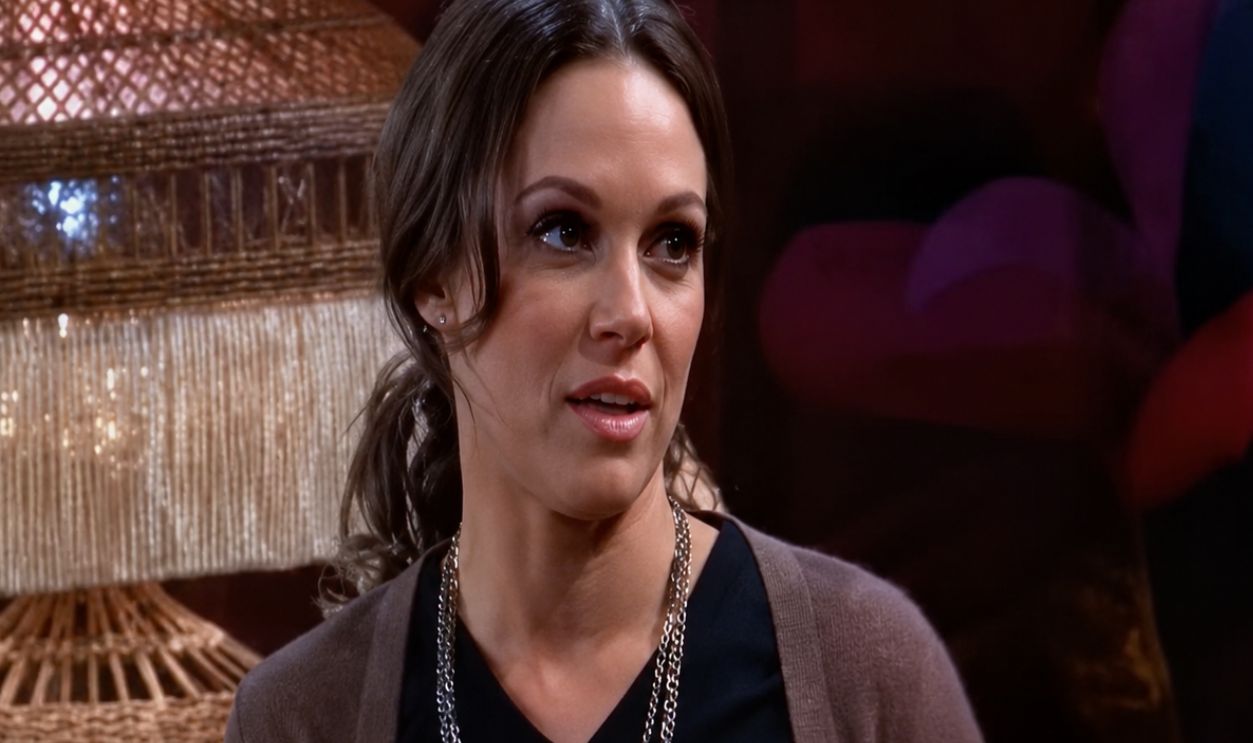 Screenshot from The Mary Tyler Moore Show, The Walt Disney Company (1970-1977), enhanced
Rhoda Was Messy In Ways Mary Wasn't
Mary Richards represented a new kind of television heroine. She was single, career-oriented, independent, and capable of building a satisfying life without a husband. Rhoda represented another side of that independence. She was not effortlessly confident. She worried about money, appearance, romance, and whether life was passing her by. Her anxieties made her funny, but they also made her recognizable. Plenty of viewers admired Mary. A lot of them felt like Rhoda.
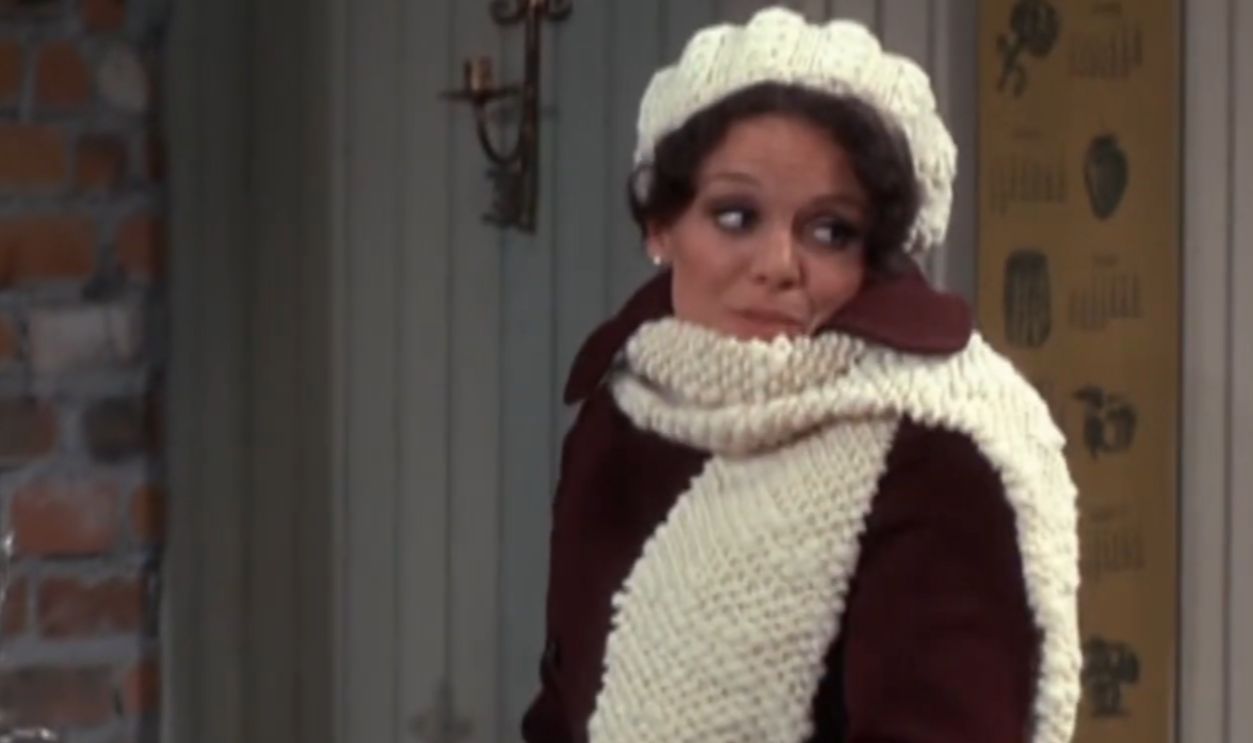 Screenshot from The Mary Tyler Moore Show, The Walt Disney Company (1970-1977)
The Self-Deprecating Jokes Could Be Brutal
Some of Rhoda's most famous early lines revolved around her weight and appearance. The jokes were often sharp enough that they would probably be written very differently today, but Harper's delivery gave them another layer. Rhoda was usually making the joke before anyone else could. It became a defensive weapon, allowing her to control the thing she feared other people were thinking. Harper understood that underneath the punchline was a woman who wanted to be accepted.
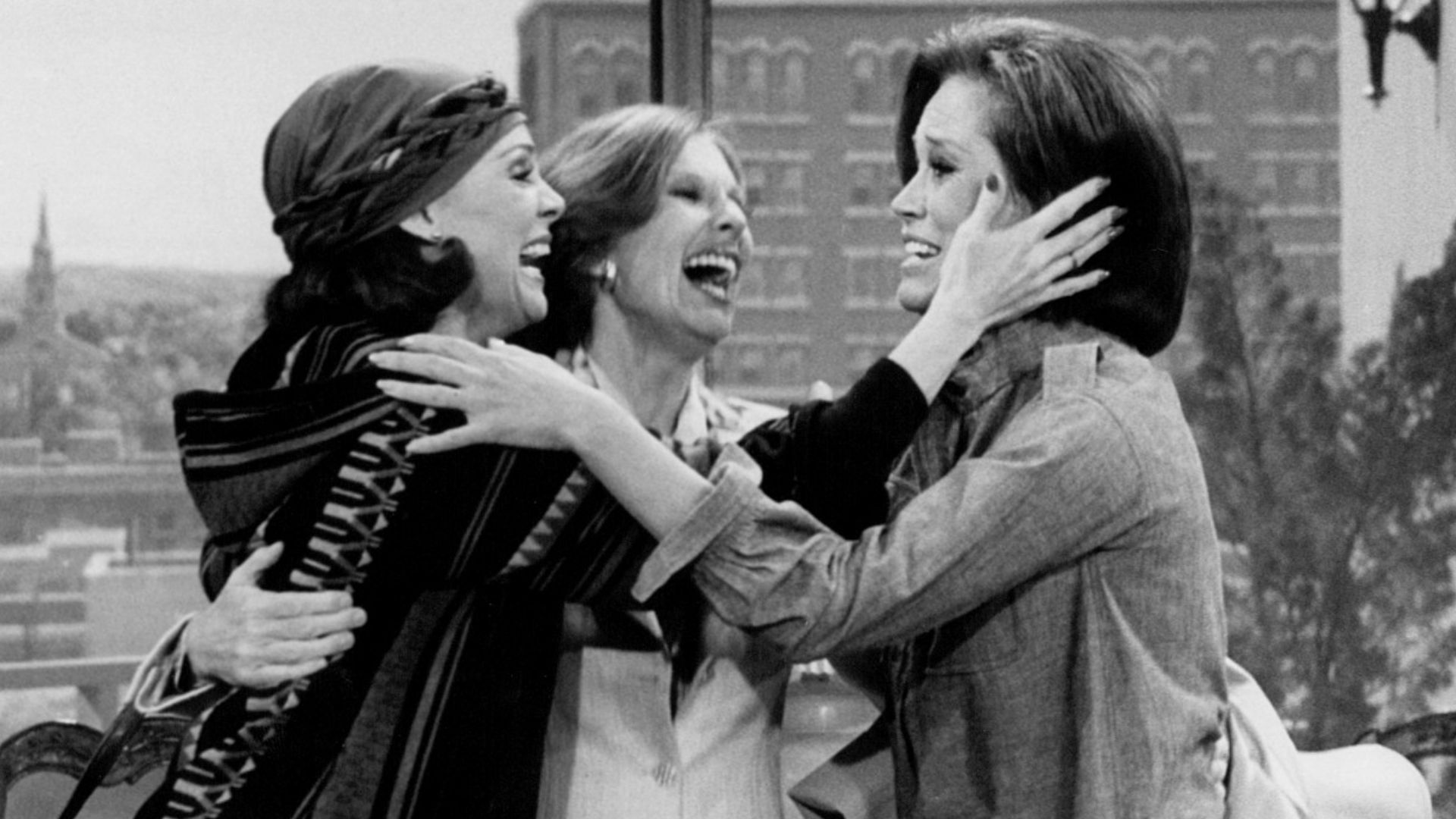 CBS Television, Wikimedia Commons
Writers Realized Rhoda Needed Softer Edges
Rhoda did not remain exactly the character viewers met in the pilot. Writer Treva Silverman later recalled deliberately softening her because she saw how likable Harper was. Rhoda could still be direct and sarcastic, but she no longer needed to be abrasive simply to provide contrast with Mary. The character became warmer, funnier, and more emotionally available. That evolution was important because Rhoda stopped functioning as Mary's comic foil and started becoming somebody audiences cared about independently.
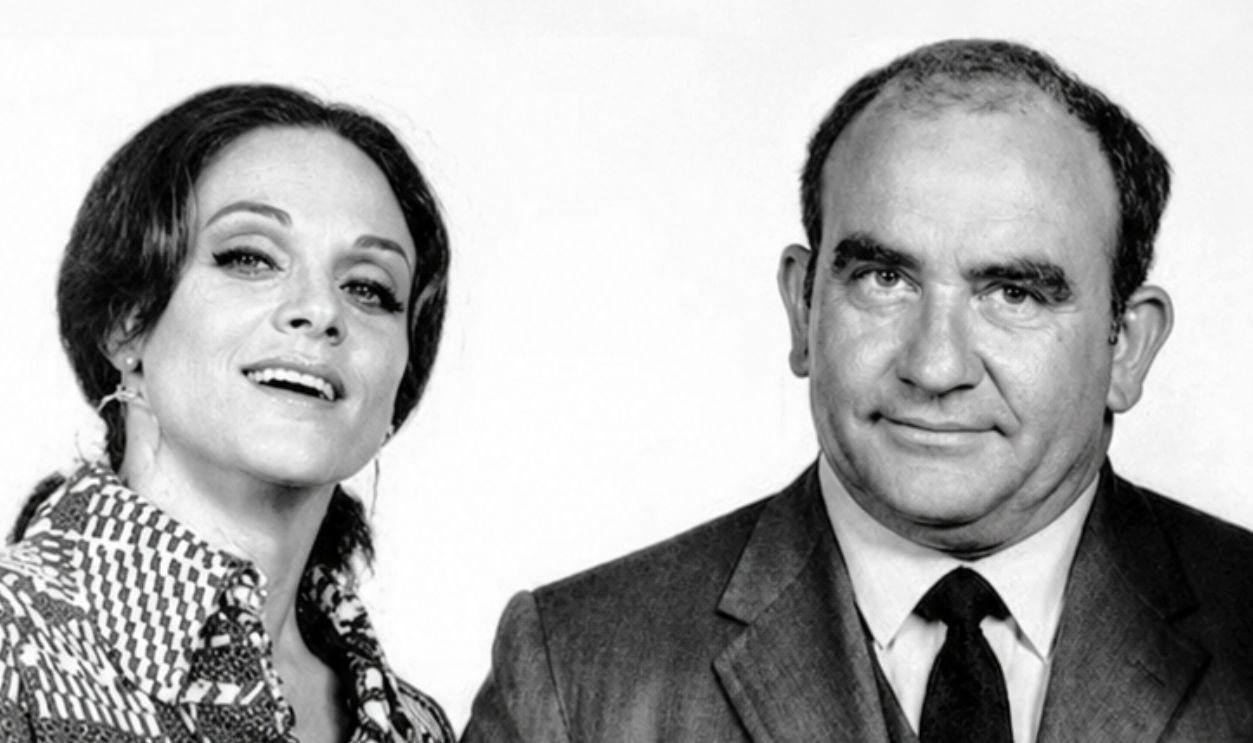 CBS Television Uploaded by We hope at en.wikipedia, Wikimedia Commons, enhanced
Harper's Real Skill Was Listening
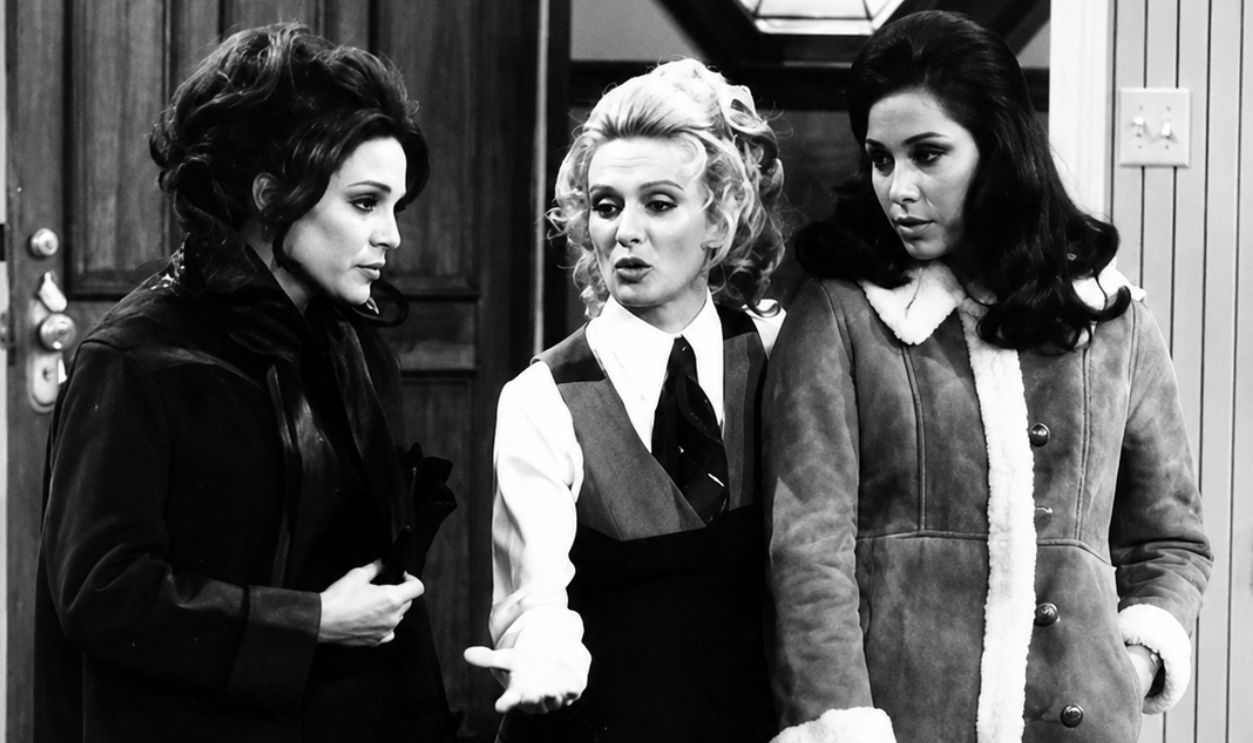
One reason Valerie Harper was so good on The Mary Tyler Moore Show is easy to miss if you only watch the person delivering the joke. Harper listened. If Mary Tyler Moore, Ed Asner, Cloris Leachman, Ted Knight, or Gavin MacLeod had the line, Harper remained completely engaged. Her expressions changed as scenes unfolded, and her reactions often created an extra laugh after somebody else's punchline. That improvisational background never really left her.
 CBS Television, Wikimedia Commons, enhanced
Mary And Rhoda Felt Like Real Friends
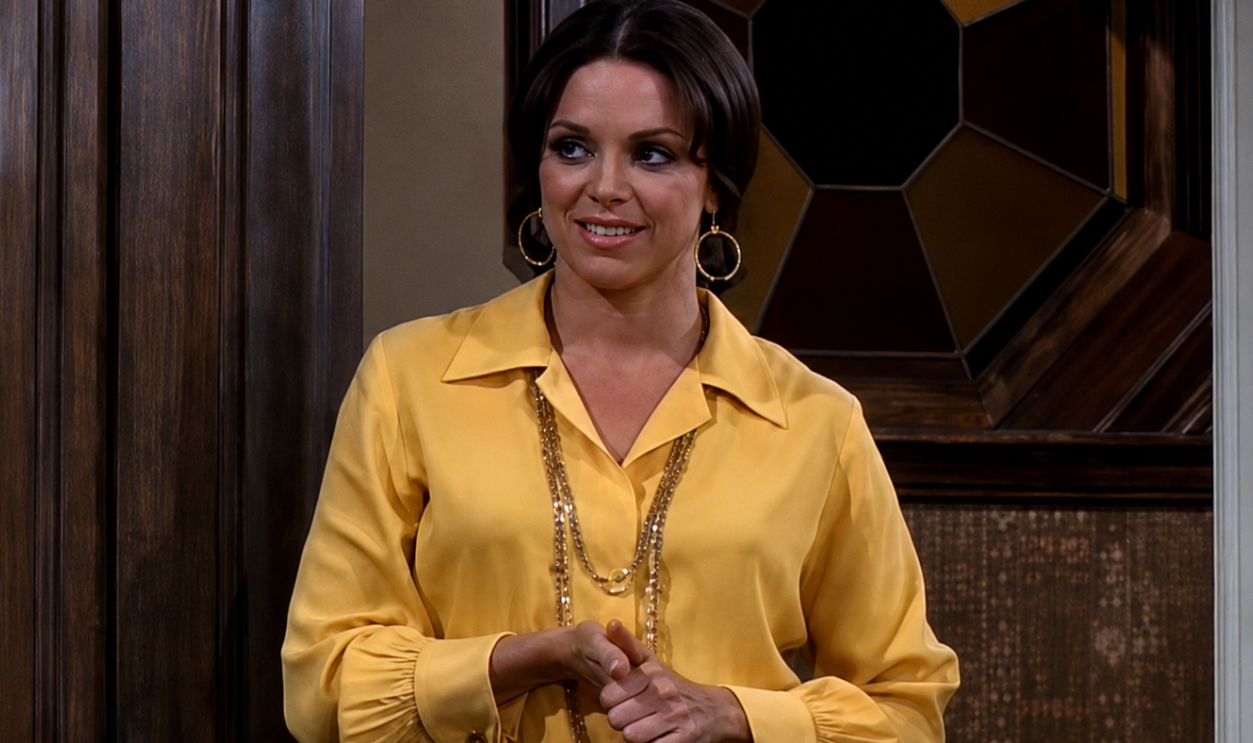
The friendship between Mary and Rhoda was unusual because the show did not constantly force them into manufactured conflicts. They talked about dates, jobs, family, clothes, bad decisions, and insecurities. Rhoda could tease Mary mercilessly while also being the first person Mary called when something went wrong. Their relationship helped The Mary Tyler Moore Show depict female friendship as something central to adult life rather than background material between romances.
 Screenshot from The Mary Tyler Moore Show, The Walt Disney Company (1970-1977), enhanced
Phyllis Made Everything Even Better
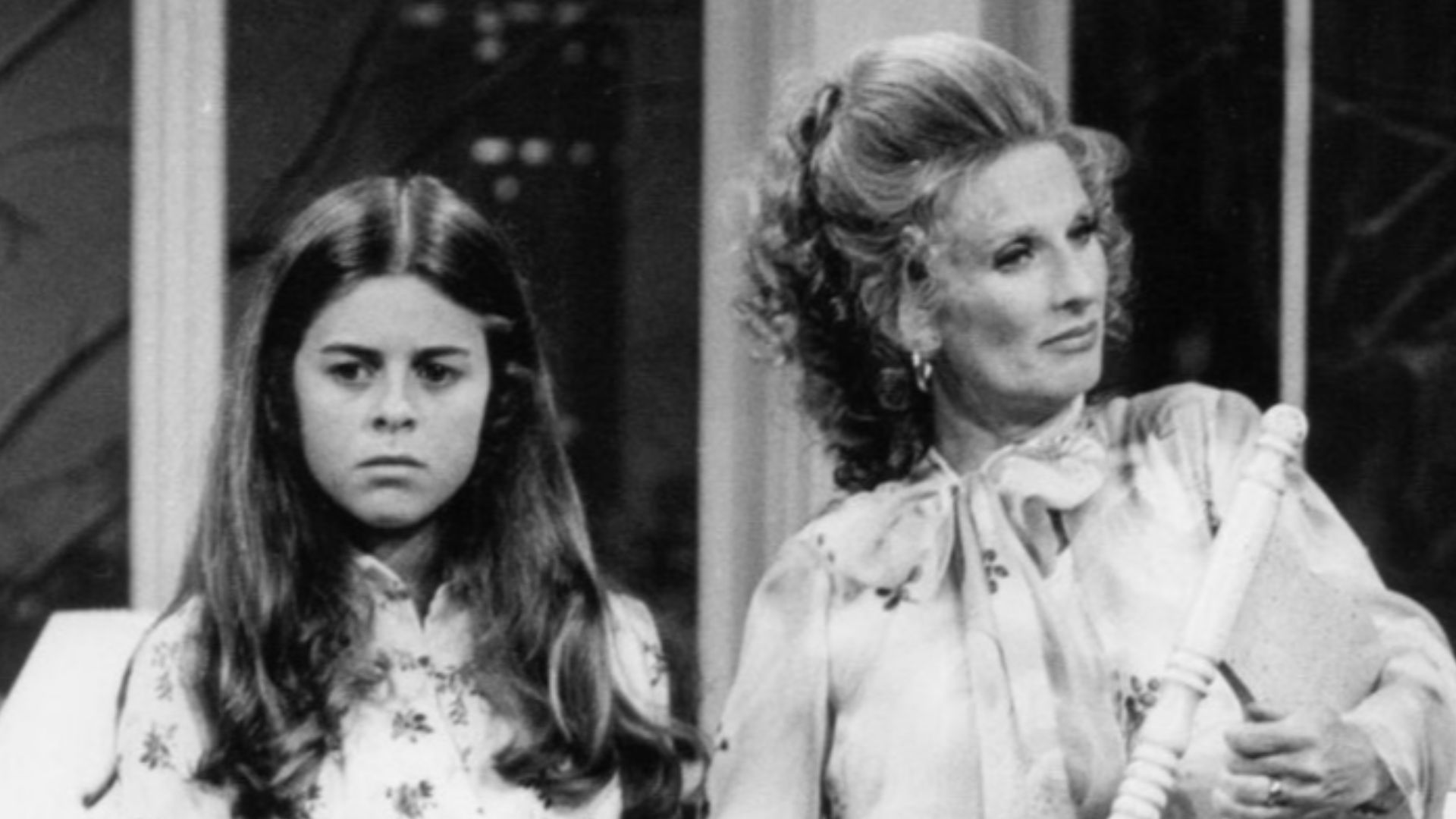
Cloris Leachman's Phyllis Lindstrom added another volatile personality to the mix. Phyllis was Mary's landlady, Rhoda's frequent antagonist, and a woman with absolute confidence in opinions nobody had requested. Rhoda and Phyllis could irritate each other almost instantly, and Harper clearly enjoyed sparring with Leachman. The dynamic gave the show another comic engine and helped establish just how versatile Rhoda could be depending on who shared the scene.
 CBS Television, Wikimedia Commons
Audiences Started Watching For Rhoda
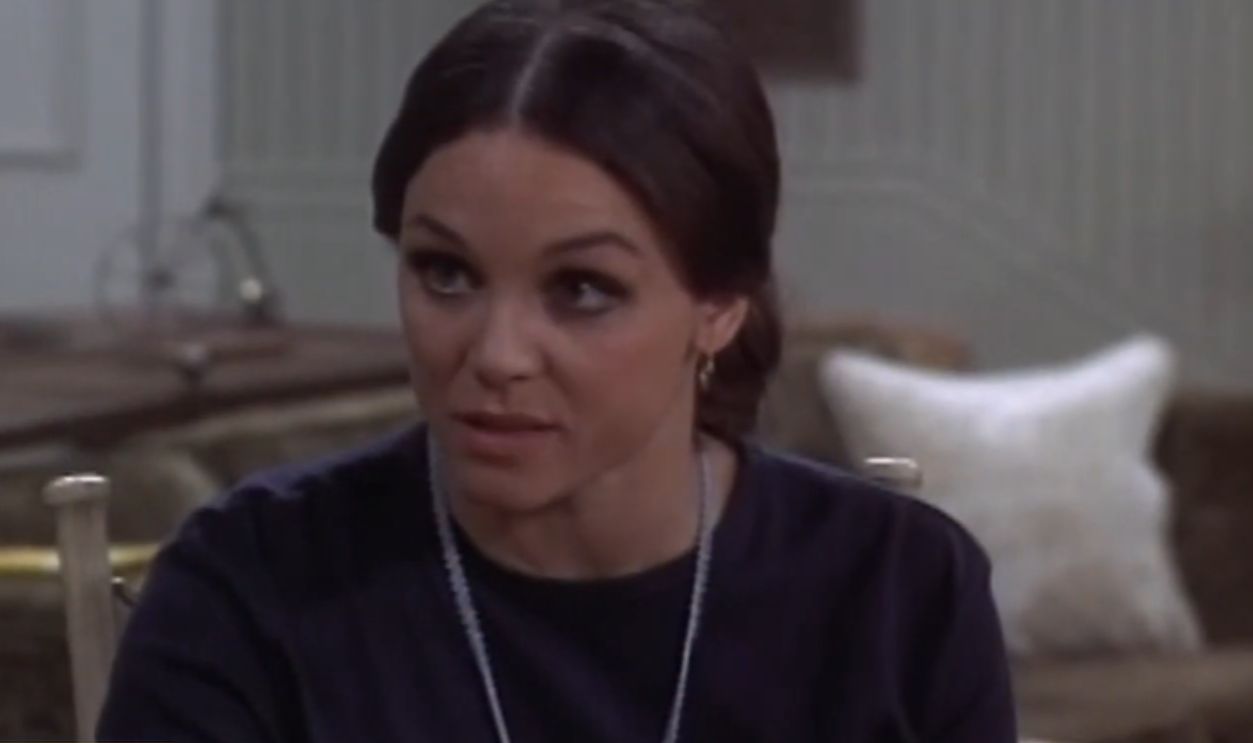
It did not take long for Rhoda to develop a following of her own. Viewers quoted her lines, identified with her insecurities, and responded to the warmth underneath her sarcasm. Harper once explained the appeal simply: there was something real about Rhoda. Mary might approach a situation politely, while Rhoda would charge straight into it. That unpredictability made it increasingly easy for Harper to walk away with scenes.
 Screenshot from The Mary Tyler Moore Show, The Walt Disney Company (1970-1977)
The Emmys Confirmed She Was More Than A Sidekick
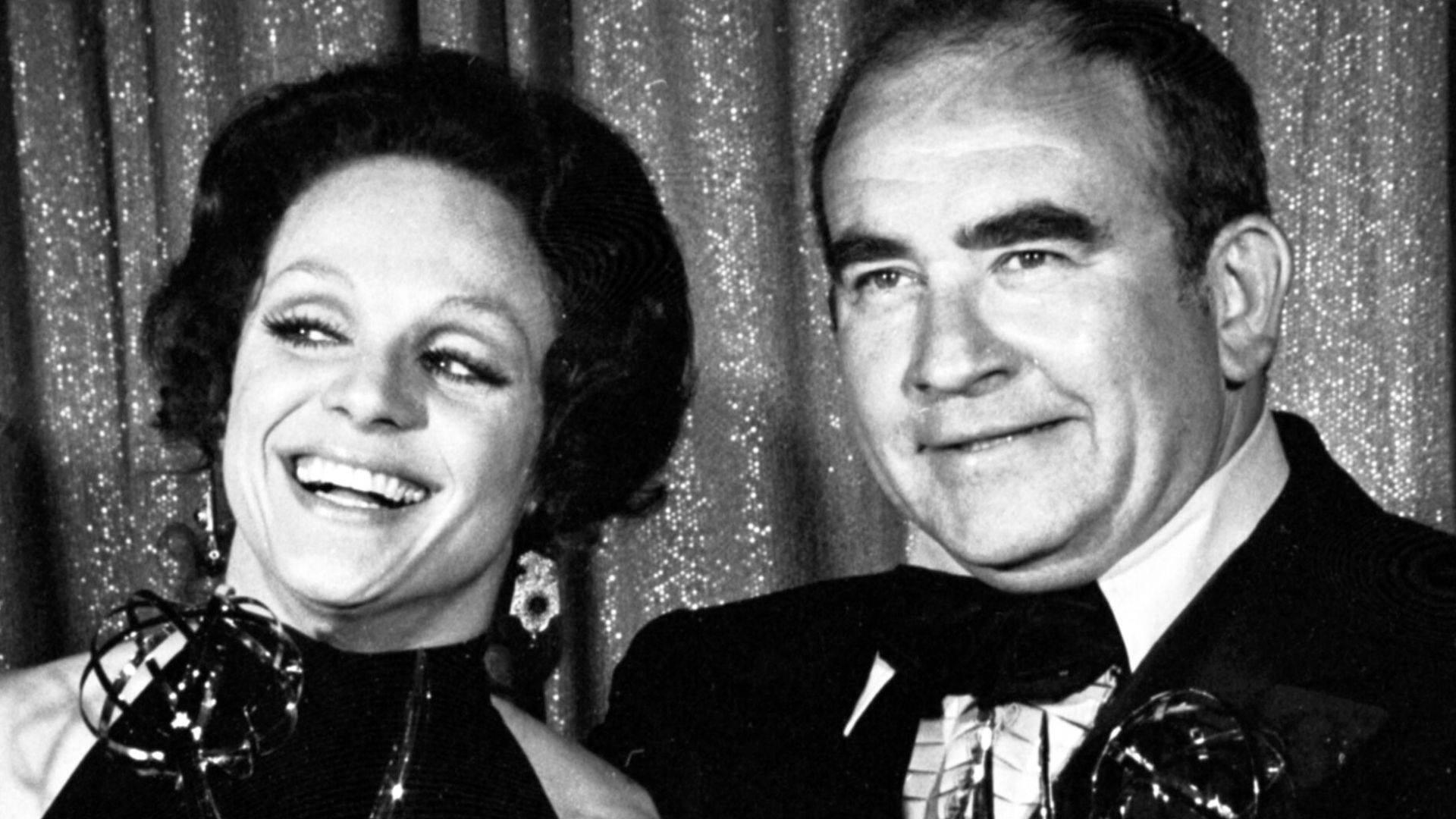
Harper's work quickly attracted industry recognition. She won three consecutive Primetime Emmy Awards for her supporting performance on The Mary Tyler Moore Show, taking home the honor in 1971, 1972, and 1973. Those wins made something obvious that ratings and fan reactions had already suggested. Rhoda was not merely a useful supporting character. Harper had created one of the defining television personalities of the decade.
 Rick Browne, Los Angeles Times, Wikimedia Commons
Losing Weight Created An Unexpected Story Problem
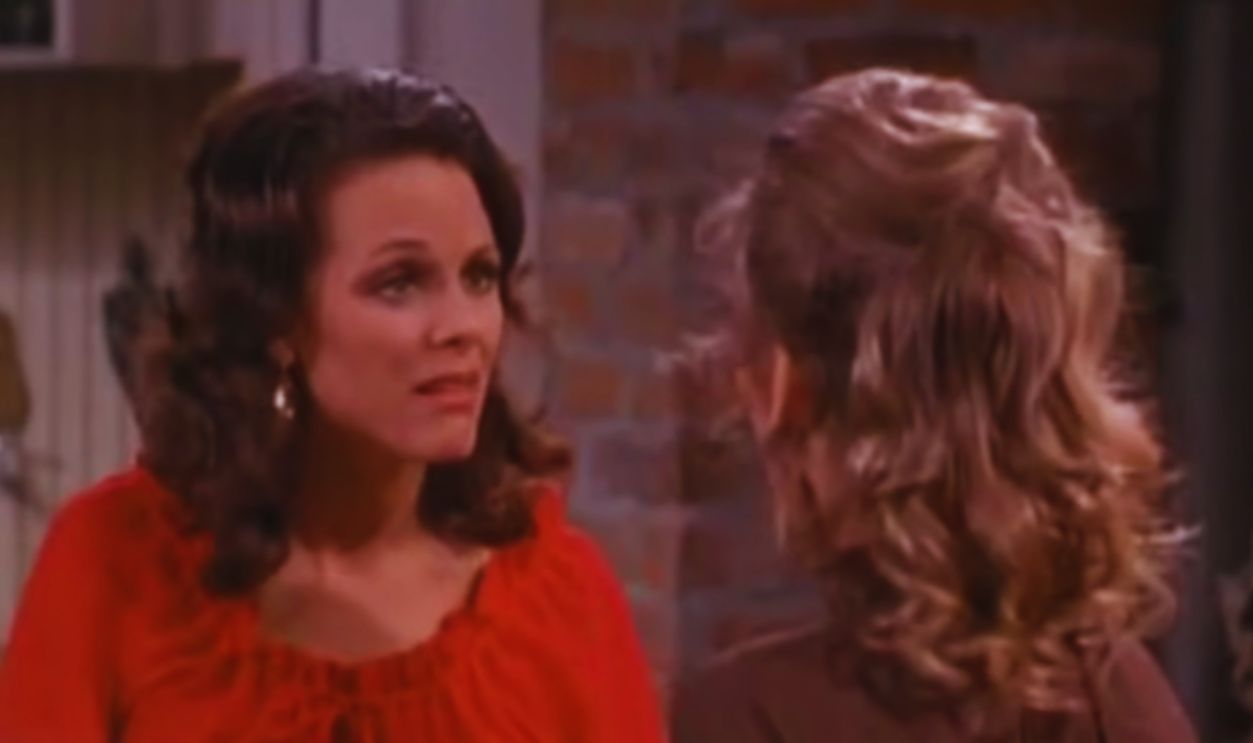
As Harper's appearance changed, the writers had to reconsider one of Rhoda's defining traits. She had lost weight, which complicated a character whose self-deprecating humor had often centered on body image. Rather than ignore it, the series addressed the change. Rhoda began developing greater confidence while remaining recognizably herself. The shift proved the character was strong enough to survive without relying indefinitely on the same jokes.
 Screenshot from The Mary Tyler Moore Show, The Walt Disney Company (1970-1977)
The Idea Of A Spinoff Began To Make Sense
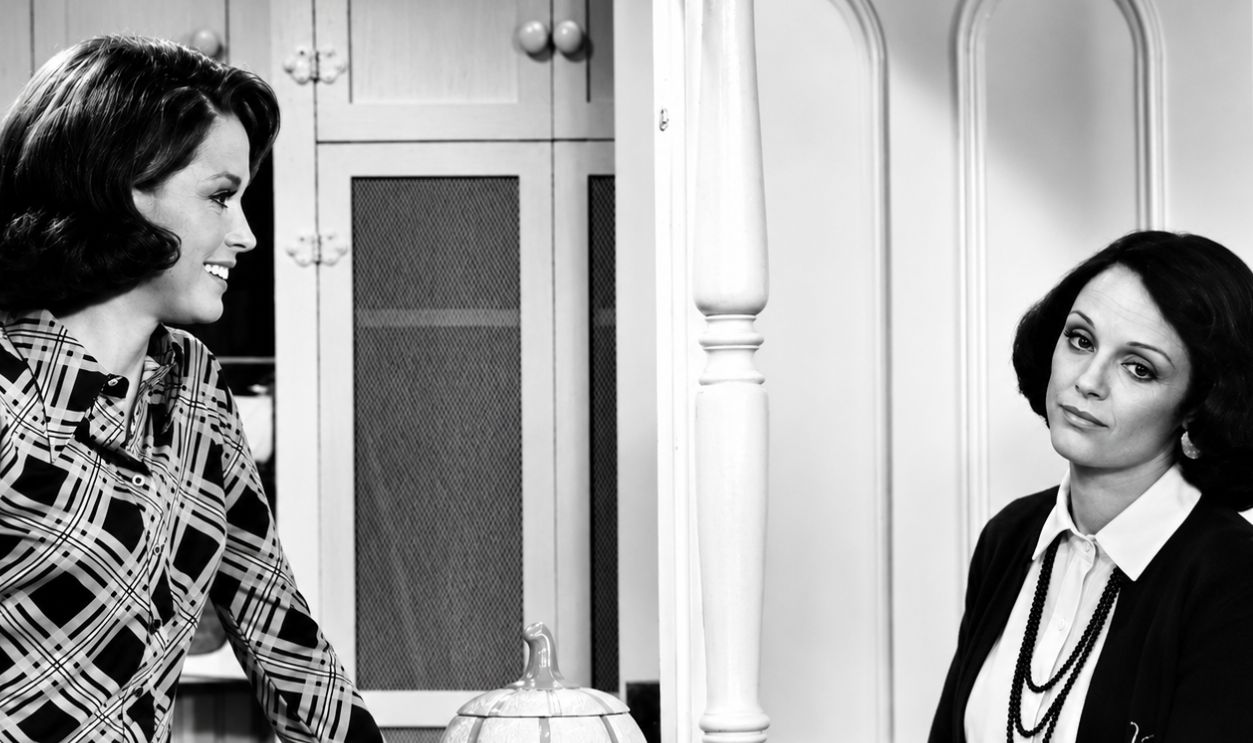
By the early 1970s, Rhoda's popularity made a spinoff increasingly logical. MTM Enterprises had a character who could clearly sustain stories beyond Mary's apartment, and Harper had proven she could command attention. The question was whether separating Rhoda from Mary would destroy the chemistry that had made viewers love her. Harper herself was nervous. Being one of television's most celebrated supporting actresses was comfortable. Becoming the star meant there would be nowhere to hide.
 CBS Television Uploaded by We hope at en.wikipedia, Wikimedia Commons, enhanced
Harper Wasn't Sure She Was A Star
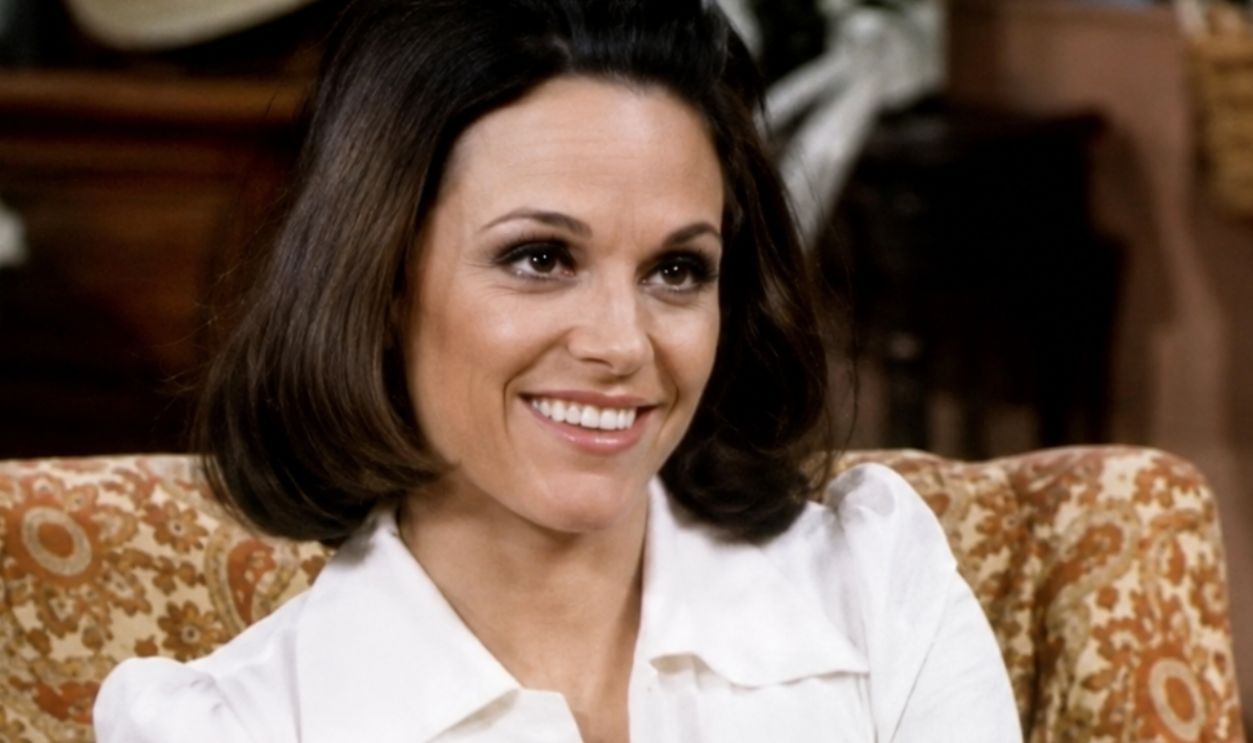
Valerie Harper was remarkably candid about her uncertainty when Rhoda became a reality. She worried that she might not have whatever mysterious quality supposedly made somebody a television lead. She later said she did not think of herself as a star and felt she simply had a wonderful job. At least she would not be going far. Mary Tyler Moore remained only a few stages away on the CBS lot, and the two women were genuine friends off-camera as well.
 Screenshot from Rhoda, The Walt Disney Company (1974-1978), enhanced
Rhoda Went Home To New York
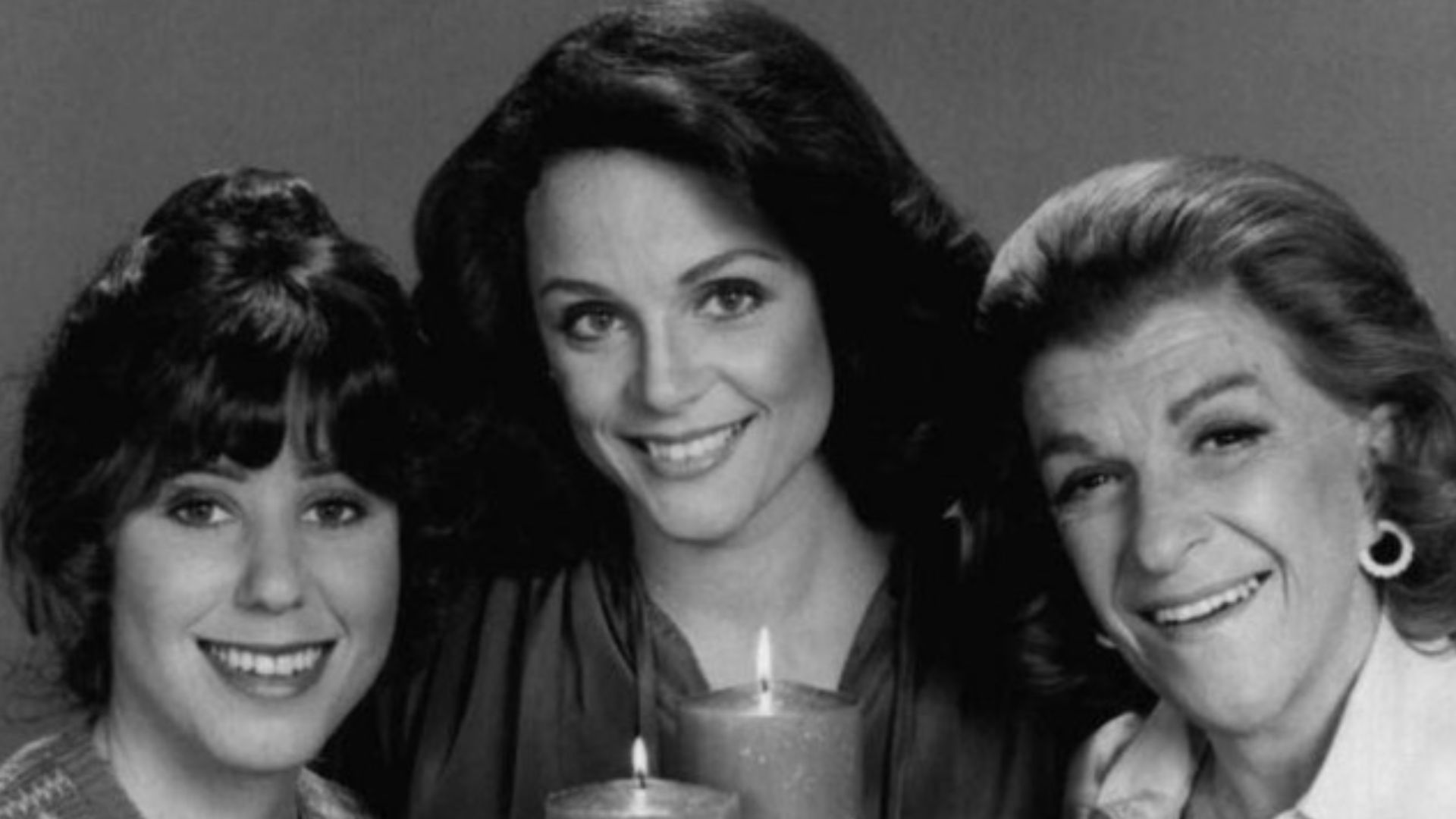
Rhoda premiered on September 9, 1974. The premise sent Rhoda home from Minneapolis to New York, where viewers met more of the Morgenstern family. Julie Kavner played her younger sister Brenda, while Nancy Walker appeared as their gloriously intrusive mother, Ida. Harold Gould played their father, Martin. Moving Rhoda home allowed the show to expand everything audiences already knew about her by introducing the family that helped make her that way.
 CBS Television, Wikimedia Commons
The Pilot Did Something Almost Unheard Of
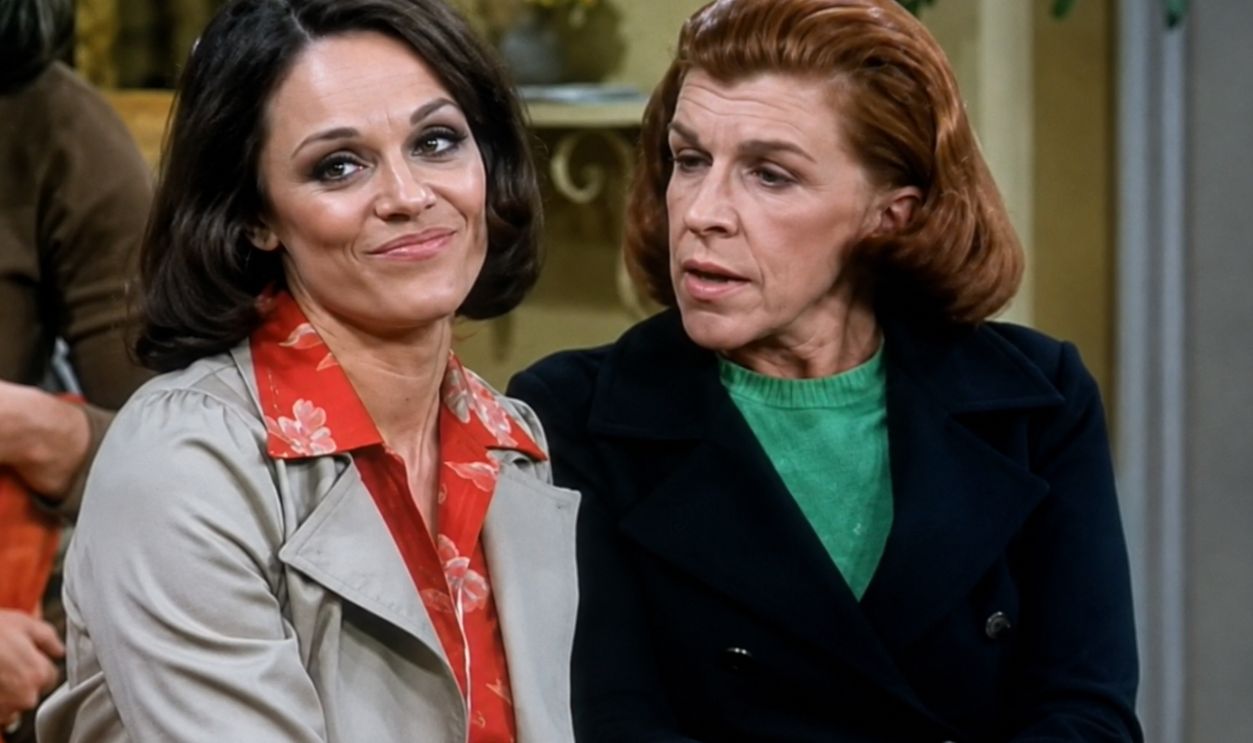
If anyone still wondered whether Rhoda Morgenstern could carry a television series, the ratings answered quickly. The premiere of Rhoda rose to the top of the Nielsen ratings, knocking All in the Family out of its usual position. A character who had entered television four years earlier as the funny neighbor was suddenly leading one of the biggest shows in America.
 Screenshot from Rhoda, The Walt Disney Company (1974-1978), enhanced
Then Rhoda Met Joe Gerard
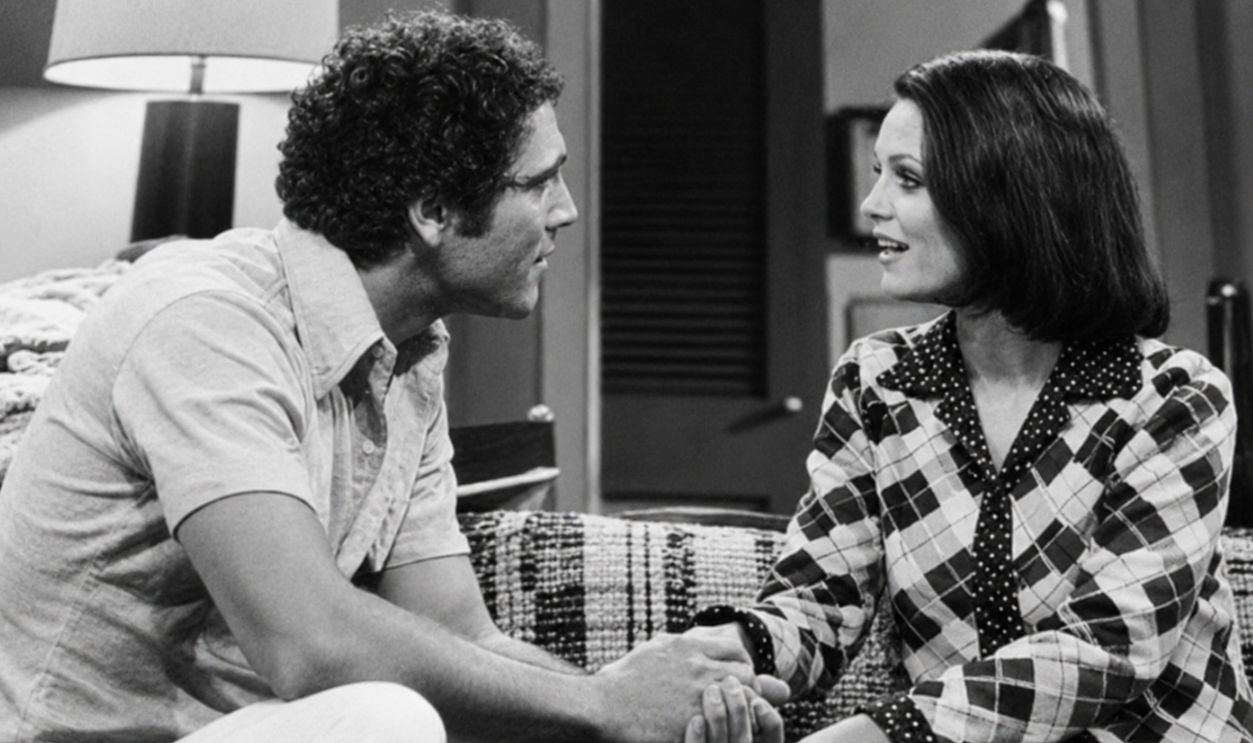
The first season centered heavily on Rhoda's relationship with Joe Gerard, played by David Groh. After years of watching Rhoda complain about terrible dates and romantic disappointments, viewers were finally seeing her fall seriously in love. Joe was divorced, grounded, and seemingly capable of appreciating Rhoda without demanding she become somebody else. The relationship moved quickly, which would produce one of the defining television events of the 1970s.
 CBS Television, Wikimedia Commons, enhanced
Rhoda's Wedding Became A Television Event
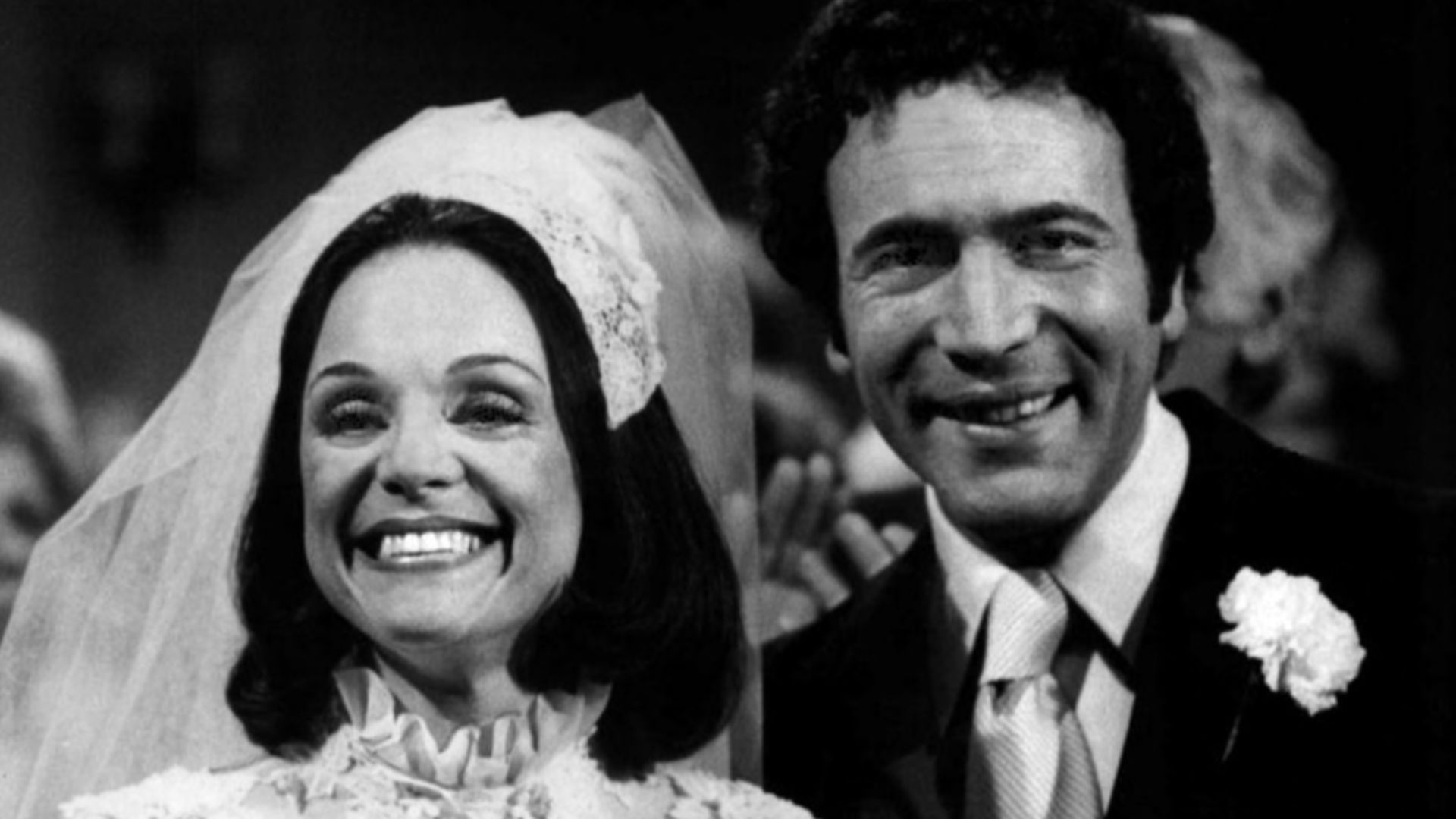
On October 28, 1974, CBS aired the hour-long episode "Rhoda's Wedding." Mary Richards and other familiar faces traveled from Minneapolis for the ceremony, allowing the spinoff to reconnect with the series that created it. Viewers turned out in enormous numbers. The wedding became one of the most watched sitcom broadcasts of its era, confirming that audiences had become emotionally invested in Rhoda's happiness.
 CBS Television, Wikimedia Commons
The Wedding Also Gave Harper A Perfect Comic Showcase
The ceremony was never going to go smoothly. Rhoda eventually found herself racing through New York in her wedding dress after transportation complications threatened to ruin the day. The image worked because it combined everything audiences loved about her. Rhoda could finally have the romantic moment she had wanted for years, but she was still going to reach it sweating, frustrated, and surrounded by chaos. Perfection simply would not have felt like Rhoda Morgenstern.
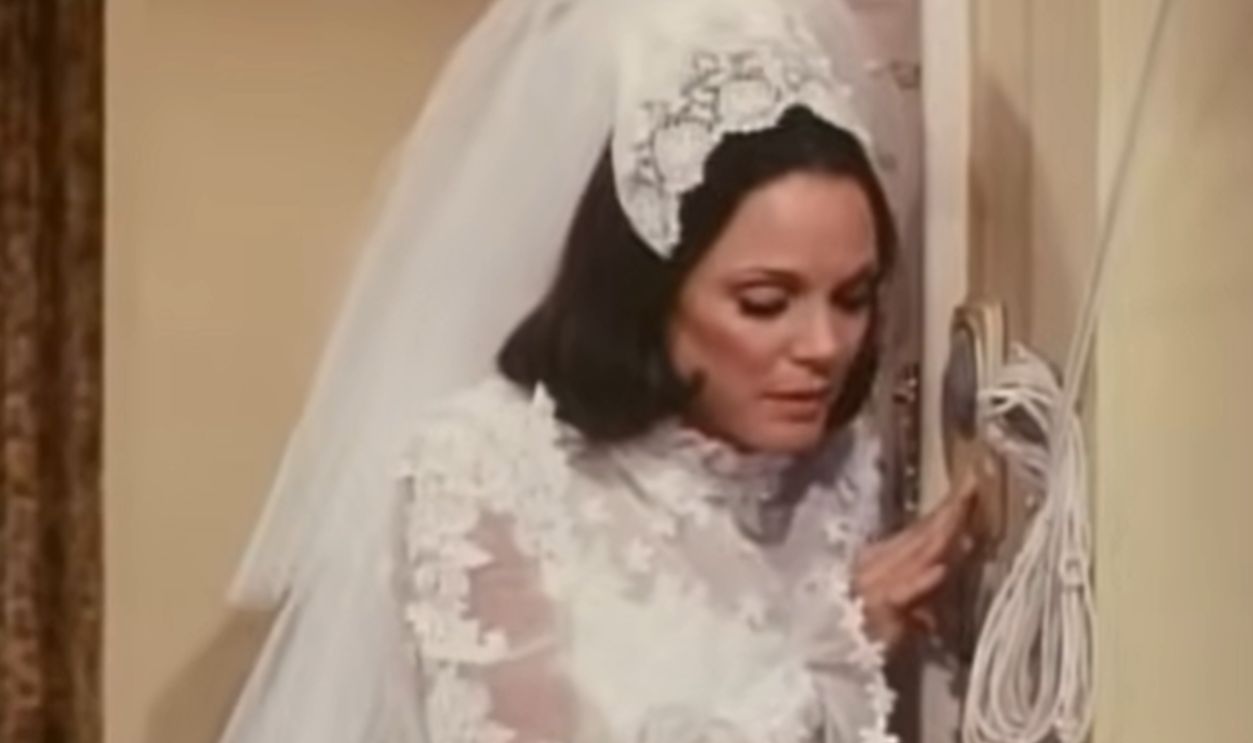 Screenshot from Rhoda, The Walt Disney Company (1974-1978)
Harper Won Another Emmy
The success of Rhoda immediately translated into another major award for Valerie Harper. In 1975, she won the Emmy for Outstanding Lead Actress in a Comedy Series. The victory gave her four Emmys for playing the same character across two different series, three as a supporting actress and one as the lead. Rhoda had officially completed one of television's great transformations from sidekick to star.
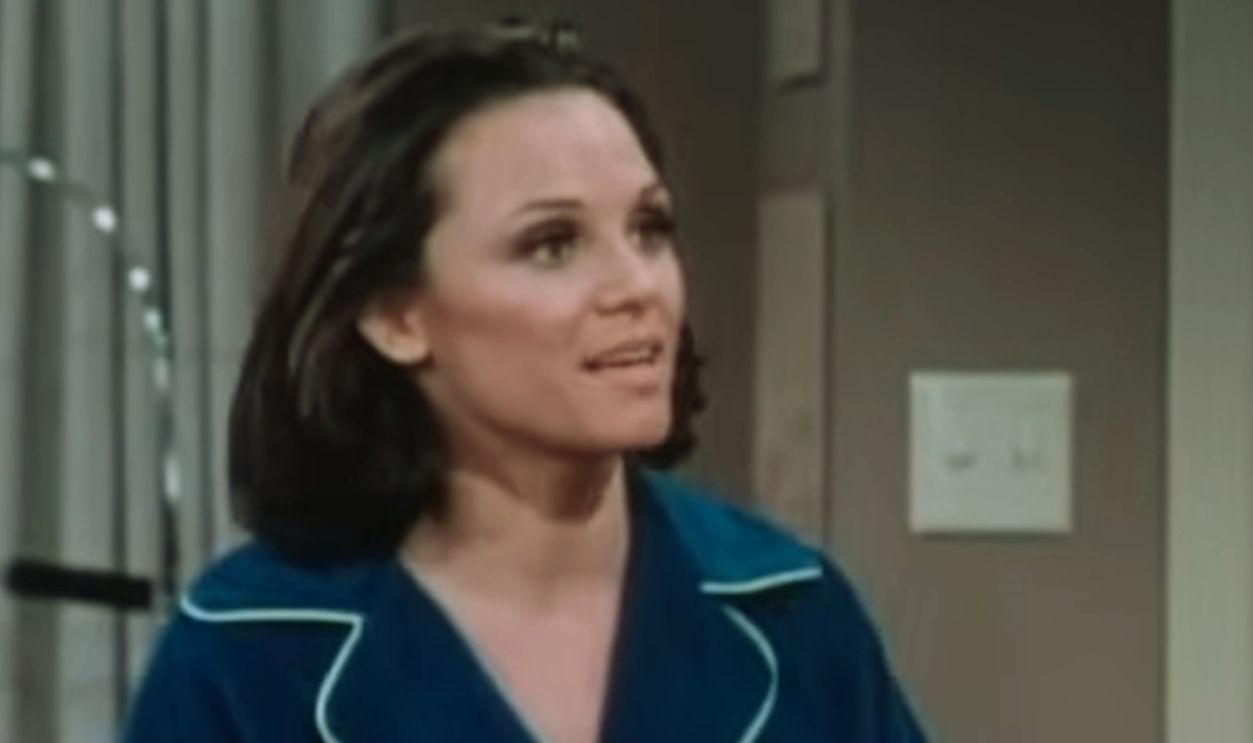 Screenshot from Rhoda, The Walt Disney Company (1974-1978)
Marriage Created A New Problem For The Writers
The writers soon discovered that giving Rhoda everything she had spent years wanting removed a major source of comedy. The single woman who had joked endlessly about bad dates was now happily married. Harper later acknowledged that marriage changed the character in ways that were difficult for the series. If Rhoda suddenly became completely content and conventional, she risked losing the uncertainty that had made audiences identify with her.
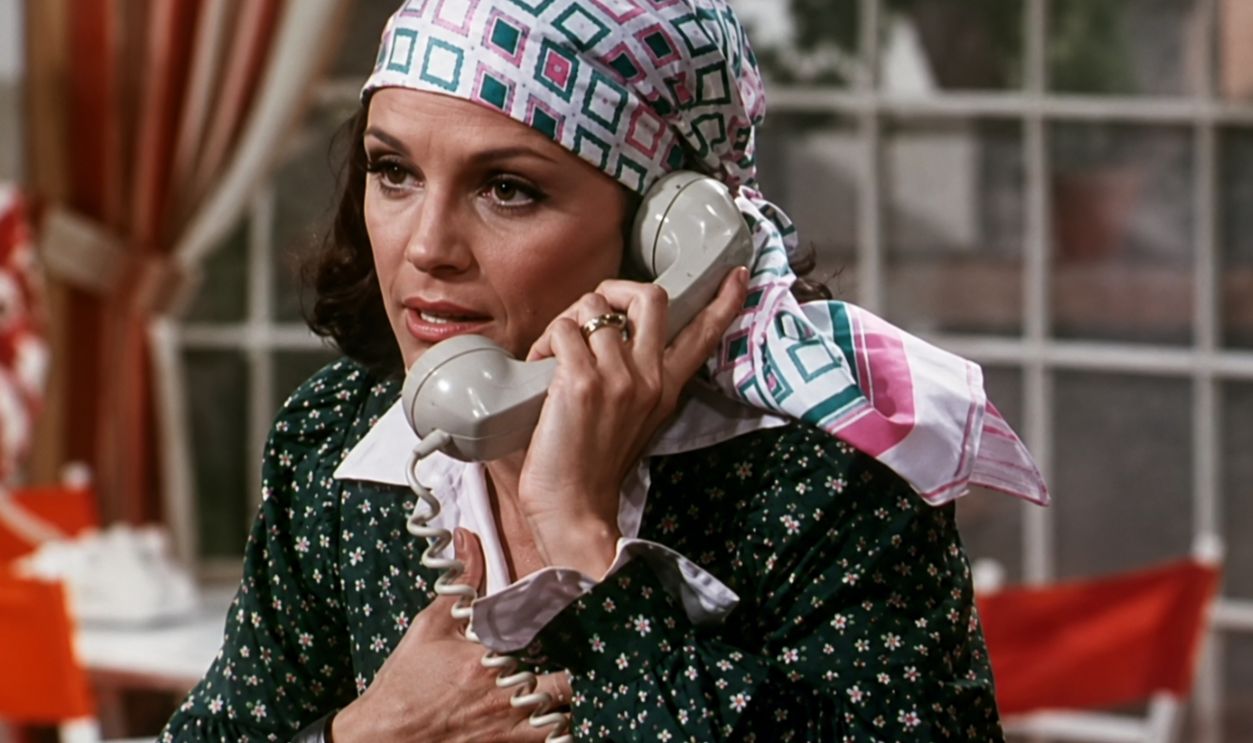 Screenshot from Rhoda, The Walt Disney Company (1974-1978), enhanced
The Show Made A Risky Choice
Rather than keep Rhoda and Joe happily married forever, the series began pulling them apart. Their marriage developed problems, the couple separated, and Joe ultimately disappeared from the show. It was a remarkably bold move for a 1970s sitcom. Viewers had watched Rhoda chase romantic happiness for years, celebrated when she finally found it, and were now being asked to watch that marriage fail.
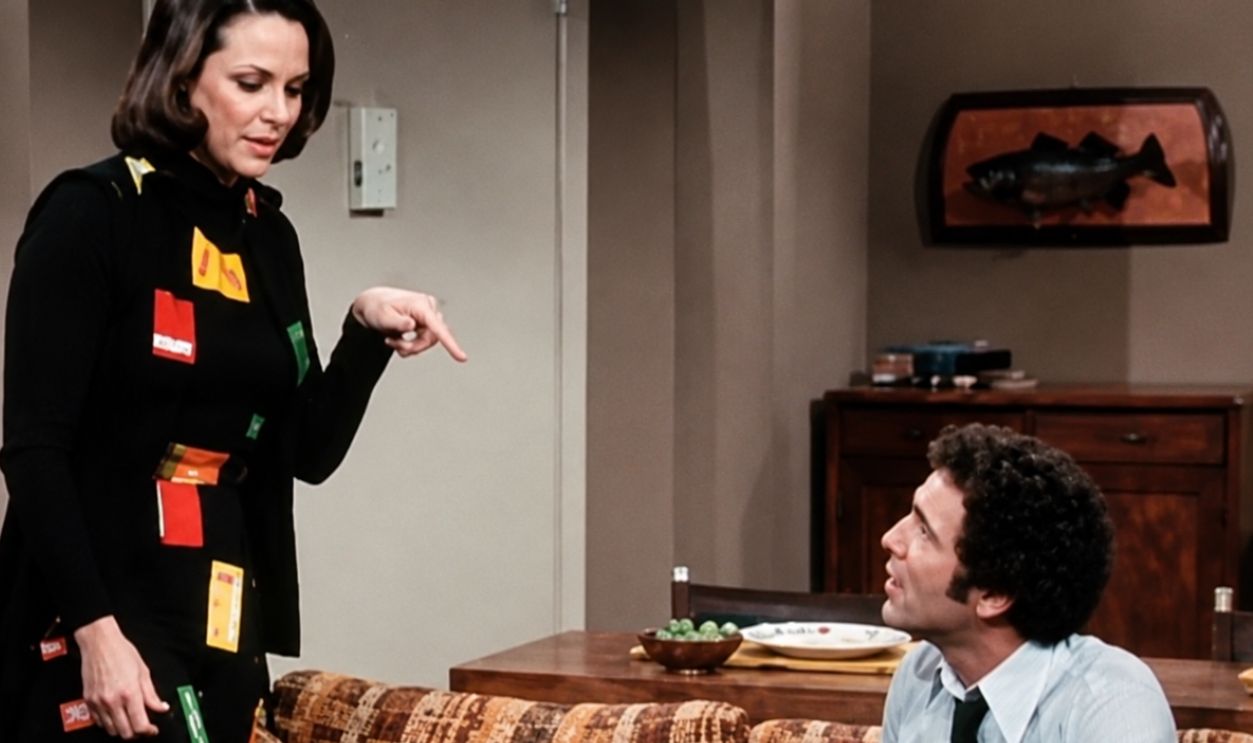 Screenshot from Rhoda, The Walt Disney Company (1974-1978), enhanced
Fans Did Not Necessarily Want That Much Realism
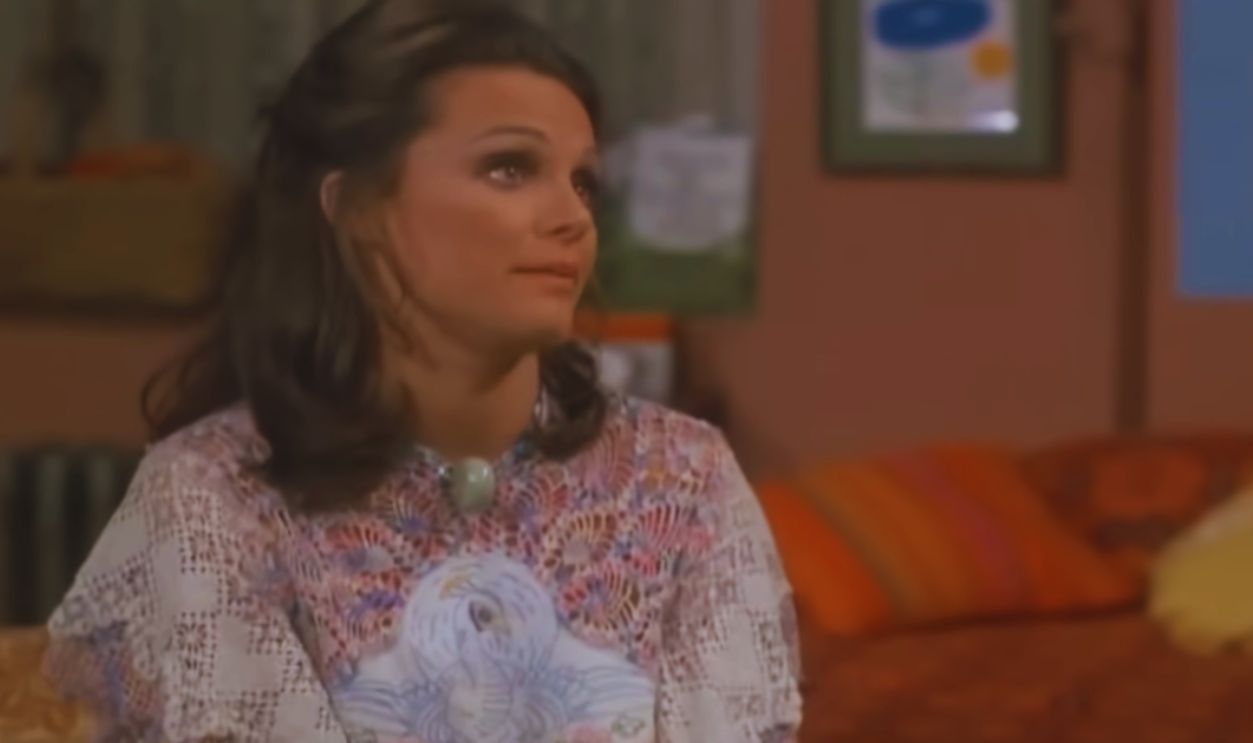
The separation was creatively daring, but it damaged the show's appeal. Fans who had invested heavily in the wedding were unhappy to see the relationship fall apart so quickly. Ratings began slipping. Rhoda continued changing its supporting cast and premise as producers searched for a new balance, but the cultural excitement surrounding the first season proved difficult to recover.
 Screenshot from Rhoda, The Walt Disney Company (1974-1978)
Brenda Became One Of The Show's Secret Weapons
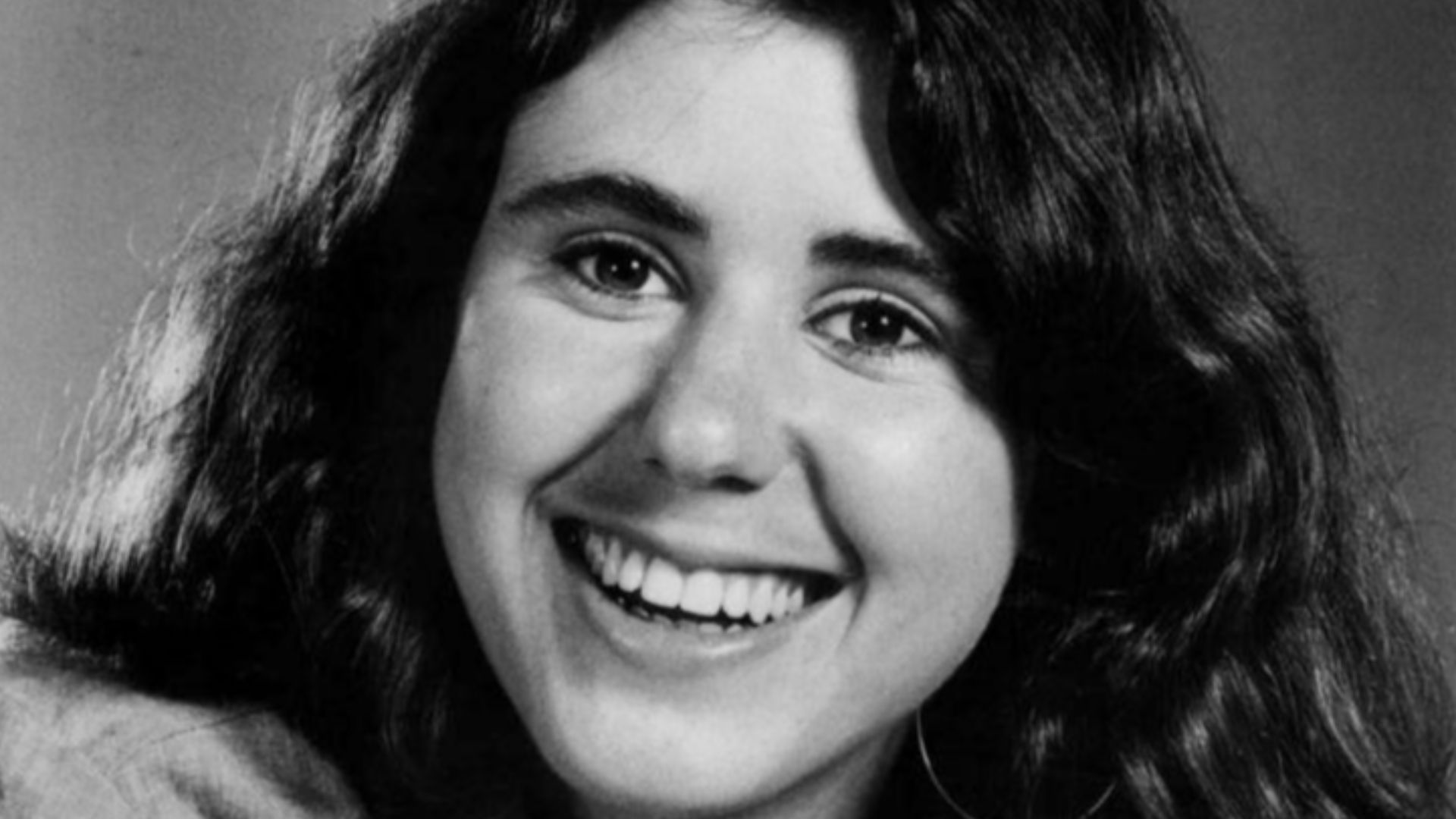
Even as Rhoda struggled with changes, Julie Kavner's Brenda Morgenstern became increasingly important. Brenda shared some of Rhoda's old insecurities, which gave the show another character navigating dating, confidence, and family pressure. Kavner and Harper created a convincing sisterly relationship that could move between affection and irritation instantly. Years before Kavner became famous as the voice of Marge Simpson, she was already proving herself as one of television's great comic performers.
 CBS Television, Wikimedia Commons
Ida Morgenstern Could Steal A Scene Too
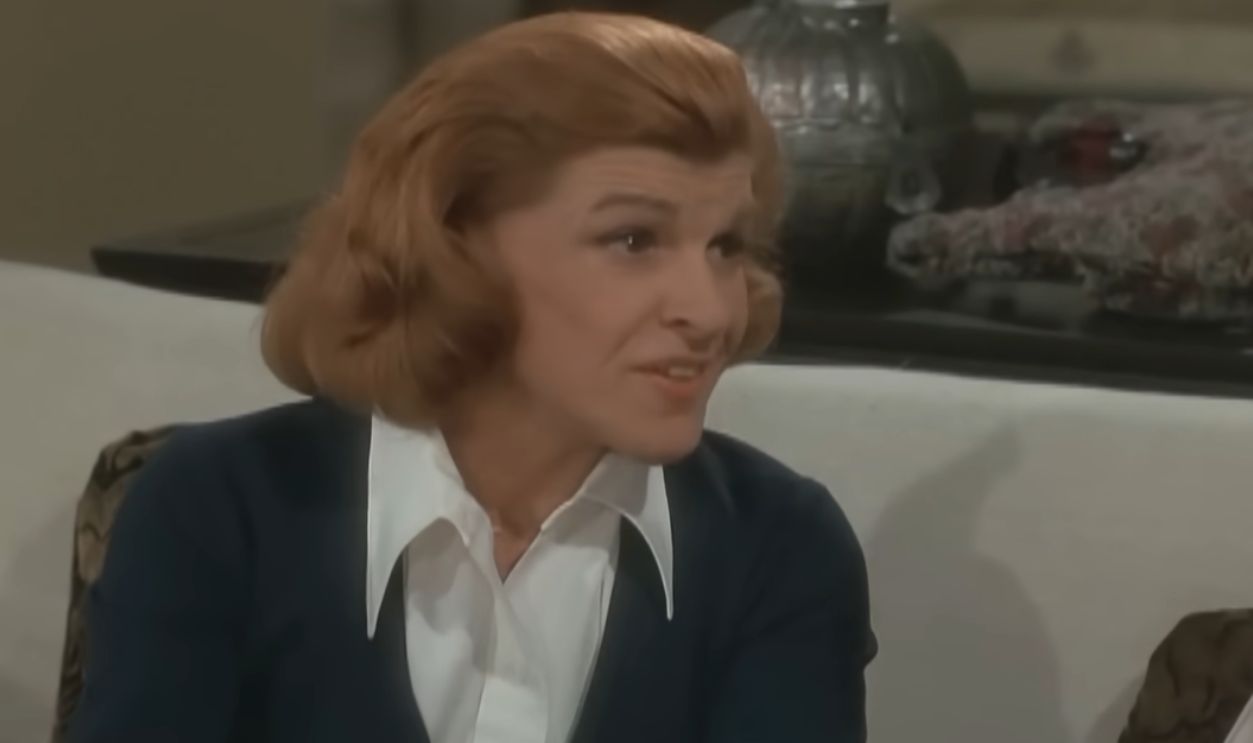
Nancy Walker's Ida was almost impossible to ignore. She worried loudly, interfered enthusiastically, and could transform maternal concern into psychological warfare without raising an eyebrow. Ida helped explain Rhoda. Suddenly, viewers could see where some of her anxiety and defensive humor originated. Walker's performance was so strong that the Morgenstern family became almost as important to Rhoda as Rhoda's romantic life.
 Screenshot from Rhoda, The Walt Disney Company (1974-1978)
Rhoda Had Already Changed Television
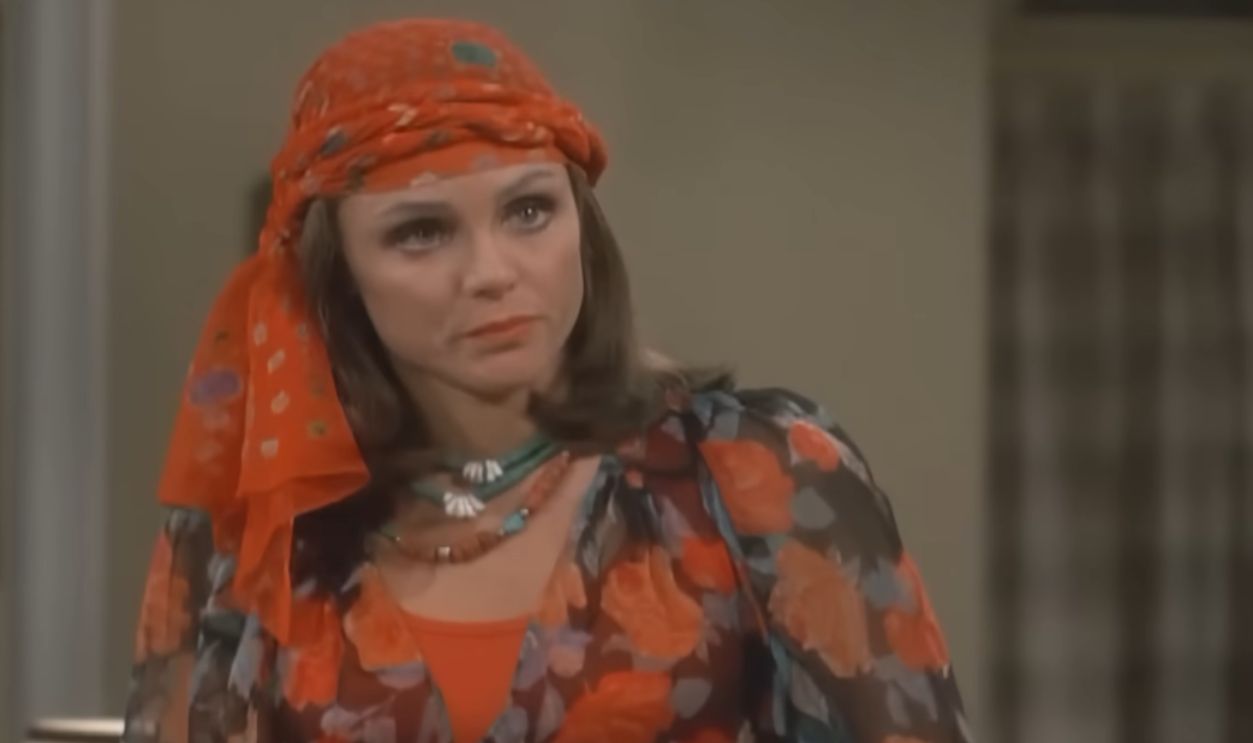
Even though Rhoda eventually lost momentum, its early success mattered. A Jewish woman in her 30s, played as funny, desirable, complicated, and fully capable of carrying a network sitcom, had become one of America's favorite television characters. Rhoda was not presented as a novelty or a stereotype sitting at the edge of somebody else's story. She was the story.
 Screenshot from Rhoda, The Walt Disney Company (1974-1978)
The Spinoff Ended Before Harper's Popularity Did
Rhoda ultimately ran for five seasons, from 1974 until 1978, although its final episodes were not all aired during the original network run. By the end, the series bore relatively little resemblance to the phenomenon that had launched with Rhoda's return to New York and marriage to Joe. Still, the difficult later seasons could not erase its achievement. For a period in the mid-1970s, Valerie Harper had gone from stealing scenes on America's favorite sitcom to starring in one of its biggest shows.
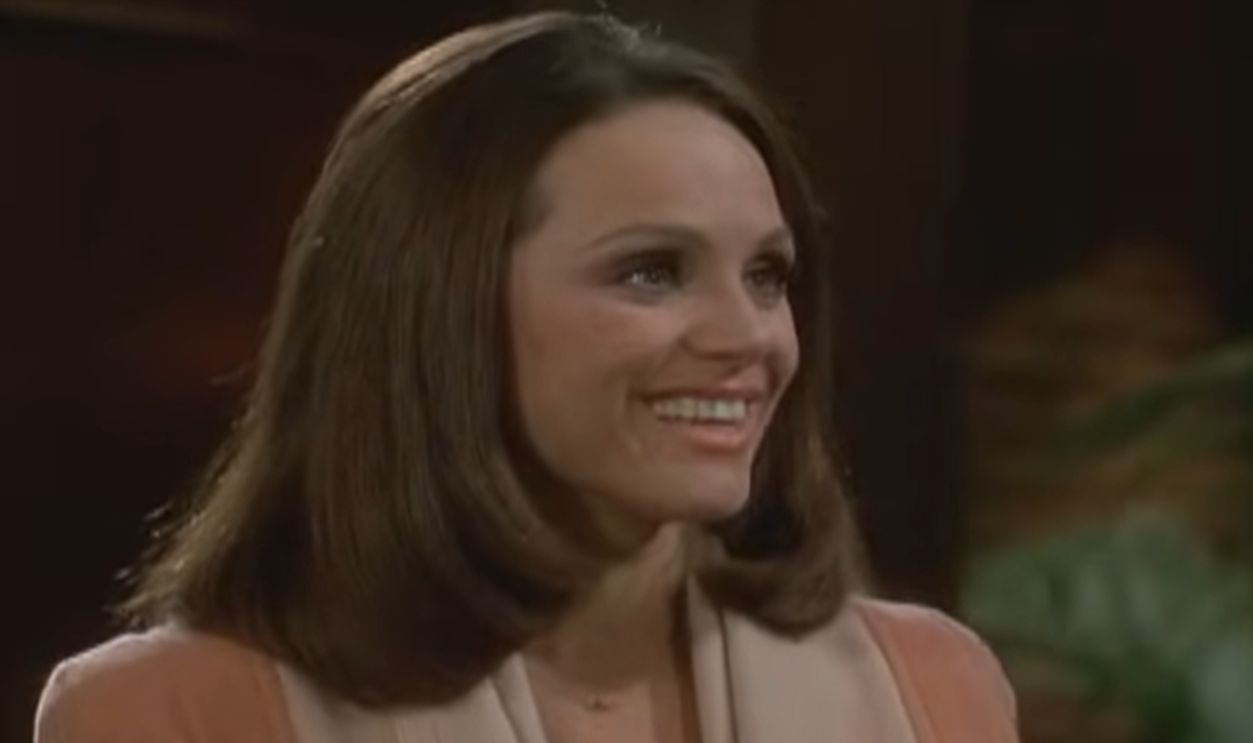 Screenshot from Rhoda, The Walt Disney Company (1974-1978)
Leaving Rhoda Behind Wasn't Easy
After nearly a decade of playing Rhoda Morgenstern, Harper faced the challenge that confronts actors who become almost inseparable from a beloved character. Audiences knew exactly what they wanted from her, and anything too different risked being rejected. Harper moved into film, including a notable role opposite James Caan in the 1979 adaptation of Neil Simon's Chapter Two, which earned her a Golden Globe nomination. She continued working, but escaping Rhoda's shadow was never going to be simple.
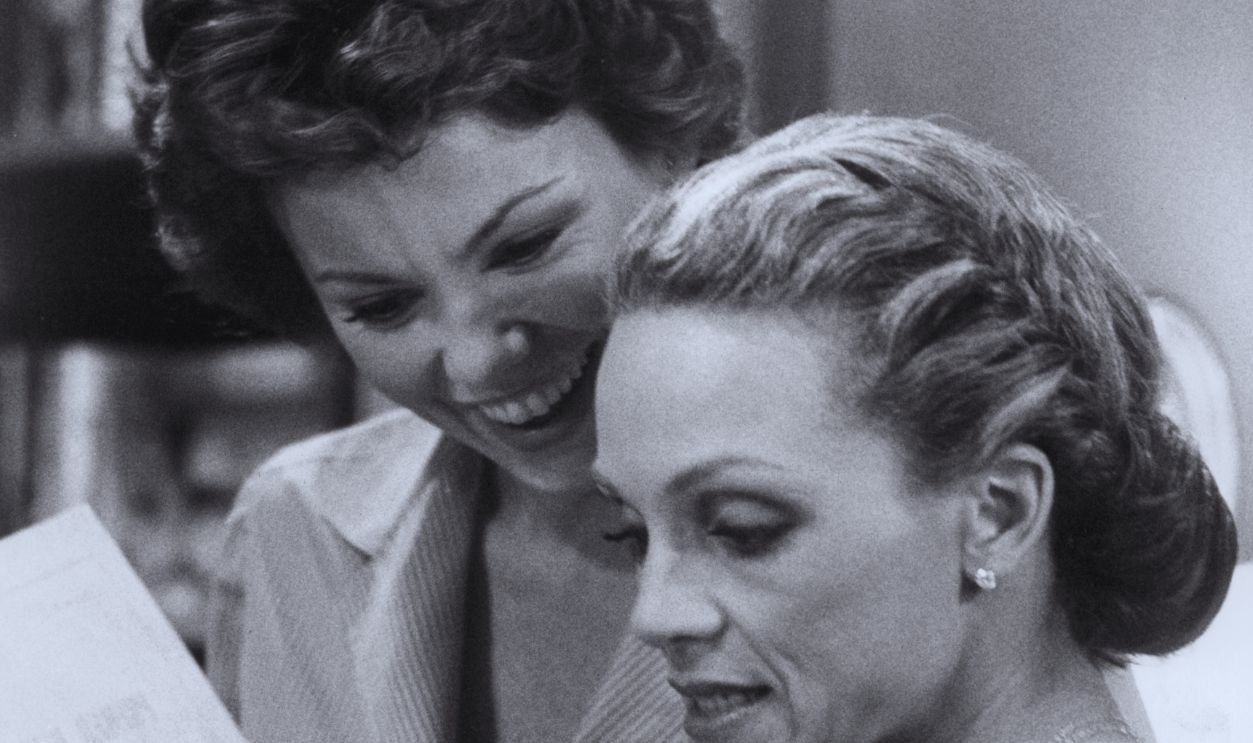 Michael Ochs Archives, Getty Images
Valerie Became Her Next Big Television Battle
Harper returned to sitcom stardom in 1986 with Valerie, playing Valerie Hogan, a mother raising three sons while her airline-pilot husband was frequently away. The series performed well, but contract negotiations between Harper and the producers became increasingly bitter. In 1987, she was fired from the show that carried her name. Her character was killed off, Sandy Duncan joined the cast, and the series eventually became The Hogan Family.
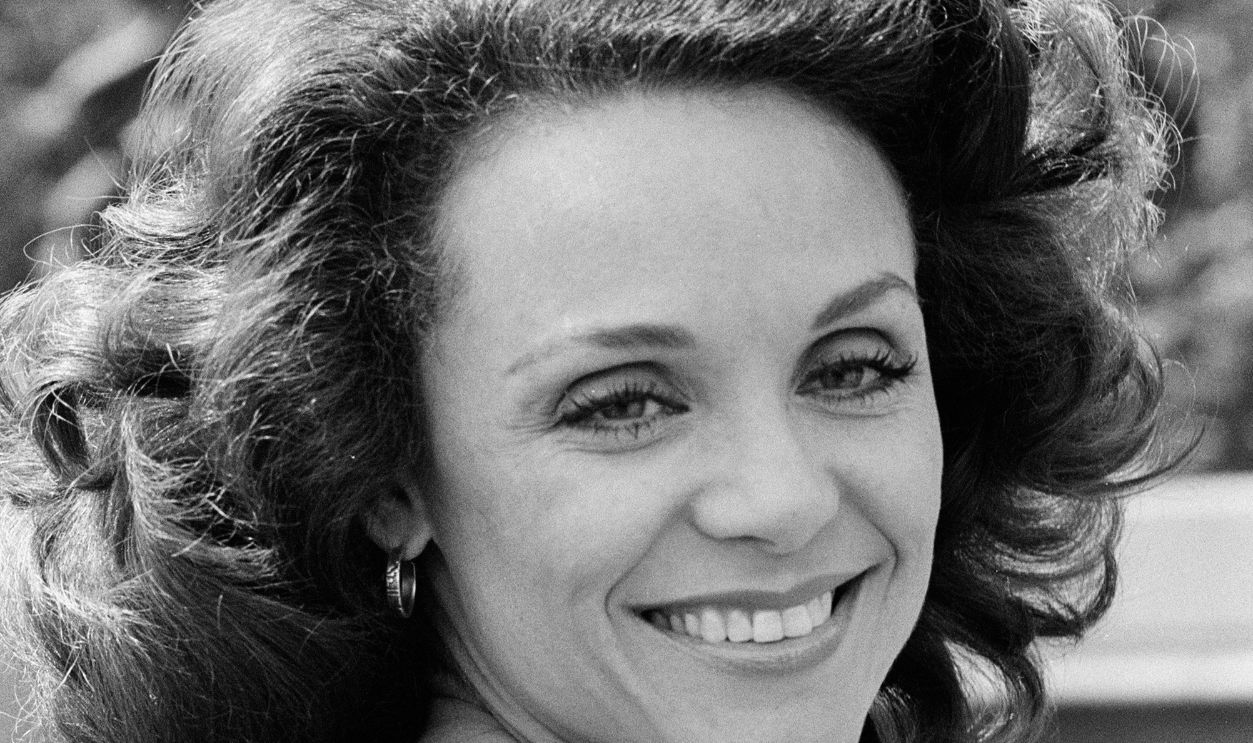
Harper Fought Back And Won
Valerie Harper sued Lorimar Television over her dismissal, arguing that she had been wrongfully removed from the series. A jury later sided with her on key claims and awarded her damages. The highly publicized battle damaged the smooth trajectory of her television career, but Harper refused to disappear. She continued acting onstage and on television for decades, eventually reuniting with Mary Tyler Moore in the 2000 television movie Mary and Rhoda.
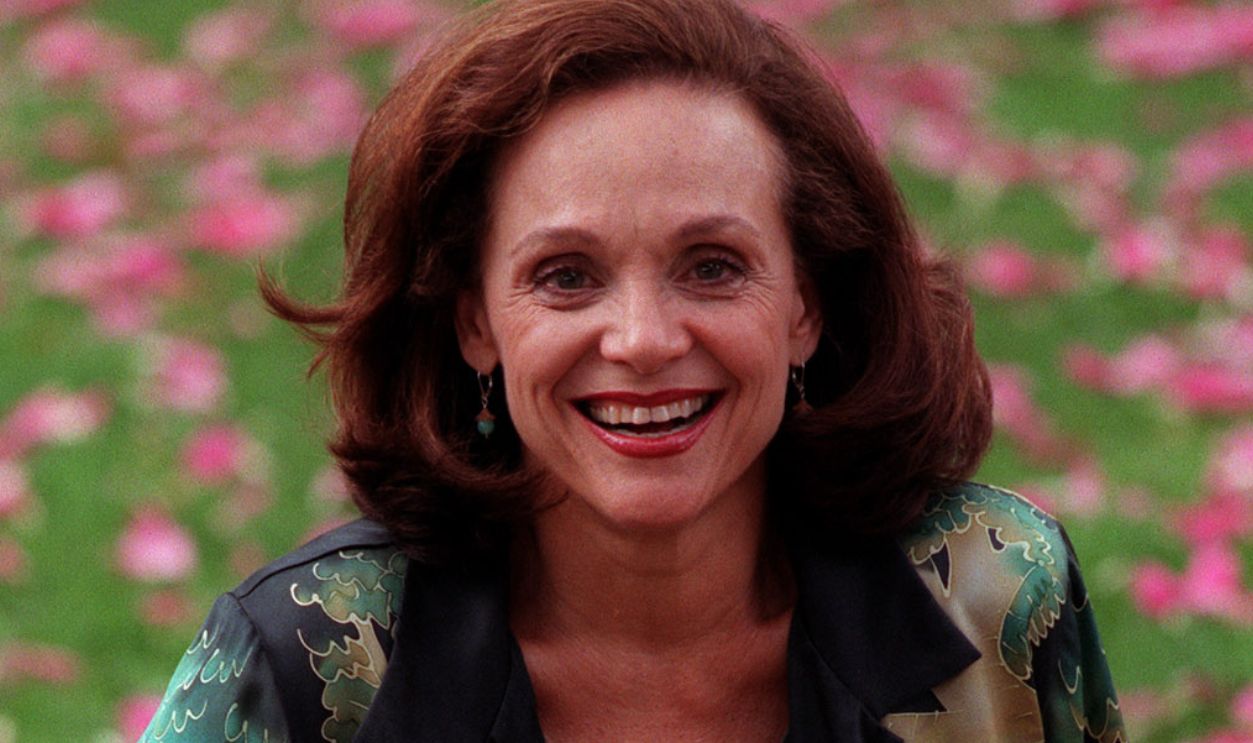
Whatever role came afterward, though, television history had already settled the question. Valerie Harper had created Rhoda Morgenstern so completely that a supporting character became an Emmy-winning star, a ratings phenomenon, and one of the few people capable of walking into Mary Richards' apartment and making viewers briefly forget whose show they were watching.
You May Also Like:
Joyce DeWitt Became The Calm Center Of Three’s Company—But Then She Walked Away From The Spotlight