The Smile Everyone Knew
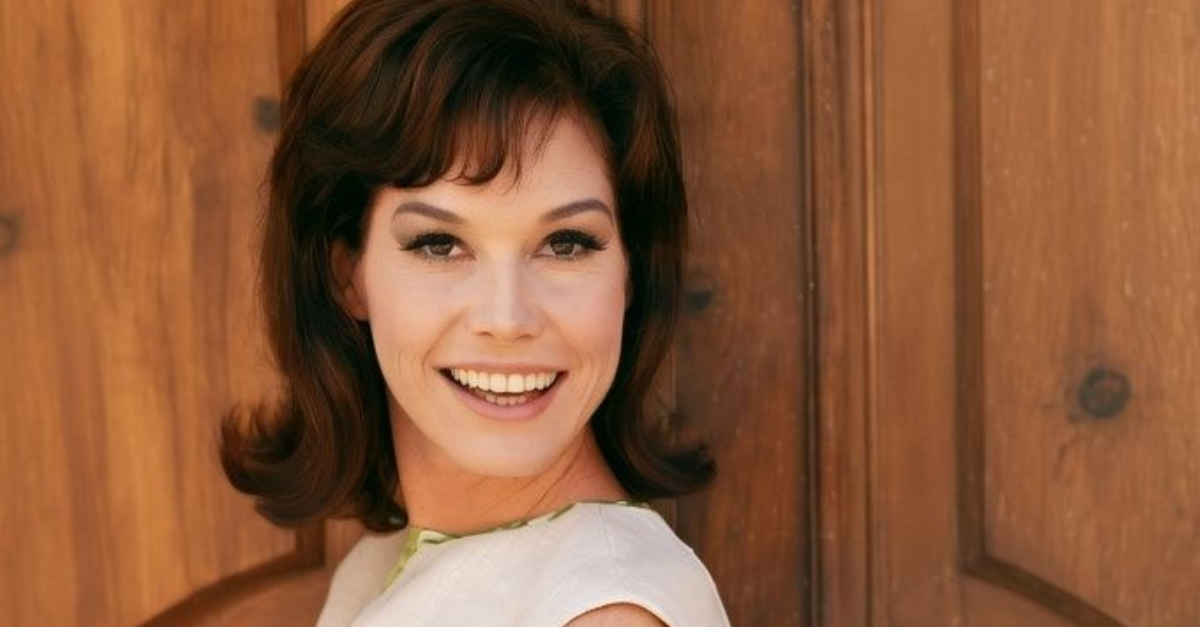
By the 1970s, Mary Tyler Moore wasn't simply a television star. She was Mary Richards, the woman tossing her hat into the Minneapolis sky and convincing millions of viewers that everything might just work out.
But while America was falling in love with that smile, Moore's real life was becoming much more complicated. And just a few years after The Mary Tyler Moore Show ended, she received a phone call no parent is ever prepared to get.
She Was Famous Long Before Mary Richards
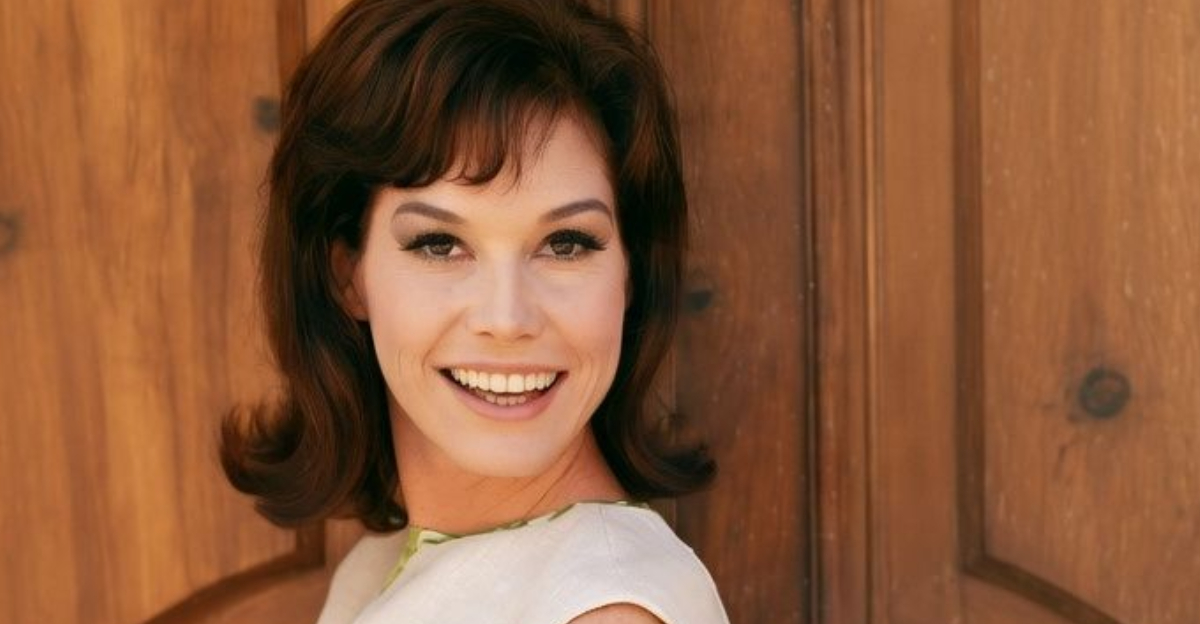
Moore had already become a household name playing Laura Petrie on The Dick Van Dyke Show. She was funny, stylish, warm and refreshingly modern. Even those famous capri pants felt unusual on television at the time. By the time the series ended in 1966, Moore had won two Emmys and something even more valuable: audiences genuinely liked her.
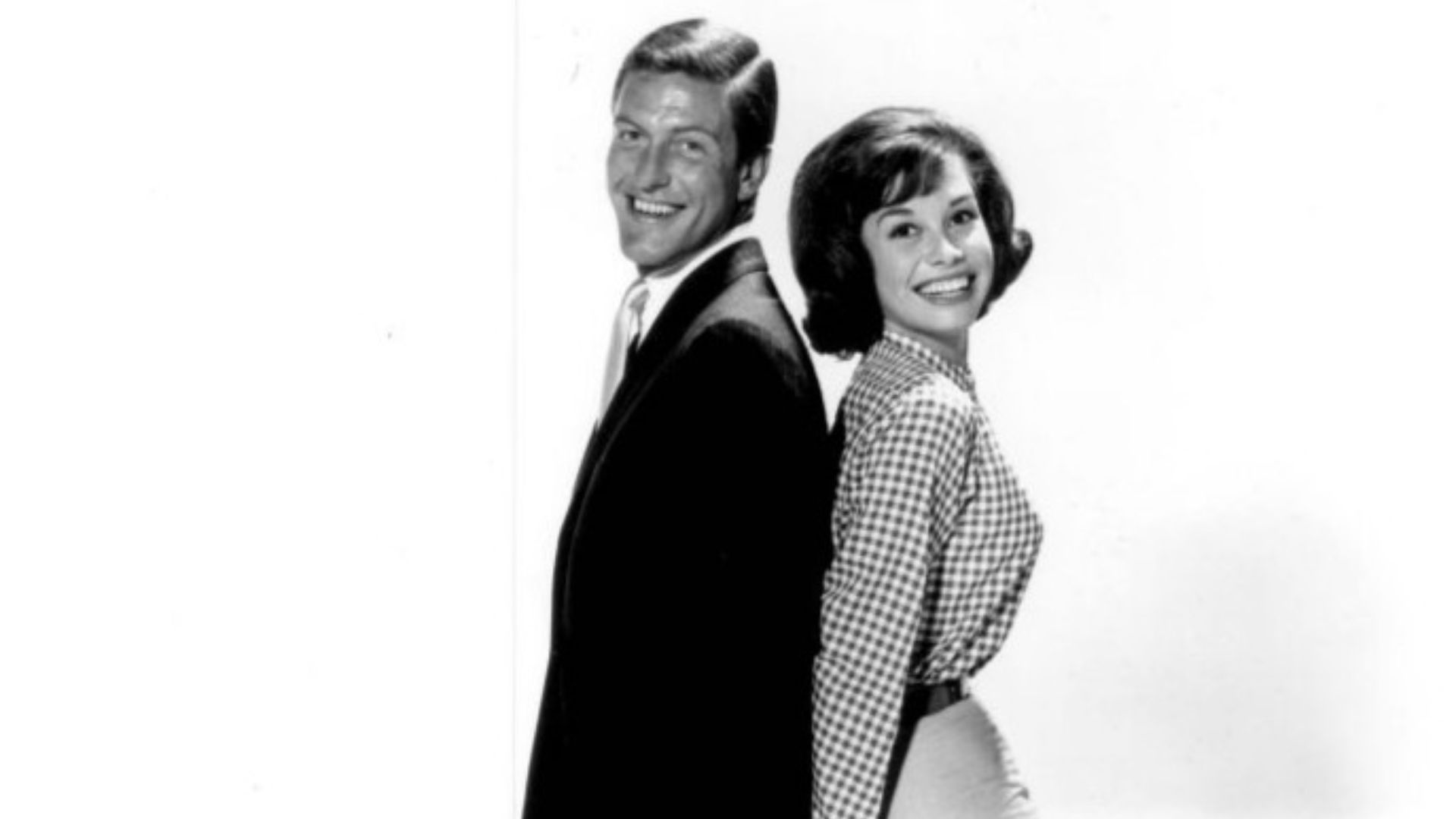 Rogers & Cowan (publicity agency), Wikimedia Commons
Then Came “The Mary Tyler Moore Show”
In 1970, Moore returned to television as Mary Richards, a single woman in her 30s building a career at a Minneapolis TV station. Today, that premise sounds pretty ordinary. In 1970, it absolutely wasn't. Mary wasn't somebody's wife waiting for her real story to begin. The career, the friendships, the lousy dates and the independence were the story.
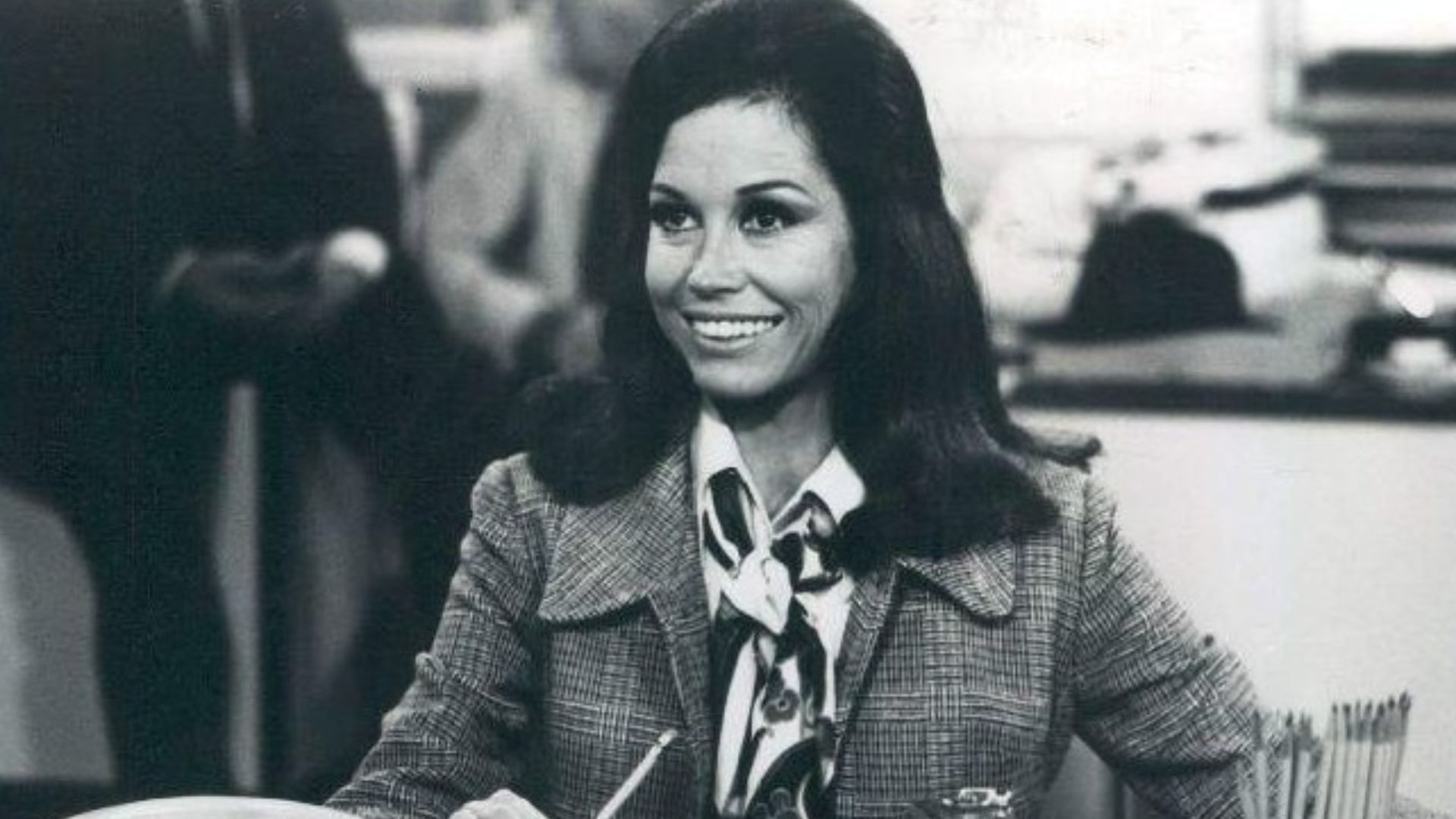 CBS Television, Wikimedia Commons
Suddenly, Mary Was Everywhere
The Mary Tyler Moore Show ran for seven seasons, from 1970 to 1977, and collected an astonishing 29 Emmy Awards. More importantly, Mary Richards became one of the defining television characters of the decade. Moore didn't just have a hit sitcom. She had become the face of a new kind of woman on American television.
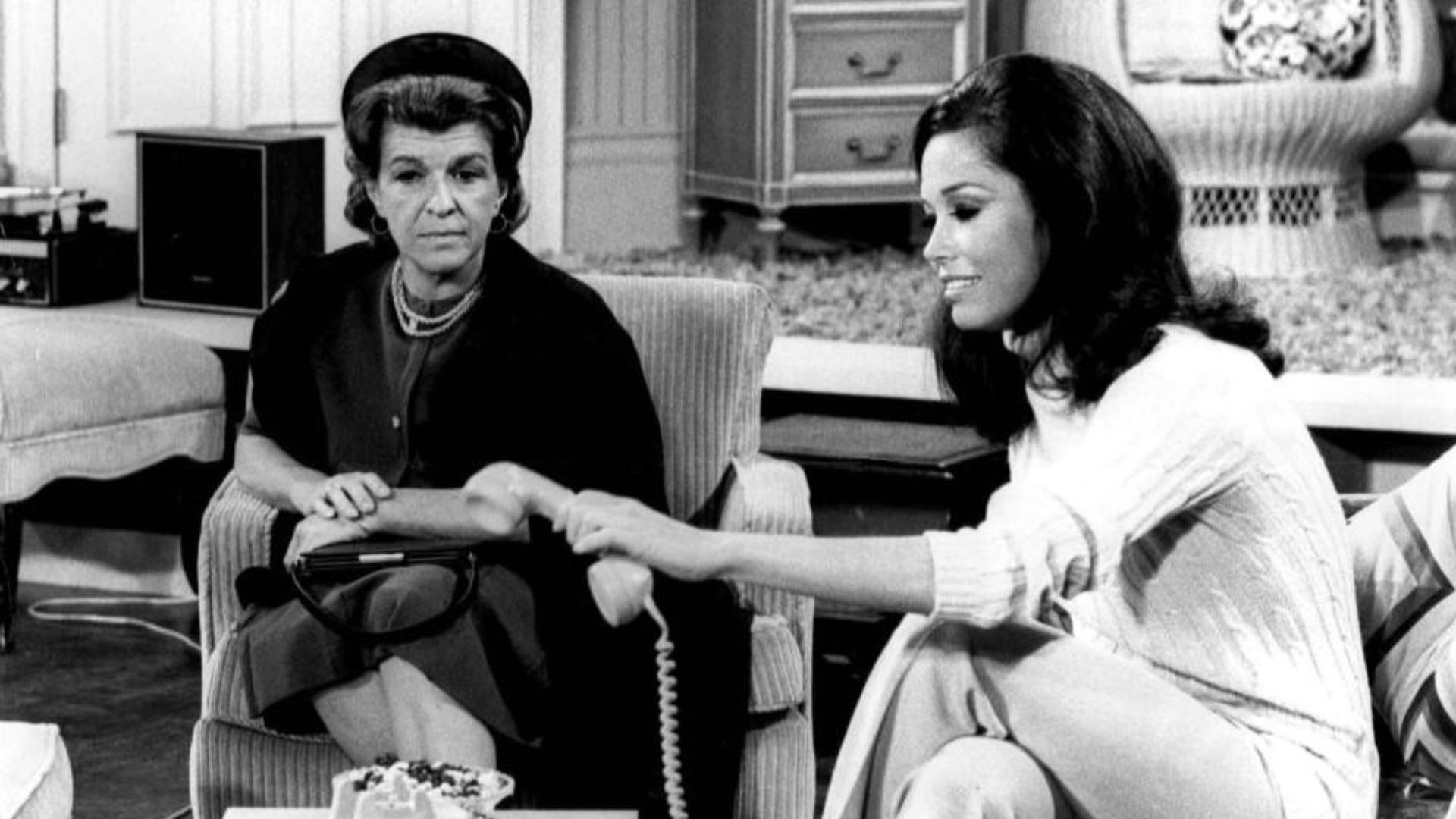 CBS Television, Wikimedia Commons
And It Wasn't Just Her Show
Behind the scenes, Moore and her husband Grant Tinker had formed MTM Enterprises, the company behind The Mary Tyler Moore Show. MTM would eventually produce shows including The Bob Newhart Show, Rhoda, Phyllis, Hill Street Blues and St. Elsewhere. That little meowing kitten at the end of the credits was attached to one television powerhouse after another.
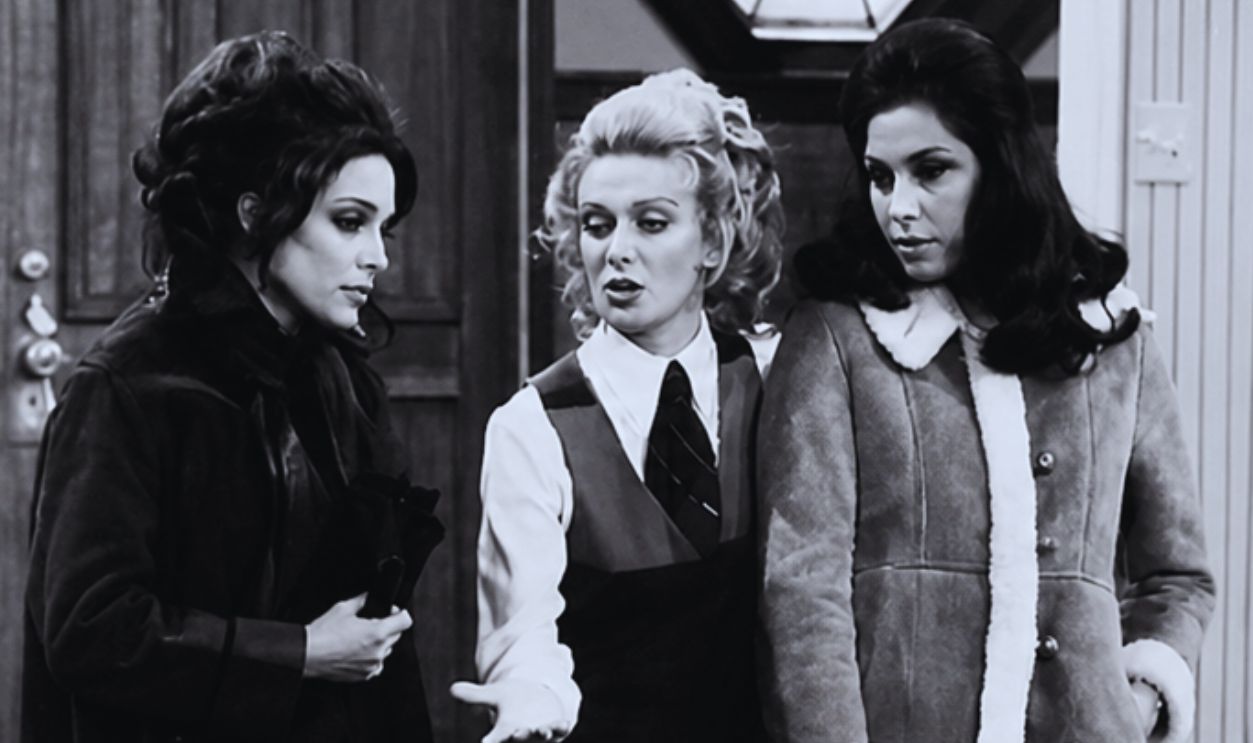 CBS Television, Wikimedia Commons
The Real Mary Had Lived A Very Different Life
There was one pretty big difference between Mary Richards and Mary Tyler Moore. The television Mary was single and independent. The real Mary had married at 18, become a mother at 19 and married again after her first marriage ended. She was portraying a life on television that looked very different from the one she had actually lived.
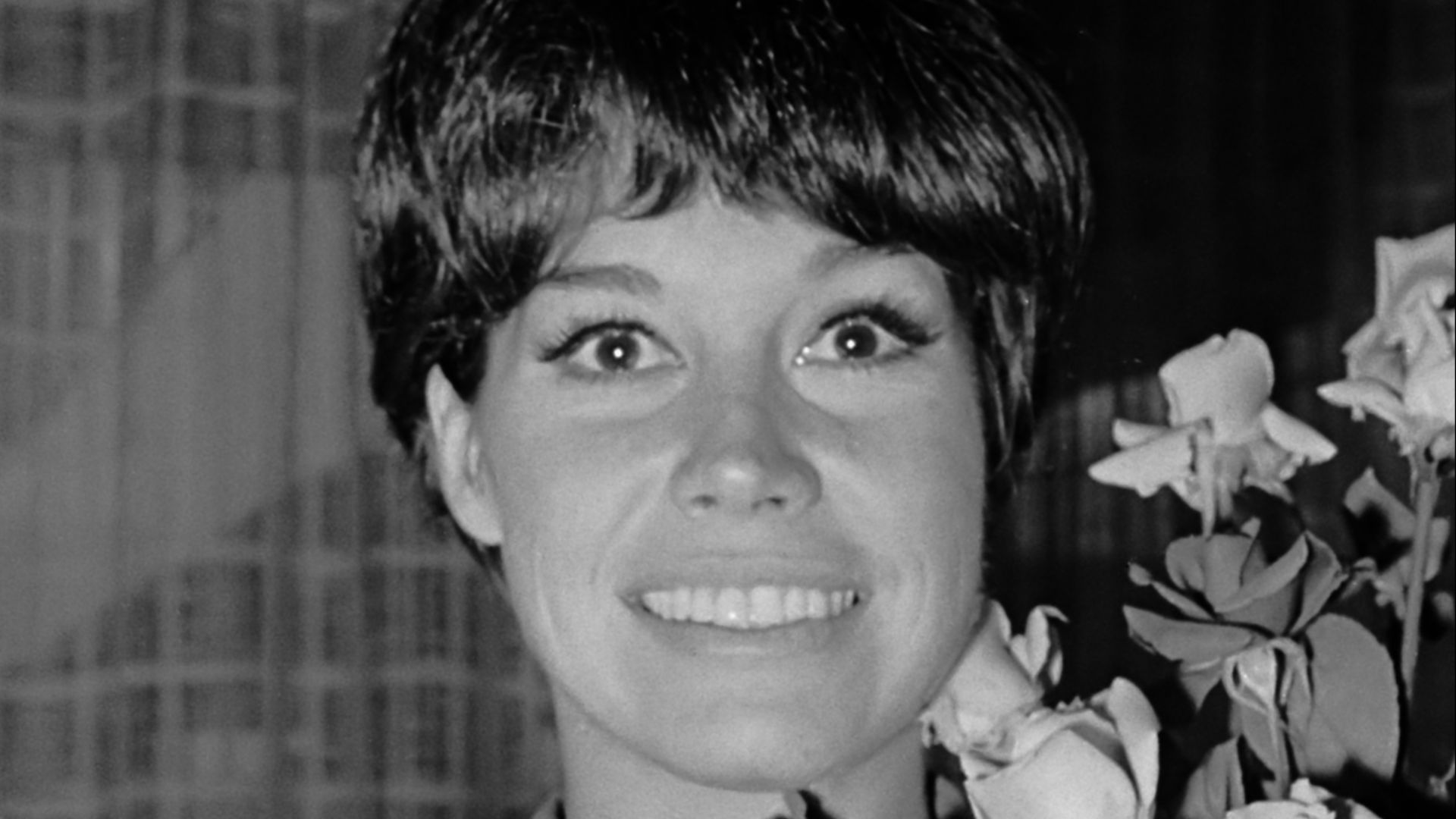 Ben Merk / Anefo, Wikimedia Commons
She Married At Just 18
In 1955, an 18-year-old Moore married Richard Meeker. Their only child, Richard Carleton Meeker Jr., known as Richie, was born the following year. So long before millions of Americans were watching Moore navigate fictional relationships on television, she was already somebody's wife and somebody's mother. And she was still barely out of high school herself.
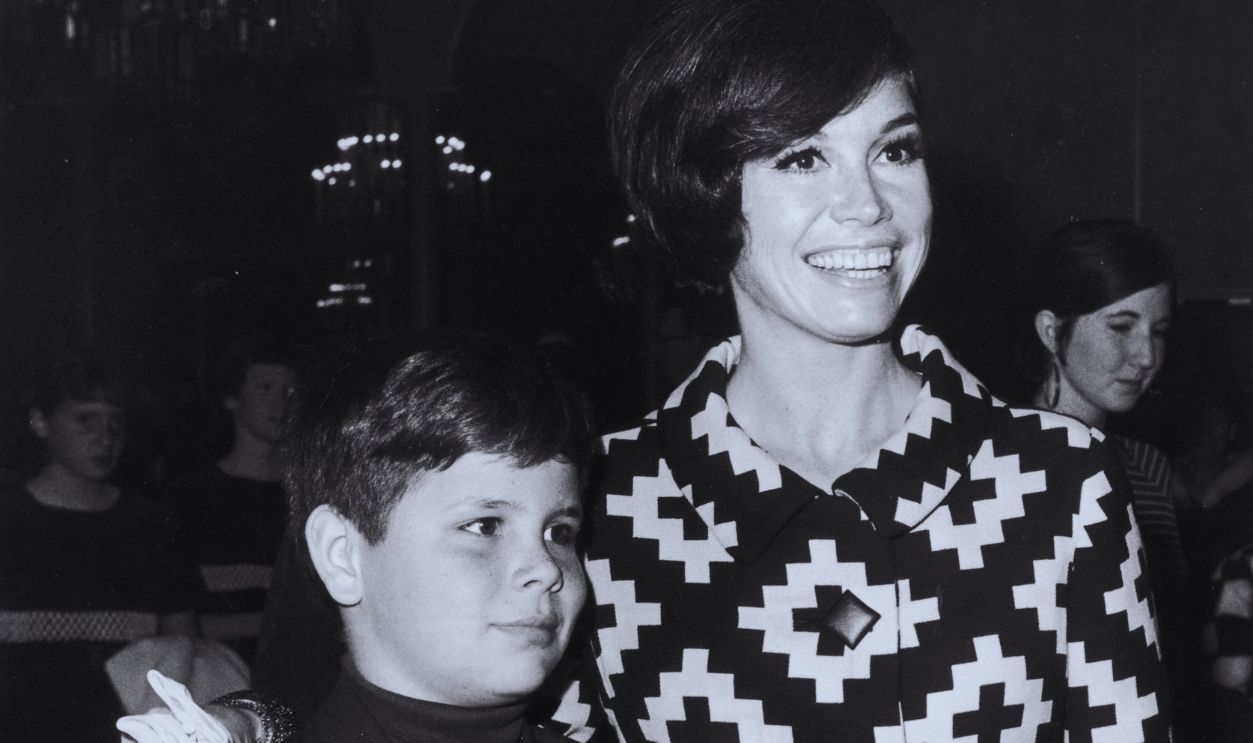
Richie Grew Up While Mary's Career Exploded
As Richie was growing up, his mother's career kept demanding more of her. Guest appearances became The Dick Van Dyke Show. That became movies, television specials and eventually The Mary Tyler Moore Show. From the outside, Moore's career trajectory looked almost ridiculously perfect. Years later, though, she was surprisingly candid about what that success had cost at home.
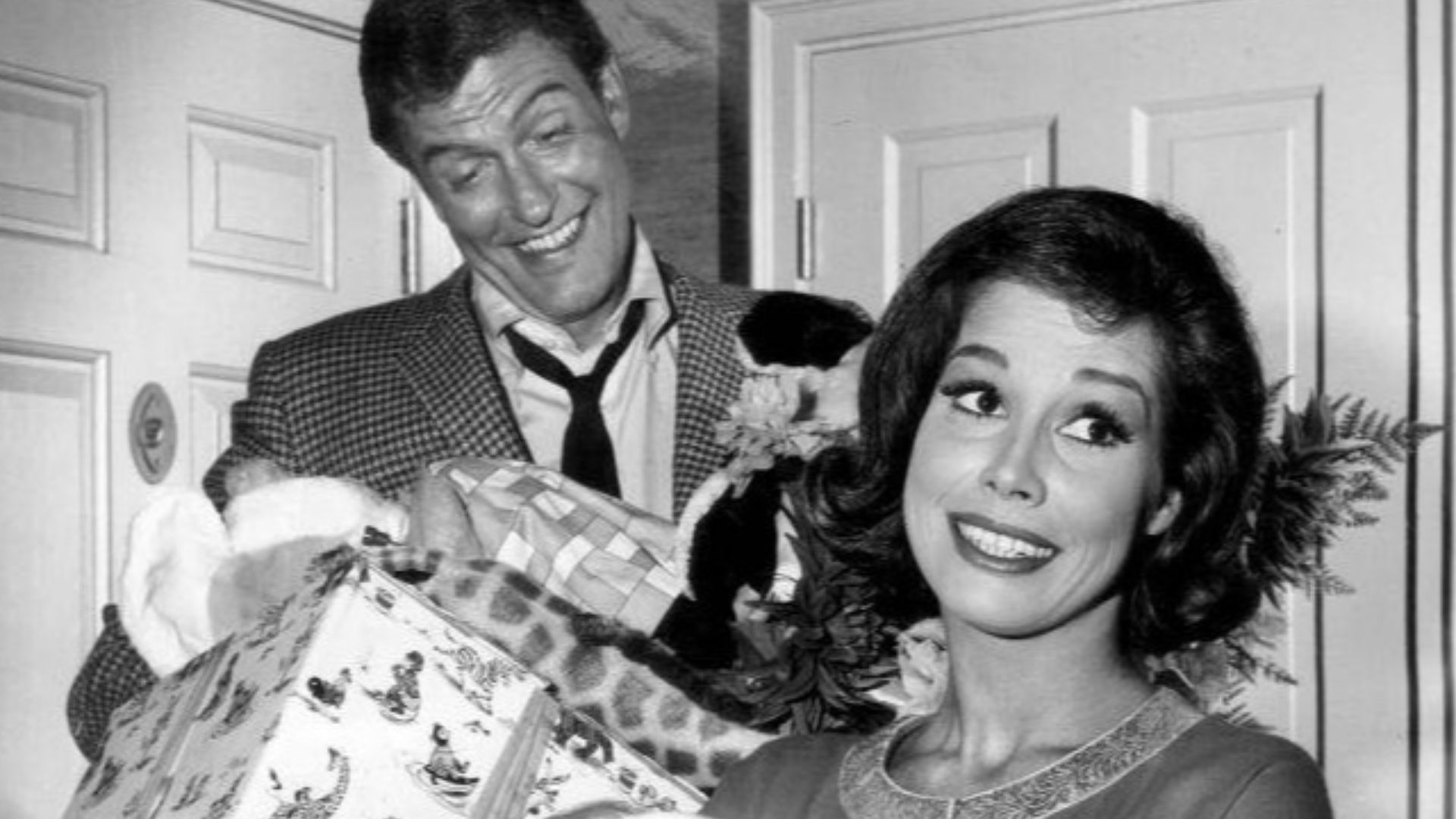 CBS Television, Wikimedia Commons
Mary Didn't Excuse Herself
In her 1995 memoir After All, Moore openly took responsibility for some of the distance that developed between her and Richie. She remembered being demanding, distracted by work and too wrapped up in her own life when he was young. There was no polished Hollywood version of motherhood in her telling. Moore believed she had let her son down.
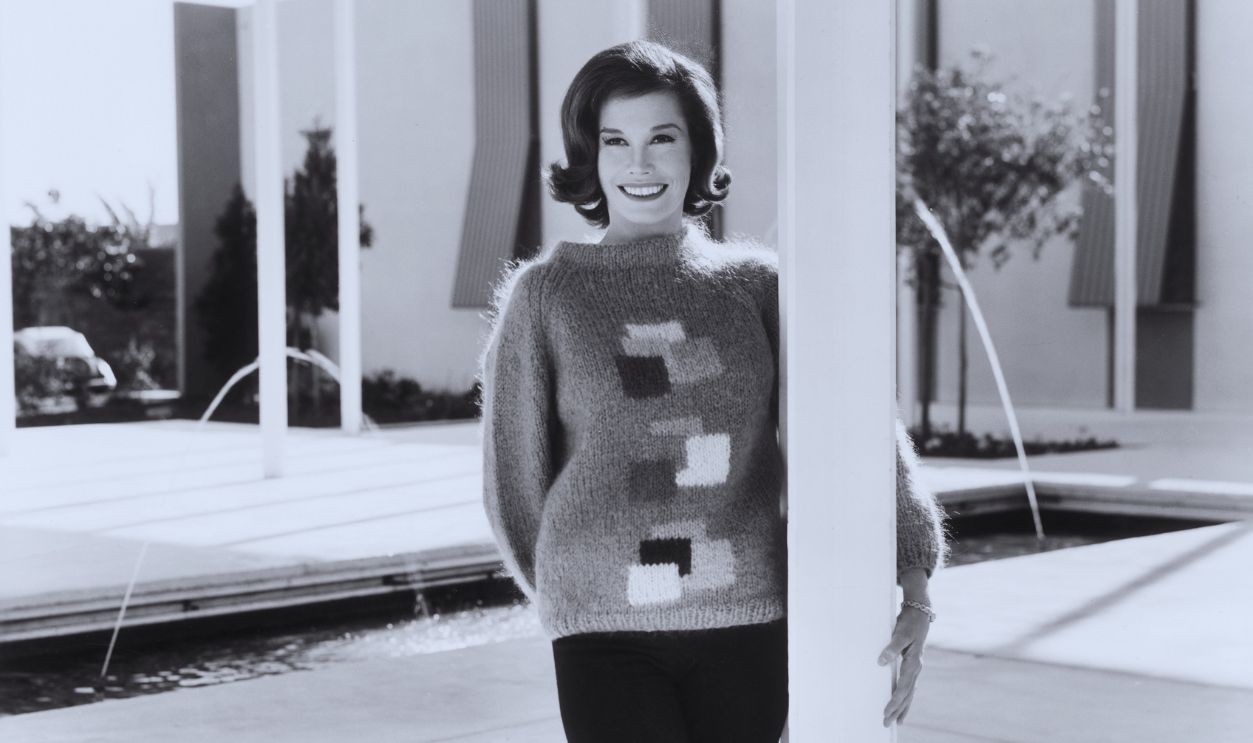 CBS Photo Archive, Getty Images
Their Relationship Became Complicated
By Richie's teenage years, things between mother and son had become increasingly difficult. He eventually left Moore's home and went to live with his father, and for several years the two weren't particularly close. The woman America saw as almost impossibly warm and approachable every Saturday night was struggling to connect with her own son.
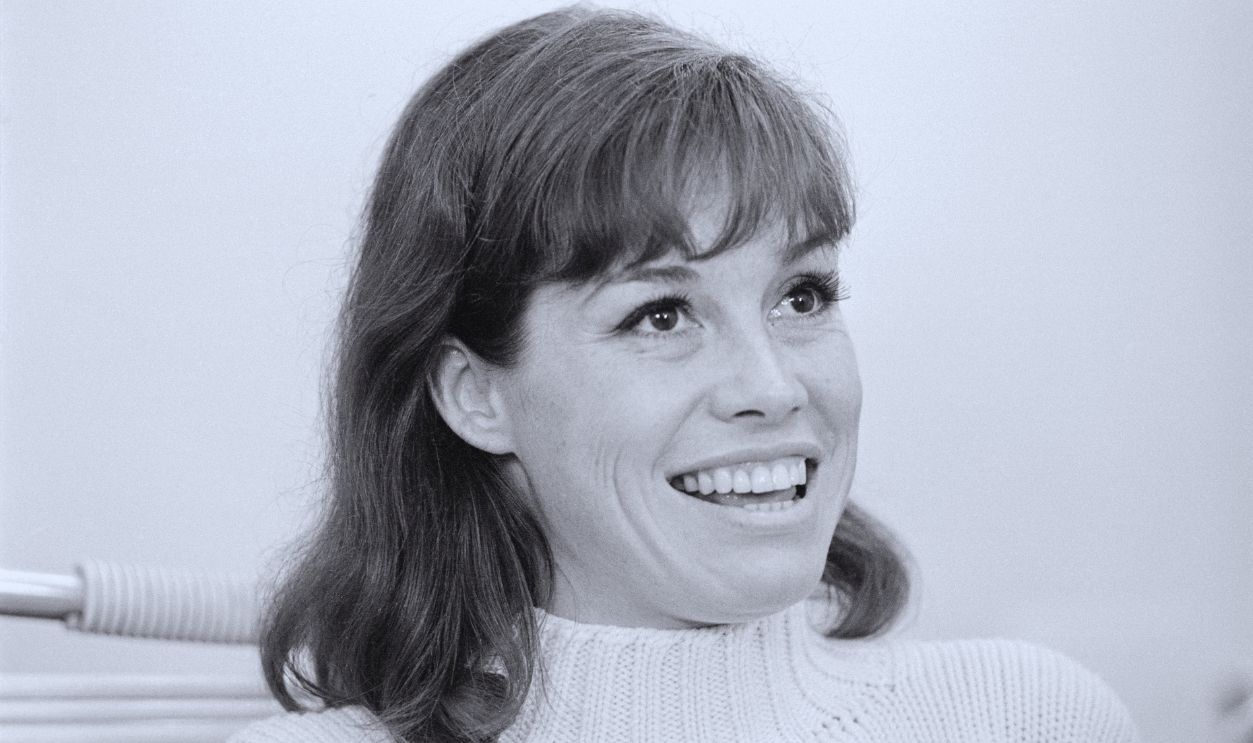
There Were Problems On Both Sides
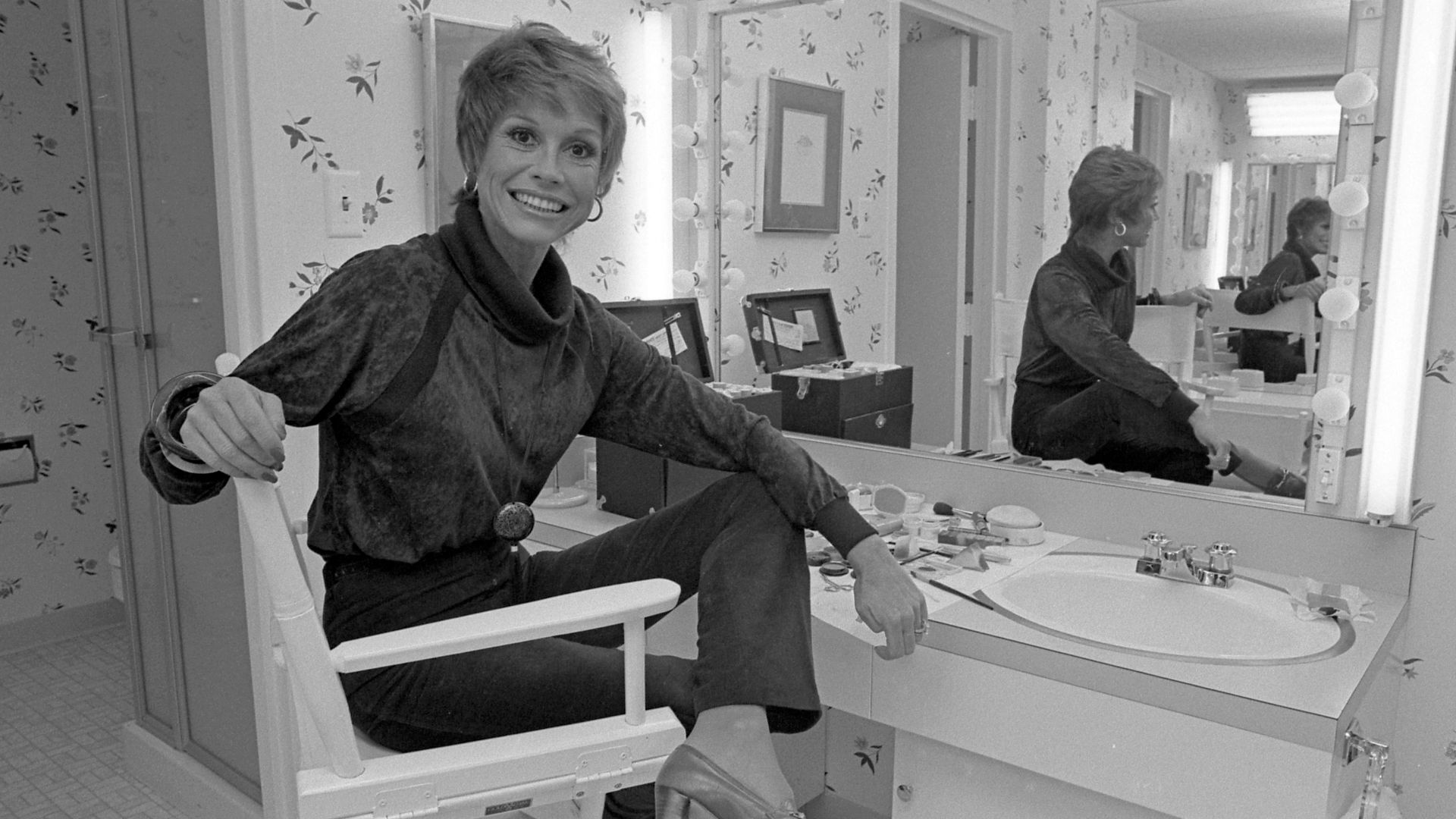
Moore later wrote that Richie went through a difficult period involving substance problems and at one point sought treatment. She was struggling too. Behind the impossibly put-together image America saw on television, Moore would eventually acknowledge her own problems with drinking. The family on television might have worked everything out in 30 minutes. Real families rarely cooperate that nicely.
 George Rose, Los Angeles Times, Wikimedia Commons
Even At Her Peak, Life Wasn't Easy
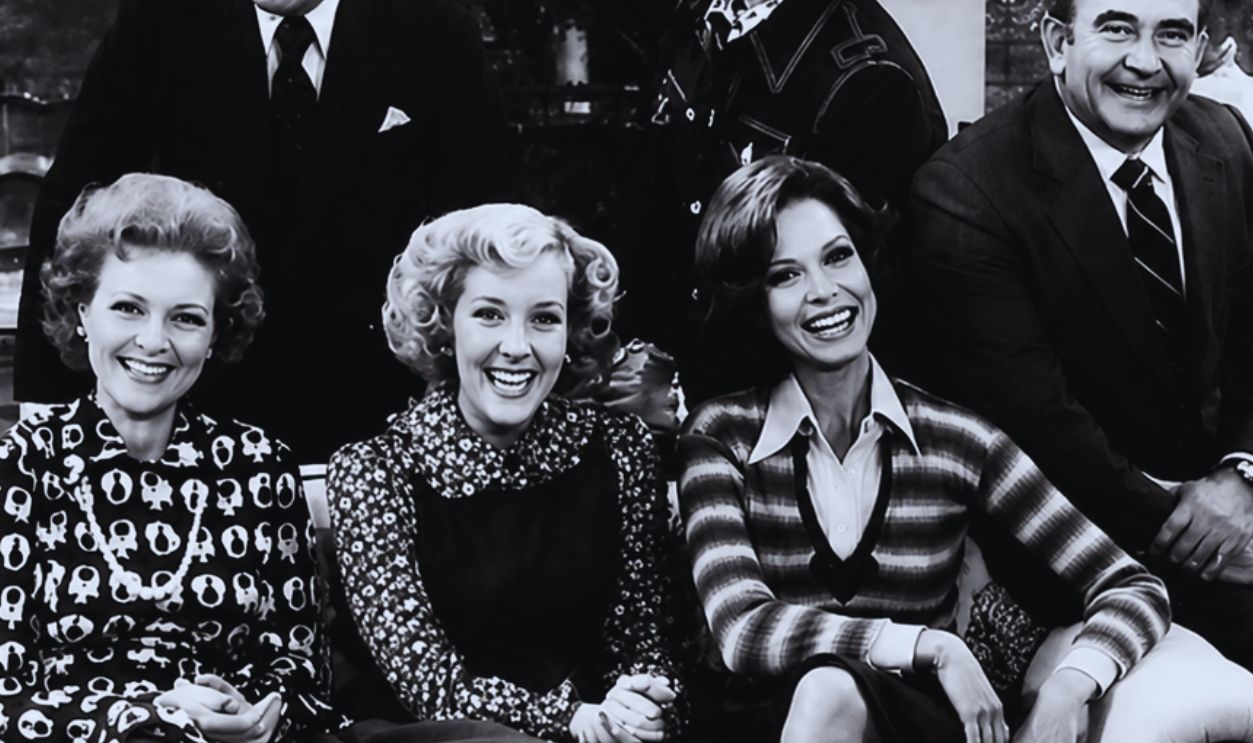
Before The Mary Tyler Moore Show began, Moore and Tinker had hoped to have a child together, but Moore suffered a miscarriage. Soon afterward, at only 33, she was diagnosed with type 1 diabetes, beginning a health struggle that would follow her for the rest of her life. The 1970s may have been her professional golden age, but offscreen things were much messier.
 CBS Television, Wikimedia Commons
Then The Show Ended
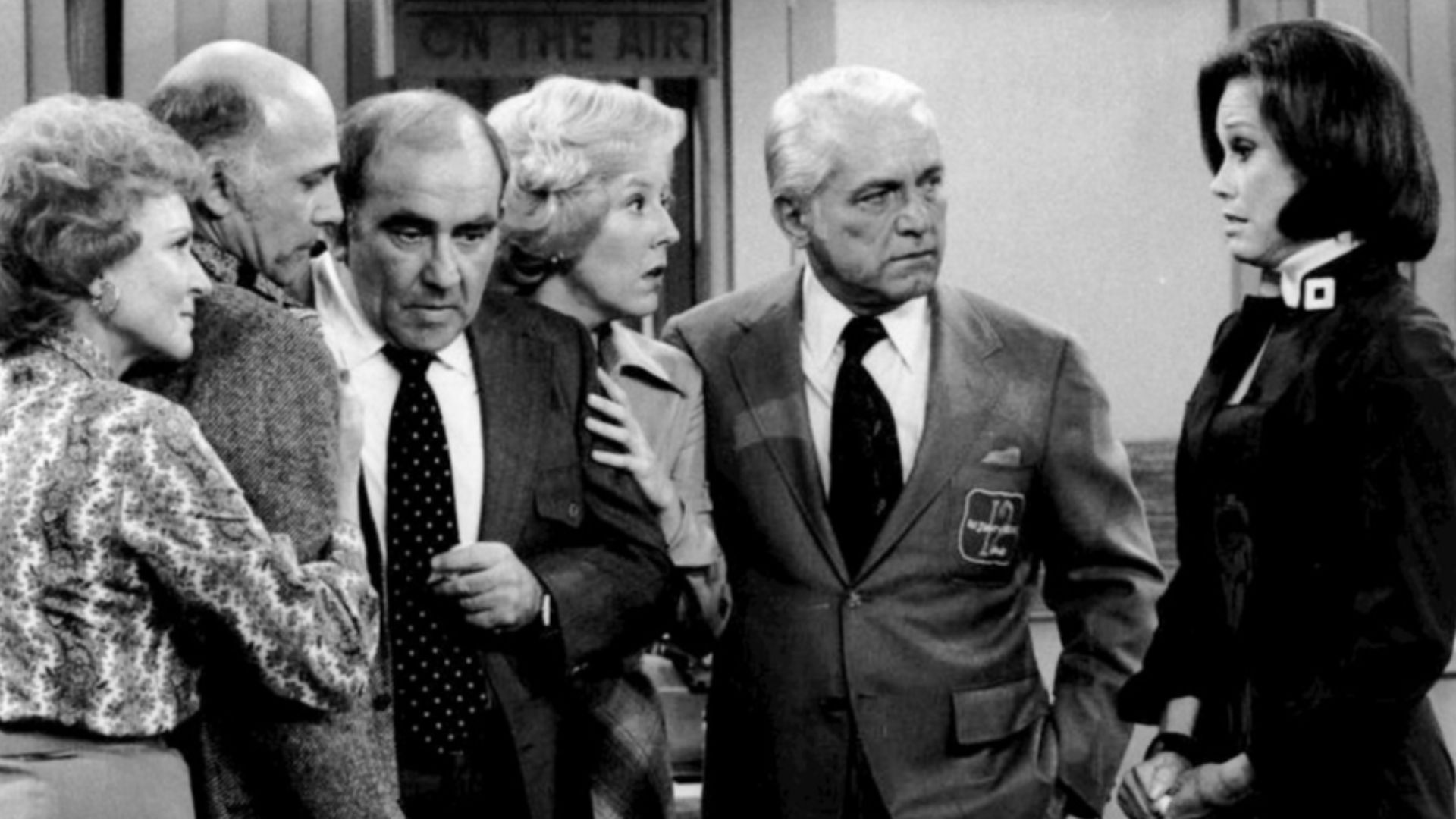
The Mary Tyler Moore Show aired its finale in 1977. Moore had conquered television, but she didn't want to spend the rest of her career repeating Mary Richards. She turned increasingly toward Broadway and dramatic acting, eventually accepting a movie role that would become almost unbelievably eerie in hindsight.
 CBS Television, Wikimedia Commons
Then Her Family Suffered Another Loss
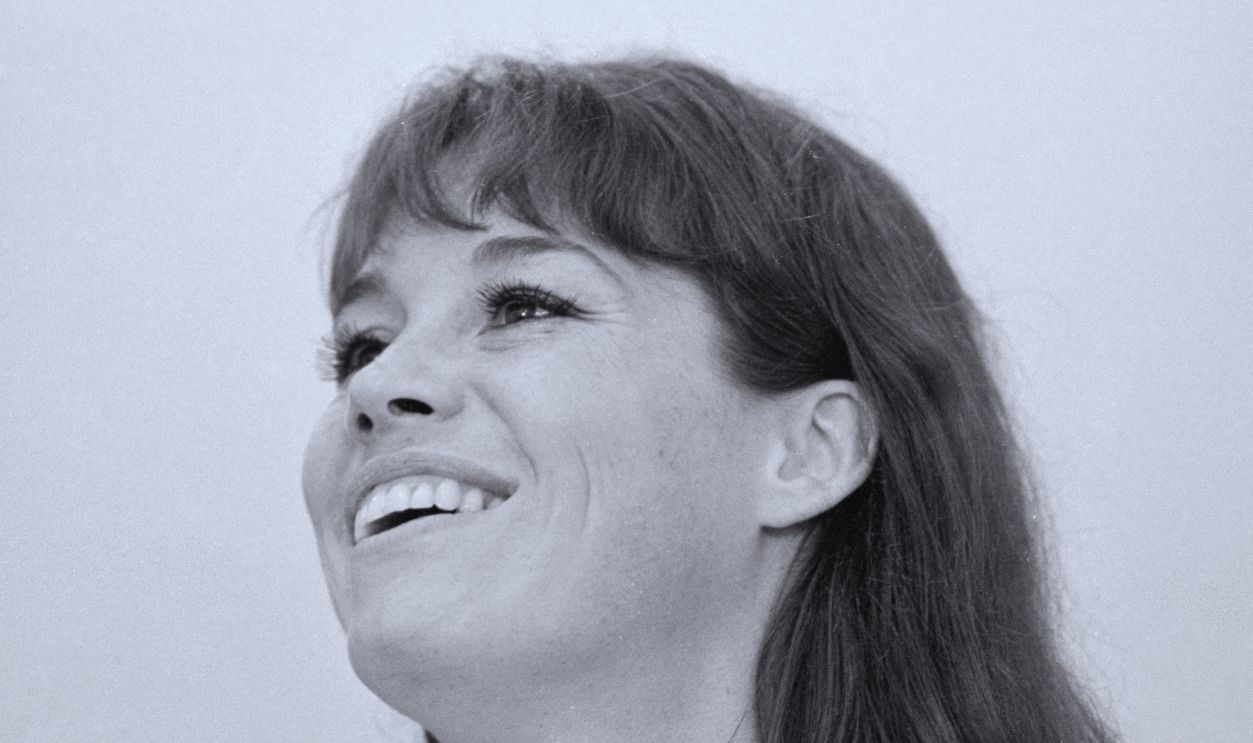
In 1978, Moore lost her younger sister Elizabeth at just 21 after she took too much medication. The Los Angeles County coroner concluded that Elizabeth had intentionally taken her own life, although Moore later said she did not believe that conclusion. Either way, it was another enormous loss for Moore's family. And an even more devastating one was still coming.
Then Came “Ordinary People”
In 1980, Moore stunned audiences with Robert Redford's Ordinary People. Gone was the warm Mary Richards persona. Moore played Beth Jarrett, an emotionally guarded mother whose family is unraveling after one son is lost in an accident and the surviving son struggles desperately afterward. The performance earned Moore a Golden Globe and the only Academy Award nomination of her career.
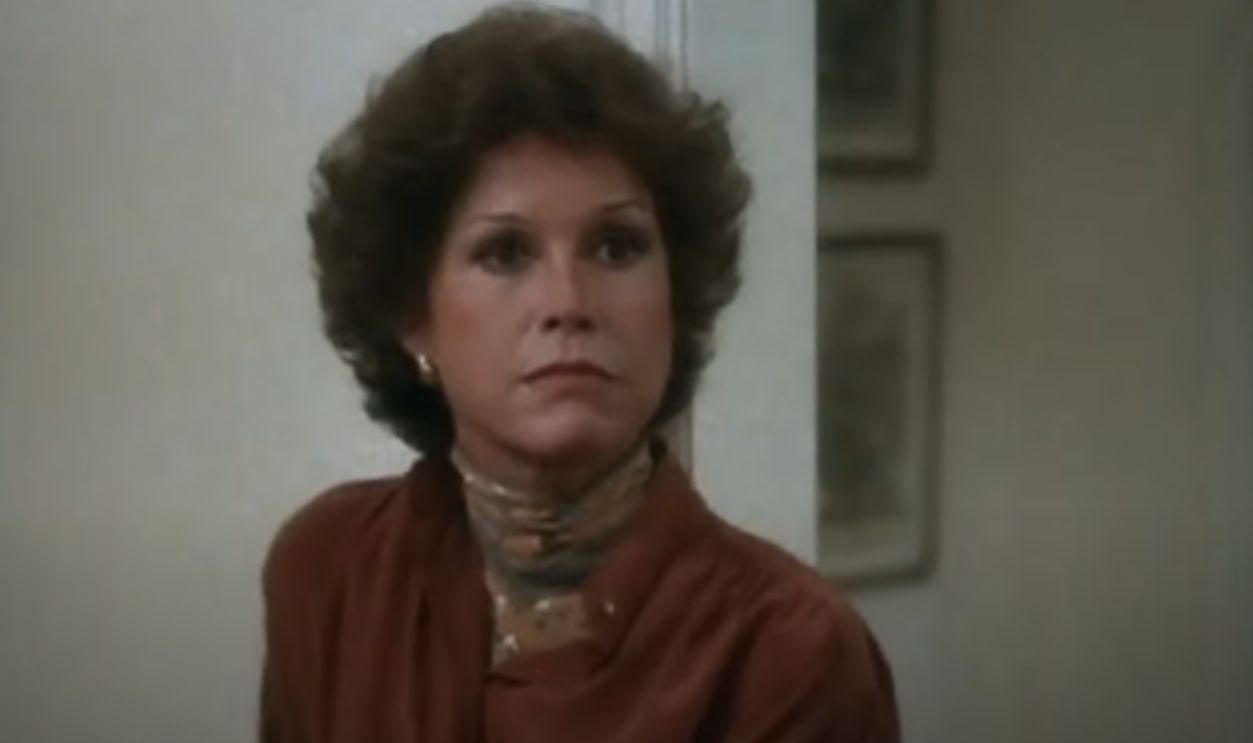 Screenshot from Ordinary People, Paramount Pictures (1980)
The Role Hit Surprisingly Close To Home
Moore acknowledged at the time that she had drawn partly on her own relationship with Richie while playing Beth. She described herself as having been a perfectionist mother who demanded too much from her son and contributed to the distance between them. But by 1980, something wonderful had finally happened: Moore and Richie were finding their way back to each other.
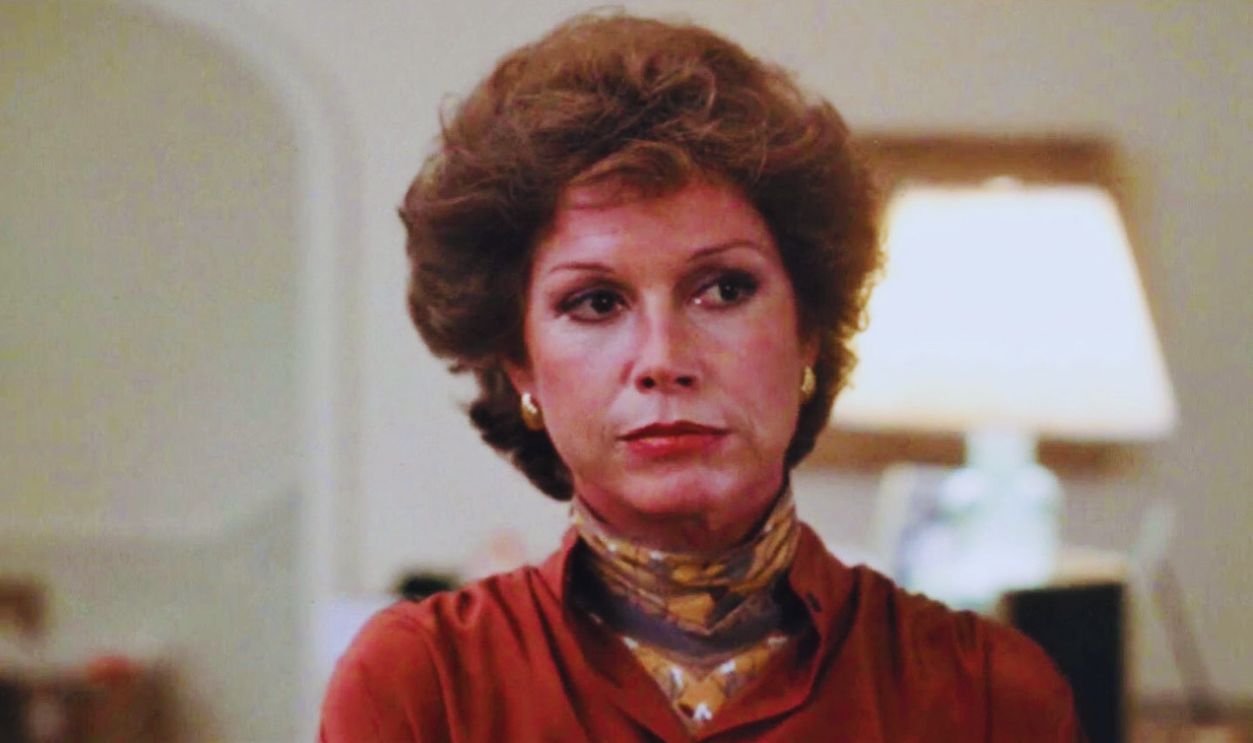 Screenshot from Ordinary People, Paramount Pictures (1980)
She Finally Felt Like She Had Her Son Back
After years of tension, Moore said she and Richie had become close again. Richie was working at CBS and thinking about a future in entertainment, while people around him described him as happy and optimistic. Moore was so pleased with their new relationship that she described her grown son with two simple words: “a new friend.”
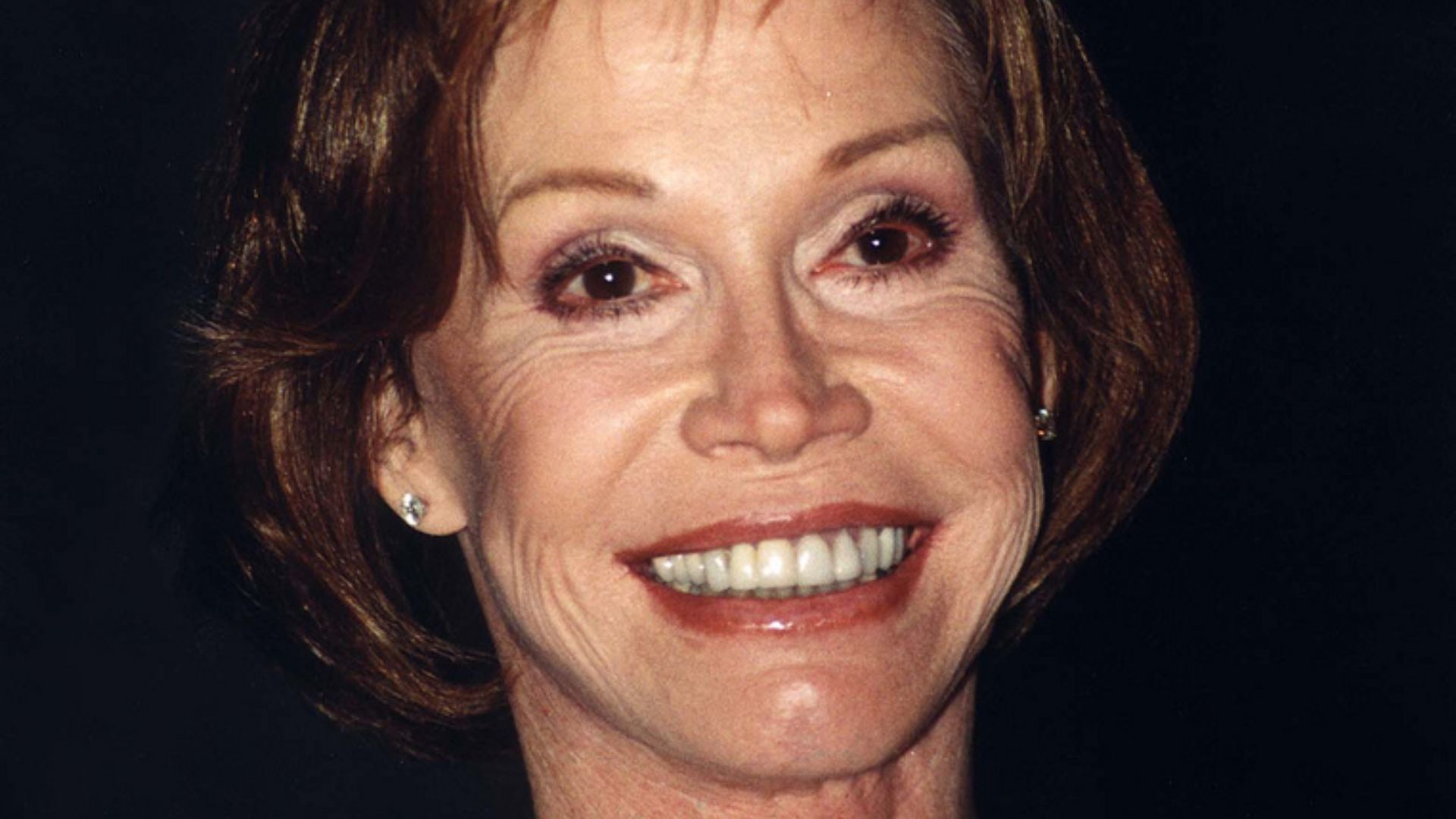 Kingkongphoto & www.celebrity-photos.com from Laurel Maryland, USA, Wikimedia Commons
And The Timing Couldn't Have Been Crueler
Ordinary People opened on September 19, 1980. Less than four weeks later, the woman audiences were watching portray a mother confronting unimaginable family loss was about to experience her own. In the early morning hours of October 15, Moore's estranged husband Grant Tinker called her in New York with news that would change everything.
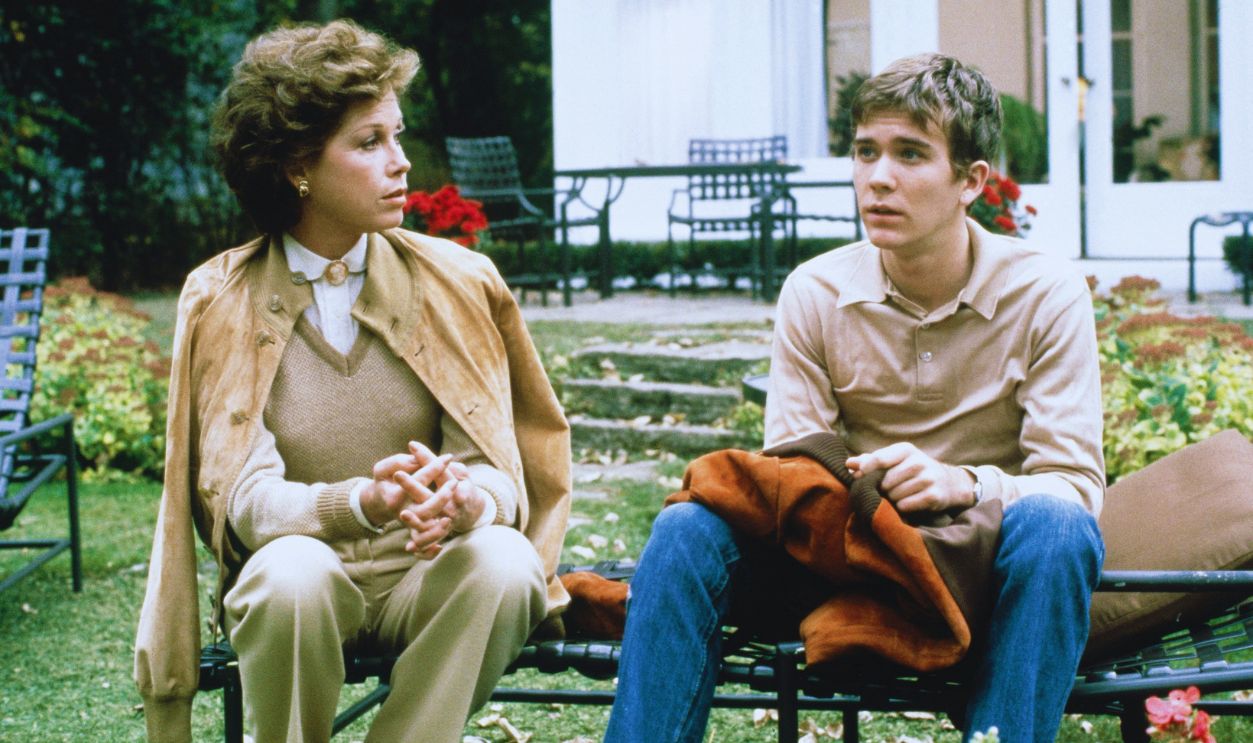 Screenshot from Ordinary People, Paramount Pictures (1980)
Richie Was Gone
The terrible news was that Richie was gone. He was only 24. He was talking with a roommate when the .410-gauge piece in his hands unexpectedly discharged. Early reports questioned whether the incident had been intentional or accidental, but Richie's family and friends were adamant from the beginning that he had not intended to take his own life.
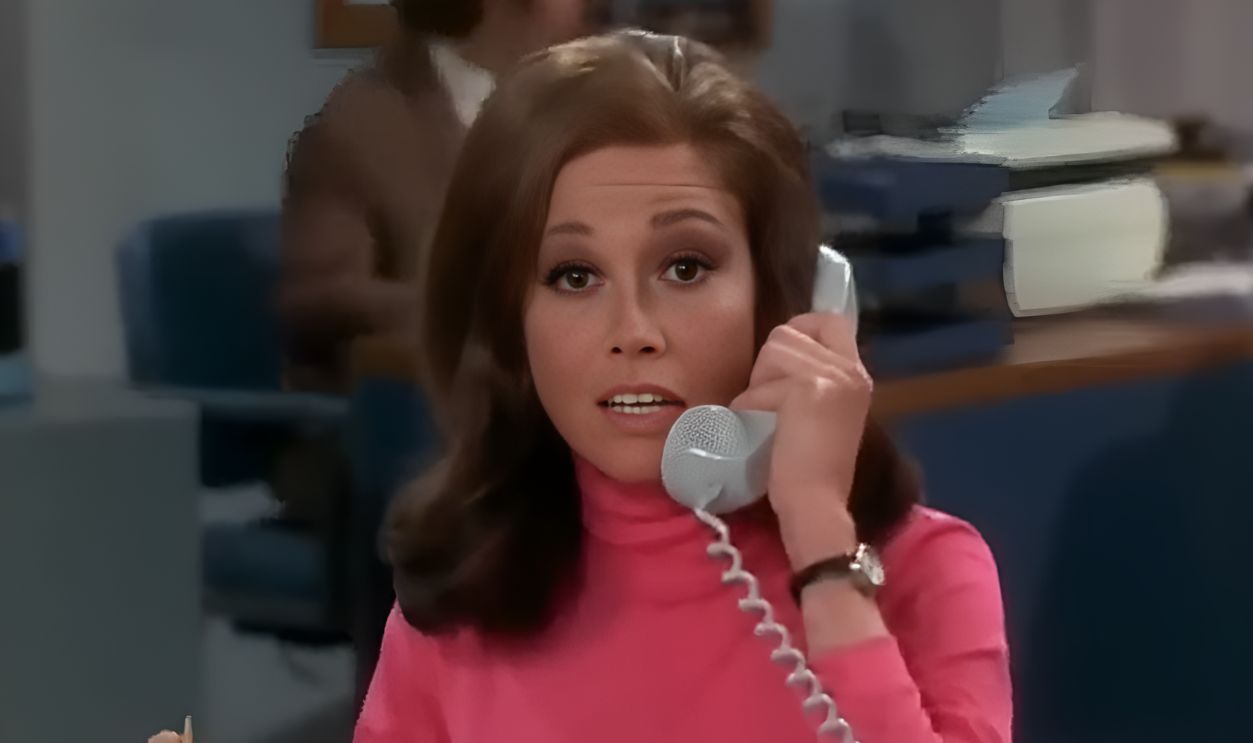 Screenshot from The Mary Tyler Moore Show, CBS (1970–1977), Modified
The Coroner Eventually Gave An Answer
There would eventually be an official conclusion. In January 1981, the Los Angeles County coroner's office ruled that the incident that took Richie's life was an accident, relying heavily on statements from the people who had been with him that evening. Those closest to Richie had described him as happy, making plans and looking toward the future. The terrible answer really was as simple as it seemed: it had been an accident.
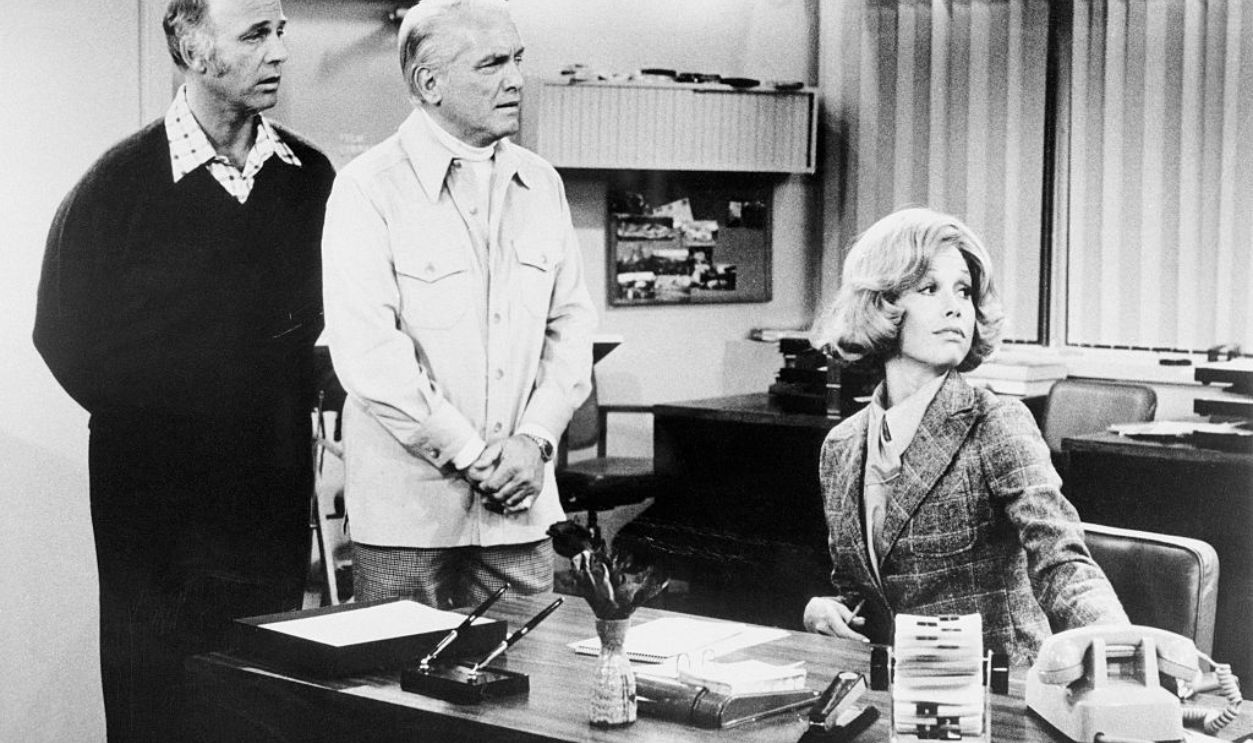
The Coincidence Was Almost Impossible To Process
The parallels with Ordinary People were impossible for the press to ignore. Moore had just portrayed a mother living in the aftermath of losing a son, and now her own only child was gone. Tinker firmly rejected attempts to connect the film with what happened to Richie. Whatever the eerie timing, this wasn't a screenplay anymore. This was Mary's life.
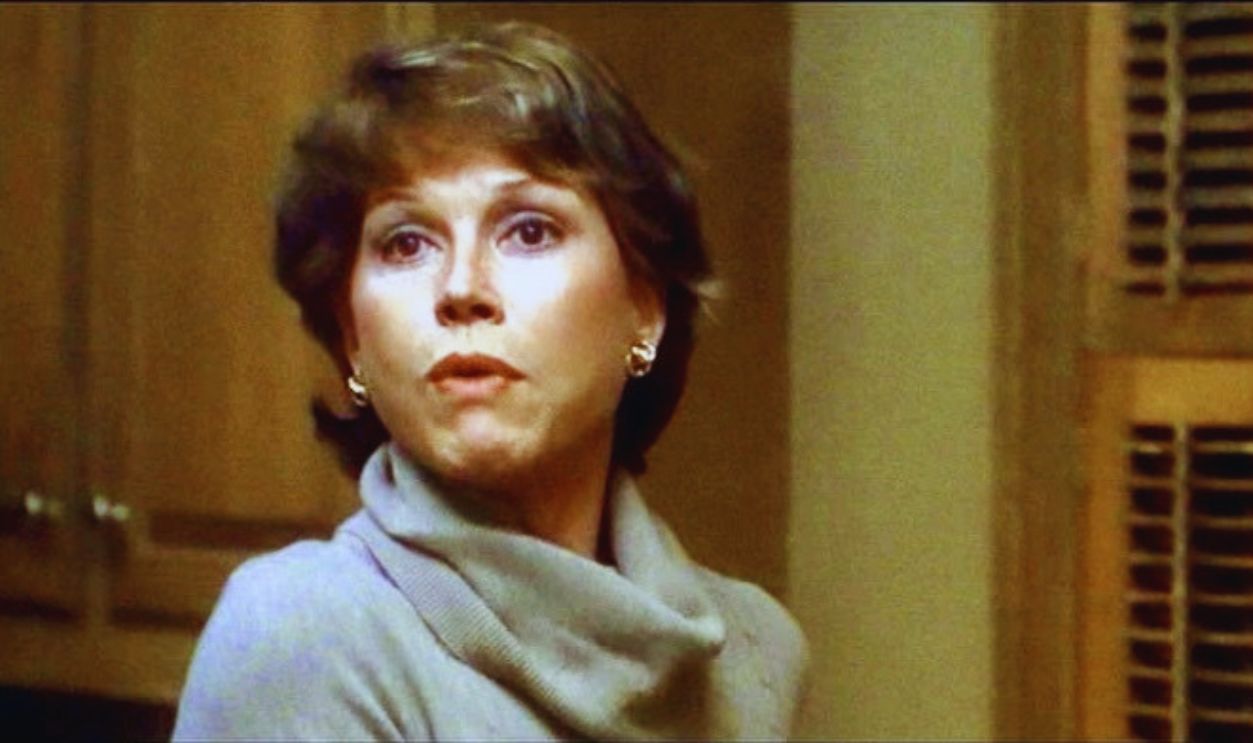 Screenshot from Ordinary People, Paramount Pictures (1980)
Ed Asner Helped Say Goodbye
When it came time to say goodbye to Richie, one of Moore's most familiar television friends was there. Ed Asner, who had played Lou Grant beside her for years on The Mary Tyler Moore Show, eulogized Richie at the funeral. For fans, Lou Grant had been part of Mary's television family. Offscreen, Asner clearly belonged to her family of friends as well.
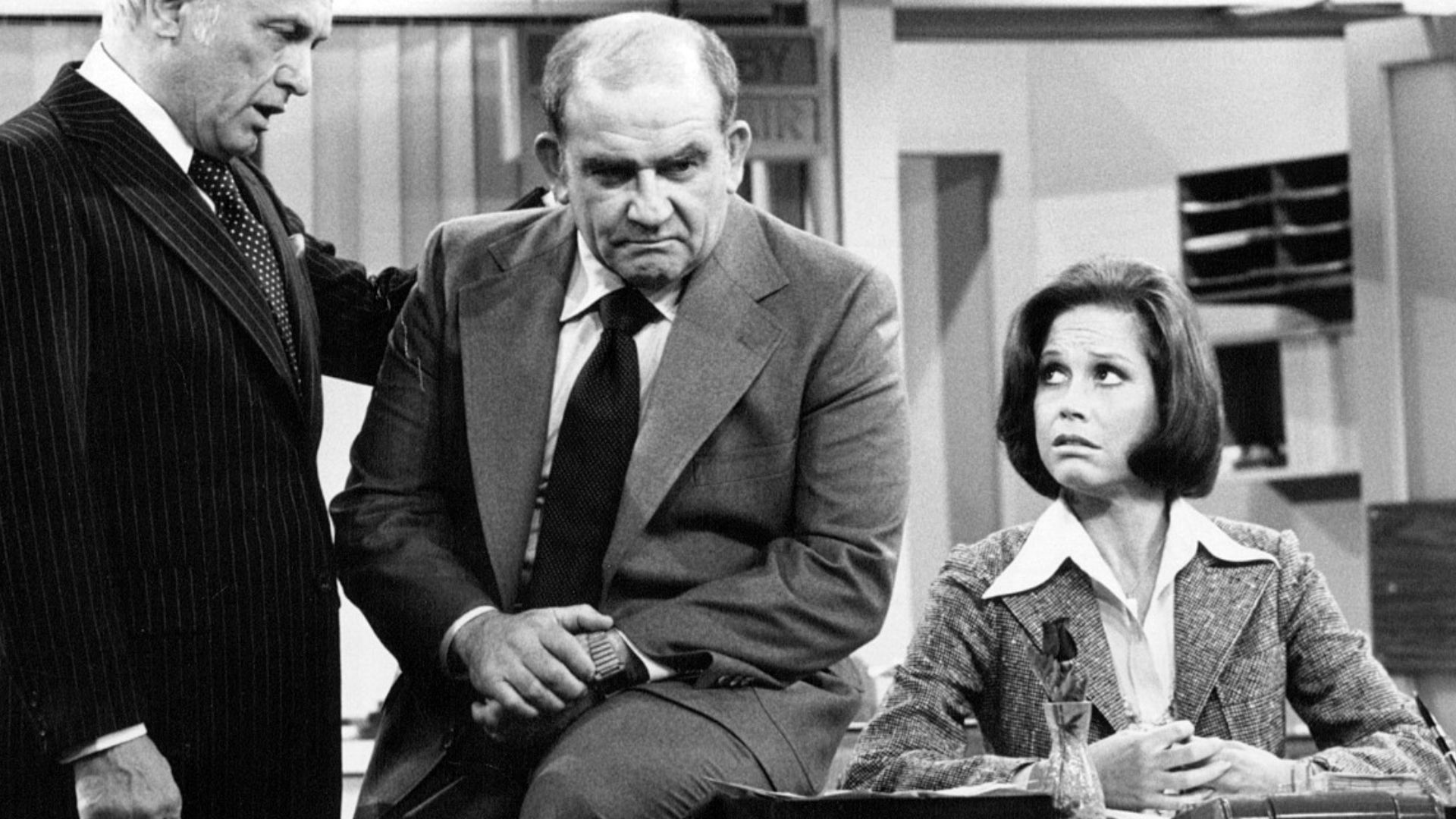 CBS Television, Wikimedia Commons
Mary Took Richie's Ashes To California
Moore later wrote about taking Richie's ashes to California's Owens River and scattering them into the water. What she intended to be a quiet prayer suddenly became something much more raw. Looking toward the sky, she demanded, “You take care of him.” For once, there was no Mary Richards composure. There was just a mother who wanted her son back.

The Guilt Didn't Simply Disappear
Years later, Moore still thought about all the time she believed she had missed with Richie. What made the loss especially painful was that their relationship had finally begun healing. She later remembered those final years as a time when they had learned to understand and accept each other. They had finally found one another again...and then there was no more time.
But She Kept Going
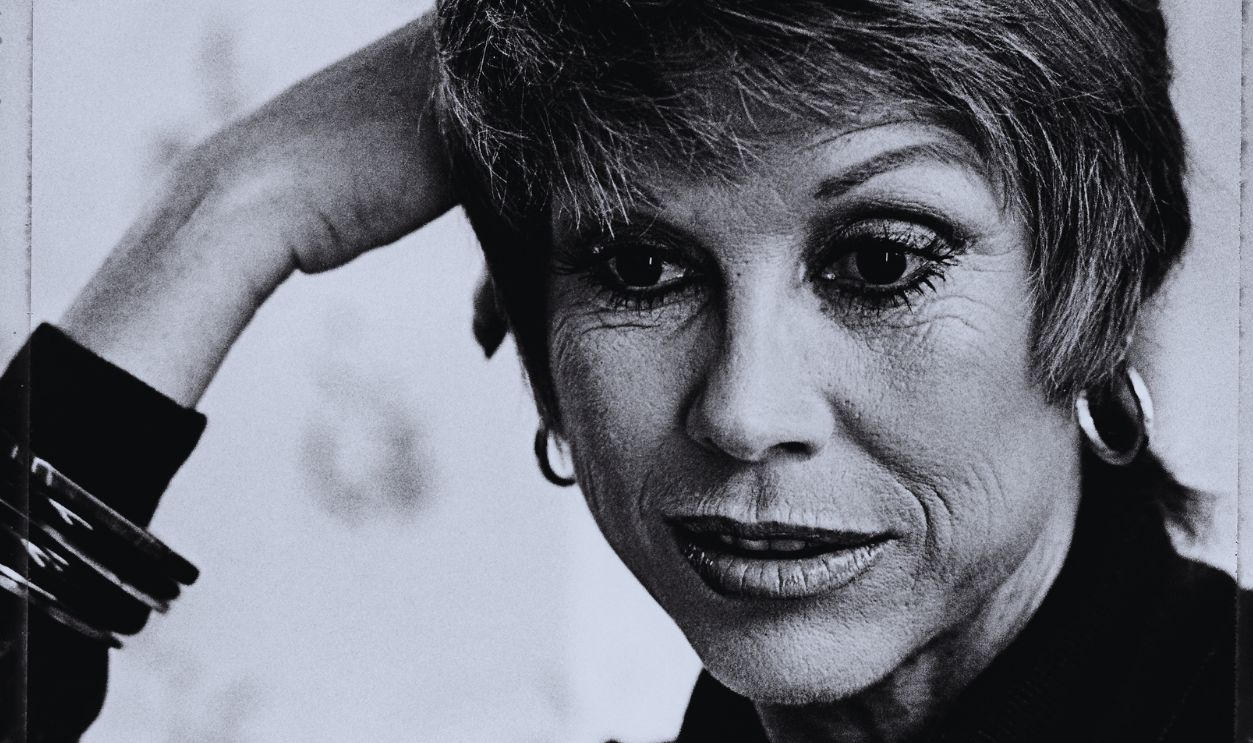
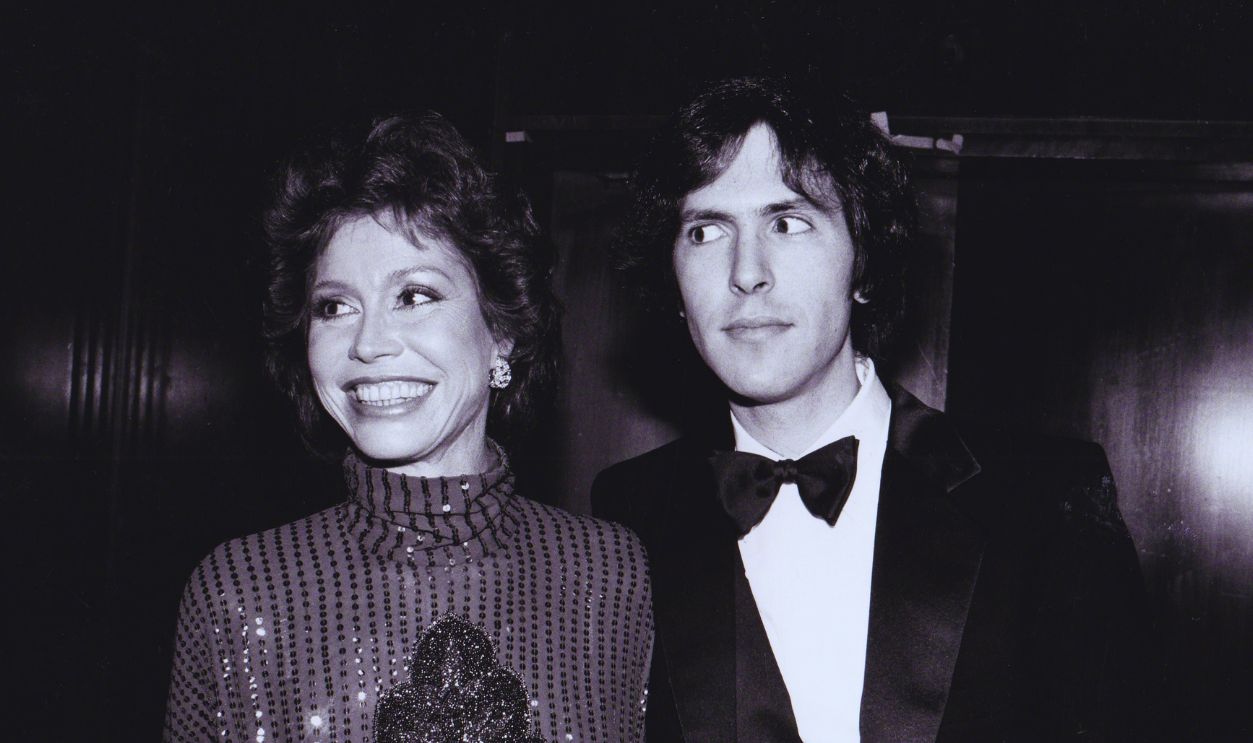
Moore's life didn't magically become easier afterward. Her marriage to Tinker ended, and she continued confronting her problems with drinking. Eventually she sought treatment and became sober. In 1983, she married cardiologist Robert Levine, whom she remained with for the rest of her life. She also became one of the country's most visible advocates for diabetes research.
The Woman Behind The Hat Toss
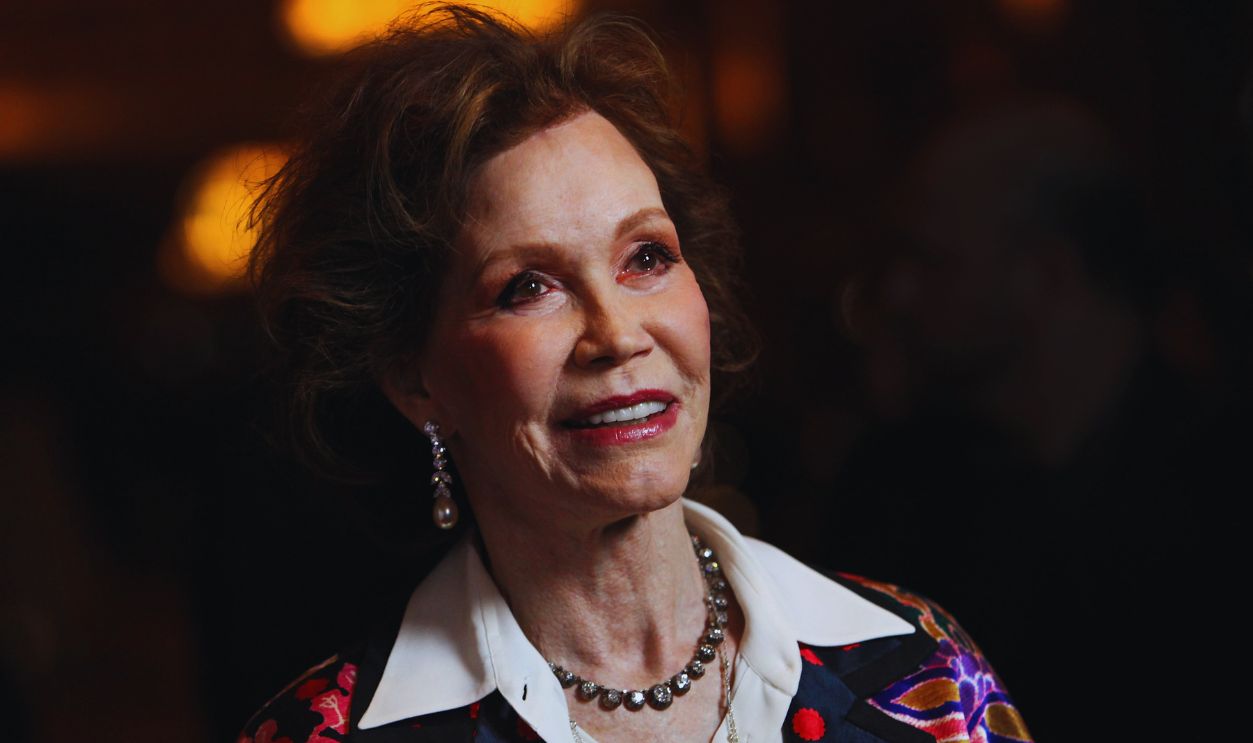
Mary Tyler Moore passed in 2017 at 80, leaving behind seven Emmy Awards, a groundbreaking television legacy and one of the most recognizable smiles in entertainment history. But her story was never as effortless as that famous hat toss made it look. Behind Mary Richards was a woman who lived through regret, illness and unimaginable loss...and somehow kept moving forward anyway.
You Might Also Like:
Loni Anderson Became A 1970s TV Bombshell, But She Was Always Sharper Than Her Image Suggested
Gary Burghoff Walked Away From M*A*S*H At The Height Of Its Success—His Reason Was Bigger Than Fame