Radar’s Goodbye Was Not Just Another Exit
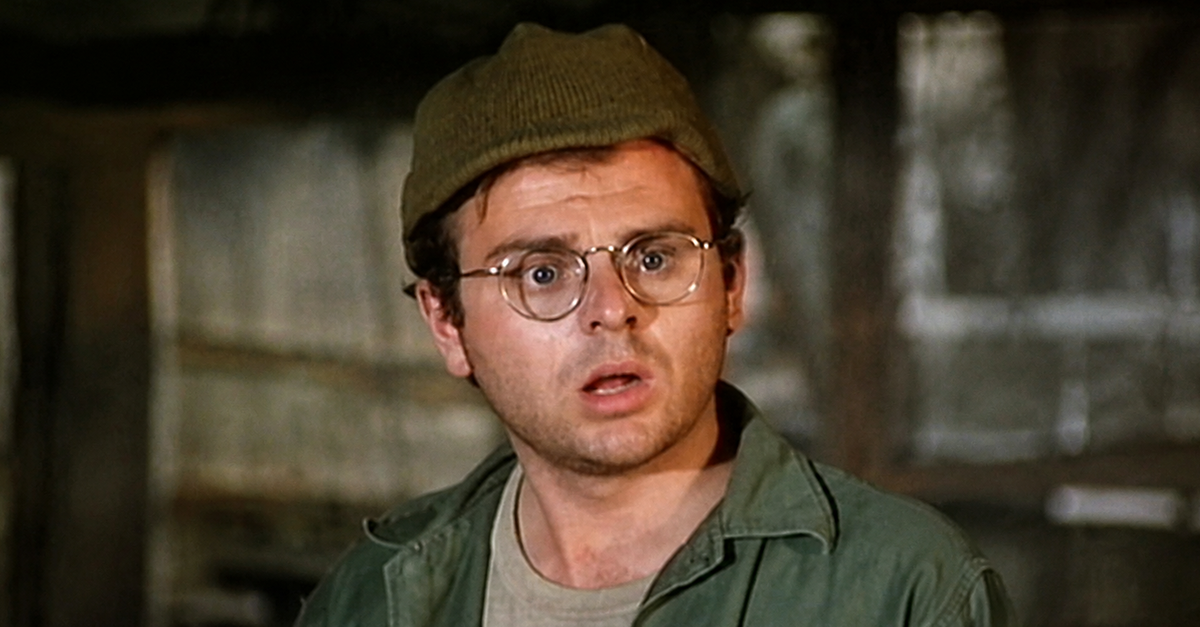
Gary Burghoff had the kind of role most actors would never willingly surrender. Radar O’Reilly made him famous, earned him an Emmy, and helped turn M*A*S*H into a television phenomenon. Yet after seven seasons, Burghoff walked away because the success audiences saw was quietly costing him the life he valued most.
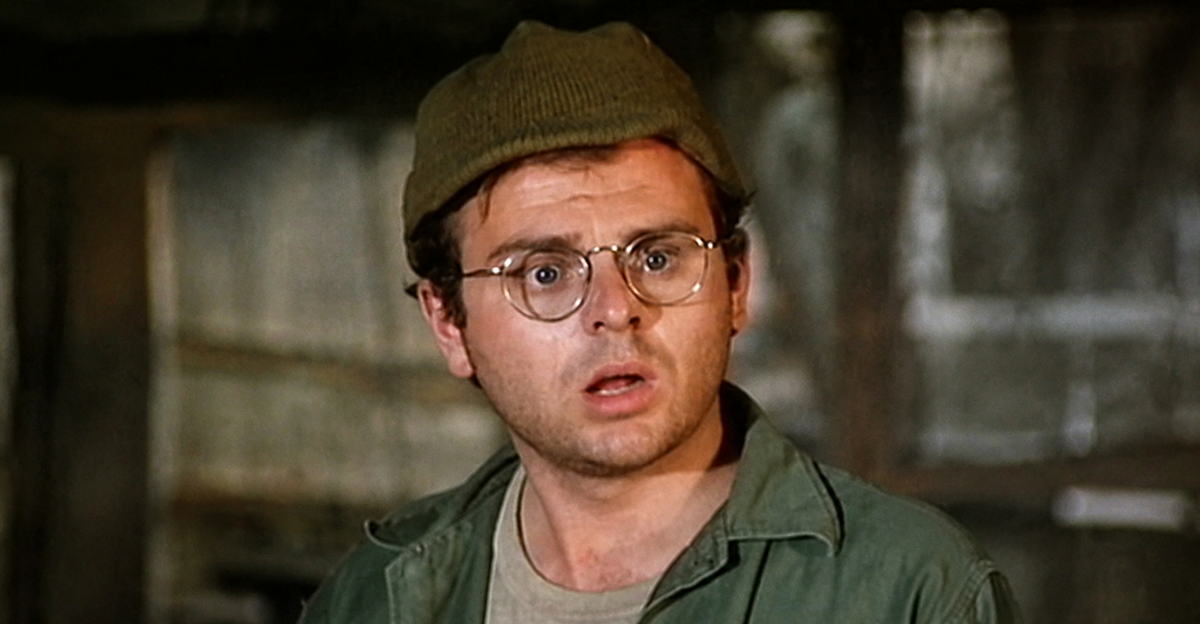 Screenshot from M*A*S*H, CBS (1972–1983)
He Played In A Band With A Future Wonder Woman
Long before M*A*S*H, Burghoff was building an unusual career as a performer. He played drums for a band called The Relatives alongside future Wonder Woman star Lynda Carter. The band spent three months performing at Las Vegas’s Sahara Hotel in 1968. Soon afterward, Burghoff landed the stage role that helped lead him to Hollywood.
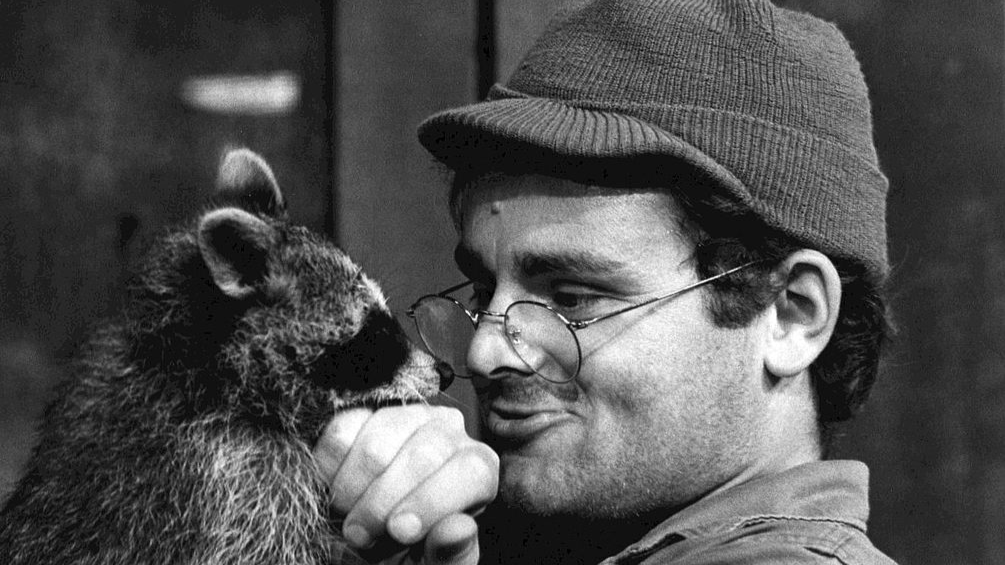 CBS Television, Wikimedia Commons
Charlie Brown Put Him On The Map
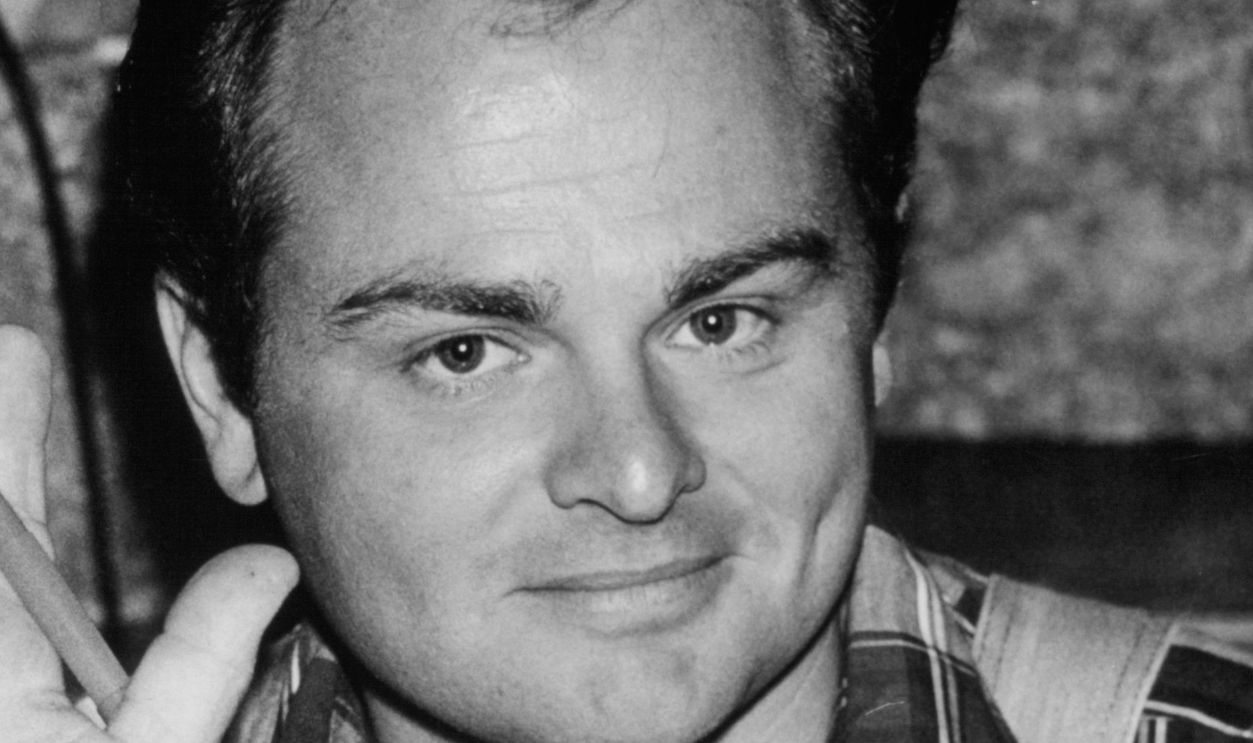
In 1967, Burghoff originated the role of Charlie Brown in the Off-Broadway production of You’re a Good Man, Charlie Brown. The show opened at Theatre 80 in New York and became a long-running success. Playing an anxious but hopeful underdog gave Burghoff valuable preparation for the character who would define his career.
 Michael Ochs Archives, Getty Images
Robert Altman Saw Something Special
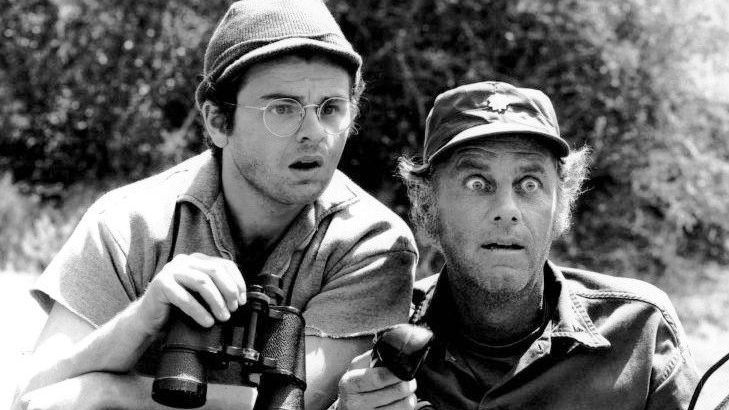
Burghoff’s stage work helped bring him to the attention of director Robert Altman. After a screen test, Burghoff was cast as Radar O’Reilly in Altman’s 1970 film M*A*S*H. It was Burghoff’s feature-film debut and introduced him to a far larger audience.
 CBS Television, Wikimedia Commons
The Movie’s Radar Had A Harder Edge
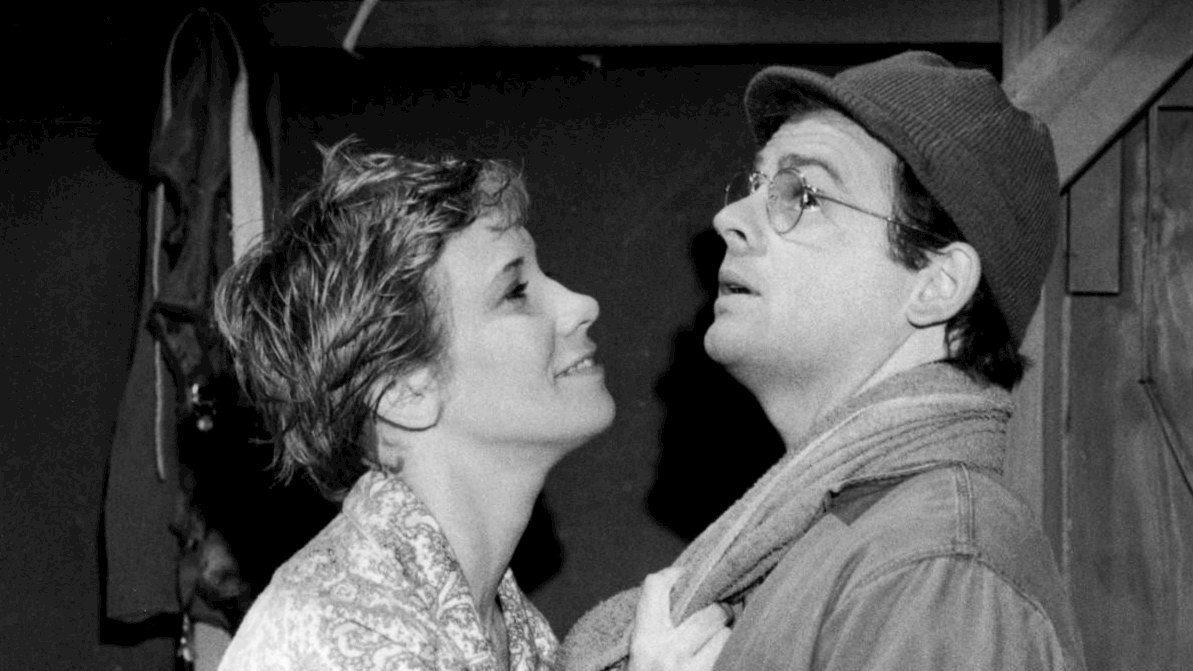
Burghoff initially played Radar as a darker and more sardonic figure in the film. This version quietly observed the officers around him and seemed more worldly than the television character audiences later embraced. When M*A*S*H moved to television, Burghoff realized that Radar needed to change with it.
 CBS Television, Wikimedia Commons
He Became The Link Between Two Versions
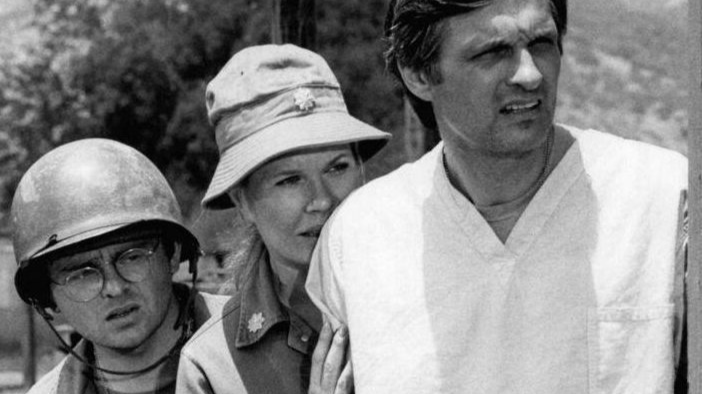
CBS launched the television adaptation of M*A*S*H in 1972 with a largely new cast. Burghoff was the only actor from the film to return as the same major character in the weekly series. His familiar presence helped connect Altman’s movie with a program that soon developed its own identity.
 CBS Television, Wikimedia Commons
Television Made Radar More Innocent
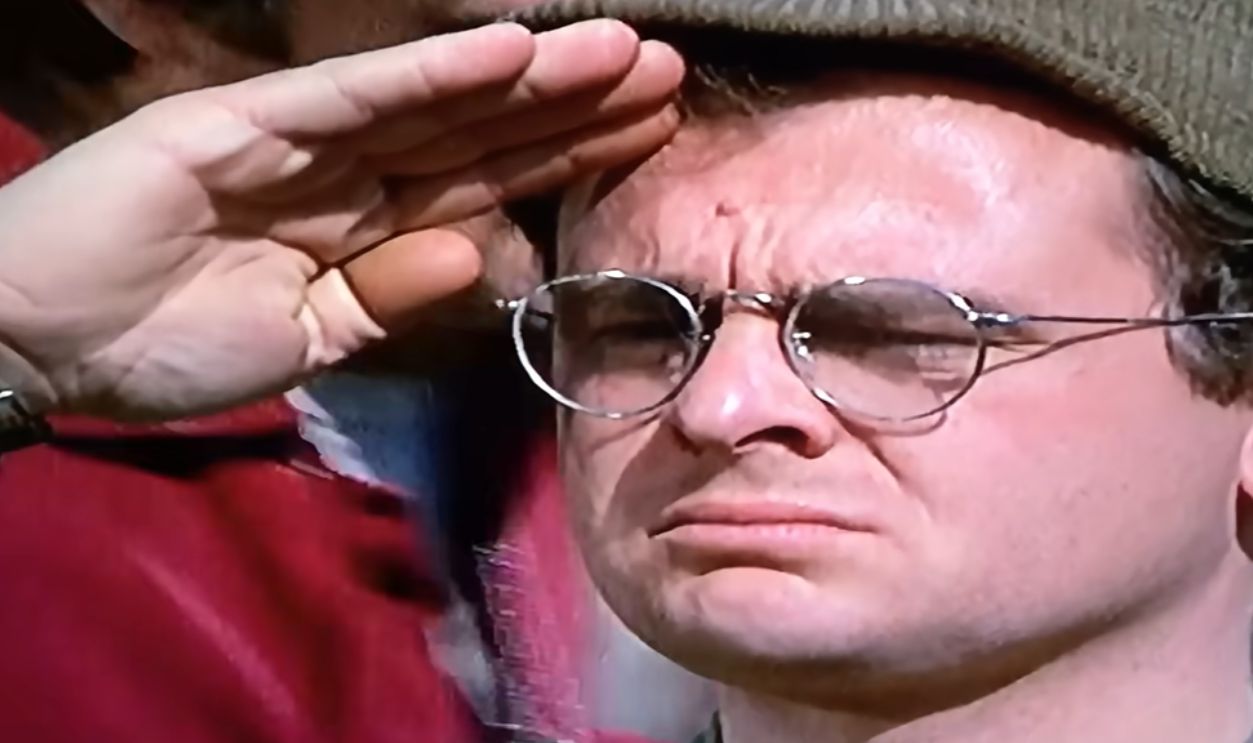
With help from series developer Larry Gelbart, Burghoff reshaped Radar into a gentler and more naïve young man. The doctors understood the cruelty of war intellectually, while Radar often reacted to it with unguarded emotion. That innocence made him an effective contrast to the educated and cynical people around him.
 Screenshot from M*A*S*H, CBS (1972–1983)
His Abilities Became Running Jokes
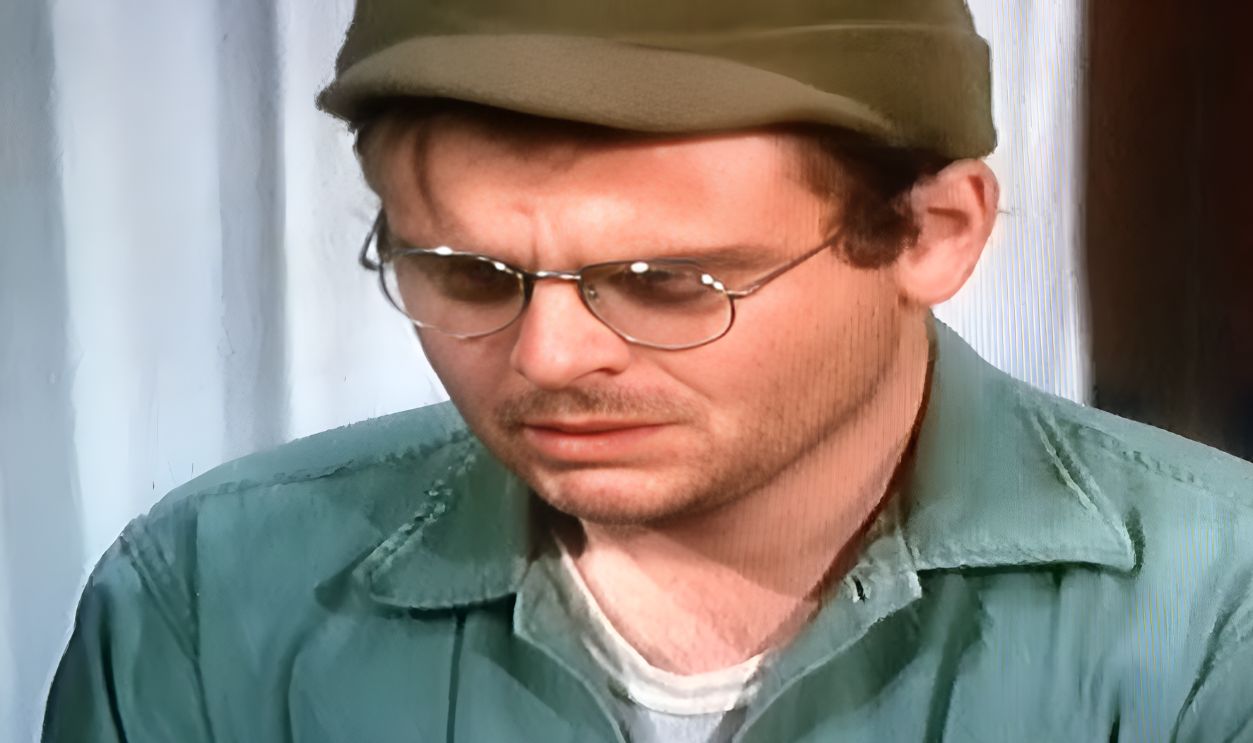
Radar could hear approaching helicopters before anyone else and frequently knew what his commanding officer was about to say. He also seemed able to locate supplies despite the Army’s confusing bureaucracy. These comic abilities made him look almost supernatural, but Burghoff kept the character believable.
 Screenshot from M*A*S*H, CBS (1972–1983), Modified
The Teddy Bear Revealed His Vulnerability
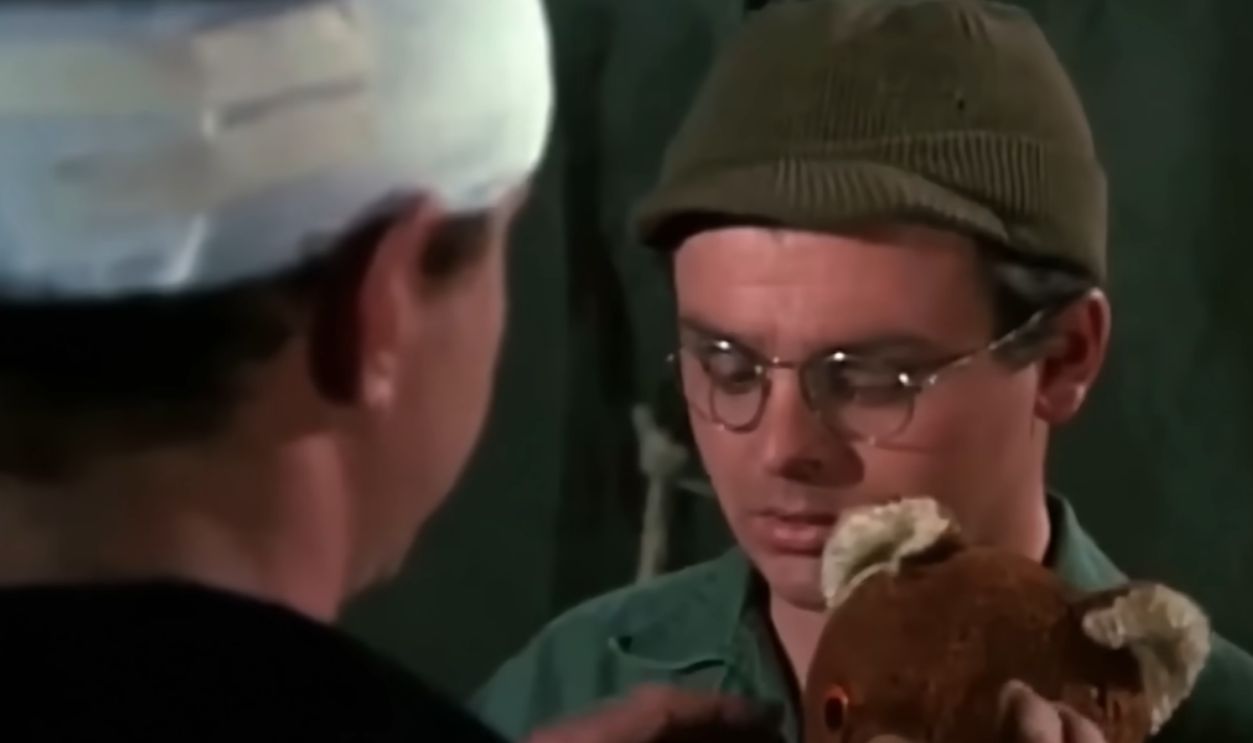
Radar slept with a teddy bear and wrote home to his mother in Ottumwa, Iowa. Those details emphasized that he was still emotionally young, despite serving in a hospital surrounded by horrific injuries. Burghoff found humor in Radar without treating his innocence as something foolish.
 Screenshot from M*A*S*H, CBS (1972–1983)
He Could Also Carry The Drama
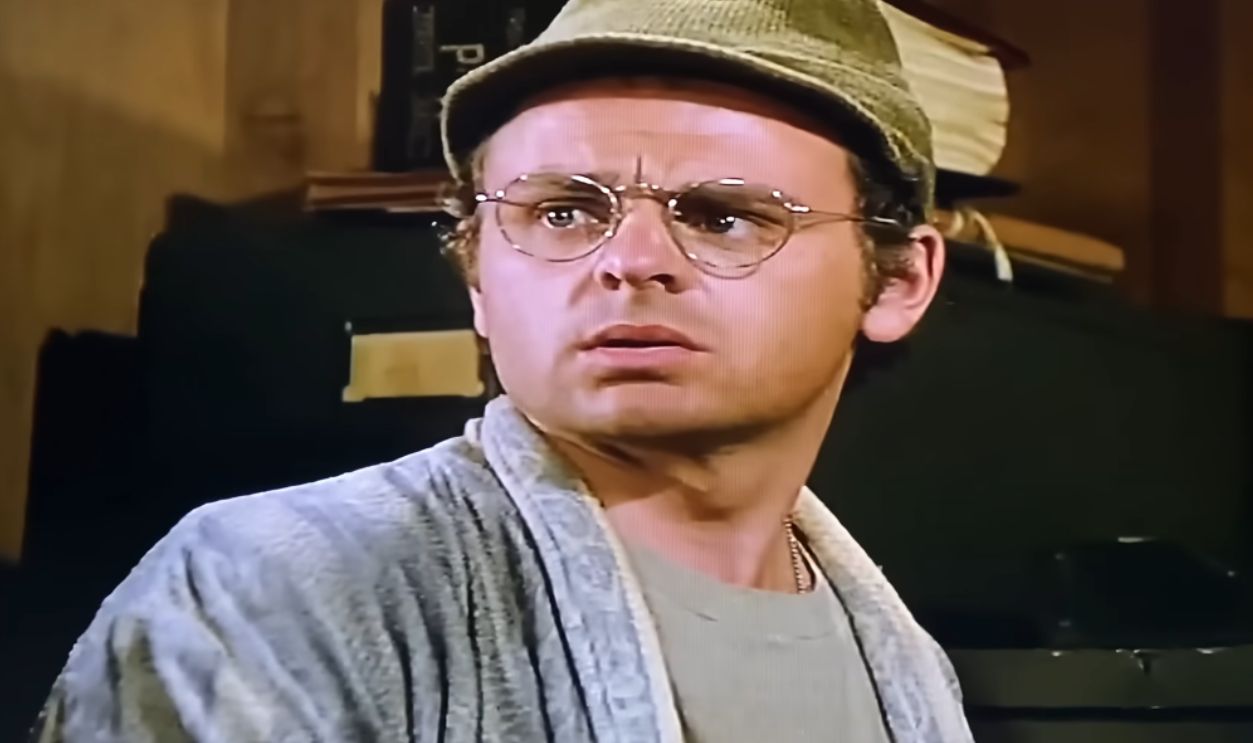
Burghoff proved especially powerful when M*A*S*H moved beyond conventional sitcom stories. In “Abyssinia, Henry,” Radar enters the operating room and announces that Henry Blake’s plane has been shot down with no survivors. His shaken delivery helped create one of the most famous dramatic moments in television history.
 Screenshot from M*A*S*H, CBS (1972–1983)
Television’s Biggest Award Followed
Burghoff received repeated Emmy recognition for his work on M*A*S*H. He won the 1977 Emmy for Outstanding Continuing Performance by a Supporting Actor in a Comedy Series. The award confirmed that Radar was more than an adorable side character and that Burghoff’s carefully controlled performance mattered.
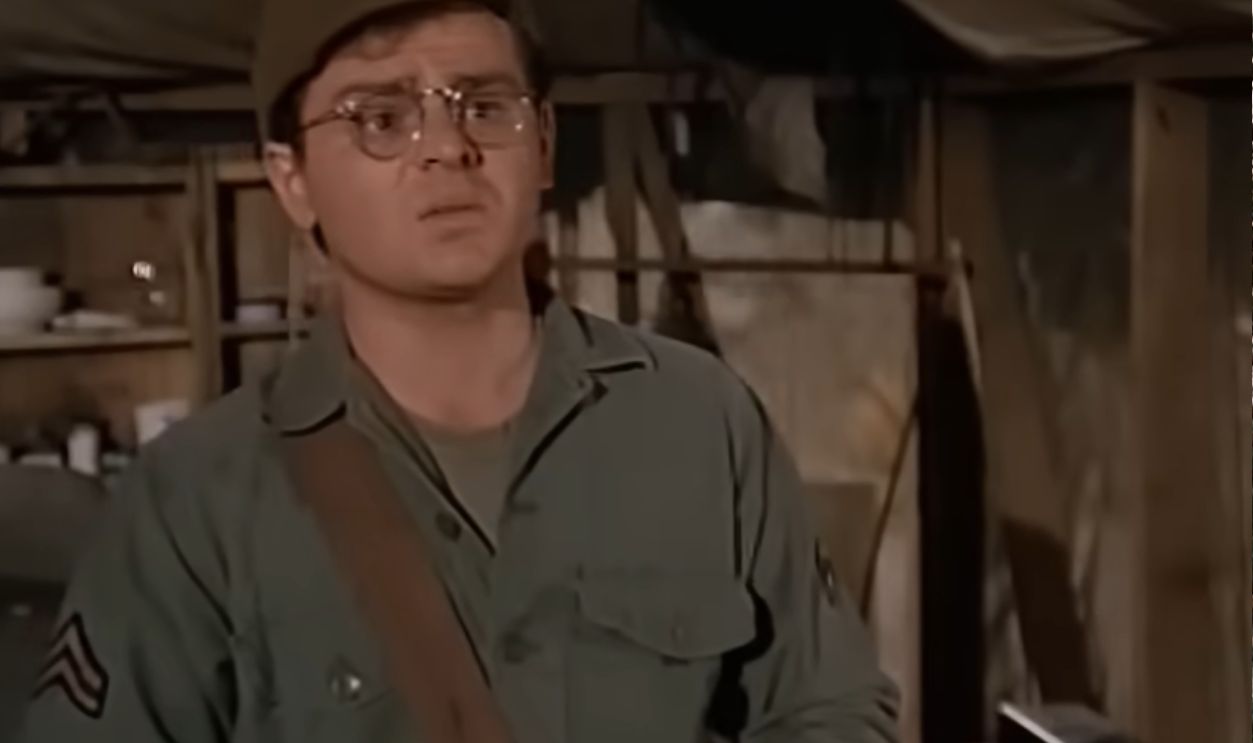 Screenshot from M*A*S*H, CBS (1972–1983)
Success Came With A Personal Cost
By the late 1970s, M*A*S*H had become one of television’s most celebrated series. Burghoff had steady employment, industry respect, and a character recognized wherever he went. The rewards were considerable, but the demands of the job followed him beyond the studio.
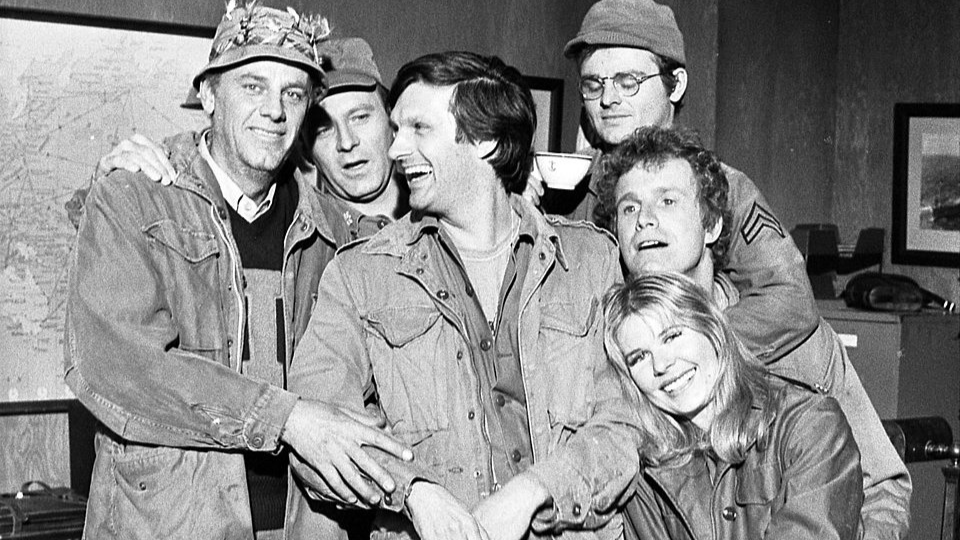 Harry Chase, Wikimedia Commons
Fame Intruded On Family Time
Burghoff later explained that public recognition made it difficult to be fully present with his family. Even during an ordinary outing, strangers could pull his attention away from the people closest to him. Work therefore did not truly end when he left the set.
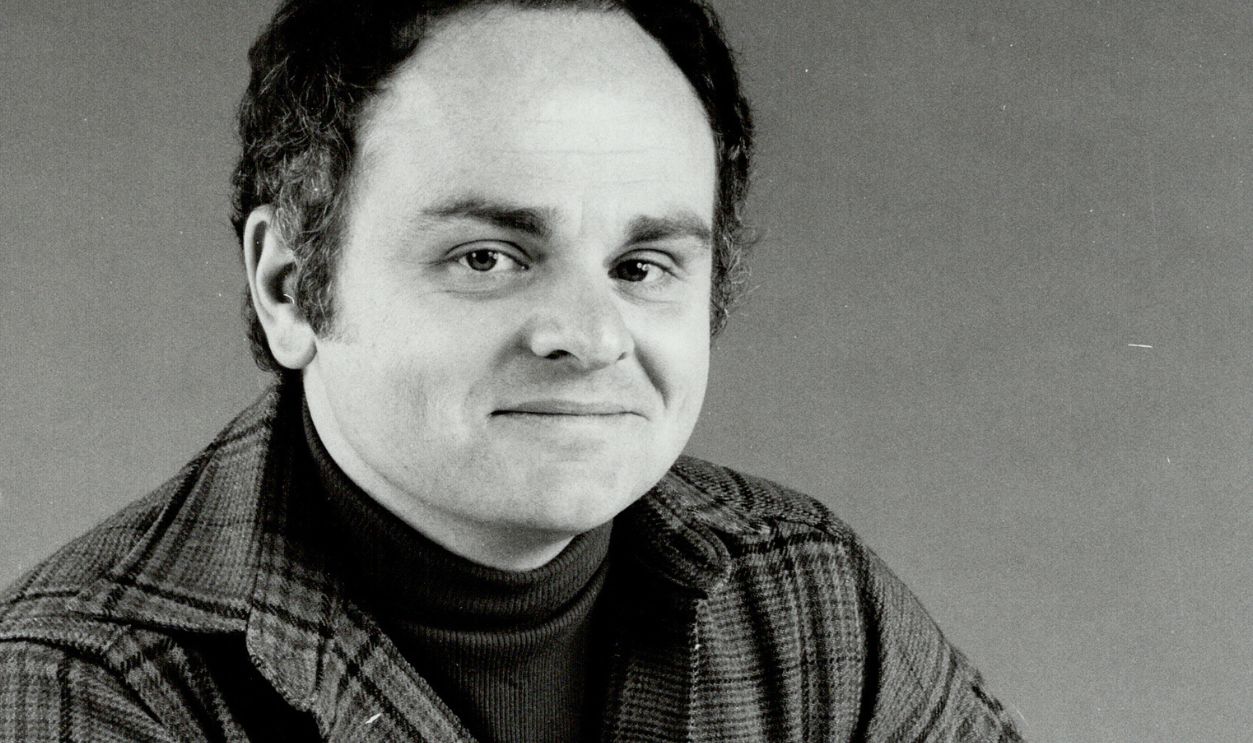
Fatherhood Changed His Priorities
Burghoff and his first wife, Janet Gayle, welcomed a daughter, Gena, in 1975. He later said that he had not been available as a father because of his work. As his daughter grew, the time and attention he was losing began to matter more than another successful season.
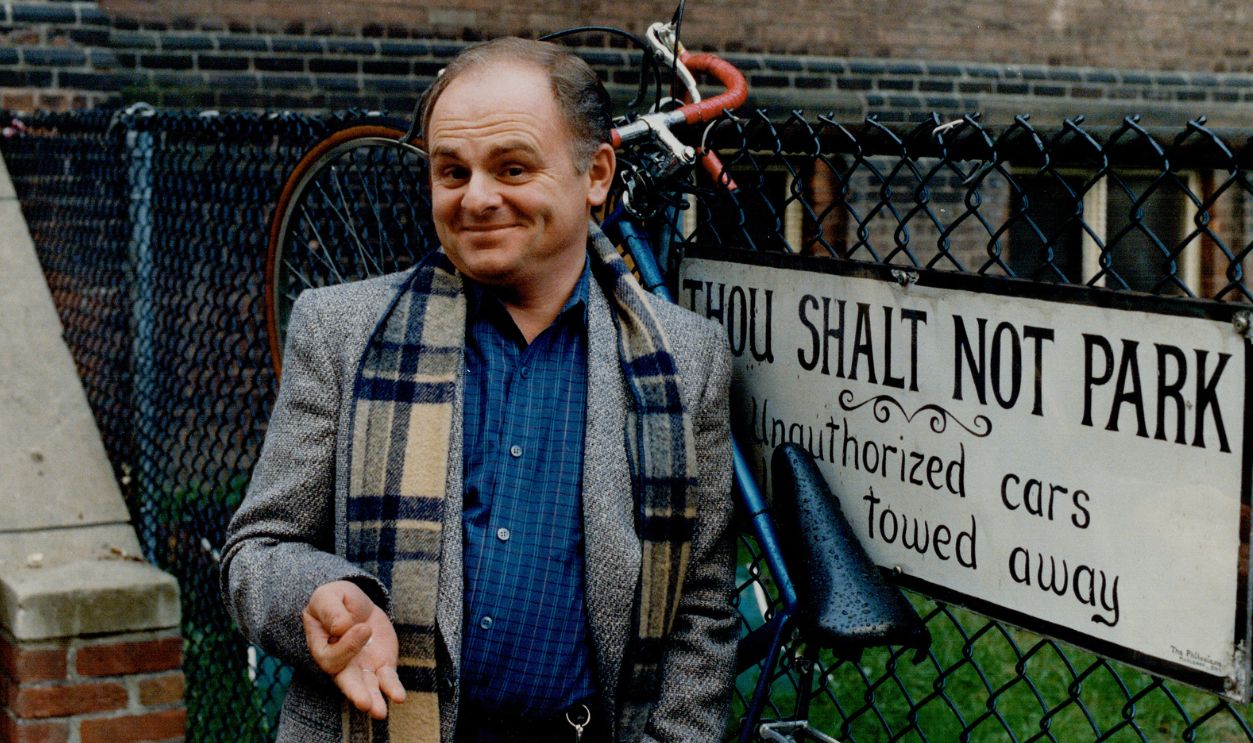
His Marriage Was Also Unravelling
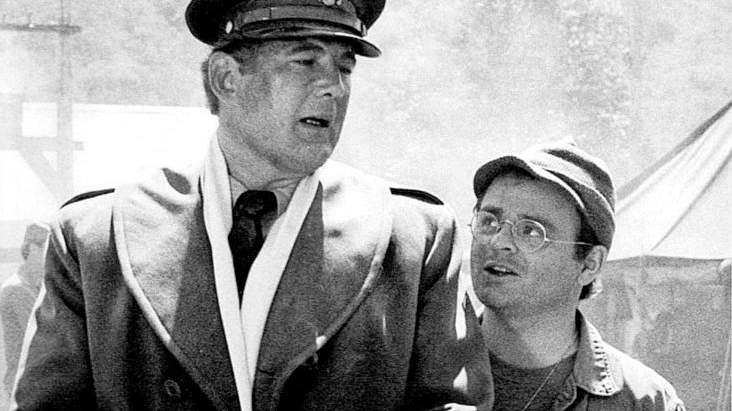
Burghoff’s first marriage deteriorated during his final years as a regular on M*A*S*H. In his memoir, he described experiencing depression, headaches, physical discomfort, and fatigue as the relationship collapsed. Those difficulties inevitably affected how he felt when he arrived for work.
 CBS Television, Wikimedia Commons
Burnout Made The Decision Clearer
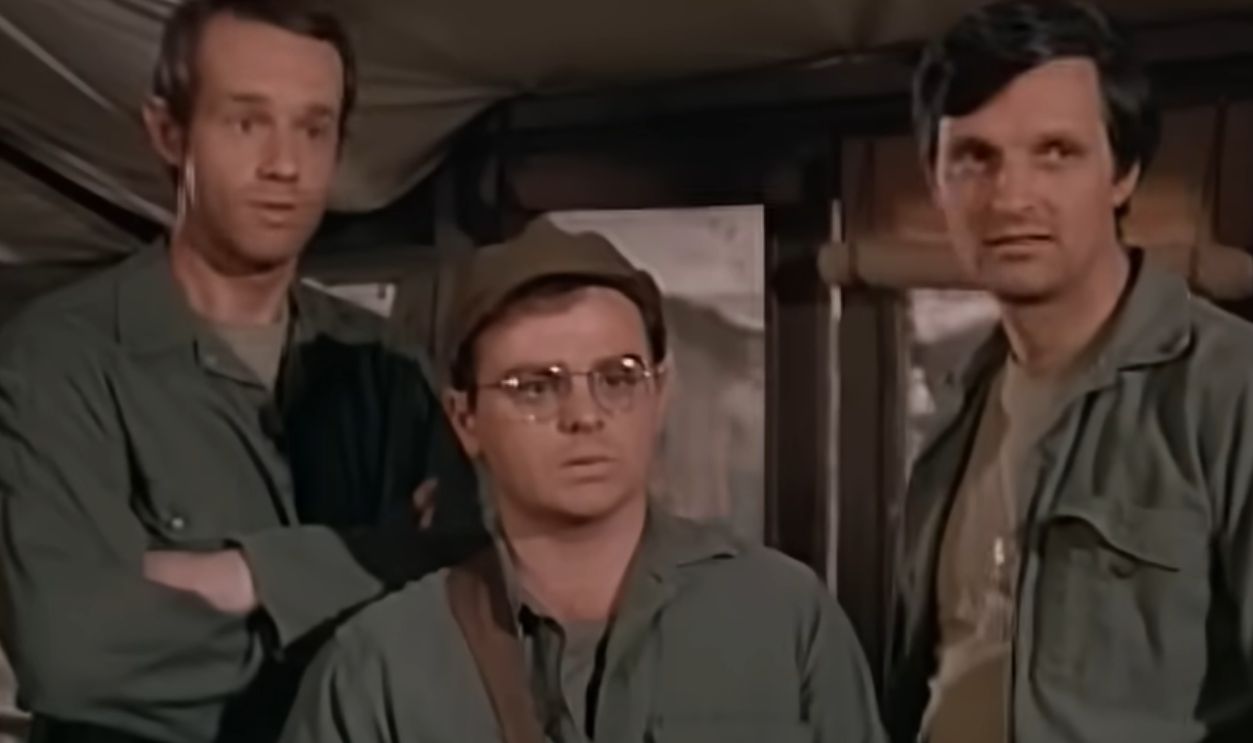
After years of playing Radar, Burghoff was emotionally and physically exhausted. Continuing on a demanding hit series promised security, but it offered little chance to repair the parts of his life that needed attention. He ultimately concluded that remaining famous was not worth being absent from his family.
 Screenshot from M*A*S*H, CBS (1972–1983)
Walking Away Was Still A Risk
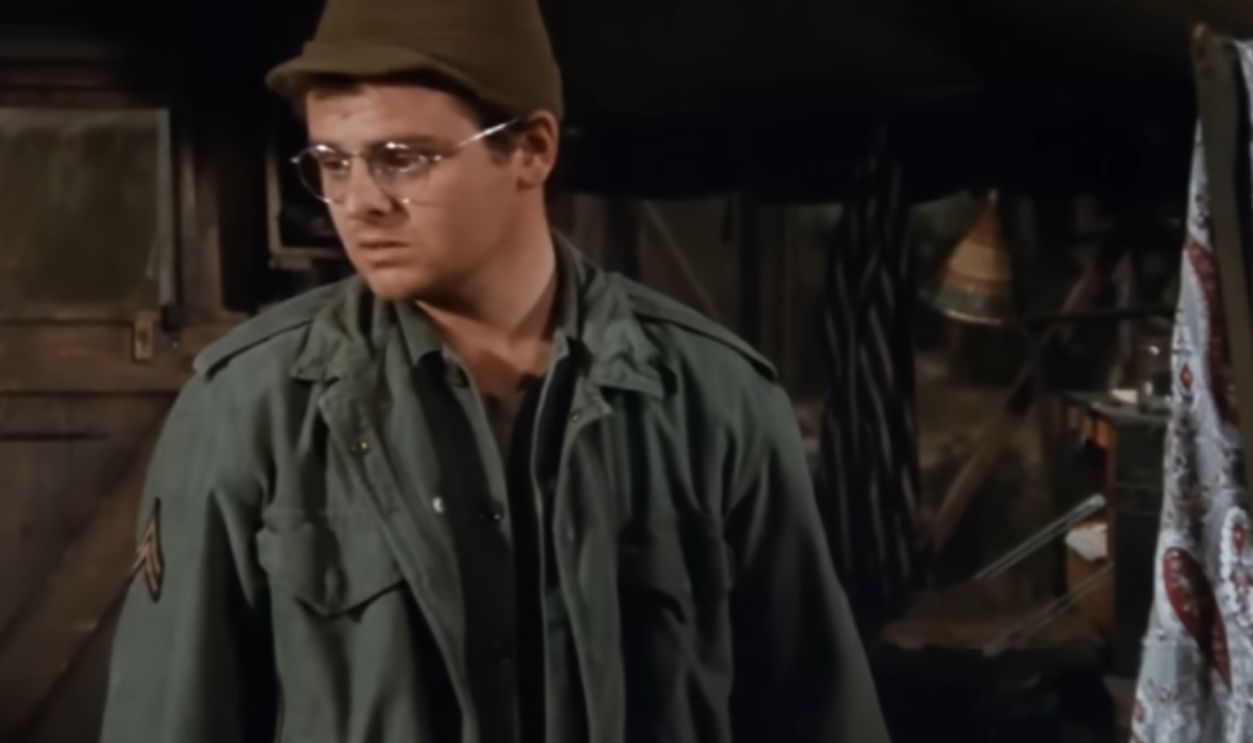
Leaving a successful television series can be dangerous for an actor, especially when audiences closely identify the performer with one character. Other prominent M*A*S*H cast members had already departed before Burghoff. Nevertheless, he chose an uncertain future over continuing in a situation that no longer felt sustainable.
 Screenshot from M*A*S*H, CBS (1972–1983)
Radar Received A Reason To Go Home
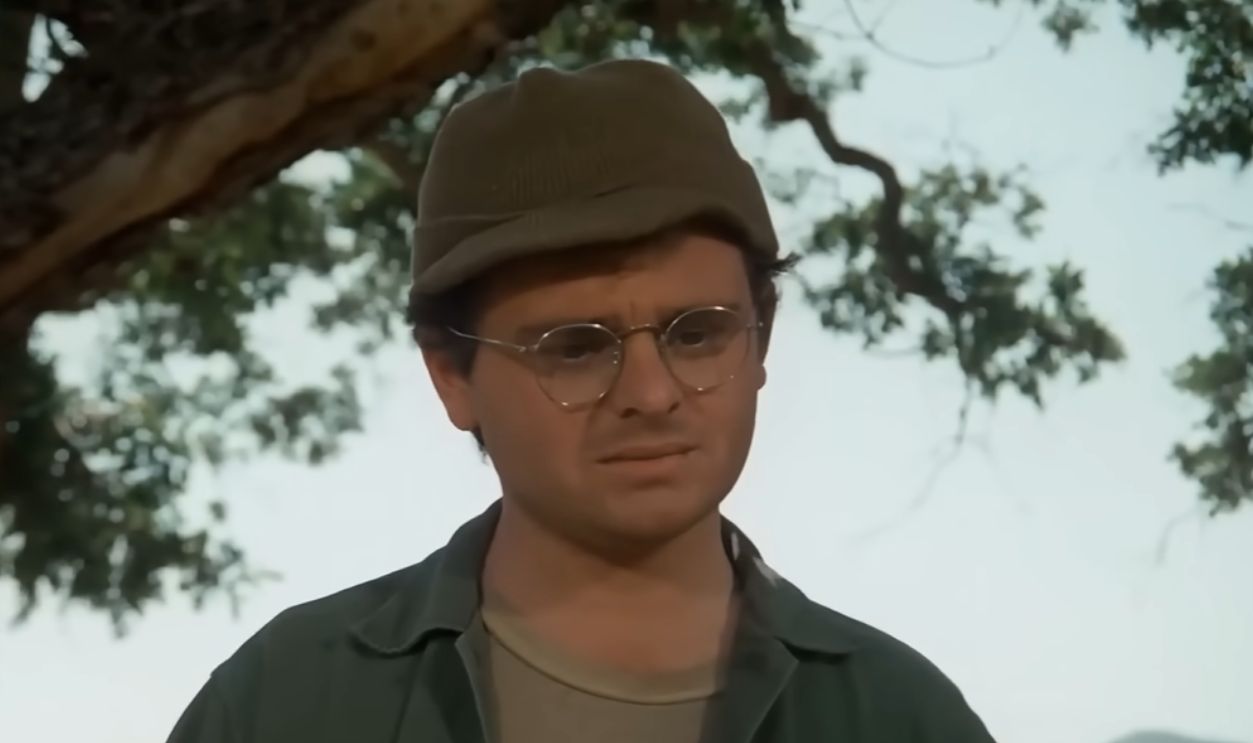
The series gave Radar a hardship discharge after the death of his Uncle Ed. His family’s farm in Iowa needed him, making his departure an act of responsibility rather than personal ambition. The storyline echoed Burghoff’s own belief that family obligations could outweigh professional success.
 Screenshot from M*A*S*H, CBS (1972–1983)
His Farewell Became A Two-Part Event
Burghoff returned during the eighth season to complete Radar’s story in “Good-Bye Radar.” The two-part episode aired in October 1979 and showed the 4077th struggling with a failed generator while Radar prepared to leave. The camp’s continuing emergencies made it difficult for him to believe that his friends could manage without him.
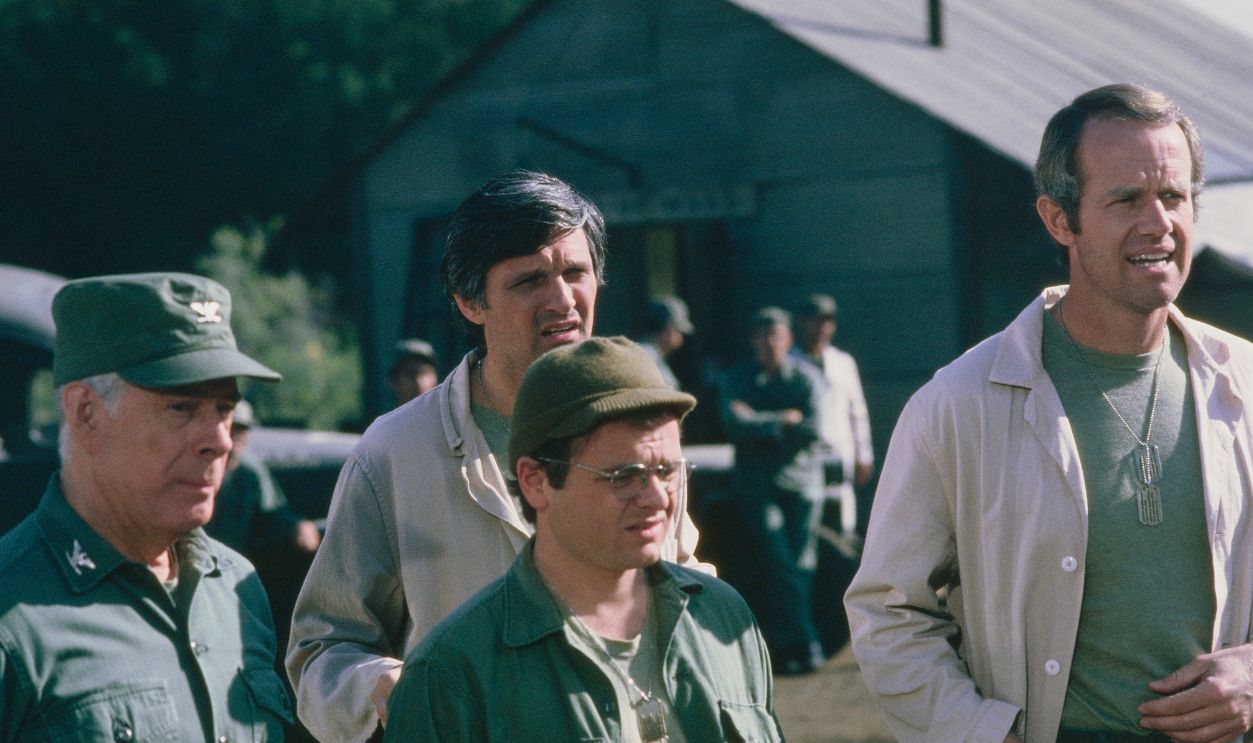 Michael Ochs Archives, Getty Images
Radar Struggled To Say Goodbye
Even after receiving his discharge, Radar considered staying because the 4077th still seemed to need him. Colonel Potter convinced him that returning to his family was now the responsibility he had to accept. When incoming wounded interrupted his farewell party, Radar left with only a few hurried goodbyes.
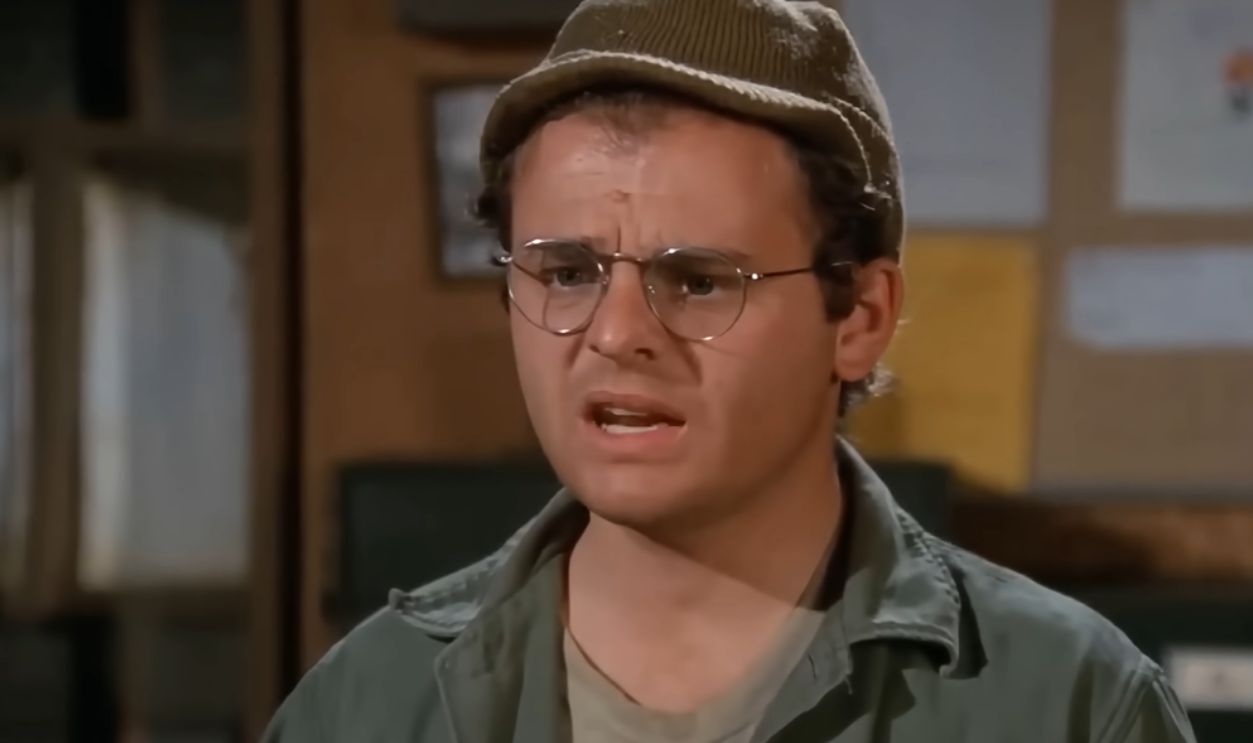 Screenshot from M*A*S*H, CBS (1972–1983)
Restraint Made His Final Scene Stronger
Burghoff initially filmed Radar breaking down in tears, but disliked the result and asked to reshoot the scene. In the new version, Radar struggles to contain his emotions, creating a quieter and more powerful goodbye. Hawkeye later discovers that Radar left his teddy bear behind, symbolizing how much he had changed.
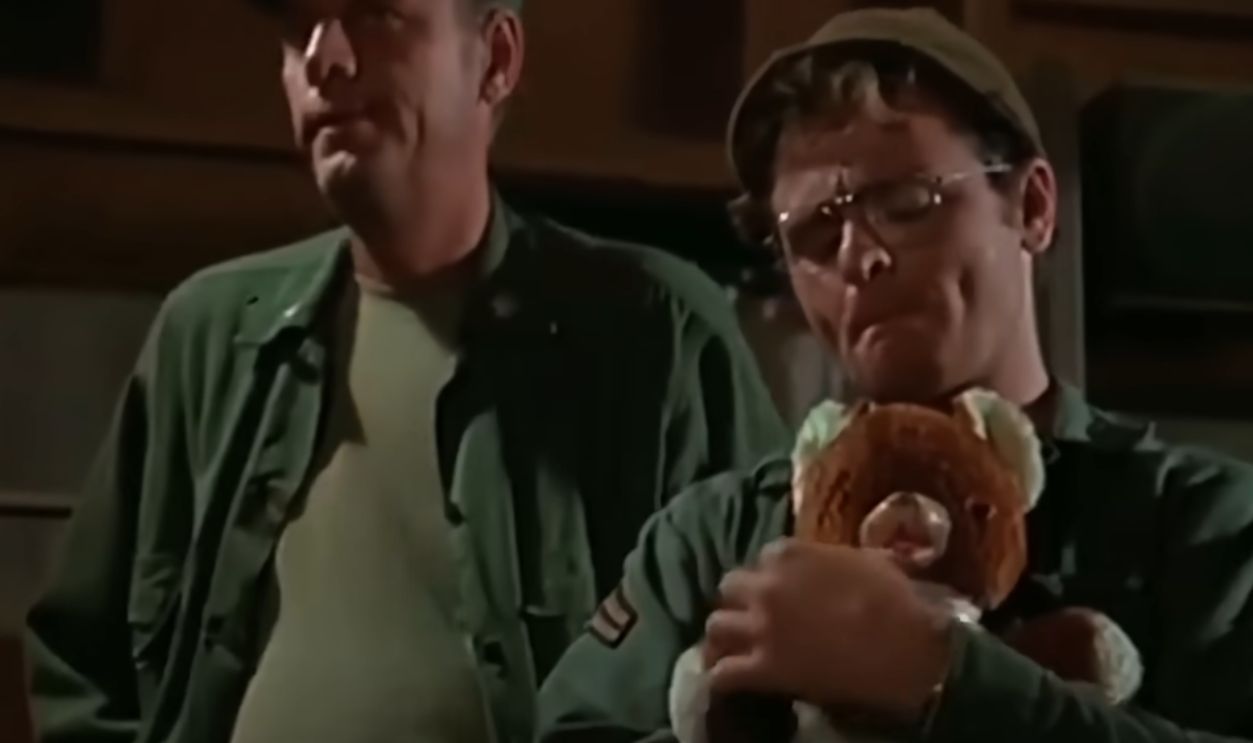 Screenshot from M*A*S*H, CBS (1972–1983)
He Did Not Completely Abandon Radar
Burghoff continued making occasional television appearances after leaving the regular cast. He reprised Radar in two 1984 episodes of the sequel series AfterMASH. Those appearances helped set up a proposed series that would follow Walter O’Reilly’s civilian life.
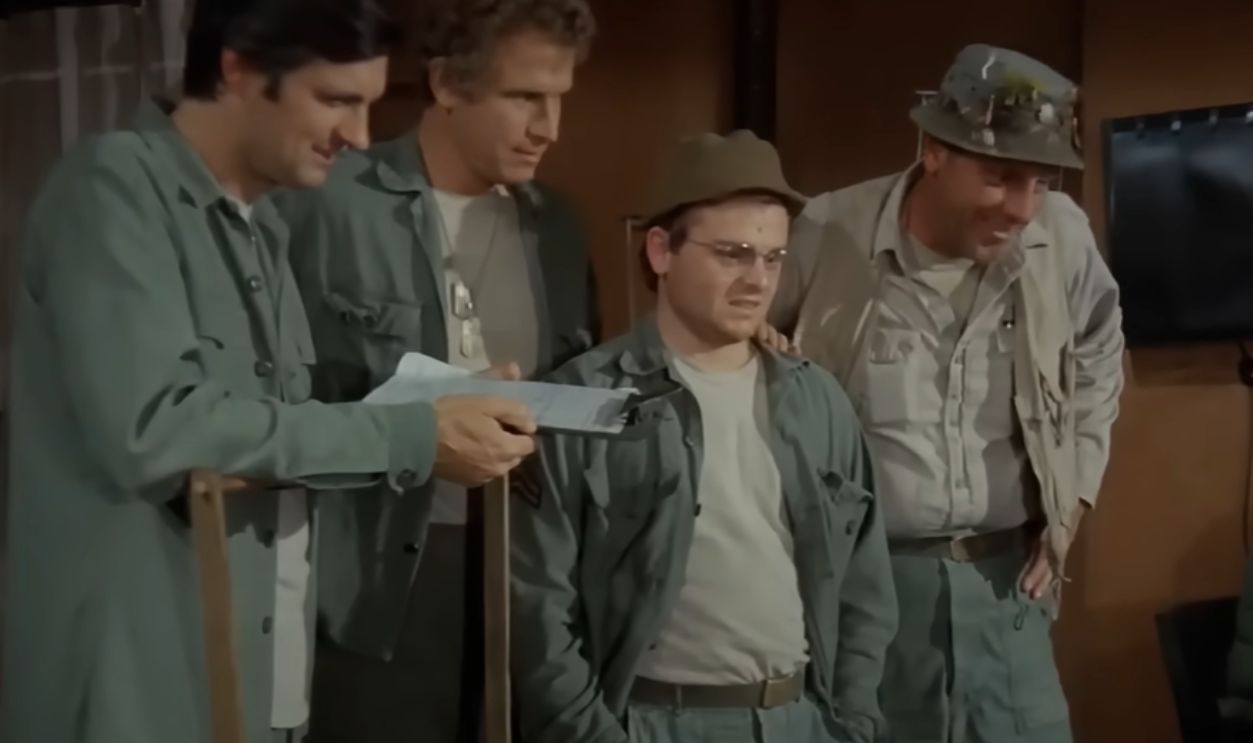 Screenshot from M*A*S*H, CBS (1972–1983)
W*A*L*T*E*R Never Became A Series
The pilot W*A*L*T*E*R followed the former company clerk as he became a police officer in St. Louis. CBS aired it in July 1984 but declined to order a full series. Radar’s television journey was effectively over, but Burghoff’s creative life continued in several unexpected directions.
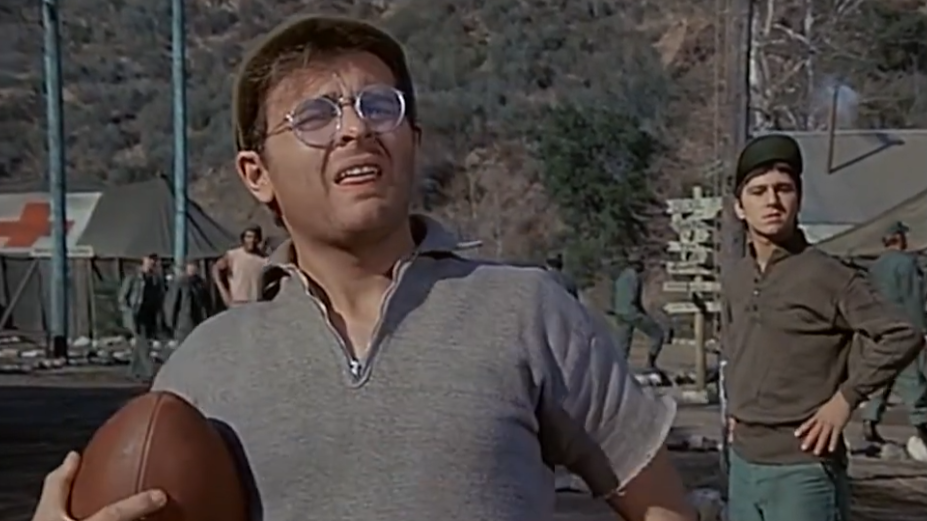 Screenshot from W*A*L*T*E*R, CBS (1984)
He Found New Ways To Perform
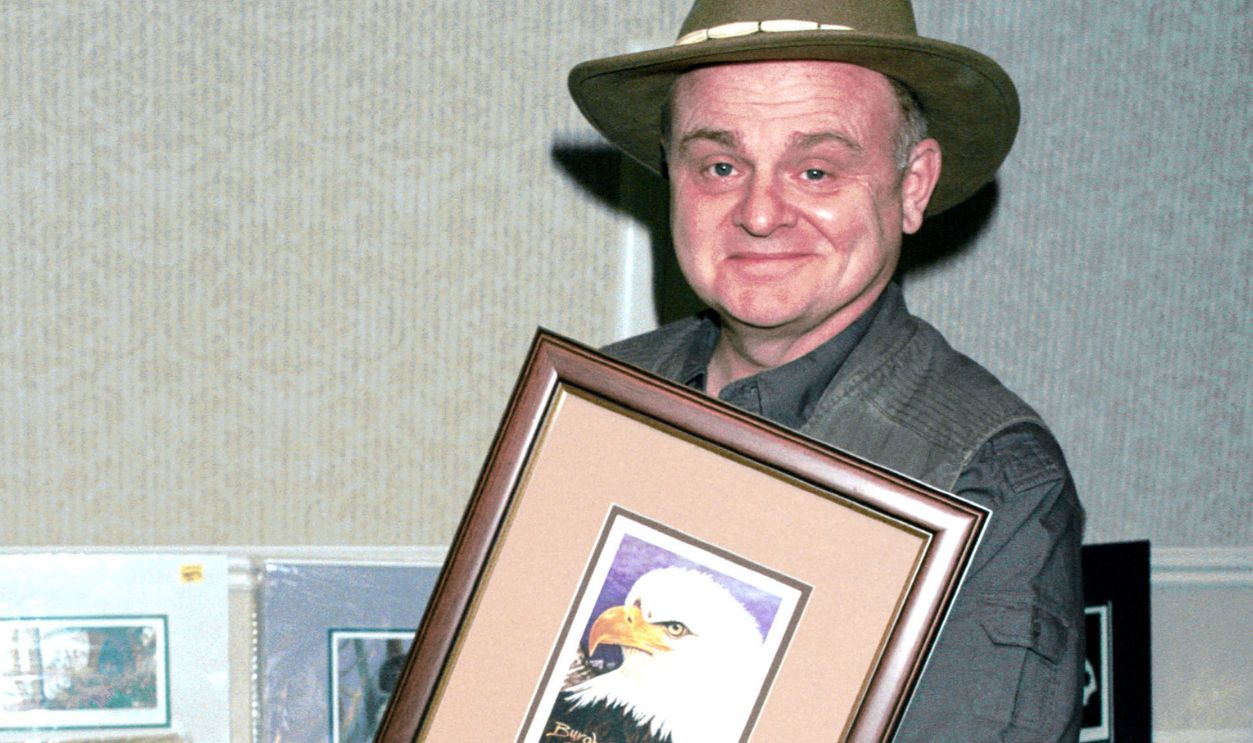
Burghoff continued playing jazz drums and recorded an album with his Mardi Gras Celebration Jazz Band. He also appeared as a spokesman for BP gasoline and IBM Computers. Away from music and commercials, he pursued wildlife painting and exhibited his detailed portraits of animals.
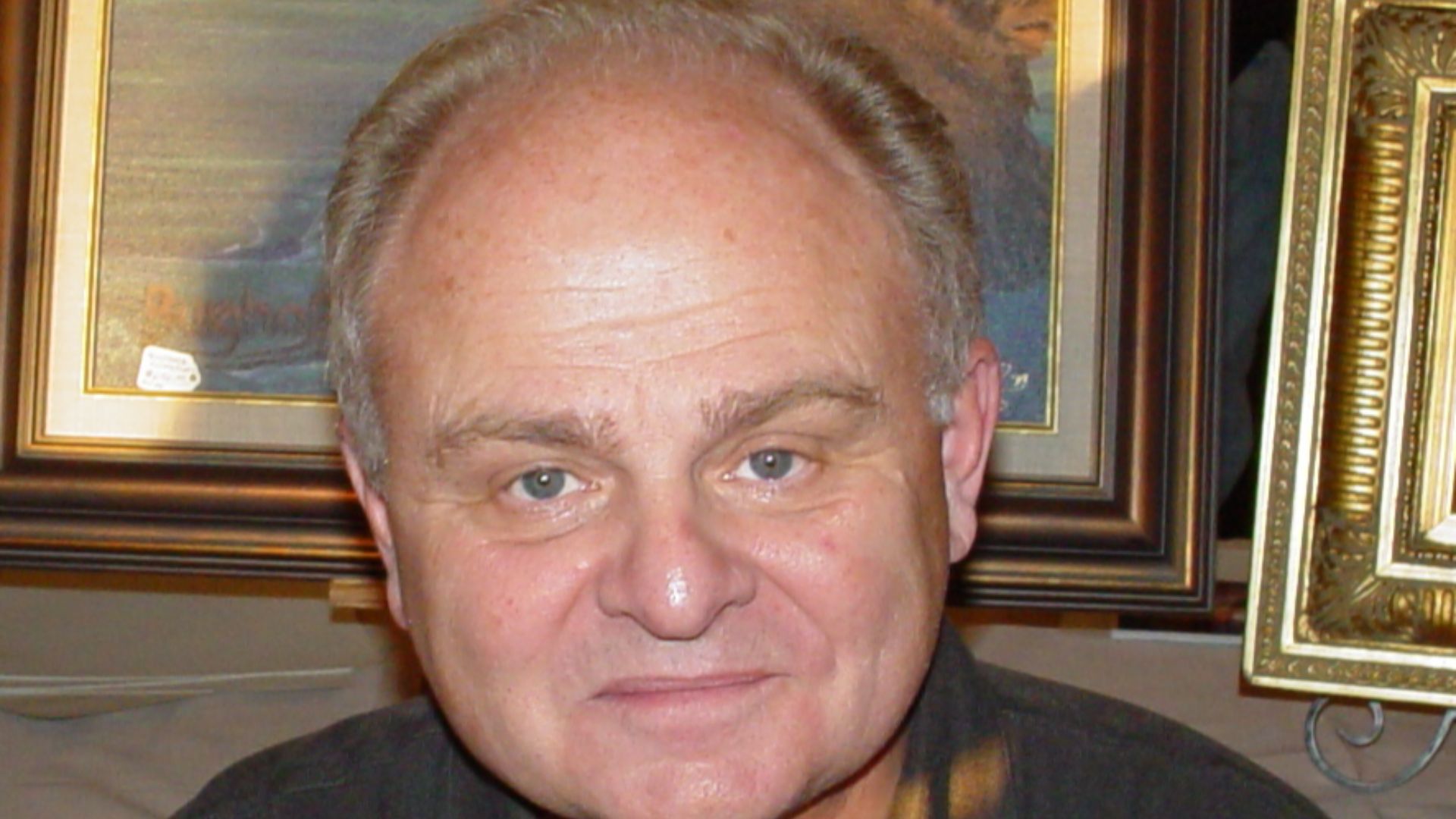 Anonymous author; see ticket, Wikimedia Commons
He Was Also A Patented Inventor
Burghoff’s creativity extended to solving practical problems. He patented an enhanced fish-attracting device known as Chum Magic, as well as designs for a fishing rod and a toilet-seat lifting handle. His inventions reflected both his love of fishing and his knack for developing unexpected ideas.
He Chose A Life Larger Than One Role
Burghoff’s departure did not erase Radar, who remains one of M*A*S*H’s most beloved characters. It did prove that the actor understood success differently from many people around him. At the height of his fame, Burghoff decided that being present for his family mattered more than remaining visible to millions of viewers.
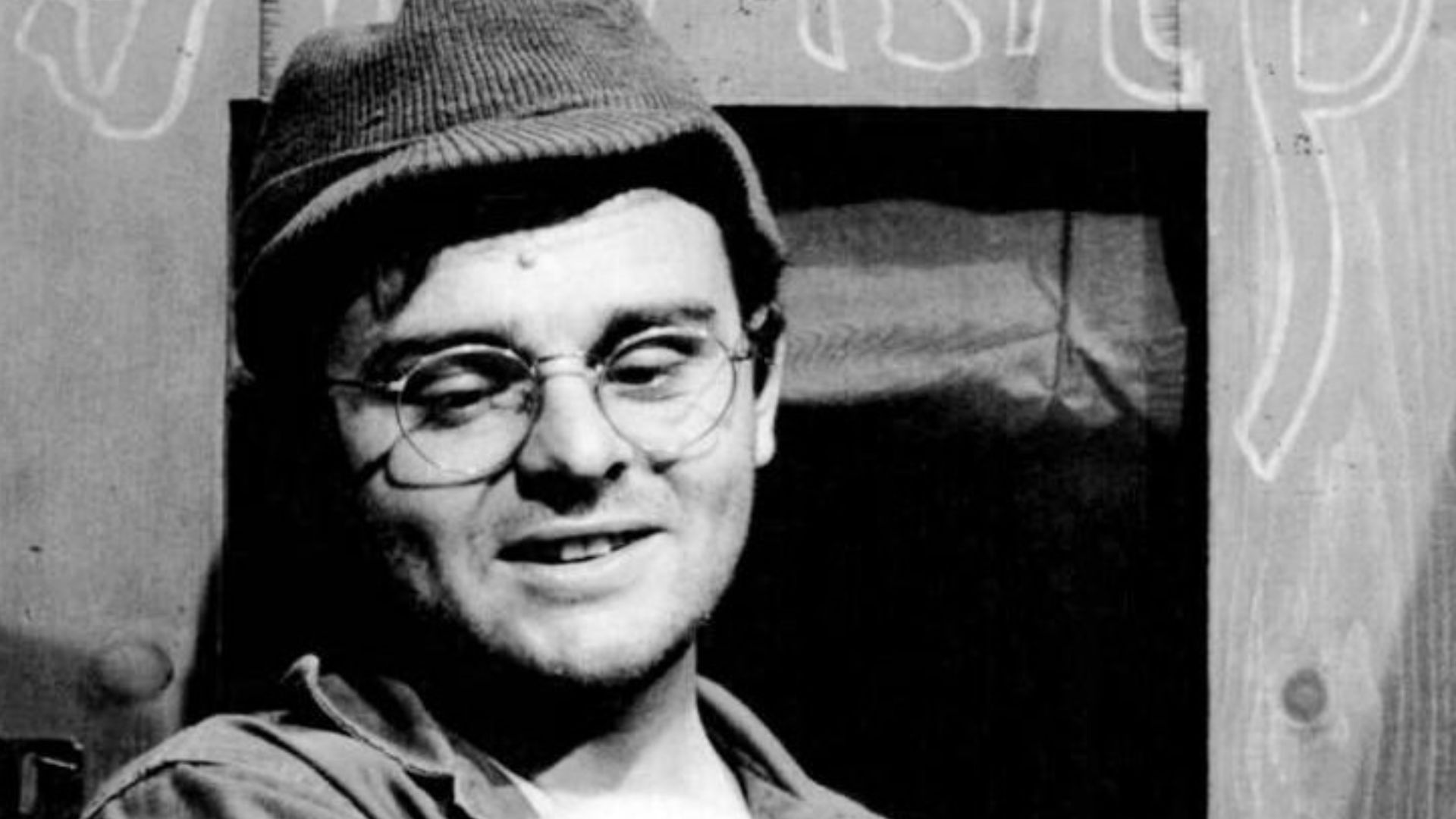 CBS Television, Wikimedia Commons
You May Also Like:
What Happened To The Cast Of M*A*S*H After The Series Ended?
Everyone loved "Hot Lips" Loretta Swit on M*A*S*H, but where did she go when the show ended?