Hollywood Could Not Look Away
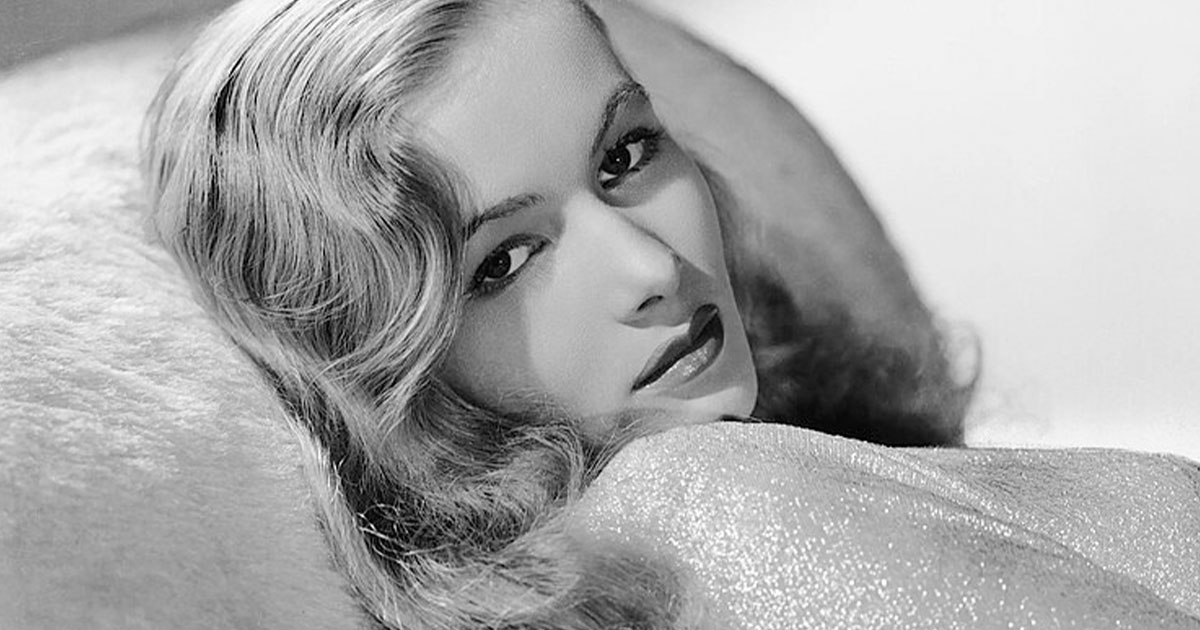
Veronica Lake became one of the 1940s’ most hypnotic stars, but the woman behind the famous curtain of blond hair was battling grief, addiction, financial ruin, and explosive relationships. When she finally escaped Hollywood, she did it in a way worthy of her own movie.
 Paramount Pictures, Wikimedia Commons
Even Her Birth Became A Mystery
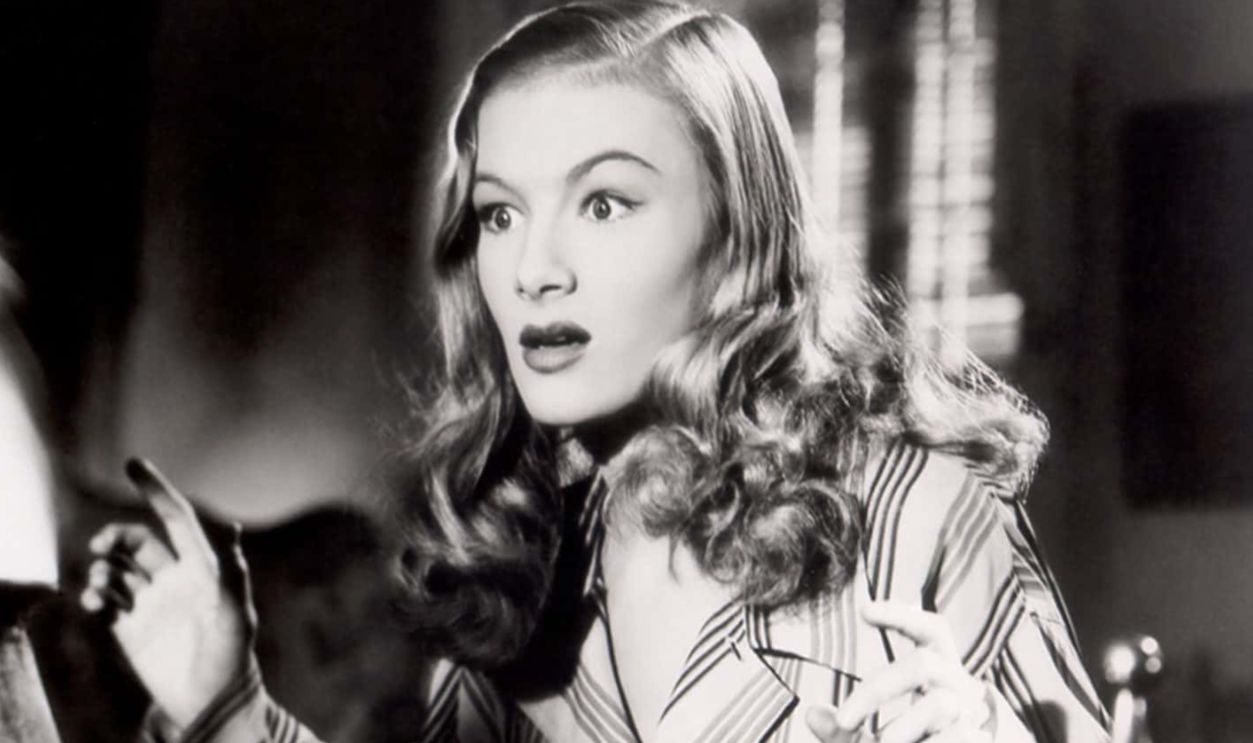
Veronica Lake was actually born Constance Frances Marie Ockelman in Brooklyn, New York. She identified her birth date as November 14, 1922, although older references repeatedly printed 1919. Even this basic detail became tangled in the mythology that surrounded her.
 Donaldson Collection, Getty Images
Tragedy Arrived Early
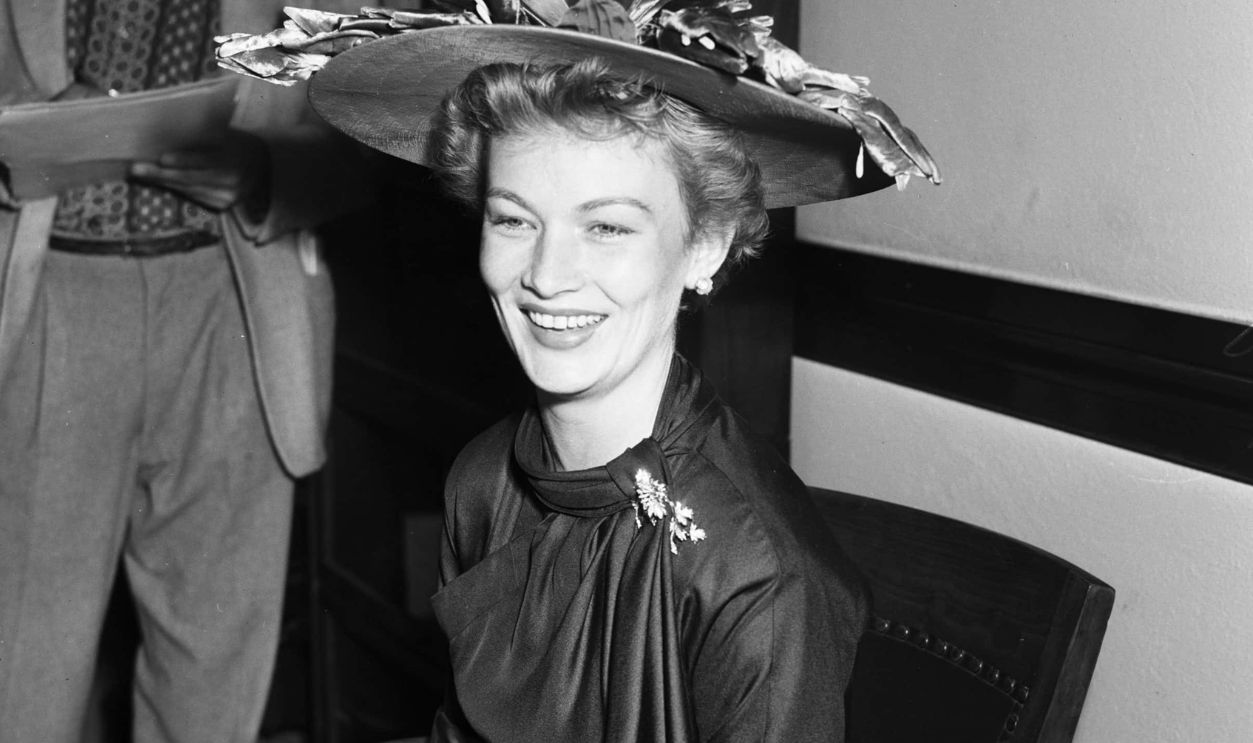
Lake’s father, Harry Ockelman, worked aboard ships and died in an industrial explosion when she was a child. Her mother later married newspaper illustrator Anthony Keane, and the future actress began using her stepfather’s surname.
 University of Southern California, Getty Images
Her Mother Had Hollywood Ambitions
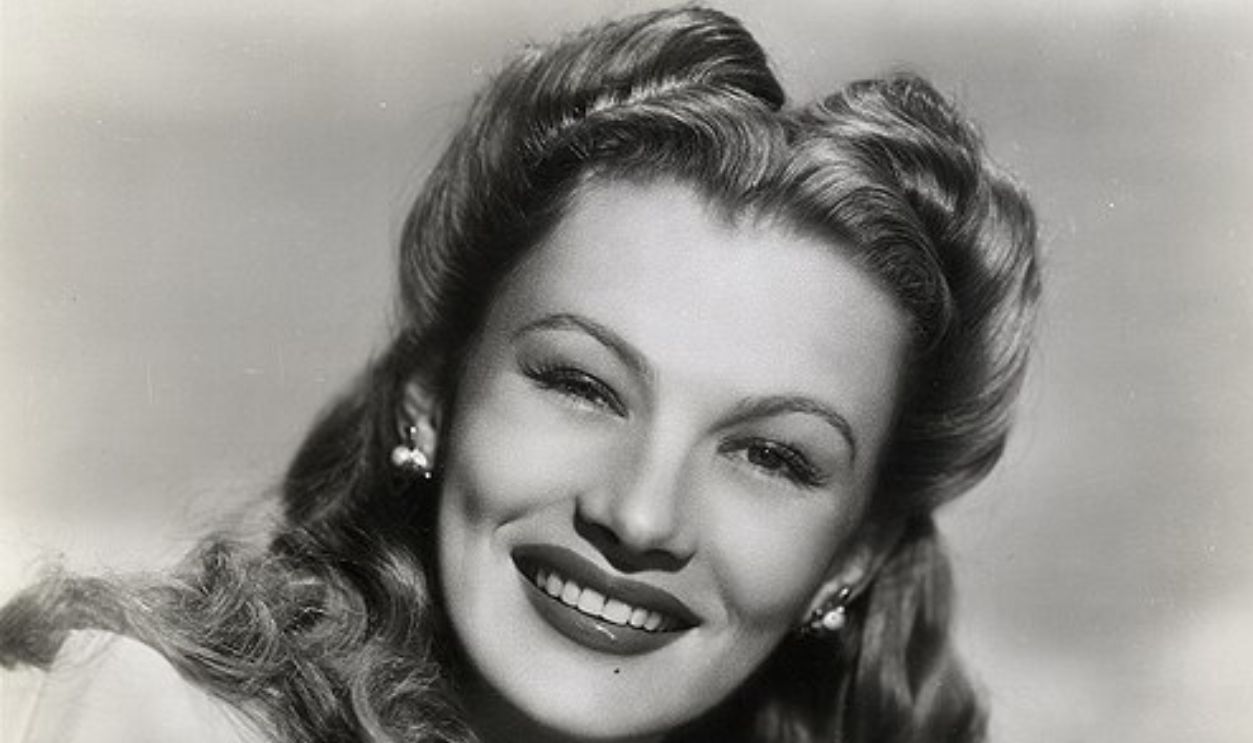
Lake later portrayed her mother, Constance Keane, as fiercely ambitious. After time in Florida and an unhappy stretch at a Catholic school in Montreal, the family moved to Beverly Hills in 1938—and her mother began pushing her toward the movies.
 Whitey Schafer, Wikimedia Commons
A Troubling Diagnosis Was Alleged
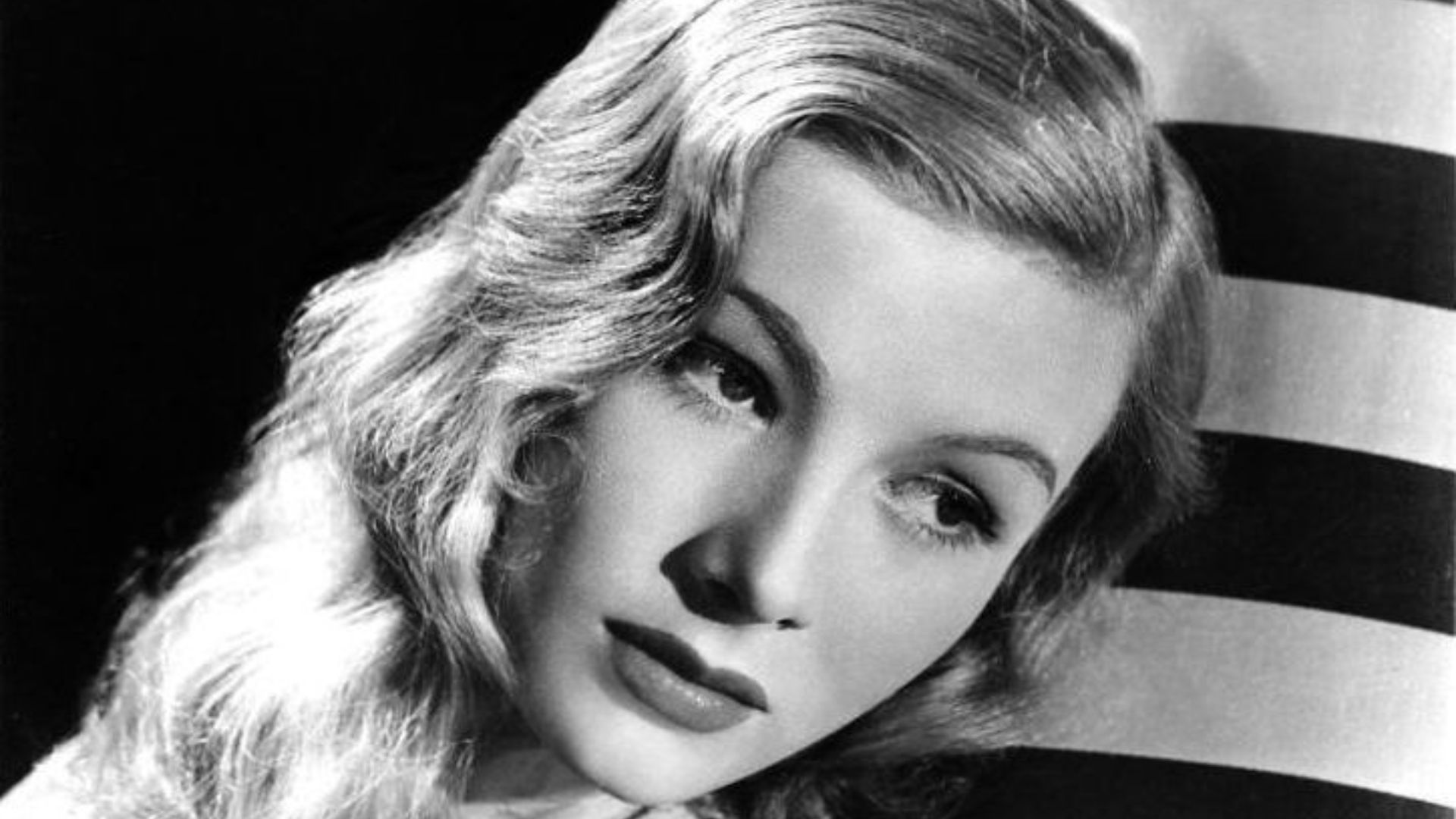
Lake’s mother later claimed her daughter had been diagnosed with schizophrenia as a teenager. No publicly available medical documentation confirms that claim, and the women became bitterly estranged. Nevertheless, the allegation followed Lake and influenced how later writers interpreted her behavior.
 Paramount Pictures, Wikimedia Commons
Hollywood Replaced Her Identity
After studying acting, she secured small roles under the name Constance Keane. Producer Arthur Hornblow Jr eventually renamed her Veronica Lake, reportedly choosing “Lake” because of her blue eyes. Hollywood had not merely hired her; it had begun remaking her.
One Movie Changed Everything
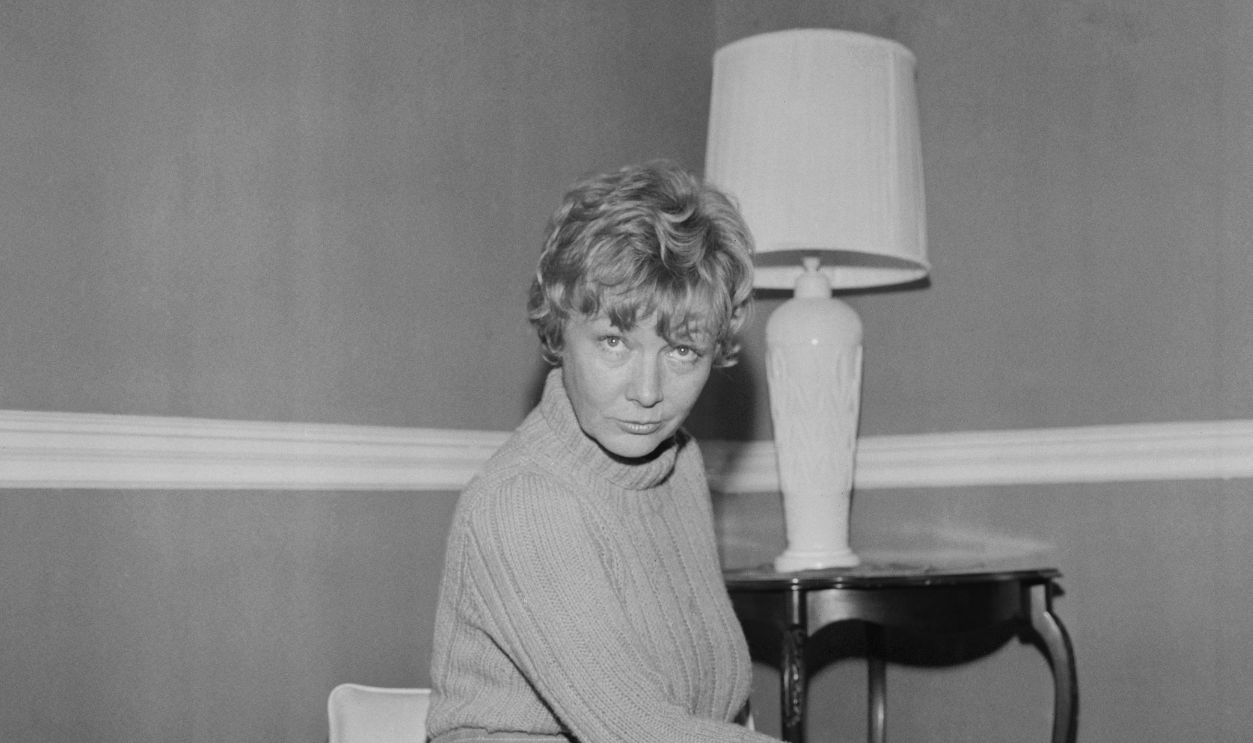
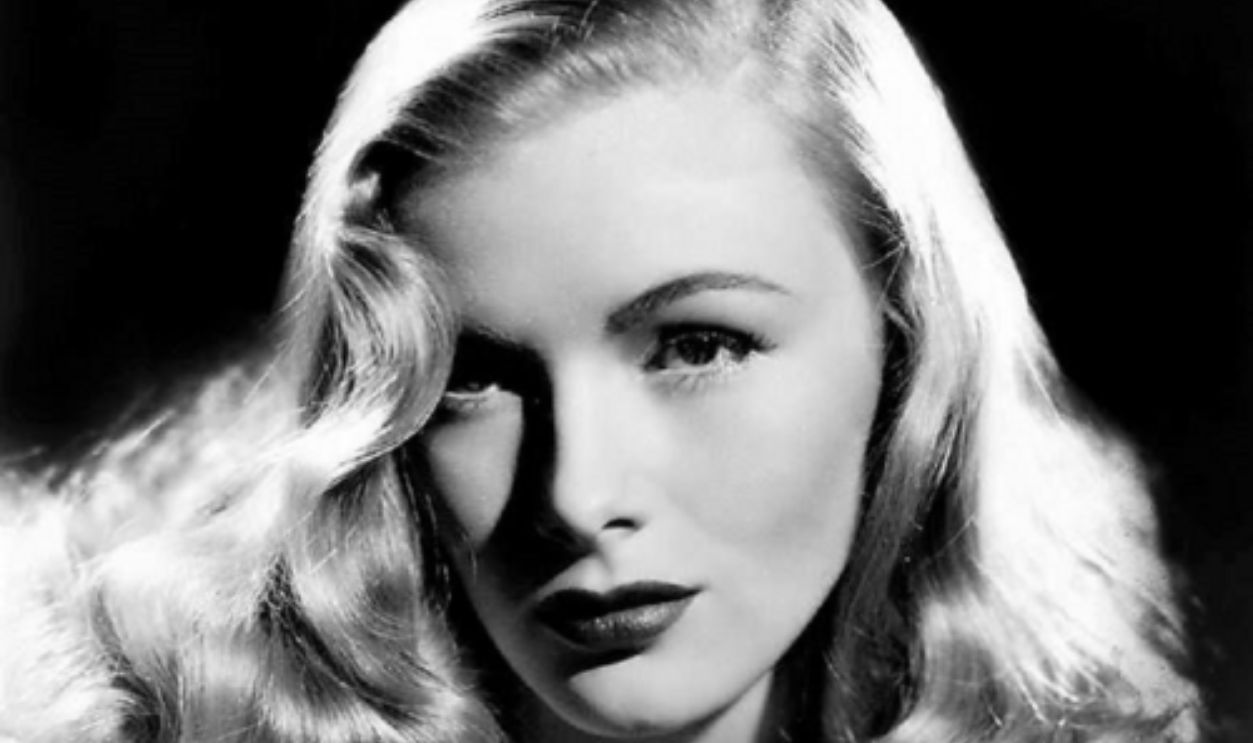
Lake played nightclub singer Sally Vaughn in 1941’s I Wanted Wings. Although she was not the principal star, audiences could scarcely remember anyone else. Her mixture of vulnerability, danger, and cool detachment turned a supporting role into a career-making sensation.
 Paramount Pictures, Wikimedia Commons
Her Hair Fell At The Perfect Moment
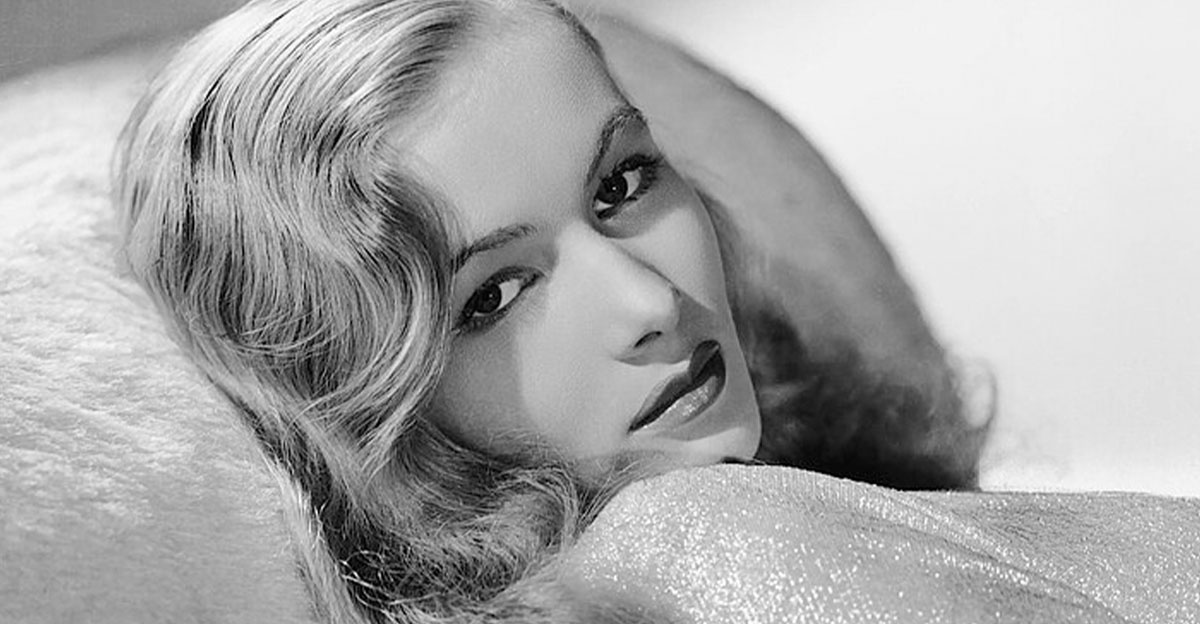
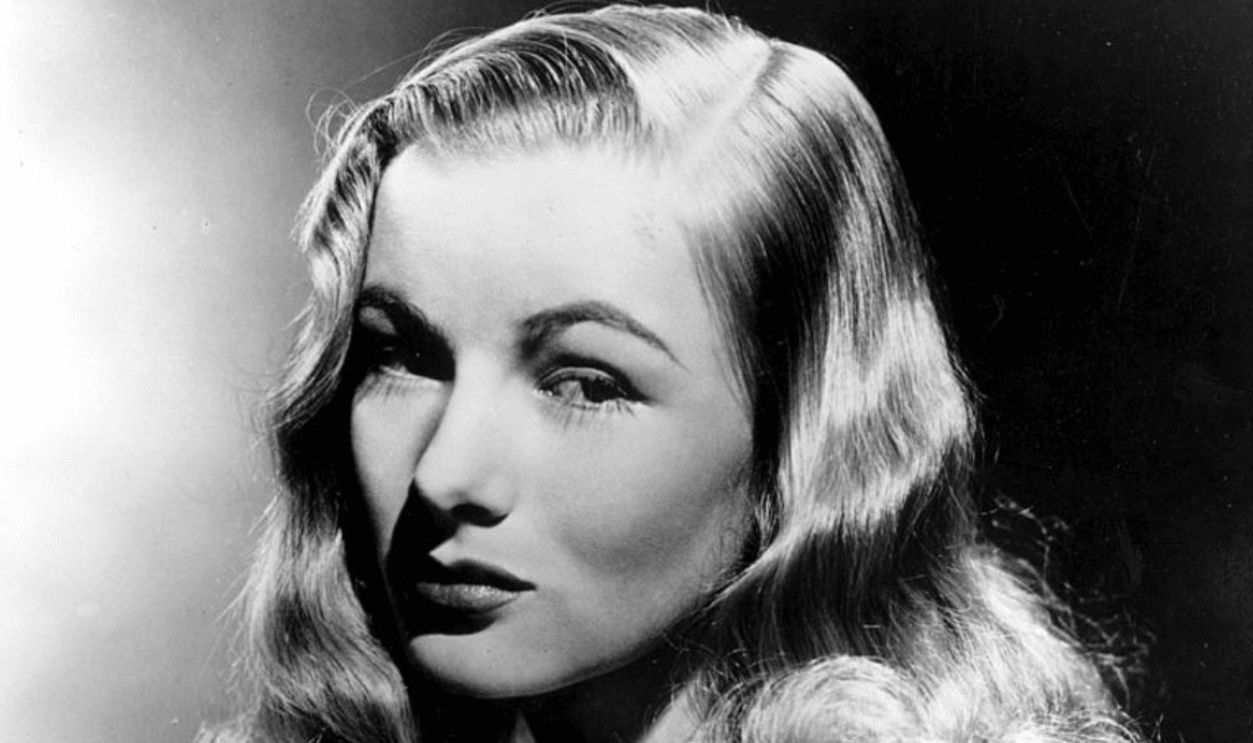
During filming, Lake’s fine blond hair slipped across one eye. The accidental effect looked mysterious and intimate, and Paramount recognized its power immediately. The “peekaboo” hairstyle became her trademark—and American women began copying it obsessively.
 Keystone Features, Getty Images
Her Glamour Became Dangerous
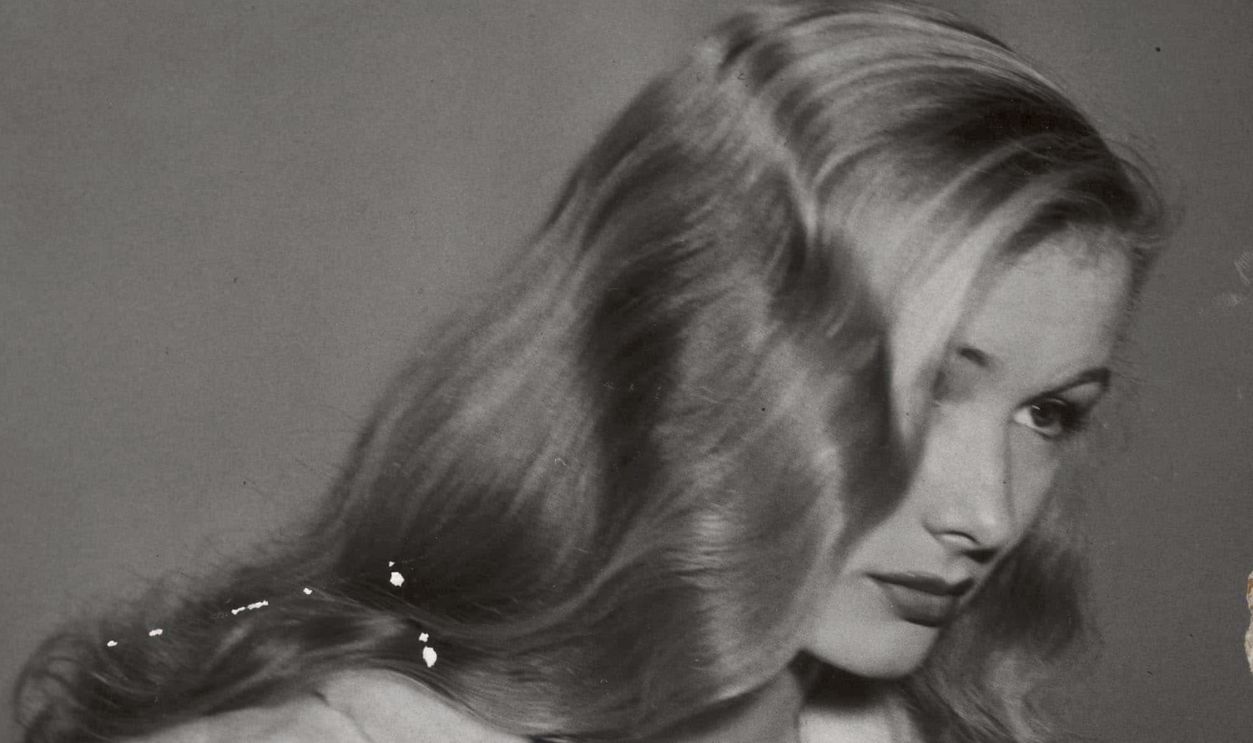
When women entered factories during World War II, loose hair could become trapped in machinery. The War Manpower Commission asked Lake to demonstrate a safer hairstyle, and a 1943 government newsreel showed her pinning up her famous waves.
 Weegee(Arthur Fellig)/International Center of Photography, Getty Images
The Sacrifice Came With A Price
Changing her hairstyle was patriotic, but Lake’s image had been built around that golden curtain. Once the peekaboo look disappeared, some of the public fascination faded with it. Hollywood had made her hair more famous than the woman wearing it.
She Refused To Behave
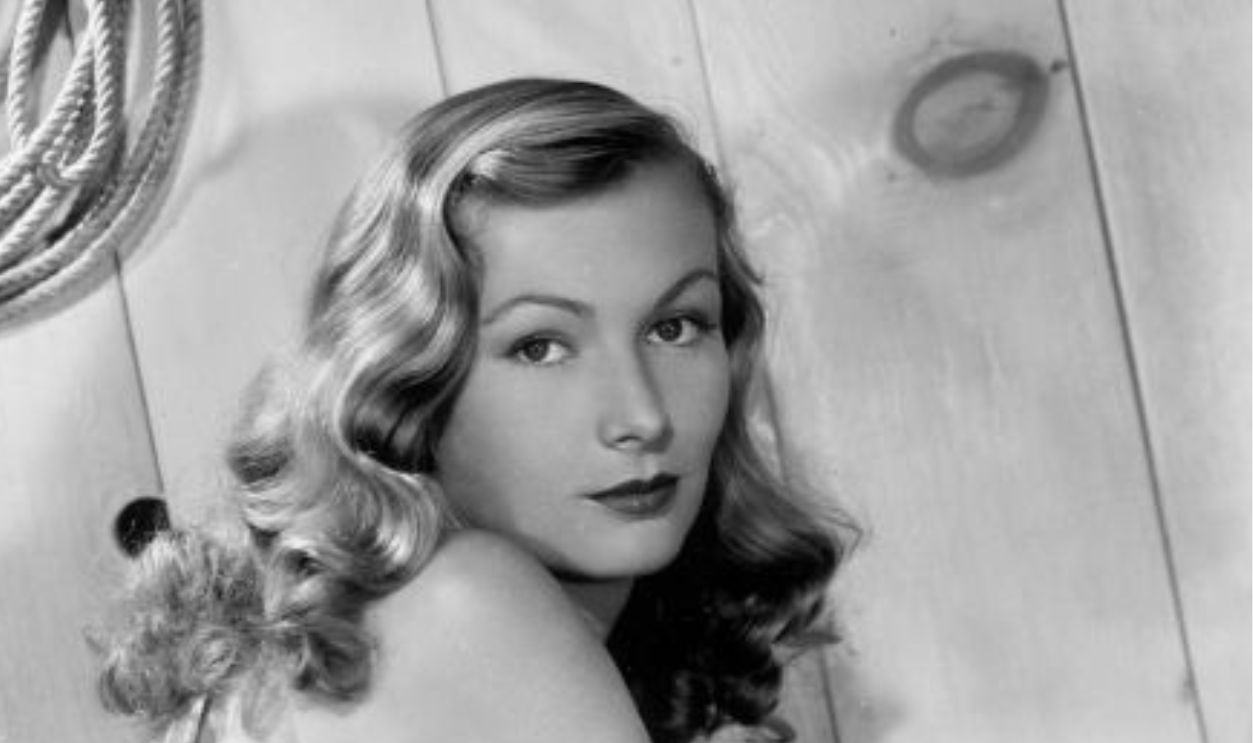
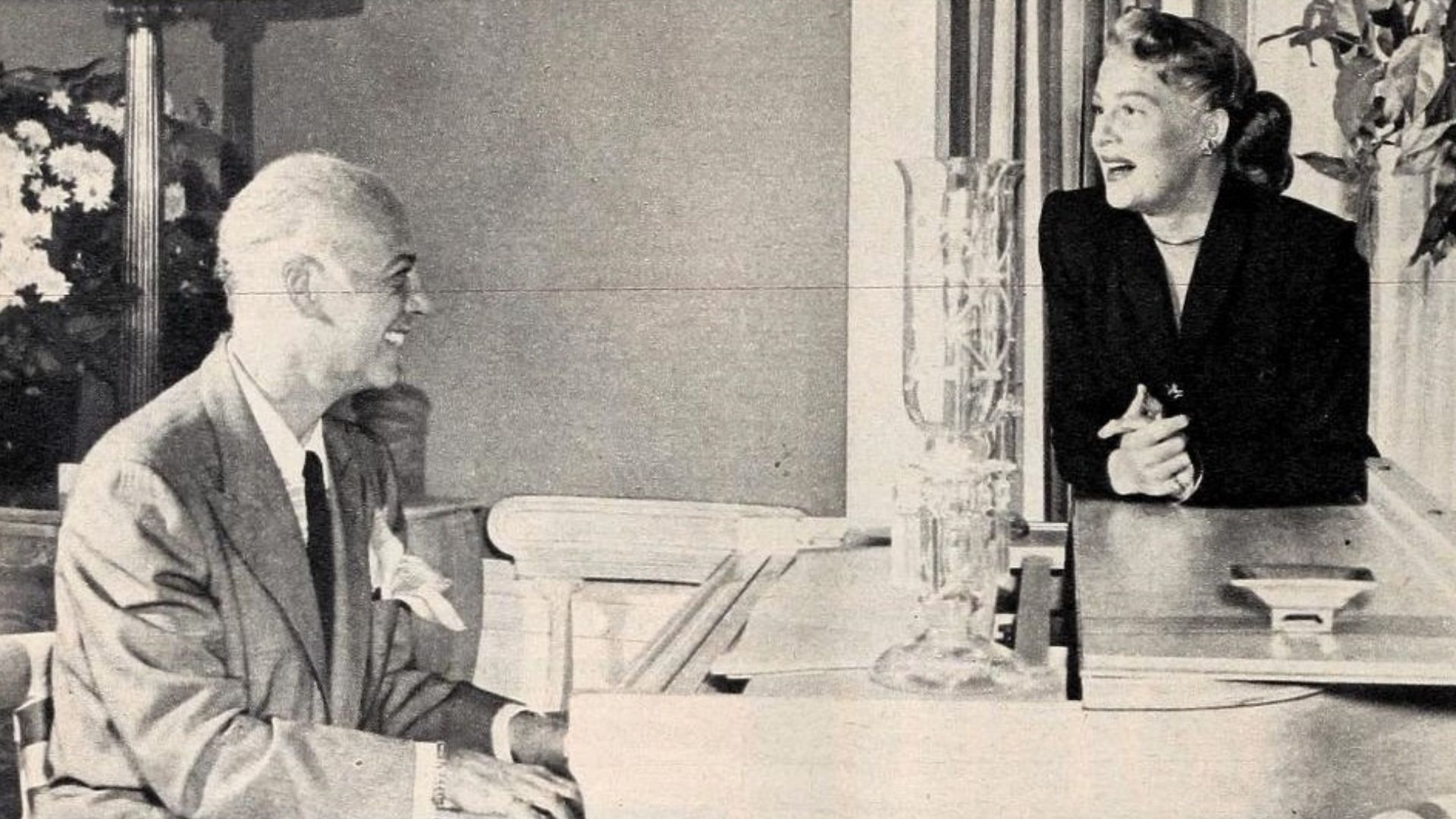
Lake developed a reputation for challenging directors, arriving late, and resisting instructions. I Wanted Wings director Mitchell Leisen later called her “impossible.” Lake, meanwhile, remembered being verbally mistreated and building a deliberately cocky shell to survive the studio system.
 Photographer not credited, Wikimedia Commons
She Disappeared From The Set
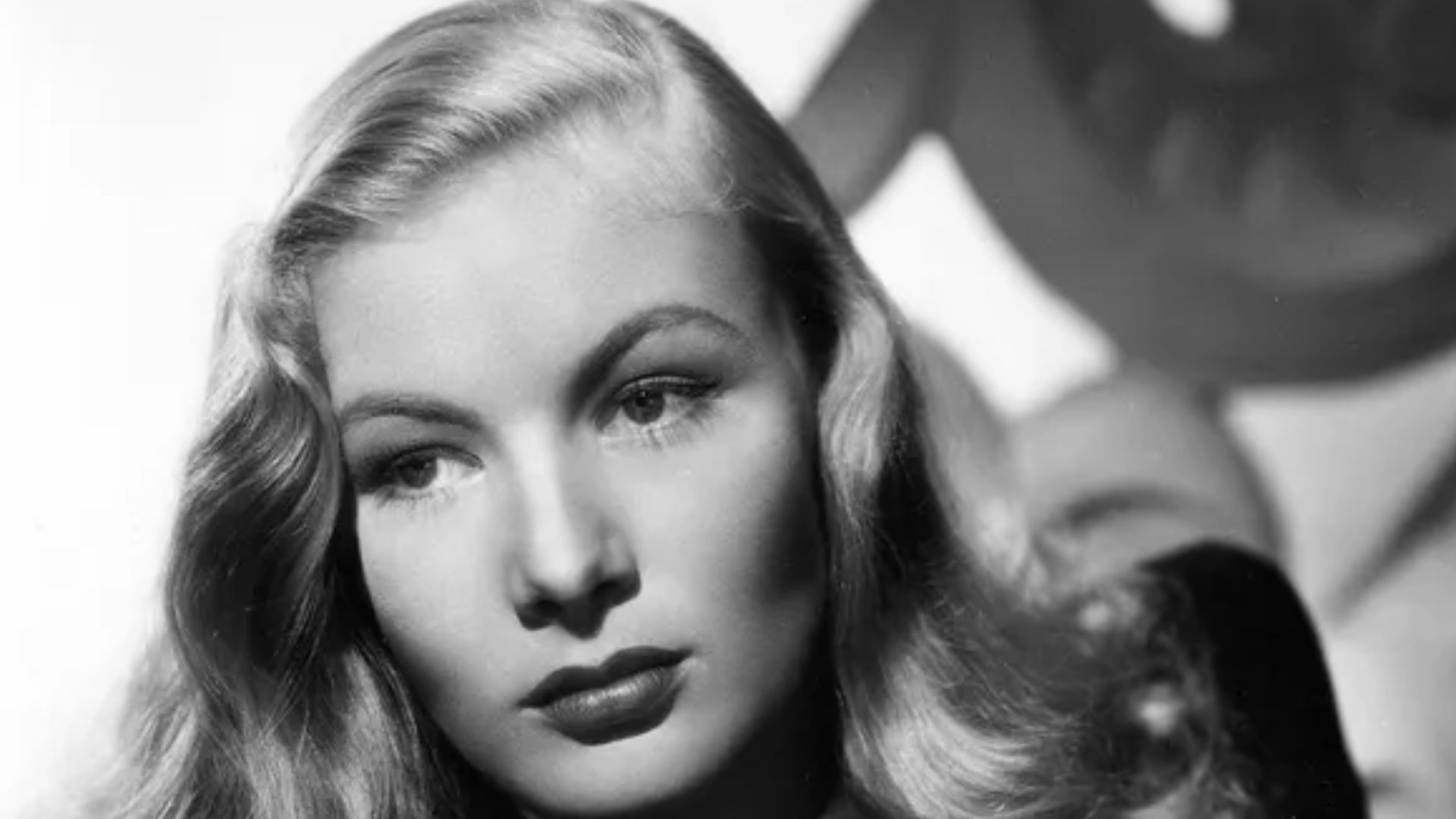
After a confrontation during I Wanted Wings, Lake drove away without permission and headed toward Gallup, New Mexico, where her husband was working. She claimed she drove off a cliff and broke several toes. Paramount took three days to locate its missing actress.
 Whitey Schafer, Wikimedia Commons
A Classic Concealed A Secret
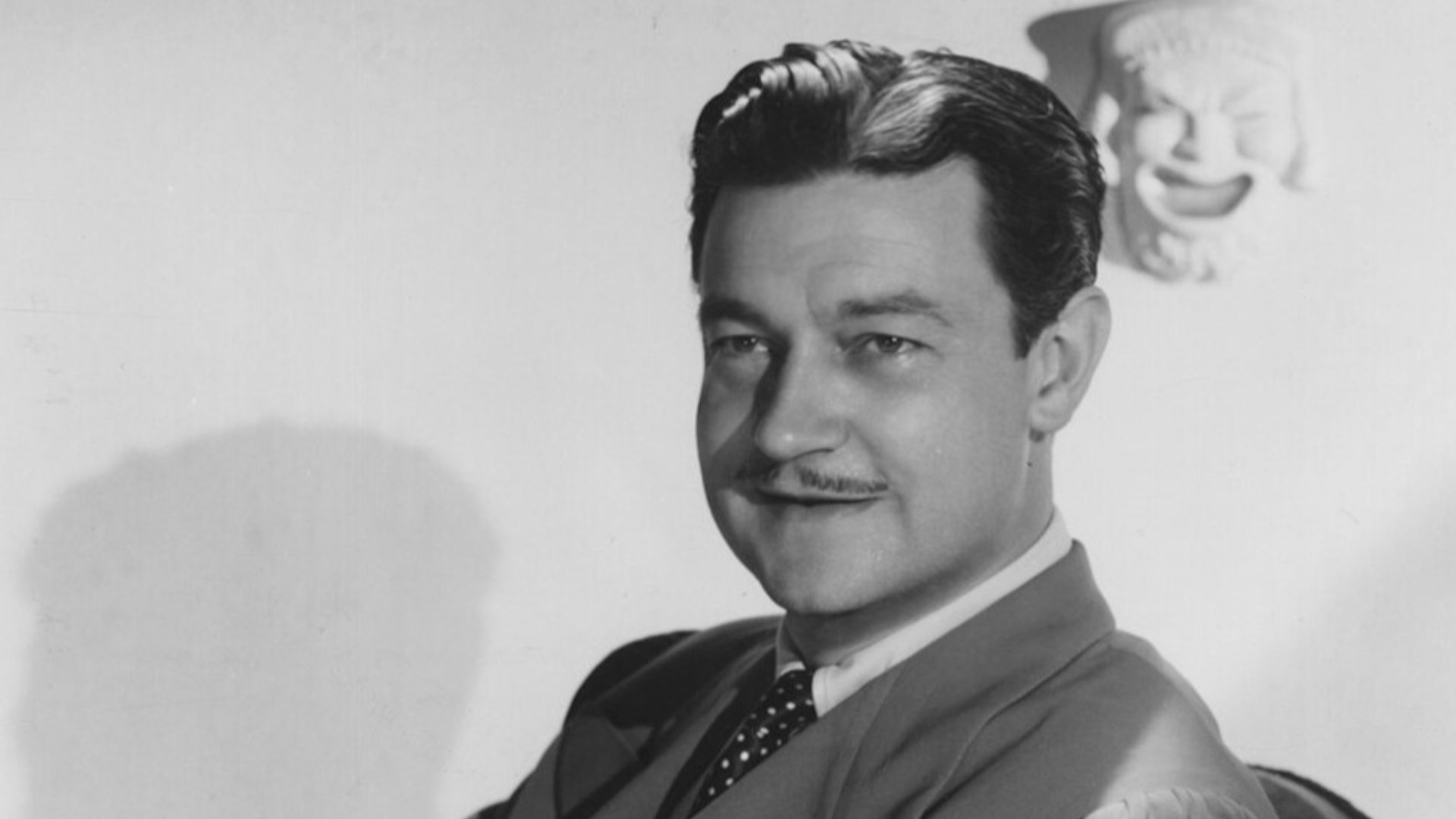
Preston Sturges insisted on casting Lake in Sullivan’s Travels. She was pregnant during production but had not revealed it when she accepted the role. Costumes and camera angles concealed her condition, while delays and arguments created tension behind the comedy.
 Paramount Pictures (Q159846), Wikimedia Commons
Her Costar Wanted No Reunion
Joel McCrea reportedly declared, “Life’s too short for two films with Veronica Lake.” When offered I Married a Witch, he refused to work with her again. One of Hollywood’s newest sensations was already accumulating enemies powerful enough to damage her future.
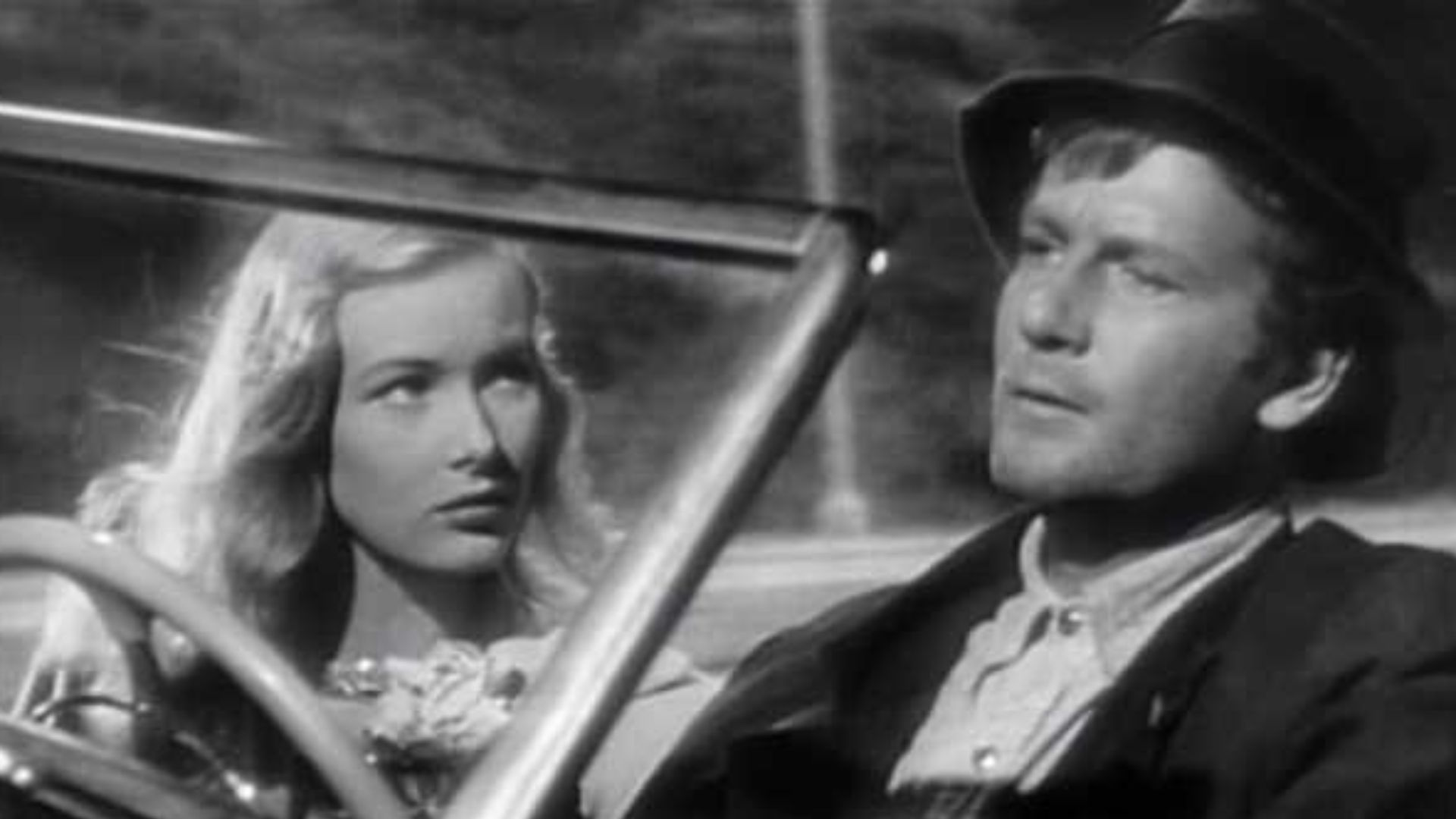
Then Came Alan Ladd
Lake found her perfect screen partner in Alan Ladd, beginning with This Gun for Hire in 1942. Their compact statures, restrained performances, and icy chemistry created an unforgettable film-noir pairing that Paramount repeatedly tried to recapture.
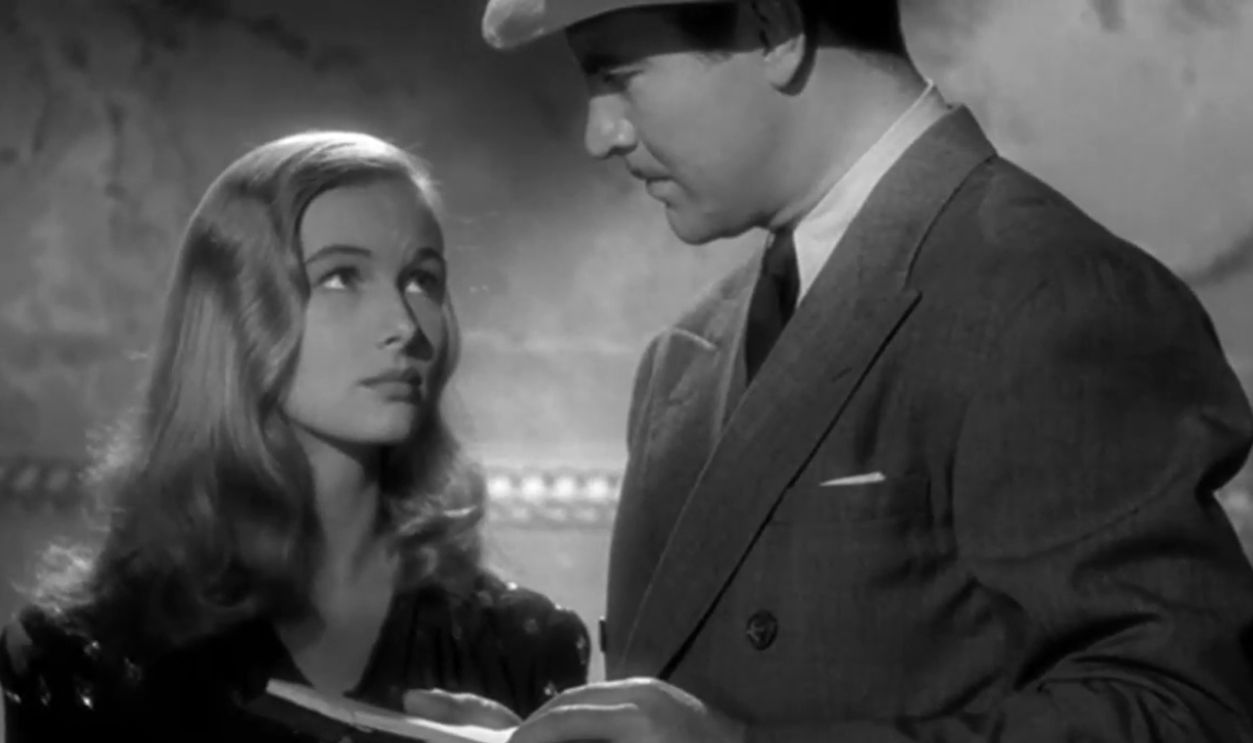 Screenshot from This Gun for Hire, Paramount Pictures (1942)
Her Feud With Fredric March Exploded
Lake and Fredric March despised each other while filming I Married a Witch. Lake later claimed that, before a scene in which March carried her, she and a cameraman concealed approximately 40 pounds beneath her costume. When he struggled, she coolly blamed her “big bones.”
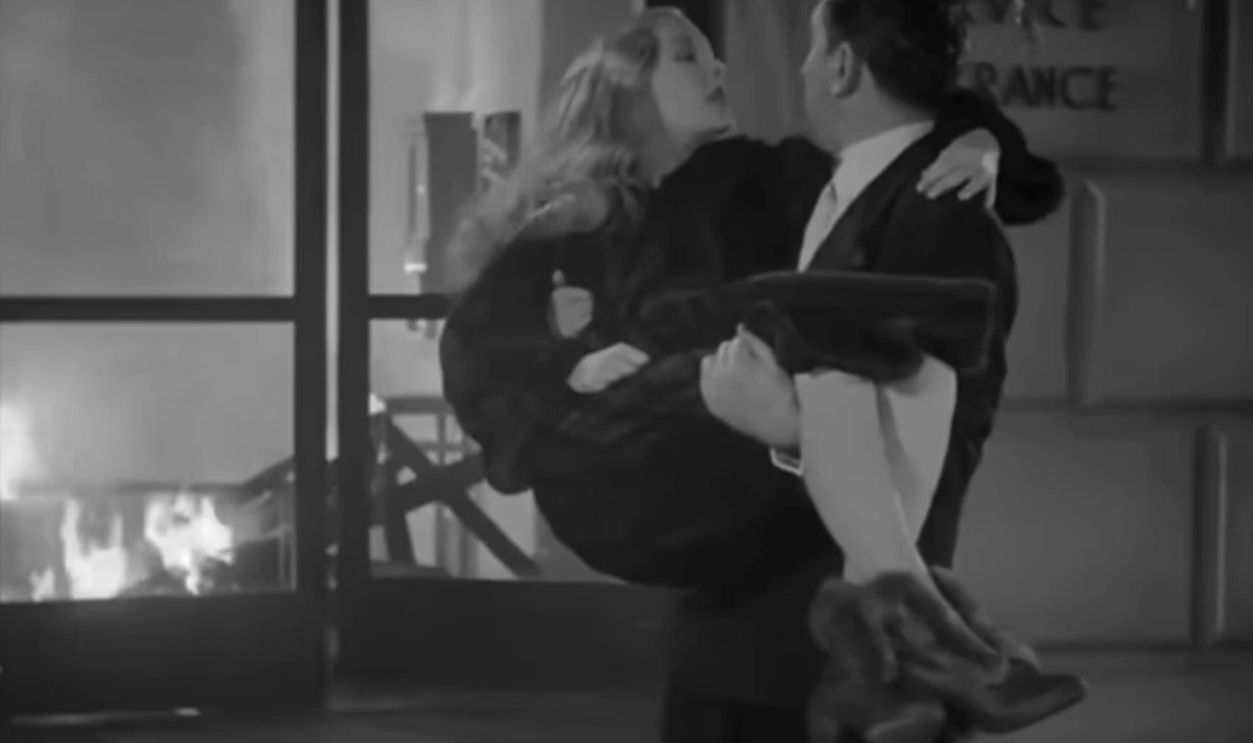 Screenshot from I Married a Witch, United Artists (1942)
The Hatred Somehow Worked
Despite the hostility, I Married a Witch became one of Lake’s best-loved films. She appeared enchanting beside a man she openly disliked. It was a perfect Hollywood illusion: sparkling romantic chemistry constructed from genuine irritation and revenge.
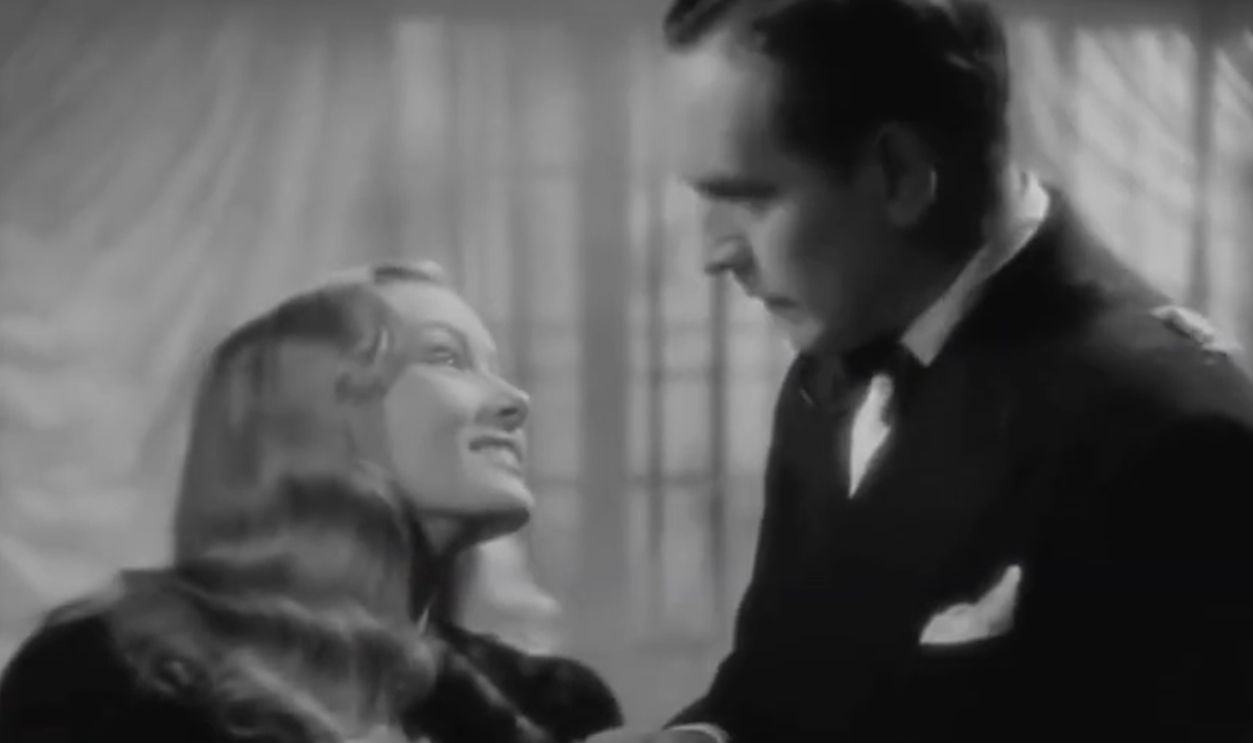 Screenshot from I Married a Witch, United Artists (1942)
Marriage Collided With Stardom
Lake married MGM art director John S Detlie in 1940, before her sudden ascent. Their daughter, Elaine, arrived in 1941. Within months, Lake was balancing motherhood, pregnancy, studio pressure, and a degree of fame neither spouse had expected.
But no one could prepare Lake for what happened next.
A Studio Accident Became A Nightmare
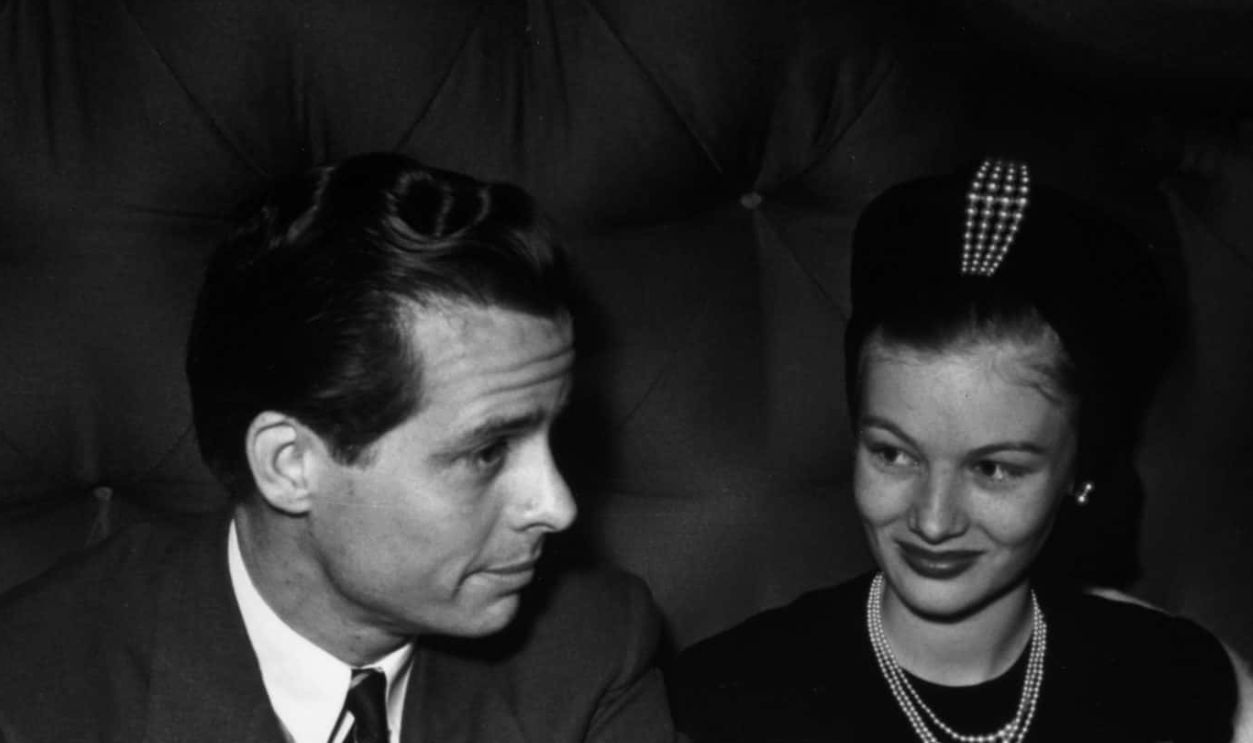
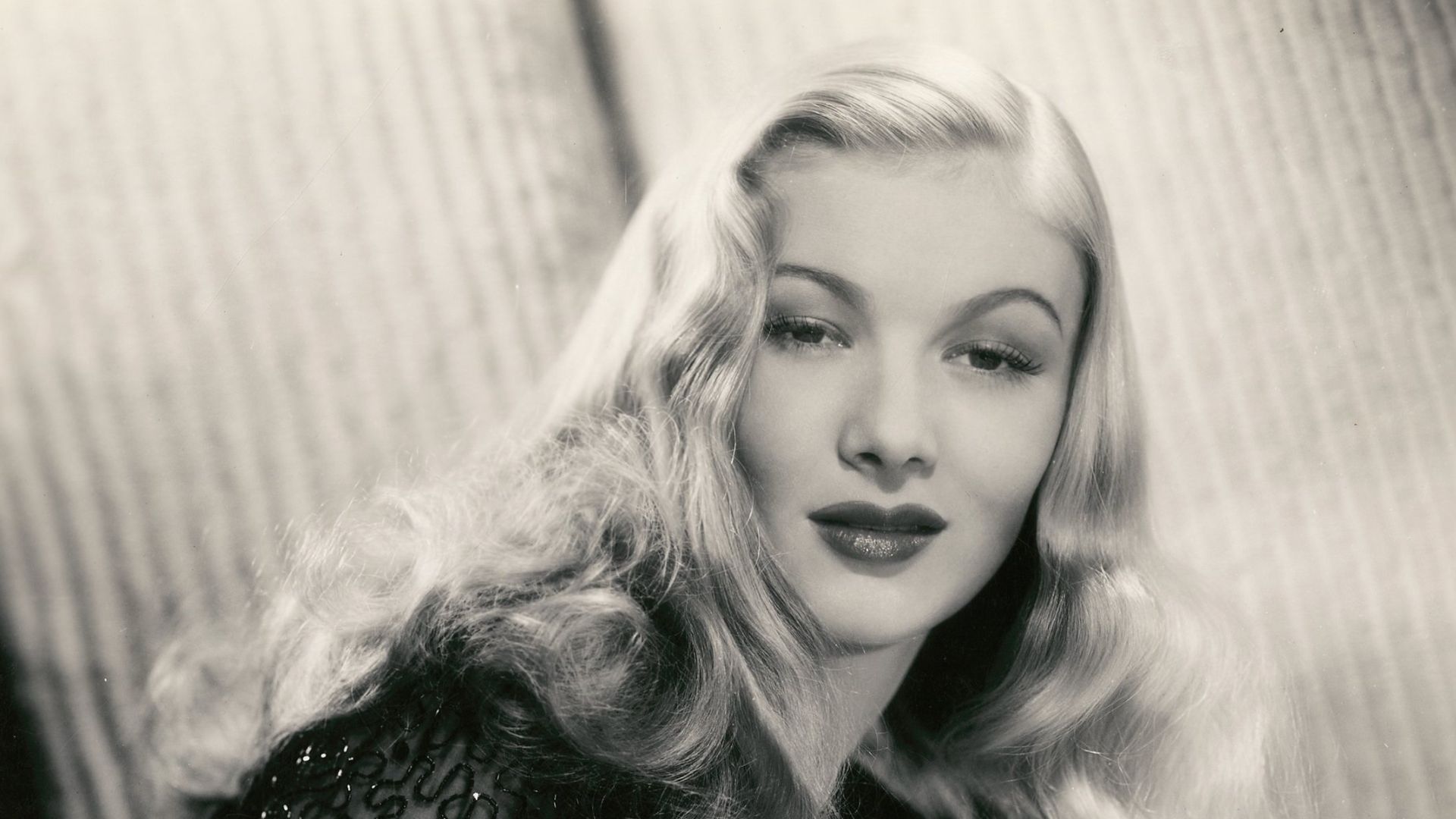
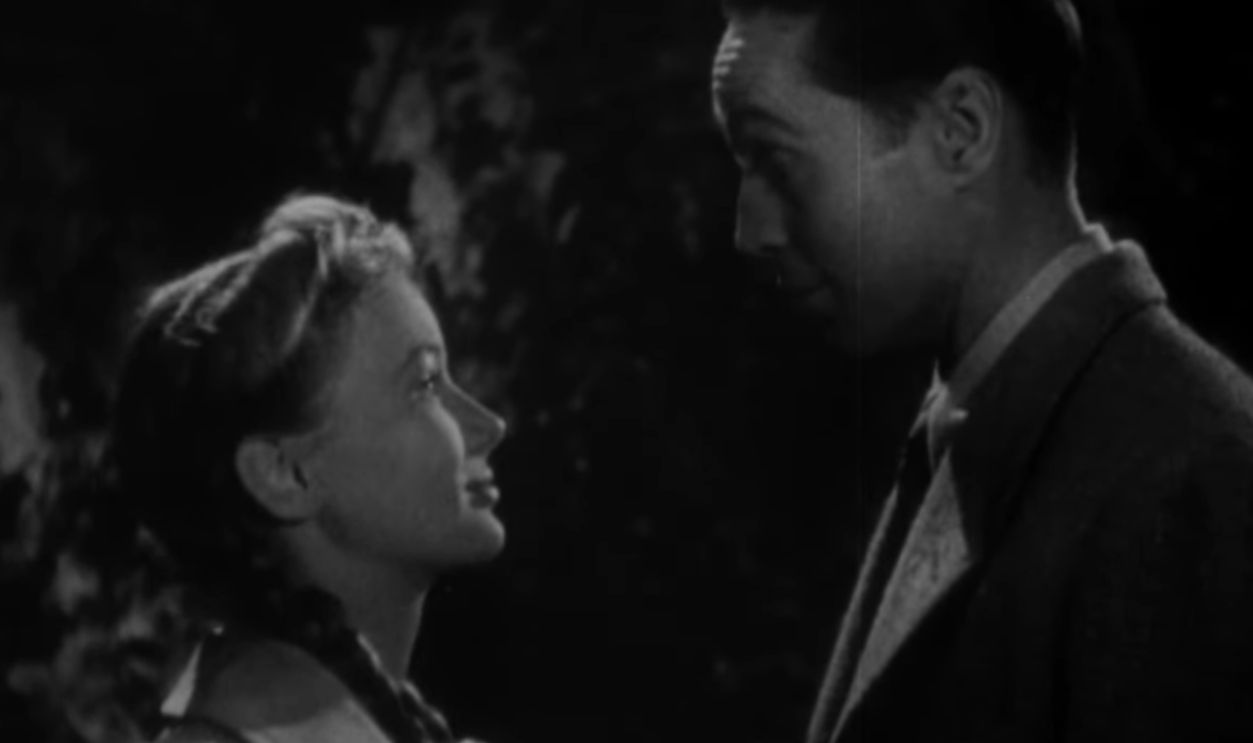
While pregnant again in July 1943, Lake tripped on a cable while working on The Hour Before the Dawn. Contemporary reports stated that she was hospitalized and delivered a son approximately three months prematurely. The infant was placed inside an incubator, and Lake desperately wished for a miracle.
 Whitey Schafer, Wikimedia Commons
Her Son Lived Only Days
Sadly, baby William died roughly one week later. Lake had suffered an unimaginable loss while completing a film that would become a professional disaster. Her marriage to Detlie then collapsed, with the couple separating in August and divorcing that December.
Lake's life continued to spiral.
The Movie Deepened The Damage
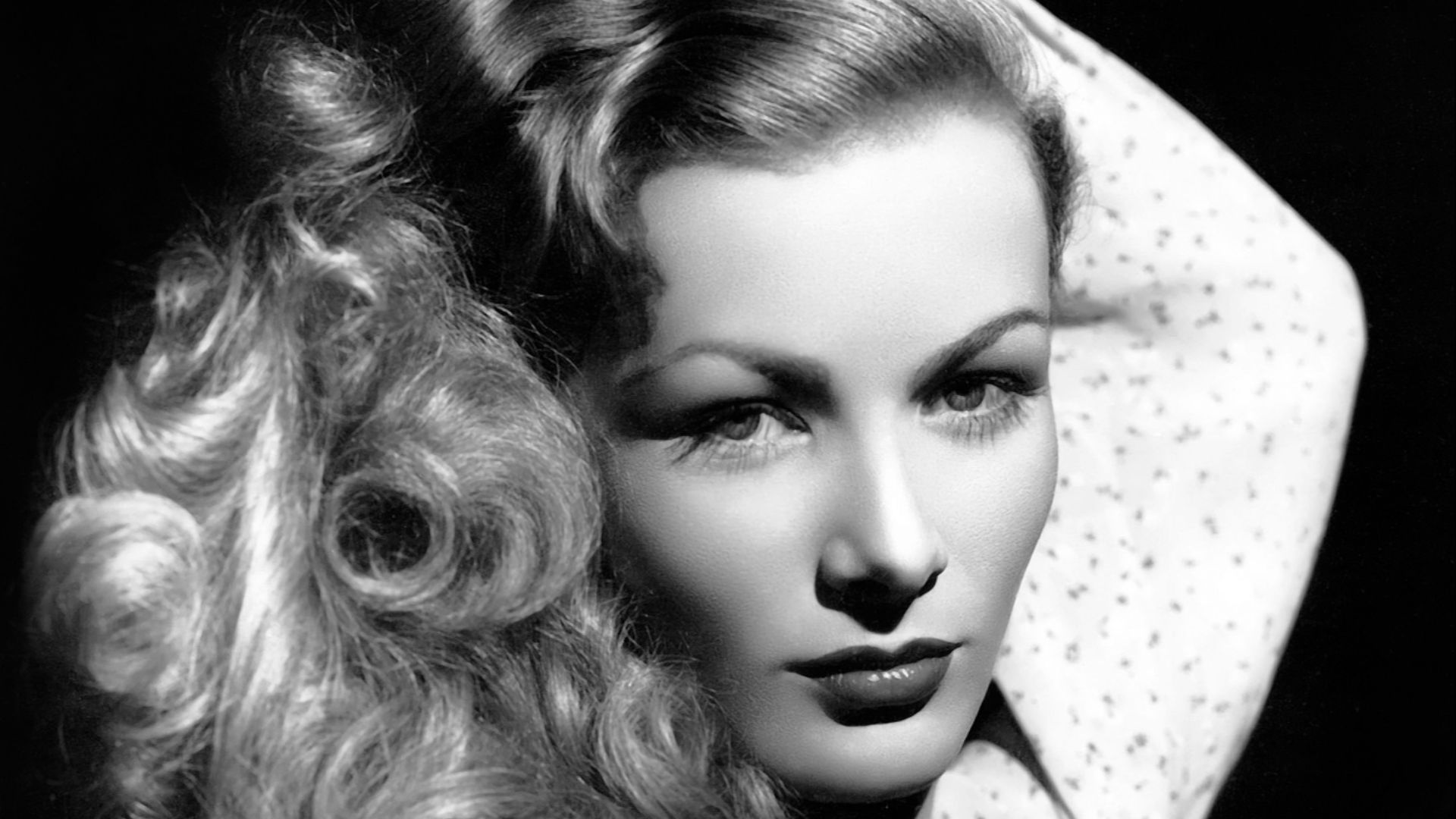
Released in 1944, The Hour Before the Dawn cast Lake as a Nazi agent and required a German accent that critics found unconvincing. Audiences resisted the unsympathetic character, and the failure suggested that her seemingly unstoppable career could suddenly unravel.
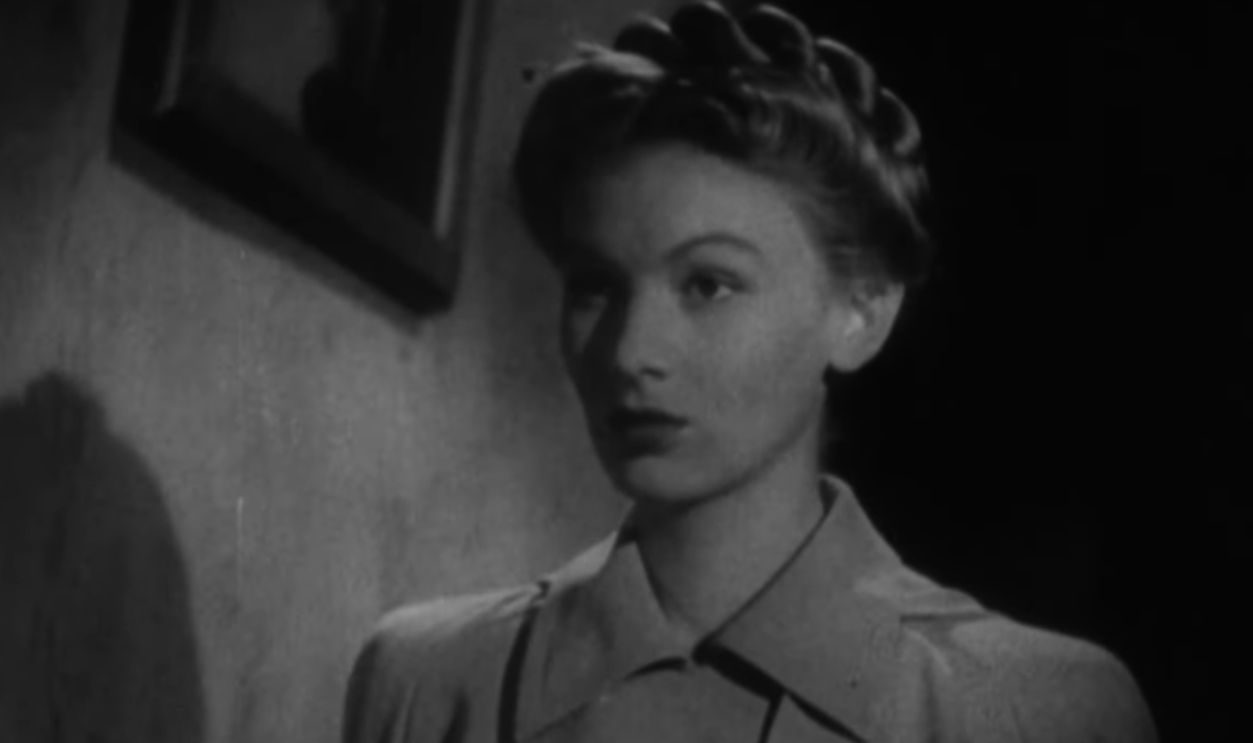 Screenshot from The Hour Before the Dawn, Paramount Pictures (1944)
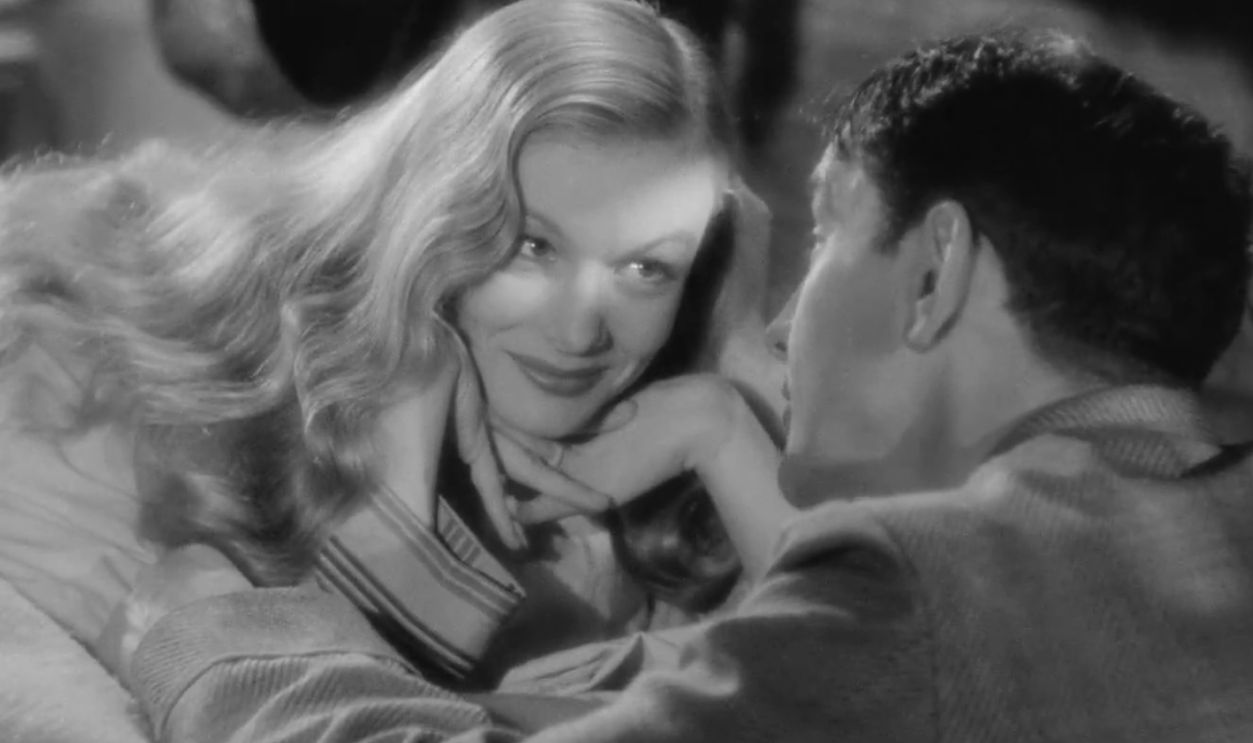
Boston Produced Another Scandal
During a 1944 war-bond appearance in Boston, Lake reportedly made remarks that newspapers considered unusually grim. No complete transcript has survived, but gossip columnist Hedda Hopper claimed the appearance damaged Lake’s standing at Paramount and cost her a leading role.
 Screenshot from I Married a Witch, United Artists (1942)
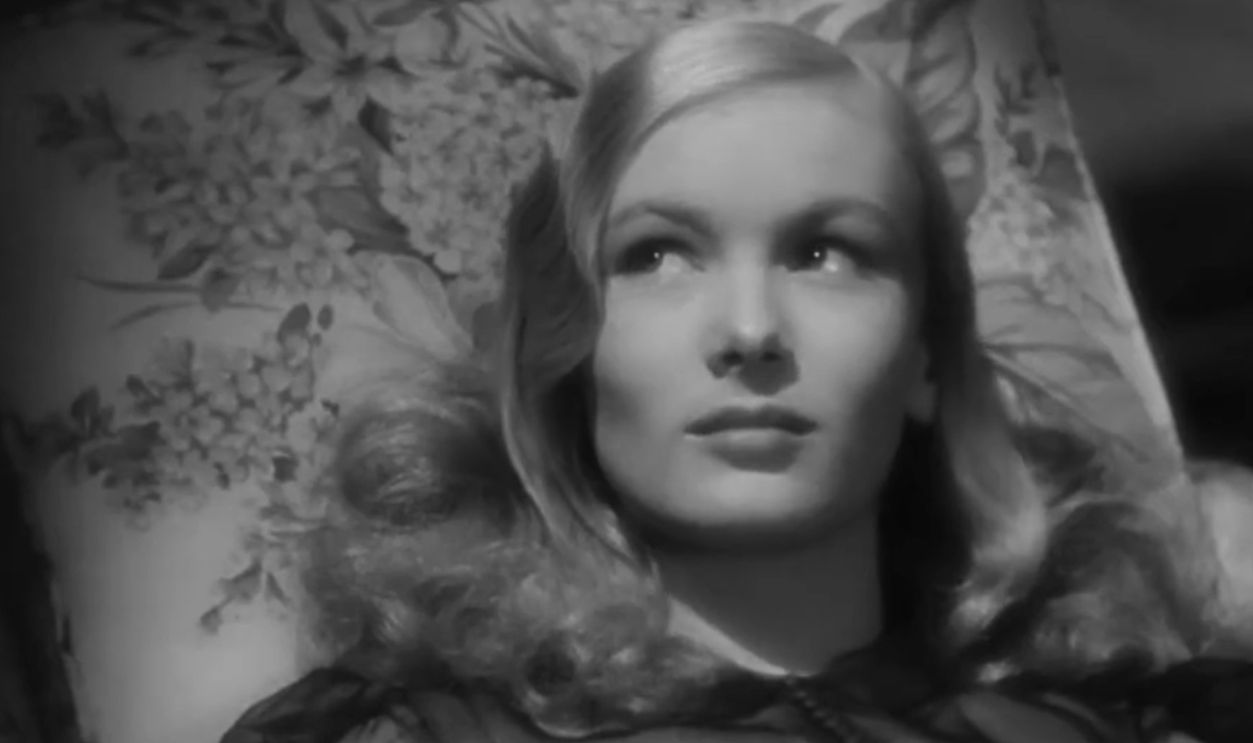
“Moronica Lake” Entered Hollywood Lore
Screenwriter Raymond Chandler has been credited with cruelly calling her “Moronica Lake,” although accounts differ about the circumstances. The nickname captured how some colleagues viewed her: beautiful and marketable, but allegedly late, difficult, and increasingly affected by drink.
 Screenshot from I Married a Witch, United Artists (1942)
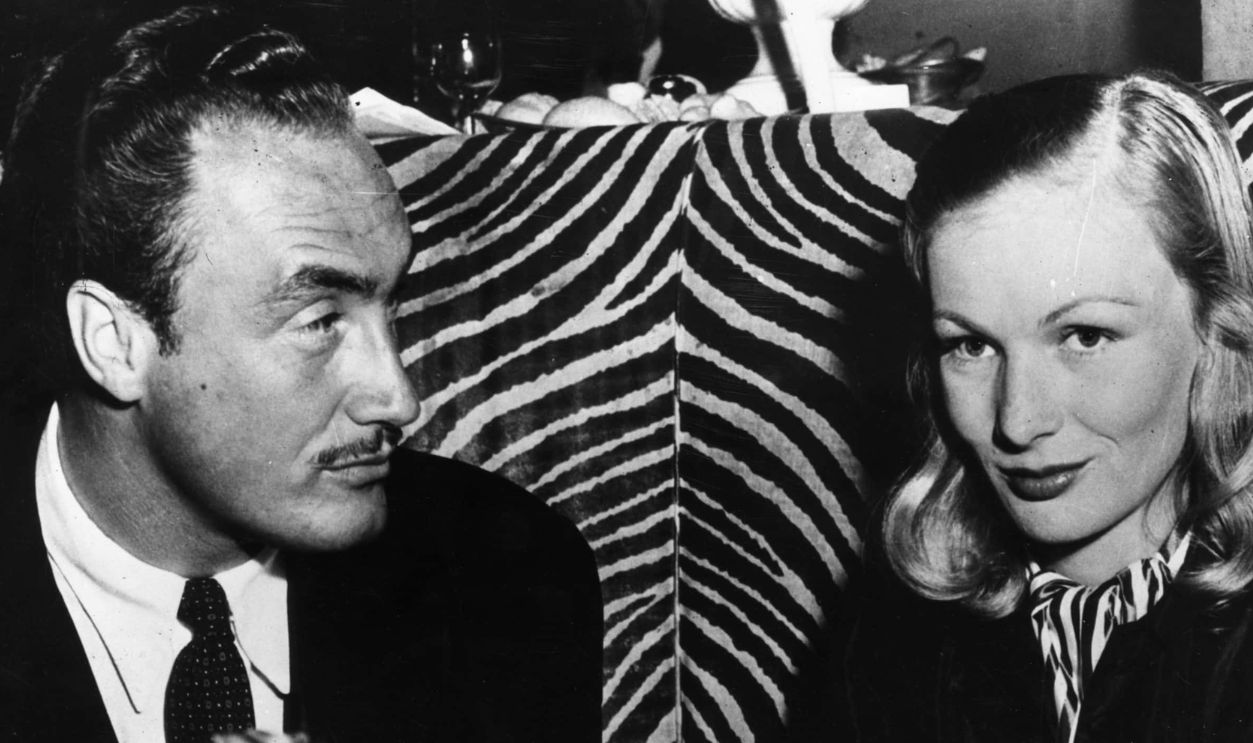
Her Second Marriage Became A Battleground
Also in 1944, Lake married Hungarian-born director André de Toth. They had two children, Michael and Diana, but the marriage became entangled in jealousy, financial trouble, absences, and allegations of mistreatment that Lake later detailed in her memoir.
She Said Drinking Filled The Silence
Lake wrote that de Toth frequently left her alone with the children, animals, and the realization that her career was disappearing. His absences left her, she said, with “more and more, a bottle.” The glittering Hollywood marriage was quietly becoming a trap.
That's not all.
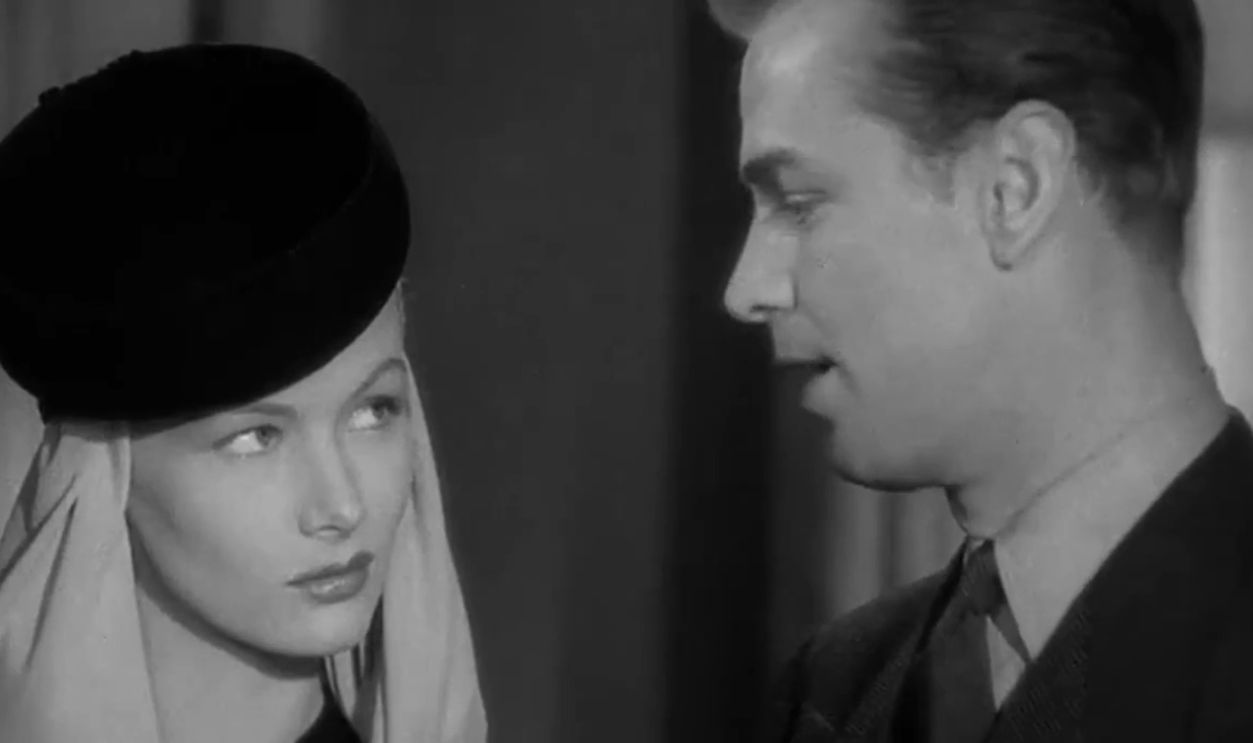 Screenshot from The Glass Key, Paramount Pictures (1942)
Her Mother Took Her To Court
Lake’s estranged mother sued her for financial support in the late 1940s, claiming she had spent everything promoting her daughter’s career before being abandoned. Lake disputed that version, but the family’s bitterness now belonged to the newspapers.
 Screenshot from The Hour Before the Dawn, Paramount Pictures (1944)
Paramount Finally Let Her Go
After weaker films and diminishing box-office power, Paramount declined to renew Lake’s contract in 1948. She was still in her twenties. In less than a decade, she had gone from anonymous extra to international sensation—and then toward Hollywood’s exit.
Her downfall was imminent.
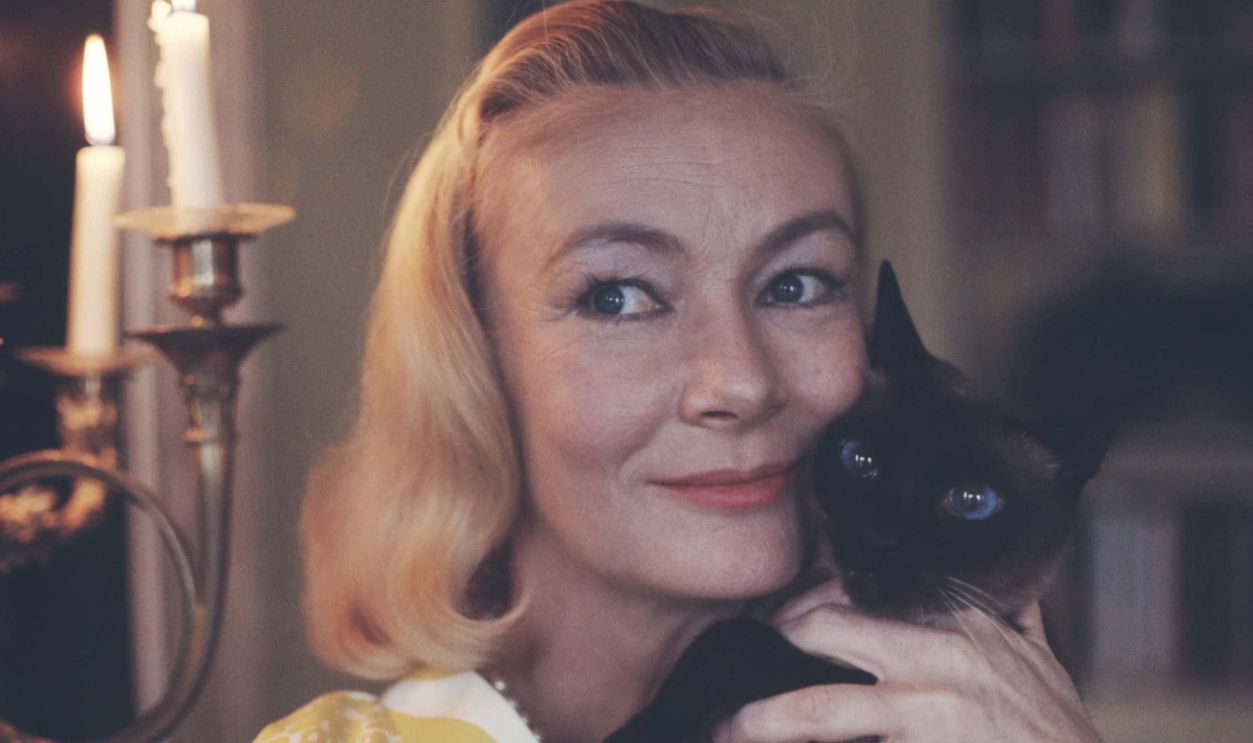
The Money Disappeared Too
Lake and de Toth eventually filed for bankruptcy. She later recalled pawning her jewelry as bills and debts overtook them. The films had generated enormous attention and revenue, but the star at their center no longer possessed financial security.
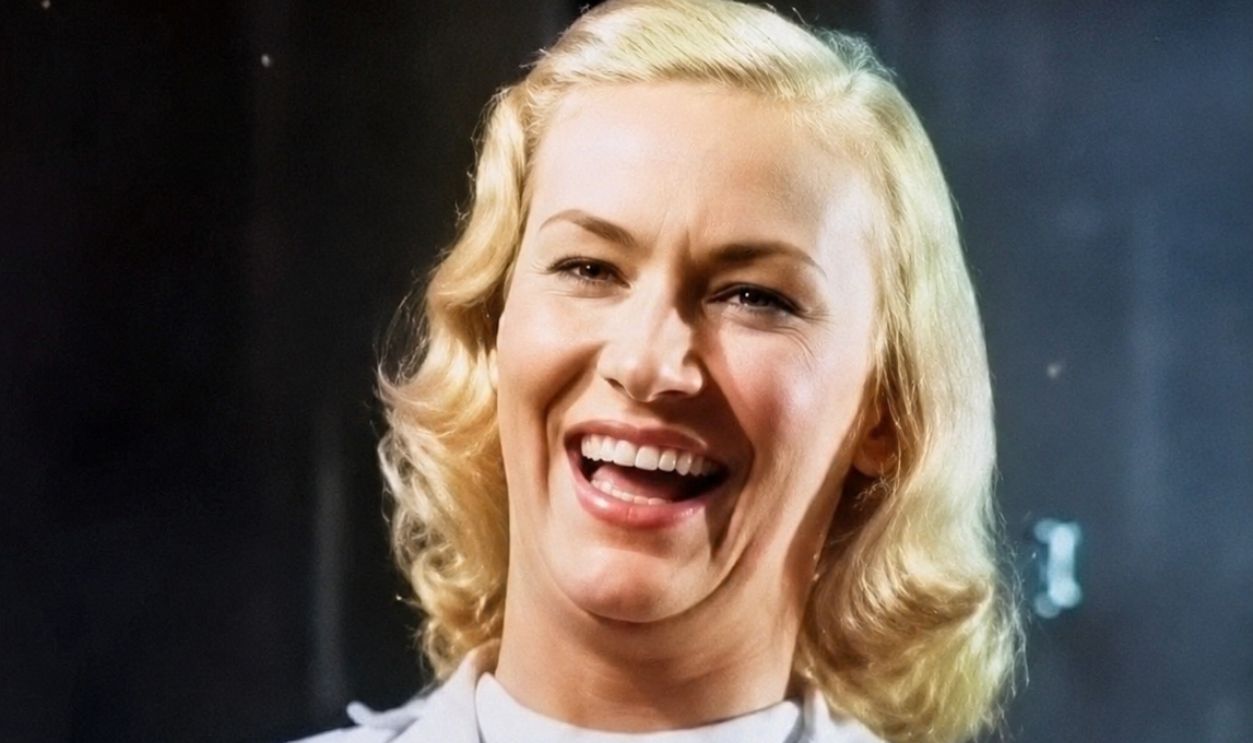 Trailer for Flesh Feast (1970), Wikimedia Commons
Her Fall Became Public Entertainment
During the 1950s and 1960s, Lake lived in New York, where she worked in television, touring theater, summer stock, and a small factory where she pasted decorative flowers onto lingerie hangers. She later tended bar at Manhattan’s Martha Washington Hotel under the name Connie de Toth.
She had become ordinary.
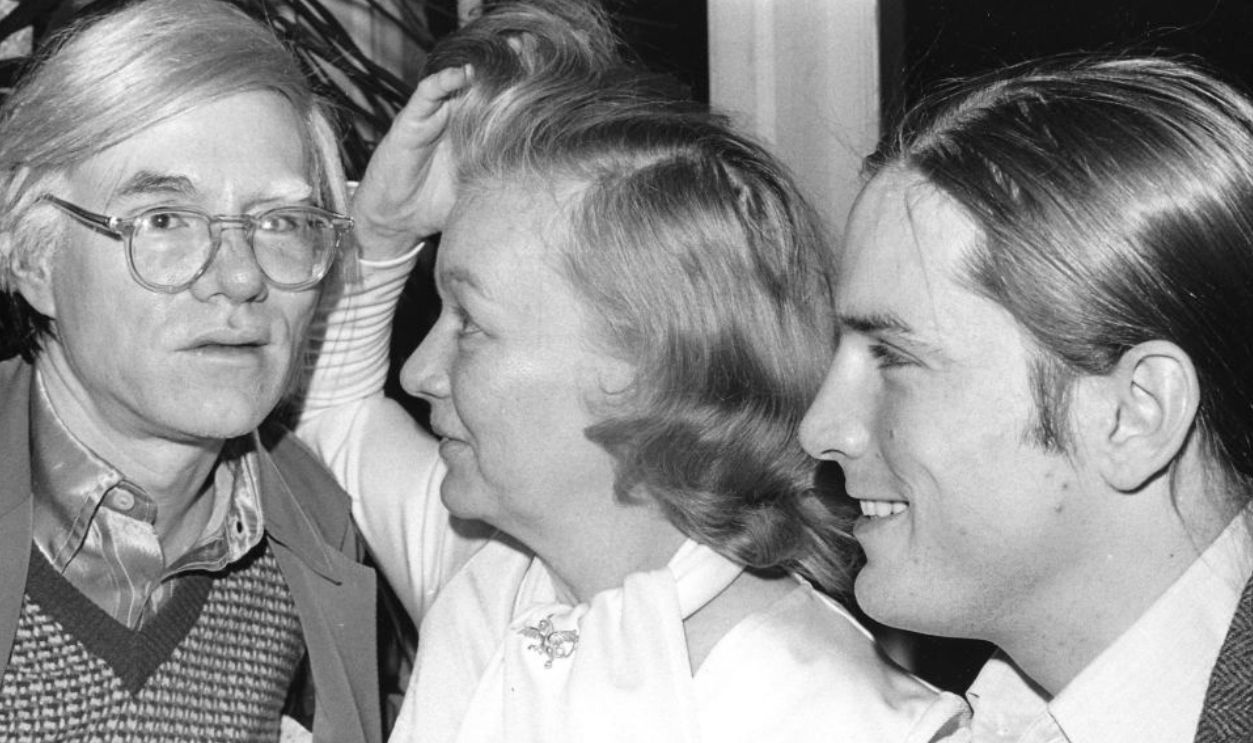
Old Movies Played Above The Bar
Lake remembered customers falling silent whenever one of her films appeared on the bar’s television. “You could hear a pin drop,” she wrote. The former screen goddess served drinks while patrons watched the glamorous version of her flicker above their heads.
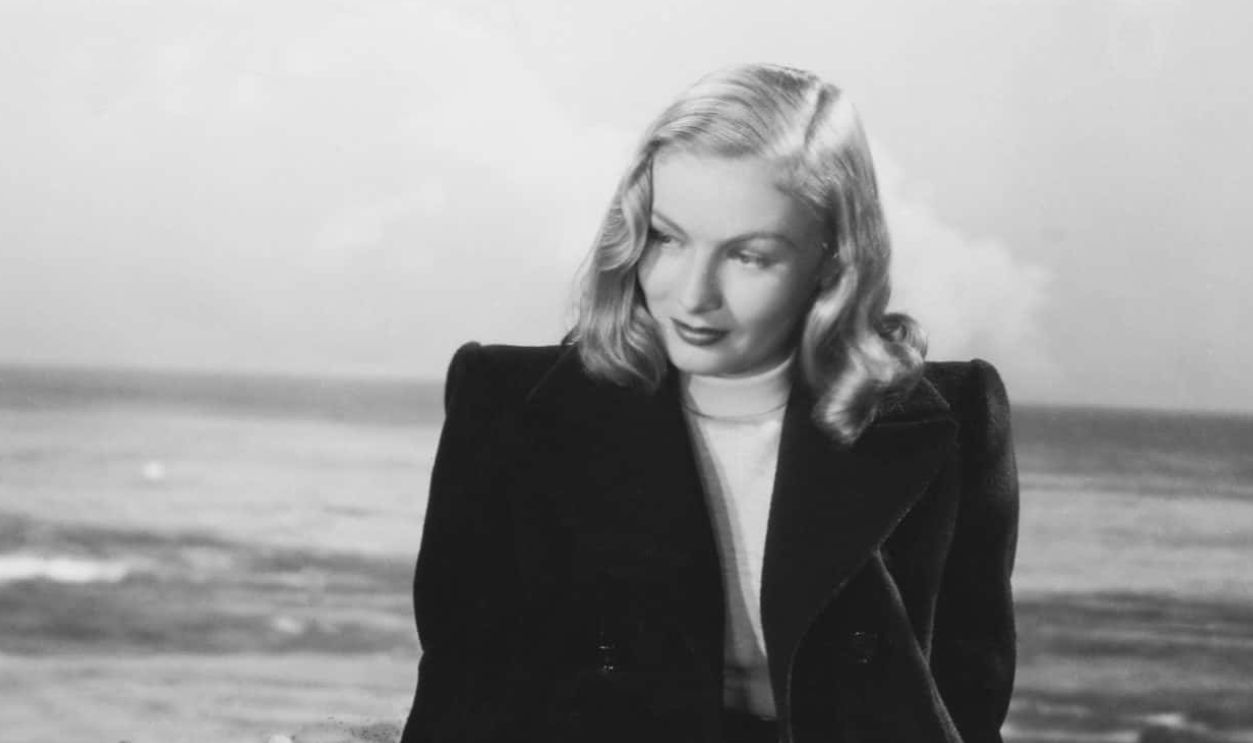 John Springer Collection, Getty Images
She Refused To Accept Pity
Eventually, 11 years after vanishing from the spotlight, a reporter found her hiding behind her new name, living in cheap motels. Sympathetic fans sent money. Lake returned much of it, insisting she was working rather than begging. Publicity brought new stage opportunities, but alcoholism, unstable relationships, arrests, and estrangement from her children continued shadowing her.
Screenshot from I Married a Witch, United Artists (1942)
She Called Herself Something Scandalous
Her candid memoir, Veronica, appeared in 1969 and briefly returned her to public attention. Lake mocked the pin-up identity Hollywood had created, calling herself a “former [intimacy] zombie.” She continued performing, but a lasting comeback never materialized.
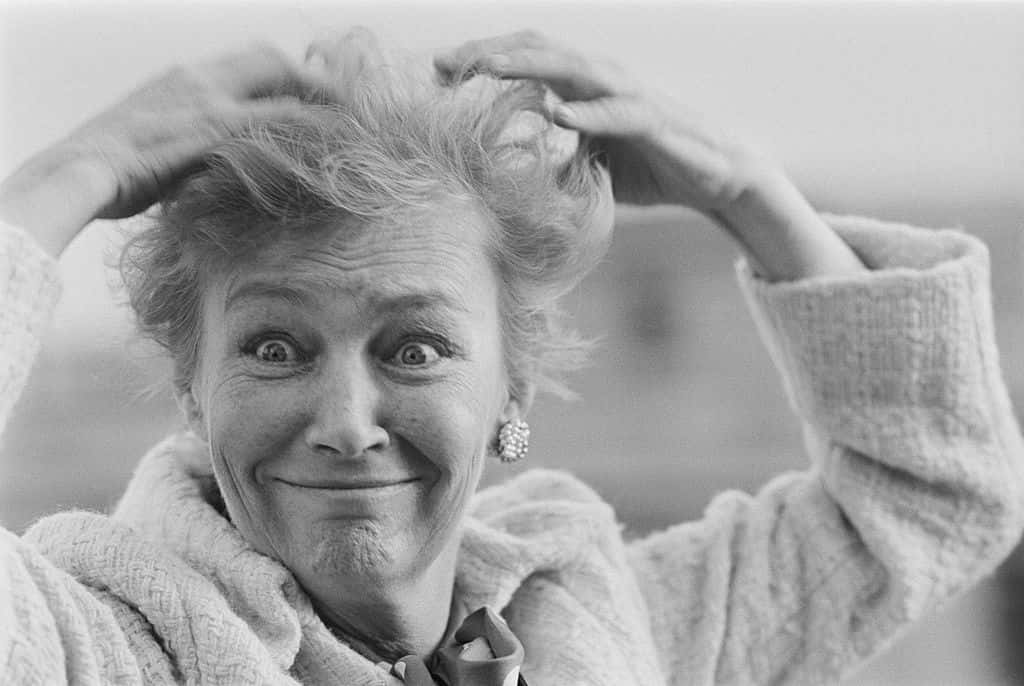
Her Life Ended Far From Paramount
Lake died in Burlington, Vermont, on July 7, 1973, at age 50. The cause was acute hepatitis complicated by kidney problems. Her finest films endured, but the industry that had turned her into an icon had long since moved on.
There was, however, one wild stunt Veronica Lake pulled that no one will ever forget.
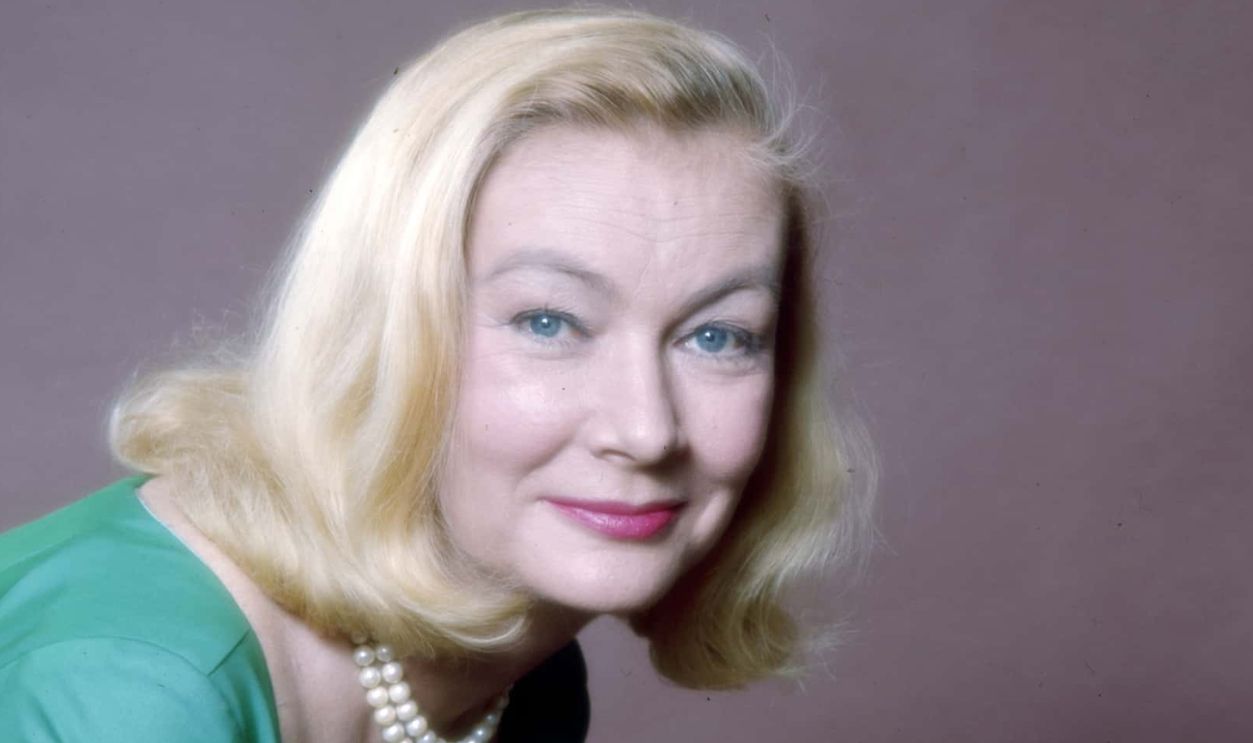
She Learned To Fly
Back in 1946, Lake earned her pilot’s license after purchasing an airplane for her husband, de Toth. Flying gave her something Hollywood rarely offered: control. In the cockpit, there were no directors, gossip columnists, studio executives, or feuding relatives deciding where she should go.
And it was the perfect way to escape.
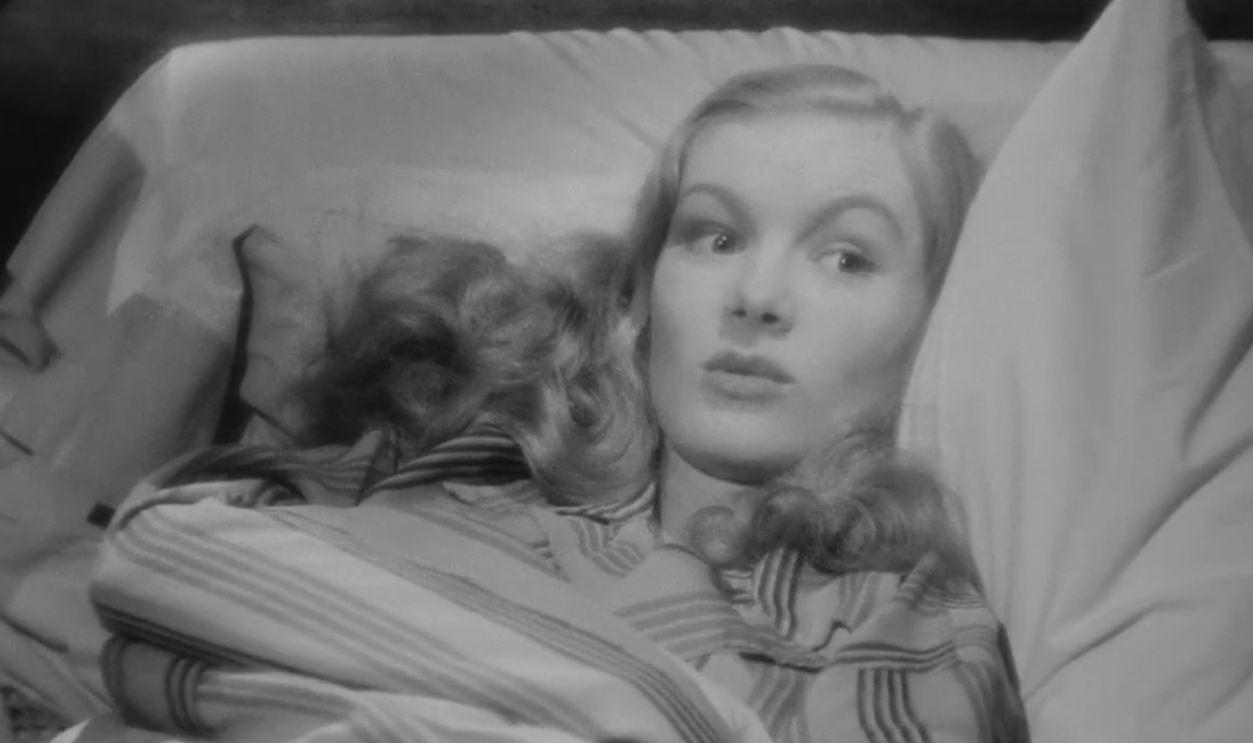 Screenshot from I Married a Witch, United Artists (1942)
There Was Little Left To Save
By 1948, her marriage to de Toth was effectively finished. Bankruptcy exposed their financial disaster, Paramount had released her, and the years of Hollywood glamor were behind her. This was when Lake decided to leave Los Angeles and begin again in New York.
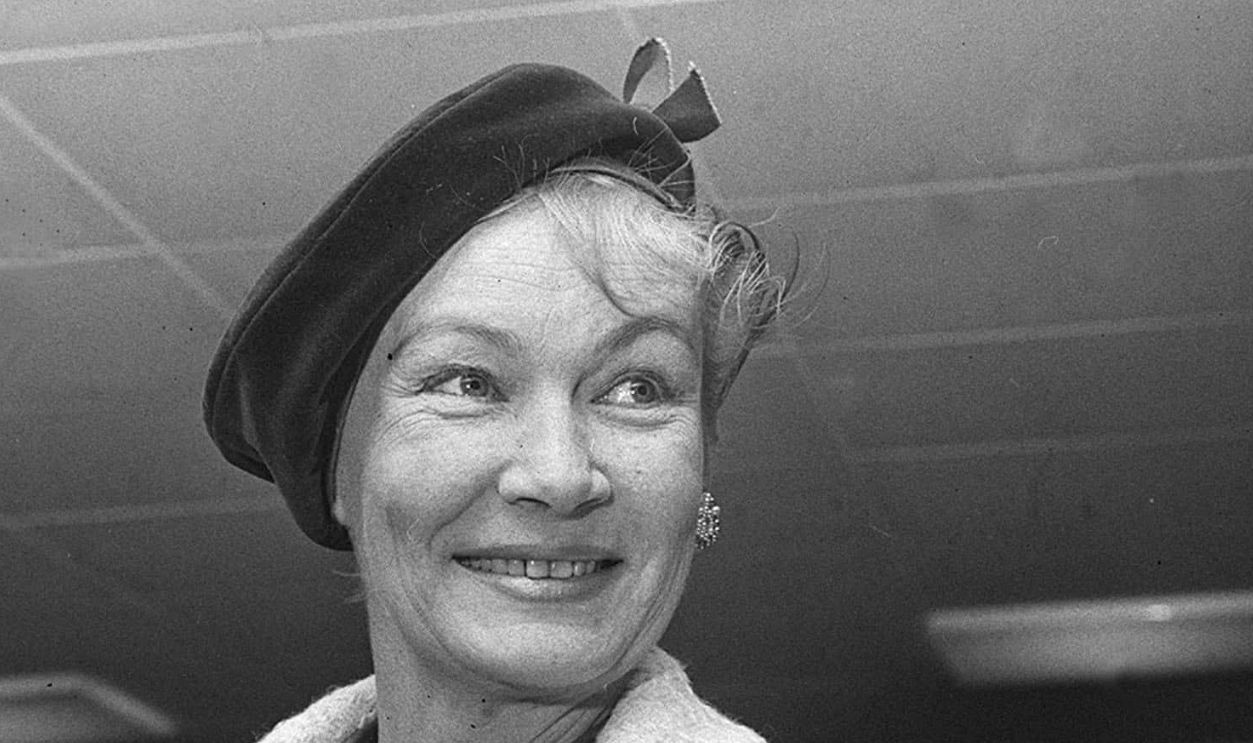
She Gave Hollywood A Final Farewell
Lake recalled standing ready to leave and telling Hollywood exactly what she thought of it. “The hell with you, Hollywood,” she said to herself, adding an even sharper final insult. The manufactured blonde had no intention of offering a graceful goodbye.
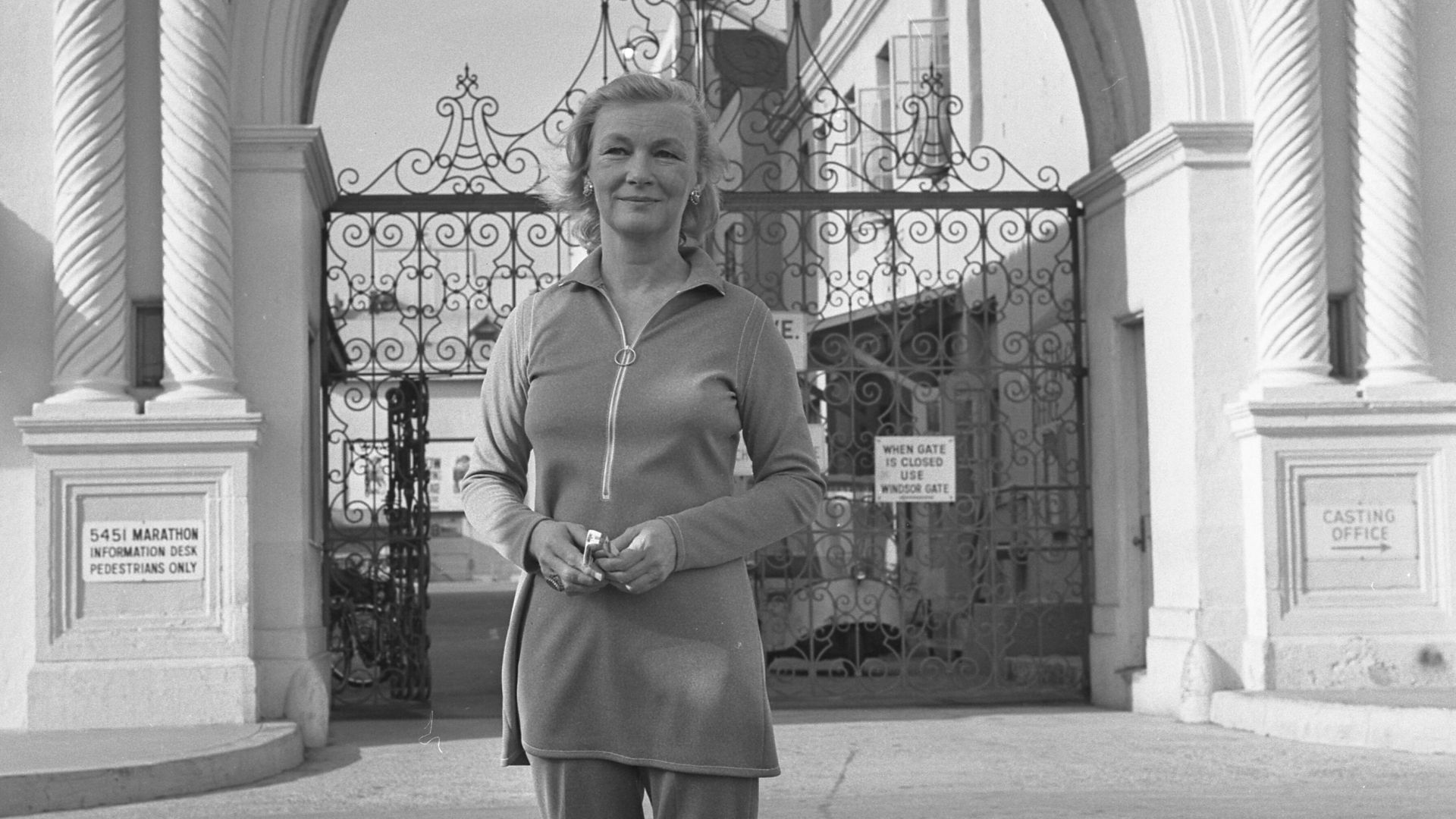
She boarded the plane, completely solo, and set off for a quieter life.
 Kathleen Ballard, Wikimedia Commons
Veronica Lake Flew Herself Out Of The Spotlight
It was more than a journey: she was leaving de Toth, her major film career, and Hollywood’s brightest spotlight in the distance. It marked the 1940s screen siren's dramatic, ultimate escape. Flying her own plane from Los Angeles to New York without a word of farewell, she symbolized a rare, defiant act of female independence that ended her film career on her own terms.
You May Also Like:
Natalie Wood’s death was one of Hollywood’s most enduring mysteries—until the captain of her yacht changed his story.