The Man Behind Television’s Fussiest Roommate
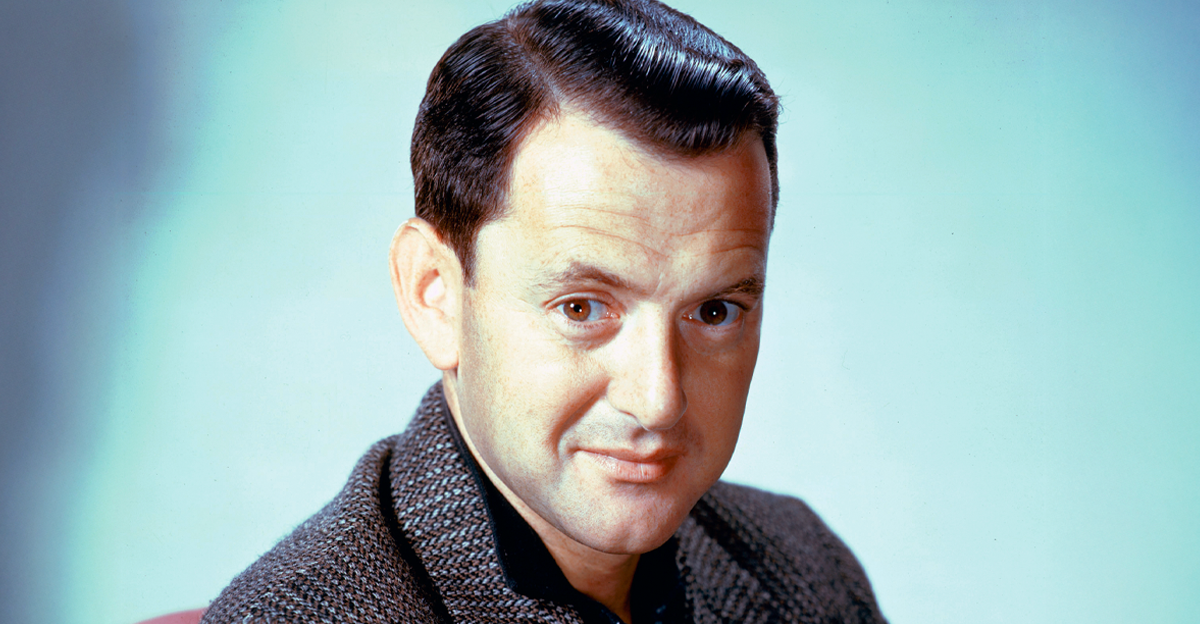
Tony Randall could turn a raised eyebrow into a punchline. As Felix Unger on The Odd Couple, he became television’s ultimate neat freak, endlessly horrified by Oscar Madison’s cigars, poker buddies, and general disregard for basic housekeeping. Yet Randall himself was much harder to pin down—and much more private than his famous character suggested.
 Silver Screen Collection, Getty Images
He Was A Tulsa Kid
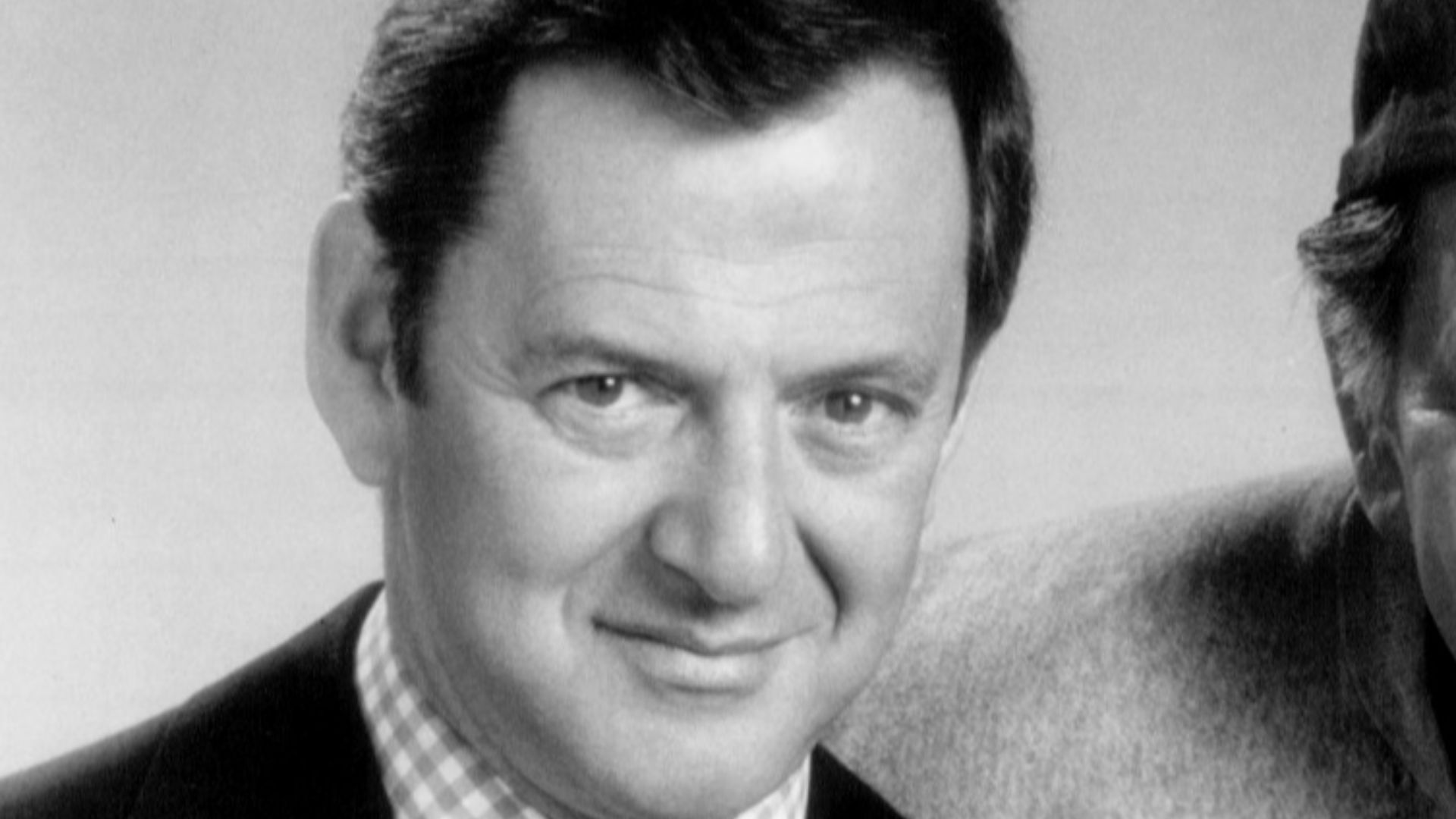
Randall was born in Tulsa, Oklahoma, in 1920 and grew up far away from Broadway and Hollywood. But performing fascinated him early. He attended Northwestern University before heading to New York, where he studied acting and began chasing the kind of serious stage career that would always remain close to his heart.
 ABC Television, Wikimedia Commons
The Stage Came First
Long before sitcom audiences knew his face, Randall was a theater actor. He made his professional stage debut in the early 1940s and spent years developing the crisp timing, diction, and physical control that eventually became trademarks of his comedy. Television fame came later, almost as a side effect.
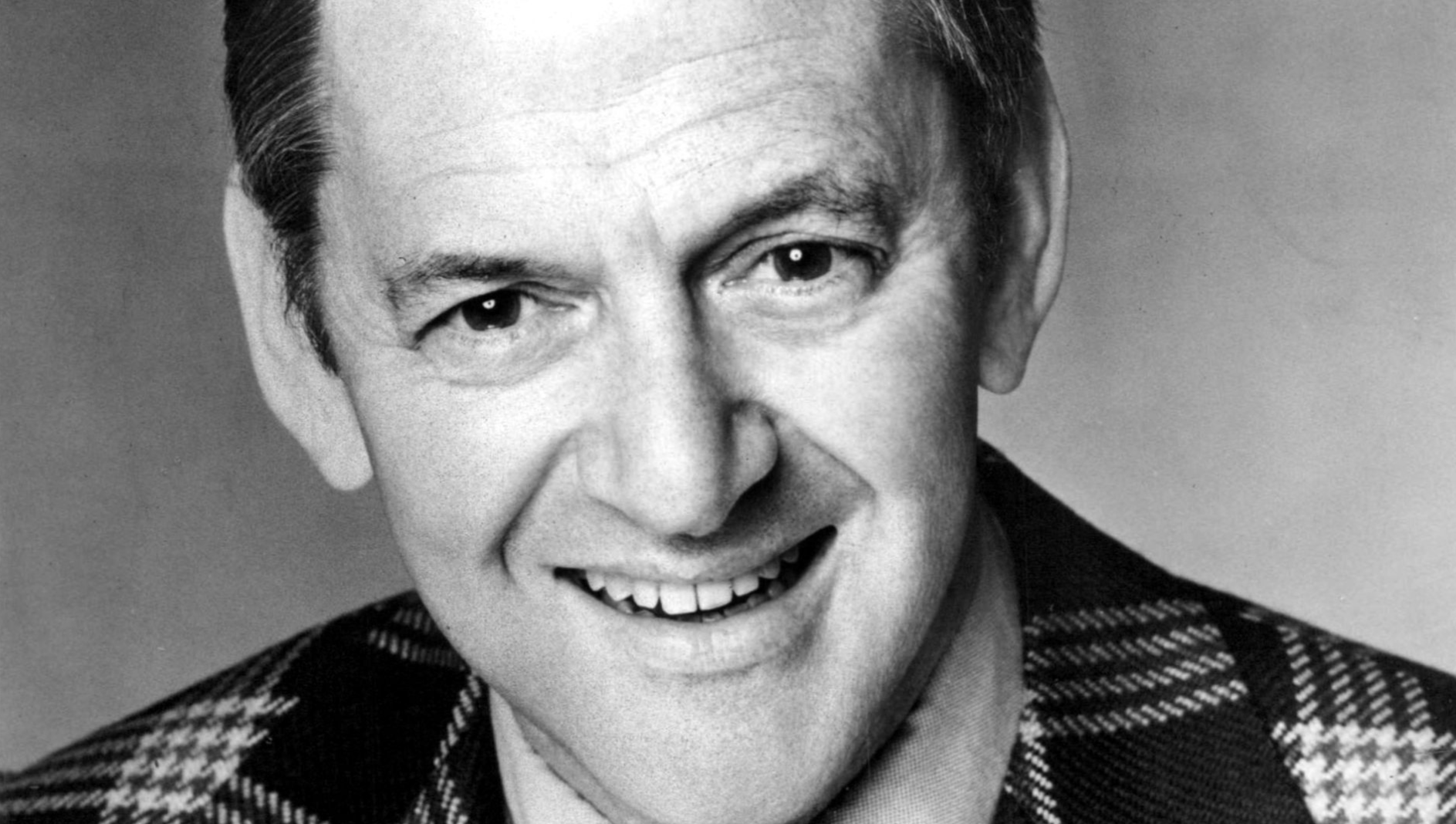
War Interrupted His Career
Like many performers of his generation, Randall’s early career was interrupted by World War II. He served in the U.S. Army Signal Corps before returning to acting after the war. That experience rarely became part of his public persona, but it formed part of a surprisingly conventional life behind his increasingly famous face.
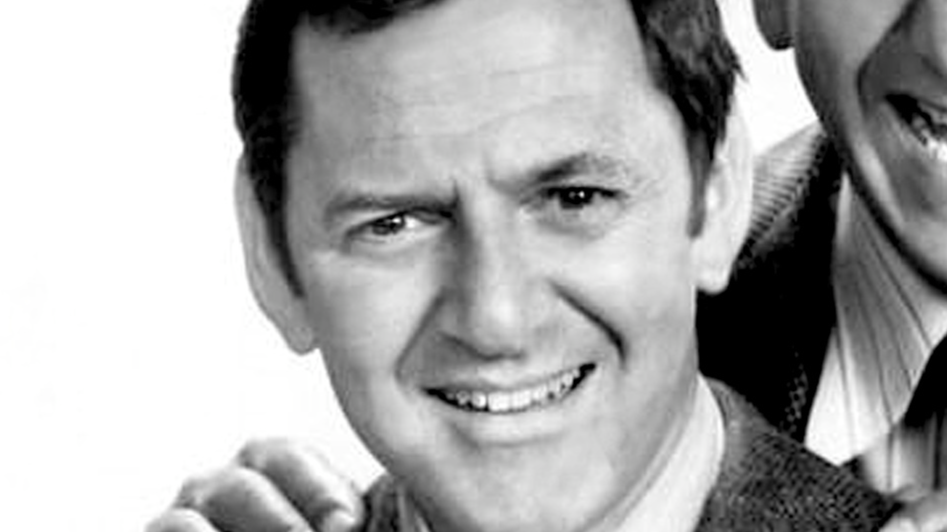 ABC Television, Wikimedia Commons
Mr. Peepers Changed Everything
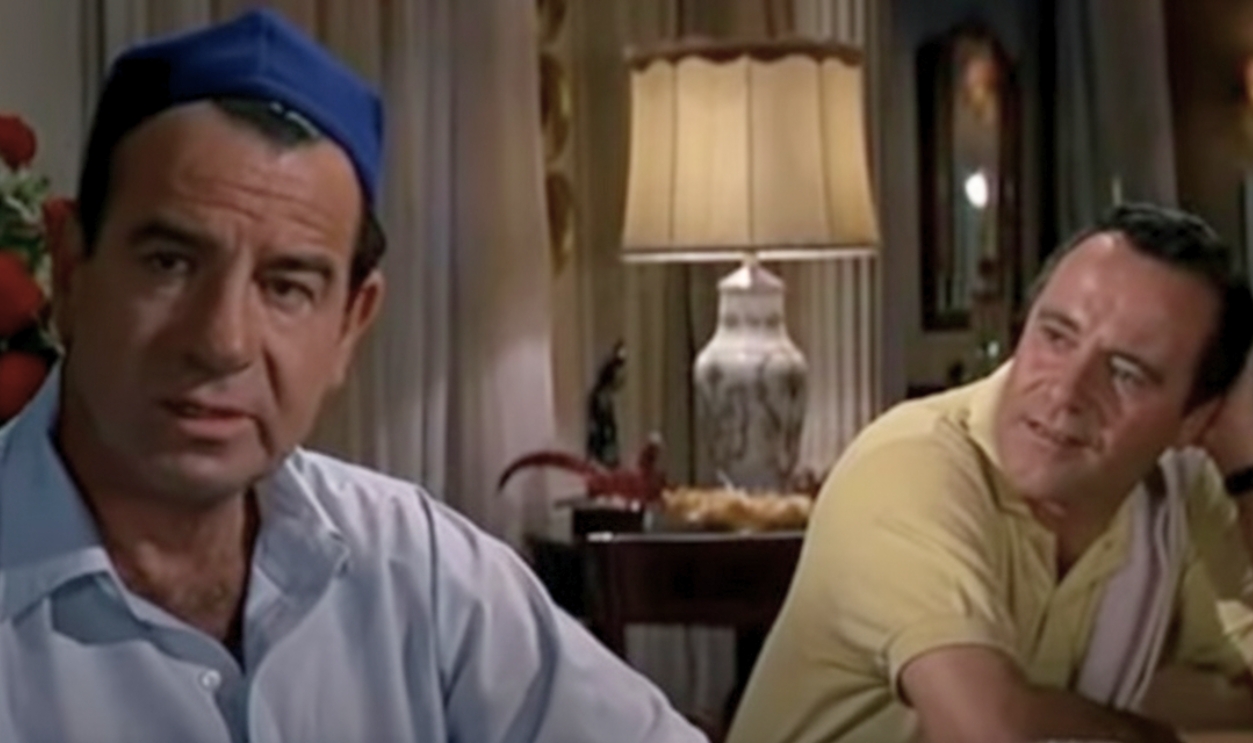
Randall’s first major television breakthrough came with Mr. Peepers, starring Wally Cox. Randall played history teacher Harvey Weskit, a character whose confidence and sophistication provided a useful contrast to Cox’s painfully shy schoolteacher. The role even earned Randall his first Emmy nomination in 1954.
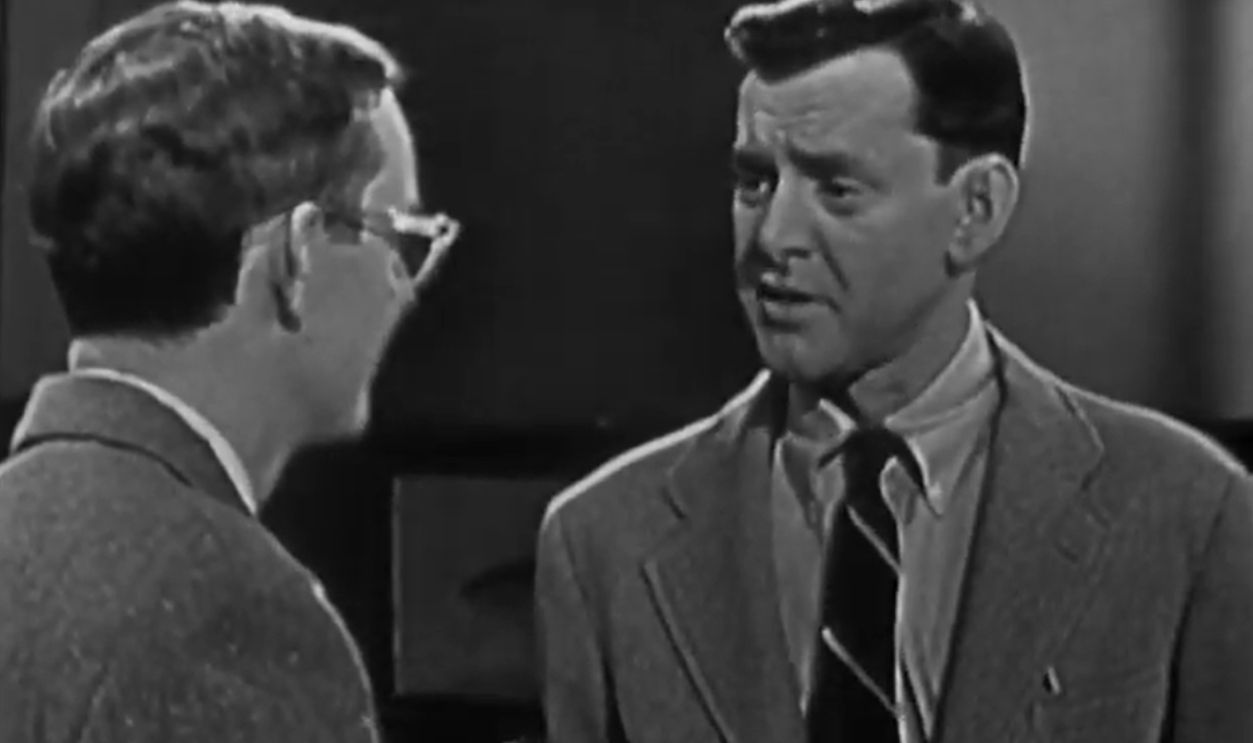 Screenshot from Mister Peepers, NBC (1952–1955)
Hollywood Quickly Came Calling
By the late 1950s, Randall was becoming a familiar movie presence. Hollywood realized that his precise delivery and slightly exasperated manner worked beautifully beside bigger romantic stars. He could play the best friend, professional rival, nervous husband, or irritated observer without ever disappearing into the background.
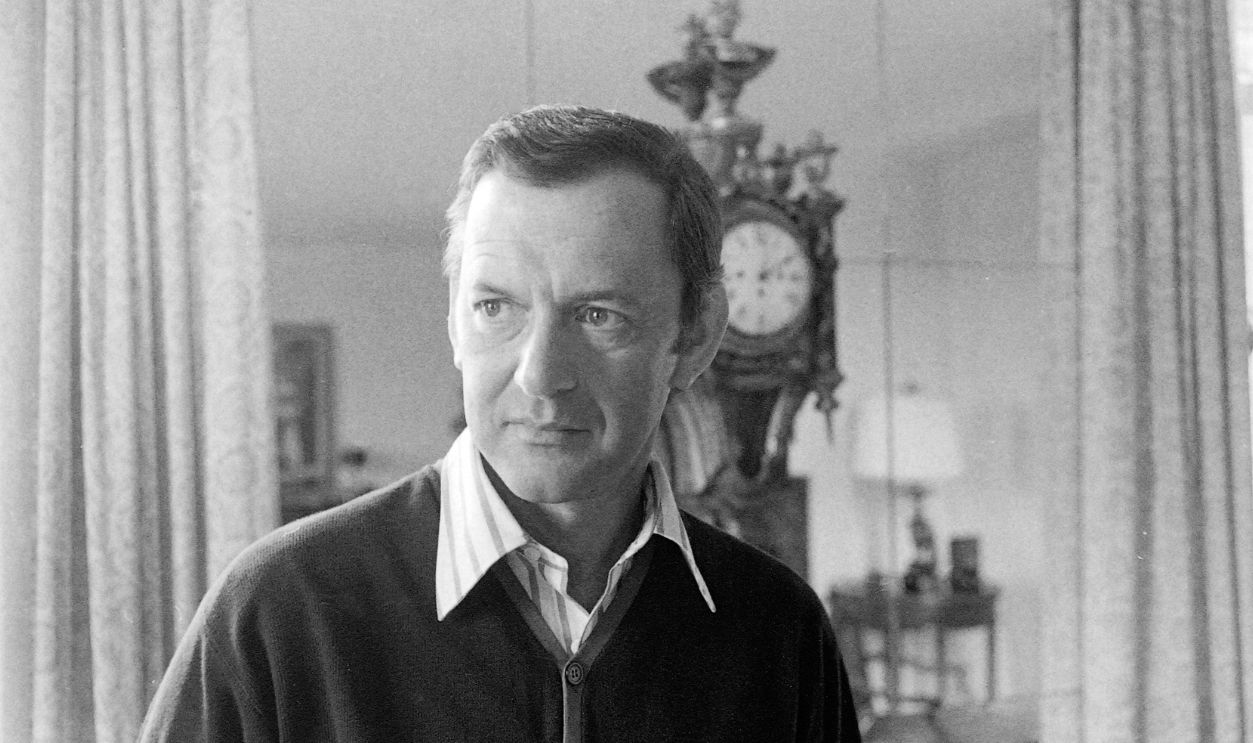
He Became A Doris Day Regular
Randall appeared with Doris Day and Rock Hudson in Pillow Talk, then reunited with them in Lover Come Back. He later appeared with Day and Hudson again in Send Me No Flowers. Randall never needed to be the romantic hero. He could steal scenes simply by reacting to everyone else’s madness.
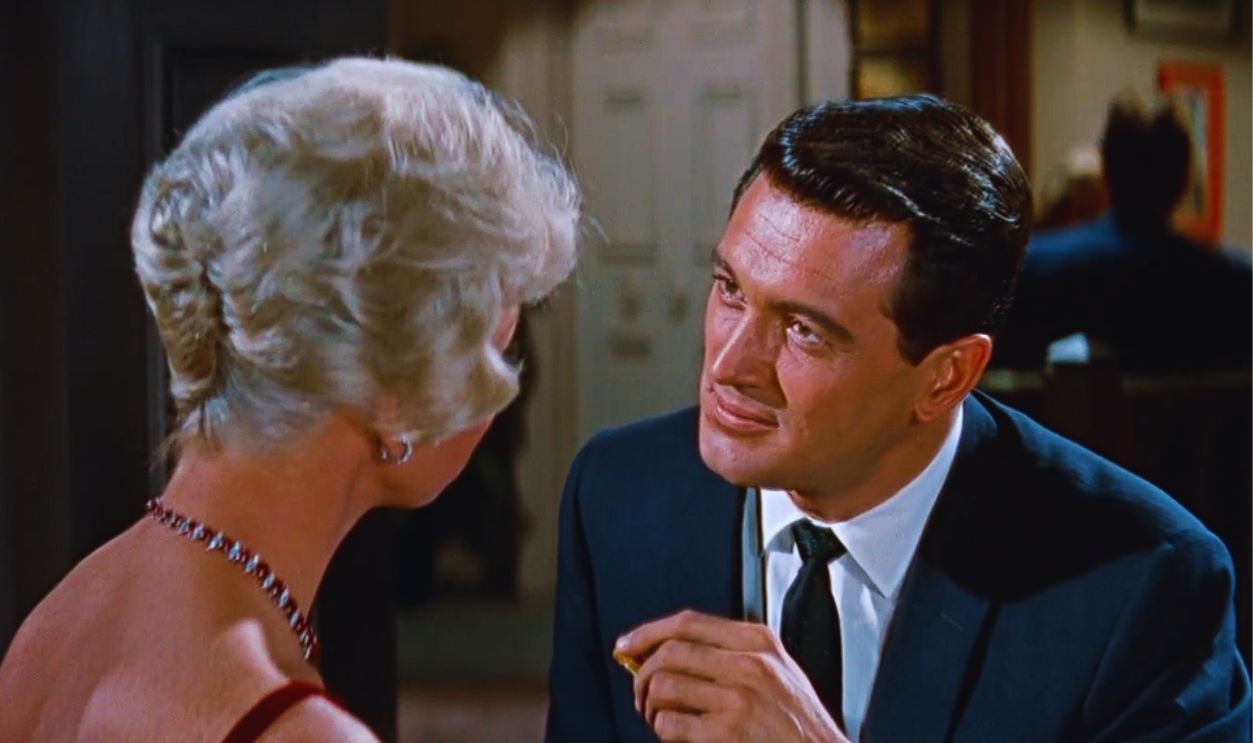 Screenshot from Pillow Talk, Universal Pictures (1959)
Comedy Was All About Control
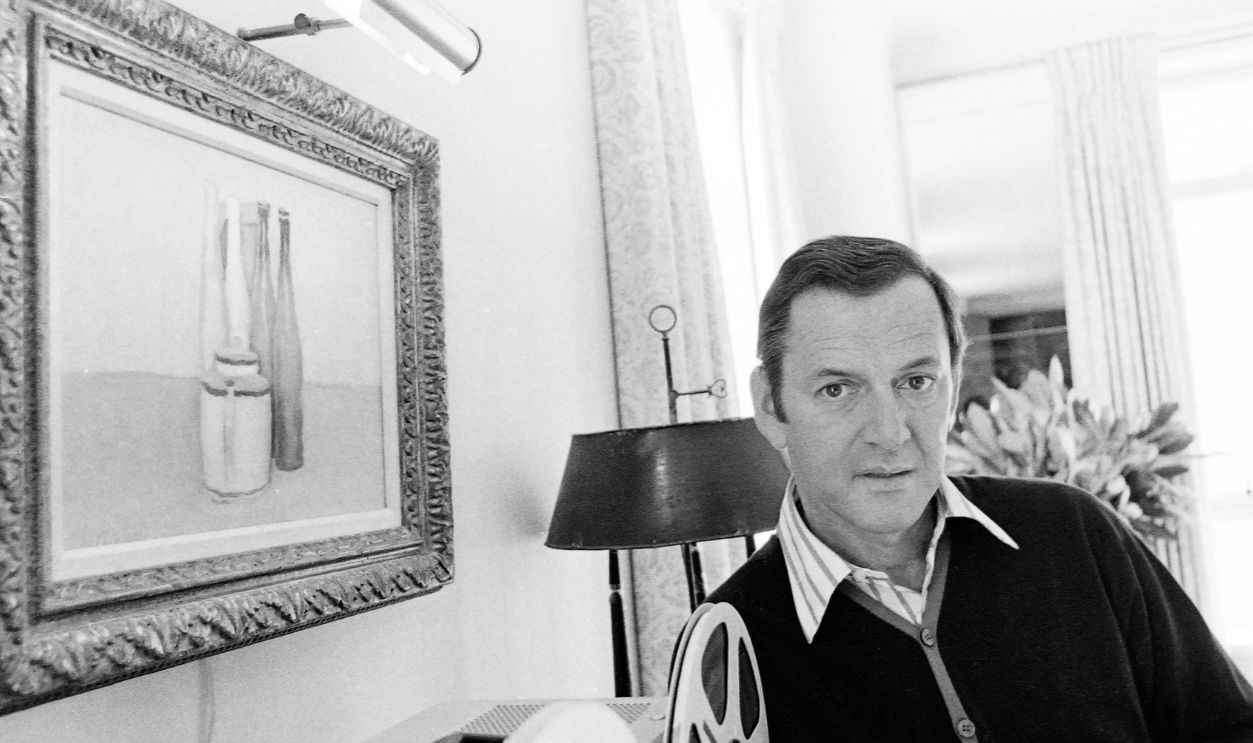
Randall’s comedy rarely looked wild. That was the secret. He seemed tightly wound even when everything around him was collapsing. A pause, a stare, or a carefully pronounced word could do more than somebody else’s pratfall. That controlled style made him perfect for television, where small reactions could become enormous laughs.
He Could Handle Stranger Roles Too
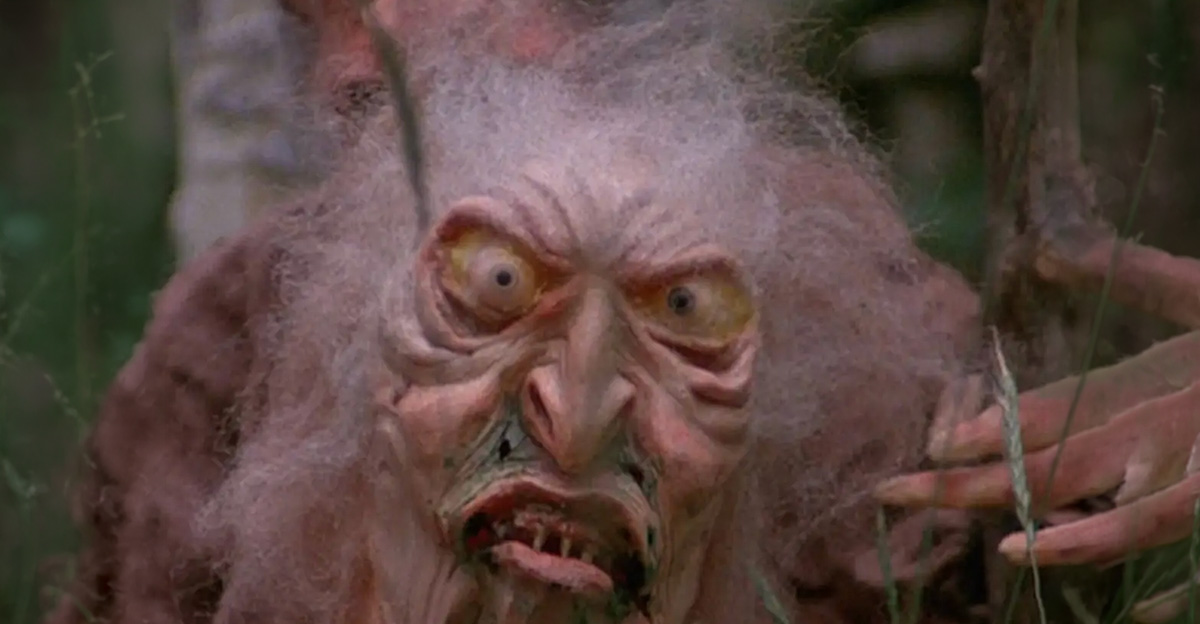
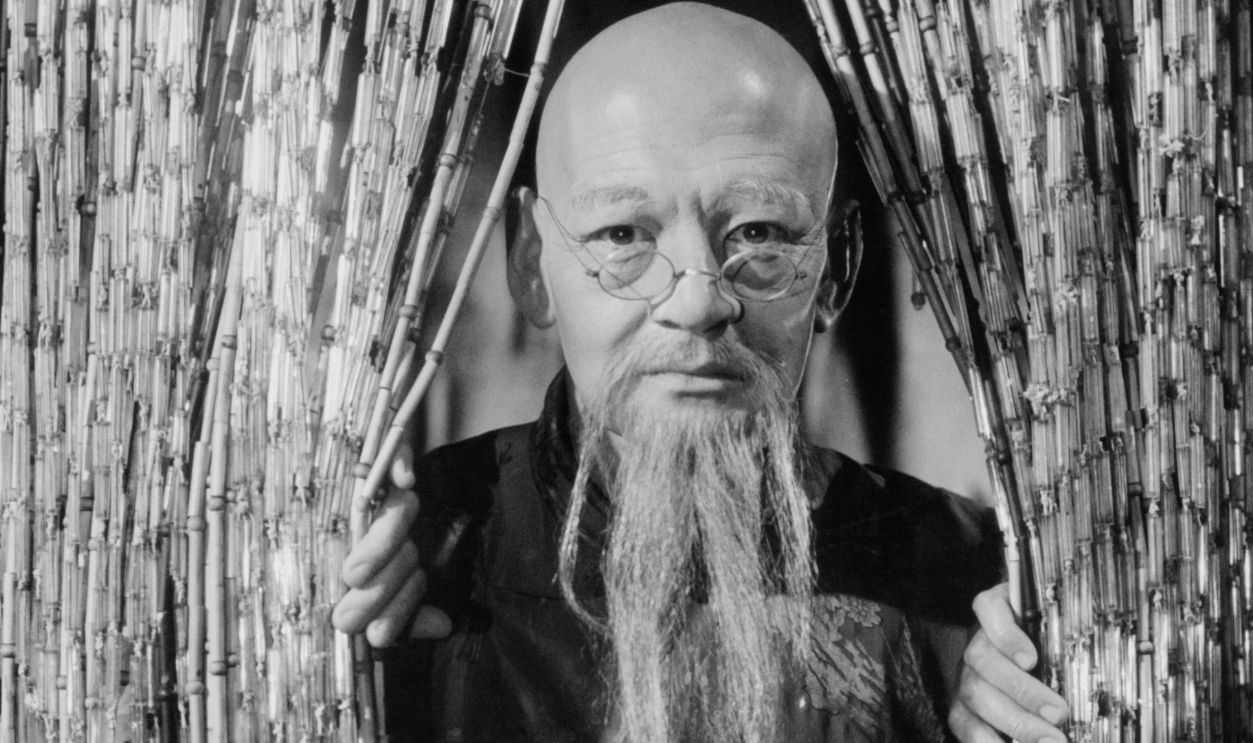
Randall was capable of much more than sophisticated romantic comedy. In 1964’s 7 Faces of Dr. Lao, he played multiple characters, disappearing beneath extensive makeup and shifting personalities. It was a showcase for his versatility and proof that Hollywood’s dependable supporting comedian could carry far more unusual material.
Then Came Felix Unger
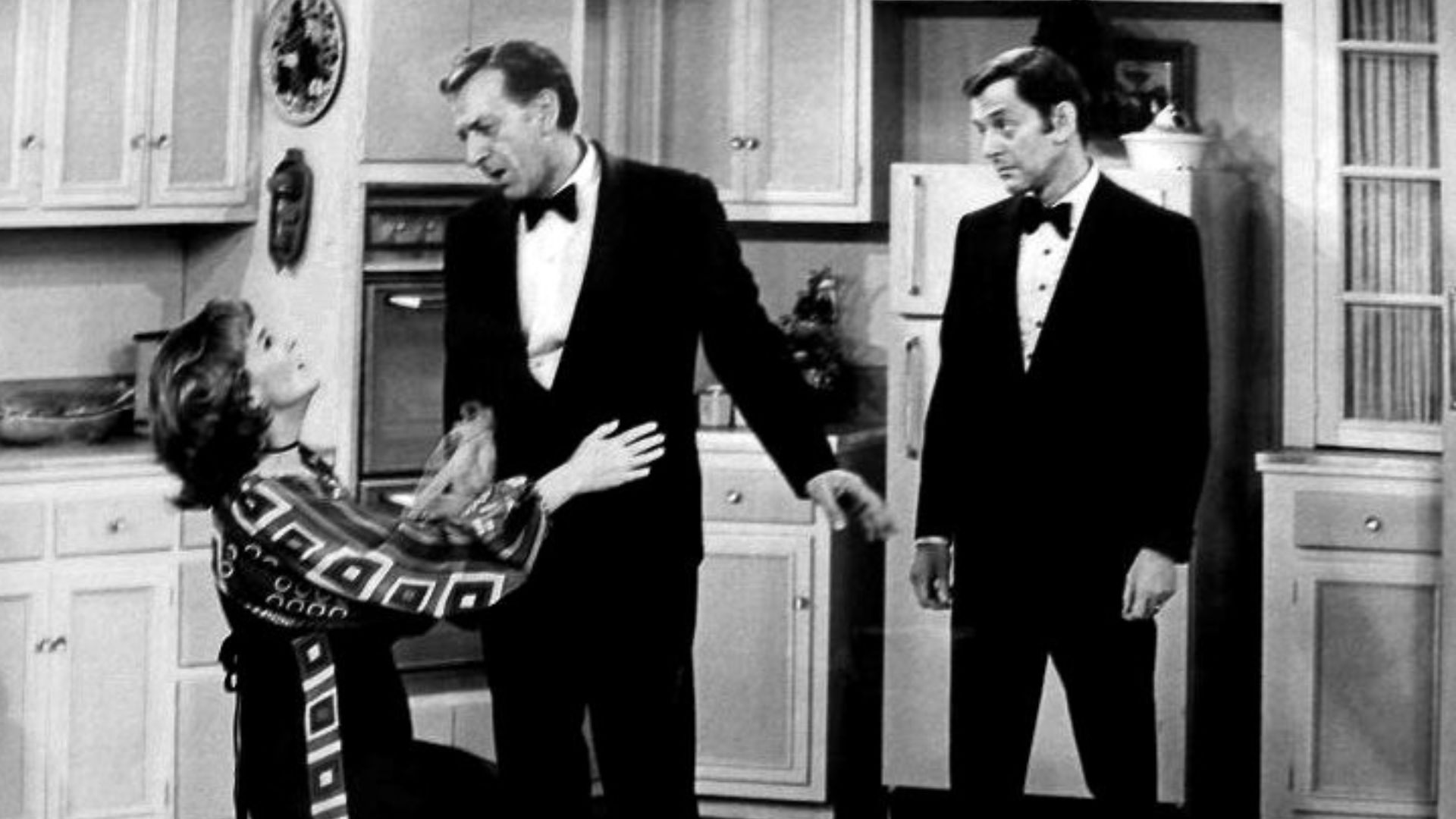
In 1970, Randall landed the role that permanently changed his career: Felix Unger in the television adaptation of Neil Simon’s The Odd Couple. Felix was recently separated, obsessively tidy, emotional, cultured, and constitutionally incapable of leaving anything alone. Randall played him as though disorder were a genuine medical emergency.
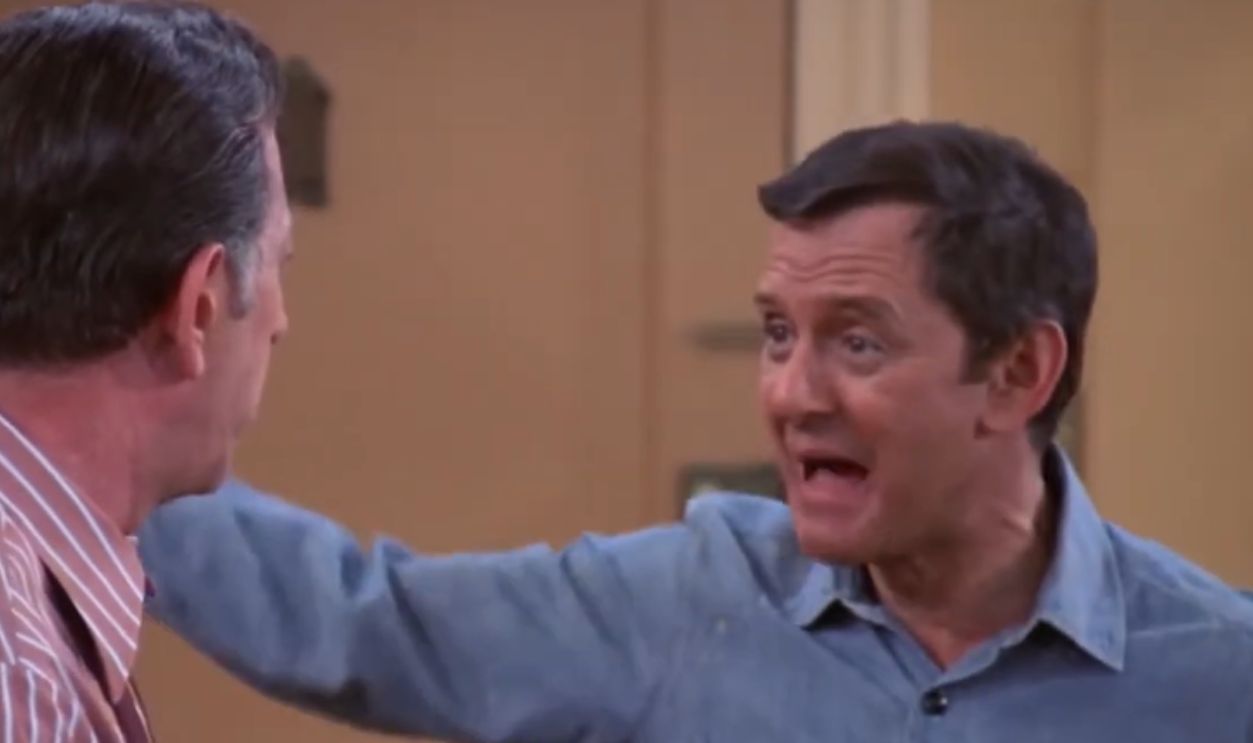 Screenshot from The Odd Couple, ABC (1970–1975)
Jack Klugman Completed The Equation
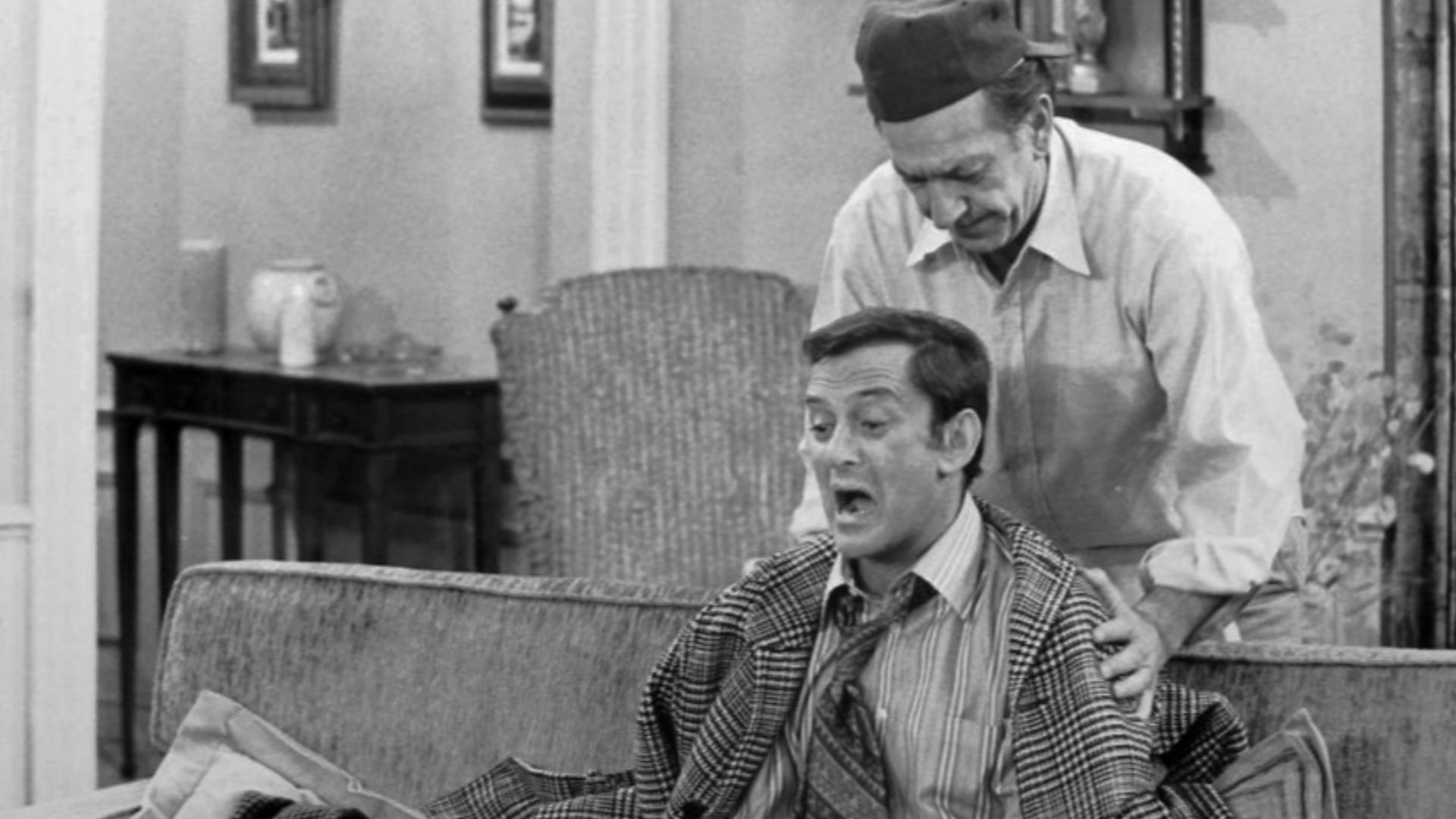
Felix needed the right Oscar Madison, and Jack Klugman proved ideal. Oscar was messy where Felix was immaculate, relaxed where Felix was anxious, and happily vulgar where Felix preferred opera. Their chemistry became so convincing that the actors remain strongly associated with the characters decades later.
 ABC Television, Wikimedia Commons
They Made Arguments Feel Musical
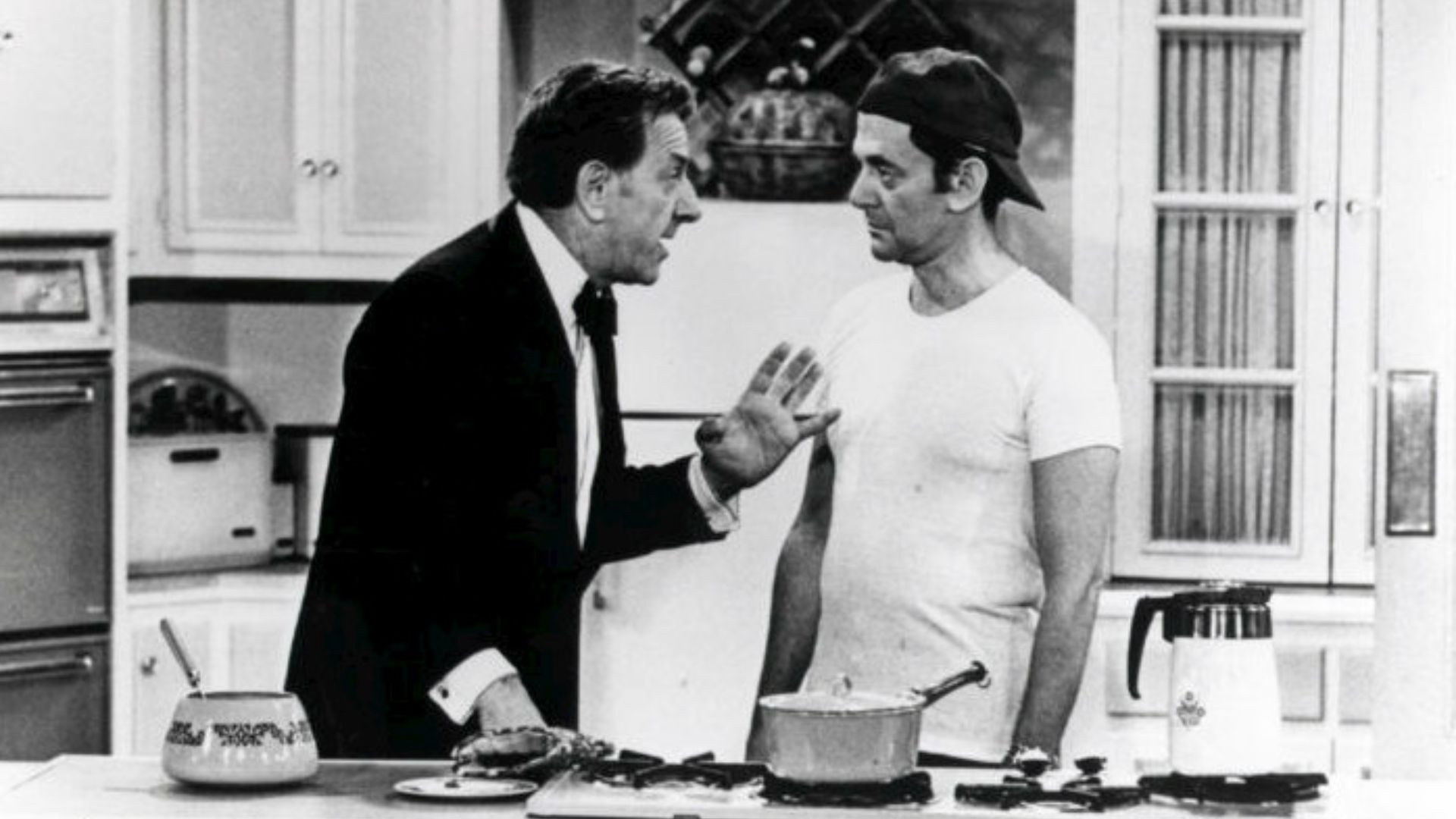
Randall and Klugman could spend an entire scene complaining at each other and somehow make it feel beautifully timed. They understood rhythm. Oscar would provoke, Felix would react, Oscar would shrug, and Felix would explode. Then both men would quietly reveal why these supposedly incompatible roommates actually needed each other.
 ABC Television, Wikimedia Commons
Randall Put Himself Into Felix
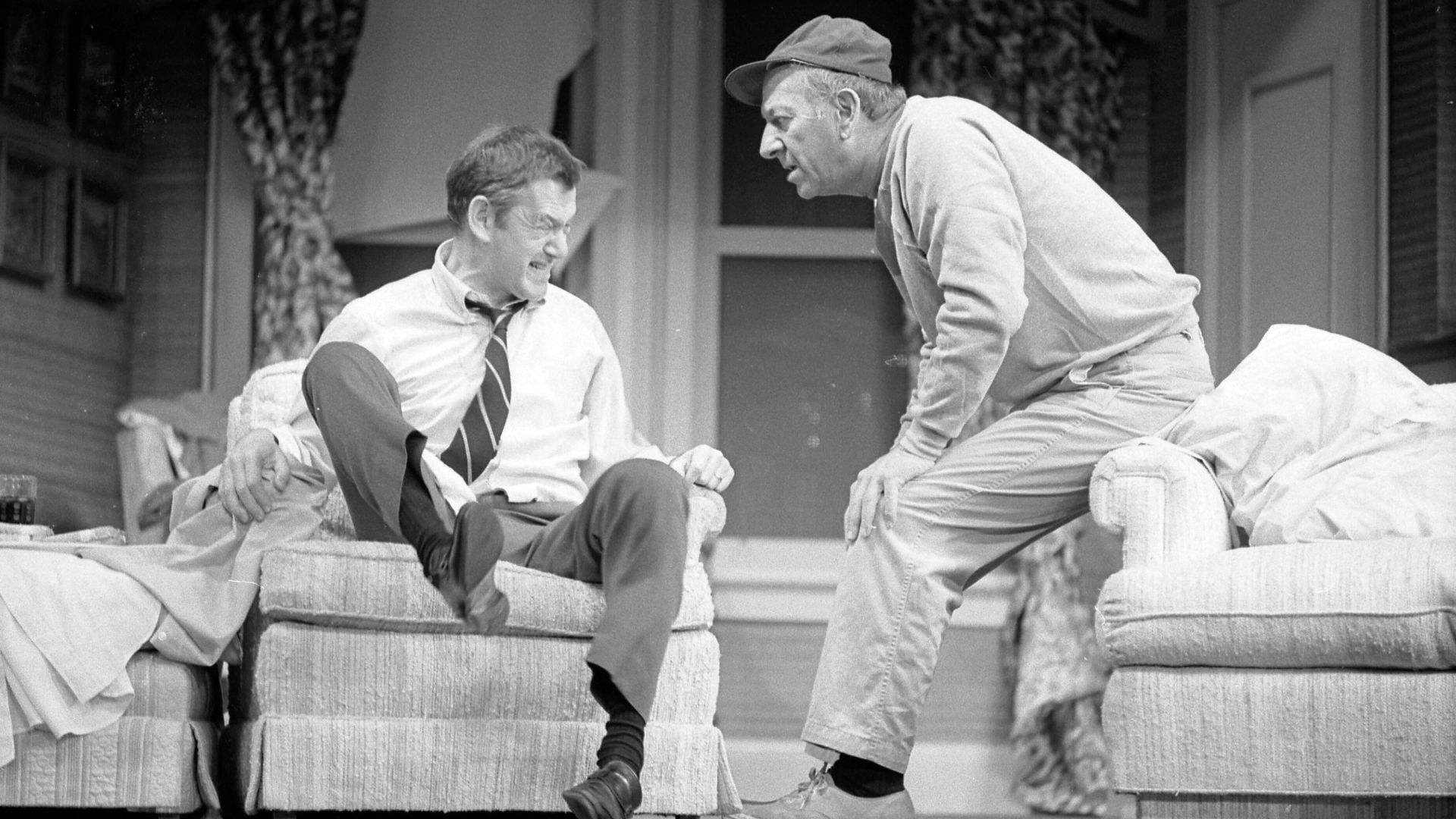
The resemblance between Randall and Felix was not entirely accidental. Randall loved opera, ballet, classical theater, and the arts, and some of those interests found their way into Felix. Randall later discussed how both he and Klugman contributed pieces of their own personalities to the characters.
 Bill Varie, Los Angeles Times, Wikimedia Commons
He Was Not Actually Felix
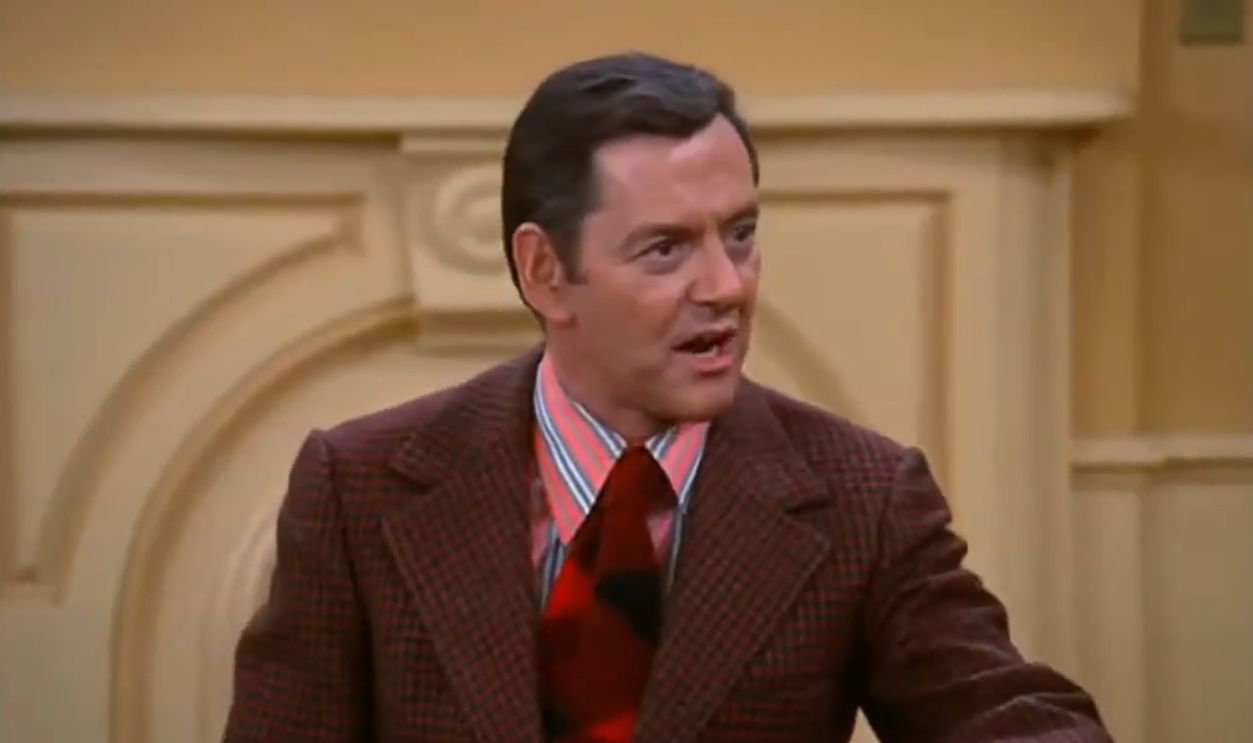
Still, Randall was not simply playing himself. Felix’s fussiness was magnified into comic absurdity. Randall was disciplined and cultured, but he was also sharp, dry, and much tougher than his television alter ego. Off camera, he could be extremely opinionated about acting, theater, television, and what he considered lazy work.
 Screenshor from The Odd Couple, Paramount Television (1970–1975)
The Show Took Time To Click
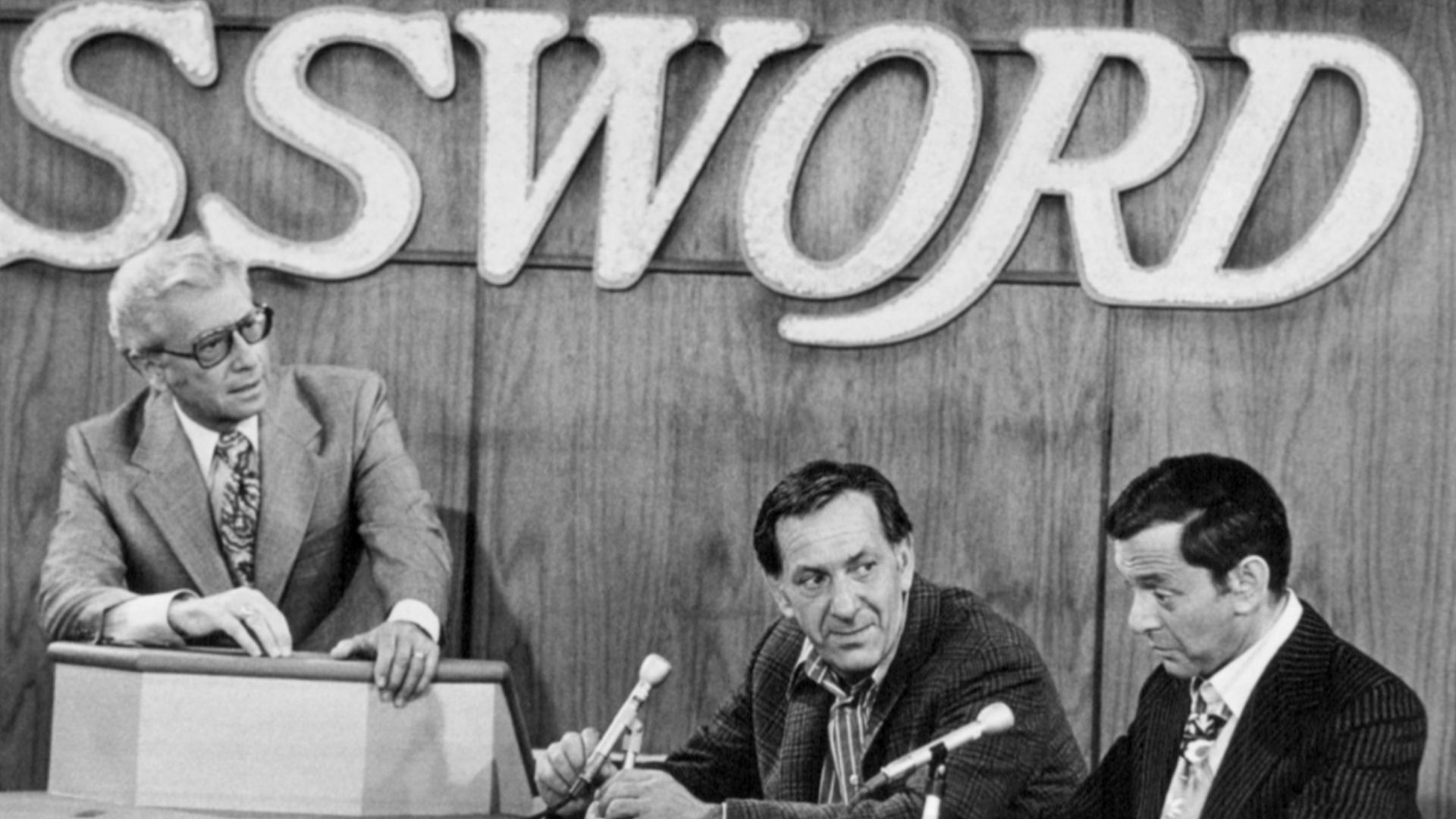
Today, The Odd Couple feels effortless, but Randall himself admitted the early episodes did not always satisfy him. He believed the show improved after moving to a three-camera format that allowed more rehearsal and rewriting. The extra preparation helped Randall and Klugman turn the series into something closer to live theater.
 ABC Television, Wikimedia Commons
Ratings Never Told The Whole Story
Strangely, The Odd Couple was never the giant ratings sensation its later reputation might suggest. ABC kept it running for five seasons, but its real immortality came afterward. Syndication introduced Felix and Oscar to new viewers again and again, gradually transforming a modest network performer into a television institution.
 Screenshor from The Odd Couple, Paramount Television (1970–1975)
Randall Finally Won His Emmy
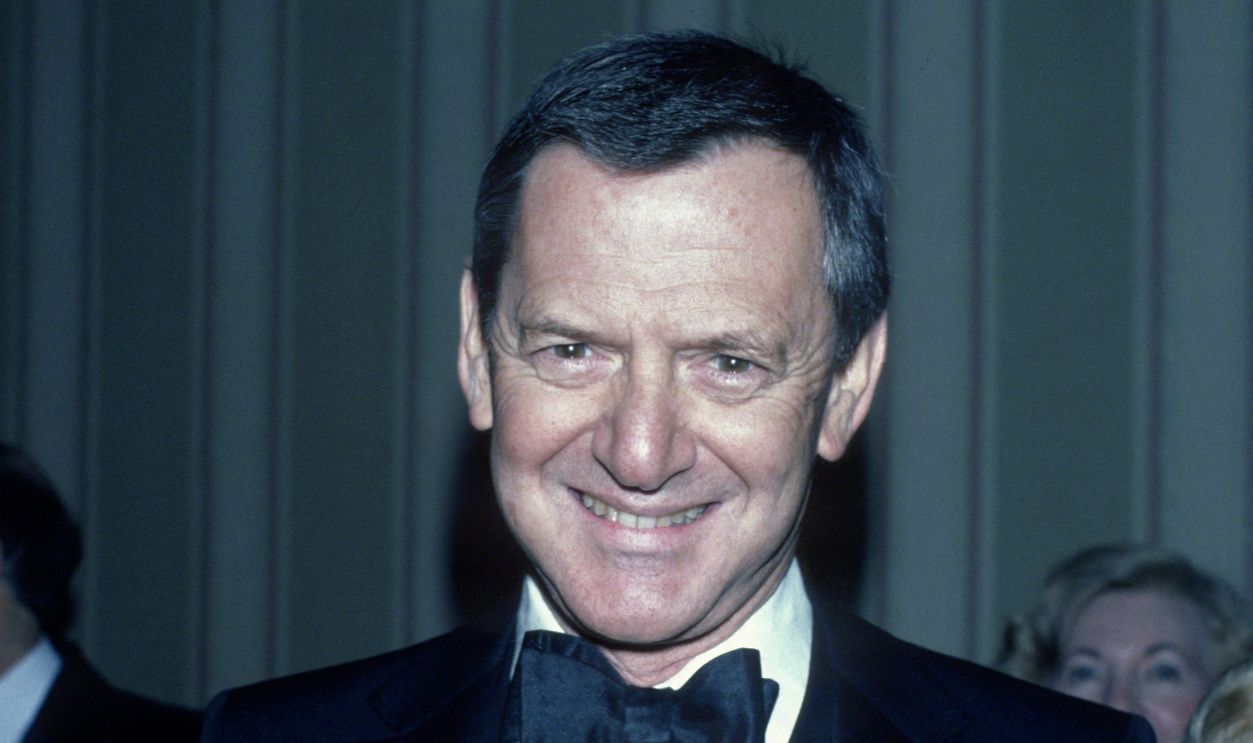
Randall received repeated Emmy nominations for playing Felix before finally winning Outstanding Lead Actor in a Comedy Series in 1975, the show’s final season. He beat a field that included Klugman, Alan Alda, Carroll O’Connor, and Jack Albertson—a pretty remarkable collection of television talent.
Felix Was Hard To Escape
After five seasons, Randall could have spent the rest of his career answering questions about air conditioners, vacuum cleaners, and Oscar’s filthy apartment. But he kept moving. Felix remained the role audiences loved most, yet Randall consistently searched for work that would let him escape the character’s carefully polished shadow.
 ABC Television, Wikimedia Commons
He Got His Own Sitcom
The Tony Randall Show arrived in 1976, with Randall playing widowed Philadelphia judge Walter Franklin. The series gave him a quieter, more grounded character while surrounding him with a strong ensemble. It lasted two seasons and never became another Odd Couple, but it demonstrated Randall could anchor a sitcom without Felix’s nasal outrage.
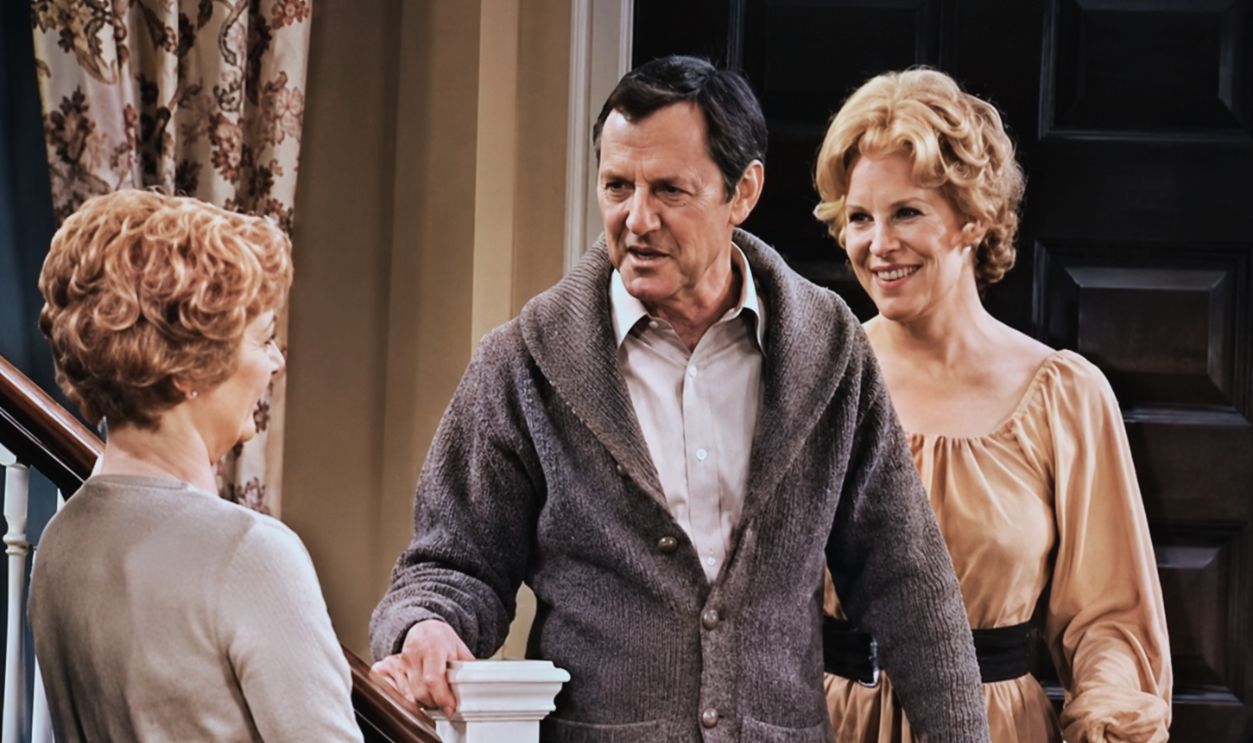 Screenshot from The Tony Randall Show, 20th Century Fox Television (1976–1978)
Love, Sidney Broke New Ground
Randall returned to television in Love, Sidney, playing Sidney Shorr, a middle-aged man sharing his life with a single mother and her daughter. The character had originated as gay in a television movie, although the weekly series handled that element cautiously. Randall brought unusual warmth to a role unlike Felix.
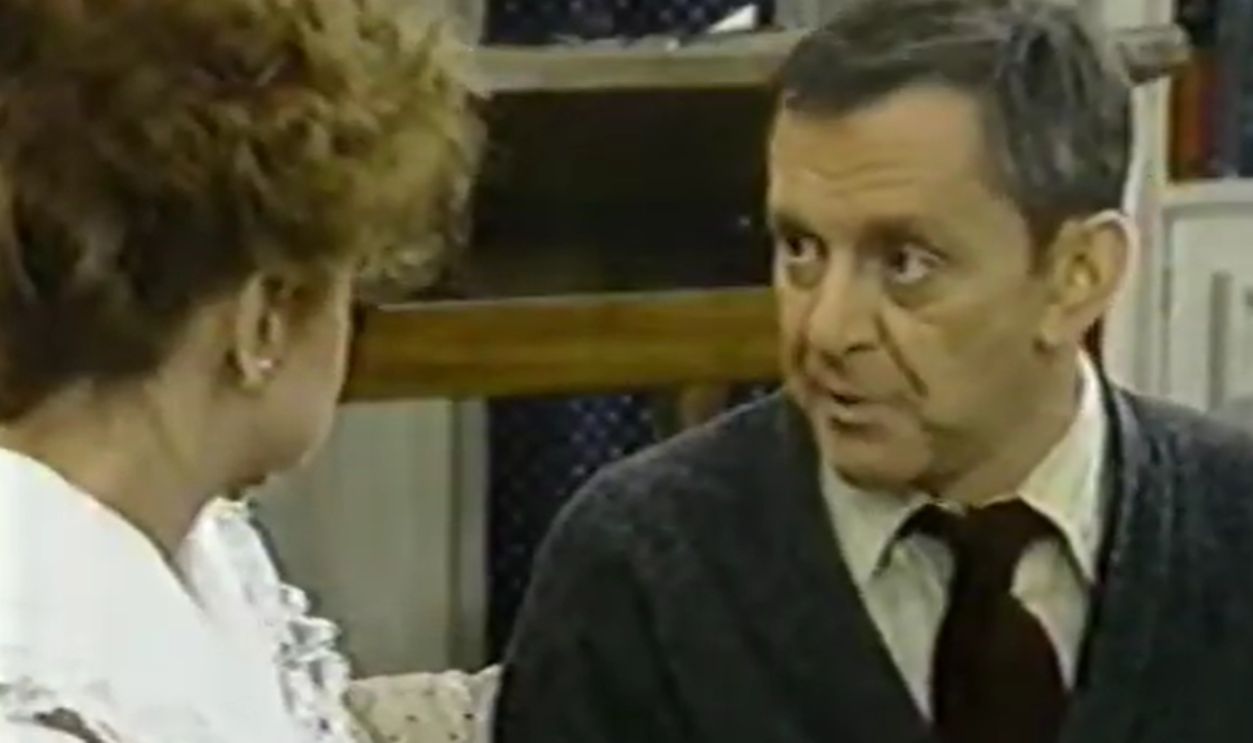 Screenshot from Love, Sidney, NBC (1981–1983)
Television Was Only Part Of Him
To many viewers, Randall was simply a sitcom star. To Randall, acting meant much more than television. He cared deeply about classical theater and worried that major dramatic works were becoming increasingly difficult for American audiences to see performed by experienced professional actors.
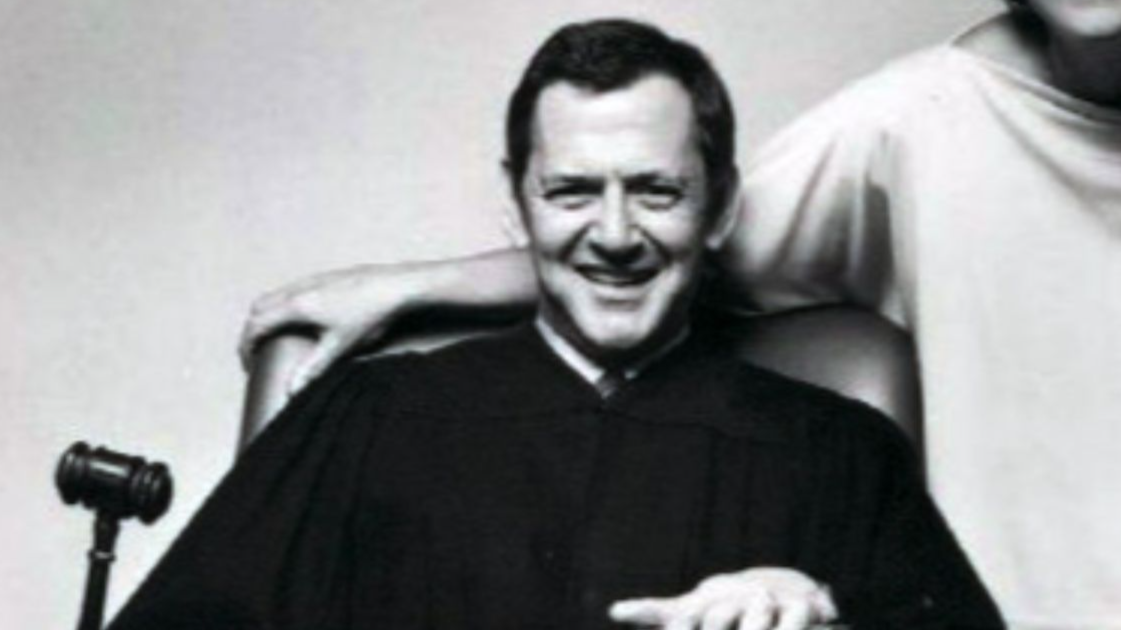 ABC Television, Wikimedia Commons
He Put His Money Behind Theater
In 1991, Randall founded the nonprofit National Actors Theatre. Its mission was ambitious: bring major classical works back to Broadway and give audiences access to plays that commercial producers might consider too risky. Its first production was Arthur Miller’s The Crucible, returning the play to Broadway after decades.
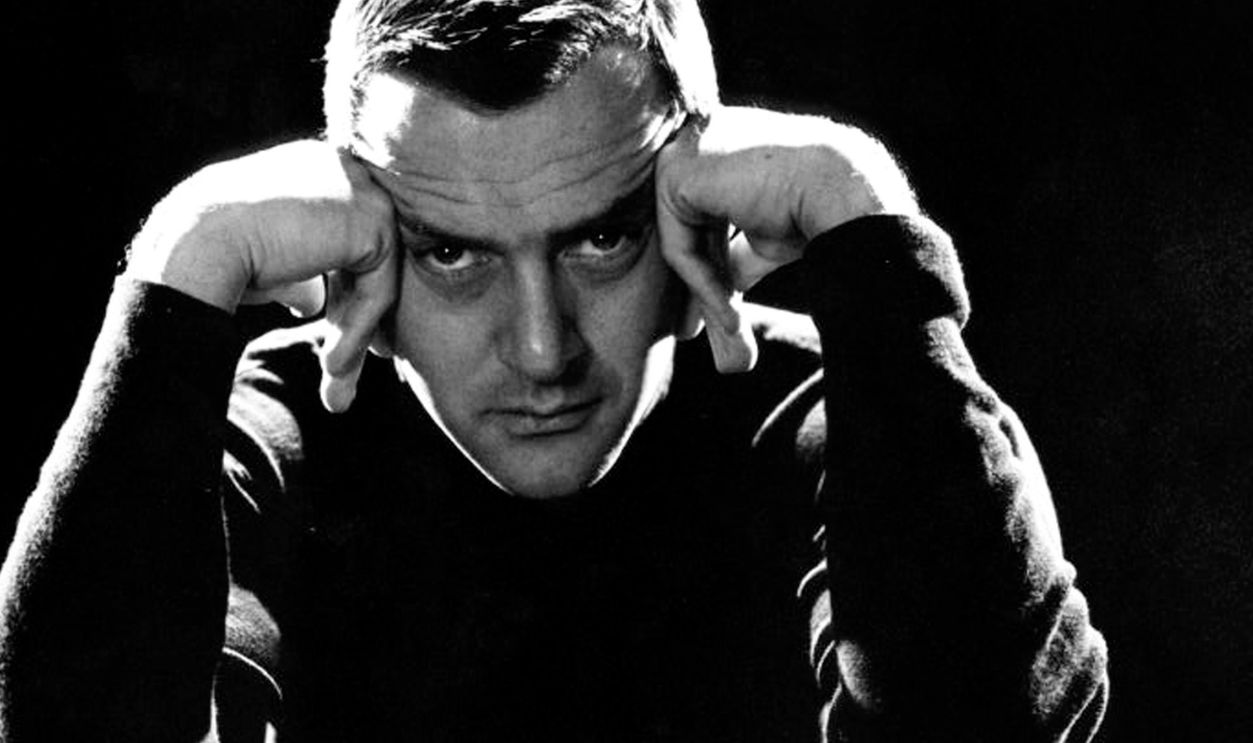
His Private Life Stayed Remarkably Quiet
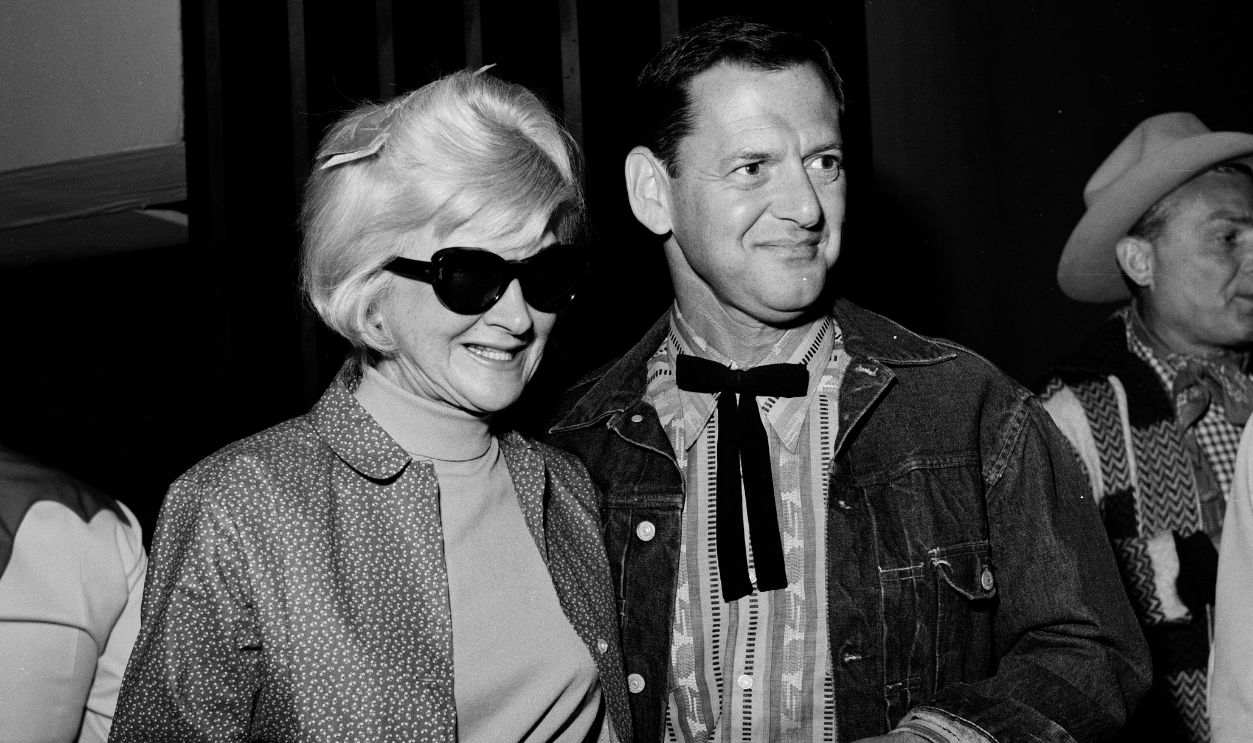
For someone who spent decades on television, Randall kept much of his personal life away from celebrity spectacle. He married Florence Gibbs in 1938, and they remained together until her death in 1992. Their marriage lasted more than half a century without becoming a constant feature of entertainment headlines.
 Michael Ochs Archives, Getty Images
His Second Marriage Drew Attention
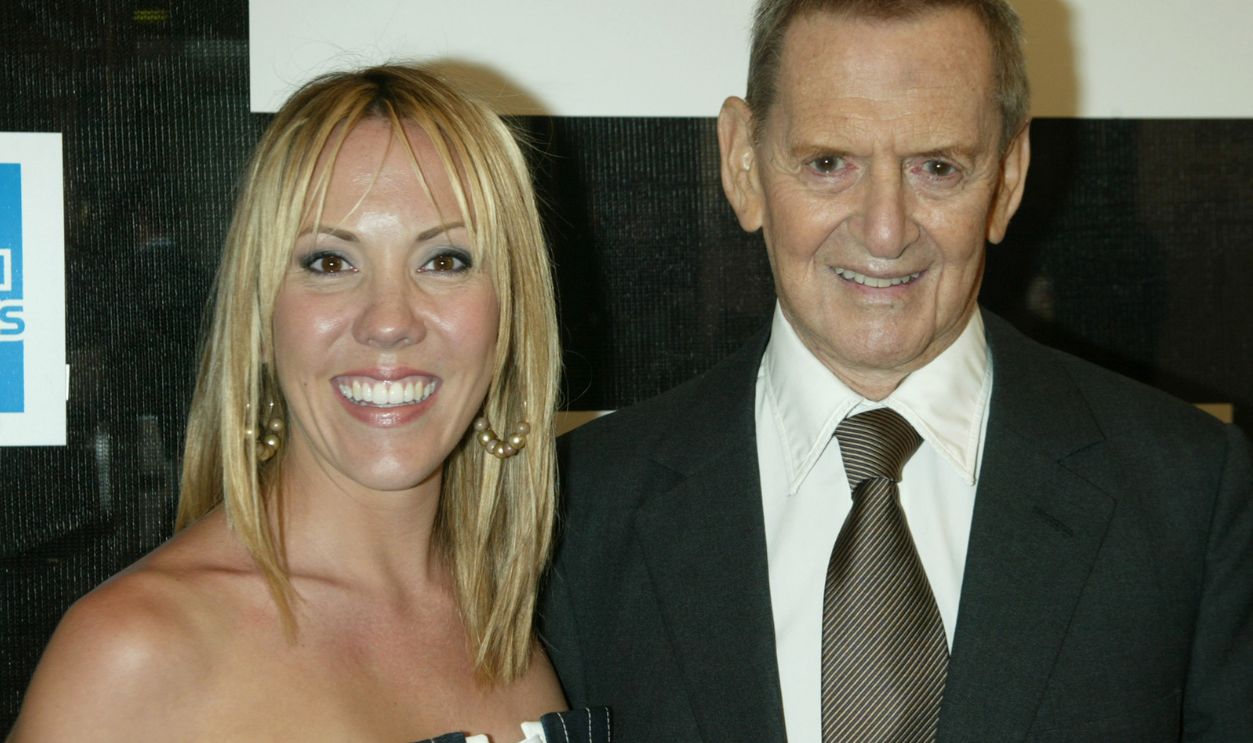
Randall surprised many people when he married actress Heather Harlan in 1995. Their substantial age difference inevitably attracted public curiosity, but Randall refused to treat his home life like entertainment. They eventually had two children, making Randall a first-time father when he was well into his seventies.
Becoming A Father Changed His Final Years
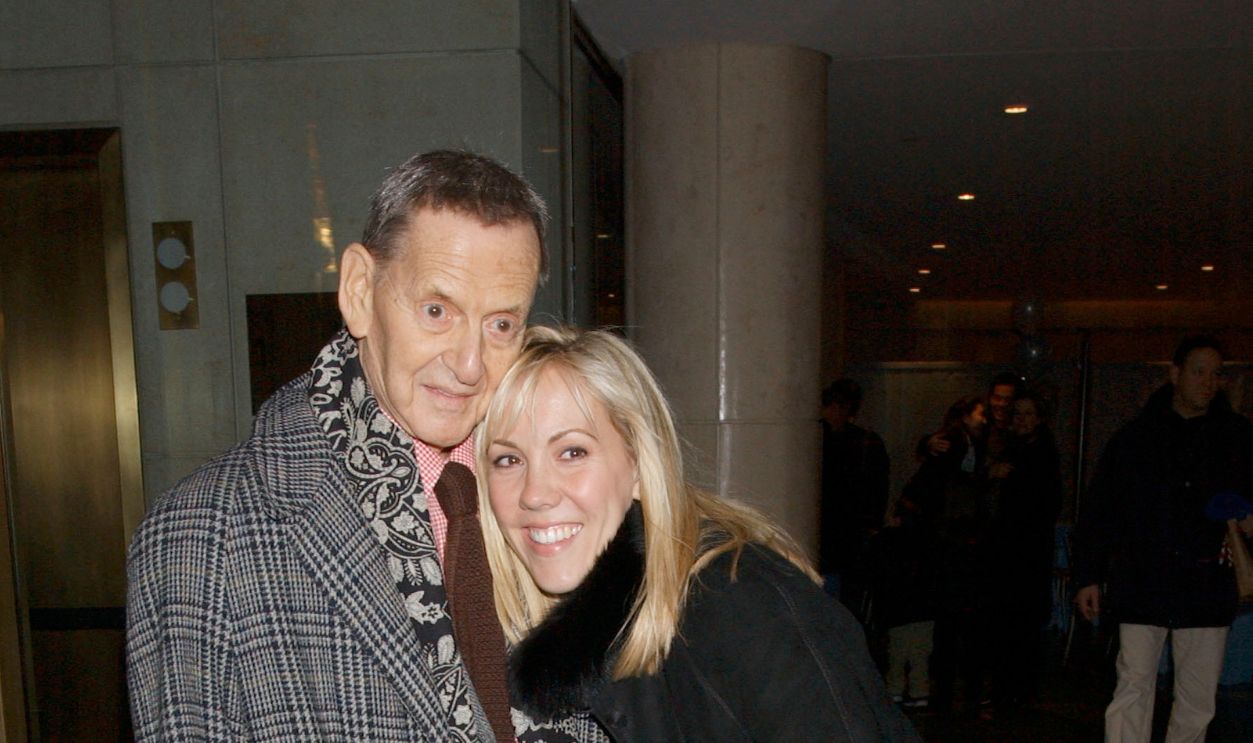
Late fatherhood became one of the few pieces of Randall’s private life that he discussed publicly with regularity. He clearly enjoyed the unexpected turn his life had taken. After decades spent playing neurotic bachelors, frustrated husbands, and eccentric professionals, Randall entered his final chapter with a young family of his own.
He Never Really Retired
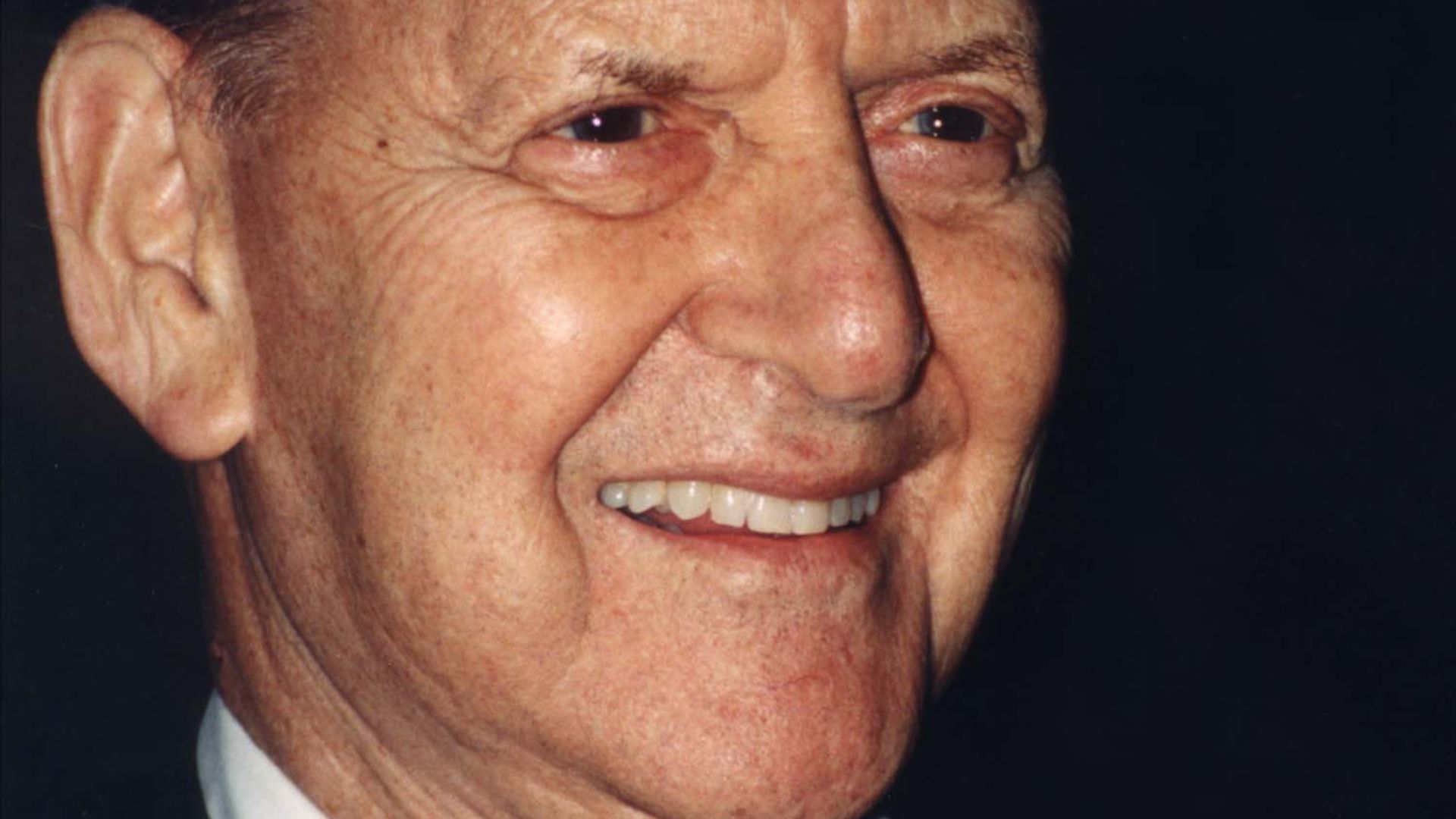
Randall continued acting, promoting theater, and making television appearances well into his later years. He also became a memorable guest on David Letterman’s programs, where his intelligence, dry irritation, and impeccable timing worked without any sitcom script. Randall understood that comedy could come simply from being unmistakably himself.
 John Mathew Smith & www.celebrity-photos.com from Laurel Maryland, USA, Wikimedia Commons
Felix Was Only Part Of The Story
Tony Randall died in 2004 at age 84, leaving behind one of television comedy’s most recognizable characters. Yet Felix Unger represented only one part of an unusually rich career. Randall was a movie actor, stage champion, television star, arts advocate, husband, late-in-life father, and a performer who made precision look effortlessly funny.
You May Also Like:
The Most Overlooked Albums Of The 2000s—Do You Remember Any Of These Records?