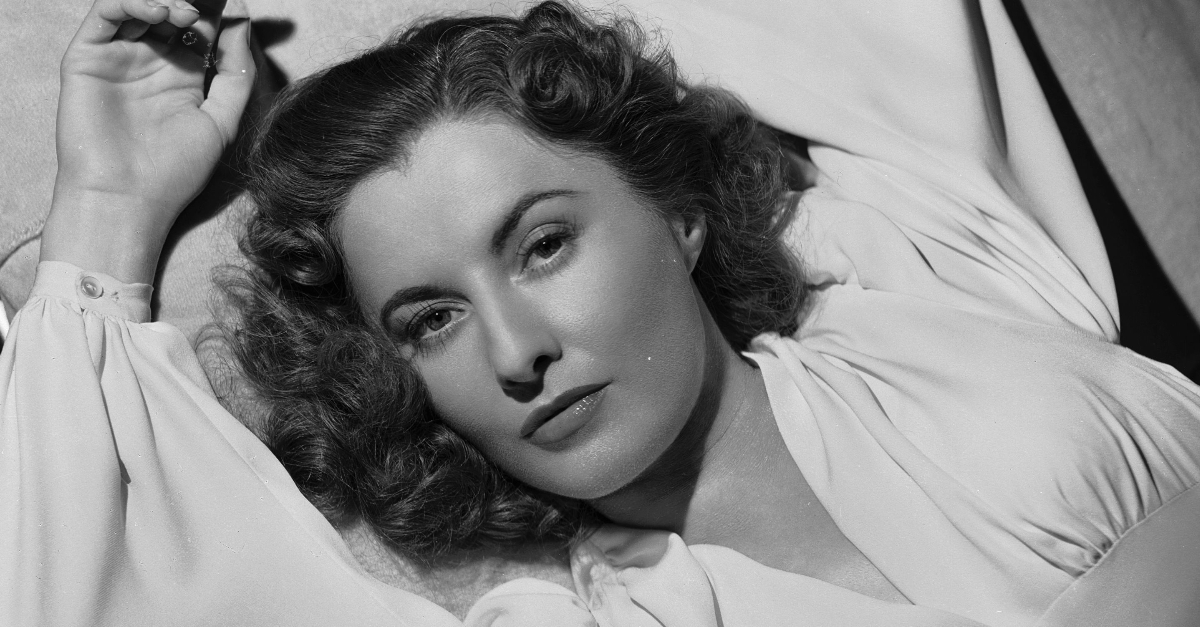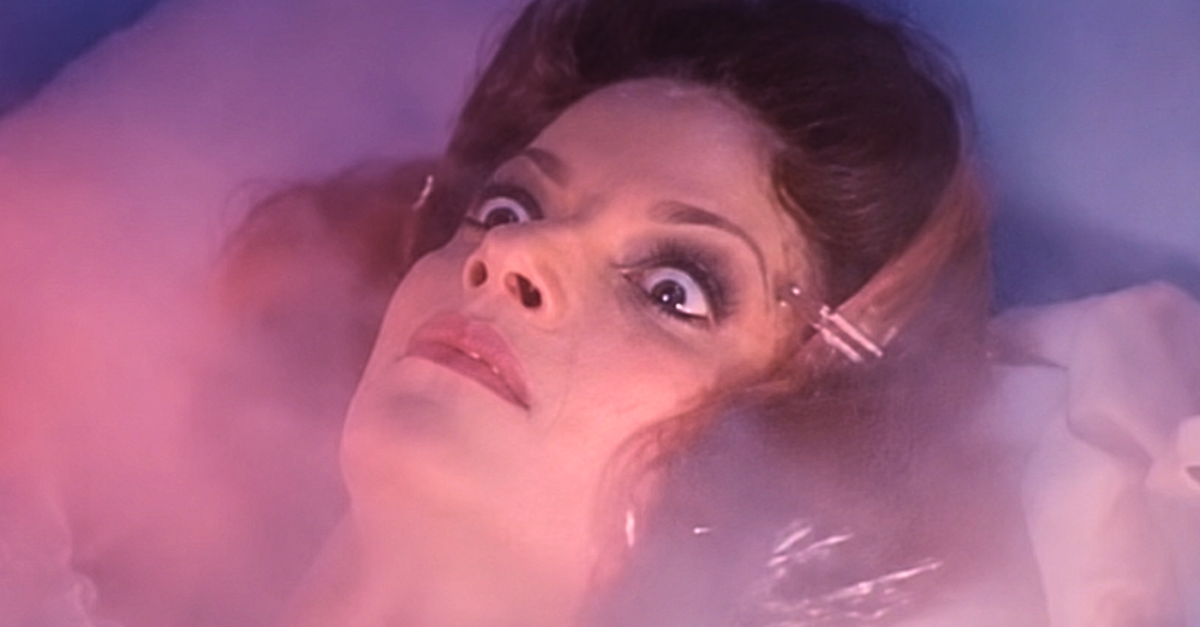
Hollywood Had A Coroner Of Its Own
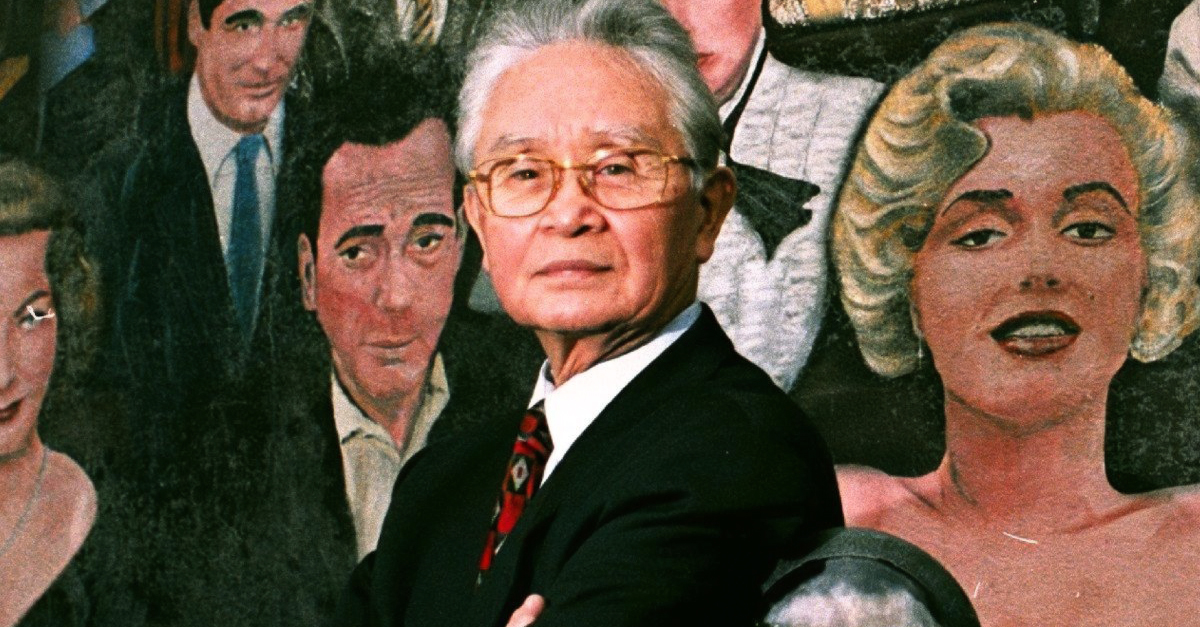
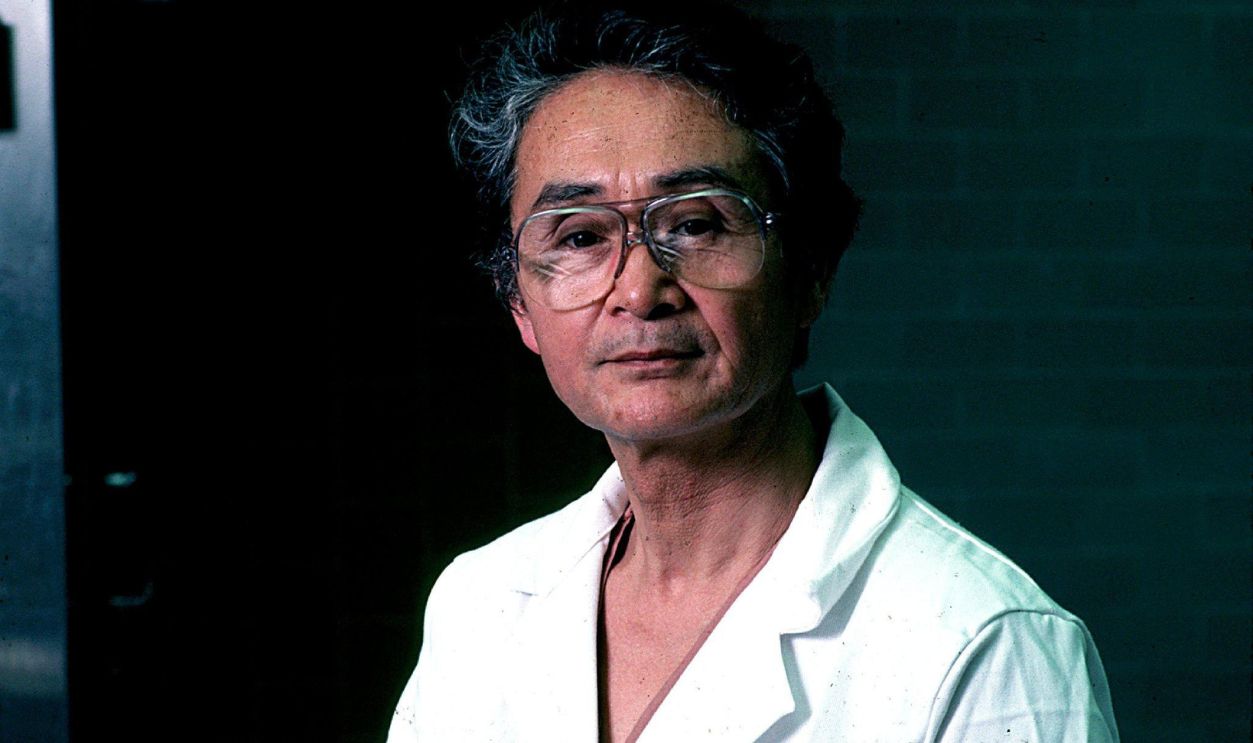
For decades, some of Los Angeles’ most shocking celebrity deaths seemed to lead to the same man. Dr Thomas Noguchi served as Los Angeles County’s chief medical examiner-coroner from 1967 until 1982, earning the memorable nickname “Coroner to the Stars".
His case history eventually included Marilyn Monroe, Robert F Kennedy, Sharon Tate, Janis Joplin, Natalie Wood, William Holden, and John Belushi.
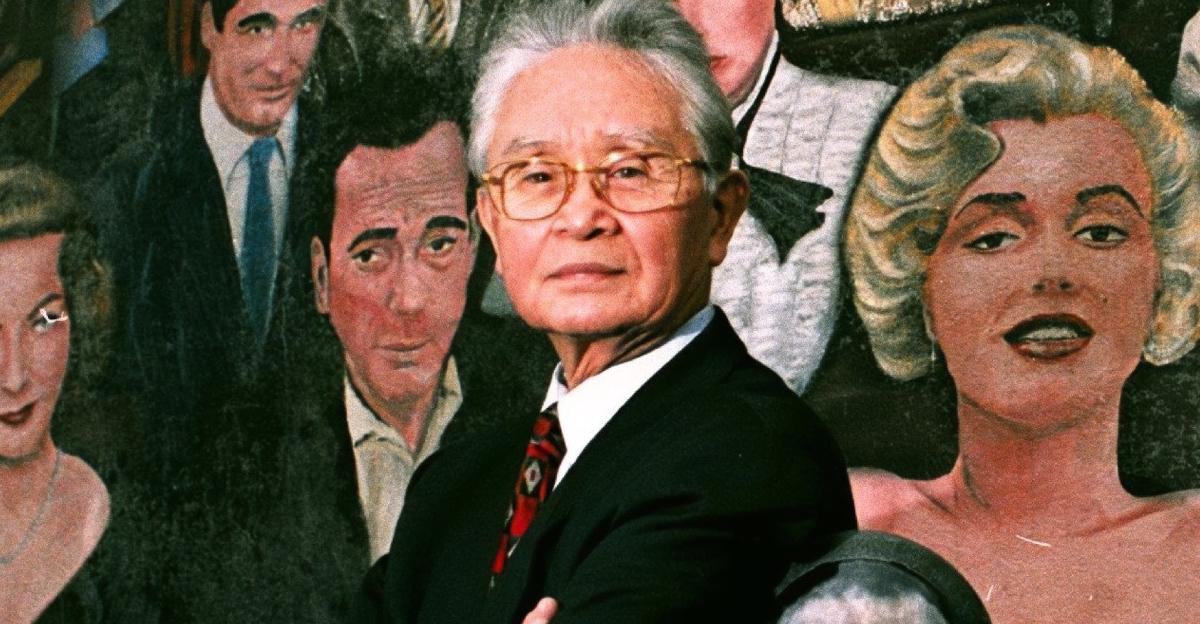
He Arrived In America With A Medical Career In Mind
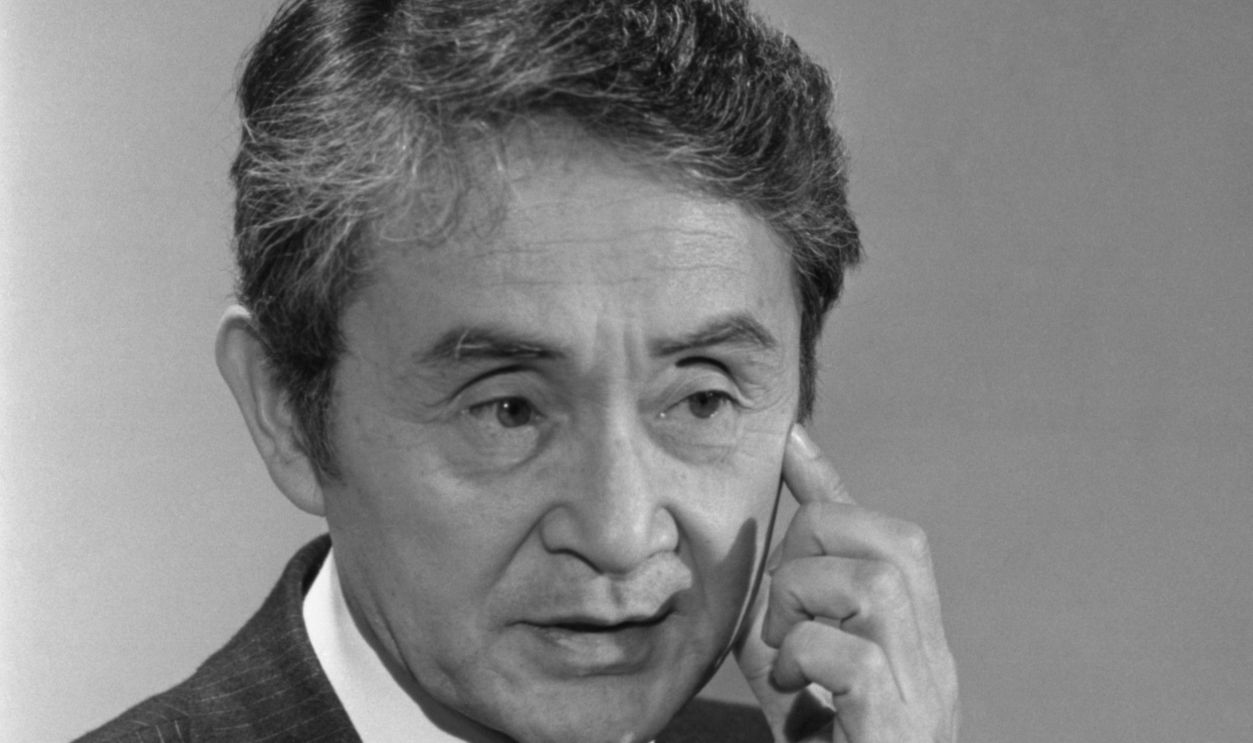
Noguchi immigrated from Japan and built his American career in medicine rather than entertainment. He eventually became one of the best-known forensic pathologists in the United States, although his celebrity came from examining those who had passed rather than treating the living. Decades later, Noguchi said his career had become a story not only about medicine, but also about politics and a Japanese immigrant finding his place in American society.
Los Angeles Put Him Close To Fame
Noguchi joined the Los Angeles County coroner system before becoming its top official in 1967. The position placed him at the center of investigations in a city filled with movie stars, musicians, politicians, and national celebrities. His scientific job soon came with a level of press attention that few medical examiners ever experience.

Then Marilyn Monroe Changed Everything
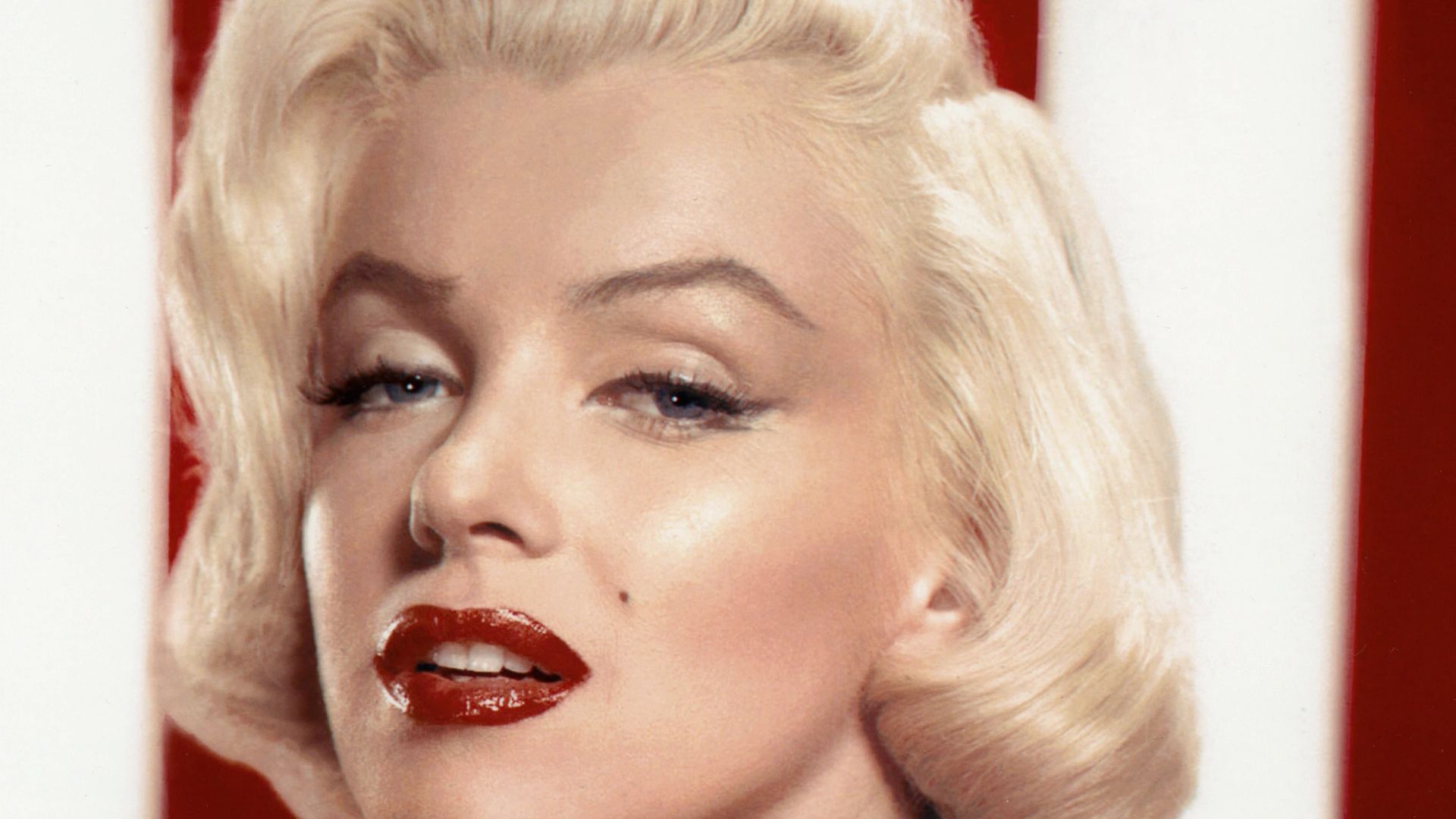
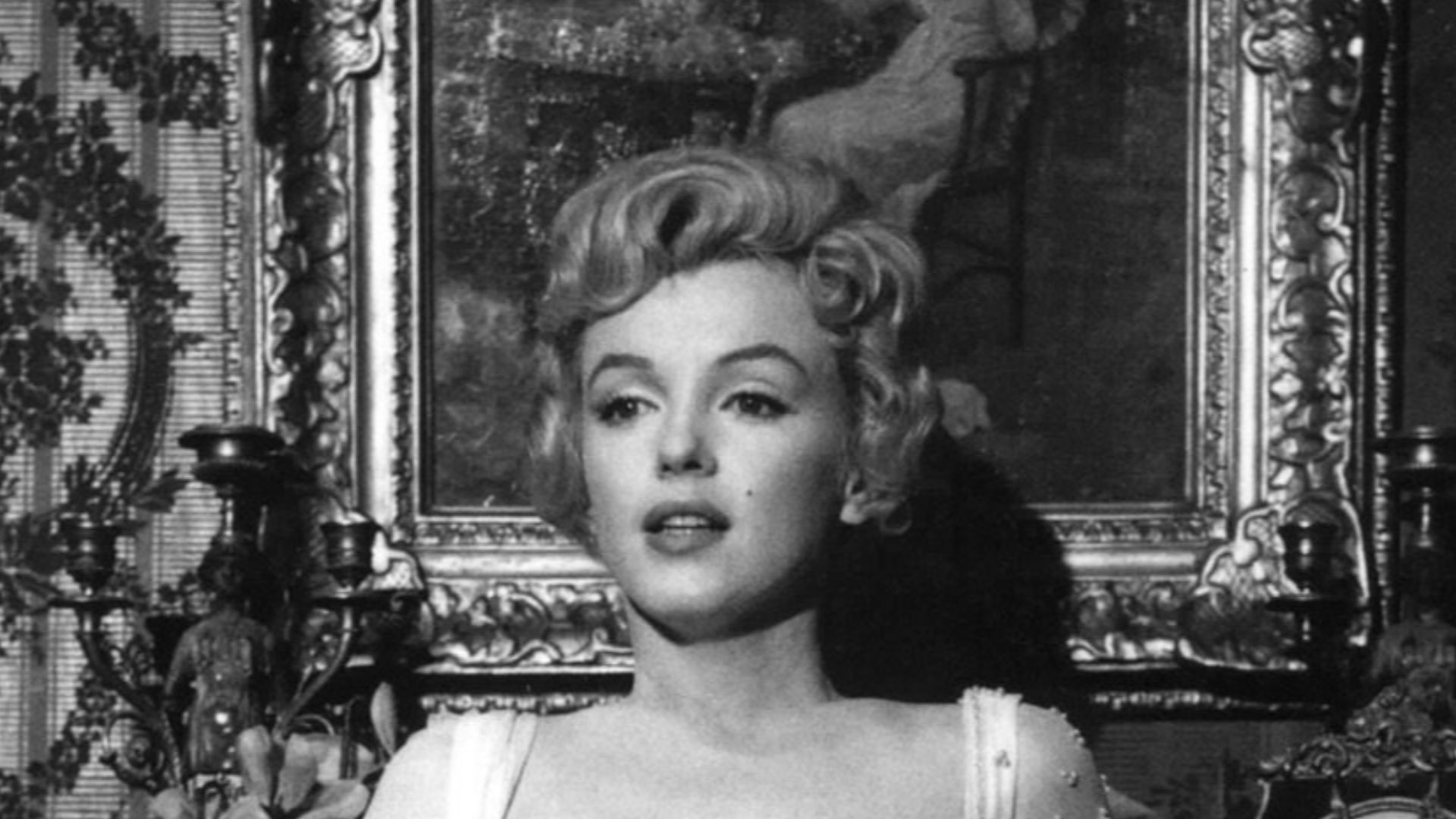
One of the defining assignments of Noguchi’s early career arrived with Marilyn Monroe’s passing in August 1962. Noguchi, then working as a deputy medical examiner, performed the actress’s autopsy. Monroe was only 36, and her sudden passing guaranteed that virtually every detail of the examination would attract intense public scrutiny.
 Studio publicity still, Wikimedia Commons
Monroe’s Passing Had A Shocking Ruling
The official finding was that Monroe passed from acute barbiturate poisoning, with her manner of death classified as probable that she'd taken her own life. The ruling became one of the most debated celebrity findings in American popular culture. Despite decades of competing theories, the official determination has remained the foundation of Monroe’s record.
 Milton H. Greene, Wikimedia Commons
Noguchi Suddenly Had A Public Profile
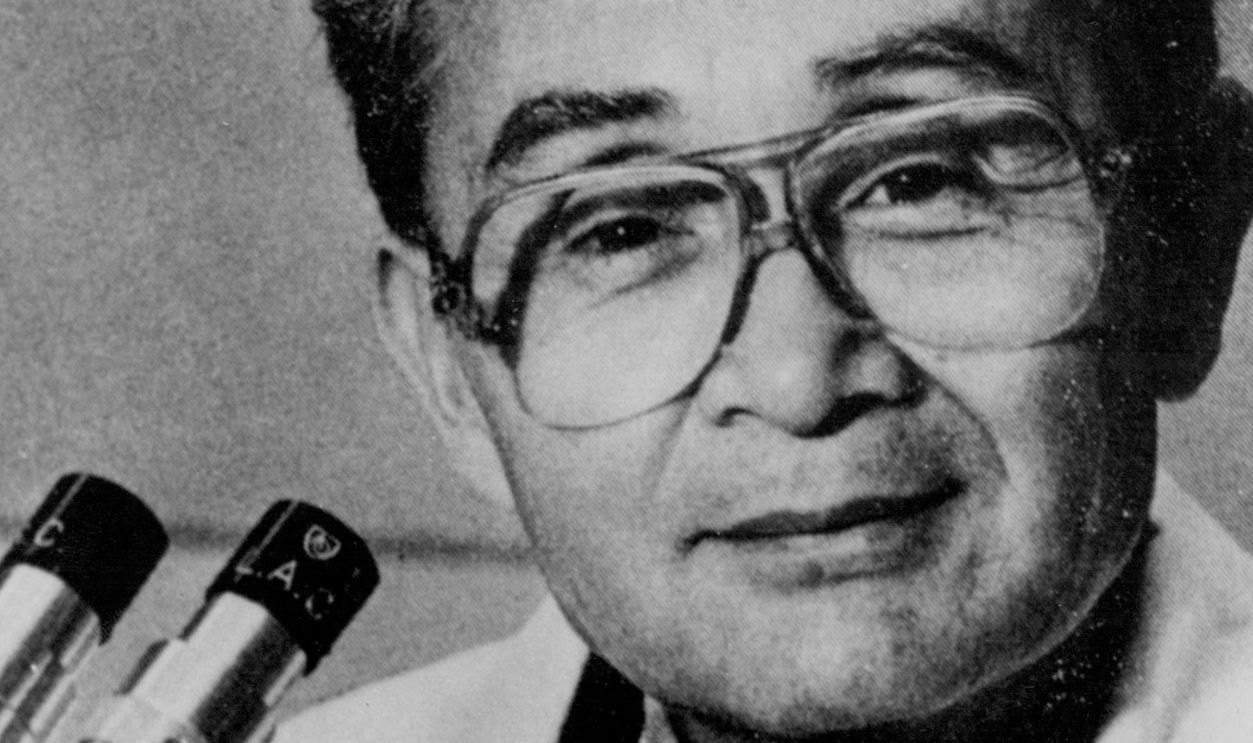
The Monroe case transformed an otherwise obscure medical examiner into a figure connected to Hollywood history. Noguchi would spend much of his career balancing forensic work with extraordinary media interest in his cases. That visibility would eventually make him famous, but it would also help create serious problems with his employers.
 Fairfax Media Archives, Getty Images
Robert F Kennedy Brought A National Crisis
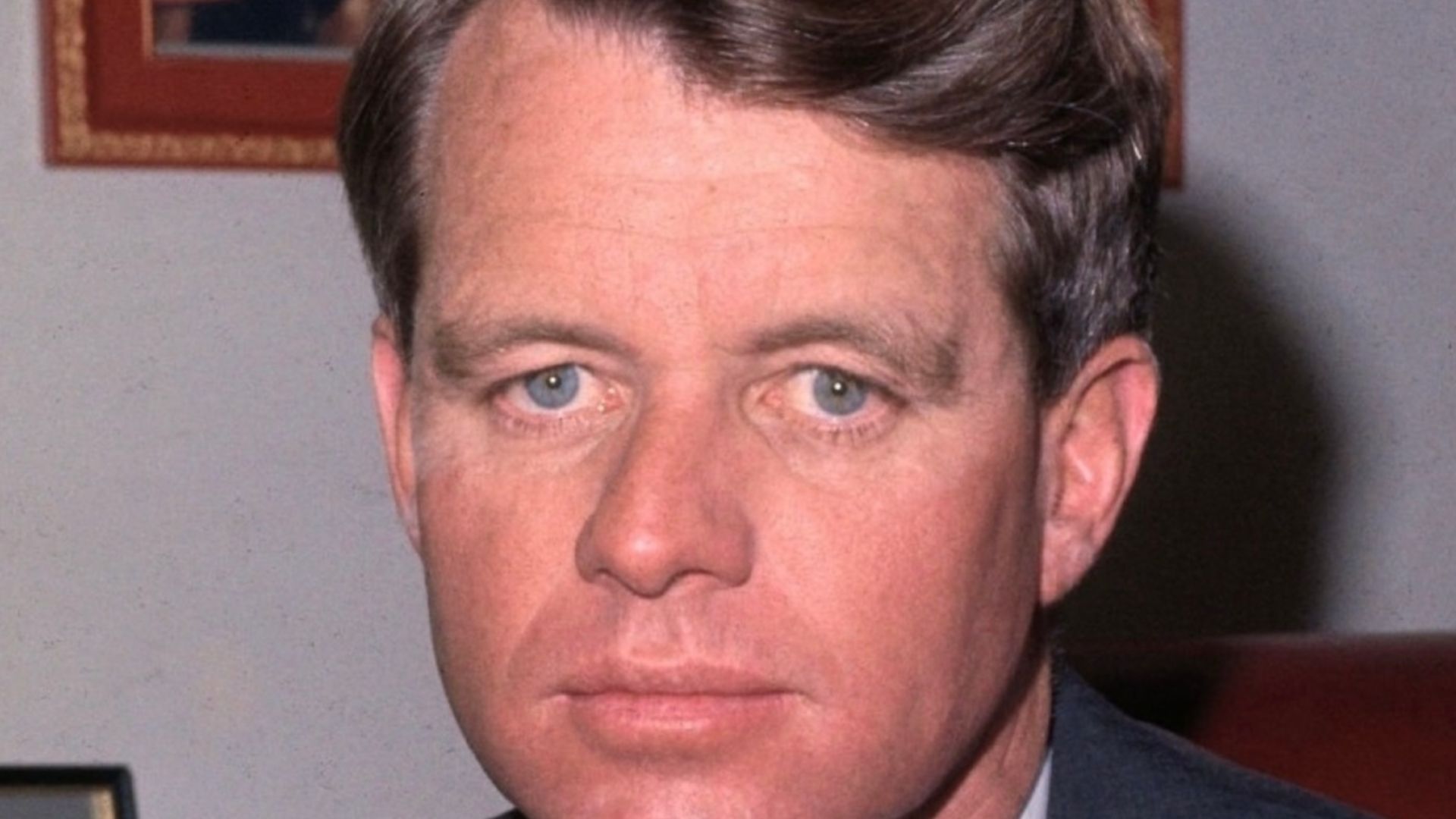
Noguchi’s work became even more consequential after Senator Robert F Kennedy was shot at the Ambassador Hotel in Los Angeles in June 1968. Kennedy passed on the following day, and Noguchi supervised the official autopsy examination. Unlike the passing of a movie star, this was now a case with enormous political and historical implications.
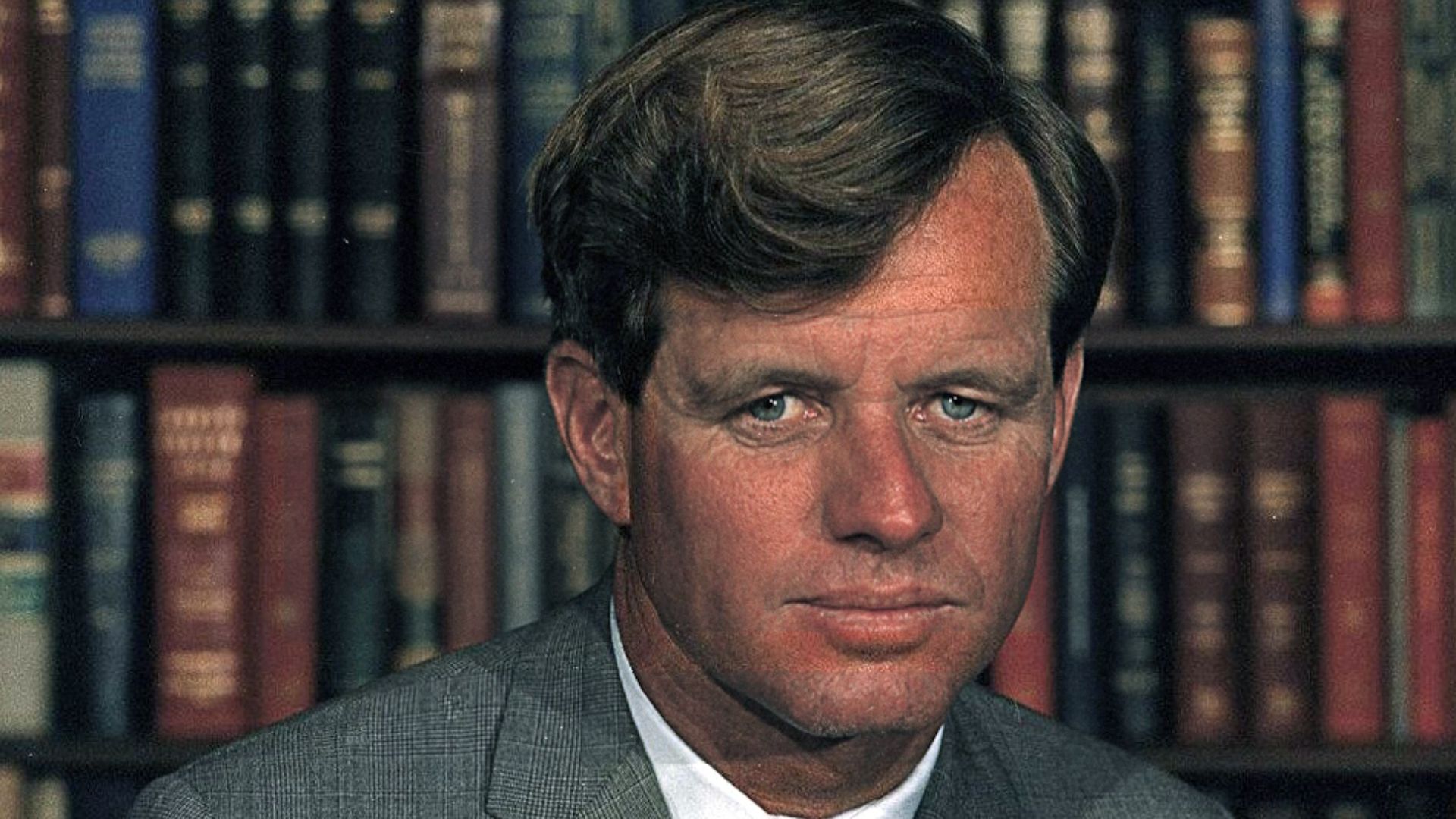 Unknown author, Wikimedia Commons
Kennedy’s Autopsy Was Remarkably Detailed
Official records confirm that Kennedy’s autopsy was performed at Good Samaritan Hospital by the staff of the Los Angeles County medical examiner-coroner under Noguchi. His findings carefully documented the locations and trajectories of Kennedy’s gunshot wounds. Those medical findings became an important part of the permanent record surrounding the assassination.
The Findings Fueled Years Of Debate
Noguchi determined that Kennedy had been struck by bullets from behind, including the fatal wound to the head. The close-range characteristics of that wound later became a major point of discussion among people challenging or analyzing the official account of it all. The autopsy findings themselves are documented, but the larger theories built around them remain separate from what Noguchi medically established.
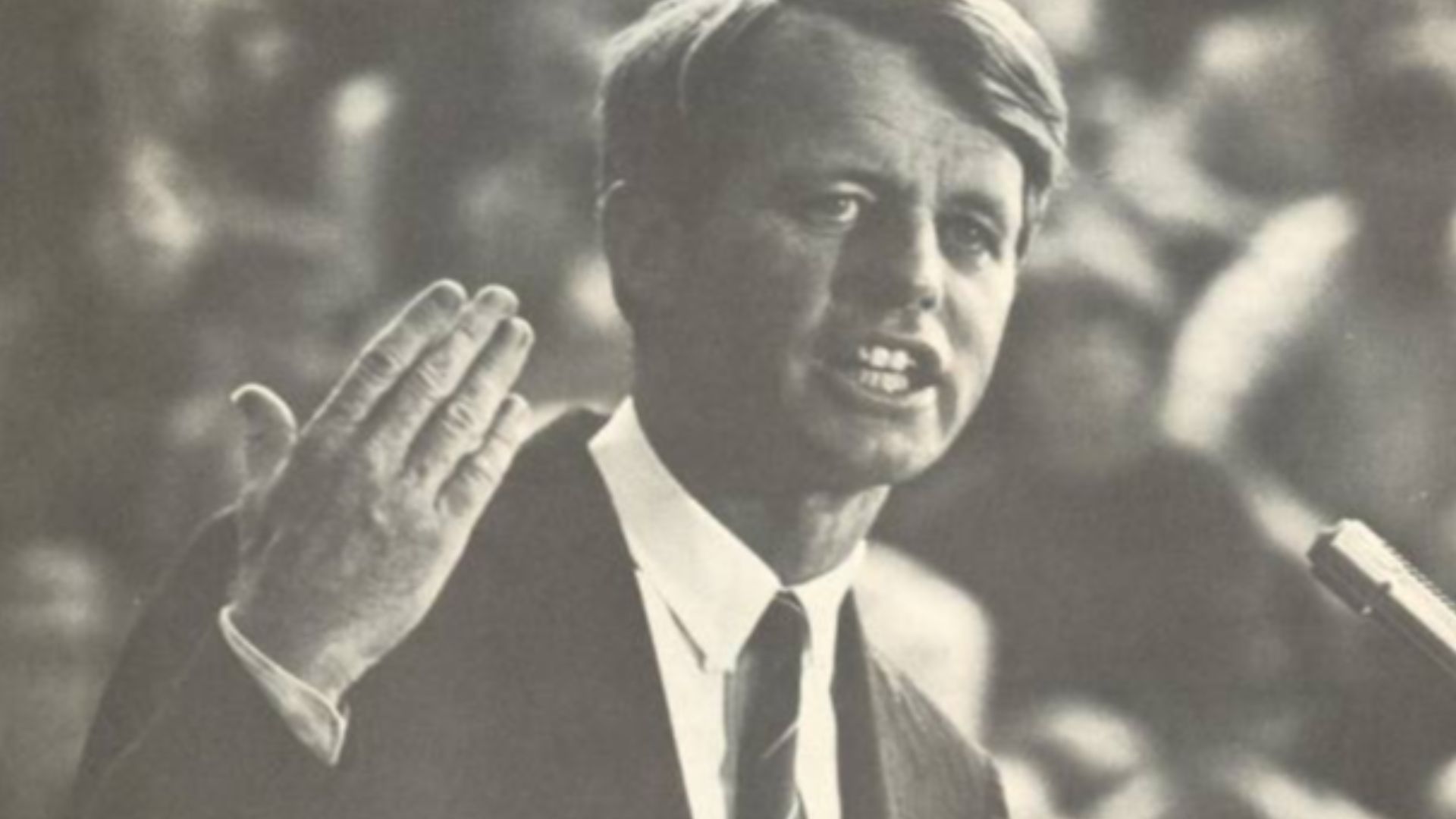 Kennedy for President Committee, Wikimedia Commons
Then Came The Manson Murders
In August 1969, Los Angeles was horrified by the murders of actress Sharon Tate and four other people at her home. Noguchi personally visited the scene and initially told reporters only that the victims had suffered multiple wounds. Autopsies soon gave authorities a much clearer picture of what had happened inside the house.
 Unknown authorUnknown author, Wikimedia Commons
Sharon Tate’s Autopsy Became Another Historic Case
Noguchi announced that Tate had passed from multiple stab wounds to the chest and back. The actress was 26 and heavily pregnant when followers of Charles Manson murdered her. The killings became among the most notorious atrocities in Hollywood history, placing Noguchi’s office once again at the intersection of celebrity and violence.
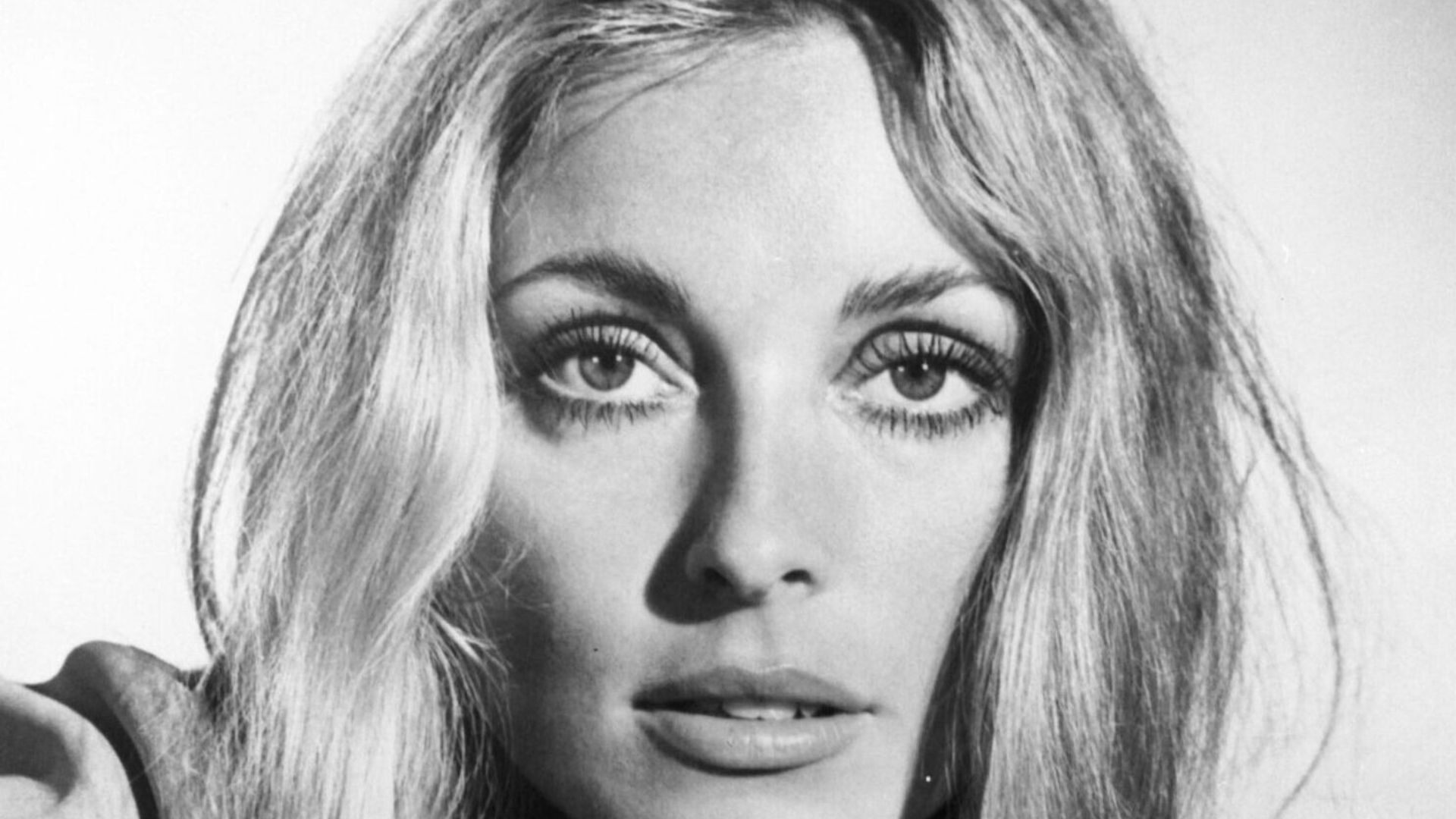 Unknown authorUnknown author, Wikimedia Commons
His Job Was Becoming Unusually Public
Most medical examiners conduct their work with little public recognition, but Noguchi regularly faced cameras and reporters. His role required explaining causes of death in cases that fascinated millions of people. By the 1970s, the doctor himself had become a recognizable character in the strange ecosystem of Hollywood celebrity.
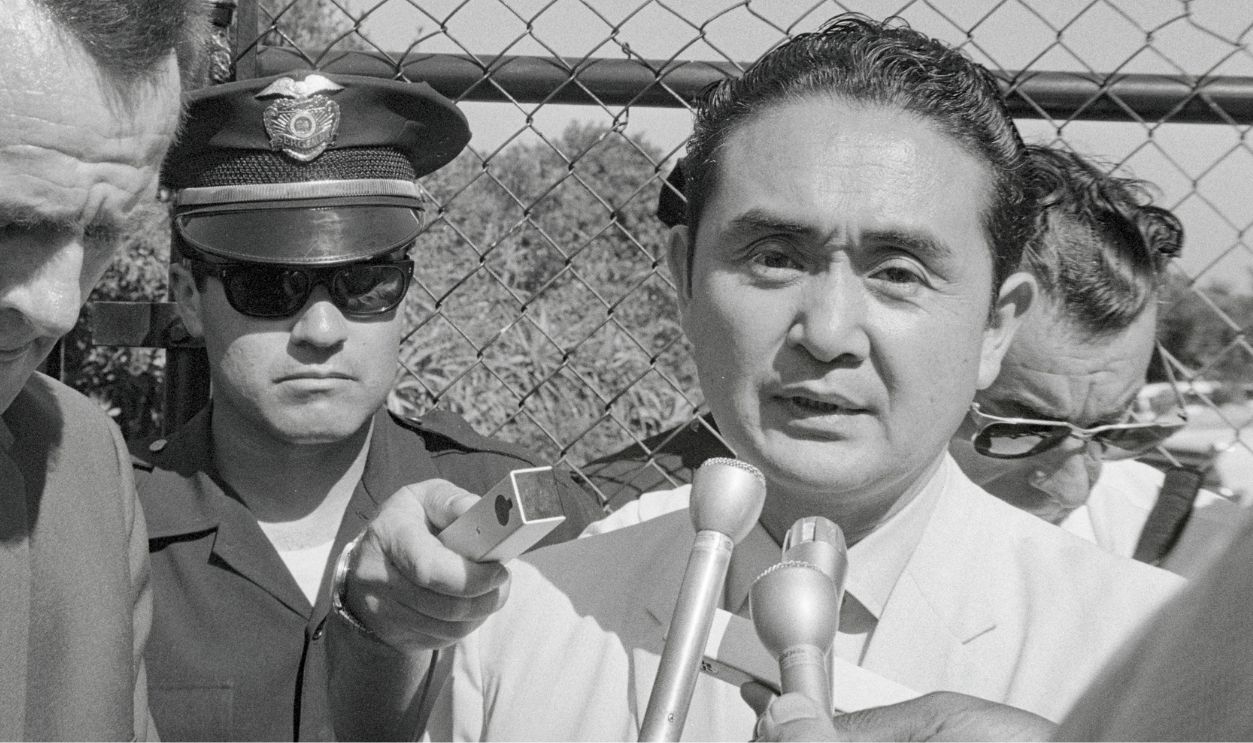
Janis Joplin Added Rock Stardom To The List
In October 1970, Janis Joplin was found lifeless in her room at Hollywood’s Landmark Motor Hotel. Noguchi’s office concluded that the 27-year-old singer had passed from an accidental overdose. The incident came just as Joplin was working on the recordings that became her hugely successful posthumous album, Pearl.
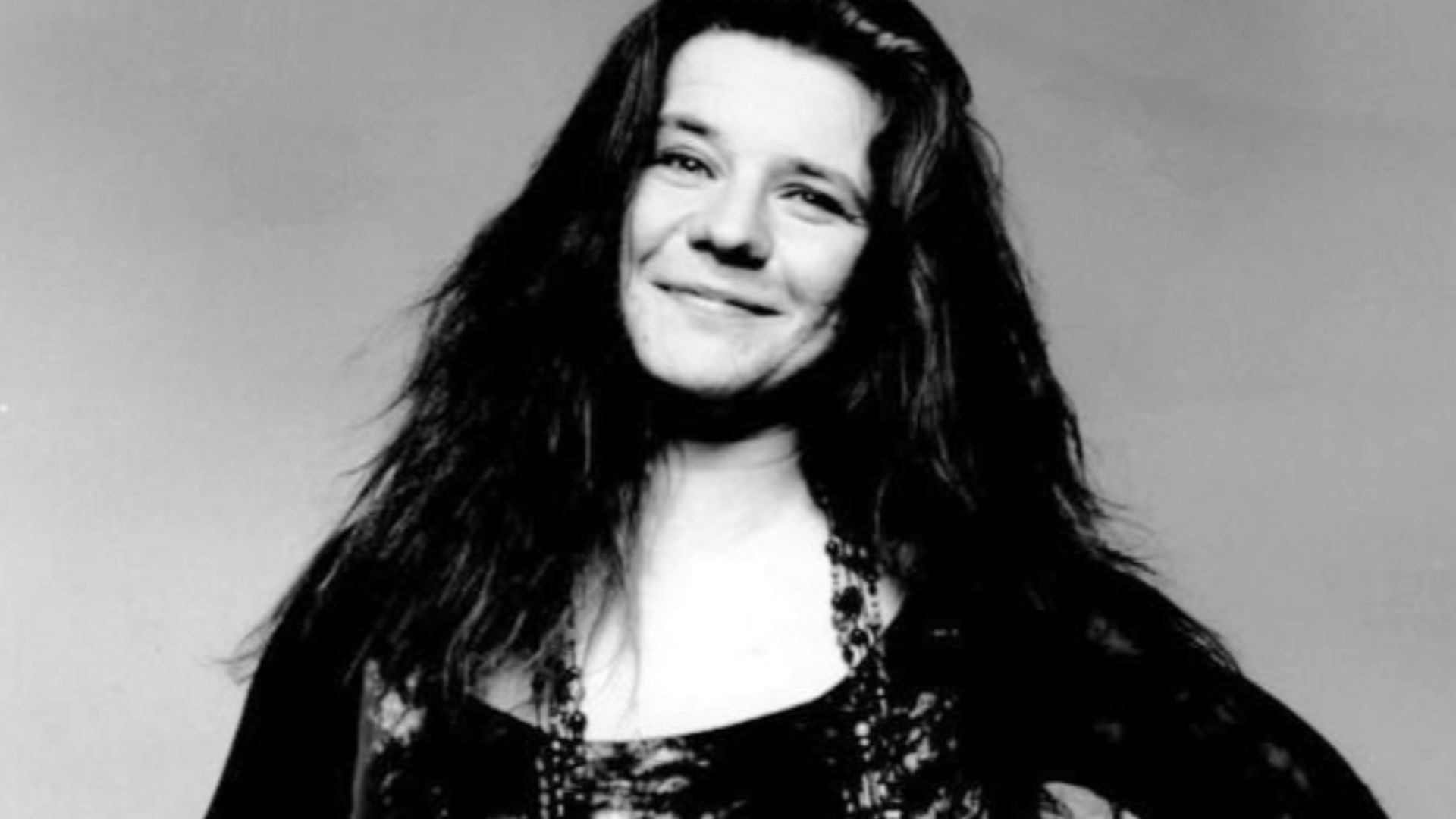 Grossman Glotzer Management Corporation, Wikimedia Commons
Noguchi Discussed What Investigators Found
Noguchi spoke publicly about evidence connected with Joplin’s passing, including alcohol in her bloodstream and substance-misuse-related material recovered from the room. Her passing was officially treated as an accident rather than anyone's doing—herself, or others. Once again, Noguchi found himself explaining a famous entertainer’s private final hours to the public.
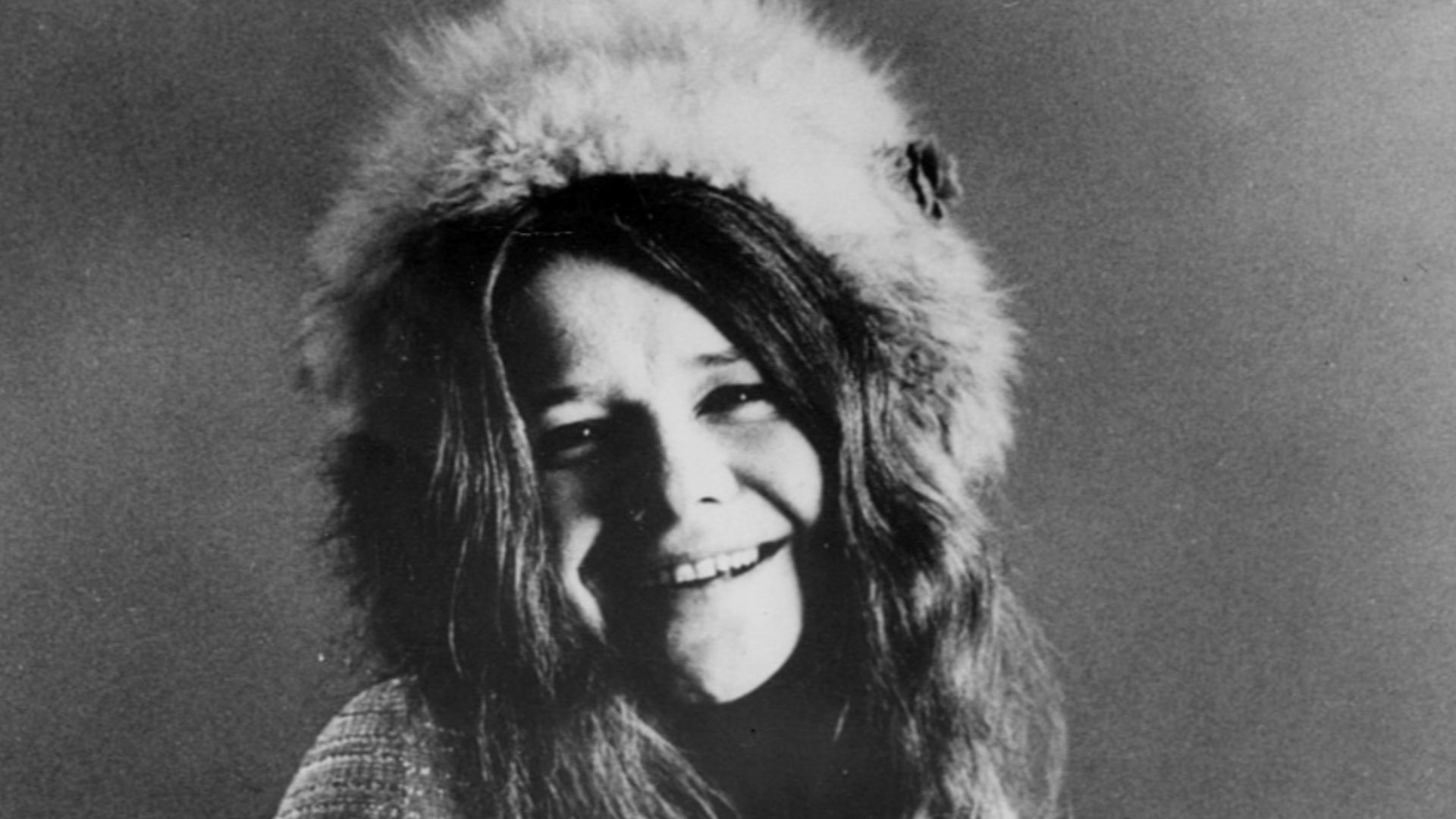 Albert B. Grossman Management (personal manager), New York., Wikimedia Commons
Fame Began Working Against Him
Noguchi believed coroners had an obligation to communicate important findings, particularly when illicit substances or drinking contributed to preventable passings. Critics increasingly felt that his disclosures about celebrities went too far. The tension between public information and personal privacy would eventually become central to the battle over his career.
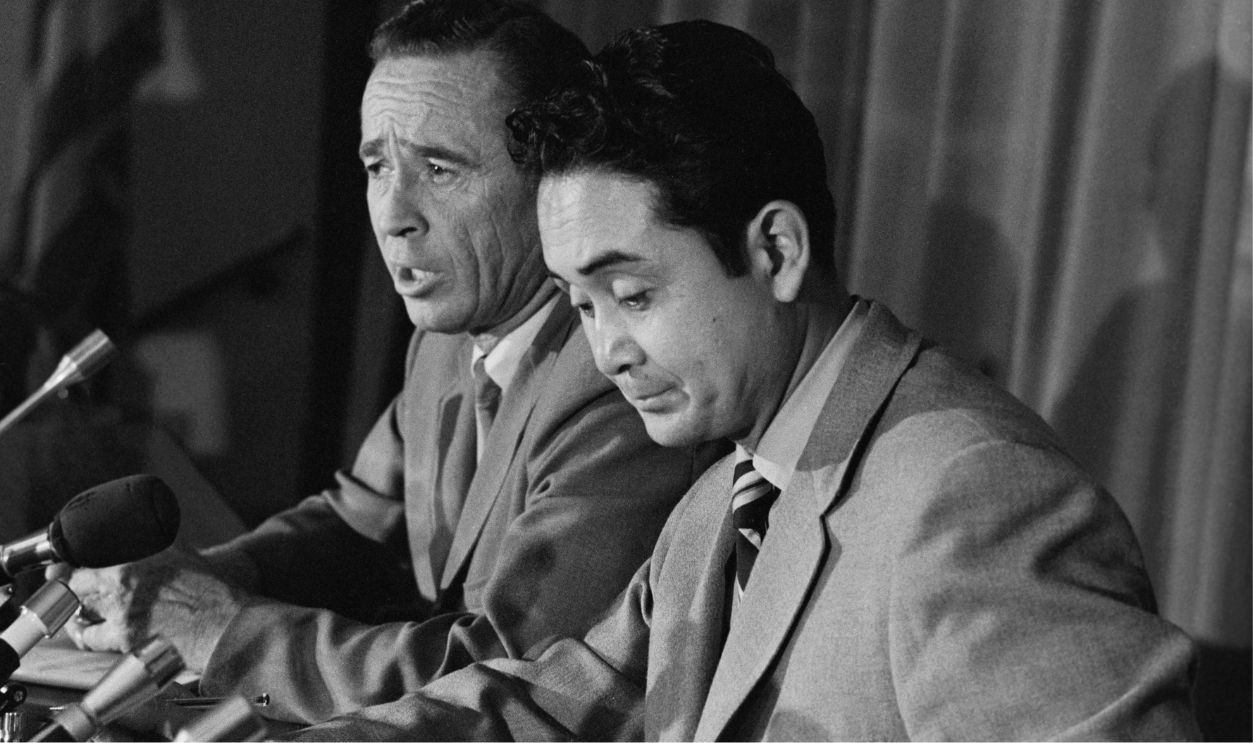
William Holden’s Passing Became A Flash Point
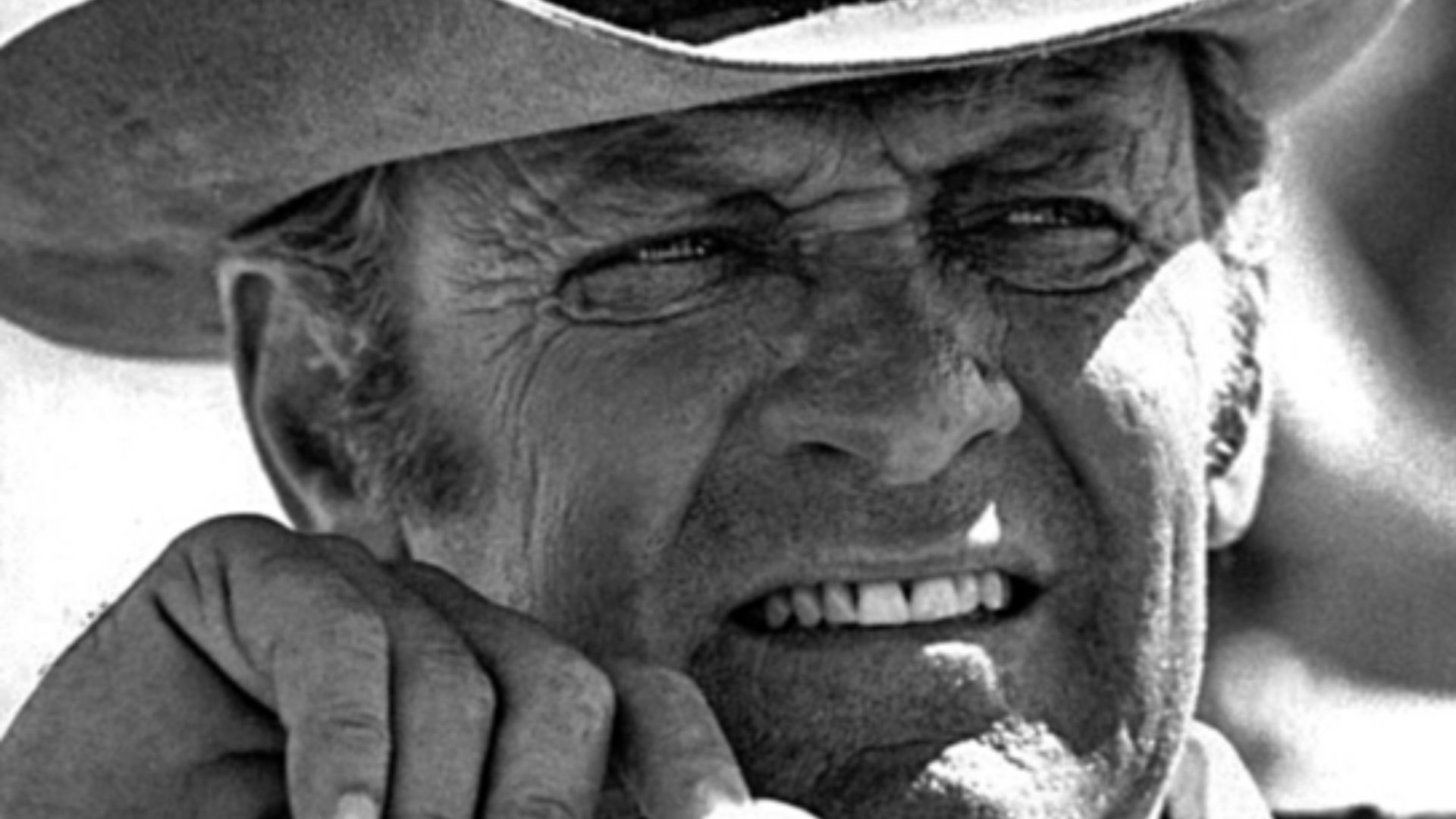
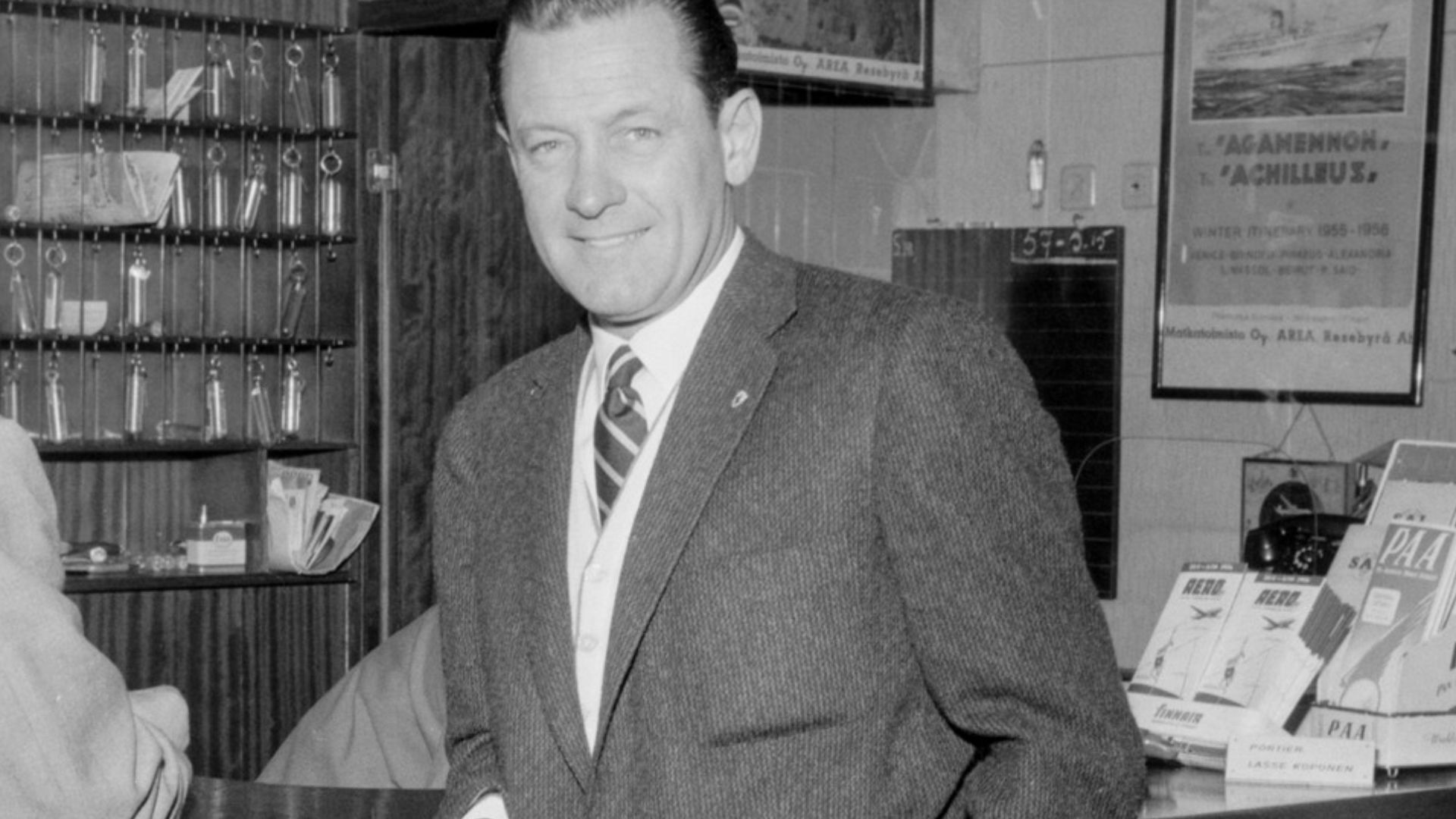
Oscar-winning actor William Holden was found lifeless in his Santa Monica apartment in November 1981. Initial reports said he appeared to have passed naturally, but the coroner’s examination established a different sequence of events. Noguchi concluded that Holden had fallen, struck his head, and passed after suffering a serious injury.
 National General Pictures, Wikimedia Commons
Drinking Became Part Of The Story
Noguchi publicly discussed drinking as a factor in Holden’s passing, something that drew criticism because of the actor’s fame. The disclosure was consistent with Noguchi’s belief that the circumstances surrounding preventable passings could carry a public-health message. His critics saw the same comments as another example of a coroner turning celebrity tragedies into press events.
Natalie Wood Passed Only Days Later
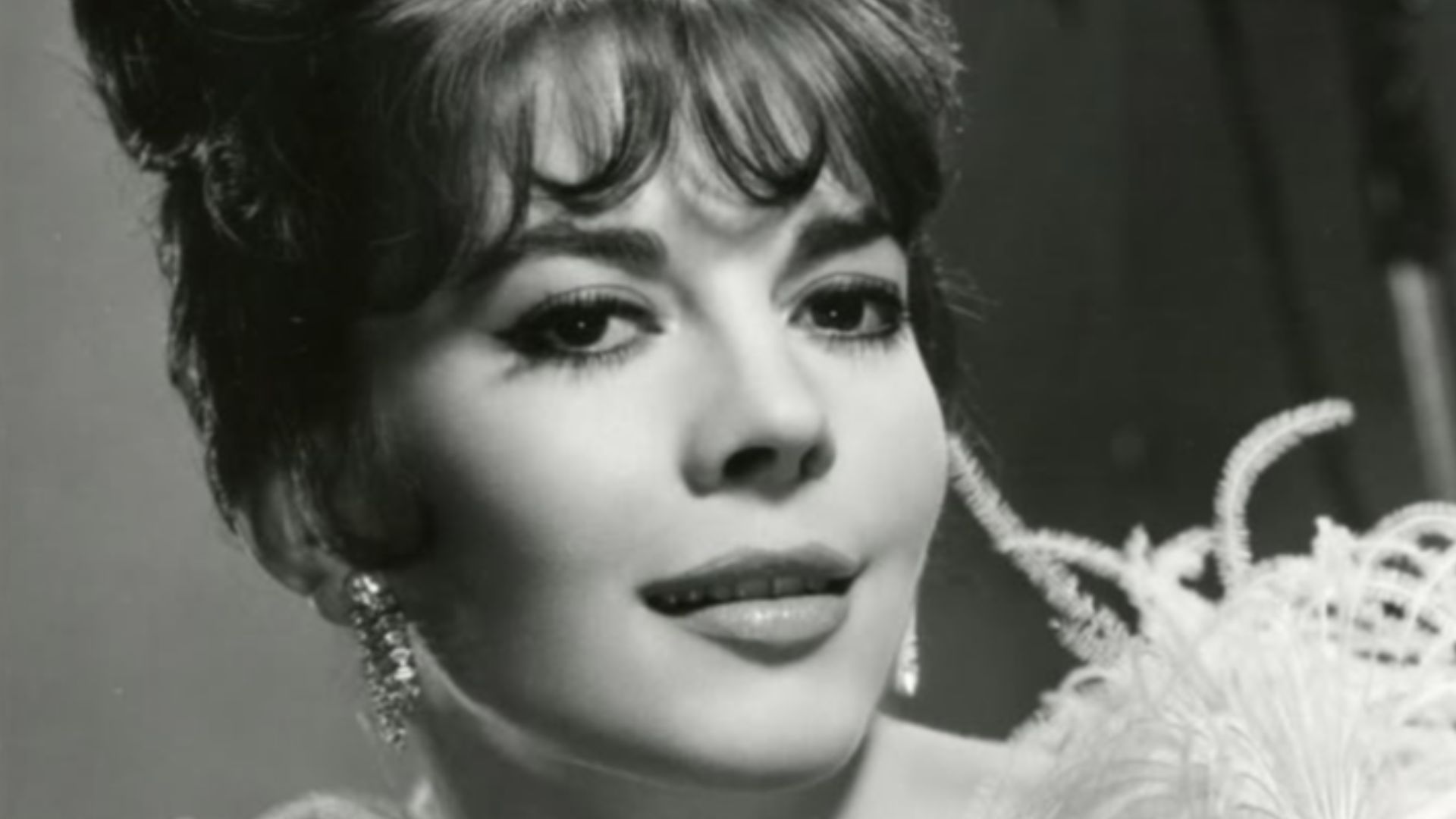
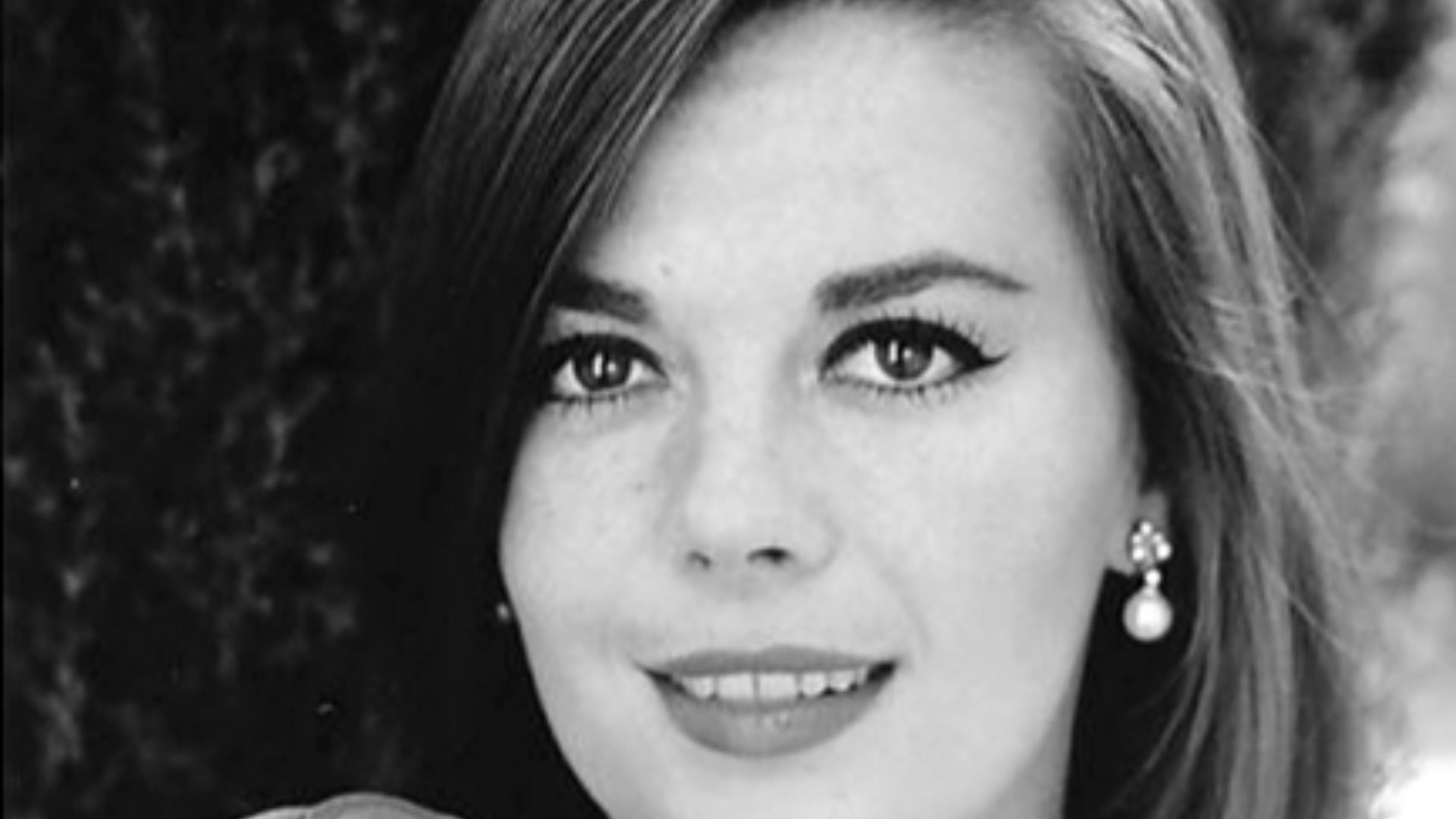
Less than two weeks after Holden’s passing, actress Natalie Wood disappeared from a yacht near Santa Catalina Island. Her body was found in the water on November 29, 1981. Wood had been aboard the vessel with her husband Robert Wagner, actor Christopher Walken, and the yacht’s captain.
 Warner Bros., Wikimedia Commons
Noguchi Initially Called Wood’s Drowning An Accident
Noguchi’s office concluded that Wood had accidentally drowned after entering the water while intoxicated. He also discussed injuries found on her body and the alcohol detected in her system. The case immediately generated questions because nobody could say with certainty exactly how Wood had ended up overboard.
The Wood Case Refused To Go Away
Questions surrounding Wood’s drowning continued long after Noguchi left office. Los Angeles County sheriff’s investigators reopened the case in 2011 as new statements and information were reviewed. That decision eventually led another generation of officials to reconsider the wording of Wood’s record.
 Studio publicity still, Wikimedia Commons
Officials Later Changed The Original Finding
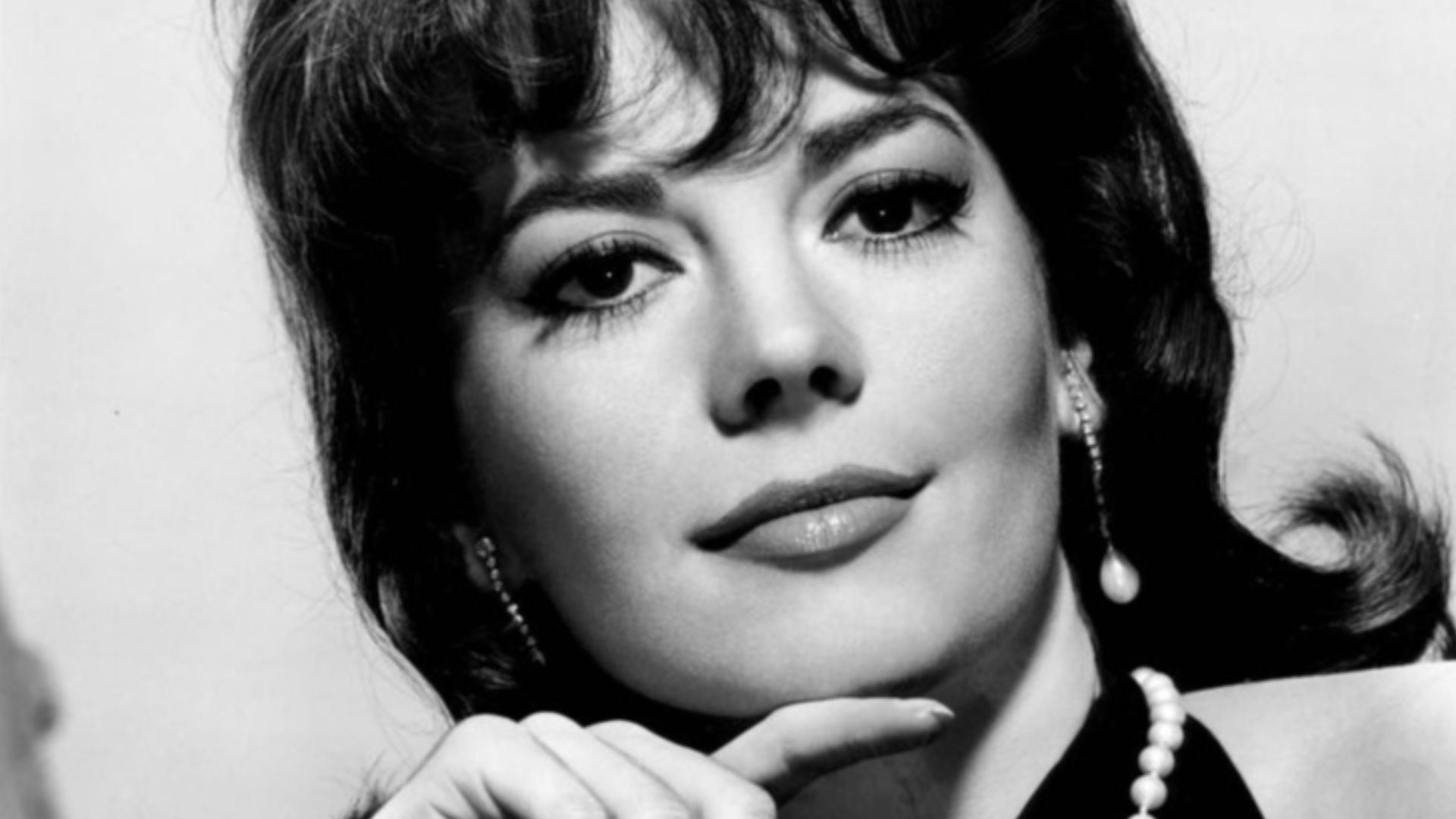
In 2012, Los Angeles County amended Wood’s death certificate from an accidental drowning to an undetermined one. A later coroner’s report described the cause as “drowning and other undetermined factors” and said the circumstances were not clearly established. The revision did not establish homicide, but it officially replaced the certainty of the original accident classification.
 Warner Bros., Wikimedia Commons
Then John Belushi Passed At The Chateau Marmont
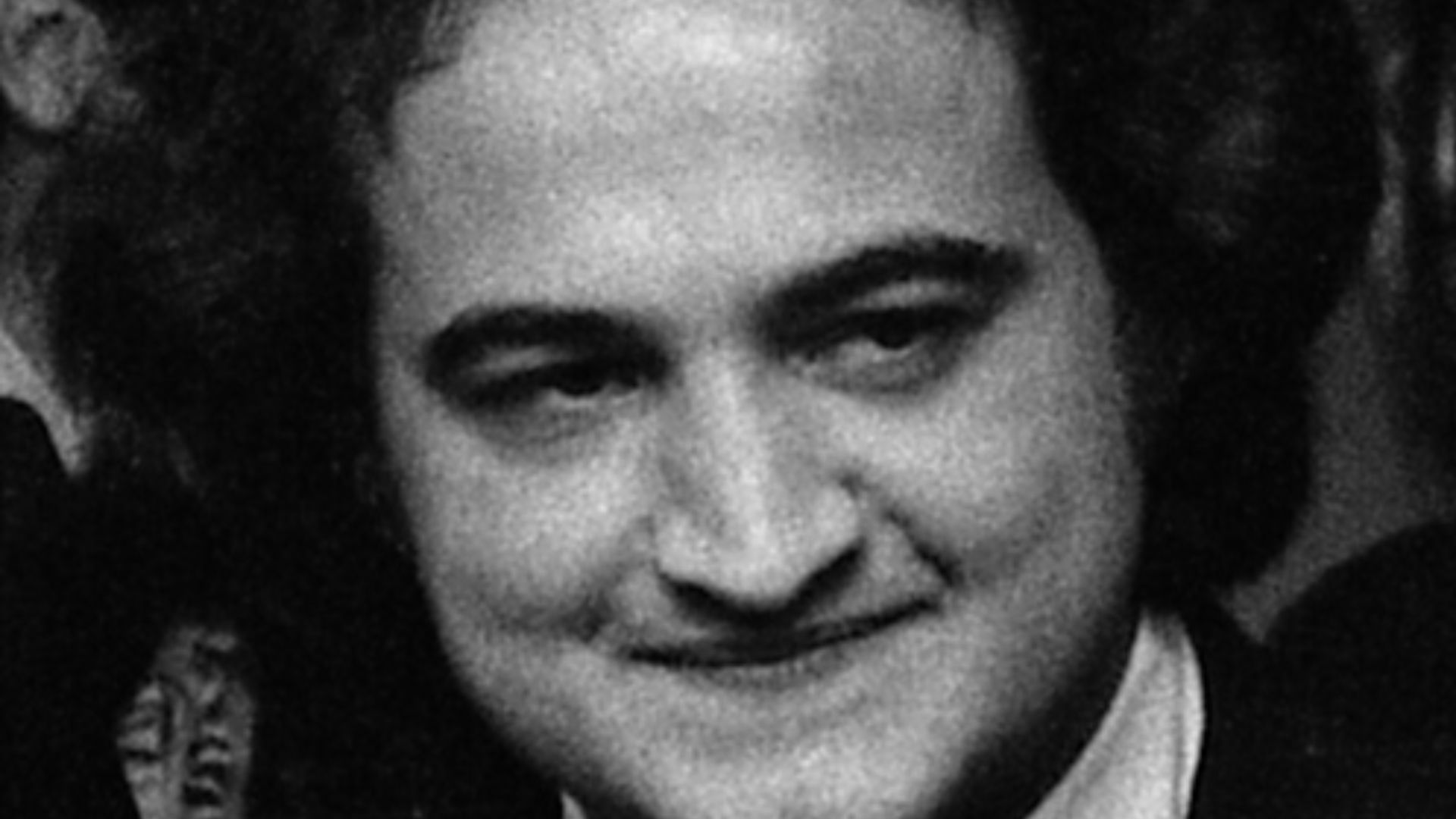
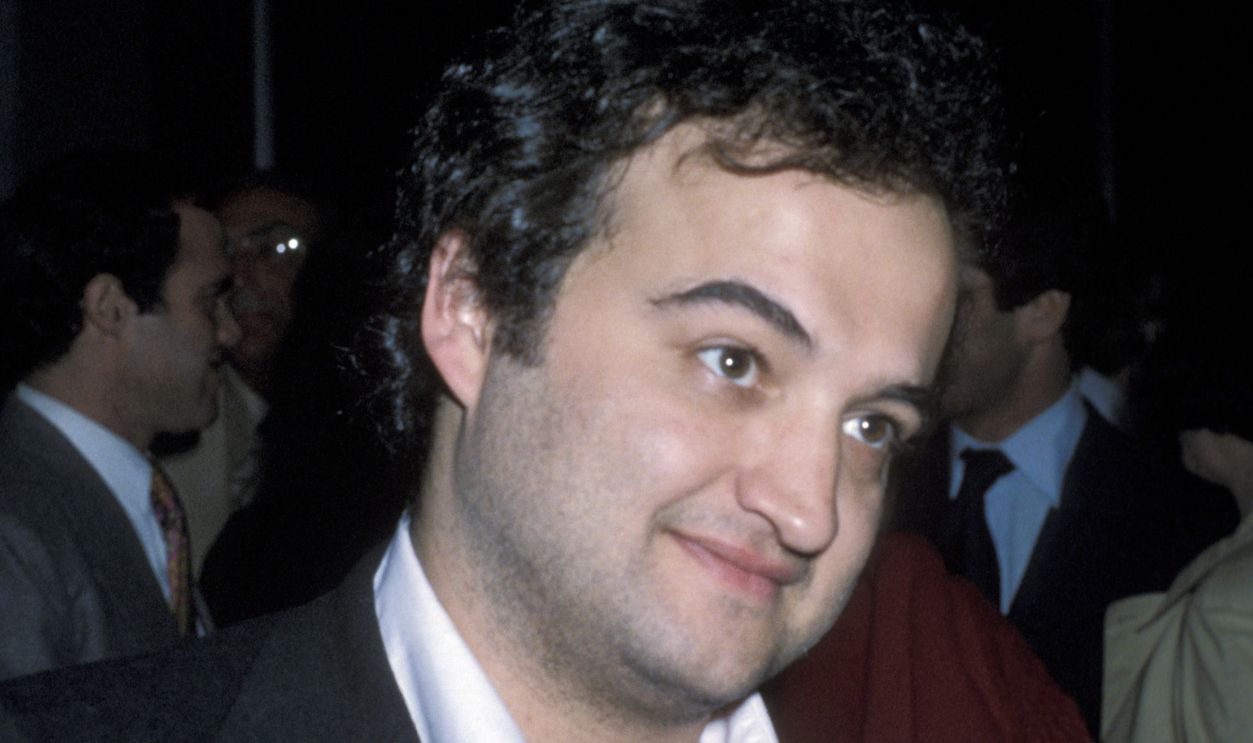
In March 1982, comedian John Belushi was found lifeless in a bungalow at Los Angeles’ famed Chateau Marmont. He was only 33 and had become a major star through Saturday Night Live, The Blues Brothers, and Animal House. Noguchi’s office performed the autopsy while reporters immediately demanded to know what had killed him.
 Unknown authorUnknown author or not provided, Wikimedia Commons
Noguchi Refused To Guess Before The Tests
The initial autopsy did not immediately establish Belushi’s cause of death. Noguchi publicly said that further testing was required and declined to provide a premature conclusion. That restraint was particularly notable because he was already facing criticism over how much information he had released in earlier celebrity cases.
Toxicology Supplied The Answer
Days later, Noguchi announced that Belushi had passed from an overdose involving intravenously injected illicit substances in combination. He subsequently discussed the dangers of combining the two illicit substances, a practice commonly called speedballing. Belushi’s passing became yet another high-profile case in which Noguchi connected a Hollywood tragedy to the dangers of substance misuse.
His Celebrity Cases Had Political Consequences
By then, Noguchi’s relationship with the Los Angeles County Board of Supervisors had deteriorated badly. Officials accused him of mismanagement, using his office to promote outside activities, and sensationalizing celebrity passings. In 1982, the board removed him from the chief coroner position and demoted him to another medical job within the county system.
Hollywood Figures Had Complained About Him
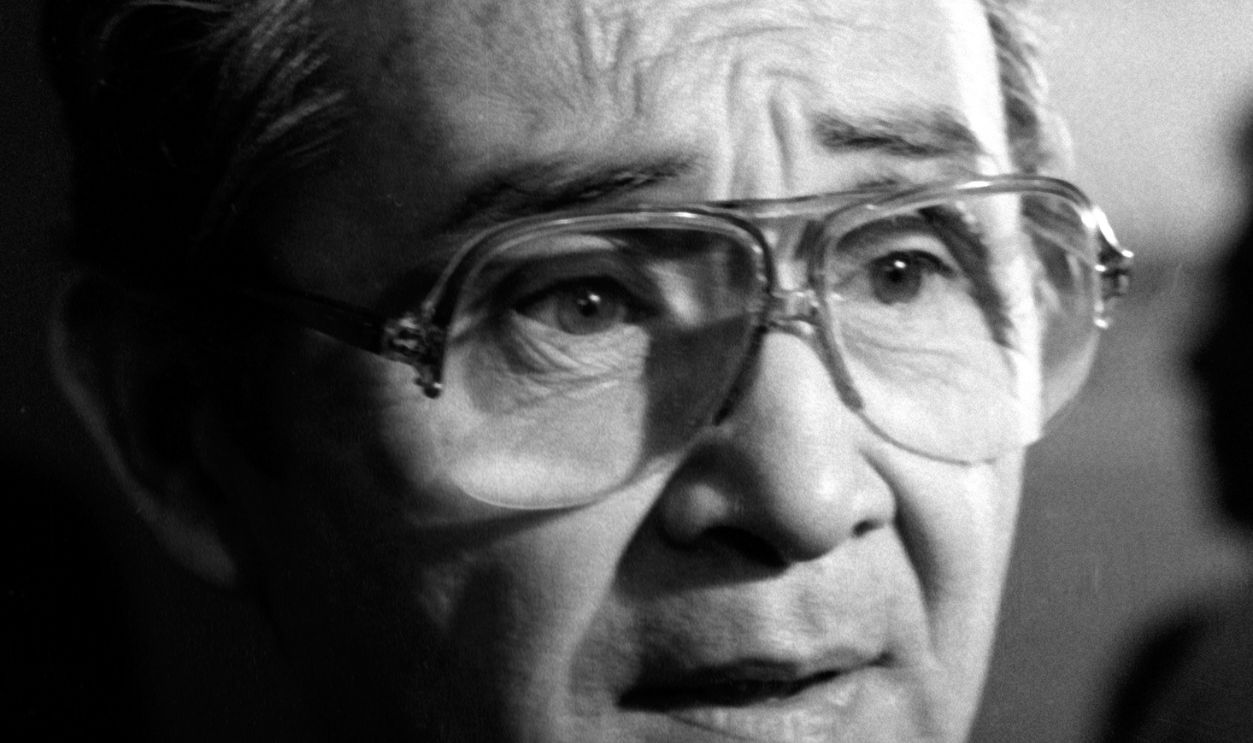
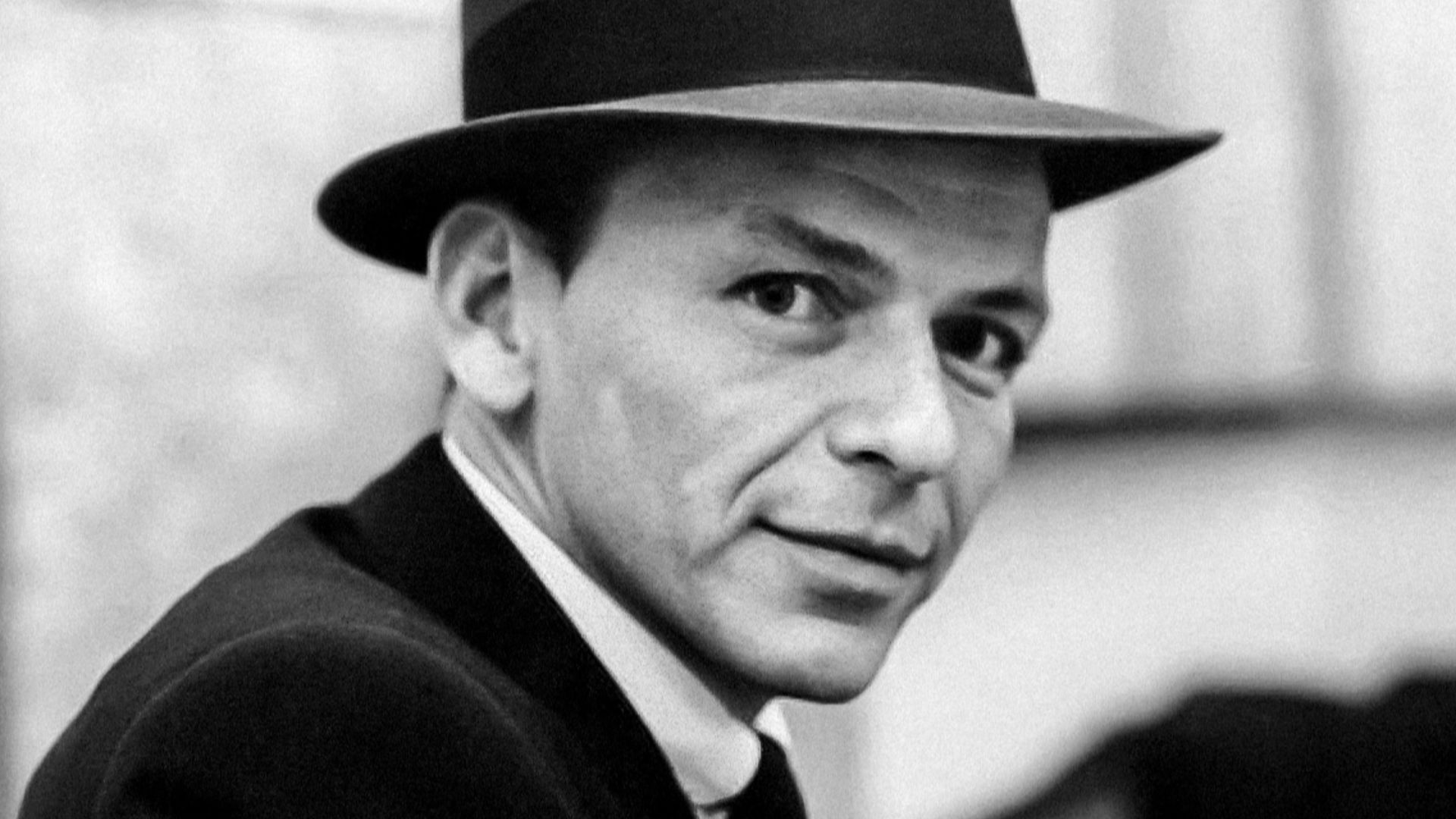
The controversy was not limited to government officials. The Screen Actors Guild and Frank Sinatra were among those who complained to county supervisors about Noguchi’s public disclosures after the passings of Holden and Wood. Noguchi later maintained that he had been trying to communicate the medical realities behind passings involving risky behavior.
He Fought To Get His Job Back
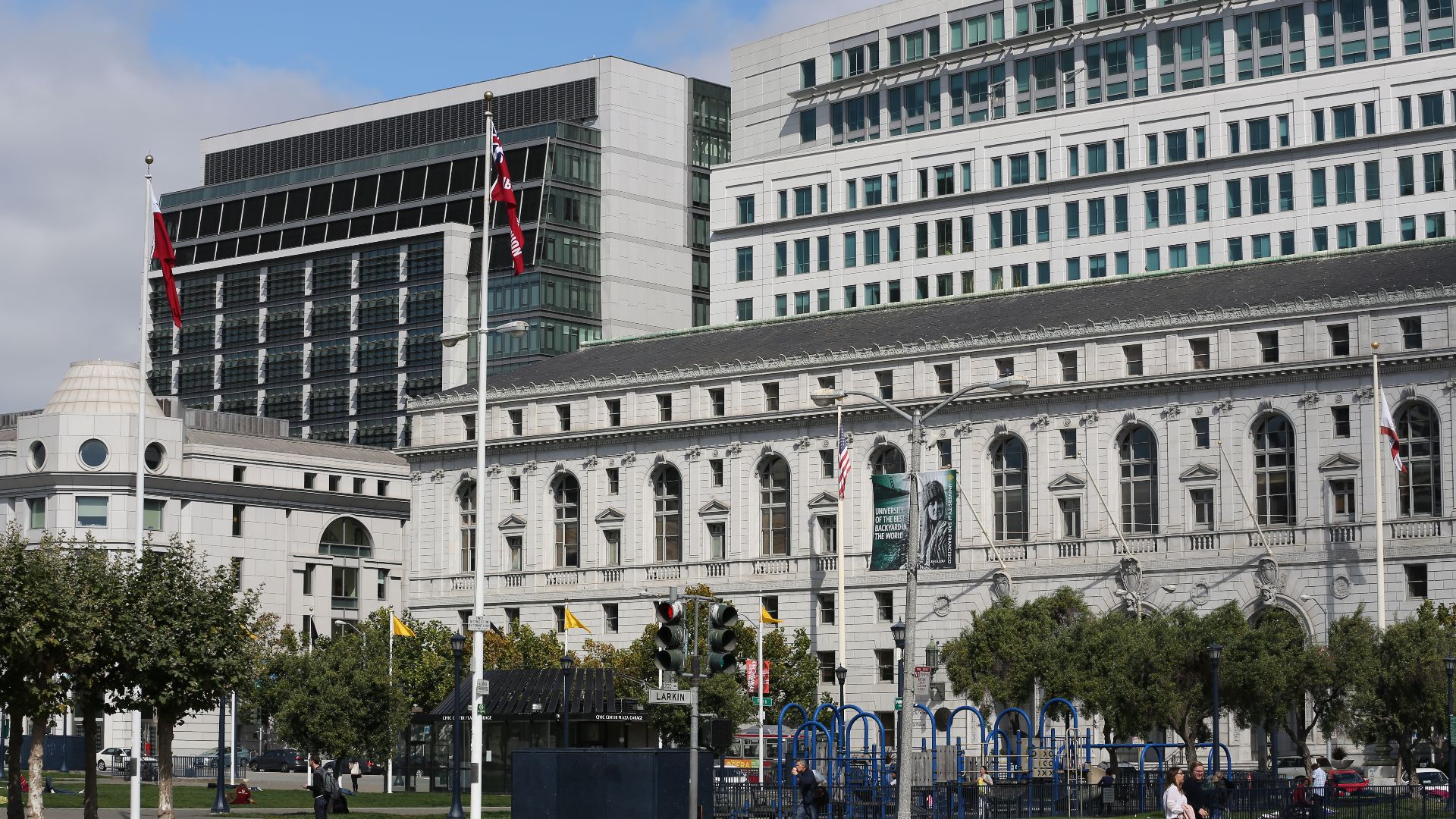
Noguchi challenged his demotion through the civil-service system and the courts. California appellate judges ultimately upheld the county’s decision, while still describing Noguchi as an outstanding pathologist and forensic scientist. The California Supreme Court declined to restore him to the coroner’s job in 1987.
 Tobias Kleinlercher / Wikipedia, Wikimedia Commons
Losing The Title Did Not End His Career
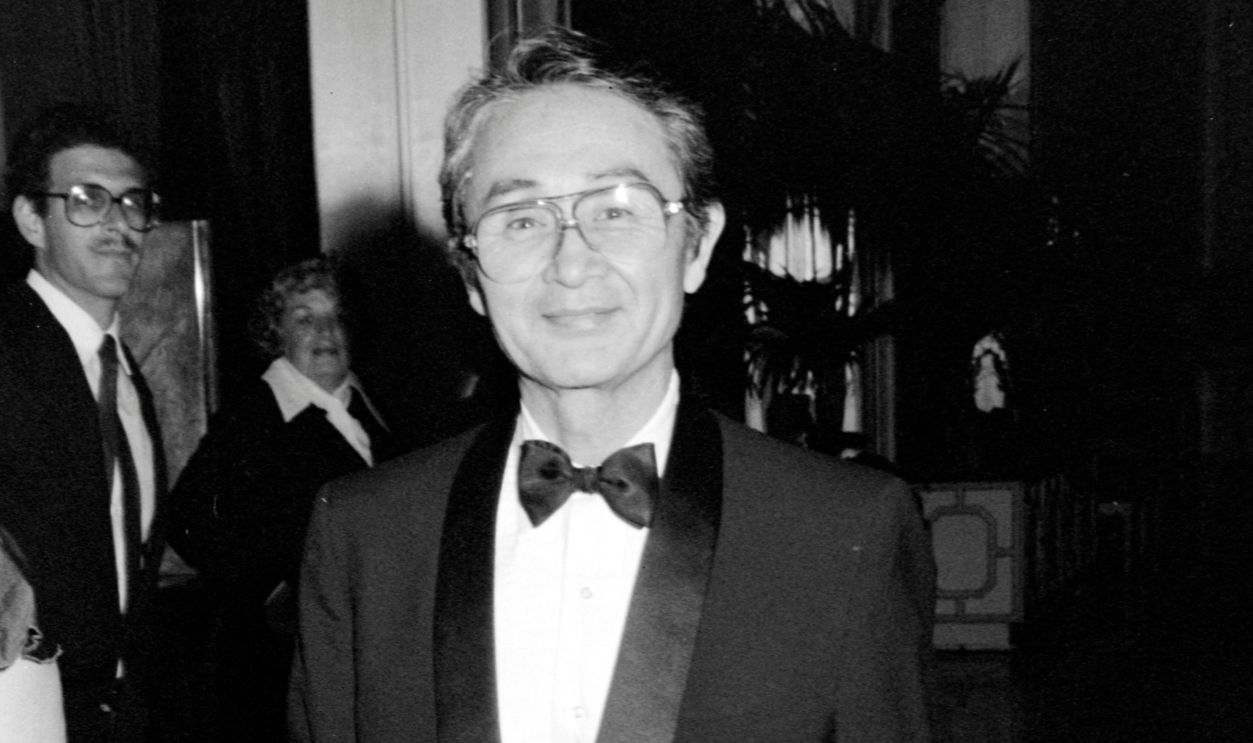
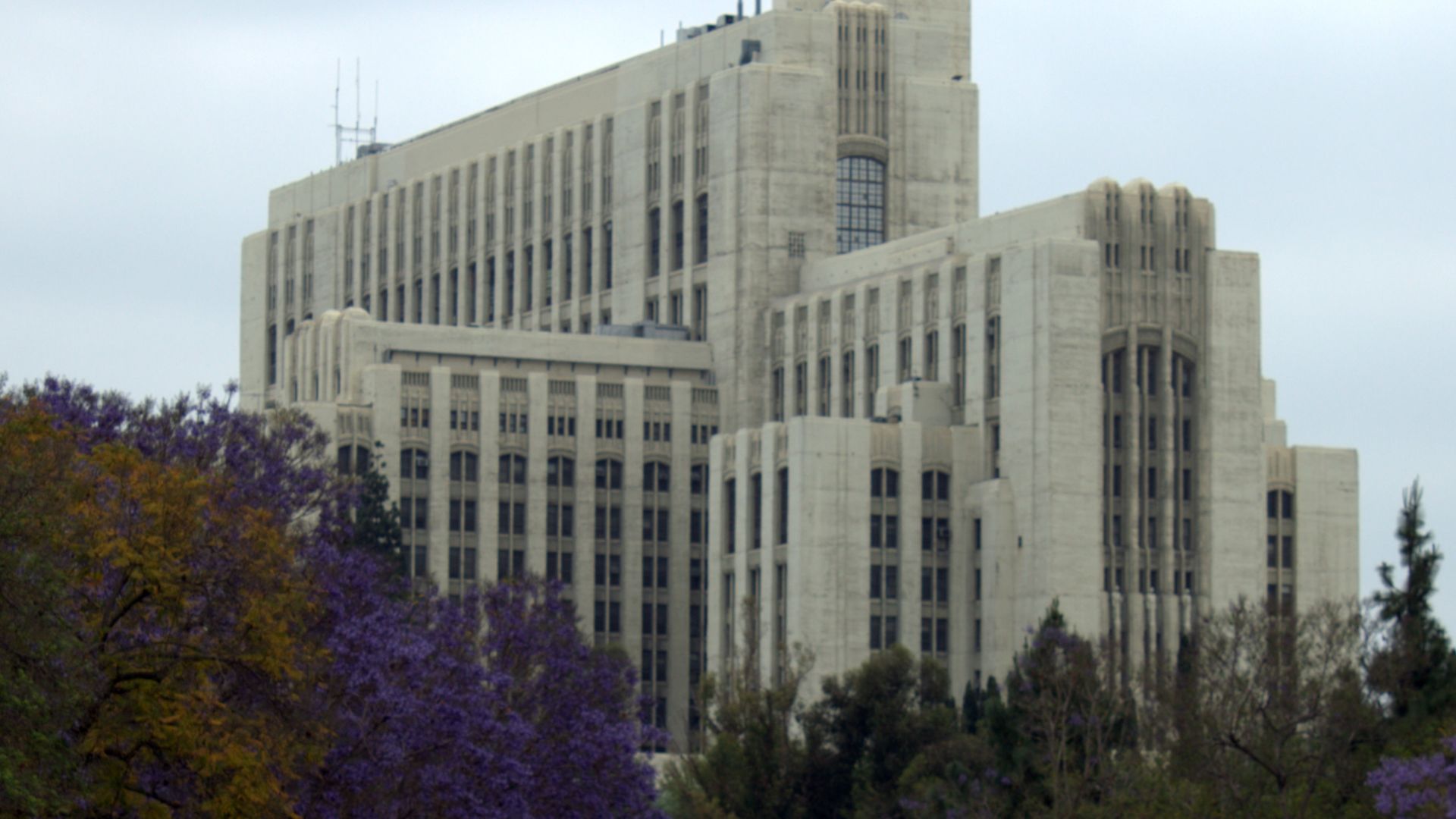
After leaving the chief coroner position, Noguchi continued working in pathology at the Los Angeles County-USC Medical Center. He also taught medical students and remained involved in forensic medicine long after the celebrity spotlight had moved elsewhere. When he retired from county service, his career had spanned nearly four decades.
The “Coroner To The Stars” Label Stuck
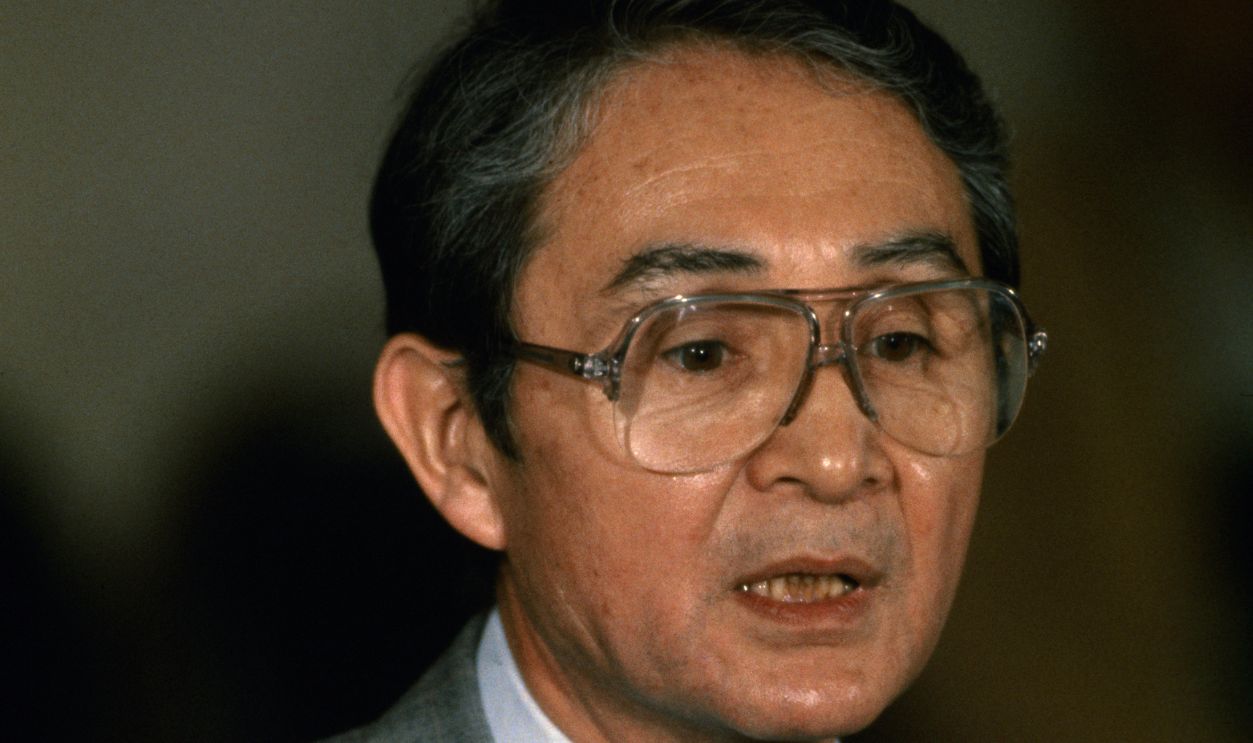
Noguchi eventually wrote about his experiences, and his book Coroner became a bestseller. More importantly, his name remained attached to an astonishing stretch of American pop-culture history. Few forensic pathologists have ever examined so many people whose passings became lasting parts of the public imagination.
His Legacy Is More Complicated Than The Nickname
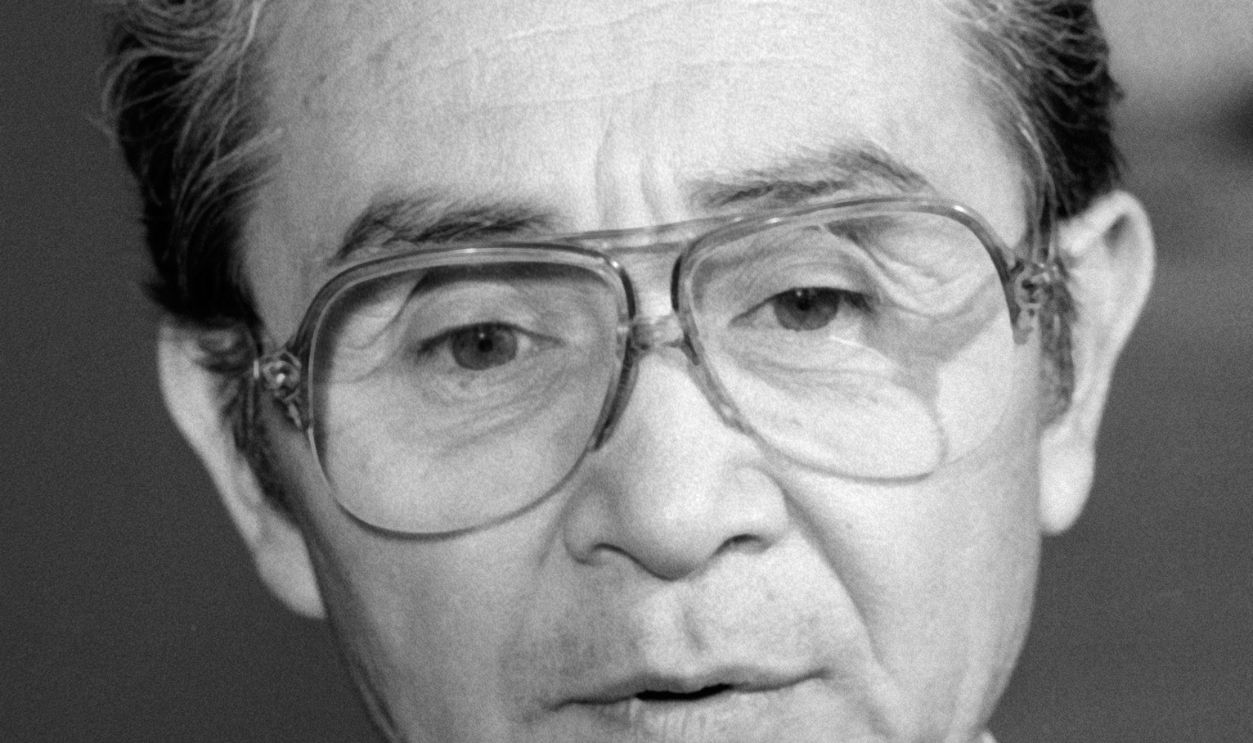
Noguchi’s career was never simply about celebrity bodies and dramatic headlines. His supporters regarded him as a highly accomplished forensic scientist, while county officials sharply criticized his management and public conduct. That combination of professional respect, political conflict, and extraordinary cases is exactly why his story remains so fascinating decades later.
He Became Part Of Hollywood History Himself
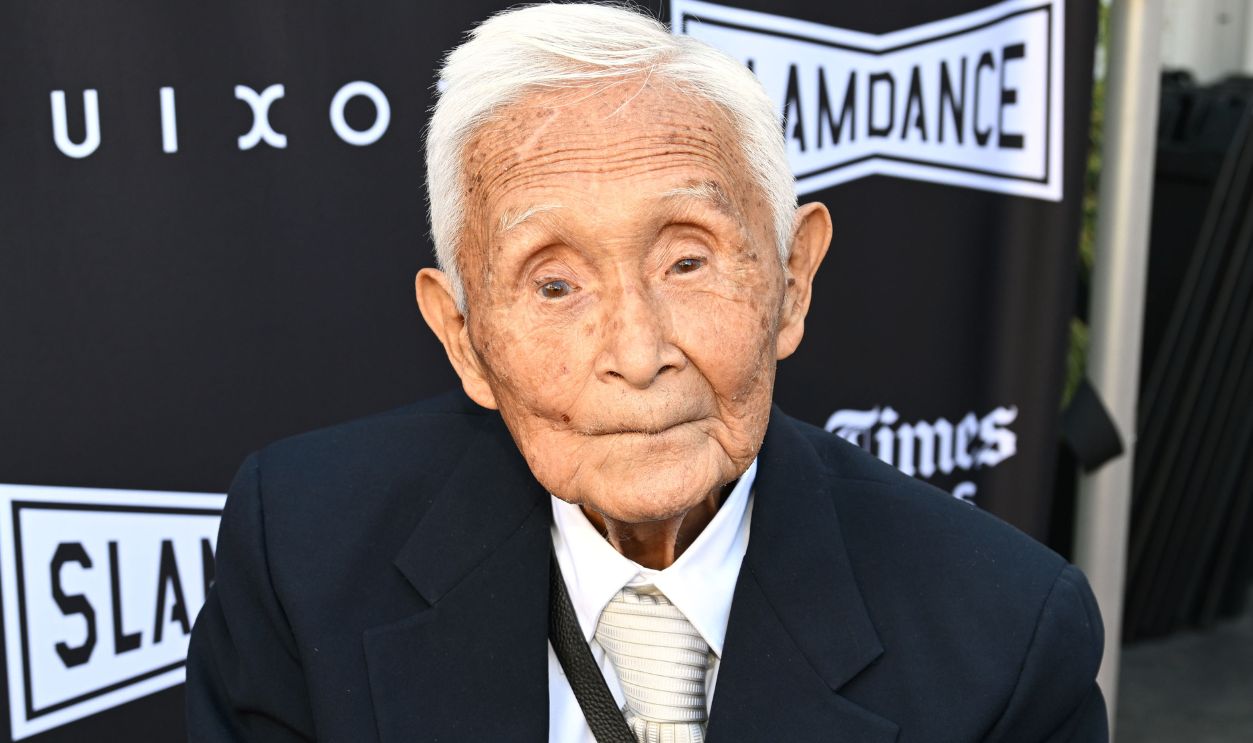
Marilyn Monroe, Robert F Kennedy, Sharon Tate, Janis Joplin, William Holden, Natalie Wood, and John Belushi came from very different corners of American culture. Their passings nevertheless intersected with the same Los Angeles medical examiner. Noguchi began as the doctor responsible for establishing facts after their passings, but the remarkable cases that crossed his examination table eventually made him a historical figure in his own right.
You May Also Like:
9 Unsolved Hollywood Mysteries
Sources: 1, 2, 3, 4, 5, 6, 7, 8, 9, 10, 11, 12, 13, 14, 15, 16