The Compassion Was Never Just Acting
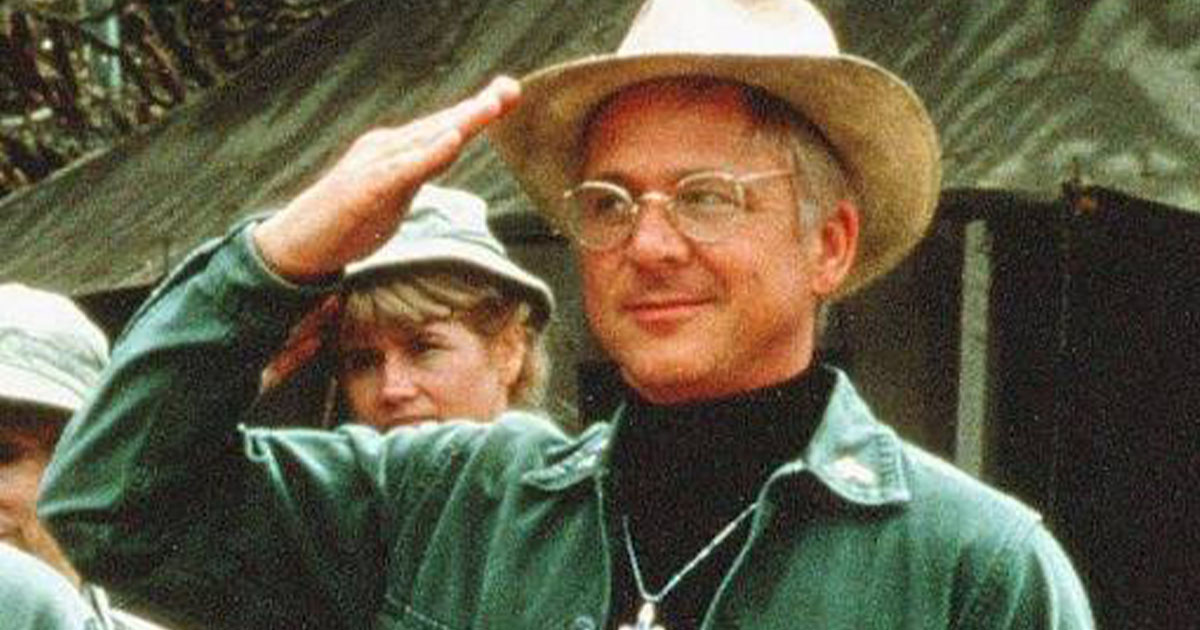
Millions knew William Christopher as the soft-spoken priest who comforted frightened soldiers on M*A*S*H. Away from the cameras, however, he and his wife were fighting a heartbreaking battle that few knew anything about.
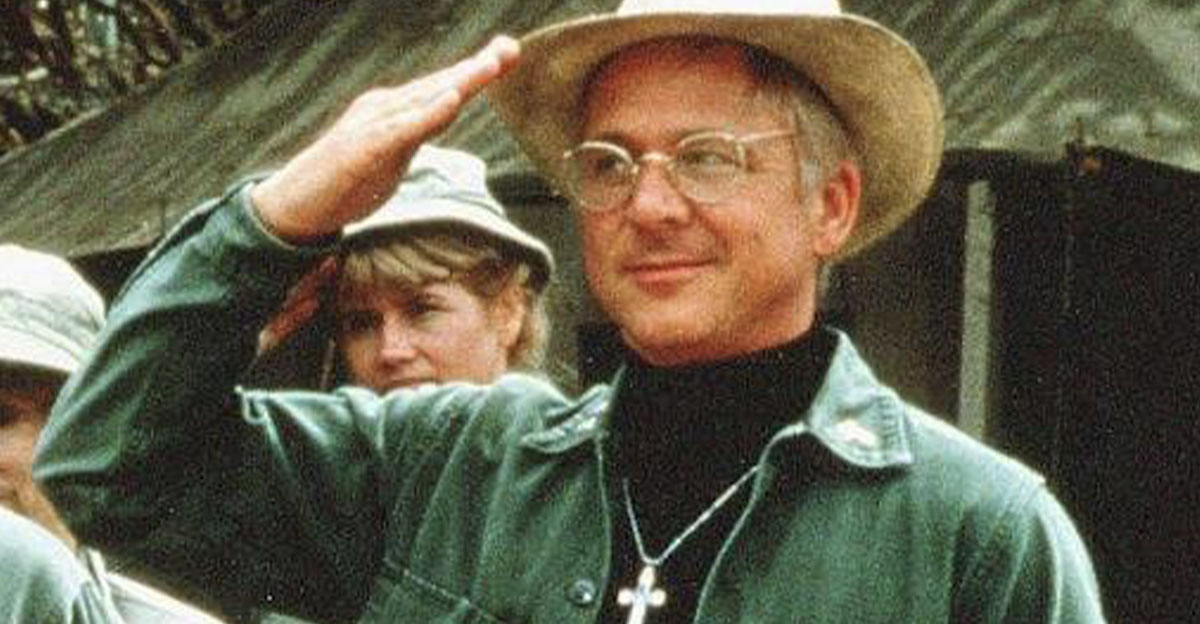 20th Century-Fox Television, M*A*S*H
An Illinois Boy With an Unexpected Calling
William Christopher was born in Evanston, Illinois, on October 20, 1932. He grew up in Chicago’s northern suburbs and attended New Trier High School, long before his gentle voice and slightly bewildered expression made him one of television’s most recognizable clergymen.
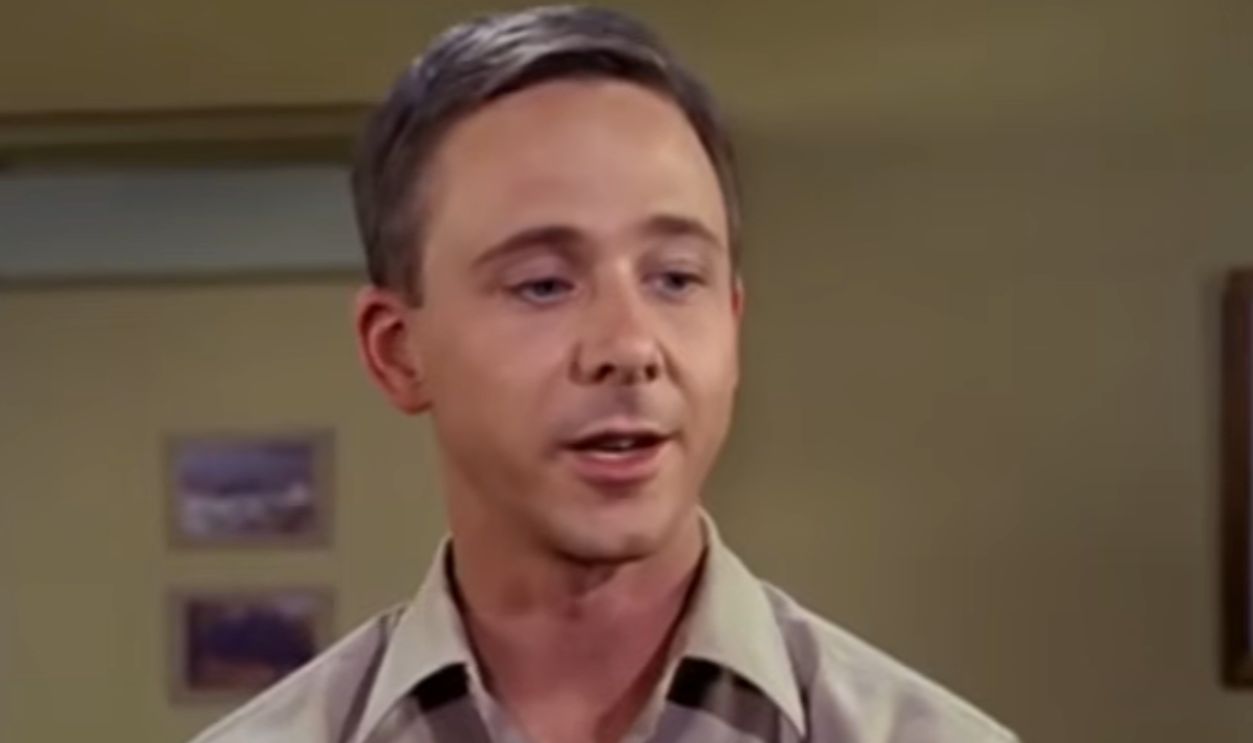 Screenshot from Gomer Pyle, U.S.M.C., CBS (1964–1969)
Ancient Greece Came Before Hollywood
Christopher studied drama at Wesleyan University in Middletown, Connecticut, while developing a deep interest in Greek literature. His son later remembered that Christopher could read Homer’s Iliad in its original Greek—a rather impressive side project for a future sitcom priest.
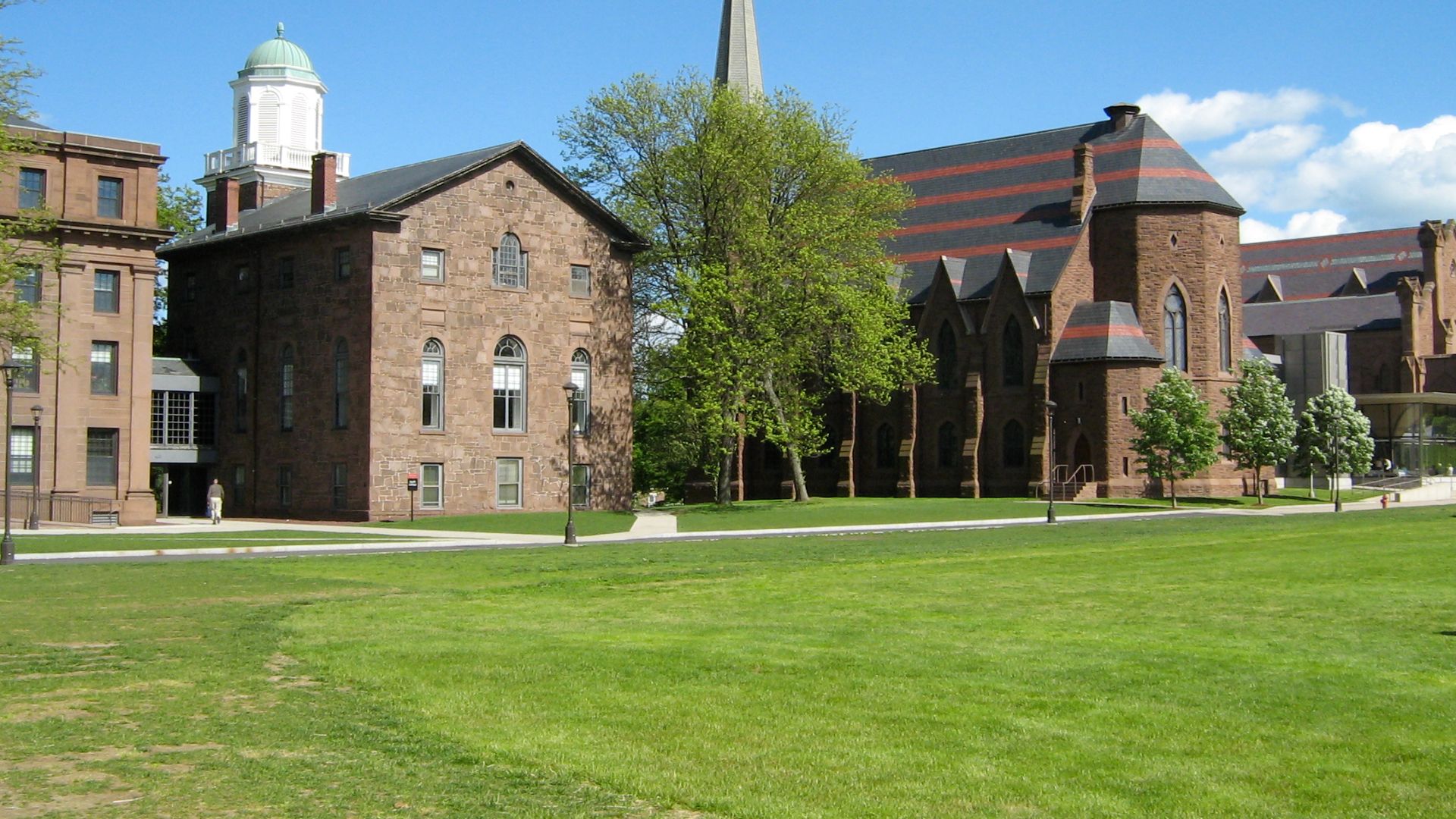 Smartalic34 (talk), Wikimedia Commons
New York Became His Training Ground
After graduating from Wesleyan, Christopher moved to New York and worked in regional and off-Broadway theater. His stage career eventually included the Broadway revue Beyond the Fringe, where he performed alongside British comedy stars Peter Cook and Dudley Moore.
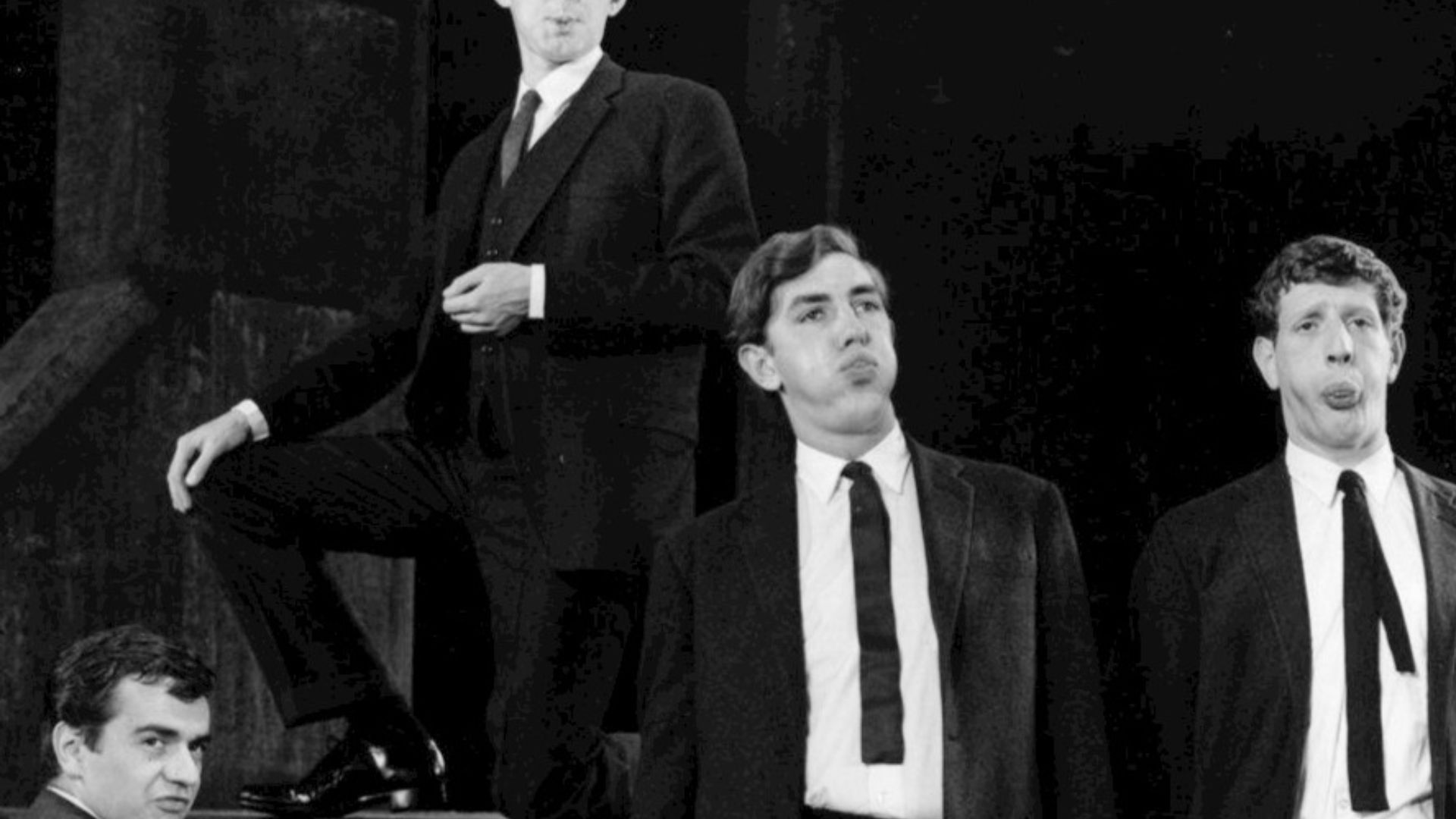 Photographer-Friedman-Abeles, New York, Wikimedia Commons
A Blind Date Changed Everything
Christopher met Barbara O’Connor on a blind date, and the couple married in 1957. Their marriage lasted nearly six decades, carrying them through unstable acting work, television fame, frightening medical crises, and the complicated responsibilities of raising two adopted sons.
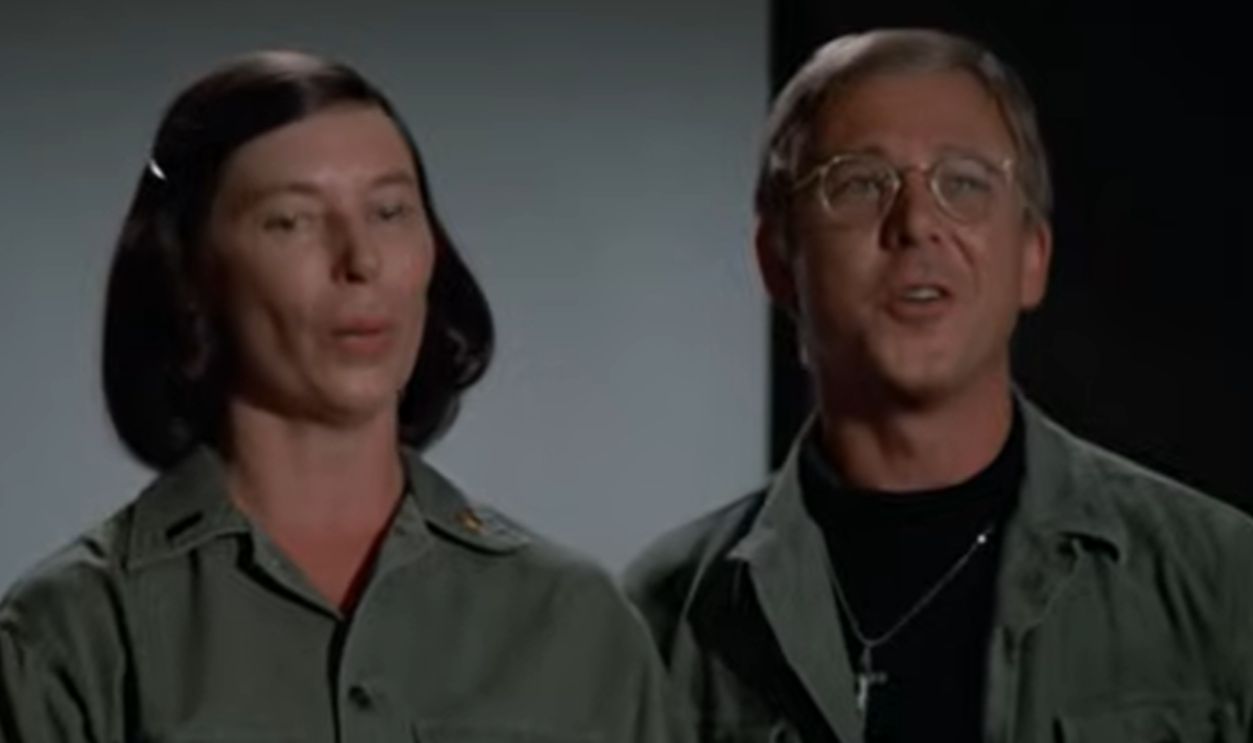 Screenshot from MASH*, 20th Century Fox Television (1972–1983)
Hollywood Offered Small Openings
Christopher eventually left New York for California, where television provided more opportunities—but rarely glamorous ones. He appeared on programs including The Andy Griffith Show, The Patty Duke Show, and Death Valley Days, usually playing nervous, mild-mannered men with excellent comic timing.
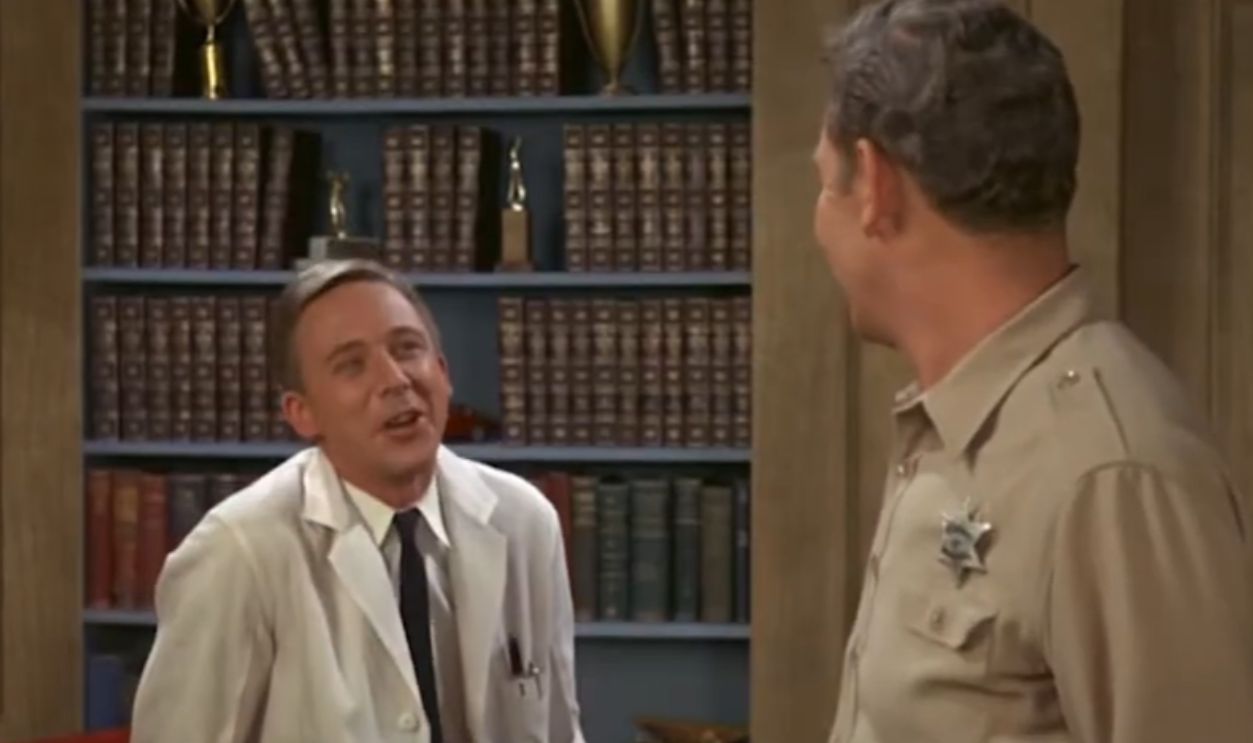 Screenshot from The Andy Griffith Show, CBS (1960–1968)
The Marines Gave Him a Foothold
From 1965 to 1968, Christopher played Private Lester Hummel on Gomer Pyle, U.S.M.C. The recurring role gave him valuable television experience and introduced audiences to the understated style he would perfect later: confusion, kindness, and comedy delivered without raising his voice.
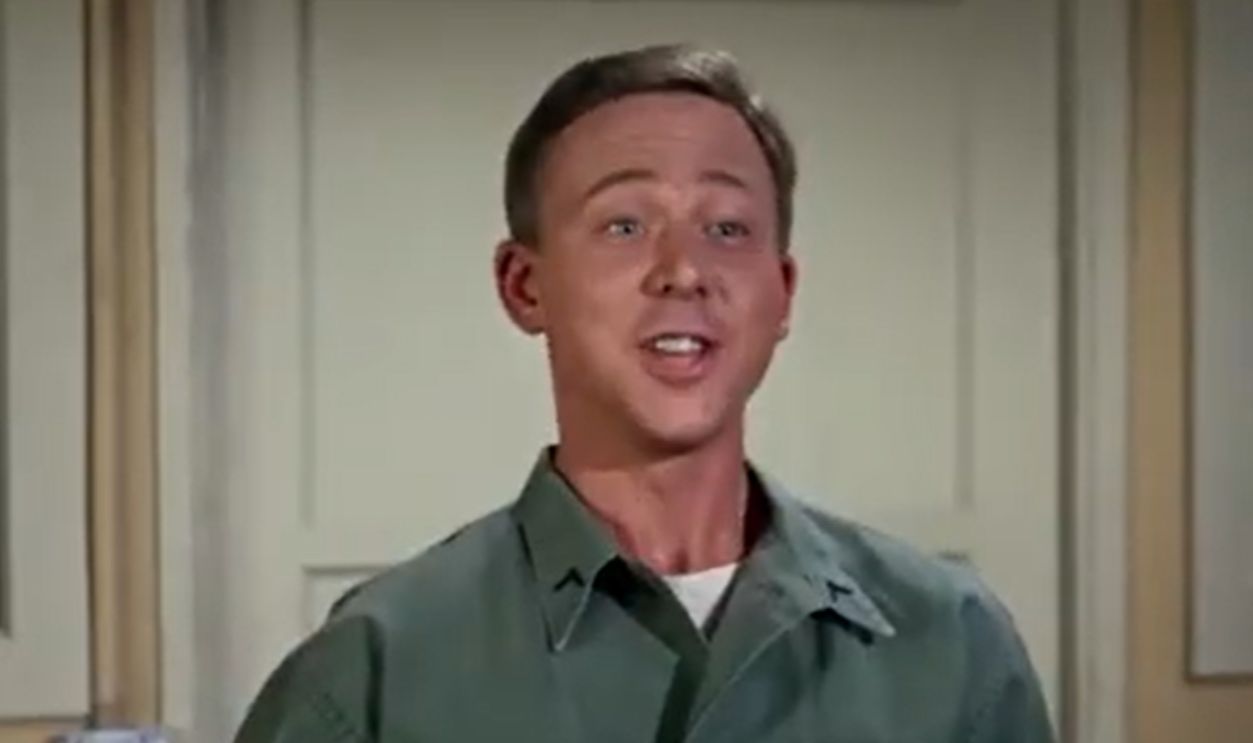 Screenshot from Gomer Pyle, U.S.M.C., CBS (1964–1969)
Familiar Faces Appeared Before the 4077th
Christopher also appeared several times on Hogan’s Heroes and took roles in films such as The Fortune Cookie and The Shakiest Gun in the West. In 1968’s With Six You Get Eggroll, he appeared alongside future M*A*S*H costar Jamie Farr.
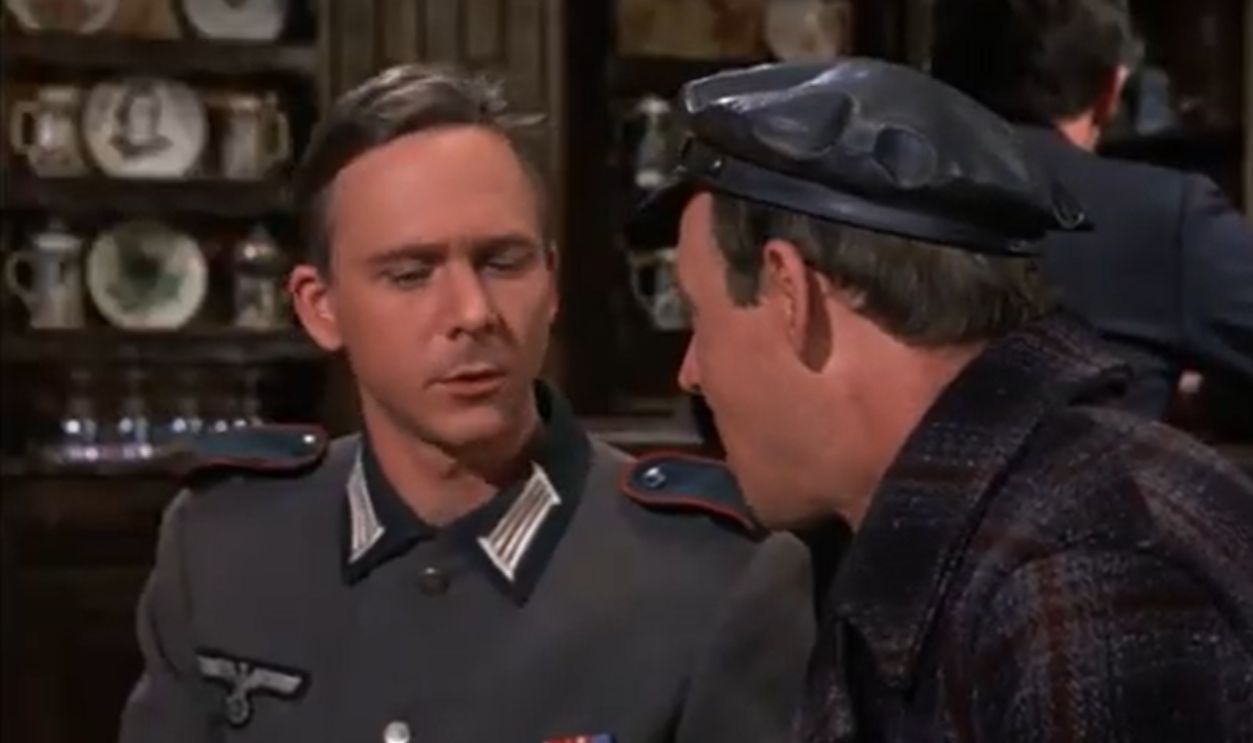 Screenshot from Hogan's Heroes, CBS (1965–1971)
Their Family Grew Through Adoption
William and Barbara adopted two sons, John and Ned. Ned was born in 1968, four years before his father joined M*A*S*H. The Christophers expected the usual challenges of parenthood, but they soon began noticing behaviors that no one could adequately explain.
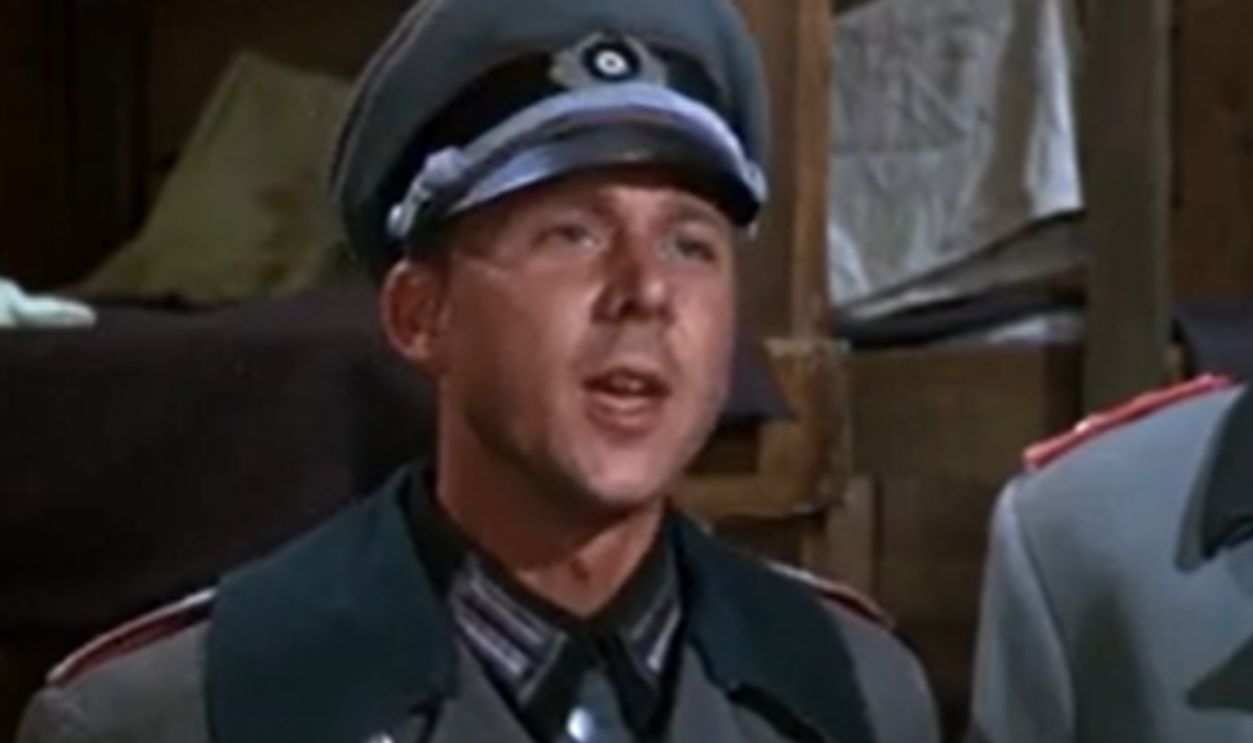 Screenshot from Hogan's Heroes, CBS (1965–1971)
Ned Was Remarkably Bright—and Clearly Different
As a toddler, Ned memorized flags and identified surprisingly complicated plant names. Yet he did not always respond to his own name, struggled to communicate, resisted being held, and became intensely distressed by seemingly ordinary frustrations. His abilities and difficulties did not fit anyone’s simple explanation.

Answers Proved Painfully Difficult to Find
The Christophers moved from specialist to specialist as Ned fell behind other children developmentally. One professional dismissed him as incapable; another insisted he would eventually catch up. Years passed before the family received an autism diagnosis and began understanding what Ned actually needed.
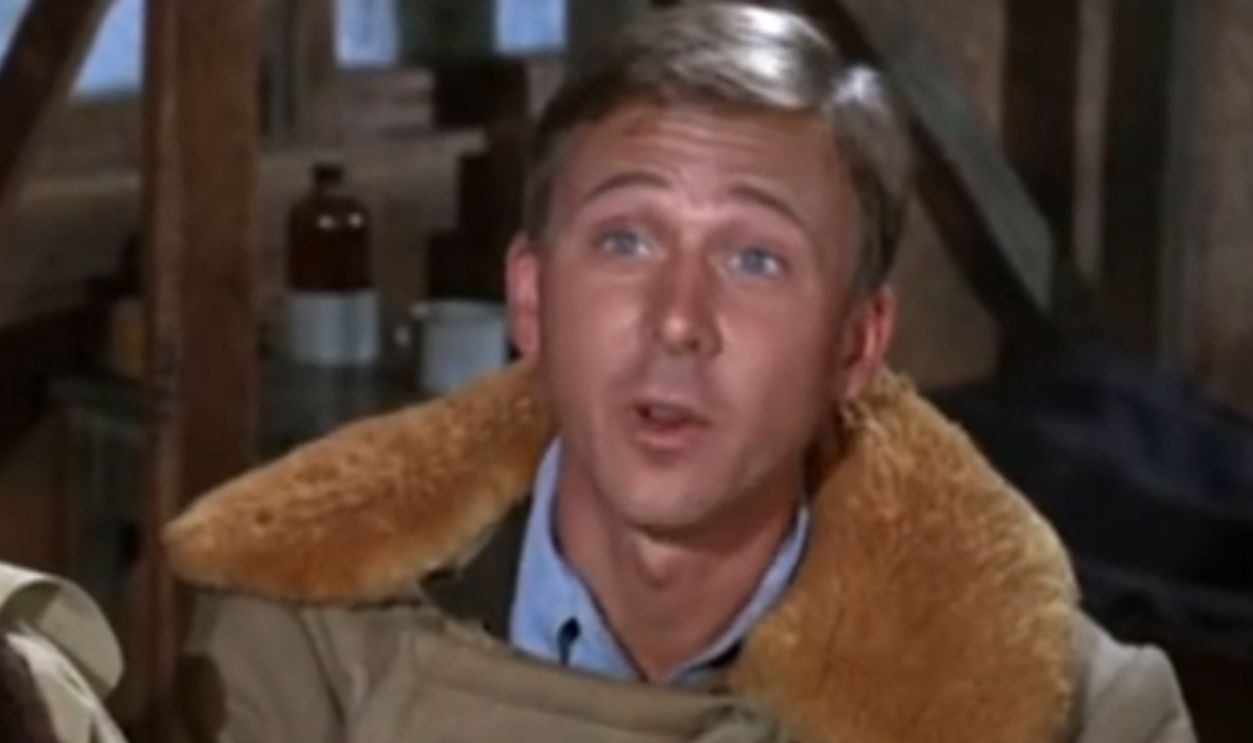 Screenshot from Hogan's Heroes, CBS (1965–1971)
One Specialist Offered a Horrifying Solution
The cruelest moment came when a specialist reportedly advised the Christophers to relinquish their adopted son. Comparing Ned to a “bad apple,” the professional suggested they simply return him. William and Barbara rejected the advice—and the appalling belief that their child was disposable.
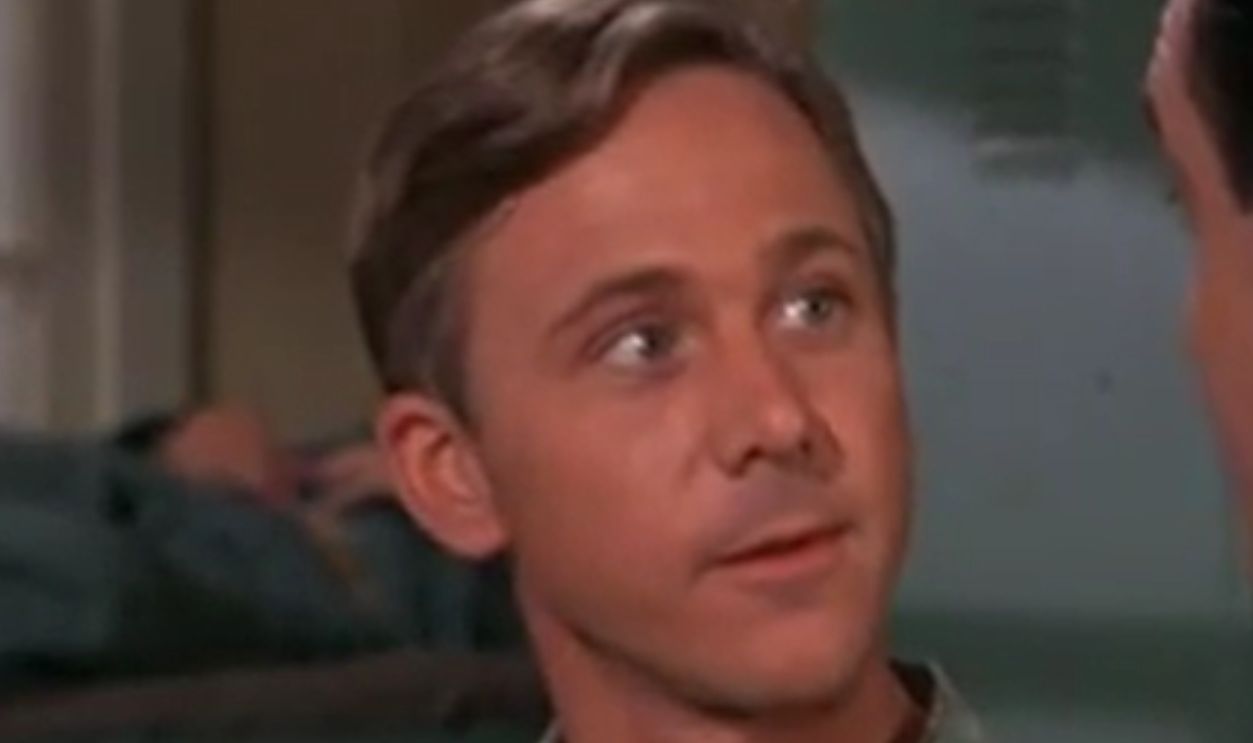 Screenshot from Gomer Pyle, U.S.M.C., CBS (1964–1969)
A Television Opportunity Arrived in 1972
While the family searched for support, Christopher received an opportunity on a new military television comedy. M*A*S*H had premiered with actor George Morgan playing Father Mulcahy, but producers decided to recast the role after the pilot.
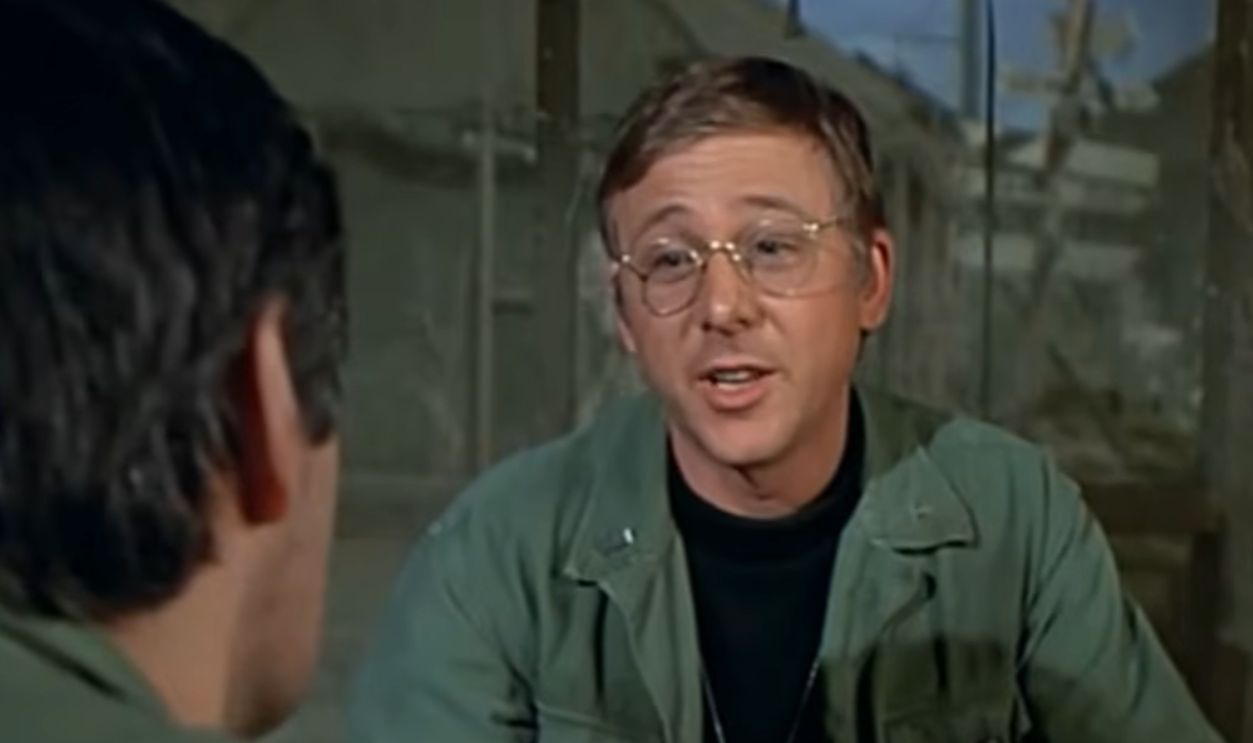 Screenshot from MASH*, 20th Century Fox Television (1972–1983)
He Was the Third Father Mulcahy
René Auberjonois had played the chaplain in Robert Altman’s 1970 film, followed by Morgan in the television pilot. Christopher stepped into the part during the first season and gradually transformed Mulcahy from a lightly sketched supporting figure into an essential member of the 4077th.
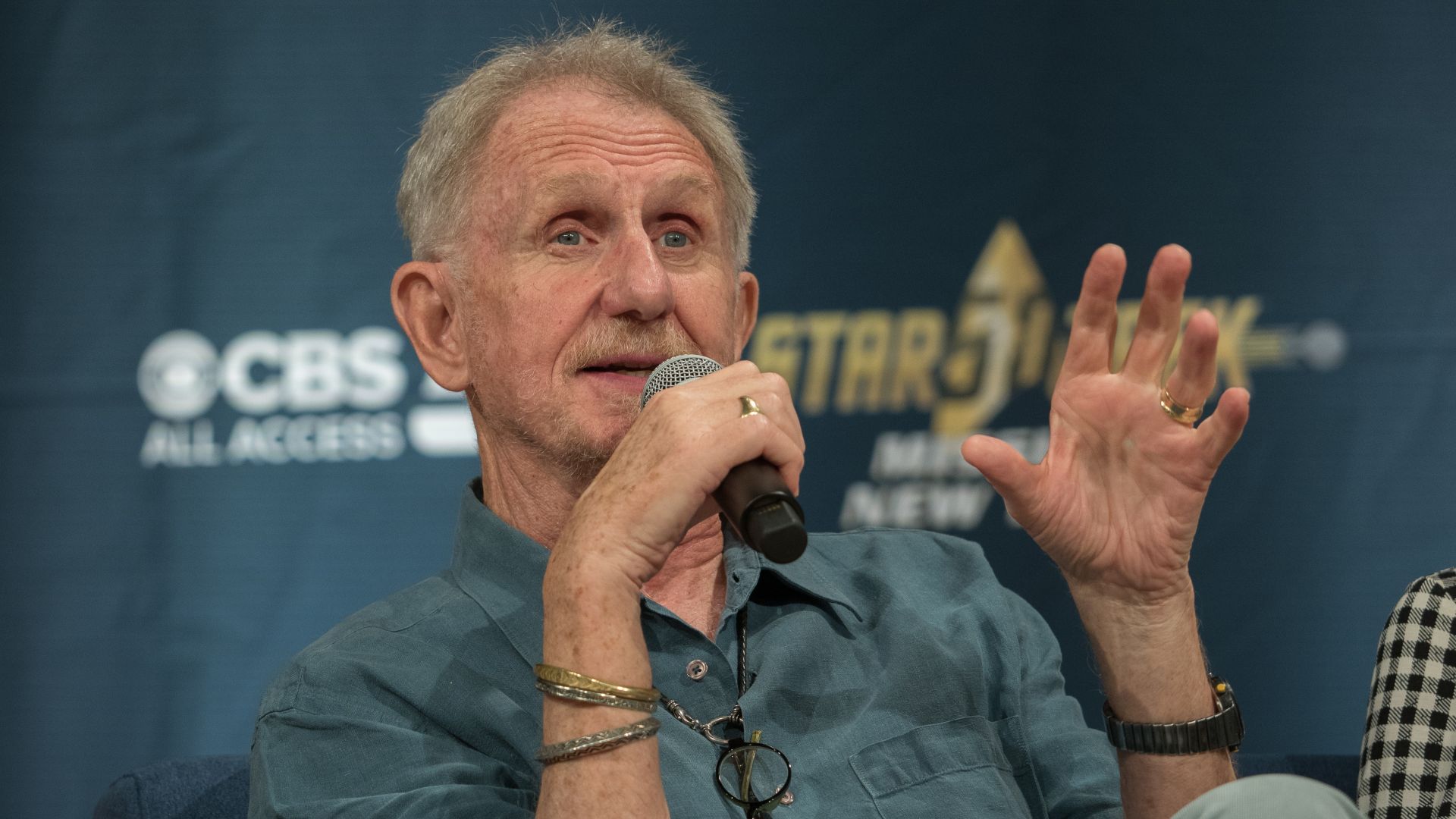 Mike Muegel, Wikimedia Commons
He Was Not Actually Catholic
Christopher had not been raised in the Catholic Church, so he consulted priests to understand Mulcahy’s language, responsibilities, and spiritual outlook. He wanted the character’s faith to feel sincere without turning every conversation into a sermon or reducing the priest to a collection of clichés.
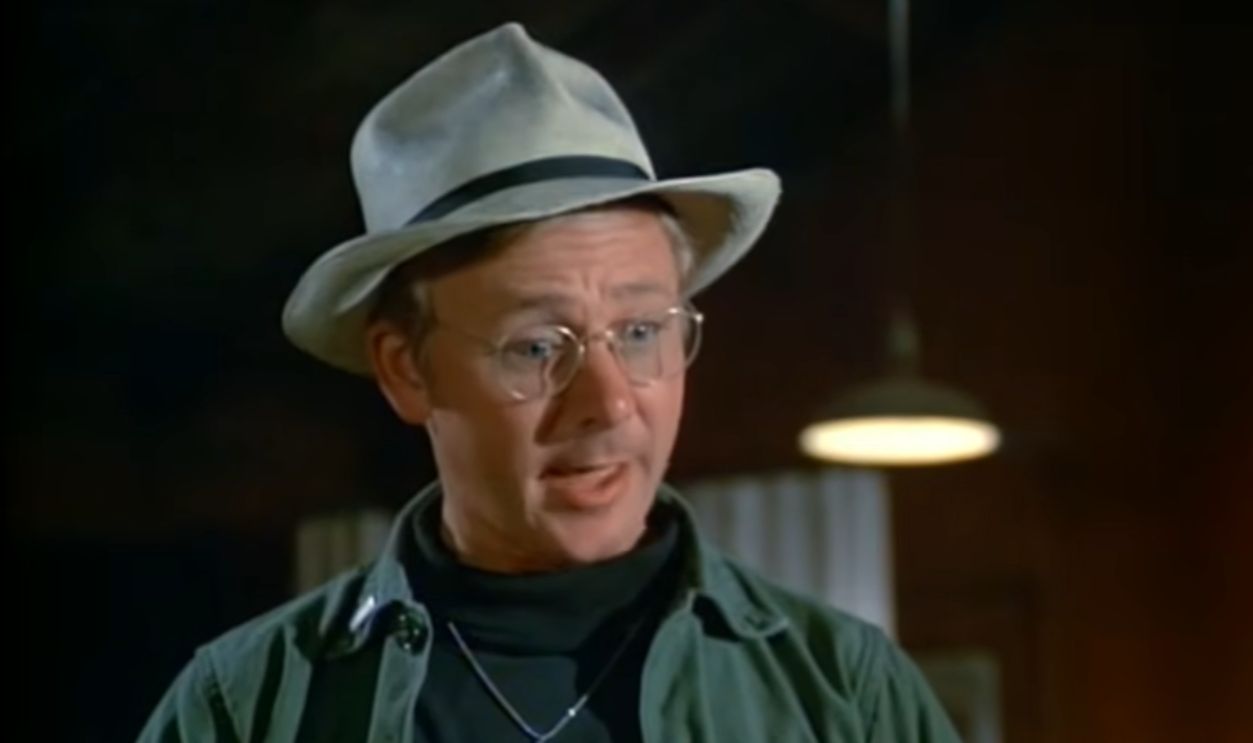 Screenshot from MASH*, 20th Century Fox Television (1972–1983)
The Padre Sounded Like Christopher
Mulcahy’s gentle exclamations—“Oh dear” and “Goodness gracious”—were not entirely invented. Christopher said he naturally spoke that way himself. He later admitted, “There’s a lot of Father Mulcahy in me,” which helps explain why the character’s decency rarely felt manufactured.
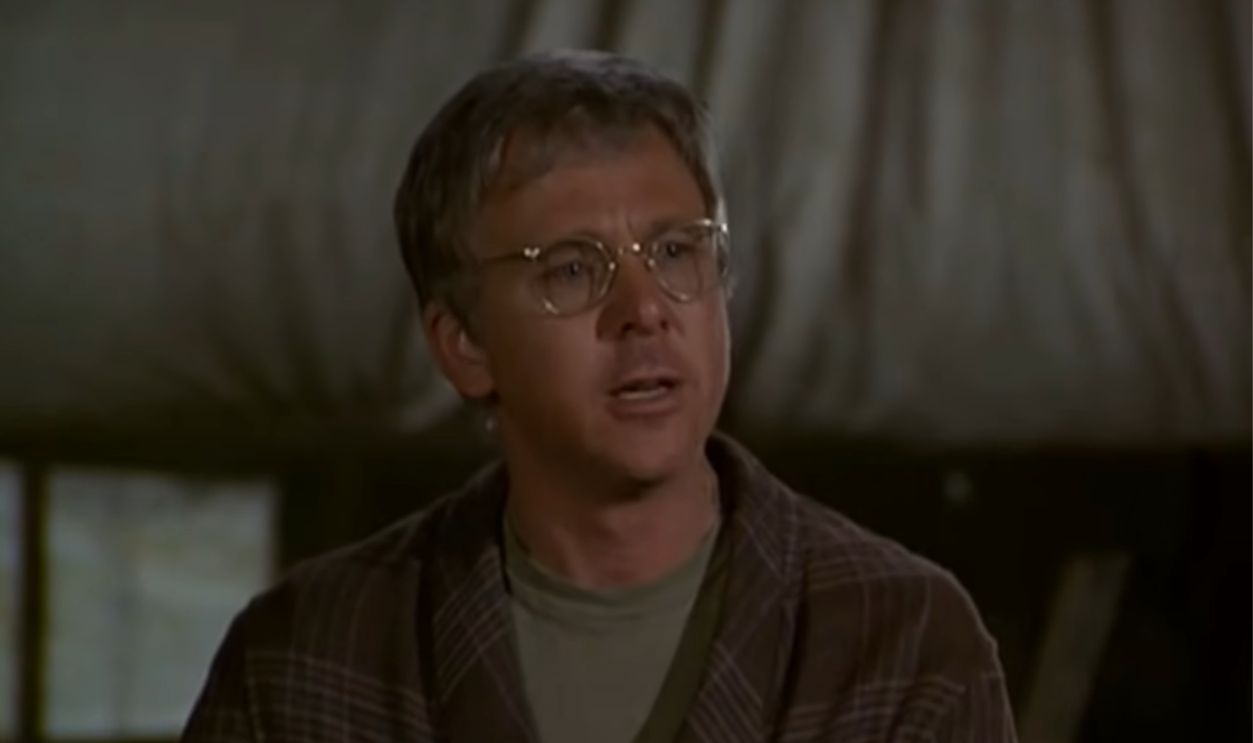 Screenshot from MASH*, 20th Century Fox Television (1972–1983)
Kindness Did Not Make Mulcahy Weak
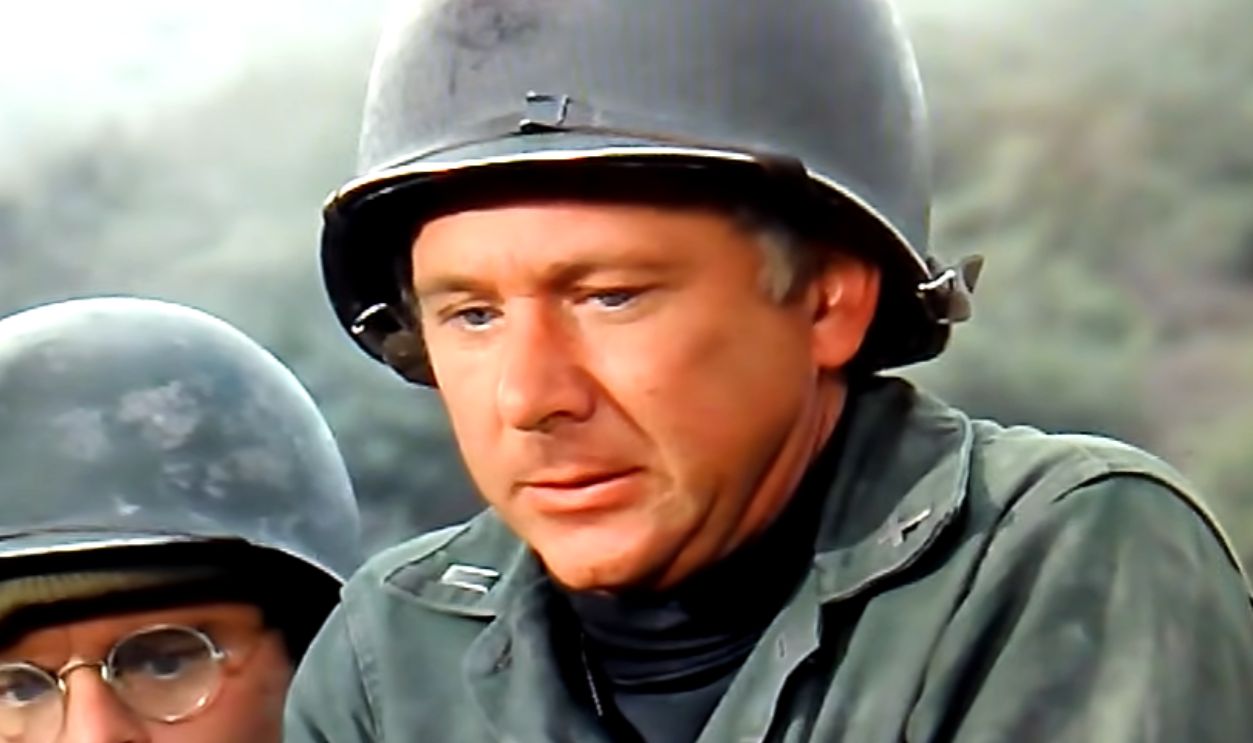
Father Mulcahy could appear timid beside louder characters, but Christopher slowly revealed his courage. The chaplain performed surgery when necessary, faced danger to help wounded soldiers, boxed competitively, challenged injustice, and repeatedly worried that he was not doing enough for others.
 Screenshot from MASH*, 20th Century Fox Television (1972–1983)
Success Brought the Family Stability
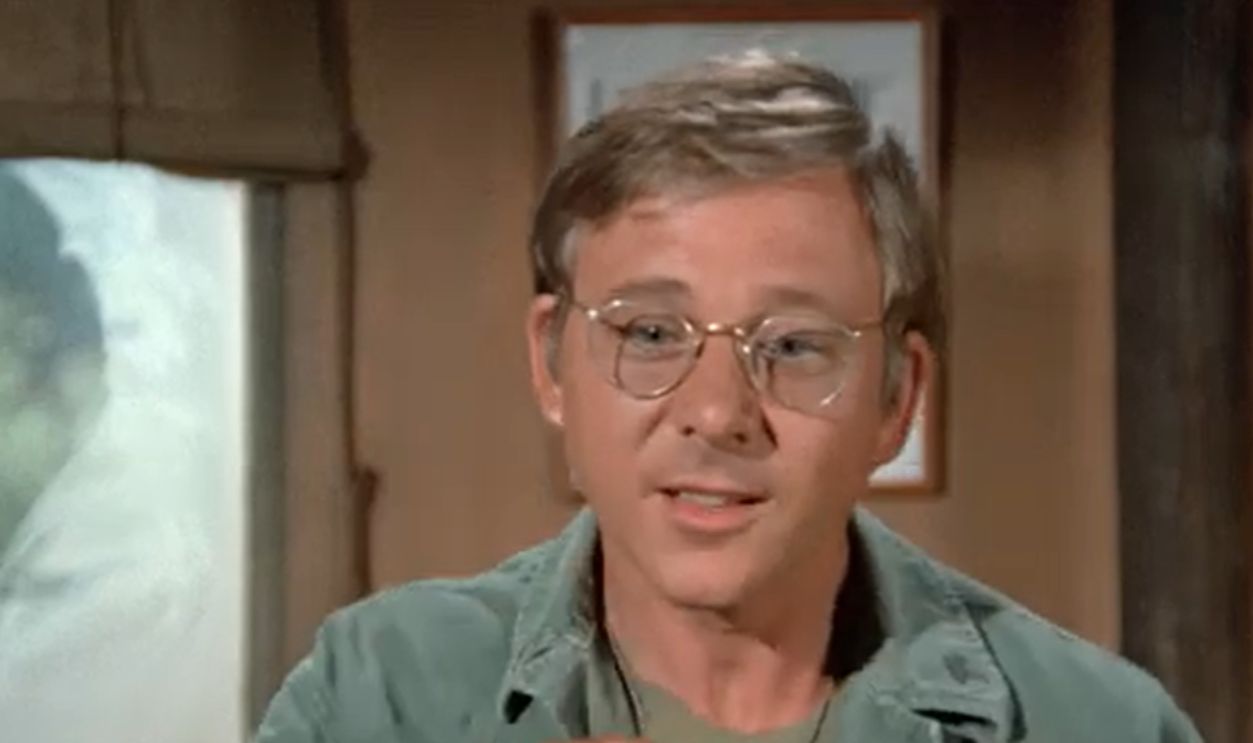
For the first time, Christopher had dependable employment on a series that kept returning. He later explained that M*A*S*H gave him and Barbara financial security while they searched for doctors, educational programs, therapists, and suitable support for Ned.
 Screenshot from MASH*, 20th Century Fox Television (1972–1983)
The Schedule Gave Him Something More Valuable
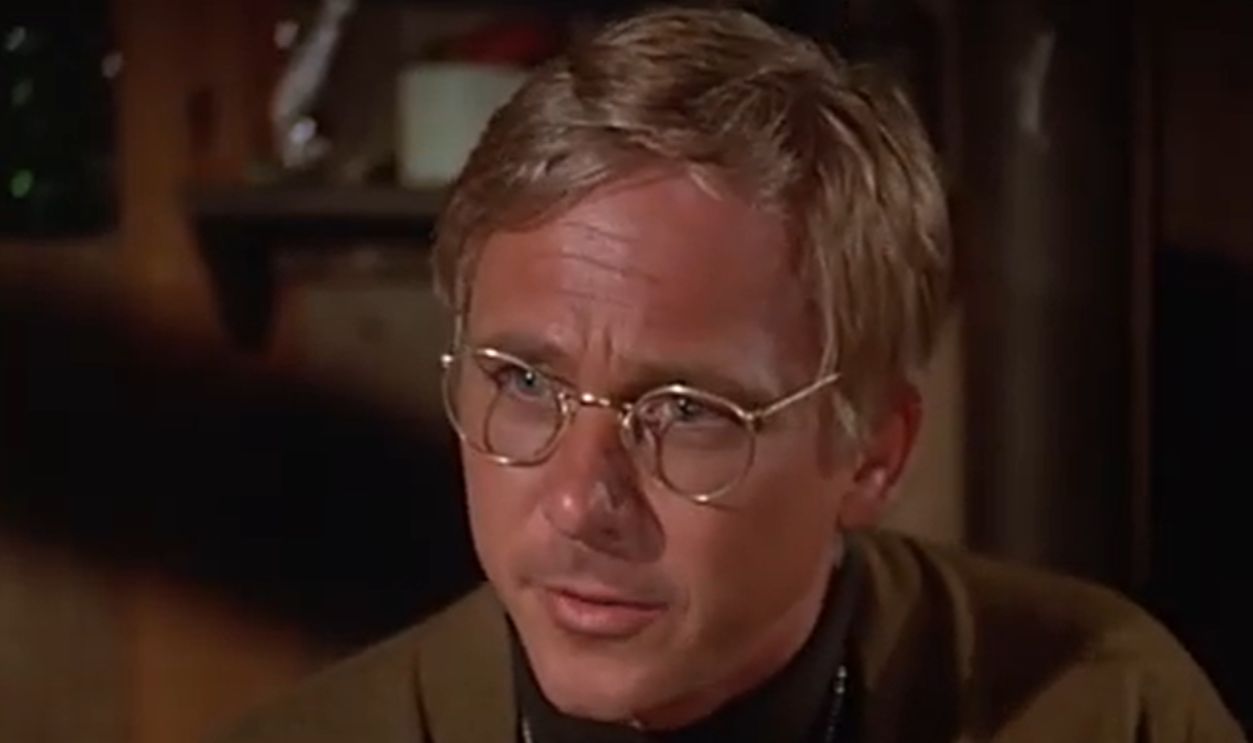
The series generally occupied roughly half of Christopher’s year, leaving him more time at home than many working parents possessed. He recognized the unusual gift: television success did not merely finance Ned’s care; it allowed Christopher to participate more closely in his son’s life.
 Screenshot from MASH*, 20th Century Fox Television (1972–1983)
Fame and Isolation Arrived Together
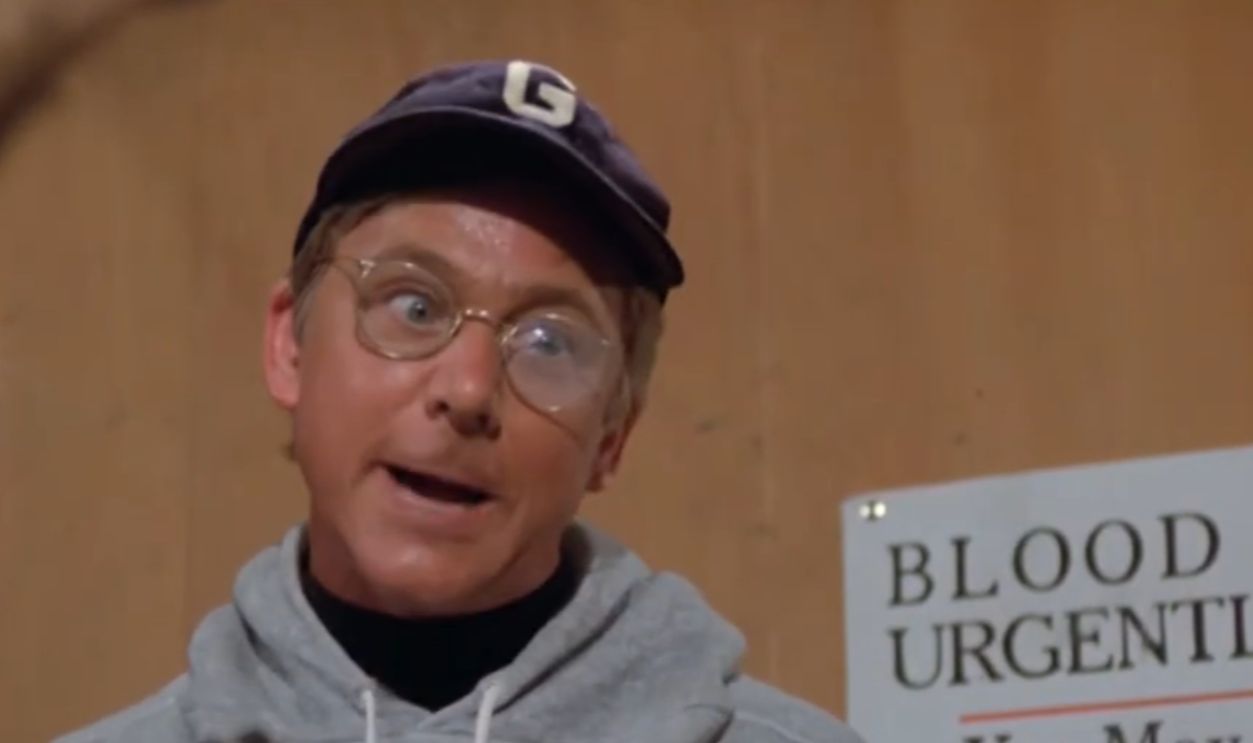
As M*A*S*H collected awards and attracted millions of viewers, the Christophers’ private experience often felt lonely. Autism was poorly understood during the 1970s, effective resources were limited, and parents were frequently blamed, dismissed, or pressured to accept bleak predictions.
 Screenshot from MASH*, 20th Century Fox Television (1972–1983)
Barbara Carried a Heavy Load
Christopher’s filming schedule could involve long production days, leaving Barbara to manage many appointments, crises, educational decisions, and daily routines. Their later writing made clear that advocacy was shared work, although the practical burden did not always fall evenly between two busy parents.
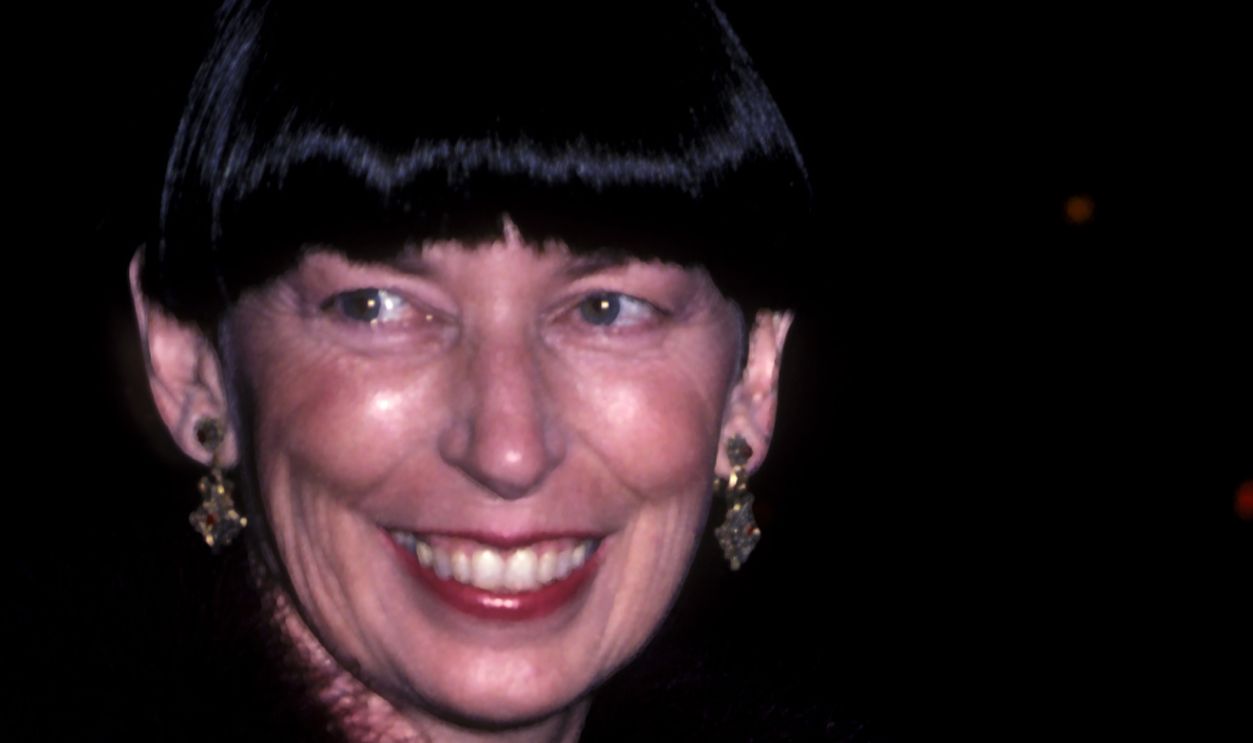
Ned Had Little Interest in His Father’s Fame
Ned rarely watched his father on television, something Christopher accepted without disappointment. He pointed out that many people simply did not enjoy television. To Ned, the familiar man returning from the 4077th was not Father Mulcahy—he was Dad.
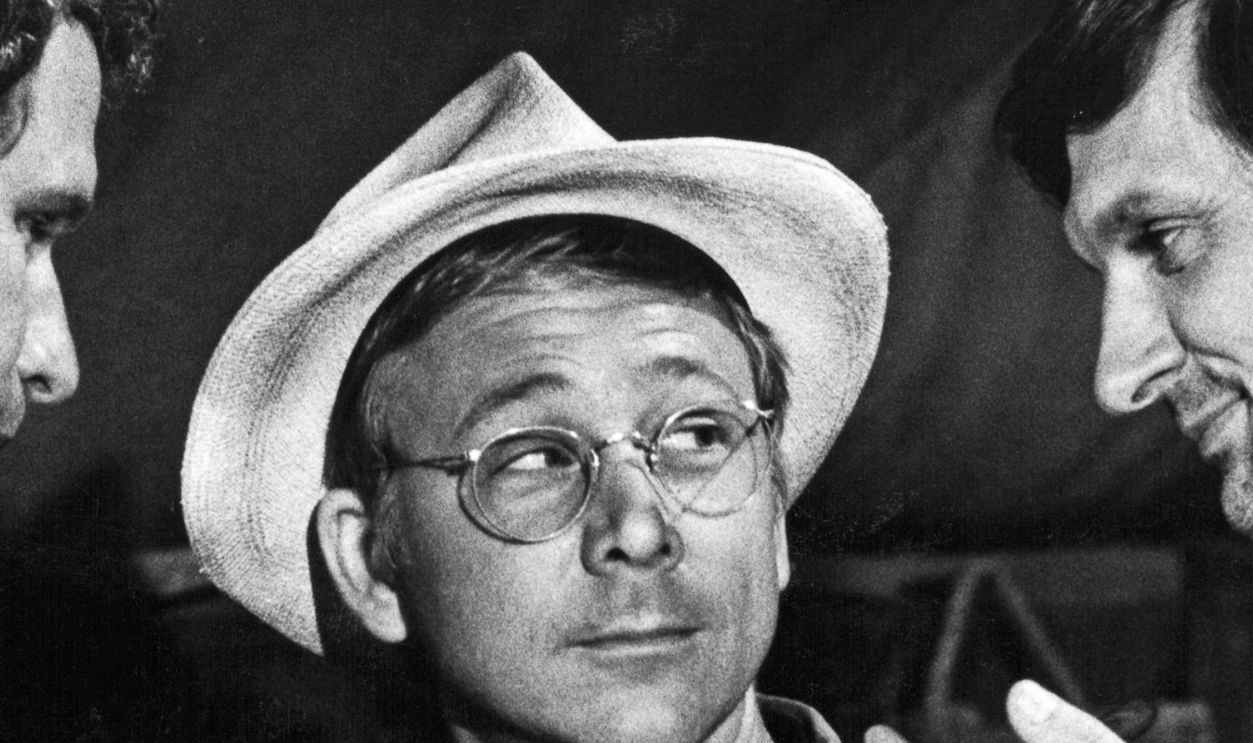
Then Christopher Became Seriously Ill
During production of M*A*S*H’s fifth season, Christopher contracted hepatitis and was confined to bed for eight weeks. The illness threatened more than his health; a prolonged absence could have cost him the stable job upon which his family increasingly depended.
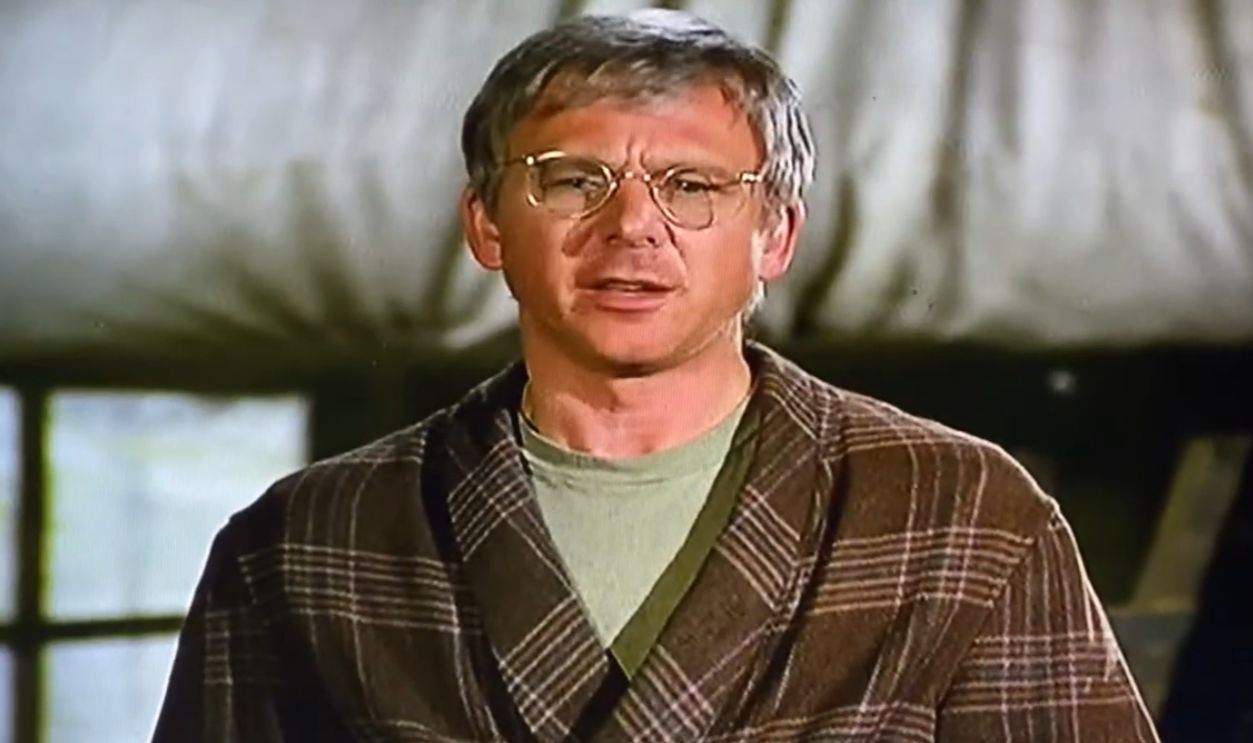 Screenshot from MASH*, 20th Century Fox Television (1972–1983)
The Series Worked Around His Absence
Fortunately, the production schedule allowed writers to reduce Christopher’s appearances without removing him permanently. The episode “Hepatitis” even placed Father Mulcahy in bed with the same illness. Christopher later reflected that “Someone was watching over me.”
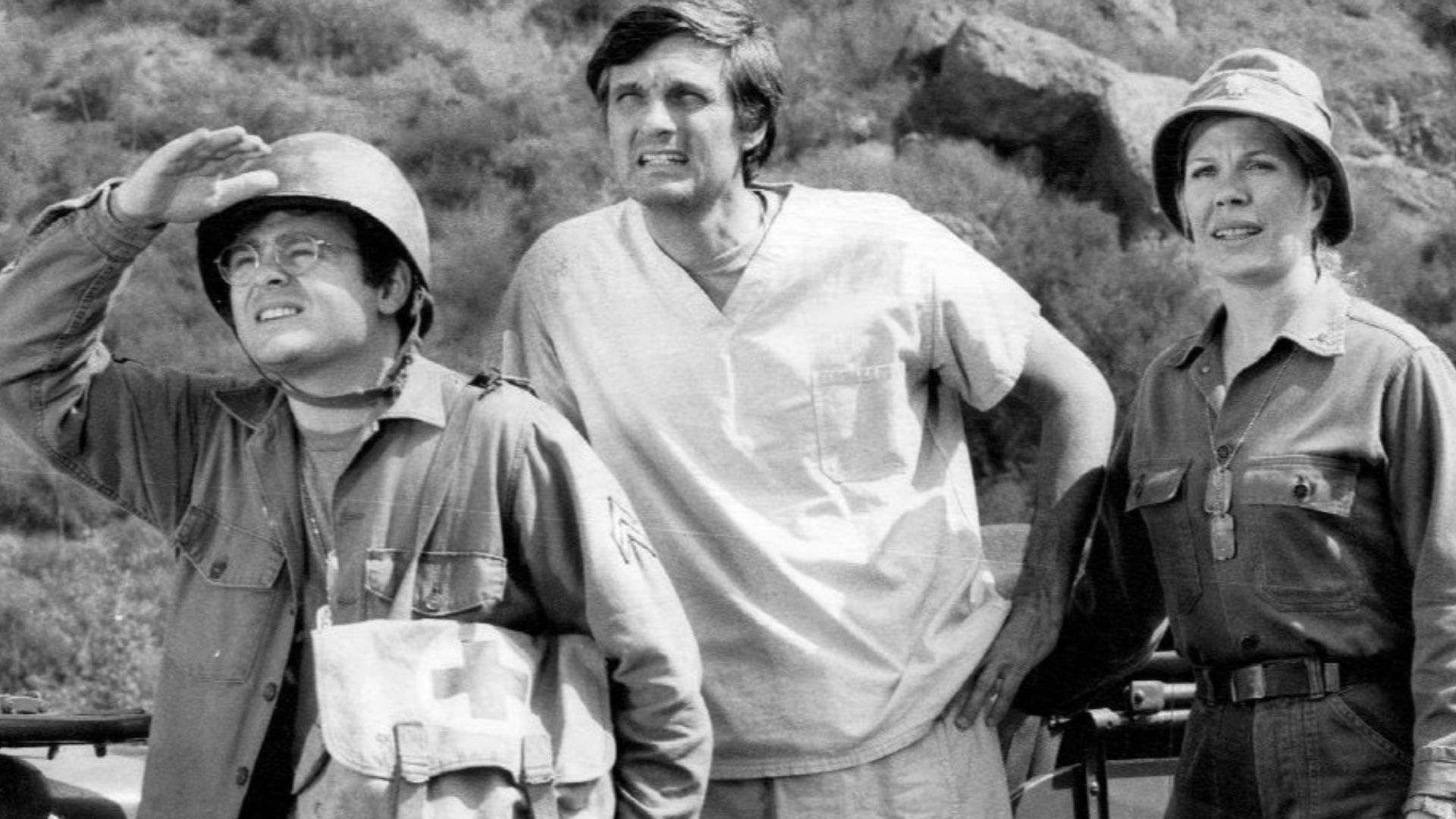 CBS Television, Wikimedia Commons
Mulcahy Became More Important
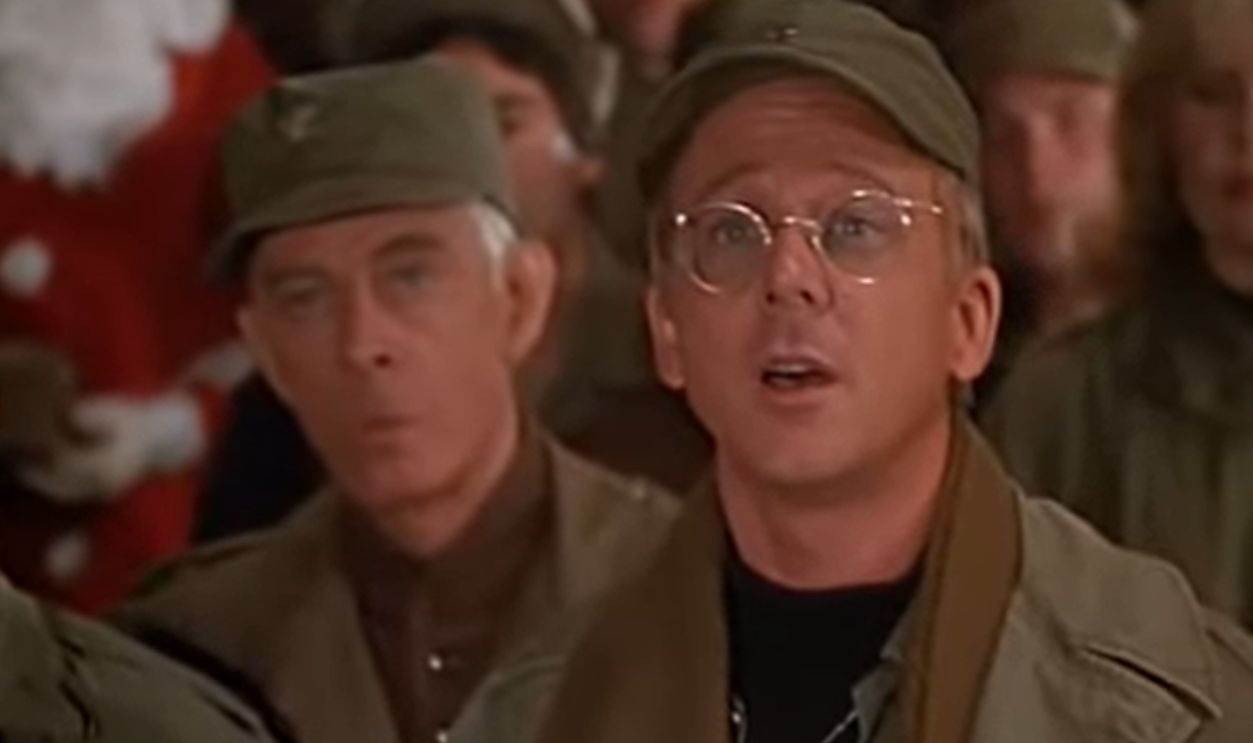
Christopher returned and became a full series regular. Episodes increasingly explored Mulcahy’s frustration, faith, envy, bravery, and fear of being overlooked. The character remained gentle, but he was no longer merely standing nearby while everyone else received the difficult stories.
 Screenshot from MASH*, 20th Century Fox Television (1972–1983)
“Dear Sis” Revealed His Private Doubts
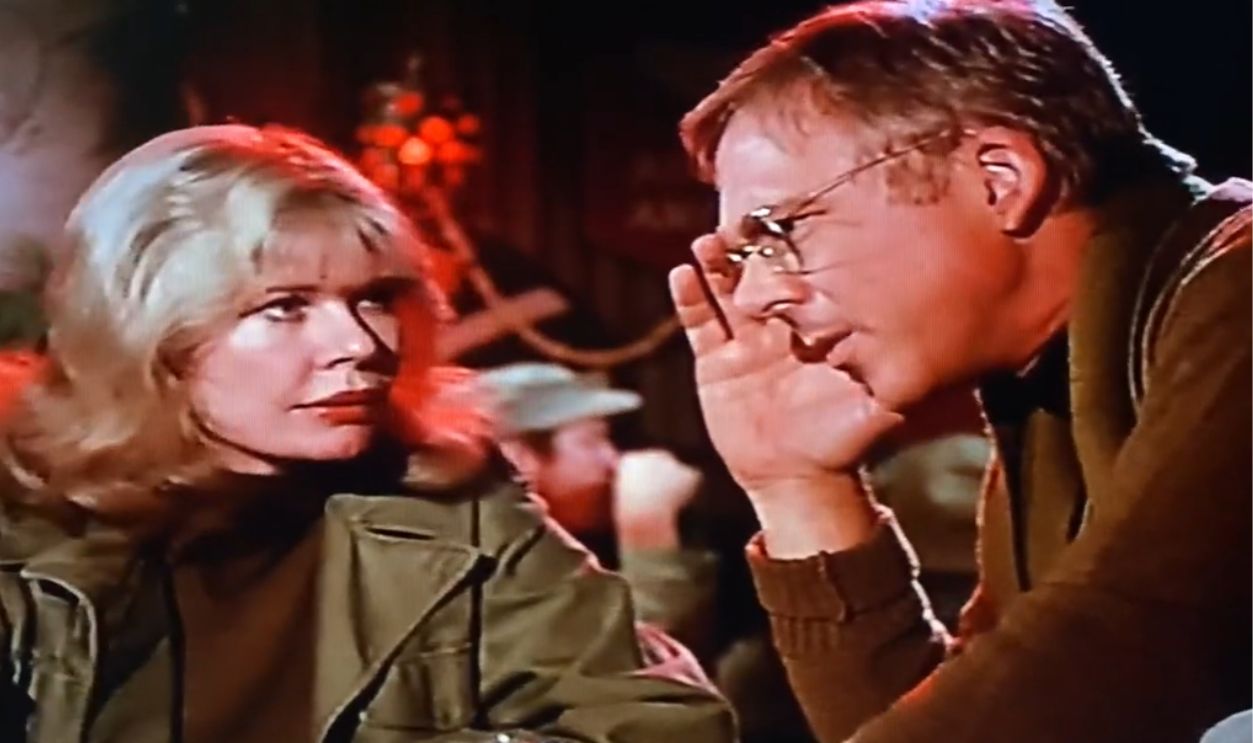
In the 1978 episode “Dear Sis,” Mulcahy became discouraged because he could not see the value of his work. The camp responded by reminding him how much he mattered—a storyline that captured Christopher’s gift for portraying goodness without making it look effortless.
 Screenshot from MASH*, 20th Century Fox Television (1972–1983)
The Finale Gave Mulcahy a Cruel Injury
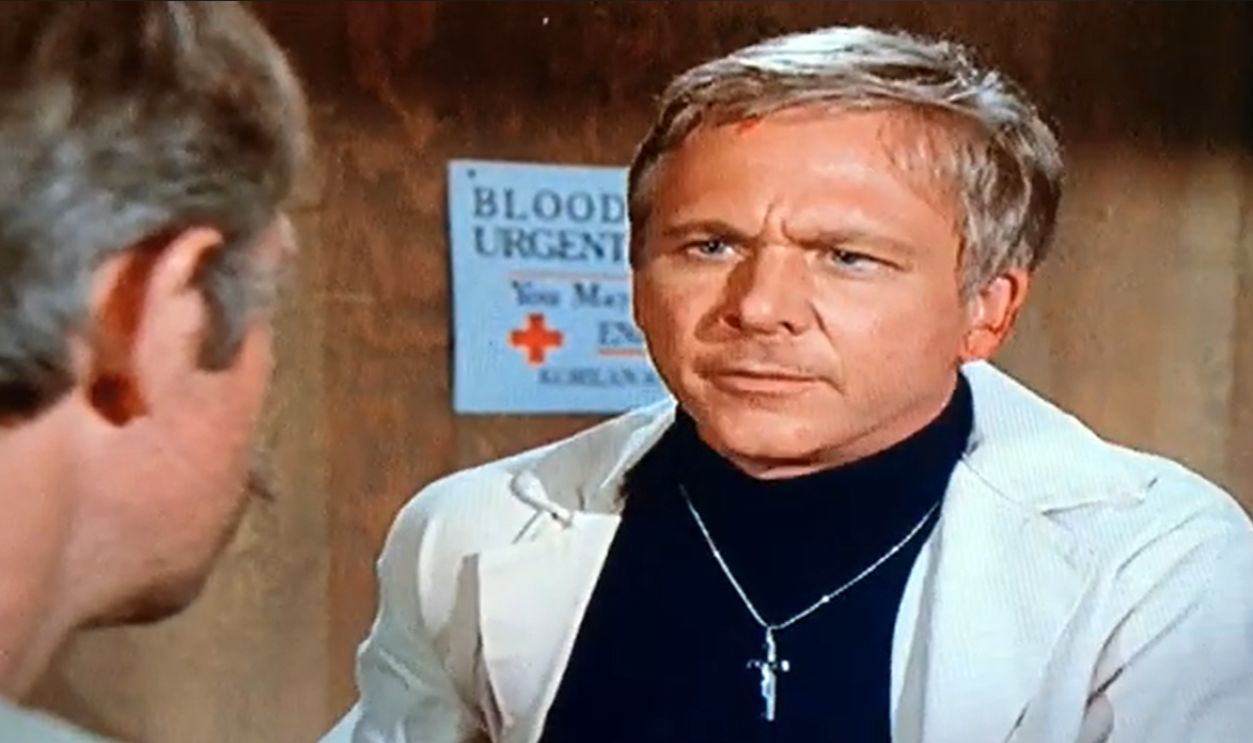
In “Goodbye, Farewell and Amen,” an artillery explosion damaged Mulcahy’s hearing while he freed trapped prisoners of war. The priest who had spent years listening to everyone else left Korea struggling to hear—one of the finale’s most painfully fitting turns.
 Screenshot from MASH*, 20th Century Fox Television (1972–1983)
Christopher Wanted to Explore the Disability
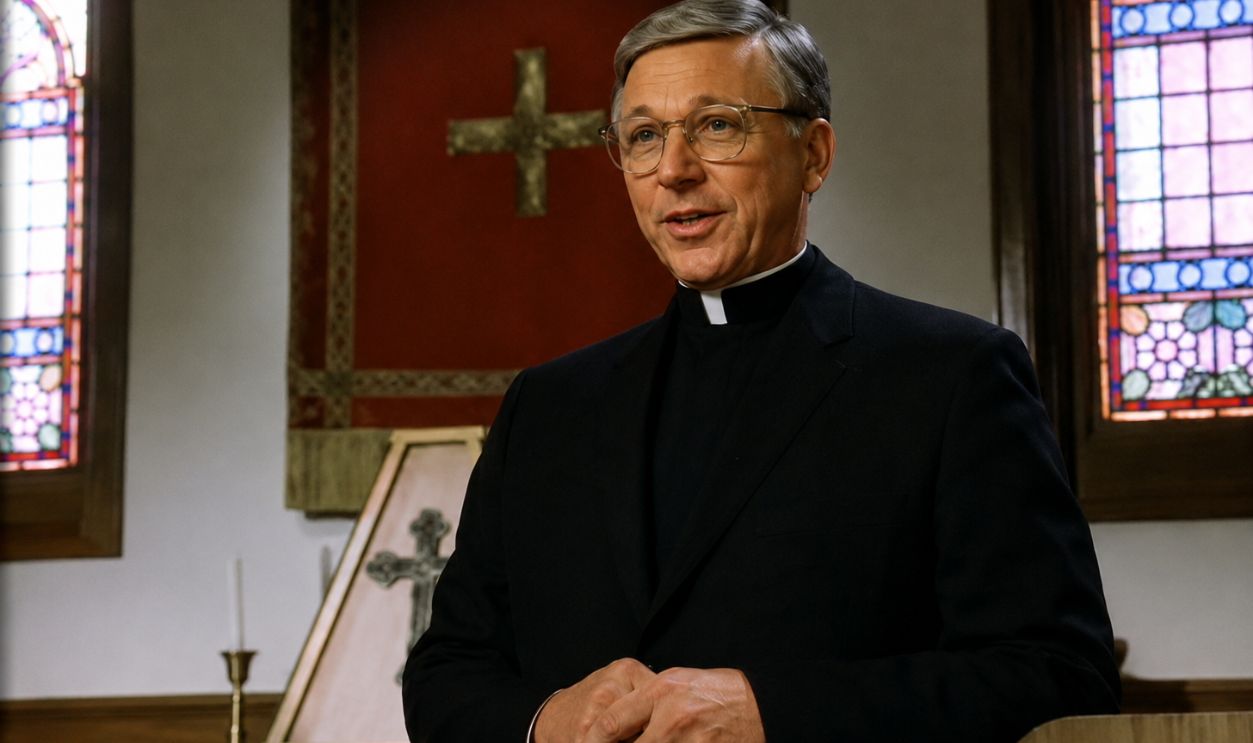
Christopher initially expected Mulcahy’s hearing loss to continue in AfterMASH. Instead, the spinoff quickly restored it through surgery. He later said he “felt cheated,” believing the condition could have produced a meaningful story about disability, adjustment, and life after war.
 Screenshot from AfterMASH, CBS (1983–1985), Modified
The Padre Returned to Work
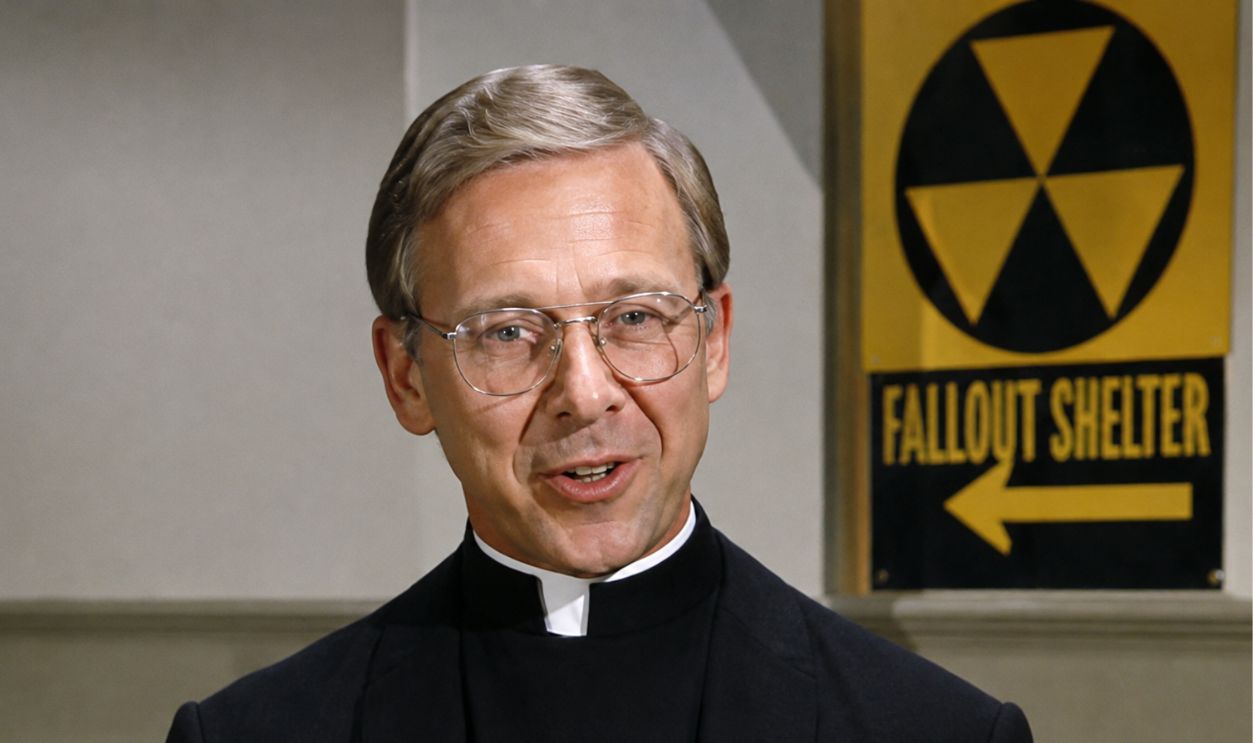
AfterMASH reunited Christopher with Harry Morgan and Jamie Farr at a Missouri veterans’ hospital. The series ran from 1983 to 1985. Although it never reproduced the original show’s chemistry, it allowed Mulcahy to continue serving people after returning from Korea.
 Screenshot from AfterMASH, CBS (1983–1985), Modified
His Second Mission Became Public
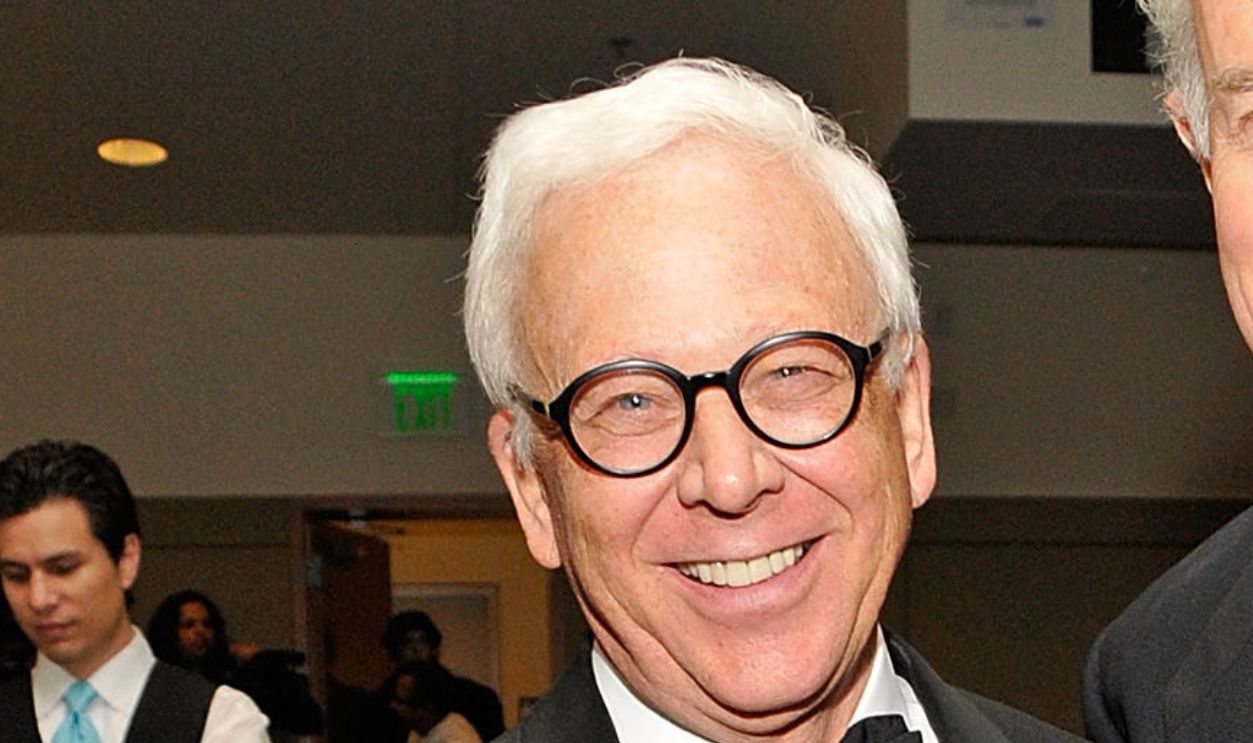
Christopher increasingly used his recognition to discuss autism and the realities facing families. He supported autism organizations, participated in awareness events, and recorded public-service messages at a time when many Americans still knew little about autistic people or their support needs.
 Michael Tullberg, Getty Images
He Challenged the So-Called Experts
William and Barbara argued that educators and professionals should not treat parents as uninformed bystanders. In a 1986 interview for Teaching Exceptional Children, they emphasized cooperation, continued education, and the importance of respecting the knowledge families gain through daily experience.
Advocacy Meant Rejecting Hopelessness
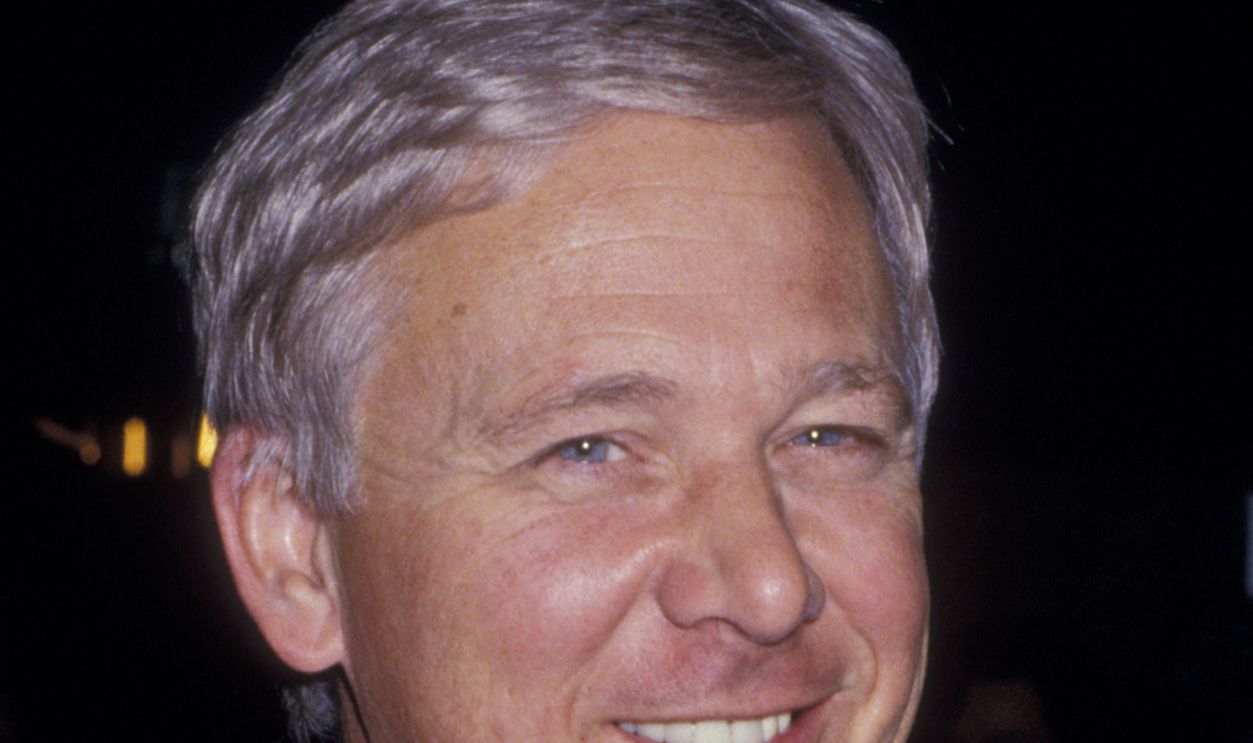
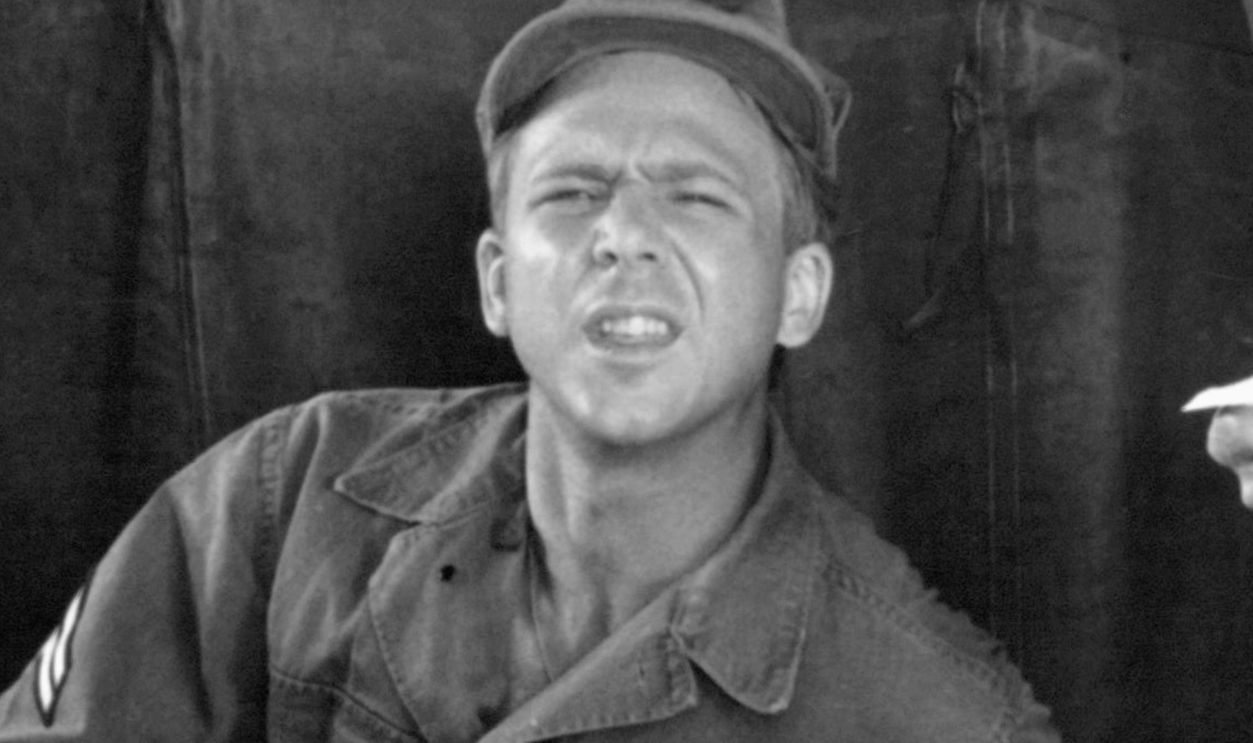
Christopher resisted assumptions that a person’s disability erased their potential. His language reflected the era in which he spoke, but his central message was clear: every individual possessed strengths, and no diagnosis justified giving up on someone’s ability to learn, contribute, or experience joy.
 Michael Ochs Archives, Getty Images
Their Private Story Became a Book
In 1989, William and Barbara published Mixed Blessings, a 224-page account of raising Ned. It discussed confusing evaluations, behavioral difficulties, schooling, therapy, family strain, and the moments of humor and affection that existed alongside those challenges.
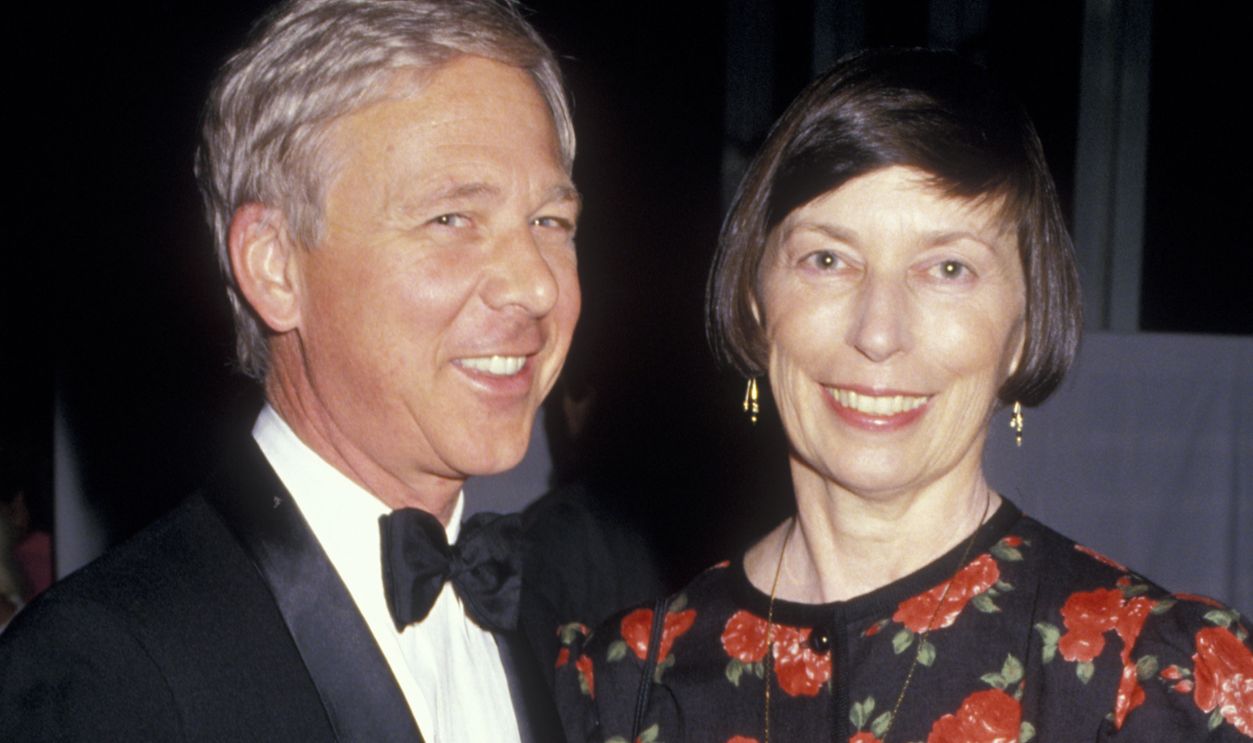
The Title Refused to Call Autism a Tragedy
The Christophers did not present Ned as a burden who had ruined their lives. Instead, they described the tragedy of inadequate support, cruel judgment, and despair. “We’ve had our burden,” Christopher said, “but we’ve had a wonderful life.”
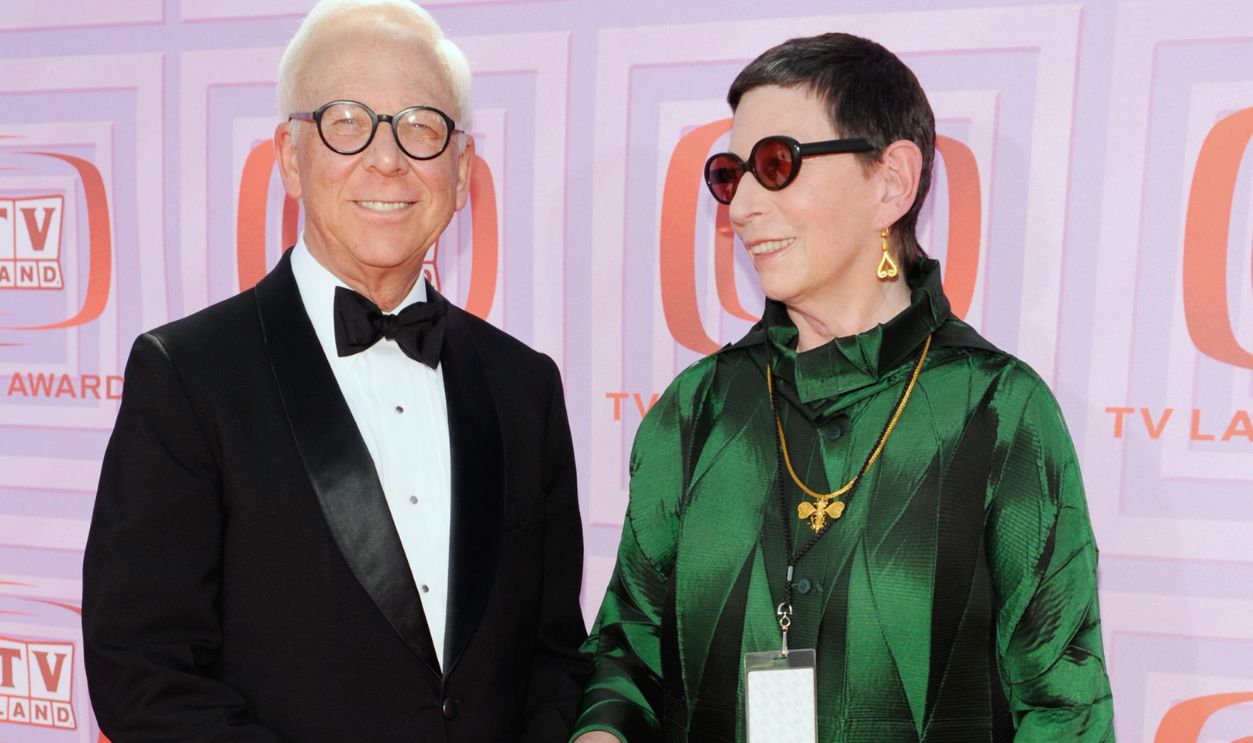
He Gave Parents a Direct Assignment
Christopher’s advice was practical rather than sentimental. “Realize your child needs you, so be an advocate,” he told other parents. Then he added the instruction that had guided his own family through years of uncertainty: “Don’t give up on them.”
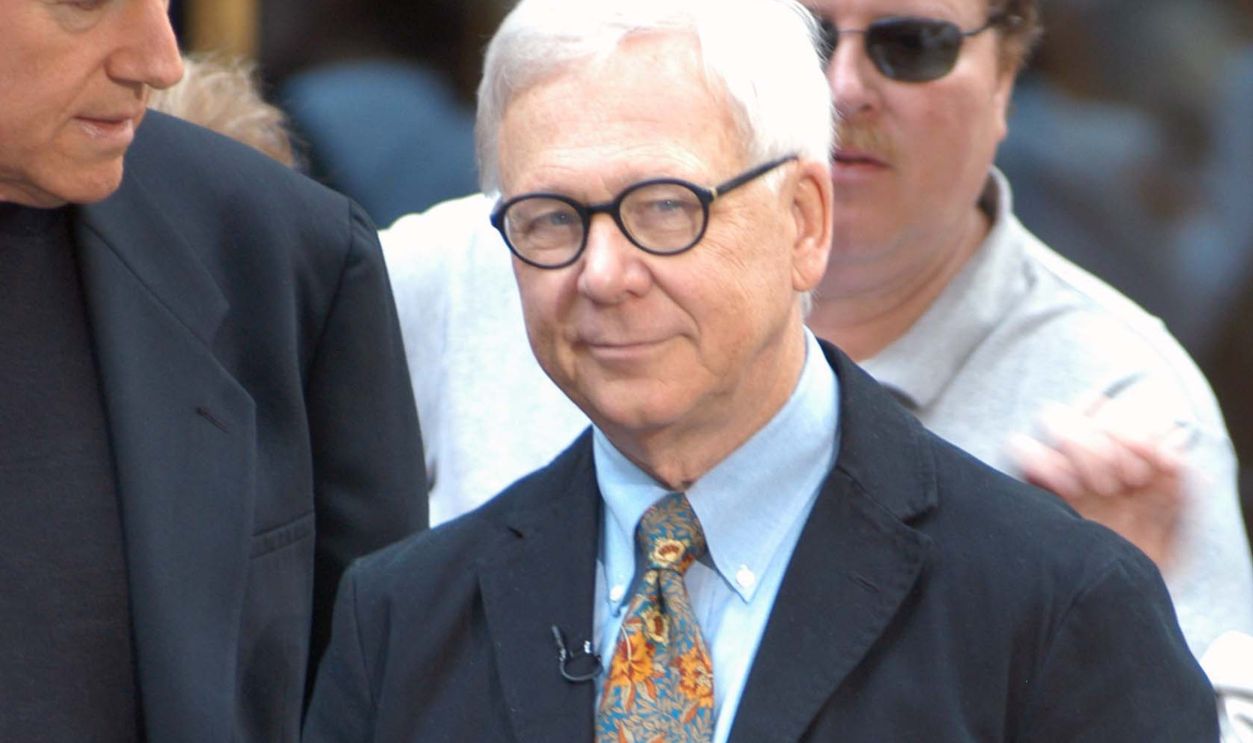
Acting Continued Beyond the Army Camp
Christopher remained active on television and the stage after AfterMASH. He appeared on Murder, She Wrote, The Love Boat, Mad About You, and Lois & Clark, often playing characters whose warmth resembled Mulcahy without simply copying him.
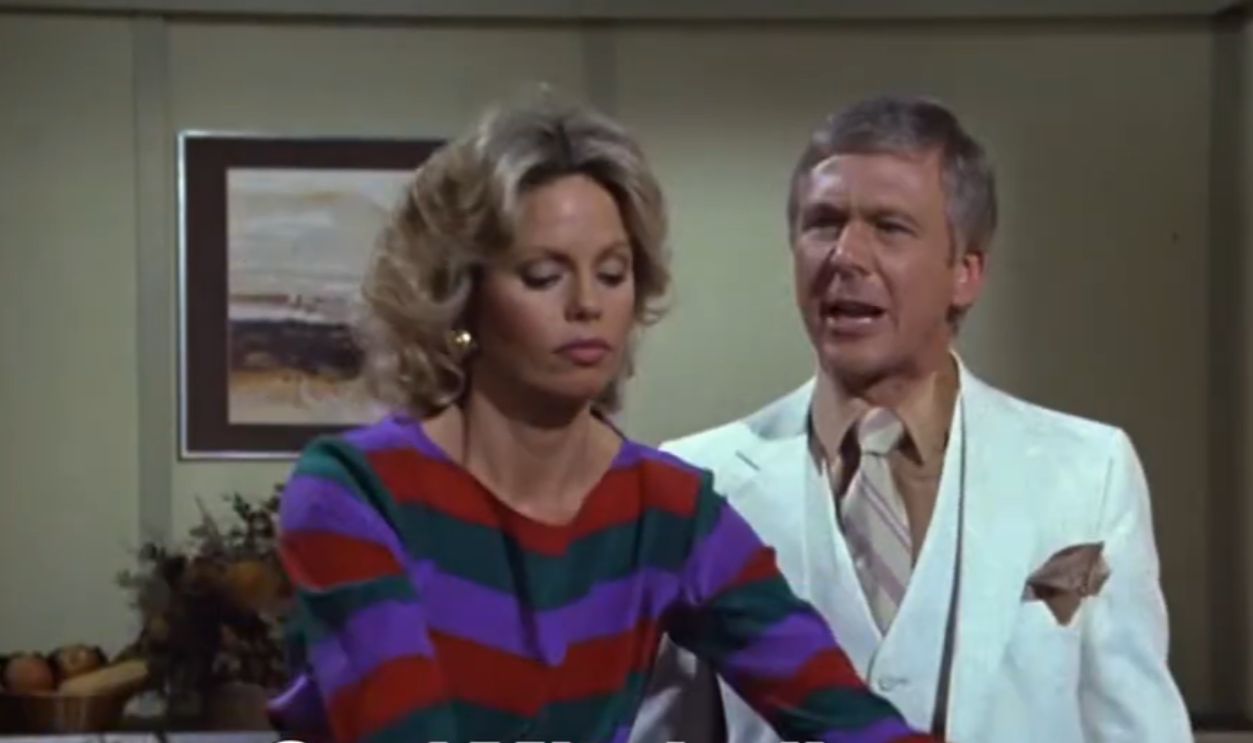 Screenshot from The Love Boat, Worldvision Enterprises (1977–1986)
Jamie Farr Became His Stage Partner
During the 1990s, Christopher toured in Neil Simon’s The Odd Couple opposite Jamie Farr. Farr played the disorderly Oscar Madison while Christopher portrayed the anxious Felix Ungar, giving two former members of the 4077th another chance to test each other’s patience.
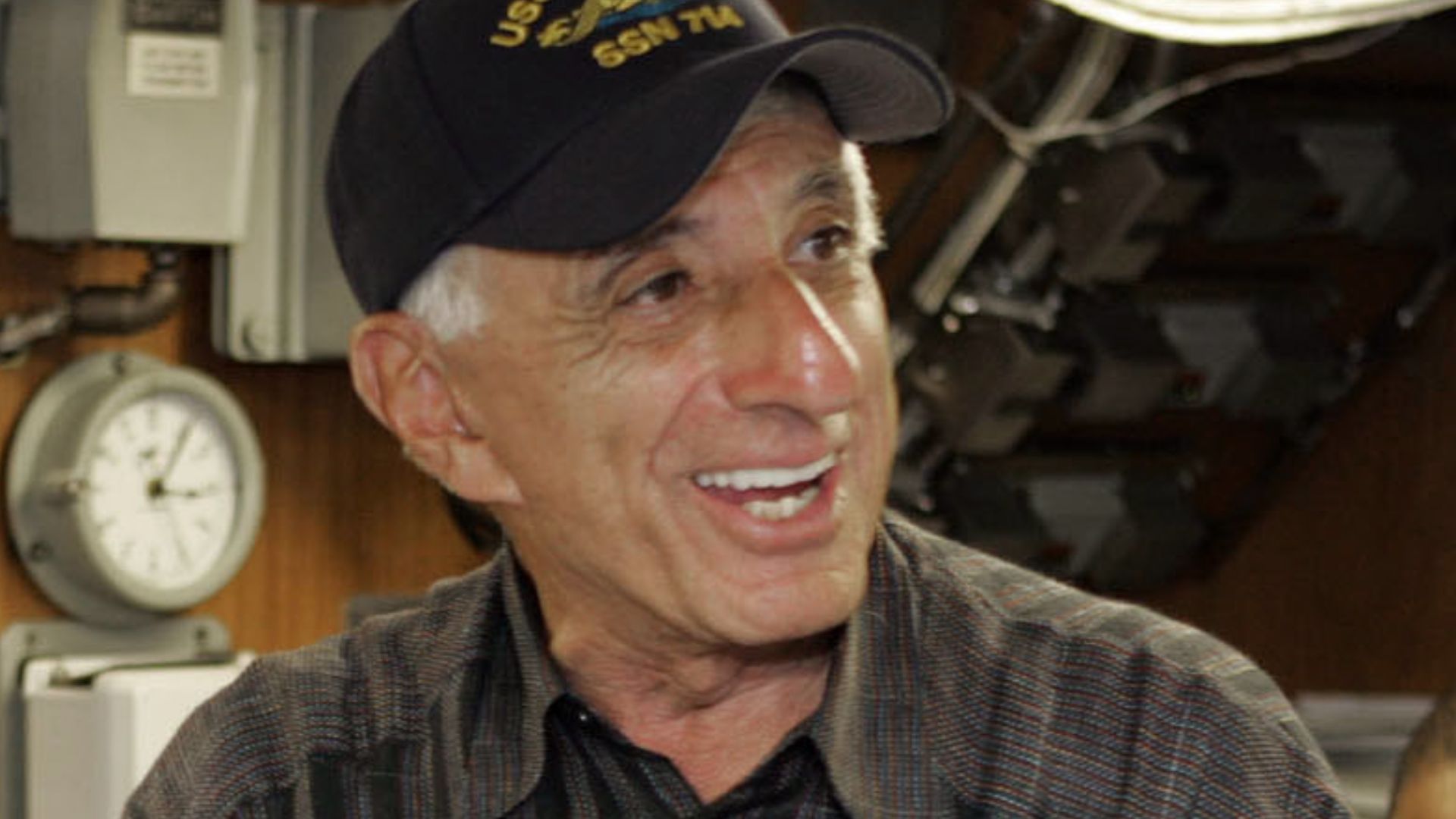 Petty Officer 2nd Class Roadell Hickma, Wikimedia Commons
He Kept Performing Into His Seventies
Christopher toured with the musical comedy Church Basement Ladies during 2008 and 2009. His final television work came in 2012, when he played Father Tobias on Days of Our Lives—appropriately ending his screen career in a clerical collar.
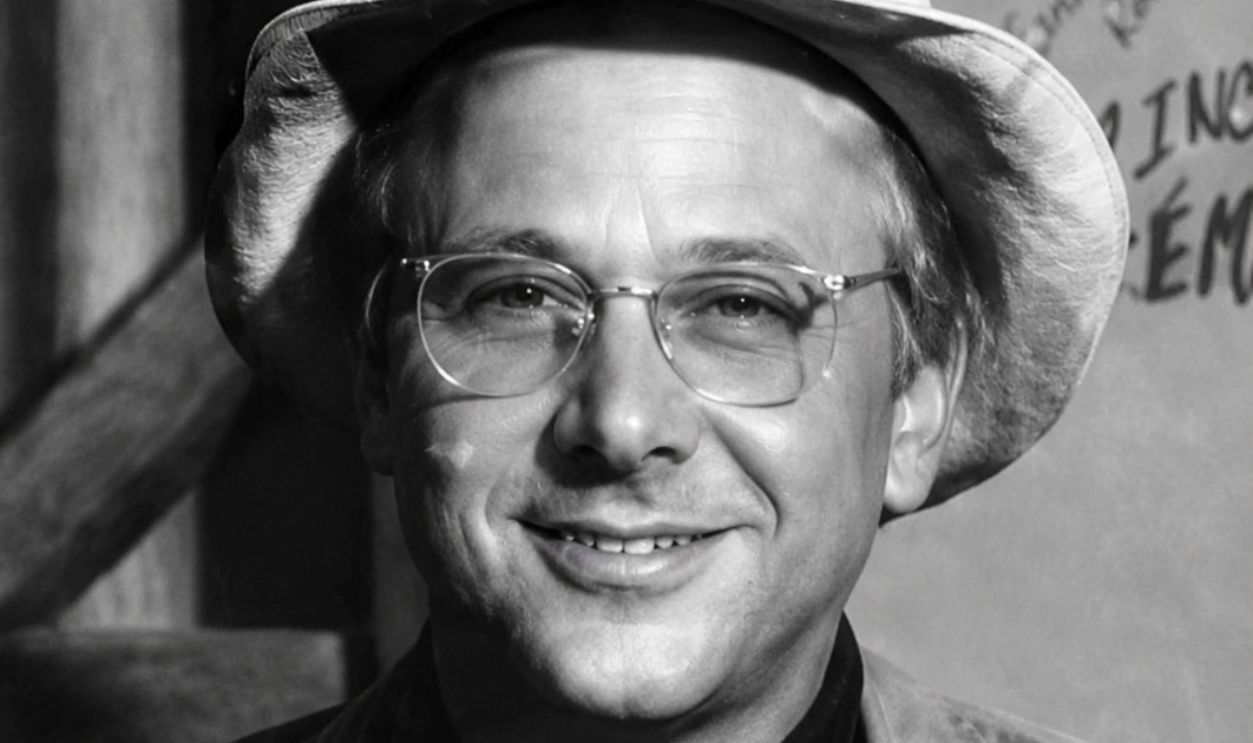 CBS Television, Wikimedia Commons, Enhanced
Cancer Brought the Final Battle
Christopher was diagnosed with non-small-cell lung cancer around the middle of 2015. Doctors initially gave him less than a year, but chemotherapy held the disease back longer than expected. His condition worsened sharply during the final weeks of 2016.
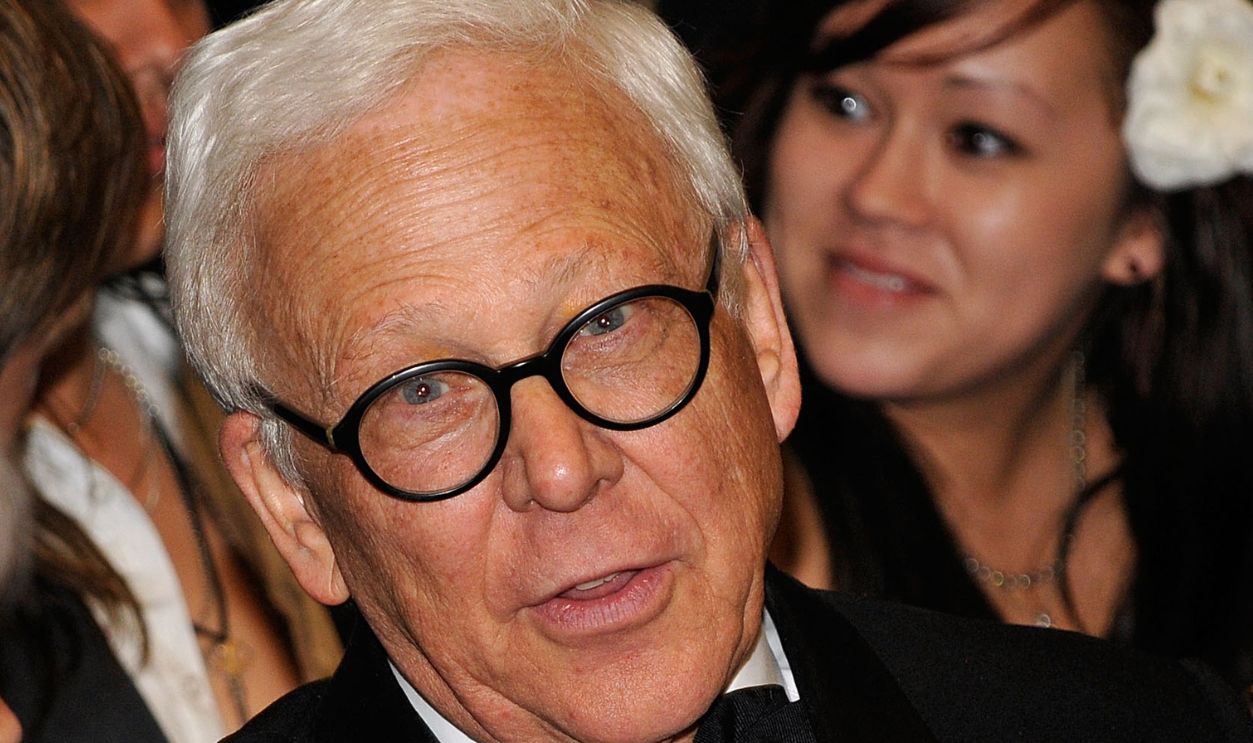 Michael Tullberg, Getty Images
He Died on New Year’s Eve
William Christopher died at his Pasadena, California, home on December 31, 2016. He was 84. Barbara and their sons, John and Ned, survived him, preserving the family at the center of the work he considered more important than celebrity.
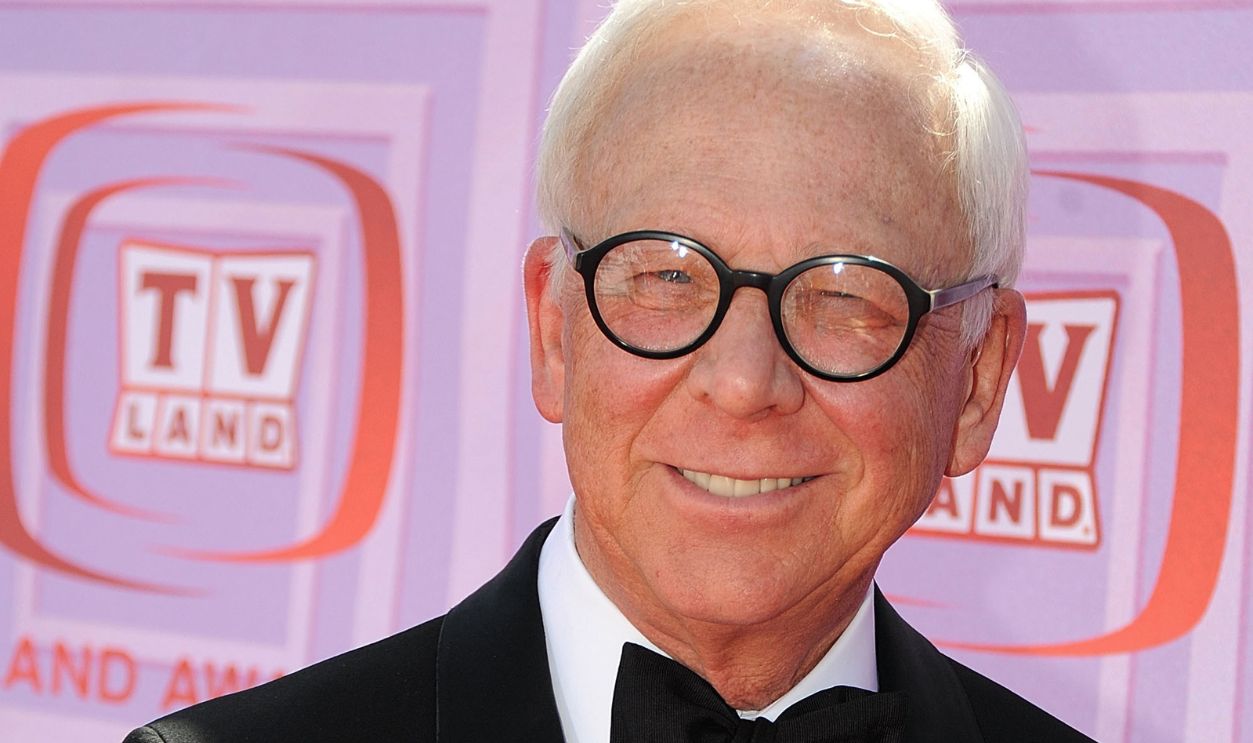
His Son Remembered the Man Behind Mulcahy
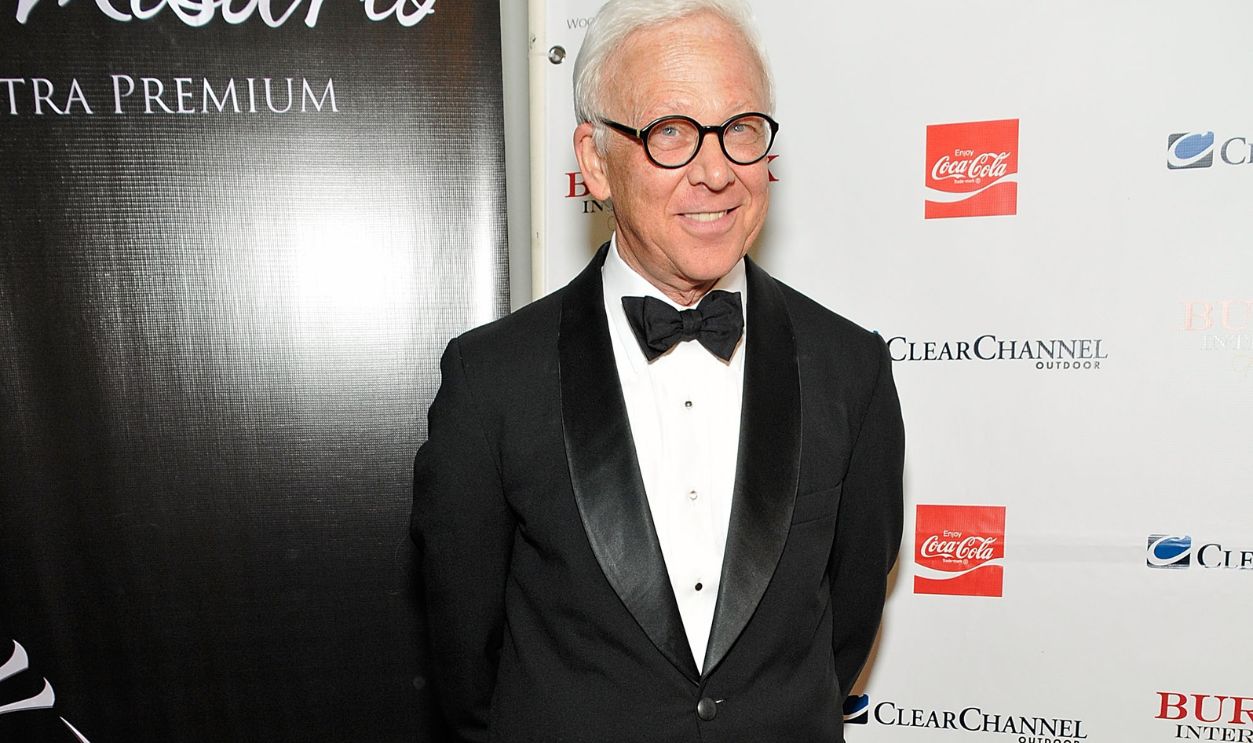
John Christopher said his father resembled the considerate chaplain audiences had loved. “He was a very sensitive man,” John recalled. “He was a very thoughtful person.” The qualities visible onscreen, it seemed, had not been created solely for a script.
 Michael Tullberg, Getty Images
Alan Alda Said the Gentleness Was Real
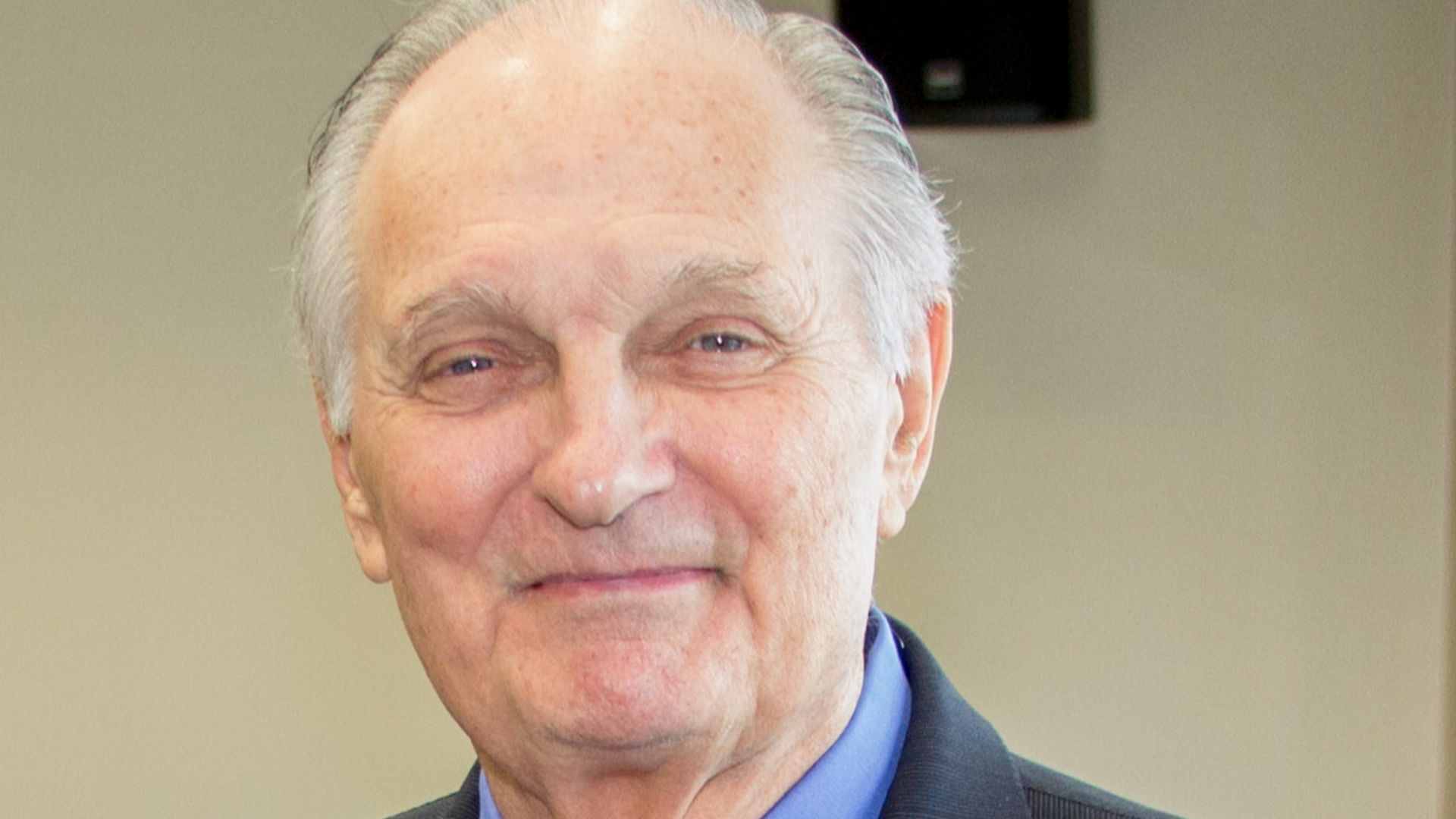
After Christopher’s death, Alan Alda honored his longtime costar by writing that Christopher’s “kind strength, his grace and gentle humor weren’t acted.” It was a concise explanation of why Father Mulcahy had felt so authentic for more than four decades.
 Moody College of Communication from Austin, USA, Wikimedia Commons
His Deepest Purpose Was Showing Up
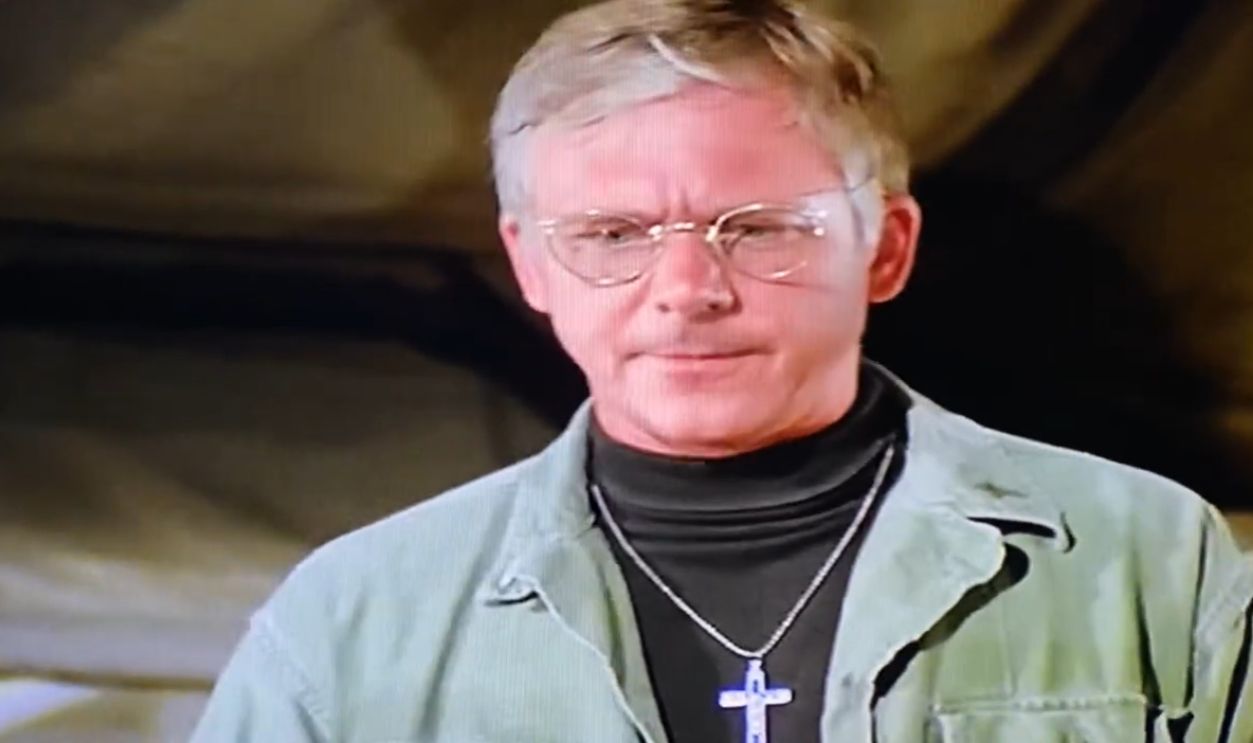
William Christopher made Father Mulcahy memorable by listening to people whom war had frightened, wounded, or forgotten. In real life, he followed the same principle—standing beside his son, challenging hopeless predictions, and reminding families that compassion means refusing to abandon someone when life becomes difficult.
 Screenshot from MASH*, 20th Century Fox Television (1972–1983)
You May Also Like: