The Soldier Who Was Never Supposed to Stay
In 1972, a struggling Jamie Farr accepted $250 to play an outrageous soldier in a single episode of M*A*S*H. The character was supposed to disappear after one day—but audiences noticed Corporal Klinger, and Farr’s temporary assignment became the role of a lifetime. The road to get there, however, was anything but easy.
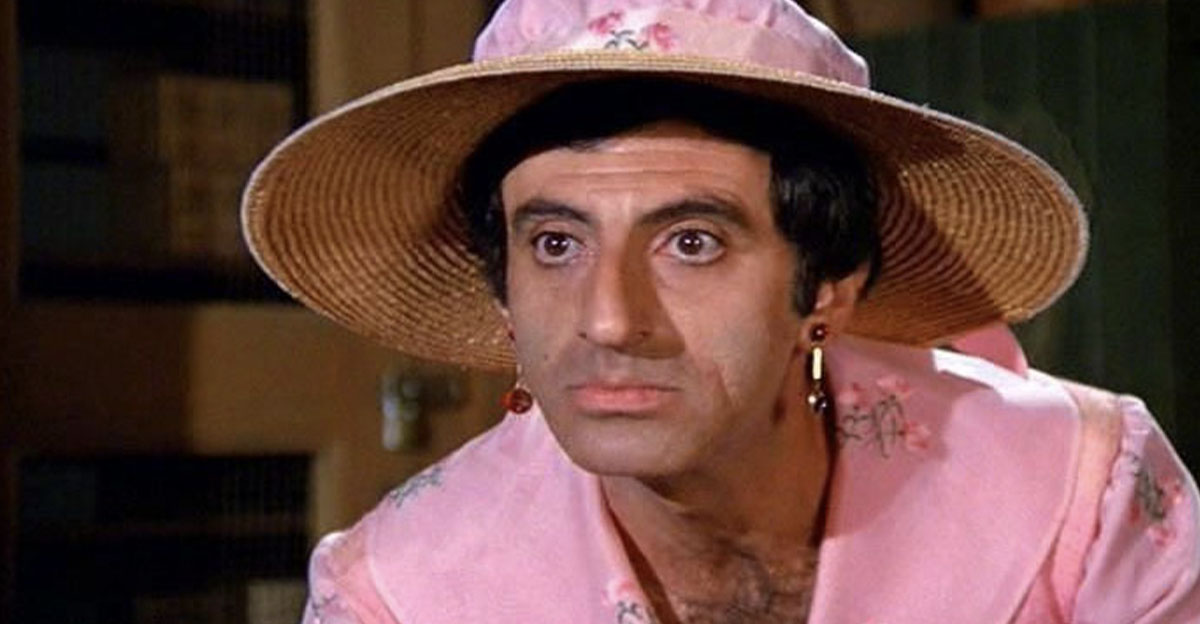 20th Century-Fox Television, M*A*S*H
A Toledo Boy With a Theatrical Streak
Jamie Farr was born Jameel Joseph Farah in Toledo, Ohio, on July 1, 1934. His Lebanese American family belonged to the city’s close-knit immigrant community, where his father ran a grocery store and his mother worked as a seamstress.
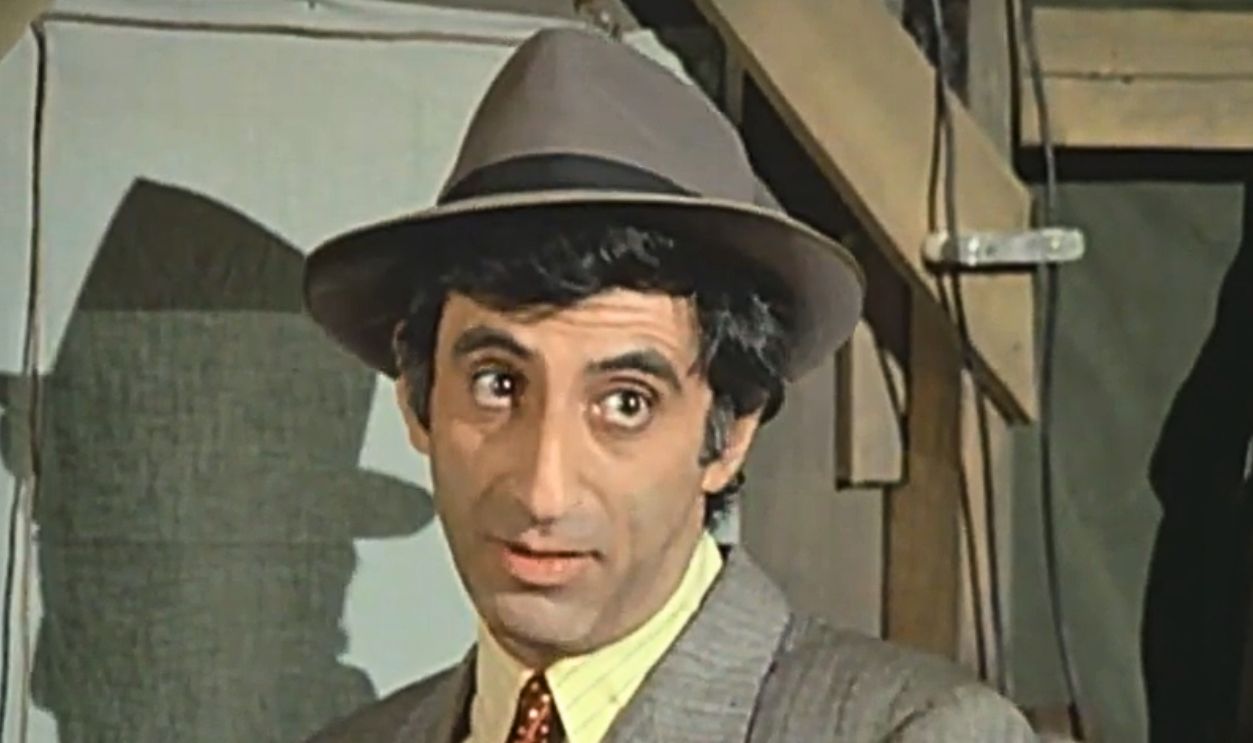 Screenshot from MASH*, CBS (1972–1983)
His First Payday Was Two Dollars
Farr discovered early that making people laugh could be profitable—although only slightly. At 11, he entered a local acting contest, won first place, and collected $2. The prize was modest, but the applause offered something more valuable: direction.
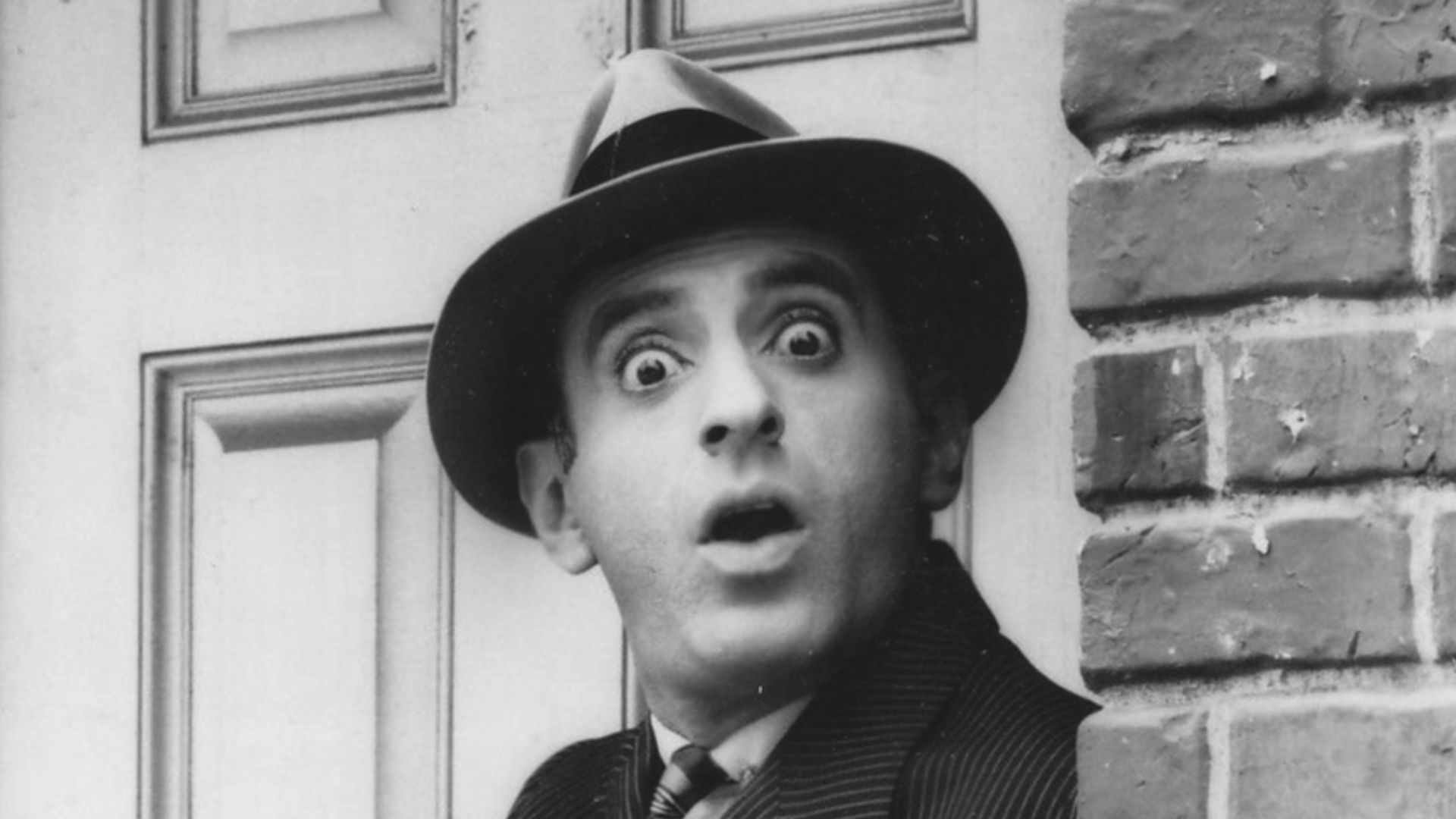 CBS Network Television, Wikimedia Commons
Work Came Before Hollywood
Acting dreams did not excuse Farr from earning his keep. He delivered two Toledo newspapers, helped inside his father’s store, and learned the discipline of showing up every day. Years later, that work ethic would help him survive Hollywood’s least glamorous stretches.
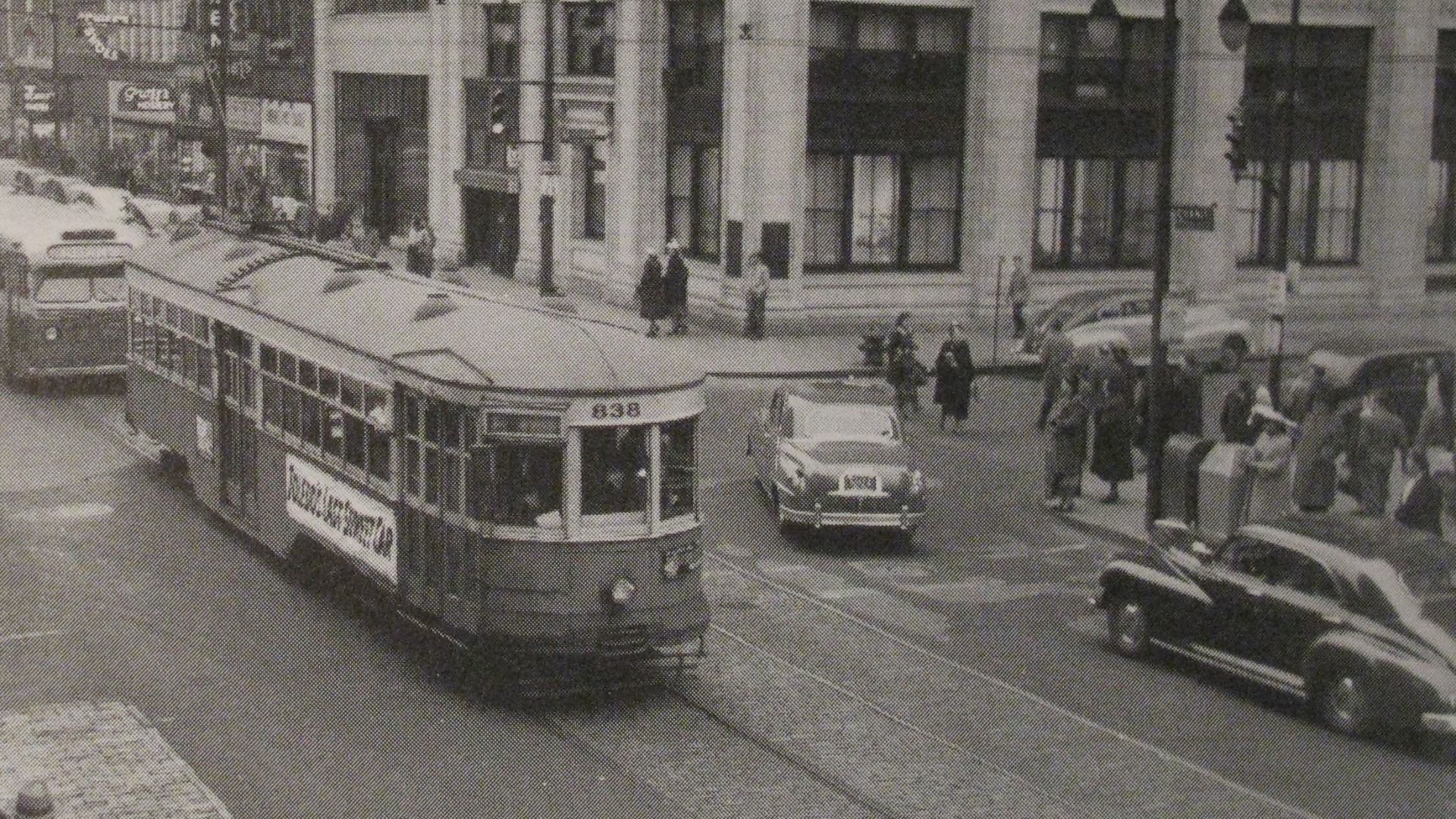 Daniel R. Blume from Orange County, California, USA, Wikimedia Commons
California Offered No Guarantees
After graduating from Woodward High School in 1952, Farr traveled to California and studied at the Pasadena Playhouse. The move sounded adventurous, but he had little money, no powerful connections, and no assurance that the entertainment industry would make room for him.
 Experimental626, Wikimedia Commons
Hollywood Was Hardly Waiting
Farr took whatever work he could find while chasing auditions. Among his less glamorous jobs was working at a chinchilla ranch. It was a long way from movie stardom, but he kept going—because leaving Hollywood would have meant abandoning the possibility that something might finally happen.
 Petty Officer 2nd Class Roadell Hickma, Wikimedia Commons
Then MGM Spotted Him
A talent scout noticed Farr at the Pasadena Playhouse and arranged an MGM screen test. That opportunity led to his first film role, playing a student named Santini in the 1955 drama Blackboard Jungle, where he was credited under his birth name, Jameel Farah.
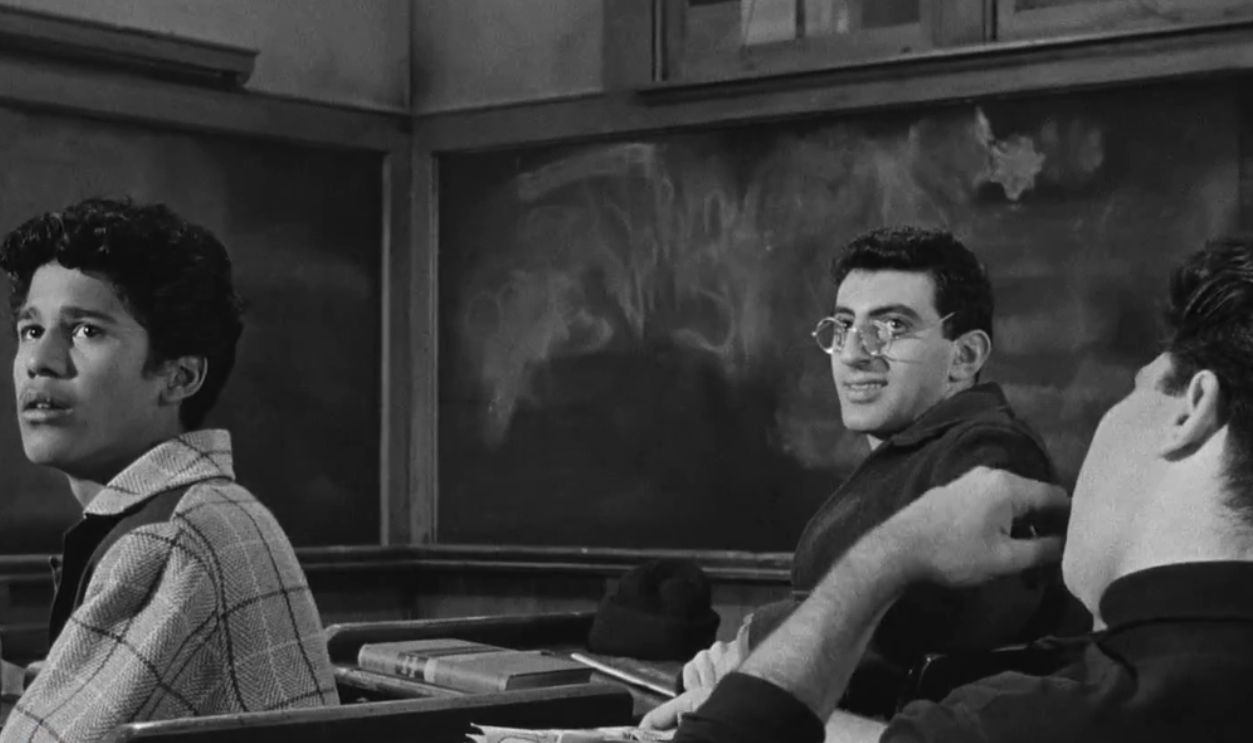 Screenshot from Blackboard Jungle, Metro-Goldwyn-Mayer (1955)
A Promising Debut Led to More Waiting
Blackboard Jungle became an influential film, but Farr’s appearance did not unlock a steady stream of leading roles. He found himself back in the familiar cycle of auditions, small parts, and temporary employment—the reality confronting many young actors whose first break arrives before their second.
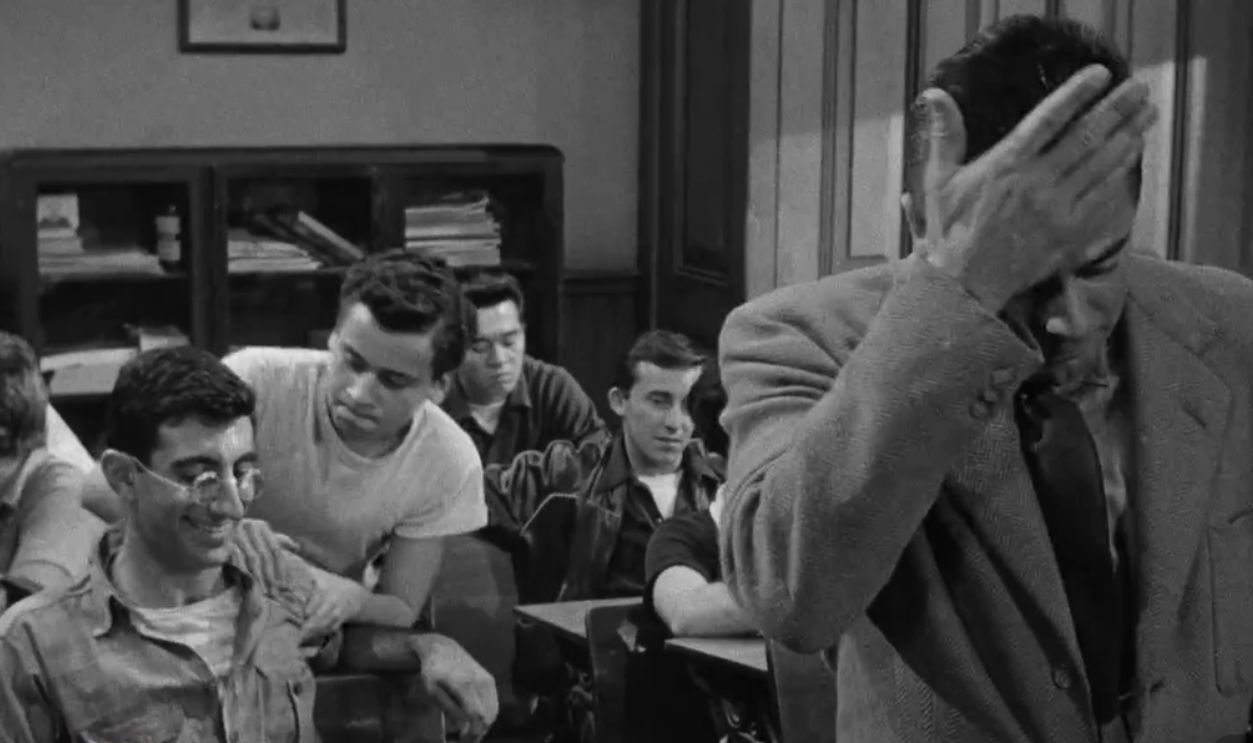 Screenshot from Blackboard Jungle, Metro-Goldwyn-Mayer (1955)
Red Skelton Saw Something Special
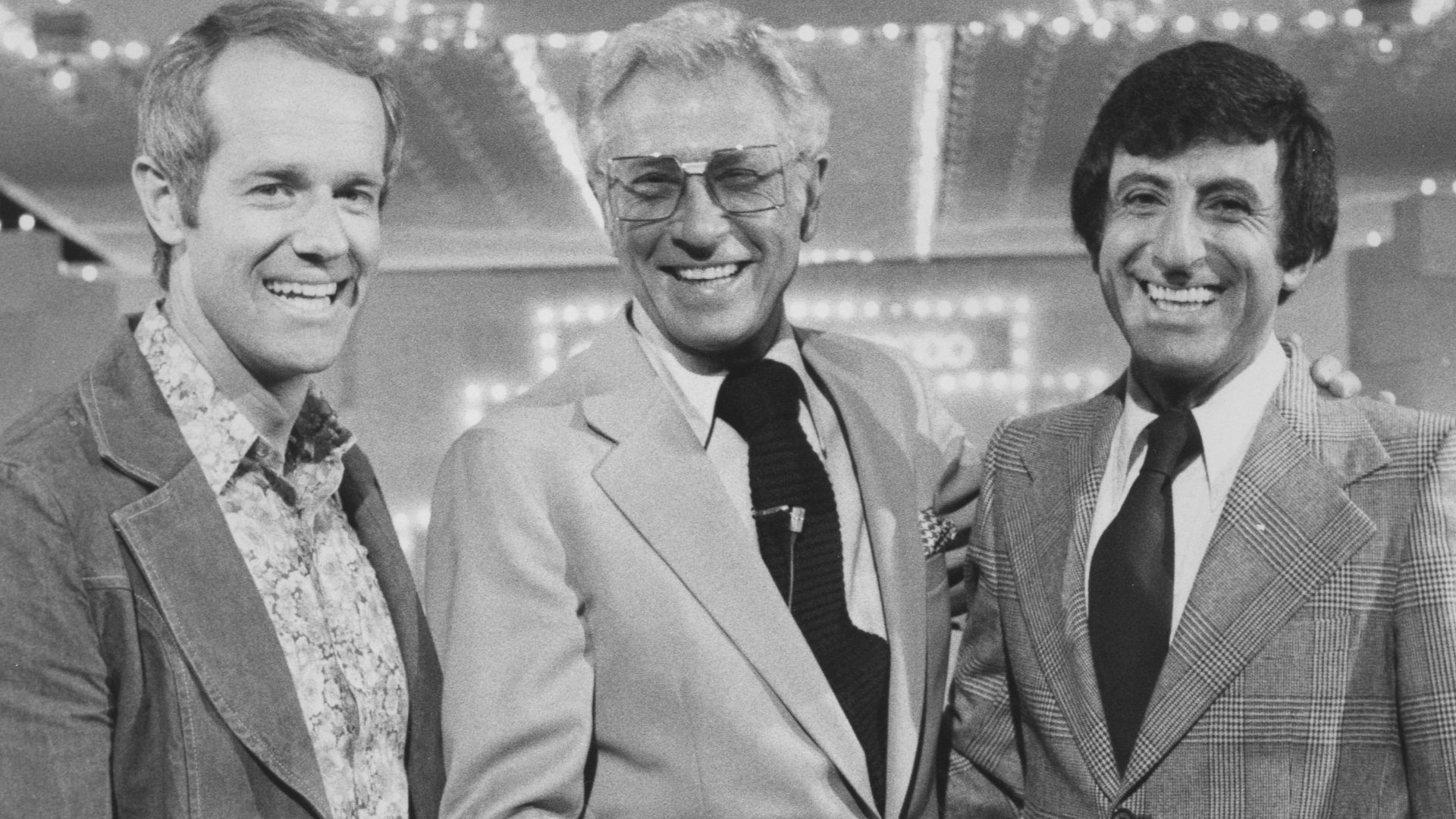
Writer and producer Sherwood Schwartz helped bring Farr to the attention of comedian Red Skelton. Farr joined The Red Skelton Show in 1955 as a silent comic character called Snorkel, beginning a professional relationship that would later rescue him during a devastating period.
His Career Was Interrupted by the Army
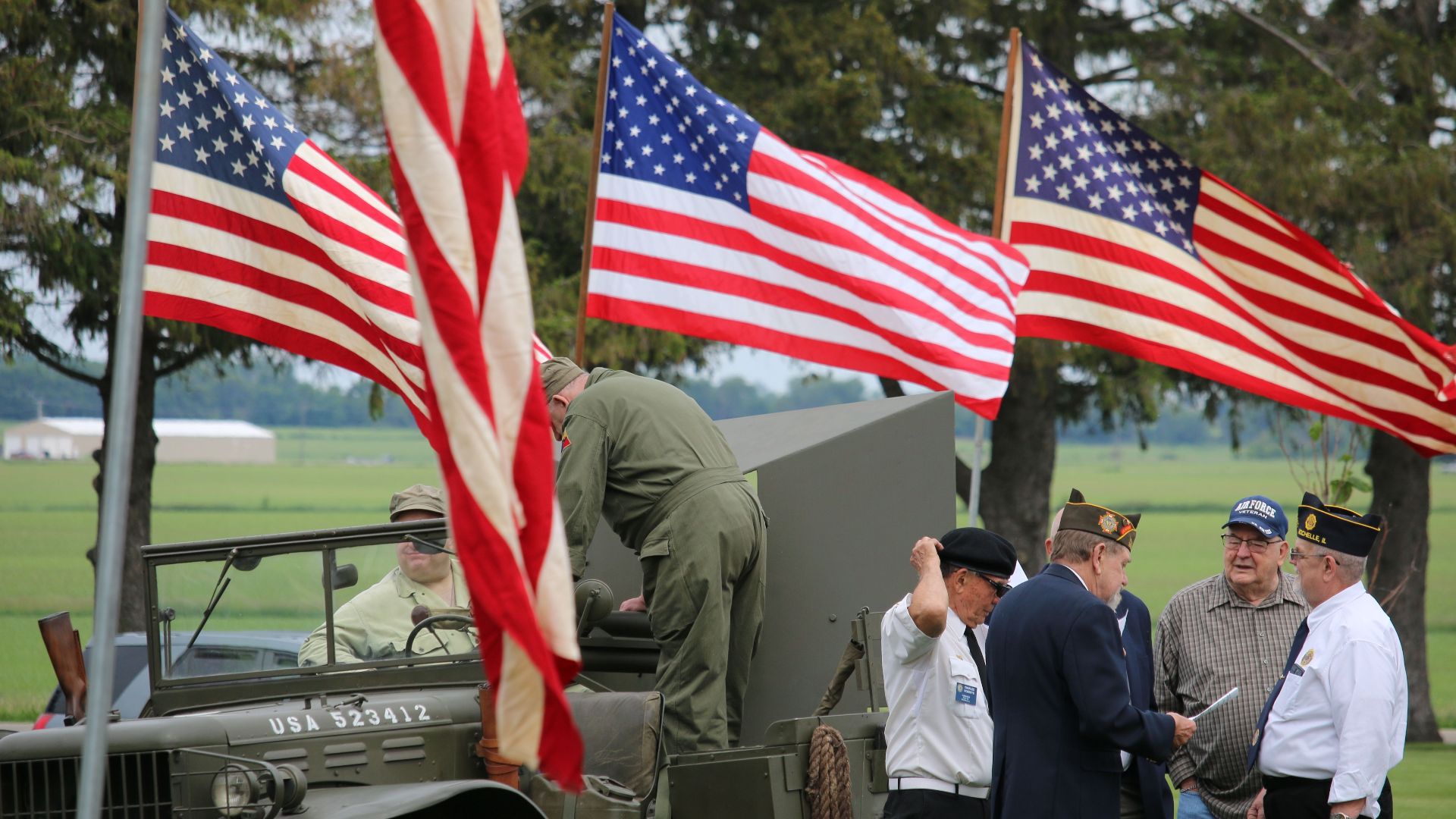
In 1957, Farr was drafted into the United States Army. After training and stateside assignments, he served in post-armistice Korea with Special Services and the Far East Network. Years later, that experience would lend an unexpected authenticity to a fictional military comedy.
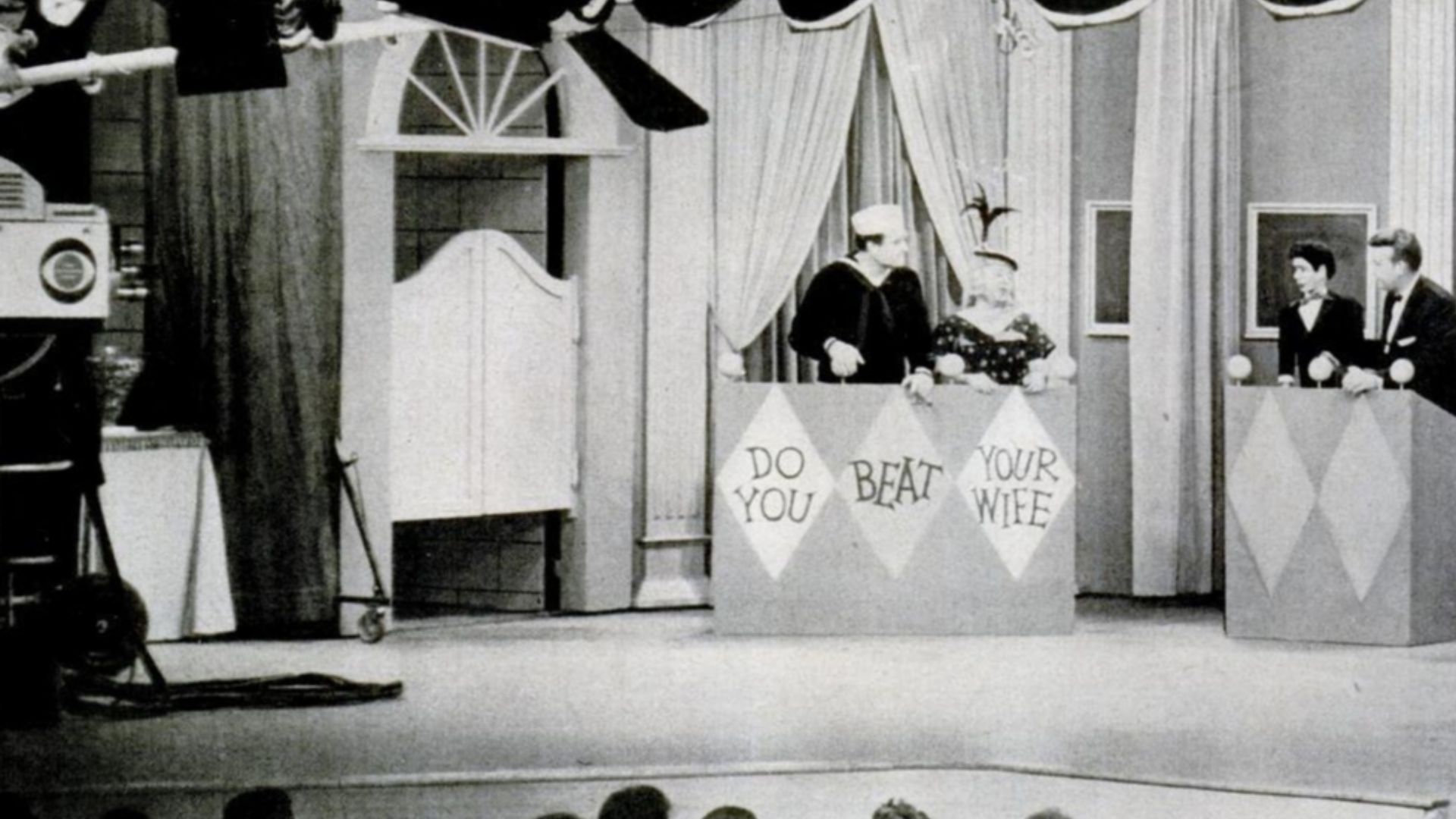
He Reunited With Skelton Overseas
When Red Skelton toured military installations in Japan and Korea, he requested Farr as an assistant. Farr helped entertain troops while wearing an actual uniform—never imagining that another uniform, worn on a Hollywood soundstage, would eventually make him famous.
 Montsanto/CBS-TV., Wikimedia Commons
Tragedy Nearly Ended His Acting Career
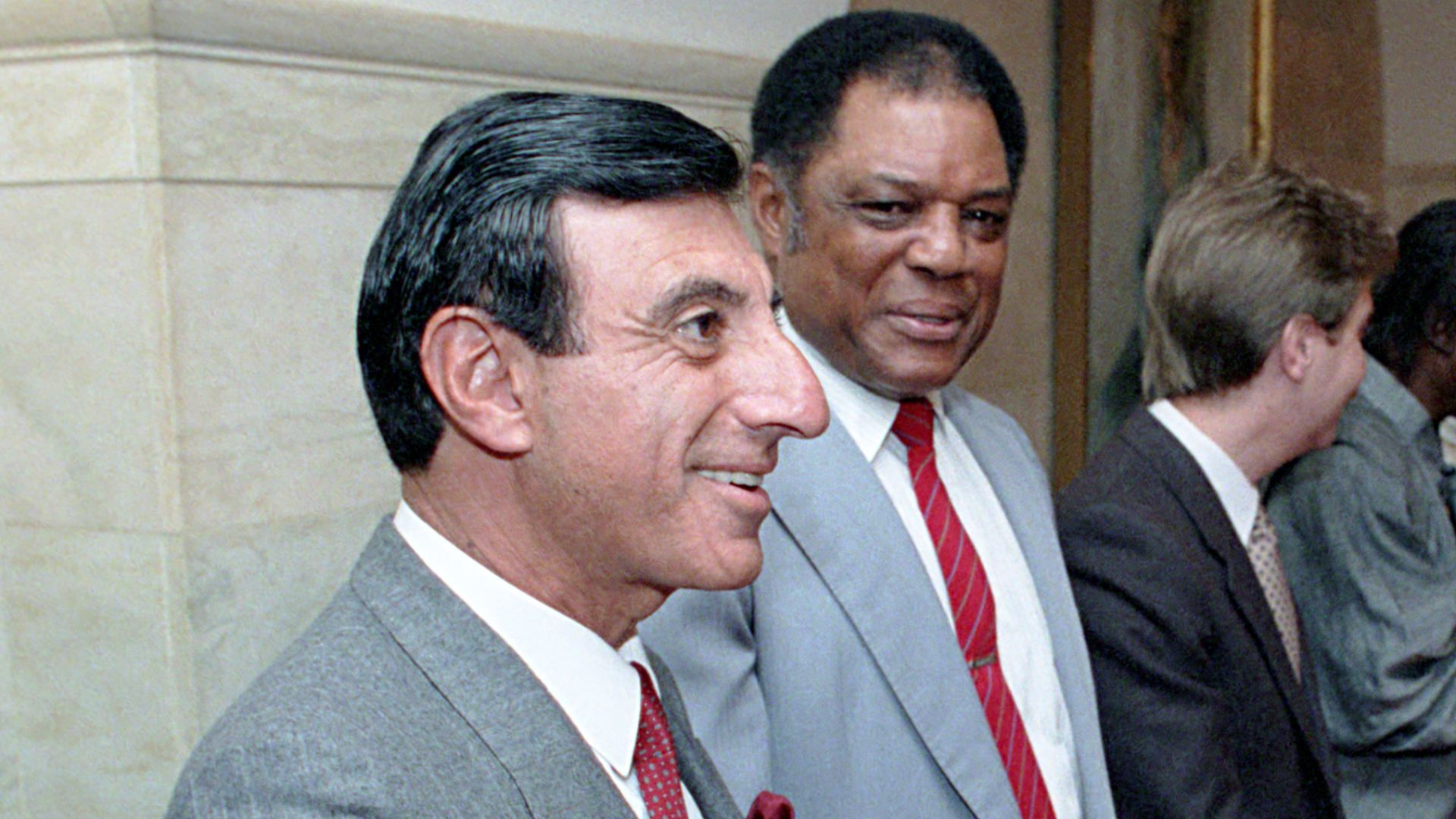
After completing his military service, Farr returned home and learned that his father had died. Feeling responsible for supporting his mother, he considered giving up acting entirely. His Hollywood struggle had already lasted years, and family duty suddenly seemed more important than another audition.
 President (1981-1989 : Reagan). White House Photographic Office. 1981-1989, Wikimedia Commons
Red Skelton Gave Him a Lifeline
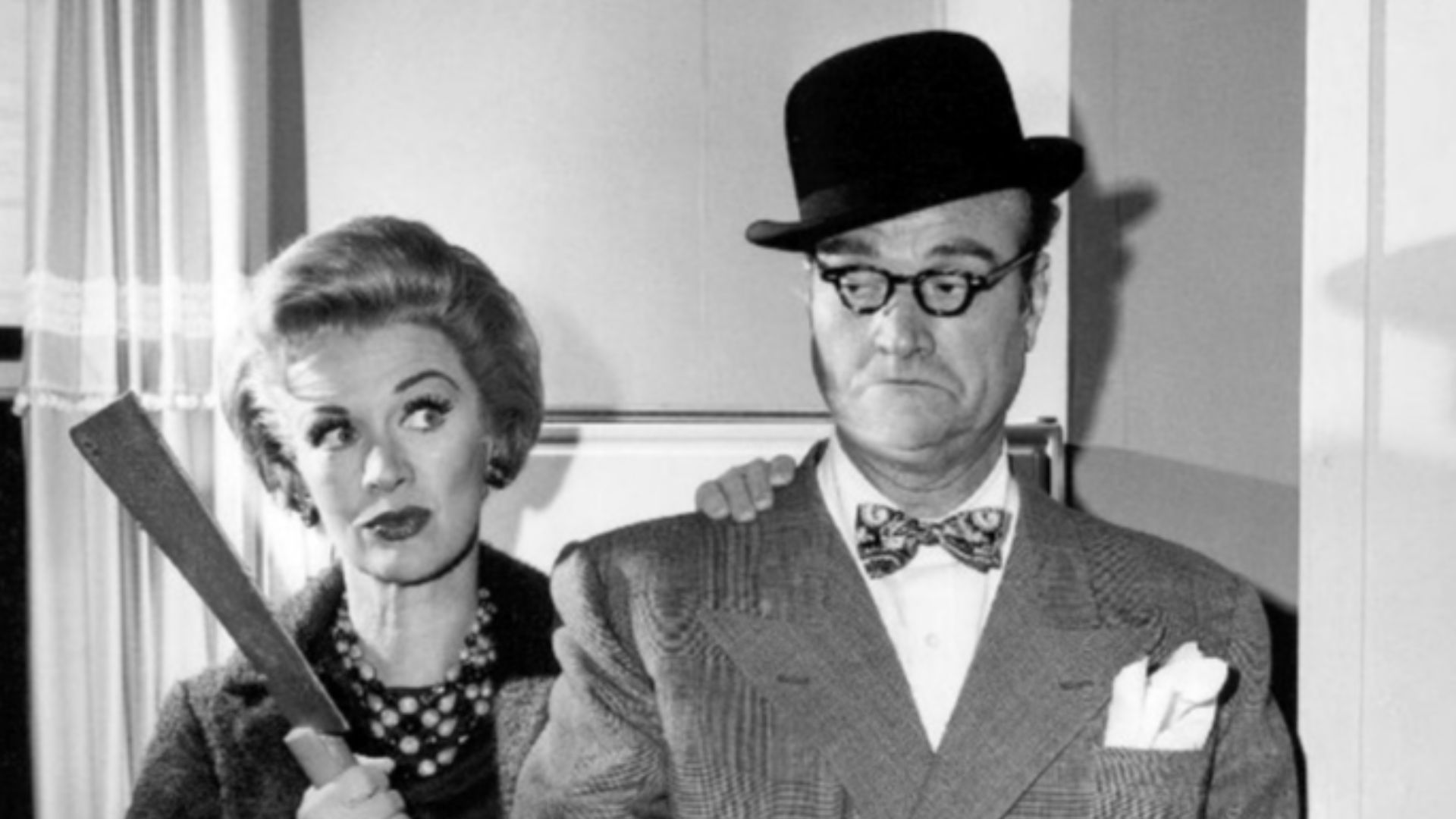
According to Farr, when he went to tell Skelton he was leaving show business, the comedian handed him money to send home and hired him as a writer. The gesture allowed Farr to support his mother without surrendering the career he had fought to build.
 CBS Television, Wikimedia Commons
The 1960s Became a Decade of Small Parts
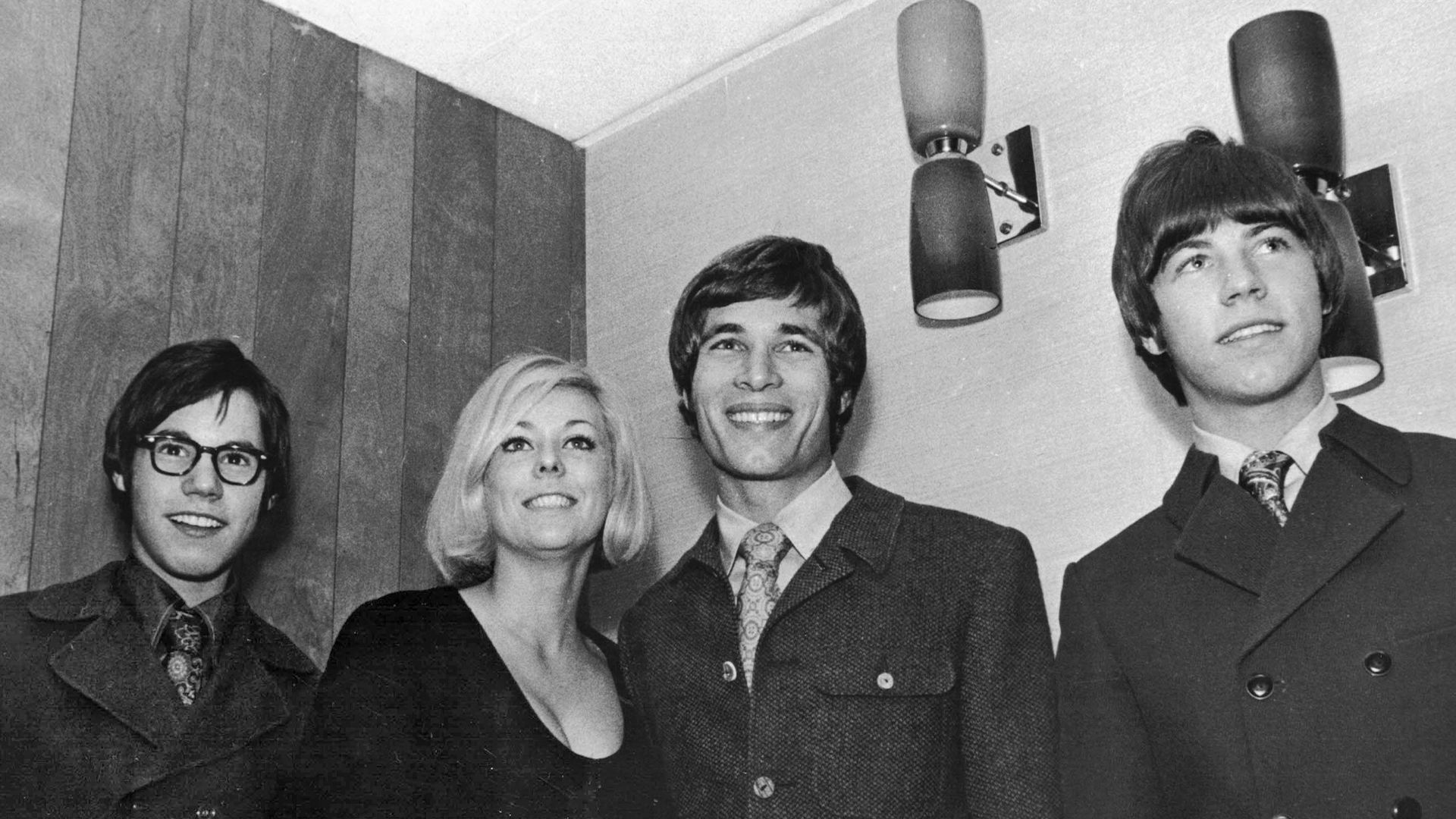
Farr appeared on programs including The Dick Van Dyke Show, My Three Sons, The Danny Kaye Show, and I Dream of Jeannie. He also took supporting film roles, but consistent stardom remained elusive. He was working—just rarely long enough to feel secure.
One Short-Lived Series Made a Crucial Connection
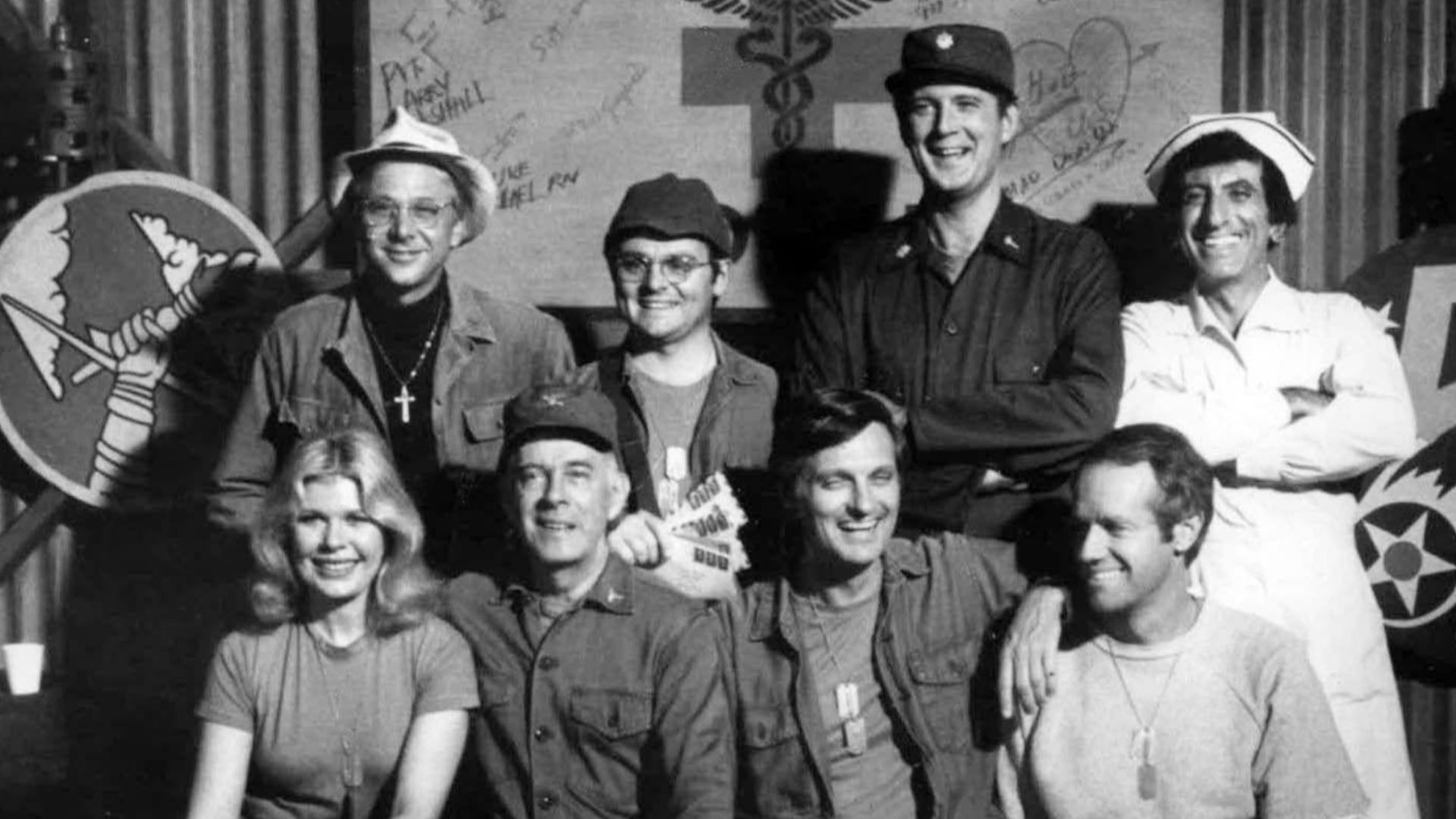
In 1971, Farr appeared in the sitcom The Chicago Teddy Bears. The series lasted only 13 episodes, but director Hy Averback remembered him and helped connect him with the people behind a new television adaptation of M*A*S*H.
 CBS Television, Wikimedia Commons
By 1972, Farr Was Struggling Again
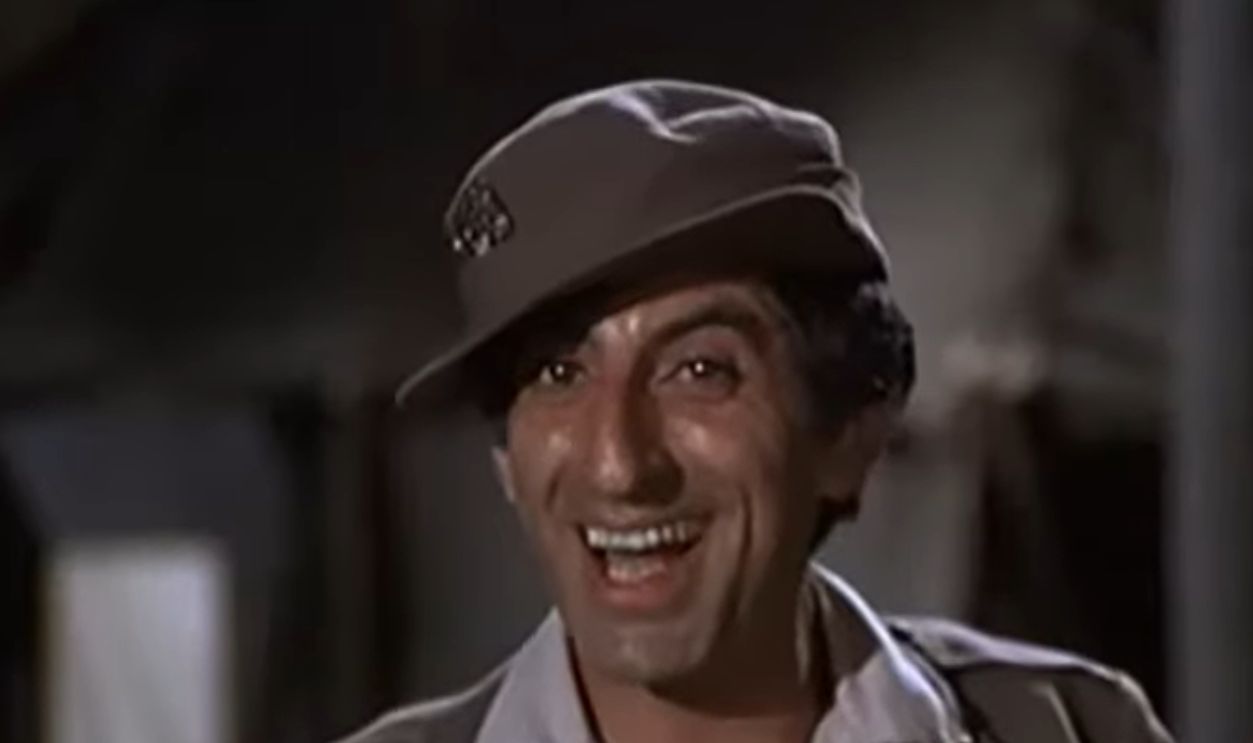
When the call finally came, Farr had not worked for some time. Nobody initially explained the character; he was simply told that the job paid $250 for one day. “Boy, I’ll be there,” Farr recalled telling his agent. At that moment, groceries mattered more than character development.
 Screenshot from MASH*, CBS (1972–1983)
The Costume Was Waiting in His Trailer
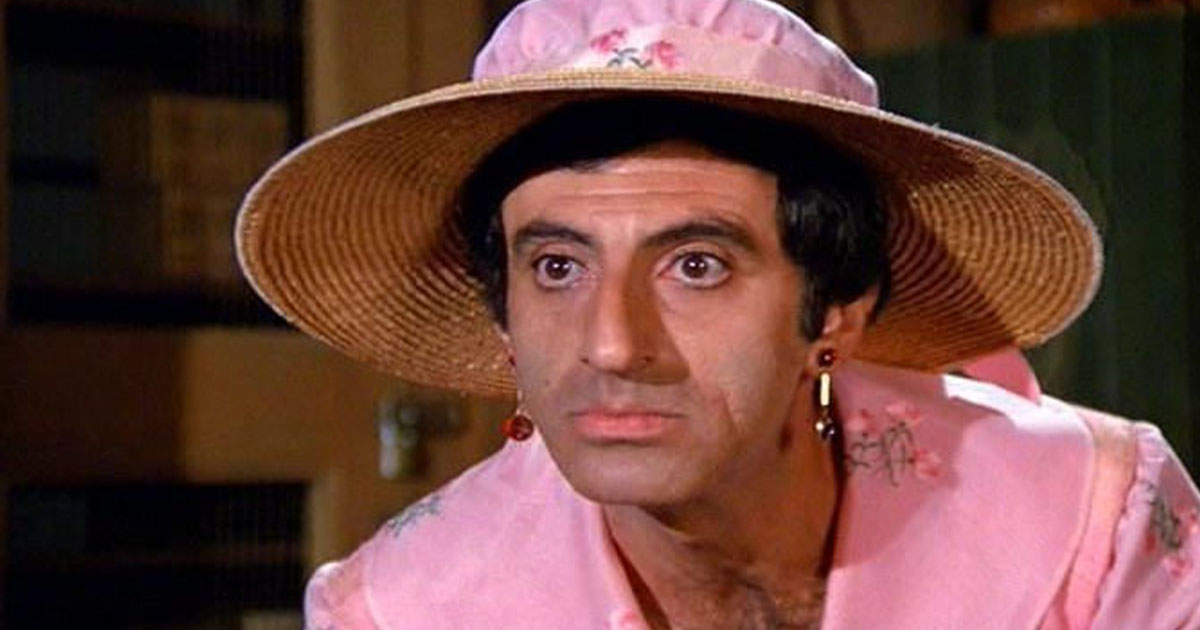
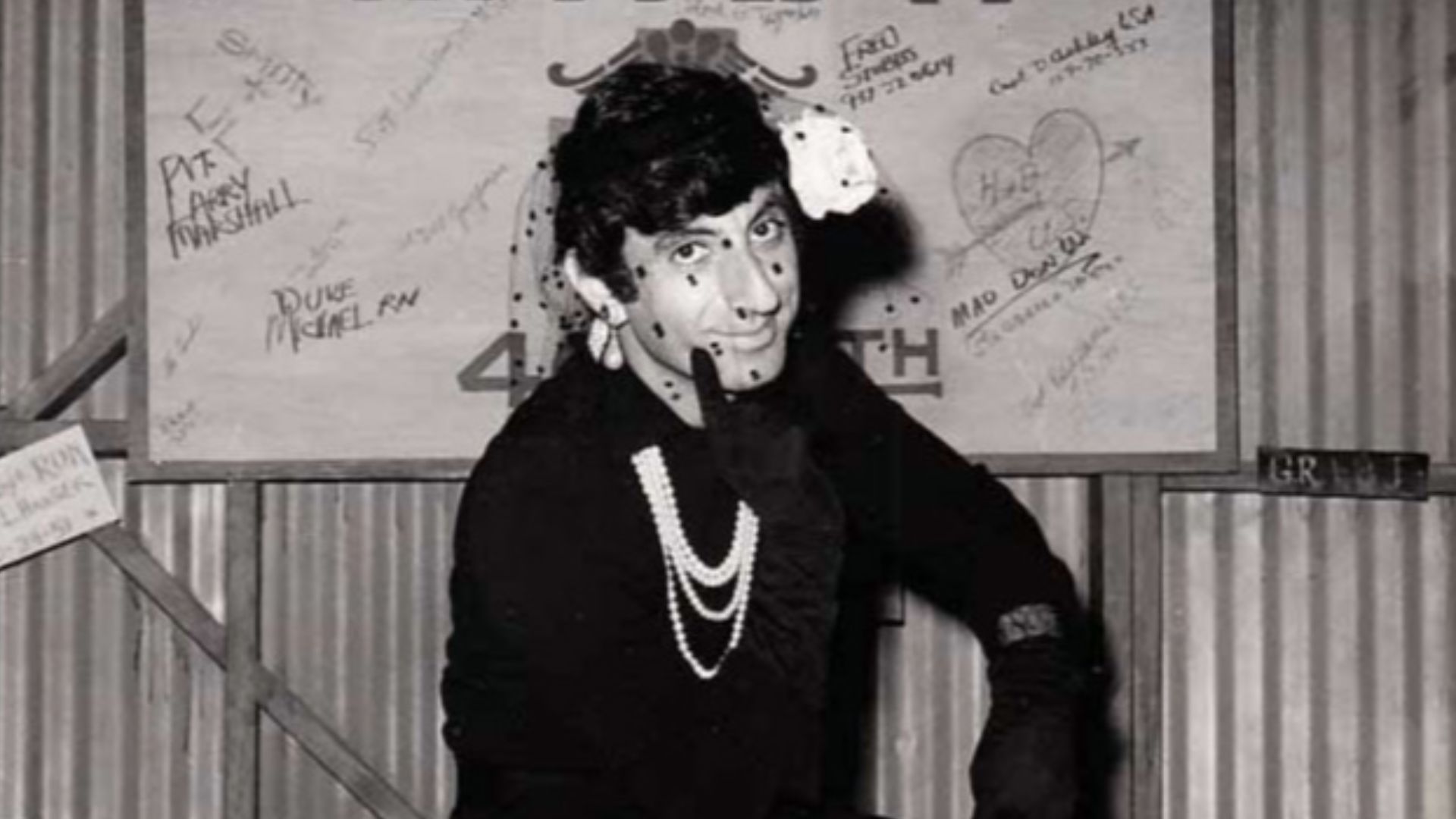
Farr arrived and discovered a Women’s Army Corps uniform hanging inside his trailer. He initially assumed he was sharing the space with an actress. Then producer Gene Reynolds explained that the uniform was his costume—and introduced him to Corporal Maxwell Q. Klinger.
 CBS Television, Wikimedia Commons
Klinger Had a Highly Unusual Plan
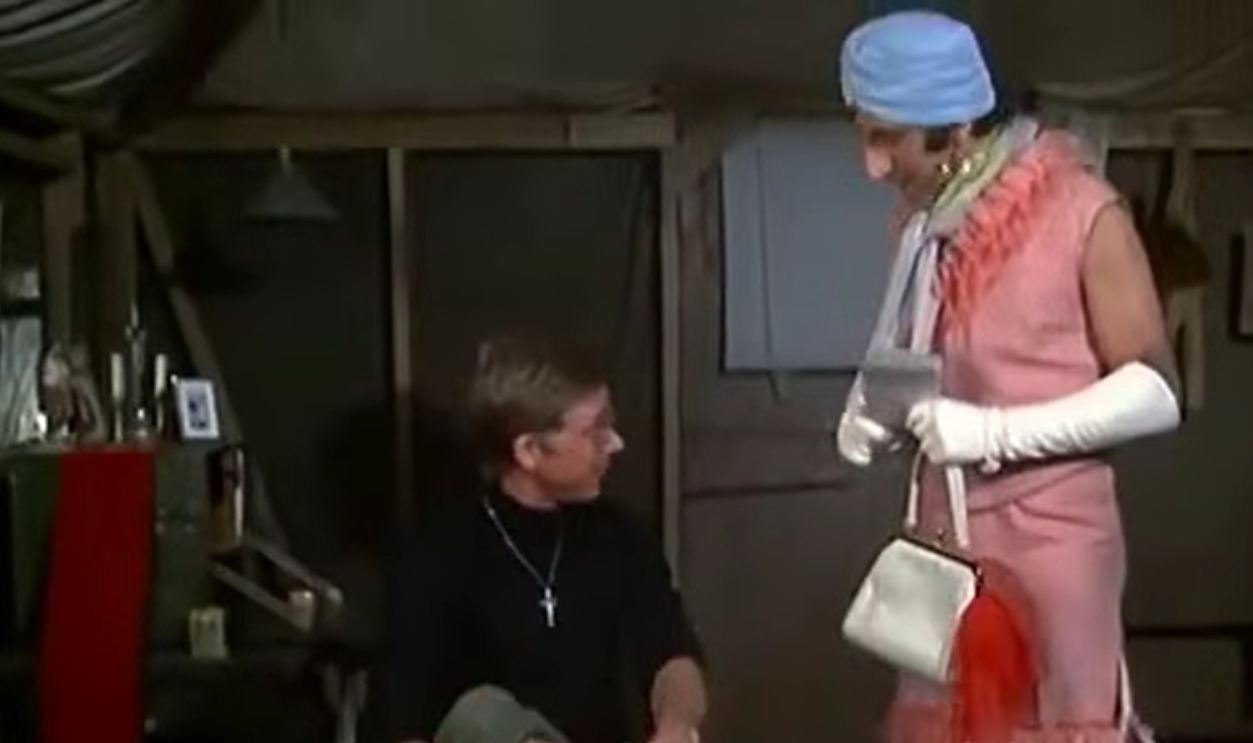
Klinger desperately wanted the Army to declare him mentally unfit and send him home. His strategy involved wearing elaborate women’s clothing while behaving as though nothing about the outfit required explanation. The joke worked because Farr played the character with startling confidence.
 Screenshot from MASH*, CBS (1972–1983)
His First Appearance Lasted Only Minutes
Klinger debuted in “Chief Surgeon Who?,” the fourth episode of M*A*S*H, broadcast on October 8, 1972. Farr had only several lines and expected the appearance to be forgotten almost immediately. Instead, viewers remembered the hairy-legged corporal in the borrowed uniform.
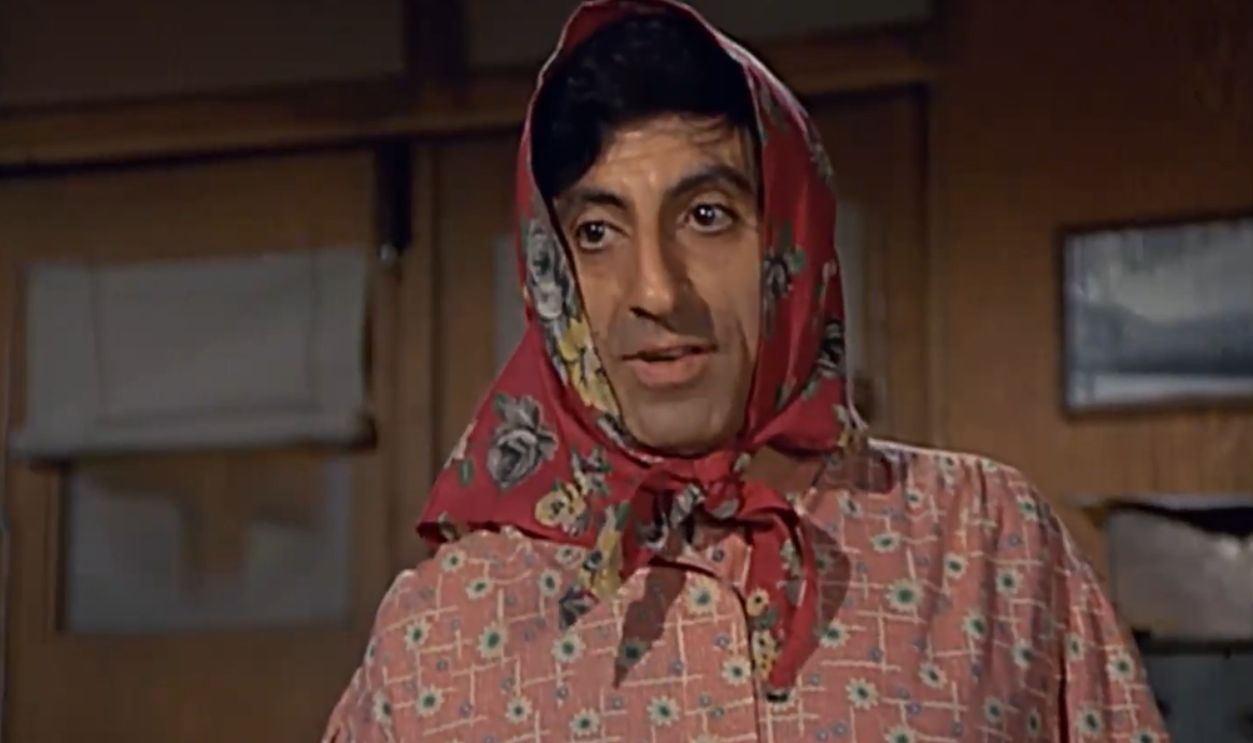 Screenshot from MASH*, CBS (1972–1983)
The Telephone Rang Again
The producers invited Farr back later in the first season—and then called again. “It made such an impact that they called me back,” he remembered. A character created for one episode had somehow become a recurring presence without anyone formally announcing that television history was being made.
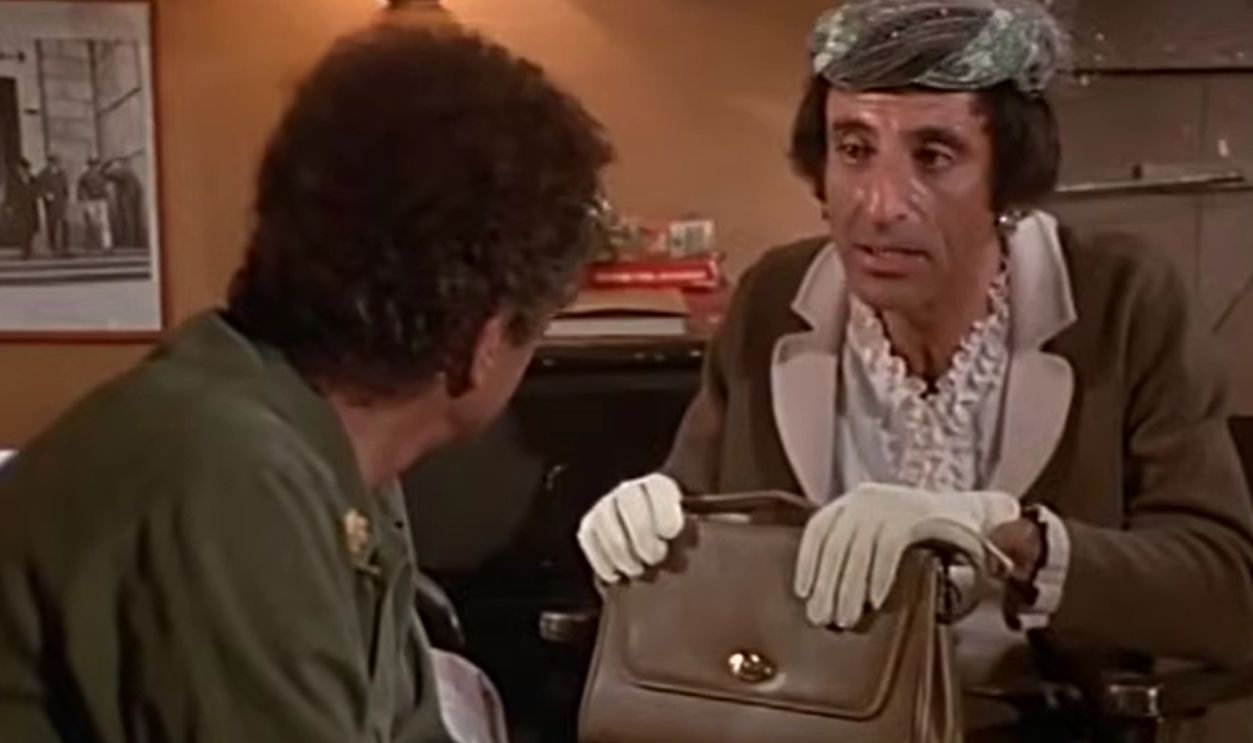 Screenshot from MASH*, CBS (1972–1983)
Klinger Brought Color to the Camp
The sets, tents, jeeps, and military uniforms on M*A*S*H were dominated by olive drab. Klinger arrived in bright gowns, feathered hats, wedding dresses, and improbable accessories. Farr later joked that his outfits were often the only real color visible anywhere in the series.
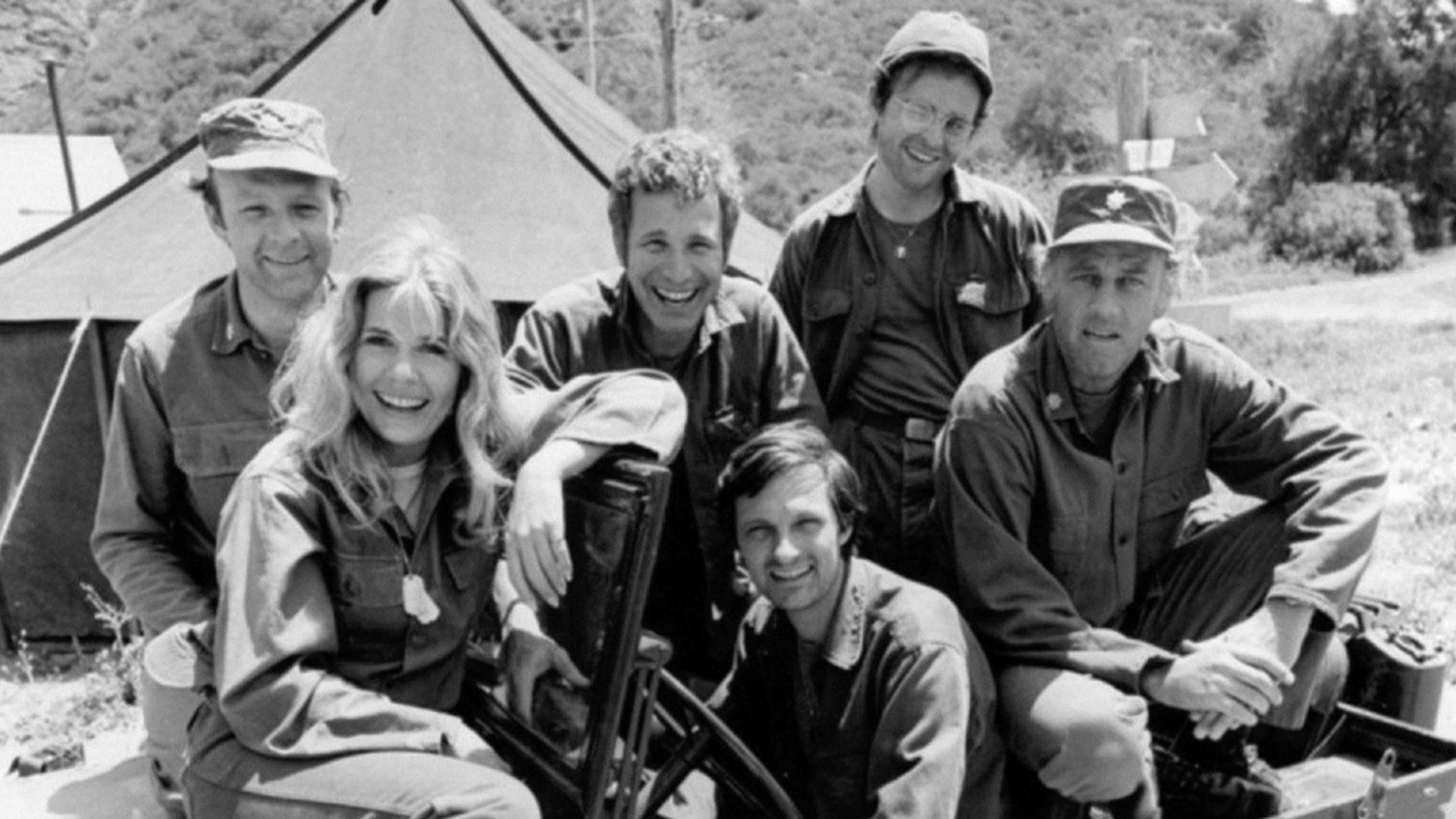 CBS Television, Wikimedia Commons
Farr Made Klinger a Toledo Native
Farr gradually filled the character with details from his own background. Klinger came from Toledo, loved the Mud Hens baseball team, mentioned Tony Packo’s restaurant, and proudly embraced his Lebanese heritage. A broad comic invention began developing roots, history, and a recognizable hometown.
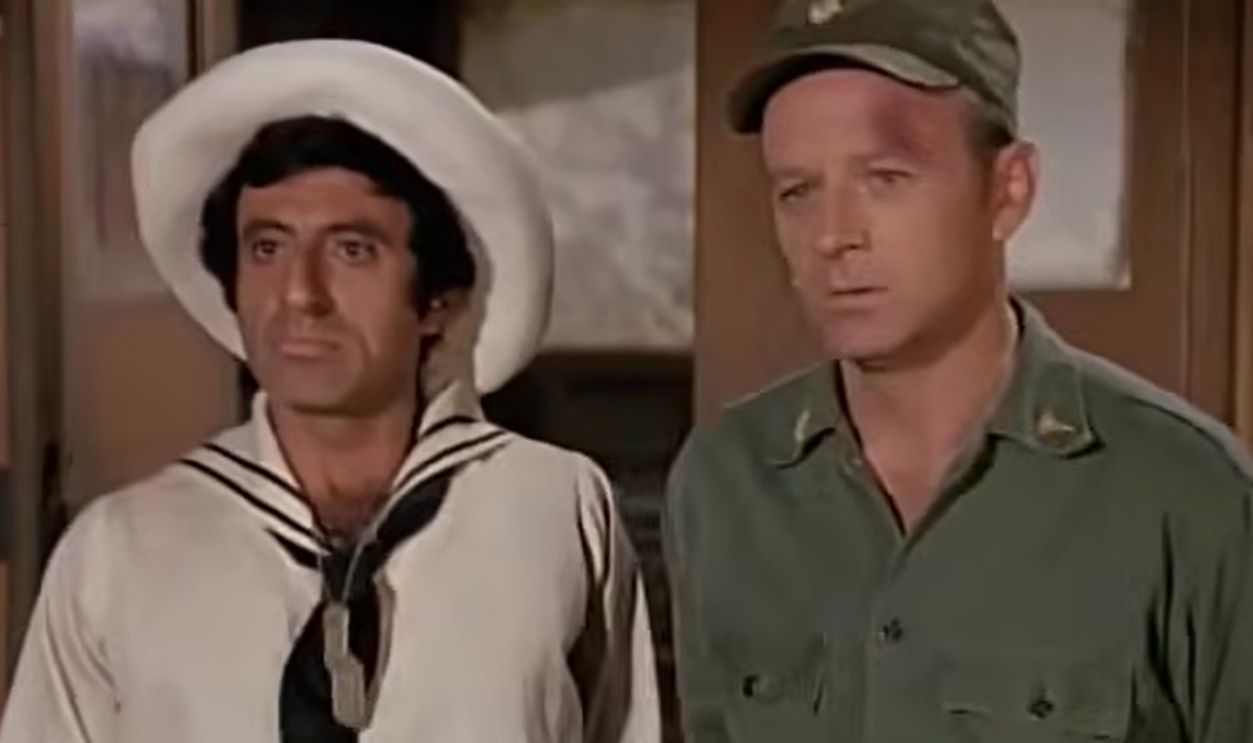 Screenshot from MASH*, CBS (1972–1983)
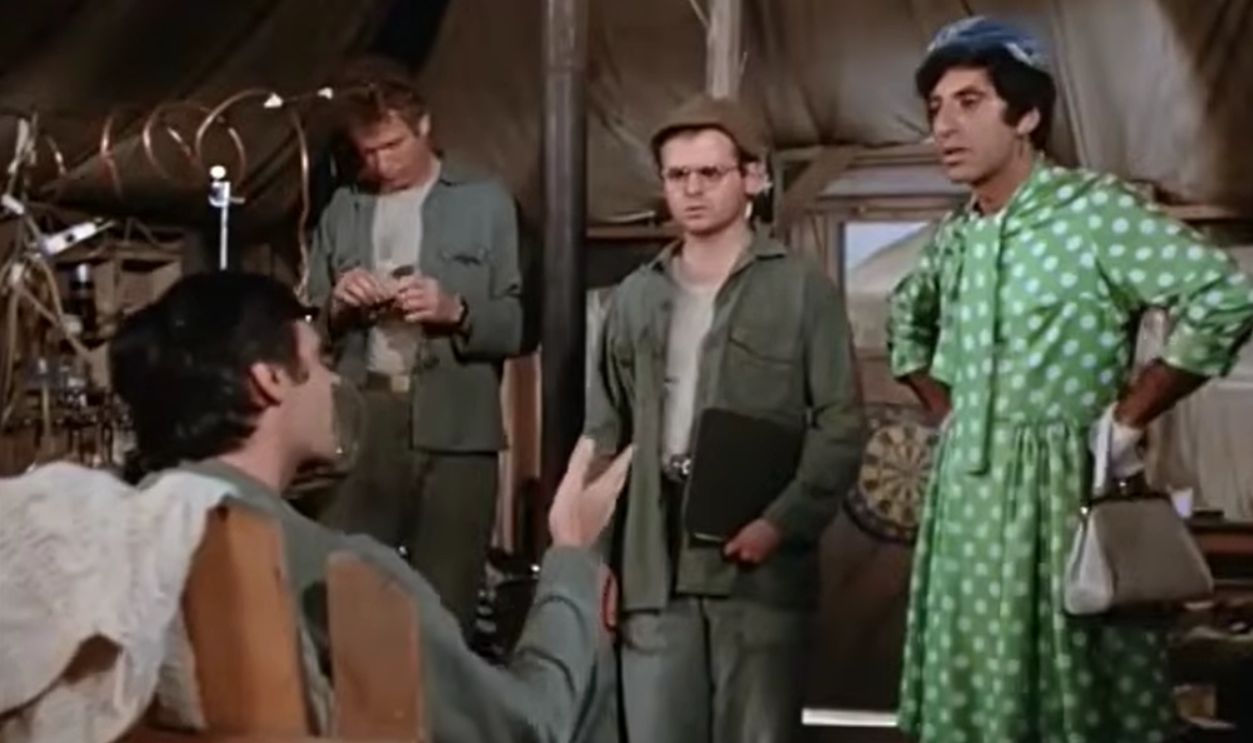
The “Guest” Quietly Became a Regular
Farr received a contract as Klinger’s appearances multiplied, and by the fourth season in 1975, he was a series regular. What began as five or six lines had expanded into steady employment on one of television’s most ambitious and increasingly acclaimed comedies.
 Screenshot from MASH*, CBS (1972–1983)
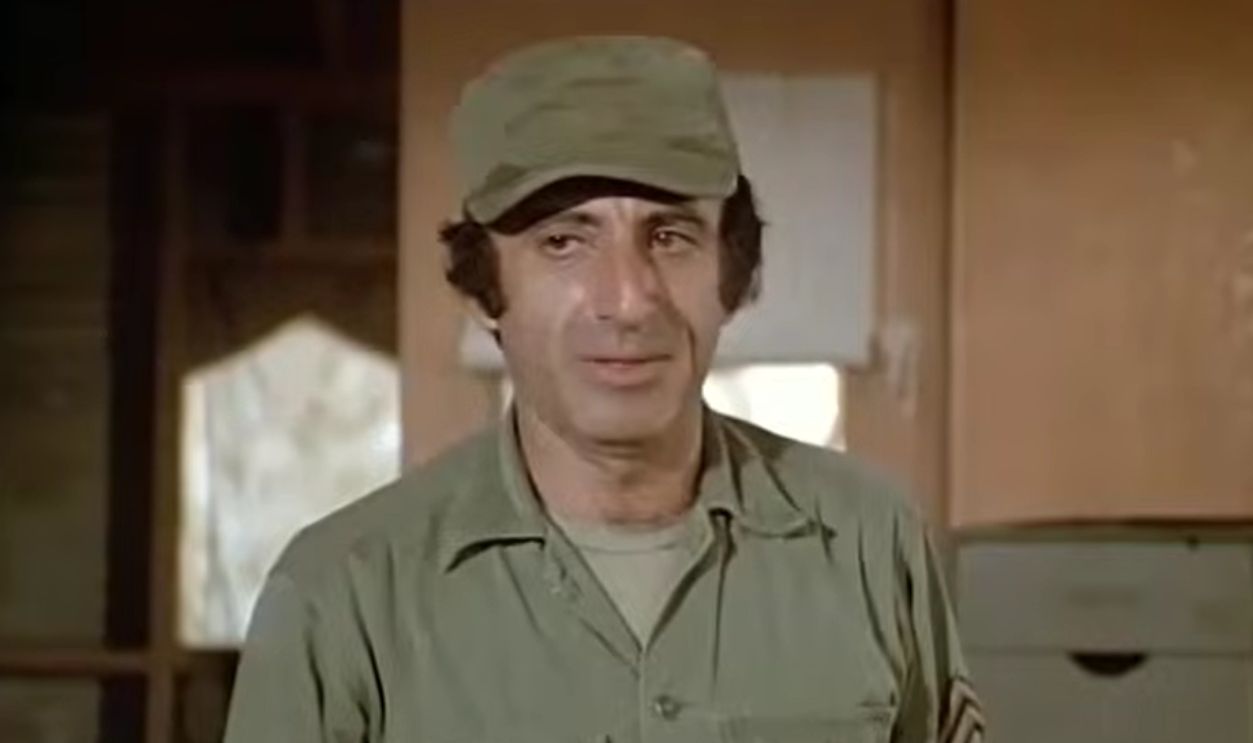
He Wore His Real Dog Tags
Farr was the only principal M*A*S*H cast member who had actually served in Korea, although his service came after the 1953 armistice. He wore his own military dog tags while playing Klinger, placing a piece of his real history inside the fictional 4077th.
 Screenshot from MASH*, CBS (1972–1983)
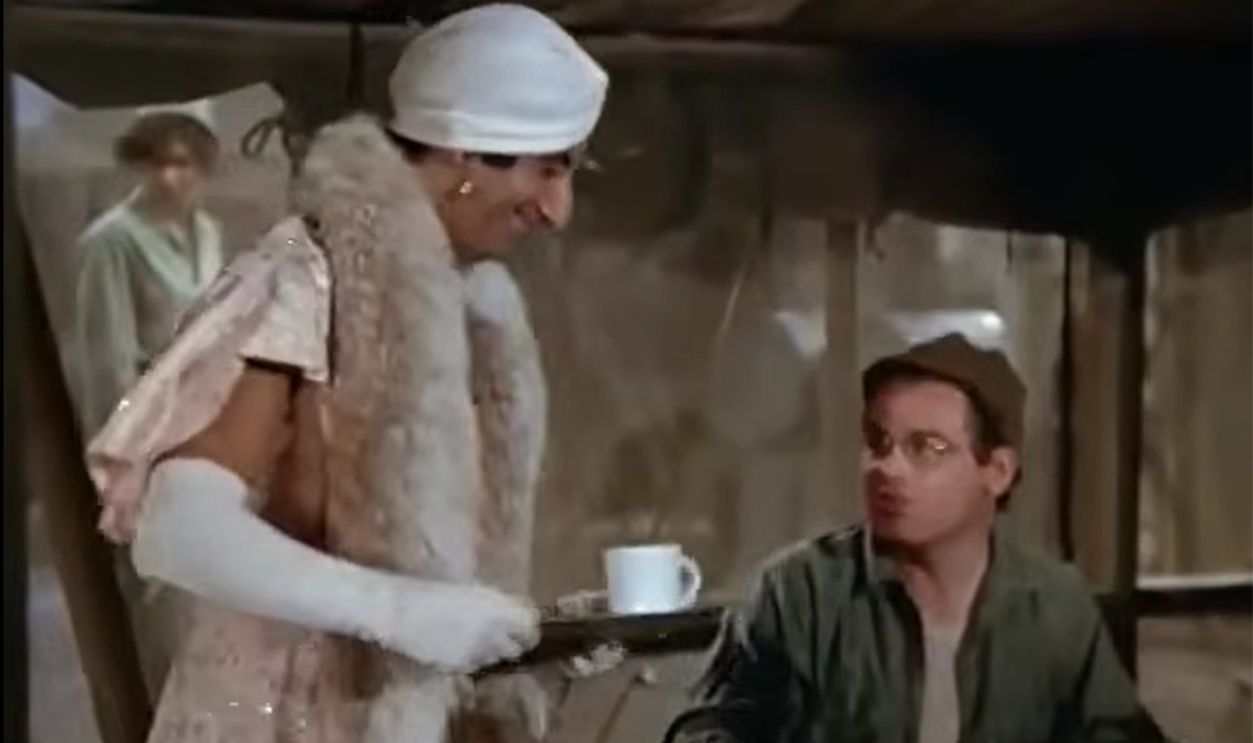
Klinger Was More Than a Running Gag
Farr insisted that Klinger worked because he was not ashamed or apologetic. “Nobody had ever put it on and just played it straight, just as a guy,” he explained. “Klinger was an original.” Beneath the costumes, Farr gave him loyalty, ingenuity, pride, and courage.
 Screenshot from MASH*, CBS (1972–1983)
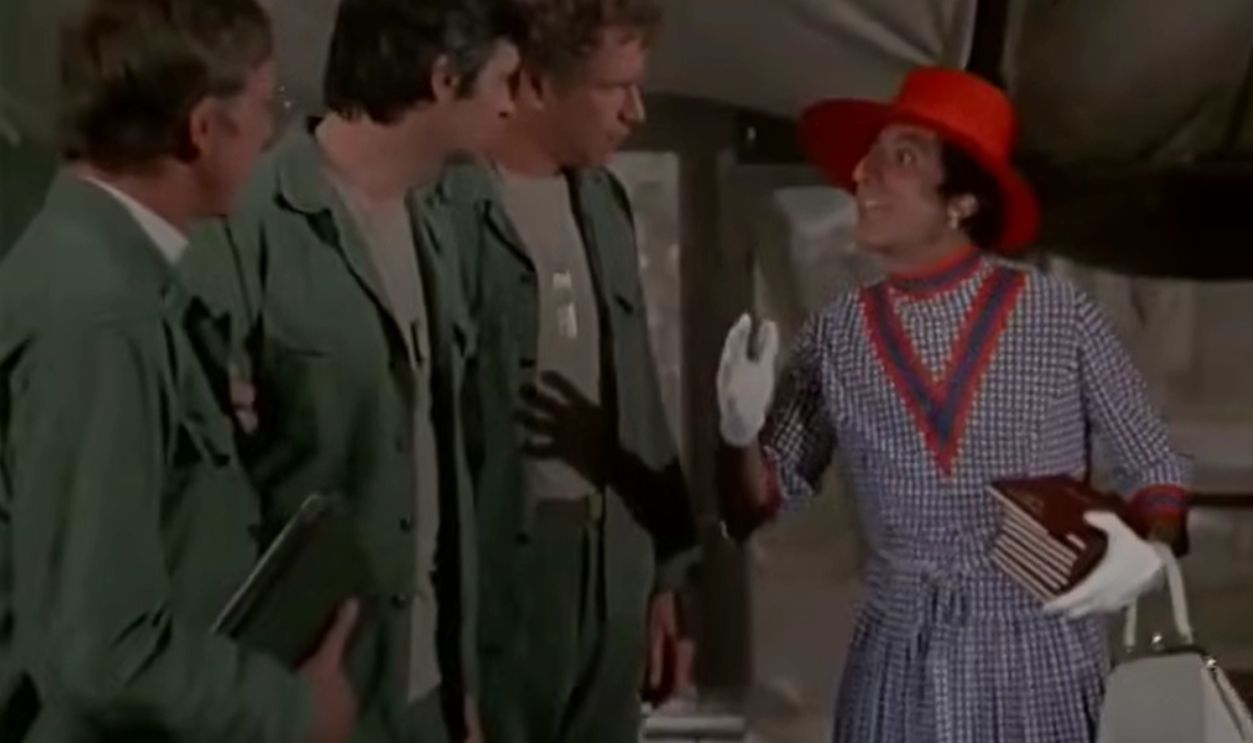
Some Outfits Came With Hollywood History
Because M*A*S*H was produced by 20th Century Fox, its wardrobe department contained clothing once worn by major stars. Klinger appeared in outfits associated with Betty Grable, Alice Faye, and Ginger Rogers—turning the Army camp into an accidental Golden Age fashion archive.
 Screenshot from MASH*, CBS (1972–1983)
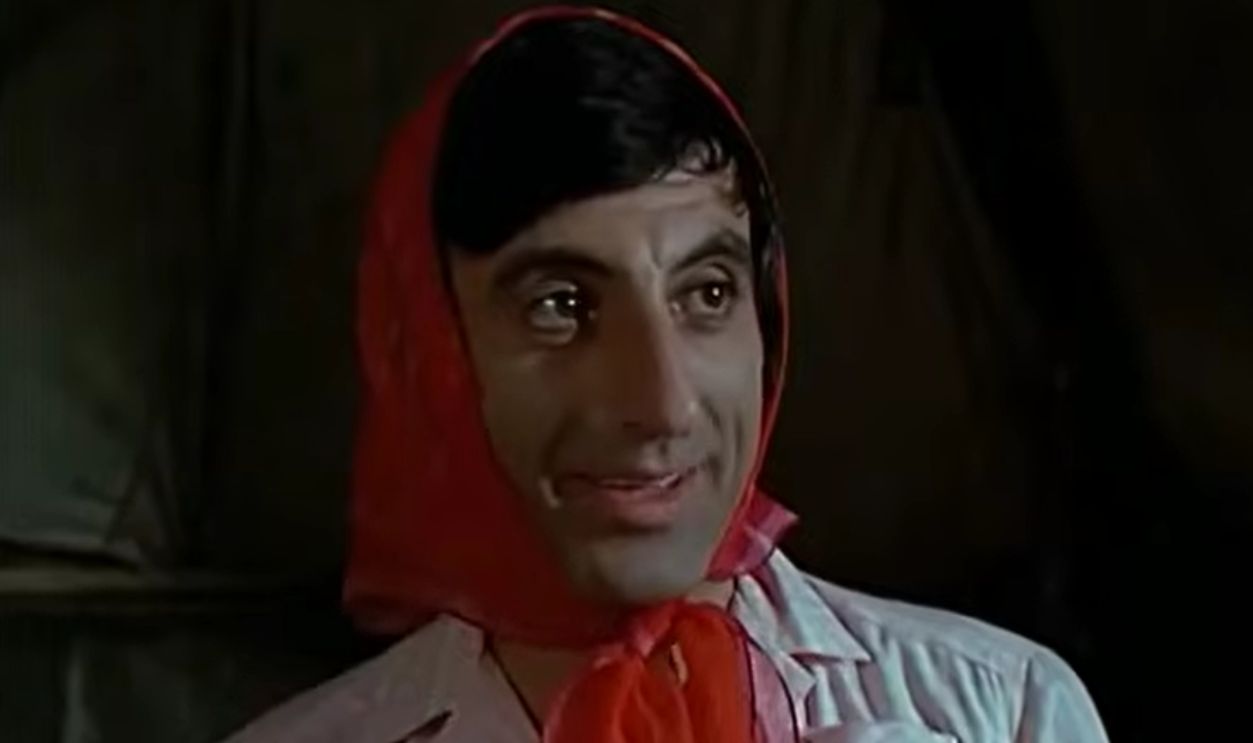
Ginger Rogers Delivered the Perfect Review
After Farr appeared in Rogers’ gold lamé outfit, the two met at the studio commissary. Farr remembered Rogers studying him before declaring that the dress looked “a hell of a lot better on you than it did on me.” The gown eventually entered the Smithsonian’s collection.
 Screenshot from MASH*, CBS (1972–1983)
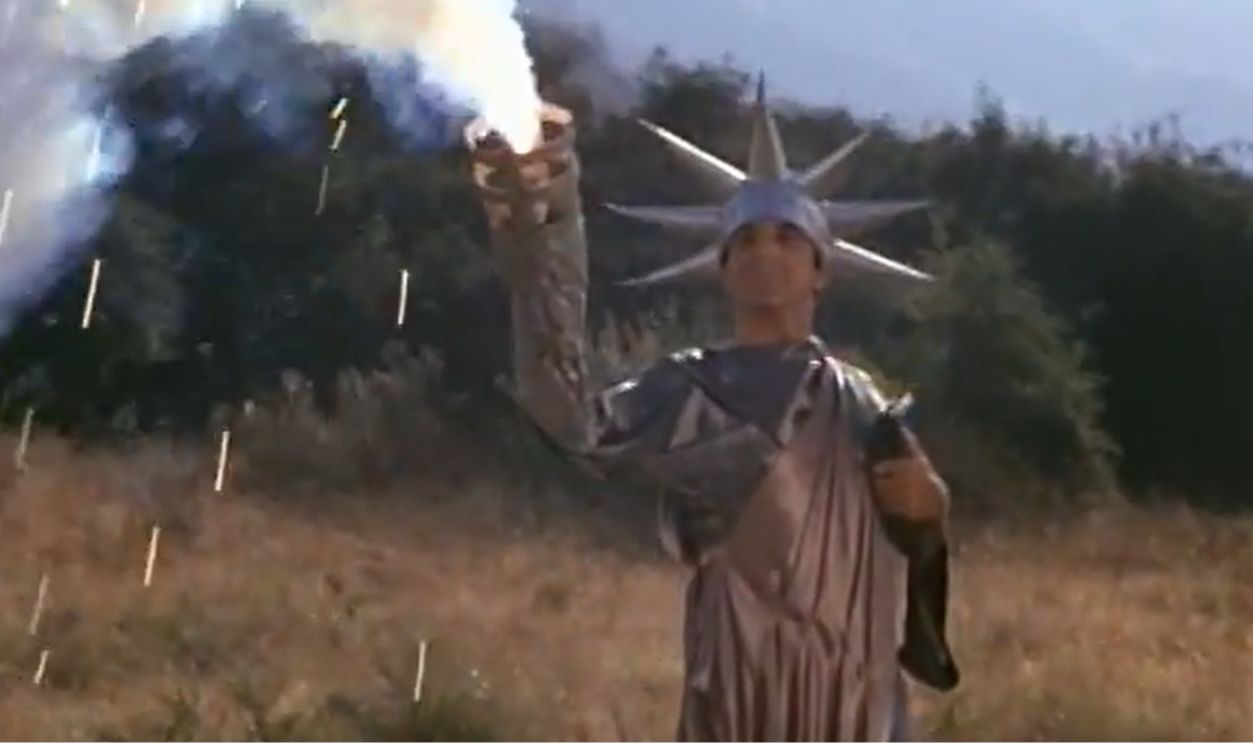
The Statue of Liberty Stopped Traffic
For the 1975 episode “Big Mac,” Klinger dressed as the Statue of Liberty, complete with torch and crown. Farr later recalled that motorists recognized him the following day and honked their horns. Klinger was no longer merely recurring—he had become instantly identifiable.
 Screenshot from MASH*, CBS (1972–1983)
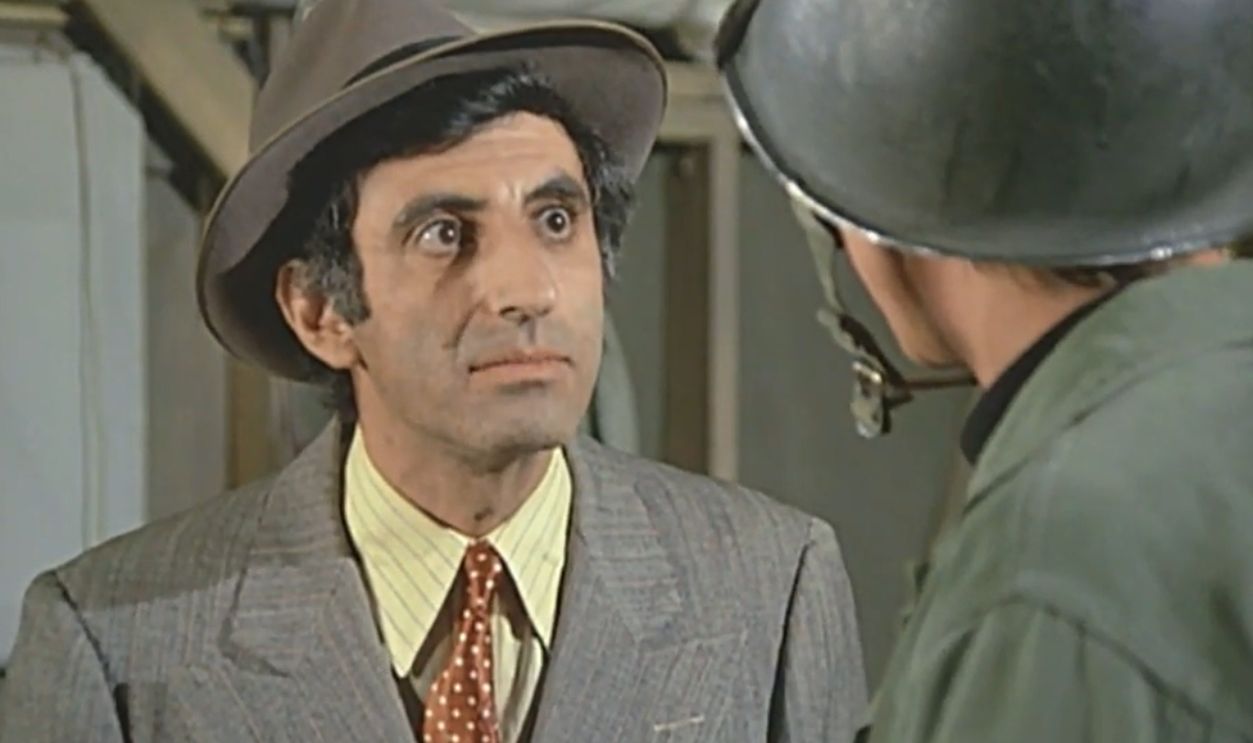
The Comedy Kept Growing Darker
M*A*S*H gradually became more willing to confront death, exhaustion, and the damage caused by war. When Colonel Henry Blake was unexpectedly killed in the 1975 episode “Abyssinia, Henry,” the cast had not been warned. “We did not know,” Farr later recalled.
 Screenshot from MASH*, CBS (1972–1983)
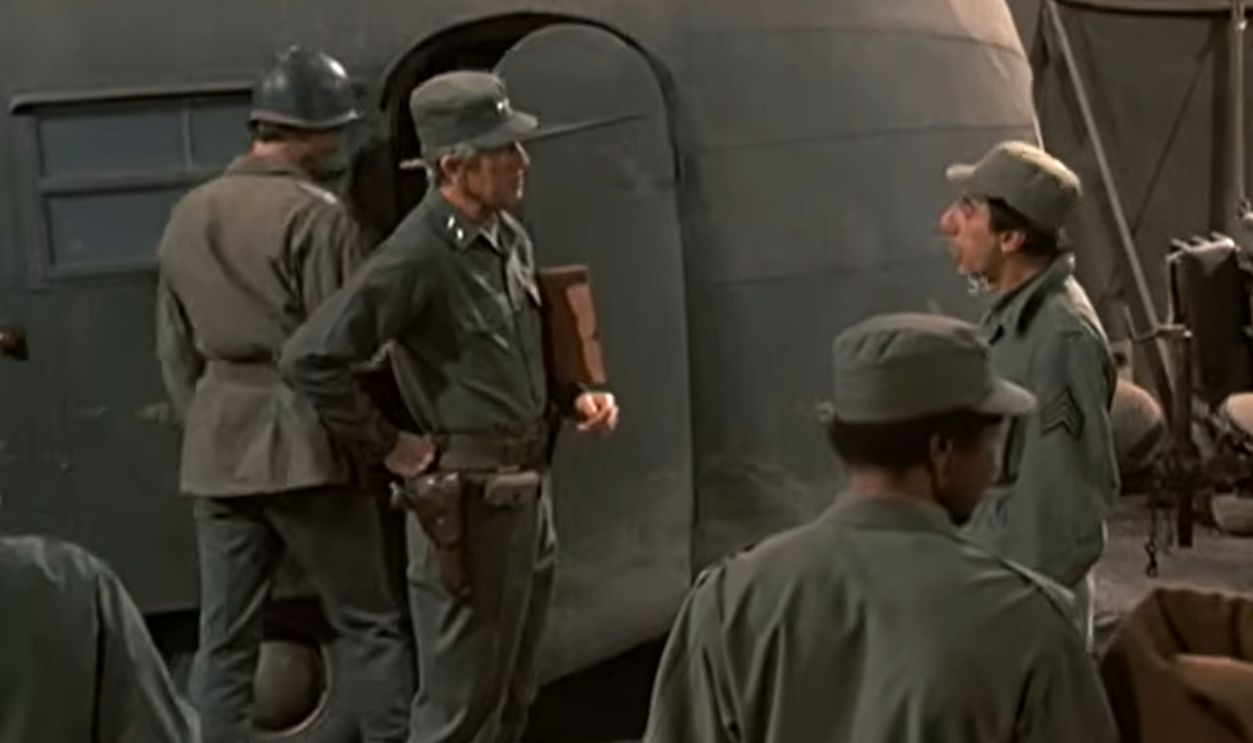
Klinger Grew Up With the Series
After Radar O’Reilly left the 4077th, Klinger became the company clerk. The dresses slowly disappeared as the character accepted greater responsibility. Farr also said his children had been teased about the costumes, but the change primarily allowed Klinger to mature beyond his original scheme.
 Screenshot from MASH*, CBS (1972–1983)
His Escape Plan Ended With a Beautiful Reversal
In the series finale, Klinger married Korean refugee Soon-Lee and chose to remain in Korea while helping search for her missing parents. After spending years trying every possible trick to escape the country, he voluntarily stayed behind for someone he loved.
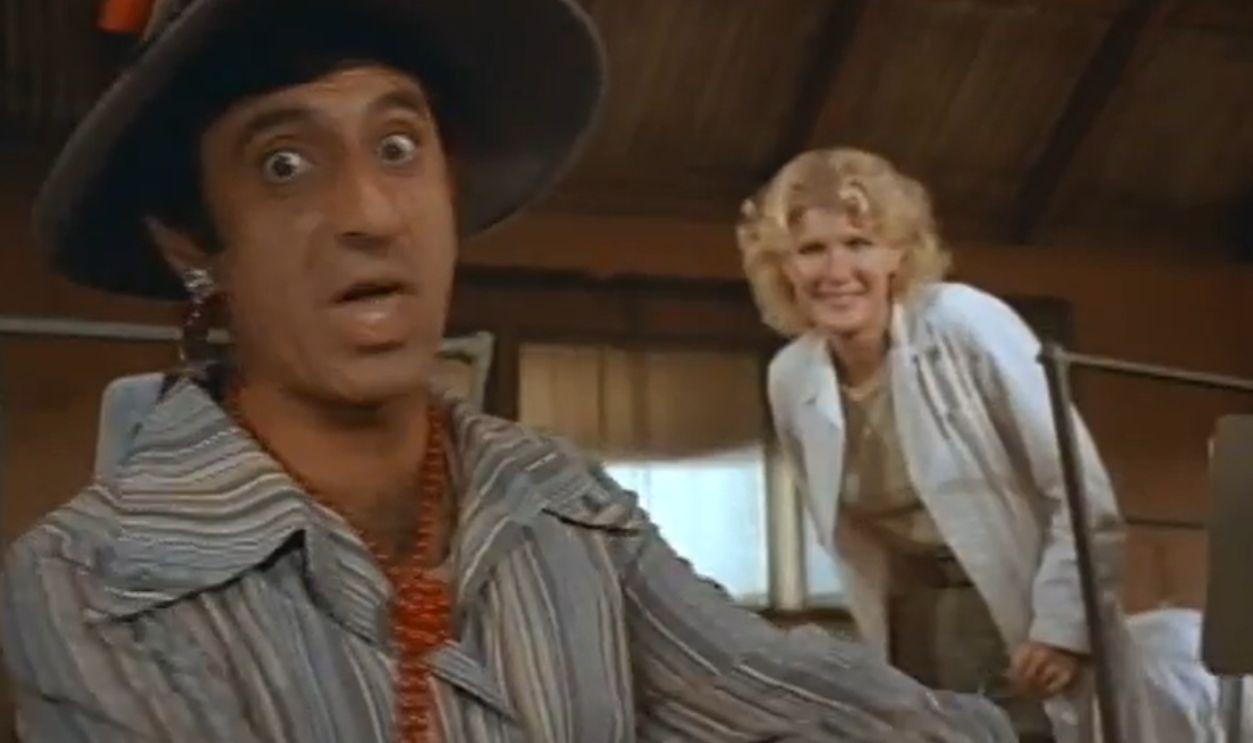 Screenshot from MASH*, CBS (1972–1983)
More Than 100 Million People Watched Goodbye
“Goodbye, Farewell and Amen” aired on February 28, 1983, drawing approximately 106 million viewers. Farr’s one-day character had survived through the finale of an 11-season television phenomenon—and received one of its most fitting conclusions.
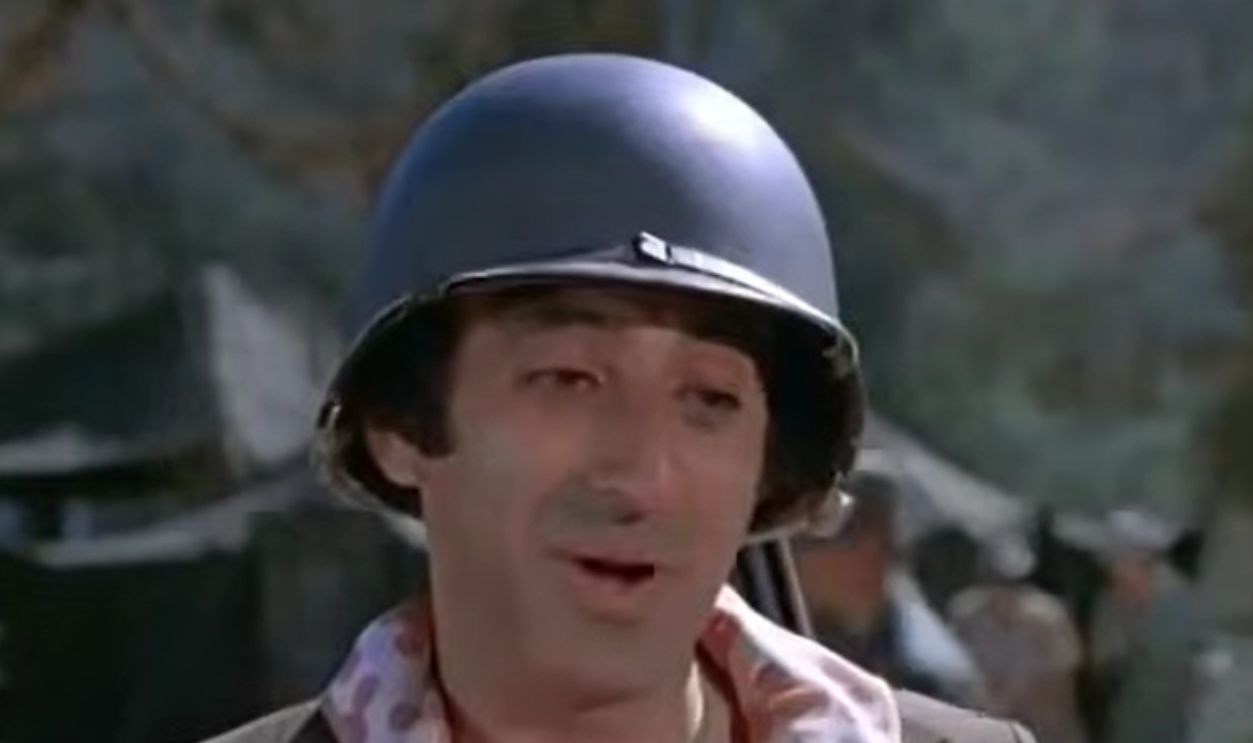 Screenshot from MASH*, CBS (1972–1983)
Klinger Reported for Duty Again
Farr joined Harry Morgan and William Christopher in AfterMASH, which followed several characters working at a veterans’ hospital in Missouri. The spinoff ran for two seasons from 1983 to 1985. Farr later acknowledged that its chemistry never quite matched the original series.
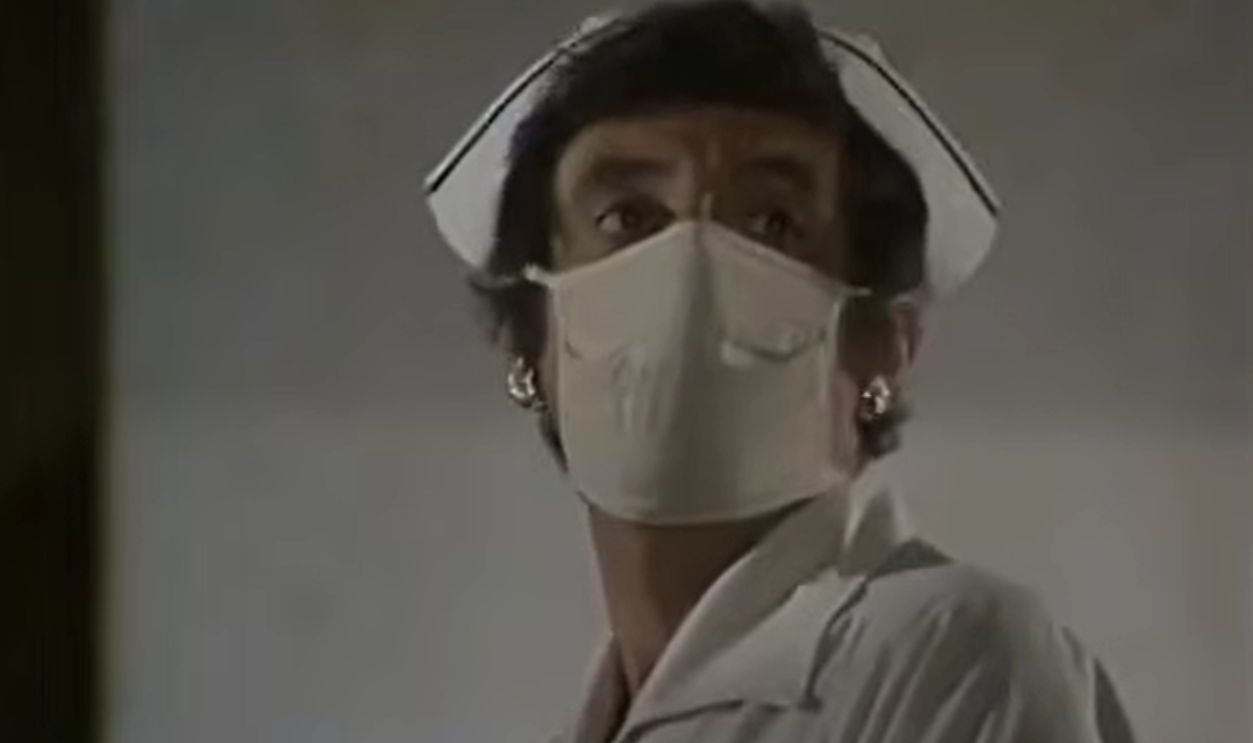 Screenshot from MASH*, CBS (1972–1983)
He Found Another Outrageous Character
Farr played Sheik Abdul ben Falafel in The Cannonball Run in 1981, Cannonball Run II in 1984, and Speed Zone in 1989. He became the only actor to appear in all three installments of the loosely connected racing-comedy series.
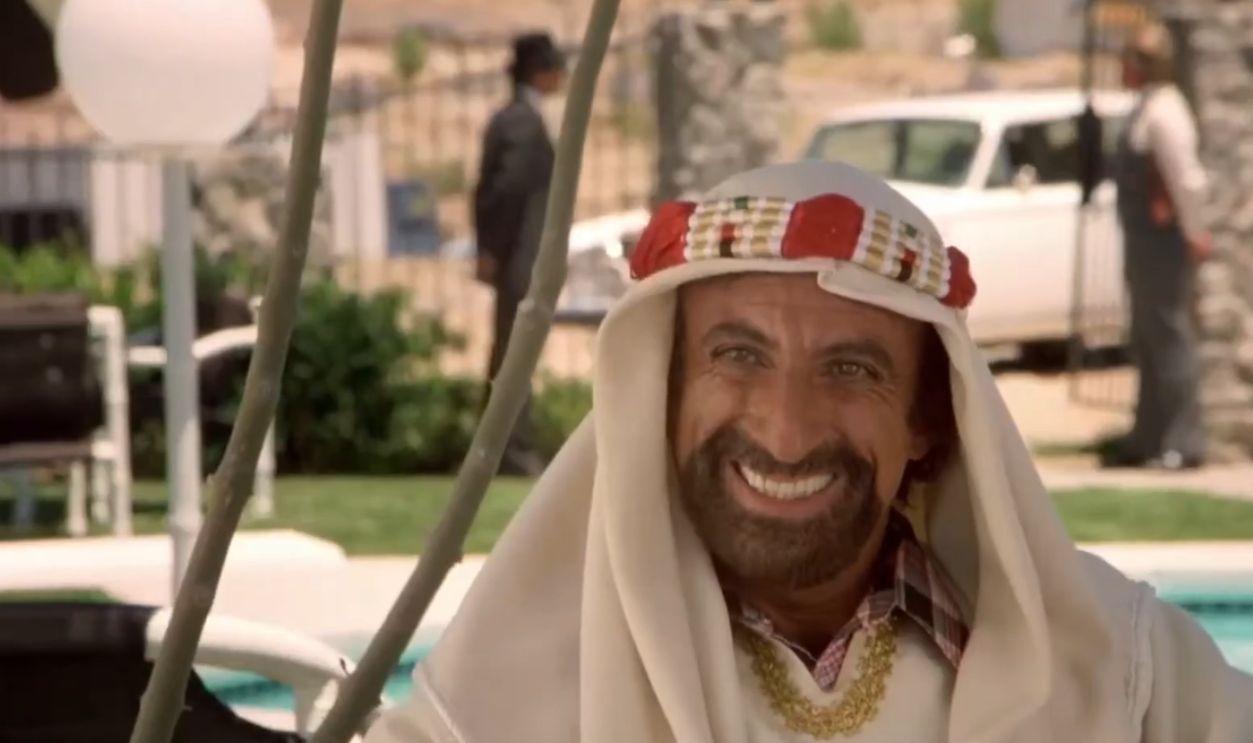 Screenshot from The Cannonball Run, 20th Century-Fox (1981)
Game Shows Gave Him Another Television Home
Farr became a familiar celebrity guest on The Gong Show, Match Game, Password, Super Password, and Hollywood Squares. The programs allowed him to display the quick humor and approachable personality that audiences had sometimes glimpsed beneath Klinger’s increasingly elaborate hats.
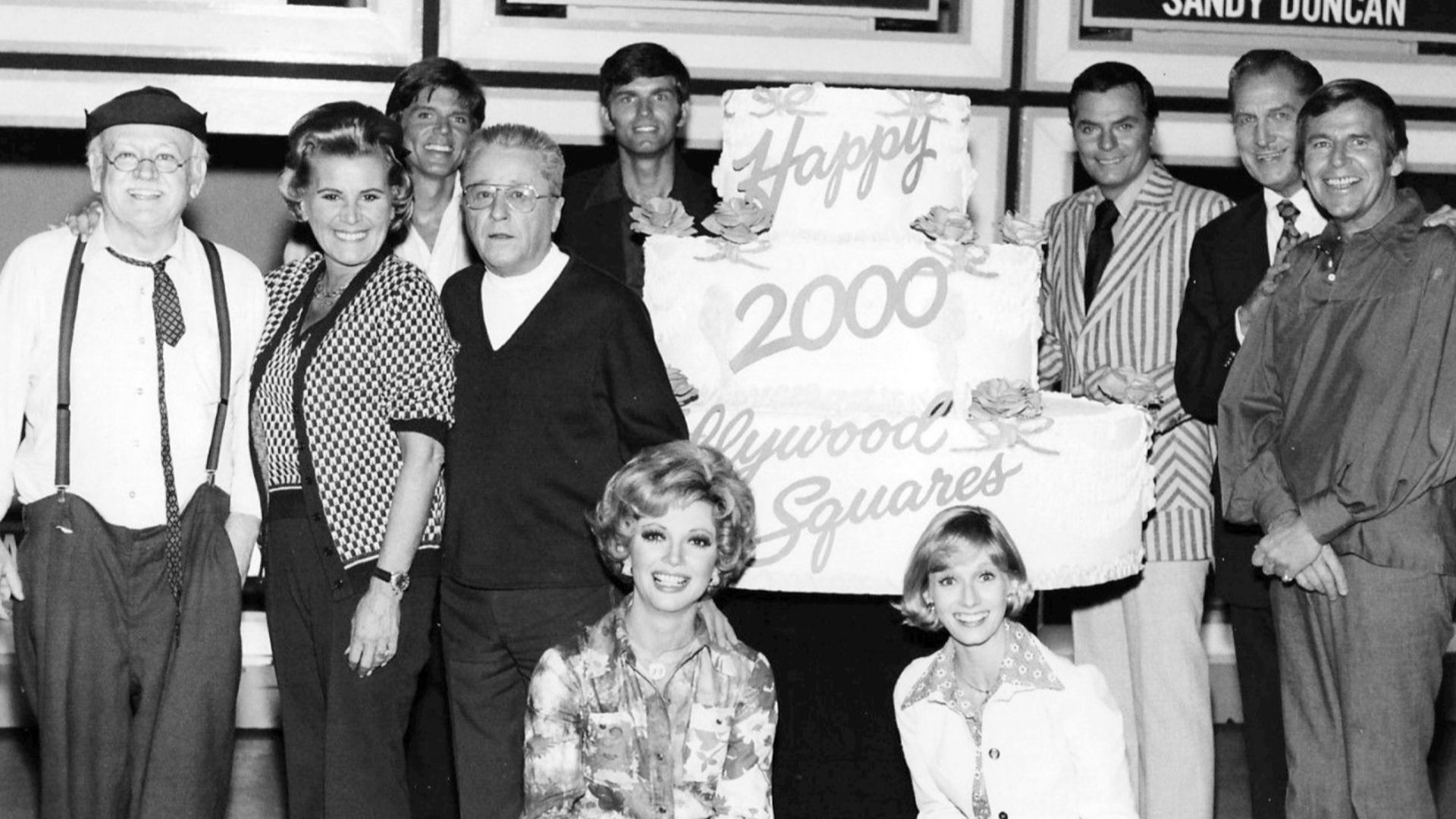 NBC Television, Wikimedia Commons
He Continued Appearing Across Television
After M*A*S*H, Farr made guest appearances on shows including The Love Boat, Murder, She Wrote, Diagnosis: Murder, Mad About You, and That ’70s Show. He never tried to pretend Klinger had not happened, but he also refused to stop working when the uniform came off.
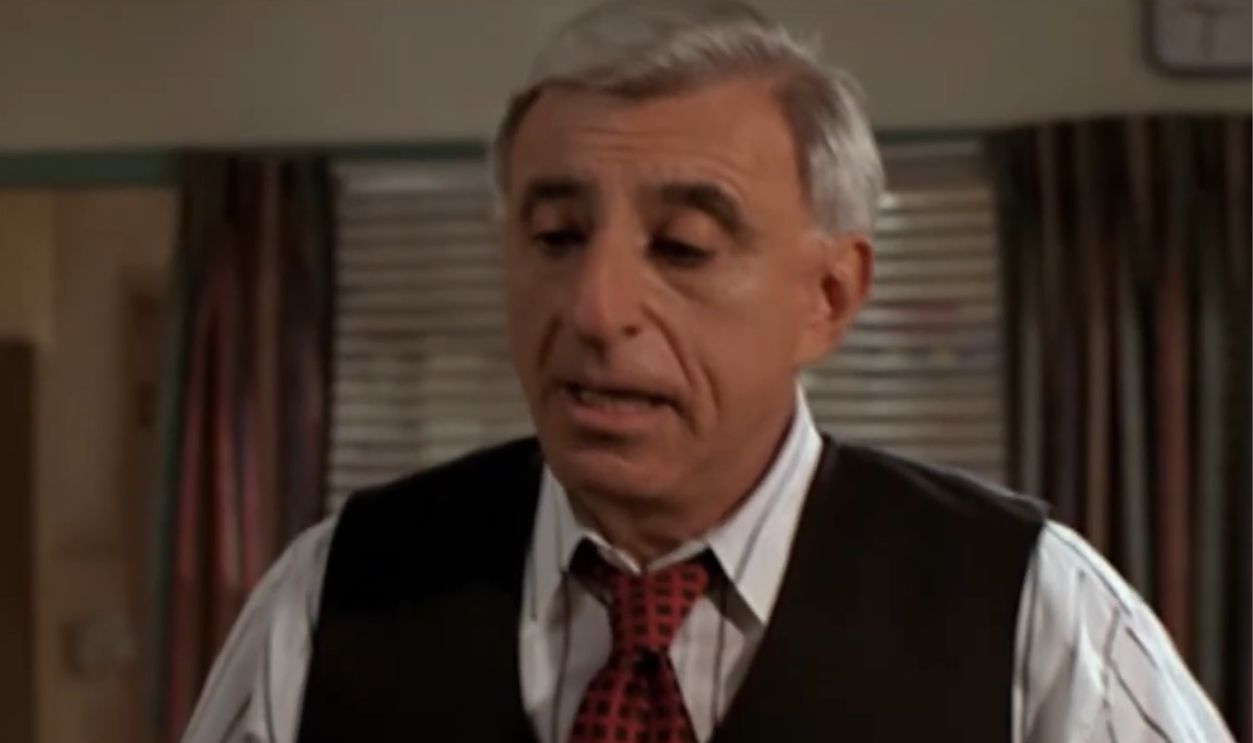 Screenshot from Diagnosis: Murder, CBS (1993)
Broadway Arrived at Age 60
In 1994, Farr made his Broadway debut as Nathan Detroit in Guys and Dolls. The milestone came nearly four decades after his first film role. Hollywood had made him wait for stability, television had made him famous, and the stage gave him another challenge entirely.
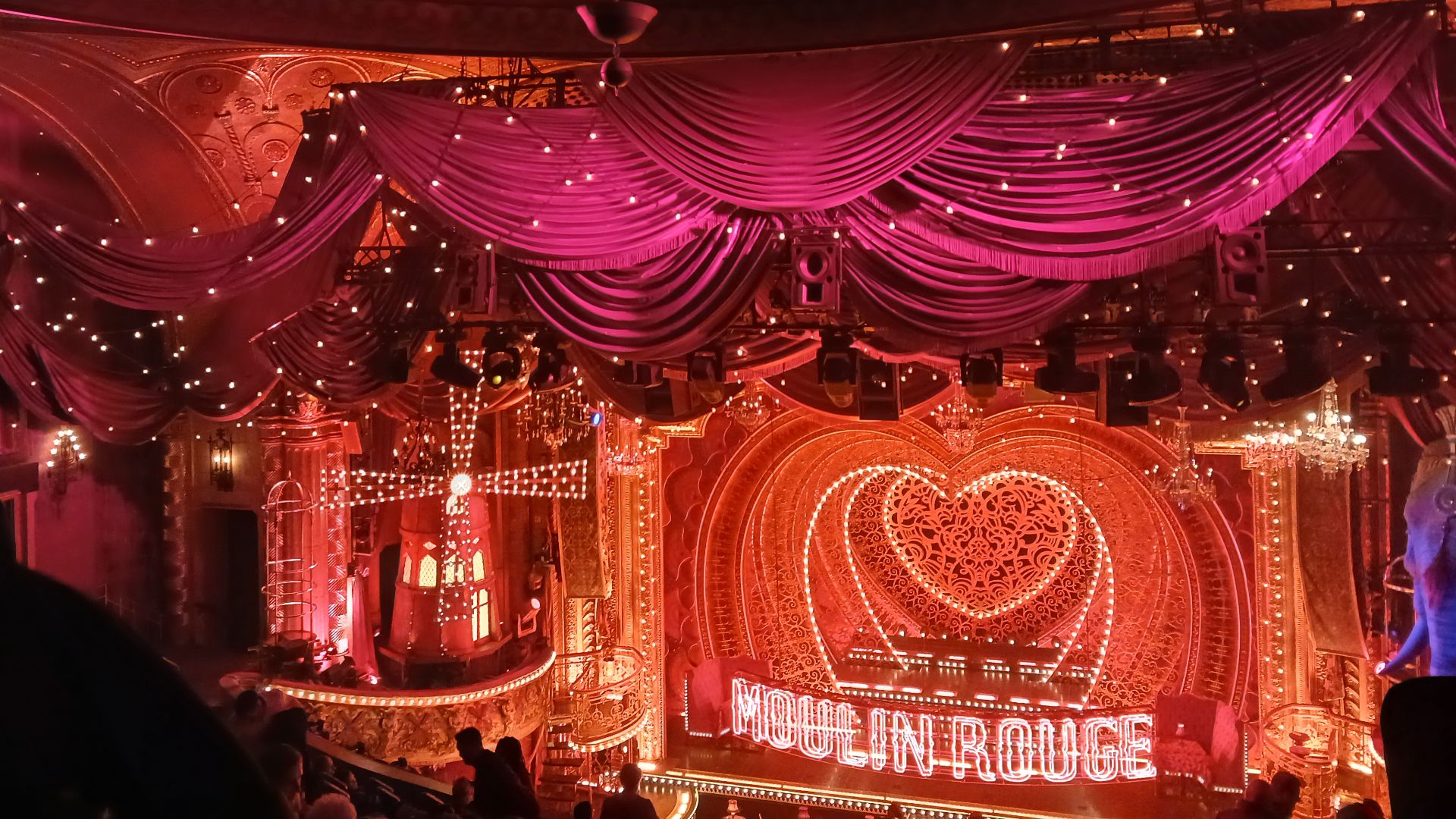
He Reunited With an Old Army Friend
Farr later toured in The Odd Couple, playing Oscar Madison opposite William Christopher, his former M*A*S*H costar. He continued performing in productions such as Tuesdays With Morrie and The Last Romance, extending his career well beyond the boundaries of the 4077th.
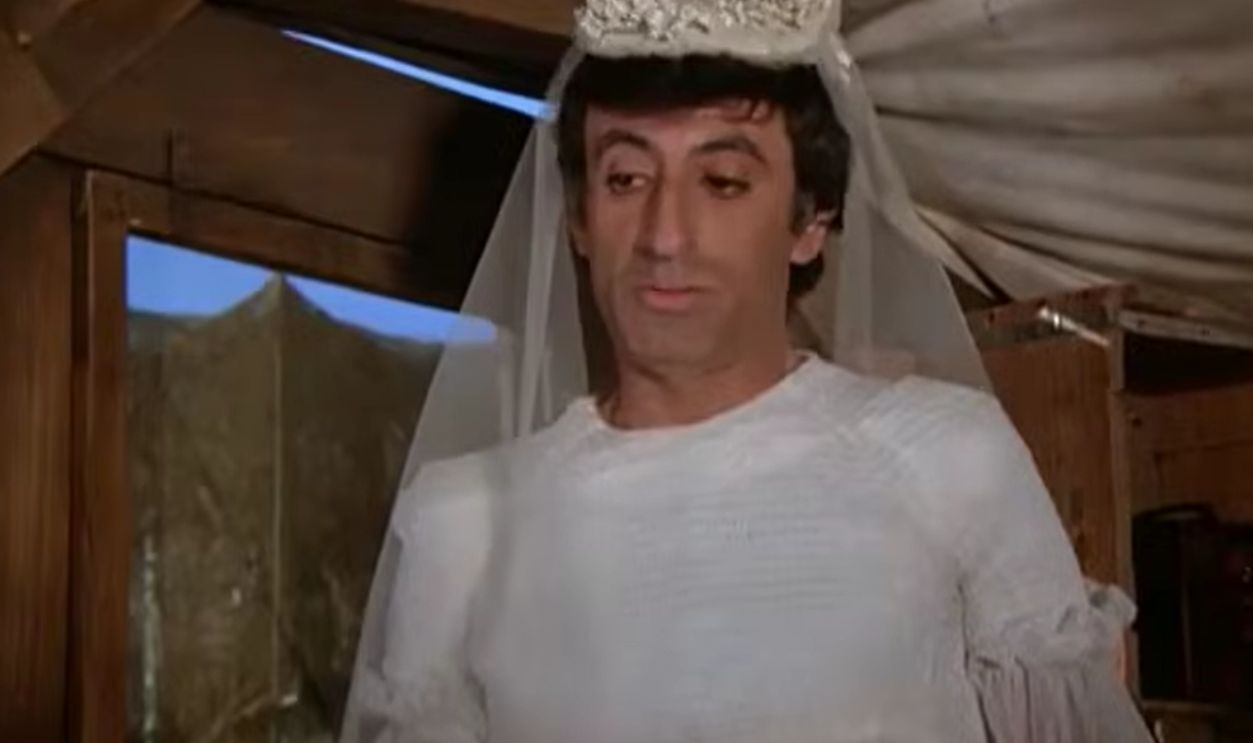 Screenshot from MASH*, CBS (1972–1983)
He Put His Story on the Page
Farr published his autobiography, Just Farr Fun, in 1994. He also co-wrote the children’s book Hababy’s Christmas Eve with his wife, Joy. Both projects reflected the humor, family traditions, and Lebanese American identity he had carried from Toledo into his work.
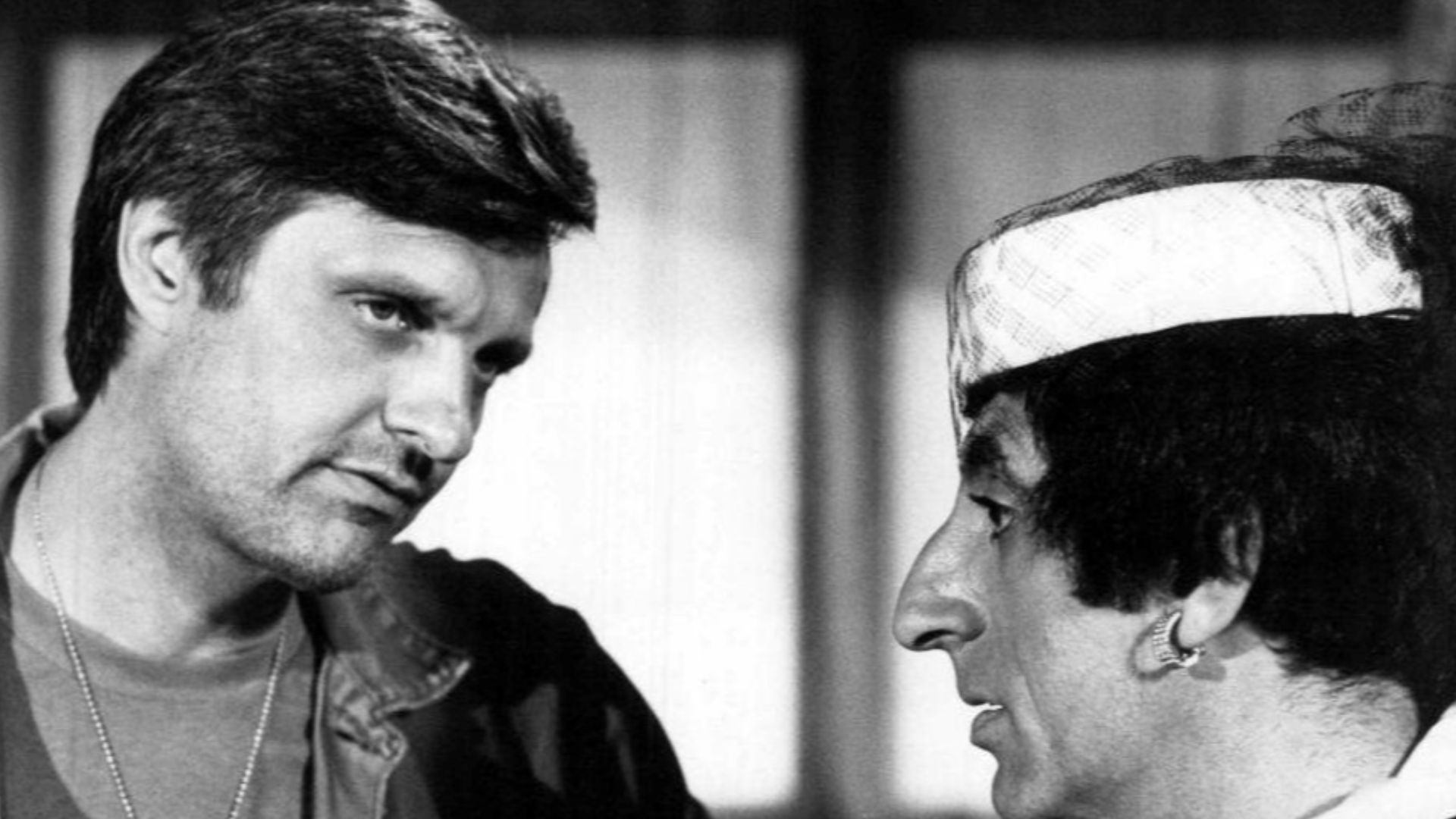 CBS Television, Wikimedia Commons
Fame Became a Gift to Toledo
In 1984, Farr lent his name and celebrity connections to a new LPGA tournament in Toledo. The event grew into a major regional attraction and raised millions of dollars for children’s charities—turning his television recognition into something tangible for his hometown.
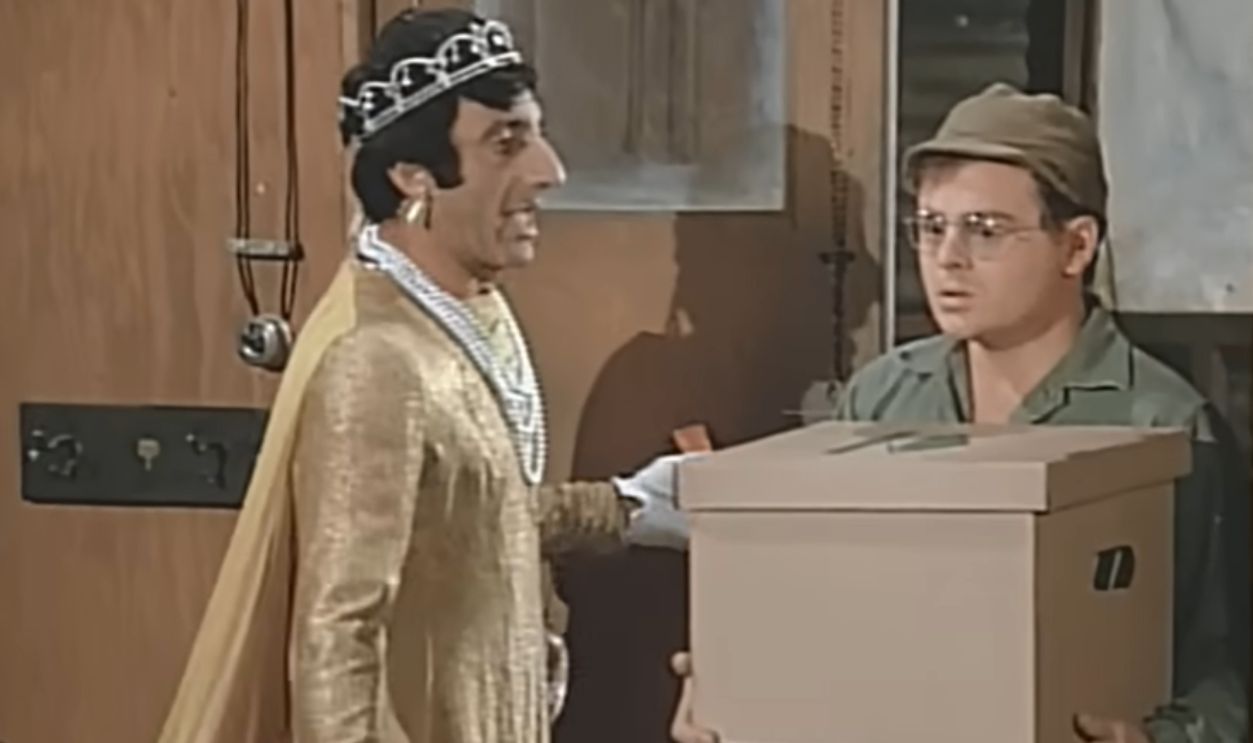 Screenshot from MASH*, CBS (1972–1983)
Toledo Put His Name on the Map
Farr received a Hollywood Walk of Fame star on April 10, 1985, but Toledo offered an honor that reached even deeper. In 1998, the city renamed a local recreation area Jamie Farr Park, permanently connecting the actor to the neighborhood that shaped him.
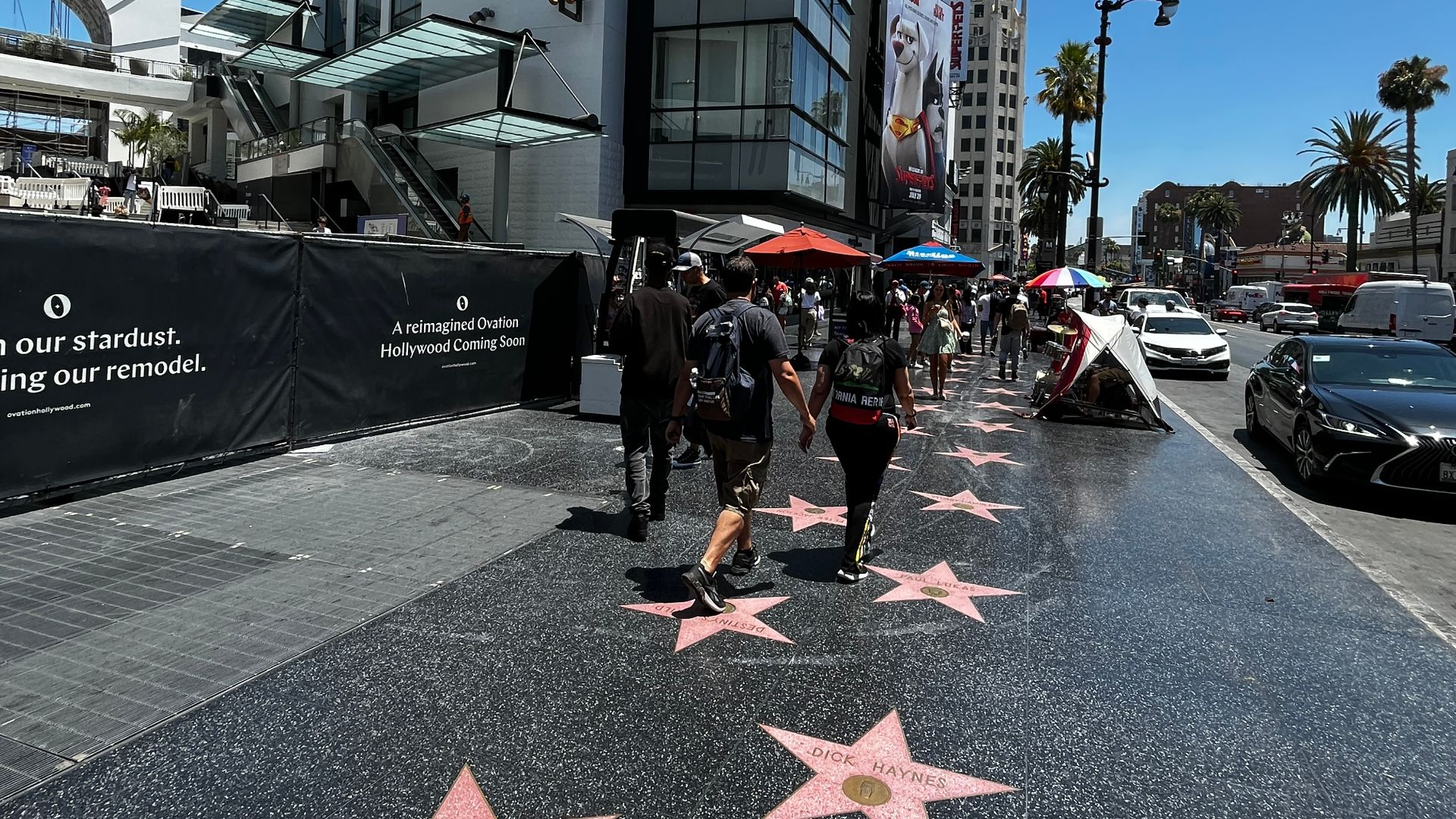 Benoît Prieur, Wikimedia Commons
The One-Day Soldier Never Really Left
Farr returned for reunions, interviews, anniversary celebrations, and retrospectives, including programming marking the 50th anniversary of M*A*S*H in 2022. He understood that Klinger would always follow him—but after decades of varied work, the character accompanied him rather than confined him.
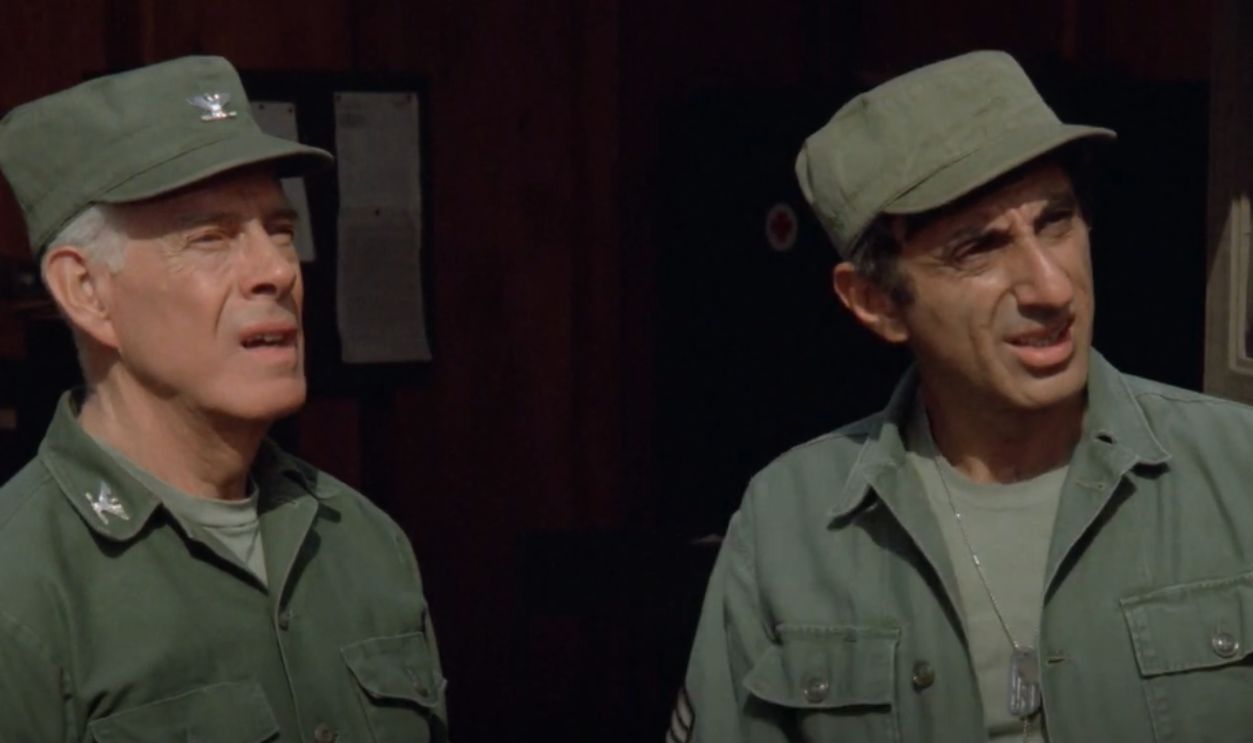 Screenshot from MASH*, CBS (1972–1983)
Persistence Was Jamie Farr’s Real Signature
Klinger became famous for trying to escape, but Jamie Farr built his career by refusing to leave. He survived empty schedules, temporary jobs, military service, grief, and decades of uncertain auditions—then transformed a $250 assignment into one of television’s longest and most beloved acts of persistence.
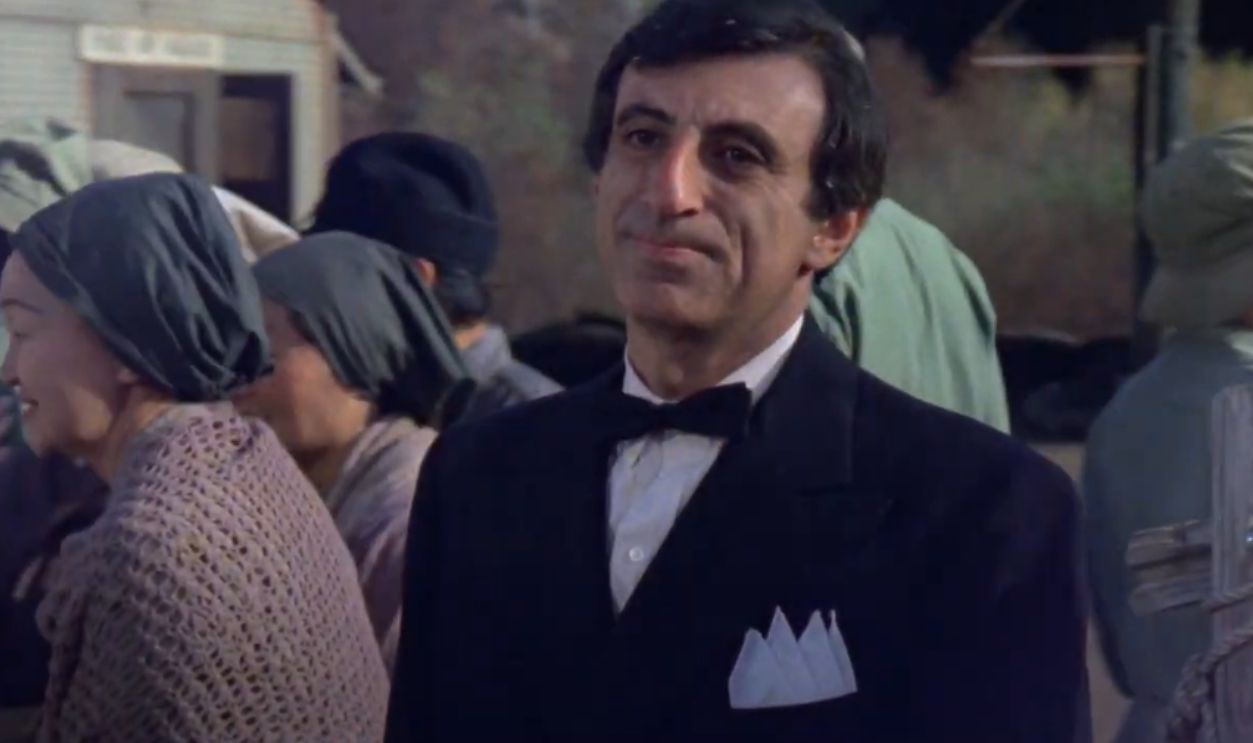 Screenshot from MASH*, CBS (1972–1983)
You May Also Like: