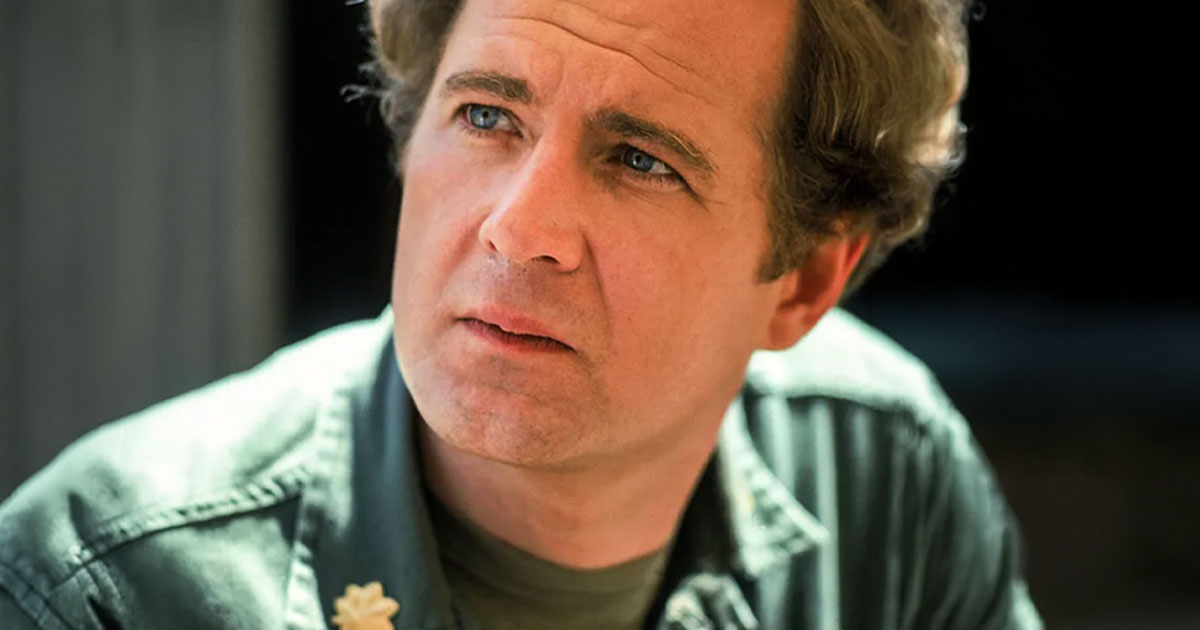
The Replacement Who Refused to Be Replaceable
When David Ogden Stiers entered M*A*S*H in its sixth season, he faced a daunting assignment: join television’s tightest ensemble without imitating the man he replaced. His answer was Charles Winchester—a brilliant, infuriating surgeon whose carefully guarded humanity completely changed the series. But behind the scenes, Stiers own story stayed hidden for decades.
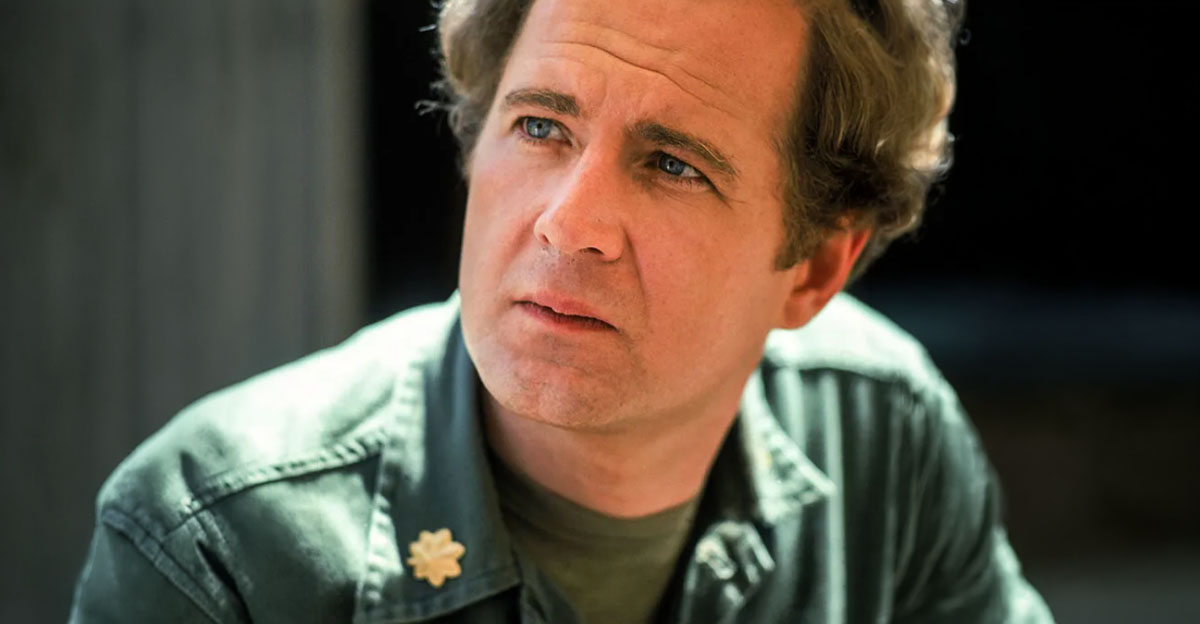 20th Century Fox Television, M*A*S*H
A Long Way From Boston
David Allen Ogden Stiers was born on October 31, 1942, in Peoria, Illinois. His family later settled in Eugene, Oregon—a long way from Charles Winchester’s rarefied Boston world. Yet even then, Stiers was drawn toward the two disciplines that would shape his career: theater and classical music.
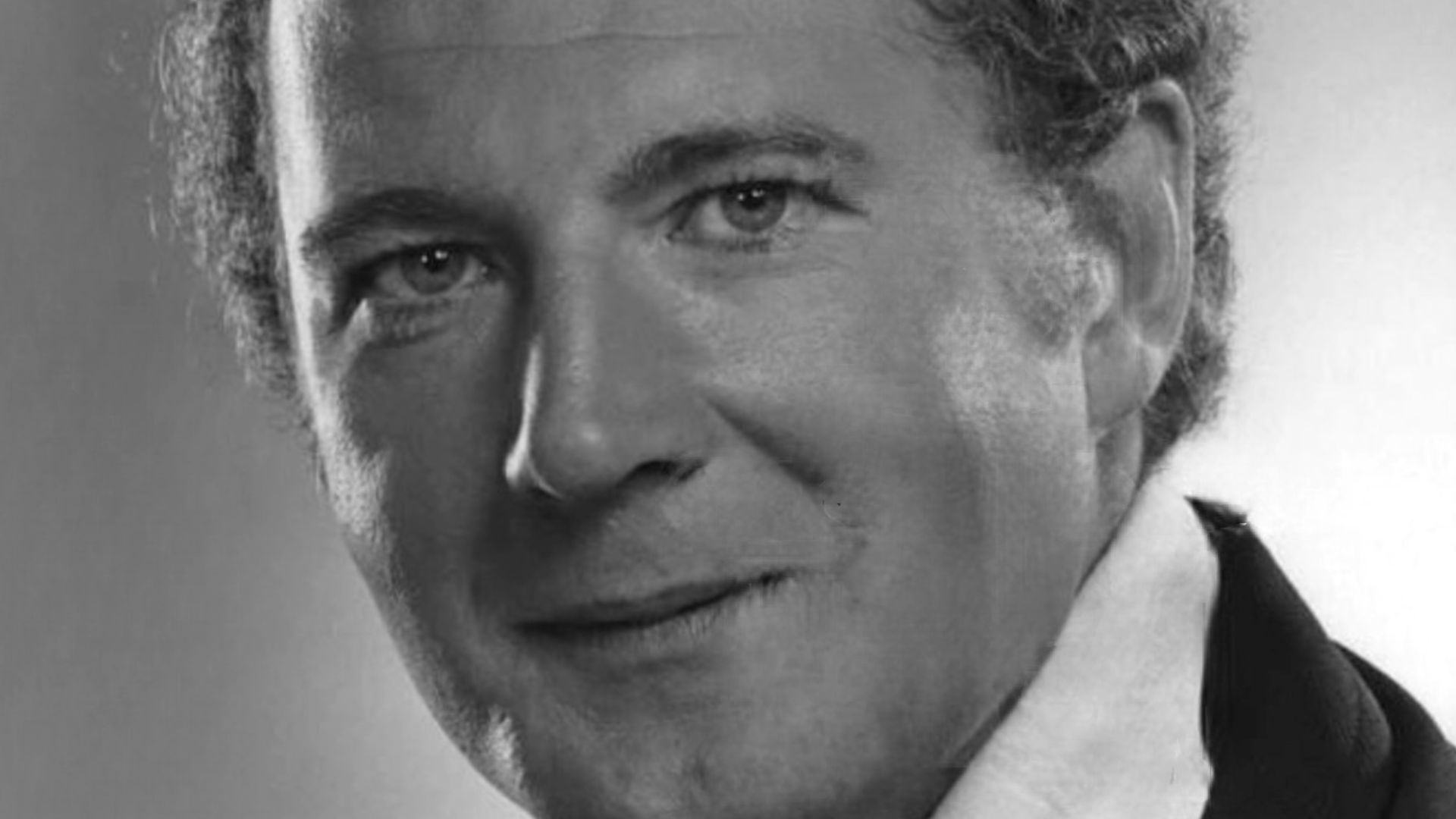 CBS Television, Wikimedia Commons
Two Callings Were Competing
Stiers attended the University of Oregon before pursuing acting more seriously in San Francisco. He worked with theater companies and sharpened his comic instincts with the improvisational group the Committee. Acting offered him a career, but music remained far more than a casual hobby.
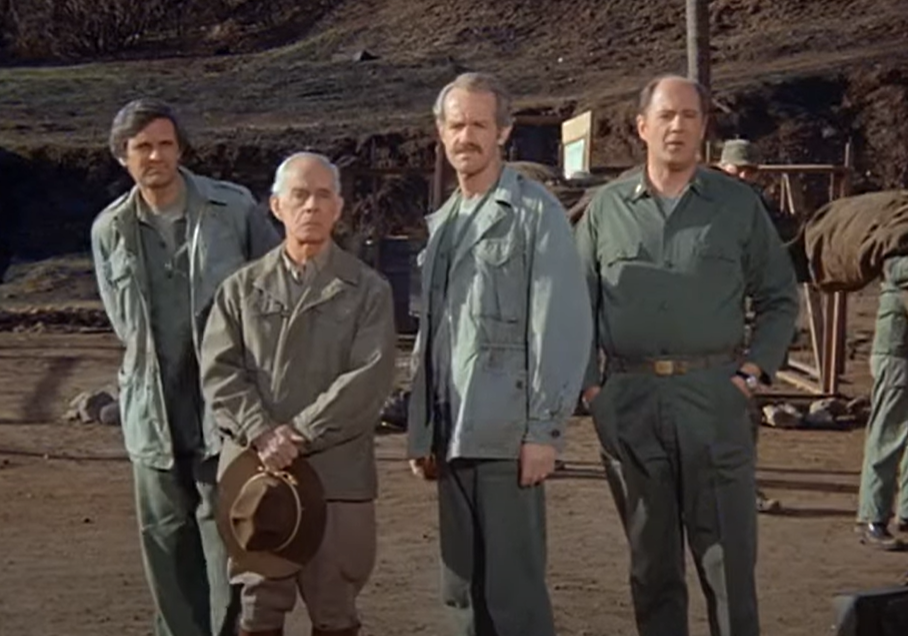 Screenshot from M*A*S*H, 20th Century Fox Television (1972–1983)
Juilliard Opened The Door
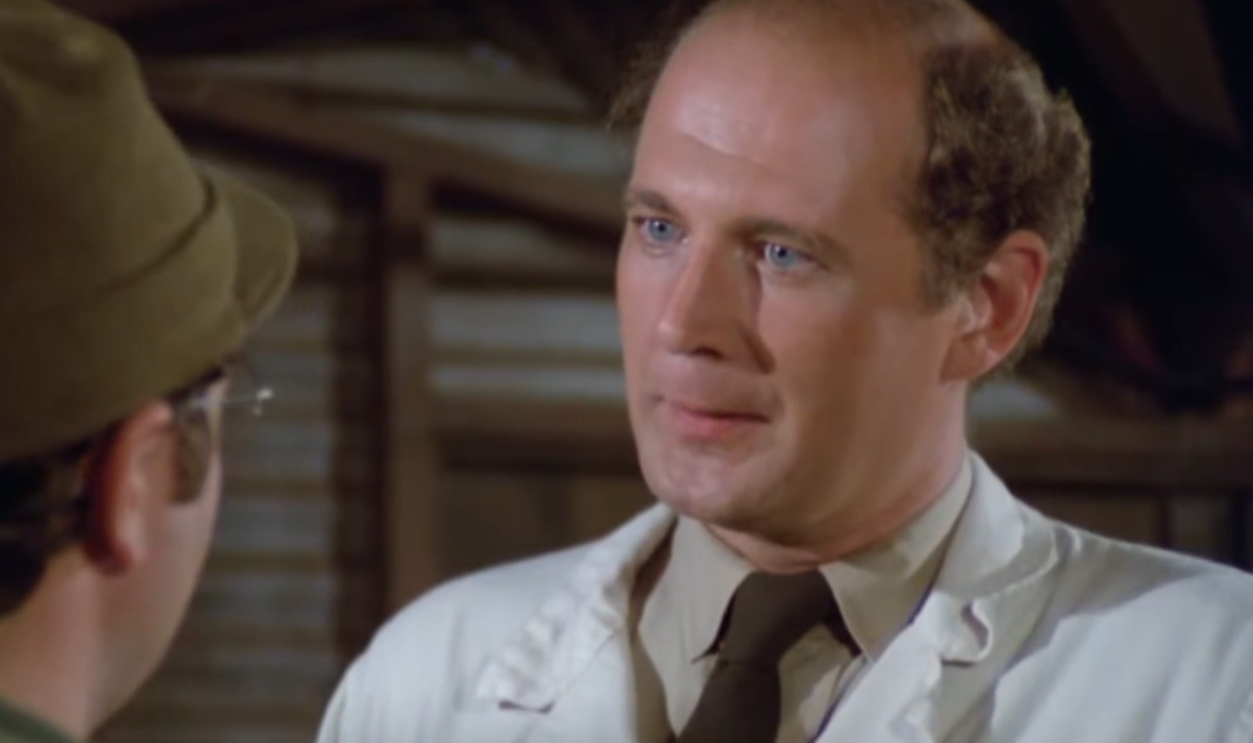
His ambitions eventually carried him to New York and the Juilliard School, where he studied under the influential actor and teacher John Houseman. Stiers became part of the first company formed from Juilliard’s drama division, gaining rigorous classical training that would later distinguish him on television.
 Screenshot from M*A*S*H, 20th Century Fox Television (1972–1983)
The Stage Came First
Before Hollywood knew his face, Stiers built his reputation in the theater. His Broadway credits included Ulysses in Nighttown and the long-running musical The Magic Show. The work demanded precision, vocal control, and discipline—all qualities he would eventually pour into Major Winchester.
Television Began Calling
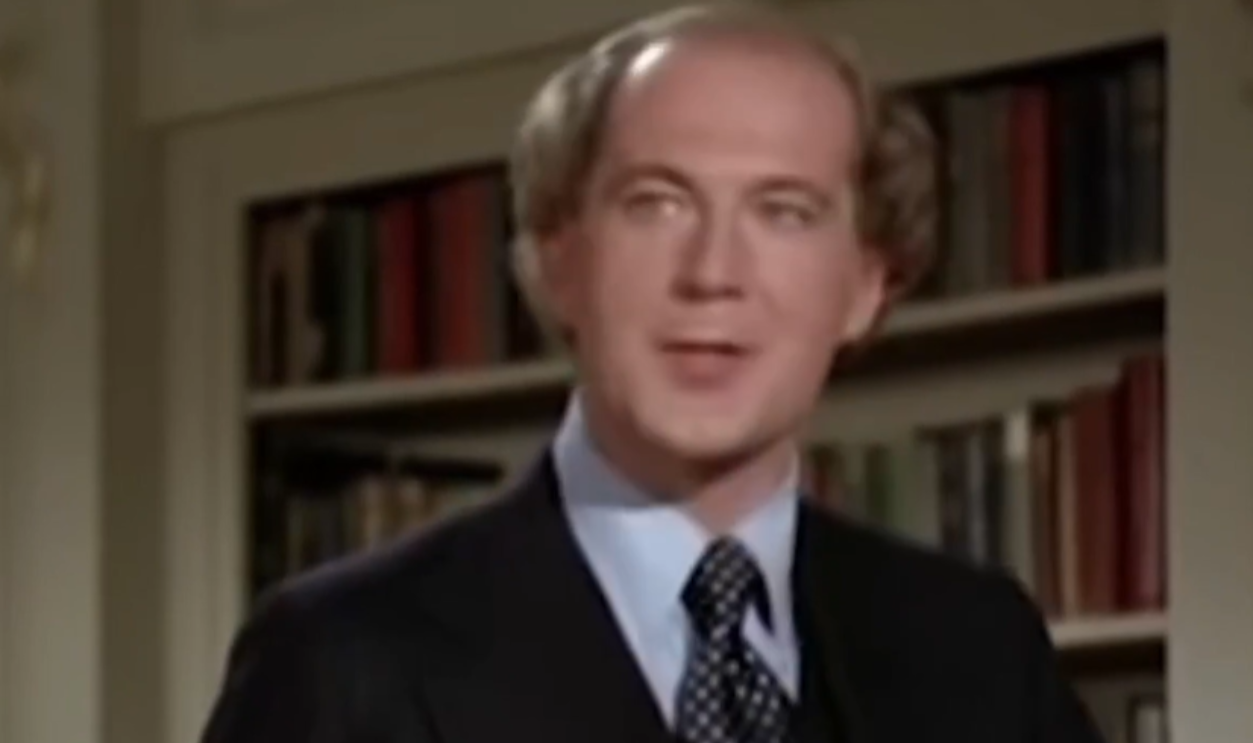
Small television and film assignments followed, including an uncredited vocal role in George Lucas’s THX 1138. Stiers also appeared on programs such as Kojak, Rhoda, and Charlie’s Angels. He was working steadily, but the role that would define his screen career had not yet appeared.
 Screenshot from Charlie’s Angels, Spelling-Goldberg Productions (1976)
He Nearly Fired Mary Richards
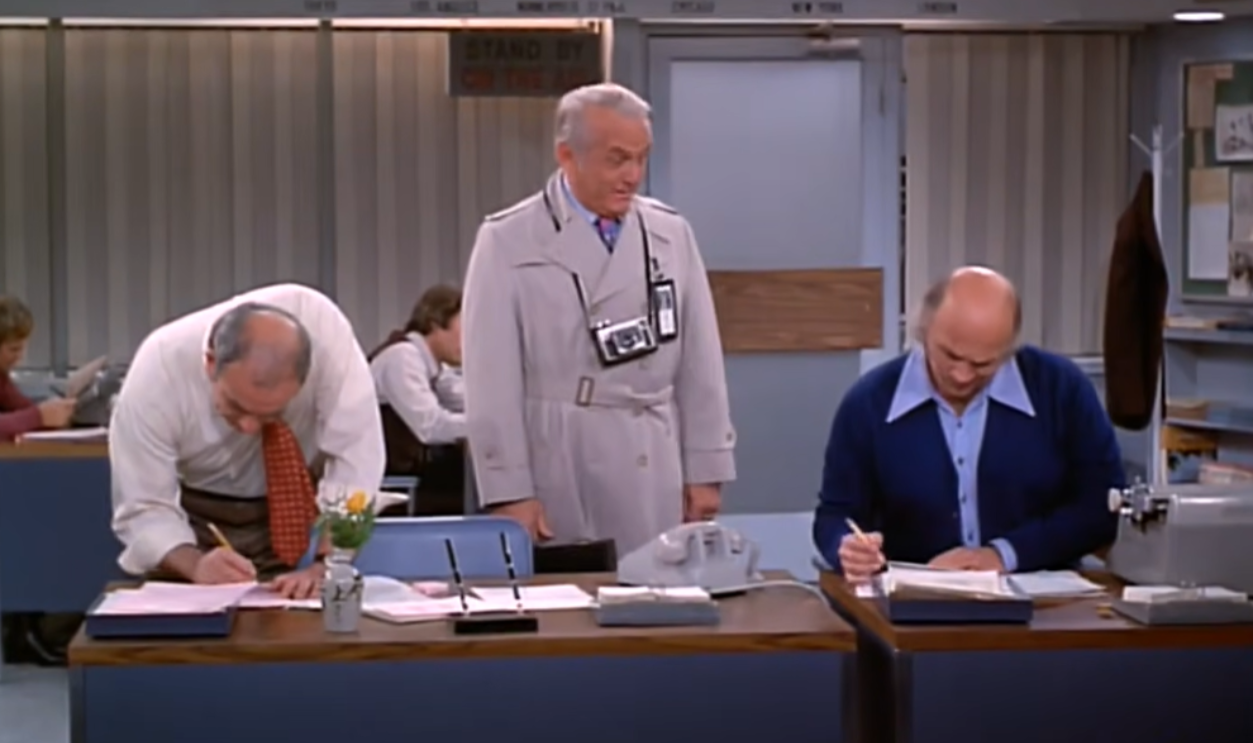
Stiers played station manager Mel Price in three episodes of The Mary Tyler Moore Show. He later joked that he wanted to be the man who fired Mary in the finale, which would have made him “the most-hated man in America.” Vincent Gardenia received that dubious honor instead.
 Screenshot from The Mary Tyler Moore Show, MTM Enterprises (1970–1977)
An Empty Bunk At The 4077th
By 1977, M*A*S*H had completed five seasons and assembled one of television’s most familiar casts. Then Larry Linville departed as Major Frank Burns. The producers needed a new antagonist—but replacing Burns with another incompetent, cowardly officer would have felt painfully predictable.
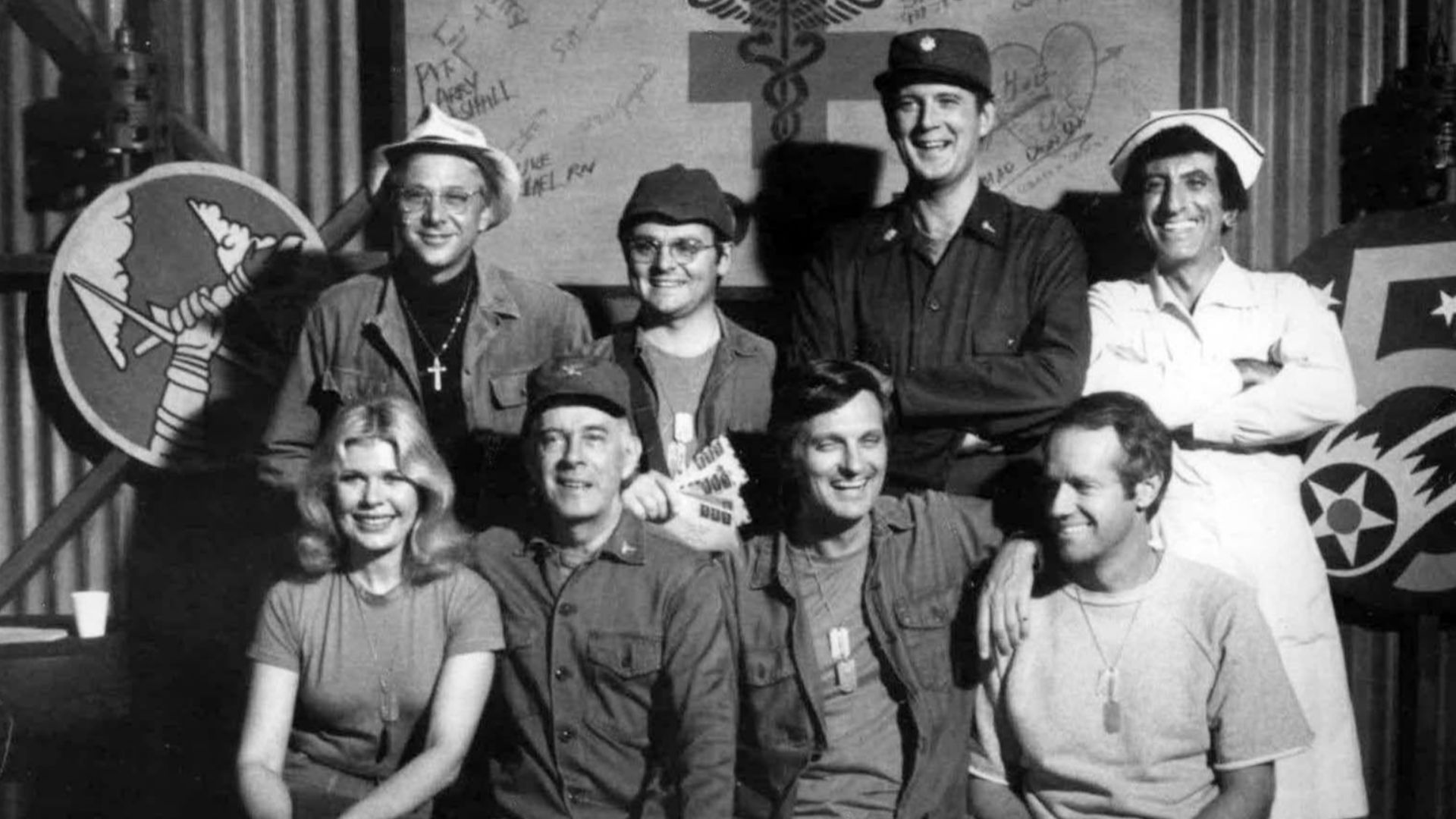 CBS Television, Wikimedia Commons
Then Came The Unexpected Call
Producers approached Stiers about joining the sixth season. Surprisingly, he had not been a regular viewer of the series; he knew Robert Altman’s 1970 film better. Once he examined the television show, however, he realized he was stepping into what he called “illustrious company.”
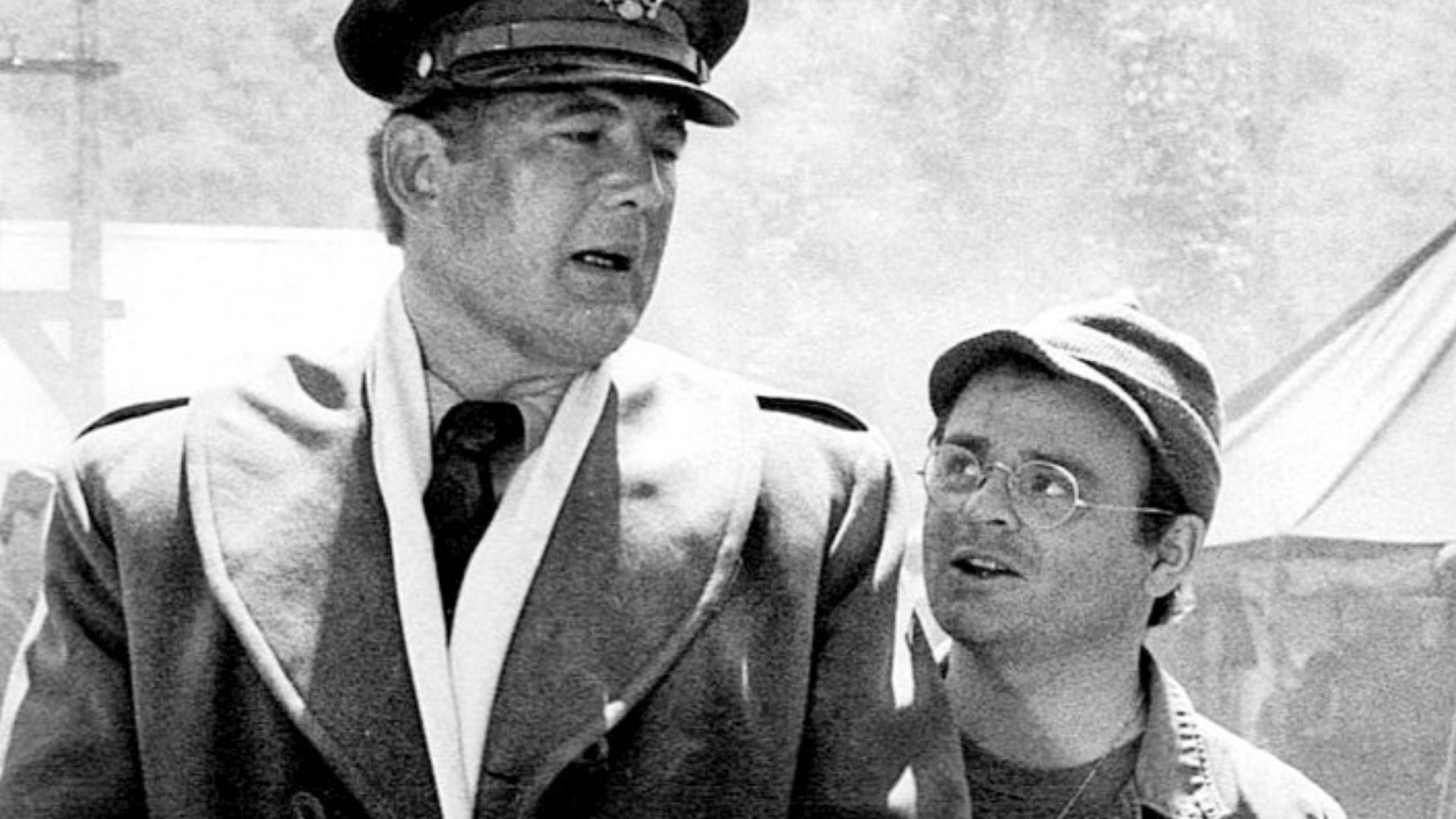 CBS Television, Wikimedia Commons
Charles Arrived In Two Parts
Stiers made his debut in “Fade Out, Fade In,” a two-part episode broadcast on September 20 and 27, 1977. Major Charles Emerson Winchester III arrived from Tokyo General Hospital with impeccable credentials, expensive tastes, and absolutely no intention of remaining in rural Korea.
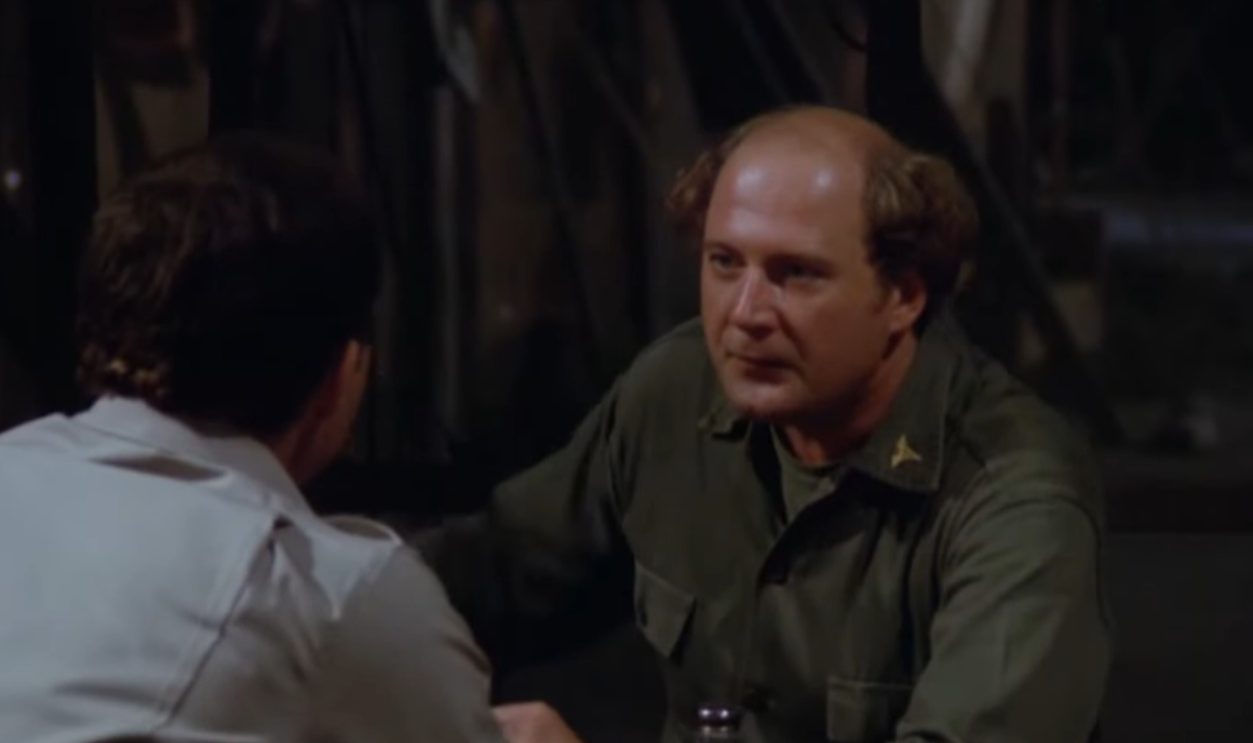 Screenshot from M*A*S*H, 20th Century Fox Television (1972–1983)
A Cribbage Game Changed Everything
Charles initially came to the 4077th on temporary duty. After humiliating Colonel Potter during a game of cribbage and boasting about it, however, he discovered that Potter possessed both authority and a long memory. Charles’s temporary assignment soon became distressingly permanent.
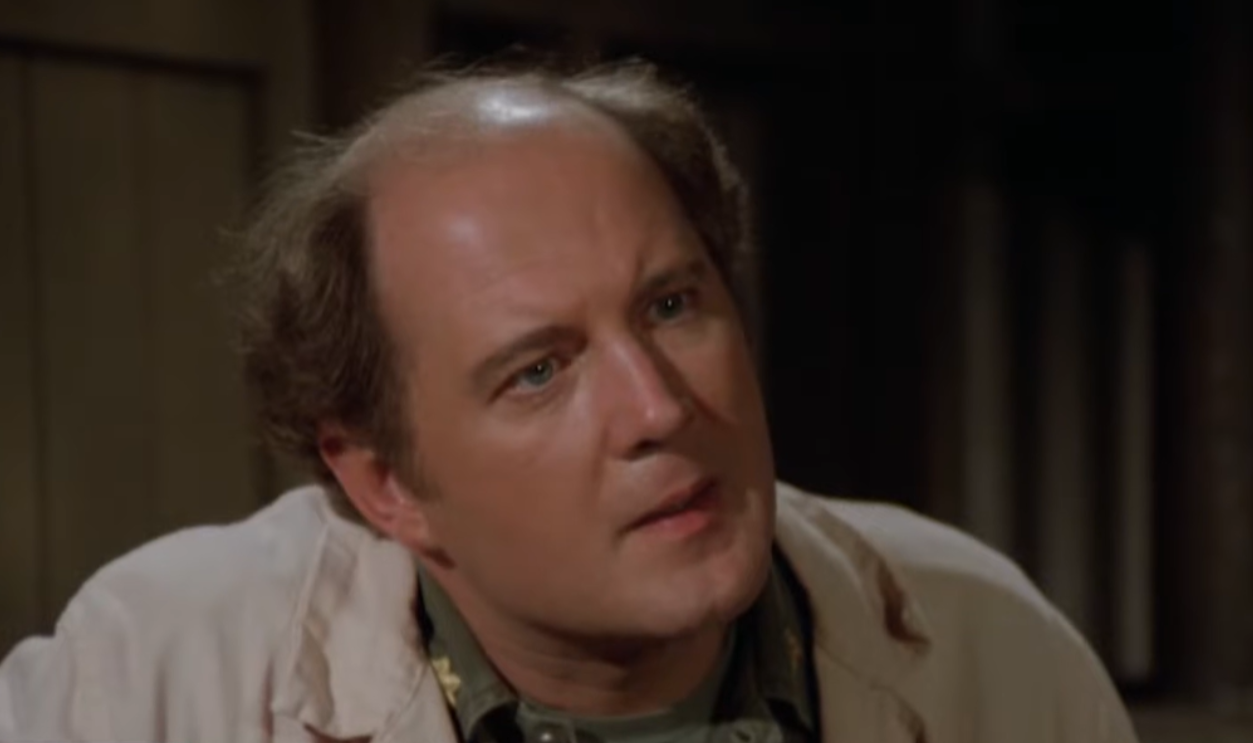 Screenshot from M*A*S*H, 20th Century Fox Television (1972–1983)
He Was No Frank Burns
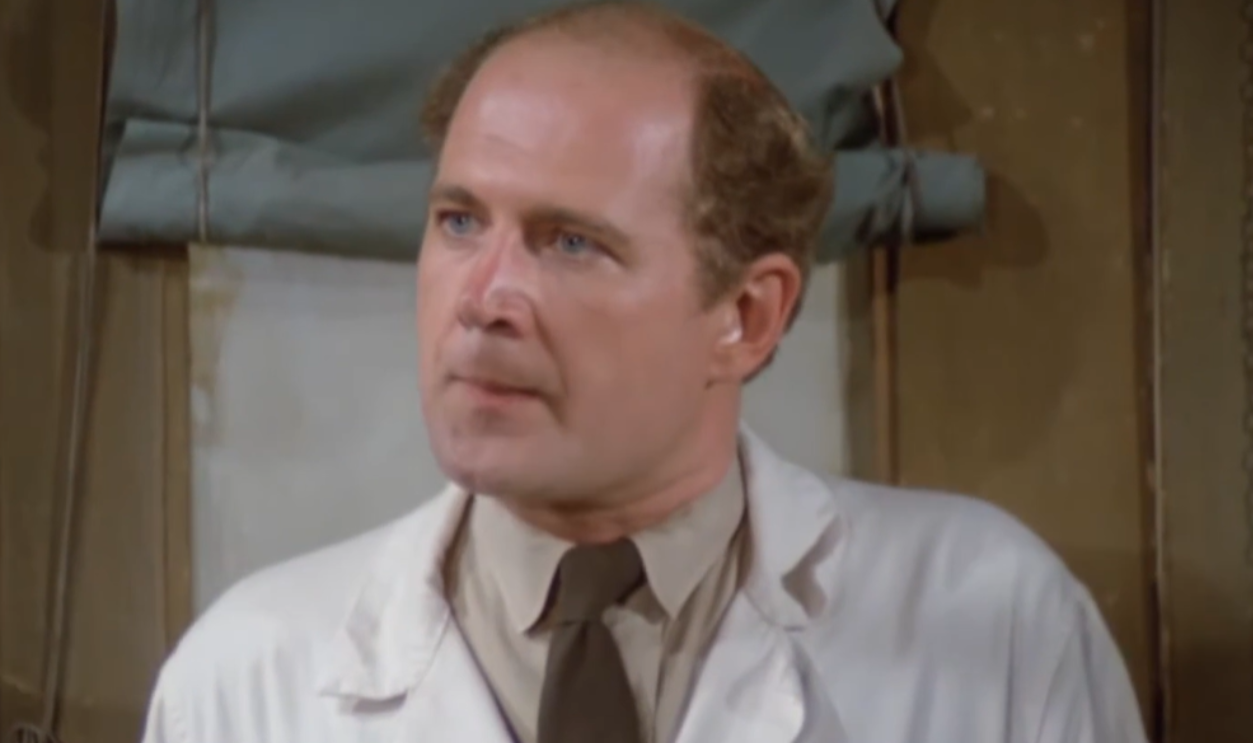
Frank Burns had been vain, hypocritical, cowardly, and frequently inept. Charles was vain, privileged, and spectacularly irritating—but he could also outthink his tormentors and outperform them in surgery. As Stiers explained, “The difference is that Charles can fight back.”
 Screenshot from M*A*S*H, 20th Century Fox Television (1972–1983)
The Voice Became His Armor
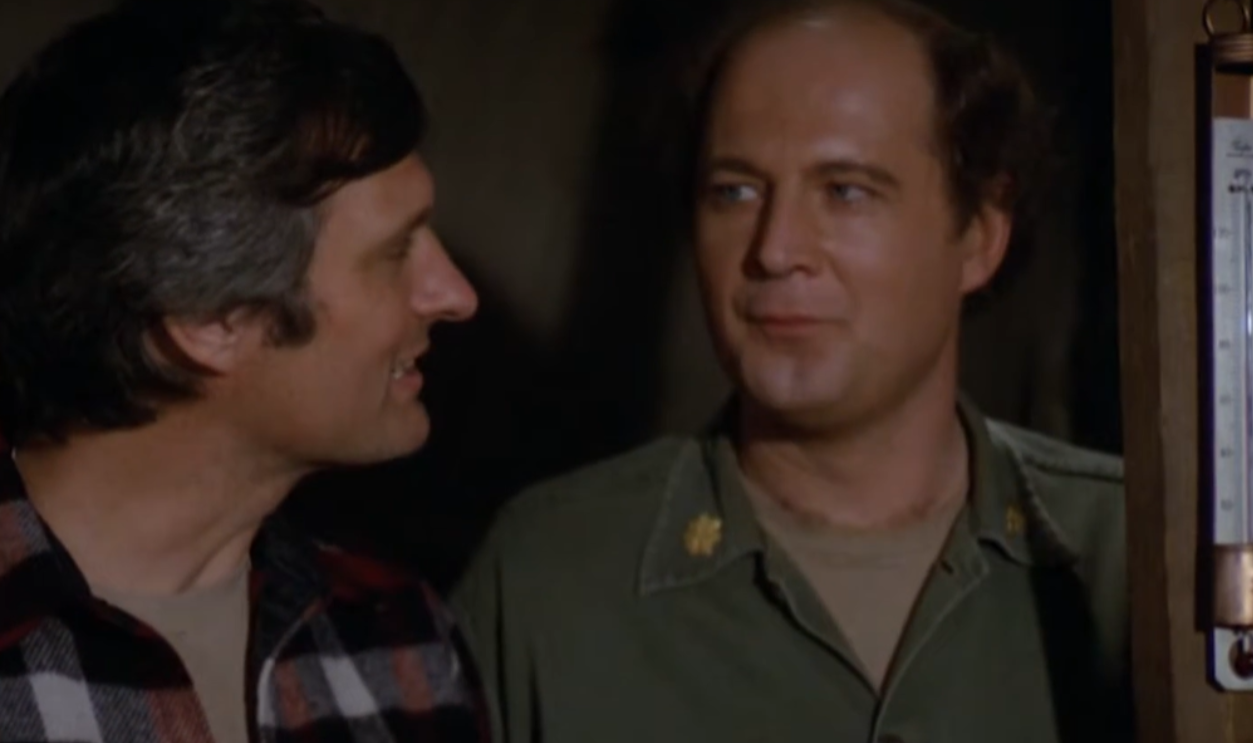
Stiers gave Charles an aristocratic Boston accent that was nothing like his natural speaking voice. Every carefully stretched vowel made Winchester sound as though the entire 4077th had disappointed him personally. The voice was funny, but it also functioned as armor, keeping everyone at a dignified distance.
 Screenshot from M*A*S*H, 20th Century Fox Television (1972–1983)
Joining Late Was Terrifying
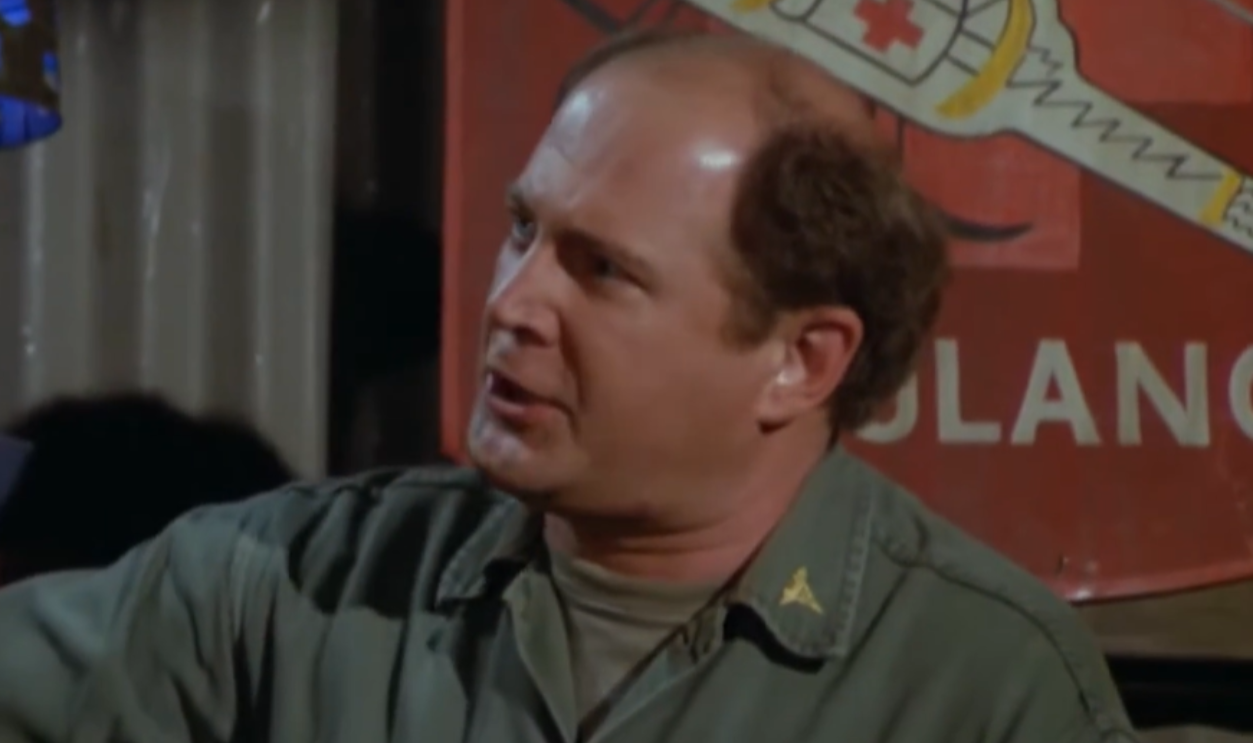
Behind Charles’s confidence stood an actor who felt anything but secure. Stiers admitted that joining such an established ensemble during its sixth season frightened him. Everyone else already understood the rhythm of the set, the characters, and one another. He had to find his place quickly.
 Screenshot from M*A*S*H, 20th Century Fox Television (1972–1983)
Three Pieces Of Gauze Welcomed Him
Mike Farrell helped Stiers navigate the transition, while the cast delivered its own peculiar welcome. During an operating-room scene, someone pelted him with three pieces of gauze. Stiers understood immediately: he had been included in one of the company’s running practical jokes. He belonged.
 CBS Television, Wikimedia Commons
The Swamp Had A New Battlefront
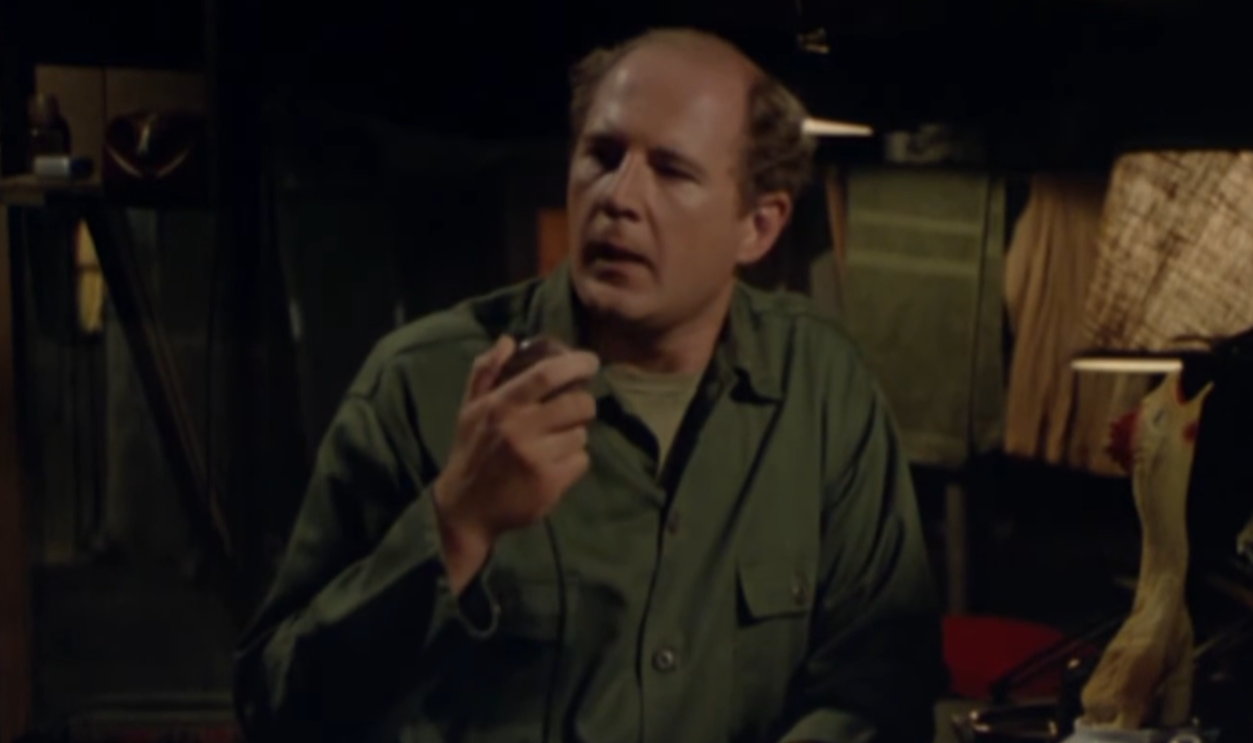
Charles moved into the Swamp with Hawkeye Pierce and B.J. Hunnicutt, giving the writers a fresh comic triangle. Hawkeye and B.J. attacked privilege with pranks; Charles answered with sarcasm, stubbornness, and occasional retaliation. Unlike Burns, he rarely collapsed simply because they challenged him.
 Screenshot from M*A*S*H, 20th Century Fox Television (1972–1983)
Skill Earned Him Respect
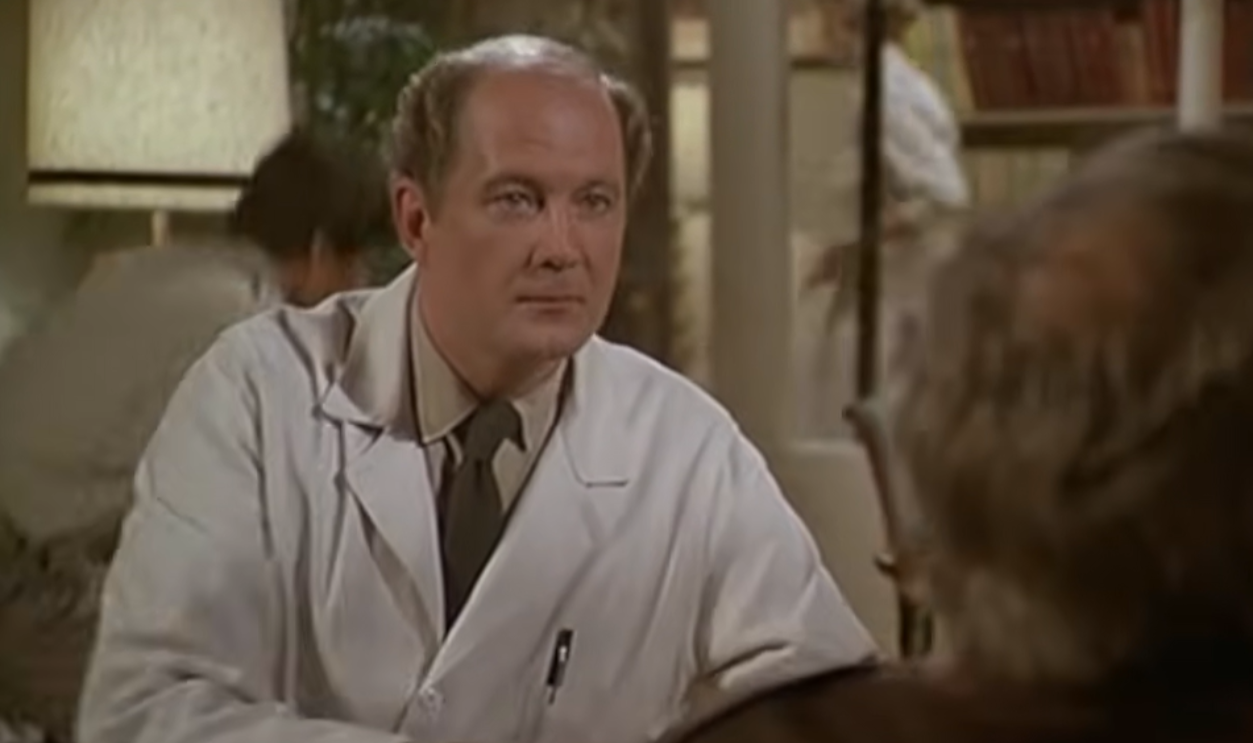
The other surgeons could mock Charles’s robes, record collection, and endless references to “the Boston Winchesters,” but they could not dismiss his medical ability. When casualties arrived, he was fast, decisive, and deeply committed. His brilliance forced Hawkeye and B.J. to respect him—even while plotting against him.
 Screenshot from M*A*S*H, 20th Century Fox Television (1972–1983)
A Gift Without His Name
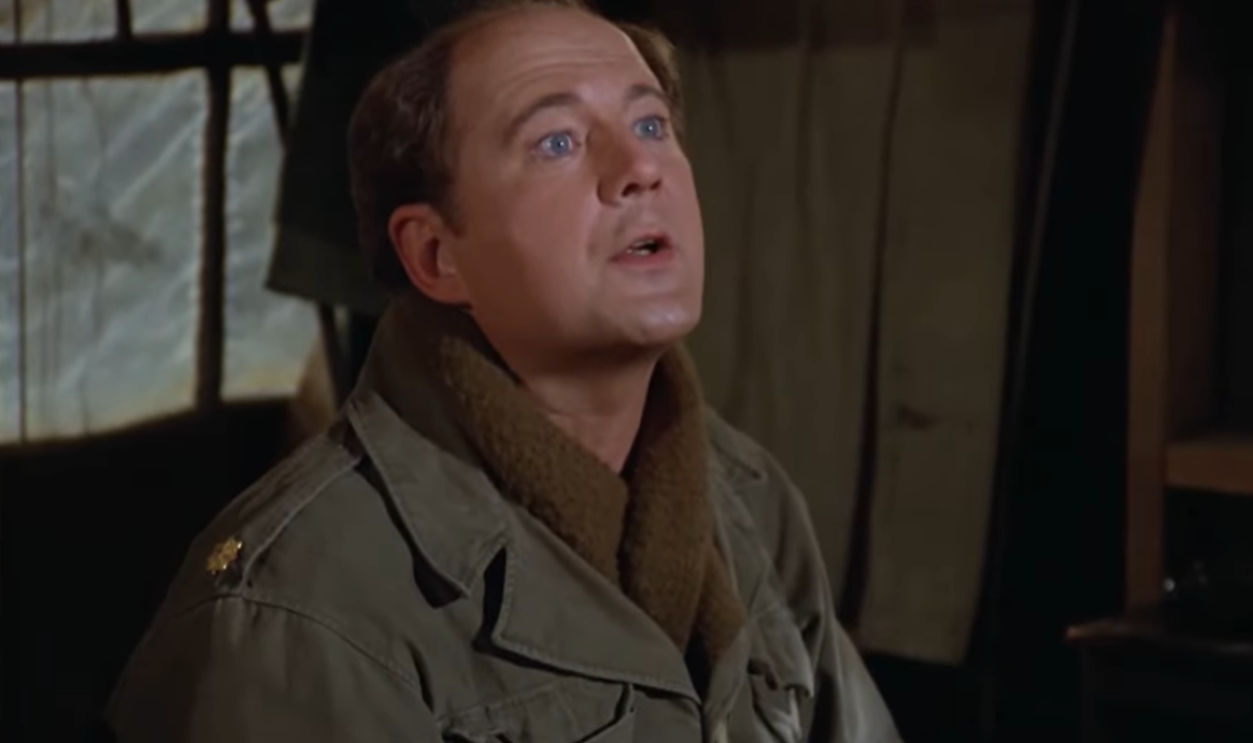
In the 1980 Christmas episode “Death Takes a Holiday,” Charles anonymously donated expensive family candy to an orphanage. He erupted after learning it had been sold, then softened when the director explained the money bought enough rice and cabbage to feed the children for weeks.
 Screenshot from M*A*S*H, 20th Century Fox Television (1972–1983)
The French Horn Declared War
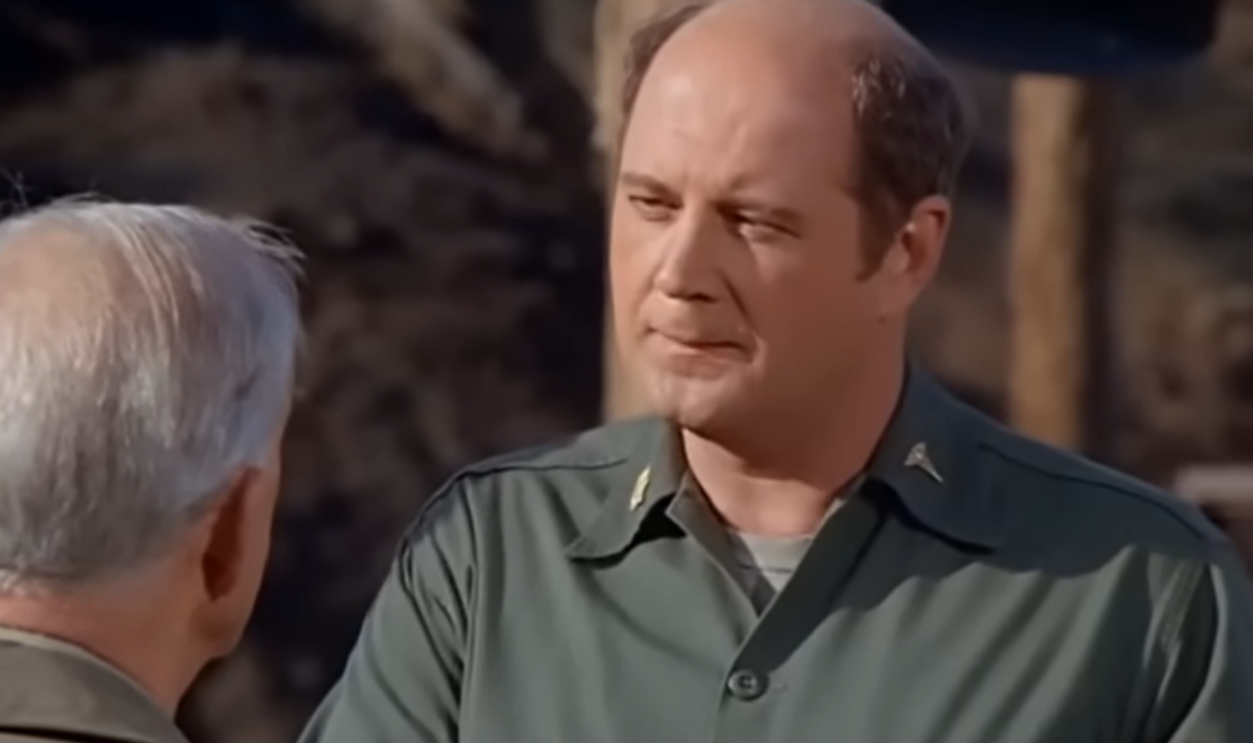
Charles’s love of music was not always soothing. In “The Smell of Music,” his determined but excruciating French-horn practice drove Hawkeye and B.J. into an equally stubborn protest: they refused to bathe until he stopped. Korea had produced many standoffs, but few smelled quite like this one.
 Screenshot from M*A*S*H, 20th Century Fox Television (1972–1983)
A Pianist Needed Another Answer
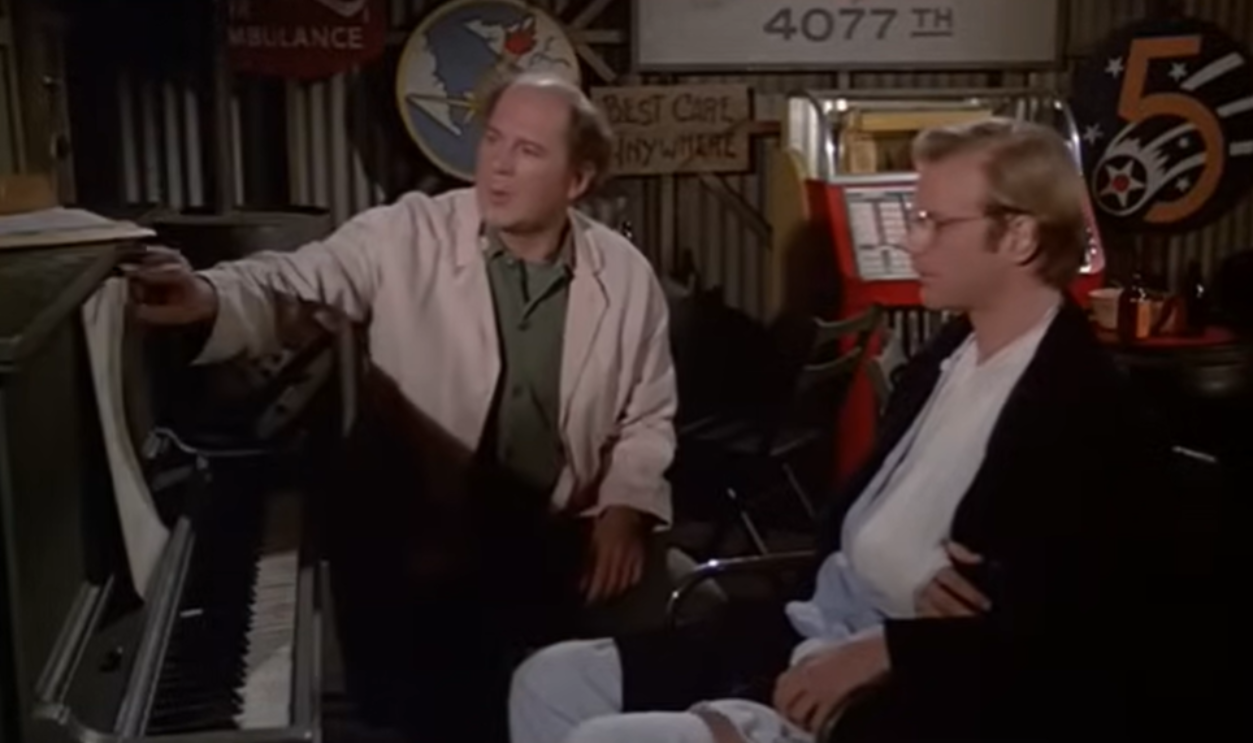
“Morale Victory” revealed what music truly meant to Charles. When concert pianist David Sheridan lost the use of his right hand, Charles refused to let the injury end his identity. He introduced Sheridan to Ravel’s Piano Concerto for the Left Hand—and handed him back a future.
 Screenshot from M*A*S*H, 20th Century Fox Television (1972–1983)
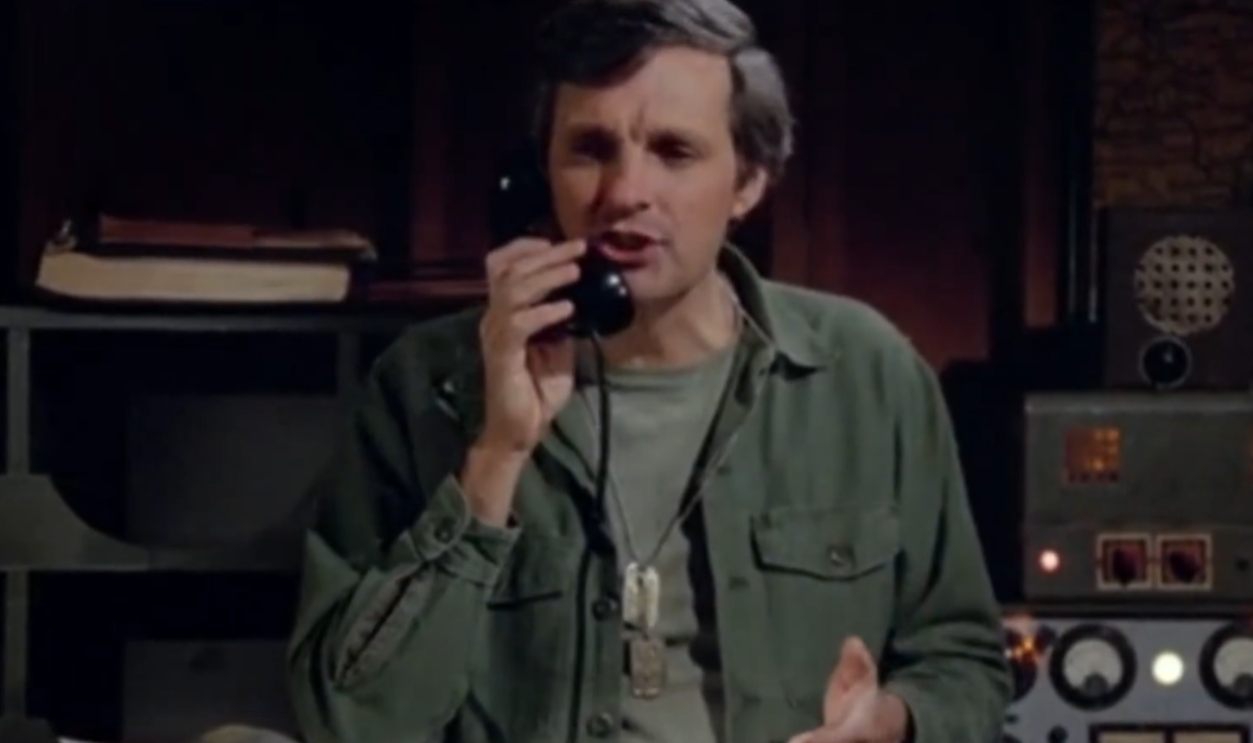
The Difference Between Father And Dad
In “Sons and Bowlers,” Hawkeye feared that his seriously ill father might die. Charles quietly revealed the emotional distance inside his own distinguished family. “Where I have a father, you have a dad,” he told Hawkeye, transforming a conversation between rivals into one of the series’ tenderest scenes.
 Screenshot from M*A*S*H, 20th Century Fox Television (1972–1983)
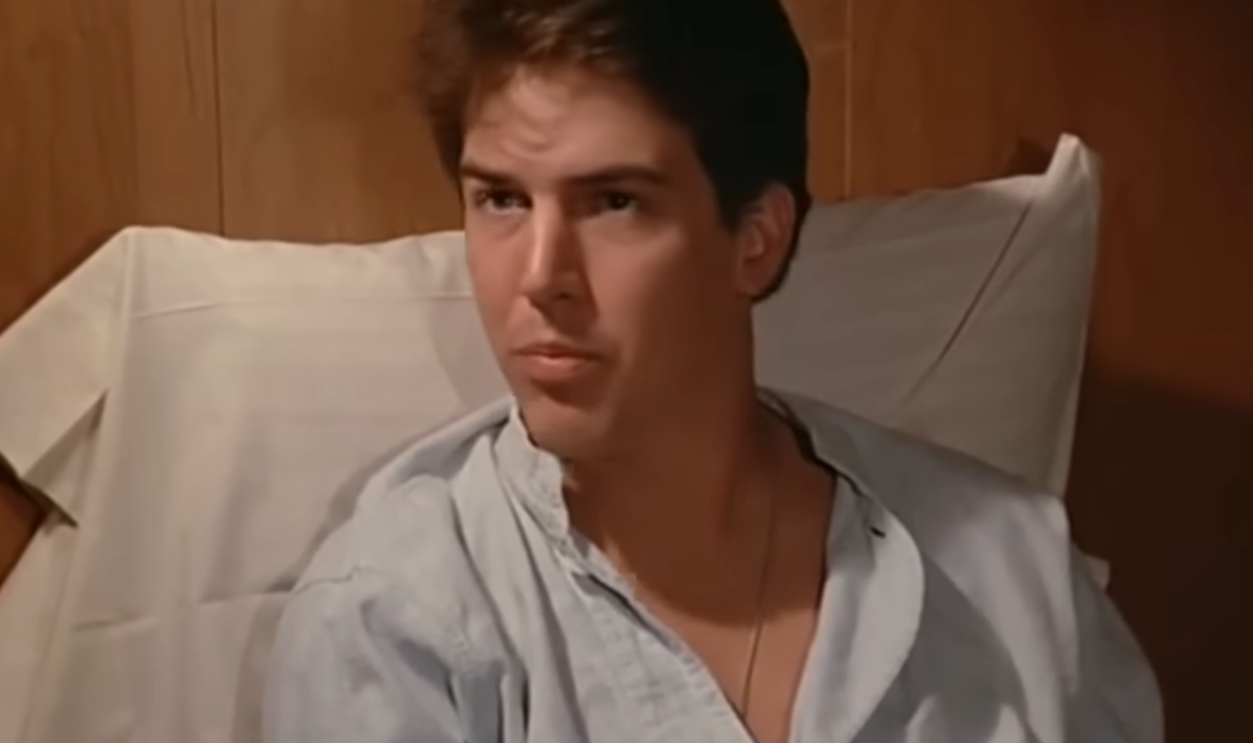
Honoria Explained His Anger
When Private Walter Palmer was mocked for stuttering in “Run for the Money,” Charles fiercely defended him. The reason arrived in a letter: Charles’s beloved sister Honoria also stuttered. His outrage was not abstract compassion. Cruelty had reached someone who reminded him of home.
 Screenshot from M*A*S*H, 20th Century Fox Television (1972–1983)
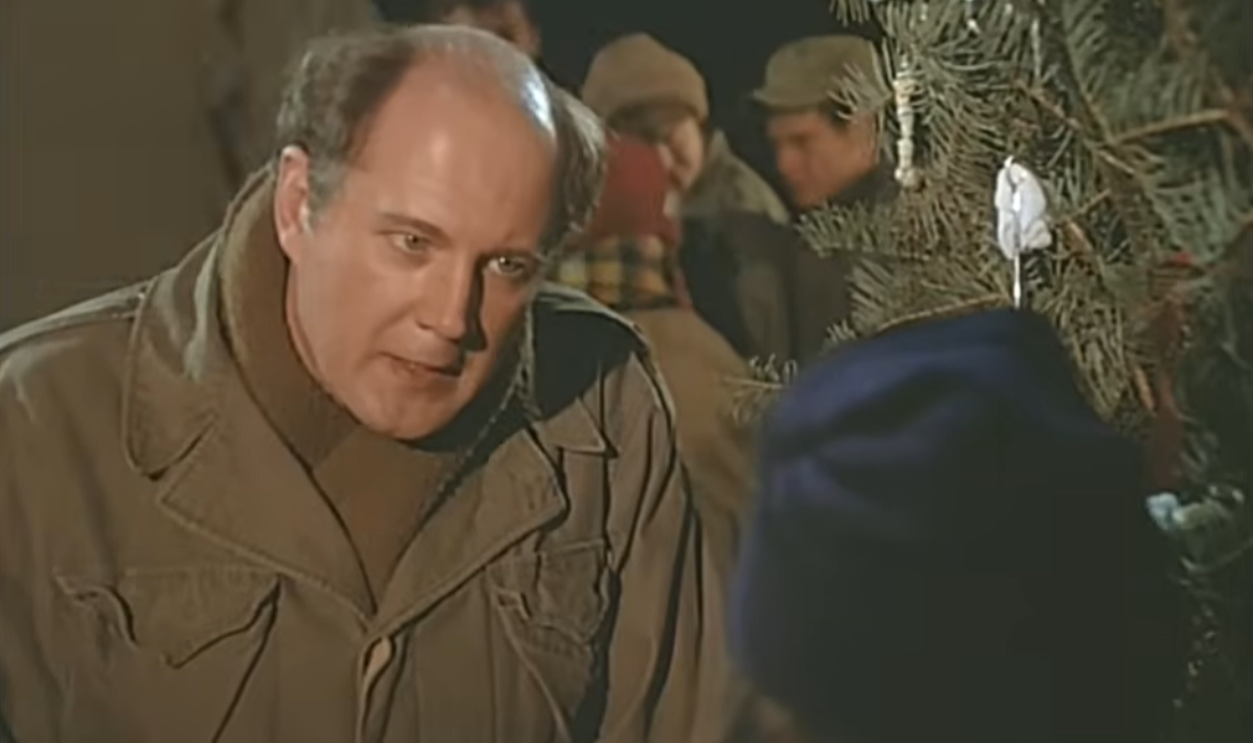
His Humanity Came In Glimpses
The writers rarely softened Charles completely, and Stiers never begged the audience to like him. Instead, compassion escaped in brief, revealing flashes. He could behave abominably on Monday and show extraordinary kindness the following week—making him contradictory, frustrating, and recognizably human.
 Screenshot from M*A*S*H, 20th Century Fox Television (1972–1983)
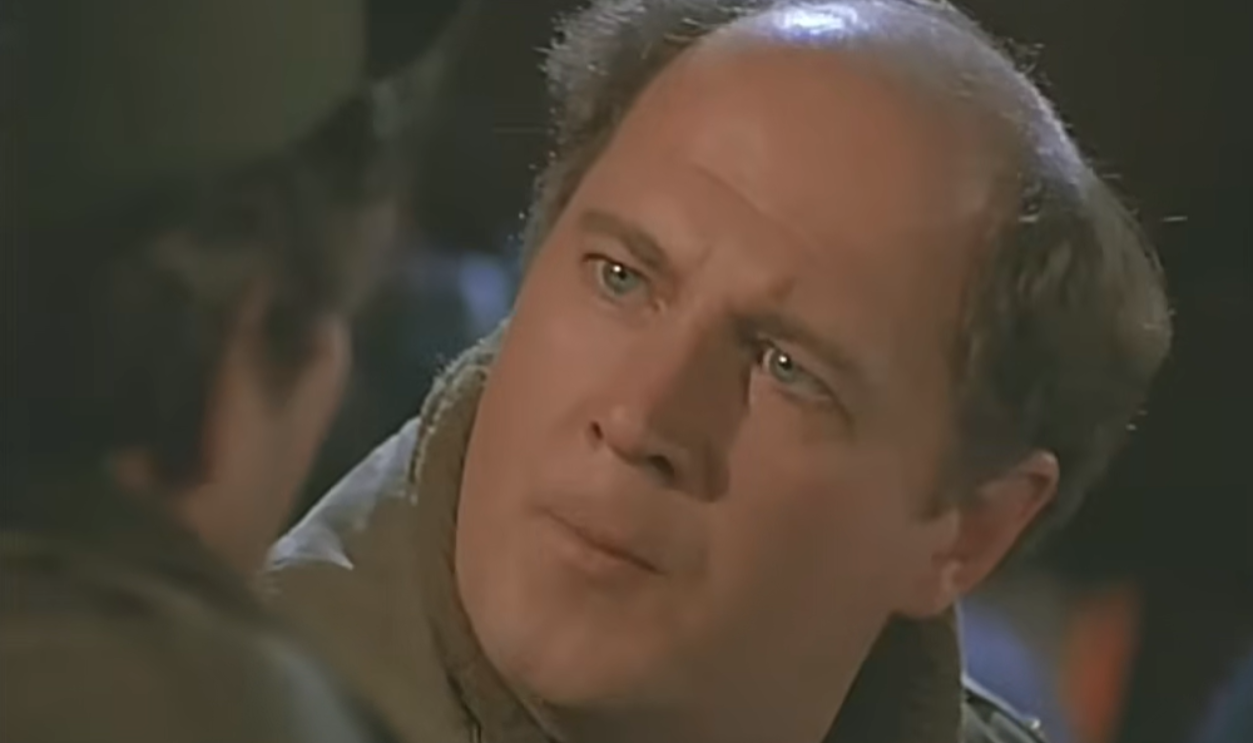
The Performance Earned Recognition
Stiers received Emmy nominations for playing Charles in both 1981 and 1982. The recognition reflected what he had accomplished: he entered a celebrated series halfway through its run, replaced a familiar antagonist, and created a character complicated enough to become indispensable.
 Screenshot from M*A*S*H, 20th Century Fox Television (1972–1983)
Mozart Entered The Finale
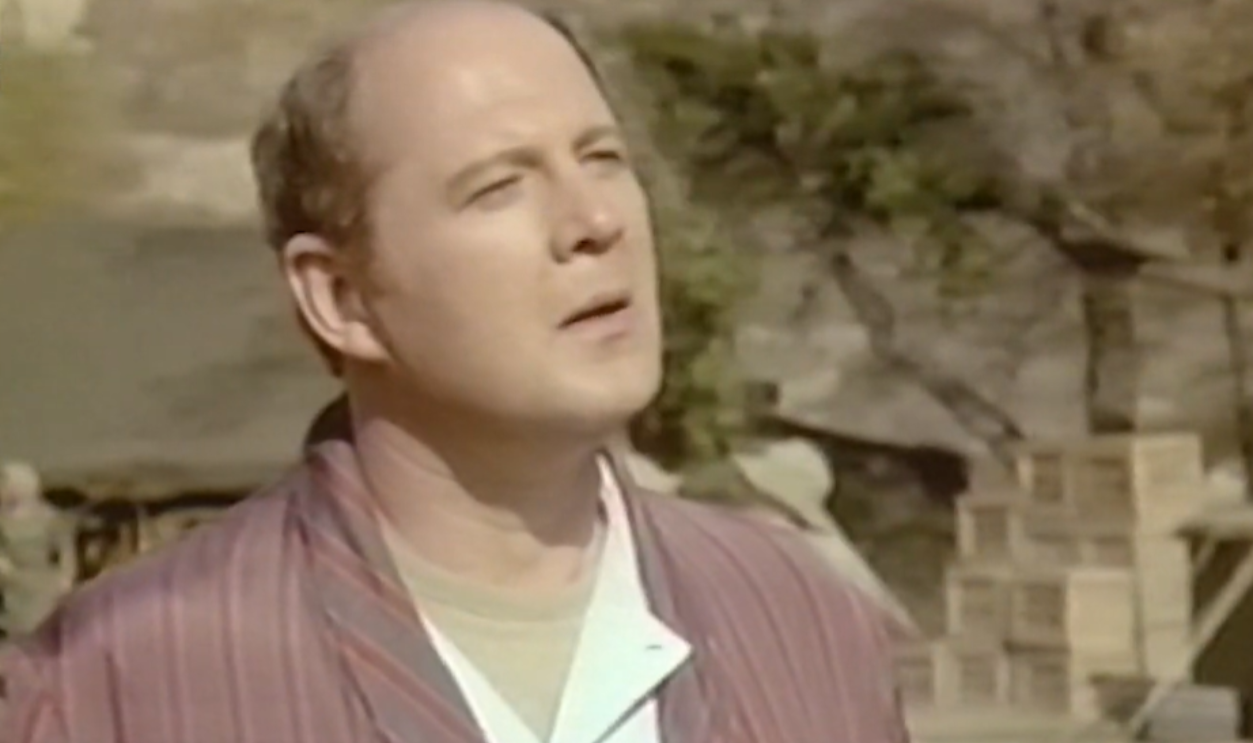
In “Goodbye, Farewell and Amen,” broadcast on February 28, 1983, Charles encountered Chinese prisoners who played instruments. Initially irritated by their music, he began teaching them Mozart’s Clarinet Quintet. Their improving performance gave him an unexpected point of beauty amid the war’s final chaos.
 Screenshot from M*A*S*H, 20th Century Fox Television (1972–1983)
Then The Music Was Silenced
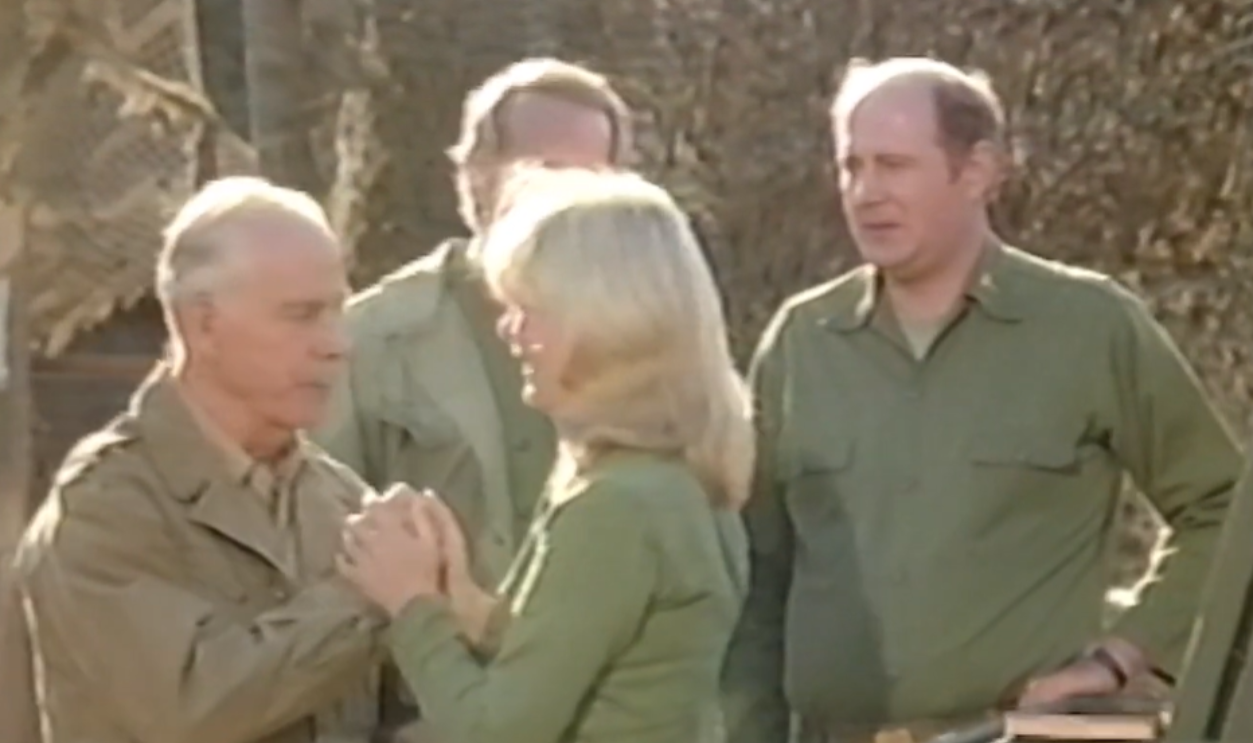
The musicians were later returned to the 4077th as casualties after their transport was attacked. Charles recognized them, but could not save them. Back in the Swamp, he smashed a Mozart record. The music that had protected him from the war would now remind him of it.
 Screenshot from M*A*S*H, 20th Century Fox Television (1972–1983)
Charles Left Korea Changed
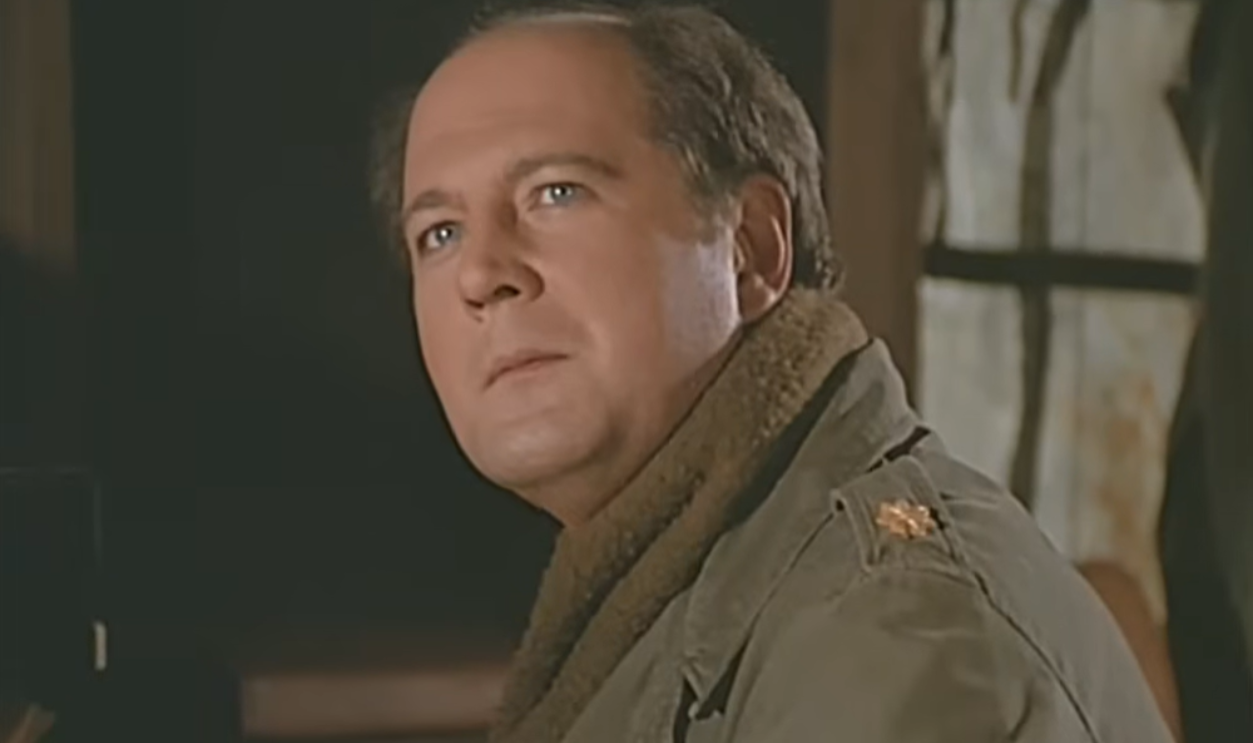
When the series ended, Charles was still proud, demanding, and eager to return to Boston. Yet six seasons at the 4077th had broken through his defenses. He had learned that rank could not prevent grief, money could not purchase dignity, and intelligence alone could not keep suffering away.
 Screenshot from M*A*S*H, 20th Century Fox Television (1972–1983)
Stiers Never Needed Charles Again
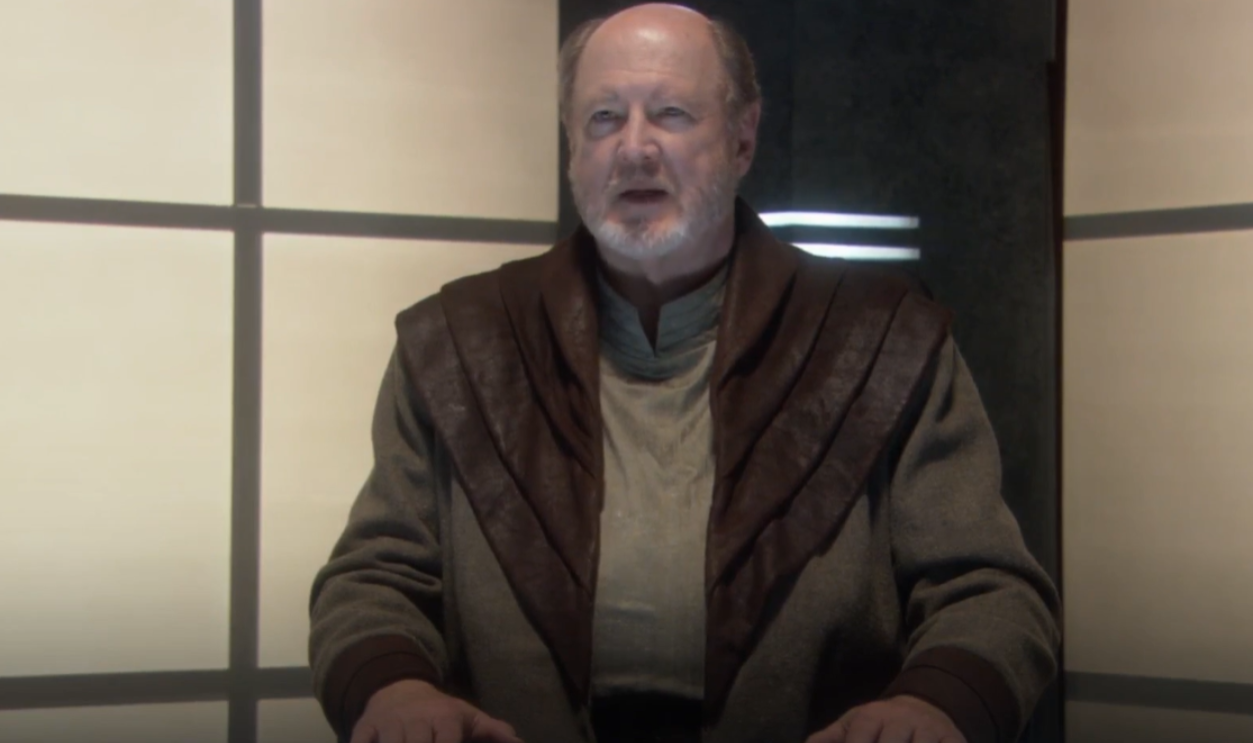
After M*A*S*H, Stiers avoided becoming trapped inside Winchester’s accent. Beginning in 1985, he played District Attorney Michael Reston in eight Perry Mason television films. Later roles included Reverend Gene Purdy on The Dead Zone and appearances on Star Trek: The Next Generation.
 Screenshot from The Dead Zone, Lionsgate Television (2002–2007)
Disney Turned Him Into A Clock
A new generation discovered Stiers by voice alone. In Disney’s Beauty and the Beast in 1991, he voiced both the film’s narrator and Cogsworth, the tightly wound mantel clock. Stiers joked that Disney recognized his talent for rising to “an unjustified sense of self-importance.”
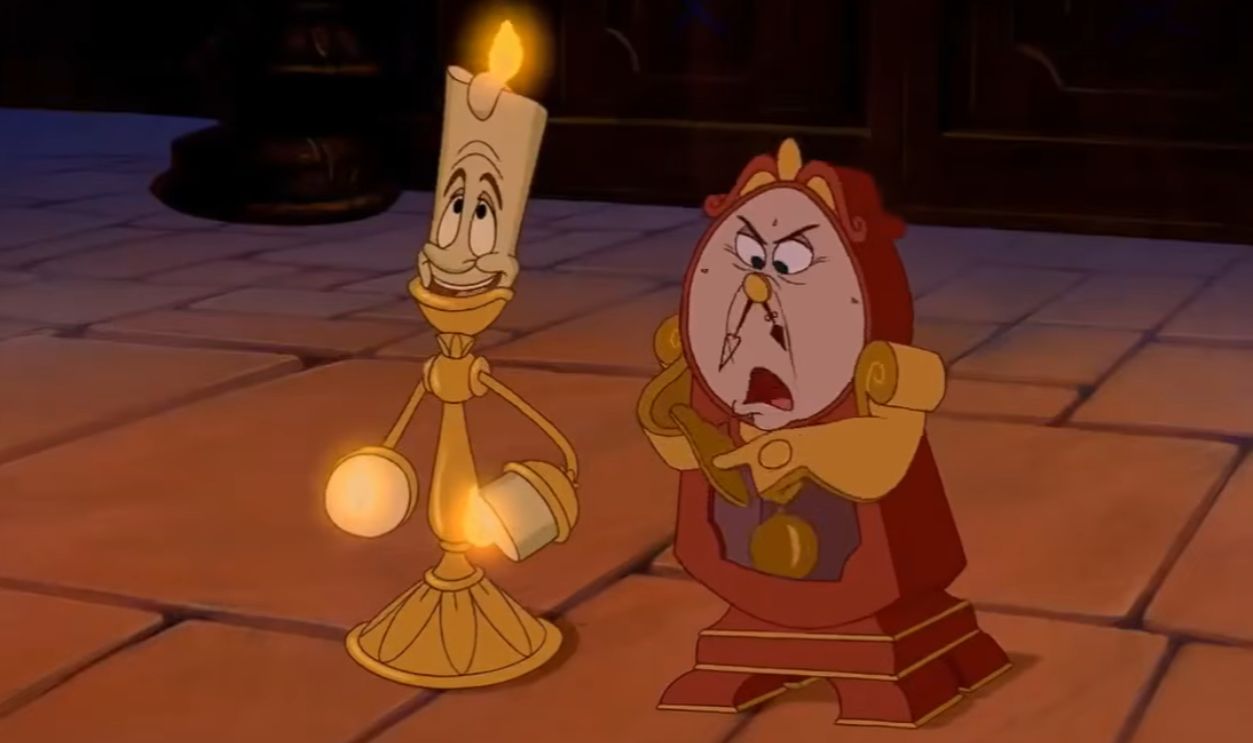 Screenshot from Beauty and the Beast, Walt Disney Studios Motion Pictures (1991)
One Voice Became Many Characters
Stiers voiced both Governor Ratcliffe and Wiggins in Pocahontas, the Archdeacon in The Hunchback of Notre Dame, and Jumba in Lilo & Stitch. He also voiced Kamaji in Disney’s English-language release of Spirited Away, proving his voice could be pompous, sinister, gentle, or gloriously strange.
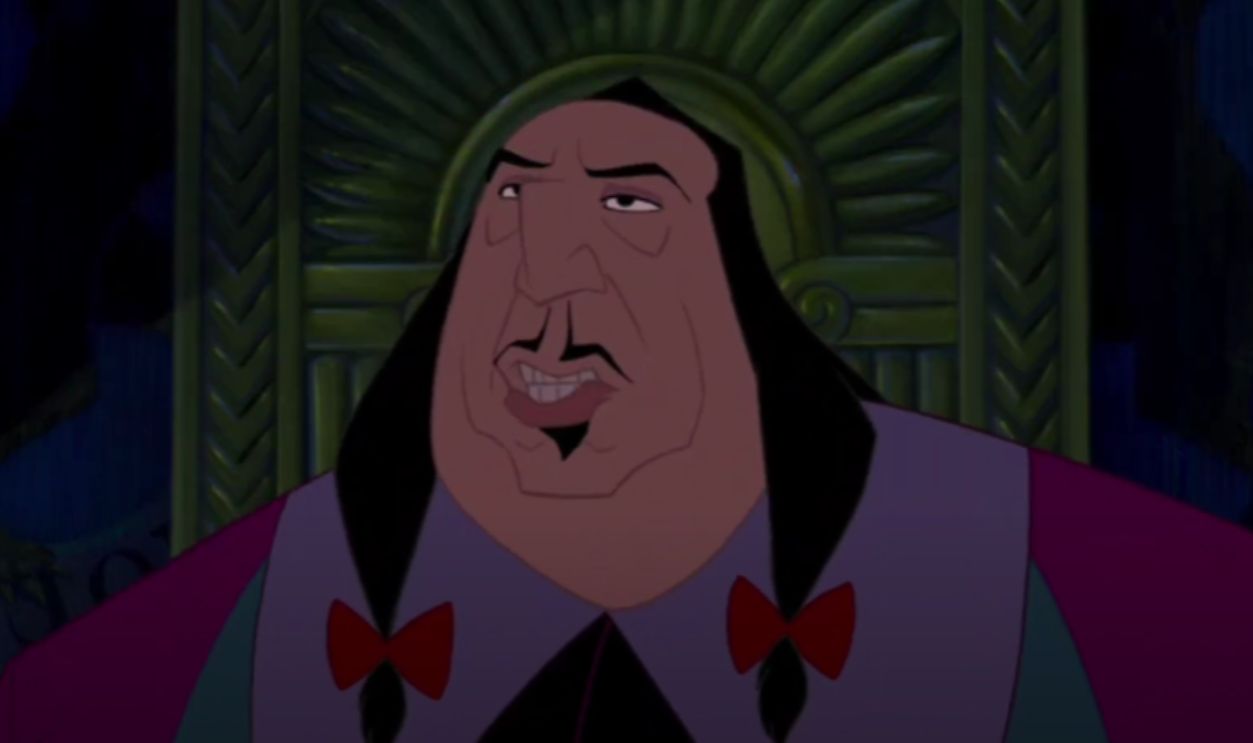 Screenshot from Pocahontas, Walt Disney Pictures (1995)
The Conductor Took The Podium
Classical music eventually became a genuine second career. From the Newport Symphony Orchestra’s beginnings in the early 1990s until his death, Stiers served as its resident conductor. He also guest-conducted more than 30 American orchestras, including ensembles in Chicago, San Francisco, Los Angeles, and Honolulu.
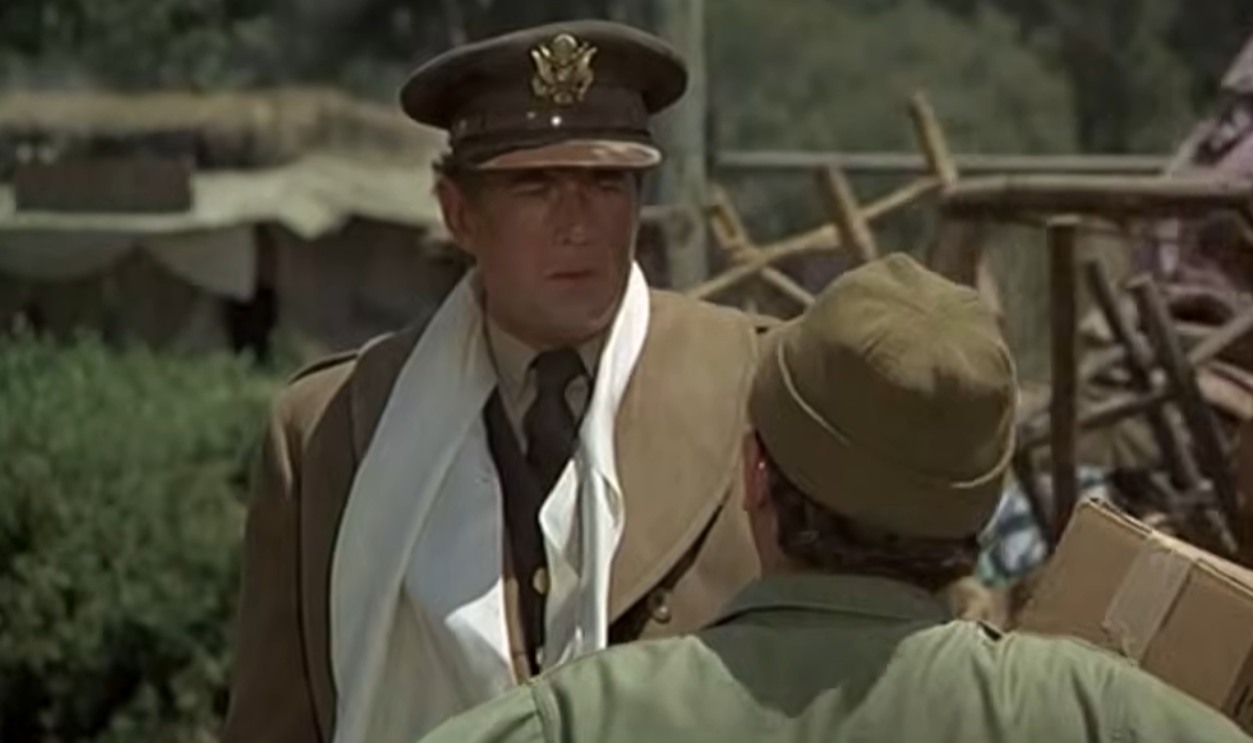 Screenshot from M*A*S*H, 20th Century Fox Television (1972–1983)
Fame Never Followed Him Home
Stiers made his home in Newport, Oregon, far from Hollywood’s constant attention. He was known as shy, thoughtful, and intensely private—a man who could command a television scene or concert hall, then retreat happily into the quieter rhythms of life along the Oregon coast.
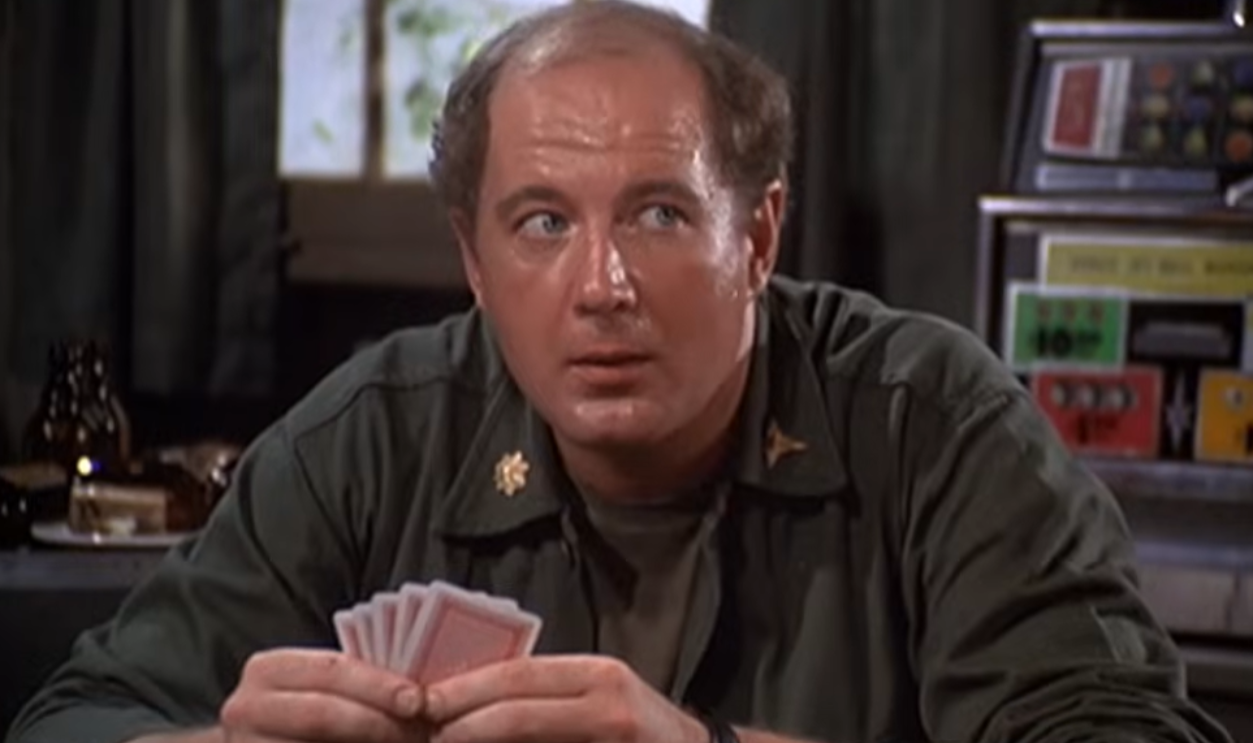 Screenshot from M*A*S*H, 20th Century Fox Television (1972–1983)
At 66, He Spoke Publicly
In May 2009, Stiers came out as gay during an interview with an Oklahoma City blog. “I am,” he said. “Very proud to be so.” He explained that fears about losing family-oriented voice work had helped keep him publicly silent, although he later questioned whether those fears remained justified.
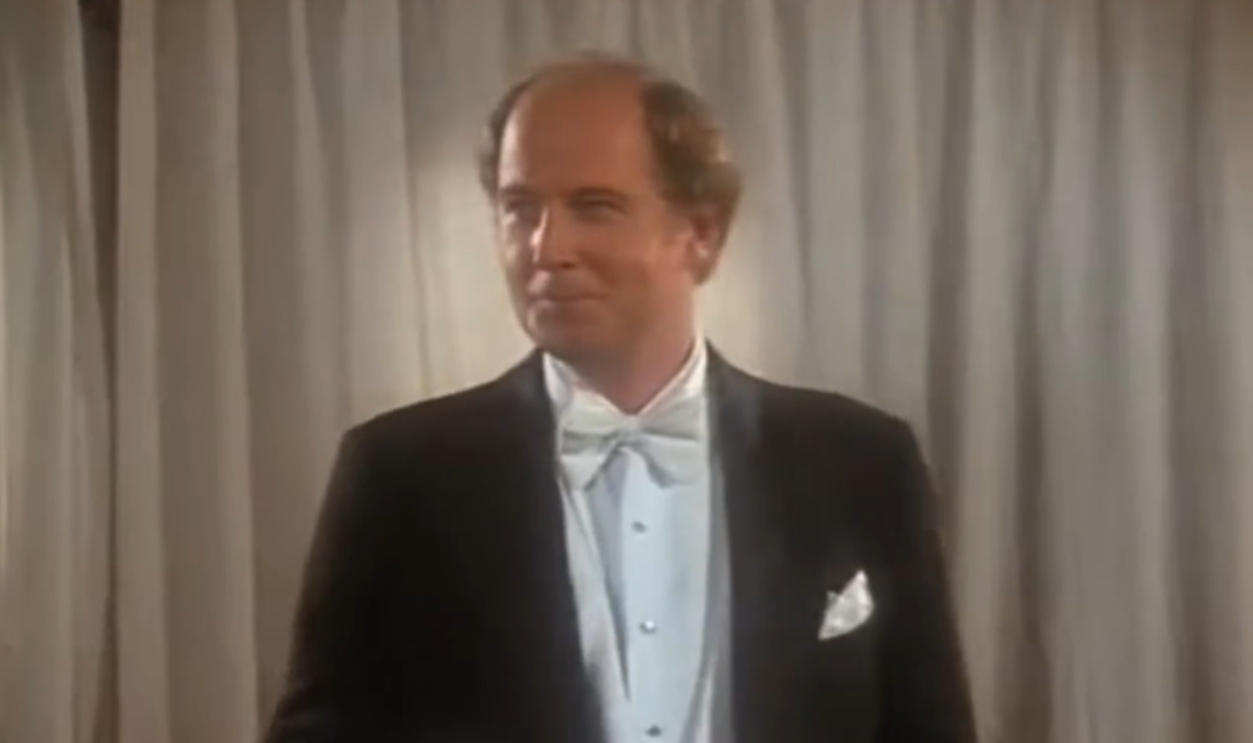 Screenshot from M*A*S*H, 20th Century Fox Television (1972–1983)
He Wanted To Live Honestly
Stiers said he wished to spend his “life’s twilight being just who I am.” The decision was not presented as a publicity stunt or reinvention. It was a quiet refusal to ask any future partner to live secretly—a deeply personal act from a man accustomed to guarding his privacy.
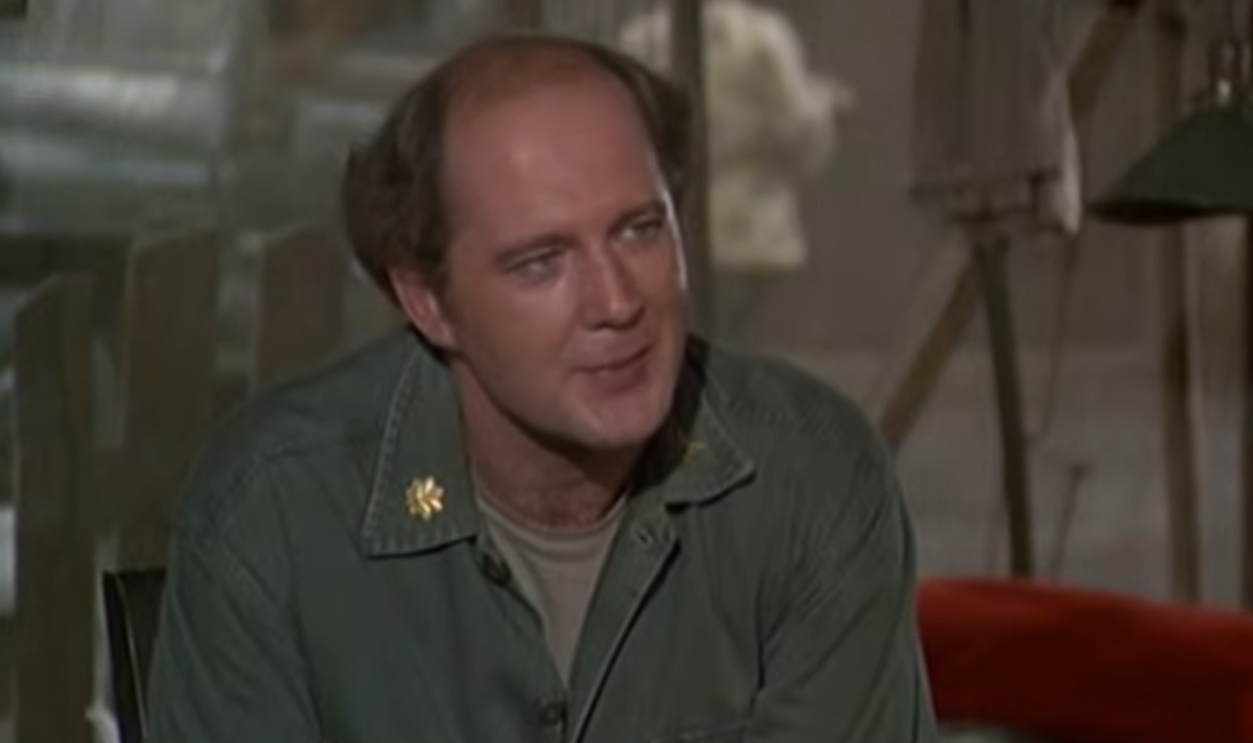 Screenshot from M*A*S*H, 20th Century Fox Television (1972–1983)
His Final Curtain Came In Oregon
David Ogden Stiers died peacefully at his Newport home on March 3, 2018, following a battle with bladder cancer. He was 75. His acting career had stretched across stage, film, television, animation, and narration, while his musical career strengthened the orchestra inside his adopted coastal community.
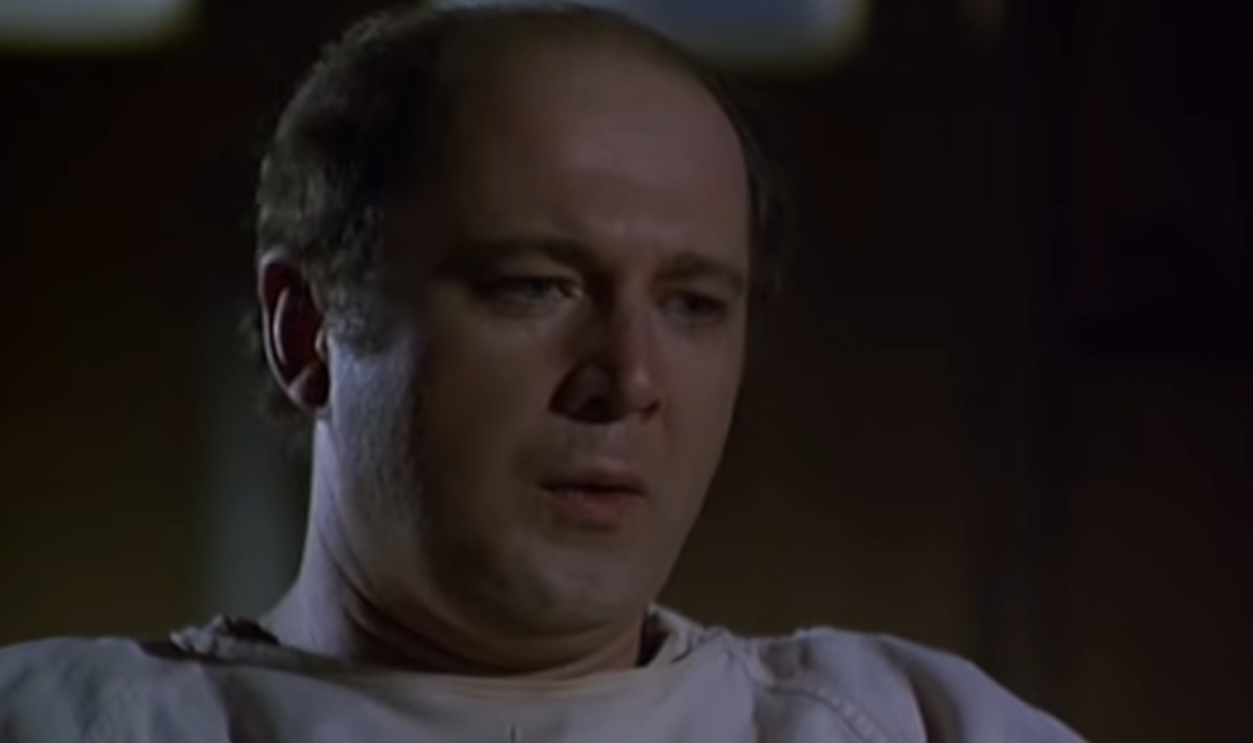 Screenshot from M*A*S*H, 20th Century Fox Television (1972–1983)
The Late Arrival Who Became Essential
Stiers joined M*A*S*H after its world was already established, yet Charles Winchester became impossible to imagine anywhere else. Beneath the accent, arrogance, and surgical brilliance, Stiers created a man slowly transformed by compassion—and proved that arriving late does not mean arriving too late to become unforgettable.
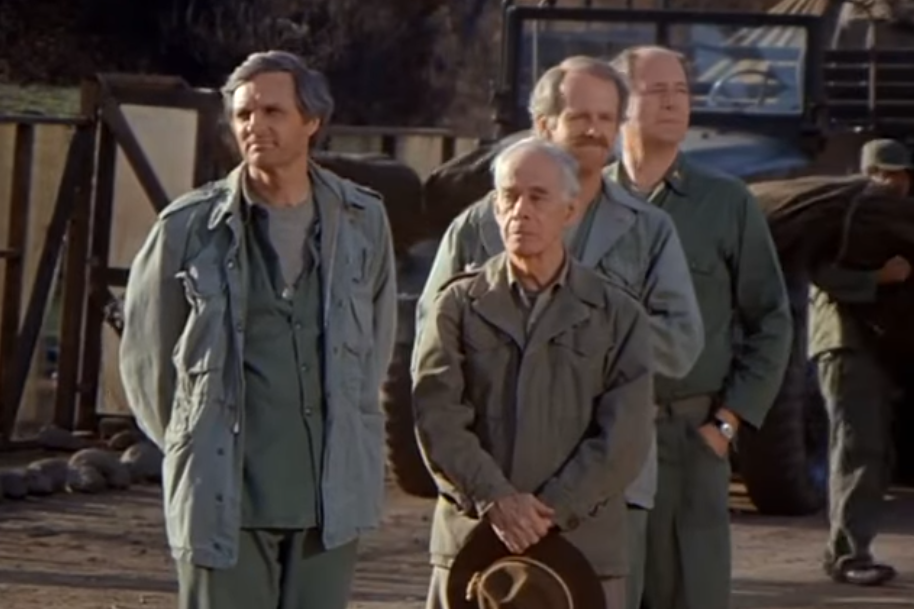 Screenshot from M*A*S*H, 20th Century Fox Television (1972–1983)
You May Also Like: