The Cost Of Visibility
In a free and accepting environment like Hollywood’s, it’s hard to imagine that some talents are cast away for who they are. Reality tells another story, as success does not always guarantee staying power, especially for actresses who are open about their identities and age.

Jodie Foster
By the time Jodie Foster reached mid-career, she had already achieved what many actors never do: critical acclaim, commercial success, and lasting name recognition. Yet she has spoken openly about how leading roles became harder to secure as she aged.
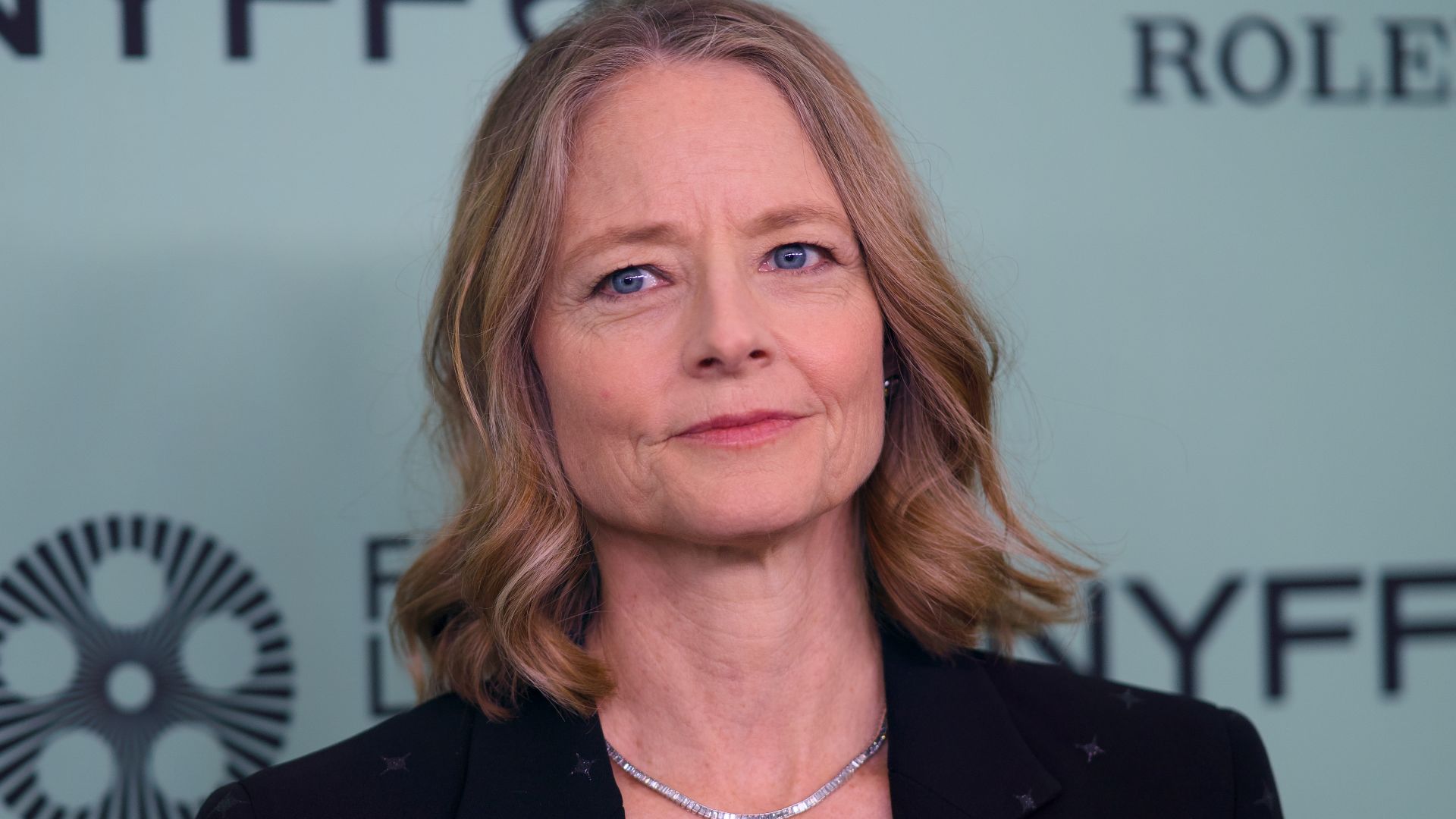 Claire Fridkin, Wikimedia Commons
Jodie Foster (Cont.)
After publicly acknowledging her identity in 2013, Foster increasingly turned to directing and selective acting work. Her career shift highlights how even highly respected actresses often face narrowing creative space once youth is no longer the industry’s primary selling point.
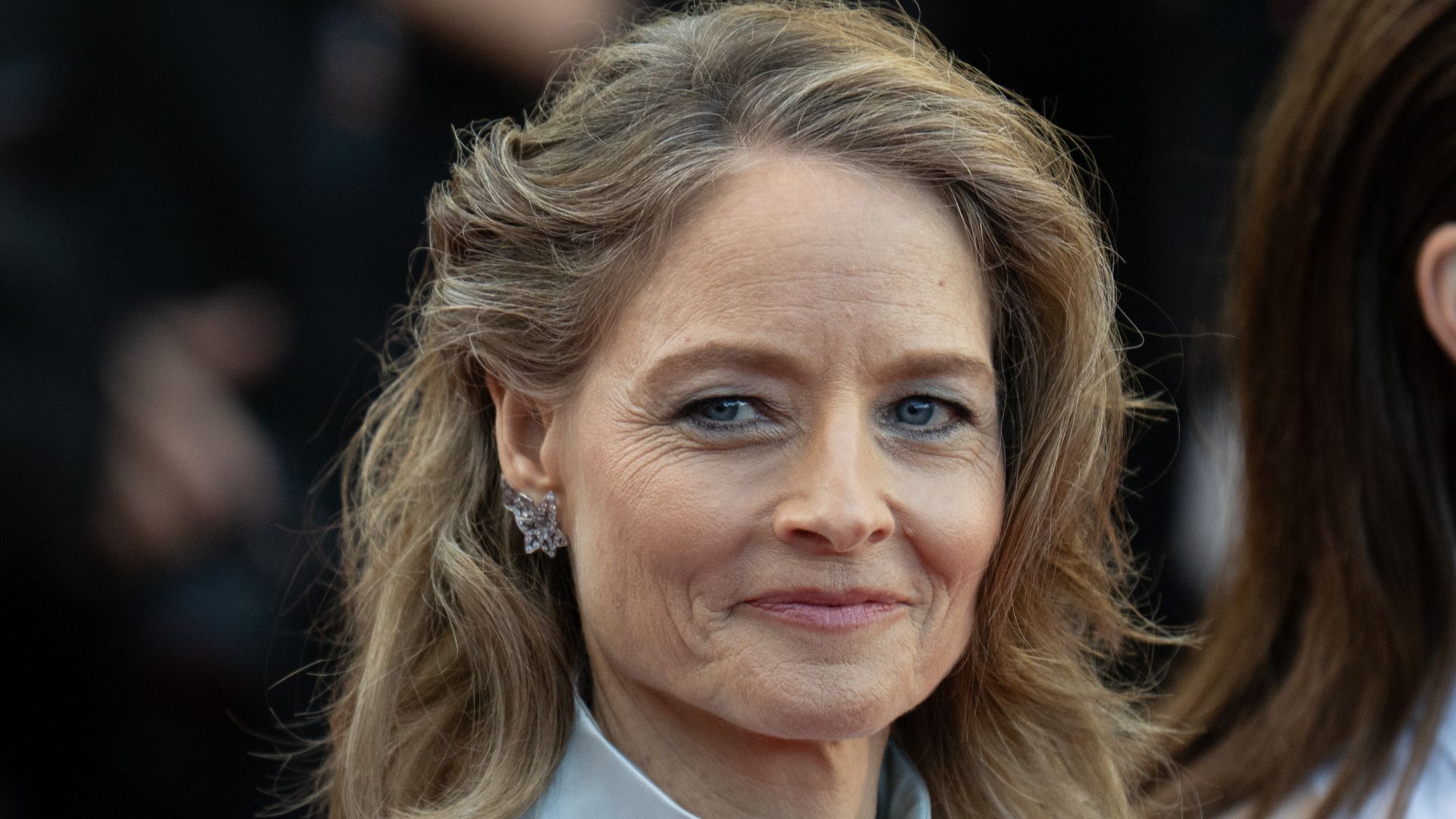 YantsImages, Wikimedia Commons
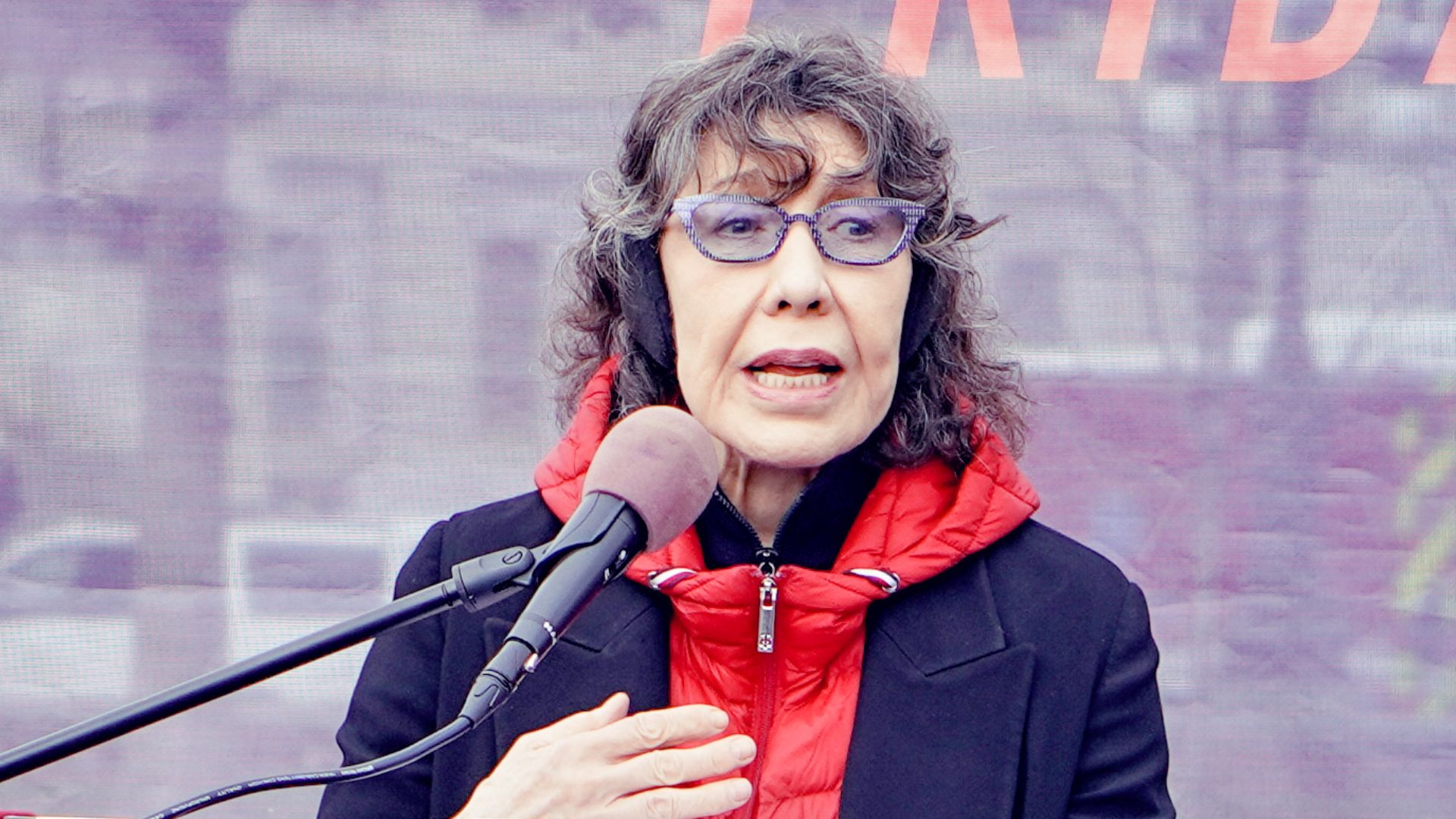
Lily Tomlin
Known for her roles in 9 to 5 and Grace and Frankie, Lily Tomlin’s longevity in entertainment masks the gaps created by age bias. After early success in film and comedy, prominent screen roles slowed, a reality she has linked to Hollywood’s limited imagination for older women.
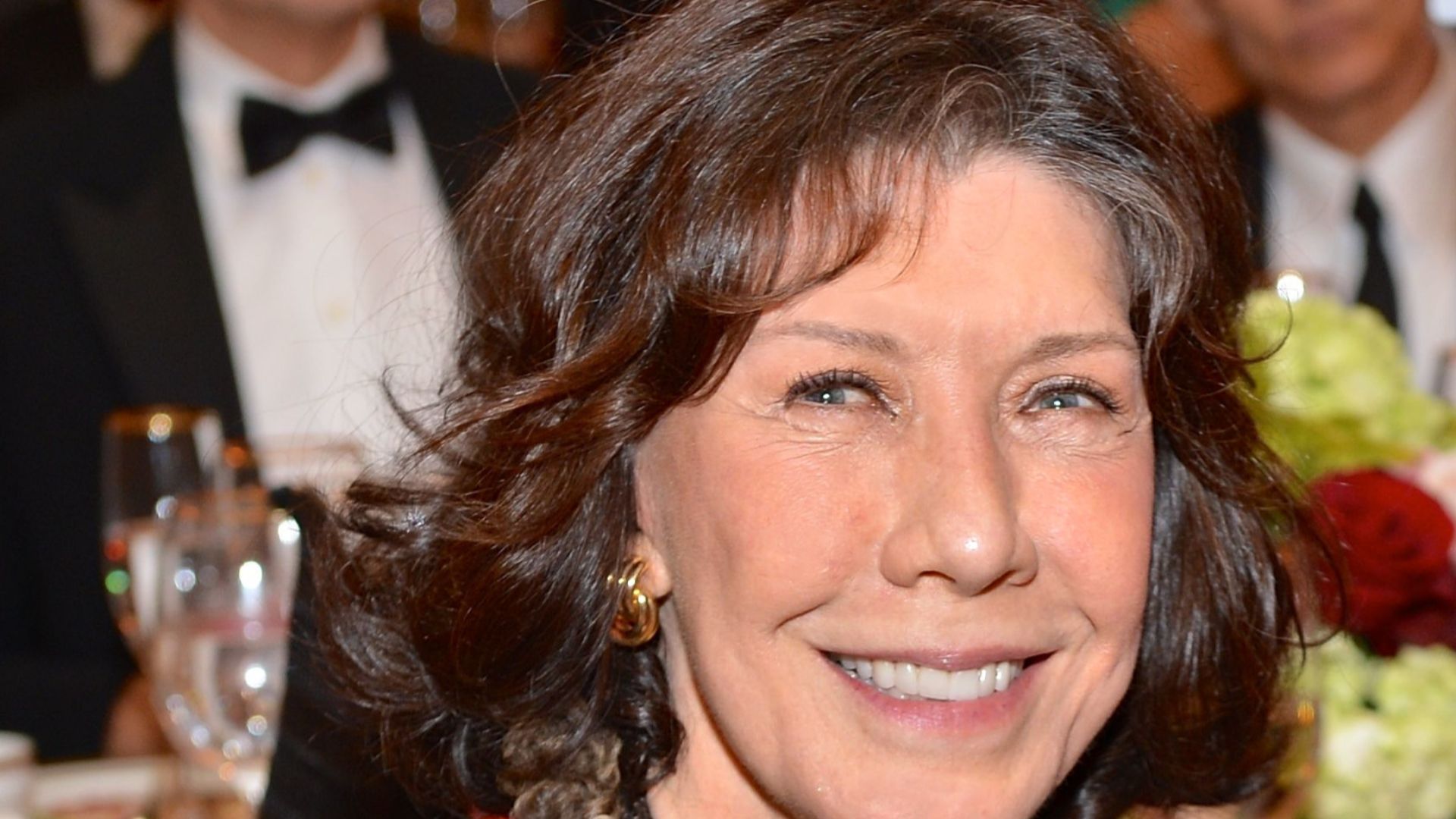 U.S. Department of State, Wikimedia Commons
Lily Tomlin (Cont.)
Openly gay, Tomlin stayed creatively visible through theater and writing before finding renewed mainstream attention later in life. Her eventual return to television illustrates how opportunity for aging actresses often depends less on talent than on cultural readiness to portray older women as fully developed, relevant characters.
Maria Bello
Established in emotionally driven roles, opportunities became less frequent for Maria Bello as she entered midlife. Publicly identifying as queer, Bello shared how women often become less visible in Hollywood as they age. Over time, her work shifted toward television, producing, and advocacy.
 Gordon Correll, Wikimedia Commons
Jane Lynch
Jane Lynch spent years building a career without the visibility her performances deserved. Her major breakthrough came later than most, when Glee introduced her to a wide audience in her late forties.
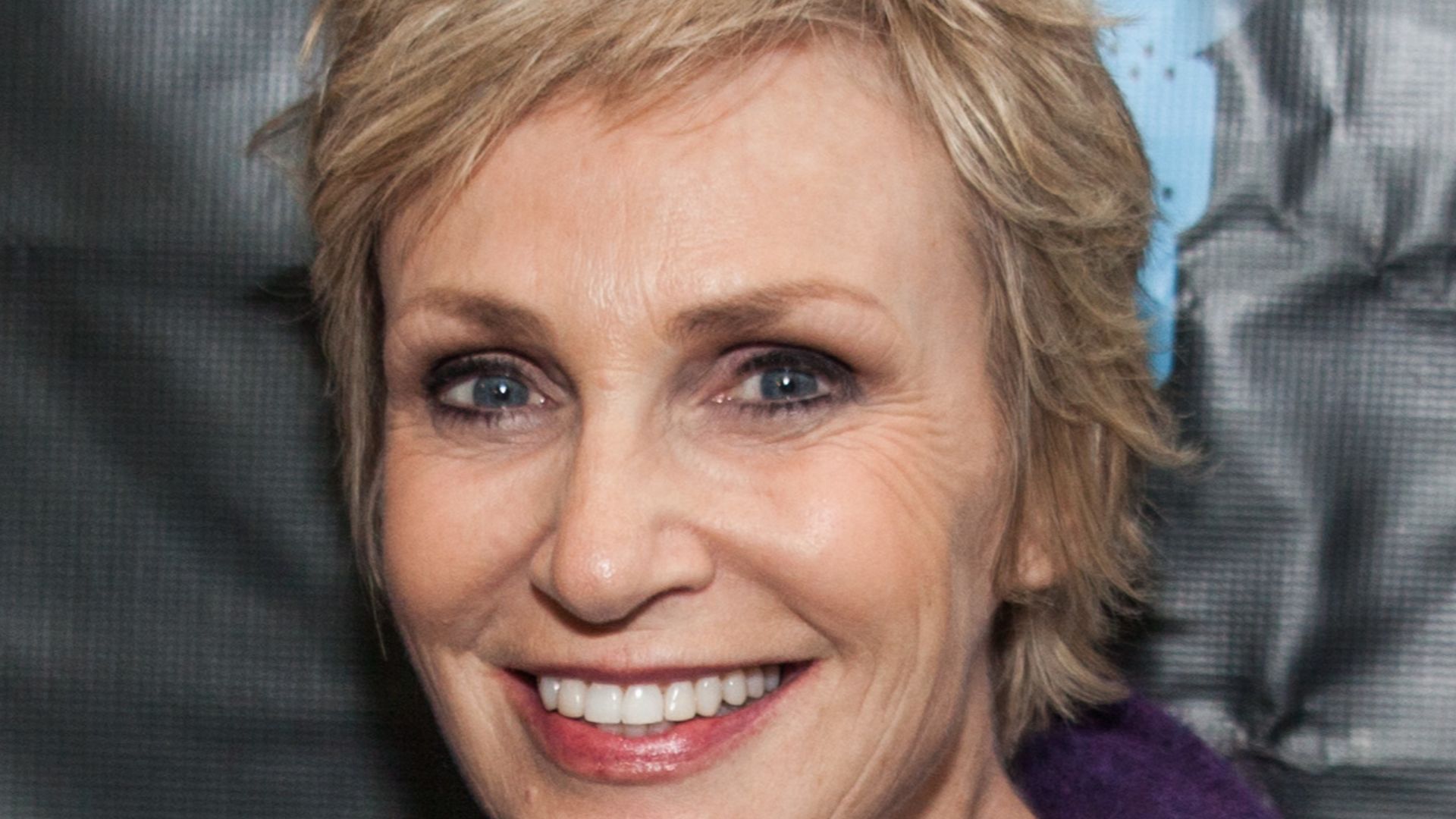
Jane Lynch (Cont.)
Lynch, who has long been open about her identity, has acknowledged that age and typecasting shaped her path, frequently steering her toward supporting or authority roles. Even with success, the range of parts offered to her remained narrow, which shows how age can define opportunity.
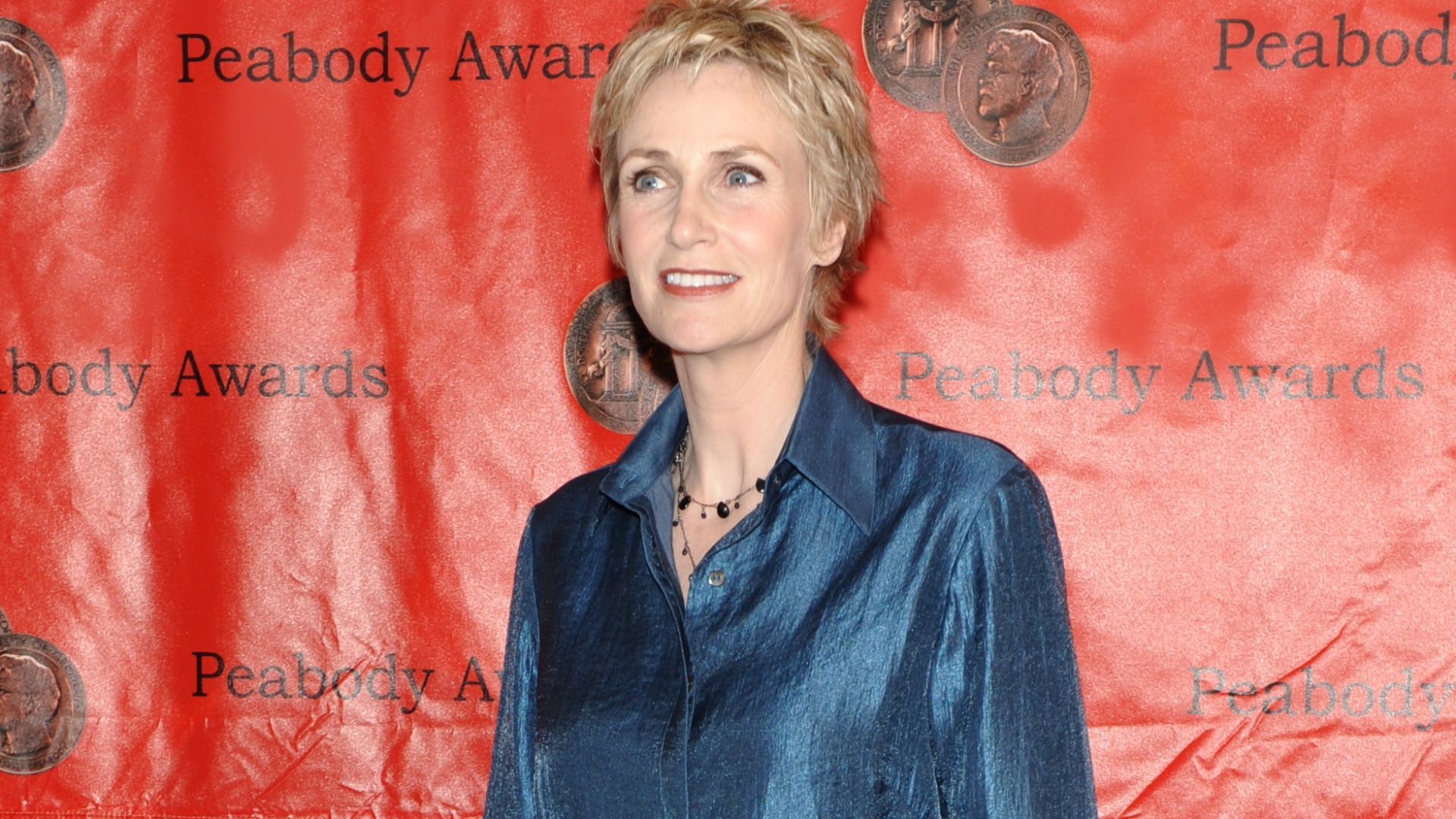 The Peabody Awards, Wikimedia Commons
Rosie O’Donnell
Once one of the most recognizable faces on American television, Rosie O’Donnell experienced a noticeable shift in opportunities as she grew older. After coming out publicly, her acting roles became less frequent, particularly in mainstream film and scripted television, despite her success in movies like A League of Their Own.
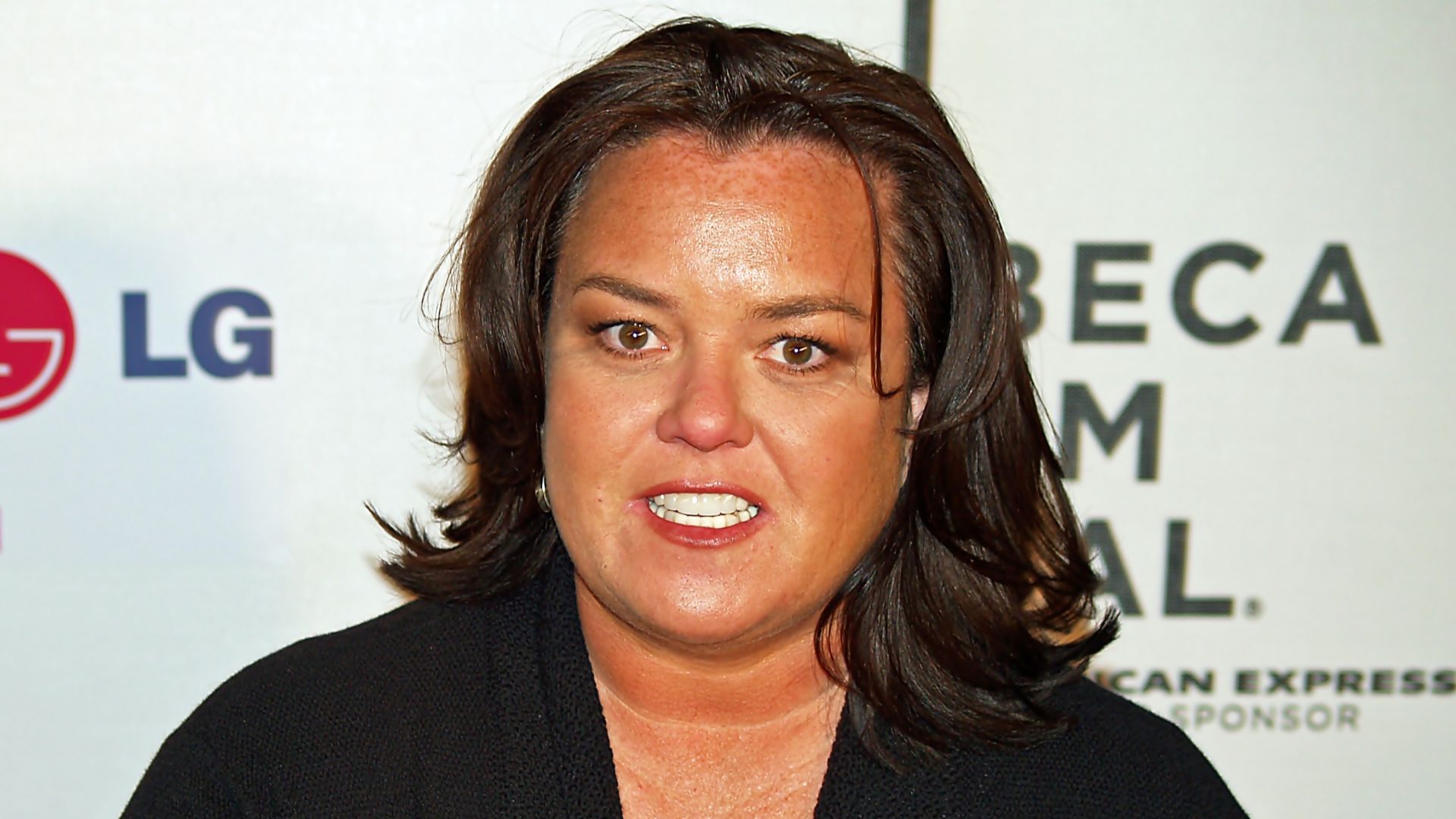 David Shankbone, Wikimedia Commons
Rosie O’Donnell (Cont.)
Hosting The Rosie O’Donnell Show, she has been candid about Hollywood’s discomfort with aging women, especially those who are openly gay. Though her influence continued through advocacy and commentary, her career reflects how visibility does not always translate into sustained acting work.
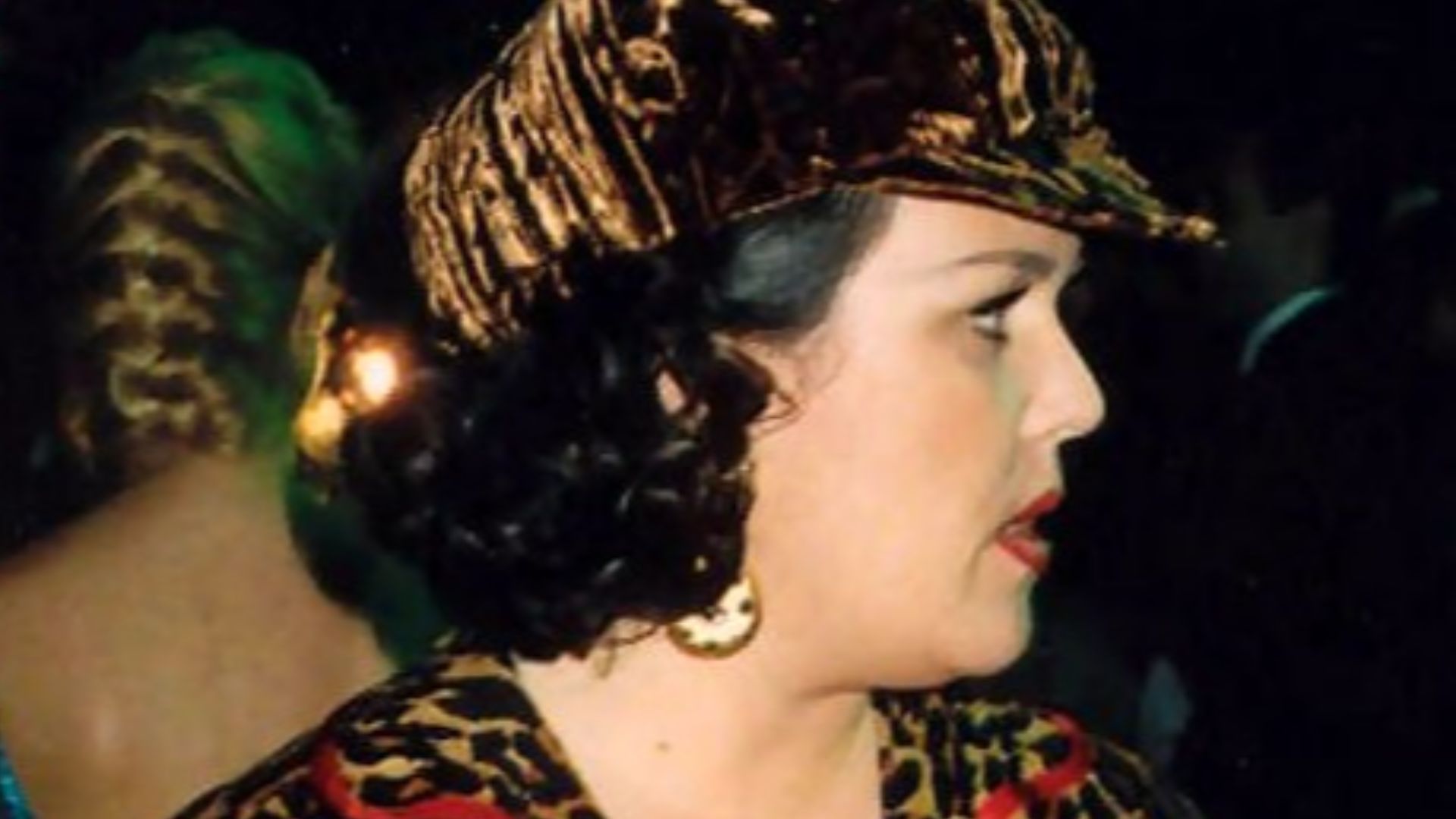
Cynthia Nixon
Following years of prominence, Cynthia Nixon has spoken about Hollywood’s changing industry that often struggles to accommodate aging actresses with the limited availability of complex roles for women past forty.
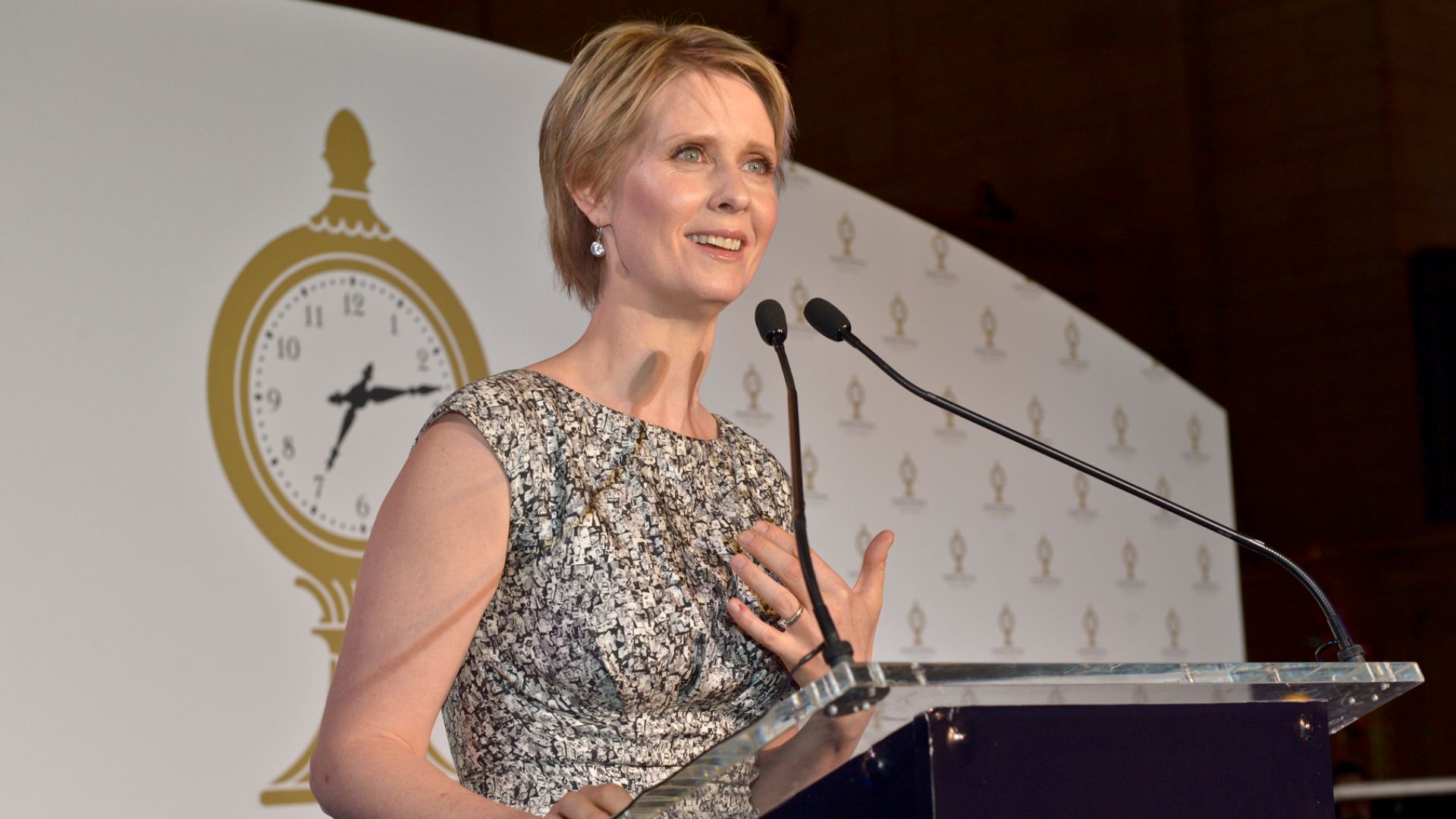 Metropolitan Transportation Authority of the State of New York, Wikimedia Commons
Cynthia Nixon (Cont.)
Married to a woman, Nixon shifted toward theater and selective television projects. Her experience reveals how even well-known performers encounter shrinking creative choices, as Hollywood remains reluctant to place older women at the emotional center of contemporary stories.
 David Shankbone, Wikimedia Commons
Tig Notaro
Tig Notaro’s path to broader acting recognition was shaped by persistence. Openly lesbian, she built a following through stand-up before expanding into television and film, often after the age when Hollywood typically scales back opportunities for women. However, she’s spoken about how age and gender identity intersect to limit visibility in traditional casting spaces.
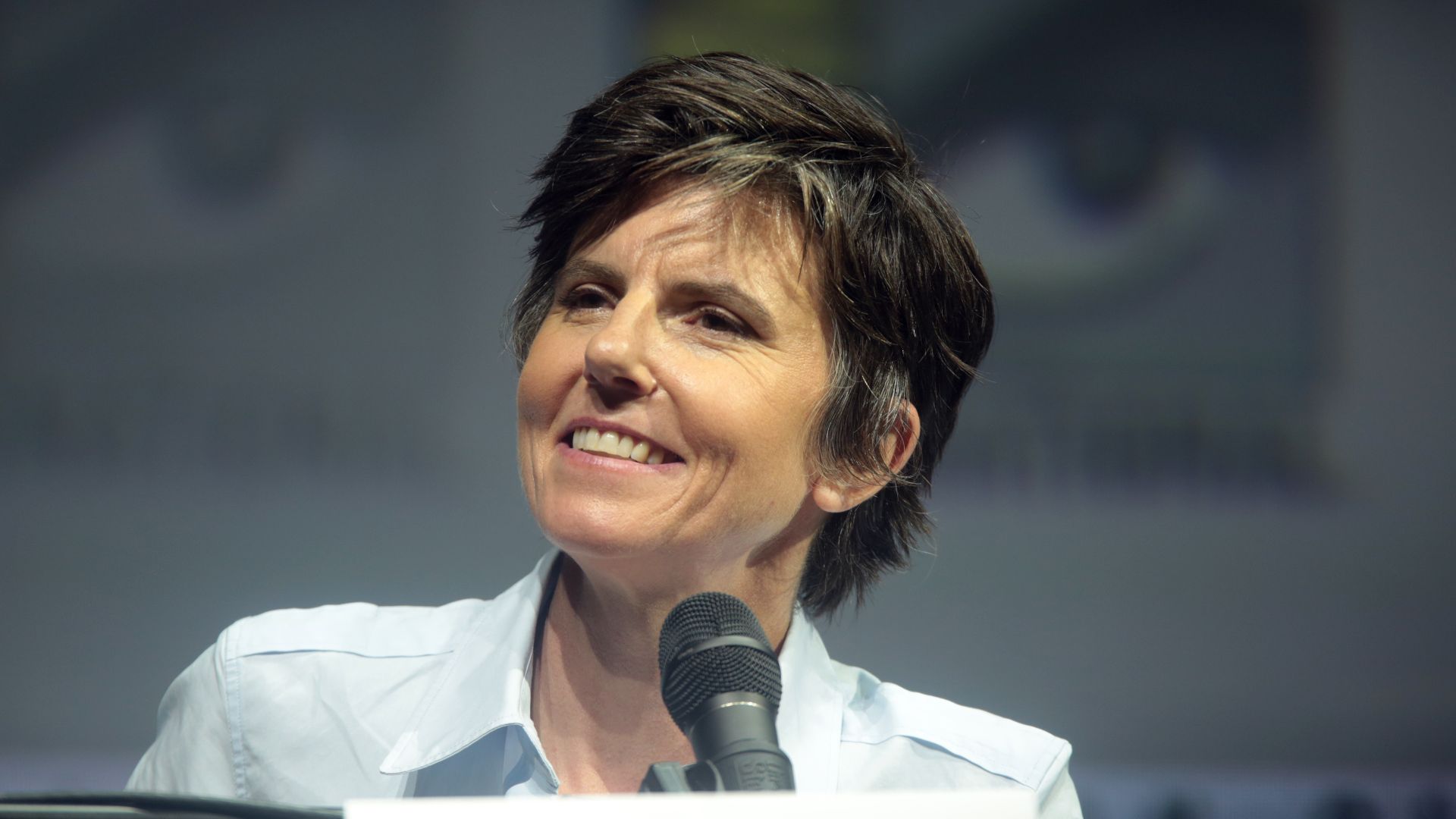 Gage Skidmore from Peoria, AZ, United States of America, Wikimedia Commons
Wanda Sykes
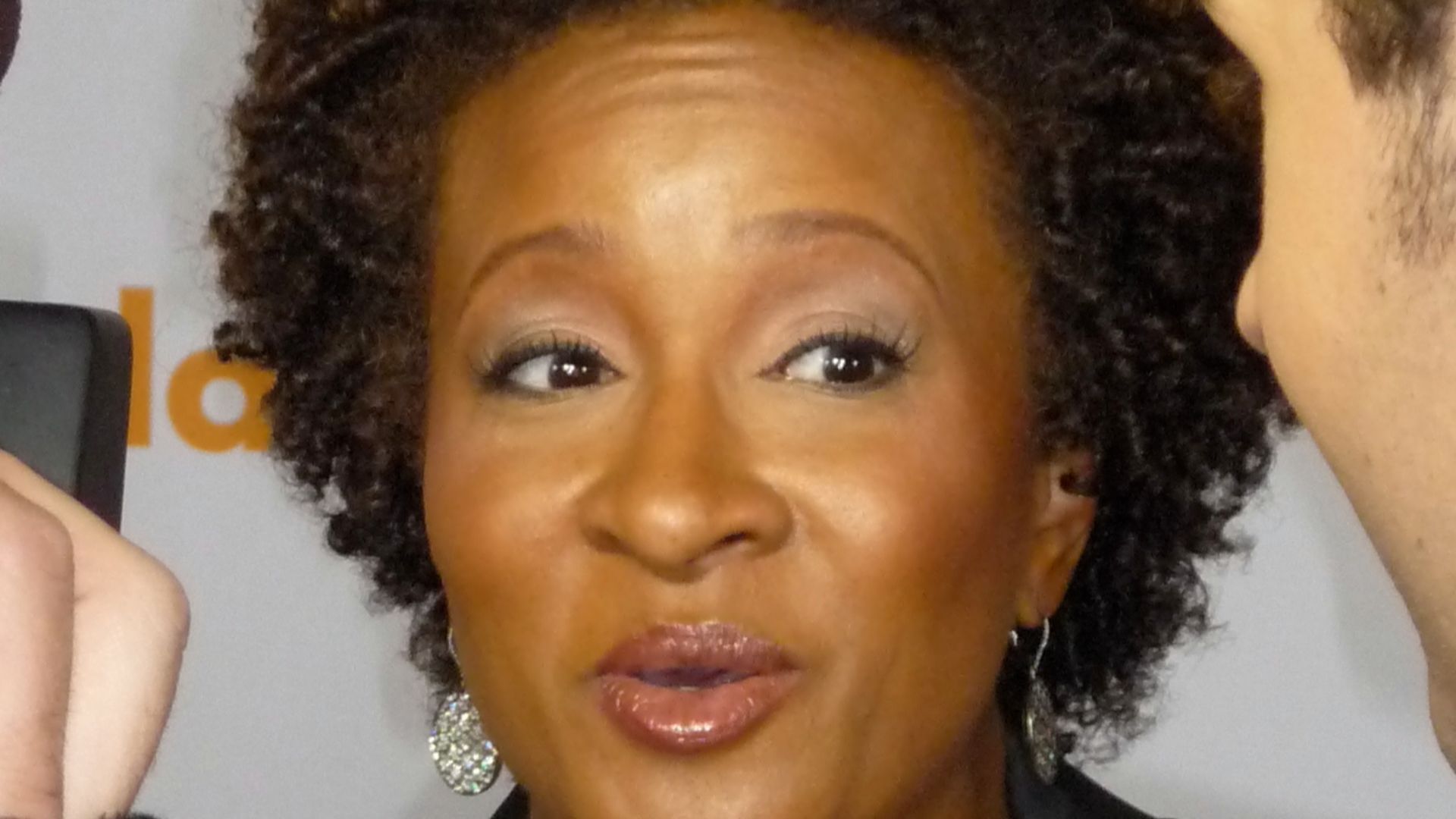
Years before her on-screen presence became widely familiar, Wanda Sykes was already an established voice in comedy. She has discussed how opportunities for women narrow with age, especially in an industry that prizes youth and marketability.
 Greg Hernandez, Wikimedia Commons
Wanda Sykes (Cont.)
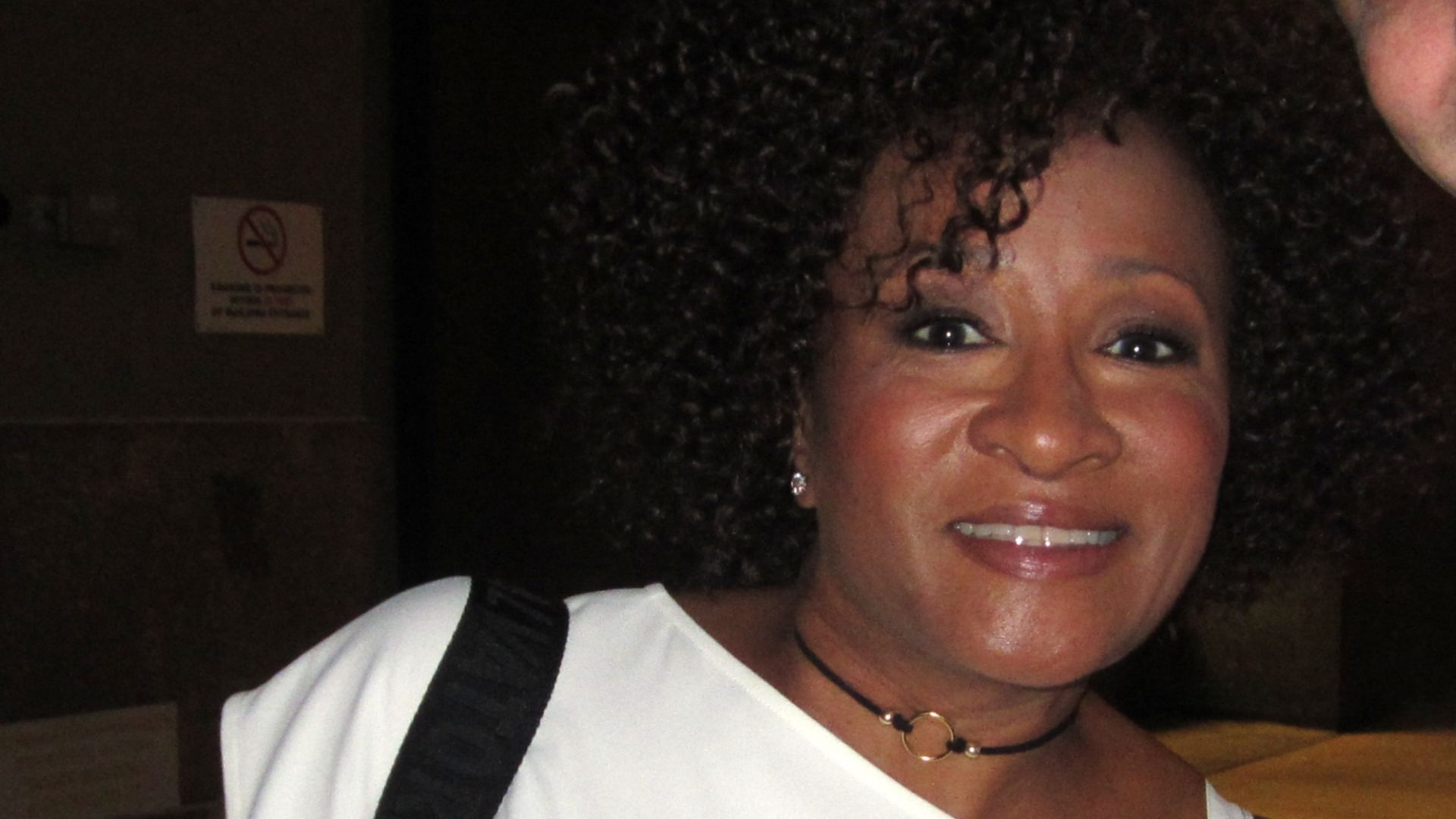
Much of Sykes’s acting visibility arrived later in life, often in supporting or comedic roles rather than leads. Her career shows how even successful comedians must tackle age-related barriers when transitioning from stand-up into sustained acting work.
Cherry Jones
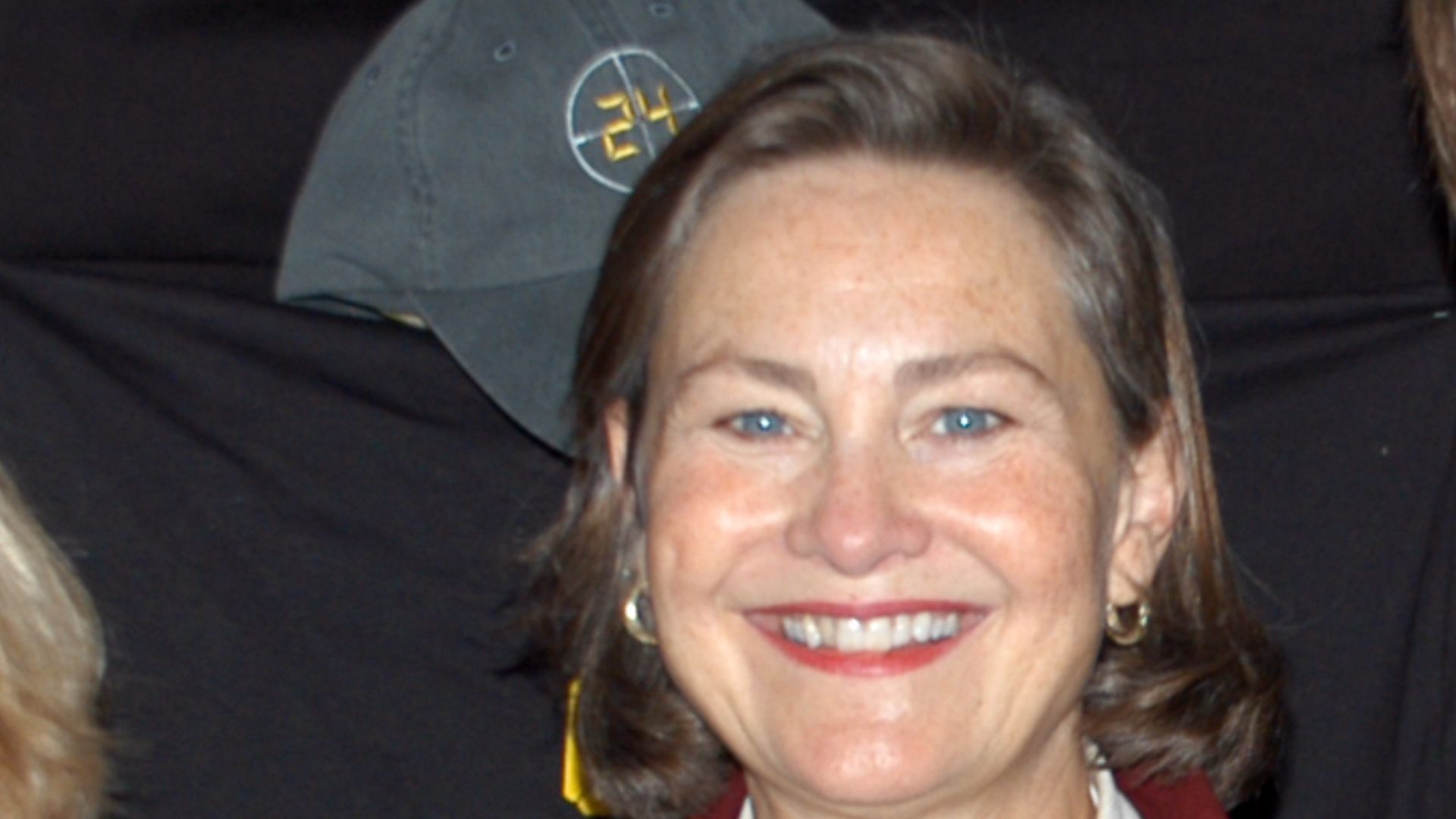
Through acclaimed stage performances, Cherry Jones built her career before becoming a recognizable face on television. She has often spoken candidly about how women often disappear from leading roles as they age. Despite her talent, many of her screen appearances were frequently positioned as authority figures rather than emotional leads.
 Kathleen Tyler Conklin, Wikimedia Commons
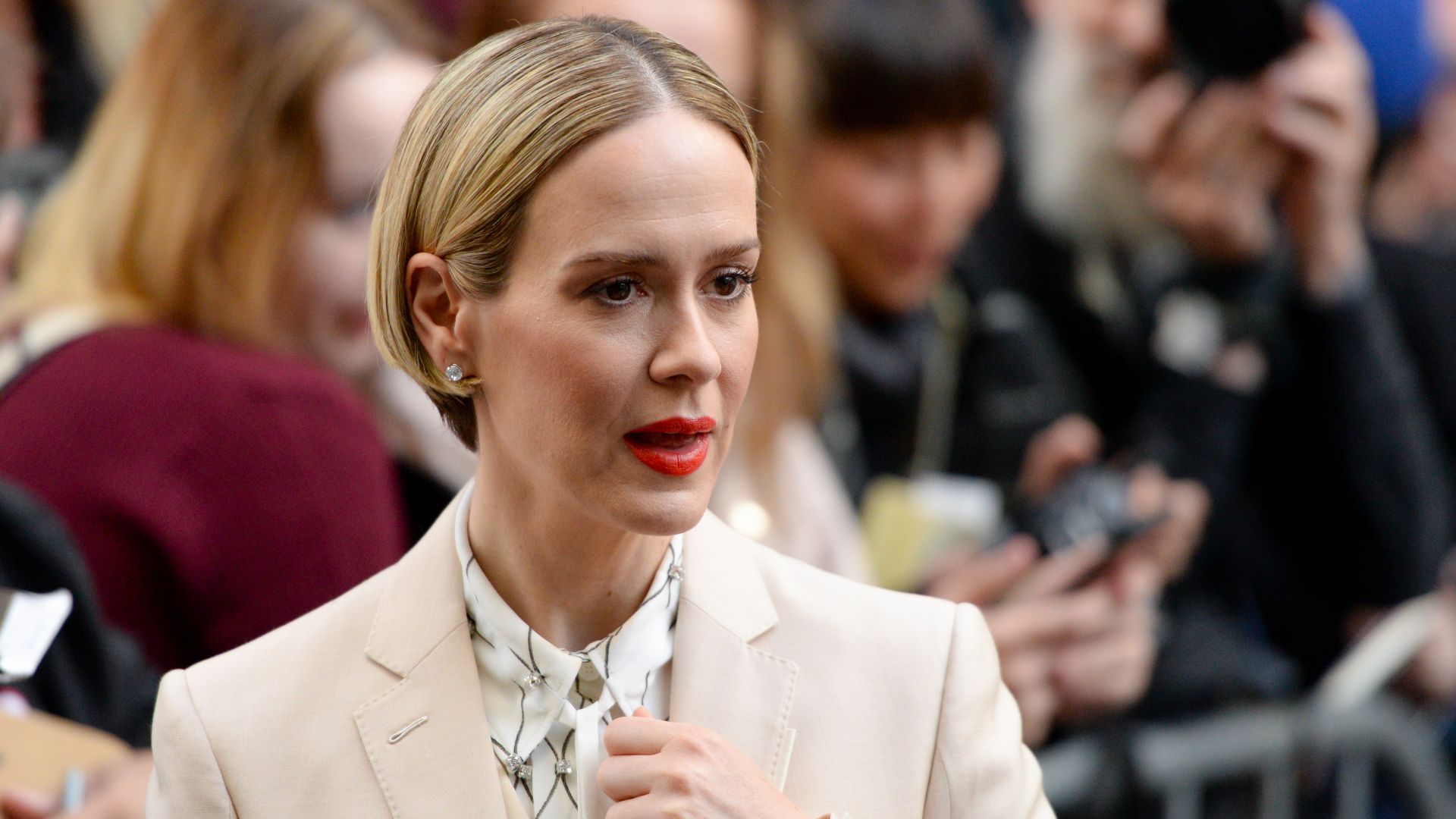
Sarah Paulson
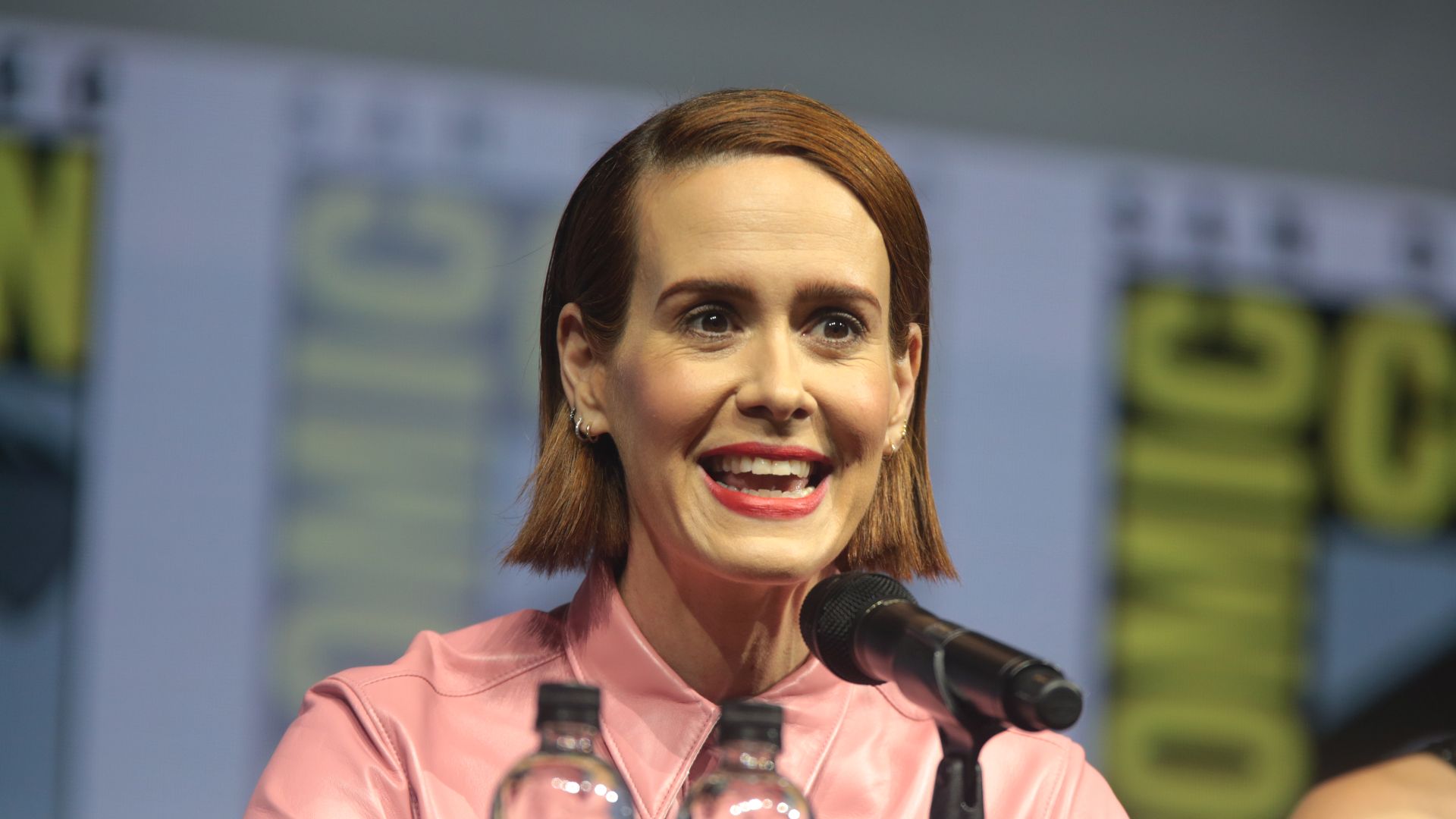
Rather than fading quietly, Sarah Paulson has been vocal about the anxiety many actresses feel as they age. Publicly queer, she has discussed how women are conditioned to fear becoming less employable over time.
 Gage Skidmore from Peoria, AZ, United States of America, Wikimedia Commons
Sarah Paulson (Cont.)
While her career remains active, many of her most visible roles have appeared within ensemble casts or prestige television rather than traditional leads. Paulson’s candor highlights how ageism operates even for successful actresses.
 John Bauld from Toronto, Canada, Wikimedia Commons
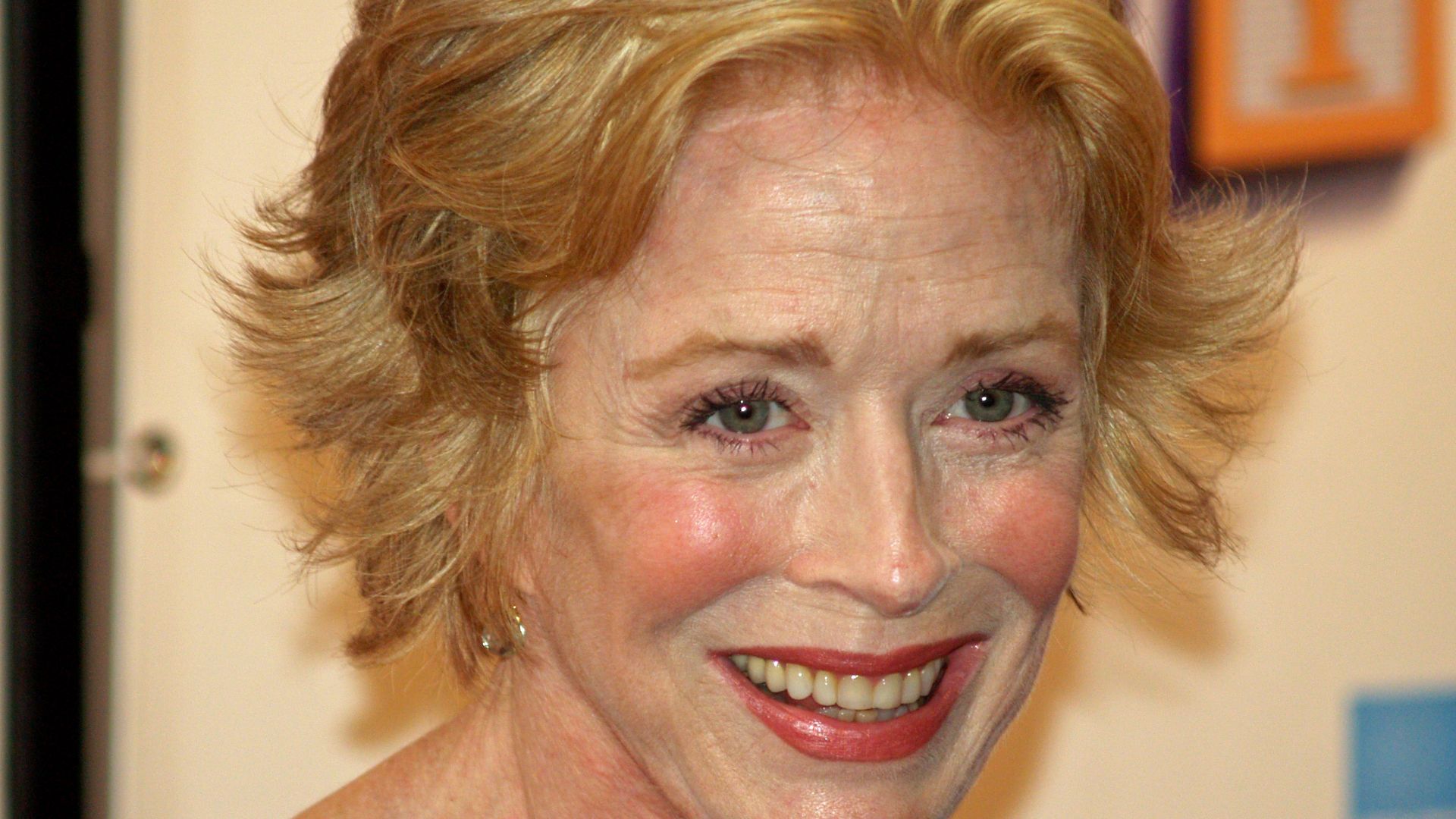
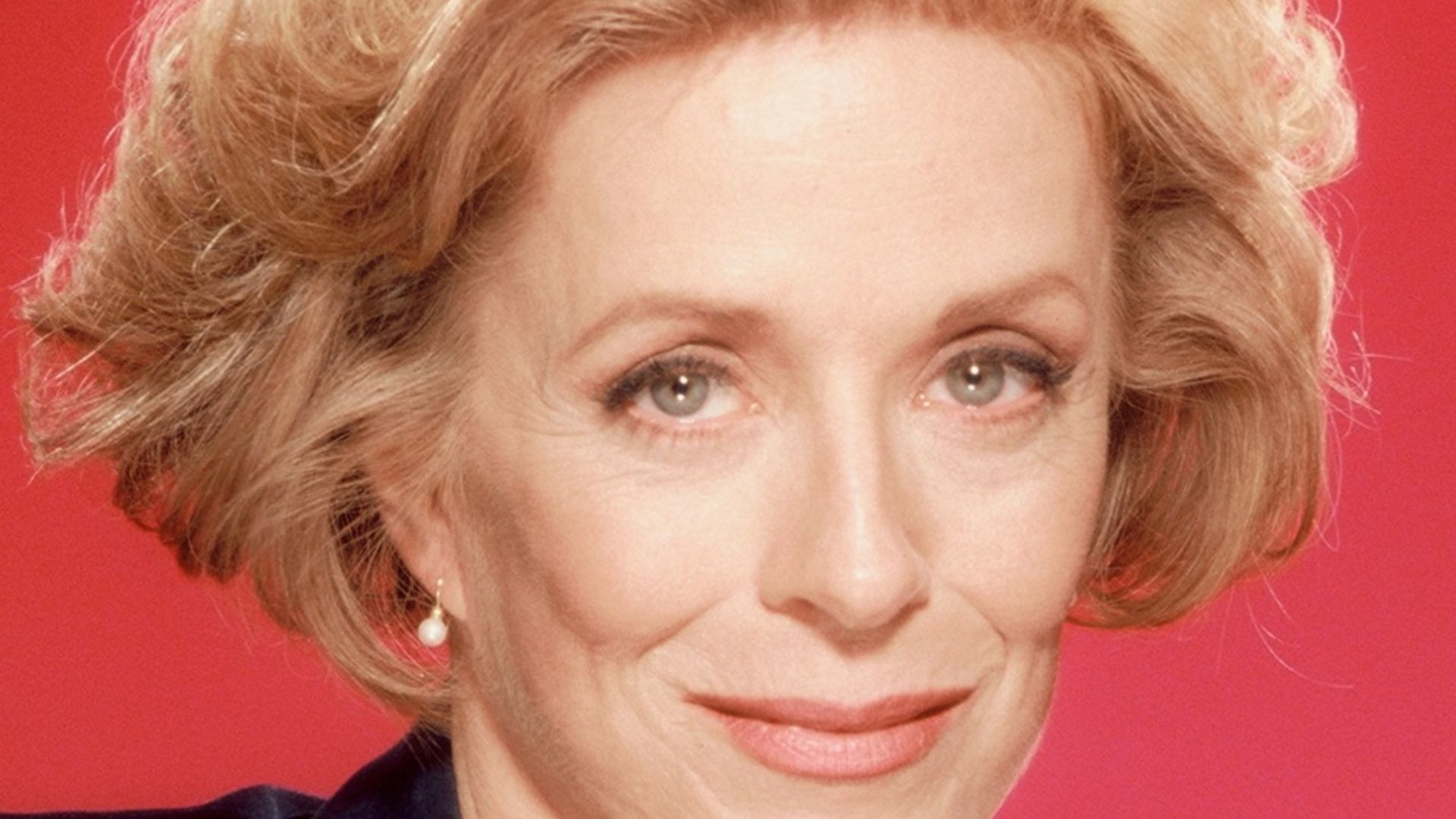
Holland Taylor
Holland Taylor’s career demonstrates how long experience does not always equal early opportunity. Openly lesbian, she spent decades in supporting roles before gaining widespread attention later in life.
 David Shankbone, Wikimedia Commons
Holland Taylor (Cont.)
She has addressed Hollywood’s reluctance to write meaningful parts for older women, noting how age shapes casting assumptions. While she eventually found renewed success on television, her trajectory highlights careers that mature outside the industry’s preferred timeline.
 Harry Langdon Studio, Wikimedia Commons
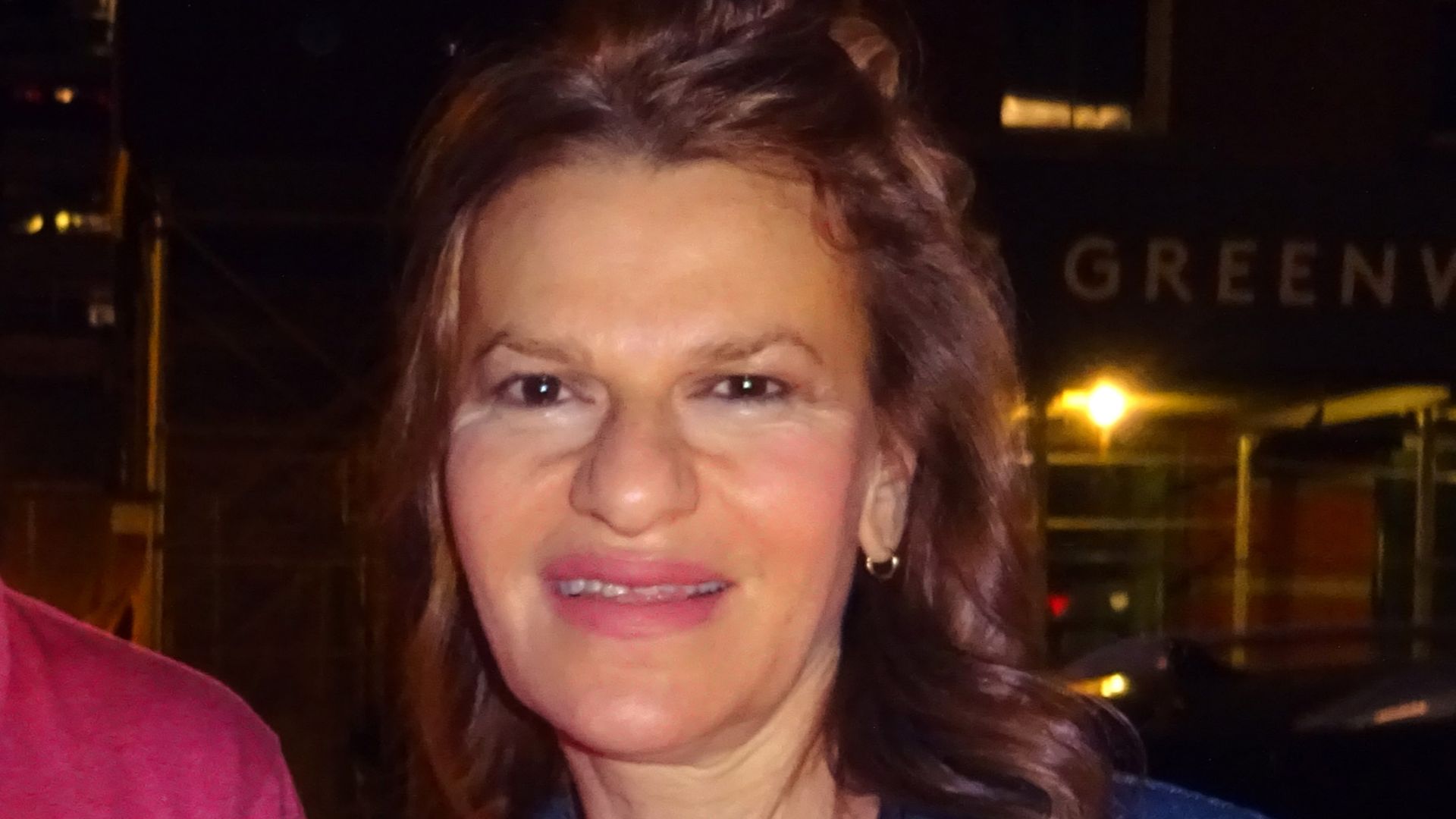
Sandra Bernhard
Early prominence in comedy and film gave Sandra Bernhard a way to a more selective presence as she aged. The challenges women face in maintaining mainstream visibility have always been one of her concerns. As opportunities shifted, Bernhard focused more on live performance, voice work, and niche projects.
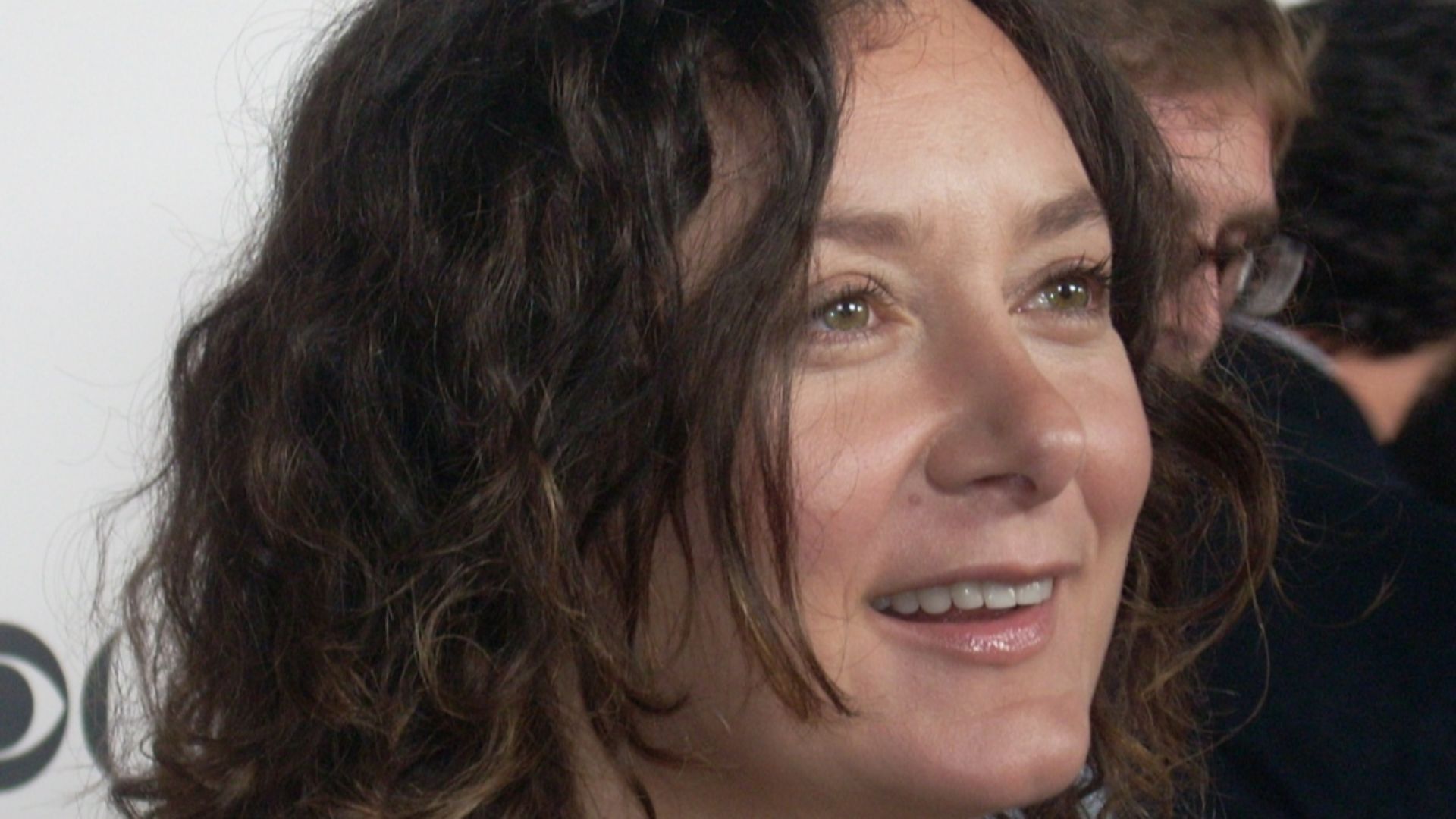
Sara Gilbert
Becoming a familiar presence on American television at a young age, Sara Gilbert’s transition into midlife made her more visible. However, she highlighted how parts for women narrow with age, even for established names. As acting opportunities shifted, Gilbert expanded into producing and hosting.
 watchwithkristin, Wikimedia Commons
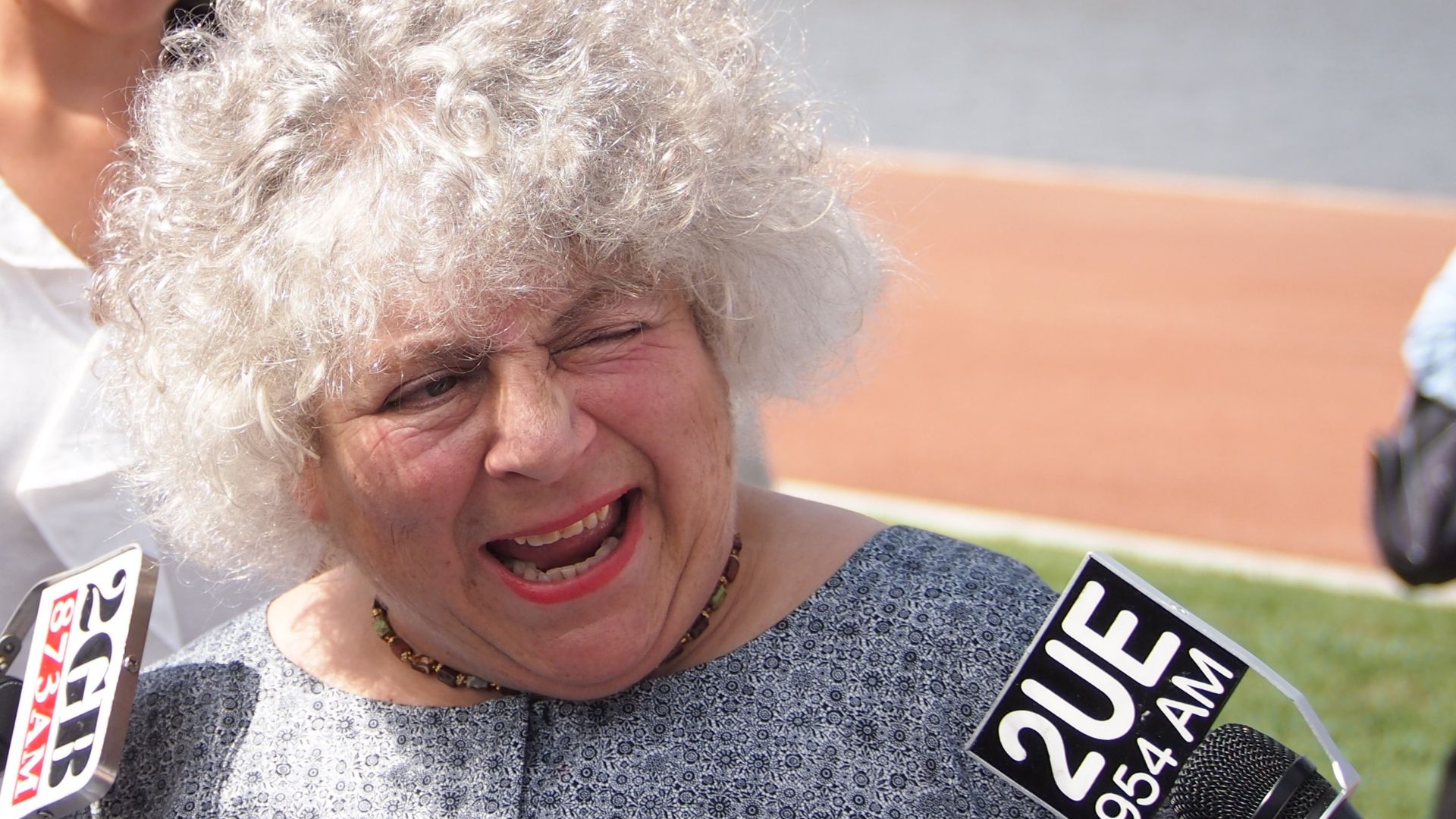
Miriam Margolyes
Never following a conventional path, Miriam Margolyes’s independence has shaped both her success and her limitations. She became widely recognizable to American audiences through memorable supporting roles rather than sustained leading parts.
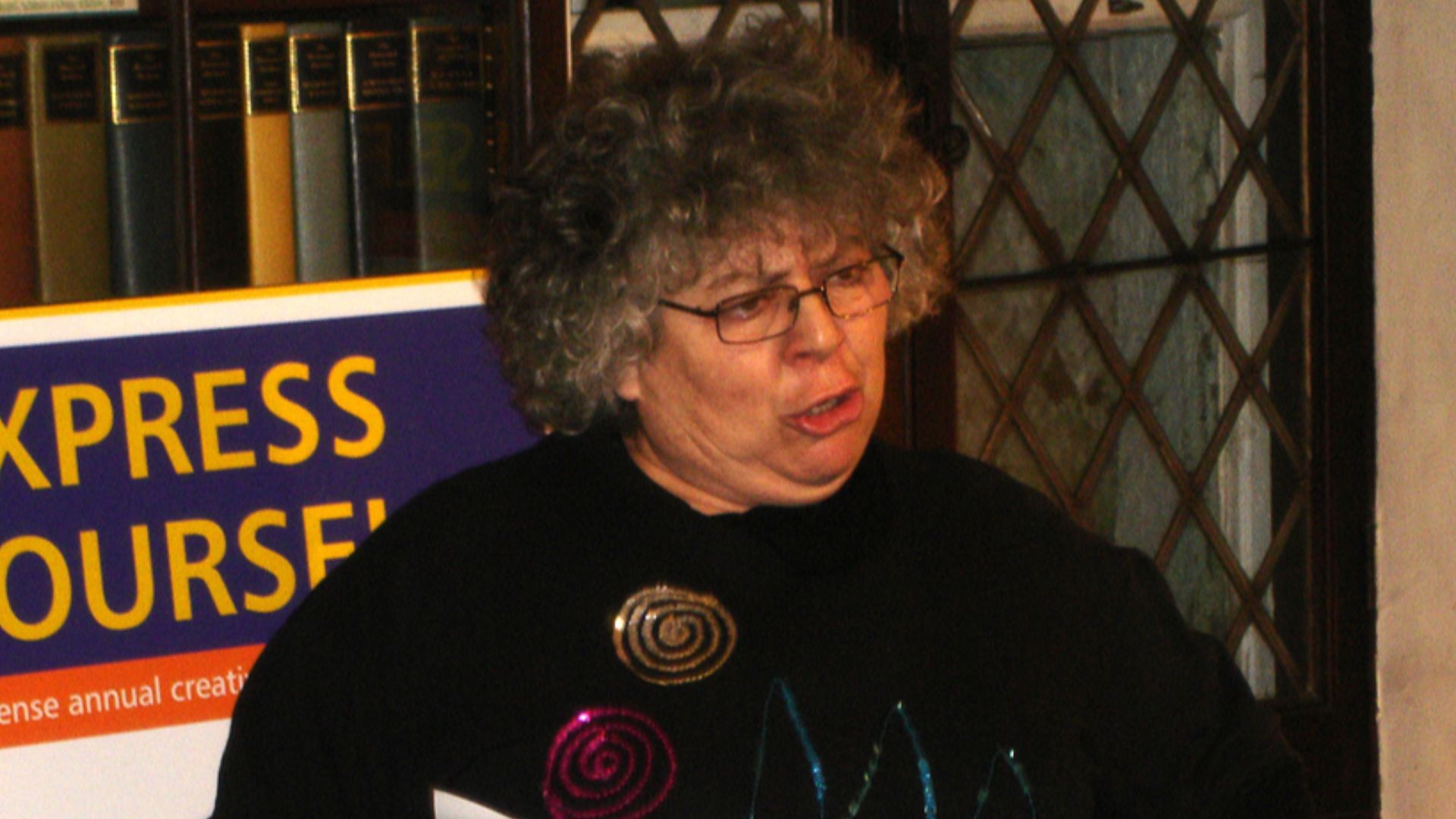
Miriam Margolyes (Cont.)
Her performances in The Age of Innocence, Romeo + Juliet, and as Professor Sprout in the Harry Potter films showcased her ability to leave a lasting impression in limited screen time. As she aged, opportunities in mainstream film narrowed further, reinforcing a pattern Margolyes has openly discussed: older women are often valued for eccentricity, not emotional depth.
 Malcolm from UK, Wikimedia Commons
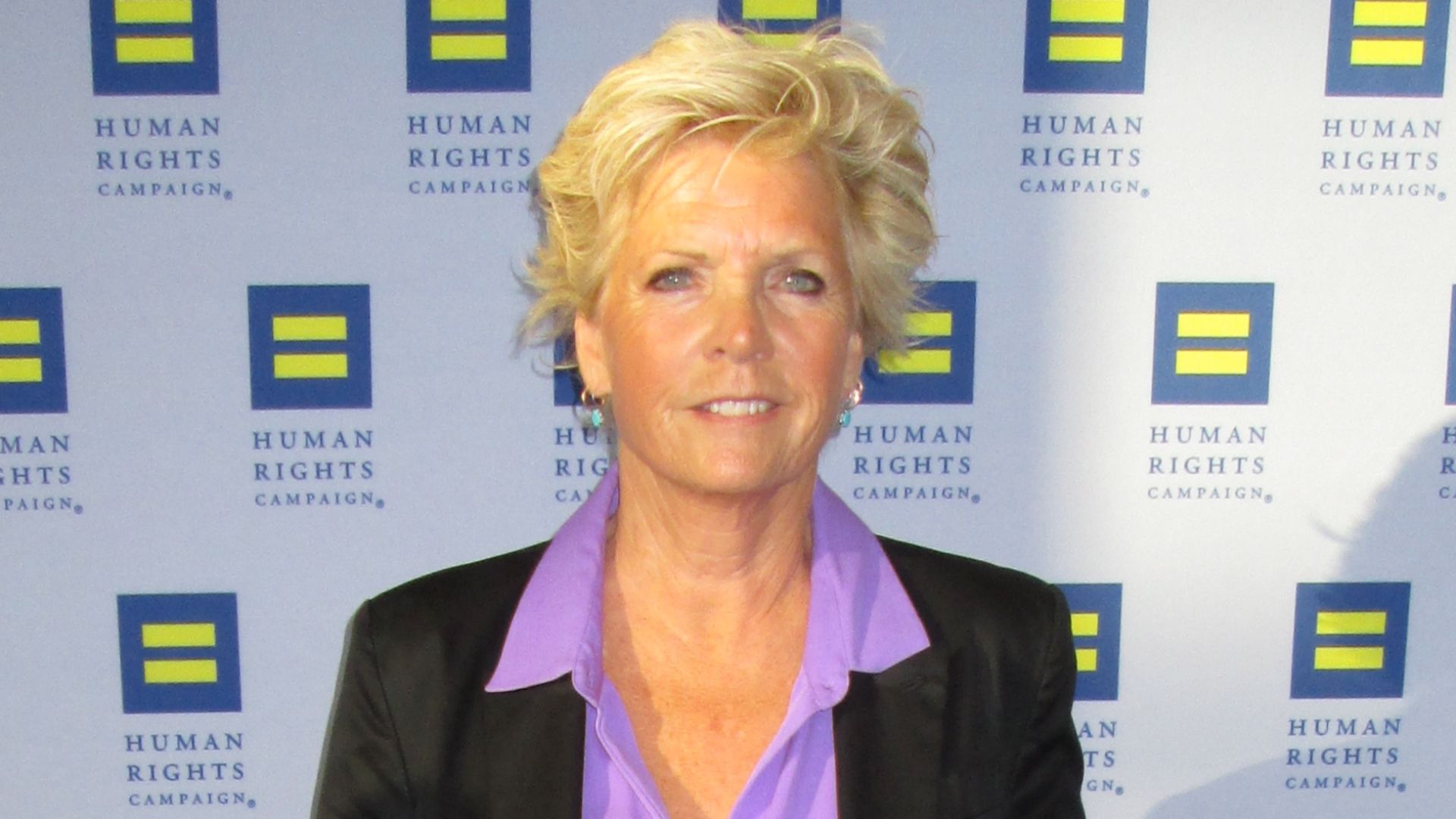
Meredith Baxter
Meredith Baxter’s career arc reveals how age and industry expectations intersect. Best known for her television success in the 1980s, she later faced diminishing roles as she grew older. After coming out publicly later in life, Baxter spoke openly about personal and professional reinvention.
 Greg Hernandez, Wikimedia Commons