When Goodbye Goes Right—and When It Goes Horribly Wrong
TV shows ask us to invest years of our lives in fictional people. We watch them grow, fail, fall in love, make unforgivable mistakes, and sometimes become better versions of themselves. So when a character leaves before a series ends, it can feel like a breakup—one that either gives you emotional closure or leaves you staring at the screen wondering what just happened.
Some exits feel inevitable in the best possible way. Others feel rushed, cruel, or so wildly out of character that fans spend years pretending they never happened. All the goodbyes are here. Not all of them deserve forgiveness.

Michael Scott—The Office
Michael Scott leaving The Office should have felt like a disaster. Instead, it became one of the most tender farewells in sitcom history. After years of cringe and chaos, Michael finally got what he wanted: respect, stability, and love. The quiet goodbyes, the secret departure, and Pam racing to the airport created a send-off that felt earned without being manipulative.
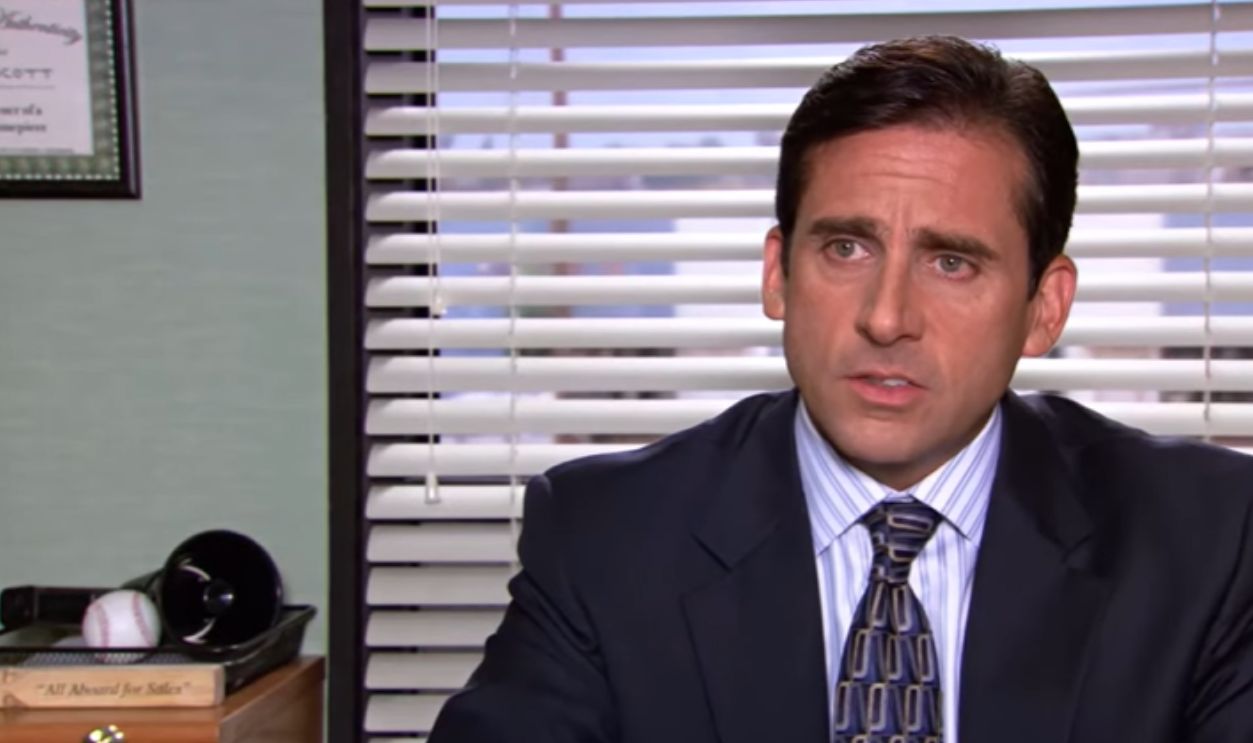 Screenshot from The Office, NBC (2005-2013)
Cristina Yang—Grey’s Anatomy
Cristina didn’t pass, disappear, or regress—she evolved. Her exit was rooted in ambition and self-knowledge, which made it both heartbreaking and empowering. Dancing it out one last time and declaring Meredith “the sun” gave fans closure without diminishing Cristina’s strength. It was a rare example of Grey’s Anatomy getting restraint exactly right.
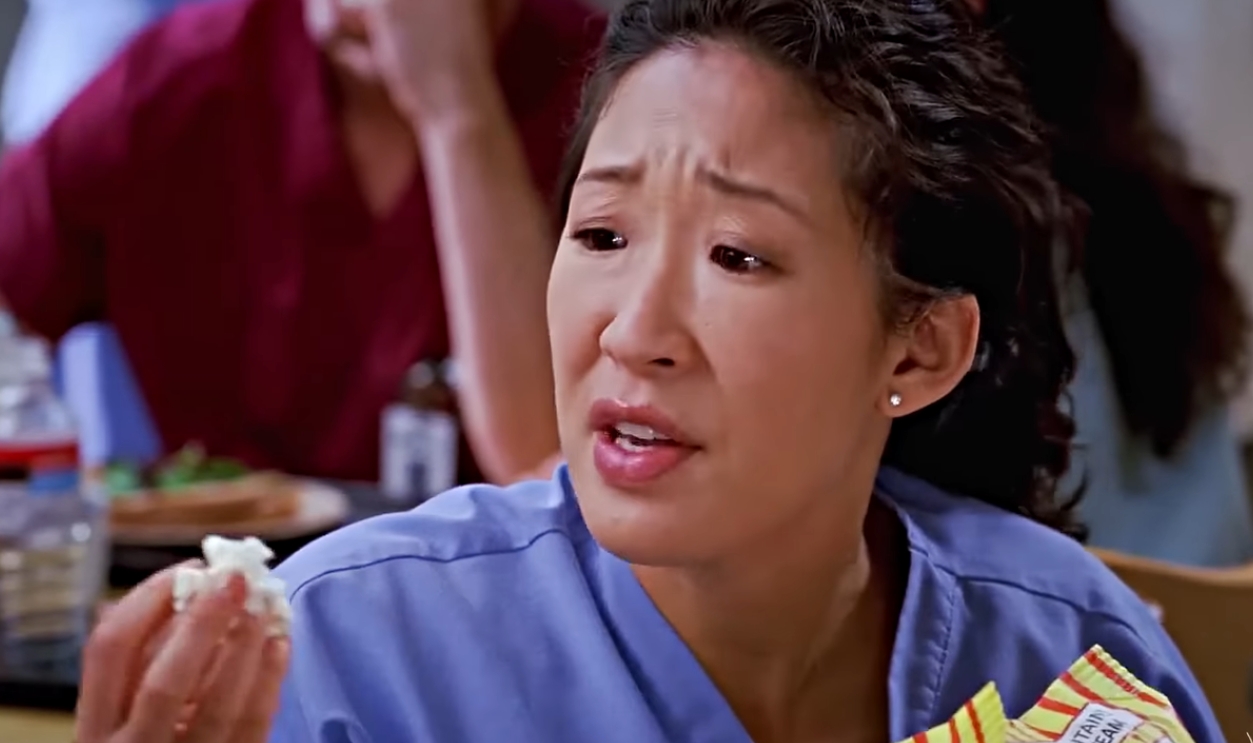 Screenshot from Grey’s Anatomy, ABC (2005-)
Troy Barnes—Community
Troy’s departure could have been silly. Instead, it leaned fully into Community’s emotional core. The “hot lava” game masked something deeply real: Abed’s fear of losing the person who anchored him. Letting Troy leave to grow—while acknowledging how painful that growth would be—made this goodbye unforgettable and quietly devastating.
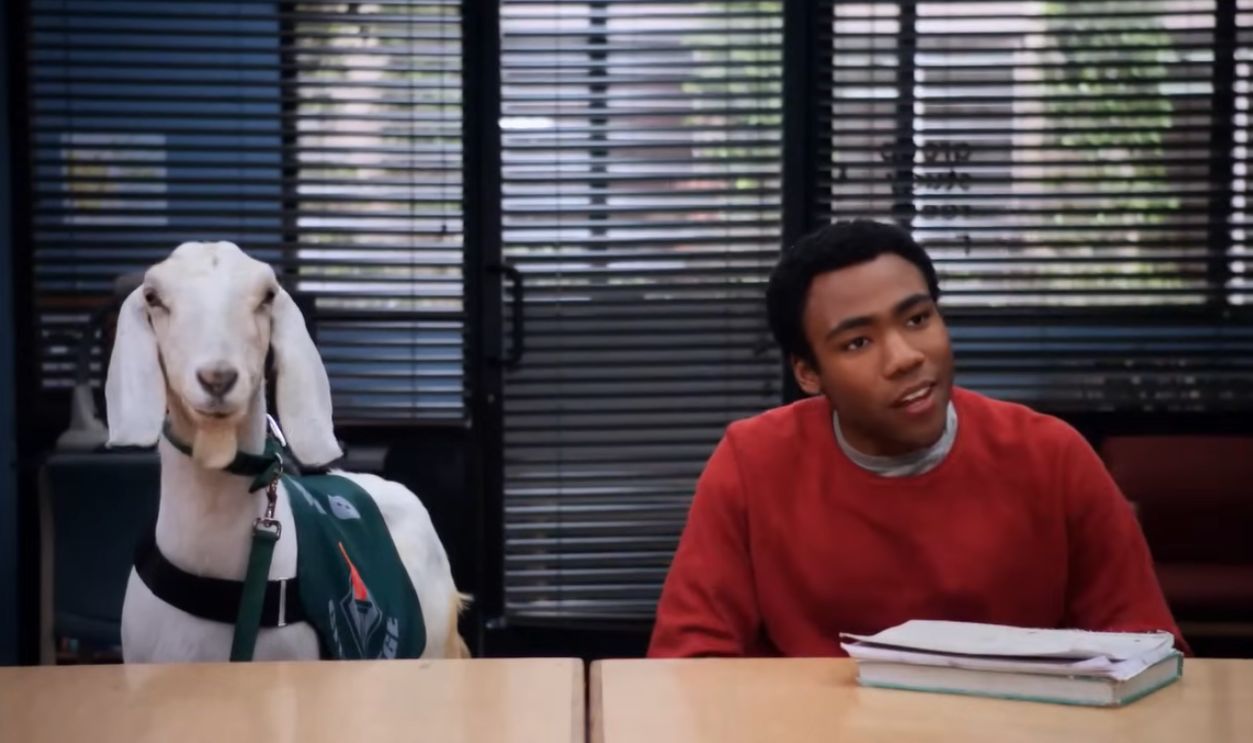 Screenshot from Community, Sony Pictures Television (2009–2015)
Logan Roy—Succession
Taking out Logan Roy off-screen was a bold move, and it worked because it felt brutally honest. Death doesn’t wait for dramatic timing, and neither did Succession. Logan’s absence loomed larger than his presence ever did, haunting his children and detonating the final season.
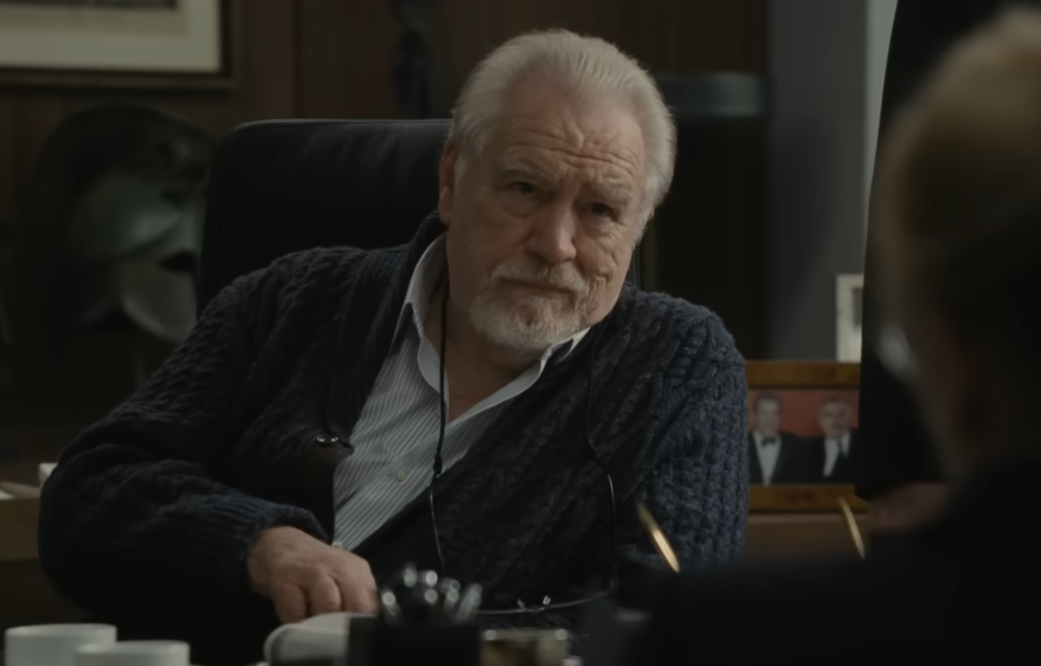 Screenshot from Succession, HBO (2018-2023)
Olenna Tyrell—Game of Thrones
Few characters exited with as much venomous grace as Olenna Tyrell. Her final scene wasn’t about dying—it was about winning. Confessing to Joffrey’s murder while staring down Jaime felt like a mic drop. In a series full of messy endings, Olenna’s felt clean, cruel, and perfectly in character.
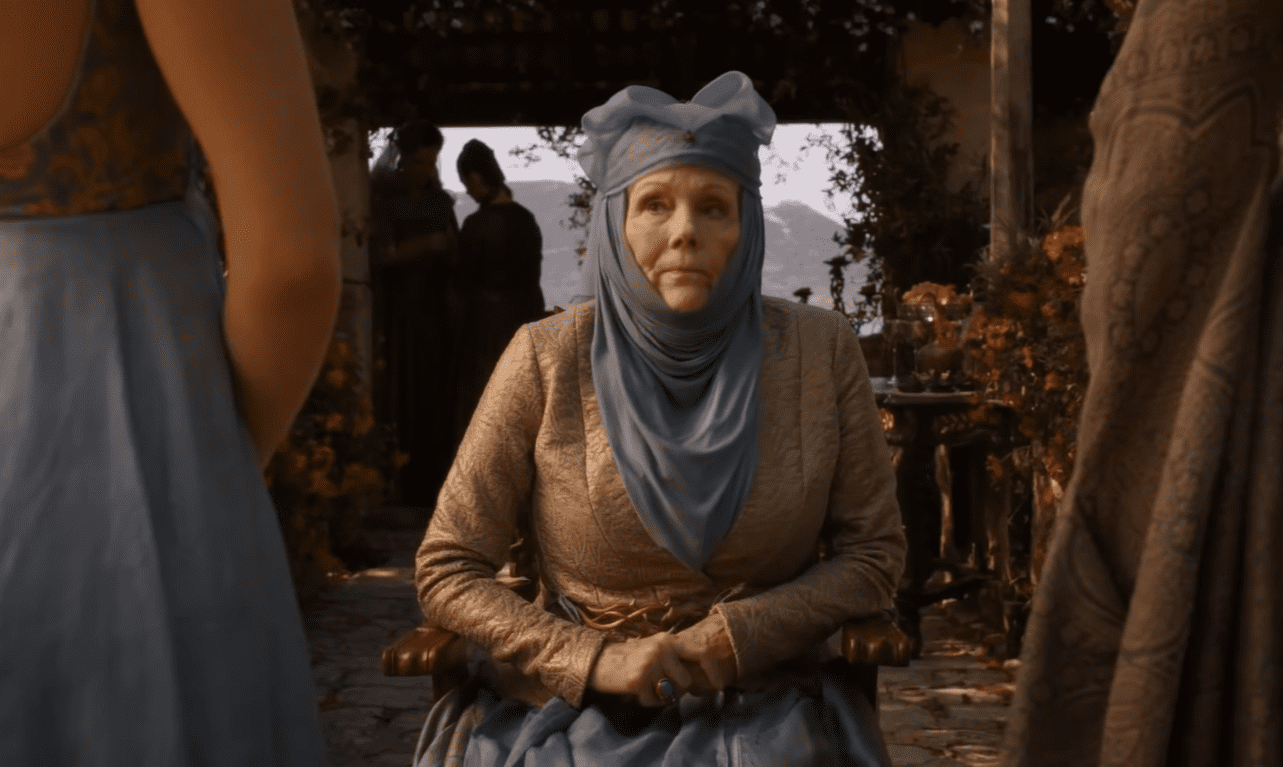 Screenshot from Game of Thrones, HBO (2011–2019)
Riley Flynn—Midnight Mass
Riley’s exit was shocking, poetic, and terrifying all at once. Taking out the main character midway through the series was a gamble, but his sunrise passing—chosen rather than inflicted—gave the story its moral center. The quiet boat ride, the confession, and the blaze of light made this one of the most haunting exits in modern TV.
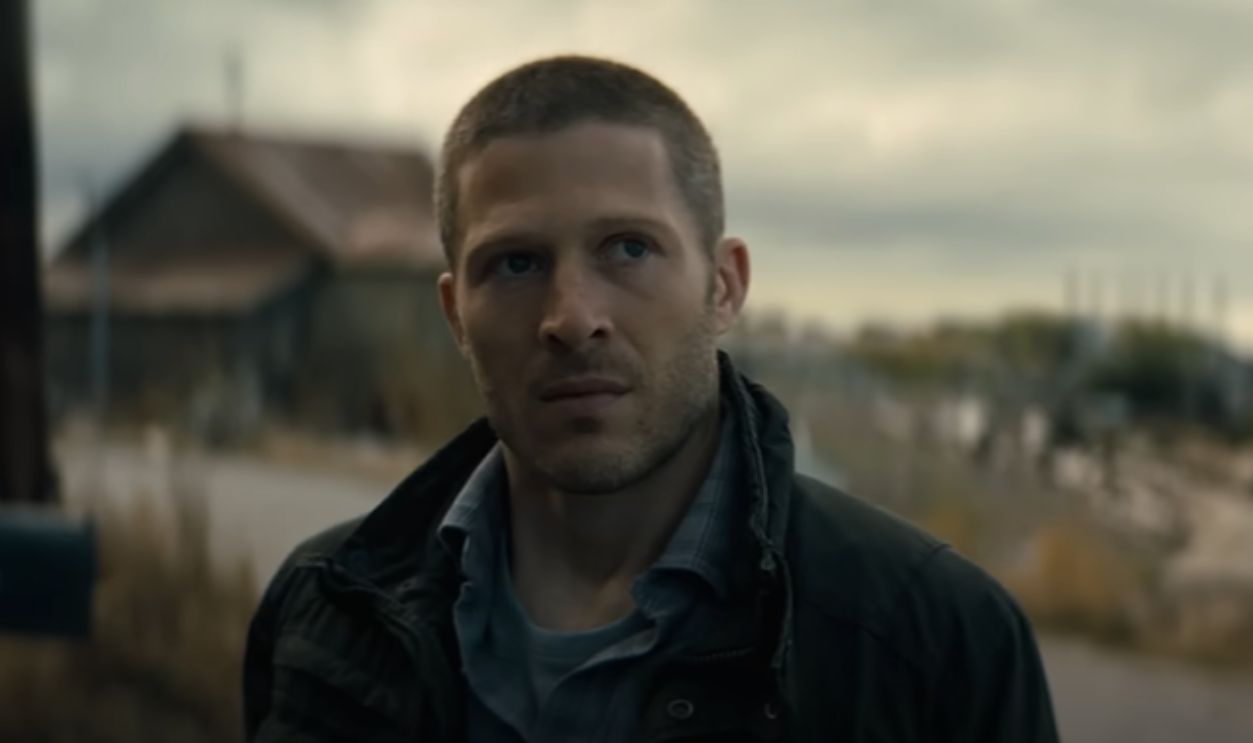 Screenshot from Midnight Mass, Netflix (2021)
Greg Serrano—Crazy Ex-Girlfriend
Greg leaving wasn’t about romance—it was about survival. His choice to walk away from a destructive pattern felt honest and mature, especially in a show that thrived on subverting expectations. The musical farewell softened the exit, but the real power came from watching Greg finally choose himself.
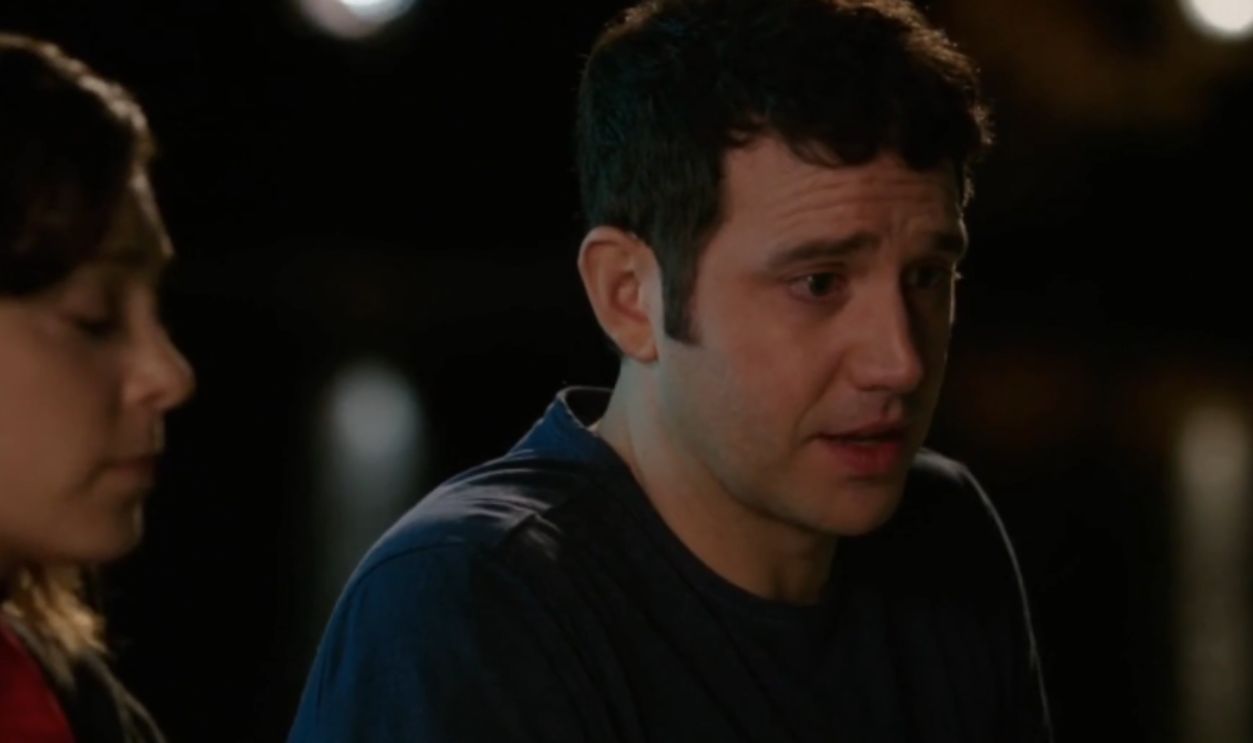 Screenshot from Crazy Ex-Girlfriend, Warner Bros. Television (2015–2019)
C.W. Longbottom—Mythic Quest
C.W.’s passing was absurd, theatrical, and surprisingly moving. Launching his remains into space felt perfectly aligned with his ego and regret, while the letter he left behind revealed genuine affection for his coworkers. It was a dramatic exit that balanced comedy, tragedy, and long-overdue self-awareness.
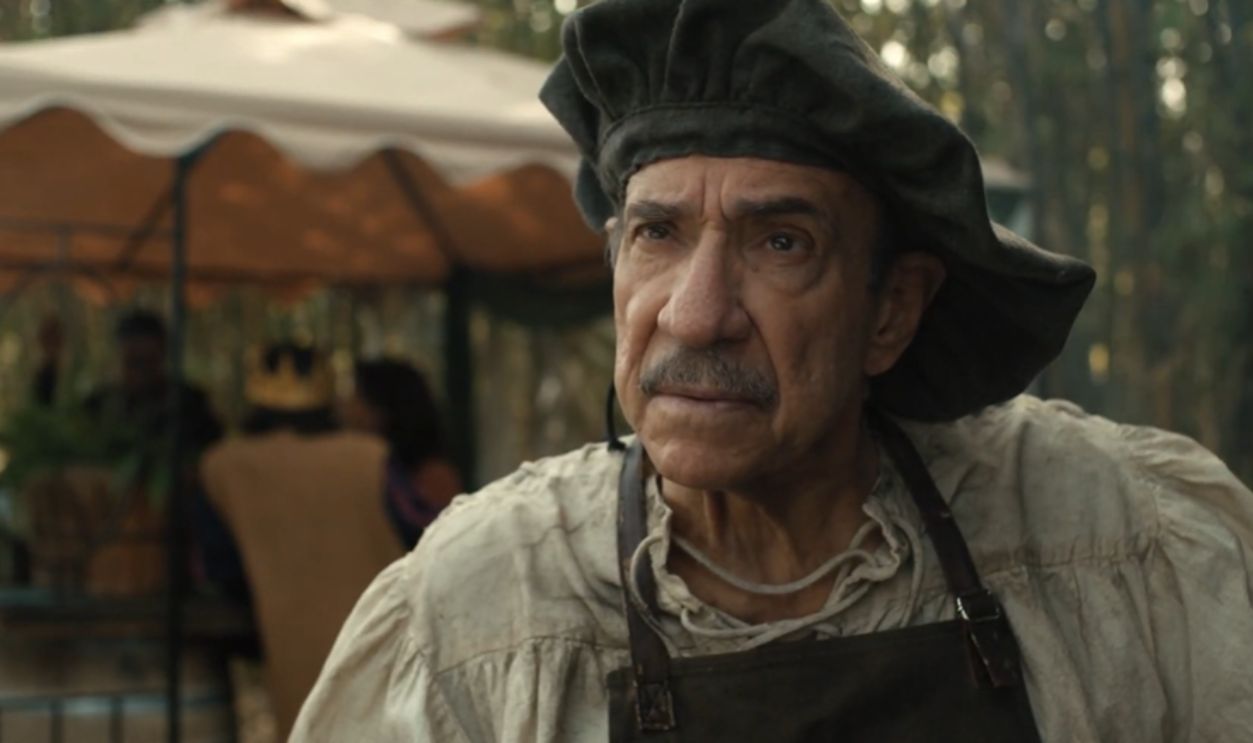 Screenshot from Mythic Quest, Apple TV+ (2020–present)
Ernie “Coach” Tagliaboo—New Girl
Coach’s goodbye worked because it didn’t pretend leaving was easy. His emotional farewell to the loft, complete with Jess’s scarf, acknowledged how much the group had changed him. Moving to New York for love felt like growth—not abandonment—and made his exit quietly satisfying.
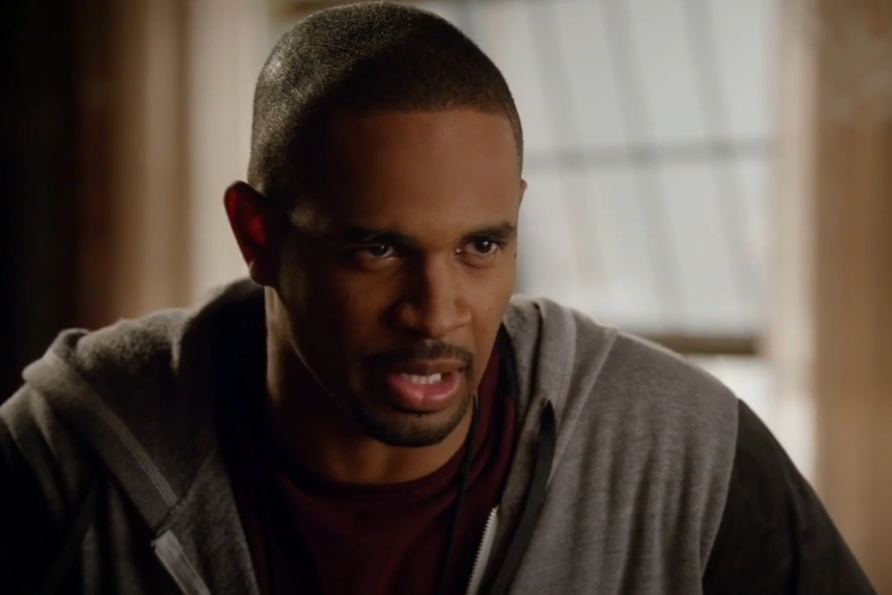 Screenshot from New Girl, FOX (2011–2018)
Callie Adams-Foster—Good Trouble
Callie’s exit was a full-circle moment. From a scared teenager to a confident adult chasing her dream, her move to Washington, DC felt like a victory lap rather than a loss. Reuniting with Jamie mid-flight added a hopeful note without undercutting her independence.
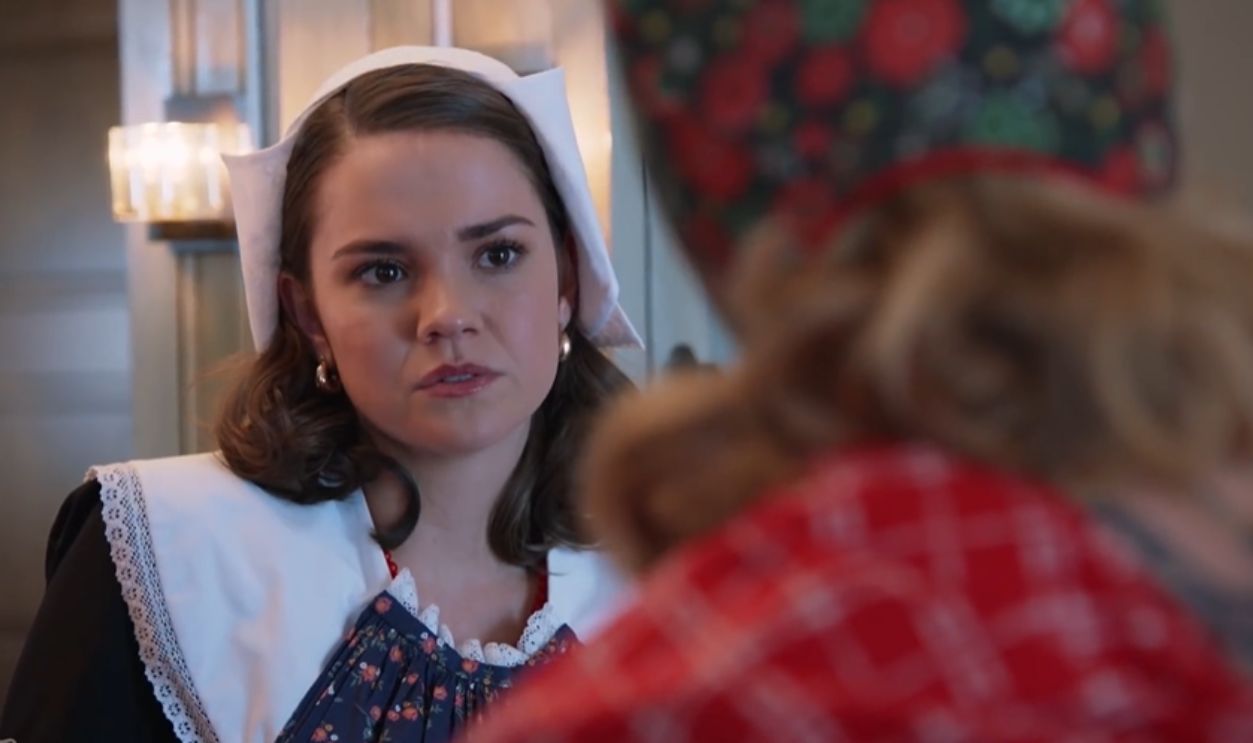 Screenshot from Good Trouble, Freeform (2019–present)
Alex Karev—Grey’s Anatomy
Alex deserved better than a letter. After sixteen seasons of growth, his off-screen departure to reunite with Izzie erased years of development in one lazy twist. It didn’t just hurt—it rewrote who he was, and fans never quite recovered.
 Screenshot from Grey's Anatomy, ABC (2005-)
Wes Gibbins—How to Get Away with Murder
Wes’s passing was shocking, but the real damage came afterward. Framing him as unstable, repeatedly showing his body, and revealing his end meant nothing stripped the character of dignity. He went from emotional anchor to narrative device far too quickly.
 Screenshot from How to Get Away with Murder, ABC (2014–2020)
Michael Cordero—Jane the Virgin
Michael’s original passing was tragic and effective. Bringing him back—only to erase his personality and send him away again—undermined everything that made the loss meaningful. The whiplash turned grief into frustration.
 Screenshot from Jane the Virgin, Warner Bros. Television Distribution (2014-2019)
Robert Zane—Suits
Robert sacrificing his career felt unearned and contrived. Turning a powerful, principled character into collateral damage for someone else’s mistake cheapened his arc and robbed the show of one of its strongest presences.
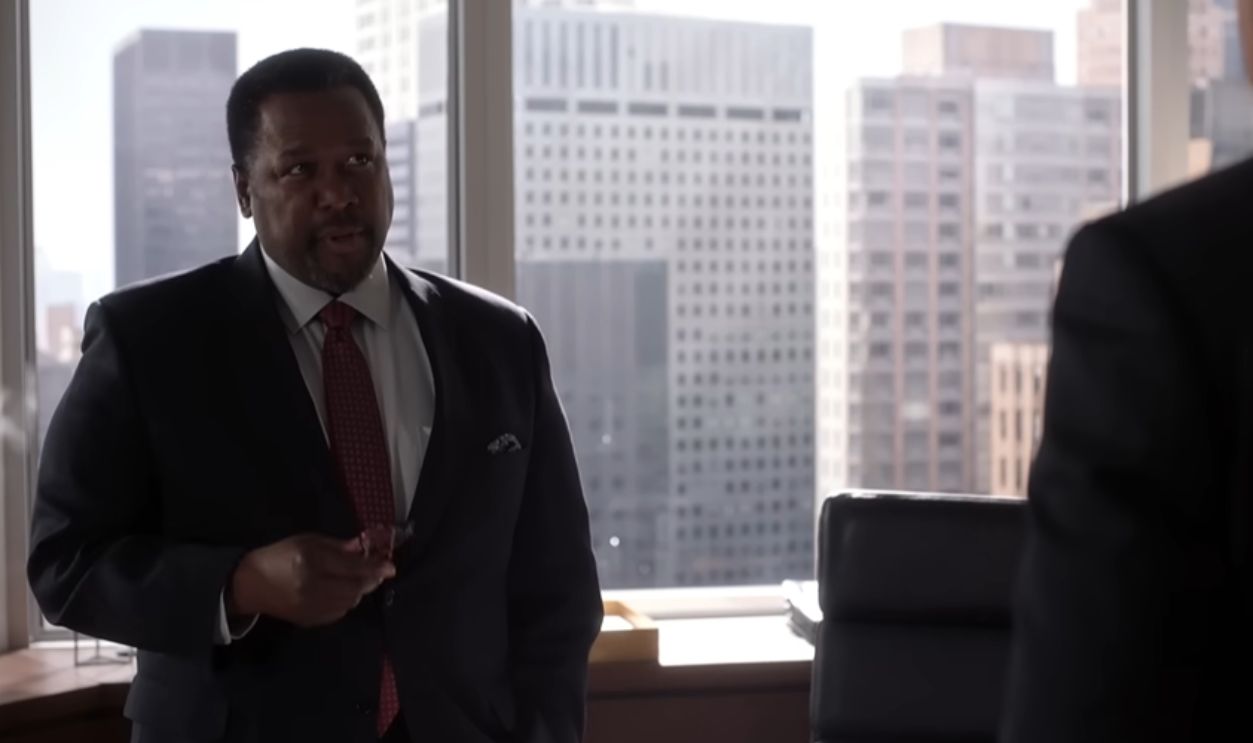 Screenshot from Suits, USA Network (2011–2019)
Alexis Meade—Ugly Betty
Alexis fleeing the country after a wildly out-of-character act didn’t feel tragic—it felt lazy. Her complexity was reduced to a plot convenience, undoing seasons of careful development in a single decision.
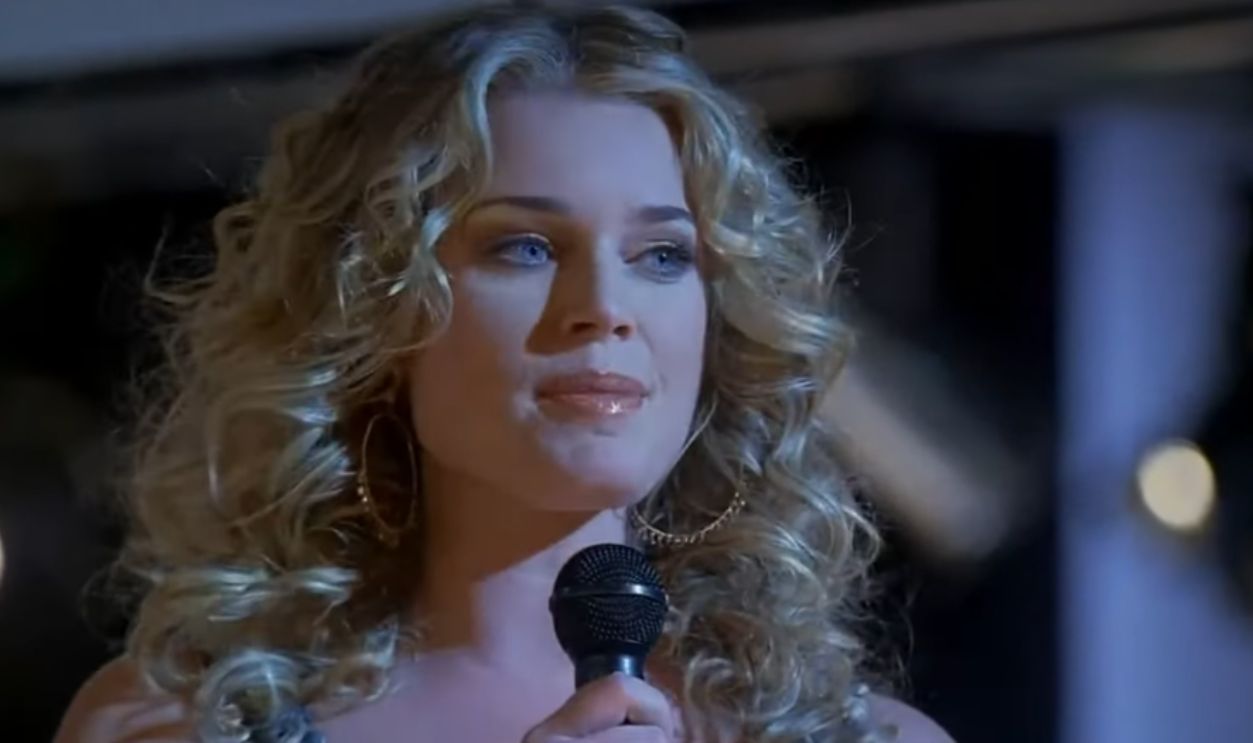 Screenshot from Ugly Betty, ABC (2006–2010)
Adam Torres—Degrassi: The Next Generation
Adam’s passing was abrupt, unnecessary, and poorly handled. As a groundbreaking character, his erasure—followed by the show moving on far too quickly—left a lasting sting that never quite healed.
 Screenshot from Degrassi: The Next Generation, CTV (2001–2015)
Jess Mariano—Gilmore Girls
Jess leaving without properly ending things with Rory felt like character regression disguised as drama. It undercut his growth and left Luke giving up far too easily. His later redemption couldn’t fully erase the sour note of that exit.
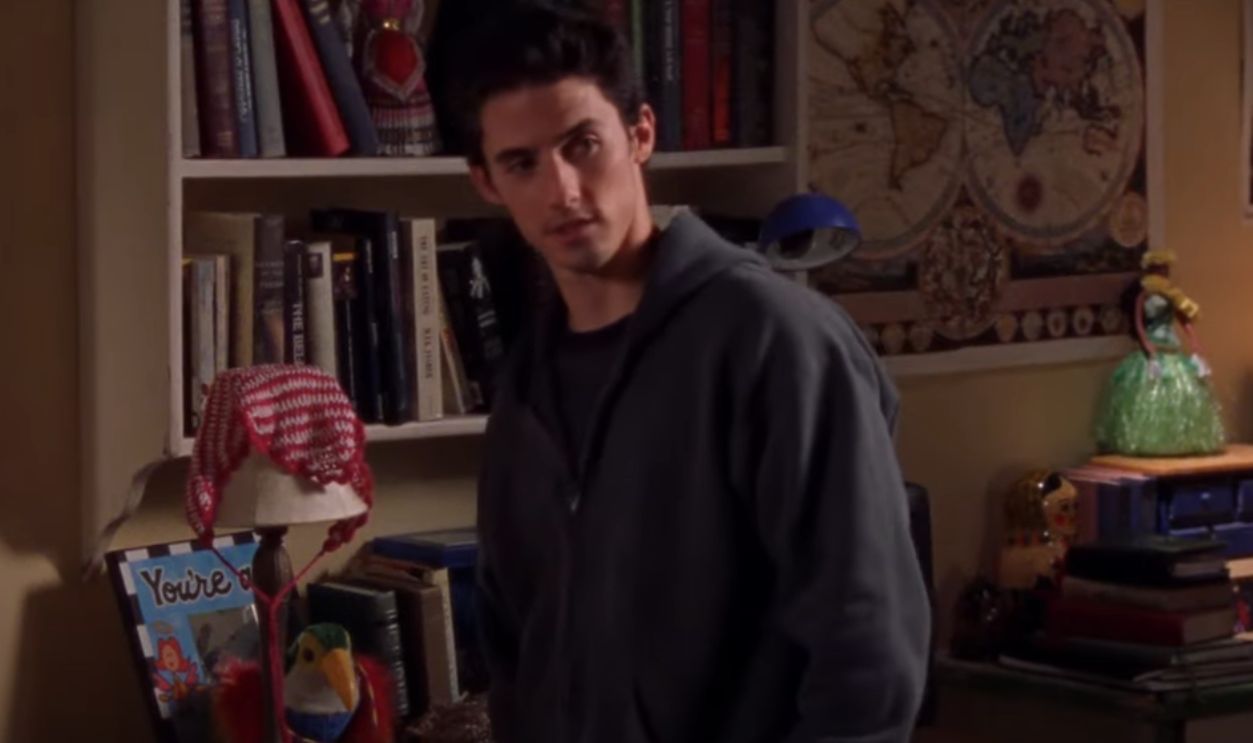 Screenshot from Gilmore Girls, Warner Bros. Television (2000–2007)
Jackson West—The Rookie
Jackson’s off-camera passing lacked weight, ceremony, or consequence. No funeral, no meaningful aftermath—just a character quietly erased from his own story.
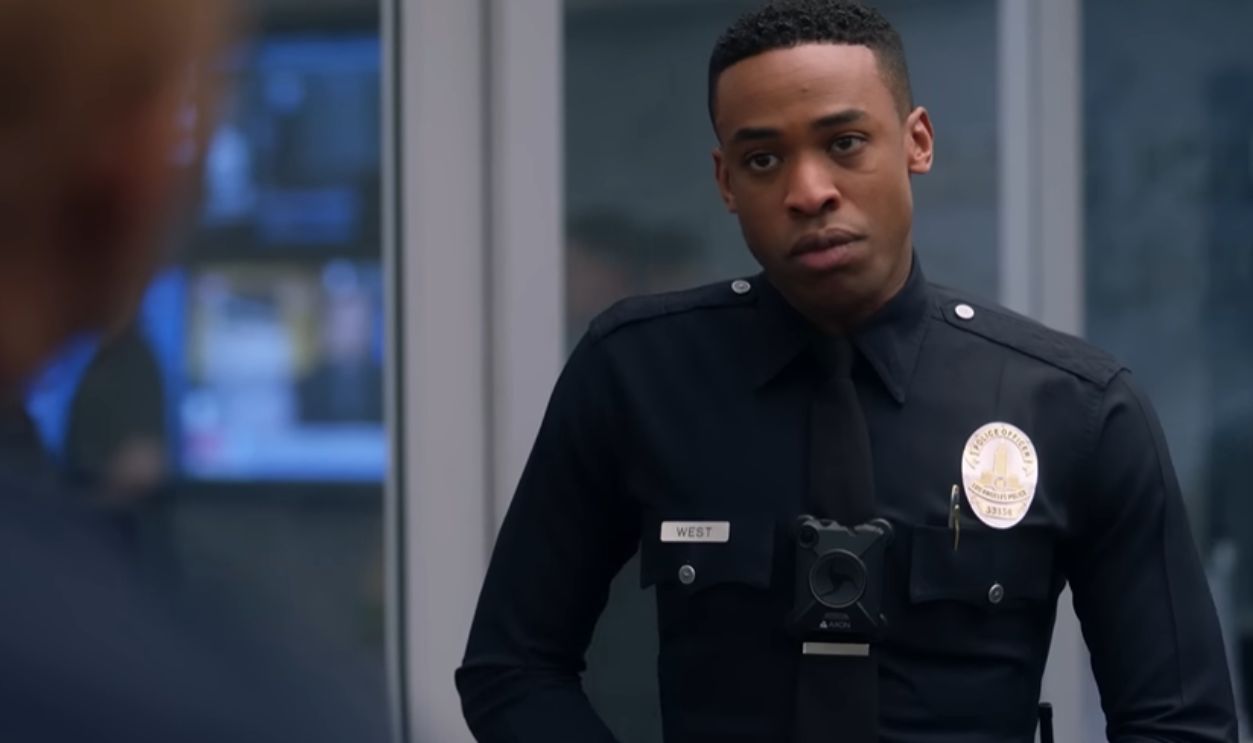 Screenshot from The Rookie, ABC (2018–present)
Elena Gilbert—The Vampire Diaries
Putting the main character into a magical sleep coma was less emotional farewell and more narrative shrug. It stretched the show’s rules to the breaking point and left viewers baffled rather than moved.
 Screenshot from The Vampire Diaries, Warner Bros. Television (2009–2017)
Love Quinn—You
Love was the most compelling character You ever had, and taking her out broke the show’s balance. Framing her for Joe’s wrongdoing felt both cruel and cowardly, leaving the series struggling to fill the void she left behind.
 Screenshot from You, Netflix (2018-)
You May Also Like:
Fan Backlash Saved These Shows From Cancellation, But Was It Worth It?
These Might Just Be The Best Christmas TV Episodes Ever Aired