When Fame Came With Posters, Fan Mail, And A Very Short Shelf Life
The 1980s were ruthless to teen idols. One year, they were on magazine covers, bedroom walls, soundtracks, sitcoms, and movie posters. A few turned that early fame into lifelong careers, but others faded quickly, walked away, or were swallowed by the pressure of being young, famous, and constantly watched.
Corey Haim
Corey Haim became one of the defining young stars of the late 1980s thanks to Lucas, The Lost Boys, License to Drive, and Dream a Little Dream. He had the soft-spoken vulnerability that made teen magazines love him, but his adult career was overshadowed by personal struggles and industry pressures. His death in 2010 made his story feel even more tragic, especially for fans who grew up with him.
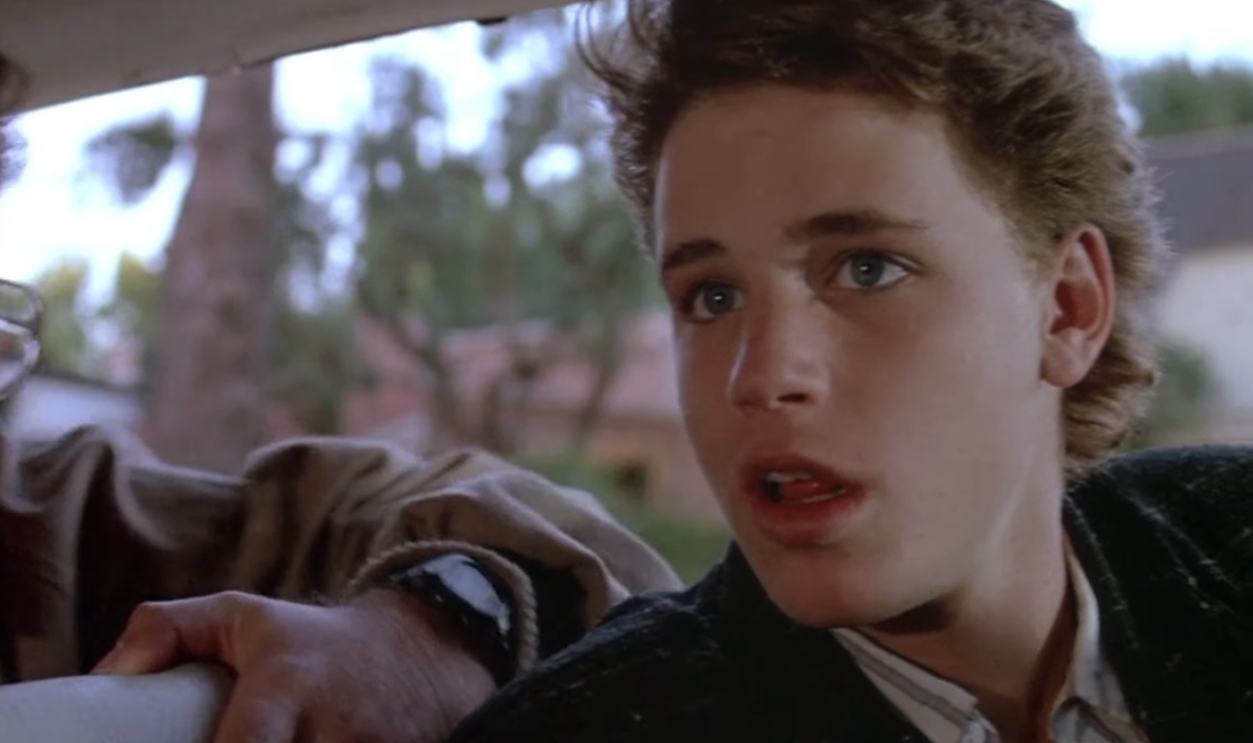 Screenshot from License to Drive, 20th Century Fox (1988)
Phoebe Cates
Phoebe Cates became instantly recognizable through Fast Times at Ridgemont High and Gremlins, two films that made her a major 1980s screen presence. But unlike many teen stars who chased the spotlight for decades, Cates gradually stepped away from acting. Her disappearance from Hollywood only made her feel more mythic, like someone who defined an era and then quietly closed the door behind her.
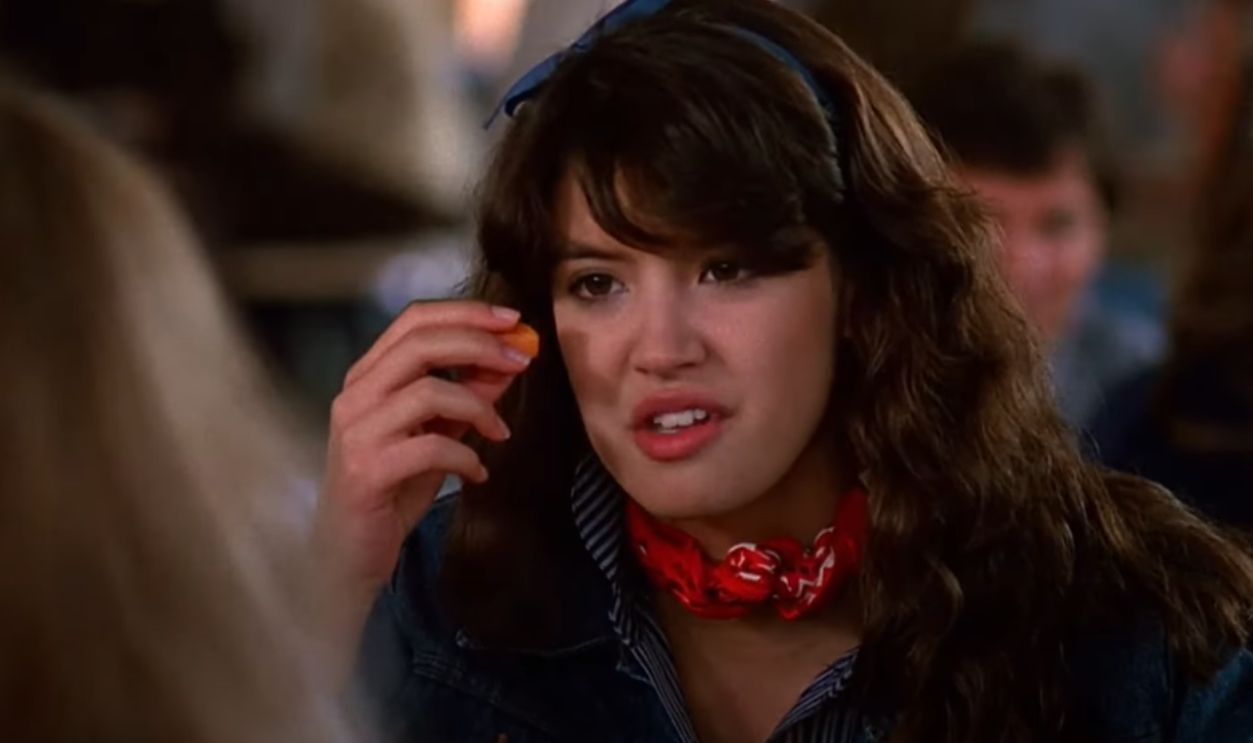 Screenshot from Fast Times at Ridgemont High, Universal Pictures (1982)
Christopher Atkins
Christopher Atkins became a teenage heartthrob almost overnight after The Blue Lagoon, a film that was controversial, widely discussed, and impossible to ignore at the time. His blond, sun-drenched image stuck, but the level of fame that movie brought proved difficult to repeat. He kept working, but never again became the kind of mainstream sensation he was in 1980.
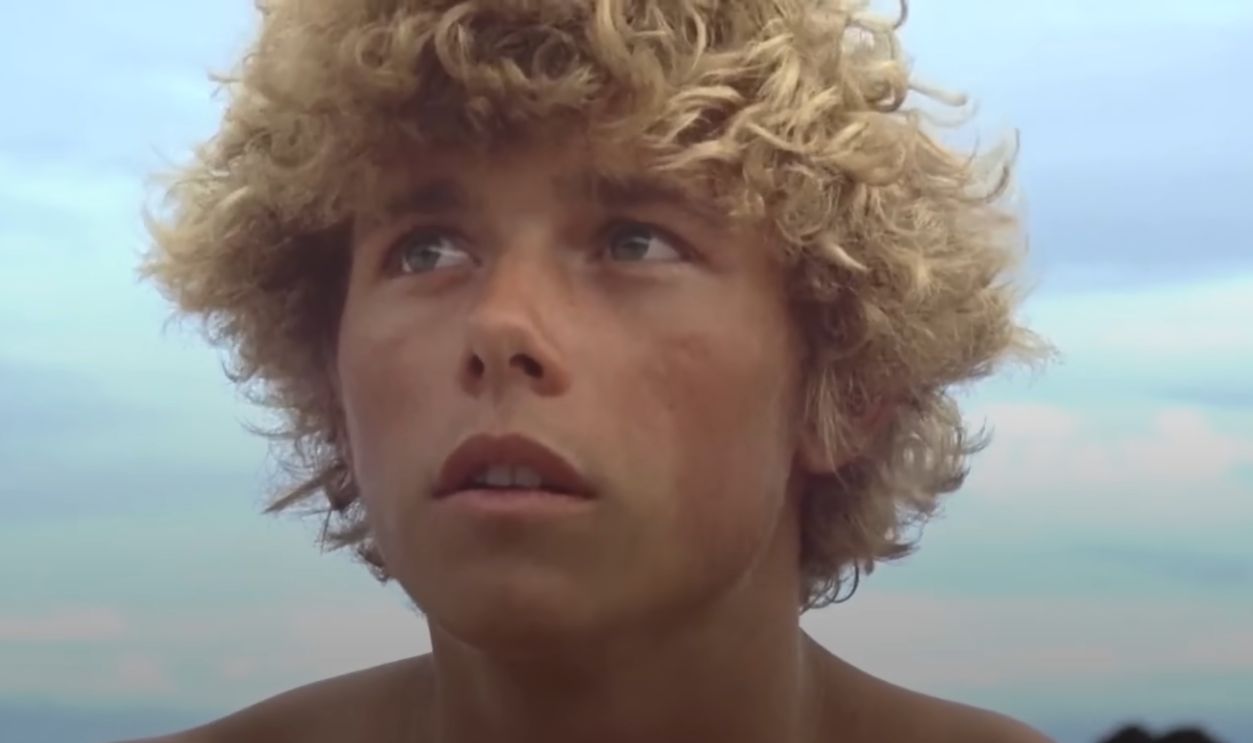 Screenshot from The Blue Lagoon, Columbia Pictures (1980)
Judd Nelson
Judd Nelson became one of the faces of the Brat Pack through The Breakfast Club and St Elmo’s Fire. His rebellious stare and restless energy made him feel like the dangerous one in a group full of young stars. He never vanished completely, but his prominence dropped sharply after the decade that made him famous.
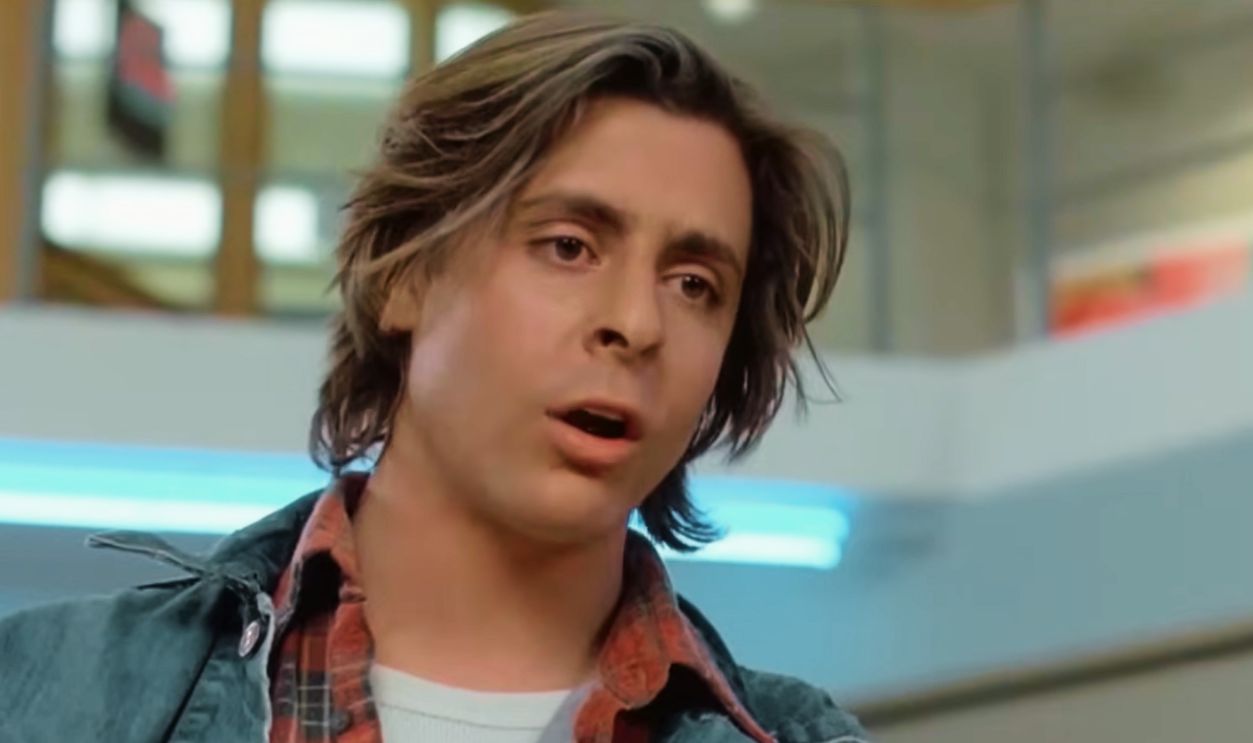 Screenshot from The Breakfast Club, Universal Pictures (1985)
Michael Schoeffling
Michael Schoeffling played Jake Ryan in Sixteen Candles, and that was basically enough to make him a permanent 1980s crush. He had the quiet, handsome, slightly mysterious quality that teen movies loved. Then he did something almost unimaginable for a teen idol: he quit acting entirely in the early 1990s and moved into a much more private life.
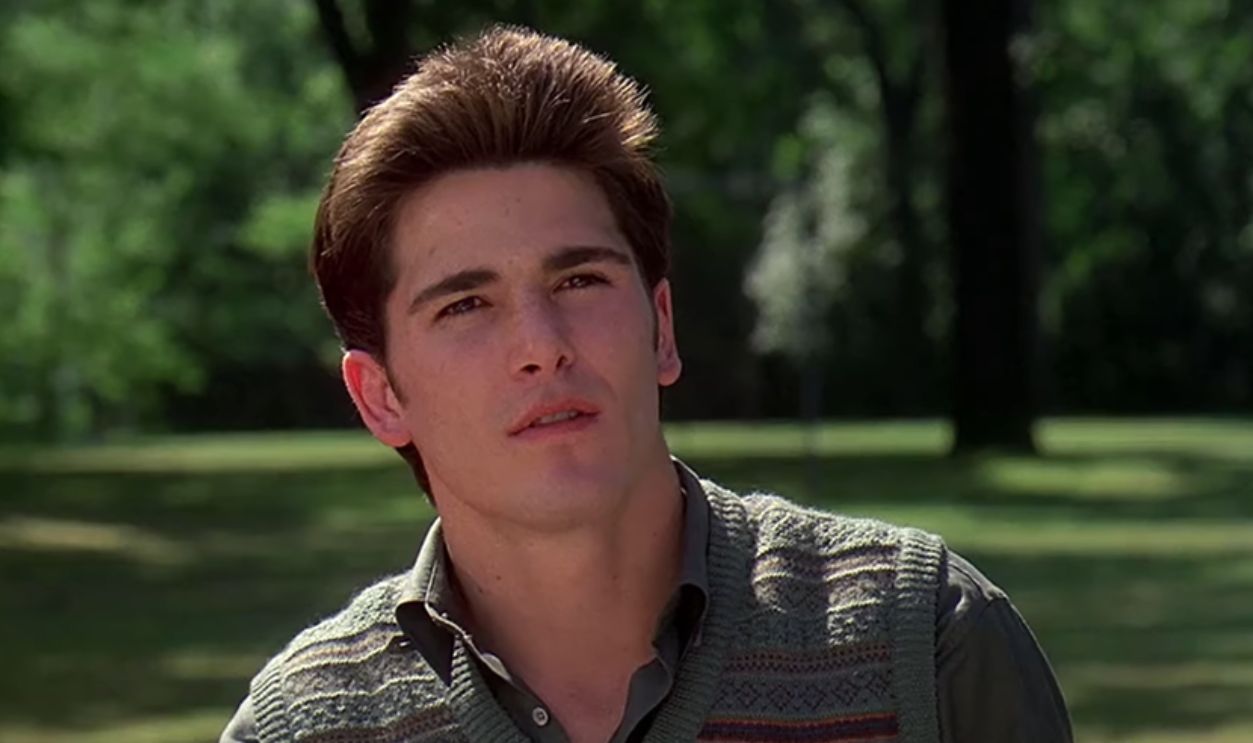 Screenshot from Sixteen Candles, Universal Pictures (1984)
Amanda Peterson
Amanda Peterson’s role opposite Patrick Dempsey in Can’t Buy Me Love made her one of the decade’s most memorable teen-romance leads. She had a warm, natural screen presence that made the movie work better than it probably should have. But Peterson eventually withdrew from Hollywood, and her later struggles made her story one of the more heartbreaking examples of young fame fading too fast.
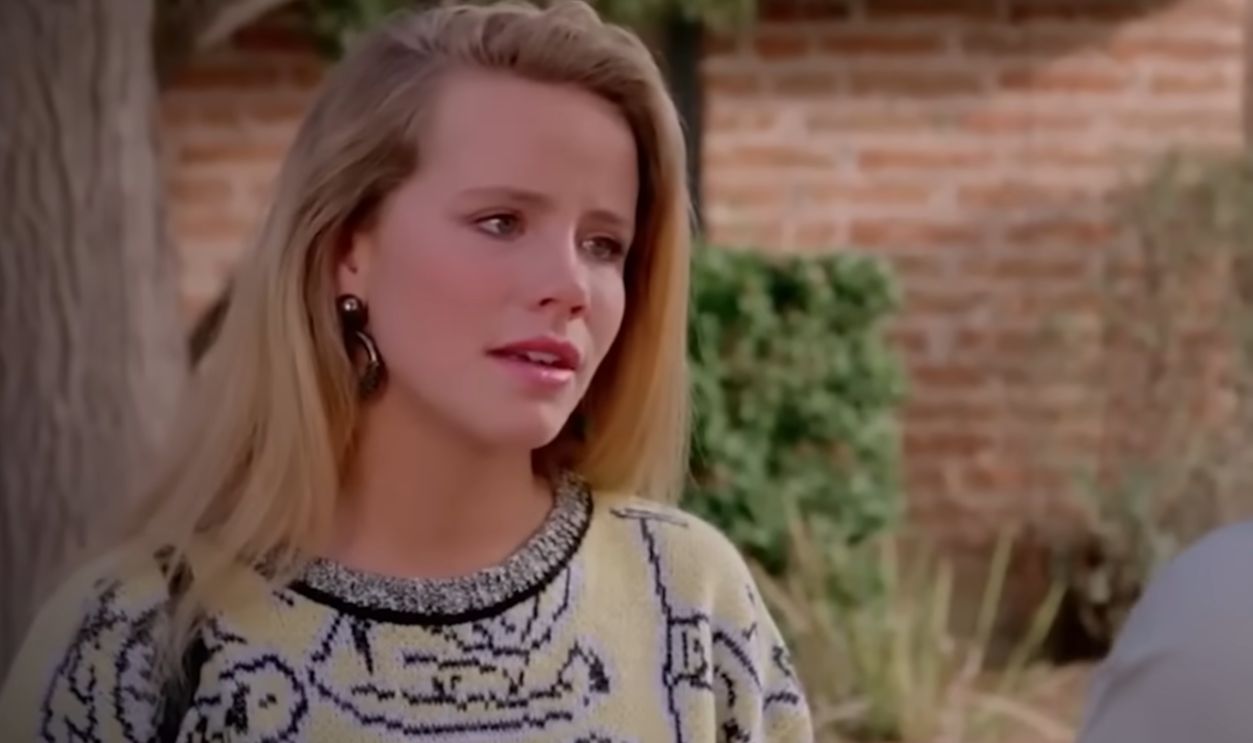 Screenshot from Can’t Buy Me Love, Touchstone Pictures (1987)
Deborah Foreman
Deborah Foreman had the kind of fresh, slightly offbeat charm that made her feel perfect for the 1980s. Valley Girl turned her into a cult teen-movie favorite, while April Fool’s Day gave her horror-comedy credibility. She continued acting, but her mainstream momentum slowed, leaving her mostly remembered by fans who still know exactly why Valley Girl mattered.
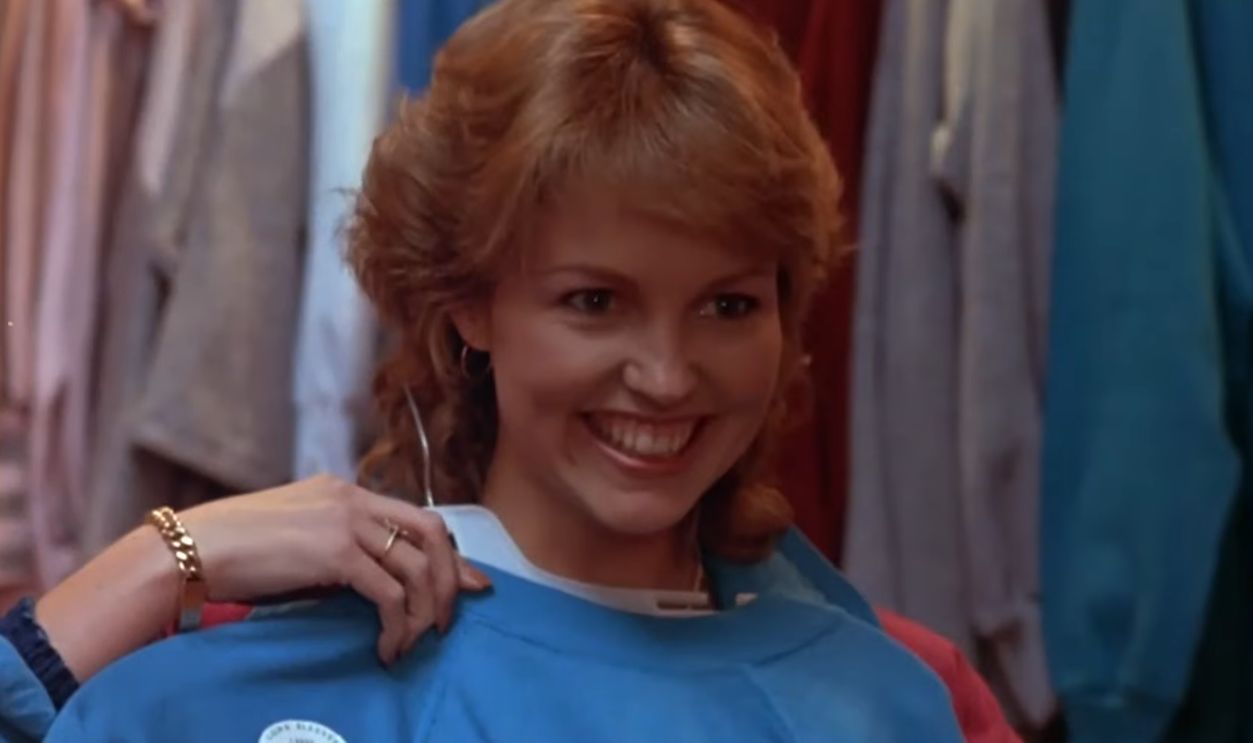 Screenshot from Valley Girl, Atlantic Releasing Corporation (1983)
Jami Gertz
Jami Gertz seemed to be everywhere for a stretch, with appearances in Sixteen Candles, The Lost Boys, and Less Than Zero. She had a sharp, cool presence that fit both teen comedies and darker youth dramas. She kept acting over the years, but her celebrity profile became far lower-key, even though 80s fans still recognize her immediately.
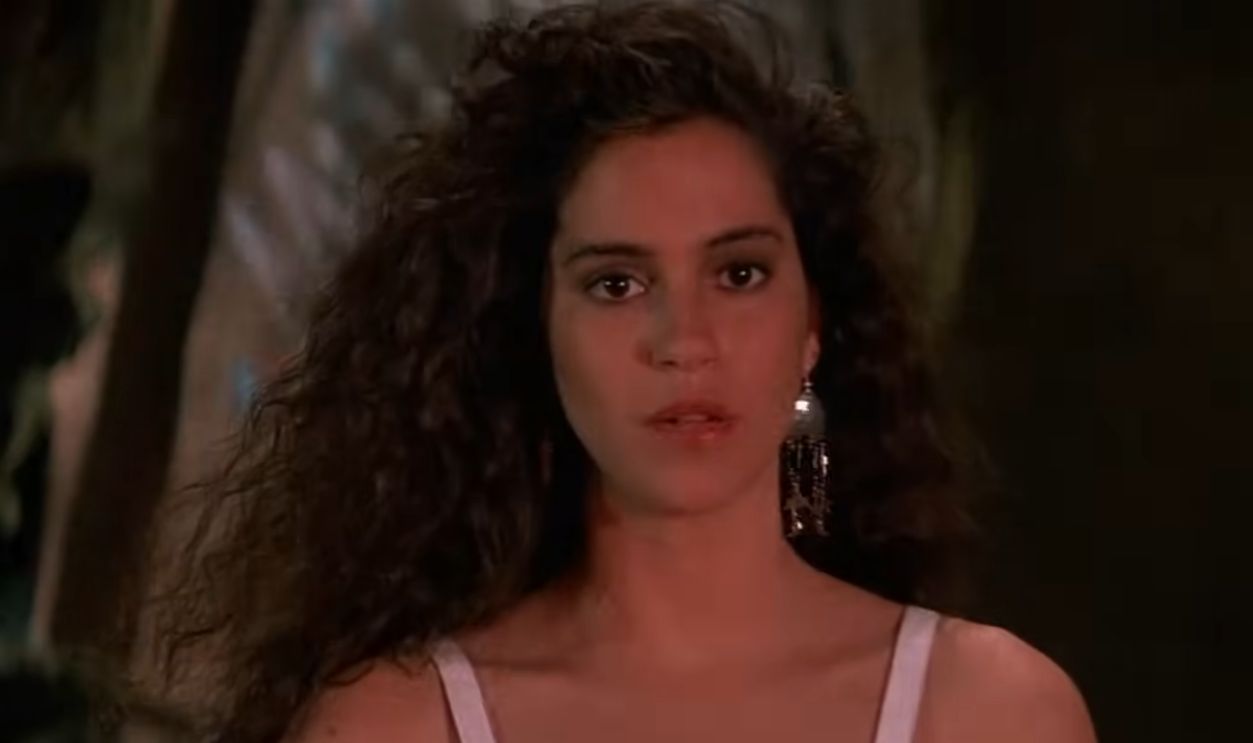 Screenshot from The Lost Boys, Warner Bros. Pictures (1987)
Lori Singer
Lori Singer became a familiar face thanks to Footloose, where she played Ariel Moore, the preacher’s rebellious daughter with small-town frustration written all over her. The role gave her major visibility, but she never became the long-term A-list movie star the film seemed capable of launching. She continued working, yet her biggest pop-culture moment remained frozen in that one dance-movie era.
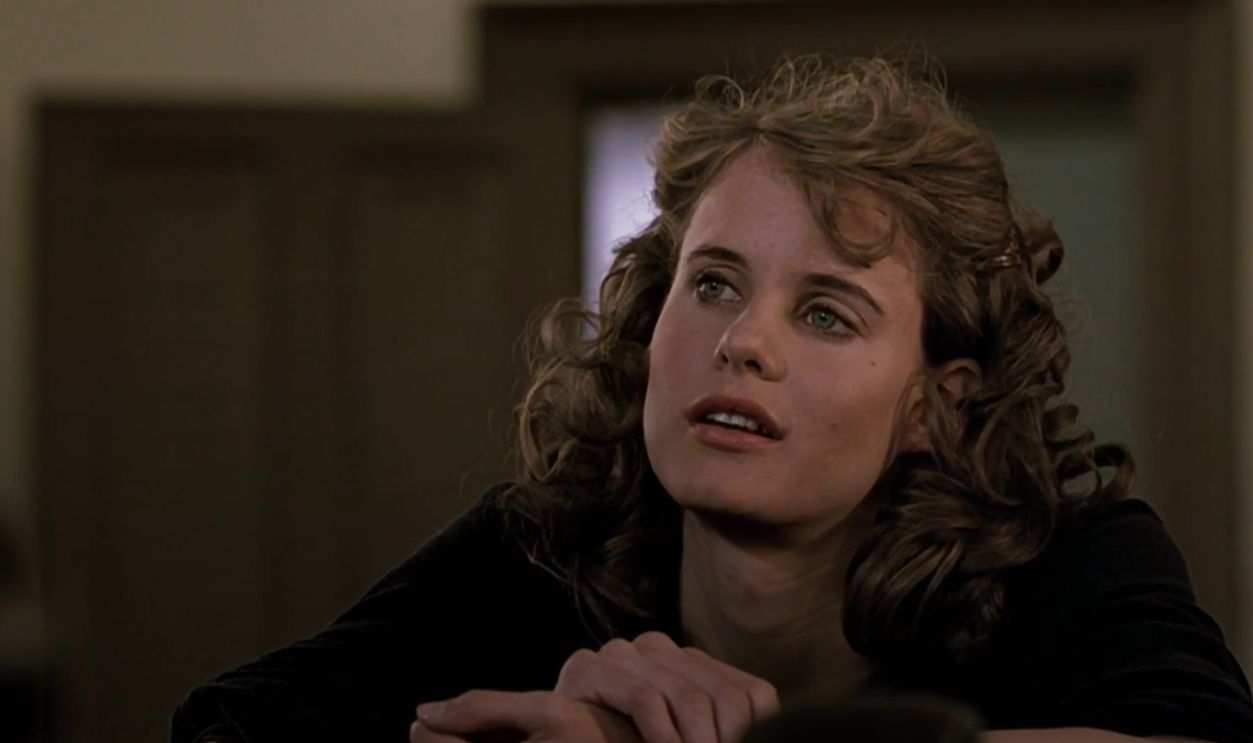 Screenshot from Footloose, Paramount Pictures (1984)
Mia Sara
Mia Sara became unforgettable as Sloane Peterson in Ferris Bueller’s Day Off, one of the coolest girlfriend roles of the decade. She later appeared in films like Legend and kept acting for years, but she eventually stepped away from regular Hollywood visibility. For many viewers, she still exists in perfect 80s time, leaning against a Ferrari and looking impossibly composed.
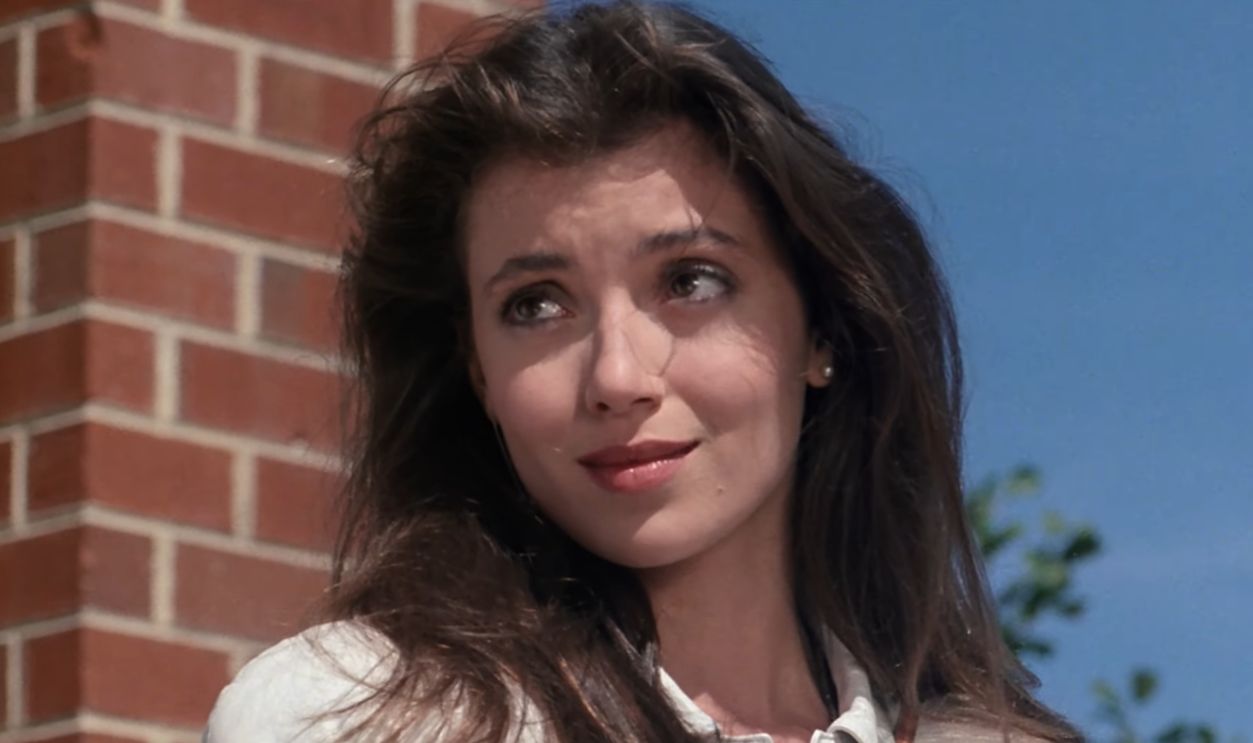 Screenshot from Ferris Bueller’s Day Off, Paramount Pictures (1986)
Kerri Green
Kerri Green became a familiar teen-film face through The Goonies, Lucas, and Summer Rental. She had an approachable, girl-next-door quality that made her feel less manufactured than some young stars of the decade. Her mainstream acting career slowed after the 1980s, but her roles remain nostalgic touchstones for viewers who grew up on cable reruns.
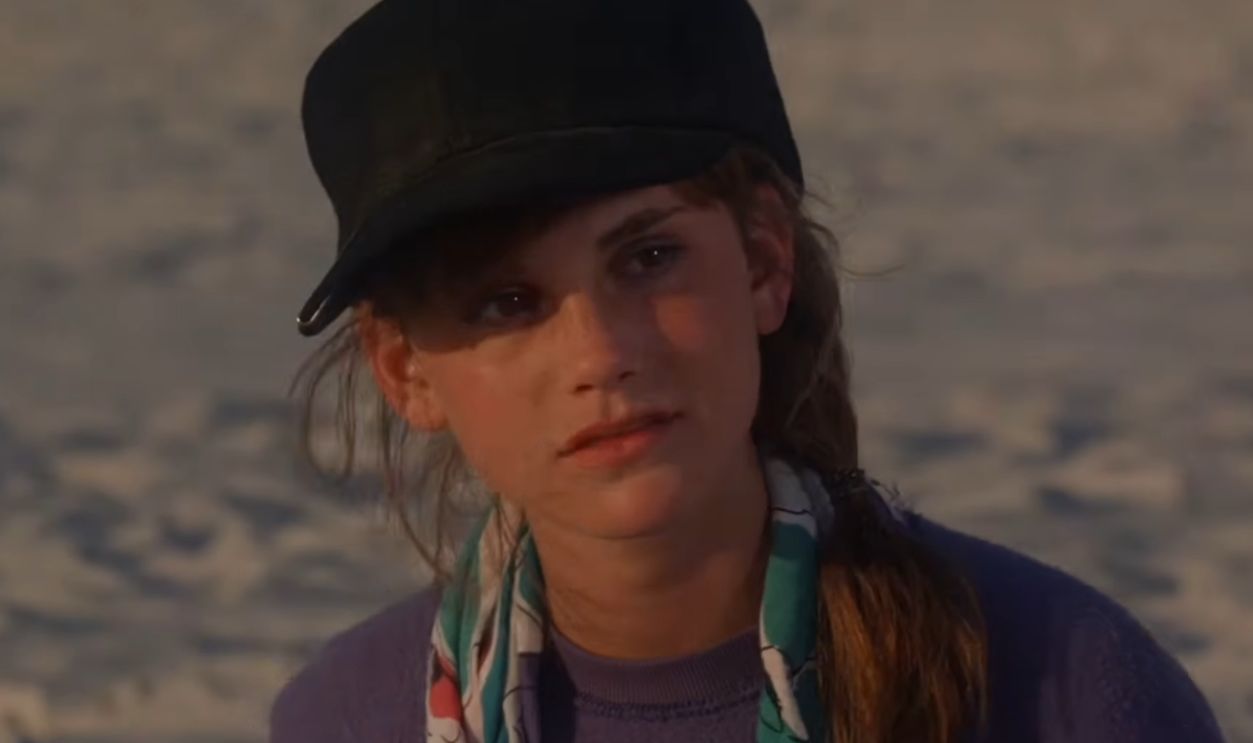 Screenshot from Summer Rental, Paramount Pictures (1985)
Robyn Lively
Robyn Lively’s Teen Witch didn’t dominate the box office, but it became a cult favorite that kept her 1980s teen-idol status alive. Add in The Karate Kid Part III and regular television work, and she felt like someone on the edge of a much bigger breakout. Instead, her career became steadier and quieter than the teen-magazine hype suggested.
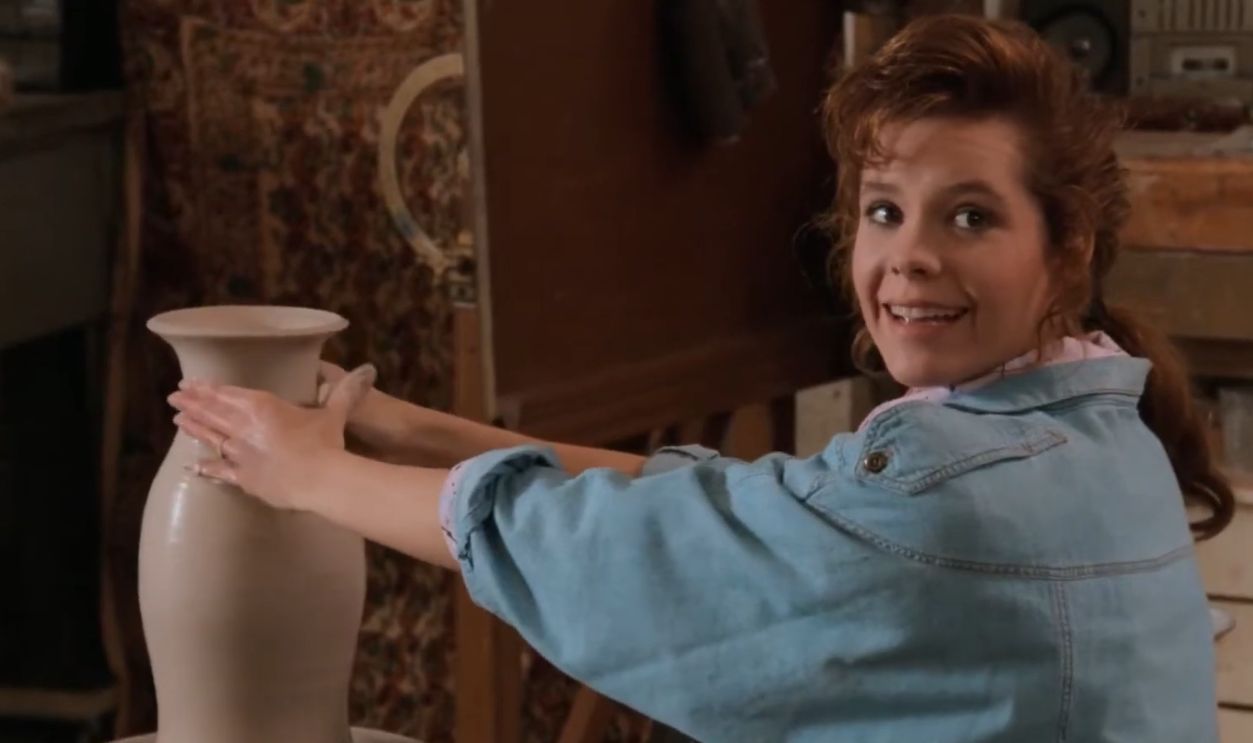 Screenshot from The Karate Kid Part III, Columbia Pictures (1989)
Helen Slater
Helen Slater looked positioned for huge stardom after Supergirl, The Legend of Billie Jean, and The Secret of My Success. She had the look, the presence, and the kind of roles that should have made her unavoidable. But Hollywood never quite gave her the long, dominant movie-star run those early parts seemed to promise.
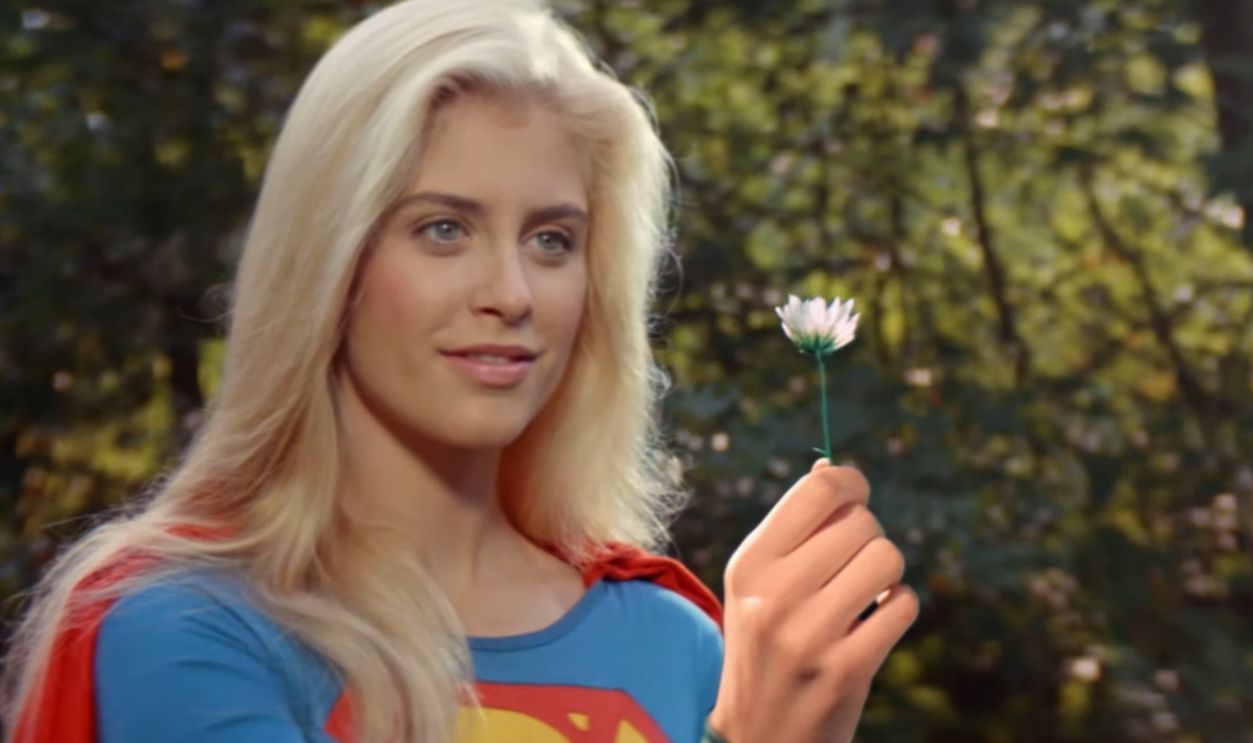 Screenshot from Supergirl, TriStar Pictures (1984)
Jason Patric
Jason Patric became a major young heartthrob with The Lost Boys, bringing brooding intensity to one of the decade’s coolest vampire movies. He kept taking interesting roles afterward, often choosing darker or less obvious projects instead of chasing easy teen idol fame. That made him respected, but it also kept him from becoming the massive mainstream celebrity some expected.
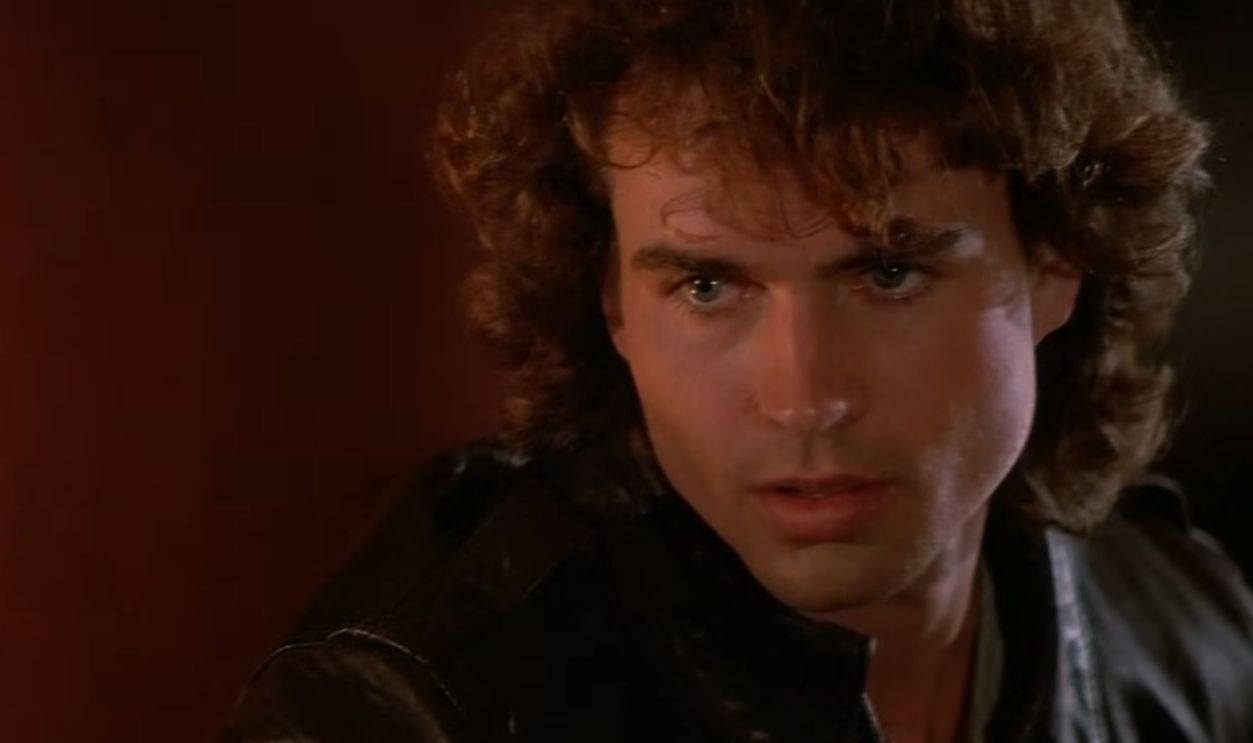 Screenshot from The Lost Boys, Warner Bros. Pictures (1987)
Ilan Mitchell-Smith
Ilan Mitchell-Smith had the ultimate brief teen-star moment with Weird Science, playing one of two awkward boys who accidentally create the woman of their dreams. It was exactly the kind of bizarre premise the 1980s could turn into a hit. Instead of chasing fame forever, he left acting and later built a very different life in academia.
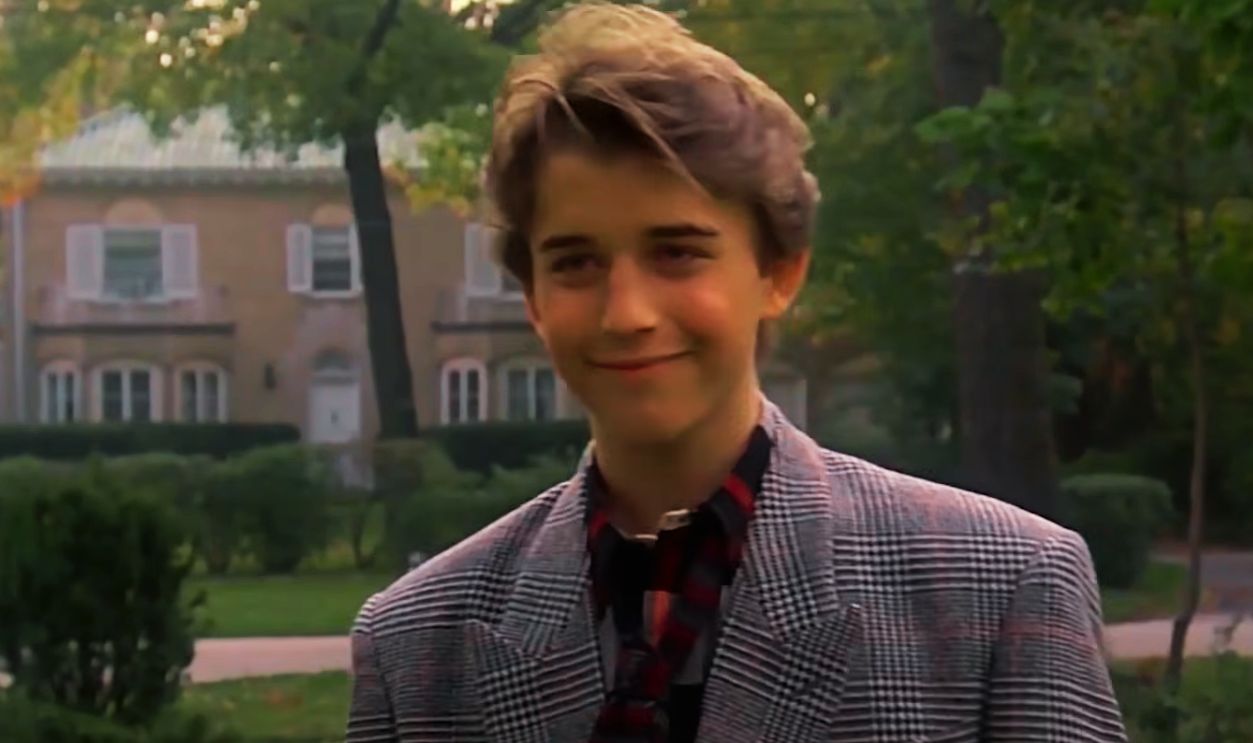 Screenshot from Weird Science, Universal Pictures (1985)
Barret Oliver
Barret Oliver was one of the decade’s most recognizable child actors thanks to The NeverEnding Story, D.A.R.Y.L., and Cocoon. He had a thoughtful, serious quality that made him stand out from more hyperactive kid stars. Then he left acting behind, eventually moving into photography and printing, making his retreat from Hollywood feel unusually complete.
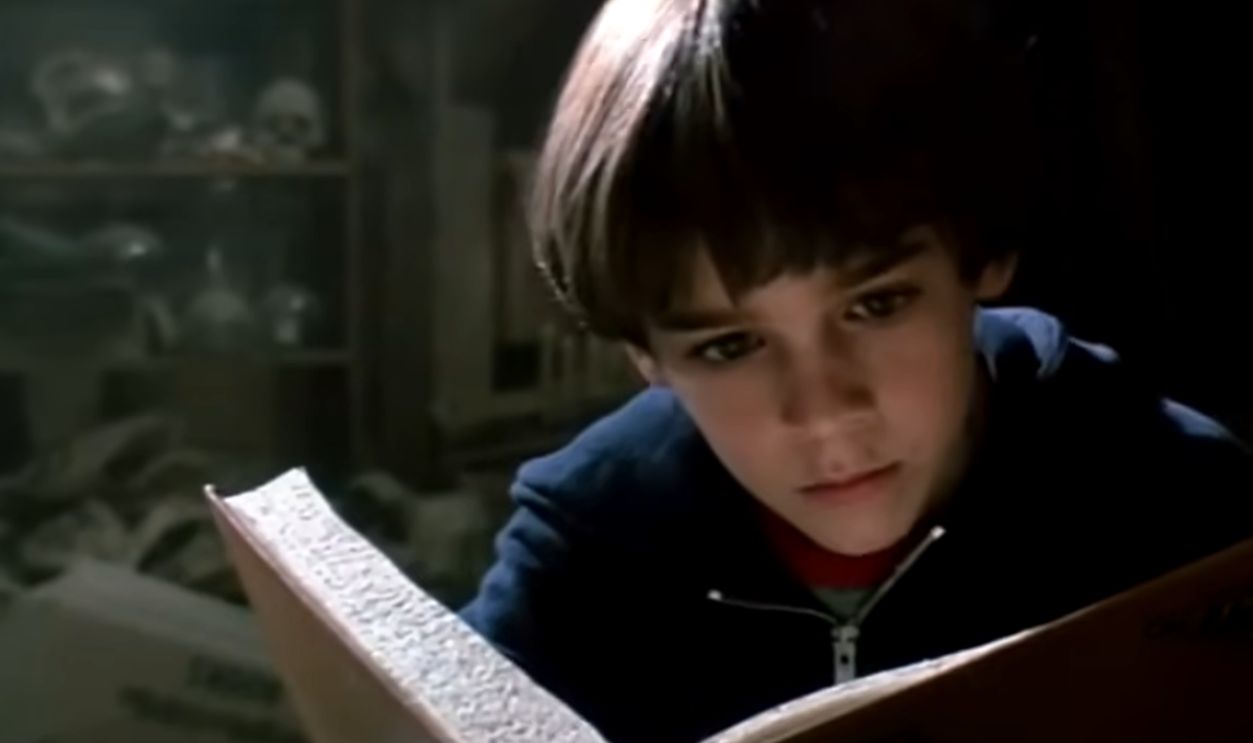 Screenshot from The NeverEnding Story, Warner Bros. Pictures (1984)
Willie Aames
Willie Aames was already familiar from Eight Is Enough, then became a full teen-magazine fixture through Charles in Charge. His boyish charm made him extremely marketable during the late 1970s and 1980s. But like many young TV idols, he struggled to turn adolescent fame into a stable adult mainstream career.
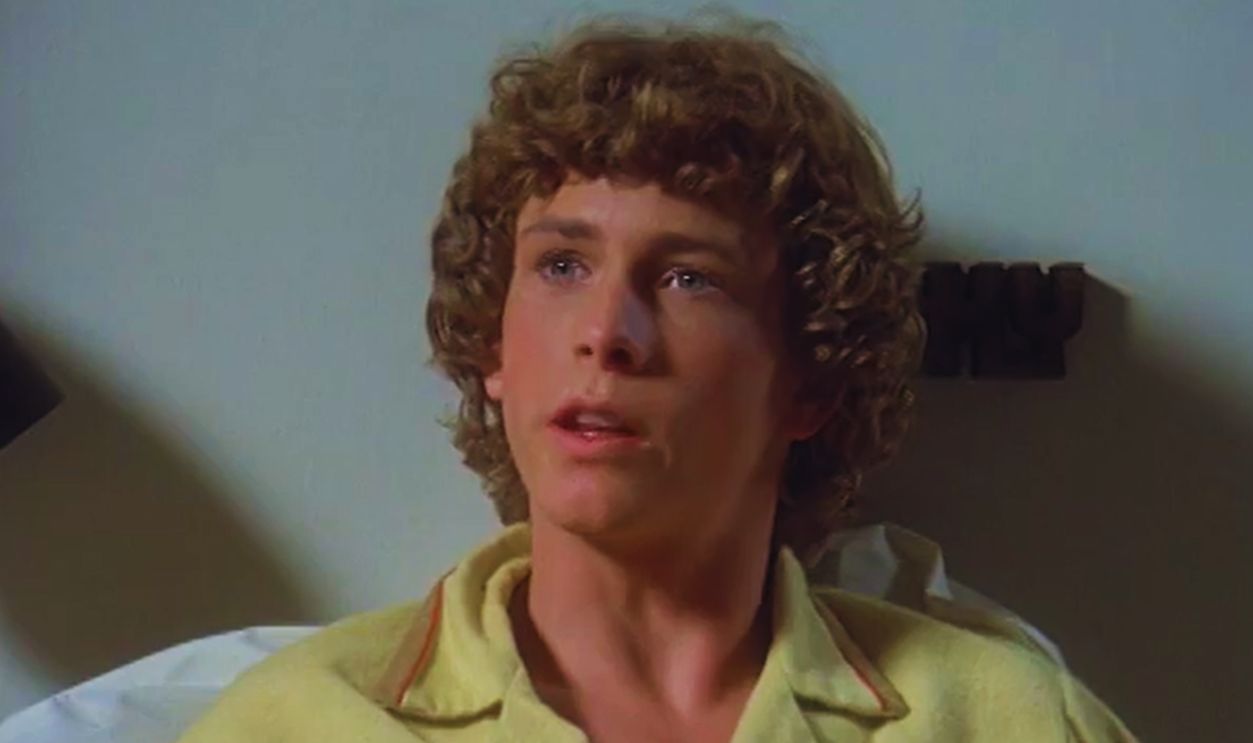 Screenshot from Eight Is Enough, ABC (1977–1981)
Kirk Cameron
Kirk Cameron became one of television’s biggest teen idols as Mike Seaver on Growing Pains. His face was all over magazines, and his sitcom success made him a household name. Later, he moved away from mainstream Hollywood and became more closely associated with faith-based projects, leaving his teen-idol era feeling like a completely different chapter.
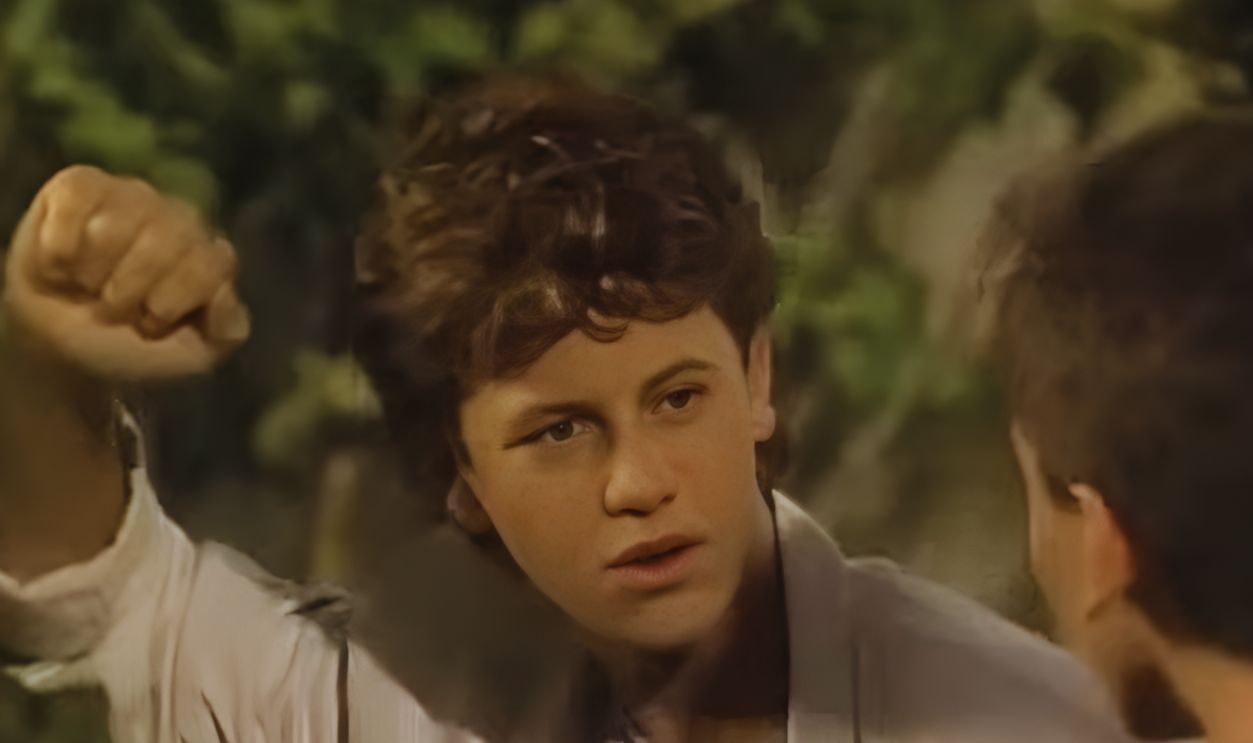 Screenshot from Growing Pains, ABC (1985–1992)
Scott Baio
Scott Baio was everywhere for a while, from Happy Days to Joanie Loves Chachi to Charles in Charge. He had the classic teen-idol mix of sitcom charm, good looks, and endless magazine coverage. His fame lasted longer than many young stars, but his peak belonged very specifically to that late-70s and 80s TV moment.
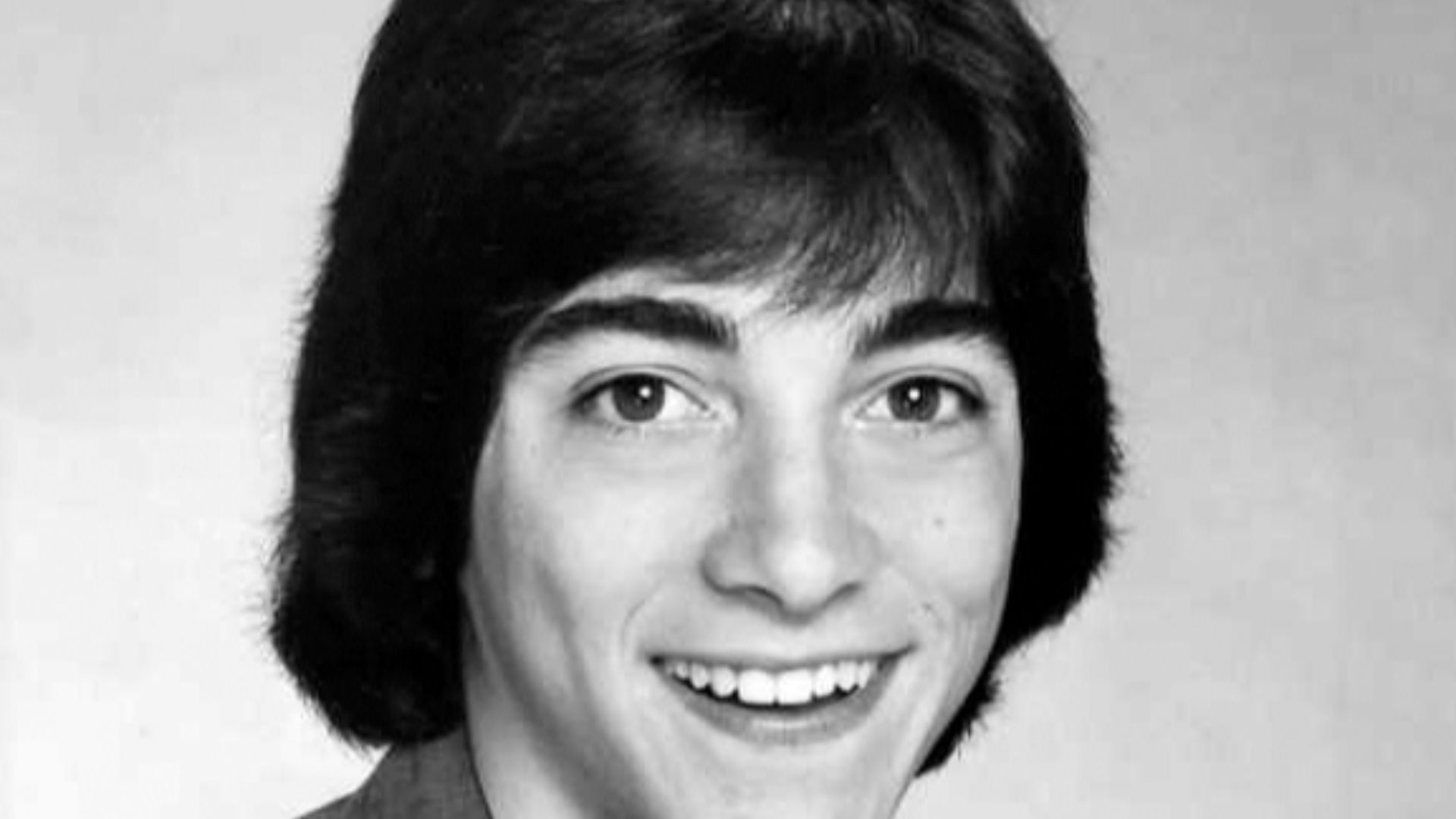 American Broadcasting Company, Wikimedia Commons
Tiffany
Tiffany turned shopping malls into concert venues and somehow made that feel like a revolution. Her cover of “I Think We’re Alone Now” helped make her one of the most visible teenage pop stars of the late 1980s. For a brief stretch, she was inescapable, but teen-pop fame moved quickly, and the mainstream spotlight shifted just as fast.
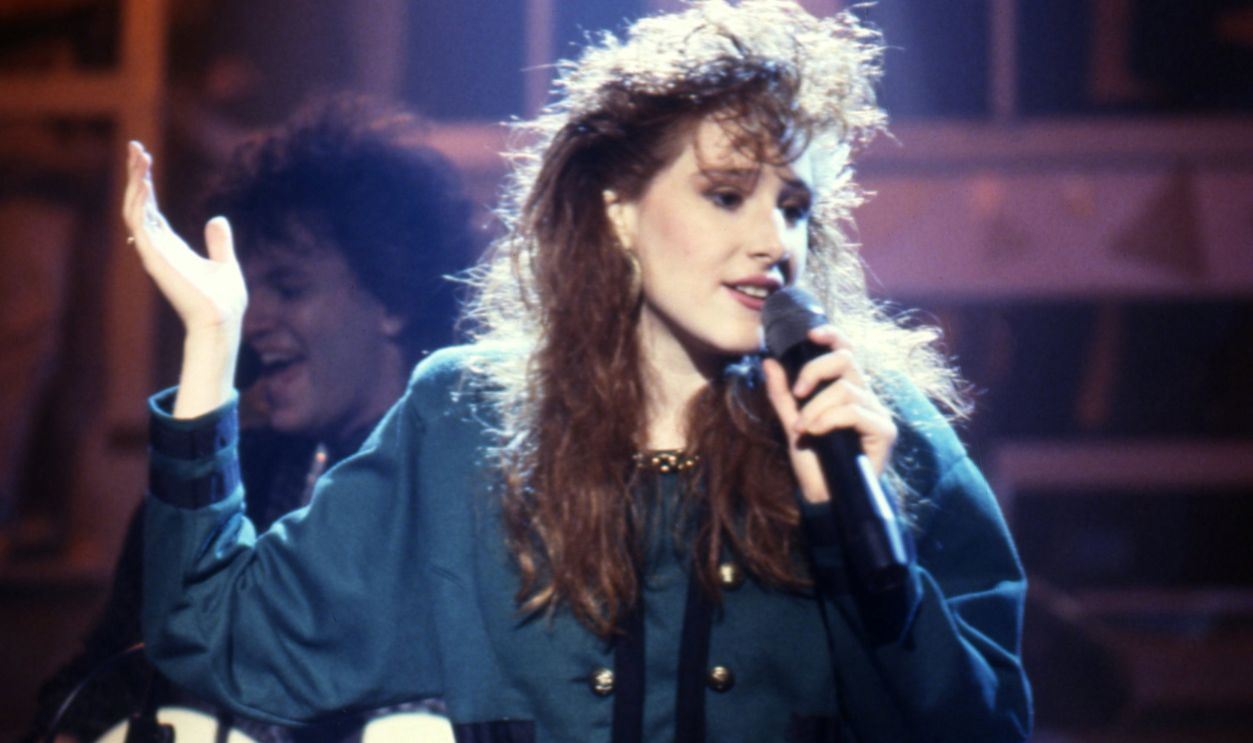 Donaldson Collection, Getty Images
Debbie Gibson
Debbie Gibson was not just a teen singer. She wrote and performed her own hits, which made her stand apart from many manufactured pop idols. Songs like “Only in My Dreams” and “Lost in Your Eyes” made her a late-1980s superstar. But as pop tastes changed in the 1990s, her mainstream dominance faded, even though her talent was never really in question.
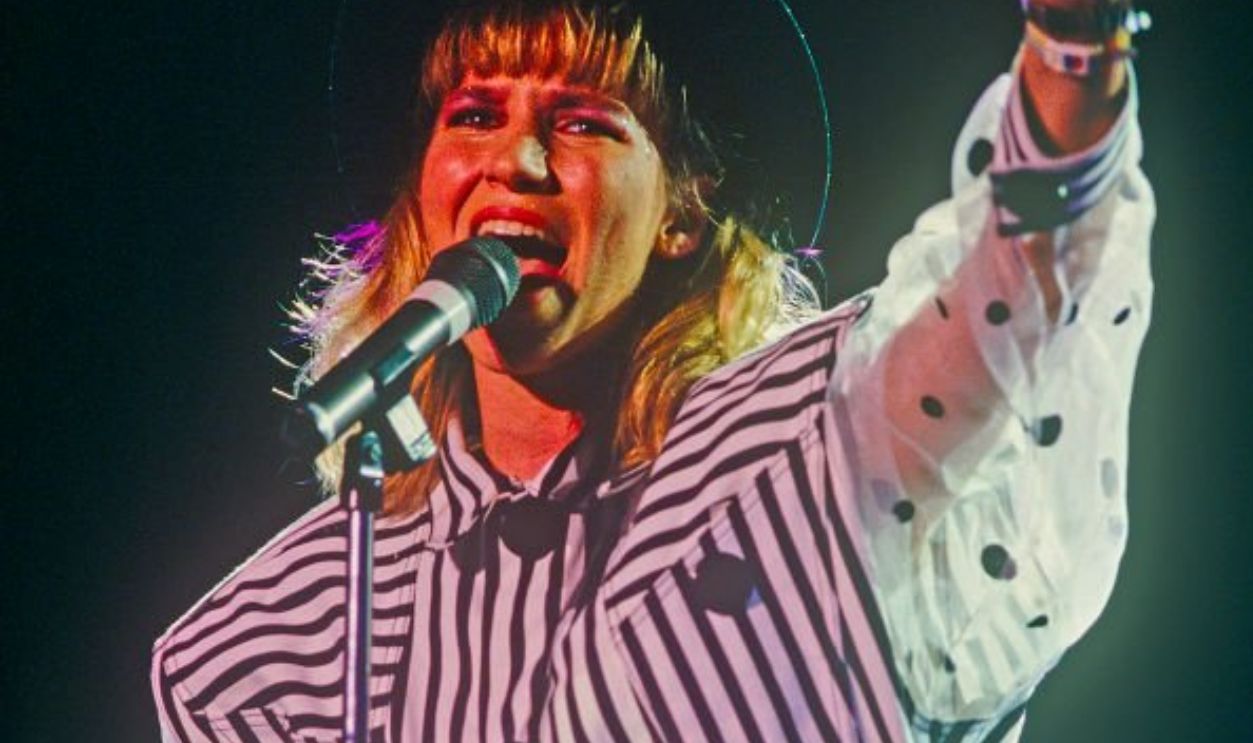
Martika
Martika went from child performer on Kids Incorporated to late-1980s pop star with “Toy Soldiers,” one of the era’s most haunting teen-pop hits. She had a distinctive voice and a slightly more dramatic image than some of her peers. But after a brief mainstream run, she pulled back from the spotlight, leaving that song to carry her legacy.
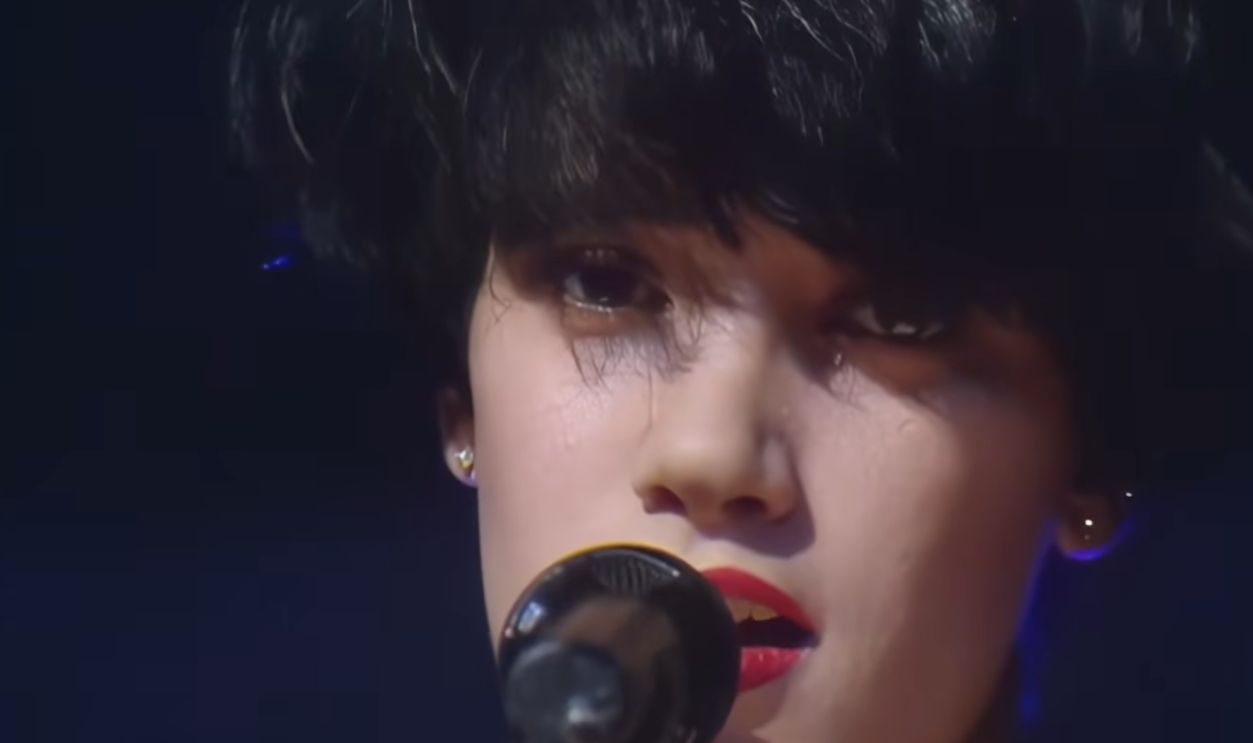 Screenshot from Toy Soldiers, Columbia Records (1989)
Glenn Medeiros
Glenn Medeiros became an international teen heartthrob with romantic ballads that seemed engineered for school dances and radio dedications. “Nothing’s Gonna Change My Love for You” gave him huge visibility, and “She Ain’t Worth It” later topped the U.S. charts. But his pop career cooled quickly, and he eventually moved into education rather than chasing nostalgia fame.
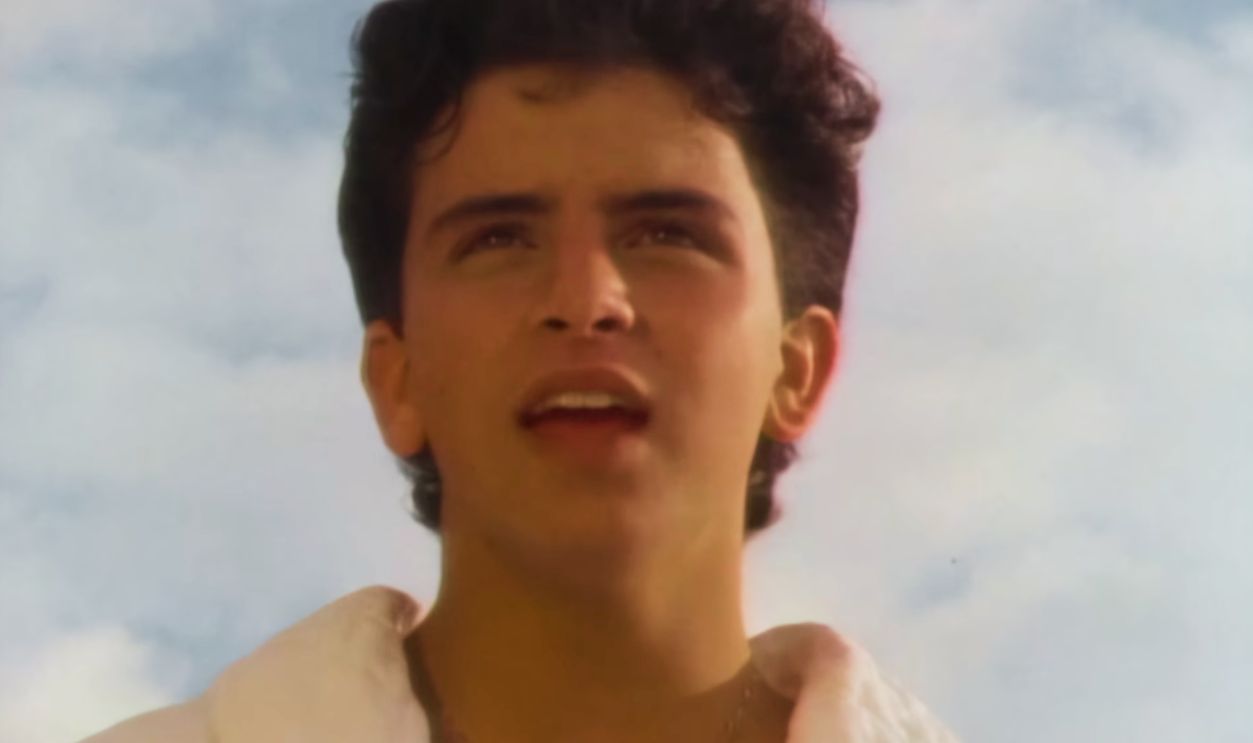 Screenshot from Nothing’s Gonna Change My Love for You, Amherst (1986)
Diane Franklin
Diane Franklin became a familiar face in 1980s teen movies thanks to The Last American Virgin, Better Off Dead, and later Bill & Ted’s Excellent Adventure. She had a distinctive look and a knack for playing characters audiences remembered even when the movies were strange. Her visibility faded, but cult-film fans never really forgot her.
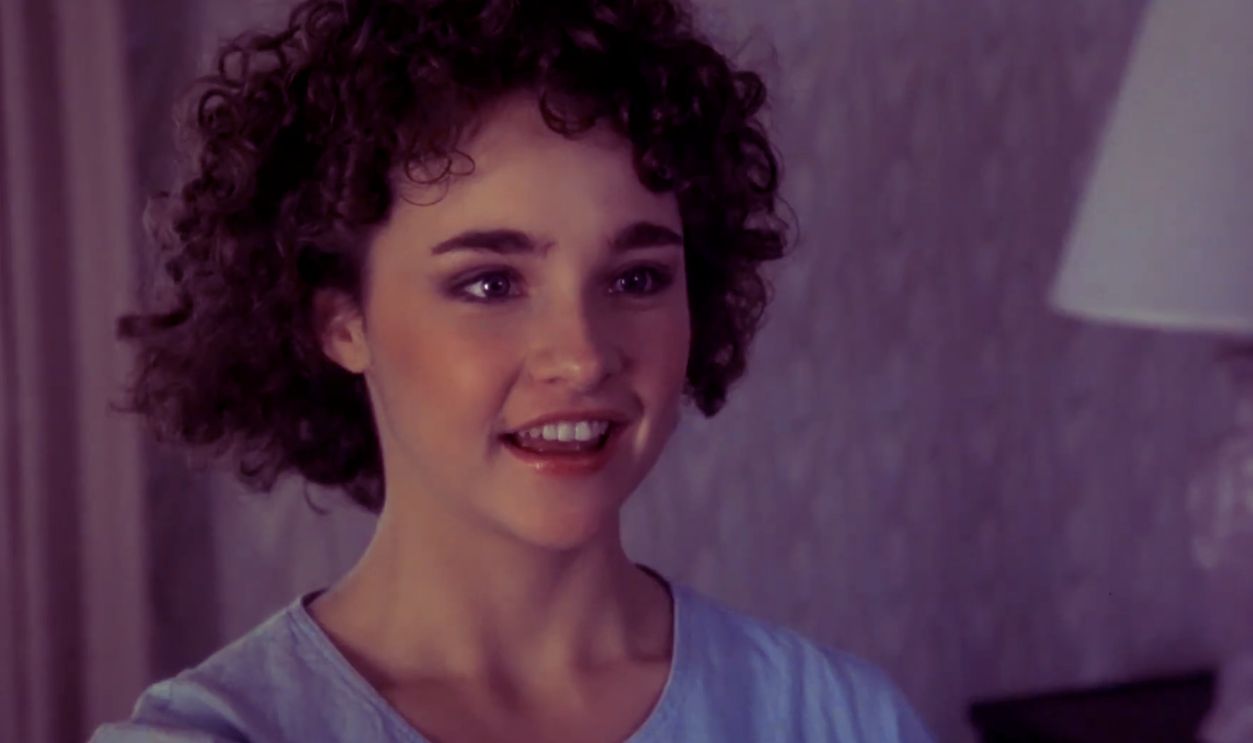 Screenshot from Better Off Dead, Warner Bros. Pictures (1985)
Meredith Salenger
Meredith Salenger made a strong impression in The Journey of Natty Gann, then appeared in A Night in the Life of Jimmy Reardon during the late-1980s teen-movie wave. She had a natural, serious screen presence that suggested a much bigger adult career might follow. Instead, her mainstream fame softened, leaving her as a familiar name mostly to devoted 80s movie fans.
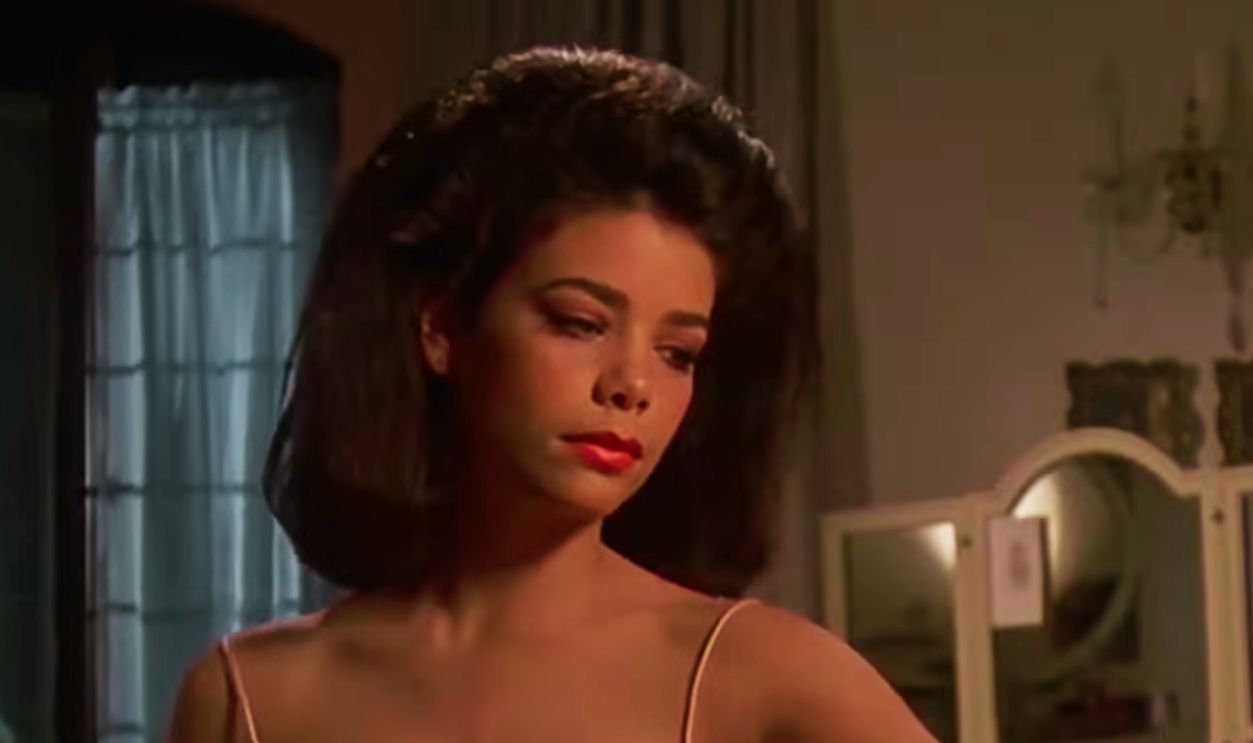 Screenshot from A Night in the Life of Jimmy Reardo, 20th Century Fox (1988)
You May Also Like:
Commercial Characters From The 1970s Everyone Recognized Instantly
Female Action Stars Of The 1970s Who Were Cooler Than The Men Around Them