When Commercials Created Celebrities
Before viewers could skip ads, mute streaming breaks, or reach for their phones, television commercials had a captive audience. During the 1970s, advertisers filled those precious seconds with characters so memorable that some became nearly as recognizable as the stars of the shows surrounding them.
 Phil Slattery/The Denver Post, Getty Images
Mr. Whipple
Poor Mr. Whipple had one simple request: “Please don’t squeeze the Charmin.” Naturally, everyone squeezed it anyway. Played by Dick Wilson, the perpetually exasperated grocery-store manager became one of television advertising’s most familiar faces, appearing in hundreds of commercials during his long career.
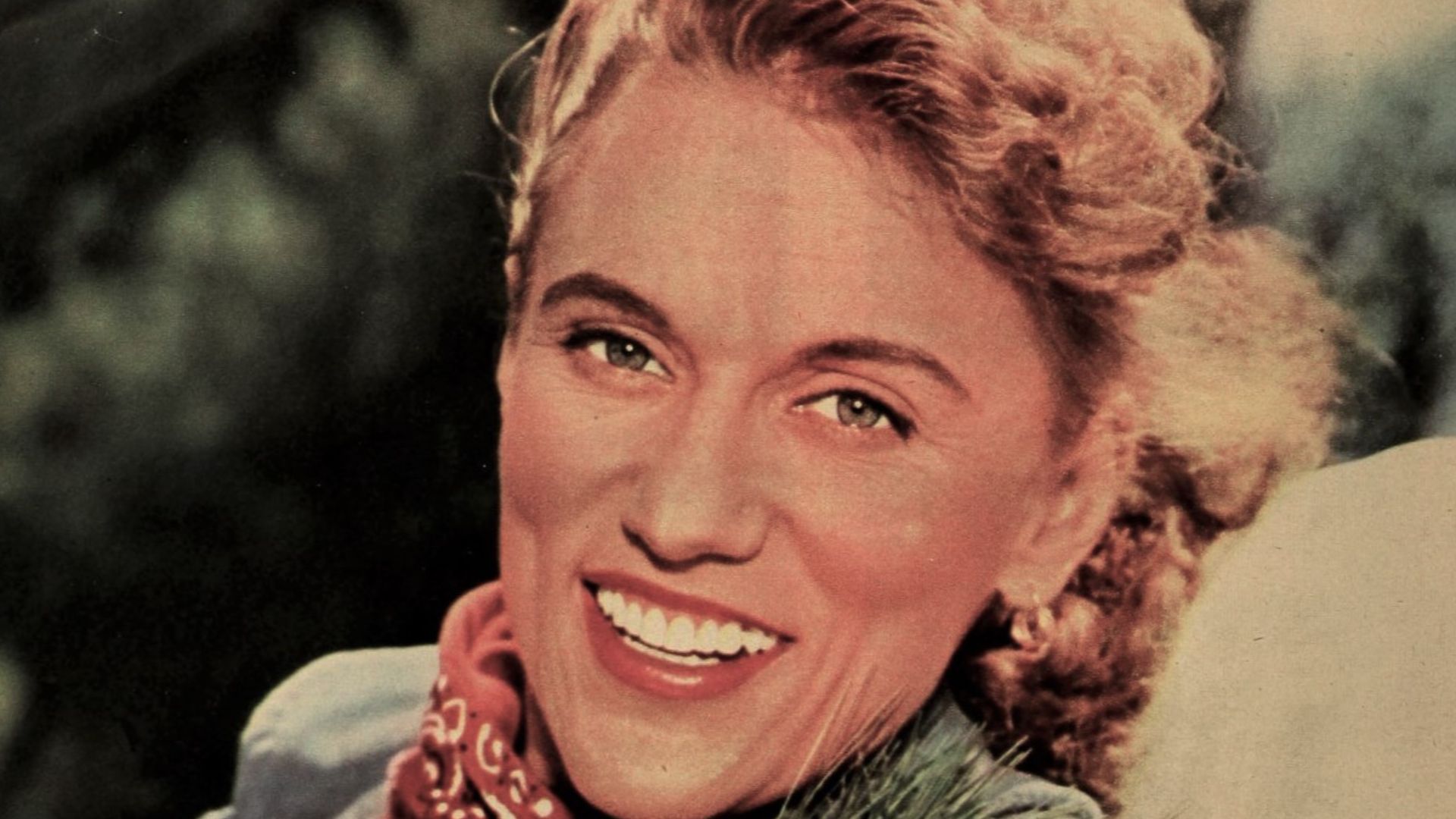
Madge The Manicurist
Palmolive turned an ordinary manicure into one of the decade’s most famous advertising setups. Madge, played by Jan Miner, would surprise customers by revealing that their fingers were already soaking in Palmolive dishwashing liquid. Her reassuring delivery somehow made doing dishes sound almost luxurious.
 Photographer not credited, Wikimedia Commons
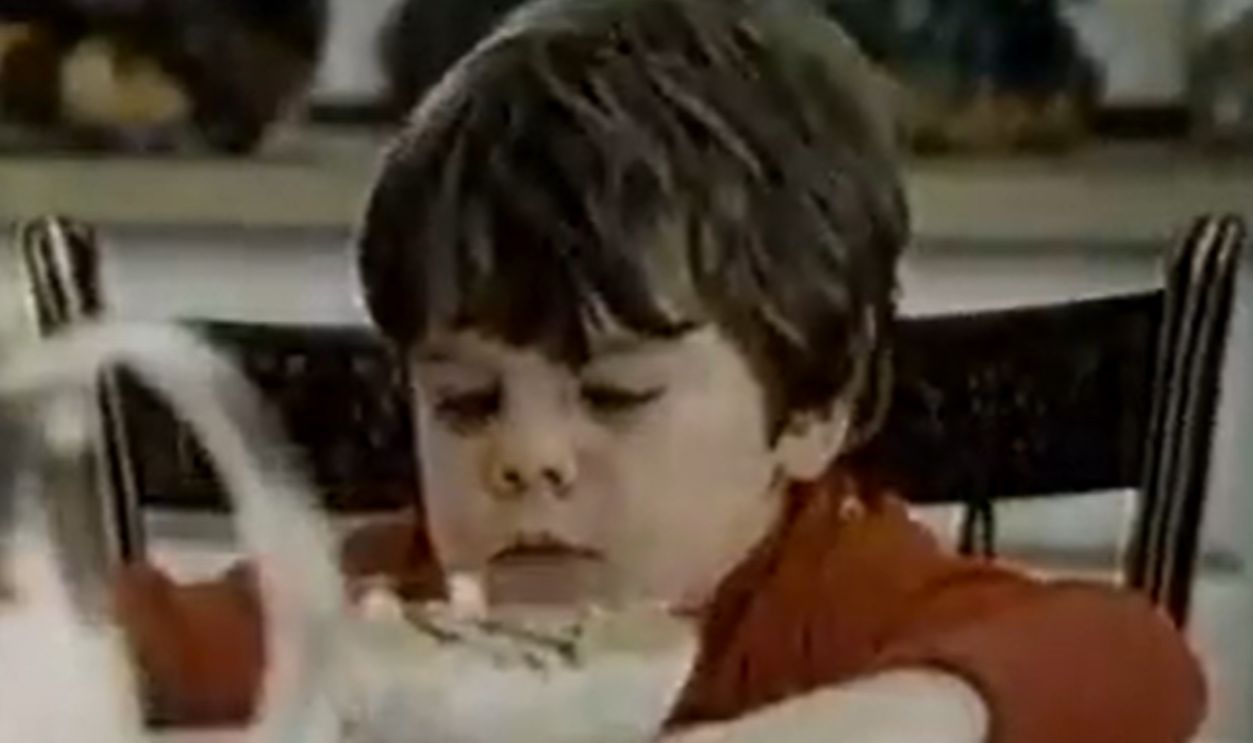
Mikey
Life cereal found advertising gold with a suspicious little boy named Mikey. His older brothers assumed he would refuse the supposedly healthy cereal, only to watch him happily eat it. “He likes it! Hey, Mikey!” became a playground catchphrase that lasted far beyond the commercial itself.
 Screenshot from He likes it! Hey, Mikey!, Quaker Oats Company (1972)
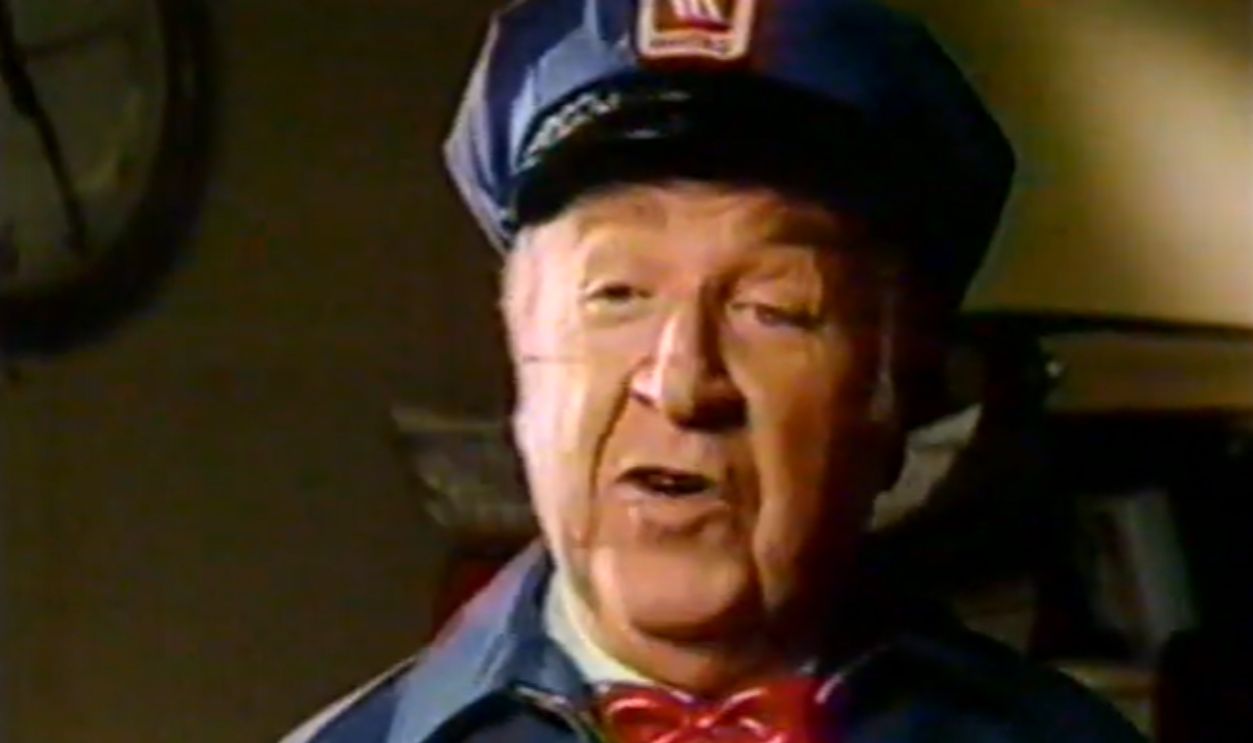
The Maytag Repairman
Maytag’s repairman had perhaps the strangest problem in advertising: nobody needed him. The company’s washers were supposedly so dependable that he spent his days waiting hopelessly for a service call. Jesse White played the lonely technician through much of the 1970s, turning boredom into branding.
 Screenshot from Maytag Repairman, NBC (1987)
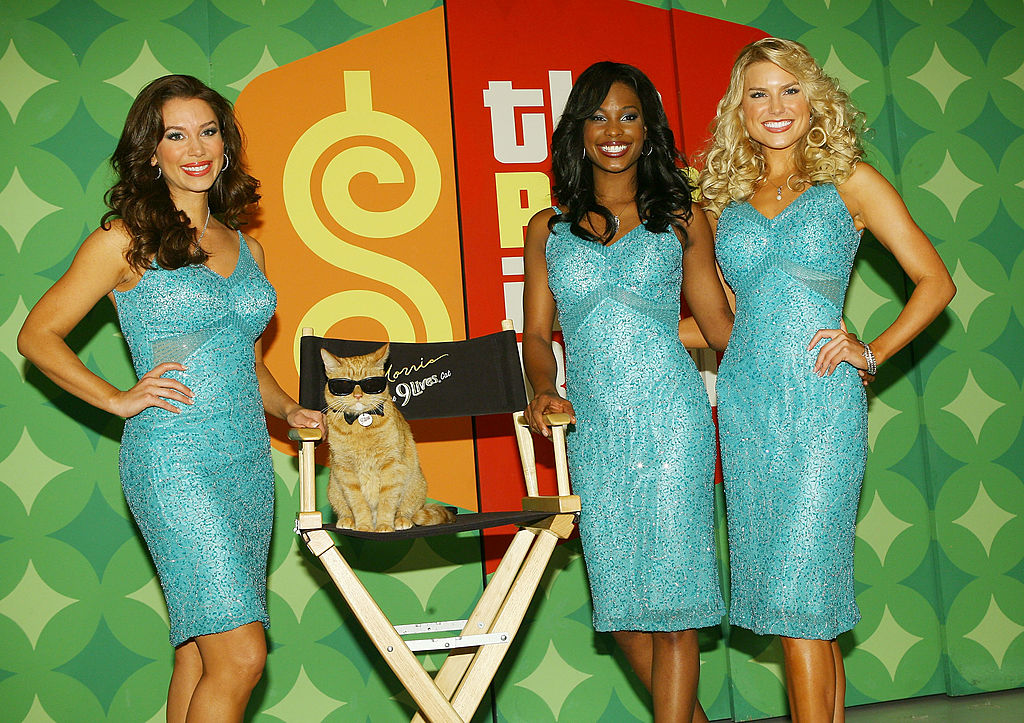
Morris The Cat
Finicky eaters everywhere had a furry representative in Morris the Cat. The famously picky orange tabby appeared in 9Lives cat-food commercials with the confidence of a Hollywood diva. Morris didn’t seem grateful for dinner. He acted as though choosing to eat it was an enormous compliment.
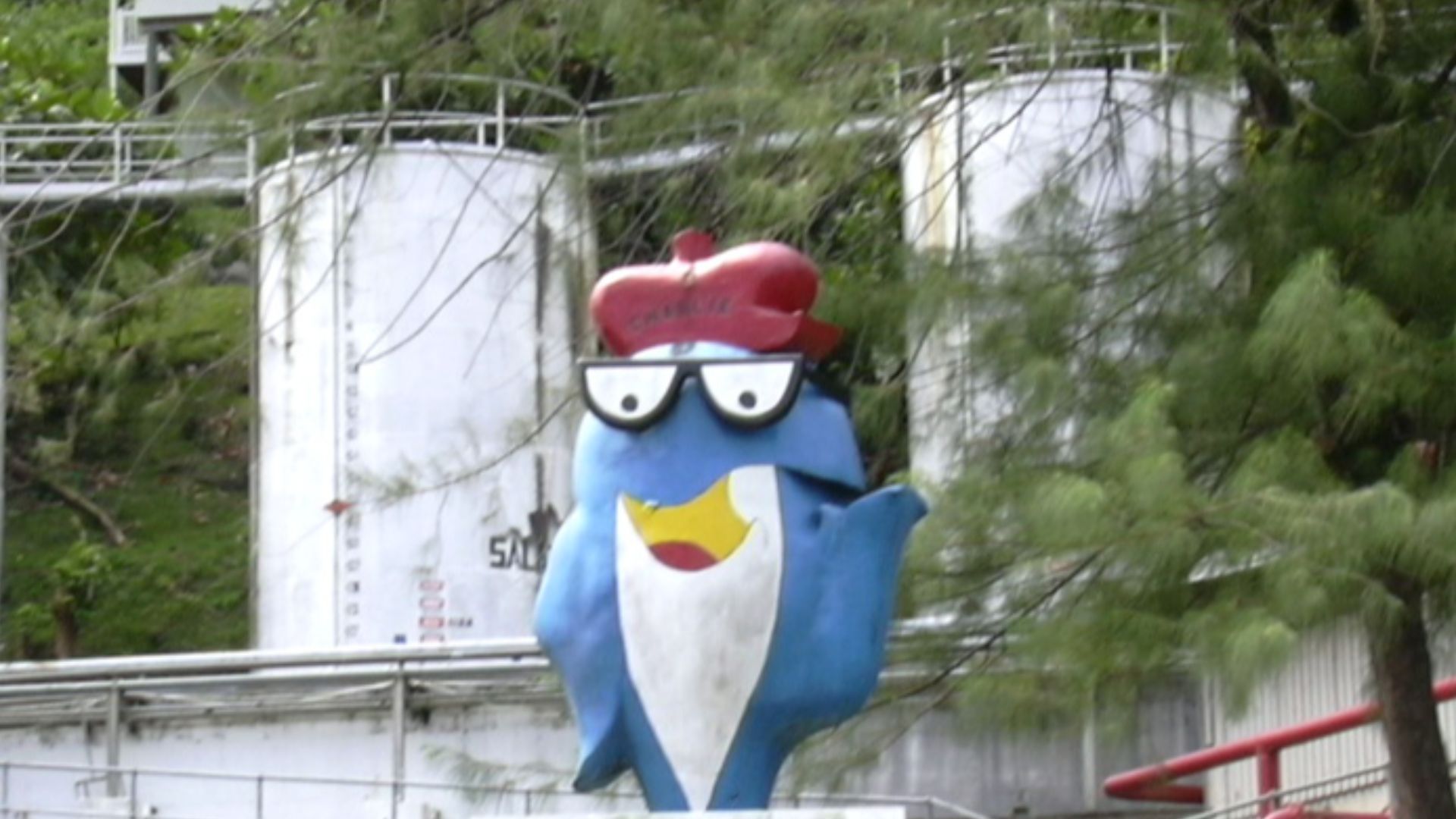
Charlie The Tuna
Charlie the Tuna spent years trying to prove he had “good taste,” hoping StarKist would finally choose him. Unfortunately for Charlie, the company wanted tuna that tasted good rather than tuna with refined cultural tastes. His endless rejection became one of advertising’s longest-running jokes.
 Eric Guinther, Wikimedia Commons
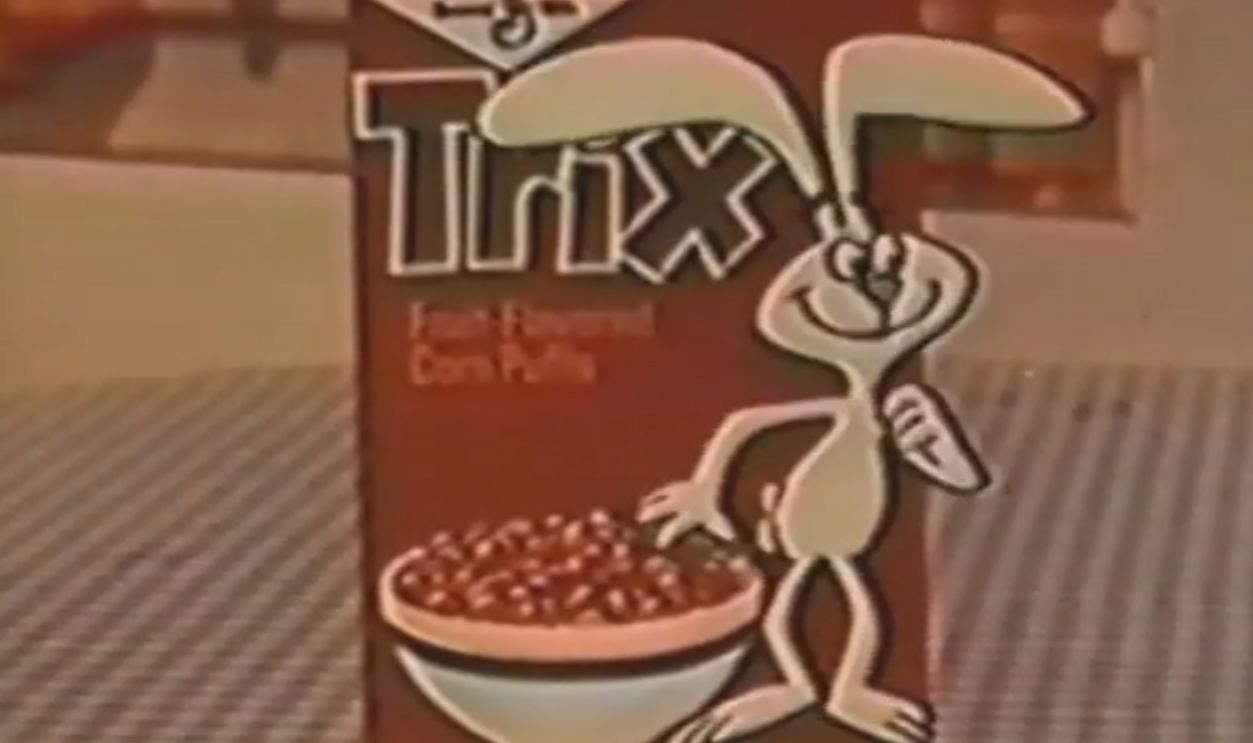
The Trix Rabbit
The Trix Rabbit had a simple dream: eat one bowl of brightly colored cereal. Somehow, children always prevented it. “Silly rabbit, Trix are for kids!” had already become famous before the 1970s, but constant television exposure kept the unlucky rabbit firmly embedded in the decade’s childhood memories.
 Screenshot from Silly rabbit, Trix Are For Kids!, General Mills (1954)
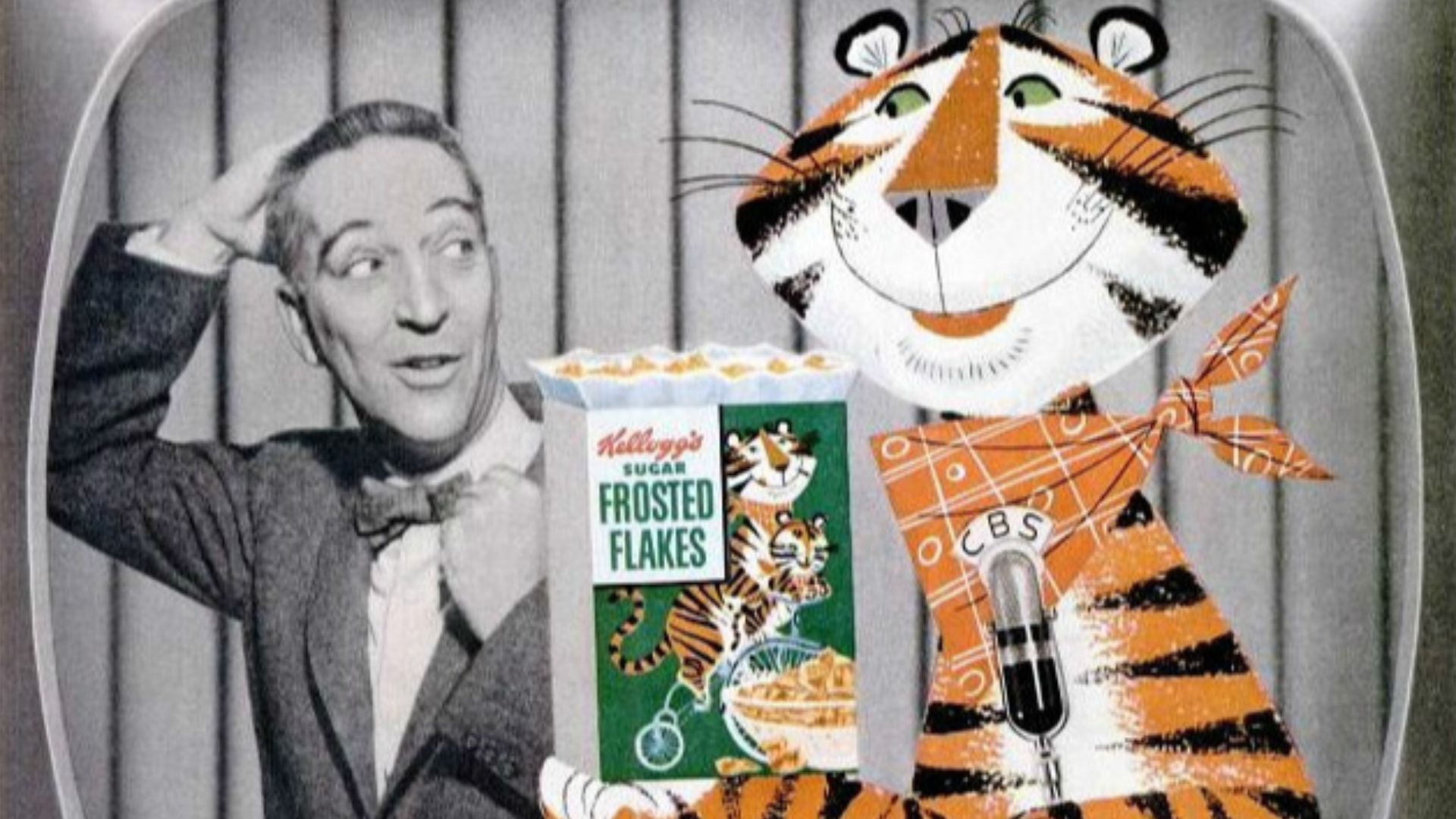
Tony The Tiger
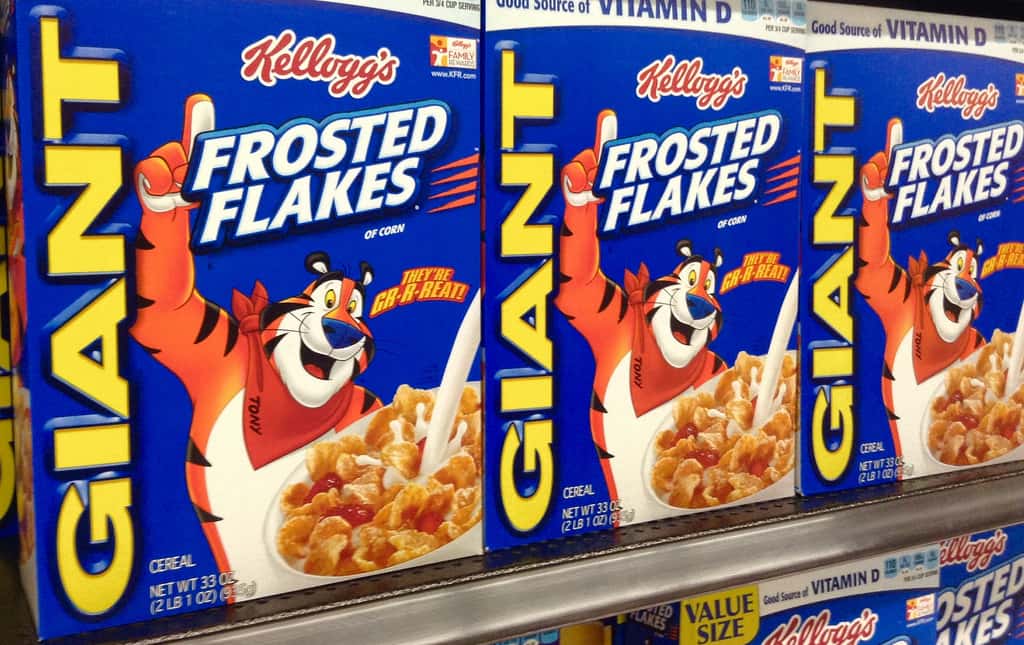
Tony the Tiger had been telling kids Frosted Flakes were “Gr-r-reat!” since the 1950s, but he remained unavoidable during the 1970s. With his booming voice, red bandana, and endless enthusiasm, Tony made an ordinary bowl of sugary cereal sound like preparation for an athletic championship.
 Renamed user 995577823Xyn, Wikimedia Commons
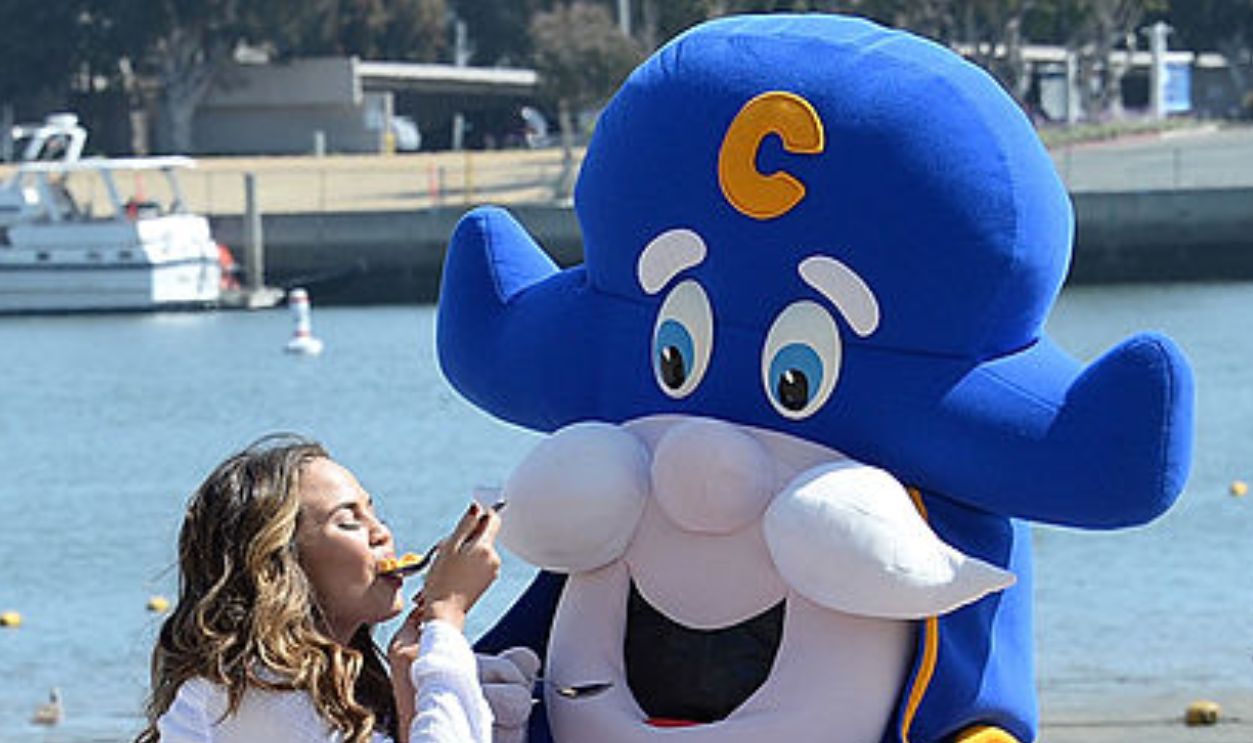
Cap'n Crunch
With his enormous hat, white mustache, and cheerful naval uniform, Cap’n Crunch looked like someone who had accidentally sailed out of a Saturday-morning cartoon. That was exactly the point. His animated adventures made breakfast feel exciting while quietly convincing millions of children to request another box.
The Kool-Aid Man
Few advertising mascots understood entrances quite like the Kool-Aid Man. By the late 1970s, the giant pitcher had developed his famous habit of crashing through walls after thirsty children called for help. Property damage followed, along with a triumphant cry of “Oh yeah!”
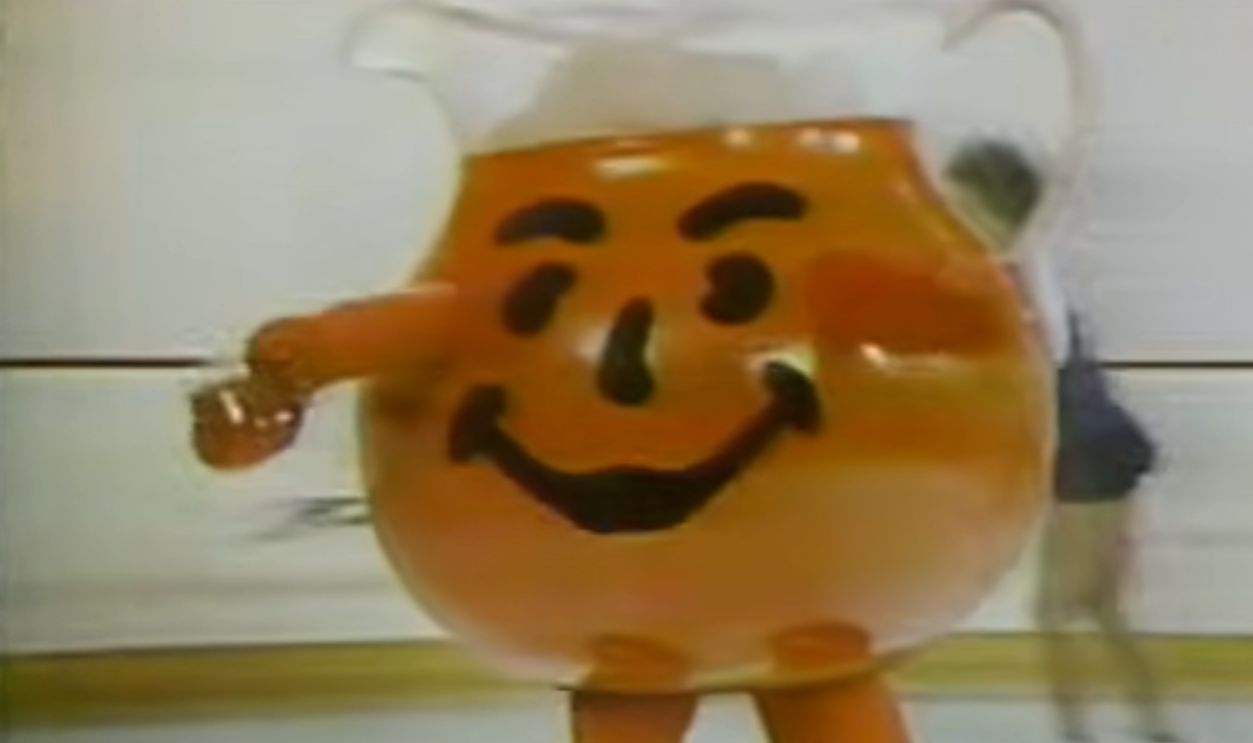 Screenshot from Kool-Aid man OH YEAH, Grey Advertising (1979)
Ronald McDonald
Ronald McDonald was already established before the 1970s, but the decade helped transform him into a genuine pop-culture figure. With his bright red hair, yellow jumpsuit, and enormous shoes, Ronald became the cheerful face of McDonald’s growing restaurant empire and its increasingly elaborate fantasy world.
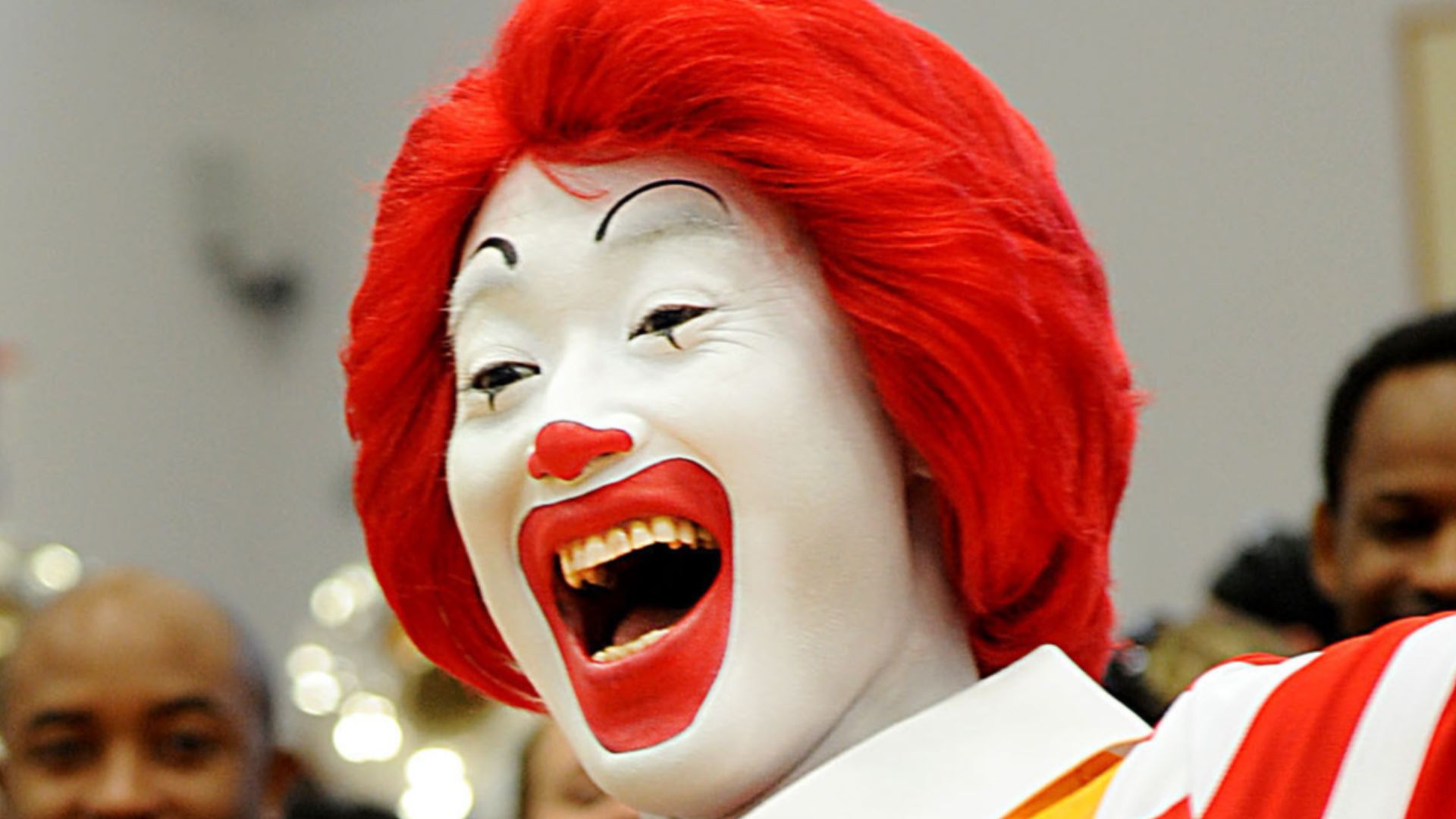 A1C Brooke Beers, Wikimedia Commons
The Hamburglar
McDonaldland needed a villain, and the Hamburglar was perfectly suited to the job. Introduced in the early 1970s, he spent his time plotting to steal hamburgers while dressed like a tiny old-fashioned burglar. Children understood his motivation immediately. Apparently, those burgers were worth committing crimes over.

Grimace
Grimace originally arrived as a somewhat menacing creature with multiple arms and a plan to steal milkshakes. McDonald’s quickly softened him into the lovable purple blob audiences remember. Nobody seemed entirely sure what Grimace actually was, which somehow made him even more memorable.

Mayor McCheese
McDonaldland also had its own elected official, because apparently a fantasy kingdom built around fast food required municipal government. Mayor McCheese wore a sash and had an enormous cheeseburger for a head. Subtle? Absolutely not. Instantly recognizable? Without question.
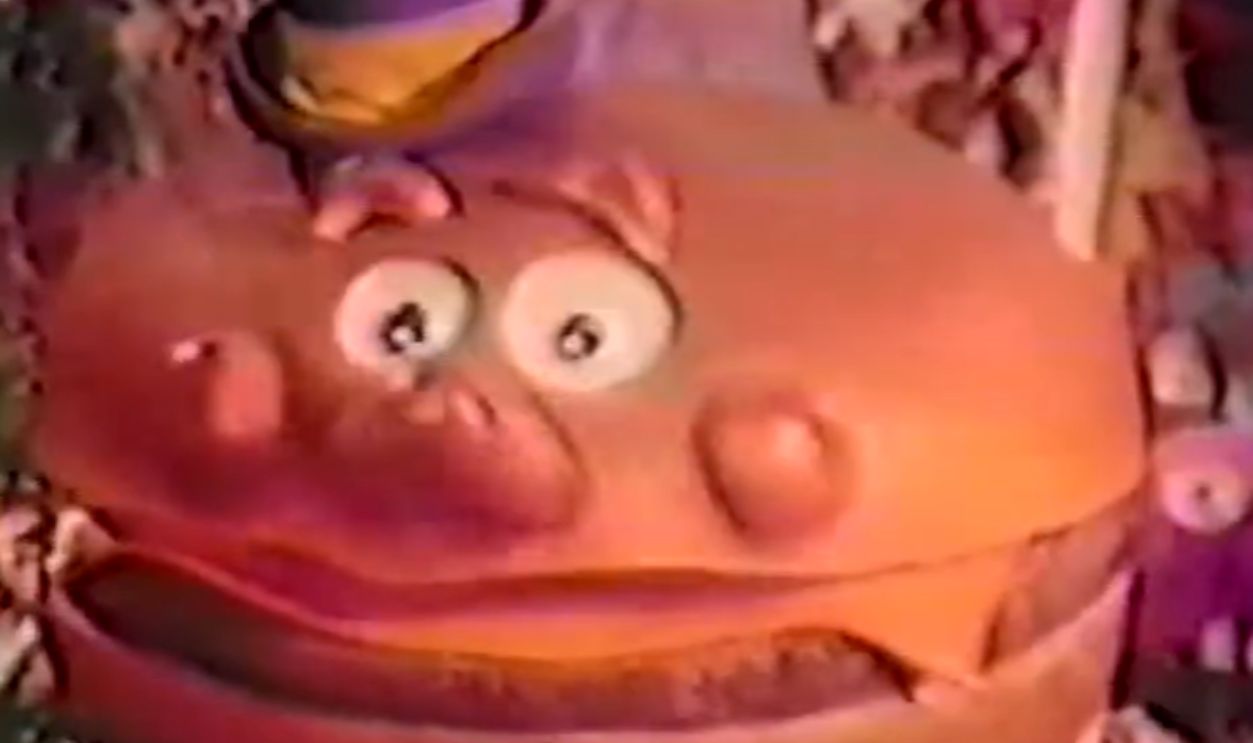 Screenshot from Mayor McCheese, McDonald's Corporation (1971)
The Burger King
Long before the modern, slightly unsettling masked version of the King appeared, Burger King commercials of the 1970s featured a friendlier royal character. The “Marvelous Magical Burger King” performed tricks and entertained children, helping the chain build its own colorful identity during the fast-food advertising wars.
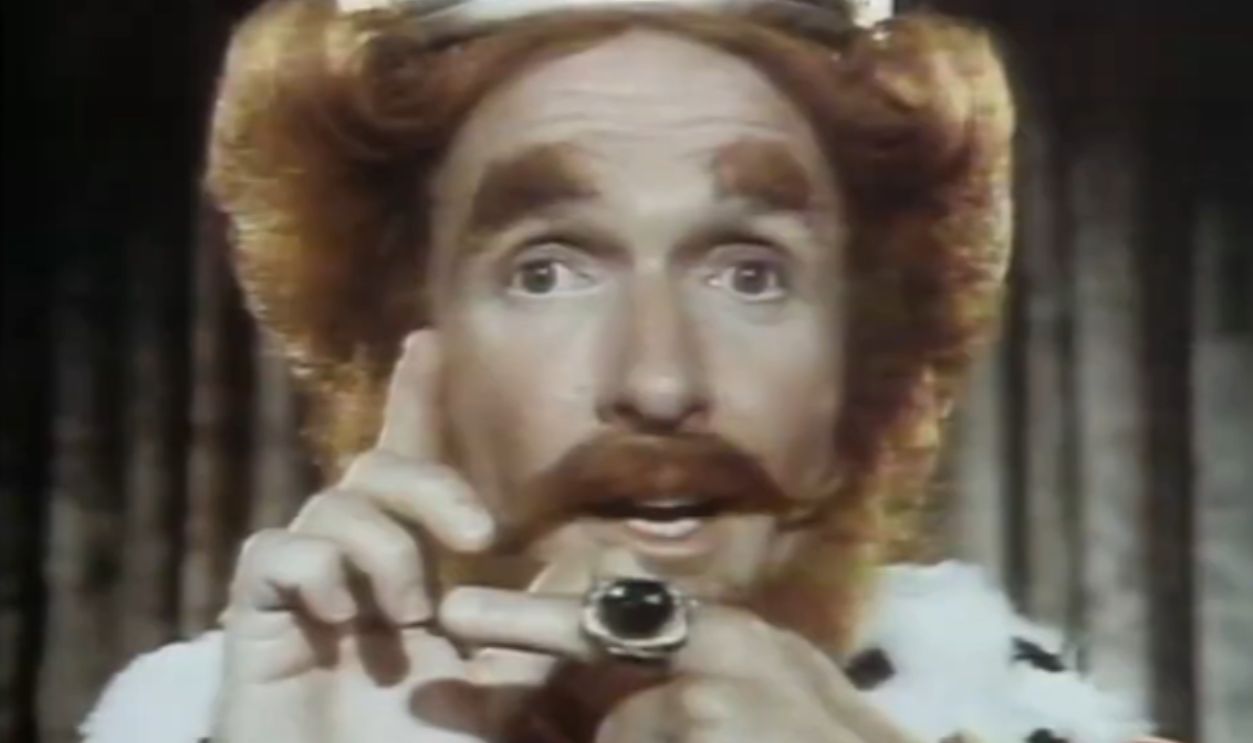 Screenshot from The Marvelous Magical Burger King, WPIX (1977)
The Frito Bandito
The Frito Bandito was impossible to miss during the early 1970s, although he has aged terribly. The animated Fritos mascot leaned heavily on Mexican stereotypes, complete with exaggerated accent and bandit imagery. Complaints eventually helped end the campaign, making him a reminder of how much advertising standards have changed.
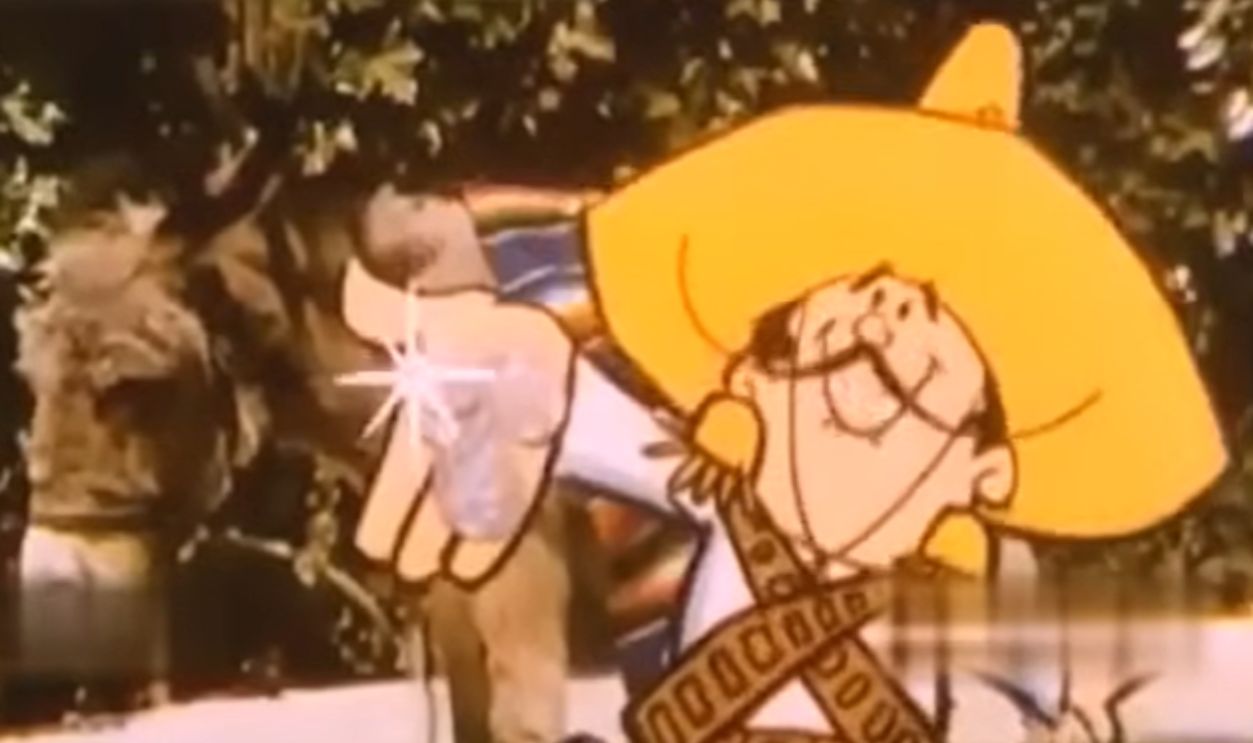 Screenshot from The Frito Bandito, Frito-Lay (1967–1971)
The Jolly Green Giant
The booming “Ho, ho, ho!” of the Jolly Green Giant instantly announced that frozen or canned vegetables were coming. Created decades earlier, the towering green mascot remained a television staple throughout the 1970s. Somehow, advertisers managed to make peas and corn feel like products from a magical kingdom.
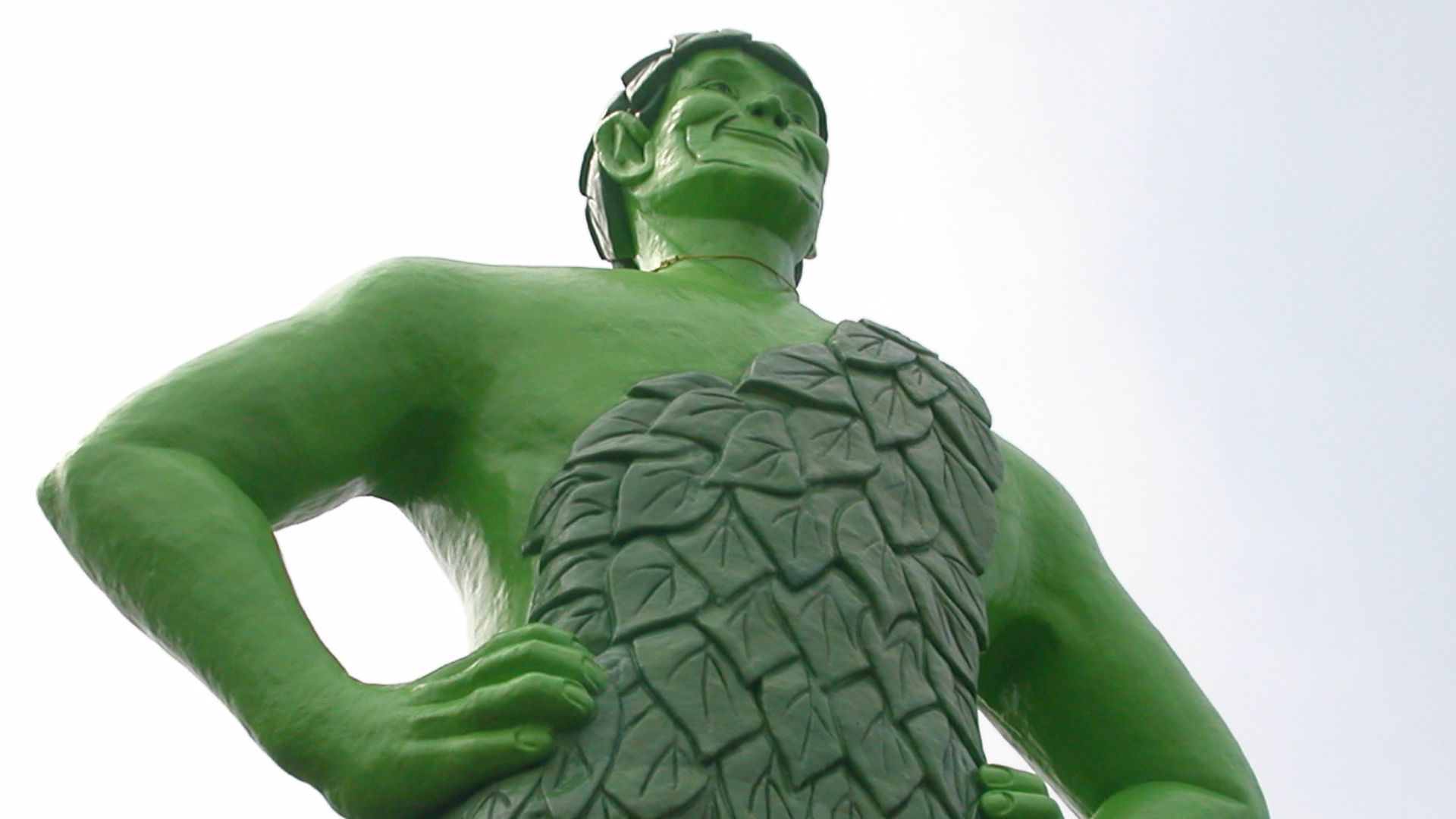 greefus groinks, Wikimedia Commons
Snap, Crackle, And Pop
Rice Krispies had three tiny spokesmen instead of one. Snap, Crackle, and Pop had been around for decades, but animated commercials kept the trio familiar to 1970s children. Their names perfectly captured the cereal’s famous noises, turning something as simple as milk hitting cereal into an entire advertising concept.
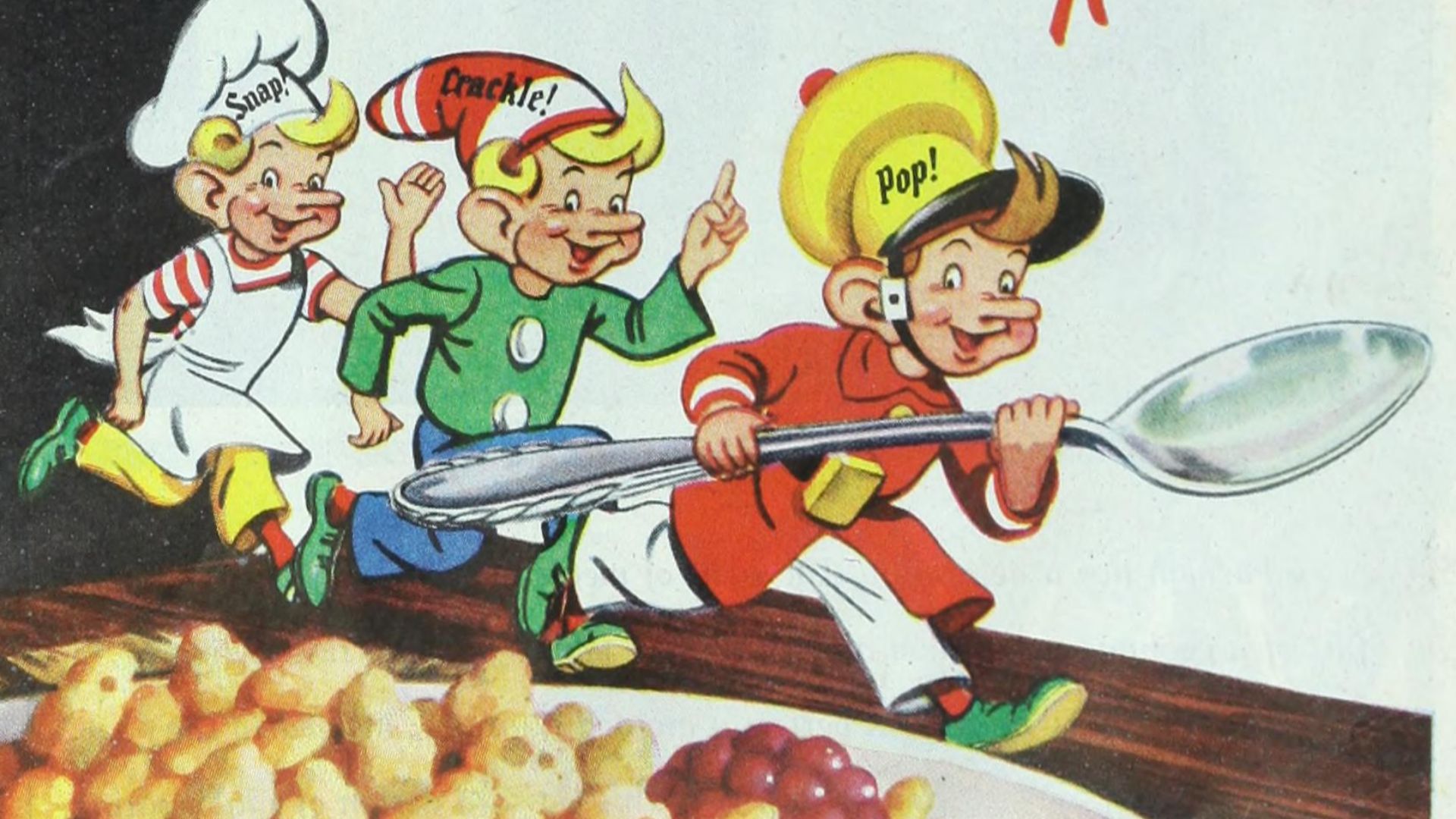 Internet Archive Book Images, Wikimedia Commons
Mr. Clean
With his white T-shirt, muscular arms, bald head, and single gold earring, Mr. Clean never looked much like an ordinary household cleaner. That was probably why he worked. His instantly recognizable appearance promised that stubborn kitchen grime was about to encounter someone considerably tougher than whoever lived there.
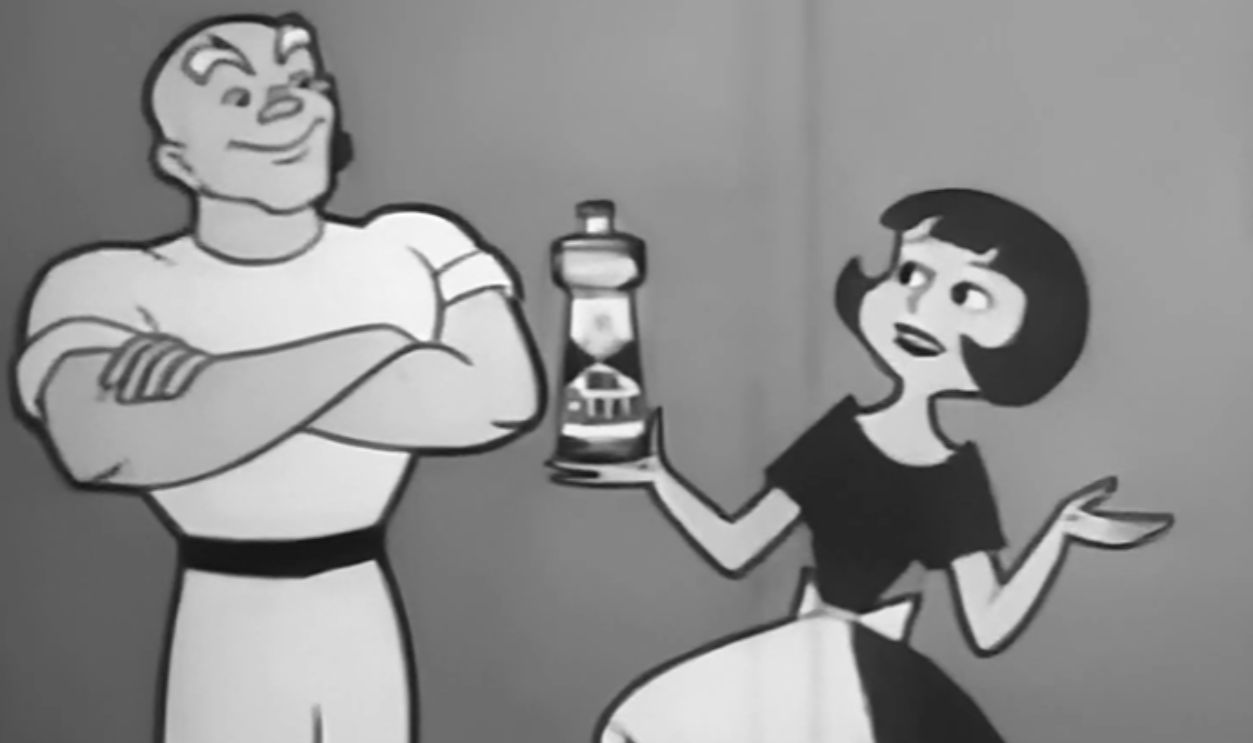 Screenshot from Mr. Clean, Procter & Gamble (1958)
Juan Valdez
Juan Valdez represented Colombian coffee growers in advertisements that made coffee production look almost impossibly picturesque. Usually accompanied by his mule, Conchita, the poncho-wearing character became closely associated with Colombian coffee throughout American television. For many viewers, he practically became the face of coffee itself.
 User:F3rn4nd0 (english Wikipedia), Wikimedia Commons
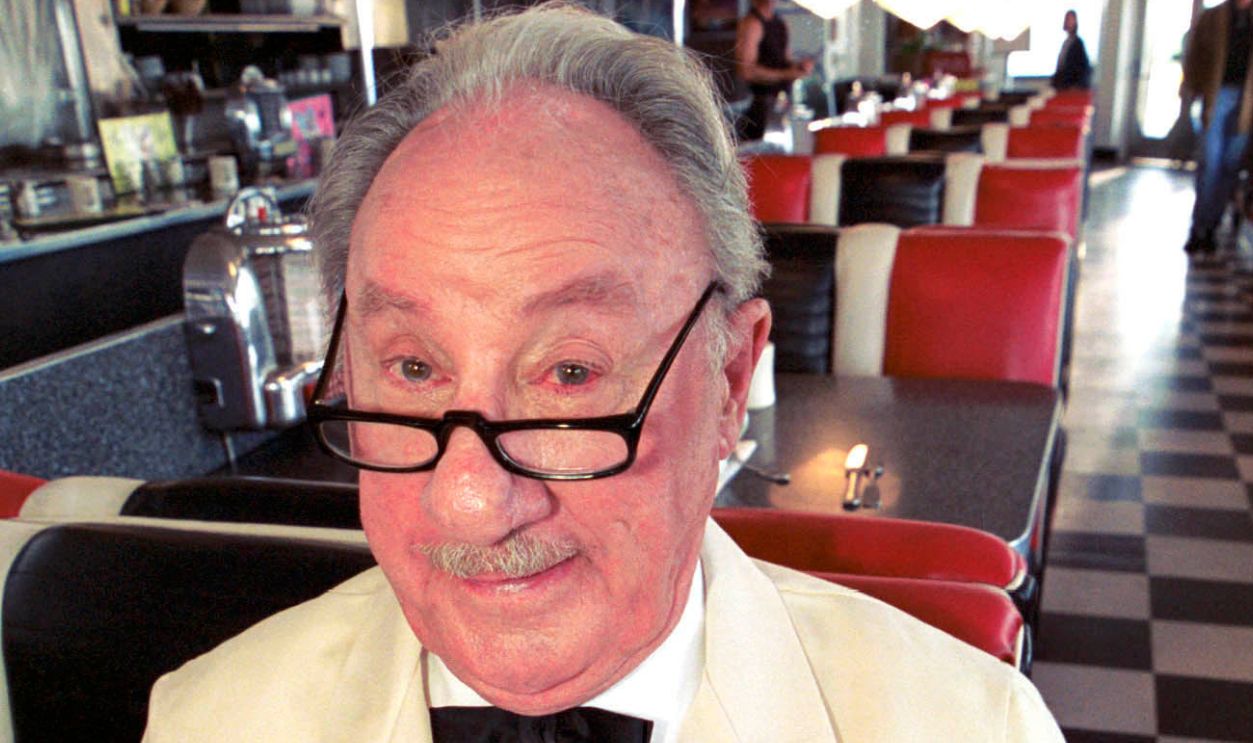
Colonel Sanders
Harland Sanders was a real person, but advertising turned him into something larger: a living commercial character. His white suit, black string tie, glasses, and goatee made him instantly identifiable. Even after his company changed hands, Sanders continued appearing in KFC advertising throughout the 1970s.
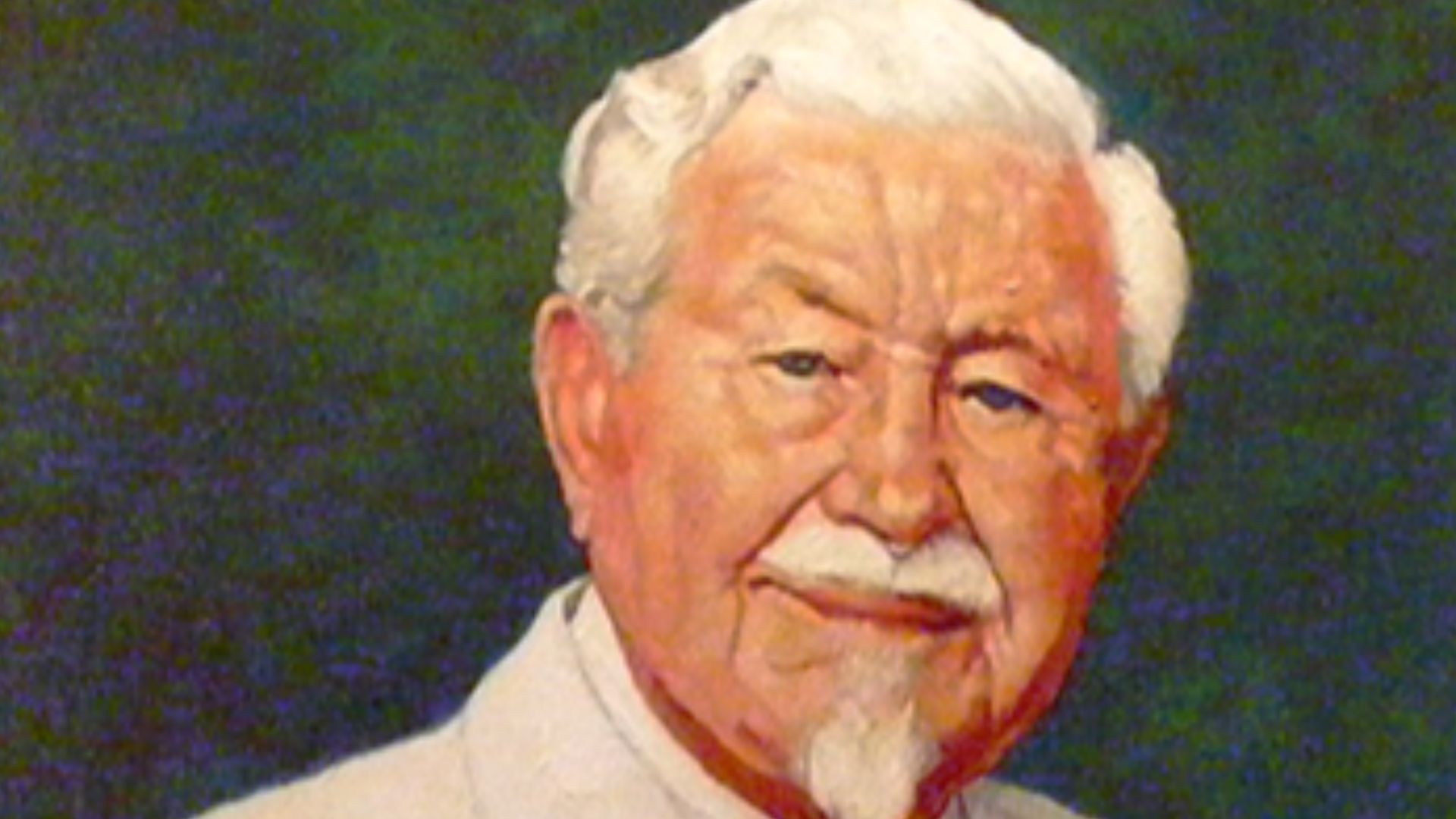 Norman Rockwell, Wikimedia Commons
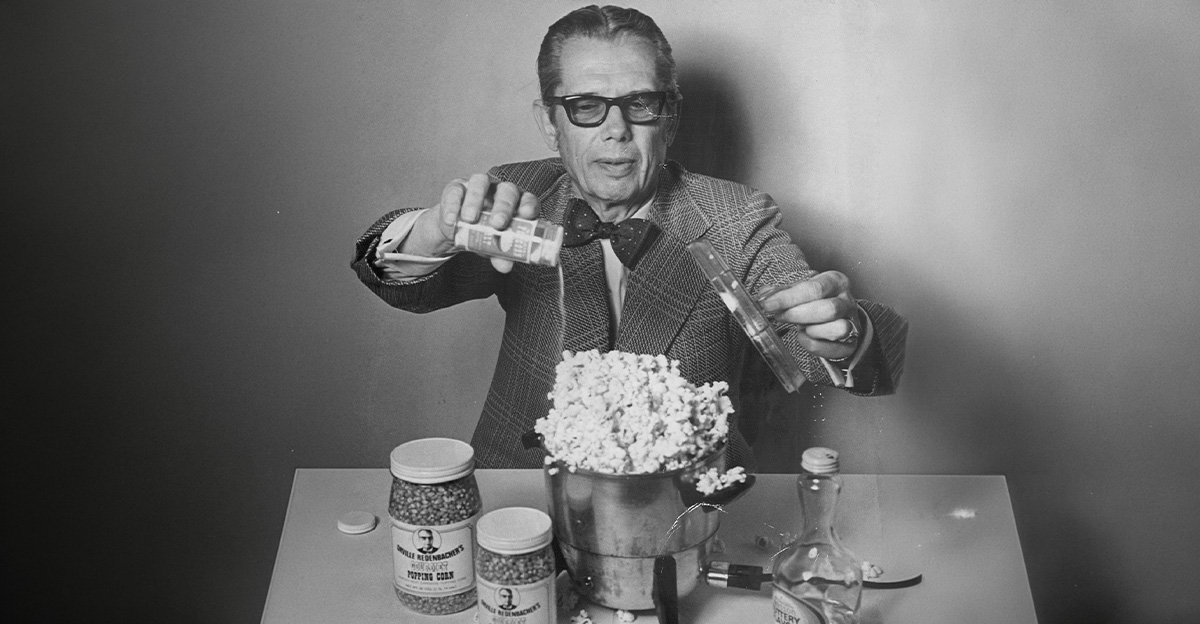
Orville Redenbacher
Like Colonel Sanders, Orville Redenbacher didn’t need a fictional mascot because he already looked like one. His bow tie, glasses, carefully styled hair, and distinctive voice made his popcorn commercials immediately recognizable. The real-life businessman became inseparable from the product carrying his unusual name.
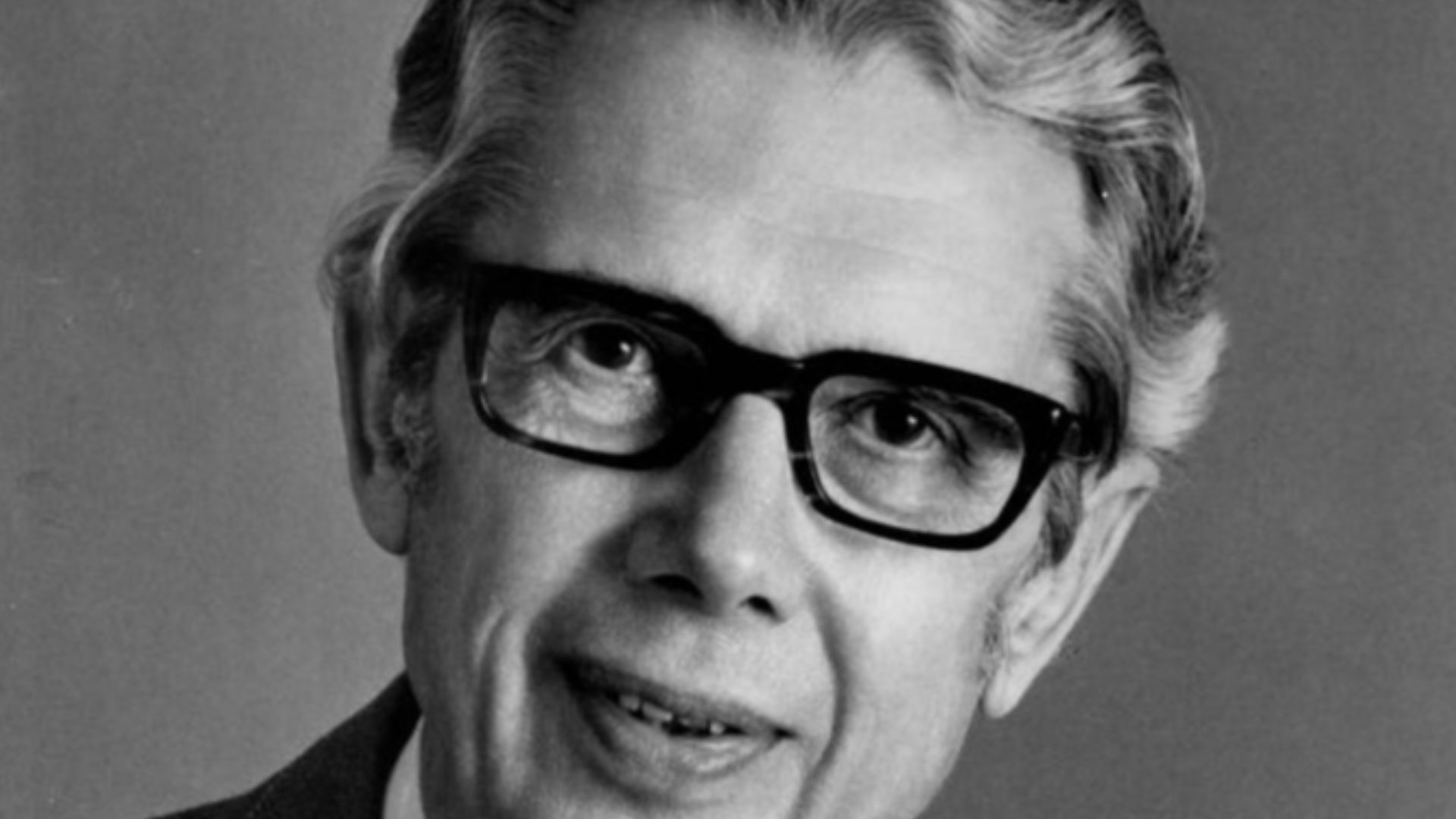 Hunt-Wesson, Wikimedia Commons
Mother Nature
Chiffon margarine gave viewers a surprisingly dangerous version of Mother Nature. She would taste what she believed was butter, discover she had been fooled by margarine, and angrily summon thunder and lightning. Her warning—“It’s not nice to fool Mother Nature”—became one of the decade’s great commercial catchphrases.
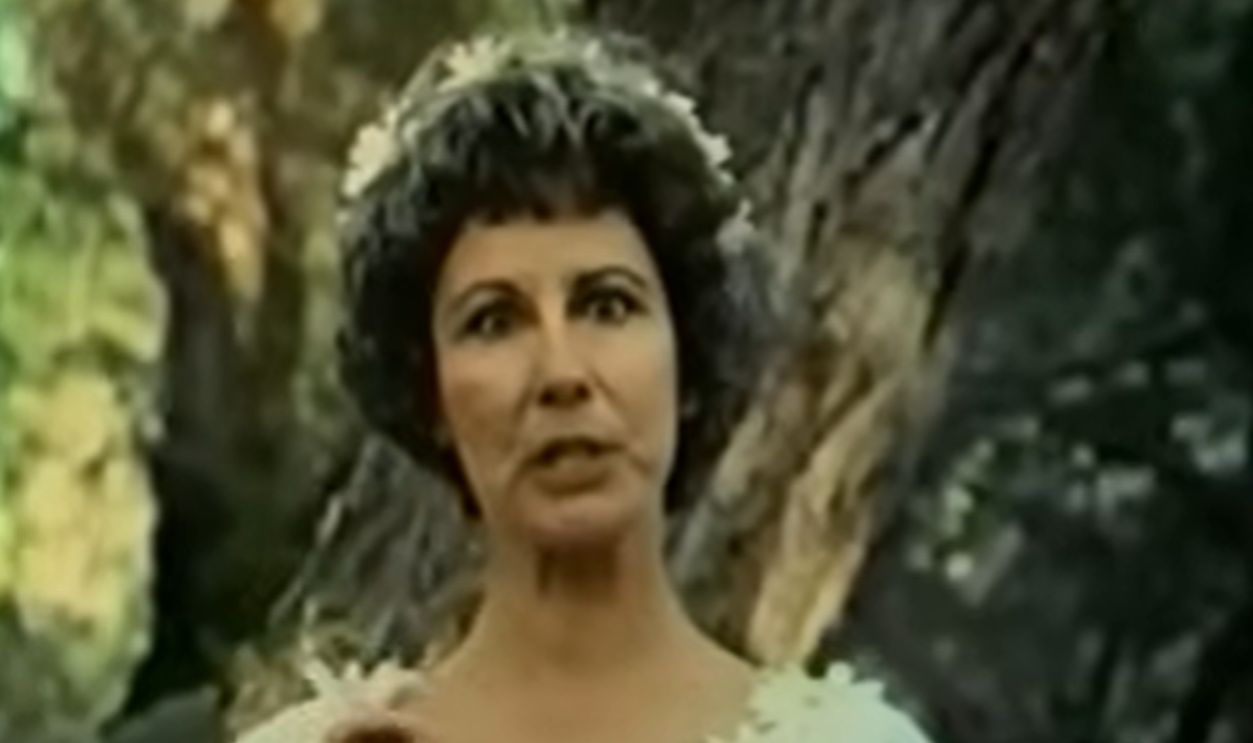 Screenshot from Chiffon Margarine Mother Nature, D'Arcy Masius Benton & Bowles (1977)
The Tidy Bowl Man
Few advertising characters had stranger living arrangements than the Tidy Bowl Man. Dressed like a nautical captain, he could be found sailing around inside toilet tanks while promoting bathroom cleaner. The concept made very little practical sense, yet viewers immediately understood exactly which product he represented.
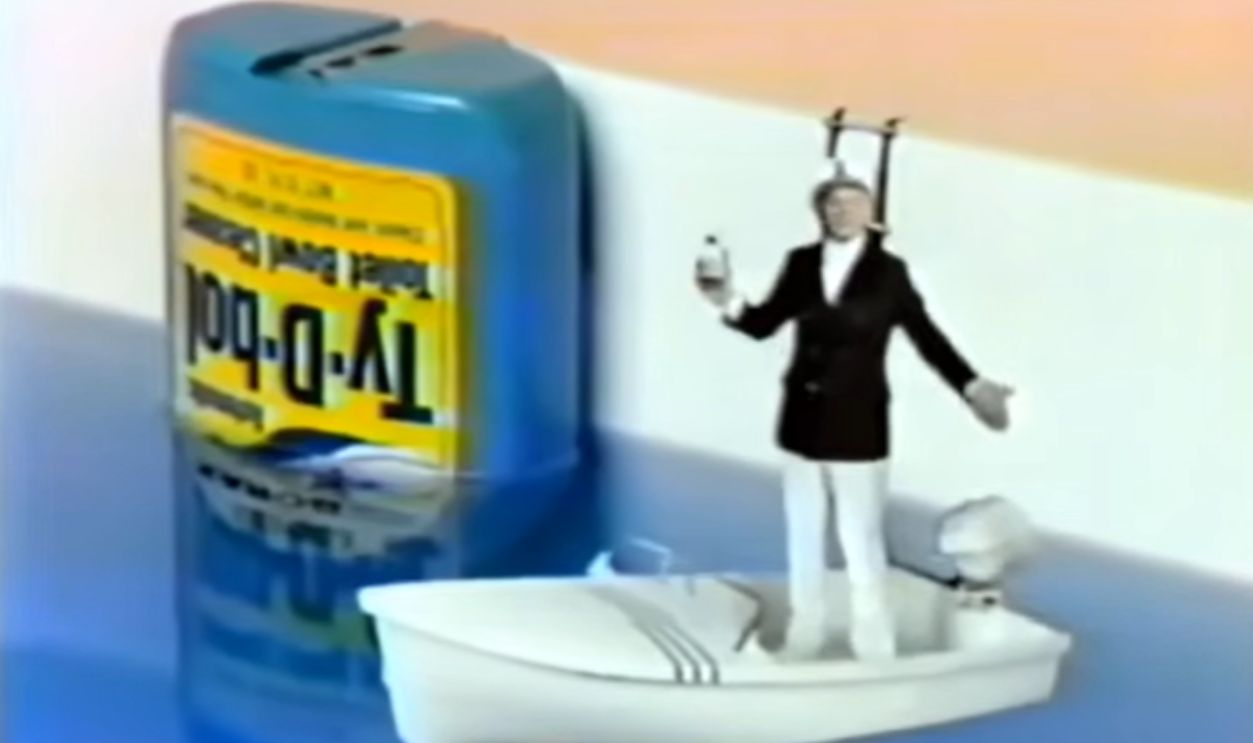 Screenshot from Ty-D-Bol Man, Foote, Cone & Belding (1977)
They Made The Commercial Break Part Of The Show
The best 1970s commercial characters did more than sell cereal, soap, burgers, or toilet cleaner. They gave viewers jokes, catchphrases, costumes, and tiny stories that repeated for years. Decades later, many remain familiar because they turned the commercial break into entertainment people actually remembered.
You May Also Like:
Andy Griffith: The Hidden Darkness Behind the Sheriff’s Badge
America’s Sweetheart Had A Heartbreaking Story