She Had To Grow Up Twice.
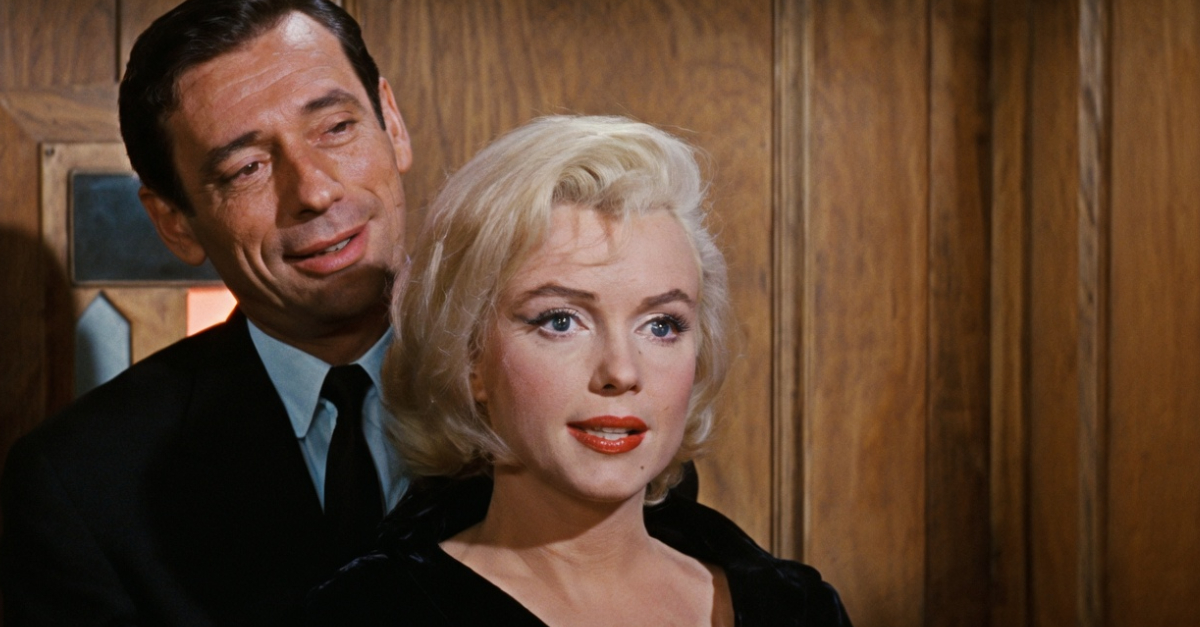
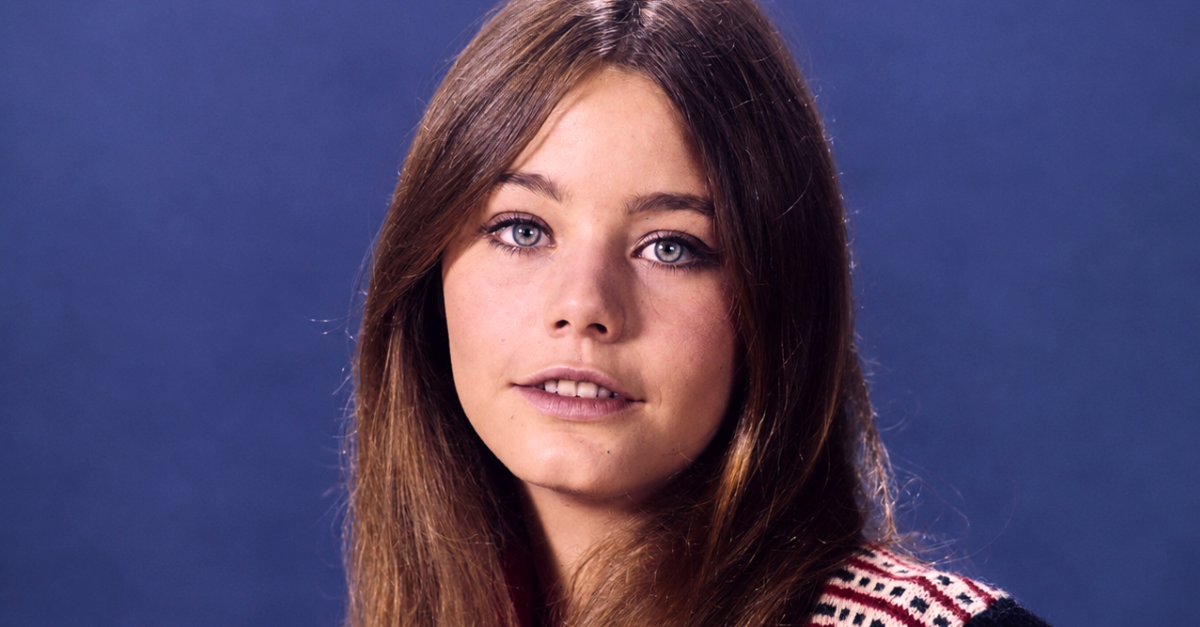
Susan Dey became famous at 17 as fresh-faced Laurie Partridge, despite arriving on The Partridge Family with almost no acting experience. What followed was a long campaign to escape that teenage image, culminating in L.A. Law, a Golden Globe, three Emmy nominations, and the kind of dramatic credibility few former teen stars ever achieve.
 ABC Photo Archives / Getty Images
Modeling Came Before Acting
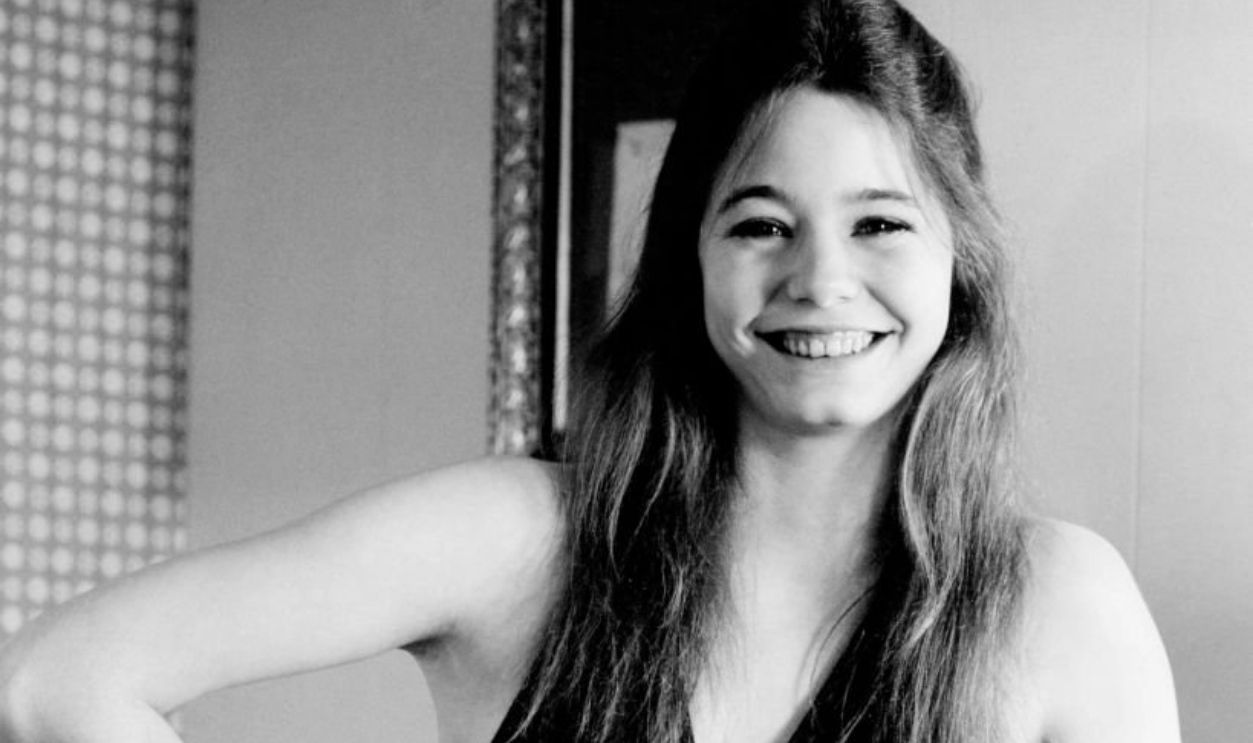
Dey grew up in Westchester County, New York, and entered modeling while still in her teens. Her stepmother sent a photograph of the 15-year-old Dey to a modeling agency, leading to professional assignments and magazine covers. Acting was not yet the obvious destination for a teenager whose first success came in front of still cameras.
 Silver Screen Collection, Getty Images
She Had Almost No Acting Experience
Dey was only 17 when The Partridge Family came along. The Washington Post later described her as having little acting experience when she suddenly landed the role that made her famous. Producer Bob Claver also remembered her casting specifically in his Television Academy oral history.
 ABC Television Network., Wikimedia Commons
Laurie Partridge Changed Her Life Overnight
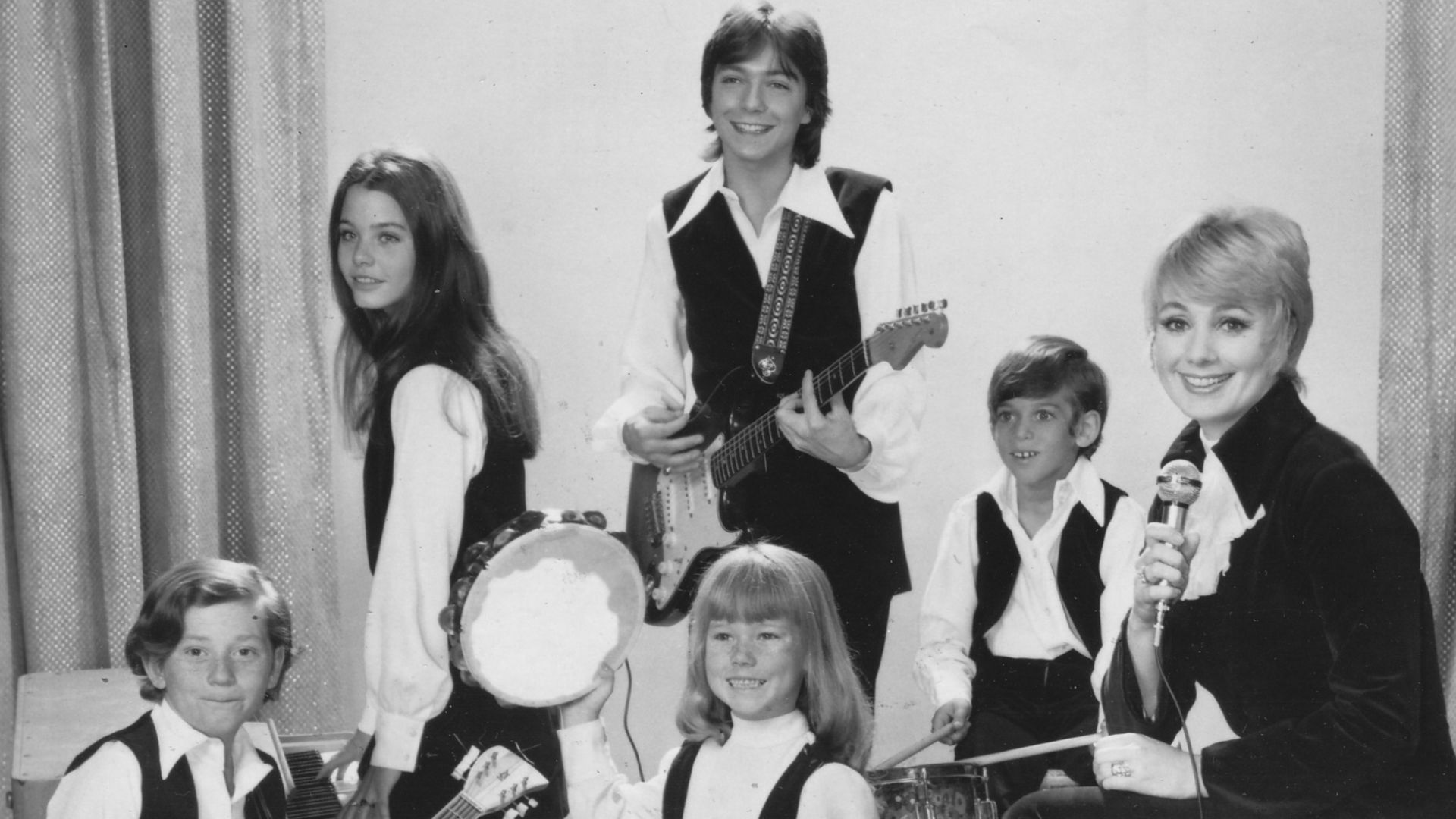
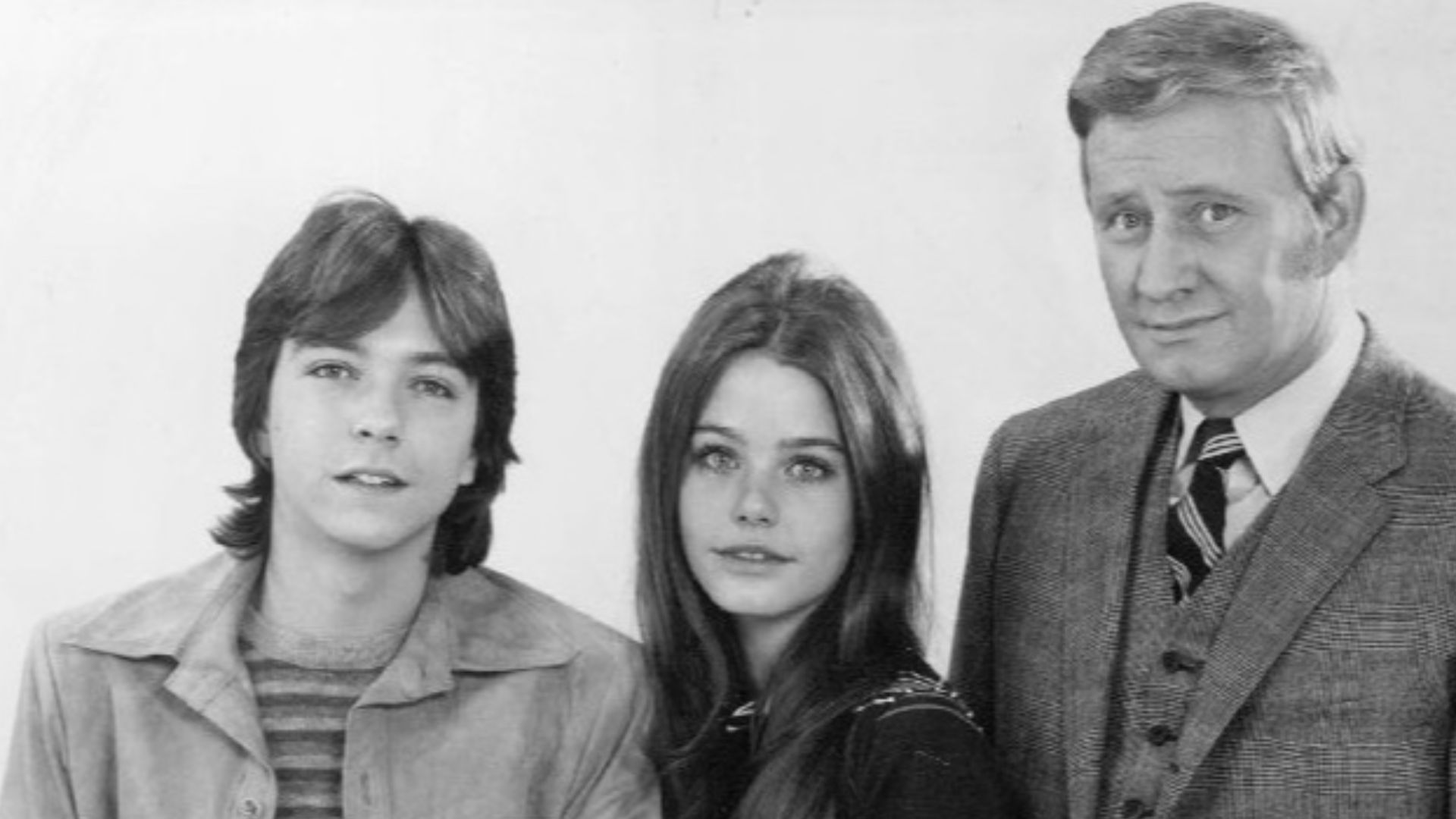
The Partridge Family premiered on ABC in 1970 with Dey playing Laurie, the oldest Partridge daughter. Shirley Jones headed the fictional musical family, while David Cassidy played Laurie’s older brother Keith and Danny Bonaduce supplied much of the younger comic energy. Dey went from modeling teenager to network television regular almost instantly.
 ABC Television Network., Wikimedia Commons
Shirley Jones Had Experience Dey Could Watch
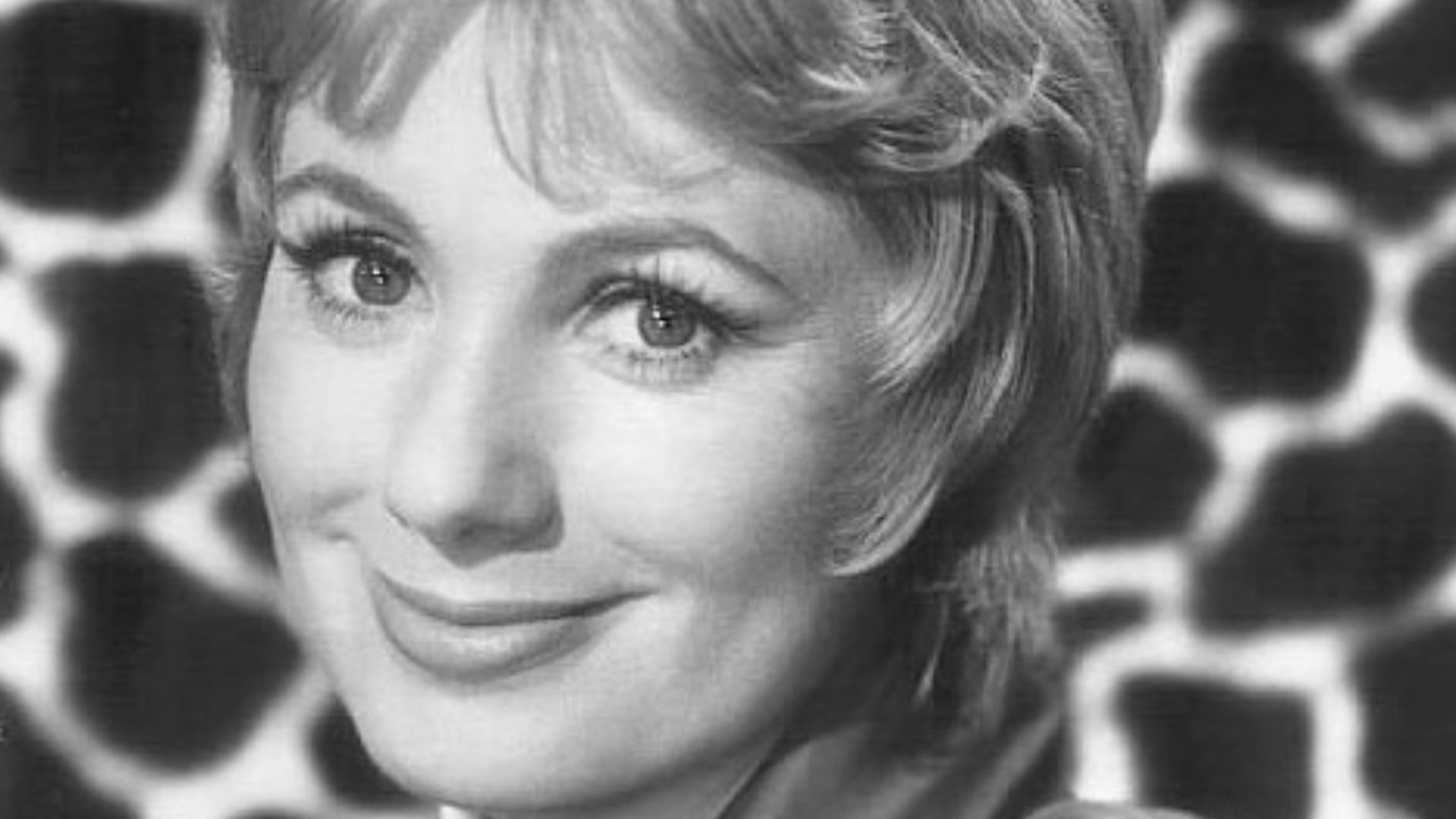
Jones entered the sitcom as an established Broadway and movie star, while Dey was learning television acting on the job. Jones later spoke specifically about Dey and the way she played Laurie in her Television Academy interview. For an inexperienced teenager, working beside a veteran performer every week provided an unusually intense professional education.
 ABC Television Network., Wikimedia Commons
The Family Became A Pop-Culture Phenomenon
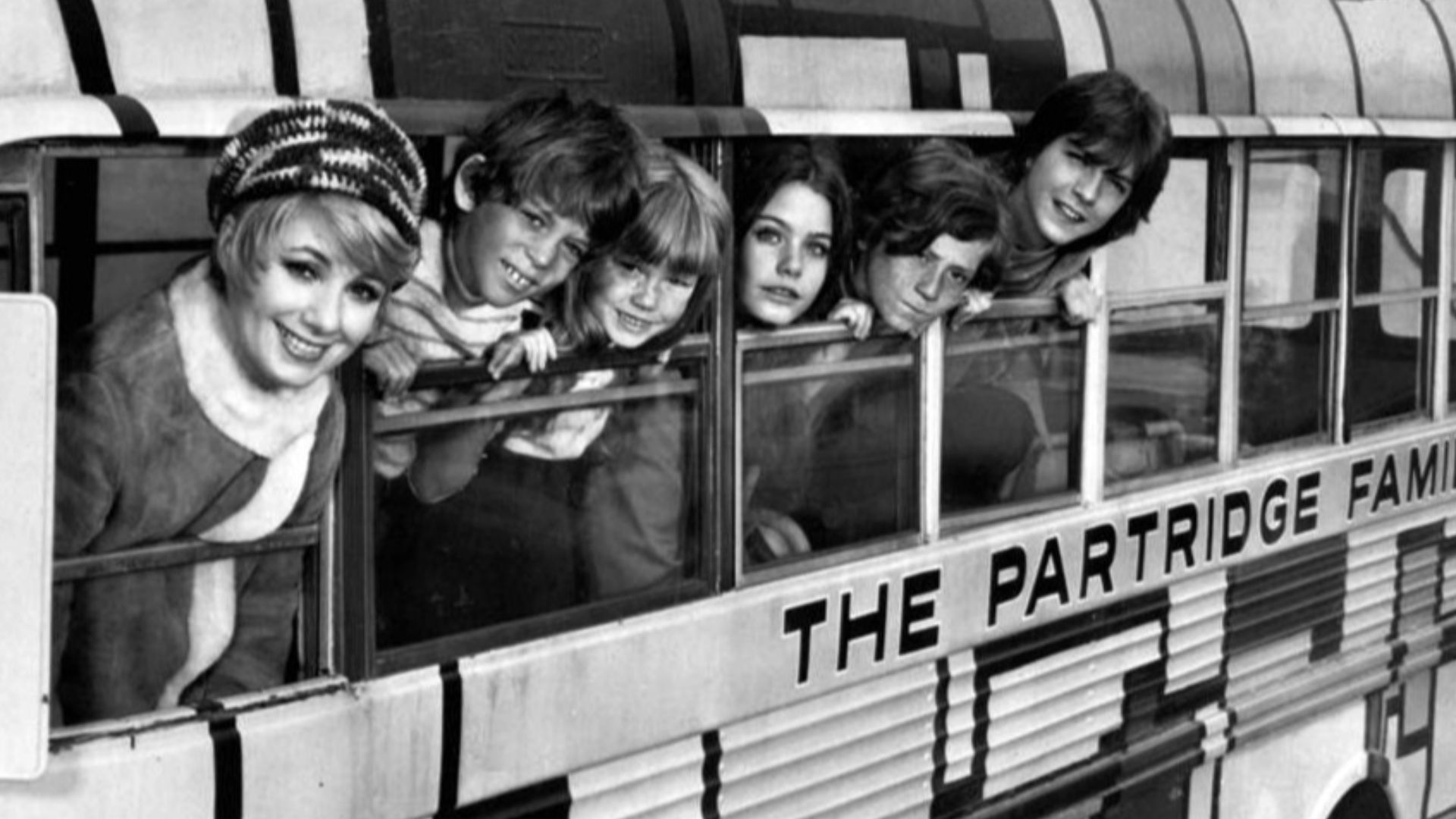
The series followed a widowed mother and her children as they transformed themselves into a touring pop group. Its records, brightly painted bus, and wholesome family image helped turn the program into a major early-1970s phenomenon. Dey became part of that fantasy even though the Los Angeles Times later noted that the young cast members were not professional musicians when the show began.
 ABC Television, Wikimedia Commons
David Cassidy’s Stardom Made Everything Bigger
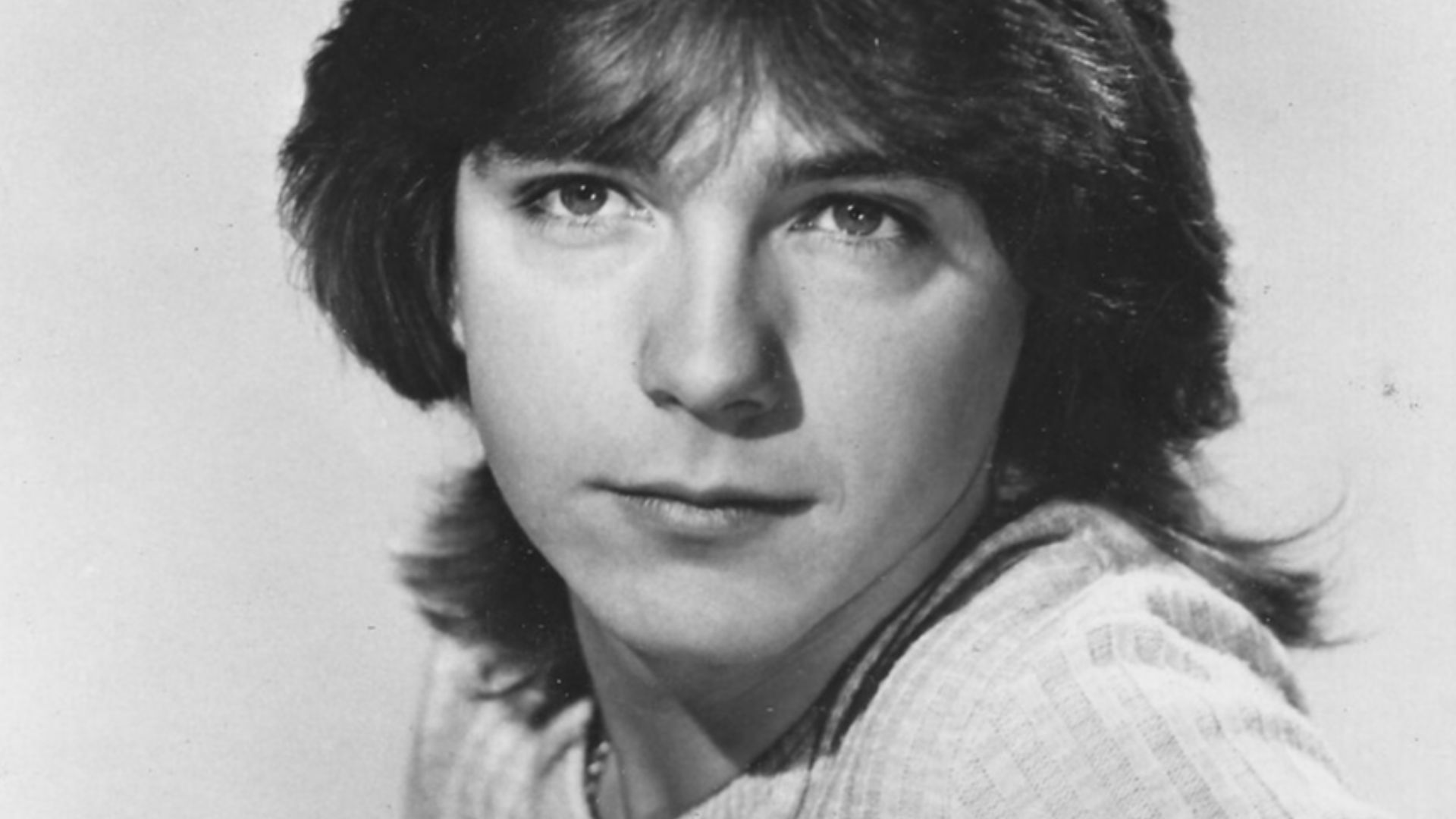
Cassidy rapidly became one of the era’s biggest teen idols, and his success pushed the entire series deeper into youth culture. Shirley Jones remembered watching his music career explode while the sitcom was still running. Dey consequently found herself inside a publicity machine aimed directly at teenagers even though she had originally been hired simply to act.
 ABC Television Network., Wikimedia Commons
Dey Became A Teen Idol Too
Laurie’s long hair, quiet confidence, and polished appearance made Dey a recognizable teenage celebrity in her own right. Decades later, actress and television personality Vanna White remembered Dey as one of her childhood role models. Dey’s image had become powerful enough that young viewers were imagining themselves growing up to look and live like Laurie Partridge.
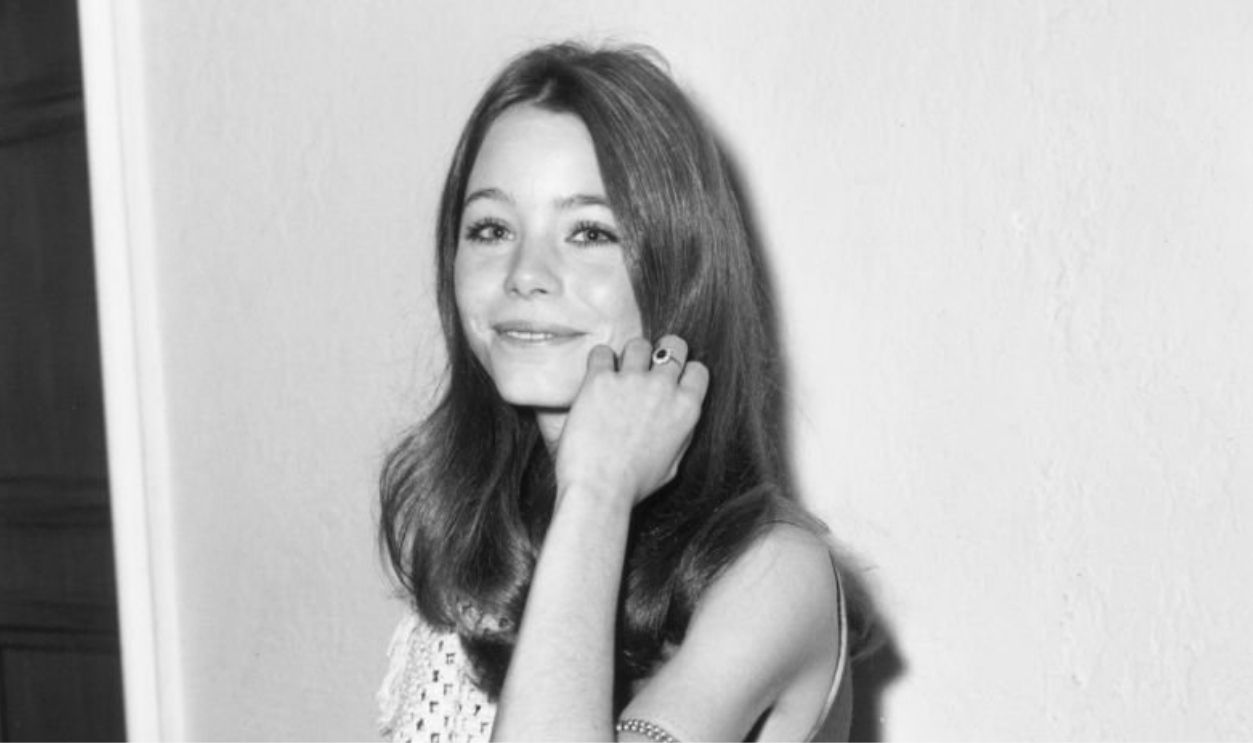
Fame Arrived Before Adulthood Did
Dey later spoke about the pressure of becoming highly visible while she was still only 17. In a 1989 Washington Post profile, she reflected on how difficult it was to feel grown-up while society still treated her as a teenager. The experience showed how quickly celebrity could race ahead of emotional maturity.
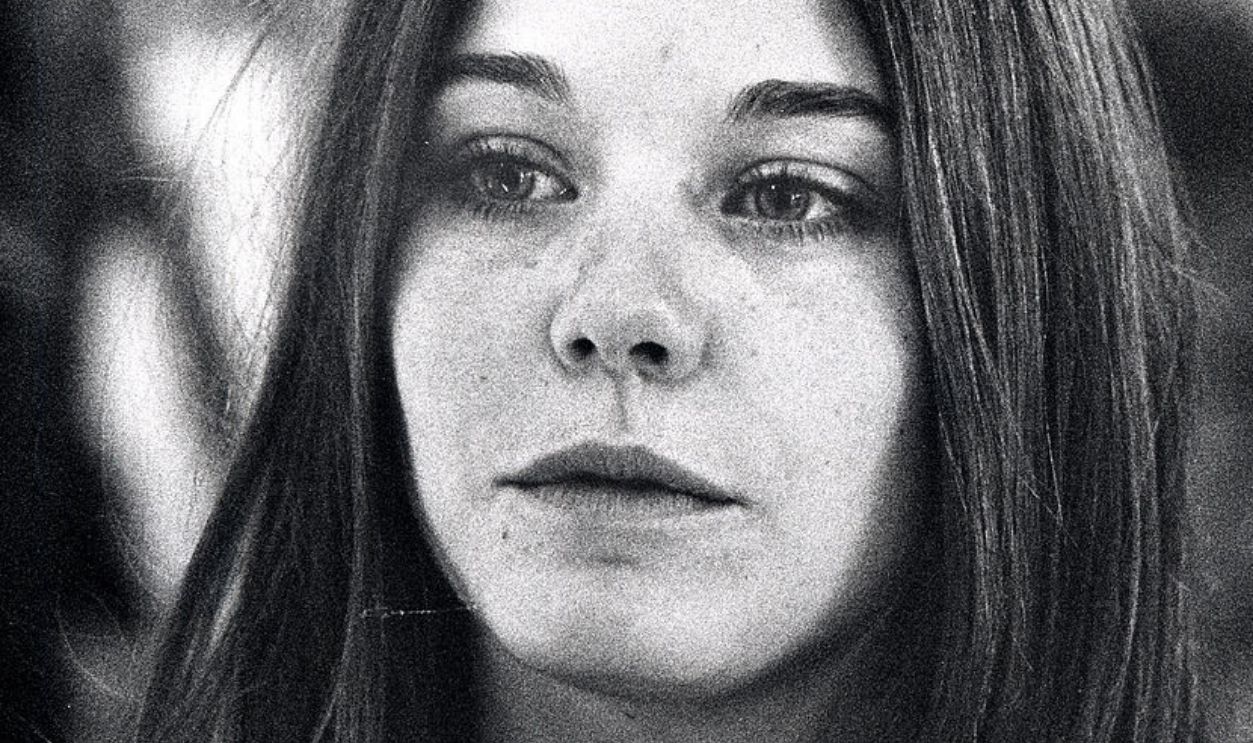
Four Seasons Locked Laurie Into The Public Memory
The Partridge Family ran from 1970 until 1974. Four years was long enough to make Laurie one of the television characters most strongly associated with Dey’s face. The association proved useful while the show was popular, but escaping it after cancellation became the harder part of her career.
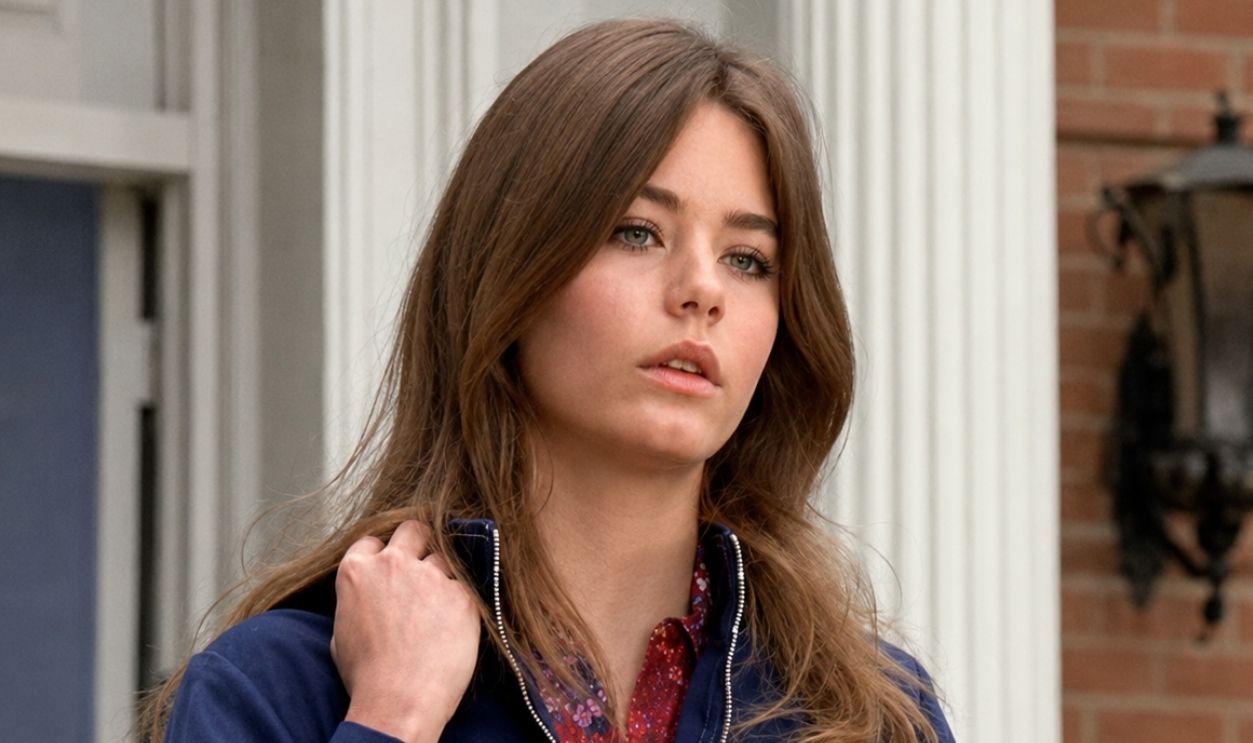 Screenshot from The Partridge Family, ABC (1970–1974), Enhanced
Hollywood Still Saw The Girl From The Bus
Dey later encountered resistance when she pursued adult roles because producers continued thinking of her as “that little girl from the Partridge family.” Producer Renee Valente became important in helping Dey find work that could broaden the industry’s view of her. Every new role therefore carried an extra task: convincing audiences and executives that Laurie was not the limit of what she could play.
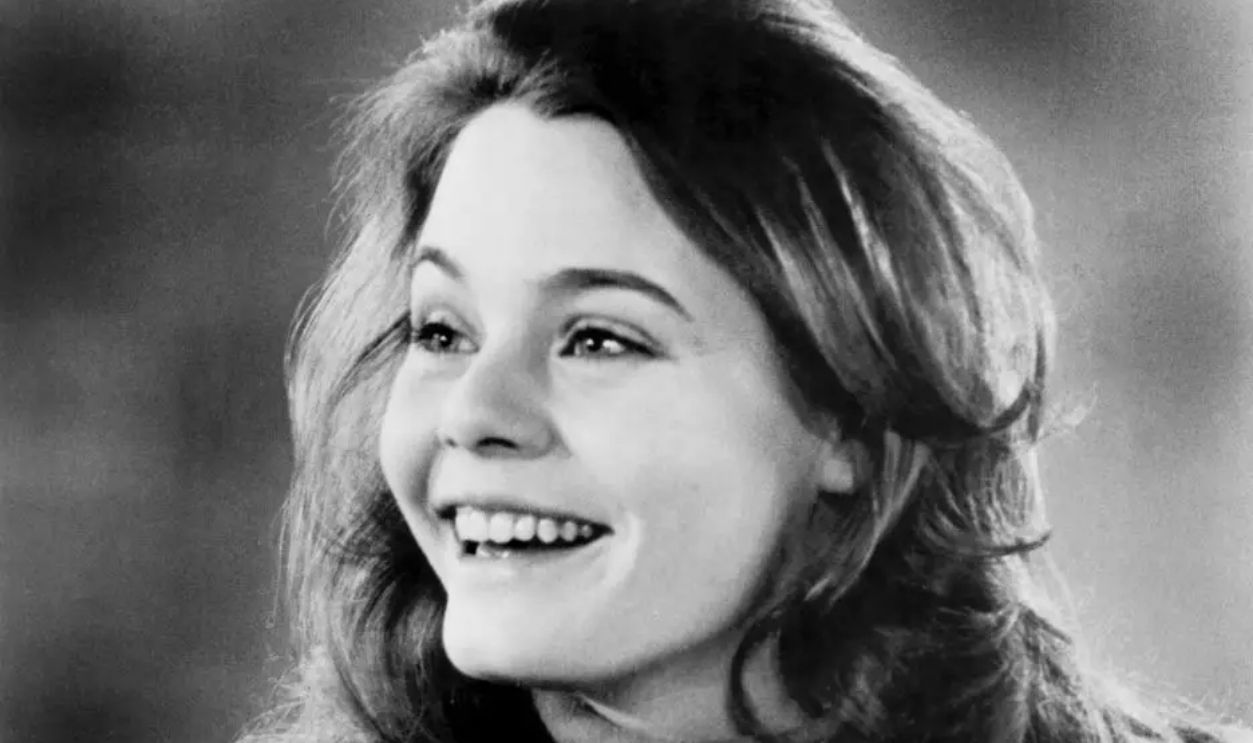 Universal History Archive, Getty Images
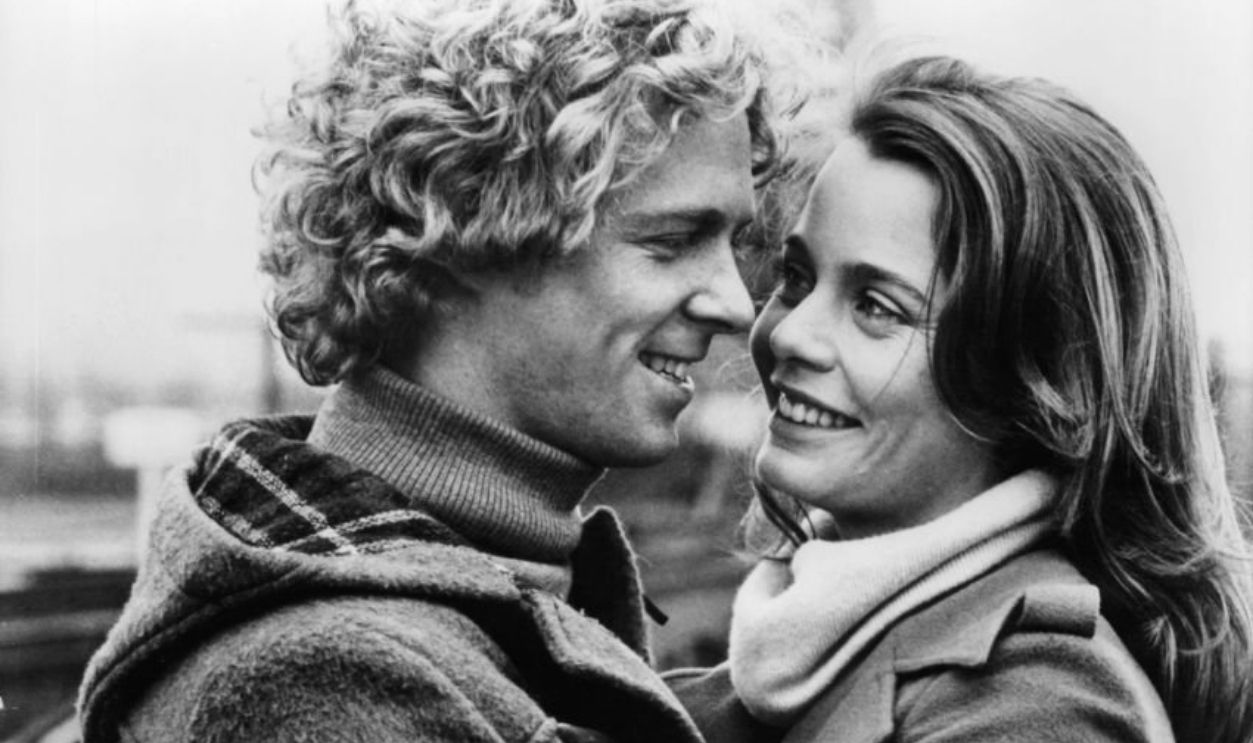
First Love Was An Explicit Break With Laurie
In 1977, Dey starred opposite William Katt in First Love. She played Caroline, a college student involved in a complicated romantic relationship that included considerably more adult material than anything Laurie Partridge had encountered. The Washington Post praised Dey and Katt as convincing lovers, making the film an unmistakable attempt to move her beyond family television.
 Michael Ochs Archives, Getty Images
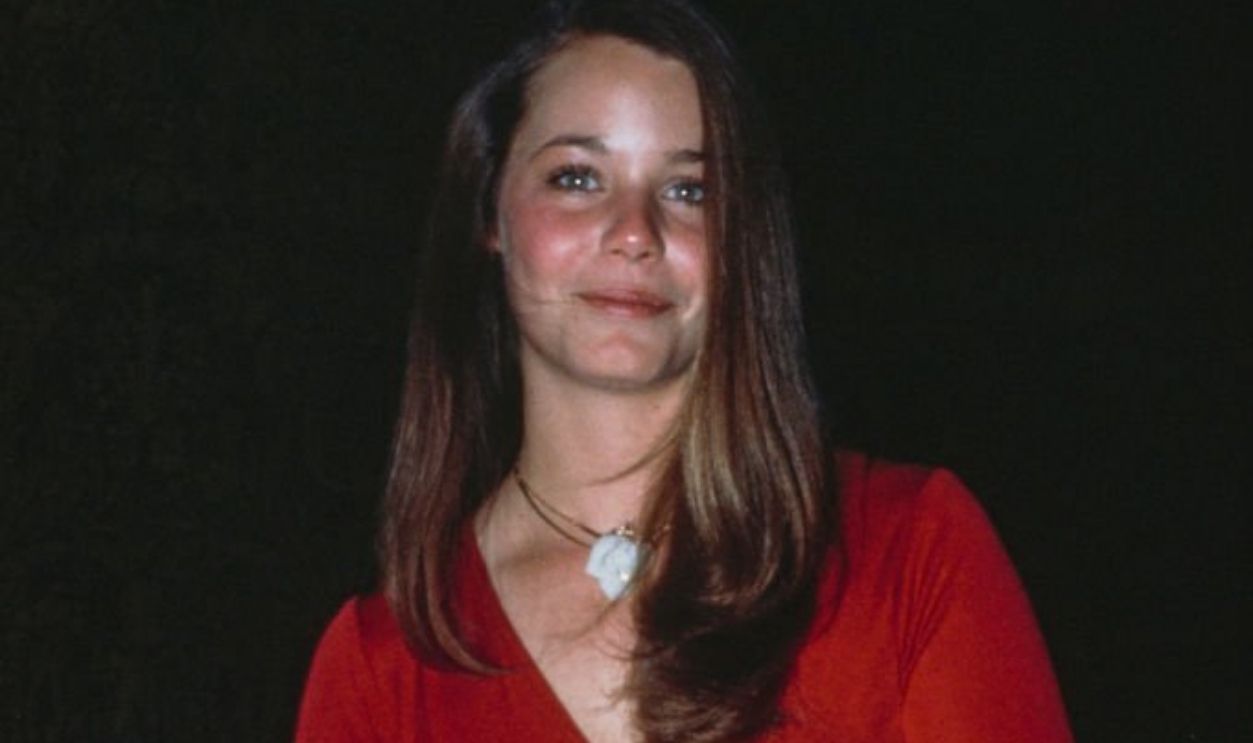
Adult Characters Gave Her New Risks
Dey’s post-Partridge choices increasingly moved away from the safe image audiences knew. Instead of relying solely on another wholesome series, she pursued movies and dramatic television projects that allowed her to play complicated romantic and psychological material. Those choices did not immediately erase Laurie, but they gave casting directors evidence that Dey was willing to take risks.
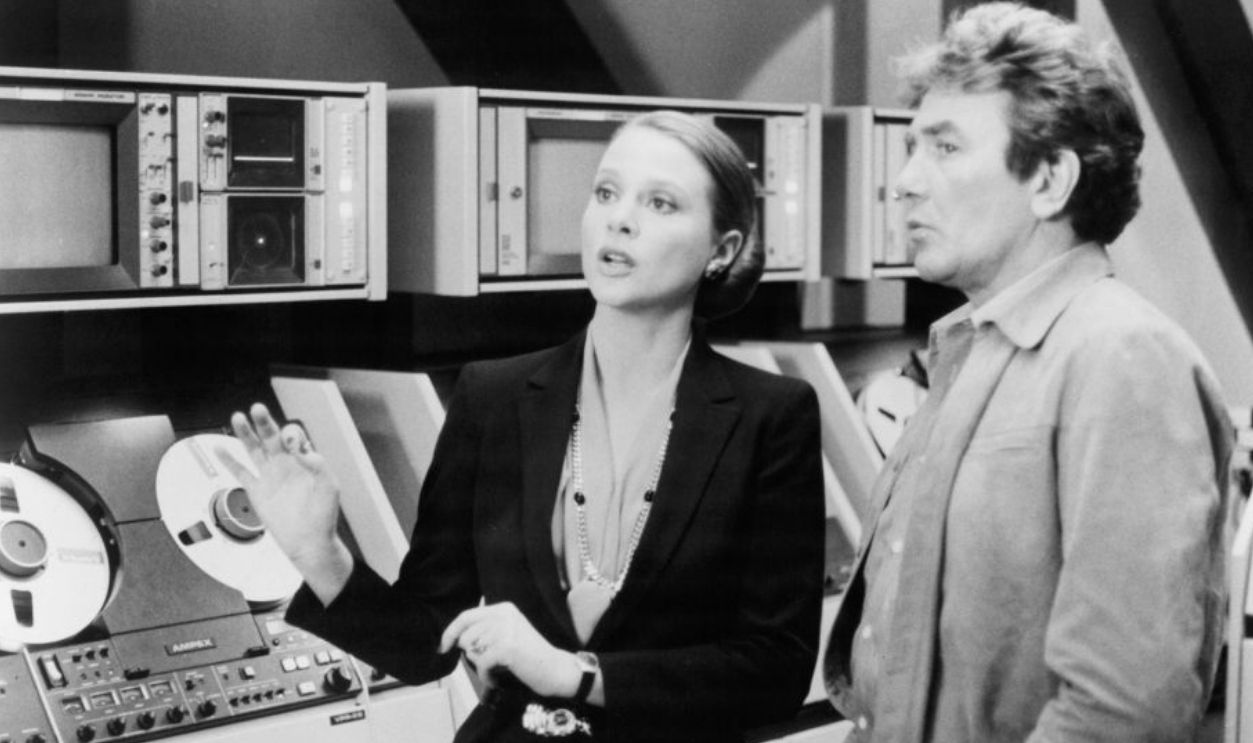
Looker Sent Her Into Science Fiction
Dey took another unexpected turn in Michael Crichton’s 1981 film Looker. The American Film Institute lists her alongside Albert Finney and James Coburn in the science-fiction thriller about technology, advertising, and manipulated images. A futuristic thriller was far removed from the cheerful family-band world that had first made her famous.
 Michael Ochs Archives, Getty Images
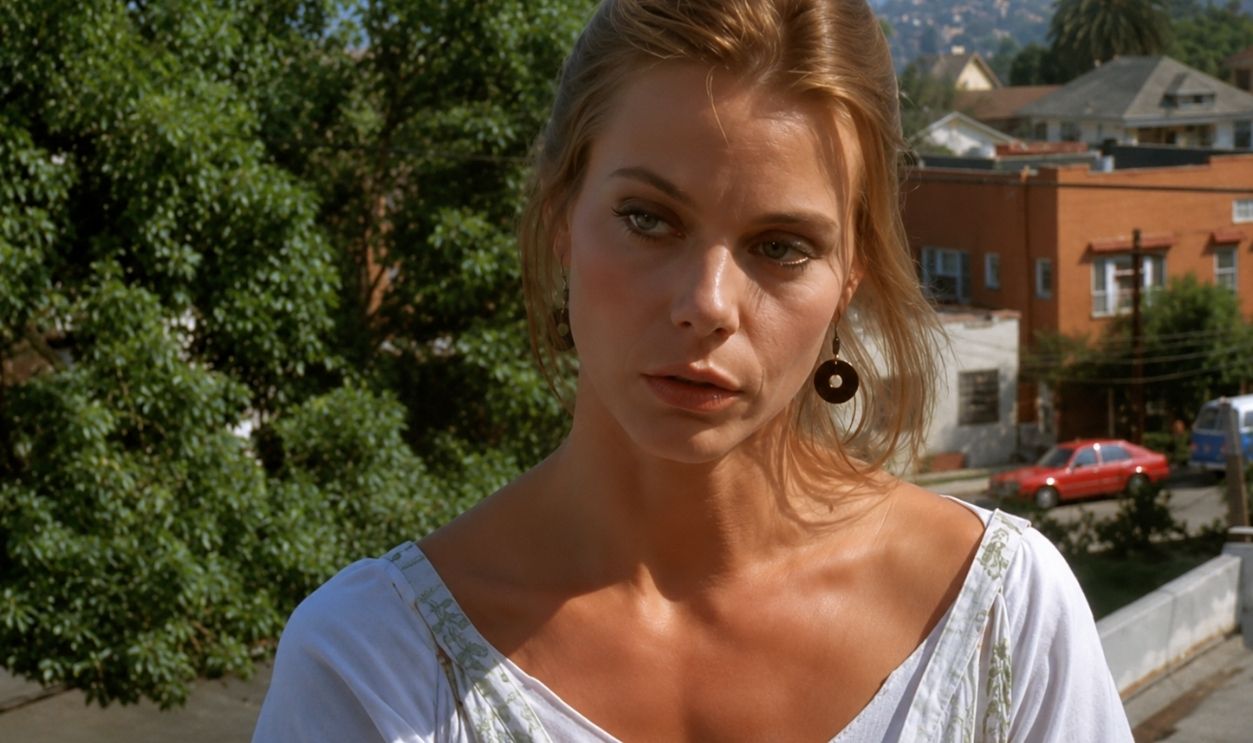
Echo Park Let Her Look Unglamorous
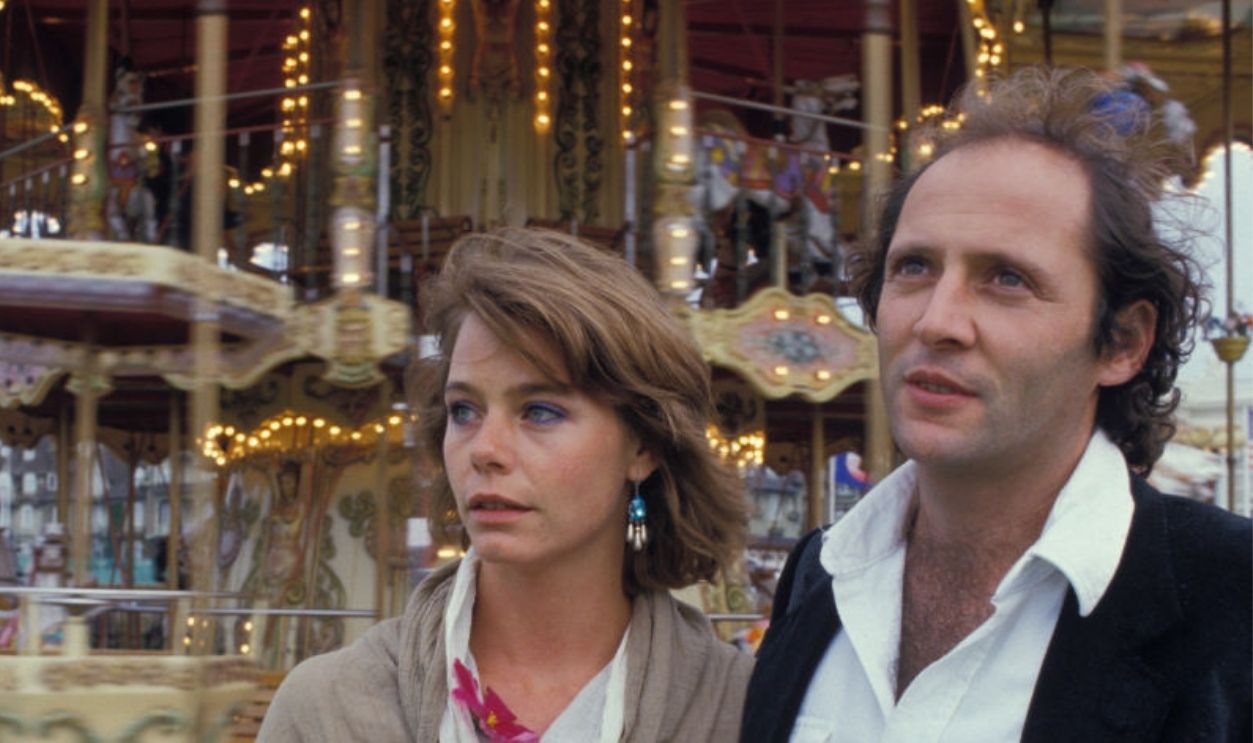
Dey played a single mother and aspiring actress in the independent film Echo Park. Her character takes work as a stripper while trying to build a more stable life on the edge of Hollywood. A later Los Angeles Times retrospective highlighted Dey’s character as one of the film’s struggling dreamers, giving the former teen idol a much less polished screen identity.
 Screenshot from Echo Park, Atlantic Releasing Corporation (1986)
She Fought To Protect Echo Park
The making of Echo Park was not easy. Dey told the Los Angeles Times that conflict emerged when producers wanted additional material because they feared director Robert Dornhelm had not made a sufficiently commercial American film. Her willingness to defend an unconventional project showed how far she had moved from simply accepting whatever material television handed her.
 Pool DENIZE/PELLETIER, Getty Images
Then Steven Bochco Changed Everything
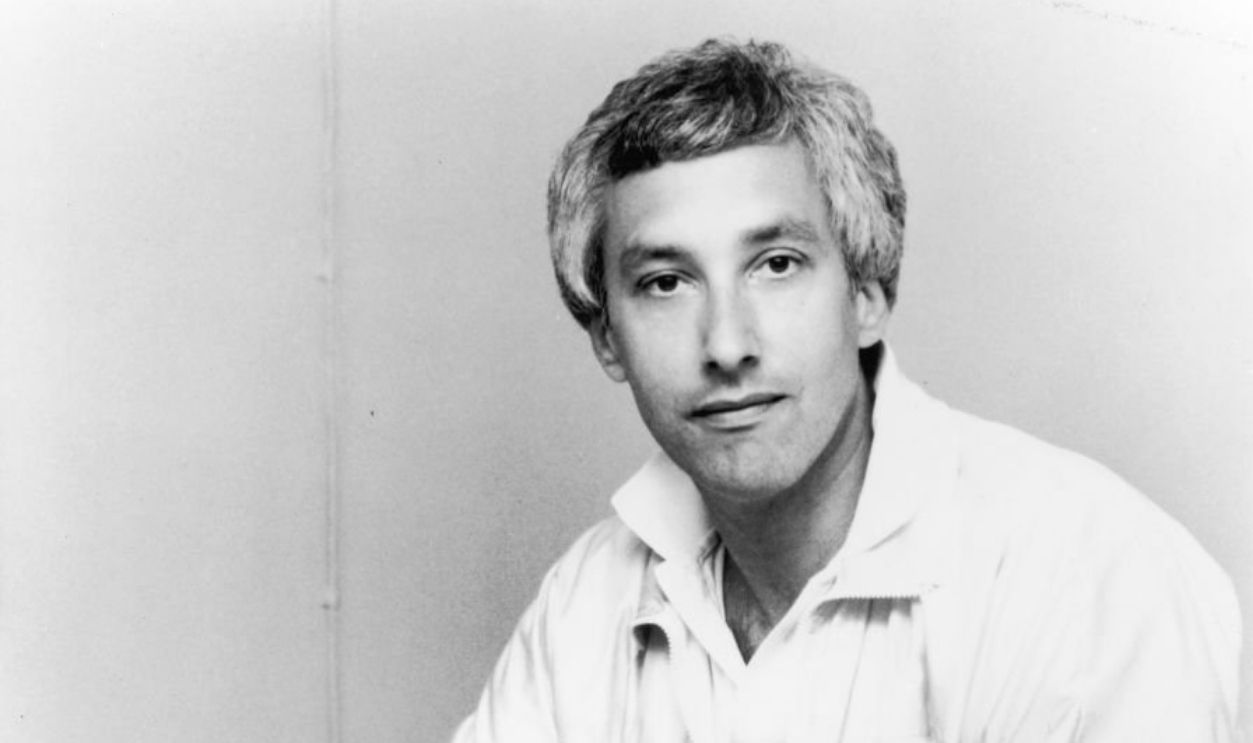
Dey met L.A. Law co-creator Steven Bochco through a school attended by their children. According to the Washington Post, Bochco mentioned Grace Van Owen and Dey immediately showed interest. The opportunity finally offered a weekly role sophisticated enough to replace Laurie Partridge in the public imagination.
 20th Century Fox, Getty Images
Grace Van Owen Was The Opposite Of Laurie
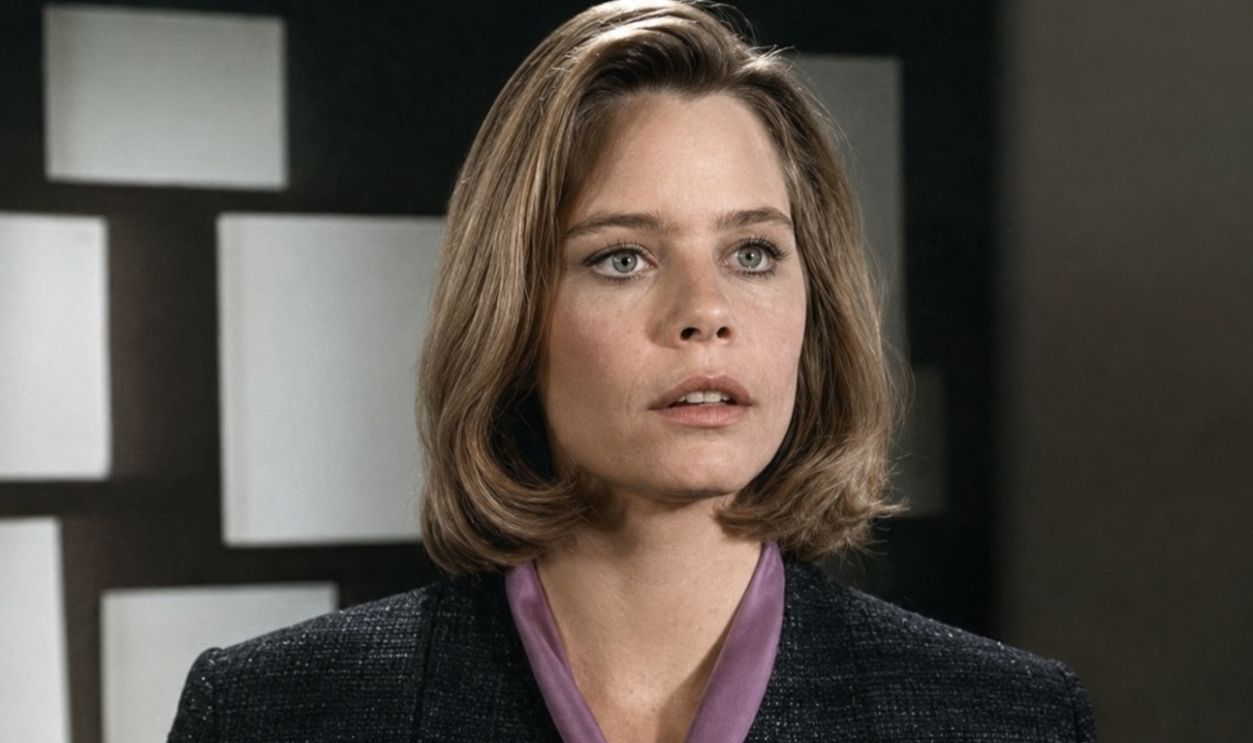
When L.A. Law premiered in 1986, Dey played deputy district attorney Grace Van Owen. Grace was ambitious, controlled, intelligent, and required to navigate the pressures of the legal profession. Television Academy records place Dey among the show’s original ensemble, where she remained for six seasons.
 Screenshot from L.A. Law, NBC (1986-1994)
Grace Had To Operate In A Sexist Profession
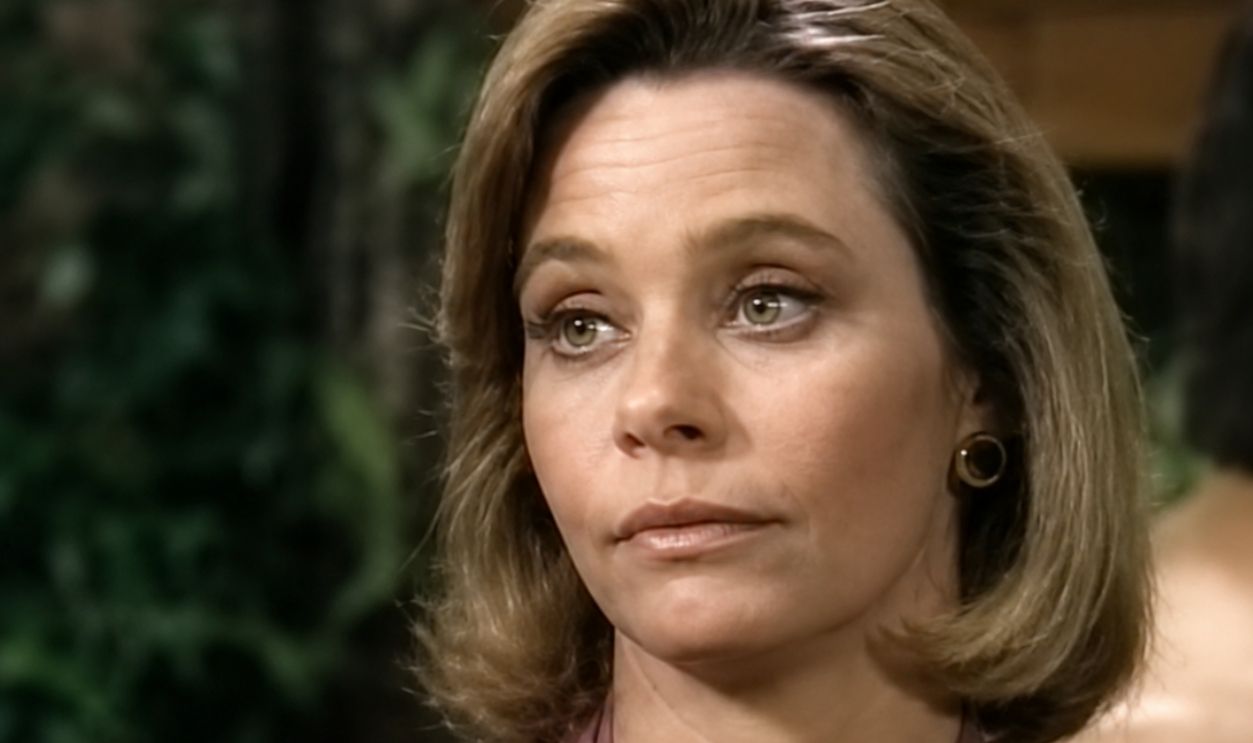
Writer and producer Terry Louise Fisher later said Grace was among the L.A. Law characters inspired by experiences she encountered as a lawyer. The character had to navigate sexism while pursuing her career in the Los Angeles legal system. That gave Dey adult material built around professional power rather than teenage popularity.
 Screenshot from L.A. Law, NBC (1986-1994), Enhanced
The Lawyers Actually Took Her Seriously
The series developed a reputation for creating recognizable professional relationships inside its law-firm stories. Los Angeles judges and attorneys interviewed by the Los Angeles Times praised the show’s atmosphere and the humanity of its characters, even when they disputed specific legal details. Grace belonged inside that adult professional world rather than feeling like a former child star temporarily dressed in a suit.
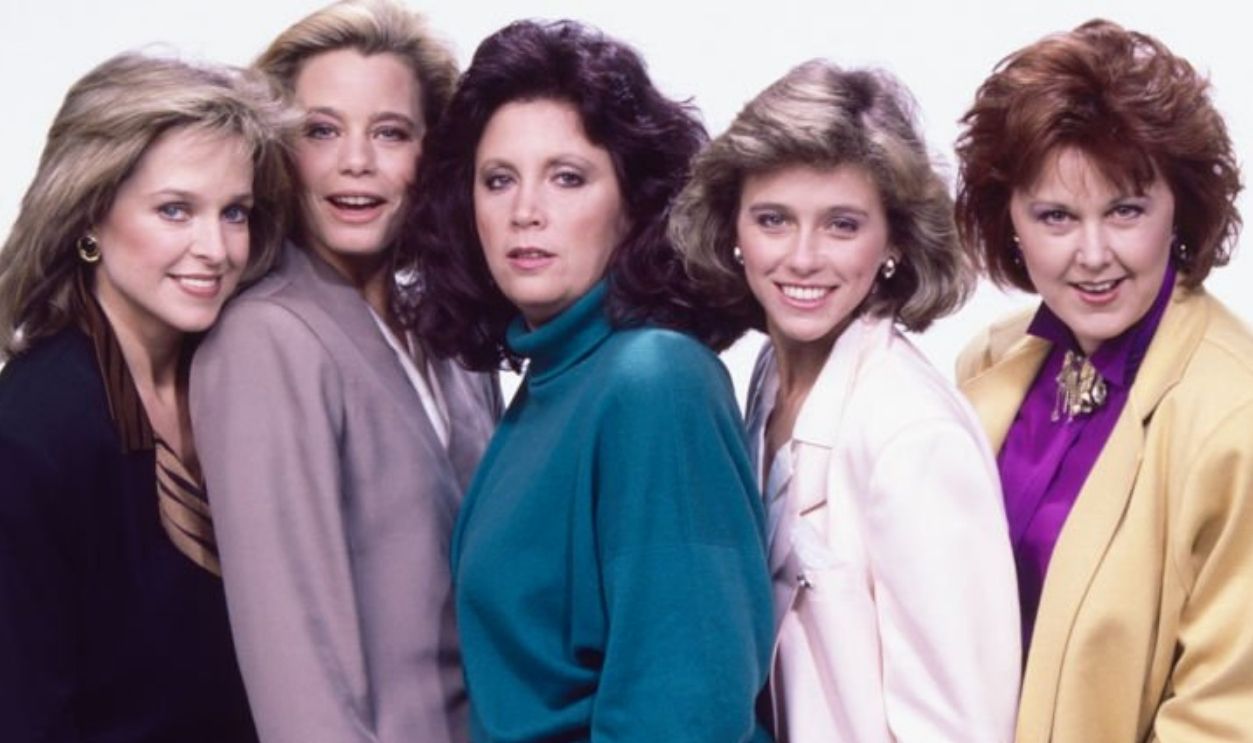
Michael Kuzak Added A Complicated Romance
Grace’s relationship with Harry Hamlin’s Michael Kuzak became one of the show’s recurring romantic storylines. By 1989, Dey told the Washington Post that she and Hamlin had become tired of repeatedly breaking the characters apart and bringing them back together. They even agreed to resist another easy reconciliation after the writers finally separated them.
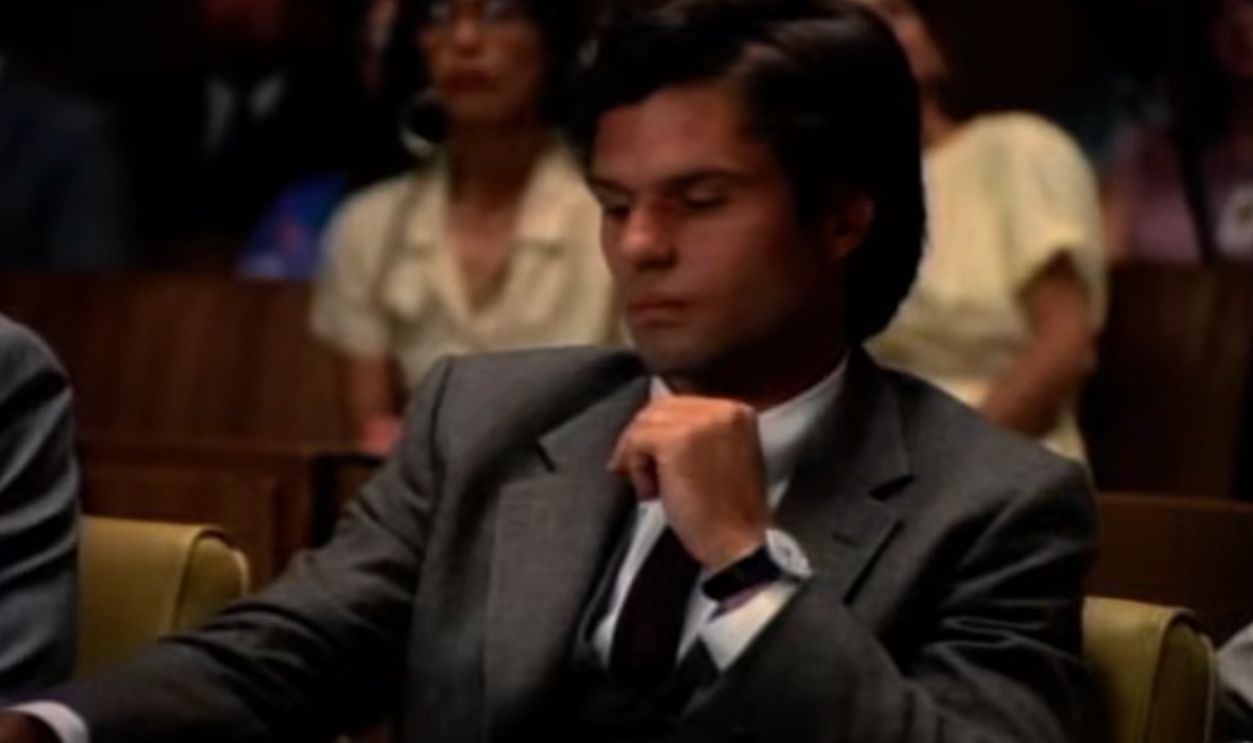 Screenshot from L.A. Law, NBC (1986-1994)
Dey Was No Longer Waiting Quietly For Scripts
That willingness to challenge the direction of Grace showed how much Dey had changed professionally. She had entered The Partridge Family as an inexperienced teenager grateful for a job, but L.A. Law gave her enough authority to voice concerns about her character. The Washington Post described her growing willingness to assert herself within the industry during this period.
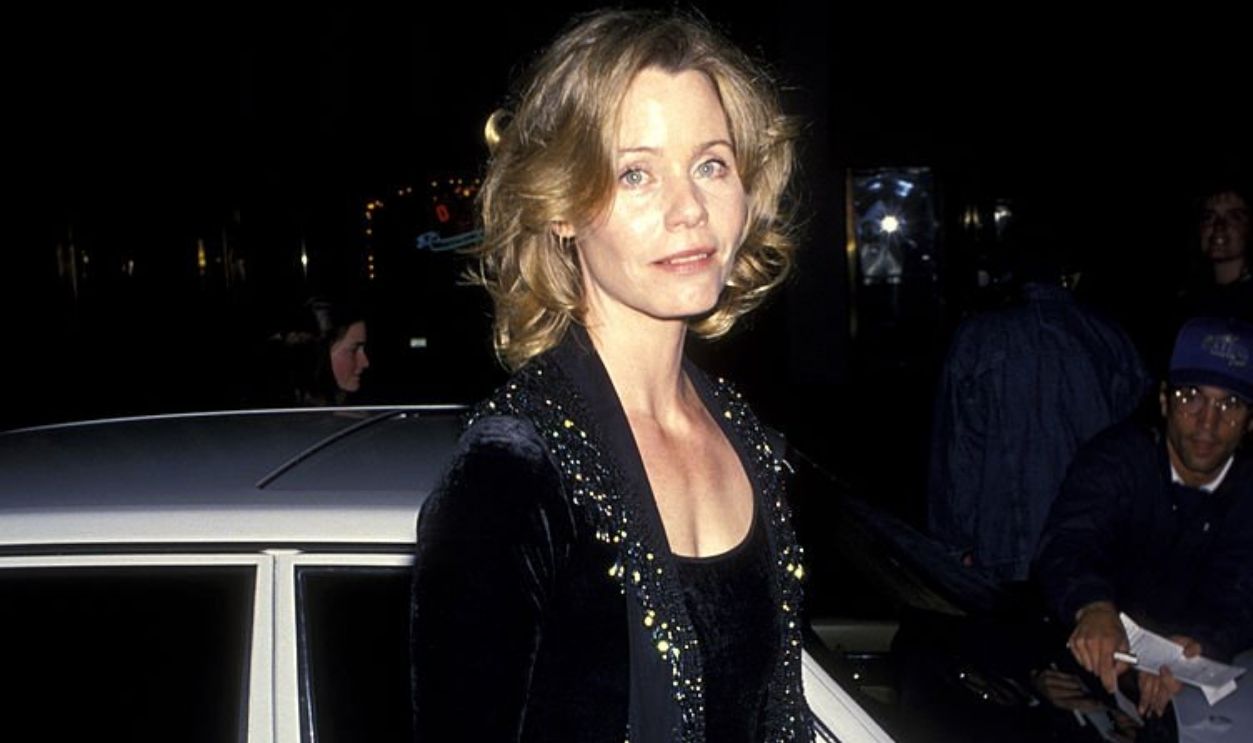
The First Emmy Nomination Changed Her Reputation
Dey received an Emmy nomination for Outstanding Lead Actress in a Drama Series in 1987. Her competitors included Sharon Gless, Tyne Daly, Jill Eikenberry, and Angela Lansbury. Being recognized alongside some of television’s strongest dramatic actresses provided an emphatic answer to anyone who still dismissed her as Laurie Partridge.
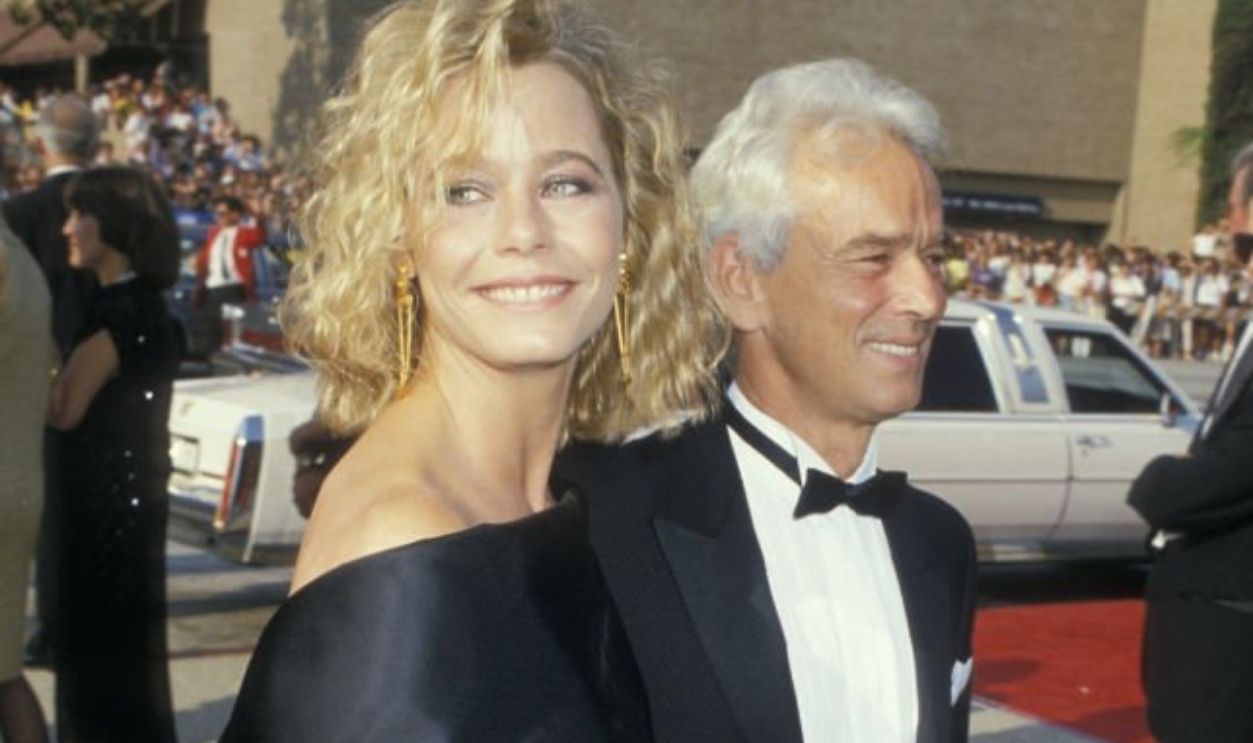 Ron Galella, Ltd., Getty Images
A Second Emmy Nomination Proved It Was No Fluke
The Television Academy nominated Dey again in 1988. She once more competed in the lead-drama category rather than a nostalgic or supporting category connected to her earlier fame. Two consecutive nominations established Grace Van Owen as a sustained dramatic achievement.
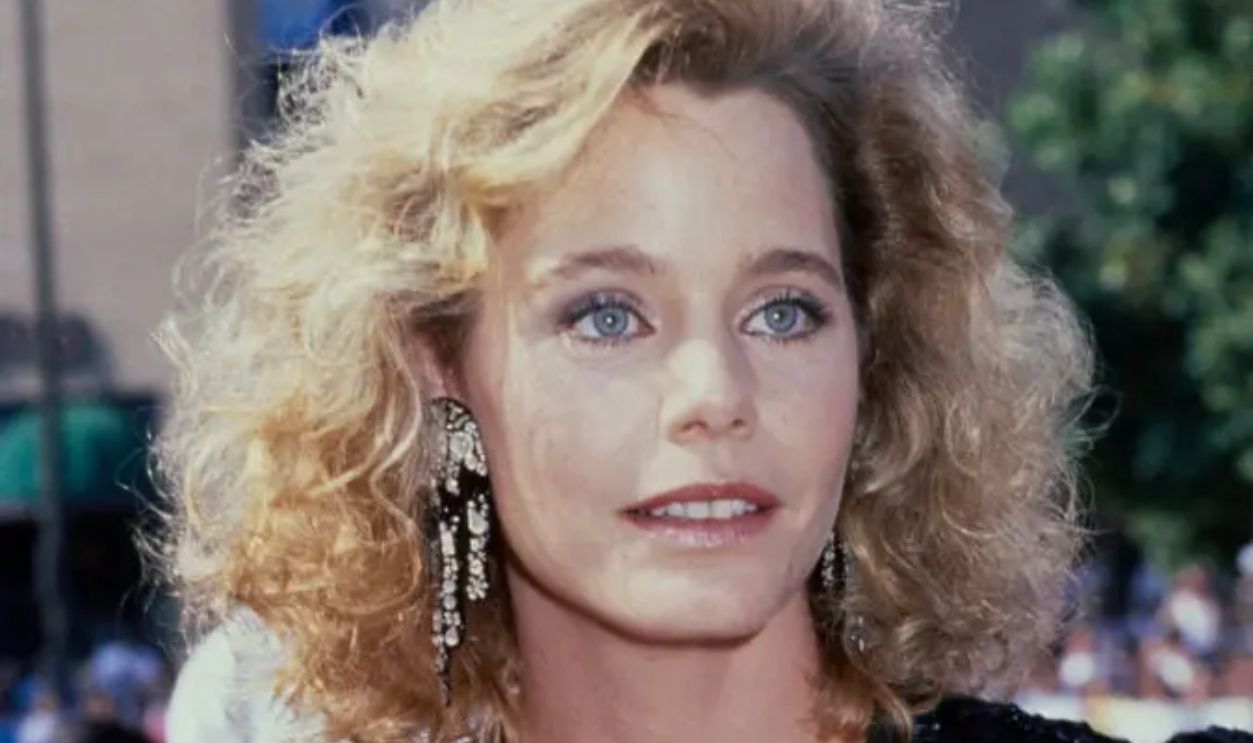
The Golden Globe Finally Put A Trophy In Her Hands
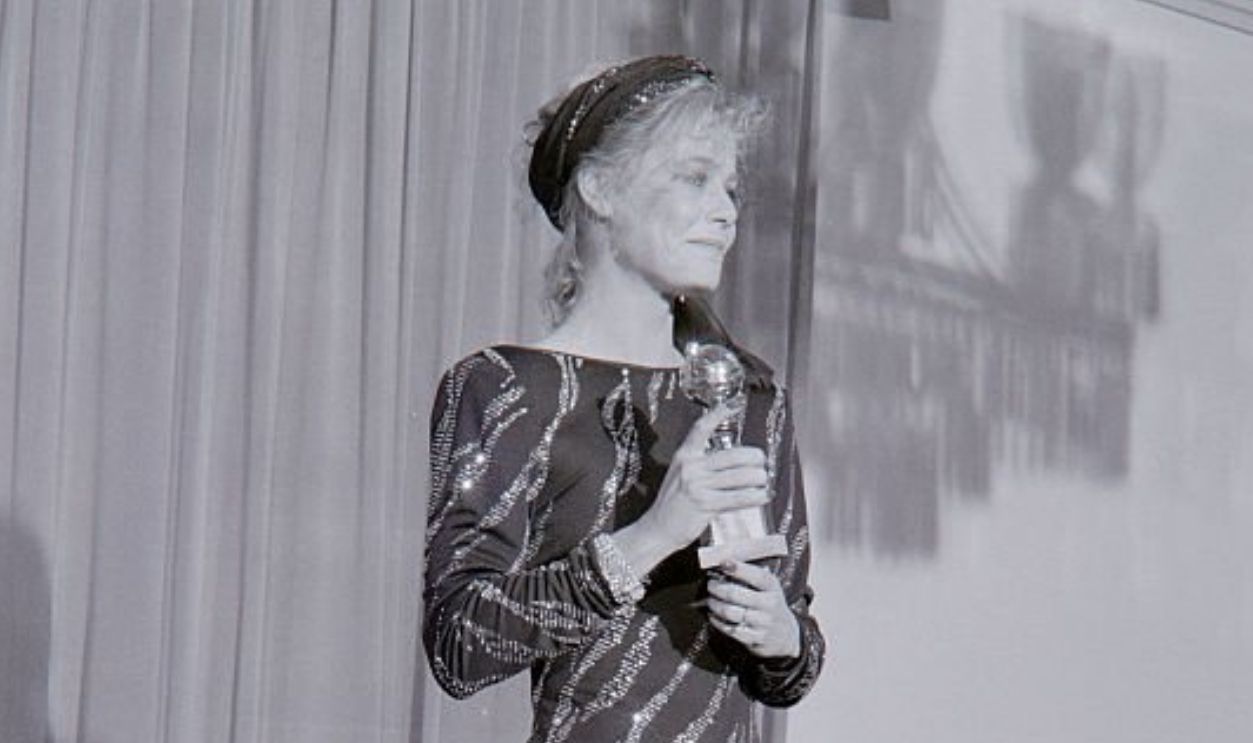
In 1989, Dey won the Golden Globe for Best Performance by an Actress in a Television Series, Drama, for L.A. Law. The Golden Globes record also shows that she received nominations for the series in 1988, 1990, 1991, and 1992. The former teenage sitcom performer had become one of the most consistently recognized dramatic actresses on network television.
A Third Emmy Nomination Completed The Transformation
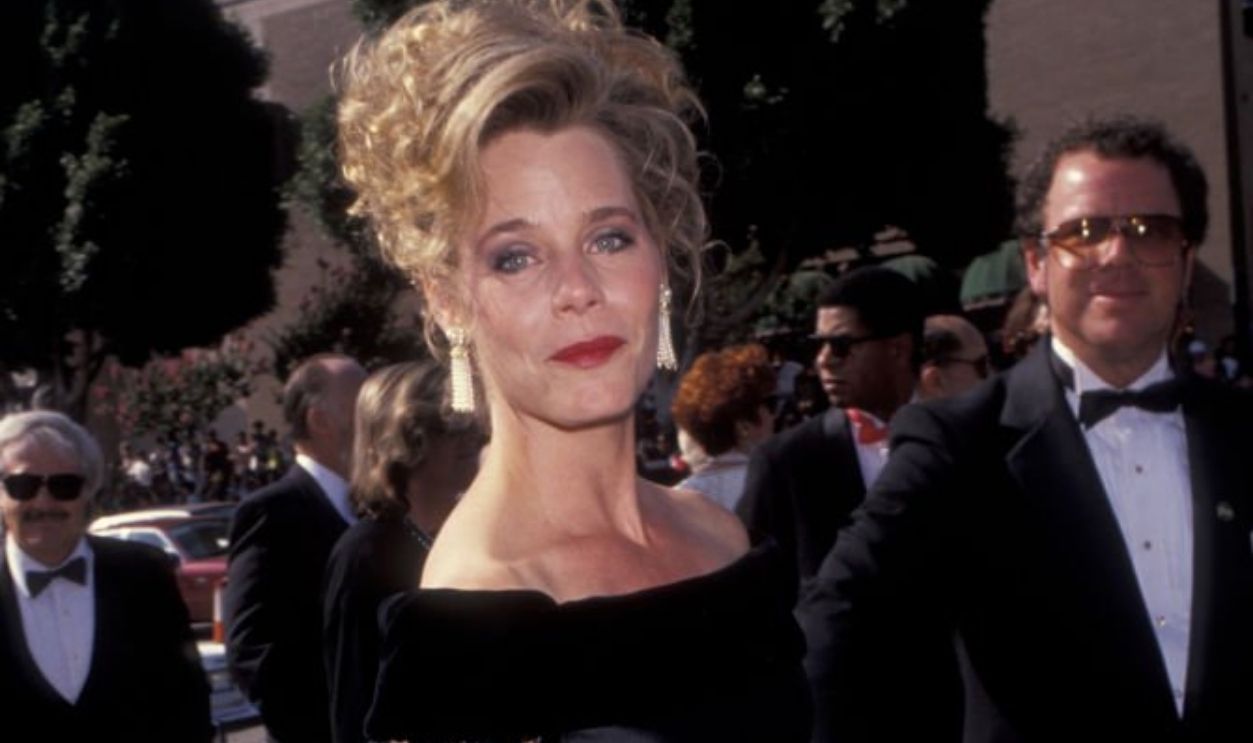
Dey received another Emmy nomination in 1989 for playing Grace. That brought her career total to three Primetime Emmy nominations, all for L.A. Law. The Television Academy’s official biography now records her primarily through those dramatic nominations rather than through the teenage series that first made her famous.
 Ron Galella, Ltd., Getty Images
Grace Even Became A Fashion Influence
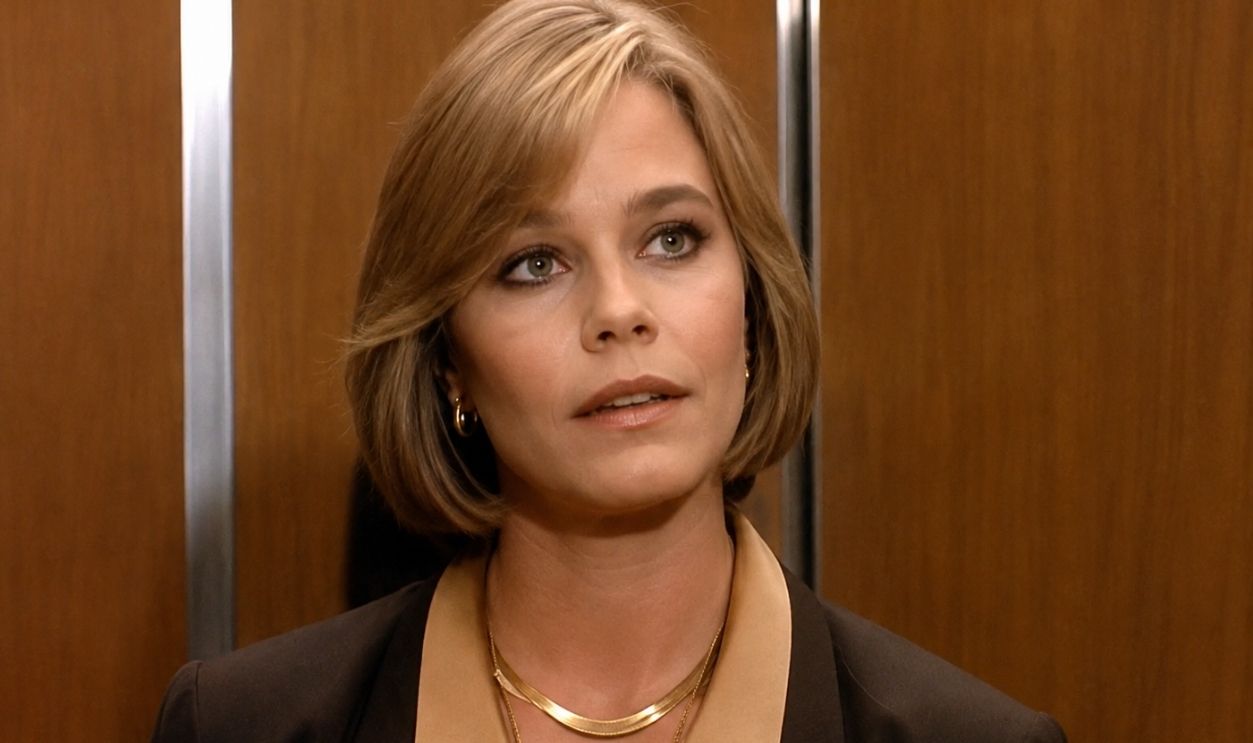
Dey’s L.A. Law wardrobe generated attention outside the show. The Los Angeles Times reported on demand for the soft, draped blouses worn beneath Grace’s business suits, with retailers calling the look the “Law blouse.” Costume designer Loree Parral said the wardrobe was designed to make Dey’s character look feminine, sophisticated, sexy, and intelligent without resembling everyone else in the courtroom.
 Screenshot from L.A. Law, NBC (1986-1994), Enhanced
She Used Her Visibility For Serious Causes
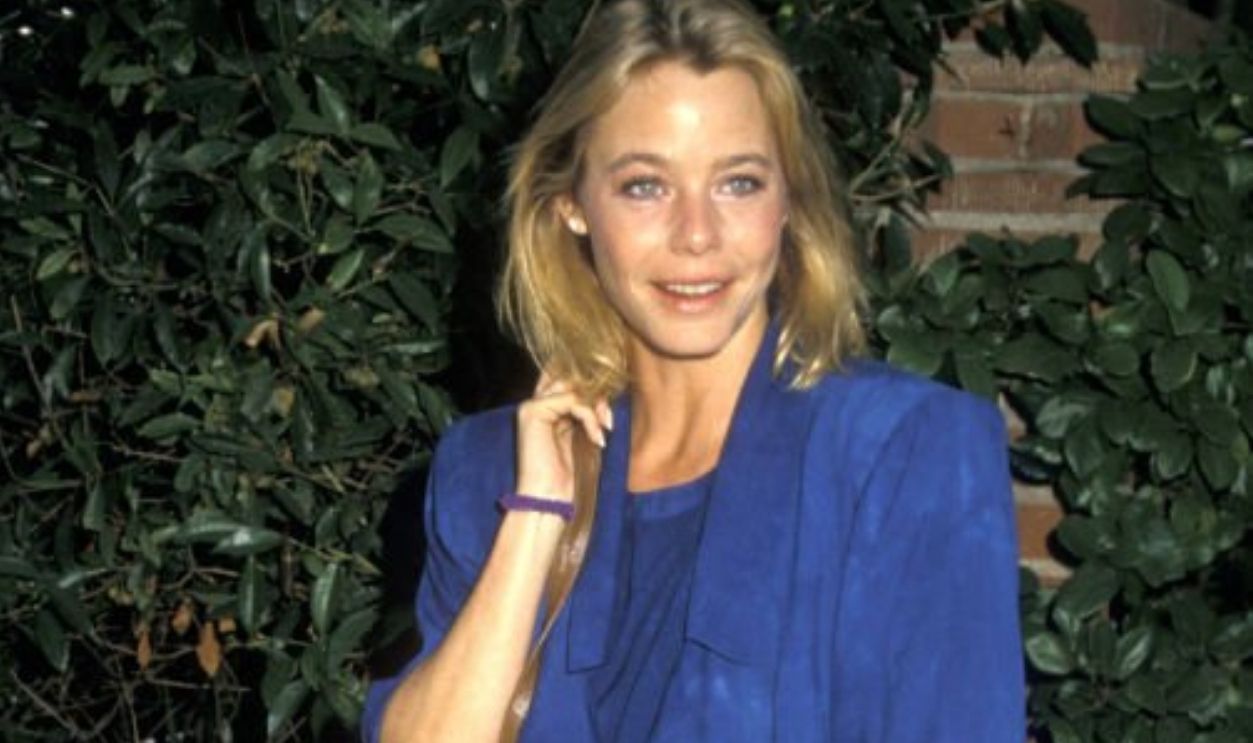
Dey participated in a nationally syndicated 1987 AIDS education special featuring Surgeon General C. Everett Koop and other health experts. She explained that she had friends affected by HIV and wanted to contribute to public understanding of the crisis. Years later, the Los Angeles Times also reported that she had volunteered with Santa Monica’s Rape Treatment Center for 15 years.
 Ron Galella, Ltd., Getty Images
Producing Gave Her More Control
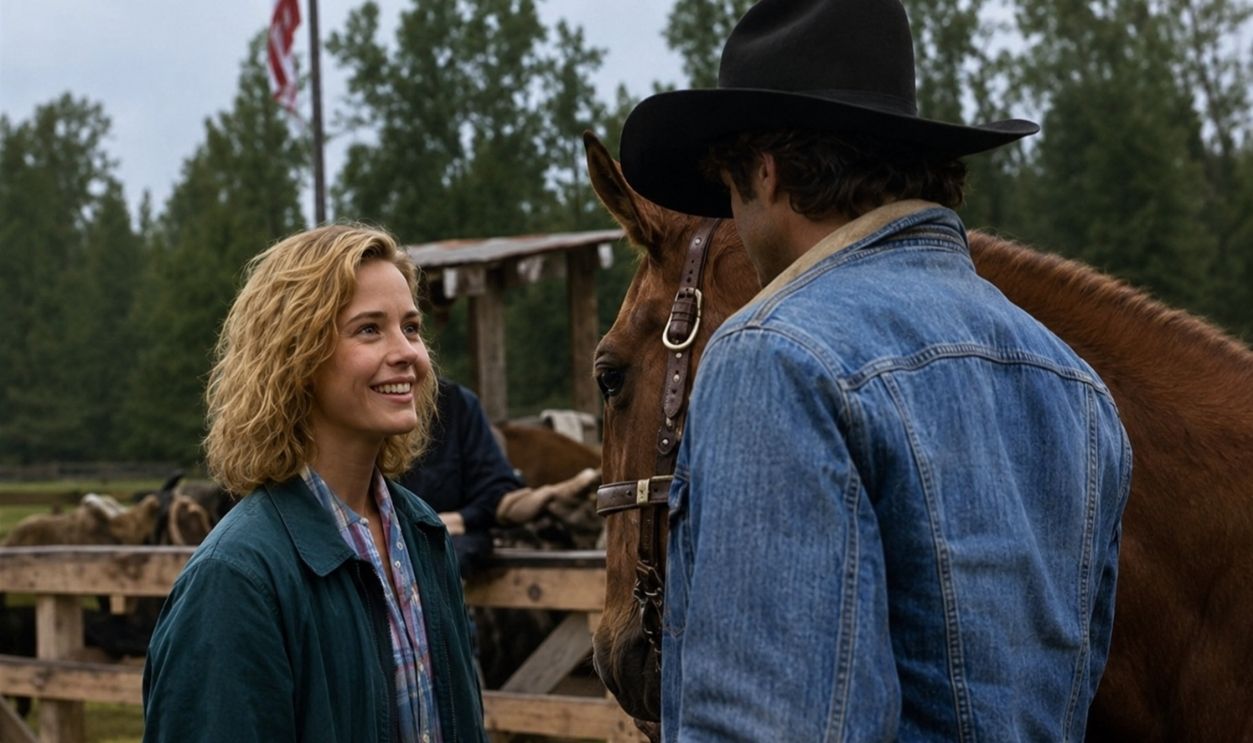
Dey co-produced and starred in the 1989 television movie I Love You Perfect. The Washington Post praised her performance as a woman dying after cervical cancer was detected too late and noted that Dey was on screen for most of the film. Dey told the paper that producing gave performers another way to protect themselves when strong scripts were difficult to find.
 Screenshot from I Love You Perfect, ABC (1989), Enhanced
Leaving L.A. Law Was Another Risk
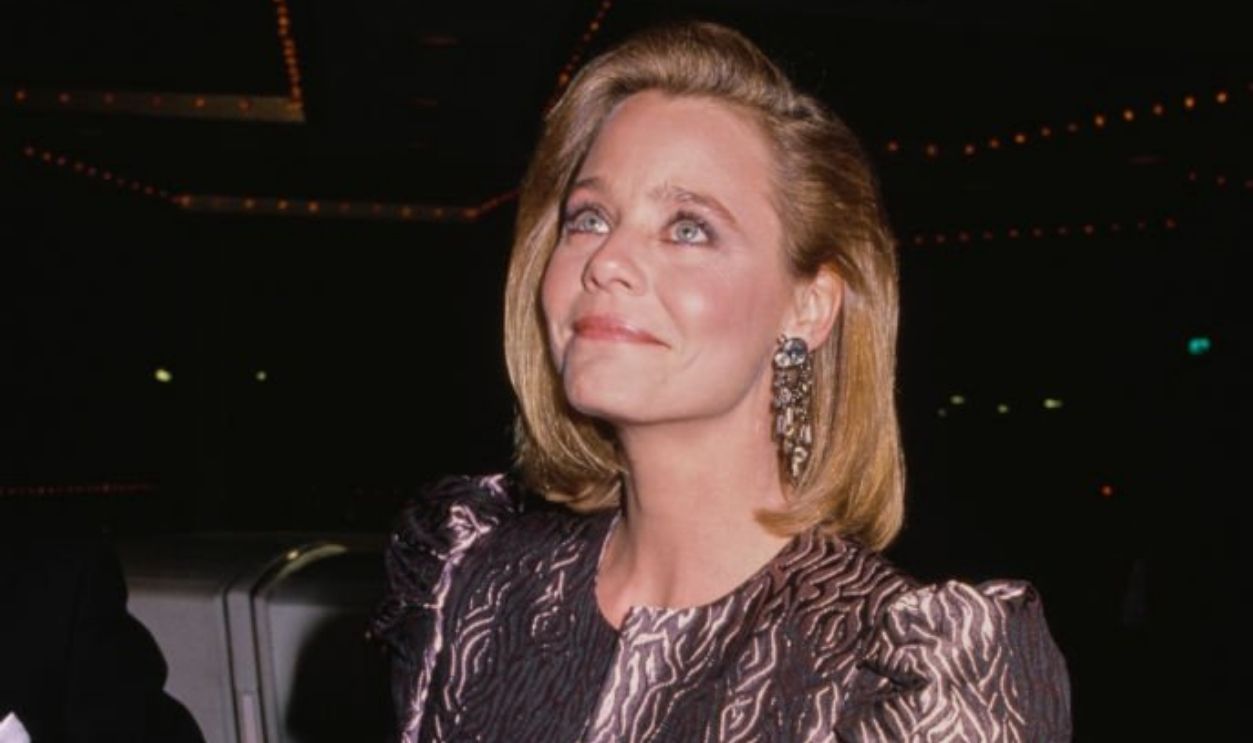
Dey eventually chose to leave L.A. Law even though the series had rebuilt her career. She said the character had reached a point where continuing would mean repeating material she had already played. Rather than staying safely inside the role that had finally erased Laurie Partridge, she chose uncertainty again.
Love And War Forced Her To Learn Comedy Again
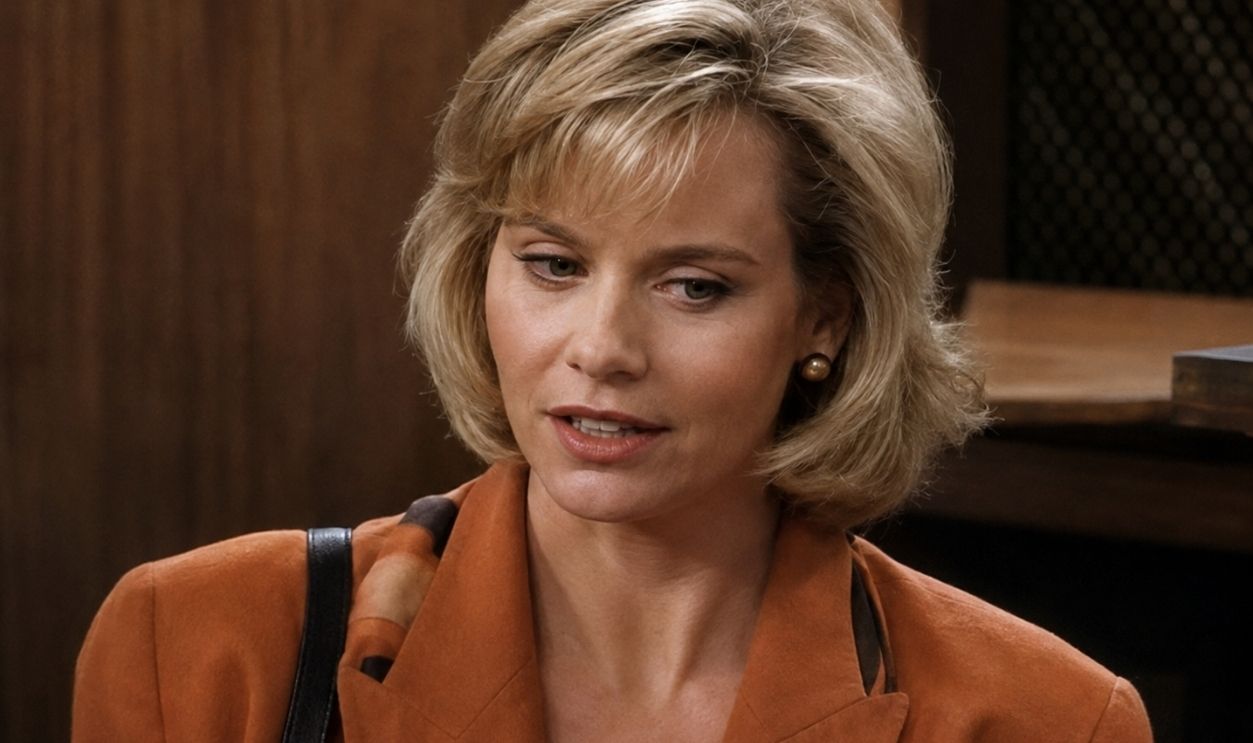
Dey joined Jay Thomas in Diane English’s CBS sitcom Love & War in 1992. Despite having become famous on a sitcom, Dey noted that The Partridge Family had not prepared her for performing a sophisticated comedy in front of a live audience, calling the format a new language and rhythm. She ultimately left after one season because of creative differences with the producers.
 Screenshot from Love & War, CBS (1992-1995), Enhanced
Lies And Lullabies Destroyed The Polished Grace Image
In 1993, Dey starred in and helped produce Lies and Lullabies, playing a drug-addicted pregnant woman fighting to regain custody of her baby. The Los Angeles Times specifically praised the way she discarded her polished television image and created a character far removed from both Grace Van Owen and her Love & War role. By then, deliberately escaping her previous image had become one of the defining patterns of her career.
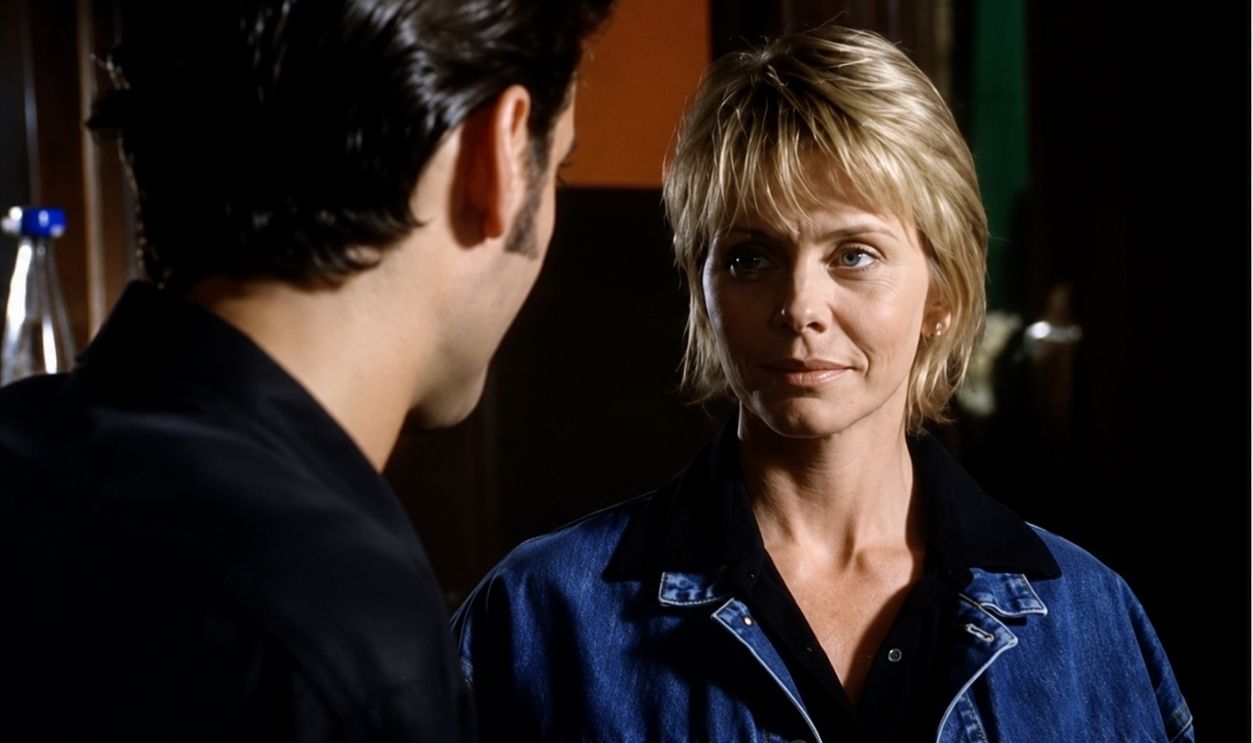 Screenshot from Love, Lies & Lullabies,Hearst Corporation (1993), Enhanced
She Eventually Chose Privacy Over Another Reinvention
Dey continued acting after her biggest television successes, but she ultimately withdrew from Hollywood and has lived a much more private life. She even avoided many nostalgic reunions, although the Television Academy noted that she joined an online L.A. Law cast reunion in 2020 to support The Actors Fund. Recent retrospectives now describe her as retired, leaving behind two strikingly different television identities: Laurie Partridge made her famous, but Grace Van Owen proved what she could do.
You May Also Like:
Casting Choices That Seemed Crazy—But Worked Perfectly
These 15 Films Were Behind-The-Scenes Disasters
Actors Who Were Fired In The Middle Of Filming
Sources: 1, 2, 3, 4, 5, 6, 7, 8, 9, 10, 11, 12, 13, 14, 15, 16, 17, 18, 19, 20, 21, 22, 23, 24, 25, 26, 27, 28, 29, 30, 31, 32