One Last Chance At Happiness
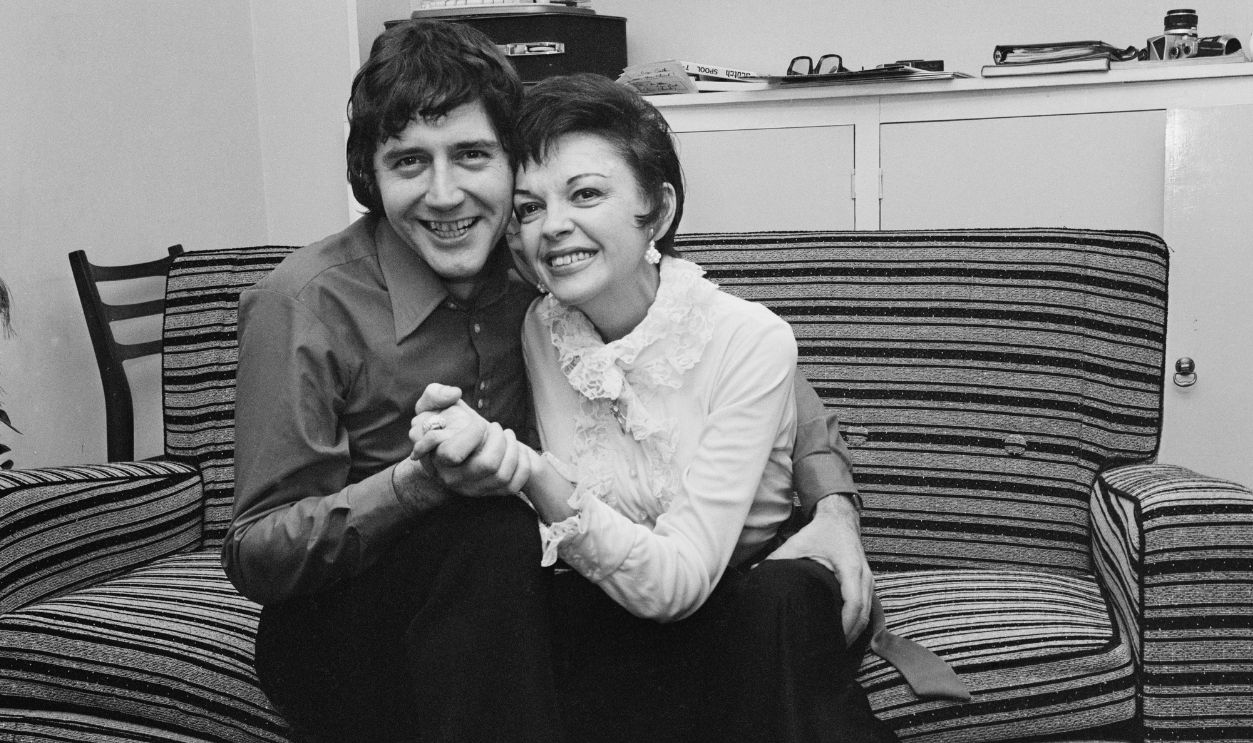
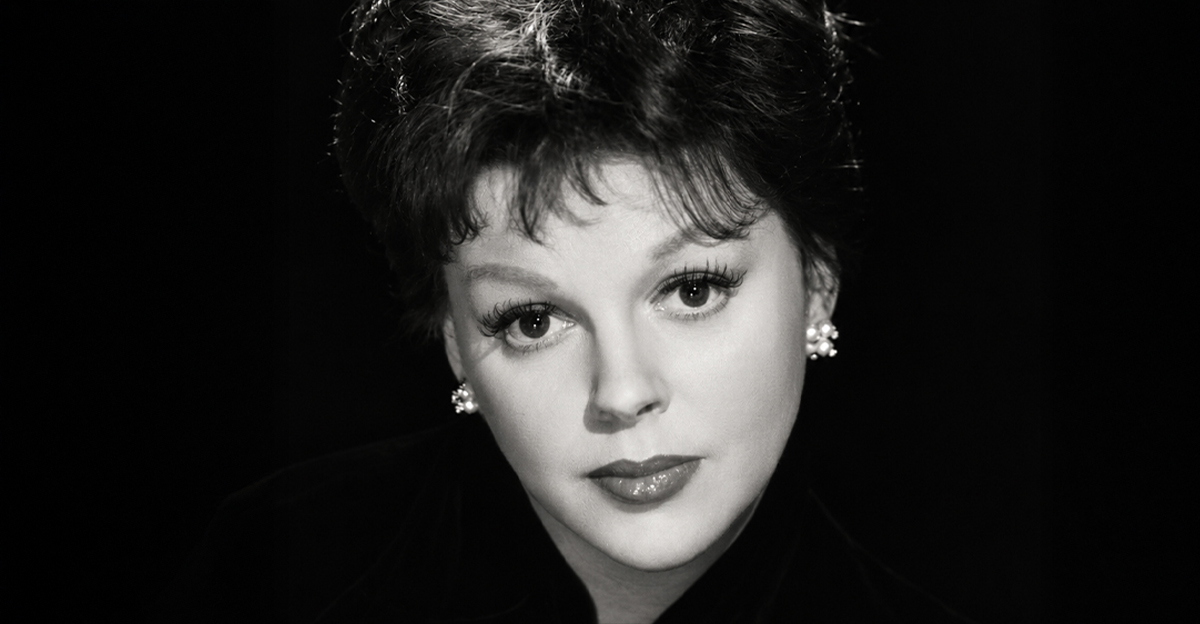
In March 1969, Judy Garland married Mickey Deans, a younger nightclub manager who seemed to offer the love and stability she had spent years searching for. After four failed marriages, financial disasters, and battles with substance use, the legendary entertainer appeared hopeful about her future. But just three months after the wedding, her fifth husband would make the heartbreaking discovery that Garland was gone at just 47.
 John Engstead/John Kobal Foundation/Getty Images
A Star Is Born
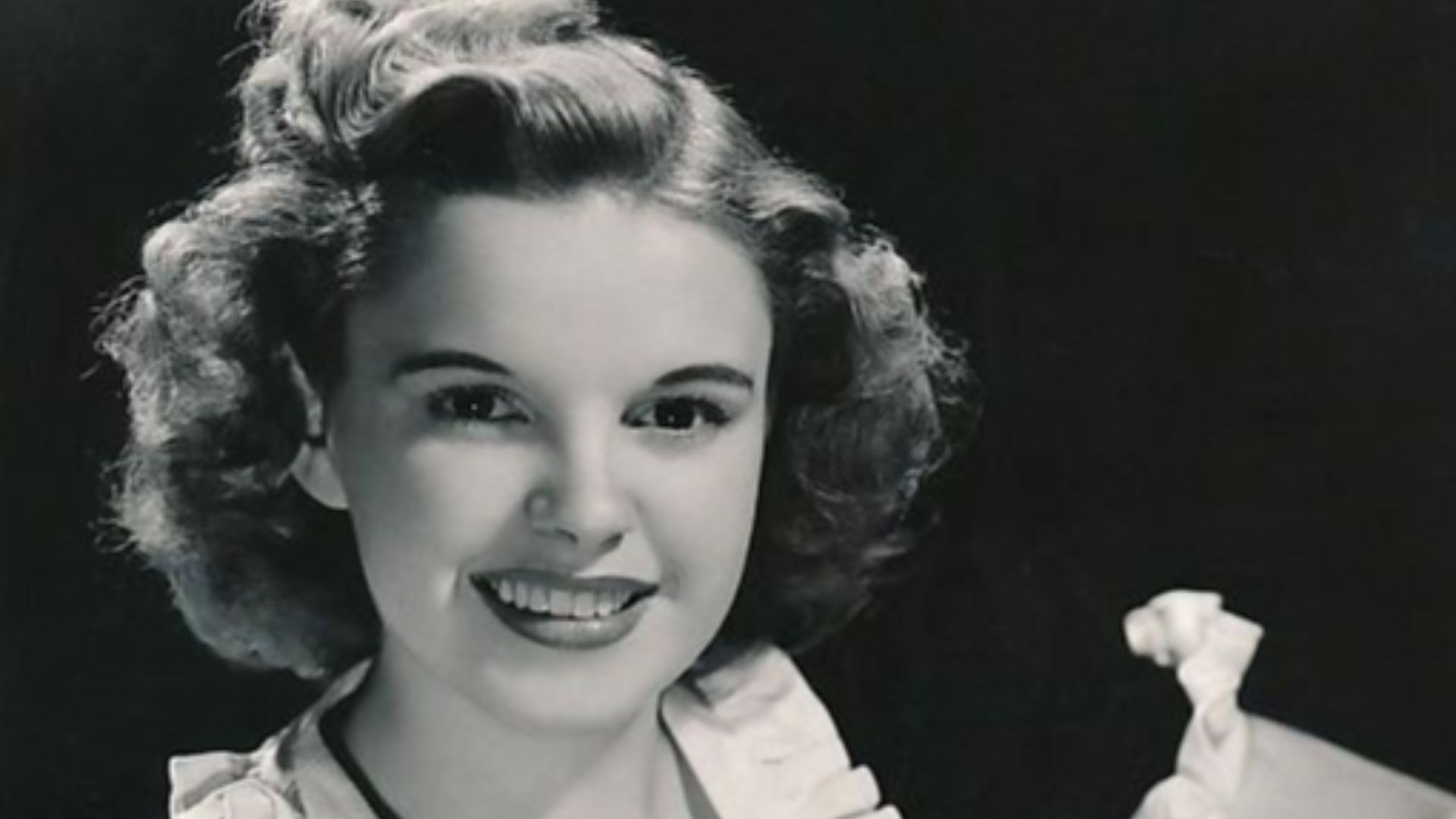
Judy Garland was born Frances Ethel Gumm on June 10, 1922, in Grand Rapids, Minnesota. The youngest of three daughters in a performing family, she began entertaining audiences as a small child. Alongside her sisters, she performed in a vaudeville act before Hollywood came calling. By 1935, the extraordinarily talented teenager had signed a contract with MGM.
 Metro-Goldwyn-Mayer, Wikimedia Commons
Dorothy Changes Everything
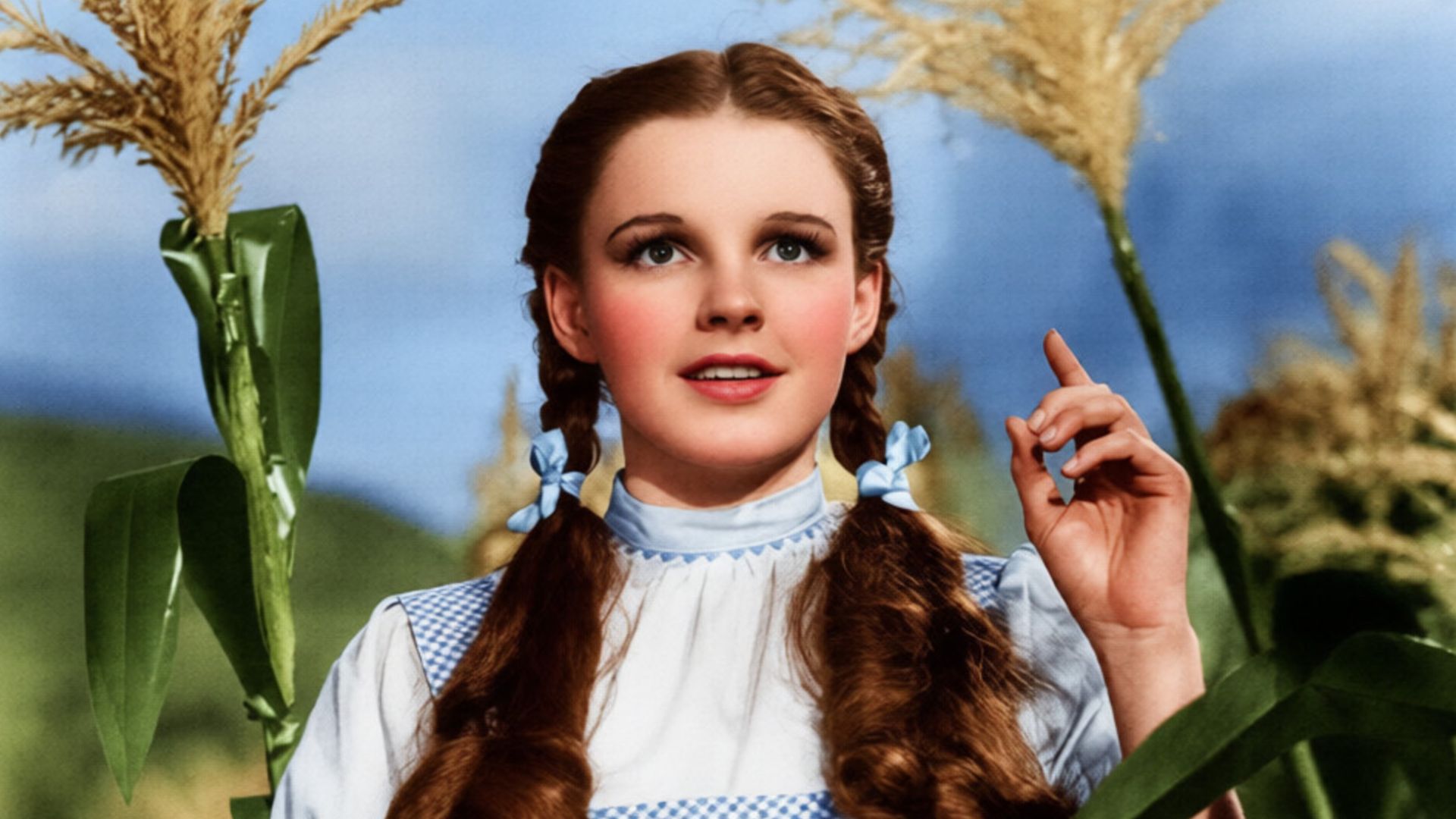
Garland became an international sensation playing Dorothy Gale in The Wizard of Oz (1939), introducing audiences to her unforgettable rendition of "Over the Rainbow." She subsequently starred in Meet Me in St. Louis (1944) and Easter Parade (1948). Yet behind her cheerful screen image, studio pressures, exhausting schedules, and prescription medications were already taking a toll.
 CBS Television Network., Wikimedia Commons
The Studio’s Impossible Demands
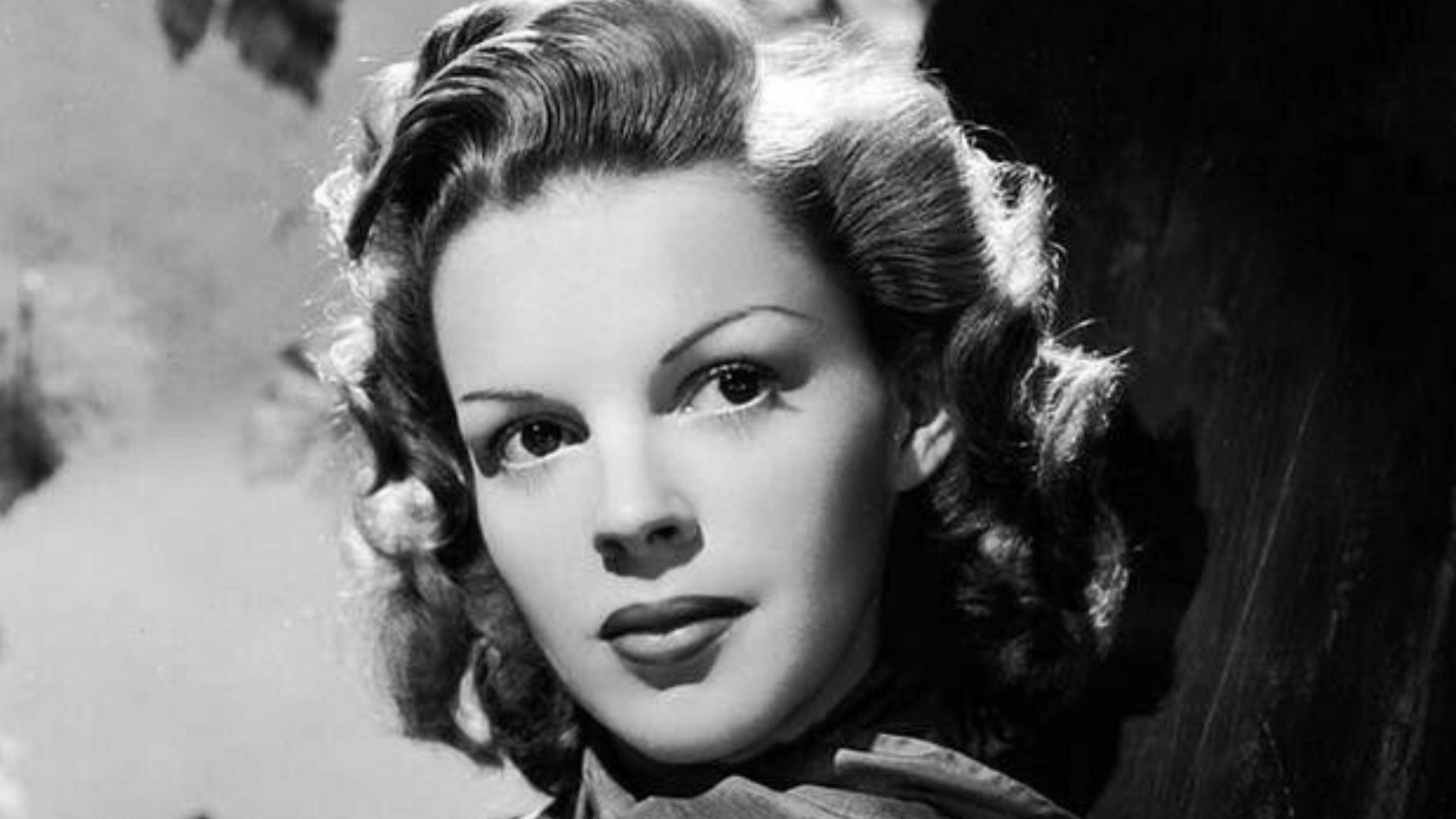
MGM executives scrutinized Garland’s appearance and weight, while the demands of constant filming placed enormous pressure on her. She later described being given stimulants to keep working and sleeping pills to rest. These practices contributed to a dangerous dependence on medication. Even as she became one of Hollywood’s most beloved performers, her private struggles grew increasingly serious.
 Studio Publicity, Wikimedia Commons
Her First Husband: David Rose
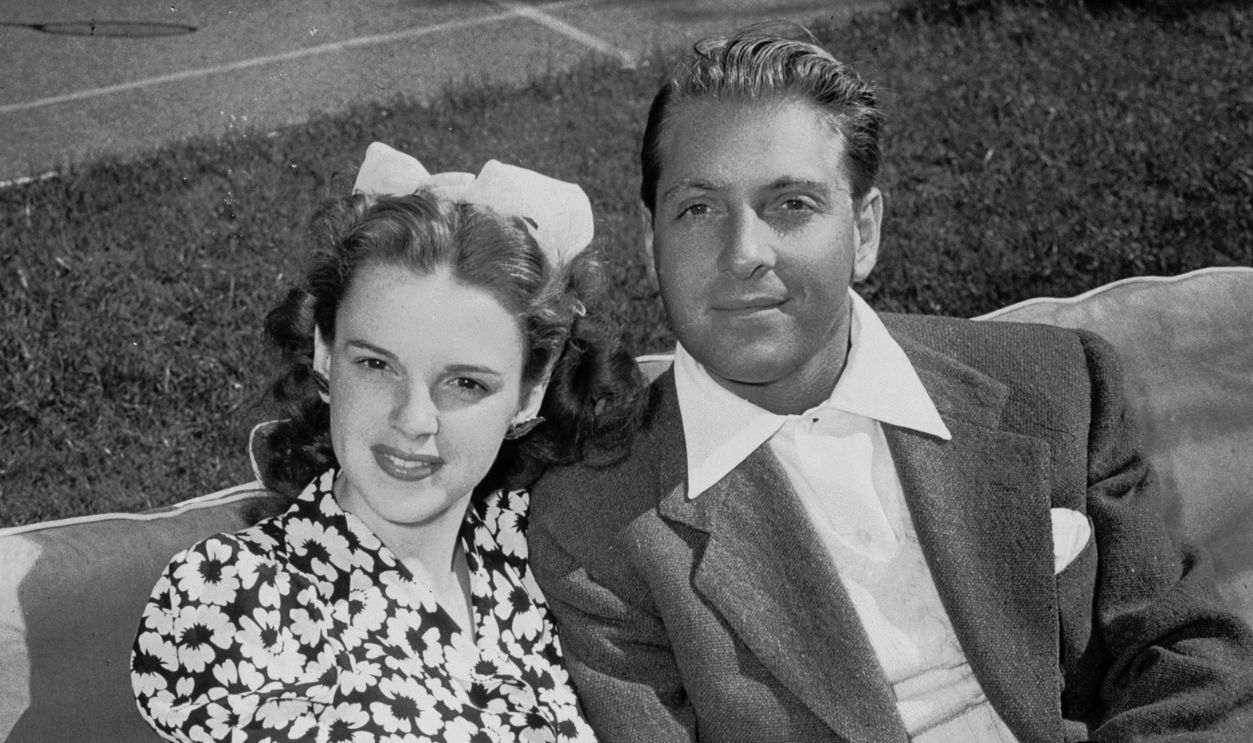
Garland was just 19 when she married composer and bandleader David Rose in July 1941. Their relationship alarmed both her mother and MGM, partly because Rose was considerably older. The marriage quickly encountered difficulties, including conflicting expectations and the pressures of Garland’s career. They separated and divorced in 1944, ending her first attempt at married happiness.
 John Kobal Foundation, Getty Images
Her Second Husband: Vincente Minnelli
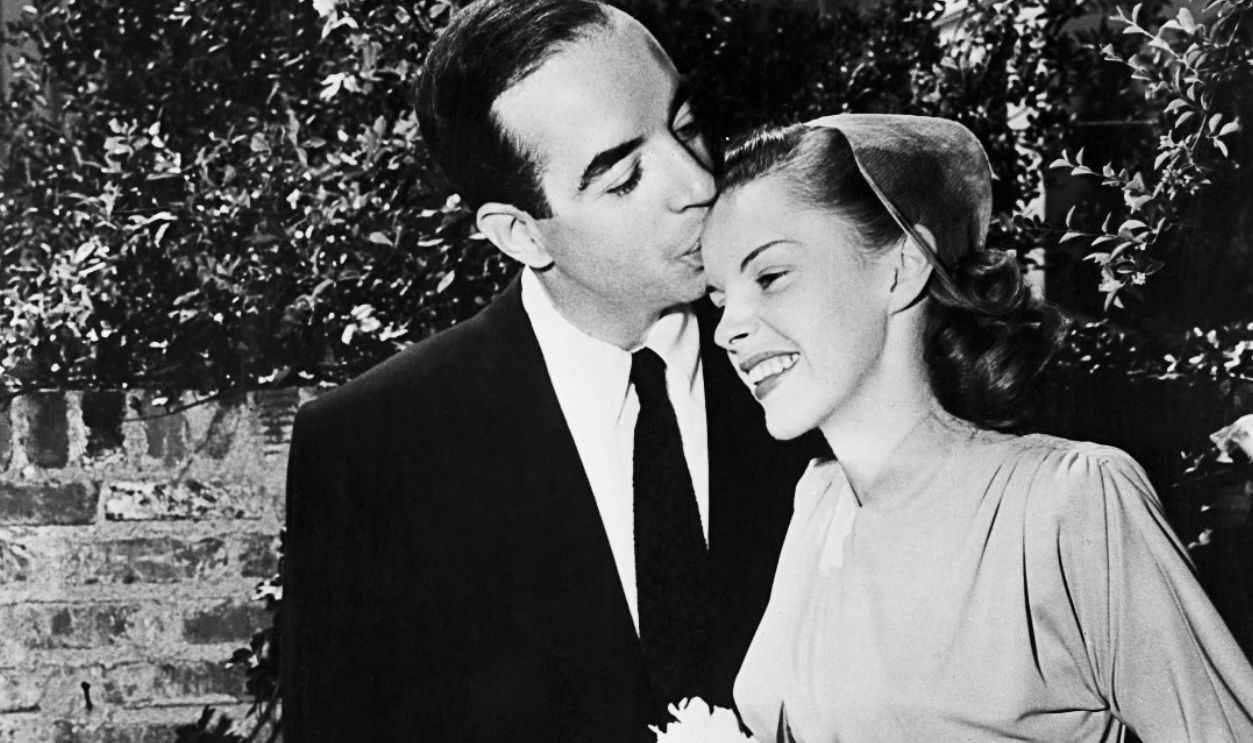
Garland married director Vincente Minnelli in June 1945 after working with him on Meet Me in St. Louis (1944). Their daughter, Liza Minnelli, was born the following March. The couple collaborated on films including The Pirate (1948), but Garland’s deteriorating health and professional difficulties strained their relationship. They divorced in 1951, leaving Garland facing another painful personal upheaval.
A Career Comes Apart
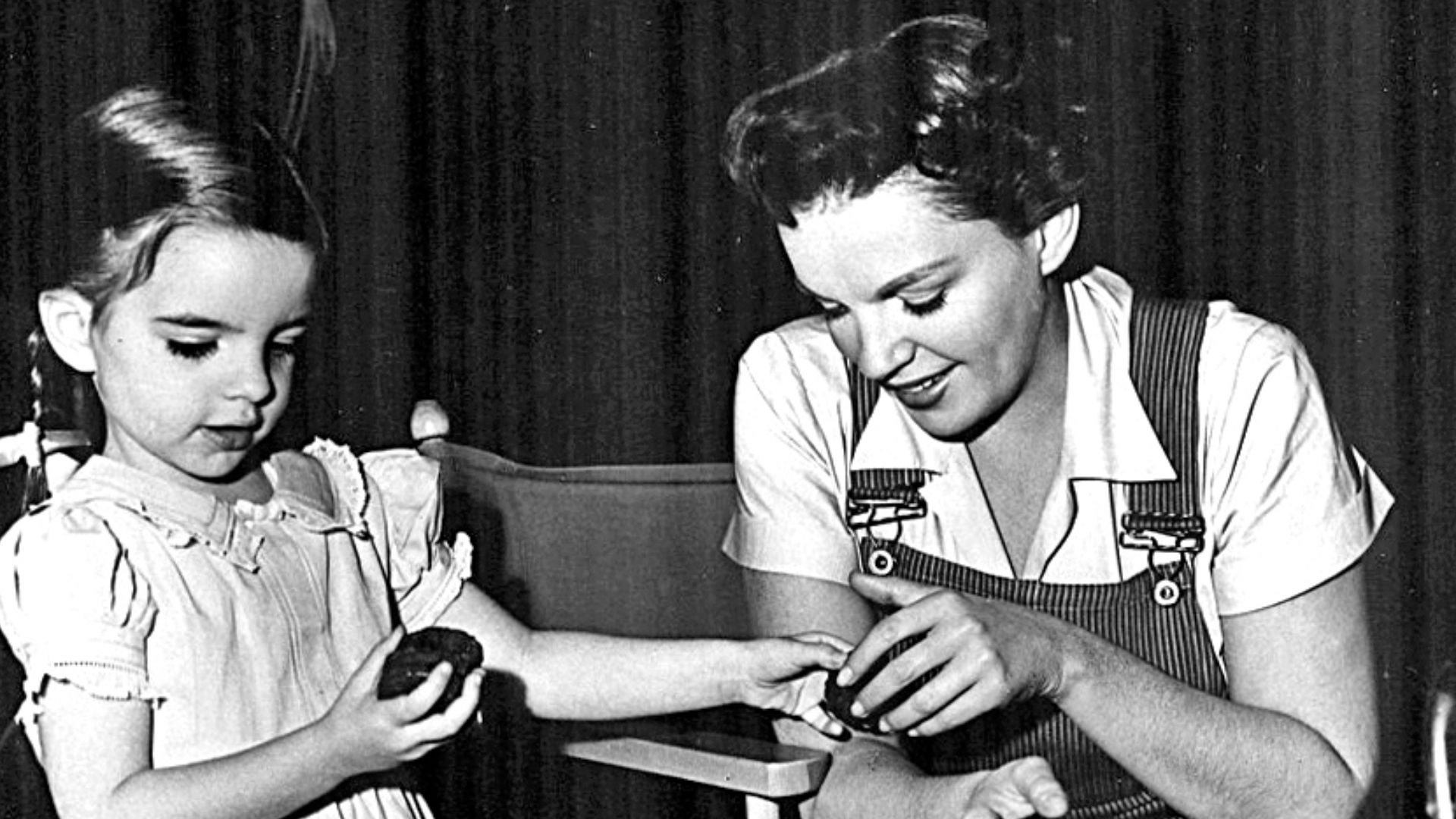
By 1950, Garland’s difficulties had become impossible for MGM to overlook. Illness, exhaustion, and missed work disrupted productions, and the studio terminated her contract. For an actress who had grown up on its soundstages, the dismissal was devastating. Nevertheless, Garland demonstrated remarkable resilience, rebuilding her career through live performances that revealed the extraordinary power of her voice.
 Unknown authorUnknown author, Wikimedia Commons
Her Third Husband: Sid Luft
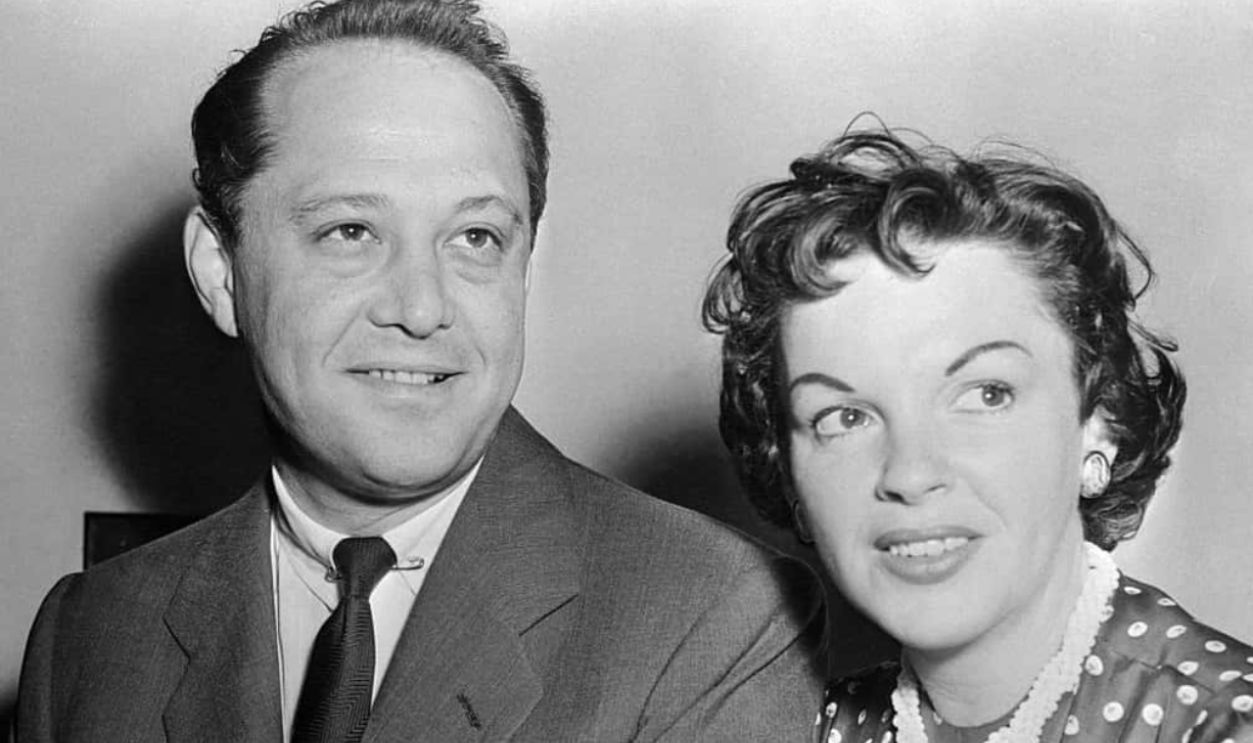
In June 1952, Garland married producer Sid Luft, who became instrumental in managing her comeback. They welcomed daughter Lorna in 1952 and son Joey in 1955. Luft helped produce A Star Is Born (1954), which earned Garland an Academy Award nomination. Their relationship, however, became increasingly turbulent, marked by financial pressures, separations, and bitter disagreements.
Another Marriage Falls Apart
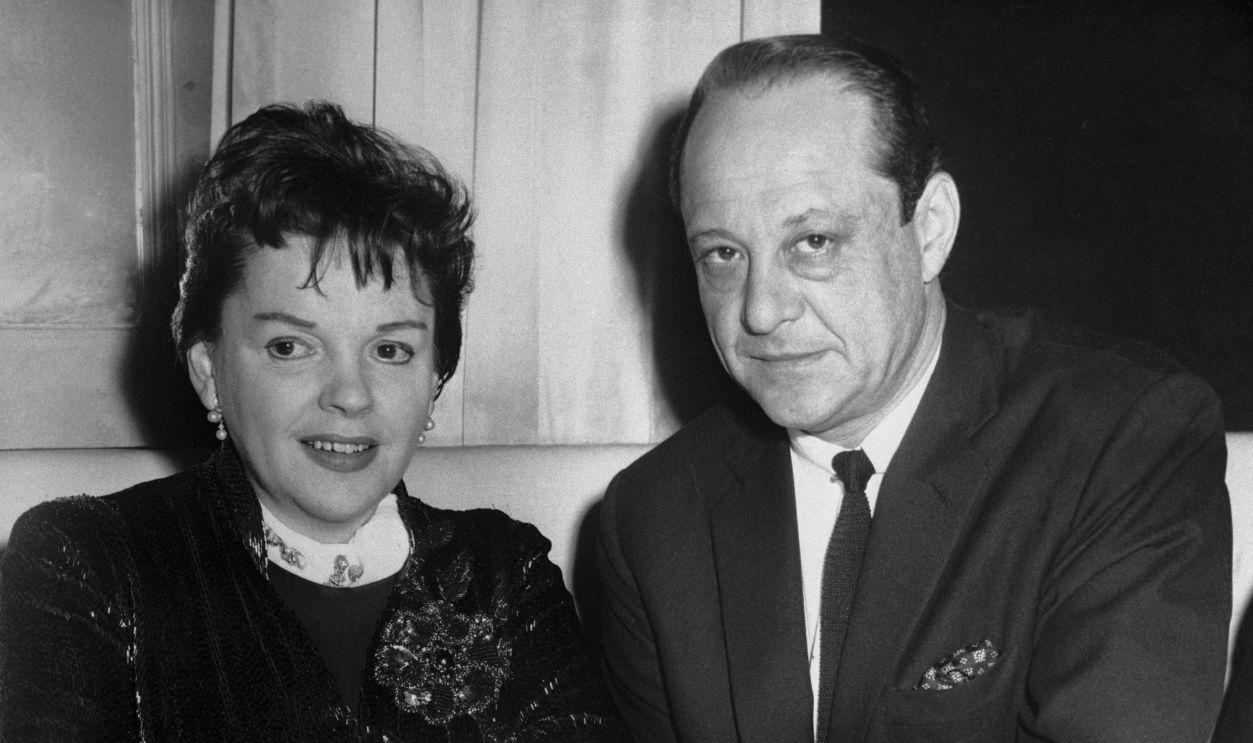
Garland and Luft’s marriage lasted longer than any of her others, but their conflicts eventually overwhelmed the relationship. They separated repeatedly, and their divorce became final in 1965 after disputes involving their children and finances. Garland’s ongoing dependence on medication complicated her personal life. Even so, she continued performing, determined to support her family and maintain her career.
Her Fourth Husband: Mark Herron
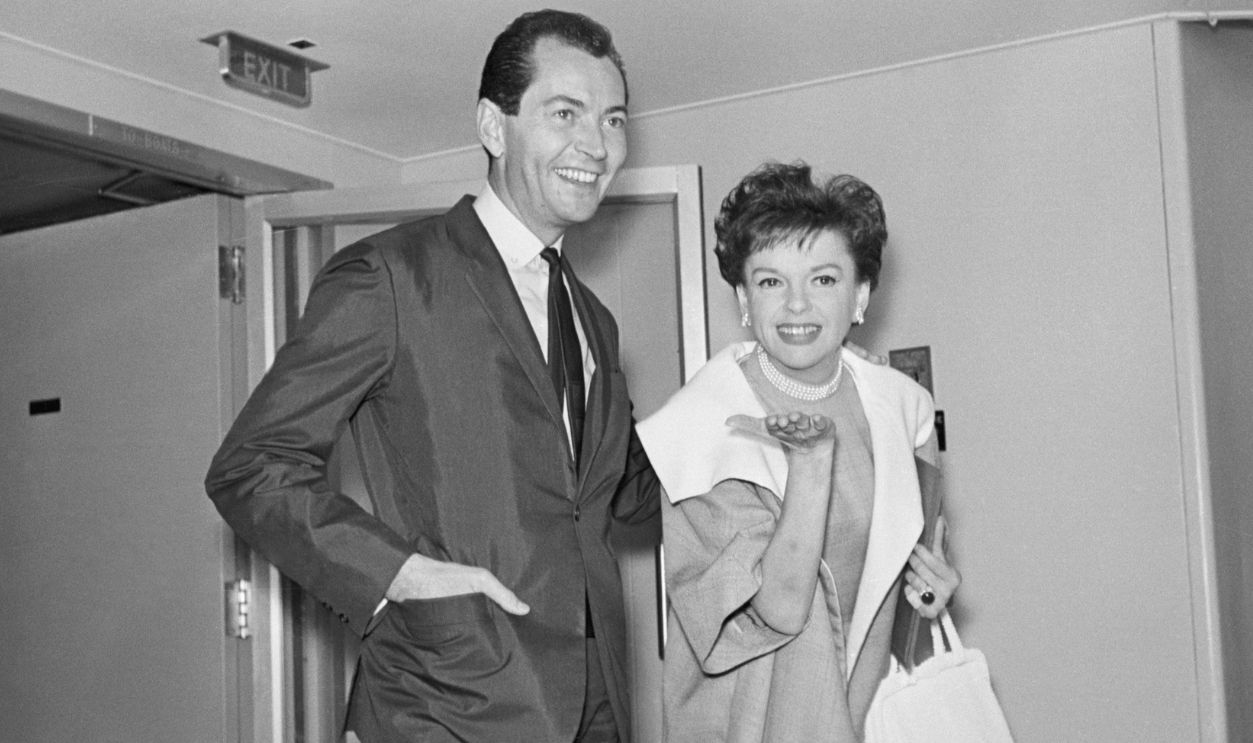
In November 1965, Garland married actor and tour promoter Mark Herron, who had been involved in organizing some of her performances. The marriage proved exceptionally brief, with the couple separating after approximately five months. During their divorce proceedings, Garland alleged that Herron had struck her, an accusation he disputed. Their divorce was finalized in 1967.
Triumph On The Concert Stage
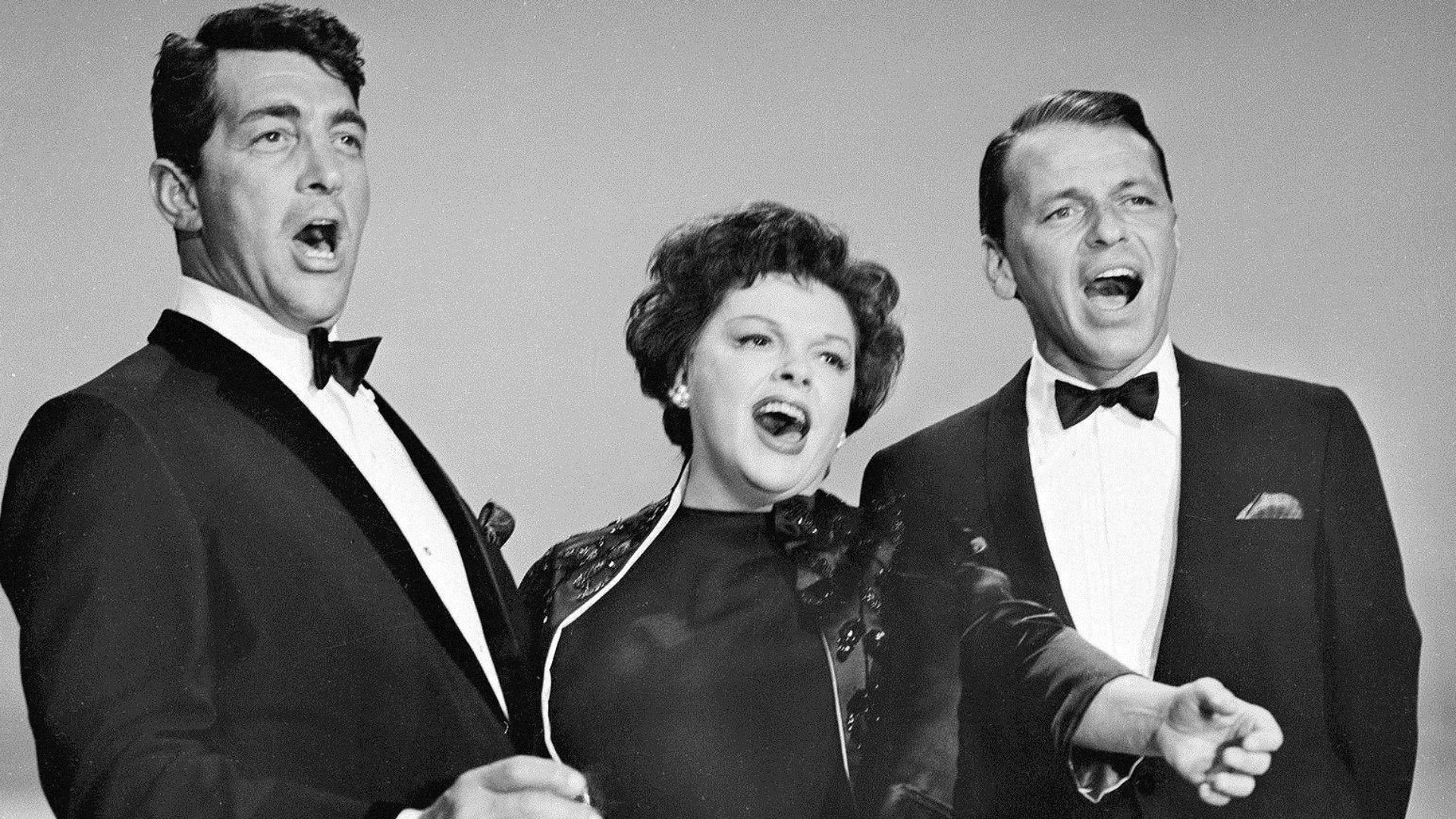
Despite her turbulent marriages, Garland remained an electrifying performer. Her legendary 1961 Carnegie Hall concert produced a Grammy-winning album, while The Judy Garland Show brought her to television in 1963. Although the series lasted only one season, it showcased her remarkable musical talent. Onstage, Garland could still command the adoration that had followed her since childhood.
 CBS Television, Wikimedia Commons
The Comebacks Grow Harder
By the late 1960s, Garland’s career was increasingly unpredictable. She had been dismissed from Valley of the Dolls (1967) and was struggling with poor health, addiction, and mounting financial obligations. Yet audiences still loved her. In August 1967, an enormous crowd gathered for her free concert on Boston Common, proving her star power remained formidable.
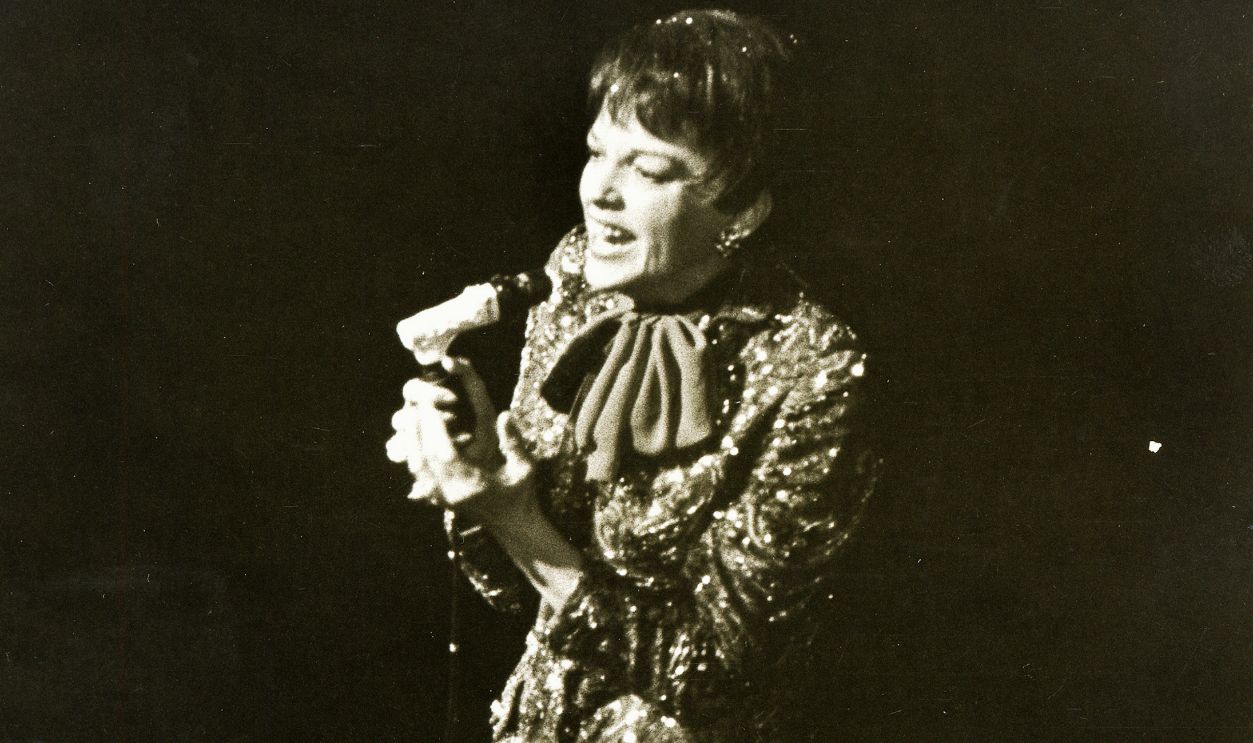
A Fortune Slips Away
Garland had earned enormous sums during her career, but lavish expenses, debts, management problems, and tax liabilities left her financially vulnerable. Maintaining a home and providing for her children became increasingly difficult. The contrast was extraordinary: one of America’s most famous entertainers could still fill concert halls, yet struggled to achieve the security that her success should have provided.
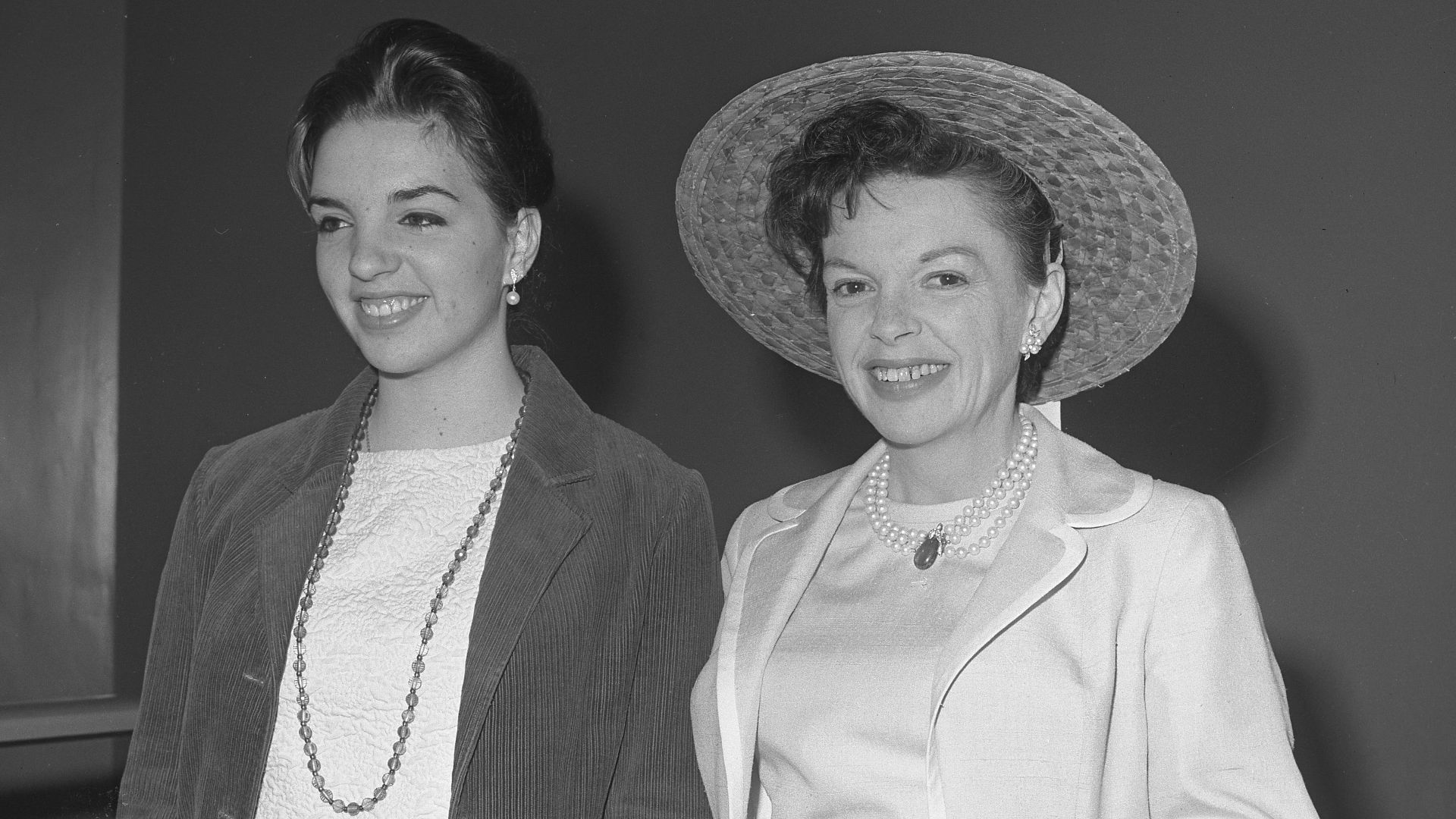 Unknown authorUnknown author, Wikimedia Commons
Enter Mickey Deans
Mickey Deans was a musician and former nightclub manager, approximately 12 years younger than Garland. Unlike her previous husbands, he was not an established Hollywood figure. He had worked in the nightclub business and moved in entertainment circles, but his greatest public recognition would come through Garland. Their relationship began under circumstances that would later raise uncomfortable questions.
An Unusual First Meeting
According to Deans' later account, he first met Garland at New York's St. Regis Hotel when he delivered stimulant medication to her room, reportedly disguised as a doctor. It was an extraordinary introduction to a future husband. Accounts differ on the precise date, but their acquaintance developed into an intermittent romance before they married in 1969.
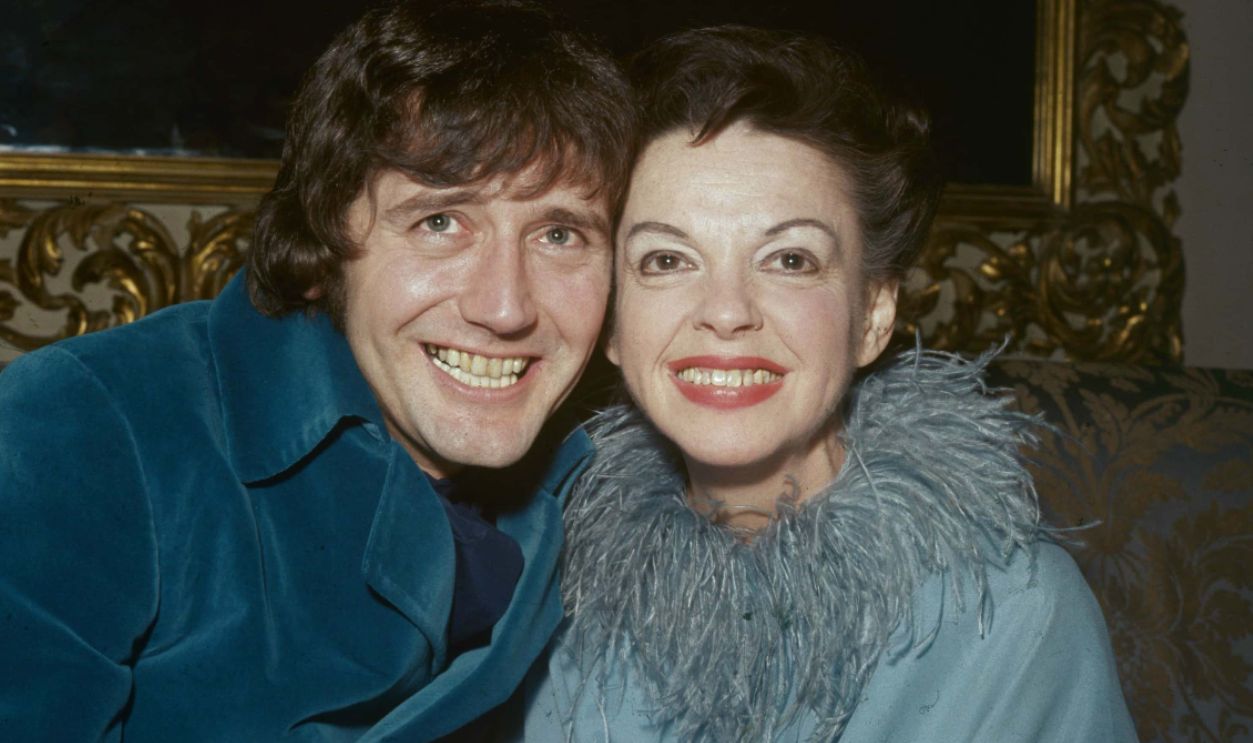
A Friendship Becomes Romance
Garland and Deans dated intermittently before becoming more seriously involved toward the end of the decade. He offered companionship at a time when she was exhausted by professional disappointments and personal upheaval. Their age difference attracted attention, but Garland had endured enough unhappy relationships to disregard conventional expectations. She wanted affection, reassurance, and someone willing to share her increasingly complicated life.
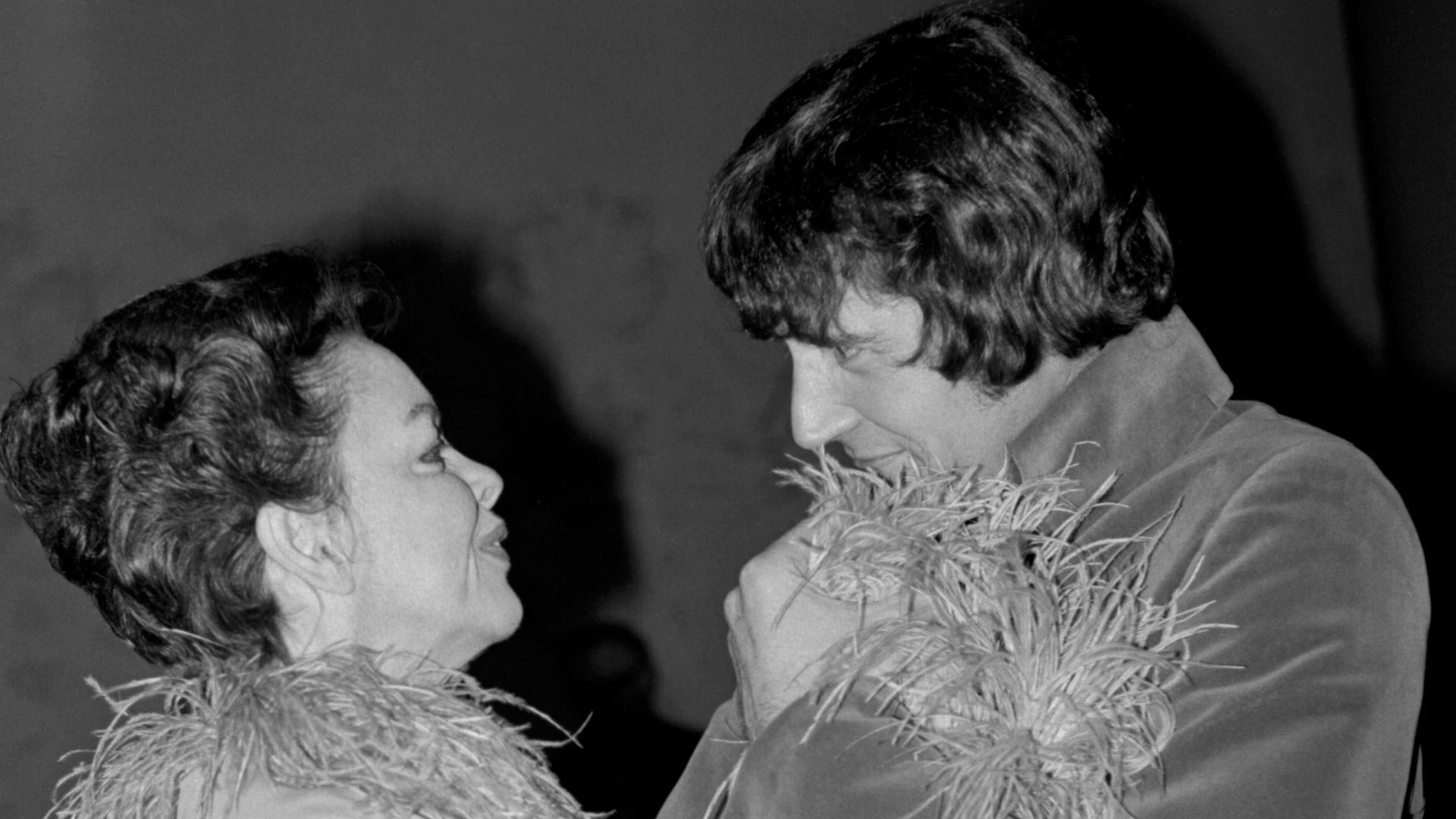 Allan warren, Wikimedia Commons
A Difficult Return To London
In December 1968, Garland arrived in London for a five-week engagement at the Talk of the Town nightclub. She desperately needed the income, but her health was fragile. Some performances reminded audiences of her incomparable talent; others were marred by exhaustion, lateness, or difficulty completing the show. The engagement exposed how much she was struggling despite her enduring fame.
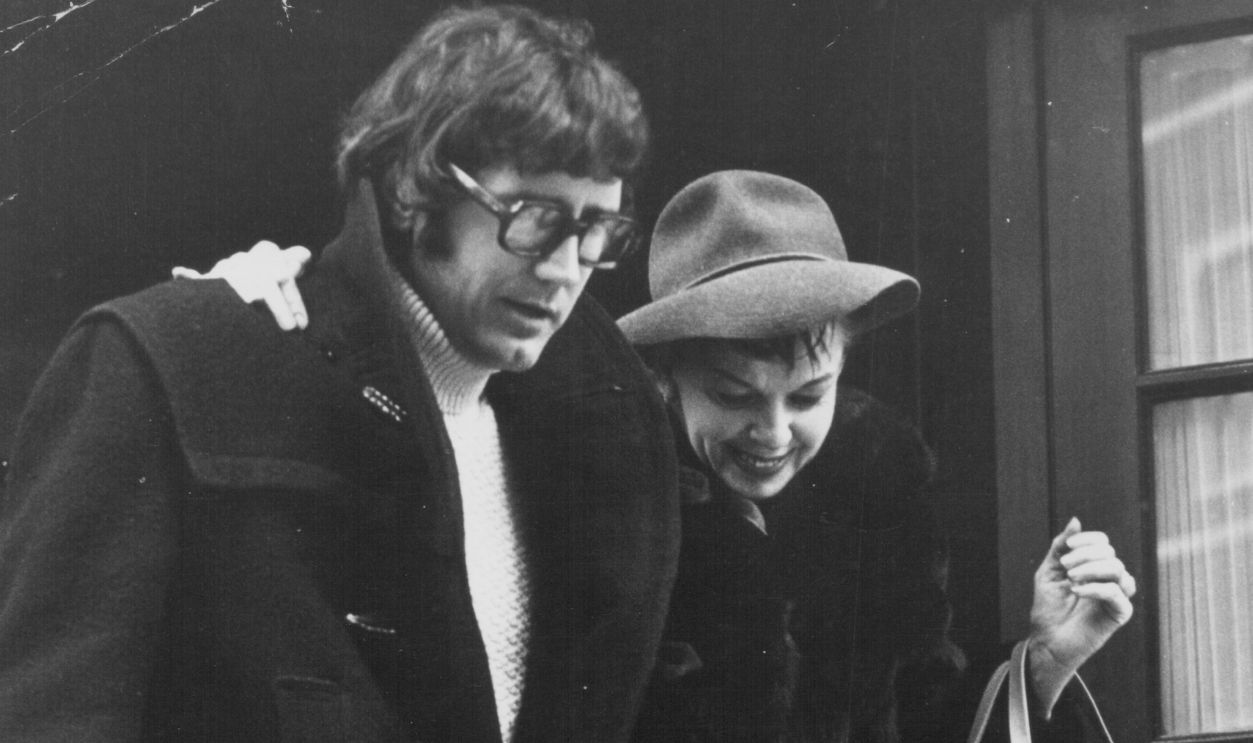
Audiences See Her Struggle
The London engagement attracted no shortage of publicity, and not all of it sympathetic. Some audience members became impatient when Garland arrived late or appeared unable to perform at her best. Yet on stronger evenings, her voice and personality could still transform the room. For Garland, every appearance was another attempt to demonstrate that she was still the remarkable entertainer audiences remembered.
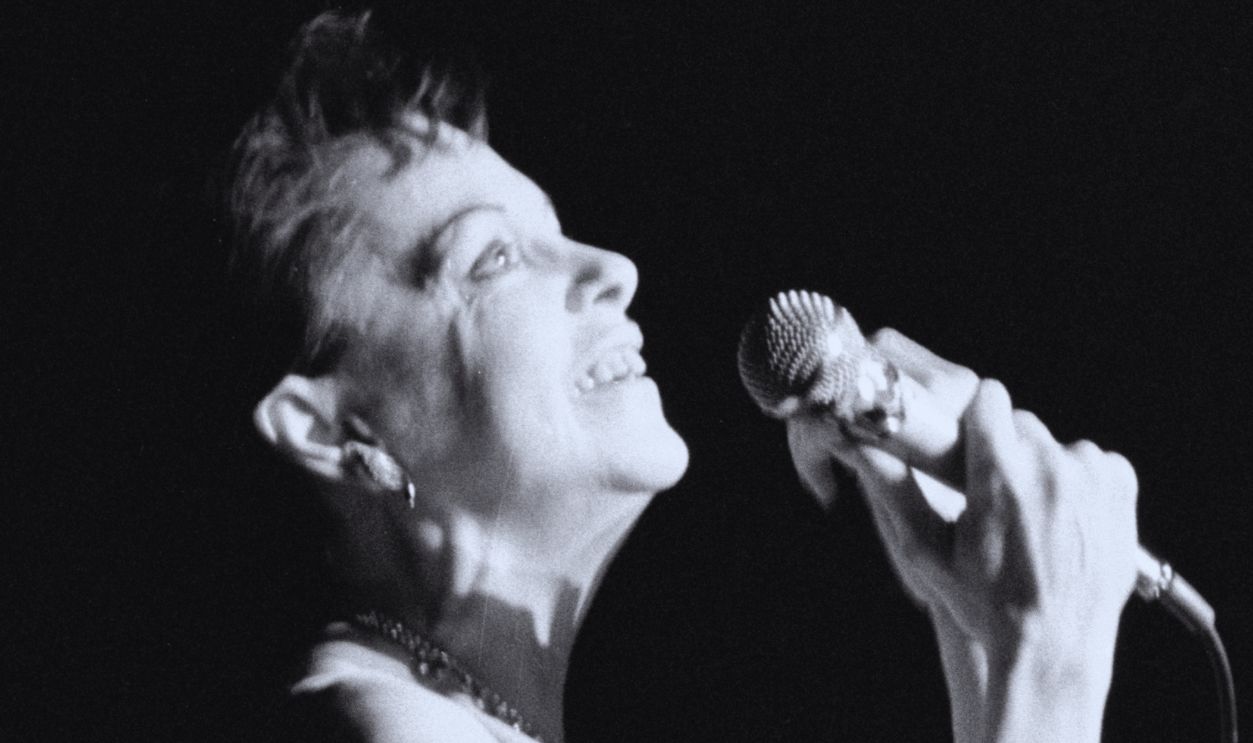
Her Children Remain In America
Garland’s financial difficulties and demanding career had complicated her relationship with her children. Liza was already pursuing her own performing career, while Lorna and Joey were living primarily with their father, Sid Luft. Garland loved her children, but her circumstances made providing a stable home increasingly difficult. Her final months in London unfolded far from much of her family.
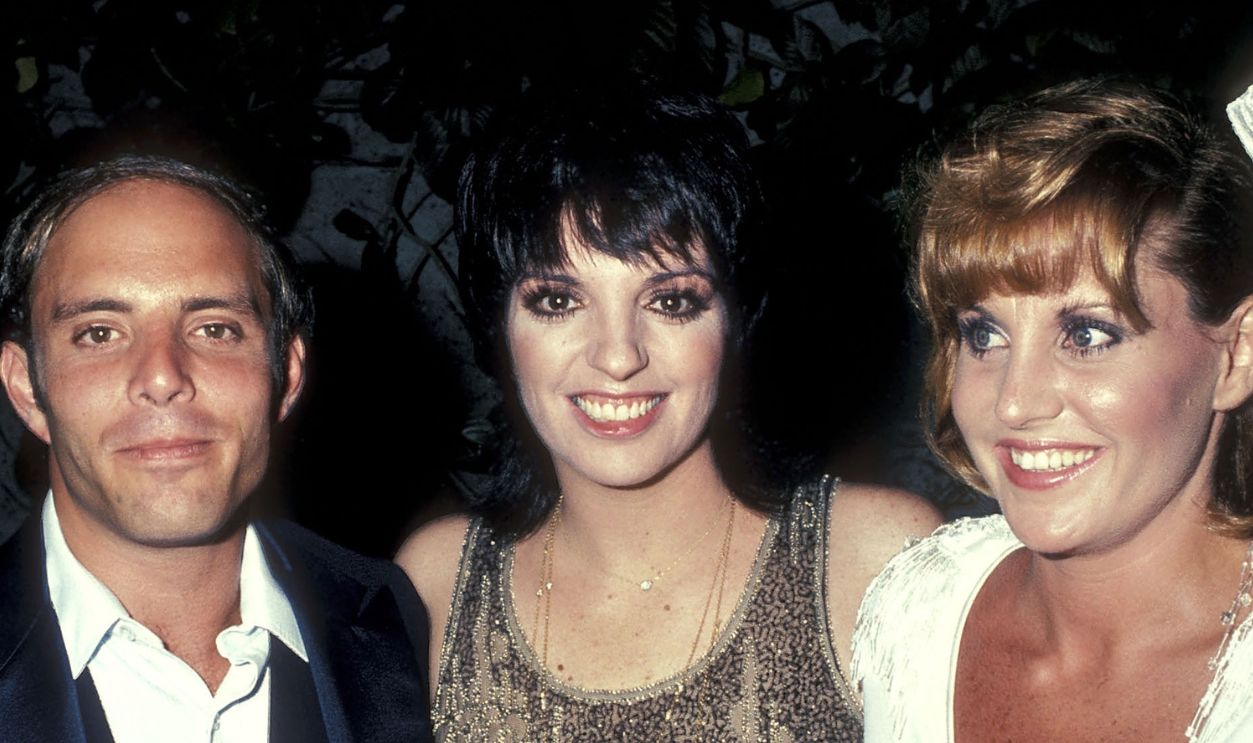 Ron Galella, Ltd., Getty Images
Deans Offers A Future
As Garland struggled through her London engagement, Deans became an increasingly important presence. He accompanied her, helped manage aspects of her daily life, and offered the prospect of another beginning. Garland appeared eager to believe that this relationship would succeed where the others had failed. Those close to her, however, had reason to worry about her worsening health and dependence on medication.
A Fifth Wedding In London
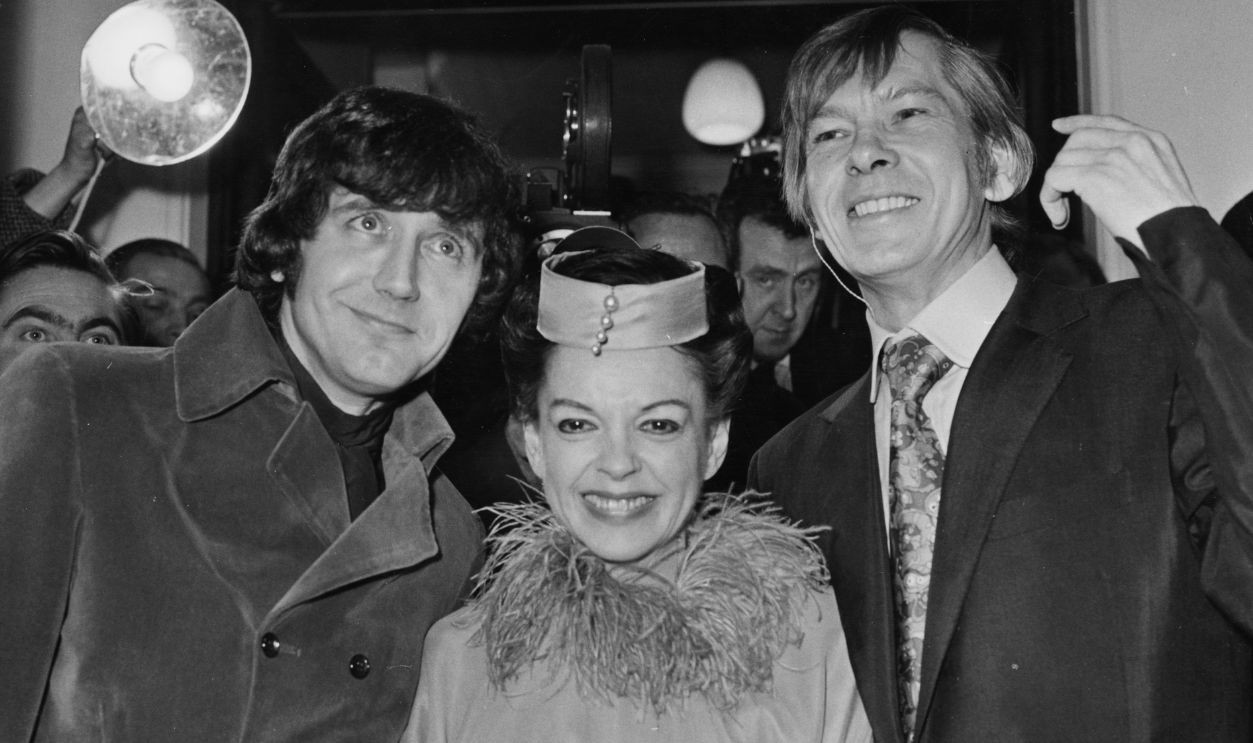
On March 15, 1969, Garland married Mickey Deans at Chelsea Register Office in London. She was 46, and he was in his mid-30s. It was a modest ceremony compared with the extravagant Hollywood life she had once known. Garland nevertheless appeared delighted, telling reporters that she finally felt loved. After four divorces, she was willing to try marriage again.
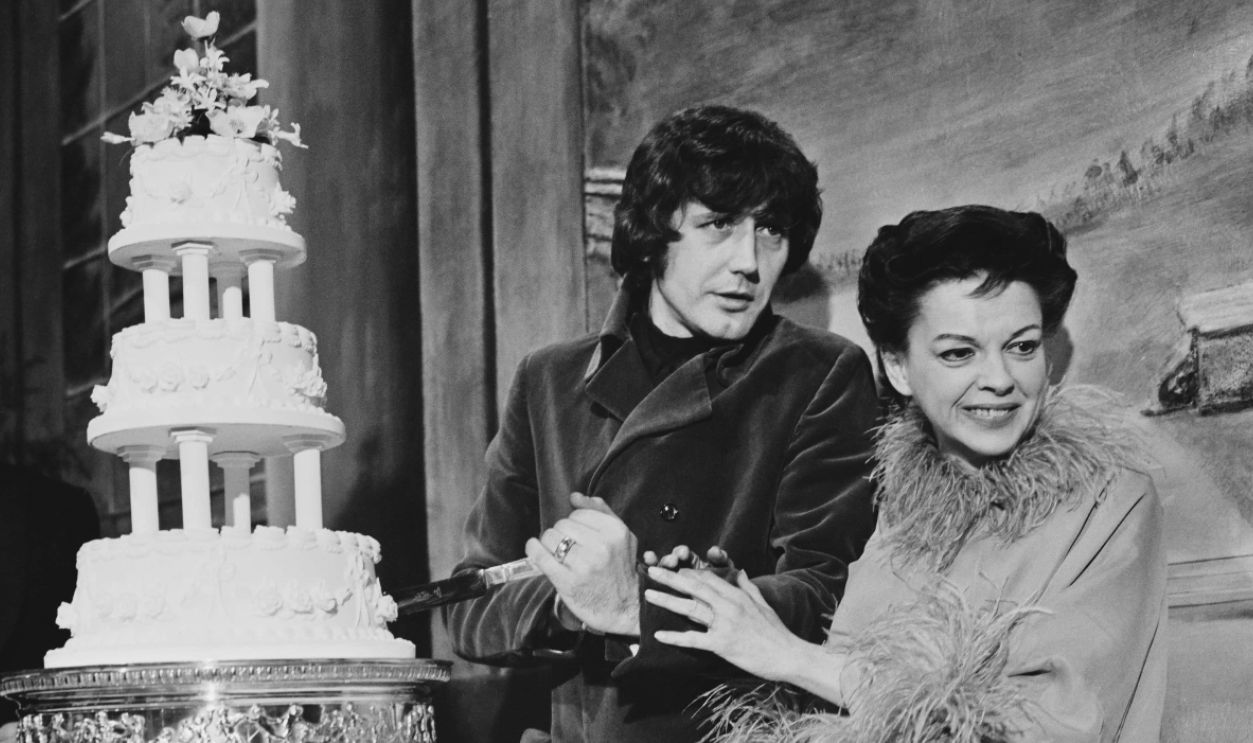 Evening Standard, Getty Images
Happiness Before The Cameras
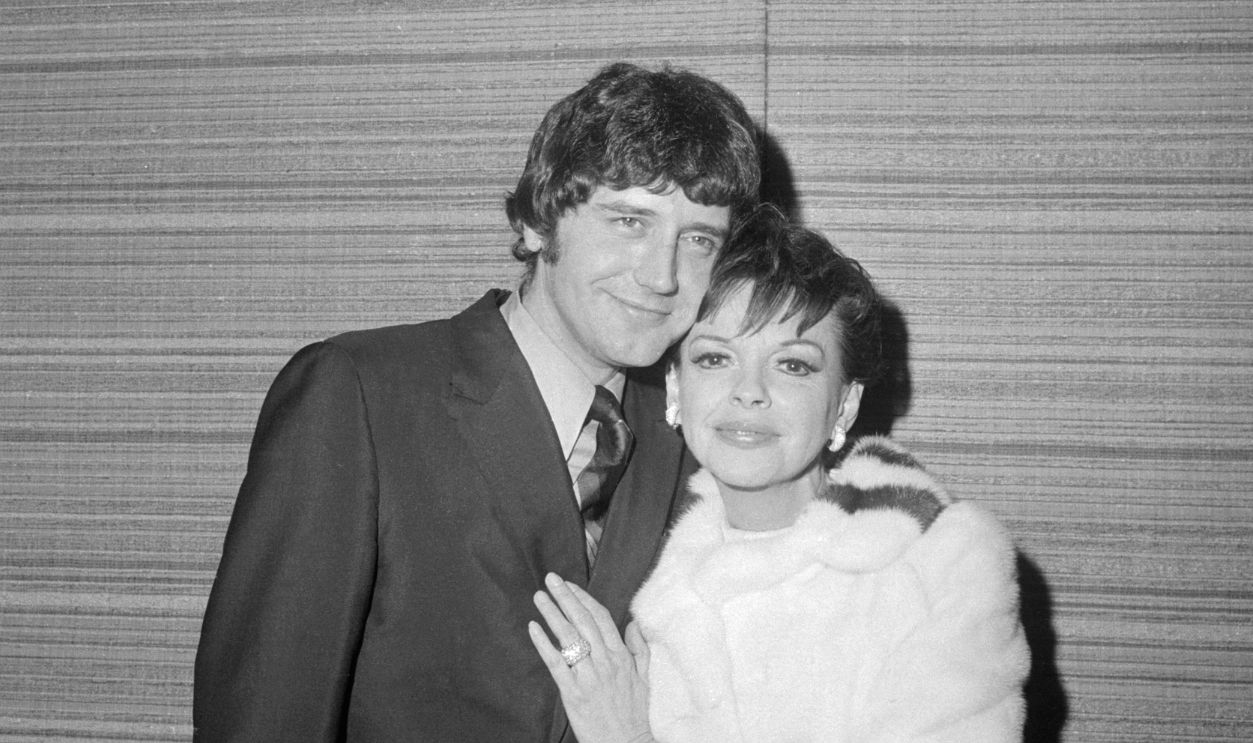
Photographs of the newlyweds showed Garland smiling beside her younger husband, offering the public an encouraging picture of her latest romance. Deans seemed attentive, and Garland spoke hopefully about their future. But appearances concealed a more troubling reality. Years of illness and medication dependence had weakened her, and marriage alone could not resolve the problems threatening her health.
Her Final Performances
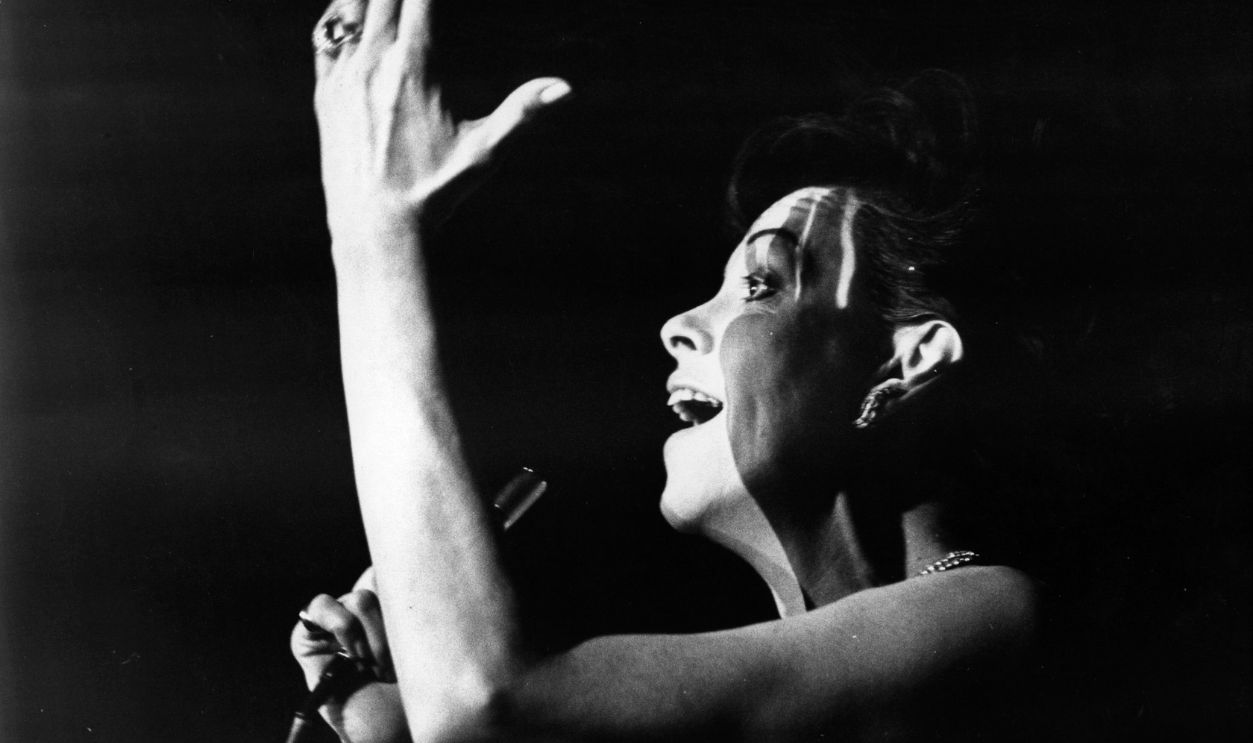
Just ten days after the wedding, Garland gave her final concert at Copenhagen’s Falkoner Center on March 25, 1969. She had also performed in Sweden during that final Scandinavian tour. Audiences could still glimpse the extraordinary performer who had captivated generations. But the exhausting demands of travel and performance were increasingly difficult for a woman whose physical condition had deteriorated.
A Fragile New Life
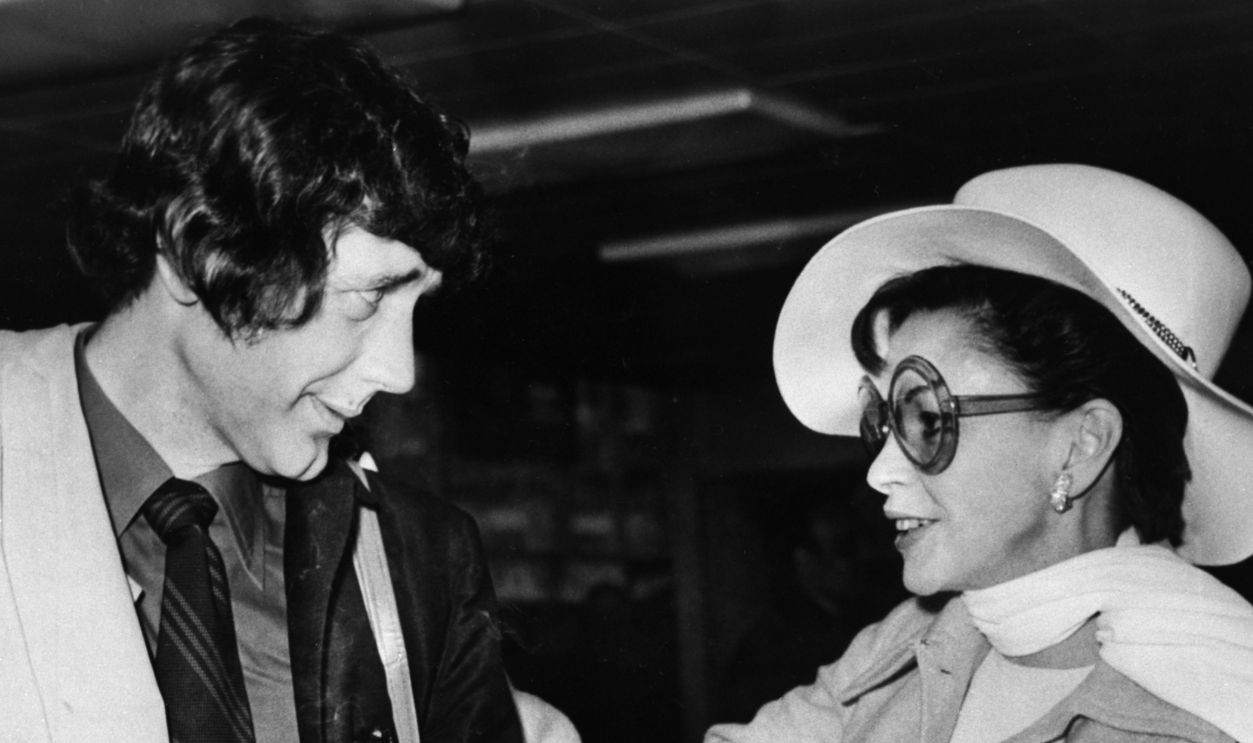
After their marriage, Garland and Deans lived in a rented house in London’s Belgravia neighborhood. Their future remained uncertain, particularly because of Garland’s financial troubles and health problems. Deans later wrote about the difficulties of living with her medication dependence. Whatever happiness the couple experienced, their marriage began under circumstances that made lasting stability extraordinarily difficult.
A Heartbreaking Discovery
On the morning of June 22, 1969, Deans discovered Garland dead in the bathroom of their London home. She had celebrated her 47th birthday just 12 days earlier. The news stunned admirers around the world. After decades of public triumphs and private struggles, one of entertainment’s most beloved performers was gone, barely three months after her fifth wedding.
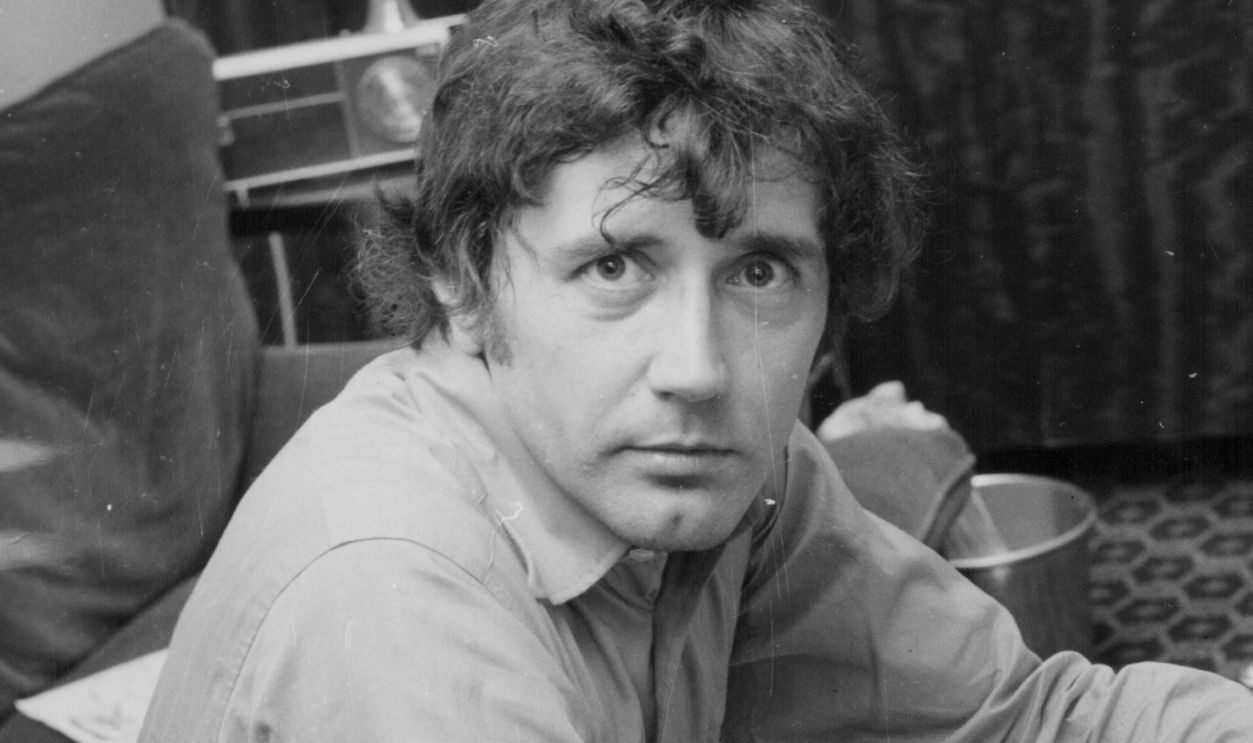
A Tragic Accident
An inquest determined that Garland had succumbed from an accidentally taking too many barbiturates, a type of sedative medication. The coroner found no evidence that she had deliberately taken her own life. The tragedy reflected the dangerous consequences of longstanding medication use, especially of those kinds of medications. Deans had become a widower after just 99 days of marriage.
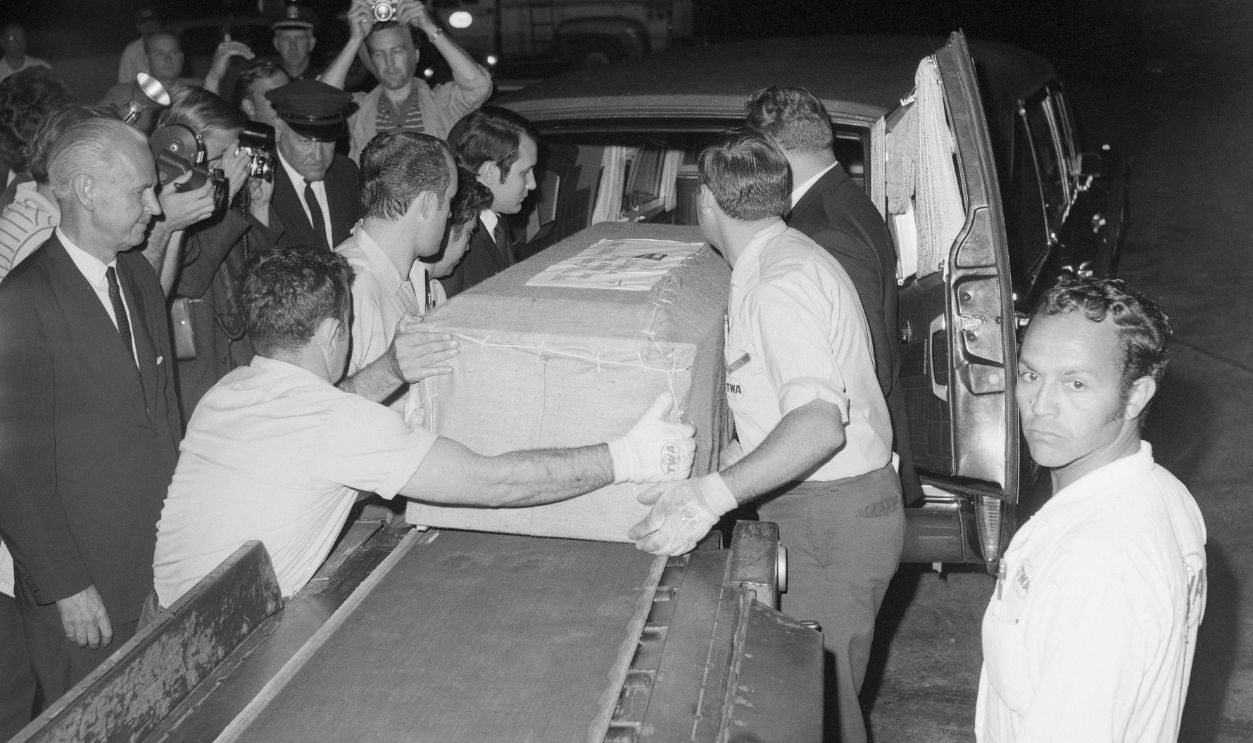
A Love Story Cut Short
Garland’s funeral drew enormous public attention, and thousands of mourners paid their respects in New York. Deans subsequently wrote about their relationship in Weep No More, My Lady, published in 1972. Garland’s fifth marriage had been tragically brief, and whether it could have brought lasting happiness remains unknowable. What endured was her extraordinary voice, her vulnerability, and the affection of generations of admirers.
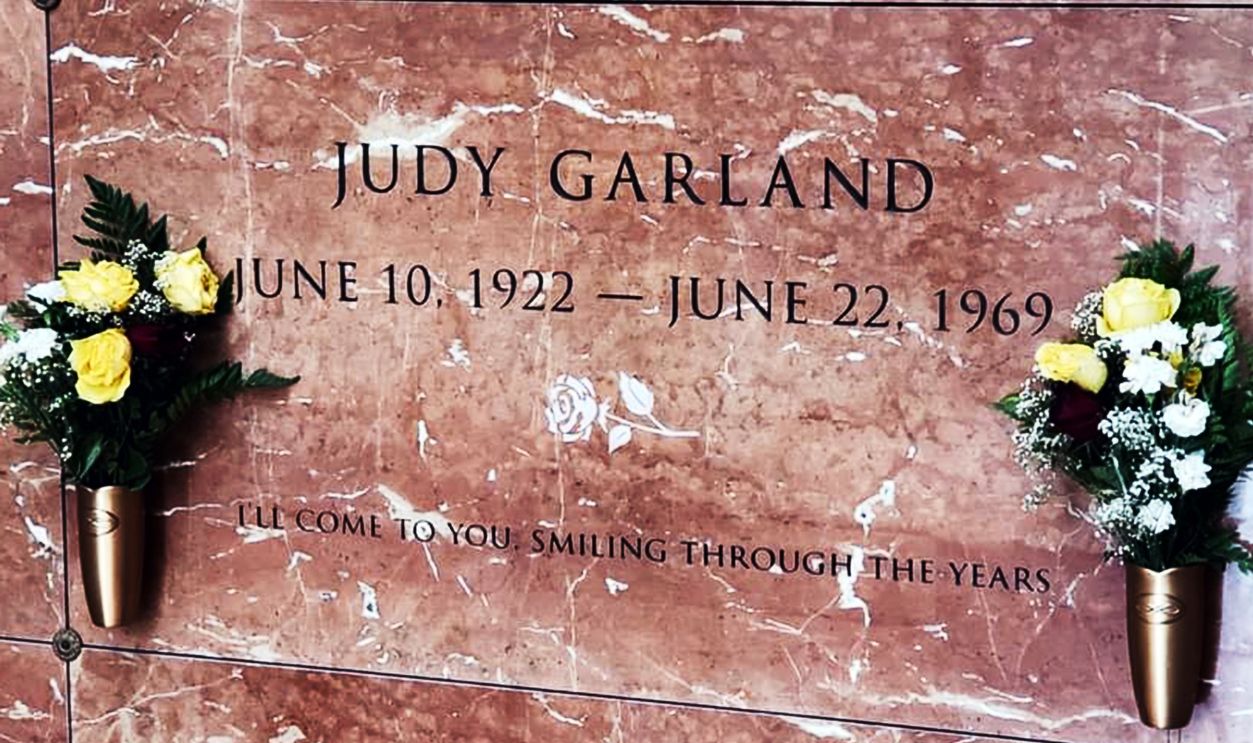
You May Also Like:
Show-Stopping Facts About Judy Garland, The Tragic Hollywood Icon
The Best Movie Musicals (And Some Of The Worst)
Classic Hollywood Stars Whose Children Later Revealed A Very Different Side Of Fame