The Stooge Who Returned
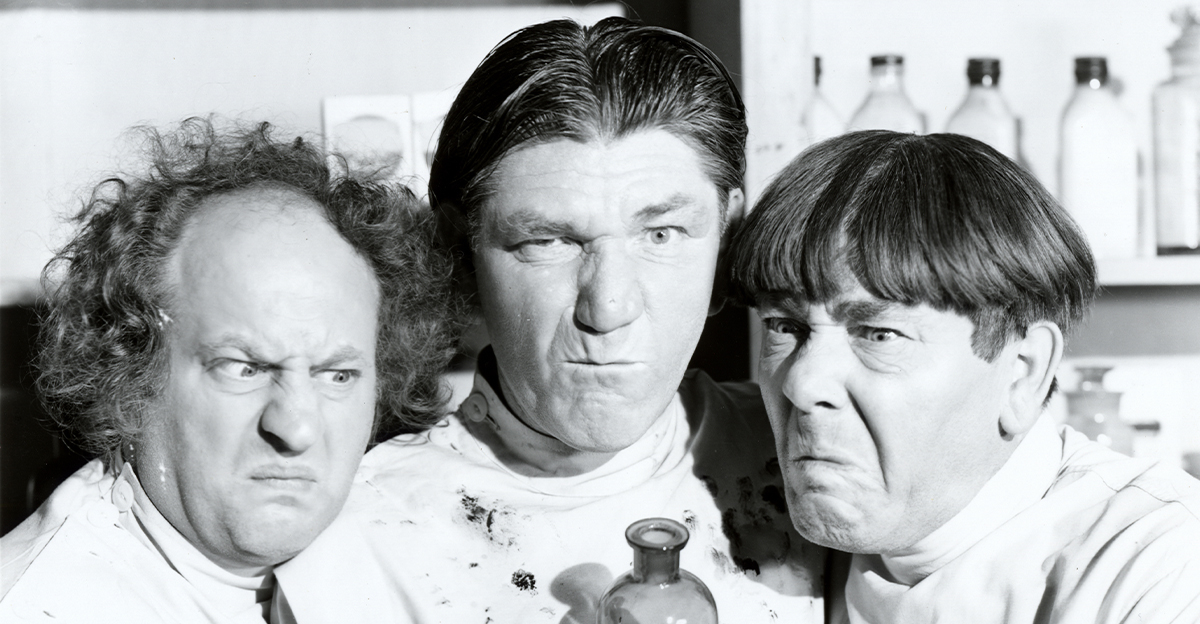
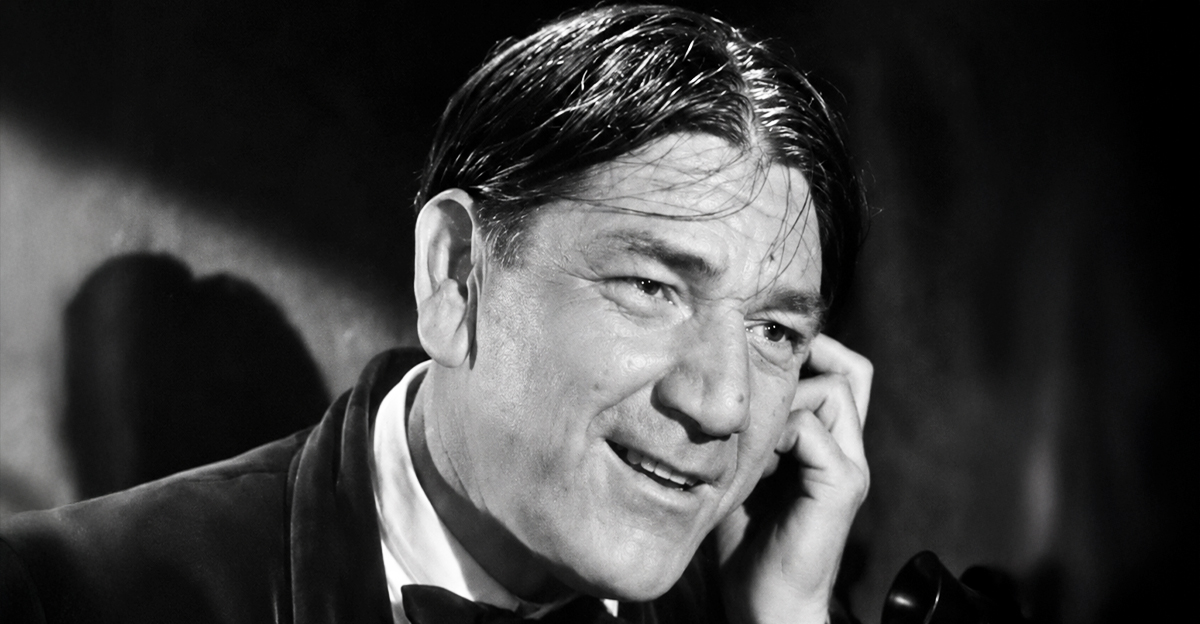
Shemp Howard is sometimes remembered simply as the man who replaced Curly, but that gets his remarkable career backward. Shemp was an original Stooge who left for a successful solo career, only to return when his younger brother's devastating illness threatened the future of America's most famous comedy trio.
 Public domain, Wikimedia Commons
Growing Up Howard
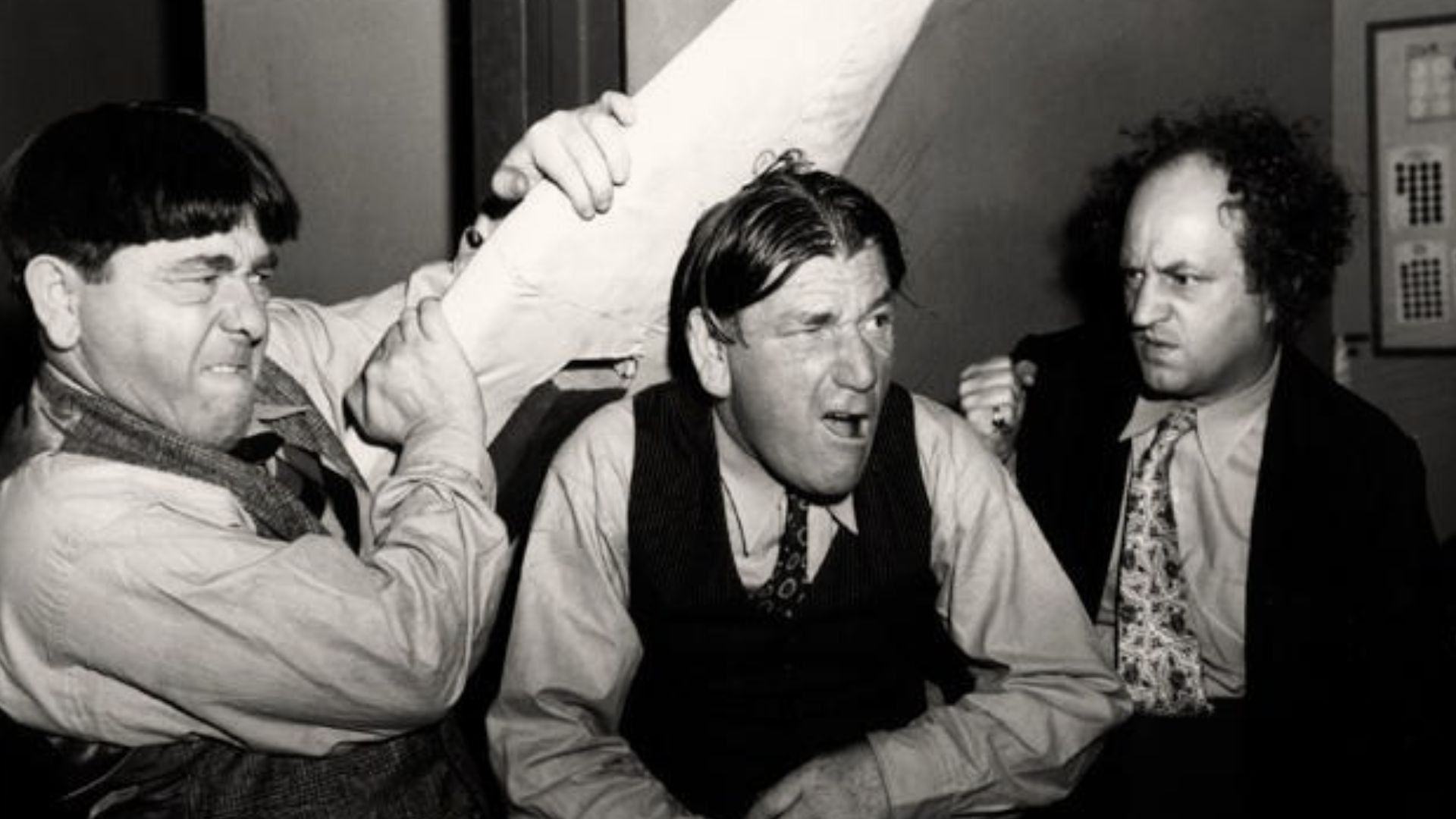
Born Samuel Horwitz in Brooklyn in 1895, Shemp was one of five sons of Solomon and Jennie Horwitz. His brothers included Moses, better known as Moe, and Jerome, the future Curly. Three boys from one family would eventually become central figures in American slapstick comedy.
 unknown (Columbia Pictures), Wikimedia Commons
How Sam Became Shemp
His famous nickname apparently originated at home. Samuel was commonly called Sam, but his mother's heavy European accent made her pronunciation sound more like "Shemp." The accidental nickname stuck so completely that generations of comedy fans would eventually know Samuel Horwitz by no other name.
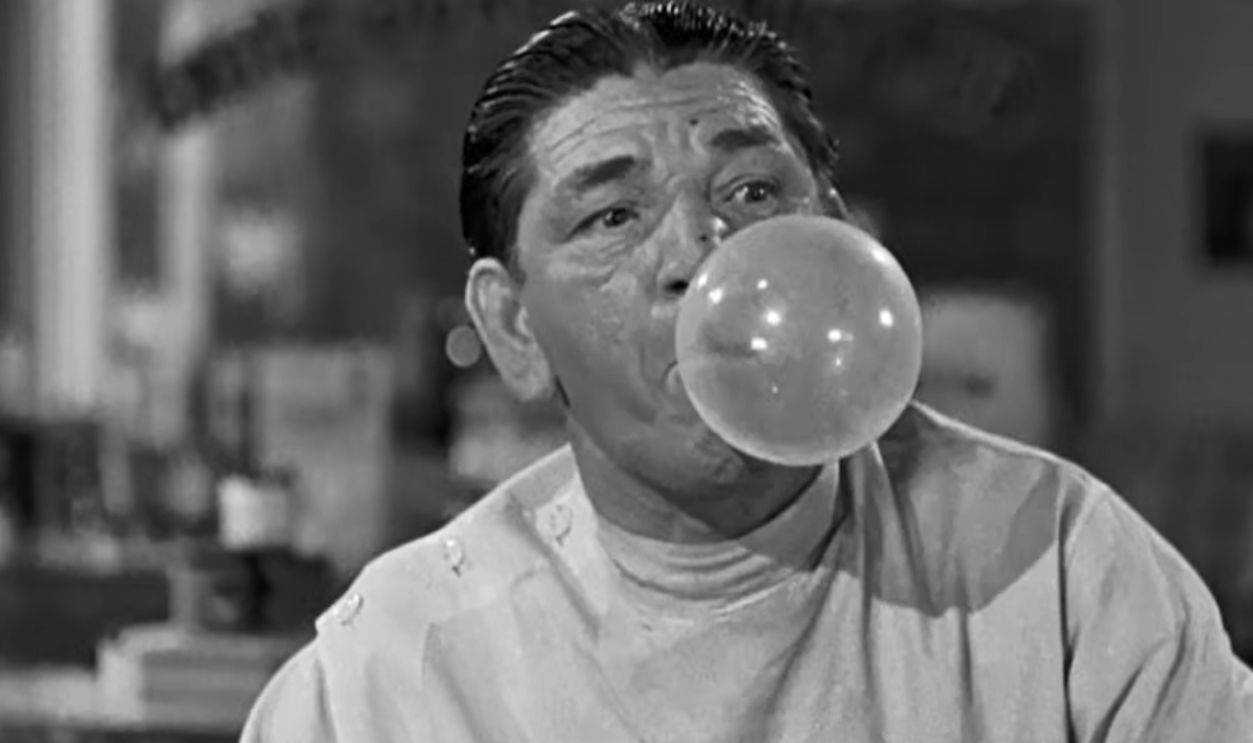 Screenshot from The Three Stooges, Columbia Pictures (1934–1959)
Vaudeville Came Calling
Shemp entered vaudeville while still young, performing both independently and alongside Moe. The brothers developed their timing before live audiences, where unsuccessful jokes could not be hidden by editing. Their willingness to embrace physical comedy and rapid-fire improvisation gradually helped distinguish them from countless competing vaudeville acts.
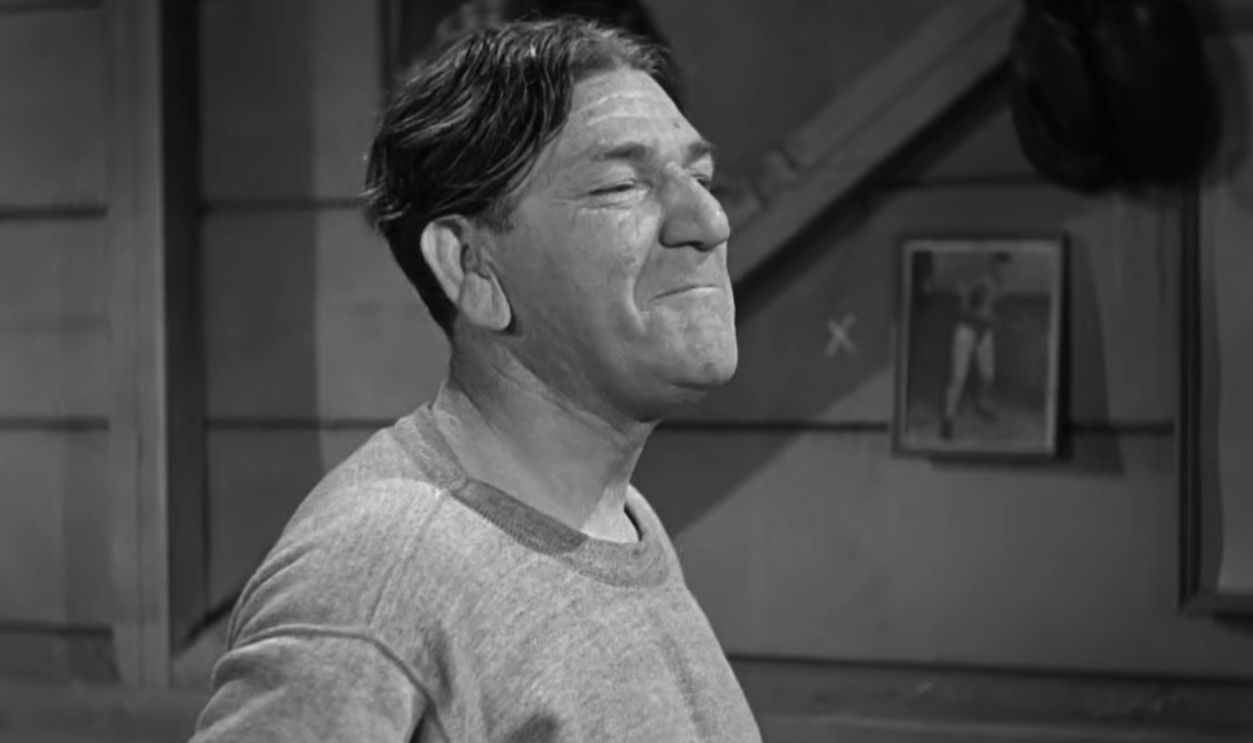 Screenshot from The Three Stooges, Columbia Pictures (1934–1959)
Ted Healy Entered
Shemp and Moe joined their old acquaintance Ted Healy in 1922, becoming comic foils for the fast-talking entertainer. Their interruptions, heckling, and physical antics gradually became an attraction themselves. The developing act eventually became known as Ted Healy and His Stooges, establishing the foundation for something much bigger.
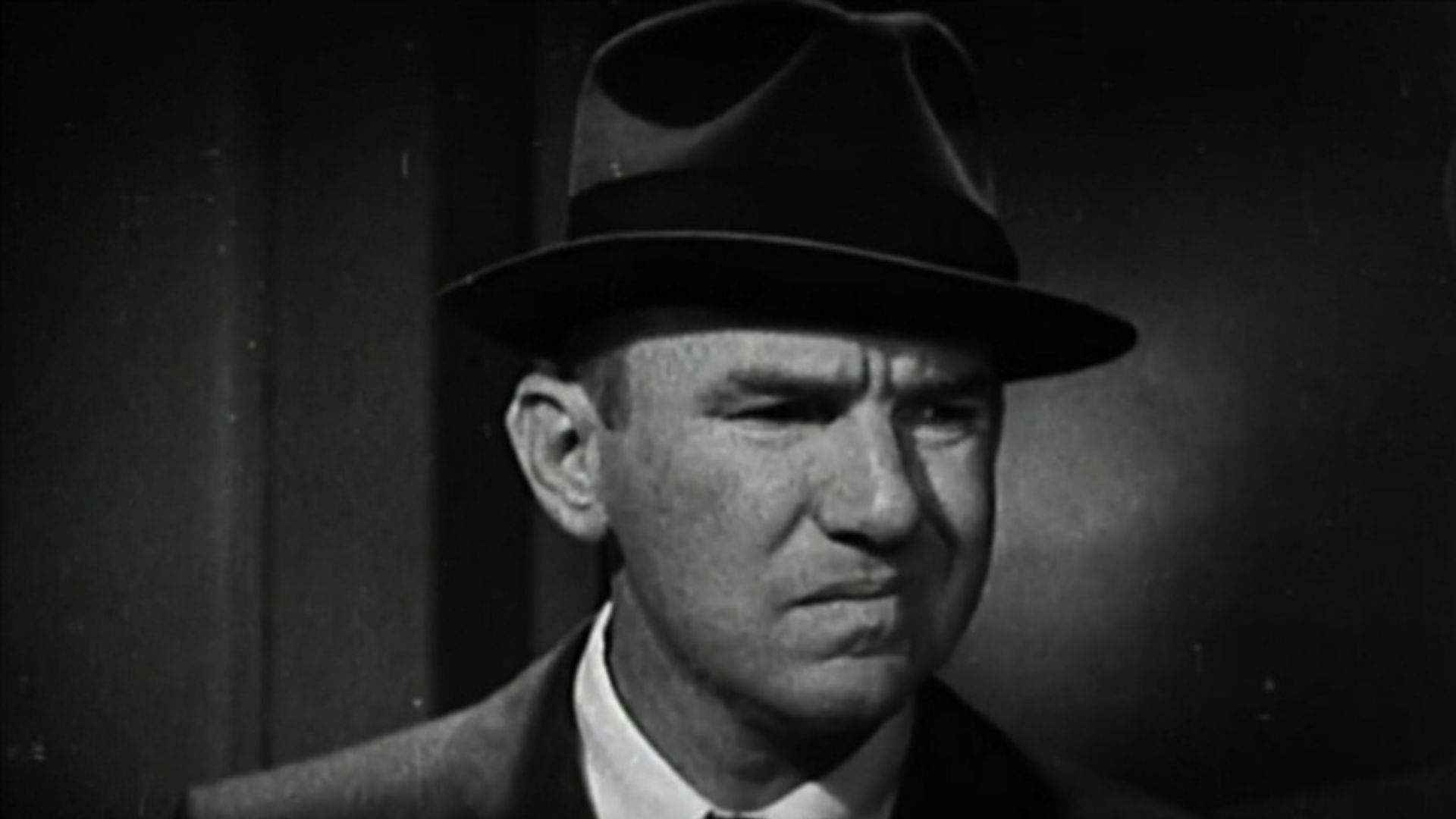 trailer screenshot (MGM), Wikimedia Commons
Larry Joined Them
Violinist and comedian Larry Fine joined Healy's act in 1927, creating the familiar combination of Moe, Larry, and Shemp. Their chaotic interactions increasingly became the show's principal attraction, with Moe's aggression, Larry's reactions, and Shemp's loose-limbed eccentricity producing a distinctive comic chemistry.
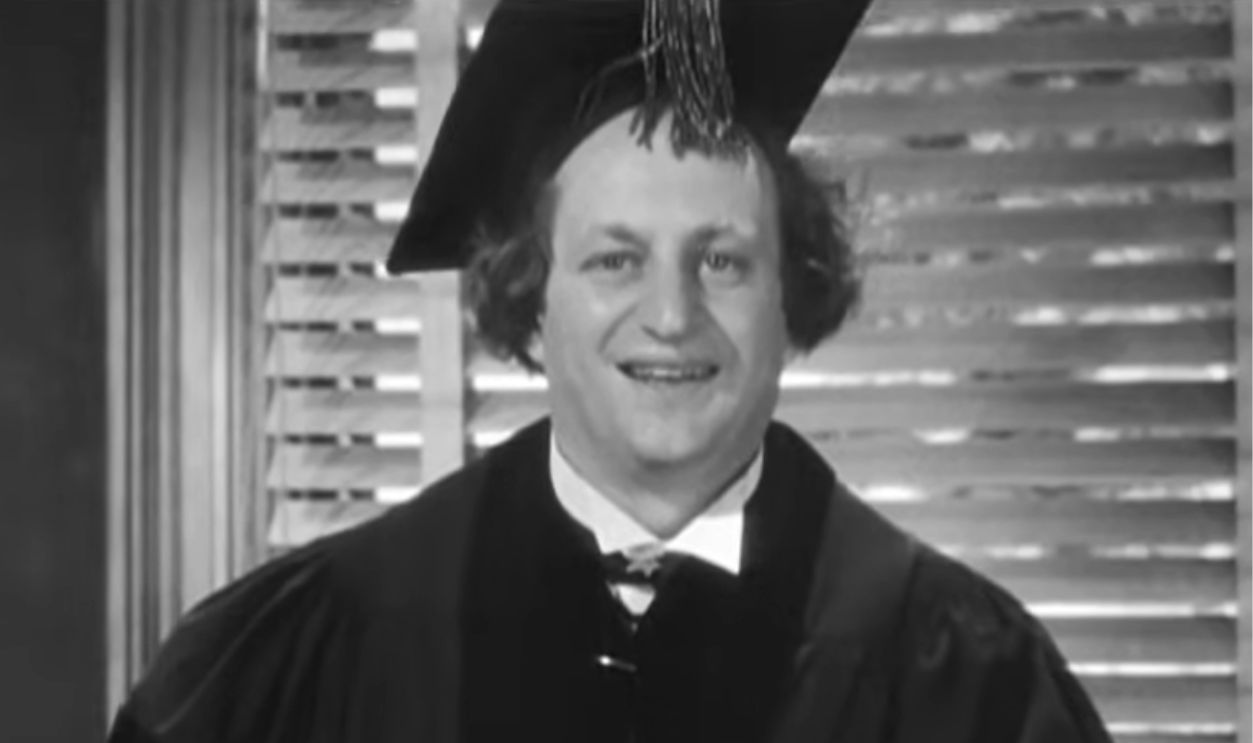 Screenshot from The Three Stooges, Columbia Pictures (1934–1959)
Marriage And Fatherhood
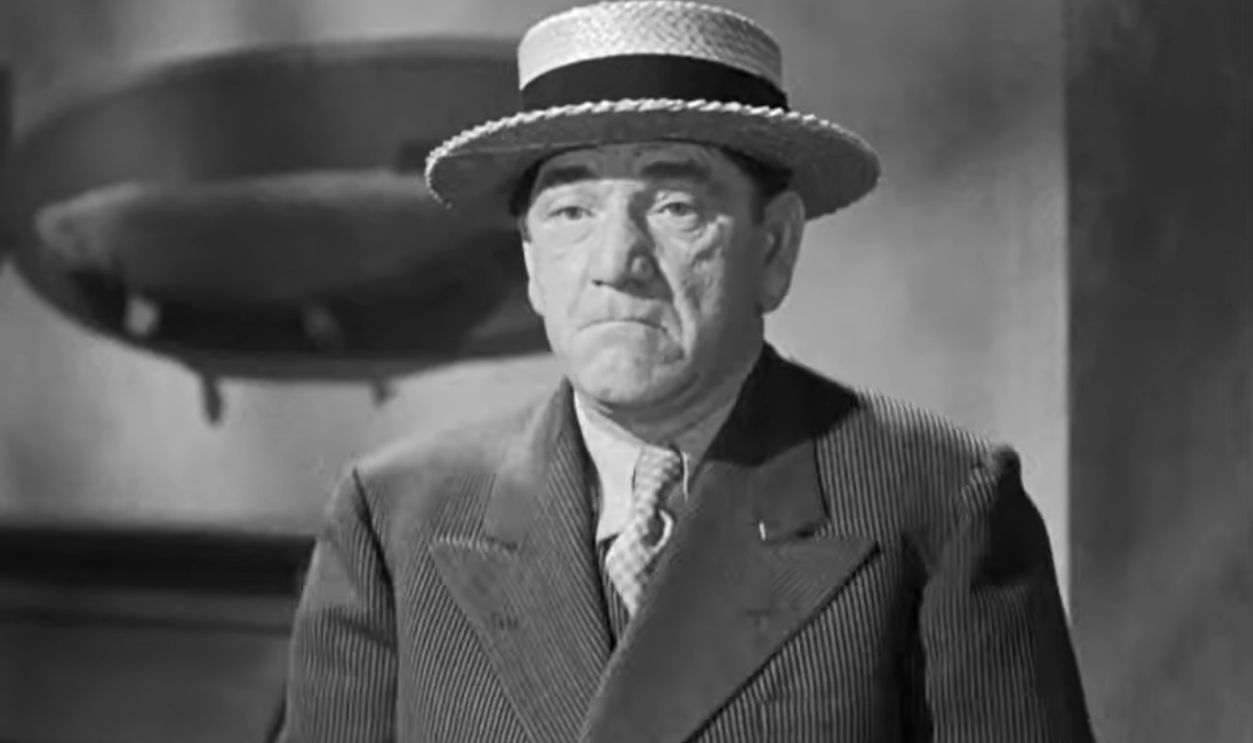
Away from the stage, Shemp married Gertrude "Babe" Frank in September 1925. Their only child, Morton Horwitz, was born in Brooklyn in 1927. The marriage endured for the remainder of Shemp's life, providing stability during a career that would repeatedly carry him between New York and Hollywood.
 Screenshot from The Three Stooges, Columbia Pictures (1934–1959)
Hollywood Beckoned
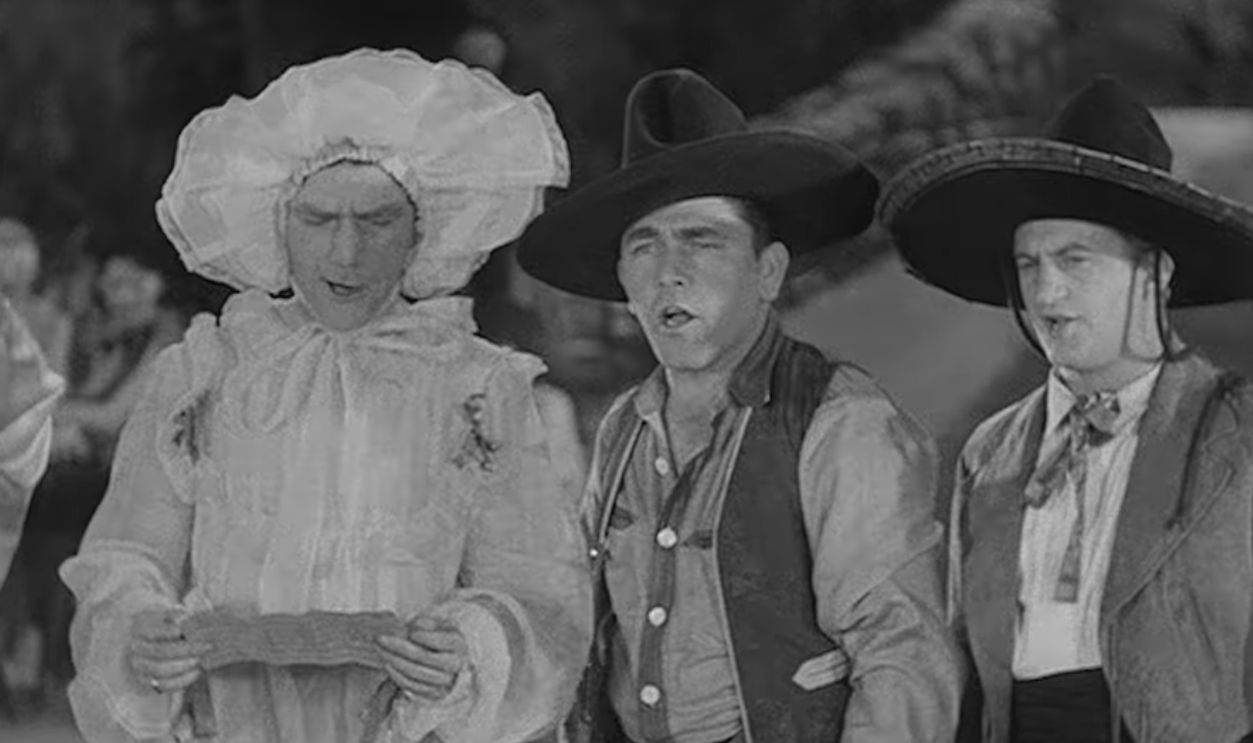
Fox brought Healy, Moe, Larry, and Shemp to Hollywood for Soup To Nuts (1930), directed by Benjamin Stoloff and featuring Healy alongside the future Stooges. The movie was not yet the classic Columbia formula, but it preserved the original lineup during its formative period.
 Screenshot from Hollywood on Parade: Soup to Nuts, Paramount Pictures (1930)
Shemp Walked Away
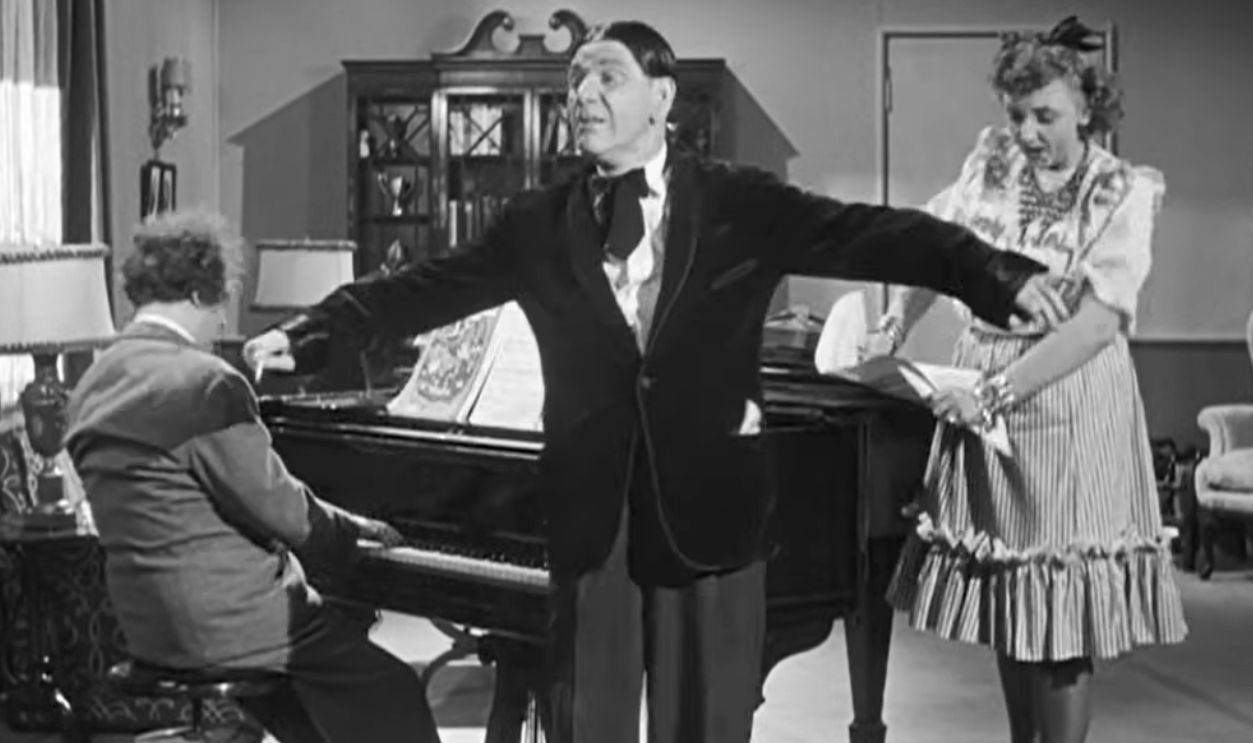
By 1932, Shemp had had enough of working with Healy. Accounts describe Healy as difficult and sometimes violent, and Shemp chose to pursue his own career. His departure created an opening in the act that would soon be filled by his younger brother Jerome, newly christened Curly.
 Screenshot from The Three Stooges, Columbia Pictures (1934–1959)
Curly Took His Place
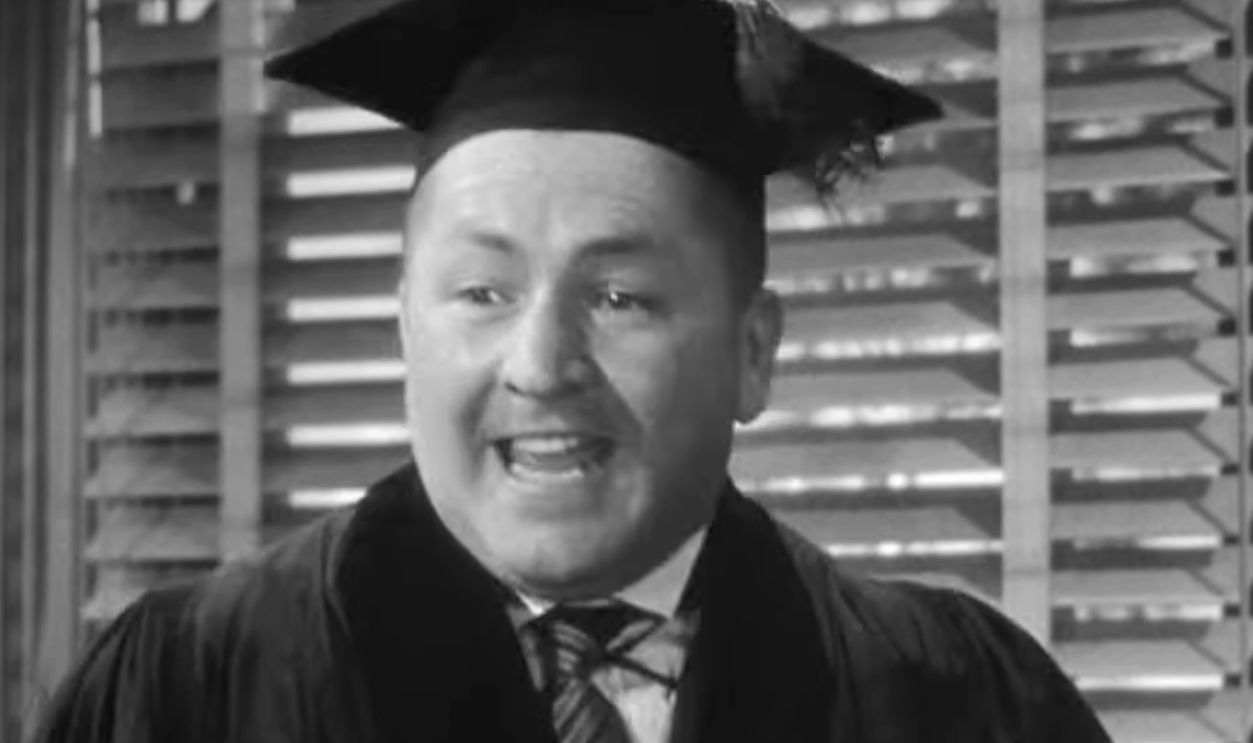
Moe, Larry, and Curly ultimately broke away from Healy and became the Three Stooges familiar to millions. Meanwhile, Shemp was hardly sitting on the sidelines. His departure launched a remarkably productive fourteen-year solo period that demonstrated he could succeed without either of his famous brothers.
 Screenshot from The Three Stooges, Columbia Pictures (1934–1959)
A Vitaphone Regular
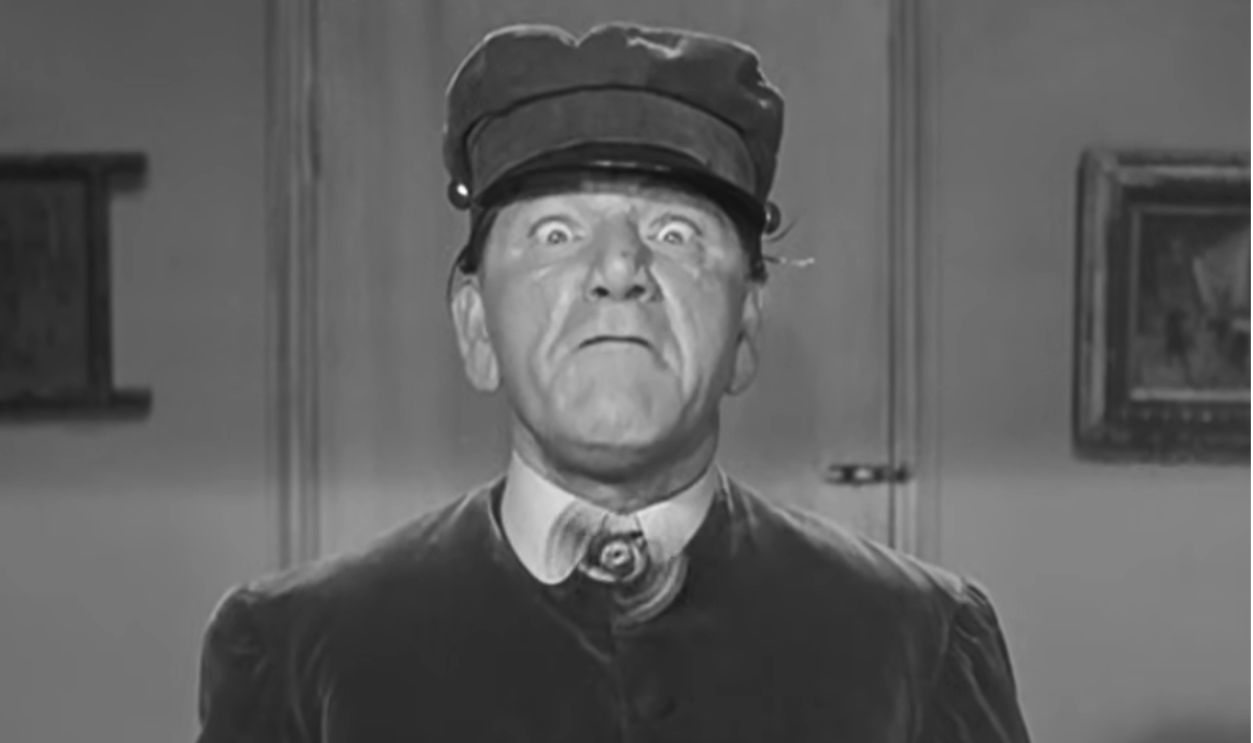
Shemp found steady employment making two-reel comedies for Vitaphone in New York. He appeared in more than 30 shorts for the studio, including approximately 20 entries in his own series. The prolific output allowed Shemp's more verbal, reactive comic personality to flourish outside the Stooges.
 Screenshot from The Three Stooges, Columbia Pictures (1934–1959)
Meeting Jimmy Stewart
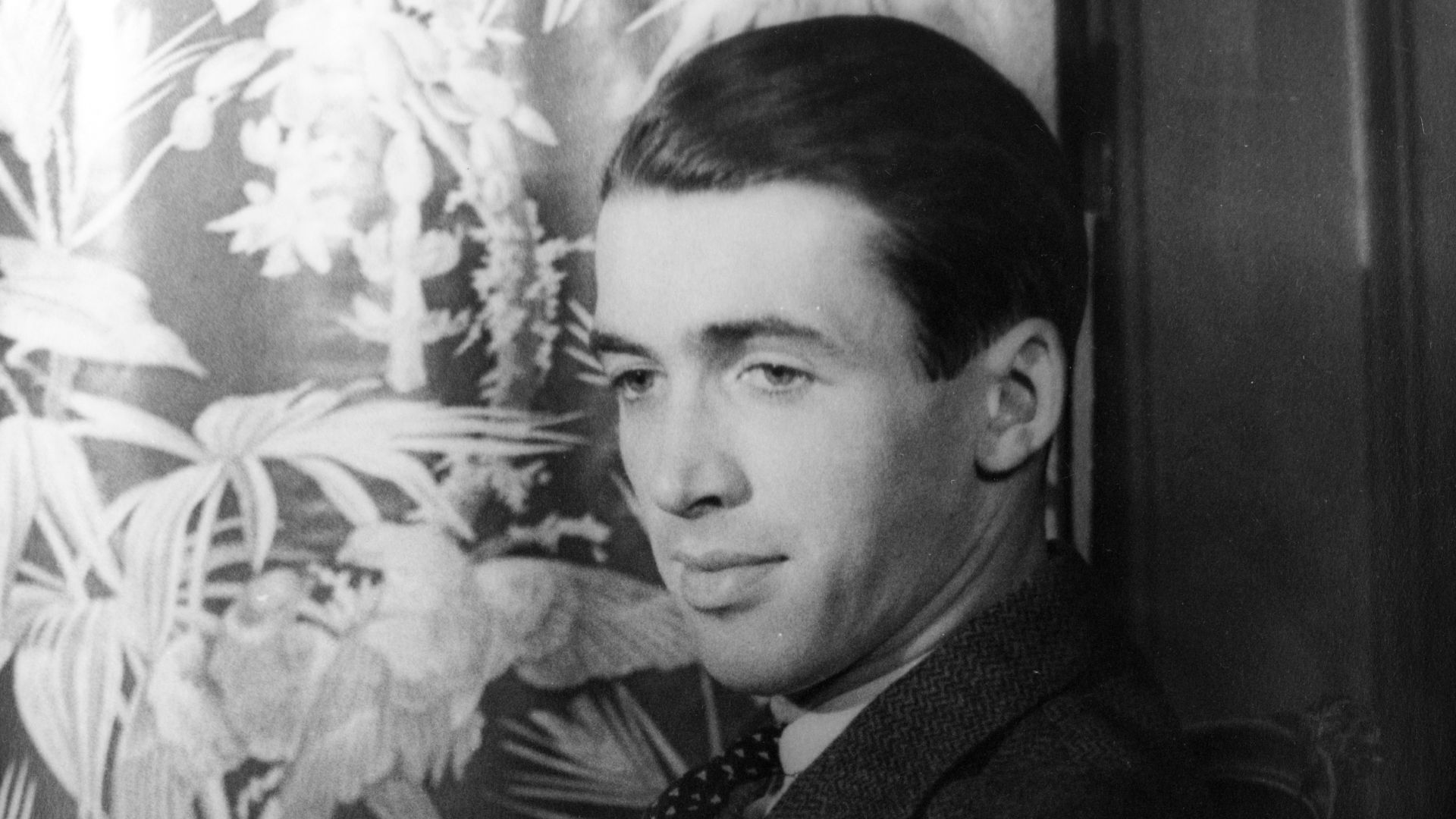
One fascinating footnote came with the Vitaphone short Art Trouble (1934). Shemp appeared alongside a young James Stewart, making his film debut years before becoming one of Hollywood's greatest stars. It was another indication of how widely Shemp circulated through 1930s screen comedy.
 Carl Van Vechten, Wikimedia Commons
Hollywood Wanted Shemp
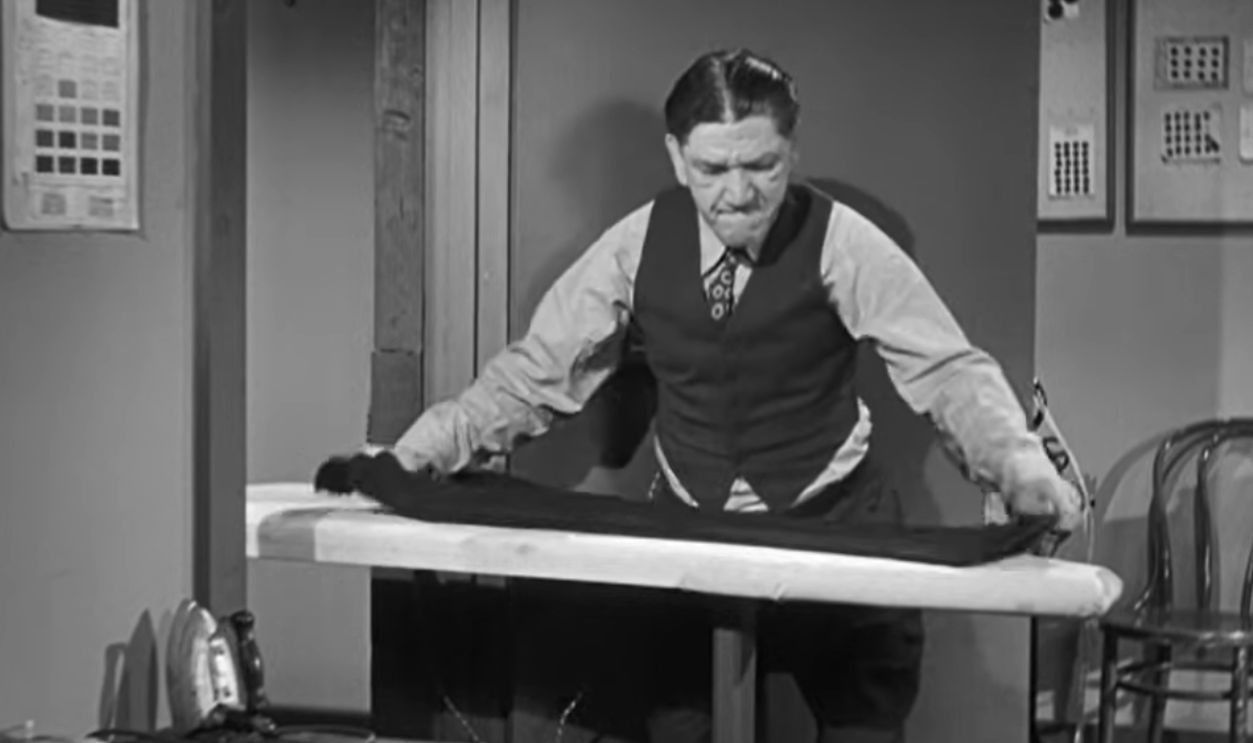
Shemp's solo career eventually encompassed more than 100 features and shorts. Rather than functioning solely as a leading comedian, he became a versatile character performer who could enliven another star's movie. His collaborators eventually included John Wayne, Marlene Dietrich, W.C. Fields, and the Andrews Sisters.
 Screenshot from The Three Stooges, Columbia Pictures (1934–1959)
Working With W.C. Fields
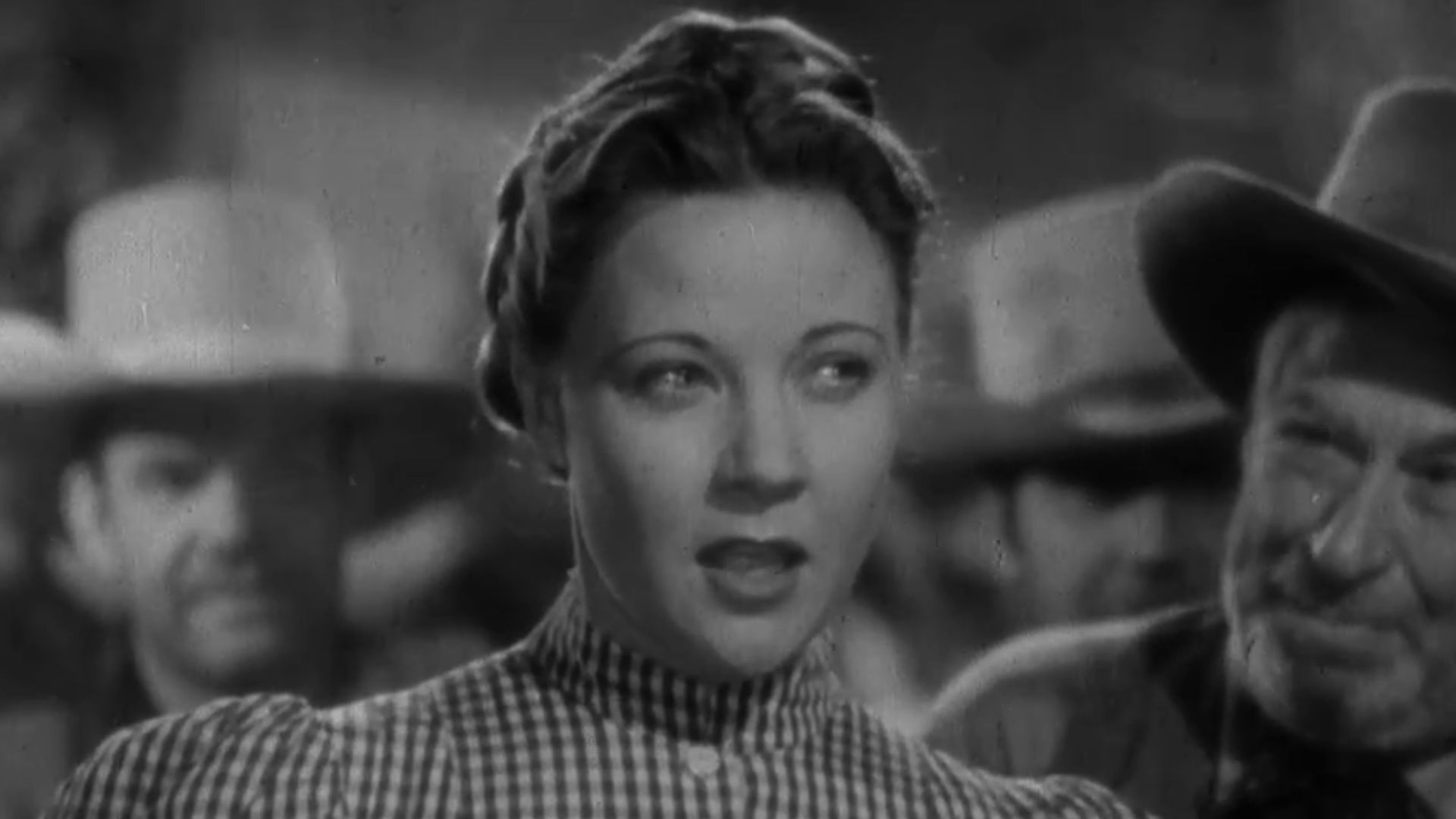
Shemp appeared with W.C. Fields in Edward F. Cline's The Bank Dick (1940), playing bartender Joe Guelpe. The classic comedy also featured Cora Witherspoon, Una Merkel, and Franklin Pangborn, placing Howard alongside one of the few screen comedians whose eccentric persona could rival his own.
 Unknown authorUnknown author, Wikimedia Commons
Abbott And Costello
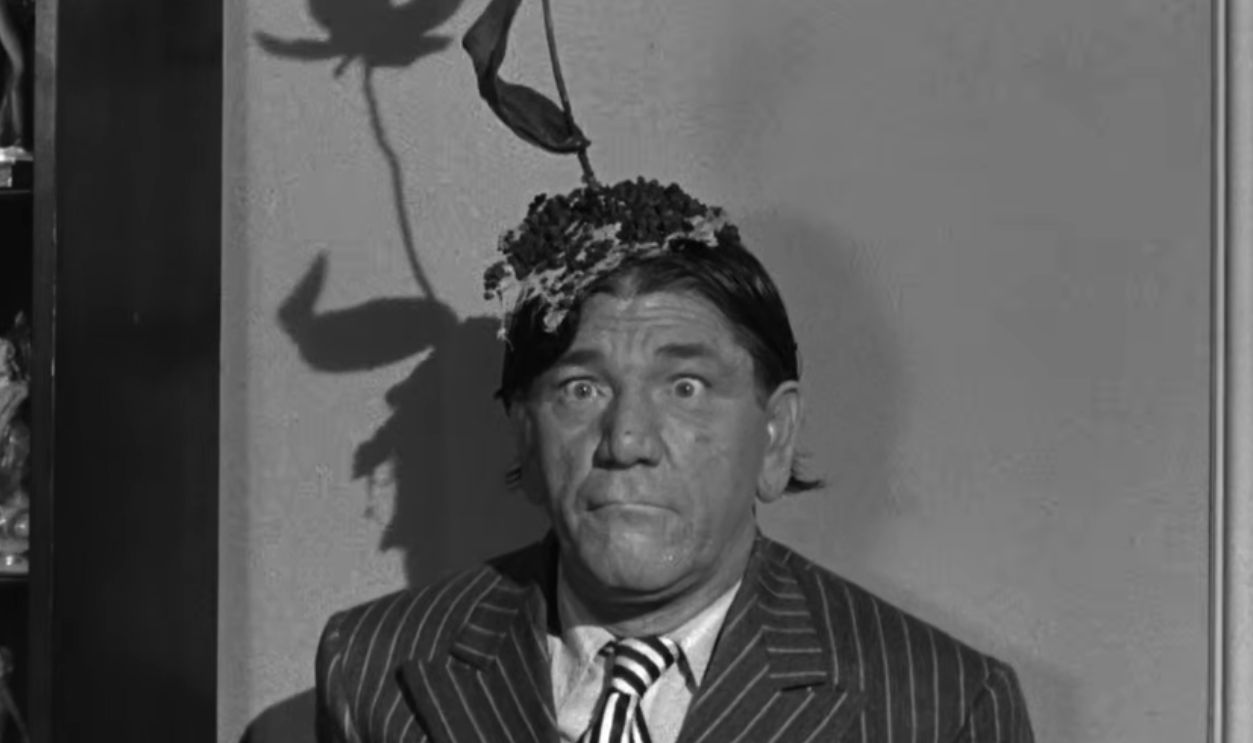
Howard also became a memorable supporting player in Abbott and Costello comedies, appearing with Bud Abbott and Lou Costello in films including Buck Privates (1941) and In The Navy (1941). His independent success made one thing clear: Shemp was considerably more than somebody's replacement Stooge.
 Screenshot from The Three Stooges, Columbia Pictures (1934–1959)
More Famous Company
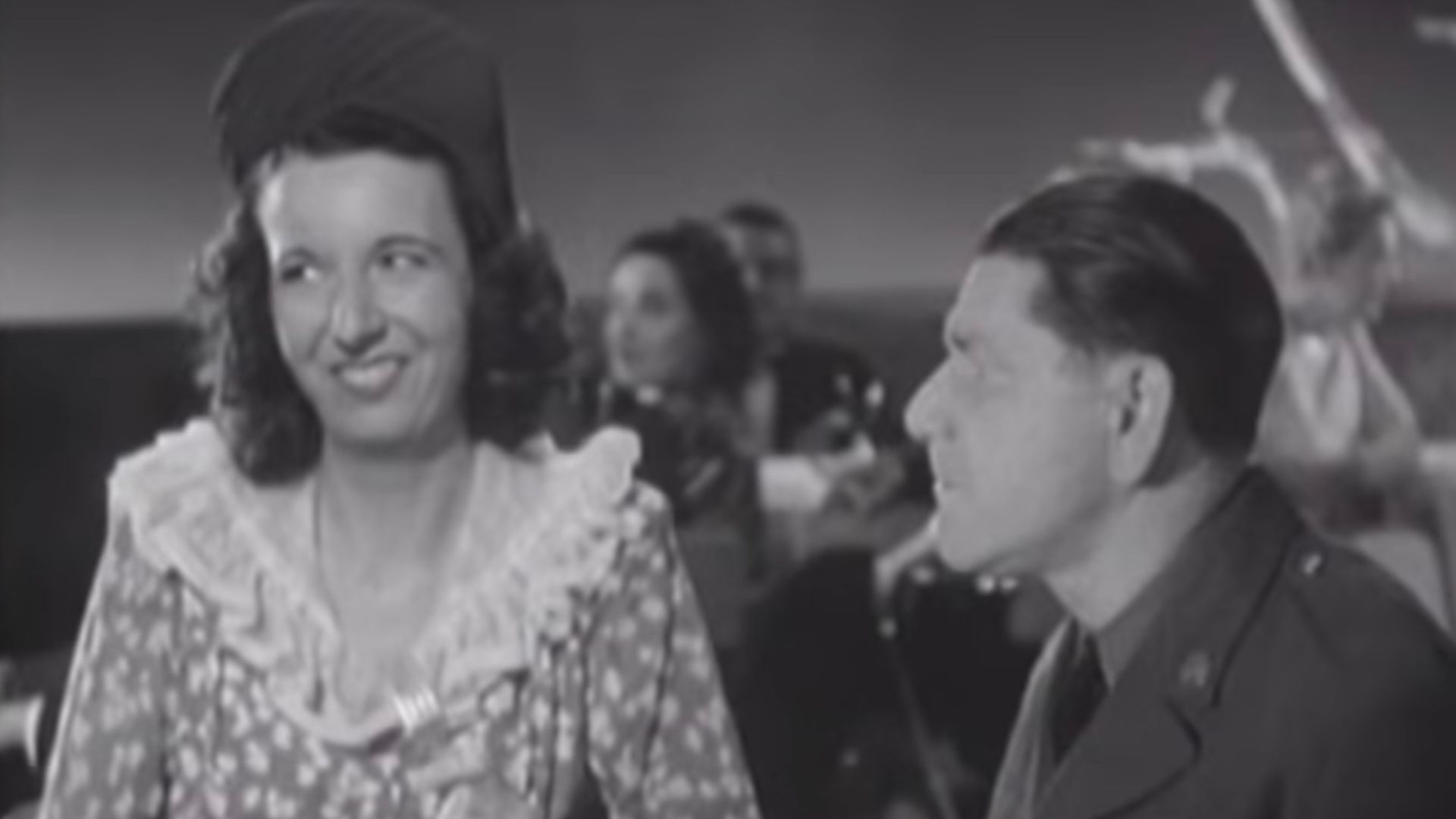
The 1940s kept Shemp remarkably busy. His credits included Private Buckaroo (1942), Arabian Nights (1942), and Pittsburgh (1942), the latter starring John Wayne, Marlene Dietrich, and Randolph Scott. He moved comfortably between starring comedy shorts and supporting parts in major studio productions.
 Film screenshot (Universal Pictures), Wikimedia Commons
Curly’s Health Collapsed
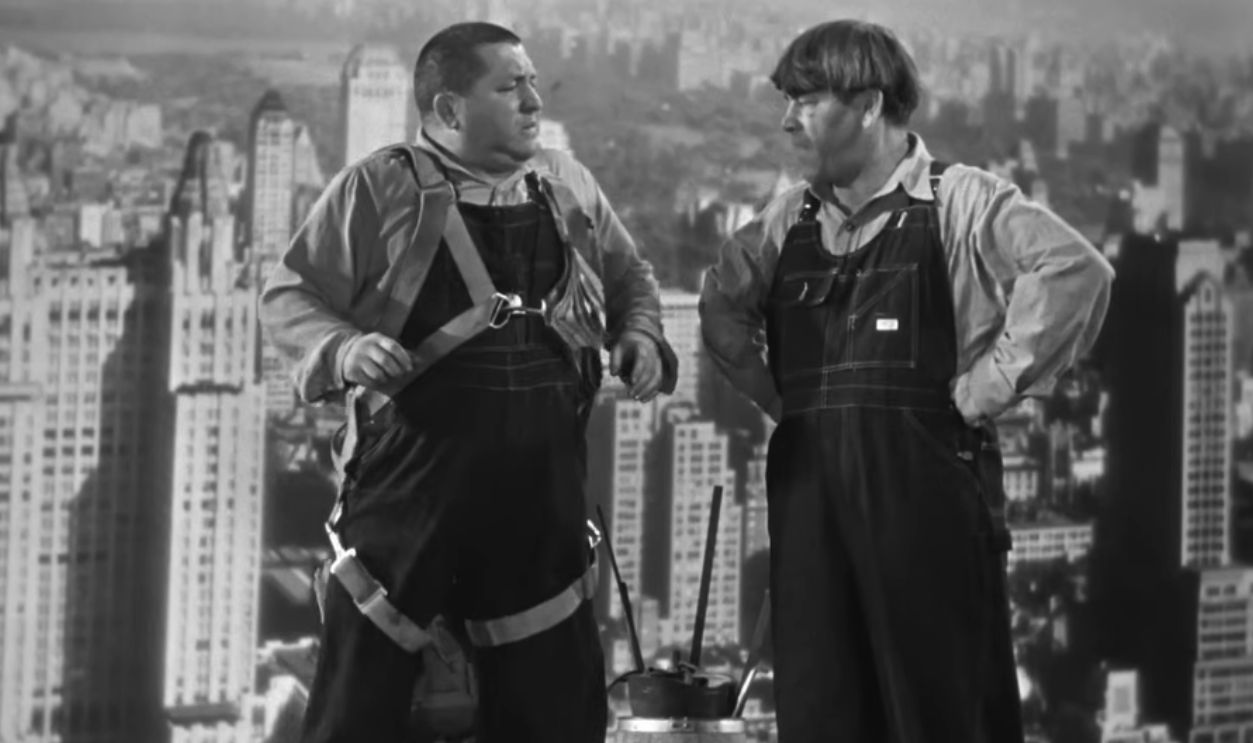
While Shemp prospered independently, Curly's health deteriorated. Years of hypertension and a series of strokes increasingly affected his performances. In 1946, Curly suffered a severe stroke while filming, leaving Moe and Larry suddenly without the third member of the team just as their Columbia series needed to continue.
 Screenshot from The Three Stooges, Columbia Pictures (1934–1959)
Moe Called His Brother
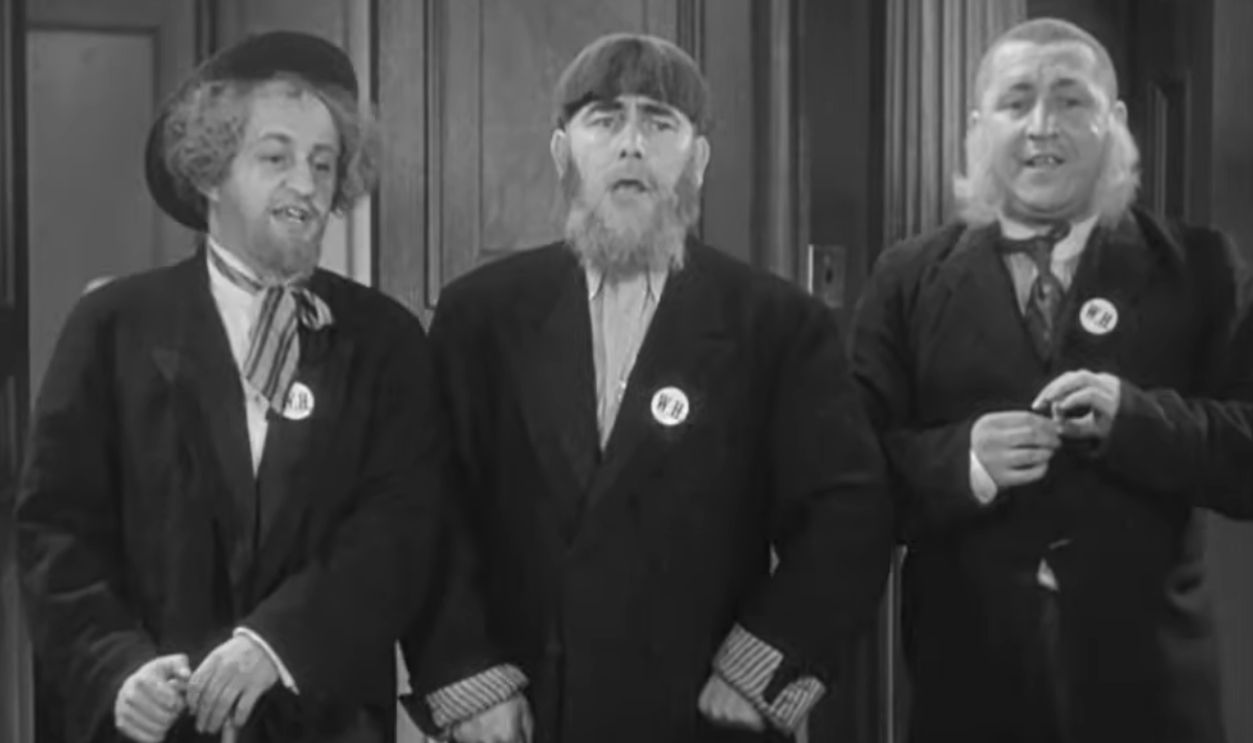
Moe turned to the one performer who already understood the act perfectly. Shemp reportedly returned reluctantly, agreeing as a favor to Moe and his friend Larry while everyone hoped Curly might recover. What began as an emergency substitution instead became Shemp's second great chapter as a Stooge.
 Screenshot from The Three Stooges, Columbia Pictures (1934–1959)
Shemp Was Back
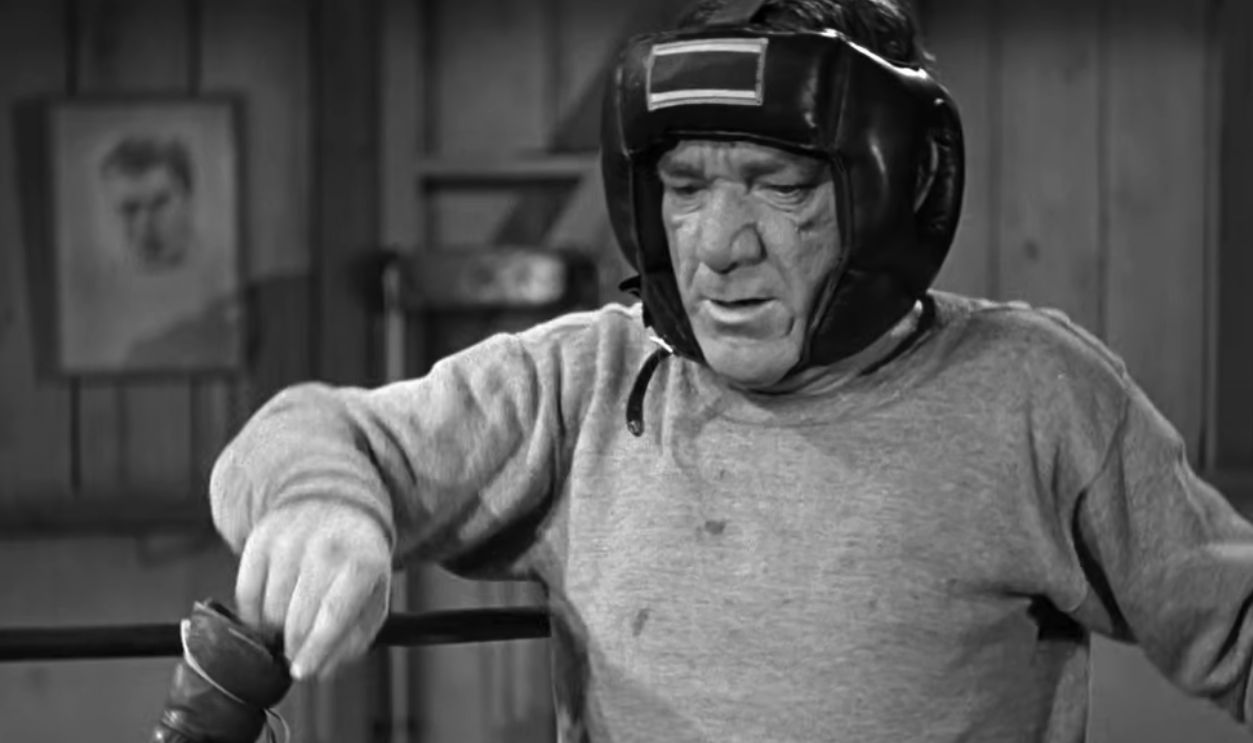
Shemp's first short after returning was Fright Night (1947), a boxing comedy directed by Edward Bernds. Rather than attempting to imitate Curly, Shemp revived his own persona, complete with muttered reactions, frantic noises, disheveled hair, and wonderfully strange vocalizations that gave the trio a different rhythm.
 Screenshot from The Three Stooges, Columbia Pictures (1934–1959)
Three Brothers Together
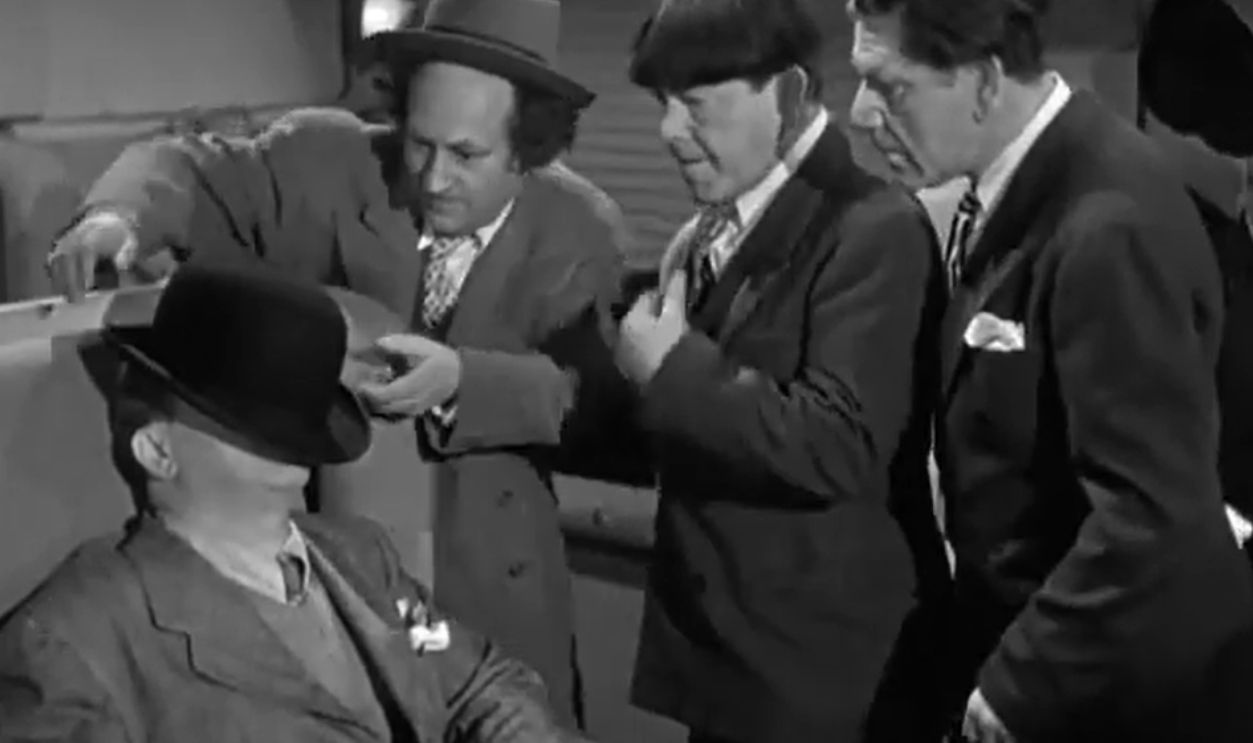
Hold That Lion! (1947), directed by Jules White, contained a poignant surprise. Curly made a brief cameo as a sleeping train passenger, putting Moe, Shemp, Curly, and Larry in the same film. It remains the only surviving screen appearance bringing all three performing Howard brothers together.
 Screenshot from Hold That Lion!, Columbia Pictures (1947)
His Own Kind Of Funny
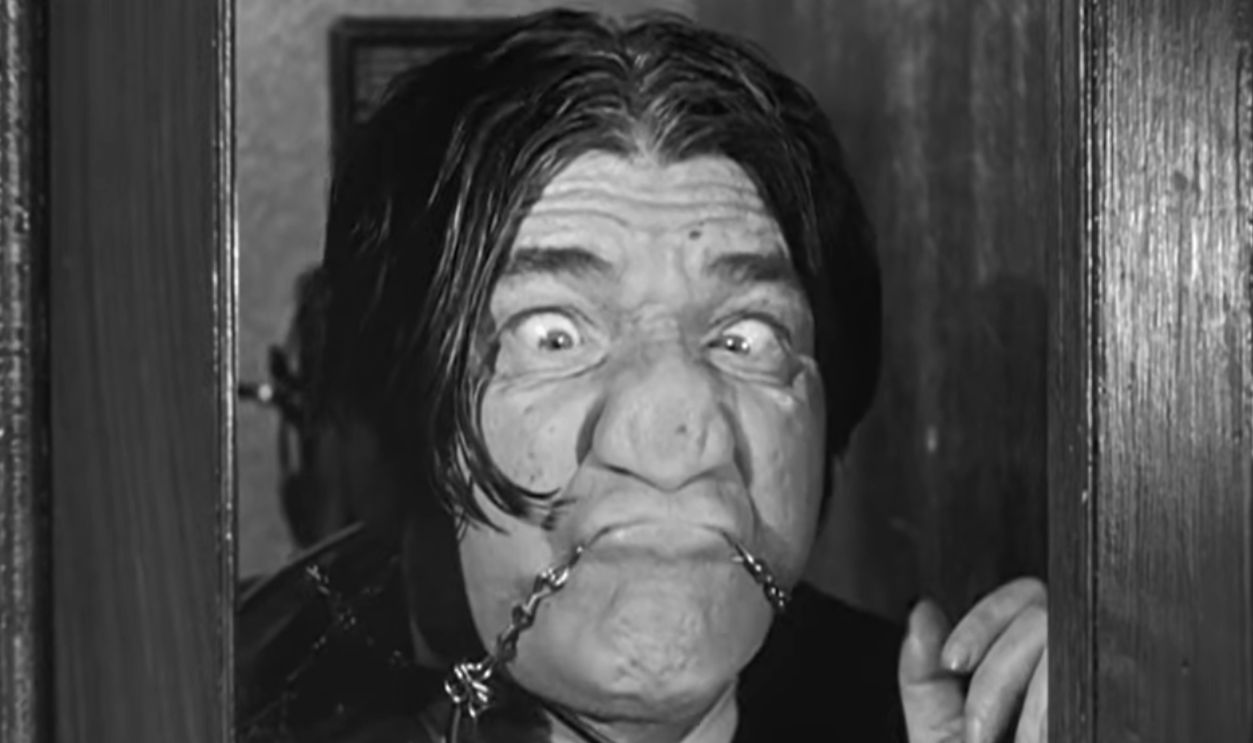
Shemp's comedy differed substantially from Curly's childlike exuberance. His screen character could be sly, argumentative, cowardly, irritated, or bizarrely self-confident. His elastic facial expressions and trademark cries gave Moe and Larry new material to play against, helping the Stooges evolve instead of merely recreating their earlier formula.
 Screenshot from The Three Stooges, Columbia Pictures (1934–1959)
The Shorts Kept Coming
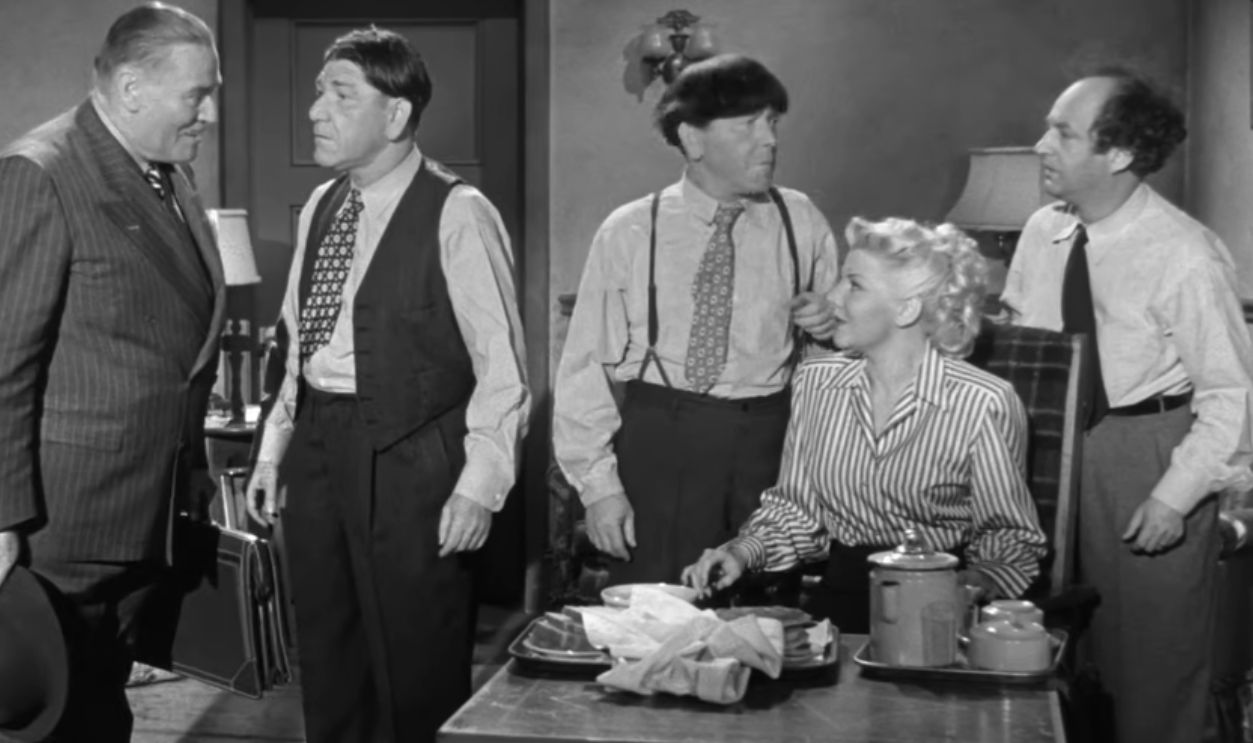
Shemp ultimately completed 77 Three Stooges shorts after returning to the act. Through the late 1940s and early 1950s, Moe, Larry, and Shemp continued Columbia's relentless production schedule, creating another substantial body of slapstick that would eventually find an enormous second audience on television.
 Screenshot from The Three Stooges, Columbia Pictures (1934–1959)
Curly Never Returned
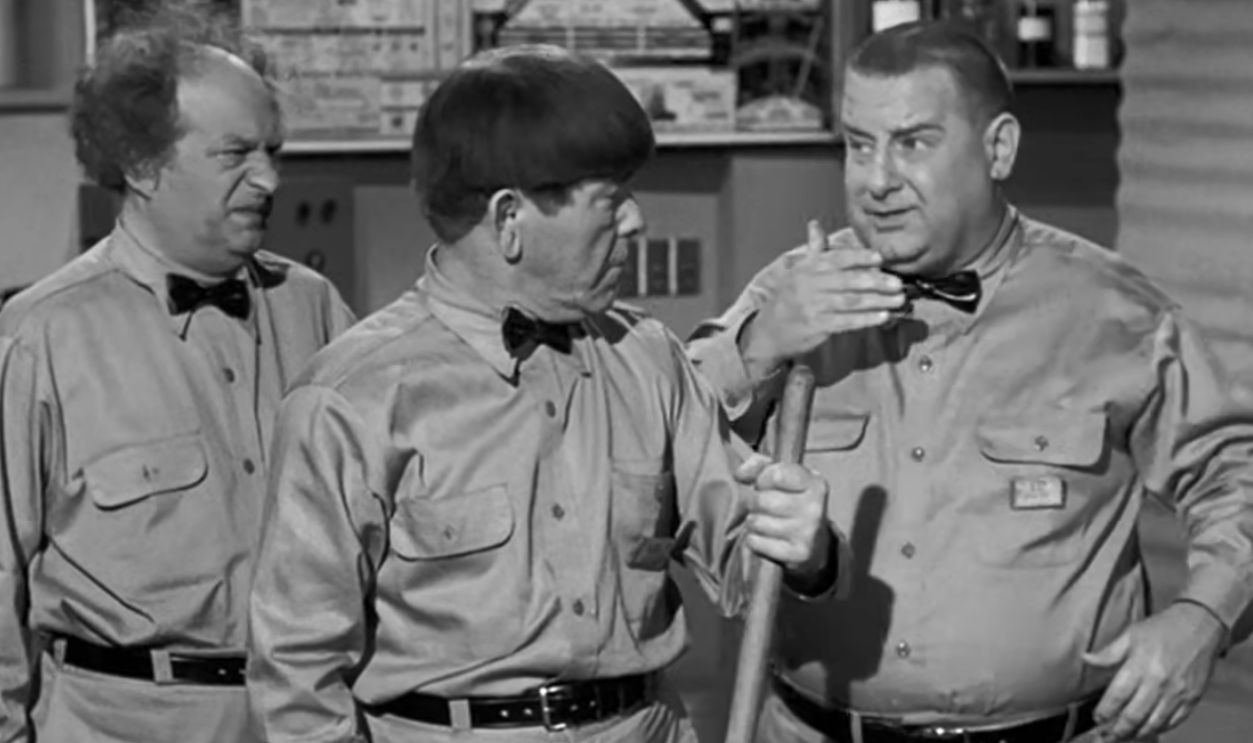
The hope that Shemp's second tenure would be temporary gradually disappeared as Curly's condition worsened. Curly never recovered sufficiently to rejoin the team and died in January 1952 at only 48. Shemp consequently remained beside Moe and Larry permanently, helping keep the Stooges working through another difficult family loss.
 Screenshot from The Three Stooges, Columbia Pictures (1934–1959)
A Sudden Final Night
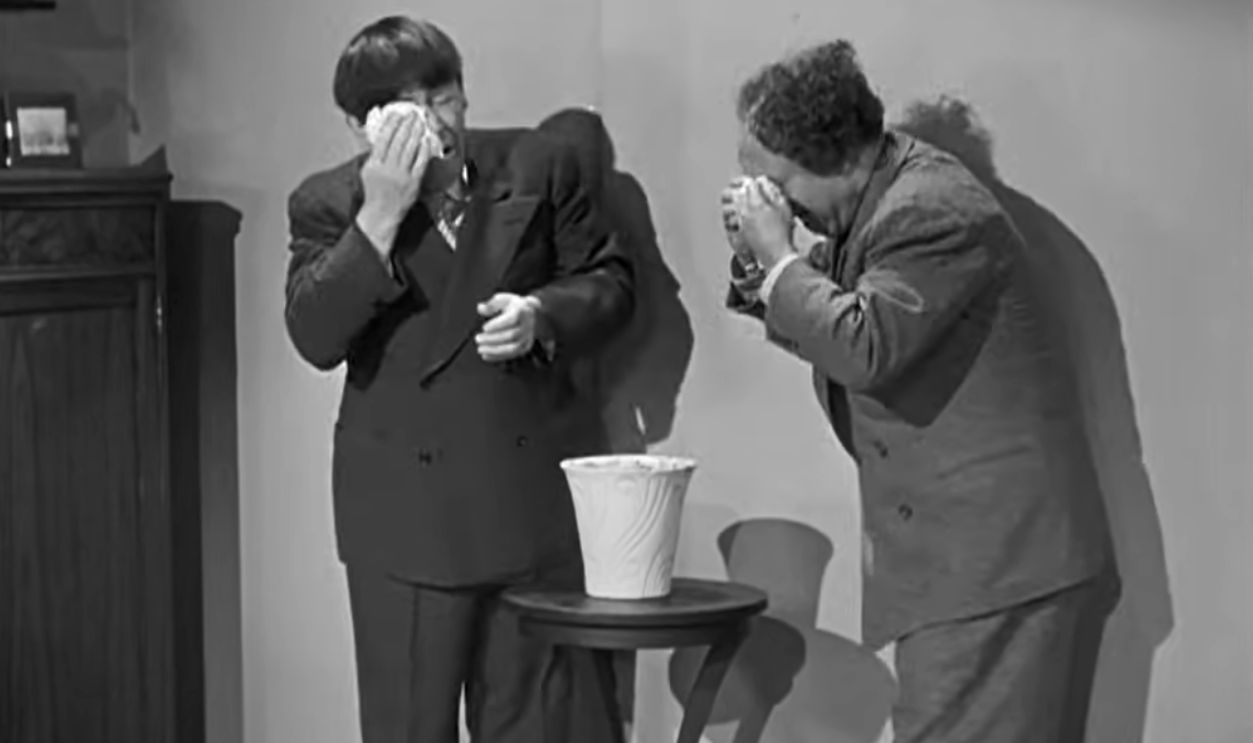
In November 1955, Shemp attended a boxing match with friends Al Winston and Bobby Silverman. While riding home afterward, he suddenly slumped over after leaning forward to light a cigar. The 60-year-old comedian had died unexpectedly, with accounts generally attributing his death to a heart attack.
 Screenshot from The Three Stooges, Columbia Pictures (1934–1959)
The Original Fake Shemp
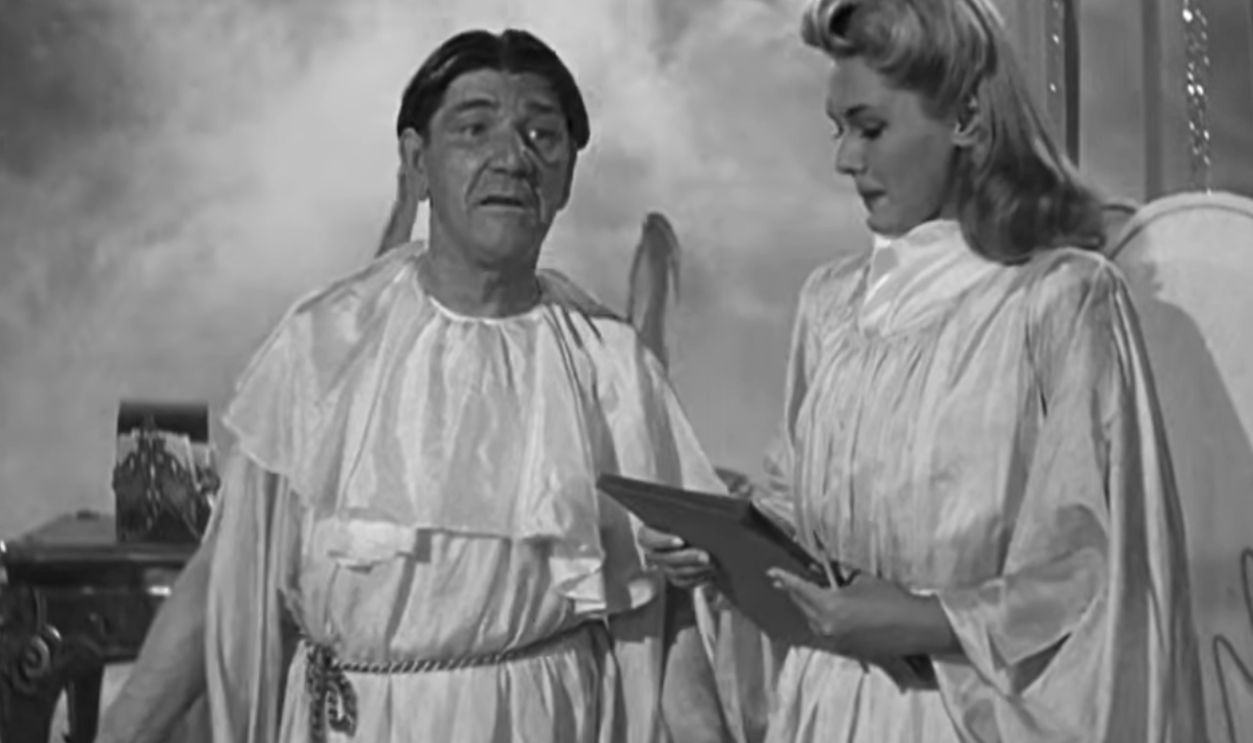
Shemp's death created an unusual production problem because Columbia still needed additional shorts. Stand-in Joe Palma was filmed from behind or with his face obscured, while existing Shemp footage was recycled. Filmmaker Sam Raimi later popularized "Fake Shemp" as a term for substitute performers replacing unavailable actors.
 Screenshot from The Three Stooges, Columbia Pictures (1934–1959)
More Than A Replacement
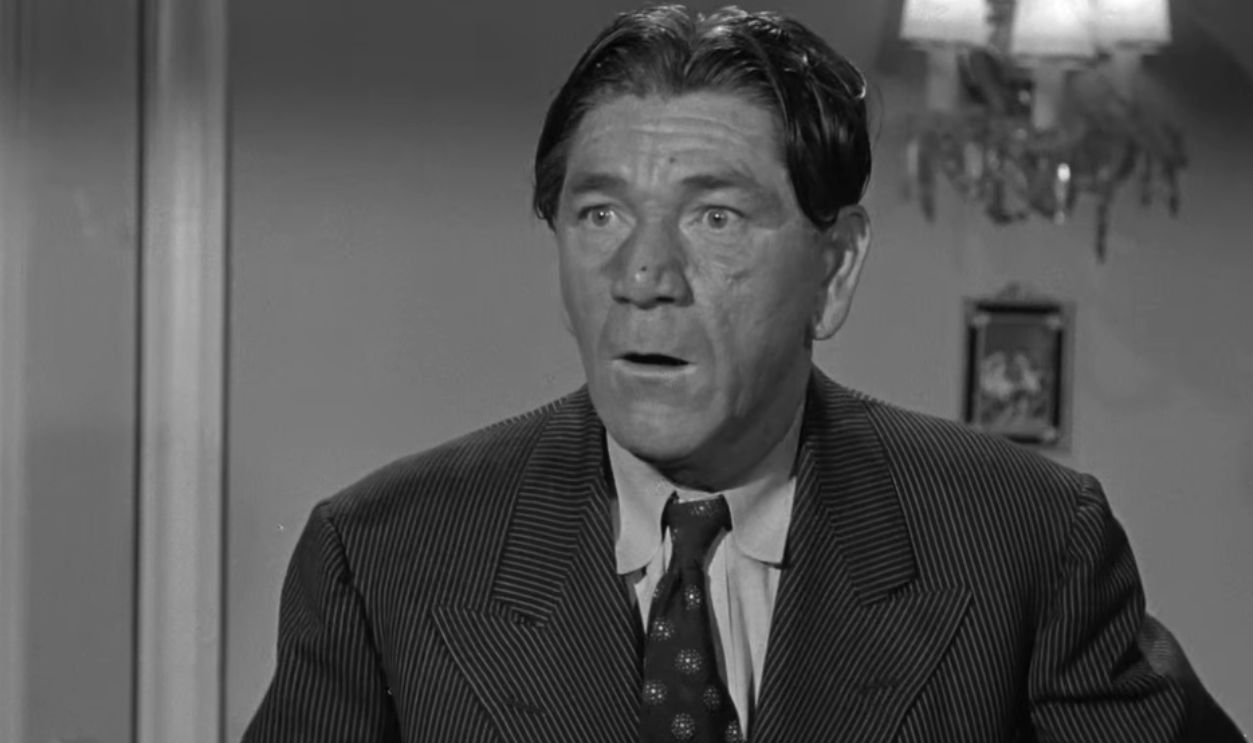
Calling Shemp "Curly's replacement" overlooks half the story. He had helped create the act before Curly joined and established an extensive independent career before returning. His comedy was different, but intentionally so. Shemp's nervous muttering, unpredictable reactions, and wonderfully weather-beaten face made him a distinctive comic performer in his own right.
 Screenshot from The Three Stooges, Columbia Pictures (1934–1959)
Give Shemp His Due
Curly's brilliance deserves its legendary reputation, but appreciating Curly never requires overlooking Shemp. From vaudeville and solo shorts to Hollywood features and his triumphant Stooge return, Shemp Howard left behind decades of comedy worth rediscovering. The Three Stooges simply would not have the same history without him.
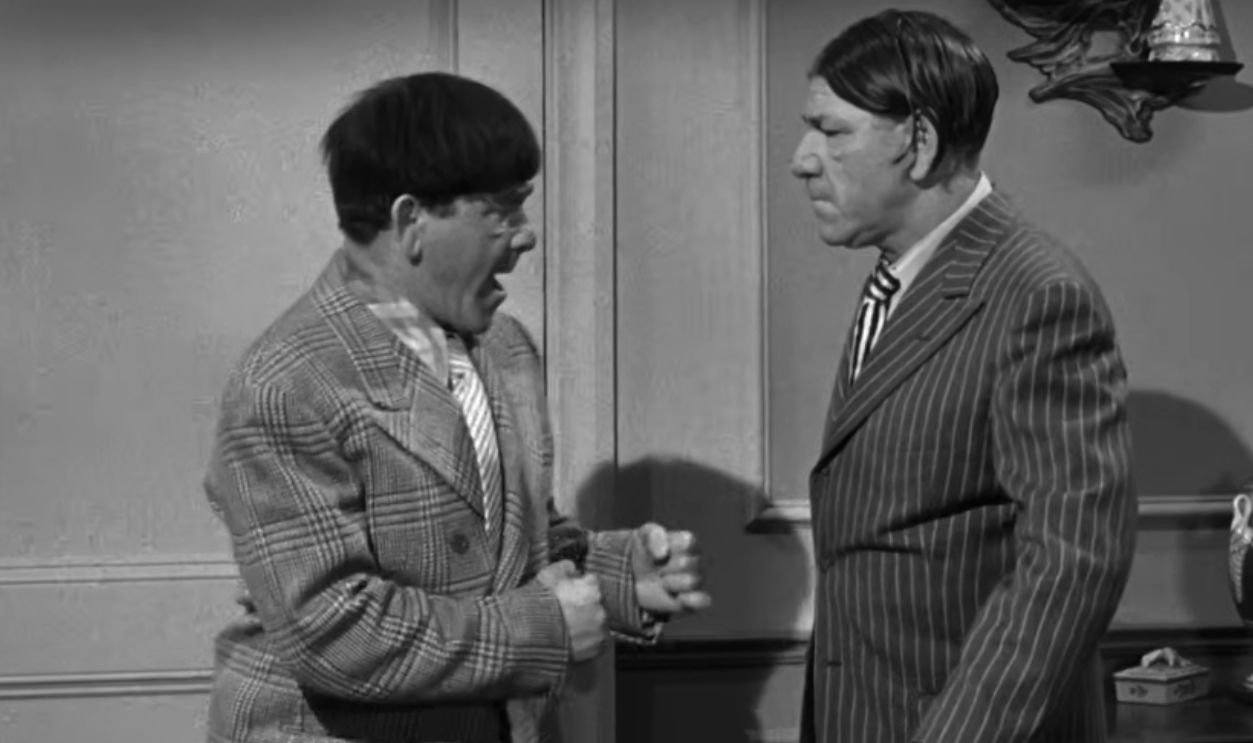 Screenshot from The Three Stooges, Columbia Pictures (1934–1959)
You May Also Like:
Larry Fine And The Legend Of The Third Stooge
Clumsy Facts About Curly Howard, The Funniest Of The Three Stooges