A Familiar Face, A Shocking Ending
Ryan Grantham wasn’t a celebrity—but he was recognizable. Over more than a decade, he appeared in films and TV shows that millions of people watched. His career wasn’t flashy or headline-making. But what followed would make headlines around the world.
 Warner Bros. Television Studios
Growing Up Around the Industry
Born in 1998 in British Columbia, Grantham began acting at a young age. He was raised primarily by his mother, Barbara Waite, and there is no public record of a chaotic or unstable upbringing. His early life, at least from the outside, looked relatively normal—especially by child-actor standards.
 JMV on flickr, Wikimedia Commons
A Steady Start as a Child Actor
Grantham’s early roles followed a familiar path: small parts, short appearances, and consistent work. He wasn’t positioned as a prodigy or a future star. He was a working kid actor—showing up, doing the job, and moving on to the next audition.
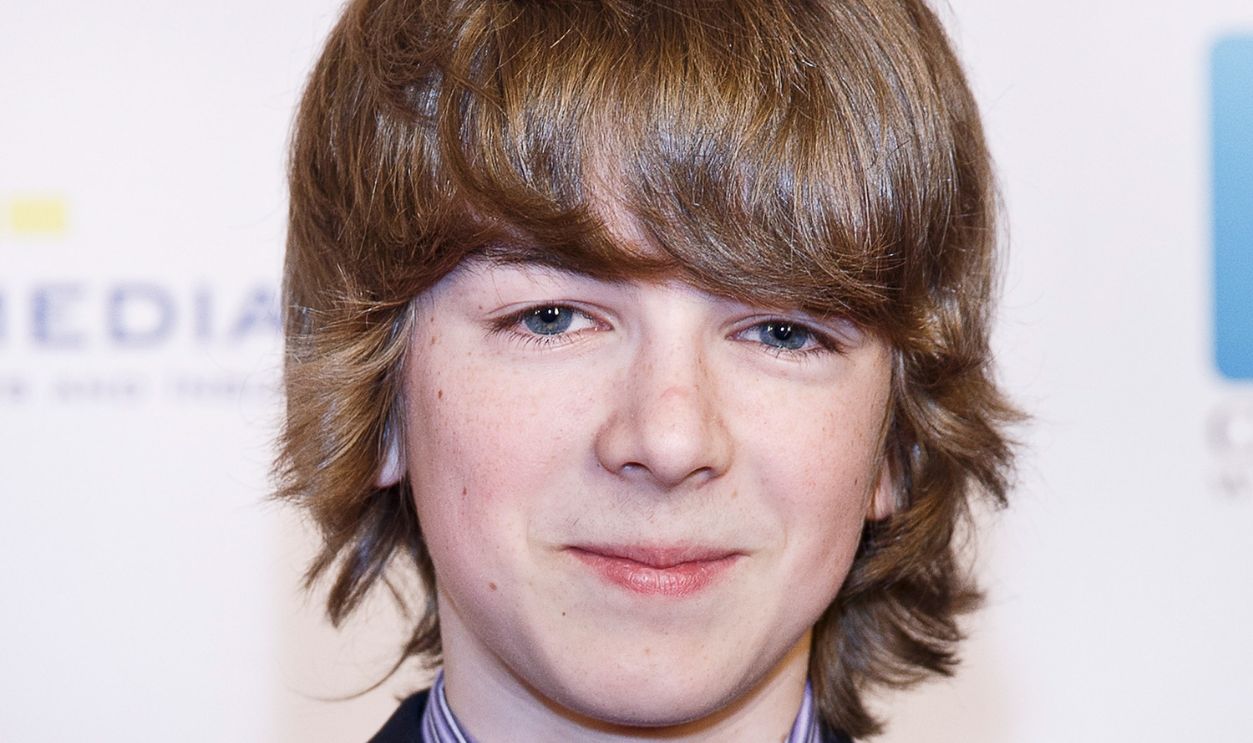
A Recognizable Credit
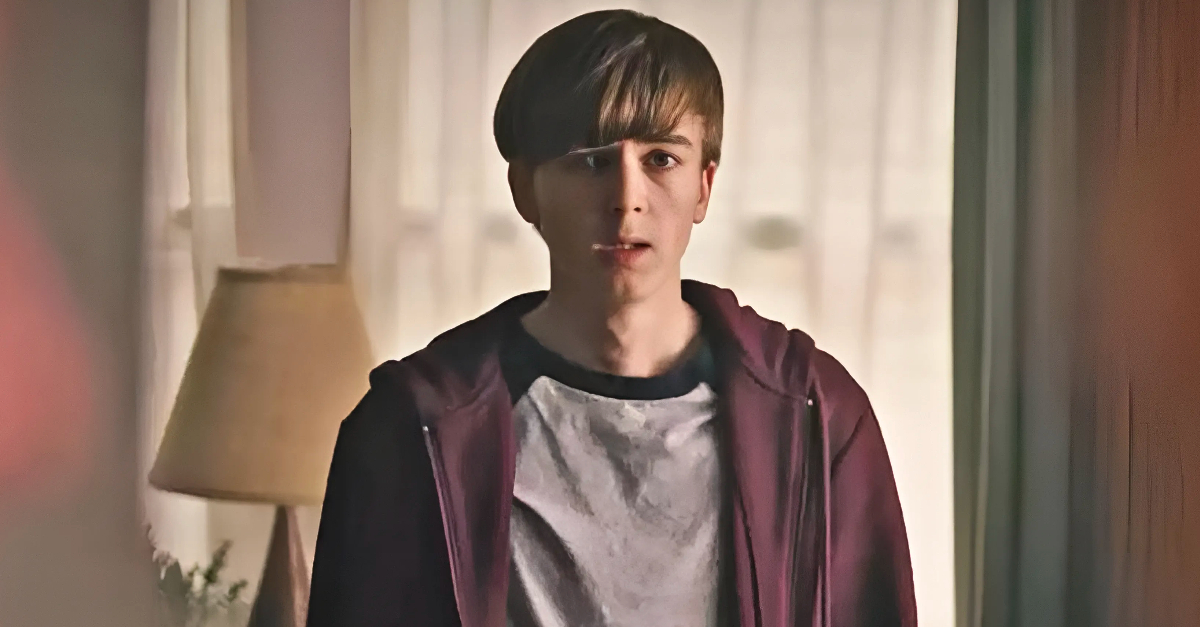
One of his most visible early roles came in Diary of a Wimpy Kid (2010), where he appeared as one of Rodrick’s friends. It was a minor role in a very successful movie, but it put his face in front of a massive audience—and quietly anchored him in the “you’ve seen him somewhere” category.
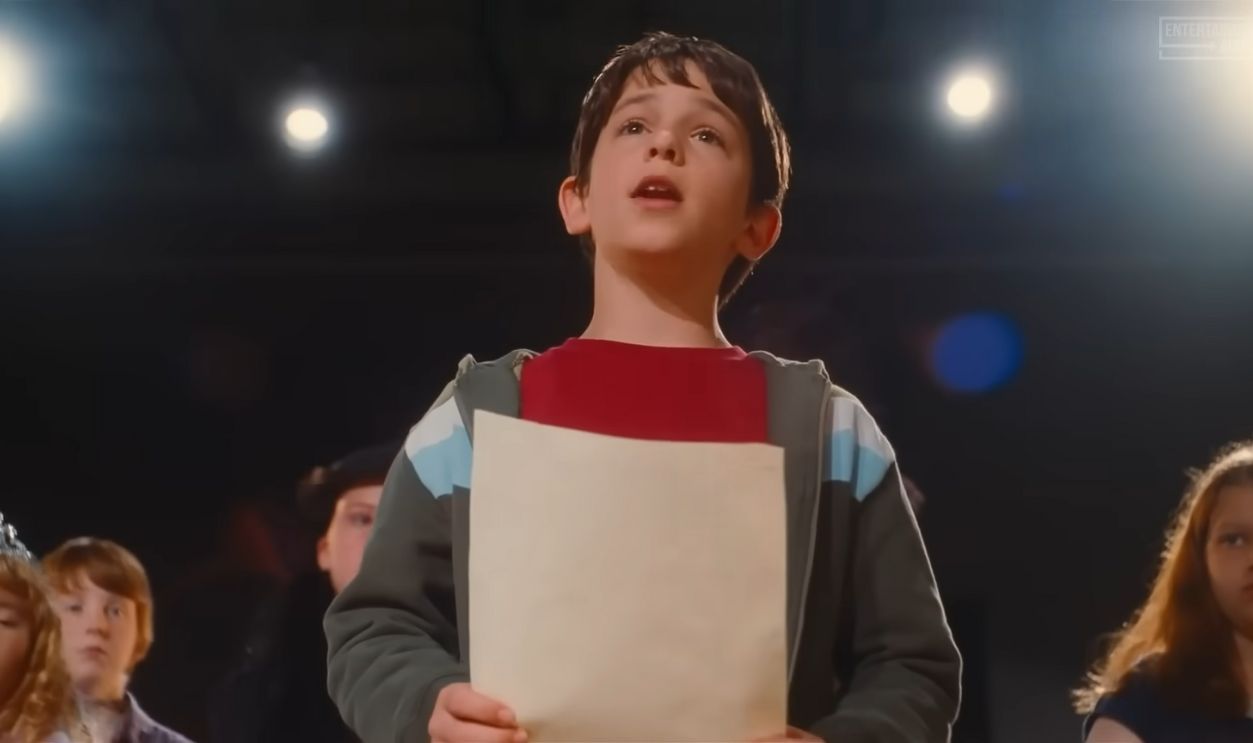 Screenshot from Diary of a Wimpy Kid, 20th Century Fox (2010)
Transitioning Into Teen Roles
As he grew older, Grantham continued acting into his late teens. Like many former child actors, he shifted toward darker, more emotionally complicated characters—roles that reflected age, not notoriety. There was nothing unusual about the transition.
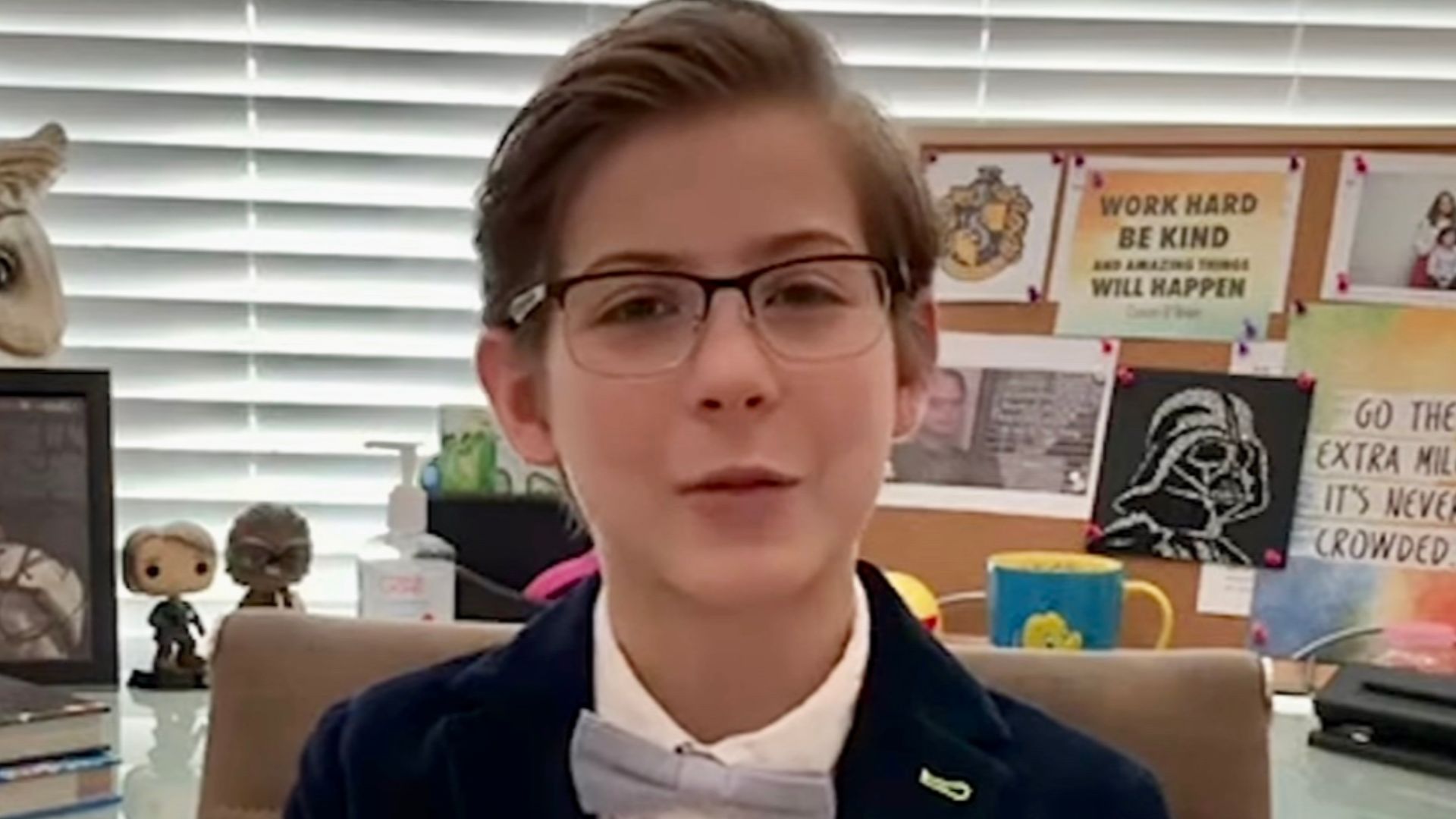 GovernmentofBC, Wikimedia Commons
Appearing on Riverdale
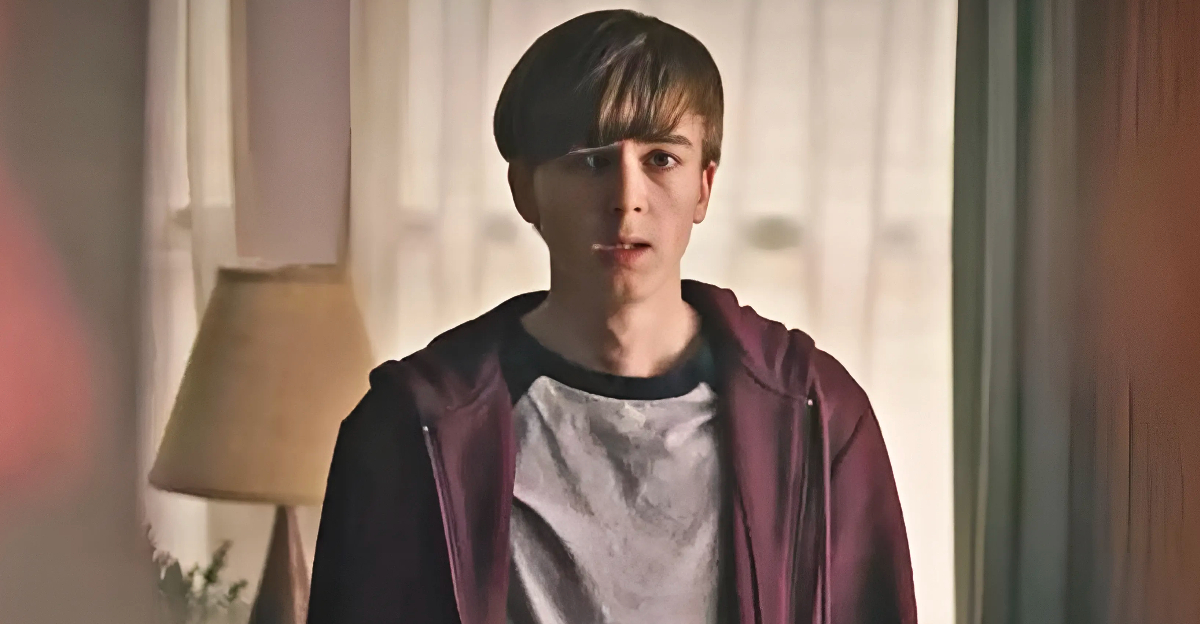
One of Grantham’s later credits was on Riverdale, where he played Jeffrey Augustine, a troubled character involved in violence. The role was brief, but after the crime, it became an unsettling footnote. At the time, however, it passed without comment or concern.
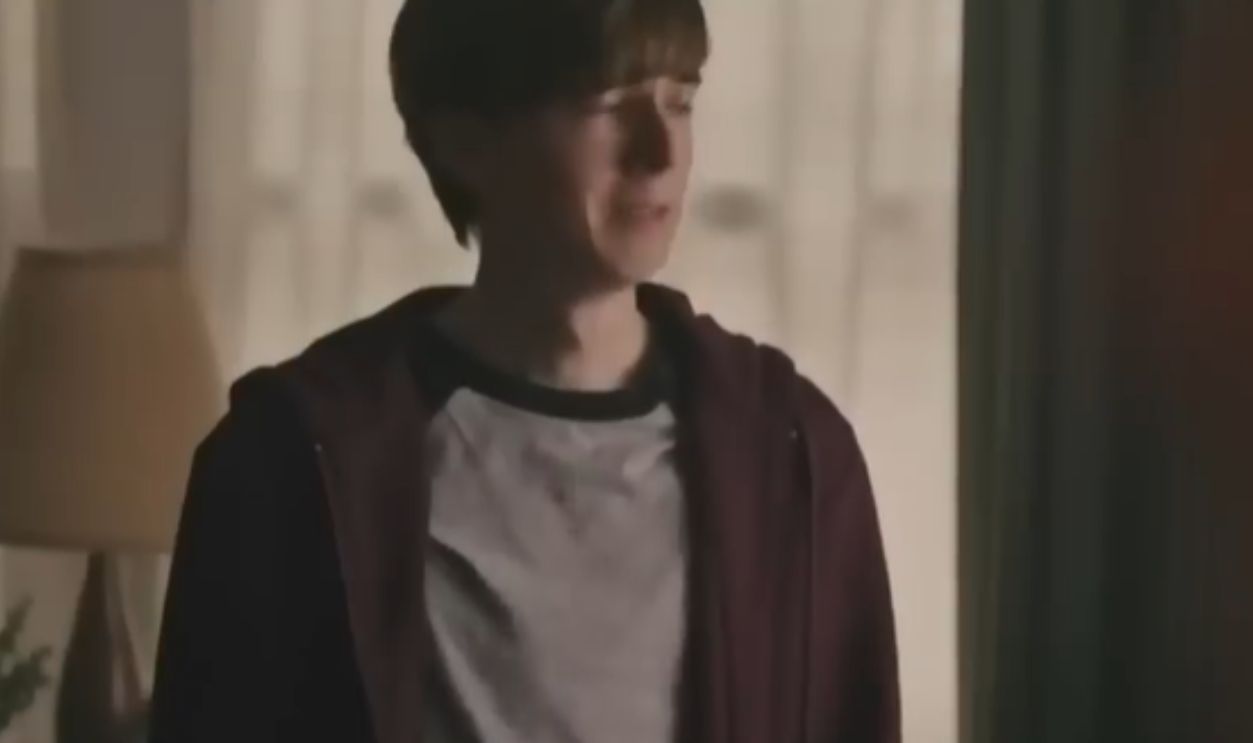 Screenshot from Riverdale, Warner Bros. Television Studios (2017-2023)
No Public Collapse
There were no scandals, no viral moments, no industry whispers. Grantham didn’t flame out—he simply became less visible, the way many young actors do as roles became harder to land. Nothing suggested an imminent crisis. But behind the scenes...

Private Struggles, Public Silence
Behind the scenes, Grantham was dealing with severe depression and violent intrusive thoughts. Psychiatric assessments later revealed that he had become afraid of his own thoughts in the weeks leading up to the incident. At the time, these struggles remained invisible to audiences and largely unknown outside his personal life.

The Calm Before the Break
Looking back, people search for warning signs—but there were none that the public could see. His life didn’t appear to be unraveling. There was no dramatic turning point. And then, abruptly, everything changed, in the most sad and horrific of ways...

The Crime
In March 2020, Ryan Grantham shot and killed his mother, Barbara Waite, in their home in Squamish, British Columbia. She was playing piano when she was struck from behind. The act was sudden, intimate, and devastating.

What He Did Immediately After
Minutes after the incident, Grantham recorded a video using a GoPro camera in which he admitted to what he had done and showed his mother’s body. The footage was later entered into court records. He did not contact emergency services that night.

The Next Day
The following day, Grantham covered his mother’s body with a sheet, hung a rosary on the piano, and lit candles around it. He then packed his car with weapons, ammunition, camping gear, and 12 Molotov cocktails, along with printed directions.

A Violent Plan
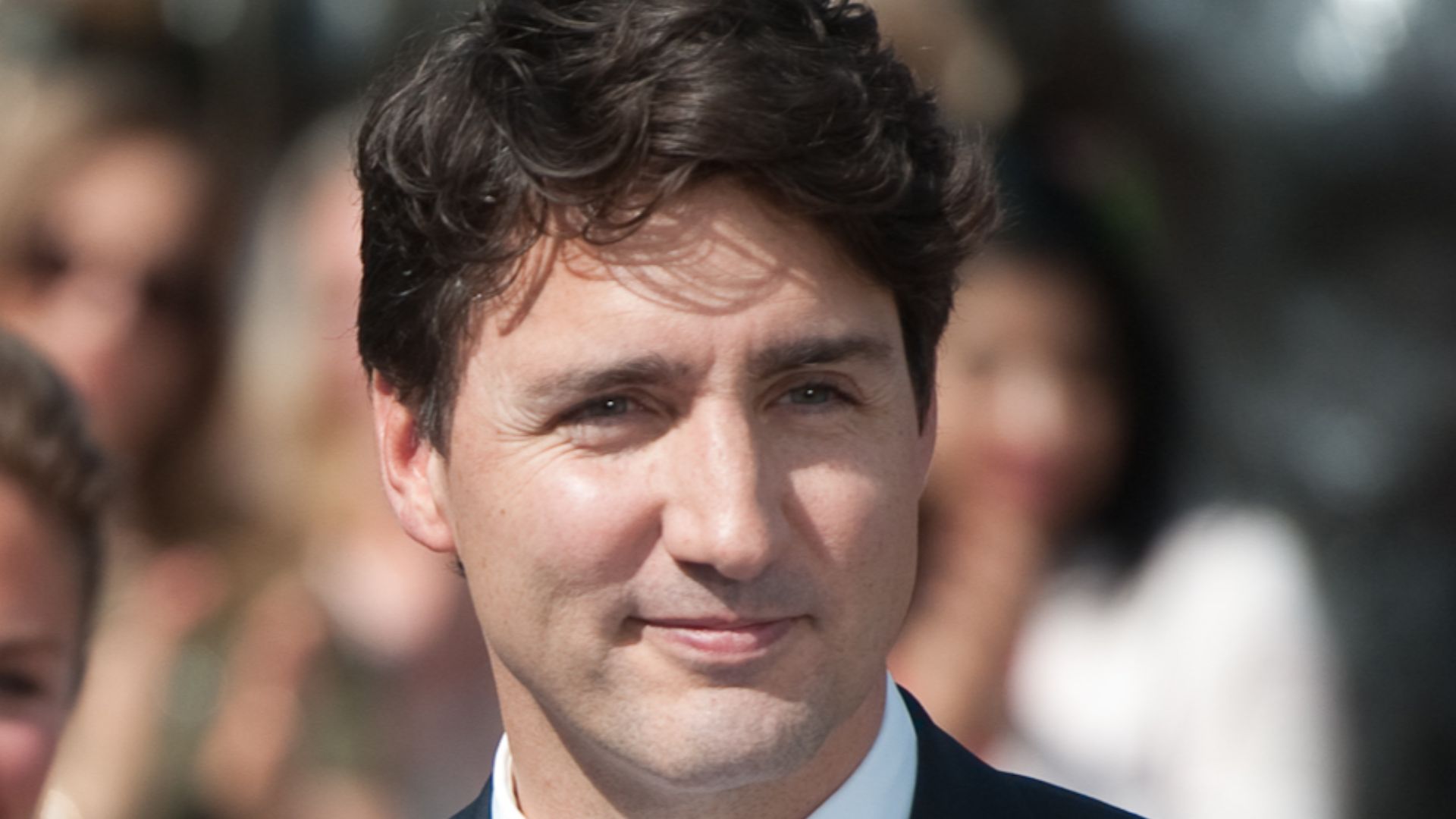
Court records later revealed that Grantham had printed a map to the residence of Canadian Prime Minister Justin Trudeau. Prosecutors said he intended to carry out a mass attack before being stopped, though no further harm occurred.
 Women Deliver, Wikimedia Commons
Driving East
Grantham drove roughly 200 kilometers east toward Hope, British Columbia. Along the way, he stopped, reconsidered, and turned around. The plan was abandoned before it could be carried out.
 Andrewbremner, Wikimedia Commons
Turning Himself In
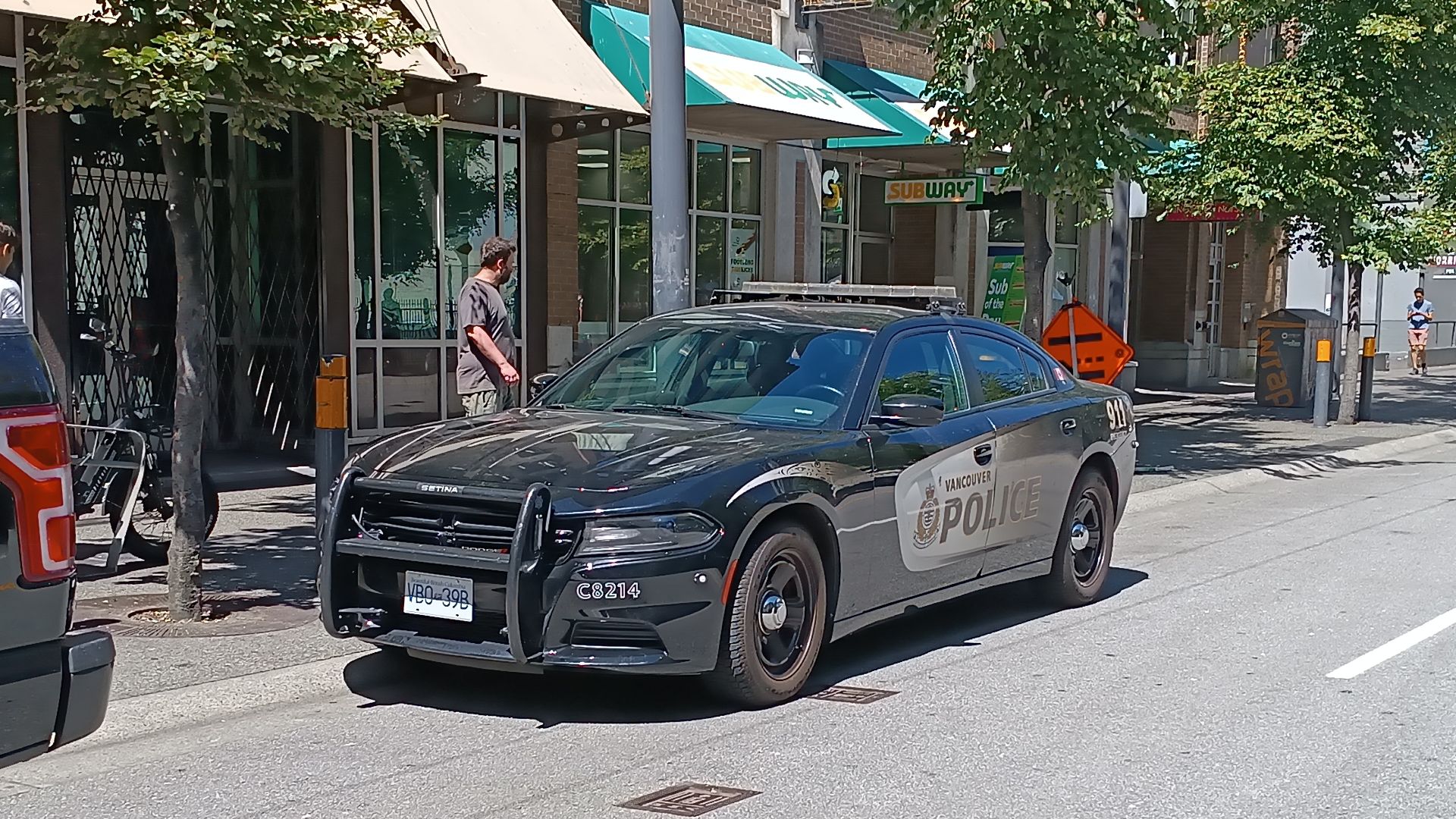
Grantham eventually drove to a Vancouver police station and surrendered. He approached officers and stated plainly, “I killed my mother.” He was taken into custody without incident.
The Charges
Grantham was charged with second-degree murder and later pleaded guilty, eliminating the need for a trial on the facts of the case. From that point forward, the proceedings focused on intent, mental state, and sentencing.
 TheLawOfficeofBarryEJanay, Pixabay
Courtroom Reality
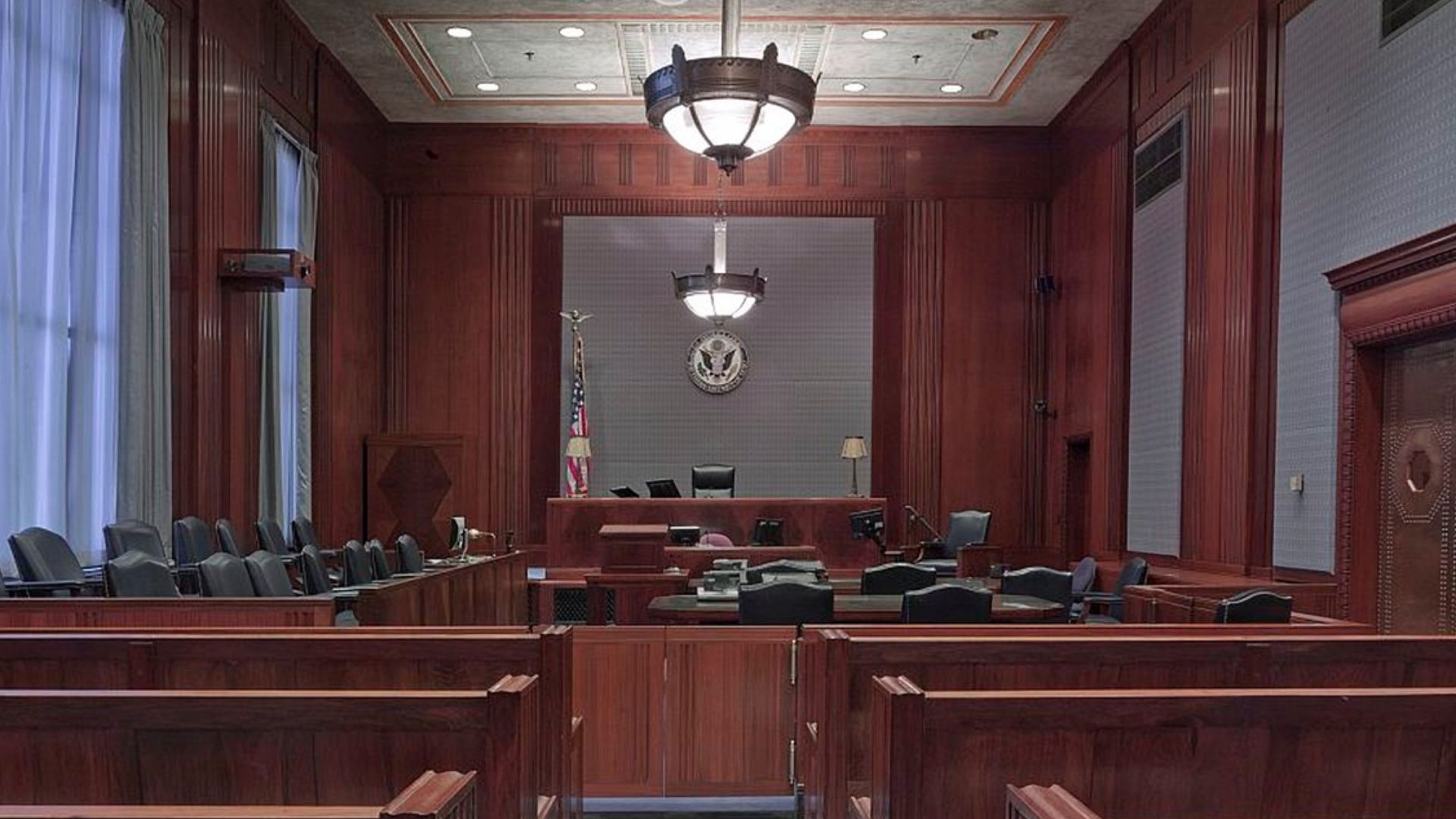
During sentencing, psychiatric evaluations described Grantham’s mental condition as unstable and deteriorating in the period before the crime. The court acknowledged these findings but emphasized they did not reduce responsibility.
Family Impact Statements
Grantham’s sister, Lisa Waite, delivered a victim impact statement describing their mother as a loving and dedicated parent. She told the court that her mother was given “no chance to defend herself,” underscoring the permanent damage done.

The Sentence
In 2022, Ryan Grantham was sentenced to life in prison with no possibility of parole for 14 years. The Crown had sought a longer ineligibility period, while the defense argued for less. The judge cited both the severity of the crime and Grantham’s mental condition in settling on the final number, and recommended intensive psychiatric treatment during incarceration.

A Career That Ended Instantly
Whatever future Grantham might have had in entertainment ended the moment the crime occurred. There was no gradual fall from grace. No comeback arc. His acting career didn’t fade—it stopped.

The Child Actor Narrative
This wasn’t a story of fame spiraling out of control. Grantham wasn’t rich, famous, or under constant scrutiny. That’s what makes the case uncomfortable—it doesn’t fit the familiar cautionary tales.

Mental Illness Isn’t an Explanation—But It’s Part of the Record
Mental health struggles were formally documented through psychiatric testimony and acknowledged by the court. But the sentence made clear that accountability remained with Grantham—and that the harm done could not be undone.

The Mother at the Center
Barbara Waite is sometimes lost in retellings of the case. She was a mother, a loved one, and a person engaged in an ordinary moment when her life was taken. The story is not only about who committed the act—but about who was lost.

A Name Frozen in One Moment
In legal records, Ryan Grantham is no longer identified as an actor. He is identified only as an offender. Everything that came before has been eclipsed by one irreversible act.

A Career Replaced by a Sentence
Ryan Grantham once had a résumé. Now he has a prison number and a parole hearing date years in the future. The transformation wasn’t gradual. It was instant—and permanent.
You Might Also Like:
Really Bad Movies With Really Great Endings That Made It All Worthwhile
Sources: 1