

When The Voice That Ruled The 90s Suddenly Went Silent
For a stretch in the late 90s, Shania Twain didn’t just dominate country music—she bent pop culture around her will. Then, almost without warning, that voice vanished. Tours stopped, albums stalled, and one of the most powerful vocalists of her generation disappeared from public view. To fans, it felt mysterious. To Shania, it felt terrifying.

The Peak Before The Plunge
By the time Come On Over turned into one of the best-selling albums in music history, Shania was untouchable. She had crossed genre lines, rewritten the rules for women in country, and become a global phenomenon. Everything pointed toward an unstoppable career trajectory—until her body quietly began working against her.
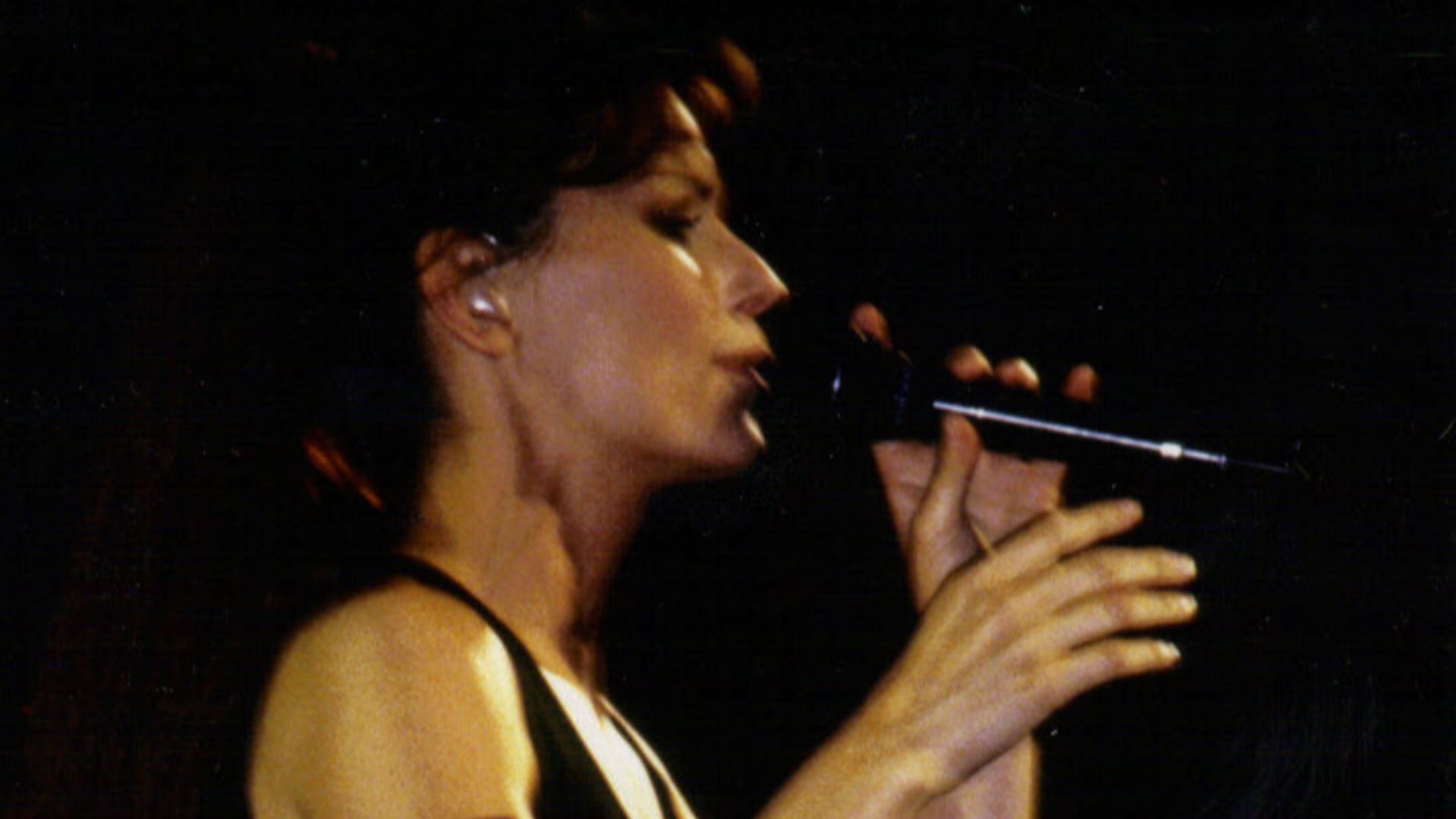
A Tick Bite With Devastating Consequences
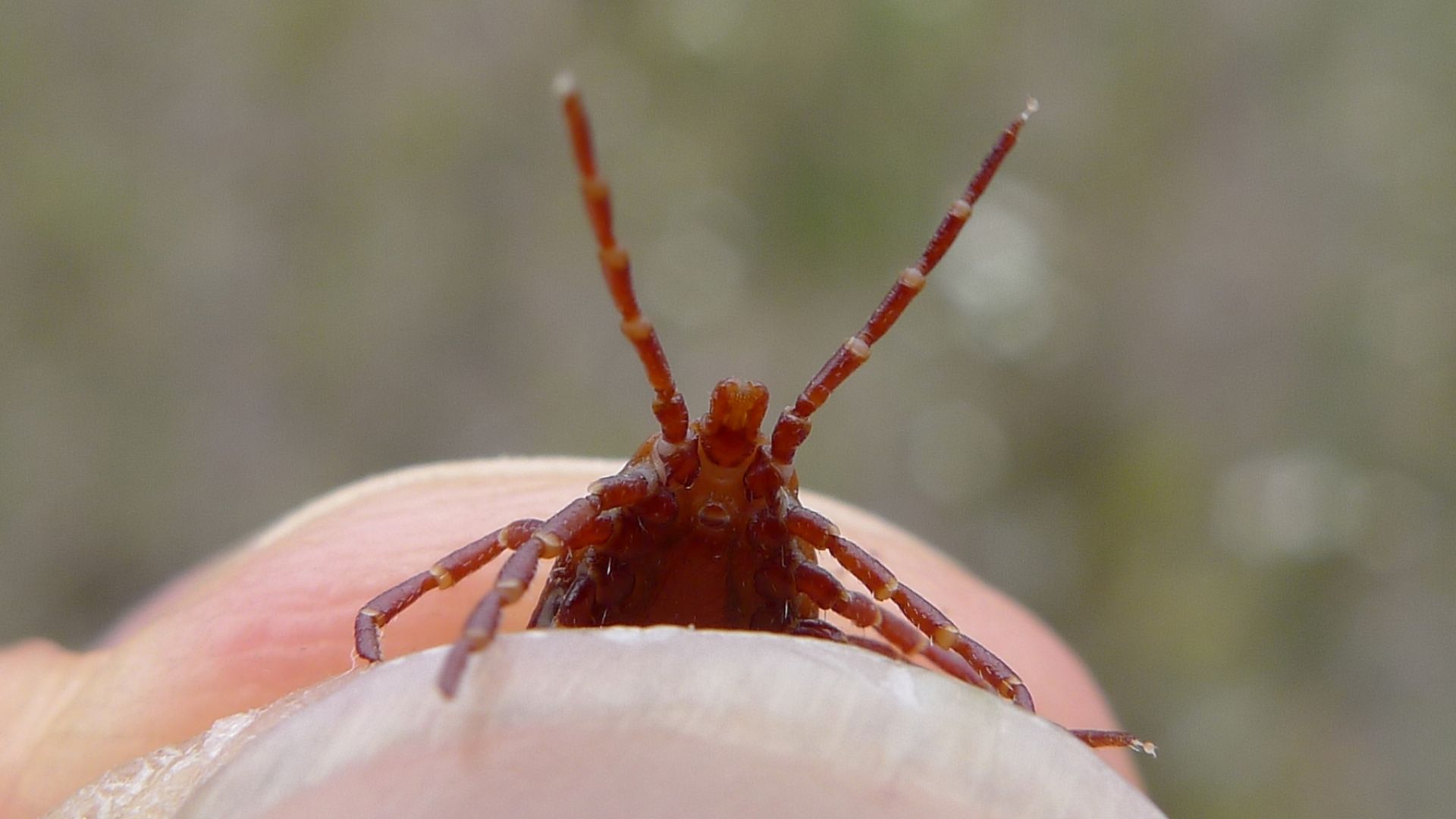
In the early 2000s, Shania was bitten by a tick. At the time, it didn’t register as anything life-altering. Lyme disease can be deceptive like that, slipping in unnoticed before unleashing long-term damage. For Shania, the symptoms crept in gradually, making it hard to connect the dots.
 John Tann from Sydney, Australia, Wikimedia Commons
The Symptoms That Made No Sense
Fatigue, dizziness, and confusion became part of her daily life. She struggled to maintain balance onstage. Notes she once hit effortlessly became unreliable. For a singer whose voice was her identity, these changes were more than physical—they were existential.
 Jerry Daykin from Cambridge, United Kingdom, Wikimedia Commons
Losing Control Of The One Thing She Trusted
Shania didn’t just feel sick; she felt betrayed by her own body. Her vocal cords began misfiring, producing unpredictable sounds and sudden breaks. Singing live became risky. Studio sessions became emotionally exhausting. The fear wasn’t just that she might sound bad—it was that she might never sound like herself again.

Why Lyme Disease Hits Singers Especially Hard
Lyme disease can affect nerves and muscles, including those responsible for vocal control. In Shania’s case, the infection damaged the nerves connected to her vocal cords. This wasn’t a matter of rest or vocal strain—it was neurological, and far more complicated to treat.

The Diagnosis That Came Too Late
By the time Shania received a proper diagnosis, the disease had already done significant damage. Early treatment is crucial with Lyme disease, and delayed diagnosis often leads to chronic symptoms. For Shania, this meant accepting that a simple cure wasn’t coming—and that her old voice might be gone for good.
 David Swales, Wikimedia Commons
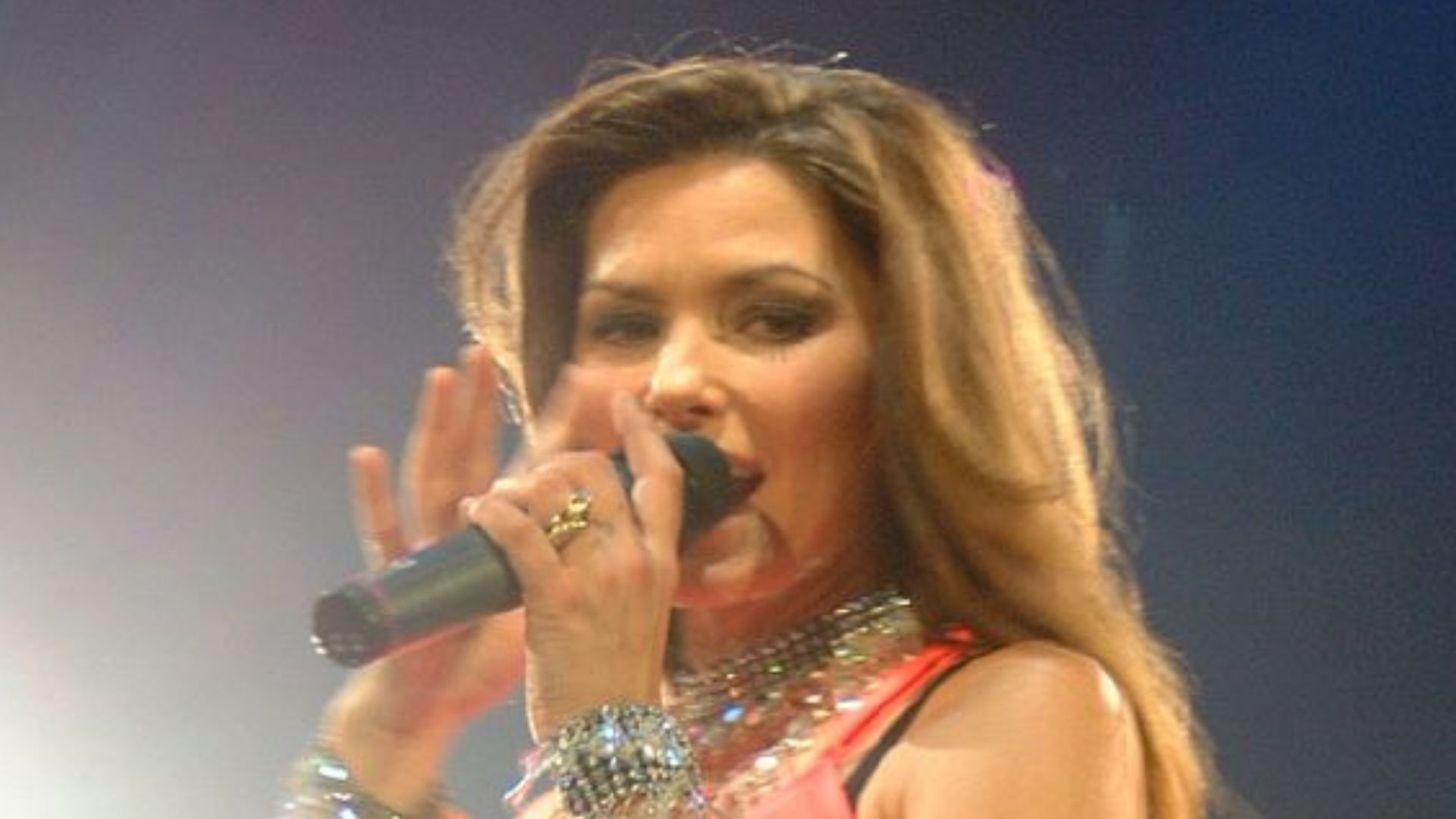
Retreating From The Spotlight
As her health declined, Shania made the painful decision to step away from music. Years passed without new albums or tours. Fans speculated endlessly, but the reality was quieter and sadder: she was learning how to live in a body that no longer worked the way it once had.
 Katherine Brock, Wikimedia Commons
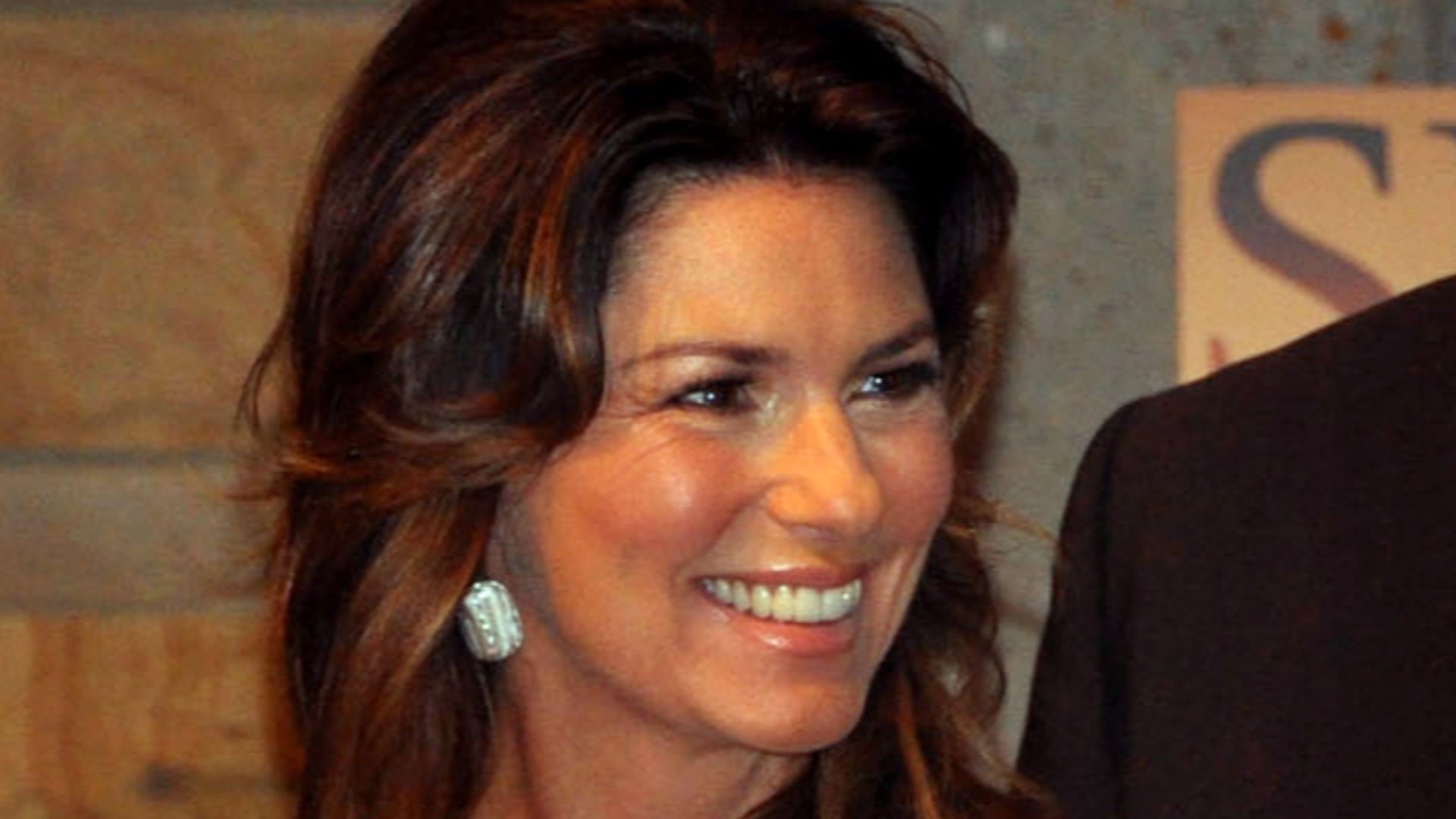
The Psychological Toll Of Silence
For someone whose life revolved around sound, silence became its own kind of torment. Shania later admitted she believed her singing career was over. The loss wasn’t just professional—it was personal, like losing a limb or a language she’d spoken her entire life.
 The White House, Wikimedia Commons
When Even Speaking Became Difficult
At her lowest point, Shania struggled not just to sing, but to speak. Her voice would crack or disappear entirely. Conversations required effort. The idea of performing in front of thousands again felt almost cruel to imagine.

A Radical Medical Decision
Eventually, Shania underwent surgery and therapy. It wasn’t a magic fix, and it came with risks. The procedure altered how her voice functioned, meaning she would have to relearn how to sing from scratch—if she could sing at all.
 David Swales, Wikimedia Commons
Learning To Sing Again As An Adult
After surgery, Shania faced a humbling reality. The voice that once came naturally now required intense concentration and retraining. She worked with vocal coaches, therapists, and specialists, rebuilding muscle memory note by note. It was slow, frustrating work—but it was progress.

Accepting A Different Voice
One of the hardest lessons was acceptance. Shania’s voice would never sound exactly the same again. Instead of chasing what she’d lost, she focused on mastering what she still had. That mental shift became just as important as any medical treatment.

The Long Road Back To Confidence
Physical recovery didn’t automatically restore confidence. Every rehearsal came with doubt. Every performance risked disappointment. But over time, consistency replaced fear, and control replaced chaos.

Returning To The Studio Against All Odds
When Shania finally returned to recording, it wasn’t about proving anything to the industry. It was about proving something to herself. Creating new music became an act of defiance against the narrative that Lyme disease had written for her.

Stepping Back Onstage
Her eventual return to live performance marked one of the most emotional comebacks in modern music. The voice was different—deeper, more deliberate—but unmistakably hers. Fans didn’t come for perfection; they came for survival.

Redefining Strength In Public
Shania began speaking openly about Lyme disease and its long-term effects, shining a light on an illness often misunderstood or dismissed. Her story reframed strength not as invincibility, but as persistence in the face of irreversible change.

A Career No Longer Defined By Charts
The second act of Shania Twain’s career wasn’t about breaking records. It was about presence. Every performance became a statement: she was still here, still singing, still choosing to fight for the joy music gave her.

What Her Comeback Really Represents
Shania’s story isn’t a miracle cure narrative. It’s something rarer and more honest—a story about adaptation. Science gave her tools, but willpower carried her through the years when progress felt invisible.

The Voice That Refused To Stay Quiet
In the end, Shania Twain didn’t reclaim the voice she lost. She built a new one. And somehow, that makes her second act even louder than the first.

You May Also Like:





_(53838111535)_(cropped).jpg)