Everyone Thought They Knew Richard Deacon
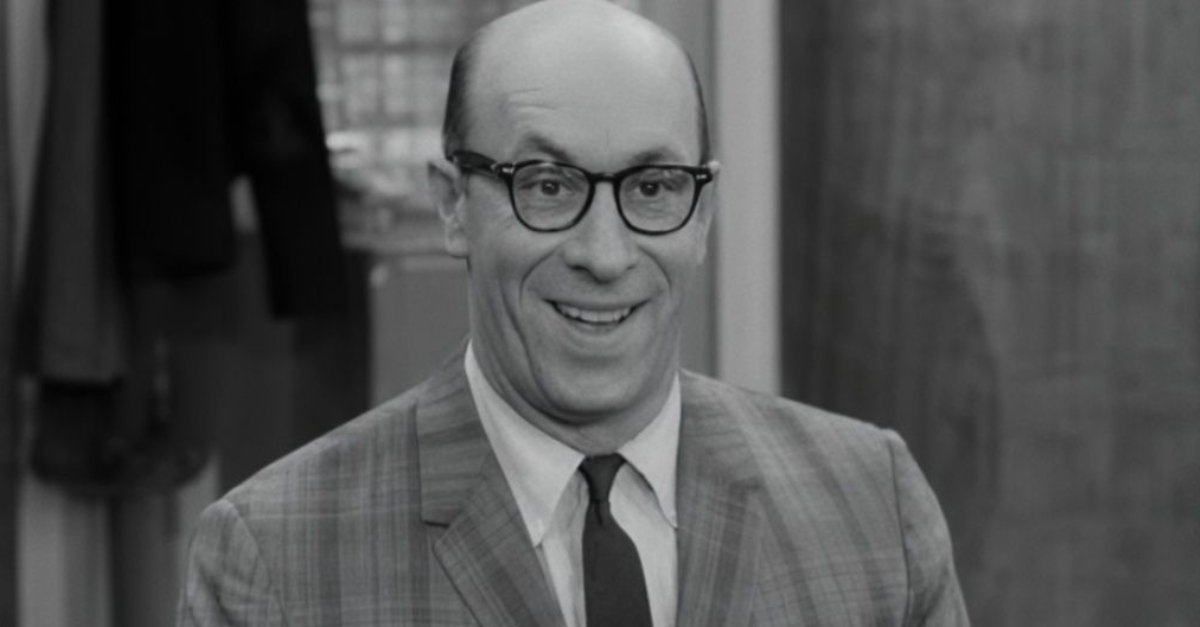
Richard Deacon had one of those faces you never forgot. Bald head. Thick black glasses. That wonderfully irritated expression. For millions of viewers, he was Mel Cooley on The Dick Van Dyke Show. But the man audiences thought they knew was only a small part of the story.
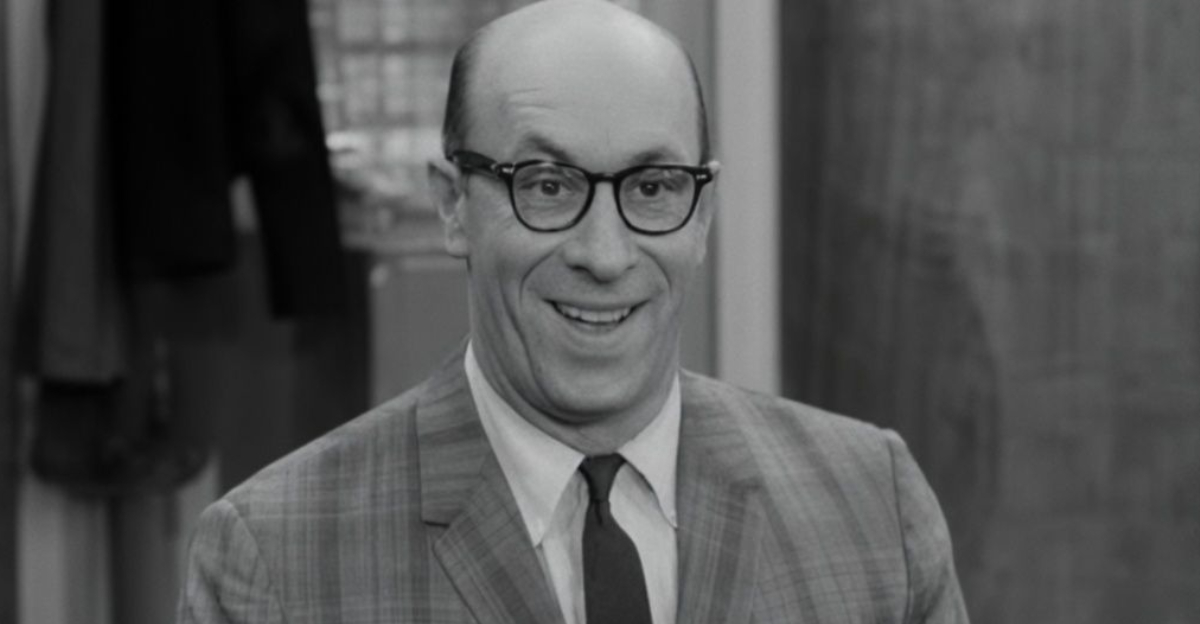
He Wasn't Supposed To Become An Actor
Born in Philadelphia in 1922 and raised largely in Binghamton, New York, Deacon originally headed toward a completely different career. After serving in the Army medical corps, he attended Ithaca College intending to pursue medicine. Somewhere along the way, however, acting took over.
 Kenneth C. Zirkel, Wikimedia Commons
Acting Changed Everything
Deacon abandoned his medical plans and threw himself into theater, eventually studying and working in drama at Bennington College. It was hardly the most obvious road to Hollywood, especially for a man who didn't look anything like the conventional leading men filling movie screens at the time.
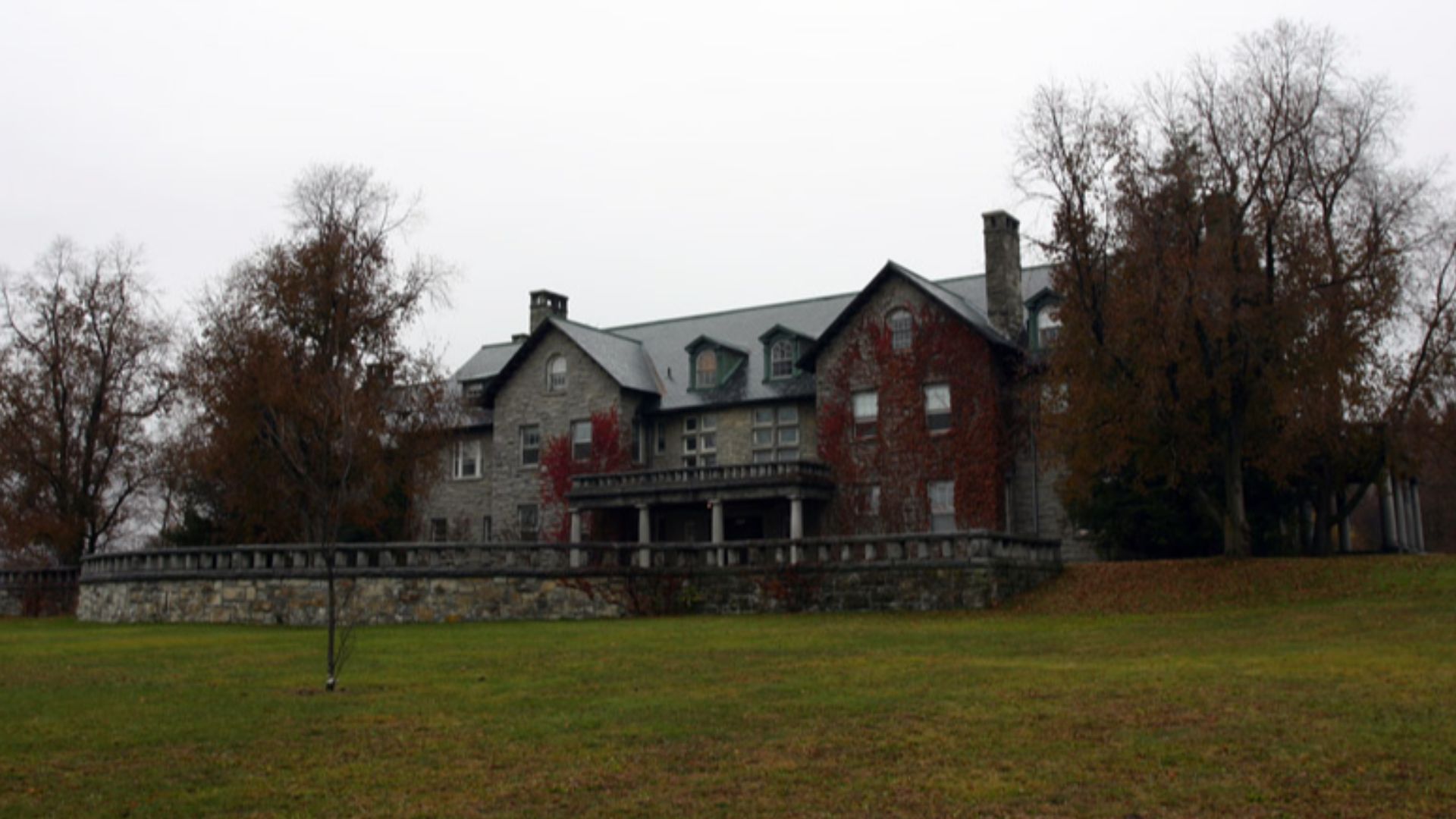 Jared C. Benedict., Wikimedia Commons
Helen Hayes Gave Him Some Blunt Advice
Early in his career, legendary actress Helen Hayes reportedly told Deacon that he probably wasn't going to become a leading man. Instead of crushing his ambitions, she encouraged him to embrace character acting. It turned out to be remarkably good advice, although years later there would be a downside.
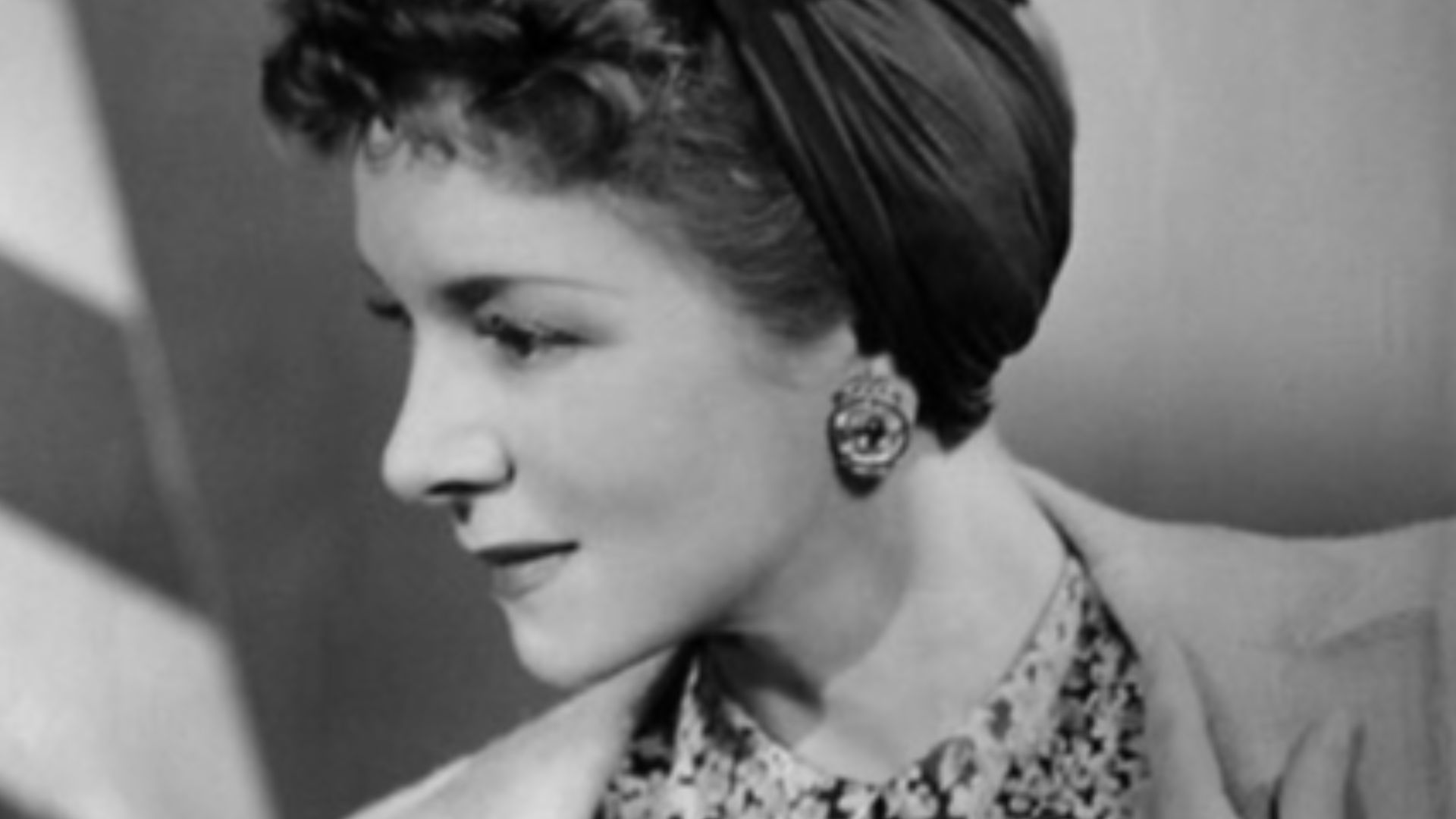 Unknown authorUnknown author, Wikimedia Commons
Hollywood Quickly Figured Out What To Do With Him
Tall, bald, bespectacled and blessed with a wonderfully authoritative voice, Deacon was practically built to play bureaucrats, bosses, neighbors and pompous authority figures. He started appearing in movies during the 50s, including Désirée, Invasion of the Body Snatchers and The Young Philadelphians.
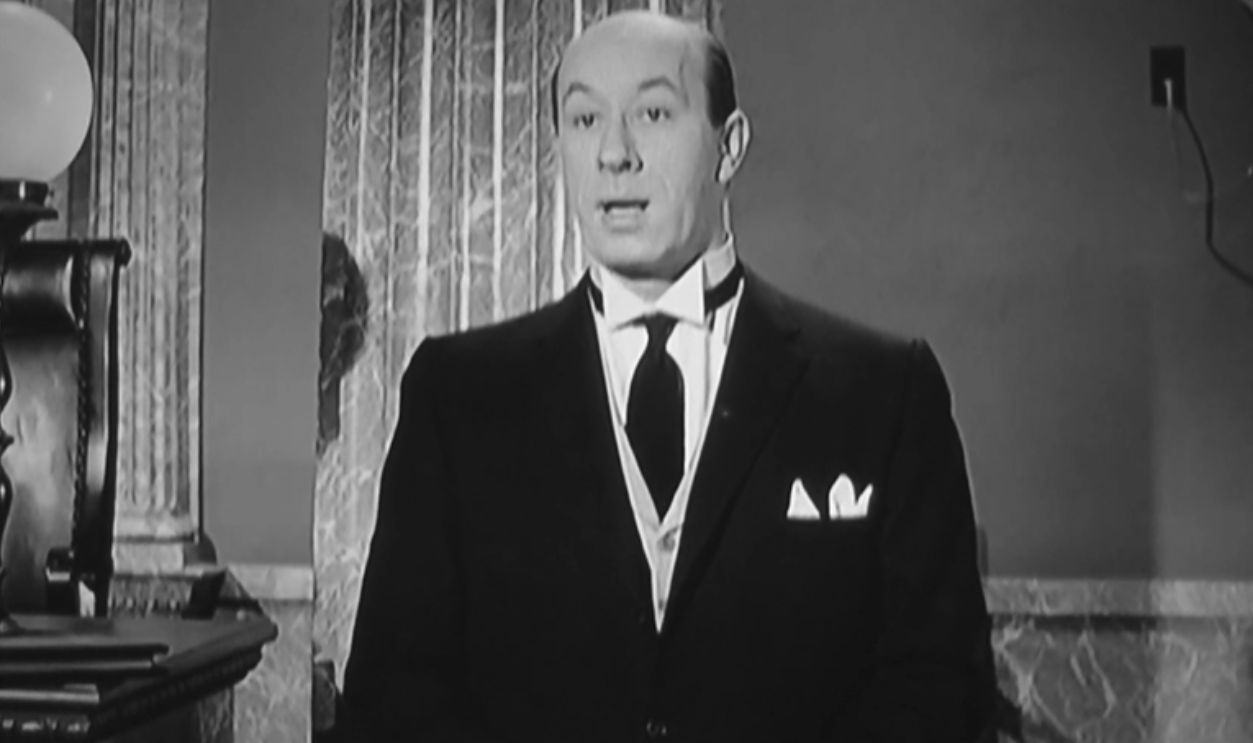 Screenshot from The Young Philadelphians, Warner Bros. (1959)
Then Came Fred Rutherford
Before Mel Cooley, television viewers knew Deacon as Fred Rutherford on Leave It to Beaver. Fred was Lumpy Rutherford's father and Ward Cleaver's frequently irritating associate. Deacon had already discovered his specialty: playing men who could get under everyone's skin while somehow remaining enormously entertaining.
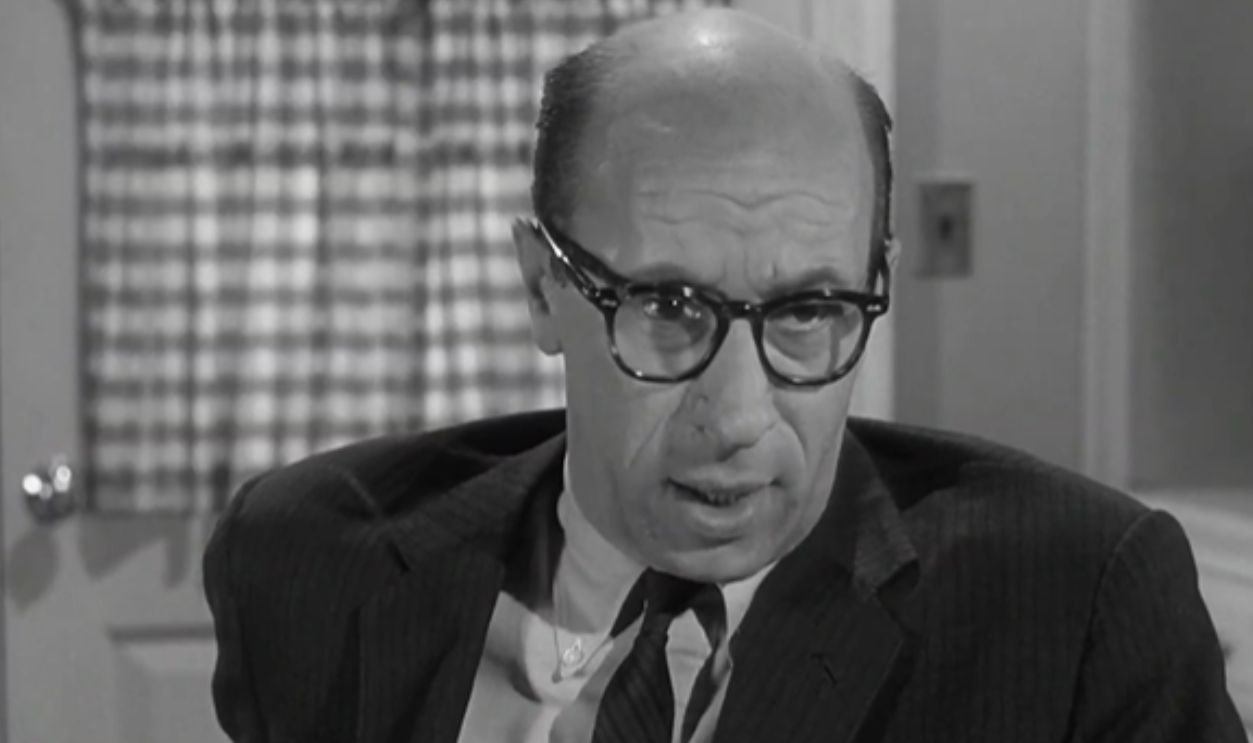 Screenshot from Leave It to Beaver, NBCUniversal Television Distribution (1957-1963)
And Then He Met Mel Cooley
In 1961, Deacon began playing Mel Cooley, producer of The Alan Brady Show and Alan Brady's long-suffering brother-in-law, on The Dick Van Dyke Show. It became the role that would follow him for the rest of his life.
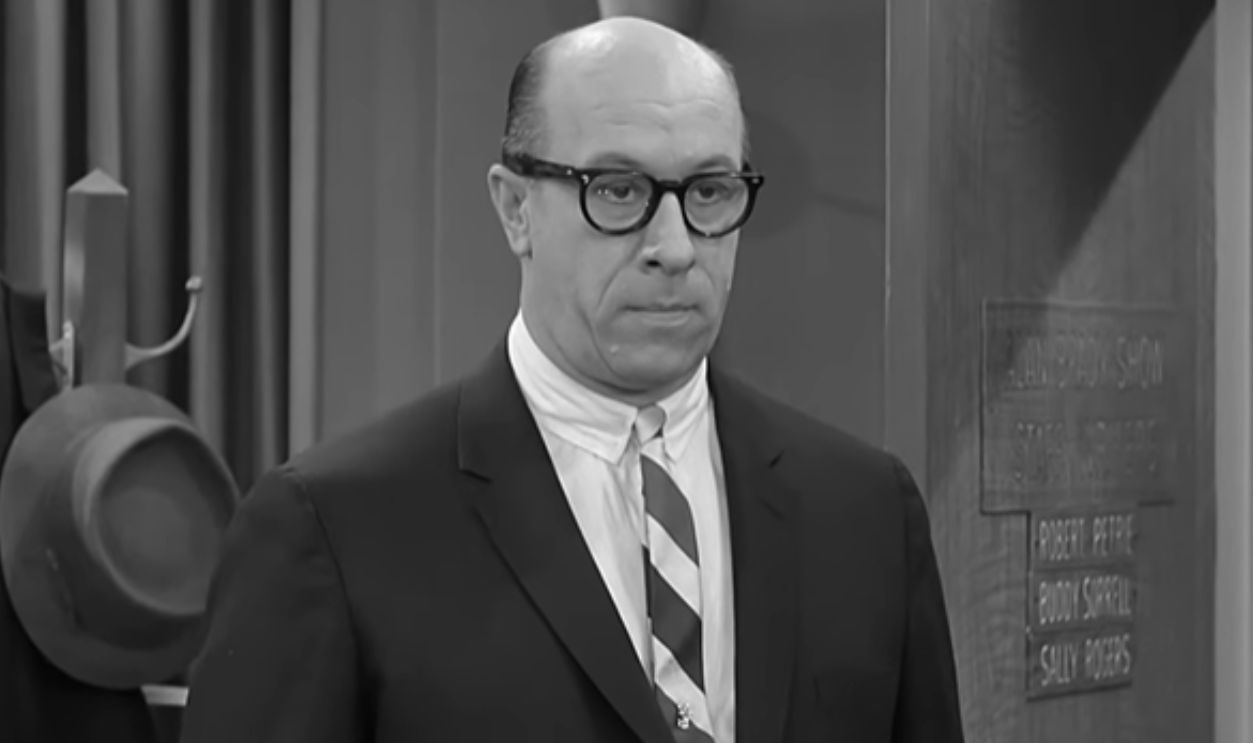 Screenshot from The Dick Van Dyke Show, FilmRise (1961-1966)
Buddy Sorrell Made His Life Miserable
Morey Amsterdam's Buddy Sorrell seemed to treat tormenting Mel as a full-time occupation. The jokes about Mel's bald head became one of the show's most reliable running gags. Deacon's brilliance was that he rarely tried too hard to be funny. His wounded reactions did most of the work.
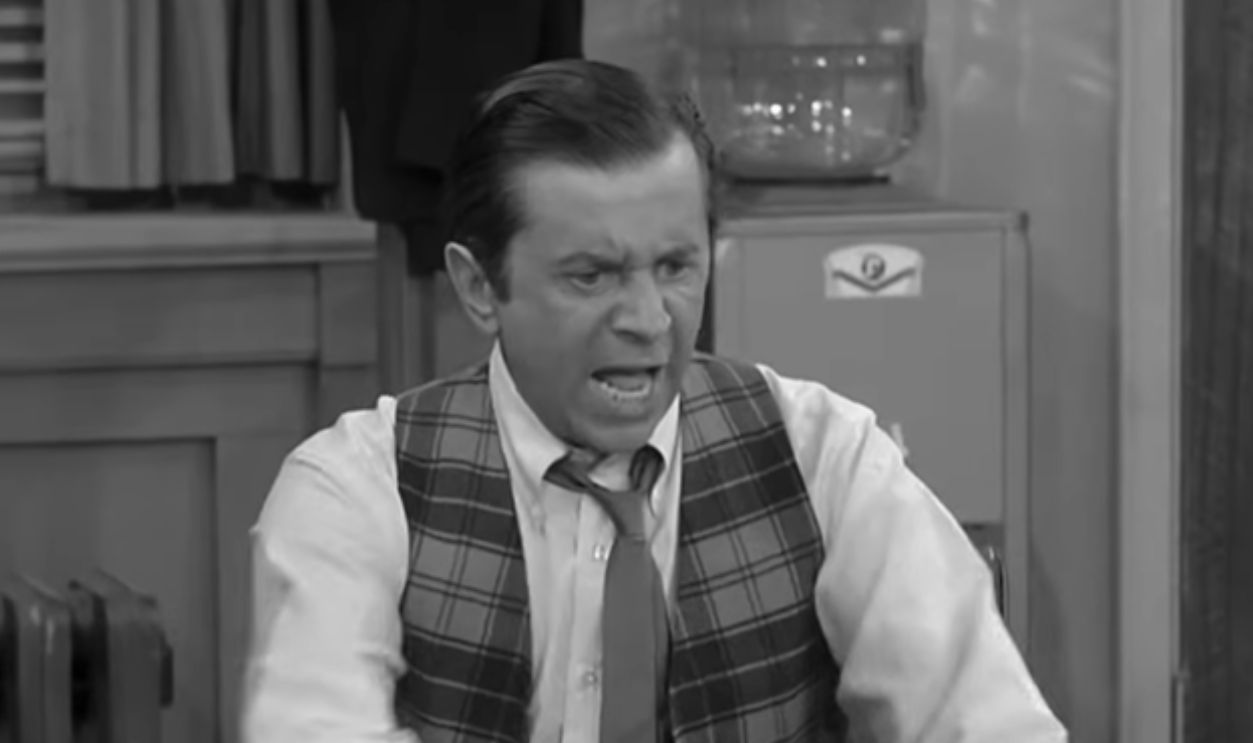 Screenshot from The Dick Van Dyke Show, FilmRise (1961-1966)
Audiences Started Confusing Richard With Mel
That is one of the occupational hazards of being a great character actor. Deacon played stuffy, humorless and sometimes downright unpleasant men so convincingly that viewers naturally associated those qualities with him. But people who actually knew Richard Deacon described someone remarkably different.
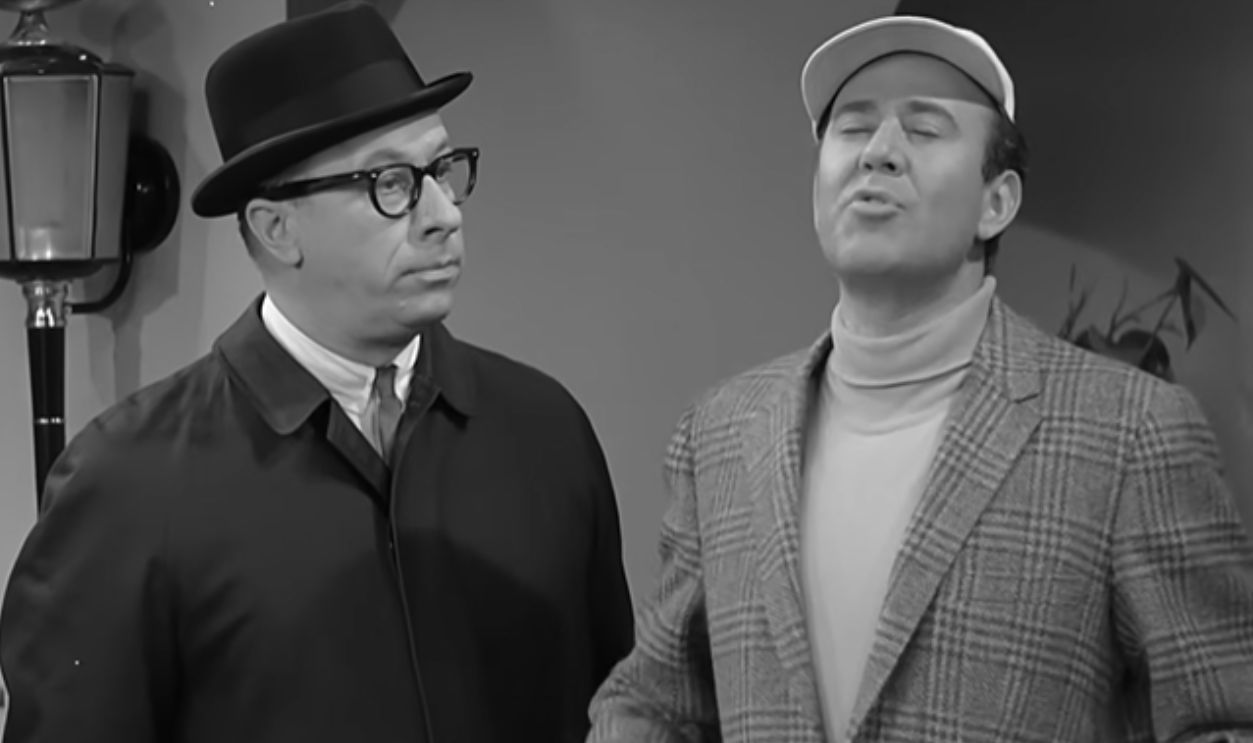 Screenshot from The Dick Van Dyke Show, FilmRise (1961-1966)
The Real Richard Was Almost The Opposite
After Deacon’s passing, his personal manager Robert Prete described him as one of the kindest men he had ever known. Rose Marie, who worked beside him on The Dick Van Dyke Show, remembered him as someone "very, very dear and very treasured."
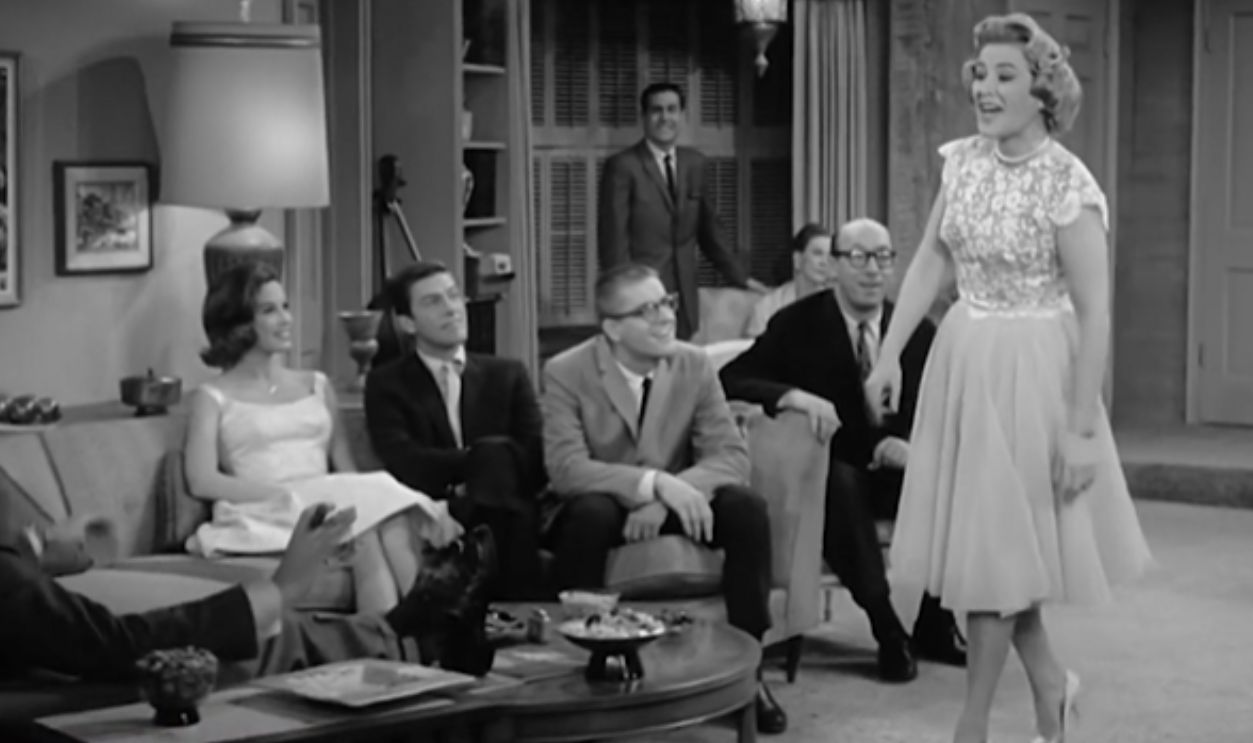 Screenshot from The Dick Van Dyke Show, FilmRise (1961-1966)
He Had A Completely Different Life Away From Acting
Deacon was also an accomplished cook, and not merely a celebrity attaching his name to somebody else's recipes. He wrote cookbooks, became particularly enthusiastic about microwave cooking and eventually hosted a Canadian television cooking program. His culinary career became surprisingly successful in its own right.
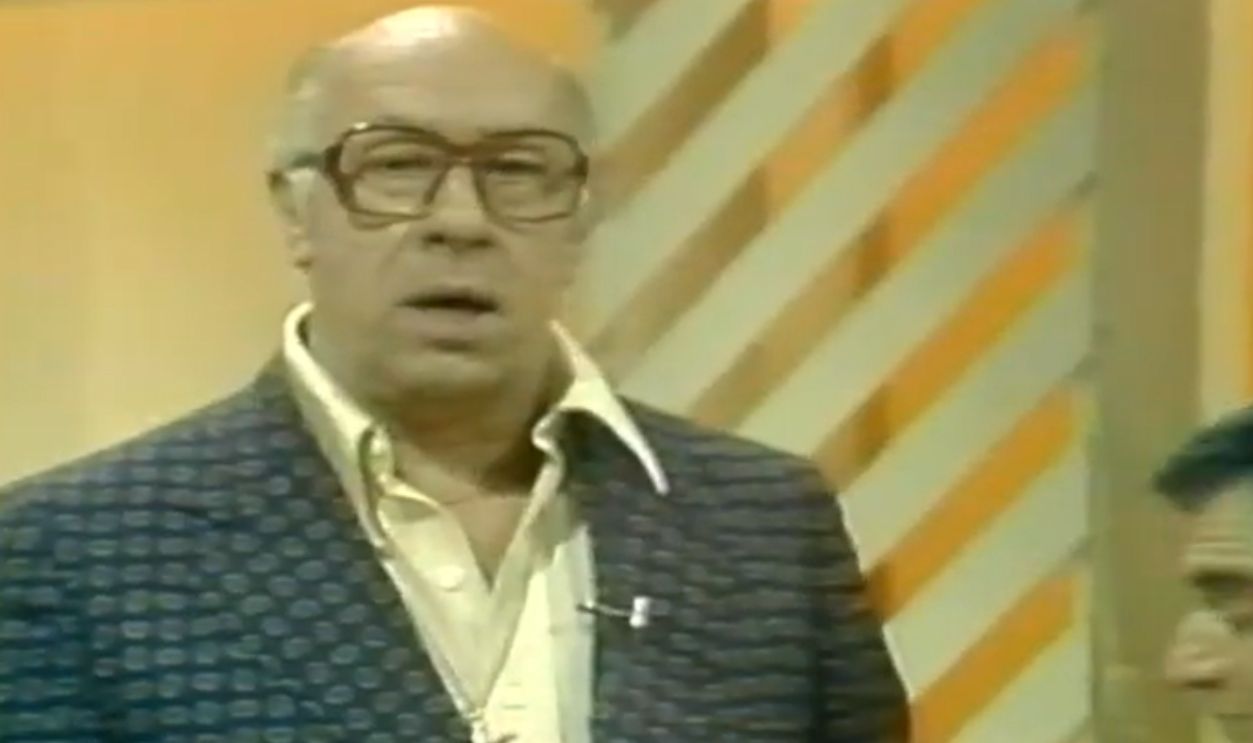 Screenshot from The Stan Kann Show, NBC (1966-1990s)
But There Was Something Else Viewers Didn't Know
For all his television exposure, Deacon remained extremely private about certain parts of his life. He never married, and his sexuality remained almost entirely outside the public image viewers knew. There was considerably more to Richard Deacon's personal story than audiences realized.
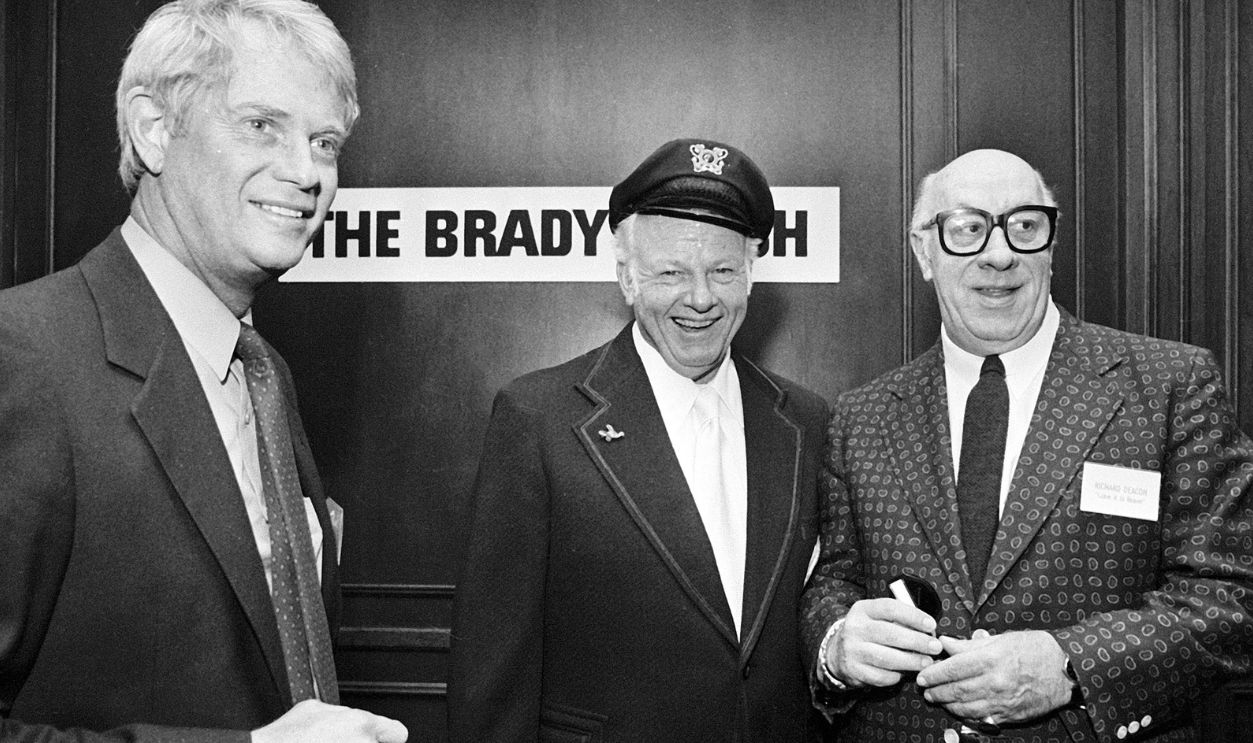
Richard Deacon Was Gay
What viewers didn't know was that Richard Deacon was gay. Historians have since identified him as one of the many gay performers who kept that part of their lives private while working in Hollywood. During Deacon's lifetime, most television viewers had no idea.
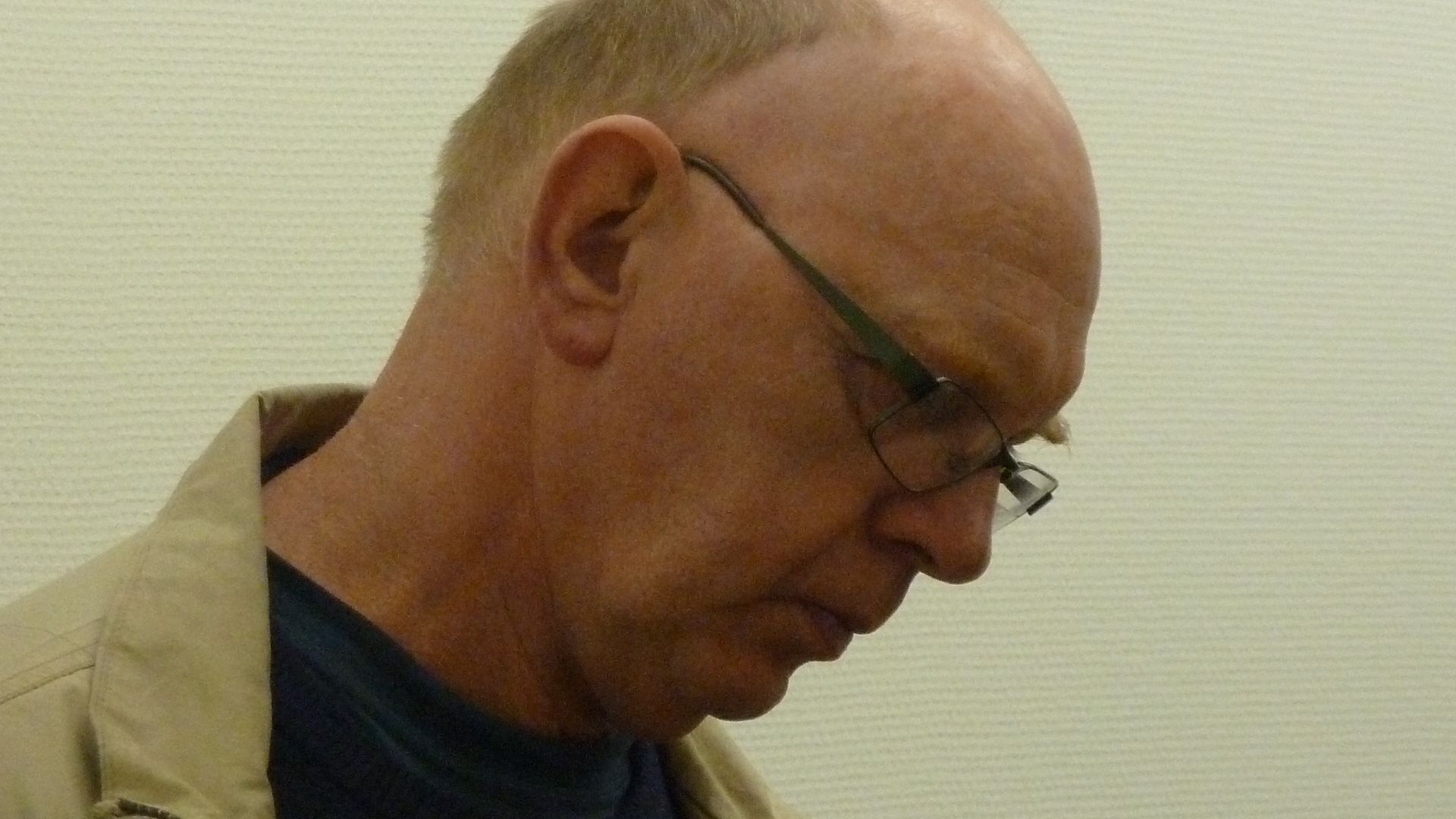
Hollywood Was A Very Different Place
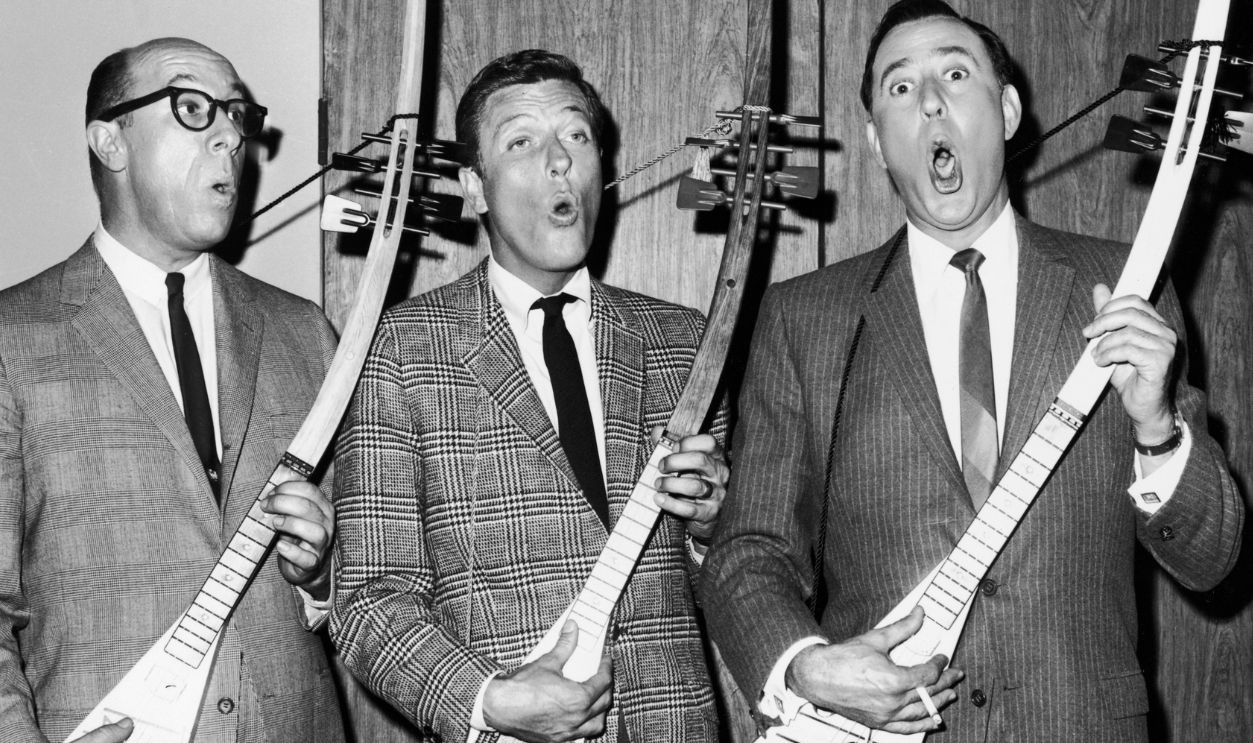
Being openly gay in Hollywood during the 50s and 60s could carry very real professional consequences. Actors often worked hard to separate their public image from their private lives. Deacon became enormously recognizable while still keeping one of the most personal parts of himself away from the audience.
 CBS Photo Archive, Getty Images
He Played Husbands And Fathers On Television
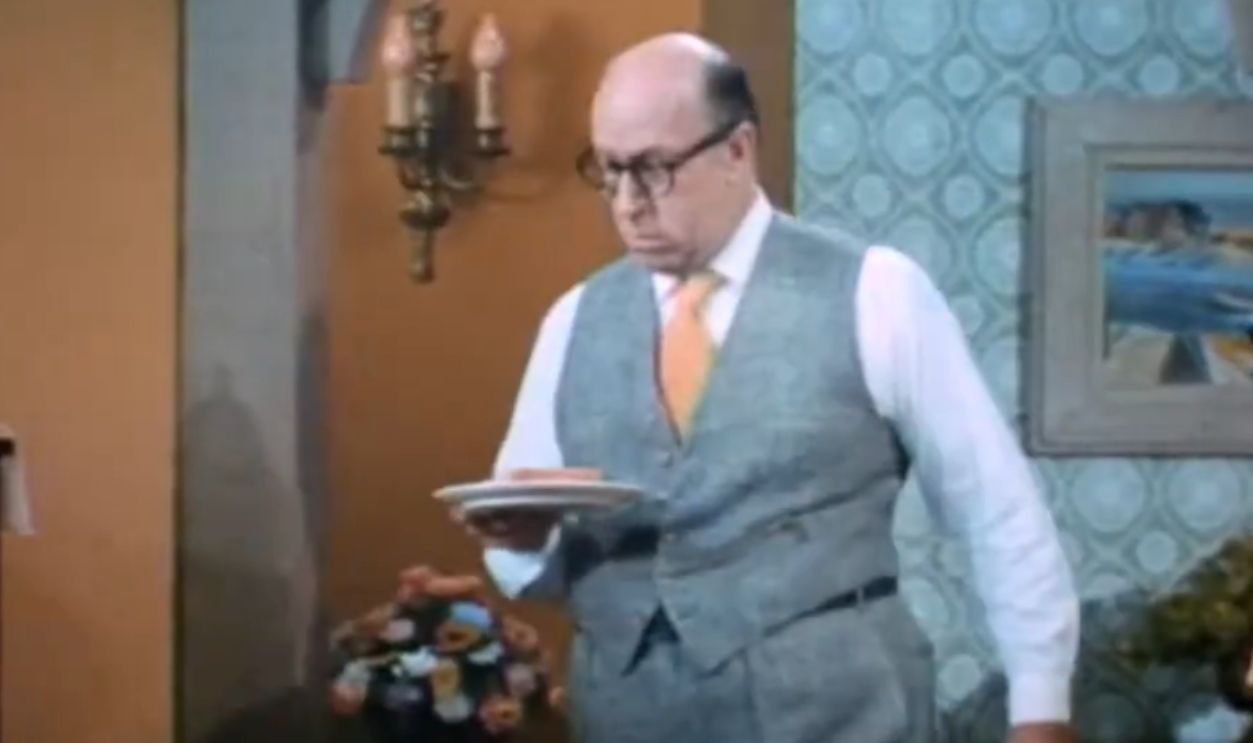
On television, Deacon kept playing the kind of conventional family man viewers expected to see in the 60s. Fred Rutherford was a married father. On The Mothers-in-Law, Deacon played Roger Buell, another husband and father. Offscreen, his own romantic life remained firmly out of the spotlight.
 Screenshot from The Mothers-in-Law, United Artists Television (1967-1969)
His Career Became Enormous
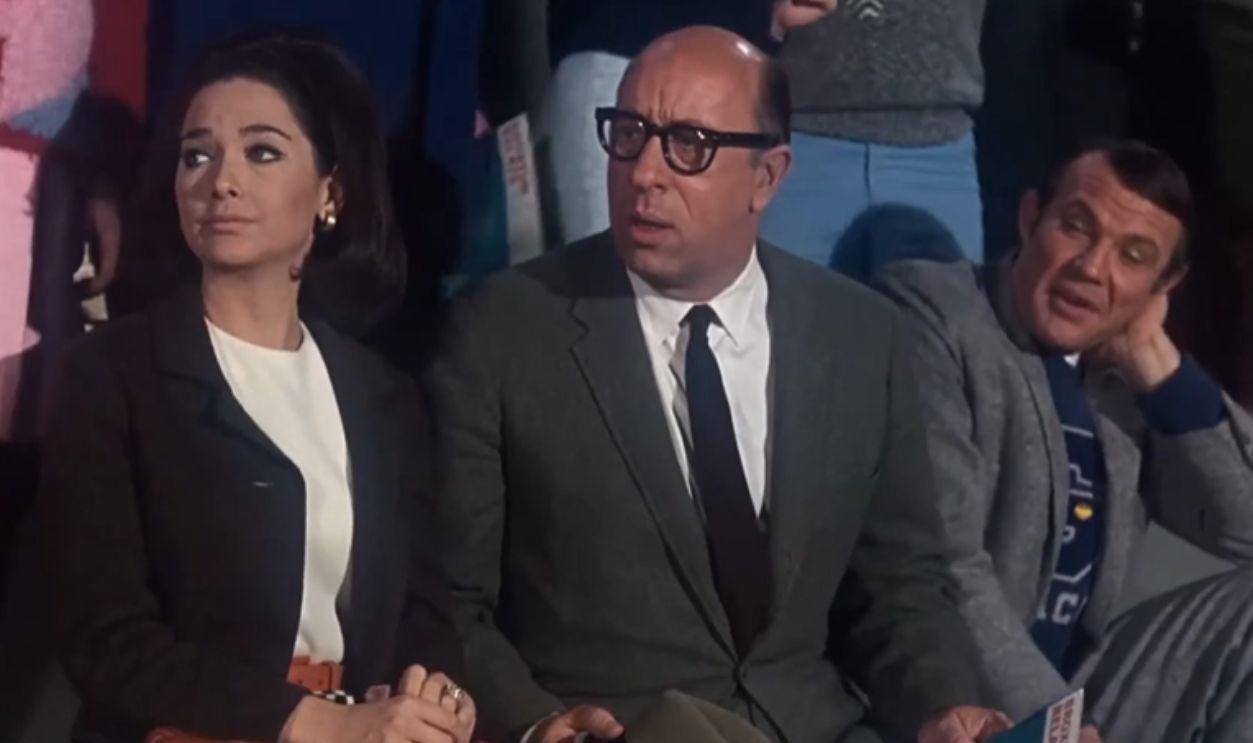
By the end of his life, Deacon's manager said the actor had appeared in more than 100 feature films and made roughly 1,000 television appearances over a career spanning about four decades. He had become one of those actors almost everyone recognized, even if they couldn't immediately remember his name.
 Screenshot from Blackbeard's Ghost, Buena Vista Distribution Company (1968)
But There Was One Regret He Couldn't Quite Escape
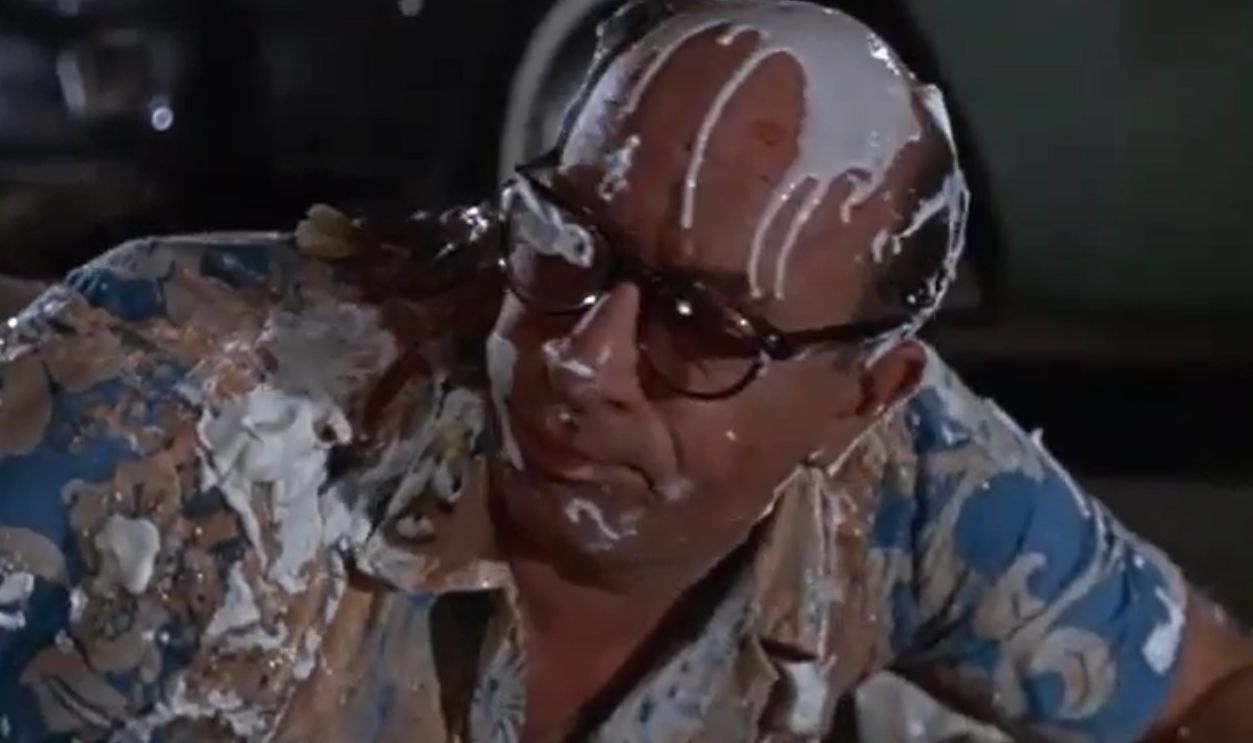
For all that success, Deacon apparently wasn't completely satisfied with the career Hollywood had given him. According to his manager, there was one professional regret that remained with him: he wished he had been given more opportunities to play sensitive characters.
 Screenshot from That Darn Cat, Walt Disney Productions (1965)
Hollywood Had Put Him In A Box
The same look that made Deacon instantly recognizable also limited him. Producers saw the glasses, bald head, imposing voice and perfect deadpan delivery and knew exactly what kind of character they wanted him to play. Deacon could do it brilliantly. He simply wanted the chance to show audiences something more.
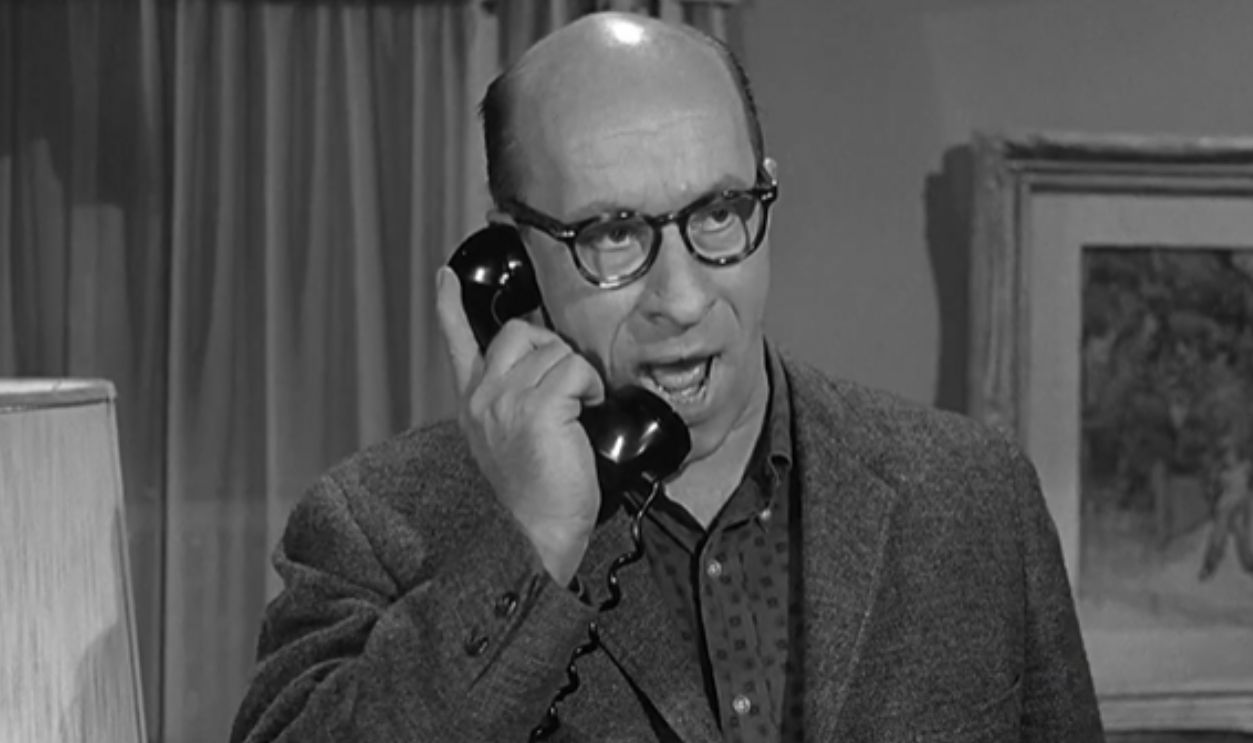 Screenshot from Leave It to Beaver, NBCUniversal Television Distribution (1957-1963)
One Role Meant More To Him Than Fans Might Expect
Interestingly, Deacon's manager said the actor was especially proud of his work in the 1954 historical drama Désirée, starring Marlon Brando and Jean Simmons. It was far removed from Mel Cooley and offered a glimpse of the more serious acting Deacon wished he had been allowed to explore.
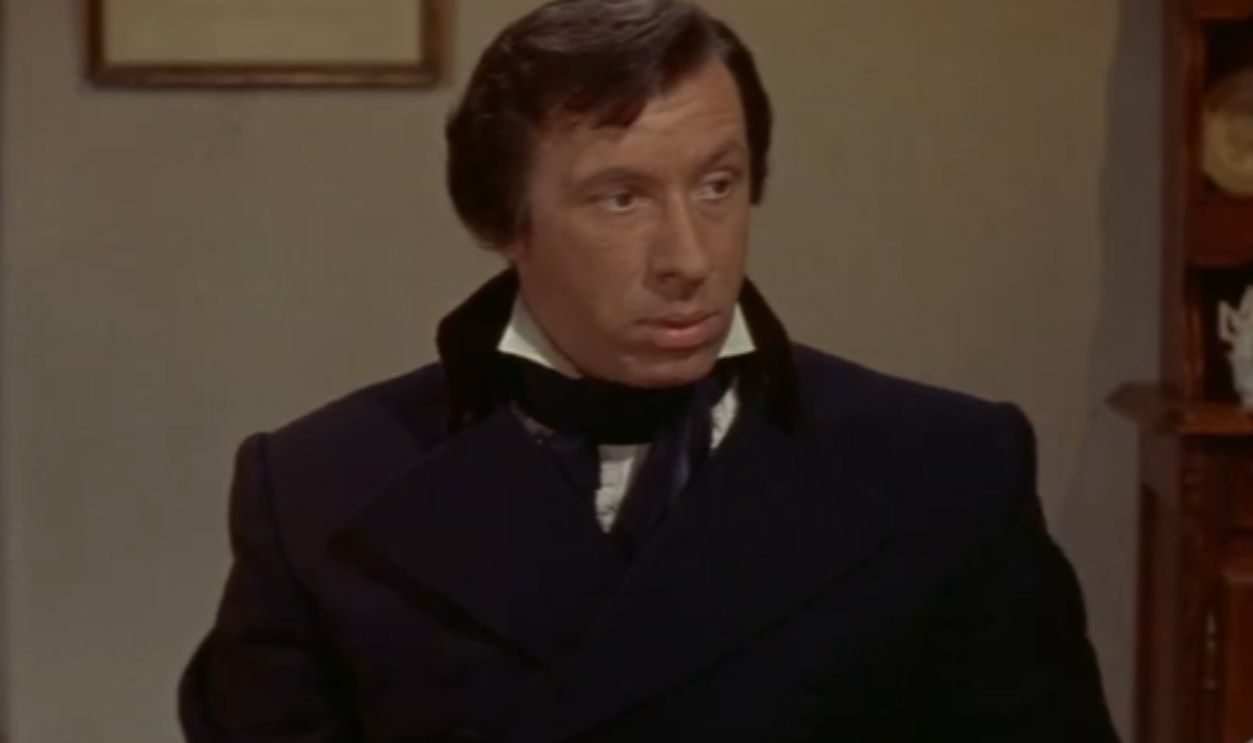 Screenshot from Désirée, 20th Century Fox (1954)
He Never Stopped Working
Even decades after first appearing on television, Deacon remained busy. In 1983, he returned as Fred Rutherford for the television movie Still the Beaver. The project was then turned into an ongoing series, and Deacon was expected to return when production resumed.
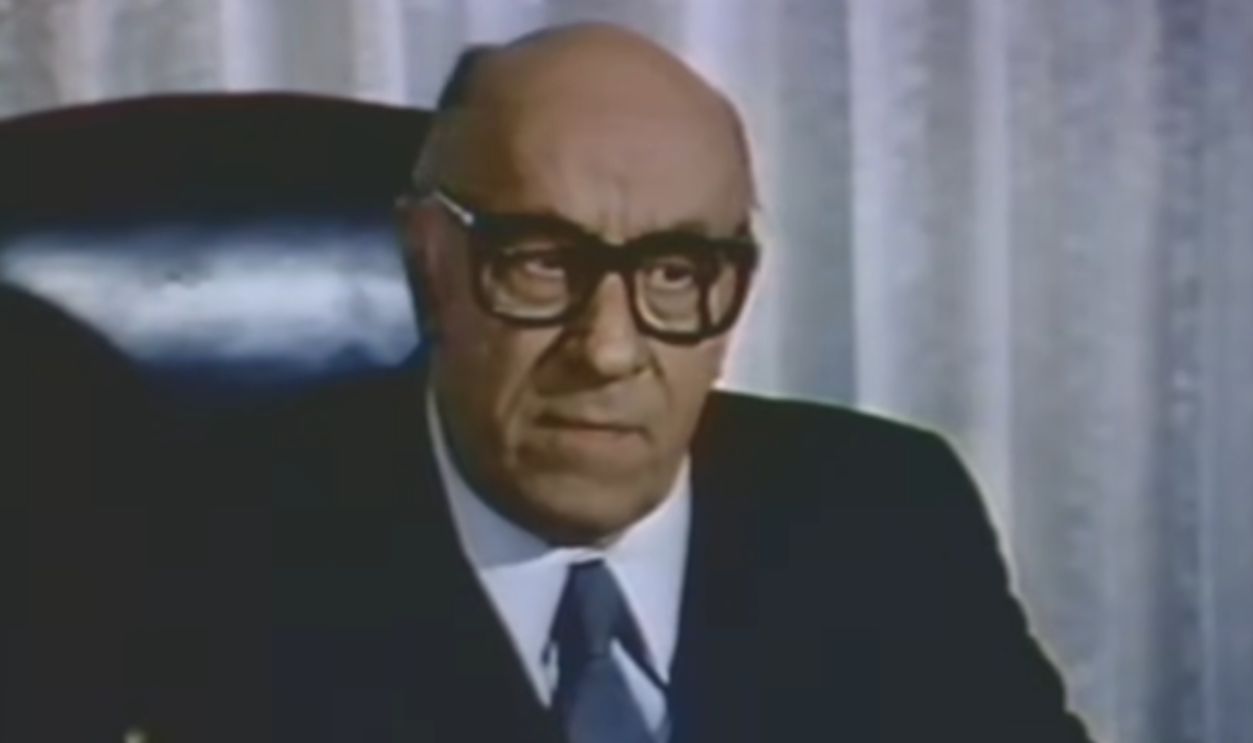 Screenshot from Still the Beaver, CBS (1983)
He Was Supposed To Be Back On Set Within Weeks
Production on the new Still the Beaver series was reportedly scheduled to begin in September 1984. Deacon never made it. On August 8, just weeks before he was expected back at work, everything suddenly changed.
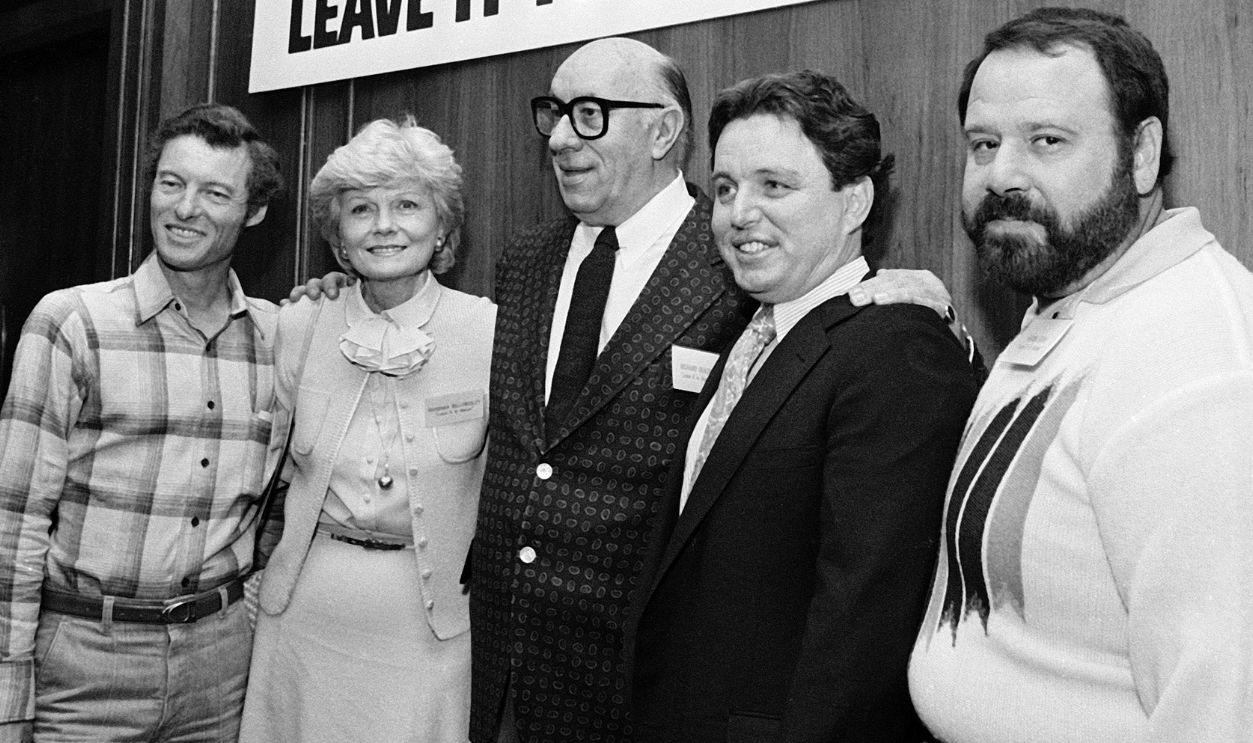
Then Everything Changed
Deacon summoned paramedics to his Beverly Hills home and was taken to Cedars-Sinai Medical Center, where his life came to an end after an apparent heart attack. He was only 62, and an acting career that had produced hundreds upon hundreds of familiar appearances had suddenly come to an end.
 Jorobeq at English Wikipedia, Wikimedia Commons
He Didn't Want A Traditional Goodbye
Even Deacon's final arrangements reflected the intensely private man his friends knew. His manager said Deacon had not wanted a funeral. He was cremated, with plans for his ashes to be scattered at sea. Friends instead arranged a memorial tribute to celebrate his life and career.
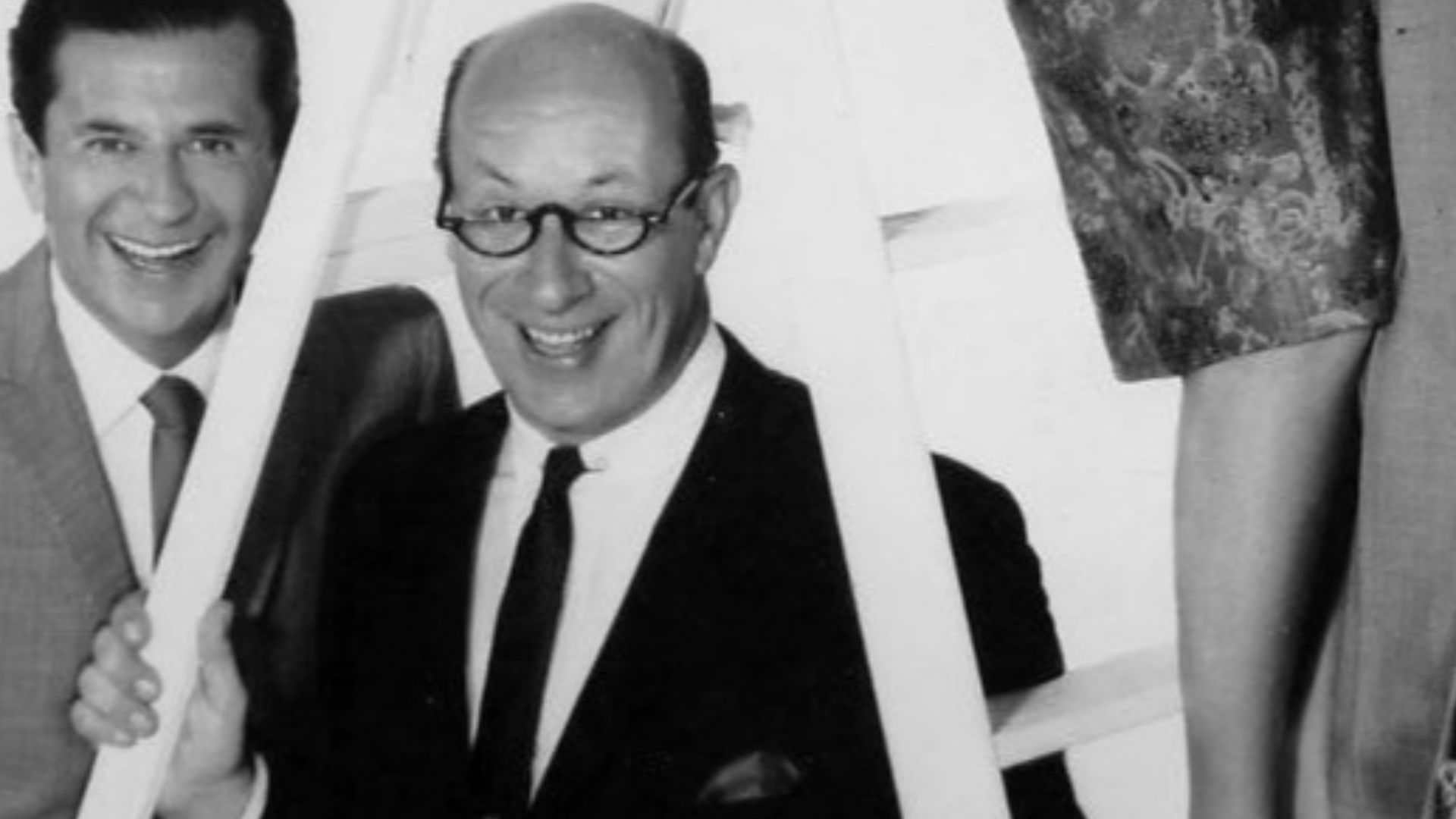 Rogers & Cowan (publicity agency), Beverly Hills., Wikimedia Commons
There Was So Much More Behind Those Glasses
Richard Deacon spent decades making audiences laugh by playing men who were stuffy, irritable and frequently impossible. Behind the scenes was a far more complicated man: intensely private, talented far beyond the roles Hollywood kept handing him, and quietly wishing audiences had been allowed to see more of what he could really do.
You Might Also Like:
The Toughest Women In Classic Westerns. How Many Do You Remember?
Ray Walston was America’s Favorite Martian—and landed again in Fast Times at Ridgemont High.