Much More Than A Martian
Ray Walston became a television icon as the eccentric extraterrestrial Uncle Martin in My Favorite Martian, then won over another generation as Mr. Hand in Fast Times at Ridgemont High (1982). But those famous roles barely capture a remarkable seven-decade career encompassing Broadway triumphs, classic Hollywood films, and two late-career Emmy Awards.
 CBS Television, Wikimedia Commons
A Mississippi Beginning
Herman Ray Walston was born November 2, 1914, in Laurel, Mississippi, although some older biographies incorrectly placed his birth in New Orleans. The youngest of three children, he grew up in the South and discovered acting early, beginning with tiny parts in local theatrical productions.
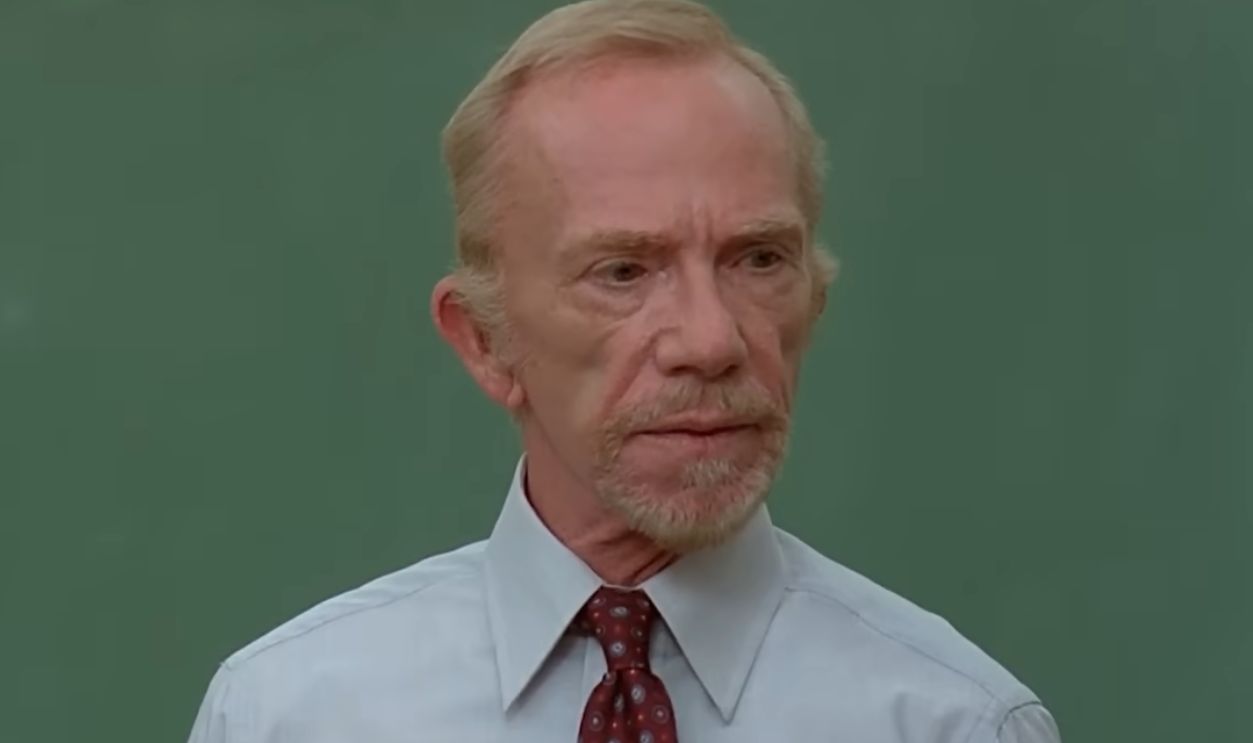 Screenshot from Fast Times at Ridgemont High, Universal Pictures (1982)
Starting At The Bottom
Walston’s earliest theatrical work was hardly glamorous. He appeared as a spear carrier and took small roles with stock companies while also selling tickets and cleaning theater floors. Those humble jobs gave him something invaluable: years of practical experience learning how professional theater worked from every possible angle.
 Screenshot from Fast Times at Ridgemont High, Universal Pictures (1982)
Learning His Craft
After his family moved to Texas, Walston joined the theatrical world surrounding pioneering director Margo Jones. He spent approximately six years at Houston’s Civic Theater, reportedly averaging about a dozen roles annually. The extraordinary workload allowed the young actor to experiment with comedy, drama, and character parts.
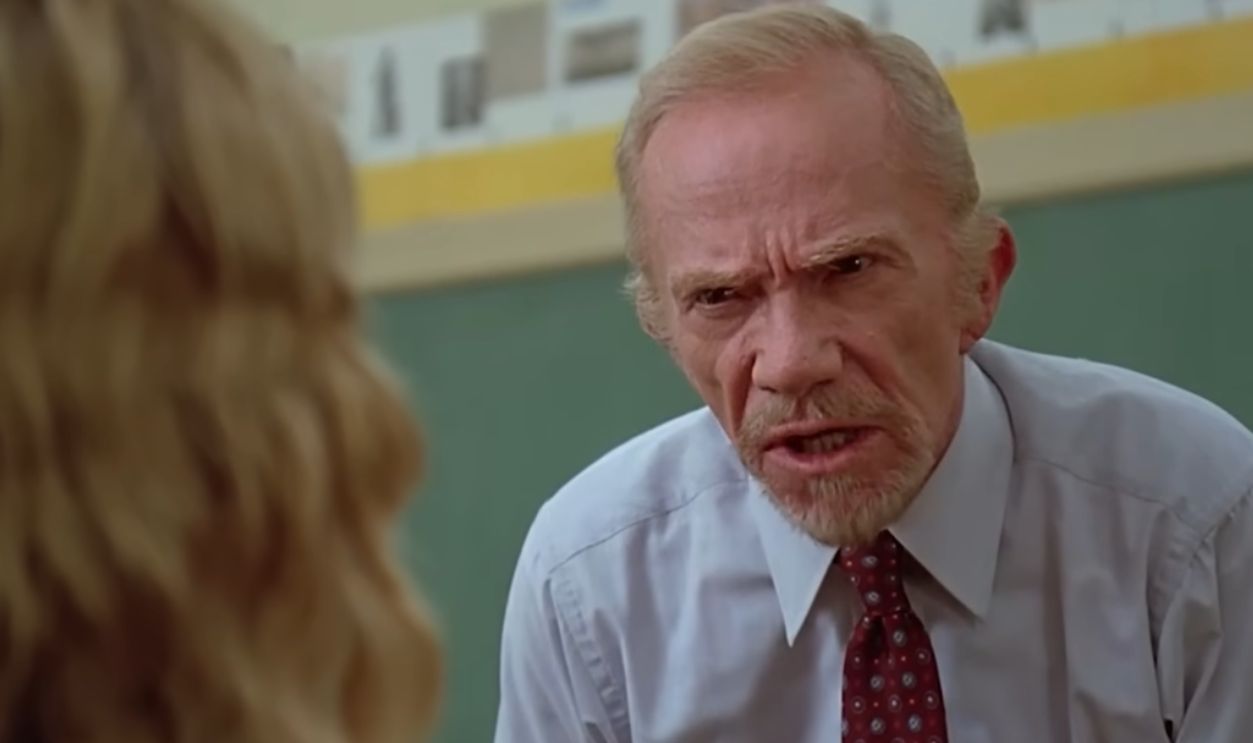 Screenshot from Fast Times at Ridgemont High, Universal Pictures (1982)
Cleveland Changes Everything
Walston followed his theatrical ambitions to Ohio and spent three important years with the Cleveland Play House. He eventually appeared in more than 20 productions there. By the time he departed for New York, he was no inexperienced hopeful but a seasoned repertory actor capable of handling demanding material.
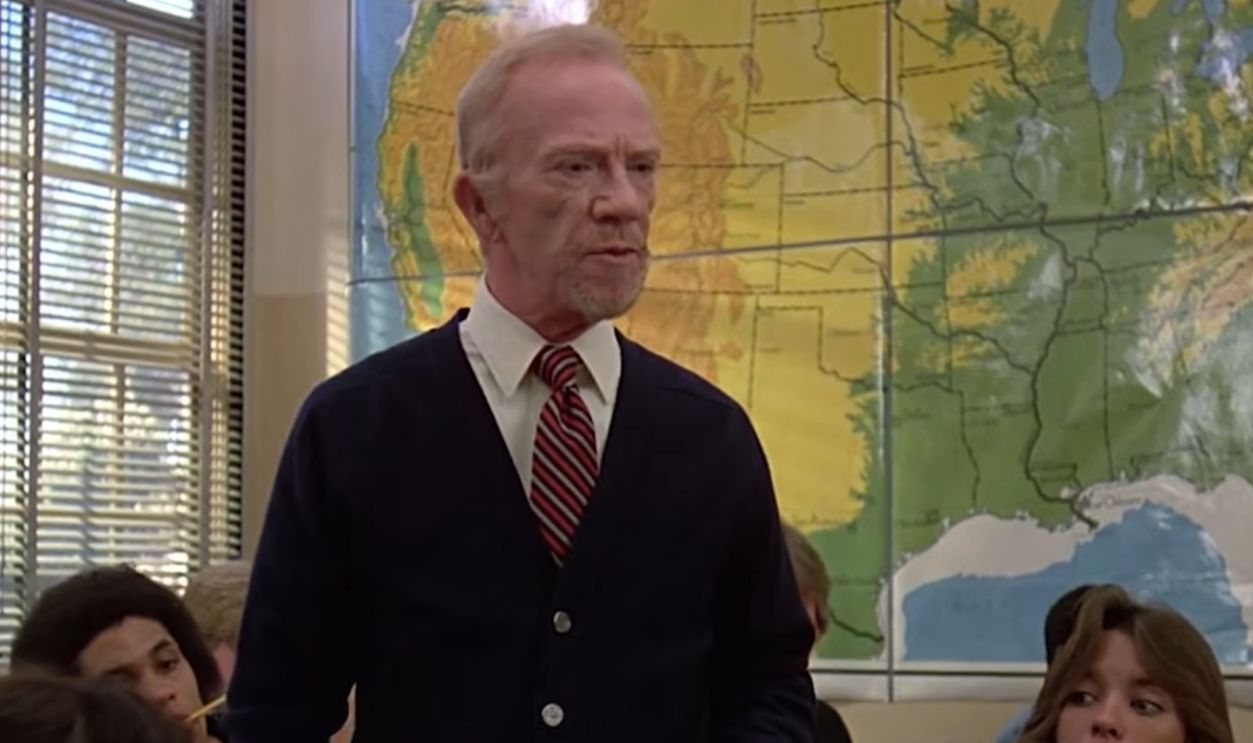 Screenshot from Fast Times at Ridgemont High, Universal Pictures (1982)
Ruth Was Beside Him
Before Broadway stardom arrived, Walston married Ruth Calvert on November 3, 1943. Their marriage would endure for the remainder of his life, an unusually long partnership by entertainment-industry standards. They had one daughter, Katharine Ann, and eventually became grandparents to two girls.
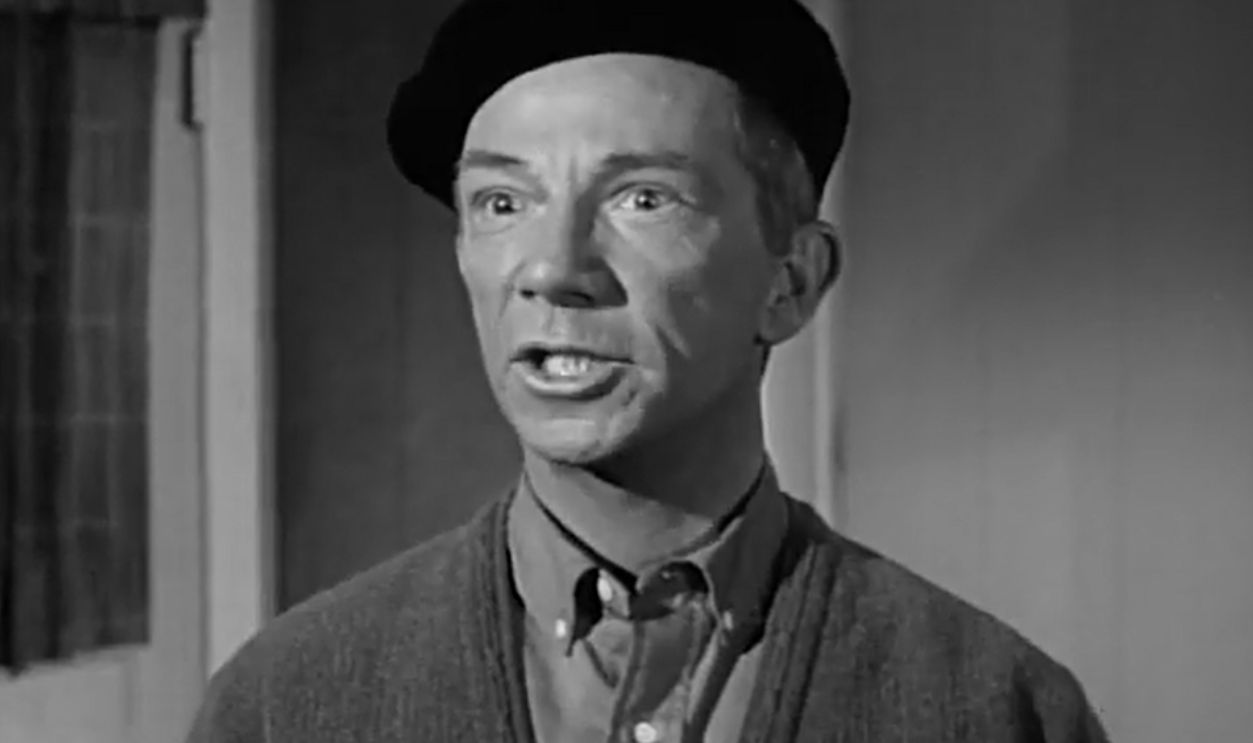 Screenshot from My Favorite Martian, CBS (1963–1966)
Broadway Beckons
Walston reached New York and made his Broadway debut in Maurice Evans’s production of Hamlet in 1945, working as an ensemble player and understudy. He subsequently appeared in The Front Page, The Insect Comedy, and Tennessee Williams’s Summer and Smoke, steadily building an impressive theatrical reputation.
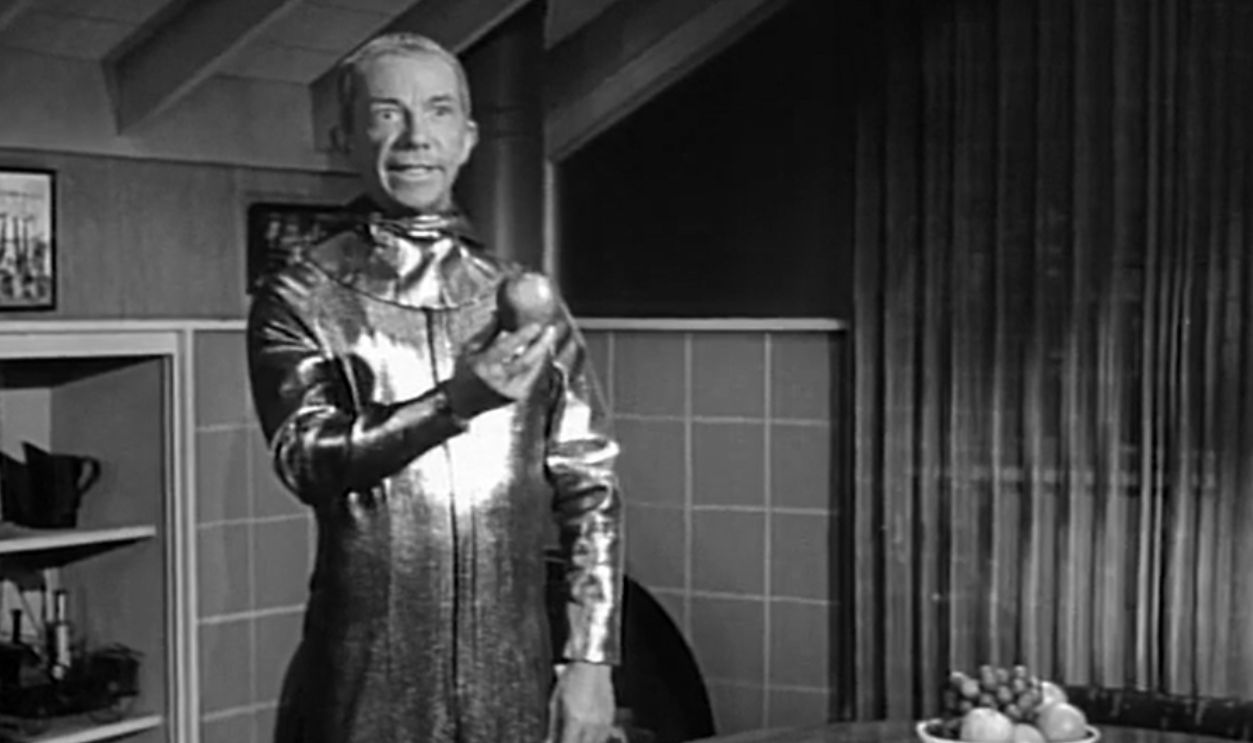 Screenshot from My Favorite Martian, CBS (1963–1966)
Becoming An Actor’s Actor
In 1948, Walston became one of the early members admitted to the newly established Actors Studio. His Broadway work continued with productions including Richard III. Director George Abbott also noticed him, beginning an association that would eventually provide Walston with the defining theatrical role of his career.
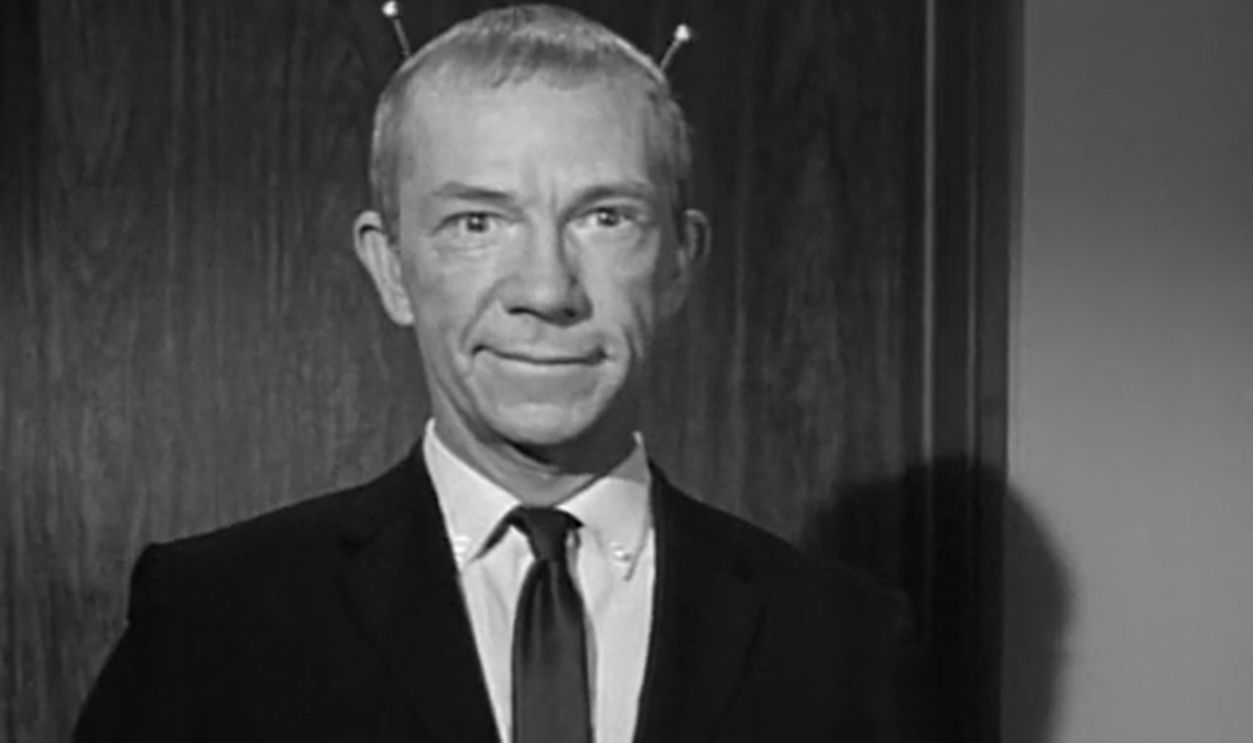 Theatre Magazine Company; Wide World, photographer, Wikimedia Commons
Heading For The South Pacific
Walston’s versatility became increasingly apparent when he played the scheming Seabee Luther Billis in the London production of Rodgers and Hammerstein’s South Pacific beginning in 1951. The comic role suited him beautifully, and he would later become one of the few stage performers chosen for the movie adaptation.
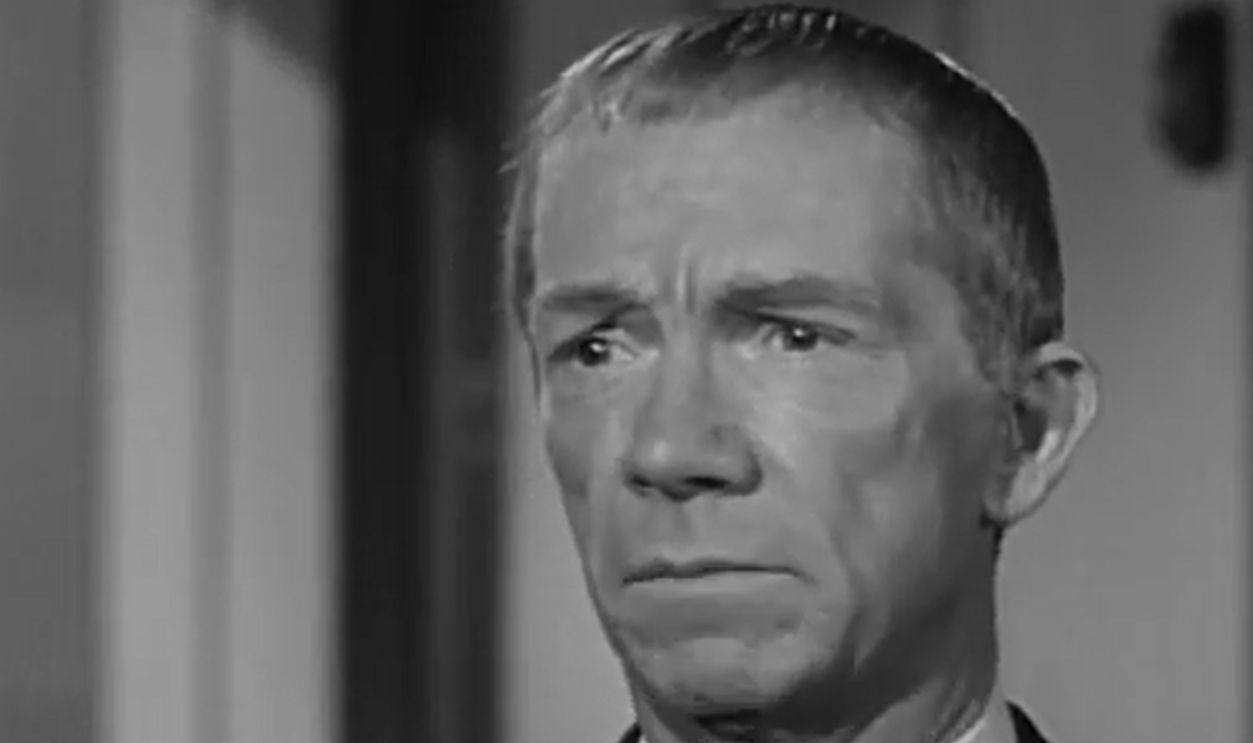 Screenshot from My Favorite Martian, CBS (1963–1966)
Broadway Keeps Calling
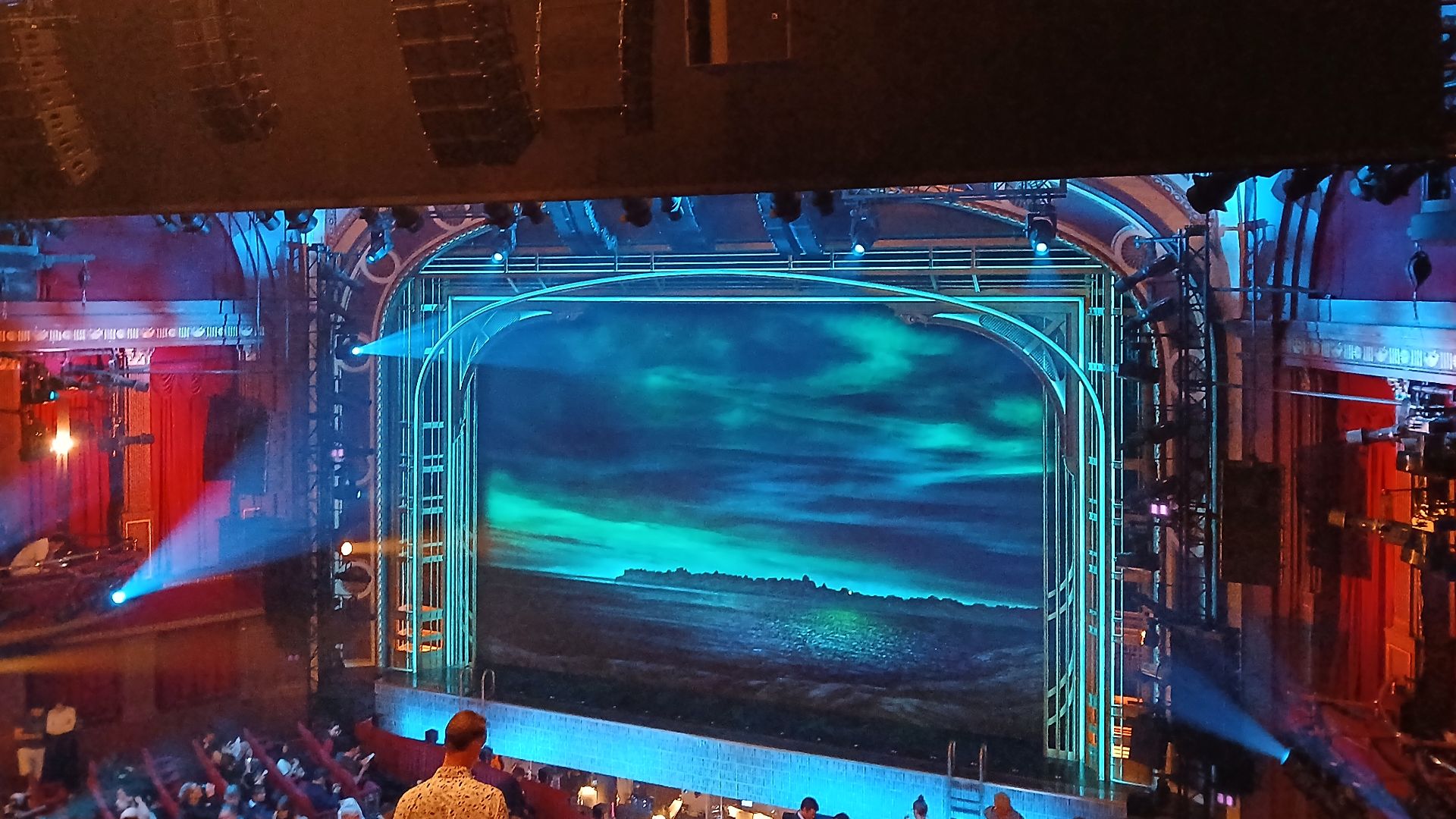
Walston returned to Broadway and remained busy throughout the early 1950s. Among his credits was Rodgers and Hammerstein’s Me and Juliet, in which he portrayed stage manager Mac. By then, Walston had developed a reputation as an unusually dependable character actor who could command attention without conventional leading-man looks.
The Devilish Role
George Abbott cast Walston as the devilish Mr. Applegate in the 1955 Broadway musical Damn Yankees. Opposite Gwen Verdon’s seductive Lola and Stephen Douglass’s Joe Hardy, Walston turned Satan into a wonderfully mischievous showman, helping make the production one of Broadway’s major musical successes of the decade.
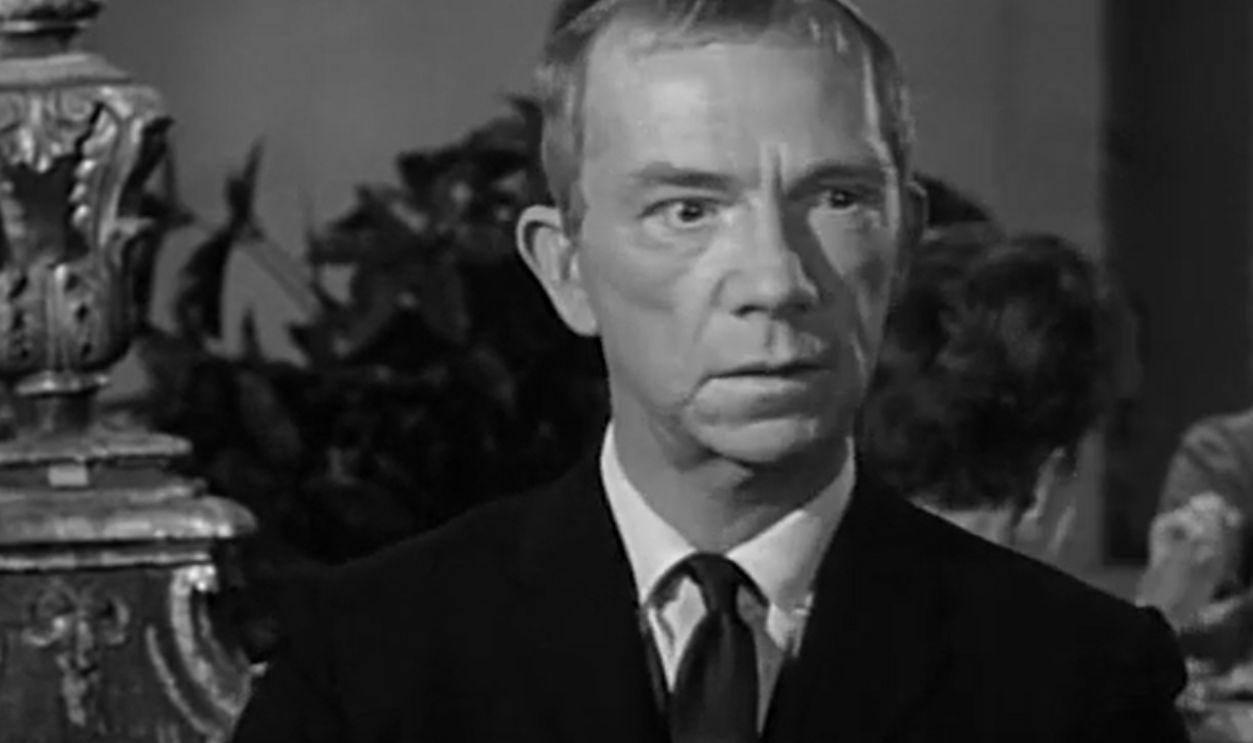 Screenshot from My Favorite Martian, CBS (1963–1966)
A Tony Award Winner
Walston’s performance in Damn Yankees brought the hardworking stage veteran his greatest professional recognition yet. At the 1956 Tony Awards, he won Best Actor in a Musical. Verdon also won, while Bob Fosse received the choreography prize and the enormously successful production captured Best Musical.
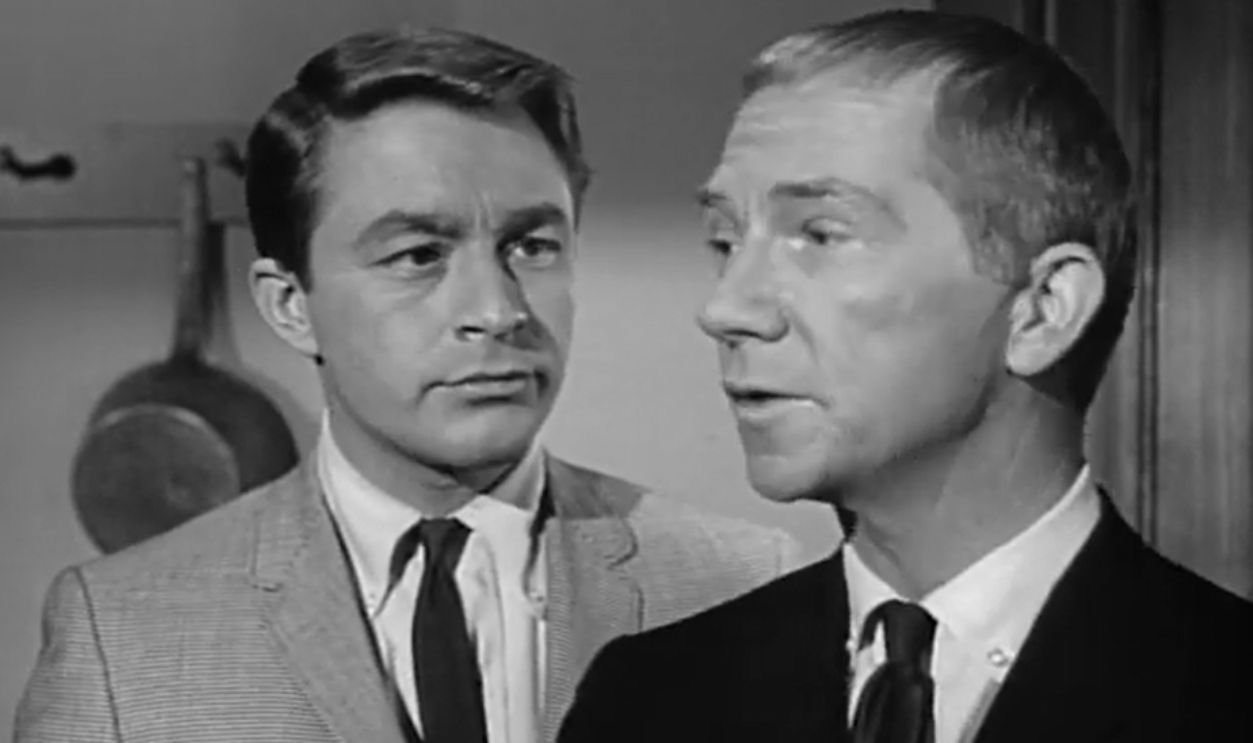 Screenshot from My Favorite Martian, CBS (1963–1966)
Hollywood Comes Calling
Walston’s Broadway reputation opened doors in movies. He appeared with Cary Grant and Jayne Mansfield in director Stanley Donen’s Kiss Them for Me (1957), then recreated Luther Billis in Joshua Logan’s lavish South Pacific (1958), starring Mitzi Gaynor and Rossano Brazzi and based on the Rodgers and Hammerstein musical.
 20th Century Fox, 1957. Photographer not credited. Studio publicity., Wikimedia Commons
Playing The Devil Again
That same year, Walston returned to one of his greatest roles in George Abbott and Stanley Donen’s Damn Yankees (1958). Gwen Verdon also recreated her Broadway role as Lola, while Tab Hunter played Joe Hardy. Walston’s sly Mr. Applegate translated effortlessly from Broadway stage to Hollywood screen.

Billy Wilder Comes Calling
Walston joined Jack Lemmon, Shirley MacLaine, and Fred MacMurray in Billy Wilder’s celebrated film The Apartment (1960). As philandering executive Joe Dobisch, Walston had a supporting role, but appearing in the eventual Best Picture Oscar winner placed him squarely inside one of Hollywood’s enduring classics.
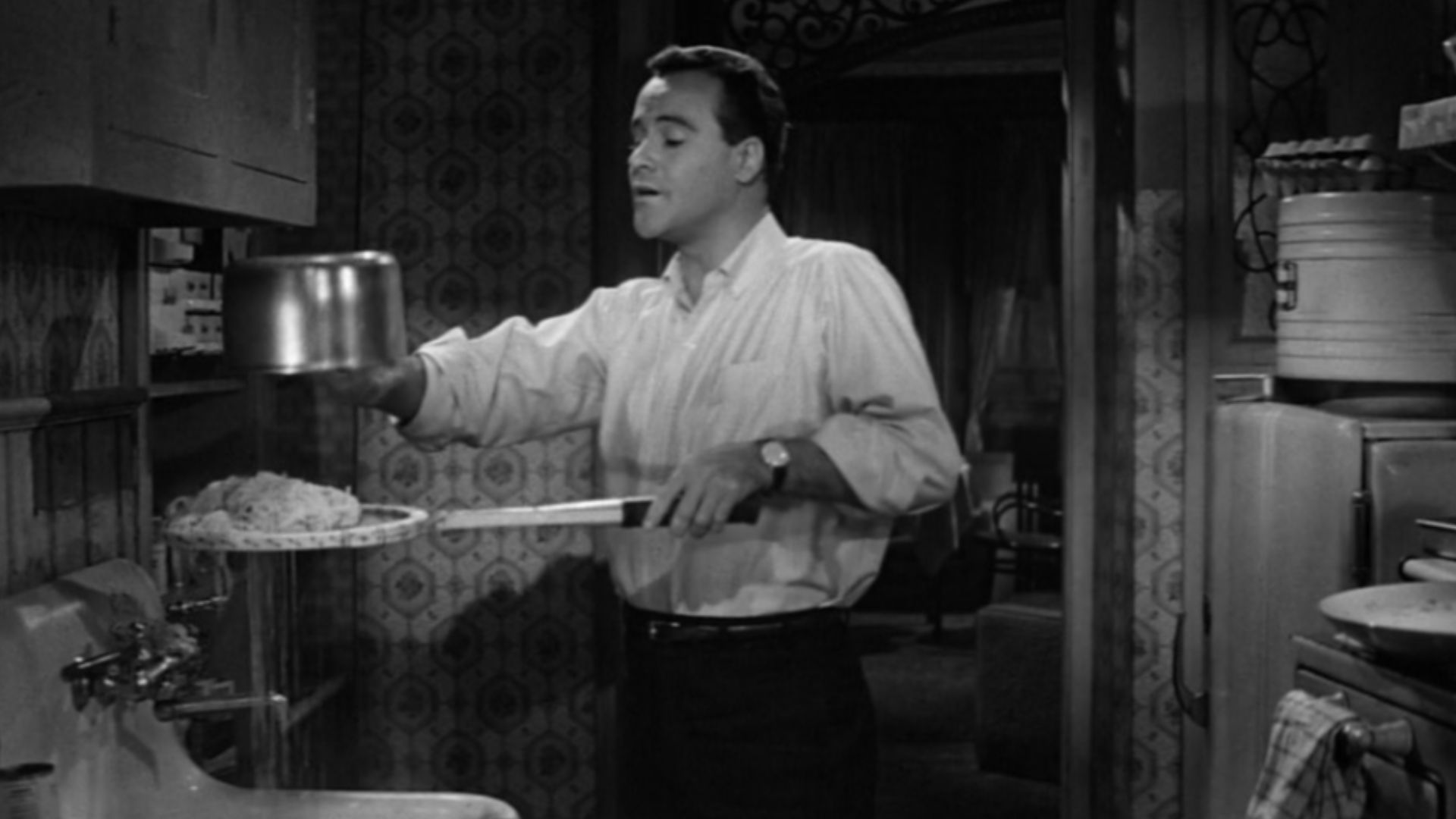 Billy Wilder / United Artists / Mirish Corporation, Wikimedia Commons
A Martian Lands
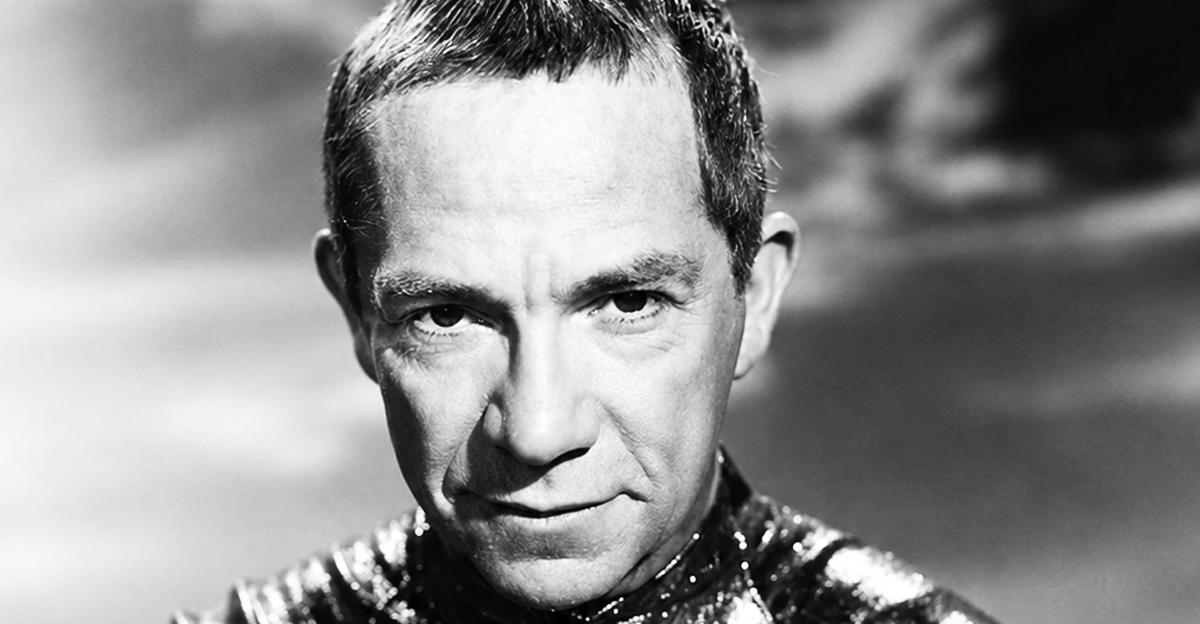
Television transformed Walston’s public identity in 1963 when he was cast as Uncle Martin in My Favorite Martian. Created by John L. Greene and produced by Jack Chertok, the sitcom paired Walston’s stranded extraterrestrial with young newspaper reporter Tim O’Hara, played by Bill Bixby.
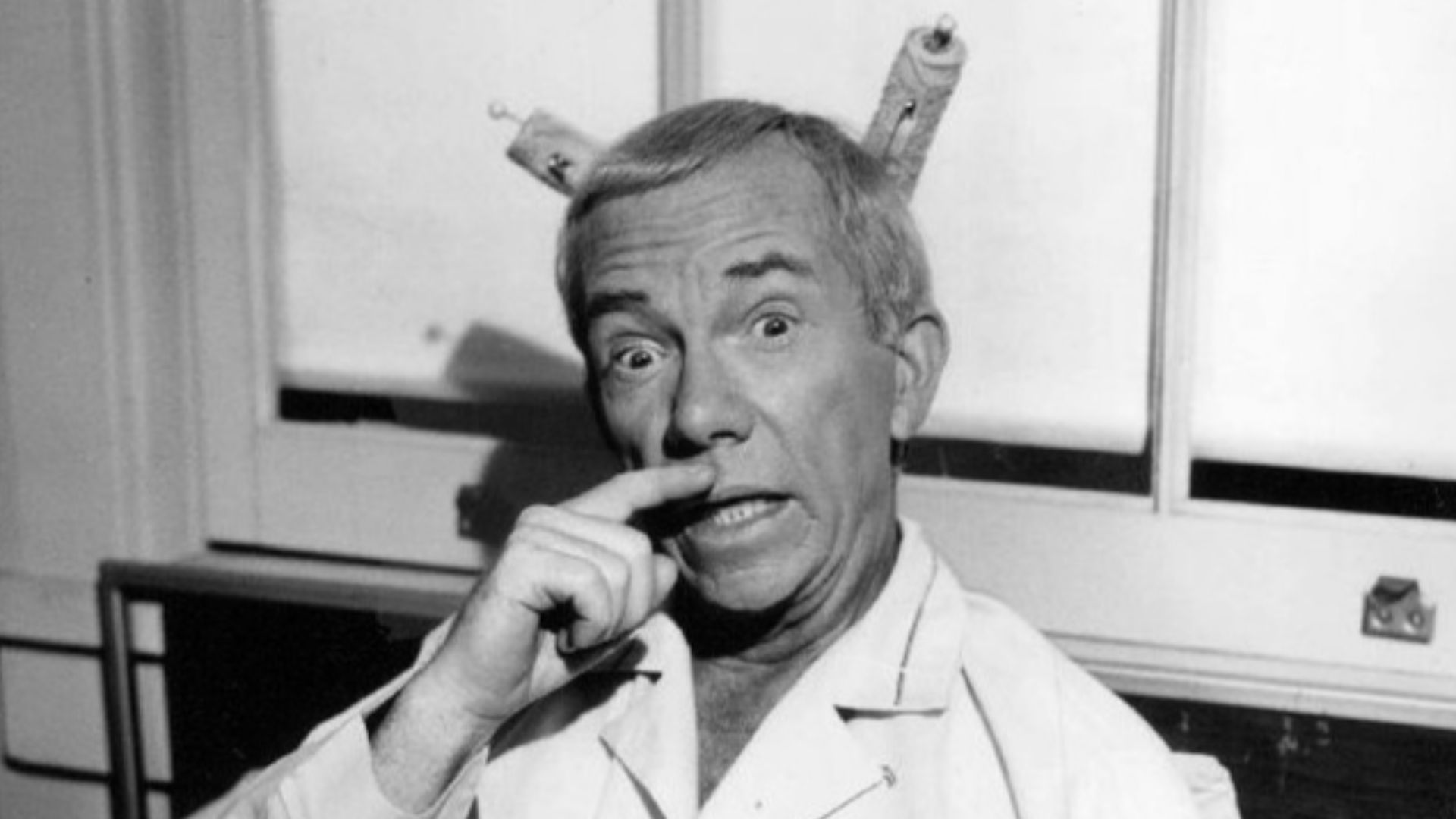 CBS Television, Wikimedia Commons
Walston And Bixby
The comedy depended heavily upon the chemistry between Walston and Bixby. Their characters posed as Uncle Martin and his nephew while concealing Martin’s extraterrestrial abilities from suspicious outsiders. Bixby later credited the veteran Walston with serving as an important mentor and effectively providing his on-the-job acting education.
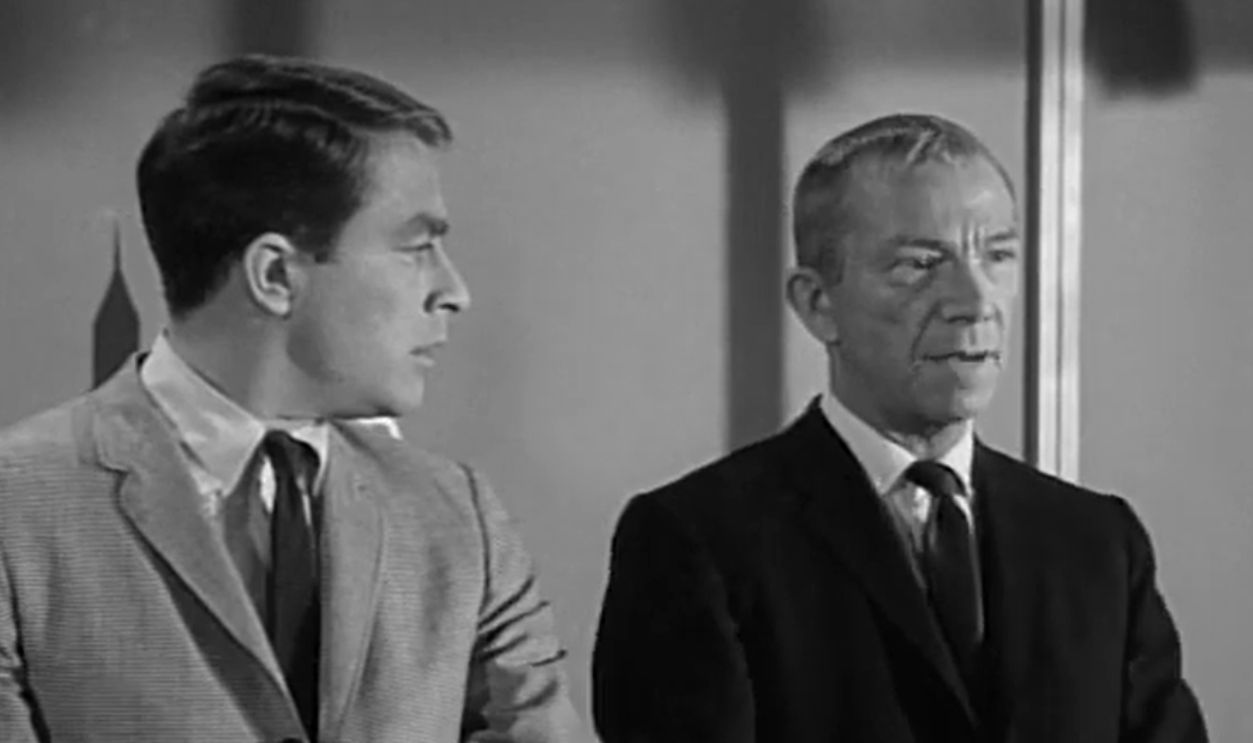 Screenshot from My Favorite Martian, CBS (1963–1966)
Television Stardom Arrives
My Favorite Martian became a top-ten television hit during its first season and remained among the top 30 during its second. Walston’s retractable antennae, dry delivery, and exasperated reactions made Uncle Martin instantly recognizable, while Pamela Britton and Alan Hewitt helped populate the increasingly complicated sitcom universe.
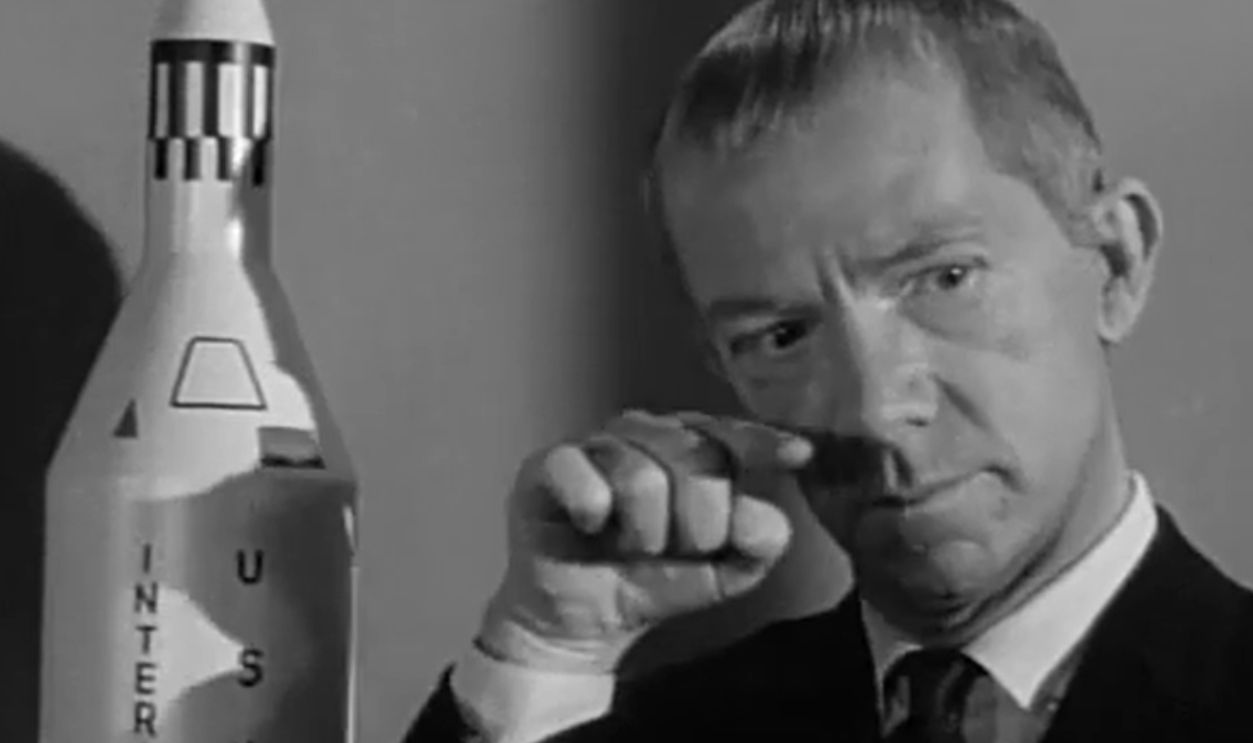 Screenshot from My Favorite Martian, CBS (1963–1966)
The Martian Comes Down
Ratings declined during the third season, and My Favorite Martian ended in 1966 after 107 episodes. The program had made Walston nationally famous, but that success came with an unexpected price. Casting directors increasingly saw the Tony-winning theatrical actor primarily as the funny man with retractable Martian antennae.
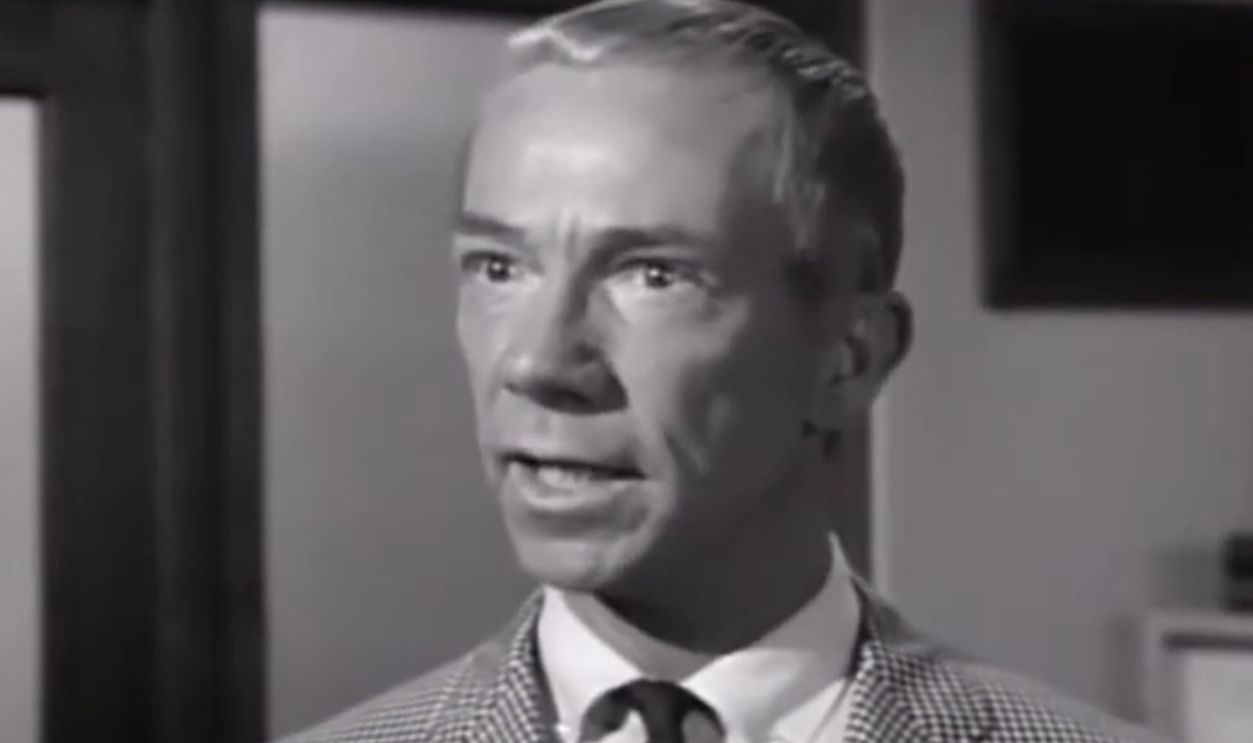 Screenshot from My Favorite Martian, CBS (1963–1966)
Escaping Uncle Martin
Walston later spoke candidly about the frustration of being typecast by My Favorite Martian. Nevertheless, he gradually rebuilt his character-actor career. He appeared with Clint Eastwood and Lee Marvin in Joshua Logan’s Paint Your Wagon (1969), playing Mad Jack Duncan in the unusual Western musical.
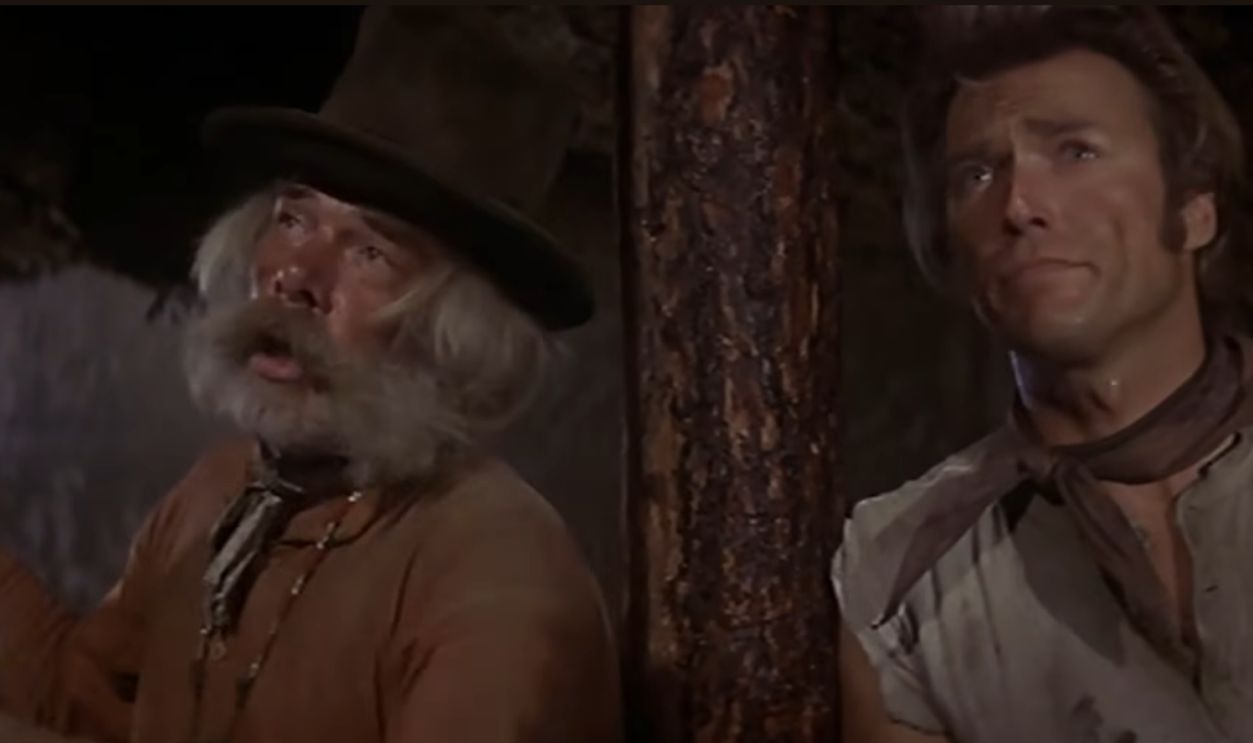 Screenshot from Paint Your Wagon, Paramount Pictures (1969)
Everywhere On Television
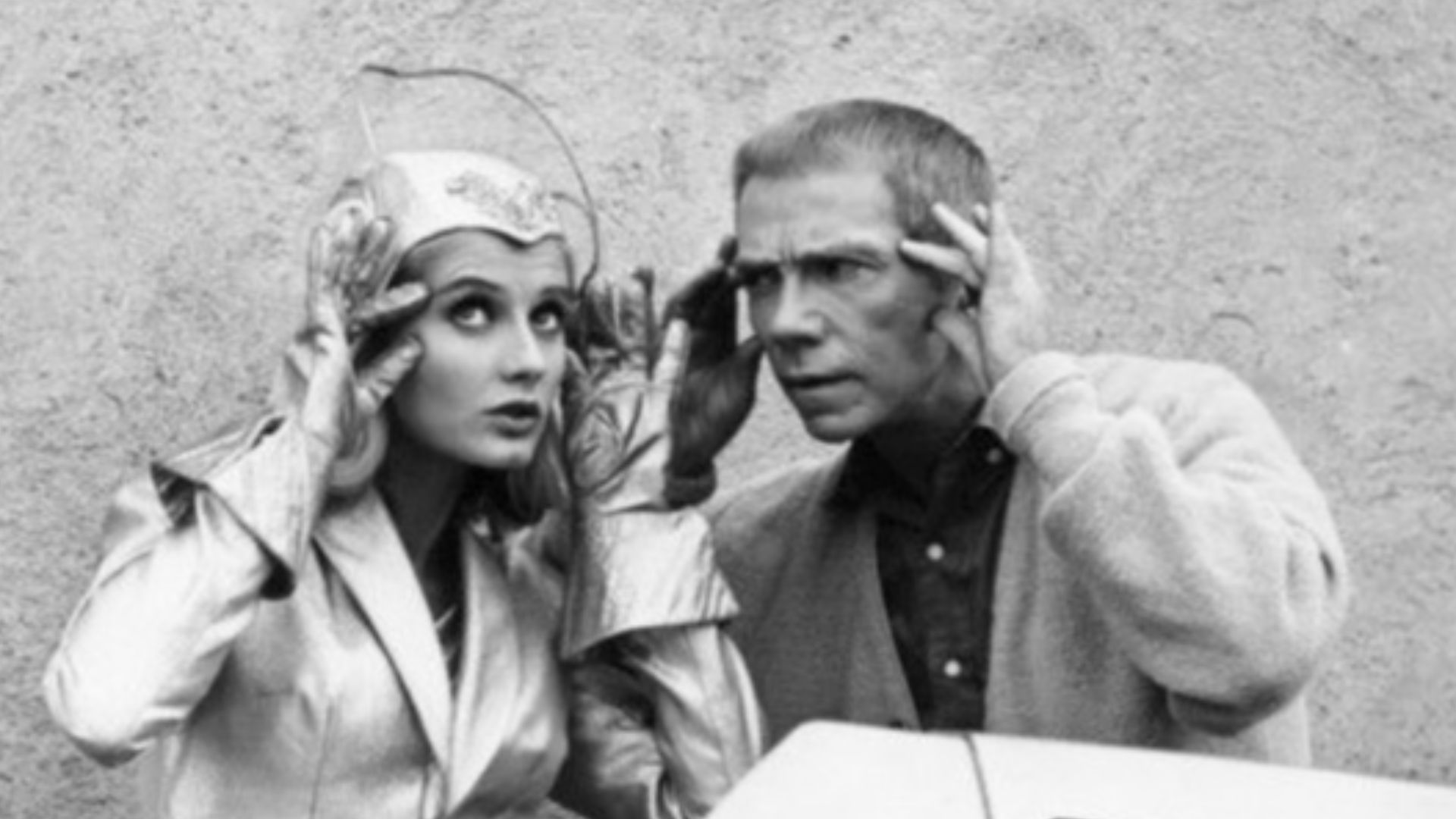
During the 1970s, Walston became a familiar television guest star rather than a weekly leading man. His credits included Love, American Style, Mission: Impossible, The Rookies, Ellery Queen, The Six Million Dollar Man, and Little House on the Prairie, demonstrating the versatility his Martian fame had temporarily obscured.
 CBS Television, Wikimedia Commons
Back With Bill Bixby
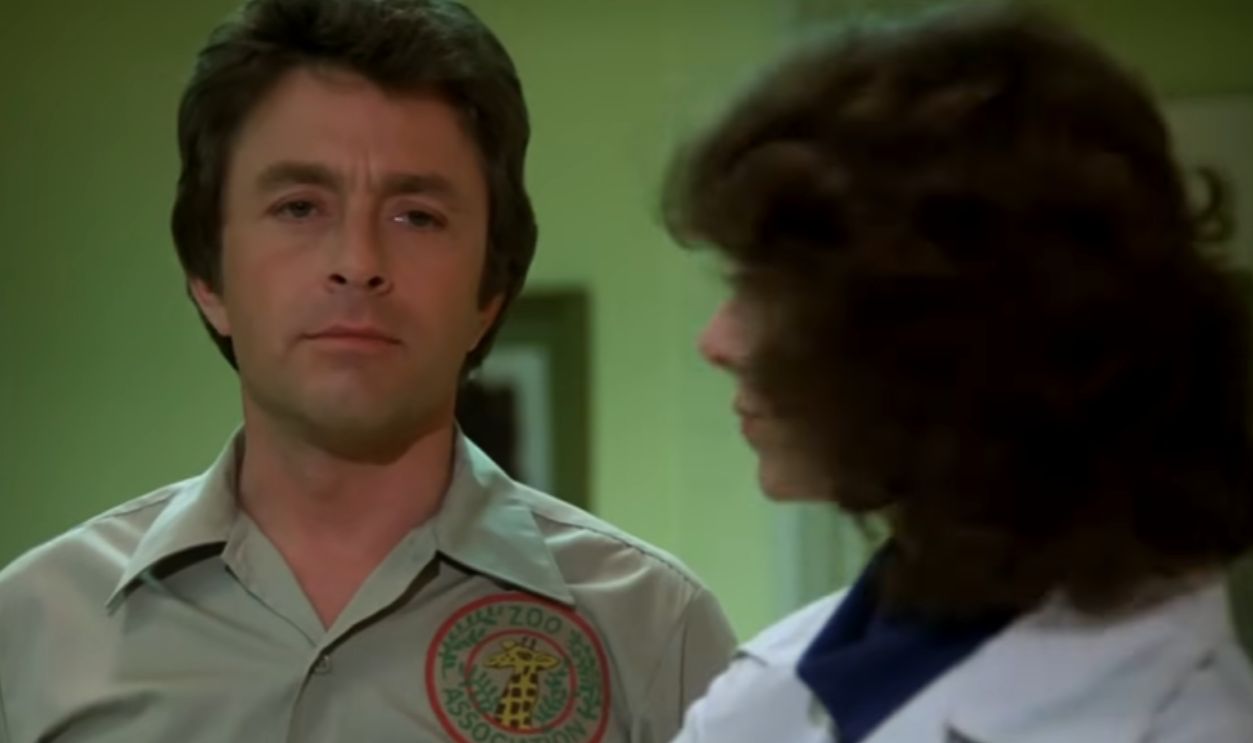
Walston even reunited with his old friend Bill Bixby on a 1979 episode of The Incredible Hulk, playing Jasper the Magician in the playfully titled episode “My Favorite Magician.” Meanwhile, movie roles continued, including George Roy Hill’s The Sting (1973), starring Paul Newman and Robert Redford, and Silver Streak (1976) with Gene Wilder.
 Screenshot from The Incredible Hulk, CBS (1977–1982)
Welcome To Ridgemont High
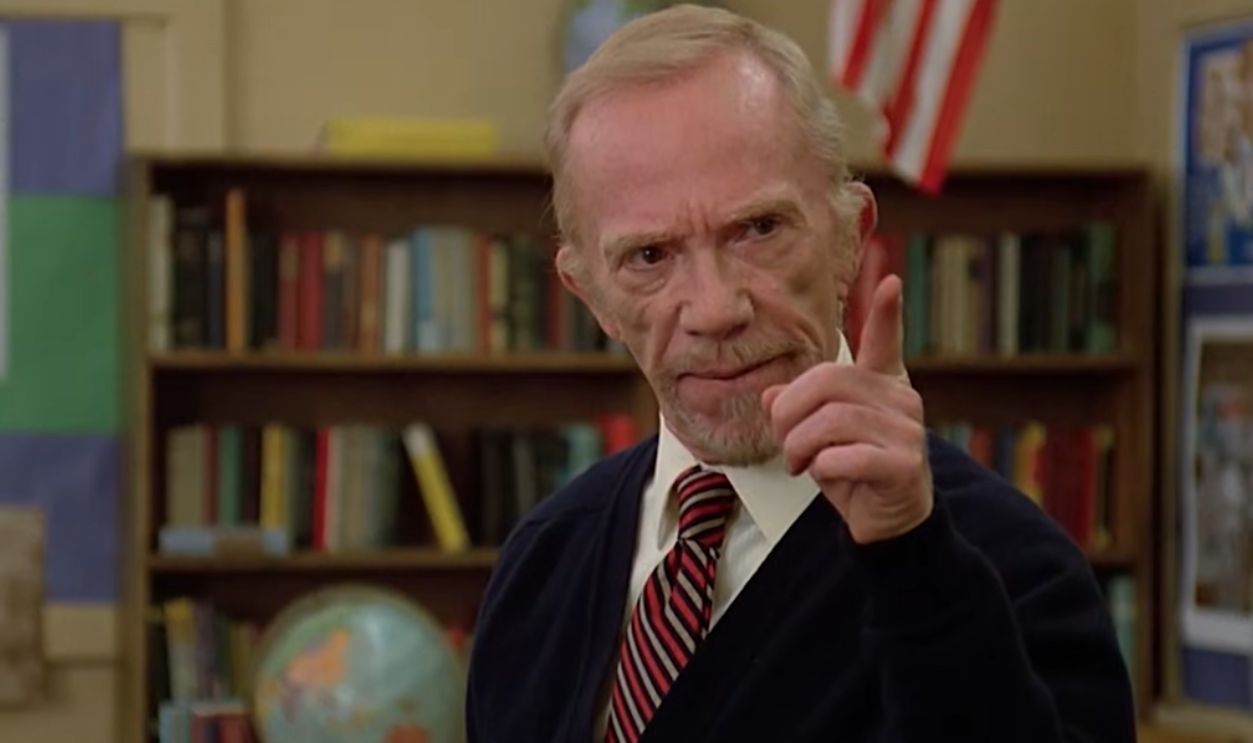
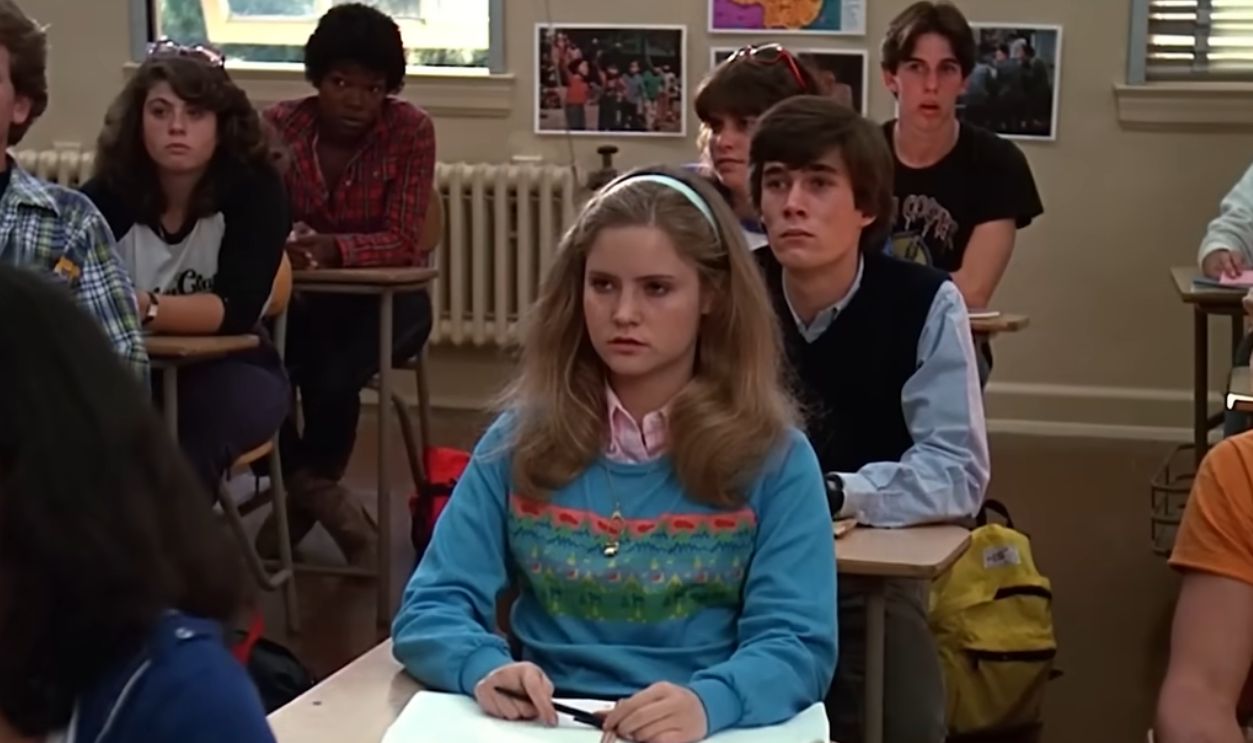
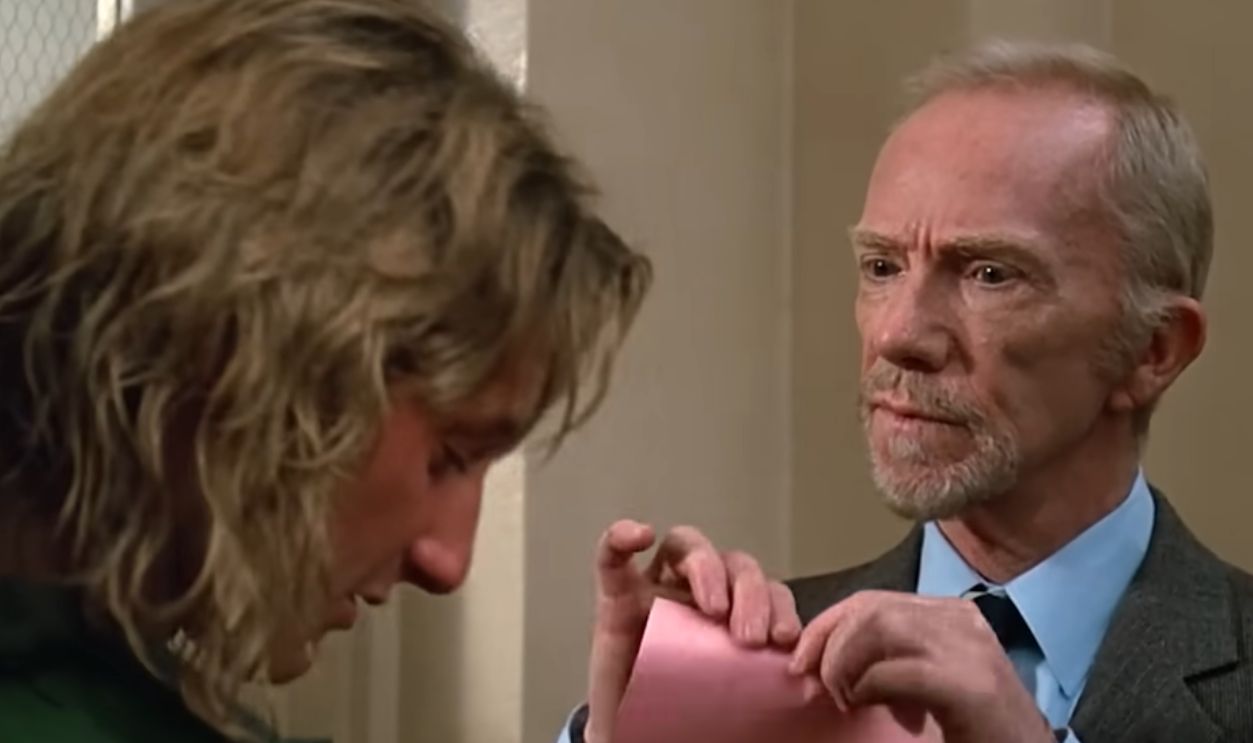
Then came an unlikely career rejuvenation. Amy Heckerling cast Walston as no-nonsense history teacher Mr. Hand in Fast Times at Ridgemont High (1982), written by Cameron Crowe. The veteran actor joined a young ensemble including Sean Penn, Jennifer Jason Leigh, Judge Reinhold, Phoebe Cates, and Robert Romanus.
 Screenshot from Fast Times at Ridgemont High, Universal Pictures (1982)
Mr. Hand Meets Spicoli
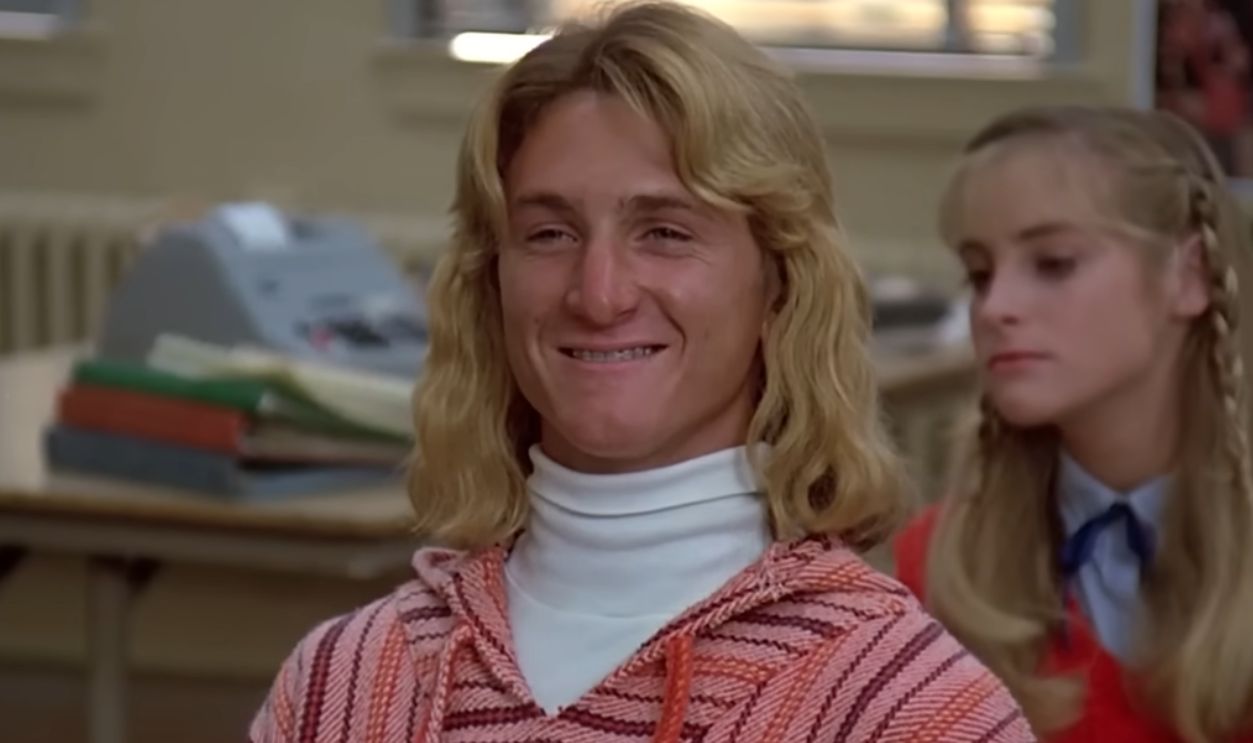
Walston’s funniest scenes came opposite Sean Penn’s perpetually stoned surfer Jeff Spicoli. Mr. Hand treated the teenager’s laziness as a personal affront, creating a hilariously intense teacher-student rivalry. Their deadpan confrontations, including Spicoli’s classroom pizza delivery, became among the movie’s most enduringly remembered sequences.
 Screenshot from Fast Times at Ridgemont High, Universal Pictures (1982)
A Second Generation
The cult success of Fast Times at Ridgemont High (1982) accomplished something Walston had wanted for years: younger viewers started recognizing him for something besides Uncle Martin. He later expressed pleasure that people increasingly called him “Mr. Hand,” evidence that he had finally escaped complete identification with his Martian alter ego.
 Screenshot from Fast Times at Ridgemont High, Universal Pictures (1982)
Judge Henry Bone
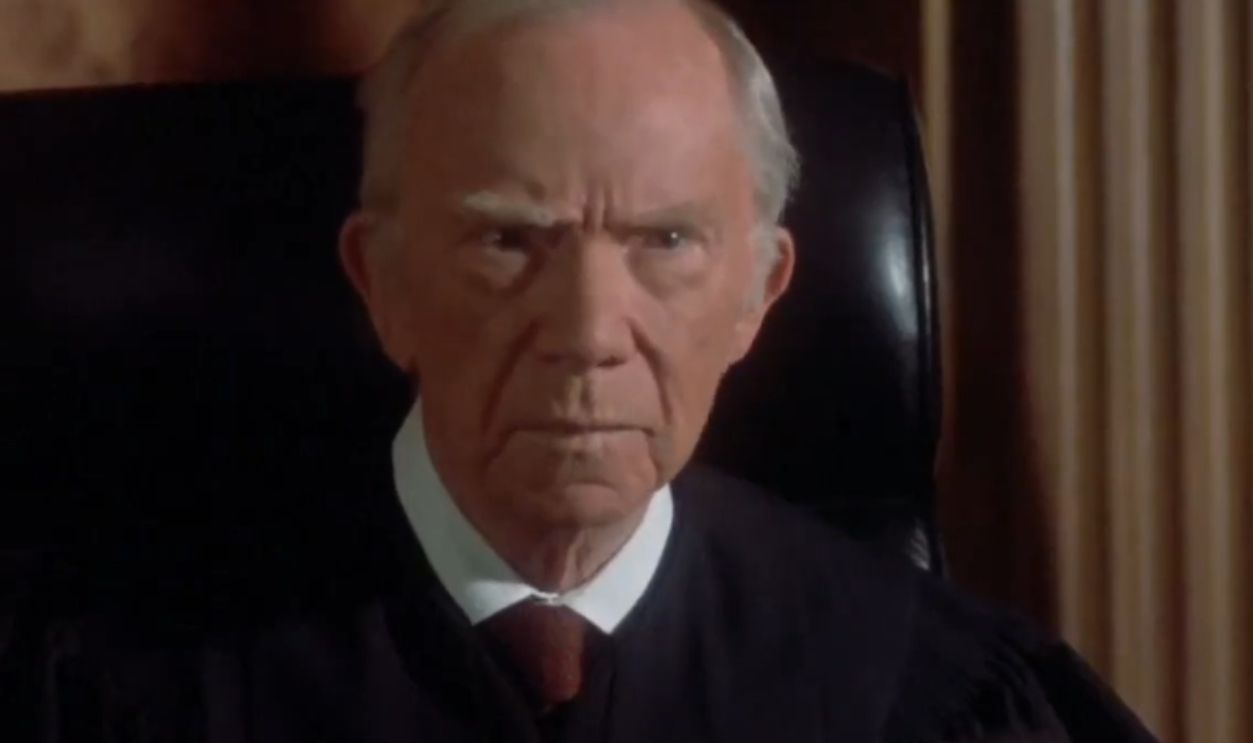
Walston kept working through the 1980s and early 1990s before landing another career-defining role on David E. Kelley’s Picket Fences. As Judge Henry Bone, he brought stern authority, eccentricity, intelligence, and humanity to the Wisconsin-set drama starring Tom Skerritt, Kathy Baker, Fyvush Finkel, and Lauren Holly.
 Screenshot from Picket Fences, CBS (1992–1996)
Two Emmys
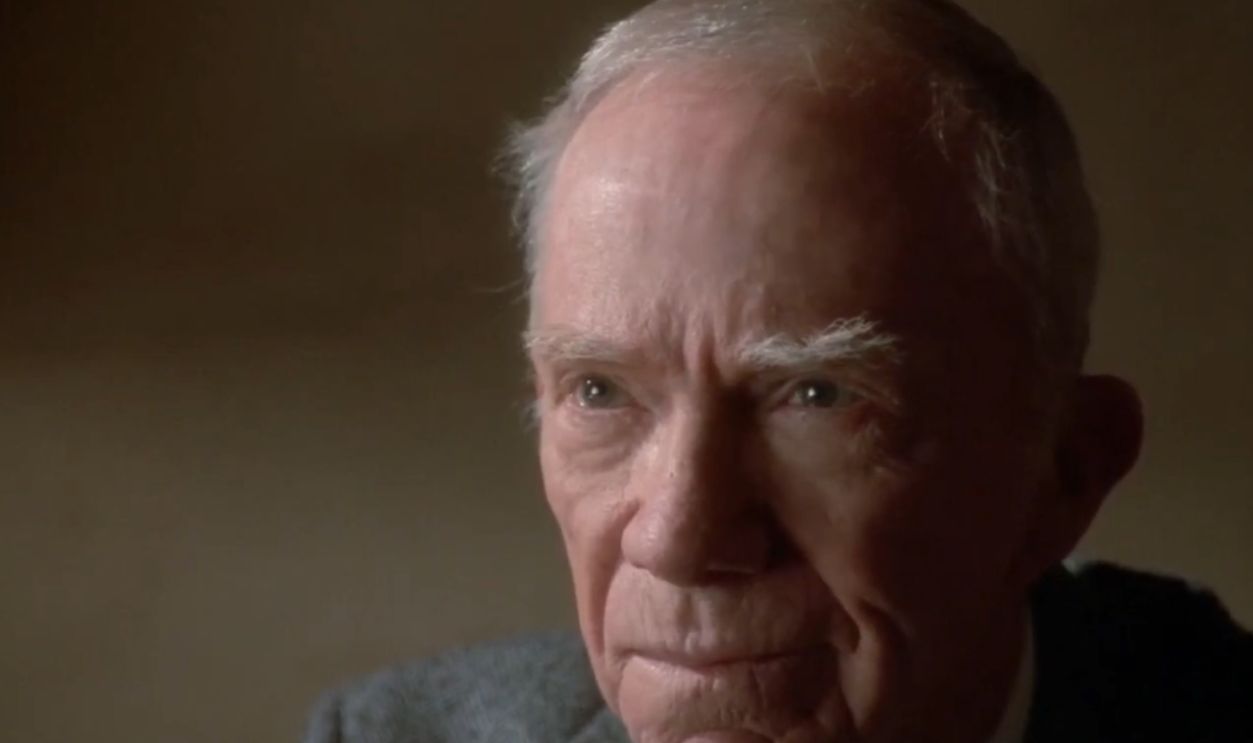
Walston’s Judge Bone earned three consecutive Emmy nominations, and he won Outstanding Supporting Actor in a Drama Series in both 1995 and 1996. This was the fifth consecutive decade that Walston had made a mark on audiences with his performances. In a way, it was the peak of his career.
 Screenshot from Picket Fences, CBS (1992–1996)
A Legacy Of Classics
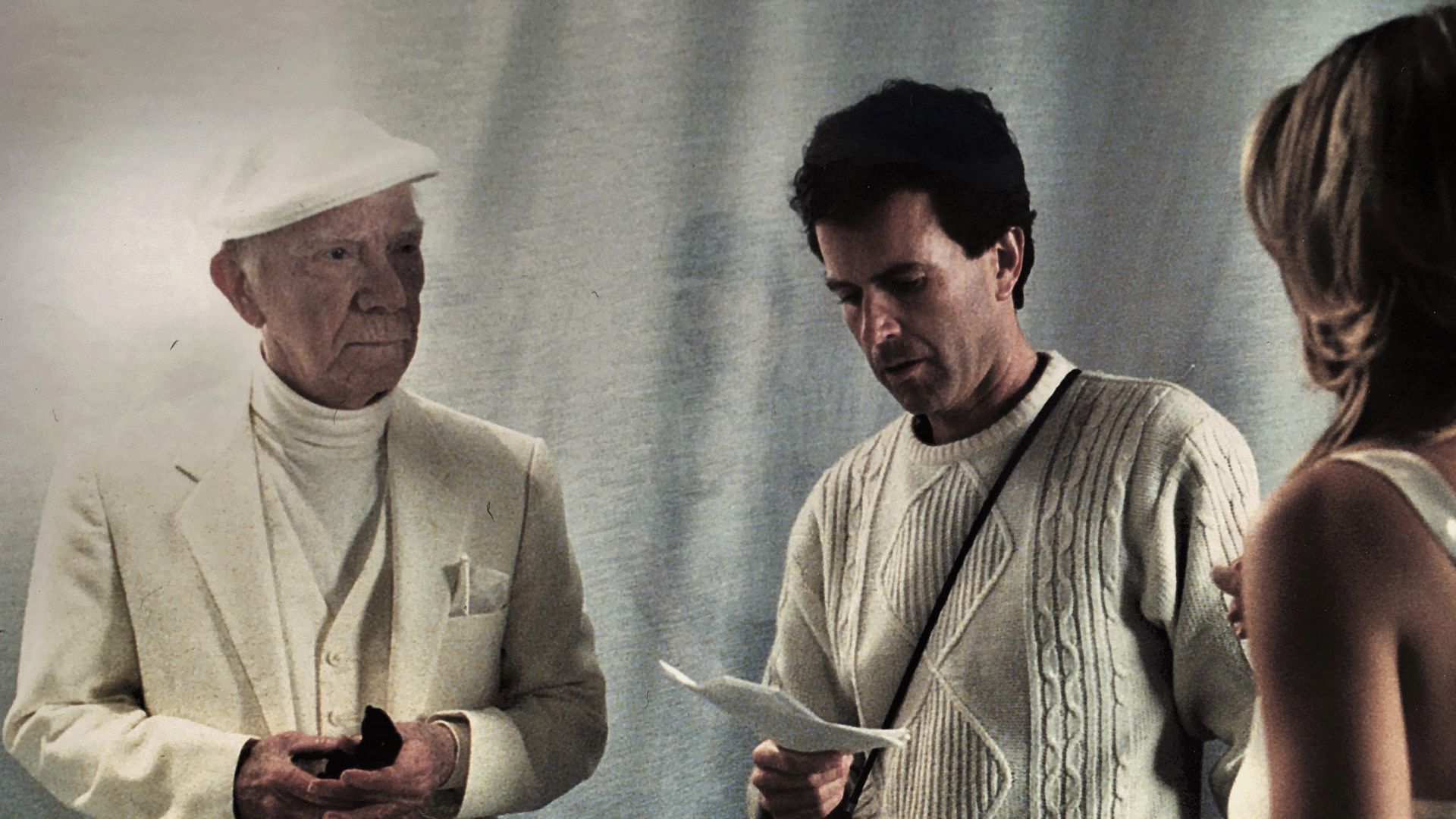
Diagnosed with lupus in 1994, Walston continued acting into his eighties. He died at his Beverly Hills home on January 1, 2001, aged 86. His legacy stretches far beyond any one sitcom, movie, or stage musical. Walston was a Tony-winning Broadway star, a veteran of major Hollywood classics, Mr. Hand to a generation of movie fans, and an Emmy-winning dramatic actor in his eighties. Uncle Martin made him famous, but Ray Walston’s extraordinary longevity proved how much more he could do.
You May Also Like:
The Acting And Directing Career Of Bill Bixby
TV Character Actors From The 60s And 70s With Faces You Recognize Instantly. How Many Can You Name?