The Actor America Had To Learn Again
Richard Thomas became famous as John-Boy Walton, the thoughtful oldest son on The Waltons. For years, audiences saw him as the gentle dreamer writing by lamplight on Walton’s Mountain. But after leaving America’s favorite family, Thomas faced a harder challenge: proving he was not trapped inside the role that made him beloved.

He Was Raised In A World Of Discipline
Thomas was born in New York City in 1951 to parents who were both dancers. His home life was deeply connected to performance, movement, rehearsal, and artistic discipline. Long before television fame arrived, he understood that show business required training and patience.
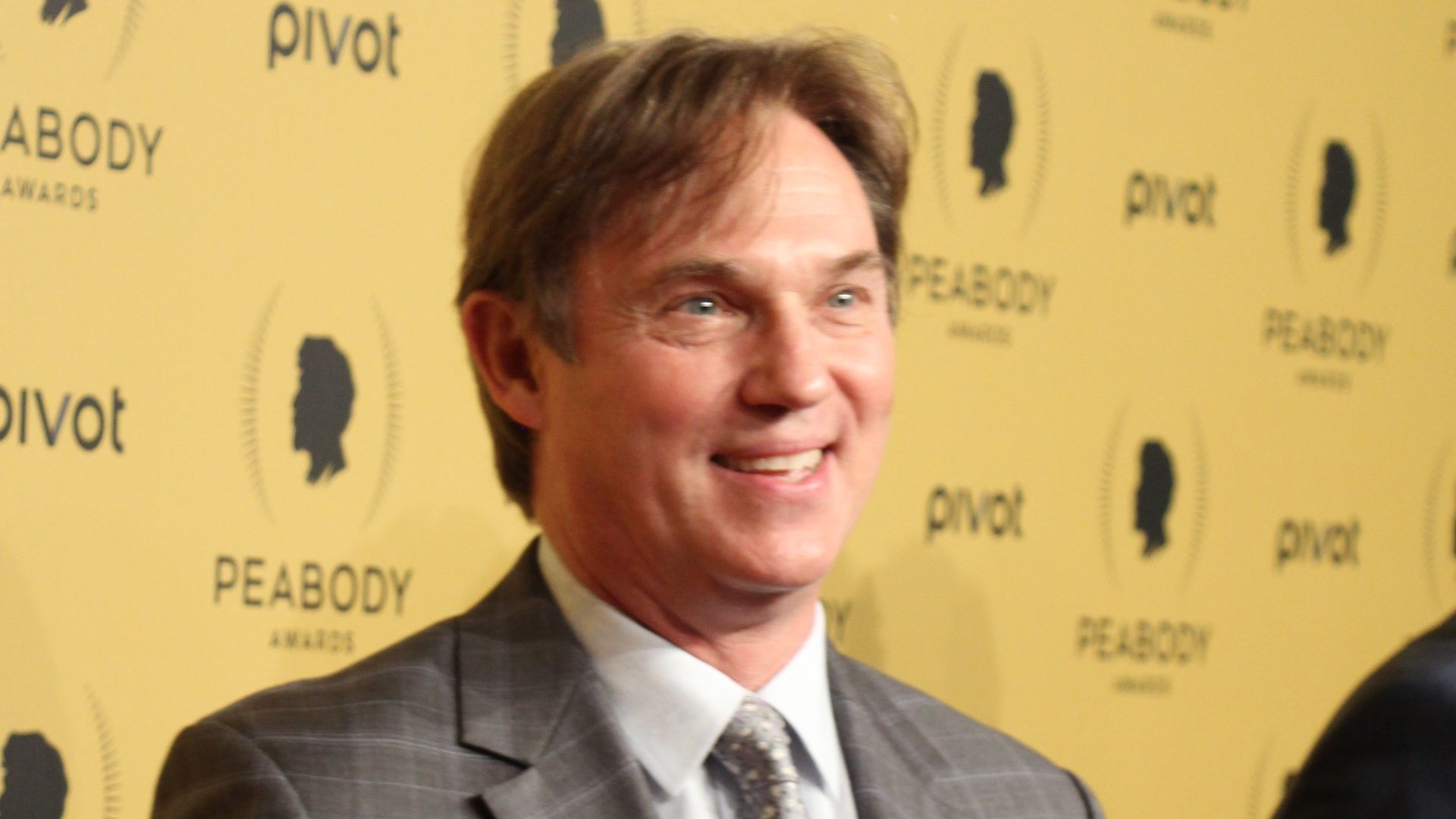 Peabody Awards, Wikimedia Commons
Acting Started Early For Him
Thomas began acting as a child and appeared on stage and television before most people his age had chosen a profession. That early start gave him confidence, but it also meant growing up in public. By the time The Waltons changed everything, he was already a seasoned young performer.
 NBC Television, Wikimedia Commons
The Homecoming Introduced John-Boy Walton
In 1971, Thomas played John-Boy in The Homecoming: A Christmas Story. The television movie introduced the Walton family and gave viewers their first glimpse of the sensitive young writer who would soon become one of the decade’s most familiar characters.
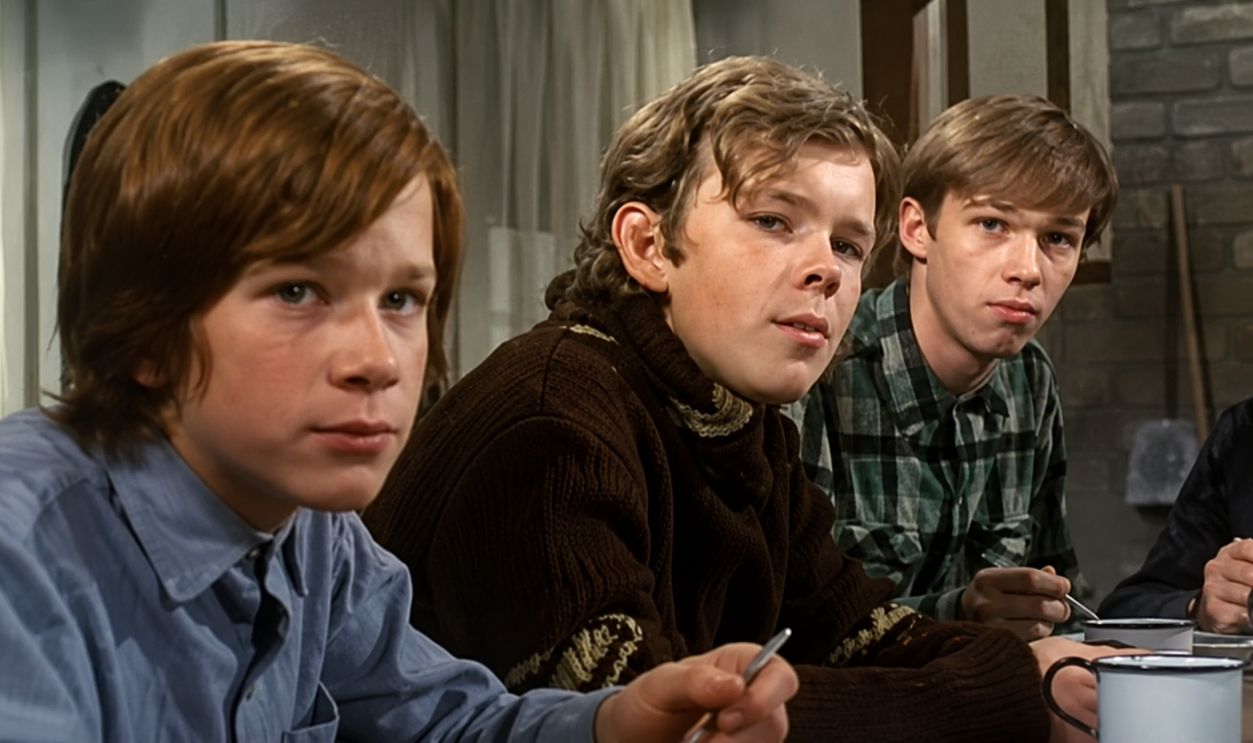 Screenshot from The Homecoming: A Christmas Story, CBS (1971)
The Waltons Turned Him Into A Household Name
When The Waltons premiered in 1972, Thomas became the emotional center of the series. John-Boy’s hopes, doubts, and ambitions gave the show its reflective voice. Audiences did not merely watch him grow up. They felt personally invested in his future.
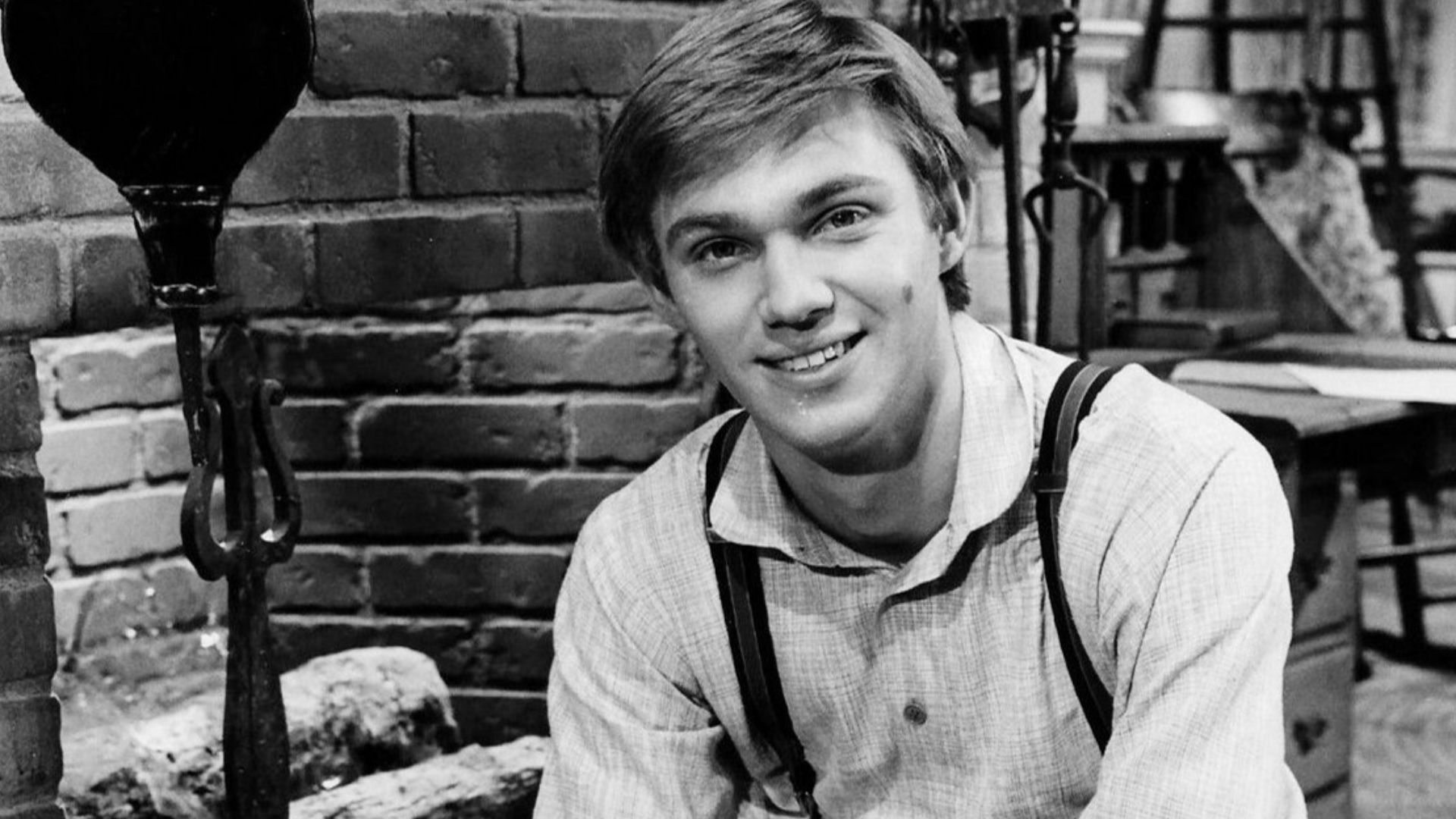 CBS Television, Wikimedia Commons
John-Boy Was A Blessing And A Burden
The role brought Thomas an Emmy Award and lasting affection from fans. It also created a difficult kind of fame. When audiences love a character that deeply, they can struggle to separate the actor from the role. Thomas would spend years proving he could be more than John-Boy.
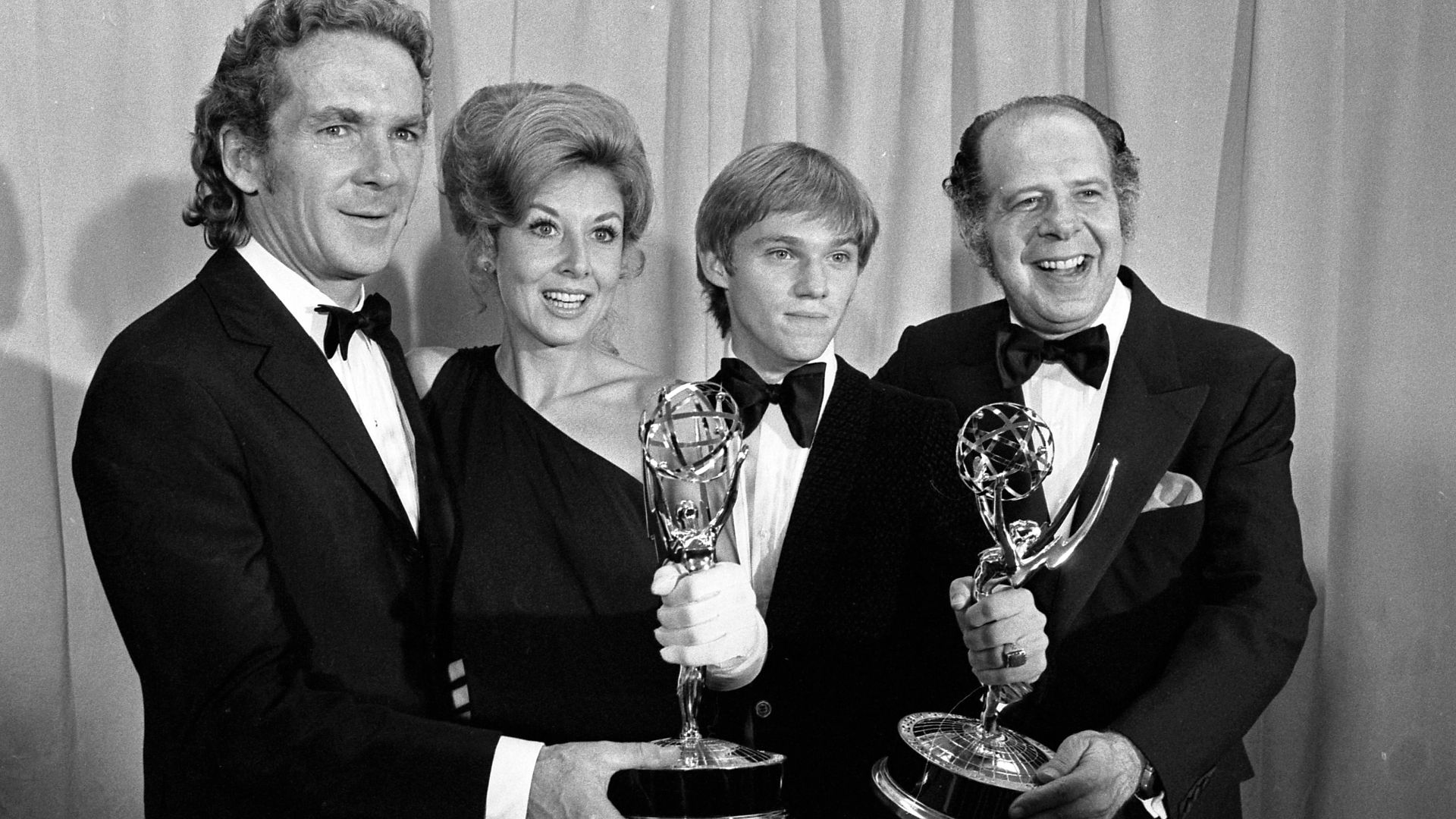 Rick Browne, Los Angeles Times, Wikimedia Commons
Leaving The Show Was A Necessary Risk
Thomas left The Waltons before the series ended, a move that startled many viewers. For him, it was a career risk with a purpose. Staying might have offered safety, but it could also have made it harder to grow beyond the most famous part of his life.
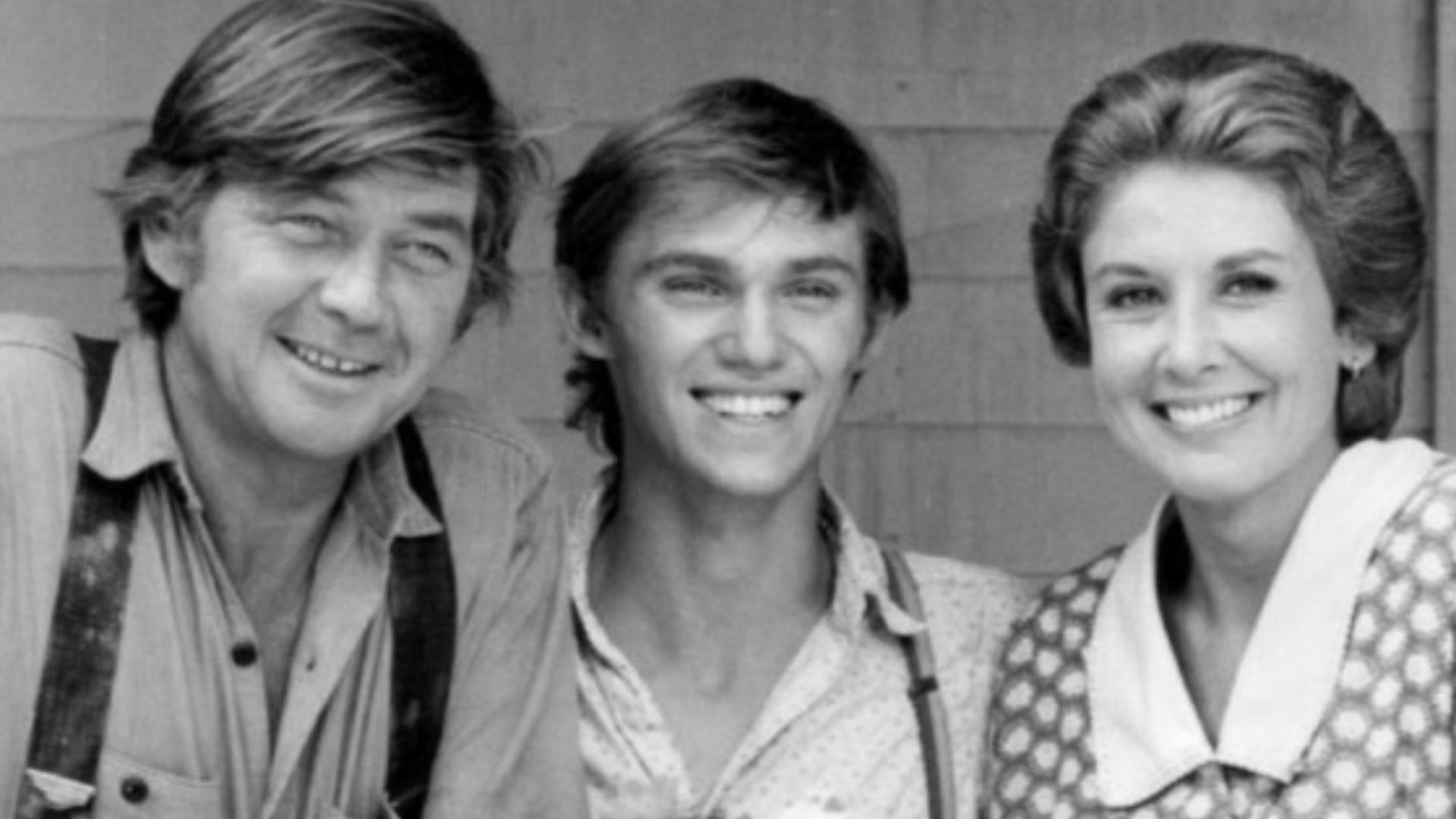 CBS Television, Wikimedia Commons
Typecasting Followed Him Anyway
Even after leaving, Thomas had to contend with the power of John-Boy’s image. He later reflected that moving past the role took years of varied work. The affection of fans was real, but so was the professional challenge of changing how people saw him.
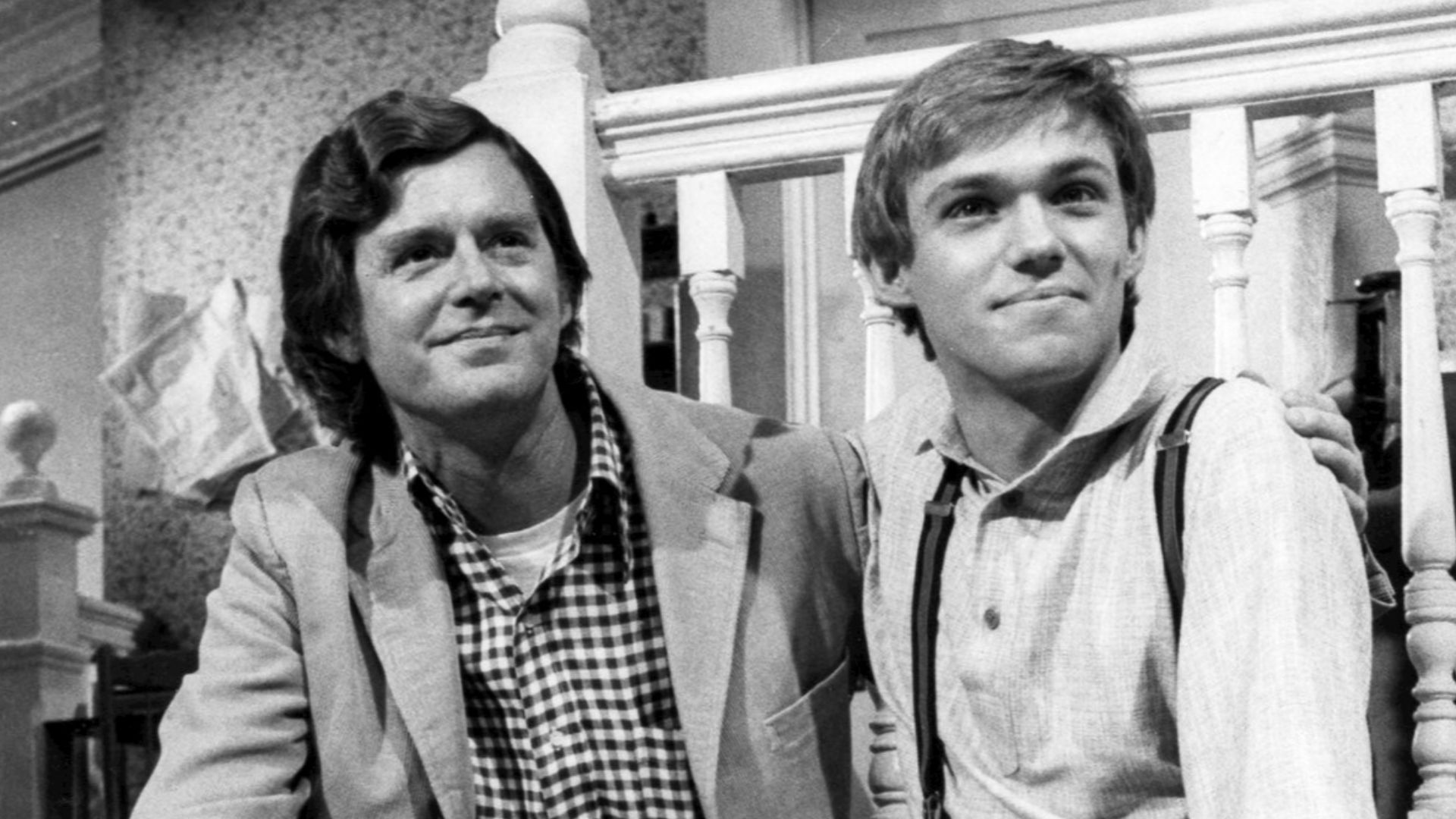 CBS Television, Wikimedia Commons
He Did Not Try To Run From Work
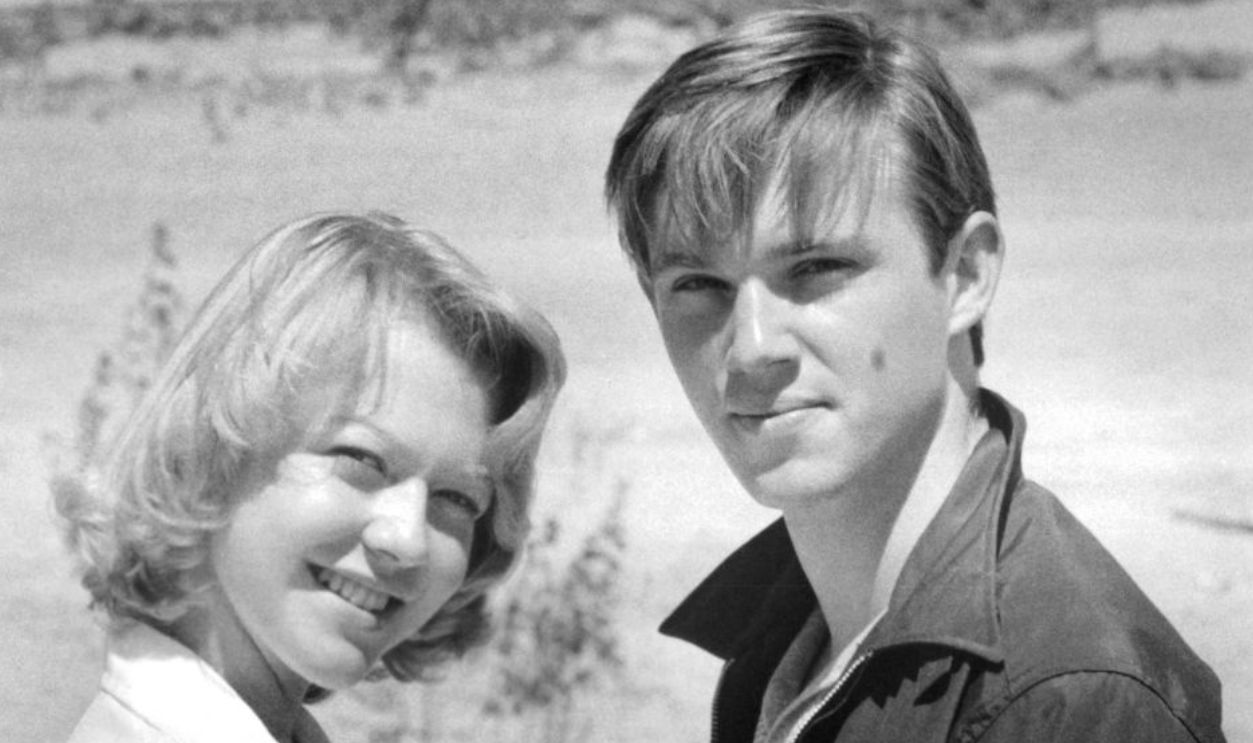
Instead of waiting for another perfect starring vehicle, Thomas kept acting wherever good roles appeared. Television movies, stage projects, miniseries, guest roles, and dramas all became part of his rebuilding process. His second act was built piece by piece.
 Michael Ochs Archives, Getty Images
Theater Helped Give Him Freedom
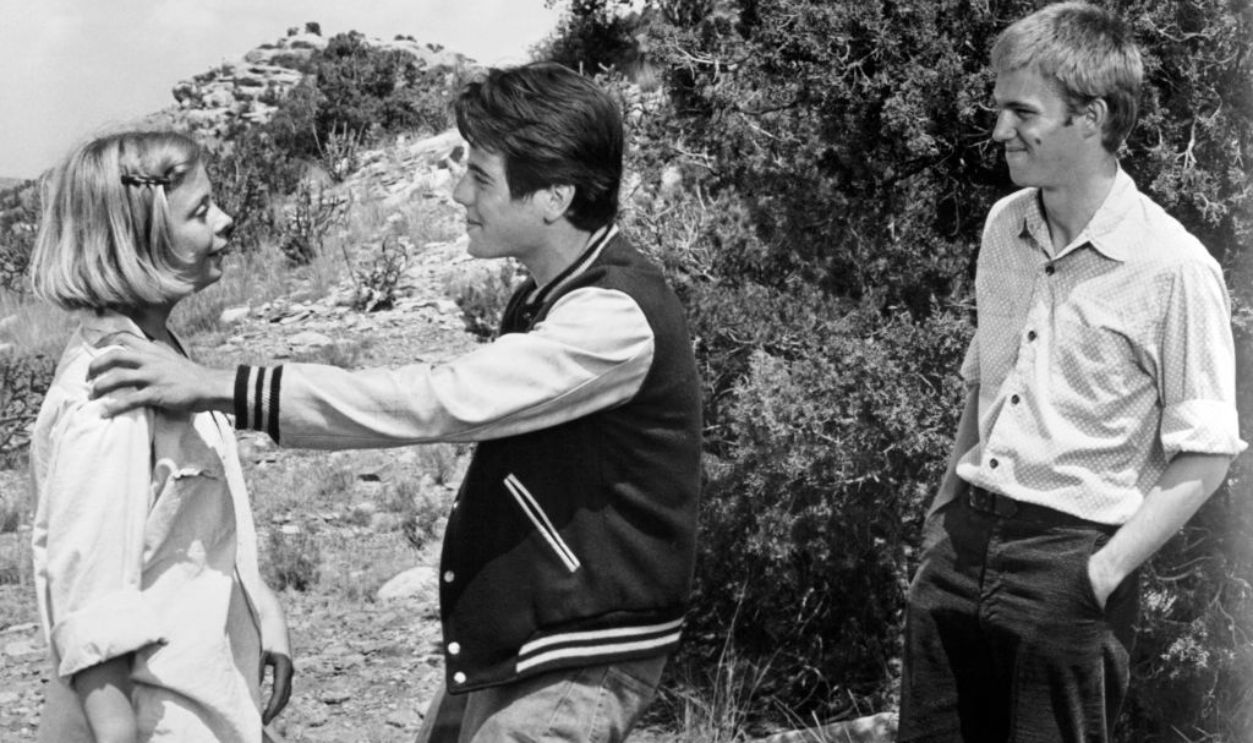
The stage became one of Thomas’s most important creative homes. Theater allowed him to escape the fixed image of a television character and meet audiences in new roles. Each performance gave him another chance to prove that his talent was larger than nostalgia.
 Michael Ochs Archives, Getty Images
He Returned To The Waltons Without Being Trapped
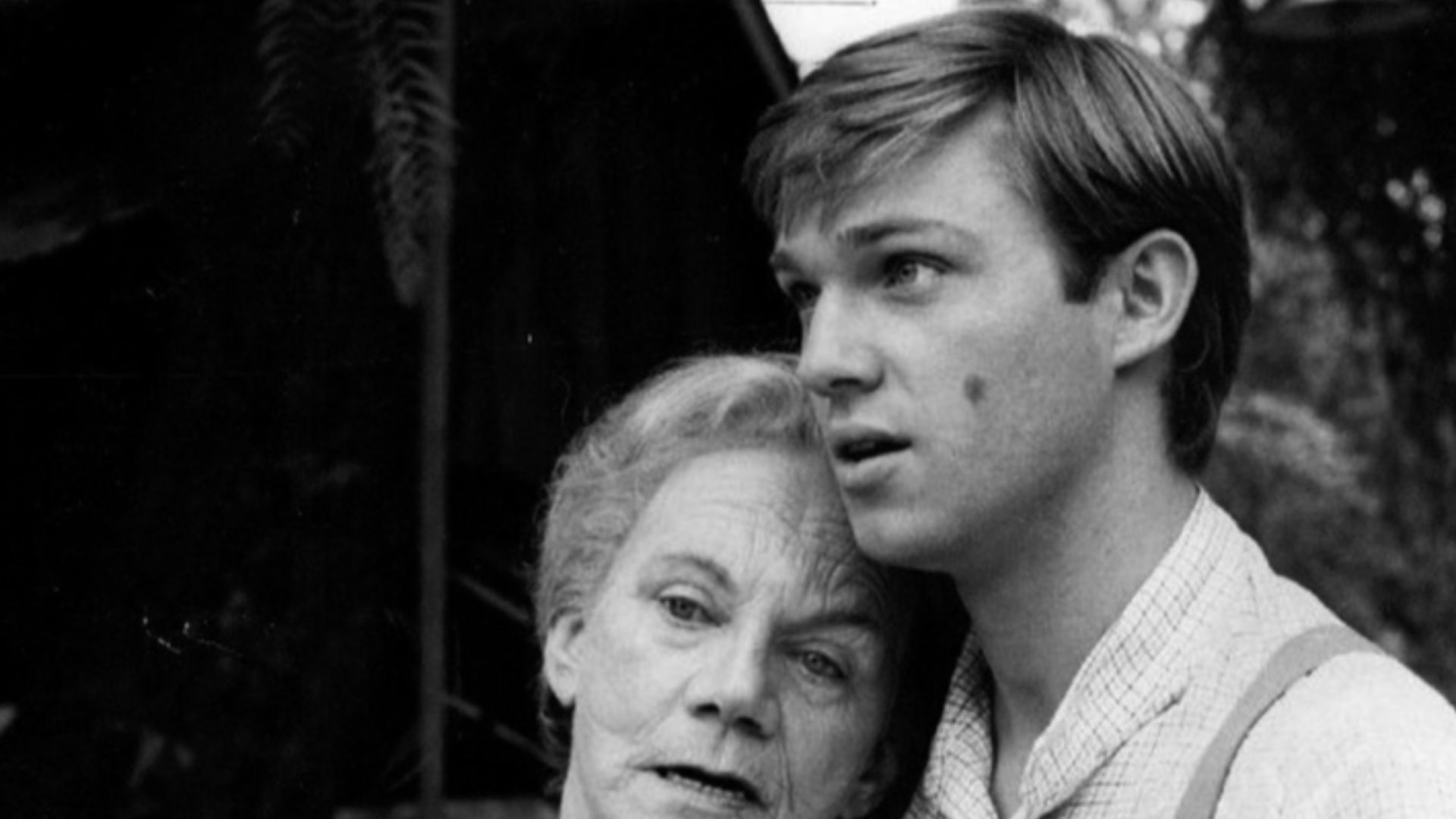
Thomas did return for Waltons reunion projects, but those appearances did not define his entire post-series career. Instead, they showed that he could honor John-Boy without surrendering to the role. Gratitude and reinvention became part of the same story.
 CBS Television, Wikimedia Commons
It Introduced Him To A Darker World
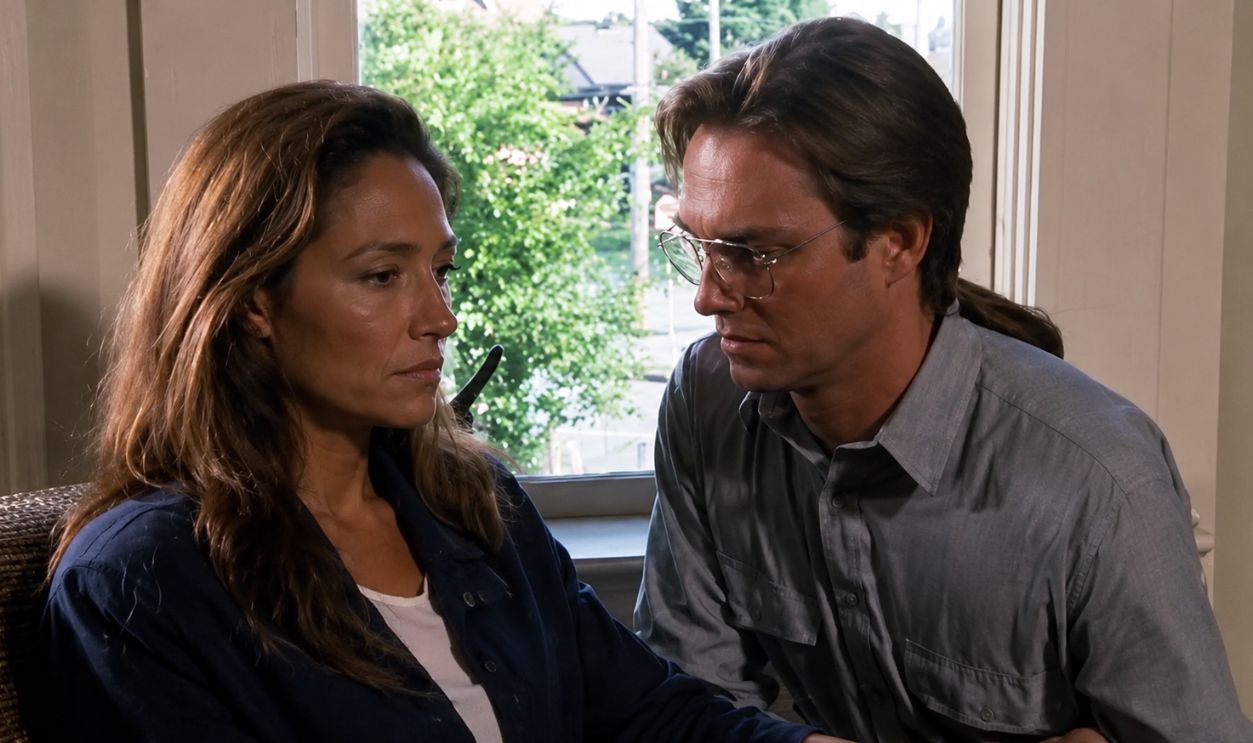
In 1990, Thomas played adult Bill Denbrough in the television miniseries It. The role pulled him far away from Walton’s Mountain and thrust him into Stephen King’s world of childhood trauma and horror. For many viewers, it was a striking reminder that he could carry darker emotional material.
 Screenshot from It, ABC (1990)
He Built A Career On Persistence
Thomas’s post-Waltons success did not depend on one huge comeback moment. Instead, he kept showing up, role after role and year after year. That persistence made him unusual in a business that often discards actors once their most famous character fades from the spotlight.
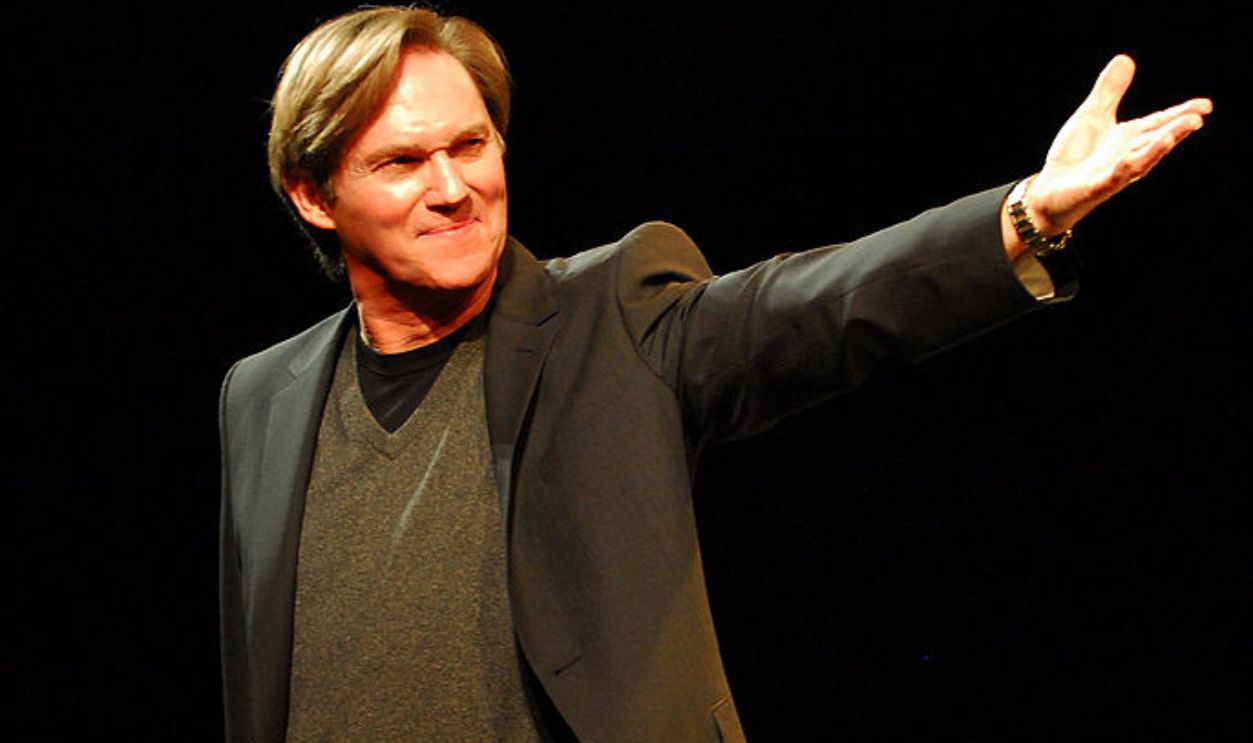
The Americans Gave Him A Late-Career Edge
Decades after The Waltons, Thomas found a fresh audience as Frank Gaad on The Americans. The role was tense, restrained, and suspicious, far removed from John-Boy’s openhearted innocence. It proved that Thomas could still surprise viewers who thought they knew him.
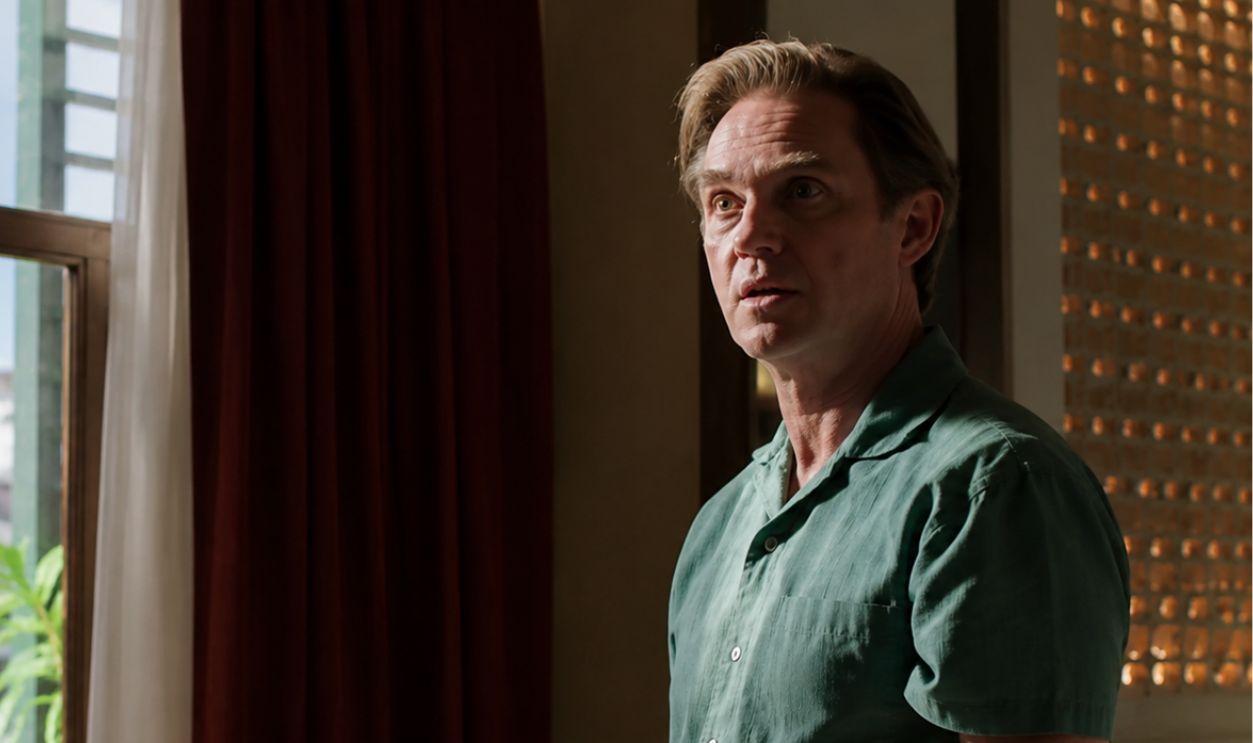 Screenshot from The Americans, FX (2013-2018), Modified
He Made Authority Feel Human
As Frank Gaad, Thomas did not rely on flash or menace. He brought tired intelligence, caution, and quiet authority to the role. That restraint made the character feel believable, and it showed how much Thomas had grown into an actor of subtle late-career power.
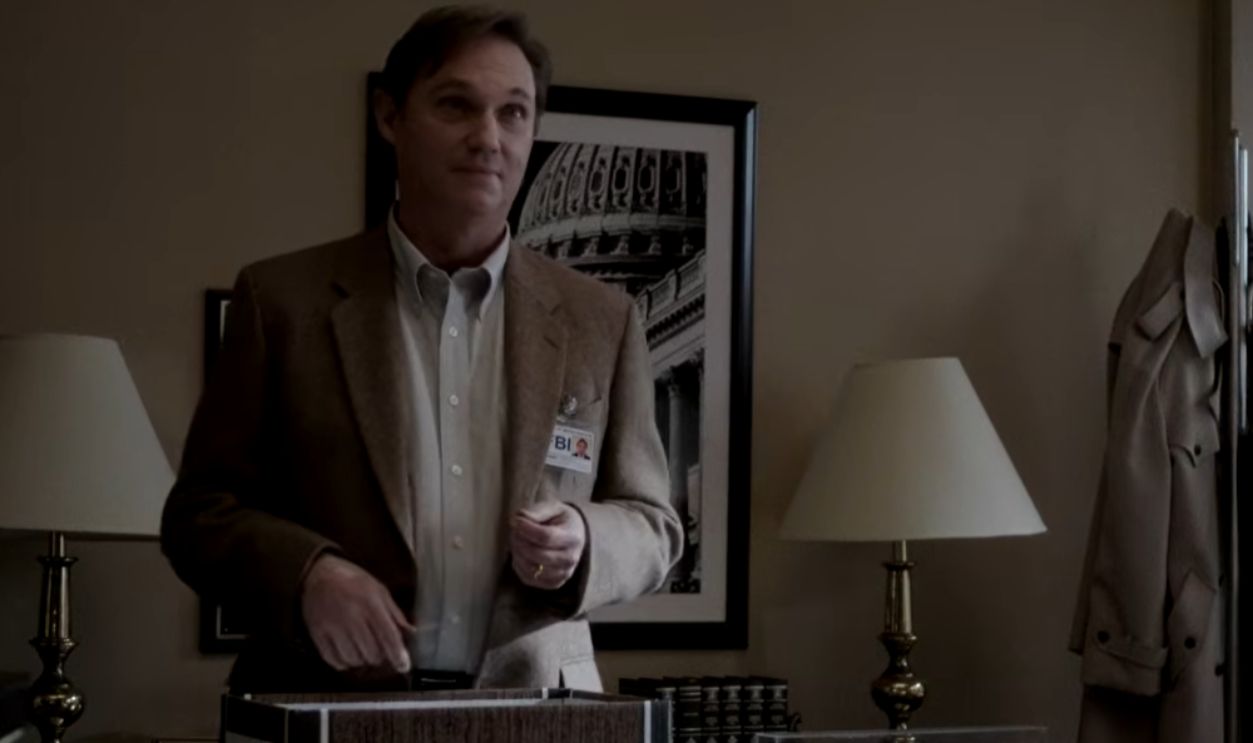 Screenshot from The Americans, FX (2013-2018)
Ozark Used His Familiarity Against The Audience
Thomas later appeared on Ozark as Nathan Davis, Wendy Byrde’s estranged father. The role had a colder edge than many viewers expected from him. By using his familiar warmth in a harsher context, the series reminded audiences how effective he could be when playing against expectation.
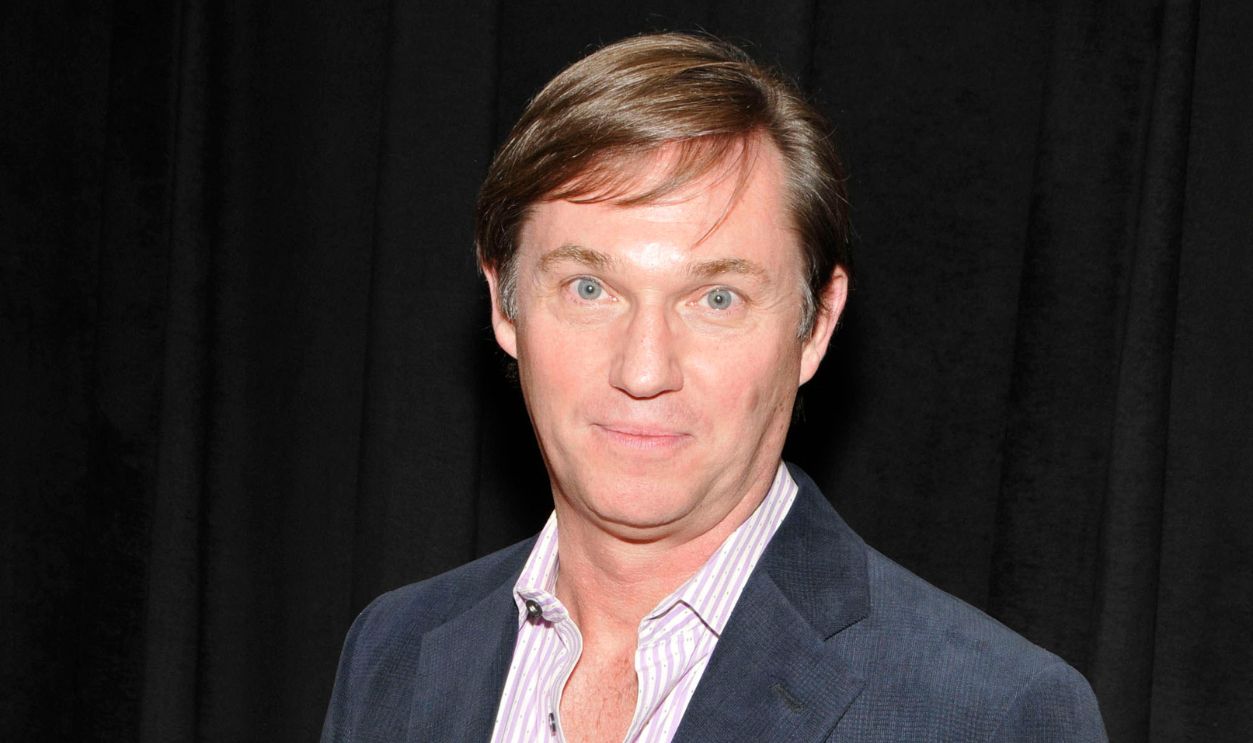 Eugene Gologursky, Getty Images
Broadway Took His Talent Seriously
Thomas’s stage credits became one of the clearest signs of his durability. His Broadway work includes productions such as Fifth of July, The Front Page, Democracy, Race, An Enemy of the People, The Little Foxes, and The Great Society.
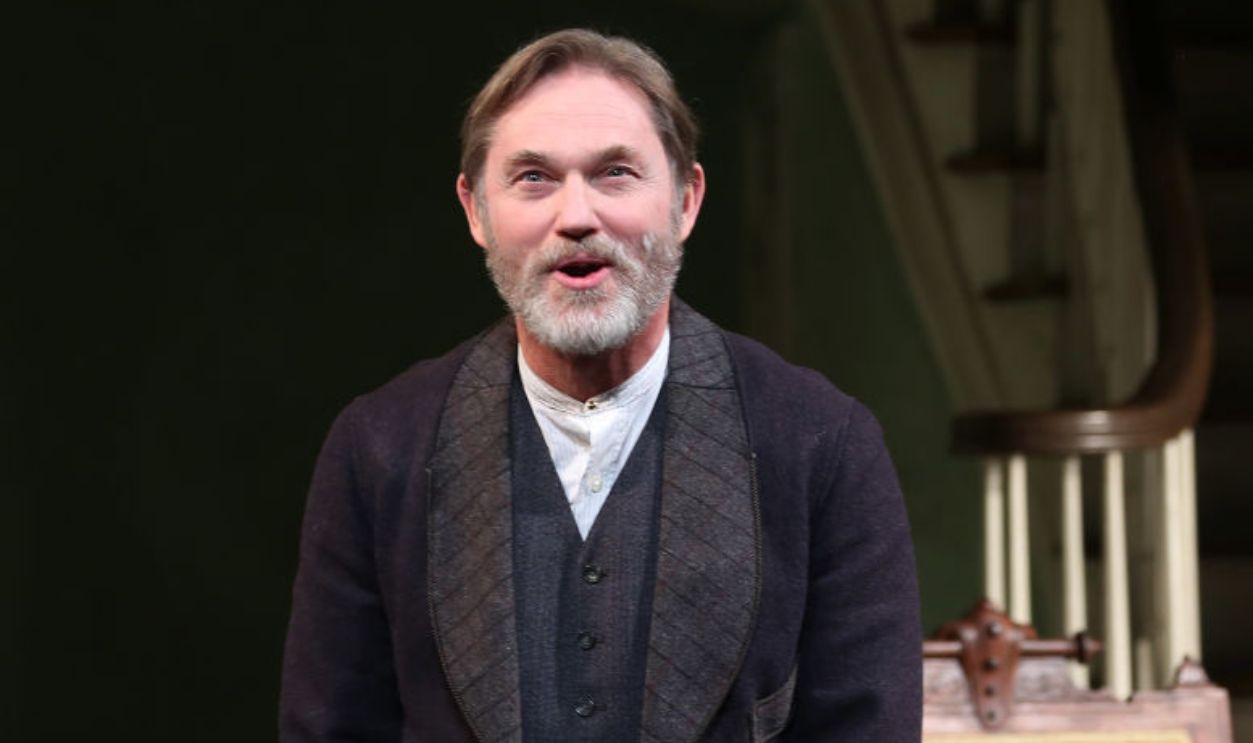
The Little Foxes Brought Tony Recognition
In 2017, Thomas earned a Tony nomination for The Little Foxes. The recognition mattered because it came decades after The Waltons. It proved that theater professionals saw him not simply as a former television star, but as a serious actor with lasting range.
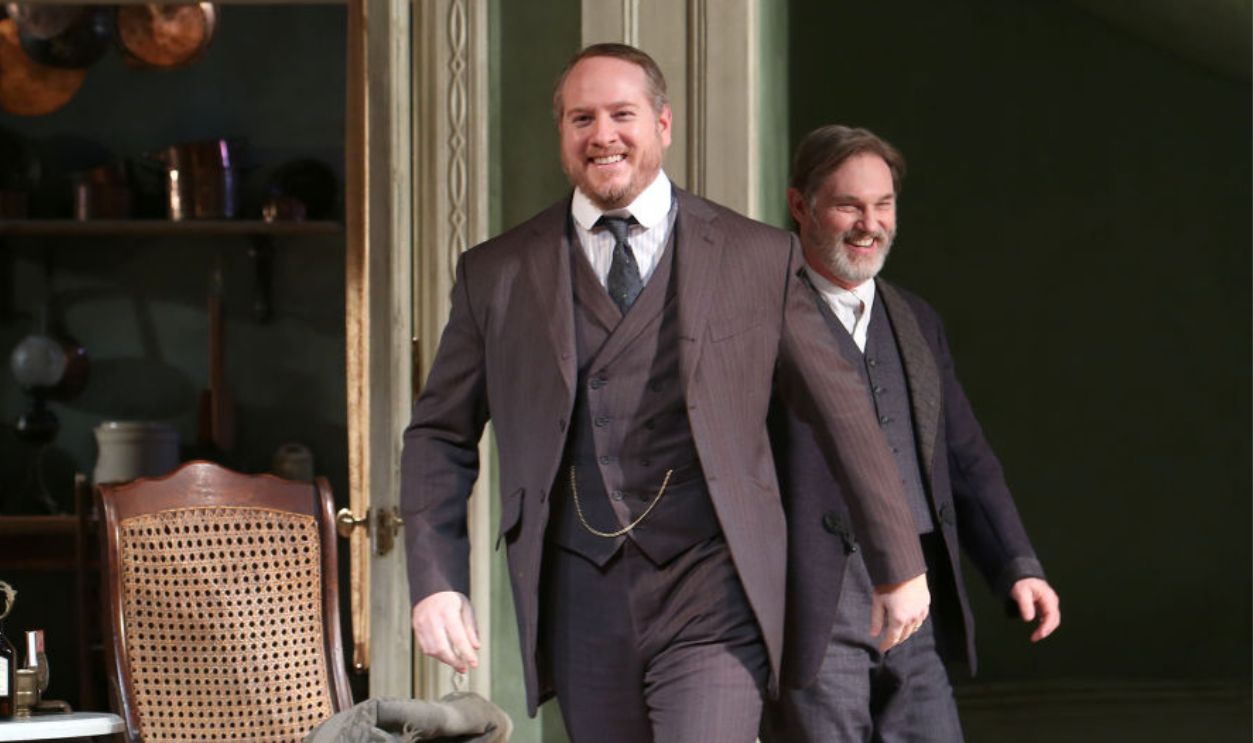
Atticus Finch Gave Him A Mature Hero
Thomas later starred as Atticus Finch in the national tour of To Kill a Mockingbird. The part required patience, moral weight, and emotional restraint. It was the kind of role that allowed him to age into dignity rather than chase the youthfulness that first made him famous.
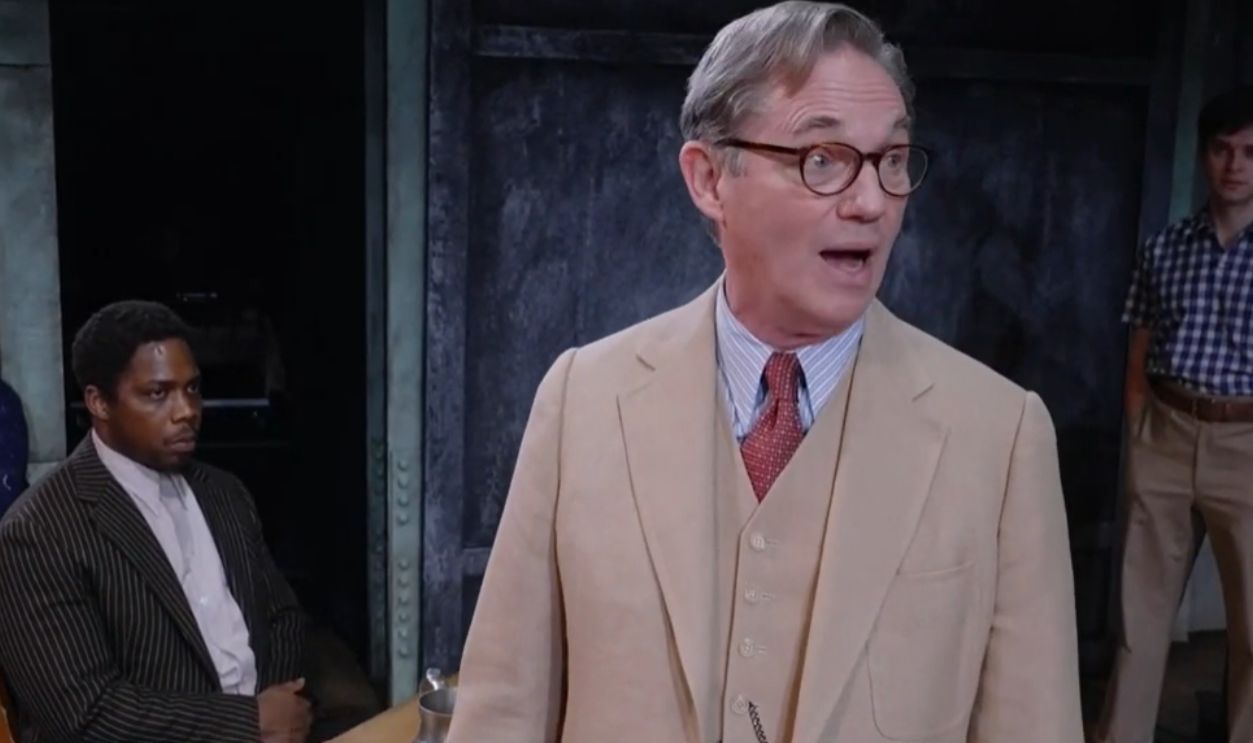 Screenshot from To Kill a Mockingbird, Atticus Limited Liability Company (2018)
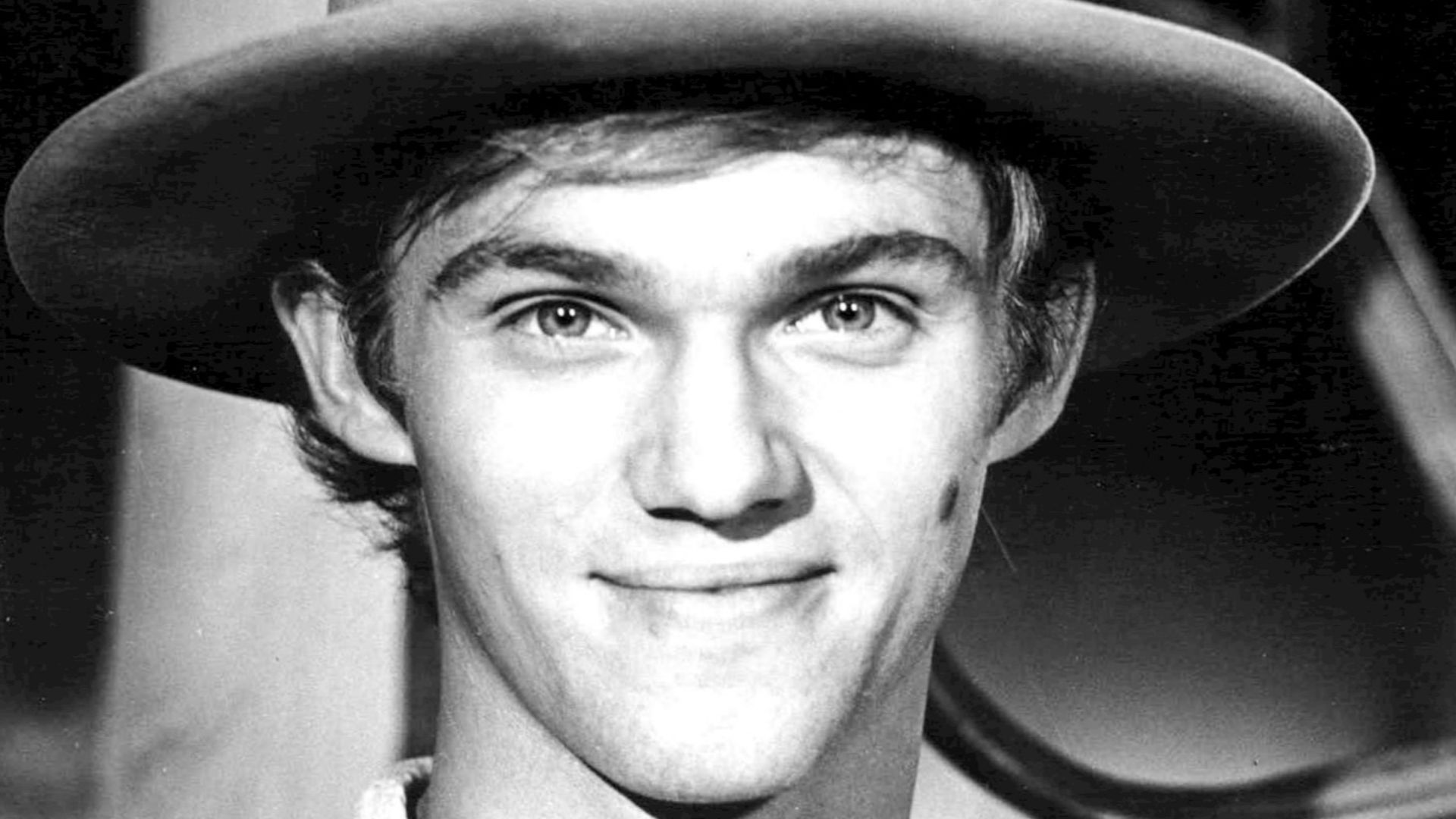
He Never Treated John-Boy Like A Curse
Some actors resent the roles that made them famous. Thomas has been more generous. He has spoken with affection about The Waltons and the connection fans still feel to it. That grace helped his second act feel healthy rather than defensive.
 McFadden, Strauss & Irwin, public relations, Wikimedia Commons
His Career Became A Lesson In Patience
Thomas’s second act worked because he accepted that reinvention could take time. He did not need to erase John-Boy overnight. He simply kept choosing varied work until the public image widened. Slowly, the boy from Walton’s Mountain became something rarer: a lifelong actor.
 PhilipRomanoPhoto, Wikimedia Commons
Richard Thomas’s Second Act Is Remarkable
Richard Thomas’s second act is remarkable because he survived a role that could have swallowed him whole. John-Boy Walton made him beloved, but persistence made him durable. After leaving America’s favorite family, he built a career defined by range, humility, patience, and craft.
![U.S. Secretary of State John Kerry poses for a photo with actors from the play 'Camp David' who are participating in the Secretary’s Open Forum at the U.S. Department of State in Washington, D.C., on April 29, 2014. [State Department photo/ Public Domain]](https://www.factinate.com/storage/app/media/theshot/2026/7/14/17840259198094827dbc81ad462ba60c0deb9063f1e82befcf.jpg) U.S. Department of State, Wikimedia Commons
U.S. Department of State, Wikimedia Commons
You May Also Like:
The Greatest Child Acting Performances In Cinema History
The Acting Legend Of Kim Hamilton