
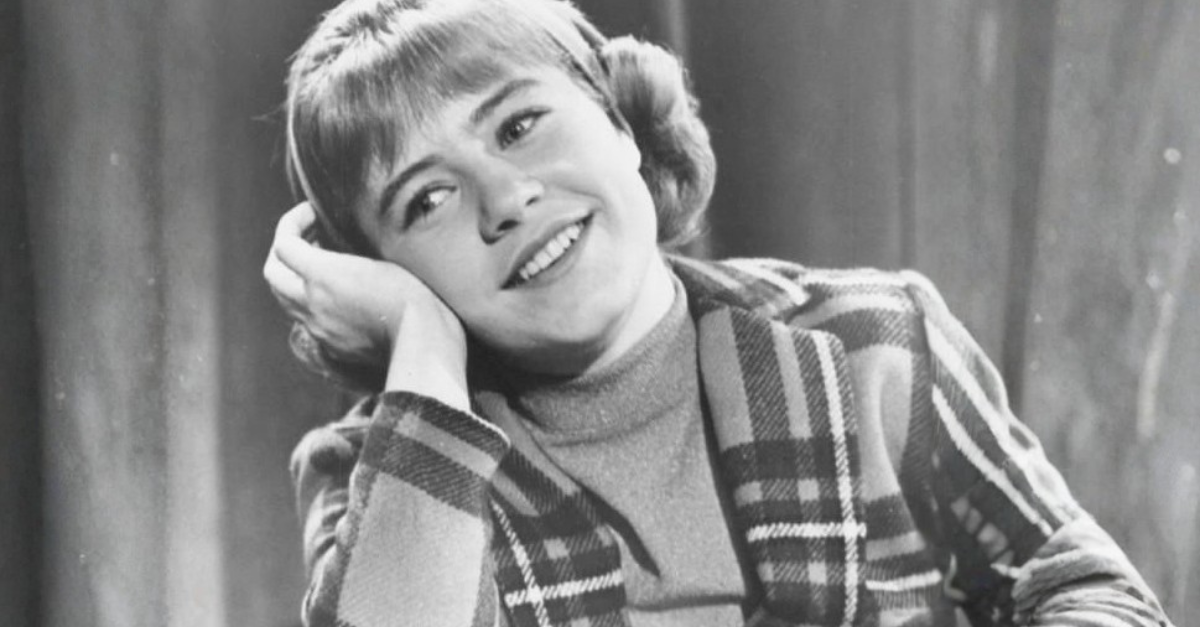
America Knew Patty, But Anna Was Still In There
To television viewers, Patty Duke looked like the ideal American teenager: funny, energetic, wholesome, and remarkably talented. Behind that polished image was Anna Marie Duke, a young performer whose managers had controlled everything from her name to her behavior. Eventually, she would have to fight to reclaim both her career and herself.
 ABC Television, Wikimedia Commons
She Started Out As Anna Marie Duke
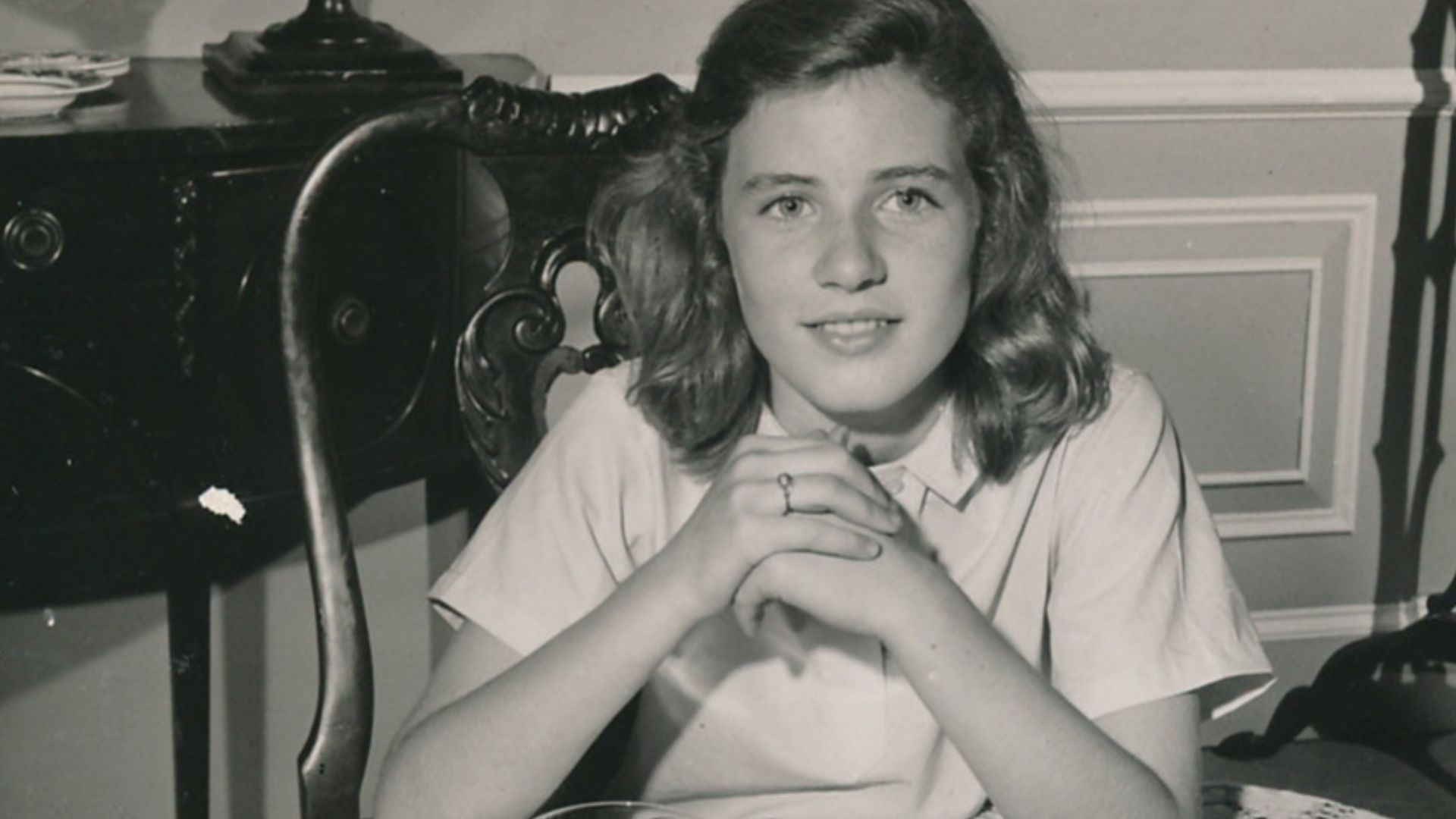
Duke was born Anna Marie Duke in New York City on December 14, 1946. Her childhood was unstable, and by age seven she had entered show business. Talent managers John and Ethel Ross, who had previously worked with her brother, soon took charge of her budding career.
The Rosses Took Over
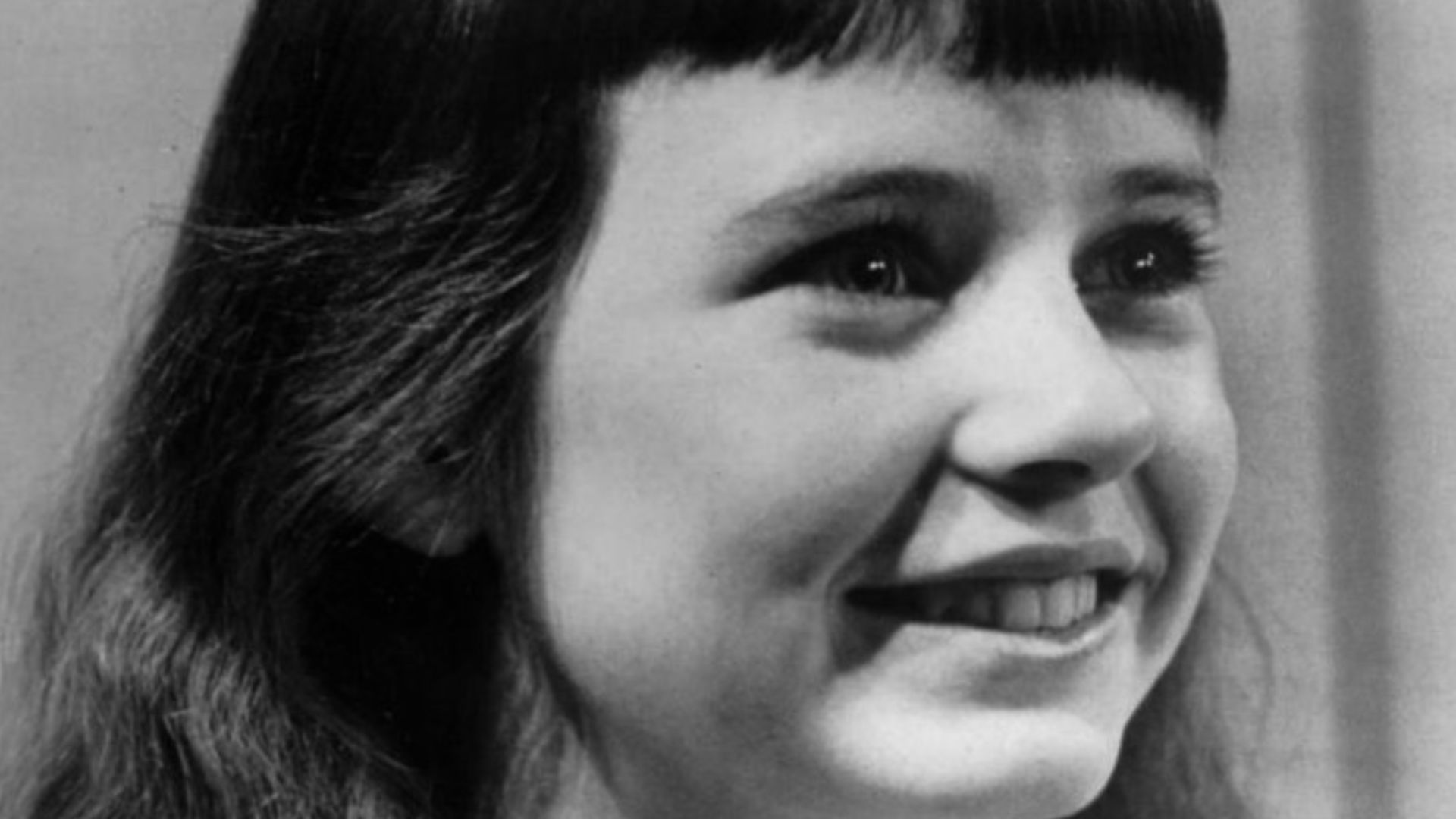
The Rosses became far more than professional representatives. Duke eventually lived with them, and she later described their control as extending into virtually every part of her daily existence. Her contact with her family became limited while the managers increasingly shaped how she presented herself.
 Unknown authorUnknown author, Wikimedia Commons
Anna Marie Was Given A New Identity
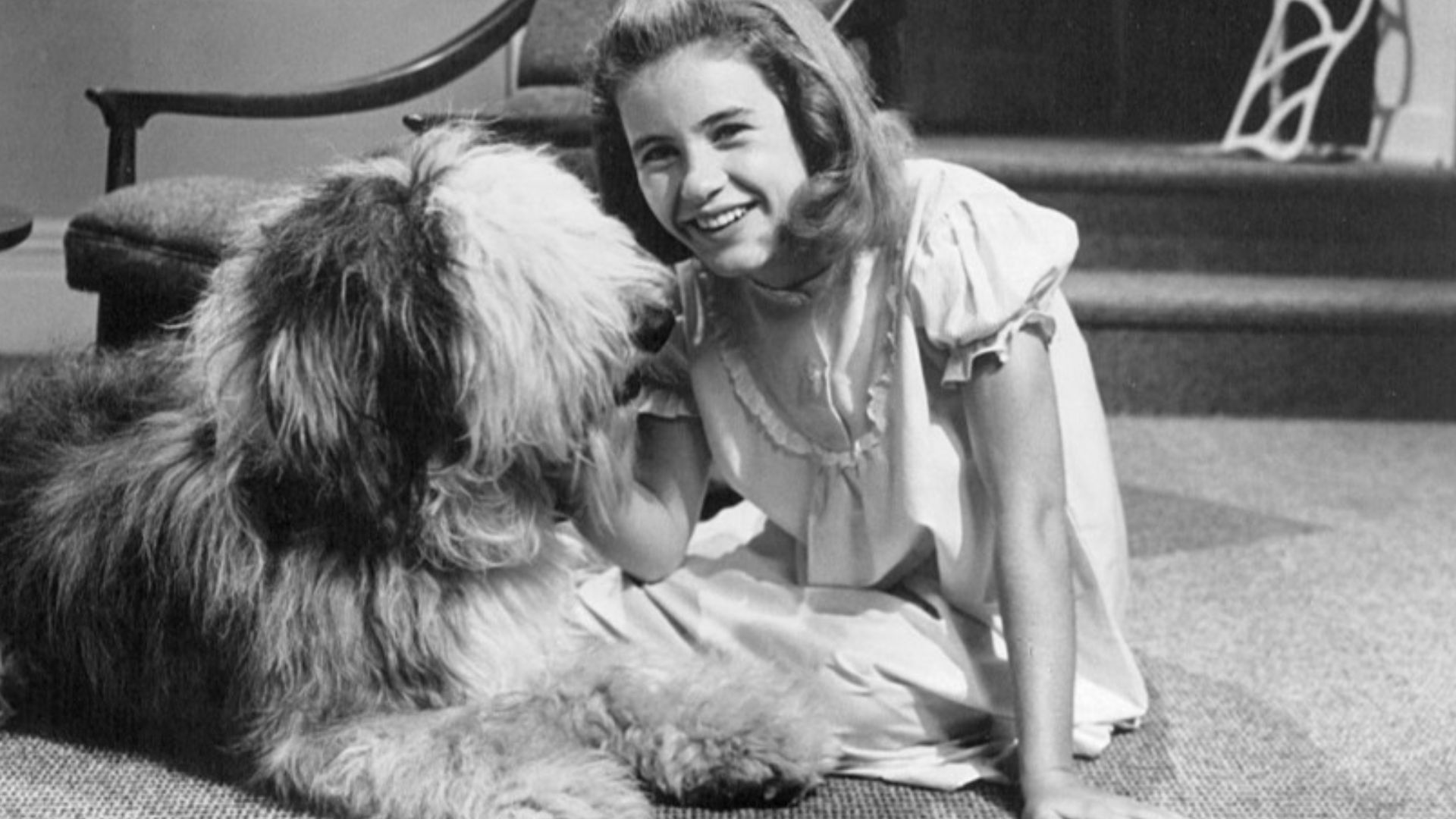
One of their most consequential decisions involved her name. Duke recalled being told that Anna Marie was effectively gone and that she was now Patty. She later viewed the episode as symbolic of something larger: adults were constructing a marketable personality for her before she was old enough to understand the consequences.
 ABC Television, Wikimedia Commons
Even Her Voice Was Changed
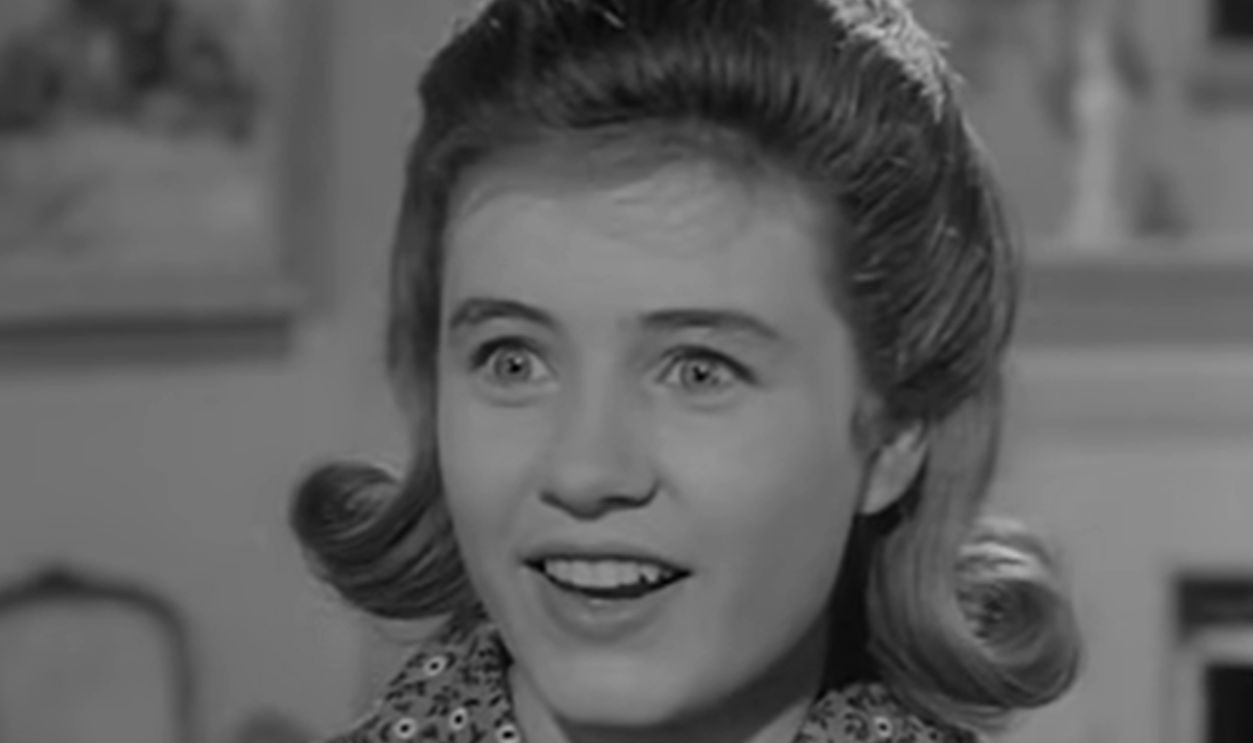
The Rosses worked to eliminate Duke's New York accent and carefully rehearsed what she would say during auditions and interviews. Her appearance, background, age, and professional history could also be presented strategically. The goal was to create the child performer casting directors wanted to see.
 Screenshot from The Patty Duke Show, Amazon MGM Studios (1963-1966)
Television Brought An Early Scandal
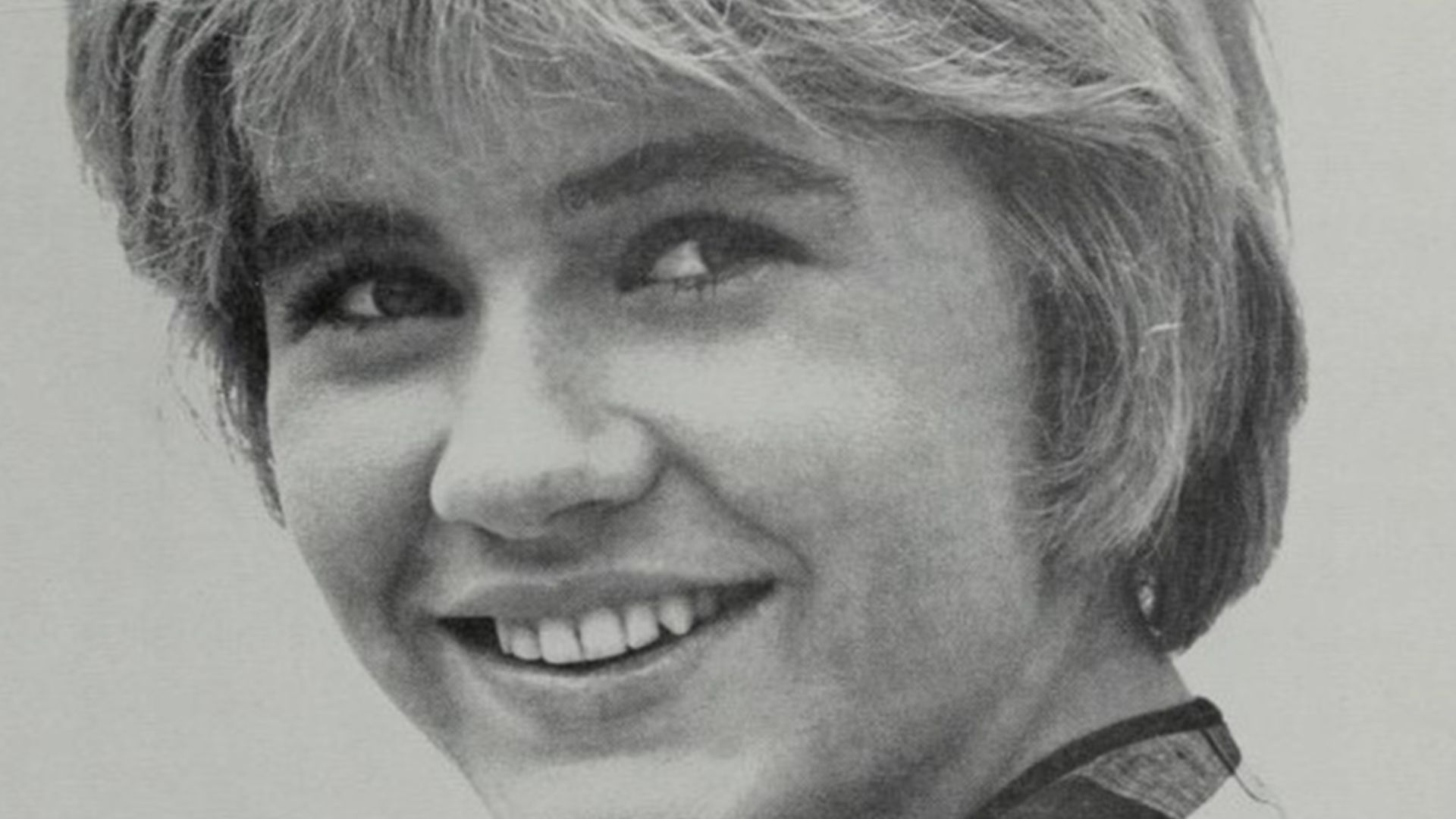
Duke appeared on The $64,000 Challenge during the era's notorious quiz-show scandals. She later said the Rosses supplied her with answers and coached her testimony when authorities investigated rigged programs. Years afterward, she openly discussed how adults had placed her in that position.
 United Artists 875, Wikimedia Commons
Then Came Helen Keller
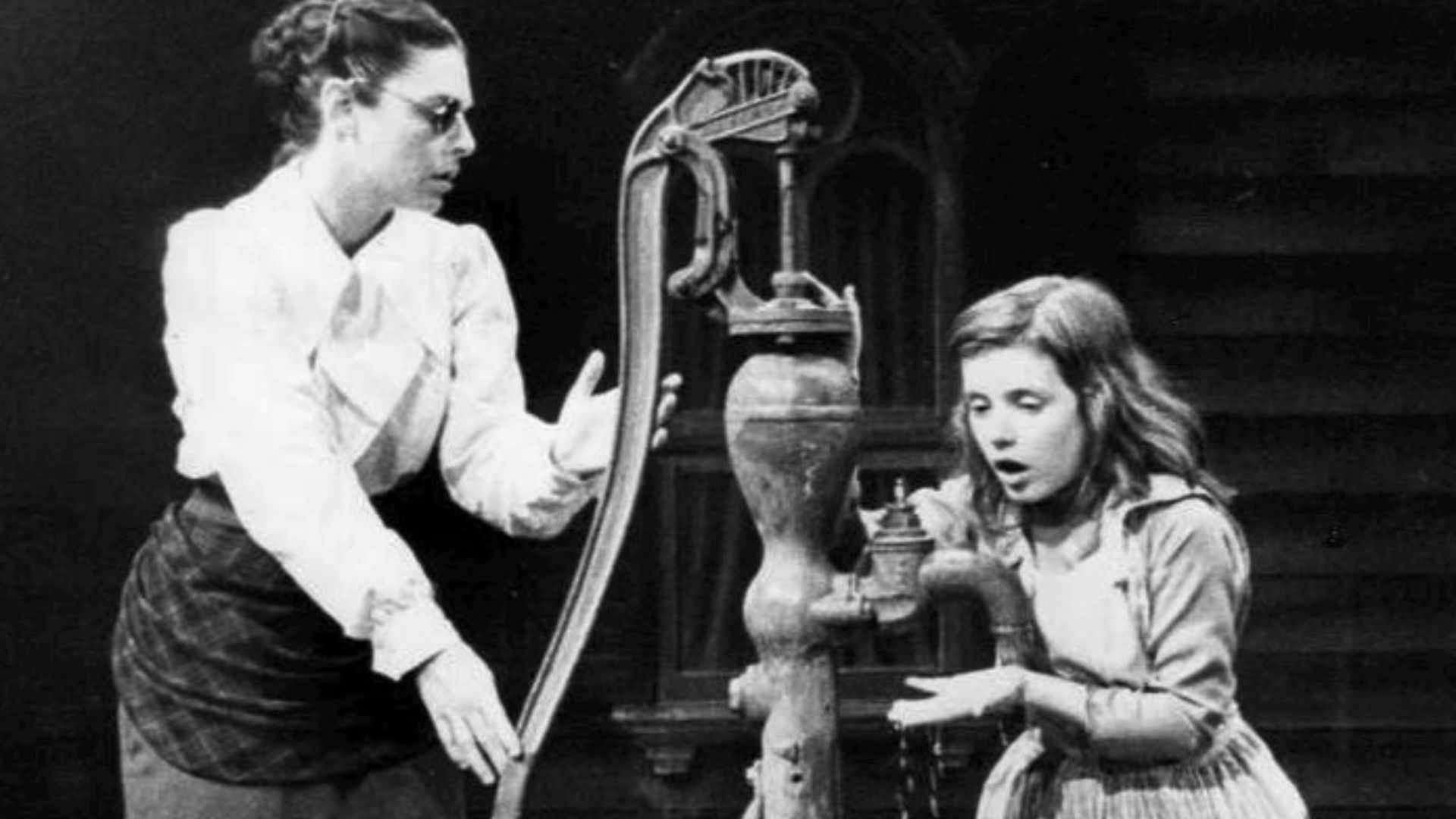
Duke's extraordinary breakthrough arrived with The Miracle Worker. She made her Broadway debut as Helen Keller in 1959 opposite Anne Bancroft as Anne Sullivan. The physically demanding production demonstrated that the carefully groomed child performer possessed serious dramatic ability beyond commercials and television appearances.
 The Miracle Worker, Wikimedia Commons
Broadway Changed Everything
The Miracle Worker became a major success, but Duke remembered her growing fame as making the Rosses even more controlling. While audiences celebrated the gifted young actress, her personal freedom remained extremely limited. Professional success had increased the stakes surrounding the teenager's career.
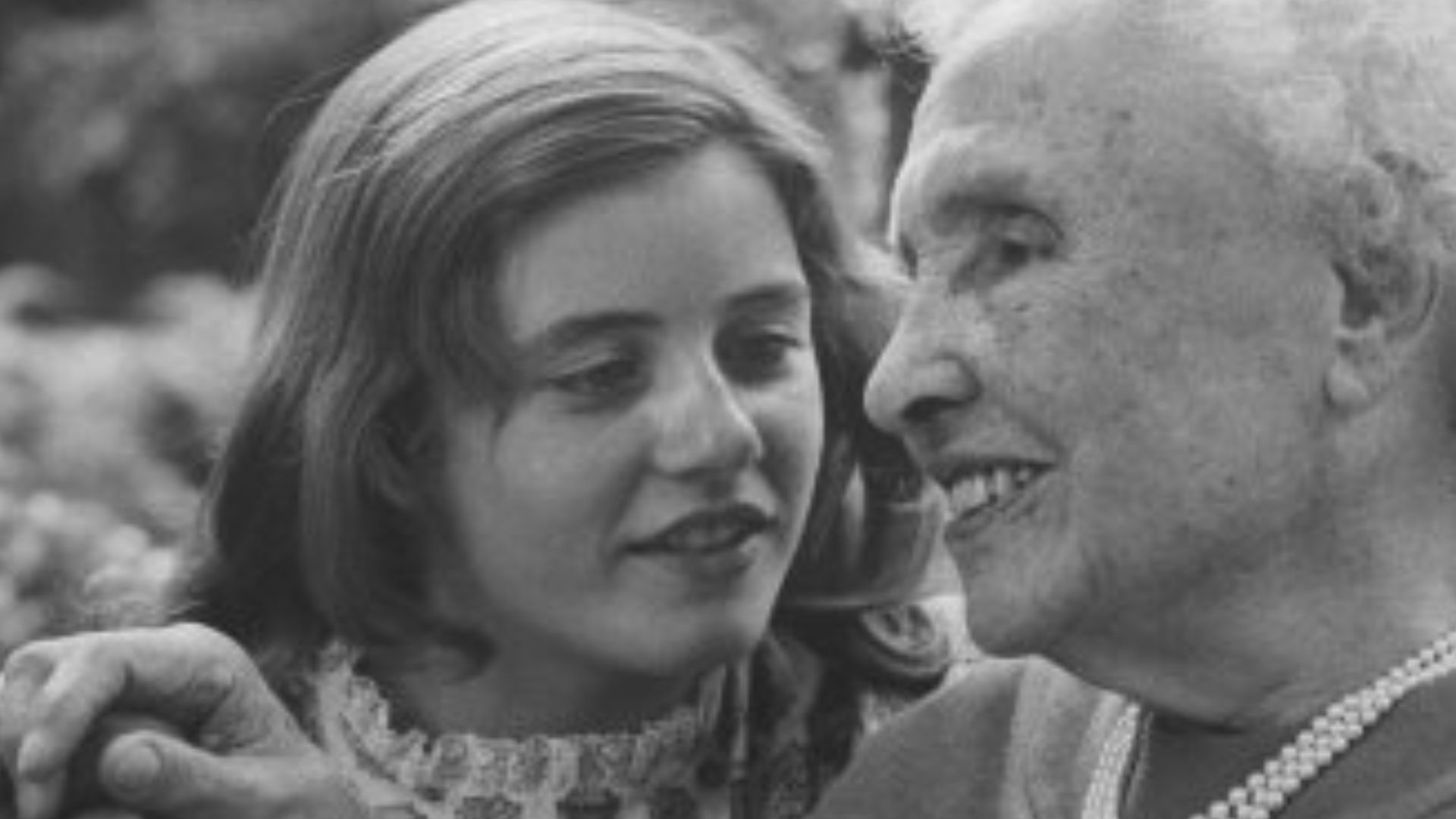 Nina Leen (fallecida), Wikimedia Commons
Hollywood Came Calling
Duke and Bancroft reprised their roles for Arthur Penn's 1962 film adaptation of The Miracle Worker. The film received five Academy Award nominations. Bancroft won Best Actress, while Duke's performance as Keller brought the teenager an achievement that immediately placed her in Hollywood history.
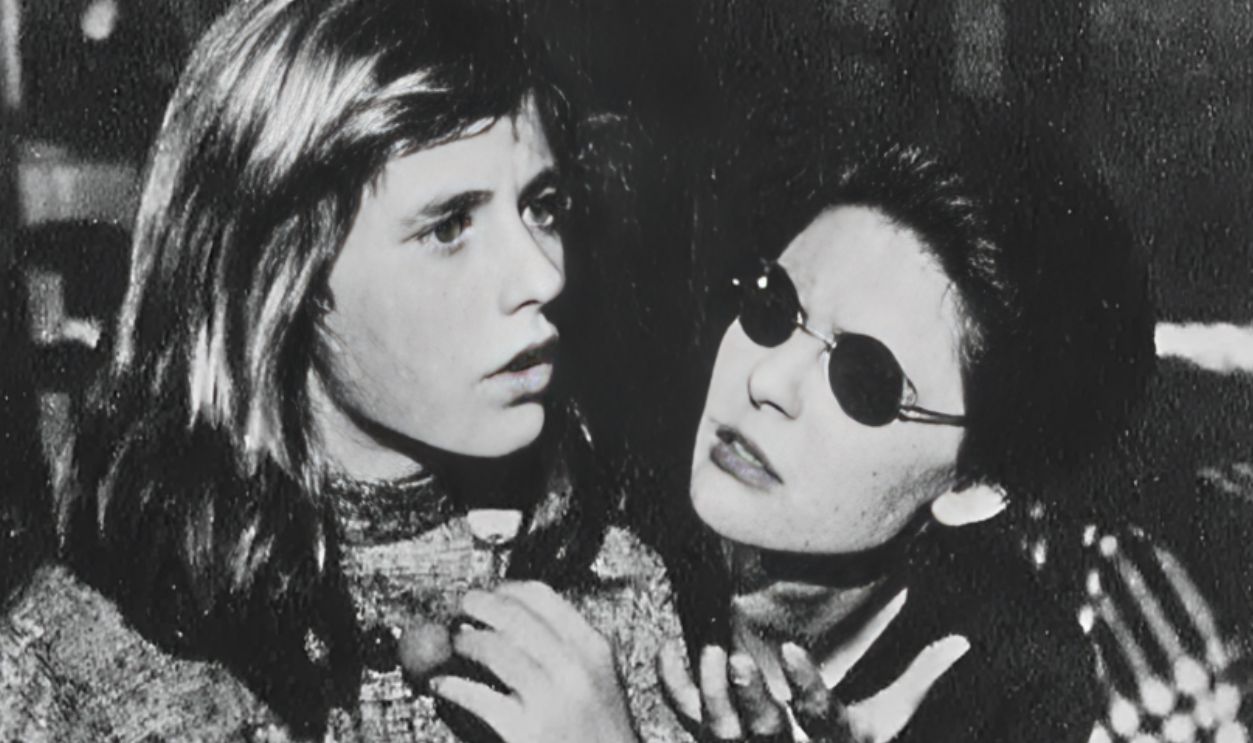 Unknown author, Wikimedia Commons, Enhanced
She Won An Oscar At 16
At the 1963 Academy Awards, Duke won Best Supporting Actress for The Miracle Worker. At 16, she became the first performer under 18 to win a competitive Academy Award. It was an astonishing accomplishment for someone whose professional life was still largely being directed by other people.
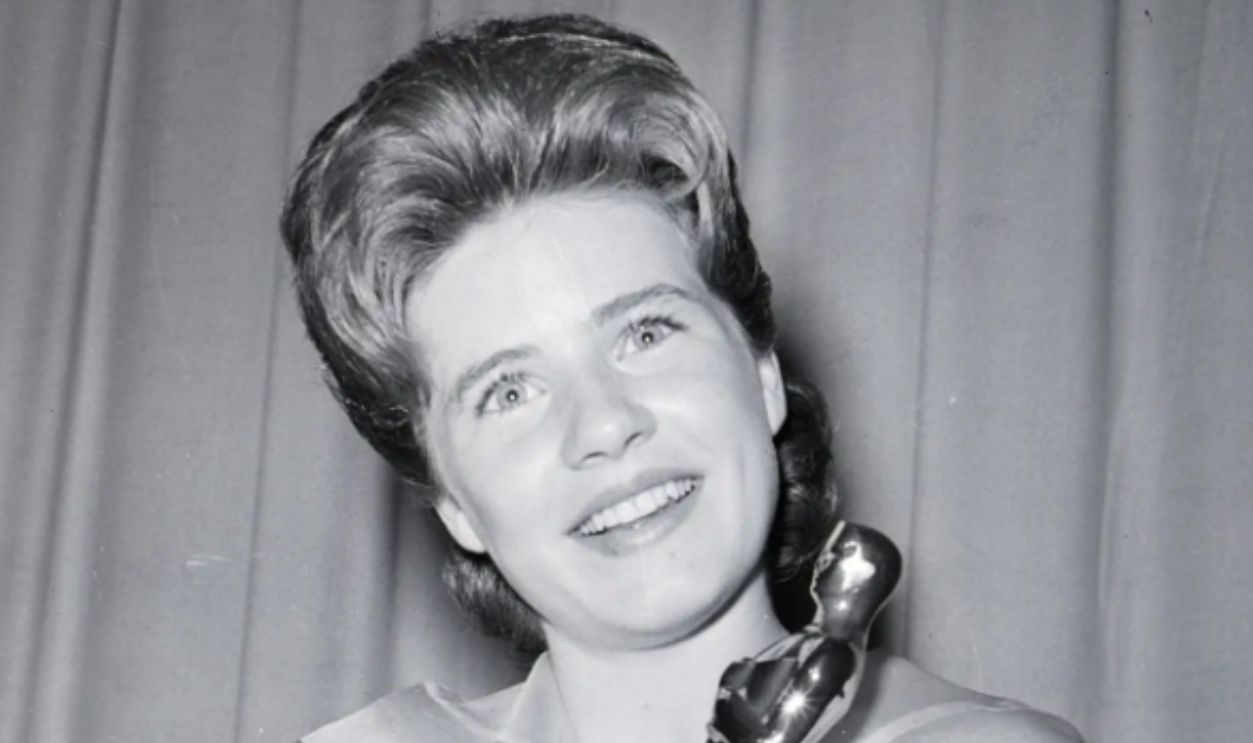
Television Wanted Its New Star
After the Oscar came an offer built specifically around Duke. Writer-producer Sidney Sheldon helped develop what became The Patty Duke Show, which premiered on ABC in 1963. The series transformed the acclaimed dramatic actress into one of television's most recognizable teenage personalities.
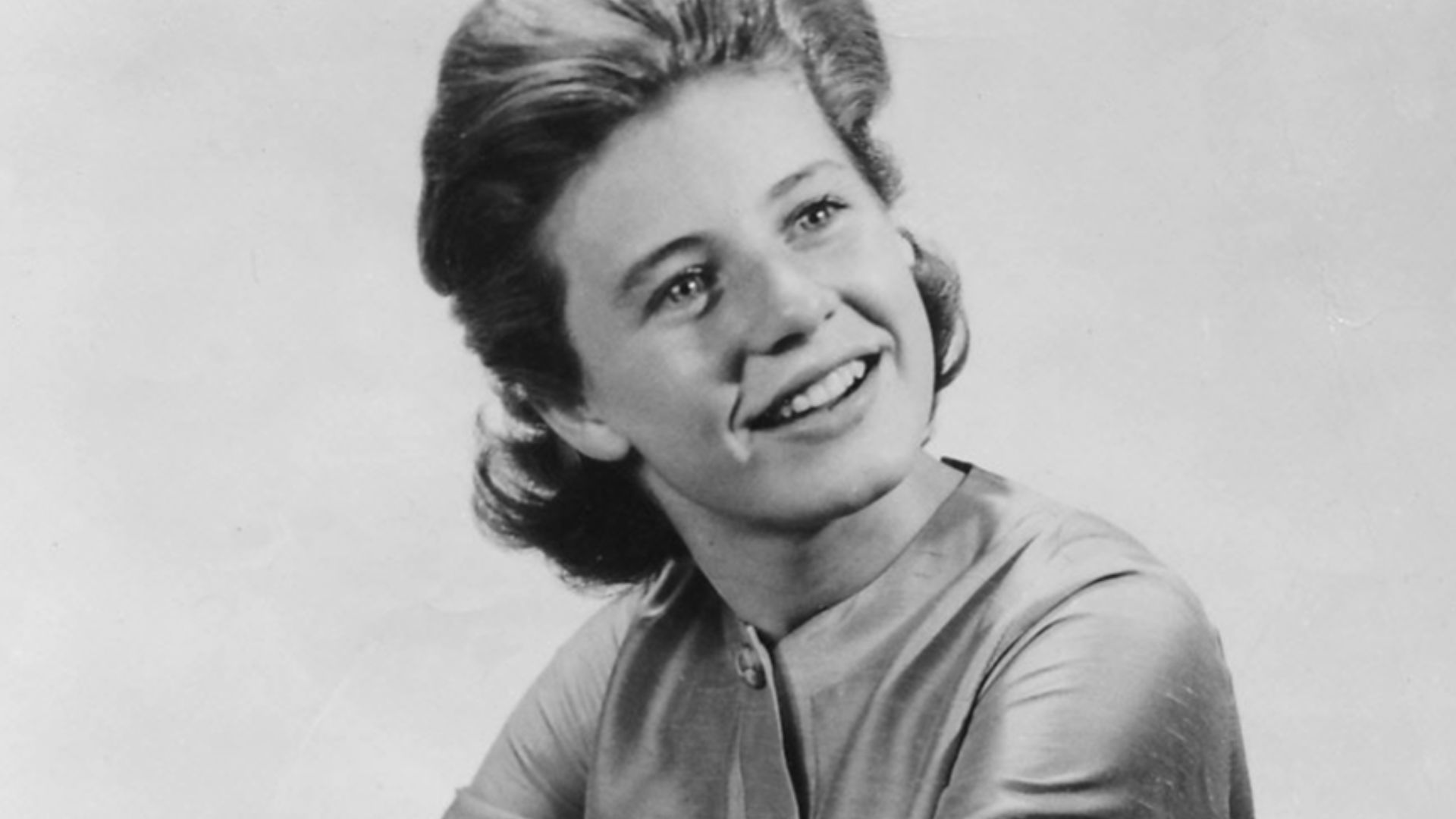 ABC Television, Wikimedia Commons
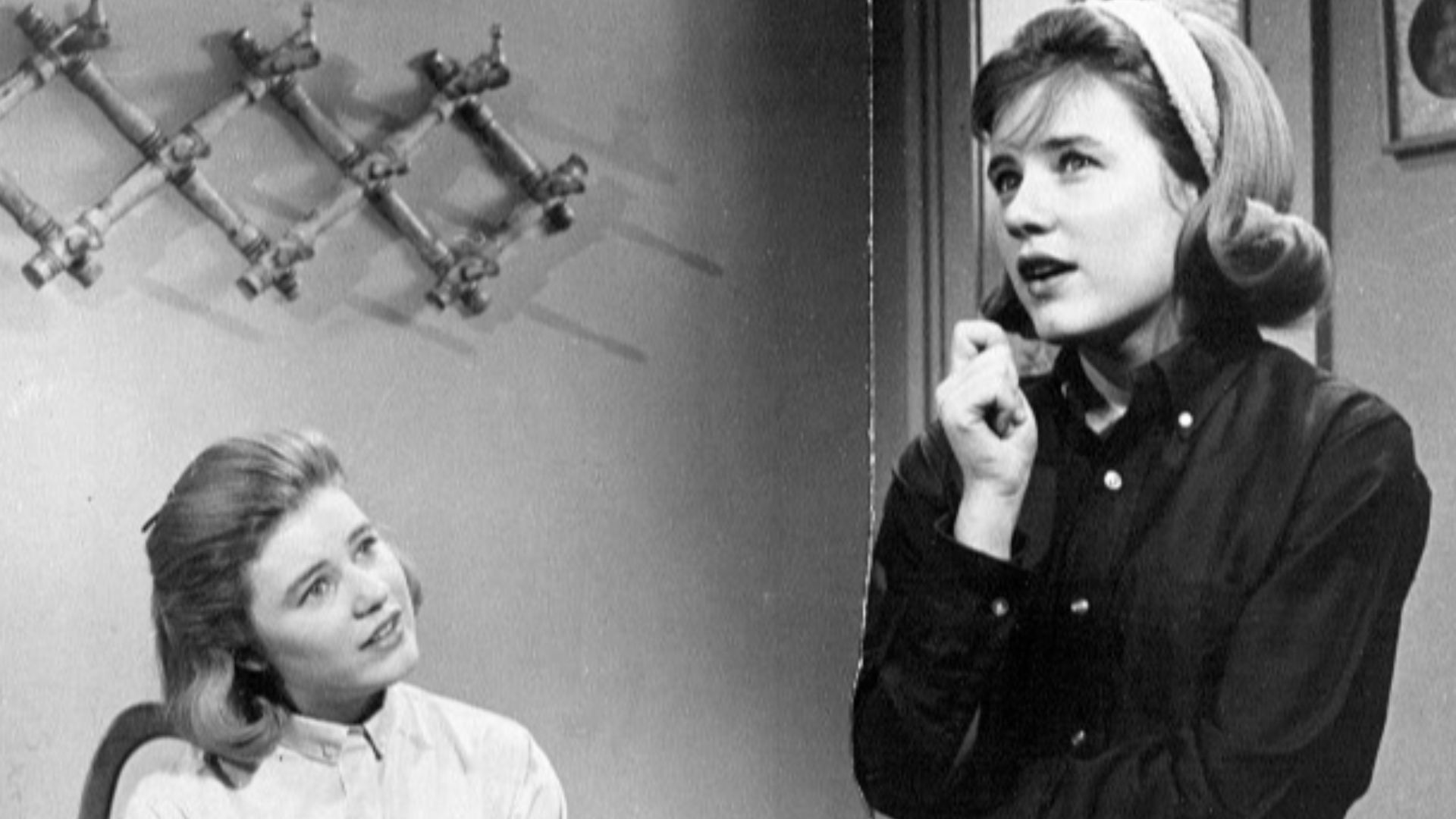
One Patty Somehow Became Two
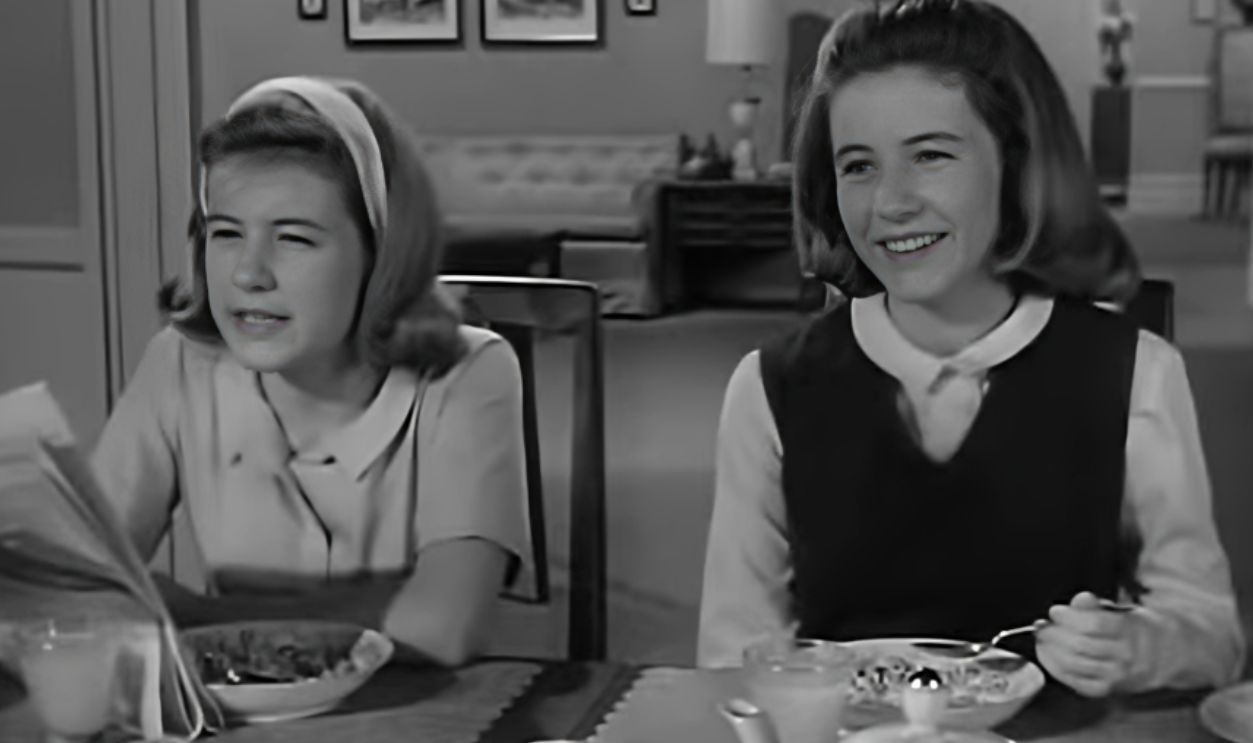
Duke played both Brooklyn teenager Patty Lane and her sophisticated cousin Cathy. Sheldon recalled recognizing different sides of Duke's personality and developing the dual-role idea around her abilities. Duke later said the contrasting characters reflected different parts of her own personality.
 ABC Television, Wikimedia Commons
Patty Lane Had The Childhood Duke Didn't
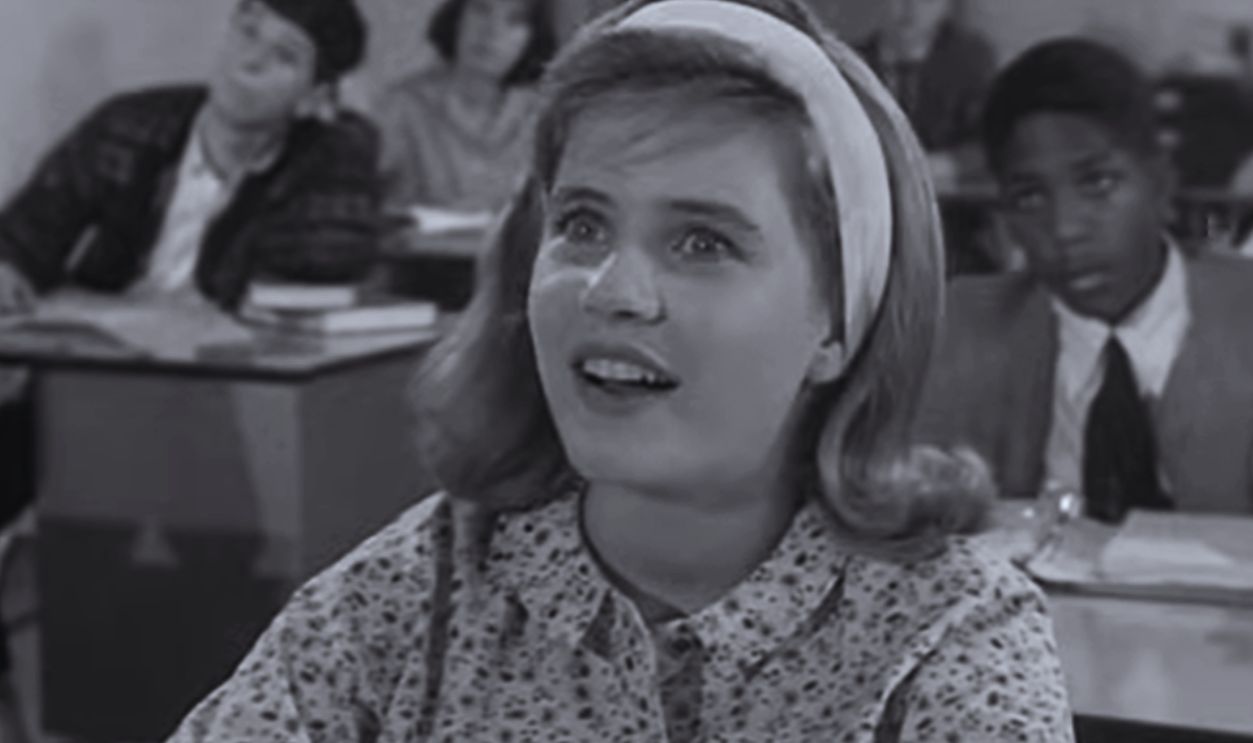
Patty Lane was surrounded by a stable sitcom family, attended school, dated Richard, and experienced relatively ordinary teenage problems. Duke later observed that her television alter ego had a much more conventional upbringing than she herself had experienced. The contrast was hidden from viewers watching at home.
 Screenshot from The Patty Duke Show, Amazon MGM Studios (1963-1966)
Playing Two Characters Was Serious Work
Creating Patty and Cathy together required complicated production techniques, including split-screen effects and doubles. Duke also had to keep their voices, mannerisms, and personalities distinct. The technical demands showcased precisely how capable she had become after years of intensive professional training.
 Screenshot from The Patty Duke Show, Amazon MGM Studios (1963-1966), Enhanced
The Show Became Her Public Identity
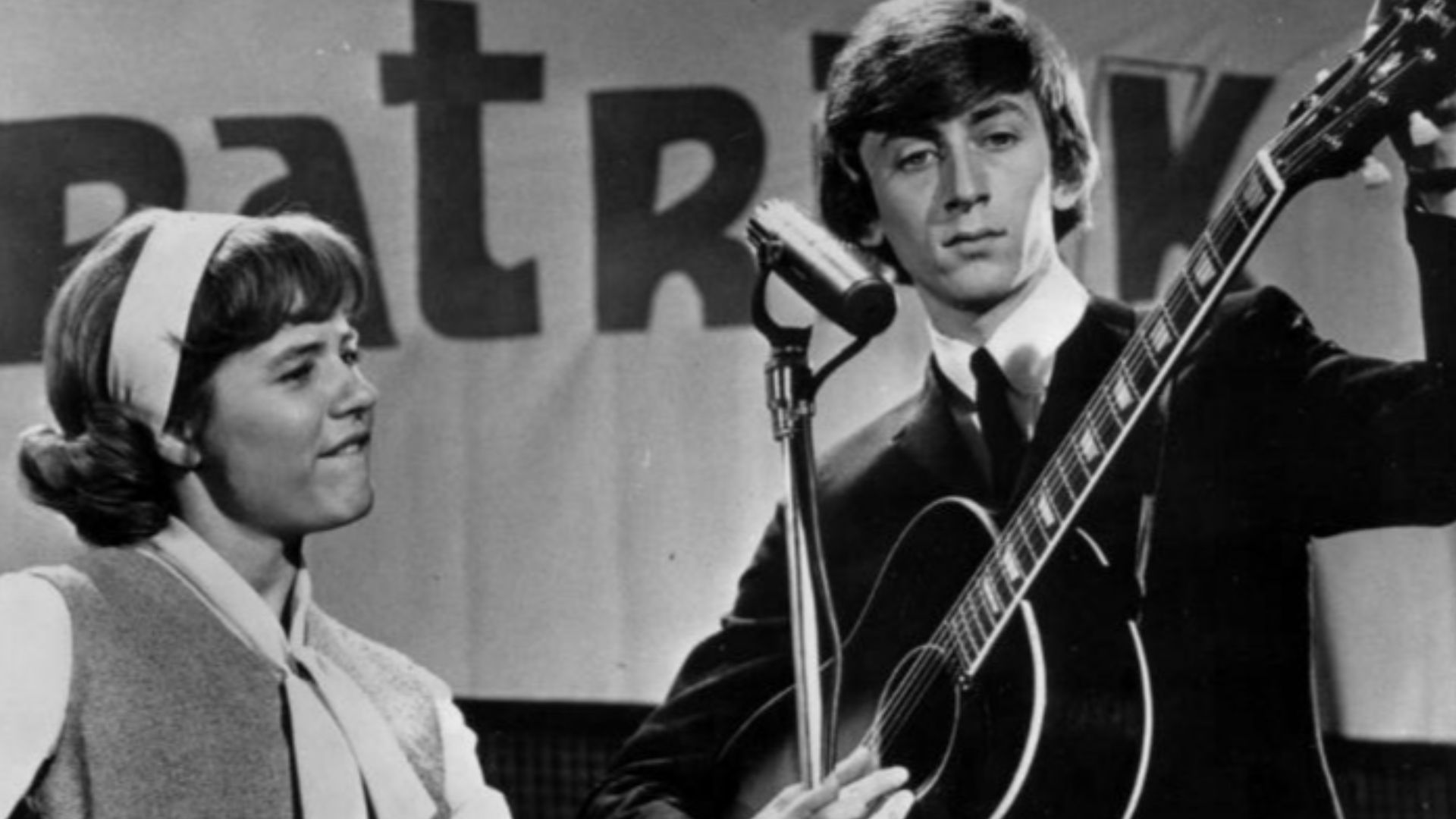
The Patty Duke Show ran for three seasons, from 1963 through 1966. Duke received an Emmy nomination for her performance in 1964. The sitcom's popularity further cemented "Patty Duke" as a carefully packaged public figure recognizable to millions of television viewers.
 ABC Television, Wikimedia Commons
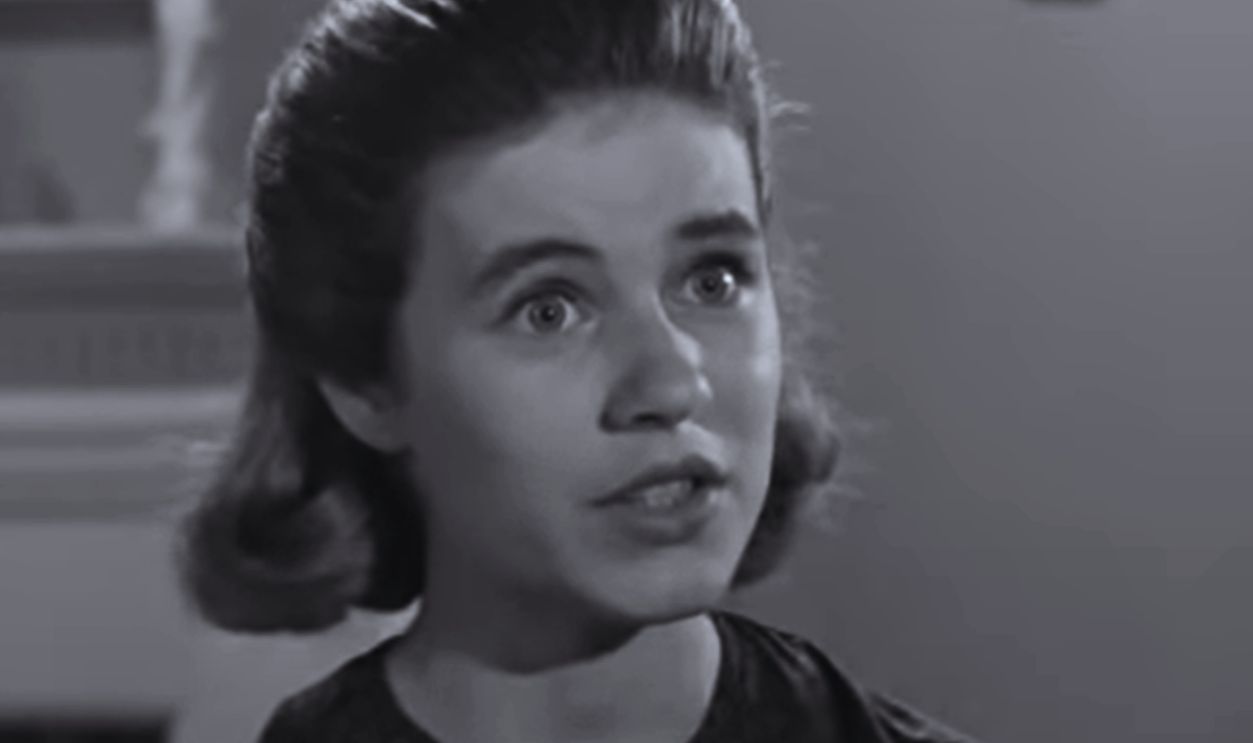
She Couldn't Even Watch Herself
The restrictions surrounding Duke continued despite her enormous visibility. She later recalled that the Rosses did not allow her to watch The Patty Duke Show, believing it might inflate her ego. Ironically, countless American families could watch Patty Lane each week while Duke herself could not.
 Screenshot from The Patty Duke Show, Amazon MGM Studios (1963-1966)
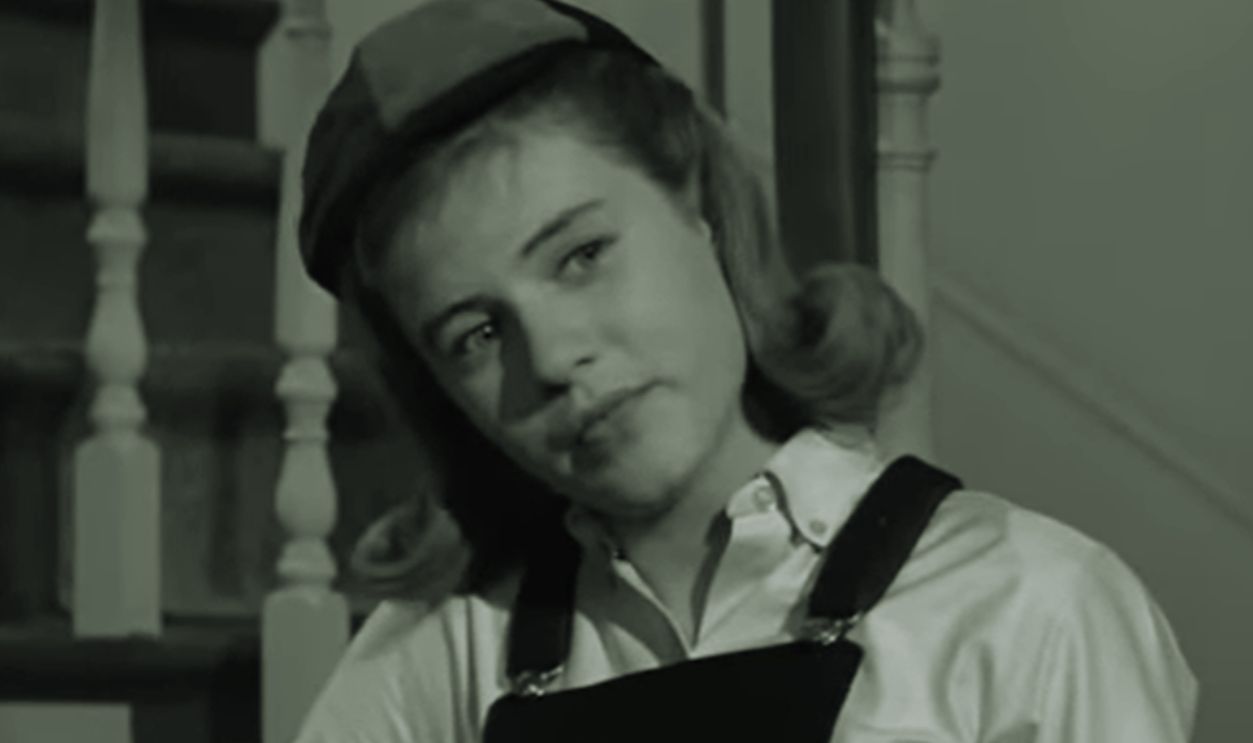
Her Career Became A Business Machine
Duke's fame expanded beyond the sitcom into merchandising and recording. She remembered the Rosses remaining deeply involved in these activities and in coaching how she behaved publicly. The teenager increasingly understood that the cheerful "Patty Duke" being marketed to America belonged partly to other people.
 Screenshot from The Patty Duke Show, Amazon MGM Studios (1963-1966)
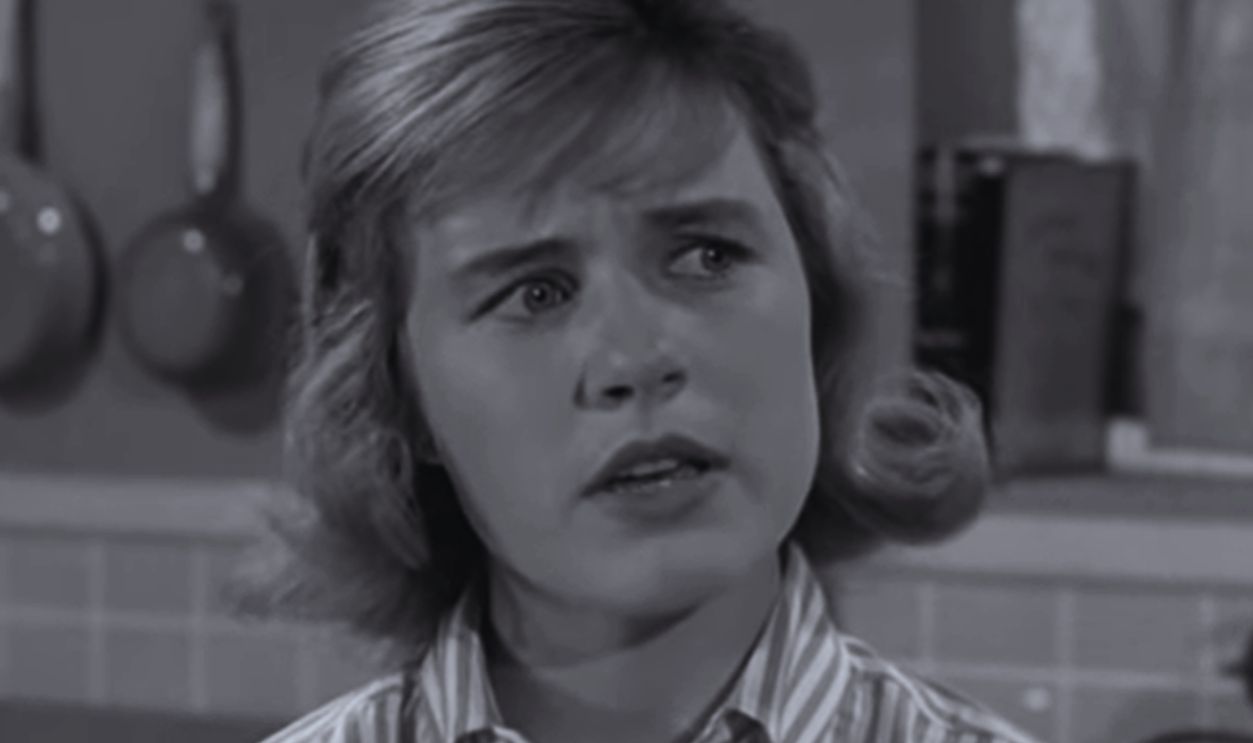
Turning 18 Changed The Rules
Adulthood finally gave Duke an opportunity to break the arrangement. In her Television Academy interview, she discussed firing the Rosses after turning 18. Separating herself from the people who had managed her since childhood meant gaining independence without having received much preparation for managing an adult life.
 Screenshot from The Patty Duke Show, Amazon MGM Studios (1963-1966)
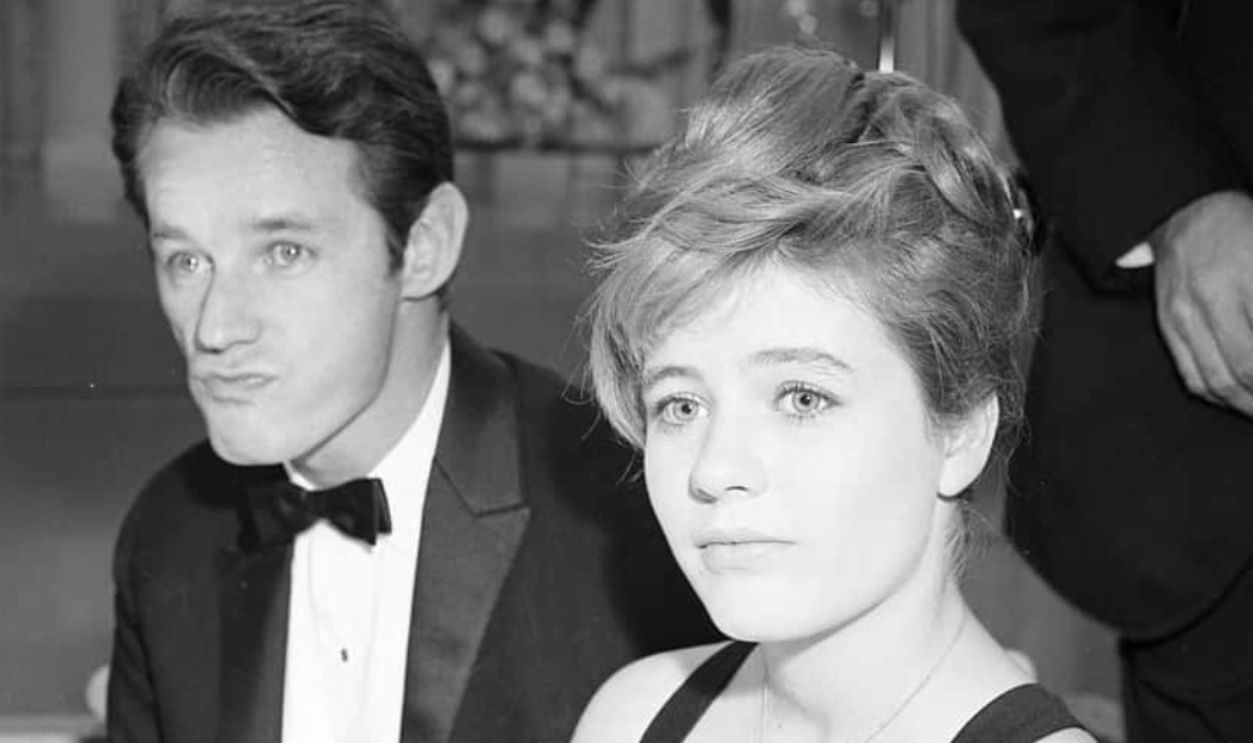
Marriage Became Part Of Her Escape
Duke married director Harry Falk in 1965 when she was 18. She later told Terry Gross that marriage was essentially how she got away from the Rosses. Freedom arrived, but Duke acknowledged that years of having decisions made for her had left her poorly prepared for independence.
 Michael Ochs Archives, Getty Images
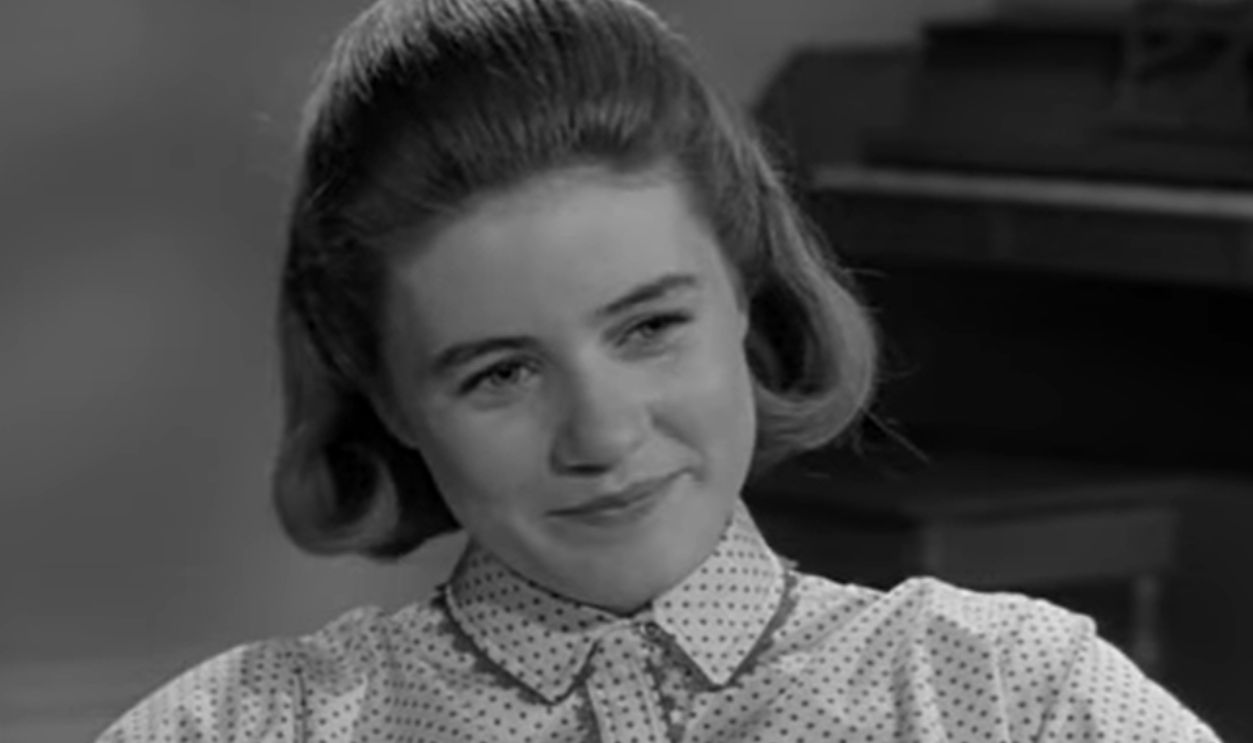
The Perfect Teenager Disappeared
The Patty Duke Show ended in 1966, closing the chapter that had defined her public image. Duke now faced the difficult transition from carefully managed child star to adult actress. Her subsequent career would repeatedly challenge the wholesome television identity audiences associated with her.
 Screenshot from The Patty Duke Show, Amazon MGM Studios (1963-1966)
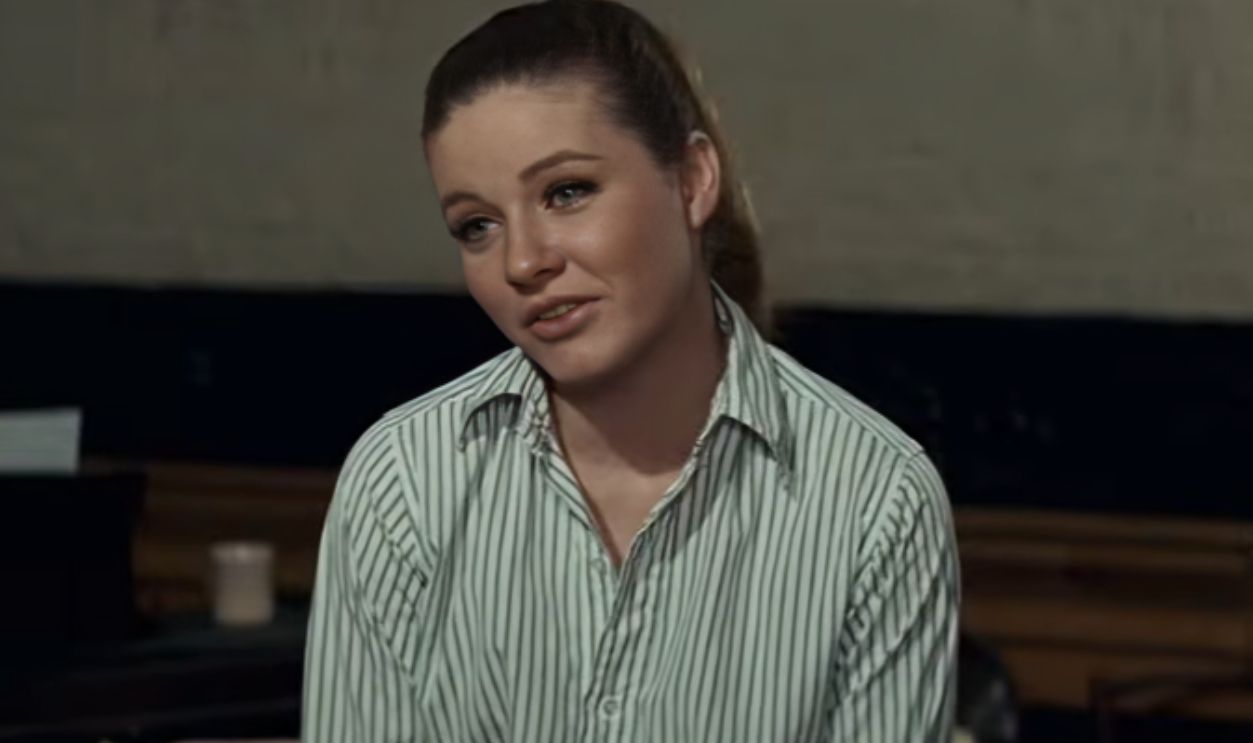
She Took A Risk With Valley Of The Dolls
Duke starred as Neely O'Hara in the 1967 film Valley of the Dolls, playing an ambitious entertainer whose life becomes increasingly chaotic. The melodrama was a dramatic departure from Patty Lane, helping separate Duke's adult screen career from the squeaky-clean teenager audiences remembered.
 Screenshot from Valley of the Dolls, The Walt Disney Company (1967), Enhanced
Television Gave Her Another Triumph
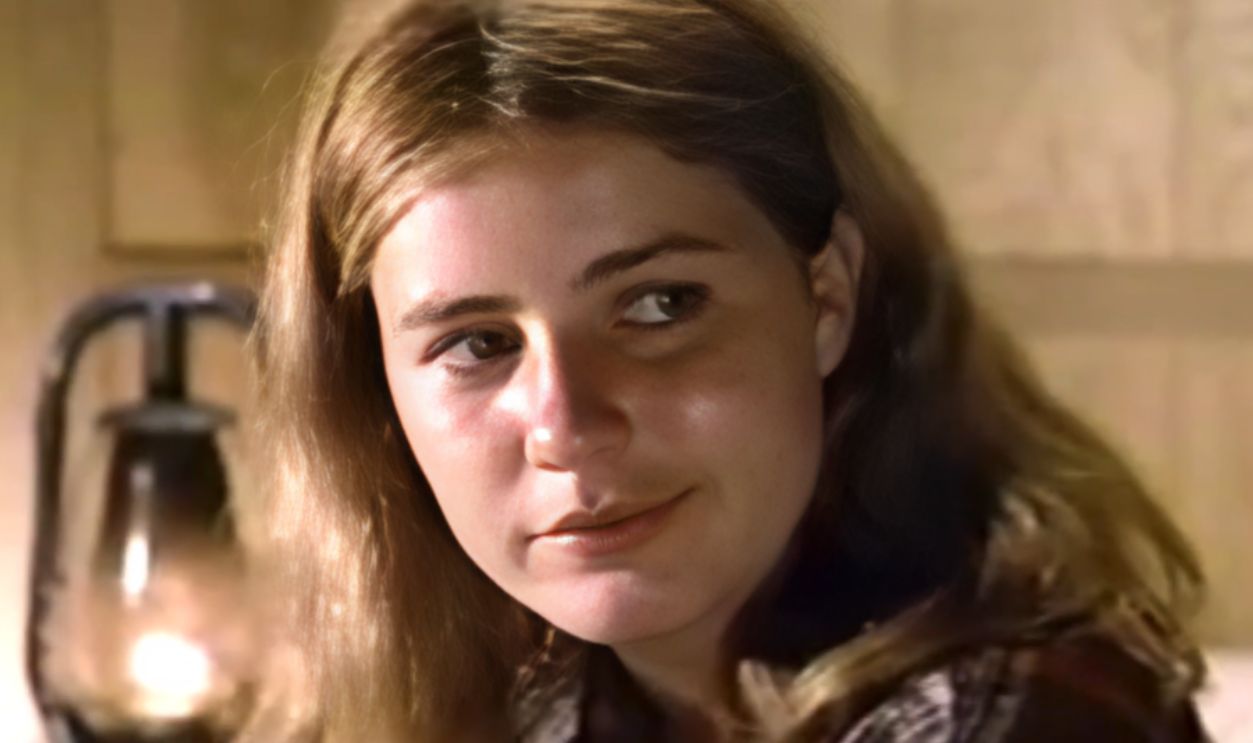
Duke delivered an acclaimed performance opposite Al Freeman Jr. in the 1970 television movie My Sweet Charlie. Her portrayal of Marlene Chambers earned her the Emmy for Outstanding Single Performance by an Actress in a Leading Role, proving her earlier dramatic success had hardly been a childhood fluke.
 Screenshot from My Sweet Charlie, NBCUniversal (1970), Enhanced
She Became An Emmy Regular
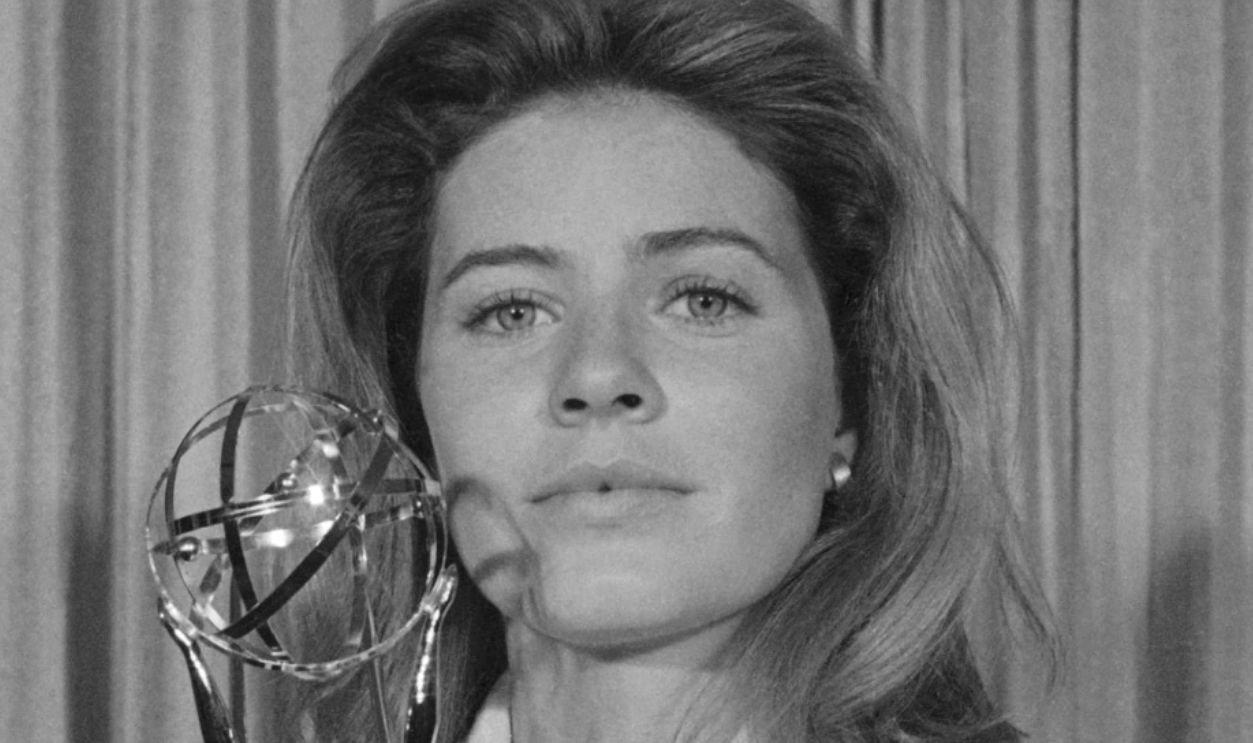
Duke ultimately won three Primetime Emmys. After My Sweet Charlie, she won for the 1976 miniseries Captains and the Kings and the 1979 television adaptation of The Miracle Worker. Her television work increasingly demonstrated a range far beyond the sitcom character that first made her a household name.
The Miracle Worker Came Full Circle
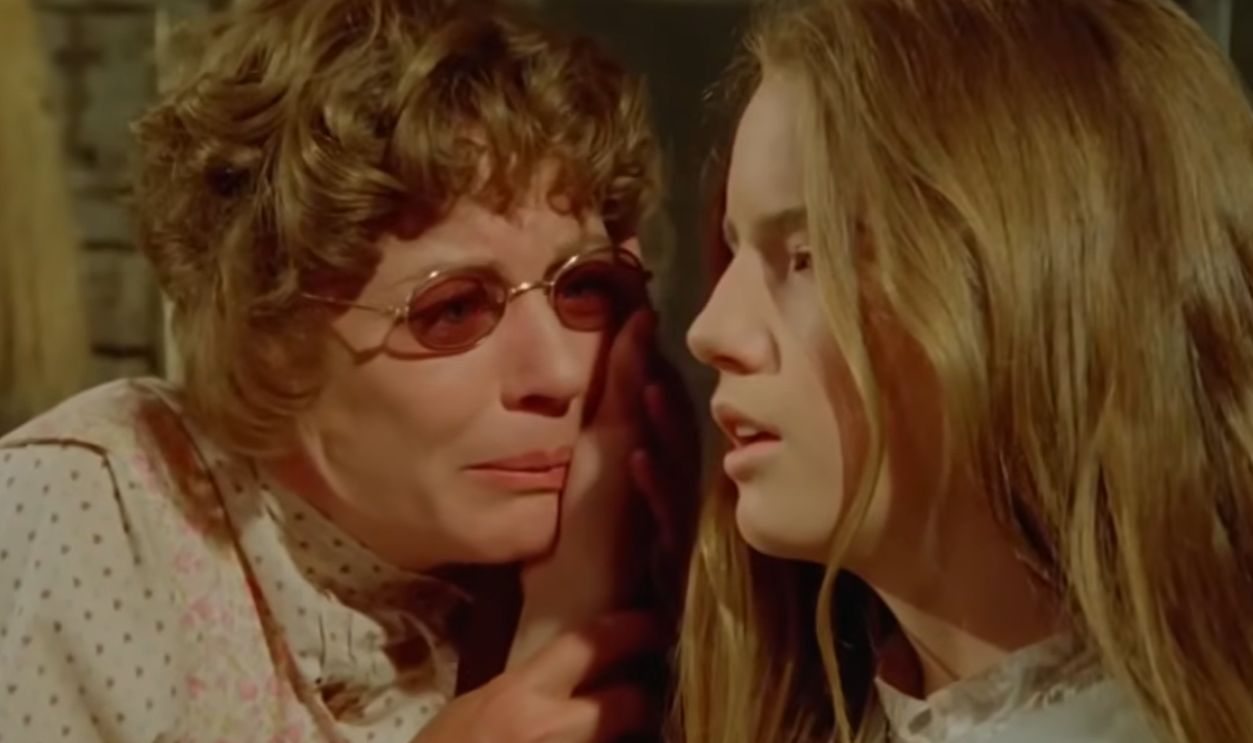
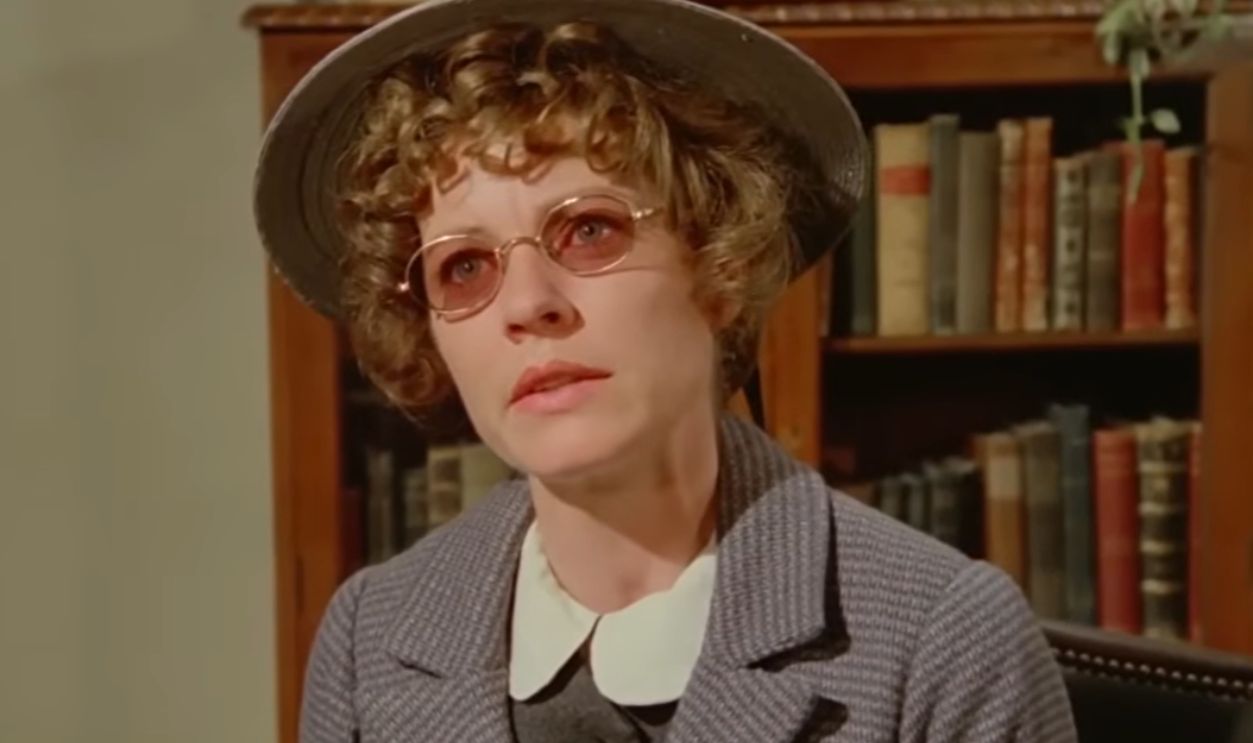
The 1979 Miracle Worker gave Duke an especially striking career reversal. Instead of Helen Keller, she played teacher Anne Sullivan, with Melissa Gilbert portraying Keller. Nearly two decades after her breakthrough, Duke returned to the story that had established her as one of America's exceptional young performers.
 Screenshot from The Miracle Worker, NBCUniversal (1979)
A Diagnosis Changed Her Understanding
Duke was diagnosed with manic depression, now commonly called bipolar disorder, in 1982. She later described finally having an explanation for experiences that had affected much of her adult life. She subsequently became a prominent public advocate for greater understanding of mental health conditions.
 Screenshot from The Miracle Worker, NBCUniversal (1979)
She Took Control In A Very Different Way
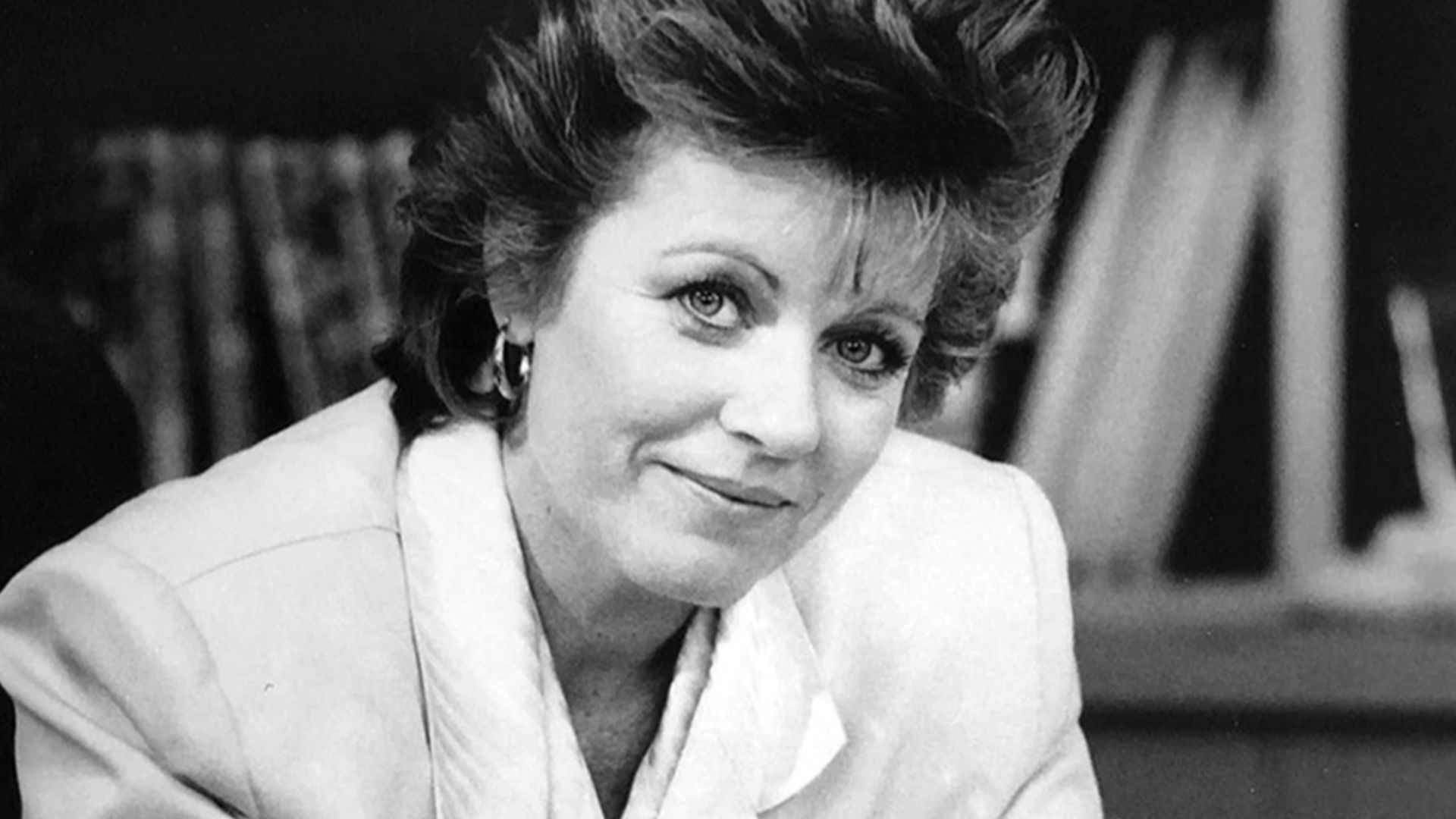
In 1985, Duke was elected president of the Screen Actors Guild, becoming the union's second female president. She served until 1988 and won a second term along the way. The former child performer who once had little control over her own career was now representing other professional actors.
 Fox Broadcasting Company, Wikimedia Commons
She Finally Told Anna Marie's Story
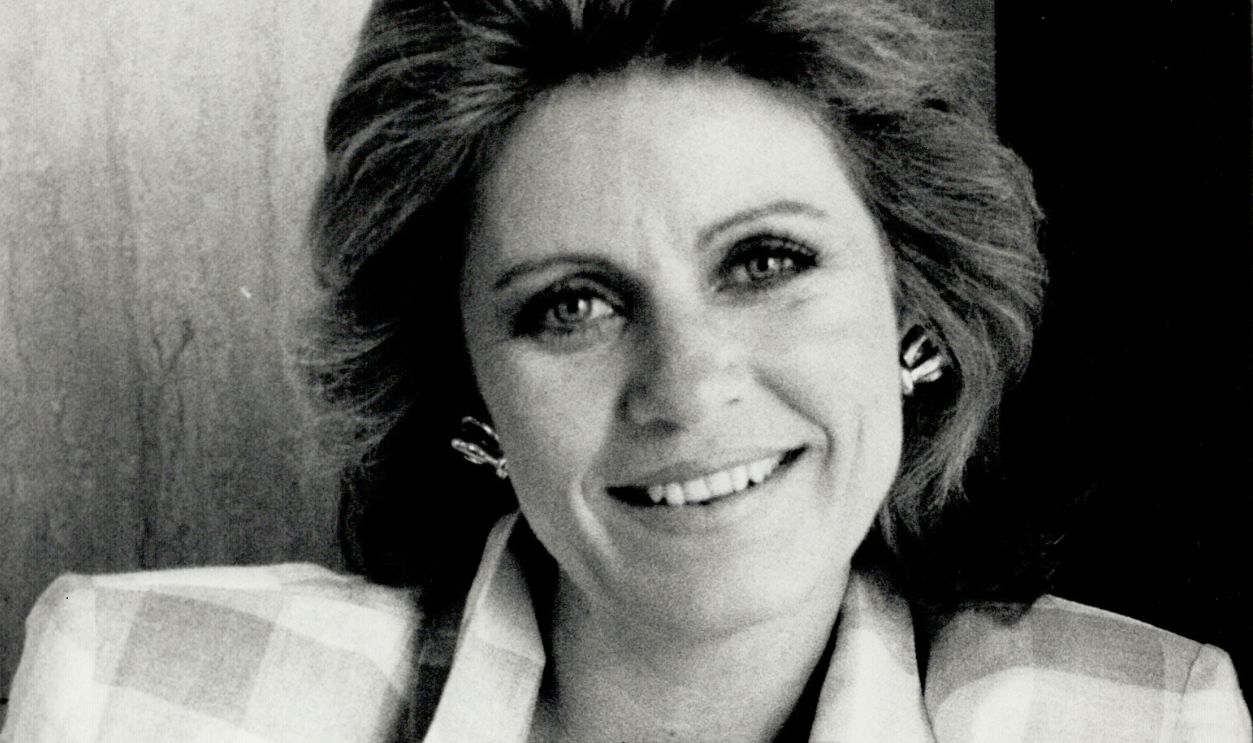
Duke published Call Me Anna, written with Kenneth Turan, in 1987. The autobiography detailed her childhood under the Rosses, her career, and her health struggles with unusual openness. Its title deliberately reclaimed the name that had been taken from her at the beginning of her career.
Patty Duke Never Completely Erased Anna
In 1990, ABC adapted Call Me Anna into a television movie, with Duke playing herself as an adult and serving as a co-producer. By then, she had transformed the most carefully concealed parts of her childhood into her own public narrative. The teenager others had manufactured finally got to tell Anna Marie's version of the story.
You May Also Like:
Carole Lombard, The Profane Angel Of Old Hollywood
.JPG)
