The Neighbor Who Wouldn’t Stay Next Door
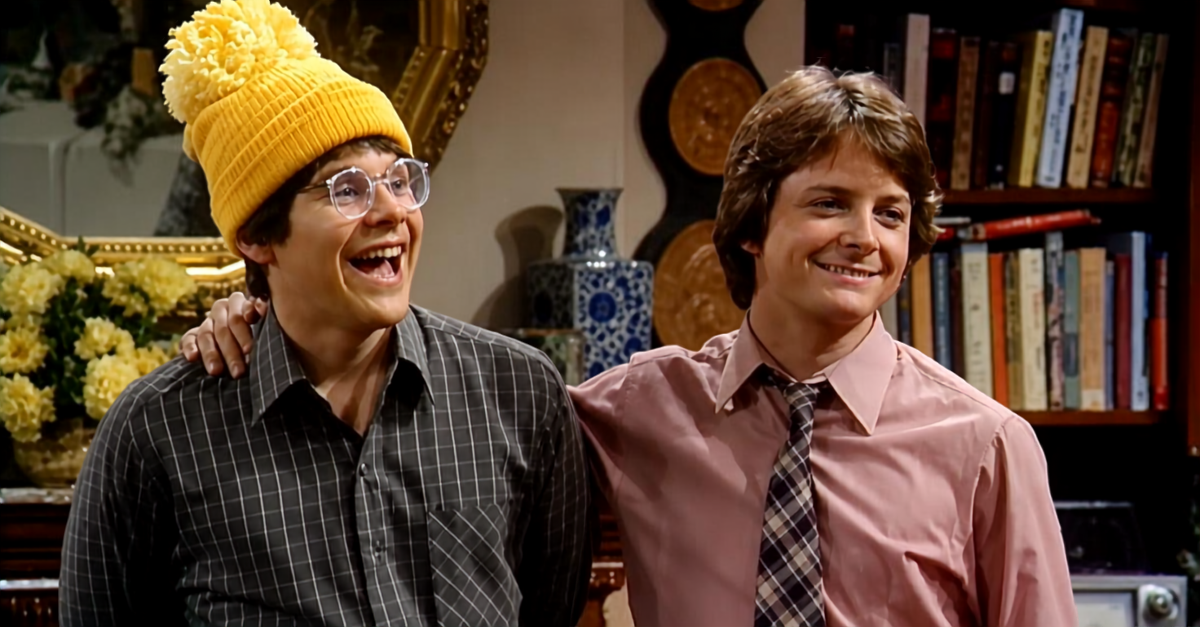
Family Ties had Michael J. Fox turning Alex P. Keaton into a phenomenon, yet Marc Price pulled off something stranger. As awkward neighbor Irwin “Skippy” Handelman, he turned a recurring comic character into one of the sitcom’s most recognizable faces.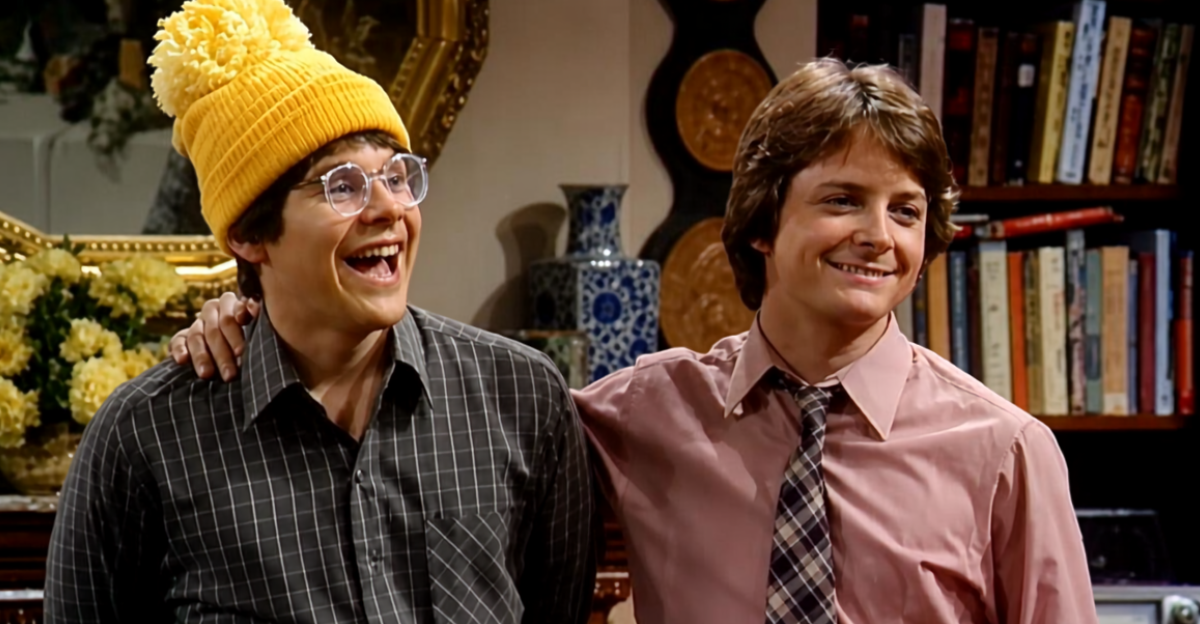 Screenshot from Family Ties, Disney+
Comedy Was Already The Family Business
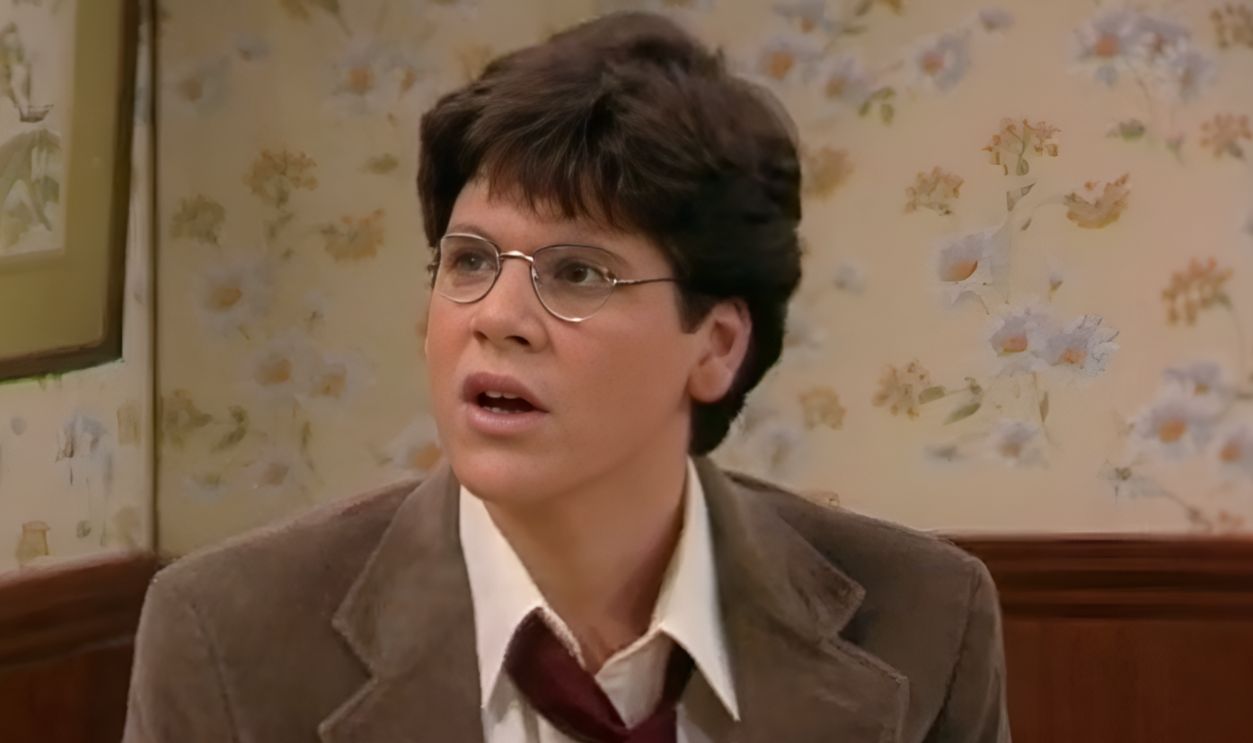
Price grew up around entertainers. His father was comedian Al Bernie, while his mother, Joy Mann, was a singer. Long before television fame, he was learning how audiences responded.
 Screenshot from Family Ties, NBC (1982–1989), Enhanced
He Was Onstage Before High School
The Los Angeles Times reported that Price began doing bits with his father at nine. By 12, he had joined the Too Short for Prime Time Players, a young-performer troupe that played Hollywood’s Roxy.

Stand-Up Came Very Early
Price performed solo stand-up in comedy clubs by his early teens and appeared on The Merv Griffin Show. The experience taught him timing before sitcom fame arrived.
 Screenshot from Hey Hey It's Saturday, Nine Network (1971–2022), Enhanced
Television Came Calling Too
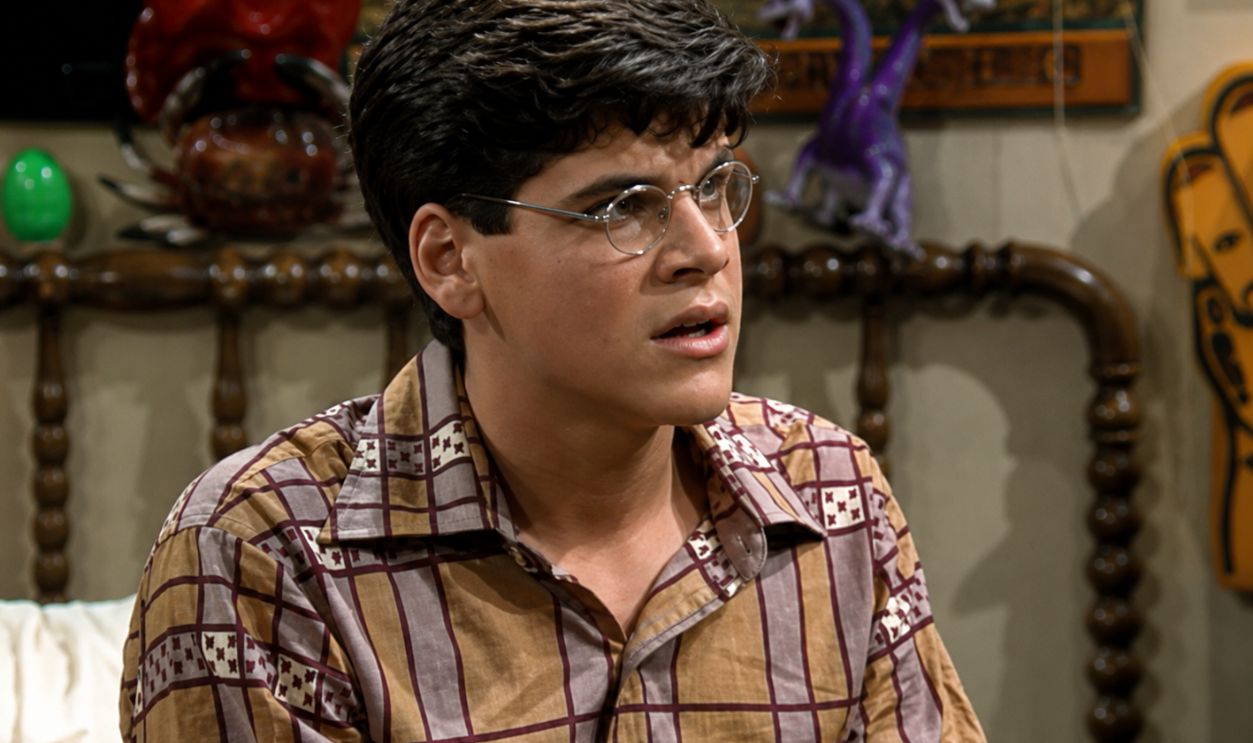
Before Family Ties, Price appeared on Archie Bunker’s Place and One Day at a Time. He was already a young performer with live-comedy experience.
 Screenshot from Family Ties, NBC (1982–1989), Enhanced
Family Ties Changed Everything
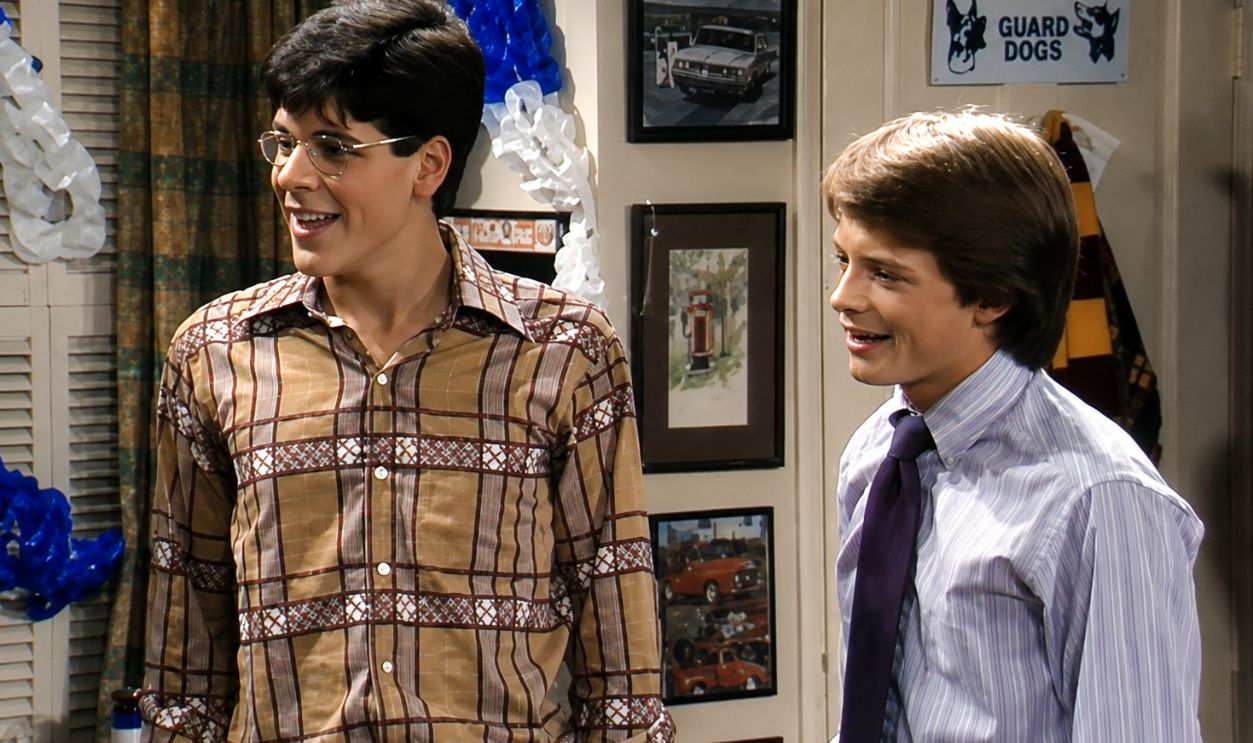
NBC premiered Family Ties in September 1982. It followed liberal former hippies Steven and Elyse Keaton raising children with different values, especially conservative, ambitious Alex, played by Michael J. Fox.
 Screenshot from Family Ties, NBC (1982–1989), Enhanced
Alex Became The Unexpected Center
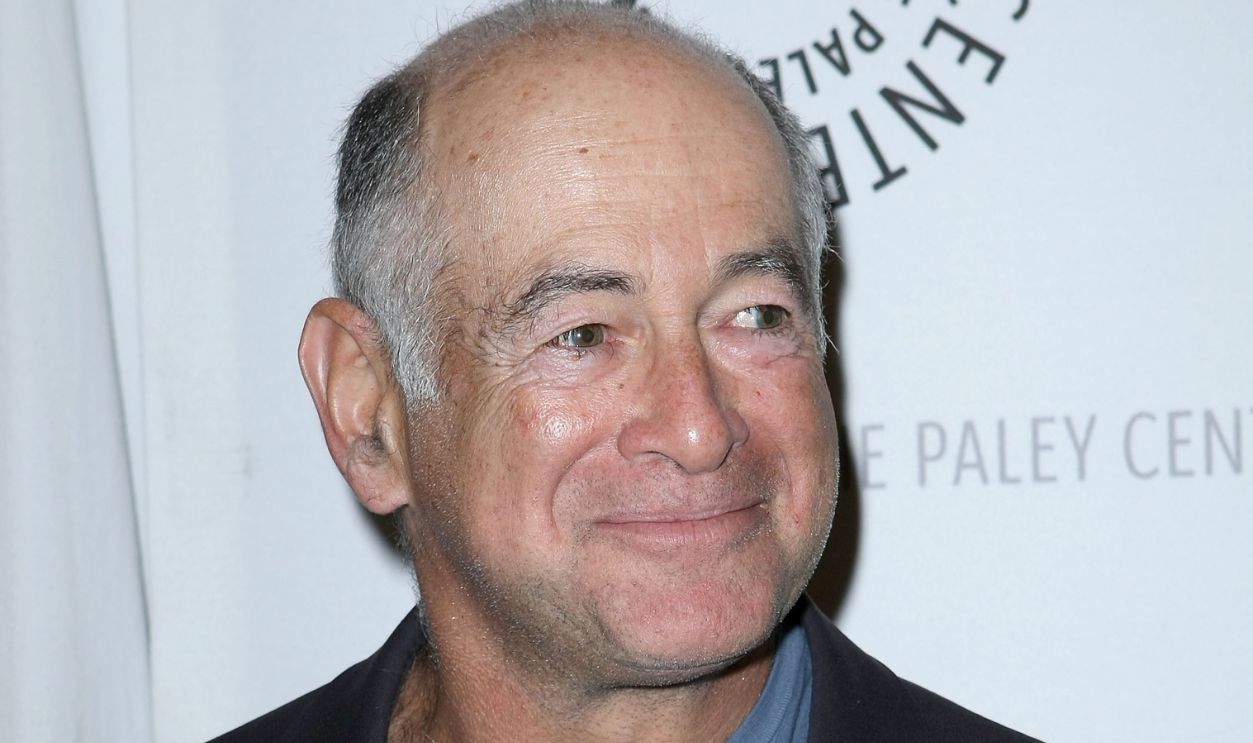
The series was not originally built around Fox, but viewers quickly gravitated toward Alex. The Television Academy notes that the response prompted creator Gary David Goldberg and the writers to shift more attention toward the character.
 Alberto E. Rodriguez, Getty Images
Then Skippy Walked In
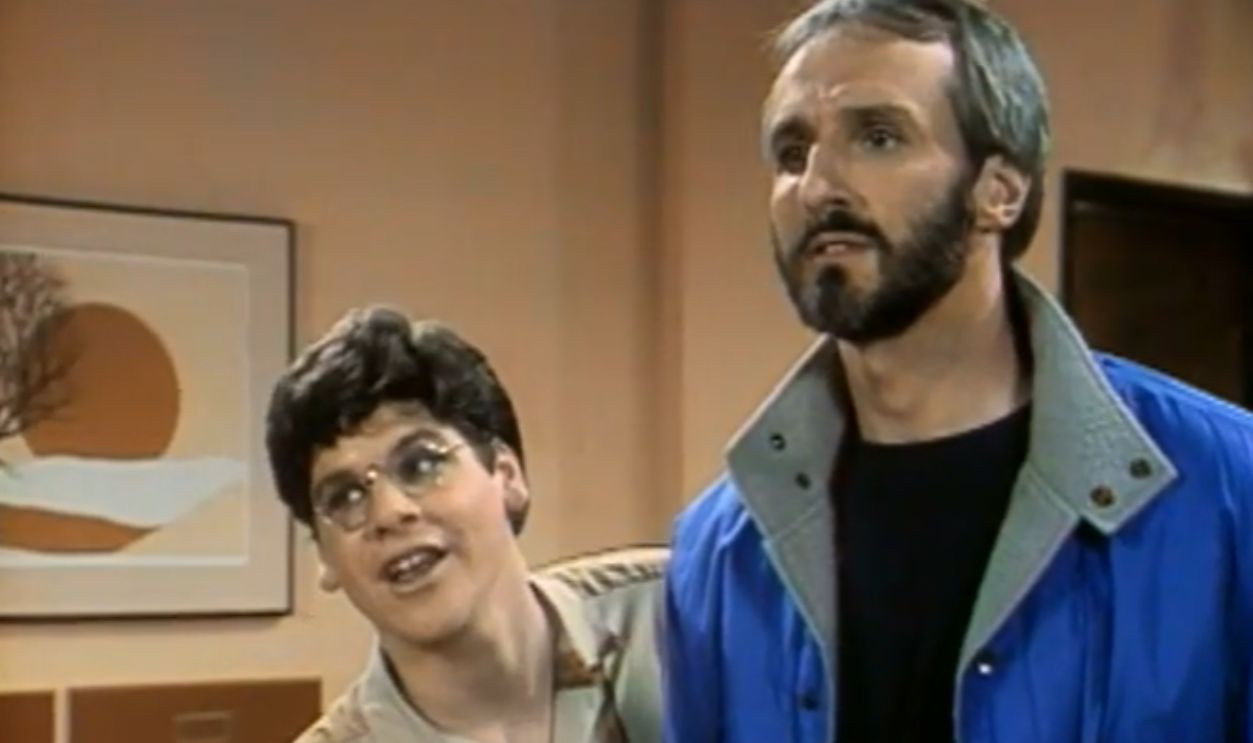
Price joined as Irwin “Skippy” Handelman, the Keatons’ neighbor and Alex’s friend. With nervous energy and romantic bad luck, Skippy could have remained a one-joke visitor. Instead, he kept coming back.
 Screenshot from Family Ties, NBC (1982–1989)
His Crush On Mallory Became The Hook
Skippy’s hopeless attraction to Mallory Keaton became one of his defining traits. Justine Bateman’s character rarely returned his enthusiasm, giving Price a durable setup built around optimism meeting rejection.
 Screenshot from Family Ties, NBC (1982–1989), Modified
Reality Apparently Helped The Writers
Price later told The Washington Post that he had a teenage crush on Bateman too. He said the writers watched their backstage dynamic and took notes, giving the long-running Skippy-Mallory joke an amusing real-life echo.
 Screenshot from Family Ties, Paramount Domestic Television (1982–1989)
He Became More Than Comic Relief
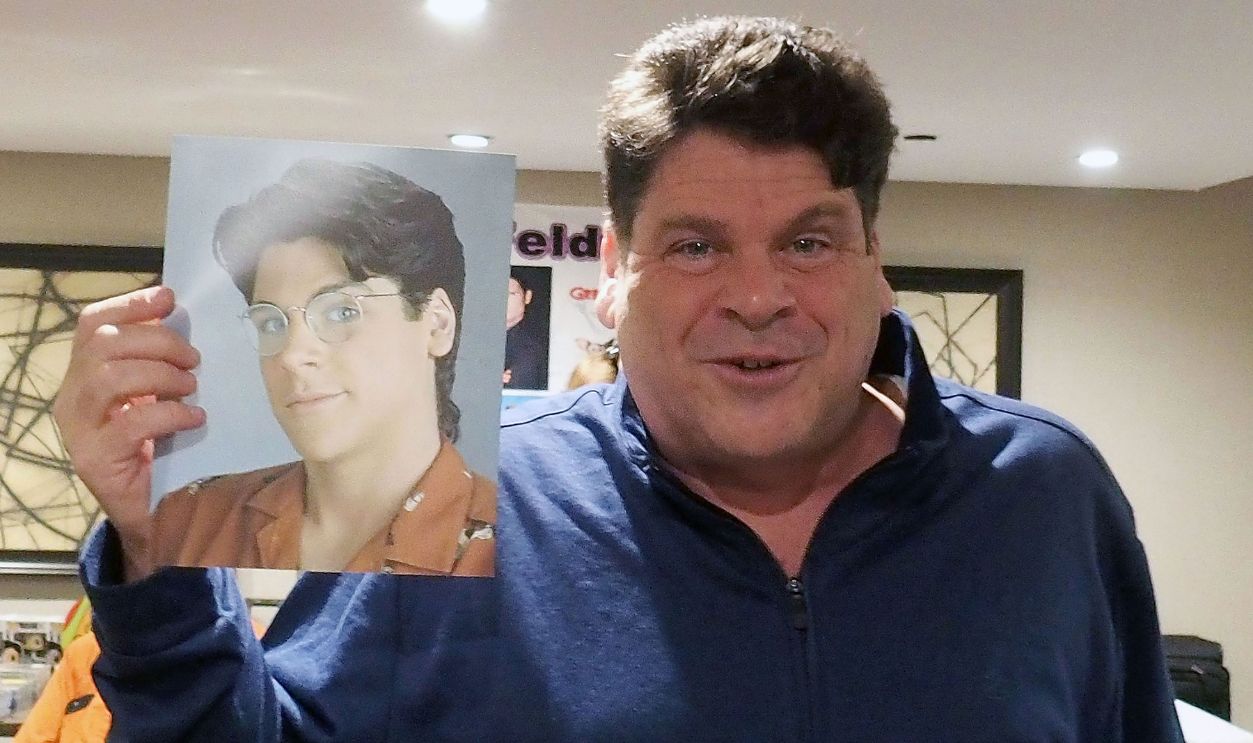
The writers eventually trusted Skippy with heavier material. In “Baby Boy Doe,” he discovers he was adopted, and Alex helps him process the revelation. The episode placed Skippy’s feelings at the center of the story.
Baby Boy Doe Let Price Stretch
Paramount’s official episode description confirms that Skippy’s discovery drives the 1984 story. Price could move from confusion to hurt to humor, showing why the recurring character endured.

Alex And Skippy Needed Different Energies
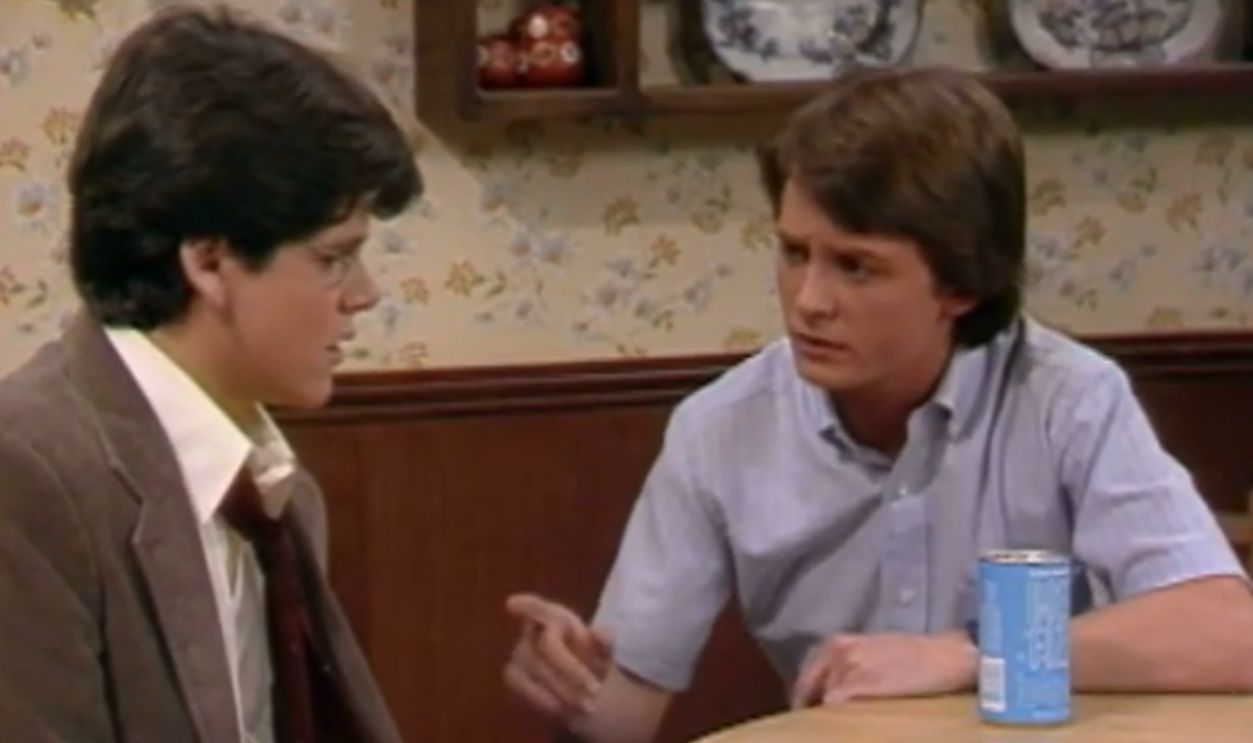
The pairing worked because the characters were opposites. Alex was controlled and confident; Skippy was emotional and frequently out of his depth. The contrast gave Price room to make insecurity funny.
 Screenshot from Family Ties, NBC (1982–1989)
Fox Was Becoming Enormous
While Price developed Skippy, Fox became a major star. He won three consecutive Emmys as Alex and headlined Back to the Future, while Price still made Skippy memorable beside him.
 Screenshot from Back to the Future, Universal Pictures (1985)
Price Never Pretended Otherwise
In a 2026 interview, Price called Fox the obvious shining star of the series and said the cast supported his success. Skippy did not need to compete with Alex; he worked because he occupied a completely different comic lane.

He Learned From A Very Good Classroom
Price has described Family Ties as an education. TV Guide quotes him saying he could hardly have asked for better comedy teachers than Fox or Michael Gross, who played Steven Keaton.
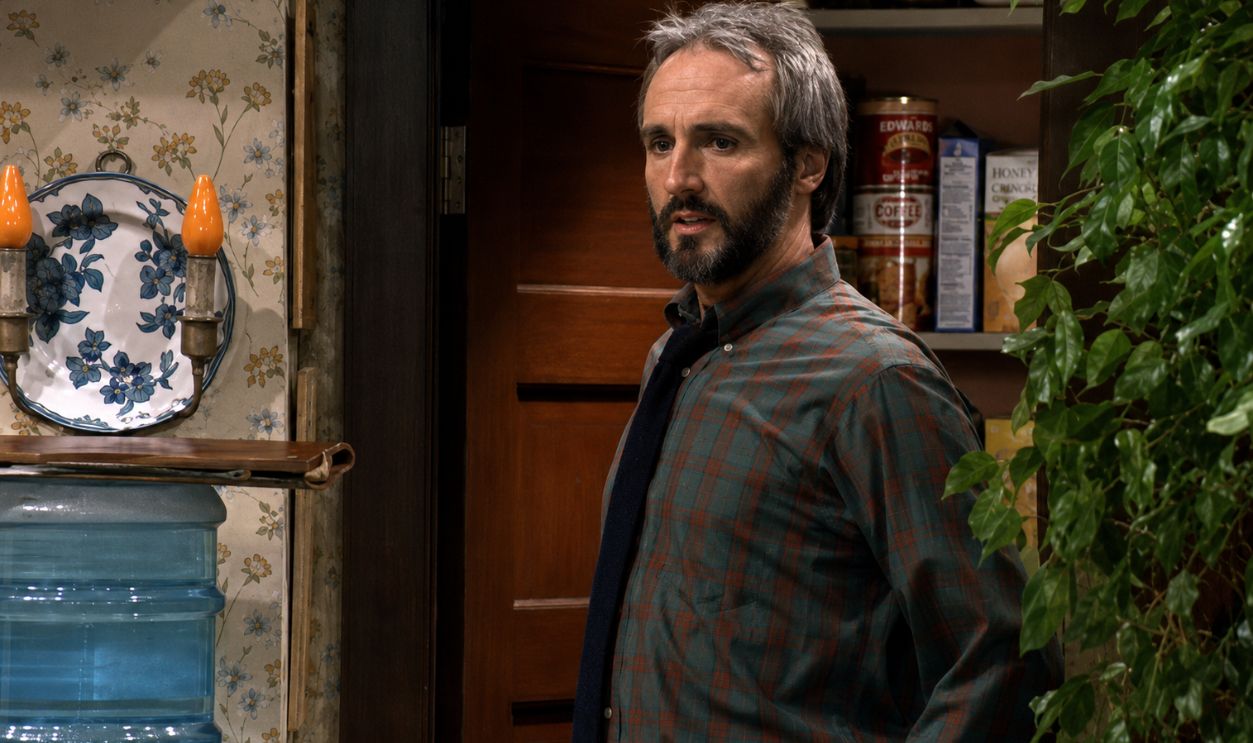 Screenshot from Family Ties, NBC (1982–1989), Enhanced
The Industry Noticed His Work
Price’s performance earned formal recognition. TV Guide lists a Young Artist Award nomination in 1984 and a 1986 win for Best Young Actor Starring in a Television Series.
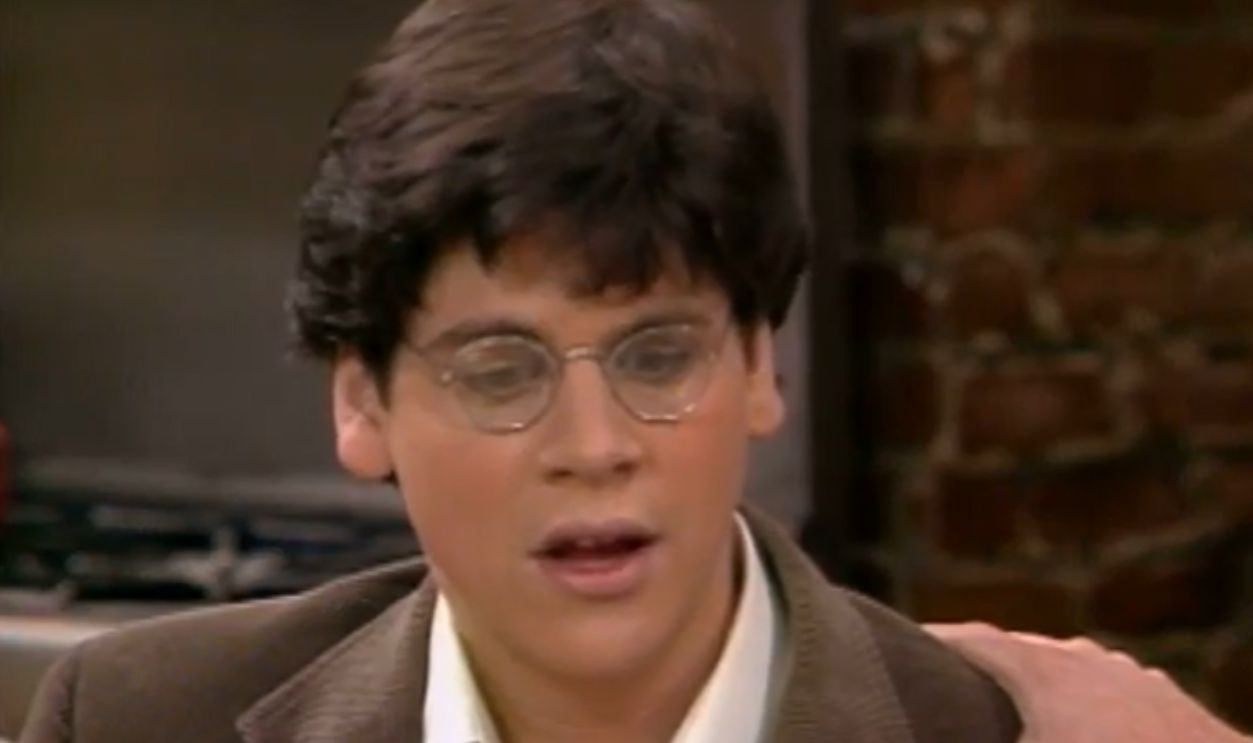 Screenshot from Family Ties, NBC (1982–1989)
He Kept Doing Stand-Up
Even while Family Ties was a hit, Price continued working comedy clubs. He later recalled performing at the Comedy Store, the Improv, and the Laugh Factory, keeping his original career alive while television made him famous.
 The Laugh Factory Hollywood, Wikimedia Commons
Fame Came With One Unavoidable Name
After the sitcom ended, strangers still called him Skippy. Price told the Los Angeles Times in 1991 that he chose to treat Family Ties recognition as an introduction to Marc Price rather than something to escape.
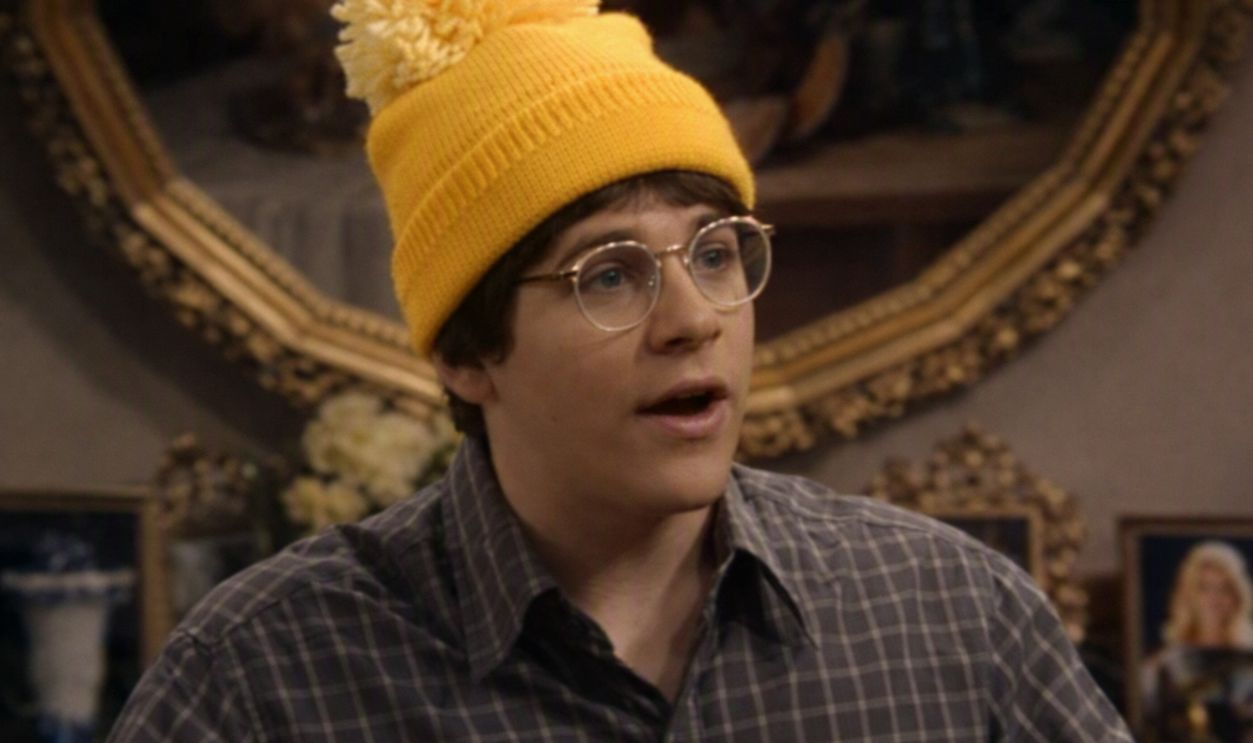 Screenshot from Family Ties, NBC (1982–1989), Enhanced
He Turned Typecasting Into Material
Price even joked about his sitcom identity onstage. It matched his belief that the best stand-up comes from experiences specific to the performer.
 Michael Loccisano, Getty Images
He Took A Darker Movie Role
During the show’s run, Price starred as Eddie Weinbauer in the 1986 horror film Trick or Treat. AFI confirms him as the lead, alongside featured appearances from Gene Simmons and Ozzy Osbourne.
 Screenshot from Trick or Treat, De Laurentiis Entertainment Group (1986)
The Filmmakers Wanted His Comic Instincts
Producer Joel Soisson later said Price’s acting ability, comedy background, and believable outsider quality made him right for Trick or Treat. Some qualities that made Skippy work also helped Price carry a very different movie.

The Rescue Took Him Into Adventure
Price followed with The Rescue in 1988. The action-adventure film gave him another chance to move beyond Skippy while he was still appearing on one of television’s biggest sitcoms.
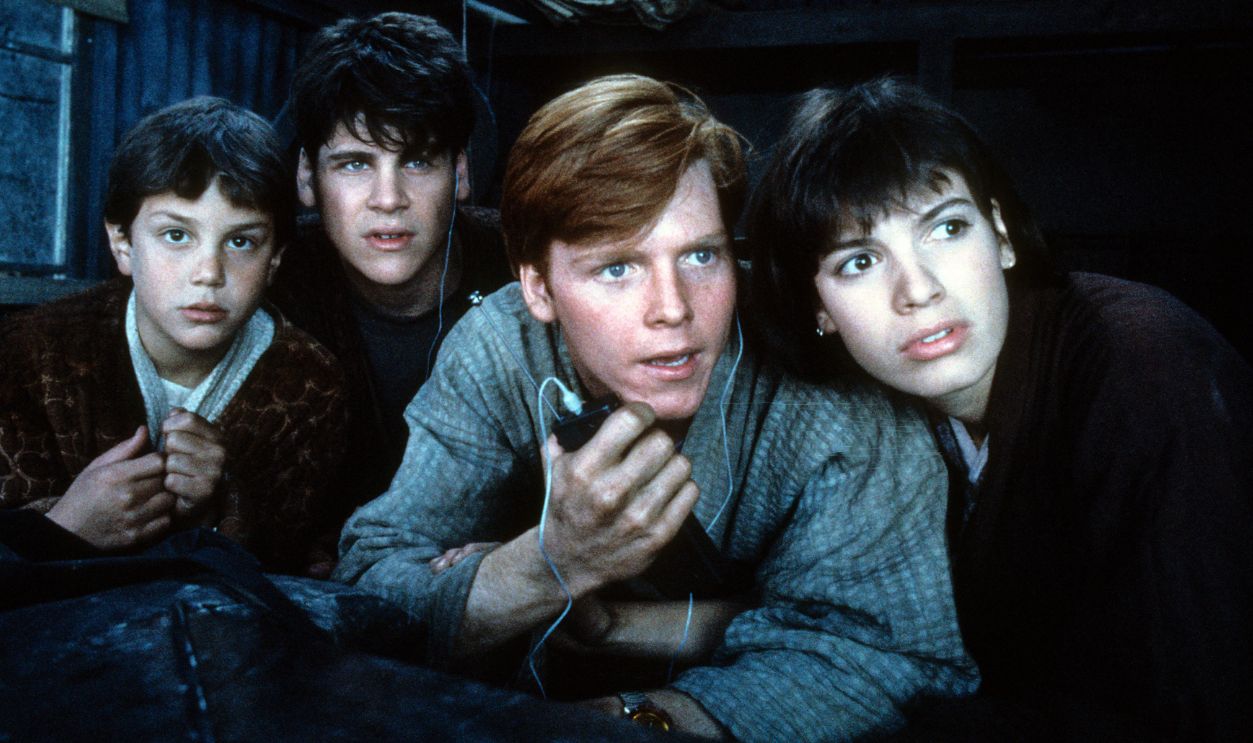 Michael Ochs Archives, Getty Images
Family Ties Finally Signed Off
The sitcom ended in May 1989 after seven seasons. Price had spent much of his youth linked to Skippy while Fox became an international star, leaving Price to decide what to do with such durable recognition.
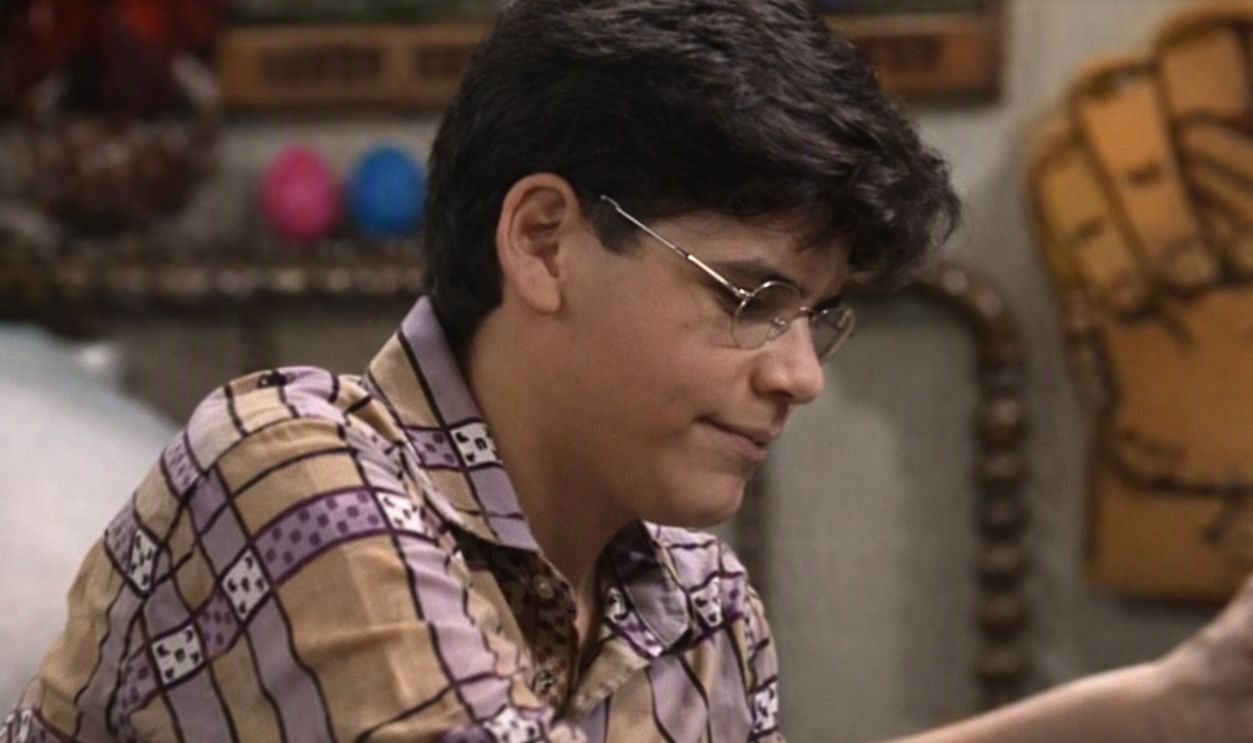 Screenshot from Family Ties, NBC (1982–1989), Enhanced
Disney Gave Him A New Job
Price became host of Disney Channel’s Teen Win, Lose or Draw, serving from 1989 to 1992. Hosting used the quickness and audience skills he had developed through years of stand-up.
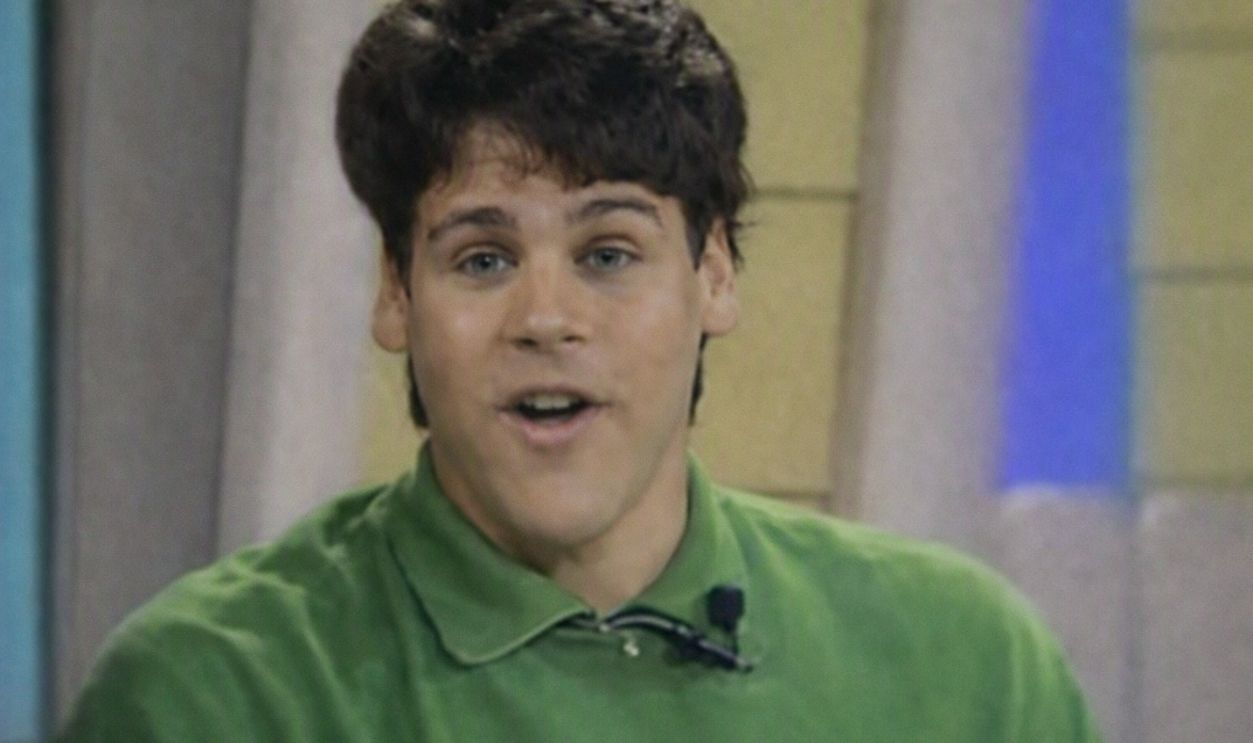 Screenshot from Teen Win, Lose or Draw, Buena Vista Television (1989)
He Moved Behind The Camera Too
Price later expanded into production. TV Guide credits him as an executive producer on Comedians Unleashed and Funny Money, while other profiles document work for several cable networks.
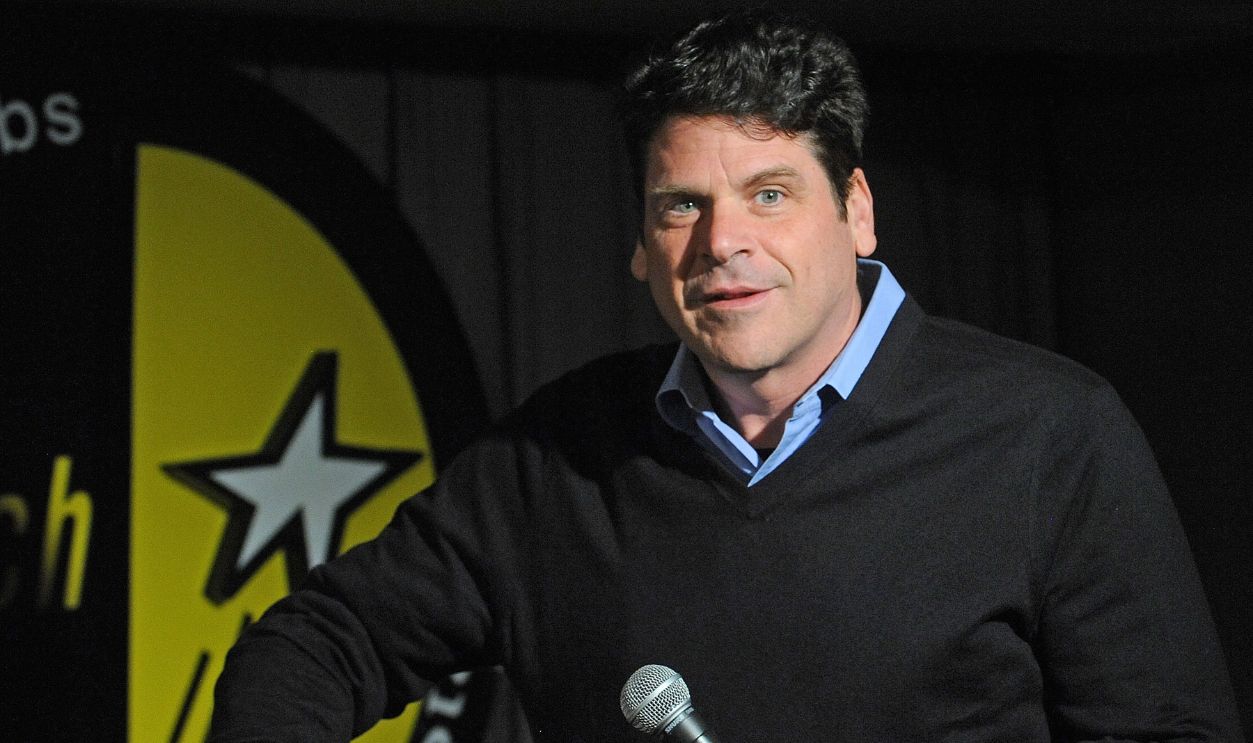
Stand-Up Stayed The Constant
Acting, hosting, and production all became parts of his résumé, but live comedy remained central. Interviews across several decades consistently find Price touring and talking about stand-up as his main professional passion.

He Never Really Ran From Skippy
Price repeatedly embraced the association. He has joked about Skippy, used the name in promoting appearances, and treated nostalgia as a doorway into current comedy.
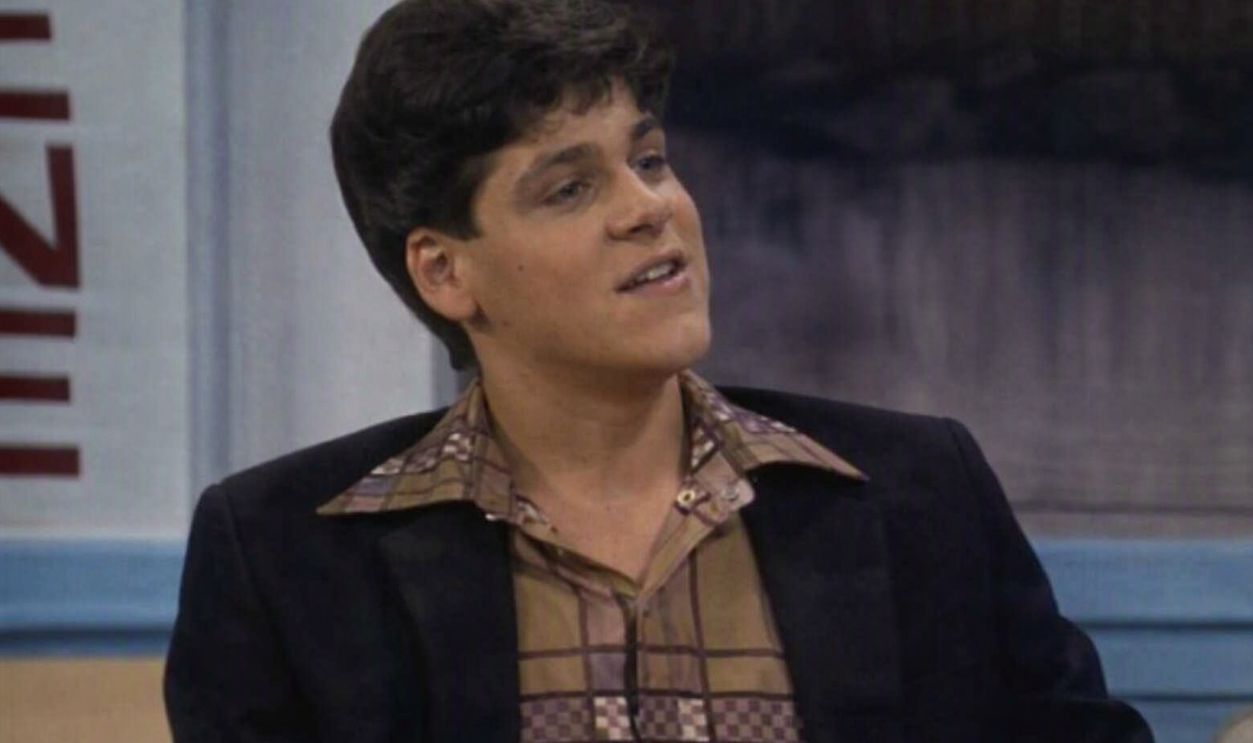 Screenshot from Family Ties, NBC (1982–1989), Enhanced
He Still Speaks Warmly About The Cast
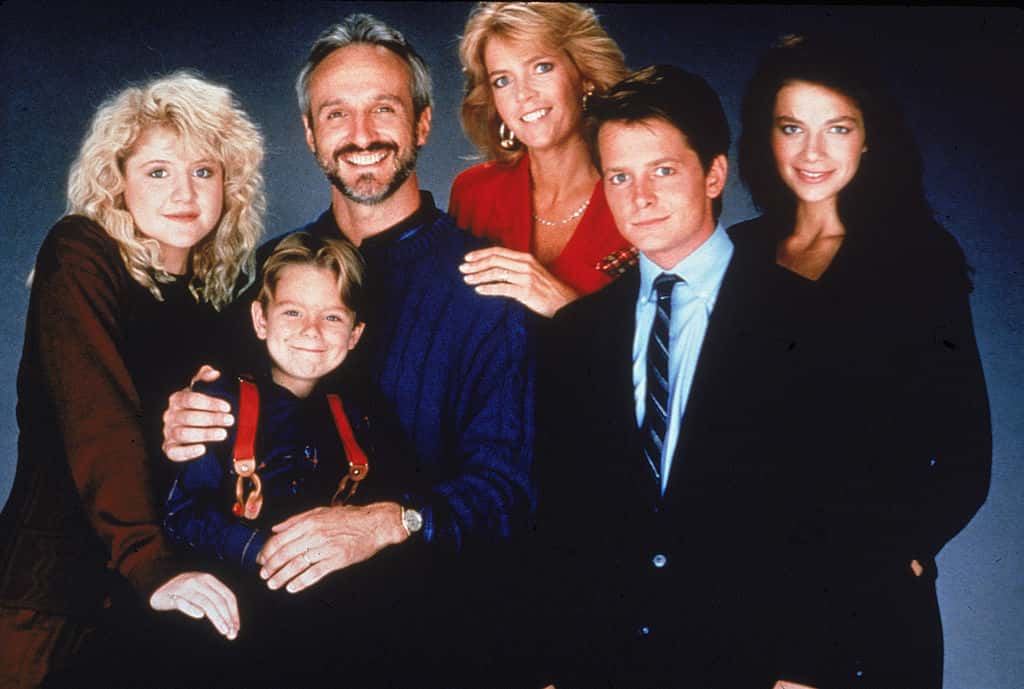
Price has continued praising his Family Ties colleagues in interviews. People also reported that he has supported the Michael J. Fox Foundation through proceeds connected with his comedy touring.
 Fotos International, Getty Images
The Unlikely Sidekick Won
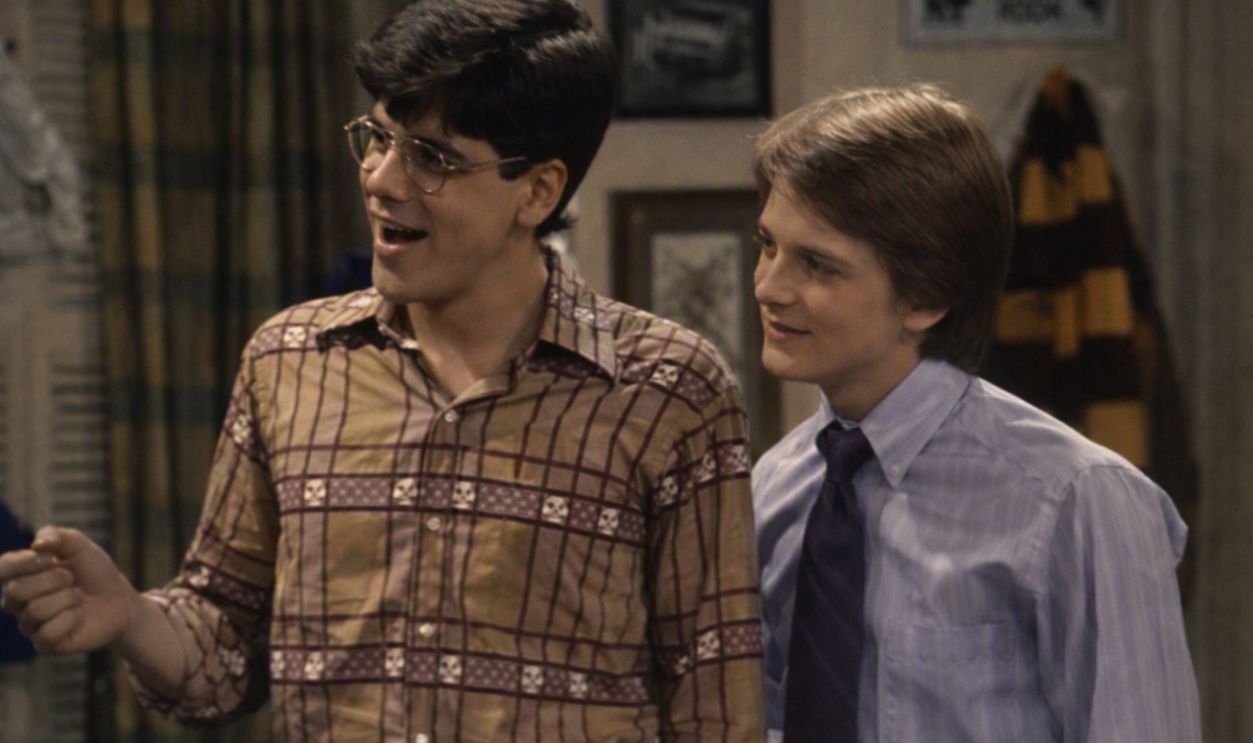
Skippy was never supposed to be cooler than Alex P. Keaton, and that was the point. Price made awkwardness and comic vulnerability memorable beside a genuine teen idol, and decades later, audiences still know exactly who Skippy is.
 Screenshot from Family Ties, NBC (1982–1989), Enhanced
You May Also Like: