Fame Could Move Fast
The 1980s could turn a young actor into a movie star almost overnight. A few hit films later, their faces seemed unavoidable. Then something changed. Some deliberately walked away, others returned to school, and some simply watched Hollywood move on. These stars defined surprisingly brief stretches of 1980s moviegoing.
 Micheline PELLETIER/Gamma-Rapho via Getty Images
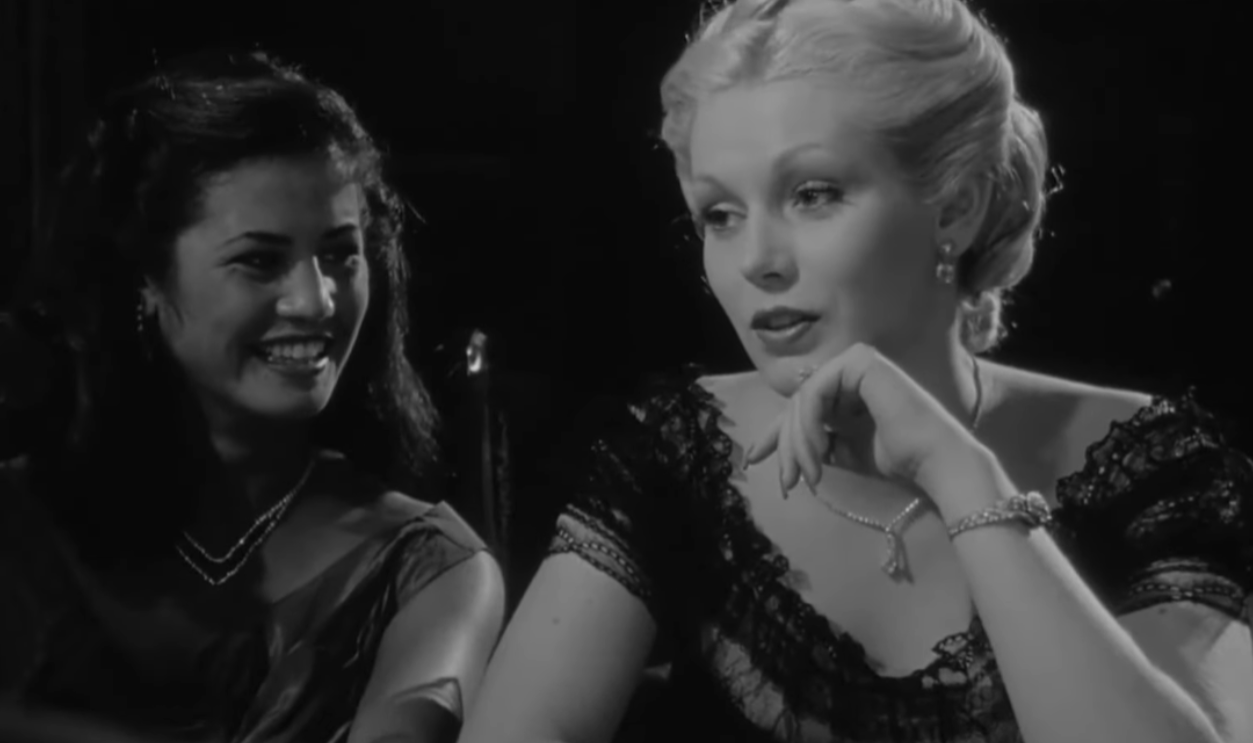
Cathy Moriarty
Cathy Moriarty's first movie was Martin Scorsese's Raging Bull (1980), playing Vickie LaMotta opposite Robert De Niro and Joe Pesci. She was only 19 when the film opened and received an Oscar nomination. Yet her next feature, Neighbors (1981), was followed by an extraordinary six-year absence from movie screens, partly as a result of a serious 1982 automobile accident and subsequent back surgery.
 Screenshot from Raging Bull, United Artists (1980)
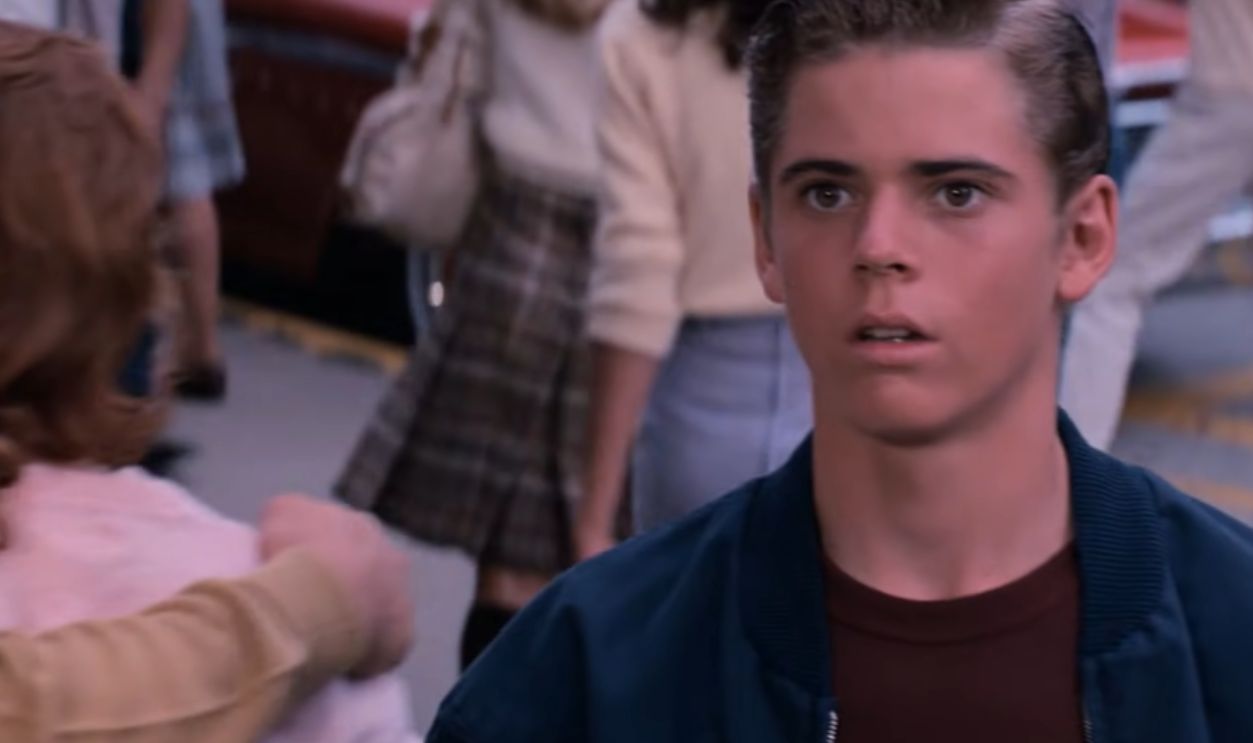
C. Thomas Howell
Francis Ford Coppola's The Outsiders (1983) put C. Thomas Howell alongside Patrick Swayze, Matt Dillon, Rob Lowe, Ralph Macchio, Emilio Estevez and Tom Cruise. Howell followed it with Grandview, U.S.A. (1984), Red Dawn (1984), Secret Admirer (1985) and Soul Man (1986), but his period as a mainstream leading man proved surprisingly brief.
 Screenshot from The Outsiders, Warner Bros. Pictures
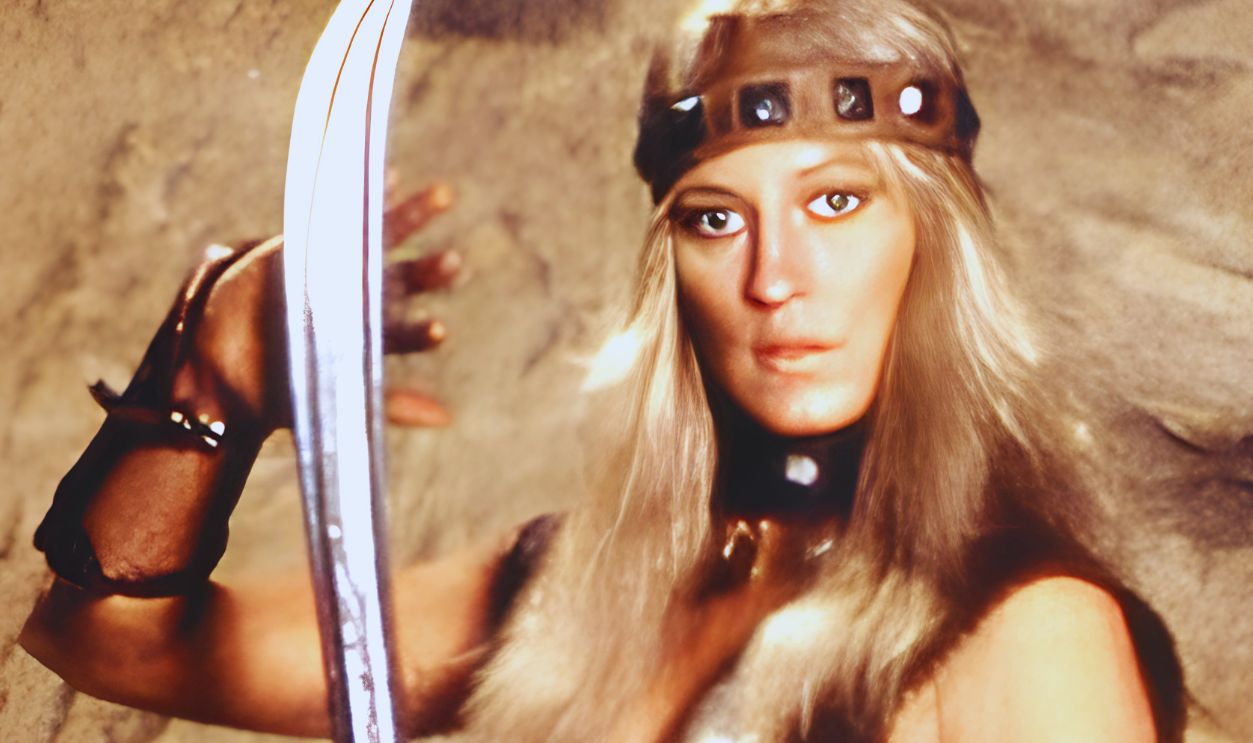
Sandahl Bergman
After dancing for Bob Fosse in All That Jazz (1979), Sandahl Bergman became unforgettable as Valeria opposite Arnold Schwarzenegger in John Milius's Conan the Barbarian (1982), winning a Golden Globe as New Star of the Year. She (1984) and Red Sonja (1985) followed, but Hollywood never found an equally effective showcase for her unusual combination of acting, dance and athleticism.
 Screenshot from Conan the Barbarian, Universal Pictures / 20th Century Fox (1982)
Phoebe Cates
Phoebe Cates went from Paradise (1982) to Amy Heckerling's Fast Times at Ridgemont High (1982), Private School (1983) and Joe Dante's Gremlins (1984) with astonishing speed. She continued working afterward, but increasingly preferred theater and eventually stepped away from acting to raise her children with Kevin Kline.
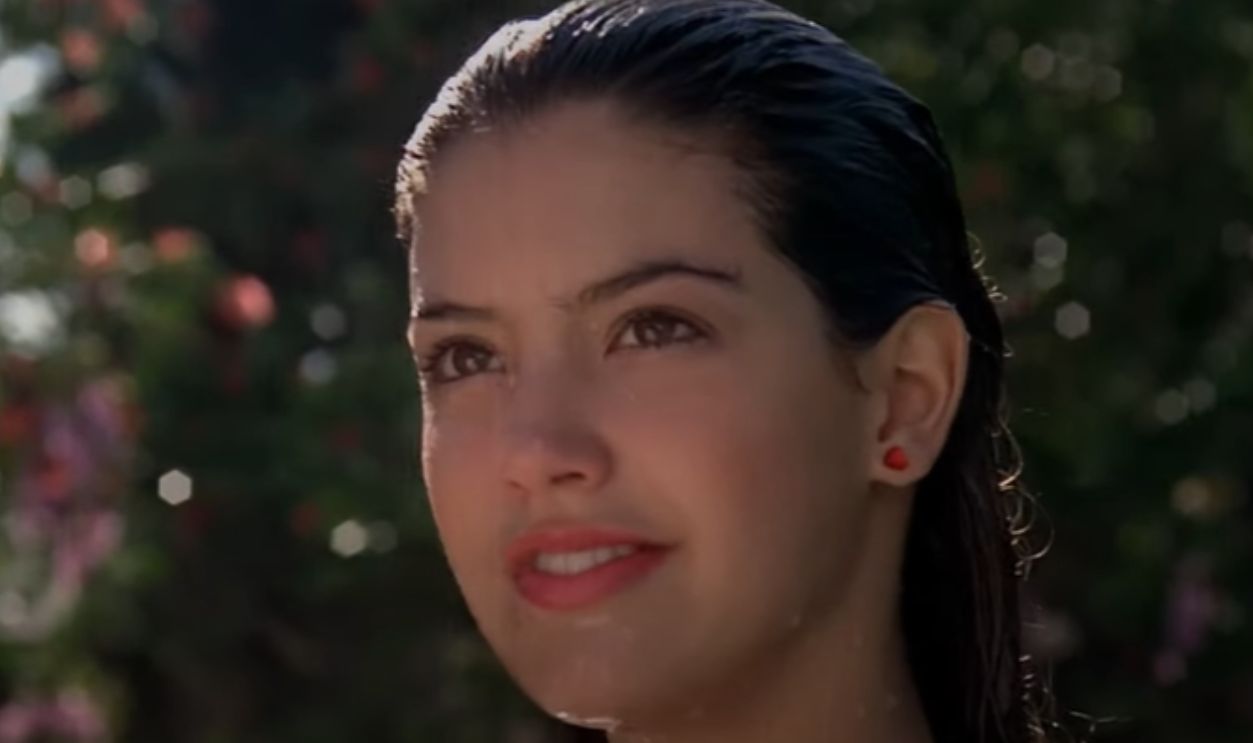 Universal Pictures, Fast Times at Ridgemont High (1982)
Jennifer Beals
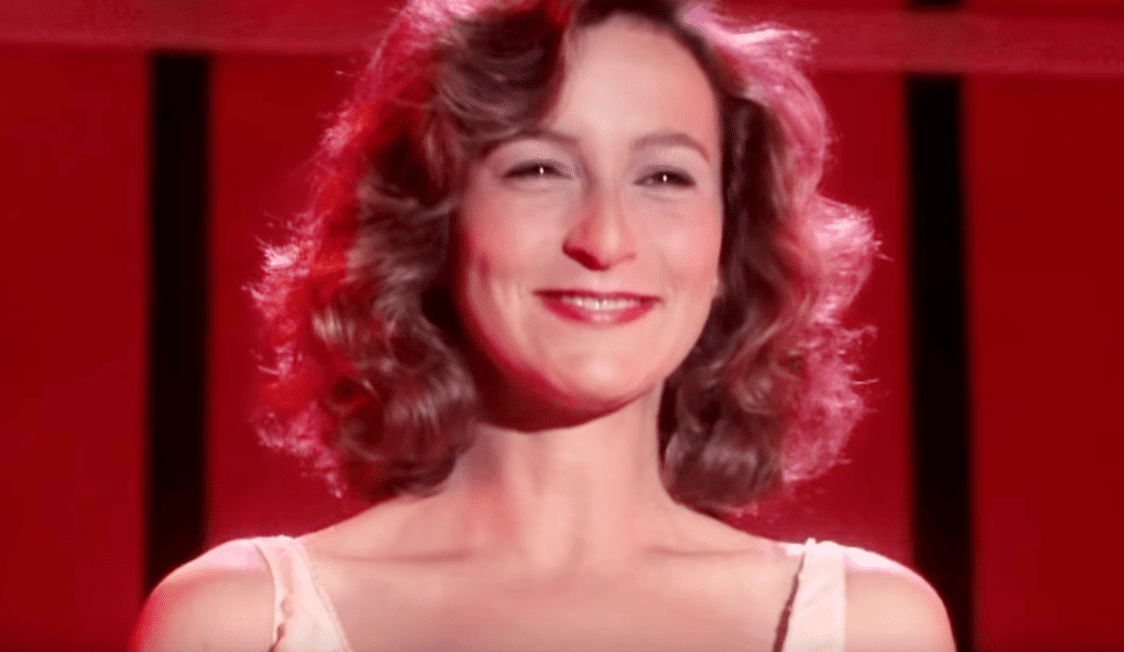
Jennifer Beals became an international star opposite Michael Nouri in Adrian Lyne's Flashdance (1983), then did something Hollywood probably didn't expect: she returned to Yale. She made The Bride (1985) with Sting, continued acting while attending Yale and graduated in 1987. She later concentrated heavily on smaller and independent projects rather than trying to reproduce her blockbuster debut.
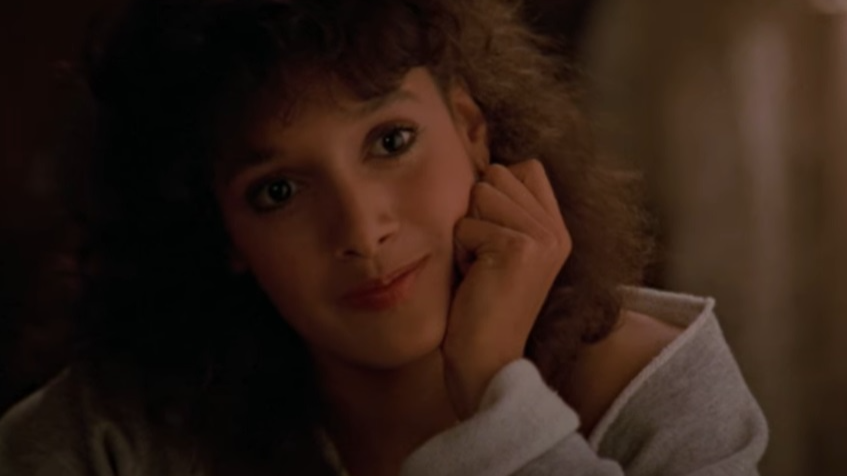 Screenshot from Flashdance, Paramount (1983)
Deborah Foreman
Martha Coolidge's Valley Girl (1983) made Deborah Foreman and Nicolas Cage one of the decade's memorable screen couples. Foreman subsequently appeared in Real Genius (1985), April Fool's Day (1986), My Chauffeur (1986) and Waxwork (1988). By 1991, however, she had chosen to step away, later explaining that she was unhappy with the roles coming her way.
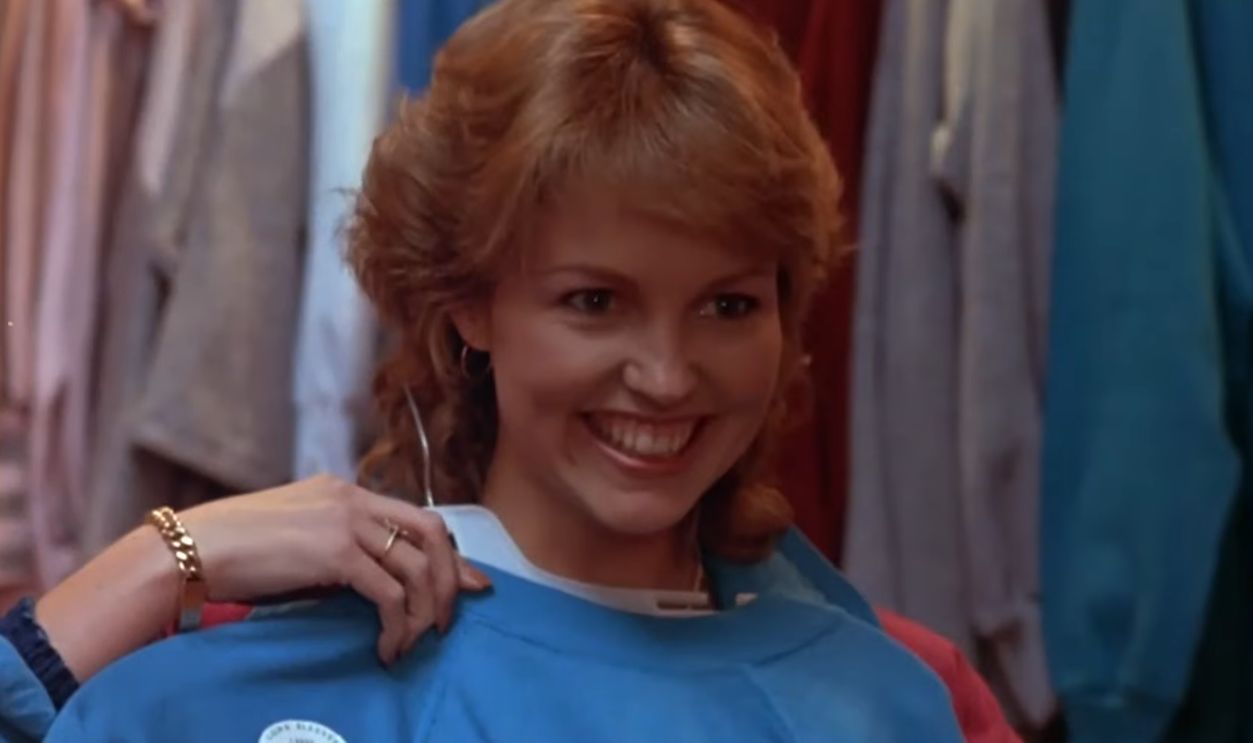 Screenshot from Valley Girl, Atlantic Releasing Corporation (1983)
Michael Paré
Michael Paré looked ready-made for 1980s stardom. He played the mysterious rocker in Martin Davidson's Eddie and the Cruisers (1983), then starred opposite Diane Lane in Walter Hill's Streets of Fire (1984) and Nancy Allen in The Philadelphia Experiment (1984). Paré never stopped acting, but mainstream Hollywood quickly stopped building major movies around him.
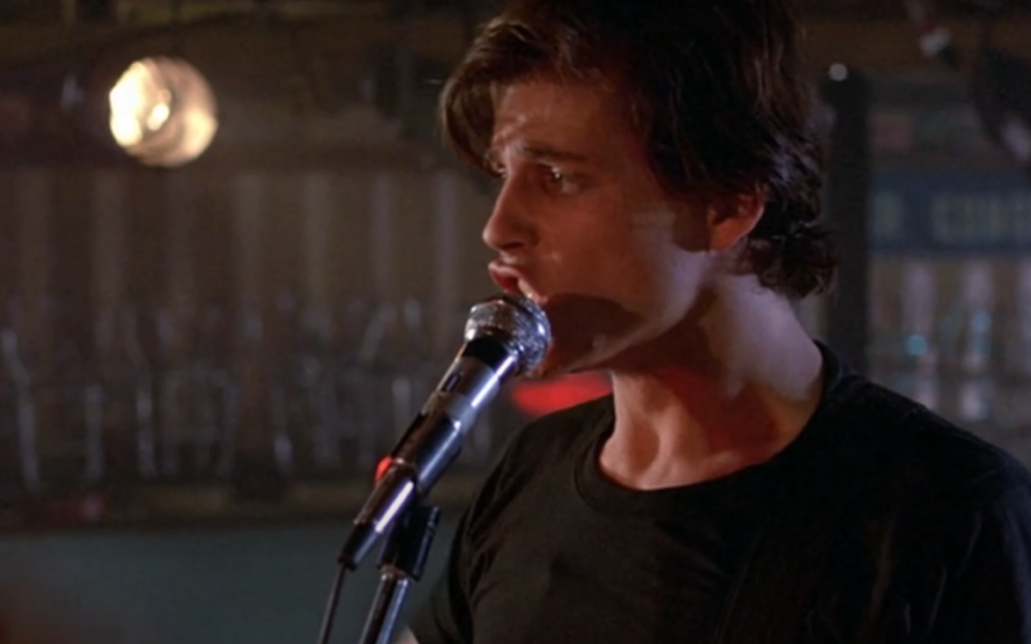 Screenshot from Eddie and the Cruisers, Embassy Pictures (1983)
Cynthia Rhodes
Few performers packed more recognizable 1980s movies into a shorter career. Cynthia Rhodes appeared in Flashdance (1983), starred opposite John Travolta in Sylvester Stallone's Staying Alive (1983), joined Tom Selleck in Runaway (1984), then played Penny opposite Patrick Swayze and Jennifer Grey in Dirty Dancing (1987). She eventually retired to concentrate on raising her family.
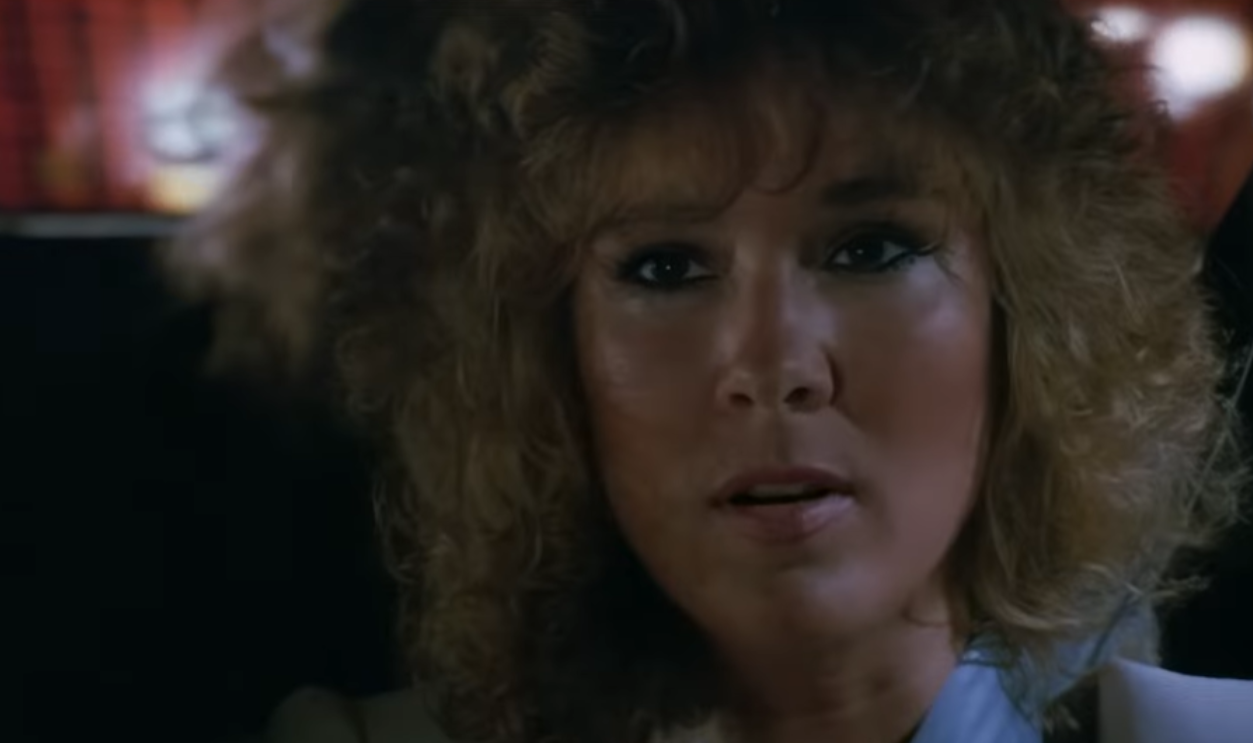 Screenshot from Runaway, Tri-Star Pictures (1984)
Lori Singer
After appearing on Fame, Juilliard-trained cellist Lori Singer became Ariel Moore opposite Kevin Bacon in Herbert Ross's Footloose (1984). She quickly followed it with John Schlesinger's The Falcon and the Snowman (1985), The Man with One Red Shoe (1985) with Tom Hanks, and Alan Rudolph's Trouble in Mind (1985). Her movie-star moment was concentrated into an remarkably short period.
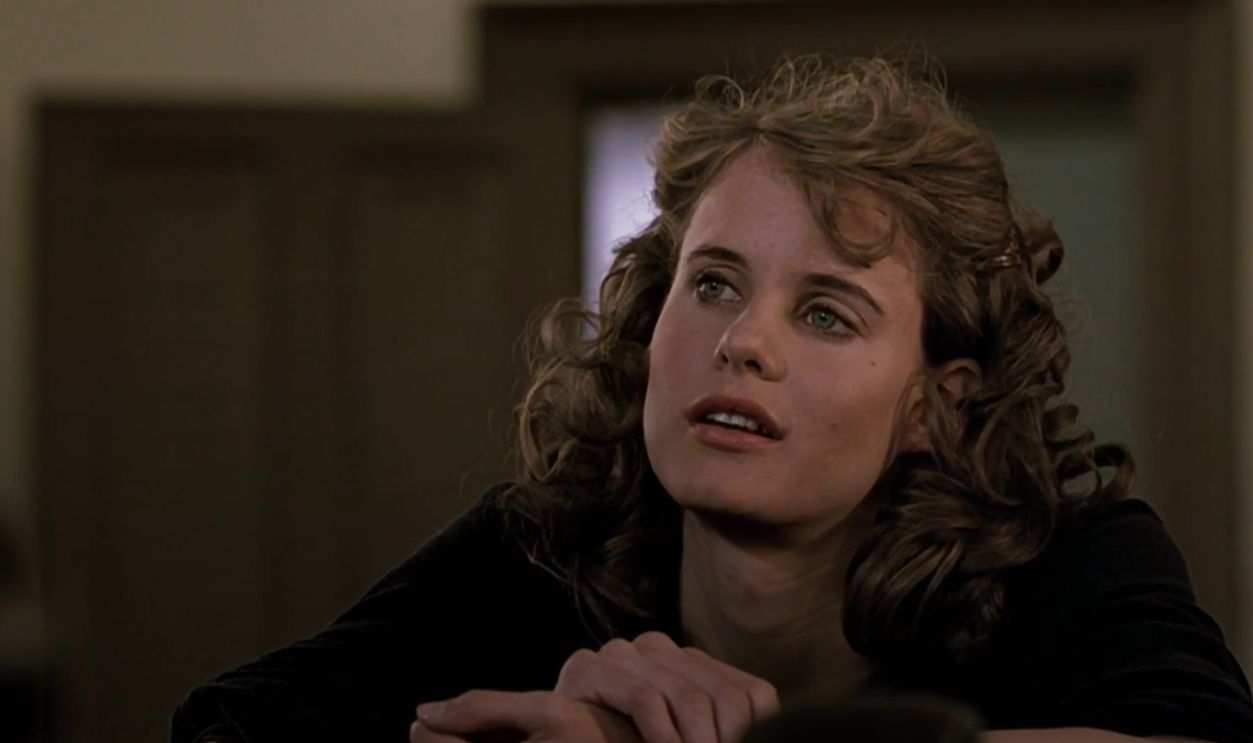 Screenshot from Footloose, Paramount Pictures (1984)
Michael Schoeffling
One role was enough to make Michael Schoeffling an enduring 1980s heartthrob: Jake Ryan opposite Molly Ringwald in John Hughes's Sixteen Candles (1984). Vision Quest (1985), Let's Get Harry (1986), Longtime Companion (1990) and Mermaids (1990) followed. After Wild Hearts Can't Be Broken (1991), Schoeffling abandoned acting and concentrated on making furniture.
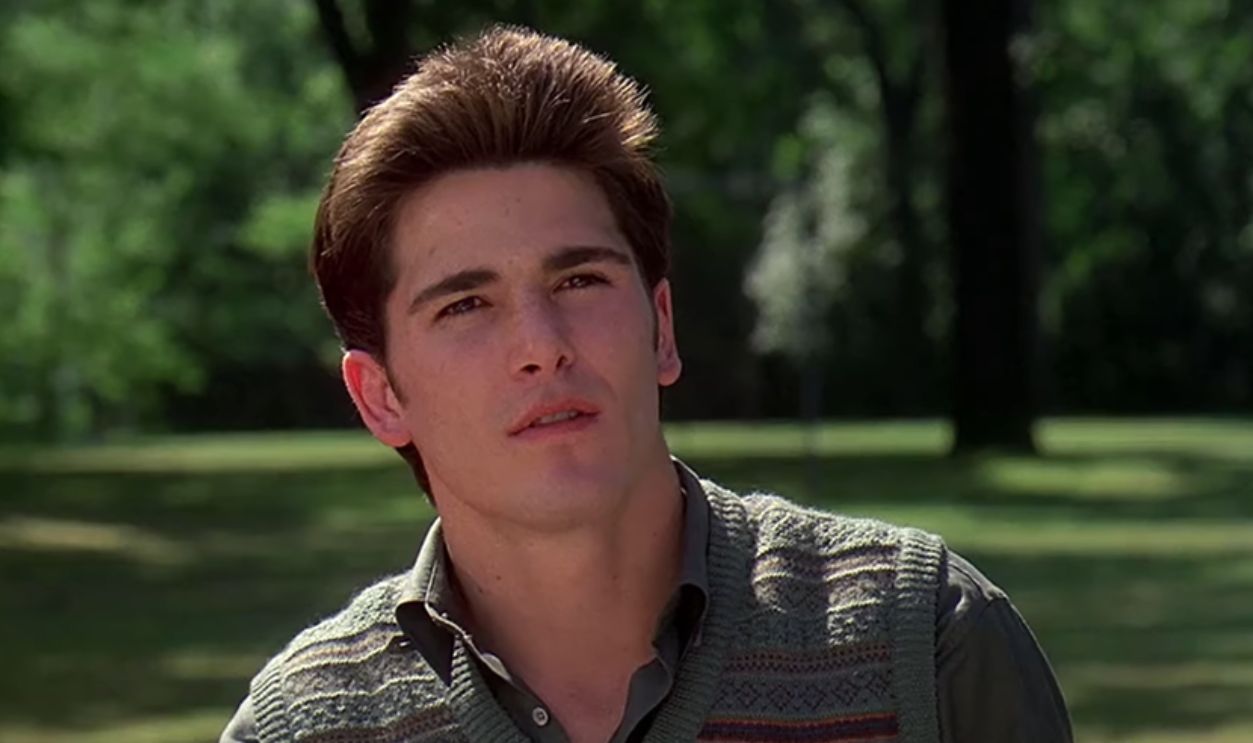 Screenshot from Sixteen Candles, Universal Pictures (1984)
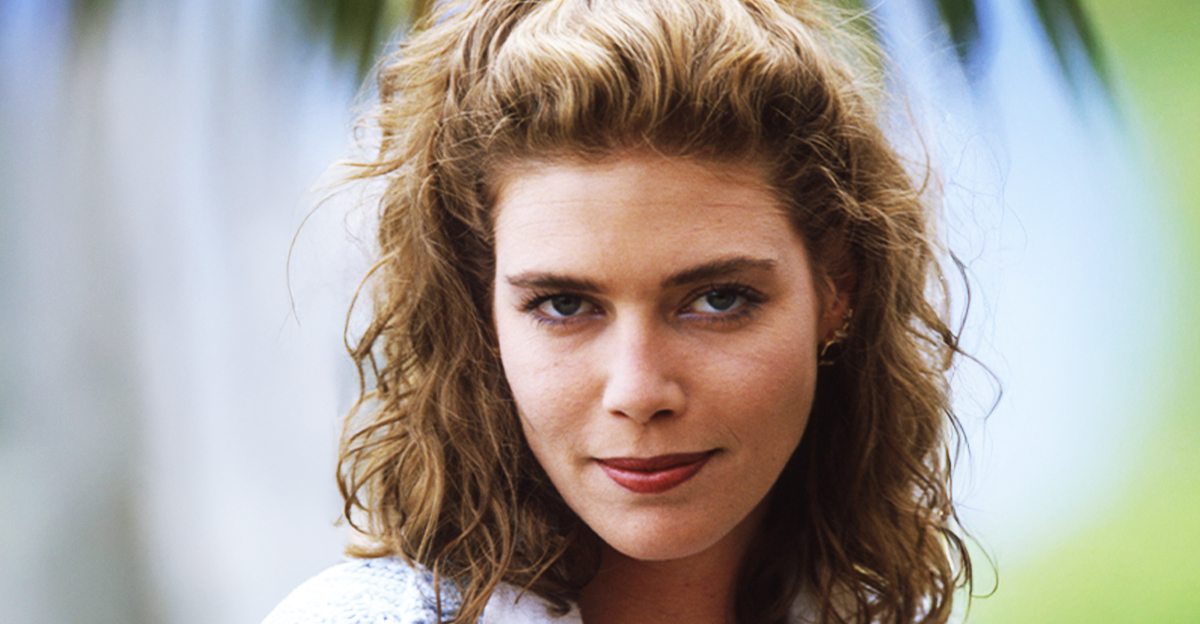
Kelly LeBrock
Model Kelly LeBrock made an extraordinary entrance opposite Gene Wilder in The Woman in Red (1984), then became an even bigger 1980s icon as Lisa in John Hughes's Weird Science (1985). Yet she made surprisingly few films afterward. She resurfaced opposite then-husband Steven Seagal in Hard to Kill (1990), before increasingly withdrawing from Hollywood and concentrating on family life.
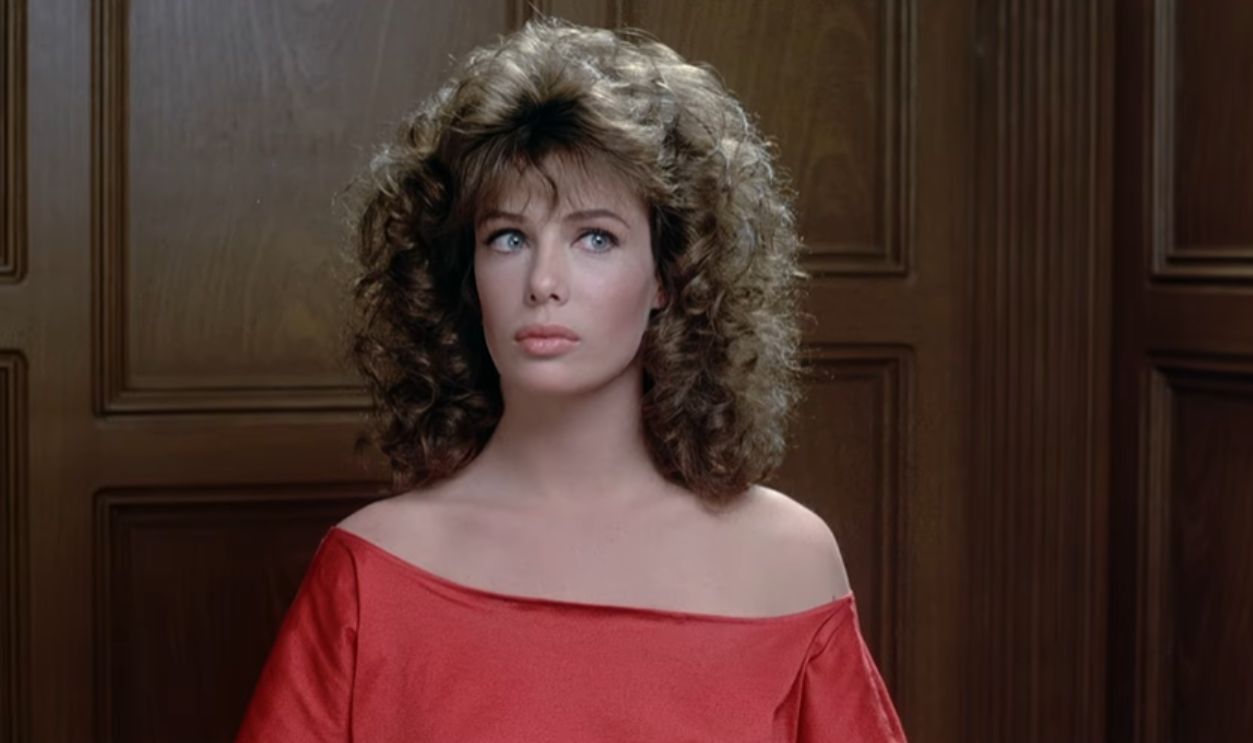 Screenshot from The Woman in Red, Orion Pictures (1984), Modified
Judge Reinhold
Judge Reinhold was suddenly everywhere after playing Brad Hamilton in Fast Times at Ridgemont High (1982). Beverly Hills Cop (1984), Head Office (1985), Ruthless People (1986) and Vice Versa (1988) followed. Reinhold kept acting and returned repeatedly as Billy Rosewood, but the stretch when Hollywood seemed determined to make him a leading comedy star didn't last long.
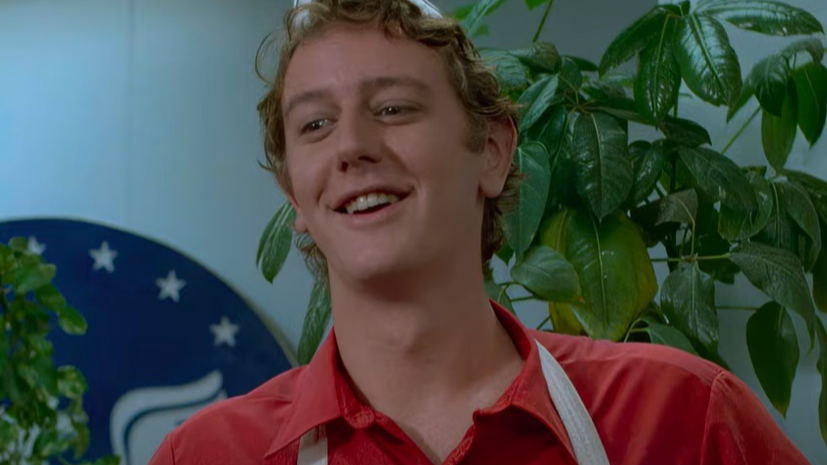 Screenshot from Fast Times at Ridgemont High, Universal Pictures (1982)
Steve Guttenberg
For several years, Steve Guttenberg seemed almost impossible to avoid. Police Academy (1984), Cocoon (1985), Short Circuit (1986), Three Men and a Baby (1987) and Cocoon: The Return (1988) made him one of the decade's most bankable comedy stars. He kept working, but his extraordinary run of major studio hits ended almost as abruptly as it began.
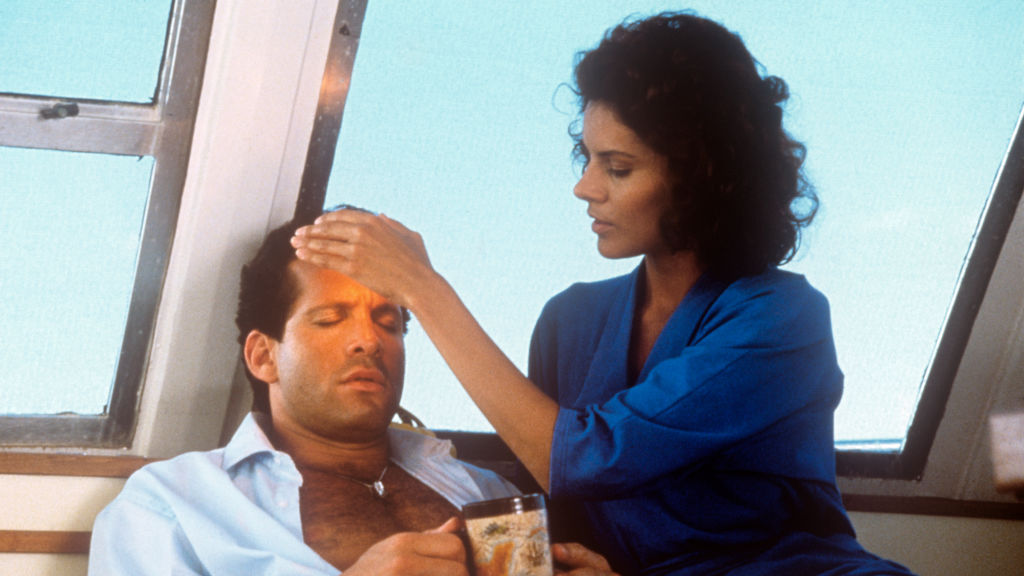 Mondadori Portfolio, Getty Images
Ally Sheedy
Ally Sheedy packed an astonishing number of decade-defining movies into a few years: WarGames (1983), Oxford Blues (1984), The Breakfast Club (1985), St. Elmo's Fire (1985) and Short Circuit (1986). She continued acting afterward, including Betsy's Wedding (1990), but her brief period near the center of mainstream youth culture was difficult to sustain.
 Screenshot from Short Circuit, Tri-Star Pictures (1986)
Ilan Mitchell-Smith
Ilan Mitchell-Smith appeared in Sidney Lumet's Daniel (1983) before landing the role everyone remembers: Wyatt Donnelly opposite Anthony Michael Hall and Kelly LeBrock in John Hughes's Weird Science (1985). He kept acting for several years, including The Chocolate War (1988), but eventually left Hollywood and became an academic specializing in medieval literature.
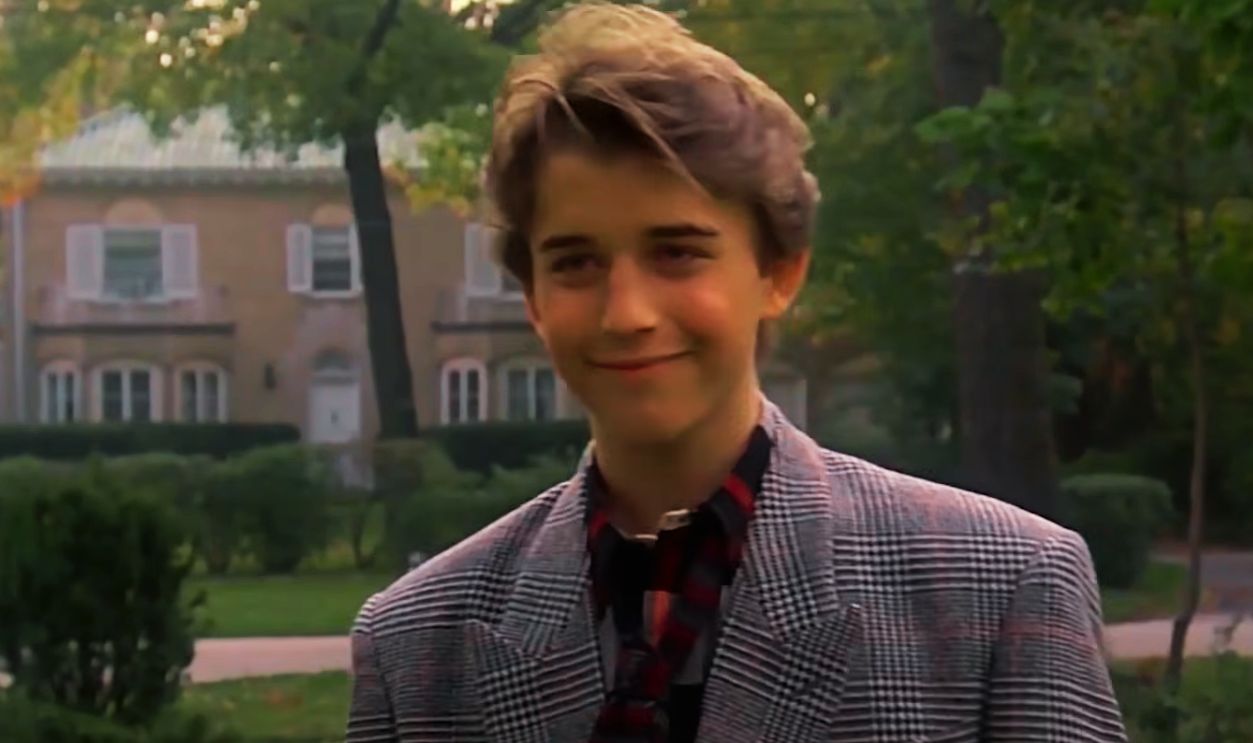 Screenshot from Weird Science, Universal Pictures (1985)
Kerri Green
Kerri Green arrived with a remarkable one-two punch, appearing in Richard Donner's The Goonies (1985) and Carl Reiner's Summer Rental (1985). David Seltzer's Lucas (1986), opposite Corey Haim and Charlie Sheen, demonstrated that she could handle more serious material. Yet after Three for the Road (1987), her movie career rapidly quieted, though she later returned intermittently to acting and also co-wrote and directed Bellyfruit (1999).
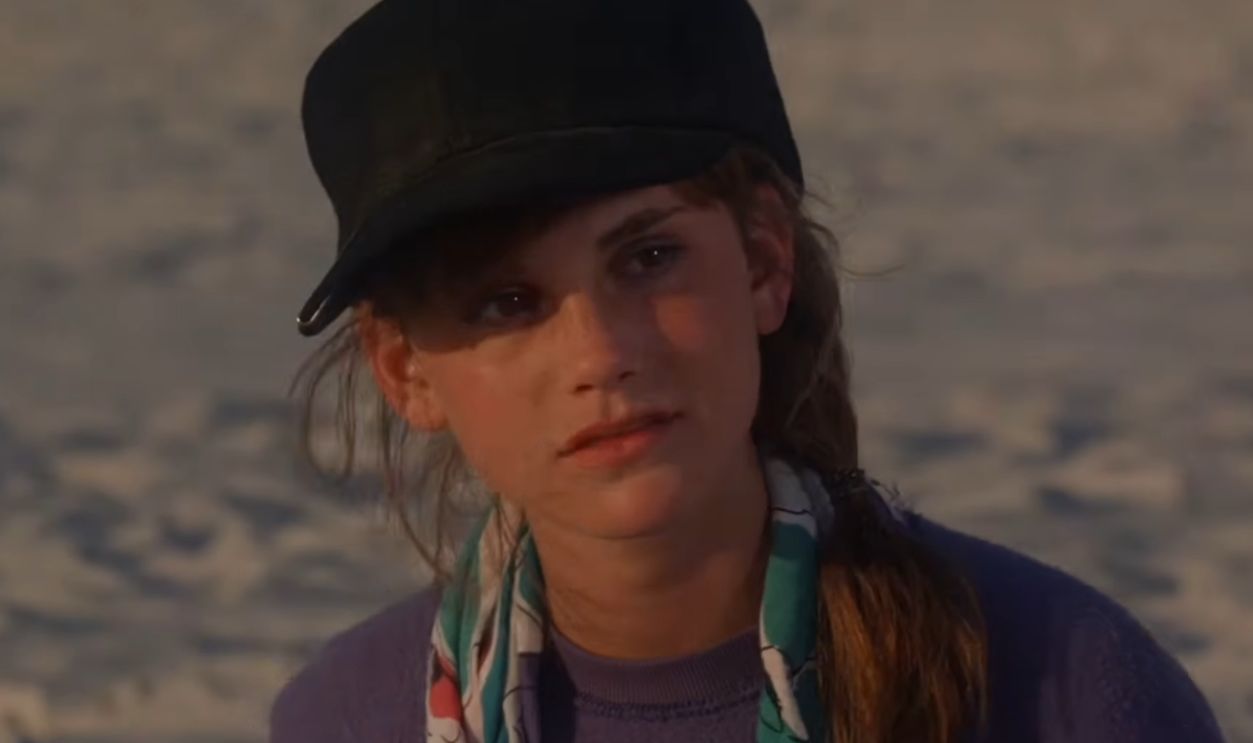 Screenshot from Summer Rental, Paramount Pictures (1985)
Joyce Hyser
Joyce Hyser worked steadily before Lisa Gottlieb's Just One of the Guys (1985) made her Terry Griffith one of the decade's most recognizable teen-comedy characters. Clayton Rohner, William Zabka and Sherilyn Fenn co-starred. Rather than turning that movie into a string of starring vehicles, Hyser moved largely into television, including a recurring role on L.A. Law.
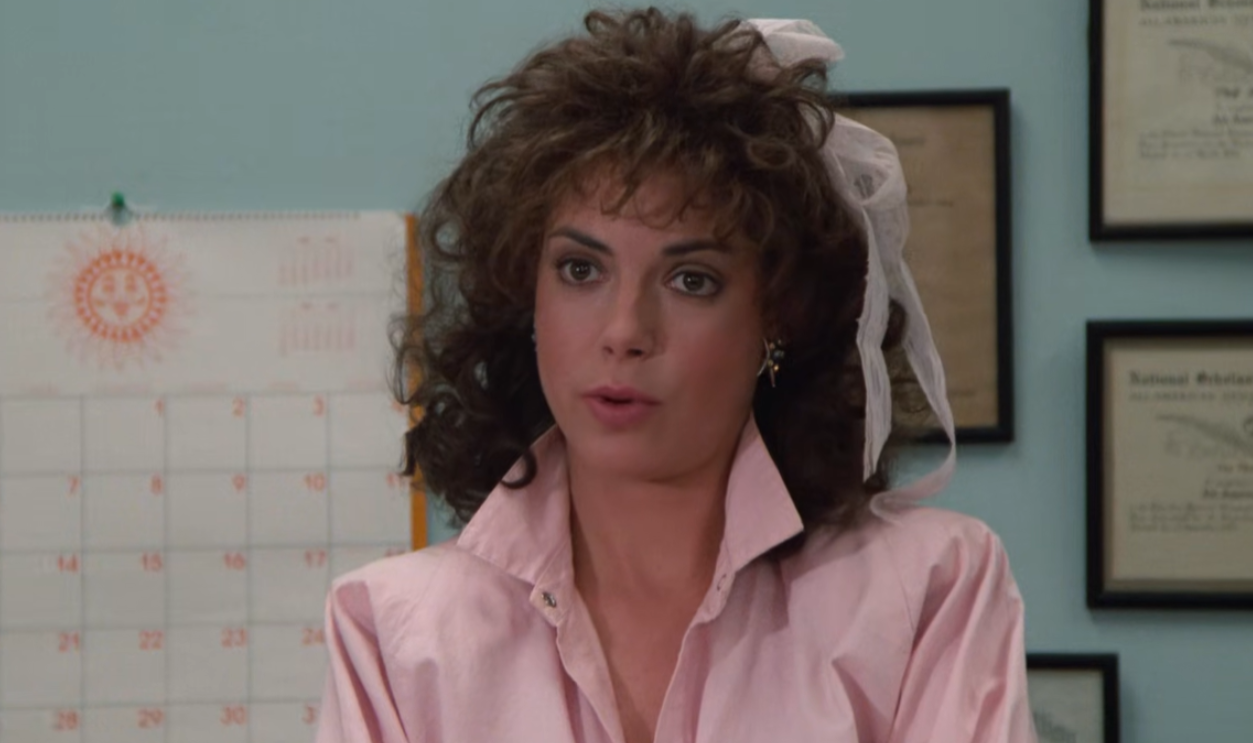 Screenshot from Just One of the Guys, Columbia Pictures (1985)
Kelly McGillis
Few careers rose faster. Kelly McGillis earned Golden Globe and BAFTA nominations opposite Harrison Ford in Peter Weir's Witness (1985), played Charlie opposite Tom Cruise in Tony Scott's Top Gun (1986), and starred with Jodie Foster in Jonathan Kaplan's The Accused (1988). Major roles continued, but she soon became considerably less ubiquitous than that remarkable three-year stretch suggested.
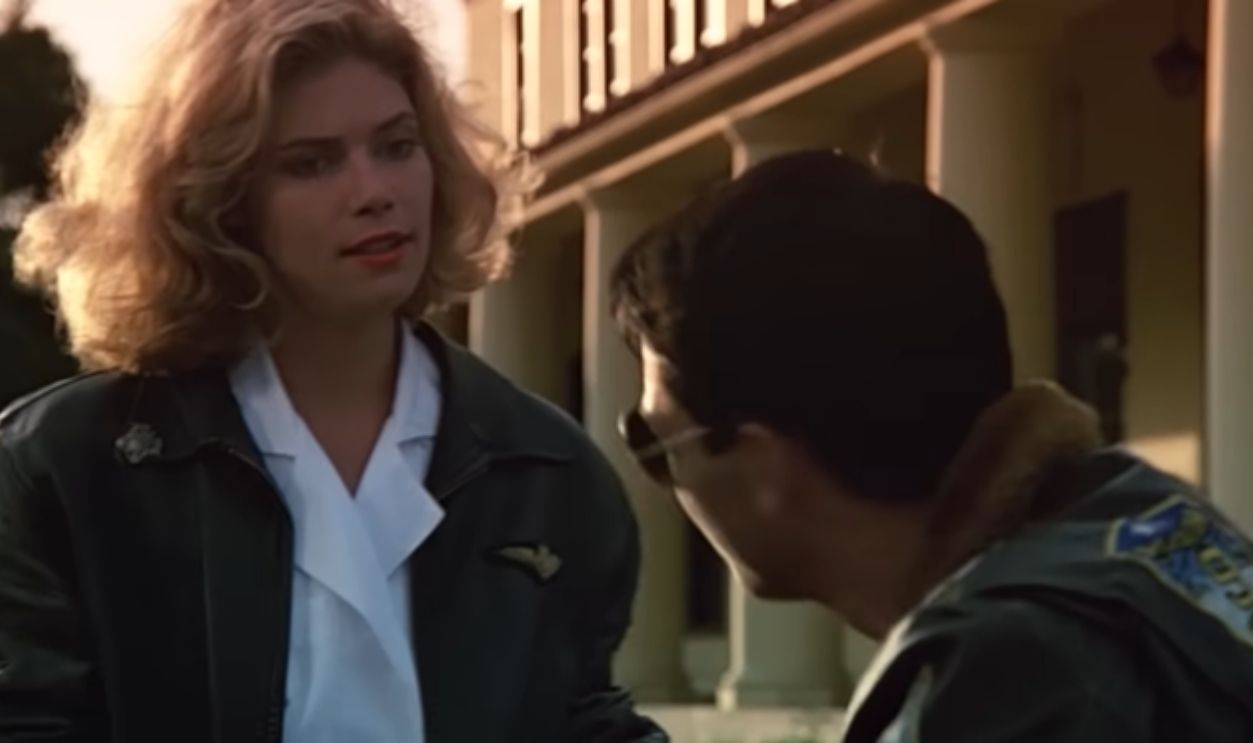 Screenshot from Top Gun, Paramount Pictures (1986)
Mia Sara
Mia Sara was still a teenager when she played Princess Lili opposite Tom Cruise in Ridley Scott's Legend (1985). A year later, John Hughes cast her as Sloane Peterson alongside Matthew Broderick and Alan Ruck in Ferris Bueller's Day Off (1986). She continued acting for decades, but rarely again occupied such a prominent place in mainstream movies.
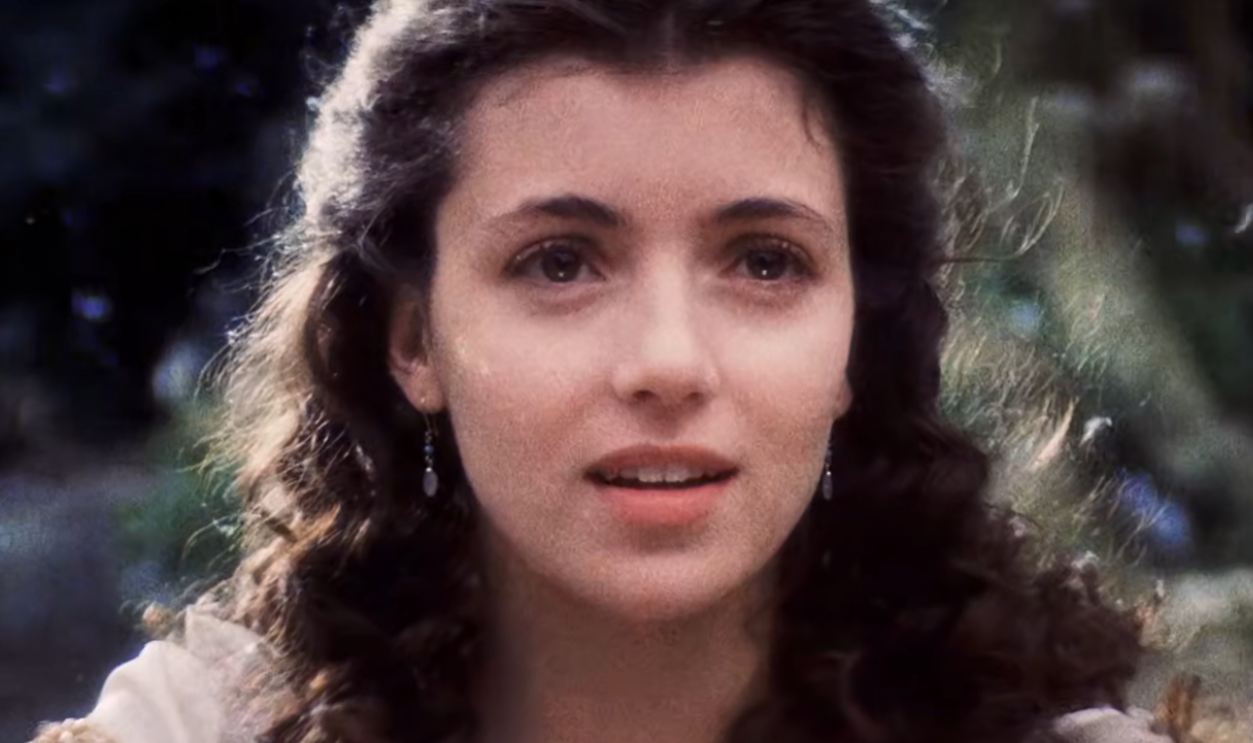 Screenshot from Legend, Universal Pictures (1985)
Meredith Salenger
Meredith Salenger starred as the title character in Disney's The Journey of Natty Gann (1985), alongside John Cusack and Ray Wise, then appeared in A Night in the Life of Jimmy Reardon (1988), The Kiss (1988) and Dream a Little Dream (1989). Instead of chasing teen stardom indefinitely, Salenger attended Harvard, graduating cum laude in psychology before eventually resuming acting.
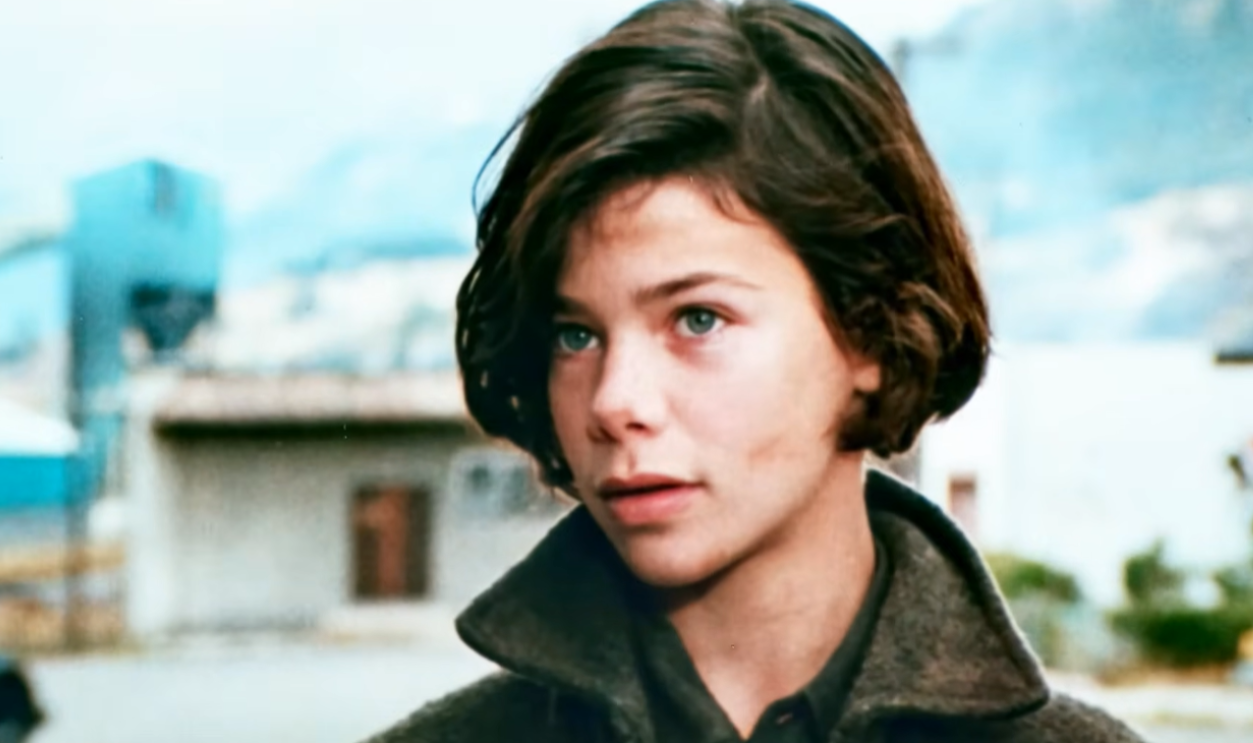 Screenshot from The Journey of Natty Gann, Walt Disney Pictures (1985)
Amanda Peterson
Amanda Peterson had appeared in John Huston's Annie (1982) and Joe Dante's Explorers (1985) before becoming a genuine teen star opposite Patrick Dempsey in Can't Buy Me Love (1987). She subsequently starred in Listen to Me (1989), but her career slowed dramatically in the early 1990s, and she ultimately left acting altogether.
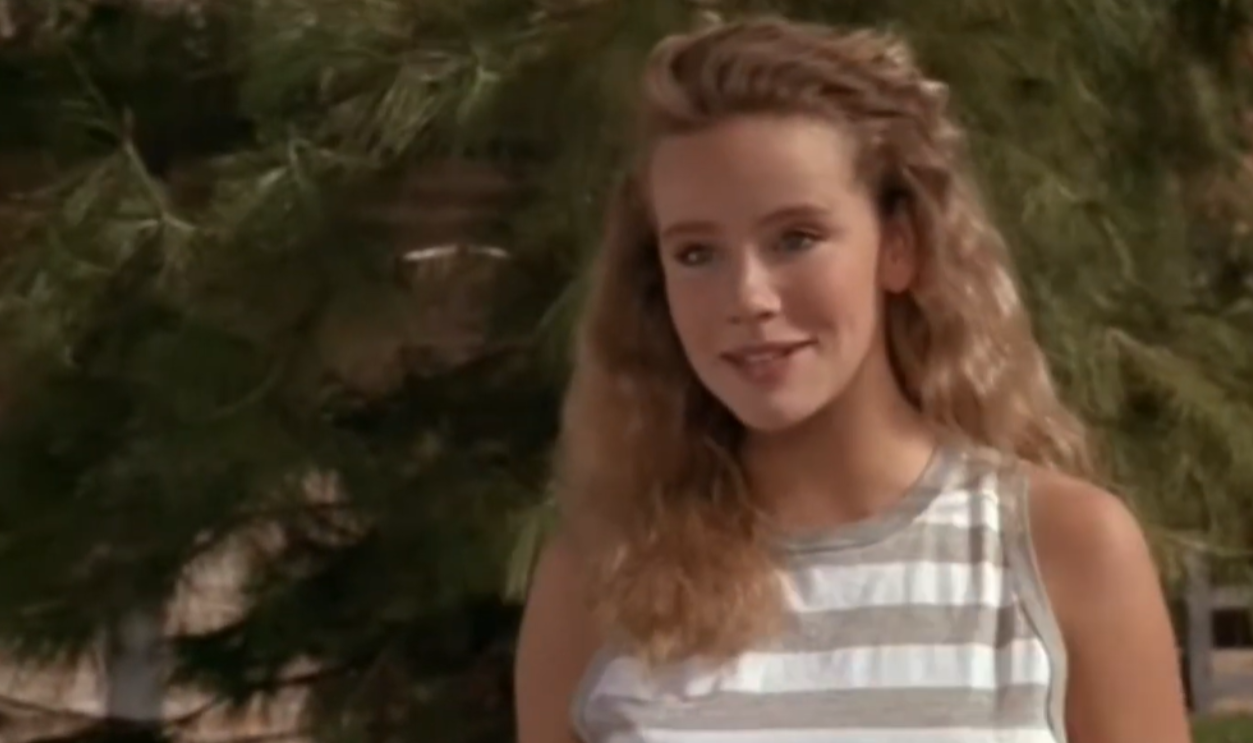 Screenshot from Can’t Buy Me Love, Buena Vista Pictures Distribution (1987)
Lucy Deakins
Lucy Deakins had already appeared on As the World Turns when she starred in Nick Castle's The Boy Who Could Fly (1986). She followed it with Little Nikita (1988), opposite River Phoenix and Sidney Poitier, The Great Outdoors (1988) and Cheetah (1989). Deakins eventually left acting, attended Harvard and became an attorney.
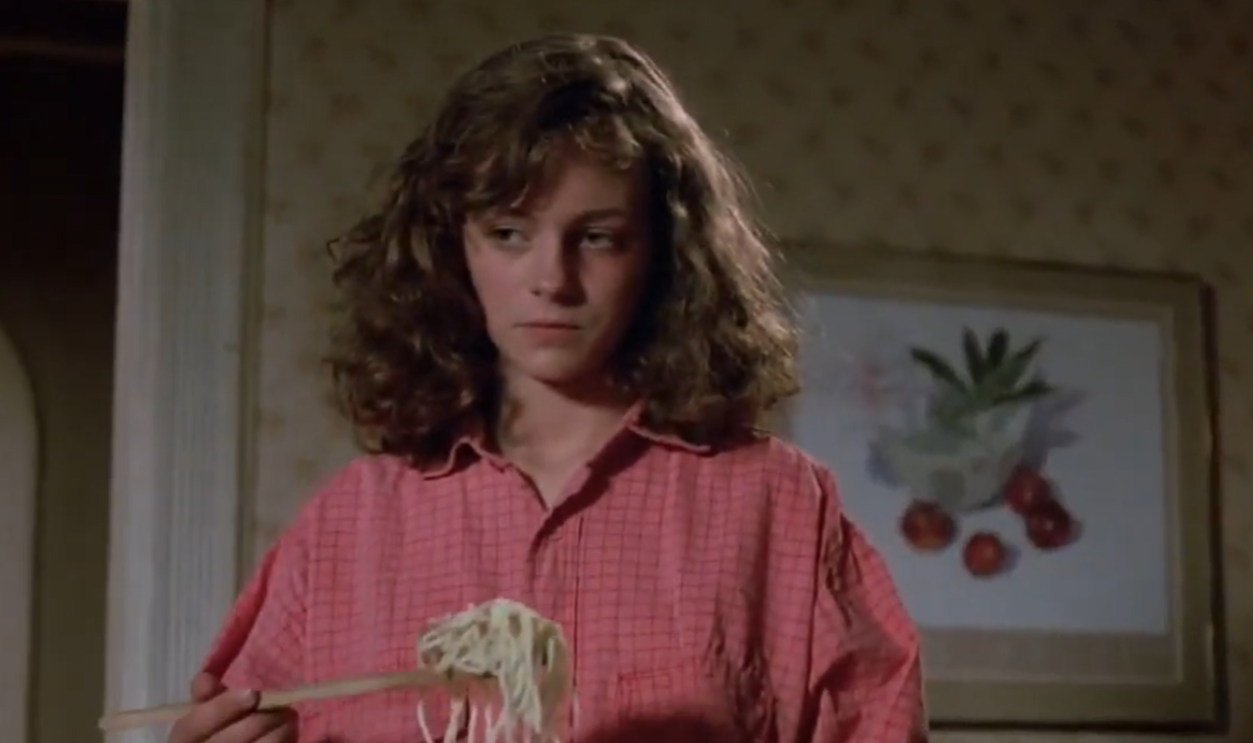 Screenshot from The Boy Who Could Fly, 20th Century Fox (1986)
Jennifer Grey
Jennifer Grey appeared in Red Dawn (1984) and Ferris Bueller's Day Off (1986), but Dirty Dancing (1987) made her a star opposite Patrick Swayze. Her career never maintained that momentum. Grey later said two rhinoplasty procedures in the early 1990s changed her appearance so dramatically that even acquaintances sometimes failed to recognize her, complicating an already difficult transition after an iconic role.
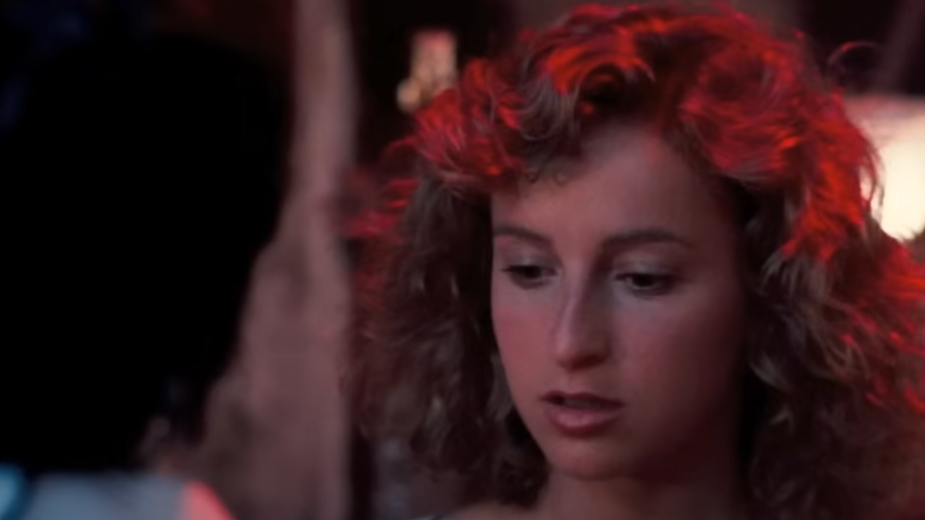 Screenshot from Dirty Dancing, Vestron Pictures (1987)
Maryam d'Abo
Maryam d'Abo accumulated credits in Xtro (1982), Until September (1984) and White Nights (1985) before becoming Kara Milovy opposite Timothy Dalton in the James Bond film The Living Daylights (1987). She then starred in Something Is Out There, which began as a 1988 NBC two-part miniseries whose success led to a short-lived weekly series. But like so many other Bond women, the enormous visibility of 007 didn't automatically translate into sustained Hollywood movie stardom.
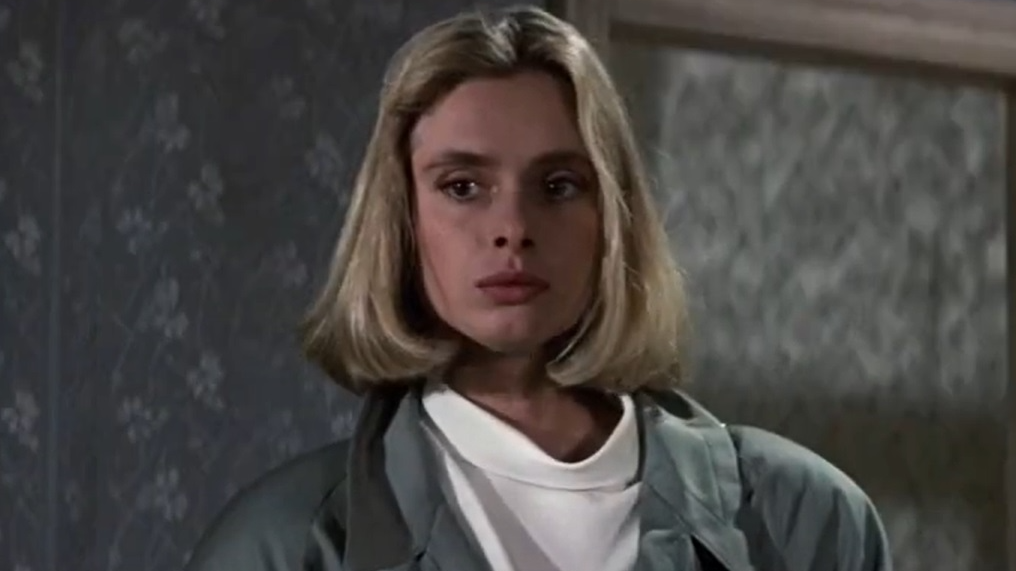 United Artists, The Living Daylights (1987)
Jill Schoelen
Jill Schoelen became a familiar face to horror and thriller audiences through The Stepfather (1987), Cutting Class (1989), The Phantom of the Opera (1989), and Popcorn (1991). Cutting Class (1989) paired her with a young Brad Pitt. Schoelen continued working into the 1990s before largely leaving acting, making her intense late-1980s visibility feel surprisingly fleeting.
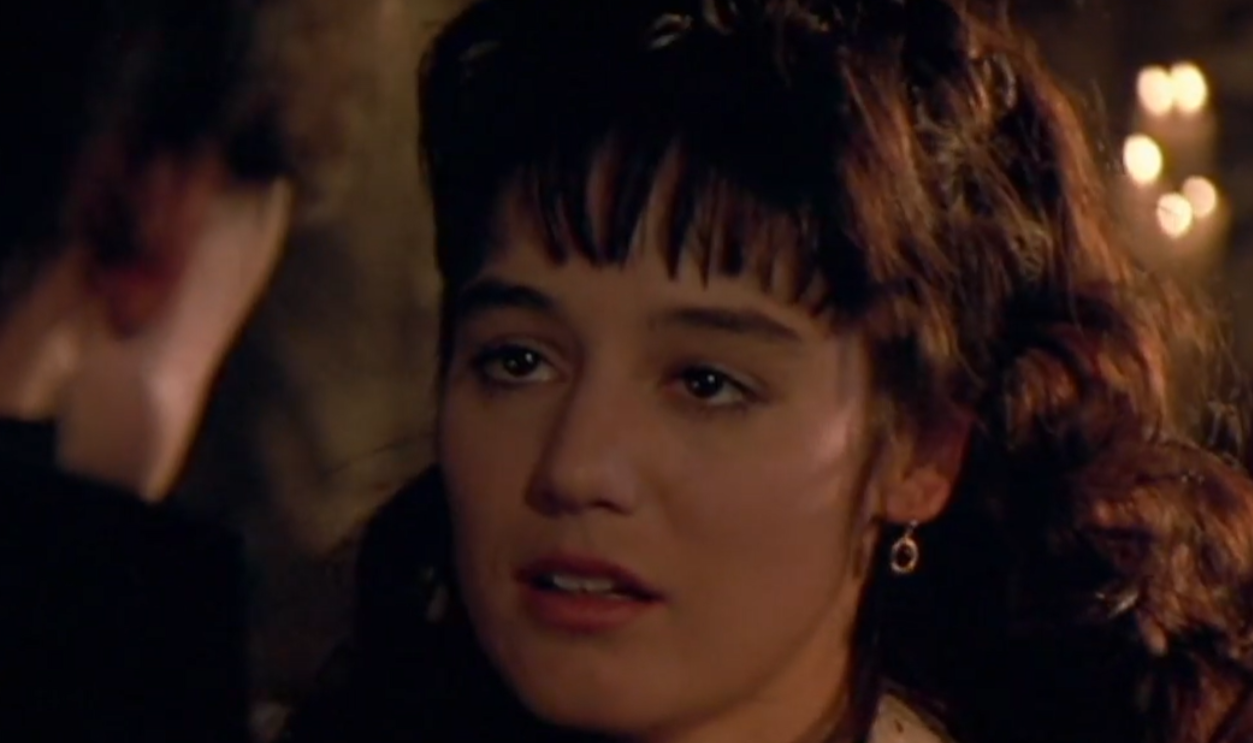 Screenshot from The Phantom of the Opera, Warner Bros. Pictures (2004)
Jami Gertz
Jami Gertz's late-1980s résumé is almost a time capsule: Quicksilver (1986), Crossroads (1986), Joel Schumacher's The Lost Boys (1987) and Marek Kanievska's Less Than Zero (1987), opposite Andrew McCarthy and Robert Downey Jr. She never actually vanished, resurfacing memorably in Twister (1996) and later television, but her period as a ubiquitous young movie actress ended quickly.
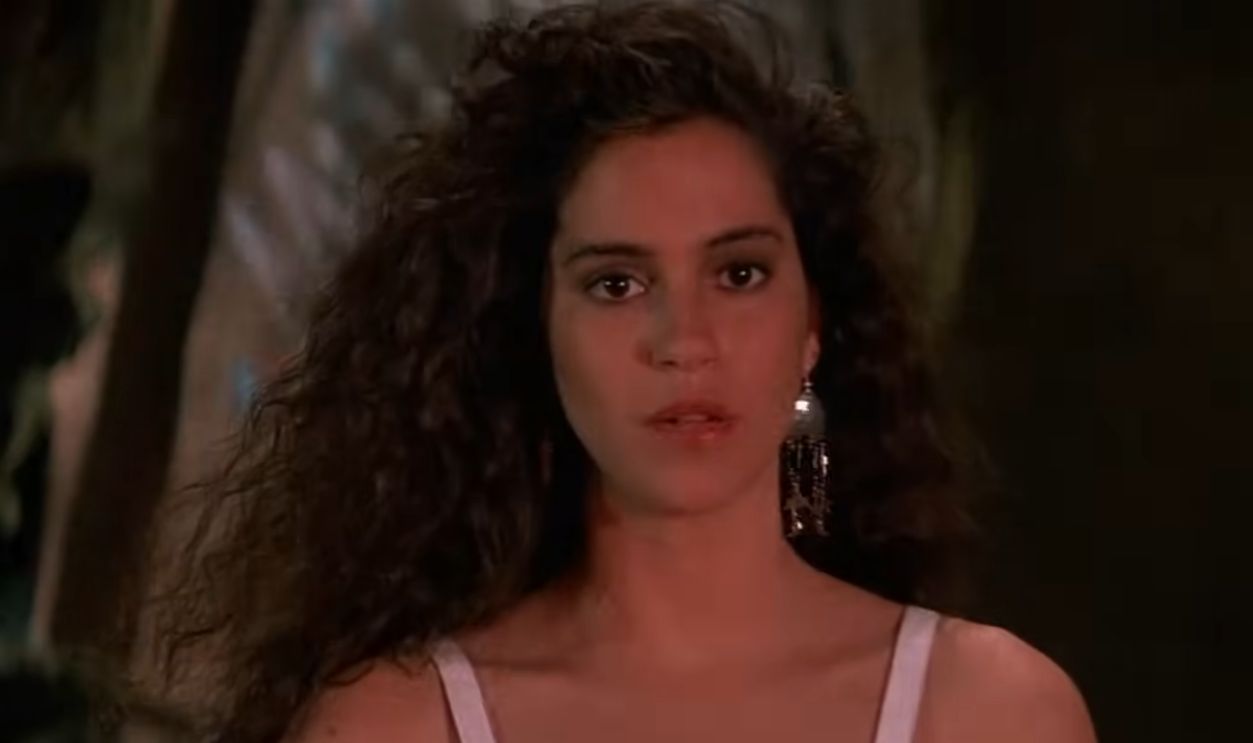 Screenshot from The Lost Boys, Warner Bros. Pictures (1987)
You May Also Like:
Underrated 80s Actors Who Were Better Than The A-List Stars
The Most Iconic Soundtrack Songs of the 80s
Movie Stars Who Were Once “Untouchable” And Then Vanished Overnight
Sources: 1, 2, 3, 4, 5, 6, 7, 8, 9, 10, 11, 12, 13, 14, 15, 16