When “Untouchable” Meant One Bad Week Away From Disappearing
Hollywood loves a sure thing, right up until it does not. Some movie stars looked bulletproof, then seemed to vanish from big studio spotlights almost overnight. Sometimes it was a scandal, sometimes a box office skid, and sometimes the industry just moved on faster than anyone thought was possible.
 Harald Krichel, Wikimedia Commons
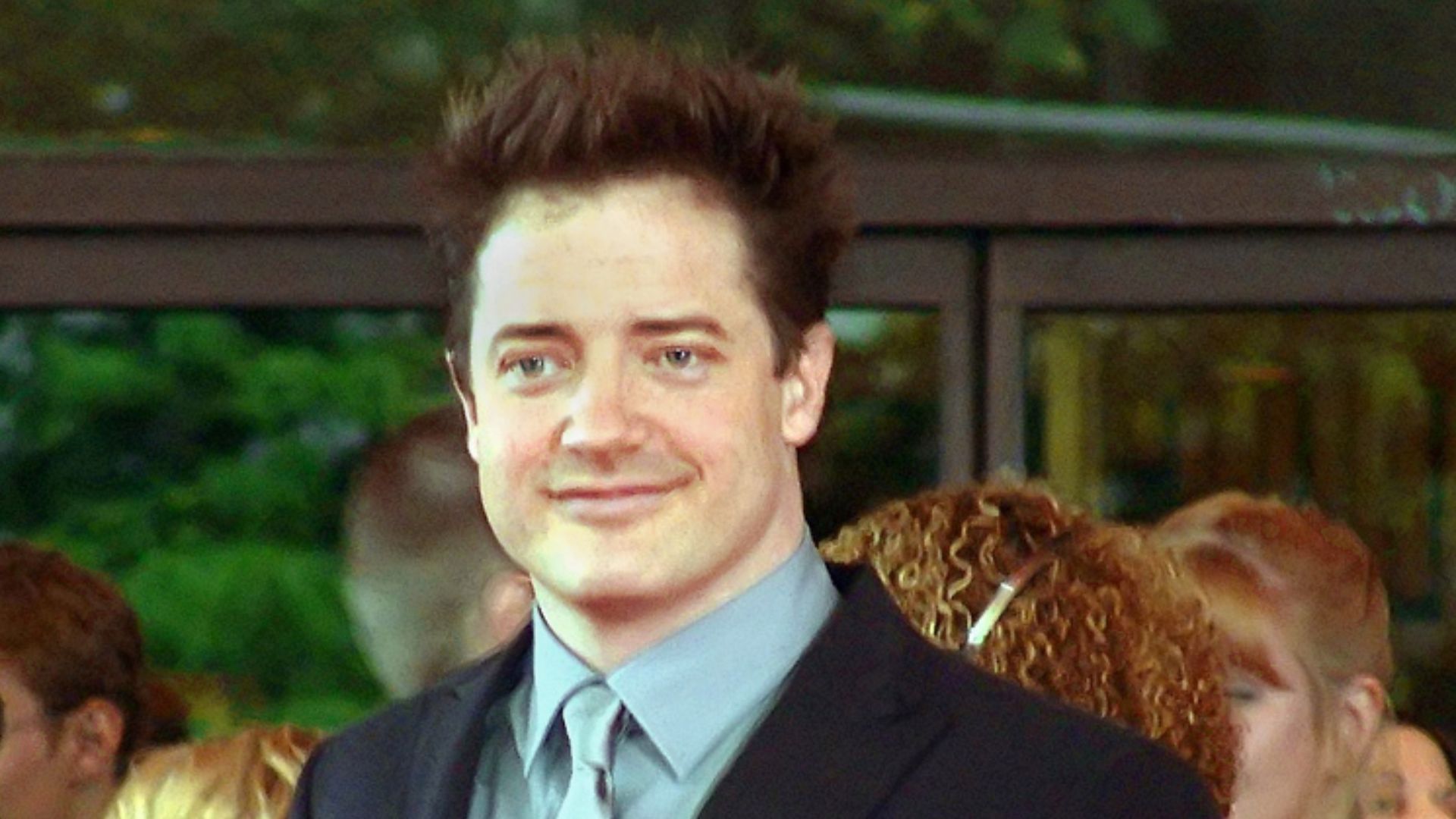
Brendan Fraser’s Sudden Shift From Leading Man To Afterthought
Brendan Fraser was everywhere after hits like George of the Jungle and The Mummy series. In a 2018 GQ interview, he said he felt “blacklisted” after alleging he was groped by former Hollywood Foreign Press president Philip Berk, and his visibility in major roles dropped. He also dealt with serious injuries and personal issues that kept him out of the typical studio pipeline.
Thank goodness he has experienced a comeback, but few actors went from $100 million grossers to obscurity more quickly.
 cdnmusicdiva, Wikimedia Commons
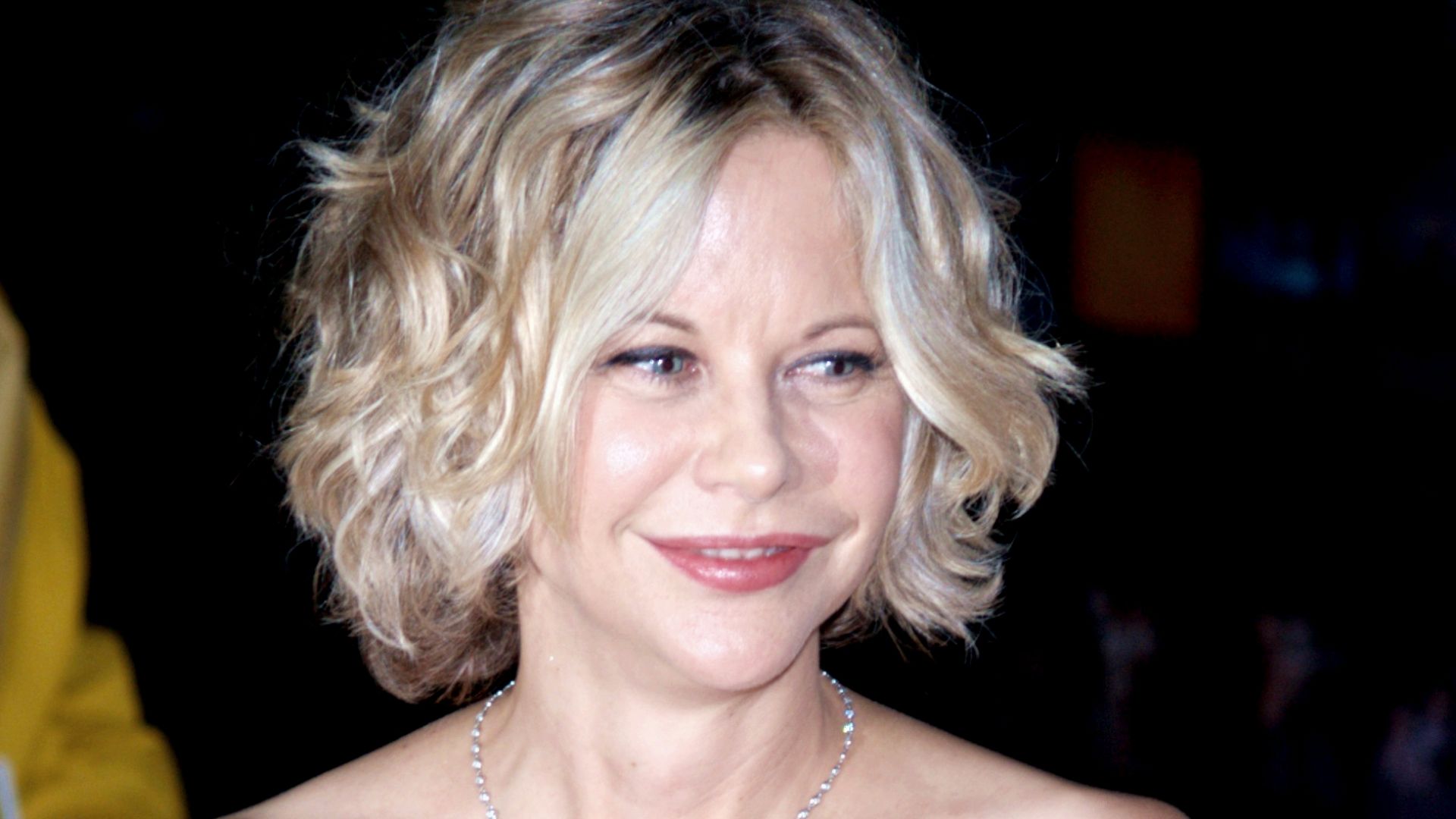
Meg Ryan Went From Rom-Com Royalty To Tabloid Punchline
Meg Ryan was a defining face of 1990s romantic comedies, including When Harry Met Sally... and Sleepless in Seattle. Her profile changed sharply after intense tabloid coverage of her personal life in the early 2000s, and she appeared less often in major studio films. She has worked since then, including directing Ithaca, but the “default A-list lead” era ended quickly. For a while, it felt like Hollywood collectively moved on at once.
 David Shankbone, Wikimedia Commons
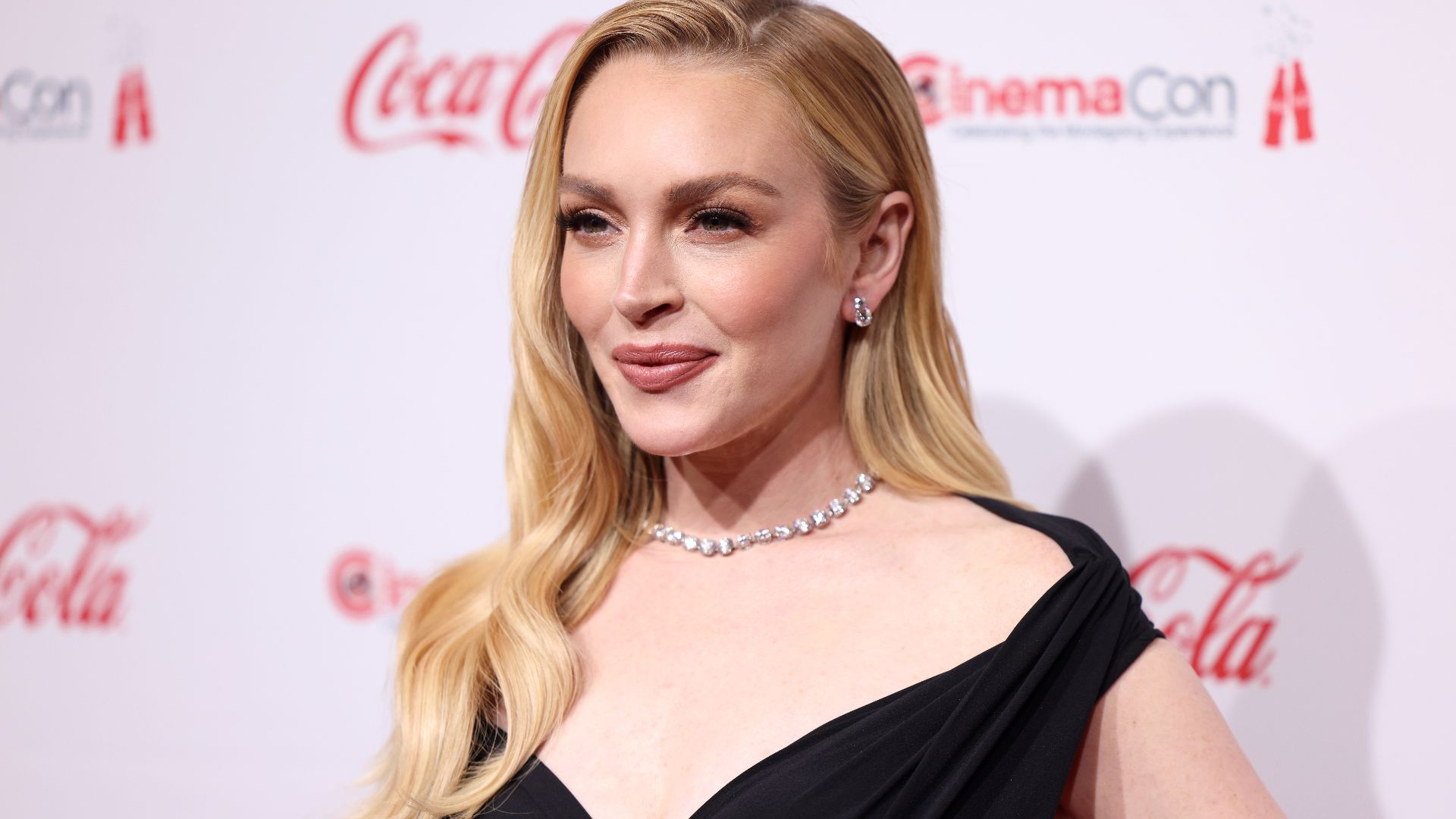
Lindsay Lohan’s Star Power Collided With Chaos
Lindsay Lohan was a bankable young lead after Freaky Friday and Mean Girls. Repeated legal troubles and highly publicized personal struggles derailed her film momentum, and studios became cautious. Her big-screen output slowed dramatically compared to her peak years. Then, after a long quiet stretch, she started rebuilding with projects like Netflix’s Falling for Christmas.
 Gage Skidmore from Surprise, AZ, United States of America, Wikimedia Commons
Josh Hartnett Stepped Away And The Spotlight Did Not Wait
Josh Hartnett was positioned as a major leading man after Pearl Harbor and Black Hawk Down. He later told outlets like The Guardian he deliberately turned down certain blockbuster paths and stepped back from Hollywood. When he returned more regularly, the industry had reshuffled and his “next big thing” slot was gone. The twist is that his career never really ended, it just shifted into quieter choices.
 Destiny Thing at https://www.flickr.com/photos/fray101/, Wikimedia Commons
Tara Reid’s Mainstream Moment Burned Out Fast
Tara Reid became a recognizable star with American Pie and The Big Lebowski. As tabloid coverage intensified in the 2000s, her big studio roles became less frequent. She kept working, but mostly outside the kind of films that made her a household name. Her later visibility came more from pop-culture flashpoints than from major movie leads.

Cuba Gooding Jr.’s Oscar Glow Dimmed, Then Got Complicated
Cuba Gooding Jr. won an Academy Award for Jerry Maguire and looked poised for a long run at the top. Over time, his film choices drew criticism and his leading-man status faded. Later, multiple women accused him of sexual misconduct, and the legal situation became part of his public story. Even before the allegations, his A-list momentum had already cooled in a way that surprised people.
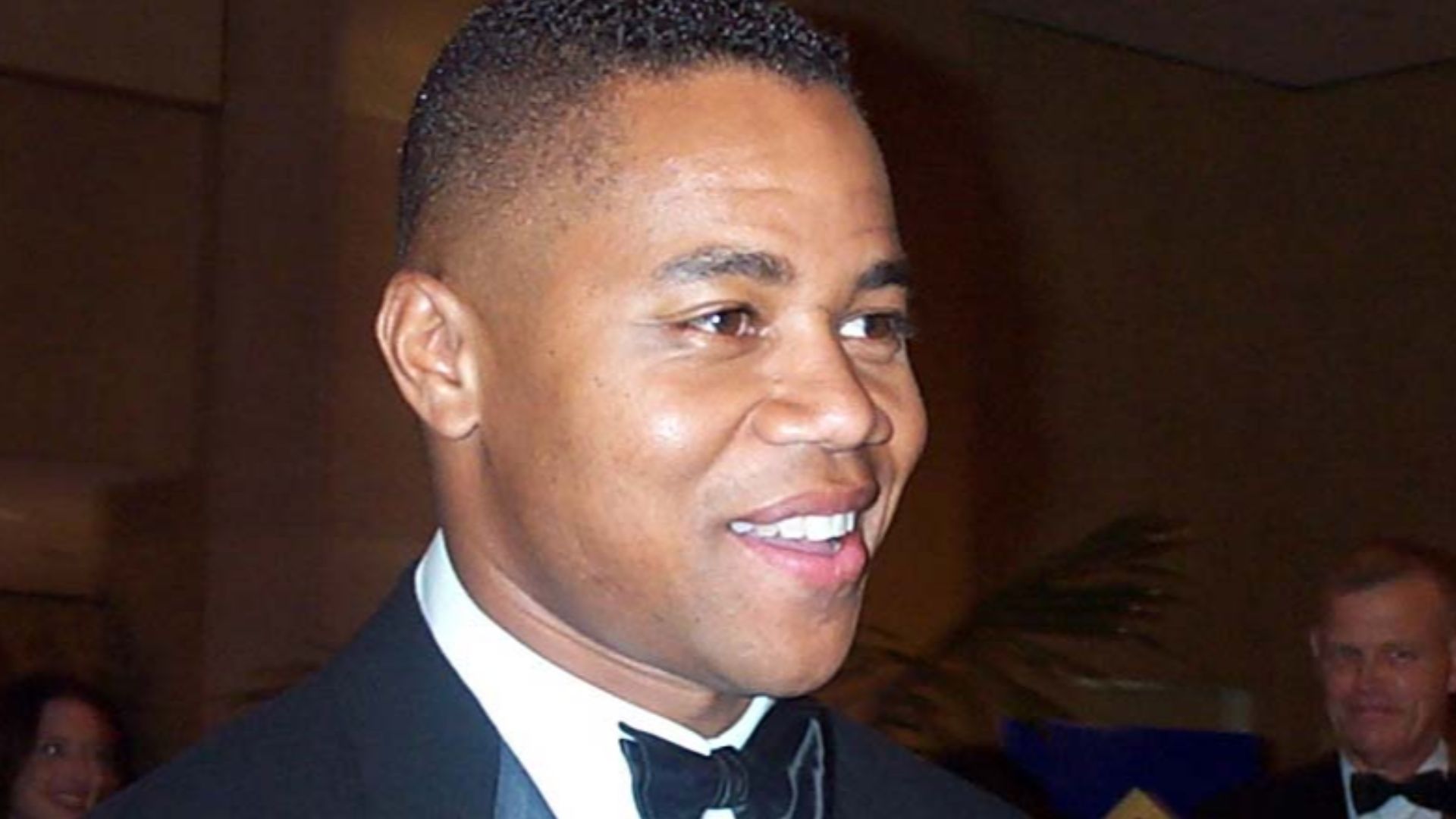 Photo by Linda D. Kozaryn (American Forces Press Service), Wikimedia Commons
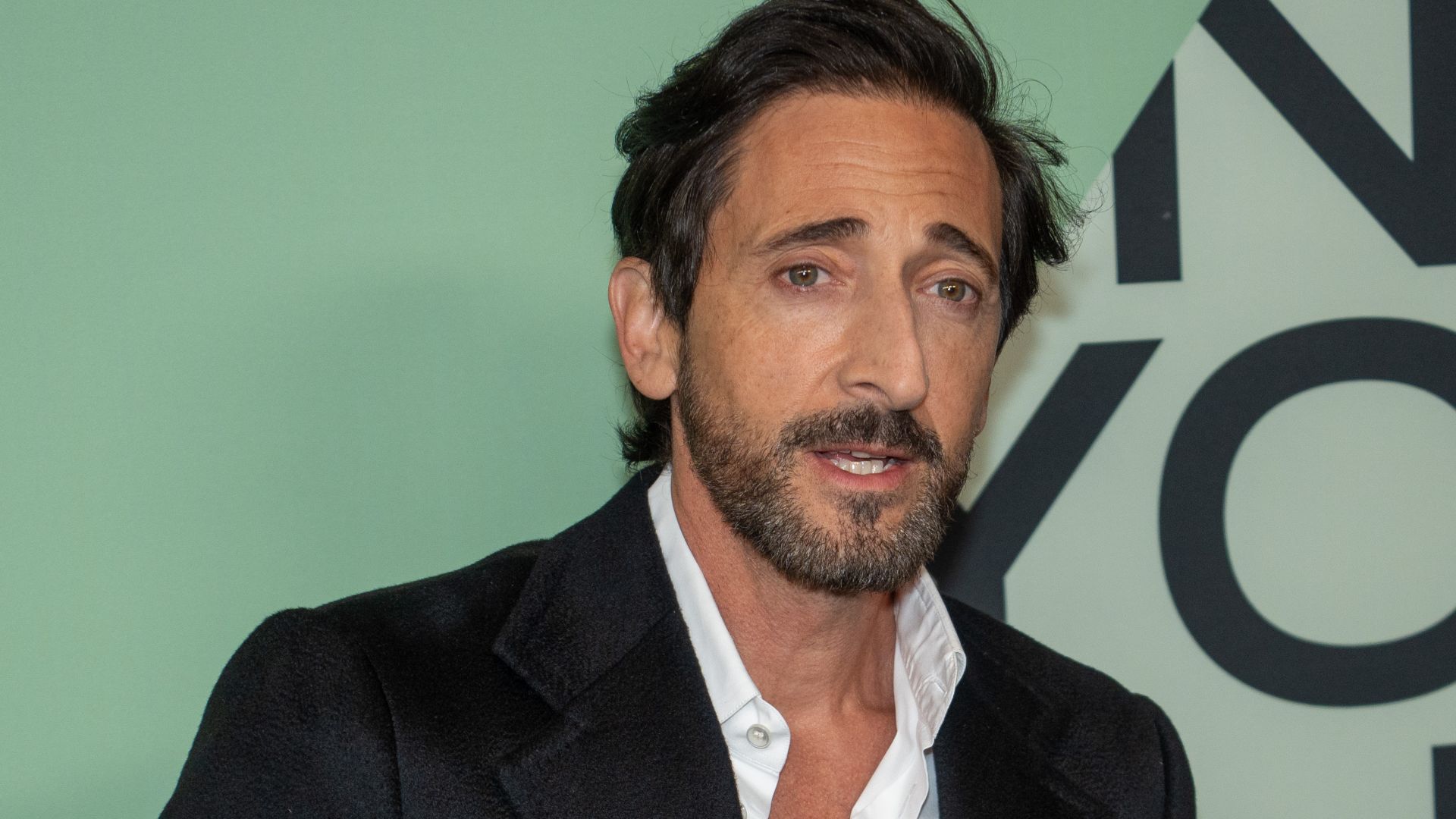
Adrien Brody: The “It Guy” Who Lost The Room
In 2004, Adrien Brody became the youngest person to ever win Best Actor for his role in Roman Polanski's The Pianist. His high-profile moment stayed bright, but his mainstream leading roles did not stack up the way many expected afterward. He continued working steadily, often in auteur projects and ensemble casts rather than as the default studio lead.
Hollywood forgot they didn't like him and gave him another Best Actor Oscar in 2025—but his arrogant speech seems like he's on track to disappear yet again.
 Bryan Berlin, Wikimedia Commons
Katherine Heigl Went From Must-Cast To “Difficult” Headlines
Katherine Heigl became a huge star from *Grey’s Anatomy* and hit films like Knocked Up and 27 Dresses. Public narratives about her being “difficult” followed comments she made about her projects, and her studio momentum slowed. She has kept acting, including on *Suits* and *Firefly Lane*, but the peak movie run cooled fast. The whiplash between her box office draw and her sudden pushback was real.
 Warner Bros., Life as We Know It (2010)
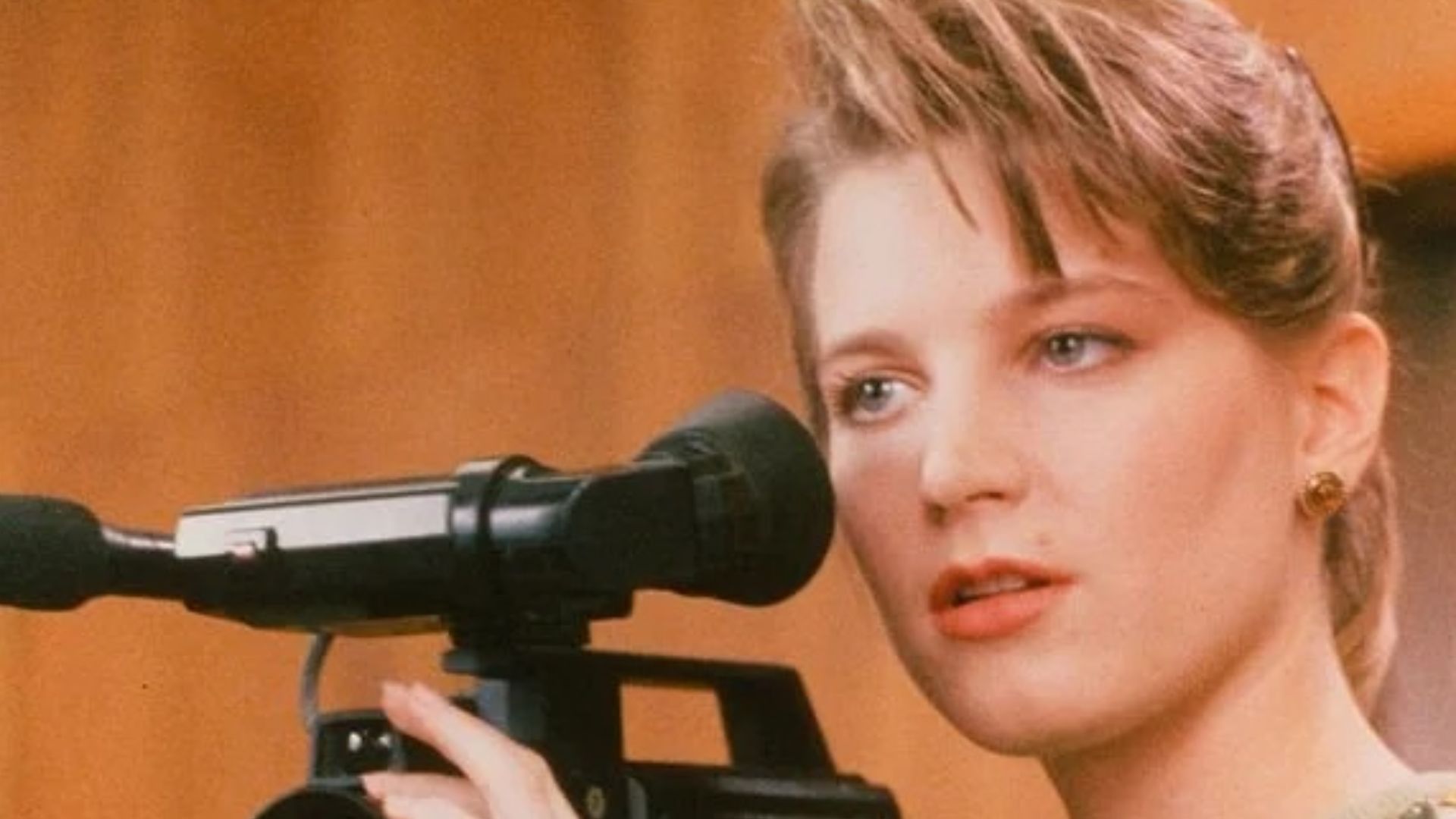
Bridget Fonda Quietly Exited At Full Speed
Bridget Fonda had a strong run in the 1990s with films like Single White Female and Jackie Brown. After appearing in The Whole Shebang, she largely stepped away from acting. Reports and interviews over the years have framed it as a personal decision rather than a dramatic industry fight. That said, it still felt like she disappeared between one awards season and the next.
 Lightning Pictures, Wikimedia Commons
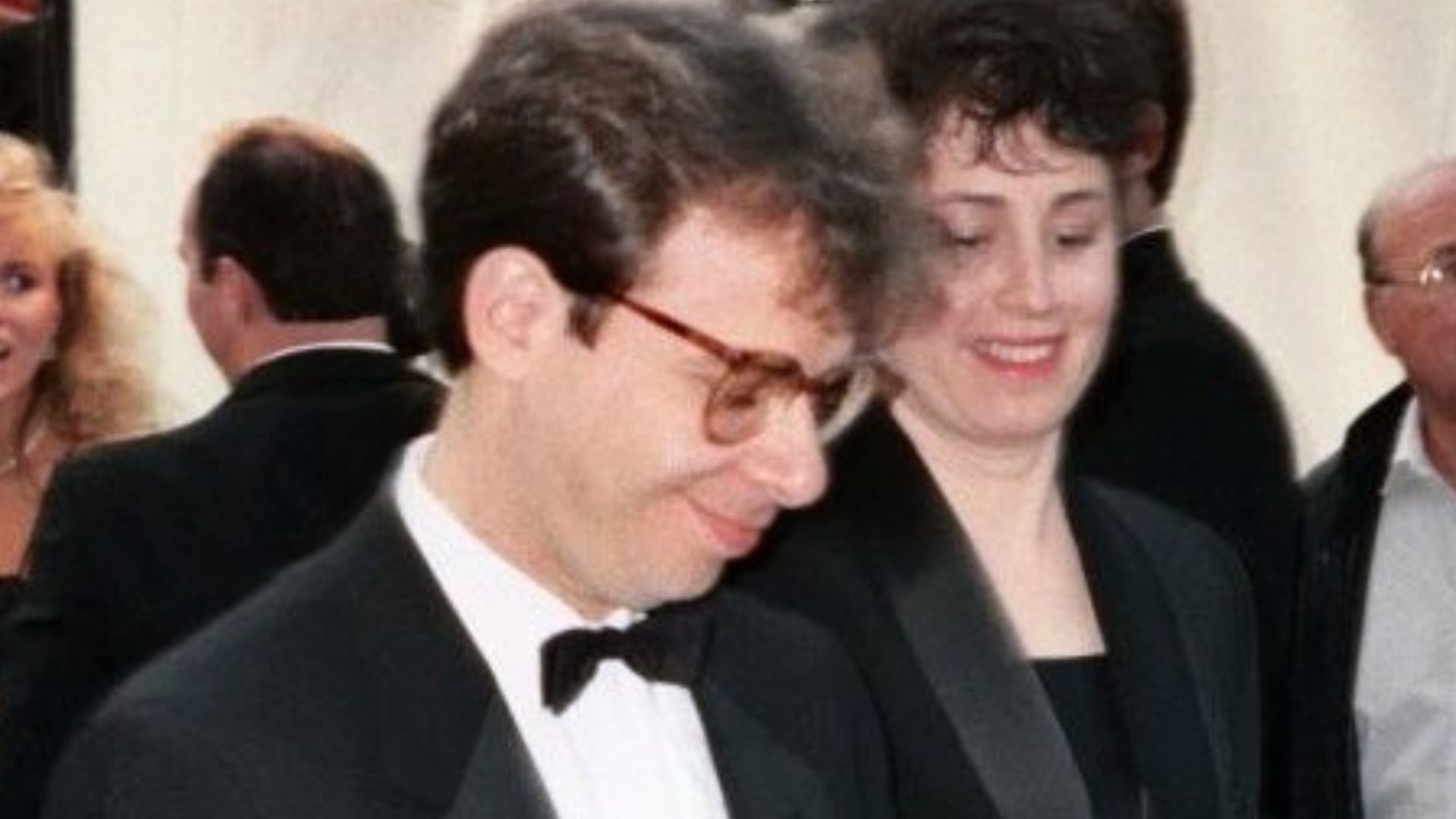
Rick Moranis Left A Hot Career For A Reason That Stopped People Cold
Rick Moranis was a comedy staple in films like Ghostbusters and Honey, I Shrunk the Kids. He stepped away from acting in the 1990s to focus on raising his children after his wife died. The result looked like a sudden vanishing act, even though it was a deliberate choice. Years later, his rare appearances reminded everyone how big his run once was.
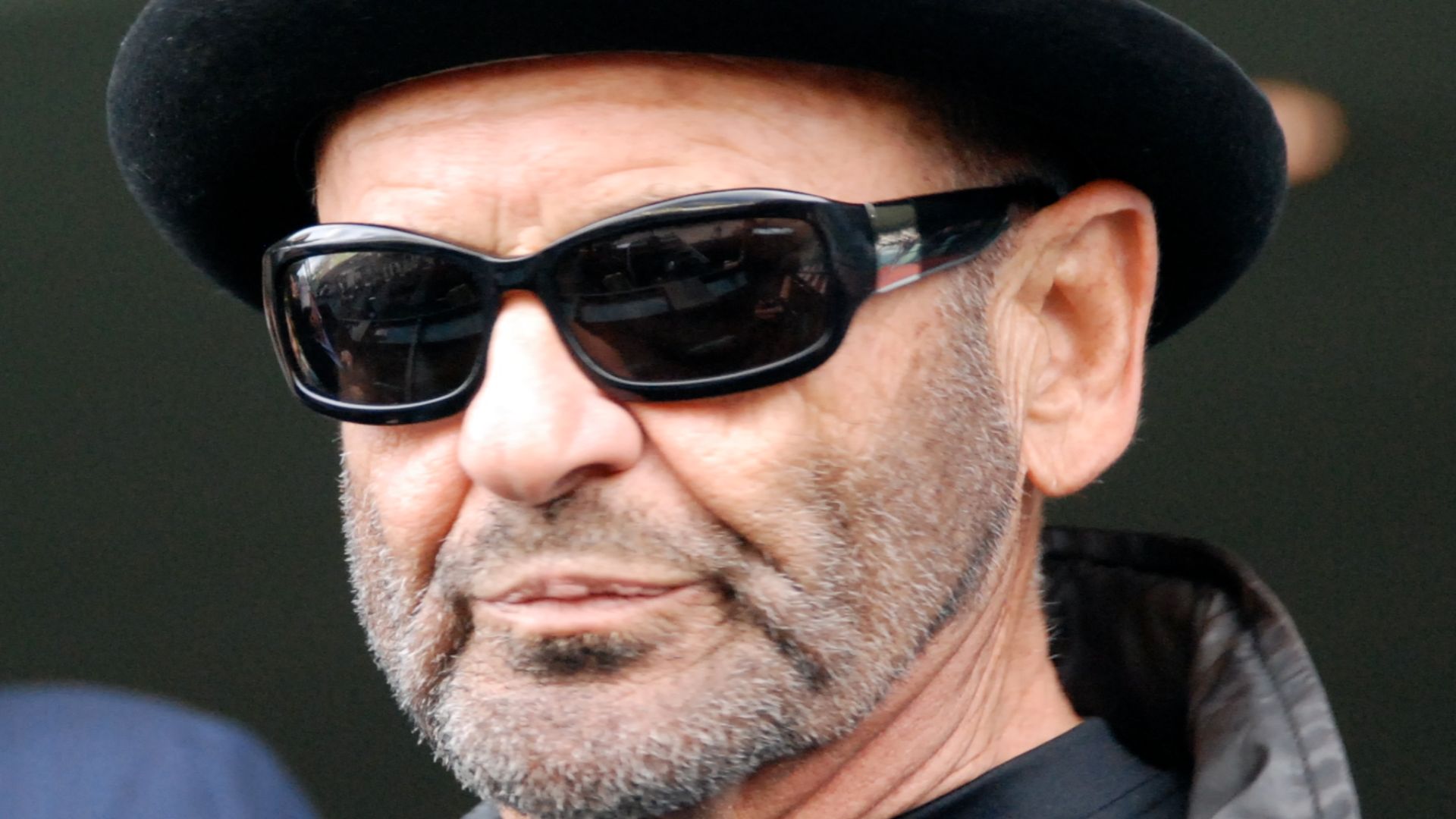
Joe Pesci’s “Where Did He Go” Years
Joe Pesci was everywhere in the early 1990s, including Goodfellas and Home Alone. He announced a retirement from acting in 1999, then returned occasionally for select projects. Because he never fully chased the spotlight again, it felt like he dropped off the map at his peak. When he resurfaced in The Irishman, it underscored how long he had been mostly away.
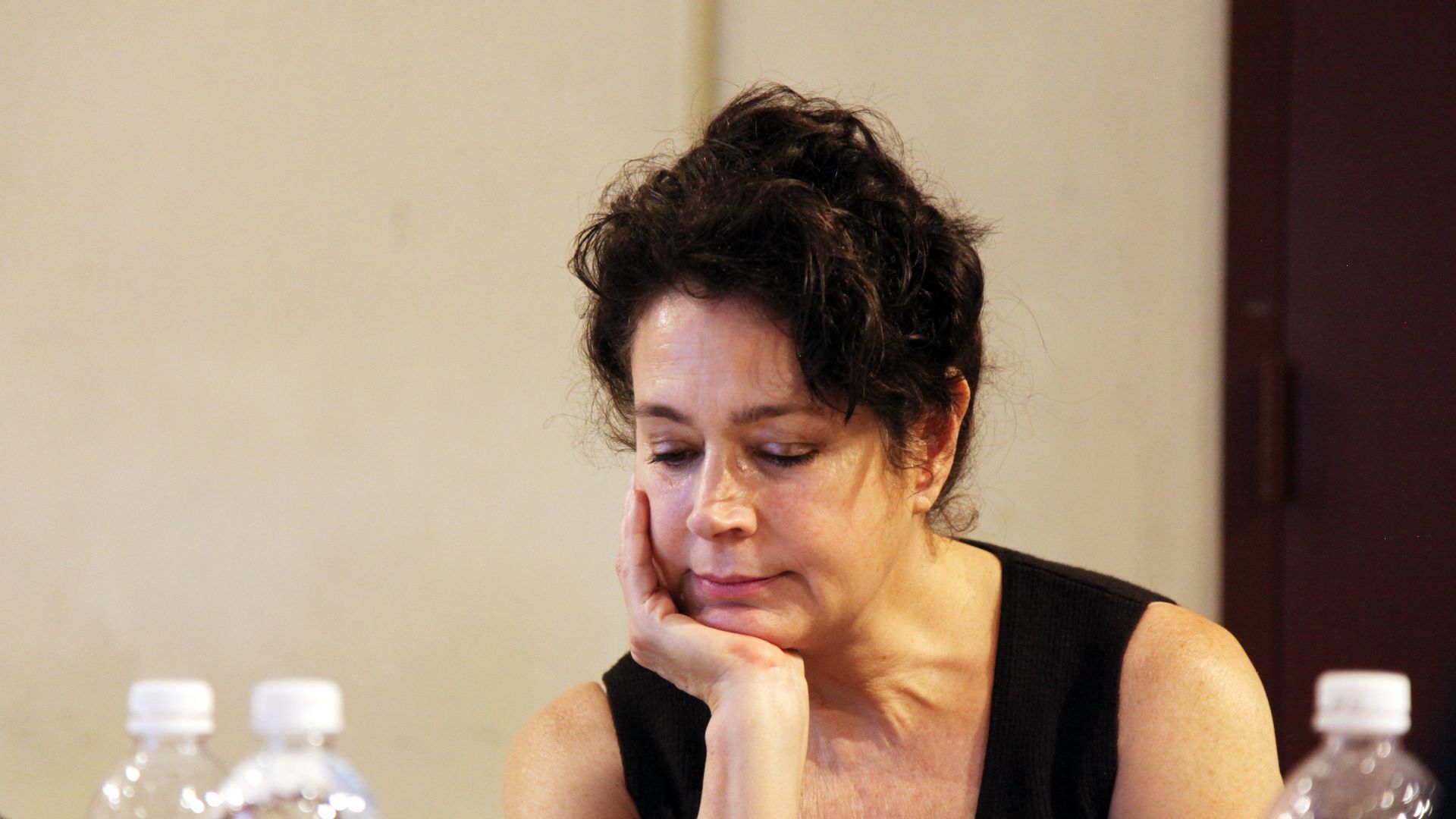
Sean Young’s Trajectory Took A Turn After Early Promise
Sean Young made a major impression in Blade Runner and No Way Out. Over time, her career became more associated with off-screen controversies and legal issues than with starring roles. She continued acting, but her place in big studio films narrowed. The industry’s relationship with her shifted in a way that played out very publicly.
 Sasha Kargaltsev from New York, US, Wikimedia Commons
Mischa Barton’s Fast Rise, Faster Fade
Mischa Barton became a pop culture phenomenon through *The O.C.* and moved into film roles during that wave. Personal struggles and legal issues later became widely reported, and her mainstream momentum slowed. She has continued working in smaller projects and TV. The speed of her transition from headline fixture to quieter career was striking.
 MTV International, Wikimedia Commons
Eric Roberts Was On The Verge, Then The Road Got Weird
Eric Roberts earned an Oscar nomination for Runaway Train and had the look of a long-term leading man. After a serious car accident in 1981, he faced a tougher road, and his career shifted toward a high volume of smaller roles. He has remained extremely prolific, just not in the “top-billed studio lead” lane many predicted. His filmography is a reminder that “vanished” can sometimes mean “changed shape.”
 Miguel Discart & Kiri Karma, Wikimedia Commons
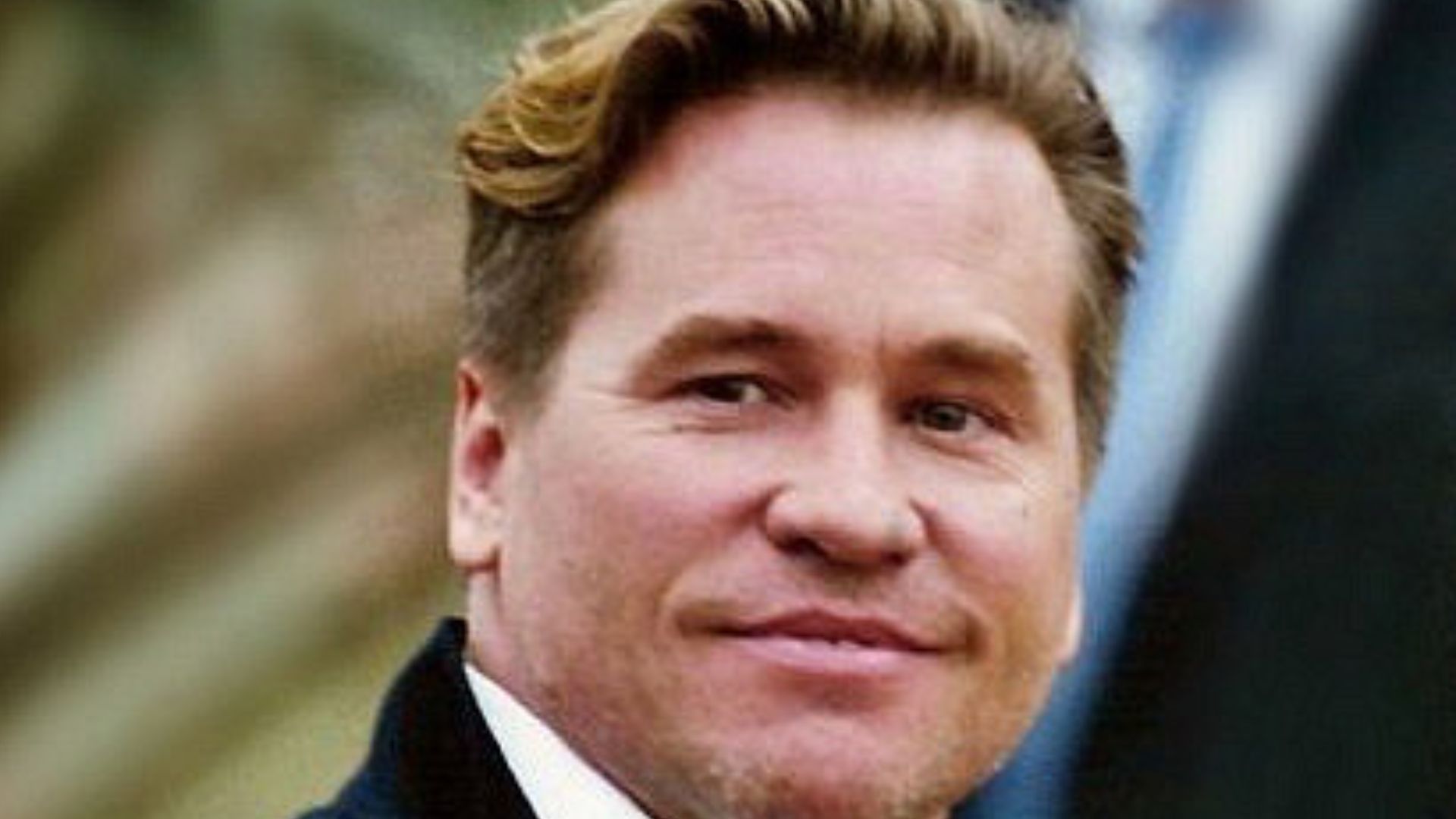
Val Kilmer’s A-List Reign Hit Multiple Roadblocks
Val Kilmer headlined major films like Top Gun, The Doors, and Batman Forever. Over time, reports about on-set conflicts followed him, and his leading roles became less consistent. He later dealt with throat cancer that affected his voice and career opportunities. Watching a star that big slide out of the center was a slow shock that still lands.
 Georges Biard, Wikimedia Commons
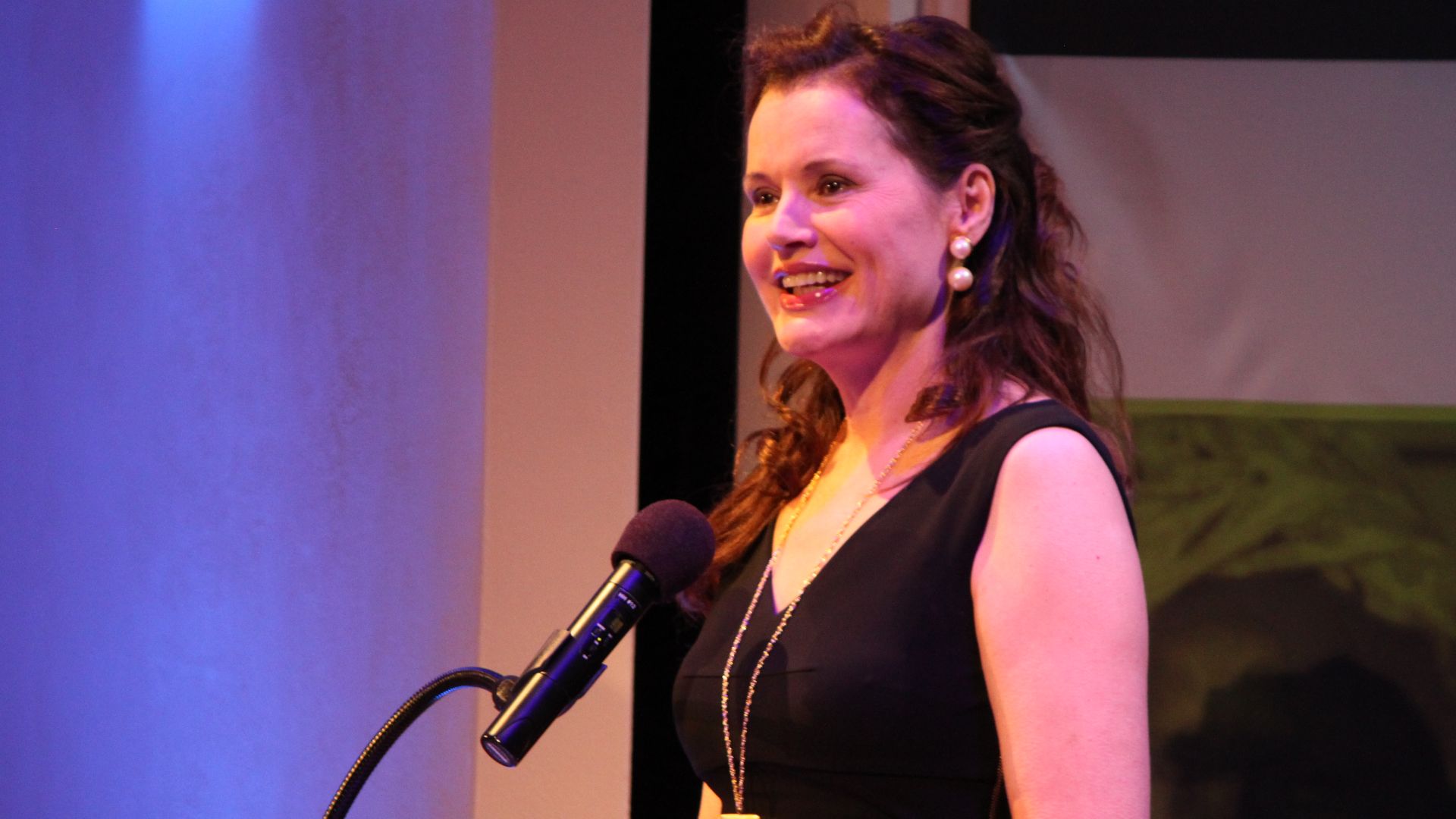
Geena Davis Went From Oscar Winner To Fewer Big Roles
Geena Davis won an Oscar for The Accidental Tourist and starred in major hits like Thelma & Louise. In later years, she has spoken about age bias in Hollywood and the difficulty of getting comparable roles as she got older. She stayed active with film, TV, and advocacy, but her studio-leading days faded. The change says as much about the system as it does about any one career.
 DFID - UK Department for International Development, Wikimedia Commons
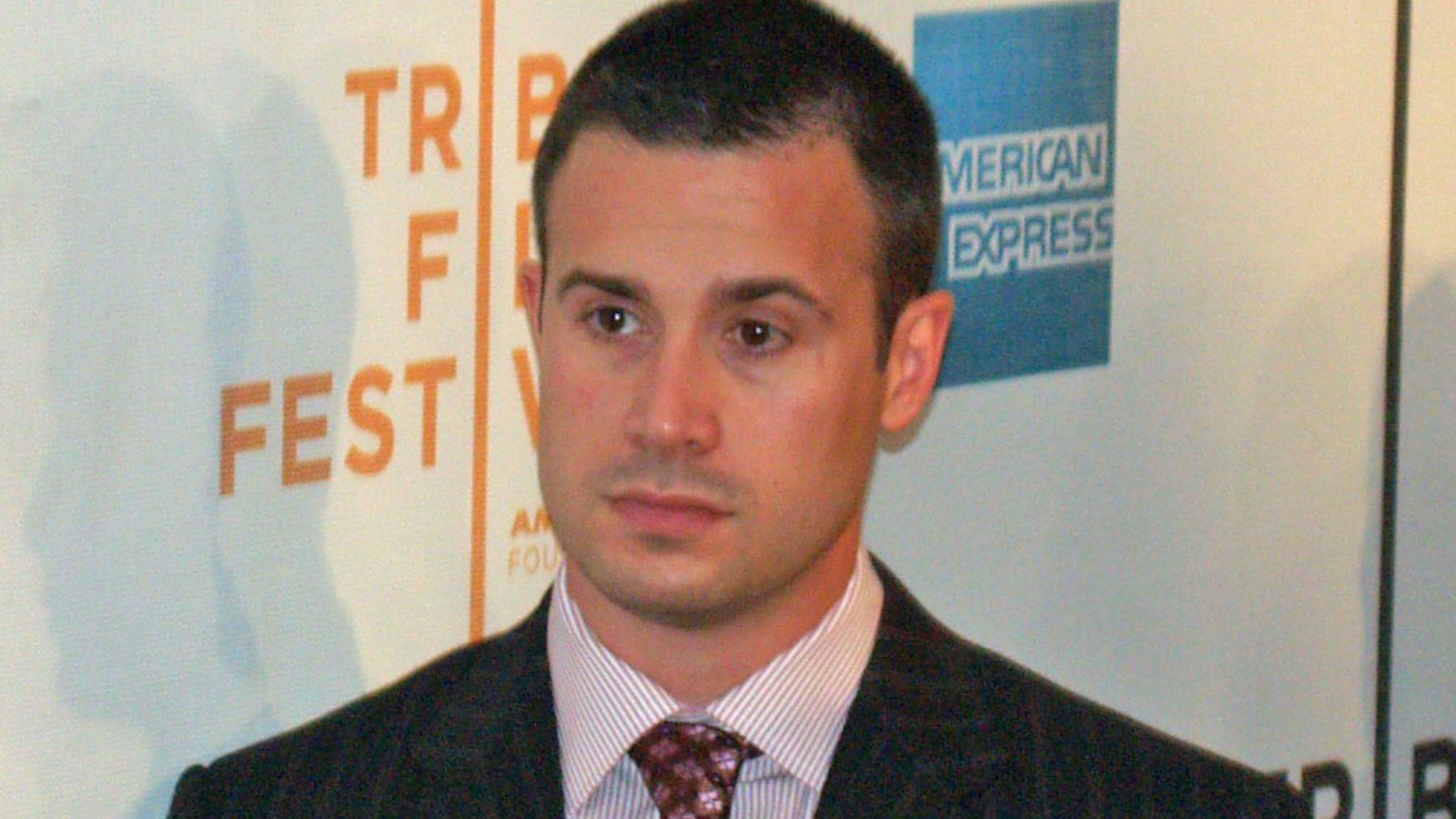
Freddie Prinze Jr. Was A 1990s Box Office Magnet, Then Gone
Freddie Prinze Jr. became a teen-movie star with films like She’s All That and I Know What You Did Last Summer. As that era ended, his leading-man roles in major releases became less frequent. He later talked about stepping back and focusing on family and other interests. If you only watched theaters in the early 2000s, it looked like he vanished.
 David Shankbone, Wikimedia Commons
Alicia Silverstone’s Clueless Peak Was Hard To Repeat
Alicia Silverstone became a defining star of the 1990s after Clueless. She continued working steadily, but she did not remain the kind of studio centerpiece she briefly seemed destined to be. Some later films underperformed, and her career shifted toward smaller movies and TV. The “next Julia Roberts” hype evaporated faster than expected.
 Caroline Bonarde Ucci at https://www.flickr.com/photos/caroline_bonarde/, Wikimedia Commons
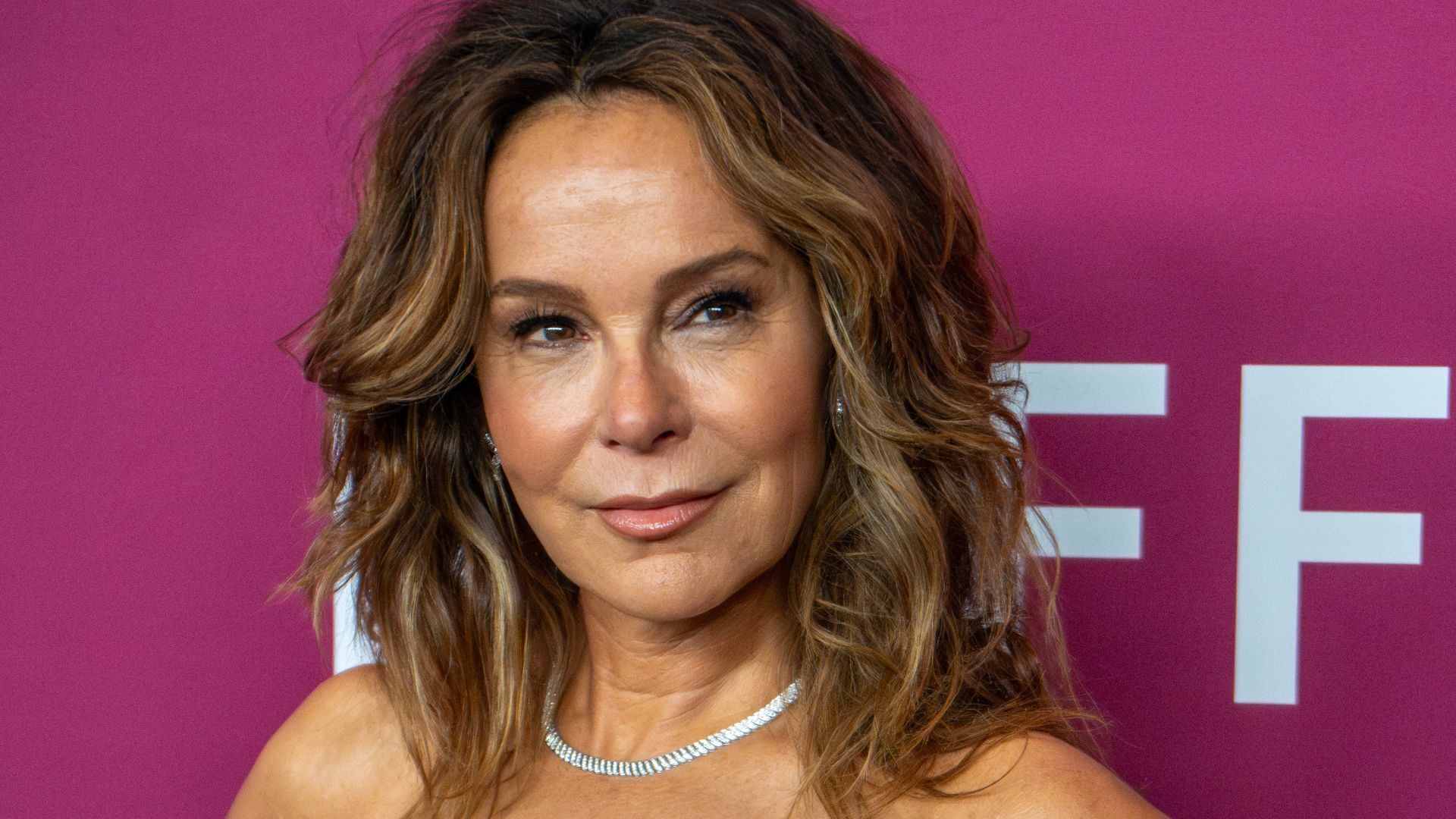
Jennifer Grey’s Post-Dirty Dancing Surprise
Jennifer Grey became instantly famous after Dirty Dancing. She later spoke about pressures around her appearance, and she underwent a nose job that she has said affected her recognizability. Her film presence became far smaller than her breakout suggested, even though she continued acting. Her story is a classic case of fame arriving louder than the long-term plan.
 Bryan Berlin, Wikimedia Commons
Leelee Sobieski Walked Away Right After It Looked Like She Would Explode
Leelee Sobieski earned attention with films like Deep Impact and Eyes Wide Shut. She later stepped away from acting, and multiple profiles have described it as a personal choice as she shifted to art and family life. That decision made her absence feel abrupt, because she was still getting major roles. One minute she was everywhere, then she was simply not.
 David Shankbone, Wikimedia Commons
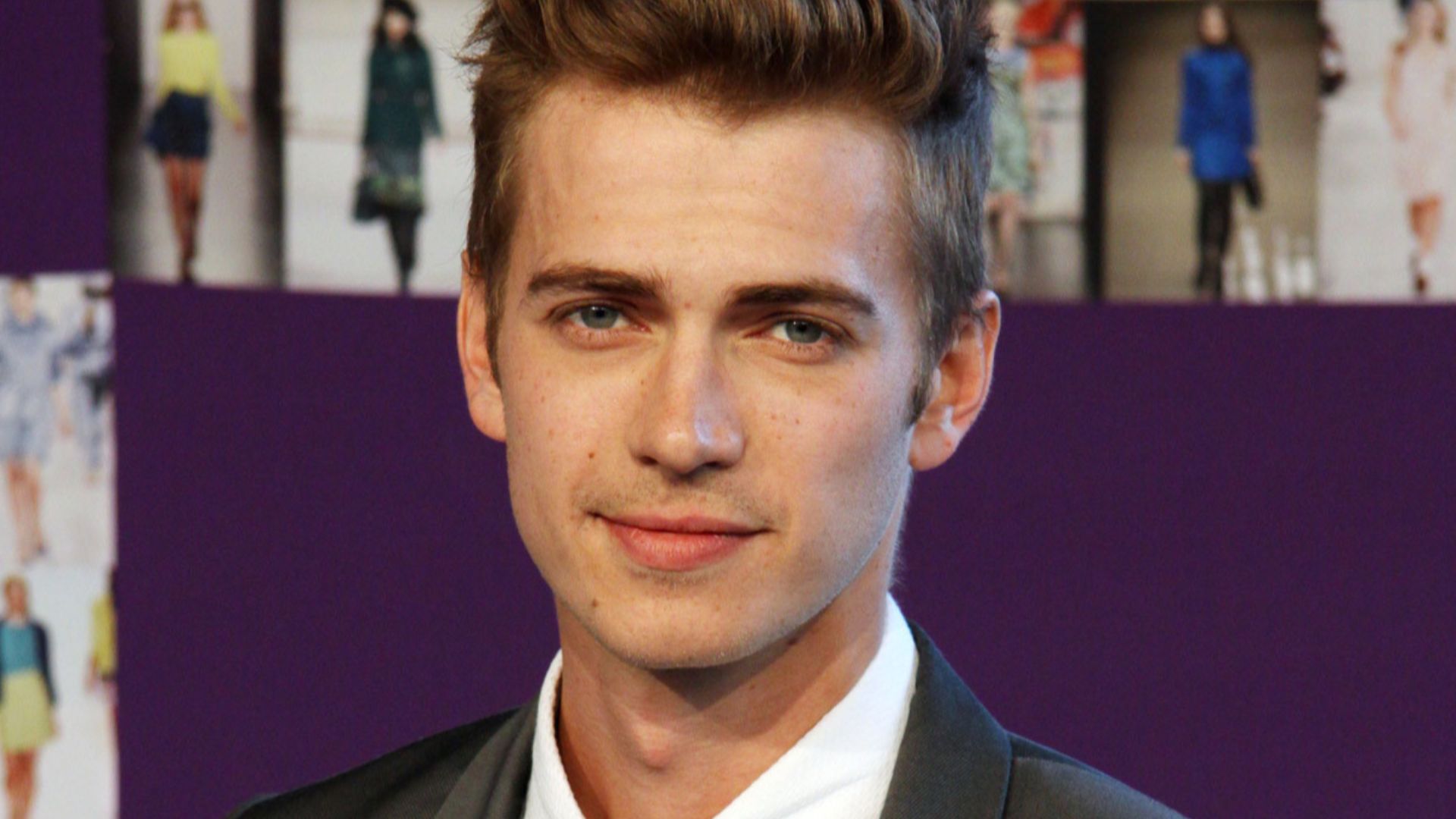
Hayden Christensen Could Not Outrun The Backlash
Hayden Christensen became globally famous as Anakin Skywalker in the Star Wars prequels. The films were huge, but fan and critical backlash often targeted his performance, and his mainstream leading roles slowed afterward. He continued acting and later returned to the franchise through Disney+ series. Still, his “movie star of the next decade” trajectory took a sharp detour.
Orlando Bloom’s Leading-Man Streak Cooled After Massive Franchises
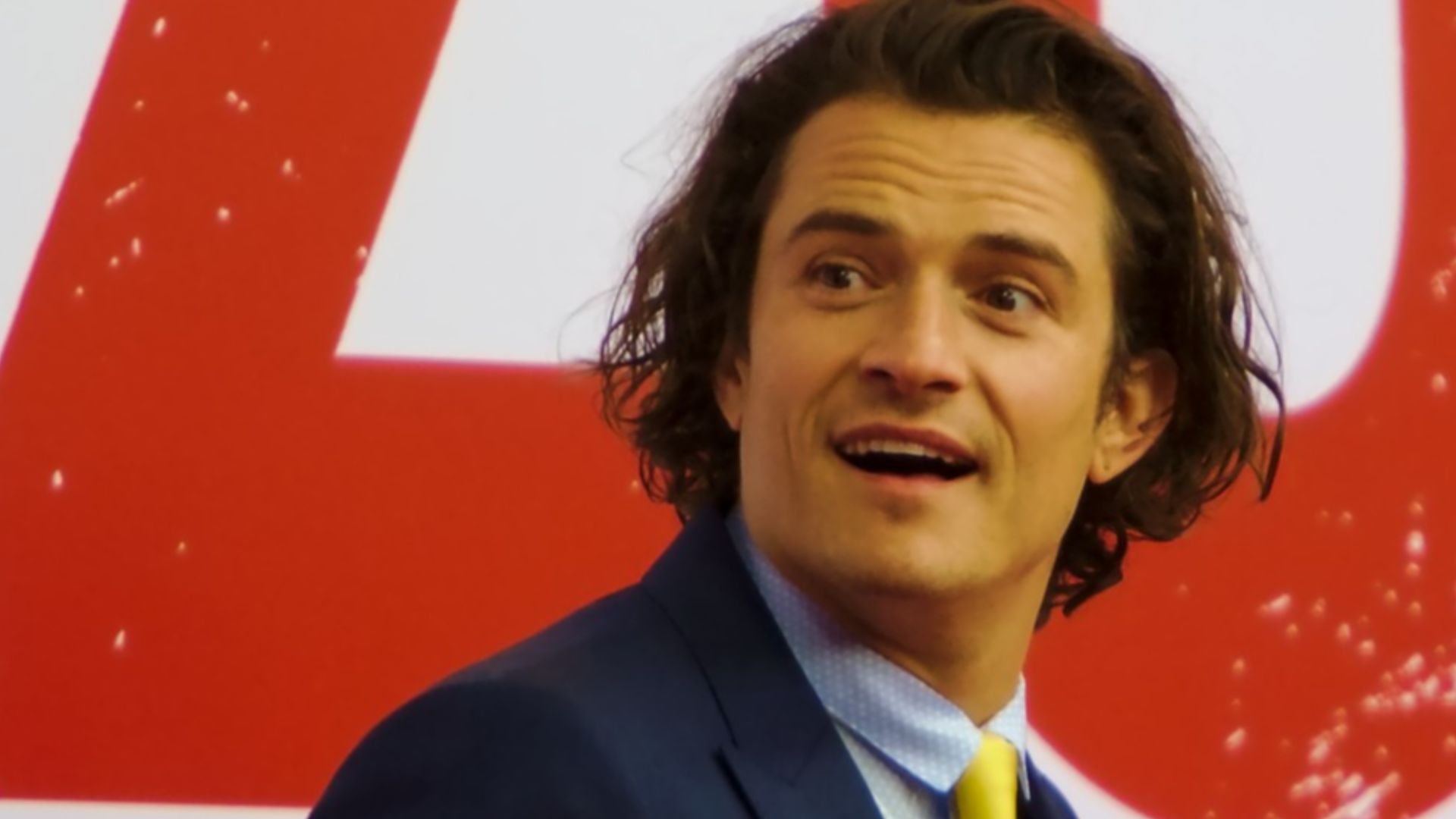
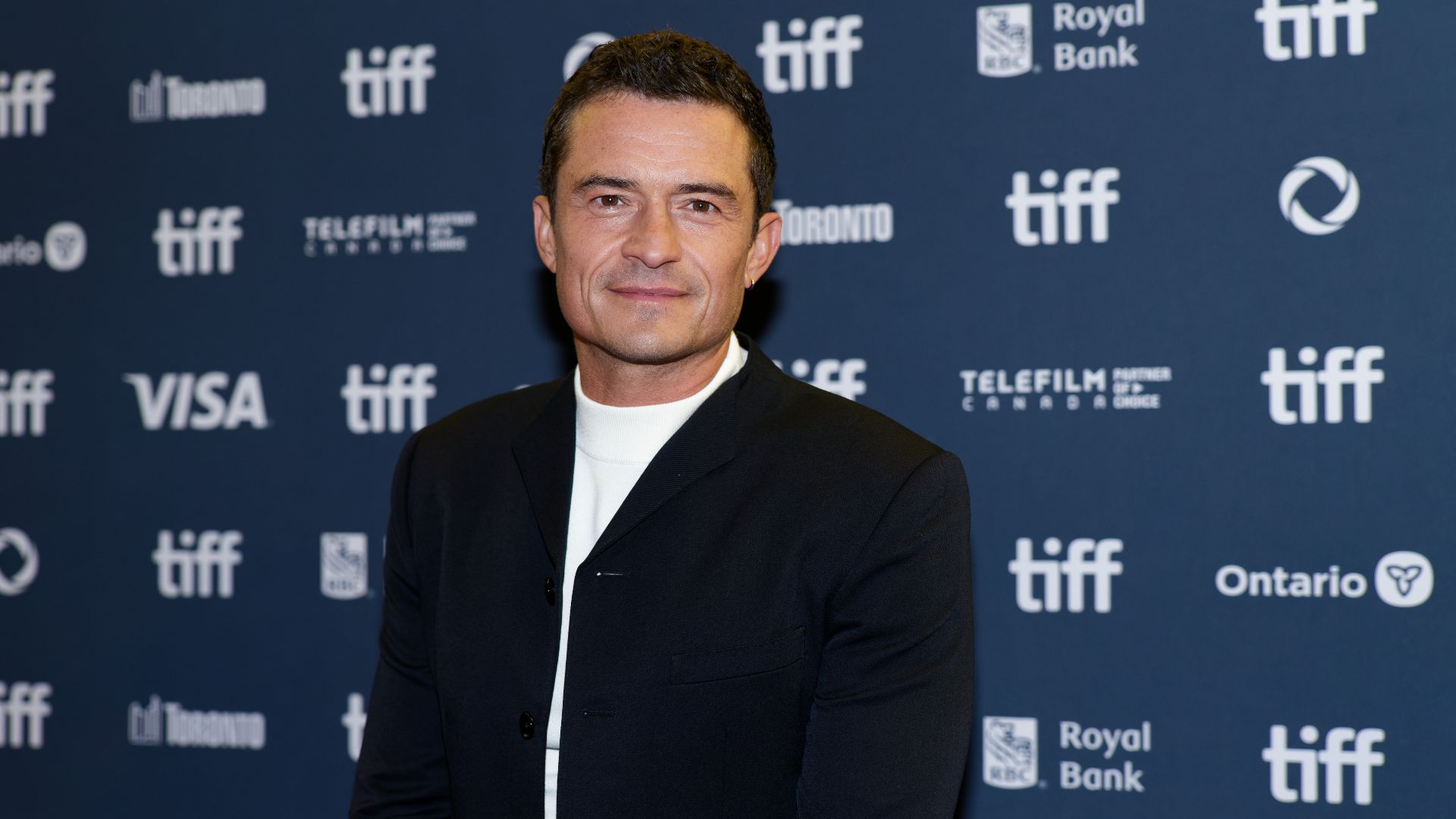
Orlando Bloom anchored gigantic franchises with The Lord of the Rings and Pirates of the Caribbean. After that peak, his career leaned more toward selective roles, theater work, and ensemble projects. He never stopped working, but the nonstop blockbuster center-stage period ended. The interesting part is how quickly “face of the multiplex” can turn into “supporting player.”
 Alexander Siebelt, Wikimedia Commons
Neill Blomkamp’s Surprise: A Director’s Story That Hit Stars Too
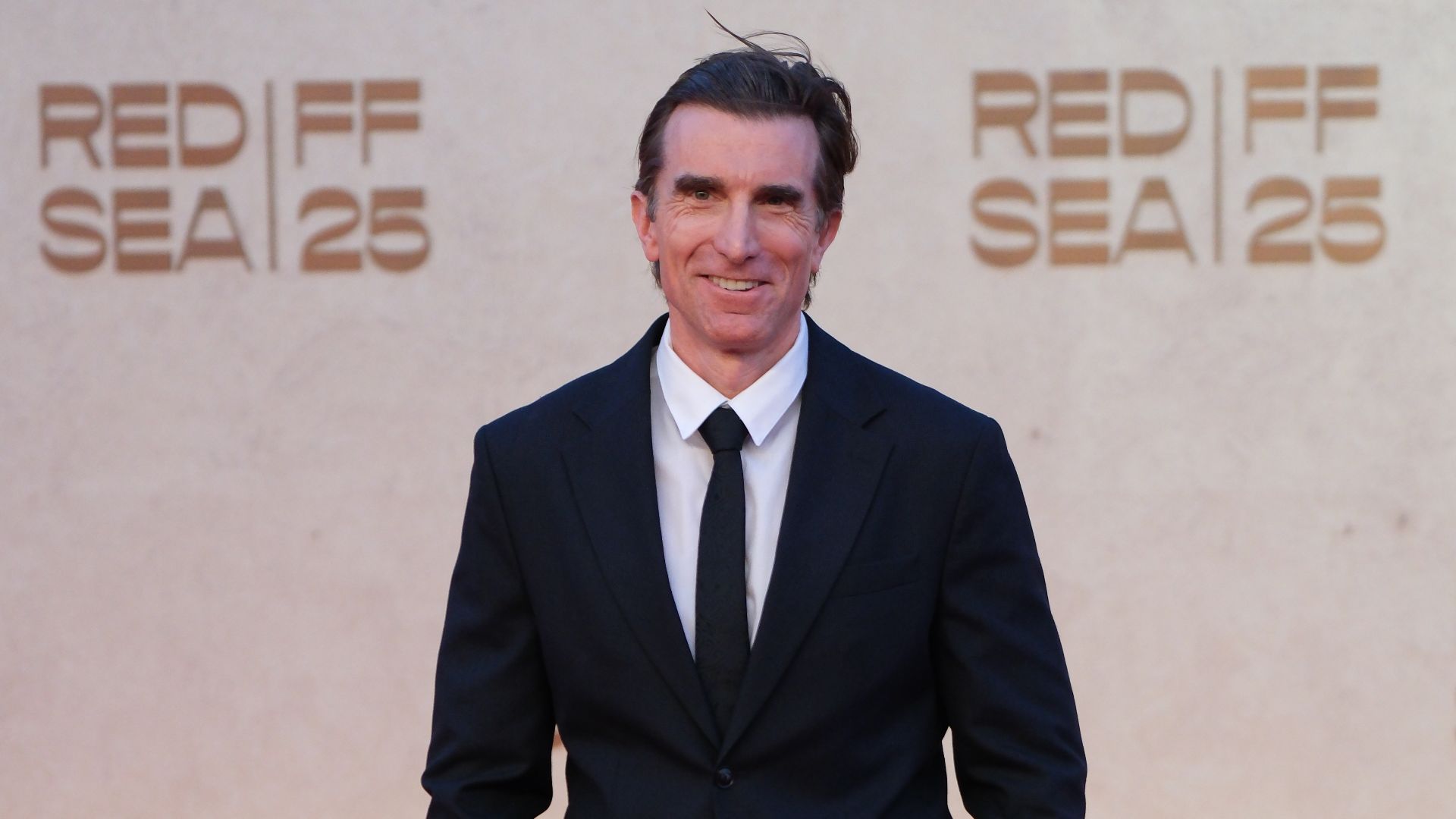
Sharlto Copley broke out in District 9 and looked like a fresh kind of leading man. He kept landing roles, including in The A-Team, but he did not become a consistent mainstream headliner. His path shows how breakout buzz does not always translate into a stable star lane. One big swing can make you feel inevitable, until the next casting call says otherwise.
Chris O’Donnell Went From Batman To A Different Kind Of Fame
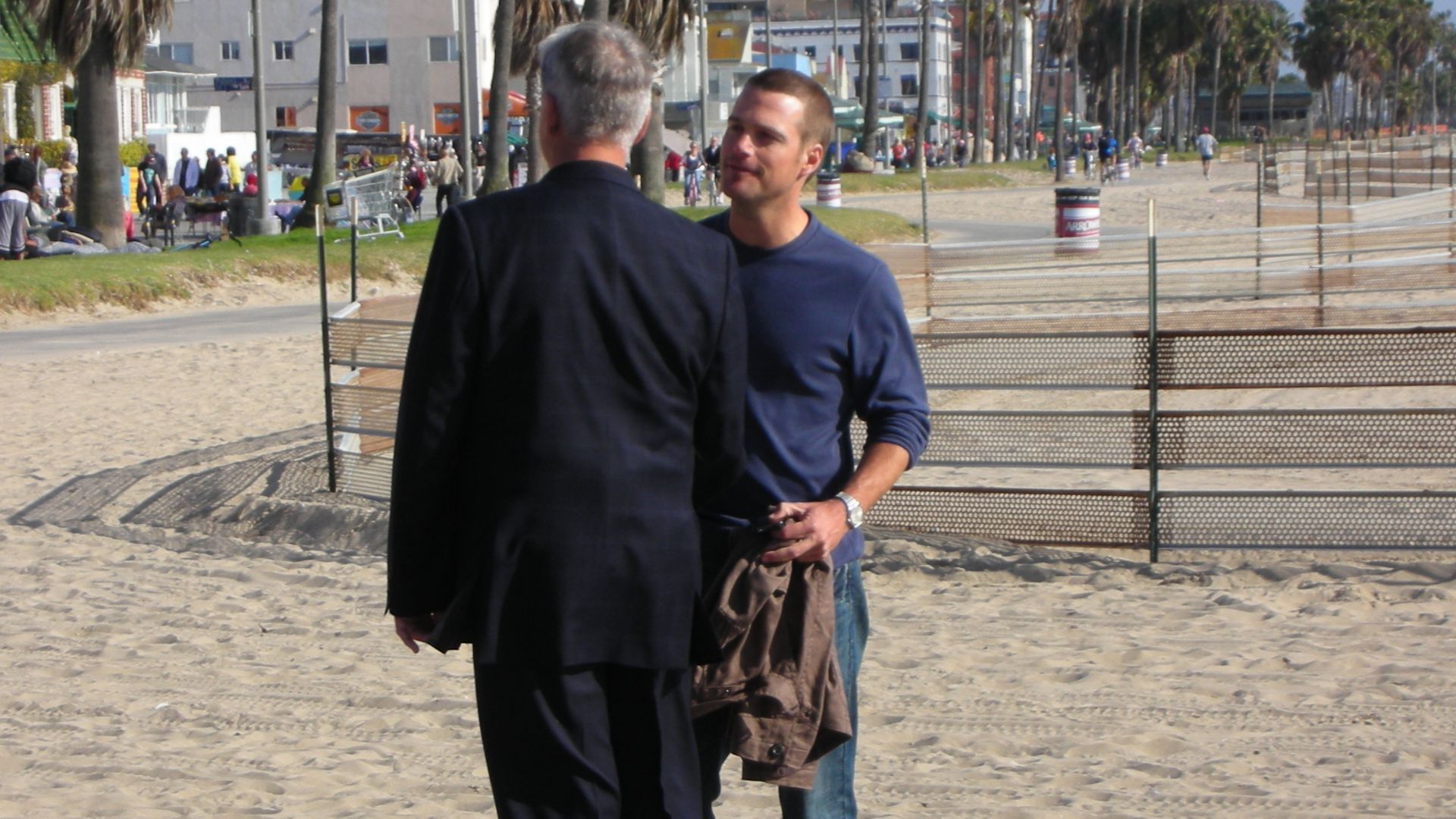
Chris O’Donnell had major early visibility with Scent of a Woman and Batman & Robin. After mixed reactions to some big projects, his film-leading profile cooled. He later found long-running TV success with *NCIS: Los Angeles*. It was not a disappearance, but it was a clear pivot away from the movie-star track.
 Bill Wheatley from Los Angeles, CA, USA, Wikimedia Commons
Sarah Michelle Gellar’s Movie Moment Did Not Last
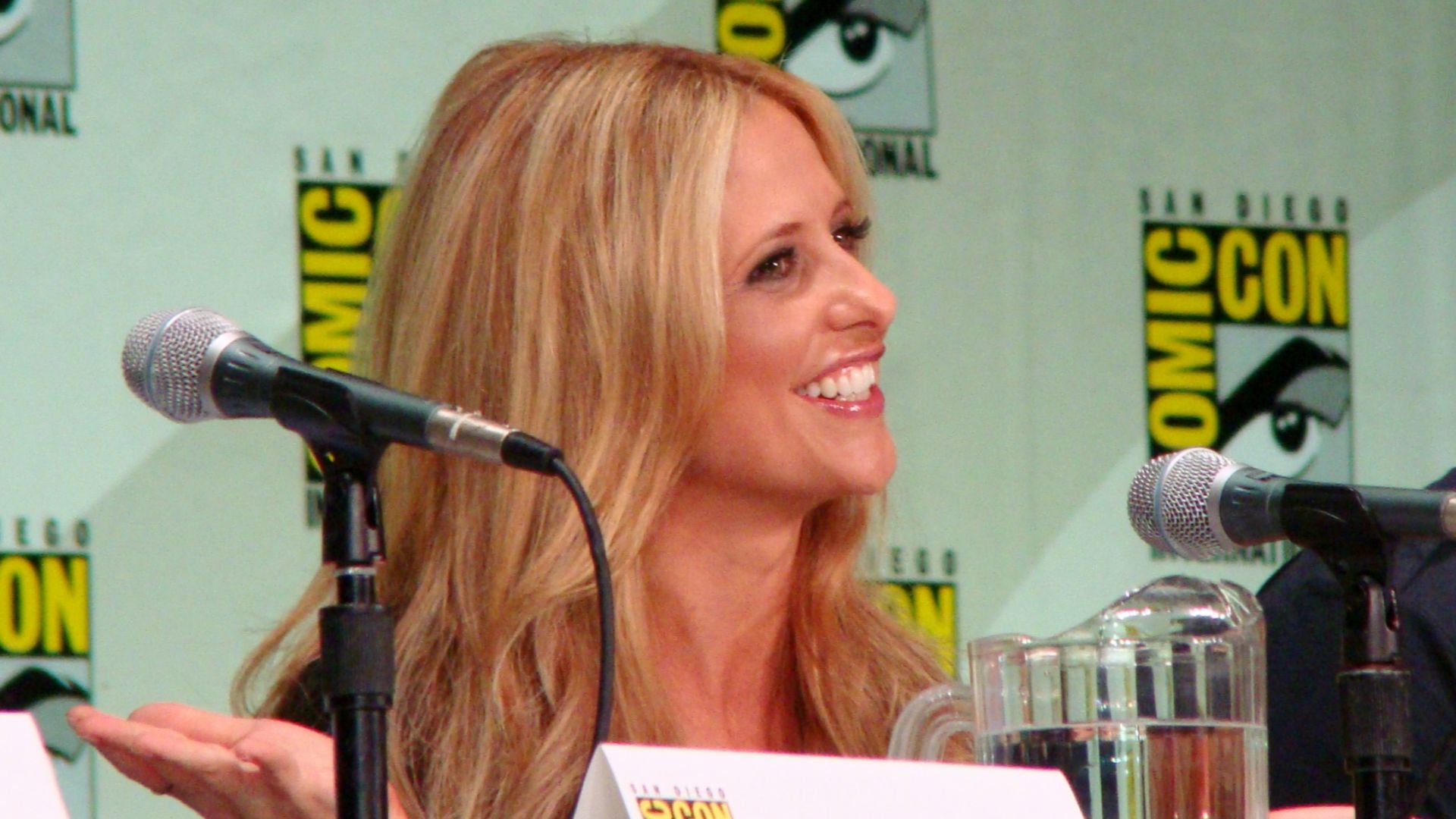
Sarah Michelle Gellar was a defining star of *Buffy the Vampire Slayer* and appeared in films like I Know What You Did Last Summer and The Grudge. After the mid-2000s, she stepped back from acting for stretches and focused on family life. She has returned in TV projects, but her big-screen leading era was brief. It is a reminder that sometimes the “vanish” is voluntary.
 vagueonthehow, Wikimedia Commons
Topher Grace’s Post-Blockbuster Reset
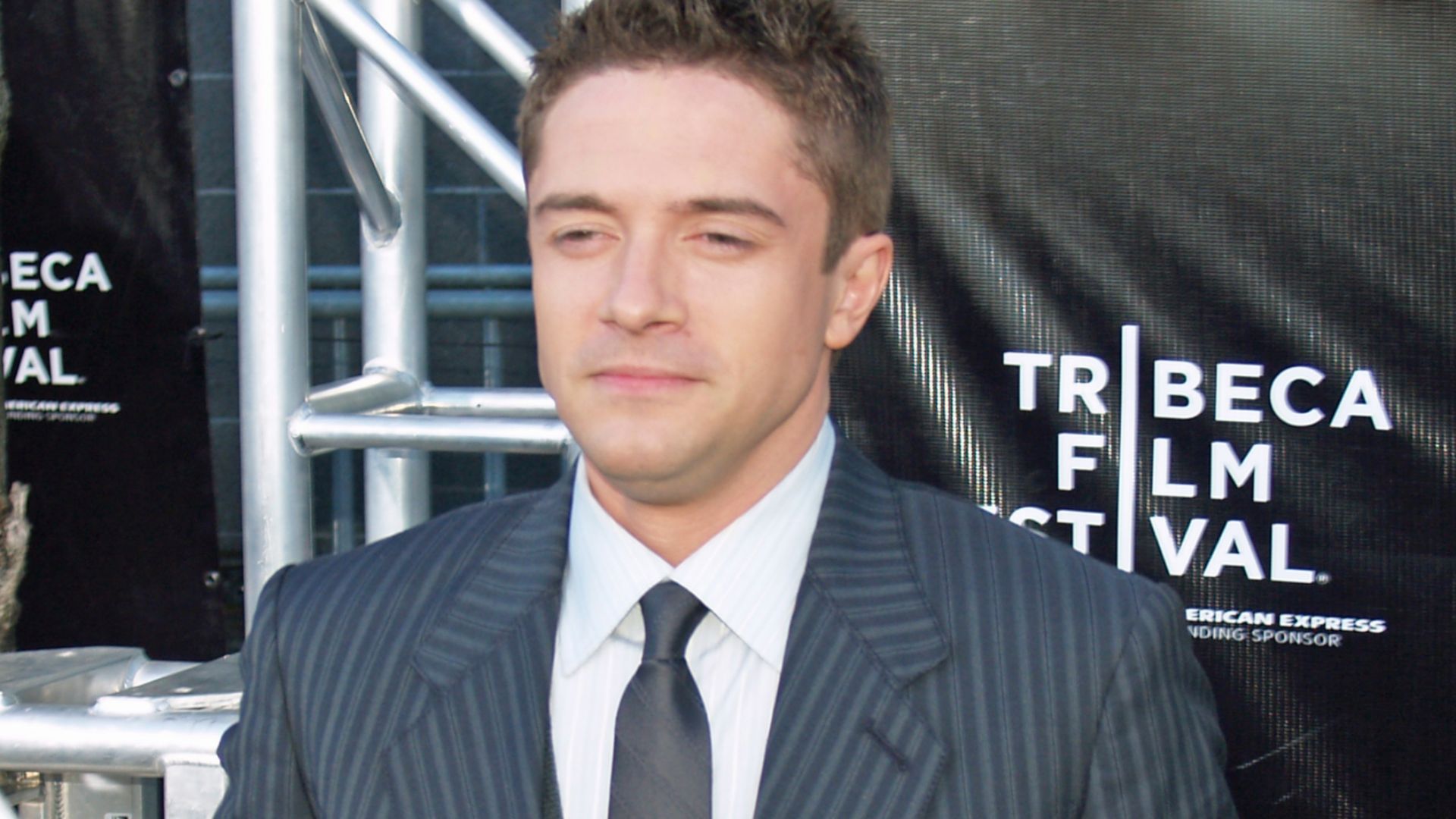
Topher Grace gained fame from *That ’70s Show* and then entered major films, including Spider-Man 3. After that, he appeared less often in high-profile leading roles, choosing more supporting parts and indie projects. He remained active, but the “future franchise star” talk quieted down. The industry can be unforgiving after one giant, polarizing swing.
 David Shankbone, Wikimedia Commons
The Pattern Behind These “Overnight” Disappearances
Very few stars truly vanish, but many lose the kind of casting momentum that makes them feel untouchable. Scandals, bad press, personal choices, health issues, and shifting studio trends can all flip the narrative fast. Some of these careers later rebounded in surprising ways, and some never chased the old spotlight again. The unsettling part is how quickly Hollywood can rewrite its own recent history.
 Kevin Payravi, Wikimedia Commons