He Barely Moved.
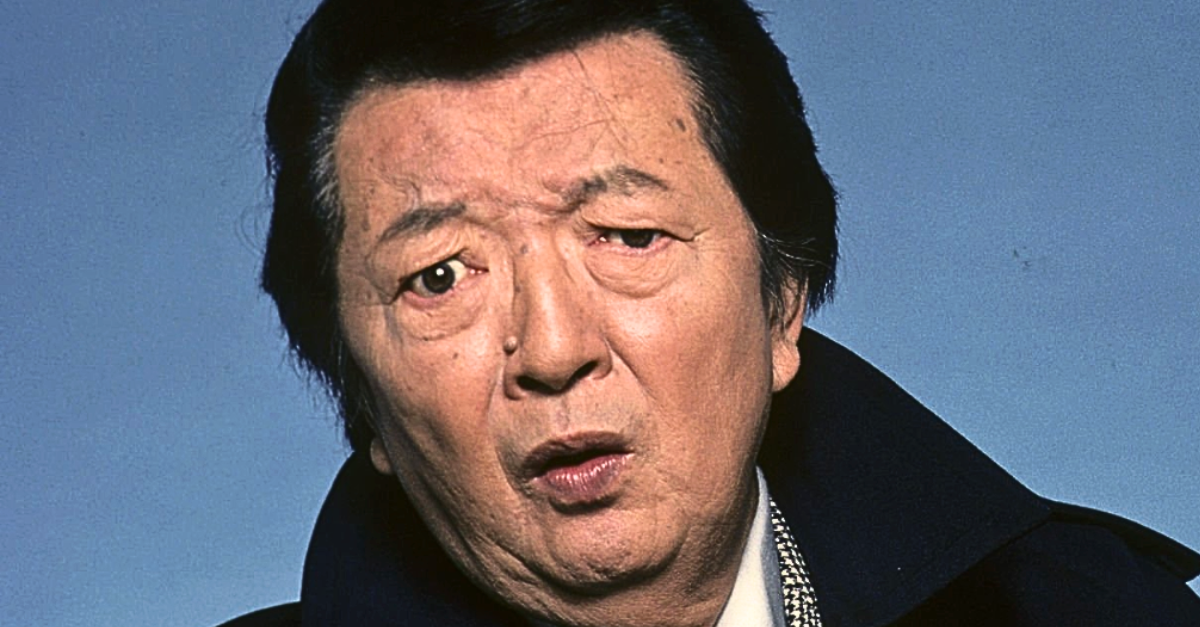
While other sitcom performers chased laughs with noise and exaggerated reactions, Jack Soo could steal an entire scene with a weary glance or one perfectly timed sentence. As Detective Nick Yemana on Barney Miller, he brought deadpan precision, genuine warmth, and groundbreaking Asian American representation into one of television’s greatest ensembles.
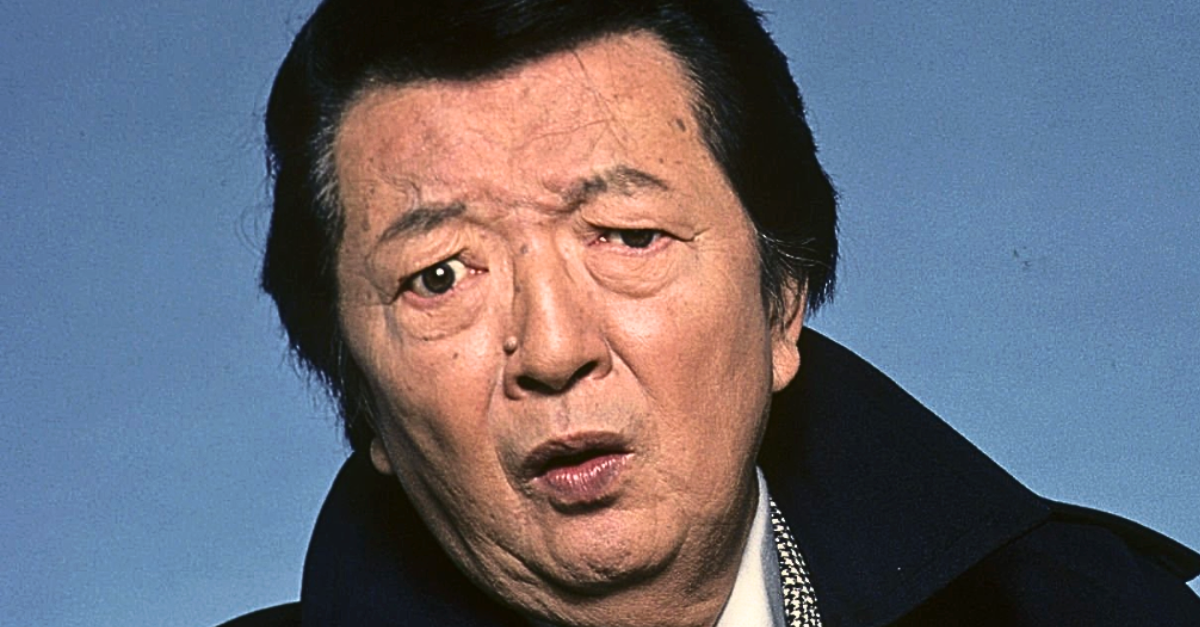 ABC Photo Archives / Getty Images
He Made Stillness Hilarious
Jack Soo did not need to wave his arms, raise his voice, or fight for the audience’s attention. His humor often came from remaining completely composed while everyone around him grew increasingly frantic. That contrast made Nick Yemana one of the most distinctive personalities in the 12th Precinct. Soo proved that the quietest performer could deliver the scene’s biggest laugh.
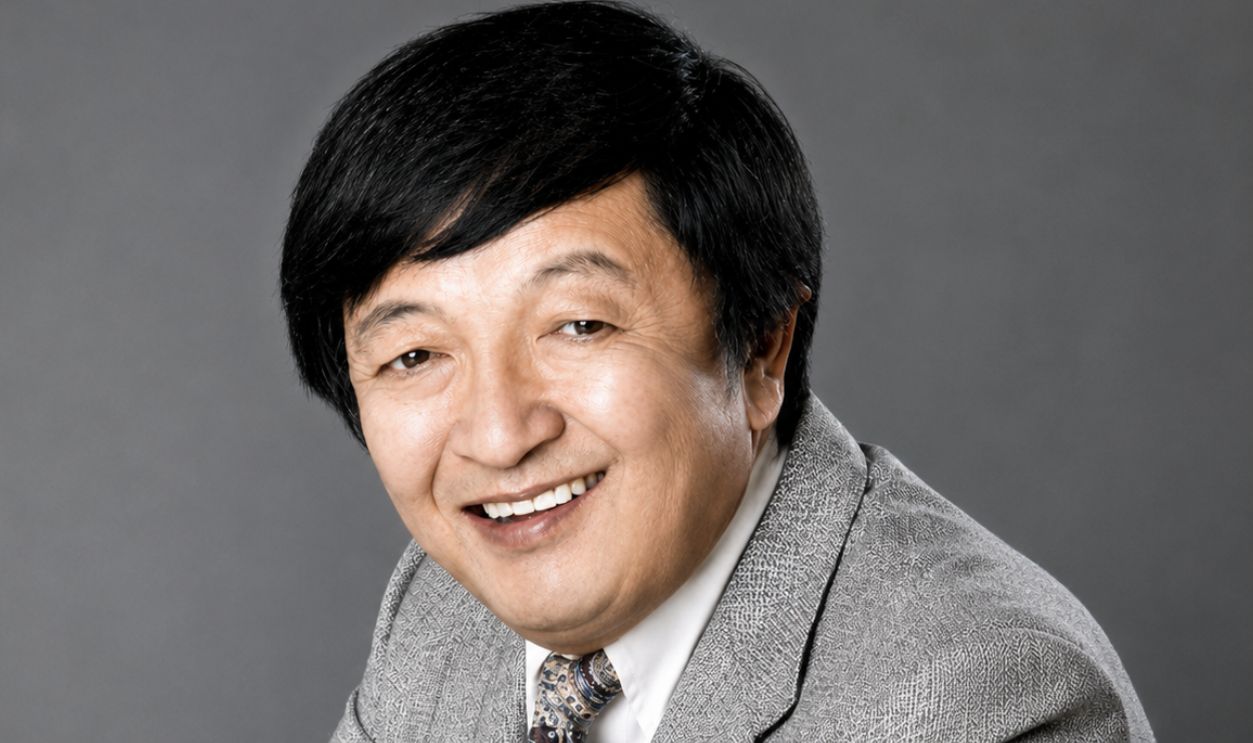 ABC Television, Wikimedia Commons, Enhanced
His Story Began Far From Hollywood
Soo was born Goro Suzuki in 1917 and grew up in Oakland, California. He attended the University of California, Berkeley, before the United States entered World War II. His path toward television fame would be shaped by discrimination, forced confinement, and years of performing outside Hollywood’s mainstream. Those experiences gave his eventual success a significance extending well beyond one sitcom.
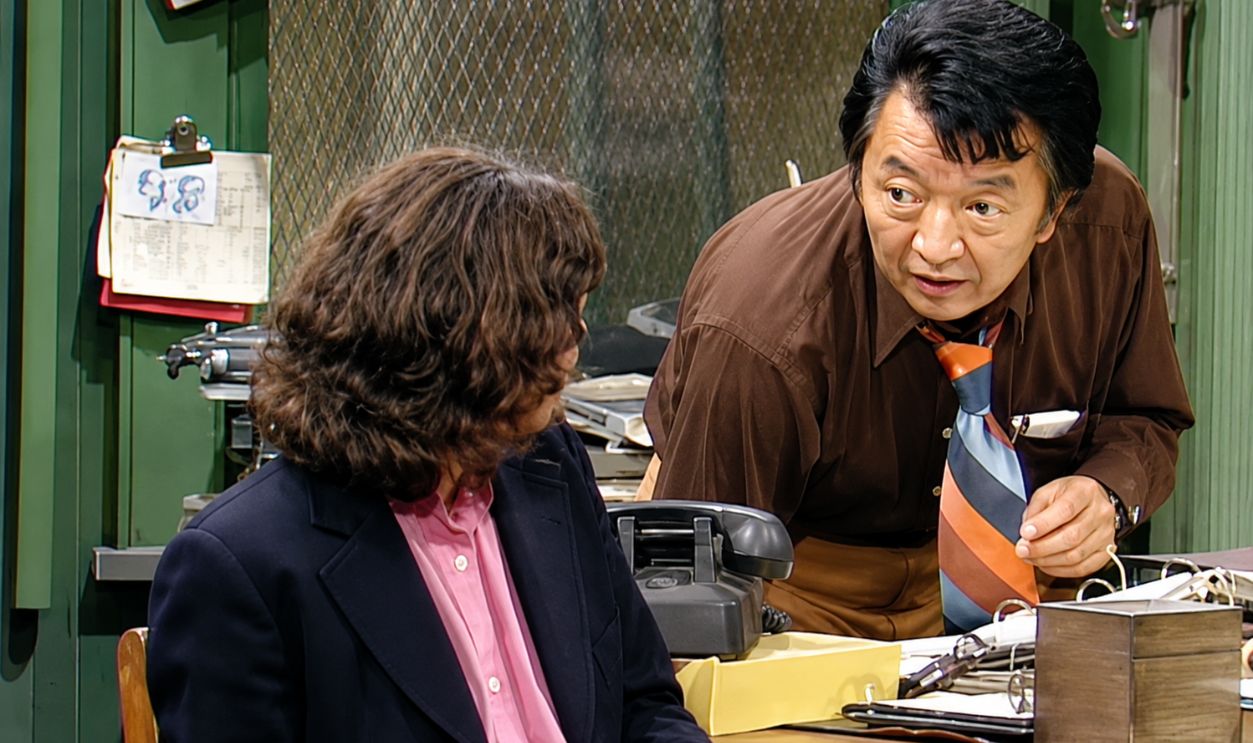 Screenshot from Barney Miller, ABC (1975-1982)
Wartime Incarceration Changed His Life
After Executive Order 9066, Soo was among the Japanese Americans forcibly removed from the West Coast. He was confined at the Topaz incarceration camp in Utah during World War II. The experience placed his family and future under government control because of their ancestry. Decades later, his relaxed television presence concealed a life shaped by one of the country’s most serious civil-liberties violations.
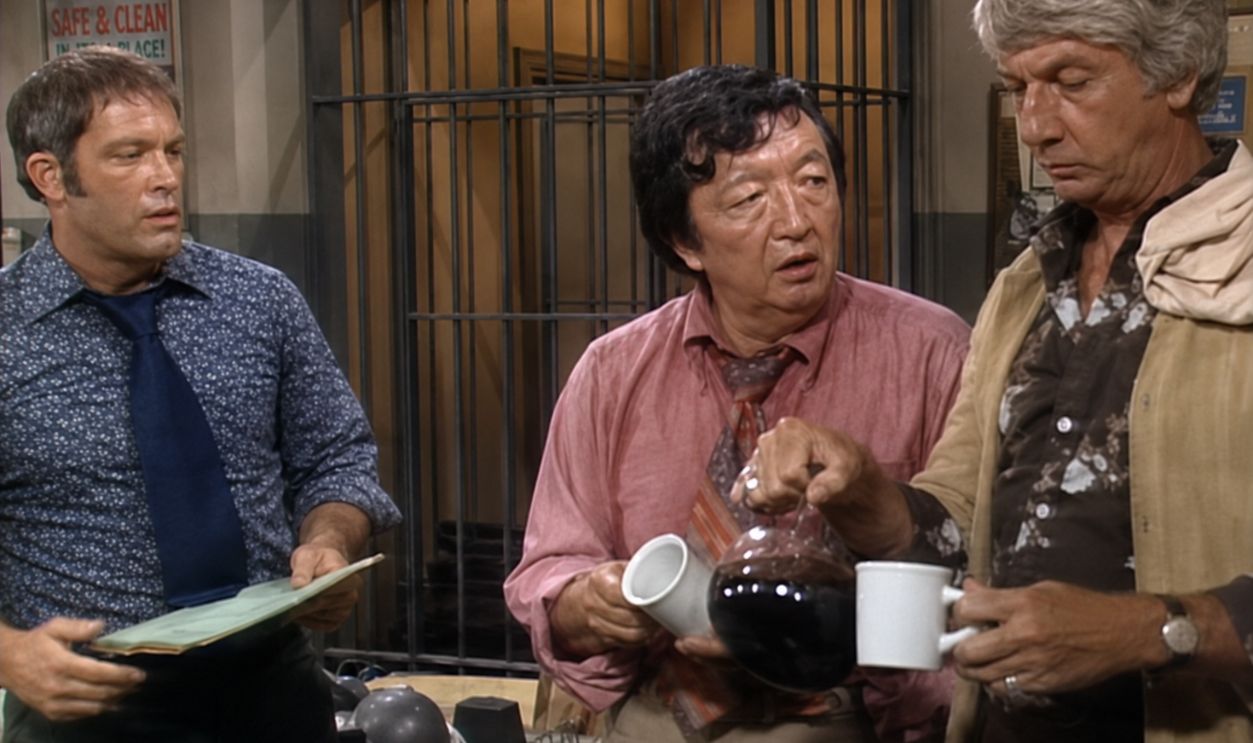 Screenshot from Barney Miller, ABC (1975-1982)
He Entertained People Inside The Camp
Even in confinement, Soo performed for fellow Japanese American inmates at dances and other gatherings. His talent for singing and comedy helped make him a popular entertainer within the camp community. That early experience taught him how humor could create relief under grim circumstances. The ability to find comedy without denying hardship remained central to his later work.
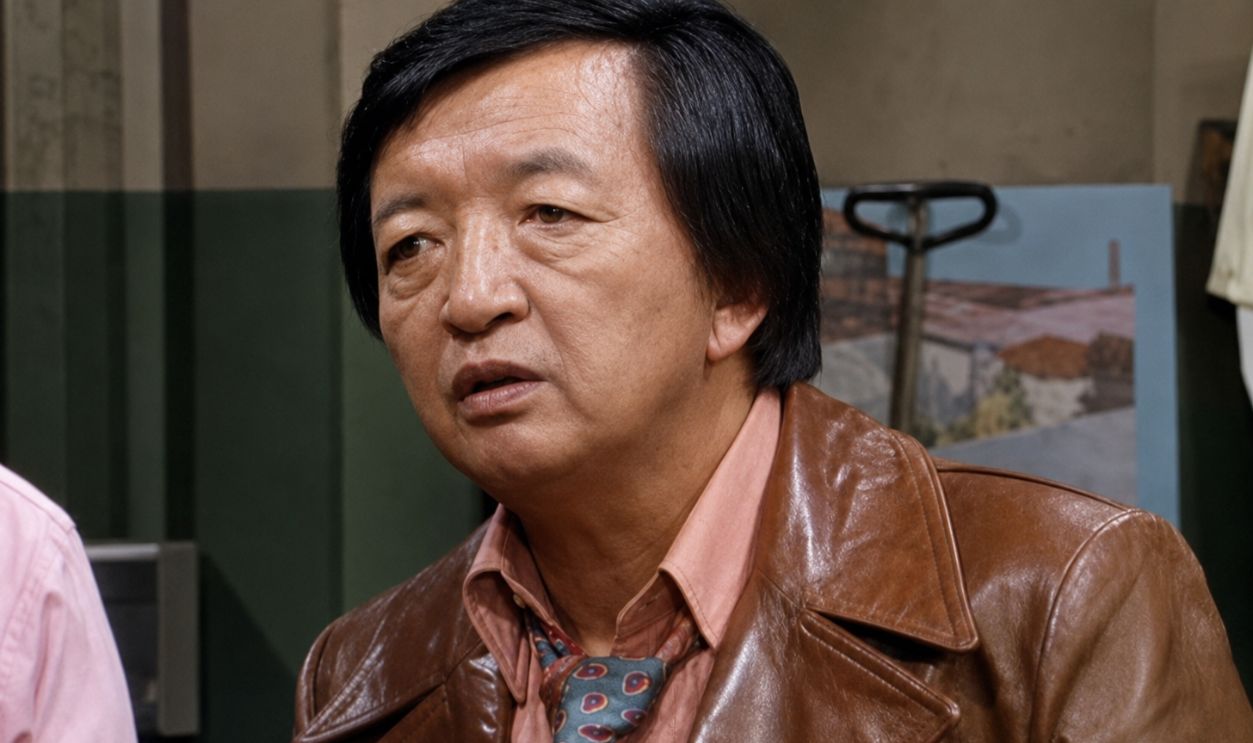 Screenshot from Barney Miller, ABC (1975-1982)
Nightclubs Sharpened His Timing
After the war, Soo built his career as a nightclub singer, comedian, and master of ceremonies. He worked across the Midwest and East Coast, developing the relaxed delivery that later became his television trademark. Nightclub audiences demanded immediate confidence because weak timing could not be hidden by editing. Soo learned to wait for a laugh rather than chase one.
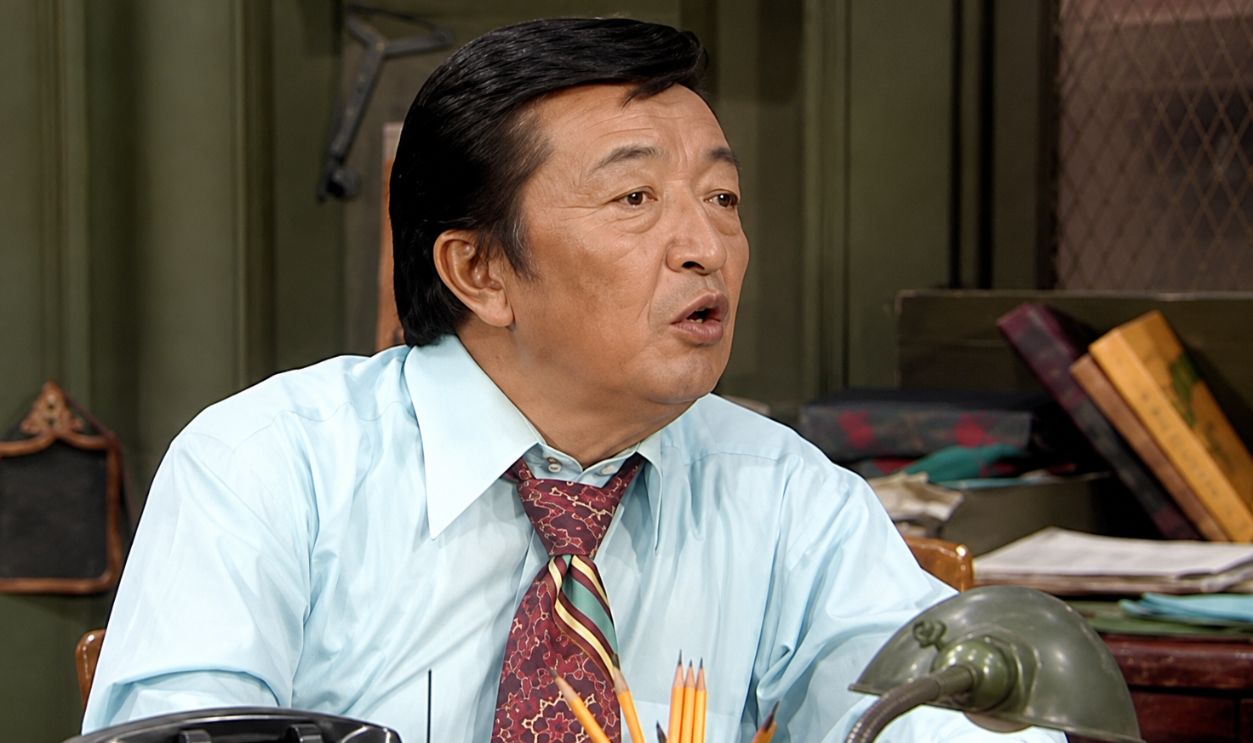 Screenshot from Barney Miller, ABC (1975-1982)
His Stage Name Reflected Real Prejudice
Born Goro Suzuki, he adopted the professional name Jack Soo while working in entertainment. The change helped him navigate an industry and nightclub circuit where anti-Japanese prejudice remained intense after the war. It also created an identity that some employers could market more easily to audiences expecting Asian performers to fit narrow categories. Soo succeeded within that system while increasingly resisting the limitations it placed upon him.
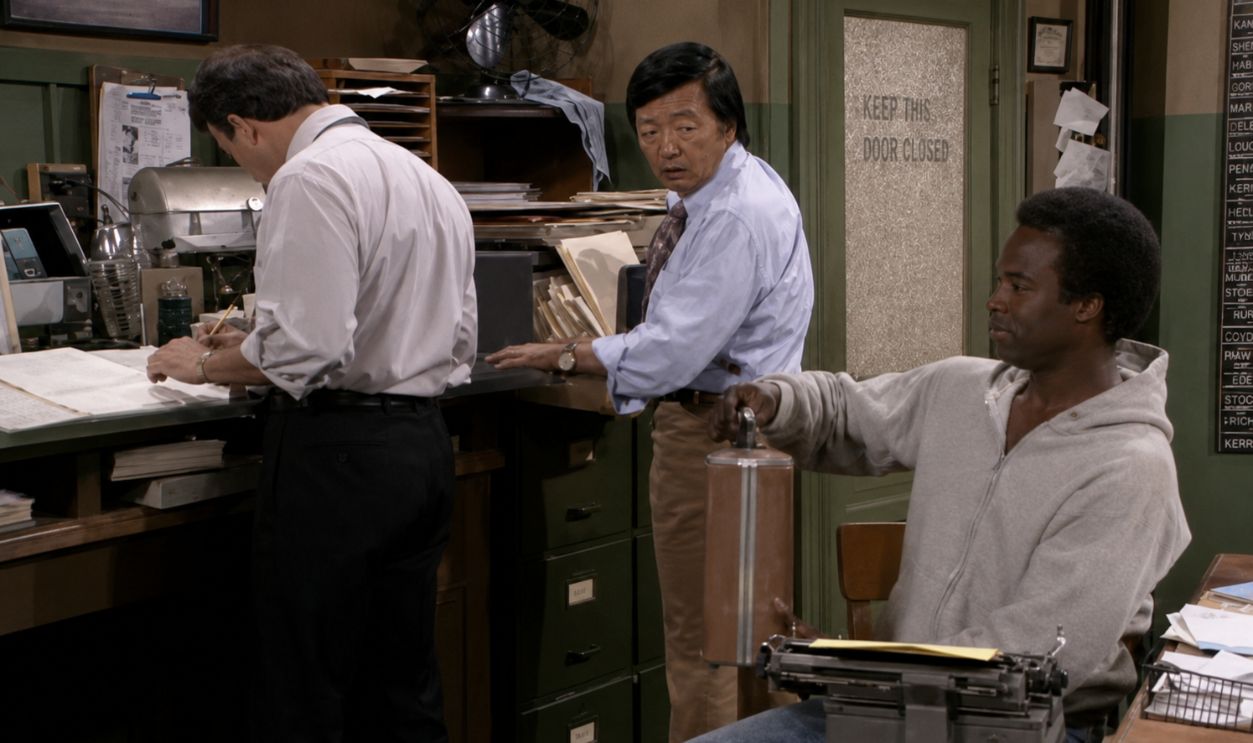 Screenshot from Barney Miller, ABC (1975-1982)
The Forbidden City Opened A Major Door
Soo eventually performed at San Francisco’s Forbidden City, a nightclub known for showcasing Asian American entertainers. The venue offered opportunities that mainstream clubs and theatrical productions frequently denied them. While working there, Soo attracted the attention that led to his Broadway breakthrough. A performer once confined because of his heritage was now using an Asian American stage to reach national entertainment.
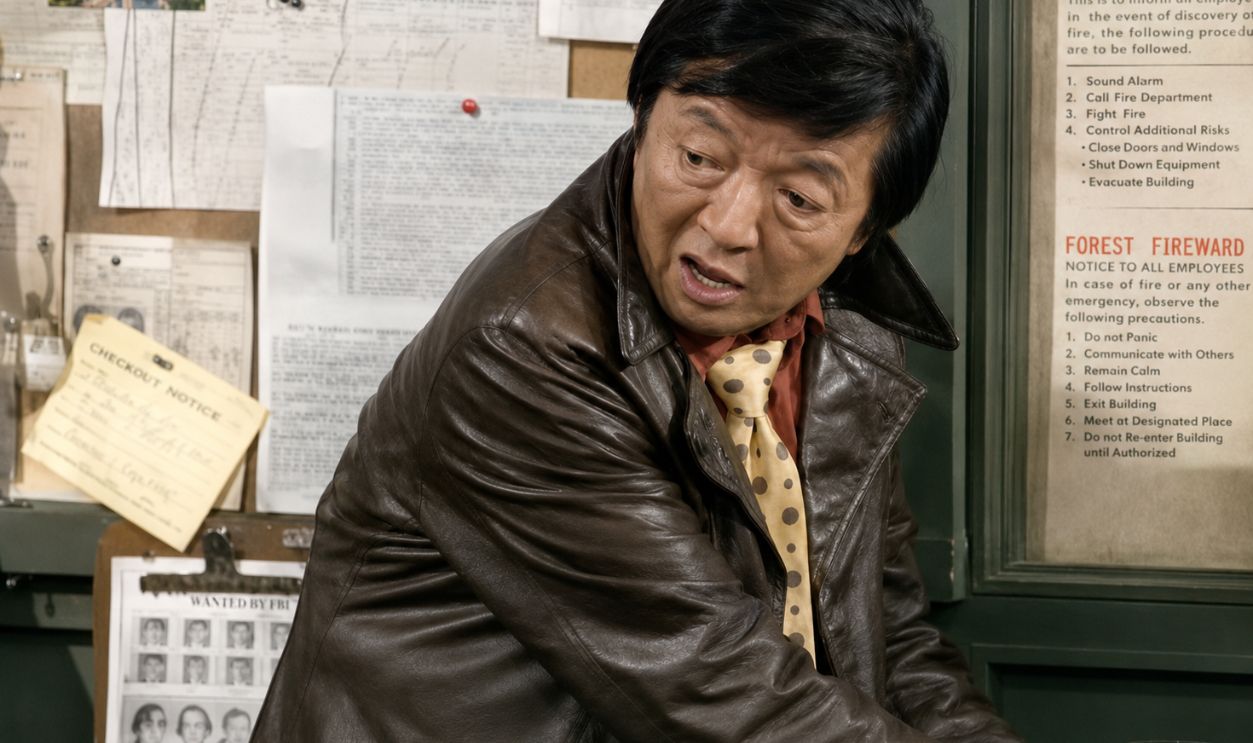 Screenshot from Barney Miller, ABC (1975-1982)
Flower Drum Song Took Him To Broadway
Gene Kelly spotted Soo and helped bring him into the Broadway production of Rodgers and Hammerstein’s Flower Drum Song. Soo first appeared as the show’s master of ceremonies before taking over the larger role of nightclub owner Sammy Fong. The musical became a rare major production centered on Asian and Asian American characters. It gave Soo a national platform years before television found his ideal role.
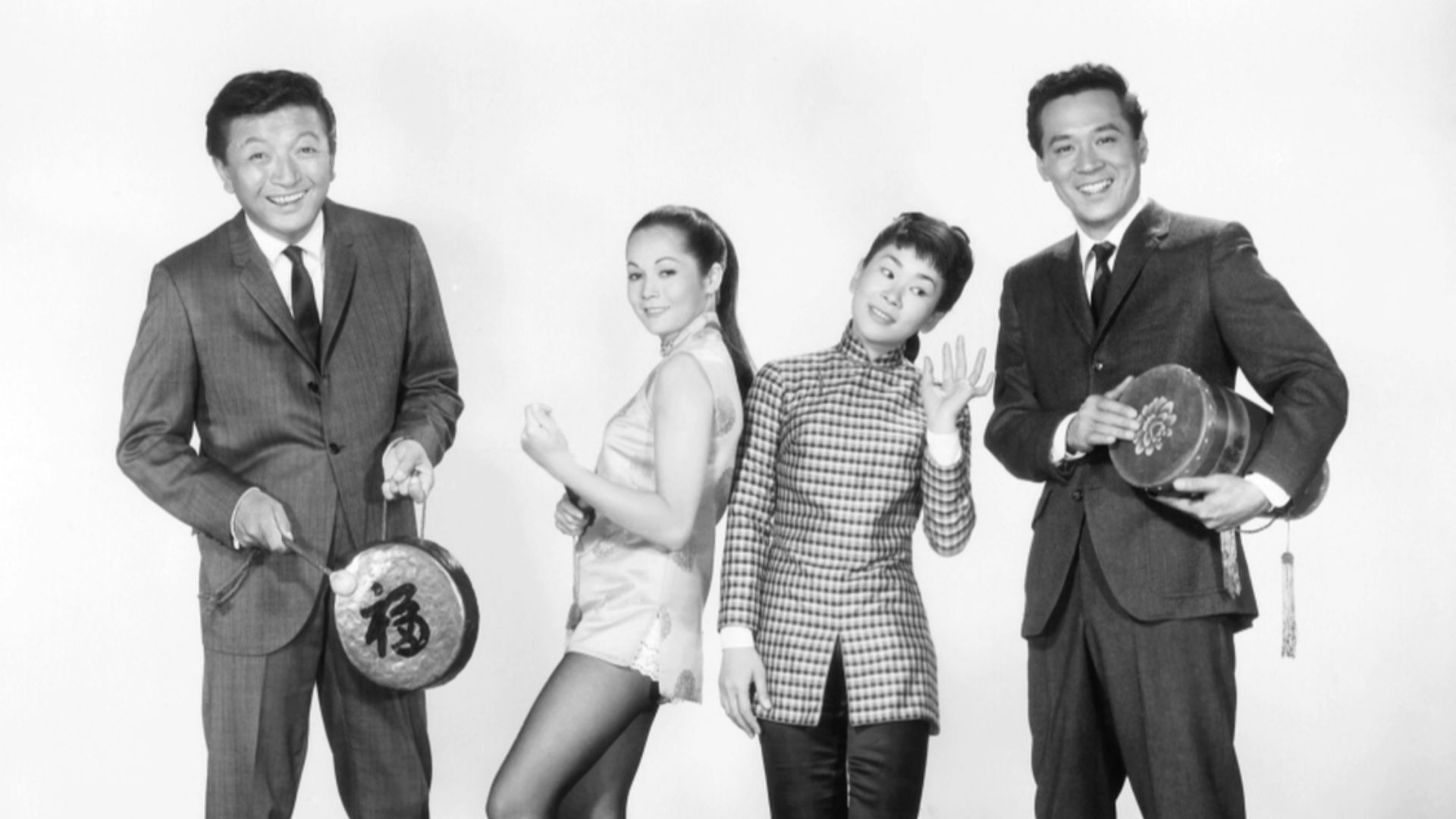 Universal Pictures Company, Inc., Wikimedia Commons
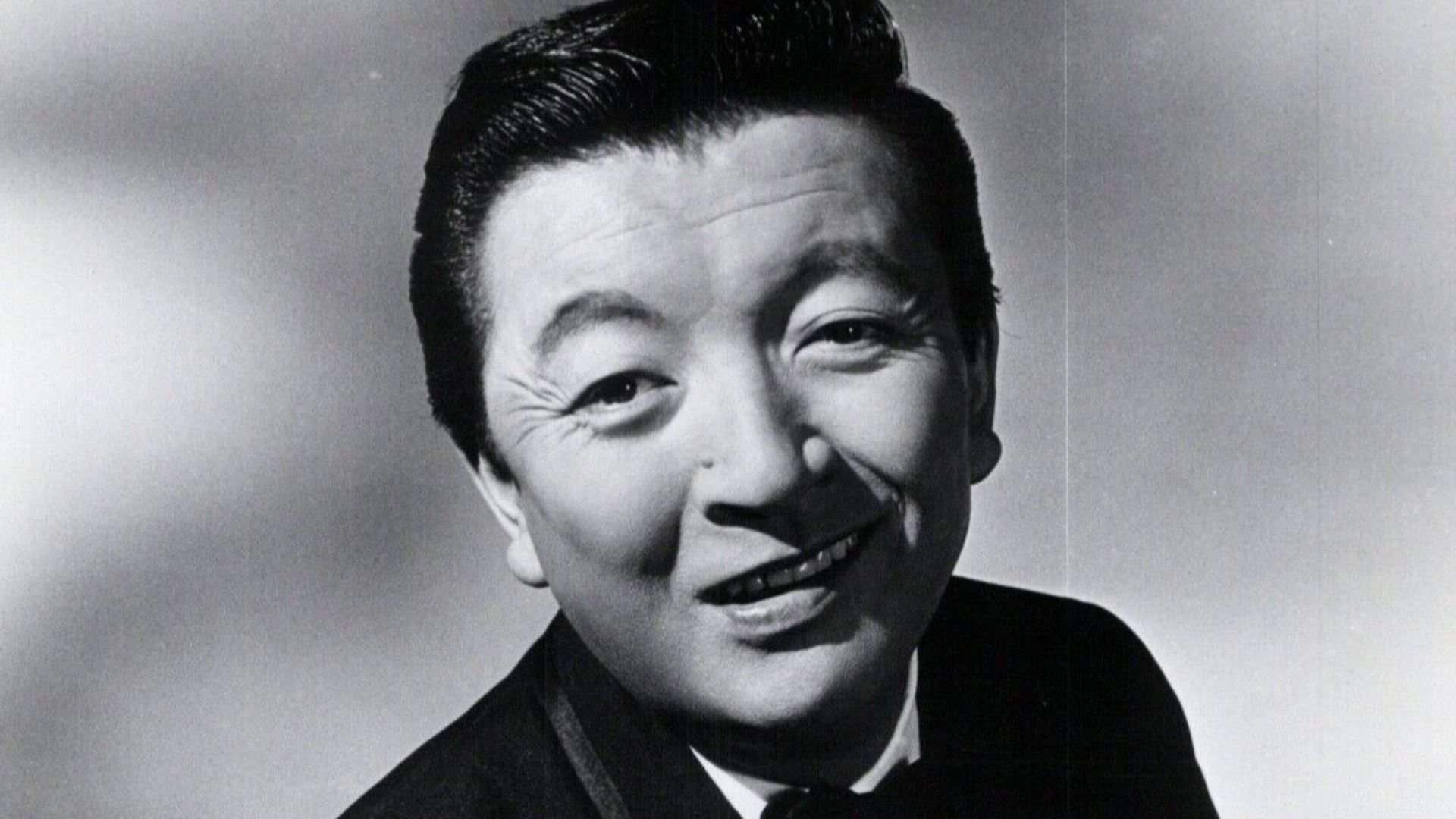
Sammy Fong Put Him On The Big Screen
Soo reprised Sammy Fong in the 1961 film version of Flower Drum Song. His singing, comic ease, and nightclub experience made him a natural fit for the charming but unreliable character. The movie gave him visibility, although Hollywood still offered Asian American performers a painfully restricted selection of parts. Soo would spend the following years trying to work without becoming trapped by those restrictions.
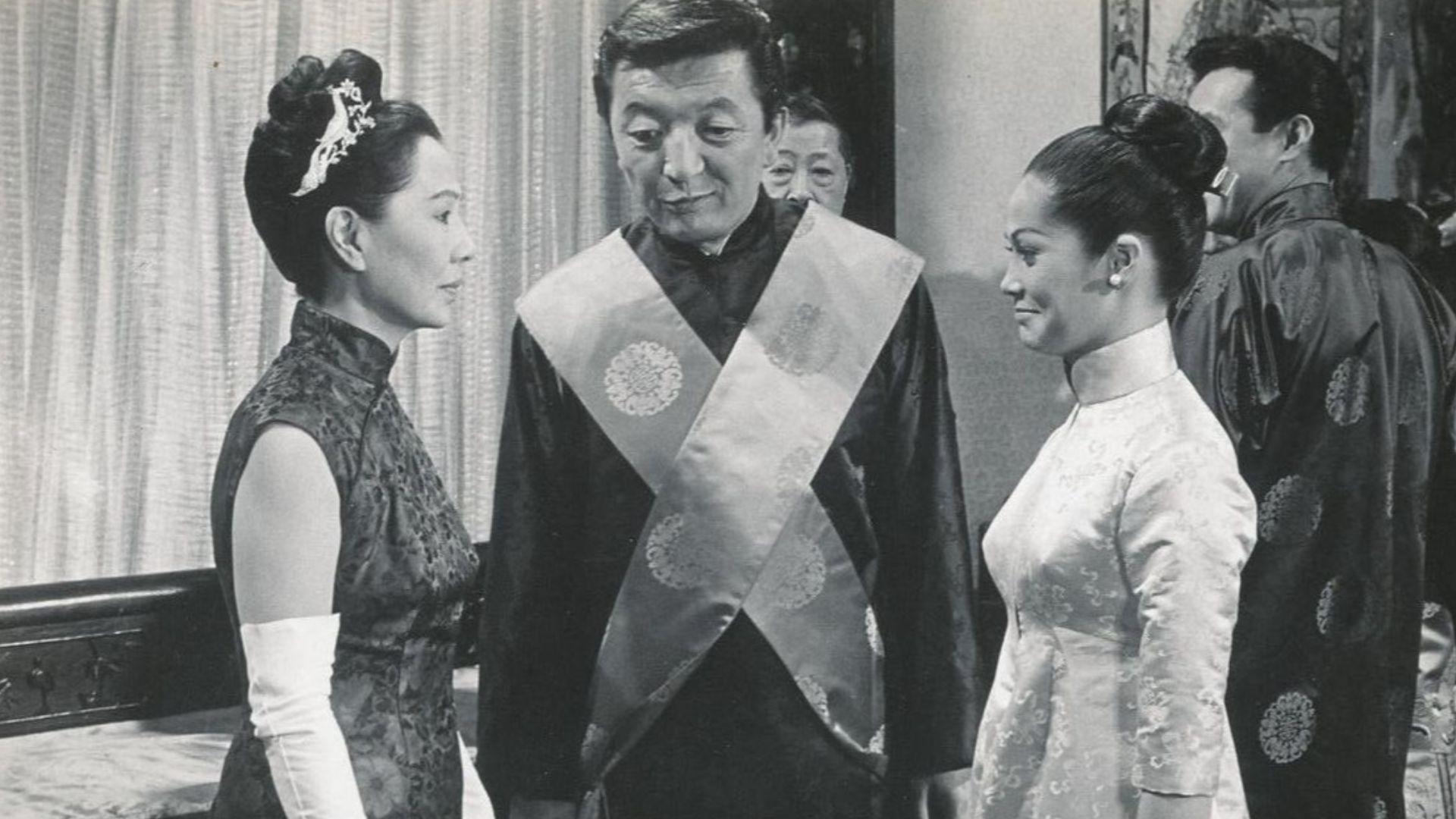 Universal-International, Wikimedia Commons
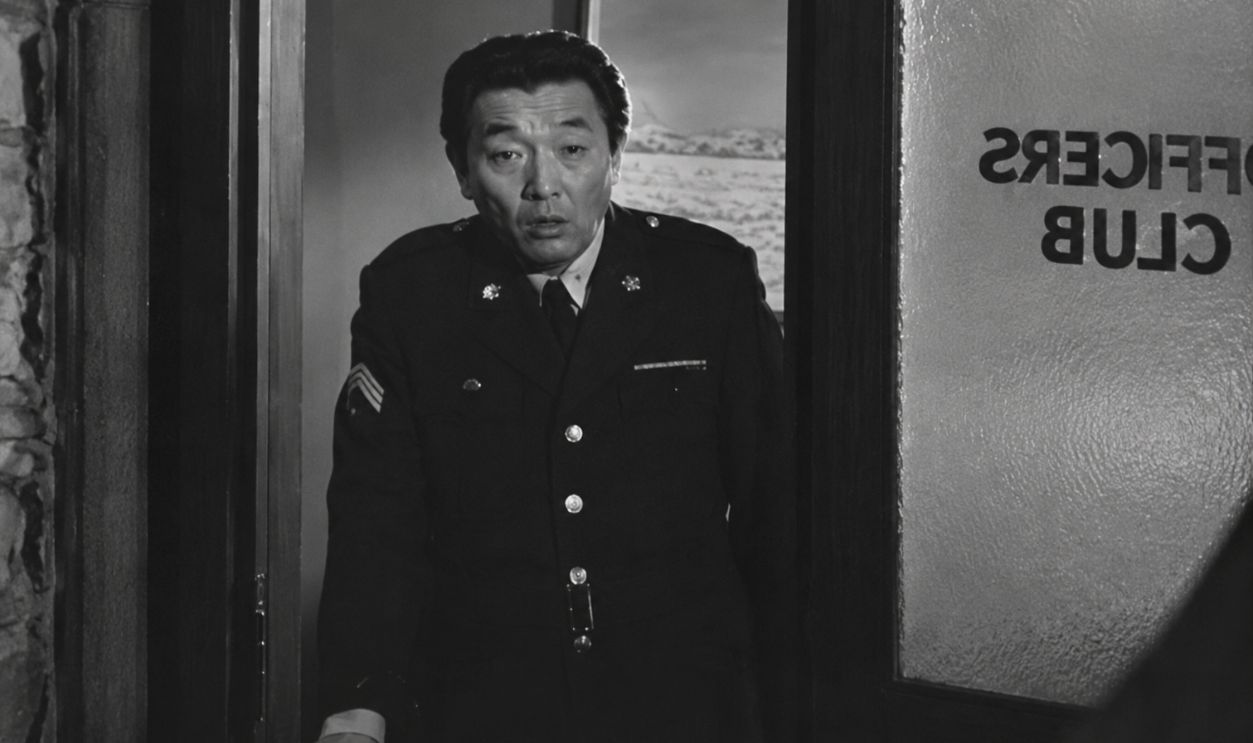
Valentine’s Day Broke New Ground
In the 1964 sitcom Valentine’s Day, Soo played Rocky Sin alongside lead actor Anthony Franciosa. The Japanese American National Museum describes him as the first Asian American cast in a leading role on a regular television series. The program lasted only one season, but Soo’s position within its central cast was historically important. More than a decade before Barney Miller, he was already breaking television barriers.
 Screenshot from Valentine’s Day, 20th Century Fox Television (1964-1965)
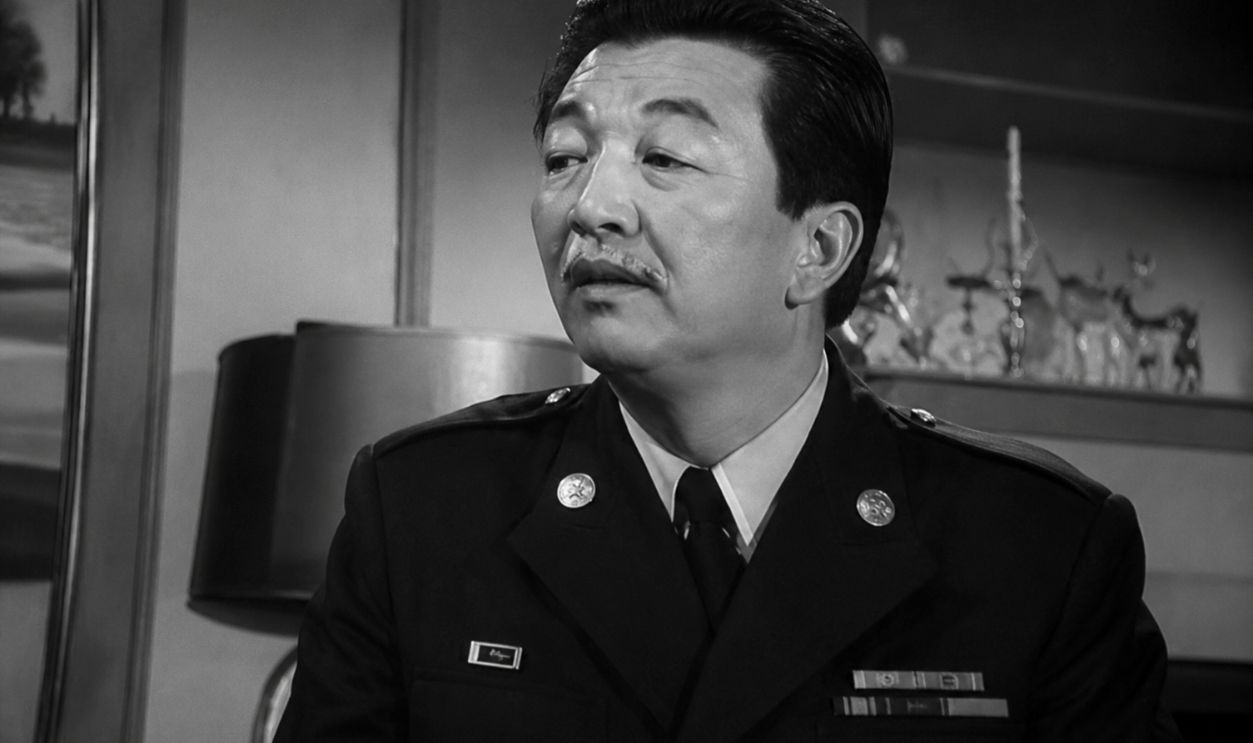
He Refused To Be Reduced To A Punchline
Soo became increasingly determined not to accept parts that humiliated Asian Americans. Accounts of his career describe him rejecting subservient stereotypes and insisting that he be regarded as an American actor. That position could limit opportunities in an industry where Asian performers were routinely offered caricatures. His standards helped prepare the way for Nick Yemana to feel like a person rather than an ethnic joke.
 Screenshot from Valentine’s Day, 20th Century Fox Television (1964-1965)
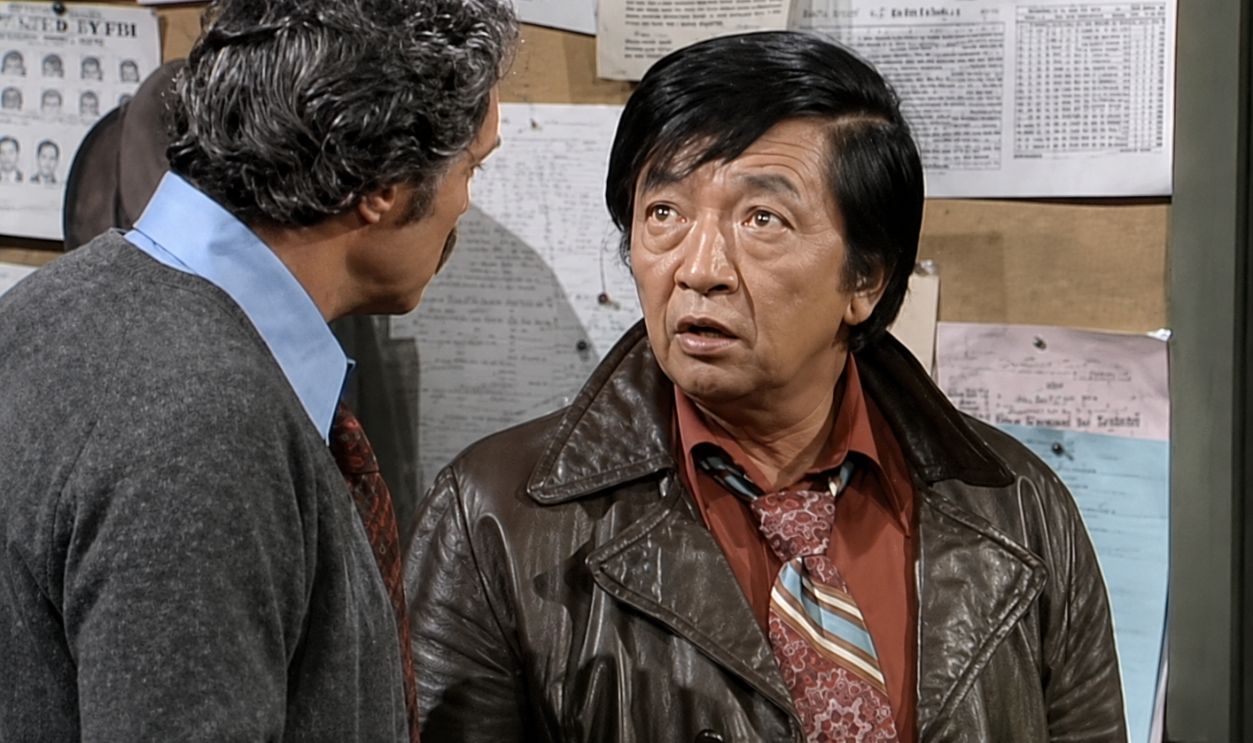
Barney Miller Needed His Exact Rhythm
Barney Miller premiered in 1975 as an ensemble comedy set largely inside a New York police squad room. The show depended less on elaborate plots than on conversation, frustration, paperwork, and sharply differentiated personalities. Soo’s deadpan style fit that contained world perfectly. Nick could sit behind a desk for most of an episode and still become one of its funniest elements.
 Screenshot from Barney Miller, ABC (1975-1982)
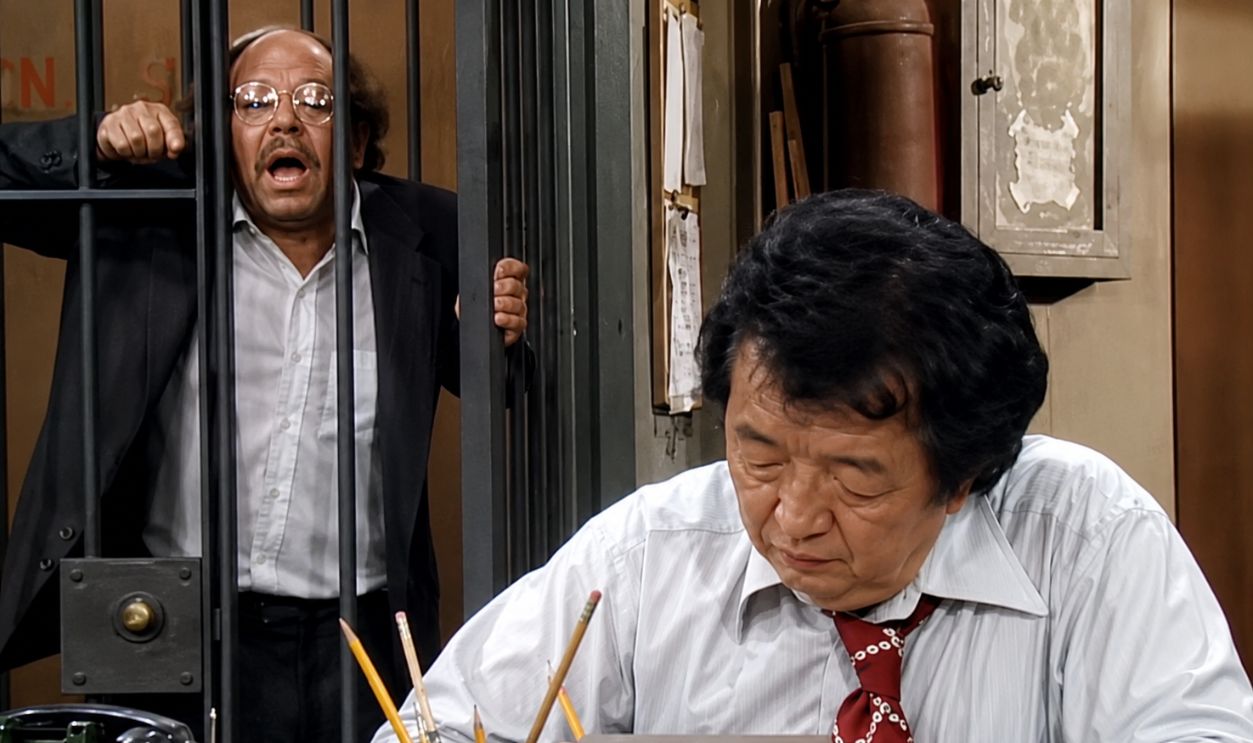
Nick Yemana Never Felt Like A Caricature
Detective Sergeant Nick Yemana was an experienced police officer whose Asian heritage formed only one part of his identity. He could be tired, sardonic, distracted, observant, or unexpectedly enthusiastic without representing every Asian American viewer. Soo’s refusal to lean on an accent or demeaning mannerisms made the character unusual for network television in the 1970s. Nick’s Americanness never required explanation or apology.
 Screenshot from Barney Miller, ABC (1975-1982)
His Deadpan Delivery Had Its Own Music
Soo’s best lines often arrived in the same low, unhurried voice, whether Nick was discussing a serious case or something completely absurd. The lack of obvious emphasis forced audiences to listen closely. A tiny pause could reveal that Nick understood more than he initially appeared to understand. His timing came from rhythm and restraint rather than volume.
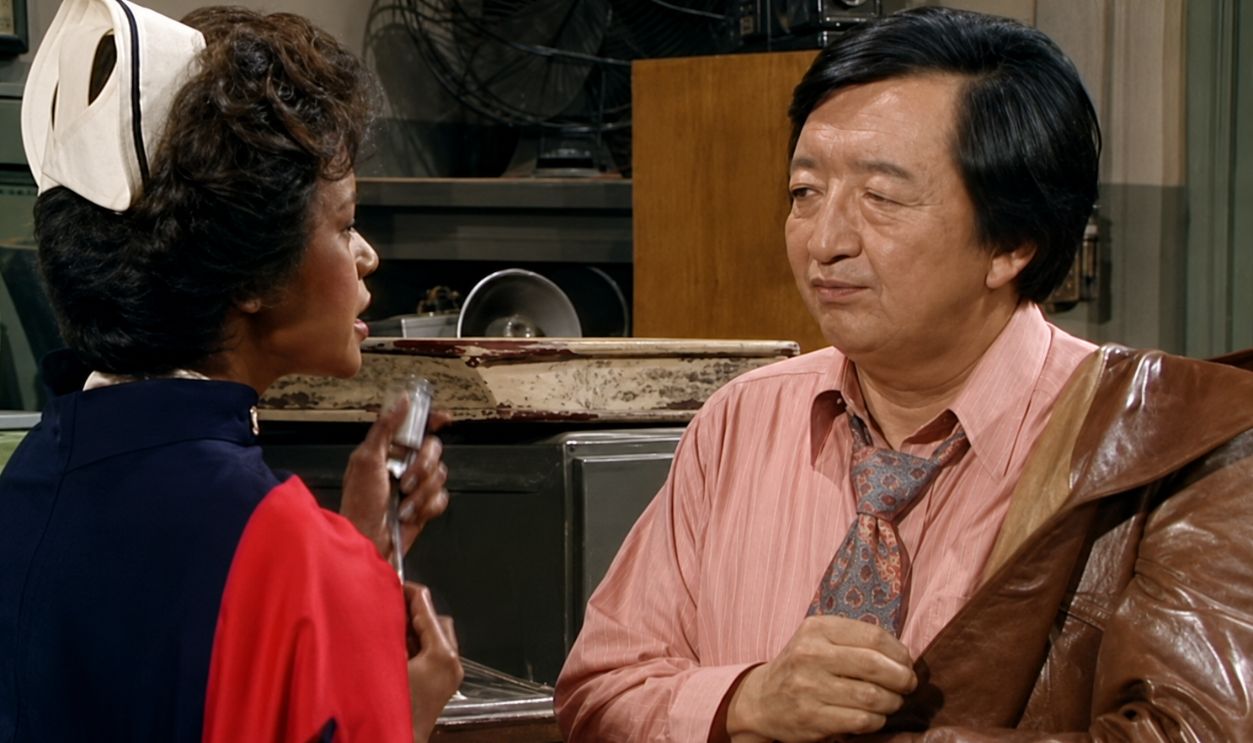 Screenshot from Barney Miller, ABC (1975-1982)
He Let The Silence Finish The Joke
Many comedians signal the punch line so clearly that viewers know exactly when to laugh. Soo often delivered his line and simply waited, trusting the absurdity to register. His expression might remain almost unchanged as another actor struggled to process what Nick had said. That extra beat became part of the joke and made his humor nearly impossible to imitate.
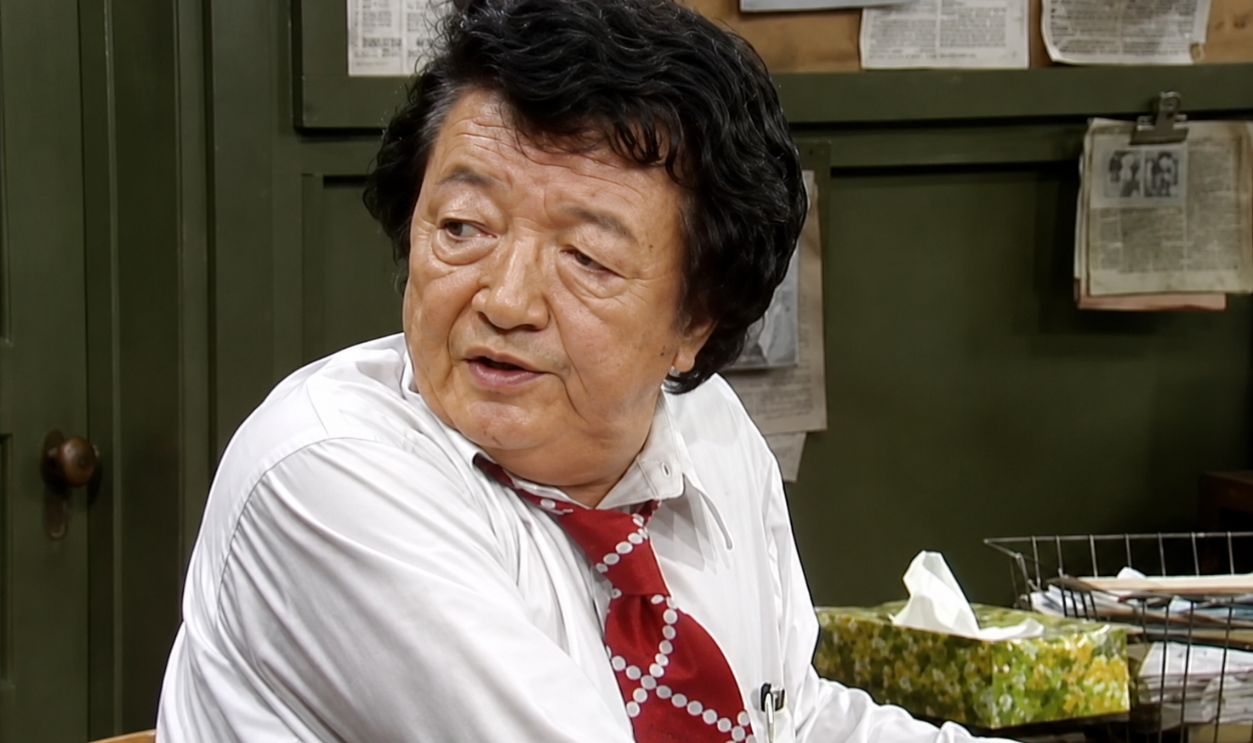 Screenshot from Barney Miller, ABC (1975-1982)
The Precinct Made His Subtlety Stronger
Most of Barney Miller unfolded inside a cluttered squad room filled with ringing phones, paperwork, prisoners, and interrupted conversations. Hal Linden later recalled that real police officers regarded the show as an unusually realistic depiction of their working lives. Within that busy environment, Soo’s calmness gave scenes a comic center. Nick looked like a man who had already seen every form of human foolishness.
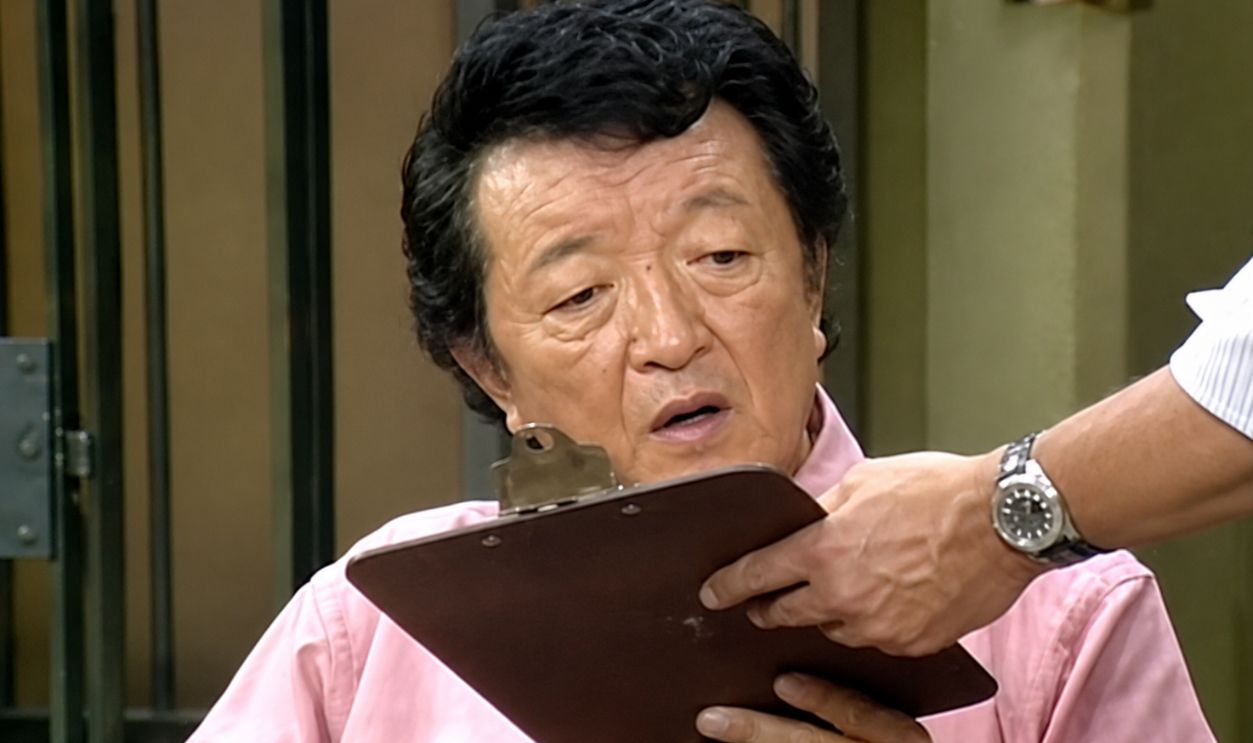 Screenshot from Barney Miller, ABC (1975-1982)
His Coffee Became Television History
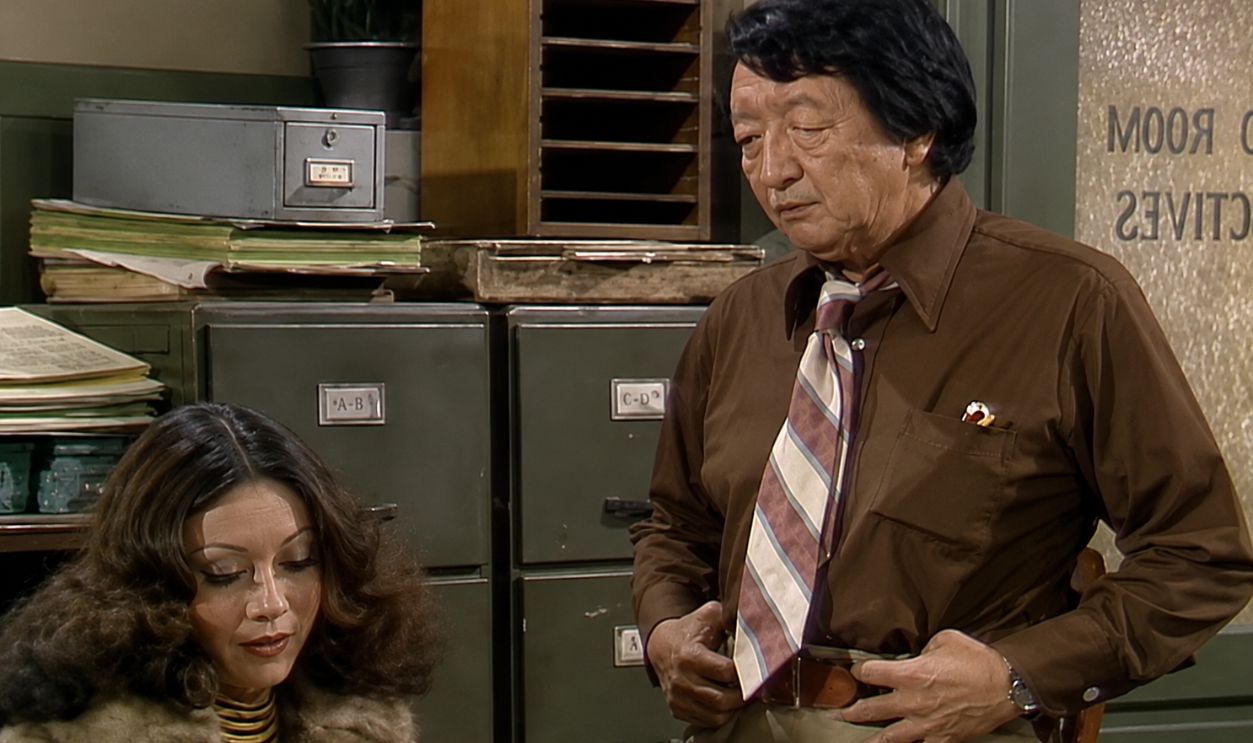
One of the series’ most reliable running jokes involved Nick’s terrible coffee. His coworkers approached each cup with apprehension, while Nick appeared almost completely unaware of the problem. The gag worked because Soo never tried to make the coffee funny. He treated it as an ordinary contribution to precinct life while everyone else reacted as though it were a hazardous substance.
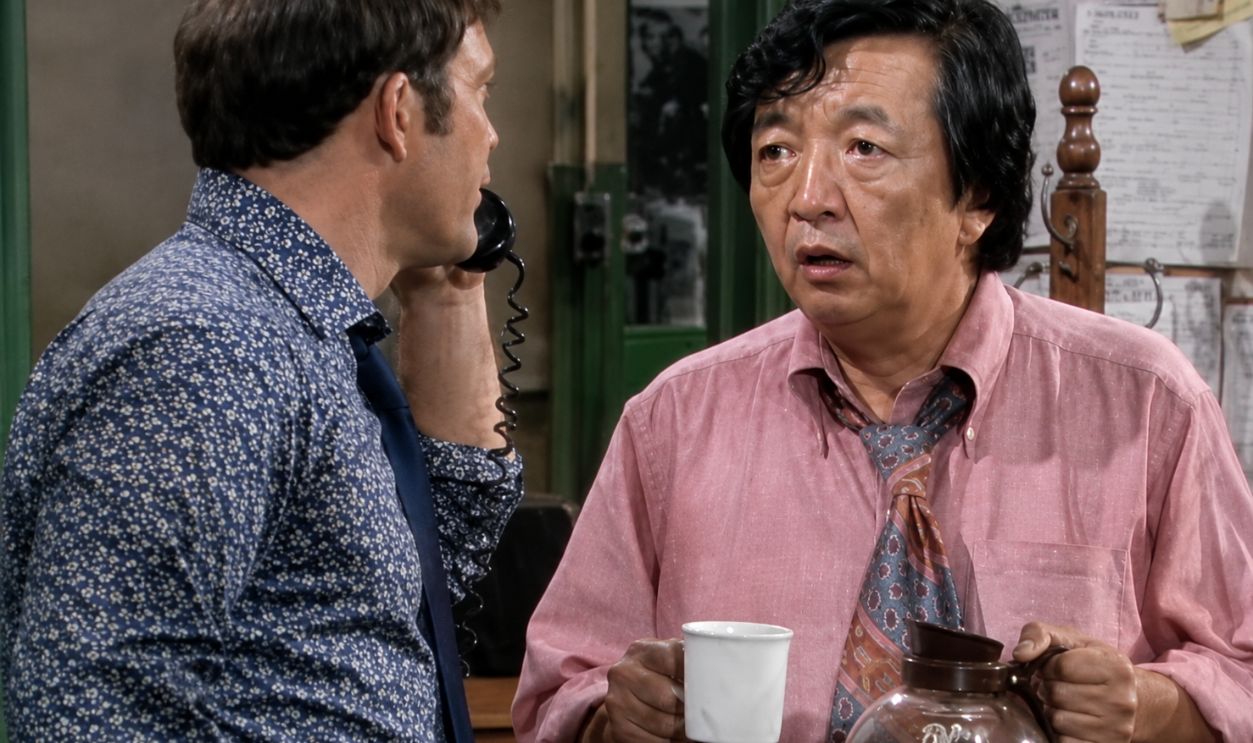 Screenshot from Barney Miller, ABC (1975-1982)
The Coffee Joke Kept Growing
Writers repeatedly found new ways to suggest that Nick’s coffee violated every reasonable standard of taste and safety. The more disgusted the other detectives became, the more casually Soo handled the pot. Because the joke depended on established character behavior, viewers often began laughing before anyone tasted the drink. Nick’s coffee became shorthand for the comfortable misery of the precinct workplace.
 Screenshot from Barney Miller, ABC (1975-1982)
Hash Let The Ensemble Lose Control
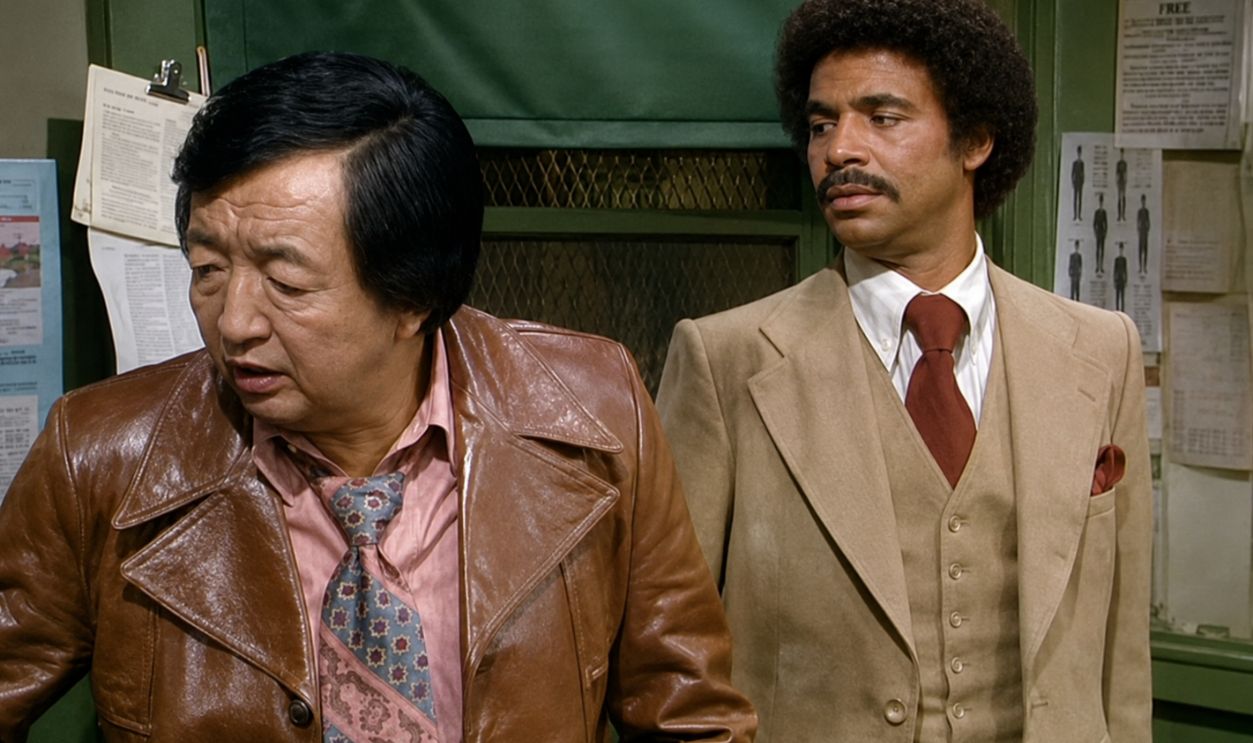
In the celebrated episode “Hash,” the detectives accidentally ate marijuana-laced brownies brought into the station. The Paley Center’s record confirms Soo’s participation as Yemana alongside Hal Linden, Abe Vigoda, Max Gail, and Ron Glass. The episode allowed each performer to develop a different comic reaction while remaining recognizably in character. Soo’s naturally understated approach made Nick’s altered behavior especially effective.
 Screenshot from Barney Miller, ABC (1975-1982)
Hal Linden Gave Him Room
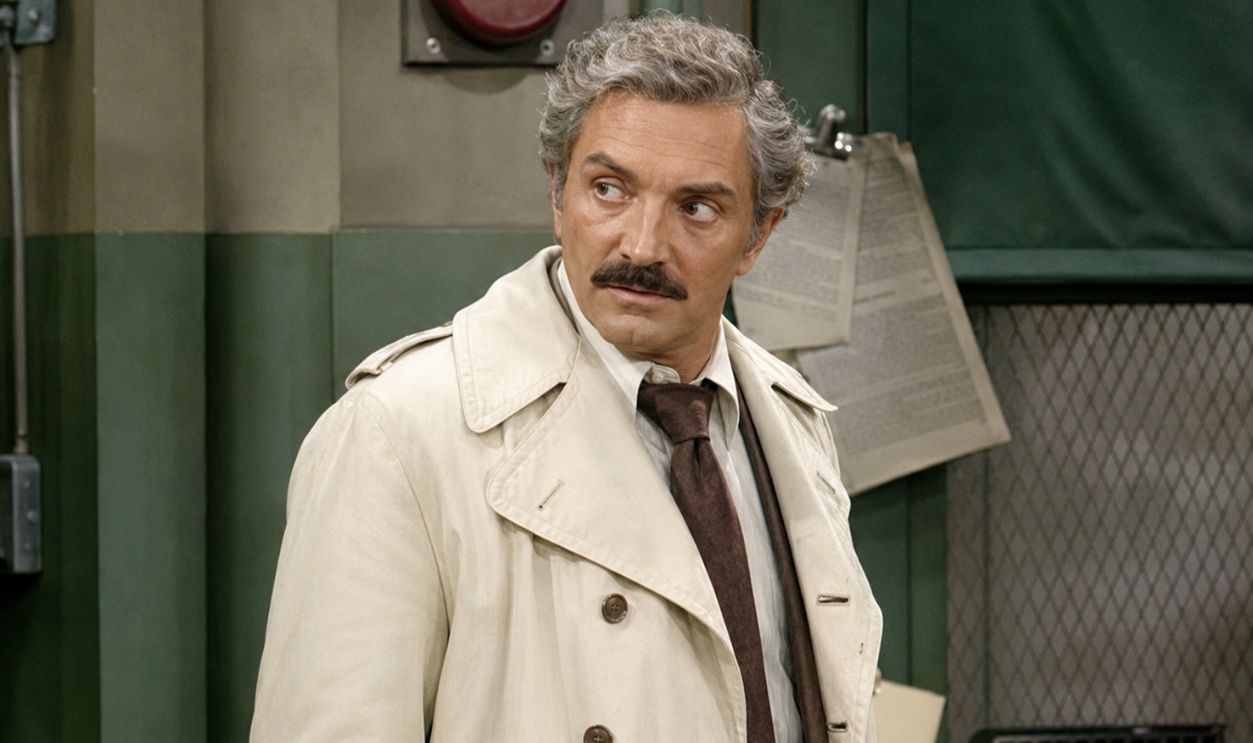
As Captain Barney Miller, Hal Linden usually served as the precinct’s rational center. That made him an ideal scene partner for Soo because Barney’s controlled reactions allowed Nick’s dry remarks to land cleanly. Linden later spoke warmly about Soo and the ensemble in his Television Academy interview. Their scenes demonstrated how two restrained performers could create comedy without competing for attention.
 Screenshot from Barney Miller, ABC (1975-1982)
Every Detective Made Nick Funnier
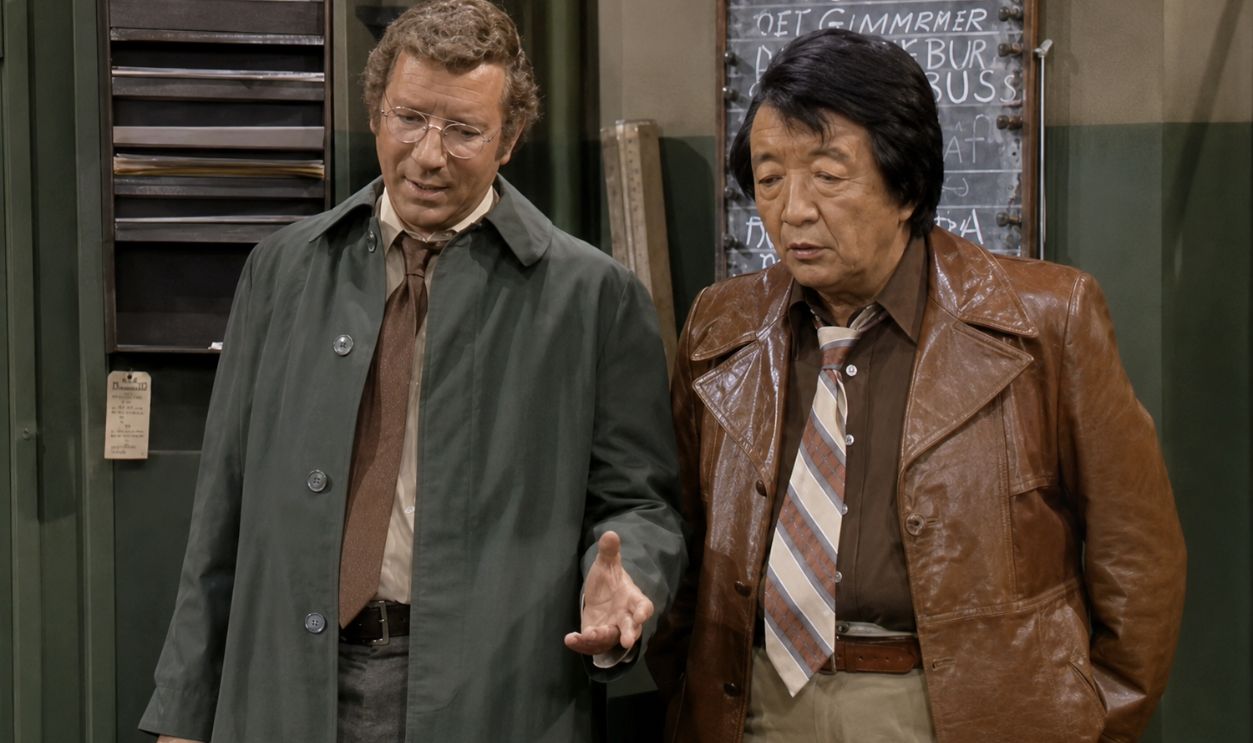
Wojo’s emotional impulsiveness, Harris’s ambition, Fish’s exhaustion, and Dietrich’s endless knowledge all created different comic relationships with Nick. Soo adjusted his rhythm depending on which cast member stood across from him. He could puncture confidence, join in confusion, or quietly intensify an absurd exchange. His generosity helped make Barney Miller feel like an ensemble rather than a collection of solo acts.
 Screenshot from Barney Miller, ABC (1975-1982)
He Could Break Stereotypes With One Line
The series occasionally placed Nick in situations where other characters expected him to possess stereotypical cultural knowledge. Soo’s expression and response often exposed the foolishness of the assumption rather than rewarding it. The humor came from Nick being a specific American man who happened to be Japanese American. Soo used comedy to undermine the audience’s expectations without turning every episode into a lecture.
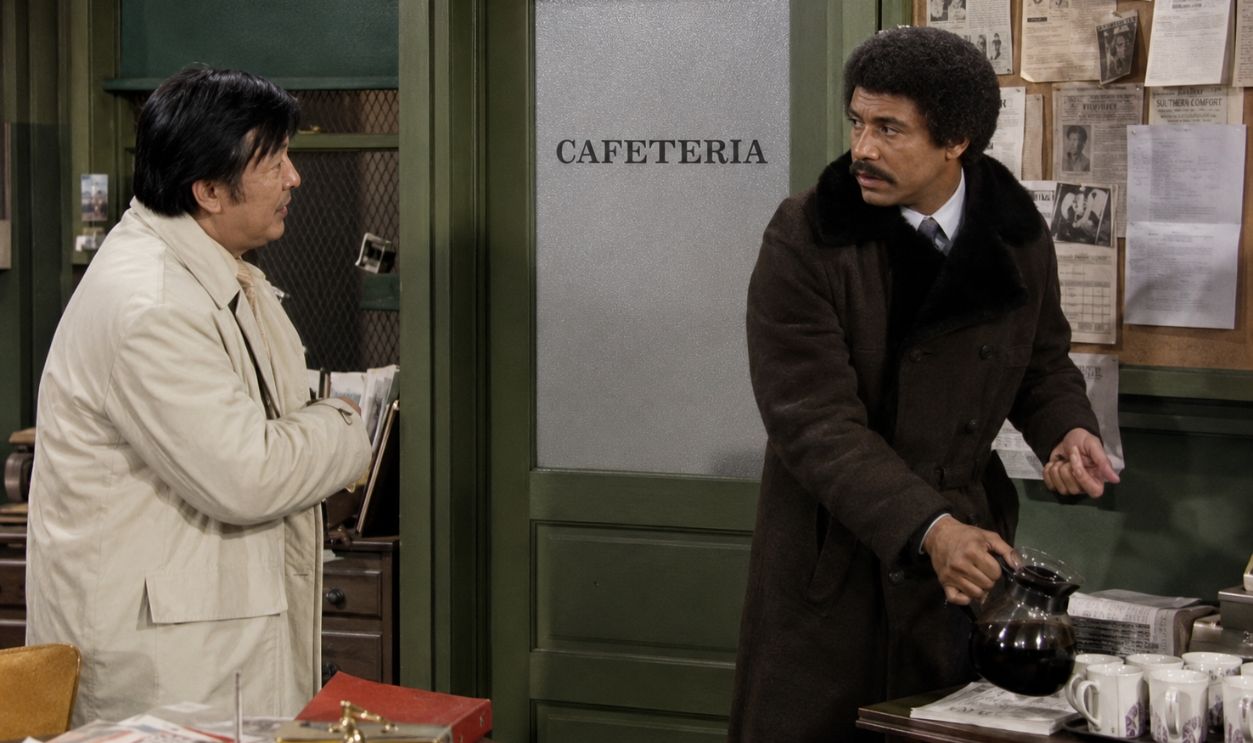 Screenshot from Barney Miller, ABC (1975-1982)
His Singing Career Added Another Dimension
Soo had been an accomplished nightclub singer before becoming widely known as a comic actor. That musical training helped explain the control and phrasing beneath his deadpan speech. He understood tempo, anticipation, and exactly how long a pause could be held. Even when Nick never sang, Soo’s musical instincts shaped the performance.
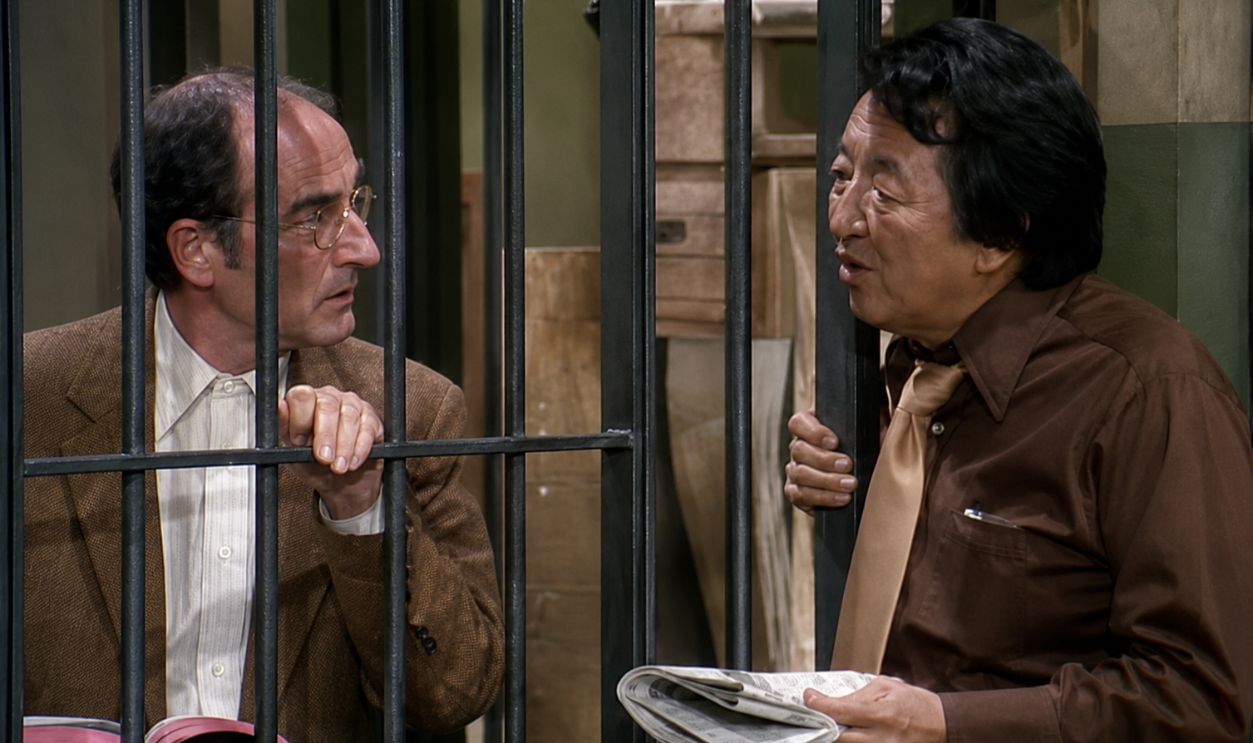 Screenshot from Barney Miller, ABC (1975-1982)
He Had Already Survived Television Typecasting
Before Barney Miller, Soo moved among stage musicals, sitcoms, films, and guest appearances. His credits included The Jack Benny Program, Valentine’s Day, Thoroughly Modern Millie, Hawaii Five-O, and MASH*. That varied experience taught him how to make an impression without dominating the production. Nick Yemana became the role that finally gathered his comic discipline and personal convictions into one memorable character.
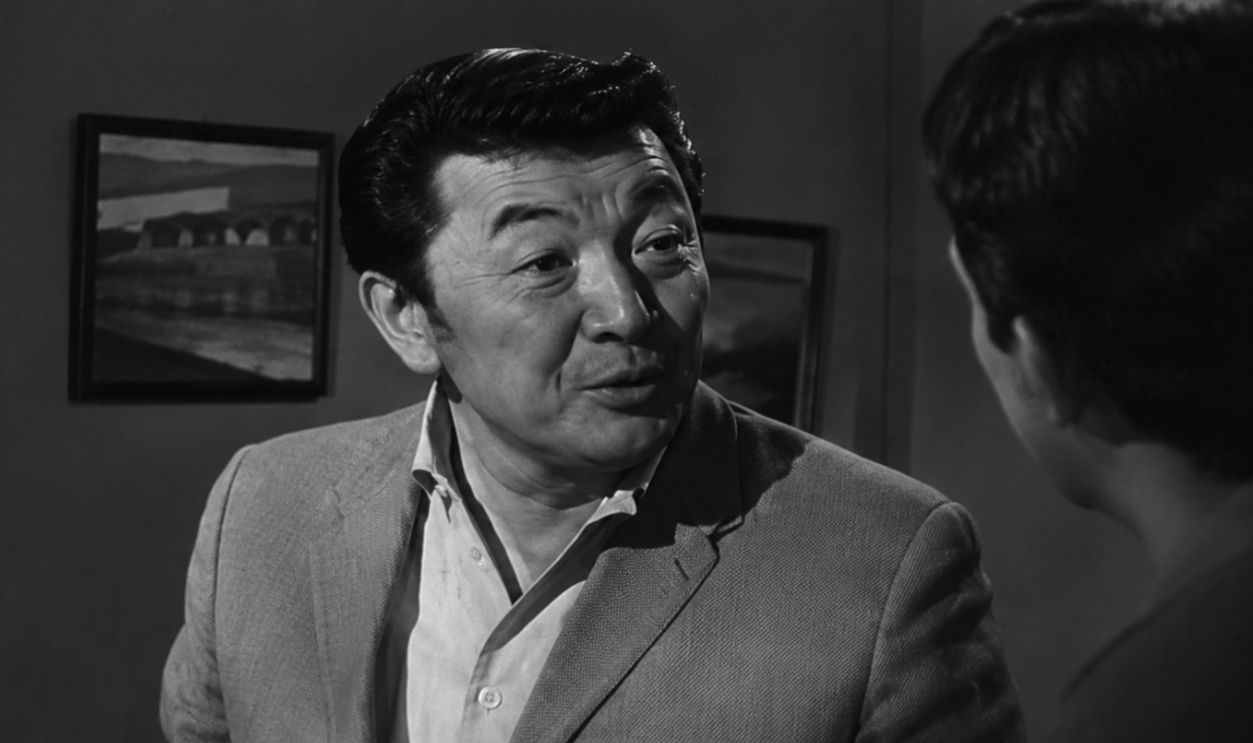 Screenshot from Valentine’s Day, 20th Century Fox Television (1964-1965)
Illness Removed Him From The Precinct
Soo was diagnosed with esophageal cancer while Barney Miller was still in production. His illness caused him to miss episodes, and the cancer eventually ended his life in January 1979. He was only 61, and the series was still near the height of its creative run. His absence left a space in the ensemble that the producers chose not to fill with another actor playing Nick.
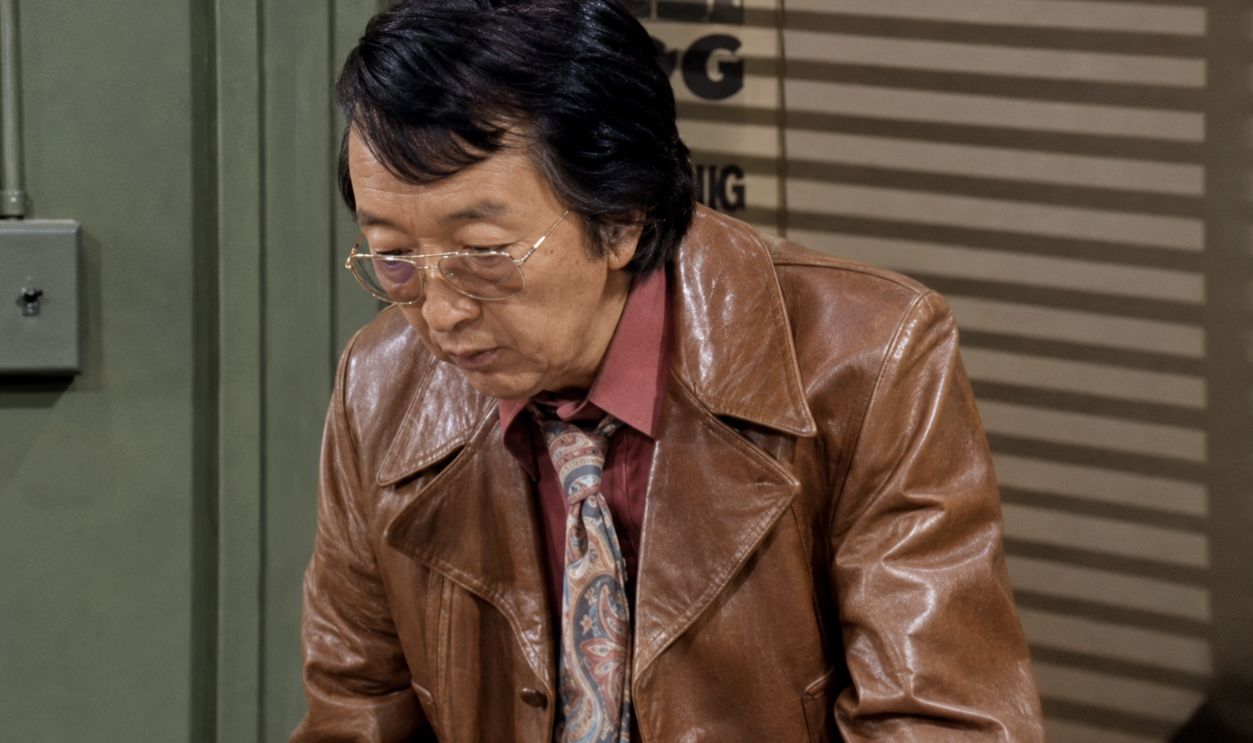 Screenshot from Barney Miller, ABC (1975-1982)
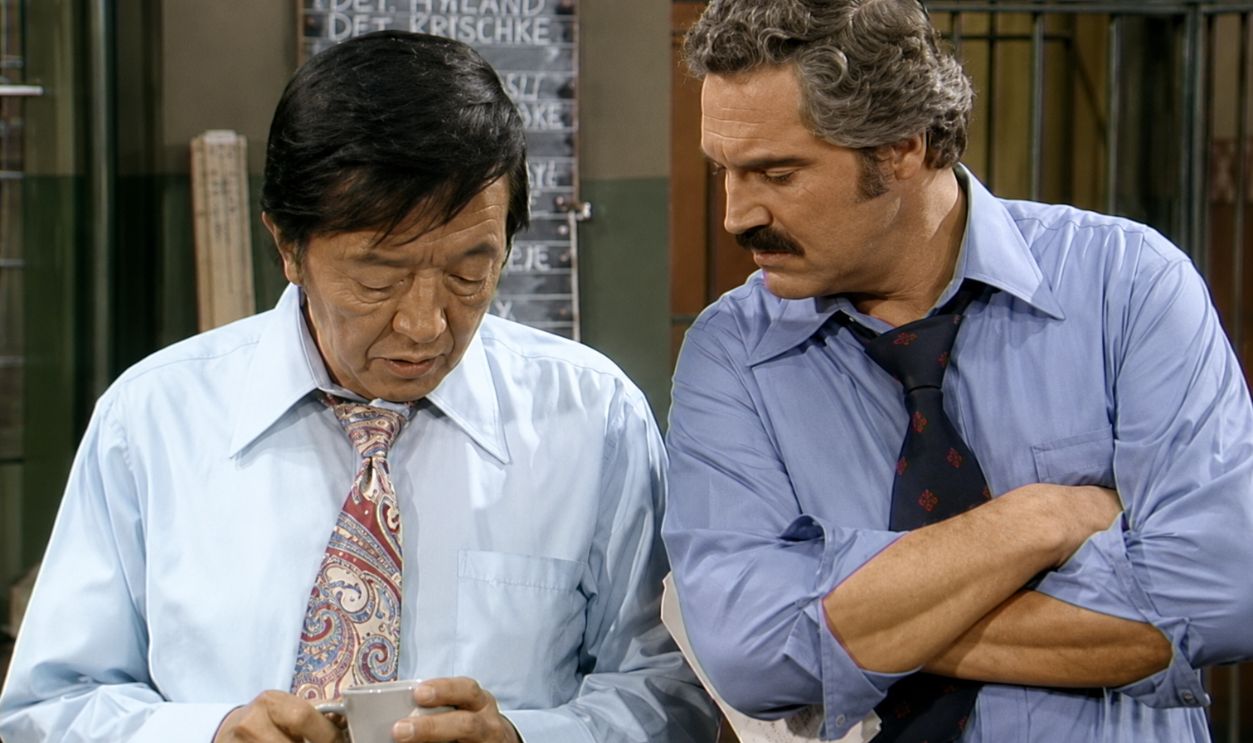
He Made One Last Coffee Joke
According to accounts preserved in histories of Soo and the series, he joked about Nick’s coffee while preparing for cancer surgery. The remark was perfectly consistent with the performer audiences had come to love. Even under frightening circumstances, Soo reached for the recurring joke that connected him to his castmates and viewers. The story has endured because it captures his understated courage as clearly as his humor.
 Screenshot from Barney Miller, ABC (1975-1982)
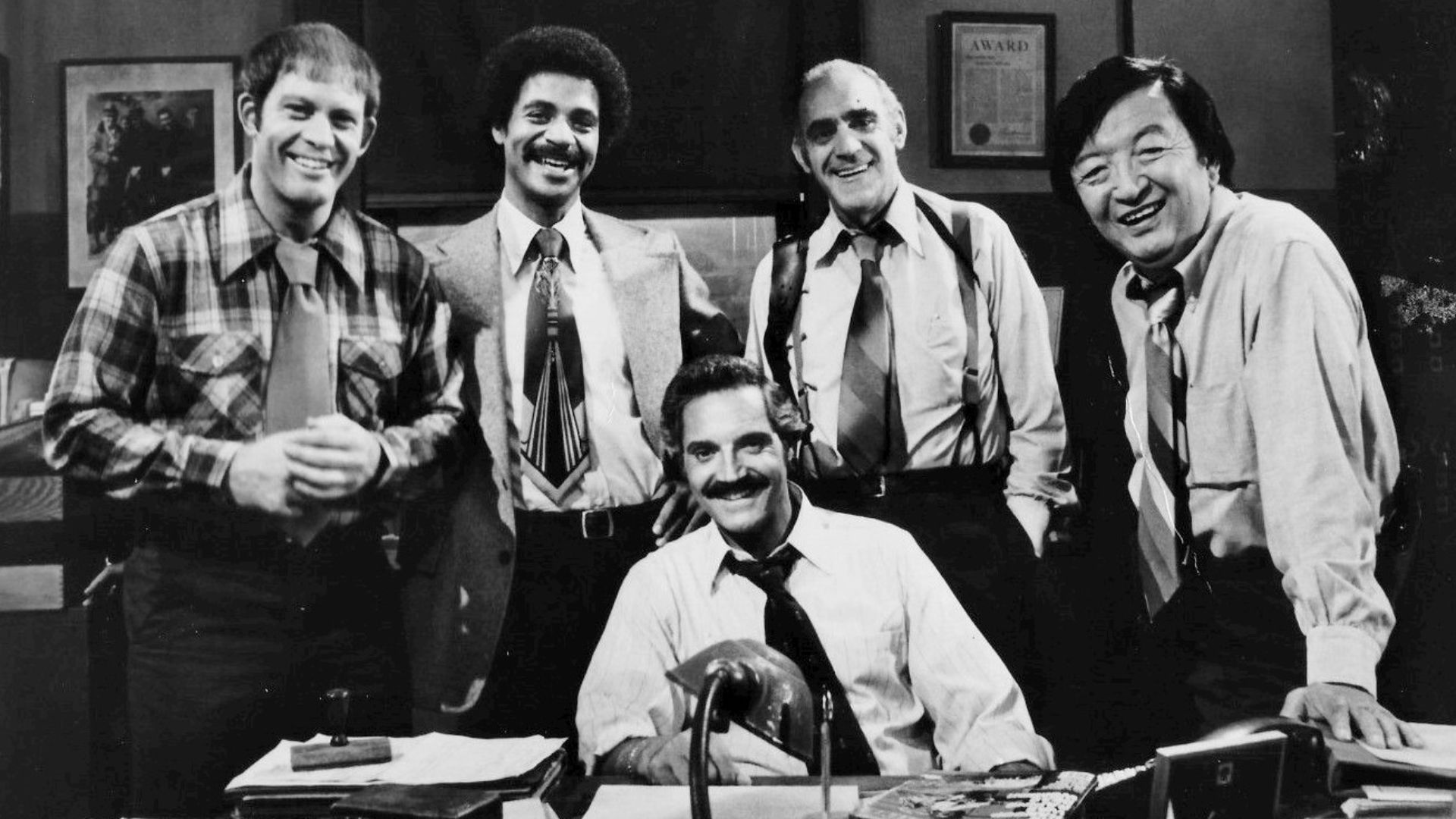
The Cast Said Goodbye As Themselves
Rather than writing an ordinary fictional farewell, Barney Miller devoted its fifth-season finale to “Jack Soo, a Retrospective.” Hal Linden, Max Gail, Ron Glass, and other cast members appeared as themselves and shared memories between clips of Soo’s work. The May 17, 1979, broadcast concluded with the group raising coffee cups in his honor. It remains one of television’s most personal tributes to a departed cast member.
 ABC Television, Wikimedia Commons
His Quiet Comedy Still Speaks Loudly
Soo helped establish that an Asian American character could be ordinary, funny, flawed, respected, and fully integrated into a mainstream ensemble. He also showed generations of performers that scene-stealing did not require aggression. Nick Yemana became unforgettable because Soo trusted intelligence, silence, and personality more than easy stereotypes. Nobody else on Barney Miller sounded like him, and television has rarely found anyone who does.
 Universal-International, Wikimedia Commons
You May Also Like:
TV’s Most Underrated Comedy Star
The Tragedy Behind George Carlin’s Comedy
Classic Comedy Duos America Couldn't Get Enough Of—Who Do You Think Are Their Modern Equivalents?
Sources: 1, 2, 3, 4, 5, 6, 7, 8, 9, 10, 11, 12, 13, 14, 15, 16, 17, 18, 19