Comedy Works Better In Pairs
A great comedy duo is more than two funny people standing side by side. The magic comes from timing, contrast, trust, and the sense that each performer makes the other sharper. From vaudeville stages to sitcom sets, America has always loved watching opposites collide. These classic duos helped shape the way comedy still works today.
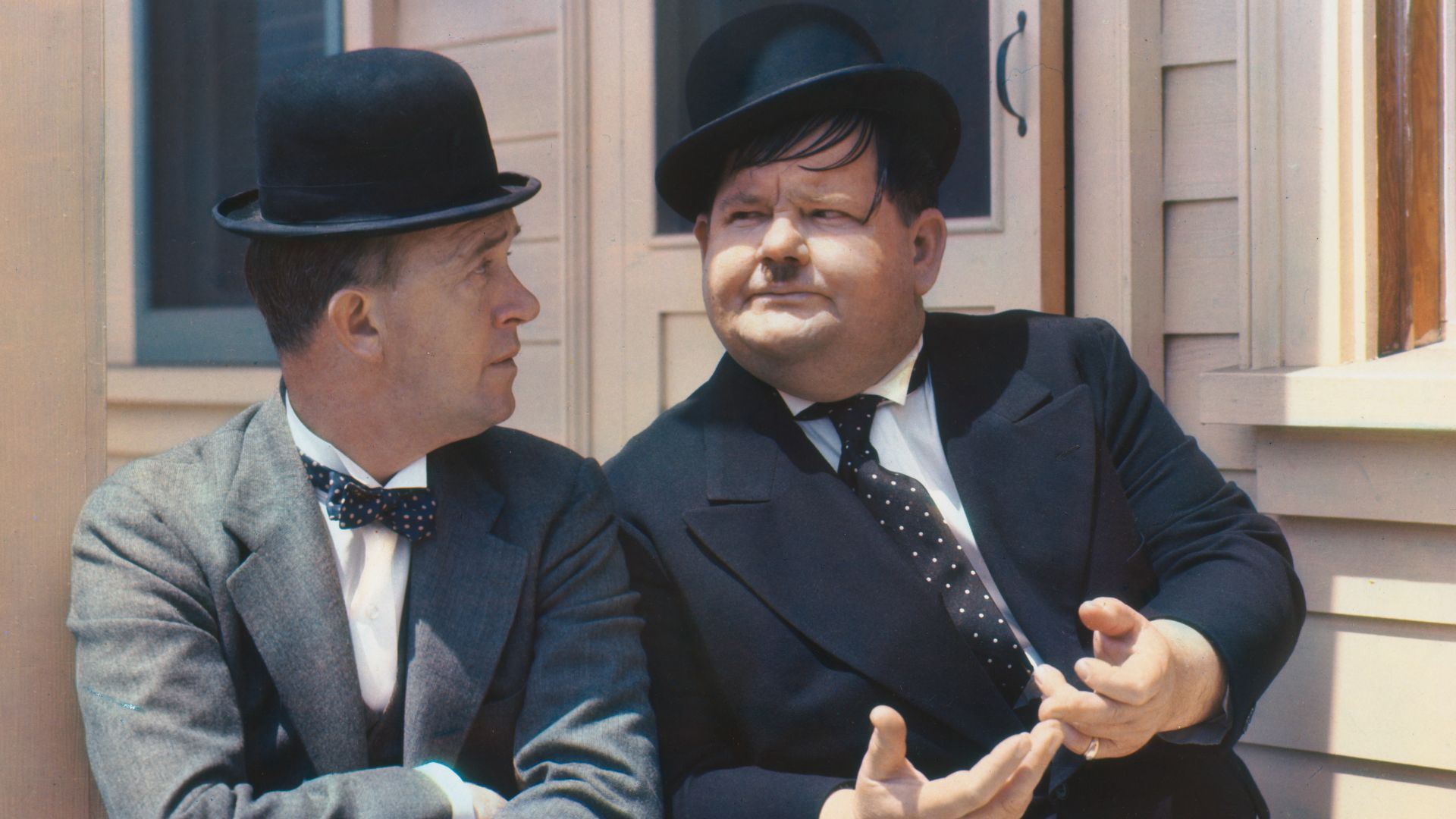
Laurel And Hardy
Stan Laurel and Oliver Hardy became one of the most beloved comedy teams of the silent and early sound eras. Their humor worked because Laurel’s childlike confusion bounced perfectly against Hardy’s wounded dignity. Even when the gag was simple, their timing made it feel graceful. Modern physical-comedy duos still owe them a huge debt.
 Harry Warnecke, Wikimedia Commons
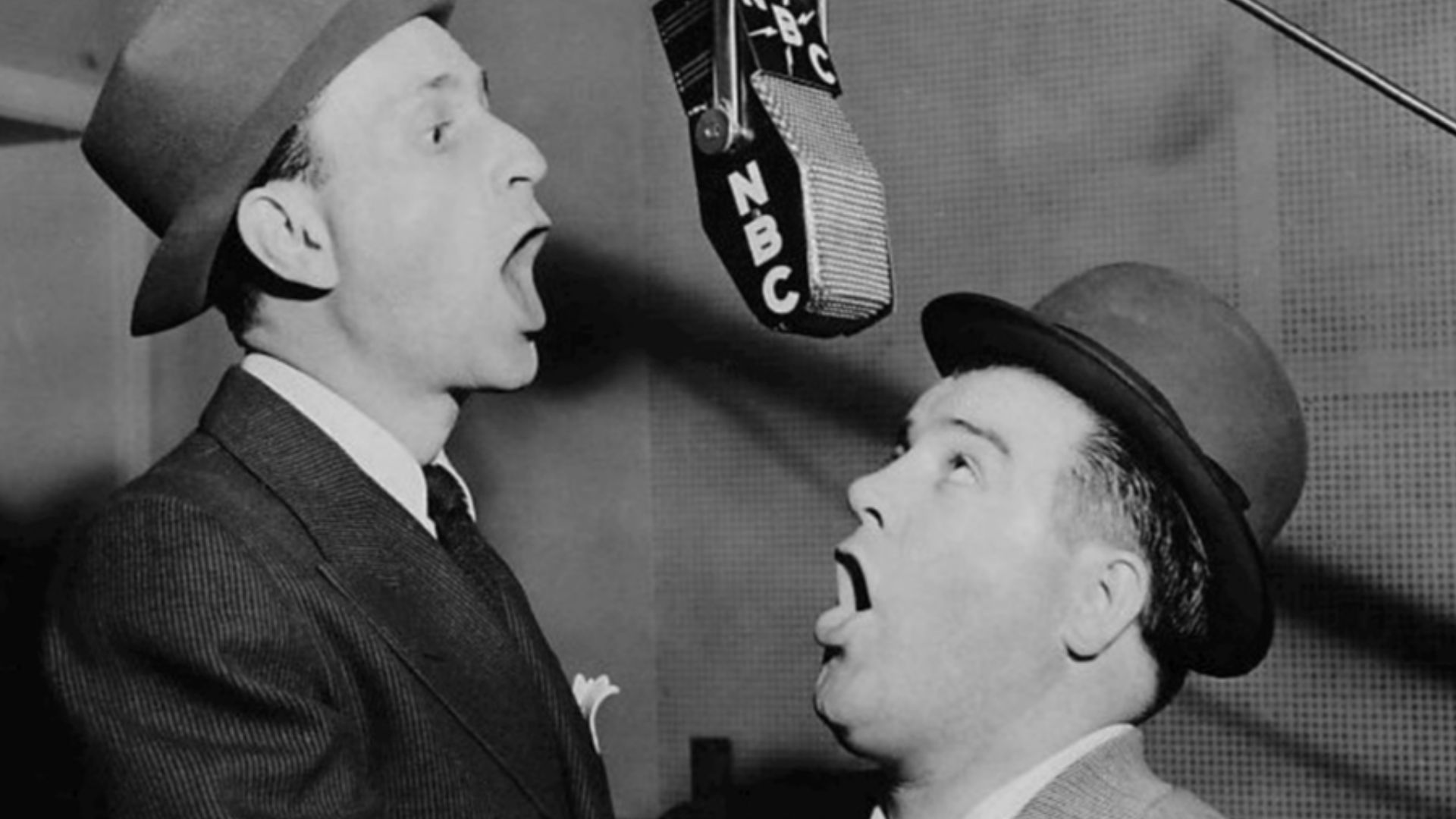
Abbott And Costello
Bud Abbott and Lou Costello built their act around rapid-fire misunderstanding. Their famous “Who’s On First?” routine remains one of the best-known comedy sketches in American entertainment history. Abbott’s calm authority made Costello’s panic even funnier. A modern equivalent would need that same mix of verbal precision and escalating frustration.
Burns And Allen
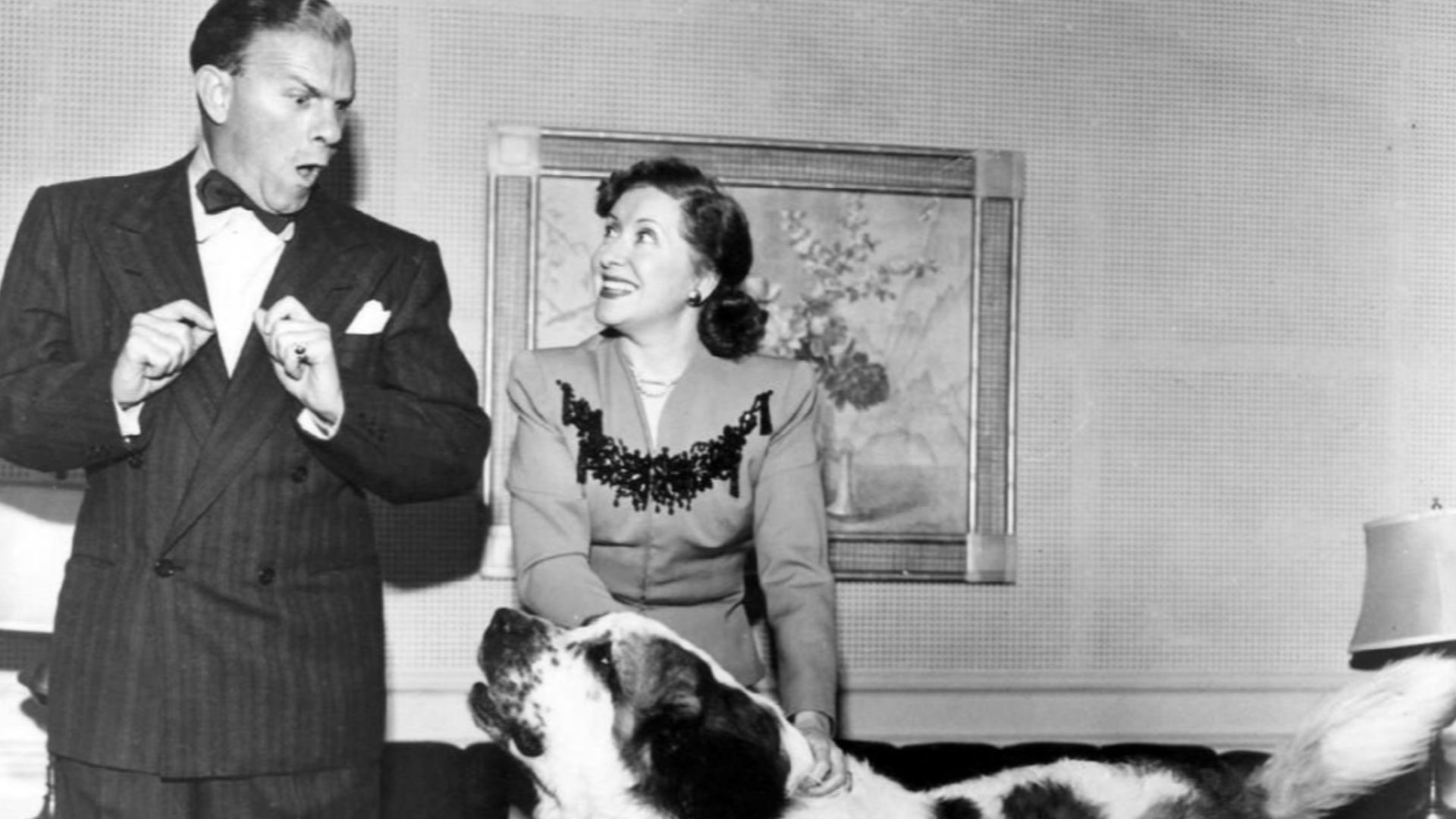
George Burns and Gracie Allen worked together across vaudeville, radio, film, and television for decades. Burns usually played the patient straight man while Allen delivered beautifully twisted logic. Their act helped prove that domestic comedy could be smart, warm, and endlessly repeatable. Many sitcom couples still borrow from their rhythm.
Lucy And Ethel
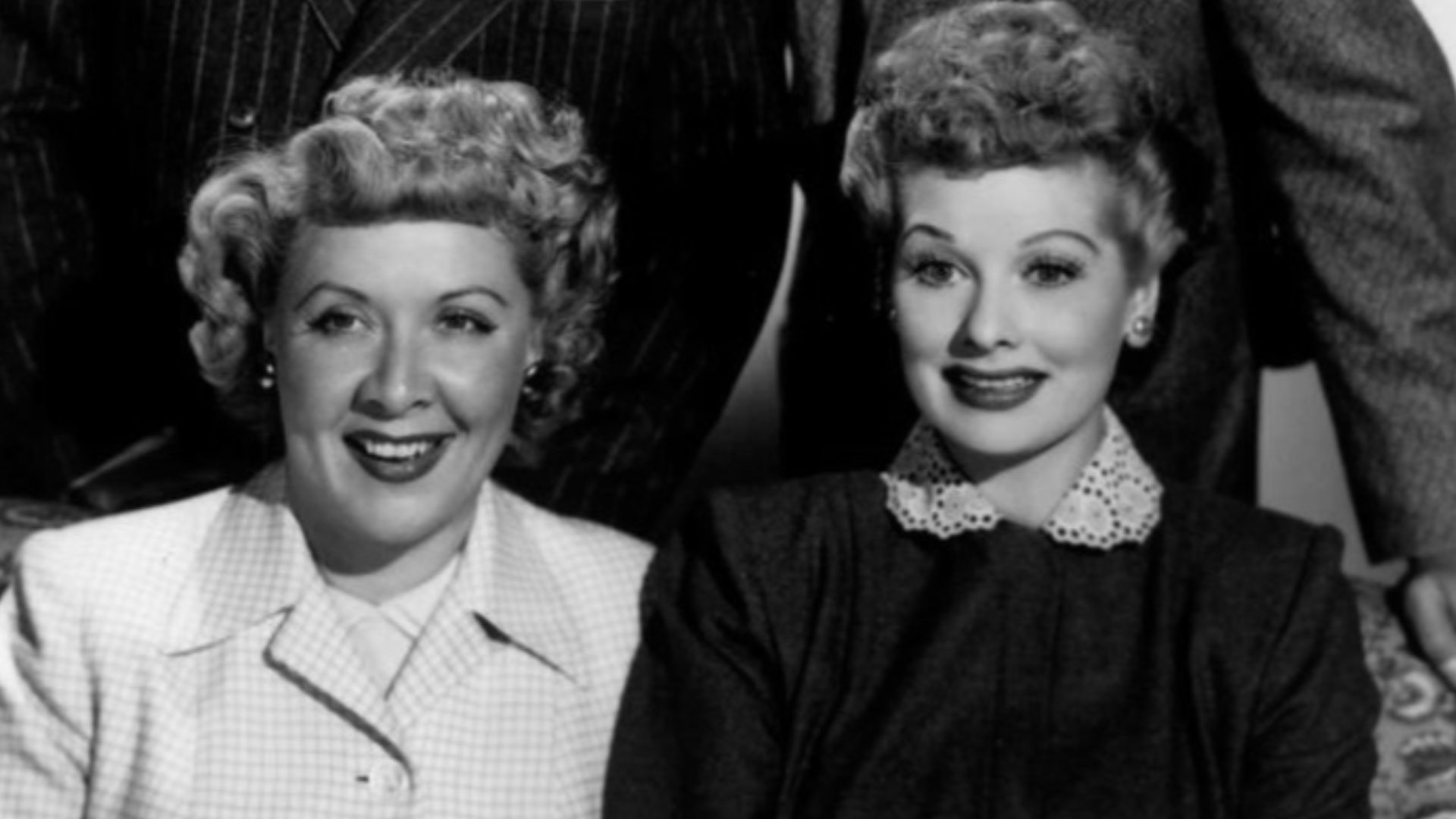
Lucille Ball and Vivian Vance gave I Love Lucy some of its funniest and most durable moments. Lucy Ricardo and Ethel Mertz were not just neighbors, they were partners in bad ideas. Their friendship made every scheme feel bigger, sillier, and more lovable. Modern TV still chases that kind of female comic chemistry.
Hope And Crosby
Bob Hope and Bing Crosby’s Road movies set a template for the buddy comedy. Their characters could be rivals, partners, cowards, charmers, and friends all at once. The jokes often felt loose, but the structure was carefully tuned. Their modern equivalents would be performers who can mock each other while still seeming inseparable.
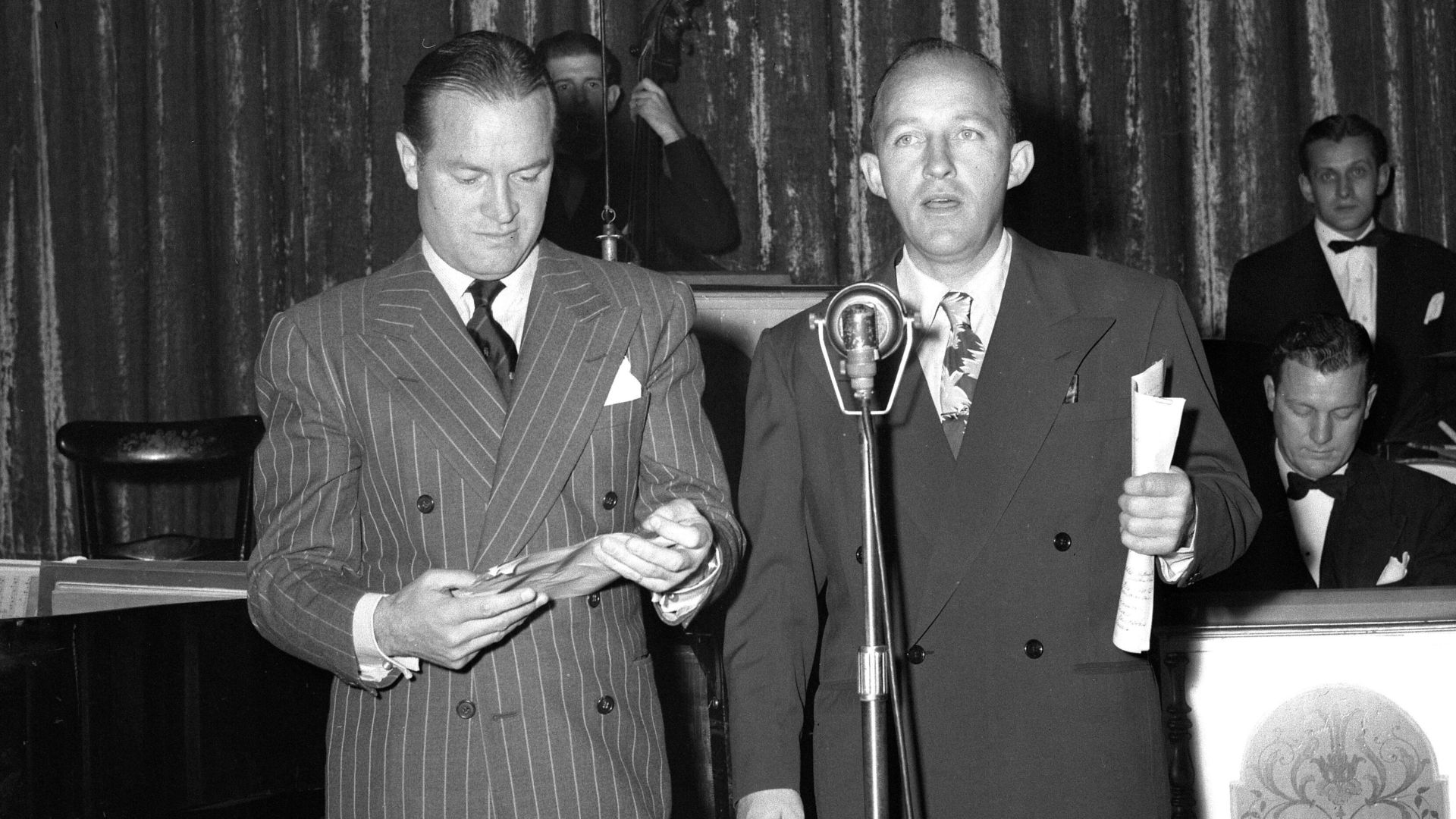 Los Angeles Times, Wikimedia Commons
Martin And Lewis
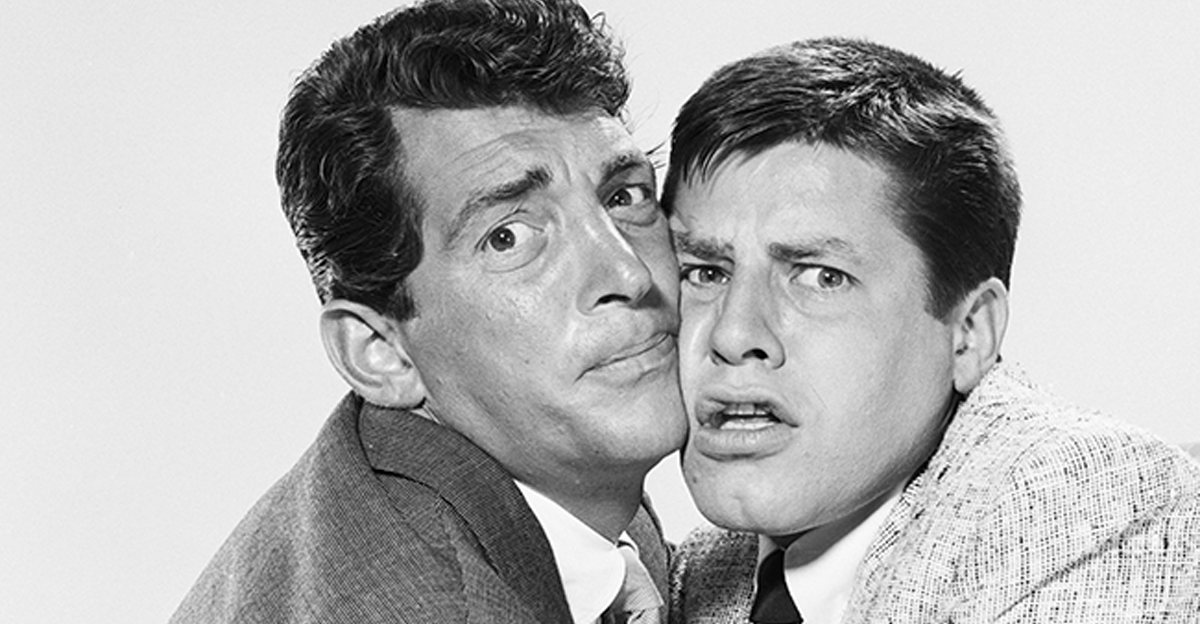
Dean Martin and Jerry Lewis became a sensation in nightclubs, radio, television, and movies. Martin’s relaxed coolness played perfectly against Lewis’s frantic physical comedy. Their partnership lasted ten years and helped define postwar American show business. Even their breakup became part of the mythology.
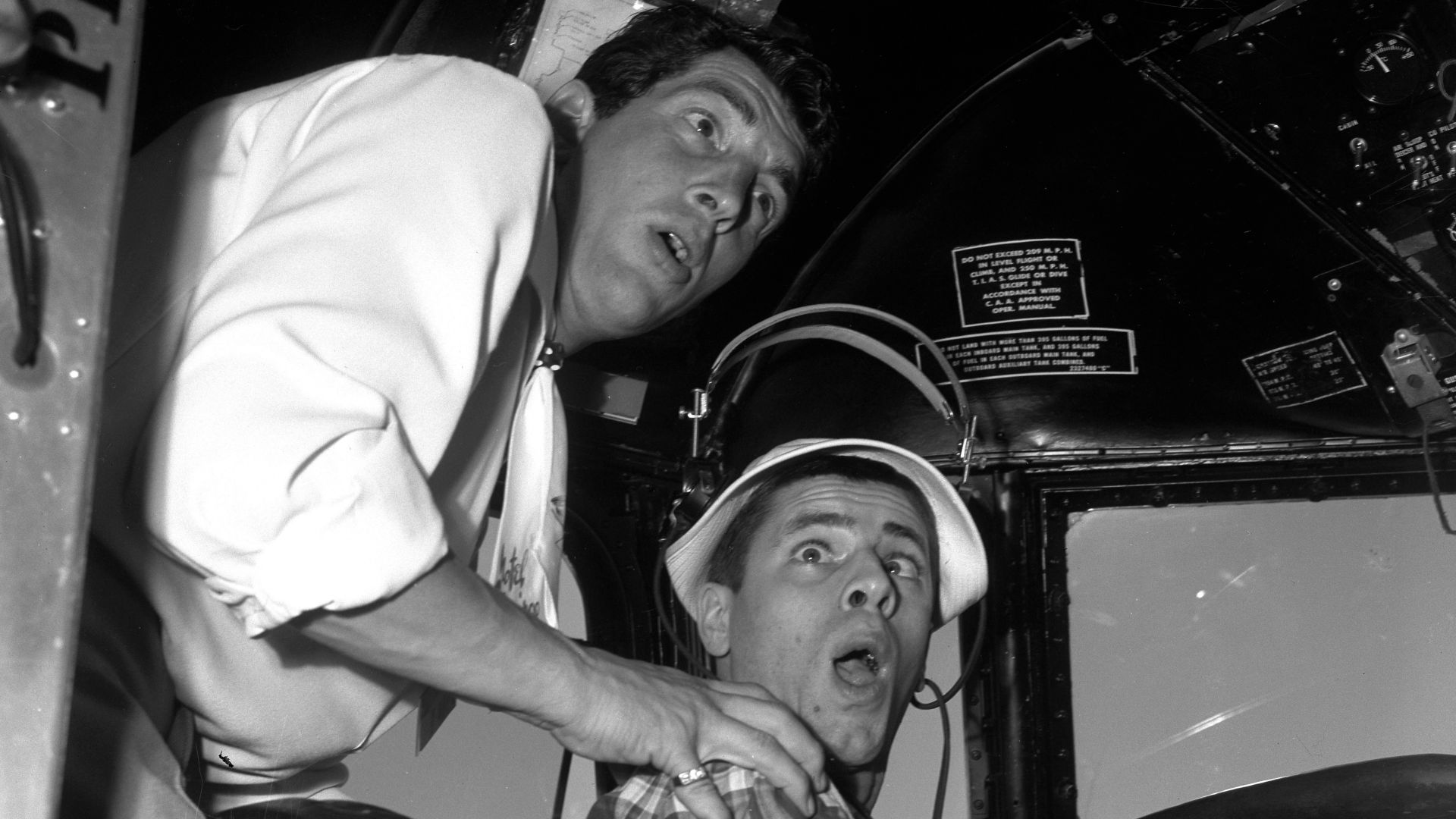 Los Angeles Daily News, Wikimedia Commons
Nichols And May
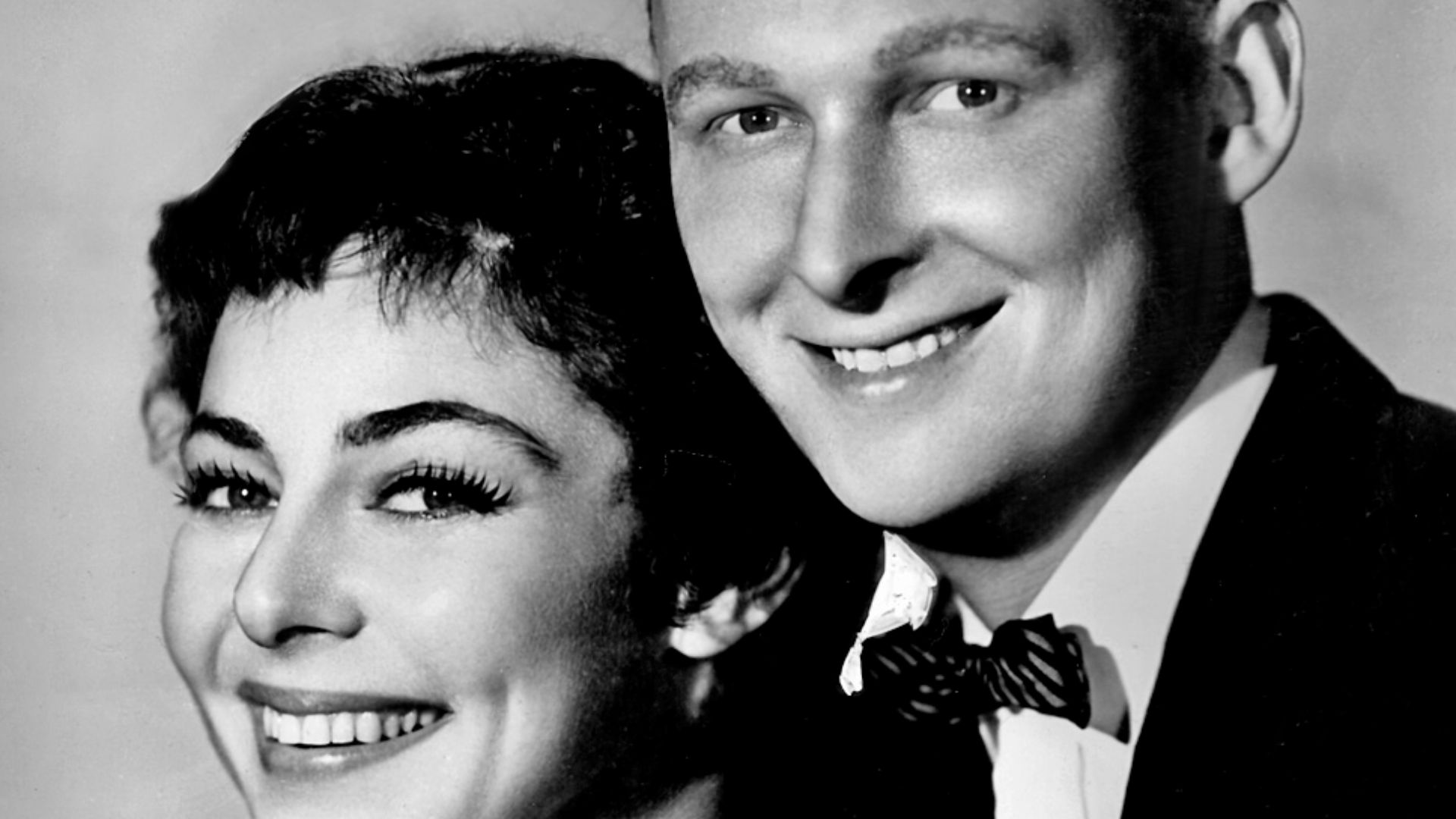
Mike Nichols and Elaine May brought improvisational comedy into a new cultural spotlight. Their sketches were sharp, conversational, and rooted in social observation. They helped revolutionize American comedy through clubs, television, radio, and improvisation. Their influence can still be felt in sketch comedy and character-driven performances today.
Brooks And Reiner
Mel Brooks and Carl Reiner turned casual improvisation into the legendary 2000 Year Old Man routine. Reiner’s dry interviewer style gave Brooks the perfect frame for absurd ancient memories. Their comedy albums and television appearances helped the bit reach generations of fans. It remains a masterclass in letting one performer launch while the other steers.
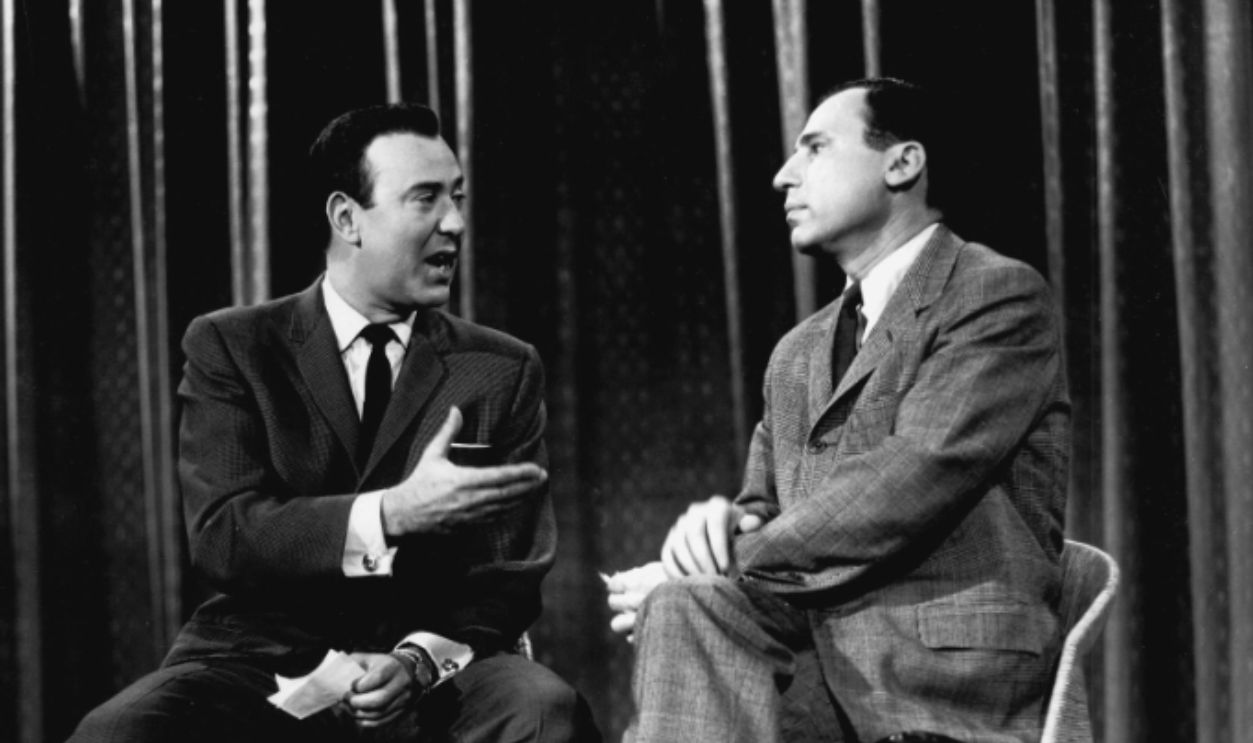 CBS Photo Archive, Getty Images
The Smothers Brothers
Tom and Dick Smothers mixed folk music, sibling arguments, and topical satire. The Smothers Brothers Comedy Hour premiered on CBS in 1967 and became one of the most controversial shows of its era. Their clean-cut image made their political edge even more surprising. Modern comedy duos with a social conscience are still following that path.
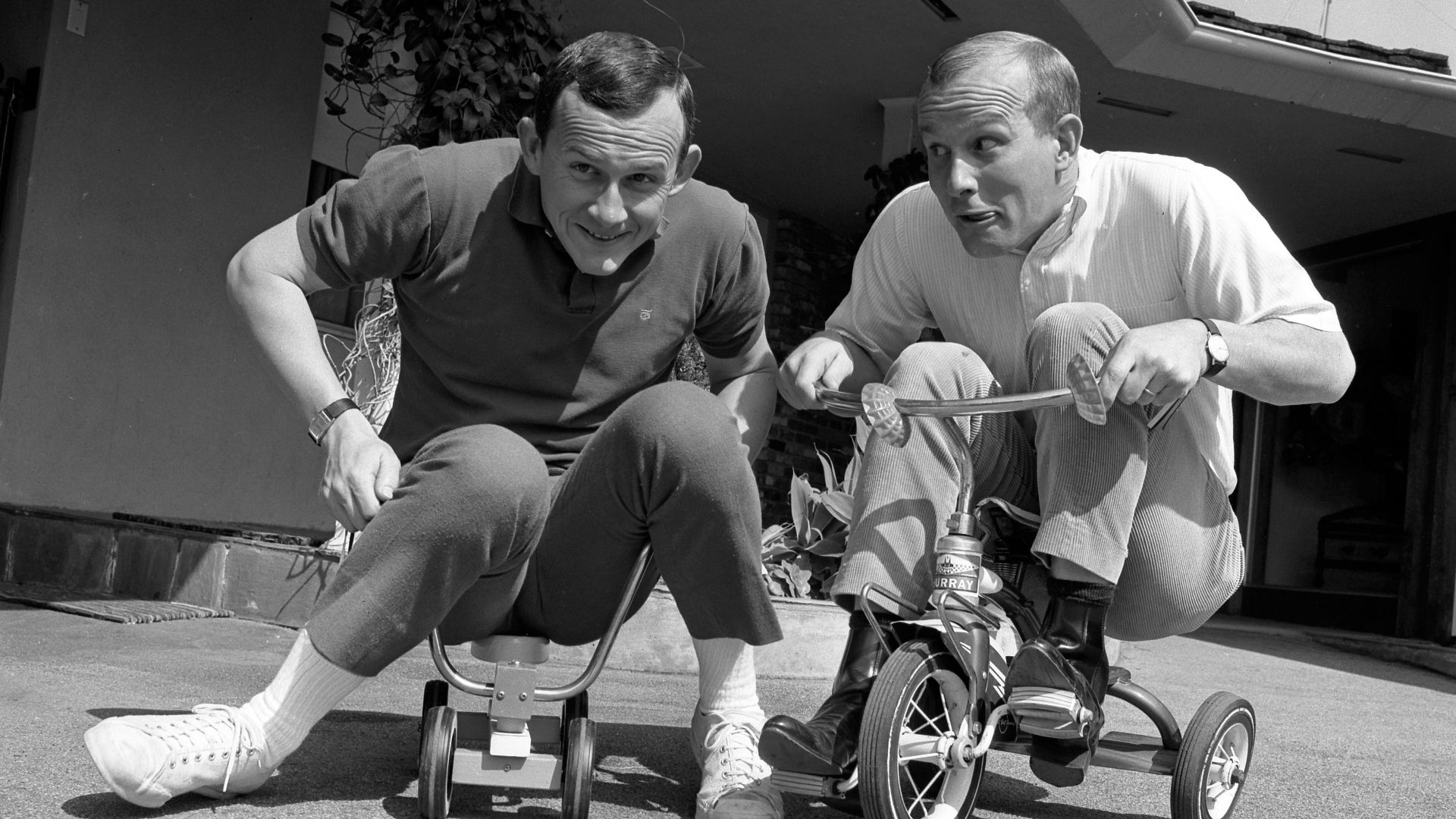 Los Angeles Times, Wikimedia Commons
Stiller And Meara
Jerry Stiller and Anne Meara turned marriage, identity, and everyday irritation into comic material. Their partnership stretched across stage, television, commercials, and later archival tributes. Their career as spanned more than five decades of creative collaboration. Their best moments felt intimate without losing the punchline.
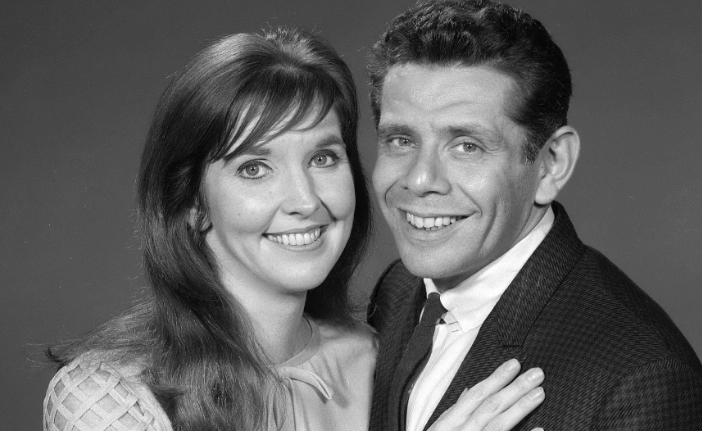 CBS Photo Archive, Getty Images
Conway And Korman
Tim Conway and Harvey Korman became a beloved pairing on The Carol Burnett Show. Conway’s deadpan silliness often pushed Korman to the edge of breaking character. Their sketches worked because Korman tried so hard to maintain control while Conway quietly destroyed it. That tension is still one of sketch comedy’s greatest pleasures.
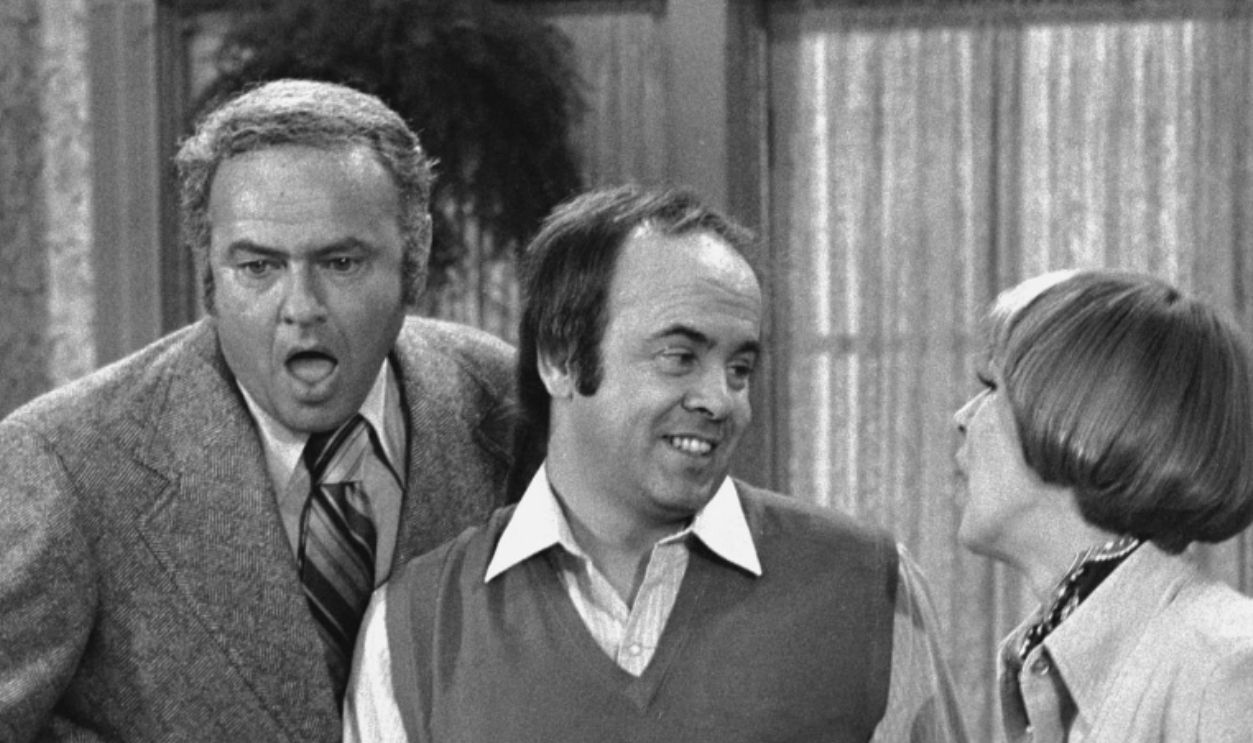 CBS Photo Archive, Getty Images
Cheech And Chong
Cheech Marin and Tommy Chong built a comedy identity rooted in 1970s counterculture. Their albums, live act, and films made them one of the most recognizable comedy duos of their generation. Six of their albums went gold and Los Cochinos won a Grammy. Their modern equivalent would need a strong cultural point of view and instantly recognizable characters.
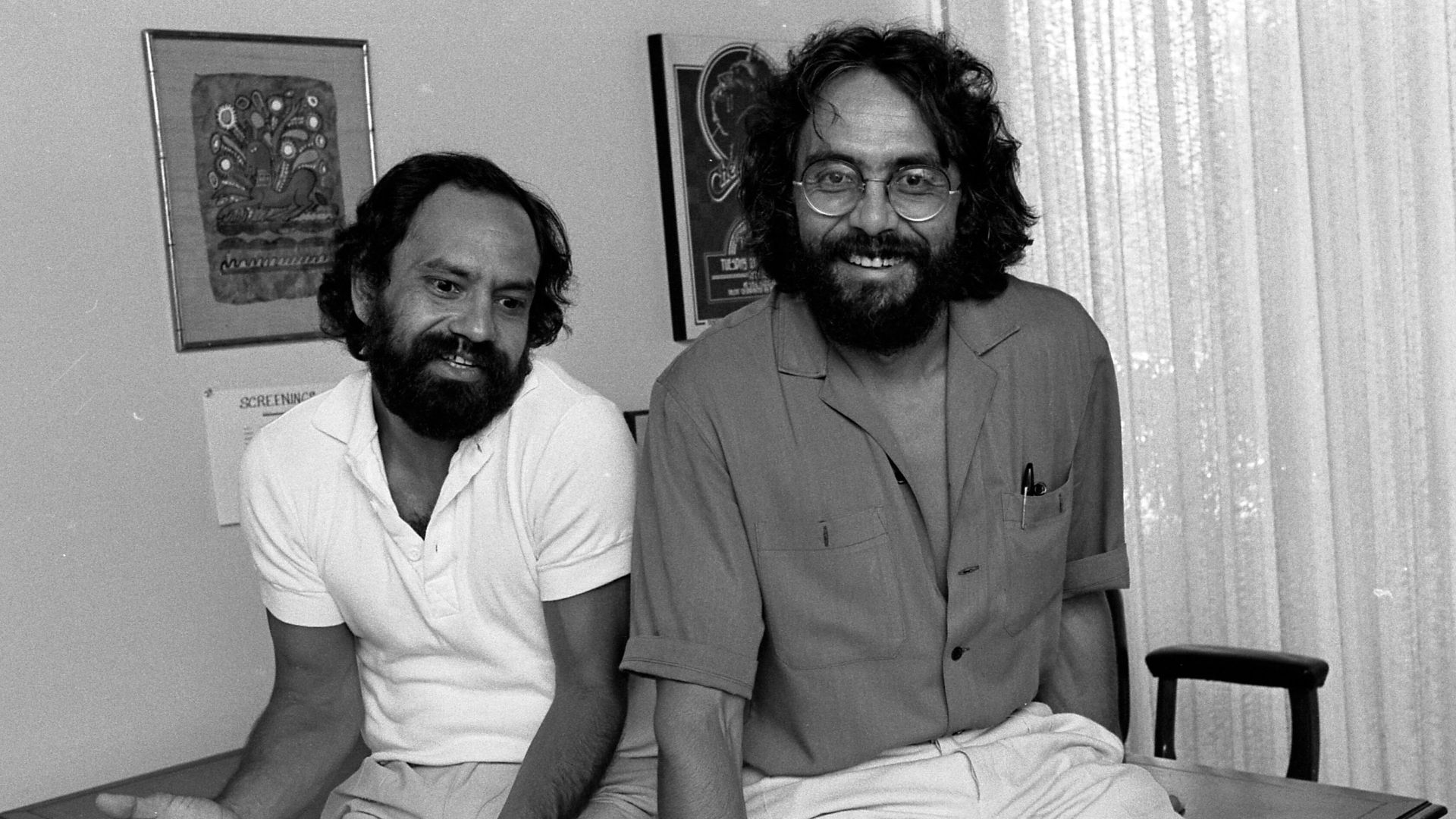 Tony Barnard, Los Angeles Times, Wikimedia Commons
Pryor And Wilder
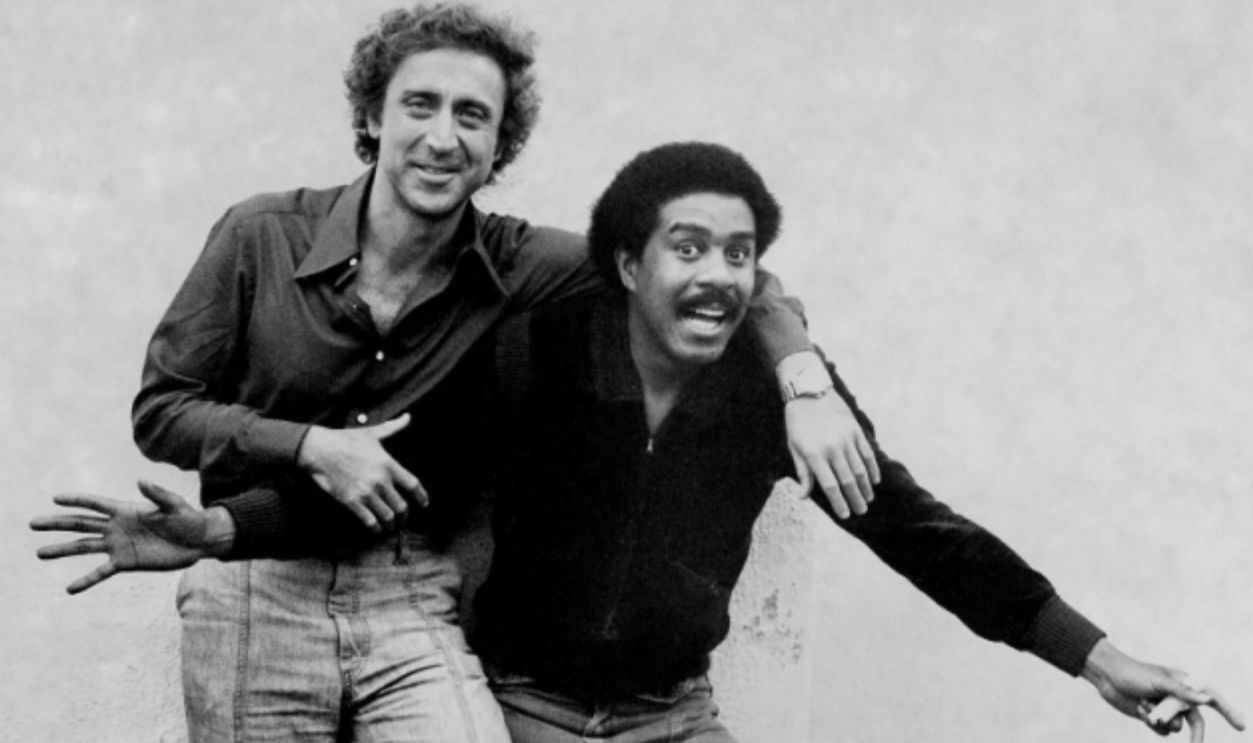
Richard Pryor and Gene Wilder were not a traditional stage duo, but their screen chemistry became legendary. Silver Streak first paired them in 1976, and Stir Crazy turned them into a major box-office pairing. Wilder’s nervous sweetness and Pryor’s sharper edge created a perfect comic imbalance. Their best scenes felt like two different comedy languages somehow translating each other.
Wayne And Shuster
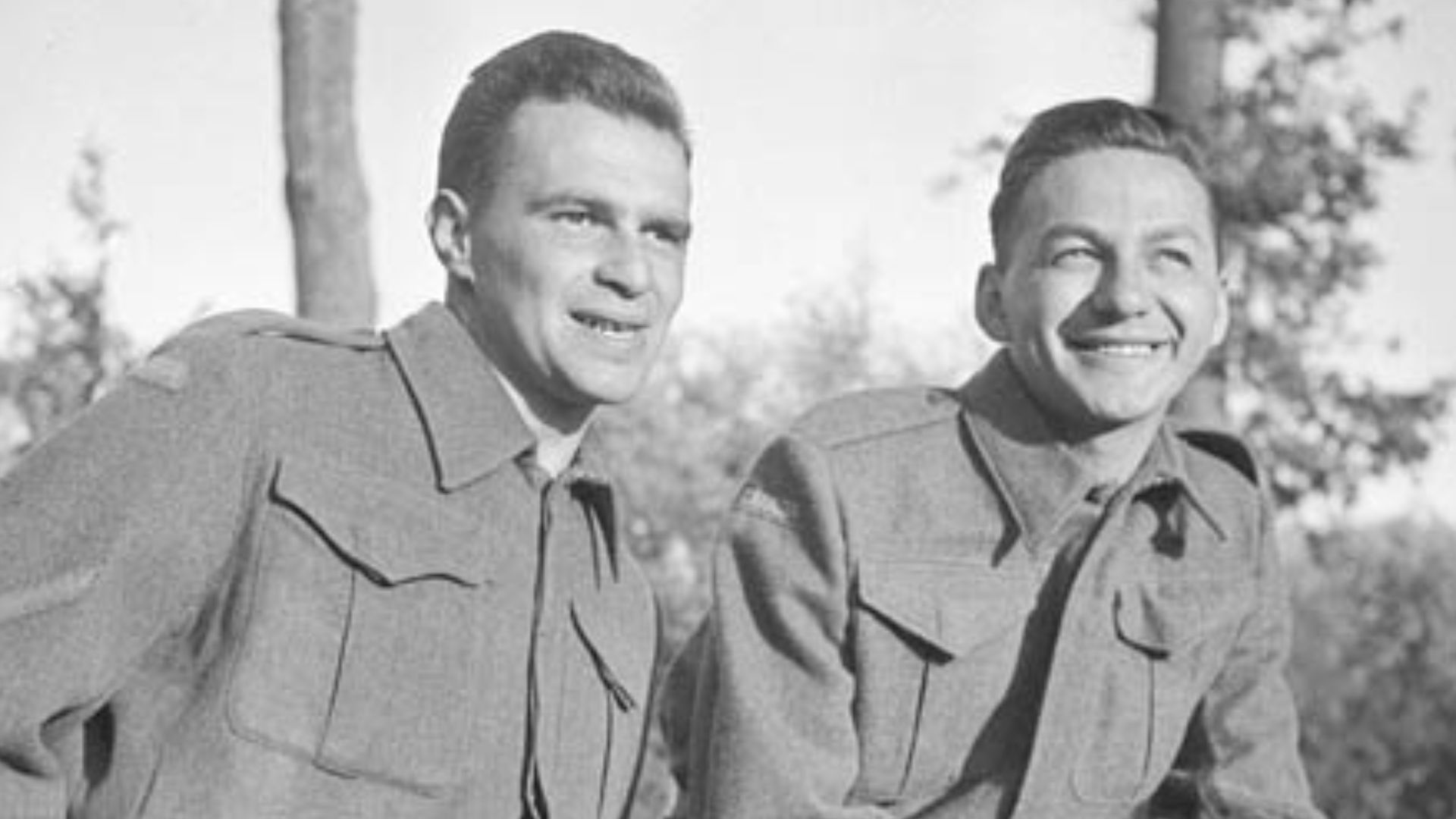
Johnny Wayne and Frank Shuster became Canadian comedy legends with major American exposure. They were especially known for literate sketches, including parodies that mixed Shakespeare, history, and pop culture. Their many appearances on The Ed Sullivan Show helped introduce their style to U.S. audiences. They proved that clever comedy could still play broadly.
Gleason And Carney
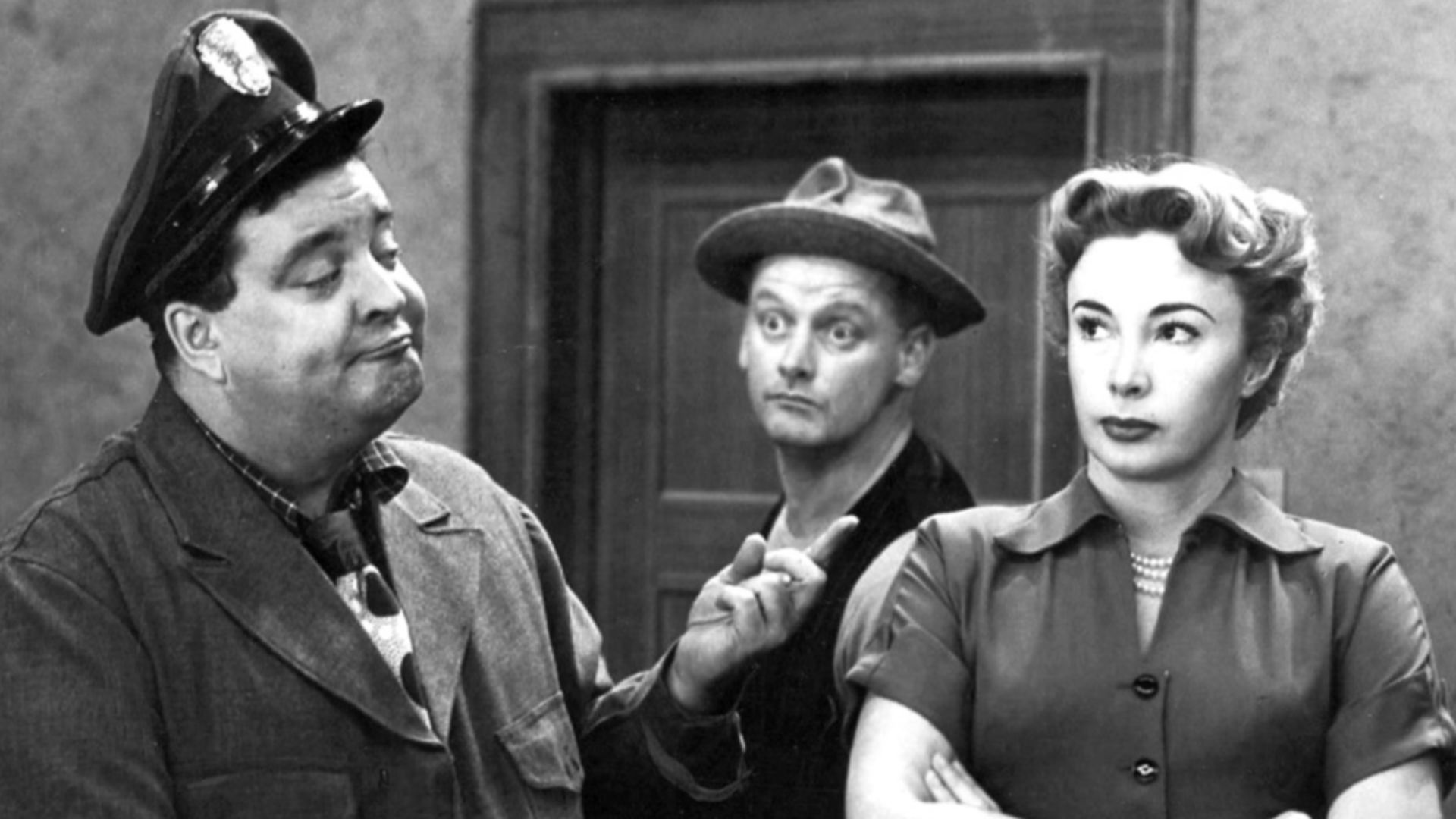
Jackie Gleason and Art Carney became one of television’s defining pairings through The Honeymooners. Gleason’s Ralph Kramden was loud, proud, and constantly overreaching. Carney’s Ed Norton was loopy, loyal, and impossible not to love. Together, they created a working-class comic friendship that influenced sitcoms for decades.
 CBS-TV Uploaded by We hope at en.wikipedia, Wikimedia Commons
Rowan And Martin
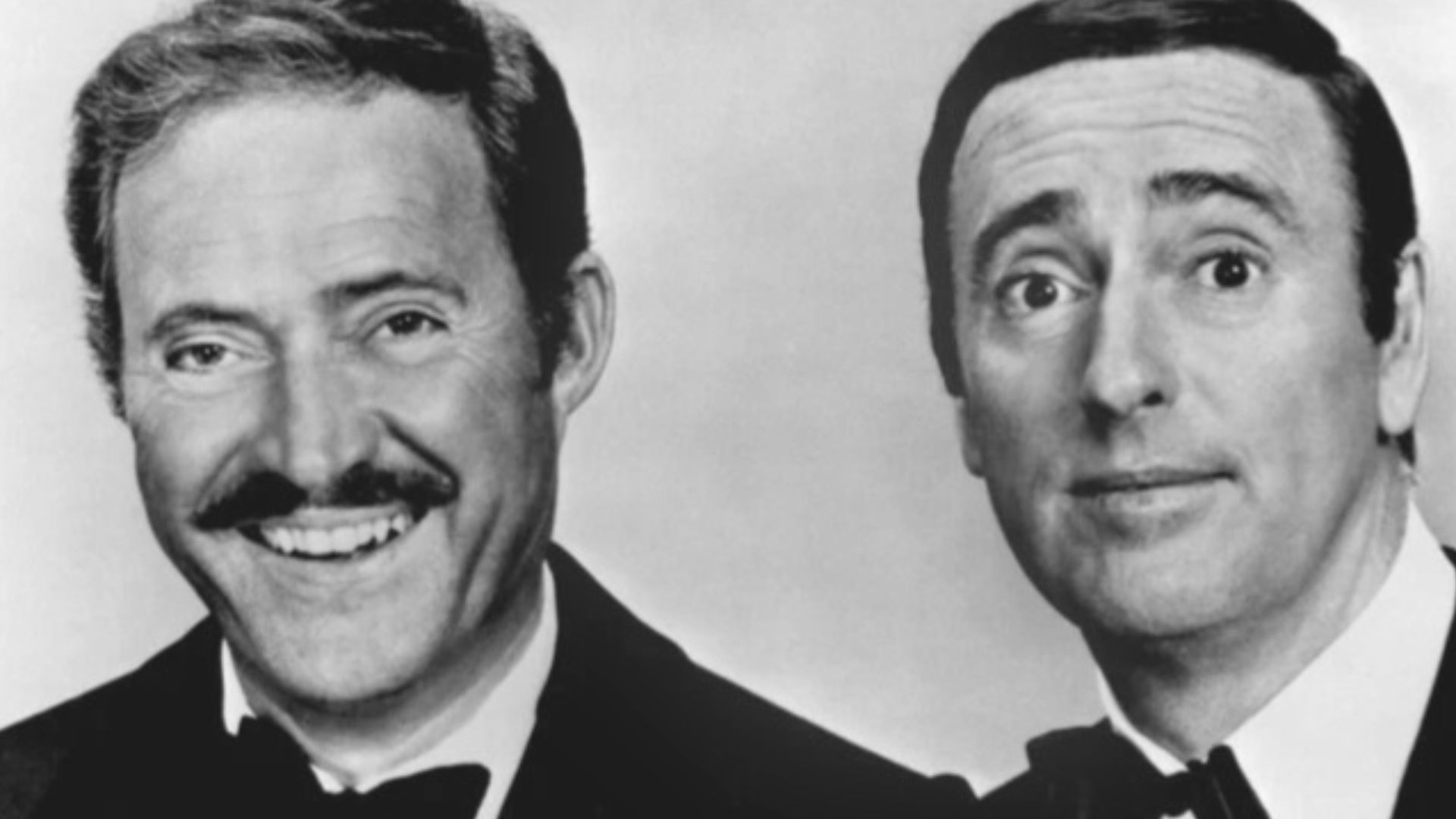
Dan Rowan and Dick Martin hosted Rowan & Martin's Laugh-In, one of the defining comedy shows of the late 1960s. Rowan played the smoother straight man while Martin leaned into goofy charm. Their partnership gave the fast-moving sketch show a recognizable center. Modern variety hosts still use that kind of contrasting anchor.
 NBC Television, Wikimedia Commons
Allen And Rossi
Marty Allen and Steve Rossi became familiar faces during the golden age of television variety. Their act paired Allen’s wild-eyed comic persona with Rossi’s smoother singer-straight-man presence. They appeared frequently on major variety programs and became part of the era’s showbiz fabric. Their style now feels like a snapshot of nightclub comedy’s television crossover.
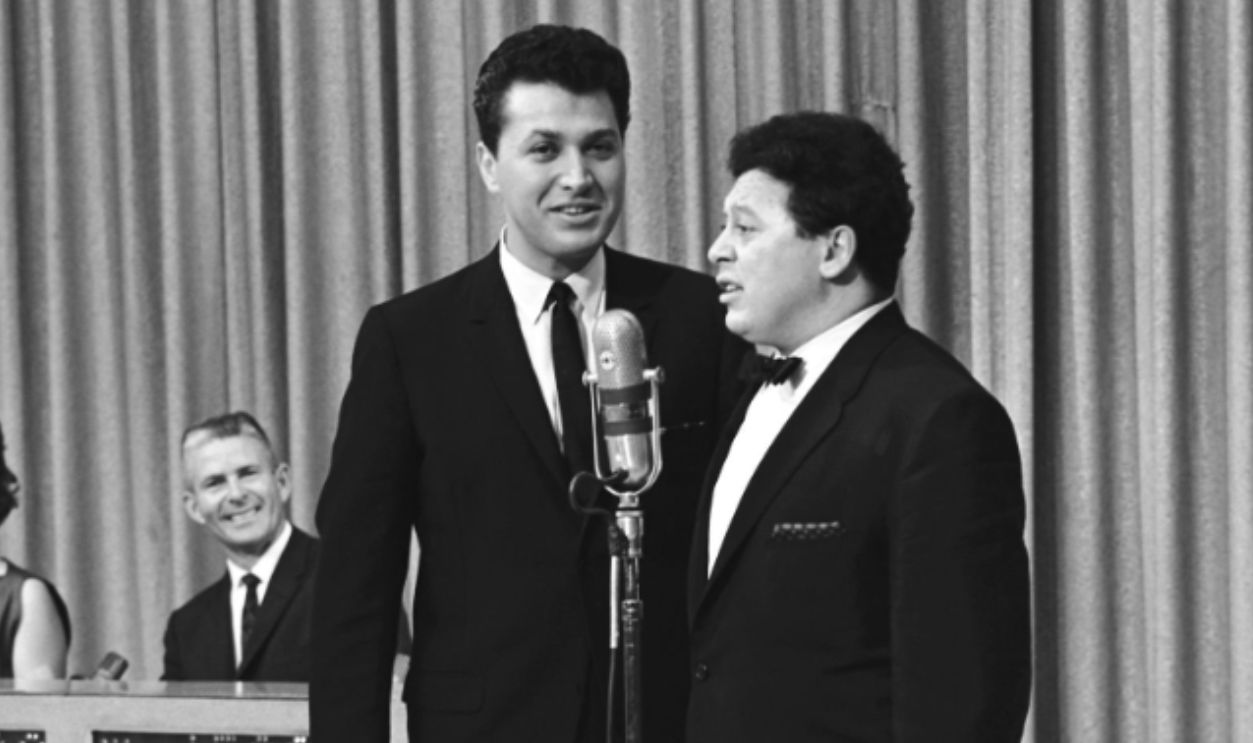
The Blues Brothers
John Belushi and Dan Aykroyd created Jake and Elwood Blues on Saturday Night Live before taking the characters to records, concerts, and film. The act worked because it treated the joke and the music with equal seriousness. Their deadpan commitment made the absurdity even funnier. Few modern duos have matched that blend of character comedy and musical credibility.
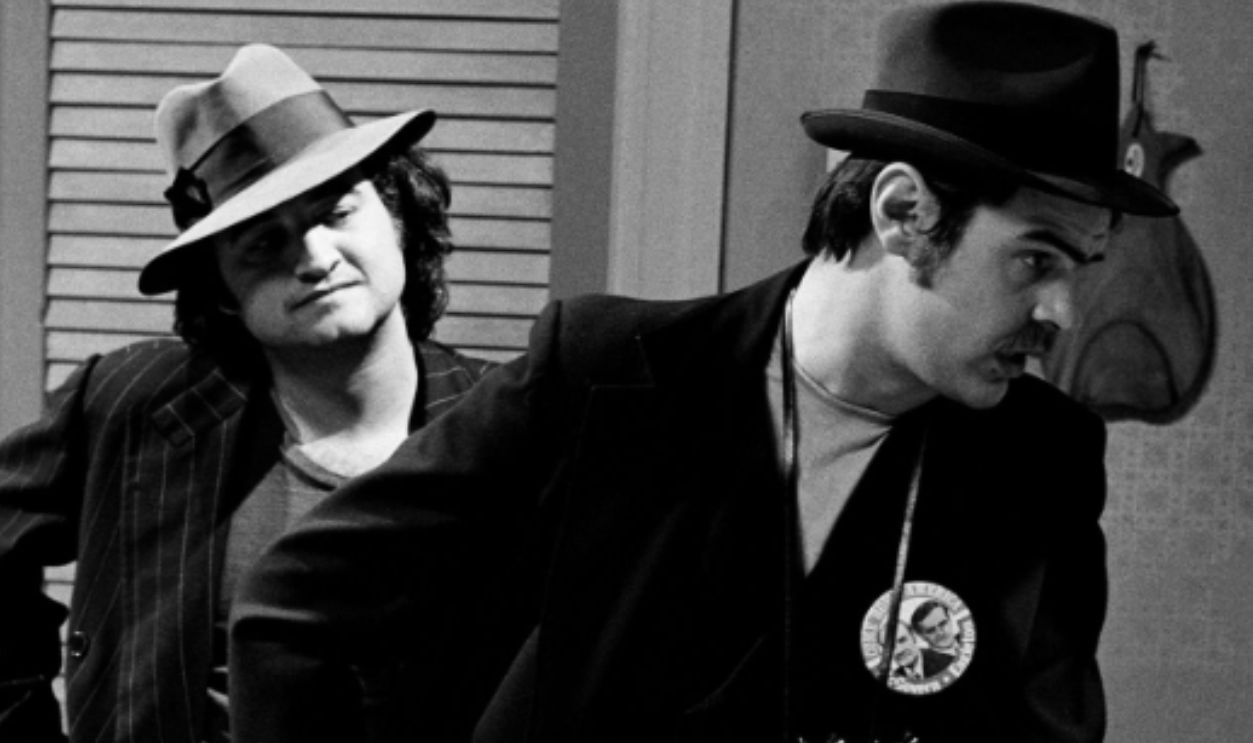
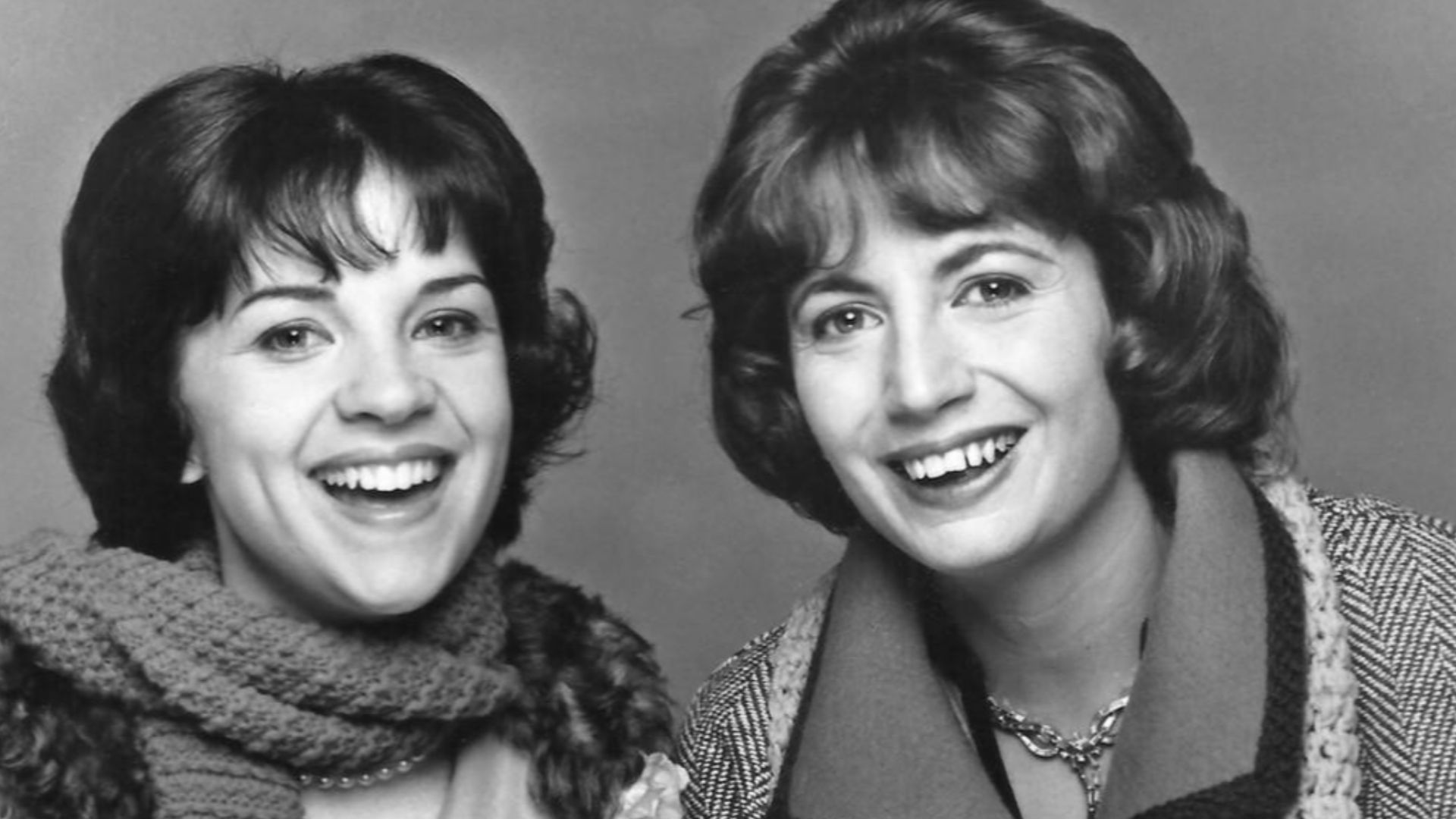
Laverne And Shirley
Penny Marshall and Cindy Williams made Laverne & Shirley one of television’s biggest sitcoms of the late 1970s. Their characters were working women, roommates, best friends, and frequent disaster magnets. Marshall’s blunt delivery paired beautifully with Williams’s sweeter comic energy. Their modern equivalent would need warmth, chaos, and a friendship viewers instantly believe.
 American Broadcasting Company (ABC), Wikimedia Commons
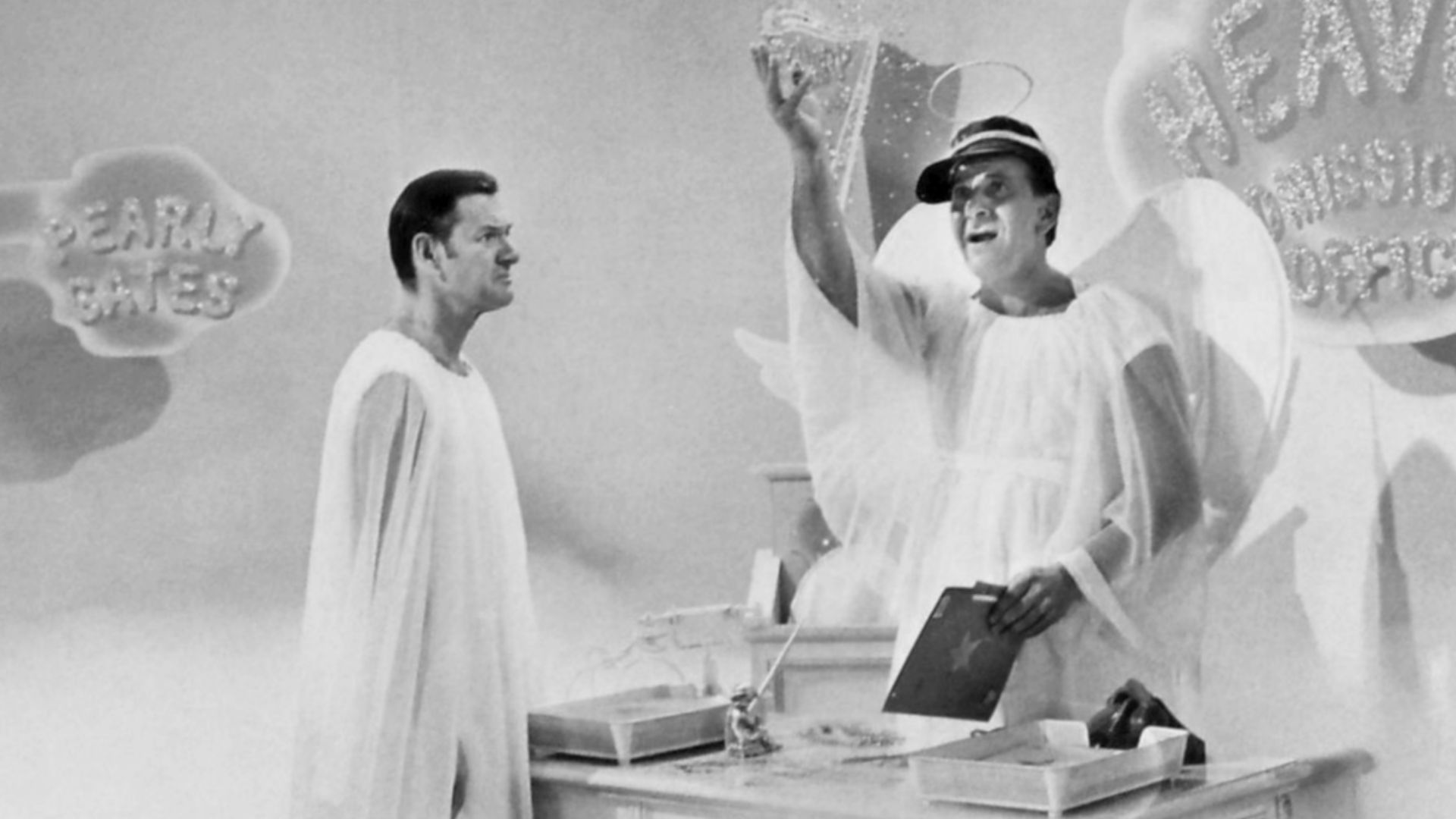
Oscar And Felix
Tony Randall and Jack Klugman brought The Odd Couple to television after Neil Simon’s play and film made the premise famous. Randall’s fussy Felix and Klugman’s messy Oscar gave sitcoms one of their cleanest comic engines. The joke was always simple, but the performances kept it fresh. Every mismatched-roommate comedy owes them something.
 ABC Television, Wikimedia Commons
Rob And Laura
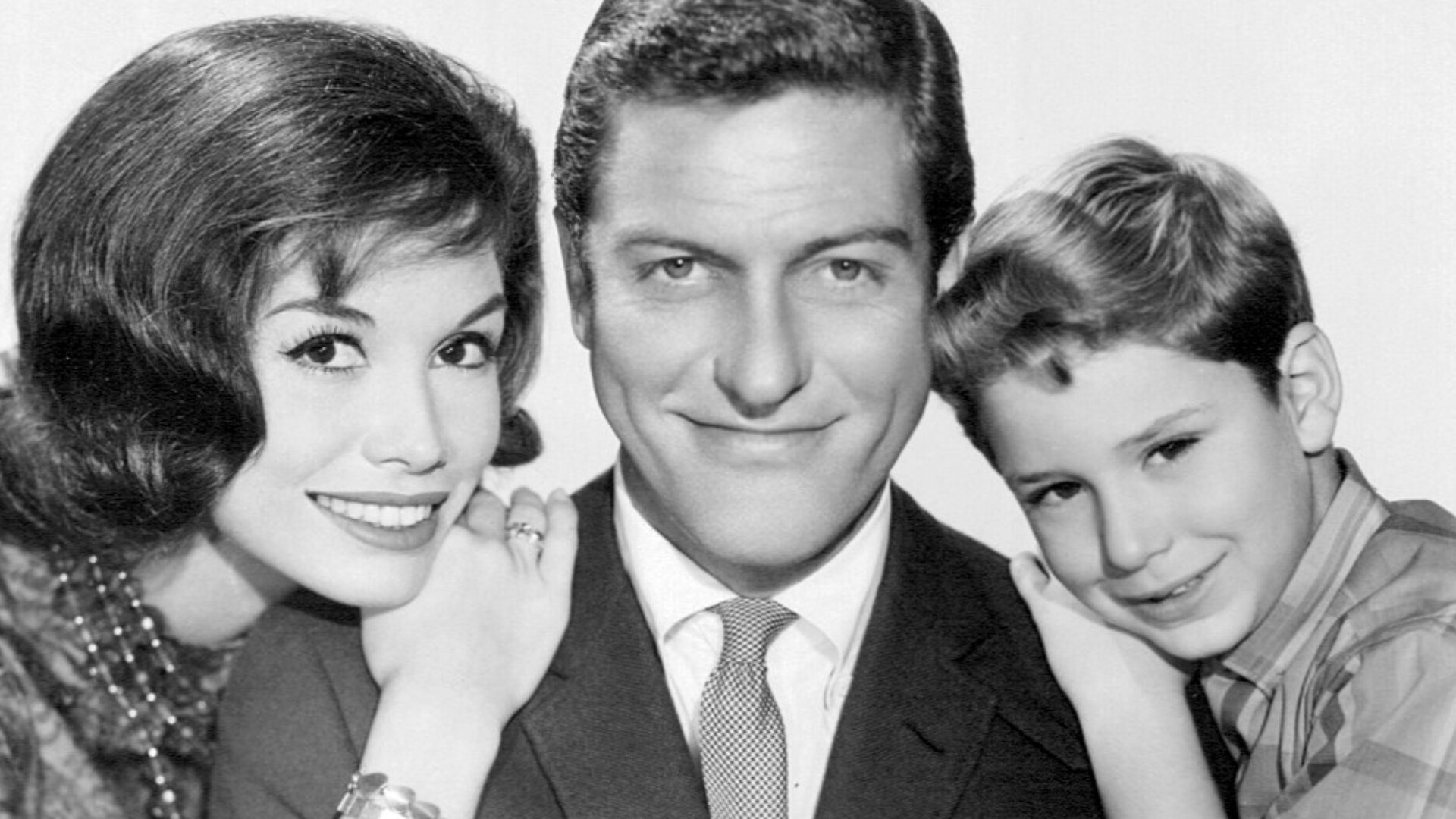
Dick Van Dyke and Mary Tyler Moore were not a touring comedy duo, but their sitcom partnership became iconic. On The Dick Van Dyke Show, Rob and Laura Petrie felt stylish, playful, and unusually believable for early 1960s television. Their scenes mixed physical comedy, romantic timing, and genuine affection. They helped shape the modern TV couple.
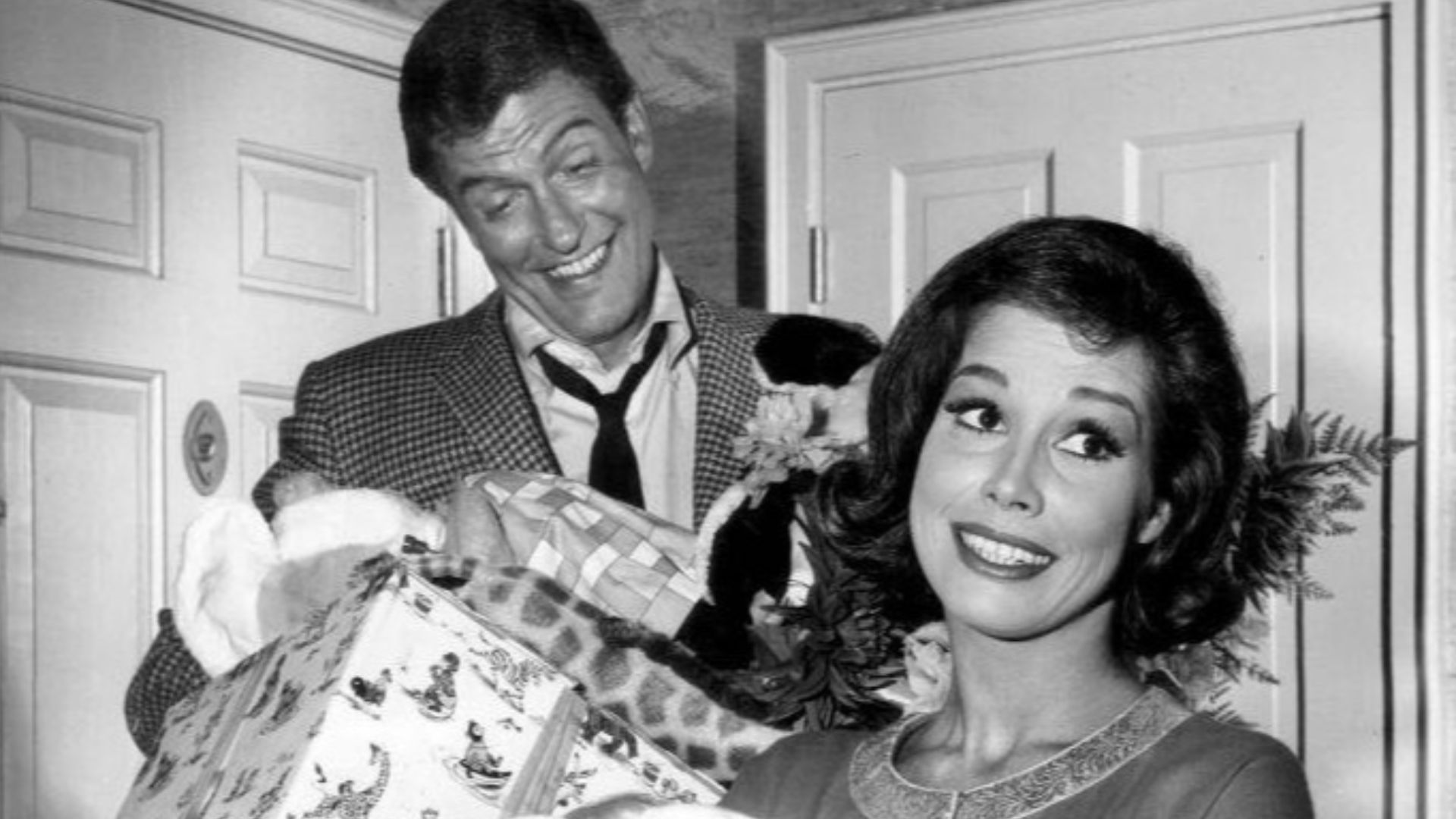 CBS Television, Wikimedia Commons
Fred And Barney
Fred Flintstone and Barney Rubble brought classic buddy-comedy rhythms into animation. The Flintstones borrowed from sitcom traditions but gave them a Stone Age twist. Fred’s bluster and Barney’s gentler nature made the friendship easy to understand. Their dynamic shows how durable the classic duo formula can be.
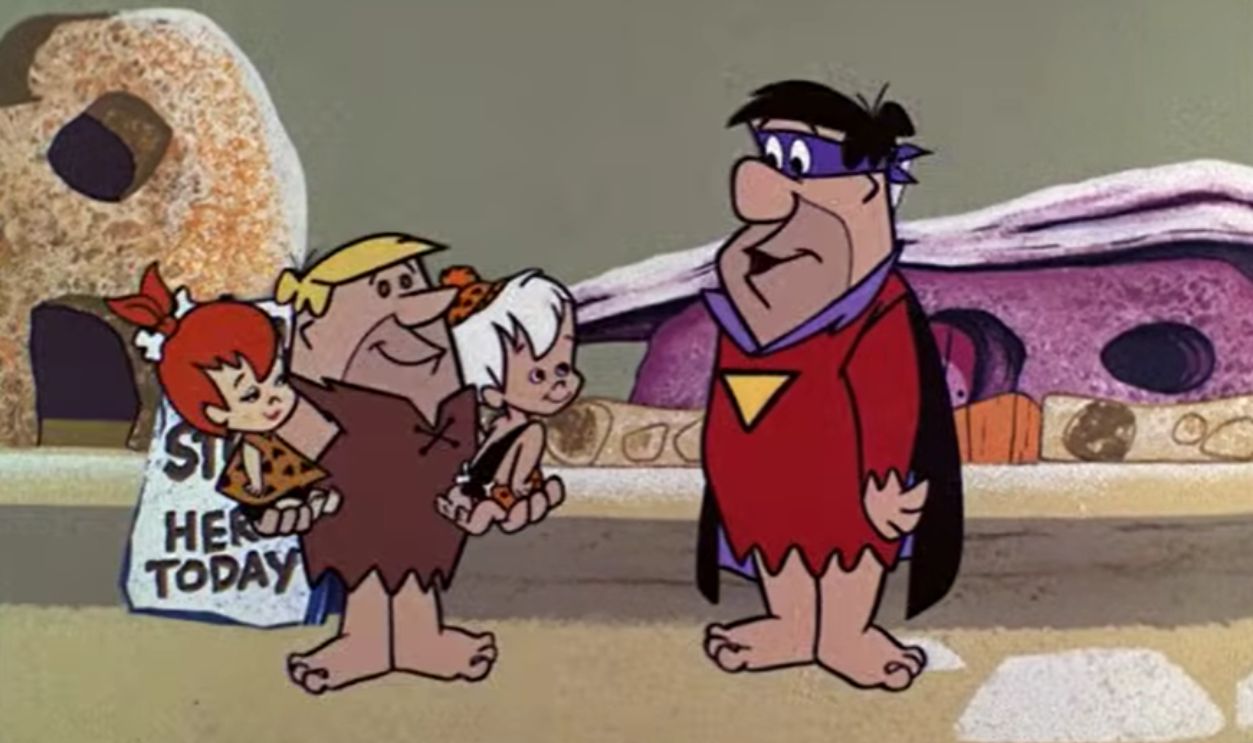 Screenshot from The Flintstones, Screen Gems (1960-1966)
Bert And Ernie
Bert and Ernie became one of Sesame Street’s most recognizable pairings. Their humor comes from a simple contrast between Bert’s orderliness and Ernie’s playful mischief. The routines are built for children, but the timing is pure classic double act. That is why adults still recognize the rhythm immediately.
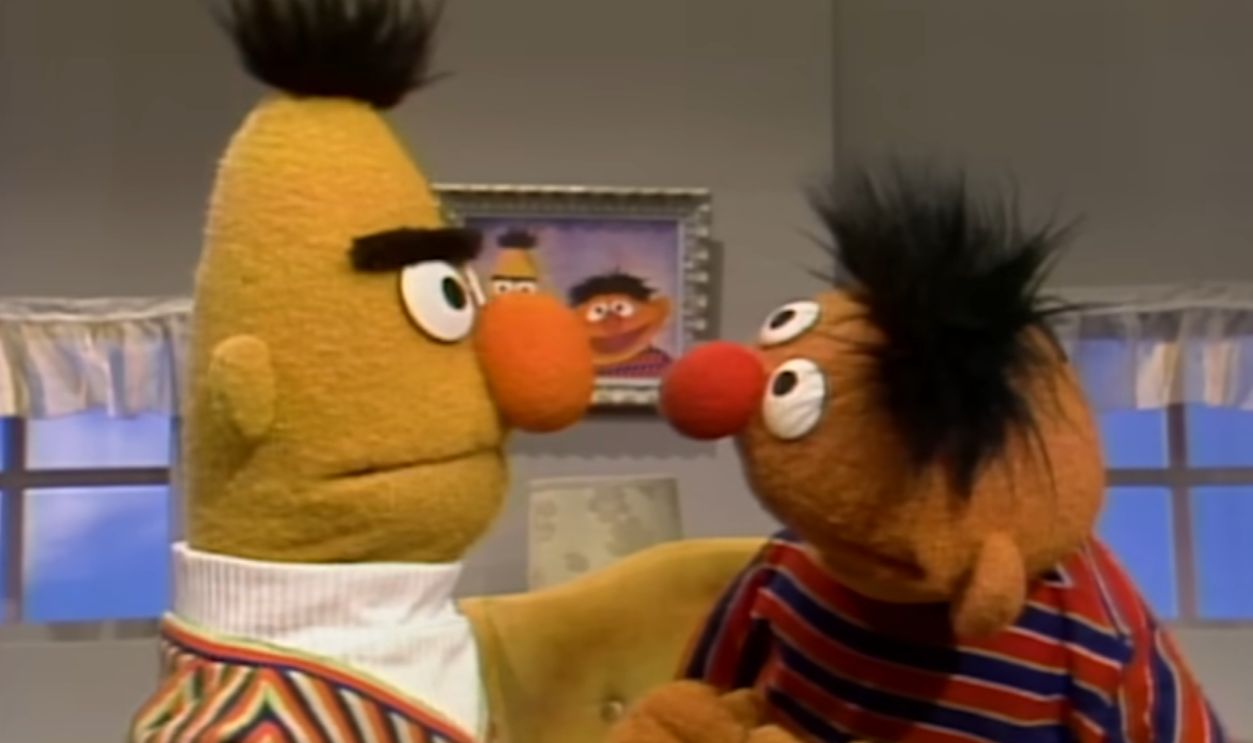 Screenshot from Sesame Street, Public Broadcasting Service (1969- Present)
Penn And Teller
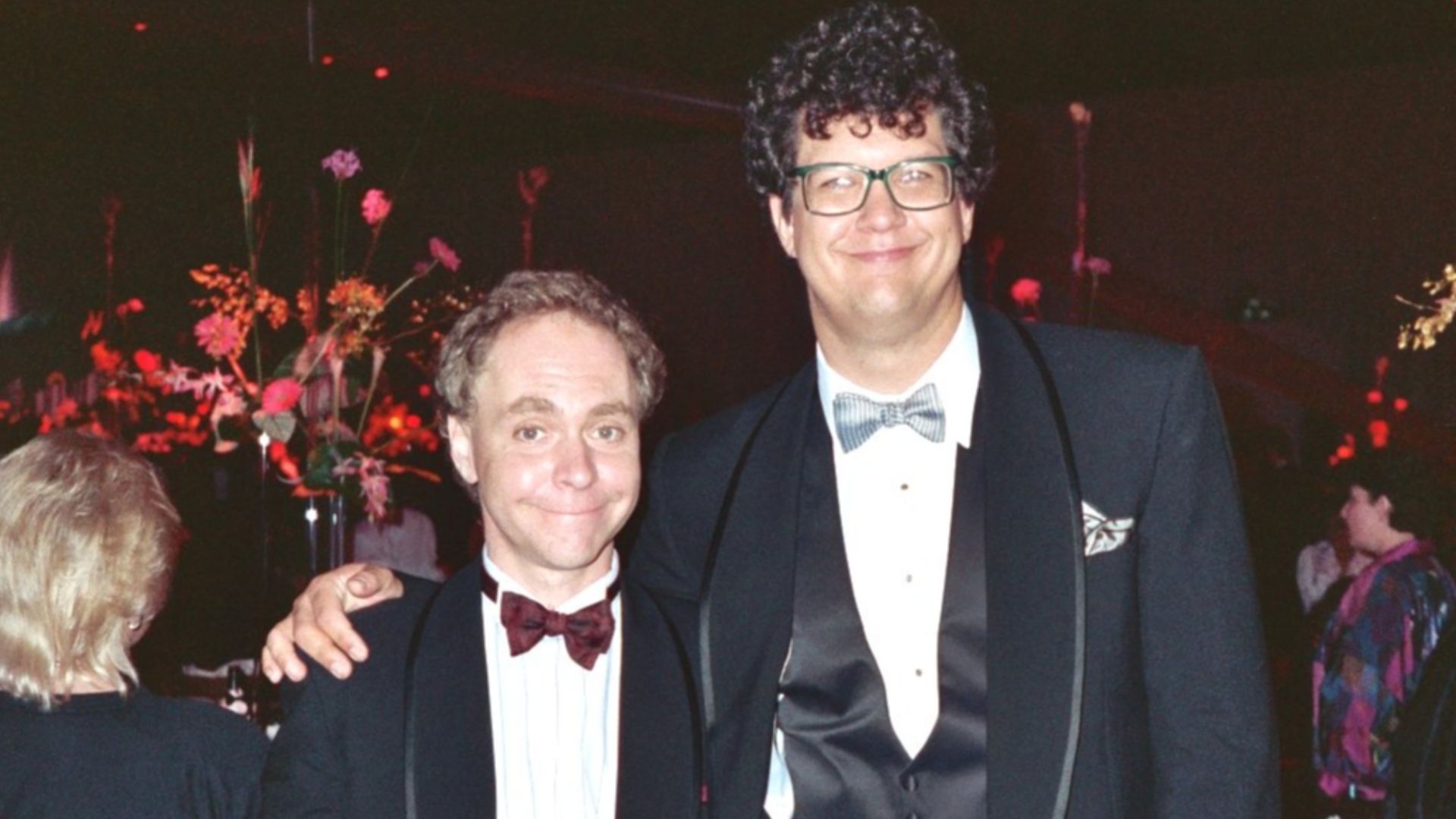
Penn Jillette and Teller built a magic-comedy partnership around contrast. Penn talks, explains, argues, and challenges the audience, while Teller’s silence becomes its own comic force. Their act has lasted for decades because the roles are so clearly defined. They are proof that a duo does not need equal dialogue to feel balanced.
Bob And Doug
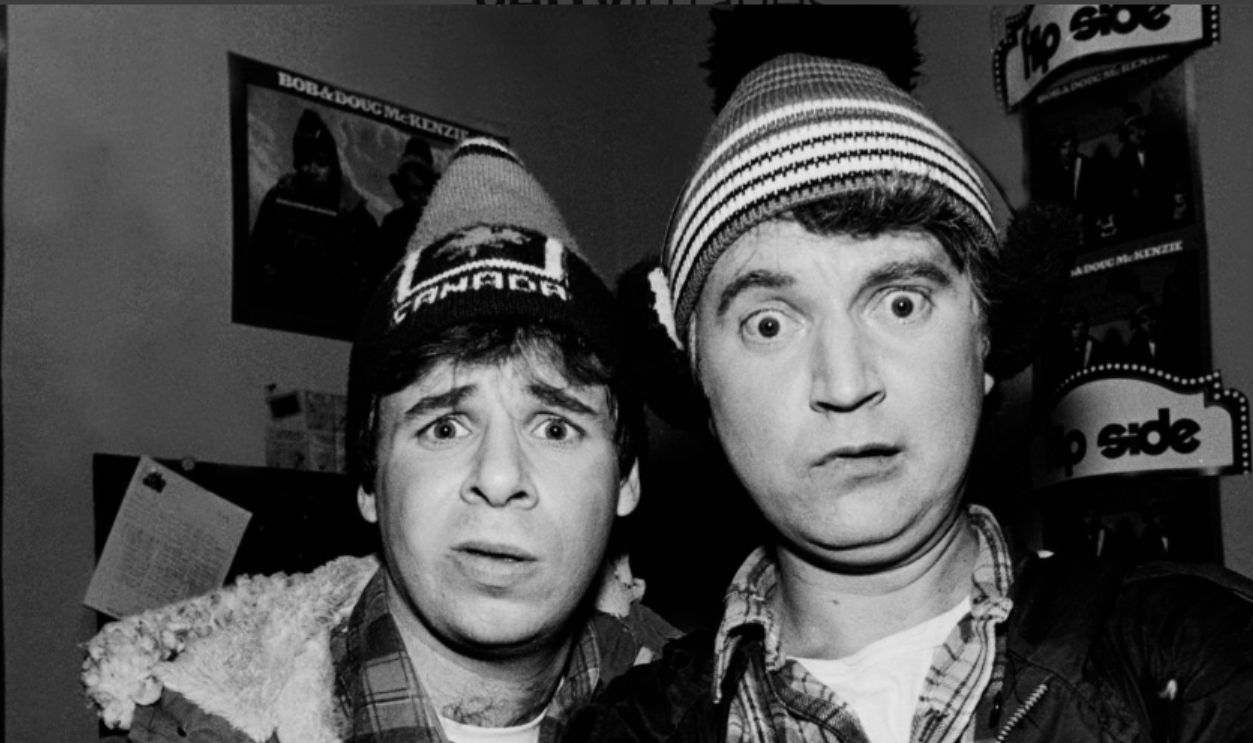
Rick Moranis and Dave Thomas created Bob and Doug McKenzie for SCTV, where the characters quickly became breakout stars. Their success led to hit comedy albums and the film Strange Brew. Their easy chemistry and memorable catchphrases made them one of North America's best-known comedy duos.
Martin And Short
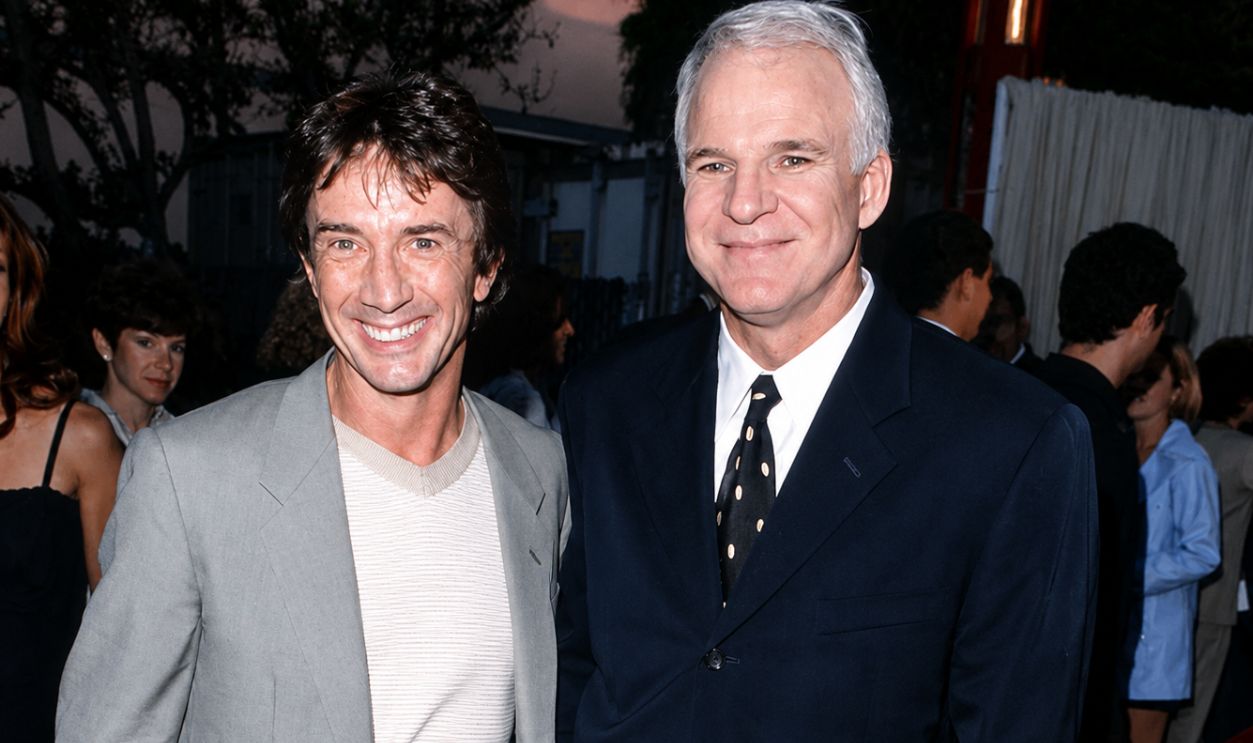
Steve Martin and Martin Short first became a beloved comedy pairing through films like Three Amigos! and Father of the Bride, before taking their chemistry to live tours, television specials, and Only Murders in the Building. Martin's dry wit pairs perfectly with Short's energetic style. They prove that the classic comedy duo is still going strong.
Classic Duos Never Really Go Away
The names change, but the formula survives because audiences love contrast. One person pushes, the other resists. One spirals, the other reacts. Whether it is old Hollywood, network sitcoms, sketch comedy, or streaming, the best duos still make viewers feel like they are watching lightning pass back and forth.
 CBS Television, Wikimedia Commons
You May Also Like:
Whose fault was Frank Sinatra and Ava Gardner's messy divorce?
Nobody Said No To Frank Sinatra…Except Dean Martin
How Ernest Borgnine Built One of Hollywood's Longest Careers