More Than Ward Cleaver
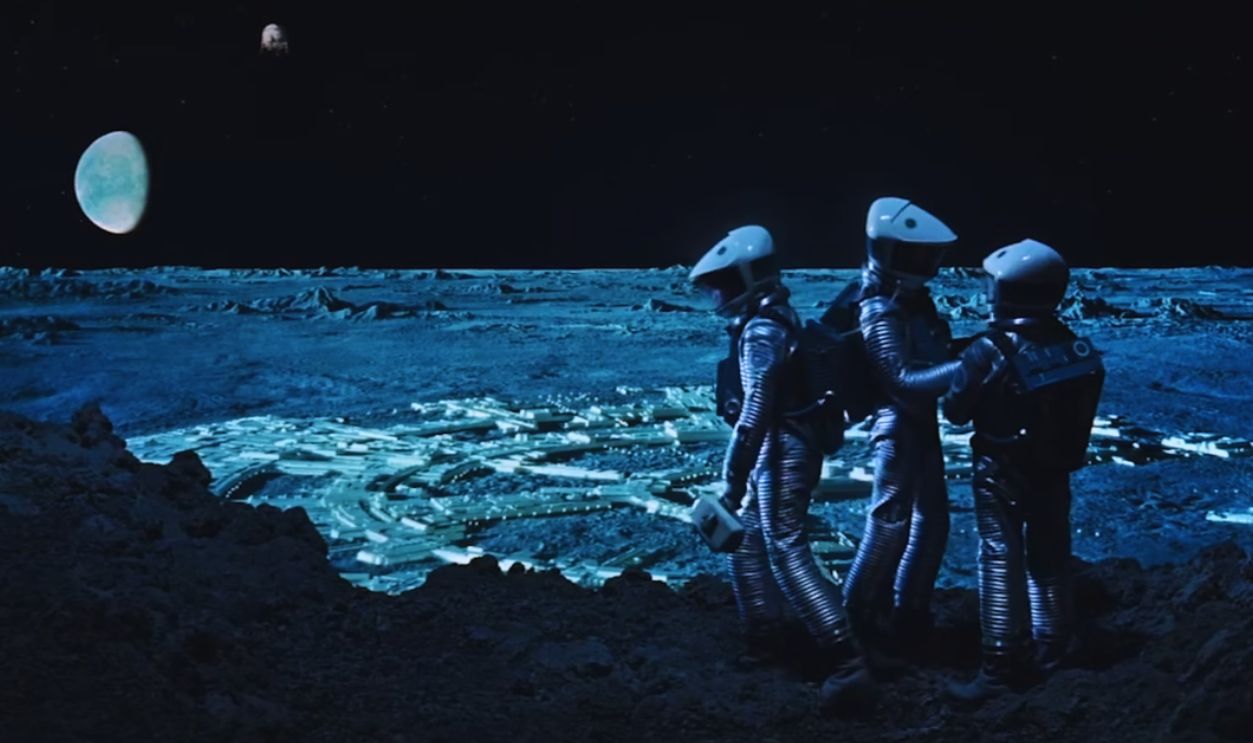
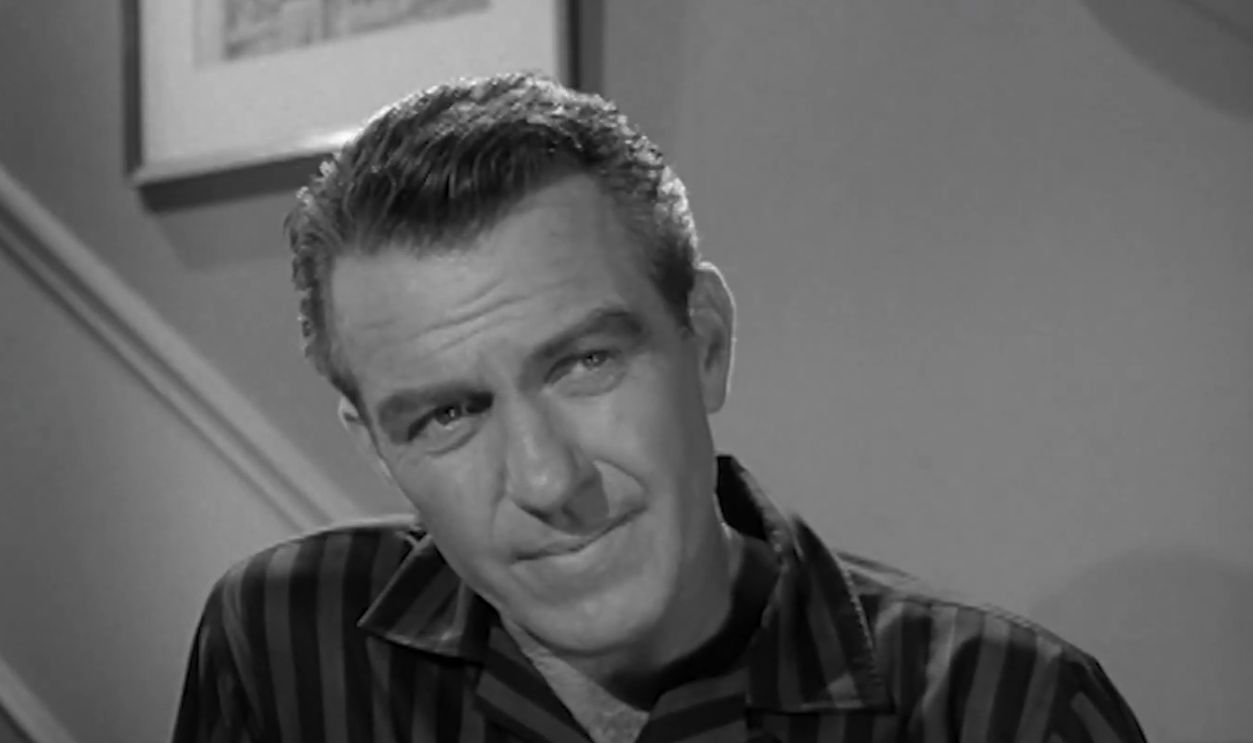
Hugh Beaumont became one of television's defining fathers as patient, principled Ward Cleaver on Leave It to Beaver. Yet his remarkable life and career also included film noir, movie roles as hard-boiled gumshoe detectives, science fiction, writing, stints behind the camera as a director, family tragedy, and an eventual retreat from Hollywood to the lakes and forests of rural Minnesota. But let's rewind the clock back to 1910 and start the Hugh Beaumont story at the beginning.
Always On The Move
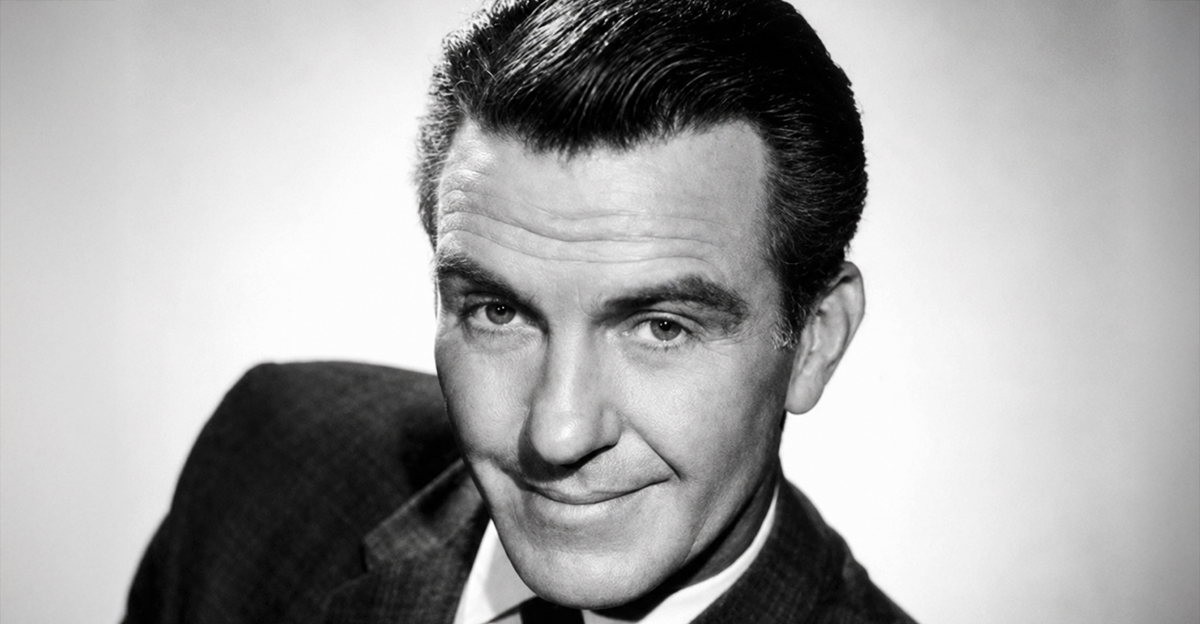
Eugene Hugh Beaumont was born February 16, 1910, in Lawrence, Kansas, to Ethel Adaline Whitney and traveling salesman Edward H. Beaumont. His father's work kept the family moving frequently, giving the future embodiment of settled suburban fatherhood an upbringing considerably less rooted than Ward Cleaver's comfortable Mayfield existence.
Football And Theology
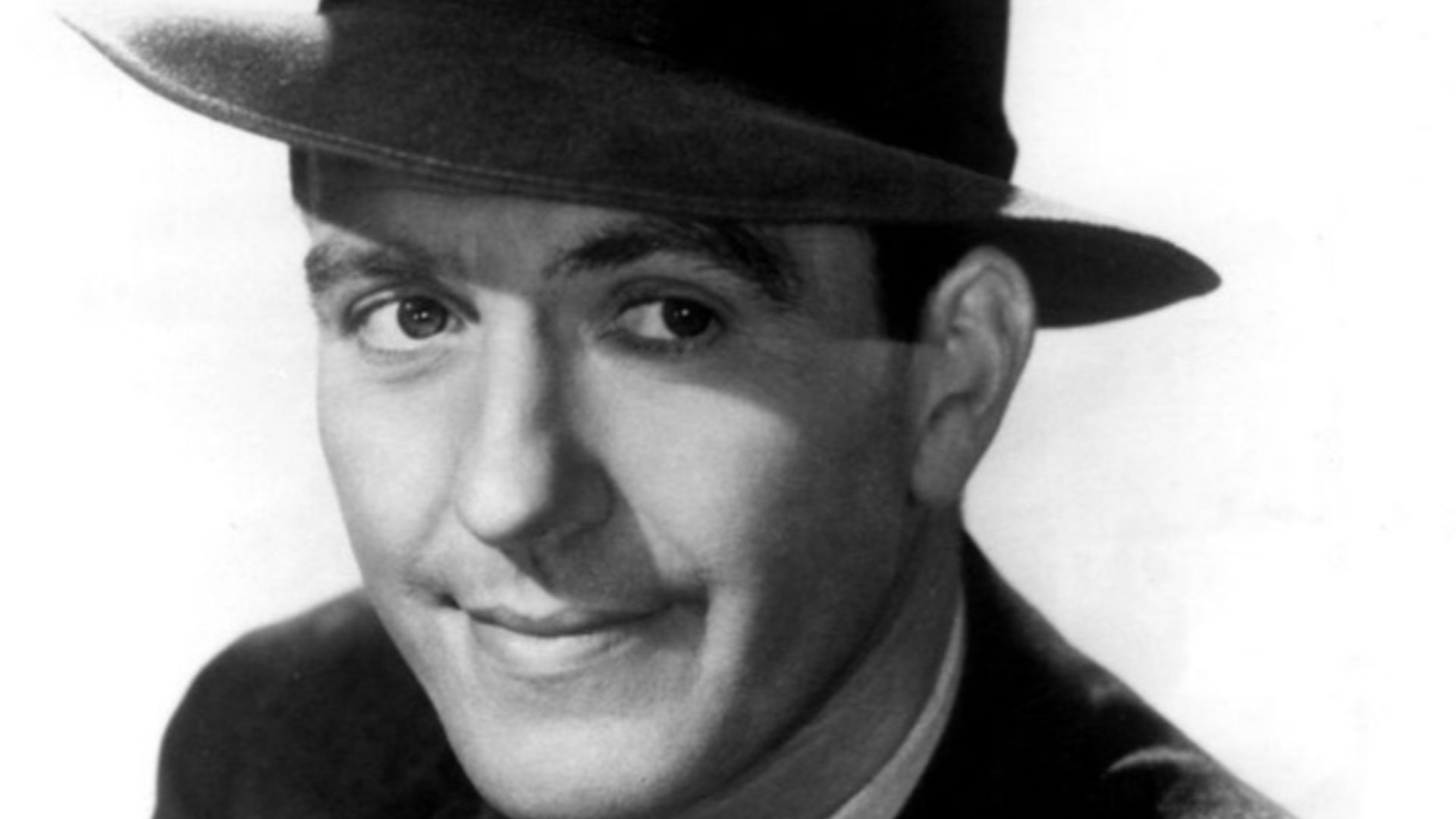
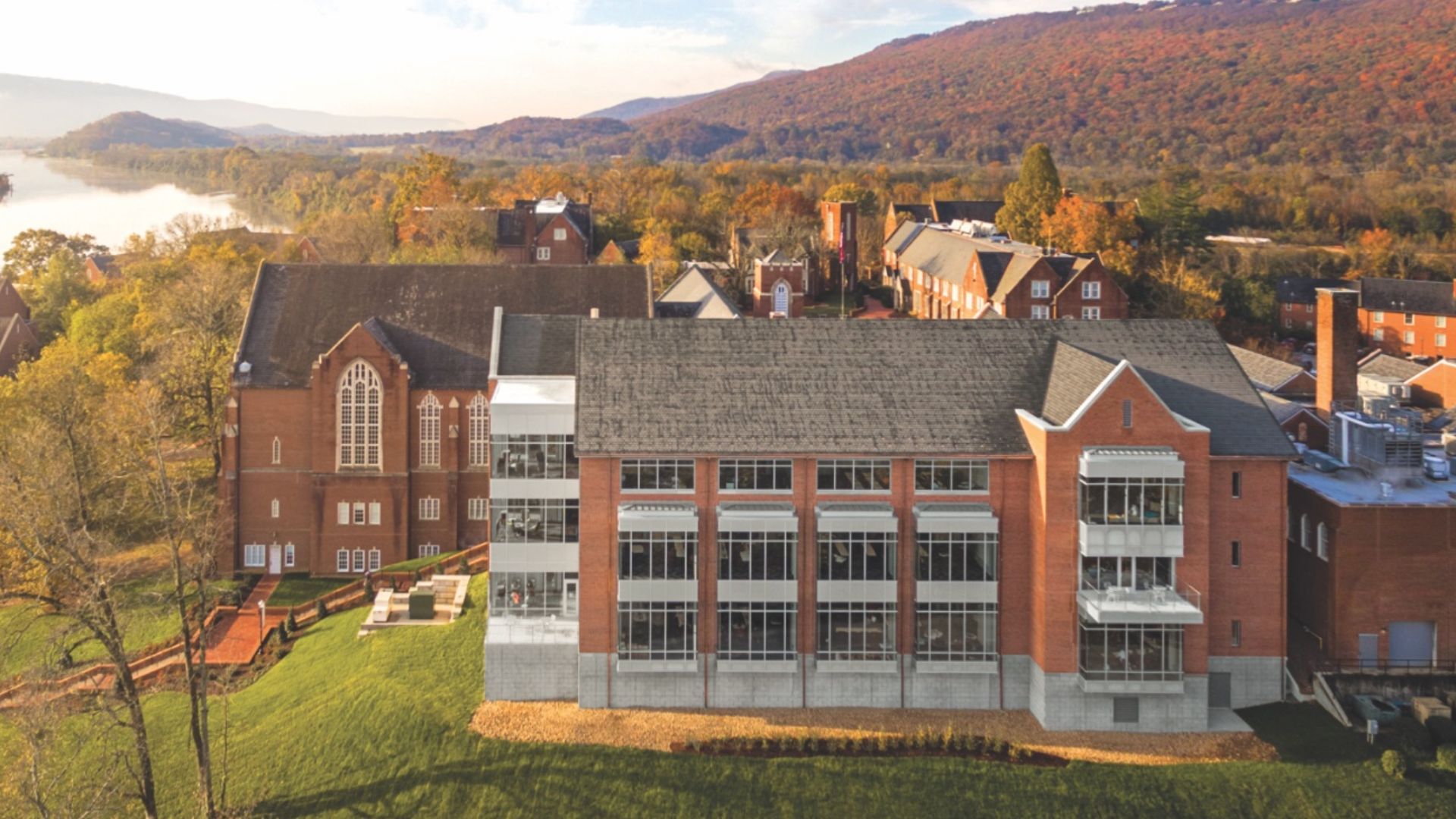
After graduating from the Baylor School in Chattanooga, Tennessee, Beaumont attended the University of Chattanooga, where he played football. He later studied at the University of Southern California, eventually earning a master's degree in theology in 1946. Religion would remain important throughout his adult life.
Learning To Perform
Beaumont entered show business long before television made him famous. Beginning in 1931, he performed in theaters, nightclubs, and radio, gradually learning his craft wherever work appeared. By 1940, he was appearing in motion pictures, initially accumulating the tiny and frequently uncredited parts familiar to struggling Hollywood actors. But even though these roles were uncredited, they were still a big deal for an actor just starting out.
 Screenshot from Leave It to Beaver, CBS (1957–1963)
Marriage And Family
In 1941, Beaumont married actress Kathryn Adams, who had appeared in movies alongside performers including Ginger Rogers. Adams largely withdrew from acting as their family grew. The couple eventually had three children, Hunter, Mark, and Kristy, making Beaumont a real-life father years before television transformed him into America's idealized one.
![Publicity photo of Kathryn Adams from Who's Who on the Screen [1]](https://www.factinate.com/storage/app/media/theshot/2026/8/27/1787840106b2bcd511032818863b98f5a66459bb765471f1bb.jpg) Unknown authorUnknown author, Wikimedia Commons
Unknown authorUnknown author, Wikimedia Commons
War And Conscience
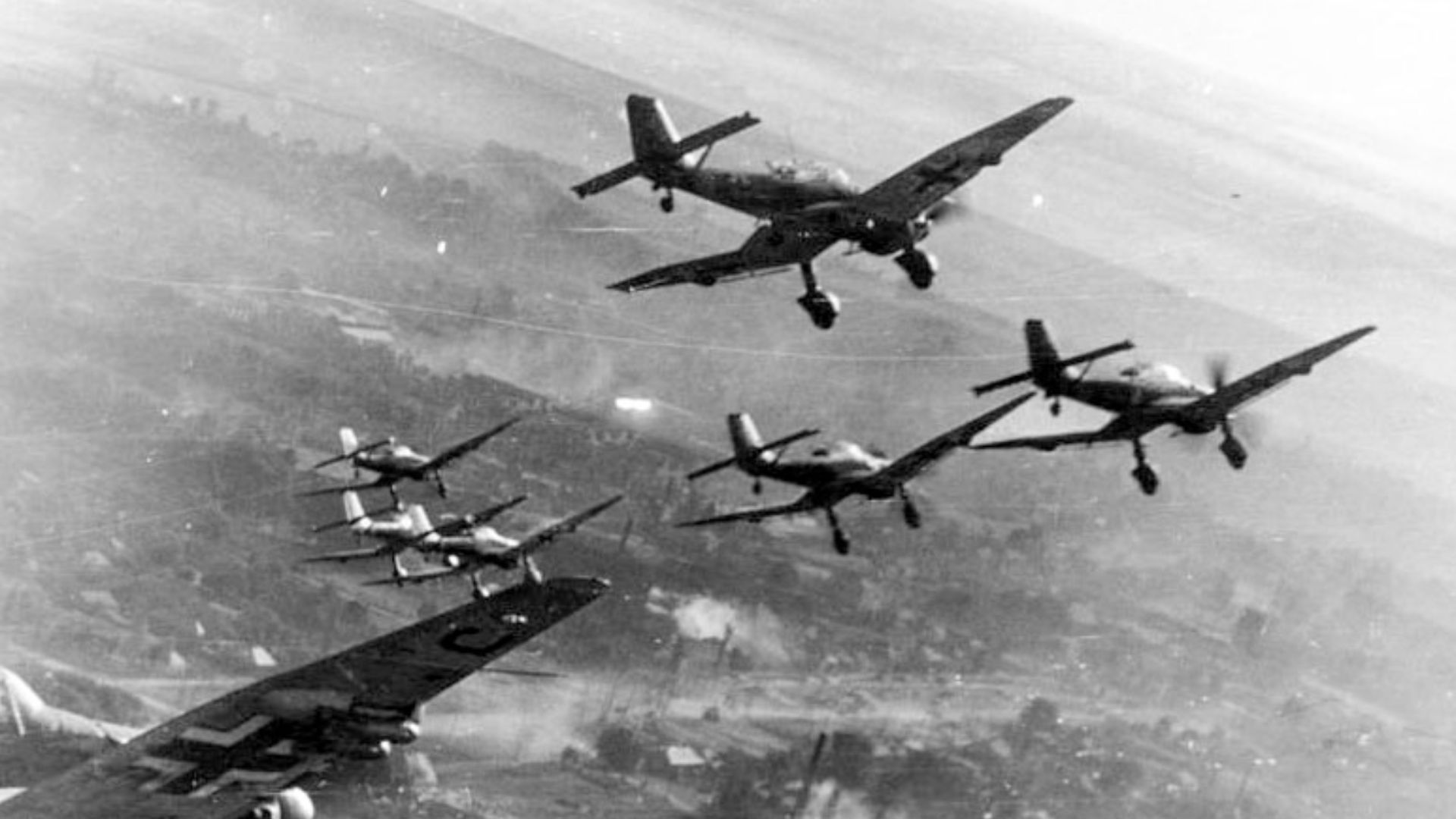
During World War II, Beaumont registered as a conscientious objector, reflecting the religious convictions that would remain important throughout his life. The decision reflected principles that later informed his ministerial work and fit surprisingly well with the calm moral authority audiences eventually associated with Ward Cleaver.
 Richard Opitz, Wikimedia Commons
A Busy Character Actor
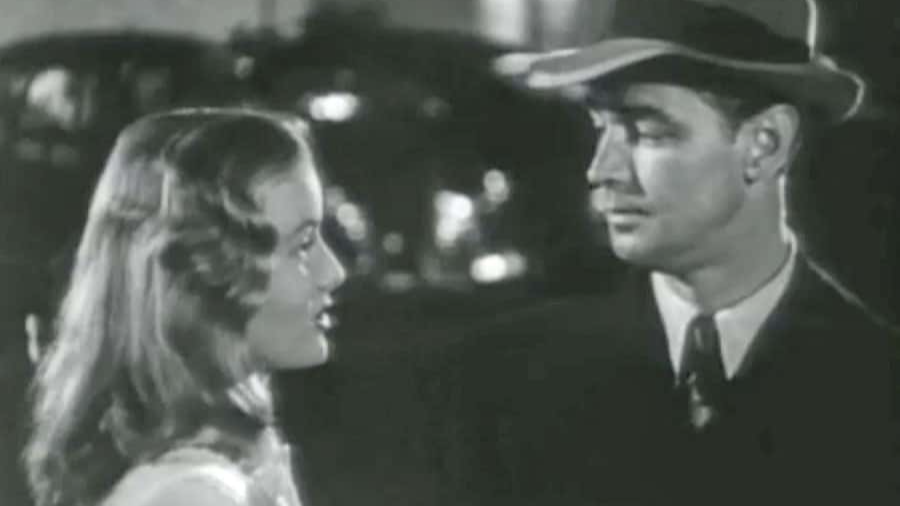
Beaumont spent the early 1940s building an extraordinarily varied résumé. His credits included The Seventh Victim (1943), The Fallen Sparrow (1943), and numerous smaller appearances. He also worked repeatedly with William Bendix before appearing alongside Bendix and Alan Ladd in George Marshall's film noir The Blue Dahlia (1946).
Becoming Michael Shayne
Beaumont received an unusual opportunity in 1946 when he succeeded Lloyd Nolan as private detective Michael Shayne. Based on the character created by Brett Halliday, Beaumont starred in five low-budget mysteries, beginning with Murder Is My Business (1946) and continuing through 1947, giving him a rare run as a movie leading man.
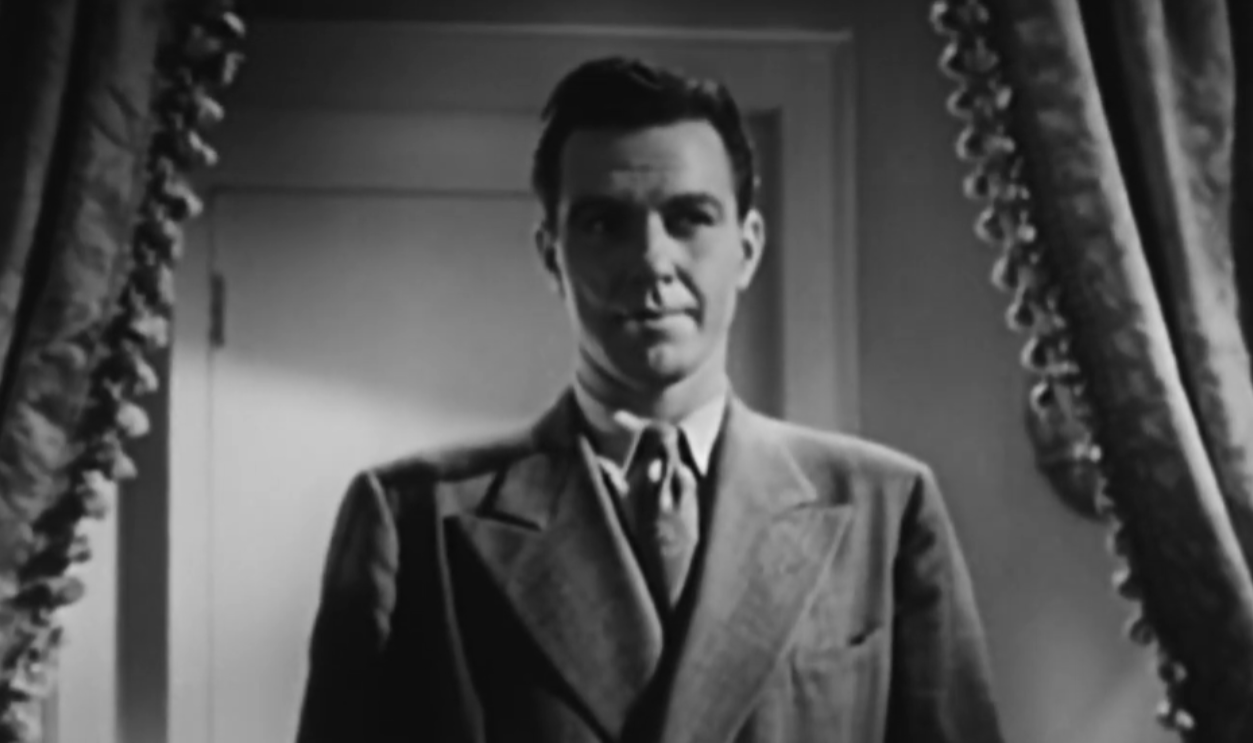 Screenshot from Murder Is My Business, Monogram Pictures (1946)
Five Detective Movies
Beaumont's other Shayne adventures were Larceny in Her Heart (1946), Blonde for a Day (1946), Three on a Ticket (1947), and Too Many Winners (1947). The inexpensive Producers Releasing Corporation mysteries revealed a tougher, more sardonic Beaumont than viewers familiar only with Ward Cleaver might expect.
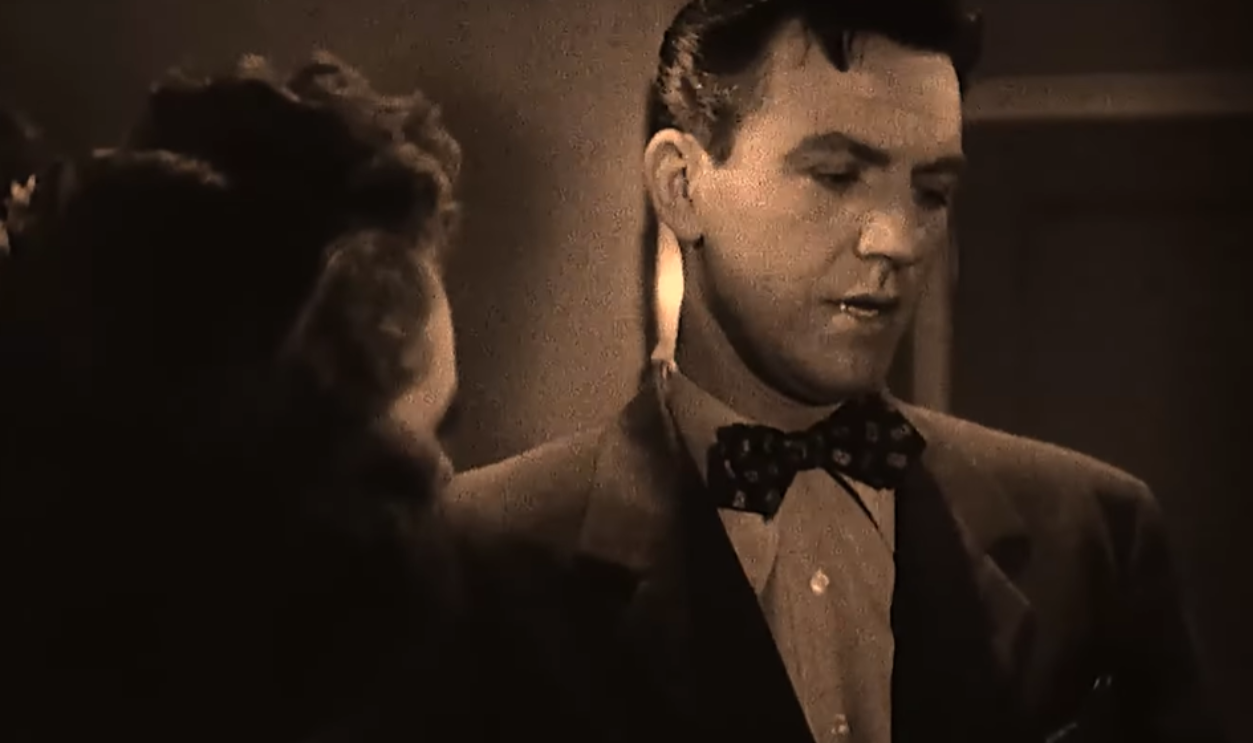 Screenshot from Larceny in Her Heart, Monogram Pictures (1946)
Television Opens Another Door
As television expanded during the 1950s, Beaumont became a prolific guest performer. He appeared on Adventures of Superman, The Lone Ranger, Medic, The Millionaire, Ford Theatre, and Schlitz Playhouse of Stars. He also served as narrator on numerous episodes of Racket Squad, starring Reed Hadley as fraud-busting Captain John Braddock.
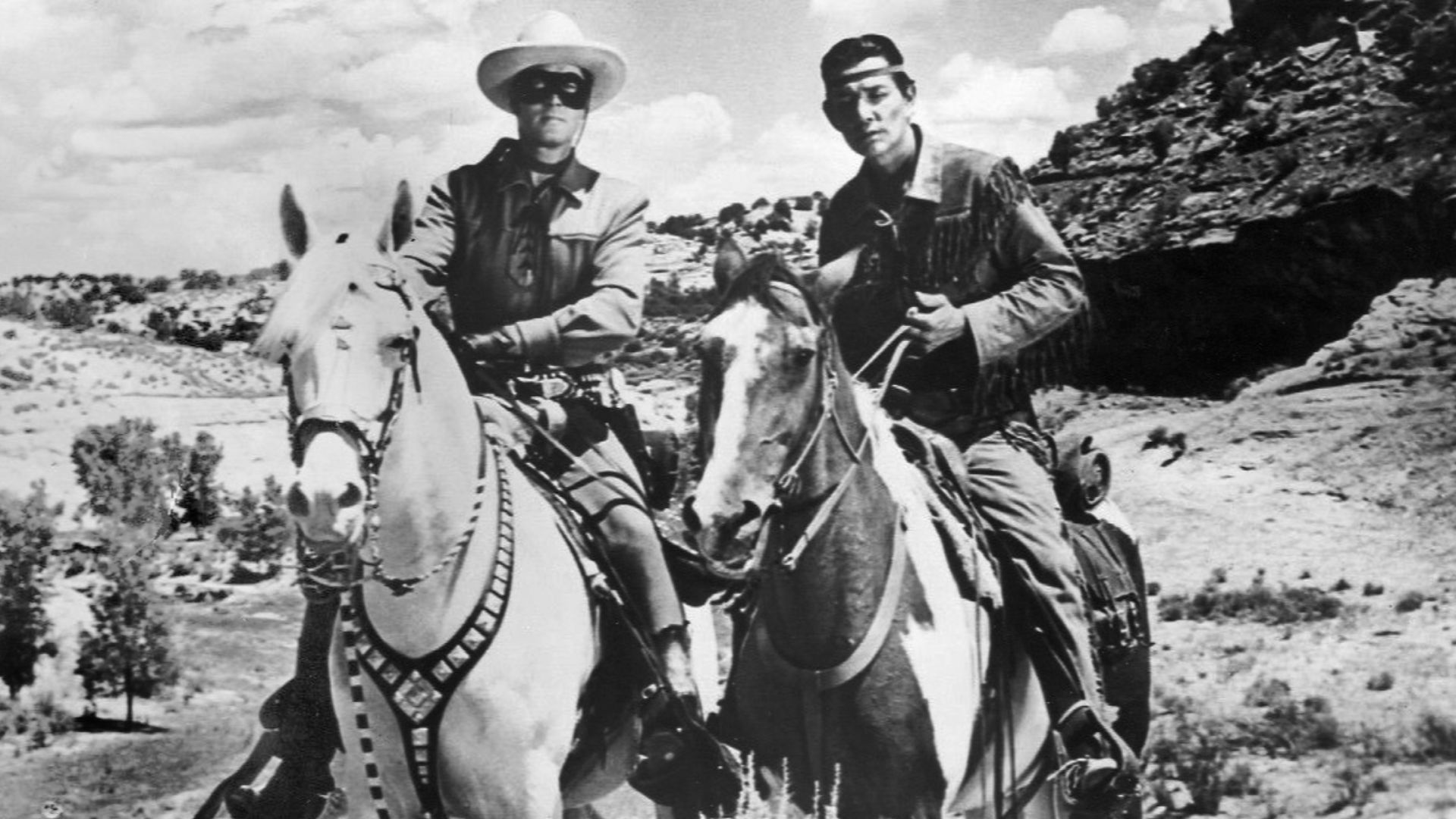 ABC Television, Wikimedia Commons
Gambling With Tyrone Power
Beaumont appeared as Kennerly in Rudolph Maté's lavish Technicolor Western The Mississippi Gambler (1953), starring Tyrone Power as an honorable riverboat gambler alongside Piper Laurie, Julie Adams, and John McIntire. Beaumont's part was uncredited, but the popular Universal production placed him within one of the year's notable Hollywood hits.
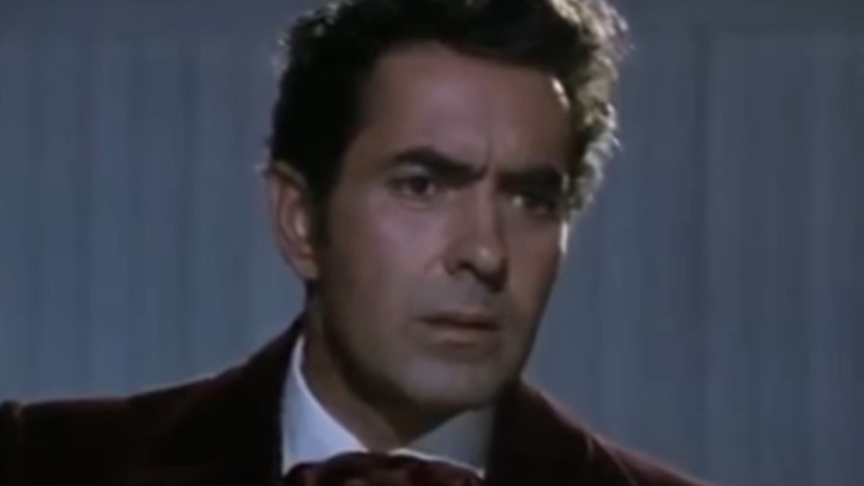 Screenshot from The Mississippi Gambler, Universal Pictures (1953)
Beaumont Meets Lassie
Beaumont appeared in the 1955 Lassie episode "The Well." His increasingly extensive television résumé also included The Public Defender. On Tales of Wells Fargo, he even portrayed notorious outlaw Jesse James with greater sympathy than Western audiences might have expected.
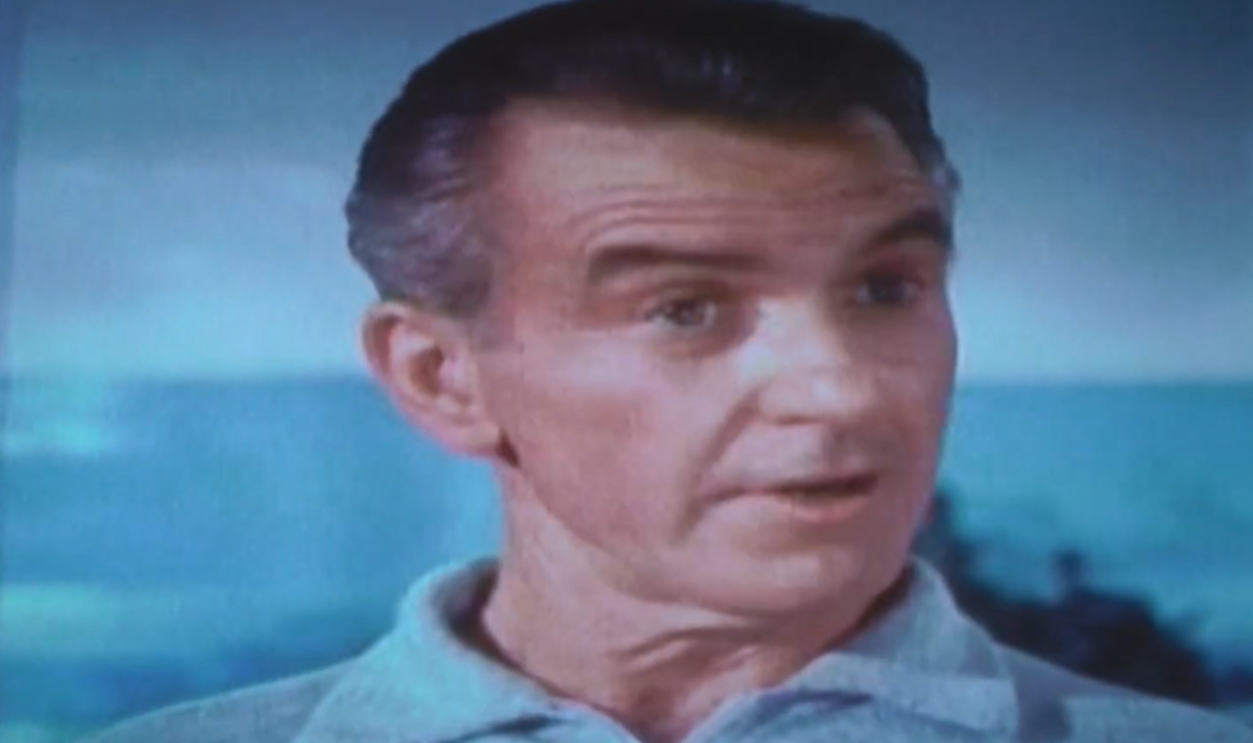 Screenshot from Lassie, Wrather Productions (1954–1973)
Enter The Mole People
Science-fiction fans know Beaumont from Virgil W. Vogel's Universal-International adventure The Mole People (1956). Playing archaeologist Dr. Jud Bellamin alongside John Agar, Cynthia Patrick, Alan Napier, and Nestor Paiva, Beaumont encounters an underground civilization and monstrous subterranean humanoids in a wonderfully pulpy 1950s creature feature.
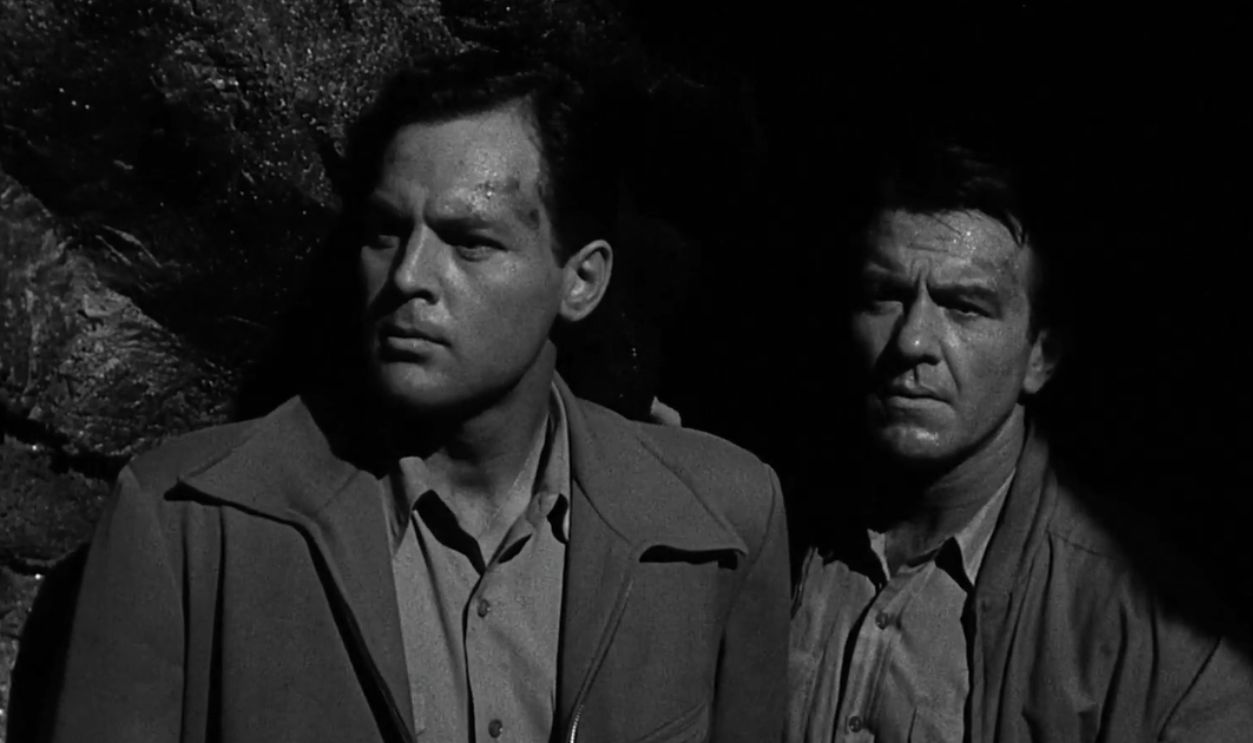 Screenshot from The Mole People, Universal-International (1956)
Riding With Jimmy Stewart
The same year Leave It to Beaver premiered, Beaumont appeared as Jeff Kurth in Night Passage (1957), director James Neilson's colorful Western starring James Stewart, Audie Murphy, Dan Duryea, and Brandon deWilde. It was another supporting role, but demonstrated that Beaumont's career extended well beyond the suburban world of Ward Cleaver.
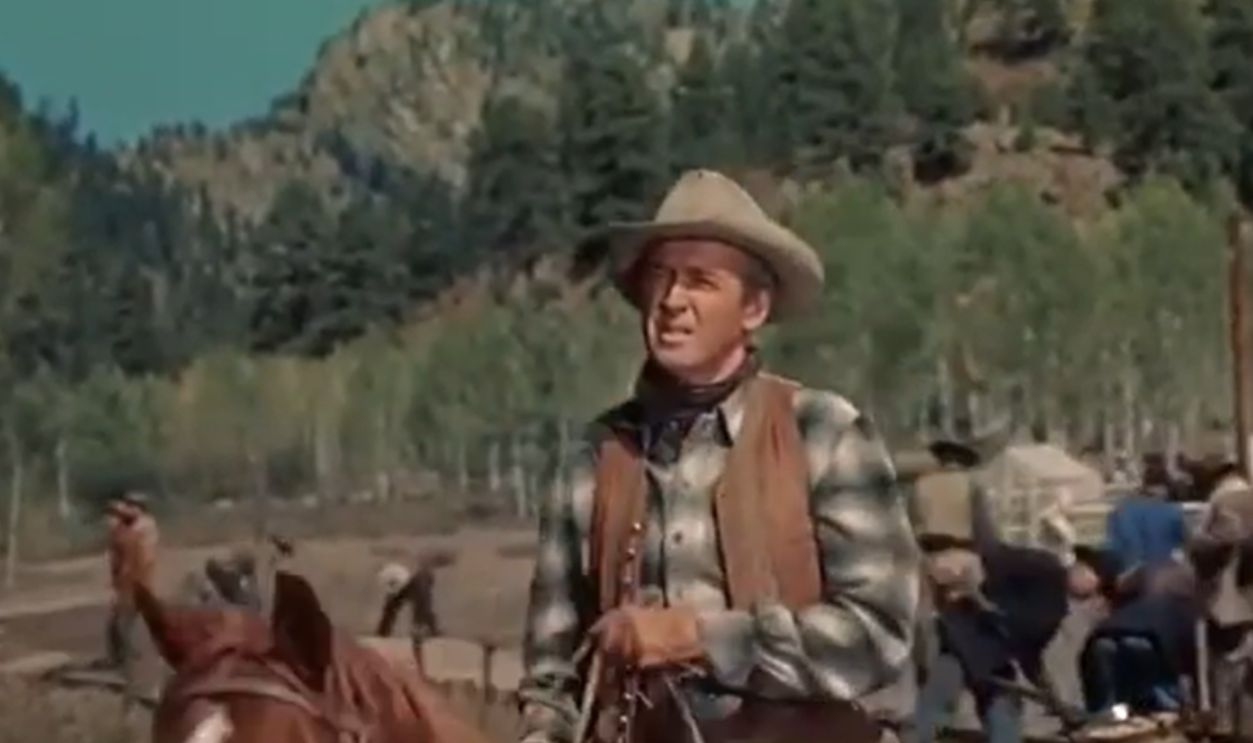 Screenshot from Night Passage, Universal-International (1957)
Ward Needed Recasting
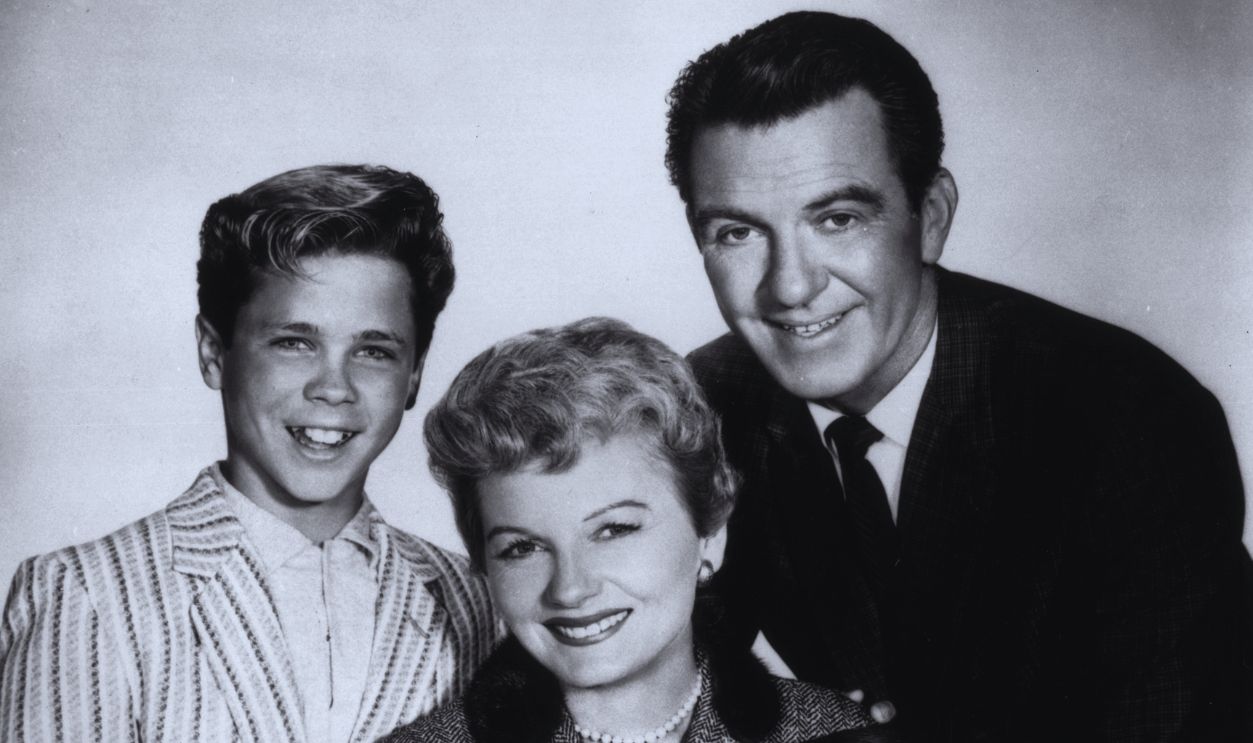
The original Leave It to Beaver pilot featured Max Showalter as Ward Cleaver, but the role was recast before the weekly series began. Beaumont took over opposite Barbara Billingsley's June, with Tony Dow as Wally and Jerry Mathers as Theodore "Beaver" Cleaver. CBS premiered the sitcom in October 1957, then the show moved to ABC beginning with season two in October 1958.
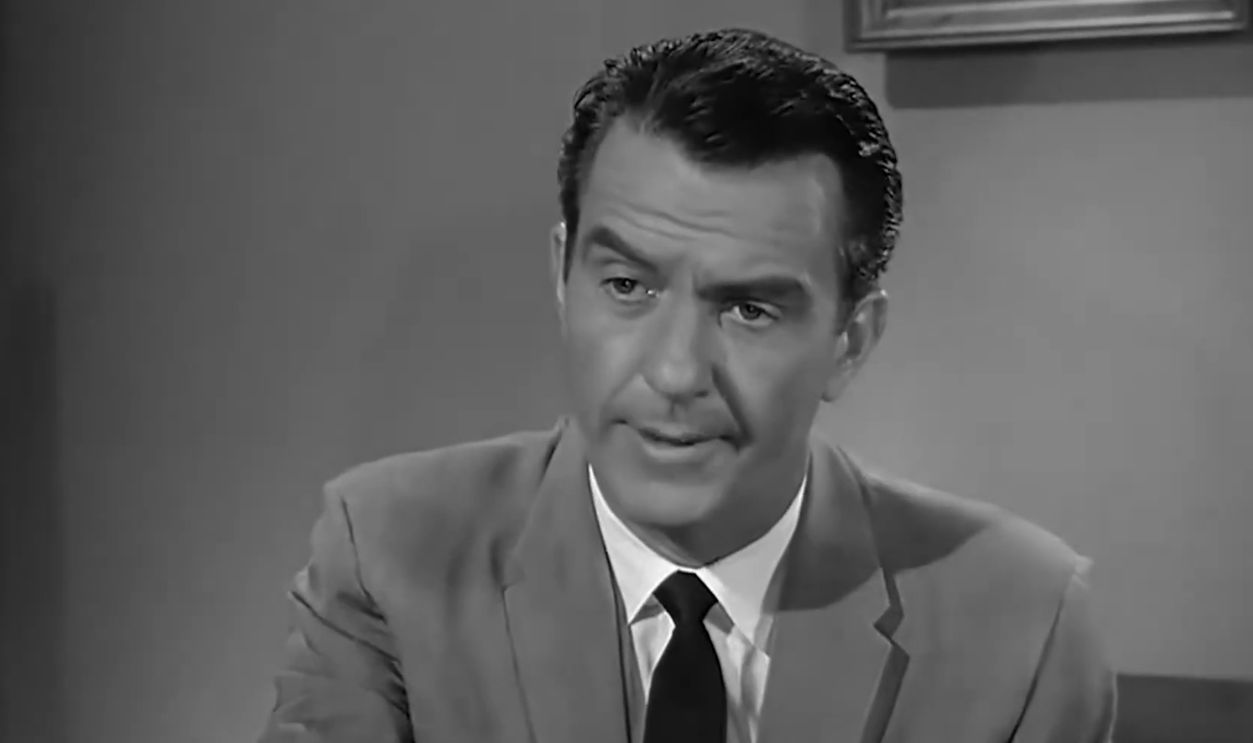 Screenshot from Leave It to Beaver, CBS (1957–1963)
Becoming Ward Cleaver
Created and produced by Joe Connelly and Bob Mosher, Leave It to Beaver approached family life largely through a child's perspective. Beaumont's Ward was affectionate but authoritative, dispensing advice without becoming ridiculous or tyrannical. His understated performance gave Beaver and Wally's misadventures a dependable emotional center.
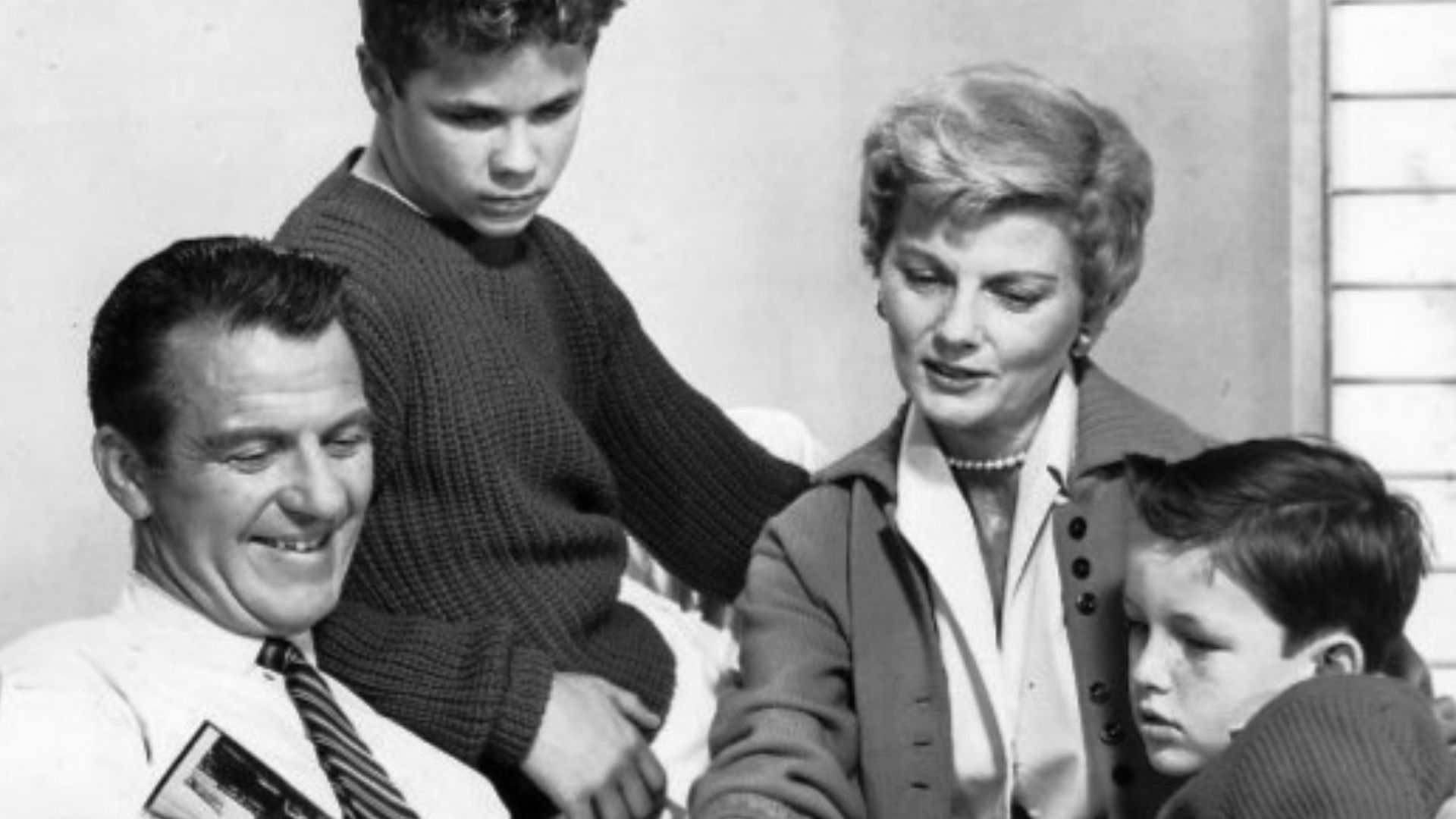 ABC Television, Wikimedia Commons
Fatherhood Wasn't An Act
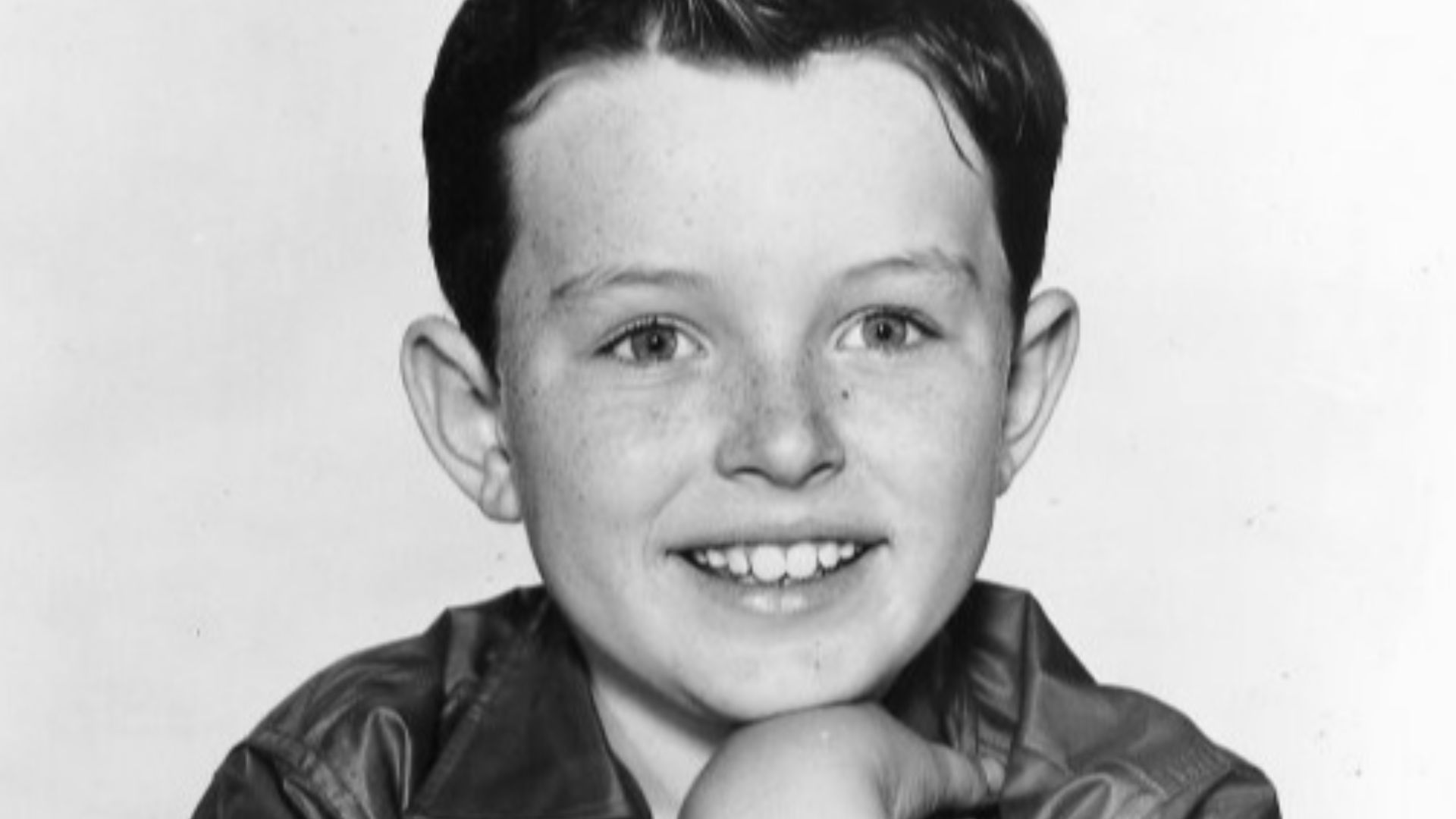
Jerry Mathers later remembered Beaumont as thoughtful and intelligent, while accounts of the production describe Beaumont and Billingsley treating the young actors warmly. Beaumont's own three children and serious religious convictions gave him considerable real-world experience behind Ward's measured lectures about responsibility, honesty, consequences, and growing up.
 ABC Television, Wikimedia Commons
CBS Gives Up
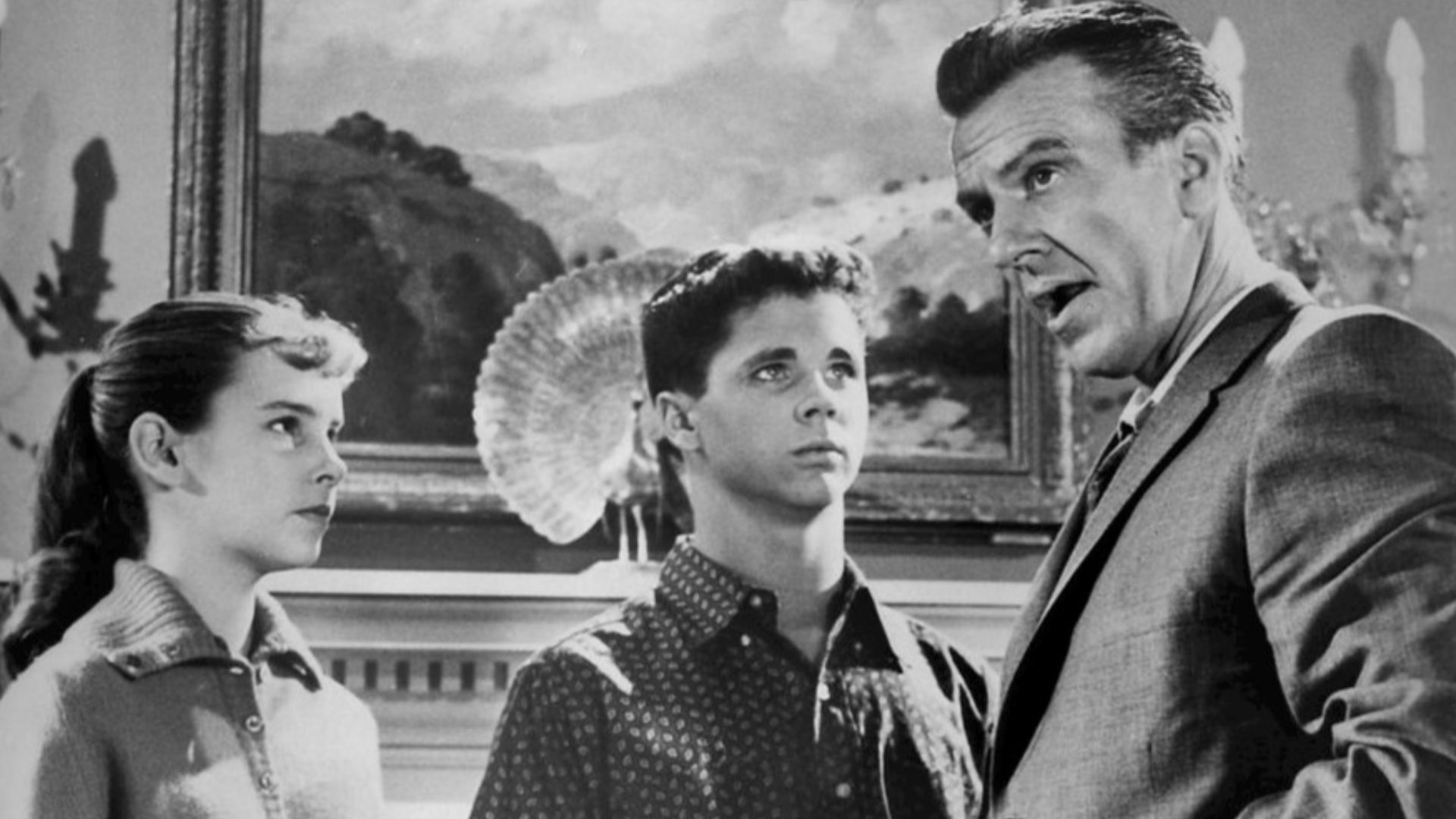
Despite the show's later cultural ubiquity, Leave It to Beaver wasn't an immediate television phenomenon. CBS dropped it after its first season amid modest ratings as well as sponsorship and scheduling considerations. ABC rescued the series for season two, where it found firmer footing and ultimately remained for five additional seasons, eventually producing 234 episodes.
 ABC Television, Wikimedia Commons
Tragedy Strikes The Family
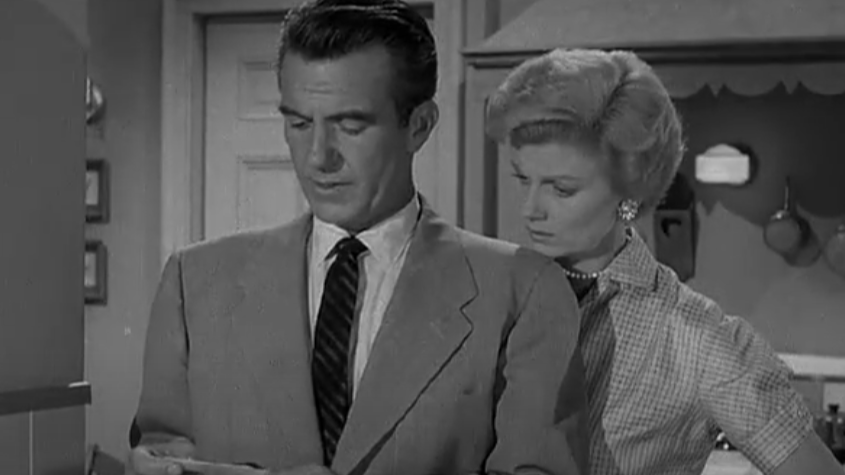
Before production began on the third season in 1959, Beaumont's wife, son Hunter, and mother-in-law were driving from Minnesota to Hollywood. Their automobile crashed. Beaumont's mother-in-law was killed, while Hunter suffered serious injuries. The devastating accident transformed what should have been the height of Beaumont's professional success.
 Screenshot from Leave It to Beaver, CBS (1957–1963)
He Blamed The Show
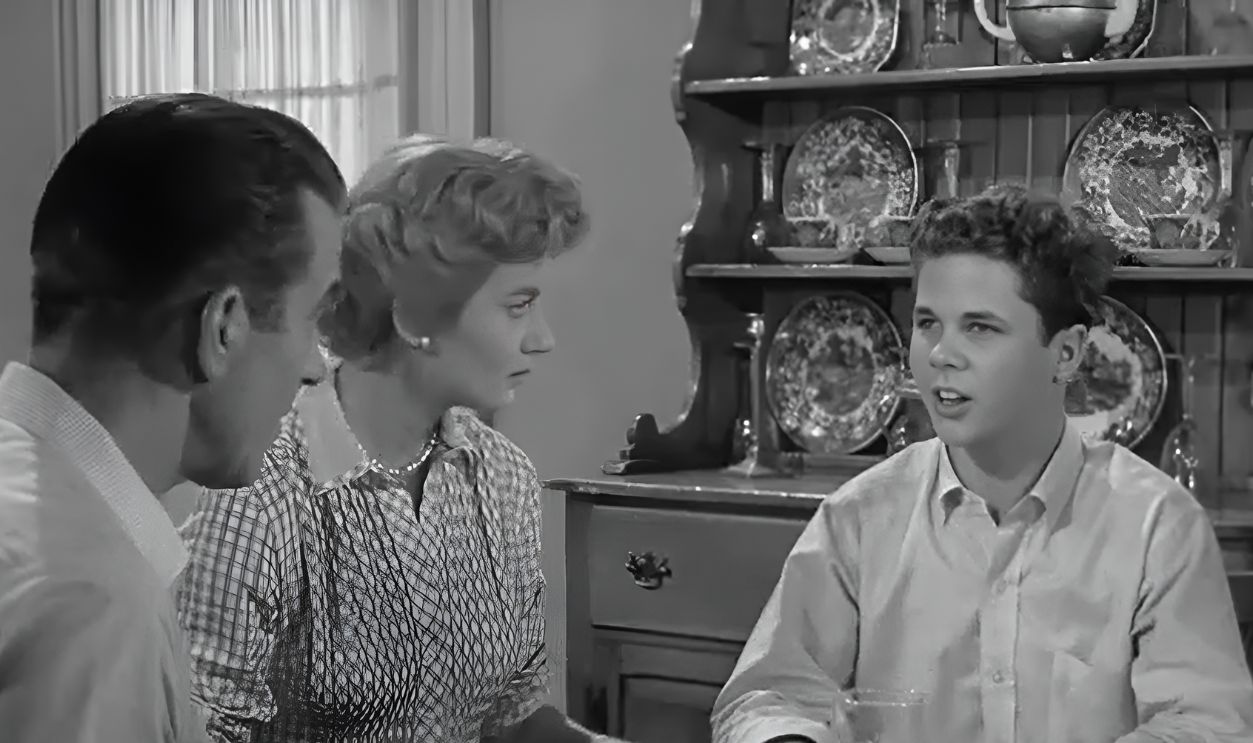
Jerry Mathers later said Beaumont blamed the show's production demands indirectly for the circumstances that put his family on the road to California. Whatever Beaumont's precise feelings evolved into afterward, the accident clearly altered his relationship with the series that was making him famous.
 Screenshot from Leave It to Beaver, CBS (1957–1963)
Mathers Saw The Change
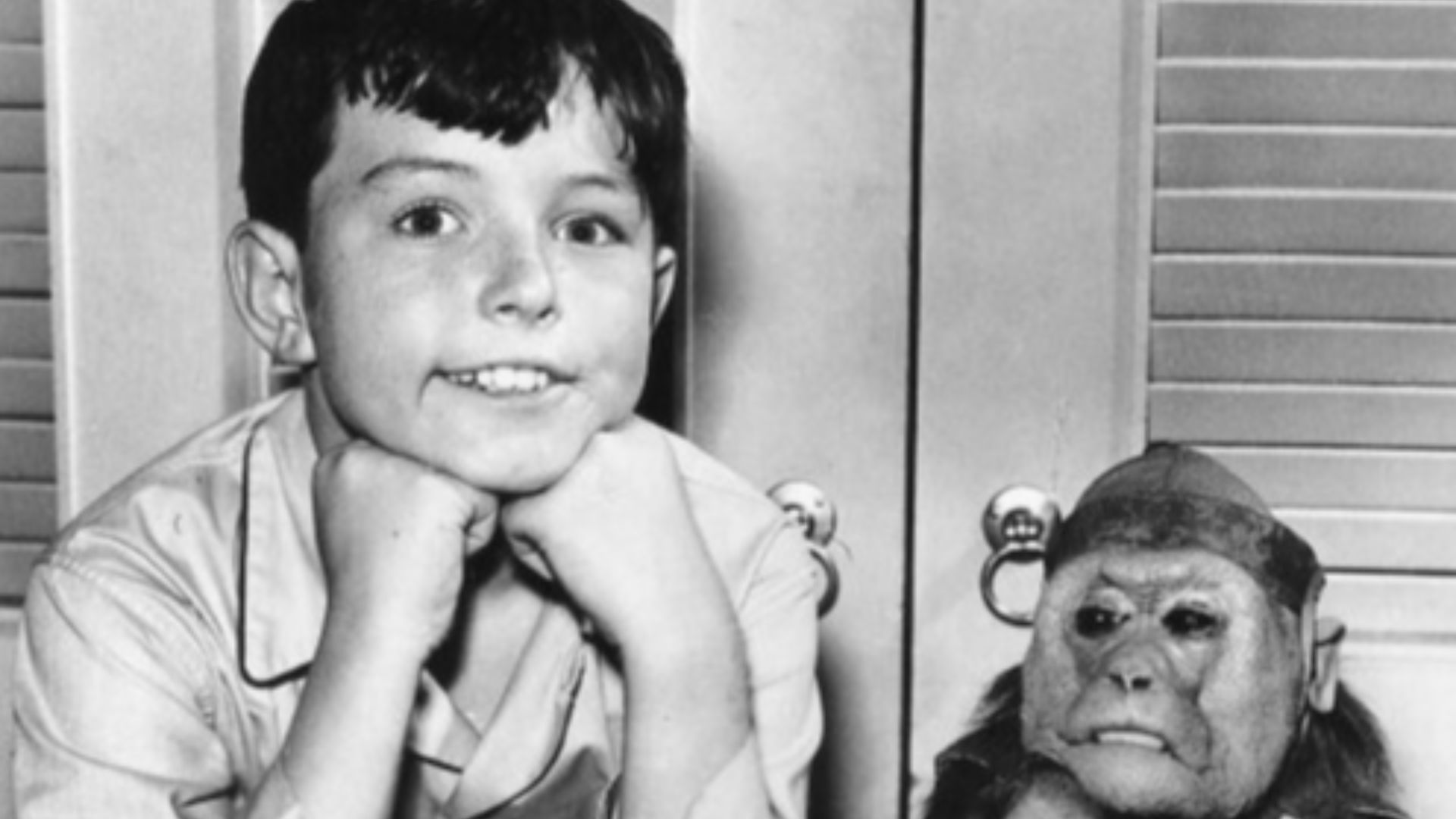
Jerry Mathers later recalled how profoundly the tragedy affected his television father. According to Mathers, Beaumont was grieving so heavily afterward that he sometimes seemed to be merely "walking through" his role. The observation adds a heartbreaking dimension to Ward Cleaver's familiar calm during the show's middle seasons.
 ABC Television, Wikimedia Commons
Beaumont Starts Directing
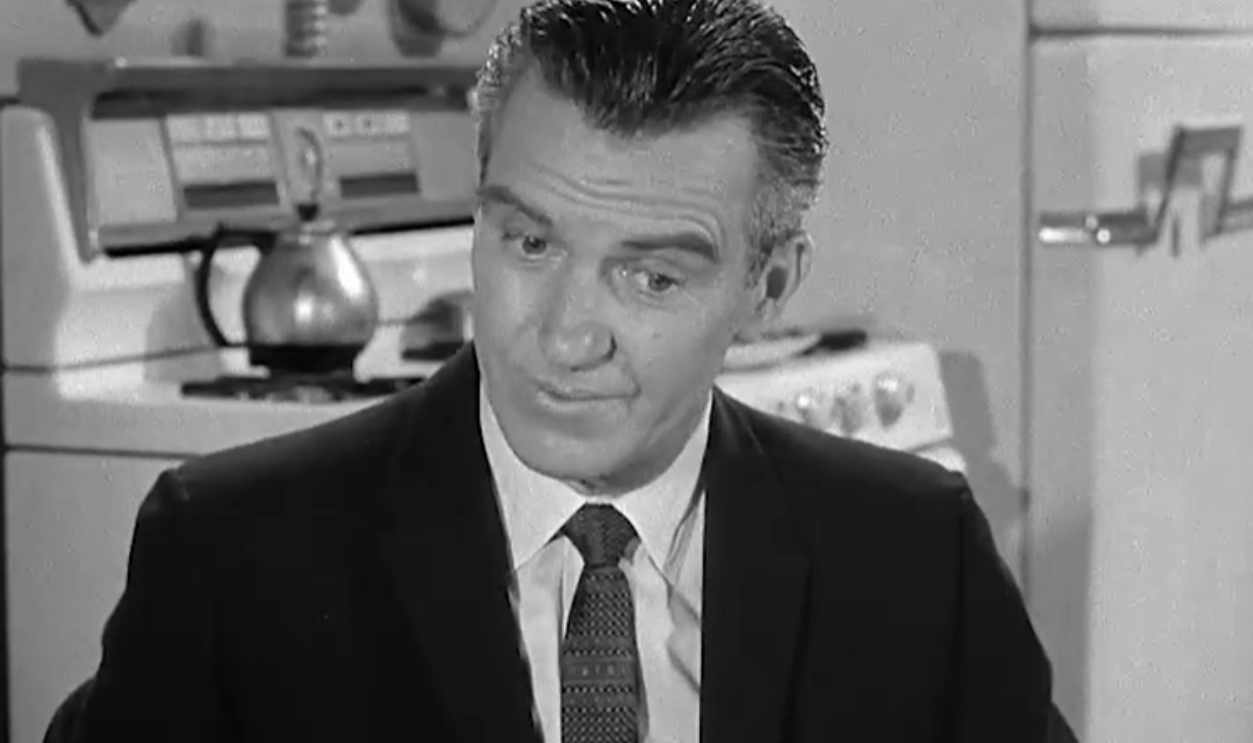
Despite his complicated feelings, Beaumont became increasingly involved creatively. Beginning with season three, he directed several Leave It to Beaver episodes. Appropriately, he directed "Family Scrapbook," the 1963 finale in which the Cleavers reminisce through old photographs, allowing the series to conclude by looking affectionately backward.
 Screenshot from Leave It to Beaver, CBS (1957–1963)
Mayfield Becomes Mythic
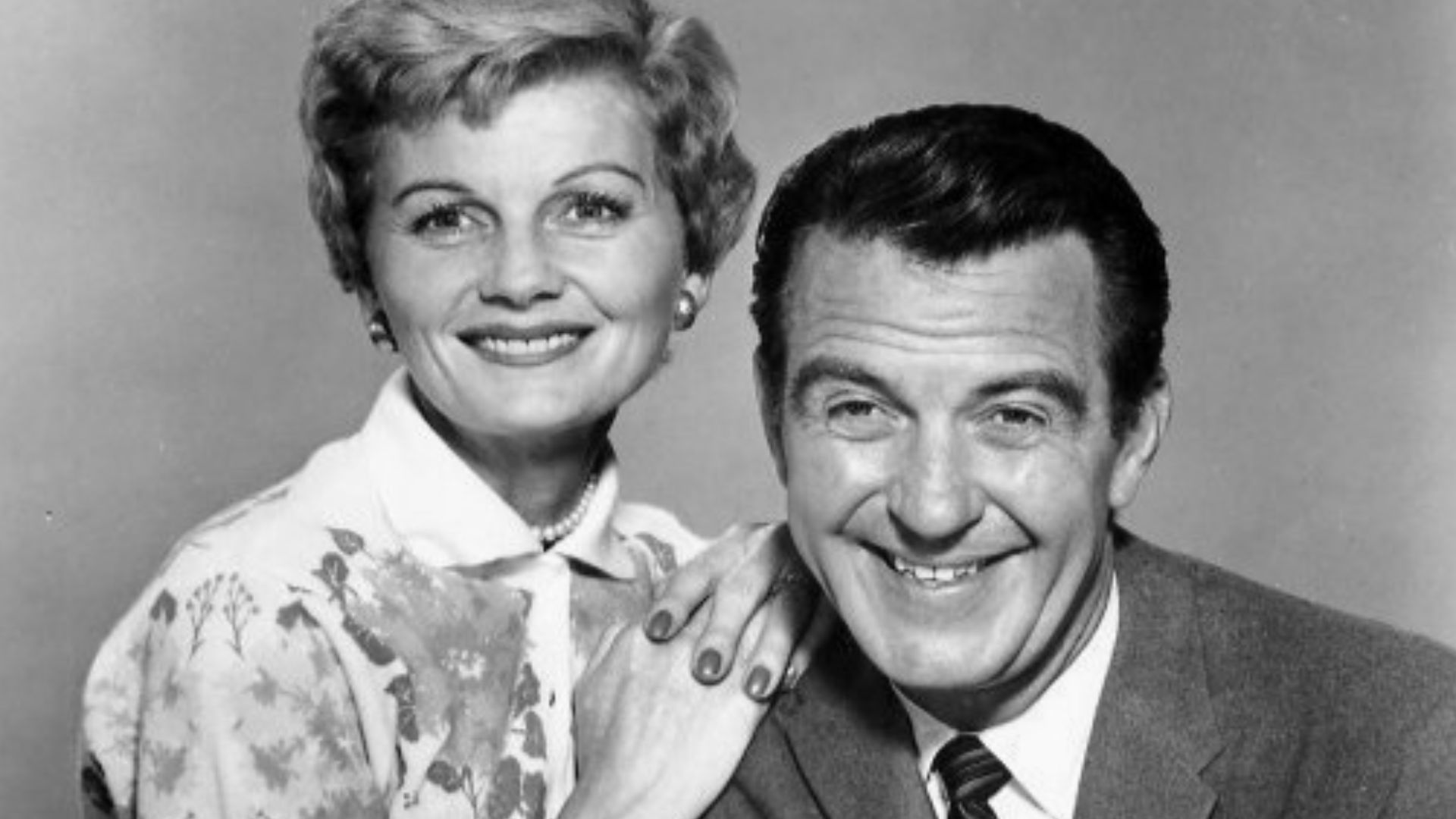
Leave It to Beaver ended in 1963, but syndication transformed Mayfield into shorthand for an idealized postwar American suburb. Ward and June became archetypal television parents, while Beaver, Wally, Eddie Haskell, and their friends remained familiar to generations born long after the original broadcasts ended.
 ABC Television, Wikimedia Commons
Escaping Ward Was Difficult
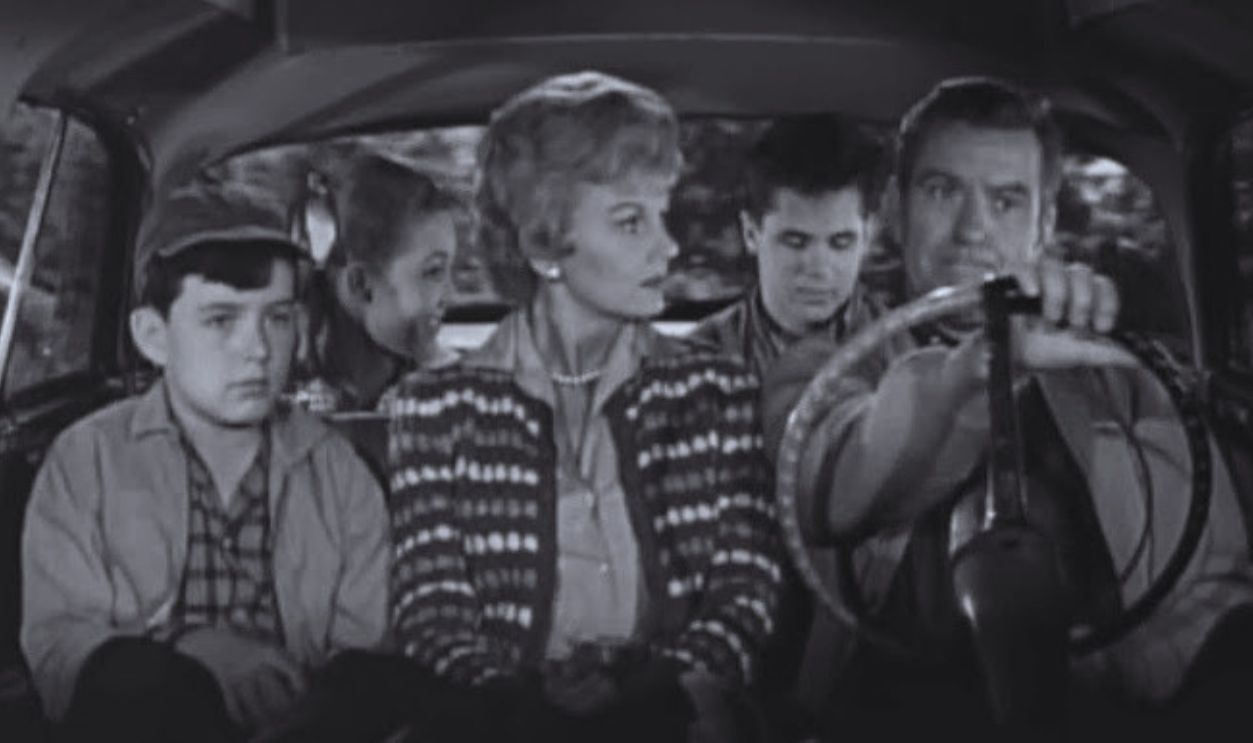
Beaumont's association with Ward Cleaver proved difficult to escape, and later reference works reported that he wasn't entirely happy with being so completely identified with one role after decades of other work. Nevertheless, he kept acting, returning to television in guest appearances rather than attempting to headline another weekly family sitcom.
 Screenshot from Leave It to Beaver, CBS (1957–1963)
Television Keeps Calling
His post-Beaver credits included Wagon Train, Petticoat Junction, The Virginian, Mannix, and Marcus Welby, M.D. In 1966, Beaumont returned to Lassie, eleven years after his earlier appearance. He also remained active in community theater, reconnecting with the stage work that had helped launch his career.
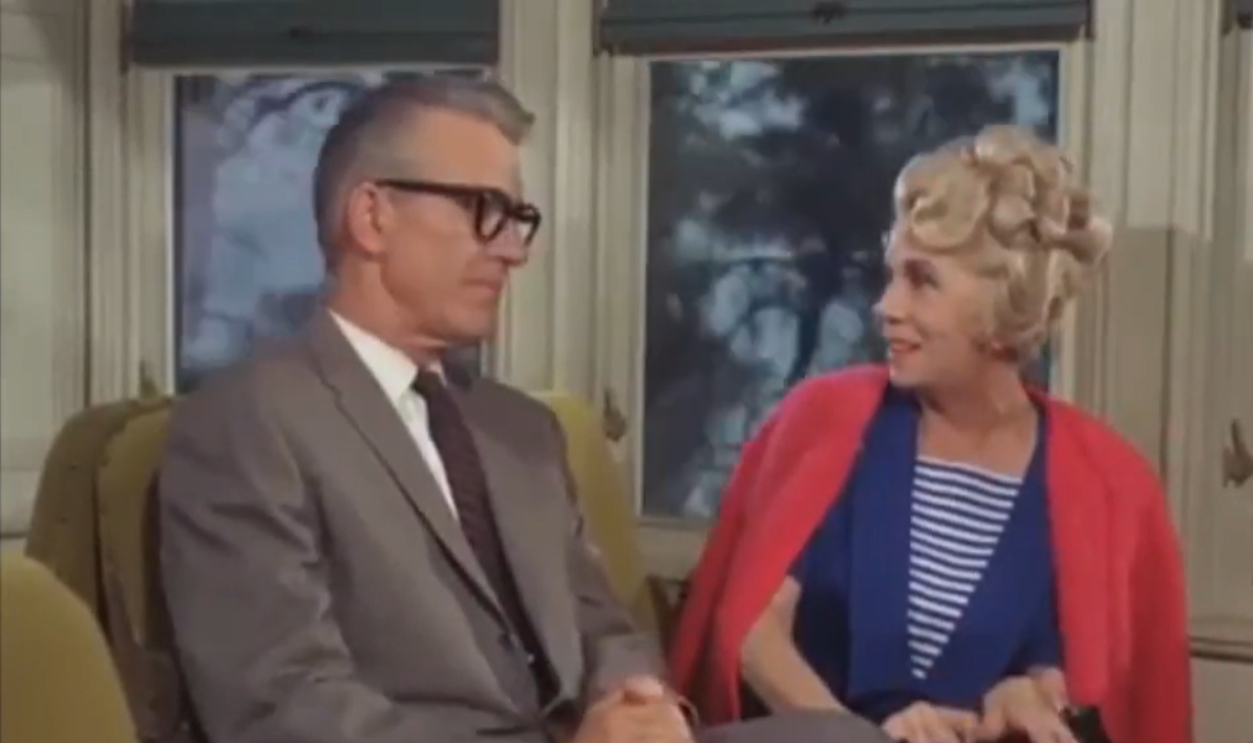 Screenshot from Petticoat Junction, Filmways Television (1963–1970)
Writing Beyond Television
Acting had never exhausted Beaumont's interests. He sold television screenplays, radio scripts, and short stories to magazines, including "Reverend Telford's Failure," published in the December 1st, 1951 edition of The Saturday Evening Post. Writing offered another creative outlet as his enthusiasm for maintaining a conventional Hollywood acting career gradually diminished.
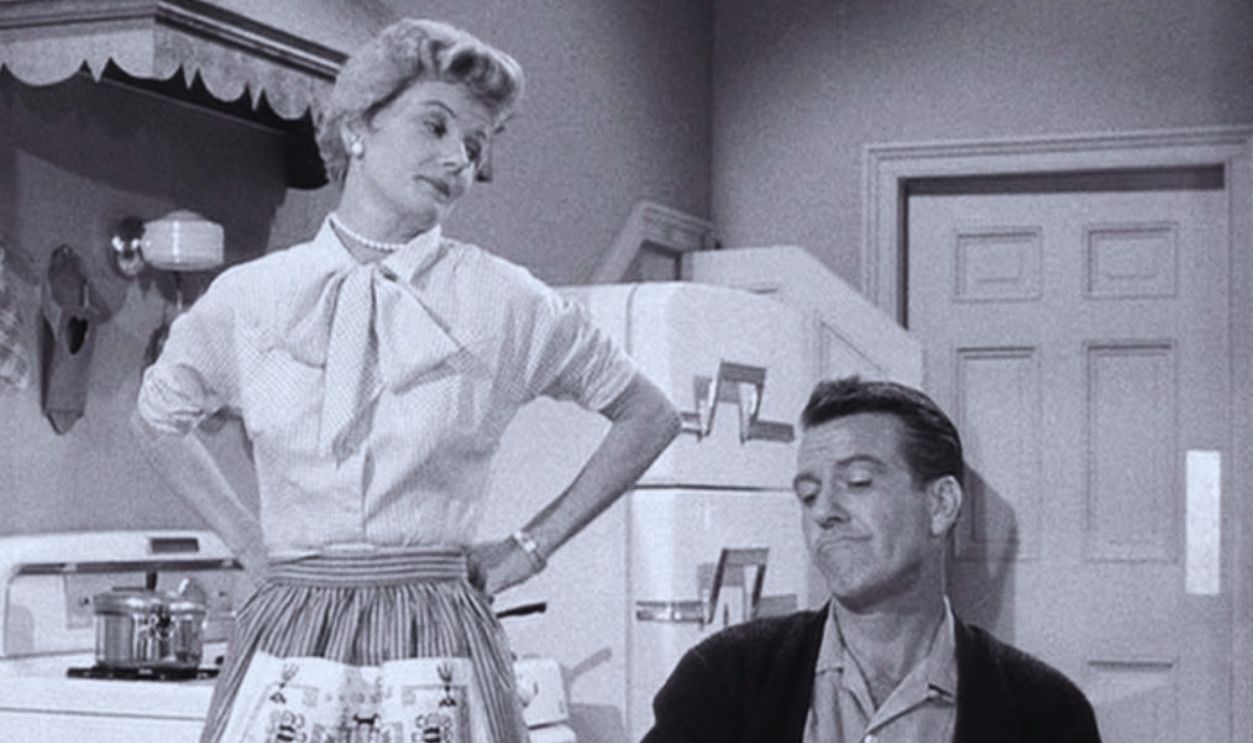 Screenshot from Leave It to Beaver, CBS (1957–1963)
Minister And Tree Farmer
Beaumont remained a Methodist lay minister, putting his USC theology training to practical use alongside acting. As Hollywood receded, he also raised Christmas trees near Grand Rapids, Minnesota. For television's quintessential suburban father, rural life offered an unexpectedly fitting final professional chapter.
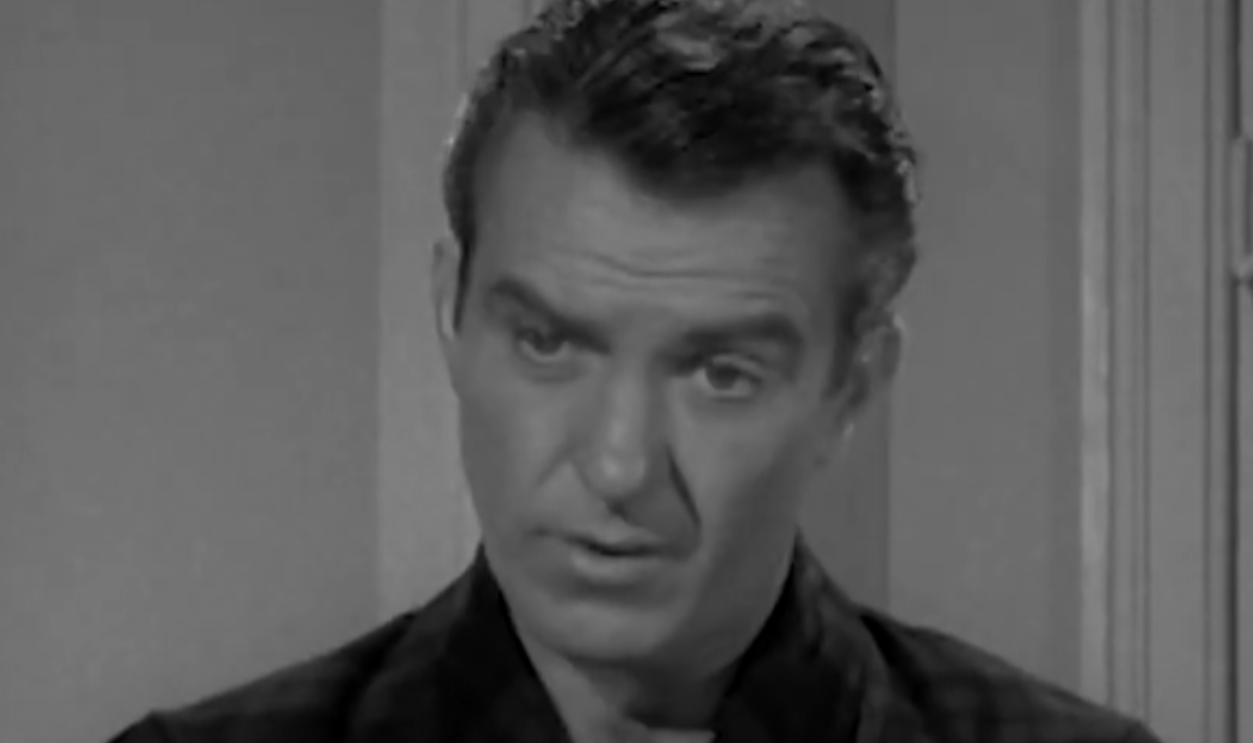 Screenshot from Leave It to Beaver, CBS (1957–1963)
A Stroke Changes Everything
A debilitating stroke in 1970 accelerated Beaumont's withdrawal from acting, and his screen career effectively ended in the early 1970s. His 33-year marriage to Kathryn Adams ended in divorce in 1974. He nevertheless lived long enough to see Leave It to Beaver become something larger than an old sitcom through continual reruns.
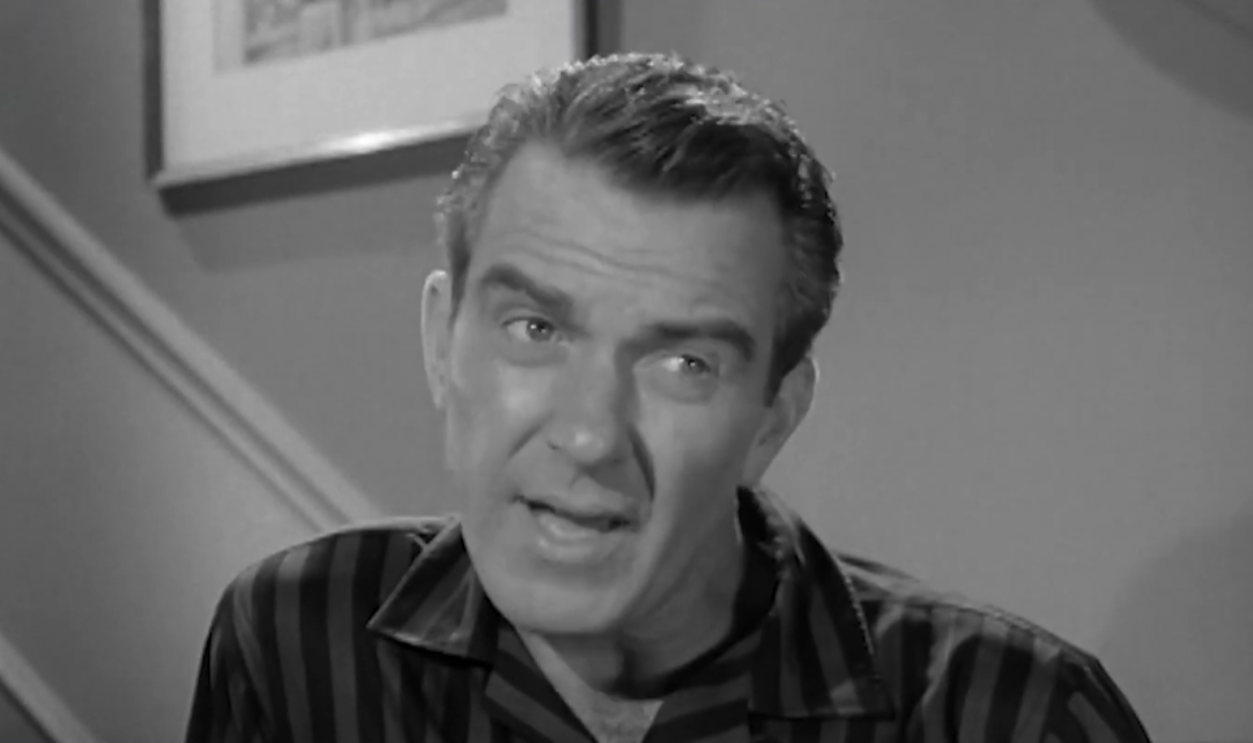 Screenshot from Leave It to Beaver, CBS (1957–1963)
America's Ideal TV Dad
Beaumont died of a heart attack on May 14, 1982, while visiting his son Hunter in Munich, West Germany. He was 72. Decades later, Ward Cleaver remains his defining role, but Hugh Beaumont's life encompassed far more than that: detective hero, monster-movie adventurer, writer, director, minister, father, farmer, and enduring television icon.
 CBS Photo Archive, Getty Images
You May Also Like:
How Barbara Billingsley Escaped The TV Mom Stereotype
Why didn't we see Tony Dow anymore after Leave it to Beaver ended?