A Character Nobody Could Forget
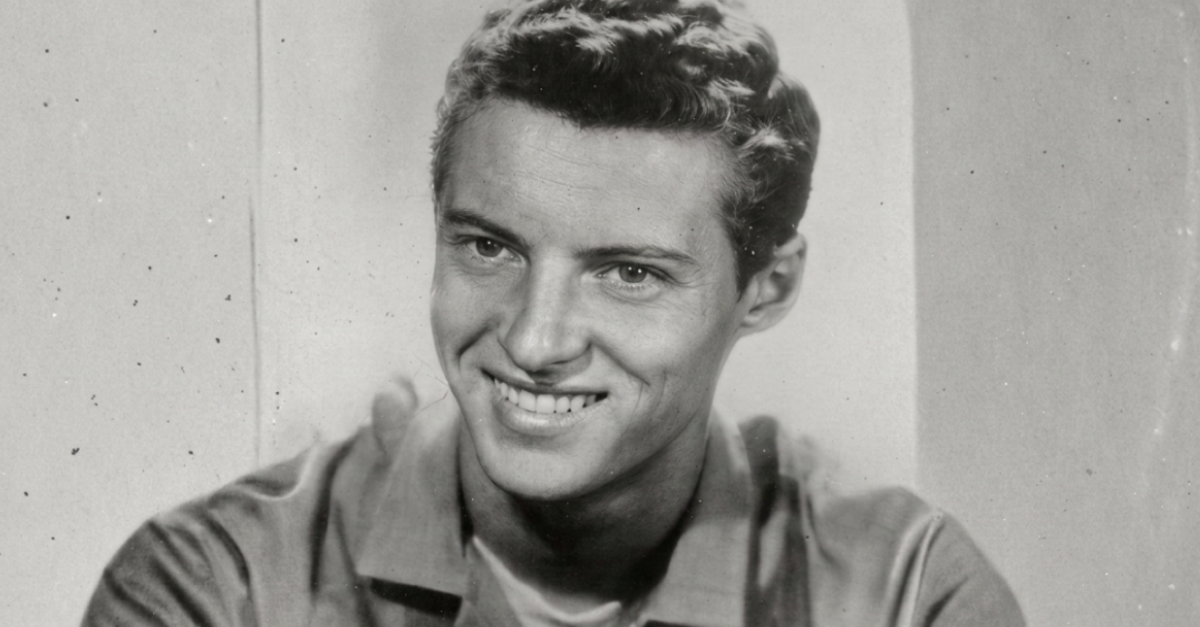
Few television characters became as instantly recognizable as Eddie Haskell, the slick-talking teenager from Leave It to Beaver. While audiences loved to dislike Eddie's constant flattery toward adults and his mischievous treatment of his friends, the actor behind the role, Ken Osmond, was known for being almost the complete opposite. His remarkable life eventually took him from one of television's biggest hits to an entirely different career in public service.
A California Kid Who Started Young
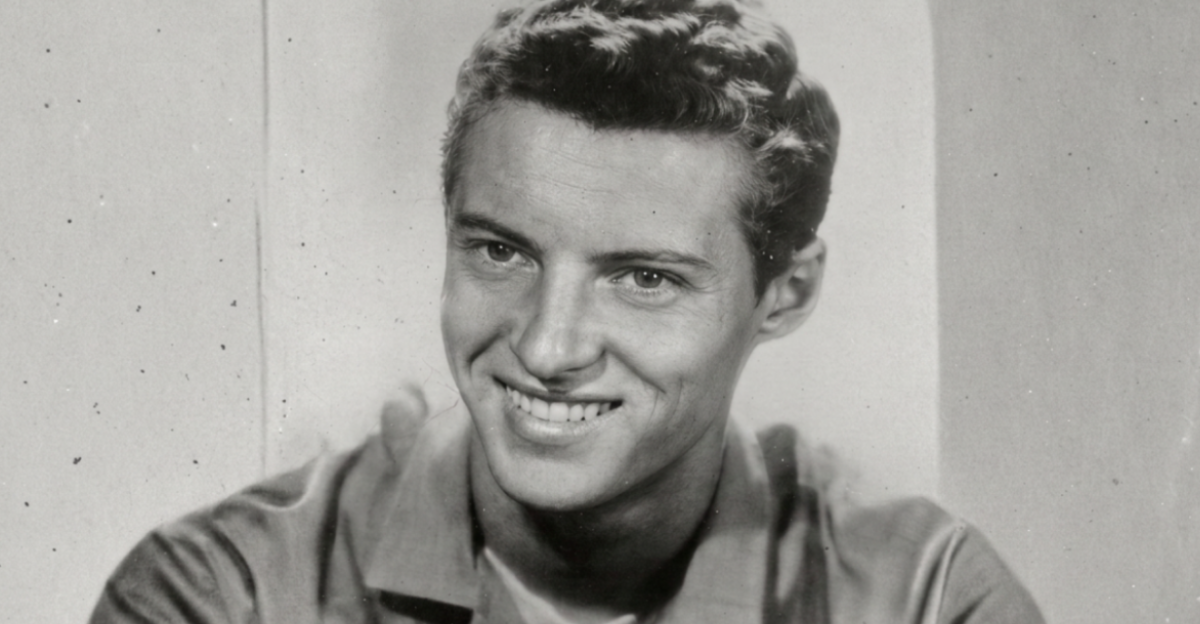
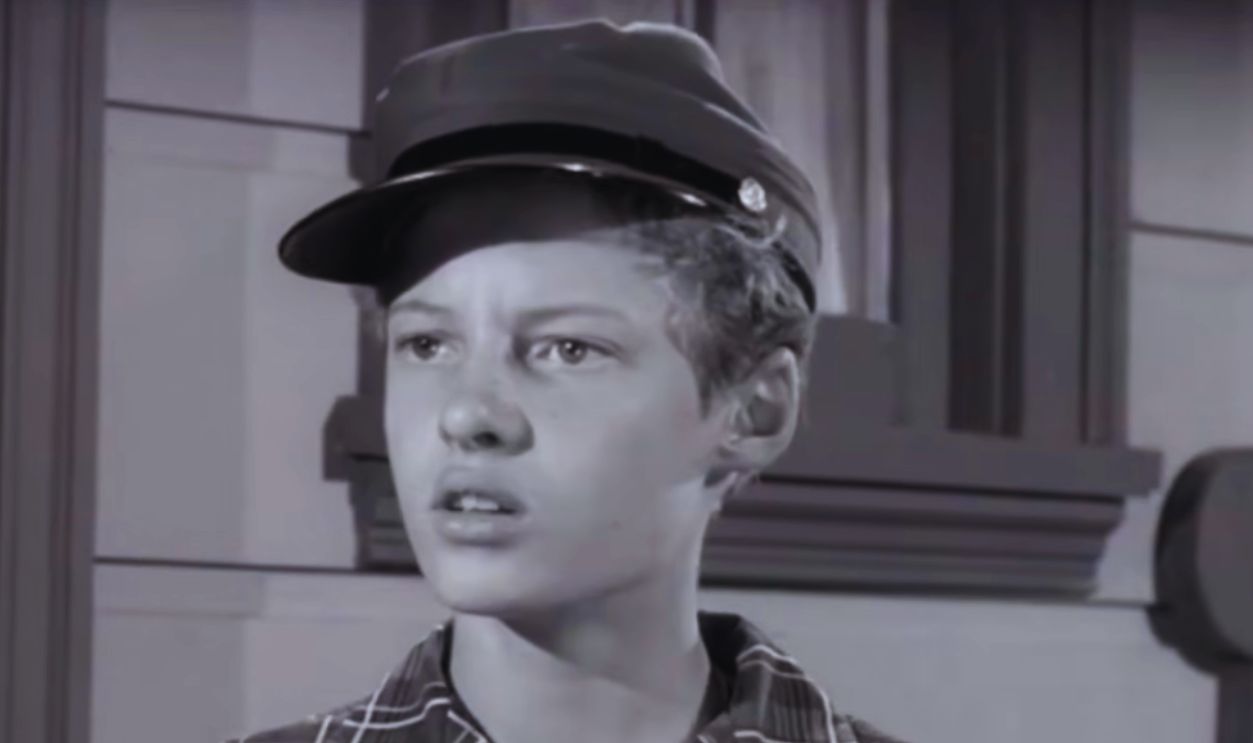
Kenneth Charles Osmond was born on June 7, 1943, in Glendale, California. Encouraged by his mother, he began appearing in commercials and working as a child actor while still in elementary school. Before landing his signature role, he built experience through numerous small television and film appearances that prepared him for bigger opportunities.
 Screenshot from Leave It to Beaver, Universal Television (1957–1963)
He Nearly Played Beaver Instead
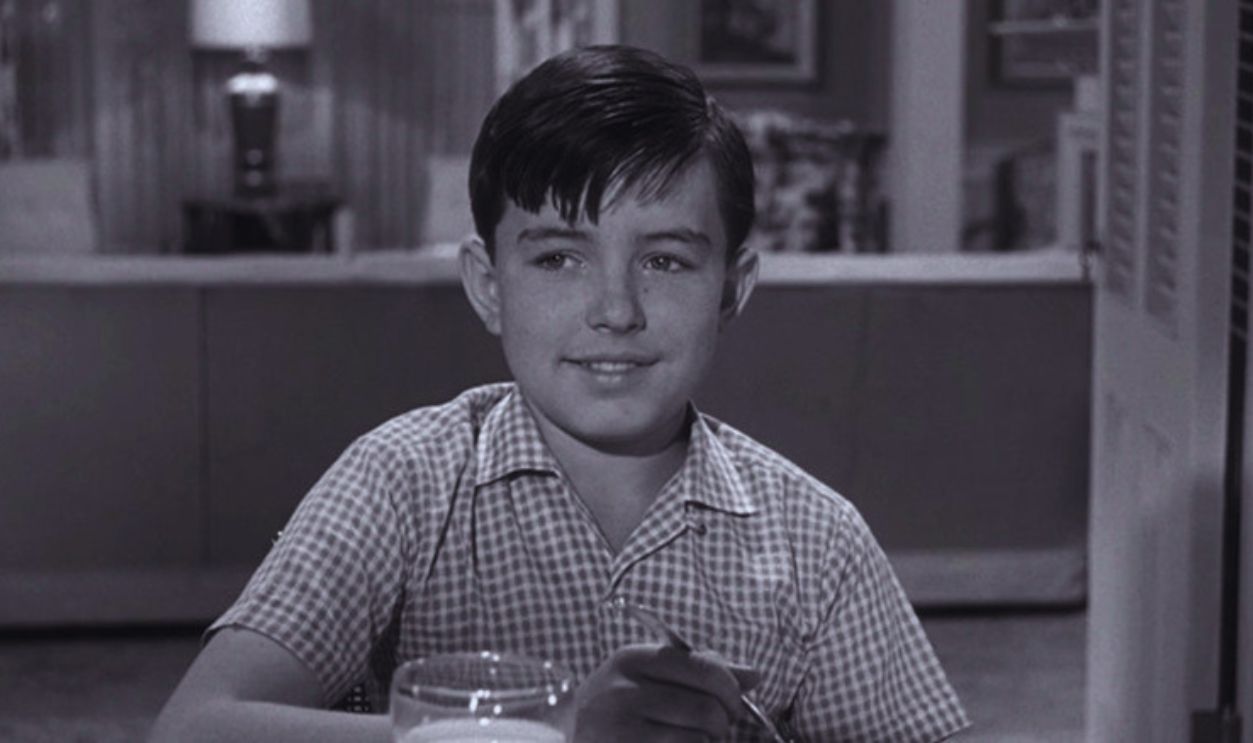
Long before becoming Eddie Haskell, Osmond auditioned for the role of Theodore "Beaver" Cleaver. Producers ultimately chose Jerry Mathers for the title character, but they clearly remembered Osmond's talent. Rather than letting him slip away, they later cast him in a guest role that unexpectedly changed his career.
 Screenshot from Leave It to Beaver, Universal Television (1957–1963)
Eddie Haskell Was Supposed To Appear Once
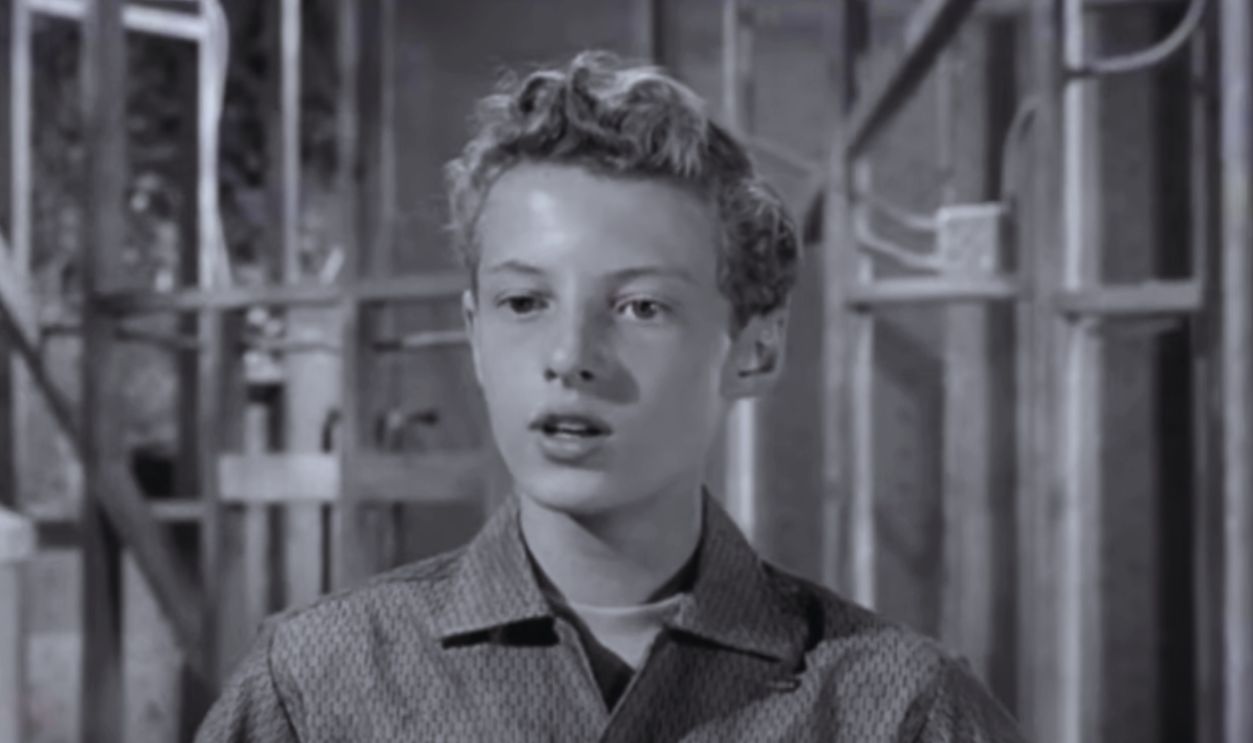
Eddie Haskell was originally intended to appear in just a single episode during the first season of Leave It to Beaver. Viewers immediately responded to the character's unforgettable combination of fake politeness and behind-the-scenes scheming. Producers quickly expanded the role, and Eddie became one of the series' most memorable recurring characters.
 Screenshot from Leave It to Beaver, Universal Television (1957–1963)
He Created Television's Ultimate Two-Faced Teen
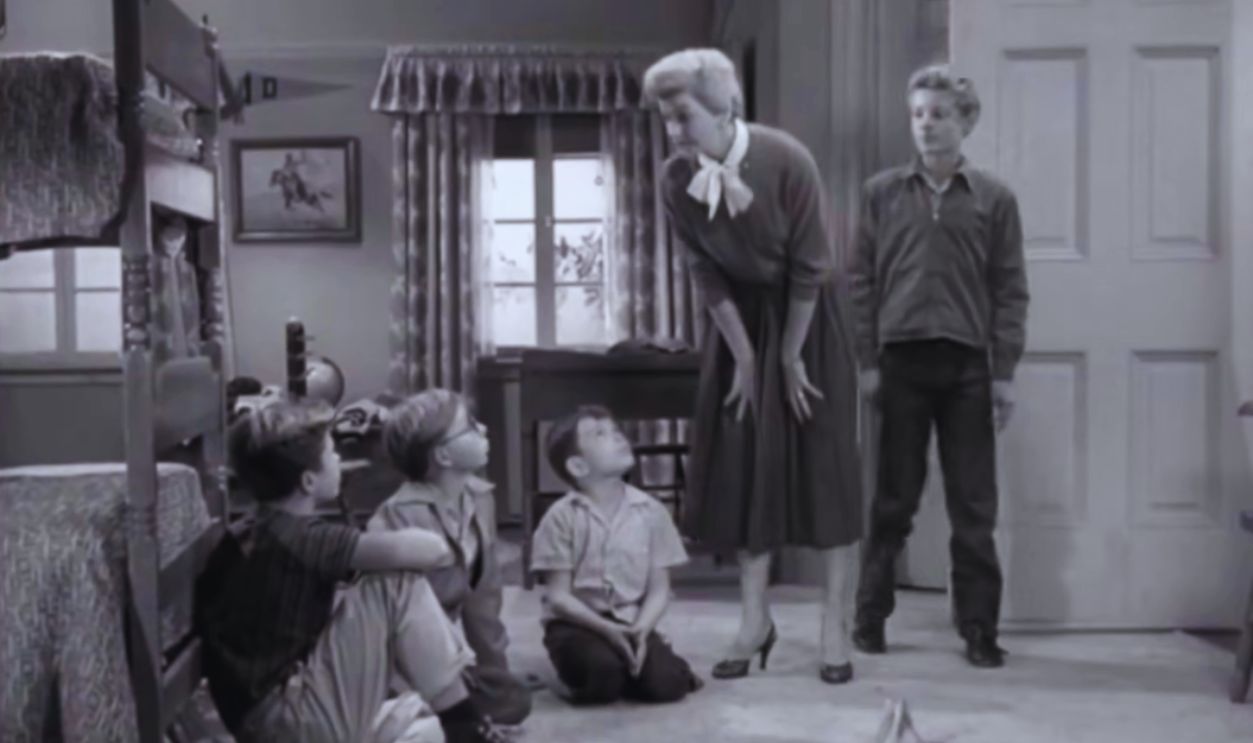
Eddie's trademark behavior became television history. He would shower June and Ward Cleaver with compliments, then instantly return to teasing Beaver and encouraging Wally into questionable adventures once the adults left the room. The performance was so convincing that "an Eddie Haskell" eventually became shorthand for someone who acts charming to authority figures while behaving very differently around everyone else.
 Screenshot from Leave It to Beaver, Universal Television (1957–1963)
Appearing In Nearly One Hundred Episodes
Although Eddie wasn't part of the Cleaver family, Osmond appeared in almost 100 of the show's 234 episodes. That made him one of the sitcom's most familiar supporting characters. His chemistry with Tony Dow's Wally Cleaver helped make many of the show's funniest storylines possible.
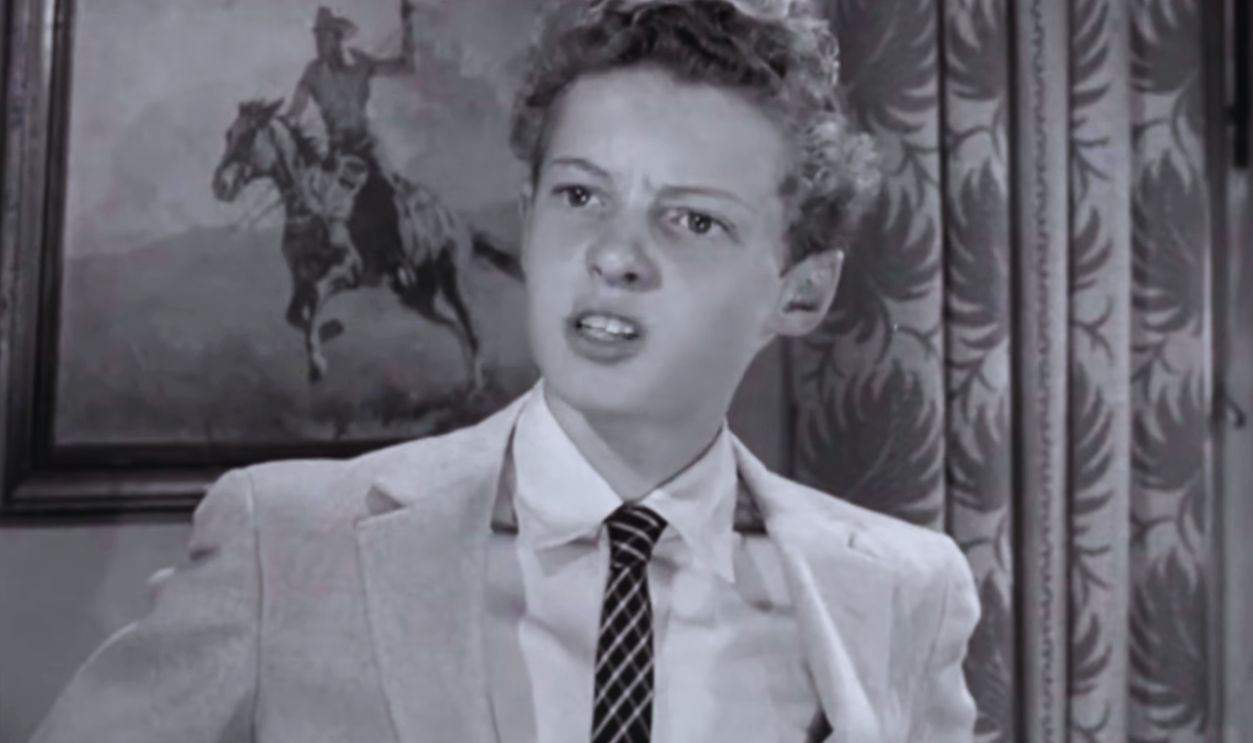 Screenshot from Leave It to Beaver, Universal Television (1957–1963)
Typecasting Became A Serious Problem
The success of Eddie Haskell came with a downside. Casting directors struggled to see Osmond as anyone other than the fast-talking teenager he had perfected. Years later, he openly admitted that being so closely identified with one character made finding acting work extremely difficult.
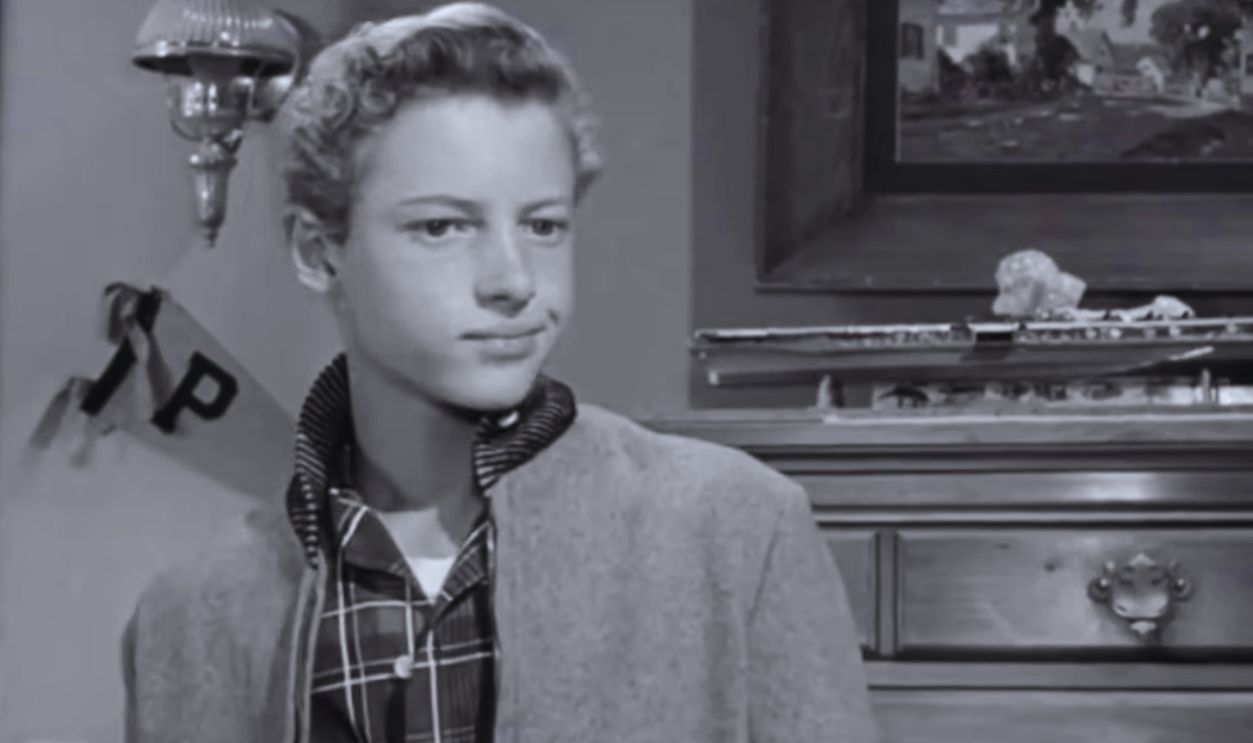 Screenshot from Leave It to Beaver, Universal Television (1957–1963)
Marriage Changed His Priorities
By the late 1960s, Osmond had married Sandra Purdy and was preparing to raise a family. With acting opportunities becoming increasingly scarce, he began looking for a more dependable career. Stability became more important than chasing unpredictable Hollywood jobs.
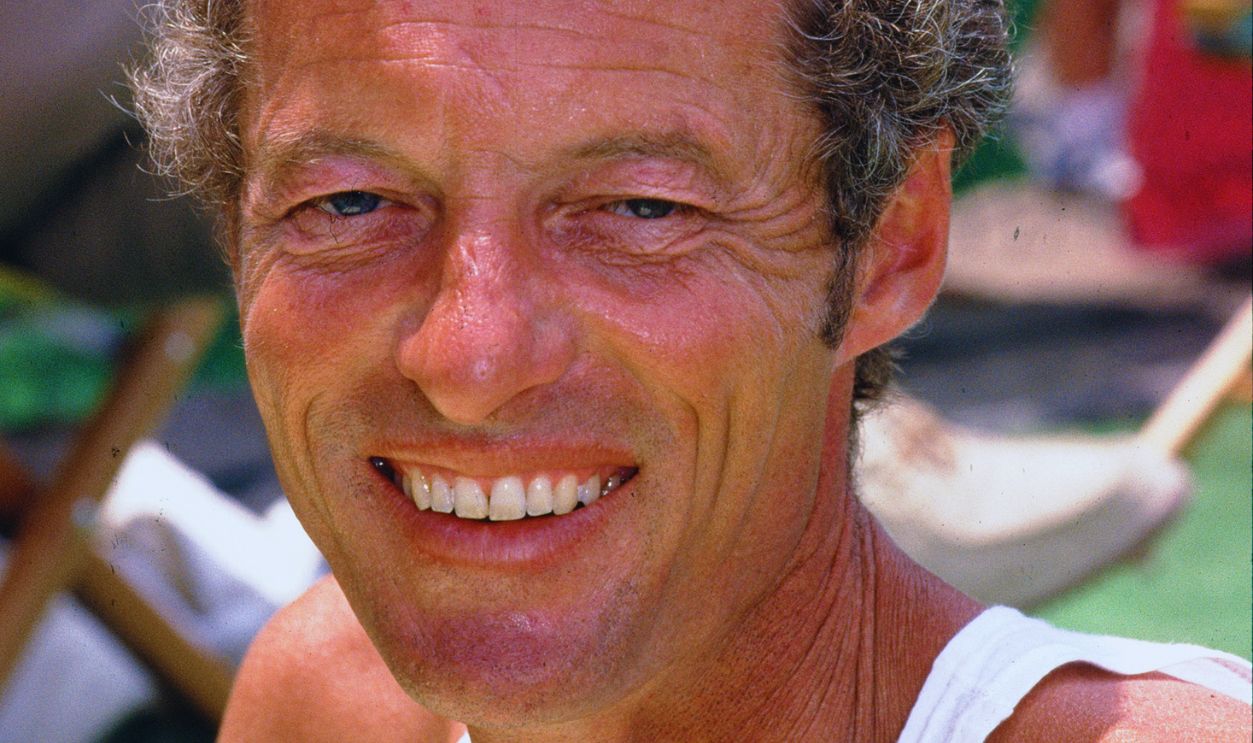
He Joined The Los Angeles PD
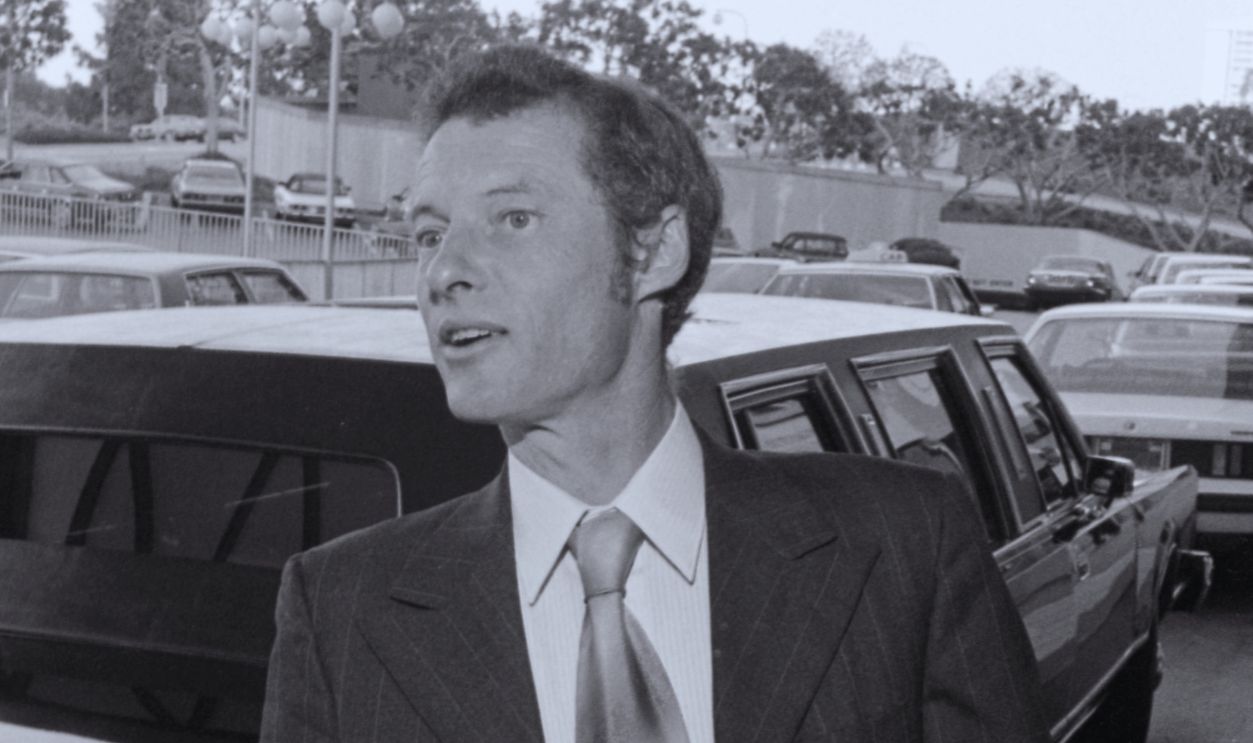
In 1970, Osmond surprised many fans by joining the LAPD. Hoping to avoid constant recognition, he grew a mustache and trained as a motorcycle officer. Instead of performing in front of cameras, he spent nearly two decades serving the public on Los Angeles streets.
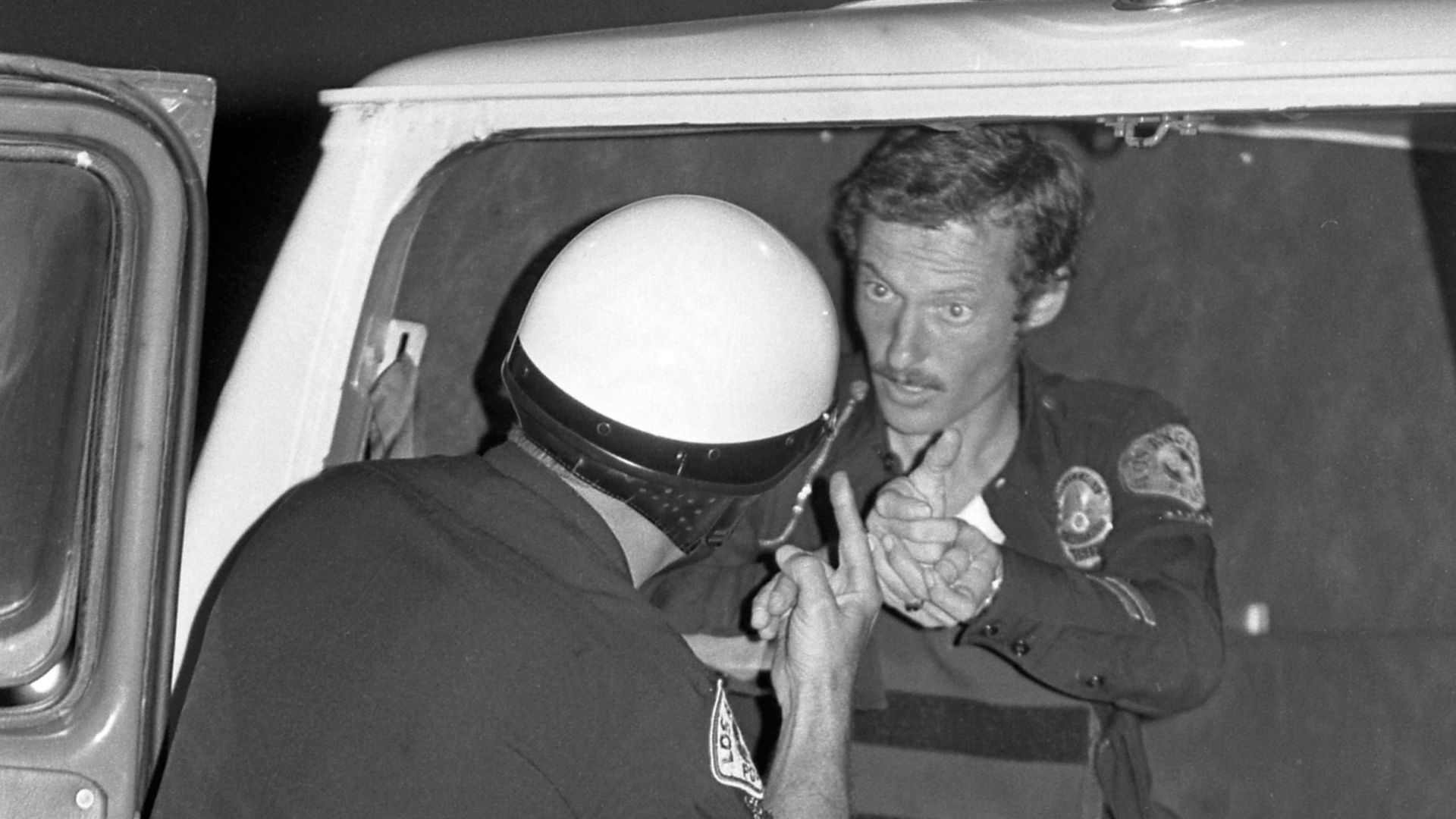 Mike Meadows, Los Angeles Times, Wikimedia Commons
Most People Never Recognized Him
Despite Eddie Haskell's fame, many people failed to recognize Officer Ken Osmond. His older appearance, uniform, and mustache created enough distance from his television persona that he often went about his work without attracting attention. That anonymity allowed him to focus on his responsibilities rather than his celebrity.
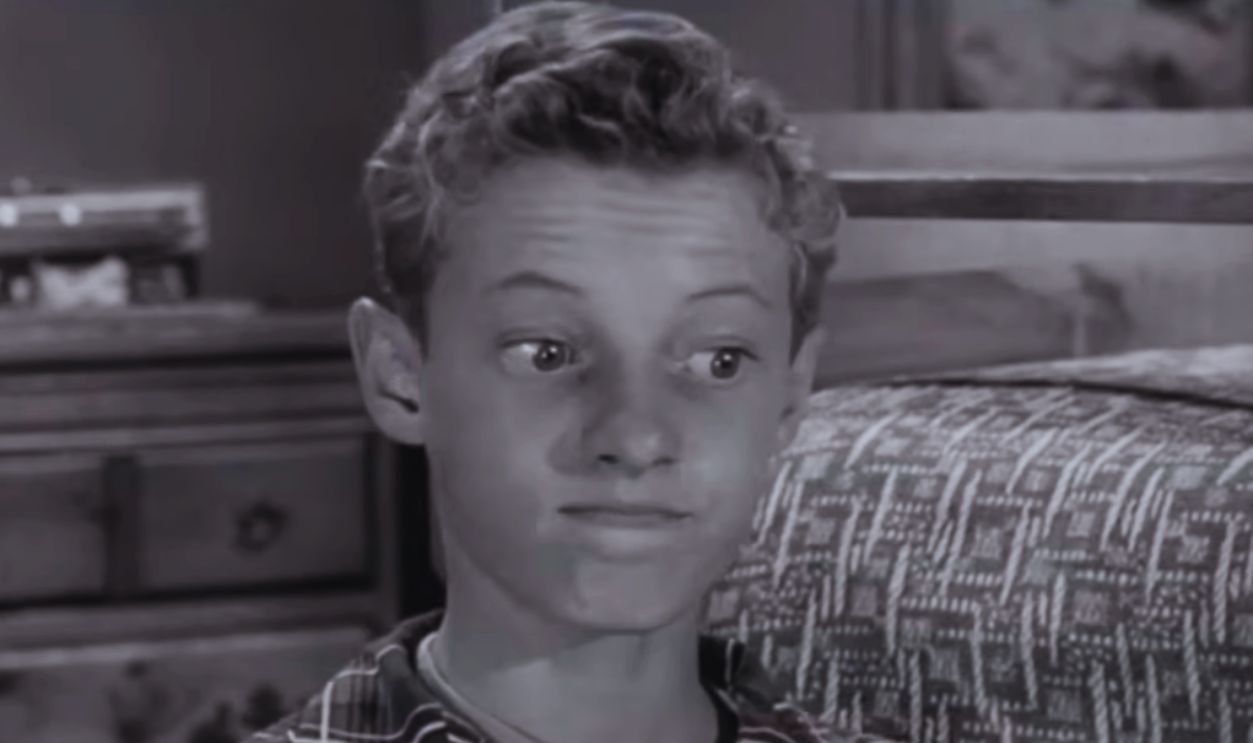 Screenshot from Leave It to Beaver, Universal Television (1957–1963)
He Faced Real Danger On Duty
On September 20, 1980, Osmond was pursuing a suspected car thief when he was shot three times. His resistant vest stopped two rounds, while another piece of ammo struck and deflected off his belt buckle. The incident easily could have been fatal, making it one of the most dramatic chapters of his life.
Recovering Wasn't Easy
Although he survived the incident, the experience took both physical and emotional tolls. Osmond later spoke about struggling with depression following the incident and withdrawing from family life for a period. His recovery proved to be much more complicated than simply healing from his injuries.
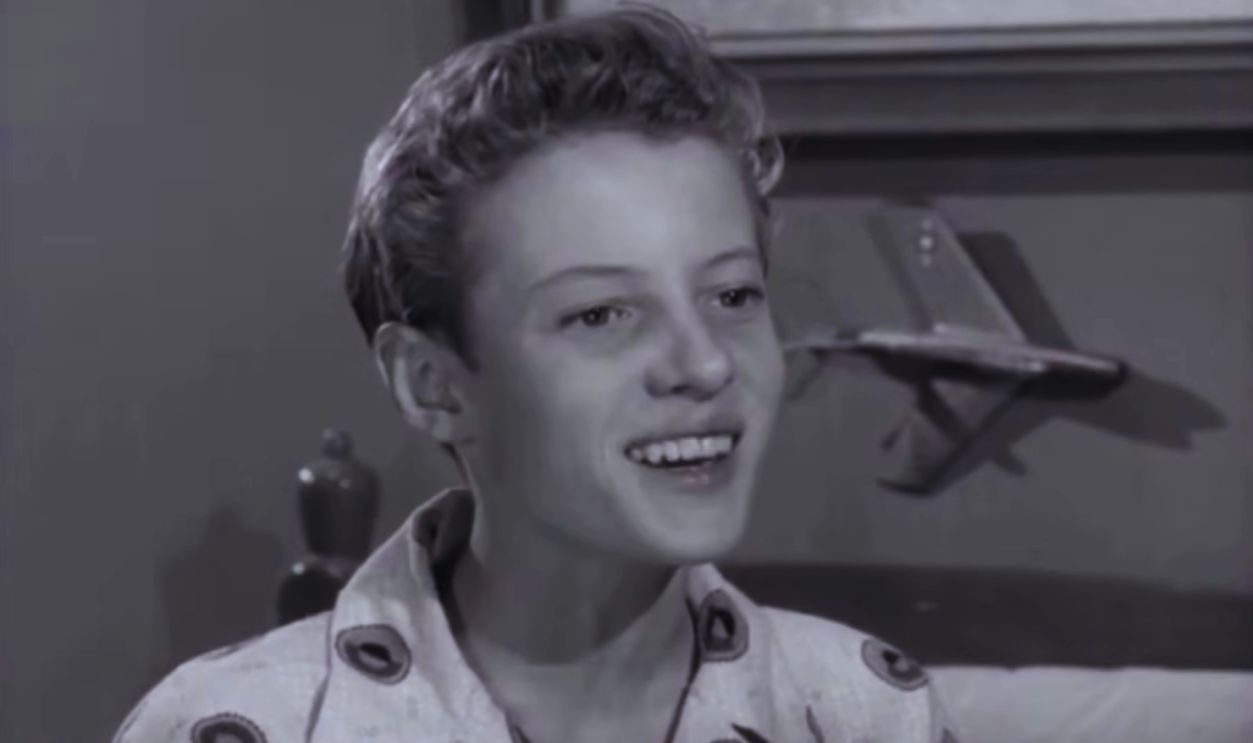 Screenshot from Leave It to Beaver, Universal Television (1957–1963)
Retirement Came After A Court Battle
Osmond eventually sought disability retirement because of injuries connected to the incident. His initial request was denied by pension officials, but he appealed the decision in court. A judge ultimately ruled in his favor, allowing him to retire from the LAPD with disability benefits.
Television Came Calling Again
While Osmond was building his law enforcement career, Leave It to Beaver enjoyed enormous popularity in syndication. The renewed interest led to the 1983 reunion movie Still the Beaver. Fans were eager to see Eddie Haskell return, and Osmond gladly stepped back into the role.
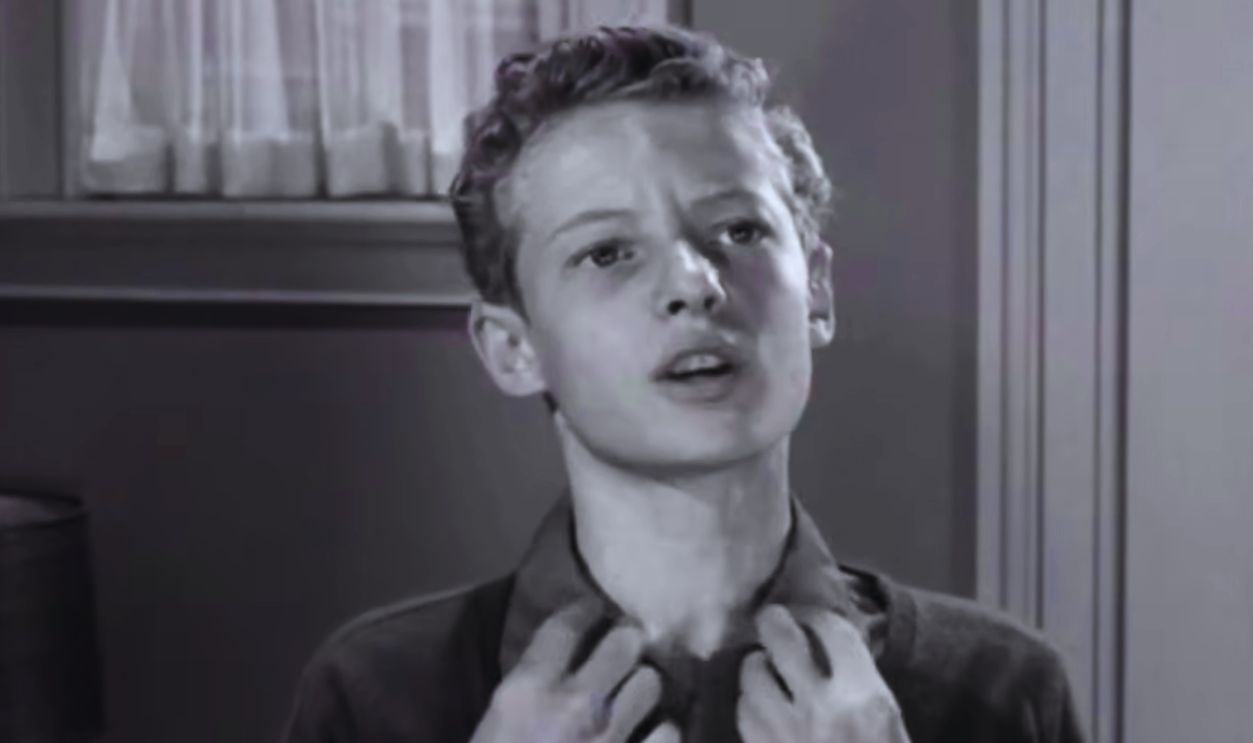 Screenshot from Leave It to Beaver, Universal Television (1957–1963)
Eddie Grew Up Too
The reunion movie proved successful enough to launch The New Leave It to Beaver. This sequel series ran through the 1980s and reunited much of the original cast. Osmond's adult version of Eddie remained entertaining while showing how the once-troublesome teenager had matured with age.
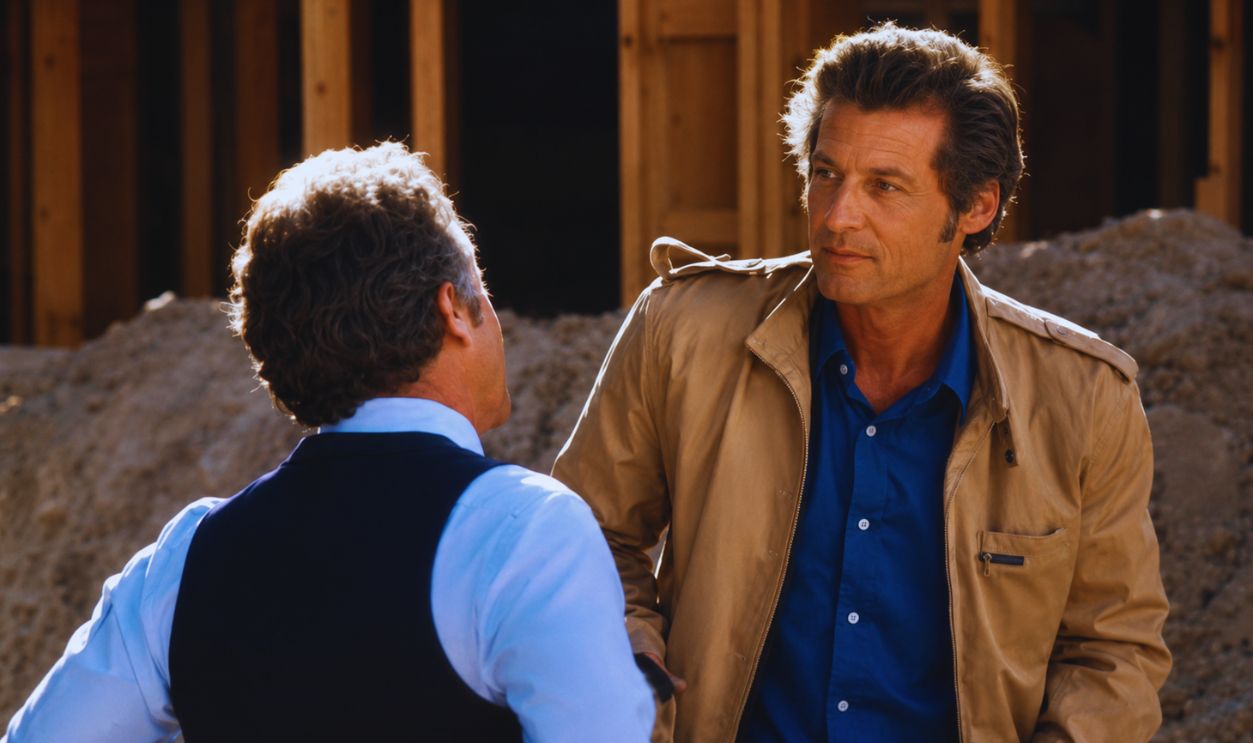 Screenshot from Still the Beaver, Universal Television (1983)
The Cast Stayed Close
Osmond maintained warm friendships with several of his former castmates, particularly Tony Dow and Jerry Mathers. Cast reunions regularly demonstrated the affection they still shared decades after filming the original series. Those lasting relationships became one of the happiest legacies of the show.
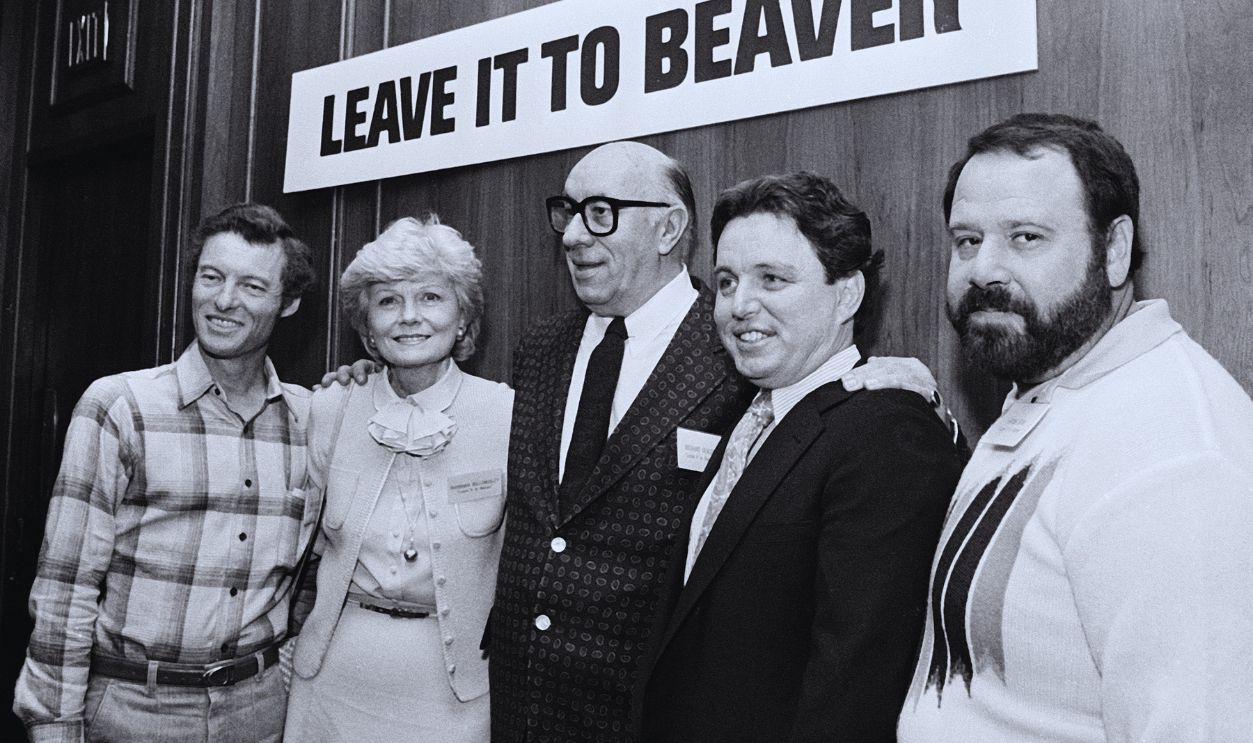
His Memoir Told The Full Story
In 2014, Osmond co-authored his autobiography, Eddie: The Life and Times of America's Preeminent Bad Boy. The book explored both his acting career and his years in law enforcement, giving readers a firsthand account of the unusual path his life had taken after childhood fame.
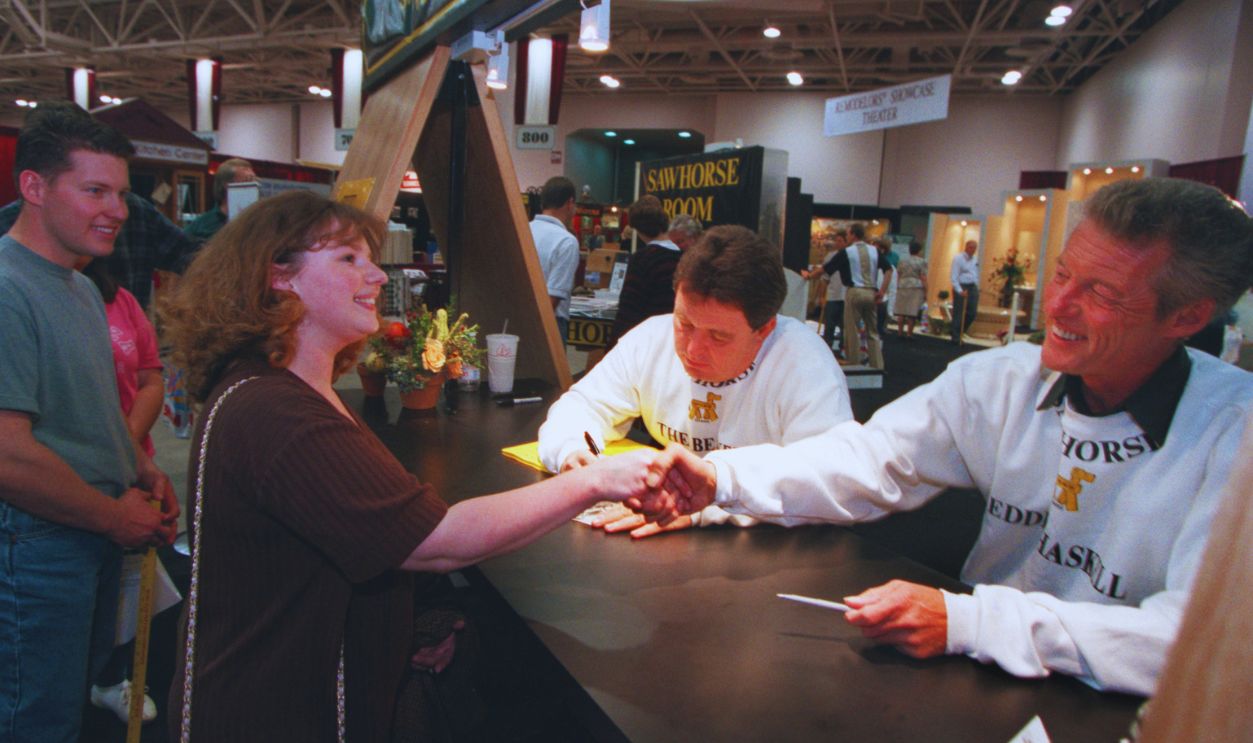
Fans Often Mistook Him For Eddie
Many viewers assumed Osmond must have shared Eddie Haskell's personality. Friends and colleagues consistently described the opposite. Interviews and tributes painted him as kind, humble, humorous, and deeply devoted to his family, making the contrast between actor and character especially striking.
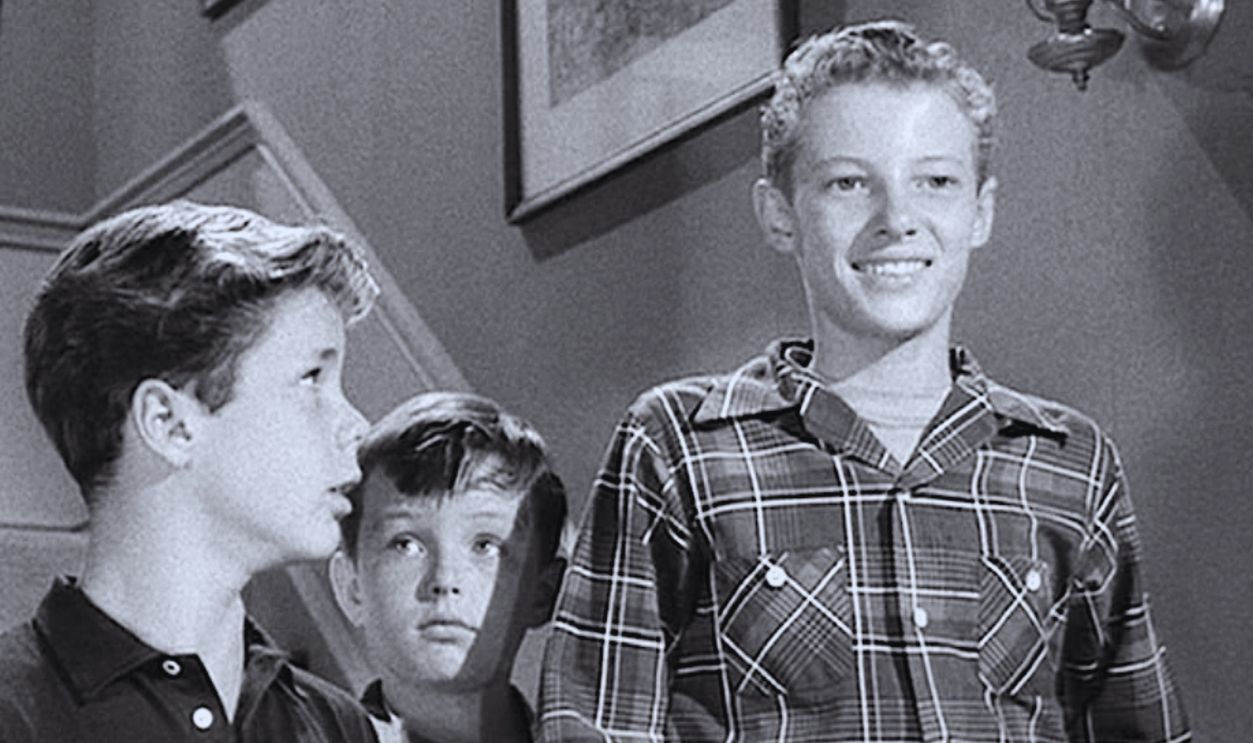 Screenshot from Still the Beaver, Universal Television (1983)
His Performance Left A Lasting Mark
Few supporting television characters have remained as culturally recognizable as Eddie Haskell. The role became so iconic that the character's name entered everyday conversation as a way to describe insincere flattery. That's an achievement few television performances ever accomplish.
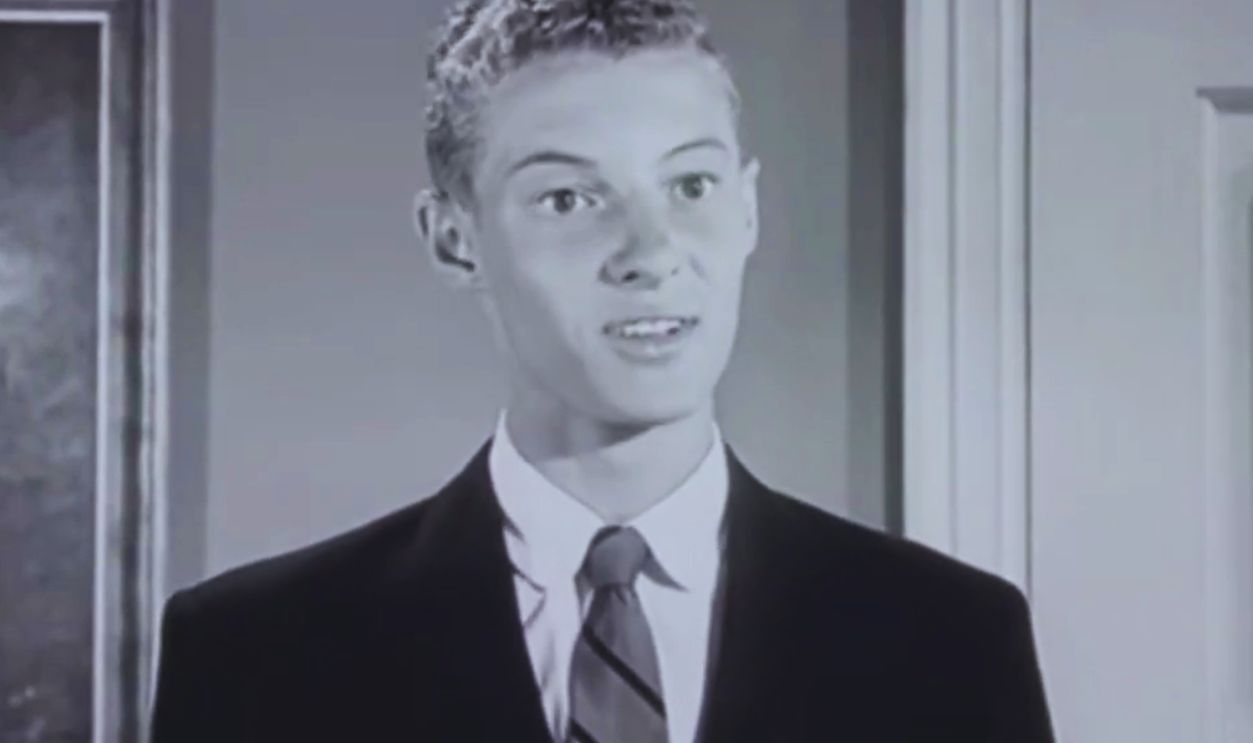 Screenshot from Still the Beaver, Universal Television (1983)
His Family Always Came First
Throughout interviews later in life, Osmond spoke proudly about his wife Sandra and their two sons, Eric and Christian. Although millions remembered him from television, he consistently emphasized that his greatest satisfaction came from his family and his years of public service rather than celebrity.
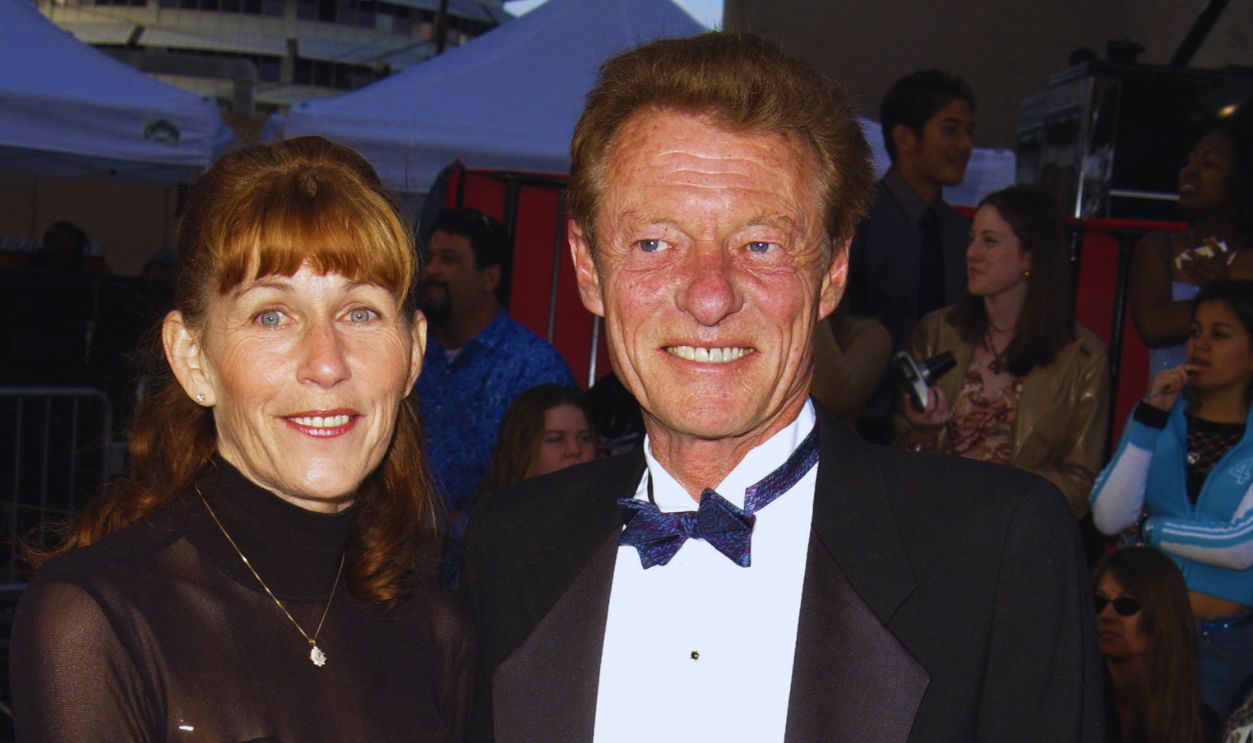
Hollywood Remembered Him Fondly
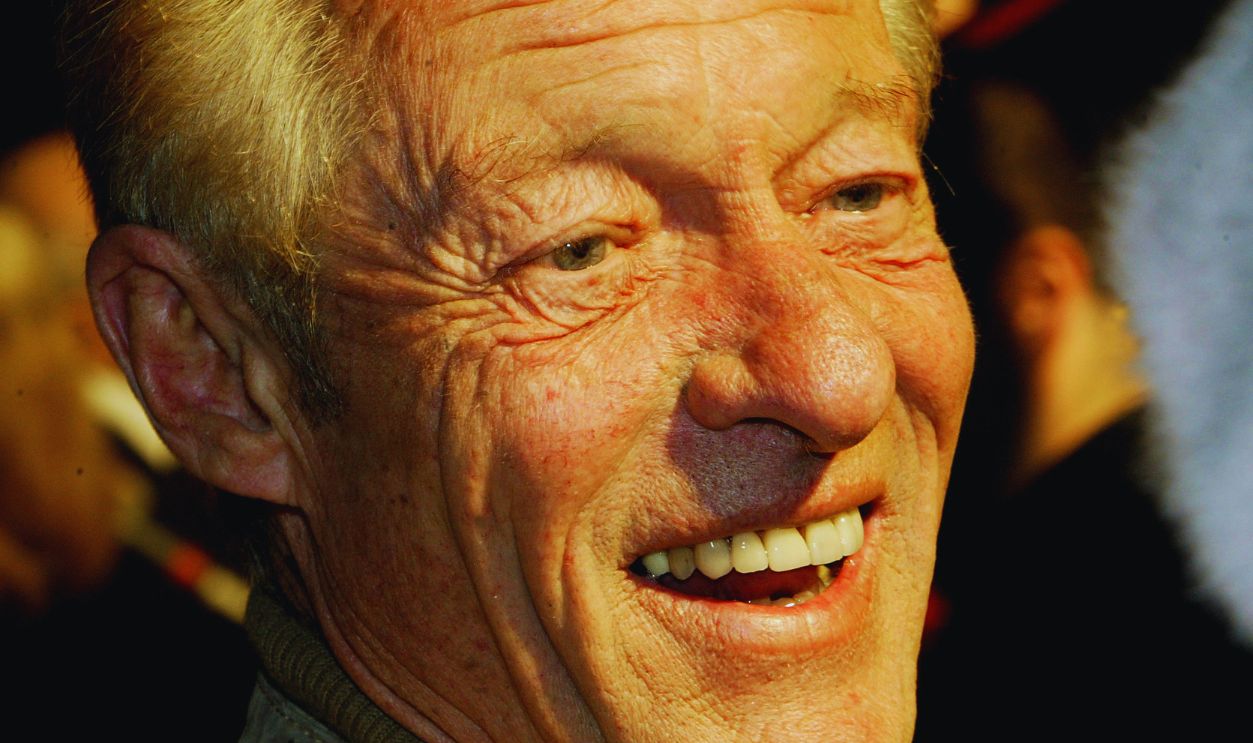
When Osmond passed on May 18, 2020, at age 76, tributes poured in from former colleagues and fans. Tony Dow praised both his acting ability and his character, while Jerry Mathers remembered him as a lifelong friend. Their comments reflected the respect Osmond earned both on and off the screen.
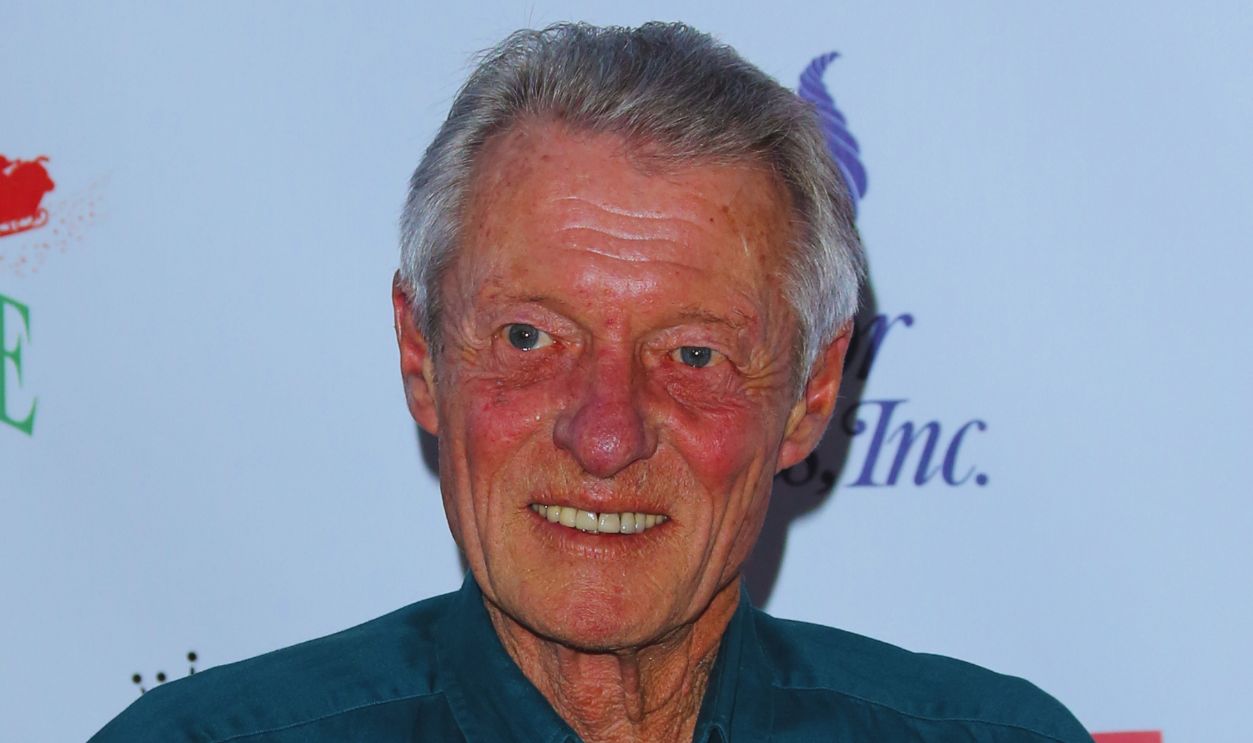
A Legacy That Went Far Beyond Eddie Haskell
Ken Osmond accomplished something remarkably rare. He became unforgettable as one of television's greatest troublemakers, then quietly built a respected second career protecting the public. His life proved that lasting success isn't always measured by time in the spotlight, but by the character someone shows long after the cameras stop rolling.
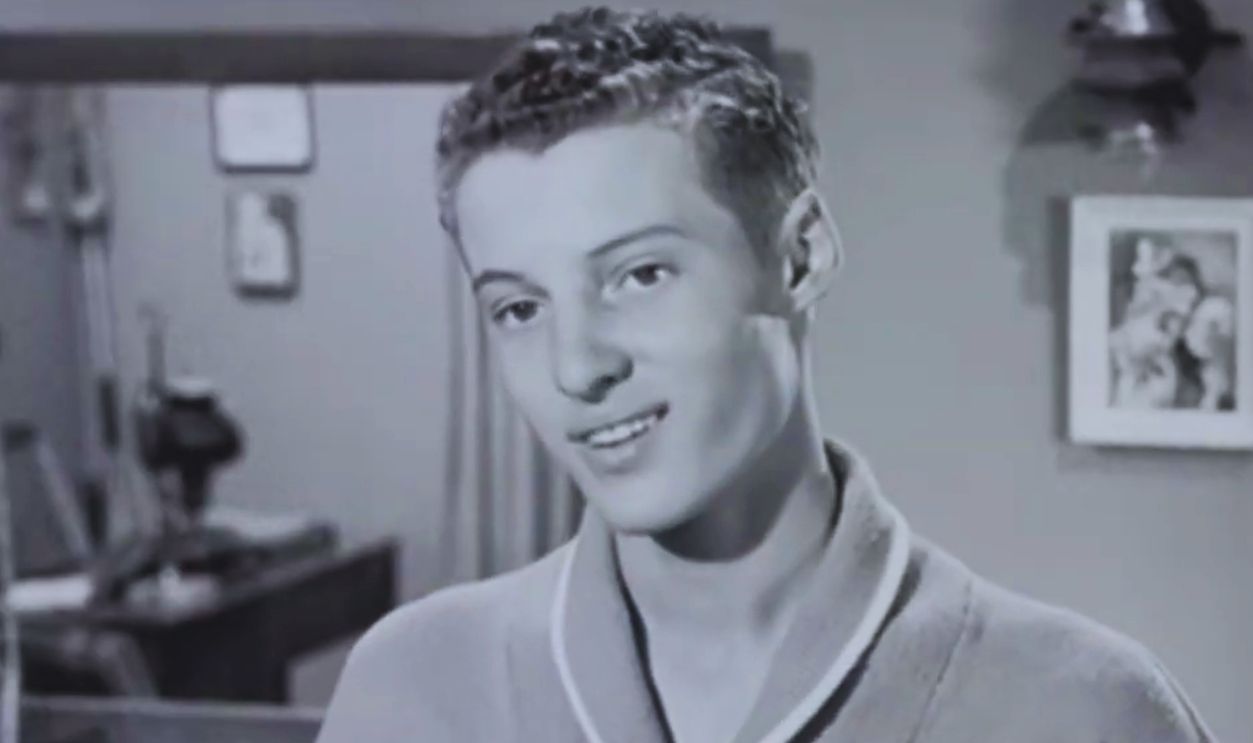 Screenshot from Still the Beaver, Universal Television (1983)
You May Also Like:
Why The Bob Newhart Show Star Suzanne Pleshette Became One Of Television’s Most Beloved Performers
Jonathan Winters was a comic genius—but he fought demons his audience never saw.
Debonair Facts About Maurice Chevalier, The World’s Most Famous Frenchman