
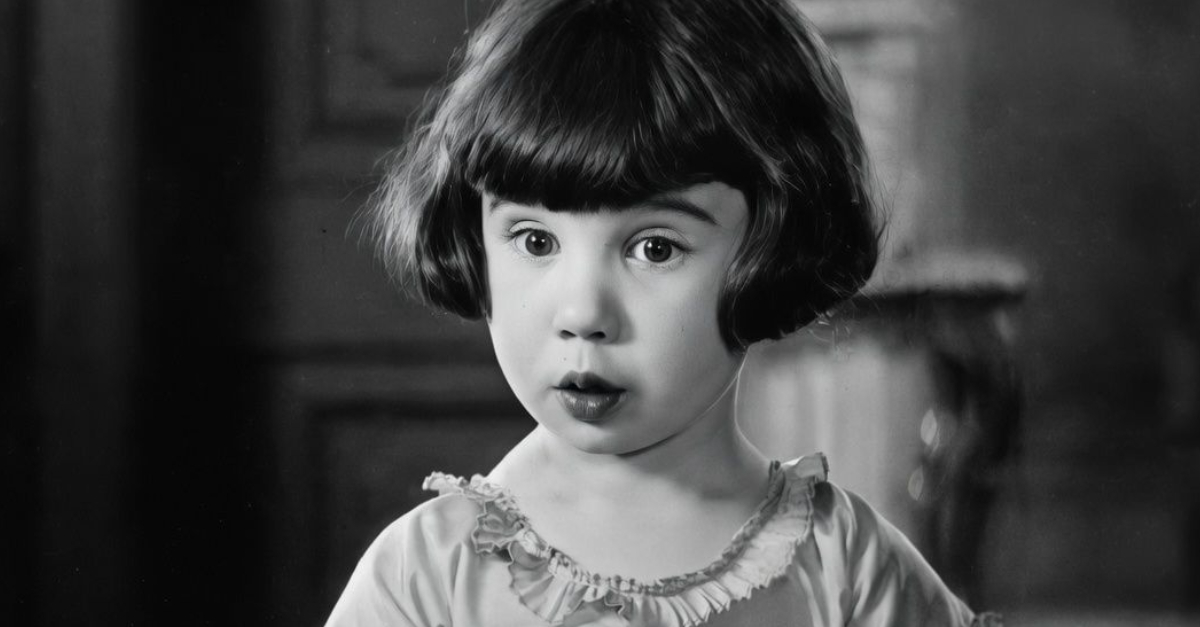
Hollywood’s Littlest Millionaire
Before she was old enough to attend school, Baby Peggy was living in a Beverly Hills mansion, receiving mountains of fan mail and earning more money than most adult movie stars could dream of.
But before she was old enough to understand what any of it meant, the whole thing began to fall apart.
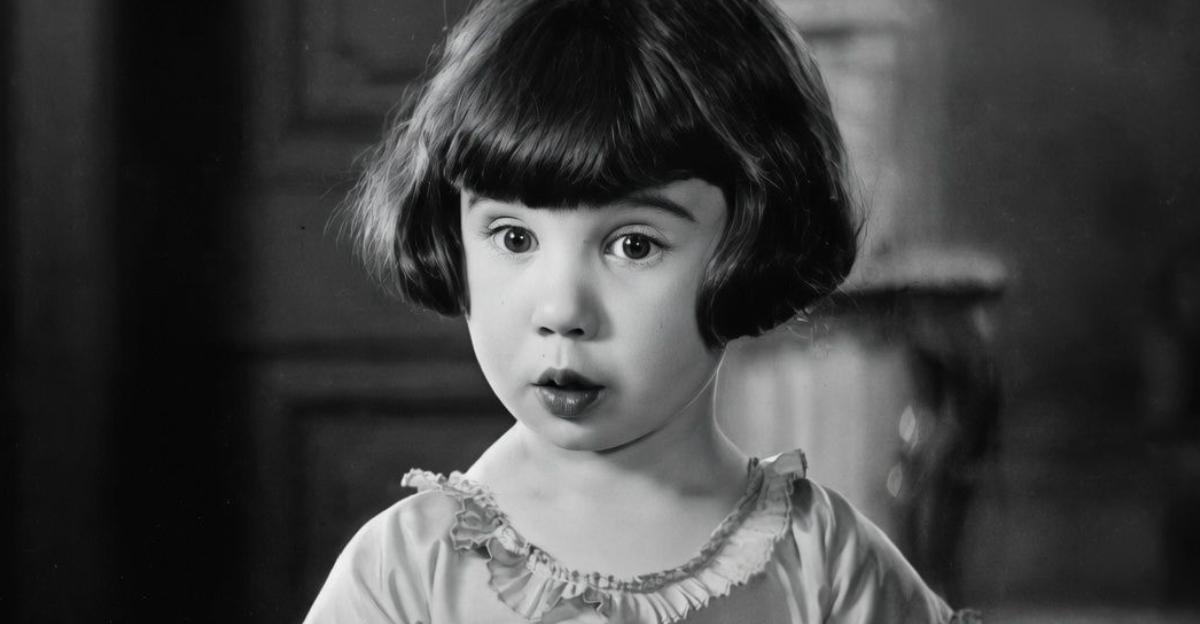
Her Name Was Peggy-Jean
Baby Peggy was born Peggy-Jean Montgomery in San Diego in 1918. Her father, Jack, was a former cowboy who found work performing stunts and doubling actors in early Westerns. Hollywood was already part of the family—but nobody expected Peggy to become its biggest star.
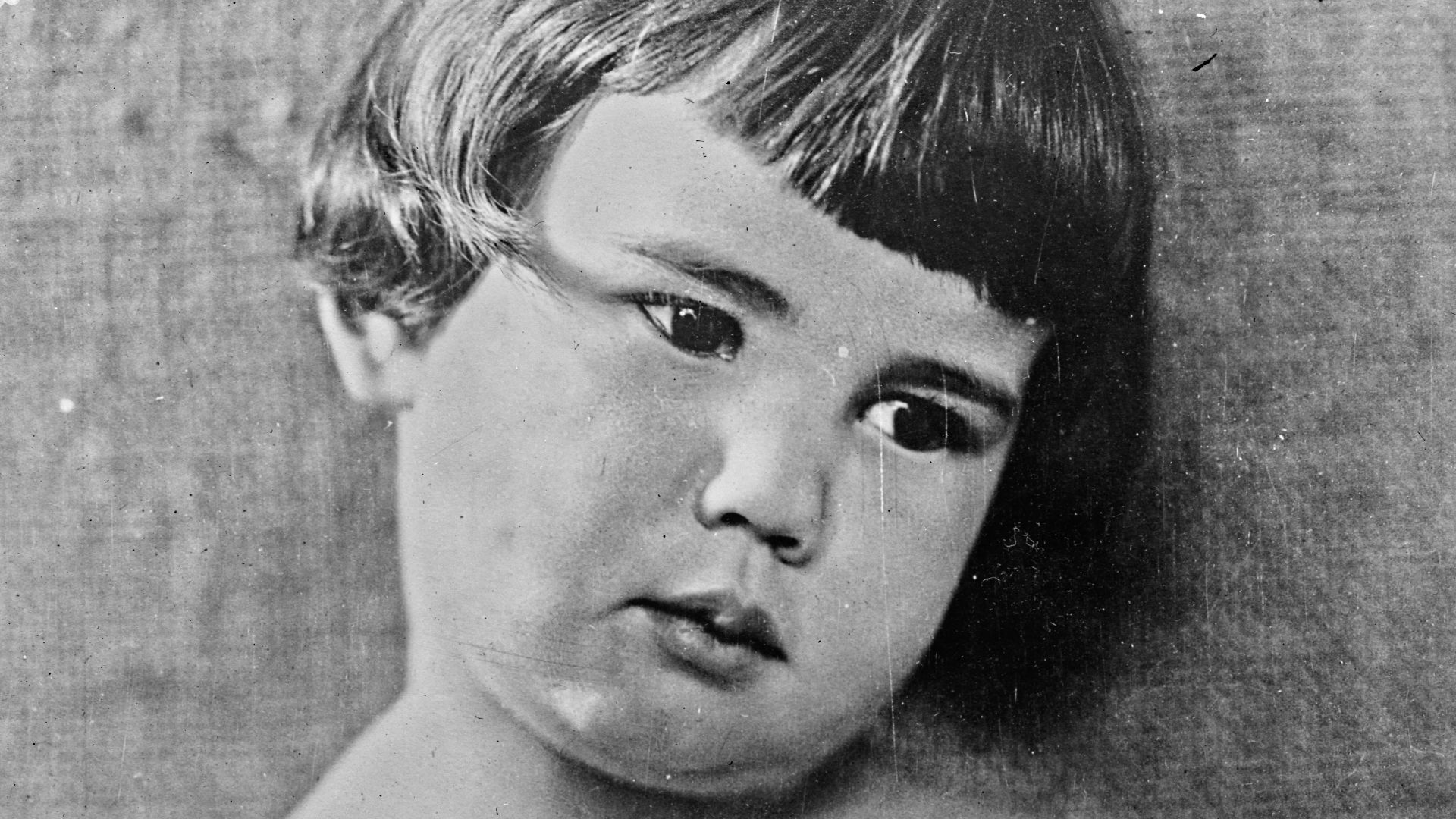 Agence Rol. Agence photographique (commanditaire), Wikimedia Commons
She Was Discovered at 19 Months Old
Peggy’s mother brought her along while visiting Century Studios with a friend. A director noticed how unusually calm and responsive the toddler was and decided she might work well on camera. Just like that, Peggy was offered a contract before she could even speak in complete sentences.
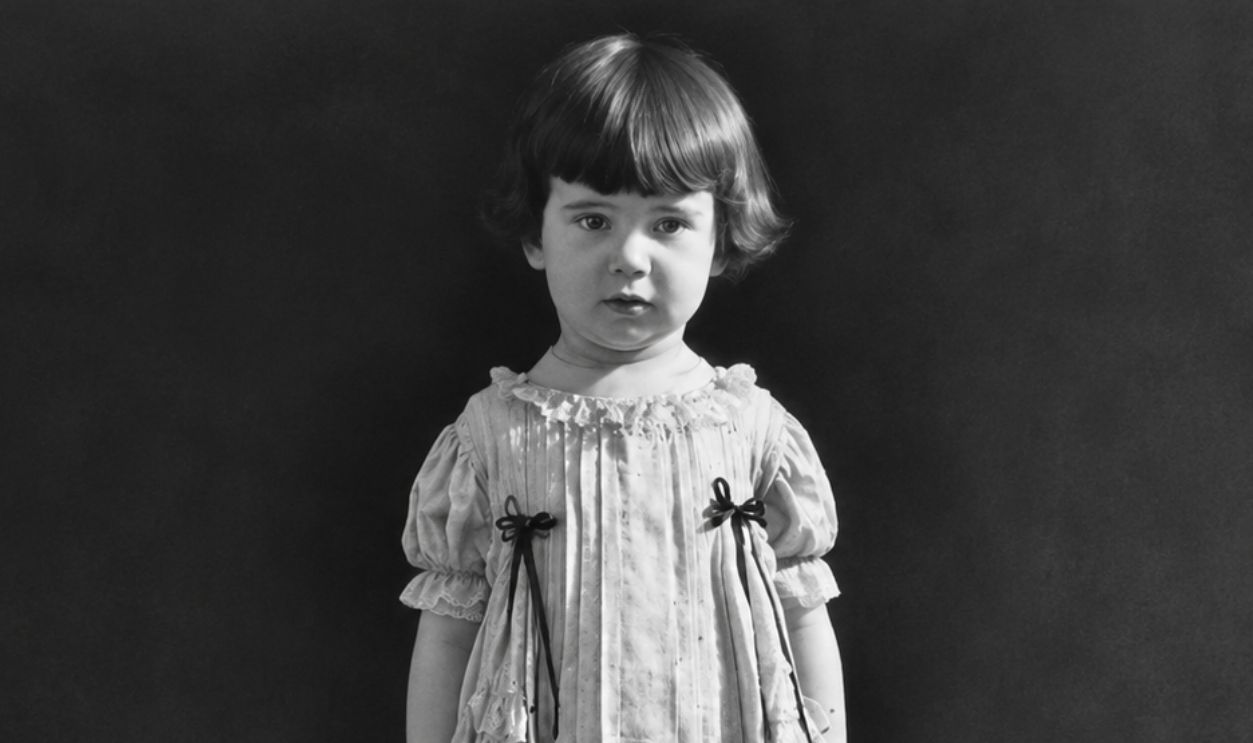 Unknown photographer, Wikimedia Commons, Modified
First, They Paired Her With a Dog
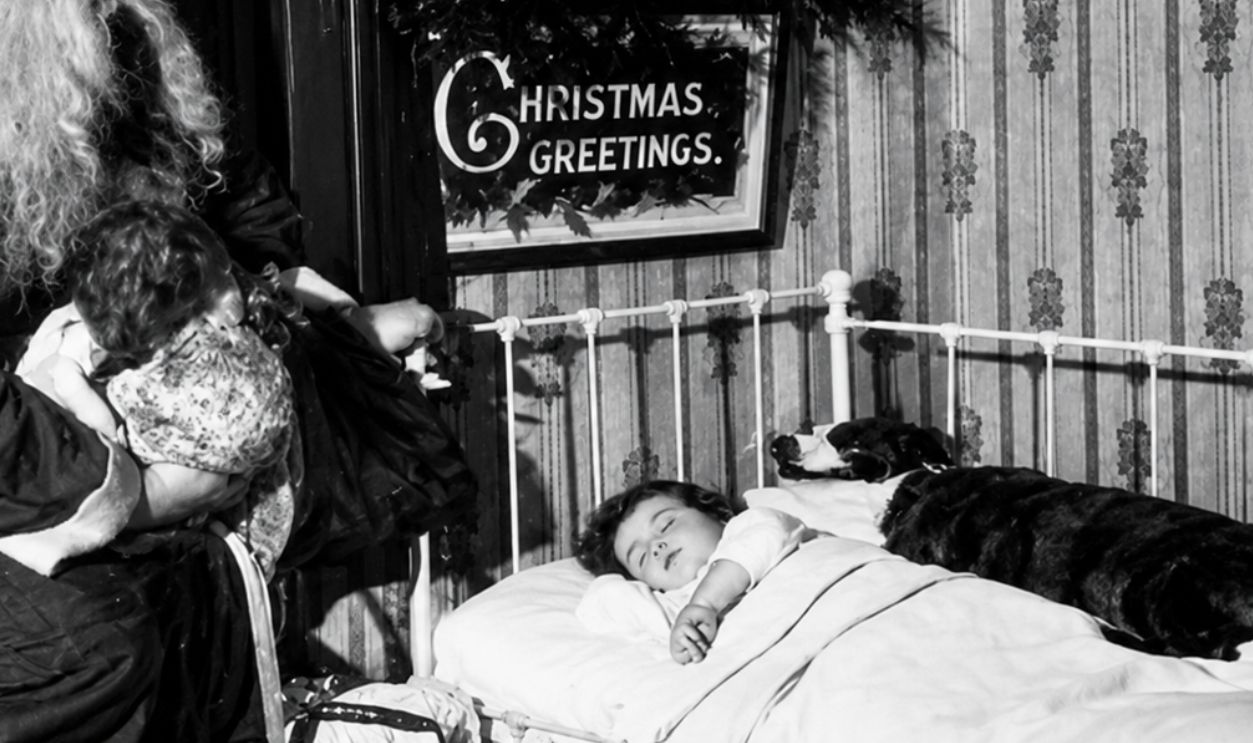
Her earliest co-star was Brownie the Wonder Dog. Peggy wore overalls and clown makeup while Brownie performed beside her, creating an act that worked perfectly in silent movies. The films could be shipped around the world with little more than the title cards changed.
 Century Comedies / Universal Pictures, Wikimedia Commons, Enhanced
Her Father Quickly Took Control
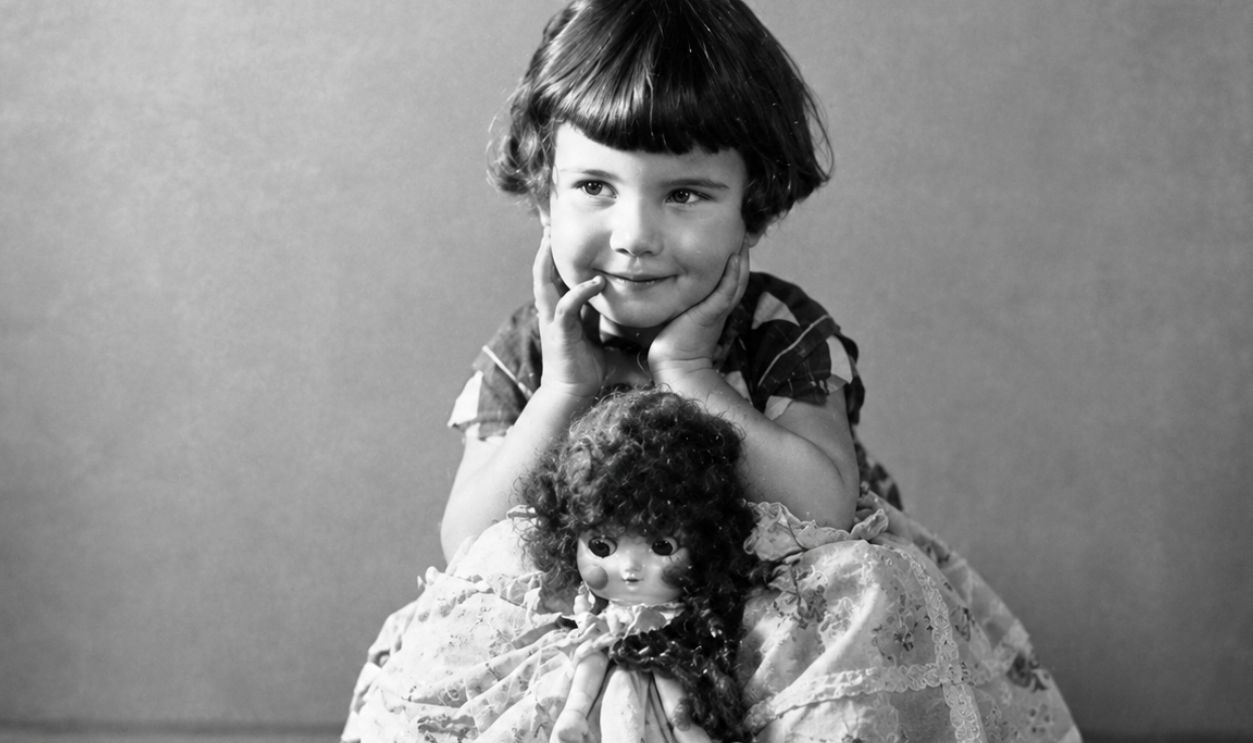
Jack Montgomery gave up much of his own work and became Peggy’s coach, manager and contract negotiator. He trained his daughters to obey an order immediately, almost without thinking. On a movie set, that made Peggy remarkably efficient—and placed almost every part of her young life under her father’s control.
 Unknown photographer, Wikimedia Commons, Enhanced
She Could Cry on Command
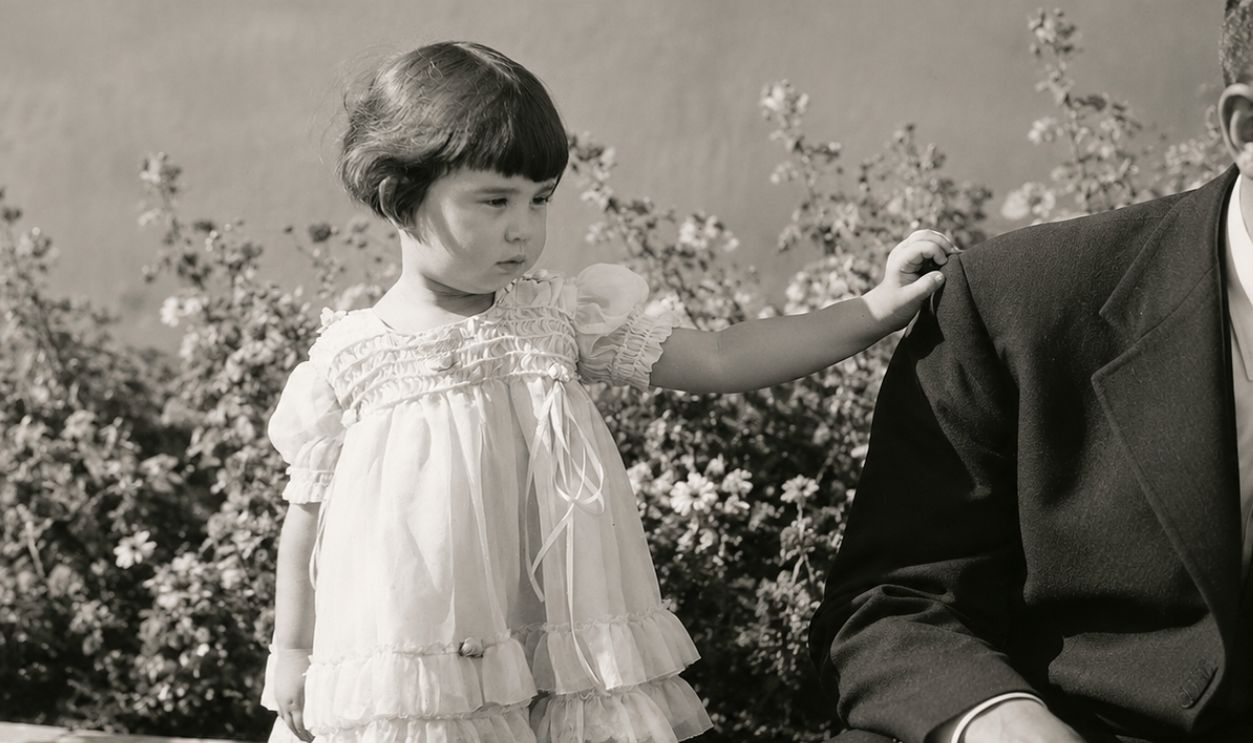
Jack could snap his fingers and tell Peggy to laugh, cry or look frightened, and the tiny girl would instantly give the camera what it needed. Peggy later described the way she and her sister were trained as being closer to the handling of animals than the raising of children.
 University of Washington, Wikimedia Commons, Enhanced
Hollywood Couldn’t Make Them Fast Enough
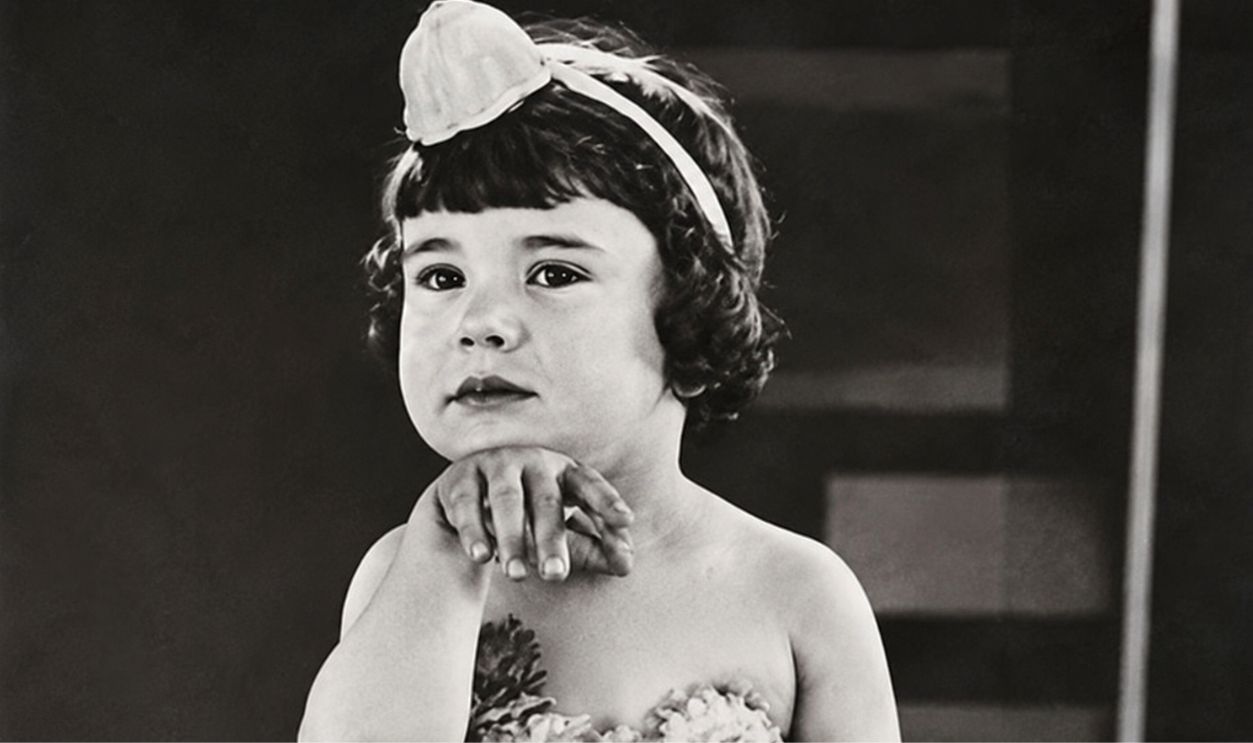
Between 1921 and 1924, Baby Peggy appeared in around 150 comedies, spoofs and adventure shorts. The exact total is difficult to confirm because studio records are incomplete and many of the films have disappeared. Either way, she spent most of her toddler years working.
 Century Film / Universal Pictures, Wikimedia Commons, Enhanced
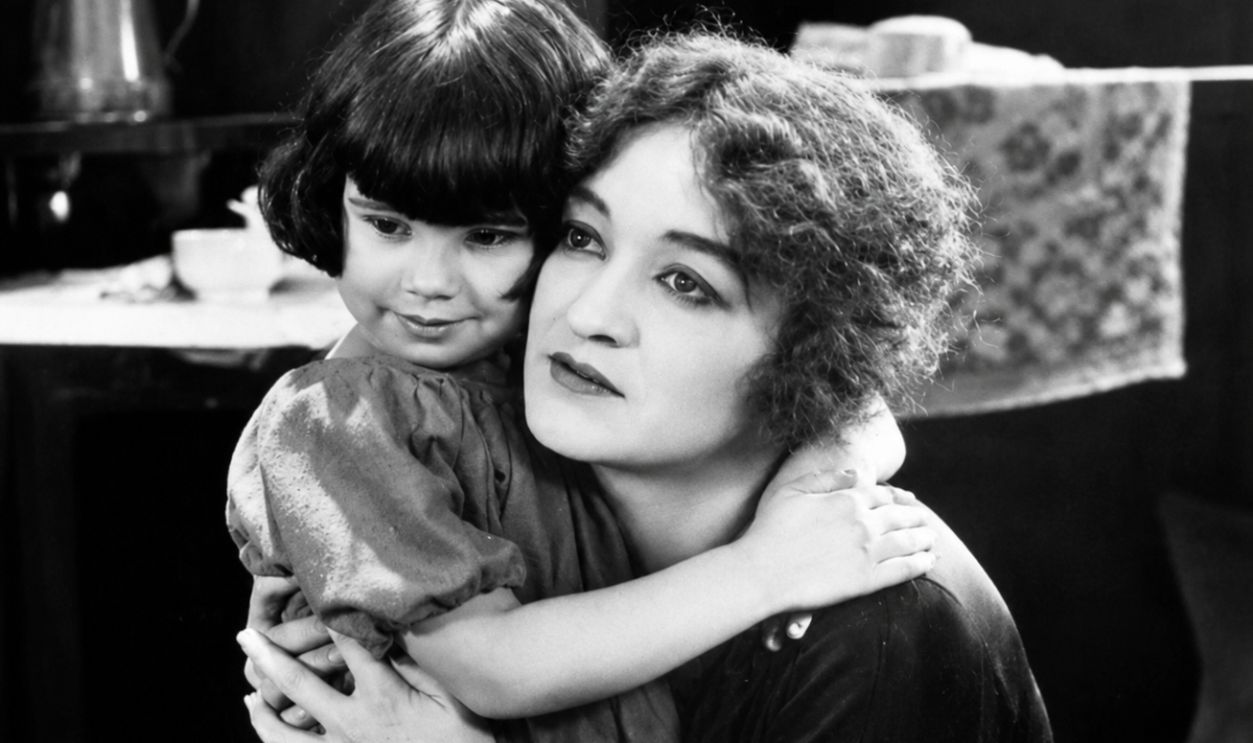
She Wasn’t Playing a Delicate Little Doll
Audiences loved Peggy because she was funny, mischievous and fearless on screen. She played everything from a bellboy and mounted policeman to a matador and miniature movie star. Her talent for imitating grown-ups made her much more memorable than the usual cute-child routine.
 Universal Pictures, Wikimedia Commons, Enhanced
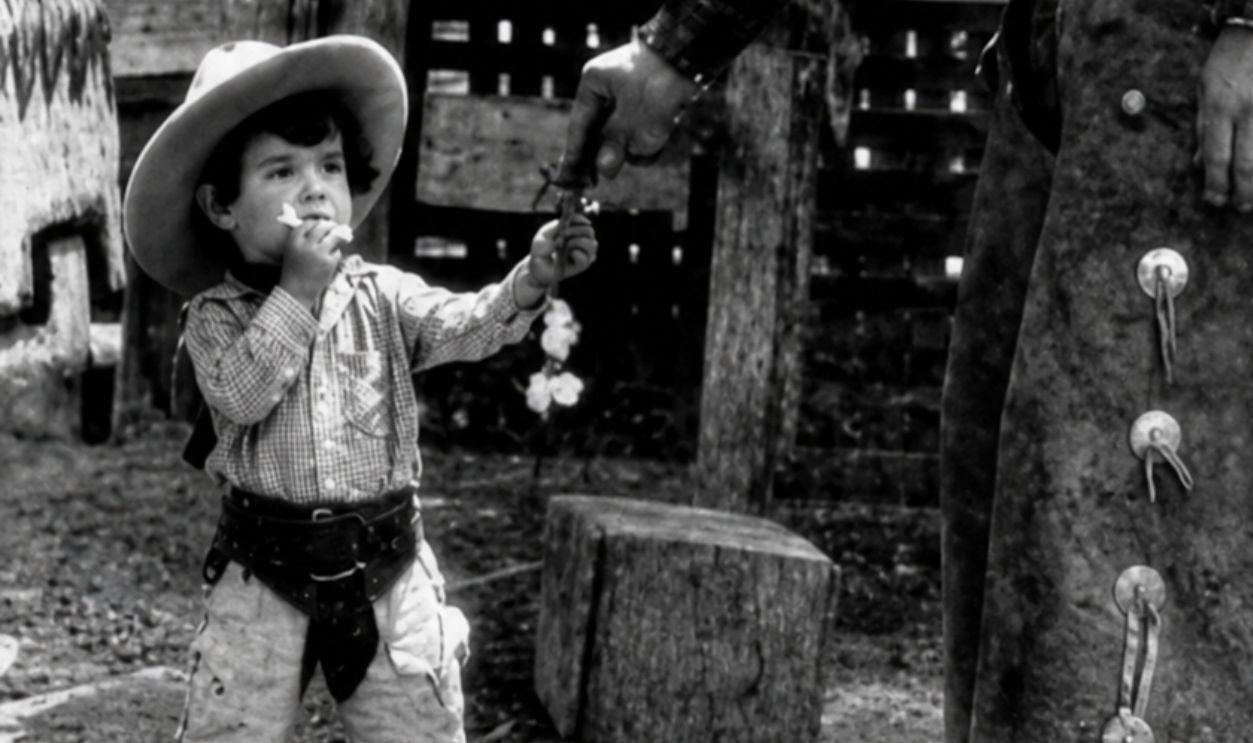
Unfortunately, the Danger Was Real
Early Hollywood offered few meaningful protections for child performers. Peggy worked long days without regular schooling, tutoring or proper rest periods. She was placed near moving vehicles, large animals, deep water and other dangers that no modern production would casually put in front of a preschooler.
 Century Comedies / Universal Pictures, Wikimedia Commons, Enhanced
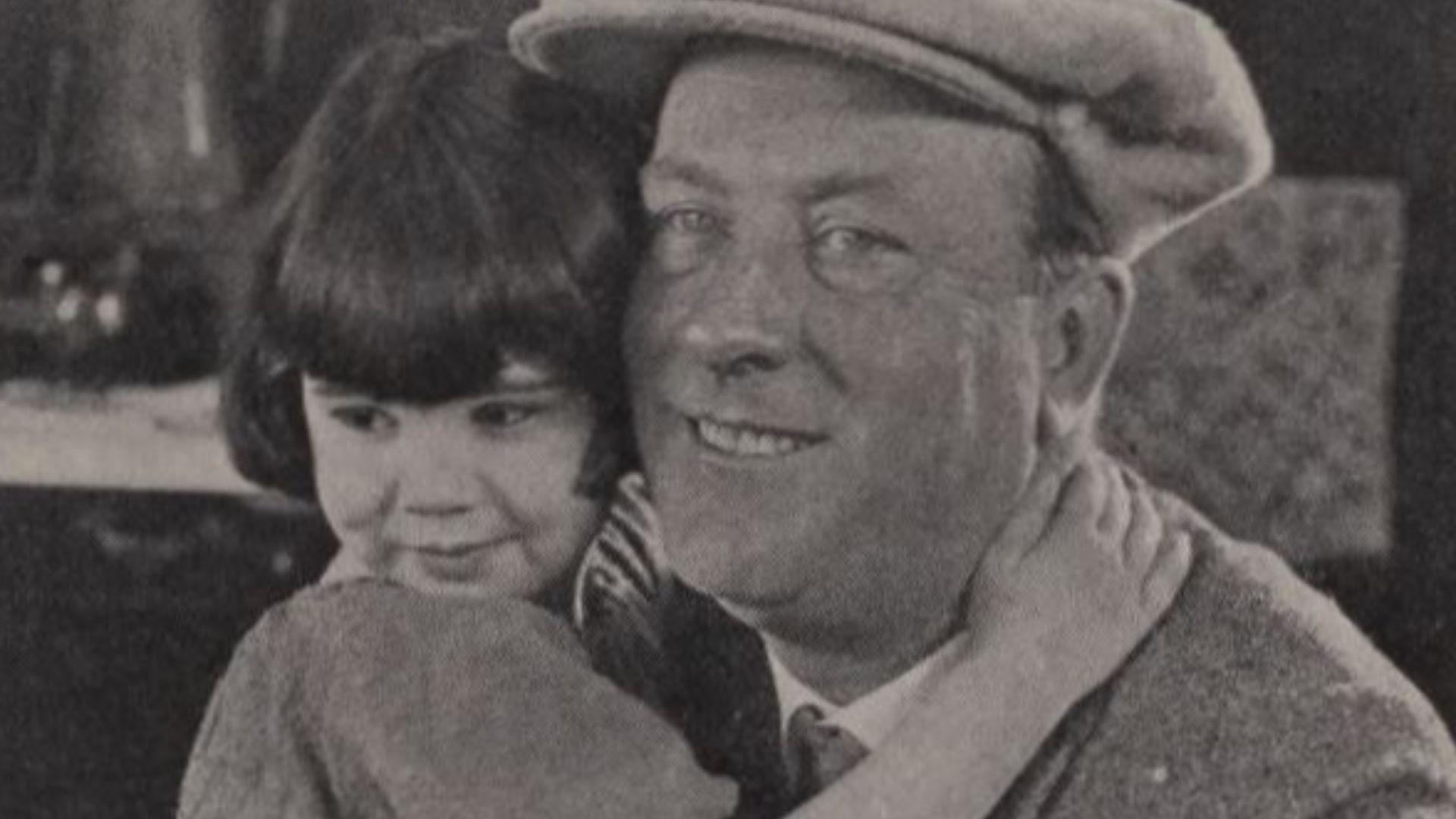
Then They Set the Room on Fire
While making The Darling of New York, Peggy was placed inside a bedroom set that was deliberately set on fire. When her planned escape route became blocked by flames, she had to find another way out while the cameras continued rolling. The terror audiences saw required very little acting.
 Universal Pictures, Wikimedia Commons
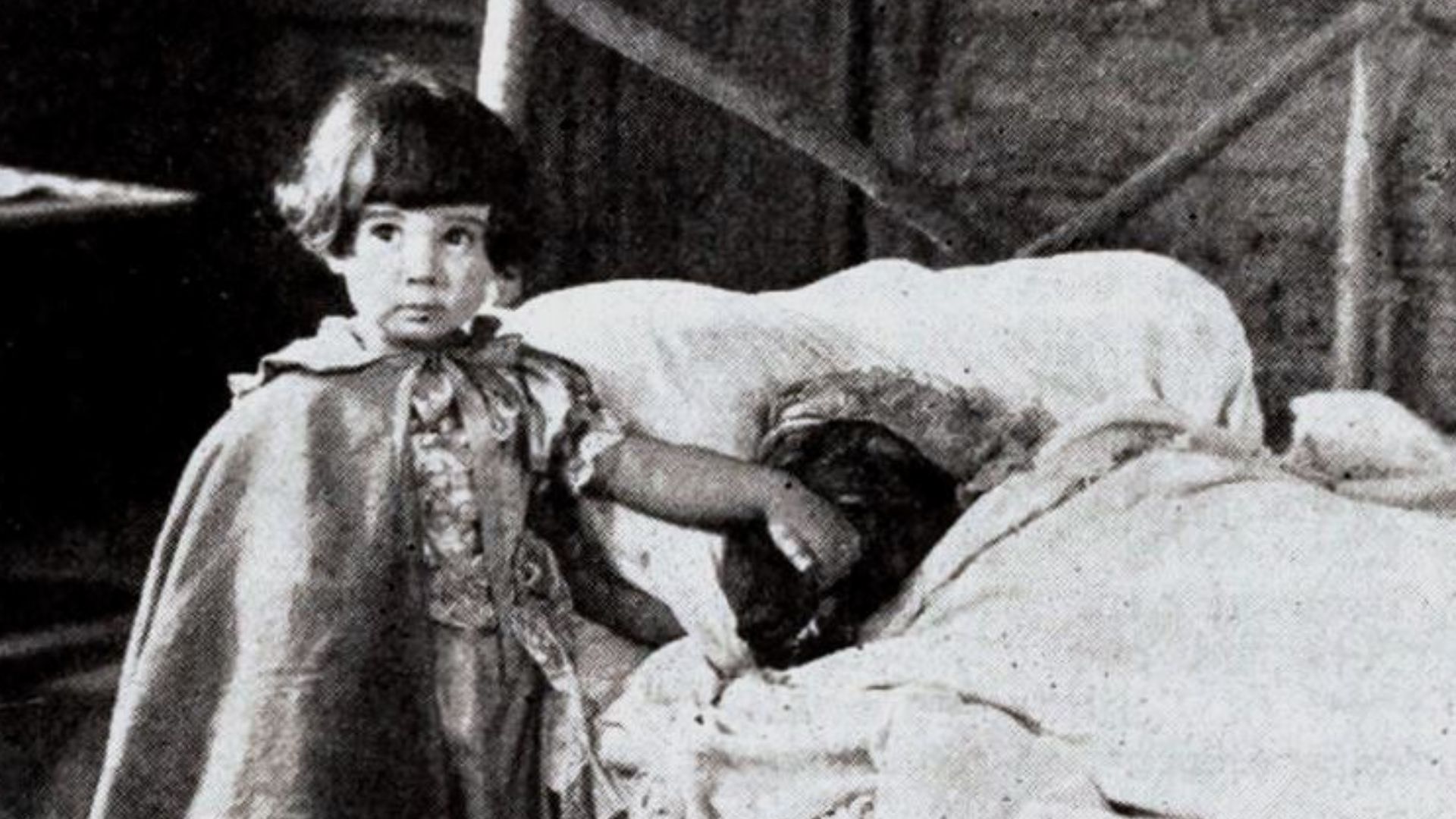
“They Said I Was Fearless”
Peggy later rejected the idea that she had been some remarkably brave little daredevil. “They said I was fearless,” she recalled decades later. “Which was not true.” She was a very young child surrounded by adults who expected her to do whatever they told her to do.
 Century Film / Universal Pictures, Wikimedia Commons
Then Came the Really Big Money
In 1923, Peggy signed with Universal for a reported $1.5 million a year. That was an enormous fortune at the time—and the person earning it was approximately five years old. Baby Peggy had become one of Hollywood’s highest-paid stars.
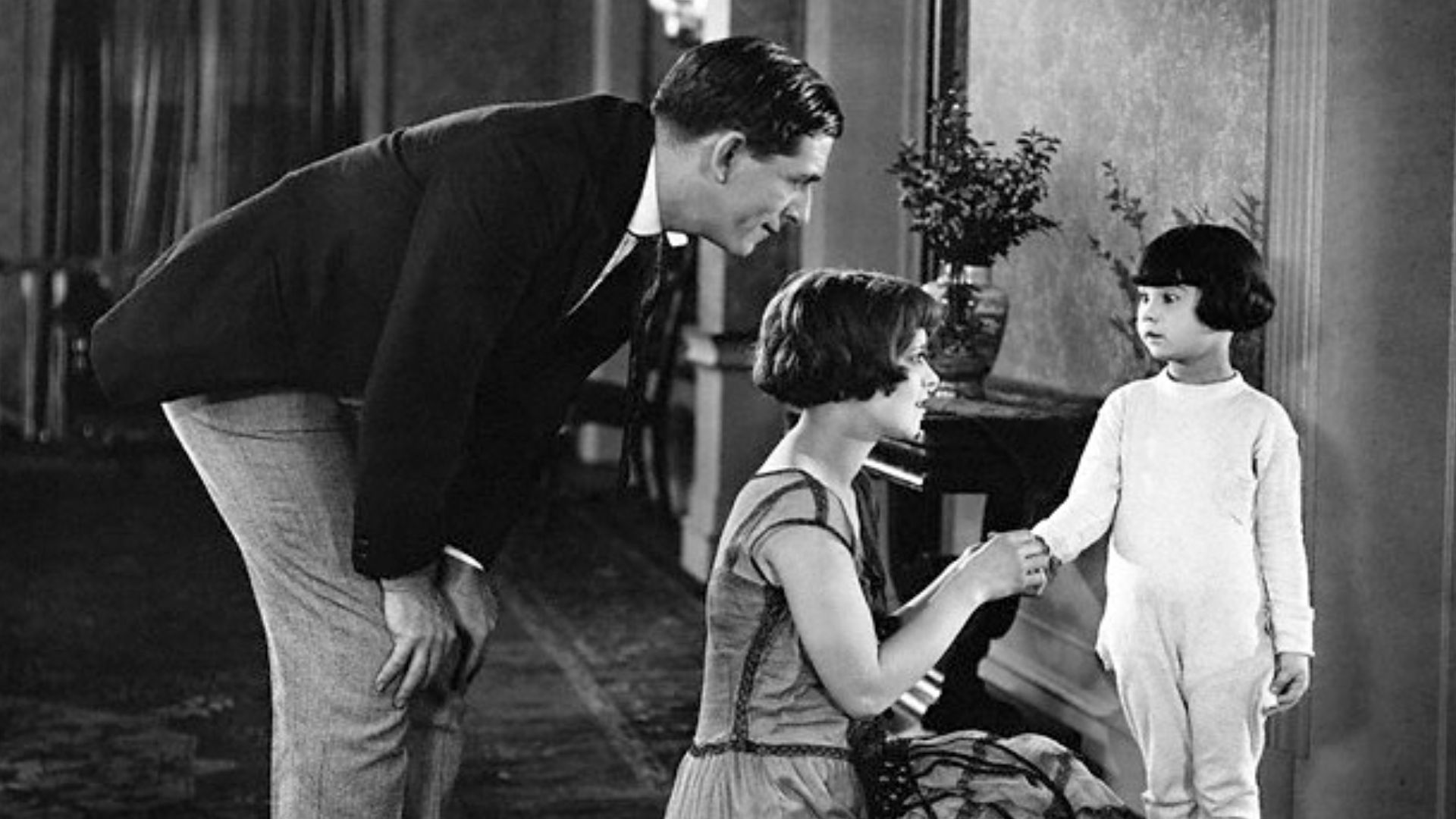 Sol Lesser Productions, Wikimedia Commons
She Became an Entire Brand
Baby Peggy’s face appeared on dolls, clothing, jewelry, handbags, sheet music and other merchandise. She received an almost unimaginable amount of fan mail and was promoted as the “Million Dollar Baby.” Hollywood had not simply found a successful child actress. It had built an industry around her.
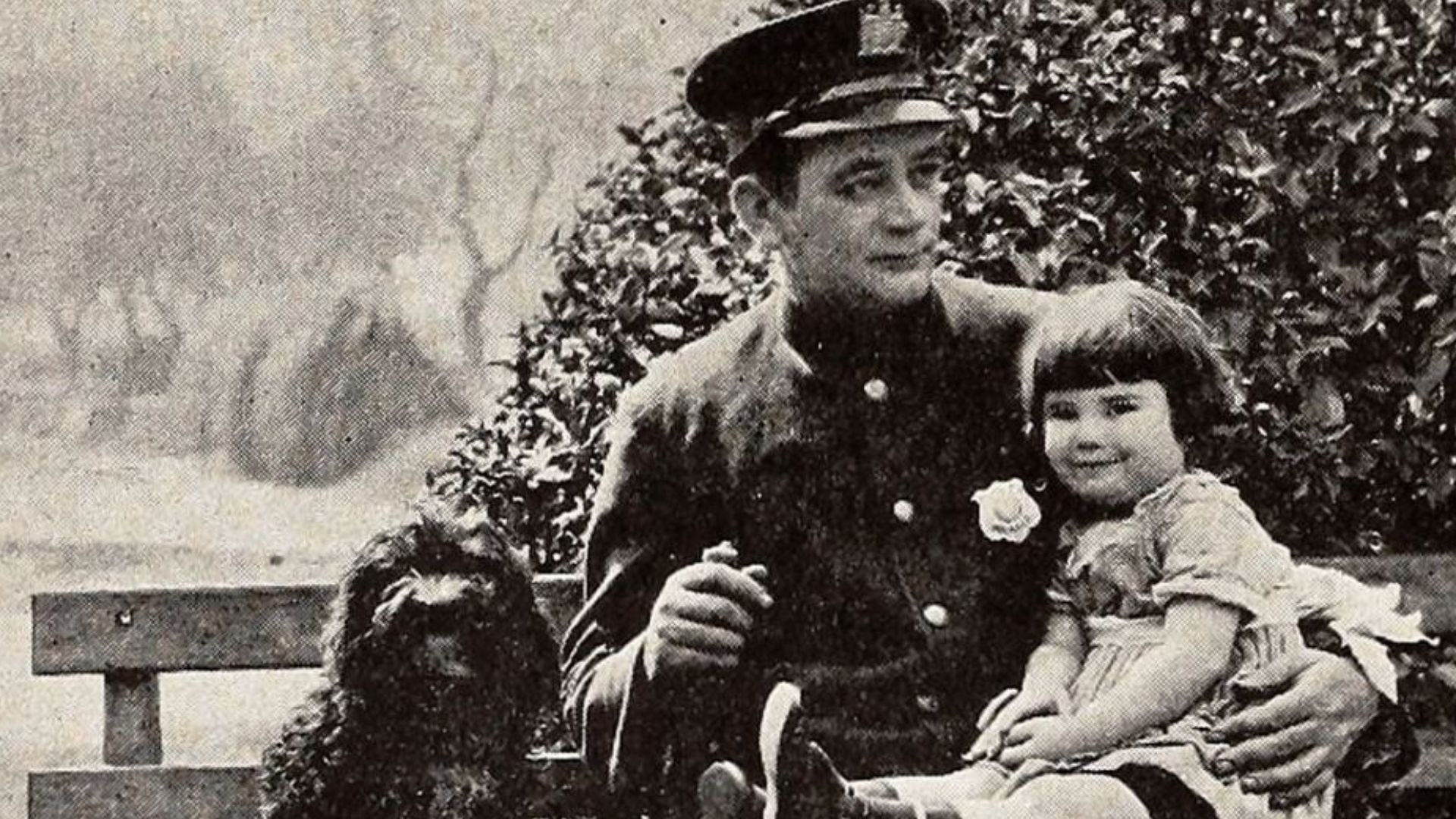 Century Film / Universal Pictures, Wikimedia Commons
She Even Had a Beverly Hills Mansion
Peggy’s success paid for luxurious homes, expensive clothing and elaborate cars, including a Duesenberg she later remembered costing roughly $30,000. The family lived like Hollywood royalty. From the outside, it probably looked as though Peggy had been handed the most remarkable childhood imaginable.
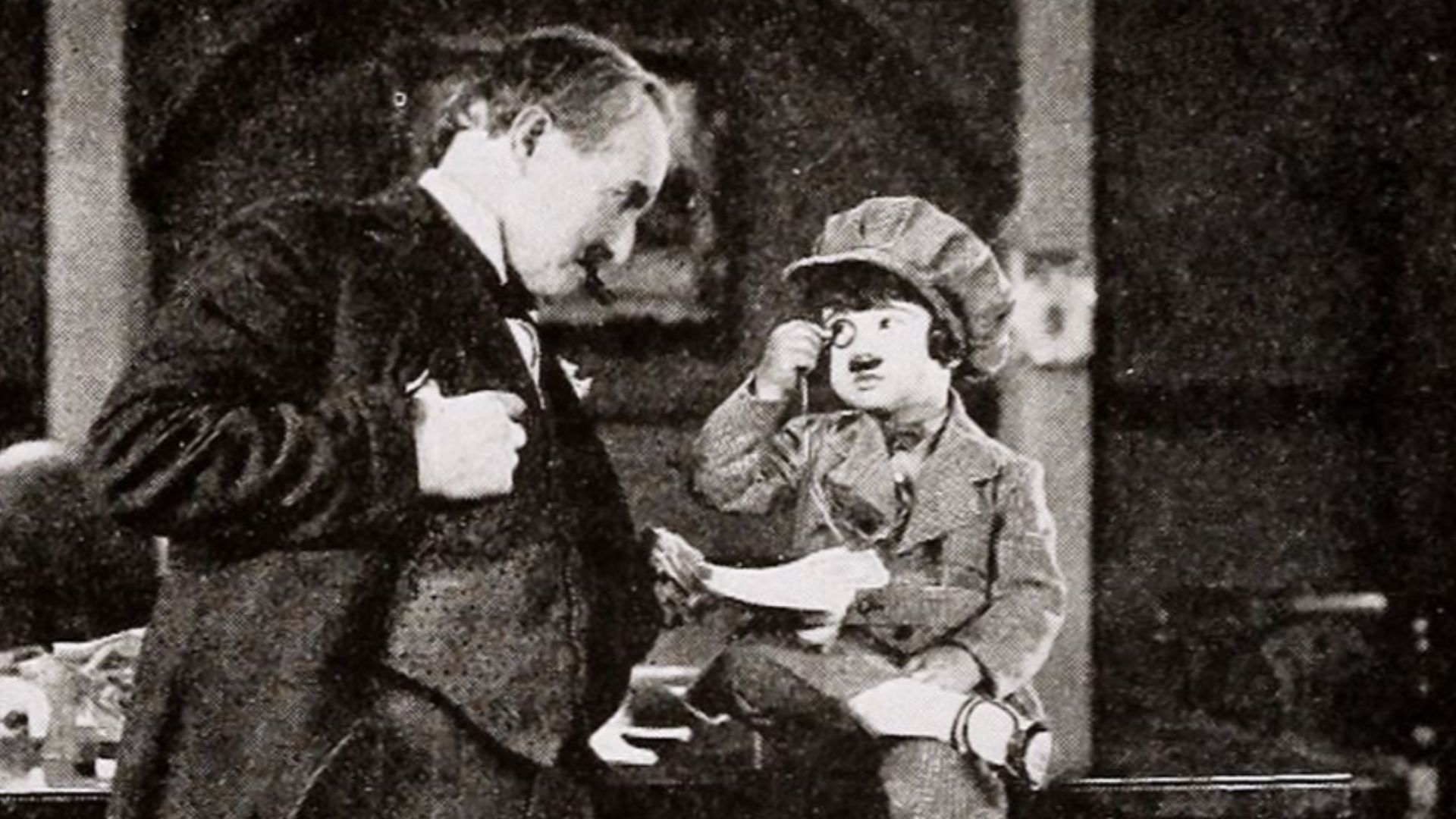 Century Film / Universal Pictures, Wikimedia Commons
Her Mother Insisted It Was Just Play
Peggy’s mother told reporters that her daughter did not realize she was working and believed the filming was simply a game. Peggy remembered it very differently. She was working eight-hour days, six days a week, while missing school and carrying responsibilities no preschooler should have understood.
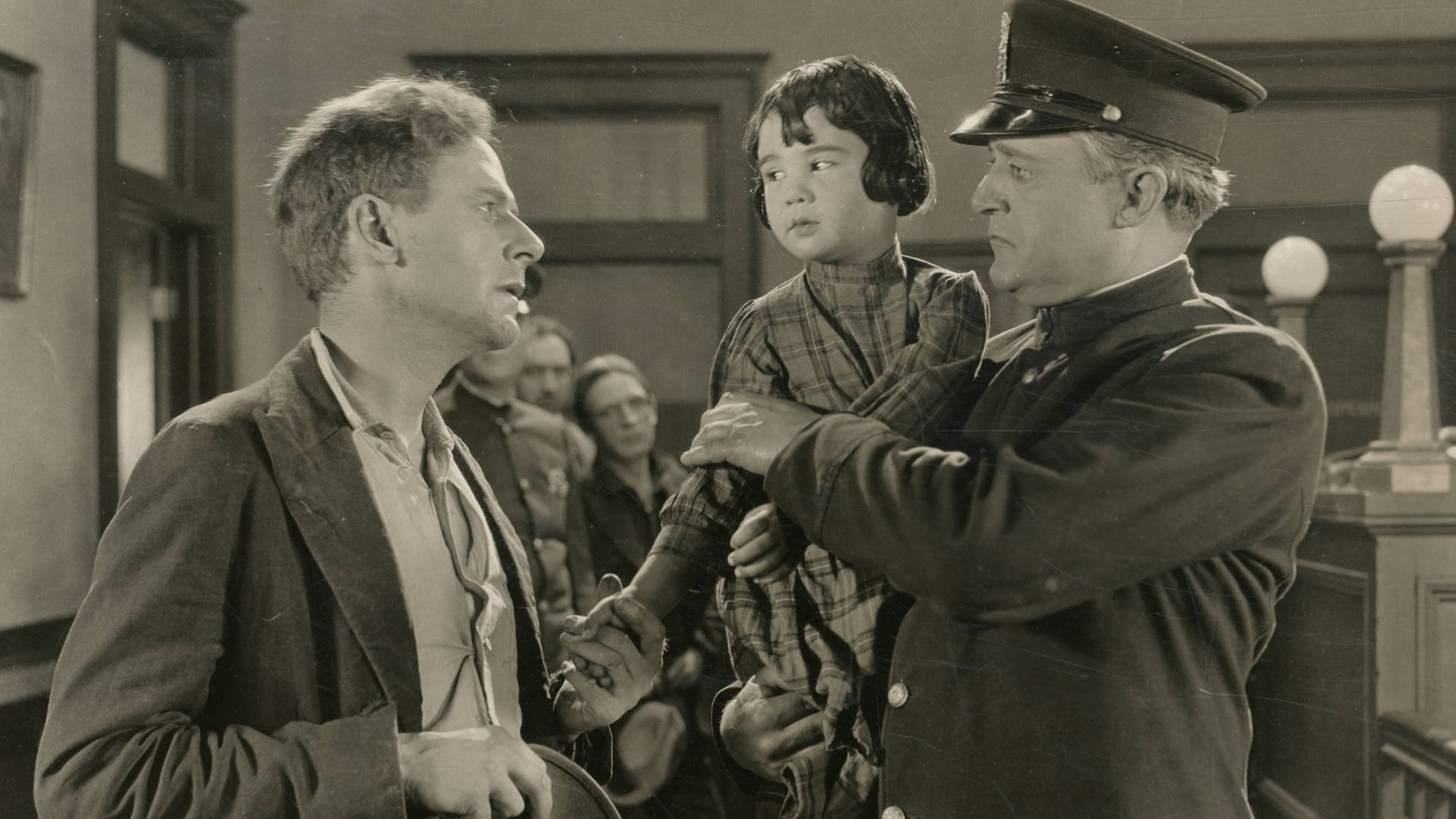 Unknown authorUnknown author, Wikimedia Commons
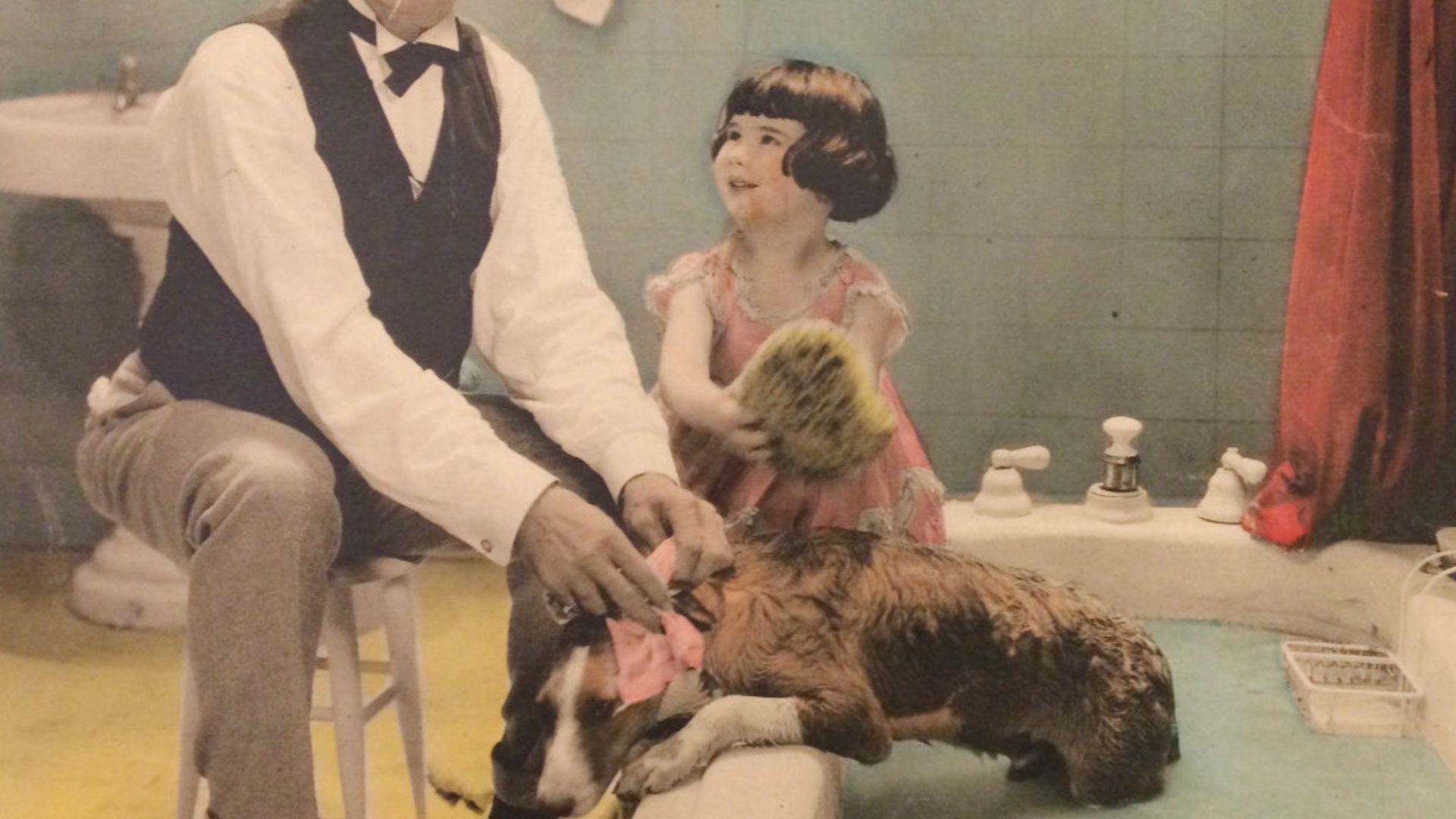
The Family Needed Her to Keep Working
Peggy was not simply a child who happened to act. Her earnings supported the entire household. She later remembered knowing that if she did not perform, the family might not eat. Before she understood money, she already understood that everyone around her was depending on her to keep earning it.
 Universal Pictures, Wikimedia Commons
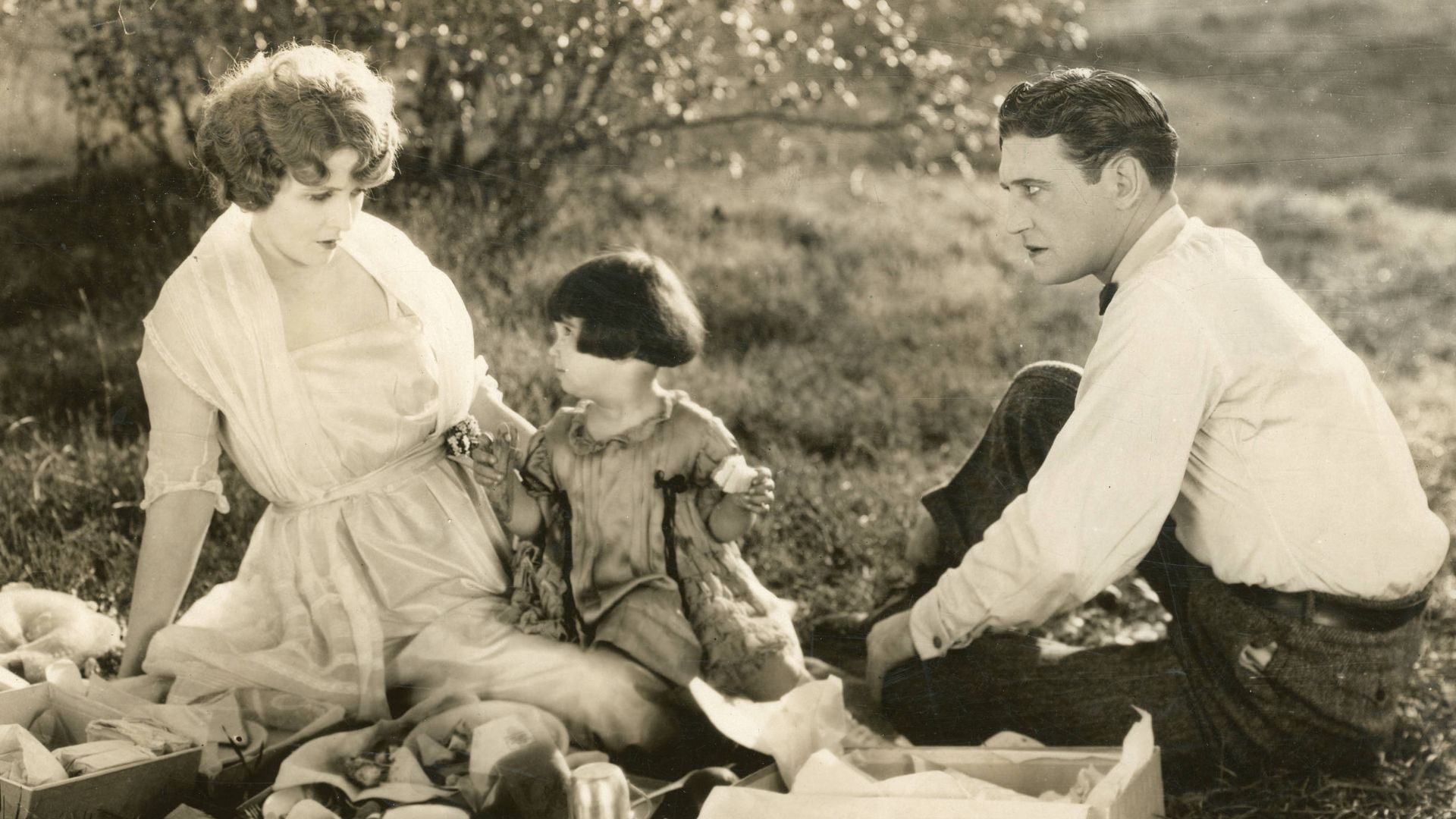
One Argument Ended Her Movie Career
Jack Montgomery was known for being combative when dealing with studio executives. In 1925, a salary dispute with producer Sol Lesser brought Peggy’s contract to an end. After her father angered one of Hollywood’s most powerful producers, offers from other studios largely disappeared as well.
 Unknown authorUnknown author, Wikimedia Commons
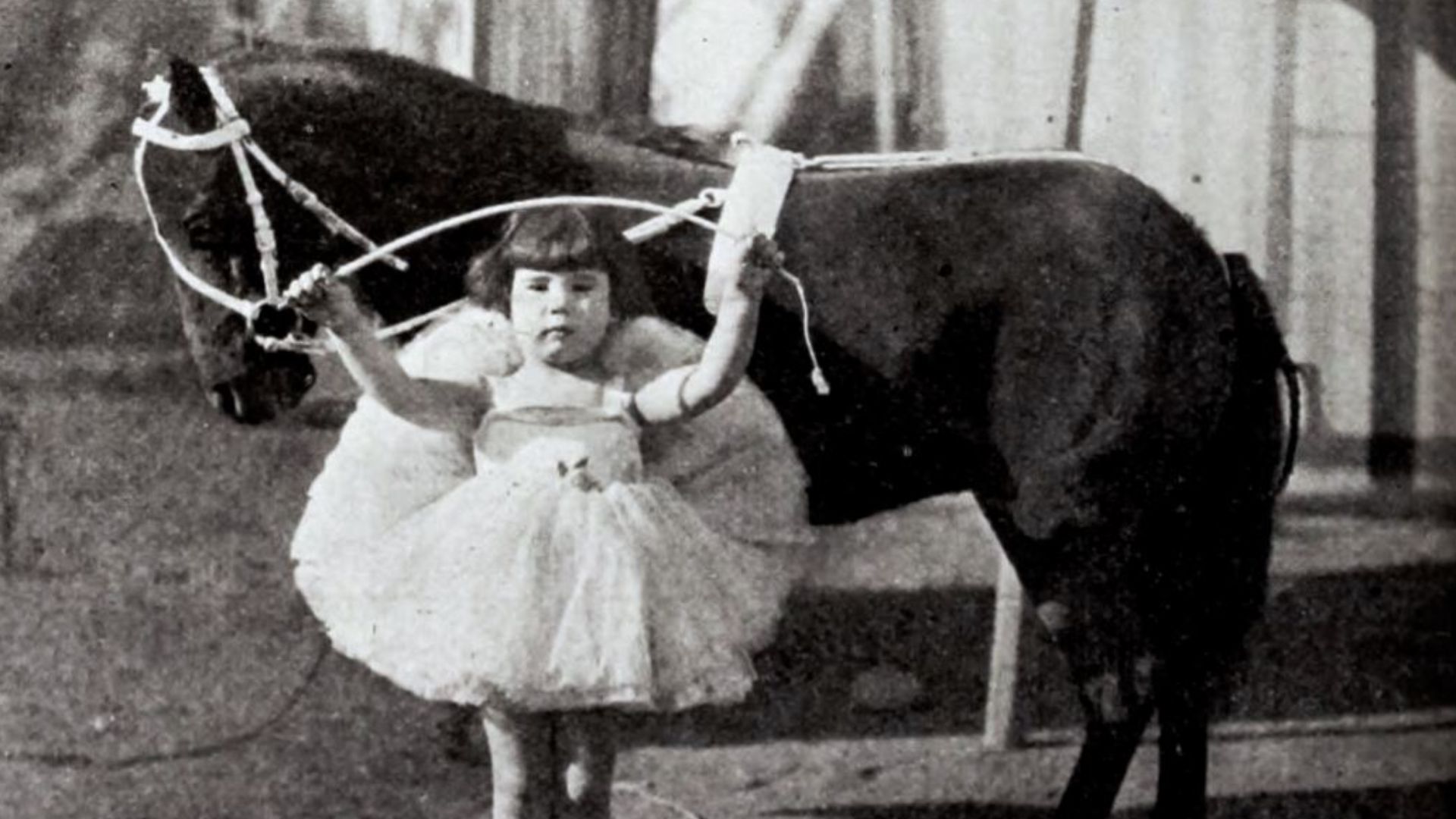
She Was Finished Before First Grade
Baby Peggy had gone from toddler to international celebrity with almost no warning. Her fall happened just as quickly. At approximately six years old, she was already being treated as yesterday’s attraction—even though she had spent practically her entire remembered life working for the movie business.
 Century Film / Universal Pictures, Wikimedia Commons
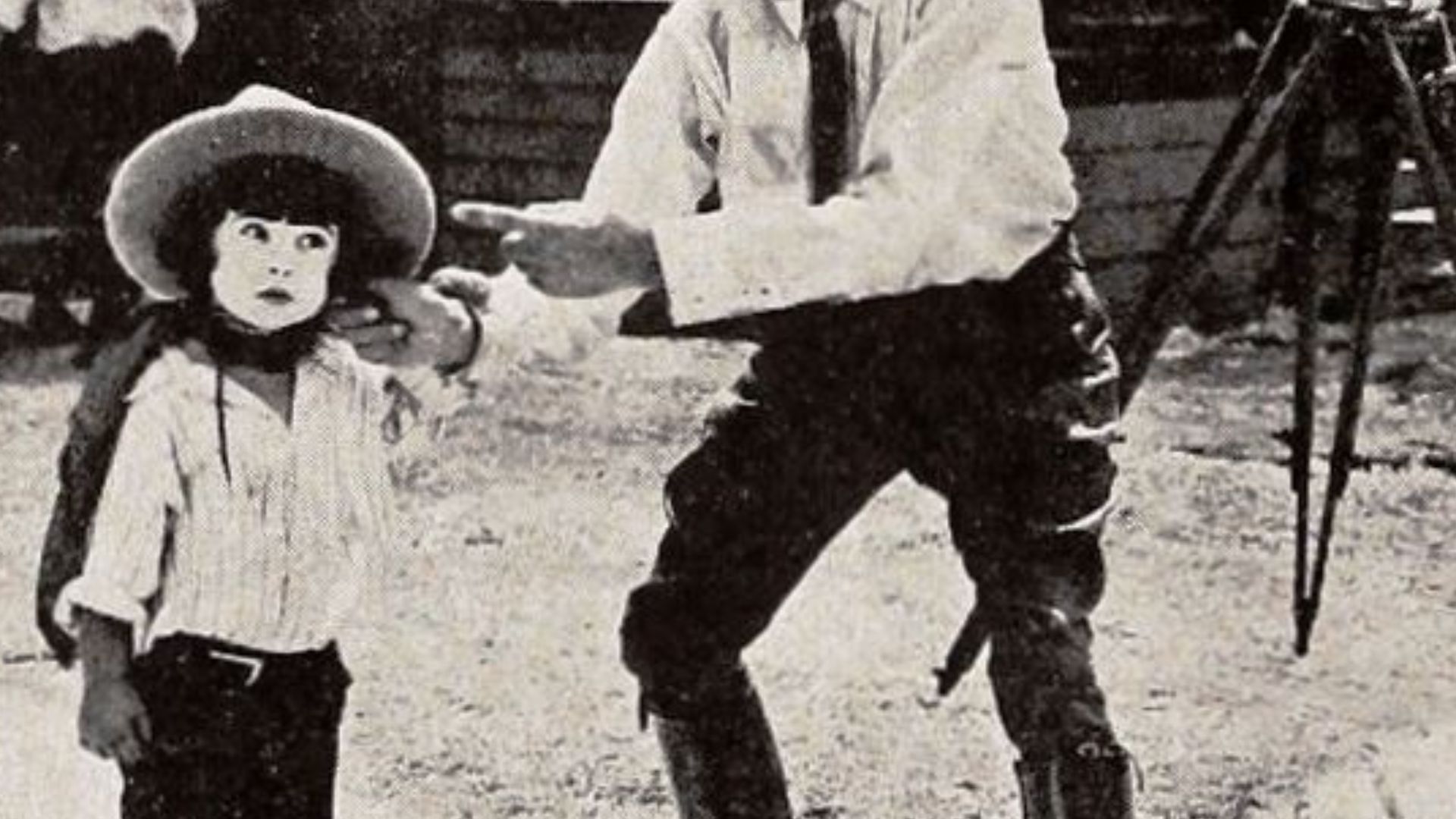
Her Parents Simply Moved Her to Vaudeville
With Hollywood no longer calling, Peggy’s father created a travelling stage act featuring Peggy, her mother and her sister. The family toured the country for several exhausting years. Peggy was still supporting everyone, only now she was performing live and constantly moving between cities.
 Century Film / Universal Pictures, Wikimedia Commons
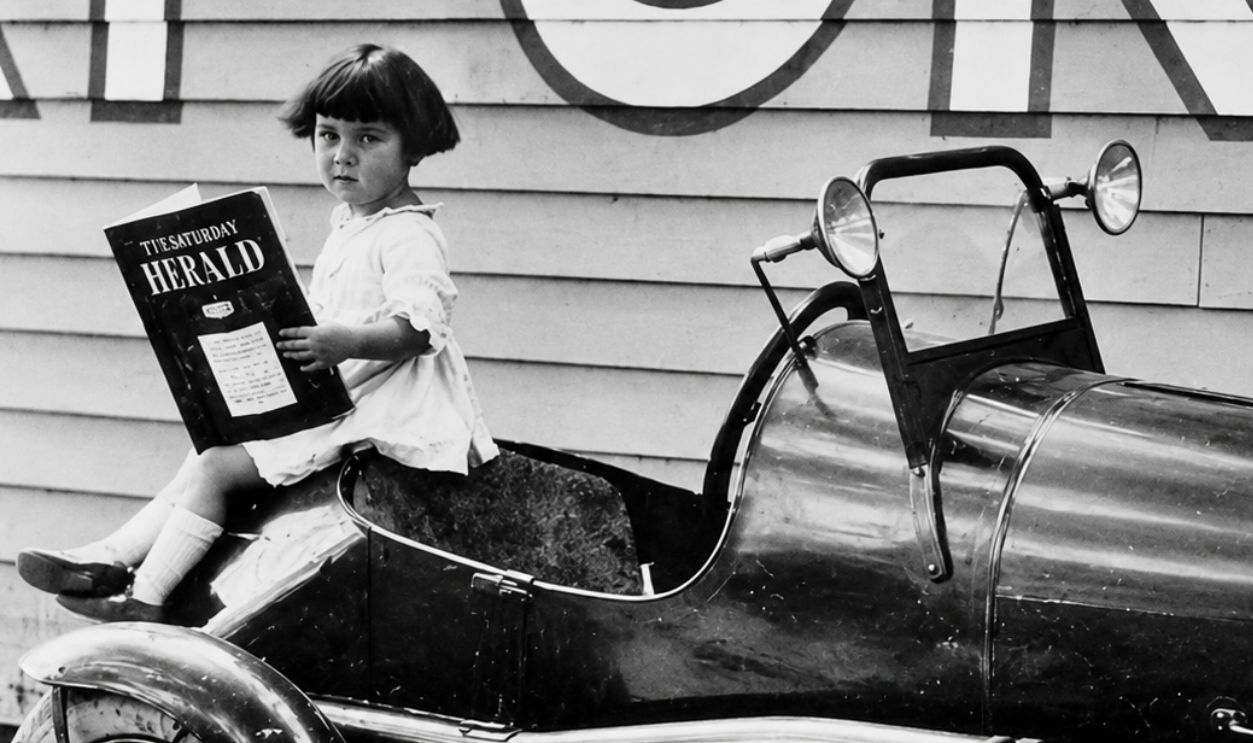
Sometimes She Performed Eight Times a Day
Vaudeville could be even more demanding than filmmaking. Peggy sometimes appeared in as many as eight shows in a single day, repeating the same routine for one audience after another. While other children were attending school, she was carrying an entire family through one exhausting performance after another.
 Exhibitors Herald Staff, Wikimedia Commons, Enhanced
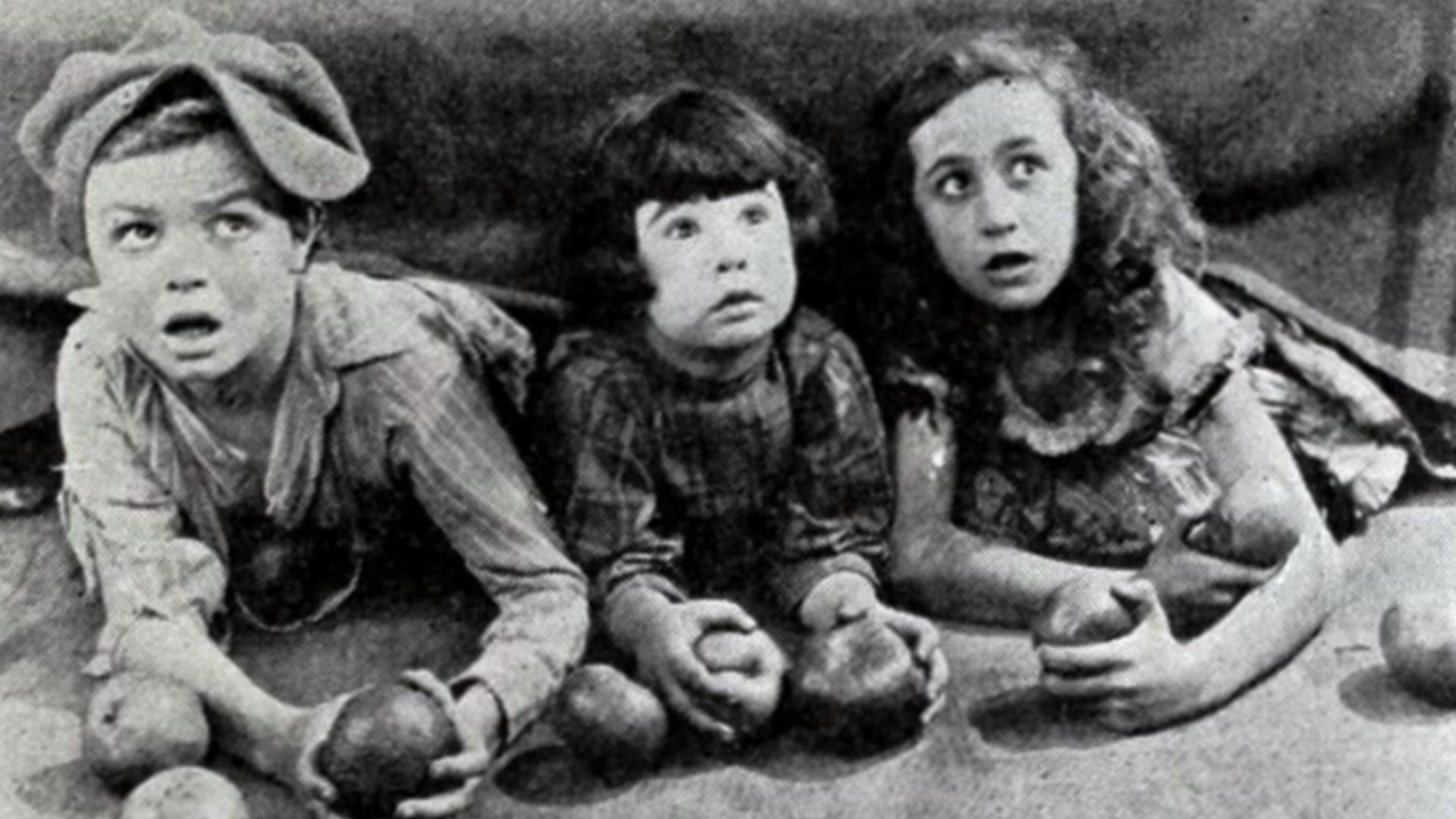
She Earned Hundreds—And Received a Nickel
The stage act could bring in hundreds of dollars a day, but Peggy reportedly received just one nickel for each performance. Even the tiny amount of spending money she was allowed came from the fortune she was generating for everyone else. The rest remained under adult control.
 Universal Pictures, Wikimedia Commons
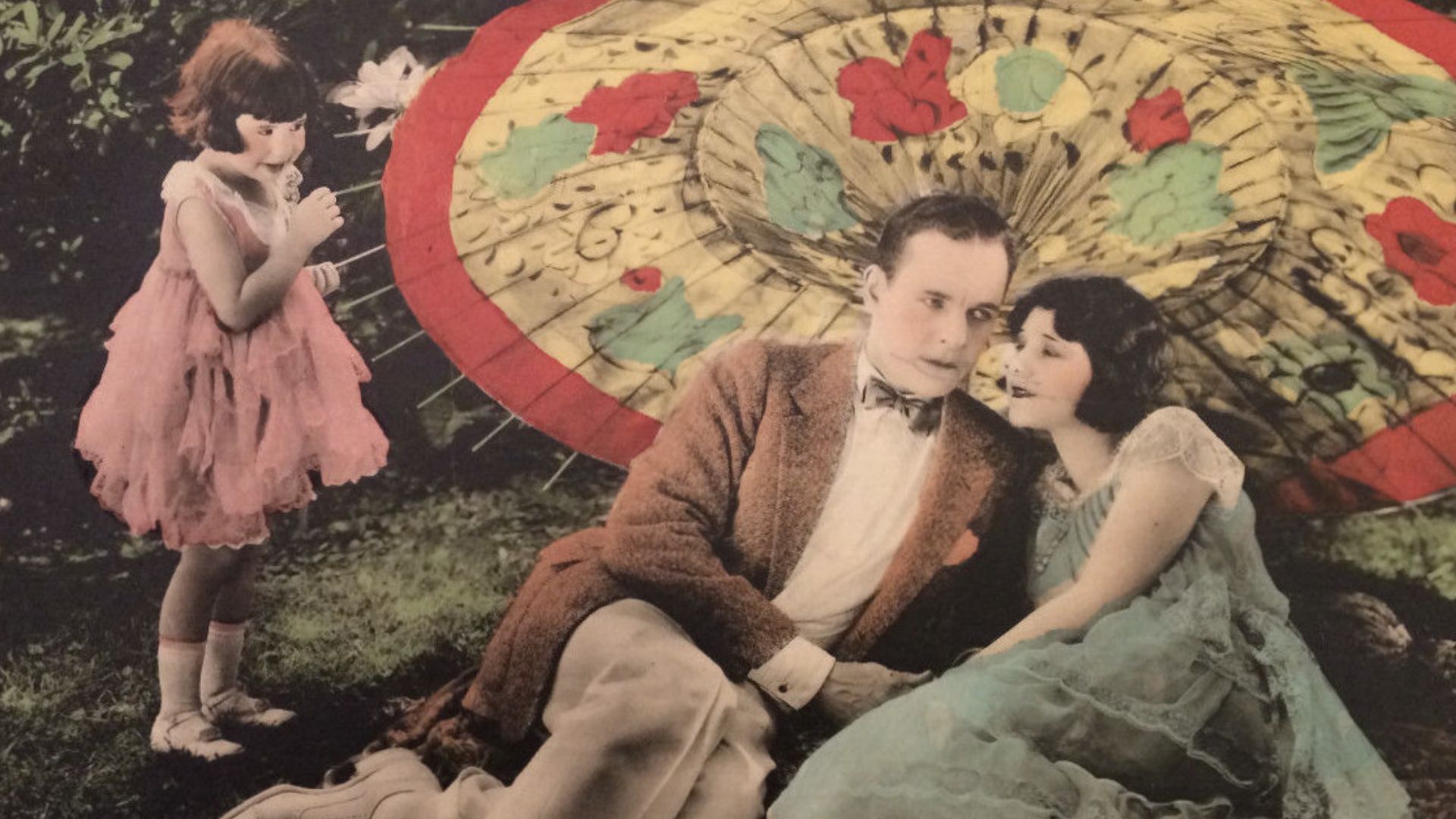
She Made Another Fortune
The vaudeville years were enormously profitable. Peggy later estimated that she had been worth around $4 million by the age of 10. Yet the little girl generating all that money still had no meaningful control over where it went, how it was invested or whether anything was being saved.
 Universal Pictures, Wikimedia Commons
That Was When the Truth Emerged
There was no protected trust waiting for Peggy. Her parents controlled her income and used it to pay for houses, cars, clothing, travel and the family’s increasingly lavish lifestyle. Almost nothing meaningful had been reserved for Peggy’s education, adulthood or the day audiences inevitably moved on.
![Title: Baby Peggy with Frances & Gene Quirk of N.Y. at W.H. [i.e., White House, Washington, D.C.], 2/2/25
Abstract/medium: 1 negative : glass ; 5 x 7 in. or smaller](https://www.factinate.com/storage/app/media/theshot/2026/7/30/1785393925cb280ade86a9b5a42adfcecdf8e933d66abb1f35.jpg) National Photo Company Collection, Wikimedia Commons
National Photo Company Collection, Wikimedia Commons
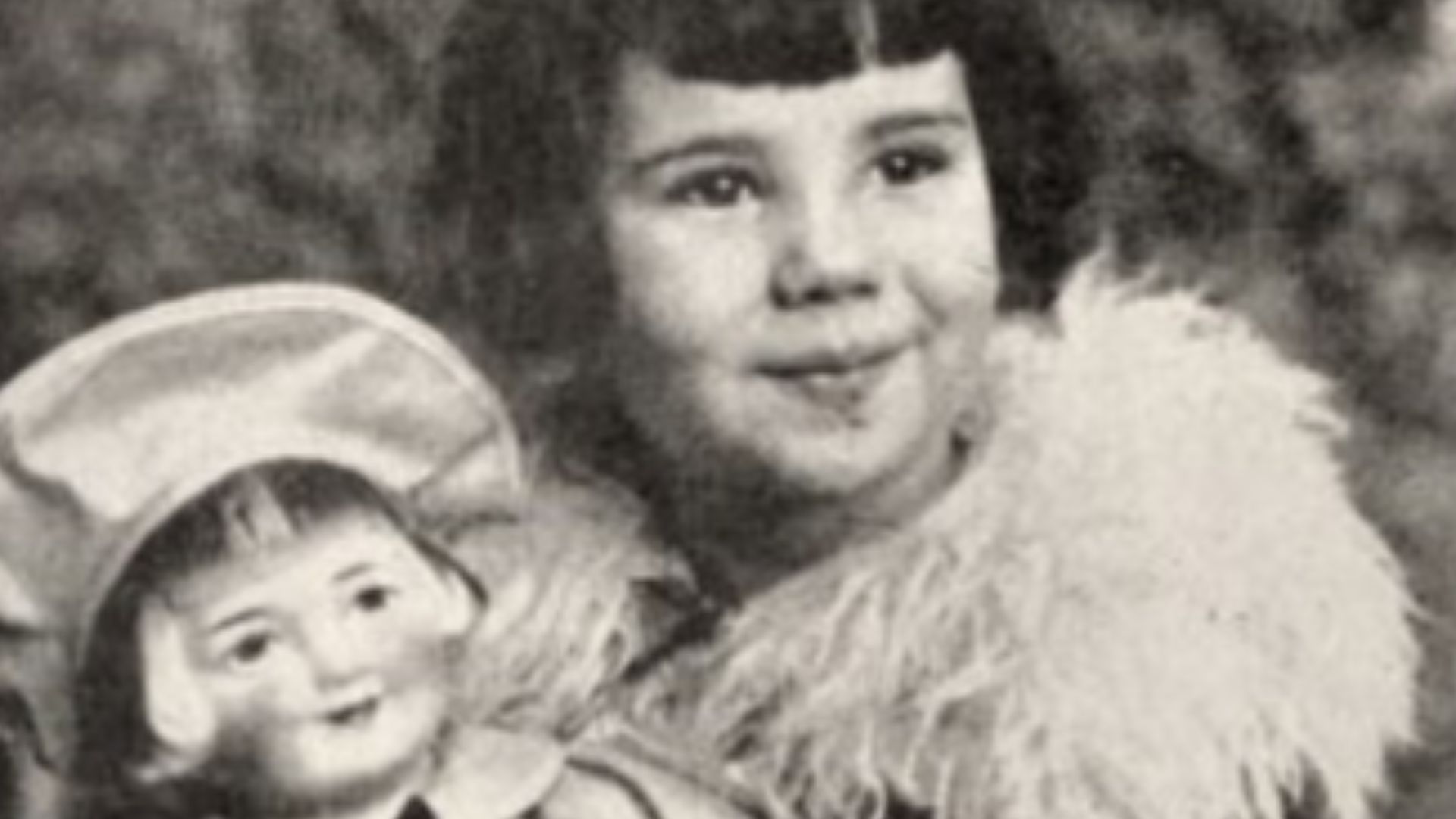
Then a Relative Reportedly Emptied Her Company
Part of Peggy’s fortune had been placed in the Peggy-Jean Corporation. According to her official biography, her grandmother’s new husband was made a company officer and reportedly removed around $1 million before disappearing. The money was never recovered, and Peggy had no practical power to pursue it.
 Principal Pictures, Wikimedia Commons
The Ranch Was Supposed to Save Them
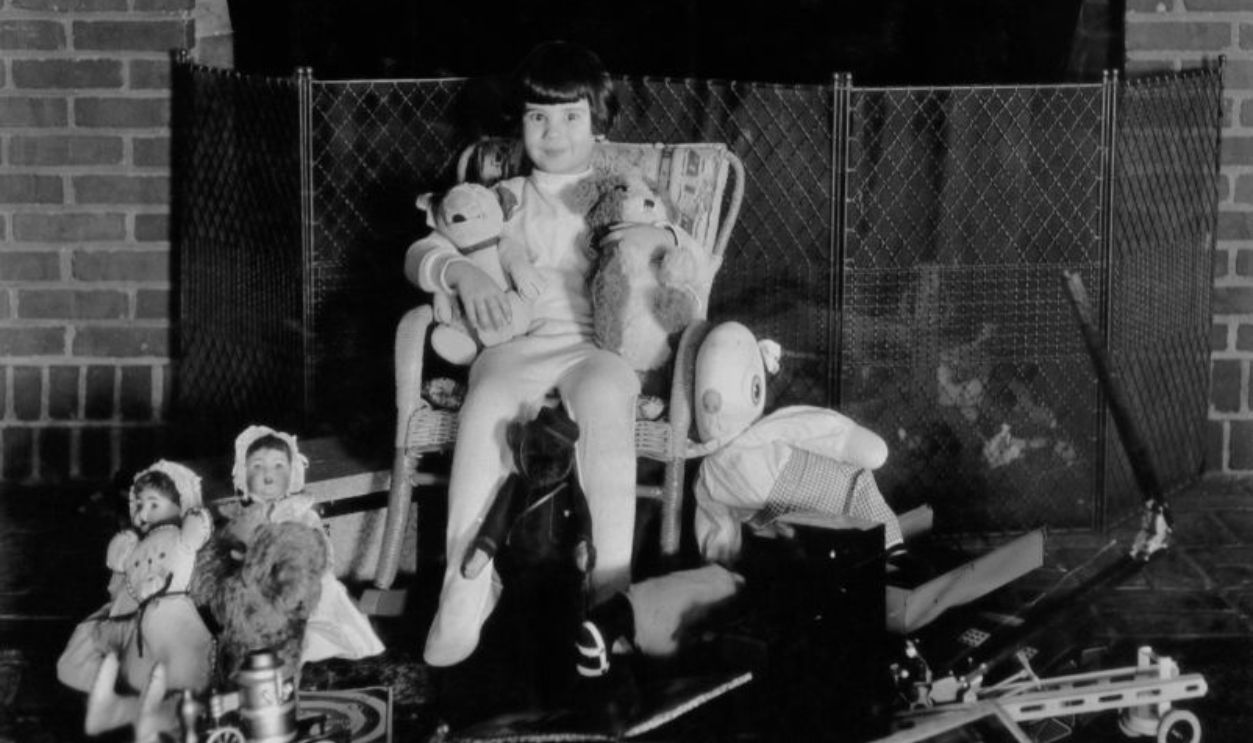
Jack invested around $75,000 in a Wyoming ranch that he hoped to develop into a wilderness resort. Peggy loved the quieter life and believed she might finally be finished performing. For perhaps the first time, she could imagine being an ordinary child instead of the employee keeping everyone else comfortable.
Then the Financing Collapsed
Jack expected outside financing to complete the resort, but the Wall Street crash destroyed those plans. The unfinished ranch could not support the family, and another large portion of Peggy’s earnings disappeared with it. The dream that was supposed to save them instead helped finish off what remained.
 the seattle star, Wikimedia Commons, Modified
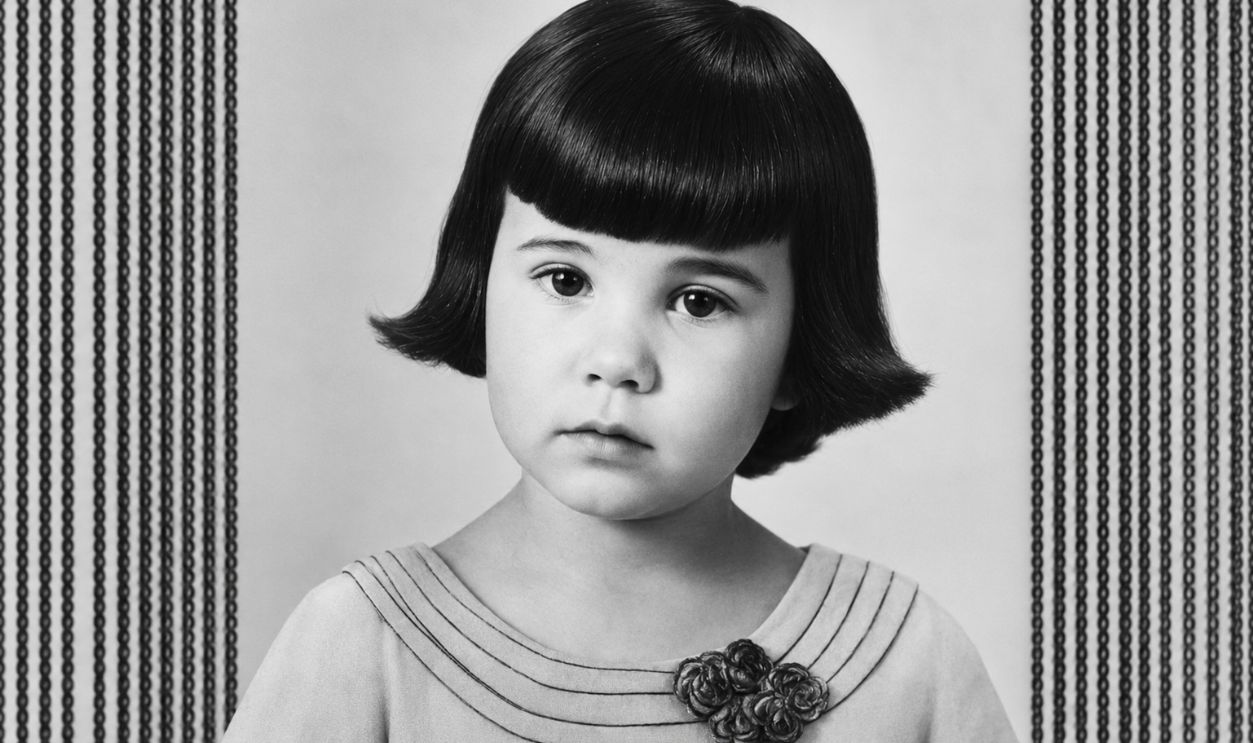
By Her Teens, Everything Was Gone
By the time Peggy reached adolescence, the mansions, cars, contracts and millions had vanished. One of the highest-paid children in the world had almost nothing left. The fortune had been earned entirely through her work—but nearly every major decision about it had been made by somebody else.
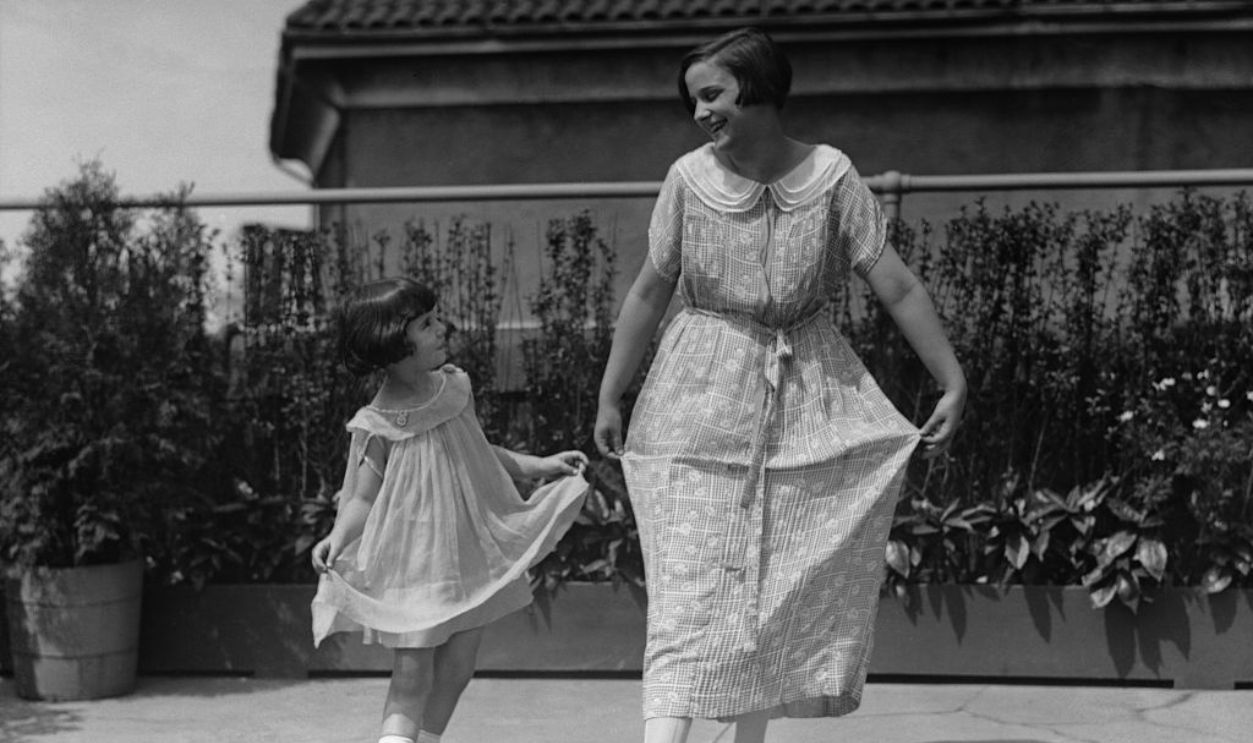
She Had Barely Received an Education
Peggy later said she did not begin regularly attending school until she was around 12. Unsurprisingly, she struggled to catch up. The adults around her had promised that stardom would provide everything she needed, while spending the money without giving her the childhood required to build a life afterward.
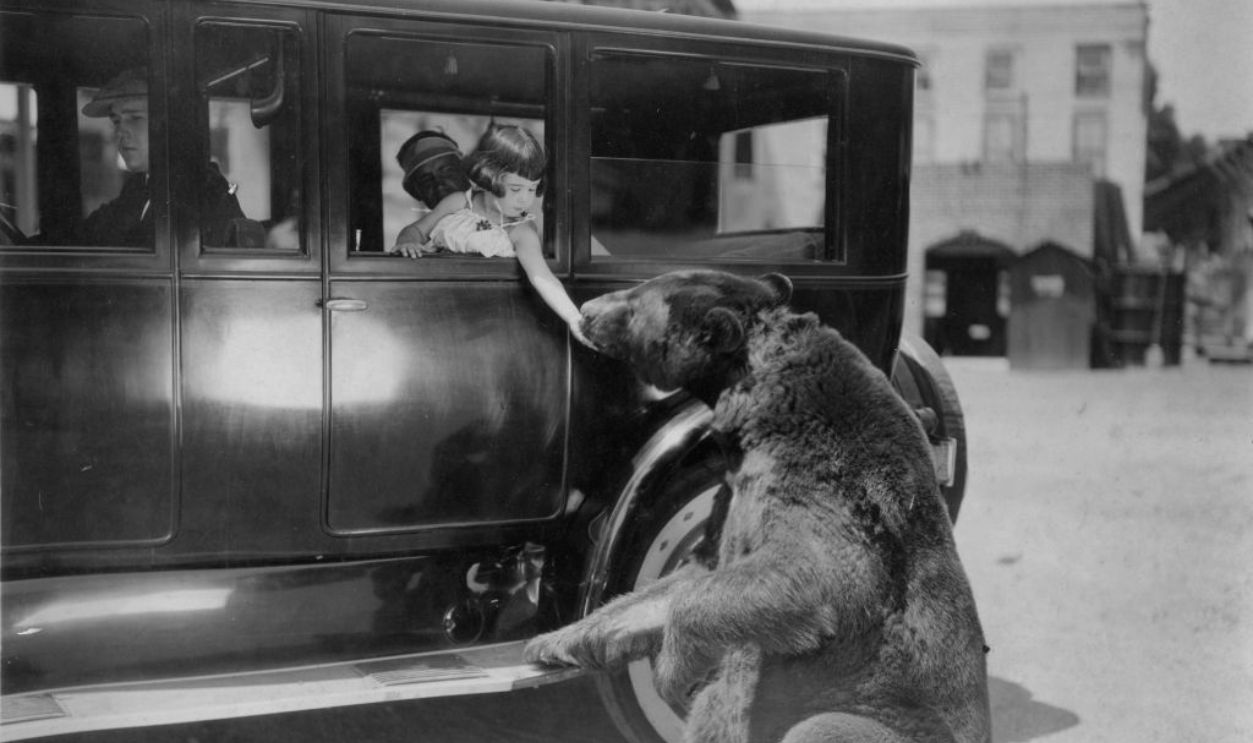 Visual Studies Workshop, Getty Images
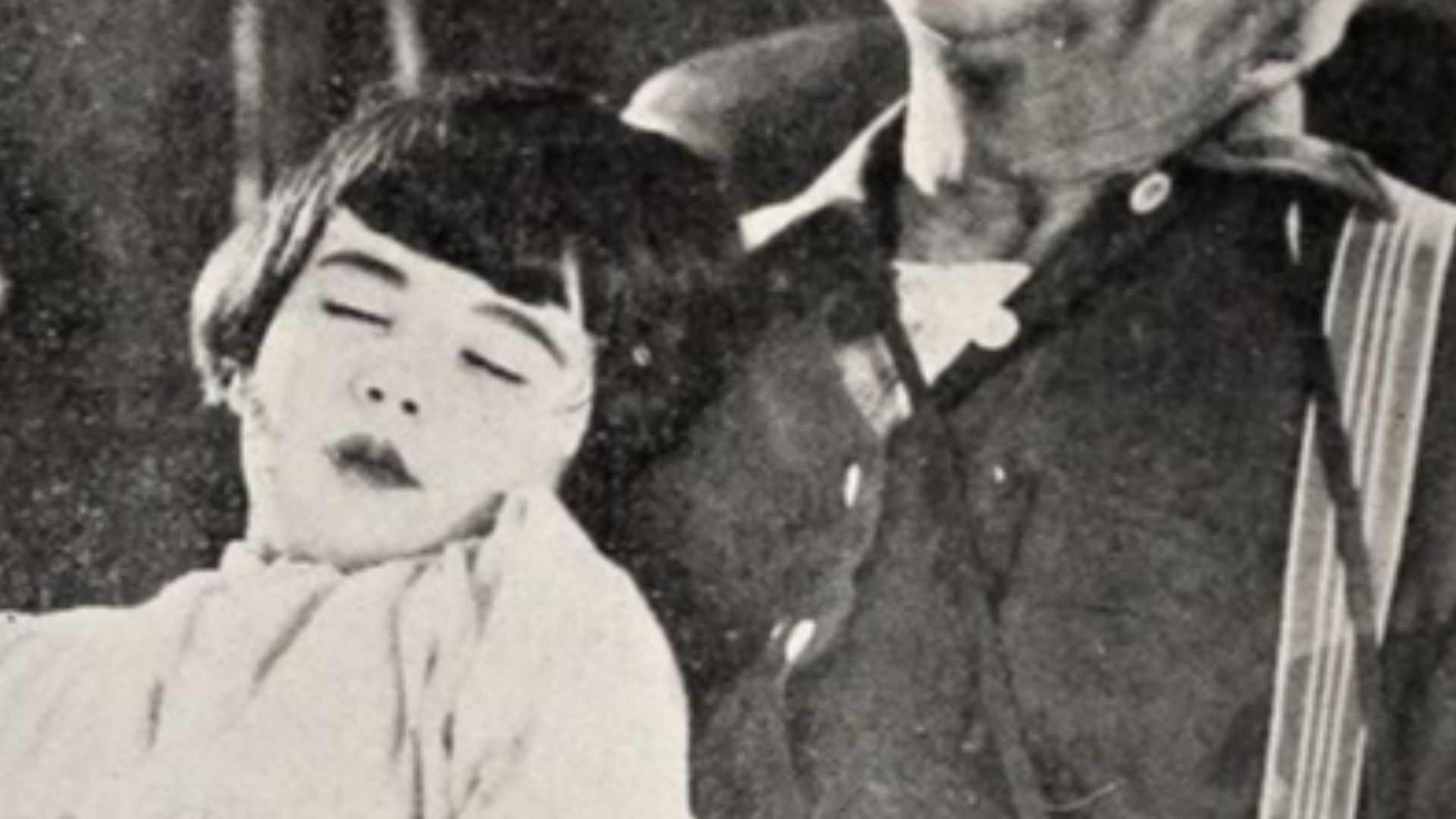
Hollywood Welcomed Her Back as an Extra
The family returned to Hollywood during the 1930s hoping Peggy could restart her career. Instead, the former superstar found work in bit parts and as an uncredited extra. She sometimes appeared in the background of films made by the same industry that had once built entire productions around her.
 Principal Pictures, Wikimedia Commons
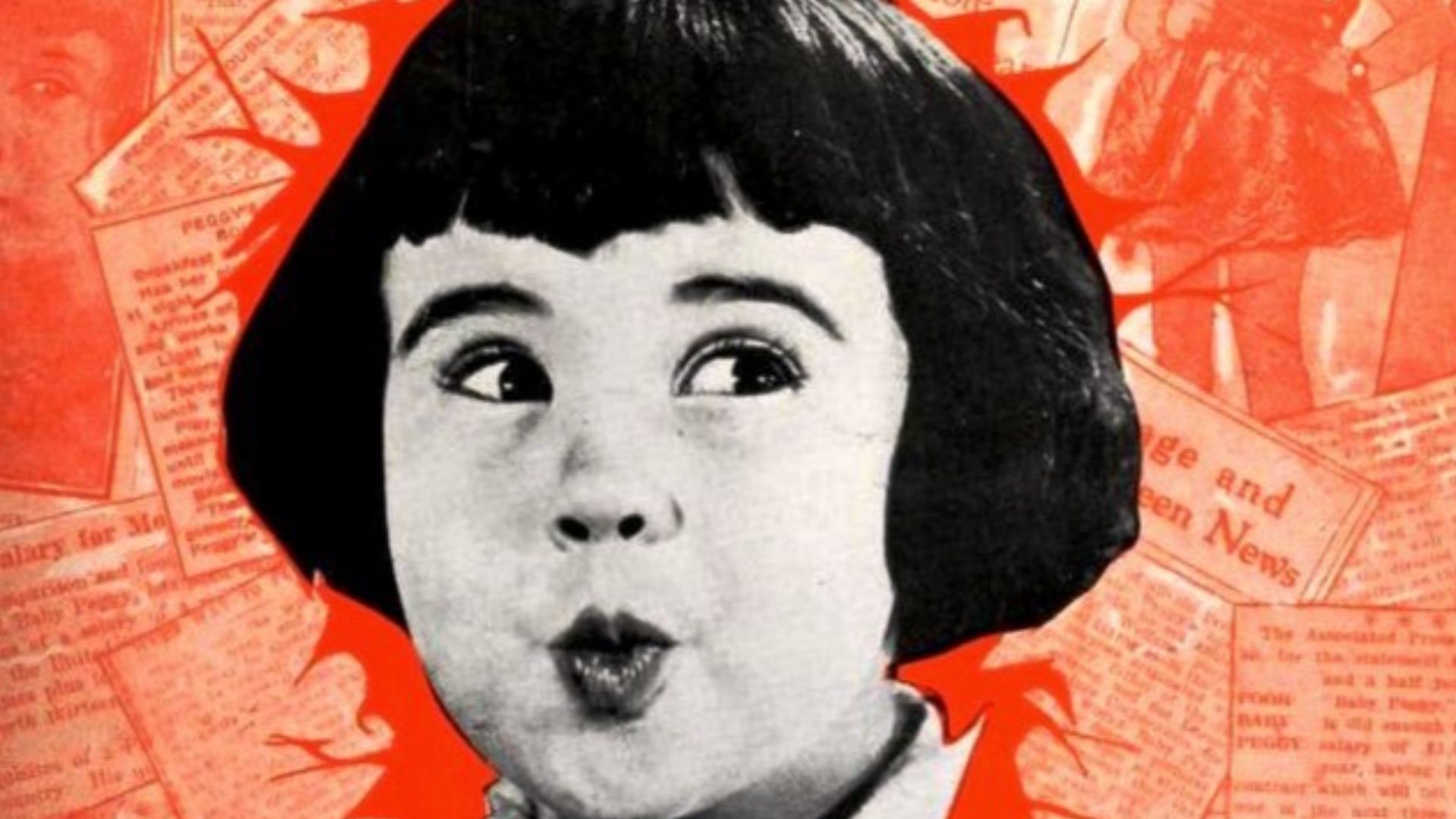
Nobody Wanted Baby Peggy to Grow Up
The public had loved the tiny girl in clown makeup, but there was little interest in the teenager she became. Peggy later described feeling trapped by the character Hollywood had created. People remembered Baby Peggy fondly. Very few seemed interested in Peggy-Jean Montgomery herself.
 Universal Pictures, Wikimedia Commons
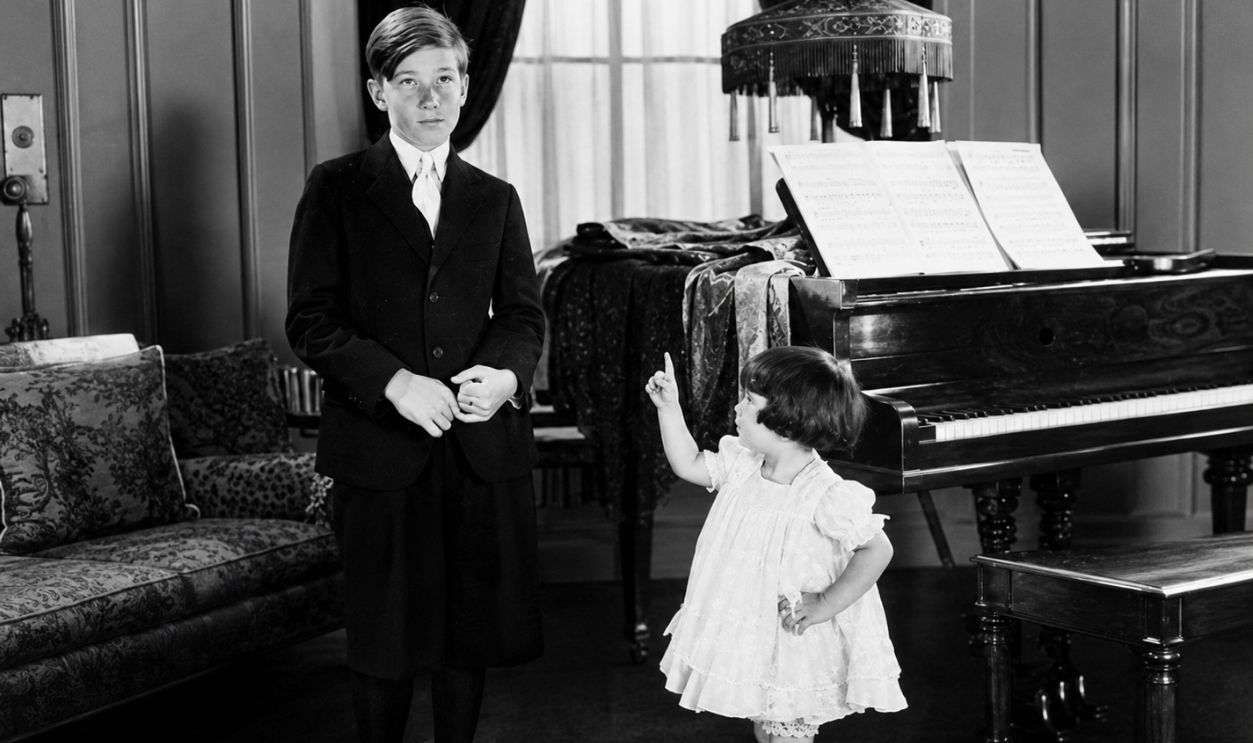
Her Parents Never Thanked Her
Peggy later said her parents never asked whether the experience had harmed her, whether she had enjoyed performing or how she felt about supporting the family. After spending most of her childhood keeping the household afloat, she received little acknowledgment of what that responsibility had cost her.
 Marshall Neilan Productions / Associated First National Pictures, Wikimedia Commons, Enhanced
She Finally Walked Away
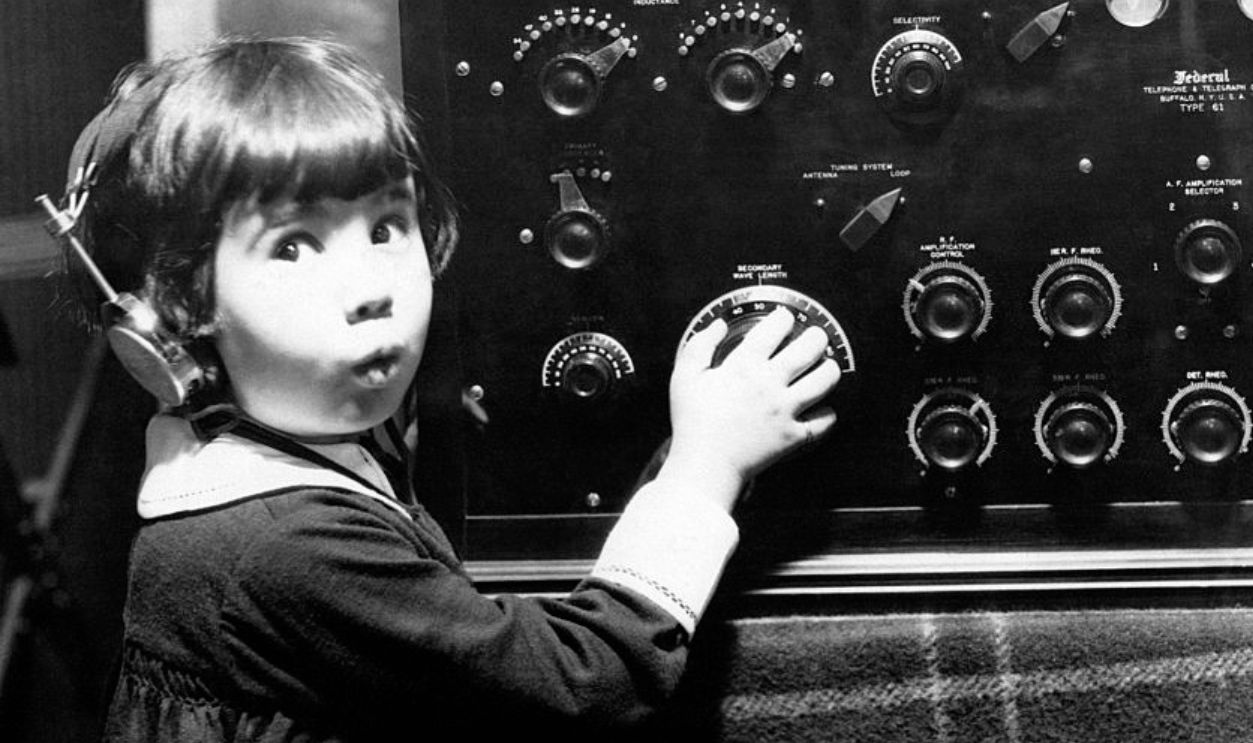
As an adult, she stopped acting, worked ordinary jobs and eventually adopted the name Diana Serra Cary. She became a switchboard operator, bookstore employee, gift-shop manager and freelance writer. For years, she kept her childhood identity quiet because she wanted a life that did not depend on Baby Peggy.
Then She Started Telling the Truth
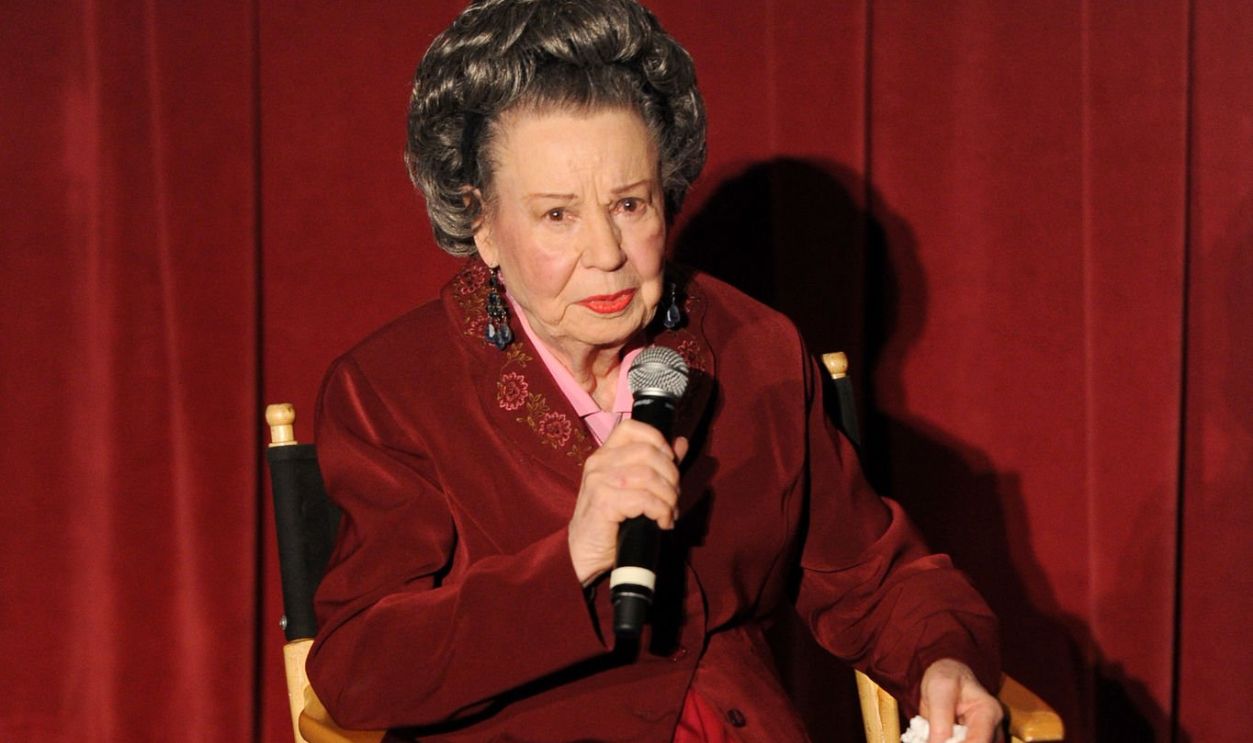
Cary eventually became a respected author and film historian. Her books included Hollywood’s Children, an examination of how young performers had been treated, and her autobiography, What Ever Happened to Baby Peggy? She also became an outspoken advocate for stronger protections for child actors.
The Law Arrived Too Late
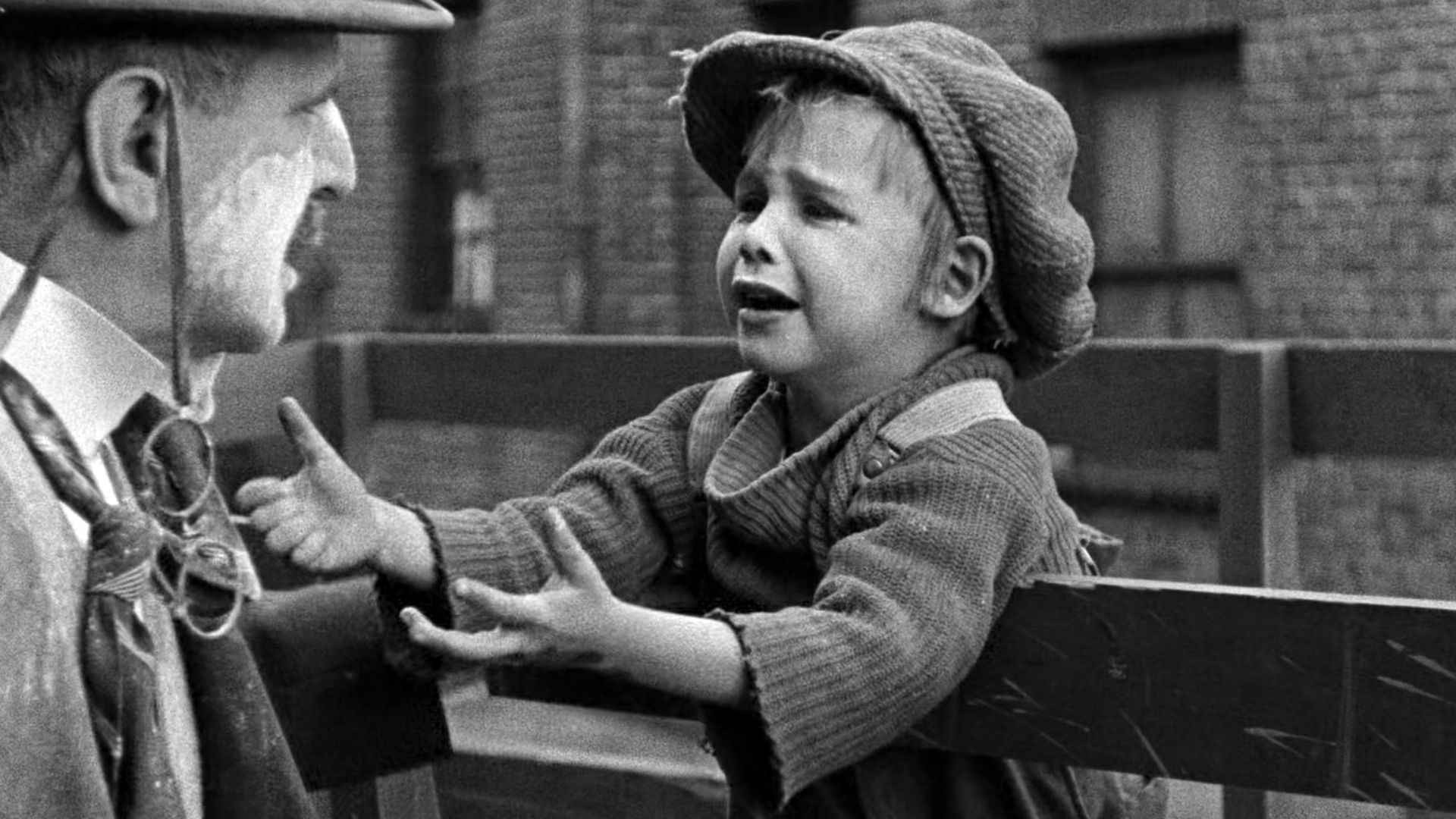
California passed the original Coogan Law in 1939 after Jackie Coogan discovered that his own childhood fortune had disappeared. Later revisions created stronger protections, including blocked trust accounts for part of a child performer’s income. But none of it could recover what had already been taken from Peggy.
 Charlie Chaplin, Wikimedia Commons
She Lived Long Enough to Reclaim Her Story
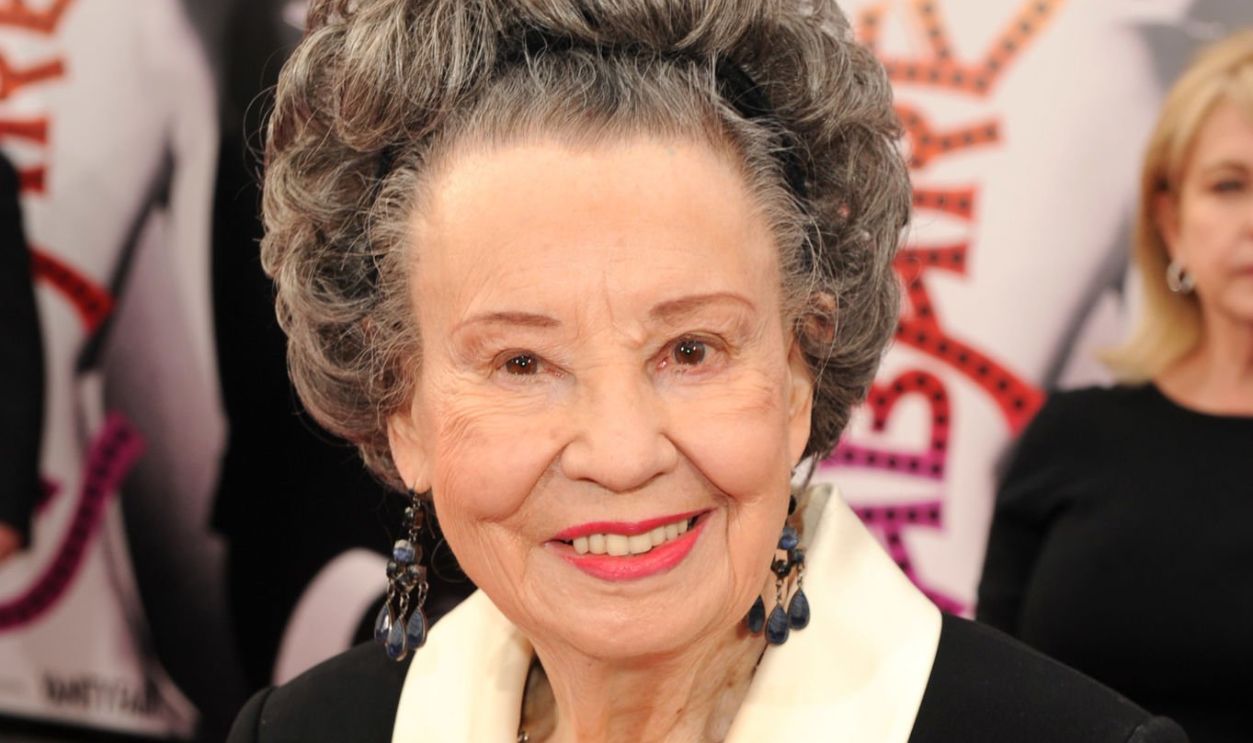
Diana Serra Cary lived to be 101, becoming one of the final major links to silent Hollywood. Lost Baby Peggy films were rediscovered, audiences celebrated her work and she gradually made peace with the child she had once tried to leave behind. Hollywood kept the fortune—but it did not get the final word.
You Might Also Like:
Why The Bob Newhart Show Star Suzanne Pleshette Became One Of Television’s Most Beloved Performers
The Surprising Life Of Robert Young Beyond Father Knows Best





.jpg)
_-_1.jpg)
_-_4.jpg)


_-_9.jpg)