Hollywood Made History And Exposed Itself
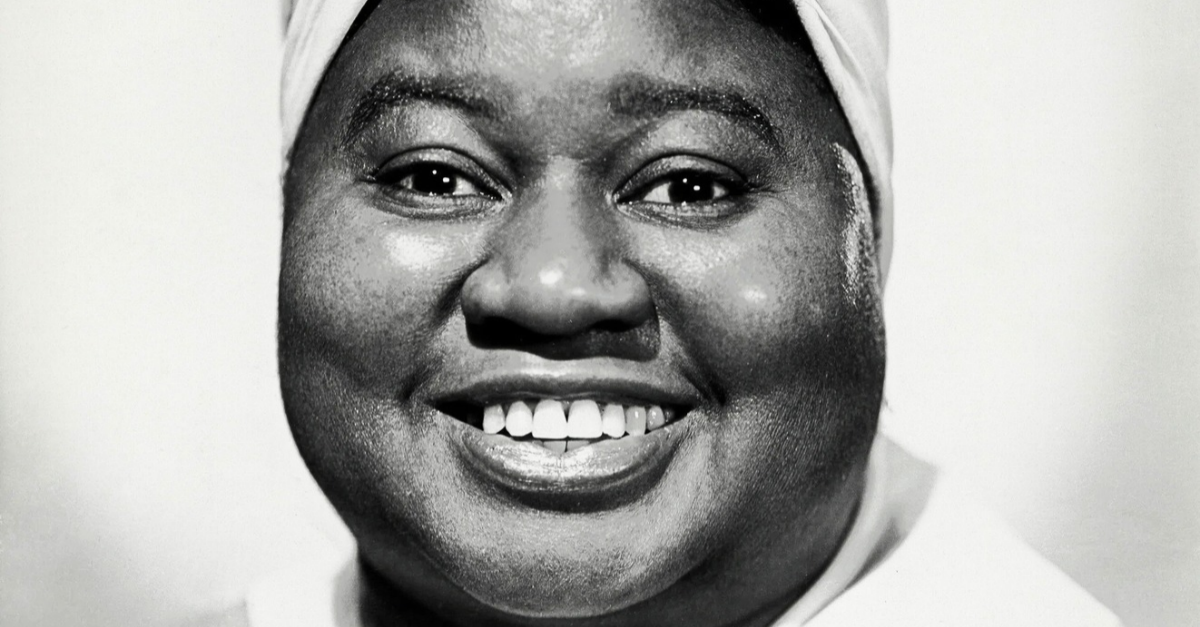
Hattie McDaniel's 1940 Oscar victory was historic, but the celebration came with an astonishing contradiction: the ceremony was held inside a segregated Los Angeles hotel, and McDaniel was seated apart from most of her Gone with the Wind colleagues. Her triumph broke a barrier while the room around her demonstrated just how many others remained.
 John Springer Collection / Getty Images
She Came From A Family That Knew Hardship
Hattie McDaniel was born in Wichita, Kansas, to Henry McDaniel and Susan Holbert, whose lives began under slavery. Her father later served with Black Union troops during the Civil War, while her mother was known as a singer. The family eventually settled in Colorado, where Hattie's own talent began emerging.

Denver Gave Her A Stage
As a schoolgirl in Denver, McDaniel loved reciting poetry, singing, and performing before classmates. She won a medal in a speaking competition and became increasingly determined to pursue entertainment professionally. Eventually she left school and committed herself to performing.
She Learned Show Business On The Road
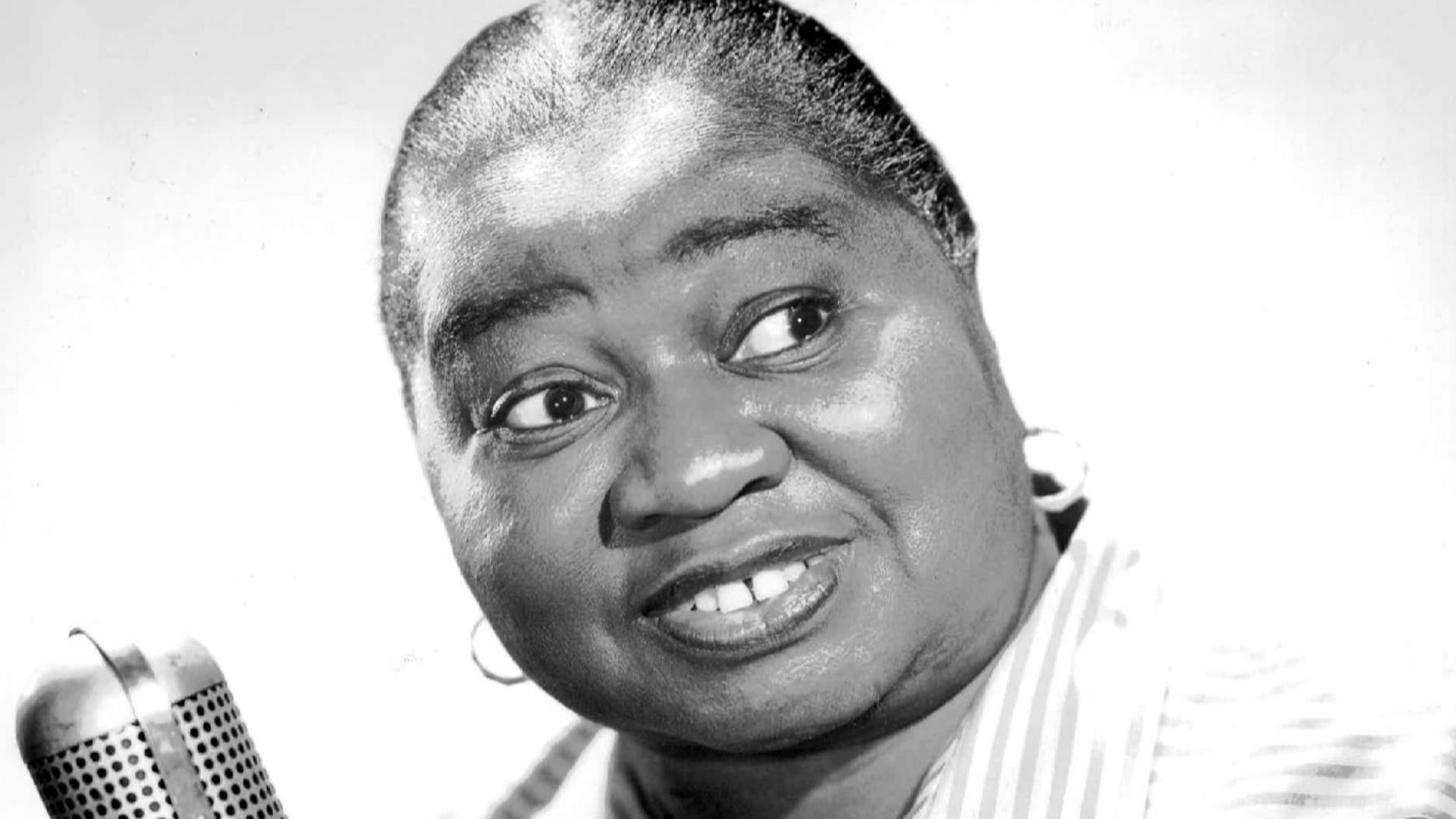
McDaniel spent years touring with family members and other performers. She developed skills as a singer, comedian, songwriter, and stage personality while appearing on touring circuits across the West and Midwest. Those difficult years taught her how to hold an audience long before a movie camera found her.
A Bad Break Led To An Unexpected Opportunity
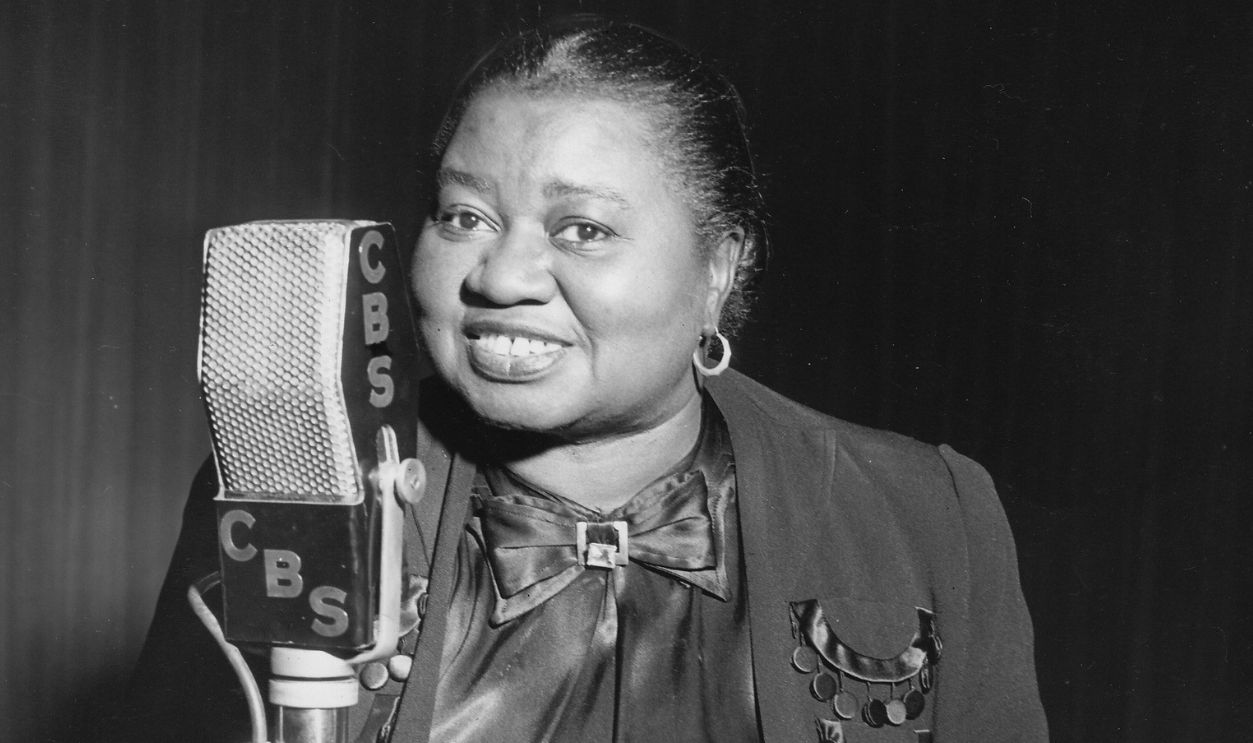
By the middle of the 1920s, touring entertainment was becoming a harder way to make a living. McDaniel once found herself stranded in Milwaukee and working at an inn when she volunteered to entertain customers after the scheduled performers had finished. Her performance went over so well that she remained an entertainer there for an extended period.
Hollywood Wasn't Waiting For Her
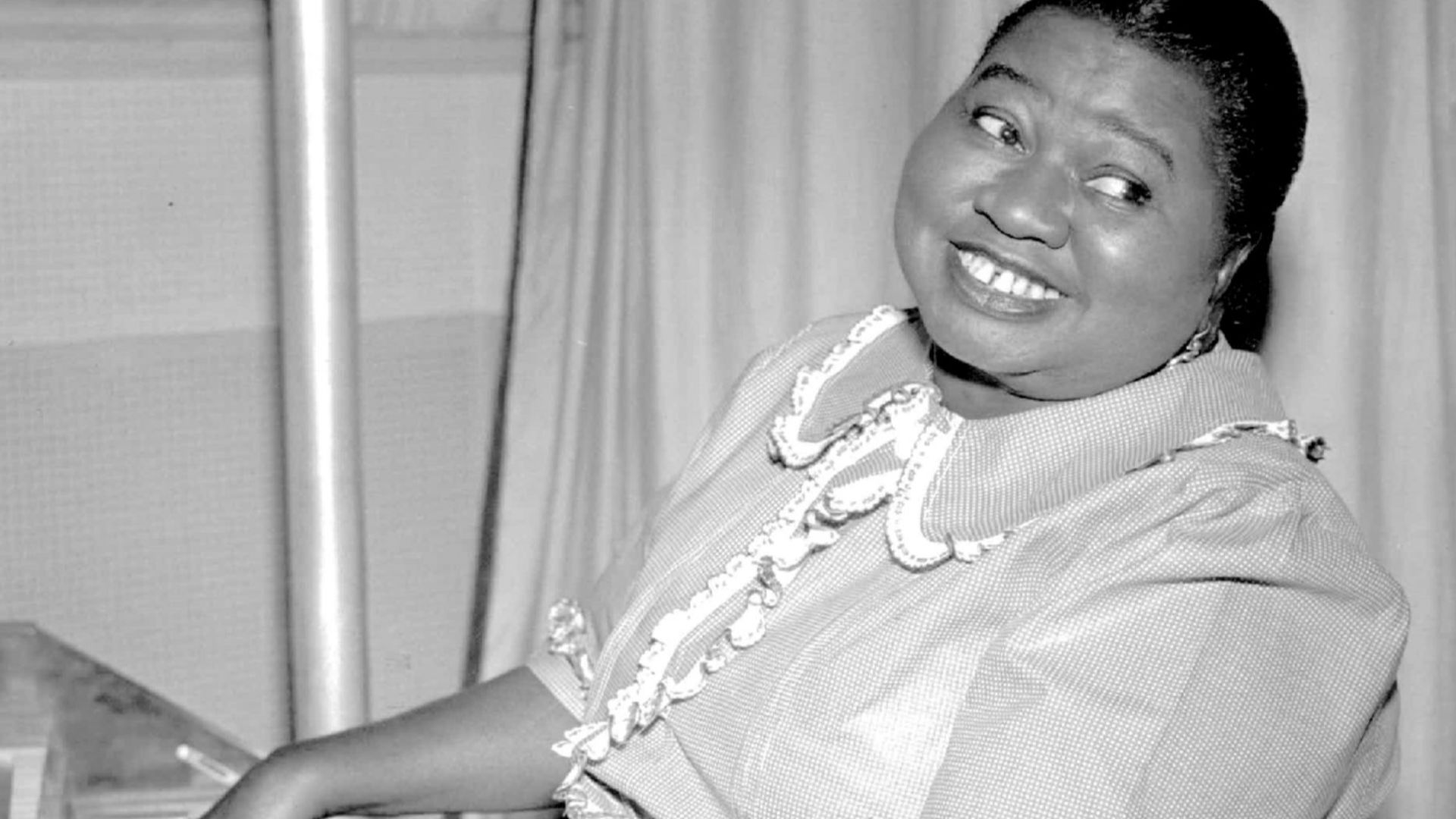
McDaniel moved to Los Angeles in the early 1930s hoping to break into movies. For a while, she survived with extra work and other jobs while making rounds at the studios. Like other Black performers of the era, she encountered an industry offering very few substantial parts.
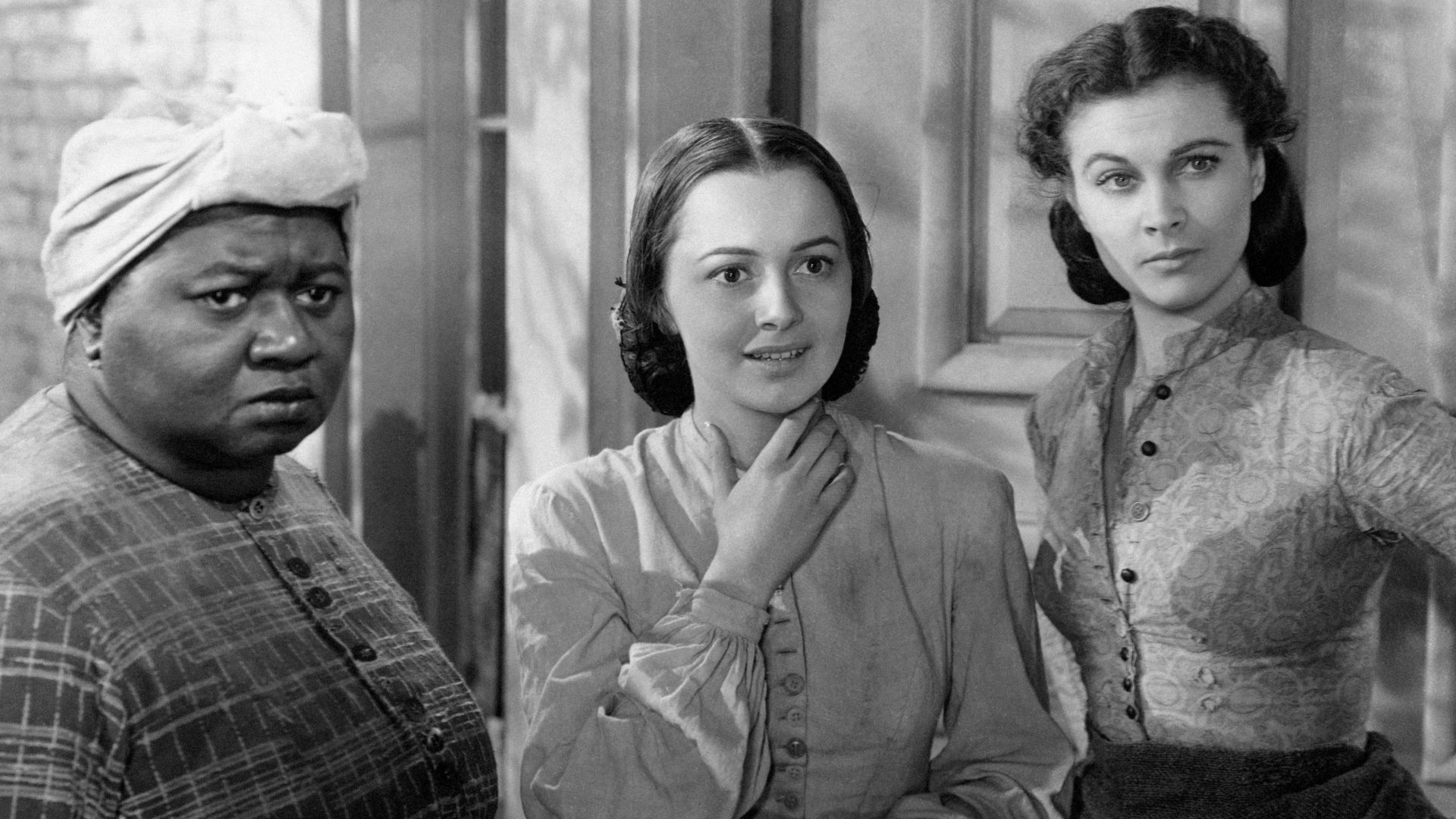 Selznick International Pictures; Fred Parrish, photographer, Wikimedia Commons
Hollywood Kept Offering The Same Kind Of Role
Many of McDaniel's early film parts were maids, cooks, servants, or other domestic workers. She nevertheless found ways to make characters more forceful than their descriptions on the page suggested. Her booming voice, timing, and refusal to fade quietly into the background made filmmakers start noticing her.
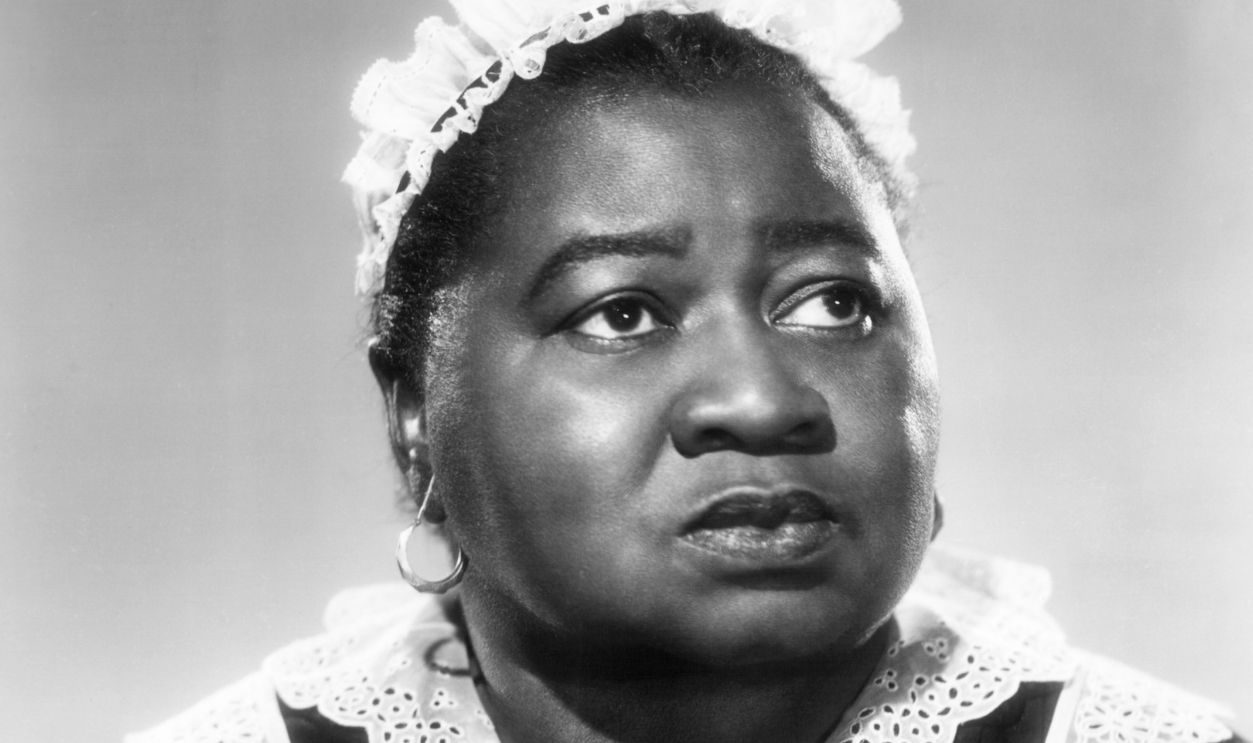 Silver Screen Collection, Getty Images
Judge Priest Showed What She Could Do
John Ford's Judge Priest in 1934 gave McDaniel an opportunity to work opposite Will Rogers. Turner Classic Movies identifies the movie as an important step in the development of her confident screen persona. Even in supporting parts, she could make a short appearance feel far larger than the amount of screen time suggested.
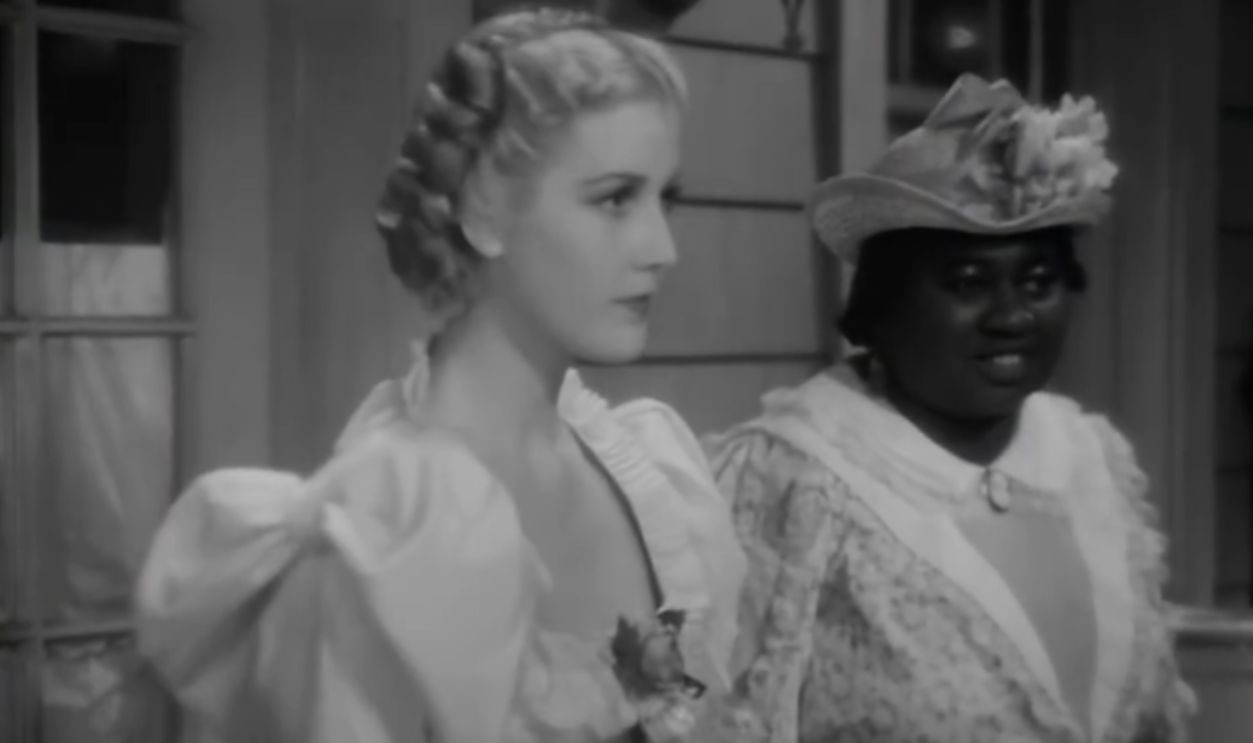 Screenshot from Judge Priest, Fox Film Corporation (1934)
Major Stars Started Sharing Scenes With Her
McDaniel subsequently appeared in movies alongside performers including Shirley Temple, Jean Harlow, Clark Gable, Barbara Stanwyck, and Bette Davis. She remained restricted by the kinds of characters Hollywood offered Black actresses, but she became one of the industry's busiest performers. By the late 1930s, she was no longer simply another extra hoping somebody would notice.
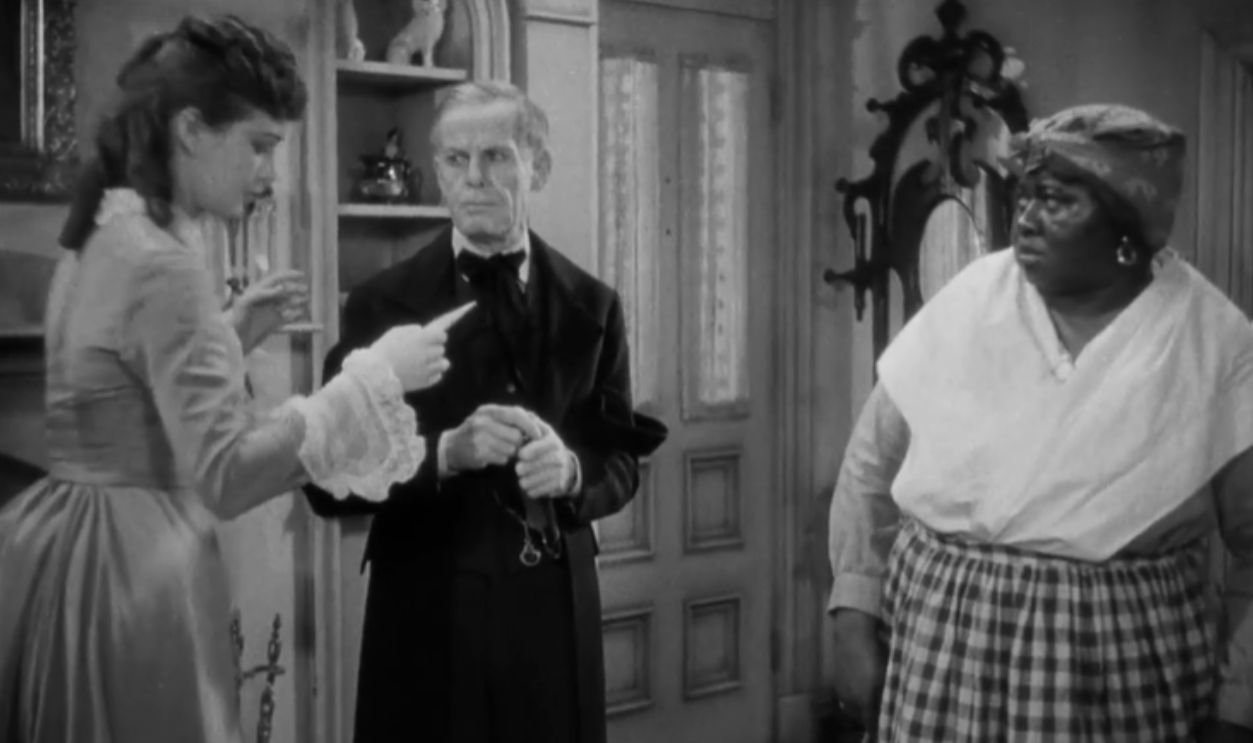 Screenshot from The Little Colonel, 20th Century Studios (1935)
Gone With The Wind Offered The Biggest Role Yet
David O. Selznick's massive adaptation of Margaret Mitchell's Gone with the Wind became one of the most closely watched productions in Hollywood. McDaniel sought the role of Mammy, the formidable household figure surrounding Scarlett O'Hara. Clark Gable reportedly supported McDaniel for the part, while her own preparation was intense.
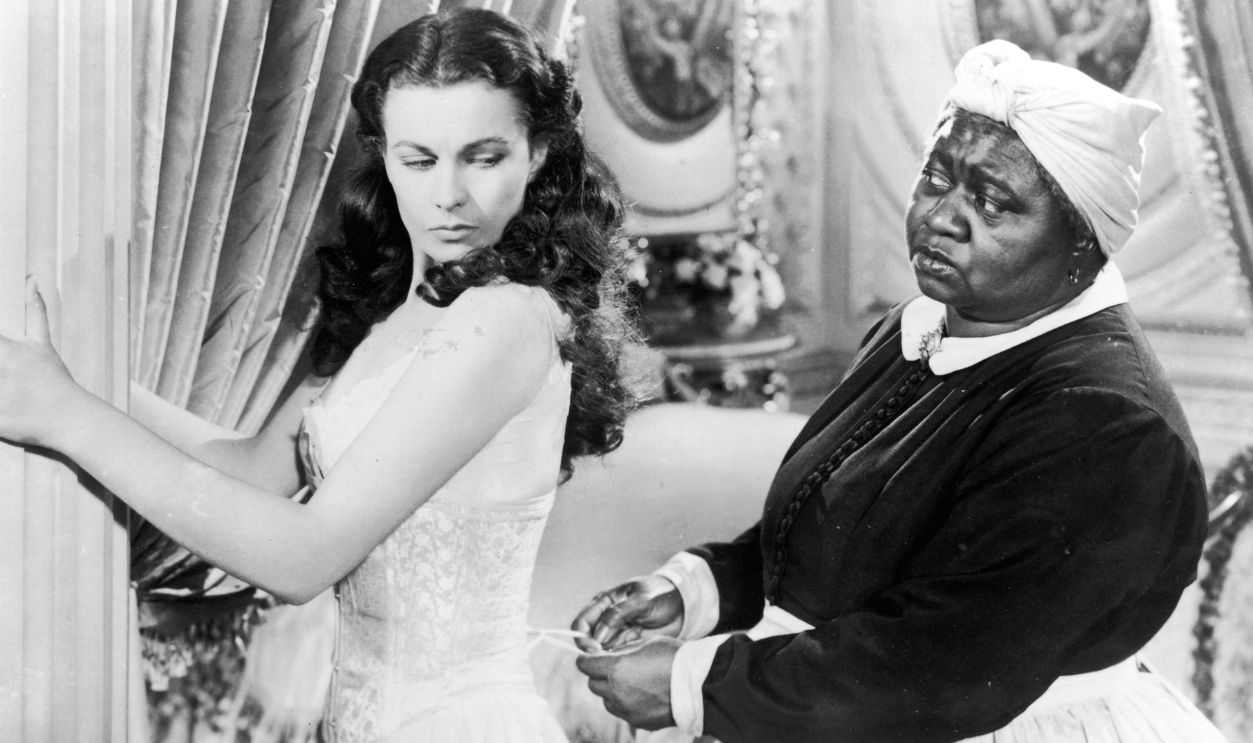
She Practically Became Mammy Before The Audition
McDaniel later recalled repeatedly reading Mitchell's novel while preparing to test. She said she found herself behaving like the character around her own house because she had become so immersed in the part. Producer David O. Selznick was impressed enough by her test that the uncertainty over casting disappeared.
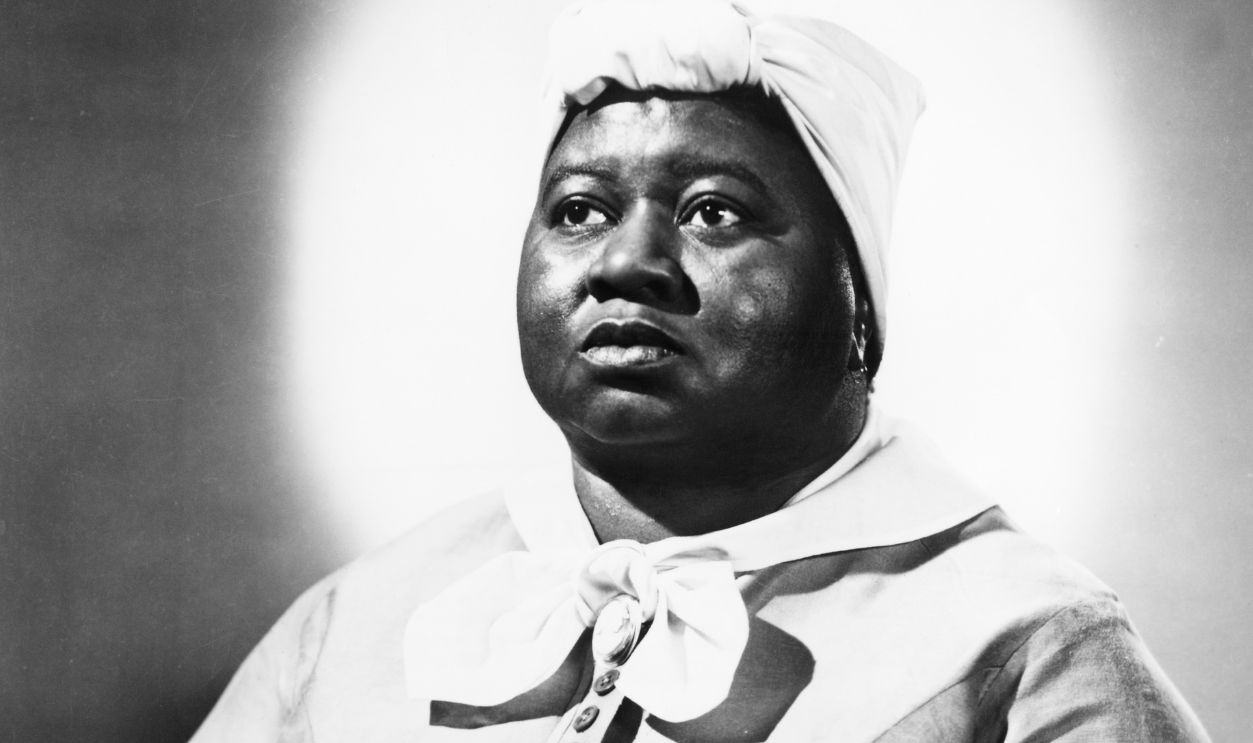 Pictorial Parade, Getty Images
She Refused To Let Mammy Become Invisible
The role itself reflected the film's romanticized treatment of the Old South and has remained controversial. McDaniel nevertheless gave Mammy intelligence, authority, wit, and an ability to challenge other characters that made her stand apart. Even contemporary observers who objected to Hollywood's limited roles for Black performers recognized McDaniel's skill.
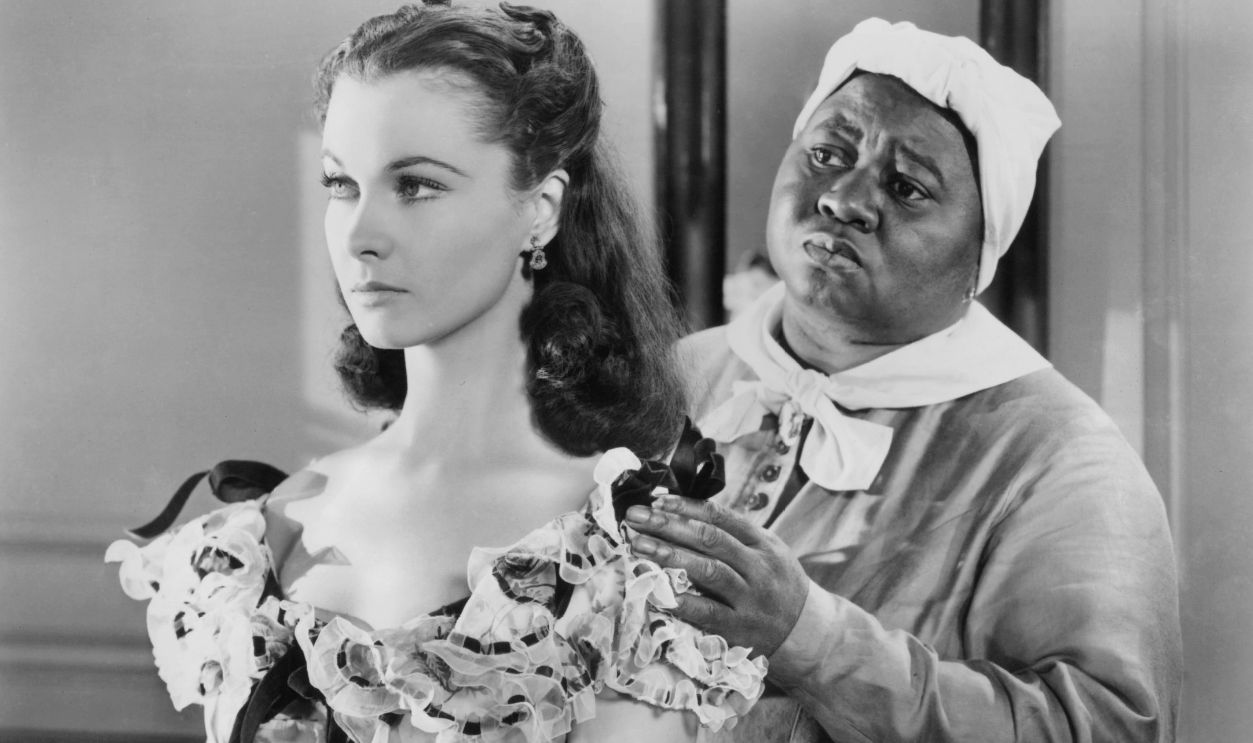 Michael Ochs Archives, Getty Images
Atlanta Revealed The Problem Before The Oscars Did
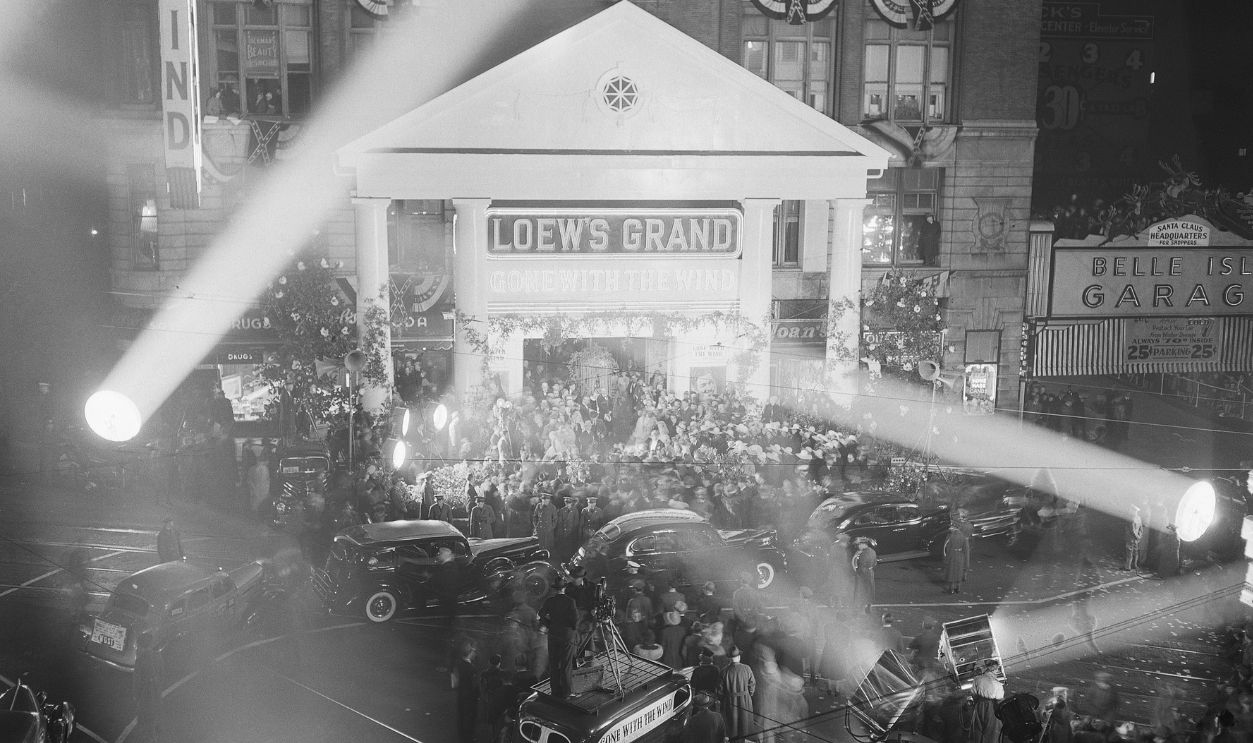
Gone with the Wind premiered in Atlanta on December 15, 1939, amid enormous celebrations. McDaniel and the movie's other Black performers did not participate in the gala because segregation prevented them from being treated like their white colleagues. A performer central to the movie's success was effectively excluded from its grandest premiere.
Then The Academy Nominated Her
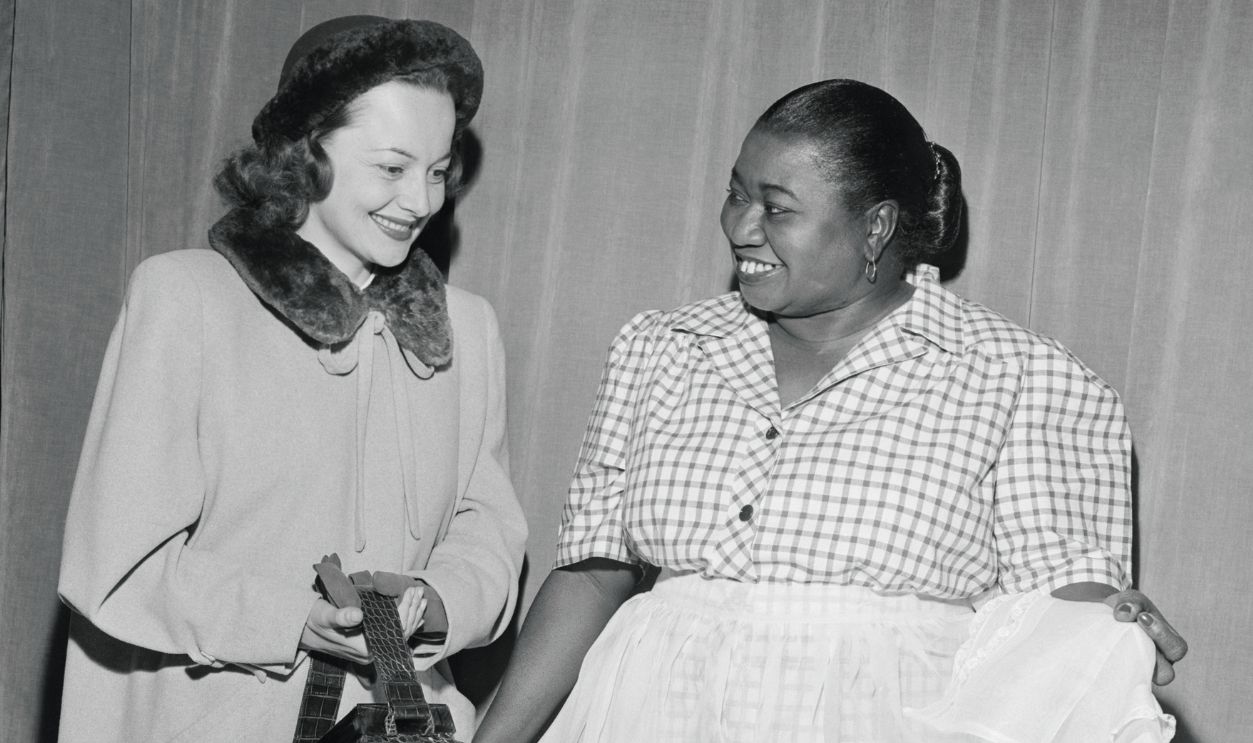
The Academy nominated McDaniel for Actress in a Supporting Role alongside her Gone with the Wind colleague Olivia de Havilland. McDaniel became the first Black performer ever nominated for a competitive Academy Award. Simply attending the ceremony, however, exposed another obstacle.
The Oscars Were Being Held At A Segregated Venue
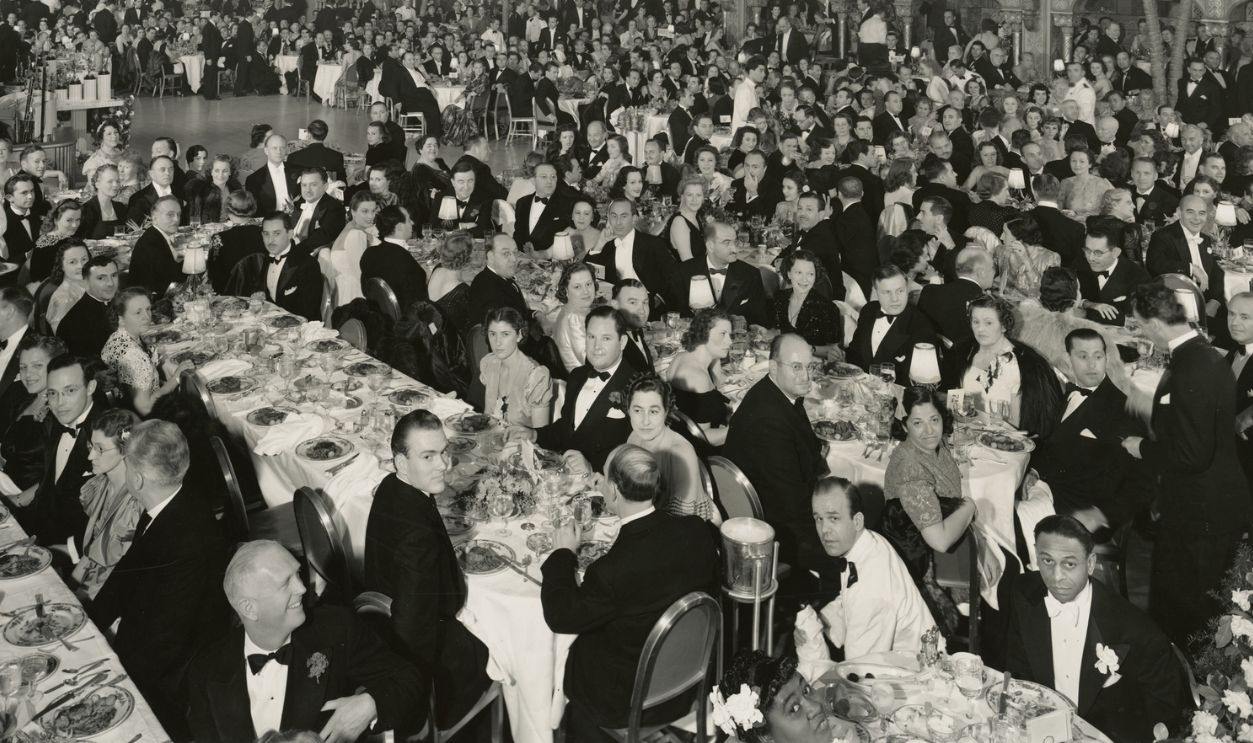
The 12th Academy Awards took place on February 29, 1940, at the Cocoanut Grove nightclub inside Los Angeles's Ambassador Hotel. The glamorous venue had hosted generations of Hollywood royalty, but it operated within the segregation of the era. McDaniel's nomination did not magically erase those rules.
Getting Inside Required An Exception
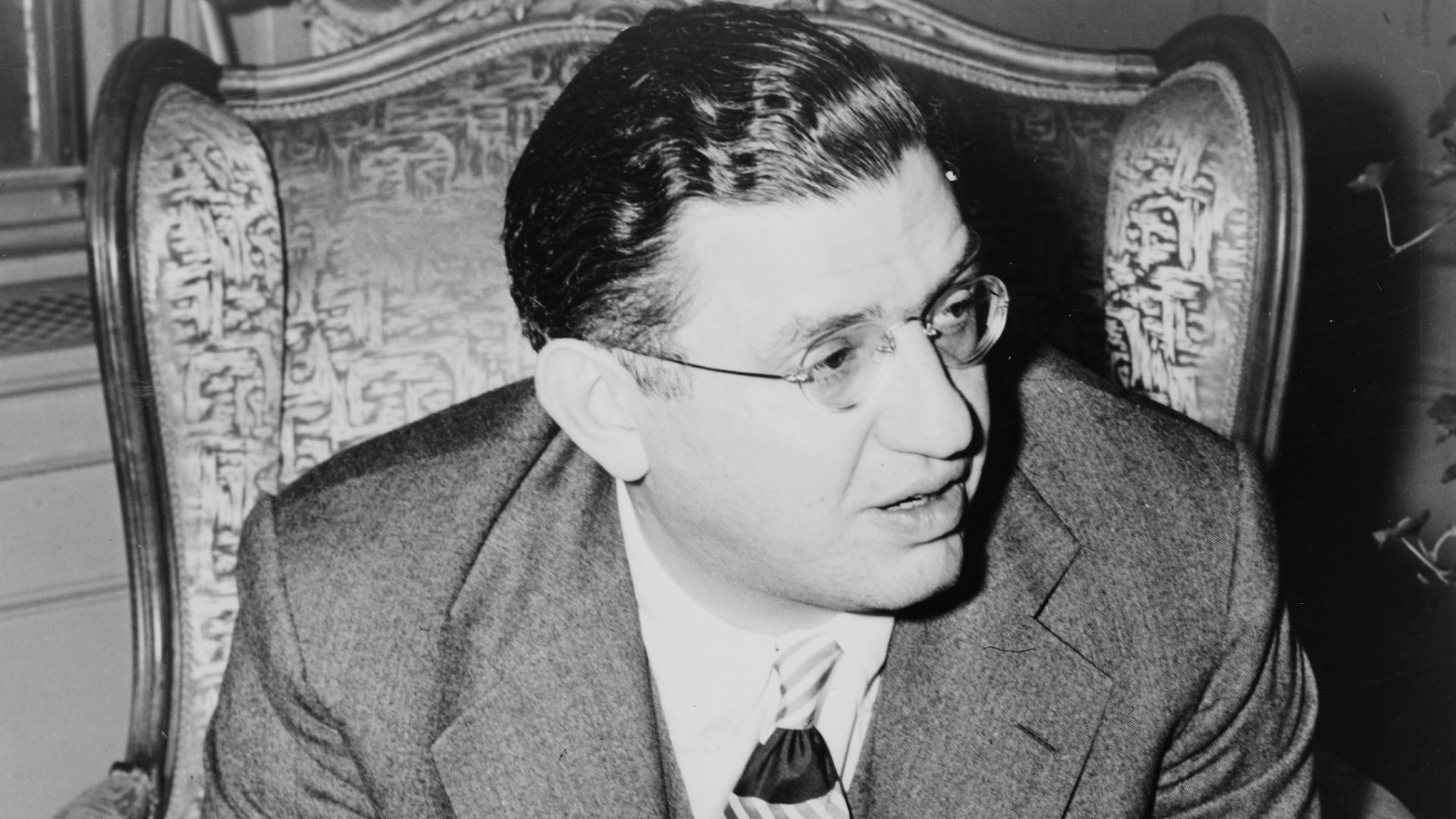
Historical accounts say producer David O. Selznick had to arrange for McDaniel to be admitted to the venue. The contradiction was extraordinary. Hollywood considered her performance worthy of its highest recognition while the location hosting that recognition ordinarily would not have treated her as an equal guest.
 New York World-Telegram and the Sun staff photographer, Wikimedia Commons
Her Table Told The Real Story
McDaniel did not sit with the principal Gone with the Wind contingent. The Academy confirms that she and her guest were seated separately from the movie's other nominees, while contemporary histories place her toward the back of the room. The arrangement made the industry's racial divide visible inside its most glamorous celebration.
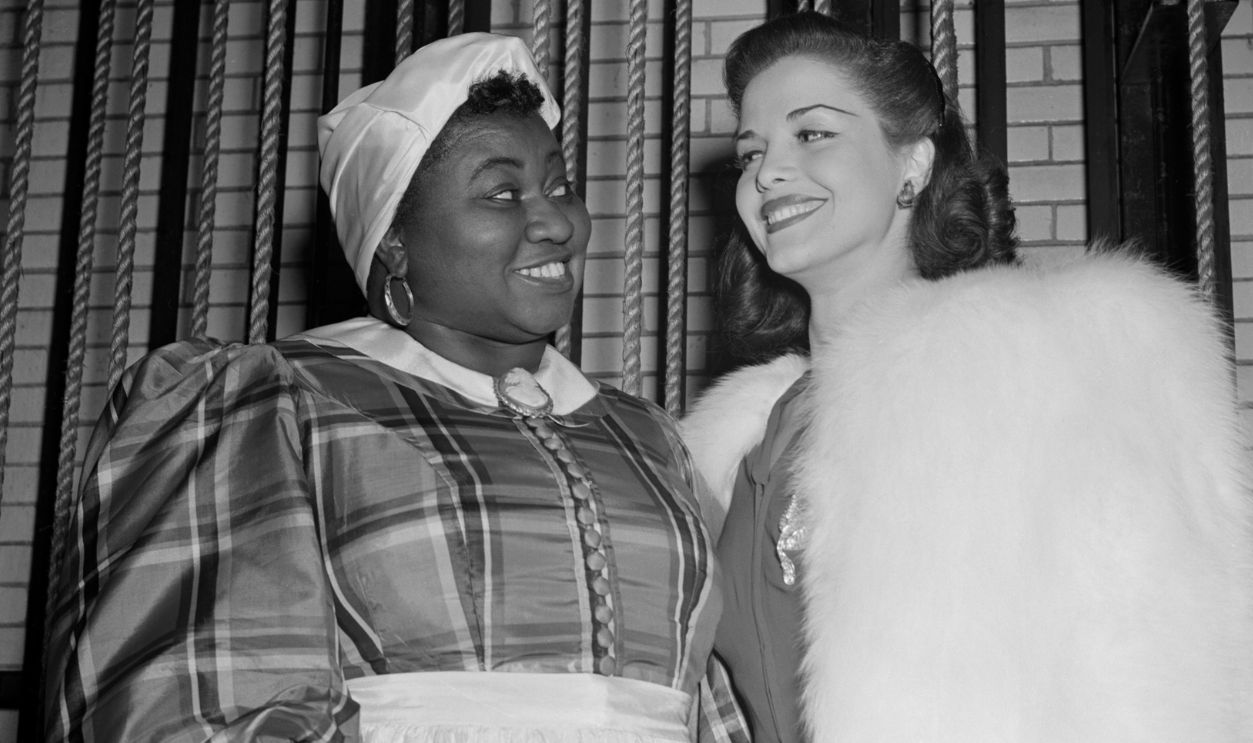
Gone With The Wind Had Two Women In The Race
McDaniel and Olivia de Havilland were both nominated for supporting actress, creating the unusual situation of two performers from the same film competing against each other. Geraldine Fitzgerald, Edna May Oliver, and Maria Ouspenskaya completed the category. De Havilland later remembered the emotional intensity surrounding McDaniel's victory.
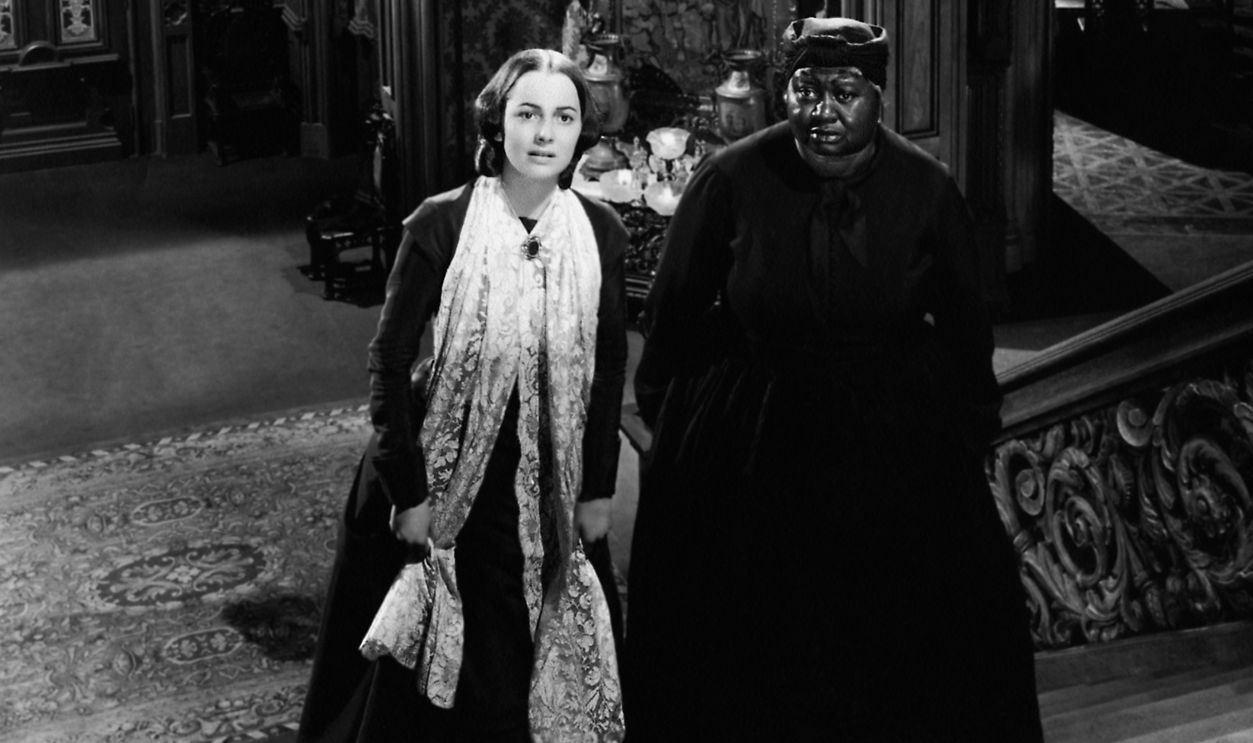 Donaldson Collection, Getty Images
Fay Bainter Read The Historic Name
When the supporting-actress award was presented, McDaniel won. For the first time in Academy history, a Black performer had received a competitive Oscar. The woman who had been excluded from the Atlanta premiere only weeks earlier was suddenly walking toward Hollywood's most important podium.
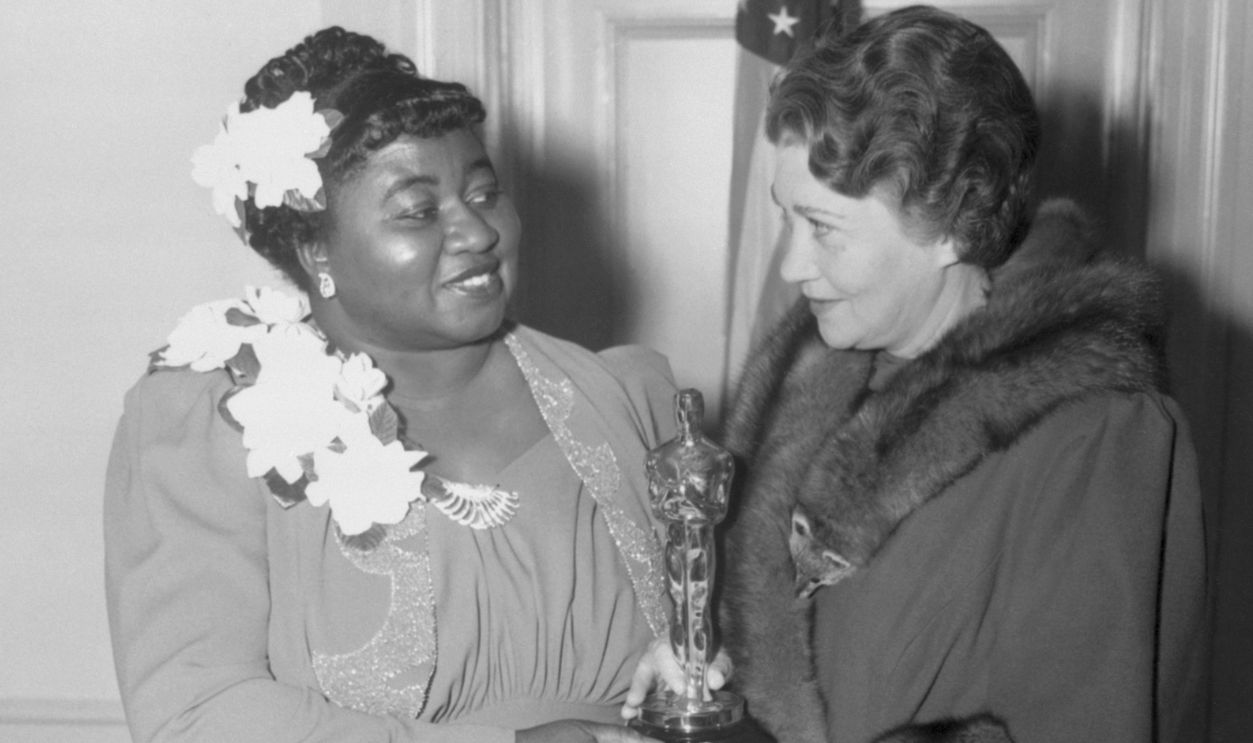
McDaniel Understood The Moment Was Bigger Than Her
Her acceptance remarks were brief and deeply emotional. McDaniel thanked the Academy and expressed her hope that she would remain a credit to her race and to the motion-picture industry. She said the honor would serve as a beacon for whatever she might accomplish in the future.
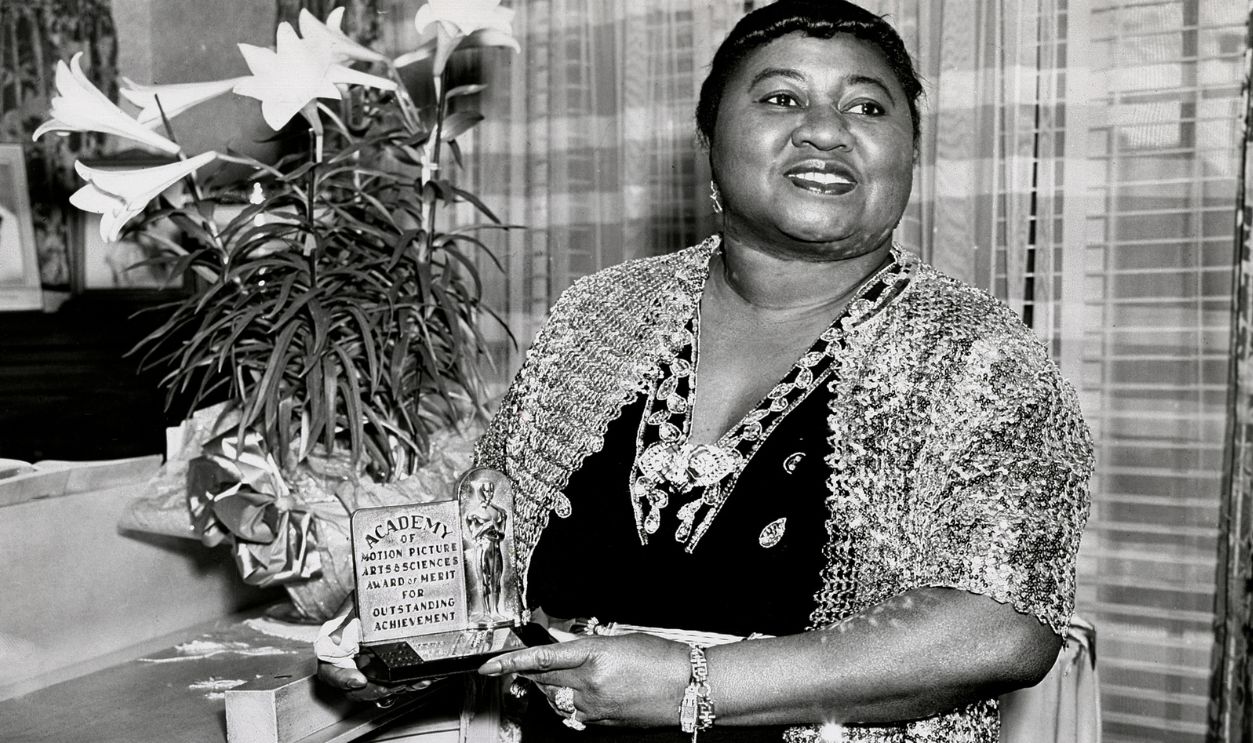 John Kisch Archive, Getty Images
Her Oscar Didn't Actually Look Like Today's Oscar
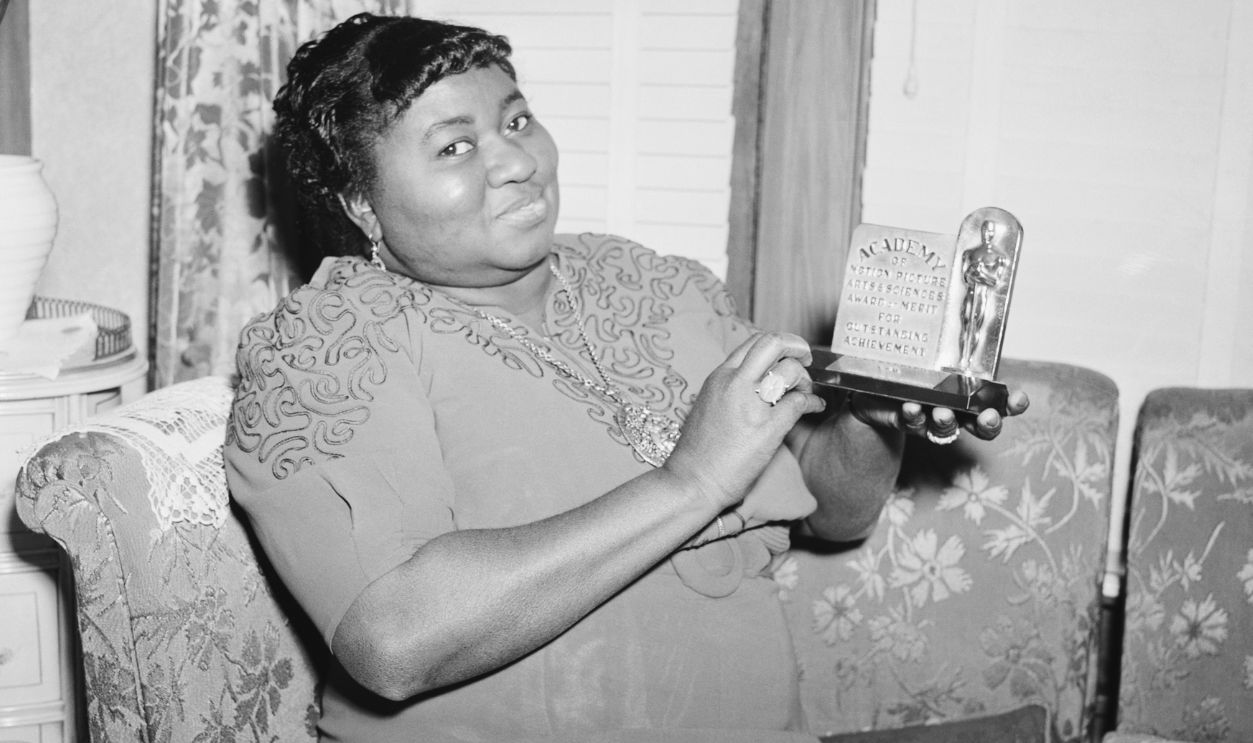
McDaniel did not receive the familiar full-sized statuette associated with Academy winners today. Supporting-performance winners between 1936 and 1942 received plaques, and McDaniel was presented with one of them. The distinction makes surviving images from the evening easy to misunderstand without the historical context.
Gone With The Wind Dominated The Ceremony
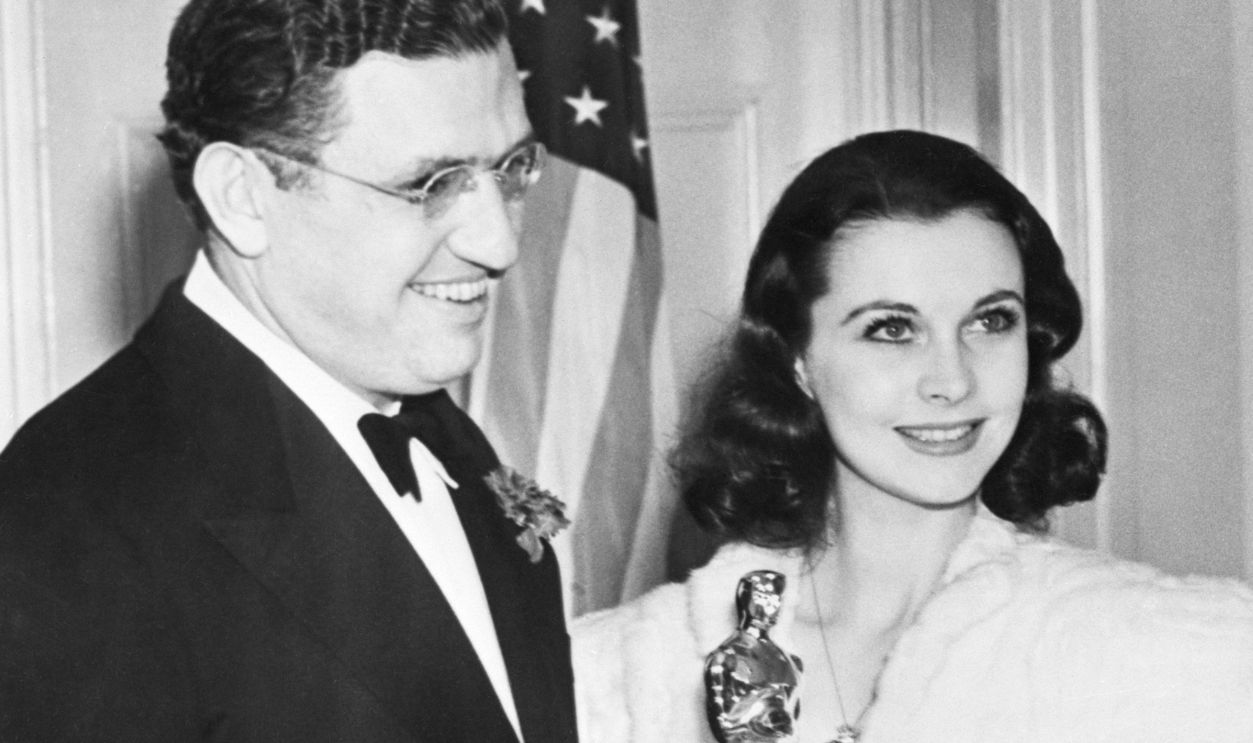
The film won eight competitive Academy Awards that evening, including Best Picture, Best Actress for Vivien Leigh, and Best Director for Victor Fleming. McDaniel's victory became its most important historical first. Yet her separate table meant the film's spectacular awards sweep unfolded inside two very different versions of Hollywood.
The Win Didn't Fix Her Career
An Oscar normally promises better scripts and greater professional leverage. McDaniel continued working, but Hollywood still largely confined her to the limited kinds of parts Black actresses had been offered before her victory. Her award had broken a record without dismantling the system that created those restrictions.
 Rybak~commonswiki, Wikimedia Commons
Some Black Leaders Criticized Her Choices
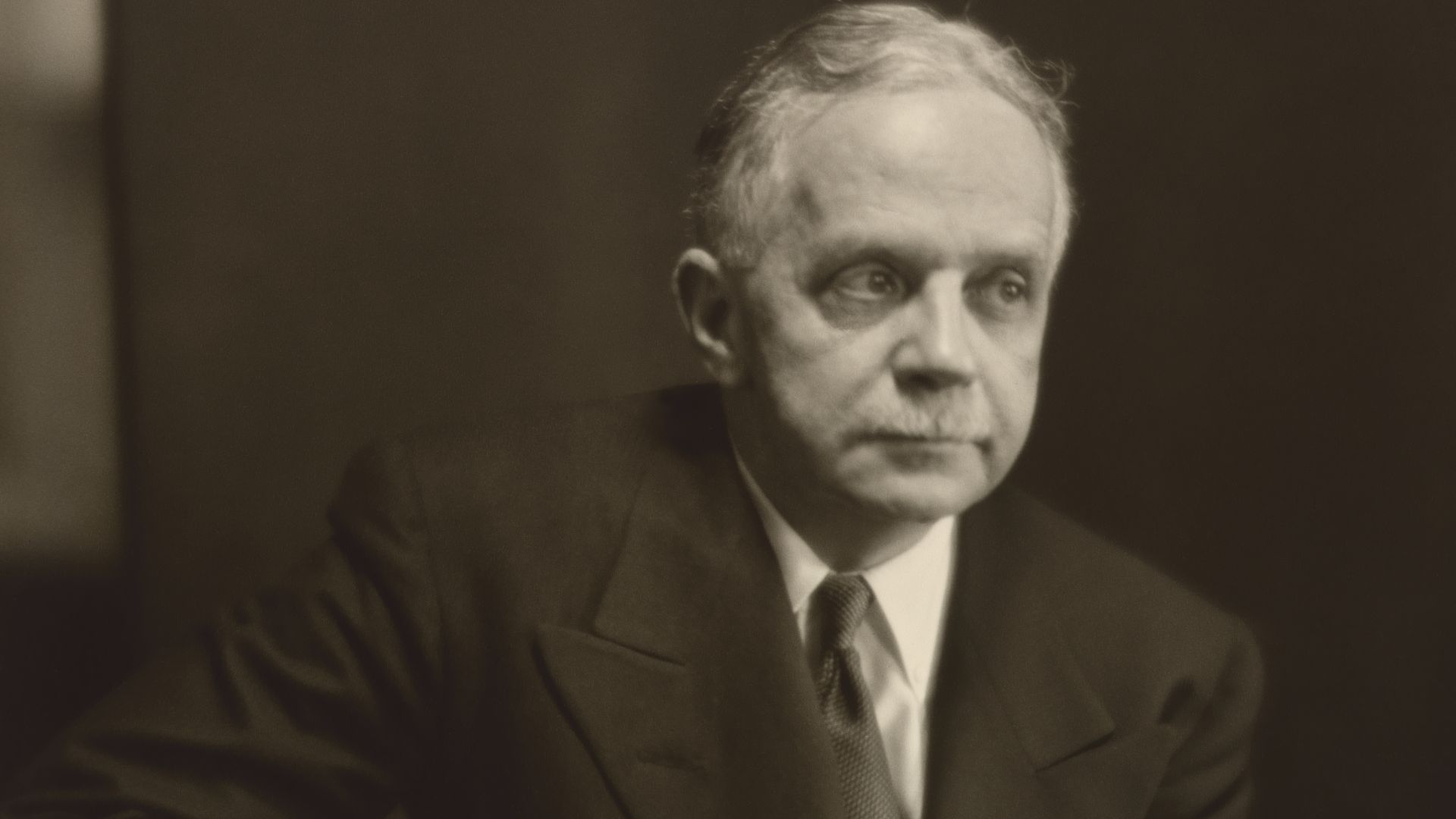
McDaniel also faced criticism from civil-rights leaders who argued that Hollywood's domestic-servant characters reinforced damaging stereotypes. Walter White of the NAACP became particularly critical of performers who continued accepting those roles. The dispute created a painful question about whether Black actors should refuse poor representation when studios were offering few realistic alternatives.
 Clara Sipprell / Adam Cuerden, Wikimedia Commons
McDaniel Had Her Own Answer
McDaniel argued that refusing work would not force Hollywood to offer Black performers better opportunities. She maintained that she could give her characters more spirit and dignity from within the limited system in which she worked. PBS's history of Walter White and the NAACP shows that this was a genuine disagreement about strategy, not a simple divide between activism and indifference.
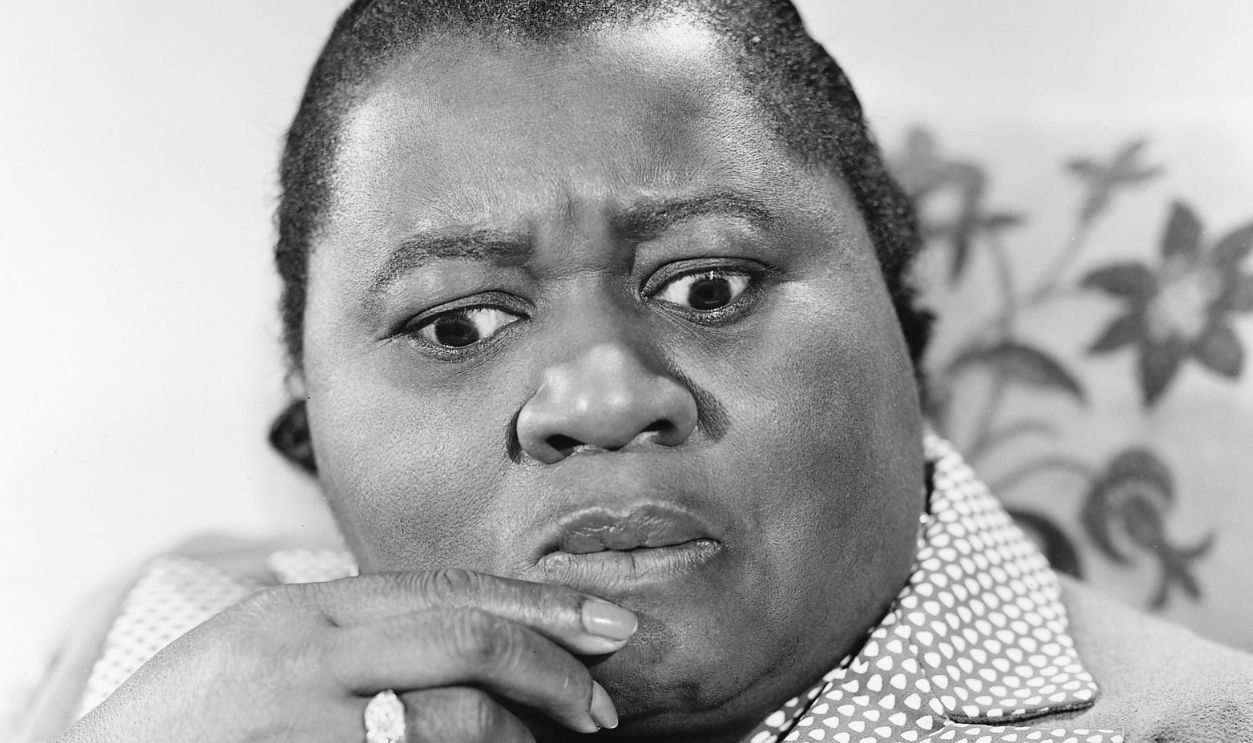 Silver Screen Collection, Getty Images
Her Hollywood Life Defied The Parts She Played
Away from movie sets, McDaniel's life hardly resembled the domestic workers Hollywood repeatedly asked her to portray. She became financially successful and purchased an impressive home in Los Angeles's West Adams Heights, an area known within the Black community as Sugar Hill. Other prominent Black entertainers, including Louise Beavers, also lived nearby.
 Phatblackmama, Wikimedia Commons
White Neighbors Tried To Push Them Out
Restrictive housing covenants had been used to prevent Black residents from occupying homes in many Los Angeles neighborhoods. White property owners went to court seeking to remove McDaniel and other Black families from Sugar Hill. In 1945, Judge Thurmond Clarke rejected the effort, declaring that Black residents were entitled to the constitutional rights their opponents had tried to deny them.
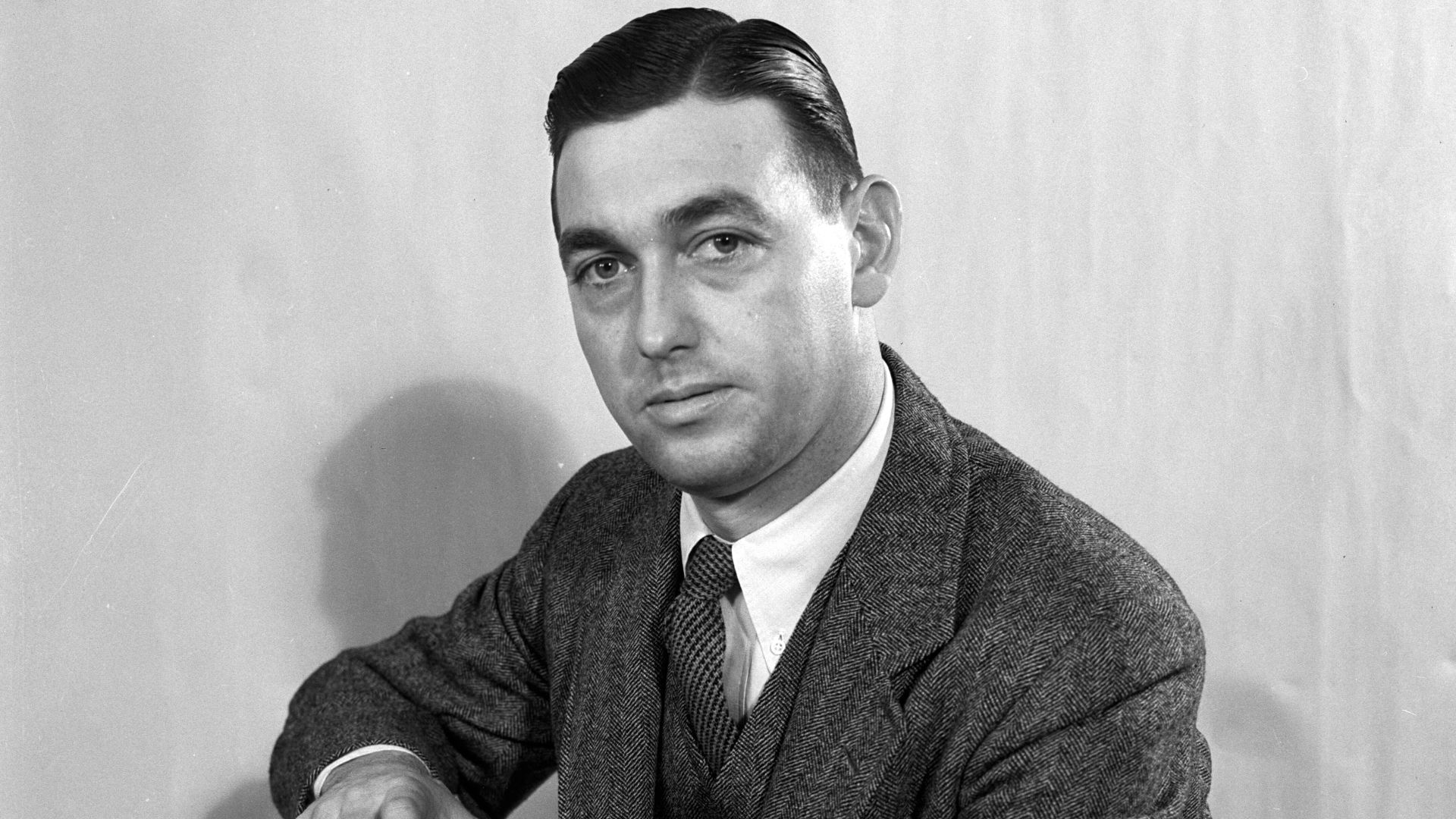 Los Angeles Times, Wikimedia Commons
Radio Finally Put Her Name At The Center
As movie opportunities declined, radio gave McDaniel another major platform. She became the star of The Beulah Show, taking over a character that had originally been created for radio by a white male performer. The Television Academy notes that McDaniel continued playing Beulah on radio until illness interrupted her career.
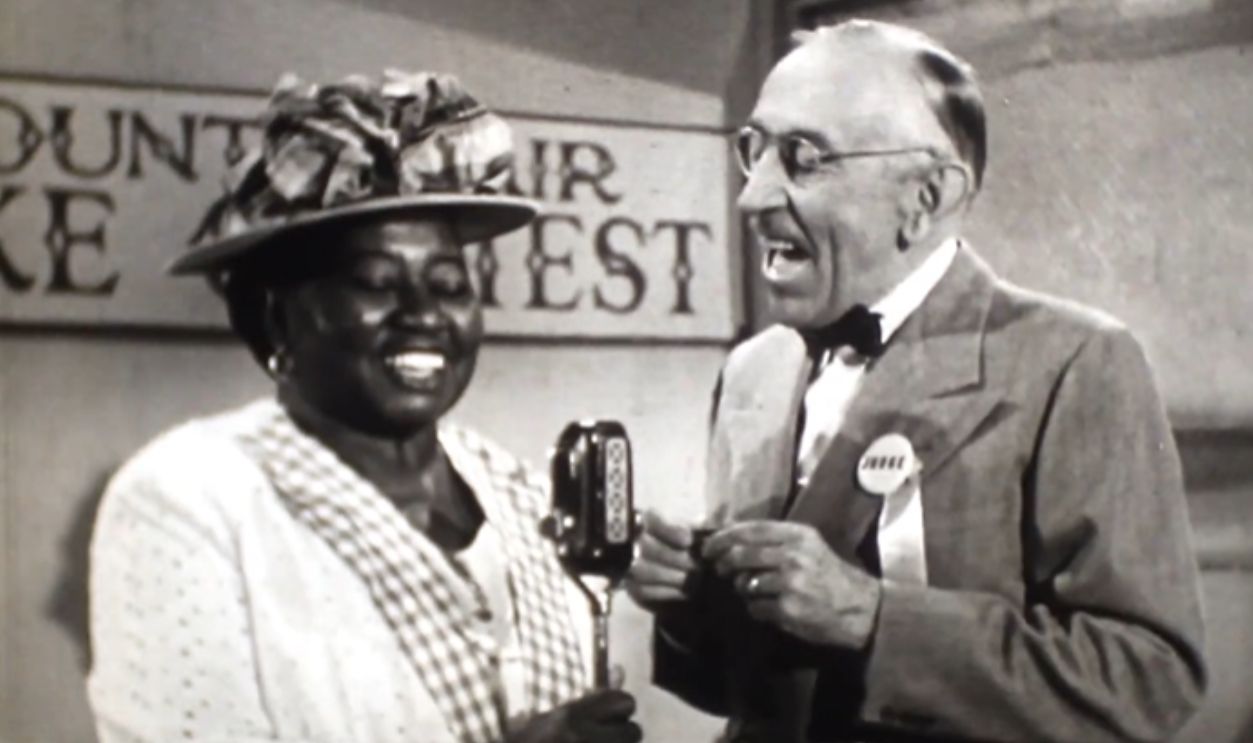 Screenshot from The Beulah Show, ABC (1950-1953)
Her Final Years Carried Another Cruel Contradiction
McDaniel became seriously ill in the early 1950s and died in 1952. She had wanted to be buried at Hollywood Memorial Cemetery among other movie figures, but the cemetery's segregation policy prevented that wish from being honored. She was instead buried at Angelus Rosedale Cemetery, and decades later the renamed Hollywood Forever cemetery erected a memorial acknowledging the wrong.
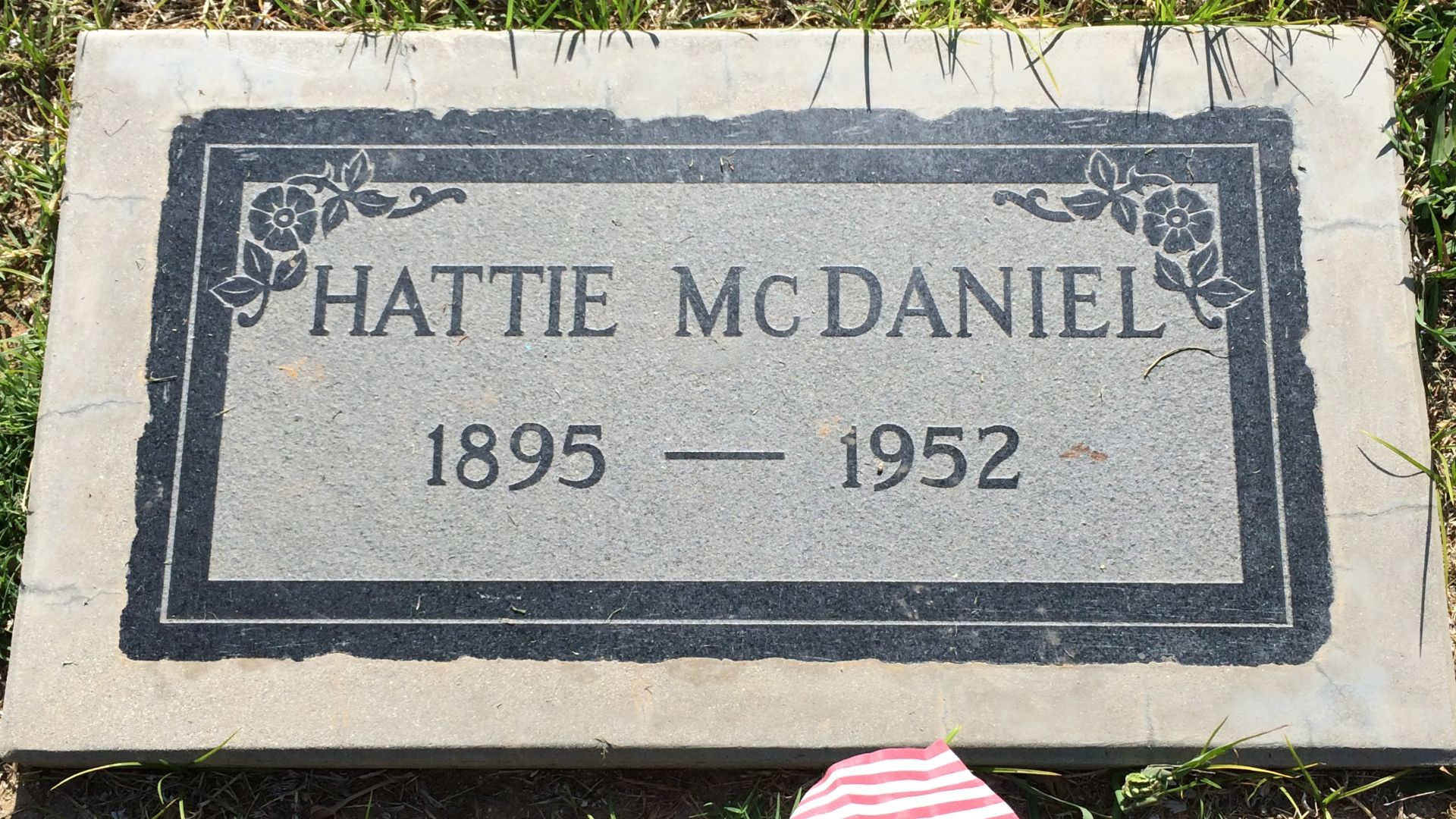 Arthur Dark, Wikimedia Commons
Even Her Historic Oscar Disappeared
McDaniel left her Academy Award to Howard University. The plaque was displayed by the university's drama department but disappeared sometime around the late 1960s or early 1970s, and its whereabouts remain unknown. Stories have circulated about what happened to it, but no explanation has been proven.
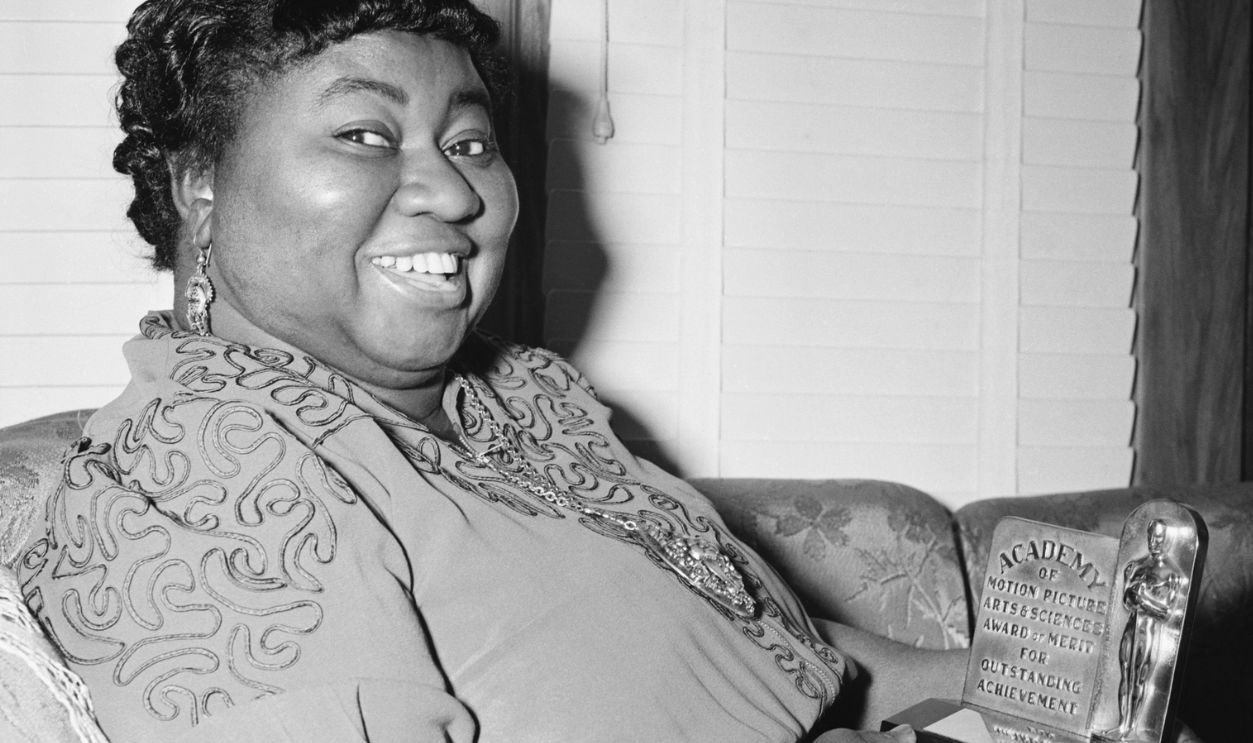
Eighty-Three Years Later, The Oscar Came Home Again
In 2023, the Academy and Academy Museum presented Howard University with a replacement of McDaniel's historic plaque. It was a symbolic return of an honor McDaniel herself had wanted future generations of students to see. The original Oscar night remains both a triumph and an indictment: Hattie McDaniel made history inside a room whose rules still told her she did not fully belong.
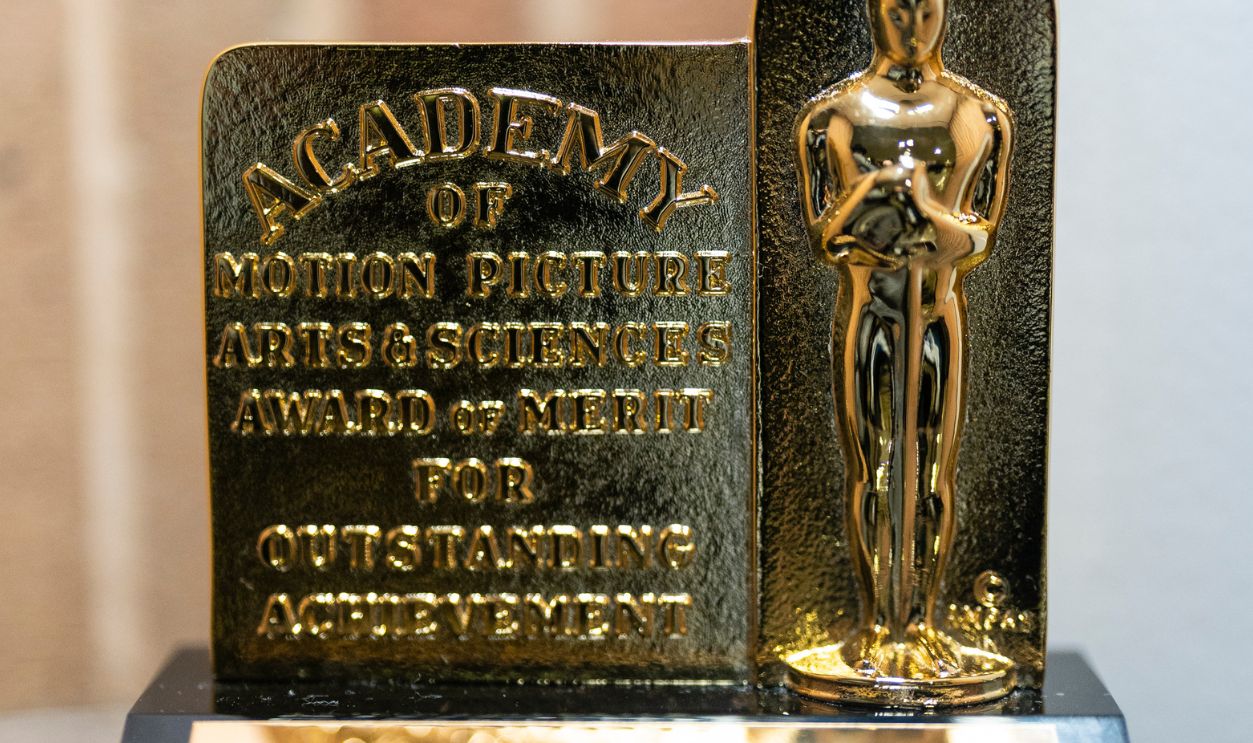 The Washington Post, Getty Images
You May Also Like:
50-Year-Old Movies That We'd Still Rather See Than What They Put In Theaters Today
Sources: 1, 2, 3, 4, 5, 6, 7, 8, 9, 10, 11, 12, 13, 14, 15, 16, 17, 18, 19, 20, 21