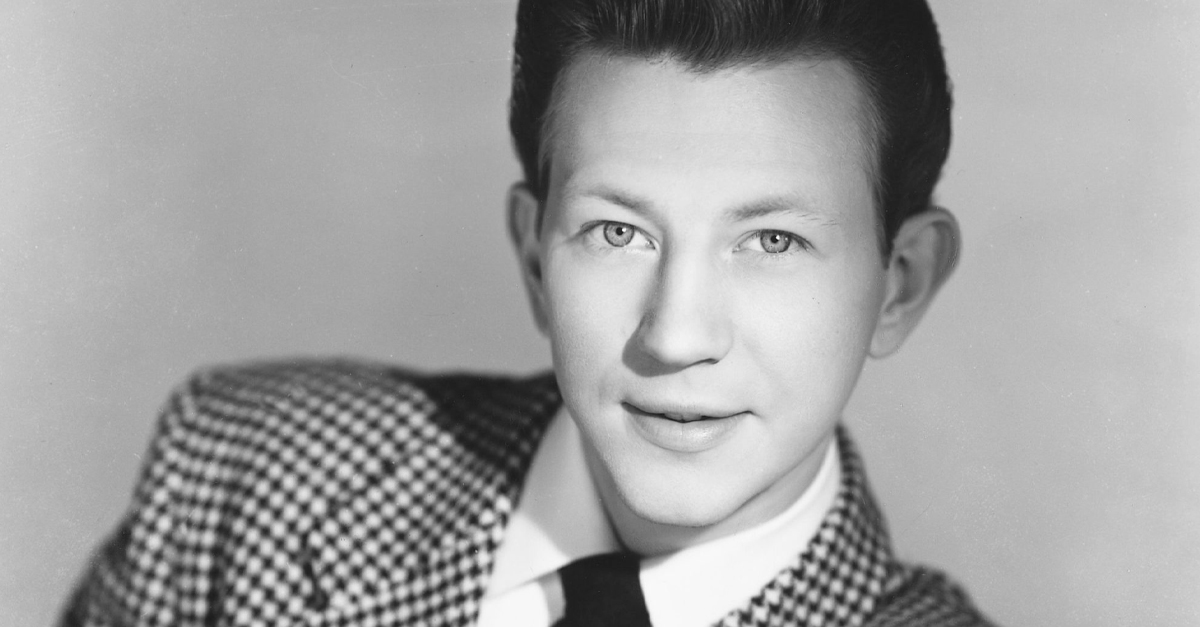
The Man Who Made Pain Look Effortless
Donald O’Connor made comedy look weightless. In Singin’ in the Rain, he bounced off walls, flipped over furniture, and turned physical punishment into one of the most joyful musical numbers ever filmed. But behind that famous grin was a performer whose life was repeatedly shaken by exhaustion, illness, drinking, heart trouble, pneumonia, and a body pushed far beyond its limits.
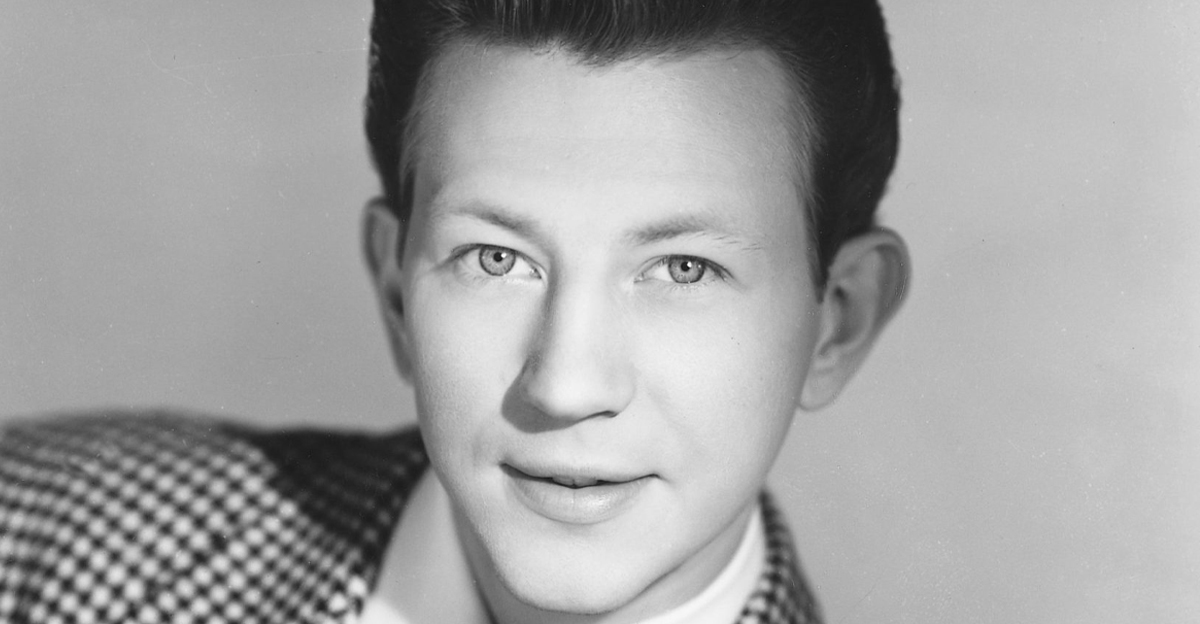 Silver Screen Collection, Getty Images
He Was Born Into Show Business
O’Connor was born in Chicago in 1925 into a vaudeville family. His parents were performers, and he was introduced to audiences almost before he had a chance to understand what performing meant. Down the road, he shared, "I was about 13 months old, they tell me, when I first started dancing, and they'd hold me up by the back of my neck and they'd start the music, and I'd dance. You could do that with any kid, only I got paid for it".
Long before Hollywood made him famous, show business was already the family trade.
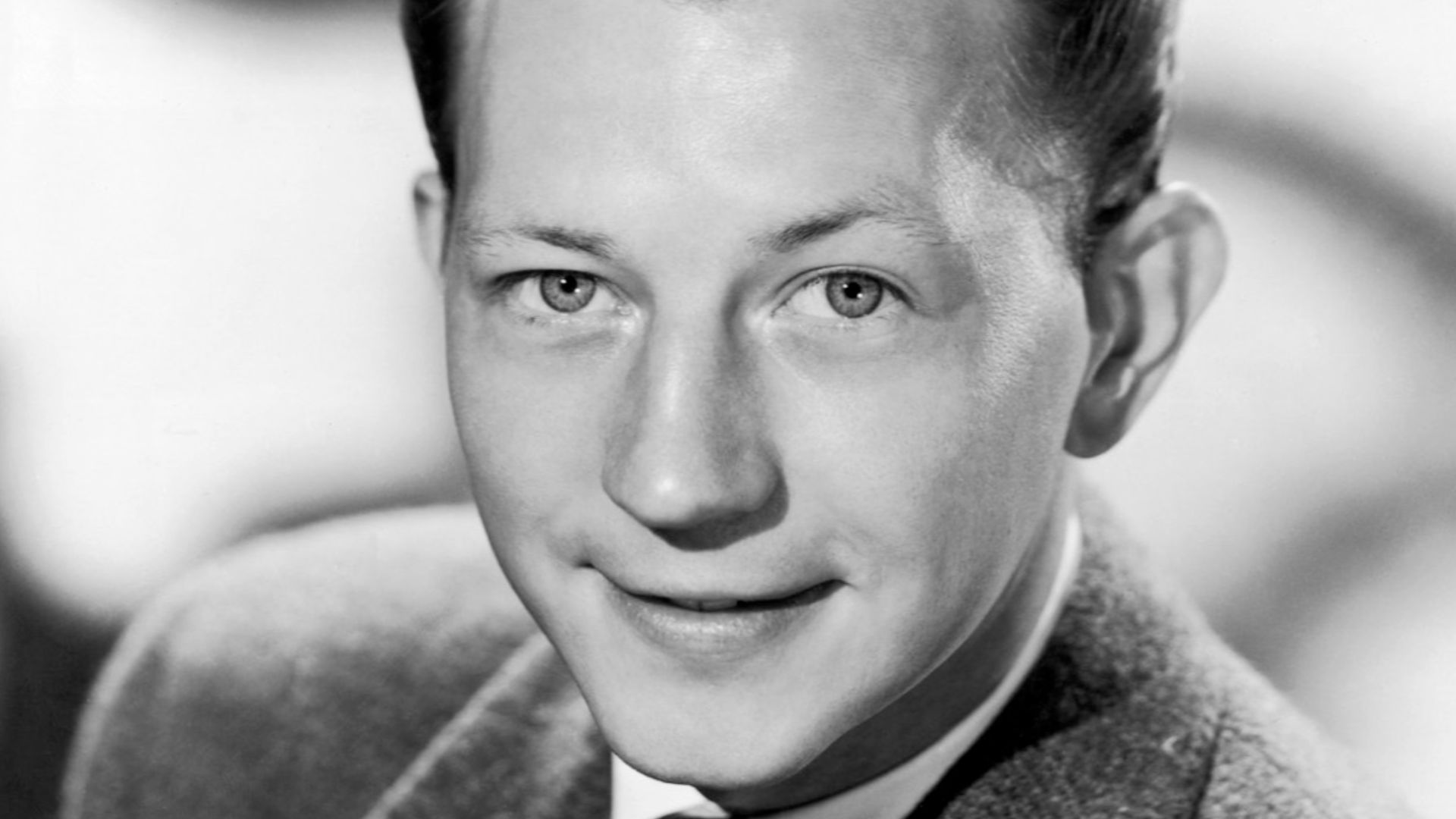 Studio publicity still., Wikimedia Commons
Tragedy Came When He Was Still A Baby
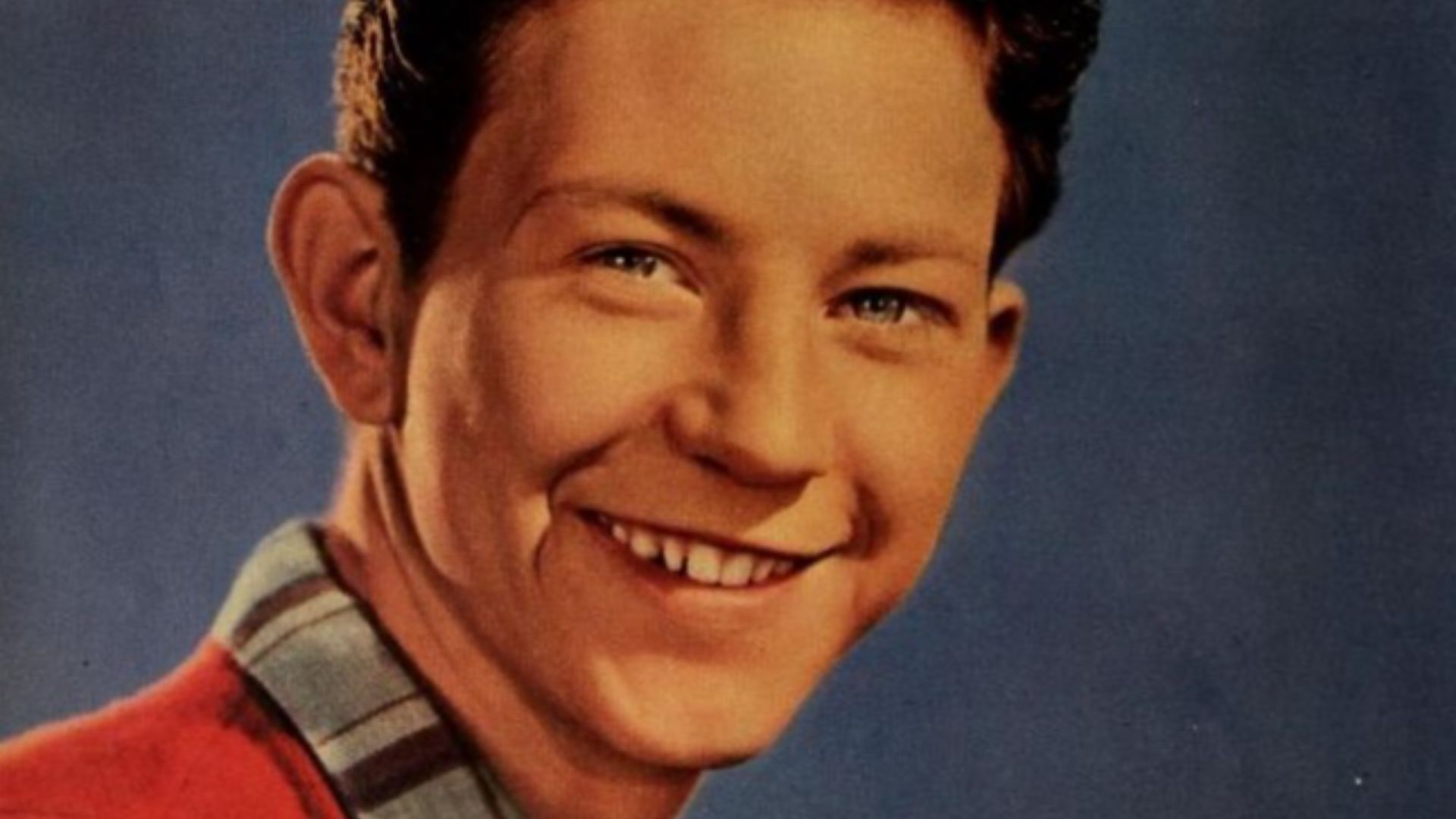
When O’Connor was about a year old, his sister Arlene was killed after being hit by a car. Only weeks later, his father suffered a fatal heart attack while performing. Those early losses meant that laughter and grief entered his life almost together, long before he became famous for making audiences smile.
But when it came to personal struggle, this was only the beginning of a very long and arduous road.
 Dell Publishing / Photographer not credited, Wikimedia Commons
Childhood Became A Job
After his father’s passing, O’Connor continued performing with his family. He sang, danced, joked, and worked the vaudeville circuit while other children were simply growing up. His cheerful public image was built on discipline, repetition, and the pressure to entertain from a painfully young age.
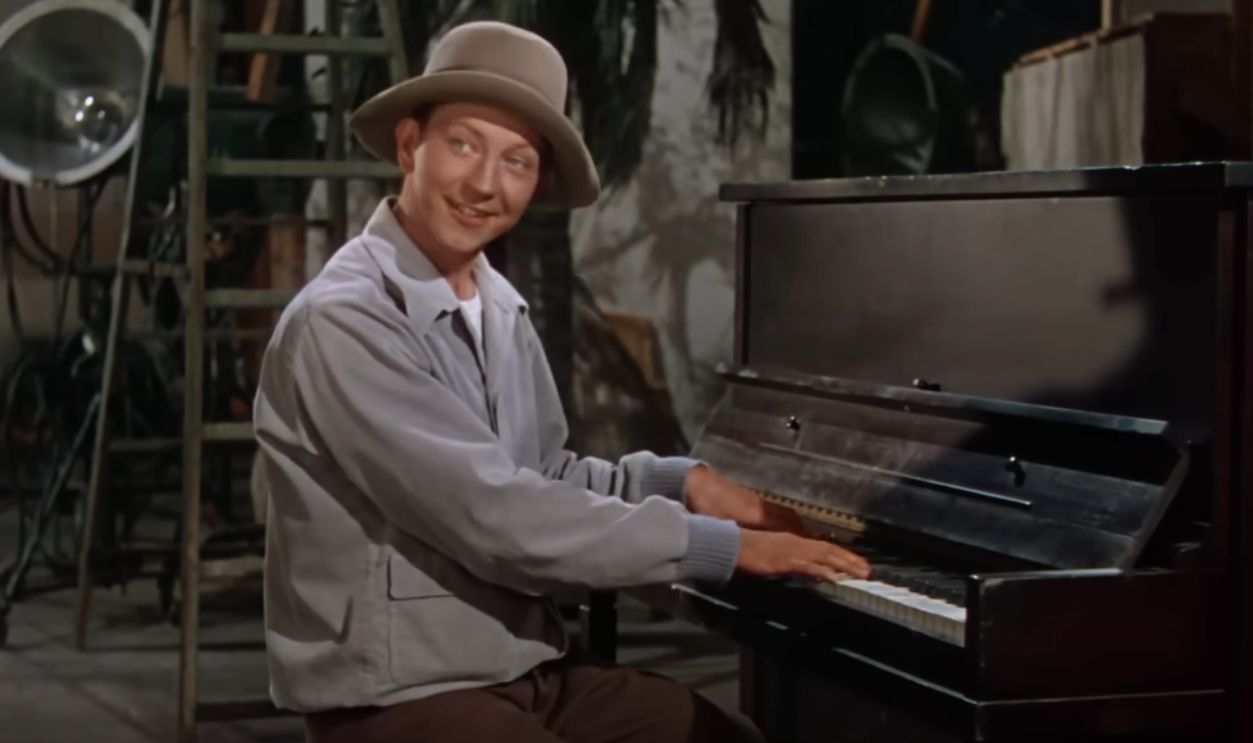 Screenshot from Singin’ in the Rain, Warner Bros. Discovery (1952)
Hollywood Saw The Spark Immediately
O’Connor entered films as a child and eventually became one of Universal’s most reliable young entertainers. He had quick comic timing, nimble feet, and a face that seemed permanently lit by mischief. Studios loved performers who could do everything, and O’Connor could sing, dance, tumble, clown, and charm.
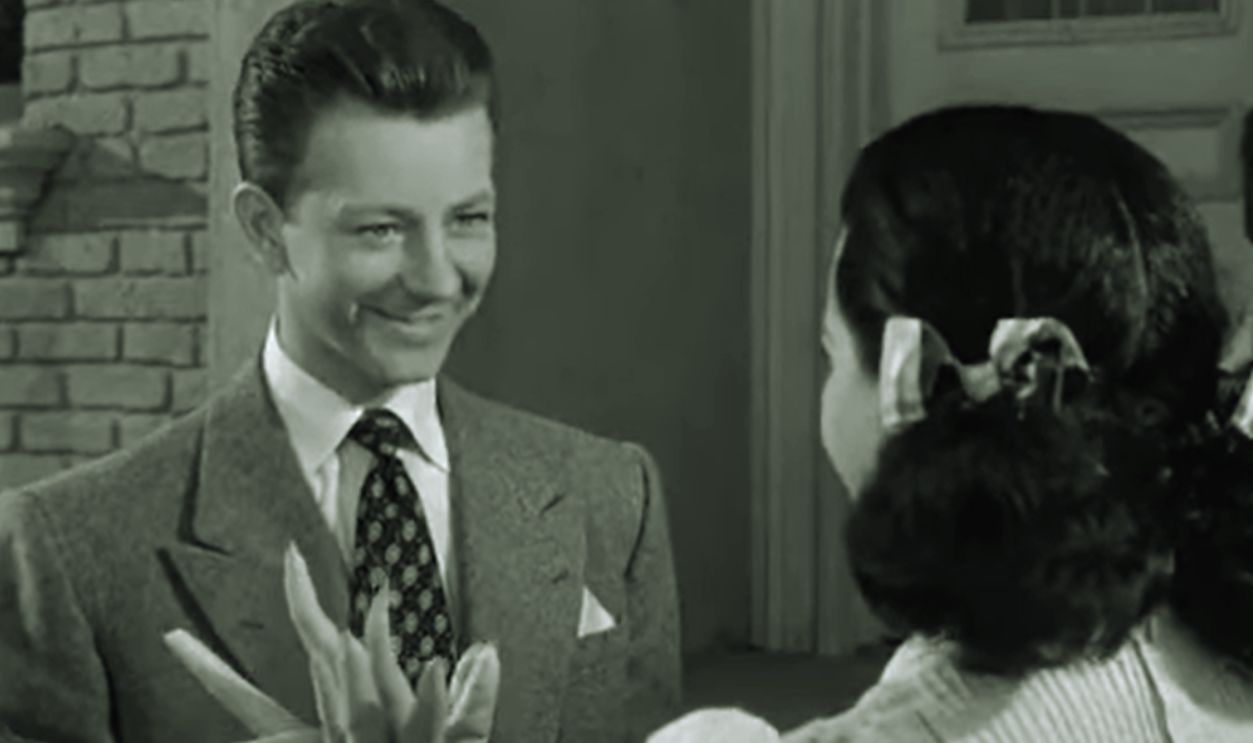 Screenshot from Francis Covers the Big Town, NBCUniversal (1953)
The Francis Films Made Him A Familiar Face
Before Singin’ in the Rain, O’Connor became widely known through the Francis the Talking Mule comedies. The movies paired him with a talking animal, which could have embarrassed a less generous performer. Instead, he played the absurd premise straight and helped make the series popular.
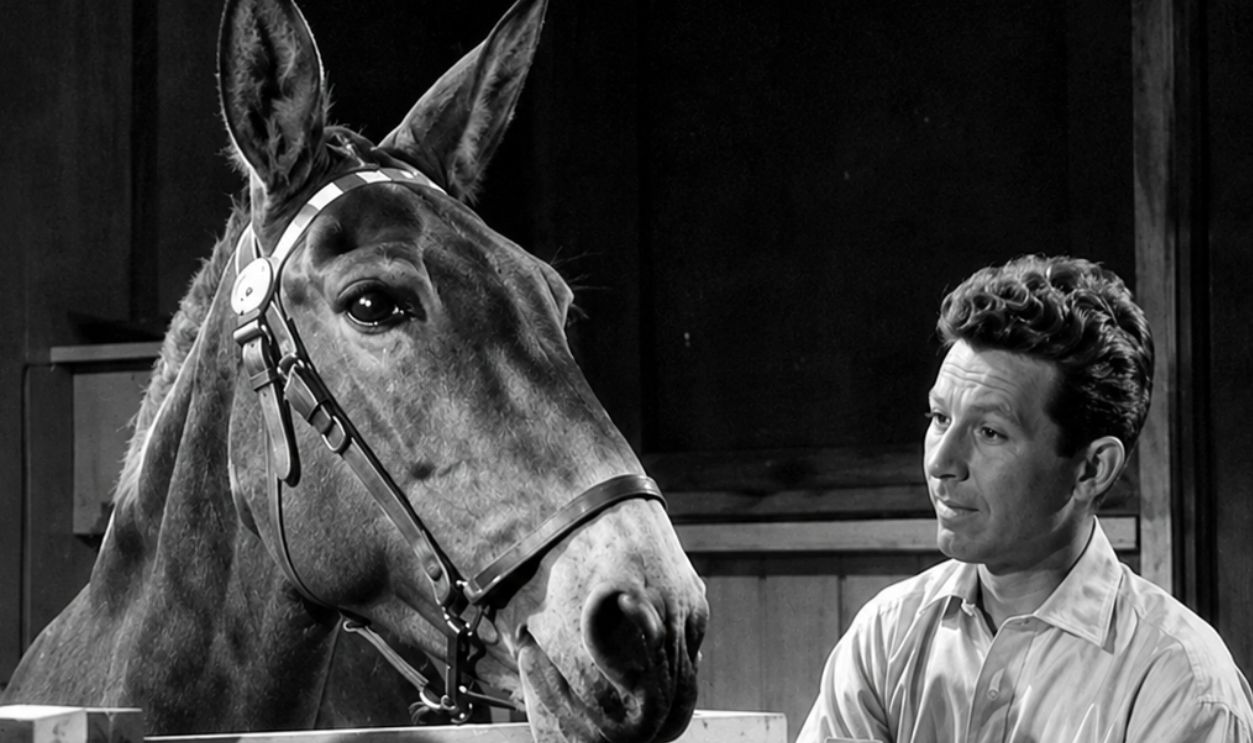 Screenshot from Francis Covers the Big Town, NBCUniversal (1953), enhanced
He Wanted To Be More Than A Gimmick
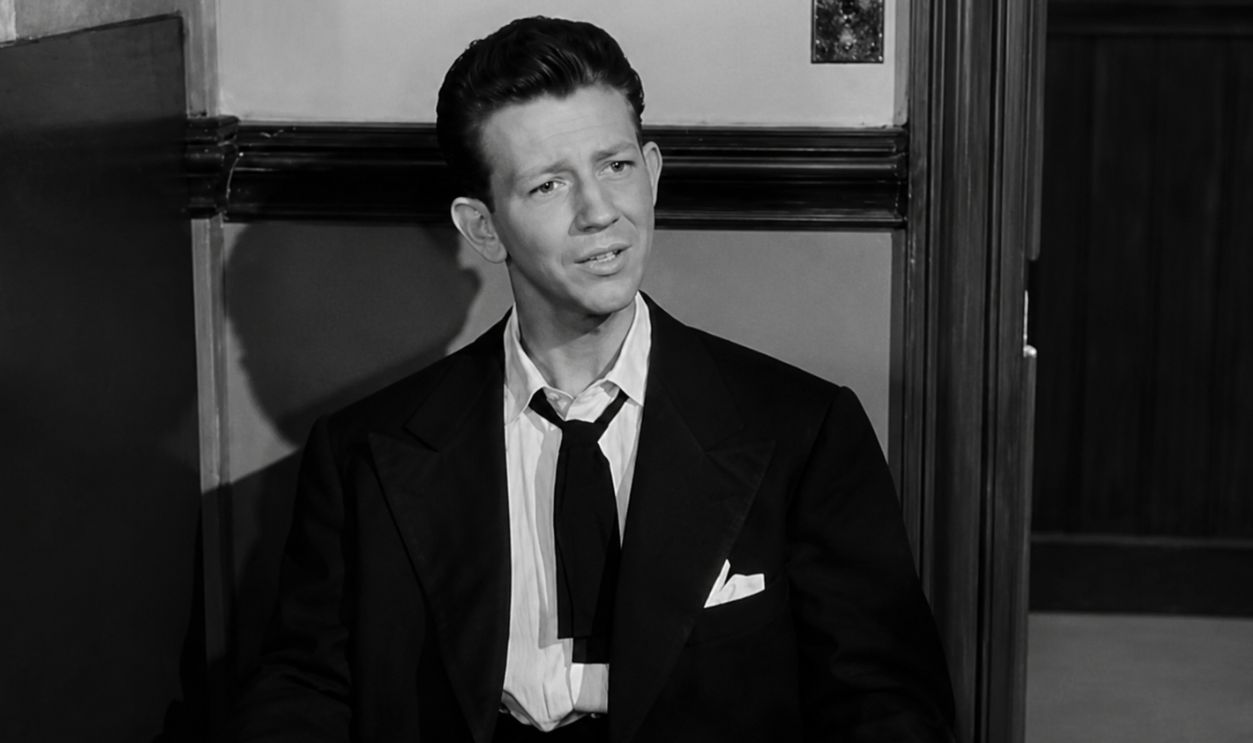
The Francis films brought O’Connor fame, but they also boxed him in. He was funny, energetic, and likable, yet he wanted material that showed what he could really do. Singin’ in the Rain finally gave him a role worthy of his full physical and comic talent.
As most know, he became one of the most memorable parts of the musical film.
 Screenshot from Francis Covers the Big Town, NBCUniversal (1953), enhanced
Cosmo Brown Became His Signature Role
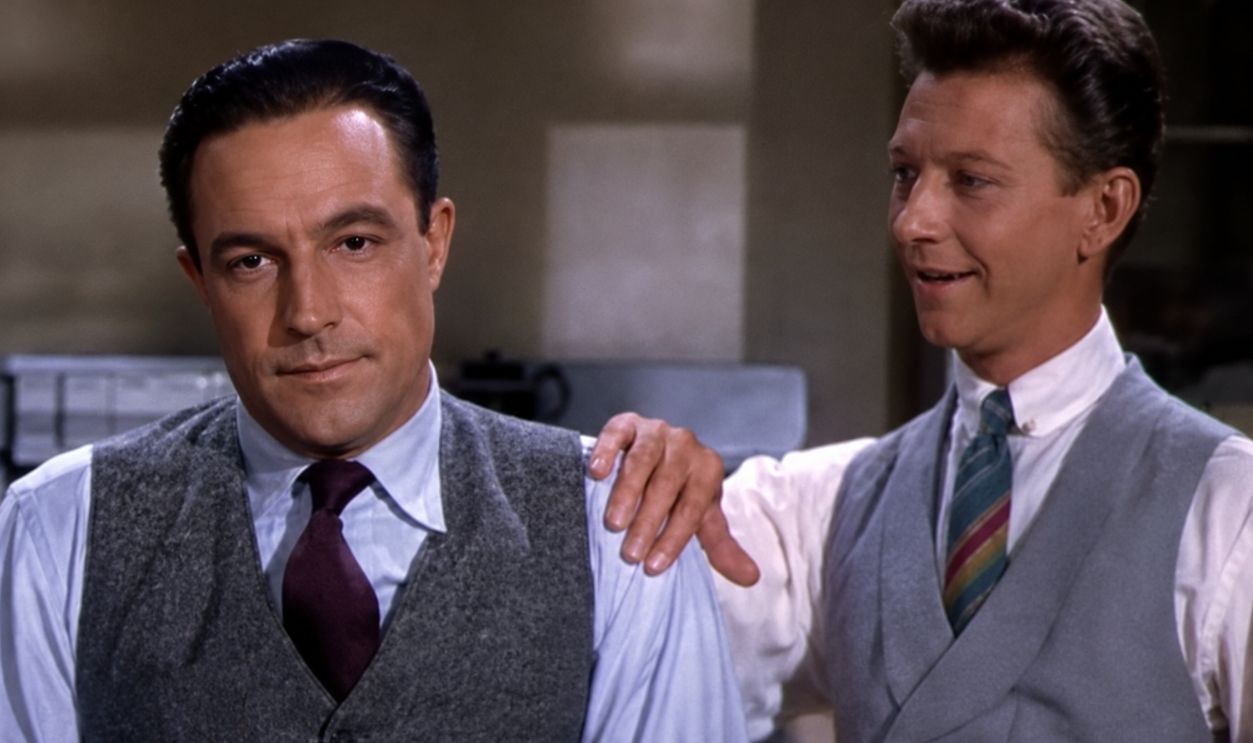
In 1952, O’Connor played Cosmo Brown, the loyal comic partner to Gene Kelly’s Don Lockwood. Cosmo was quick, silly, musical, and self-deprecating, but O’Connor gave him real warmth. He was not just the funny friend. He was the emotional safety valve of the movie.
 Screenshot from Singin’ in the Rain, Warner Bros. Discovery (1952), enhanced
Then Came “Make ’Em Laugh”
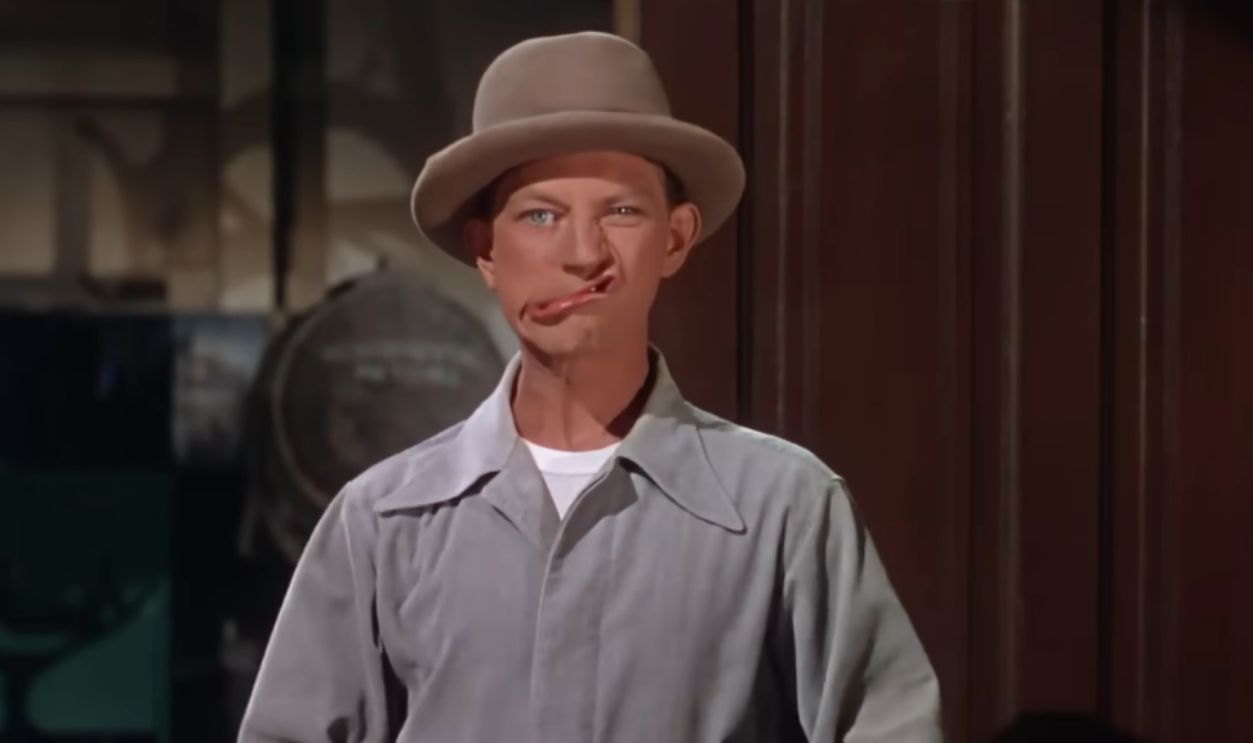
“Make ’Em Laugh” became O’Connor’s immortal showcase. The number required him to throw himself into slapstick with terrifying commitment: wall runs, pratfalls, tumbles, flips, and collisions that look funny only because he performed them with such control. The scene is joyful, but—most of all—it is also physically brutal.
 Screenshot from Singin’ in the Rain, Warner Bros. Discovery (1952)
The Routine Took A Terrible Toll
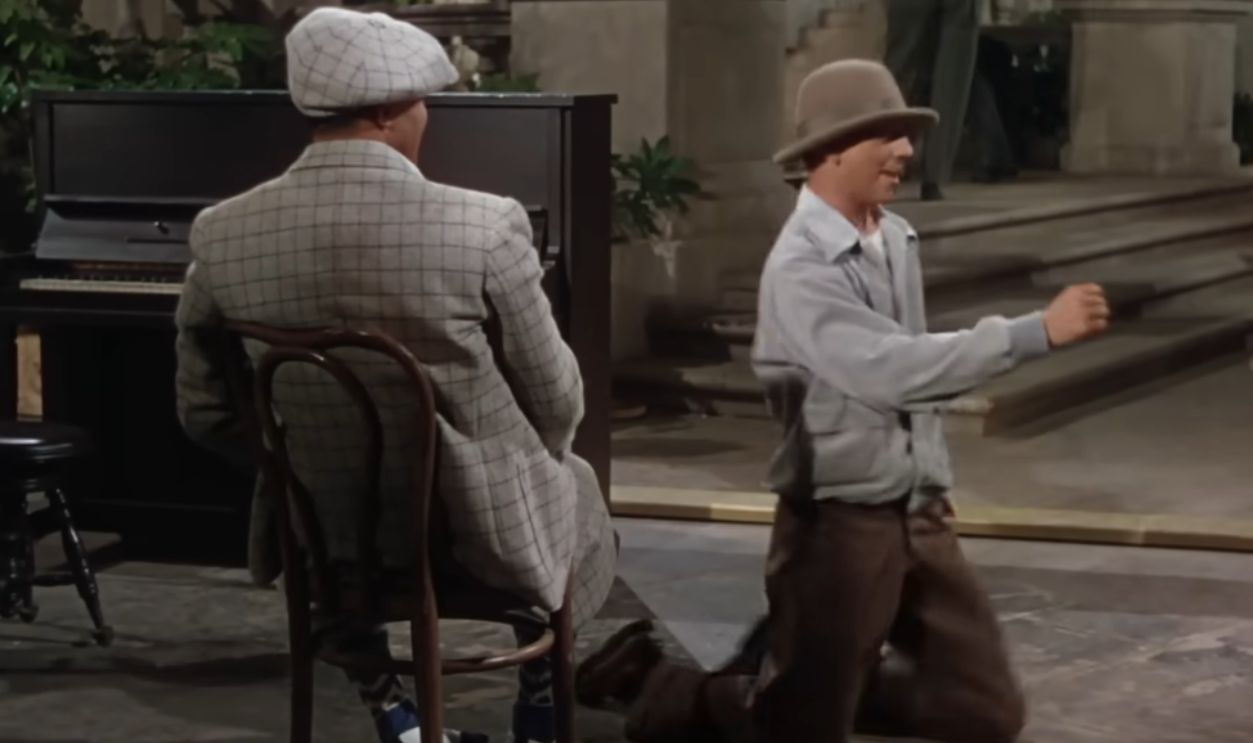
O’Connor later became associated with the story that filming “Make ’Em Laugh” left him so exhausted he needed bed rest or hospitalization afterward. Accounts also note that he was a heavy smoker at the time, which made the physical strain even harsher. The number looked effortless, but his body paid for it.
 Screenshot from Singin’ in the Rain, Warner Bros. Discovery (1952)
He Had To Do It All Over Again
The ordeal became even worse because the original footage reportedly had to be reshot after a technical problem. That meant O’Connor had to repeat one of the most punishing comedy routines in movie-musical history. For audiences, it became immortal. For him, it was almost an athletic injury disguised as fun.
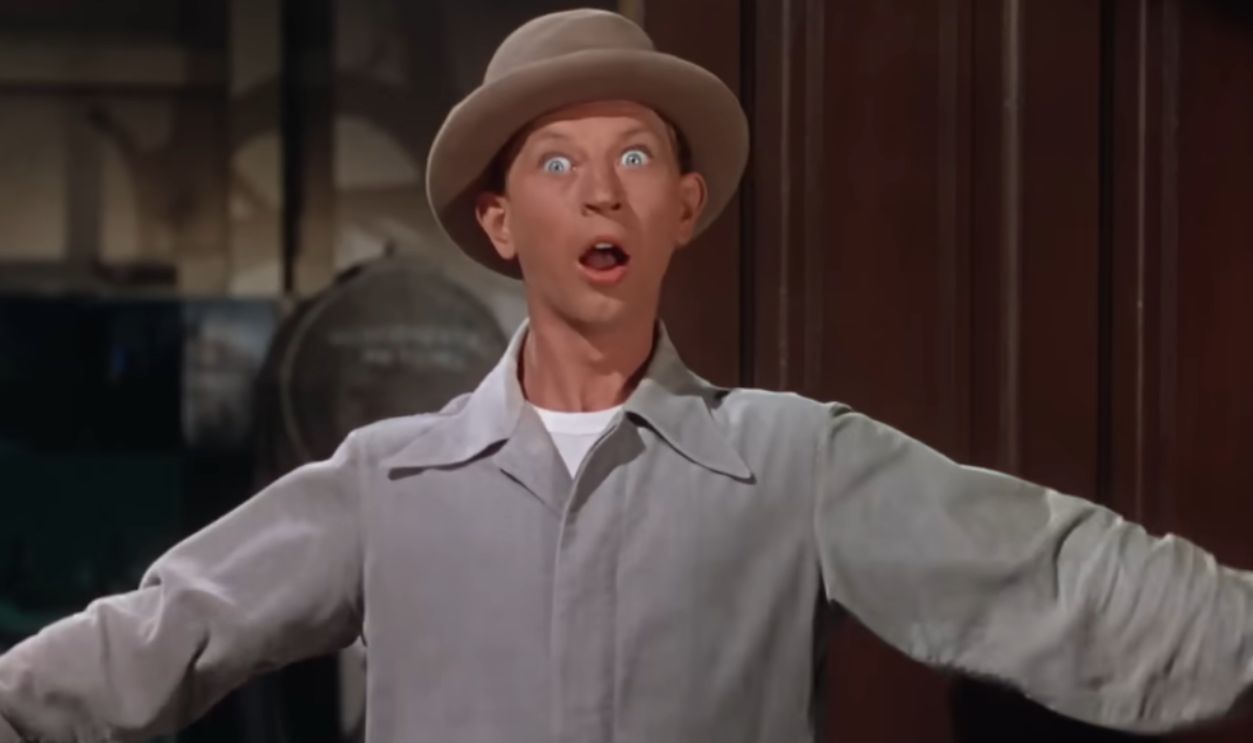 Screenshot from Singin’ in the Rain, Warner Bros. Discovery (1952)
Debbie Reynolds Saw How Hard The Work Was
Singin’ in the Rain was demanding for everyone. Debbie Reynolds later spoke about the brutal training required to keep up with Gene Kelly and Donald O’Connor. The movie’s brightness hides the exhaustion behind it, especially for performers expected to turn pain into polish.
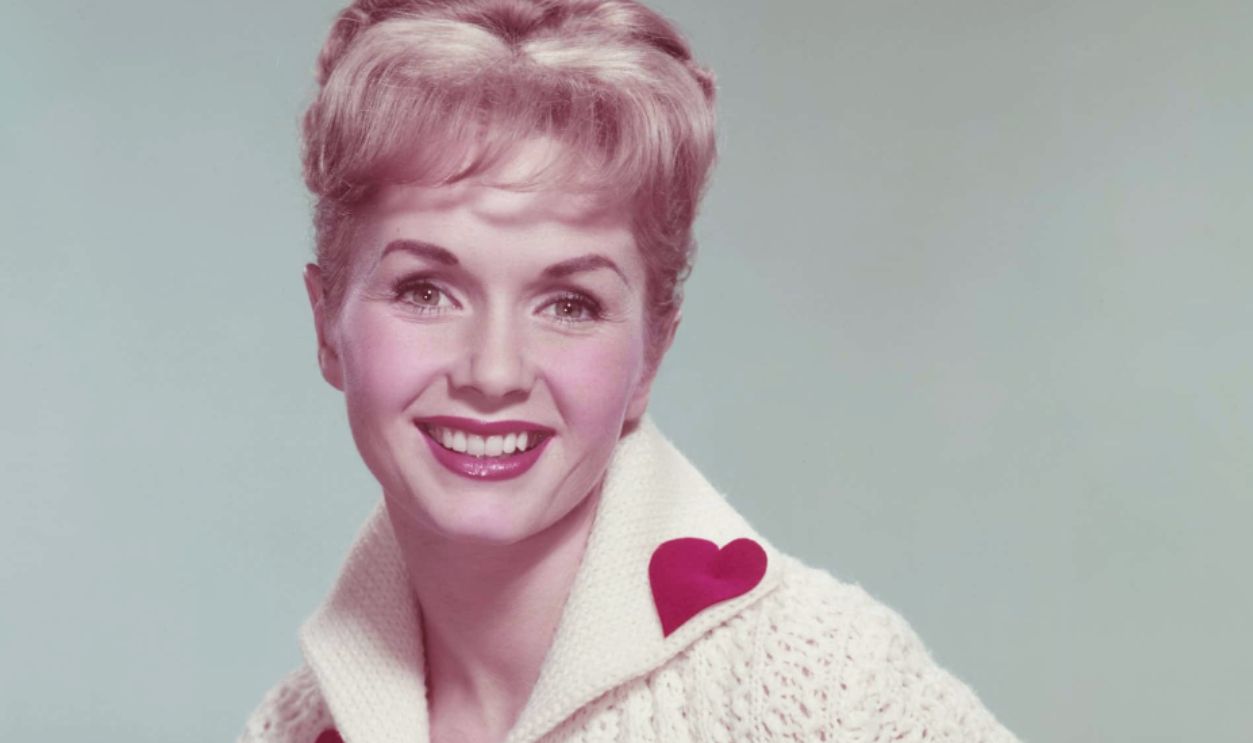
His Screen Image Was Almost Cruelly Cheerful
Part of the tragedy of O’Connor’s story is that the public knew him as a man of bounce, speed, and delight. He seemed physically unstoppable. That made his later health problems feel especially cruel. The body that once made impossible comedy look easy eventually became the source of real suffering.
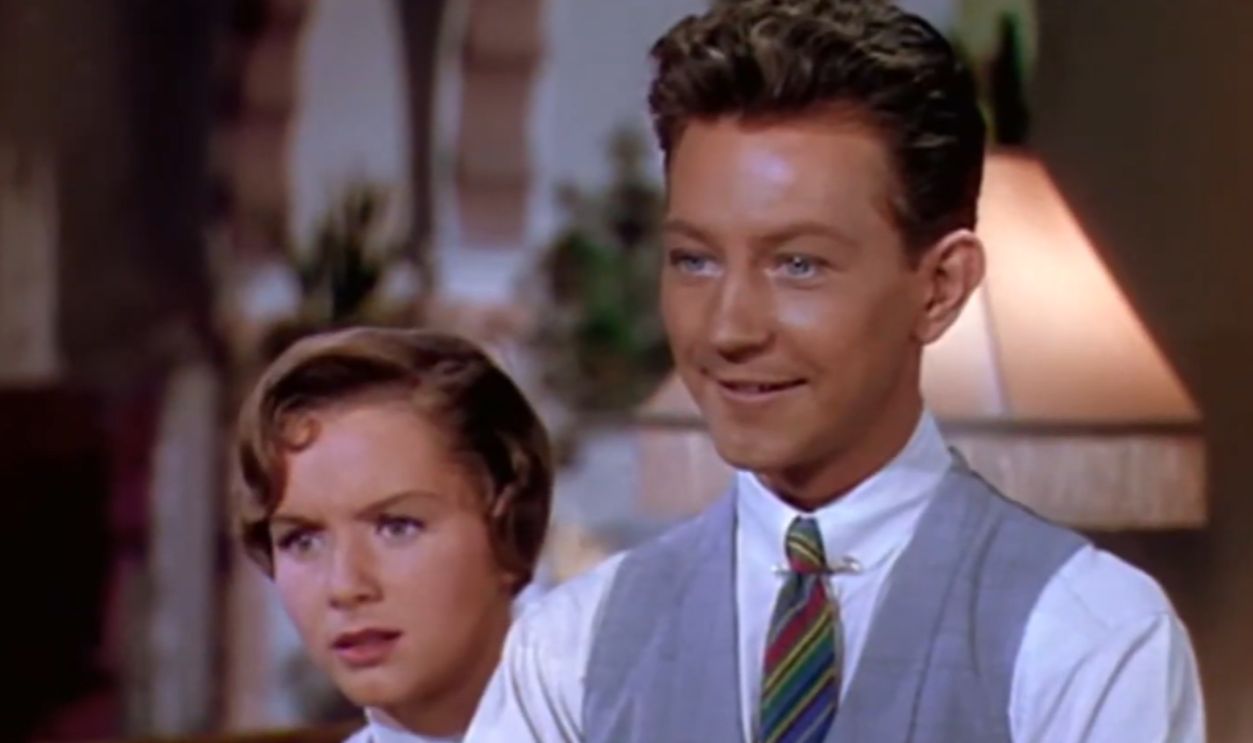 Screenshot from Singin’ in the Rain, Warner Bros. Discovery (1952)
His Career Did Not Stay At That Peak
After Singin’ in the Rain, O’Connor continued working, but the movie remained the high point of his film career. He made other musicals and appeared on television, yet no later role fully equaled Cosmo Brown. That kind of early peak can be its own burden.
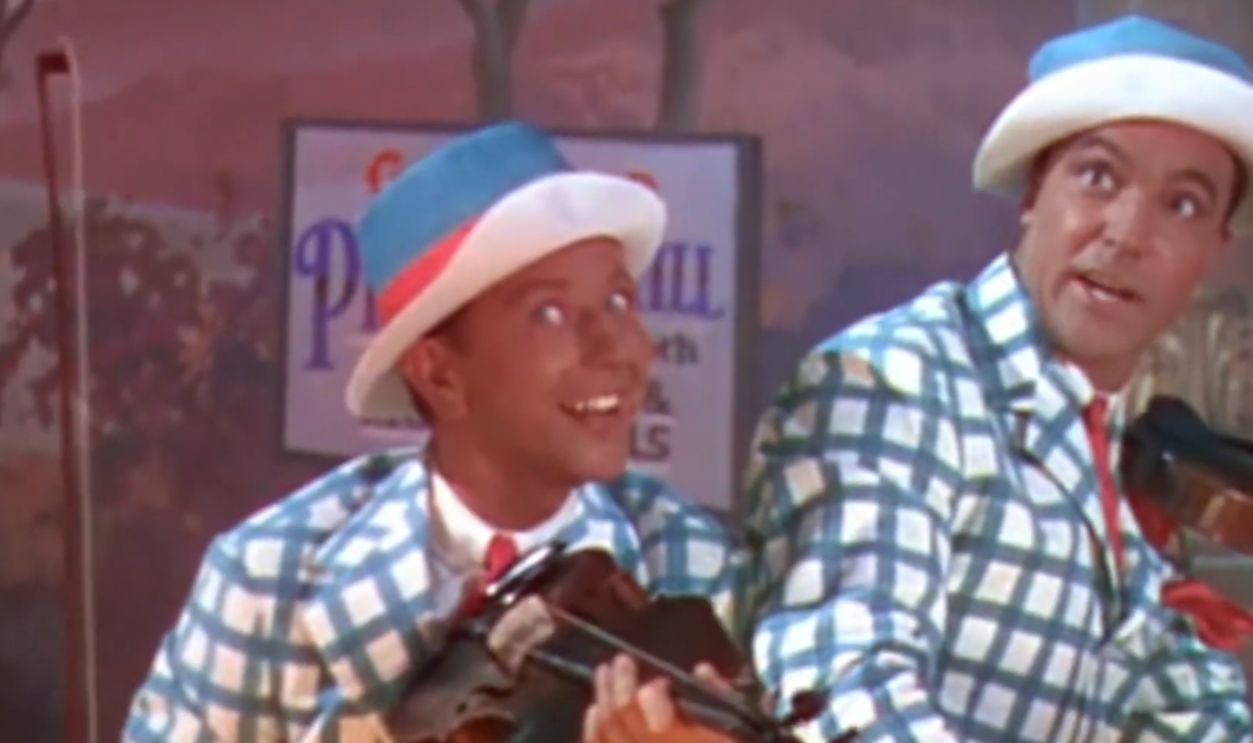 Screenshot from Singin’ in the Rain, Warner Bros. Discovery (1952)
He Lost White Christmas To Illness
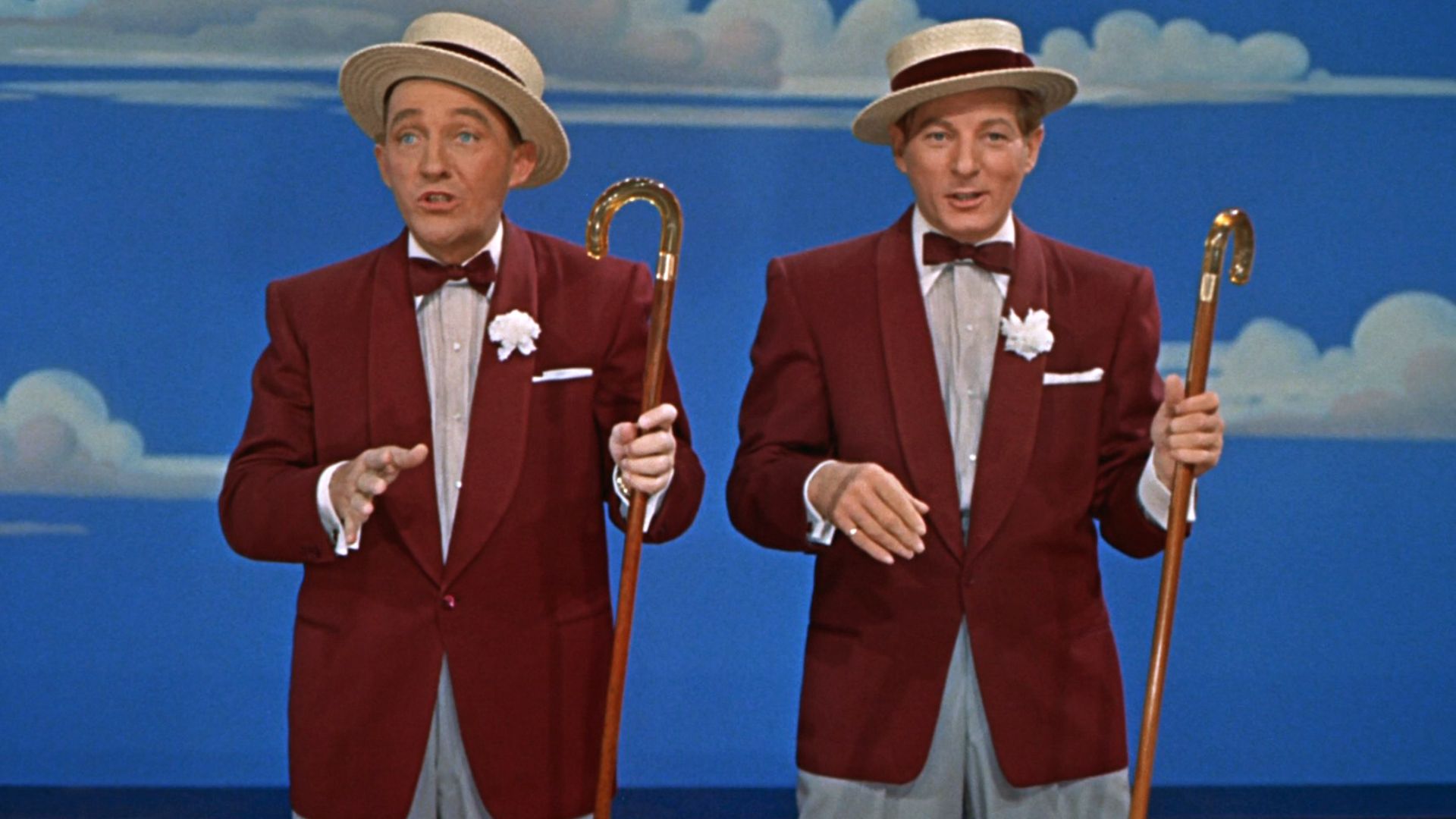
O’Connor was originally supposed to co-star with Bing Crosby in White Christmas, but he was sidelined by pneumonia and Danny Kaye replaced him. It was a painful professional loss. The movie became a holiday classic, and O’Connor’s health had cost him a major role.
 Trailer screenshot, Wikimedia Commons
Drinking Became A Serious Problem
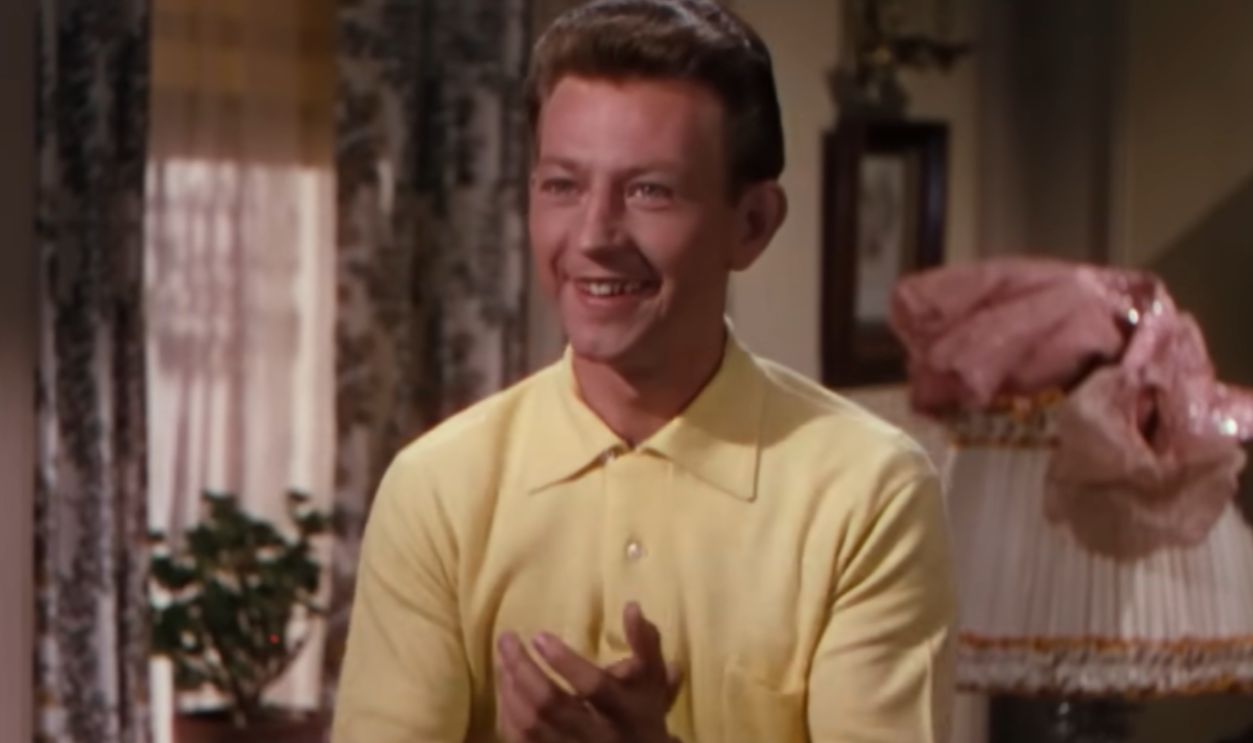
As O’Connor’s career moved into nightclubs, television, and stage appearances, alcohol became one of his most damaging struggles. Biographical accounts describe a major drinking habit that worsened during later years. The cheerful entertainer audiences loved was privately fighting something much darker.
 Screenshot from I Love Melvin, Warner Bros. Discovery (1953)
A Heart Attack Changed Everything
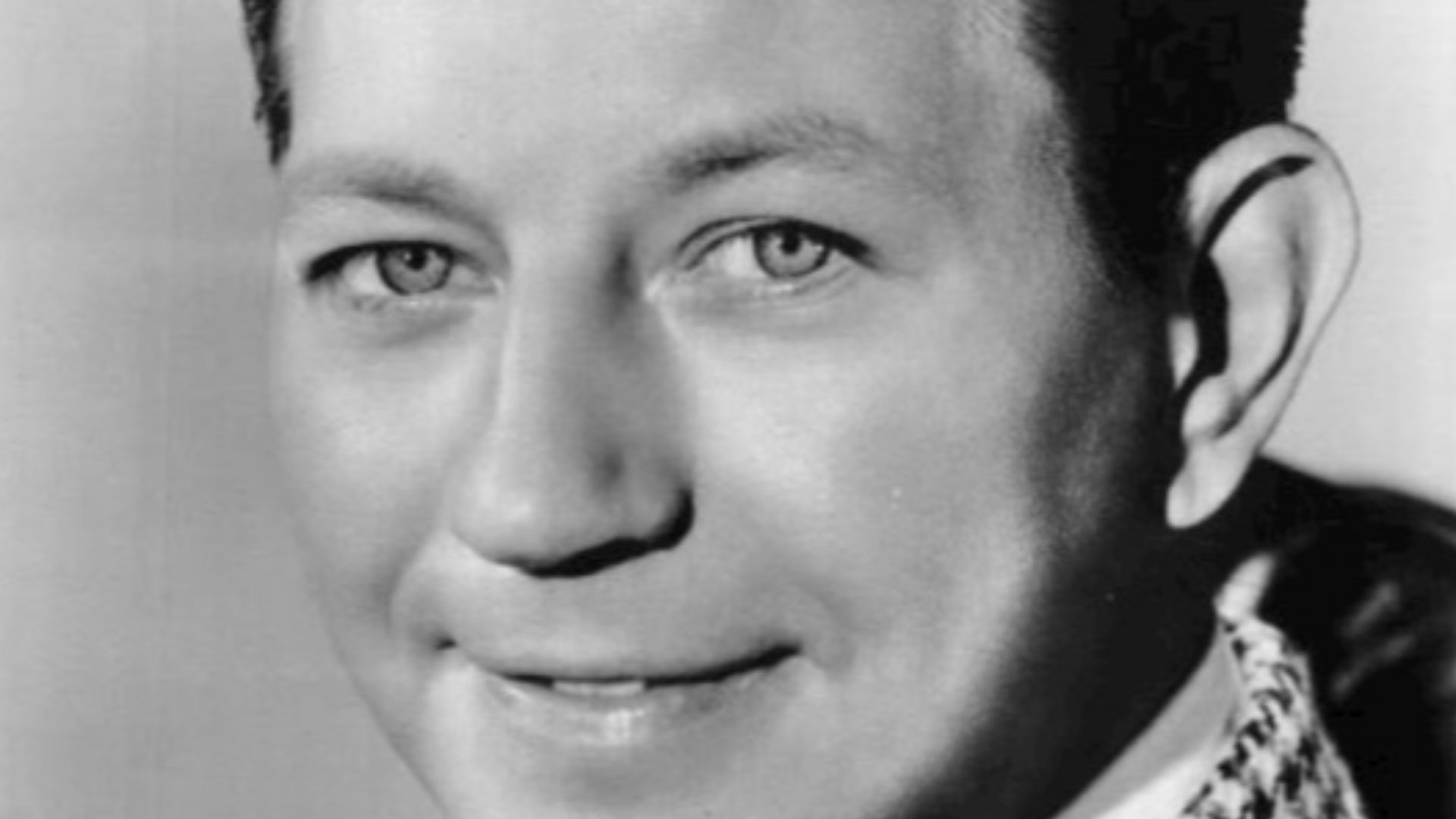
In the early 1970s, O’Connor suffered a heart attack after years of performing and heavy drinking. The event slowed him down and made clear that the athletic performer’s body was no longer indestructible. For someone whose career depended on motion, heart trouble was a terrifying warning.
 ABC Television, Wikimedia Commons
Depression Followed The Collapse
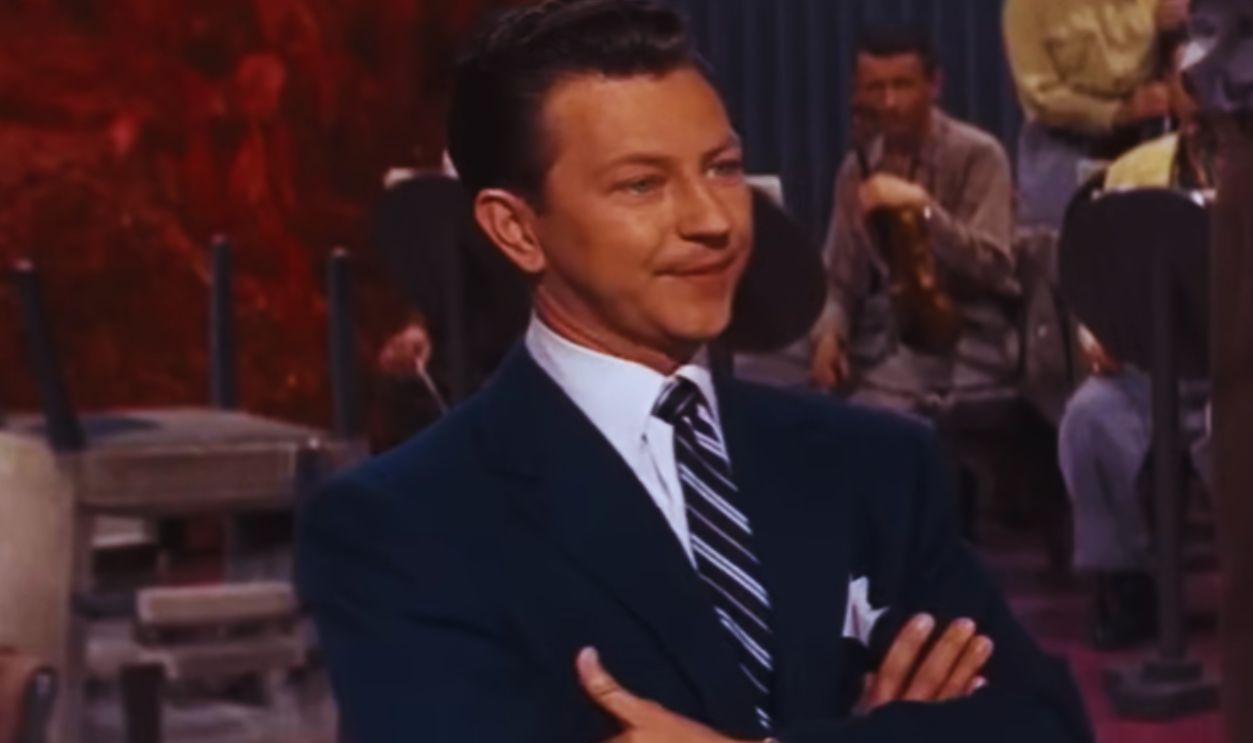
O’Connor later said he struggled with depression and eventually underwent treatment after collapsing in the late 1970s. Reports describe a three-month hospitalization during that period. It was a stark contrast to the happy-go-lucky image that had made him famous.
 Screenshot from There's No Business Like Show Business, The Walt Disney Company (1954)
Recovery Took More Than Medicine
By 1979, O’Connor had reportedly reconciled with his family, received treatment, and entered recovery from his drinking. He remained sober afterward, according to biographical accounts. That part of his story matters because it was not only about decline. It was also about survival.
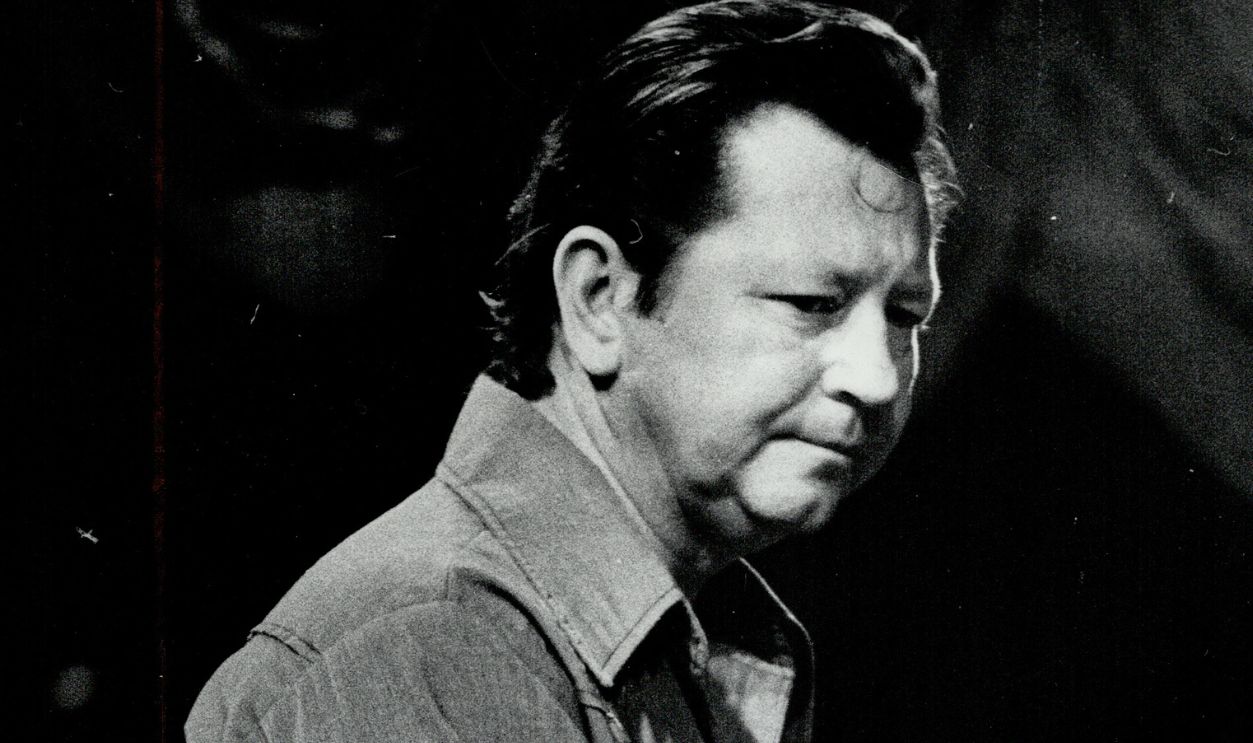
His Heart Problems Continued
Even after sobriety, O’Connor’s health remained fragile. He developed heart trouble in the 1980s and underwent a four-artery bypass in 1990. The old dancer still had the spirit to perform, but his body had endured decades of punishing work and personal strain.
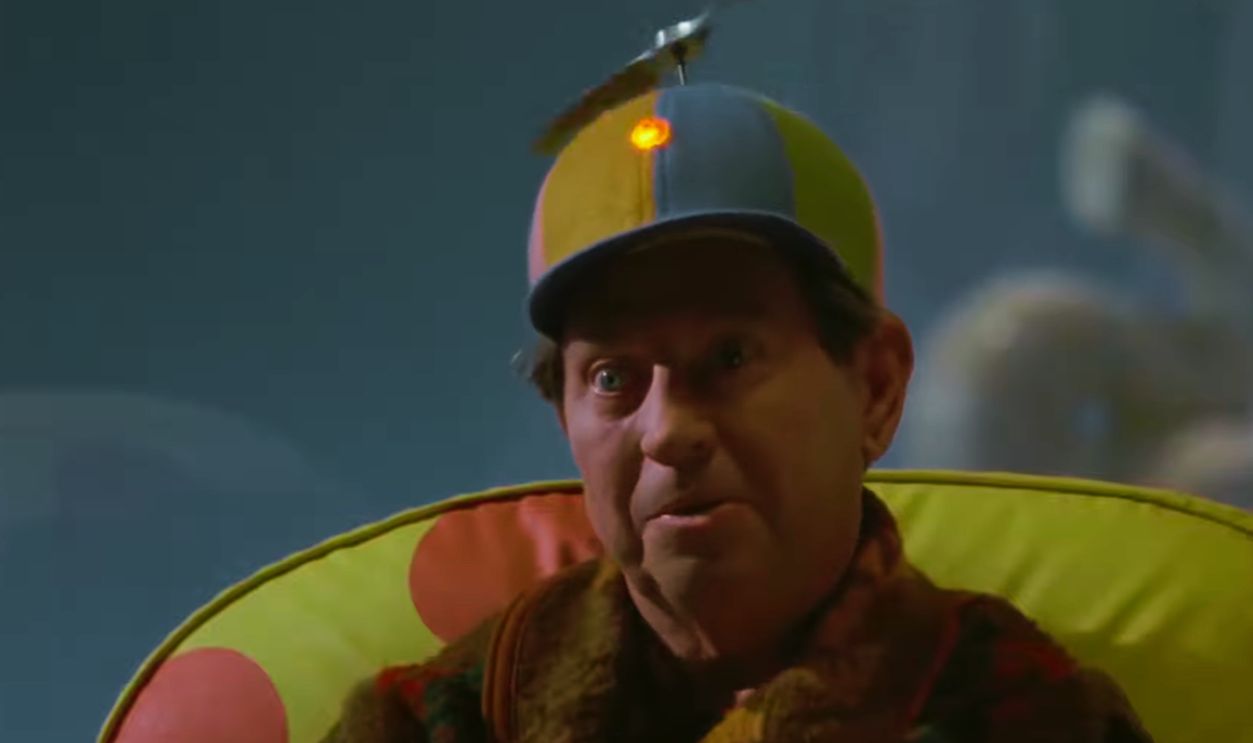 Screenshot from Toys, The Walt Disney Company (1992)
Pneumonia Nearly Killed Him
In 1999, O’Connor suffered a severe case of viral pneumonia with heart and lung complications. He was hospitalized and needed a long recovery, with reports saying he spent months recuperating. For a performer who had once seemed airborne, the illness was a frightening reminder of his vulnerability.
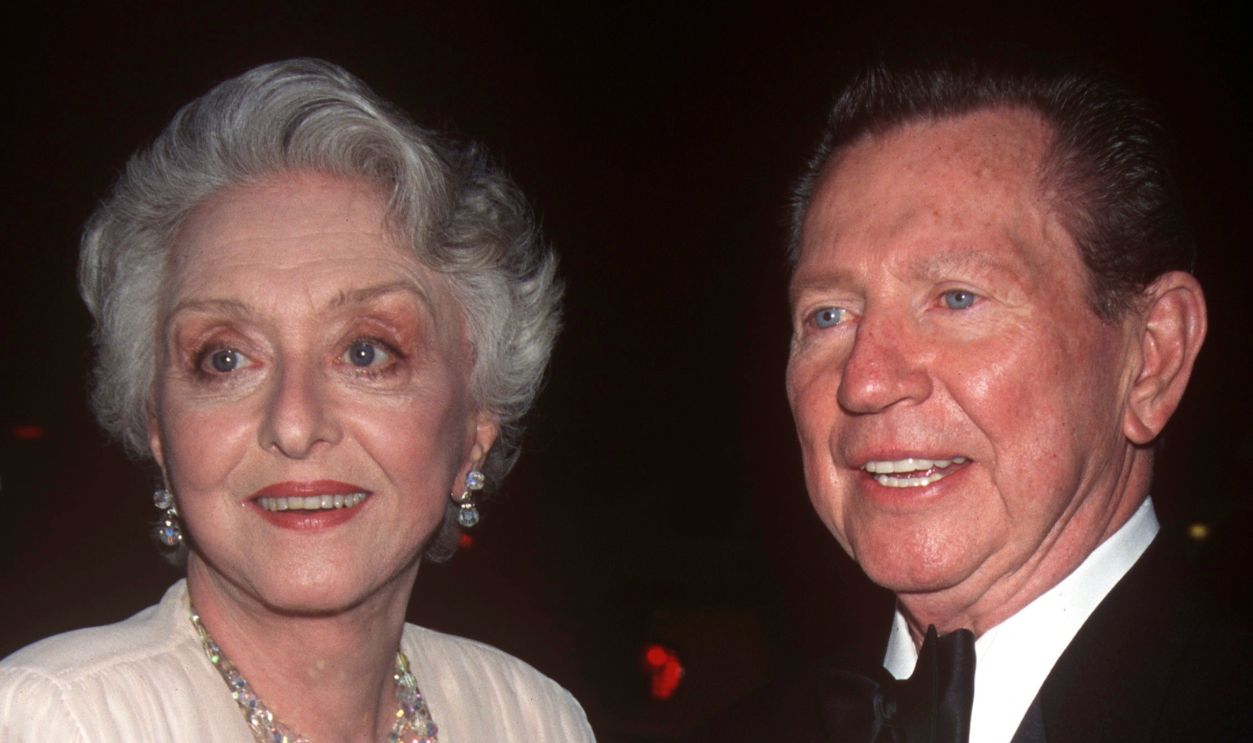
He Returned Even After That
Despite the severity of the pneumonia, O’Connor eventually returned to limited performing. That resilience was remarkable. He had survived childhood loss, grueling physical work, addiction, depression, heart disease, surgery, and a near-fatal infection, yet he still found his way back to audiences.
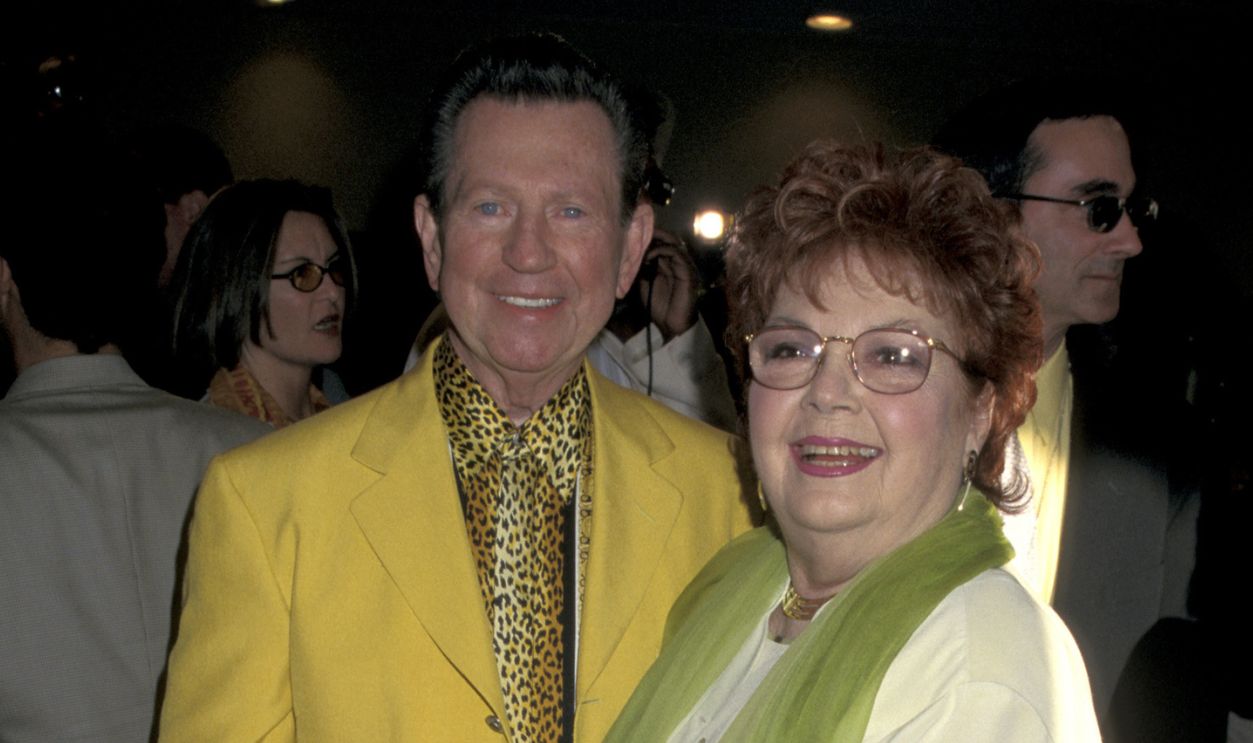
He Was Frail But Still Protective Of His Image
Near the end of his life, O’Connor appeared in frail health at a screening, reportedly using a wheelchair only when he was out of sight of the audience. The detail is heartbreaking because it suggests how deeply he wanted the public to remember the lively entertainer, not the failing body.
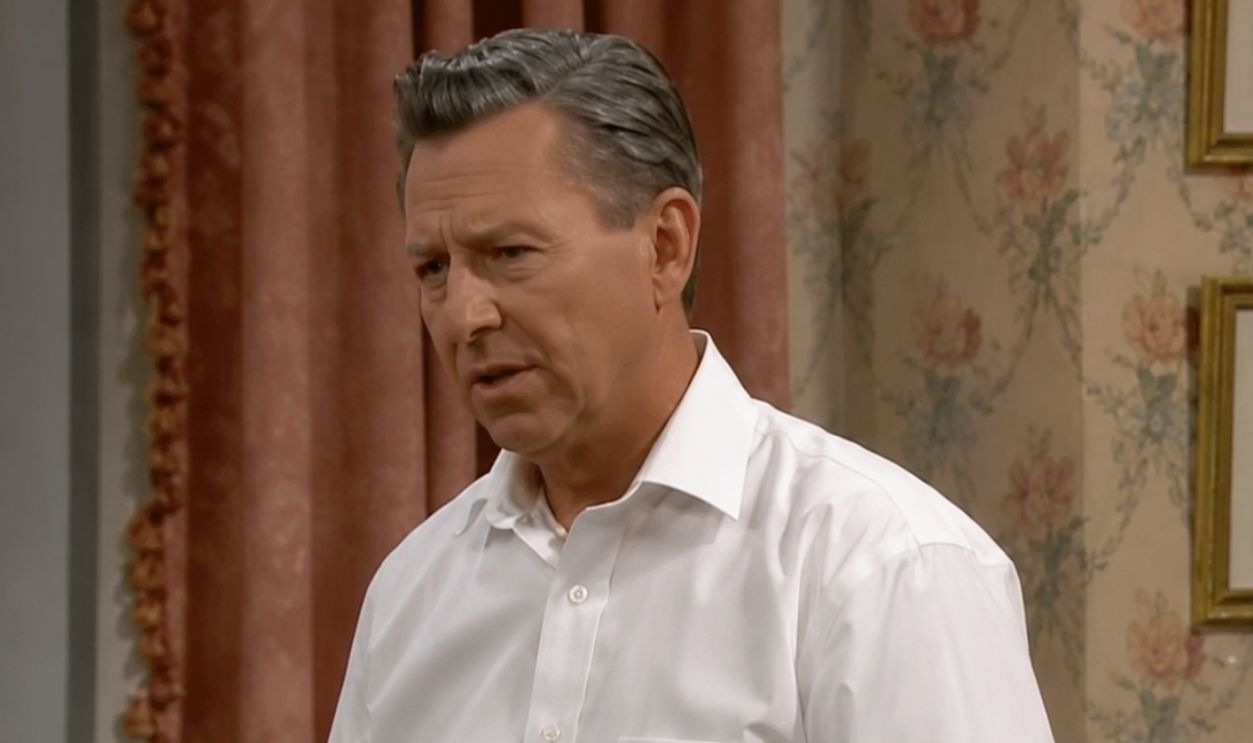 Screenshot from The Nanny, Sony Pictures Entertainment (1993-1999), enhanced
His Final Years Were Marked By Decline
O’Connor’s health continued to worsen in his later years. Obituaries described him as having been in declining health before his death. The performer who once made furniture, walls, and gravity look like comedy partners was now living with serious physical limitations.
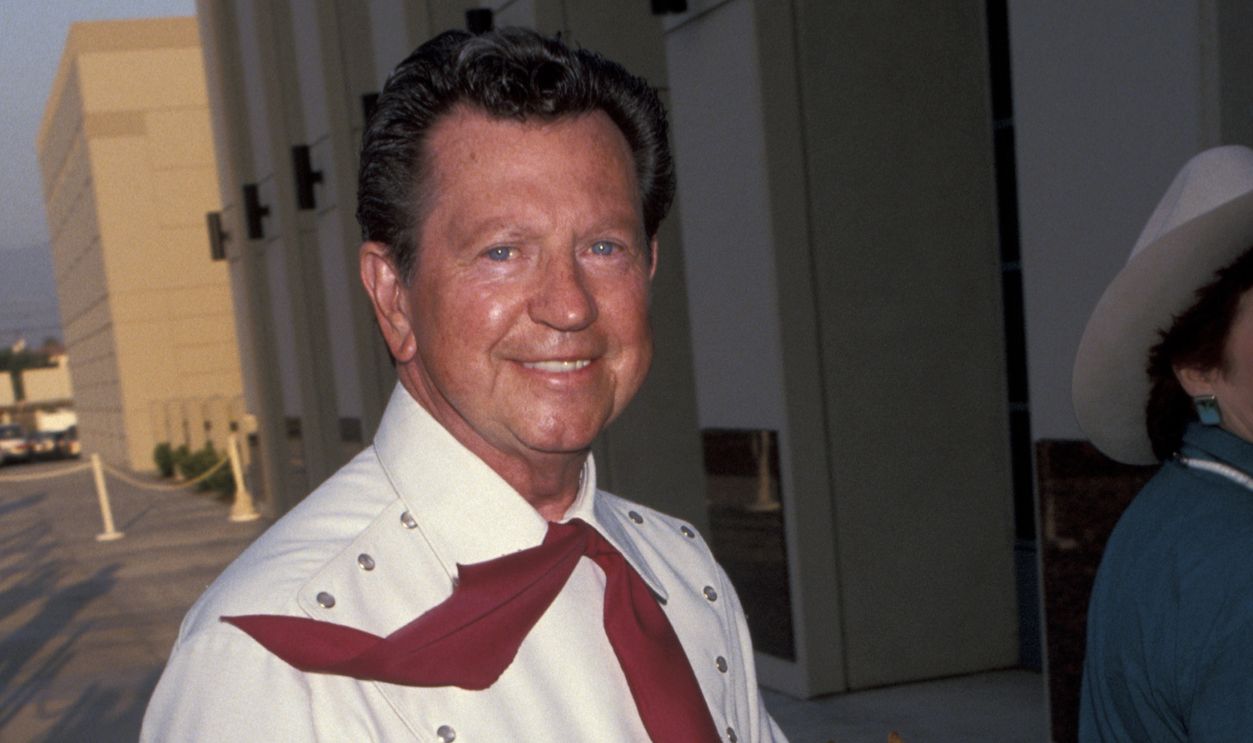
He Passed Of Heart Failure
Donald O’Connor died on September 27, 2003, at the Motion Picture & Television Country House and Hospital in California. He was 78. His daughter said he passed of heart failure, surrounded by family. The cause felt painfully fitting for a man whose heart, body, and spirit had been asked to give so much.
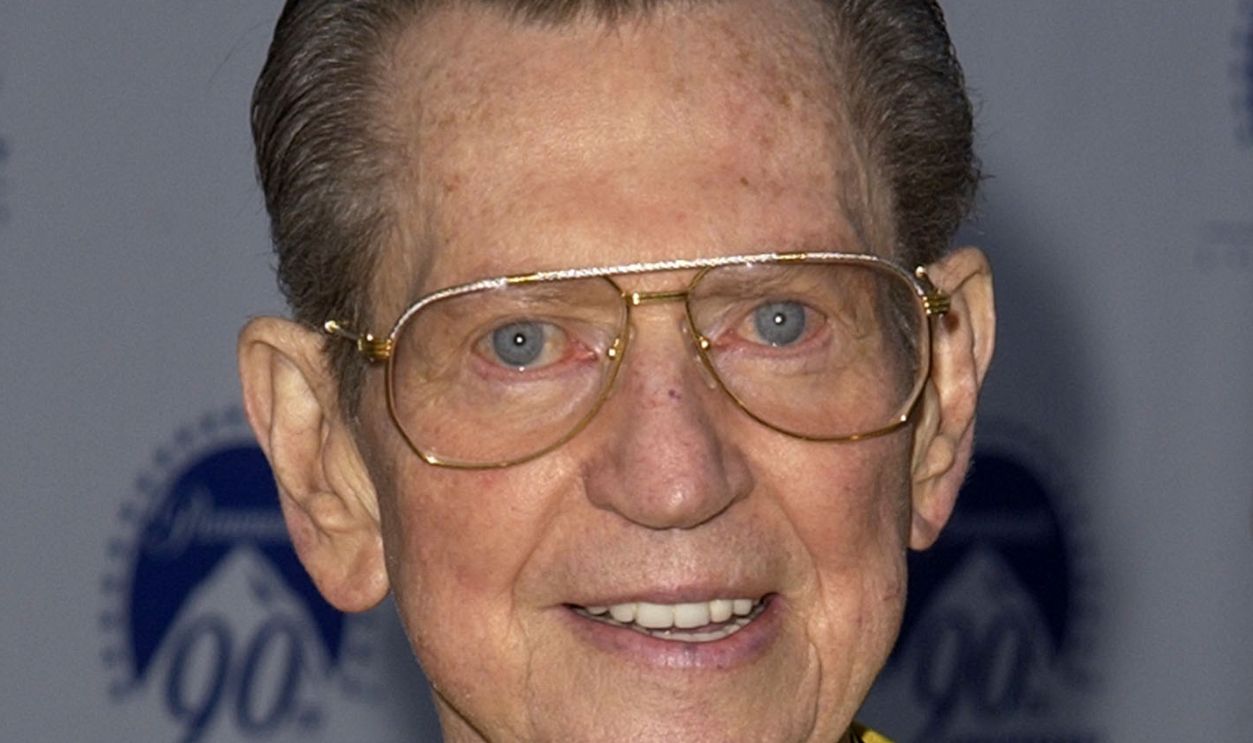
His Joy Was Real, But So Was The Pain
It would be wrong to remember O’Connor only through suffering. His joy on screen was real, and his talent was extraordinary. But it would also be wrong to pretend that the joy came without cost. He made audiences laugh while carrying exhaustion, illness, addiction, and grief.
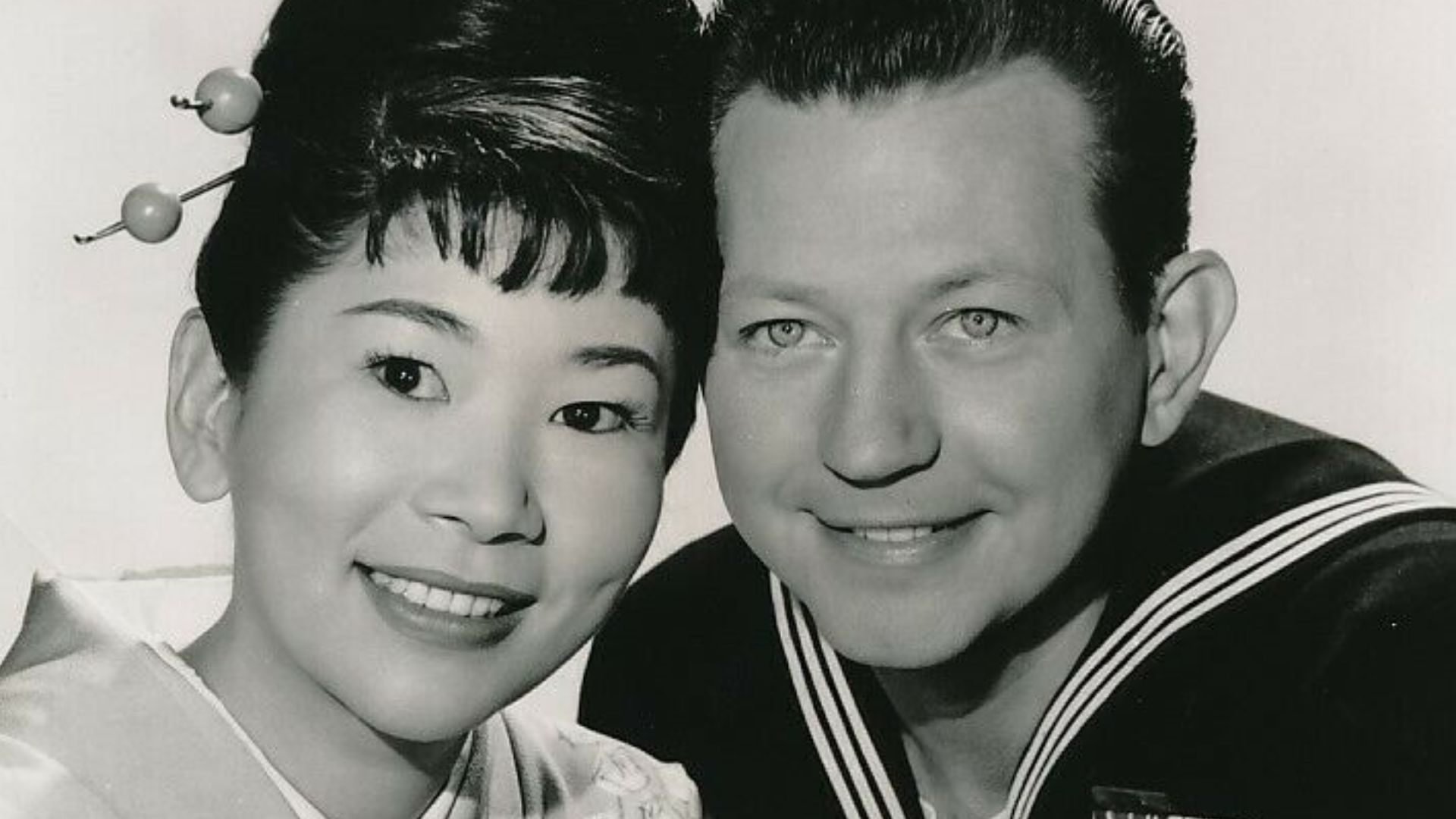 Columbia Pictures Corp., Wikimedia Commons
The Truth Behind The Curtain
Most people know Donald O’Connor from his joyful performance in Singin’ in the Rain, especially the dazzling madness of “Make ’Em Laugh". But his health problems were nothing to laugh at. Behind the acrobatics was a man whose body and mind endured far more than audiences could see.
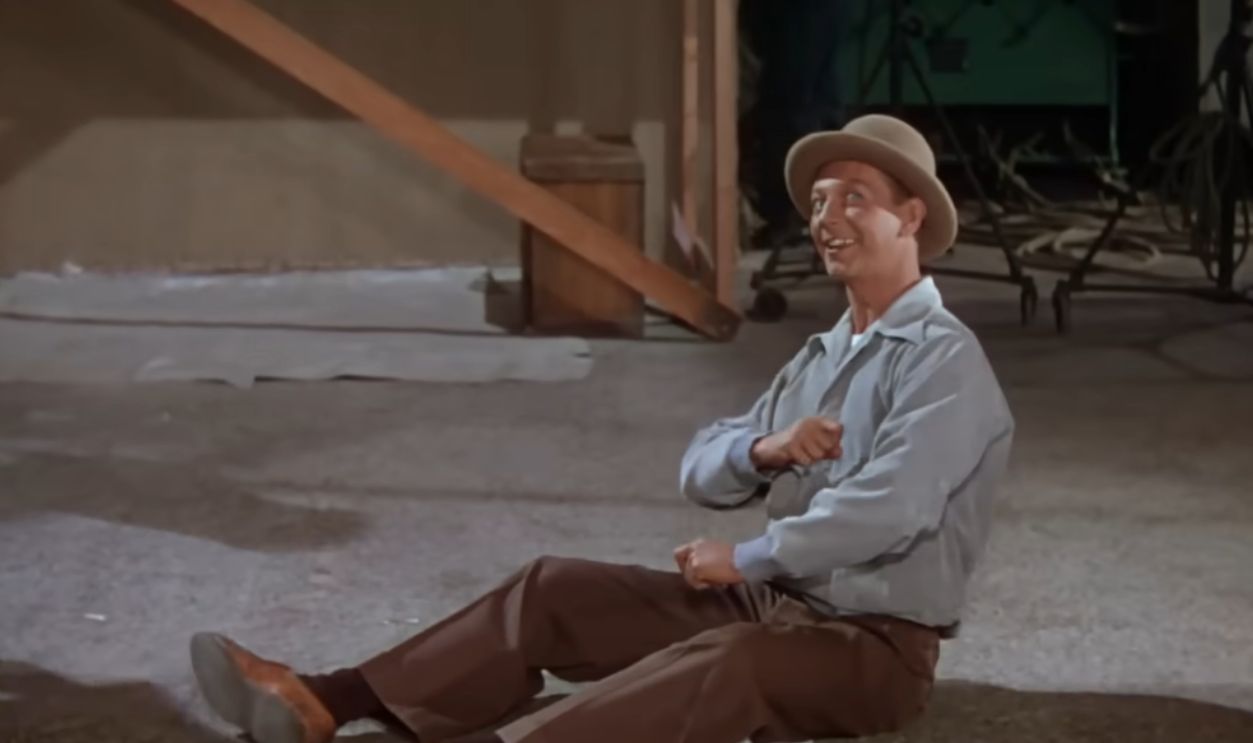 Screenshot from Singin’ in the Rain, Warner Bros. Discovery (1952)
You May Also Like:
How The Doris Day Show Reinvented America's Favorite Movie Star
Why The Rockford Files Star Noah Beery Jr. Became One Of TV’s Great Comfort Characters
Forgotten 1990s TV Stars Who Were Briefly Everywhere—Can You Remember Their 15 Minutes Of Fame?
Sources: 1, 2, 3, 4, 5, 6, 7, 8, 9, 10, 11, 12, 13, 14, 15, 16, 17