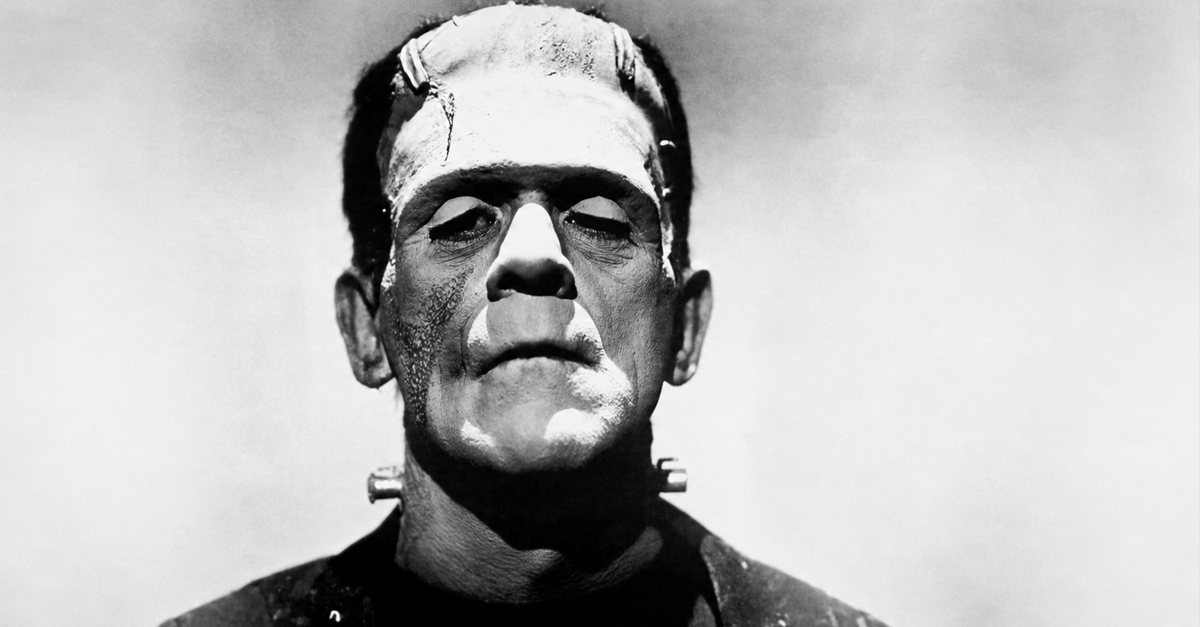
The Monster Was Nothing Like The Man
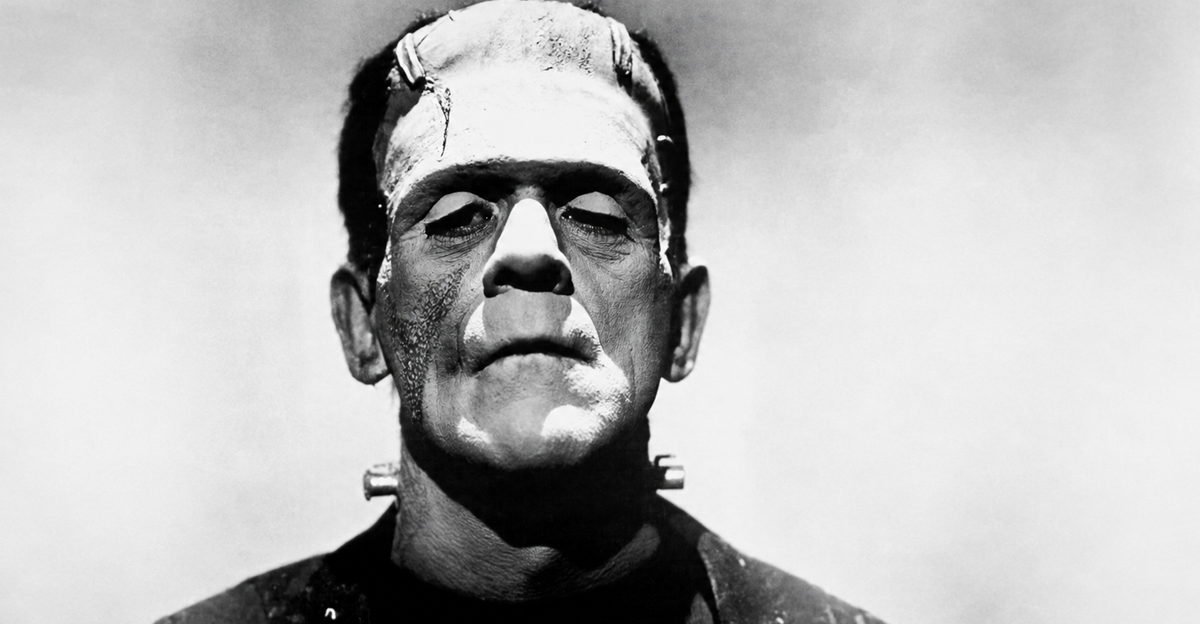
Boris Karloff’s heavy footsteps, flattened skull, and haunting stare turned Frankenstein’s monster into one of cinema’s most recognizable figures. Away from the camera, however, he was a soft-spoken English gentleman who enjoyed poetry, gardening, and children’s stories. His journey from struggling laborer to Hollywood legend was almost as remarkable as the creature he brought to life.
 Universal Studios, NBCUniversal, Wikimedia Commons
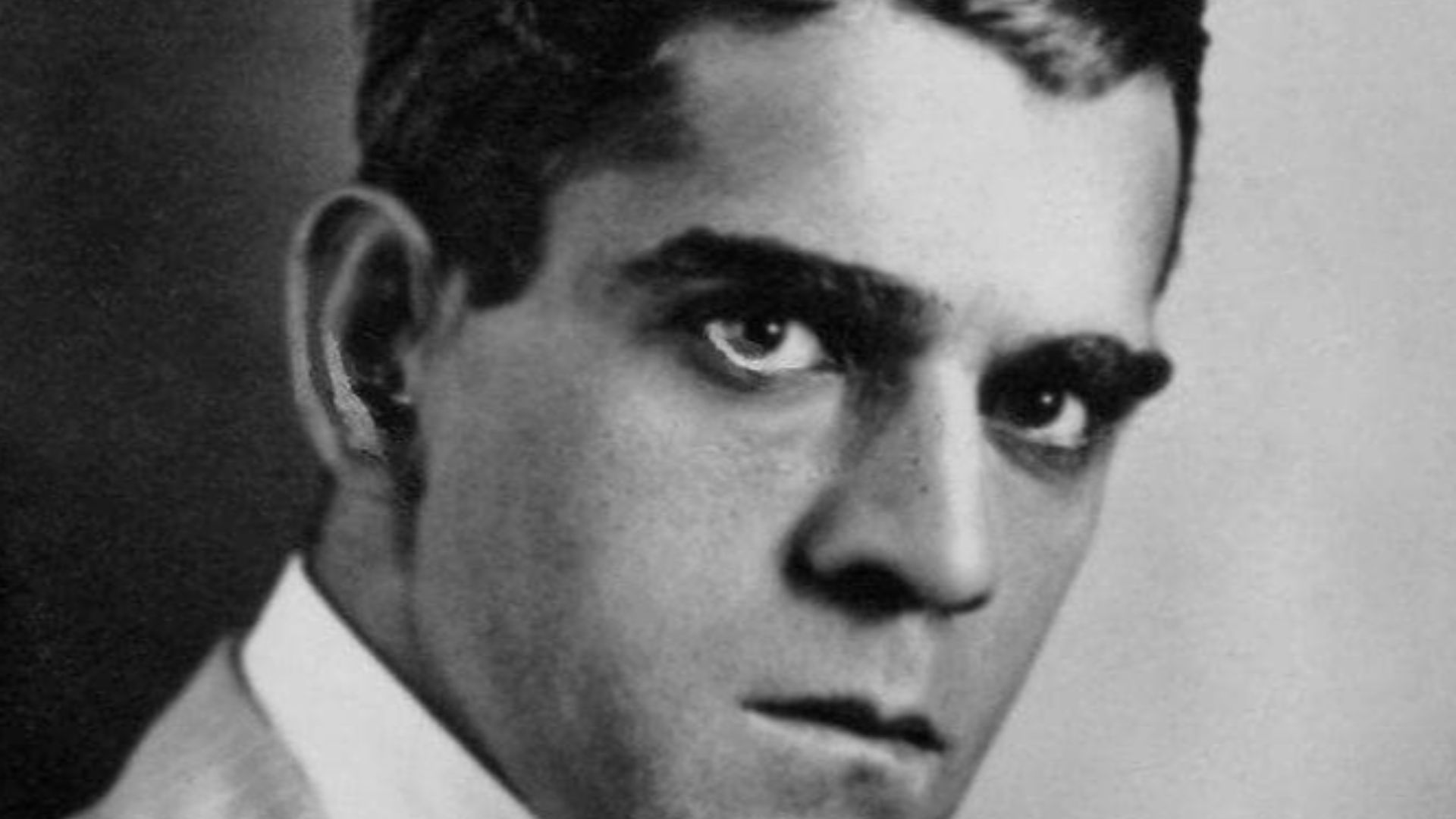
Boris Karloff Began As Billy Pratt
Karloff was born William Henry Pratt in London, England on November 23, 1887. He was the youngest of nine children in a family with strong connections to British government service. His relatives expected him to follow a respectable professional path, but young Billy wanted to perform.
 Unknown authorUnknown author, Wikimedia Commons
A Childhood Demon Inspired Him
Karloff traced his acting ambitions to a church production of Cinderella when he was nine. Instead of playing the handsome prince, he wore black tights and a skullcap as the Demon King. The experience apparently convinced him that the stage was where he belonged.
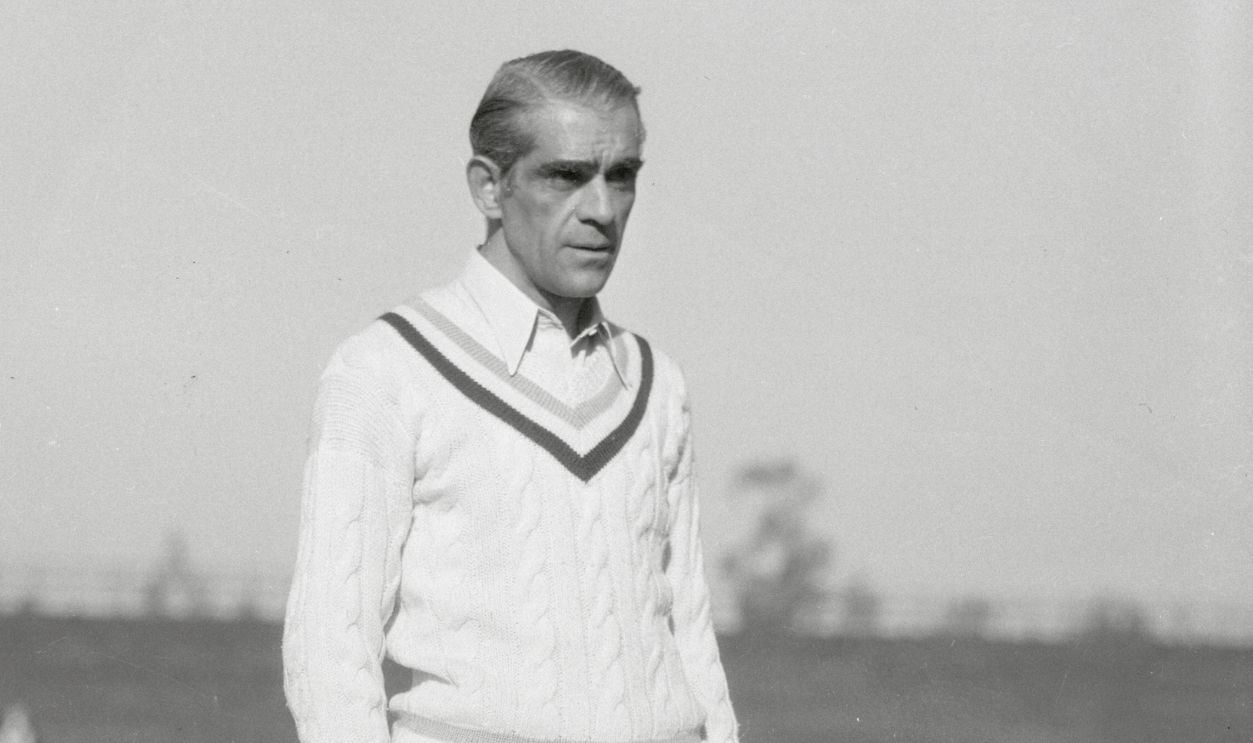
His Family Expected A Different Career
Several of Karloff’s brothers entered diplomatic or government service, and he initially studied with a similar future in mind. He attended several schools before enrolling at King’s College London. Acting remained more appealing than examinations, so he abandoned the expected career and prepared to leave England.
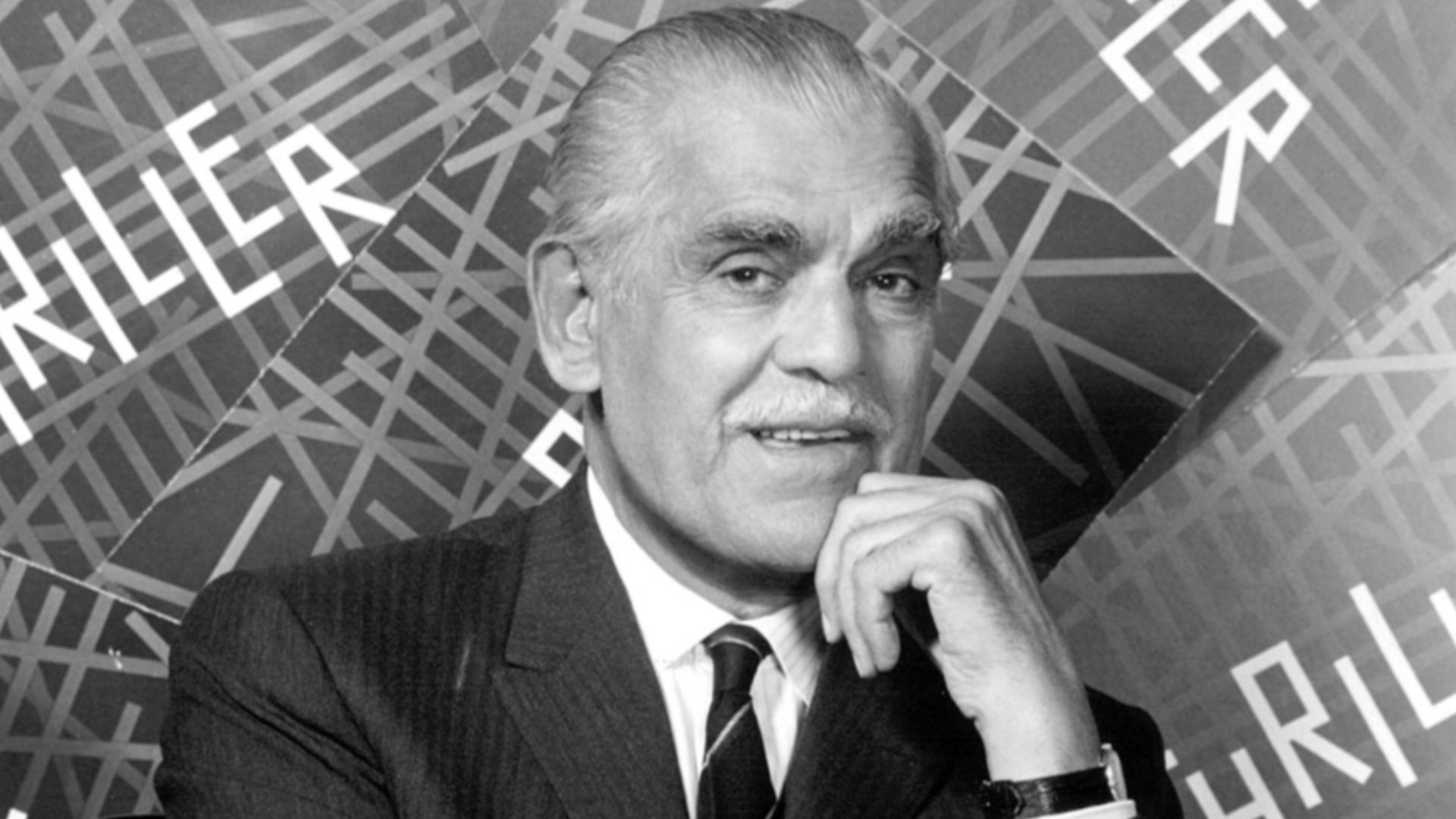 NBC Television, Wikimedia Commons
Canada Offered A Difficult Beginning
In 1909, Karloff used an inheritance to emigrate to Canada. He arrived in Vancouver with little money and discovered that theatrical opportunities were scarce. To survive, he performed exhausting manual labor, including digging, farming, and railway work.
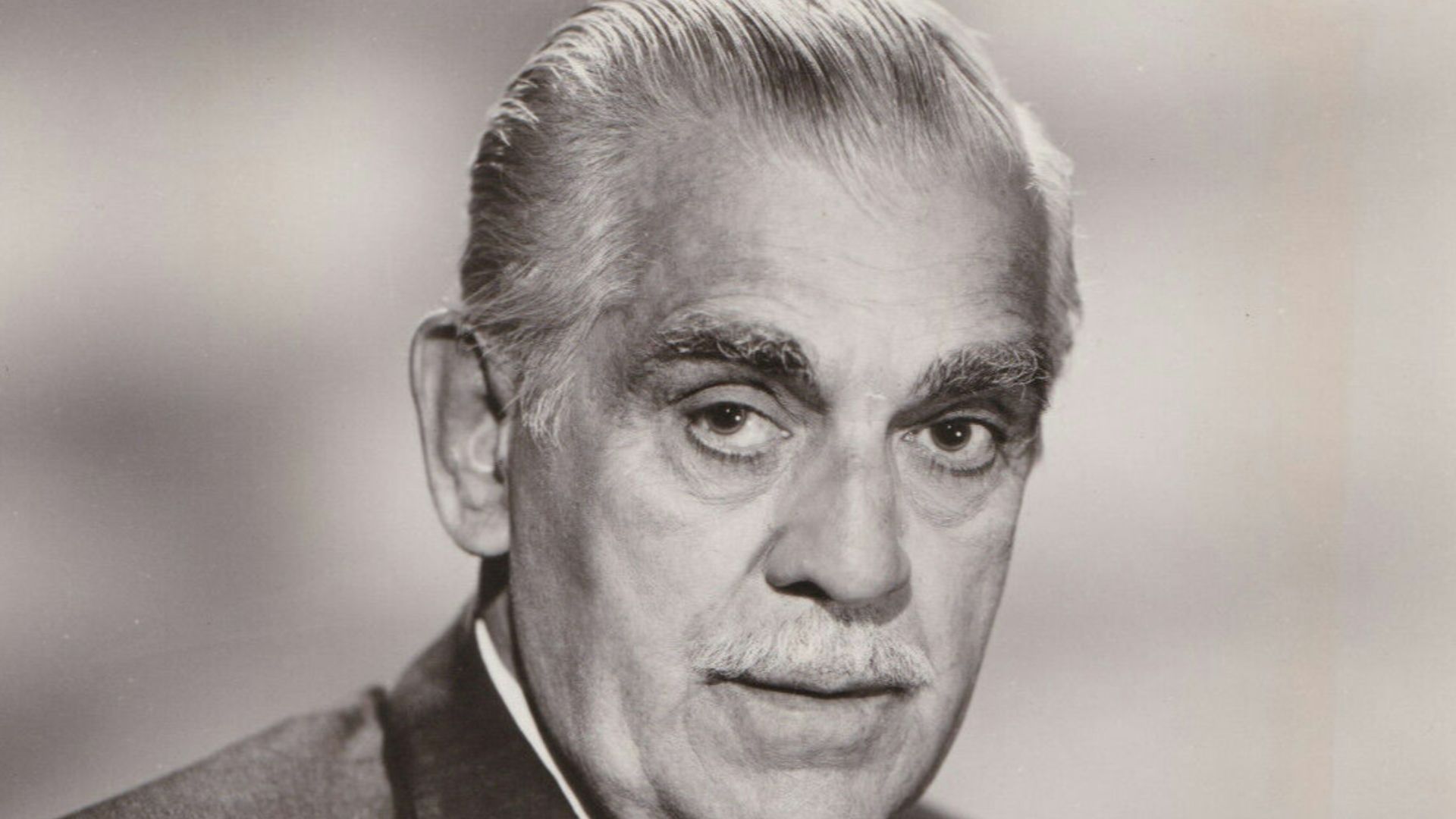 NBC Television, Wikimedia Commons
Boris Karloff Was Born Onstage
William Pratt adopted the professional name Boris Karloff while pursuing work with touring theater companies. The exact inspiration for the name remains uncertain, despite Karloff’s occasional claim that it had family origins. Whatever its source, the exotic-sounding name helped separate the aspiring performer from his respectable British background.
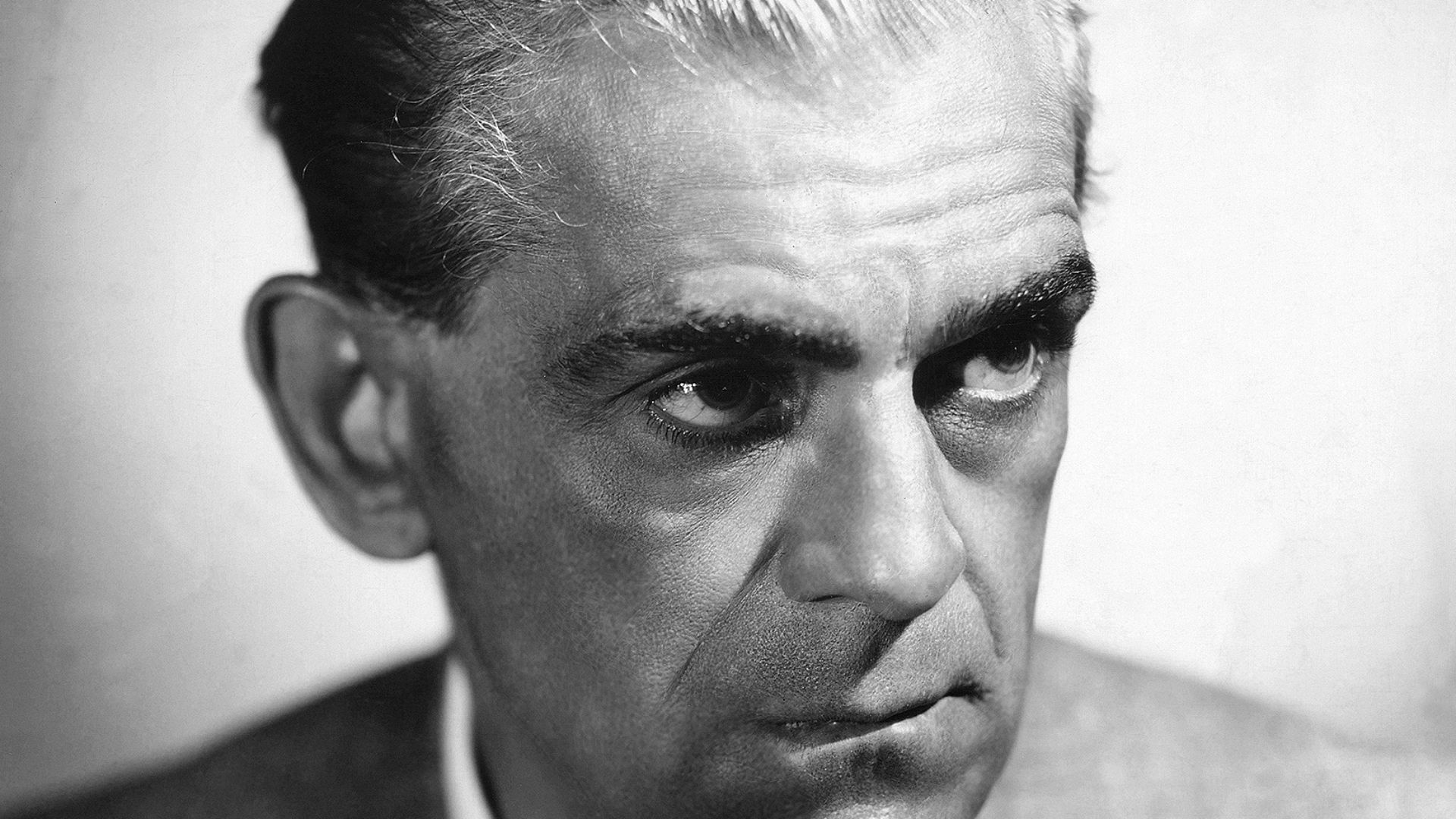 . The original uploader was Wikiwatcher1 at English Wikipedia., Wikimedia Commons
His First Performances Were Rough
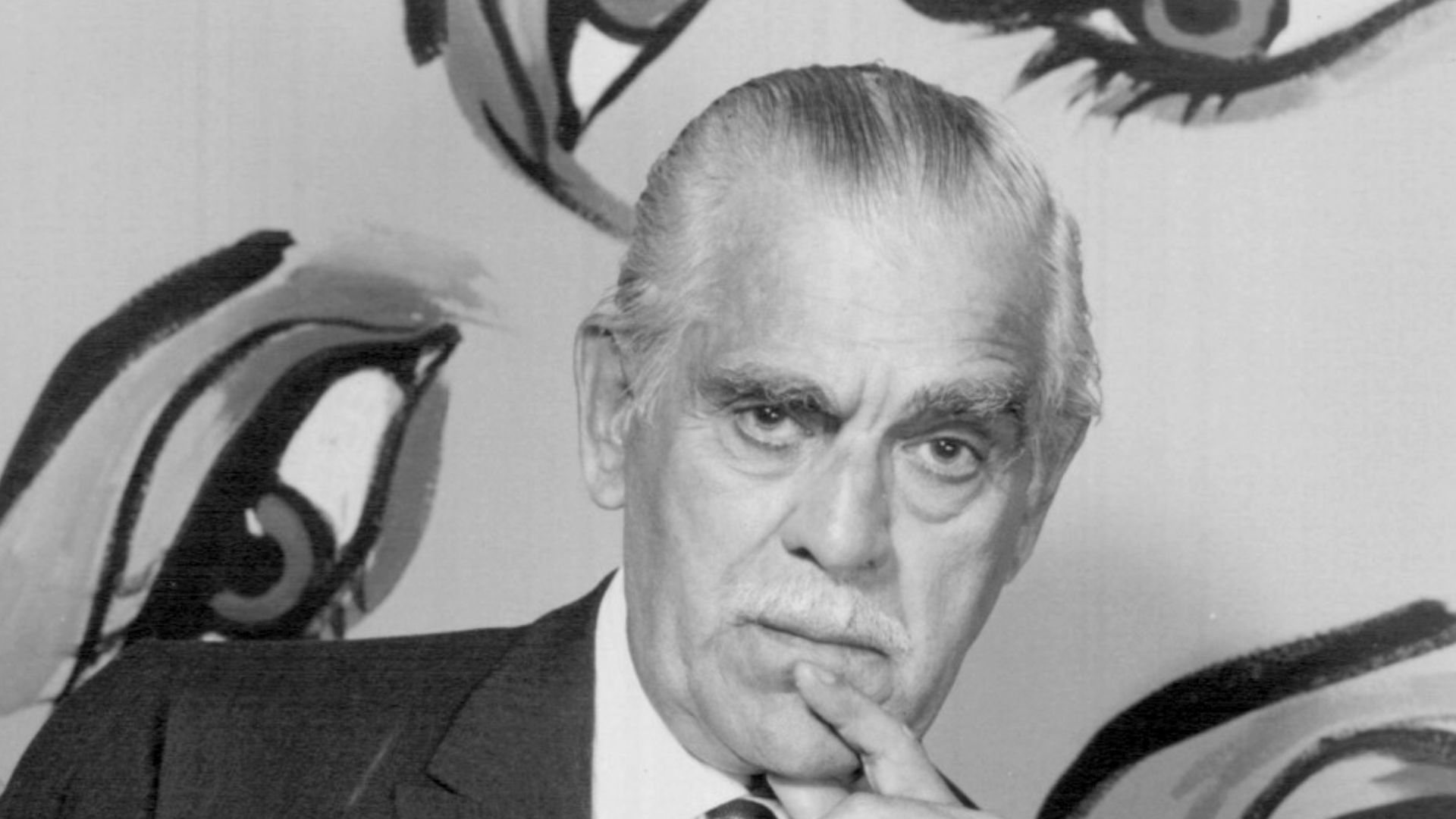
Karloff eventually joined the Jeanne Russell Players and began touring through western Canada. He later admitted that he initially missed cues, collided with furniture, and frustrated his director. Years of constant stage work gradually turned the inexperienced newcomer into a dependable character actor.
 NBC Television, Wikimedia Commons
Hollywood Did Not Welcome Him Quickly
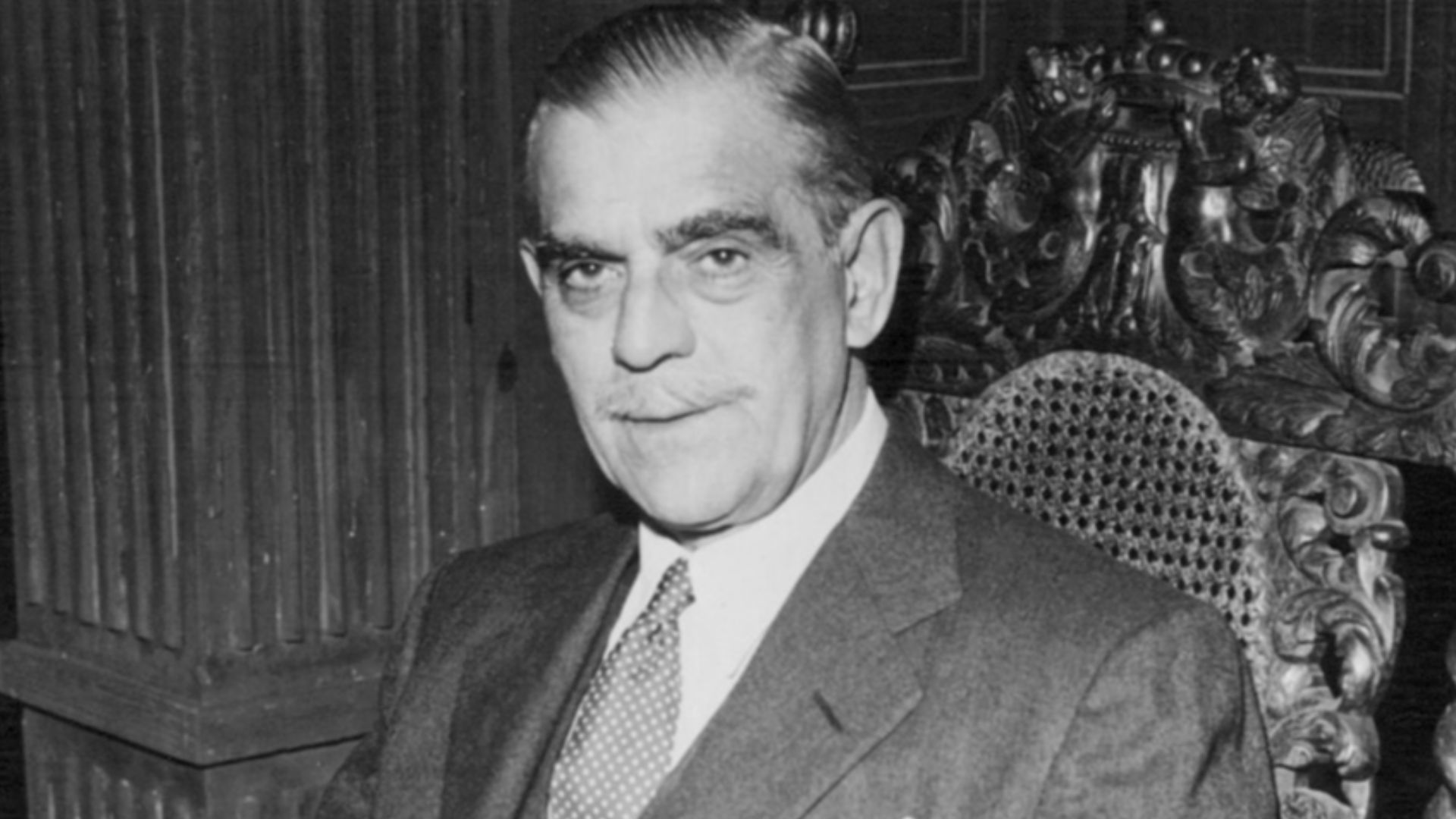
Karloff reached the Los Angeles area during the silent-film era and began looking for studio work. Small roles and background appearances offered little security, so he sometimes returned to manual labor between acting jobs. More than a decade passed before Hollywood gave him the opportunity that changed everything.
 J. Walter Thompson, ad agency for the show's sponsor, Ford Motor Company., Wikimedia Commons
His Face Usually Meant Trouble
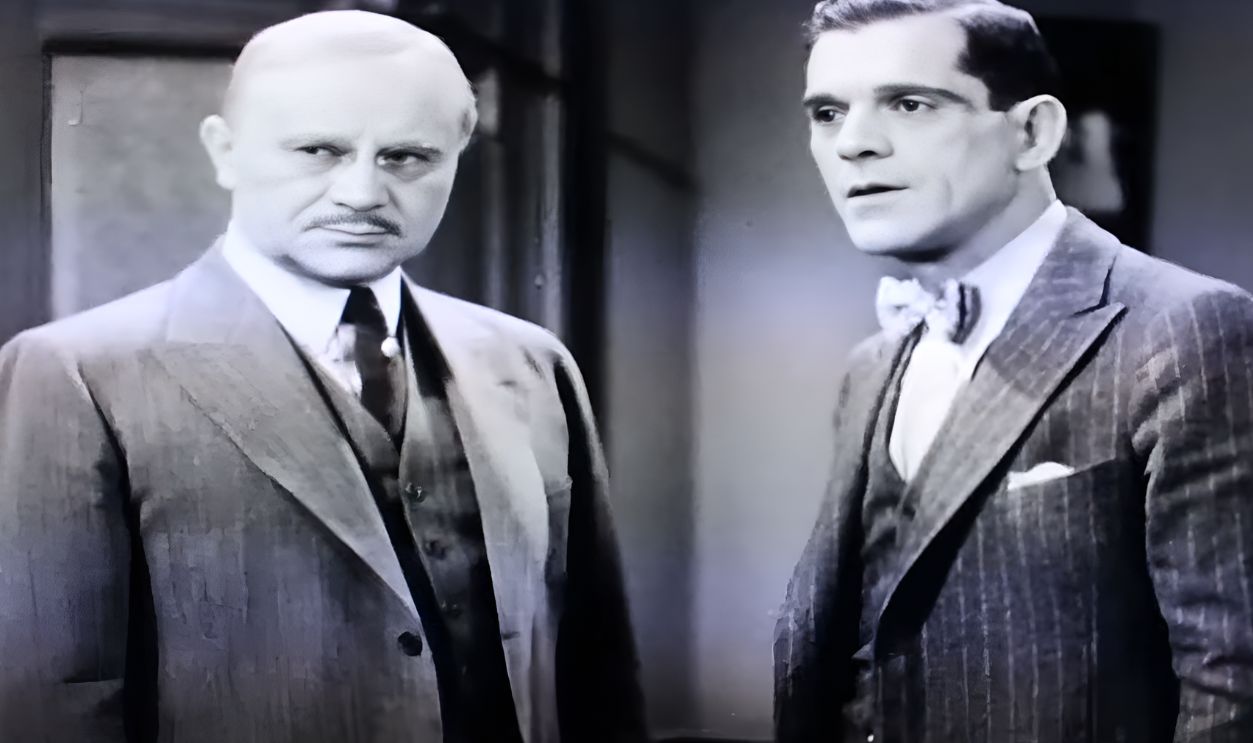
Before Frankenstein, Karloff frequently played villains, henchmen, and menacing outsiders in films such as The Criminal Code and Five Star Final. His angular features and distinctive voice made him useful, but rarely important enough to receive top billing. By 1931, he was a seasoned working actor who remained largely unknown to audiences.
 Screenshot from Five Star Final, Warner Bros. (1931), Modified
James Whale Saw A Monster
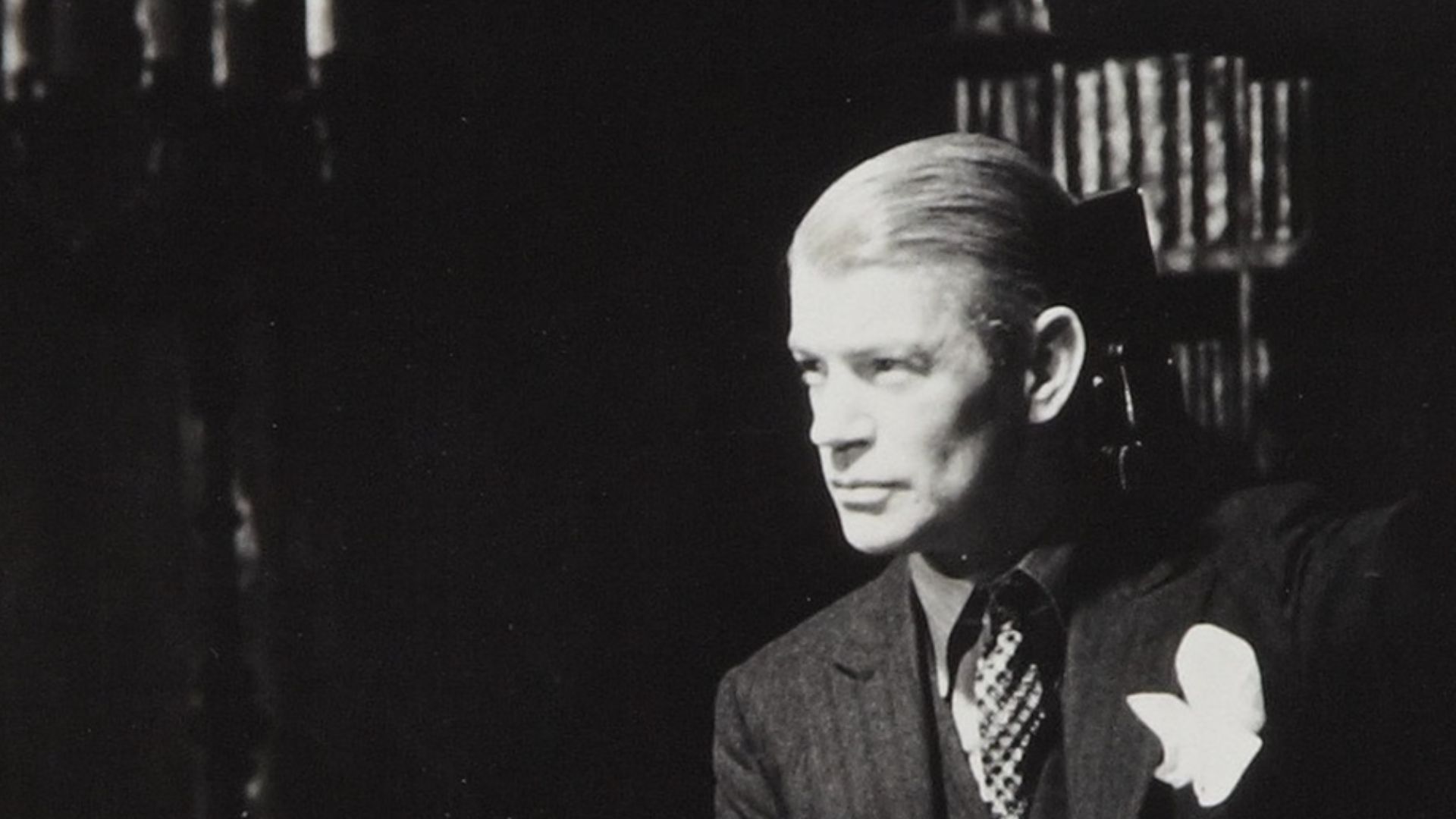
Director James Whale noticed Karloff while preparing Universal’s adaptation of Frankenstein. Karloff recalled being invited for coffee and asked to test for what Whale called a terrible-looking monster. He was amused and slightly offended because he happened to be wearing his best suit at the time.
 Universal Studios, Wikimedia Commons
The Makeup Became A Masterpiece
Universal makeup artist Jack Pierce developed the creature’s now-famous appearance around Karloff’s face and body. The design included a flattened head, heavy eyelids, neck electrodes, scars, and built-up shoes. Karloff then used his eyes, hands, posture, and careful movements to make the elaborate creation feel alive.
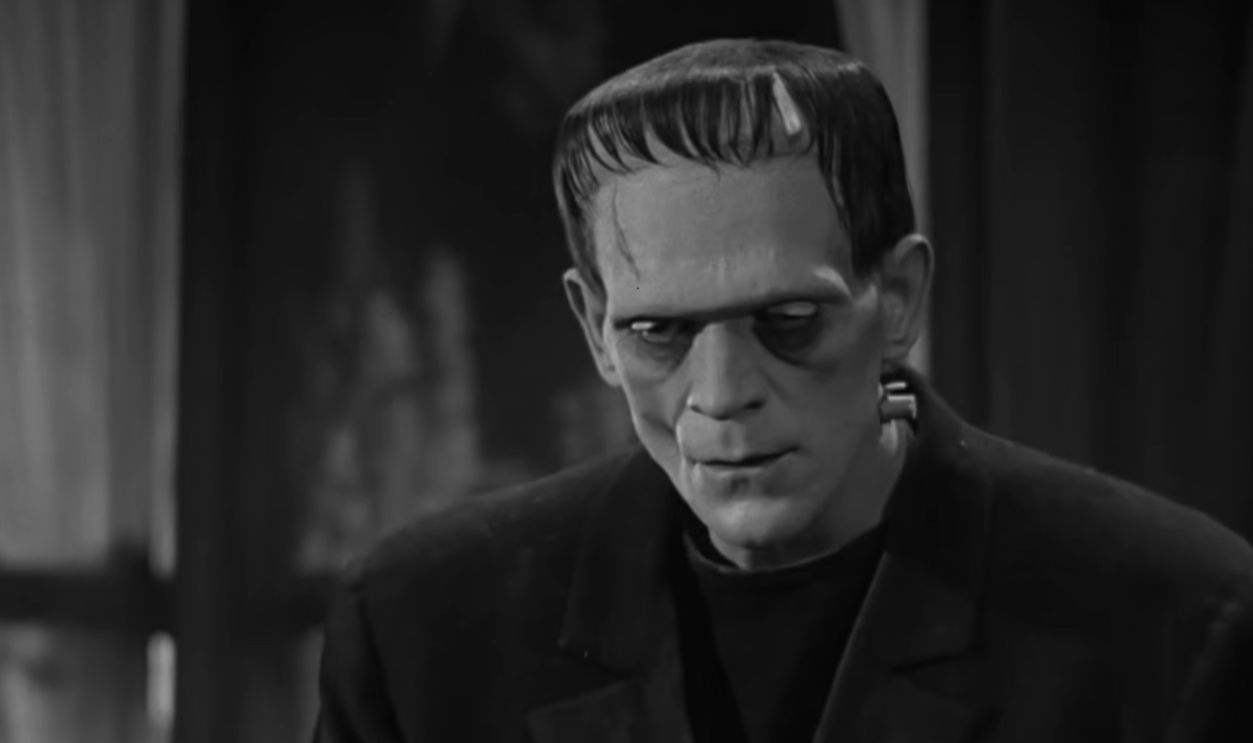 Screenshot from Frankenstein, Universal Pictures (1931)
Becoming The Creature Was Grueling
Applying the monster makeup could take roughly four hours, forcing Karloff to report to the studio before dawn. Removing it added more unpaid time to already lengthy shooting days. During one stretch surrounding the lake sequence, he reportedly remained in makeup for more than 25 hours.
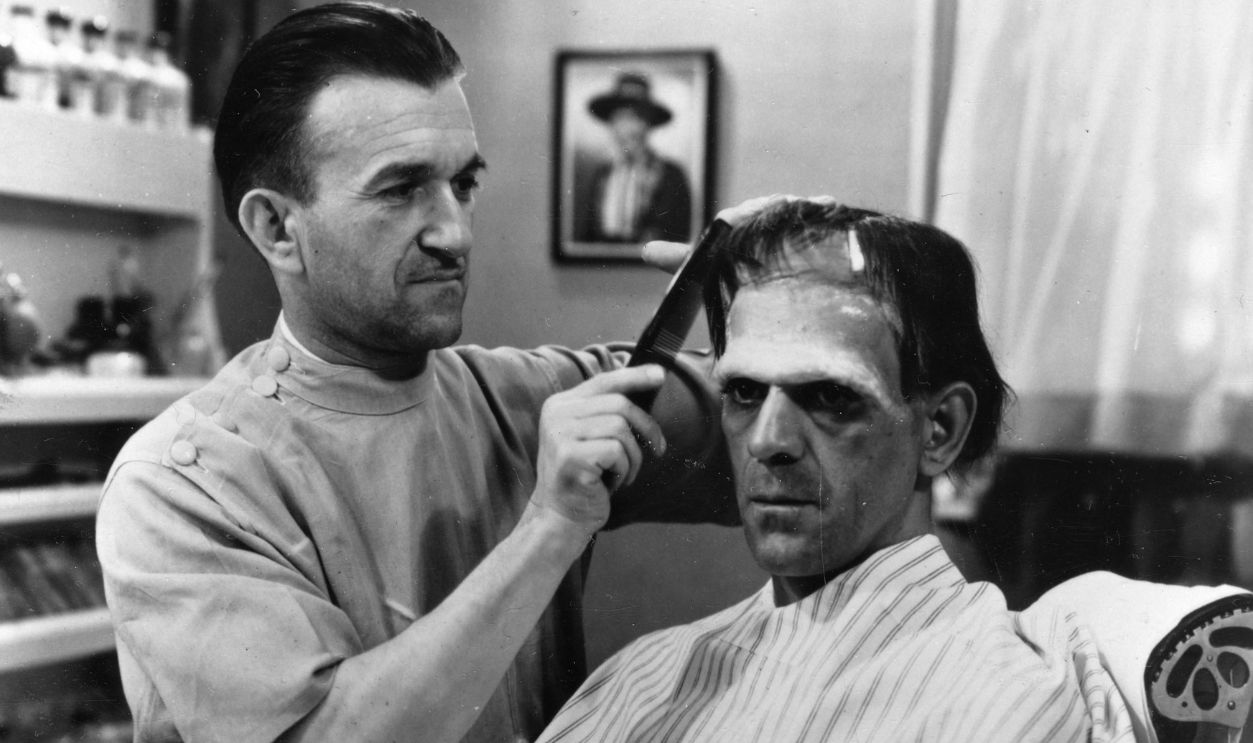 Transcendental Graphics, Getty Images
He Found Tragedy Beneath The Terror
Karloff did not approach the creature as a mindless villain. His performance emphasized confusion, loneliness, and fear, especially when the monster first encountered light and human kindness. That vulnerability encouraged audiences to pity a character who could easily have been presented as nothing more than a threat.
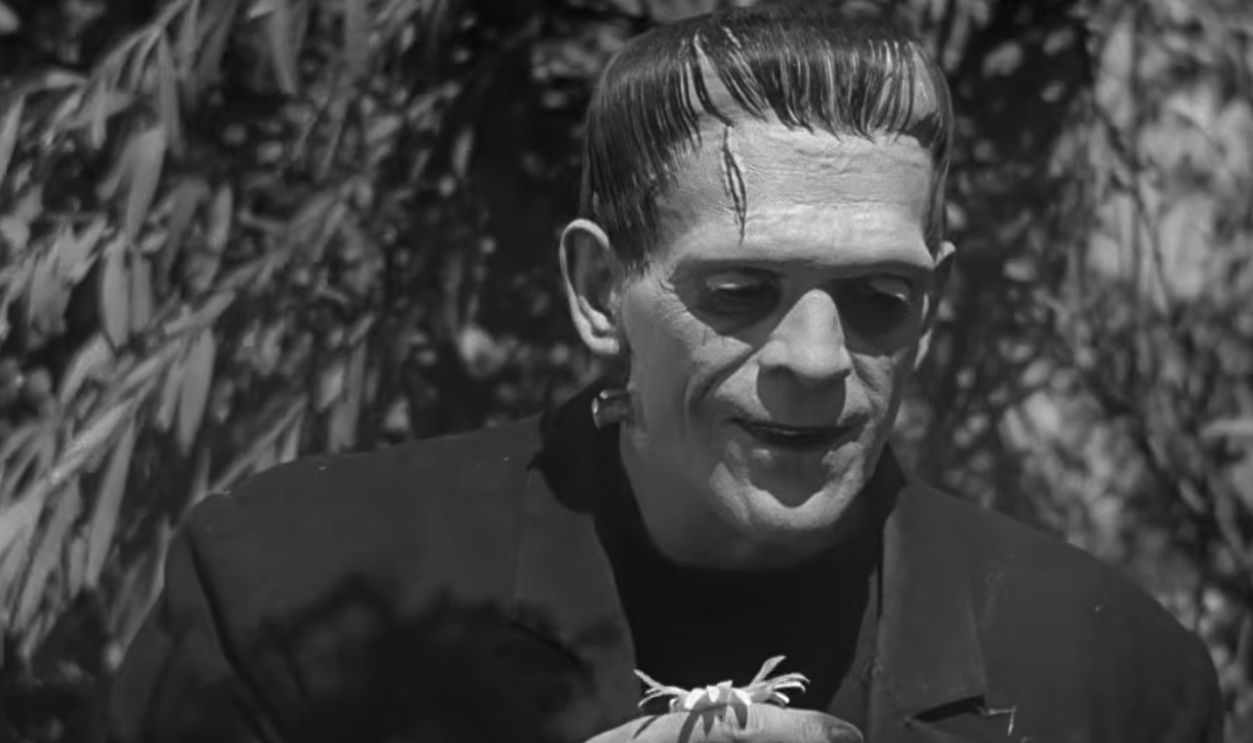 Screenshot from Frankenstein, Universal Pictures (1931)
The Lake Scene Revealed His Humanity
One of the film’s most memorable scenes pairs the monster with a little girl named Maria. After they toss flowers into a lake, the confused creature throws Maria into the water, apparently believing she will float too. Karloff’s horrified reaction makes the moment tragic because the audience understands that the monster never intended the result.
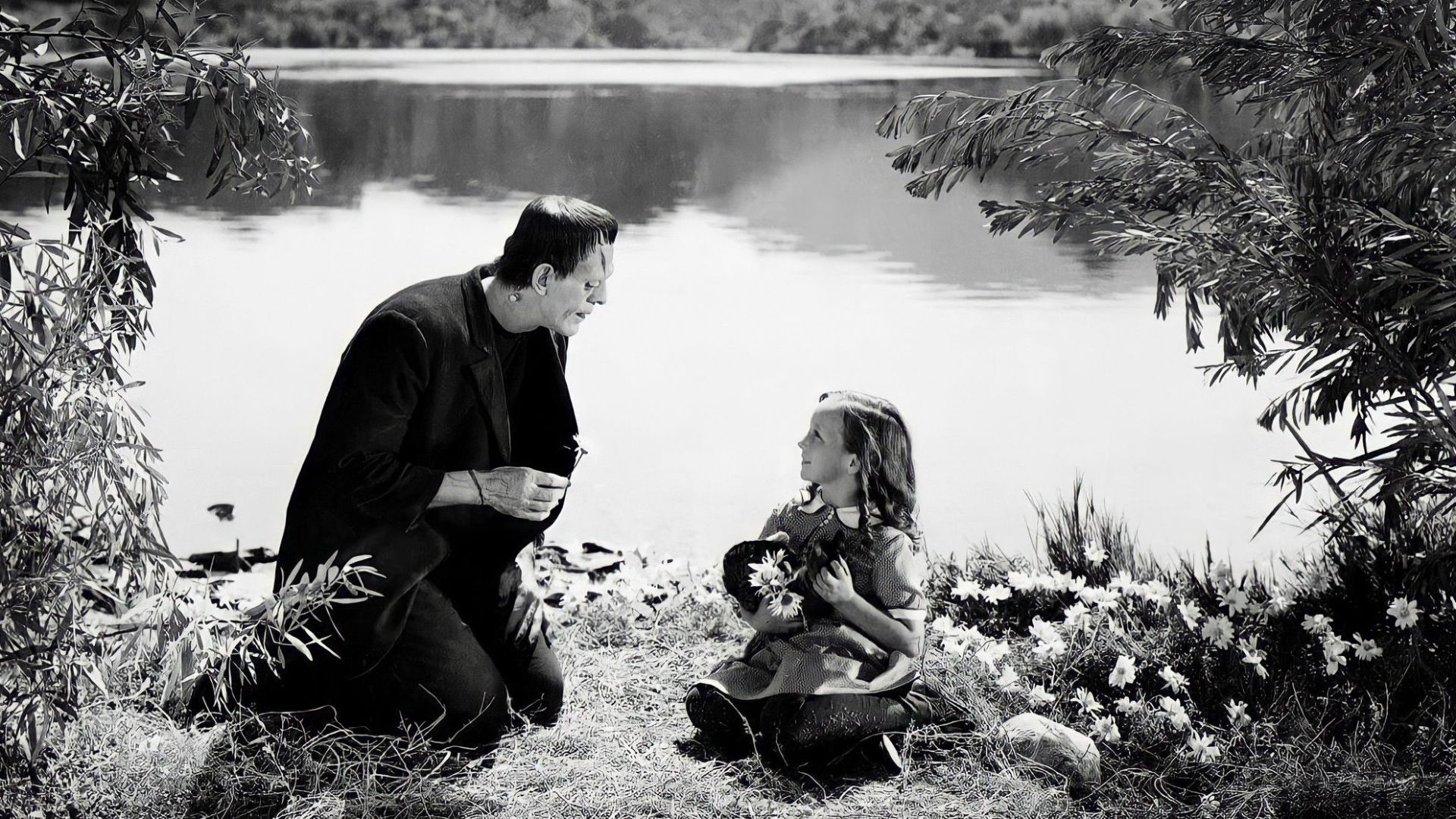 Unknown authorUnknown author, Wikimedia Commons
Frankenstein Changed Everything Overnight
Frankenstein opened in November 1931 and transformed Karloff from a busy character actor into an international star. Universal had already scored a major success with Dracula earlier that year, and Frankenstein helped establish the studio’s celebrated horror cycle. Karloff’s appearance soon became the public’s defining image of Mary Shelley’s creature.
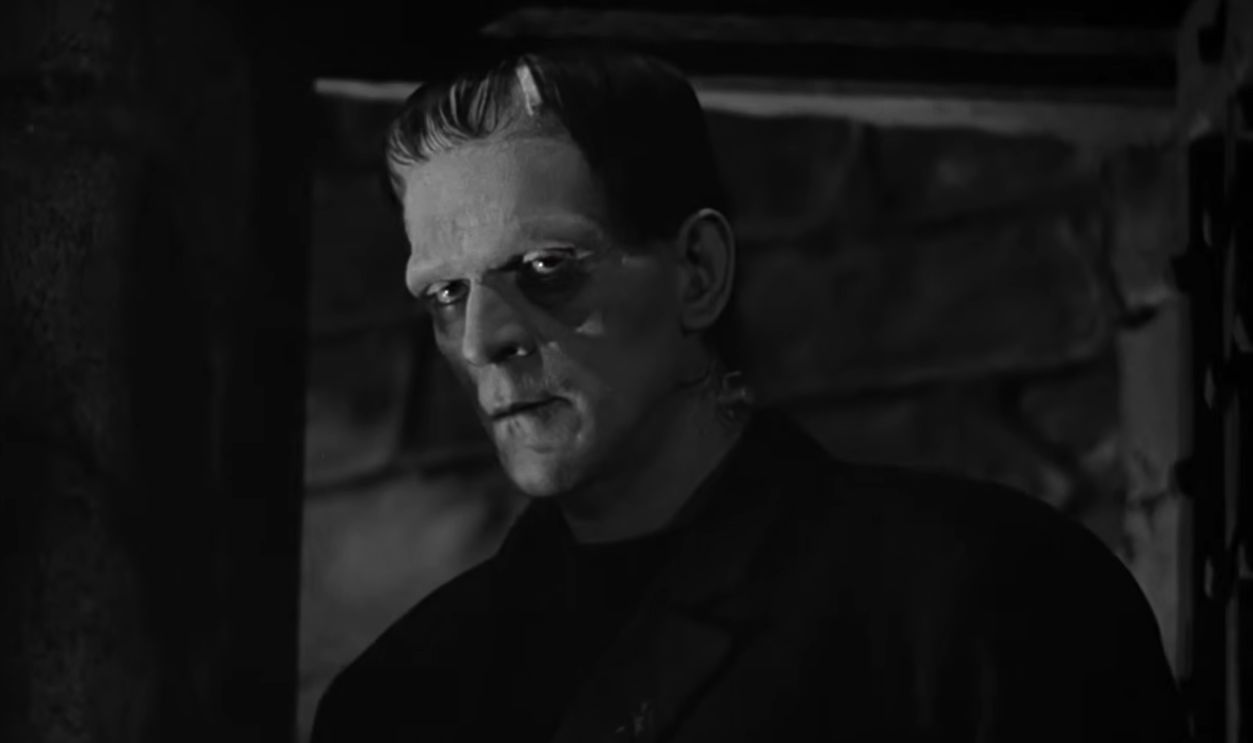 Screenshot from Frankenstein, Universal Pictures (1931)
Universal Found Its New Horror Star
The studio quickly placed Karloff in more dark and supernatural productions. In The Mummy, released in 1932, he played the resurrected Egyptian priest Imhotep. Films such as The Old Dark House, The Black Cat, and The Raven further strengthened his association with horror.
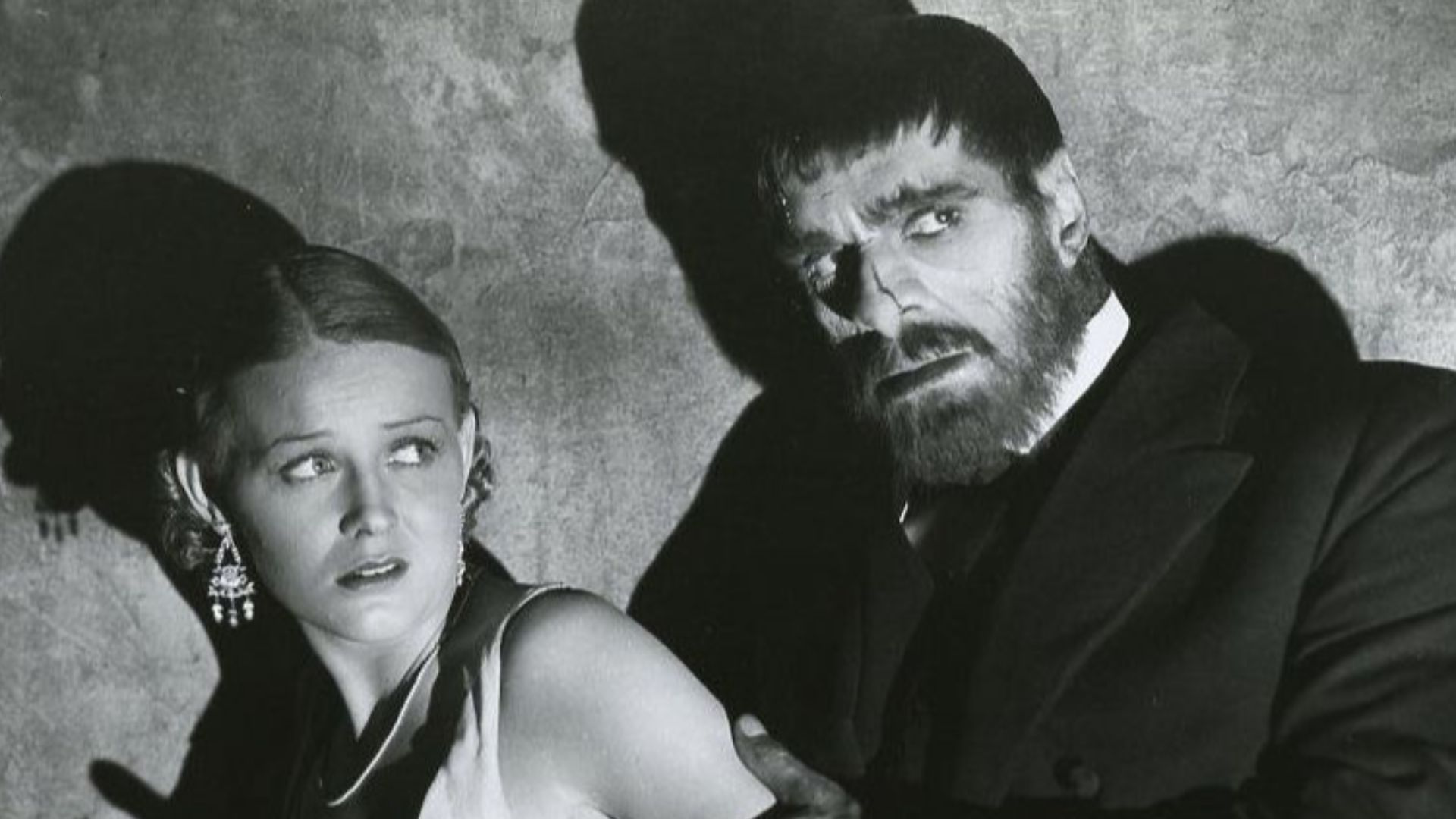 Universal Pictures, Wikimedia Commons
The Bride Gave Him More Emotion
Karloff returned to his signature role in James Whale’s Bride of Frankenstein in 1935. This time, the creature learned a few words, searched for companionship, and experienced another painful rejection. The sequel expanded the emotional qualities Karloff had already placed beneath the monster’s frightening exterior.
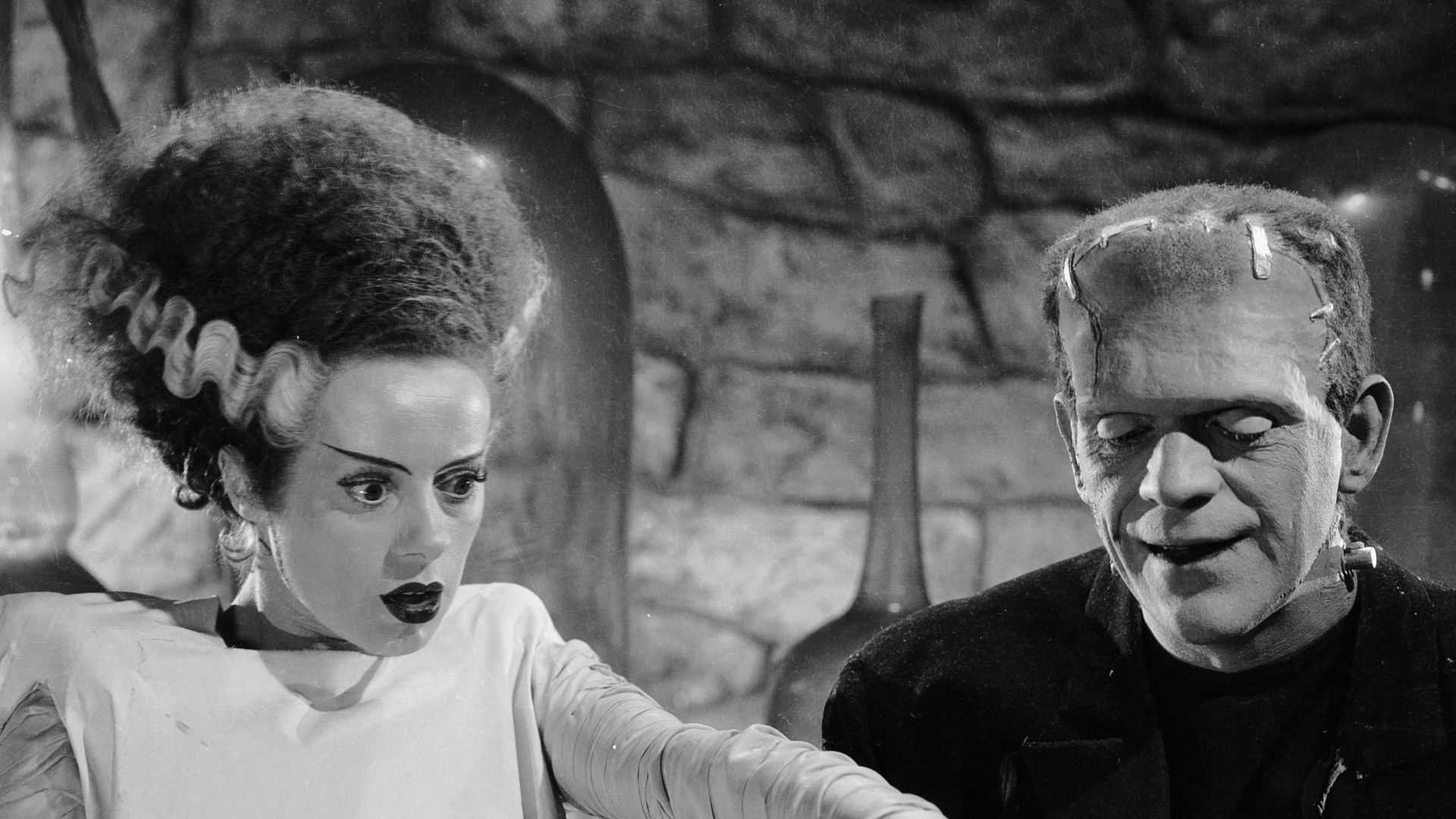 Universal Pictures, Wikimedia Commons
He Said Goodbye To The Monster
Karloff played the creature for the third and final time in Son of Frankenstein, released in 1939. Later performers inherited the makeup, but many versions reduced the character’s emotional complexity. Karloff’s three performances remained distinctive because he treated the creature as an abandoned victim as much as a monster.
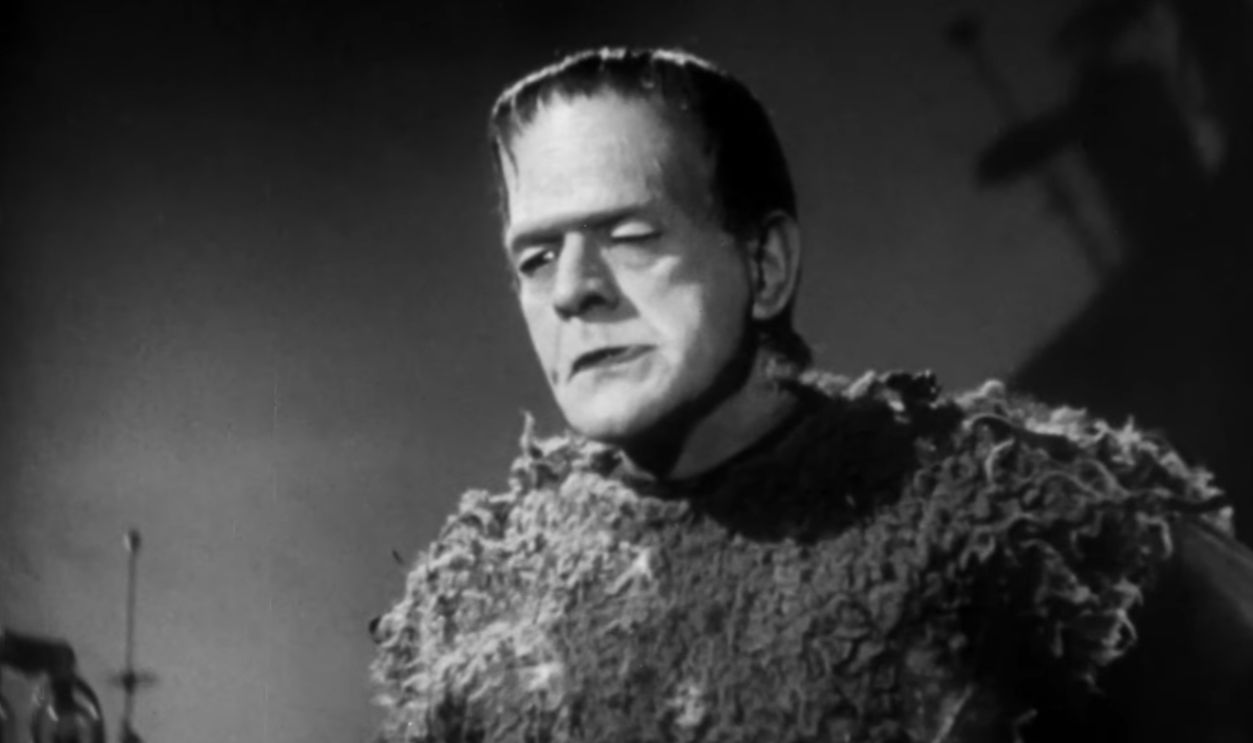 Screenshot from Son of Frankenstein, Universal Pictures (1939)
Horror Never Showed His Full Range
Karloff understood that Frankenstein had permanently shaped his career, yet he did not resent the role. He continued playing sinister doctors, killers, and supernatural figures while searching for opportunities that demanded something different. The Black Room demonstrated his versatility by casting him as twin brothers with sharply contrasting personalities.
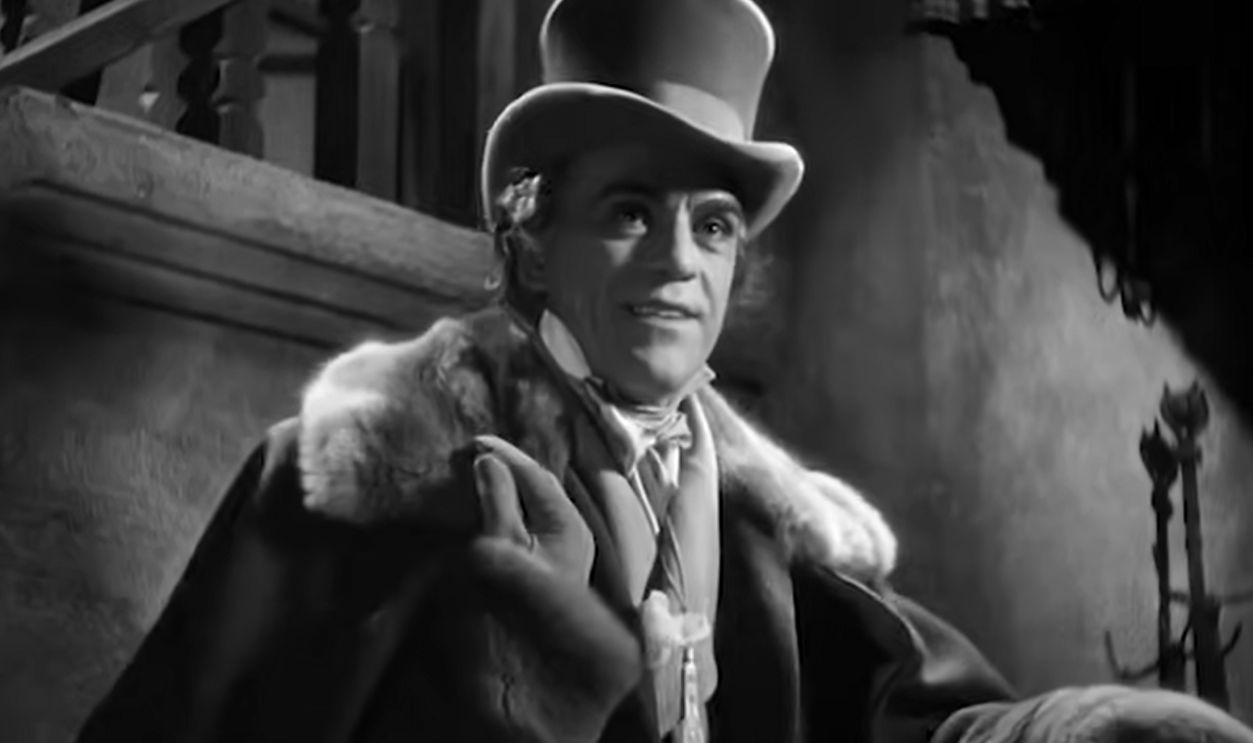 Screenshot from The Black Room, Columbia Pictures (1935)
Broadway Let Him Surprise Everyone
In 1941, Karloff created the role of murderous Jonathan Brewster in the original Broadway production of Arsenic and Old Lace. The joke was that other characters repeatedly said Jonathan resembled Boris Karloff. The successful production allowed audiences to see that the famous horror star also possessed excellent comic timing.
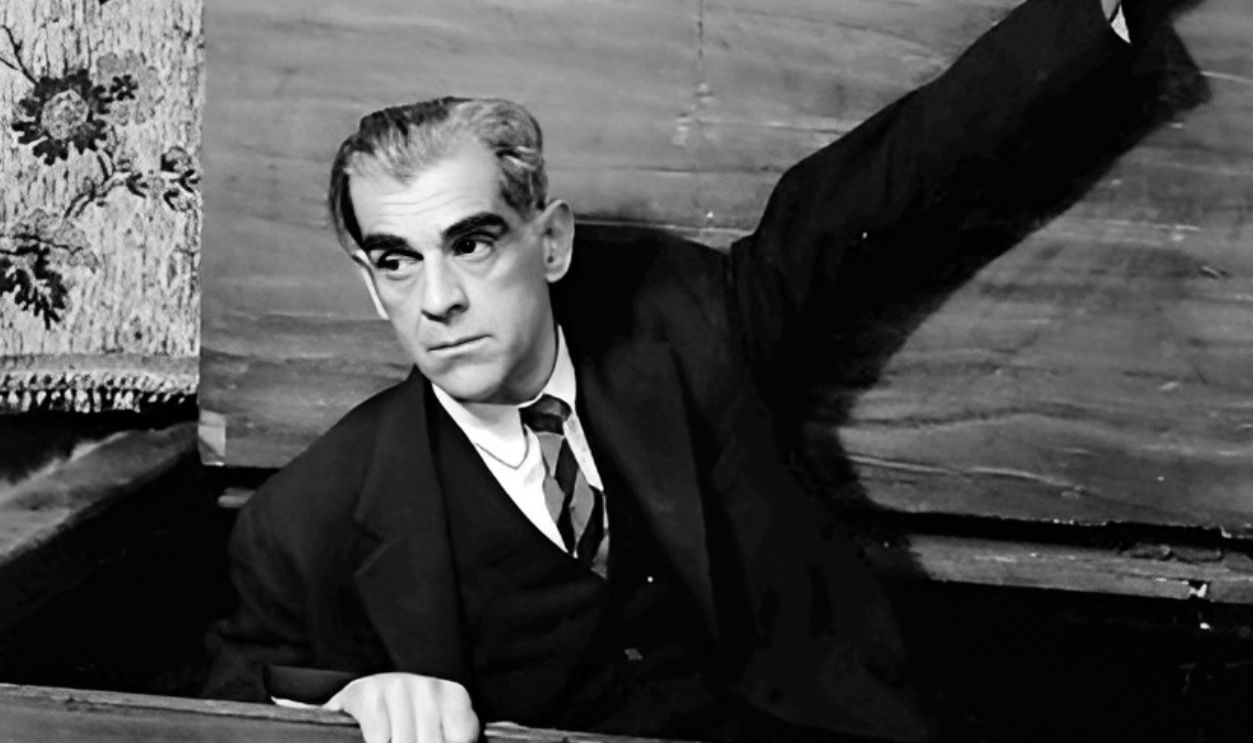 Photo by Vandamm, New York, Wikimedia Commons, Modified
He Helped Actors Fight The Studios
Karloff became one of the founding members of the Screen Actors Guild in 1933. He had personally endured long hours, unsafe demands, and makeup sessions that studios did not count as working time. Supporting the union allowed him to help later performers receive protections that had been missing during his rise.
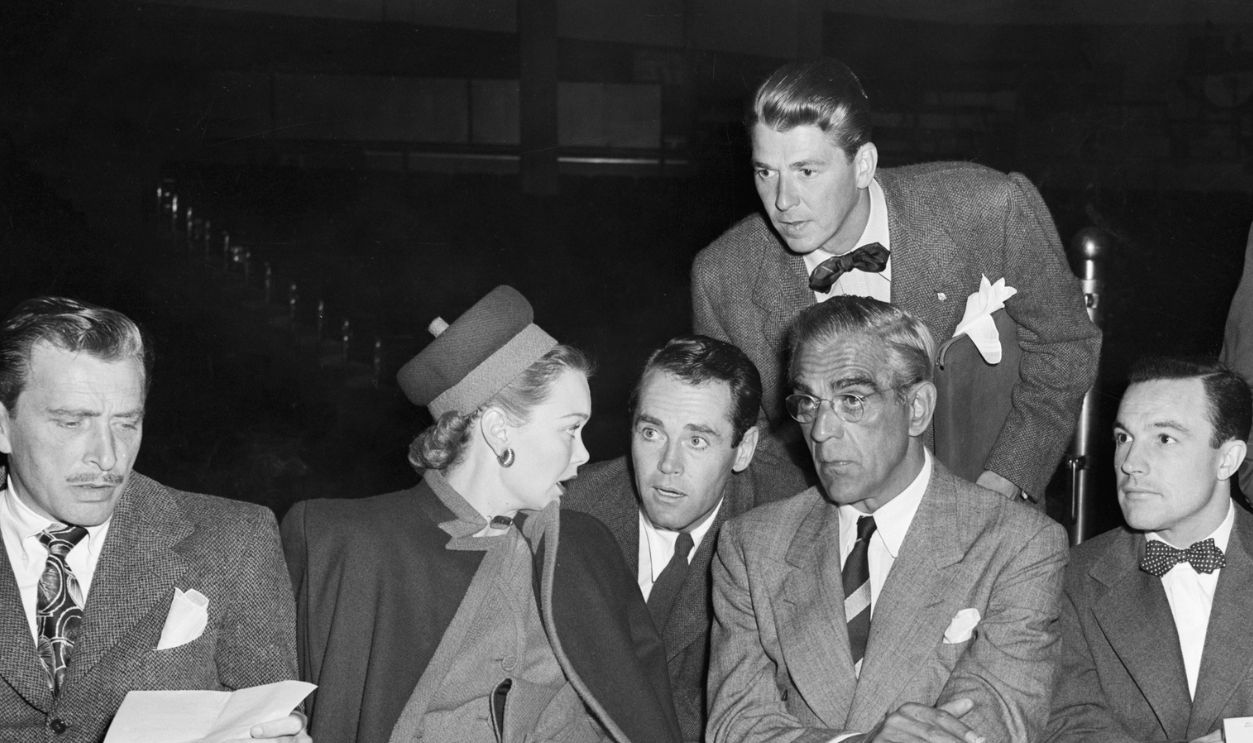
Stardom Did Not Make Him Intimidating
Colleagues frequently described Karloff as modest, courteous, and thoroughly professional. The British Film Institute has characterized him as an archetypal English gentleman whose warmth could be felt beneath even the most frightening makeup. His quiet voice and noticeable lisp made the contrast with his screen image even stronger.
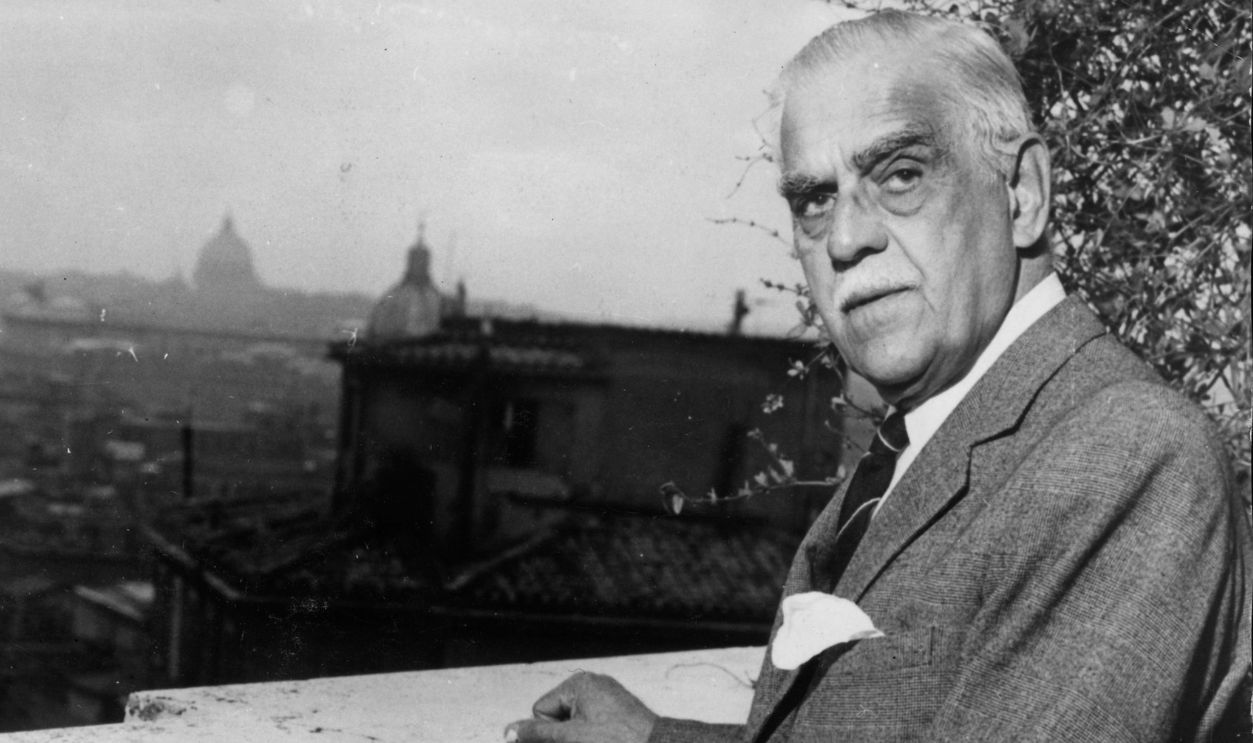
Home Revealed A Softer Boris
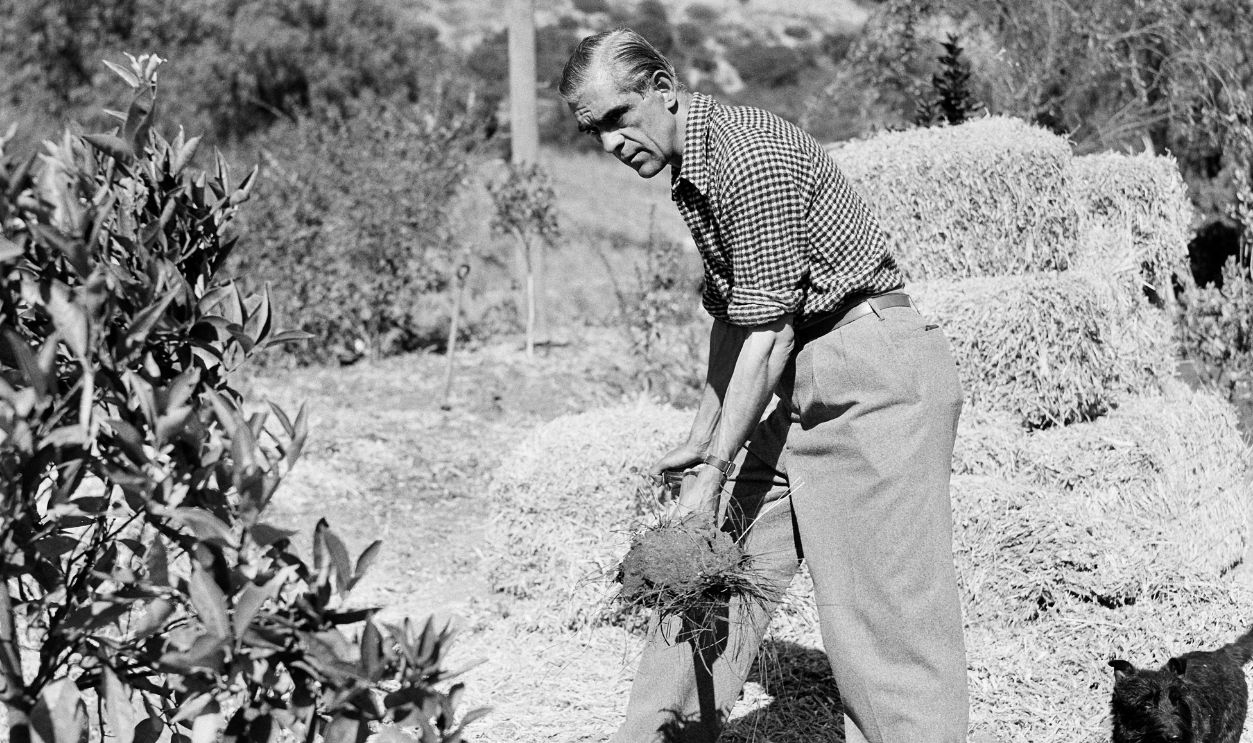
In private, Karloff enjoyed reading poetry and working in his garden. He became the father of his only child, Sara Jane Karloff, on November 23, 1938, which was also his 51st birthday. Sara later spent decades helping preserve the memory of the affectionate father hidden behind Hollywood’s monster.
 Michael Ochs Archives, Getty Images
Children Heard A Different Voice
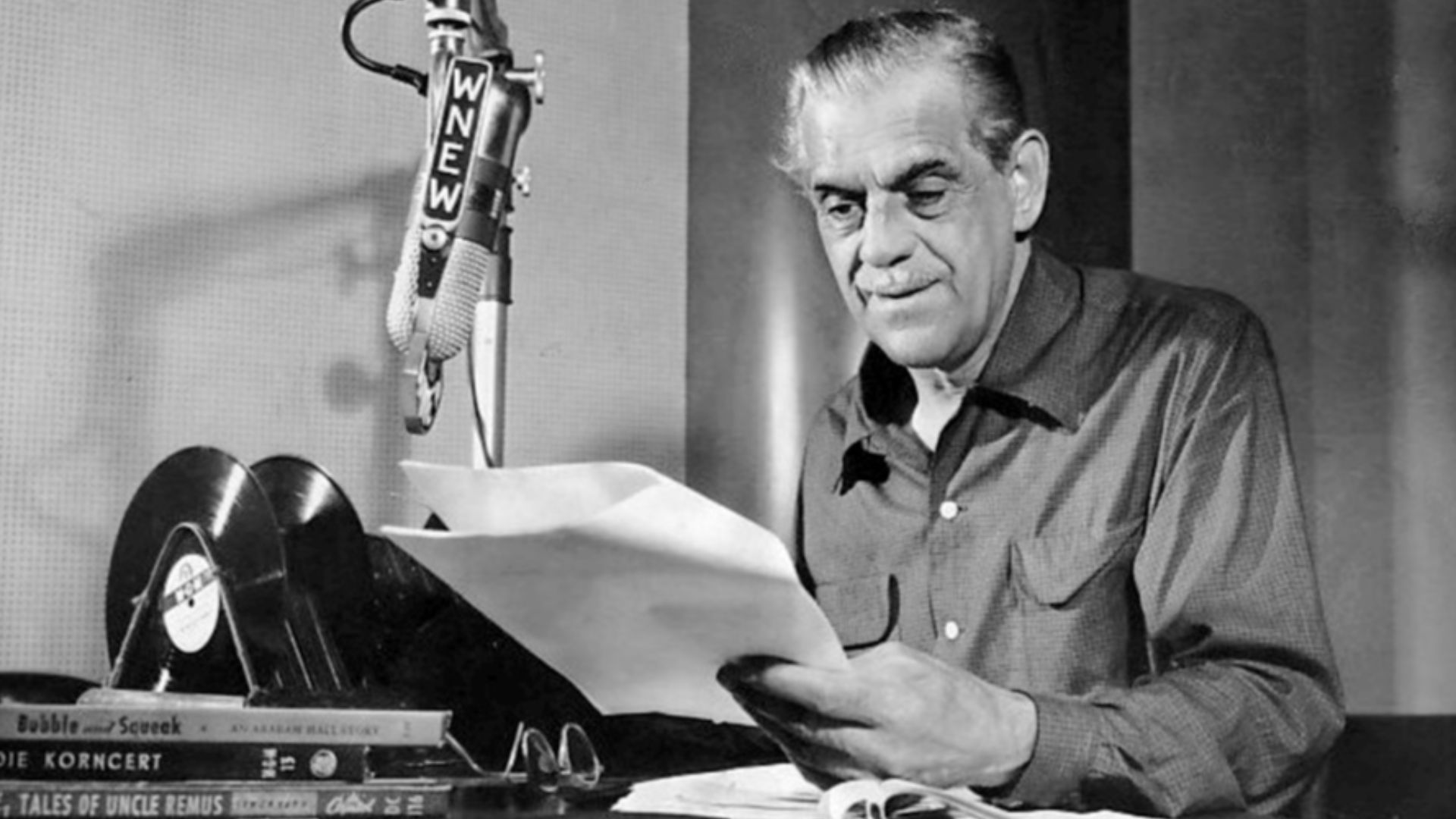
Karloff’s expressive voice made him a natural performer for radio, television, and spoken-word recordings. He narrated fairy tales, nursery material, Rudyard Kipling stories, and other works aimed at younger listeners. His gentleness and precise delivery suited children’s entertainment just as effectively as they suited horror.
 Associated Press, Wikimedia Commons
The Grinch Became Another Immortal Role
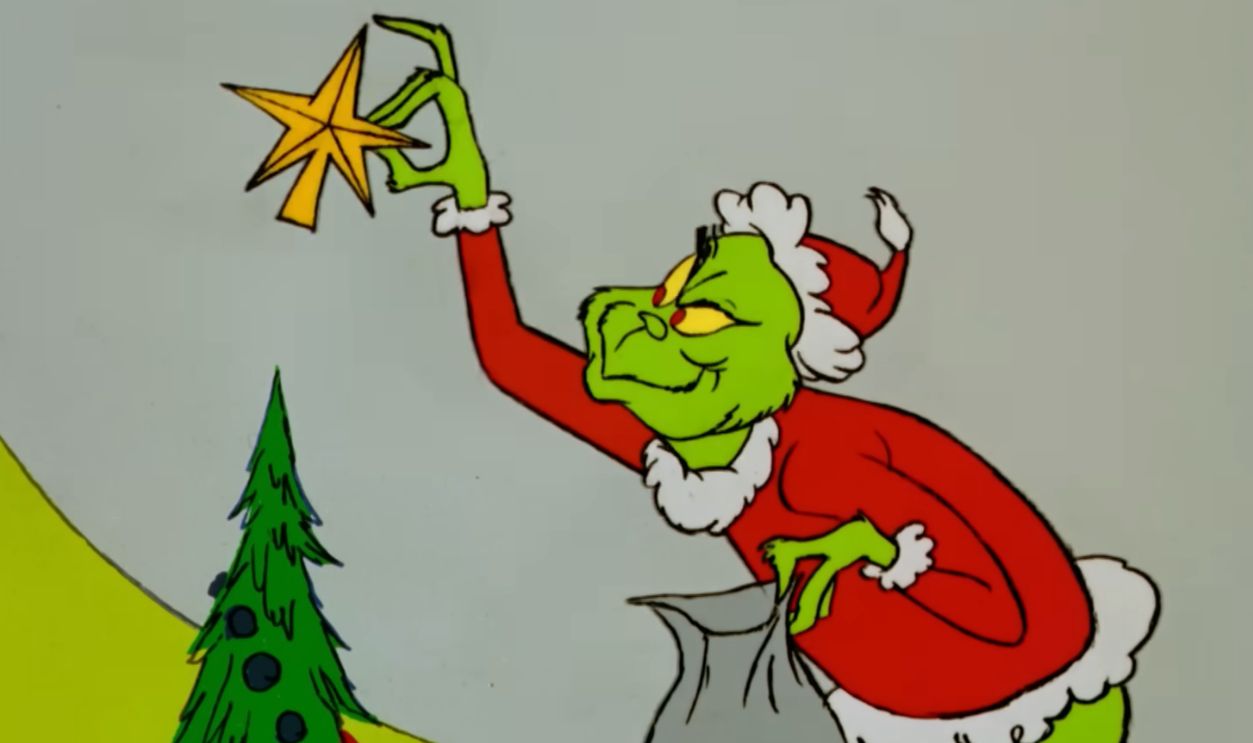
Karloff narrated the 1966 animated television special How the Grinch Stole Christmas! and also provided the Grinch’s speaking voice. Singer Thurl Ravenscroft, rather than Karloff, performed the famous song “You’re a Mean One, Mr. Grinch.” Karloff’s recording connected him with another supposedly frightening character whose hidden heart became the point of the story.
 Screenshot from How the Grinch Stole Christmas!, CBS (1966)
His Warmest Work Earned A Grammy
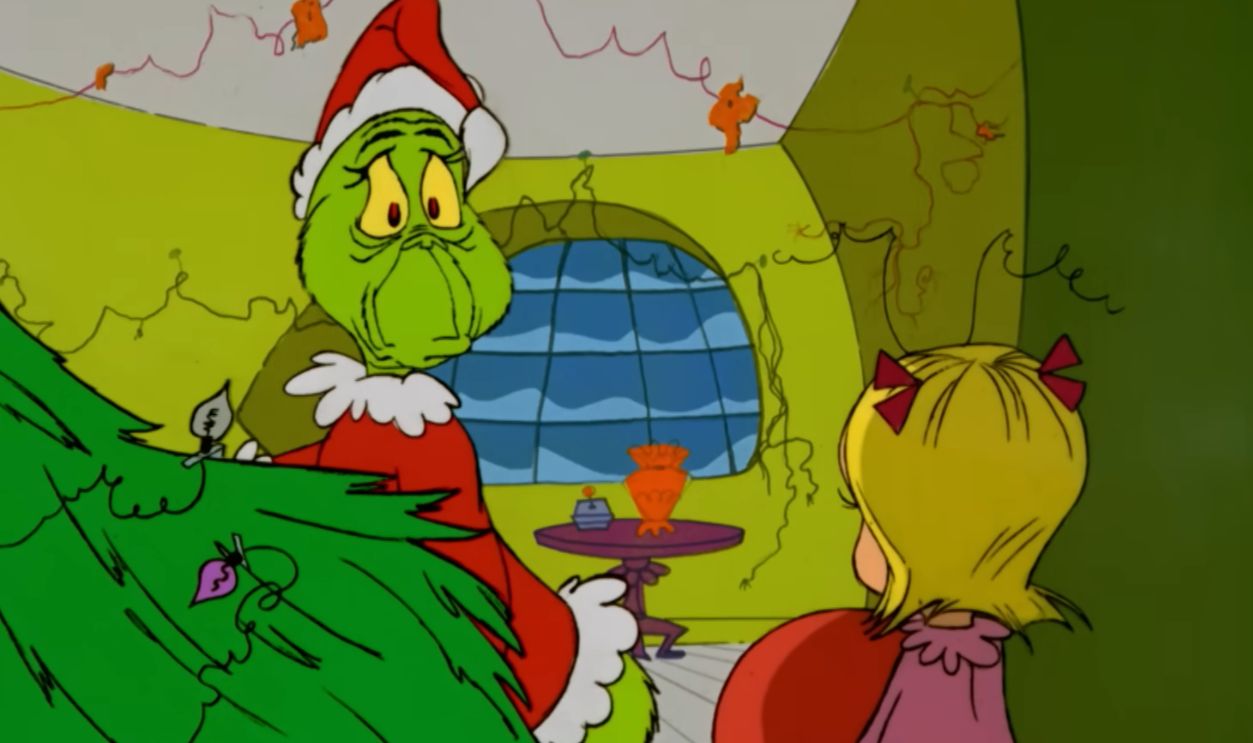
Karloff won the 1968 Grammy Award for Best Recording for Children for Dr. Seuss: How the Grinch Stole Christmas. He had previously received a nomination in the same field for The Cat Who Walked by Herself. The recognition proved that one of Hollywood’s greatest horror stars could captivate families without a trace of monster makeup.
 Screenshot from How the Grinch Stole Christmas!, CBS (1966)
He Worked Through Failing Health
Back problems and years of smoking complicated Karloff’s final years, and he sometimes required a leg brace and supplemental oxygen. Even so, he continued acting in film and television. His remarkable late performance in Peter Bogdanovich’s Targets used his aging horror-star image to examine the difference between imaginary monsters and modern violence.
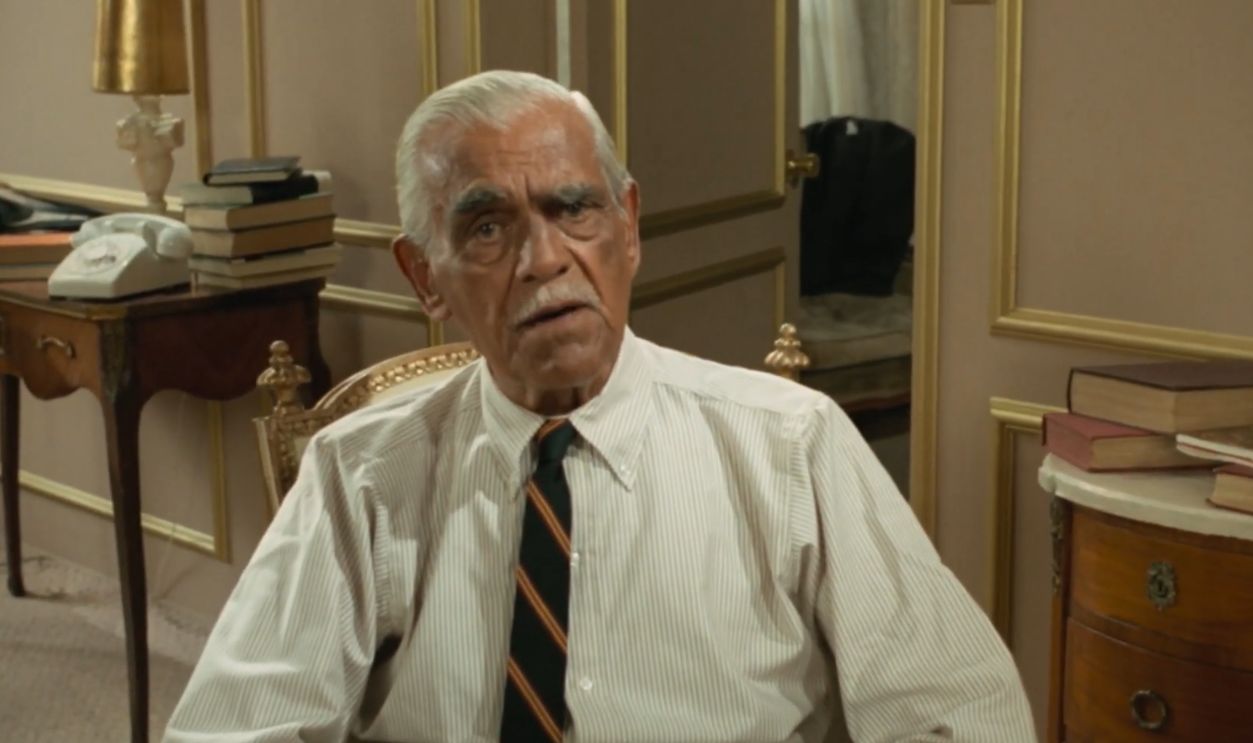 Screenshot from Targets, Paramount Pictures (1968)
The Gentle Man Outlived The Monster
Boris Karloff died in England on February 2, 1969, at the age of 81. Frankenstein’s monster remained his most famous creation, but it represented only one part of a career spanning stage, film, radio, television, and children’s recordings. The face that terrified generations belonged to a thoughtful professional whose sympathy and gentleness were the qualities that made his monster unforgettable.
You May Also Like:
Adam West Knew Batman Had Typecast Him—So He Learned To Make The Joke Work For Him
Horror Miniseries That Once Terrified America—How Many Do You Remember?