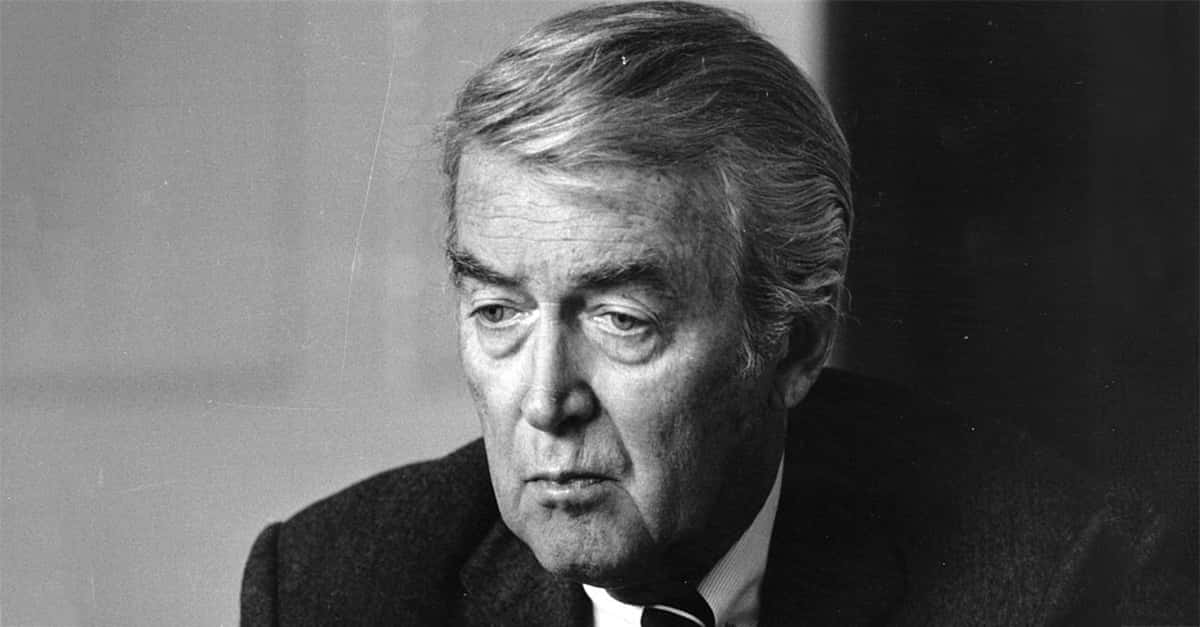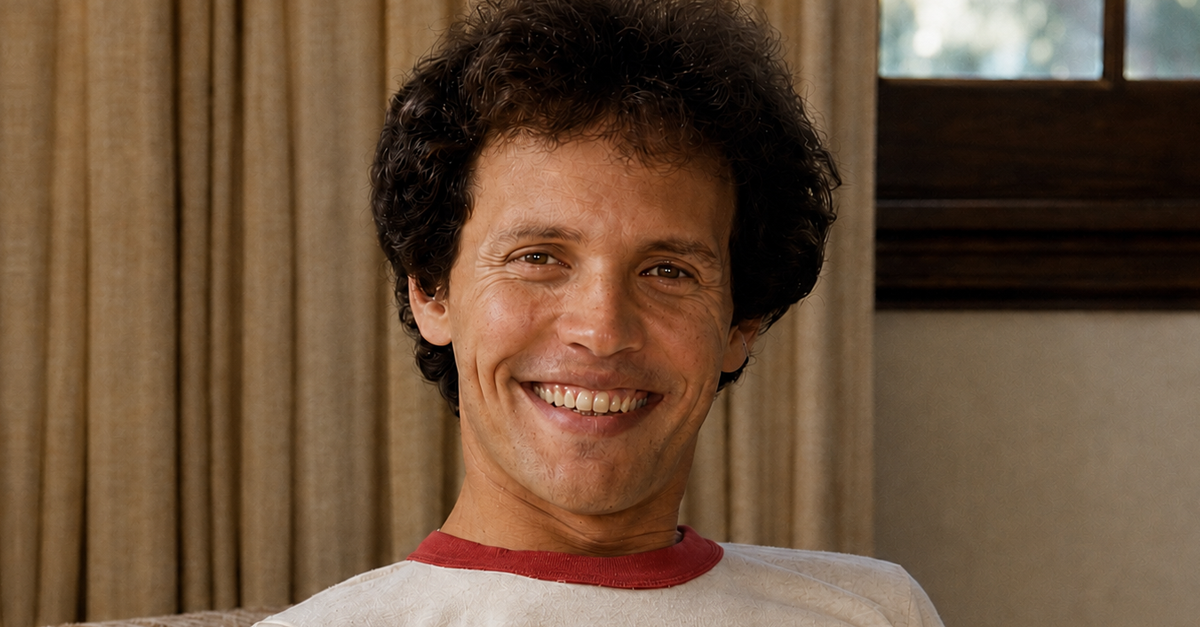
Hollywood Stardom Was Still Years Away
Before When Harry Met Sally... and City Slickers made Billy Crystal a movie star, he was stealing scenes on ABC’s Soap. For four seasons, he played Jodie Dallas, one of television’s earliest recurring openly gay characters. The groundbreaking role introduced Crystal to a national audience between 1977 and 1981. It also proved that he could deliver emotional drama just as brilliantly as a punchline.
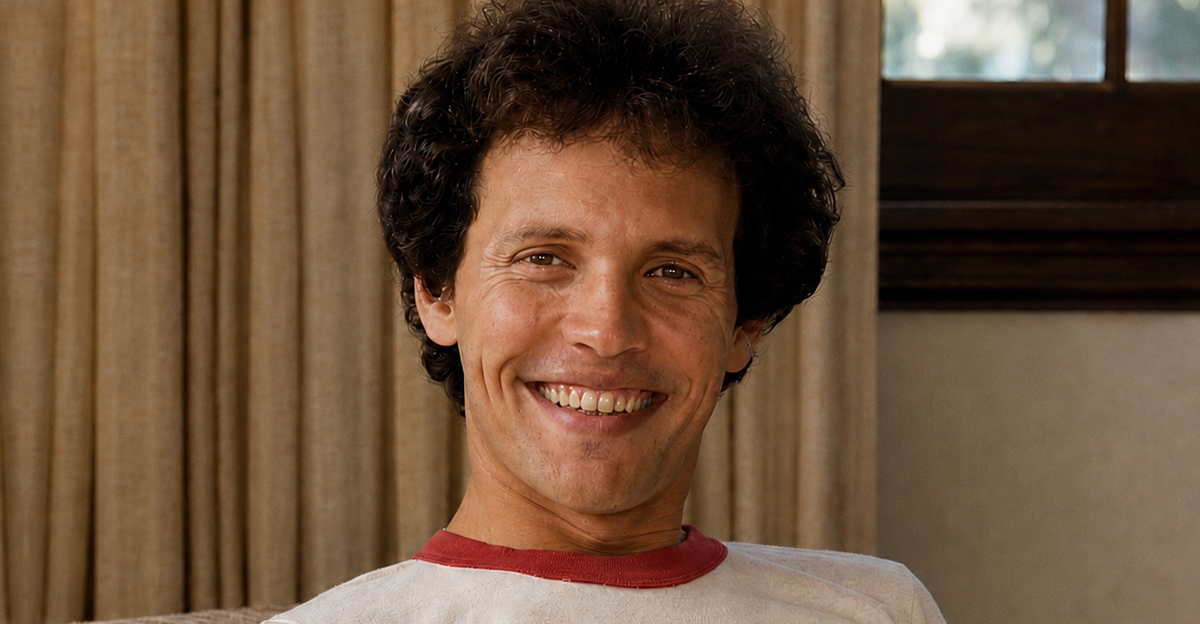
Comedy Started At Home
Crystal grew up on Long Island in a household filled with music, humor, and colorful relatives. His father, Jack Crystal, managed the Commodore Music Shop and brought prominent jazz musicians into the family’s orbit. Billy and his brothers entertained visitors by performing routines they had learned from comedy records. Those living-room performances gave him an early education in timing and storytelling.
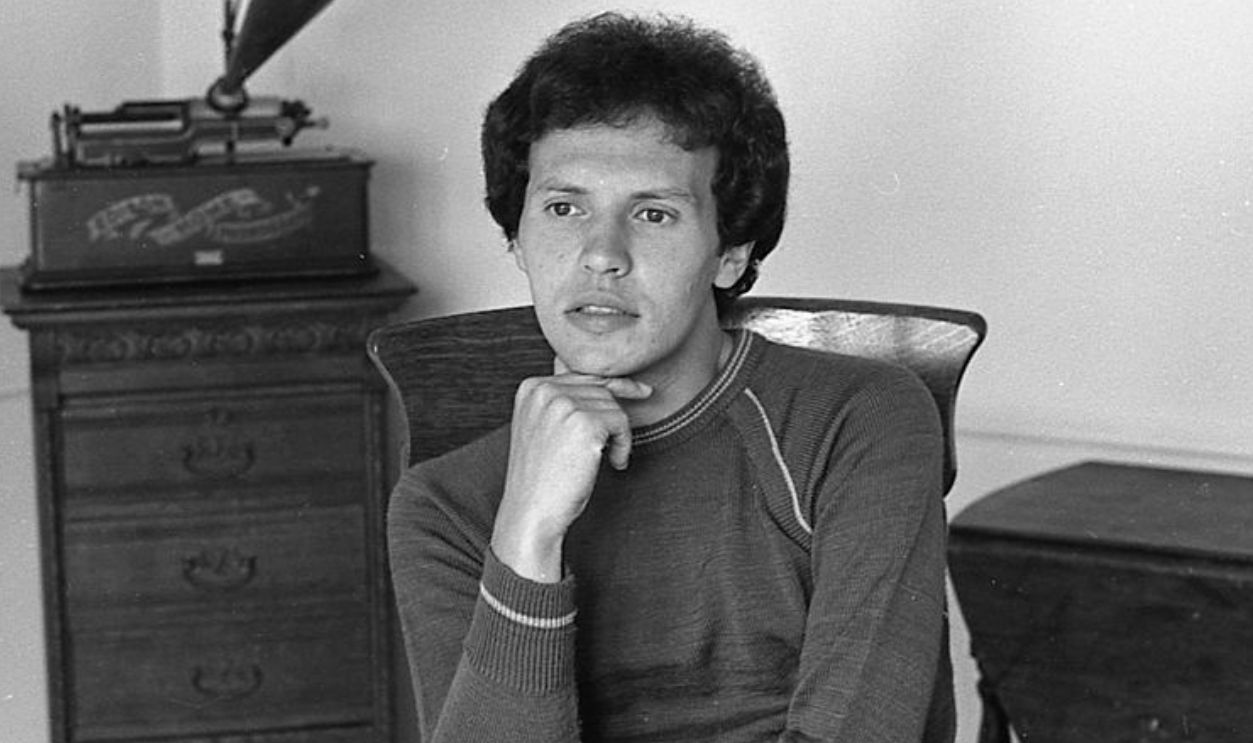
Film School Sharpened His Instincts
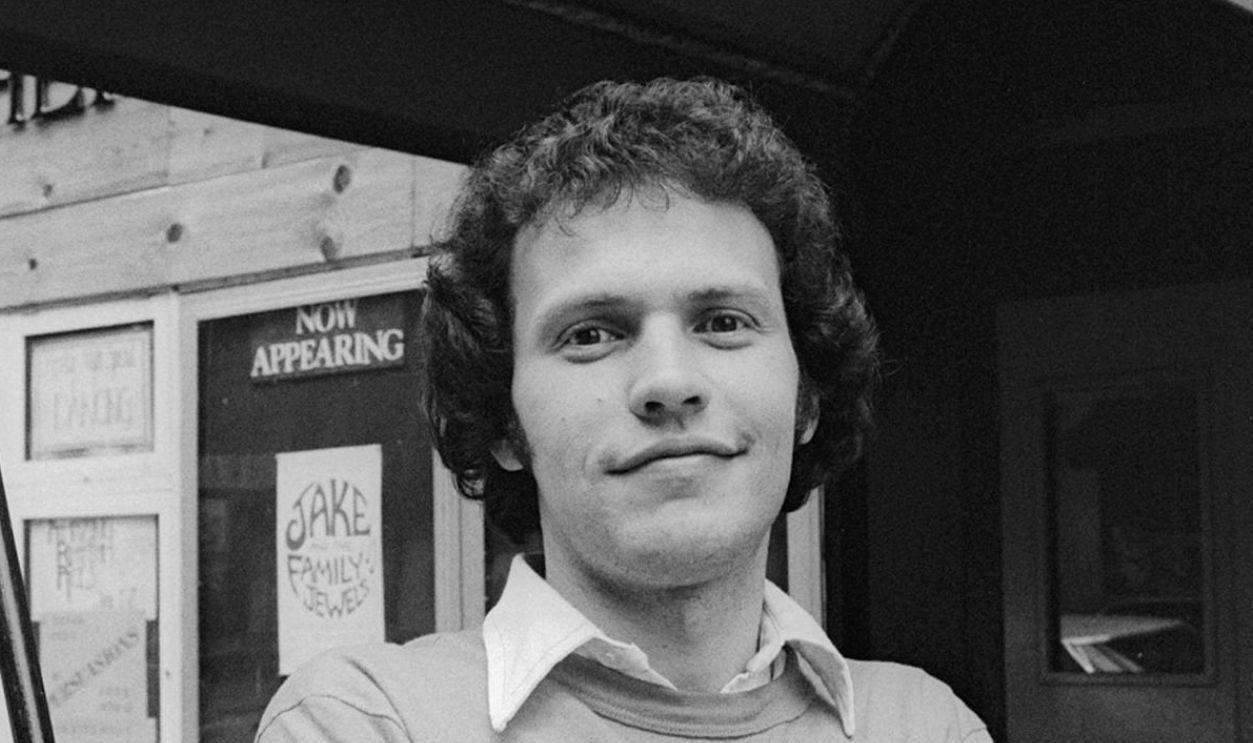
Crystal first studied acting at Nassau Community College before entering New York University’s film program. His classmates included Christopher Guest, Michael McKean, and Oliver Stone. One of his film-production instructors was a young Martin Scorsese, whose intensity Crystal still remembered decades later. The experience gave Crystal an understanding of filmmaking long before he began directing movies himself.
 Allan Tannenbaum, Getty Images
His First Act Needed Something Personal
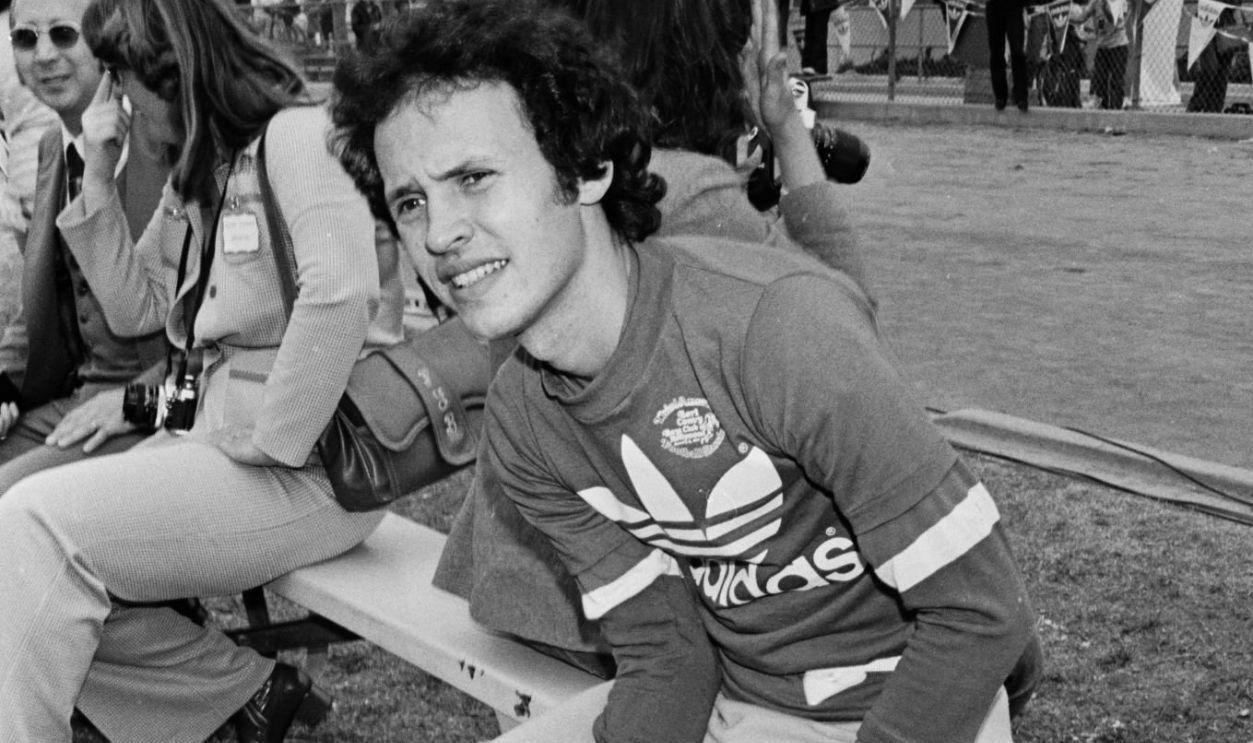
After college, Crystal performed with two friends in a comedy group called 3’s Company. Manager Buddy Morra eventually encouraged him to pursue stand-up on his own. Legendary manager Jack Rollins then challenged Crystal to stop relying entirely on polished bits and talk more honestly about his life. Crystal began building material around marriage, parenthood, and his experiences as a stay-at-home father.
 Michael Ochs Archives, Getty Images
One Showcase Opened Several Doors
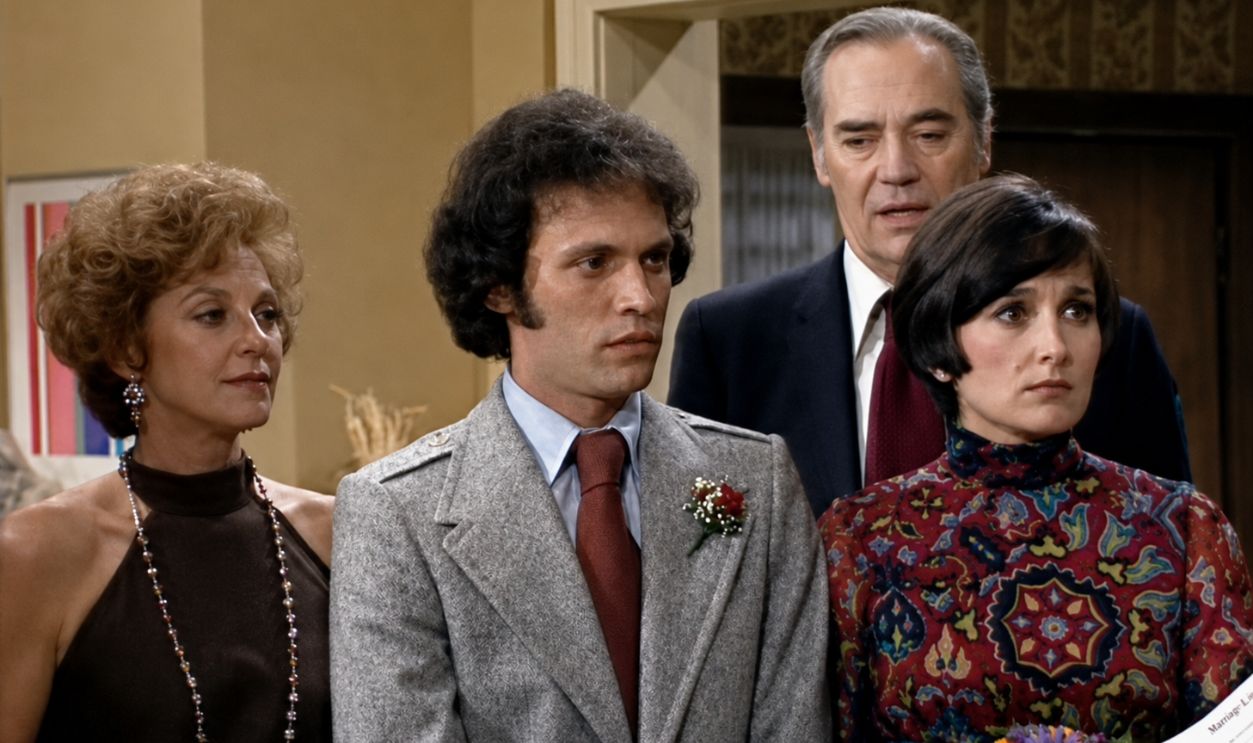
A successful Comedy Store performance put Crystal in front of television figures including Norman Lear and Michael Eisner. Lear soon invited him to guest-star on All in the Family as a friend of Rob Reiner’s character. Crystal flew to Los Angeles and formed a lasting friendship with Reiner. The appearance also helped prove that his stand-up personality could translate into scripted television.
 Screenshot from All in the Family, CBS (1971-1979), Modified
Saturday Night Live Nearly Got Him First
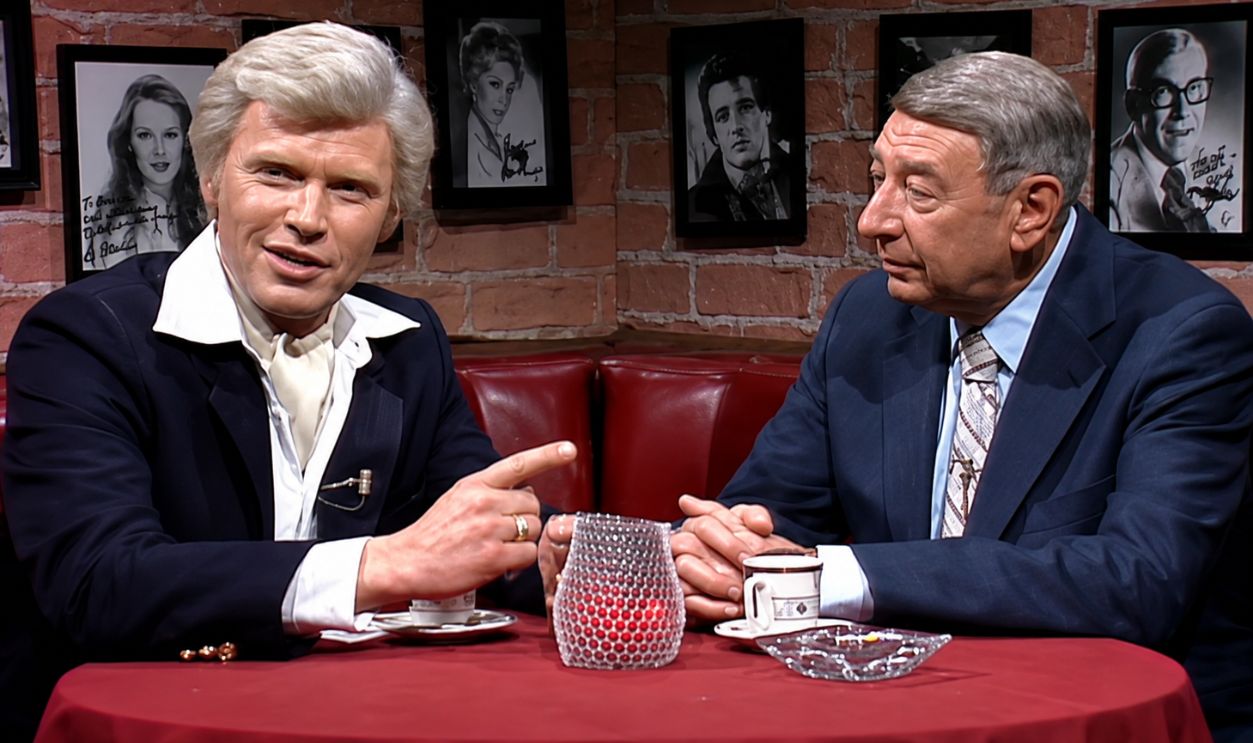
Crystal was scheduled to perform on the first episode of NBC’s Saturday Night Live in October 1975. His lengthy routine was cut when the producers could not fit it into the broadcast. He subsequently became a regular on ABC’s short-lived Saturday Night Live With Howard Cosell. Crystal would eventually return to NBC’s show, but Soap arrived first.
 Screenshot from Saturday Night Live With Howard Cosell, ABC (1975-1976)
An ABC Deal Changed Everything
Crystal had secured a development deal with ABC after his successful Comedy Store showcase. While the network searched for a suitable project, his manager received a script for a new comedy called Soap. Crystal was warned that the character offered to him was gay, which carried professional risks for an actor in the 1970s. His immediate concern was whether the character was funny.
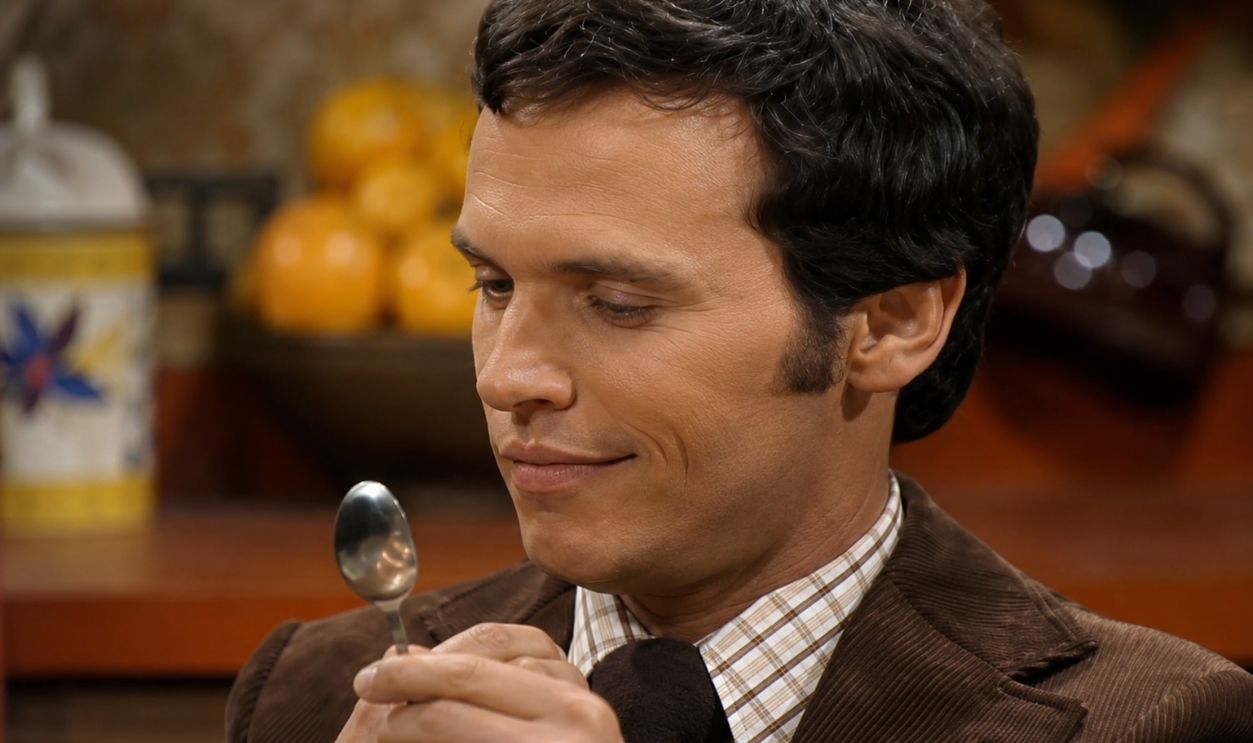 Screenshot from Soap, Sony Pictures Television (1977-1981), Enhanced
Susan Harris Earned His Trust
Soap creator Susan Harris had already written for groundbreaking comedies including All in the Family and Maude. Producers Paul Junger Witt and Tony Thomas were developing the series, while respected sitcom veteran Jay Sandrich was attached to direct. During a meeting in late 1976, Harris described Jodie Dallas as honest, positive, and capable of sustaining meaningful stories. Crystal trusted her vision and accepted the role.
Soap Was Built To Break Rules
The series parodied daytime serials while functioning as a continuing nighttime story of its own. Its sprawling ensemble moved through affairs, murder cases, family feuds, and increasingly outrageous twists. Harris also wrote about homosexuality, infidelity, religion, and other subjects rarely handled so openly in sitcoms. Against that chaotic background, Jodie often emerged as one of the show’s most grounded characters.
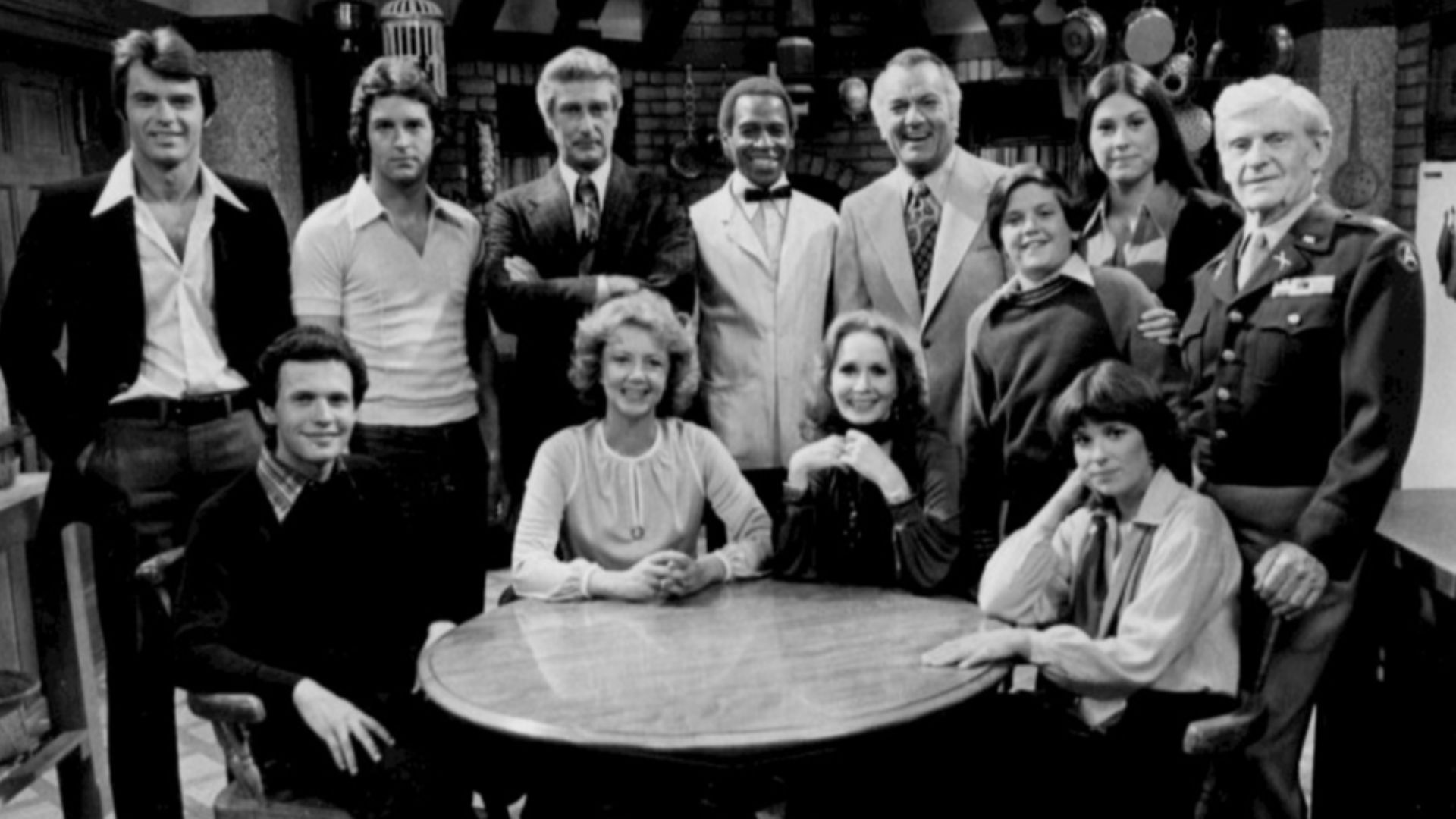 ABC Television, Wikimedia Commons
Jodie Dallas Was More Than A Gimmick
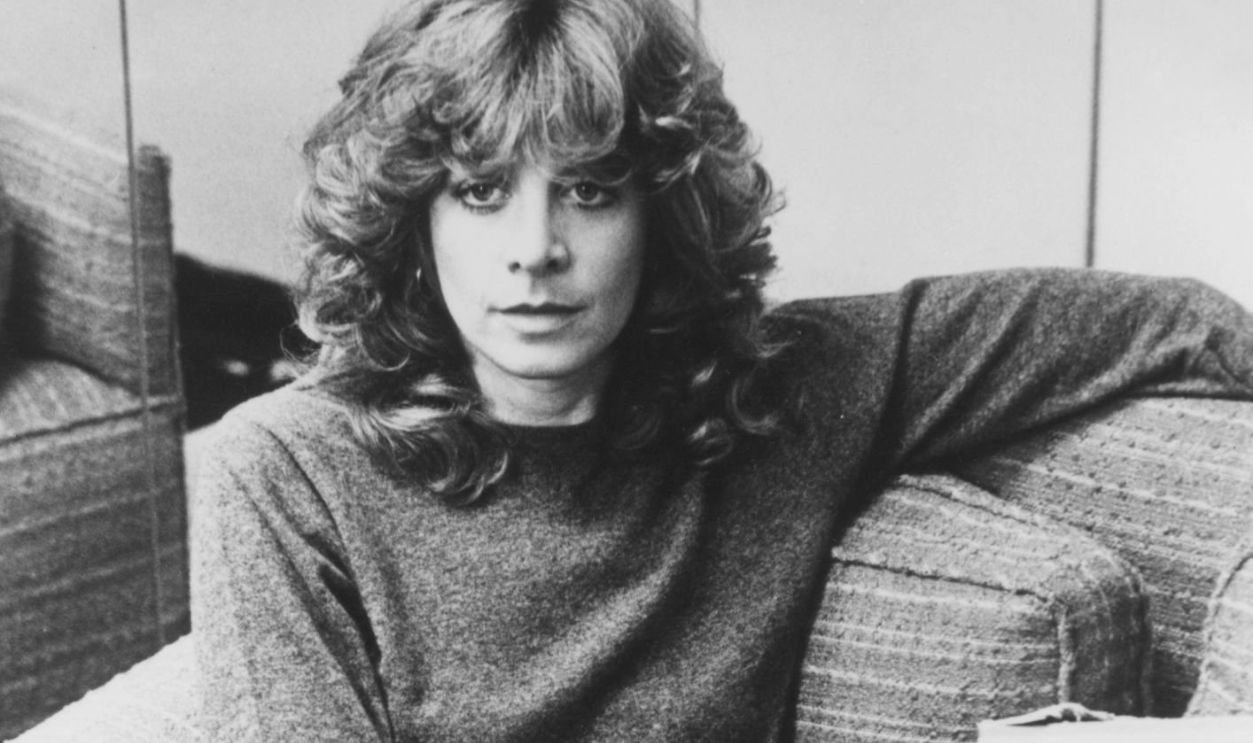
Jodie was the son of Mary Campbell, played by Cathryn Damon, and the brother of Danny Dallas, played by Ted Wass. He lived openly as a gay man within a family that did not always know how to respond. Crystal gave Jodie a quick wit without treating his identity as the character’s only defining feature. That balance helped him stand out within the crowded ensemble.
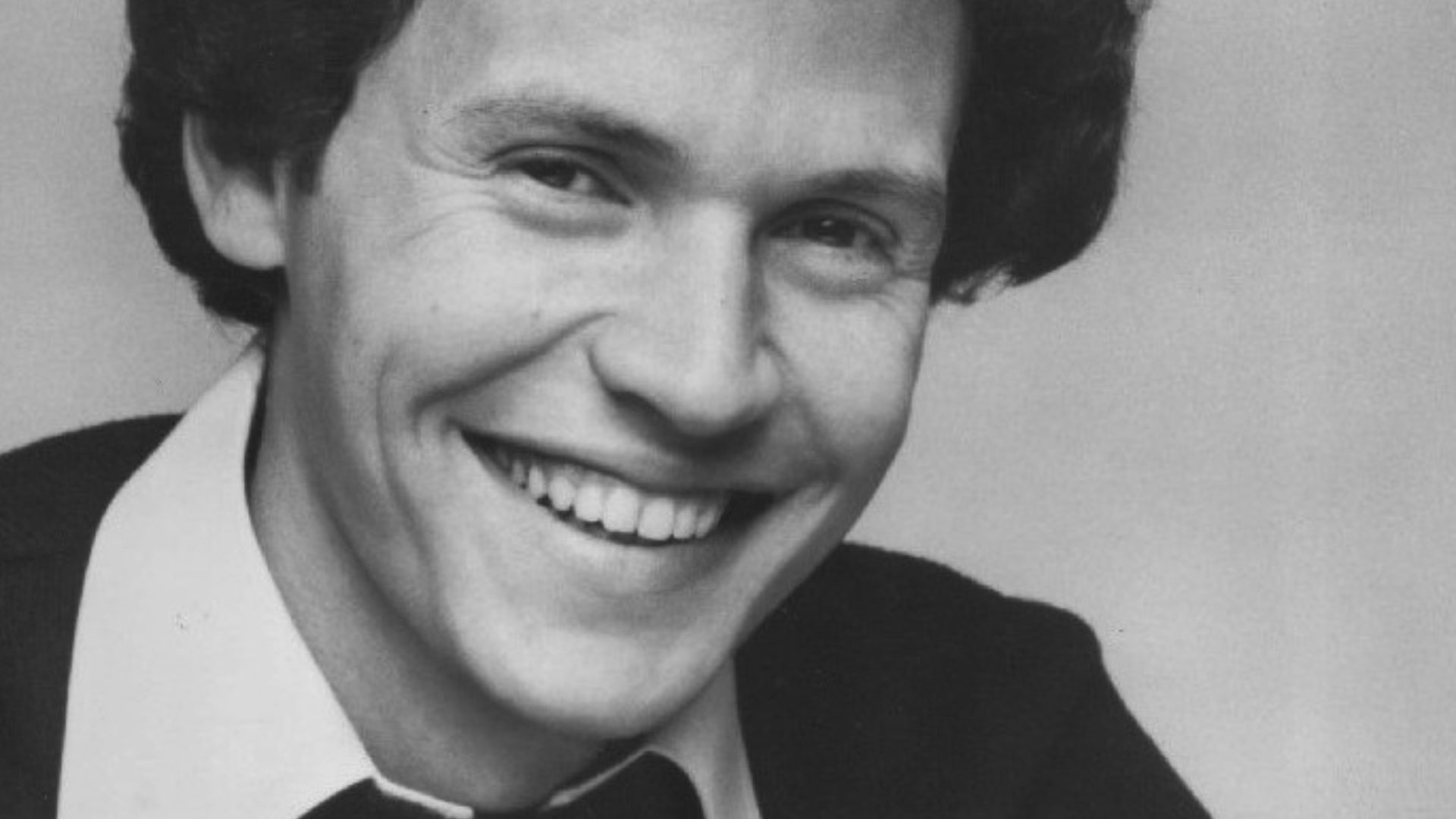 ABC Television, Wikimedia Commons
The Role Marked A Television Milestone
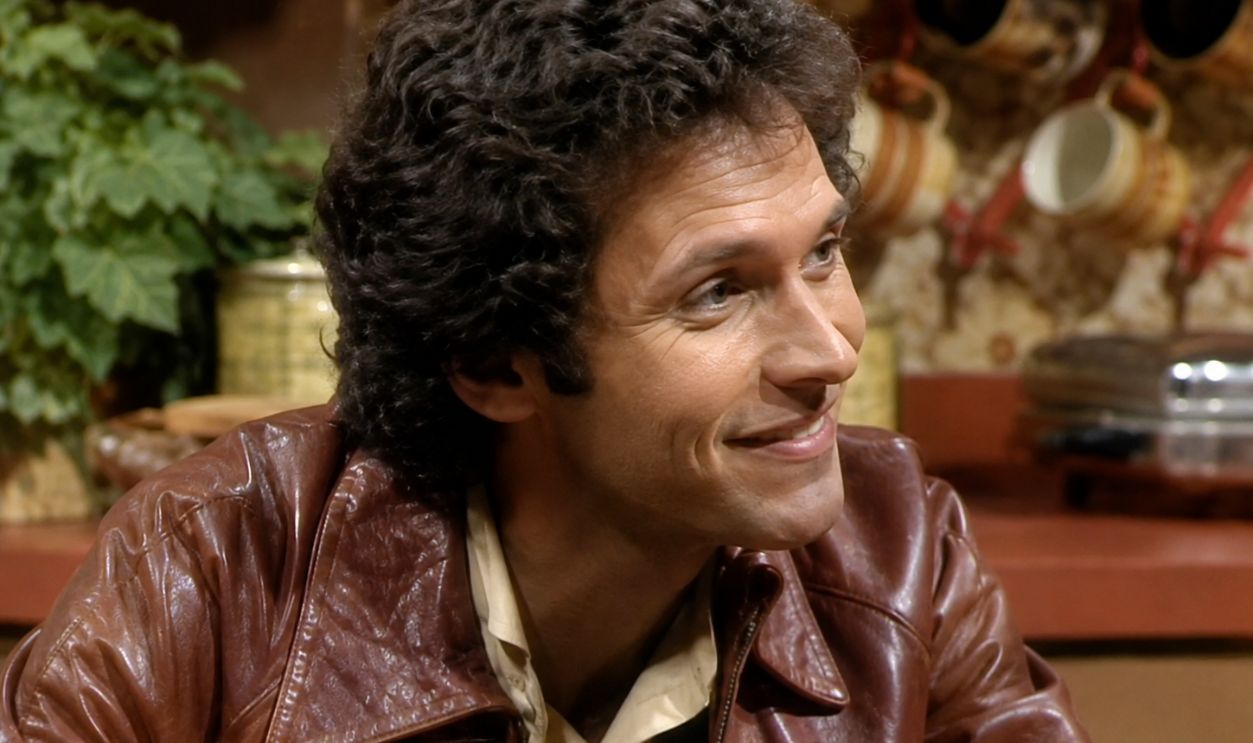
Jodie became one of the earliest recurring openly gay characters on American network television. Crystal remained in the role throughout the complete 1977 to 1981 run of Soap. He understood that viewers in many communities had rarely encountered a gay character every week. Crystal believed the show had an opportunity to improve how gay people were represented on television.
 Screenshot from Soap, Sony Pictures Television (1977-1981), Enhanced
Controversy Arrived Before The Premiere
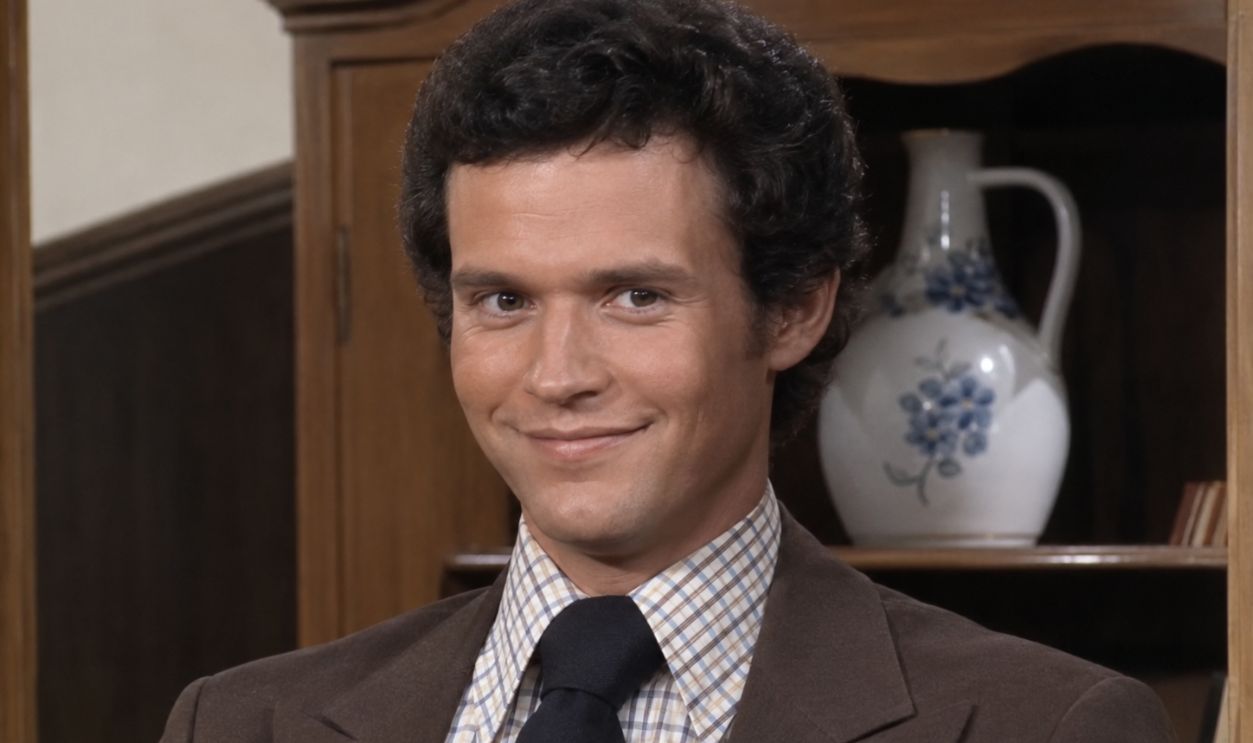
Reports about Soap generated outrage months before audiences had seen the completed program. Conservative and religious organizations organized protests, boycotts, and letter-writing campaigns against its subject matter. Some ABC affiliates refused to air the show in its scheduled time slot. The production team faced hostility before it had even finished establishing Jodie as a character.
 Screenshot from Soap, Sony Pictures Television (1977-1981), Enhanced
Gay Activists Had Different Concerns
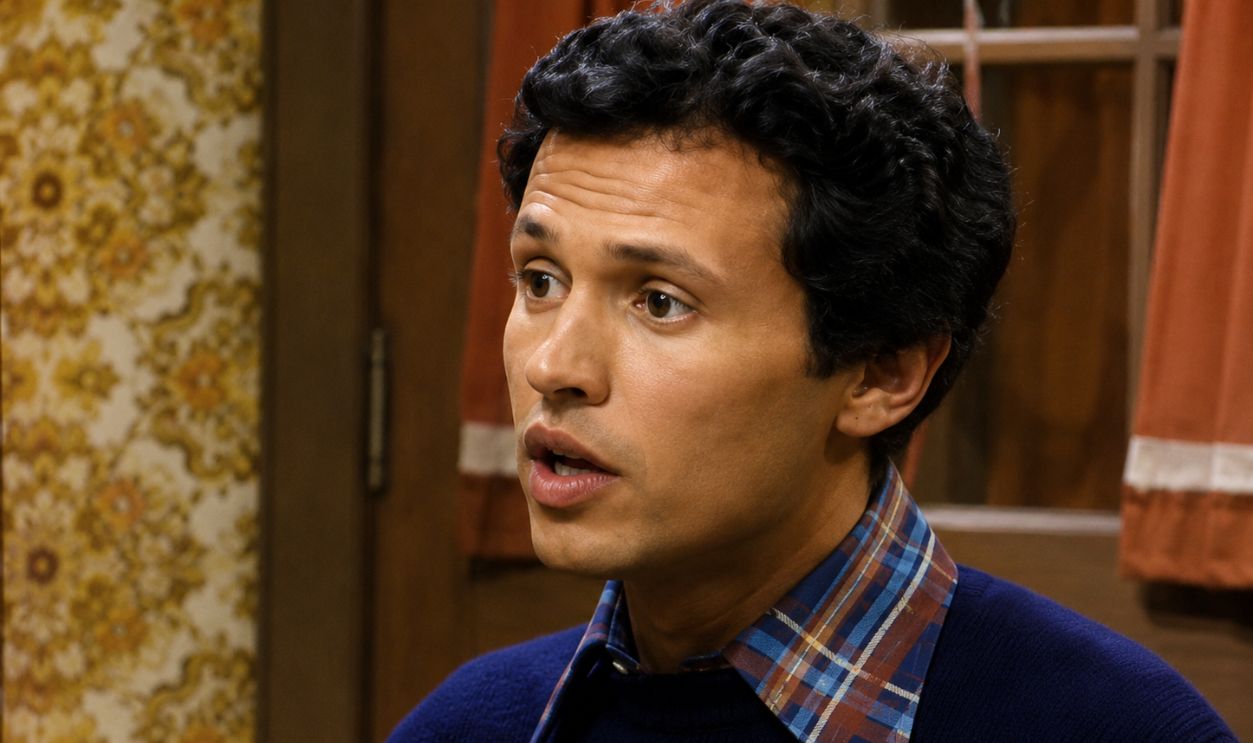
Gay community leaders also questioned the early scripts, but their objections focused on representation. They worried that Jodie might reinforce stereotypes or confuse homosexuality with cross-dressing and transgender identity. Representatives met with ABC to discuss how the character would develop. The competing objections placed enormous pressure on a new series and its relatively unknown actor.
 Screenshot from Soap, Sony Pictures Television (1977-1981), Enhanced
One Early Plot Has Not Aged Well
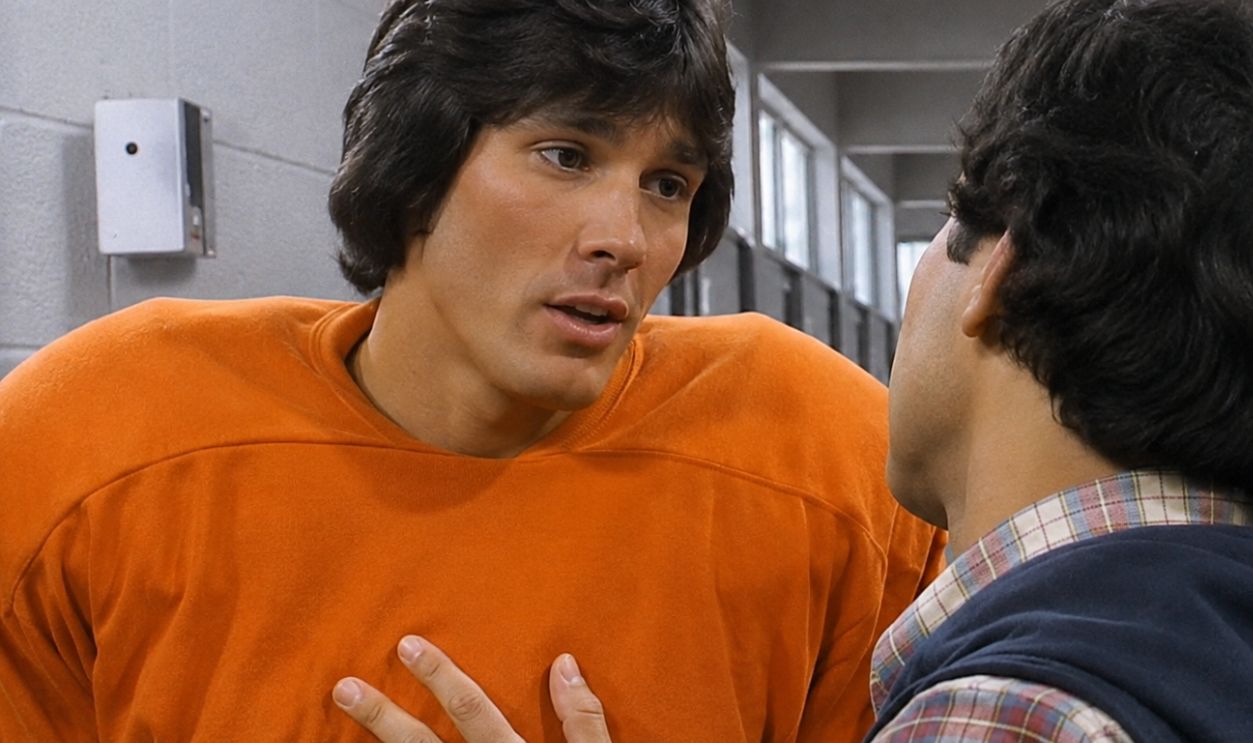
Jodie was initially dating Dennis Phillips, a professional football player who feared being publicly identified as gay. The early story proposed that Jodie undergo gender-affirming surgery so the pair could legally marry. That premise reflected the period’s frequent confusion between sexual orientation and gender identity. The storyline was dropped within the opening stretch of the series.
 Screenshot from Soap, Sony Pictures Television (1977-1981), Enhanced
The Network Still Drew A Hard Line
ABC wanted Jodie to avoid becoming an offensive stereotype, but its standards department also restricted his relationship with Dennis. The two men could not be shown behaving with the physical intimacy normally permitted between heterosexual couples. Their romance therefore unfolded mostly through dialogue and emotional conflict. Crystal had to communicate affection while working within those limits.
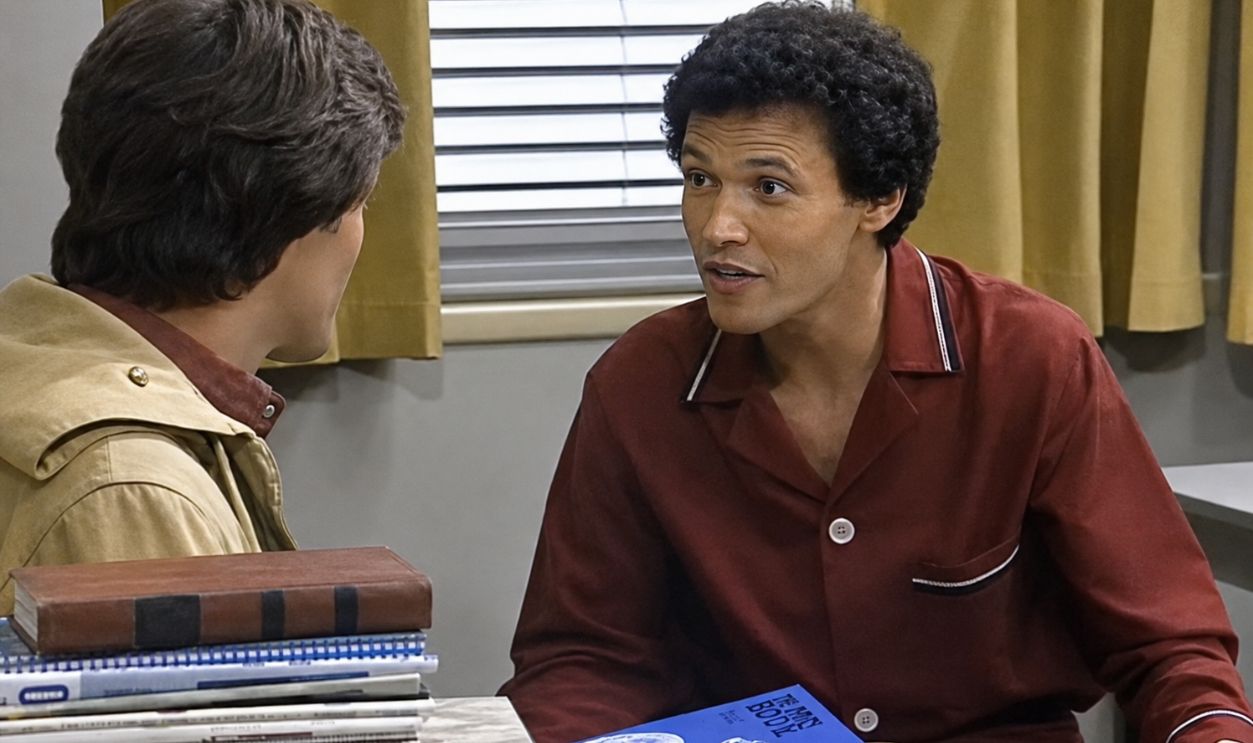 Screenshot from Soap, Sony Pictures Television (1977-1981), Enhanced
A Dress Scene Revealed Crystal’s Touch
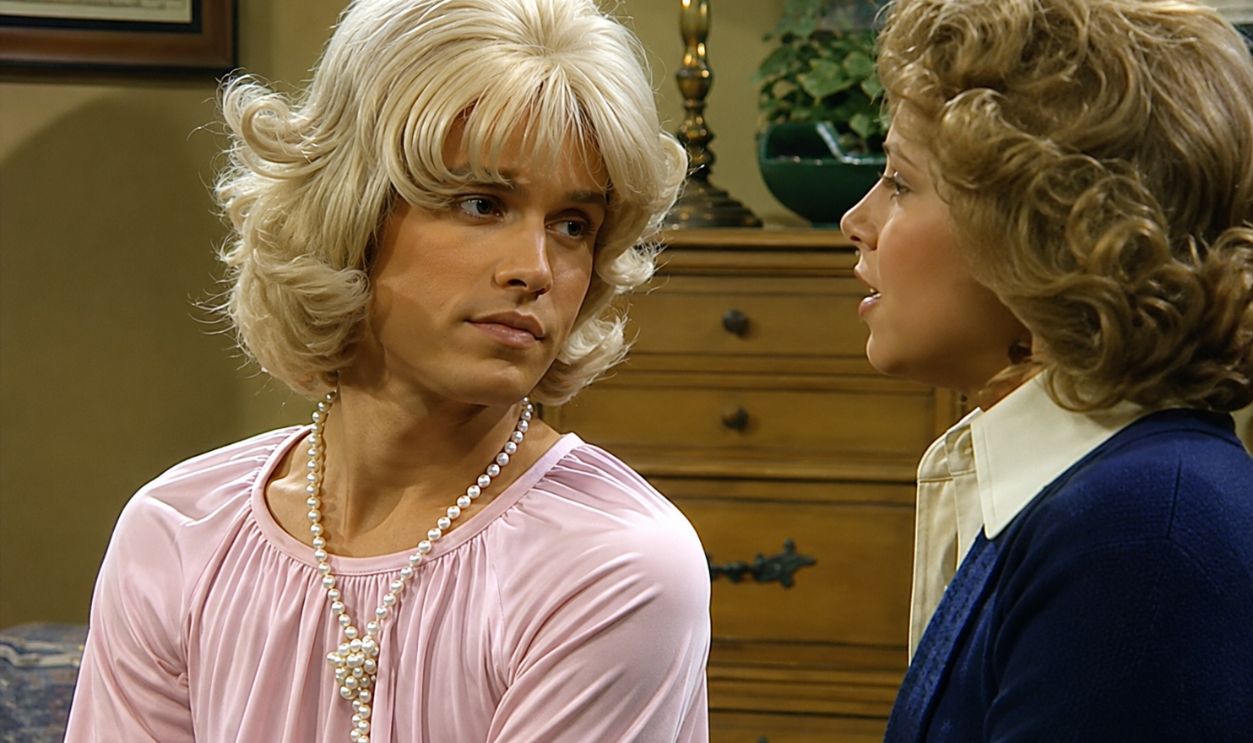
One of Jodie’s first major comic scenes found him trying on his mother’s clothing. When Mary unexpectedly discovered him, her reaction quickly shifted from shock to discussing how the outfit looked with a belt. Crystal remembered the exchange as one of the pilot’s funniest sequences. His relaxed delivery helped the joke play as a family interaction instead of a cruel attack on Jodie.
 Screenshot from Soap, Sony Pictures Television (1977-1981), Enhanced
The Comedy Suddenly Turned Serious
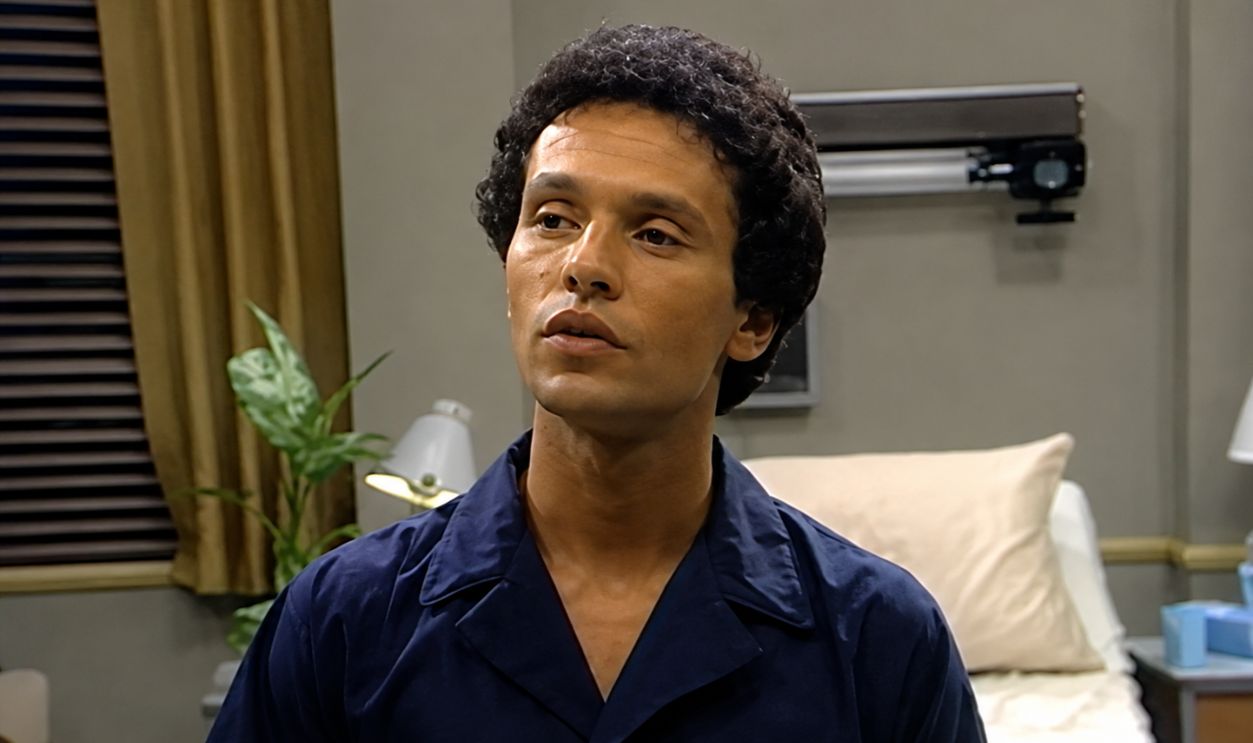
After Dennis ended their relationship, Jodie tried to take his own life. The storyline pushed Crystal beyond punchlines as he played despair, rejection, and vulnerability. He later singled out the episode and his work with veteran actor Harold Gould when discussing his Soap years. It proved the young comedian could handle difficult dramatic material.
 Screenshot from Soap, Sony Pictures Television (1977-1981), Enhanced
Crystal Learned From A Remarkable Ensemble
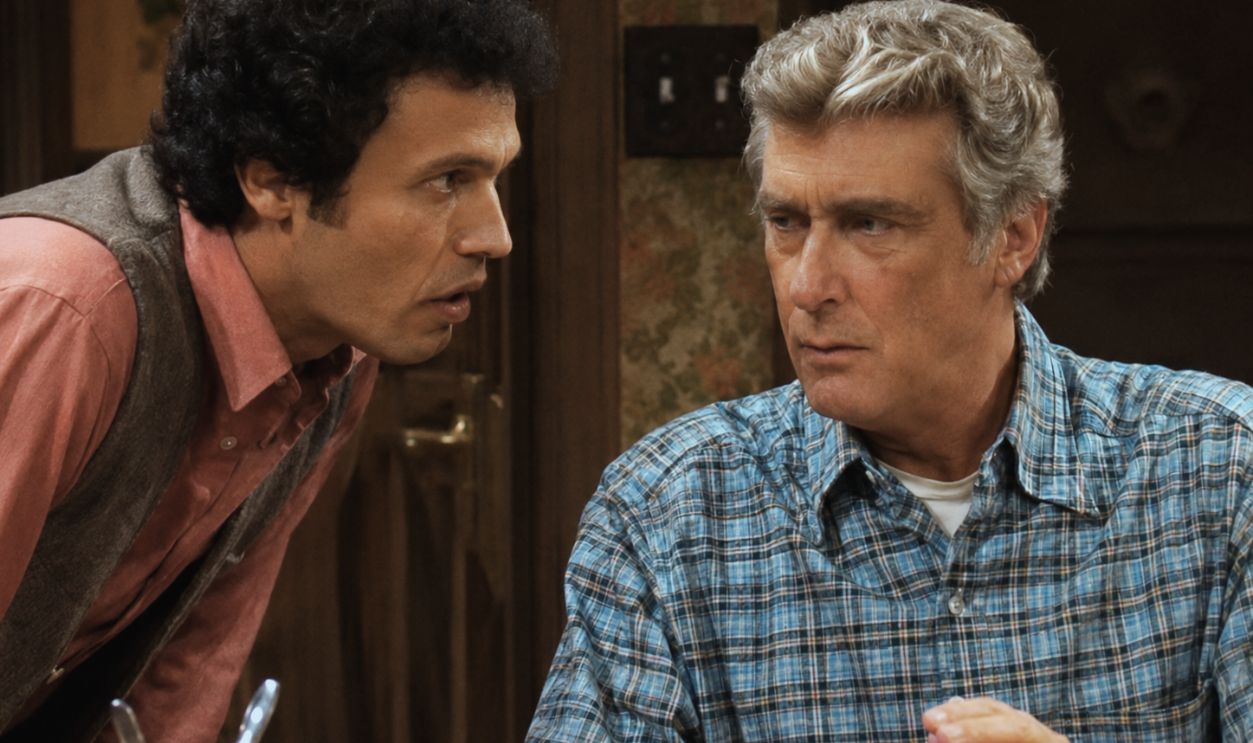
Soap surrounded Crystal with veterans including Katherine Helmond, Cathryn Damon, Richard Mulligan, and Robert Guillaume. He studied how they moved between absurd comedy and genuine emotion. Crystal also discussed the responsibilities of representation with Guillaume, who played Benson. Those conversations stayed with him as Jodie gained attention.
 Screenshot from Soap, Sony Pictures Television (1977-1981), Enhanced
Jodie’s Life Became Even More Complicated
Jodie later had a one-night encounter with Carol David, played by Rebecca Balding. Carol became pregnant, and Jodie agreed to marry her despite continuing to identify as gay. She ultimately abandoned the wedding and left him to raise their daughter, Wendy. The storyline turned Jodie from a controversial television figure into a devoted single father.
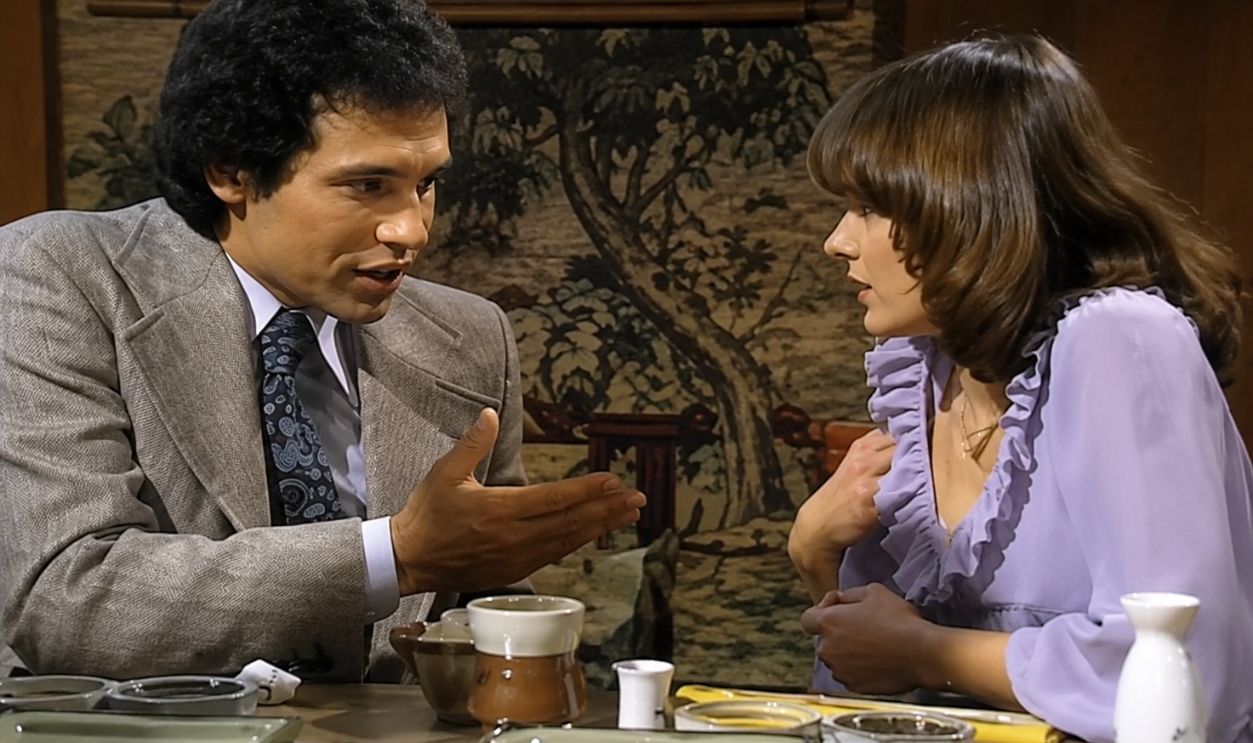 Screenshot from Soap, Sony Pictures Television (1977-1981), Enhanced
Fatherhood Gave Jodie New Depth
Jodie’s relationship with Wendy allowed Crystal to play tenderness and responsibility alongside the show’s usual chaos. Carol eventually returned and challenged him for custody of their child. The dispute placed Jodie’s sexuality at the center of a serious question about whether he should be trusted as a parent. Crystal believed the response to that story showed how much viewers had accepted the character.
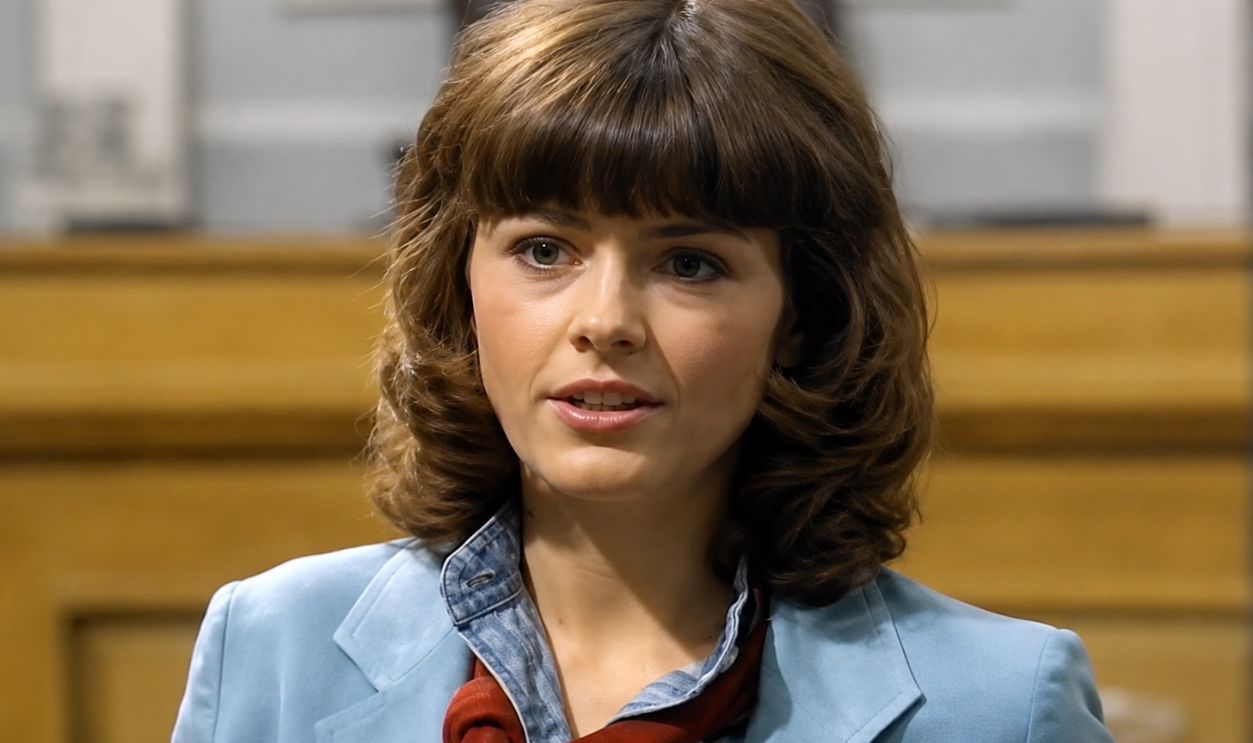 Screenshot from Soap, Sony Pictures Television (1977-1981), Enhanced
Crystal Remembered A Meaningful Victory
Crystal later recalled that ABC surveyed viewers about who should receive custody of Wendy. According to him, the audience favored Jodie. He considered that response a major victory because viewers were supporting a gay father. Although no independent record of the poll is readily available, the memory remained important to Crystal.
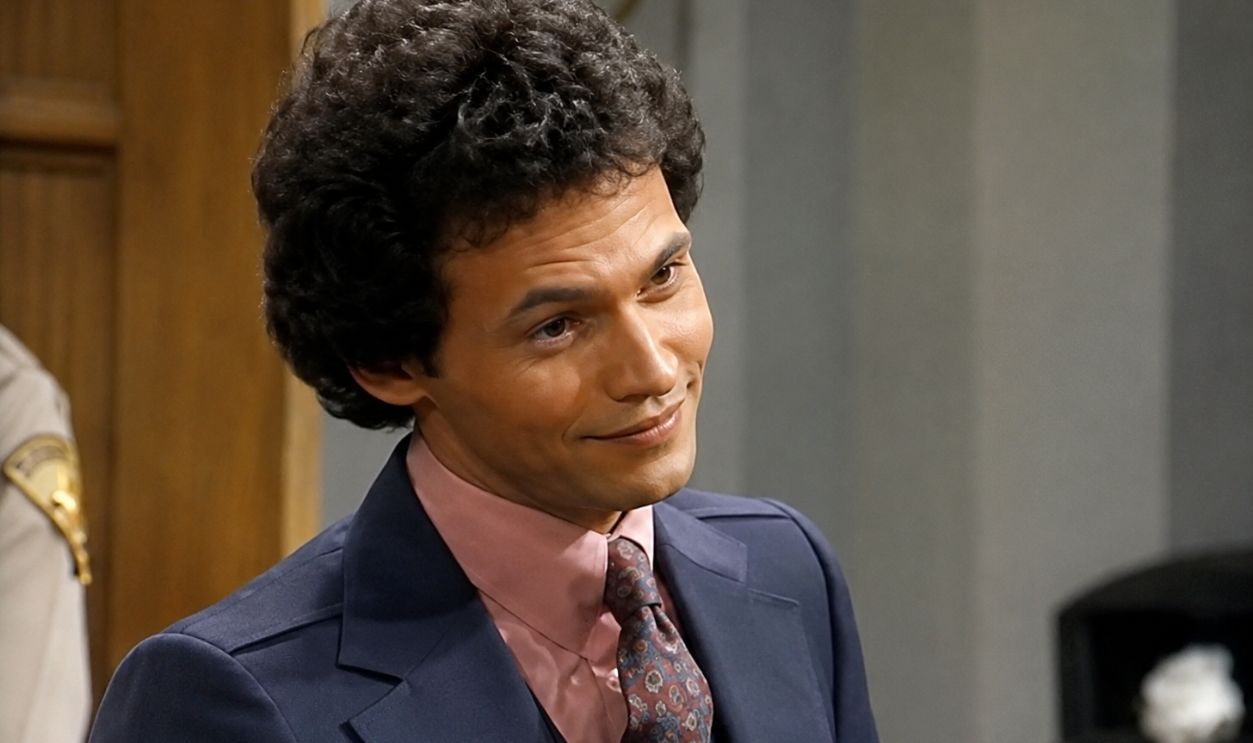 Screenshot from Soap, Sony Pictures Television (1977-1981), Enhanced
The Representation Was Still Imperfect
Many of Jodie’s later romantic stories involved women, which limited the show’s exploration of his relationships with men. Some plot developments also blurred distinctions between gay, bisexual, and transgender identities. Jodie nevertheless continued identifying himself as gay throughout the series. Crystal has acknowledged that parts of the portrayal were flawed while remaining proud of the progress the show made.
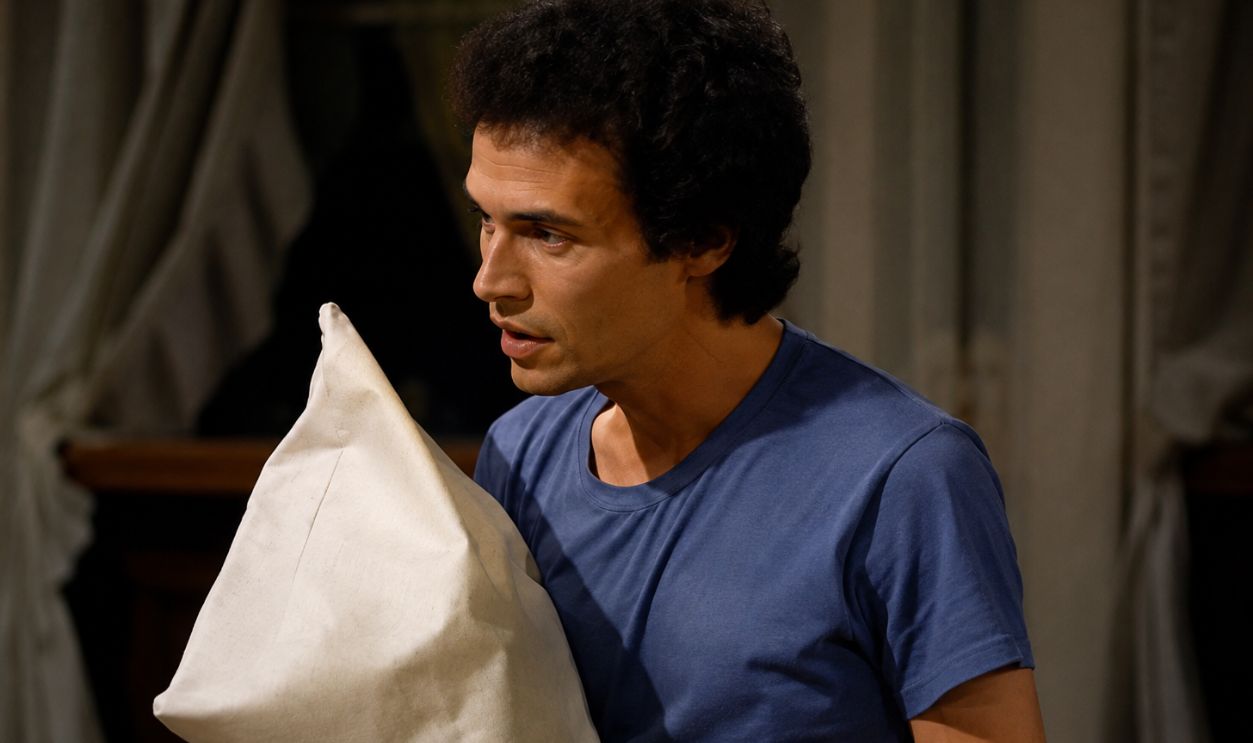 Screenshot from Soap, Sony Pictures Television (1977-1981), Enhanced
Crystal Pushed For Better Material
As Soap continued, Crystal became frustrated when Jodie received less screen time and fewer substantial stories. He approached producer Paul Junger Witt about the problem instead of quietly accepting it. Crystal then collaborated with writer Stu Silver on ideas that gave Jodie more to do. The experience offered an early lesson in taking creative responsibility for his own work.
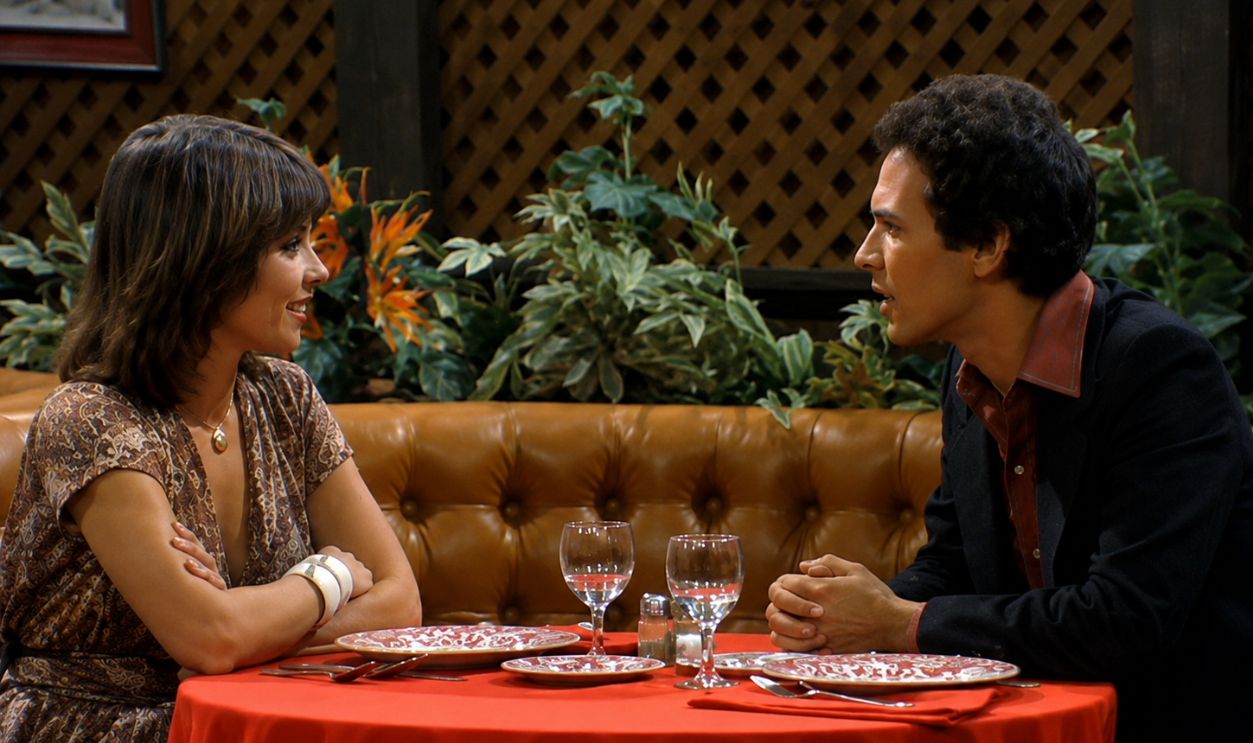 Screenshot from Soap, Sony Pictures Television (1977-1981), Enhanced
The Cast Earned Industry Respect
Soap received 17 Primetime Emmy nominations and won four awards during its run. The series earned multiple nominations for Outstanding Comedy Series. Richard Mulligan won for his performance as Burt Campbell, while Cathryn Damon won for playing Mary. The recognition confirmed that the outrageous parody also contained some of television’s strongest comedic acting.
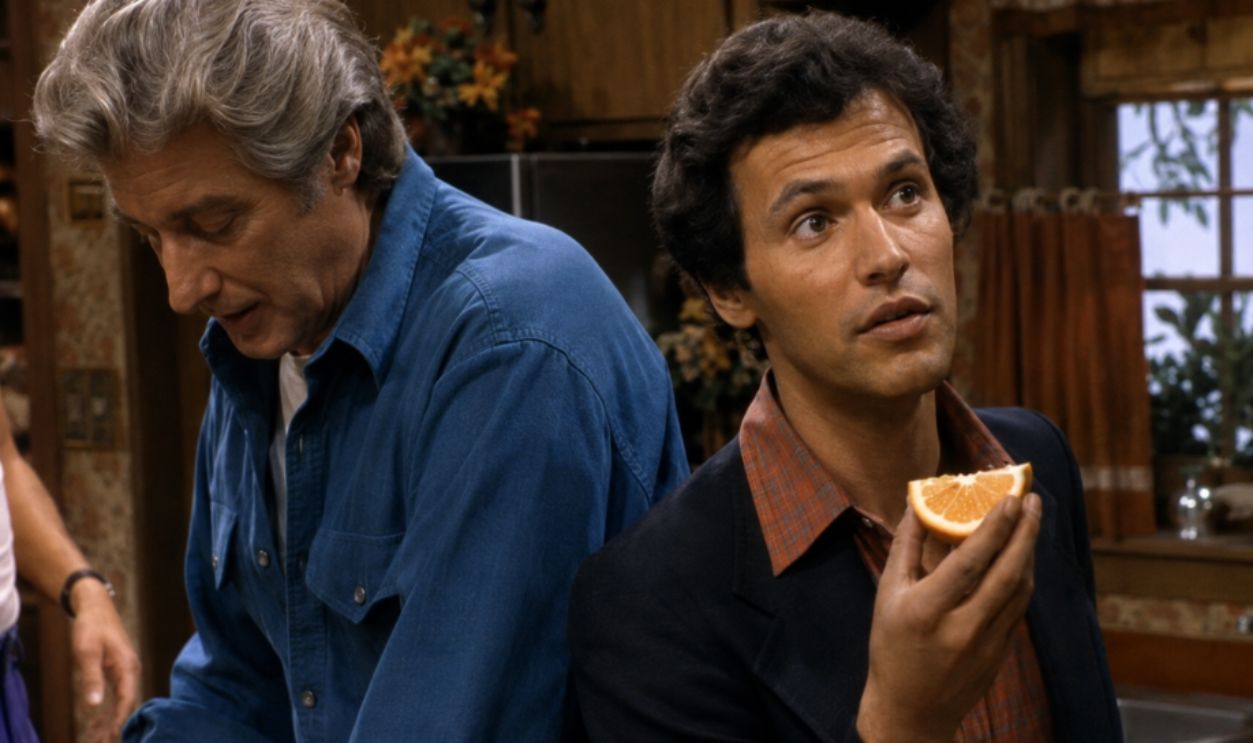 Screenshot from Soap, Sony Pictures Television (1977-1981), Enhanced
Crystal Kept His Stand-Up Identity Alive
Crystal continued performing stand-up while playing Jodie. In 1979, during the run of Soap, he recorded his first HBO comedy special. He valued the project because it allowed audiences to see him as himself rather than only as a television character. That distinction became especially important when he considered the danger of being typecast.
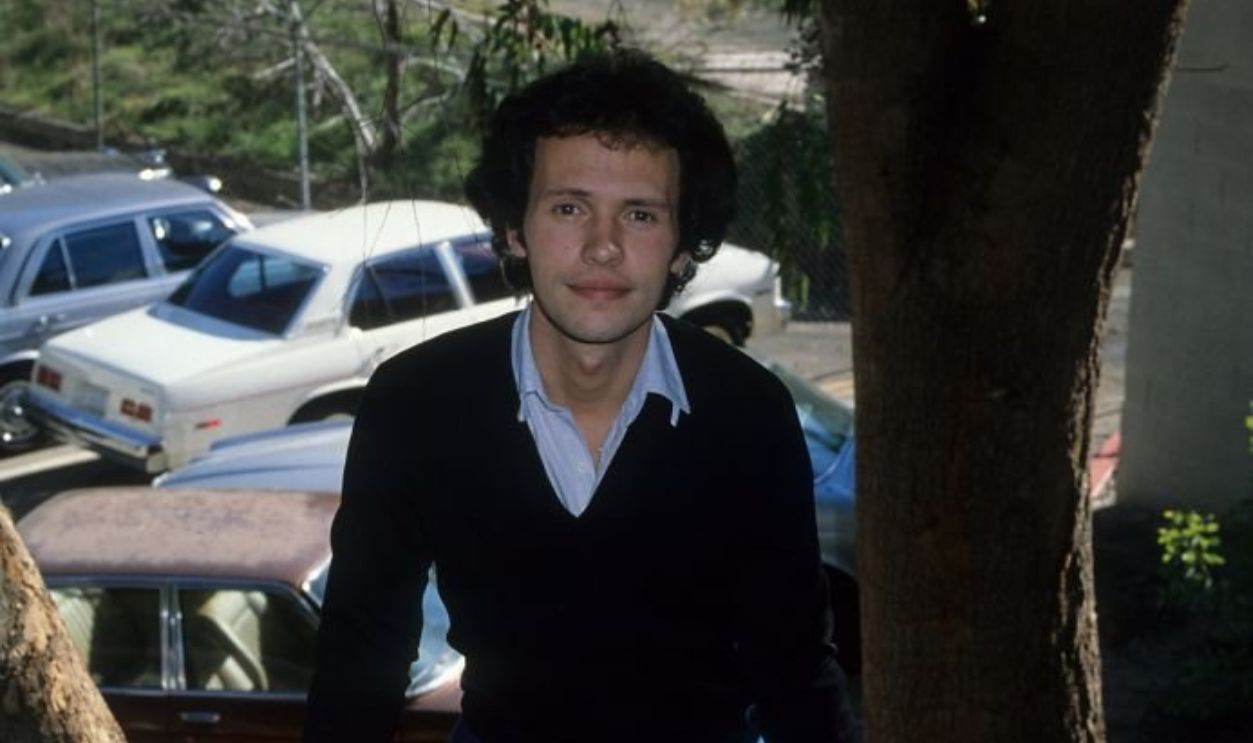 Donaldson Collection, Getty Images
Soap Ended Before His Movie Breakthrough
The series concluded in 1981 after four seasons, with several deliberately wild plot threads left unresolved. Paul Junger Witt later said protests surrounding the program had hurt advertising sales. Crystal moved into The Billy Crystal Comedy Hour in 1982, but NBC canceled the variety series after airing only two episodes. Movie stardom was clearly not guaranteed yet.
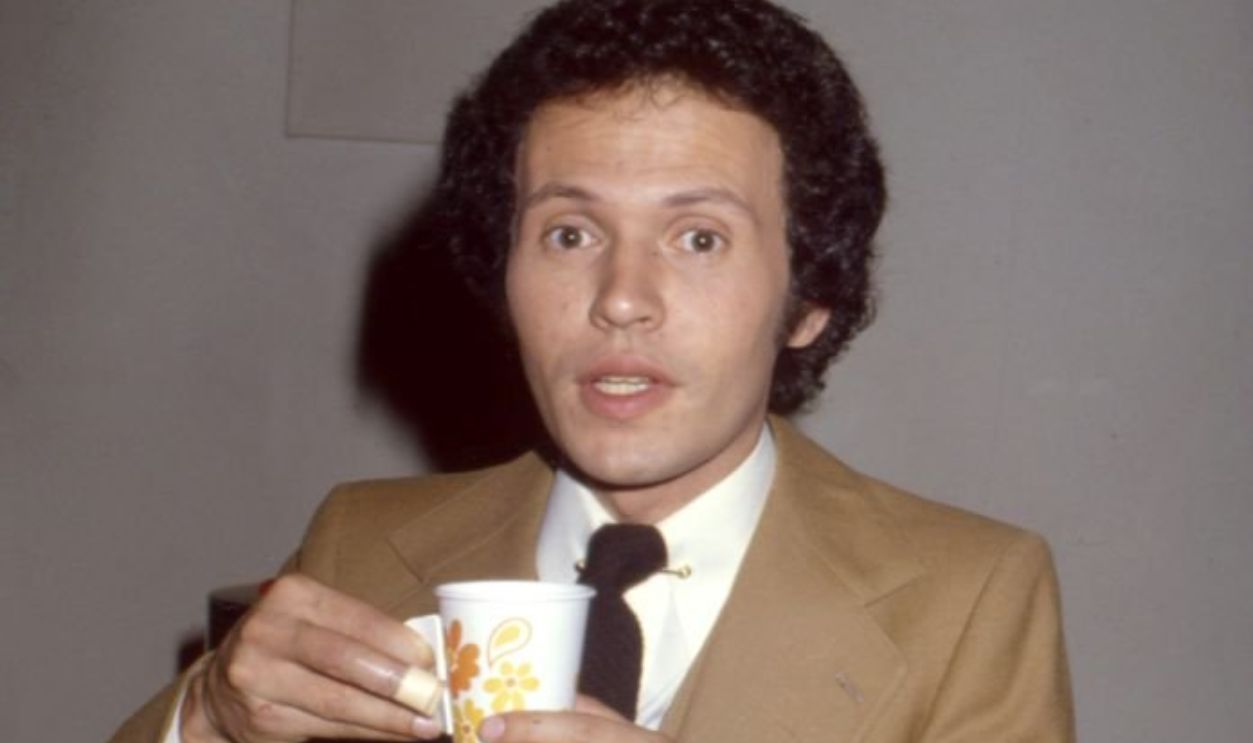 Donaldson Collection, Getty Images
SNL Finally Came Calling
Crystal hosted Saturday Night Live twice in 1984 before joining its regular cast for the 1984 to 1985 season. His Fernando character and the catchphrase “You look marvelous” quickly became national sensations. Crystal received an Emmy nomination for his work on the program. After one season, an offer to make Running Scared helped pull him toward movies.
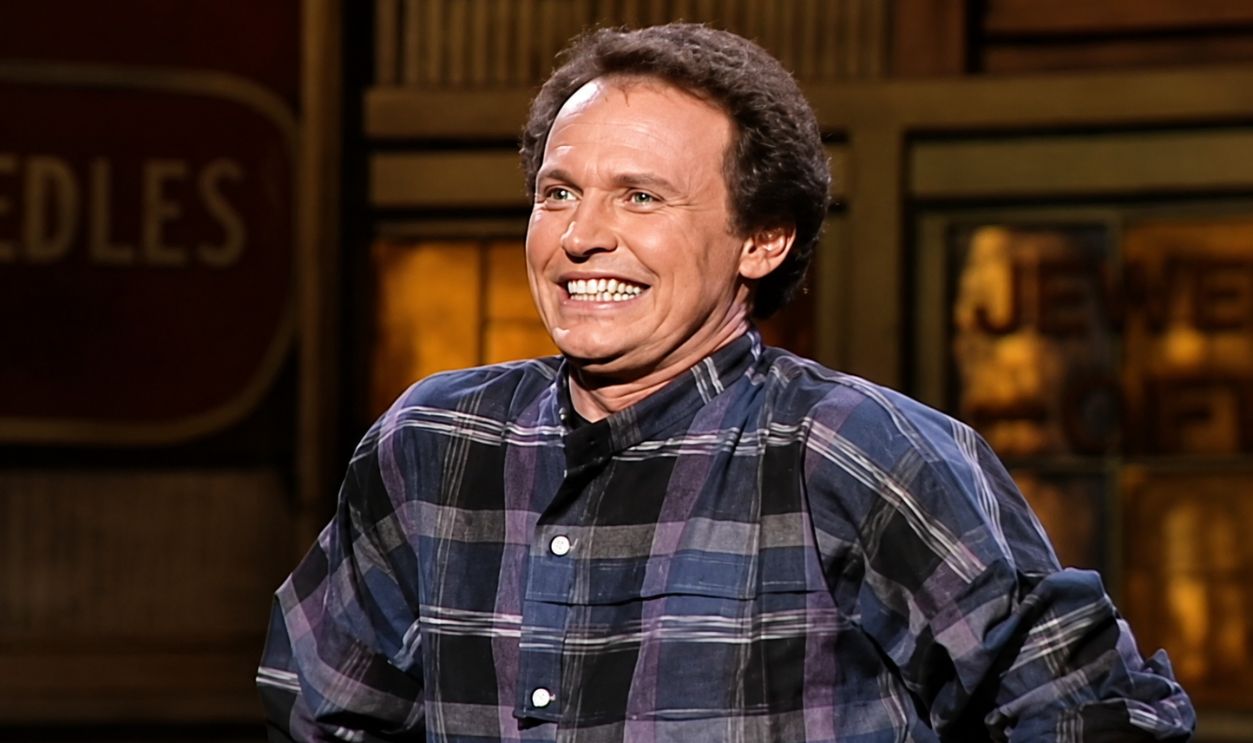 Screenshot from Saturday Night Live, NBC (1975-Present)
Hollywood Finally Found Its Leading Man
Running Scared gave Crystal a prominent film role in 1986, followed by The Princess Bride and Throw Momma From The Train in 1987. When Harry Met Sally... made him a major romantic-comedy star in 1989. City Slickers expanded that success in 1991. After years of television and stand-up, Crystal had become a dependable Hollywood leading man.
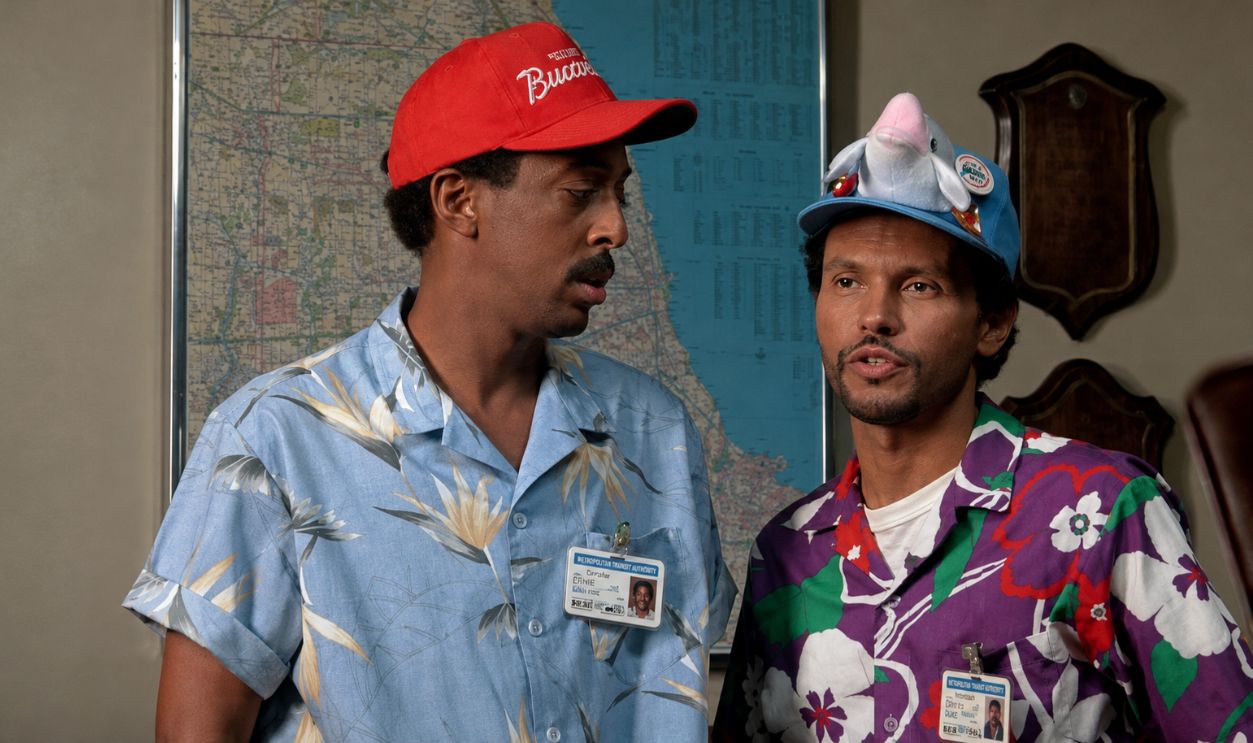 Screenshot from Running Scared, Metro-Goldwyn-Mayer (1986)
Jodie Dallas Showed What Crystal Could Do
Hollywood eventually celebrated Crystal’s blend of comic timing, warmth, anxiety, and emotional honesty. Viewers of Soap had already watched him develop those qualities as Jodie Dallas. The groundbreaking role challenged him to handle controversy, absurd comedy, and serious drama. Long before the movies made Crystal a star, Soap revealed exactly how good he was.
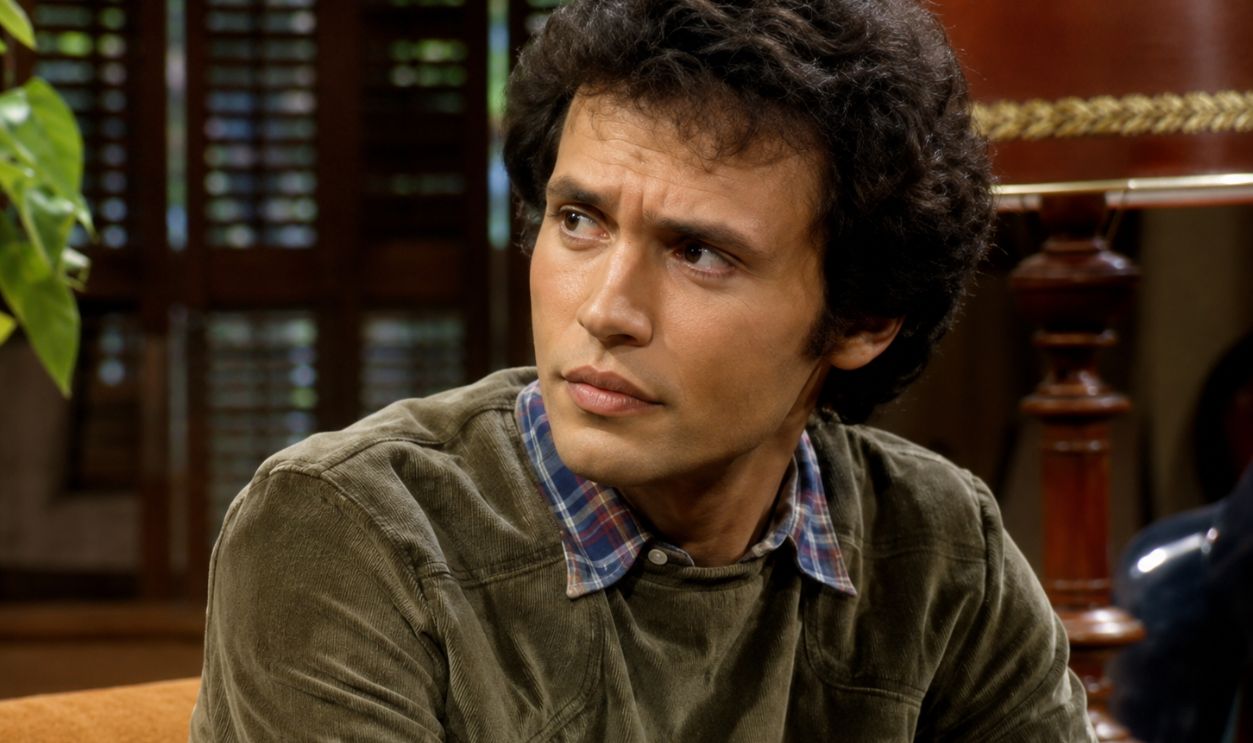 Screenshot from Soap, Sony Pictures Television (1977-1981), Enhanced
You May Also Like:
How Welcome Back, Kotter Launched John Travolta's Incredible Career
Gary Burghoff Walked Away From M*A*S*H At The Height Of Its Success—His Reason Was Bigger Than Fame